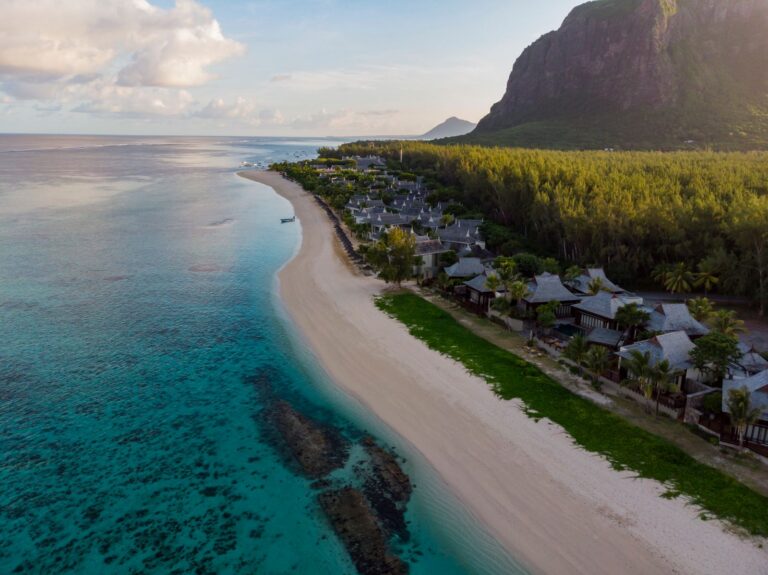
If you’re thinking about heading off on a Cape Verde holiday, the chances are you’ve been lured in by glossy brochure photos of endless beaches and promises of year-round sunshine. The African Caribbean sounds absolutely fantastic, and for many travellers it really is a slice of paradise where you can switch off completely and recharge those much-needed batteries. But you need to know exactly what you’re signing up for and what to expect from these islands, so you can avoid an unpleasant surprise.
The key to success is getting the timing right, because deciding when to go to Cape Verde and when to give it a miss is a topic that will fundamentally shape your whole experience. Tour operators often sell packages in the dead of winter with promises of beach bliss, but the reality of the winter months tends to be full of strong winds and a churning ocean. Hit the right month, however, and the islands will reward you with incredibly warm water and pure, blissful calm.
I’ve put together 19 tips on what to see and do in Cape Verde — from practical advice on how to save money, to islands you probably won’t find anywhere in a tour operator’s catalogue. We’ll cover the huge differences between the individual islands, I’ll help you choose your accommodation and excursions, and I’ll show you exactly why you should step outside the gates of your luxury resort, at least for a little while.
TL;DR
- Tricky wind and ocean: From December to April the islands are very windy and the sea is only around 22 to 23 °C. The best months for calm swimming in a warm ocean are October and November.
- New 2026 rules: Before departure you must fill in the EASE form and pay a tax. From 1 July 2026, paying at the airport will cost double, so sort it out exclusively online.
- Choosing your island: Sal is livelier and offers more options for excursions and nightlife, while Boa Vista is a byword for total tranquillity, endless sand dunes and deserted beaches.
- Don’t combine Sal and Boa Vista: The ferries between them are hopelessly unreliable, the crossing takes three hours across a rough Atlantic and sailings get cancelled at the last minute, so you simply can’t manage both in one week.
- Money and payments: You can usually pay in euros, but local traders often use an unfavourable 1:100 exchange rate. You’re far better off changing money into local escudos.
- DIY excursions: Many attractions, such as the bay with the sharks, can be visited by taxi for a fraction of what you’d pay a hotel rep.
The full destination guide: Africa — guide and what to see
When to visit Cape Verde
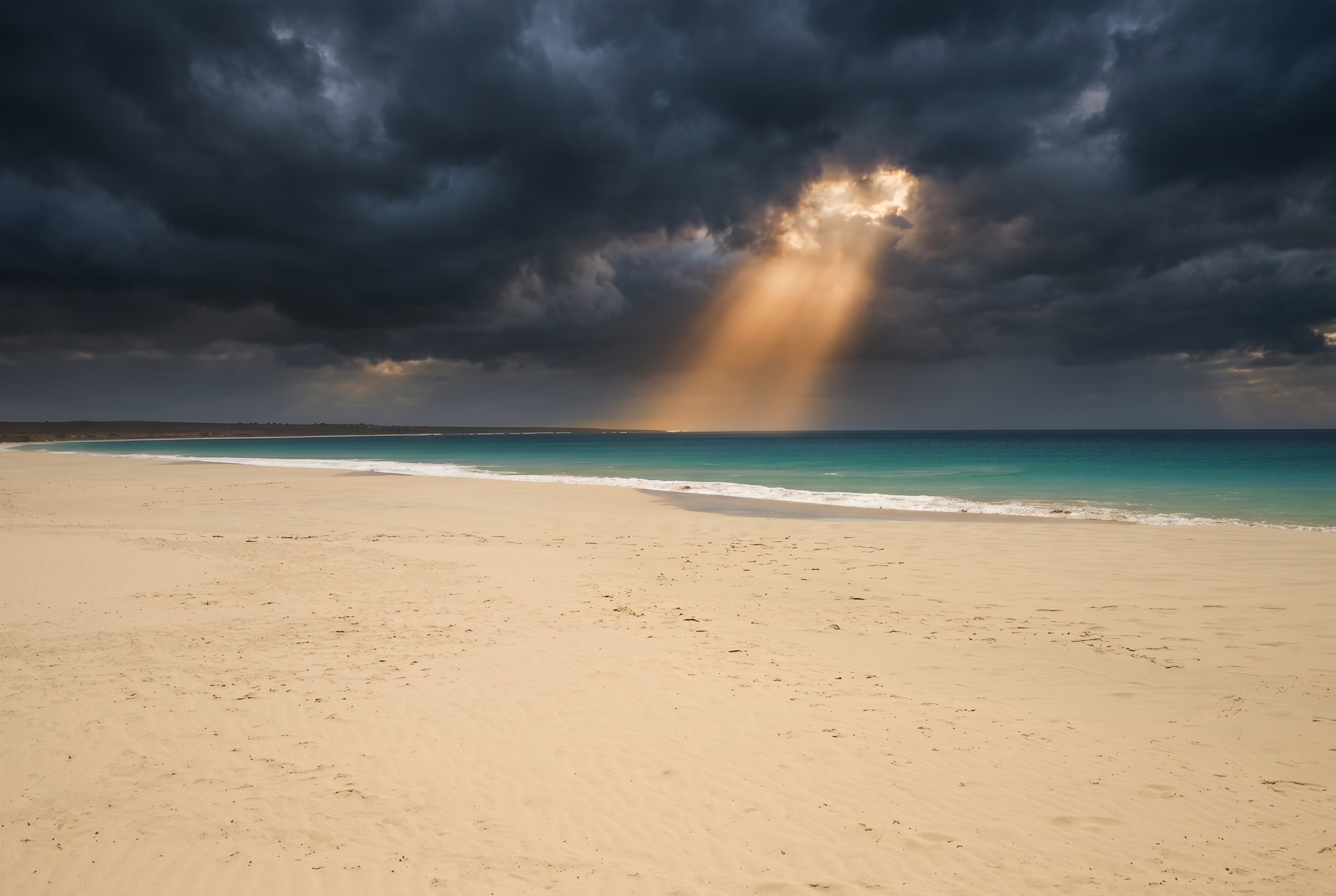
Tour operator brochures may claim it’s a year-round destination, but the Cape Verde weather has some big quirks of its own. The islands sit in the trade-wind belt, which means that for a large chunk of the year there’s a fairly strong wind blowing here. For kitesurfers it’s a dream come true and a sporting paradise, but for families with kids who want to splash about in a calm sea, it can be a real letdown.
The biggest mistake is assuming that the so-called dry season in winter is automatically the best time for swimming. In reality, the absolute peak for a beach holiday is October and November, when the wind dies down, the ocean is warmed up from summer to a glorious 27 °C, and prices are paradoxically very reasonable. But if you go in January or February, be prepared for the afternoon wind on the beach to feel quite chilly, and by evening you’ll want a thin jumper.
| Month | Air | Sea | Wind | Verdict |
|---|---|---|---|---|
| January to March | 25 °C | 22 to 23 °C | Strong | Ideal for kitesurfing and active excursions; cooler for swimming and big waves form. |
| April to May | 26 °C | 23 to 24 °C | Strong | The wind slowly eases, the sea starts to warm up — a good compromise for a spring break. |
| June to August | 28 °C | 25 to 26 °C | Light | Great for swimming; August can bring higher humidity and the odd short shower. |
| September | 30 °C | 27 °C | Light | Warmest sea, but also the most humid month with a risk of occasional rain. |
| October to November | 29 °C | 26 to 27 °C | Moderate | The best time! The ocean is beautifully warm, the wind pleasant, and prices drop in November. |
| December | 26 °C | 24 to 25 °C | Strengthening | Popular over the holidays, prices shoot up, but the wind is already starting to pick up. |
Here’s a curious thing: the wind on the islands is really deceptive. Even when you feel pleasantly cool and aren’t sweating a bit, the sun here tans you at an incredible rate. High-factor sun cream is an absolute must, because sunburn is the classic Cape Verde souvenir that nobody wants to bring home. 😅
Where to stay in Cape Verde
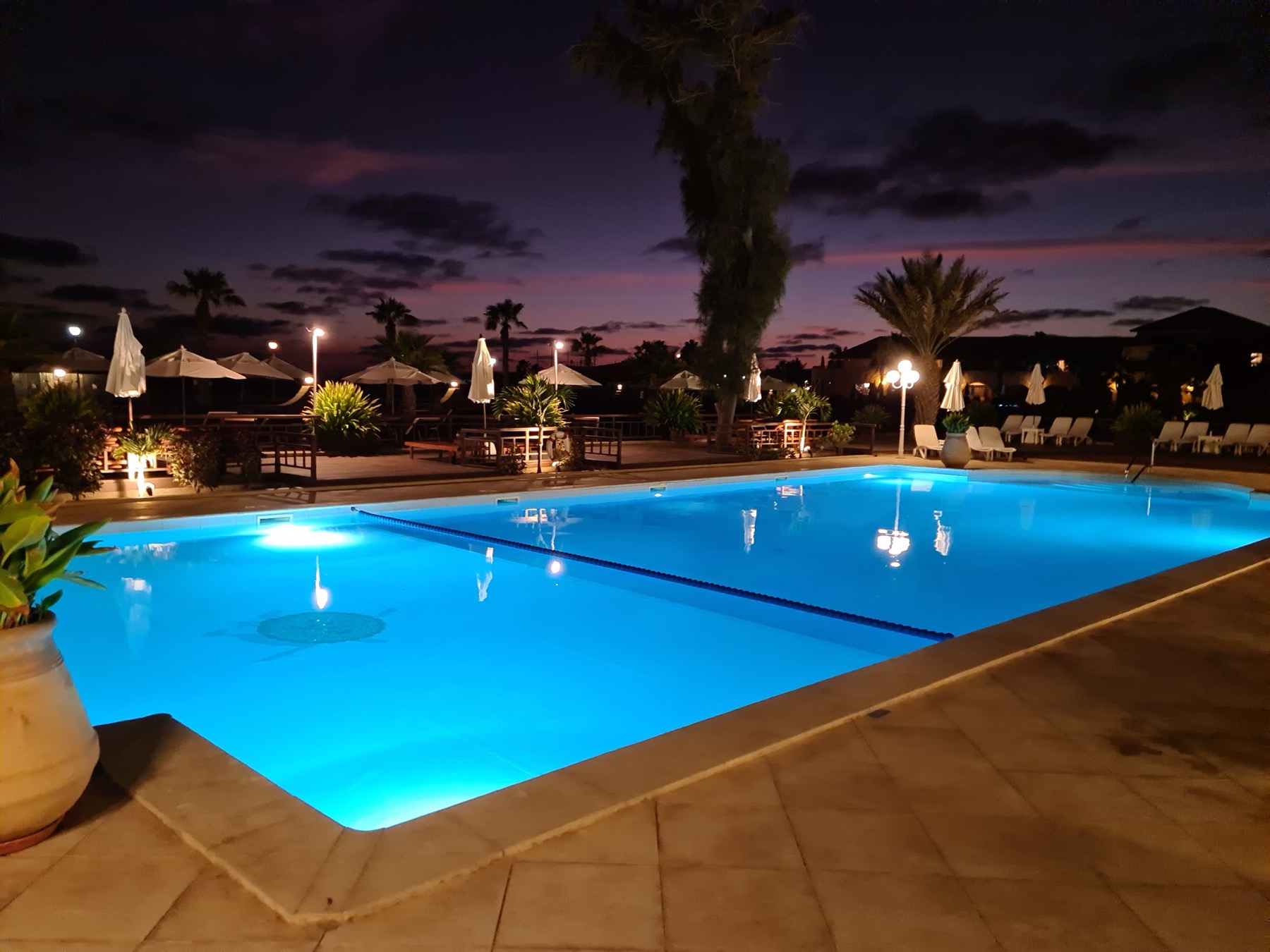
When it comes to accommodation, the islands are simply two completely different worlds: either a big all-inclusive resort where everything is laid on, or a smaller boutique hotel that breathes local atmosphere and where the staff greet you by name in the morning. The choice comes down entirely to the kind of holiday you prefer, whether you’re travelling with kids, or looking for a more intimate and quiet setting for couples.
If you’re heading to Sal and after sheer luxury with full service, the Hotel Riu Palace Santa Maria is the absolute top of the range, with five pools and several restaurants. For those of you wanting excellent value for money, there’s the nearby Hotel Riu Funana, which offers the chain’s classic standard a little cheaper. The downside of big resorts tends to be non-refundable rates, so check the cancellation terms carefully.
For lovers of a more authentic atmosphere right in the town of Santa Maria, the legendary choice is Hotel Morabeza, which boasts fantastic reviews and incredibly friendly staff. Another great option for romantics is the smaller Hotel Odjo d’água, which sits right on a rocky outcrop above the water and offers breathtaking views straight from the restaurant. These boutique hotels also often allow flexible cancellation, which gives you peace of mind.
On Boa Vista, calm and isolation rule. The undisputed king here is the Hotel Riu Palace Boavista, which lies on a stunning beach and racks up the best reviews. If you’re travelling without kids and really want to unwind, take a look at Hotel Riu Karamboa — after a recent refurbishment it now runs purely as an adults-only resort, and the swim-up suites are said to be gorgeous.
If you’re planning some island hopping and want to explore the other islands, in cultural Mindelo on the island of São Vicente you’ll fall for the stylish Casa Branca Hotel with its perfect rooftop bar. Trekkers on the green island of Santo Antão swear by the intimate Aldeia Manga Eco Lodge, which has such a small capacity that you have to book well in advance. And if you want to experience something truly unique, stay on Fogo at Casa Marisa 2.0, which sits right inside a volcanic caldera on a solidified lava flow.
19 tips on what to see and do in Cape Verde
The following tips will help you plan the perfect itinerary, whether you’re just going to lie on the beach or want to discover the hidden gems of the less-visited islands. I’ve also included some purely practical advice that will save you a fair bit of money and spare you any disappointment. Don’t forget to plan your time well, because the islands really do invite you to slow right down.
1. When you should DEFINITELY NOT go to Cape Verde
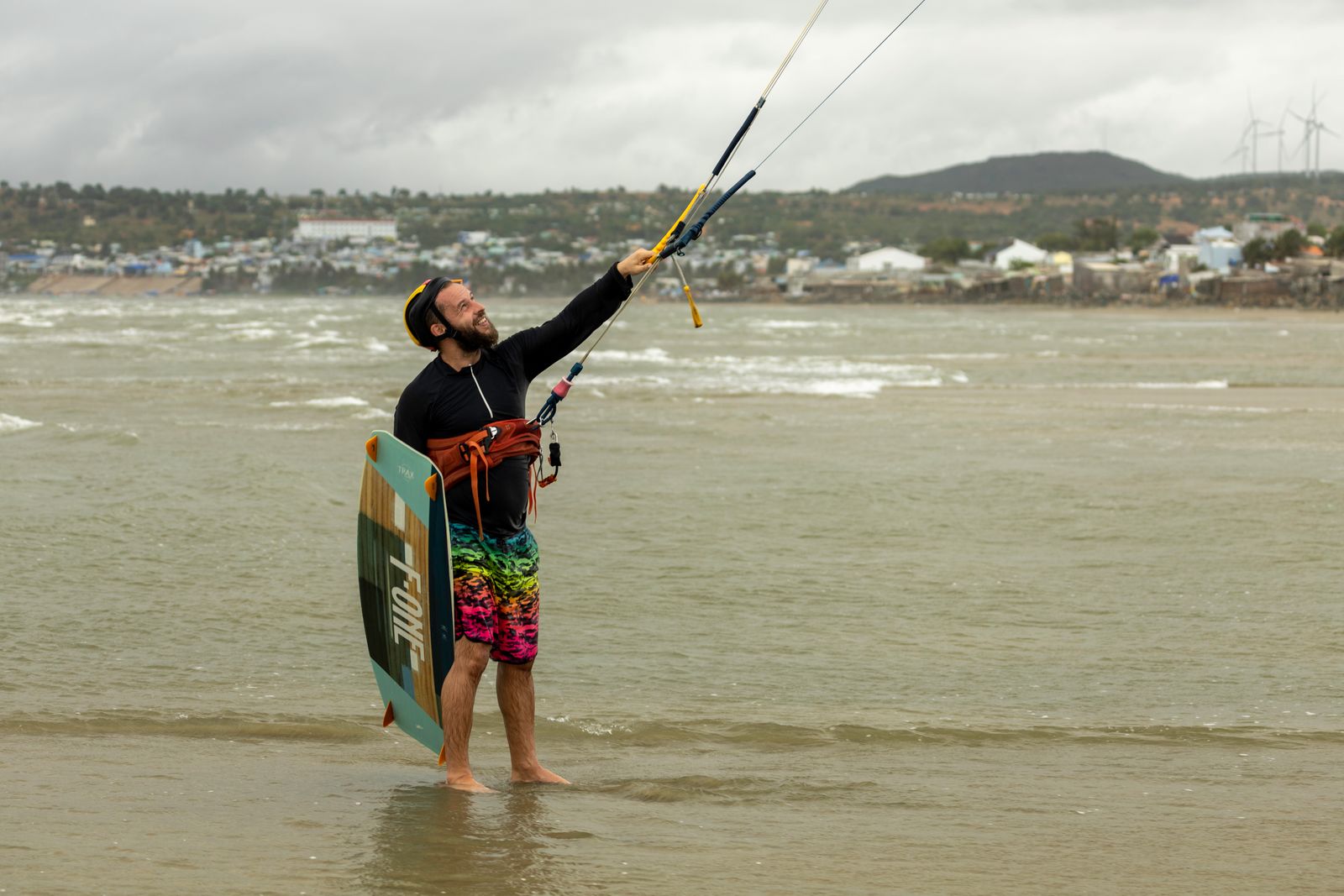
If your main goal is to lie peacefully on the beach and swim in the sea, avoid the months from January to March. This is when the strongest trade winds blow, kicking up sand on the beaches and creating a sandblasting effect that can be very unpleasant on the eyes and skin. On top of that, the ocean in winter is only around 22 to 23 °C, and because of the huge waves, the beaches often fly red flags, which mean a strict ban on swimming.
Another risk of the first months of the year is a phenomenon called calima. This is a fine Saharan dust that the wind occasionally carries here across the whole ocean. For a healthy person it just means a slightly hazy sky and worse visibility for photos, but if you’re a severe asthmatic or have allergies, this dusty haze can make breathing fairly uncomfortable.
On the other hand, you really needn’t worry about the well-worn myths of devastating hurricanes. Although meteorologists often talk about so-called Cape Verde hurricanes, these storms only begin to form off the coast of Africa and gather strength much further out over the Atlantic on their way to the Caribbean. A direct hit on the islands is extremely rare and certainly shouldn’t put you off planning a trip in the autumn months.
2. EASE registration and the 2026 airport tax
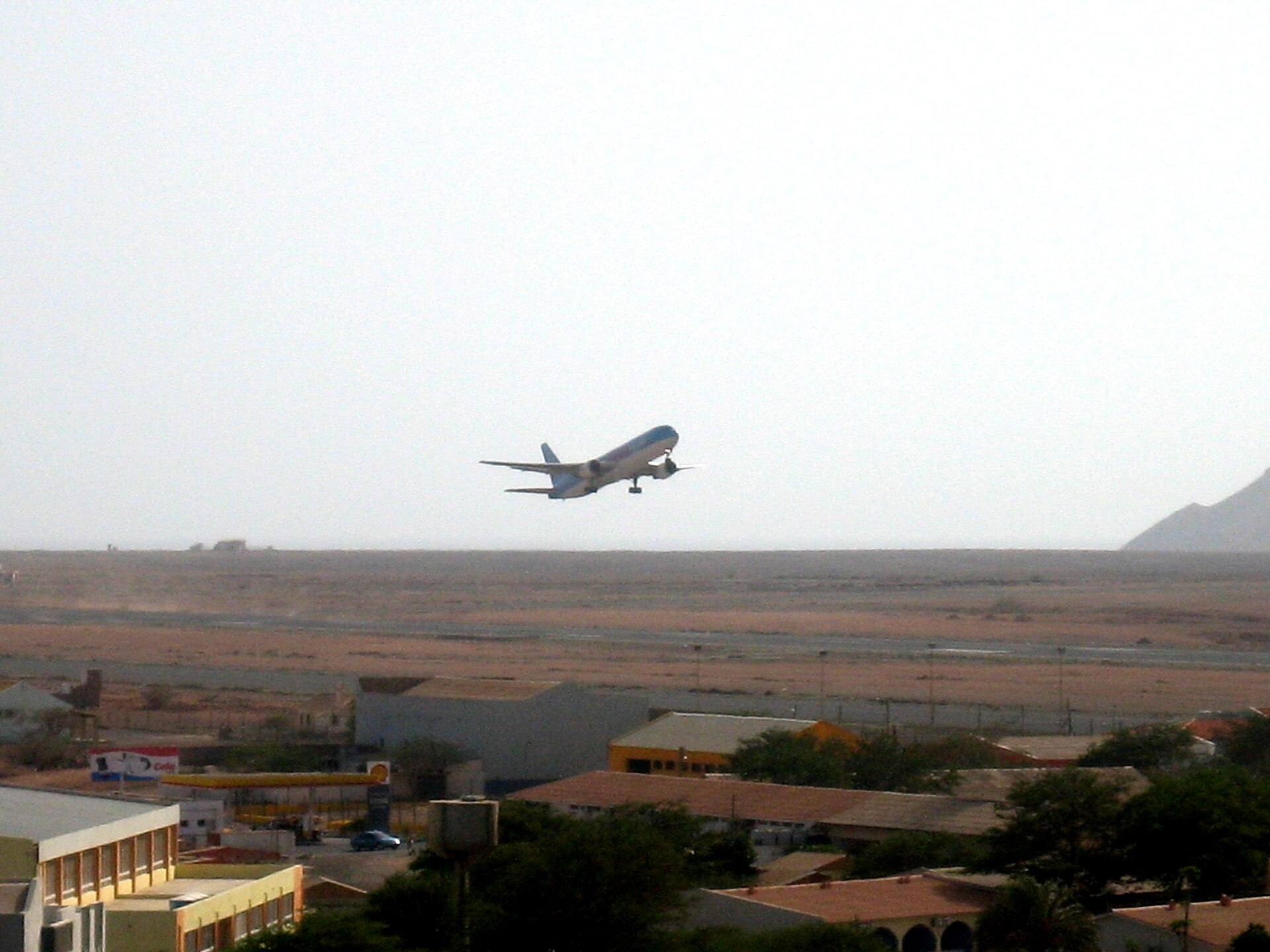
Before departure there’s a bit of paperwork to deal with, but it’s not worth ignoring. Every traveller must complete an online registration on the official EASE portal at least five days before the trip and pay the TSA airport security tax. This tax currently comes to around 31 euros and is paid simply by card right while you’re filling in the form, which saves you a lot of time queuing on arrival.
But keep one absolutely crucial change in mind that comes into force this summer. From 1 July 2026, paying the tax directly at the airport will cost double, with officials charging a full 62 euros per person. It’s a clear signal that the government wants all the bureaucracy handled electronically in advance. Save yourself both money and hassle, and sort everything out in the comfort of your own home before you even start packing.
3. Sal or Boa Vista? Which island to choose
This is probably the most common dilemma for everyone heading off on their first African holiday. The island of Sal is considerably livelier and the most tourist-developed of all the islands. You’ll find the bustling town of Santa Maria full of bars, restaurants and little shops, where you can safely head out for an evening stroll. It’s also a much better base if you want to take organised excursions, go diving or try water sports with local instructors.
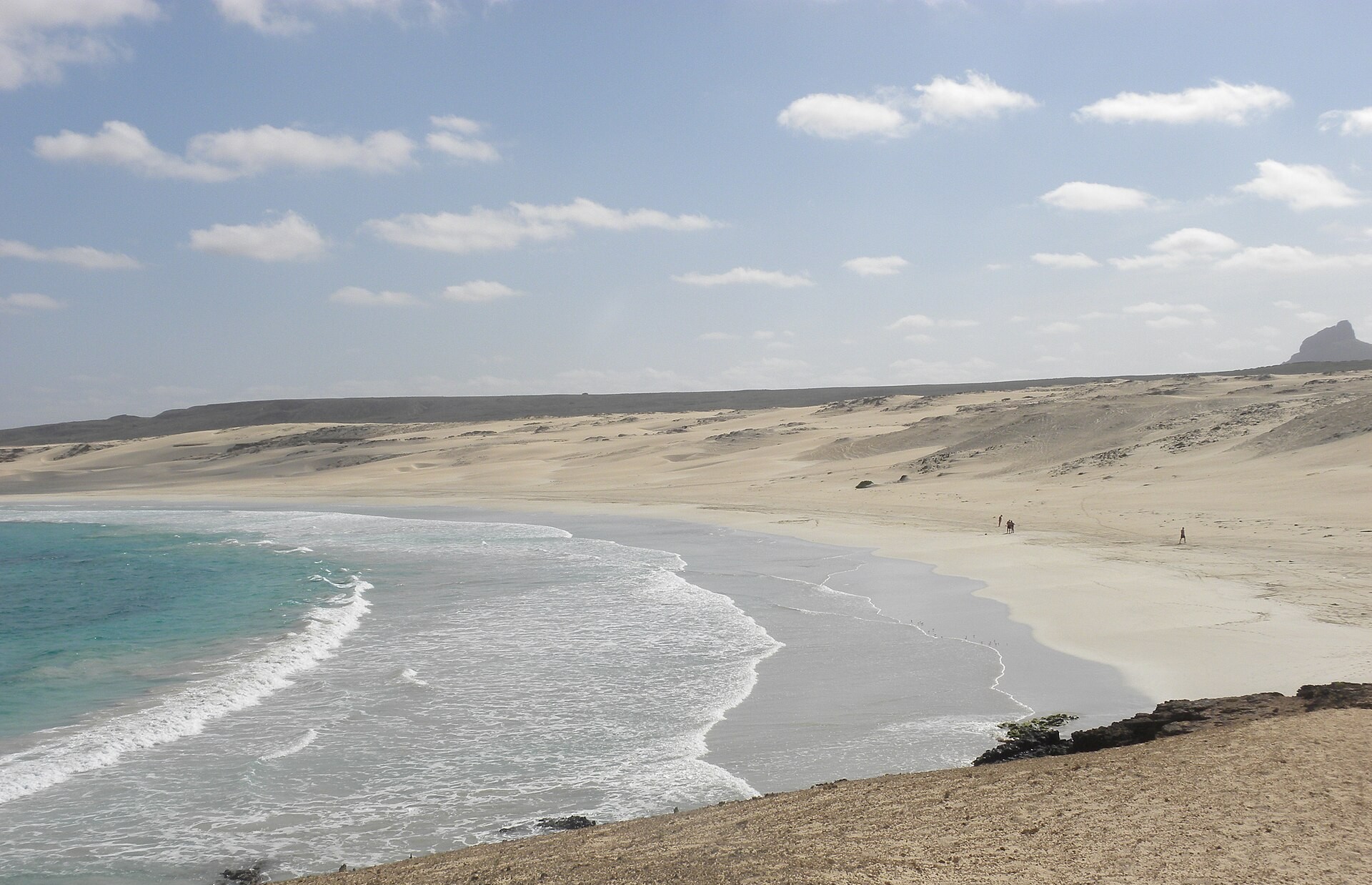
By contrast, Boa Vista is the very symbol of total isolation and vast open spaces that will literally swallow you up. The island is much bigger, but it offers stunning sand dunes and deserted beaches where you can spend an entire morning without meeting a living soul. The price you pay for this wonderful calm, though, is that outside your resort you’ll find virtually no infrastructure at all. It’s simply the ideal choice for those who want to curl up with a book under a parasol and do absolutely nothing for a week.
An important warning: never try to combine Sal and Boa Vista in a single week in an attempt to save time. Although on the map the islands look very close, the boat service between them is hopelessly unreliable, and the crossing over the open ocean will often test even the strongest stomach. Flights on small planes, meanwhile, tend to be disproportionately expensive, and the schedules change frequently, so you’re better off picking just one island and exploring it properly.
4. The atmosphere of Santa Maria town on Sal
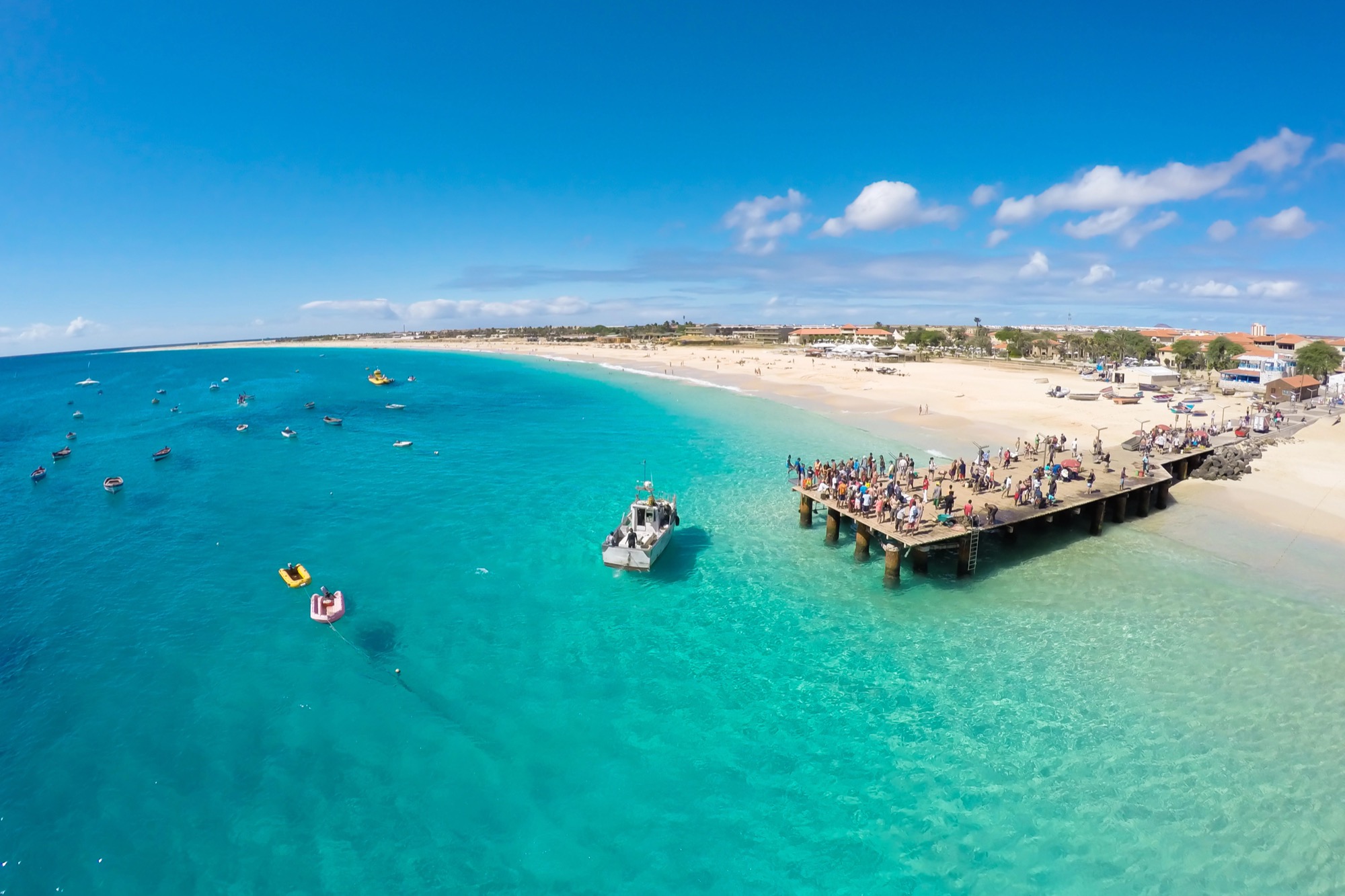
The heart of Sal is the coastal town of Santa Maria, fringed by a stunning eight-kilometre beach of brilliant white sand. The biggest attraction here is the local wooden pier, where every morning the fishermen arrive with their fresh catch. The whole process of cleaning and filleting the enormous fish happens right before the eyes of passers-by, and it’s an incredibly authentic spectacle, beautifully set against the murmur of the waves.
As you stroll along the main beach and around town, be prepared to be approached often by beach vendors. Most of them aren’t from Cape Verde but have come here to earn a living from Senegal or other African countries. They sell wooden carvings, beads, bracelets, or offer to braid your hair. Even if they can be persistent, a polite but firm refusal with a smile always works, and there’s certainly no need to be wary of them.
5. The Pedra de Lume salt lake
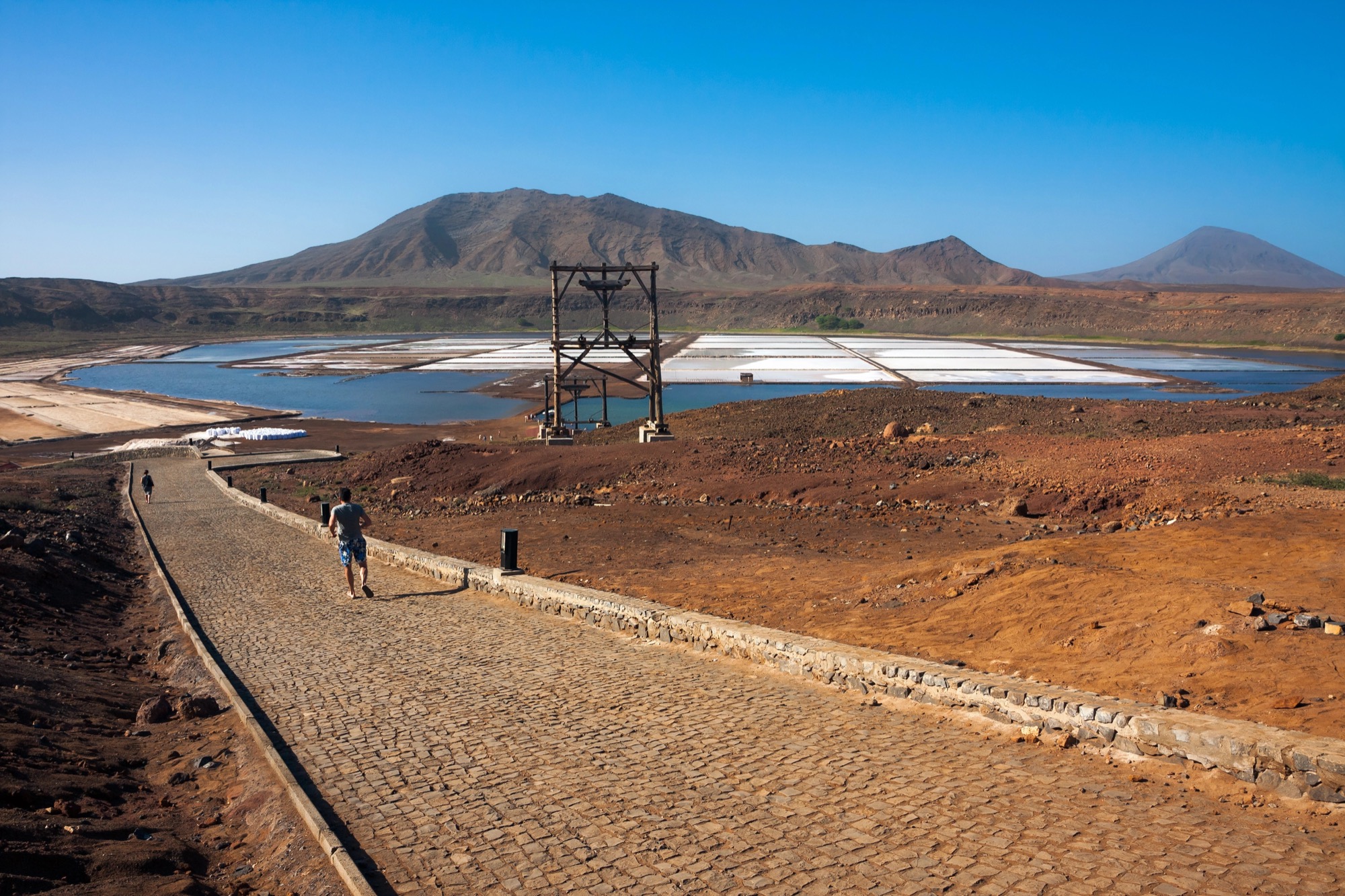
One of the most fascinating spots on Sal is the old salt mine tucked away inside the crater of an extinct volcano, where you still feel as if you’ve stepped back a century. Salt is still extracted here on a limited scale, but the main draw for tourists is the chance to bathe in the local salt lake. The water has a similar density to the Dead Sea, so it will keep you afloat all by itself, and you can calmly read a newspaper or just relax lying on the surface.
Entry to the site costs around five euros, and I’d warmly recommend coming early in the morning, before the buses from the big resorts arrive. By around midday it’s an unpleasant crush here and you miss out on that special, magical atmosphere. Don’t forget to bring some small change, because using the freshwater shower to rinse off the salt crust costs another two euros — and believe me, you’ll really need that shower before heading back to the hotel.
6. Shark Bay on your own
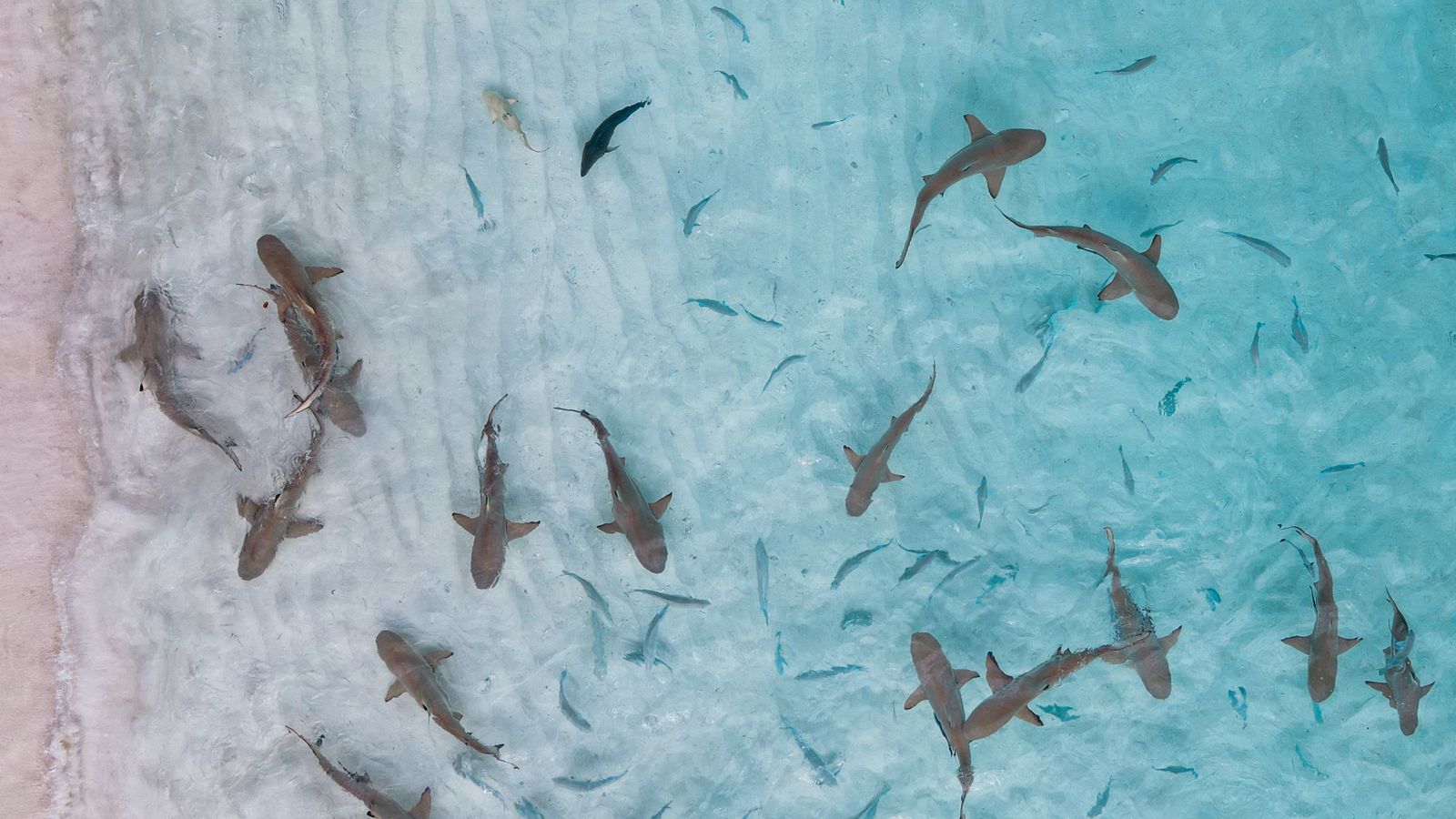
Watching sharks in the wild might sound like an adrenaline extreme straight out of a documentary, but at Shark Bay on Sal it’s a perfectly safe and very popular activity, even for families. Young lemon sharks swim right up to the shore here, and they’re completely harmless to humans. You simply put on a pair of water shoes and wade into the shallows while these fascinating creatures weave between your legs.
And here comes a crucial tip for saving money on your travel budget. While an organised hotel tour will set you back around 45 euros, doing it on your own costs literally a fraction of that. Just flag down a taxi to take you there and wait for you. Right on the beach you can then hire special water shoes for under three euros, and for another small fee a local guide will look after you, knowing exactly where you should stand.
7. Buracona and the mysterious Blue Eye
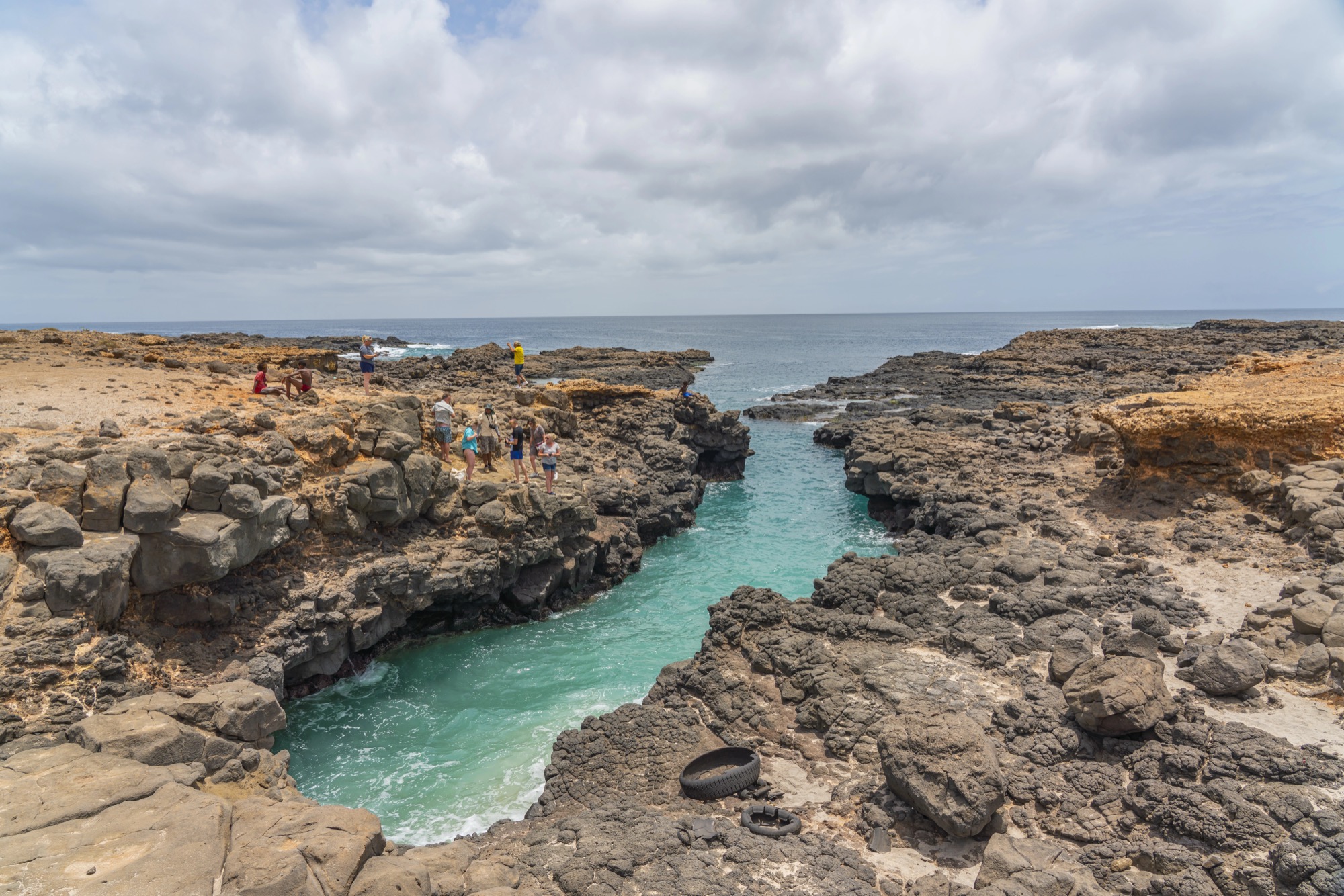
Buracona Bay is one of the most heavily promoted excursions on the island, but I have to warn you that this popular stop very often ends in huge disappointment. It’s a volcanic crack in the rock through which sunlight refracts to create the visual effect of a glowing blue eye. The phenomenon itself looks fascinating in photos, but there’s one enormous catch that the tour sellers outside your hotel usually won’t tell you about.
The eye only “lights up” within a narrow window of roughly 11 am to 1 pm, and only if there’s an absolutely clear sky above you without a single cloud. If you arrive earlier, later, or — heaven forbid — it clouds over, you’ll see nothing but an ordinary dark hole in the rock and you’ll regret both the entry fee and the time spent in the car. So either watch the timing carefully, or skip the trip altogether and save the entry money for something better.
8. The Deserto de Viana sand dunes
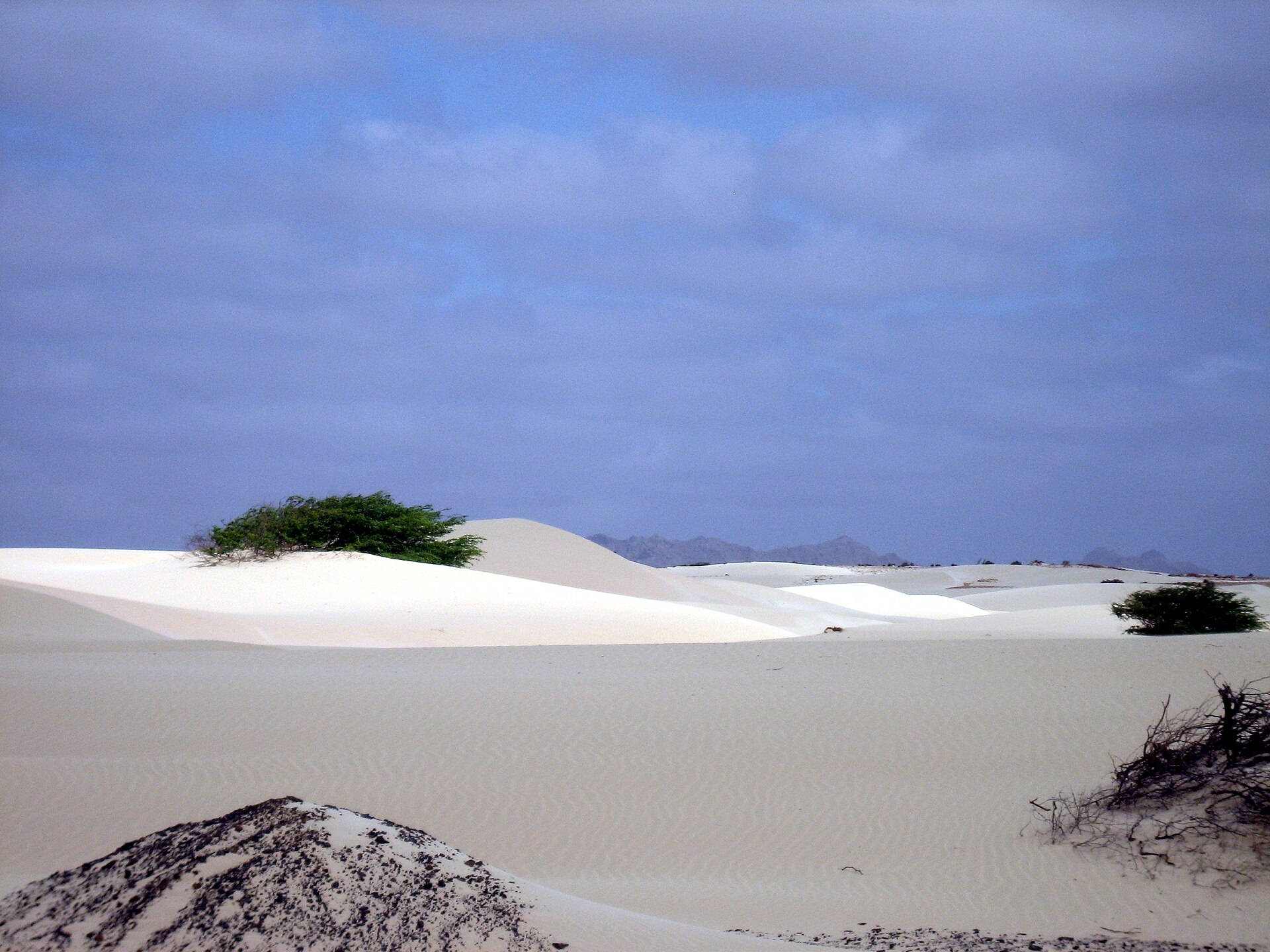
If you’re spending your holiday on Boa Vista, you absolutely can’t miss the local sand desert Deserto de Viana, one of the island’s natural wonders. This incredible piece of the African Sahara in the middle of the Atlantic was formed by sand gradually blown over from the nearby African continent. The endless white dunes contrasting with the deep blue sky create breathtaking scenery that looks straight out of a sci-fi film and makes a perfect backdrop for photos.
The best way to explore the area thoroughly and have fun doing it is to hire an off-road quad bike, or head out on an organised buggy tour. A trip for two will set you back around 110 euros, and I guarantee it’ll be one of the most powerful experiences of your entire trip. Just don’t forget to bring a light scarf for your mouth and decent sunglasses, because after the wild ride you’ll have fine sand absolutely everywhere.
9. The rusty Cabo Santa Maria shipwreck
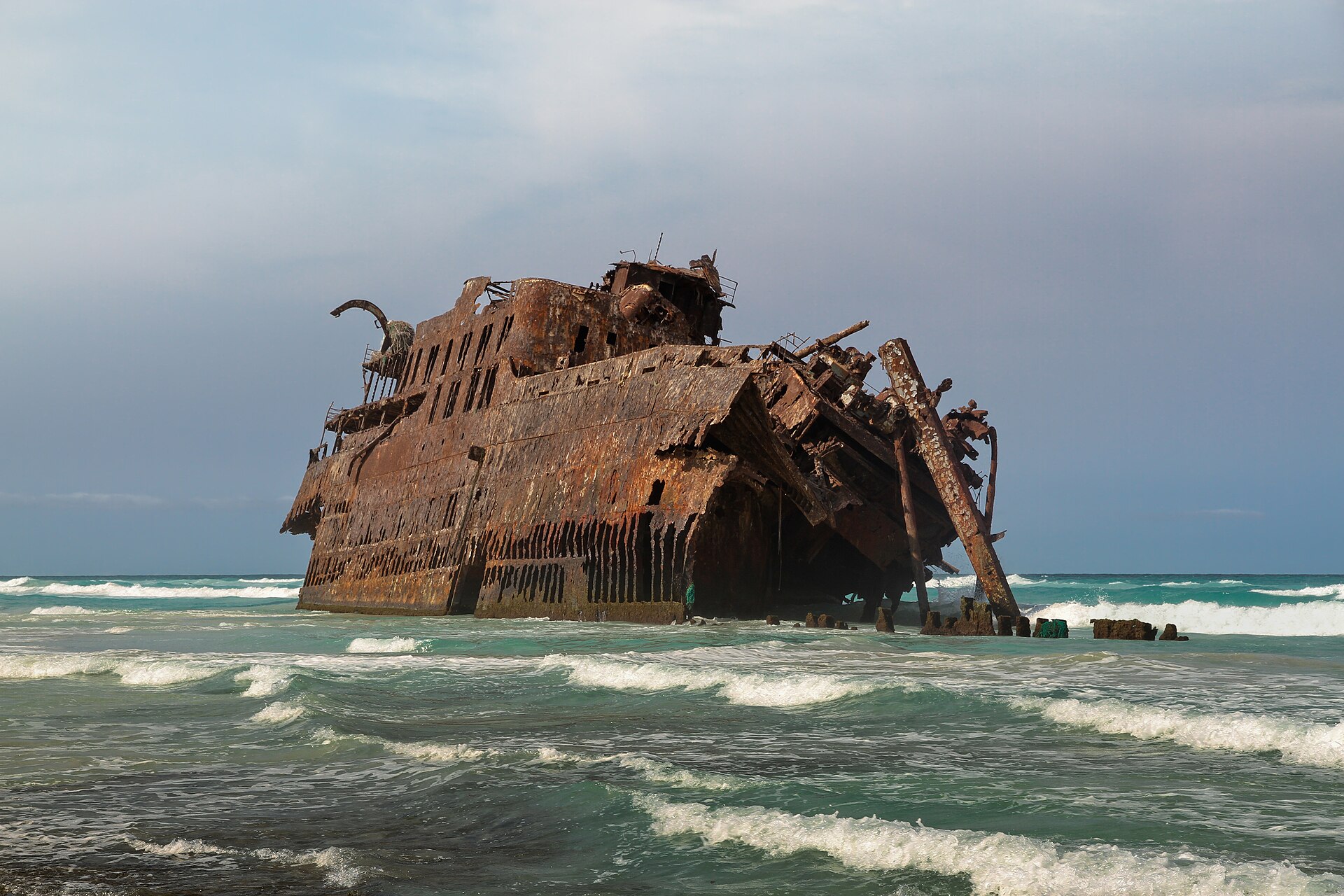
Another iconic and immensely photogenic stop on Boa Vista is the wreck of a Spanish cargo ship that ran aground on a sandy shoal here in 1968. Ever since, the ocean and salty wind have been slowly devouring the huge rusty hull, creating an incredibly raw, even slightly apocalyptic atmosphere on the northern coast. The route to the wreck runs over very rocky terrain, so you can only get here without trouble in a reliable off-road vehicle or a quad bike.
Sadly, the wreck is falling apart more and more every year, so if you want to see it with your own eyes, don’t put off your visit for too long. One more note: the beach is known for strong currents, so really do leave the swimming alone here and content yourself with viewing it from the shore. Spend your time instead admiring the power of nature, which can deal with a mighty chunk of iron with such enormous, unstoppable force.
10. Watching turtles and singing whales
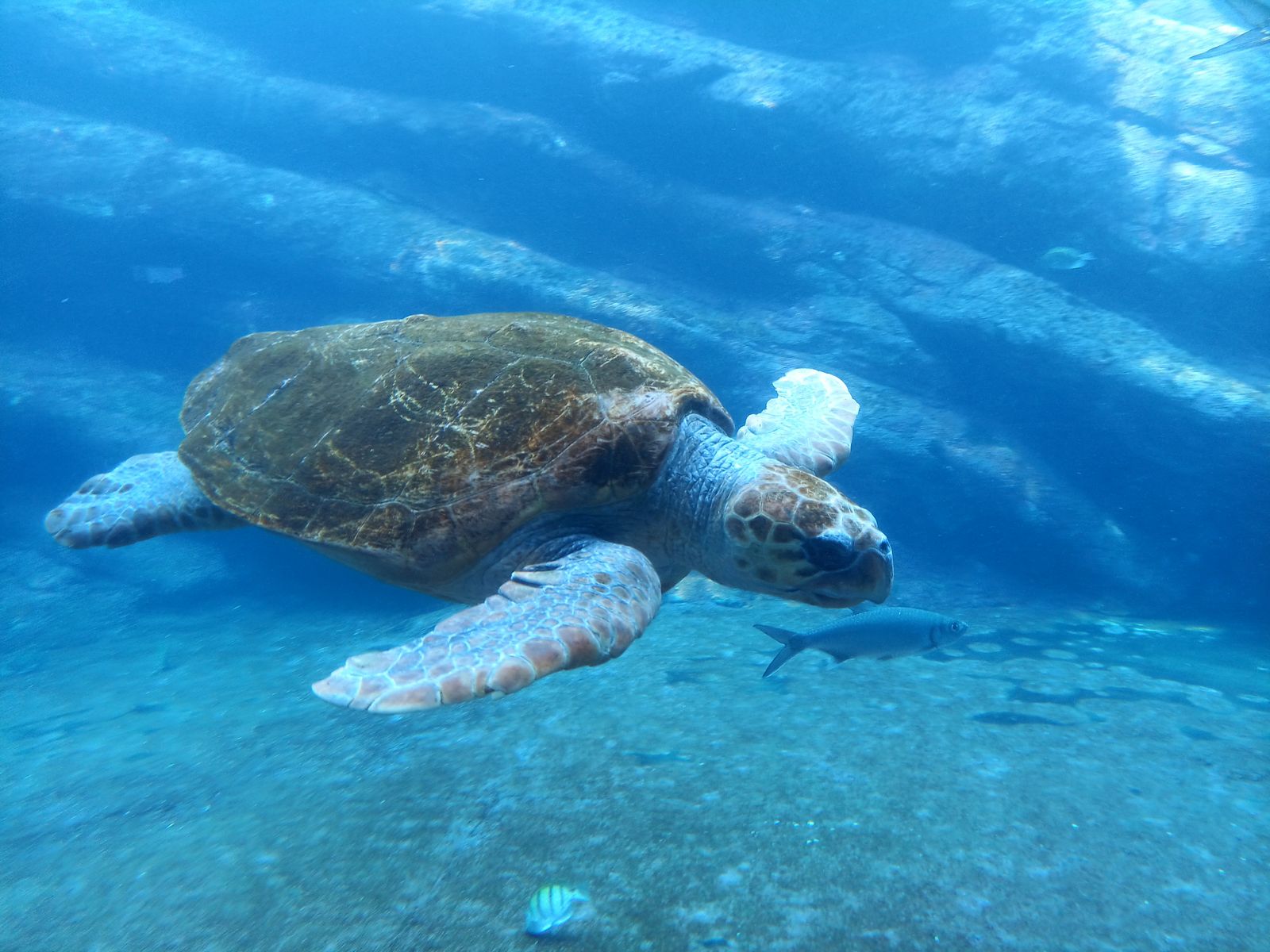
Cape Verde is one of the three largest nesting sites for endangered loggerhead sea turtles in the entire world — a fact the locals are hugely proud of. If you head here in the summer or autumn months between June and October, you can join night-time tours where you’ll see the turtles laying their eggs straight into the warm sand. These special tours must be run exclusively with a certified guide and using dim red light, so the protected animals aren’t stressed and can nest in peace.
During the spring months, especially in March and April, the deep waters off Boa Vista turn into a wonderful nursery for huge humpback whales. Whale-watching trips on boats usually cost around 50 euros, and watching these majestic creatures teach their calves to swim in the Atlantic waves is an experience that’ll leave you standing there silently, mouth open, forgetting you were even taking photos. The animals often come very close to the boats, so you’ll come away with memories for life.
11. Mindelo and the musical legacy of Cesária Évora
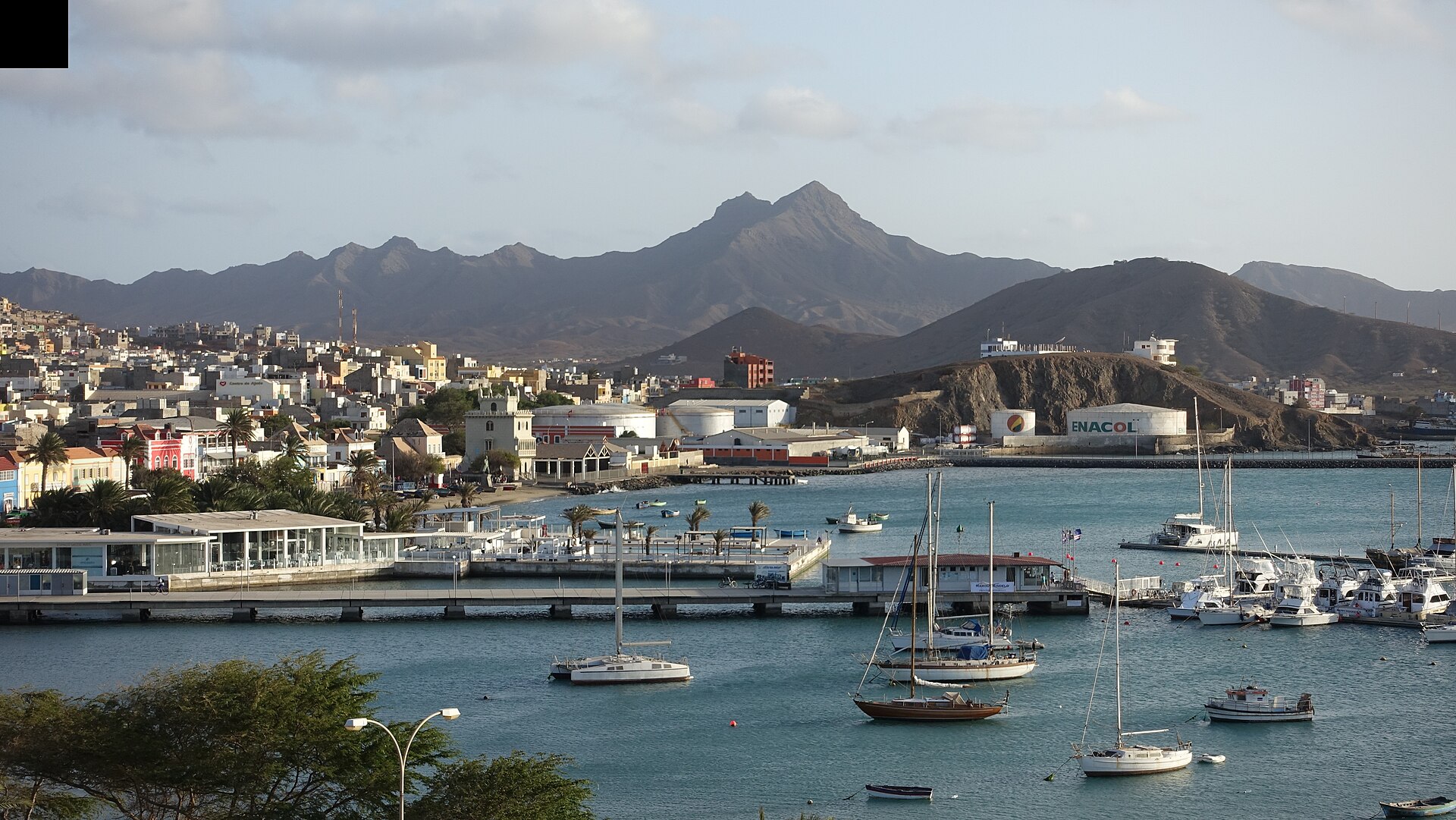
If you want to get to know the real, raw and pulsing soul of these islands, you have to leave the beach resorts behind, at least for a while, and head off by ferry or plane to the island of São Vicente. Its main town, Mindelo, is the cultural and musical heart of the whole country and lives at its own, far more laid-back pace. Well-preserved colonial architecture, colourful façades and cobbled streets form an utterly unique backdrop here that has absolutely nothing in common with parched Sal, offering you a completely different view of local life.
Mindelo is world-famous for the traditional music genre known as morna, made famous by the legendary singer Cesária Évora, known as the barefoot diva. Her name is now borne by the local international airport, and you’ll find her distinctive face depicted on the 2,000-escudo banknote. You can hear live music in the small bars here almost every evening. It’s a melancholic but incredibly beautiful experience, and exactly the kind of music that makes you not want to get up from your seat and head home.
12. The most famous carnival, in Mindelo

While February on the parched beach islands means tourists battling a strong wind on their sun loungers, in Mindelo it’s a clear reason for huge celebrations and all-round merriment. The local carnival is in fact the second most famous in the entire world, right after the one in Rio de Janeiro, and during it the town’s streets transform into one enormous, pulsing party full of extravagant colourful costumes, booming drums and dancing into the early hours.
If you want to experience this wild and colourful display of African joy for yourself, write the date 17 February 2026 in your diary, when a year of preparations and carnival revelry culminates in the biggest street show. It’s an absolutely fantastic reason to visit the islands even in the otherwise windy winter months and soak up the local atmosphere. Accommodation in Mindelo, however, disappears at lightning speed months in advance, so don’t leave booking a nice hotel until the last minute.
13. The Paul Valley and trekking paradise of Santo Antão
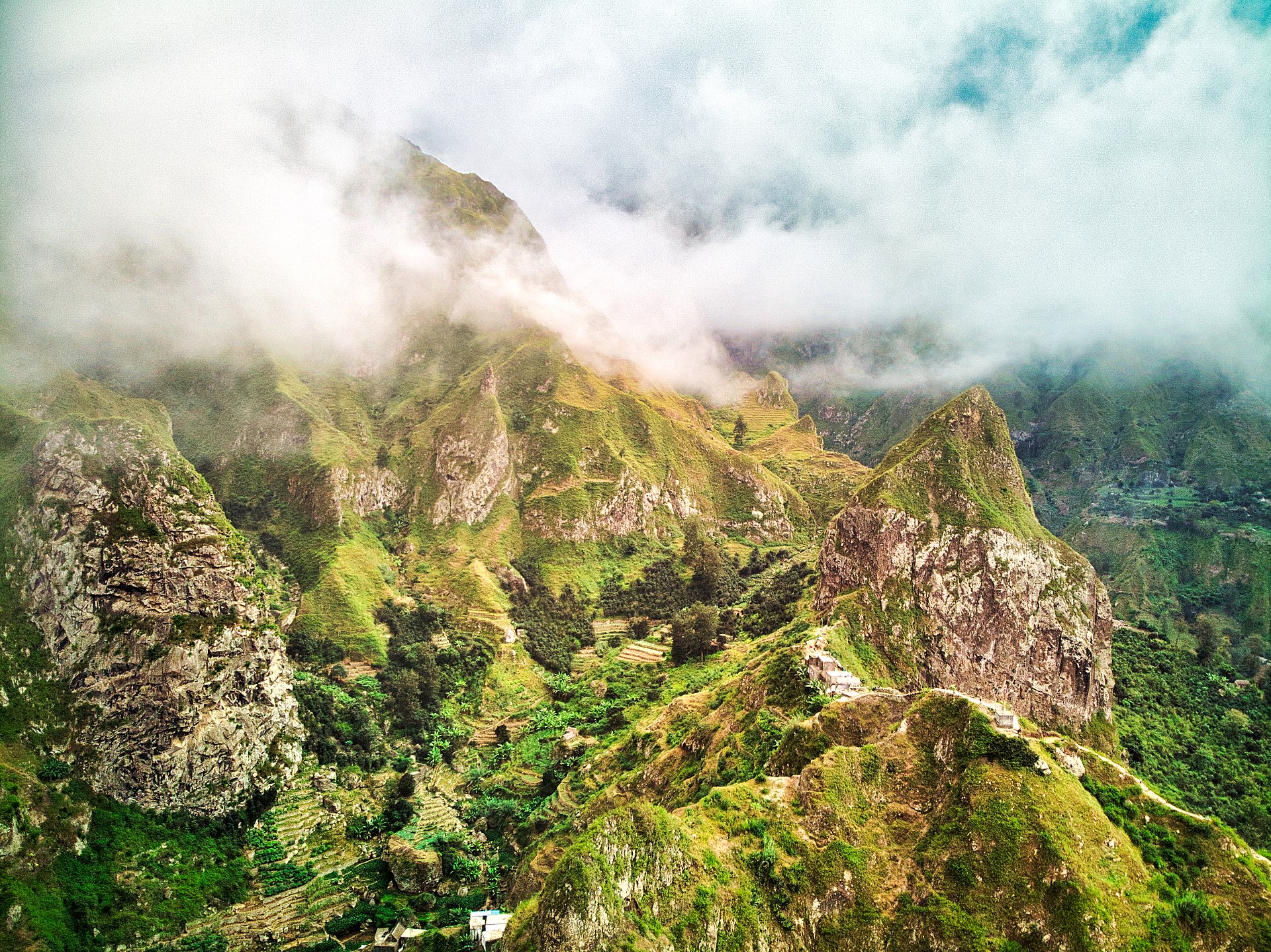
The island of Santo Antão is very often compared by seasoned travellers to Madeira thirty years ago, and it’s an absolute mecca for all lovers of demanding mountain hiking. There’s no airport here at all — you can only reach it by an hour-long ferry from the port in Mindelo. Your reward for this minor inconvenience, though, will be breathtaking green valleys, terraced fields clinging to the slopes, and steep mountain peaks that regularly disappear into thick, damp mist, creating an almost mystical atmosphere.
By far the most beautiful and popular hike is the roughly five-hour descent from the extinct volcanic crater of Cova de Paúl straight down into the green valley. Along the way you’ll pass small fields of sugar cane, mango and coffee trees on the narrow trails, where you can buy local produce straight from the farmers. Because the hiking routes here aren’t clearly marked at all, I’d warmly recommend hiring a reliable local guide for the more difficult treks, who’ll lead you safely and without getting lost along the most beautiful trails and show you some hidden spots too.
14. Climbing the active Pico do Fogo volcano
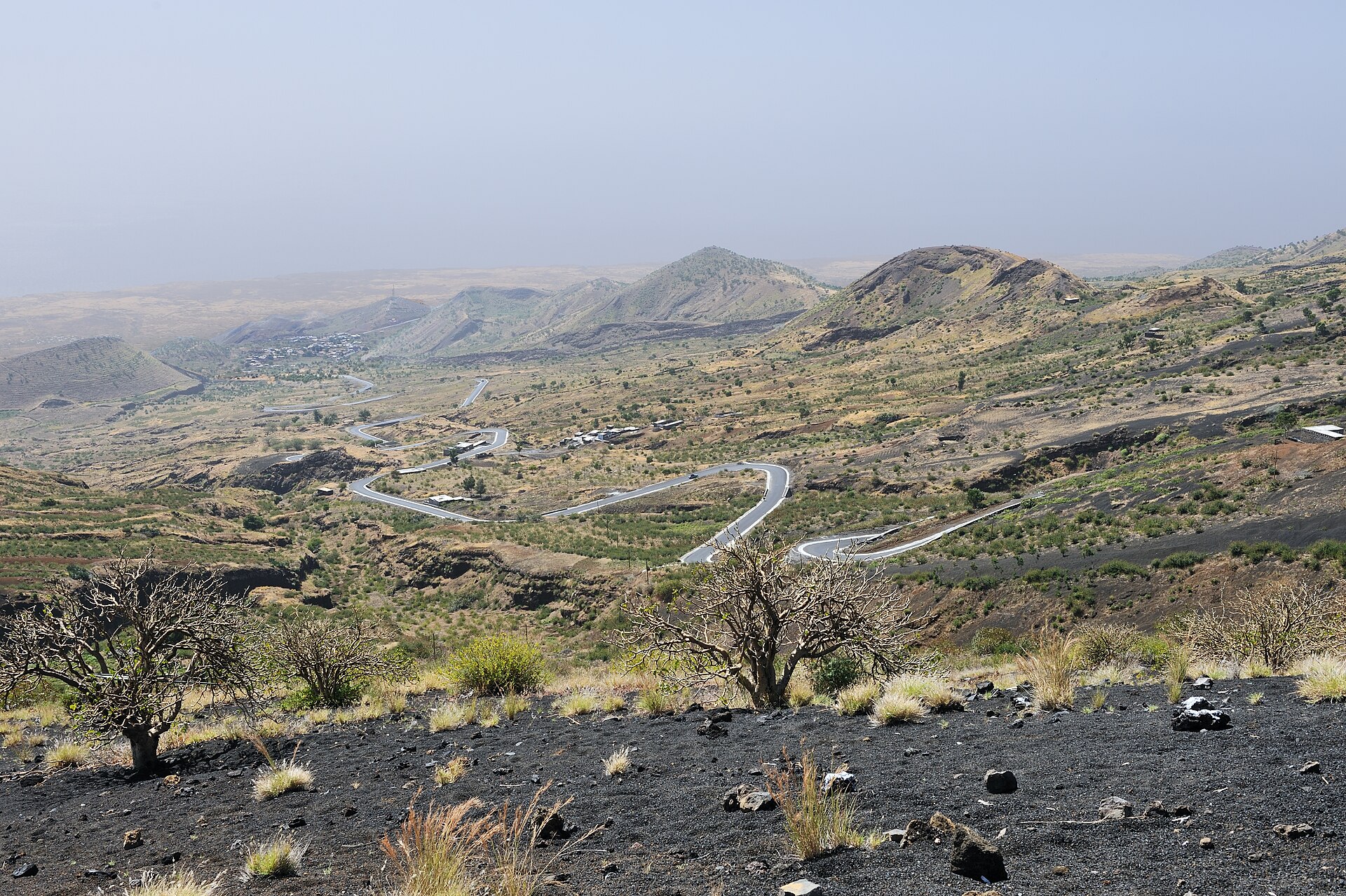
Travellers who’ve visited several different islands in Cape Verde very often agree in their accounts that the biggest visual shock and the absolute “wow” effect comes on the island of Fogo. The island is dominated by the mighty and still-active volcano Pico do Fogo, which last spewed lava dramatically in 2014, burying two local villages. Today the resilient inhabitants have rebuilt their homes right on the blackened, solidified lava flows inside the enormous caldera, which commands enormous respect for nature.
The climb to the very summit of this monster, at a respectable altitude of 2,829 metres, must be done exclusively with a local guide and takes you roughly six hours of demanding ascent through deep, loose volcanic ash that makes every step harder. You usually set off while it’s still dark, around four in the morning, to avoid the scorching midday sun on the way up. After the demanding but rewarding descent, don’t forget to treat yourself to a glass of the excellent local Chã wine, which, paradoxically, is born of the most fertile volcanic soil right there in the caldera.
15. The dark history of Tarrafal on Santiago
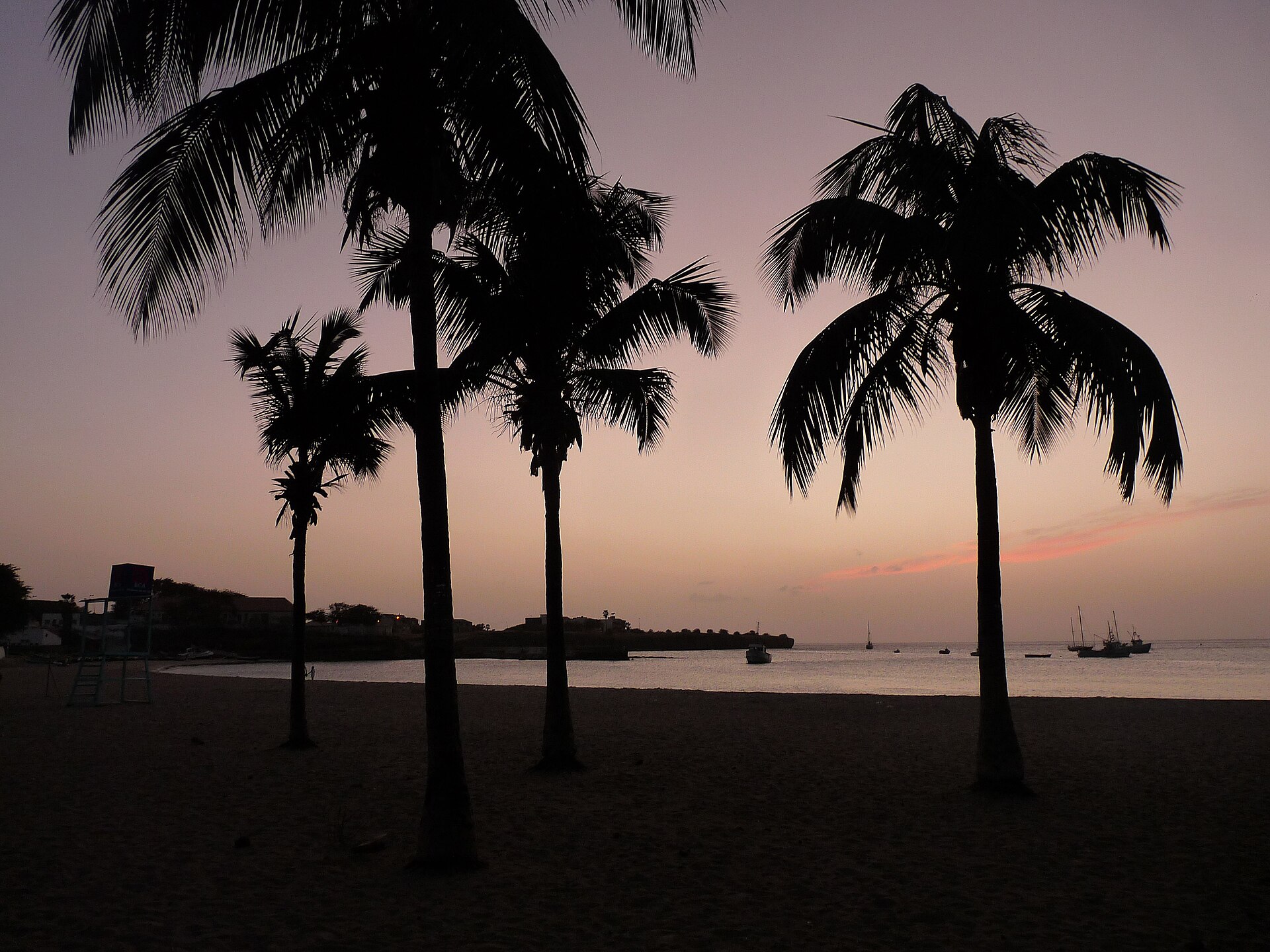
The island of Santiago is the true African heart of the whole country and offers a fascinating, if at times very dark and painful, history that must not be forgotten. On the very north of the island lies the sleepy town of Tarrafal, which boasts a beautiful, palm-fringed beach of white sand. Just outside town, however, sits a former concentration camp, nicknamed the camp of slow death for its brutal conditions, which stands in sharp contrast to today’s idyll.
During the harsh Portuguese dictatorship, political prisoners were sent here by the hundreds, living in inhuman conditions under the scorching African sun. Today this large, well-preserved site serves as the Museum of Resistance, and a visit is a very difficult but immensely moving experience that will reliably show you the darker side of local history. It’s an enormous and necessary contrast to the carefree holiday atmosphere we know from colourful tour brochures, and it’ll give you a completely different perspective on life.
16. How to save: money, escudos and local excursions
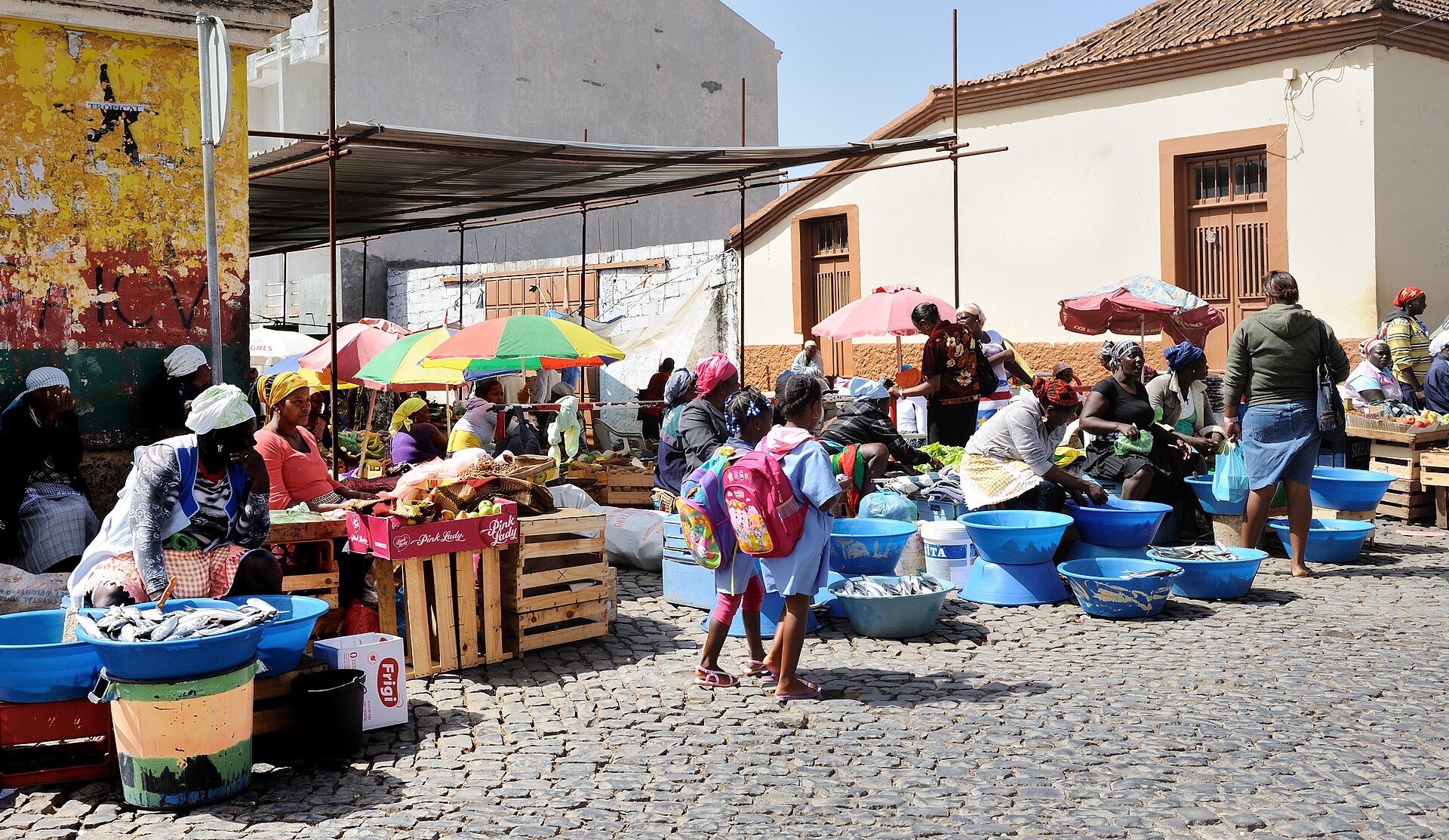
Although Cape Verde is a developing and poorer country, it’s certainly not the typically cheap exotic destination you might expect. Most goods, raw materials and food have to be shipped in at great cost and effort, so prices in restaurants or for bottled water in supermarkets are more in line with southern Europe. The biggest mistake newcomers make is conveniently paying in euros, because while local sellers will happily accept euros with a smile, they often give change at an artificially unfavourable 1:100 exchange rate. So always withdraw local escudos from an ATM right after you arrive — you’ll save the pointless hidden 10% surcharge on every purchase.
Another huge and easily accessible area for savings is the excursions themselves, both to the sights and around the island. If, out of caution, you buy the first round trip the hotel rep offers you, you’ll pay a hefty premium. Instead, try walking a few streets further into the centre of Santa Maria or into Sal Rei and ask around the local agencies. They offer absolutely identical services, often even in the same vehicles, at significantly lower prices. What’s more, you’ll directly and fairly support the local economy and families instead of big multinational corporations.
17. What to try: national dish cachupa and an Italian touch
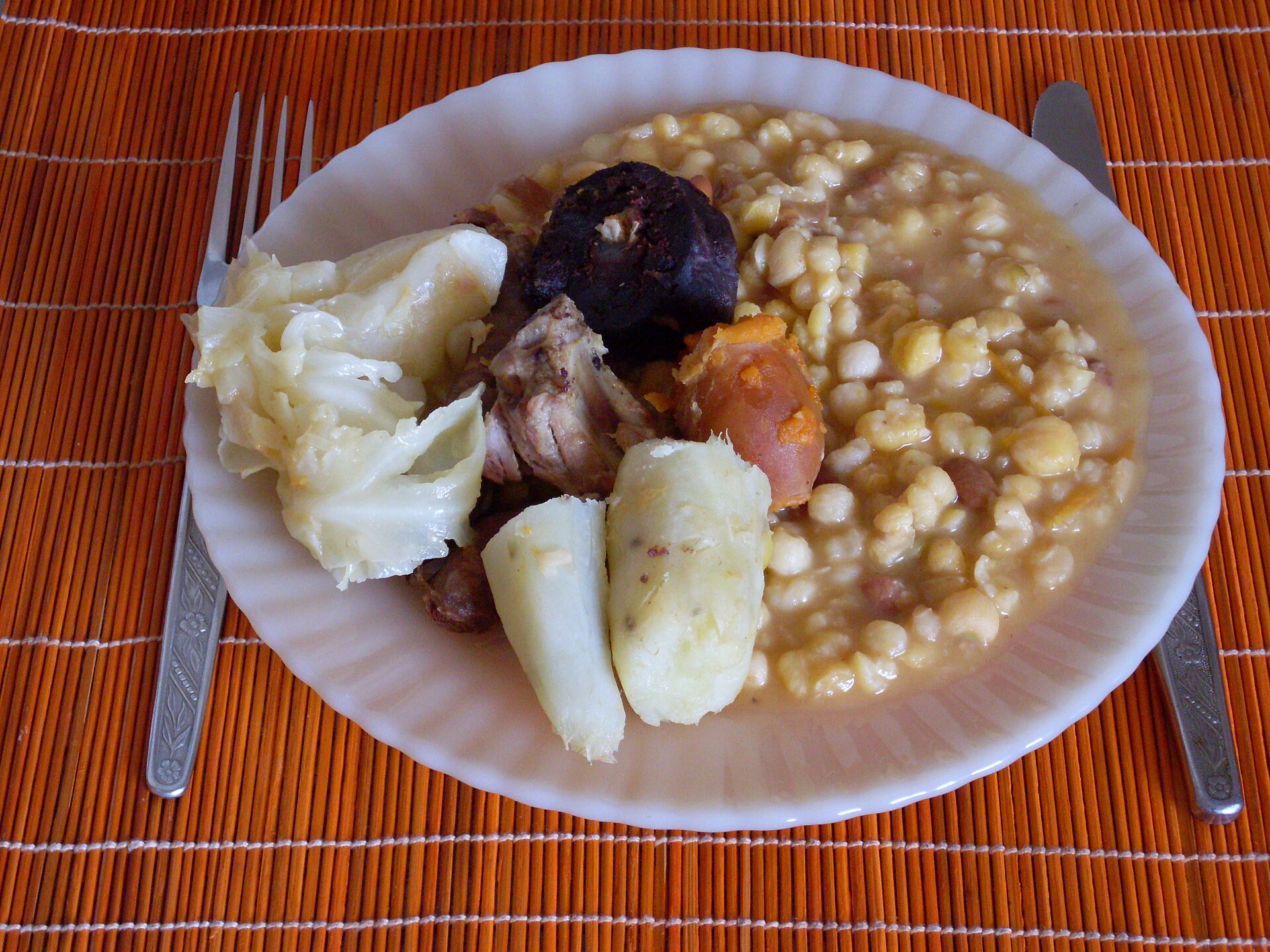
The cornerstone of local cuisine is a thick stew called cachupa, slow-cooked over several hours. Great news for vegetarians: the basic version, known as cachupa pobre, is purely meat-free and consists of corn, beans, cassava and sweet potatoes. Another local classic is the fried pastry pastel, which traditionally contains tuna, so always check the filling first.
You might be surprised to find plenty of fantastic Italian restaurants on Sal and Boa Vista. Thanks to a strong community of Italian immigrants, you can tuck into first-class pizza and homemade pasta here, which is a very welcome change after a week on the hotel buffet. And after your meal it’s customary to try grogue, a strong cane-sugar spirit that’ll get the blood pumping through your veins, guaranteed.
18. Discover the real Morabeza instead of “No stress”
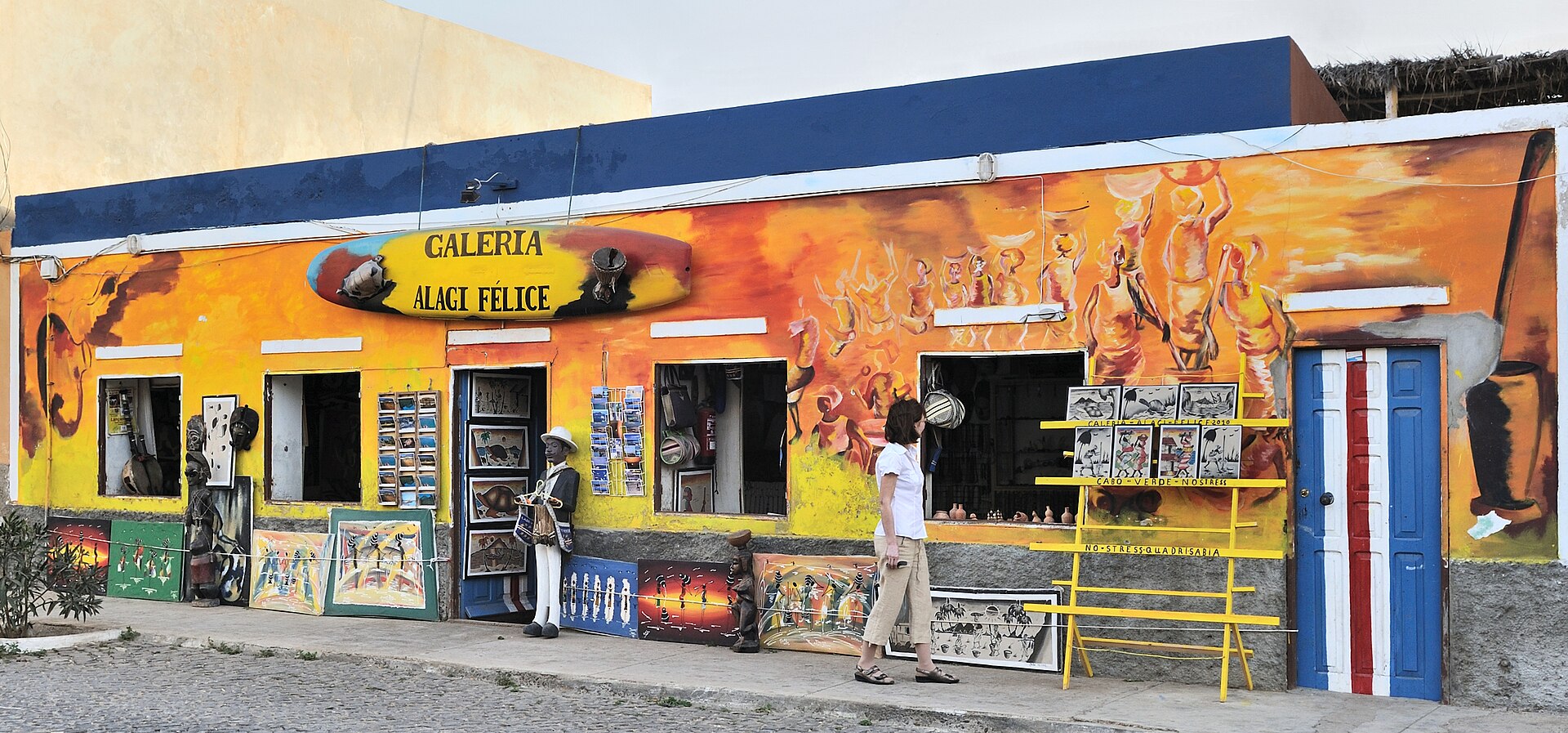
On every corner in the tourist areas you’ll immediately spot “No stress” signs — a clever, catchy marketing slogan that European tourists have taken to and buy by the bucketload printed on T-shirts. The real and far deeper local concept, the one that truly defines the nature of the local people, is the word morabeza. It can be loosely translated as deep Creole hospitality, immense warmth and a genuine joy in ordinary life, despite often very difficult economic circumstances.
Even if you spend your holiday cocooned in the luxury of a five-star hotel with an endless buffet, bear in mind that the average wage of the staff serving you is barely around three hundred euros a month. So don’t be afraid, at least in the afternoon, to step outside the protected resort gates and spend your money with small local traders, or have a coffee in an utterly ordinary street café. The country is extremely safe for tourists, and the locals are incredibly friendly and kind to foreigners as long as you treat them with the same respect.
19. Safety and the treacherous ocean
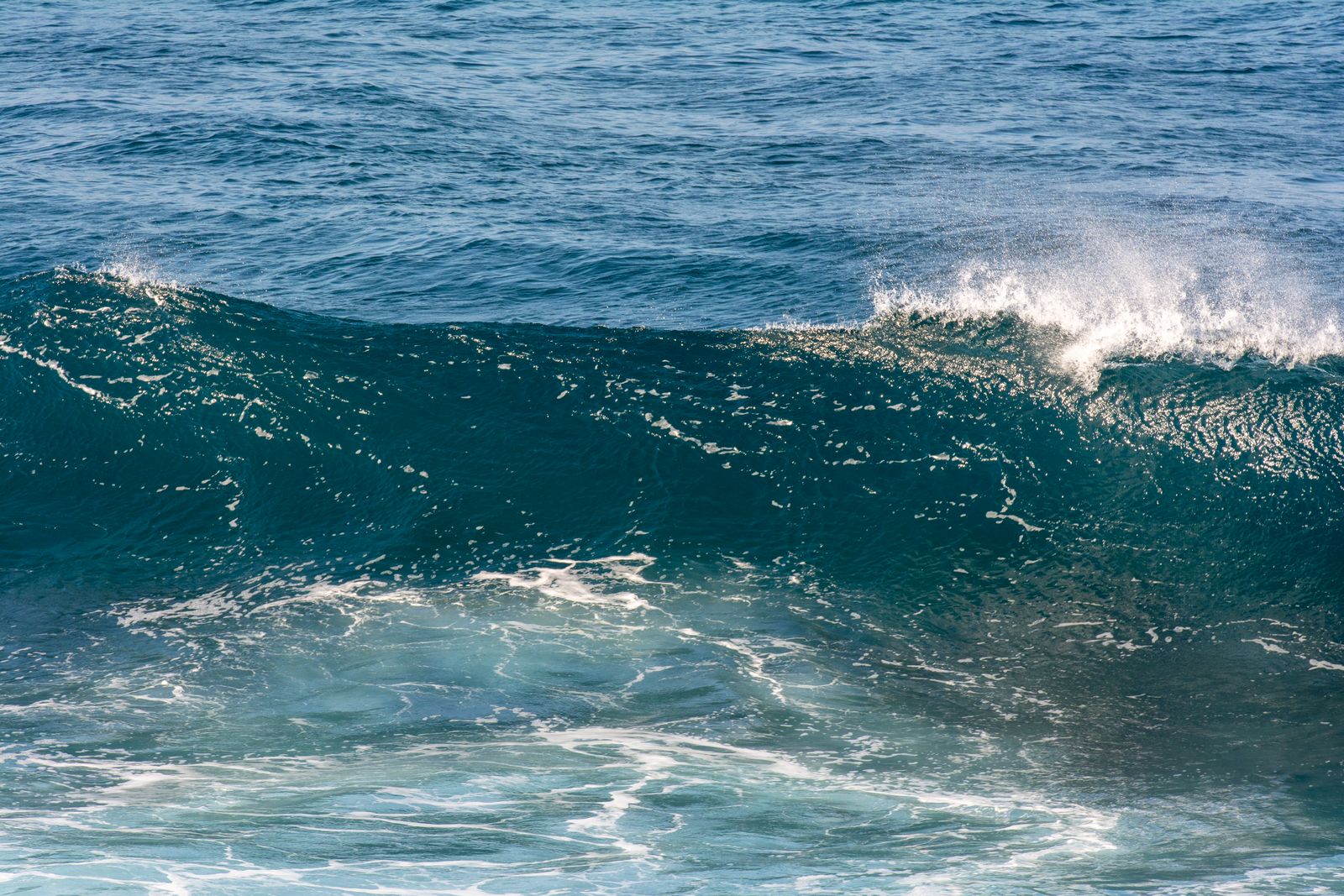
The Republic of Cape Verde has long been regarded as one of the very safest and most stable countries in all of Africa, and crime aimed directly at tourists on the beach islands is absolutely minimal. You can move around after dark without any problems and nothing will happen to you. The only real danger you might face here is the immense power of nature, specifically the open Atlantic Ocean itself and its unpredictable, very treacherous undercurrents.
On most beaches the seabed drops away very steeply just a few metres from the shore, and the giant breaking waves can be powerful enough to knock over even a grown man. So always, without exception, respect the colour of the flag flying at the lifeguard station, and if the red one is up, really do not go into the water at any cost or take the risk. The second danger is the ocean wind already mentioned, which masks the strength of the sun’s rays so perfectly that you can very easily and painfully get sunburned even during an innocent hour’s walk along the shore, so don’t skimp on the sun cream.
Map of points of interest for your phone
Where to go after Cape Verde
If the African islands have won you over and you’re looking for more inspiration for an island holiday with a similar vibe, be sure to take a look at these guides:
- Interested in a closer and slightly more European alternative? Read our extensive article Canary Islands: the complete guide.
- If you’re drawn to rugged nature, volcanoes and hiking without the crowds, you’ll love Lanzarote: what to see.
- For lovers of endless beaches and mountain treks alike, we’ve put together tips on Gran Canaria: what to see.
- And if you’re fascinated by green landscapes like those on Santo Antão, you’ll find masses of inspiration in our article The Azores: what to see and when to go.
- More tempted by exotic Asia full of tea plantations? Then don’t miss our guide Sri Lanka holiday: 21 tips on what to see and when to go.
- Before flying off into the warmth, be sure to study our tips on how to pack smart in Hand luggage and cabin backpack: how to pack light.
More exotic destinations from our series: Zanzibar holiday: 21 tips on what to see and when to go · Maldives holiday: 21 tips on what to see and when to go · Mauritius holiday: 21 tips on what to see and when to go · Dominican Republic holiday: 21 tips and when to go · Abu Dhabi holiday: 21 tips on what to see and when to go
Frequently asked questions
If you’re still on the fence or fine-tuning the details before departure, I’ve put together a quick summary of the most common questions. Here are the answers to what travellers want to know most before heading to the islands.
When is the best time to visit Cape Verde?
If you’re looking for ideal conditions for peaceful swimming in warm ocean waters and want to avoid strong trade winds, the best months to visit are October and November. The ocean is beautifully warmed up after summer and the weather offers stable temperatures without extremes. During November, tour prices drop significantly before the winter peak and Christmas season begins. So it’s an absolutely ideal compromise between perfect beach conditions and pleasant prices for flights and luxury hotels.
When NOT to go to Cape Verde?
If you’re expecting just peaceful beach lounging and sunbathing from your holiday, it’s better to avoid the months from December to April. During this period, strong winds blow on the islands, the sea is noticeably colder, and large waves often form, making safe swimming impossible. In January and February, there’s also a real threat of calima, which is fine Saharan dust in the air that can trouble asthmatics and reduces visibility. On the other hand, if you don’t like humidity, avoid September, which is very warm but also very humid.
What’s the sea like, can you swim in it?
The temperature and overall condition of the sea changes dramatically depending on the specific season. While in autumn the ocean has a lovely 27 °C and is relatively calm as a mirror, in winter the average temperature drops to 22 °C and the water feels very refreshing, even cold. Due to large waves and dangerous strong undertows, strict swimming bans under red flags are often in effect on public and hotel beaches. Also keep in mind that the entry into the water is often quite steep and the depth increases quickly.
Do I need a visa?
EU citizens don’t need any complicated visa for standard tourist stays up to 30 days – a regular passport is all you need. However, it must be valid for at least six months beyond your planned return date. Every traveller must complete the mandatory online EASE registration in advance and pay the airport security tax, which currently costs around 31 euros. Keep in mind that from summer 2026, this payment will double in price if paid directly at the airport counter.
How much does a vacation cost?
Prices for all-inclusive package holidays for one week departing from the Czech Republic start outside the high season at roughly €800 for a very good four-star hotel with good reviews and basic services included. Over Christmas, New Year’s and winter holidays, however, prices skyrocket and premium five-star resorts can cost you more than €2,000. The islands themselves aren’t cheap either, because everything has to be shipped in by boat, so prices are comparable to European resorts.
Sal or Boa Vista?
This choice fundamentally depends on your personal preferences and holiday style. I recommend Sal island for a first visit if you want a livelier town with restaurants, nightlife and much wider options for various organised excursions. Boa Vista, on the other hand, is a clear synonym for absolute and undisturbed tranquillity, endless empty beaches and photogenic sand dunes. But bear in mind that outside your hotel resort you’ll find practically no other tourist entertainment, promenades or shopping there.
Is it safe there?
Cape Verde has long been internationally regarded as one of the safest and most politically stable countries in all of Africa, so you really don’t need to be afraid to venture out from your hotel on your own and explore the surroundings without organized supervision. A certain classic caution against petty pickpockets is only necessary at markets and in larger cities, such as Praia or bustling Mindelo. The real and greatest risk for careless tourists is thus rather the wild ocean itself and the harsh African sun.
What is EASE registration?
This is a mandatory electronic government form that replaces the previous traditional visas. Every traveller must carefully complete it at least five days before their planned departure on the official immigration portal and enter their passport information and accommodation details. An integral part of this registration is also the payment of the TSA airport security fee, which is paid simply online with a regular payment card. The system will then generate a confirmation that officials will automatically request from you right at arrival control.
Are there sharks in Cape Verde?
Yes, various species of sharks live in the surrounding warm Atlantic waters, but incidents with swimmers are extremely rare here and you really don’t need to fear them near the shore. These predators are incredibly important and protected for the local ecosystem. The most famous and most visited location is the special Shark Bay on Sal island, where smaller lemon shark pups swim in. However, these animals are completely harmless to people and tourists regularly go into the shallow water for popular close-up observation.
Tips and Tricks for Your Vacation
Don’t Overpay for Flights
Search for flights on Kayak. It’s our favorite search engine because it scans the websites of all airlines and always finds the cheapest connection.
Book Your Accommodation Smartly
The best experiences we’ve had when looking for accommodation (from Alaska to Morocco) are with Booking.com, where hotels, apartments, and entire houses are usually the cheapest and most widely available.
Don’t Forget Travel Insurance
Good travel insurance will protect you against illness, accidents, theft, or flight cancellations. We’ve had a few hospital visits abroad, so we know how important it is to have proper insurance arranged.
Where we insure ourselves: SafetyWing (simple monthly subscription) and TrueTraveller (for extra-long trips).
Find the Best Experiences
Get Your Guide is a huge online marketplace where you can book guided walks, trips, skip-the-line tickets, tours, and much more. We always find some extra fun there!