Say the word Maldives and most people picture luxury overwater villas, endless white-sand beaches and price tags that make your eyes water. For years there was a myth that this destination was strictly for millionaires or honeymooners. Thankfully, that’s not true at all any more, and you can enjoy this tropical paradise on a perfectly normal budget. Maldives island holidays don’t have to cost a fortune.
If you’re thinking about heading here, I have some good news right off the bat. The Maldives hides two completely different worlds that combine beautifully. On one side you have the famous private resorts with flawless service, and on the other more than a hundred local islands. It’s on the local islands that you’ll experience authentic life, and a week-long holiday here can cost as little as £900 including flights.
When planning your trip, though, it’s hugely important to know exactly what you’re getting into. Local islands have strict rules, because you’re in a one-hundred-percent Muslim country. In this article I’ll share 21 tips on what to see and do in the Maldives so your holiday turns out perfect. Together we’ll look at the hidden fees, I’ll help you pick accommodation, and explain why you should be very careful about travelling on a Friday.
TL;DR
- Two worlds: The Maldives is made up of pricey private resorts (where alcohol and bikinis are allowed anywhere) and cheaper local islands (where strict rules apply and swimming is only possible on designated beaches).
- The ideal combination: You’ll get the best experience by spending 4–5 days on a local island and finishing your holiday with 2–3 nights in a luxury resort.
- Hidden costs: Resort prices almost always quote the base rate without taxes (add 17% government tax and a 10% service charge) and suddenly you pay 28% more than you expected. Yes, even on that cocktail. 😅
- When to go: The driest weather runs from December to April, but if you want to save up to half your budget, go in the summer months.
- Watch out for Fridays: Friday is a holy day in the Maldives and there’s no public transport at all, which you need to factor in when buying flights.
- New rules: Since the end of 2024 there’s a very strict ban on importing e-cigarettes and vapes, with huge fines for breaking it.
The full destination guide: Maldives — guide and what to see
When to Visit the Maldives and How Many Days You’ll Need
The weather in the Maldives runs on two monsoons, but one thing holds true all year round: both the water and the air sit around thirty degrees, so you simply won’t have a bad holiday when it comes to swimming. The main dry season, known locally as Iruvai, runs from December to April. The driest months are February and March, when you can expect fantastic underwater visibility and near-constant sunshine. This is also when you’ll hit the absolute peak of prices, though.
If you want to save a good chunk of money, try the wet monsoon season, Hulhangu, which lasts from May to November. During these months accommodation prices often drop by half, which is a huge draw. The showers can be intense, but they usually last only a little while before it clears up again. Historically October sees the most rainfall, but paradoxically it’s an excellent time to spot mantas and whale sharks, because the water is full of plankton.
The ideal length of your holiday depends a lot on the type of accommodation you choose. On a small local island, four days will be plenty, because after longer you might get a touch of island fever. I’d therefore recommend planning roughly a ten-day itinerary, combining two different local islands with some relaxation at the end of your trip.
Where to Stay in the Maldives (and How Much It Costs)
Your choice of accommodation decides the whole budget of your trip, so give it plenty of thought before you hit ‘Book’. I strongly recommend checking transfer prices before you commit to anything. The hidden trap is seaplane transport, which can easily double the cost of your holiday for the more distant atolls. Below you’ll find specific tips broken down by budget to help with your planning.
If it’s your first time and you want everything kept simple, Island Ambience on Maafushi is a reliable choice — a room with breakfast goes for around $100 and the fast boat from the airport is just $30. Whale shark lovers tend to head for Dhigurah and Whaleshark Beach, where the ocean giants are within arm’s reach. On the fruit island of Thoddoo, definitely check out Holiday Cottage Thoddoo, one of the best-rated options for value for money.
The happy middle ground is resorts offering brilliant snorkelling just off the beach. A legendary reef is the pride of Embudu Village, where a full-board stay won’t break the bank and the fast-boat transfer costs very little. A fantastic underwater world also awaits at Vilamendhoo Island Resort & Spa, though you’ll need to budget for a pricier seaplane flight. For families with kids, the absolutely wonderful Kuramathi Maldives (renamed Niva Kuramathi from 2026) includes a huge kids’ club and its own stunning sandbank.
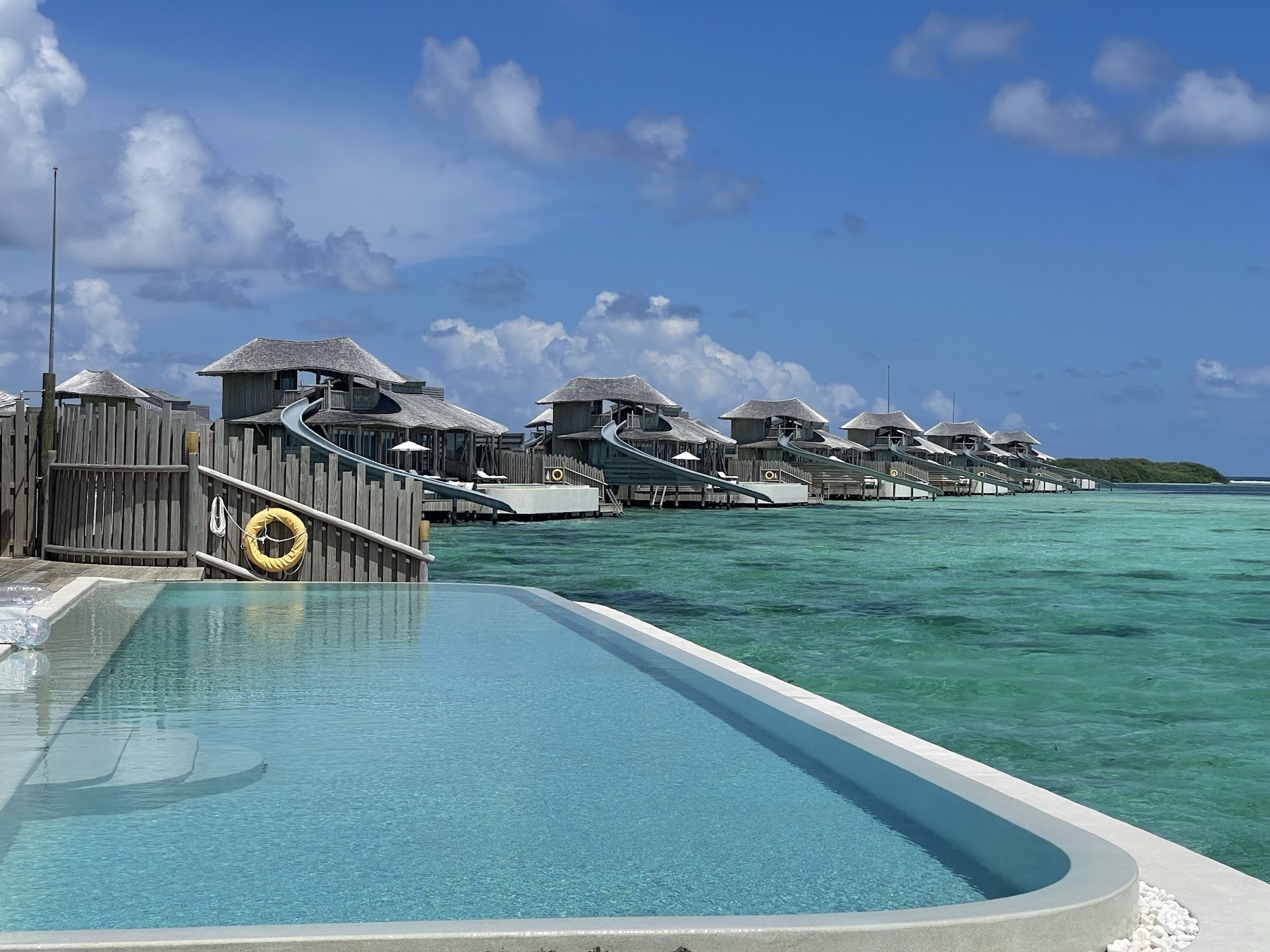
When you’re dreaming of that iconic overwater villa and attainable luxury, definitely take a look at the smaller boutique resort Drift Thelu Veliga Retreat, home to some of the most affordable overwater villas anywhere. A beautiful big island with plenty to do is Meeru Maldives Resort Island, easily reached by a cheaper speedboat. And if you’re after the greatest imaginable luxury for a honeymoon, there’s Soneva Jani, where villas have their own slides into the lagoon and retractable roofs for stargazing (just the seaplane transfer here runs to more than $1,000 per person).
21 Tips on What to See and Do in the Maldives
The Maldives is no longer just a byword for endless beach lazing. The local atolls offer so many fantastic activities that you won’t know where to start! Whether you love the underwater world and long to snorkel with giant mantas, want to explore authentic island culture, or simply want to find the most beautiful deserted sandbank under the sun, there’s more than enough to choose from.
In this article we’ve put together 21 tips on what to see and do in the Maldives so you can squeeze the absolute most out of your holiday. Let’s take a look at the most important bits together — from choosing the ideal island and the best excursions to practical advice that’ll save you a lot of money and stress on the spot. 😉
1. Which Local Island to Choose
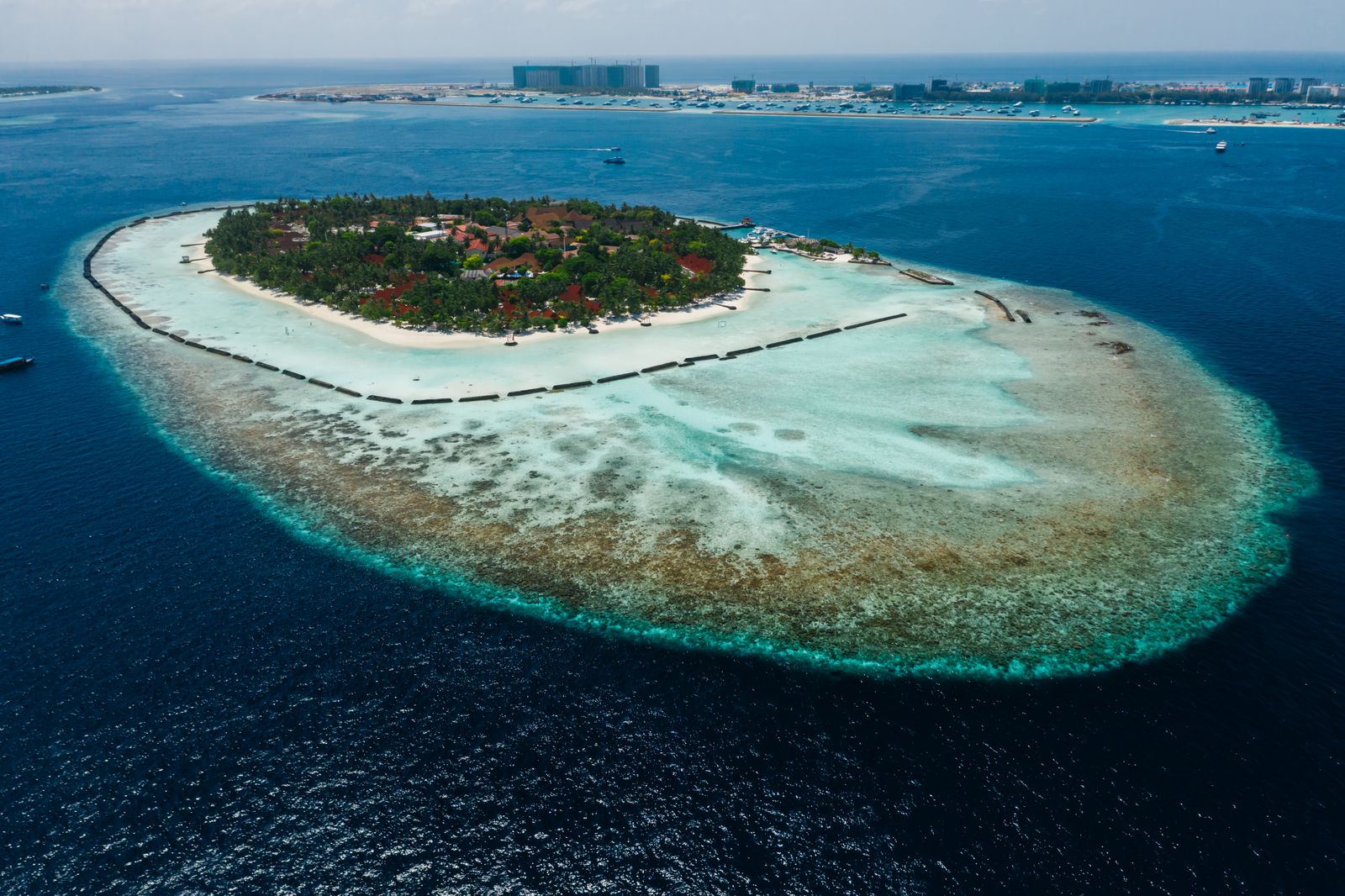
Choosing the right local island is the absolute foundation of success. Each island has a completely different atmosphere and suits a different kind of traveller. If it’s your first time and you’re on a tight budget, you’ll probably end up on Maafushi. It’s the busiest local island with a huge range of excursions, but unfortunately it has no reef of its own, and the designated tourist beach tends to get rather crowded.
For nature and quiet lovers there are far better options. Dhigurah is famous for its three-kilometre beach and year-round whale sharks. If you love snorkelling straight off the beach, head to Ukulhas, which is also one of the cleanest islands thanks to its excellent waste-sorting system. Divers most often head to Rasdhoo, where you can watch impressive hammerheads early in the morning.
The smaller community islands are also worth considering. Tiny Fulidhoo is home to just around four hundred people, and in the evening giant stingrays glide up to the jetty. Surfers have their base on Thulusdhoo, where you’ll find renowned waves. And for couples chasing romance, the fruit island of Thoddoo is wonderful — packed with papaya and melon plantations and blessed with a gorgeous wide beach.
2. Resort vs. Local Island: What’s the Difference?
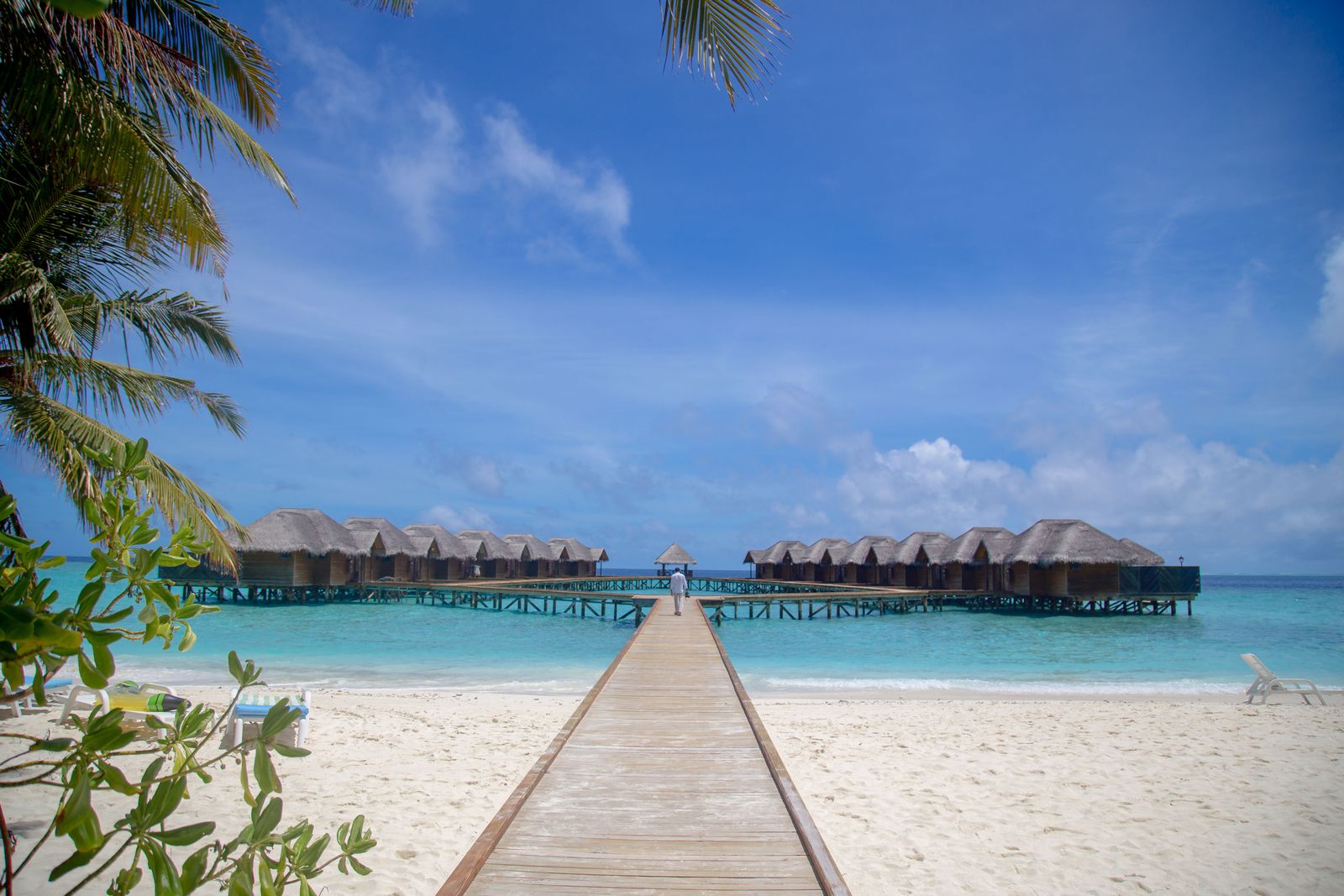
The basic rule of the Maldives is simple: one island = one resort. In practice this means some pretty fundamental differences in what you’re allowed to do where. A resort is a private island where the strict Muslim rules don’t apply. You can wander freely in your swimwear, have a glass of wine with dinner or order bacon for breakfast. Price-wise, though, we’re talking from around £350 per night upwards, and that’s before transport.
Local islands, by contrast, are ordinary villages where local people live. Here you have to adapt to local customs and respect the culture. Alcohol is completely banned on local islands, and swimming in a bikini is only possible on strictly marked beaches (so-called Bikini Beaches). Away from this beach you must keep your shoulders and knees covered, which also applies when walking to the shop or a restaurant.
3. Hidden Fees and Taxes: What “++” Means
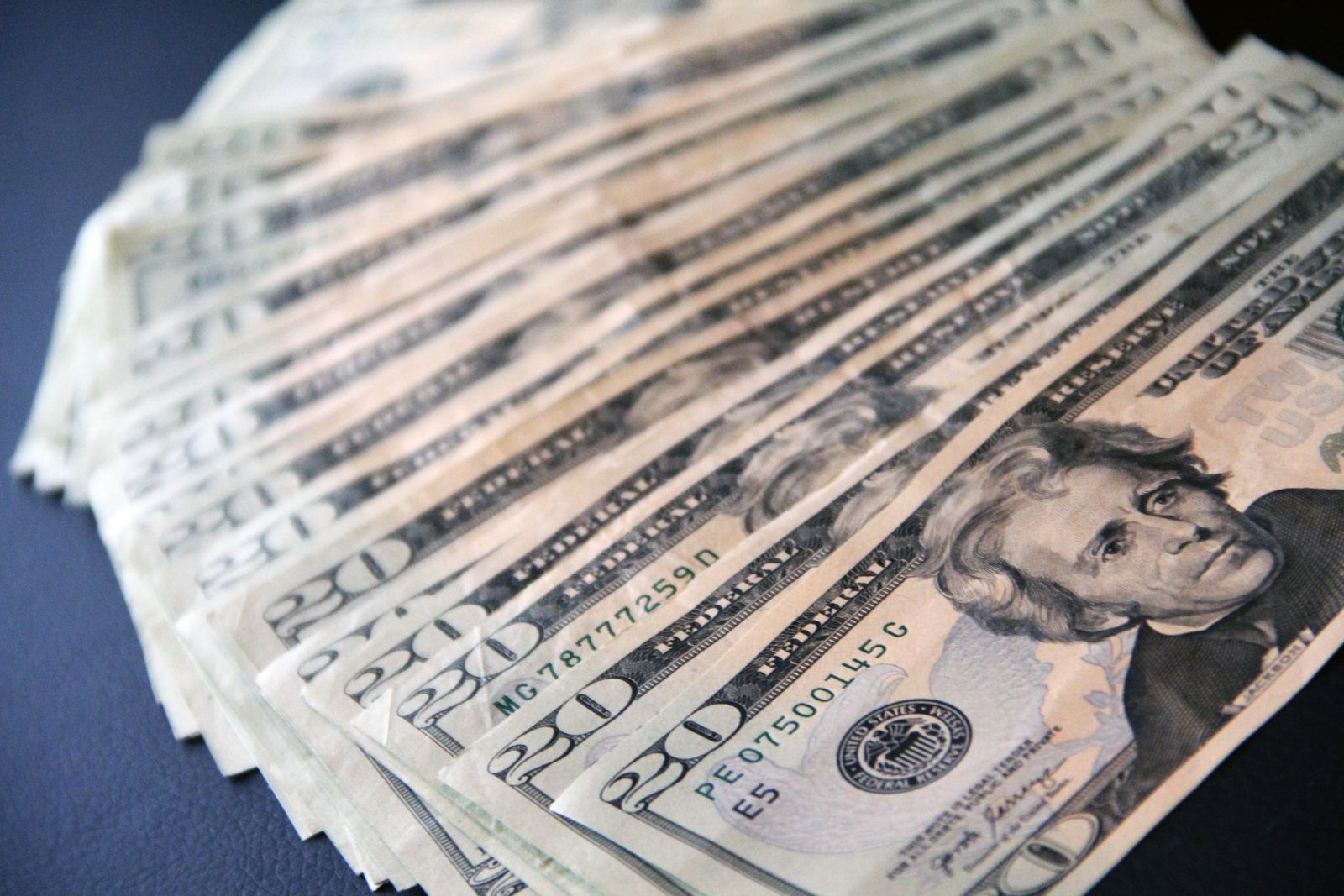
This is probably the most important financial lesson for any traveller. When you see a price at a resort or on Booking.com, you’ll very often spot two little plus signs next to it. It means the price doesn’t include taxes, which in the Maldives make up a huge chunk. Specifically, that’s a 10% service charge and the TGST government tax, currently sitting at 17%.
Do the maths and you’ll realise that you have to add a full 28% to every bill. So if you order a $20 cocktail at a resort, you’ll actually pay almost $26 once it hits the bill. On top of that there’s the mandatory environmental Green Tax, which is $12 per person per night in a resort, or $6 in smaller guesthouses on local islands.
4. IMUGA and Pre-Trip Formalities
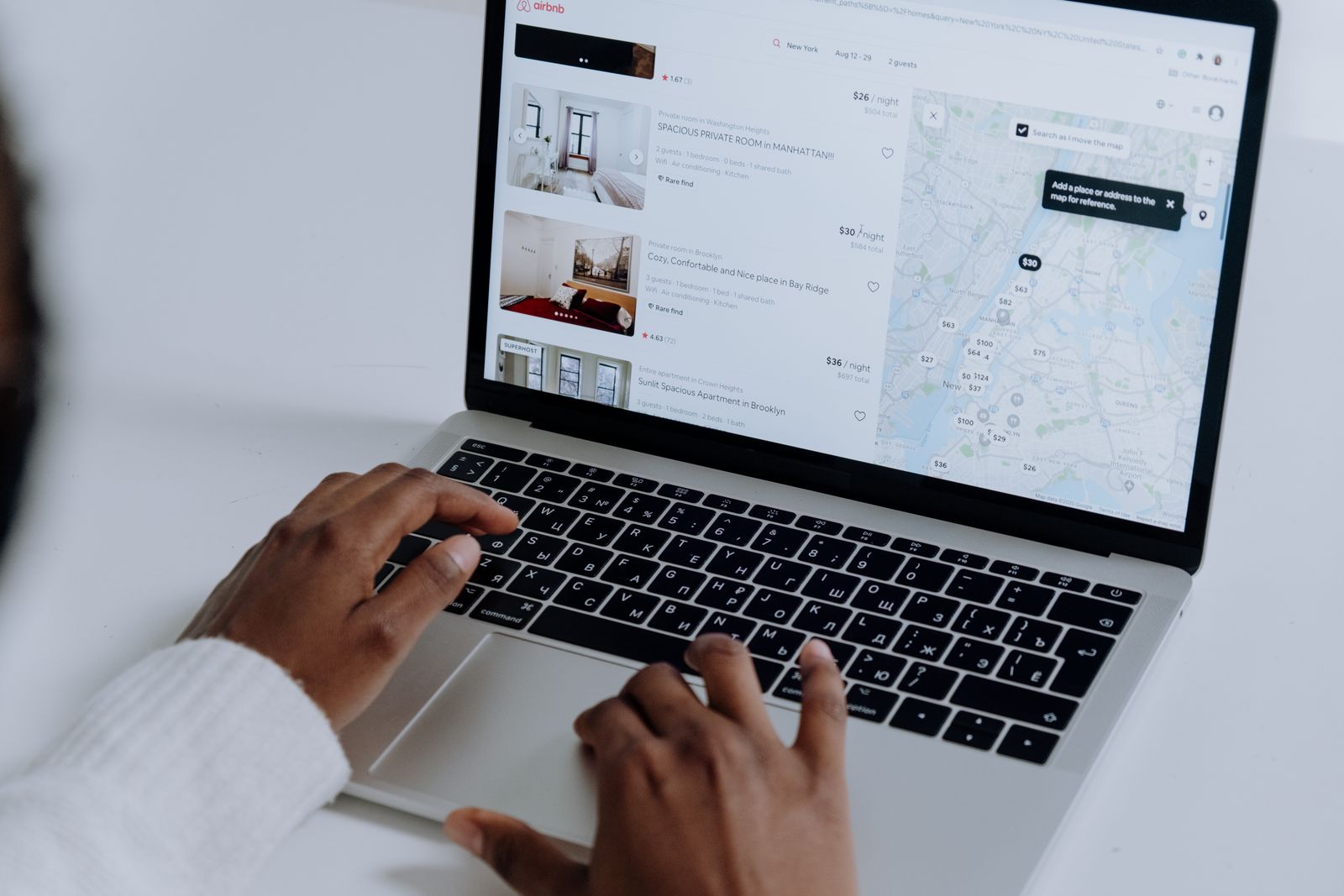
Travelling to the Maldives is wonderfully easy when it comes to visas, because you get a free 30-day tourist visa on arrival. What you do need to sort out in advance is the compulsory electronic traveller declaration called IMUGA. You must complete this form no more than 96 hours before arrival, and again before you leave the country.
Filling it in is completely free and generates a QR code on your phone. Be extremely wary of scam websites that try to charge you a “handling fee”. Another extremely important new rule is the absolute ban on importing e-cigarettes and vapes, in force since the end of 2024. If customs find any, you face a fine of around £280. Not a single drop of alcohol may be brought into the country either, not even from duty-free shops.
5. Snorkelling with Whale Sharks
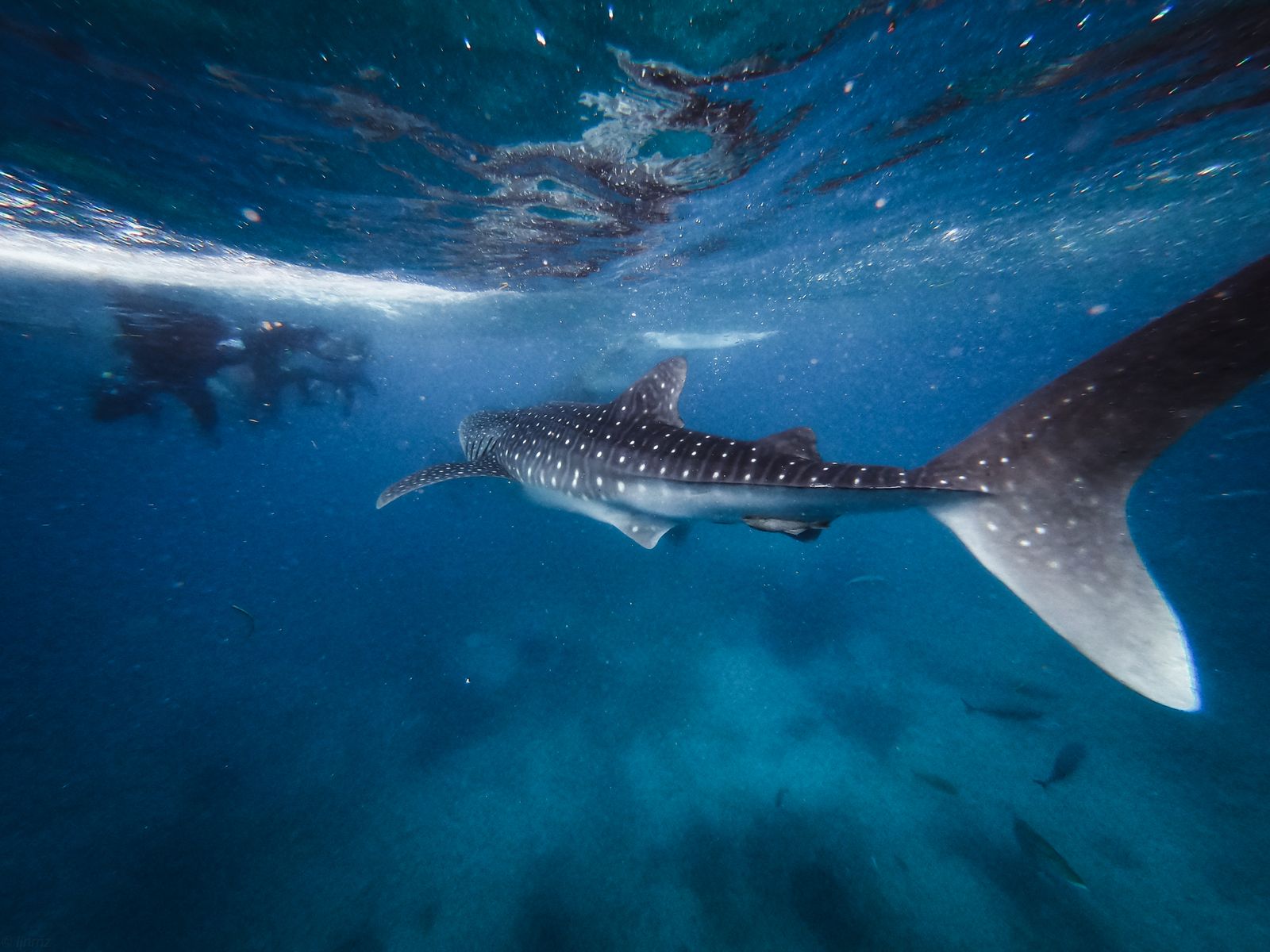
Swimming alongside the world’s biggest fish is a dream for many travellers, and the Maldives is the perfect place for it. South Ari Atoll is a genuine world first, because a population of young male whale sharks stays here all year round. Trips most often set out from Dhigurah or Maafushi, with a full-day boat trip from Maafushi costing around $100.
Sadly this experience has a darker side I have to warn you about. In high season a hundred snorkellers will often crowd around a single animal along with a swarm of boats, causing the sharks huge stress. More than half the whale sharks here bear scars from boat-propeller strikes. I’d therefore recommend choosing operators who follow the code of conduct of the MWSRP organisation, and heading out to sea as early in the morning as possible.
6. Mantas in Hanifaru Bay
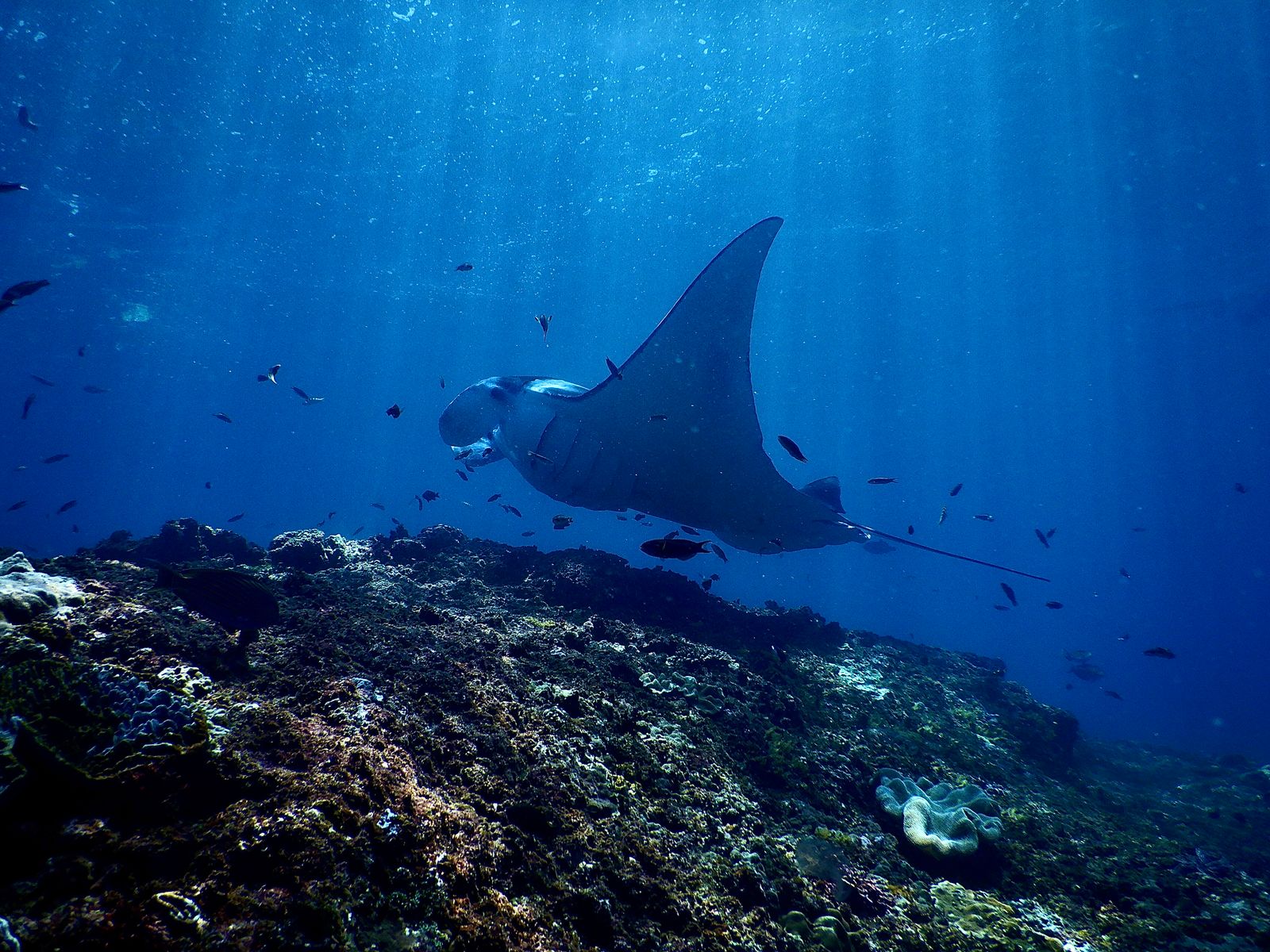
If you long to see elegant giant manta rays, your destination should be the protected Hanifaru Bay in Baa Atoll. The season here runs from May to November, with the best chances of success between June and October. When plankton floods into the bay, you can see dozens of mantas spinning in a kind of feeding tornado, an absolutely breathtaking spectacle.
The area is under strict UNESCO protection and clear rules apply. Scuba diving is strictly forbidden here — only snorkelling is allowed. To prevent overcrowding, every visitor must buy an entry token for $30, which entitles them to just 45 minutes in the water. Visits are only possible with a certified guide, who makes sure you don’t approach the mantas closer than three metres.
7. Bioluminescence: Sea of Stars
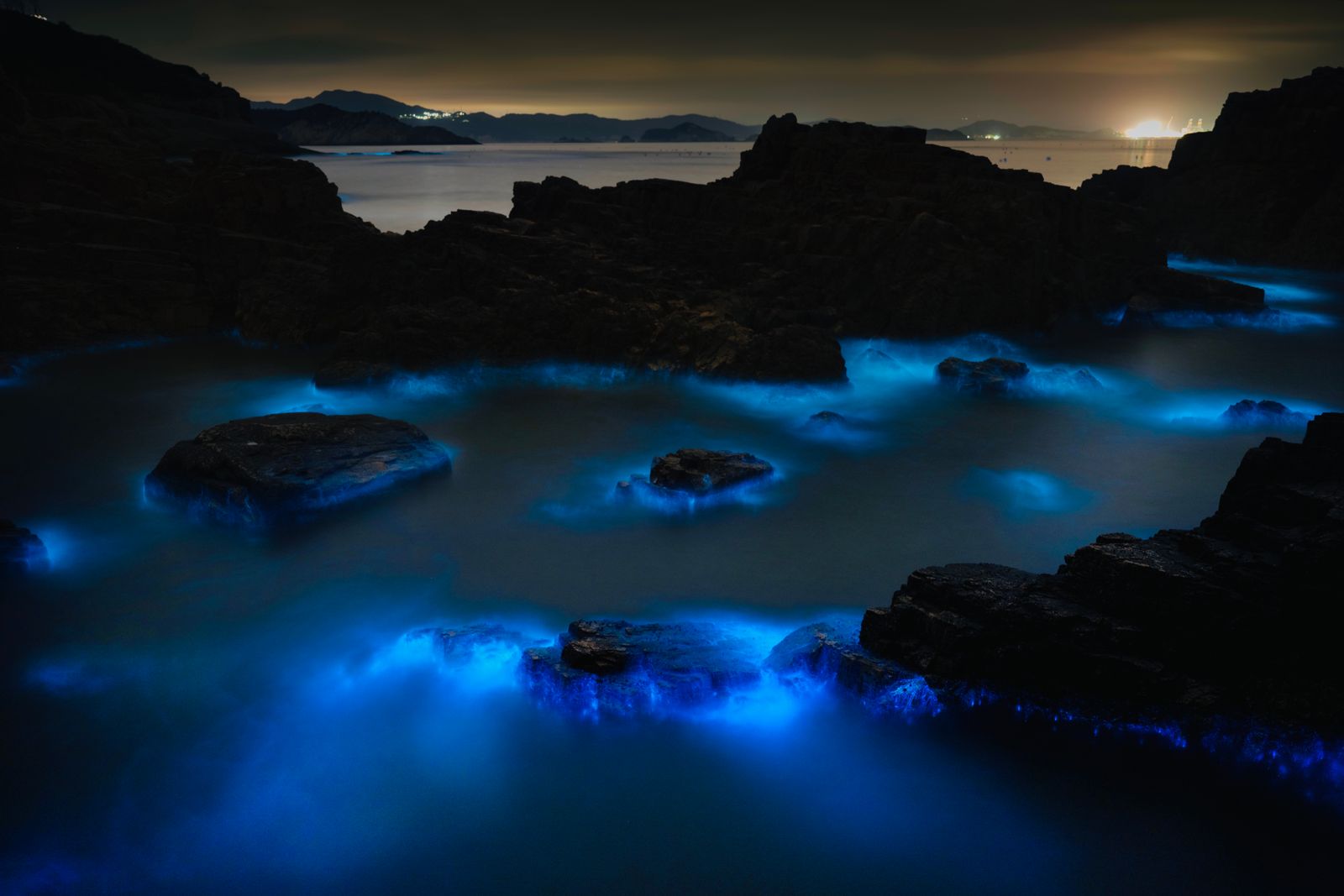
Photos of the glowing blue shoreline known as the Sea of Stars have gone all around the internet, and plenty of people fly to the Maldives precisely for it. But I have to be honest with you, because the reality is often quite different from the edited shots. This natural phenomenon is caused by specific phytoplankton and is never one hundred percent guaranteed, not even on the famous island of Vaadhoo.
Most of the photos you see on social media were taken with a very long camera exposure. To the naked eye it often just looks like a faint sparkle in the sand when you kick at it with your foot. Your best chance of seeing it is between June and October during a new moon, when the sky is at its darkest. So treat it as a lovely bonus to your holiday rather than the main reason for your trip.
8. How to Get Around Between Islands
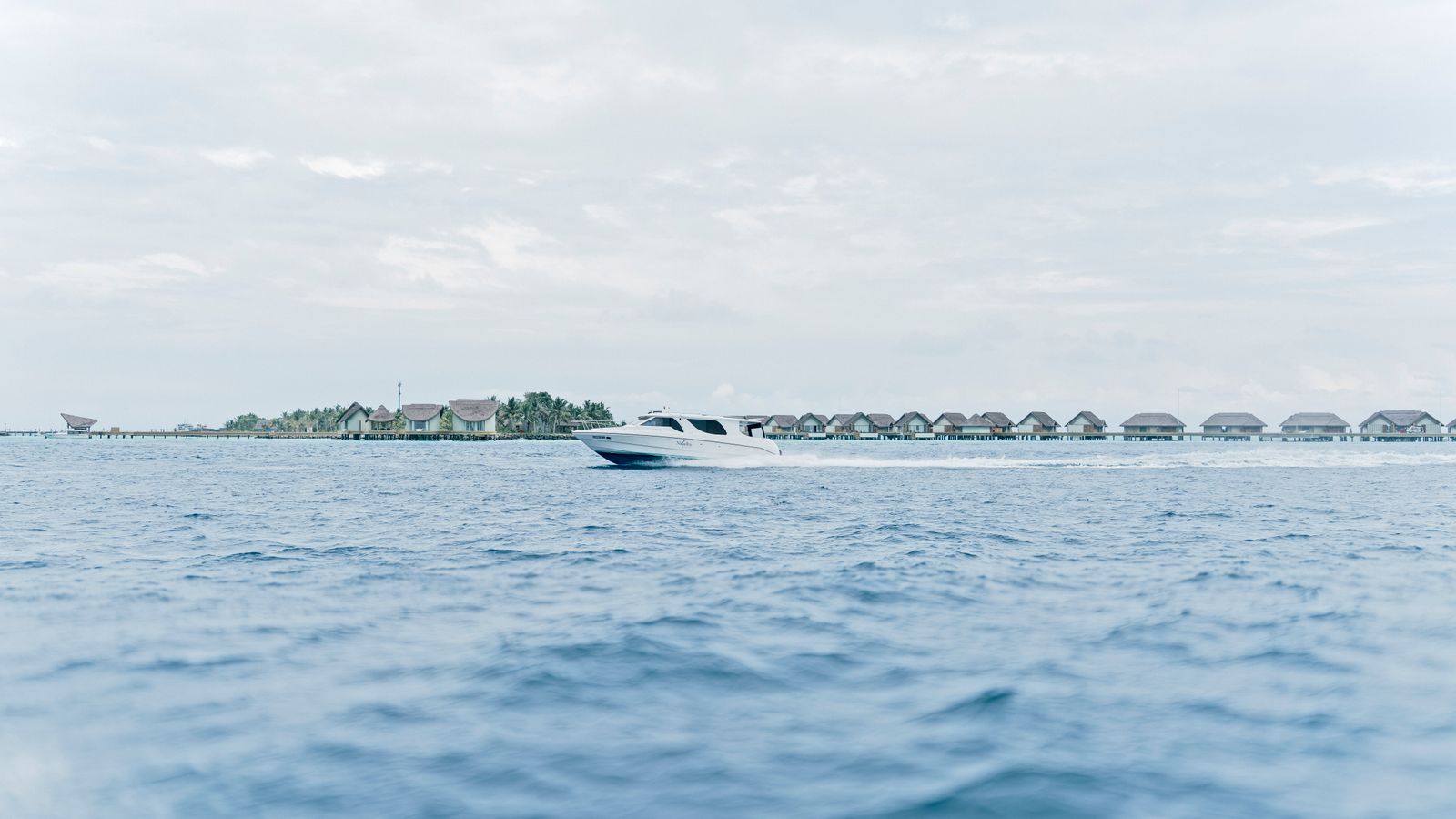
Transport in the Maldives is a chapter all of its own. The cheapest option is the local ferries called dhoni, which cost around £2. Travelling on them is a wonderful, authentic experience, but they’re very slow and better suited to shorter distances within a single atoll. Far more widely used are the shared fast boats (speedboats), which will get you to Maafushi, for example, for around $25.
There’s one huge rule you absolutely must remember. Friday is the main holy day in the Maldives and public transport comes to a complete standstill. No local ferries run at all, and only the bare minimum of fast boats operate. If your flight has you arriving on a Friday, be aware that you may not be able to reach a more distant local island that same day at all, and you’ll have to spend the night in the capital.
9. Seaplanes: An Experience That’ll Empty Your Wallet
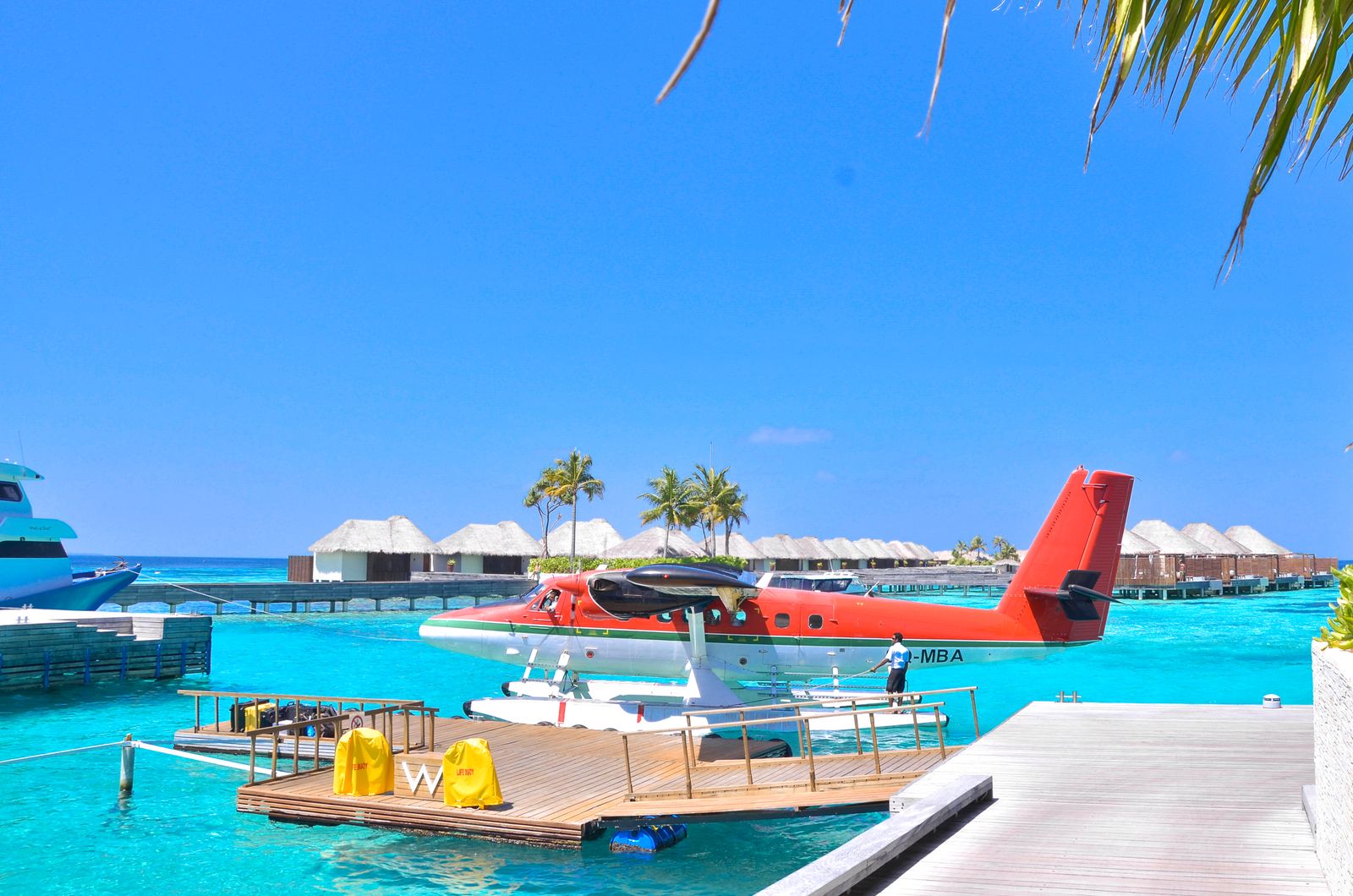
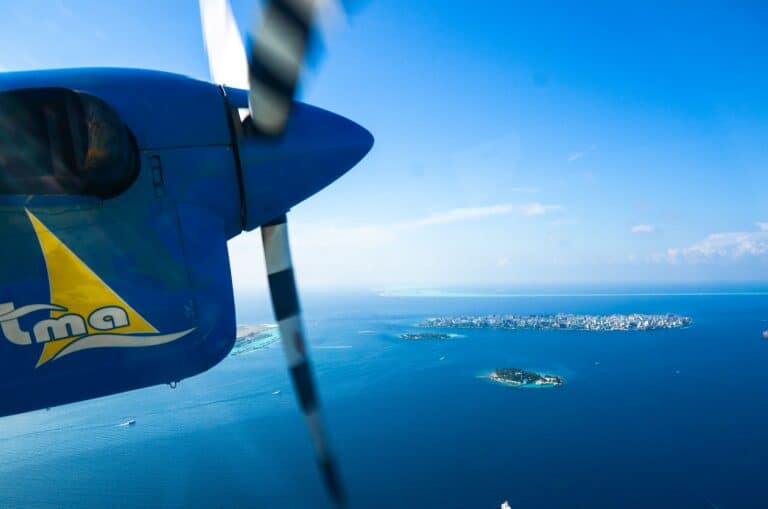
A seaplane flight over the turquoise atolls is probably one of the most beautiful aerial experiences in the world. They’re mostly operated by companies like Trans Maldivian Airways and fly exclusively to private resorts. It’s a very expensive affair price-wise — a return ticket costs $400 to $800 per person, which the resort automatically adds to your accommodation bill.
Seaplanes have one key quirk. They fly only in daylight, roughly from six in the morning to half past three in the afternoon. If your international flight lands in Malé late afternoon or in the evening, the seaplane won’t fly any more and you’ll be forced to spend your first night in a transit hotel near the airport. Bear in mind the weight limits too, as baggage tolerance on seaplanes is much stricter than on regular flights.

10. Flights from the UK
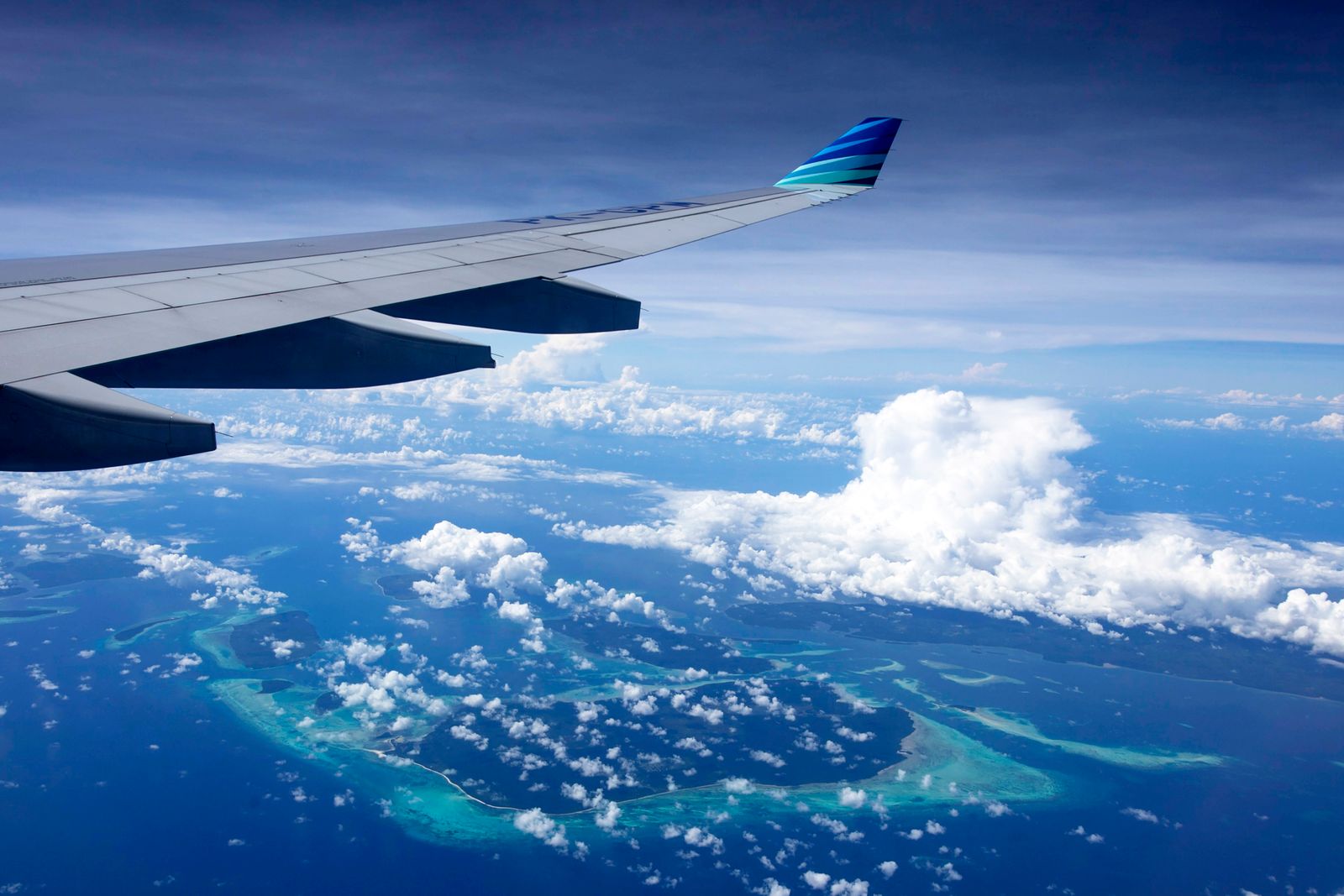
Getting to the Maldives from the UK is wonderfully straightforward. British Airways flies direct from London Heathrow to Malé over the winter season, with a flight time of around ten and a half hours. It’s by far the most comfortable way to go, sparing you the hassle of a connection.
If you don’t mind a single stopover, tickets with Emirates (via Dubai), Qatar Airways (via Doha) or Turkish Airlines (via Istanbul) are a tried-and-tested choice, and outside the high season you can sometimes snag fares from around £450 return. Standard prices otherwise sit somewhere between £550 and £800. Many UK travellers also book the Maldives as part of a complete holiday package, which can work out excellent value.
11. The Truth About Coral After 2024
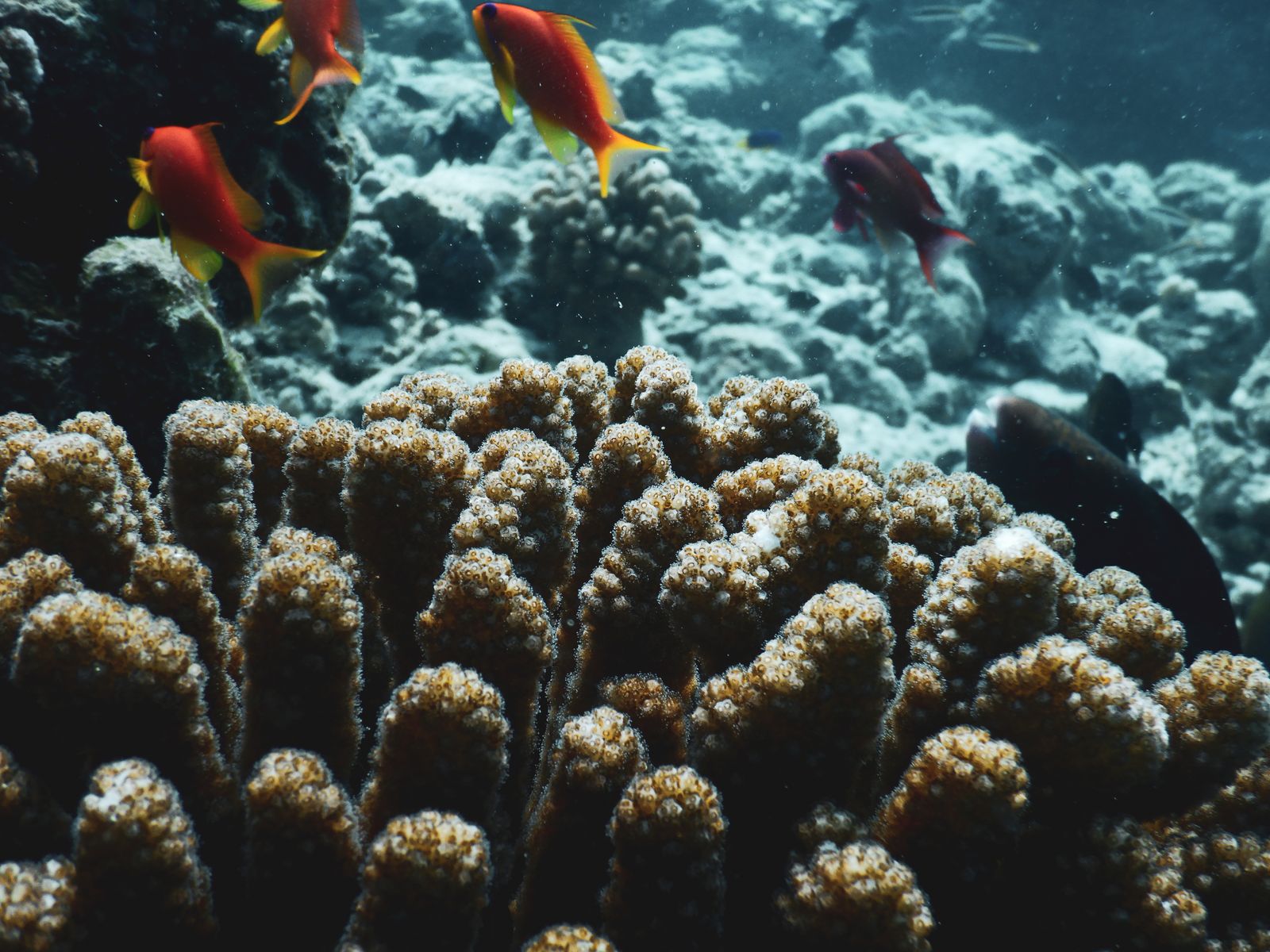
Look at older travel brochures and you’ll see vividly colourful coral gardens. But I have to be completely honest — the reality after the massive coral bleaching of 2024 is sadly bleaker. Due to extremely warm water, the central atolls lost almost forty percent of their living coral, and most shallow reefs today are rather grey.
That doesn’t mean the snorkelling isn’t worth it — quite the opposite. The Maldives is world-class thanks to its enormous amount of underwater megafauna, which still remains here in great numbers. On every dive you’ll see dozens of turtles, reef sharks, stingrays and incredible shoals of colourful fish. You just need to have the right expectations and not expect neon-coloured coral right by the shore.
12. Local Food and Vegetarian Treats
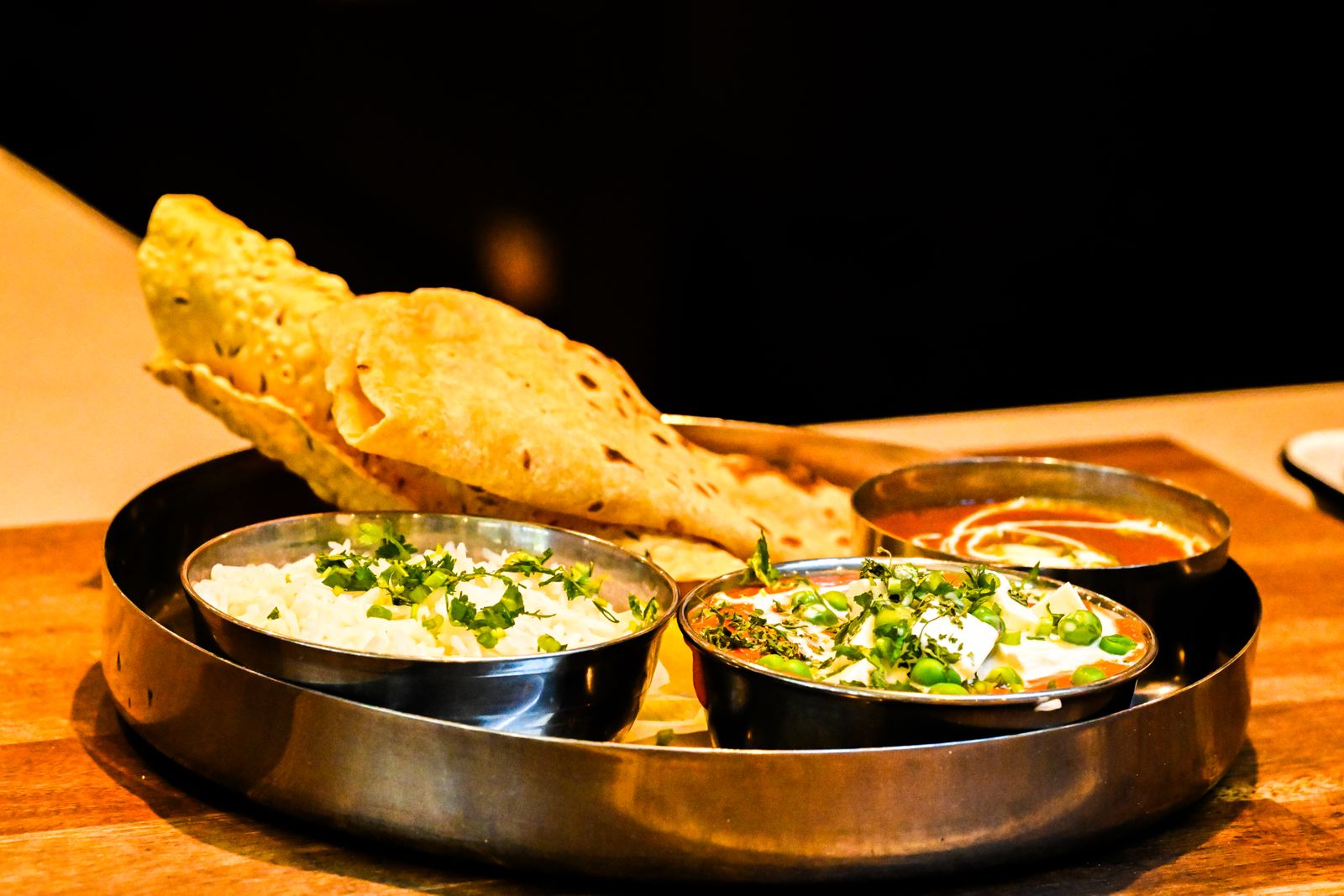
Maldivian cuisine is heavily influenced by nearby Sri Lanka and India, which means plenty of wonderful spices and coconut milk. The national dish is tuna prepared in hundreds of ways, whether it’s the traditional morning mix mas huni or the strong fish broth garudhiya. You can buy these dishes in local diners for a few pennies — the Kada bistro on Maafushi cooks them excellently, and they’re usually served with thin roshi flatbreads.
If you’re vegetarian, you’ll be thrilled by the local meat-free specialities. Boshi mashuni is excellent — a fresh salad made from banana flower that replaces the classic tuna breakfast here. Be sure to try the tharukaaree riha vegetable curry too, or the crispy fried bis keemiya parcels filled with cabbage and egg. As for Indian cuisine, you’ll easily find a tasty lentil dhal in just about every guesthouse.
13. Bikini Beaches and Dress Code on Local Islands
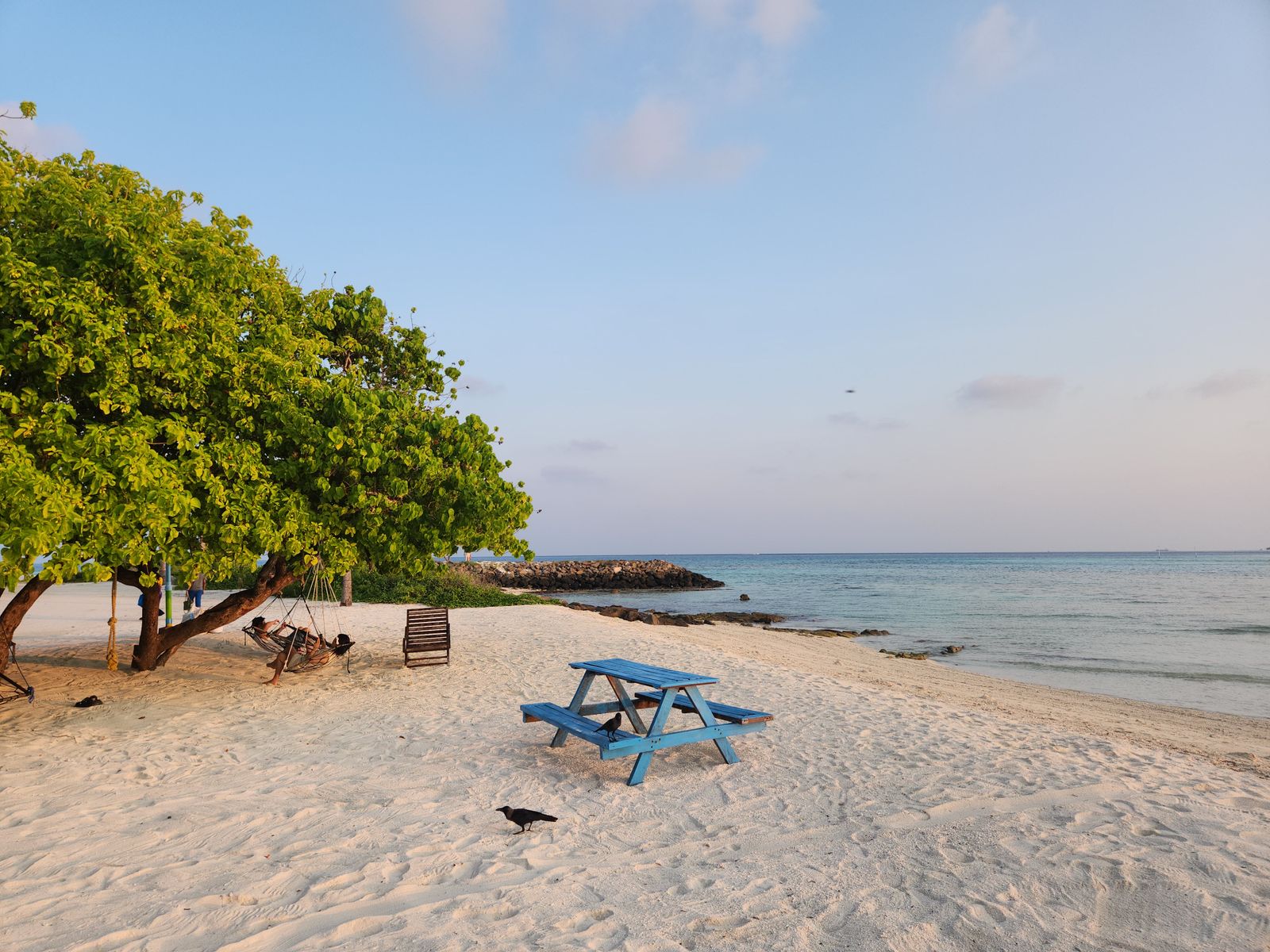
As I touched on in the intro, swimming on local islands has its own specific rules. Tourists may only swim in regular swimwear on beaches marked as Bikini Beach. These beaches are often separated from the rest of the village by a reed fence or a strip of palms, to avoid offending local residents.
Away from this designated area, you’re expected to respect Muslim traditions. The moment you step out into the streets, the shop or for dinner, you must keep your shoulders and knees covered. For women that means avoiding short shorts and spaghetti-strap tops; for men a regular T-shirt and longer shorts will do. This dress code also applies on board local public ferries, so keep your swimwear strictly for the beach or the excursion boat.
14. All Inclusive, Full or Half Board?
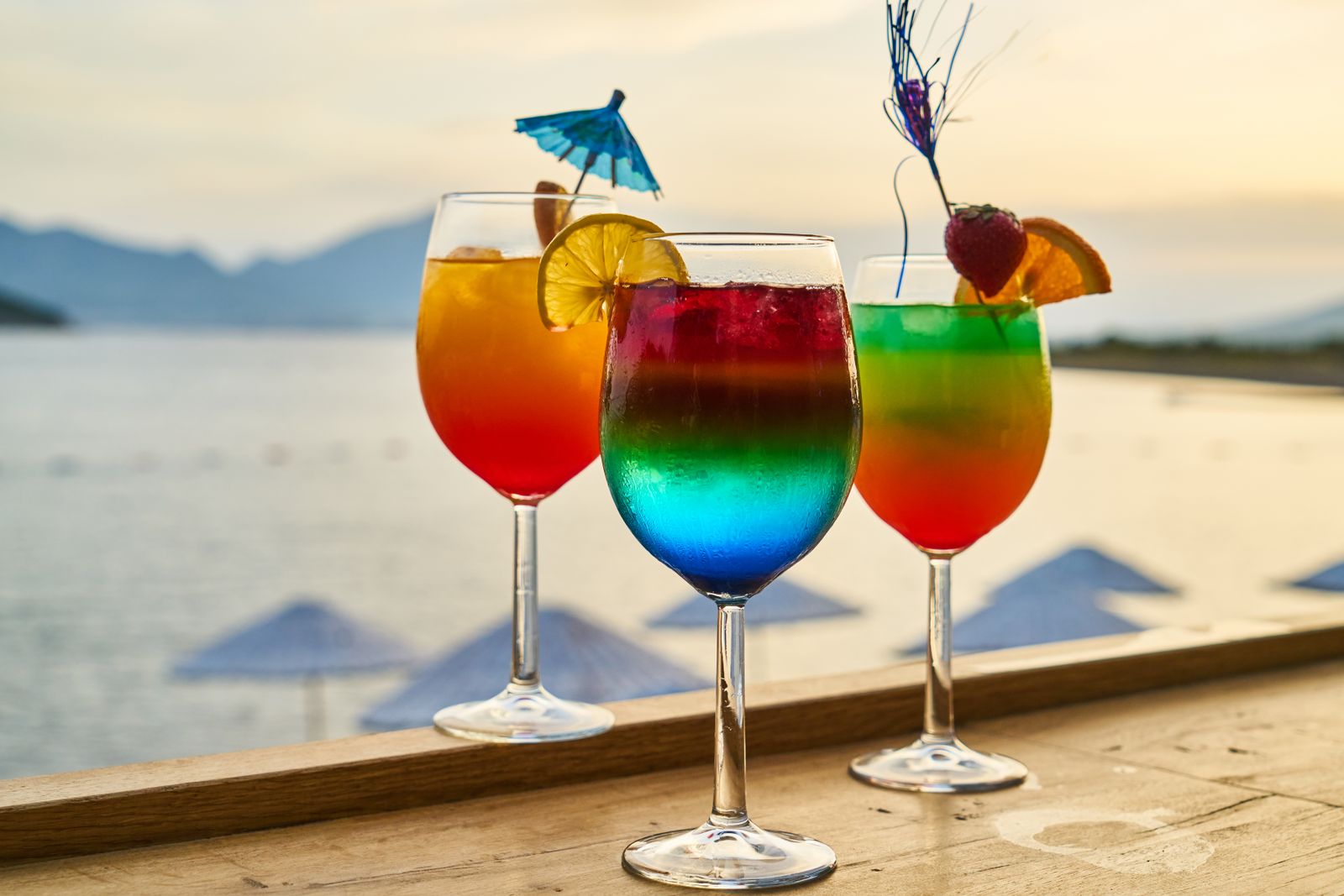
Dining in resorts works completely differently from European hotels. The biggest trap tends to be plain half board, because à la carte food and drink prices on these isolated islands are extreme. Just an ordinary bottle of drinking water with dinner can set you back eight to twelve dollars, plus that 28% in taxes on top. A simple lunch can therefore cost as much as fifty dollars per person.
If you’re heading to a resort for five or more nights, All Inclusive will almost always pay off financially. The tipping point at which the All Inclusive supplement starts to make sense usually comes at your third or fourth drink of the day. Especially if you like a beer with lunch and a couple of cocktails in the evening, a prepaid package will save you a fair bit of money — and a lot of stress when signing bills.
15. When to Go See the Mantas at Rasdhoo
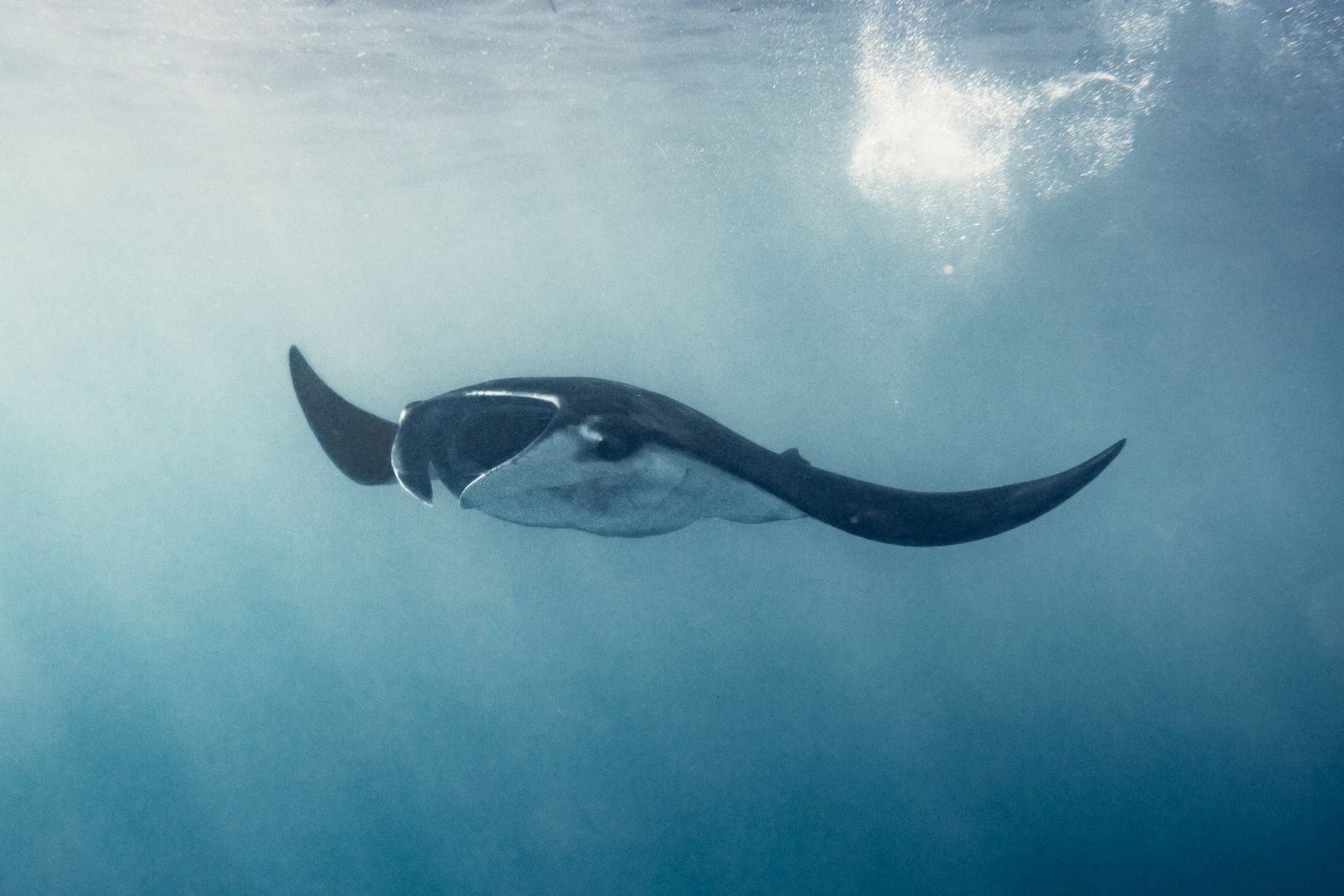
Rasdhoo Atoll is among the absolute best for all lovers of diving and advanced snorkelling. The area is famous for its excellent house reef, which starts just off the beach and drops away into enormous depths. The biggest draw, though, is the local manta cleaning station, where these majestic creatures arrive from November to April — exactly the opposite season to Hanifaru Bay.
Besides the mantas, Rasdhoo is also known for its morning hammerhead dives. It’s one of the few places in the Maldives where these sharks can be seen regularly. The island also has great infrastructure, a beautiful long Bikini Beach and several excellent dive centres that run trips at very fair prices.
16. Surfers’ Paradise: Thulusdhoo and Cokes
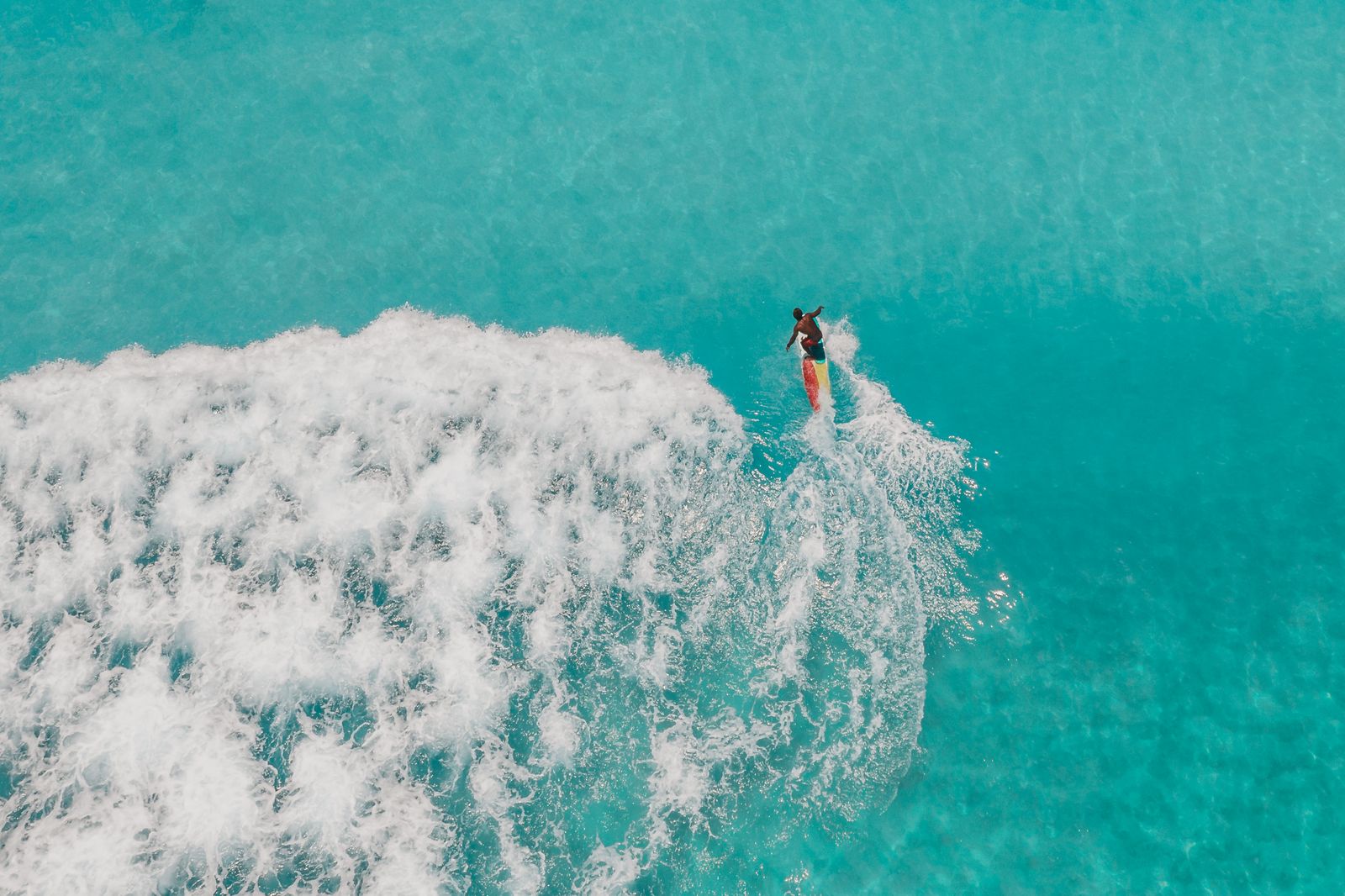
The Maldives isn’t just about lounging on the beach — it’s home to some of the best surfing waves in the Indian Ocean. The mecca for all surfers is the local island of Thulusdhoo, which has an utterly laid-back, relaxed vibe. The main draw is the legendary wave called Cokes, which got its name from the Coca-Cola factory that, paradoxically, sits on the island.
The Cokes wave is fast and breaks over shallow coral, so if you’re just starting out, you’re better off warming up your board at another destination. More experienced surfers will be thrilled, though, especially since just across the channel the longer, more playful Chickens awaits. The best conditions come in summer, specifically June to September, when the best ocean swells arrive. For a few dozen dollars the locals will take you out to the break in a little boat, so you don’t have to paddle laboriously across the whole lagoon.
17. The Fruit Island of Thoddoo
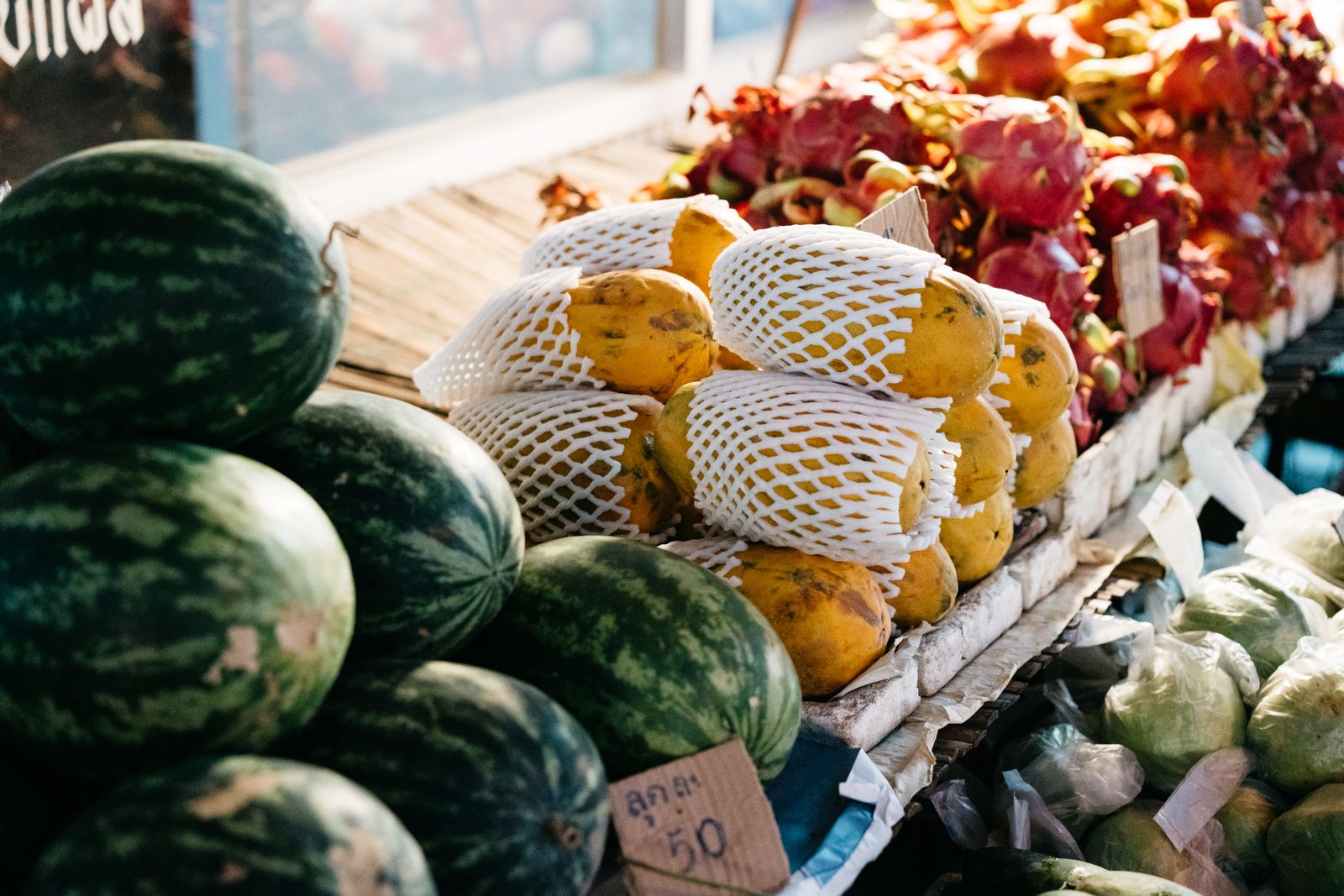
Most Maldivian islands are made up of nothing but sand and coral, so almost nothing can be grown on them. The exception is the beautiful island of Thoddoo, which functions as a giant farm for the rest of the country. Lush plantations of papayas, watermelons, bananas and passion fruit cover almost its entire surface. As a result, you’ll find the freshest and cheapest fruit here for miles around.
Thoddoo also has one of the nicest designated beaches of any local island. The beach is lined with tall palms and the fine sand slips into a wonderfully turquoise lagoon. Because the island is a little bigger than the others, I’d recommend hiring a bike here and exploring the dusty tracks between the plantations — a great change of pace after a full day of swimming.
18. Time Difference and the Curious “Resort Time”
The official time in the Maldives is UTC+5, which means that during British Summer Time it’s four hours ahead, and in winter five hours ahead of the UK. This modest time difference is fairly kind and most travellers don’t suffer any drastic jet lag. What is curious, though, is that many luxury resorts have introduced their own so-called island time.
Resort managers artificially move the clocks one hour ahead of the capital. They do it to give guests longer daylight in the evenings, so the sun sets around seven instead of six. So if you’re combining a stay on a local island with a resort, be extremely careful about which time your fast boat is actually leaving on.
19. Sandbank: A Picnic on a Sandbar in the Middle of the Ocean
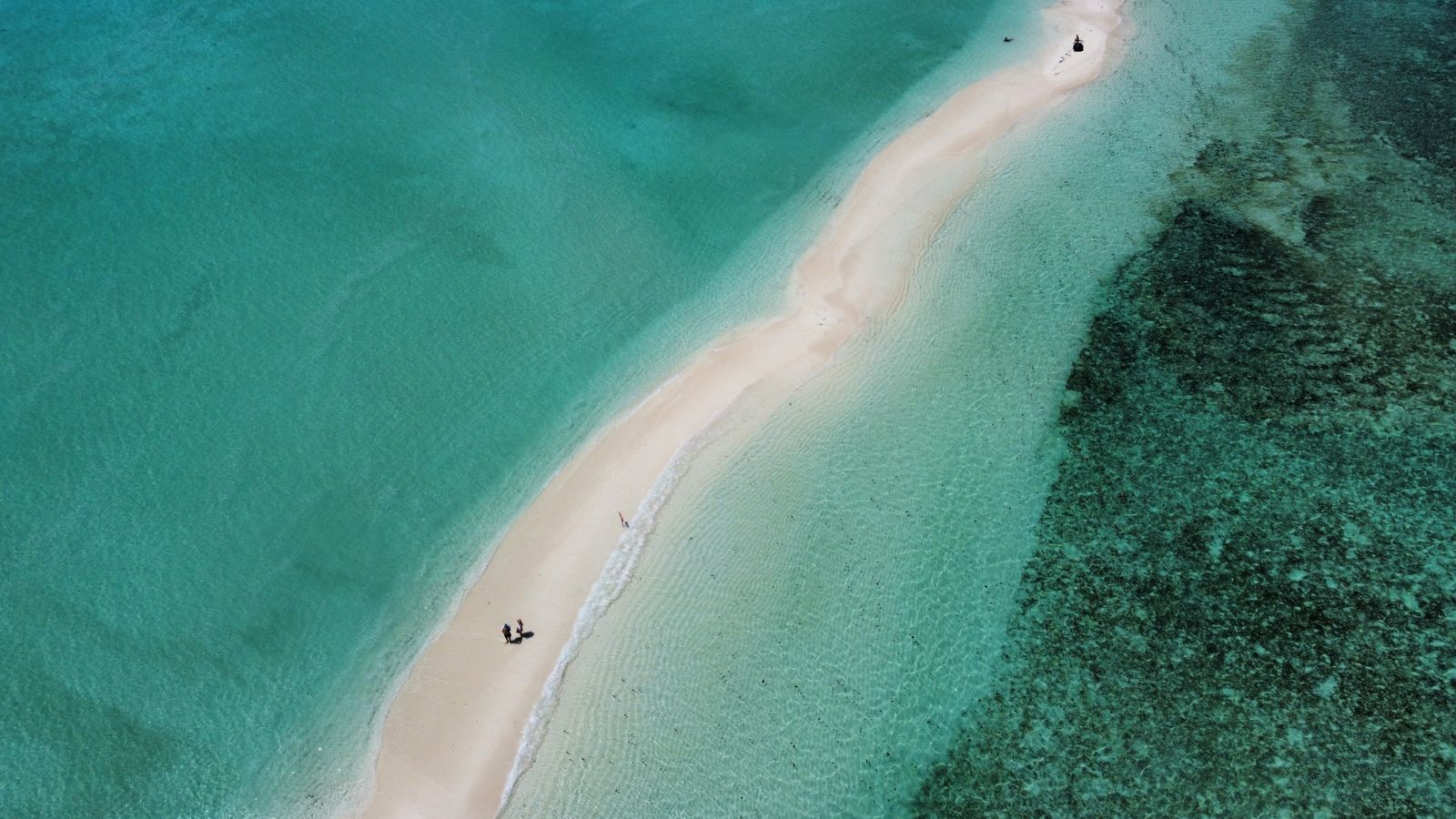
One of the most iconic experiences you can treat yourself to is a trip to a deserted sandbar known as a sandbank. These are small patches of brilliant white sand that emerge from the ocean only at low tide and have absolutely no trees or vegetation. Almost every guesthouse will happily organise a half-day trip for you, often including a private picnic under a parasol.
The cost of such a trip from the local islands is around thirty to forty dollars per person. It’s an absolute paradise for lovers of photography and romance. Don’t forget to bring plenty of factor 50 sun cream, though (ideally a reef-safe one, free of oxybenzone and octinoxate), because the sun reflecting off the water and sand will burn you faster than you’d expect.
20. Weddings and Honeymoons in the Maldives
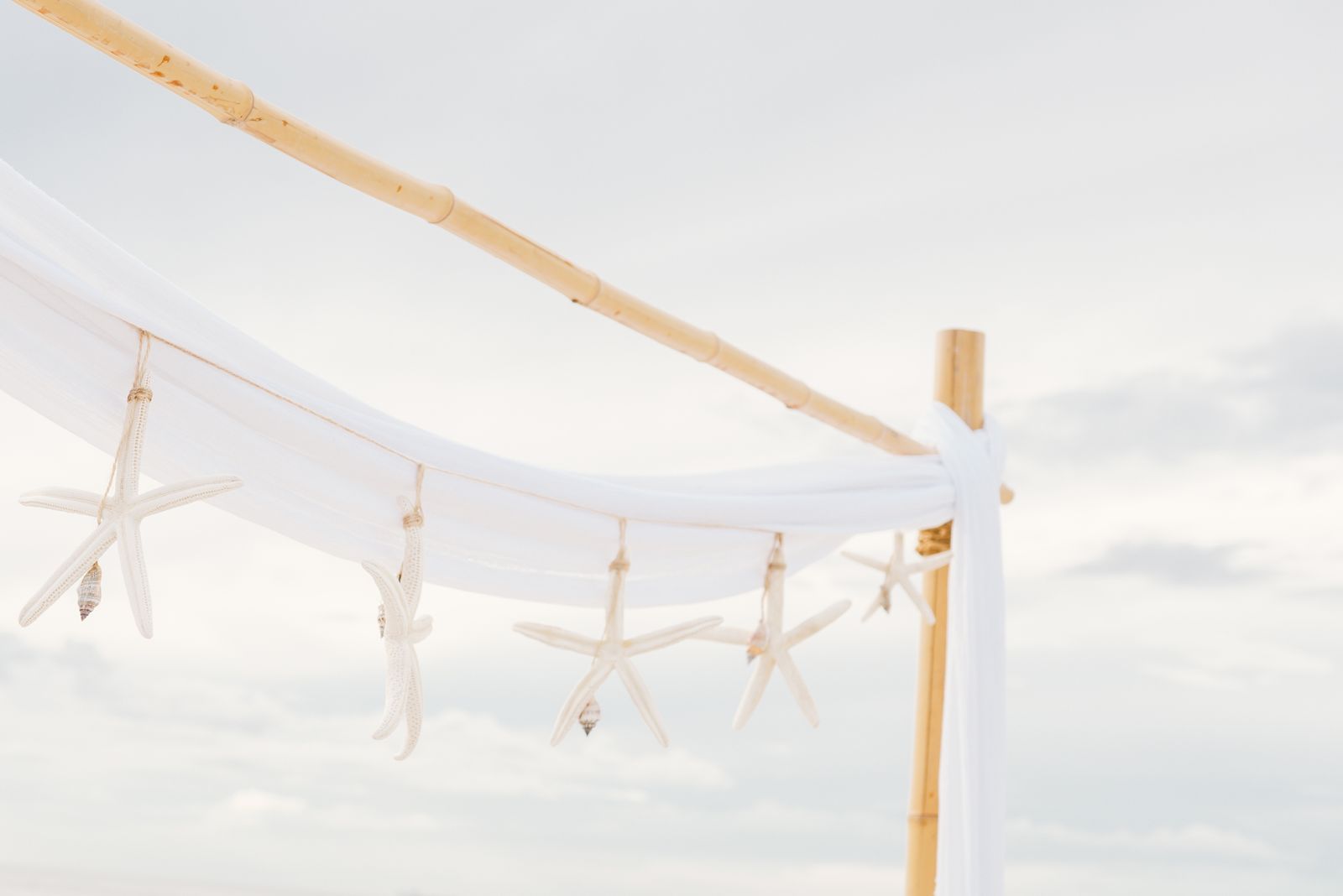
The Maldives is a byword for luxury honeymoons, and many couples dream of a romantic beach wedding here. You should know, though, that foreigners can’t have a legally binding marriage here, since the country only allows Muslim ceremonies. All tourist weddings are therefore purely symbolic, and on paper you have to get married back home in Czechia.
Almost every better resort offers symbolic wedding packages, costing anywhere from five hundred to several thousand dollars depending on how elaborate the decor is. If you’re flying here for a honeymoon, don’t forget to pack a copy of your marriage certificate. Most resorts and guesthouses will happily prepare a lovely surprise for you — a flower-decorated bed, a bottle of champagne or a romantic candlelit dinner, free of charge.
21. Turtle Rescue Centres and Marine Life Conservation
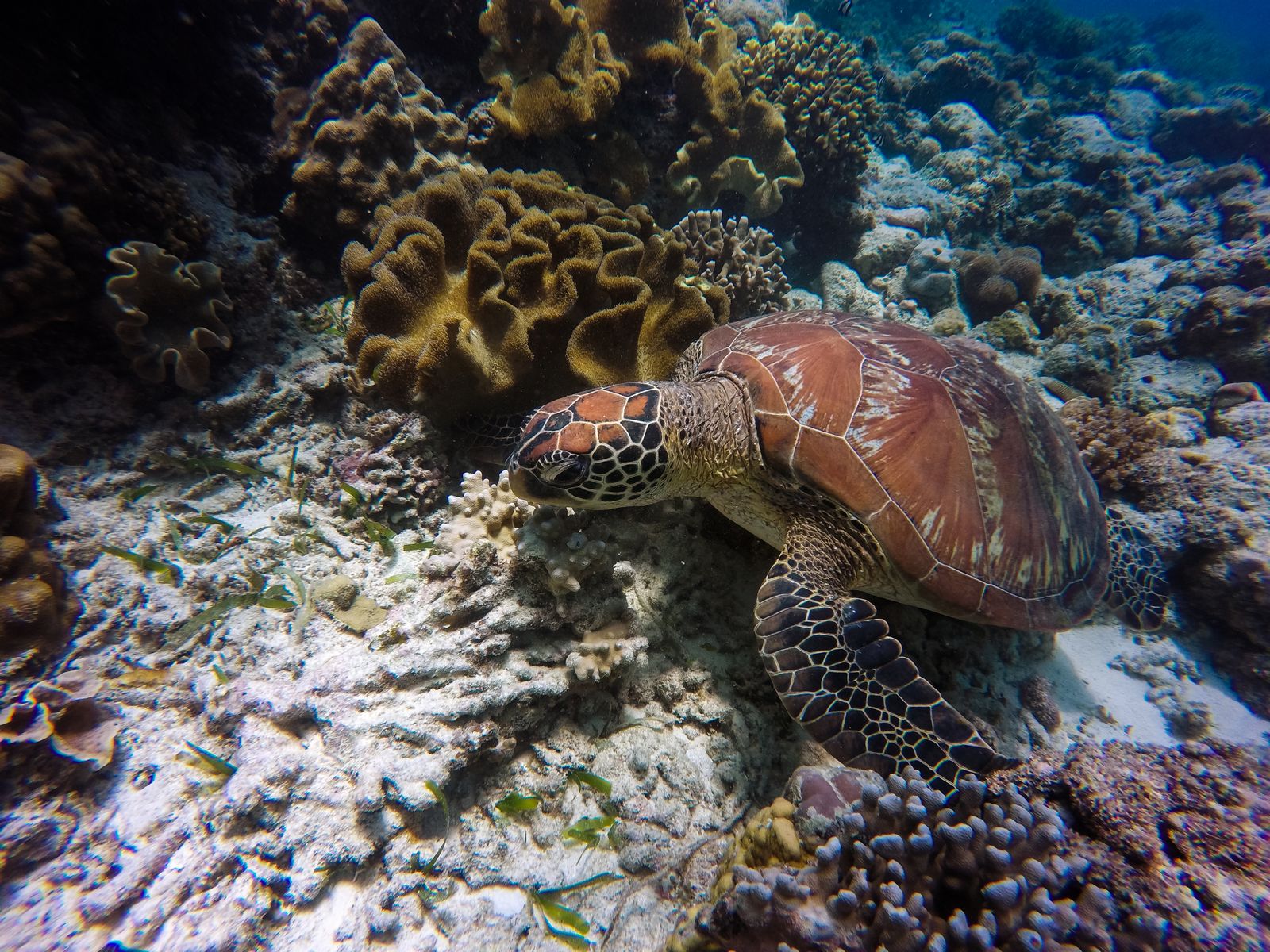
Sea turtles are everywhere in the Maldives, but sadly so are the ones who don’t fare so well. Many of them end up tangled in abandoned fishing nets that drift in from the open ocean. If you want to support a good cause, visit one of the local rescue centres. One of the best known operates under the Olive Ridley Project and cares for injured turtles, many of which are missing flippers.
On many islands you’ll see efforts to protect the fragile ecosystem. It’s strictly forbidden to take any shells, coral or tortoiseshell products out of the Maldives. While snorkelling there’s an absolute ban on touching anything underwater, standing on coral or feeding wild fish. In short: don’t collect, don’t touch, don’t stand and don’t feed. Nothing more, nothing less — that’s your bit done to make sure there are still some reefs left here.
Map of points of interest for your phone
Where to Go Next from the Maldives
If you love the exotic and you’re wondering where to head on your next trip, the Indian Ocean and its surroundings offer plenty of other wonderful options. If you fancy greater variety and want to combine beach lazing with jungle trips and tea plantations, definitely read our big article Sri Lanka: holiday, 21 tips on what to see and when to go.
For those looking for a touch of African atmosphere mixed with Arabic culture, I recommend taking a look at Zanzibar: holiday, 21 tips on what to see and when to go. If you’d rather fly closer to home and like rawer landscapes, check out Cape Verde: holiday, 19 tips on what to see and when (not) to go. And if you’re drawn to Asian culture full of Hindu temples and volcanoes, we have a detailed guide to Indonesia, Bali: 57 tips on what to see. Travellers sometimes combine the Maldives with a visit to the Emirates, for which our article Dubai holiday: 43 great tips is perfect.
More from our exotic series: Mauritius: holiday, 21 tips on what to see and when to go · Dominican Republic: holiday, 21 tips and when to go · Abu Dhabi: holiday, 21 tips on what to see and when to go
Frequently Asked Questions
Planning a trip to the Maldives always brings up a heap of questions. In this article we’ve put together answers to the most common ones, so you can fly off with a perfectly clear head.
Do I need a visa for the Maldives and what is Imuga?
You’ll get a 30-day visa for free upon arrival. However, it’s mandatory to fill out the electronic IMUGA declaration, no more than 96 hours before your arrival and departure. The form is online, free, and generates a QR code that you’ll show at the airport.
Is there malaria in the Maldives and what vaccinations do I need?
Maldives is completely malaria-free, so you can leave antimalarials at home. However, dengue fever occasionally occurs here, which you can protect against with a strong repellent. No vaccinations are mandatory, only the standard basics like hepatitis A and typhoid are recommended.
How much does a vacation in the Maldives cost, can you go cheap?
Definitely yes. A week on a local island can cost you from €1,000 per person including flights and accommodation in a nice guesthouse. Resorts are much more expensive, we’re talking about amounts from €2,000 to €10,000 and more depending on the level of luxury.
Can you wear bikinis on the local islands?
Yes, but with one major limitation. On each local island, there is a so-called Bikini Beach designated for tourists, where you can freely sunbathe in swimwear. Outside this beach, meaning in the village, you must respect Muslim rules and keep your shoulders and knees covered.
When is the best time for mantas and whale sharks?
Whale sharks are present year-round in the South Ari Atoll area, so you can head out to see them anytime. Mantas have their main season in the protected Hanifaru Bay from May to November, while at Rasdhoo Atoll they gather more from November to April.
Is it worth paying for All Inclusive at the resort?
Mostly yes, especially if you’re staying for several days and enjoy having a drink. Bottled drinking water alone at the resort can easily cost ten dollars and a regular lunch fifty. The All Inclusive surcharge often pays for itself by your third or fourth cocktail of the day.
What is the time difference in the Maldives?
The base time offset is UTC+5, which in practice means plus three hours in summer and plus four hours in winter compared to Central European time. However, many luxury resorts artificially add one extra hour (so-called resort time), so you have daylight longer in the evening.
Can you go to the Maldives with small children?
Definitely, the Maldives are great for kids thanks to the shallow and warm lagoons. However, I recommend choosing a resort or island accessible by speedboat within 45 minutes, because the noisy seaplane flight can be quite uncomfortable for small children. Plus, many resorts have amazing kids’ clubs.
Tips and Tricks for Your Vacation
Don’t Overpay for Flights
Search for flights on Kayak. It’s our favorite search engine because it scans the websites of all airlines and always finds the cheapest connection.
Book Your Accommodation Smartly
The best experiences we’ve had when looking for accommodation (from Alaska to Morocco) are with Booking.com, where hotels, apartments, and entire houses are usually the cheapest and most widely available.
Don’t Forget Travel Insurance
Good travel insurance will protect you against illness, accidents, theft, or flight cancellations. We’ve had a few hospital visits abroad, so we know how important it is to have proper insurance arranged.
Where we insure ourselves: SafetyWing (simple monthly subscription) and TrueTraveller (for extra-long trips).
Find the Best Experiences
Get Your Guide is a huge online marketplace where you can book guided walks, trips, skip-the-line tickets, tours, and much more. We always find some extra fun there!