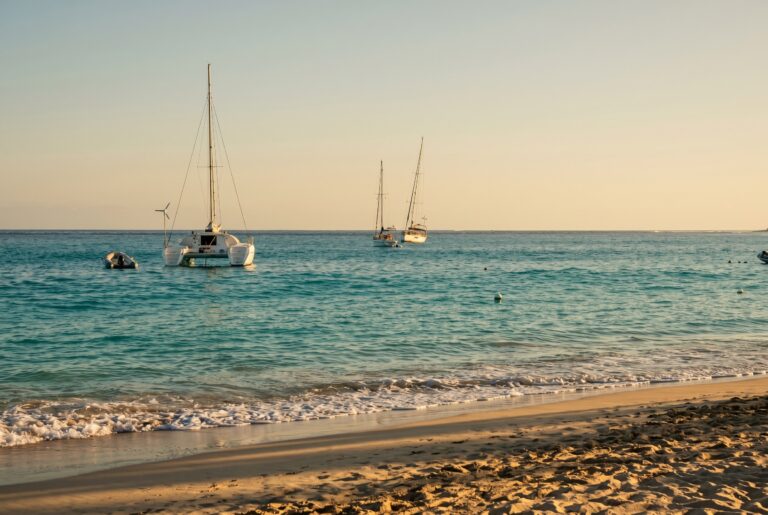
Although Mauritius often gets lumped together with other exotic paradises, let me set the record straight right from the start. This isn’t just a flat island full of sun loungers and endless lounging around. A Mauritius holiday is essentially the Maldives with proper substance, where on top of the turquoise lagoon you also get mountains, rainforests and an incredibly rich culture. The island simply has so much to offer that it would be a real shame to spend your whole stay locked behind the gates of a hotel resort.
While in the morning you can snorkel with sea turtles, after lunch you’ll be scrambling up the iconic Le Morne mountain or sampling the best street food in the entire Indian Ocean. The island is also just the right size to drive around in a rental car, yet diverse enough to keep you entertained for a full two weeks without a hint of boredom. The roads are surprisingly good, and even though they drive on the left, the traffic is easy to handle once you’re outside the bigger towns.
So now, onto those promised 21 tips. I’ll show you how not to get caught out by the reversed seasons, why you should pay close attention to which coast you choose for your accommodation, and how to enjoy your holiday here even on a tighter budget.
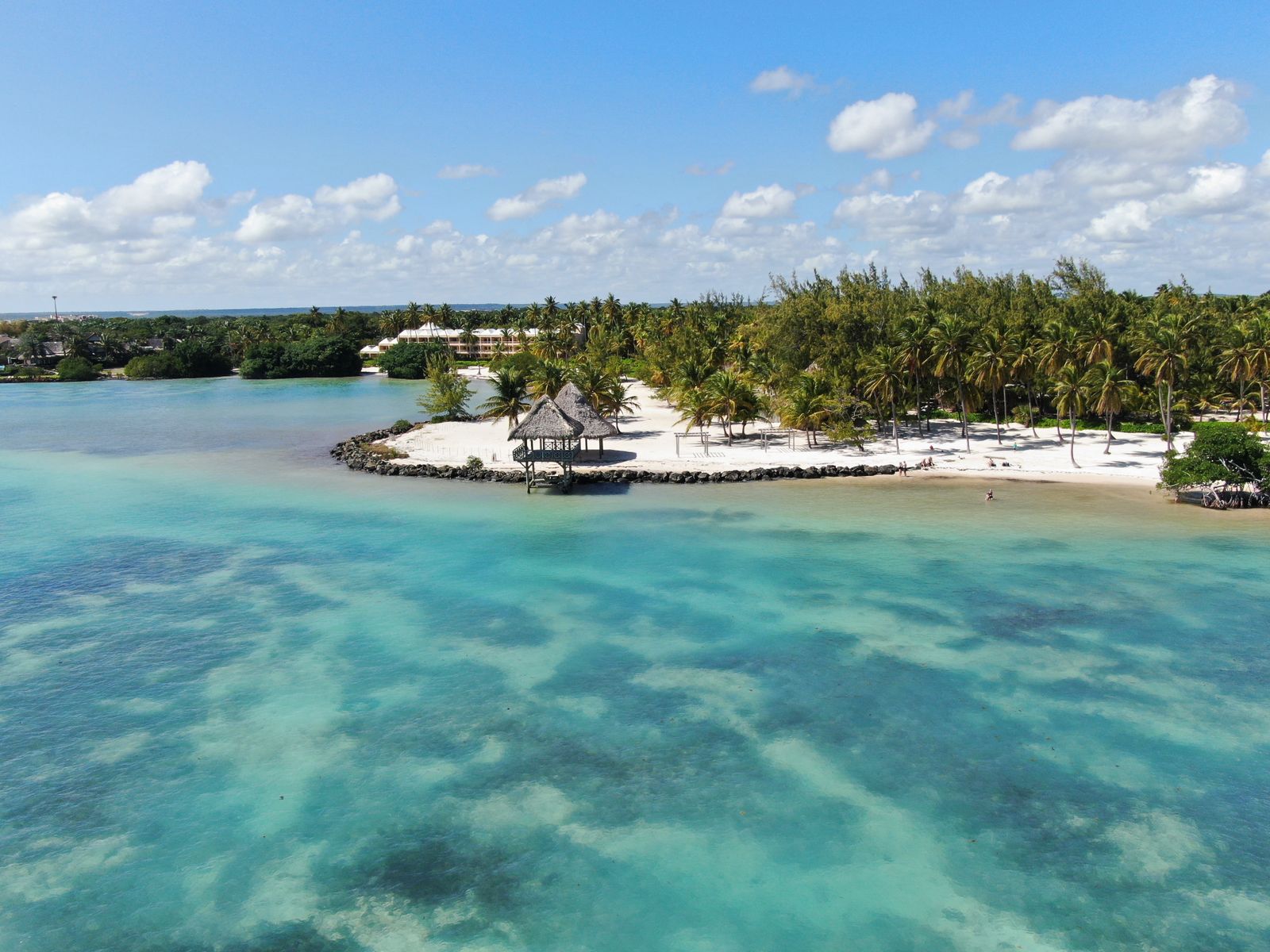
TL;DR
If you’re packing your bags right now and just need a quick overview of the essentials, I’ve summed up the key points for you. Here’s what you should know before you board the plane:
- Reversed seasons: The Mauritian summer (November to April) is hot and humid with a risk of cyclones, while winter (May to October) is drier but very windy on the east coast.
- Choosing the coast is crucial: In the Mauritian winter, avoid the east because of strong wind and seaweed. The sheltered west and north offer the ideal refuge.
- Budget: Mauritius doesn’t have to be overpriced. A great network of guesthouses and apartments makes cheaper travel possible, as does the fantastic local street food.
- Getting around: Local buses are reliable and cheap. If you rent a car, remember they drive on the left here.
- No malaria: The island is very safe health-wise, malaria doesn’t occur here, and thanks to the coral reef the lagoons are shallow and calm even for small children.
- Weddings: Unlike the Maldives, a wedding in Mauritius is legally valid back in the UK too, and brides often get huge discounts at resorts.
- Formalities: You don’t need a visa, but don’t forget to fill in the mandatory All-in-One Travel Digital Form, which is completely free.
The full destination guide: Africa — guide and what to see
When to Go to Mauritius: Watch Out for the Reversed Seasons
Choosing the right time to travel to Mauritius is absolutely key, because it lies in the southern hemisphere and the seasons here work exactly the other way round to ours. If you don’t want to spend your holiday cooped up in your room, it pays to plan ahead and know the local quirks.
The Mauritian summer runs roughly from November to April and brings temperatures between 25 and 33 °C. The water is a gorgeous 29 degrees, but it’s also a season of high humidity and the main cyclone period. These peak between January and March. The island is usually only hit on the edges, but a direct strike comes around once every five years and can leave you stuck at the hotel for a few days. During these months it’s a good idea to have some indoor activities or a few good books up your sleeve.
The Mauritian winter, on the other hand, runs from May to October and offers more pleasant temperatures of around 20 to 26 °C. It’s noticeably drier, but the south-easterly trade wind comes into play. This wind turns the east coast into a surfer’s paradise, but for ordinary swimming it’s pretty windy and cooler there during these months. Definitely pack a windbreaker or a light jumper for evening walks, because the feels-like temperature can drop quite quickly after sunset.
So when is the absolute best time? The sweet spot is May, June, September and October. September is the driest month of the entire year, the wind gradually dies down and the sea starts to warm up. On top of that, in these shoulder months you’ll find the best prices on flights and accommodation.
Where to Stay in Mauritius: Choosing the Coast Is Everything
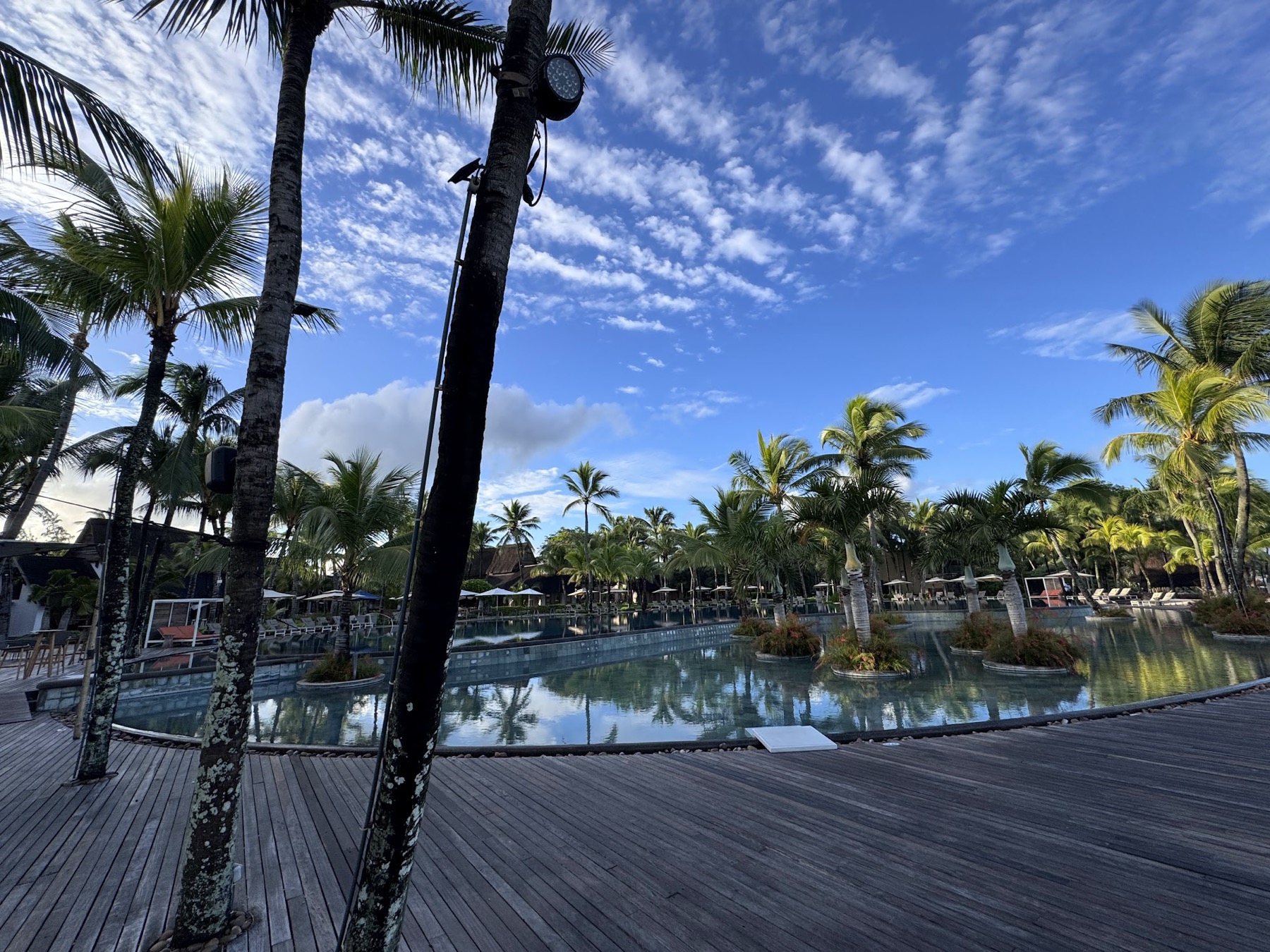
While in other destinations you mostly worry about the price and the hotel’s facilities, in Mauritius you first have to think about the points of the compass. The north and west coasts are sheltered from the wind all year round, whereas the east can be very windy and full of washed-up green seaweed from June to September. It also depends on what kind of sea you prefer. In some places the entry is extremely shallow and sandy, in others you’ll find coral right by the shore, which calls for water shoes. The island offers everything from luxury resorts to cheap guesthouses. From October 2025 onwards, also factor in a tourist tax of €3 per person per night.
North coast (Trou aux Biches, Grand Baie)
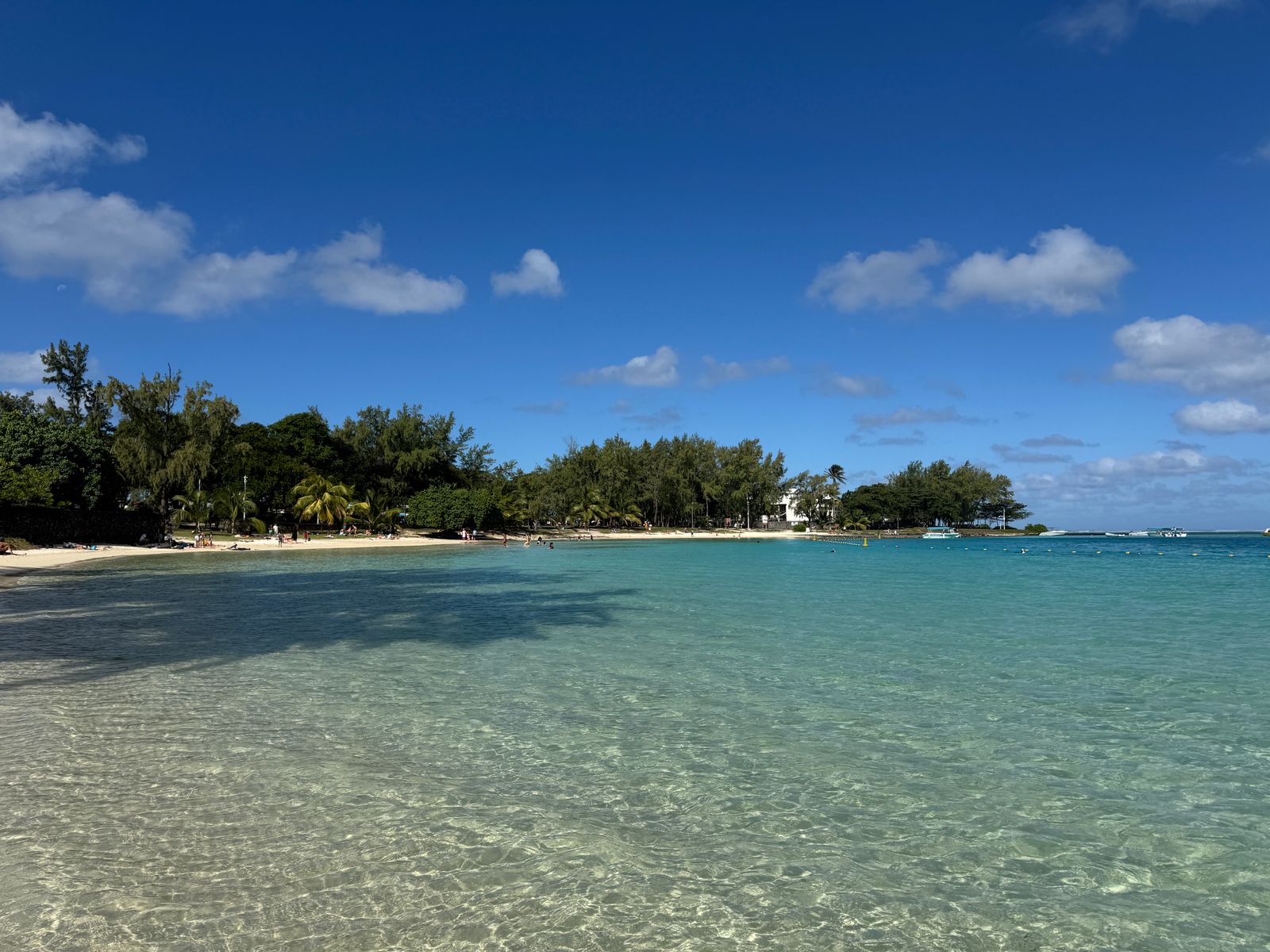
The north is the liveliest part of the island, with excellent infrastructure, restaurants and beautiful beaches that are sheltered from strong wind all year round. It’s the ideal choice if you want to have everything close at hand and love evening strolls.
Among the luxury options, the standout is Trou aux Biches Beachcomber Golf Resort & Spa, with a gorgeous lagoon perfect for families with children and snorkelling straight off the beach. On a more reasonable budget, the aparthotel Be Cosy Apart’ Hotel stands out with its own kitchenette and a location just a stone’s throw from the sea. And if you’re after atmosphere rather than facilities, the guesthouse Esprit Libre Restaurant & Guest House, with its renowned home-style restaurant, is a safe bet, especially for couples.
West and south-west coast (Flic en Flac, Le Morne)
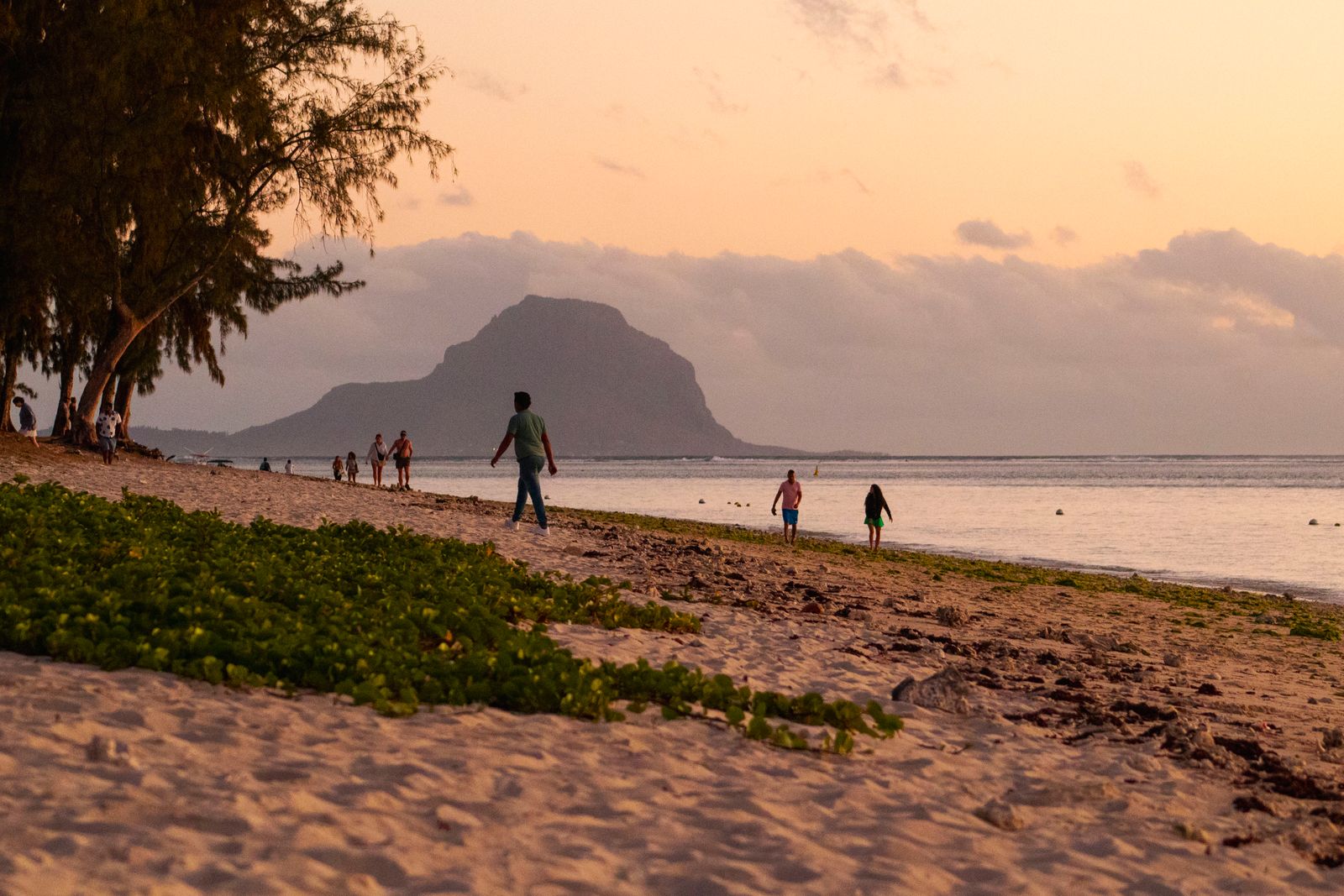
The west offers incredible sunsets, long beaches and great launchpads for trips inland. Flic en Flac has one of the longest beaches on the island, while the Le Morne peninsula in the south-west looks like something straight off a postcard.
Right by the famous beach in Flic en Flac sits the beautiful colonial-style resort Sugar Beach Mauritius. If you prefer self-catering and independence, check out the luxury apartments Leora Beachfront by Horizon Holidays in the Tamarin area, from where you’re close to the morning dolphin trips. On the Le Morne peninsula itself, the reigning champion is LUX* Le Morne, set on the sheltered leeward side, or alternatively Hotel Riu Palace Mauritius, which is excellent if you’re after strong all-inclusive right beside the lagoon beloved by kitesurfers.
East and south coast (Belle Mare, Blue Bay)
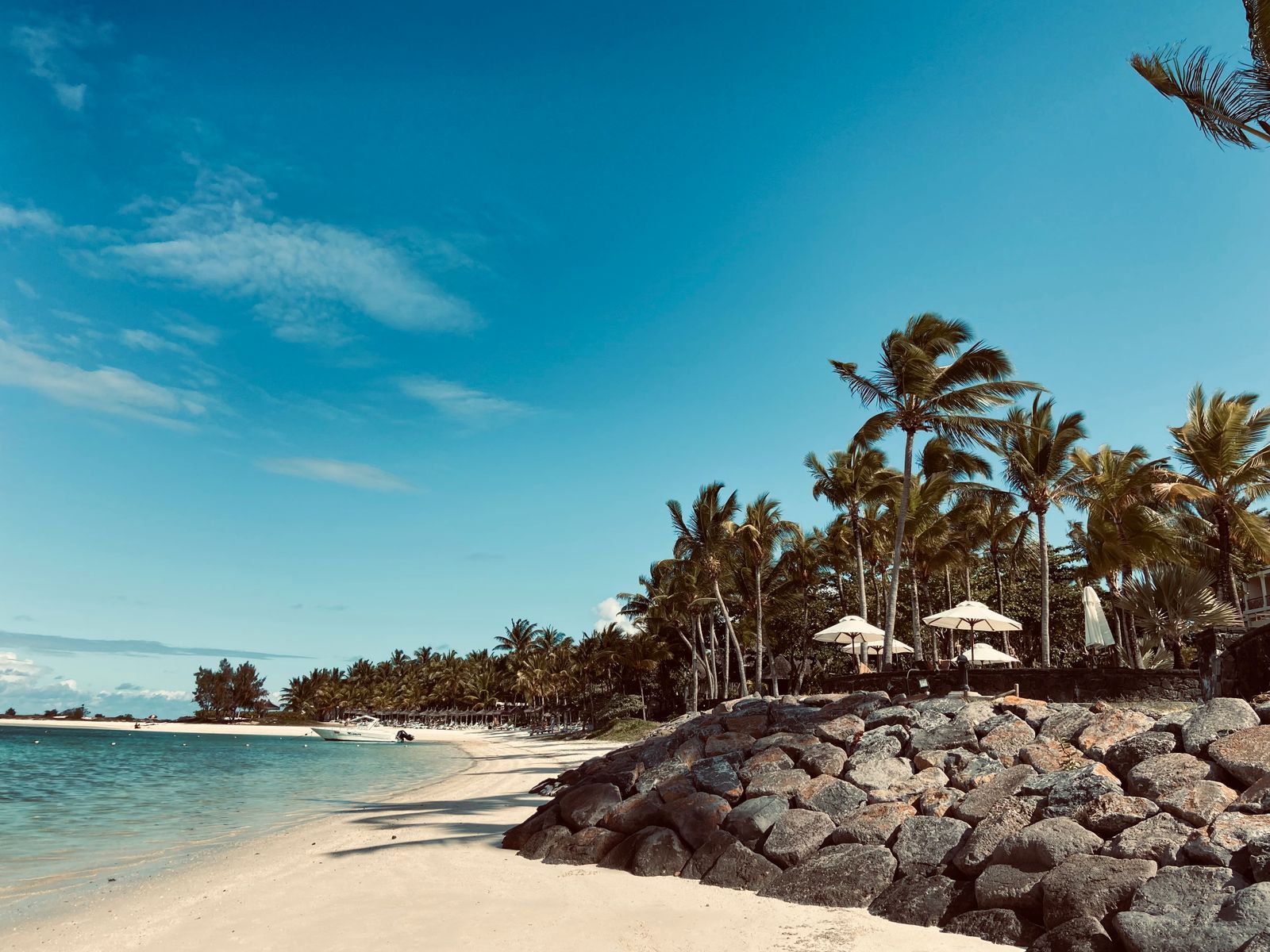
The east coast is lined with the most luxurious five-star resorts and stunning beaches. Just bear in mind that it’s very windy here from June to October. The south, by contrast, is wilder, less developed, and home to the best snorkelling spot on the island.
Golfers and lovers of luxury in the east will simply go for Constance Belle Mare Plage, with two 18-hole courses right on site. In the south, just ten minutes from the airport, sits Shandrani Beachcomber Resort & Spa on a private peninsula, so the beaches are almost all yours. And if snorkelling in Blue Bay is your main goal, stay at Blue Beryl Guest House — the marine park is literally a few steps away.
21 Things to See and Do in Mauritius
Let’s take a look together at the very best Mauritius has to offer. From mountains and waterfalls to sacred lakes. I’ll show you how to avoid the crowds, where to save money, and what it would be a sin to skip.
1. Climbing Le Morne Brabant mountain
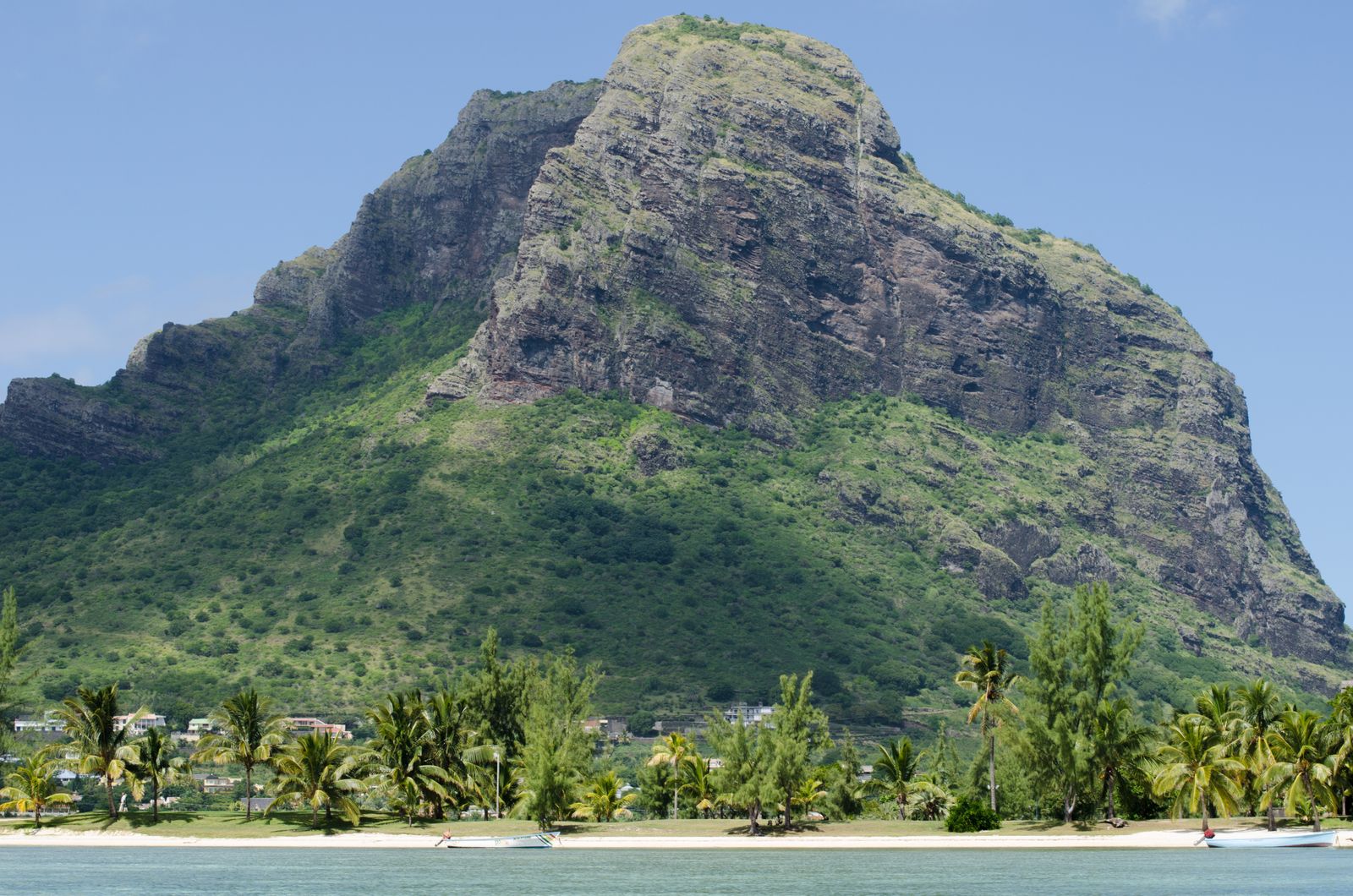
This iconic mountain, over 500 metres high, isn’t just a beautiful backdrop for photos but, above all, a place of huge historical value listed on the UNESCO list. It served as a refuge for escaped slaves (known as maroons), who hid in its inaccessible caves.
The trek is roughly 3.5 kilometres long and takes three to five hours. The lower part of the route is completely free and open from seven in the morning. But if you want to tackle the summit rock section, you have to hire a certified guide, because it’s private land and the safety rules here are often tightened (the price is around 1,500 to 2,000 rupees).
For the trek, definitely wear sturdy footwear, because the final stretch before the summit requires using your hands and scrambling over rocks. The car park down by the beach is usually half empty early in the morning, but if you arrive after eight, you’ll have a real job finding a spot. After the descent, I recommend jumping straight into the sea at the adjacent public beach, one of the prettiest in the south.
💡 Tip: Set off at 7:00 a.m. at the very latest. Later it’s unbearably hot on the rock, and the last entry to the summit usually closes at 14:30. Take at least two litres of water per person.
2. Seven Coloured Earth and Chamarel waterfall
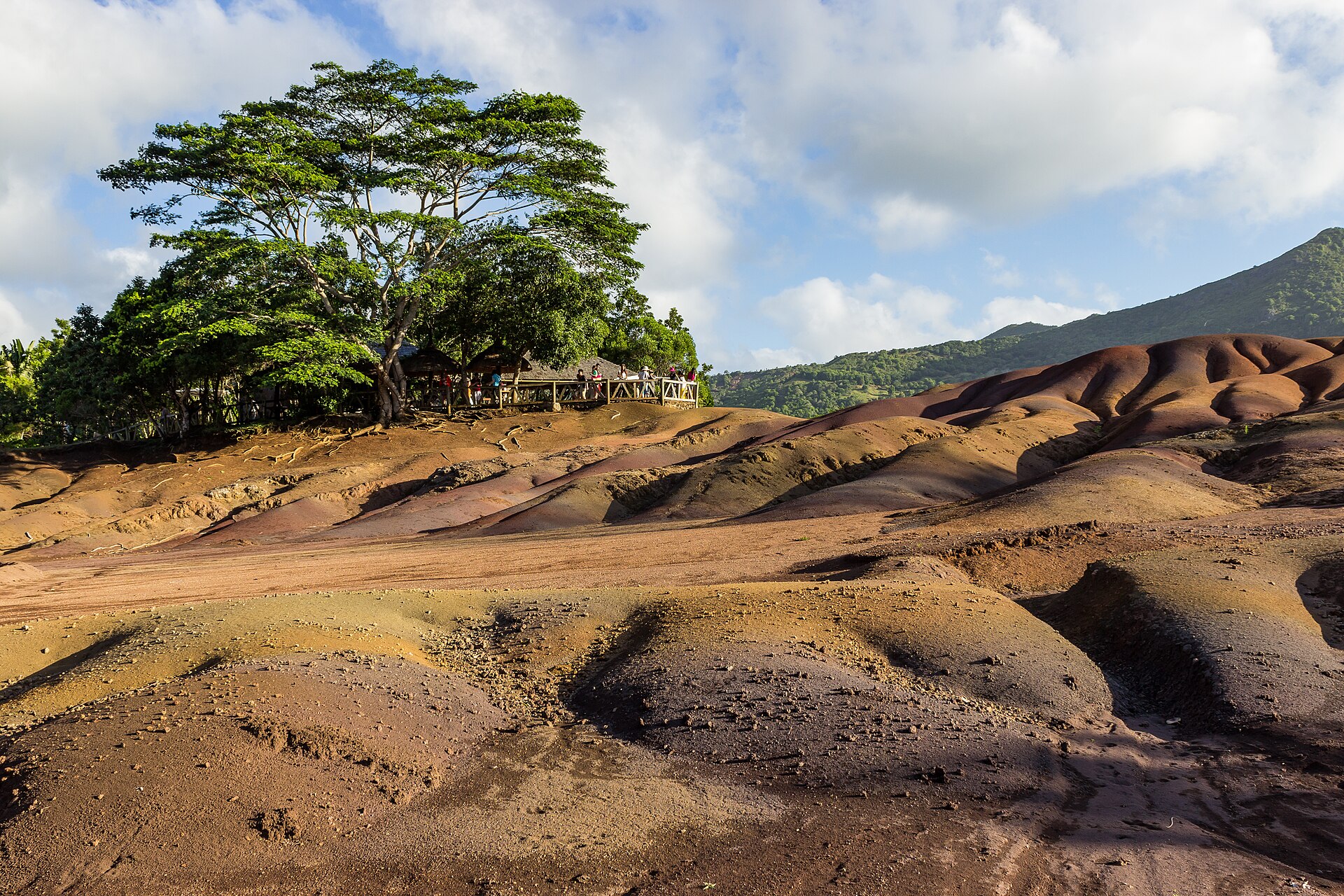
The Chamarel area in the south-west of the island is probably Mauritius’s best-known geological anomaly. The local sand dunes shimmer in seven different colours, from red through purple to blue, caused by the gradual cooling of volcanic rock at different temperatures.
For an entry fee of up to €15 you get the coloured dunes, an enclosure with giant tortoises and (this is the main reason to go) a view of the breathtaking Chamarel, the highest single-drop waterfall on the island. The dunes themselves take about fifteen minutes to see, so it’s not worth coming here just for them.
In the geopark grounds you’ll also find a small café serving excellent coffee from the local plantation. The coffee plants grow right on the slopes around the coloured dunes, and if you’re a caffeine lover, definitely pick up a pack of Chamarel whole-bean coffee as a souvenir to take home. I’d recommend planning your visit for a sunny day, when the colours of the sand show best under direct light.
💡 Tip: Combine your Chamarel visit into a single full-day trip around the south-west. Add the nearby rum distillery and an afternoon walk in Black River Gorges National Park.
3. Black River Gorges National Park
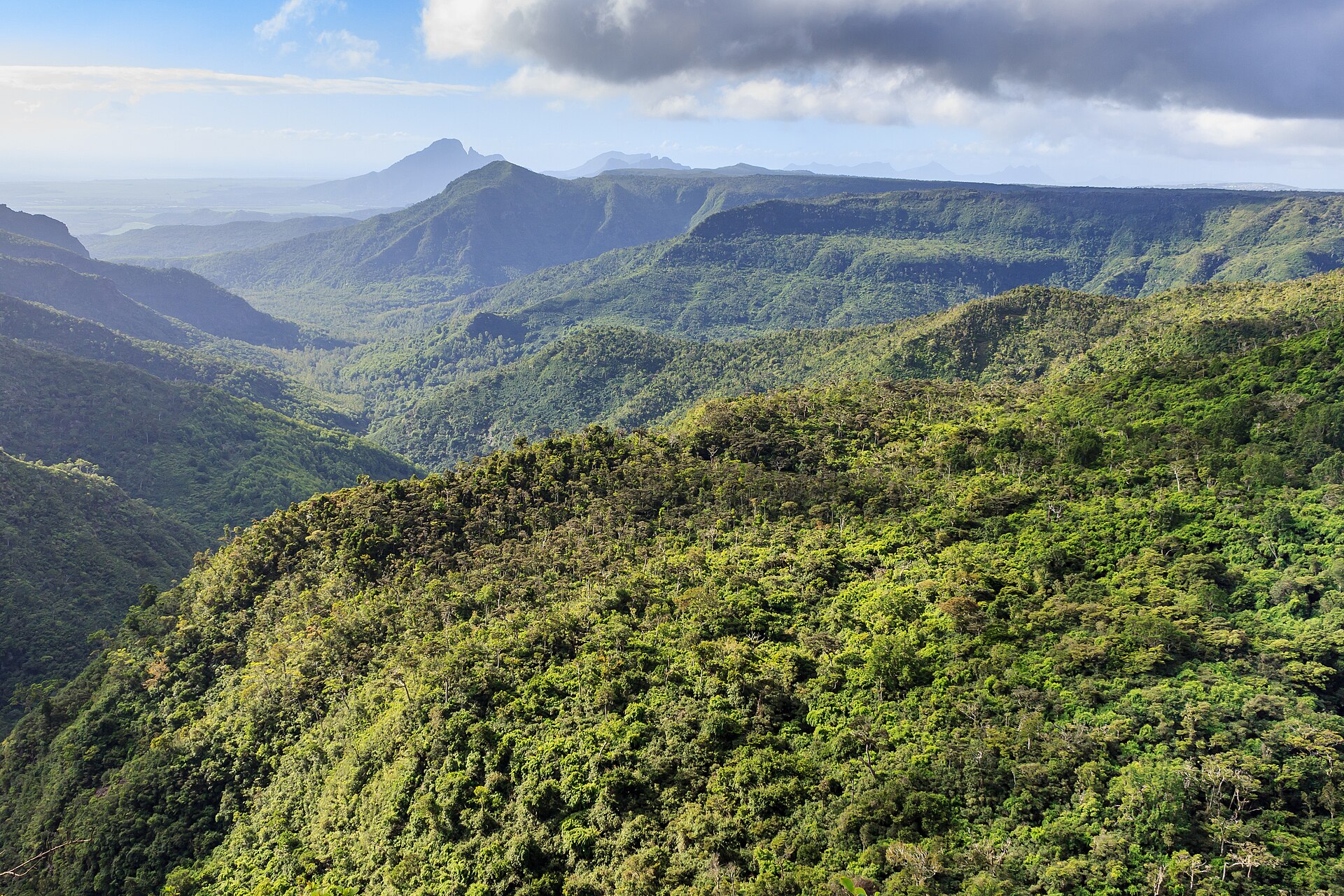
If you need a break from the beach heat, head into the forested hills of Black River Gorges National Park. A huge advantage is that entry and all the treks here are completely free. You’ll find dozens of kilometres of marked trails of varying difficulty.
The highest point is Piton de la Petite Rivière Noire (828 m), which you can reach in about 4 hours. For families with children, the shorter Les Mares trail is ideal. With a bit of luck you’ll spot rare endemic birds here, such as the pink pigeon or the Mauritius kestrel.
The park has two main entrances and several car parks with maps. It’s worth stopping at the Gorges Viewpoint or Macchabee Viewpoint, which open up an incredible view of the waterfalls and deep green valleys tumbling all the way to the west coast. If you’re not up for longer hikes, even just driving through the park by car is an experience, as the road winds through gorgeous rainforest with plenty of stops.
💡 Tip: The park’s treks are best walked in the drier months from April to October. After heavy rain the paths turn into an impassable skating rink of mud.
4. Soak up the atmosphere in Port Louis
The capital, Port Louis, is busy, noisy and sweaty, but it’s definitely worth a visit. Half a day is plenty to explore it. The heart of the city is the historic Central Market (open Monday to Saturday), where the smells of spices, fresh vegetables and local street food all mingle together.
Don’t miss a visit to Aapravasi Ghat, a UNESCO site where the first Indian labourers landed in the 19th century. It was this very migration that shaped today’s Mauritius, where Indians make up roughly two-thirds of the population. The more modern face of the city is shown by the Caudan Waterfront promenade, with its famous alley full of hanging umbrellas.
The best place to park your car is in the paid garages at the Caudan Waterfront shopping centre. From there you can easily walk the whole centre on foot. Bring some small cash for shopping at the market and don’t be afraid to haggle over souvenir prices. Besides food, you’ll find fantastic handicrafts here and woven bags that locals hand-weave from palm leaves.
💡 Tip: Don’t go to Port Louis in the morning between seven and nine, or in the afternoon between four and six. The traffic jams around the city are absolutely insane at these times.
5. Giant water lilies in Pamplemousses
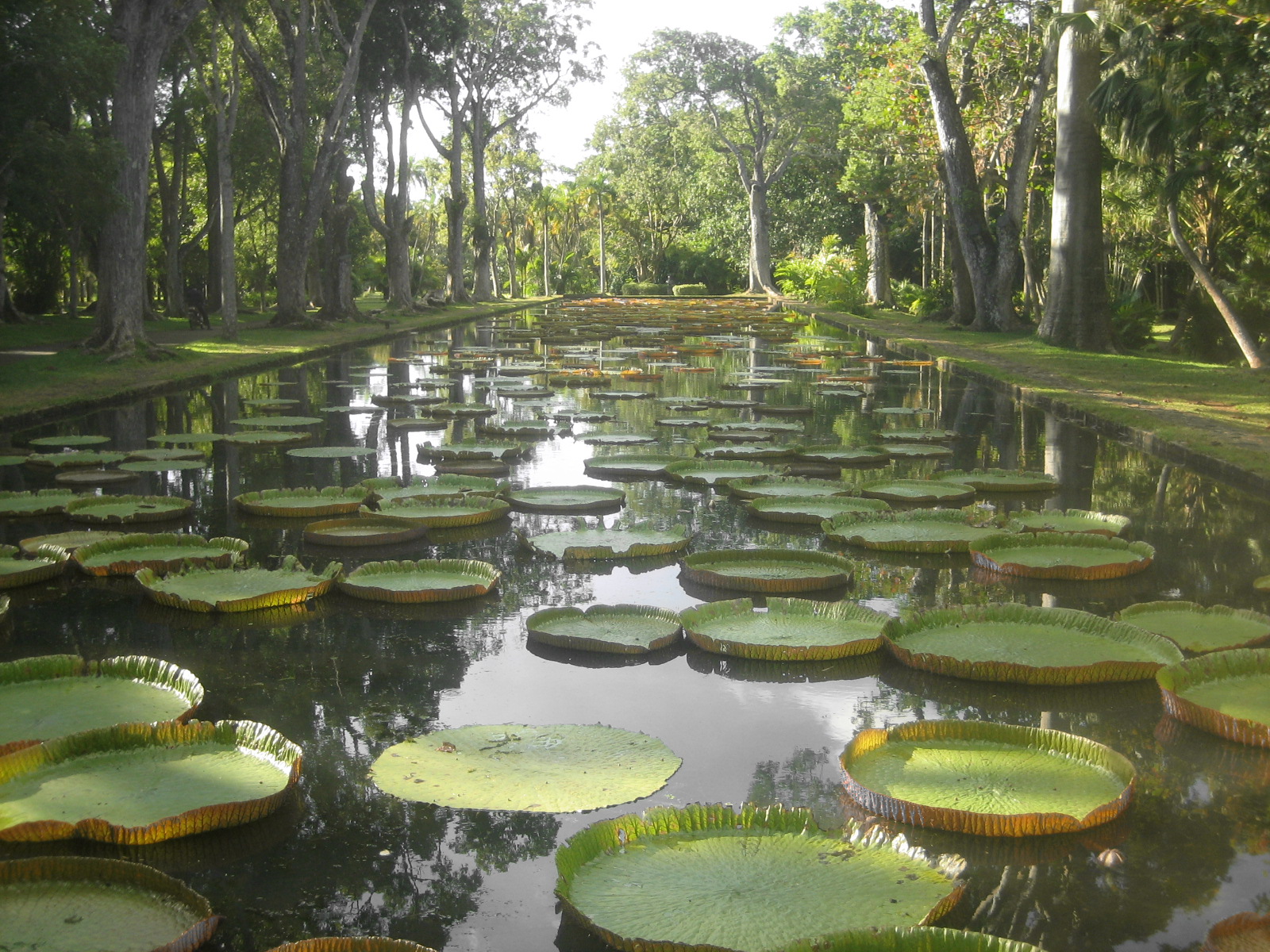
The Sir Seewoosagur Ramgoolam Botanical Garden, better known simply as Pamplemousses, is the oldest botanical garden in the southern hemisphere, founded back in 1770. It’s a beautiful oasis of calm, full of exotic palms and spices.
The main draw, though, is the giant Victoria amazonica water lilies, whose leaves grow up to three metres in diameter and can even support a small child. Admission costs a pleasant 300 rupees (about €5.50) and the garden is a great escape into the shade during hot summer days.
Besides the water lilies, you’ll also see nutmeg-bearing trees, cinnamon trees, and an incredible collection of more than eighty species of palm from all over the world. Watch out for free-roaming dogs and don’t forget the insect repellent, because the greenery and damp around the ponds create the perfect breeding ground for mosquitoes.
💡 Tip: Local guides will offer their services right at the entrance. For around 100 to 200 rupees their services are really worth it, because without them you’ll miss plenty of interesting plants and won’t hear the fascinating stories about how they’re used.
6. The sacred Grand Bassin lake (Ganga Talao)
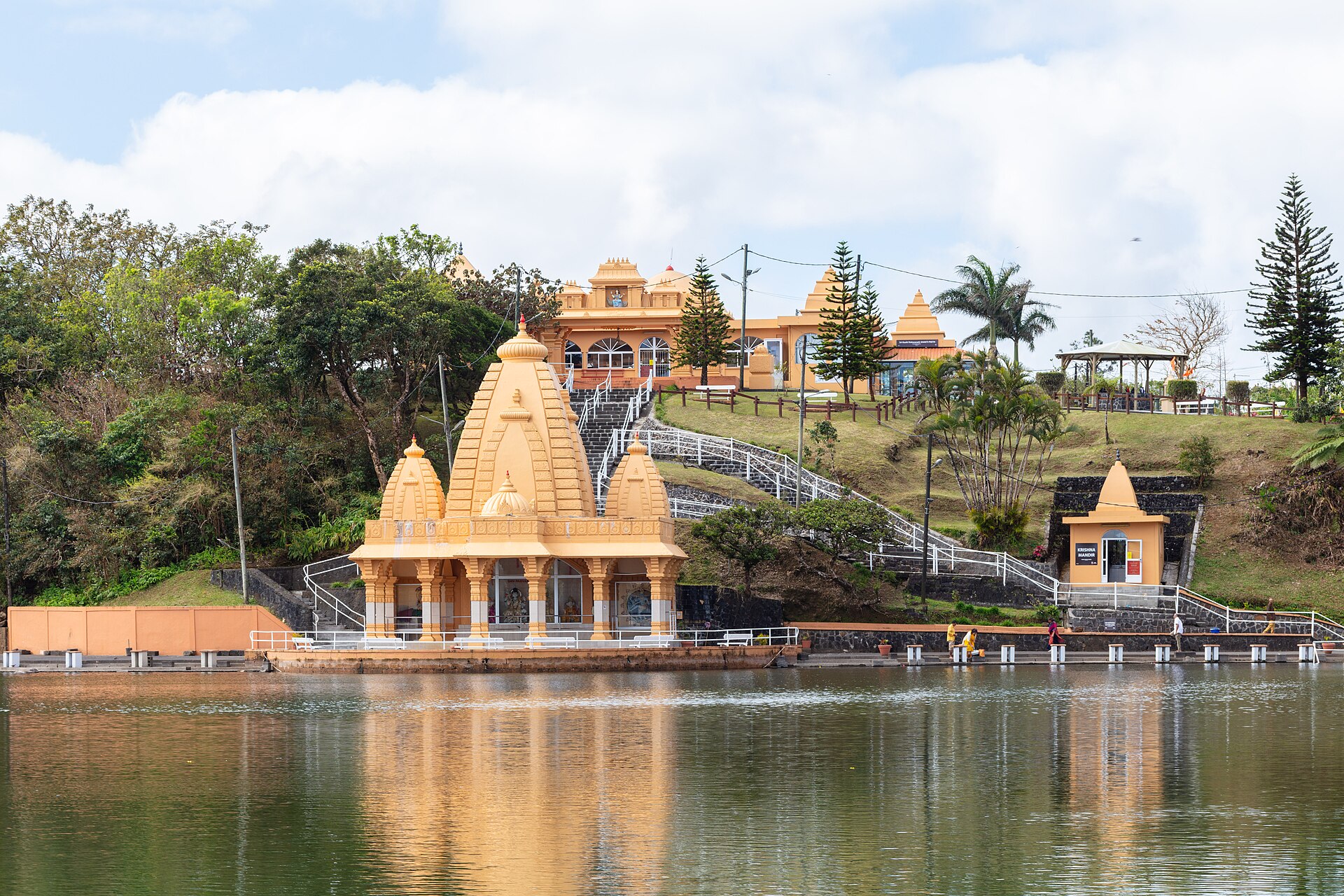
High up in the mountains, surrounded by a crater, lies Grand Bassin lake, the most sacred Hindu site on the island. According to legend it’s connected to the sacred Indian river Ganges. From afar you’re greeted by two gigantic, 33-metre-high statues of the gods Shiva and Durga.
Entry to the whole complex is free. You can stroll around the lake, watch worshippers offering flowers and fruit, and admire the colourful temples. At the end of February and the start of March, the Maha Shivaratri festival takes place here, when up to half a million people make the pilgrimage on foot from all over the island.
Because the lake sits high in the mountains, it’s often cooler here and the complex sometimes shrouds itself in thick mist, which gives it an even more magical and slightly eerie atmosphere. I’d recommend setting aside at least an hour and a half for your visit, so you have time to walk around the smaller shrines in the forest by the lake, where you’ll come across countless colourful statues of Indian gods.
💡 Tip: Dress respectfully here (covered shoulders and knees). And watch out for the local monkeys, which are incredibly cheeky and will snatch anything resembling food right out of your hand.
7. A cruise to Île aux Cerfs
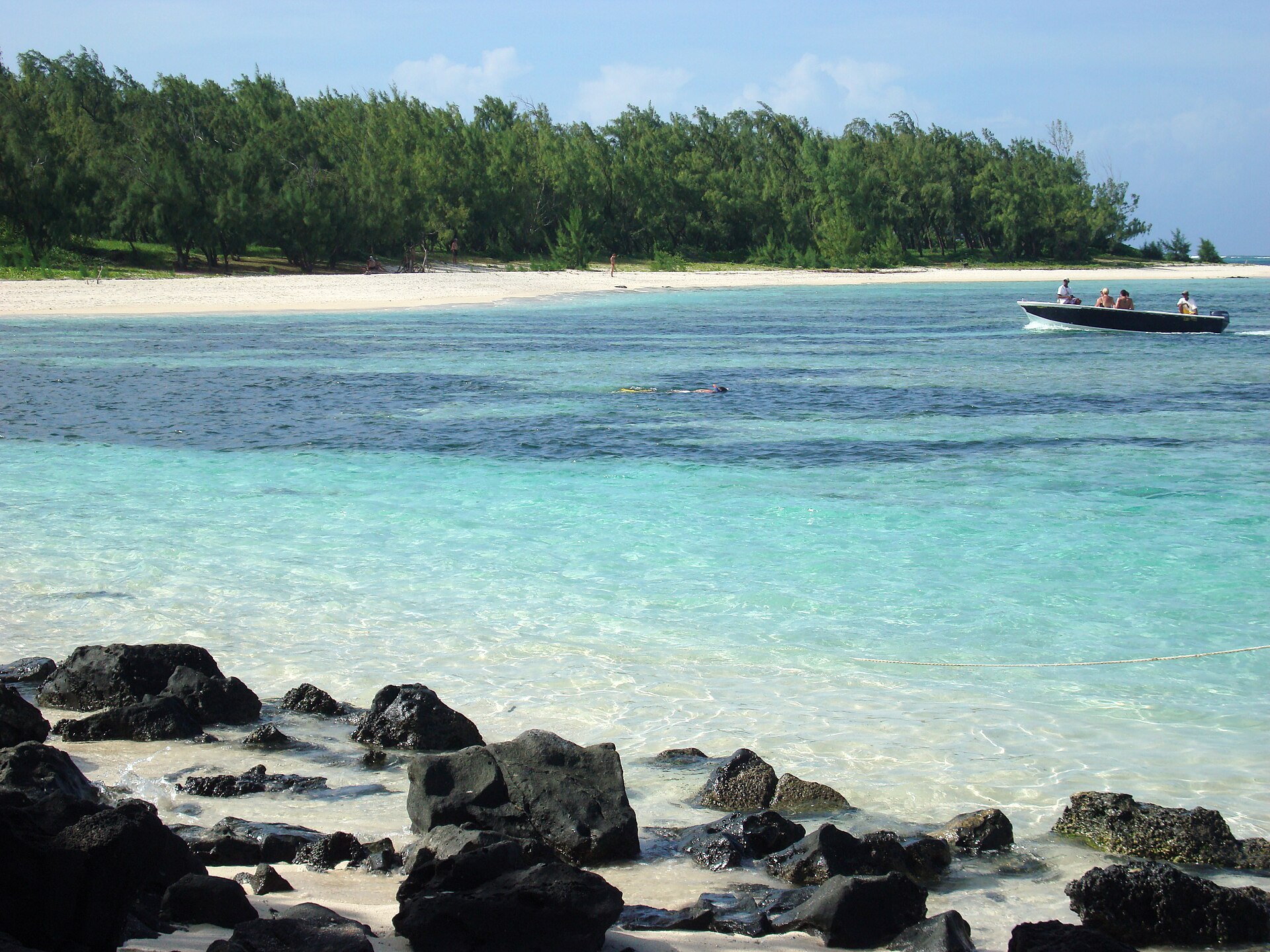
This small island off the east coast is often billed as an absolute paradise on earth. The truth is, it has some of the most beautiful beaches, but it also gets very crowded with tourists during the day. You can get here either by a fast water taxi from the village of Trou d’Eau Douce (around 400 to 800 rupees for the return trip), or as part of a full-day catamaran tour.
Catamaran tours start at around $70 and include a BBQ lunch right on board, often with a detour to the nearby Grand River South East waterfall. The island is great for swimming, but expect a more commercial atmosphere.
On Île aux Cerfs you’ll find plenty of stalls with overpriced refreshments and a huge range of water sports, from banana boat rides to parasailing. A little further inland, the island even hides a giant 18-hole golf course designed by the famous Bernhard Langer.
💡 Tip: If you want some peace and quiet on Île aux Cerfs, don’t stay on the main beach right by the jetty. Walk about 15 minutes along the coast and you’ll find empty stretches all to yourself.
8. The underwater waterfall (an illusion from above)
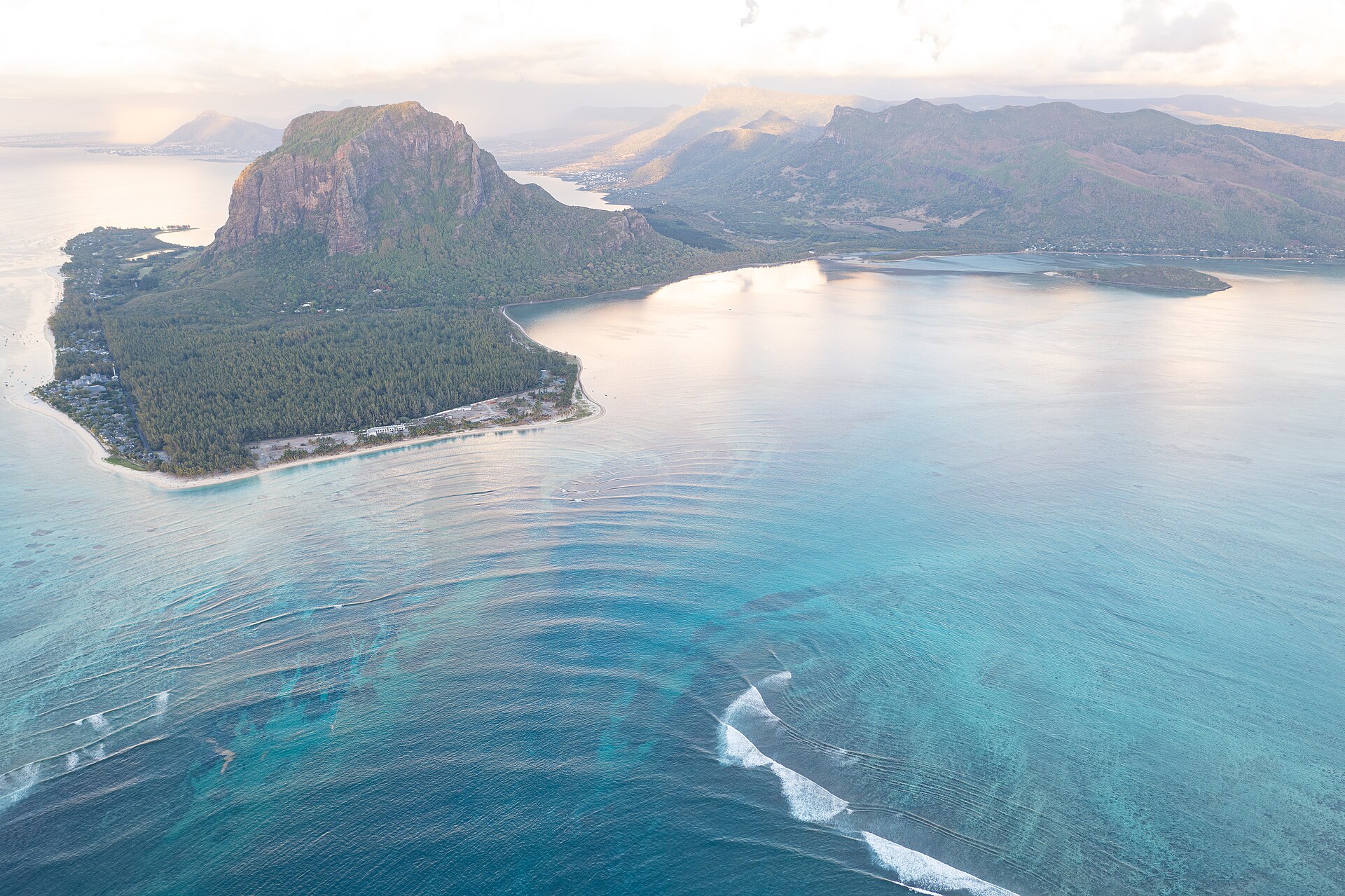
Photos of the so-called underwater waterfall off the coast of Le Morne have travelled the world and are probably the most famous image of Mauritius. In reality it’s not a genuine waterfall, but a perfect optical illusion created by sand and silt that ocean currents wash from the shallow shelf down into the depths.
You won’t see this anomaly at all from the beach or from a boat. The only way to view the underwater waterfall in all its glory is from the air. A fifteen-minute helicopter flight will set you back around €190, and seaplane flights start at $250.
If you do decide on a flight, I recommend booking it for the very start of your holiday. The weather in Mauritius changes quickly, and in strong winds the flights are cancelled. With an early booking, you’ll have time to calmly reschedule for another day.
💡 Tip: If you don’t want to spend hundreds of euros on a helicopter, you can get a partial (if not quite as perfect) view of this illusion for free from the summit viewpoint during the Le Morne mountain trek.
9. Turtles and snorkelling in Trou aux Biches
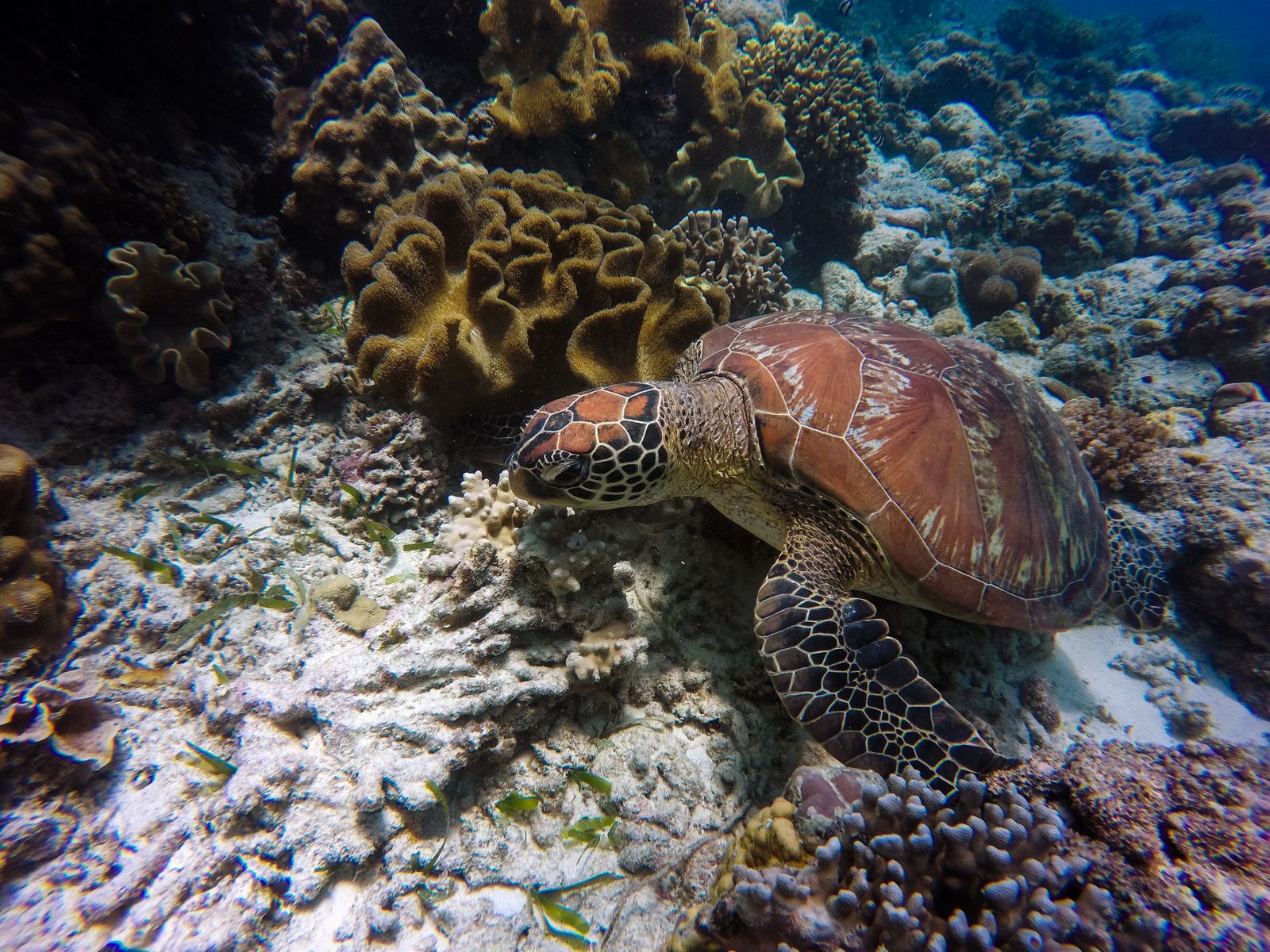
Trou aux Biches beach in the north-west of the island is often rated as one of the best of all. It has incredibly fine sand, a gentle entry into the water and is absolutely ideal for families with small children, because the lagoon is shallow and wave-free.
The main draw here, though, is snorkelling straight from the shore. The distance to the reef is short, and at a depth of around two metres you can routinely come across huge sea turtles, which gather here to feed. Locals often offer boat trips, but you can easily swim out to the turtles on your own.
Right by the beach there are excellent facilities with toilets, showers and even a few mobile stalls where, after swimming with the turtles, you can buy fresh pineapple sprinkled with chilli or hot noodles. Avoid weekends, when local families pour in and unfold huge picnics on the sand, so the place is packed wall to wall.
💡 Tip: Swim out to the turtles ideally in the morning between nine and eleven, when visibility is best and the sand stirred up from the bottom is at a minimum.

10. Blue Bay Marine Park and the coral
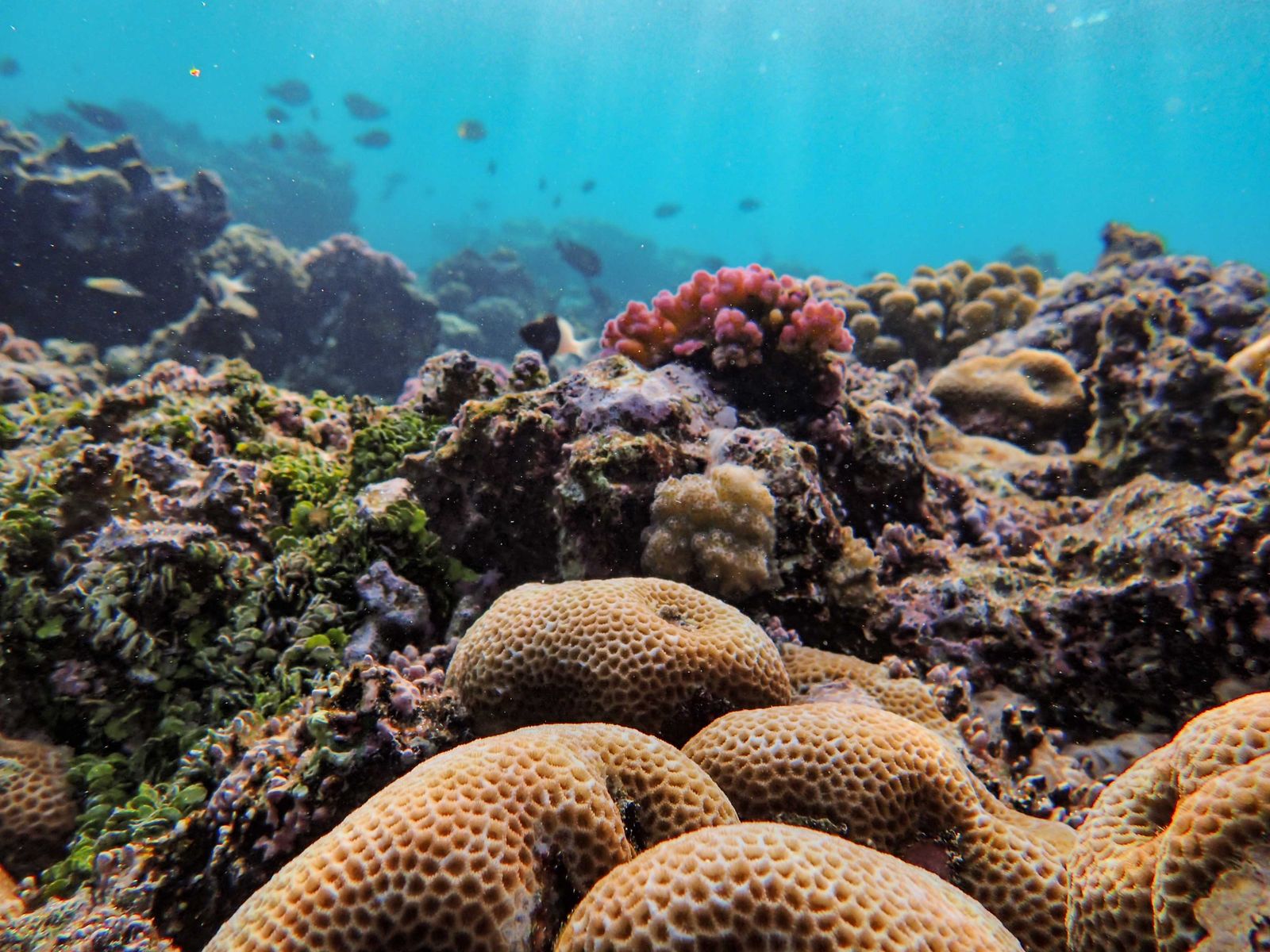
If snorkelling is your number one priority, you have to head south-east to the Blue Bay Marine Park. It’s a protected area with more than fifty species of coral, including a giant brain coral that’s over a thousand years old.
The water here has incredible visibility, and the best way to make the most of it is to hire a glass-bottom boat in the village of the same name: for 350 to 500 rupees they’ll take you to the best reefs and let you snorkel there for an hour among hundreds of colourful fish.
Local conservationists are working to restore damaged coral here, so you’ll even see special nurseries where new clusters are grown. Precisely because of nature conservation, it’s strictly forbidden to take away any pieces of dead coral or shells; customs officers at the airport check this very strictly, and there are huge fines for it.
💡 Tip: Don’t forget to pack water shoes with a firm sole. Throughout the Indian Ocean there’s a risk of stepping on a sea urchin or, even worse, on the extremely venomous stonefish, which blends in perfectly with the rocks.
11. Sunsets on Flic en Flac beach
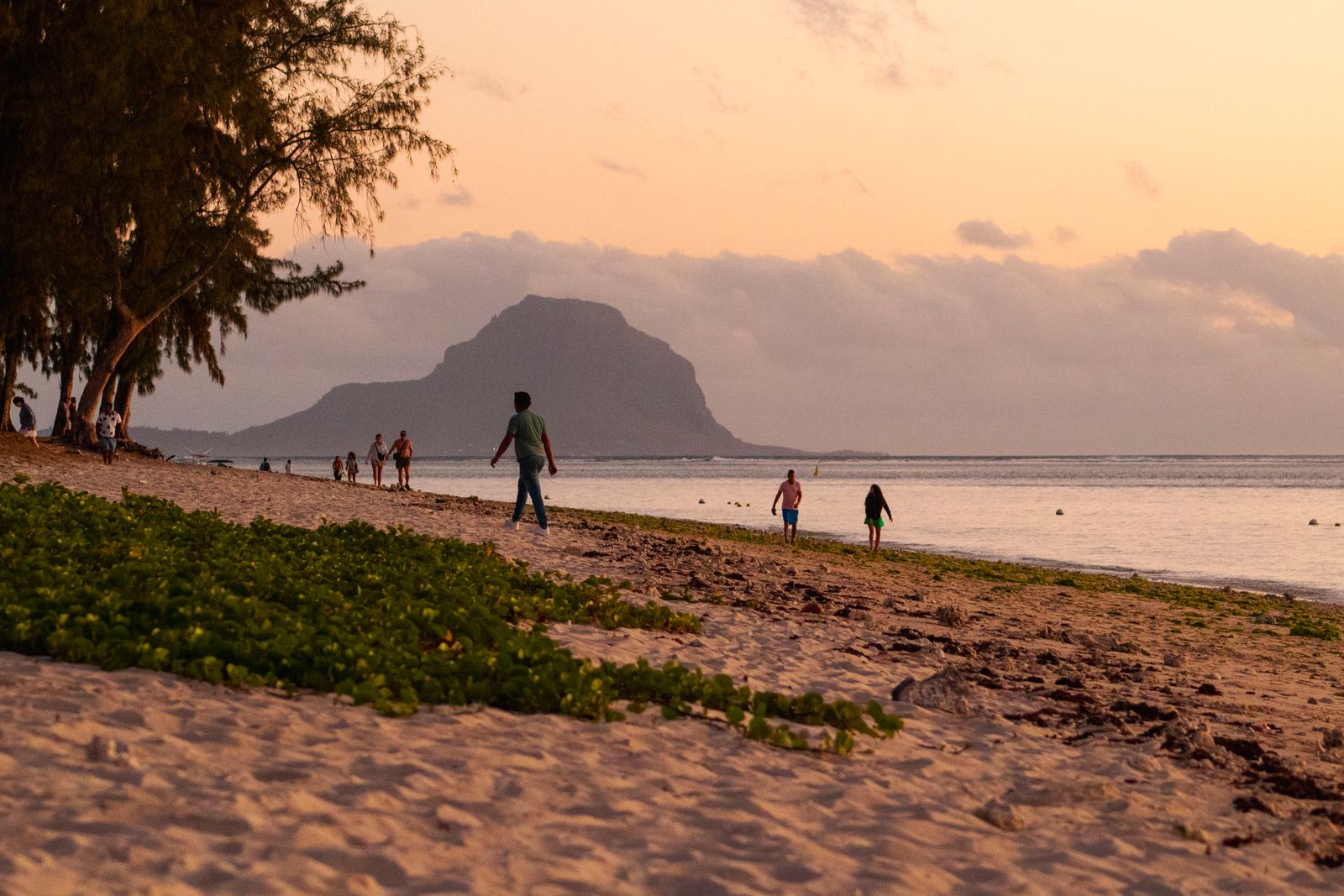
On the west coast lies the several-kilometre-long Flic en Flac beach, which is hugely popular at weekends with locals too. The bright white sand is shaded by casuarina trees, under which locals love to camp and hold family picnics.
The water here is calm and sheltered by the coral reef, but the biggest draw is the evenings. The west coast offers the most dramatic sunsets on the island. Around the promenade you’ll also find plenty of stalls and food trucks with local refreshments.
The promenade along the beach is alive until late evening. As soon as the sun sets, dozens of lights flicker on at the roti stalls and fried-noodle vendors. If you enjoy running, this is one of the best spots for a morning jog on the island, because the shade of the trees lingers long after sunrise and the kilometres of firm sand are practically an invitation to exercise.
💡 Tip: Be careful swimming further from the shore. There are gaps in the coral reef at Flic en Flac through which the water drains back into the ocean, and unpleasant currents can form here.
12. The wild south at Gris Gris and Le Souffleur
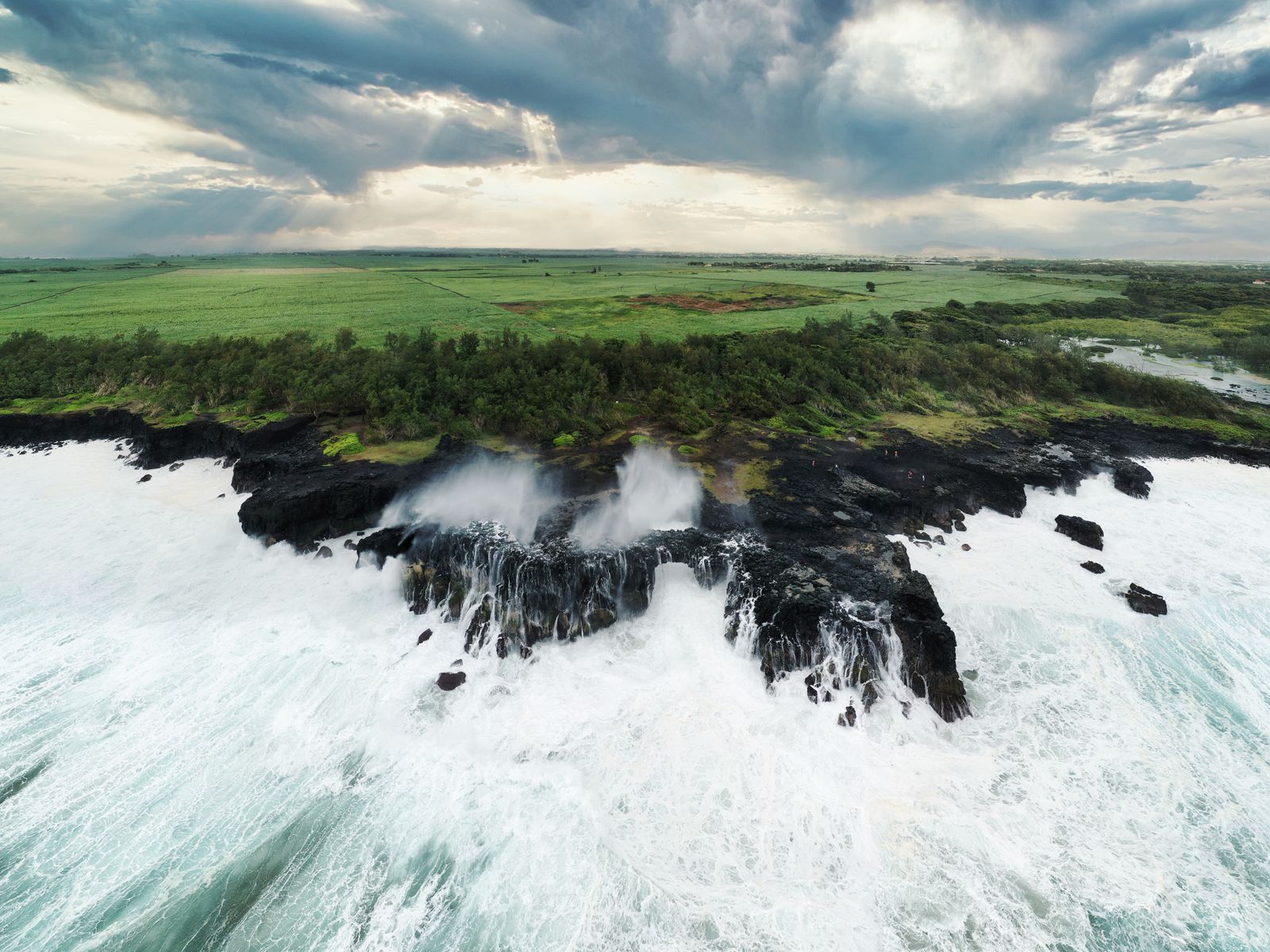
While most of the island is surrounded by a protective coral reef, the southern tip at the Gris Gris cliffs is completely open to the ocean. The scenery here is more reminiscent of the rugged coast of Ireland or Brittany, where huge waves crash into black volcanic rocks.
A little further east you’ll find Le Souffleur, a blowhole created by seawater spraying under pressure through cavities in the rock. Swimming anywhere in this whole area is absolutely out of the question and life-threatening, but for photography and soaking up the raw power of nature it’s a fantastic spot.
At the Gris Gris cliffs there’s no protective barrier reef, which means the full force of the ocean lands directly on the land. Walk along the worn path beside the cliff to the La Roche qui Pleure viewpoint, which translates as the Weeping Rock. The water shattering against the rocks here creates a constant rain, so definitely don’t forget to bring a waterproof cover for your camera.
💡 Tip: Head to the wild south when the rest of the island is windy or overcast. Dramatic weather suits these cliffs incredibly well, and the atmosphere is all the more powerful for it.
13. Whale watching (all year round)
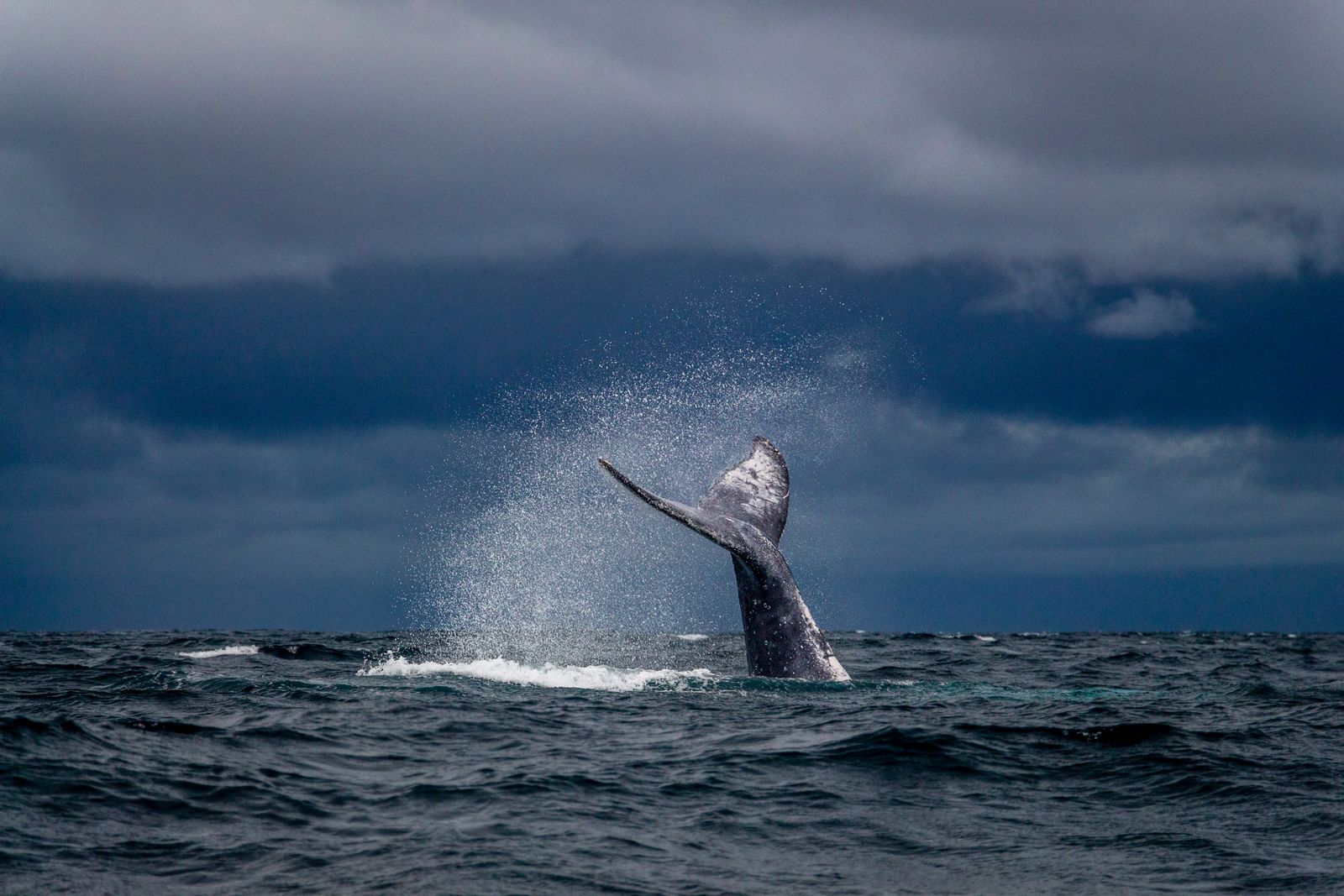
Mauritius is one of the few destinations in the world where you can watch sperm whales practically all year round. These majestic whales linger in the deep waters not far from the west coast, especially around the bays of Tamarin and Black River.
From July to October/November they’re joined by migrating humpback whales, which come here to raise their young. Boat trips to see the whales cost around €60 to €120. Bear in mind, though, that swimming with whales is strictly forbidden in Mauritius for the sake of animal protection.
Whale trips usually last around three hours, and the boats set out straight from the pier into the ocean. Unlike with dolphins, the operators here treat the animals far more respectfully and keep a safe distance, so you have plenty of time to watch the breathtaking spray of water from the blowholes.
💡 Tip: The whales often move far from the coast in open water, where it can get pretty rough. If you suffer from seasickness, take a tablet before boarding the boat.
14. Swimming with dolphins in Tamarin Bay
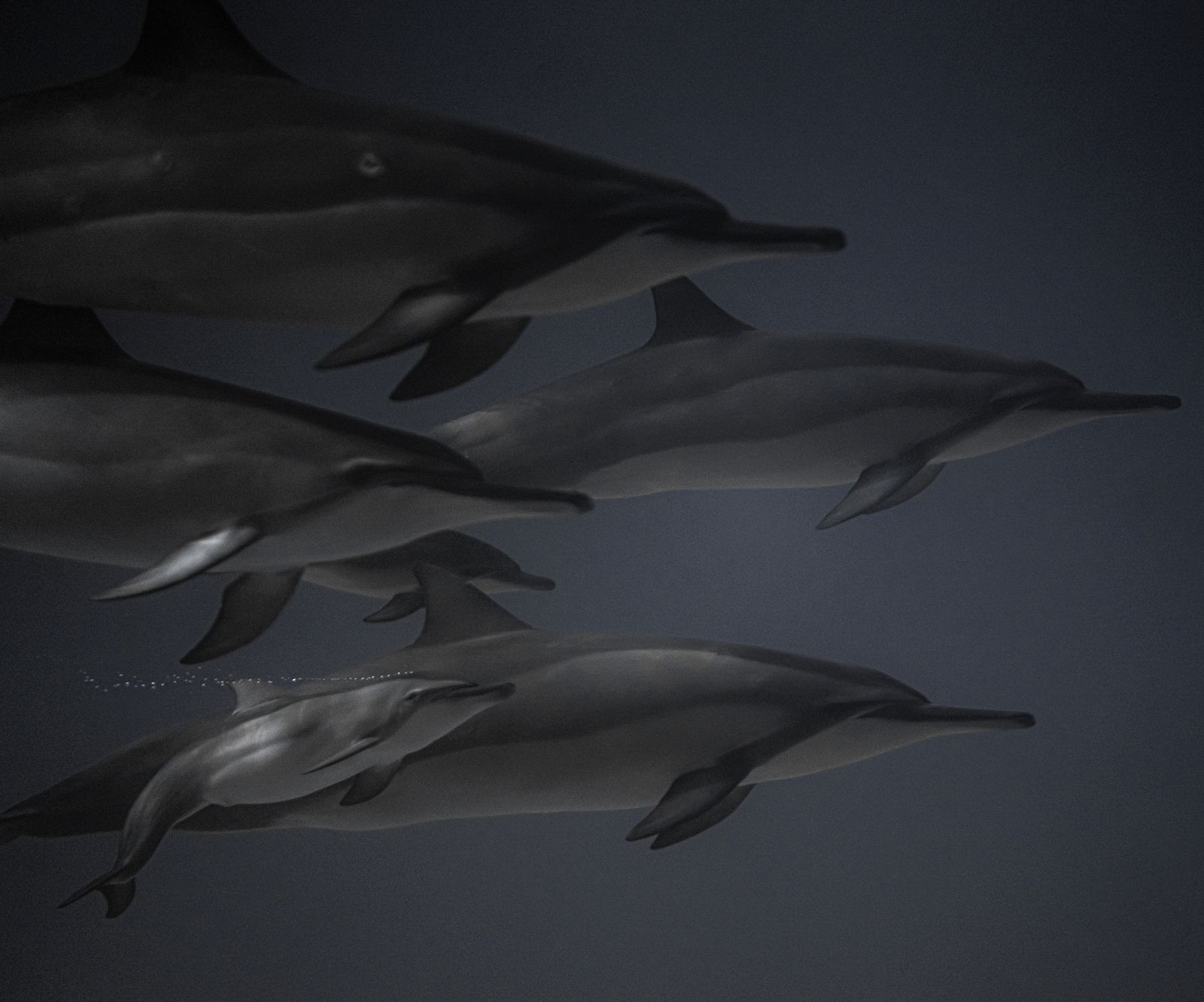
While you’re not allowed to swim with whales, with wild dolphins it’s permitted in Tamarin Bay. In the morning, pods of spinner and bottlenose dolphins gather here to rest after their nighttime hunting. It sounds idyllic, but I have to warn you honestly.
Unfortunately, dozens of boats often form here, chasing and stressing the animals. If you want to do the experience ethically, choose only operators with small boats, follow the rules (never touch the dolphins) and set off as early in the morning as possible. Most trips cost around €50 to €80.
If you’re not confident swimming in the open ocean, experienced instructors will jump into the water with you and keep an eye on you. But don’t expect the animals to come to you for a cuddle of their own accord — these are wild creatures that often just swim quickly beneath you into the depths.
💡 Tip: Dolphin trips only make sense early in the morning, ideally between 7:00 and 10:00. Later on, the animals head out to the open sea.
15. The Tea Route and Bois Chéri
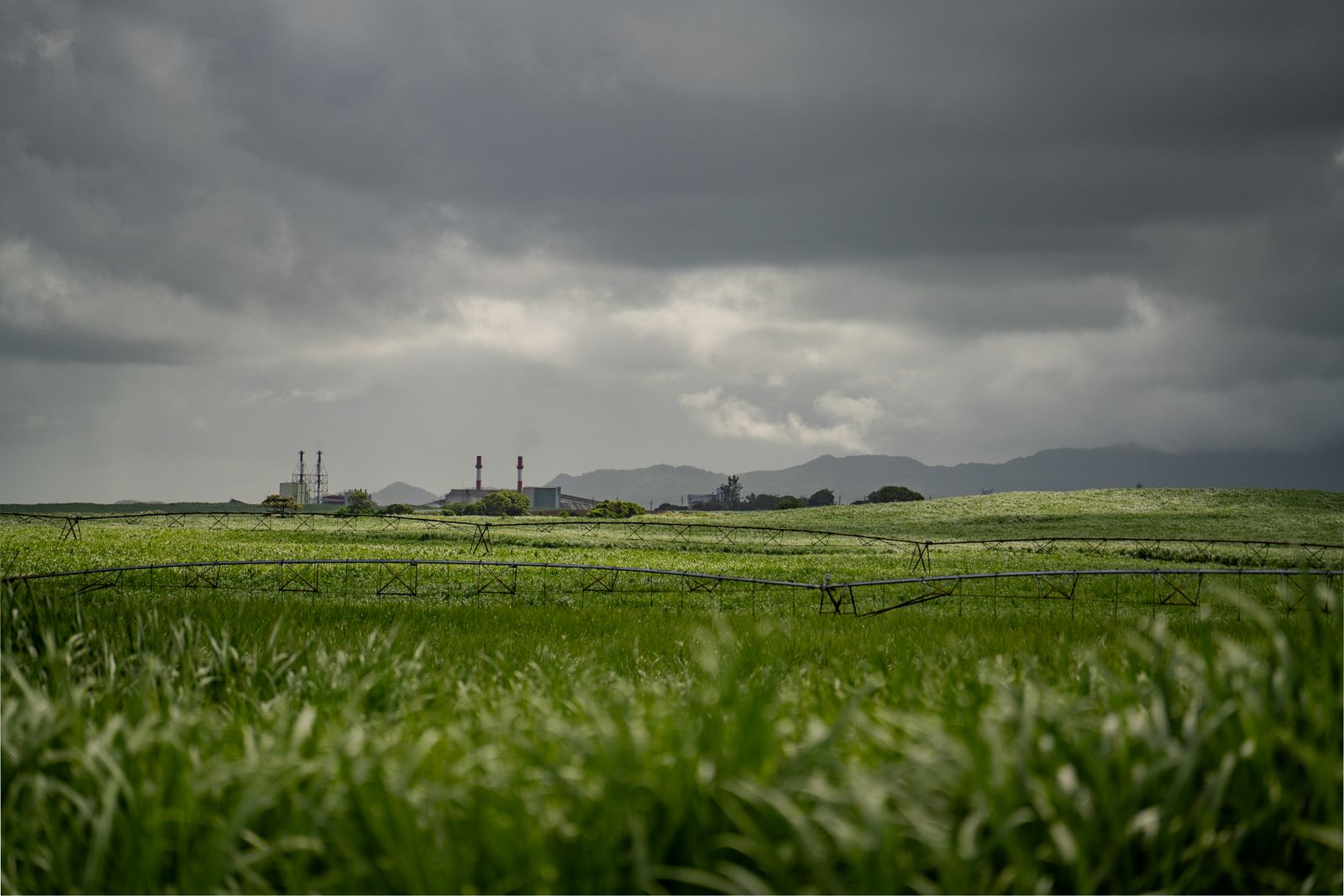
Even though the island is mainly known for sugarcane, on the central plateau you’ll find gorgeous, vividly green tea plantations. The most famous is the Bois Chéri factory, which has been running since 1892 and is part of the so-called Tea Route (Route du Thé).
For just under €9 you can walk through a small museum, see the tea processing in action and finish with a tasting that comes with a gorgeous view of a crater lake. Their black tea with vanilla is a local classic you’ll fall in love with.
Throughout the tour you’ll smell the heavy, sweet scent of dried leaves and vanilla in the air. After the tasting, be sure to stop by the on-site restaurant, The Bois Cheri Restaurant, which prepares special tea-infused dishes. You can sample, for example, green tea prawns or a fantastic panna cotta with black tea syrup.
💡 Tip: If you want to see the tea pickers at work right on the plantations, you have to arrive in the morning. In the afternoon the tea is only processed inside the factory.
16. A tasting of local rum
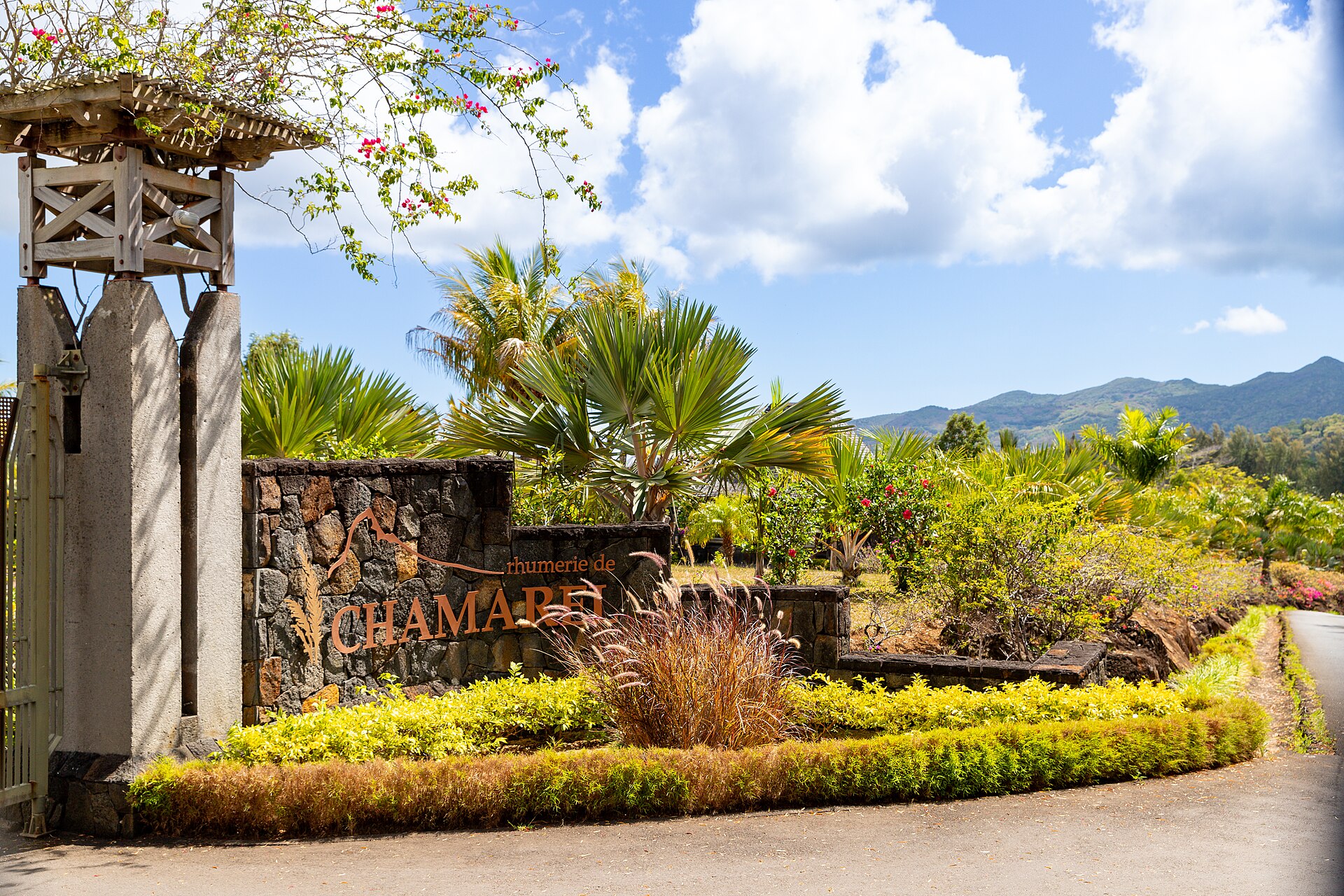
The history of Mauritius is firmly tied to growing sugarcane, and rum is, of course, made from it. Unlike Caribbean rums made from molasses, here they often produce so-called agricole rum directly from freshly pressed sugarcane juice.
Among the most beautiful distilleries are Rhumerie de Chamarel in the south-west and the historic Saint Aubin estate in the south. A tour with a tasting of several samples works out at around €12 to €15. The rums here are often macerated with vanilla, coffee or exotic fruit.
Every good distillery also has a shop where you can buy bottles straight from the source. The packaging is absolutely gorgeous too and makes a perfect gift for friends back home.
💡 Tip: The tastings are really generous. If you’re driving, agree in advance who’s going to do the tasting, because the drink-driving tolerance here is strict.
17. Where to eat: street food and the legendary Dholl Puri
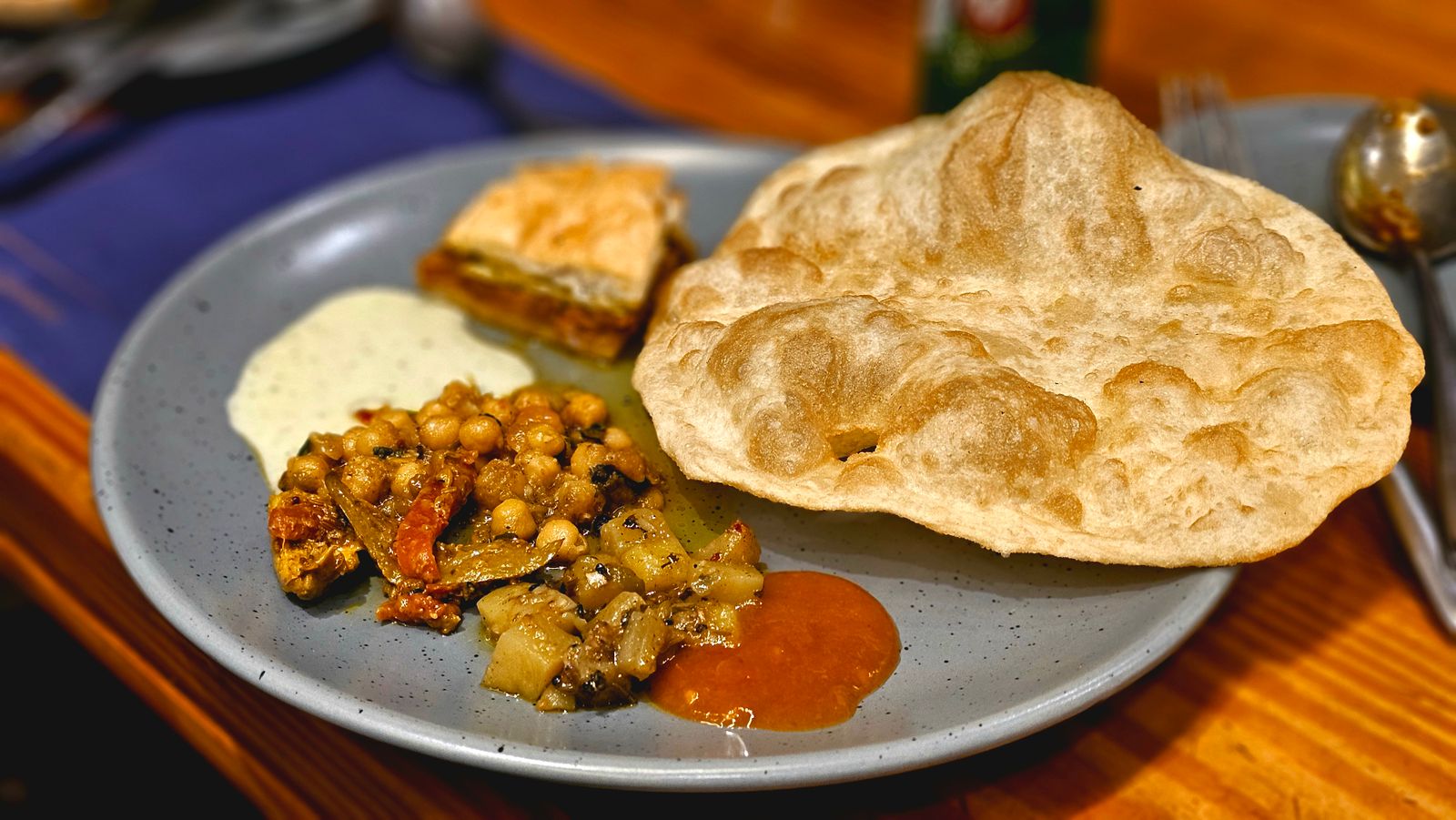
Forget the expensive hotel restaurants — the real culinary heart of Mauritius beats on the street. Thanks to the strong Indian influence, the island is an absolute paradise for vegetarians; eateries with a “pure veg” sign are on every corner, and street food will cost you less than a coffee back home.
The national treasure is the Dholl Puri: a soft flatbread filled with yellow split peas, served with bean curry and spicy chutney. This whole vegetarian miracle costs 20 to 30 rupees on the street (about 40 to 60 pence). I’d definitely recommend trying the crispy lentil fritters gateaux piments too, or the refreshing sweet drink alouda from the market. For seafood lovers, the local speciality is octopus curry, which you’ll find in every coastal restaurant.
The whole culinary scene here blends Indian, African, French and Chinese influences. A big phenomenon are the so-called “boulettes”, which are Mauritian dim sum dumplings steamed and served in a strong broth. You’ll find them in every town, but the best are reputedly made in the Chinatown of Port Louis. Street food is safe, the hygiene here is surprisingly good, and you really don’t need to worry about an upset stomach.
💡 Tip: For the best dholl puri on the island, people go to Dewa & Sons in the town of Rose Hill. There are often long queues of locals here, which is the best guarantee of quality.
18. The little red-roofed church at Cap Malheureux
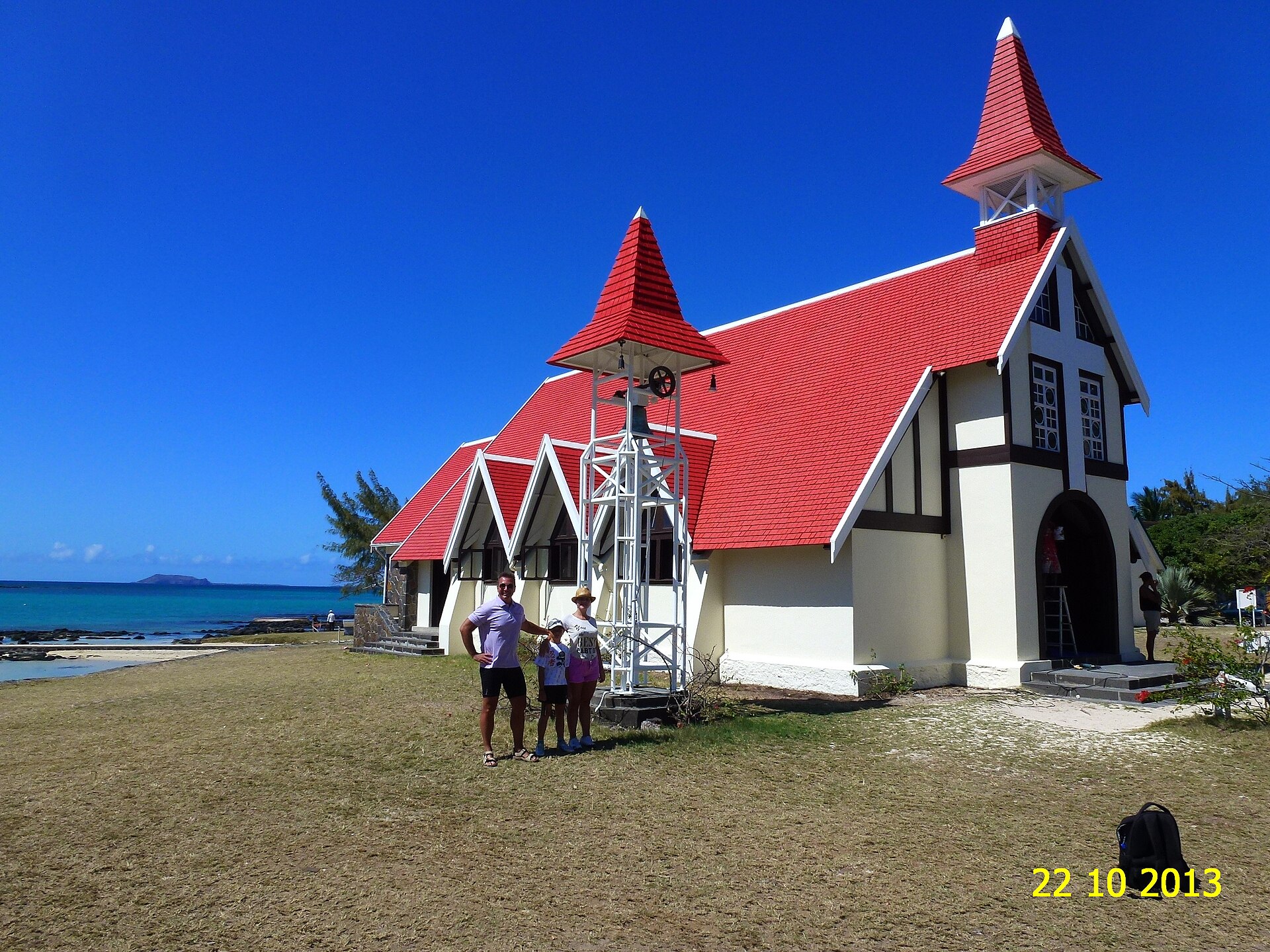
At the very northern tip of the island lies the village of Cap Malheureux (which translates as “Cape of Misfortune”, named after the many shipwrecks). Here stands the iconic Catholic church of Notre-Dame Auxiliatrice de Cap Malheureux, whose vivid red roof contrasts sharply with the turquoise sea.
The stop is completely free and takes just a moment. From the beach behind the church there’s also a fantastic view of Coin de Mire island, which rises from the ocean like a huge stone whale.
Most tourists just come here, photograph the church from outside and carry on, but it’s worth taking a peek inside too, where you’ll find an altar carved from a single block of solid stone.
💡 Tip: Stop by here on a Sunday morning, when mass is held. The singing and energy of the local worshippers give the place a wonderful atmosphere.
19. Colonial history at Eureka House
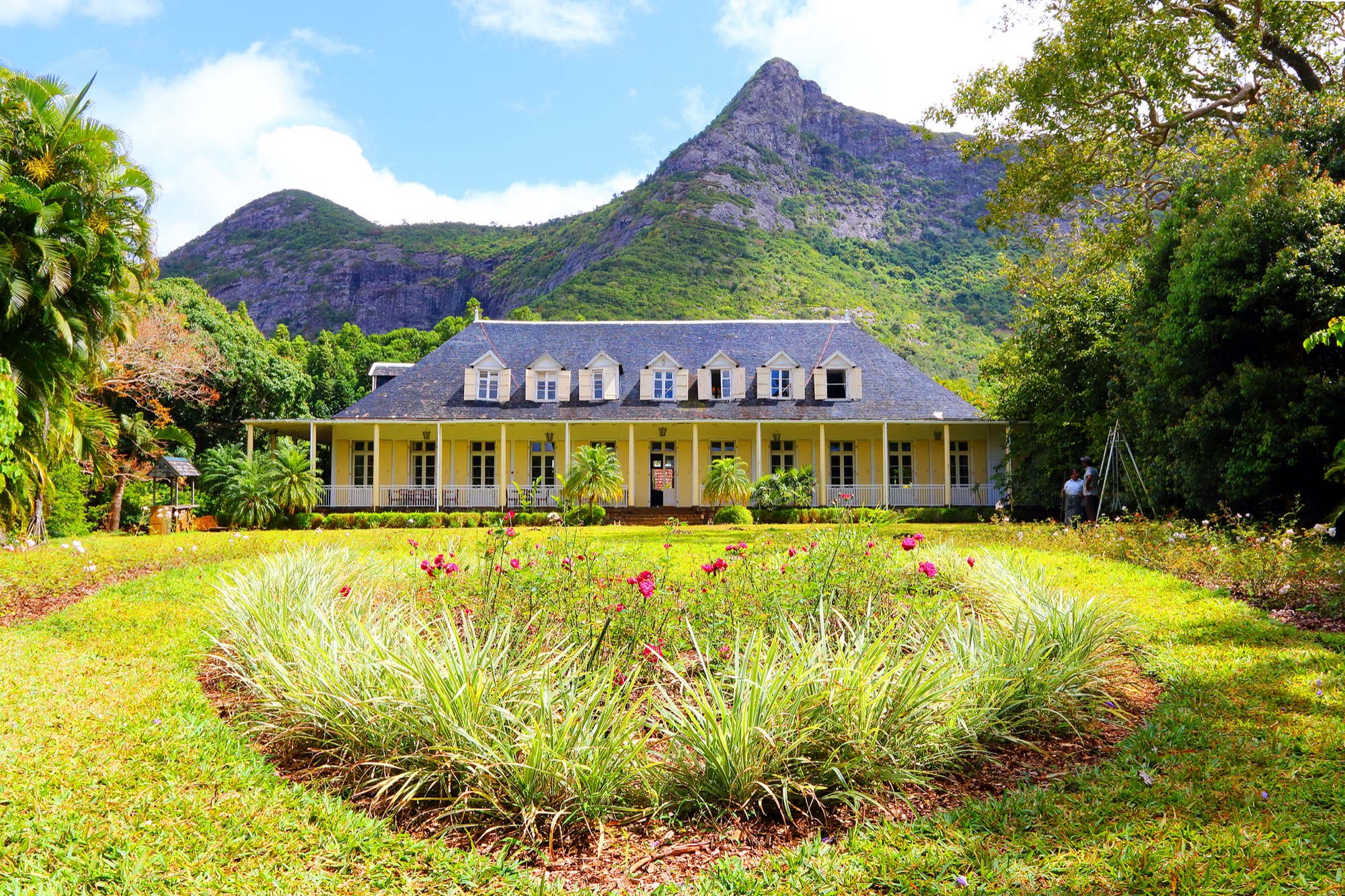
If you’re curious about how the wealthy Creole gentry lived in the 19th century, head to the inland town of Moka. Eureka House, dating from 1830, is one of the best-preserved plantation houses on the island and boasts an incredible 109 doors, which ensured perfect ventilation in the tropical climate.
Admission costs 300 rupees and inside you’ll find gorgeous mahogany and ebony furniture that gives you a sense of how life was lived here. A bonus few people expect: behind the house hides a short trail to a river with four small waterfalls, where you can happily take a dip.
I recommend rounding off your visit at the on-site restaurant right on the house’s veranda, where they serve one of the best Creole menus on the island, made up of several kinds of fragrant curry and fresh vegetables.
💡 Tip: Moka lies on the central plateau, where it’s often cooler and rainier than on the coast. It’s a great trip for days when it’s raining or overcast by the sea.
20. Getting around the island: rent a car (and drive on the left!)
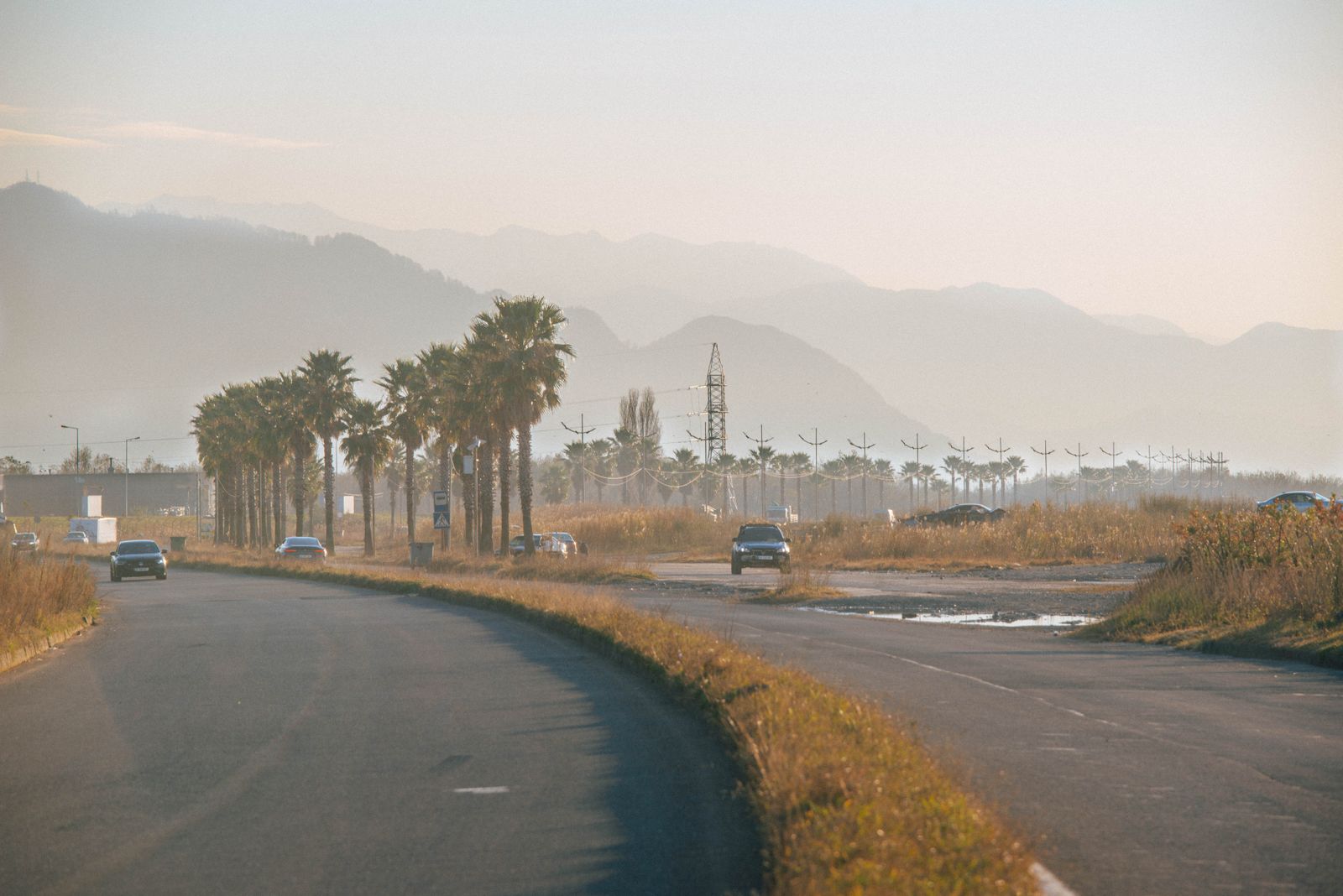
Mauritius is 65 kilometres long and 45 wide, so you can explore it from a single base. If you really want to get to know the island, renting a car is the best option. Prices are around €40 a day. Just don’t forget that, as a former British colony, they drive on the left here — which will feel right at home for UK drivers!
An alternative is the local buses, which work surprisingly well, run frequently and are incredibly cheap (a ticket costs 15 to 30 rupees). Taxis on the street usually don’t have a meter, so always agree the price in advance.
The road signage is a little confusing, especially at the roundabouts, of which there are plenty. On the motorways the speed limit is around 110 kilometres per hour, but in towns expect 40. Petrol stations are usually attended, so you don’t even have to get out of the car — local staff will fill up and clean your windscreen for a small tip of around fifty rupees.
💡 Tip: If you don’t want to haggle with taxi drivers on the street, download the local Yugo app to your phone, which works on a similar principle to Uber or Bolt and shows you a fair price straight away. Also bear in mind that there are a lot of stray dogs roaming the island that, sadly, often dart under the wheels, so drive carefully.
21. Weddings and discounts for newlyweds
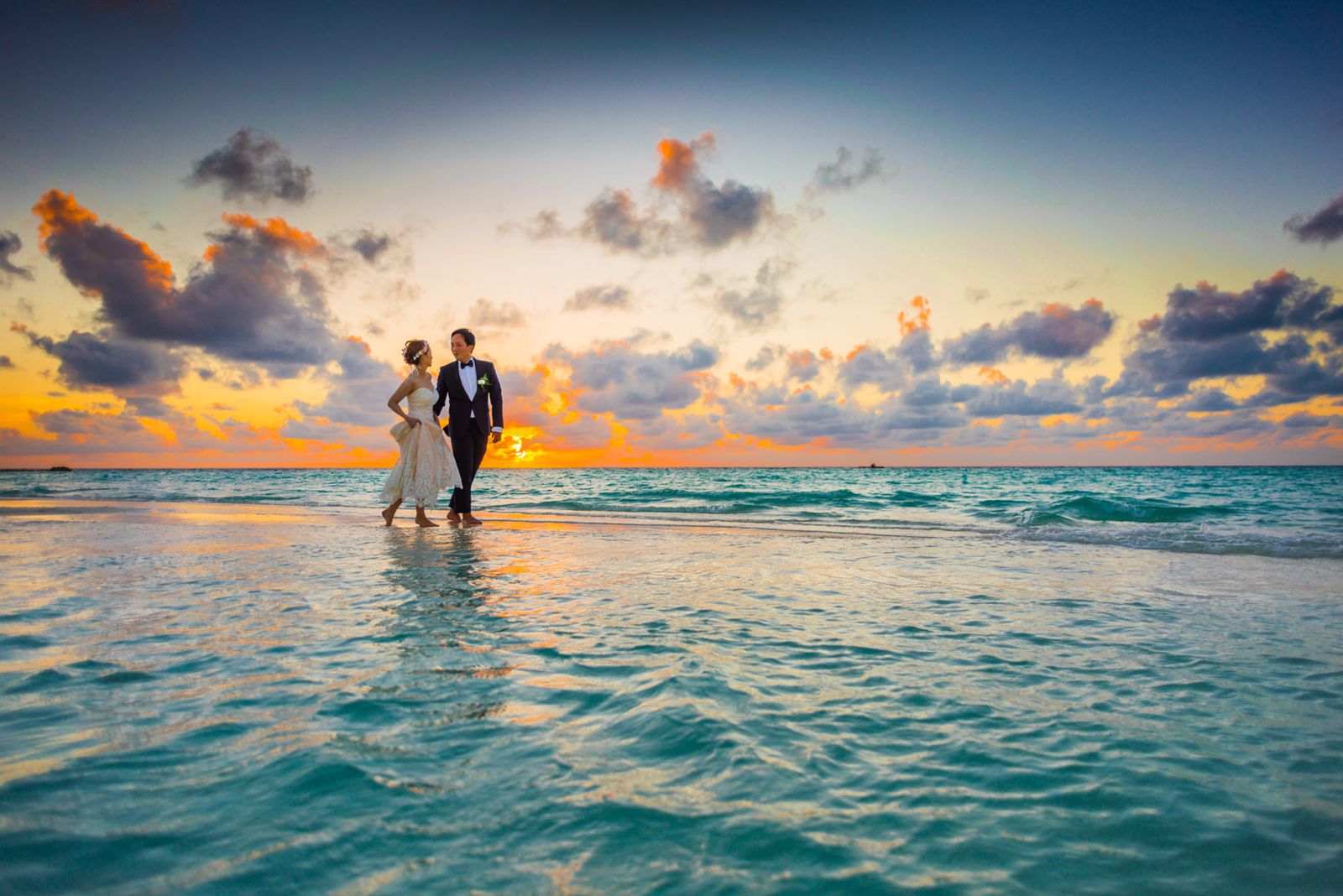
This is a huge draw of Mauritius. Unlike the Maldives, where weddings for foreigners are merely symbolic, a wedding ceremony in Mauritius is legally valid back in the UK too once the paperwork is sorted. Package prices start at around £1,400.
Even more interesting, though, are the perks for those coming here on honeymoon. Resorts commonly give brides huge discounts on accommodation, often in the range of 25 to 100% (in some places the bride stays completely free). You just need to arrive within six to twelve months of the wedding and show your marriage certificate.
The ceremony process is admittedly more bureaucratically demanding and requires sending in many copies of birth certificates with an apostille in advance, but the wedding agencies at the resorts usually arrange it all for you. The ceremony itself most often takes place in the early evening on the beach, under an arch decorated with local flowers, to the sound of the sea. You then head home not only rested, but with a new name and an official ring.
💡 Tip: If you’re planning a wedding, you have to arrive on the island at least three to four working days before the ceremony to get all the paperwork sorted at the offices in Port Louis.
Map of points of interest for your phone
Where to go next from Mauritius
If you’re tempted by other islands in the Indian Ocean and wondering where to head next time, take a look at our other guides:
- Want to experience absolute beach romance in overwater villas? Read the article Maldives Holidays: 21 Things to See and When to Go.
- If you’re after something cheaper with an authentic African atmosphere, check out Zanzibar Holidays: 21 Things to See and When to Go.
- Tempted by endless tea plantations, elephants and a train ride? Explore Sri Lanka Holidays: 21 Things to See and When to Go.
- And if you’d rather head closer to Europe for sun and wind, you might be interested in Cape Verde Holidays: 19 Things to See and When (Not) to Go or the luxurious Dubai Holidays: 43 Great Tips.
More exotic destinations from our series: Dominican Republic Holidays: 21 Tips and When to Go · Abu Dhabi Holidays: 21 Things to See and When to Go
Frequently asked questions
When is the best time to travel to Mauritius?
The best balance of pleasant weather and good prices is offered in the months of May, June, September, and October. Humidity is lower, temperatures stay around a comfortable 25–28 °C, and you’ll avoid the risk of cyclones. If you’re going in July or August, stay on the west coast to avoid strong winds.
When are there cyclones in Mauritius?
Cyclone season lasts during the Mauritian summer, from November to April, with the highest risk from January to March. Storms marginally hit the island several times a year, but a direct and strong hit statistically occurs only once every five years.
Do I need a visa for Mauritius and what about the formalities?
For stays up to 90 days, you don’t need a visa. However, it is absolutely essential to fill out the mandatory All-in-One Travel Digital Form at safemauritius.govmu.org approximately 48 to 72 hours before departure. A QR code will be generated for you. The form is completely free, so watch out for fraudulent websites that charge fees for it.
Is there malaria or other risks in Mauritius?
No, Mauritius is completely safe from a malaria perspective and you don’t need any antimalarials (the last cases were recorded in 1999). However, dengue fever does occur here, which is transmitted by mosquitoes even during the day, so a quality DEET repellent is a must.
Mauritius, Maldives, or Zanzibar? What to choose?
Choose the Maldives if you want absolute peace, romance, and don’t mind that there’s nothing to do outside the resort. Zanzibar is the cheapest option, offering African rawness and the possibility to combine it with a safari, but it has significant low tides and more basic services. Mauritius is the golden middle ground, offering stunning lagoons, but also mountains, waterfalls, towns, and safe travel by rental car.
Can you travel Mauritius on a budget?
Absolutely! You don’t have to stay in a five-star resort. The island has a fantastic network of guesthouses and fully equipped apartments that you can find from 60 to 90 euros per night. If you use local buses and eat local street food for a few euros, you’ll keep your daily budget to a minimum.
What’s the time difference like in Mauritius?
This is a huge advantage. Compared to Central European Time, Mauritius is only +2 hours ahead during our summer time and +3 hours in winter. This means you won’t experience almost any jet lag and can enjoy your holiday right from the first day.
Tips and Tricks for Your Vacation
Don’t Overpay for Flights
Search for flights on Kayak. It’s our favorite search engine because it scans the websites of all airlines and always finds the cheapest connection.
Book Your Accommodation Smartly
The best experiences we’ve had when looking for accommodation (from Alaska to Morocco) are with Booking.com, where hotels, apartments, and entire houses are usually the cheapest and most widely available.
Don’t Forget Travel Insurance
Good travel insurance will protect you against illness, accidents, theft, or flight cancellations. We’ve had a few hospital visits abroad, so we know how important it is to have proper insurance arranged.
Where we insure ourselves: SafetyWing (simple monthly subscription) and TrueTraveller (for extra-long trips).
Find the Best Experiences
Get Your Guide is a huge online marketplace where you can book guided walks, trips, skip-the-line tickets, tours, and much more. We always find some extra fun there!