

If you’re thinking of swapping a classic beach holiday for something a bit more adventurous this year, the Azores Portugal will absolutely blow you away. But forget about tropical white-sand beaches and coconut cocktails — this archipelago is definitely not the “European Hawaii” that glossy travel brochures love to claim. It’s a destination that’s far rougher, greener, wetter, and above all incredibly authentic. Picture a fascinating cross between Iceland, Ireland, and Jurassic Park, dropped right in the middle of the unpredictable Atlantic Ocean. In this article, we’ll look at which of the nine volcanic islands to choose, explore the main island of São Miguel in detail, and help you avoid the most common logistical mistakes.
TL;DR
- Best island for first-timers: If you only have a week to ten days, stick to São Miguel — it offers a bit of everything and has the best infrastructure.
- The weather is wildly unpredictable: Standard weather apps are useless here, so always check current conditions via webcams in the SpotAzores app.
- Book your car immediately: During summer, rental cars on the islands simply run out, so arrange your hire ideally six months in advance.
- Ferries vs. flights: Only use ferries within the central “Triangle” (Pico, Faial, São Jorge); for longer distances, stick exclusively to flights with Azores Airlines.
- The last-day rule: Never schedule a flight from a smaller island back to São Miguel on the same day as your return flight to the UK — fog or wind can easily leave you stranded.
- When to go for whales: The best time for spotting massive cetaceans is during the spring migration in April and May.
The full destination guide: Portugal — guide and what to see
When to Visit the Azores
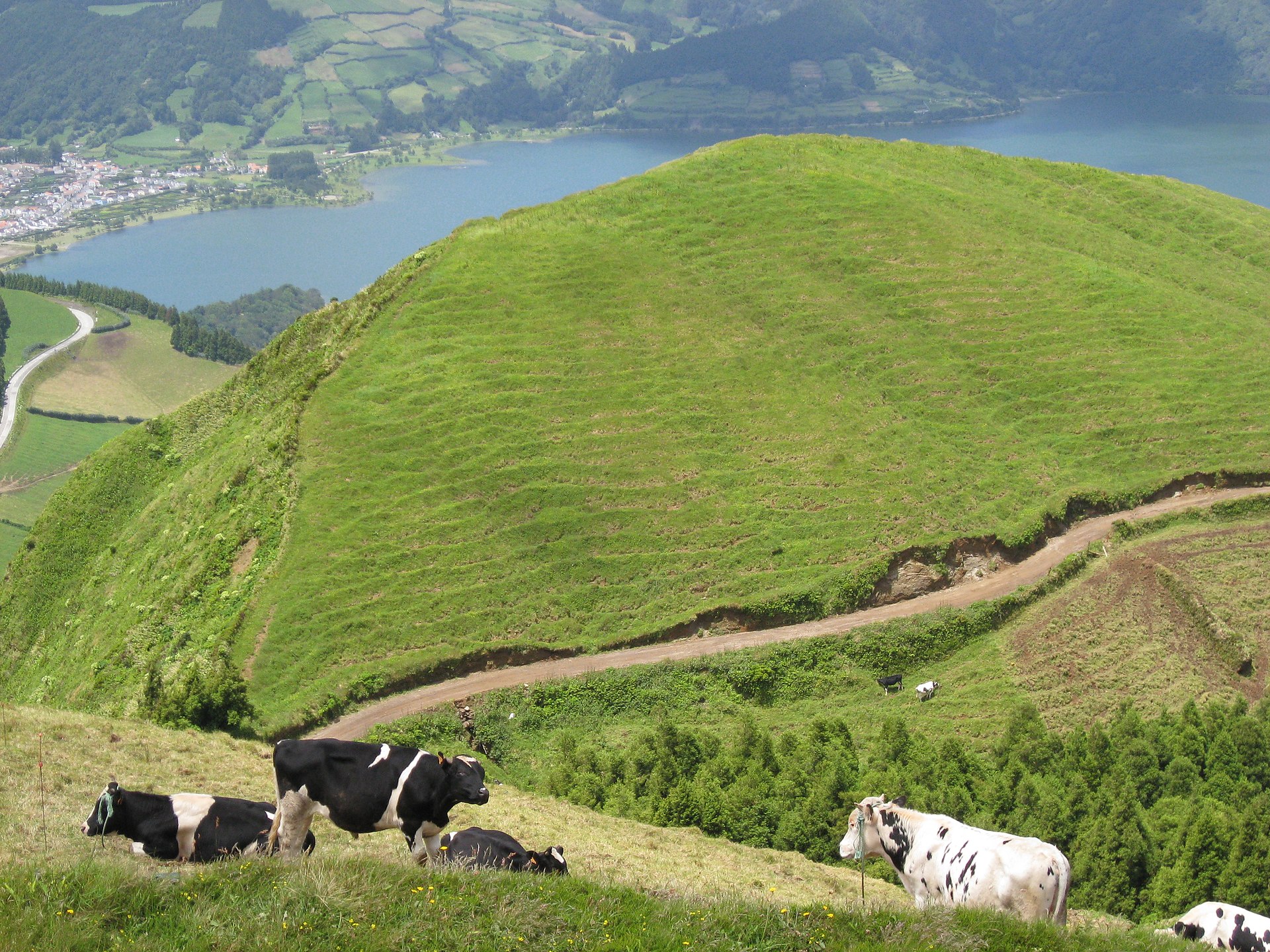
Choosing the right time to visit the Azores is absolutely crucial, though you should accept from the start that guaranteed good weather simply doesn’t exist here. The climate is mild and humid year-round — temperatures rarely drop below 13 °C and seldom climb above 26 °C in summer. However, it rains a lot and the strong Atlantic wind can change your plans from one minute to the next. It’s perfectly normal to experience four seasons in a single day — scorching sunshine on the south coast while horizontal rain batters the north.
Peak season runs from June to August, when the weather is most stable and temperatures hover around a pleasant 25 °C. During this period, the ubiquitous hydrangeas are in full bloom and the islands burst with colour, but you’ll also need to brace yourself for crowds and soaring car rental prices. For a quieter experience, consider visiting in April or May when nature is awakening, everything is in flower, and — most importantly — you have the best chance of spotting migrating whales. Autumn months like September and October offer surprisingly warm ocean temperatures around 22 °C, though from late October onwards there’s a risk of severe storms and cancelled flights. Travelling in winter from November to March is really for true adventurers who want to spend their days soaking in hot thermal springs and don’t mind the cold and fierce winds that frequently bring ferry services to a standstill.
Where to Stay in the Azores
💡 Accommodation and activities tip: We love searching for accommodation on Booking.com, which usually offers the best cancellation policies. For tickets, tours, and activities, it’s worth comparing and booking through GetYourGuide.
Where you base yourself depends primarily on how much time you have and what you want to experience. The archipelago is divided into three distinct groups and the distances between them are genuinely significant, so trying to cram all the islands into two weeks will only cost you nerves and money on inter-island flights. Also expect that due to new EU legislation from 2024 (Regulation 2024/1028 on short-term rentals), cheap unofficial accommodation options are gradually disappearing, pushing the market towards traditional guesthouses and turismo rural — charming rural cottages.
If it’s your first trip to the Azores, your base should be São Miguel island, which serves as the gateway and offers the most varied experiences. For exploring the western and central parts of the island, it’s strategic to stay in the capital Ponta Delgada, from where all main roads radiate outwards. An excellent upscale choice is the Grand Hotel Açores Atlântico, which boasts breathtaking ocean views and easy access to restaurants. For exploring the eastern part of the island, home to the hot springs, move to the Furnas area, where I’d recommend the sought-after Octant Furnas, which grants unlimited access to thermal pools. I strongly recommend booking all hotels and guesthouses well in advance through Booking to secure flexible cancellation terms, as availability on the islands is hopelessly sold out in summer.
18 Things to See and Do in the Azores Portugal
Let’s dive into the best that these magical islands have to offer. We’ll start with a detailed exploration of the main island of São Miguel and then move on to other fascinating spots across the archipelago.
1. Stunning Viewpoint over Lagoa das Sete Cidades
This is exactly the view you’ll find on every Azores postcard. A pair of enormous volcanic lakes — one tinted blue, the other green — sits at the bottom of a massive crater on the western side of São Miguel. Head to the famous Boca do Inferno viewpoint, where you’ll be rewarded with the most iconic panorama in all of the Azores, one that will genuinely take your breath away. The path from the car park takes just a short walk and leads you through lush, almost rainforest-like vegetation.
💡 Insider tip: Check the webcams first. Sete Cidades is notoriously shrouded in thick, impenetrable fog. Before heading out in the morning, check the SpotAzores app — if all you see is a wall of white, save yourself the trip and reschedule for another day.
2. Wild and Untamed Lagoa do Fogo
While Sete Cidades is beautifully manicured, Lagoa do Fogo — the Fire Lake — retains a completely wild and untouched character. It sits much higher in the mountains in the central part of São Miguel, which means there’s an even greater chance of fog and strong winds. But if you catch a clear day, you’ll see a stunningly blue surface framed by steep green slopes.
You can simply enjoy the view from several roadside viewpoints above, but if you’re up for some exercise, descend the steep trail all the way down to the beach. The walk down takes about half an hour and rewards you with blissful solitude, as most visitors stay up by their cars.
3. Bubbling Earth in the Furnas Valley
The Furnas Valley on the eastern side of São Miguel is a place where you can literally feel the planet alive beneath your feet. Even as you arrive in the small town, you’re greeted by the pervasive smell of sulphur and clouds of steam rising straight from the ground. You’ll find dozens of fumaroles and bubbling thermal springs, with boardwalks built around them.
This geothermal activity makes for an absolutely fascinating spectacle. The local springs vary in temperature and chemical composition, and at some of them you can even try cooking an egg or a cob of corn. Don’t miss a walk around Furnas Lake itself, where you’ll find the area known as Caldeiras — the very spot where famous local dishes are cooked underground.
4. Bathing at Terra Nostra and Dona Beija Hot Springs
When it rains in the Azores — and rain it will — the best rescue plan is to sink into hot water. In Furnas, you have two absolutely phenomenal bathing options. The first is the historic Terra Nostra Park, at the centre of which lies an enormous pool tinted a deep rust-orange thanks to its high iron content. Soaking in the warm ochre water surrounded by a botanical garden is an unforgettable experience.
The second, more modern option is the Poça da Dona Beija complex, which features several smaller pools at varying temperatures. These baths stay open until late in the evening, making a nighttime soak under the stars one of the best rituals on the island.
💡 Insider tip: Bring old swimwear. The iron-rich water in Furnas will reliably stain any light or new swimsuit a permanent shade of orange. That colour will never wash out, so dark clothing is a must.
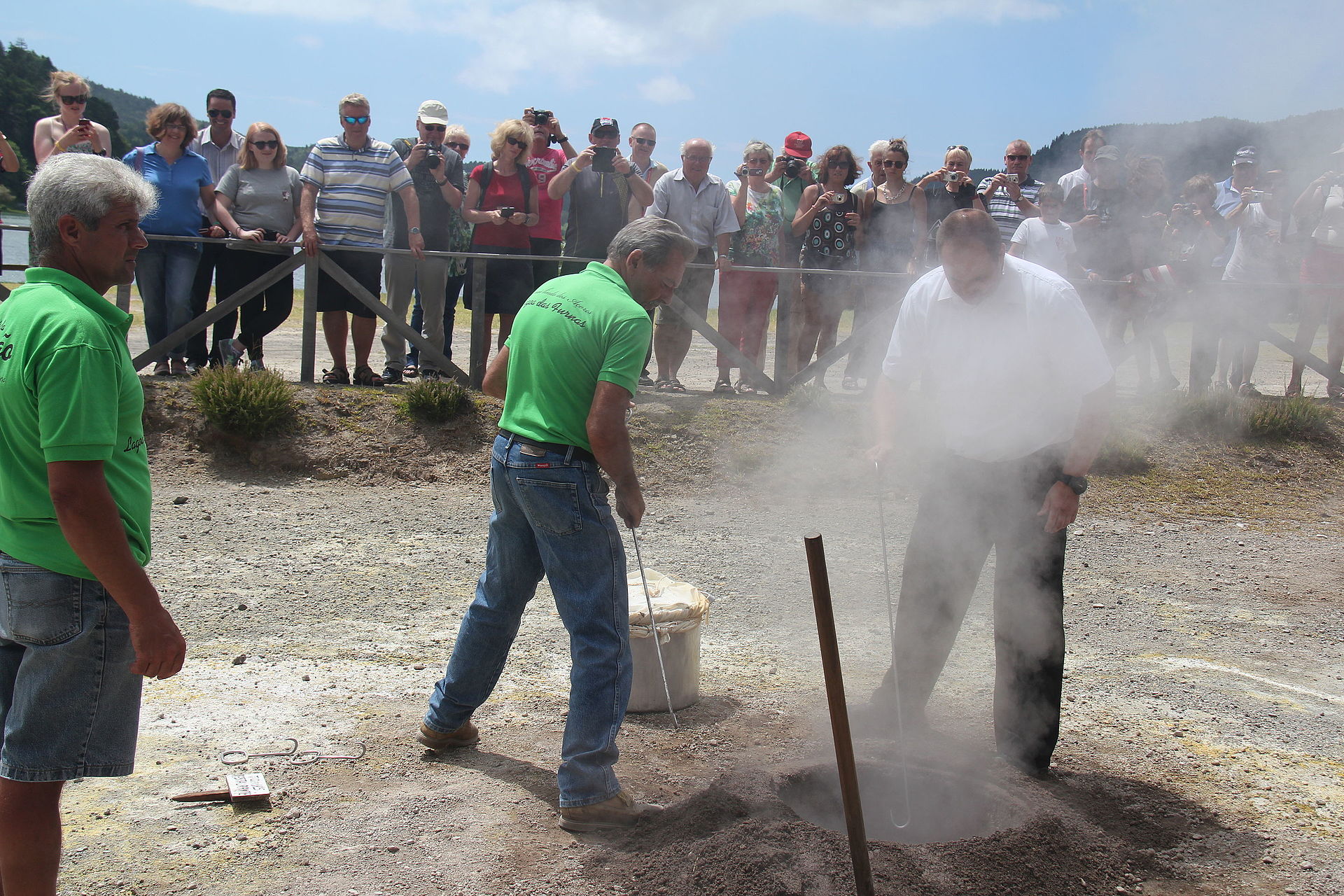
5. How Cozido das Furnas Is Cooked
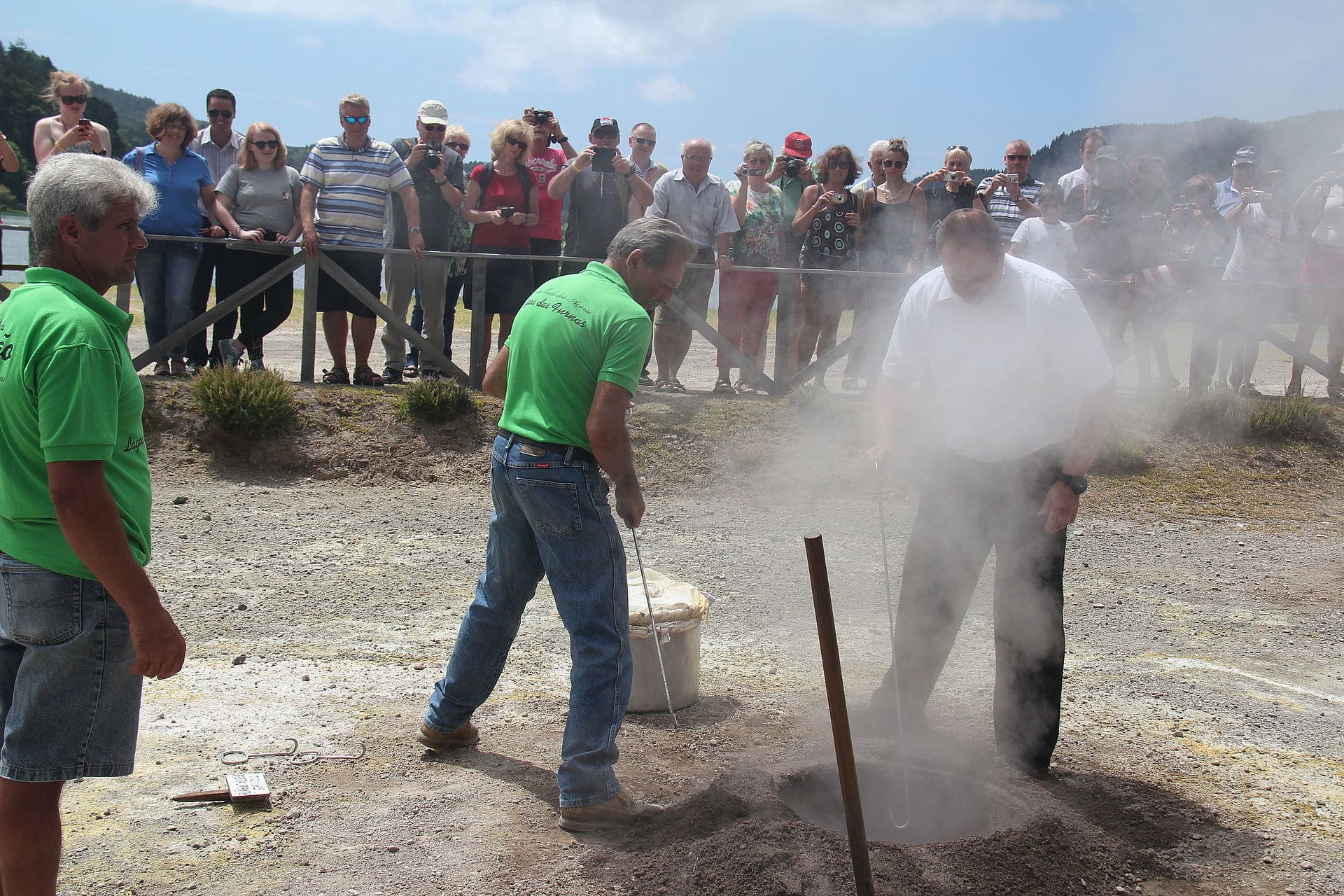
The undisputed culinary symbol of São Miguel is Cozido das Furnas, a dish whose preparation is utterly unique. Early each morning, restaurants load ingredients into large sealed pots, transport them to Furnas Lake, and bury them directly in the hot volcanic earth. The food then slow-cooks using nothing but geothermal energy for around six to seven hours.
The traditional version is a massive meat-and-vegetable stew containing beef, pork, chicken, sausages, and heaps of local vegetables. For vegetarians and those who don’t eat meat, plenty of restaurants in Furnas now offer excellent vegetarian versions of cozido, where beautifully seasoned root vegetables, cabbage, and sweet potatoes take centre stage — the slow volcanic cooking gives them a wonderfully earthy, slightly sulphurous flavour.
6. A European Rarity: Gorreana Tea Plantation
Did you know the Azores are the only place in Europe where tea is commercially grown? On the northern coast of São Miguel, you’ll find the historic Chá Gorreana tea factory, which has been in continuous operation since 1883. Visiting the factory itself is free, and you can watch the old, whirring machines processing the leaves.
But the best part awaits outside. You’ll find yourself in a landscape that looks like a slice of Sri Lanka dropped into the middle of the Atlantic. Hiking trails weave between neatly trimmed rows of tea bushes, offering gorgeous views straight out to the wild ocean. At the end of your visit, you can sample both black and green tea for free at the on-site café.
7. Exploring the Capital: Ponta Delgada
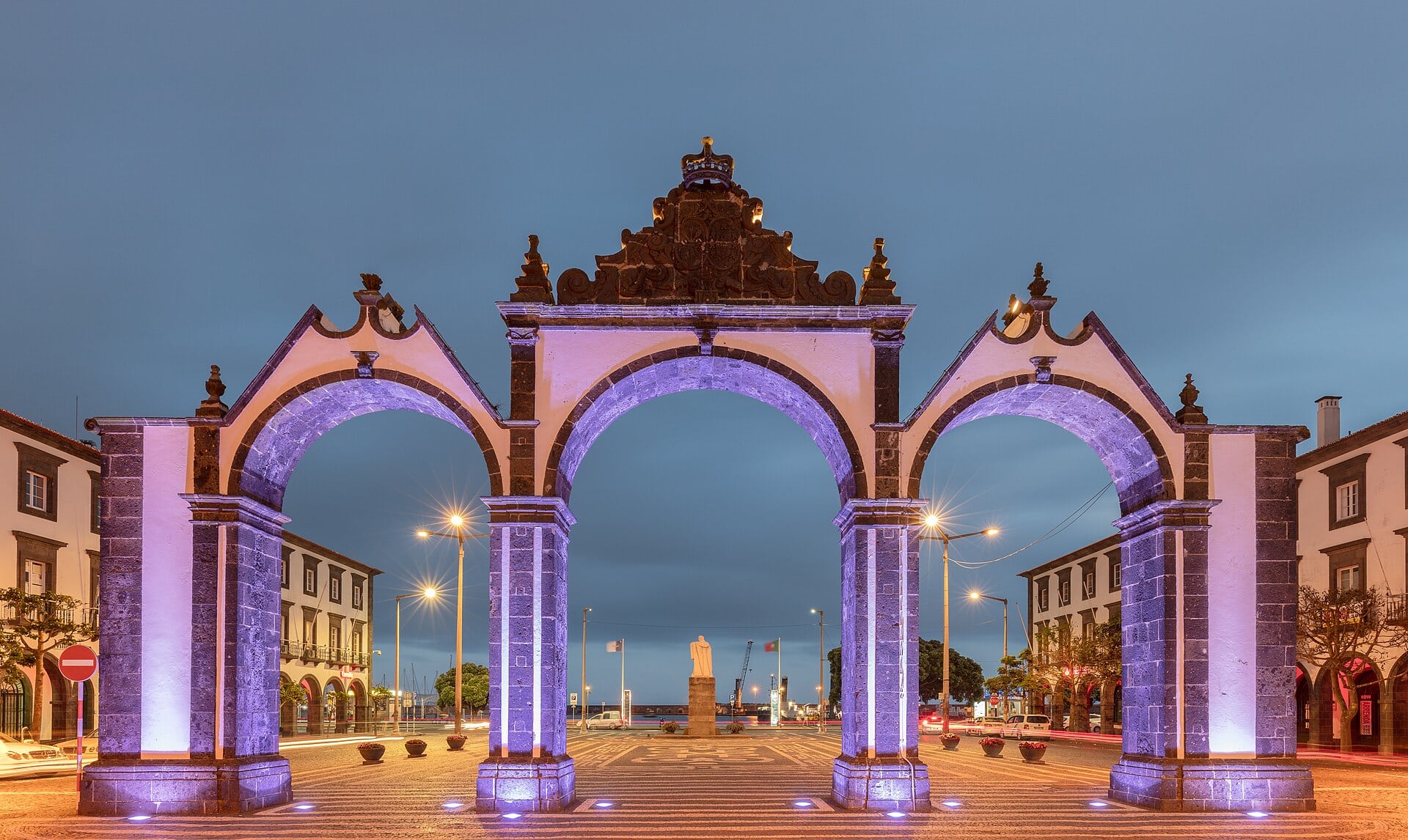
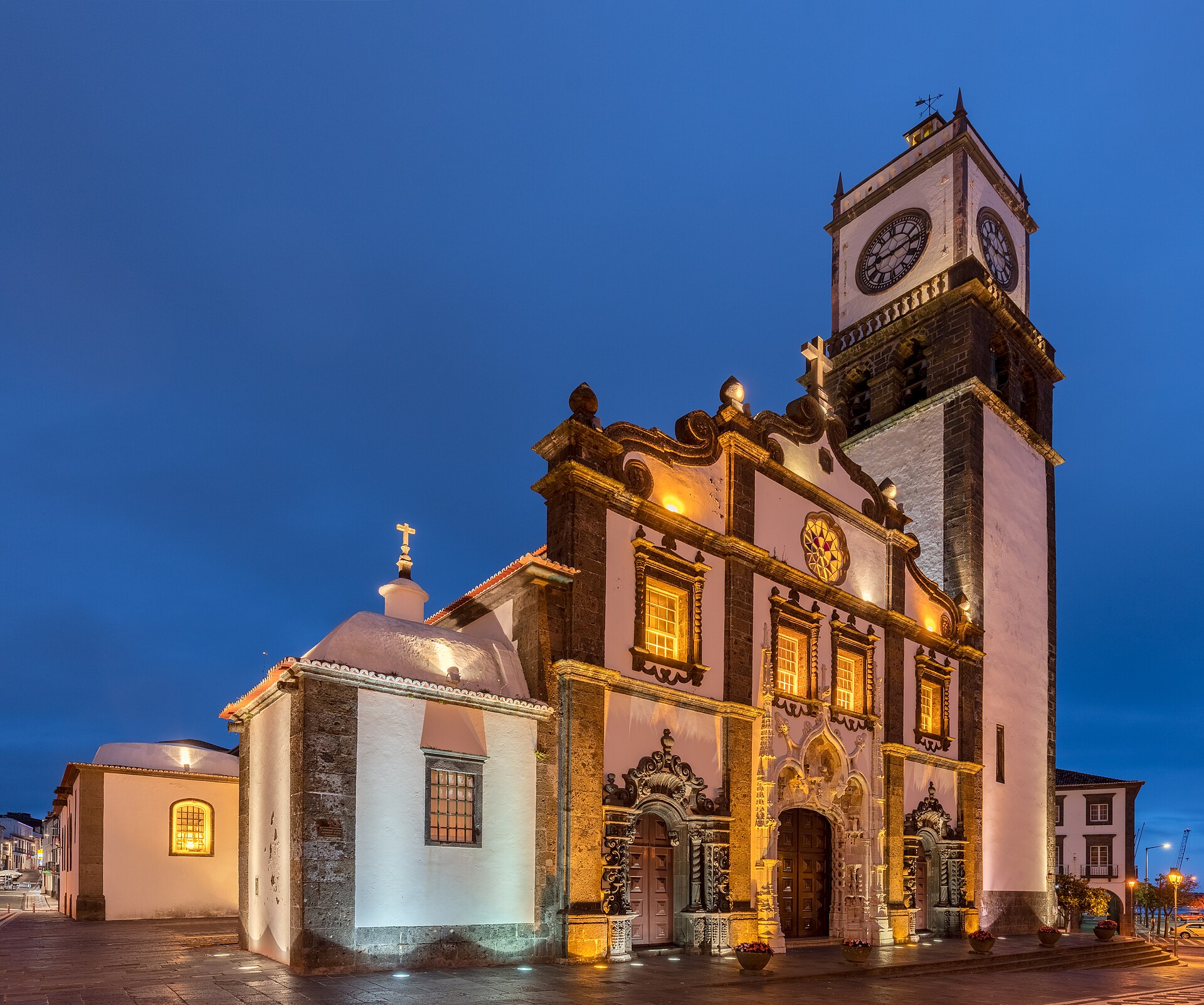
Although most people come to the Azores for nature, the capital city Ponta Delgada deserves at least a full day of your attention. It’s a pleasant, surprisingly cosmopolitan town characterised by its distinctive black-and-white architecture, where pale rendered walls contrast strikingly with dark volcanic stone.
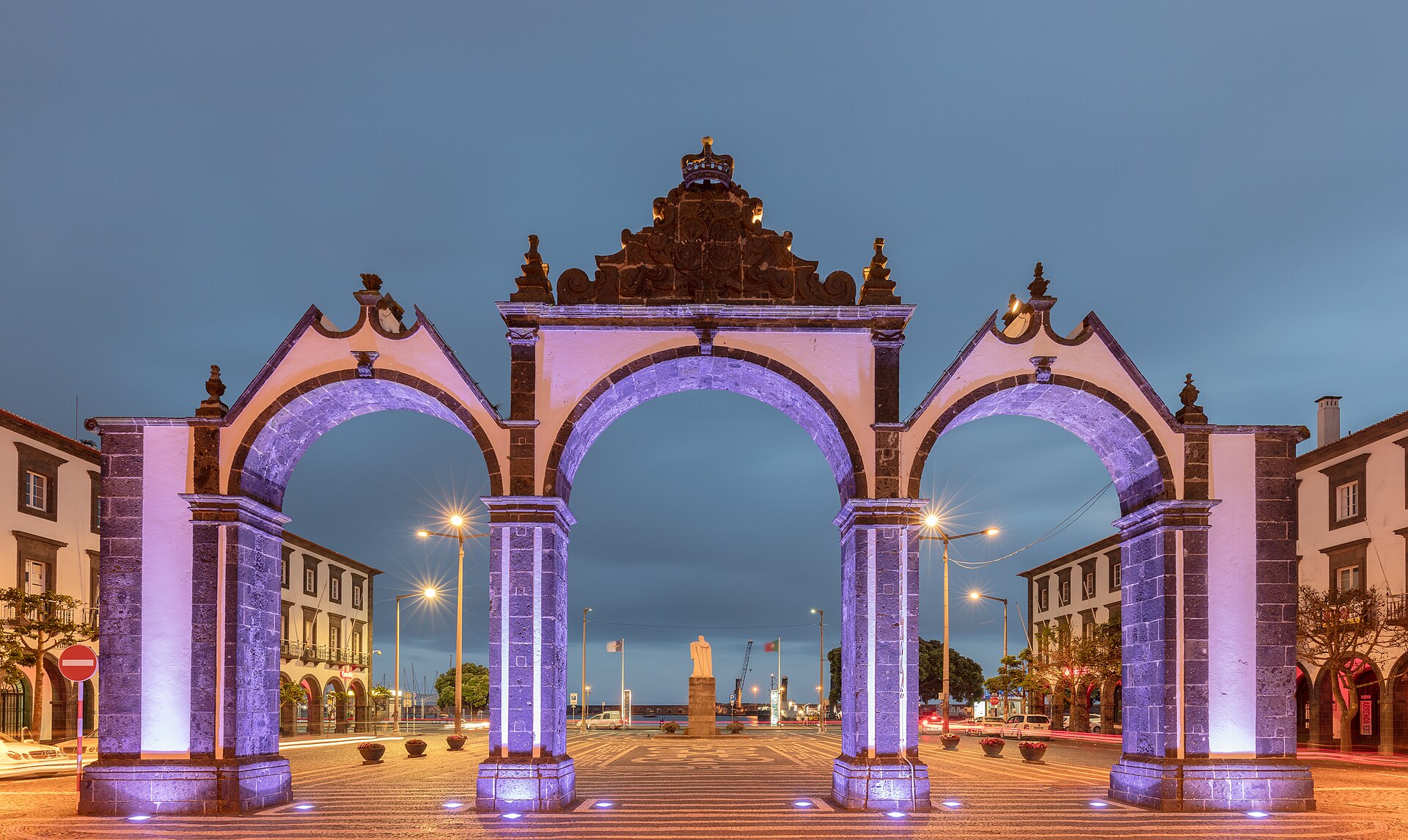
Stroll along the waterfront promenade, stop at the iconic Portas da Cidade gateway, and be sure to visit the local Mercado da Graça market. It’s at the market where you’ll find the finest local produce, including enormous sweet pineapples grown on the island in special greenhouses that have an incredibly intense flavour.

8. A Hiker’s Challenge: Climbing Mount Pico
If you venture to the central island group, the skyline will be dominated by the monumental Ponta do Pico volcano on the island of the same name. Standing at 2,351 metres above sea level, it’s the highest mountain in all of Portugal, and the ascent is definitely no Sunday stroll. It’s a very steep, rocky trek that demands proper hiking boots and a solid level of fitness.
The climb is also strictly regulated. Capacity on the mountain is limited, so registrations can sell out weeks in advance. You can go up independently or with a local guide — an organised ascent costs roughly €60 to €80. Your reward is the feeling of standing on the very rooftop of the Atlantic with views stretching across the surrounding islands.
9. UNESCO-Protected Lava Vineyards
Pico island isn’t just about mountain hiking — it’s also home to a completely unique winemaking tradition that has earned a spot on the UNESCO World Heritage list. Locals grow grapevines in so-called currais — small enclosures built from black lava stone that protect the plants from the destructive salty ocean winds.
Thanks to this ancient method and the black volcanic soil, which absorbs heat during the day and releases it back to the vines at night, Pico wine has a distinctly mineral and characterful taste. Visit one of the local wineries for a tasting and wander through the maze of dark stone walls that stretch all the way to the coast.
10. The Yachting Atmosphere of Horta Harbour
Just a short ferry ride from Pico lies the island of Faial, whose capital Horta is a legendary crossroads of the world’s oceans. The harbour has been a key stopover for sailors making the gruelling transatlantic crossing since time immemorial. The cosmopolitan and adventurous vibe here is absolutely palpable.
The harbour’s greatest curiosity is its very walls and pavements. They are covered in thousands of colourful paintings and messages left by crews of boats that have docked here. Seafaring superstition has it that any boat that fails to leave its mark in Horta will never safely reach its destination.
11. The Lunar Landscape of Capelinhos Volcano
On the western tip of Faial, you’ll feel as though you’ve landed on another planet. In 1957, a massive underwater eruption took place here, lasting over a year and creating entirely new land that merged with the existing coastline. Today, the area is known as Vulcão dos Capelinhos.
The landscape here genuinely looks like Mars. Nothing but black and red volcanic ash and dust stretches out before you, with the half-buried roof of an old lighthouse poking through — a survivor of the eruption. Inside the lighthouse, there’s an excellent underground museum that walks you through the dramatic geological history of this extraordinary place.
12. Extreme Cliff-Edge Hikes on São Jorge
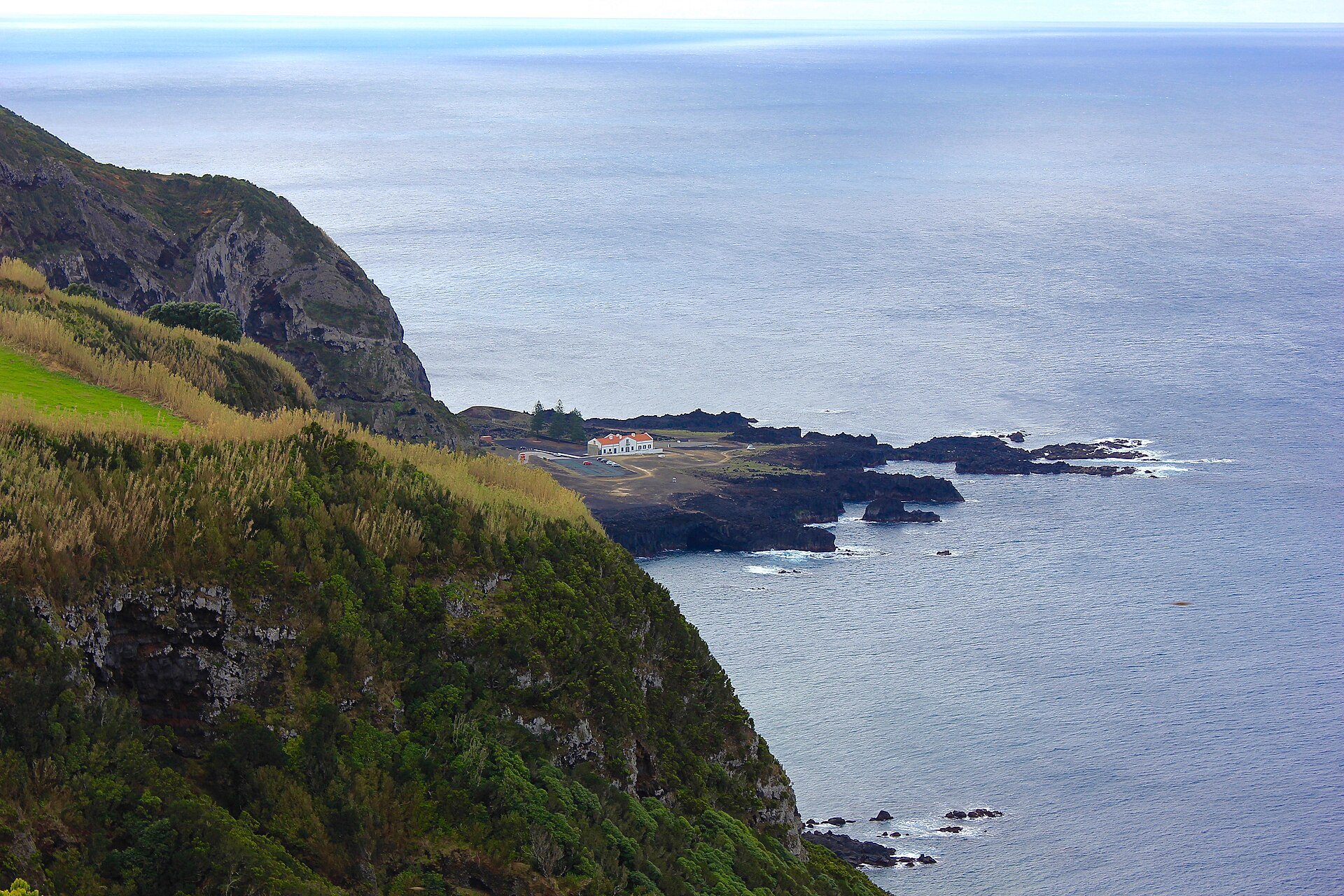
The long, narrow island of São Jorge is a paradise for hardcore hikers. It’s characterised by its sheer cliffs, below which you’ll find so-called fajãs — small coastal platforms formed by landslides or solidified lava flows. Life here plays out literally on the edge between mountains and the raging ocean.
The island is criss-crossed by some of the best — and most challenging — hiking trails in the entire Azores. One hugely popular route is the descent to Fajã da Caldeira de Santo Cristo, which can only be reached on foot or by quad bike, and where you’ll find an isolated community with no mobile signal.
13. Pungent Queijo São Jorge Cheese
After all those demanding hikes, you’ll need to refuel, and São Jorge has the perfect answer. The island produces the most famous Azorean cheese, Queijo São Jorge, which you’ll encounter not just across the archipelago but throughout mainland Portugal too. The cows graze year-round on green hillsides kissed by salty sea air, which gives the milk a distinctive character.
This hard, aged cow’s milk cheese has a slightly spicy and peppery profile. It’s matured for several months and the locals love to serve it simply with quality bread and a local jam chutney. Don’t forget to buy at least a small wedge as an edible souvenir to take home.
14. The Historic Gem of Angra do Heroísmo
While most islands draw visitors primarily with their natural beauty, Terceira serves as the cultural and historical heart of the Azores. The star attraction is undoubtedly the port town of Angra do Heroísmo, which earned its place on the UNESCO World Heritage list thanks to its exceptionally well-preserved Renaissance architecture and grid-pattern streets.
Wandering through the town, you’ll discover grand palaces, old fortresses, and colourful houses with wrought-iron balconies. The town exudes a distinctly noble and elegant atmosphere that contrasts sharply with the wild volcanic landscape surrounding it. It’s well worth climbing Monte Brasil for a panoramic view that lays the entire town out before you.
15. Untamed Waterfalls at the Edge of the World
If you’re seeking absolute isolation and nature at its most raw, you need to fly to the western fringe of the archipelago. The islands of Flores and Corvo are the most remote, the wettest, yet also by far the greenest and wildest. They actually sit on the North American tectonic plate.
On Flores, you’ll find literally hundreds of jaw-dropping waterfalls cascading from sheer green cliffs straight into the ocean or into deep lakes. The most famous is the monumental Poço do Bacalhau. There’s one major catch, though — the weather here is so extremely unreliable that you must factor in a high risk of cancelled flights and relentless rain.
16. World-Class Whale and Dolphin Watching
The Azores rightly rank among the absolute best places on Earth for watching wild cetaceans. The ocean floor around the islands plunges steeply to enormous depths, creating ideal, food-rich hunting grounds for marine life. While sperm whales and various dolphin species are present year-round, if you want to see enormous blue whales, you’ll need to visit during the spring migration in April or May.
You can head out to sea in two ways. A large catamaran is more stable and ideal if you’re prone to seasickness, though it can’t get as close to the animals. The other option is a small, fast inflatable boat called a Zodiac, which bounces across the waves for a truly exhilarating experience — though it’s definitely not recommended if you have back problems.


