Picture this: mainland Europe is shivering under a grey blanket of clouds, but you’re strolling along a beach in a light t-shirt, soaking up the sun. The Canary Islands are exactly that kind of seemingly unattainable paradise — and yet they’re only about four and a half hours’ flight from London. While politically and culturally they’re very much a part of Spain, geologically the archipelago rises from the African continental shelf and lives by its own rhythm of eternal spring. If you’re thinking about where to escape for some winter warmth, you’ll face one crucial decision, because each of the seven main islands has an entirely different DNA. You could stand on the rim of a smoking volcano on Tenerife, push through a mystical cloud forest on La Gomera, tame Saharan winds on a board off the coast of Fuerteventura, or lose yourself in the cosmopolitan crowd of digital nomads on Gran Canaria.
In this guide, we’ll help you figure out which island is the perfect match for your holiday. We’ll explore the most beautiful beaches, break down the logistics of island-hopping, and unravel the quirks of the local microclimates. You’ll find tips on where to stay strategically and what to watch out for, so you can make the most of your island escape without any unnecessary stress.
TL;DR
- Tenerife is an island of contrasts: It offers a lush green north steeped in colonial history, a sun-drenched south for beach lovers, and the majestic Mount Teide volcano right in the middle — with strict rules for reaching the summit.
- Gran Canaria is like a miniature continent: Within a single hour’s drive, you can swap the sand dunes of Maspalomas for cool pine forests and the buzzing metropolis of Las Palmas.
- Lanzarote feels like another planet: A mesmerising volcanic landscape free of high-rise buildings blends with the unique architecture of César Manrique and outstanding wine grown in volcanic ash.
- Fuerteventura is the kingdom of wind and sand: Home to hands-down the most stunning and longest beaches in the entire archipelago, beloved by surfers and water sports enthusiasts from around the globe.
- La Palma and La Gomera are oases of calm: These green gems on the edge of the archipelago lure visitors with challenging treks, cloud forests, and starlit skies — all without mass tourism.
- Ferries are fast and efficient: Fred Olsen and Naviera Armas operate between islands, with the crossing from Fuerteventura to Lanzarote taking just 25 minutes.
- Don’t try to cram in too many islands: During a single week, focus on one main island and perhaps add a quick day trip to a neighbouring one.
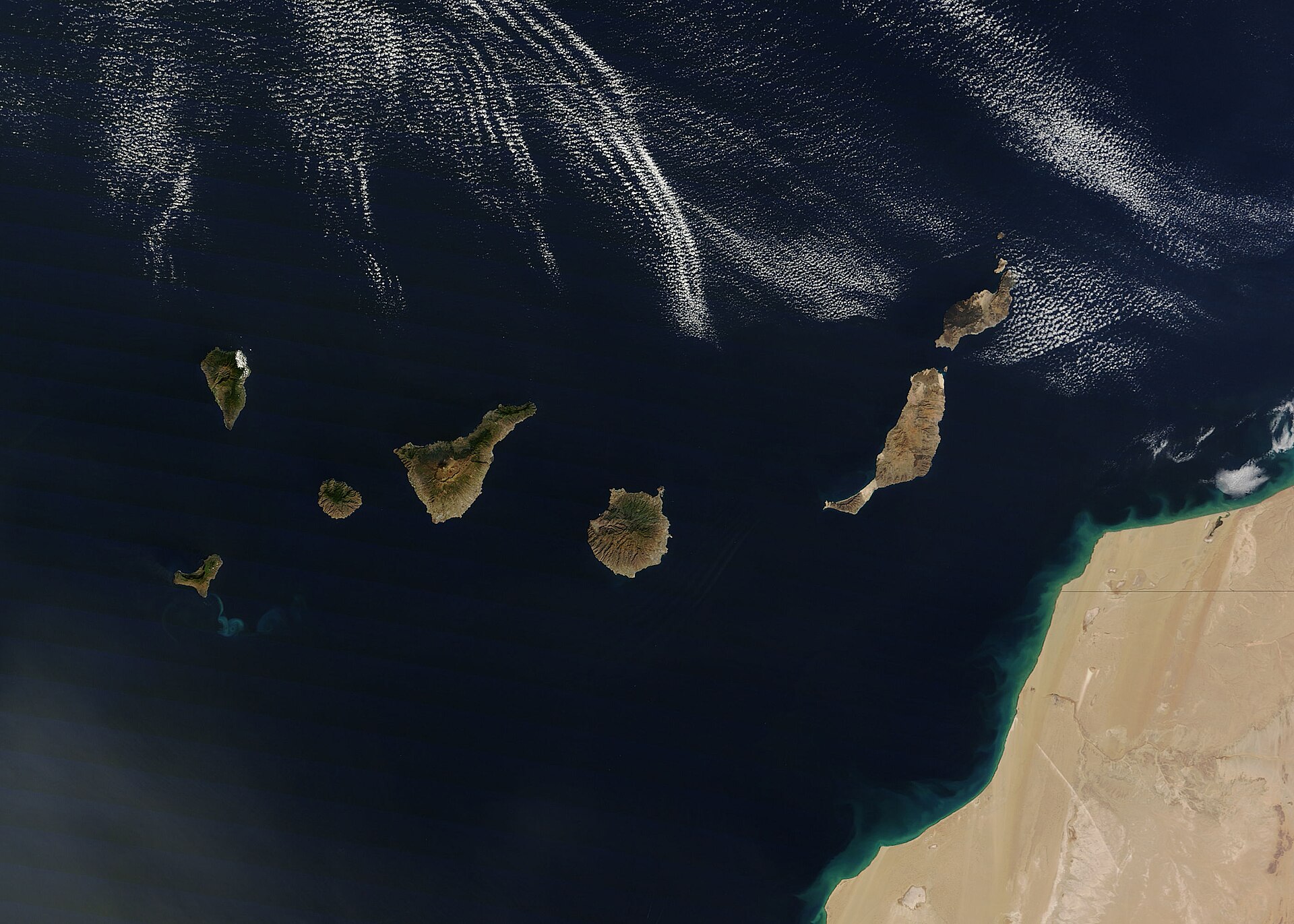
The full destination guide: Canary Islands — guide and what to see
Best Time to Visit the Canary Islands
You can visit the Canary Islands any of the twelve months of the year with a clear conscience — there’s simply no dead season here. Air temperatures hover in a wonderfully comfortable range of 20–28 °C year-round, making these islands the only truly reliable winter sun destination on the European continent. The winter months around January and February are the absolute peak for visitors fleeing the European cold. Bear in mind, though, that flight and accommodation prices shoot up steeply during this period.
Interestingly, even the summer months are surprisingly pleasant on the islands. Thanks to cooling ocean currents and constant trade winds, you’ll rarely experience the scorching 40 °C heatwaves that regularly paralyse mainland Andalusia in August. The ocean temperature stays at a swimmable 18–24 °C even in the coldest winter months, so hardier souls can take a dip at any time of year.
When planning your trip, you also need to factor in the specific microclimates of individual islands, which can be quite deceptive. As a general rule, the south side of each island is always sunnier and drier, while the northern coasts are often shrouded in clouds and receive more rainfall. This contrast is most striking on Tenerife and Gran Canaria, where a half-hour drive can mean a difference of ten degrees Celsius.
Where to Stay in the Canary Islands
💡 Accommodation & experiences tip: We love searching for places to stay on Booking.com, which typically offers the best cancellation policies. For tickets, tours, and activities, it’s worth comparing options on GetYourGuide.
Choosing the right location for your accommodation is absolutely key and depends entirely on which island and what atmosphere you’re after. If you’re heading to Tenerife for sunshine and carefree relaxation, pick a resort on the south coast such as Costa Adeje, where you’ll find excellent tourist infrastructure. For lovers of authentic character and history, I’d recommend the green north around Puerto de la Cruz or the university town of La Laguna — the boutique hotels here have incredible charm.
On Gran Canaria, most beach resorts cluster at the far south around the breathtaking Maspalomas dunes and the Meloneras resort area. But if you’re working remotely as a digital nomad or craving a city buzz, the capital Las Palmas on the north coast is the obvious choice. Lanzarote offers a more tranquil vibe, with lovely accommodation in whitewashed houses around the Playa Blanca resort. On Fuerteventura, surfers flock north to the town of Corralejo, while the south around the Jandía peninsula boasts some of the most luxurious beach resorts.
Always book your accommodation well in advance via Booking.com, as the best hotels vanish incredibly quickly during winter season. A wonderful experience on Tenerife is the historic Iberostar Heritage Grand Mencey hotel, which transports you back to the era of colonial luxury. On Gran Canaria, the architecturally striking Lopesan Baobab Resort with its African inspiration stands out, and on Lanzarote, the Princesa Yaiza Suite Hotel Resort with its perfect beach access will enchant you.
12 Tips: Which Canary Island to Choose and What to Do
Let’s take a detailed look at what each island has to offer and which spots you absolutely shouldn’t miss. I’ll guide you to the best beaches, explain how transport works, and help you pick the perfect destination to suit your style.
1. Tenerife: Climbing the Majestic Mount Teide
The largest island in the archipelago commands respect from the moment you land, because Tenerife is essentially one enormous mountain rising from the ocean depths. It’s dominated by Teide National Park, and the summit of Pico del Teide reaches 3,718 metres, making it the highest peak in all of Spain. The landscape transformation during the drive from the coast to the volcano is breathtaking — you pass through banana plantations, dense pine forests, and finally emerge onto a lunar plain scattered with solidified lava.
Most visitors opt for the cable car to conquer the dramatic elevation gain, whisking you up to 3,555 metres in just eight minutes. But here’s where things get tricky: since January 2026, strict regulations govern the final ascent to the actual summit. You now need a special permit and must pay a fee to access the PNT 10 trail, as the park authority works to protect the fragile volcanic ecosystem.
💡 Insider tip: Permit slots get snapped up at lightning speed months in advance, so search for “Teide permit” and book it the very same day you purchase your flights. Without a permit, you simply won’t be allowed near the crater and will have to settle for the views from the upper cable car station.
2. Tenerife: The Contrast Between the Green North and Sunny South
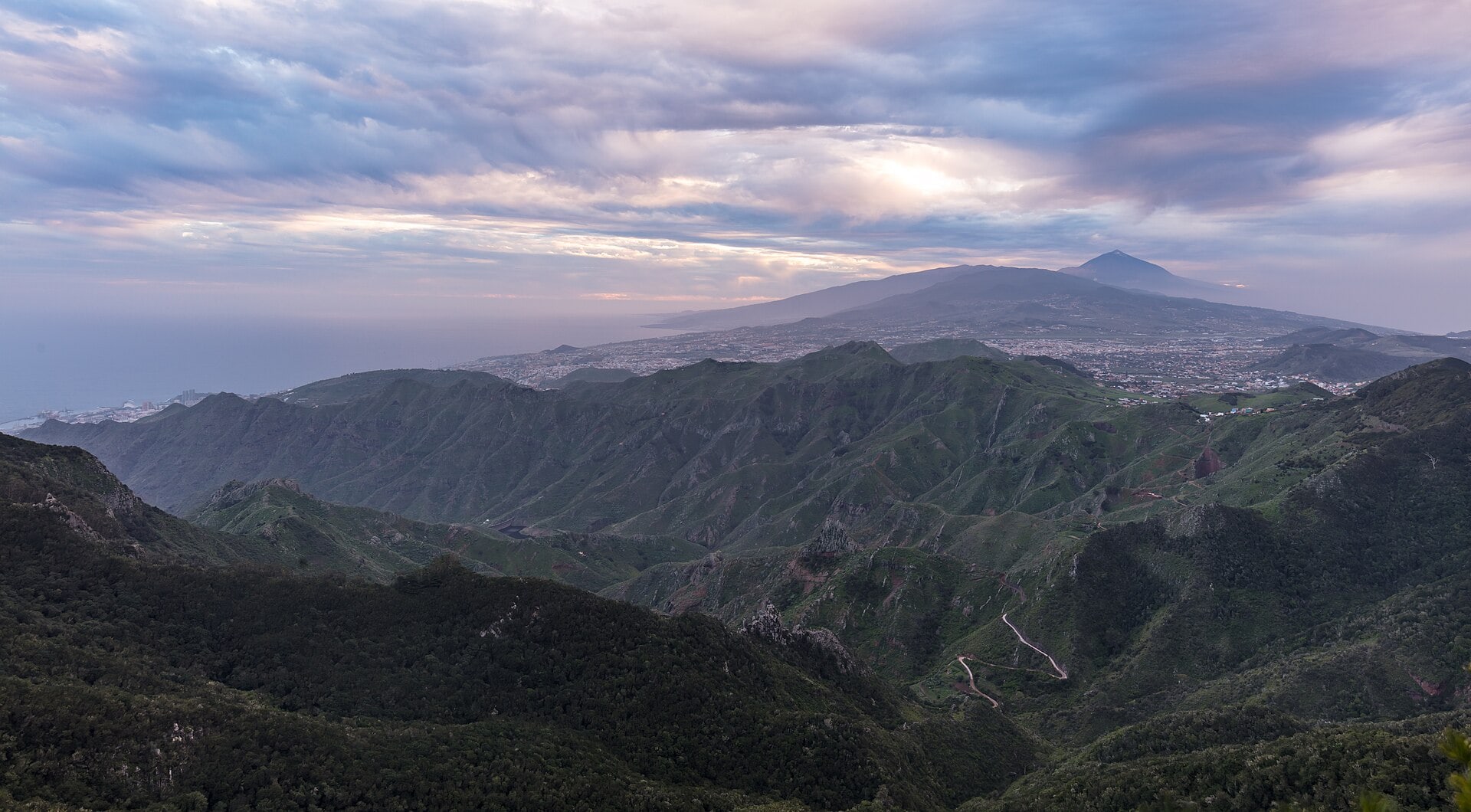
Tenerife thrives on sharp contrasts, offering two completely different worlds. The south, represented by resorts like Costa Adeje and Playa de las Américas, is parched, sun-baked, and fully geared towards mass tourism. This is where families head for all-inclusive packages and guaranteed winter sunshine by sprawling pools.
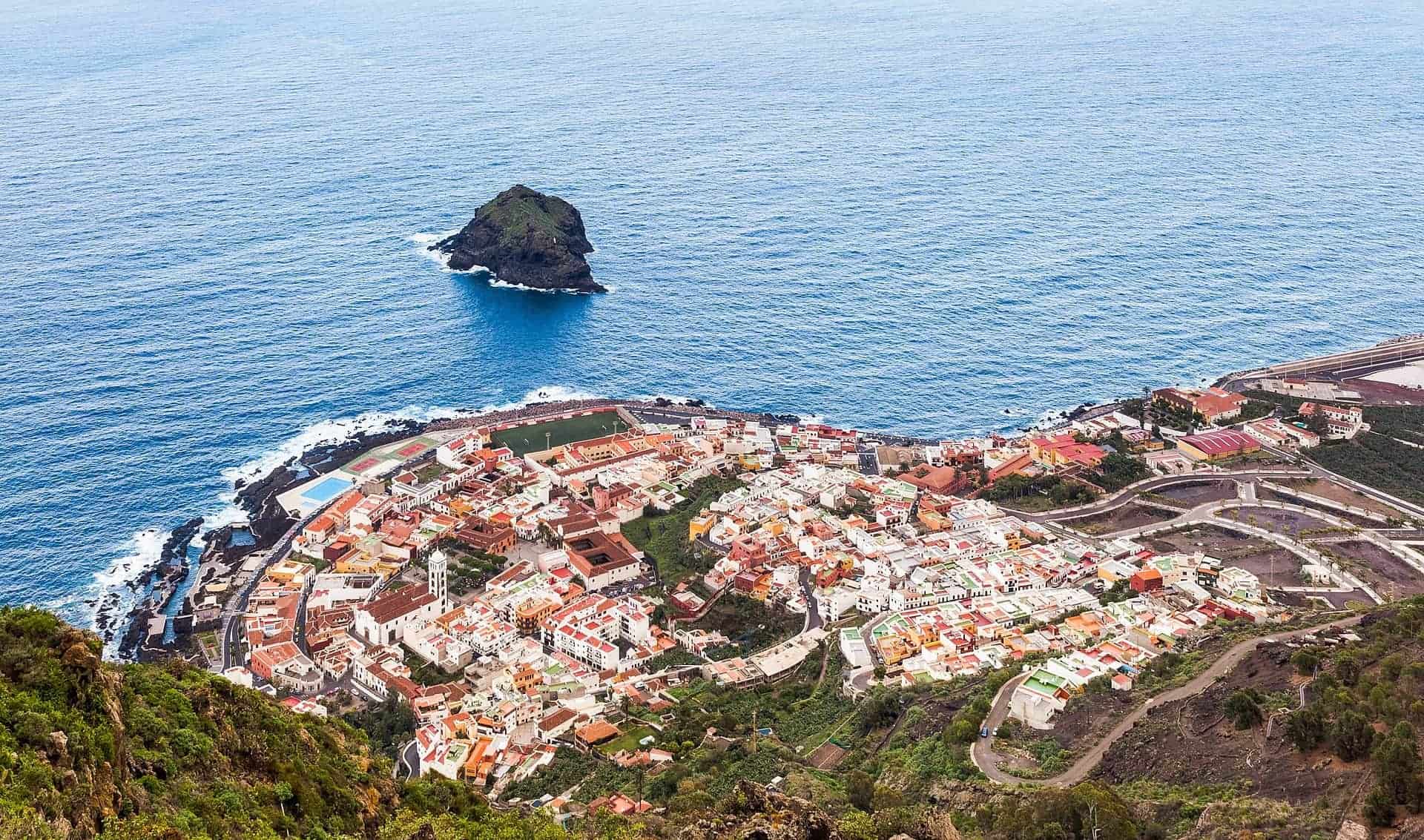
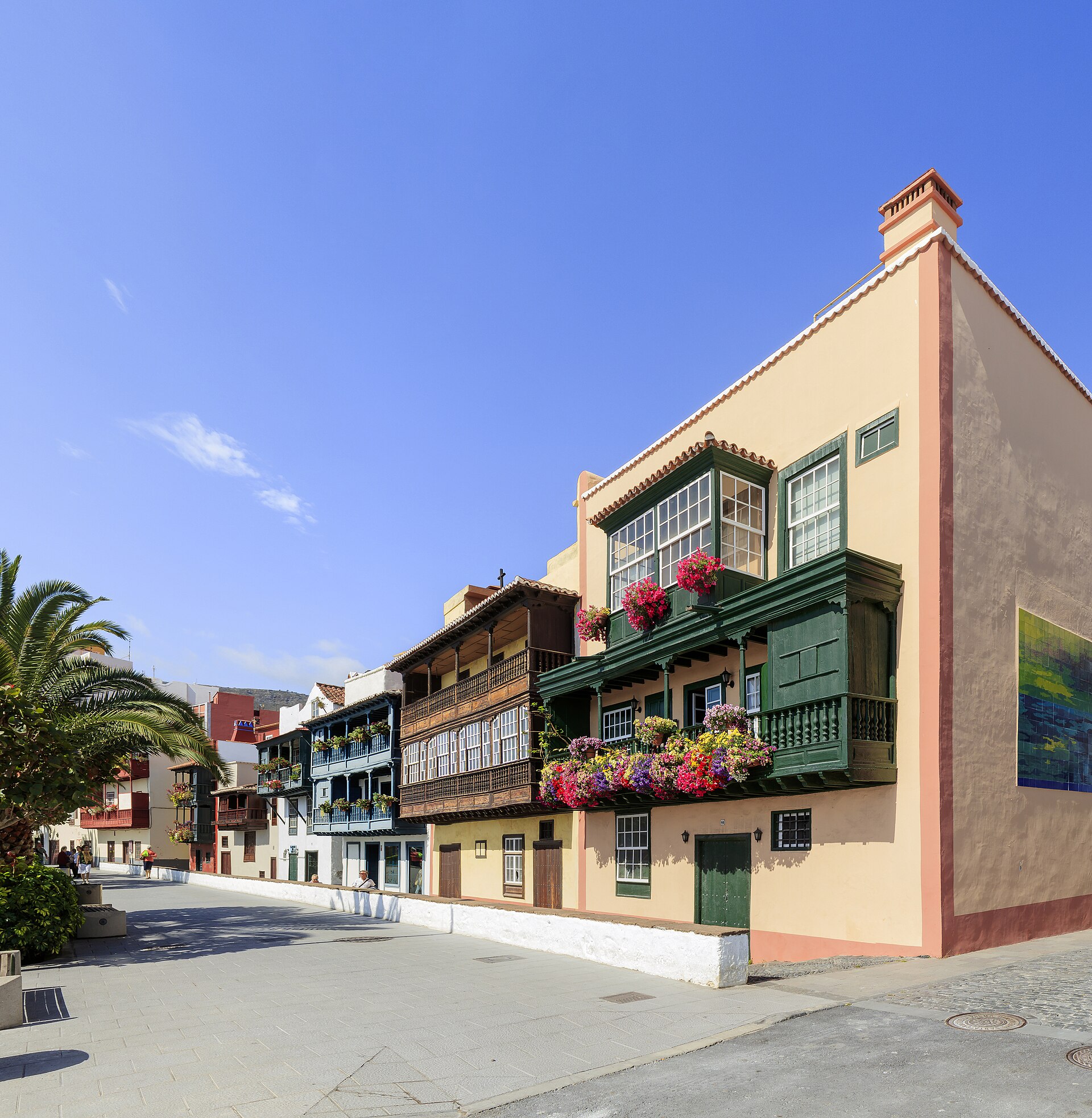
The north around Puerto de la Cruz and the historic town of La Laguna paints an entirely different picture, breathing authentic Canarian atmosphere. It’s beautifully green, considerably wetter, and often draped in romantic clouds. Here you’ll find stunning colonial architecture, colourful houses, and cosy local taverns tucked into narrow cobblestoned lanes.
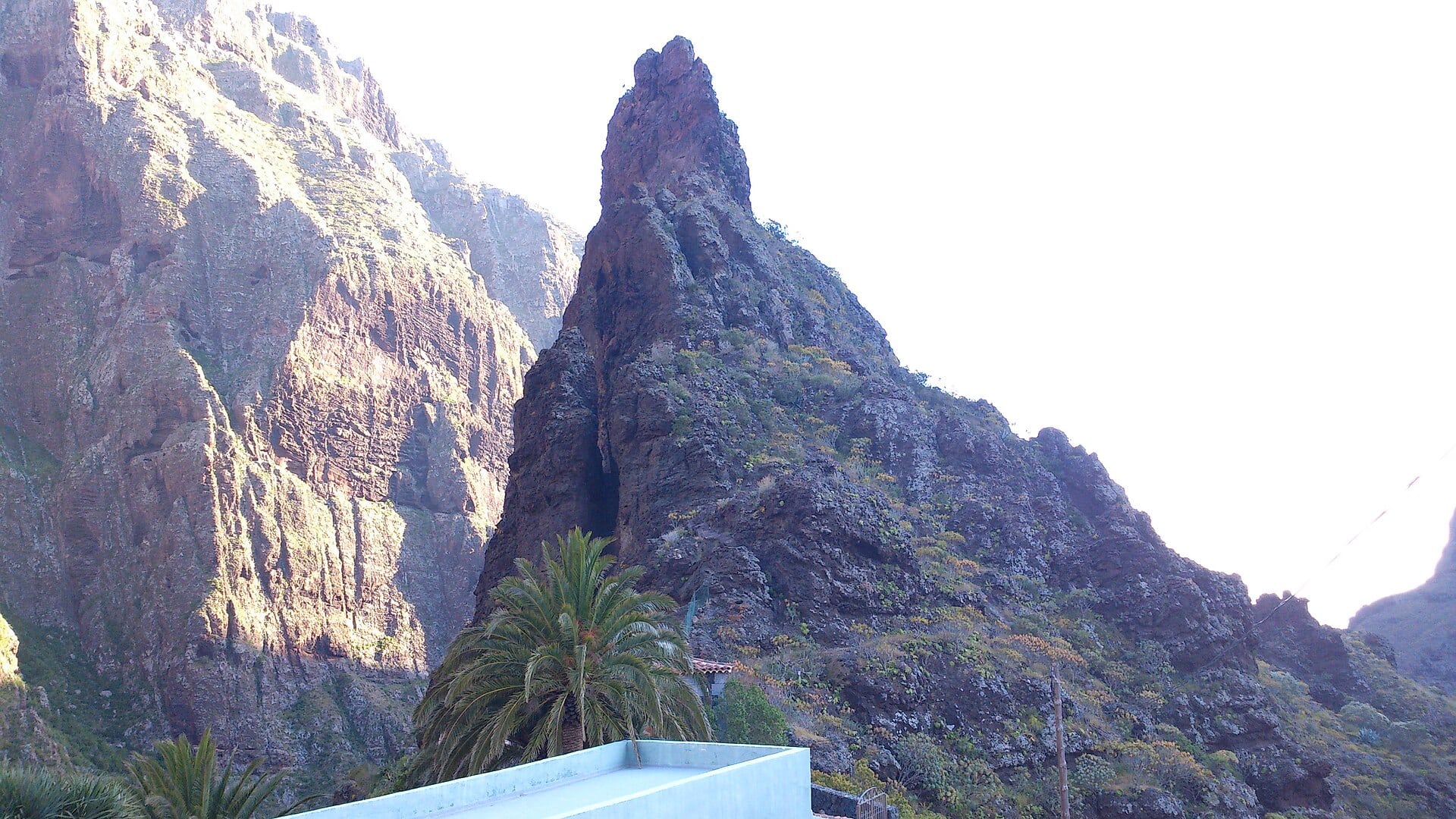
💡 Insider tip: Don’t miss the mountain village of Masca, nestled at the bottom of a deep gorge in the Teno massif. The drive along narrow, steep switchbacks will thoroughly test your nerves behind the wheel, but the dramatic views are absolutely worth the adrenaline.
3. Gran Canaria: Sand Dunes in Maspalomas
If you’re after maximum diversity packed into the smallest possible area, Gran Canaria is the clear winner. The island has rightly earned its nickname “miniature continent”, offering everything from beaches and deep canyons to high mountains. Within a single hour’s drive, you can swap Saharan-style dunes for cool pine forests hidden in the central volcanic highlands.
The absolute icon of the island is the awe-inspiring Maspalomas dunes at the far south. This protected nature reserve features kilometres of undulating golden sand that tumbles dramatically straight into the Atlantic waves. A walk among the dunes at sunset is one of the most beautiful experiences you can bring home from the Canary Islands.
💡 Insider tip: Head to the dunes first thing in the morning, when the sand is still cool and unmarked by hundreds of tourist footprints. You’ll get perfect photos of pristine sand ripples that genuinely resemble the real African desert.
4. Gran Canaria: A Paradise for Digital Nomads in Las Palmas
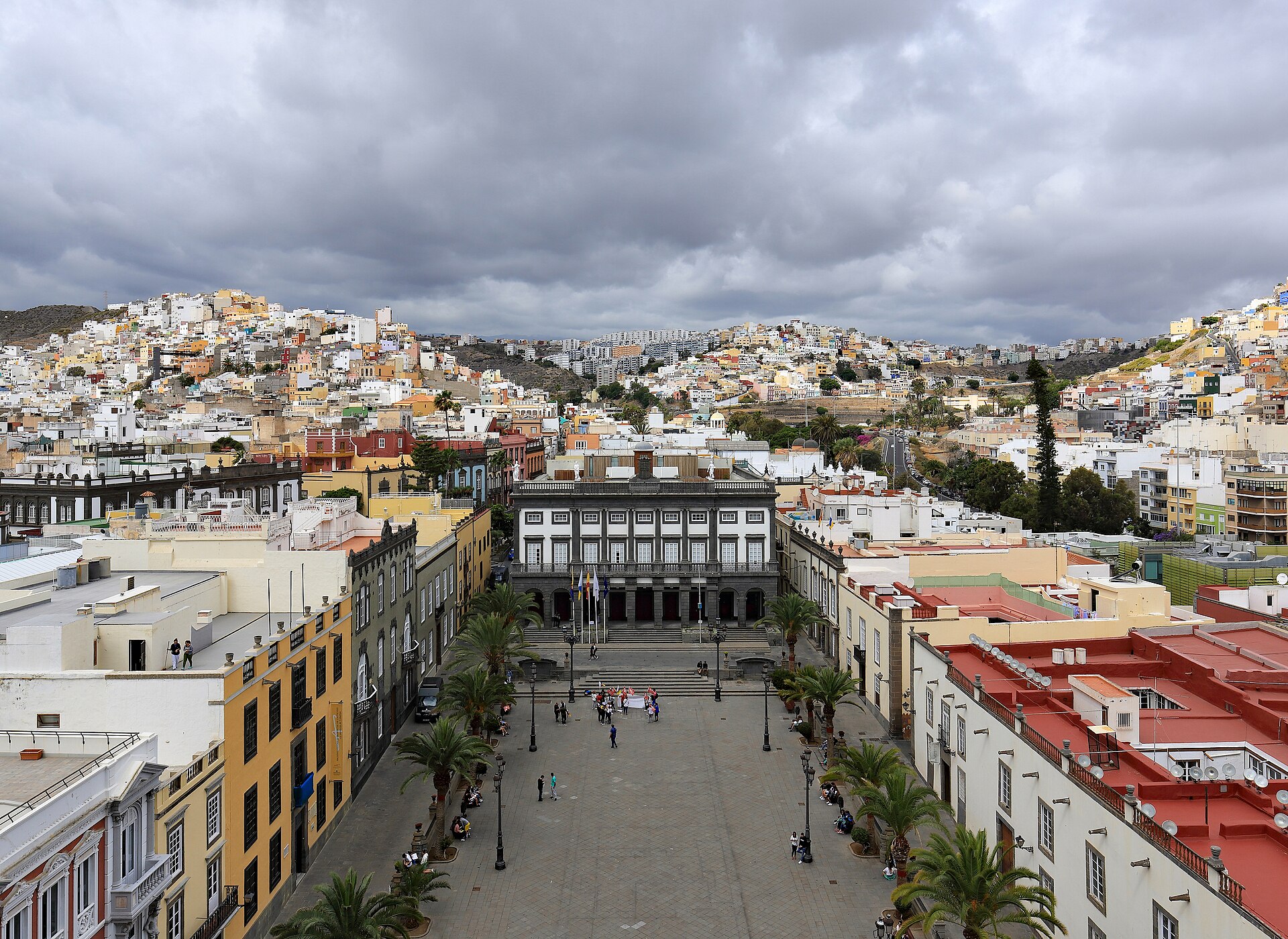
While the south is dominated by sprawling beach resorts, the north is ruled by Las Palmas — a genuine, buzzing Spanish city. It boasts an excellent several-kilometre-long urban beach called Las Canteras, lined by a long promenade packed with cafés and restaurants. The place really comes alive in the evenings, offering rich cultural and nightlife scenes.
In recent years, Las Palmas has also established itself as Europe’s premier winter hub for digital nomads. The infrastructure matches the hype, with dozens of modern co-working spaces offering fast internet and a thriving cosmopolitan community of creative people from all over the world. Many of them come here to spend the entire winter, escaping the grey European skies.
💡 Insider tip: If you’re planning to work remotely long-term, look into the conditions for Spain’s digital nomad visa, known as the Spain DNV 2026. It’s tied to a minimum provable income and allows you to legally work with an ocean view. As a UK citizen, this is particularly useful for extended stays post-Brexit.

5. Lanzarote: Timanfaya National Park and the Land of Fire
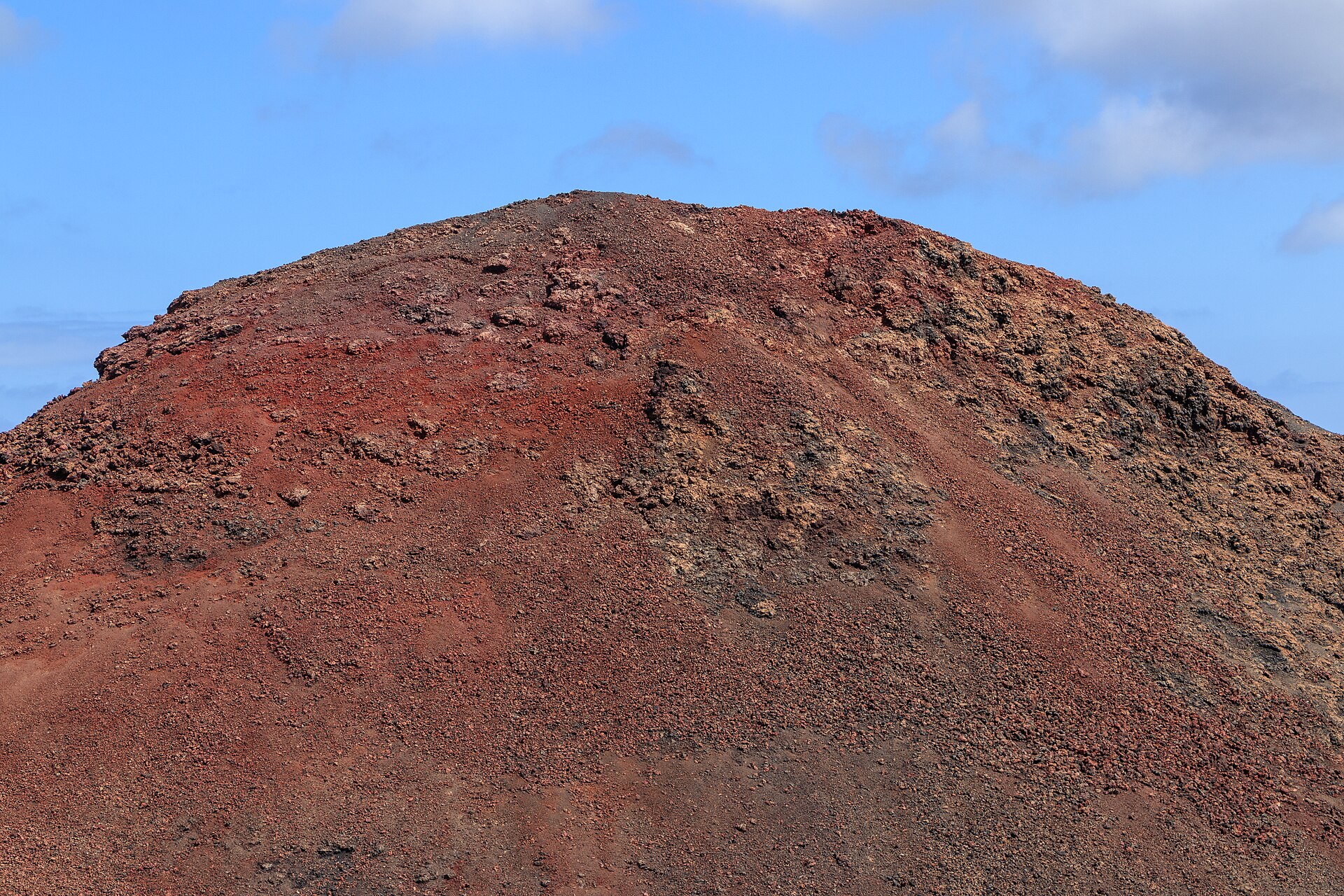
From the very first moment on Lanzarote, you’ll feel as though you’ve landed on a different planet. In the eighteenth century, the island was ravaged by massive volcanic eruptions that changed its face forever. What was born is a dramatic black-and-red lunar landscape where you’d be hard-pressed to find a single tall tree or patch of green grass.
At the heart of this fascinating devastation lies Timanfaya National Park, where active volcanic forces still simmer just below the surface. Guides love to demonstrate the earth’s power with dramatic live shows. They toss dry brushwood into shallow holes where it instantly bursts into flame, or pour water into pipes driven into the ground, which then erupt with a mighty geyser of hot steam.
💡 Insider tip: You can’t explore the park freely on foot — you must take the official bus tour, which is included in the admission price. The buses squeeze through lava corridors so narrow that they practically scrape against the sharp black rocks.

6. Lanzarote: César Manrique’s Architecture and Volcanic Wine
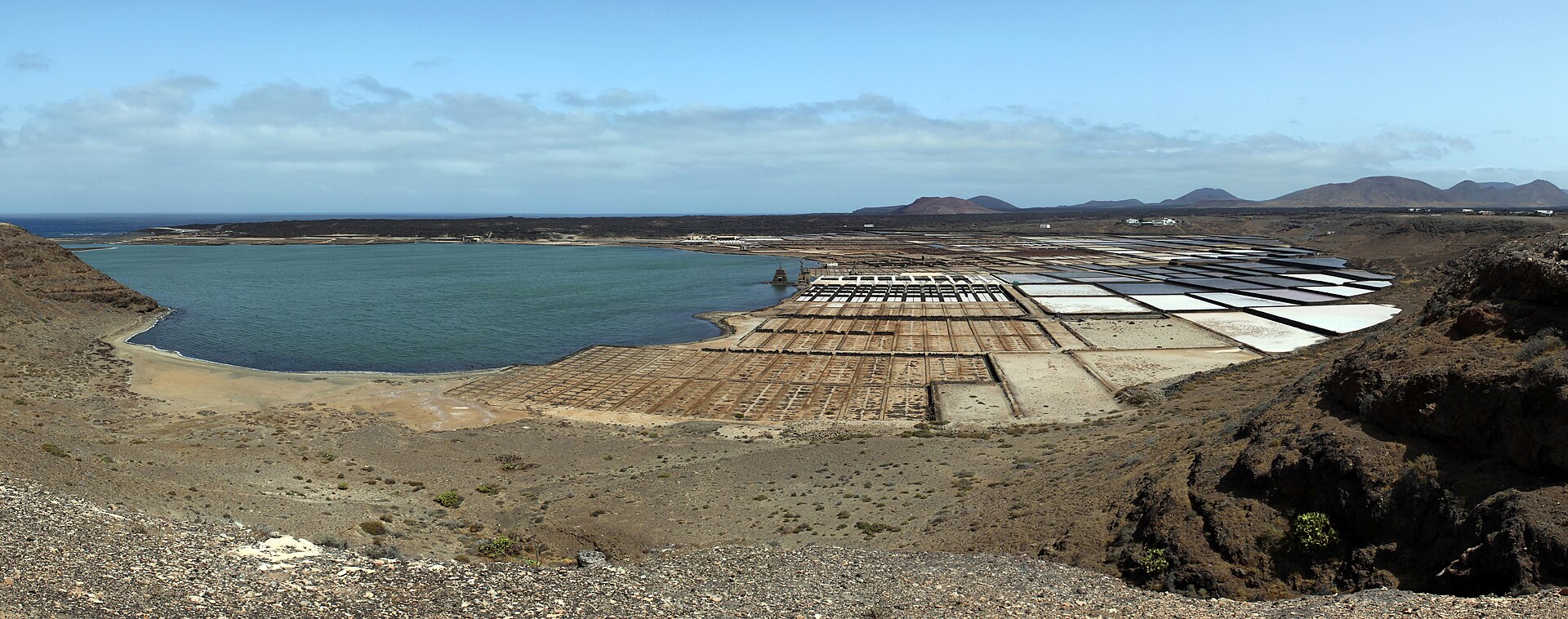
Thankfully, Lanzarote never succumbed to visual clutter or the construction of towering high-rise hotels. It owes this to one man — local-born artist and architect César Manrique. He championed strict building regulations requiring low white houses with green or blue shutters, saving the aesthetic identity of the entire island.
Manrique himself also created fascinating installations that fuse raw nature with modern design, including the cultural space Jameos del Agua built inside a lava tunnel. The locals have also brilliantly turned volcanic destruction to their advantage in the La Geria region. Vines are grown in deep funnel-shaped pits dug into the black ash, giving the local Malvasia wine a completely unmistakable mineral profile.
💡 Insider tip: Stop at one of the local wineries (bodegas) along the road through La Geria and treat yourself to a guided tasting. The sight of green vine bushes sheltered by semicircular stone walls against the wind, standing in a sea of black volcanic ash, is utterly unforgettable.
7. Fuerteventura: Endless Beaches and the Kingdom of Wind
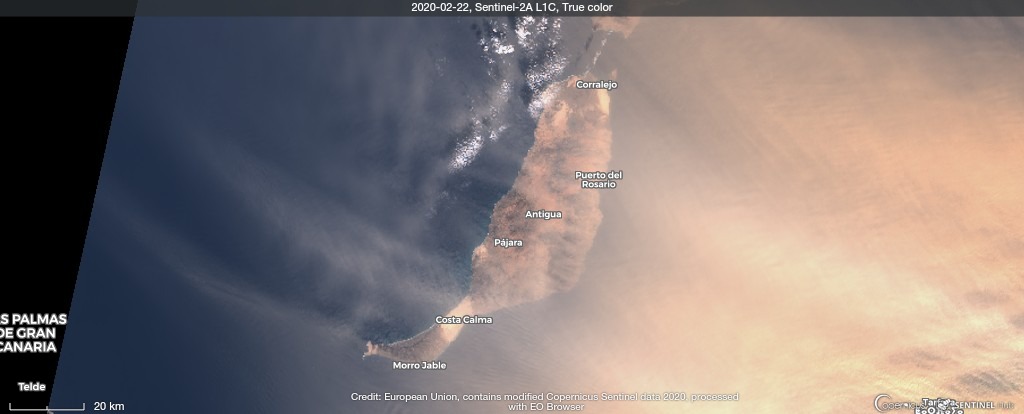
Fuerteventura lies closest to the African coast of all the islands, and its character is defined by two main features: endless pale beaches and relentless strong wind. While neighbouring islands lure visitors with dramatic mountain peaks and volcanoes, Fuerteventura is considerably flatter and drier overall.
This minor landscape shortcoming is more than compensated by what are hands-down the best, longest, and whitest beaches in the entire Canary Islands. The water is an incredible shade of turquoise and the sand is as fine as flour. The sprawling beaches in the south around the Jandía peninsula are particularly gorgeous — even in peak season, you can easily find a huge stretch of sand all to yourself.
💡 Insider tip: If water sports aren’t your thing and you need shelter from the wind, build yourself a small enclosure from collected black lava stones on the beach. Locals call them corralitos and they do a brilliant job of protecting you from blowing sand.
8. Fuerteventura: Wave Riders and Surf Culture
The strong, steady wind blowing from the nearby Sahara has crowned Fuerteventura as the unofficial European capital of kiteboarding, windsurfing, and classic surfing. Especially in the north around the fishing village of El Cotillo, colourful kites and sails constantly criss-cross the sky against a backdrop of wild waves.
According to experts, the local conditions for water sports genuinely rival those of Hawaii. This creates an utterly laid-back tempo and a distinctive surf culture, complemented by stylish cafés serving excellent vegan treats and specialty coffee. You’ll find branded surf gear on every corner.
💡 Insider tip: Even if you’ve never stood on a board in your life, book yourself a half-day taster lesson at one of the many local surf schools. The instructors will take you to safe beaches with gentle waves, and you’ll have a brilliant time in a wetsuit.
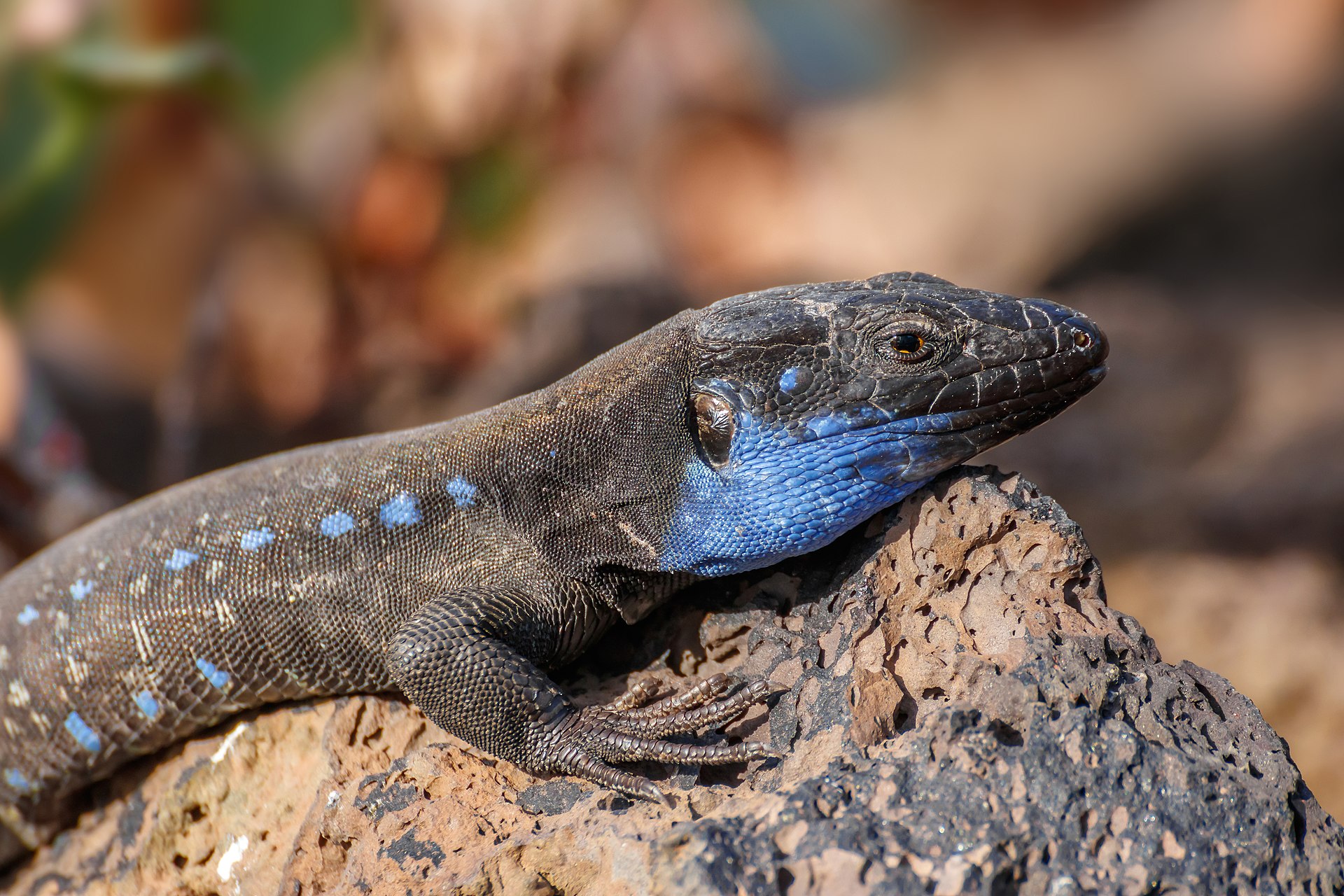
9. La Palma: Starry Skies and the Green Isla Bonita
On the far western edge of the archipelago, La Palma awaits as the perfect refuge for travellers craving total disconnection and physical activity. Mass tourism simply hasn’t reached here, so don’t go looking for enormous hotel resorts or thumping nightclubs. What you will find is peace and a deep respect for nature.
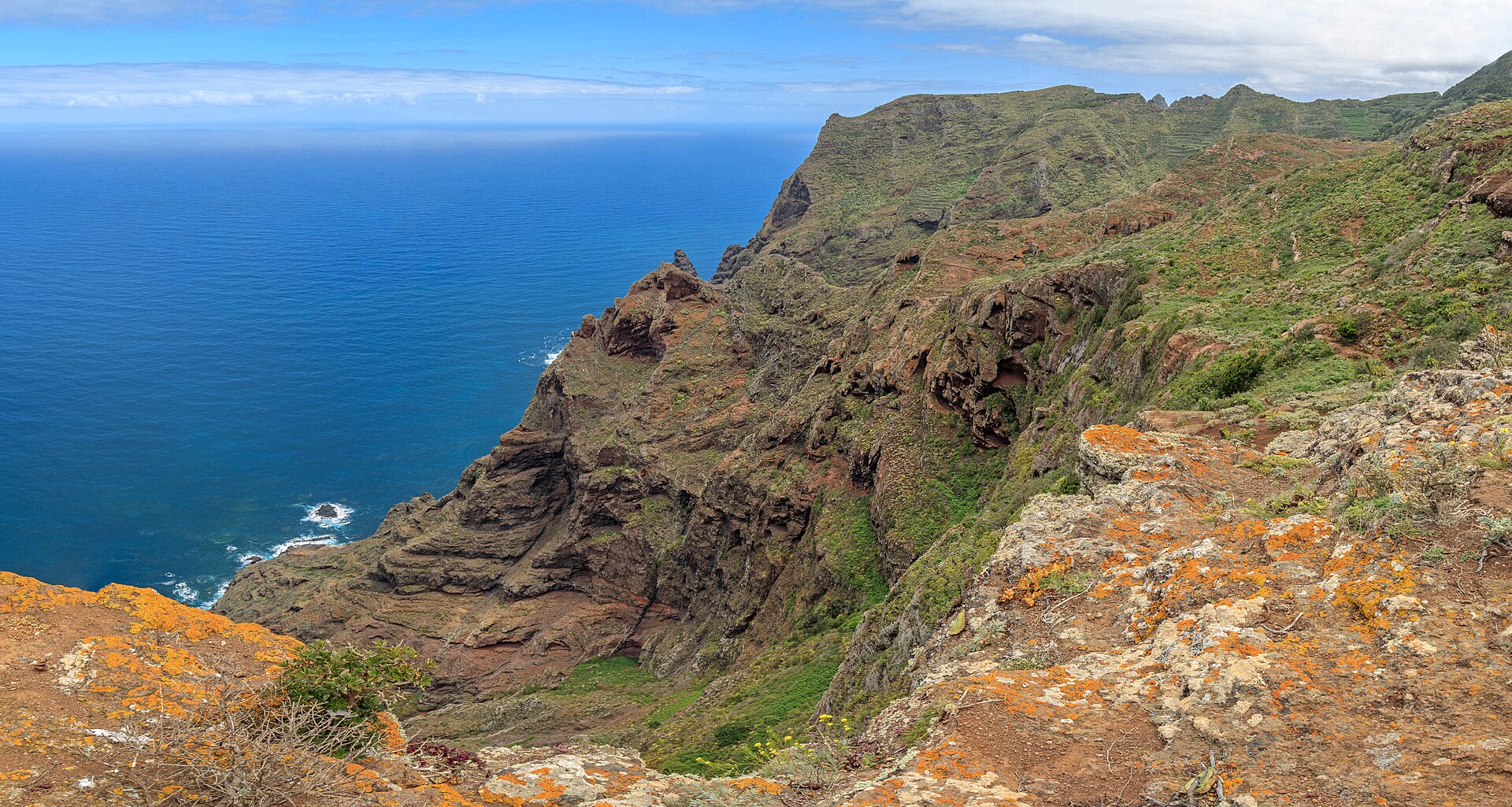
La Palma is rightly nicknamed Isla Bonita — the Beautiful Island — because it’s the greenest and steepest corner of the entire Canaries. It’s tailor-made for demanding treks and long hikes through pine forests. Thanks to strict regulations and virtually zero light pollution, it’s also ideal for stargazing. Perched on its highest point, Roque de los Muchachos, sits one of the world’s most important astronomical observatories.
💡 Insider tip: Join an organised night-time stargazing excursion with an astronomical guide. They’ll kit you out with warm blankets and professional telescopes, through which you’ll see Saturn’s rings and lunar craters with a clarity you’ve never experienced before.
10. La Gomera: The Mystical Laurel Forest of Garajonay
Neighbouring La Gomera is easily and quickly accessible by a short ferry from the south of Tenerife, and it hides a true natural treasure at its heart. Garajonay National Park is a fascinating remnant of a Tertiary-era laurel forest that feels as if it belongs to another prehistoric world entirely.
Trees covered in thick green moss and lichen are bathed in perpetual dense fog, creating a mystical backdrop for dozens of kilometres of perfectly waymarked hiking trails. The air is damp, cool, and carries the scent of decaying leaves and herbs. It’s an utterly different experience from the parched sand dunes on the eastern islands and showcases the incredible diversity of the archipelago.
💡 Insider tip: On La Gomera, you’ll encounter a unique cultural phenomenon called silbo gomero. It’s a whistling language that local shepherds used to communicate across deep valleys, and it’s still a compulsory subject in the island’s primary schools to this day.
11. Logistics: How to Island-Hop by Ferry
If you decide not to stay put on just one island, a reliable and fairly speedy network of modern ferries operates between them. The market is firmly dominated by two major companies: Fred Olsen and Naviera Armas. Their fleet of fast catamarans provides highly efficient transfers across the water, including for passengers travelling with a hire car.
The crossing from Fuerteventura to neighbouring Lanzarote takes just 25 minutes, with foot passenger tickets starting from around €20. The longer route connecting Gran Canaria and Tenerife takes roughly an hour and a half, with prices from around €49. For more distant islands, it makes sense to use domestic flights operated by Binter Canarias or Canaryfly, which typically take under an hour.
💡 Insider tip: Book your ferry tickets in advance online through the aggregator Ferryhopper, where you can see neatly compared times and prices from both main operators. And don’t forget to bring a warm jumper on board — the air conditioning always seems to be cranked up to the max.
12. Who Each Island Suits and How to Combine Them Smartly
A common rookie mistake is trying to squeeze too many islands into a single holiday. The Canaries aren’t a small Greek island chain — the distances and island sizes here are considerably larger. The golden rule is crystal clear: allocate 3 to 7 full days per island. During a week-long holiday, focus entirely on one main destination so you don’t waste half your time packing and travelling between islands.
Families with children most often choose Tenerife and Gran Canaria for their massive water parks and calm beaches. Surfers and sports enthusiasts head straight for Fuerteventura and its wild waves. If you prefer aesthetics and tranquillity, book your flights to Lanzarote — it’s visually absolutely stunning.
💡 Insider tip: A brilliant logistical combo is big Tenerife paired with little La Gomera, where you can pop over for just two days of nature. Equally, it makes perfect sense to combine Lanzarote and Fuerteventura on a ten-day trip, since ferries between them run constantly.
Map of points of interest for your phone
Where Else to Go in Spain
If you love Spanish culture and are thinking about exploring the mainland, Spain offers an endless wealth of experiences. Architecture fans will fall in love with Barcelona, where you can admire Gaudí’s masterpieces, or the magnificent royal capital of Madrid.
For those of you craving the fiery spirit of the south, the Andalusia region is an absolute must. We’ve put together a detailed guide to Andalusia and its 20 most beautiful places. It covers the breathtaking Seville, historic Córdoba, and romantic Granada. Don’t miss the coastal Málaga, the clifftop town of Ronda, or the adrenaline-pumping Caminito del Rey walkway.
If you enjoy modern architecture blended with history, head to Valencia. For outstanding gastronomy and rolling green hills, the northern Basque Country beckons — particularly the elegant San Sebastián and artistic Bilbao. If you’re drawn to the Balearic beaches, Ibiza isn’t just about parties — it also hides gorgeous secluded coves. And wherever you end up, be sure to read up on which traditional Spanish dishes are worth trying.
Frequently Asked Questions
Which Canary Island should I choose for my first visit?
For complete beginners, Tenerife or Gran Canaria are your safest bets. They offer the most balanced mix of long beaches, high mountains, beautiful historic towns, and excellent tourist infrastructure with direct flights from all over Europe.
Is it really warm enough to swim in the Canaries during winter?
Yes, air temperatures in winter stay around a very pleasant 20 to 24°C. The ocean is a bit cooler at 18 to 20°C, but on sunny days you can definitely swim without any problems. It’s the warmest winter destination in Europe.
Do I need a permit for Teide volcano in 2026?
Yes, as of January 2026, there’s a strict permit system for climbing to the actual summit of Pico del Teide via trail PNT 10. The permit now comes with a fee and you’ll need to book it through the official system several months in advance, as slots disappear incredibly fast.
Which island has the best beaches?
Fuerteventura is the clear winner when it comes to beaches. It offers dozens of kilometers of endless beaches with fine white sand and turquoise water that rival the Caribbean, where you can easily find a quiet spot all to yourself.
How does transport between islands work?
Inter-island travel is handled by fast and reliable ferries operated by Fred Olsen and Naviera Armas, which also carry cars. The shortest route between Fuerteventura and Lanzarote takes just 25 minutes, while longer journeys take about an hour and a half. Local airlines fly between the more distant islands.
Is there good vegetarian food in the Canary Islands?
While Spanish cuisine is quite meat-heavy, you can eat really well in the Canaries without it. An absolute classic is papas arrugadas—small potatoes boiled in seawater served with spicy mojo rojo and mojo verde sauces. Grilled padrón peppers and local goat cheeses are also excellent. Fresh fish dishes are on every menu, but they’re easy to avoid.
How many days do I need for a Canary Islands vacation?
The ideal length for visiting one main island is seven to ten days. If you only have a long weekend, it’s not really worth flying here given the five-hour journey. If you want to combine two islands, set aside at least ten to fourteen days so you’re not constantly rushing around.
Tips and Tricks for Your Vacation
Don’t Overpay for Flights
Search for flights on Kayak. It’s our favorite search engine because it scans the websites of all airlines and always finds the cheapest connection.
Book Your Accommodation Smartly
The best experiences we’ve had when looking for accommodation (from Alaska to Morocco) are with Booking.com, where hotels, apartments, and entire houses are usually the cheapest and most widely available.
 🚗 Car rental on the roadVerified rental cars in the Canary Islands
Search with the DiscoverCars comparison engine — it compares prices from dozens of local and international rental companies, and most bookings come with free cancellation.
Compare car prices in the Canary Islands →Don’t Forget Travel Insurance
Good travel insurance will protect you against illness, accidents, theft, or flight cancellations. We’ve had a few hospital visits abroad, so we know how important it is to have proper insurance arranged.
Where we insure ourselves: SafetyWing (simple monthly subscription) and TrueTraveller (for extra-long trips).
Find the Best Experiences
Get Your Guide is a huge online marketplace where you can book guided walks, trips, skip-the-line tickets, tours, and much more. We always find some extra fun there!