You know that feeling when you look at a map of your dream destination and a wave of panic washes over you, because you have absolutely no idea where to begin? Mexico is exactly that kind of place. The country is enormous — covering nearly two million square kilometres — and it offers such incredible variety that you could spend a whole year here and still have things to discover. From Mayan pyramids hidden deep in the jungle to buzzing megacities and Pacific beaches made for surfers.
And that’s exactly why a solid Mexico itinerary is the absolute foundation of a successful trip. Without one, it’s all too easy to spend half your holiday stuck on buses or chasing sights across the entire country for no good reason. We’ve put together a guide to help you find the right direction.
In this article you’ll find three complete, detailed routes. Whether you’re planning a quick ten-day taste of the Yucatán, wondering how to put together a 2 week Mexico itinerary with a focus on culture and food, or you’ve got a full three weeks for a grand loop, trust me — you’ll find something for you. I’ll show you how to get around, what to watch out for, and roughly how much it all costs.
TL;DR
- The one-region rule: Mexico is huge. For ten days, pick a single state (the Yucatán, for example); a 14-day Mexico trip can handle at most two regions with one domestic flight.
- Safety isn’t black and white: The Yucatán is statistically the second-safest place in North America. Use normal caution in the big cities, and plan any car or bus journeys strictly for daylight hours.
- Getting around is easy: The ADO company runs luxurious, reliable buses, and domestic flights with Volaris or Viva Aerobus can be picked up for the price of a few coffees.
- Tulum and prices (2025/2026): Tulum is going through a serious crisis and unbelievable price hikes. Beach clubs routinely require a minimum spend of $50 (around £40) just for the privilege of sitting on a lounger. For quieter beaches, try Isla Holbox or the Pacific coast instead.
- Money and ATMs: Pay by card wherever you can, but cash (Mexican pesos) is a must for markets and smaller entry fees. Withdraw from a Santander ATM, which has the lowest fee (around 36 MXN / £1.50).
- Don’t forget ESTA: Even if you’re only transiting through the US and never leave the airport, you’ll need a US ESTA authorisation. It costs $21 (about £17), and without it they won’t even let you board the plane.
The full destination guide: Mexico — guide and what to see
Before you set off: how Mexico works
Planning a trip to Mexico is a bit like planning a trip across Europe. Each of Mexico’s 32 states has a completely different atmosphere, a different culture, slightly different food and — above all — a different climate. While you’ll be wandering around the Yucatán in your swimwear and sweating by the pyramids in January, in the capital, Mexico City (sitting at an altitude of over 2,200 metres), you’ll definitely want a warm jumper in the evening.
The biggest mistake travellers make is trying to cram the beaches of Cancún, the Mayan ruins, the capital and the Pacific coast all into a fortnight. The result is nothing but stress and exhaustion. It’s far better to pick one or two areas and really get to know them properly.
Fortunately, getting between cities is very comfortable. For longer distances, low-cost airlines like Volaris or Viva Aerobus work brilliantly. If you’re staying within one state, the buses run by ADO will be your invaluable companion. They’re clean, air-conditioned, safe, and tickets usually cost between $25 and $40. For shorter hops, locals use what are known as colectivos (shared vans) — a great, cheap experience, just don’t expect much personal space.
💡 Tip: If you’re heading to the Caribbean coast (Cancún, Playa del Carmen, Tulum), be sure to check the sargassum seaweed situation in advance. Fairly massive deposits are expected in 2025 and 2026, which can ruin your swimming. A great seaweed-free alternative is Isla Mujeres or the Pacific coast. You can keep an eye on the current state of the beaches via various webcams or specialist Facebook groups.
10-day itinerary: the classic Yucatán
This route is the absolute ideal for a first time in Mexico. The Yucatán Peninsula is incredibly varied, the infrastructure here is geared towards tourists, and of all Mexico’s states, the Yucatán is the very safest. Over ten days you’ll squeeze in Caribbean beaches, mysterious underground caves (cenotes) and colonial towns.
| Day | Where / route | Overnight | Highlight |
|---|---|---|---|
| 1 | Arrive in Cancún | Cancún | Acclimatise, first tacos, rest |
| 2 | Transfer to Tulum | Tulum | Beach visit, exploring the town |
| 3 | Tulum and surroundings | Tulum | Mayan ruins on the cliff, Gran Cenote |
| 4 | Drive to Valladolid | Valladolid | Swim in Cenote Dos Ojos en route |
| 5 | Chichén Itzá | Valladolid | Wonder of the world at dawn, Cenote Suytún |
| 6 | Transfer to Mérida | Mérida | The yellow town of Izamal en route |
| 7 | Mérida and Uxmal | Mérida | The Uxmal pyramids, food markets |
| 8 | Cenote excursion | Mérida | The village of Homún and a ride through the caves |
| 9 | Back to the coast | Playa del Carmen | Beach relaxation, souvenir shopping |
| 10 | Fly out of Cancún | – | Home, full of memories |
Cancún and Tulum: Caribbean and ruins
Your trip will most likely begin at Cancún airport. Right at the airport, steer clear of the overpriced taxis that charge as much as 1,200 pesos for a ride into the hotel zone. It’s far better to use the official ADO buses into the centre, or to call an Uber, which works out at roughly a third of the price (Uber officially isn’t allowed to pick up at the airport because of pressure from taxi drivers, but travellers recommend walking a little way past the terminal and getting in there). By the way, accommodation in central Cancún (El Centro) is 30 to 40% cheaper than in the well-trodden Hotel Zone, and you’ll find the most authentic food stalls there too.
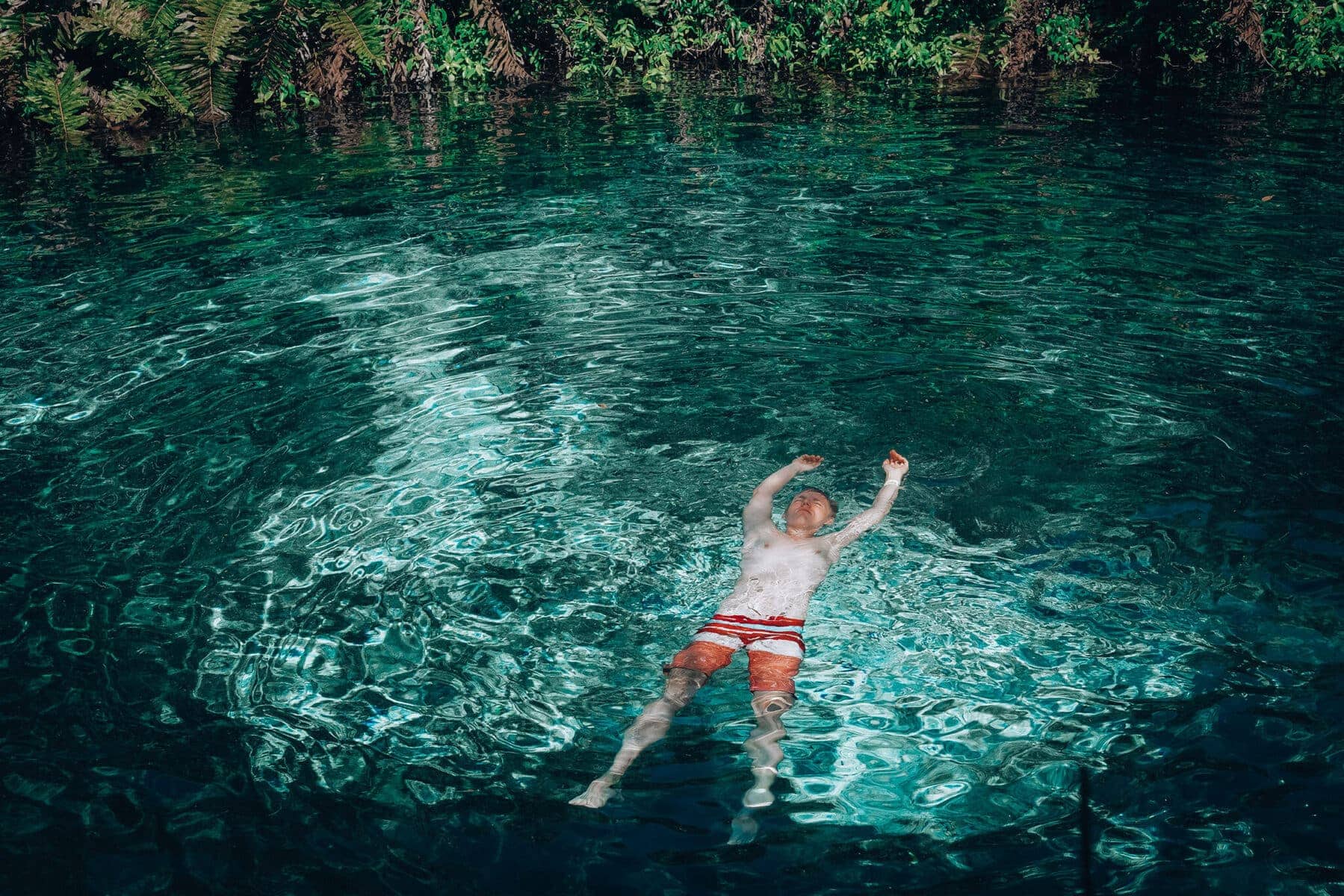
From Cancún, head straight south to Tulum. Tulum used to be a sleepy hippie village, but today it’s a very expensive, upmarket resort. Even so, it’s worth a visit. Be sure to head out early to the archaeological site perched right on the cliff above the sea. For lunch, grab some perfect vegetarian tacos with mushrooms and cheese in town, or fresh guacamole — the local cuisine is incredibly rich in meat-free options. Then cool off in the famous underground caves known as cenotes. Worth a visit are Gran Cenote and the breathtaking Dos Ojos (entry is around 350 MXN / £15).
Valladolid and the Mayan wonders
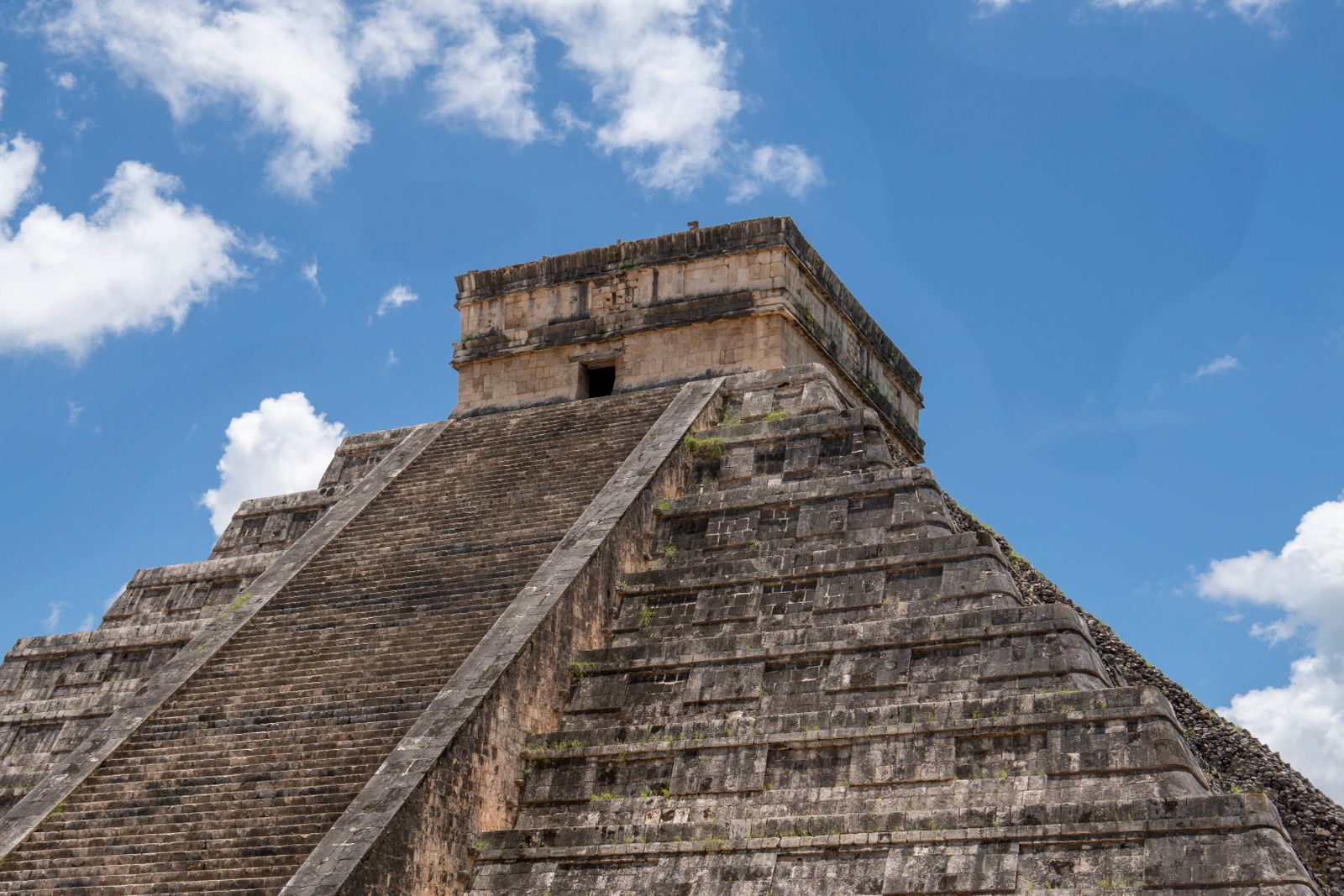
From the pricey coast you’ll head inland to the charming colonial town of Valladolid. The colourful streets, the calm atmosphere and the smell of fresh tortillas will win you over instantly. Valladolid is a strategic base for visiting Chichén Itzá. This modern wonder of the world opens at 8 a.m., and trust me, you want to be among the first at the gate. That way you’ll dodge not only the enormous crowds from the tour buses, but also the punishing midday sun.
In the afternoon you can make a trip to Cenote Suytún (entry 250 MXN / £11), famous for the magical beam of light that falls on the stone platform in the middle of the cave, best seen just after noon. Bear in mind, though, that ordinary sunscreens and insect repellents are strictly forbidden in the cenotes, to keep the fragile underground water clean.
Mérida and the authentic Yucatán
The next stop is Mérida, the capital of Yucatán state. It’s a cultural hub full of museums, music and dancing in the squares. From here, take a trip to the Uxmal ruins, which many travellers consider far prettier and more magical than the overcrowded Chichén Itzá.
An amazing experience awaits in the little village of Homún. The local community looks after dozens of cenotes here, and for around 250 pesos they’ll take you between them on special carts pulled along old rails by horses or a motorbike. It’s incredible fun, and the underground water here is crystal clear.
Valladolid is the ideal base for Chichén Itzá and the surrounding cenotes, and compared to the coast you’ll get far more for your money here — a colonial house with a pool instead of an anonymous resort. It pays to stay a few minutes from the main square, so both the evening buzz and your morning coffee are within easy reach.
💑 For couples and quiet: Zentik Project Boutique Hotel & Spa is an adults-only oasis with a pool inside an artificial salt cave and colourful art-deco rooms — travellers love it precisely for the privacy and calm (from ~£100 per night).
👨👩👧 For families: Hotel Posada San Juan occupies a 19th-century house, has two pools and a large garden full of trees just a stone’s throw from the centre, so the kids have somewhere to burn off energy (from ~£145 per night).
💰 Best value for money: Le Muuch Hotel Boutique offers stylish design rooms, two pools and a breakfast guests rave about, just a few minutes from the square (from ~£105 per night).
✨ For history lovers: Hotel Real Hispano is set in a former monastery with a pool in the courtyard, and you’ll be staying just half a block from the main square (from ~£90 per night).
Booking tip: for all these hotels, choose a rate with free cancellation — plans change, and you don’t want to pay for somewhere you never end up reaching. And don’t leave it until the last minute: the best-rated addresses sell out in high season months in advance, and prices then jump by tens of percent.
💡 Tip: When budgeting for the Yucatán, watch out for the fact that ATM withdrawals can be expensive. Travellers recommend looking for Santander bank ATMs, which charge a fee of only around 36 MXN (£1.50), whereas HSBC, for example, can take as much as 81 MXN.
2 week Mexico itinerary: Mexico City and Oaxaca
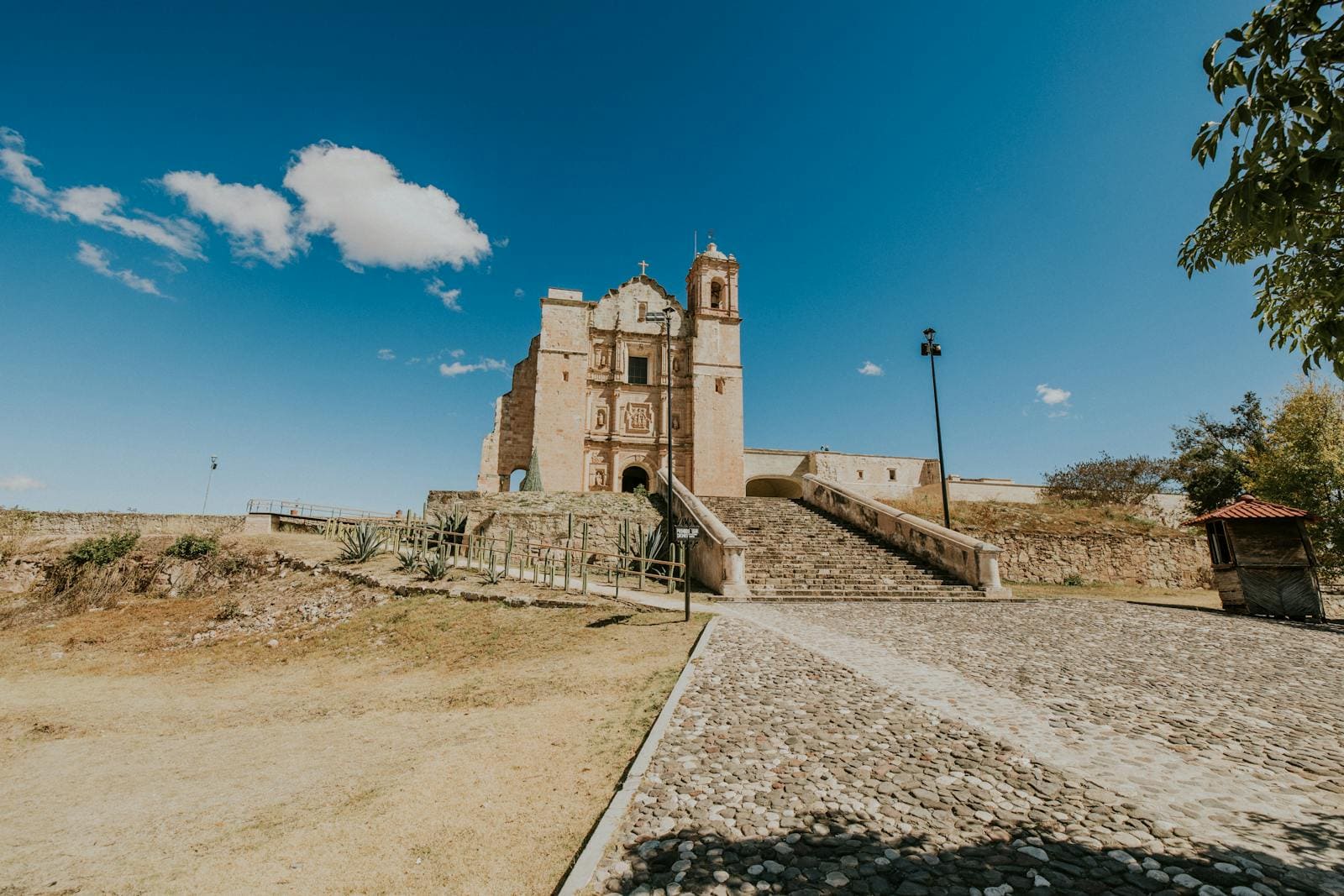
This 2 week Mexico itinerary is made for those who love culture, fascinating history and want to taste the best food the North American continent has to offer. If you can, plan this trip for the turn of October and November. That way you’ll experience the Day of the Dead celebrations (Día de Muertos), an absolutely breathtaking cultural experience full of colour, candles and flowers.
| Day | Where / route | Overnight | Highlight |
|---|---|---|---|
| 1 | Arrive in Mexico City | Mexico City | Check in, evening stroll through Roma |
| 2 | Mexico City (Zócalo) | Mexico City | Historic centre, Anthropology Museum |
| 3 | Mexico City (Coyoacán) | Mexico City | Frida Kahlo Museum, Xochimilco canals |
| 4 | Trip to Teotihuacán | Mexico City | Hot-air balloon flight over the pyramids |
| 5 | Transfer to Puebla | Puebla | Touring the city of Talavera tiles |
| 6 | Transfer to Oaxaca | Oaxaca | First taste of Oaxacan gastronomy |
| 7 | Oaxaca centre | Oaxaca | Markets, chocolate tasting, botanical garden |
| 8 | Hierve el Agua | Oaxaca | Petrified waterfalls and natural pools |
| 9 | Monte Albán and mezcal | Oaxaca | Ruins above the city, a mezcal farm |
| 10 | Fly/drive to the Pacific | Mazunte/Zipolite | Demanding transfer to the Pacific coast |
| 11 | Mazunte | Mazunte | Beach relaxation, yoga, sunsets |
| 12 | Puerto Escondido | Puerto Escondido | Watching surfers on Zicatela beach |
| 13 | Back to Mexico City | Mexico City | Domestic flight back to the capital |
| 14 | Fly home | – | Last-minute souvenirs and departure |
Fascinating Mexico City (CDMX)
The capital will probably blow you away completely. It’s a buzzing, modern, green metropolis with amazing food. I’d recommend staying in the bohemian neighbourhoods of Roma Norte or Condesa, which are full of beautiful little cafés and parks. Just keep in mind that the city sits at 2,240 metres above sea level, so for the first few days you may find yourself short of breath even climbing the stairs — and be sure to drink plenty of water.
In CDMX you can’t miss the Anthropology Museum and, of course, the iconic Blue House (Casa Azul), where the famous painter Frida Kahlo lived. You’ll need to buy tickets on the museum’s official website well in advance — a month ahead is fine — because they don’t sell them at the door at all.
A huge highlight is a trip to the pyramids of Teotihuacán. If you want something truly special, travellers warmly recommend a hot-air balloon flight over the ruins at dawn. It’s a pricier affair (around $200 / £160), but the views are unforgettable.

Culinary Oaxaca and petrified waterfalls
Via the beautiful colonial city of Puebla (dotted with colourful tiles), you’ll make your way to Oaxaca. This city is the gastronomic heart of Mexico. At the markets, be sure to try the local speciality known as tlayuda (a giant crispy tortilla that can easily be made in a delicious vegetarian version with Oaxaca cheese, beans and avocado).
Oaxaca is also the home of mezcal, the famous smoky agave spirit. The locals have a lovely rule for drinking it: “Besos, no tragos” (Kisses, not gulps). In other words, mezcal is to be sipped and savoured. From the city, definitely take a trip to Monte Albán, an ancient city perched on the mountain tops, and to Hierve el Agua. These are fascinating limestone formations that look like petrified waterfalls, with natural pools at the top offering a fantastic view over the valley.
Relaxing on the Pacific coast
After all that intense sightseeing, a rest by the Pacific Ocean comes in handy. From Oaxaca you can reach the coast either by a long drive through the mountains or by a quicker domestic flight. Villages like Mazunte and Zipolite have an incredibly laid-back, slightly alternative vibe. If surfing tempts you, the famous Puerto Escondido lies a little further on. The waves on the main Zicatela beach are enormous, though, and suitable only for absolute pros — for swimming, head for the smaller bays instead.
Oaxaca is easy to explore on foot, so it pays to stay as close to the Zócalo square as possible — that way you can pop out to the market in the morning and up to a rooftop terrace for mezcal in the evening without a single taxi. The centre is full of colonial houses converted into gorgeous boutiques.
💑 For couples: Casa Antonieta is a nine-room boutique in a building from 1529, just a few steps from the Zócalo, with a rooftop terrace and wine at dusk — romance itself (around ~£235 per night).
👨👩👧 For peace and families: Hotel Casa Conzatti has a green patio garden, its own restaurant and is quiet, yet within walking distance of all the sights (from ~£80 per night).
💰 Best value for money: Hotel Trébol is a cosy three-star hotel two minutes from the Zócalo, with a colonial patio and breakfast included that guests praise (from ~£50 per night).
✨ For the experience: Quinta Real Oaxaca is set in the former Convent of St Catherine from 1576 in the heart of the centre — a city icon with blooming cloisters and a pool (from ~£205 per night).
Booking tip: for all these hotels, choose a rate with free cancellation — plans change, and you don’t want to pay for somewhere you never end up reaching. And don’t leave it until the last minute: the best-rated addresses sell out in high season months in advance, and prices then jump by tens of percent.
💡 Tip: The Roma and Condesa neighbourhoods in Mexico City have been hit by huge gentrification in recent years thanks to an influx of digital nomads, which is pushing up rents for local residents disproportionately. As a visitor, try to behave respectfully, spend your money in local family-run businesses, and try to speak at least a little Spanish. The locals will really appreciate it.
Map of points of interest for your phone
21-day itinerary: the grand loop
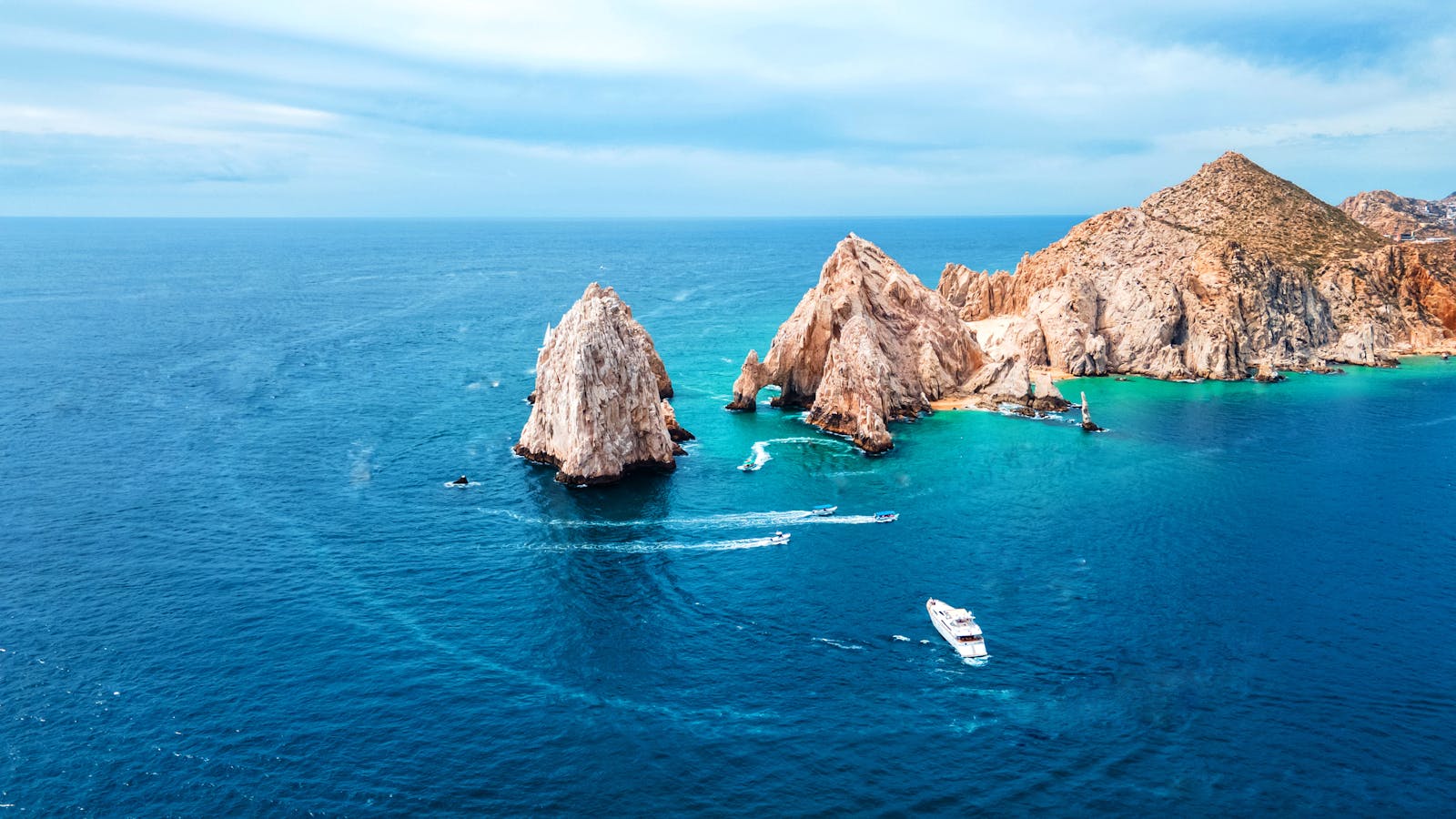
Got a full three weeks to play with? That’s an absolute dream. In that case, you can combine the culture of central Mexico with the beaches and Mayan history of the Yucatán. This is the best way to get the very most out of Mexico without having to rush off somewhere every single day.
| Day | Where / route | Overnight | Highlight |
|---|---|---|---|
| 1–4 | Mexico City and surroundings | Mexico City | History, museums, balloon flight over Teotihuacán |
| 5 | Drive to Puebla | Puebla | Architecture, visiting the largest pyramid in Cholula |
| 6–9 | Oaxaca and excursions | Oaxaca | Markets, petrified waterfalls, food tastings |
| 10 | Fly to the sea | Cancún / nearby | Domestic flight from Oaxaca (or CDMX) to the Yucatán |
| 11 | Transfer to the island | Isla Mujeres / Holbox | Escaping the crowds and sargassum on the islands |
| 12–13 | Relaxing on the island | Isla Mujeres / Holbox | Swimming in the Caribbean, golf-cart rides |
| 14 | Inland transfer | Valladolid | Magical streets and arrival near the pyramids |
| 15 | Chichén Itzá and cenotes | Valladolid | Early visit to the wonder, swimming underground |
| 16 | Transfer to Mérida | Mérida | Swimming in Homún village en route |
| 17 | Uxmal and surroundings | Mérida | Mayan architecture without the huge crowds |
| 18 | Bacalar | Bacalar | Journey south to the Lagoon of Seven Colours |
| 19 | Bacalar Lagoon | Bacalar | Sailing trip across the freshwater lagoon |
| 20 | Heading back north | Playa del Carmen | Moving closer to the airport, shopping |
| 21 | Fly home | – | Journey to Cancún airport |
Bridging two worlds: from the mountains to the Caribbean
This grand loop begins much like the previous itinerary, in Mexico City and Oaxaca, where you’ll soak up the real, raw Mexican culture. Around the halfway point of your stay (roughly day ten), a domestic flight to the Yucatán Peninsula awaits. Flights can be picked up very cheaply and will save you days of gruelling bus travel across half the continent.
Instead of overhyped, pricey Tulum, though, I’d recommend heading straight from the airport to the ferry and off to the little islands of Isla Mujeres or Holbox. These are sandy paradises where there are no cars (just golf carts or bikes) and the vibe is utterly relaxed. If you come in the summer months (May to September), you’ll also have a chance to take a responsible trip to watch the giant whale sharks.
The magical south: Bacalar Lagoon
After looping through Valladolid and Mérida (as described in the ten-day itinerary), set aside time at the end of your stay for a journey right down south to the border with Belize. That’s where you’ll find Bacalar Lagoon, nicknamed the Lagoon of Seven Colours. It’s a huge freshwater lake with the most incredible turquoise water you can imagine.
The Bacalar area is far calmer than the northern Riviera, prices here are friendlier, and you’ll find beautiful accommodation right on the water with its own jetty. An experience it would be a crime to miss is renting a sailing boat at sunset. Unlike motorboats, a sailboat is kind to nature, and watching the shifting colours of the water from here is magical.
💡 Tip: On long bus transfers (for example from Mérida to Bacalar), follow one important rule that all experienced travellers stick to: travel by day only. Night buses can be risky on certain stretches in Mexico, so it’s always better to get up early for a morning service.
How to adapt your itinerary
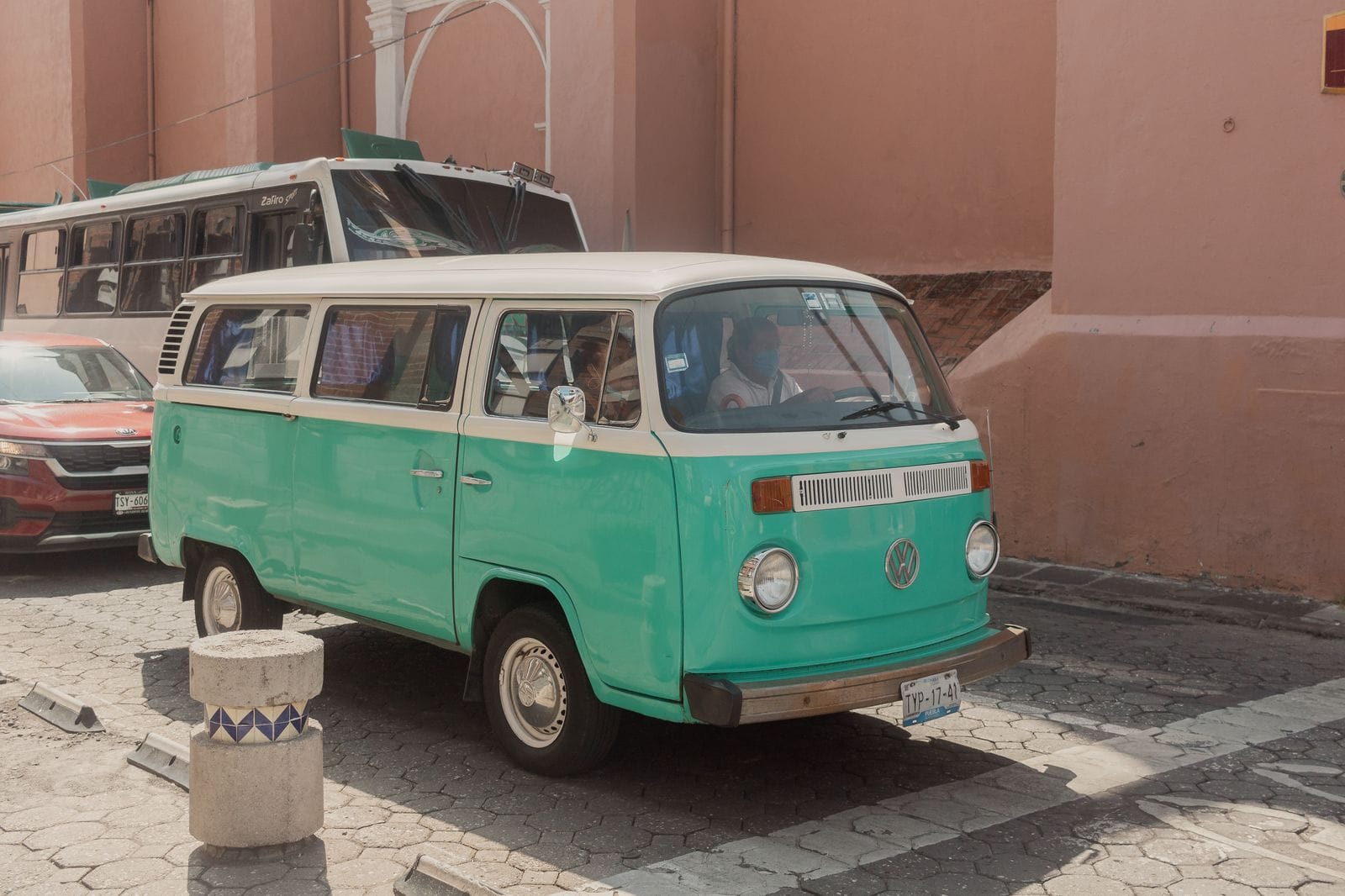
Mexico is so varied that everyone can tailor it to their own style. The routes above are very easy to tweak depending on what you enjoy most.
If you’re a passionate lover of nature and wildlife, definitely consider a road trip around the Baja California peninsula in the northwest of the country. This region looks like a desert landscape with giant cacti that drops sharply into a deep blue sea. Rent a car in Los Cabos and head north via La Paz and Loreto. If you come in the winter months (January to March), you’ll experience something incredible: huge grey whales arrive in Magdalena Bay and San Ignacio to give birth, and they swim so close to the boats that you can sometimes look them right in the eye.
If, on the other hand, you’re after sport and a laid-back vibe, skip the Caribbean and fly straight to the Pacific coast in the state of Nayarit. The town of Sayulita is renowned for its surfing community, and unlike Puerto Escondido, the waves here are perfect even for complete beginners.
💡 Tip: For families with younger children, the Yucatán is by far the best choice. There’s no altitude issue like in CDMX, the roads are perfectly maintained and flat, so renting a car here is completely stress-free. What’s more, the distances between the ruins and the natural swimming spots in the cenotes aren’t huge at all.
Practical travel tips
Whichever route you choose, there are a few practical things worth knowing in advance so you’re not caught out once you arrive.
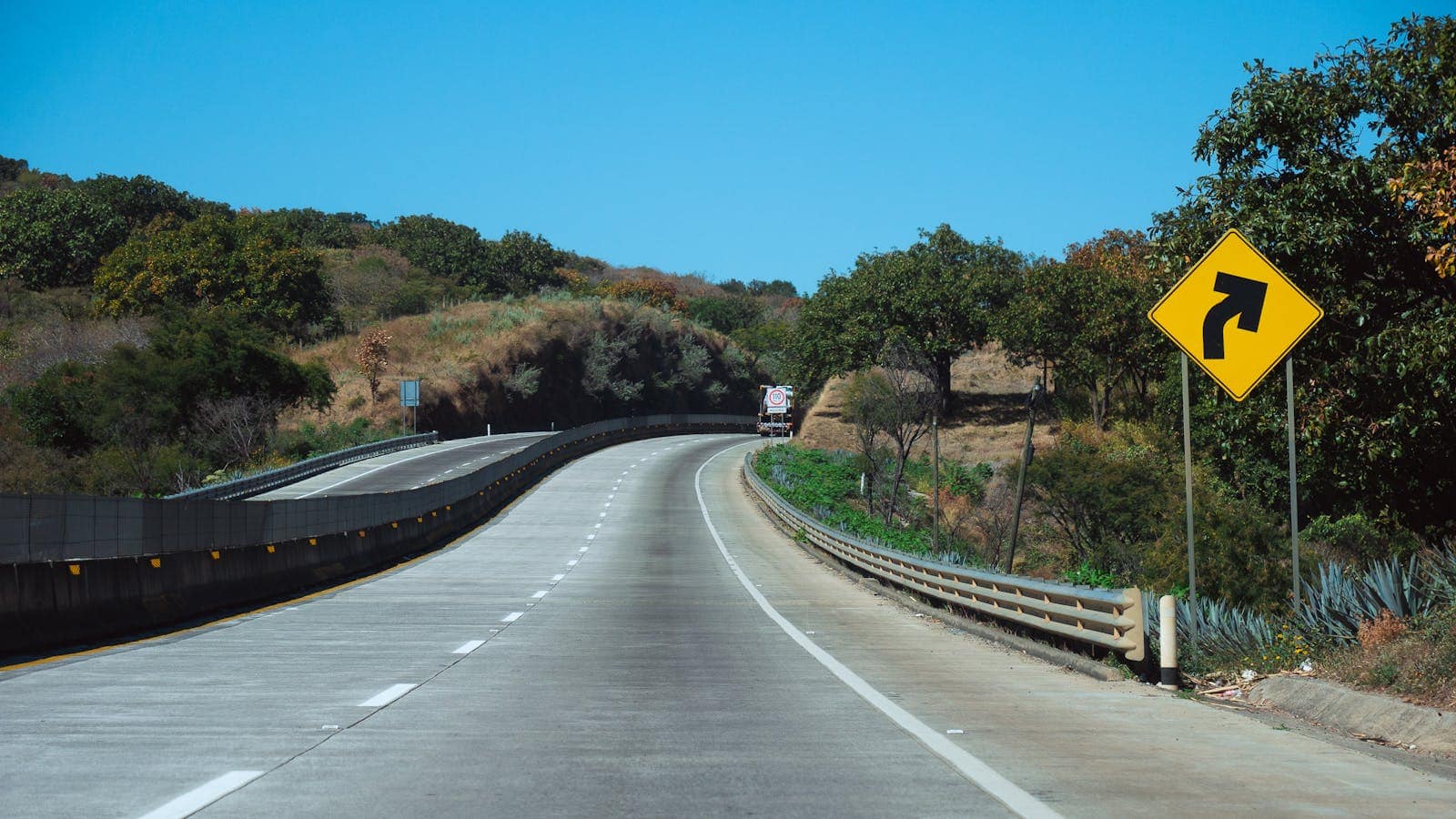
- Car hire and tolls: If you decide to rent a car in the Yucatán or Baja California, be prepared for the fact that the quality motorways and expressways (known as cuota) are toll roads. Tolls are paid in cash at the toll gates and range from 25 to 150 MXN per stretch. Also check carefully whether your car includes third-party liability insurance (TPL), which is compulsory in Mexico — online comparison sites often hide it, so you end up paying for it at the desk.
- The visa trap called ESTA: From Europe, flights to Mexico often go via a layover in the US. Even if you never leave the American airport and are simply transiting, the US authorities uncompromisingly require a valid ESTA electronic authorisation. It costs $21, and it’s best to sort it well in advance on the official US government website, so you don’t get stuck at the airport in Europe.
- Safety on the road: Mexico’s security situation often makes the news (road blockades after a cartel member’s arrest, for instance). Tourists, however, are not the target in the vast majority of cases. The bigger problem may be getting stuck somewhere due to a cancelled service. So keep an eye on local English-language news, don’t venture into remote areas off the tourist trail, and never leave valuables in the car.
💡 Tip: If you’re choosing flights to Mexico City, pay close attention to which airport you’re flying into. The older and better-known one is Benito Juárez airport (MEX), which is close to the centre. The newer Felipe Ángeles airport (NLU) is enormous but lies a very long way from the city, and the journey into the centre can easily take two hours in horrendous traffic.
Where to next
If planning your trip has got you hooked and you want to dive even deeper into the preparations, we’ve written plenty more detailed guides for you. Be sure to read our big pillar article what to see in Mexico, where you’ll find all the country’s beauty described in detail.
Wondering when’s the best time to go to dodge the rain and the crowds? Take a look at our article on when to visit Mexico. For lovers of underground swimming we’ve got detailed coverage in our post on the most beautiful cenotes in the Yucatán, and if you’re planning to explore the culinary paradise, don’t miss our guide to Oaxaca.
You can book trips and tickets all along the route on GetYourGuide.
Frequently asked questions
Is it better to travel around Mexico by bus, or rent a car?
Renting a car in Yucatán and Baja California is a great and safe choice that will give you enormous freedom. For longer trips across the country or to the mountains in Oaxaca, however, the comfortable and luxurious ADO buses are much more worthwhile.
How much does a typical meal cost in Mexico?
It depends where you eat. At street stalls (called taquerías) you can get excellent tacos for 15 to 30 MXN (approx. €0.80-1.60) per piece. In a regular restaurant outside tourist zones, expect to pay around 150 to 300 MXN for a main course.
How is it with sargassum seaweed on the Caribbean coast?
Sargassum is unfortunately a big problem affecting the Riviera Maya area (Cancún, Playa del Carmen, Tulum), especially during the warmer months. For 2025/2026, quite heavy accumulations are expected, so it’s better to check webcams or choose islands like Isla Mujeres, which are protected.
Do I need a visa for Mexico?
Citizens of the Czech Republic and Slovakia do not need visas for tourist trips to Mexico, provided their stay does not exceed 180 days. However, don’t forget that if you’re flying with a layover in the USA, you must have your American ESTA authorization sorted out.
Is it safe to drink tap water in Mexico?
No, tap water in Mexico isn’t drinkable and could cause you serious stomach problems. Always buy bottled water, even for brushing your teeth. Fortunately, ice in quality restaurants and bars is made from filtered water, so drinks are safe.
When is the best time to visit Mexico City?
The capital city can be visited year-round, but it’s most beautiful in spring (March and April), when the purple jacaranda trees bloom. Late October and early November are also great thanks to the magical Day of the Dead celebrations.
Can you eat vegetarian in Mexico?
Absolutely no problem. Mexican cuisine is full of great meatless ingredients. Everywhere you’ll find quesadillas filled with cheese and zucchini flowers, hearty beans, perfect guacamole, or vegetarian versions of tacos with mushrooms or nopales cactus.
Tips and Tricks for Your Vacation
Don’t Overpay for Flights
Search for flights on Kayak. It’s our favorite search engine because it scans the websites of all airlines and always finds the cheapest connection.
Book Your Accommodation Smartly
The best experiences we’ve had when looking for accommodation (from Alaska to Morocco) are with Booking.com, where hotels, apartments, and entire houses are usually the cheapest and most widely available.
 🚗 Car rental on the roadVerified rental cars in Mexico
Search with the DiscoverCars comparison engine — it compares prices from dozens of local and international rental companies, and most bookings come with free cancellation.
Compare car prices in Mexico →Don’t Forget Travel Insurance
Good travel insurance will protect you against illness, accidents, theft, or flight cancellations. We’ve had a few hospital visits abroad, so we know how important it is to have proper insurance arranged.
Where we insure ourselves: SafetyWing (simple monthly subscription) and TrueTraveller (for extra-long trips).
Find the Best Experiences
Get Your Guide is a huge online marketplace where you can book guided walks, trips, skip-the-line tickets, tours, and much more. We always find some extra fun there!