You know that feeling when you think back to your student days and the wild parties where everyone tossed back cheap shots with salt and lime, wincing the whole time? For most of us, our first encounter with this Mexican national treasure is tied up with a hangover and downing it as fast as possible. But once you start planning a trip and dive into the local culture, you discover that the whole salt-and-lime ritual is actually one big marketing myth. The real Mexico drinks its agave spirits in a completely different way — and with enormous respect.
If you’re curious about tequila in Mexico and its older, smokier brother mezcal, you’re in the right place. I’ve put together a guide that shows you the true face of these legendary drinks. Inside you’ll find a detailed comparison of both spirits, you’ll learn the key difference between tequila and mezcal, and above all I’ll show you how to drink tequila and mezcal like a true local. We’ll look at which regions to head to for the best tasting and how to spot real quality in the shop — the kind that won’t leave you feeling rough the next morning.
TL;DR
- The basic difference: Every tequila is actually a mezcal, but not every mezcal is tequila. Tequila may only be made from a single type of agave (Weber blue agave), while mezcal uses more than 30 different varieties.
- Production and flavour: The agave hearts for tequila are cooked in steam ovens, giving the drink a clean, sharper taste. Agave for mezcal is roasted in underground pits lined with hot stones, which gives it that signature earthy, smoky aroma.
- How it’s drunk: Forget downing shots. The local rule is “besos, no tragos” (kisses, not gulps). The spirit is sipped slowly from small bowls, ideally at room temperature.
- Where to taste it: For tequila you head to the state of Jalisco (to the town of Tequila itself), while a full 90% of mezcal production comes from the magical southern state of Oaxaca.
- What to watch out for: Always buy only bottles clearly labelled “100% Agave”. If it’s not on the label, it’s so-called mixto (often topped up with cane sugar) — a guaranteed hangover.
The full destination guide: Mexico — guide and what to see
Tequila vs Mezcal: What’s the Difference and Why It Matters
Say “Mexico” and most travellers immediately picture sun-drenched beaches, Mexican cuisine bursting with colour and, of course, a glass of something good. But what exactly is the key difference between tequila and mezcal? Think of it like the relationship between Champagne and sparkling wine, or Cognac and brandy. Mezcal is the umbrella category for all spirits distilled from the agave plant. Tequila is simply one very specific, strictly regulated type of mezcal.
The single biggest difference is the plant itself. For a bottle to call itself tequila, the spirit must be made exclusively from blue agave (Agave tequilana Weber var. azul), and only in five permitted Mexican states, with Jalisco being the absolute heartland. Mezcal, by contrast, is far wilder and more diverse. It’s made from more than thirty different agave varieties, the most common being Espadín. Each type of agave brings completely different flavour notes to the final drink, so tasting mezcal can feel more like exploring complex single-vineyard wines.
The second crucial factor is the production process. When agave is harvested, its spiky leaves are hacked away, leaving just the huge heart known as the piña, which looks like a giant pineapple. For tequila, these huge cores are cooked in above-ground industrial steam ovens, resulting in a cleaner, sweeter and gentler taste. Traditional mezcal, however, is made in a far more rustic way. The piñas are roasted in deep earthen pits lined with lava stones and wood, where they smoke away for several days. It’s this ancient process that gives mezcal its characteristic, unmistakable smoky aroma — one that reminds a lot of people of peaty Scotch whisky.
💡 Tip: If you want to dig deeper into the rules and history, I recommend checking out the official site of the Consejo Regulador del Tequila, the body that strictly oversees all production and quality in Mexico and guarantees that what you’re drinking is the real deal.
How to Drink It: Forget the Lime and Salt
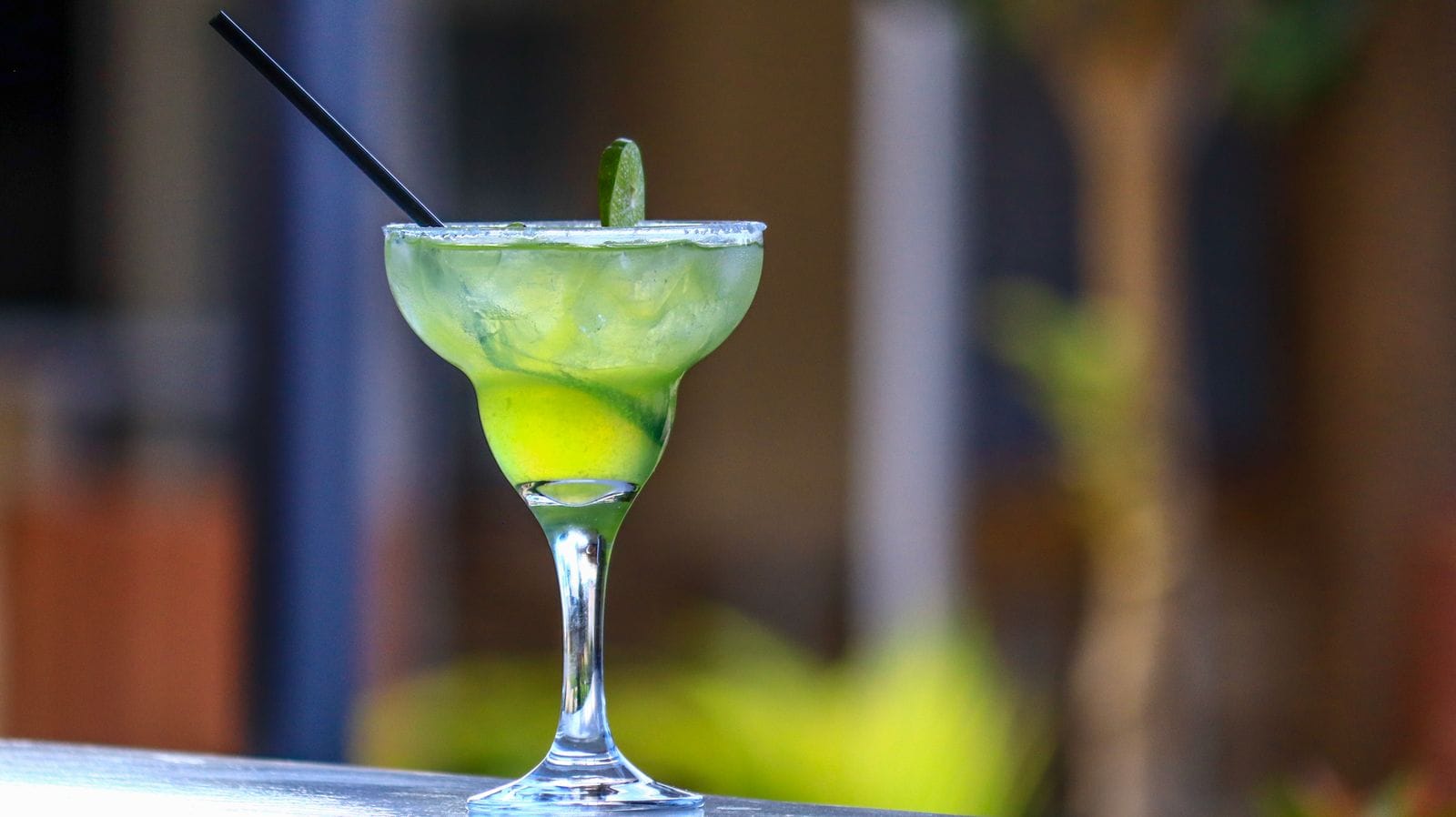
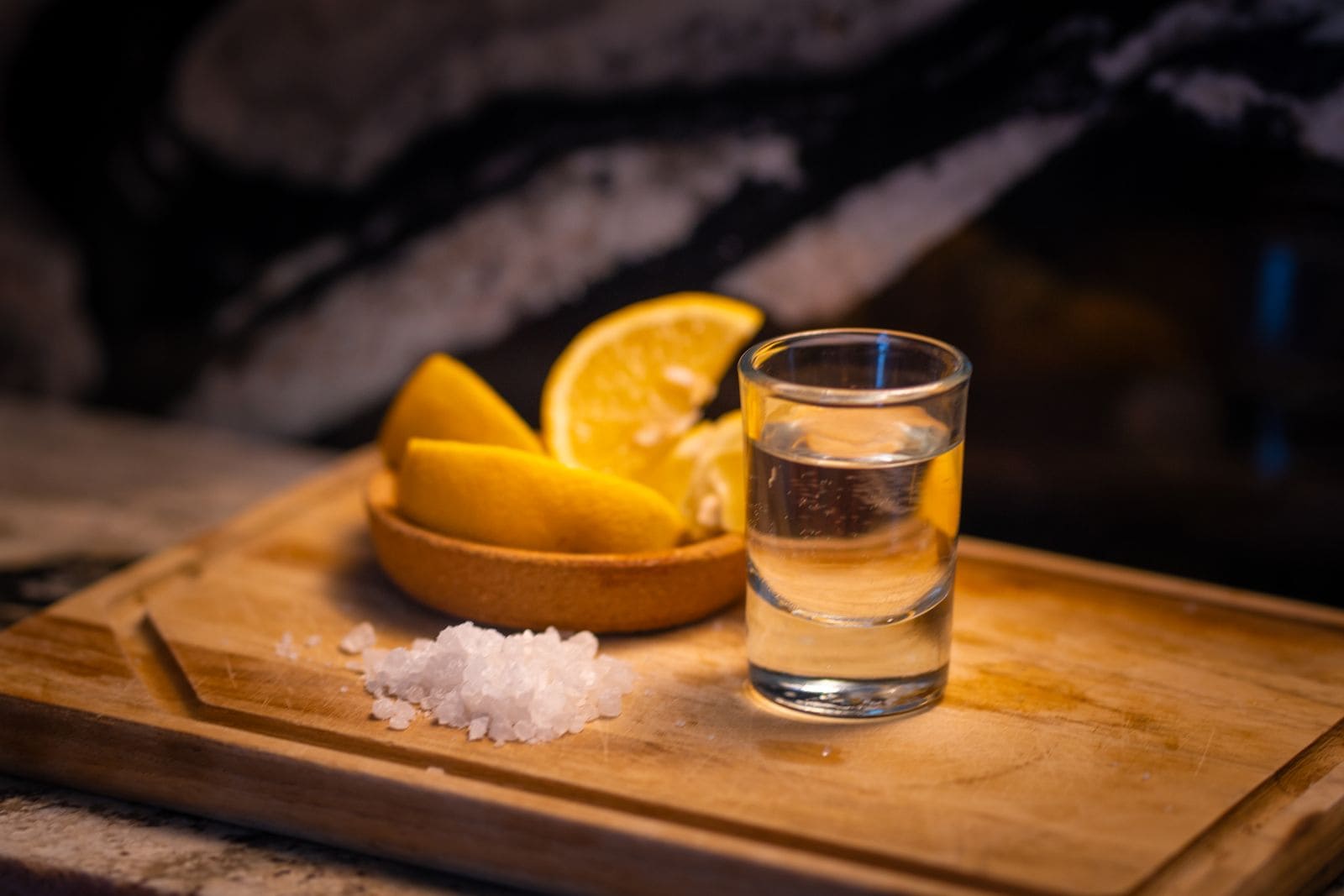
When you arrive at an authentic Mexican bar and order a premium agave spirit, don’t expect the bartender to slam down a shot, a salt shaker and a dried-out slice of lime. That ritual was apparently invented mainly to mask the unpleasant aftertaste of the cheap, low-quality alcohol that gets exported around the world. In Mexico, quality spirits are drunk with enormous respect, and there’s a beautiful culture built around it.
The basic rule you’ll hear from every local is “besos, no tragos” (give it kisses, not gulps). Good spirits are drunk at room temperature and never knocked back in one go. With mezcal you’ll often find it served in a so-called copita — a small, wide clay or hollowed-out bowl, shaped a little like a tea bowl. That wide shape lets the drink breathe and gives you room to take in all those complex smoky and earthy aromas before you even take a sip.
It gets interesting when you look at what’s served alongside the drink. Traditionally, mezcal comes with a little plate of fresh orange slices dusted with a powder called sal de gusano. It might sound a touch exotic, but it’s salt mixed with chilli and crushed dried worms that live on the agave plants. To locals it’s a huge delicacy that supposedly draws out the drink’s flavour notes perfectly. But if, like Lukáš and me, you’re vegetarian, you can happily skip the worm ritual with a smile. For slow sipping we always prefer to order a hearty portion of homemade guacamole with crunchy corn nachos — which, by the way, is a combination that works absolutely brilliantly with agave spirits.
💡 Tip: In selected venues, tequila is often served with so-called sangrita. It’s a non-alcoholic “chaser” made of tomato and orange juice, lime and fiery chilli. You drink it by taking a small kiss of tequila and then a sip of sangrita right after. The two flavours come together wonderfully in your mouth.
Types of Spirits: From Clear to Aged Gems
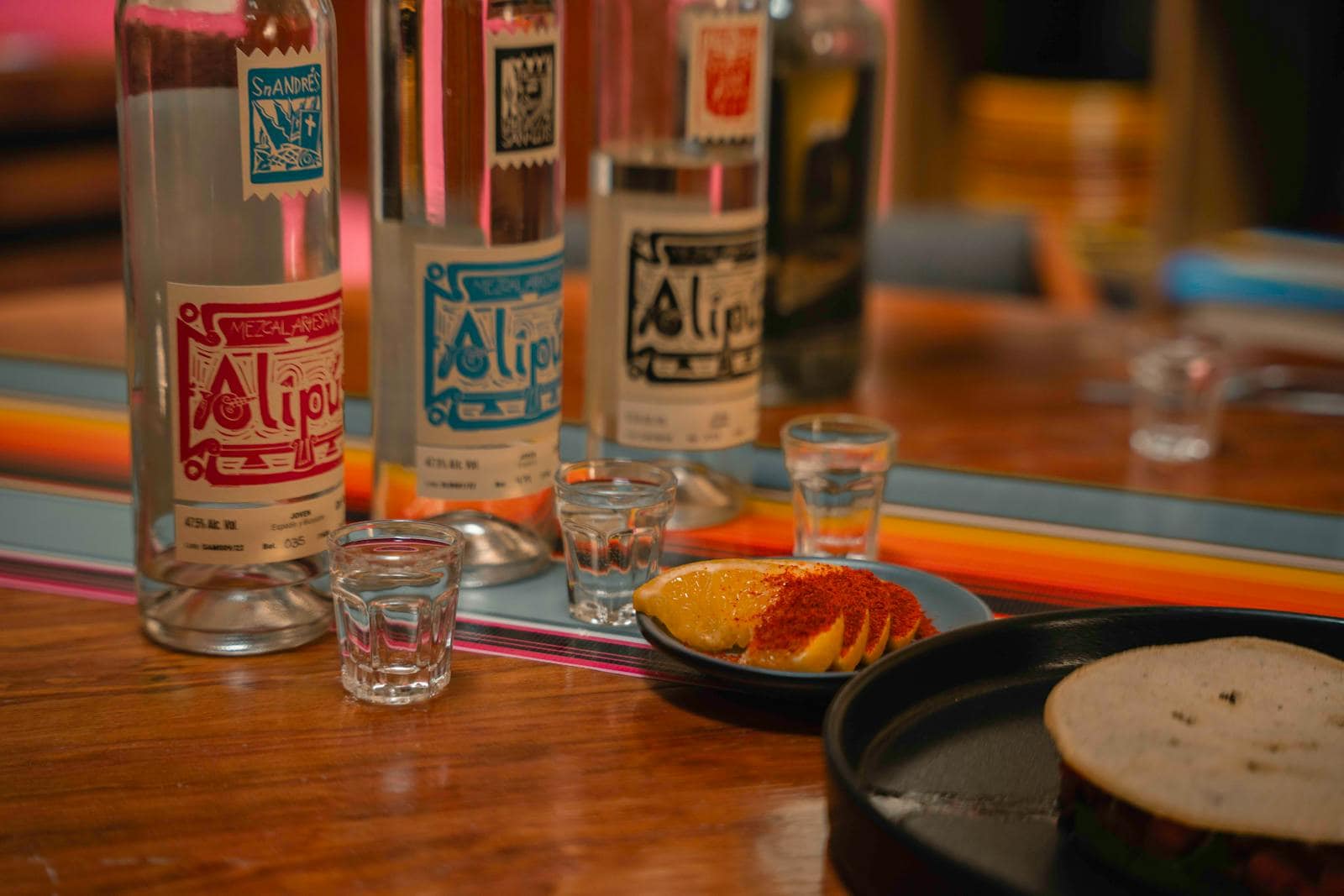
So you don’t get lost in the menu of a local cantina, it’s worth knowing the basic terminology. Tequila is divided into several categories depending on how long it aged in barrels after distillation, which fundamentally affects not only its colour but, above all, its final flavour profile. It’s not that one type is necessarily better than another — each simply suits a different occasion and a different kind of drink.
The base is Blanco (often labelled Silver or Plata too). This tequila doesn’t age in barrels at all, or at most for just a few weeks in stainless steel tanks. It’s completely clear and offers the purest, sharpest taste of the agave itself. Blanco is the ideal choice for mixing quality cocktails. The next step up is Reposado (“rested”), which has spent anywhere from two months to a year in oak barrels. It has a lovely golden colour, and thanks to the wood the flavour mellows and gains notes of vanilla or caramel. It’s probably the most popular choice among locals for everyday sipping.
For true connoisseurs there’s Añejo (“aged”), which rests in barrels for one to three years, and Extra Añejo (aged more than three years). These bottles have a rich amber colour and taste incredibly close to premium Cognacs or old whiskies. They’re very smooth and sweet, and it would honestly be a sin to mix them with anything. With mezcal the situation is a little different. Although it can also be aged, the vast majority (estimated at over 90%) of the finest artisanal mezcal is drunk as Joven (young, unaged). Local master distillers believe that wood from barrels would only mask the beautiful, complex and subtly smoky taste of the roasted agave itself.
💡 Tip: When you’re choosing a bottle in a shop or at the bar, remember that colour can be deceptive. Cheaper brands sometimes just add caramel colouring to their “gold” tequila (labelled Joven or Gold) to make it look older. So always look for the words Reposado or Añejo right there on the label.
Where to Taste It: The Town of Tequila and Magical Oaxaca
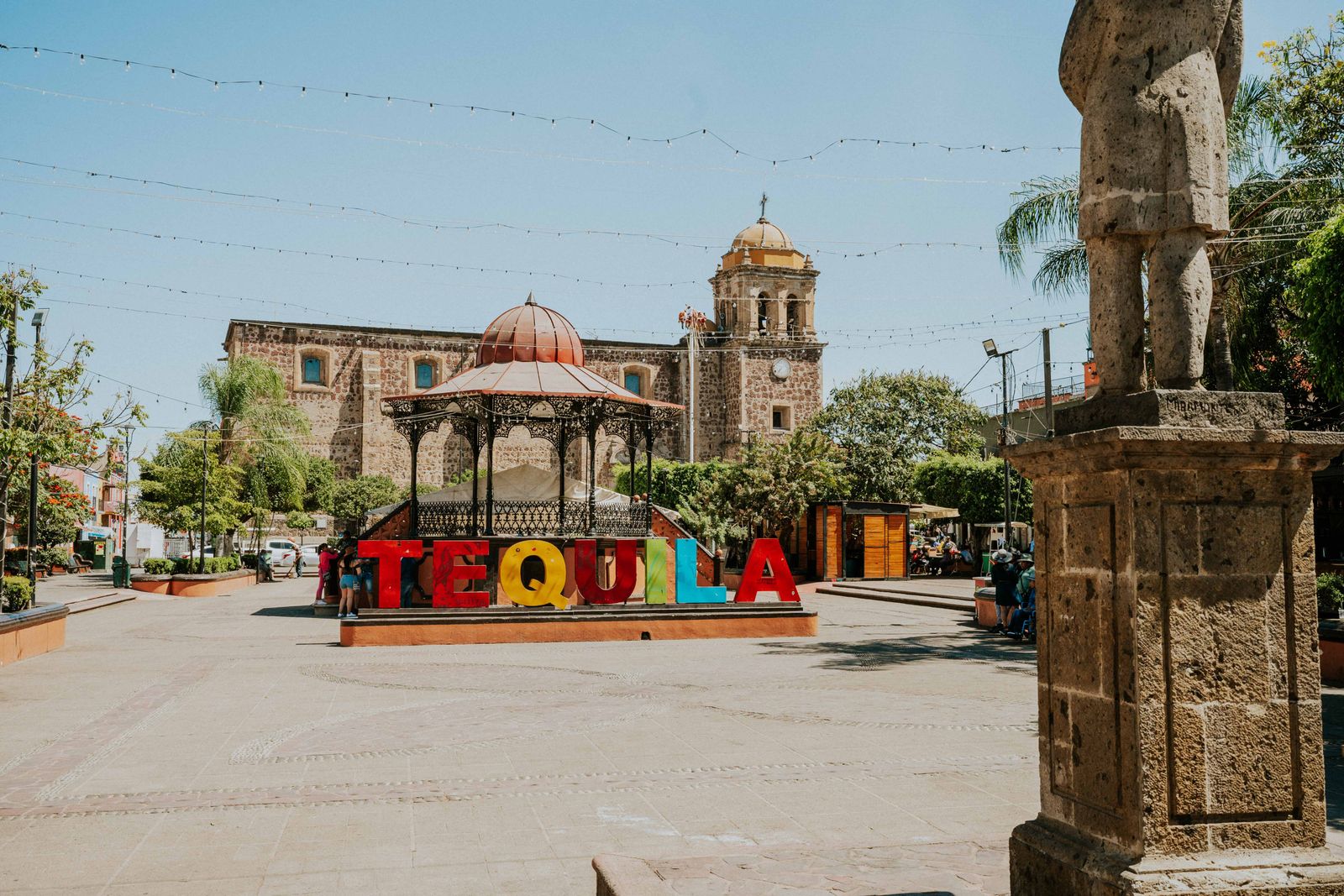
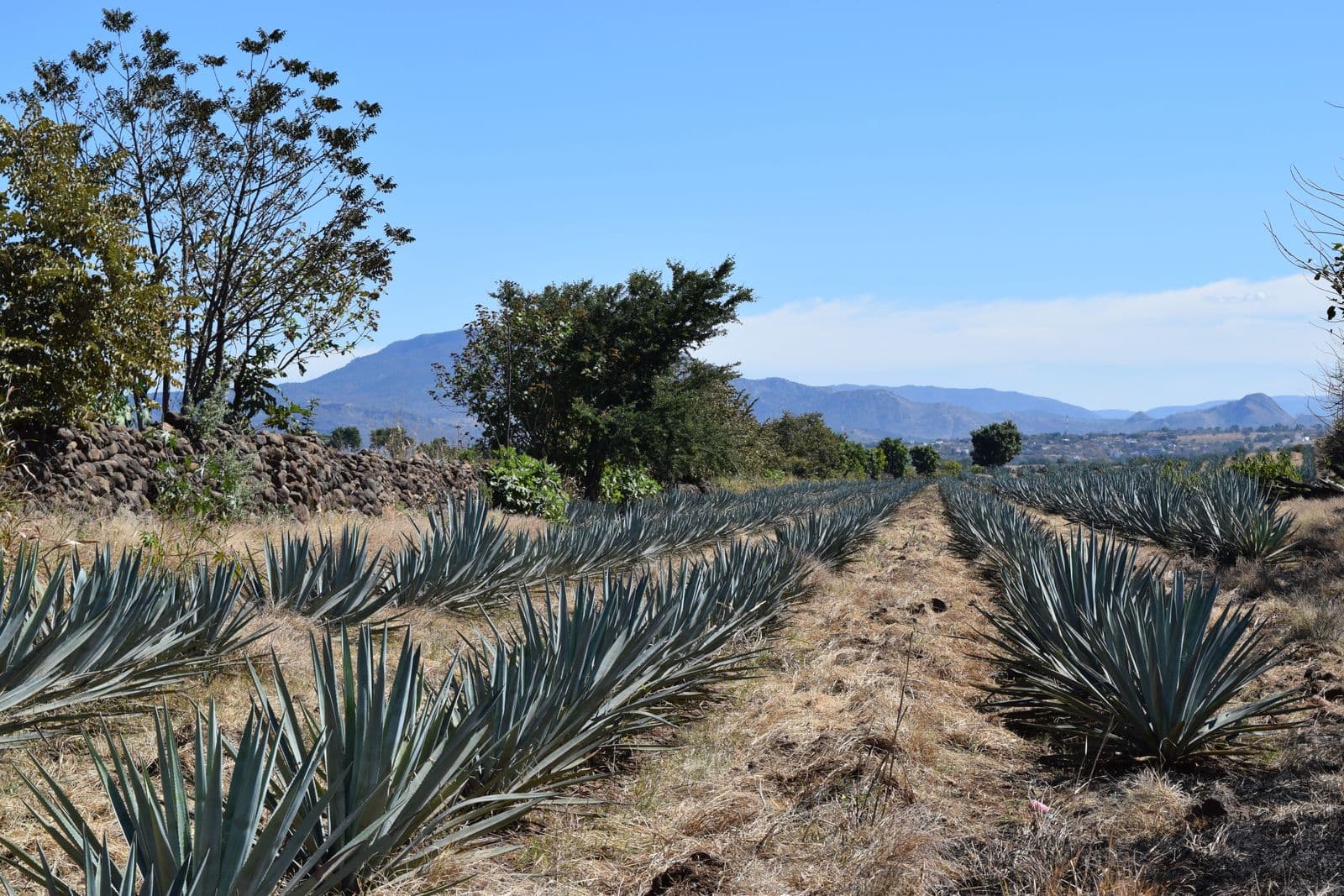
If you want to go straight to the source and see all this beauty with your own eyes, Mexico offers you two completely different worlds. For tequila you’ll head to the central part of the country, specifically the state of Jalisco. About an hour’s drive from the big city of Guadalajara lies the eponymous town of Tequila, surrounded by endless fields of blue agave. This cultural landscape is even on the list of protected UNESCO sites. Here you can visit huge historic distilleries with famous names, walk among the spiky plants and watch the so-called jimadores skilfully strip away the agave leaves with special sharp tools called coa.
For mezcal, though, your steps must take you much further south, to the colourful and culturally rich state of Oaxaca. If you want to plan a trip to this region, be sure to read our detailed article Oaxaca, Mexico: a city guide. This is where the overwhelming majority of the world’s mezcal comes from. But forget giant industrial factories. Here mezcal is made in small, family-run distilleries called palenques, which often look like nothing more than a shed in the back garden, with a smoking pit in the ground and a draft horse turning a giant stone wheel that crushes the roasted agave.
The absolute heart of this craft is the unassuming little town of Santiago Matatlán, which proudly calls itself the world capital of mezcal. A trip here with a local guide will cost you roughly 50 to 85 € and it’s a once-in-a-lifetime experience. You can taste spirits straight from the stills and chat with families who have been practising this craft for generations.
💡 Tip: Oaxaca is currently going through a huge gastronomic boom, especially after the Michelin Guide arrived in 2024 and awarded local restaurants such as Los Danzantes and Levadura de Olla. If you want to combine a premium mezcal tasting with a luxury dinner (there are plenty of vegetarian specialities featuring their famous mole sauces), be sure to book a few weeks ahead.
What to Bring Home and How to Spot Real Quality
When it’s time to buy souvenirs and you’re standing in the shop in front of a wall of hundreds of different bottles, it can be a little overwhelming. But there’s one absolutely golden, unbreakable rule you must follow. Always — and I mean always — look on the tequila label for the clear, large words “100% Agave” (or 100% Puro de Agave).
If those words are missing from the bottle, you’re looking at so-called mixto. Under Mexican law, the spirit only needs to contain 51% agave sugars, and the remaining 49% can be made up by the producer with cheap cane or corn sugar. It’s exactly this mixing of different sugars and alcohols that’s the main reason people feel so dreadful the day after cheap tequila. With mezcal, the mixto label is almost never seen — the artisanal producers of Oaxaca would consider something like that an insult to their work — so your choice there is a bit safer.
Another thing to be careful about in Mexico is alcohol safety in tourist resorts. Unfortunately, reports of adulterated alcohol do occasionally surface (in some places it’s estimated to be as high as 36% of poured drinks), mainly in cheap all-inclusive resorts or in bars during wild student spring breaks. So it’s always best to buy bottles in specialised shops, the so-called licorerías, directly at distilleries, or to enjoy your drinks in established, well-reviewed venues that care about their reputation.
💡 Tip: Watch out for card payments in souvenir shops. Terminals in Mexico will very often offer to settle the bill in your home currency (GBP or USD instead of Mexican pesos, MXN). Always decline this option and pay in local pesos. This practice, known as DCC, is a tourist trap, and the unfavourable exchange rate adds 8 to 9% to your purchase.
Cocktails: What to Order at the Bar When You Don’t Fancy Neat Spirits
Even though slowly sipping a neat spirit is a wonderful experience, in the hot Mexican climate you sometimes simply fancy something longer, refreshing and on the rocks. If you want to know what else is worth tasting and what treasures there are to see, check out our guide to what to see in Mexico — the cocktail culture is definitely not something you should miss.
Most tourists immediately blurt out the word Margarita. This world-famous classic — blending blanco tequila, fresh lime juice and orange liqueur in a salt-rimmed glass — is excellent, but for Mexicans themselves it’s not the number one choice. The true king of the local bars is a drink called the Paloma. It’s an incredibly refreshing and simple drink made of tequila, fresh lime and grapefruit soda (most often the local Squirt brand), topped up with plenty of ice. It’s a light, slightly bitter and very sneaky drink, because it goes down almost like lemonade — but after a while in the sun you’ll definitely feel the alcohol in it.
For beer lovers, trying a Michelada is an absolute must. There’s no distilled spirit in it, but it’s an iconic Mexican beer cocktail in which a light lager is mixed with lime juice, spicy sauces and often tomato juice. The rim of the glass is coated in Tajín chilli seasoning, and it’s the best possible cure for any tiredness after a long journey.
💡 Tip: When you’re sitting at the bar and fancy a Margarita, try asking the bartender to mix you a so-called Mezcalita instead. It’s basically the same drink, but using mezcal gives the whole combination with lime a fantastic, subtly smoky touch that’s guaranteed to win you over.
Where to Next
If Mexican culture has captivated you and you’re planning a trip — or you simply love their food — be sure to take a look at our other articles, where we’ve gathered loads of practical tips from our travels:
- What to See in Mexico – our big guide to the most beautiful places you shouldn’t miss.
- Mexican Cuisine – a complete rundown of what to eat on the street and in fine-dining restaurants.
- Oaxaca, Mexico: a City Guide – detailed tips for visiting the cultural and gastronomic heart of Mexico.
You can book guided tequila and mezcal tastings on GetYourGuide.
Frequently Asked Questions
What’s the main difference between tequila and mezcal?
The main difference lies in the plant and production method. Tequila is made exclusively from blue agave and is steam-cooked, while mezcal can be made from over 30 types of agave, which is roasted in underground pits. This gives mezcal its characteristic smoky flavor.
Does tequila have to have a worm in the bottle?
No, that’s a common and very widespread myth. You’ll never find a worm in a bottle of real, quality tequila. The worm (gusano) was historically added only to some bottles of mezcal as a marketing gimmick, but premium mezcal producers don’t use it today.
What does the label 100% Agave mean?
It’s the most important quality indicator. It means that all the alcohol in the bottle comes solely from the fermentation of agave. If this label is missing, it’s a so-called mixto, where part of the agave is replaced with cheap cane sugar, which causes headaches.
How to properly drink mezcal?
Locals drink it neat, at room temperature and always sip it slowly (besos, no tragos), they don’t throw it back like a shot. Traditionally it’s served in small wide bowls (copitas) and accompanied by an orange slice with salt made from crushed worms and chilli.
Where is the best place in Mexico for a tasting?
The destination for tequila is the state of Jalisco, around the town of the same name, Tequila, where there are vast plantations of blue agave. For mezcal, it’s best to head to the state of Oaxaca in the south of the country, specifically to the small town of Santiago Matatlán, which is known as the mezcal capital.
Is it safe to drink alcohol in Mexican bars?
In specialized bars, restaurants and distilleries, it’s completely safe. However, caution is advised in cheap all-inclusive resorts and during wild parties (e.g. spring break), where adulterated alcohol can occasionally appear.
What is the most popular tequila cocktail in Mexico?
Although the Margarita is the most famous worldwide, Mexicans themselves most often drink a cocktail called Paloma. It’s a very refreshing combination of tequila, fresh lime juice and grapefruit soda, served in a tall glass full of ice.
Tips and Tricks for Your Vacation
Don’t Overpay for Flights
Search for flights on Kayak. It’s our favorite search engine because it scans the websites of all airlines and always finds the cheapest connection.
Book Your Accommodation Smartly
The best experiences we’ve had when looking for accommodation (from Alaska to Morocco) are with Booking.com, where hotels, apartments, and entire houses are usually the cheapest and most widely available.
 🚗 Car rental on the roadVerified rental cars in Mexico
Search with the DiscoverCars comparison engine — it compares prices from dozens of local and international rental companies, and most bookings come with free cancellation.
Compare car prices in Mexico →Don’t Forget Travel Insurance
Good travel insurance will protect you against illness, accidents, theft, or flight cancellations. We’ve had a few hospital visits abroad, so we know how important it is to have proper insurance arranged.
Where we insure ourselves: SafetyWing (simple monthly subscription) and TrueTraveller (for extra-long trips).
Find the Best Experiences
Get Your Guide is a huge online marketplace where you can book guided walks, trips, skip-the-line tickets, tours, and much more. We always find some extra fun there!