A city where the air smells of roasting corn tortillas on every corner, where the strum of guitars drifts out of colourful little houses, and where every evening locals and travellers alike gather over a small glass of smoky agave spirit. This stunning colonial city in southern Mexico is the cultural and culinary heart of the entire country — and once you set foot here, chances are you won’t want to leave.
Oaxaca, Mexico (pronounced “wah-HAH-kah”) is a place where sixteen living indigenous cultures blend together, where you’ll find the most beautiful handicrafts, and where the very best Mexican cuisine was born. If you’re after an authentic Mexico with rich traditions, colourful festivals and a fascinating history, you’ve come to the right place. In this guide you’ll find all the key tips on what to see and do in Oaxaca, where to head for day trips, where to stay, and what you absolutely have to taste.
TL;DR
- Best time to visit: From October to April, during the dry season. The absolute peak is the turn of October and November for the Día de Muertos festival — but you’ll need to sort out accommodation a year in advance.
- Getting there: You can reach Oaxaca by luxury ADO buses from Mexico City (roughly 6–7 hours) or by plane. A new highway has also cut the journey to the coast at Puerto Escondido down to just 2.5 hours.
- Don’t miss: The Zapotec ruins of Monte Albán, the petrified waterfalls of Hierve el Agua, and the weaving villages in the surrounding area.
- Food: Oaxaca is a culinary paradise. Try the famous tlayuda, the seven kinds of mole sauce, and of course the local mezcal. Since 2024 you’ll even find Michelin-starred restaurants here.
- Budget: Prices are a touch lower than on the Yucatán Peninsula, but as the city’s popularity grows, so do the costs. As a rough guide, the exchange rate is around 0.05 € per 1 Mexican peso (MXN).
The full destination guide: Mexico — guide and what to see
When to Visit Oaxaca
The best time to visit Oaxaca is unquestionably during the dry season, which runs from late October until roughly April. Daytime temperatures sit at a very pleasant 25 to 28 degrees, while evenings and mornings tend to be cooler — so a light jumper definitely won’t go to waste in your backpack. Oaxaca lies at an altitude of over 1,500 metres, so although the sun is lovely and warm during the day, the air is crisp and you won’t face the oppressive tropical humidity you get on the coast.
If you’re tempted to experience Mexico in its most colourful and spiritual form, try to plan your trip around the famous Día de Muertos (Day of the Dead). According to one seasoned traveller, it pays to arrive a few days early — ideally around 27 October. The official dates are 31 October to 2 November, but the preparations, altar decorating and street processions (comparsas) start well in advance. The Xoxocotlán cemetery is utterly unforgettable, full of candles and orange cempasúchil flowers, but be ready for enormous traffic jams. Accommodation and tours for this festival are best booked as early as January, as prices climb to three times the usual and everything sells out hopelessly. Another huge celebration is July’s Guelaguetza, a festival of indigenous cultures bursting with dance and traditional dress, when the city is also packed to the rafters.
💡 Tip: If you want to avoid the biggest crowds and inflated prices, head over in February or March. The weather is gorgeous and the city ticks along at its own calm, easygoing pace. If you’d like to learn more about how the weather works across the whole country, take a look at our article on when to go to Mexico.
Where to Stay in Oaxaca
Oaxaca is a fairly compact city, and you’ll spend the vast majority of your time in the historic centre, which is a UNESCO World Heritage Site. The ideal move is to find a place to stay right here, so everything is just a short walk away — you can wander the colourful streets and safely make your way back from dinner or from a mezcalería in the evening.
The historic centre (Centro Histórico) is divided into several smaller neighbourhoods. The area around the Santo Domingo church and Calle Macedonio Alcalá is the most beautiful — but also the most expensive — part of town. You’ll find gorgeous boutique hotels in colonial buildings, stylish cafés and the very best restaurants here. If you’re after a happy middle ground, look for accommodation around the Barrio de Jalatlaco. It’s a charming, quieter neighbourhood full of street art, cobbled lanes and small family-run cafés, with a totally unique atmosphere — and it’s only a few minutes’ walk to the centre. Another great and more affordable option is Barrio de Xochimilco, the city’s oldest quarter with ancient aqueducts and local markets.
Price-wise, Oaxaca ranges from very cheap backpacker hostels (around 12 to 20 € a night) through lovely mid-range hotels (60 to 120 € for a double room) all the way up to luxurious historic villas.
💡 Tip: Because Oaxaca sits at a higher altitude and night-time temperatures in the winter months can drop to around 8 degrees, take care when choosing your accommodation to make sure the room has heating — or at least ask for extra blankets. Most traditional houses have thick stone walls and tiled floors, which is a blessing in summer but chilly in winter ☺️.
Oaxaca is easily explored on foot, so it pays to stay as close to the Zócalo square as possible — that way you can head to the market in the morning and up to a rooftop terrace for mezcal in the evening without a single taxi. The centre is full of colonial houses converted into beautiful boutique hotels.
💑 For couples: Casa Antonieta is a nine-room boutique hotel in a building dating back to 1529, just steps from the Zócalo, with a rooftop terrace and wine at dusk — romance itself (around 270 € a night).
👨👩👧 For peace and families: Hotel Casa Conzatti has a green patio garden, its own restaurant and a quiet feel, yet it’s within walking distance of all the sights (from around 90 € a night).
💰 Best value for money: Hotel Trébol is a cosy three-star hotel two minutes from the Zócalo, with a colonial patio and breakfast included that guests rave about (from around 60 € a night).
✨ For the experience: Quinta Real Oaxaca is housed in the former Convent of St Catherine from 1576 in the heart of the centre — a city icon with flowering cloisters and a swimming pool (from around 240 € a night).
Booking tip: at all of these hotels, choose the rate with free cancellation — plans change and you don’t want to pay for somewhere you never end up reaching. And don’t leave it to the last minute: the top-rated addresses sell out in high season several months ahead, and prices then jump by tens of percent.
What to See and Do: 14 Tips
Let’s take a look together at the best things to see in Oaxaca and its immediate surroundings. This city is like a living museum brimming with colours, aromas and ancient history. From fascinating archaeological sites and smoky markets to craft villages where time stopped centuries ago. Set aside ideally four to five days for Oaxaca so you can soak up the real atmosphere without having to rush anywhere.
1. The Zócalo Square
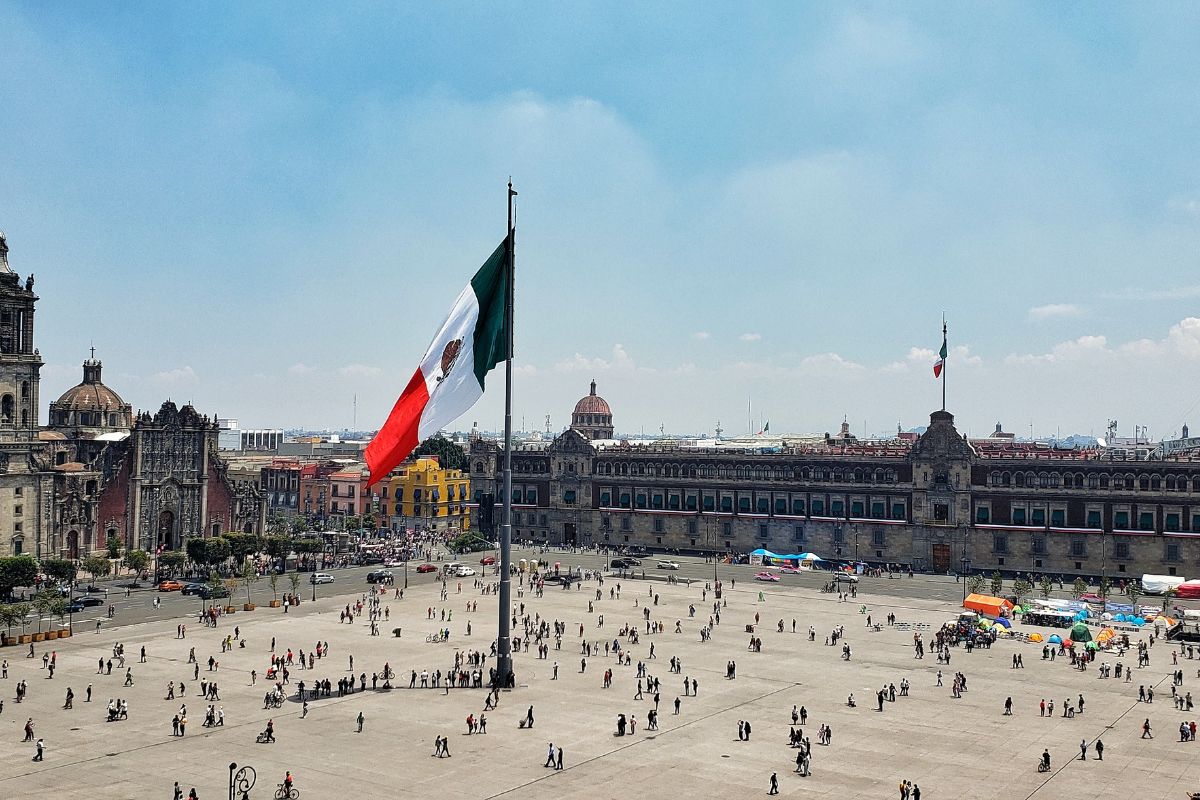
Every proper Mexican town has its main square, known as the Zócalo, and the one in Oaxaca is among the liveliest in the entire country. It’s surrounded by shady trees, beneath which locals constantly sit, swap the latest news and listen to street musicians. On one side of the square stands the majestic Catedral de Nuestra Señora de la Asunción, and on the other you’ll find the government palace.
The whole square is lined with arcades housing dozens of cafés and restaurants. Even though prices are a little higher and aimed more at tourists, sitting down here with a cup of local hot chocolate, watching the sellers of colourful balloons and listening to marimba music is an experience that’s simply part of any visit to the city.
2. Templo de Santo Domingo de Guzmán
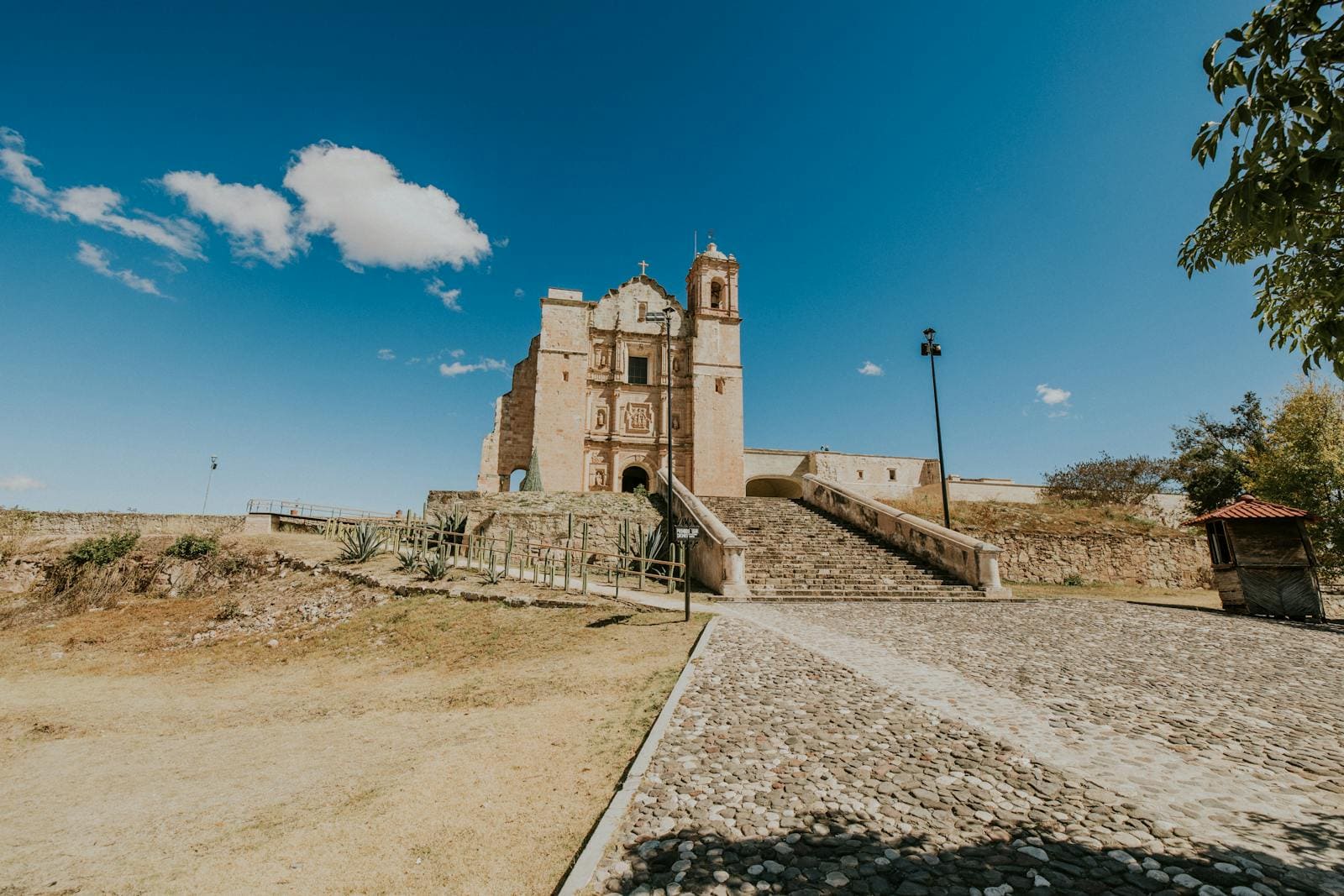
If the Zócalo is the social heart of the city, then the Santo Domingo church is its soul. This Dominican temple is an absolute architectural gem. From the outside it impresses with its massive stone façade, but the real surprise awaits inside. The interior is incredibly richly decorated with gold, stucco and intricate ornamentation. An astonishing amount of gold leaf is said to have gone into its decoration.
In front of the church lies a wide plaza dotted with agave, where weddings, traditional dances or simply resting students from the nearby university are a common sight. Right next door is the Museo de las Culturas de Oaxaca cultural centre, which is well worth a visit if you’re interested in the history of the Zapotec and Mixtec cultures.
3. The Botanical Garden (Jardín Etnobotánico)
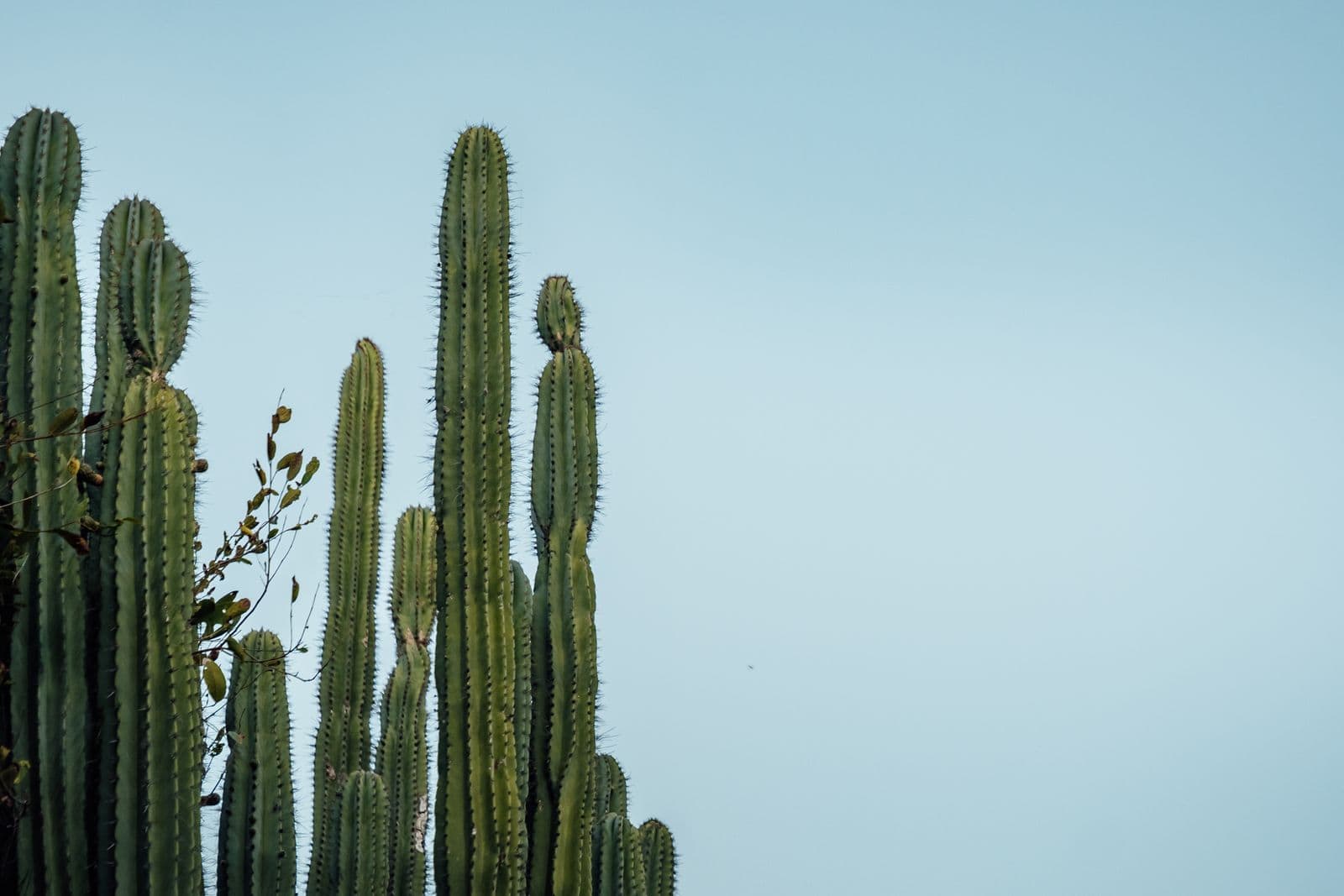
Right within the grounds of the former monastery beside the Santo Domingo church, you’ll find one of the most interesting botanical gardens in the world. The garden was founded in the 1990s with the support of local artists (including the famous painter Francisco Toledo), and it features exclusively plants native to the state of Oaxaca.
You’ll stroll among giant cacti that look like sculptures, rare species of agave and beautifully flowering trees. There’s just one catch: you can’t simply wander in on your own — you have to go with a guide. English-language tours usually run only a few times a week, and tickets (around 100 MXN / 5 €) are bought on the spot, so I’d recommend arriving early and queuing, as capacity is very limited.
4. Mercado 20 de Noviembre and Benito Juárez Markets
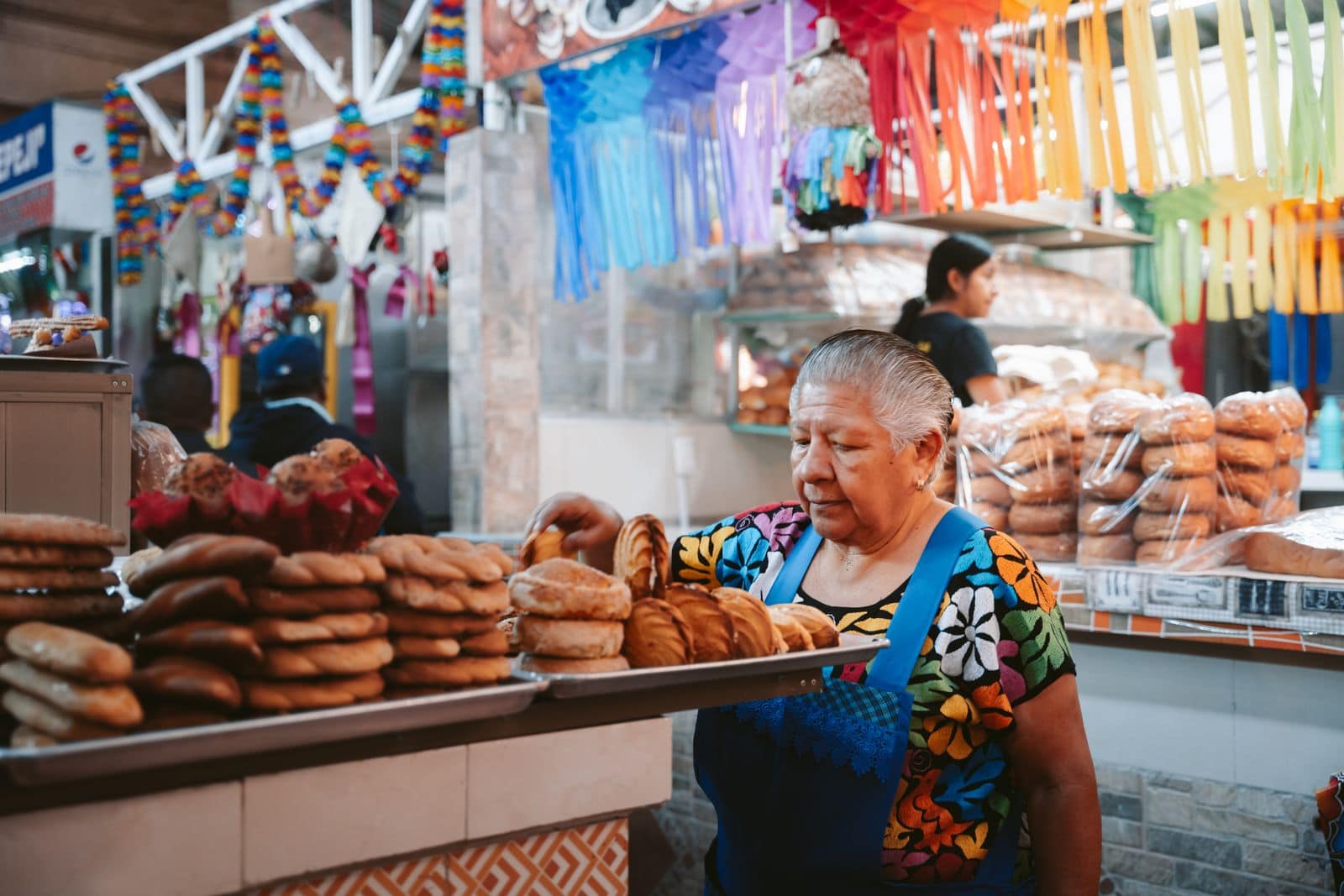
Markets are the beating heart of Mexican culture. Oaxaca has two main ones, sitting right next to each other, and each is a little different. Mercado Benito Juárez is great for buying fresh fruit, vegetables, cheeses, spices and traditional clothing. It’s here that you’ll see sacks full of dried grasshoppers (chapulines), which locals crunch on the way we’d munch peanuts.
Mercado 20 de Noviembre, by contrast, is a giant food hall. According to some travellers, the biggest experience is the so-called Pasillo de Humo (Smoke Hall). It’s chaotic, noisy and literally filled with smoke from dozens of grills. Locals pick out raw meat that the vendors grill for them right there over hot coals. The advice is to come on a Sunday around four in the afternoon, when the biggest crowds have thinned out. We vegetarians won’t be sampling the meat, of course, but the atmosphere is fantastic and you can always arrange grilled spring onions, peppers and fresh avocado with a hot corn tortilla.
5. The Calle Macedonio Alcalá Pedestrian Zone
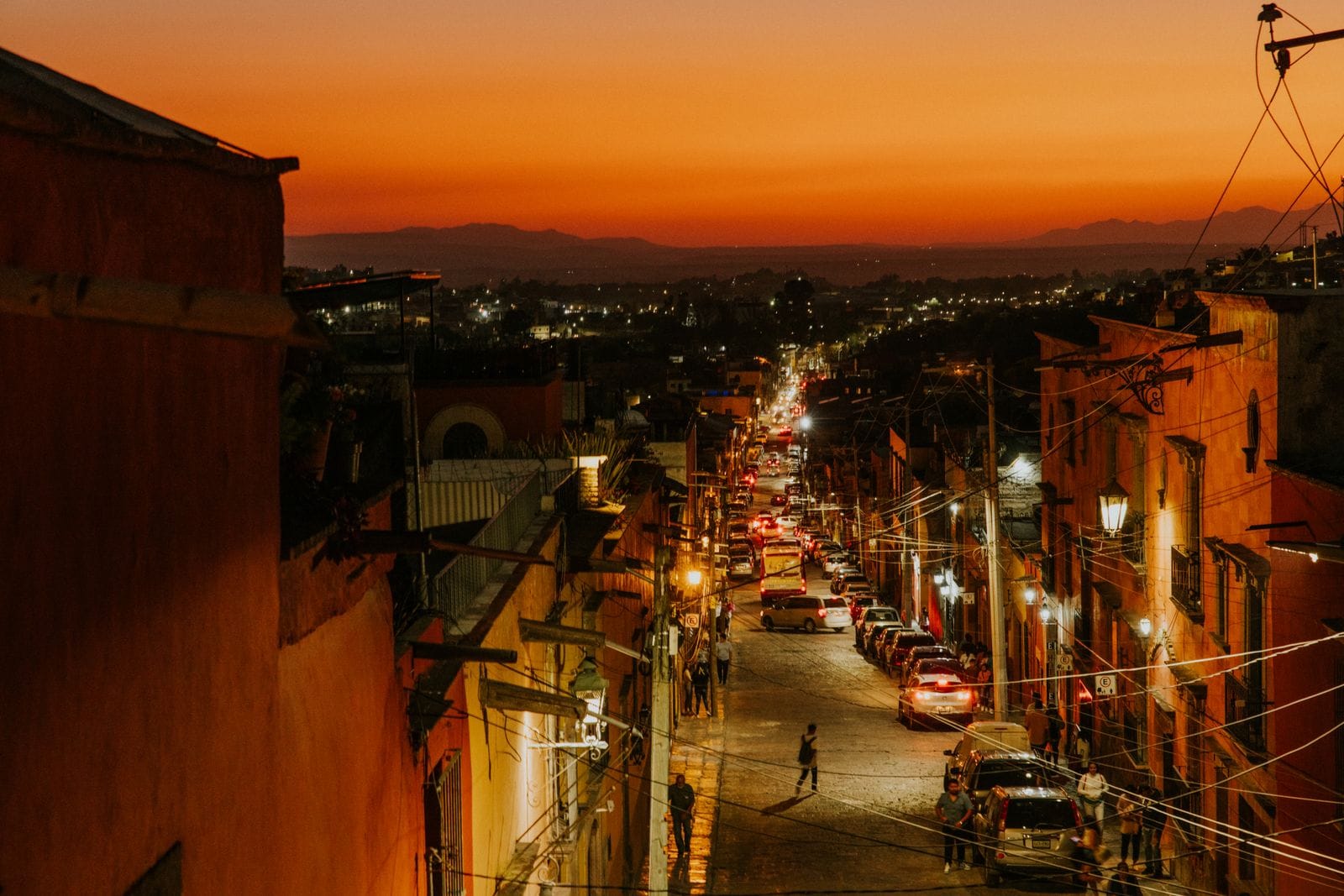
This cobbled street is the main artery of the historic centre, connecting the Santo Domingo church with the Zócalo. It’s a pedestrian zone, so you can take your time enjoying a stroll between gorgeous, colourful colonial houses draped with climbing flowers.
The street is full of craft boutiques, galleries, textile shops and, of course, cafés. In the evening it comes incredibly alive — street vendors appear, artisans lay out their jewellery on blankets on the ground, and you’ll often come across a procession with music and giant paper puppets (mojigangas).
6. The Monte Albán Ruins
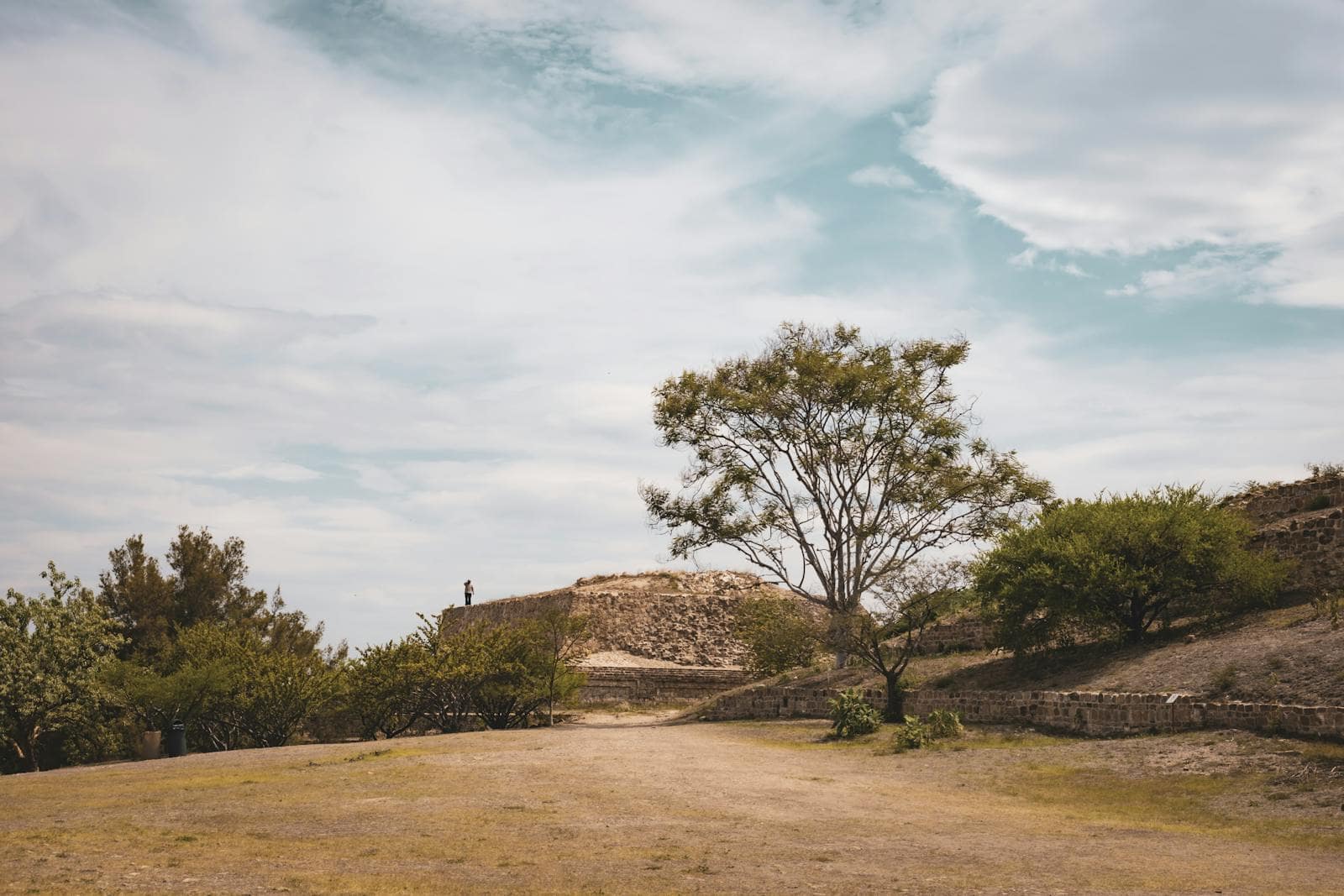
This is an absolute must. The Zapotec ruins of Monte Albán sit on an artificially levelled mountaintop just outside the city, and visitors describe them as a fascinating place with a huge area to explore. It was once one of the most important cities in Mesoamerica, and the views over the valley from here are simply breathtaking.
Admission costs roughly 95 MXN (around 5 €), and you can get here from the city either by tourist bus (which departs near the Zócalo) or by grabbing a taxi or colectivo. An important warning from travellers: there’s practically no shade up top. Genuinely take plenty of water, a hat, and slather on sunscreen — the sun here can be merciless. I’d recommend heading out right at opening time at 8:00 a.m. For more up-to-date information, check the official INAH institute website.
7. The Petrified Waterfalls of Hierve el Agua
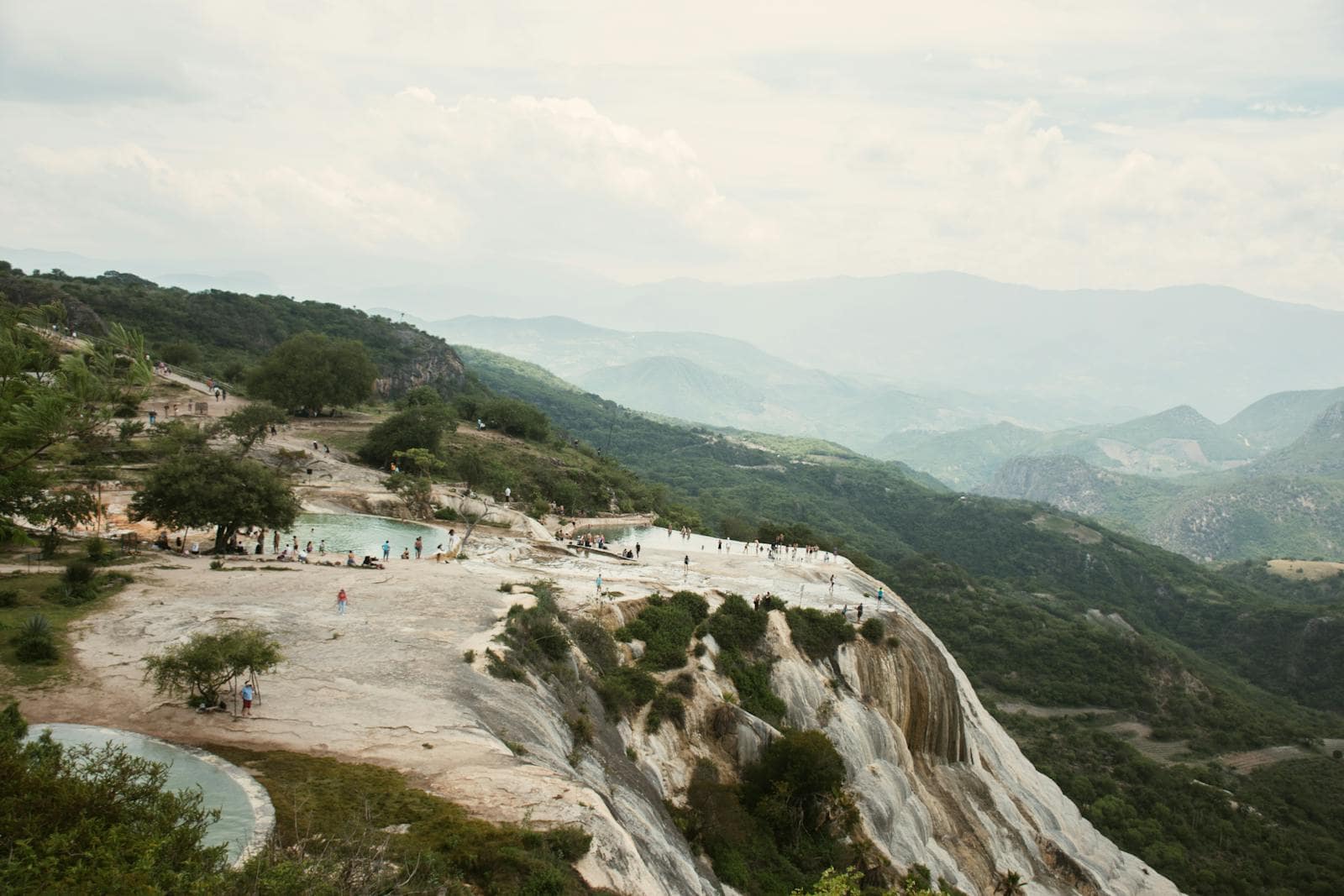
About an hour and a half’s drive from Oaxaca lies one of Mexico’s most beautiful natural wonders. From a distance, Hierve el Agua looks like an enormous waterfall cascading off a cliff, but in reality these are mineral springs that, over thousands of years, have formed gorgeous stalactite-like cascades. At the very top there are natural mineral pools of turquoise water where you can bathe right on the edge of the cliff, with mountain views.
Admission is around 50 to 100 MXN (roughly 2.50 to 5 €). A moderately challenging climb of more than a hundred steps leads down to the pools and beneath the waterfall, so it’s definitely worth bringing sturdy shoes — sandals really won’t cut it. You can come here on an organised tour, or hire a car and set off on your own.
8. Mezcal Tasting in Central Oaxaca (Mezcalerías)
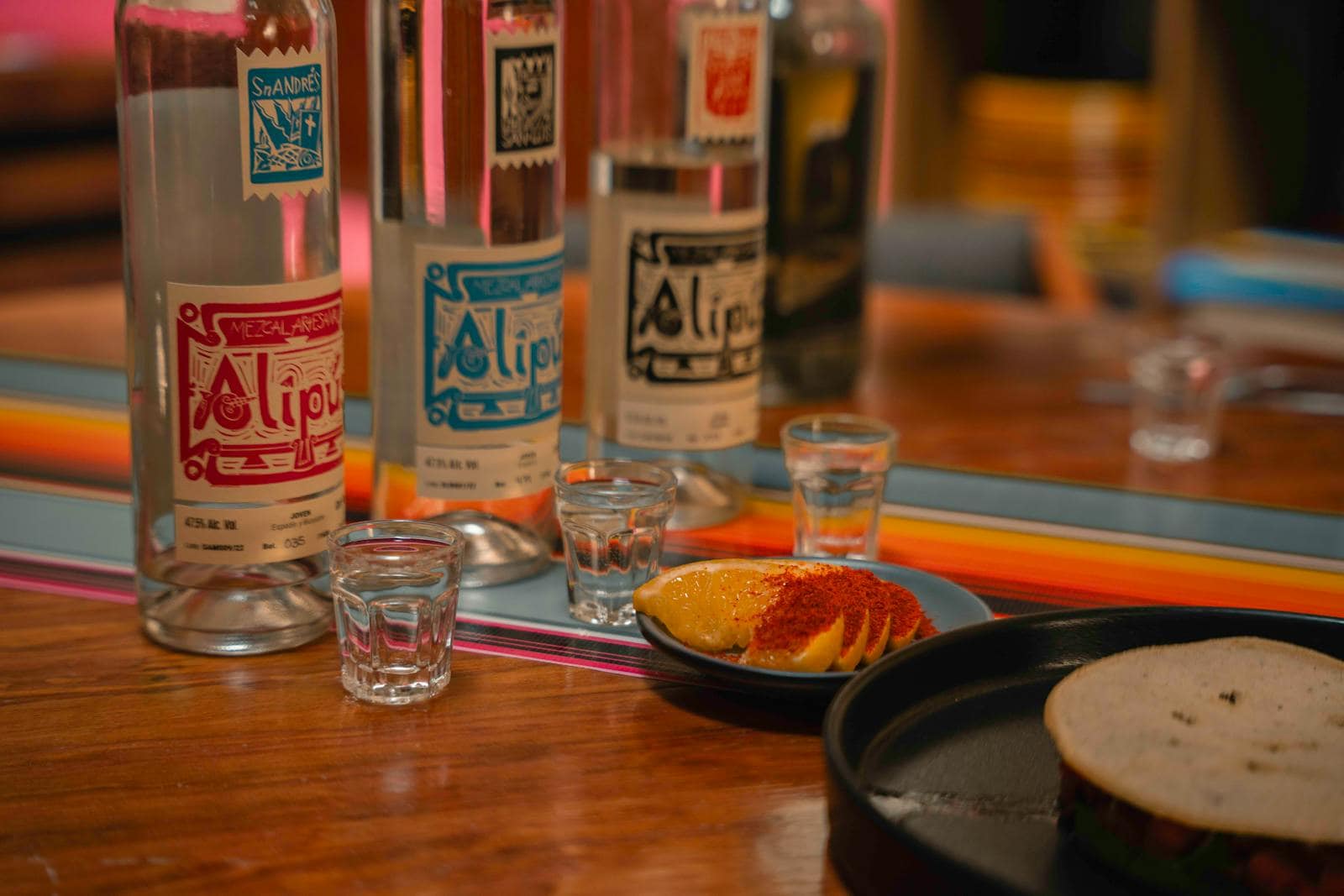
Oaxaca produces an incredible 90% of all Mexican mezcal. While tequila may only be made from blue agave in the state of Jalisco, mezcal is distilled from more than 30 species of agave and has its characteristic, slightly smoky taste because the hearts of the agave (piñas) are roasted in earthen pits over hot coals before fermentation. As the locals say: “Para todo mal, mezcal, y para todo bien, también” (For everything bad, mezcal — and for everything good, too).
In the city centre you’ll find dozens of so-called mezcalerías. These are cosy, often dimly lit bars with an enormous selection of bottles from small local producers. The staff will happily explain the differences between varieties (Espadín is the most common, while Tobalá or Tepeztate are rarer and pricier). Mezcal isn’t downed in one — it’s sipped slowly (locals say “besos, no tragos”, kisses not gulps) and enjoyed alongside slices of orange dusted with sal de gusano (salt with ground worms and chilli).

9. A Trip to the Distilleries in Santiago Matatlán
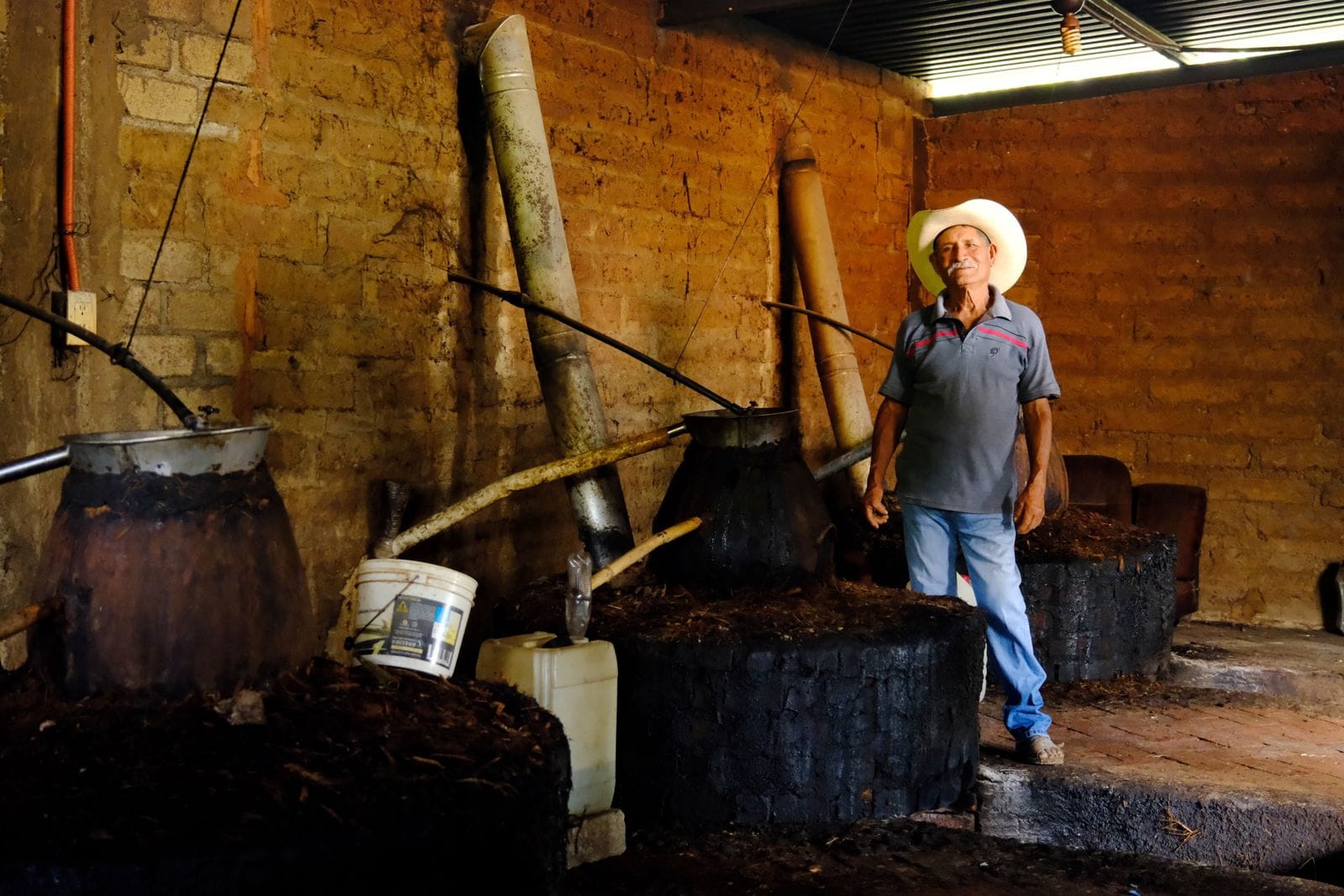
If mezcal genuinely interests you, head straight to the source. The village of Santiago Matatlán lies just under an hour from the city and proudly calls itself the mezcal capital of the world. Along the way you’ll see endless fields of blue-green agave, and in the village itself and its surroundings you’ll find dozens of traditional distilleries known as palenques.
Travellers’ experiences confirm that an organised guided tour (prices range from about 50 to 80 €) is the best option. They’ll take you to small family-run producers and show you the whole process, from chopping the agave and roasting it in the ground to distillation in copper or clay vessels. The tastings often take place on terraces overlooking the fields, served alongside traditional Oaxacan food.
10. The World’s Widest Tree, Árbol del Tule
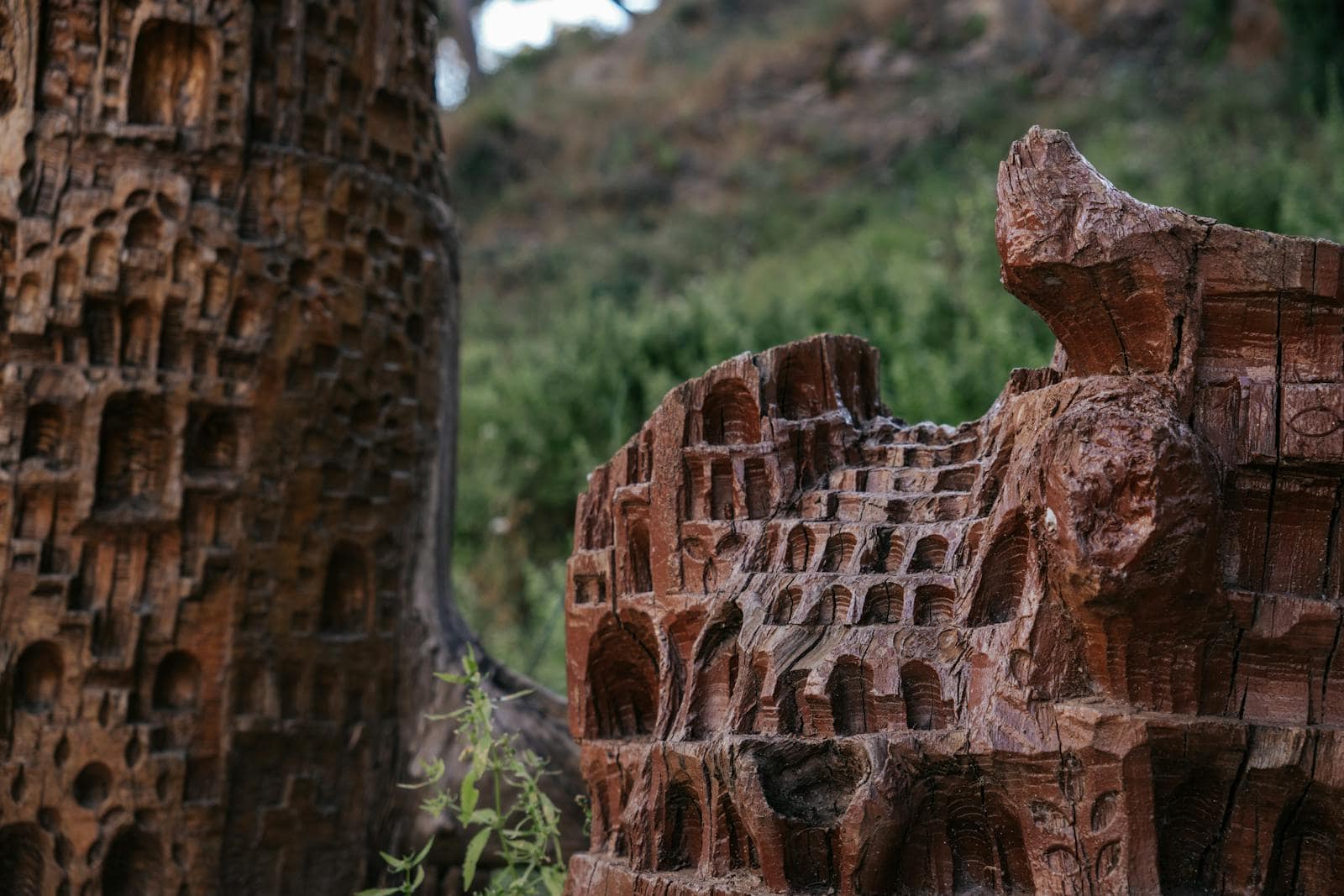
In the village of Santa María del Tule, just outside the city, grows a Montezuma cypress (a relative of the cypress tree) with the widest trunk in the world. The circumference of the trunk is an incredible 42 metres, and the tree’s age is estimated at more than 2,000 years. It’s so enormous that at first glance you’ll think it’s several trees fused together — but DNA tests have confirmed it really is one single tree. There’s a symbolic admission fee of around 20 MXN (1 €), and for that brief stop it’s absolutely worth it.
11. The Weaving Village of Teotitlán del Valle
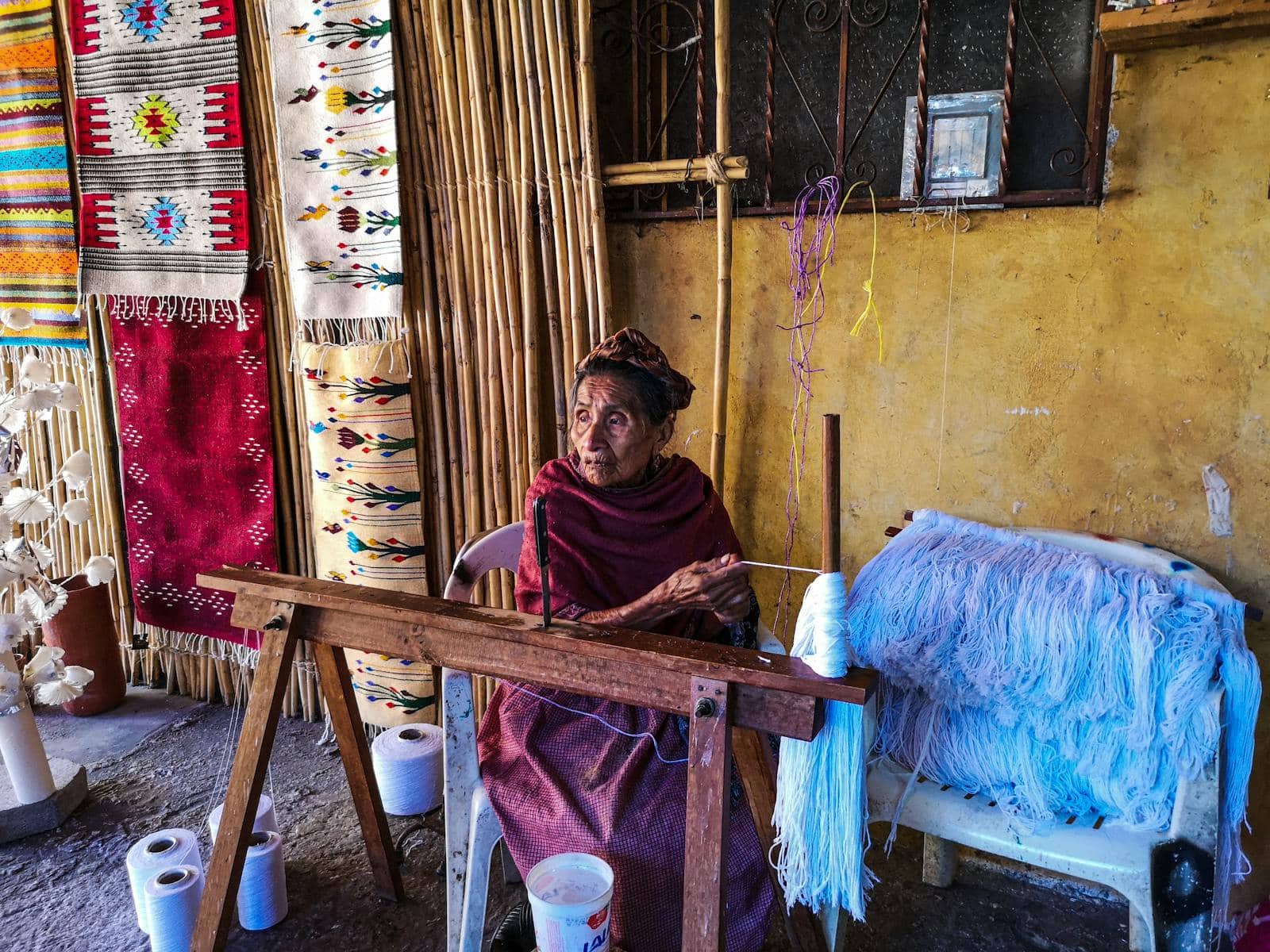
Oaxaca is famous for its craft villages, with each one specialising in something different. Teotitlán del Valle, about 30 minutes east of the city, is home to the finest weavers. They make beautiful woollen rugs and tapestries called tapetes.
As visitors describe, once you arrive at the family workshops, the locals almost always take you under their wing and show you the entire process with enormous pride. You’ll see the washing and carding of the wool, the dyeing in cauldrons over fire using natural pigments (such as red from cochineal beetles, yellow from marigold or blue from indigo), and finally the weaving of intricate Zapotec patterns on huge wooden looms. If you head here on a Monday morning, you’ll also catch the warm, traditional market.
12. Black Pottery in San Bartolo Coyotepec
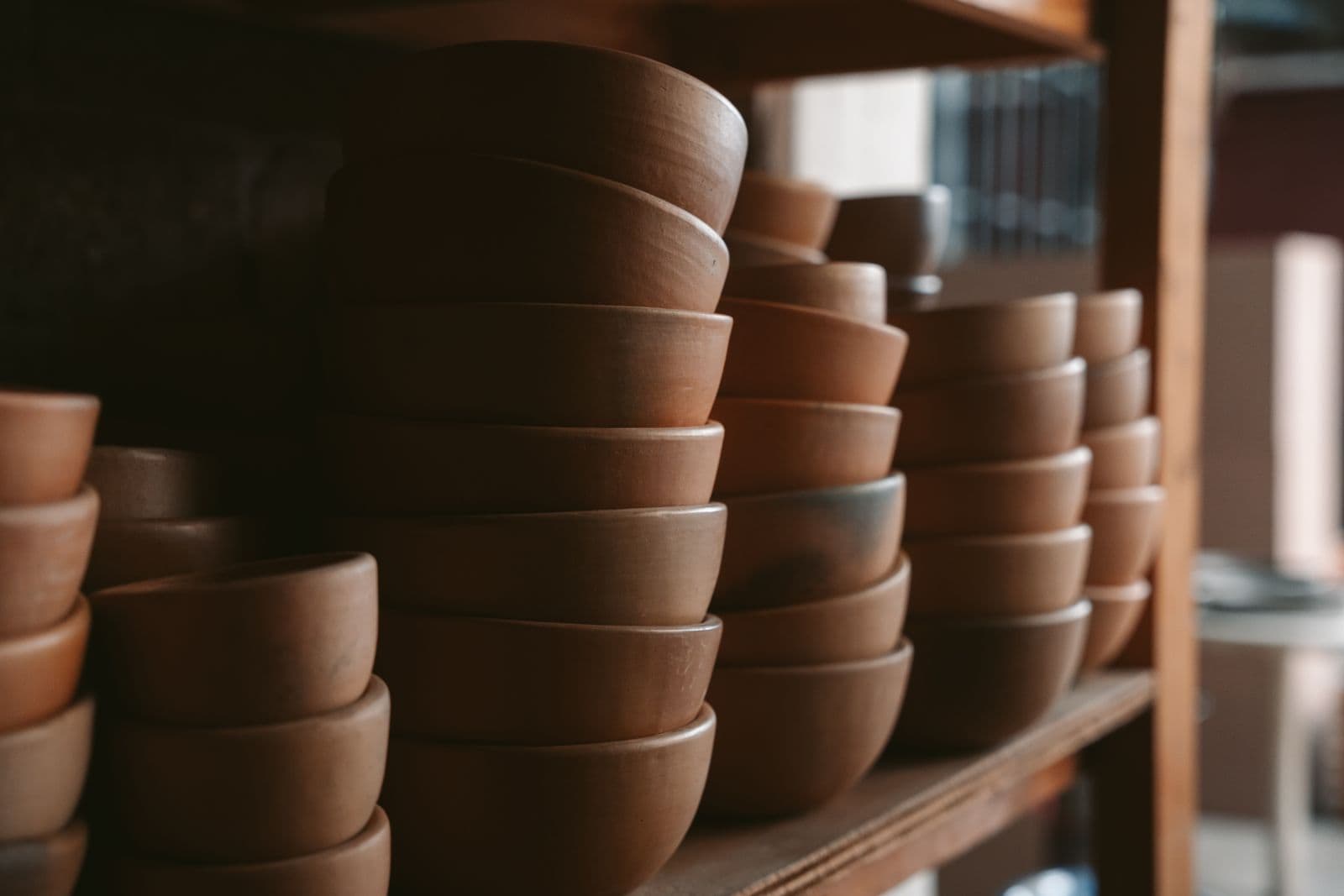
Another fascinating stop on the craft trail is San Bartolo Coyotepec. This village is known the world over for its unique black pottery (barro negro). The technique was discovered in the 20th century by a local potter who found that when the clay is smoothed with a quartz pebble before firing and baked at a lower temperature in a sealed, oxygen-free kiln, it takes on a beautiful, glossy black colour. You can visit plenty of workshops here, watch demonstrations at the potter’s wheel, and of course take home one of those delicate vases or bowls as a souvenir.
13. Wooden Alebrijes Figures in San Martín Tilcajete
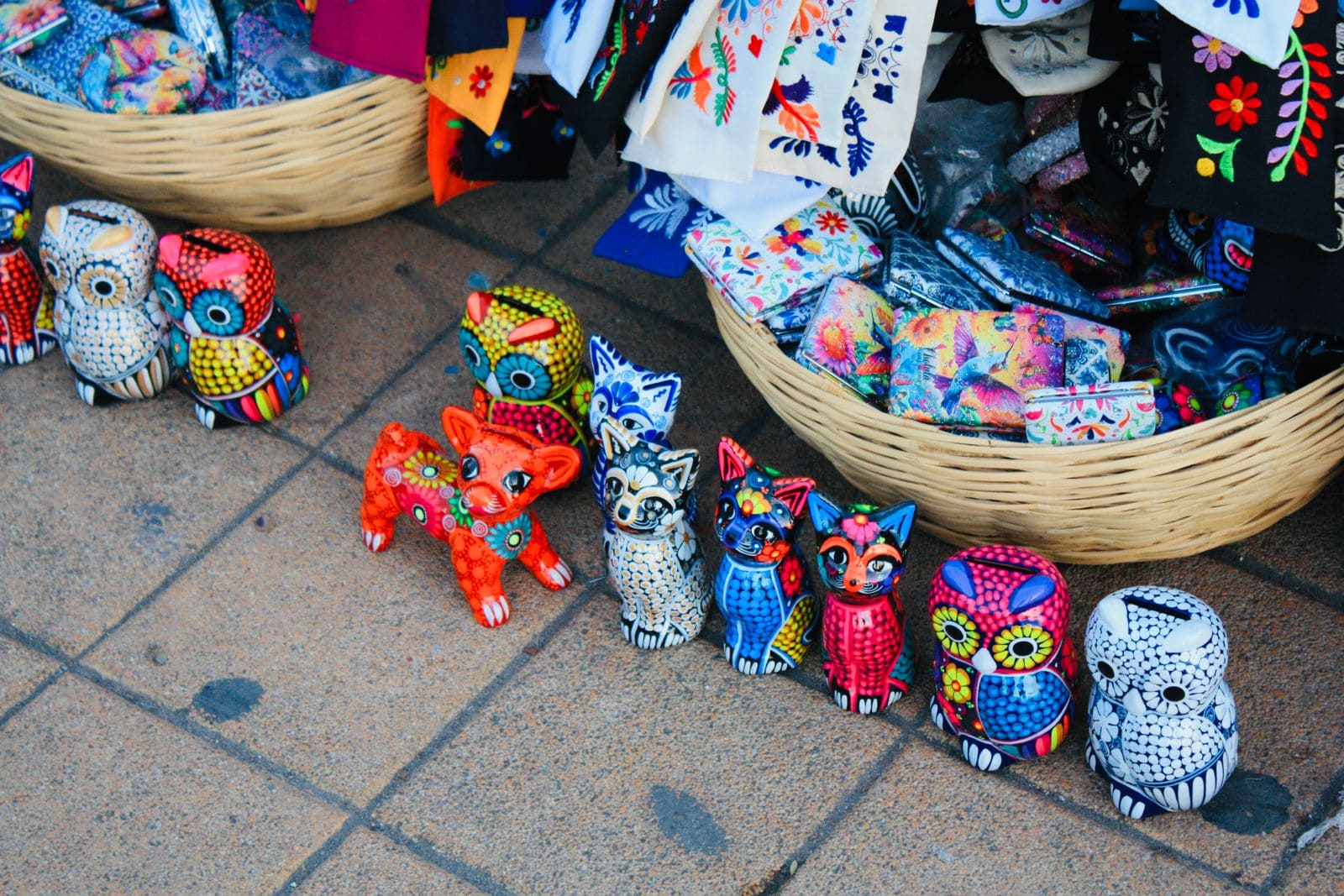
Remember those magical, brightly coloured animal guides from the animated film Coco? They’re called alebrijes, and they come from exactly here. The villages of San Martín Tilcajete and Arrazola are full of family workshops where fantastical creatures are carved from soft copal wood — hybrids of dragons, dogs, eagles and other animals. The figures are then hand-painted with incredibly tiny, vividly coloured dots and patterns. It’s painstaking work, and the largest, most detailed pieces sell for thousands of dollars — but you can pick up a small, colourful little dog here for just a few euros.
14. The Día de Muertos Celebrations (If You’re Lucky)
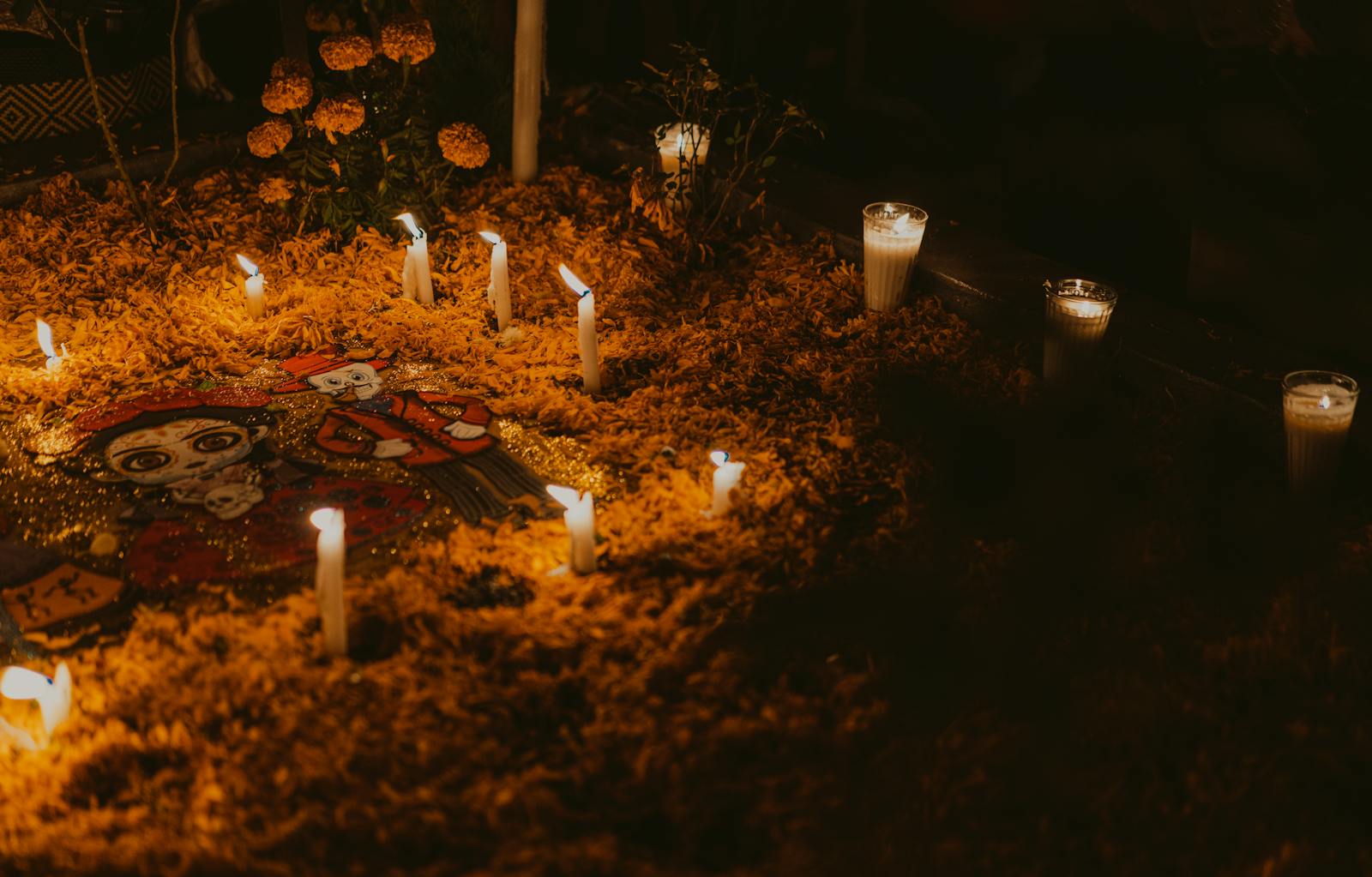
If you manage to snag accommodation and arrive at the turn of October and November, something utterly extraordinary awaits you. Día de Muertos in Oaxaca is a once-in-a-lifetime experience. The streets are strewn with sand tapestries, houses fill the air with the scent of sweet pan de muerto bread, and in the evening processions (comparsas) roll through the city — full of people with painted faces in the style of the elegant skeleton Catrina, accompanied by brass bands. The whole thing isn’t sad at all; on the contrary, it’s a joyful celebration of life and a remembrance of those who are no longer with us.
💡 Tip: To explore the Monte Albán ruins and all those beautiful craft villages and distilleries in the area, it pays either to hire a car (the roads here are in relatively decent shape) or to arrange a driver/guide for the day. Most of the attractions don’t lie within Oaxaca itself but within an hour’s drive — and relying solely on public colectivos (shared vans) will cost you a lot of precious time.
Map of points of interest for your phone
What to Eat: Mexico’s Culinary Paradise
Oaxaca is regarded by Mexicans as the country’s culinary capital, and in 2024 this was officially confirmed by the famous Michelin Guide, which awarded stars to restaurants such as Los Danzantes and Levadura de Olla. Since then there’s been an enormous boom, and at the best establishments you’ll need to make reservations weeks in advance. Mexican cuisine as a whole was the first in the world to be added to the UNESCO list, and Oaxaca is its most dazzling jewel.
The absolute foundation of the local cuisine is mole. It’s an incredibly complex, thick sauce whose preparation can take several days and may contain well over thirty ingredients. In Oaxaca there are seven basic types of mole, the most famous being the dark mole negro, which contains, among other things, chocolate and a heap of spices. The flavour is deep, slightly sweet, spicy and smoky all at once.
Another icon that travellers can’t get enough of is the tlayuda. It’s often nicknamed the Mexican pizza. It’s a huge, thin, crispy corn tortilla spread with bean paste (frijoles) and generously topped with the local stringy quesillo cheese (which tastes a bit like a saltier mozzarella). It’s then grilled over coals and folded in half. Locals often have grilled meat added, but in the basic cheese-and-bean version, rounded off with fresh tomato and avocado, it’s a perfect vegetarian treat.
At the markets and on the streets you’ll definitely come across meaty specialities too, such as slow-pulled barbacoa or fried pork carnitas, which people here would happily kill for. To drink, treat yourself to a refreshing agua fresca (for example from hibiscus — jamaica, or rice dusted with cinnamon — horchata).
💡 Tip: If you love corn, don’t miss elote (a boiled corn cob on a stick, slathered in mayo, cheese and chilli) or its cup version esquites, which are sold on practically every corner once darkness falls. For us vegetarians, Mexican street food can occasionally be a bit tricky because of the lard, but corn, cheesy quesadillas, or tacos filled with mushrooms or beans and a slice of cactus (nopal) will never let you down.
Practical Travel Tips
Let’s take a look at a few practical bits and pieces so that nothing catches you off guard once you arrive. Mexico is an amazing country, but it has its quirks, and it’s good to be prepared for them.
Transport and roads. There are domestic flights to Oaxaca from Mexico City, but you can get here perfectly comfortably on the long-distance buses run by ADO or Primera Plus too. The journey from the capital takes roughly 6 to 7 hours and a ticket costs around 23 to 37 €. If you’re planning to head to the coast after exploring the colonial centre, I have great news. A new highway towards Puerto Escondido has recently opened, cutting the insane seven-hour journey of hairpin bends down to an easy 2.5 hours. If you’re driving a hire car, there’s a golden rule here: avoid driving at night. The roads tend to be poorly lit, animals often wander onto them, and for safety reasons it’s simply not the wisest idea.
Money and payments. Even though plenty of the better restaurants and hotels take cards, cash is still king in Oaxaca. At markets, for street food, smaller entrance fees and shared vans (colectivos), you won’t be able to pay with anything but Mexican pesos. When withdrawing from an ATM, watch out very carefully for so-called DCC (Dynamic Currency Conversion) — the machine will offer you a “guaranteed” conversion rate into pounds or euros, which is extremely unfavourable (you can lose 8–9%). Always decline this offer and have the amount charged in the local currency. As for tipping, restaurants typically expect 10 to 15%. Just keep an eye out for whether it’s already been added to your bill as a “servicio” or “propina” line item.
Safety. The state of Oaxaca and its capital are among the very safe areas within Mexico, especially for tourists. You can move around the historic centre and surrounding neighbourhoods completely at ease, even in the evening. Just stick to the usual common sense — don’t flash expensive jewellery unnecessarily, don’t carry all your cash in one pocket, and at night on the edges of the city it’s better to use an official taxi.
💡 Tip: If you’re worried about the stomach upset known as “Montezuma’s revenge”, remember the street-food rule: “Boil it, cook it, peel it, or forget it.” Tap water isn’t drunk in Mexico — always buy bottled, and it’s best to use bottled water for brushing your teeth too.
Where to Go Next from Oaxaca?
If you have more time for Mexico (which I hope you do, because it’s enormous!), Oaxaca is a great springboard for further adventures.
Be sure to check out our big guide to what to see in Mexico, where you’ll find plenty of inspiration for the whole country. If you’re keen to learn more about the Day of the Dead celebrations, take a look at our article on Día de Muertos in Mexico. For foodies, we’ve put together an extensive article on Mexican cuisine, where you’ll discover more about the dishes you mustn’t miss. And if, after Oaxaca, you’re craving another dose of indigenous culture and wild nature, head south and explore the state of Chiapas with us.
You can book tours to Monte Albán, Hierve el Agua and mezcal tastings on GetYourGuide.
Frequently Asked Questions
How many days do I need for Oaxaca?
Ideally, you should set aside 4 to 5 days for Oaxaca. You’ll spend two days wandering through the historic center, markets, and tasting amazing food, and another two to three days you’ll use for trips to the surrounding areas like the Monte Albán ruins, Hierve el Agua, and artisan villages.
Is Oaxaca safe for tourists?
Yes, Oaxaca is one of the safest and friendliest states in Mexico. In the historic center and tourist areas you don’t need to worry, only normal precautions against pickpockets at markets and in crowds apply.
Do I need a car to visit Oaxaca?
Definitely not a necessity. You can easily walk around the city, and the main sights in the surrounding area (Monte Albán, Tule) are accessible by bus, colectivo, or you can pay for an organized tour. Renting a car is worth it if you want to explore more remote mezcal distilleries or artisan villages at your own pace.
Can you drink tap water in Oaxaca?
Definitely not. Tap water in Mexico isn’t drinkable. Always buy bottled water or bring a bottle with your own filter. In better restaurants, water for drinks and ice is filtered, so you don’t need to worry, but be careful on the street.
Is it expensive to eat in Oaxaca?
It depends where you go. At local markets and street stalls you can eat for just a few crowns, a classic tlayuda will cost you around 80 to 150 MXN (€4–7). In renowned Michelin-starred restaurants, however, you’ll obviously pay more and prices approach European levels.
When is the Día de Muertos festival celebrated?
The official holiday falls on November 1st and 2nd, but the main events, altar decorations, and street parades in Oaxaca begin several days earlier, roughly from October 27th or 28th. Accommodation for this period must be arranged well in advance.
How do I get from Oaxaca to the ocean?
Thanks to the newly opened highway, the journey to the Pacific coast is much easier. You can now reach the surf town of Puerto Escondido by car or bus in just 2.5 hours, compared to the previous 7 hours winding through mountain roads. You can also fly there by small local plane, which is an experience in itself.
Tips and Tricks for Your Vacation
Don’t Overpay for Flights
Search for flights on Kayak. It’s our favorite search engine because it scans the websites of all airlines and always finds the cheapest connection.
Book Your Accommodation Smartly
The best experiences we’ve had when looking for accommodation (from Alaska to Morocco) are with Booking.com, where hotels, apartments, and entire houses are usually the cheapest and most widely available.
 🚗 Car rental on the roadVerified rental cars in Mexico
Search with the DiscoverCars comparison engine — it compares prices from dozens of local and international rental companies, and most bookings come with free cancellation.
Compare car prices in Mexico →Don’t Forget Travel Insurance
Good travel insurance will protect you against illness, accidents, theft, or flight cancellations. We’ve had a few hospital visits abroad, so we know how important it is to have proper insurance arranged.
Where we insure ourselves: SafetyWing (simple monthly subscription) and TrueTraveller (for extra-long trips).
Find the Best Experiences
Get Your Guide is a huge online marketplace where you can book guided walks, trips, skip-the-line tickets, tours, and much more. We always find some extra fun there!