In this guide you’ll find everything you need to know to experience the Day of the Dead in Mexico for yourself and stress-free. Together we’ll look at where the celebrations are most beautiful, how to behave respectfully towards local traditions, what delicious things to taste and, most importantly, how to plan the whole trip logistically. Because if there’s one time in Mexico you have to prepare for well in advance, it’s the turn of October and November. ☺️
TL;DR
- When it’s celebrated: The main days are 1 and 2 November, but the atmosphere and street celebrations (comparsas) start as early as around 28 October.
- Where to go: Oaxaca offers the most traditional and intense experience. Mexico City draws crowds with a giant parade, and Pátzcuaro with a magical (but now very overcrowded) night on the lake.
- It’s not Halloween: It’s a joyful celebration of life and remembrance of the departed, not about scaring anyone. Since 2008 the holiday has been on the UNESCO list.
- Booking accommodation: Hotels in the main locations sell out as much as six months to a year ahead, and prices can be up to three times higher.
- Etiquette: Be quiet in cemeteries, don’t step on graves, and always ask locals for permission before taking photos.
The full destination guide: Mexico — guide and what to see
What is Day of the Dead and why it isn’t Mexican Halloween
Before we dive into specific tips and places, let’s clear up one absolutely crucial thing. Although both holidays fall at the same time of year and both feature skeletons, Día de Muertos has absolutely nothing to do with American Halloween. While Halloween is about fear and warding off evil spirits, the Mexican Day of the Dead is a colorful, loving and joyful celebration of the lives of those who are no longer with us.
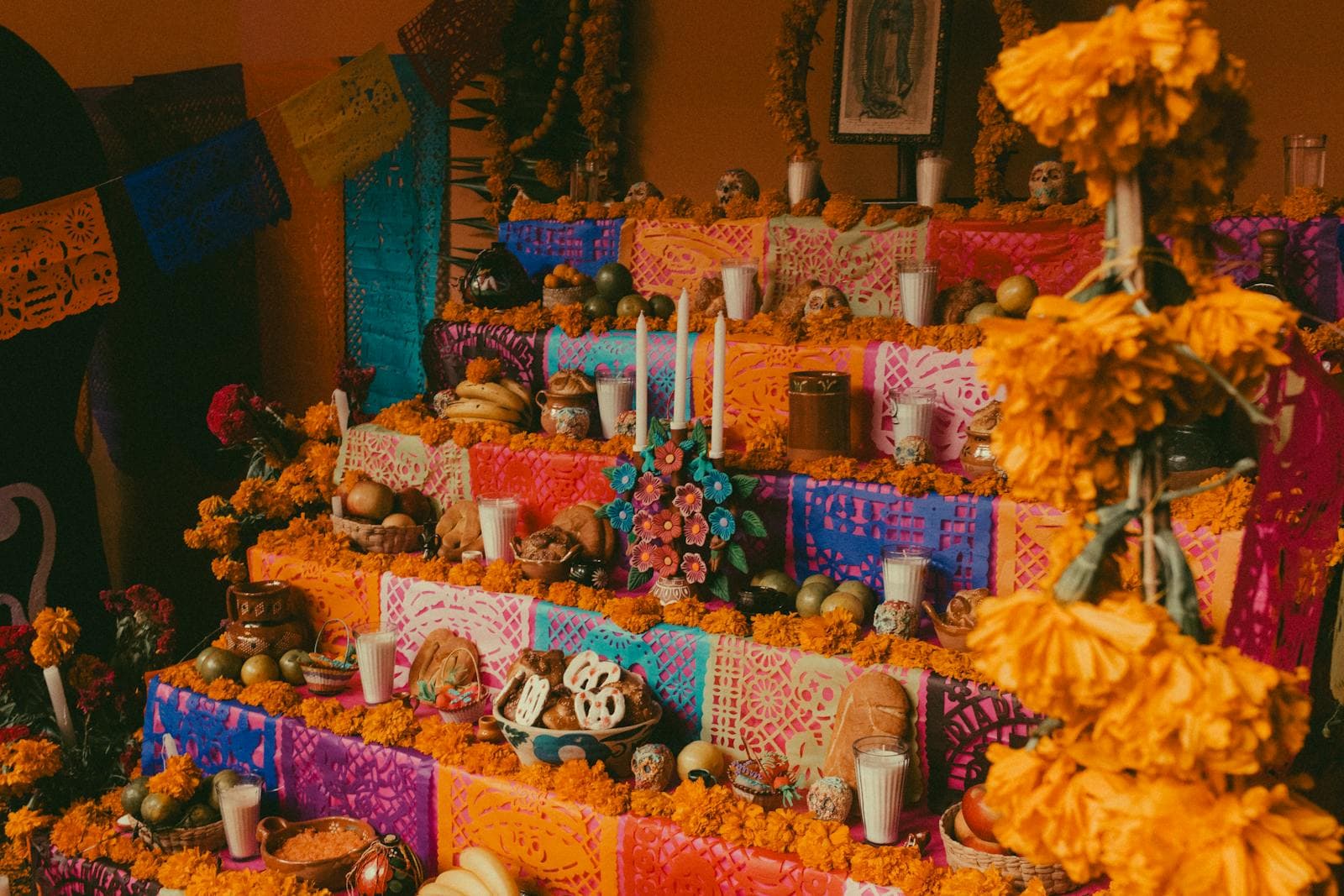
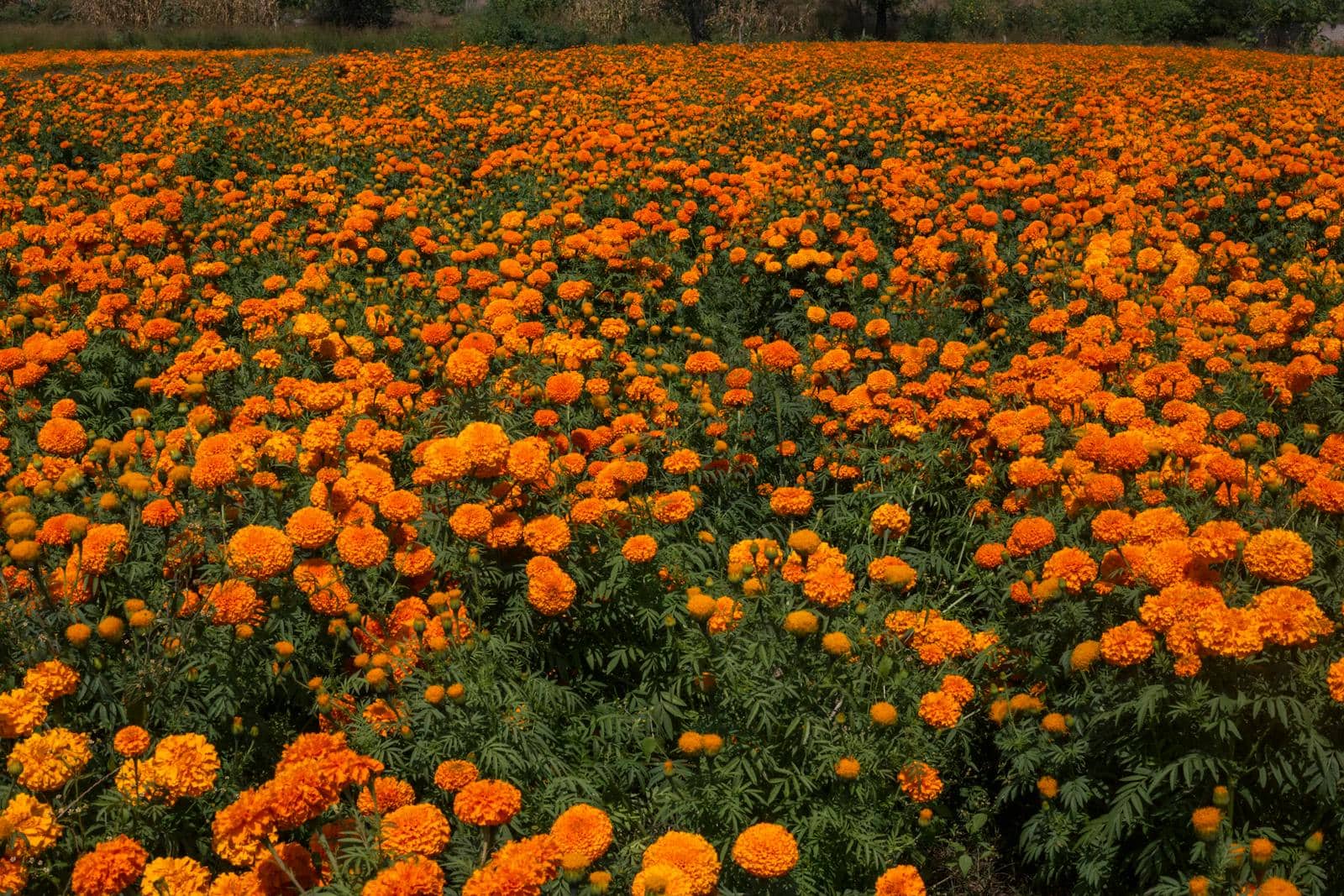
Mexicans believe that for a few days each year the gates between the world of the living and the dead open up, allowing the souls of the departed to return home to their families. That’s exactly why locals build gorgeous altars (ofrendas) both at home and in cemeteries to show their loved ones the way. These altars are often literally buried in orange marigolds (cempasúchil), whose strong scent is said to draw the souls back to the family hearth.
💡 Tip: On the altars you’ll always see photos of the departed, candles, their favorite food and drinks, and if children are being remembered, even toys. It’s an incredibly moving sight that tugs at your heartstrings.
The holiday is so unique that UNESCO added it to the list of the Intangible Cultural Heritage of Humanity in 2008. During the celebrations you’ll come across the ever-present sugar skulls (calaveras) and figures of elegant skeletons known as Catrinas. These elegantly dressed skeletal ladies originally emerged as a satirical caricature of Mexico’s upper class in the early 20th century, but today they’re an absolute symbol of the whole holiday.
When exactly the holiday takes place
Planning a trip to Mexico requires precise timing, because although the holiday is called the “day” of the dead, it’s actually a multi-day affair. The official days are the first two days of November, but if you arrive at the last minute, you’ll miss out on a lot of the preparations and joyful anticipation in the streets.
The holiday itself is divided into two main parts. The first of November (Día de los Inocentes or Día de los Angelitos) is traditionally dedicated to remembering departed children. According to tradition, it’s the children’s souls that arrive first. The second of November (Día de los Difuntos) then belongs to adult souls and is the main day, when families gather in cemeteries to eat, drink, sing and share stories well into the early hours.
💡 Tip: Try to arrive in Mexico ideally around 27 or 28 October. You’ll see how the cities transform, how vendors start selling tons of flowers and how the first altars go up in the streets. On top of that, the first street parades already begin around these days.
Where to experience the Day of the Dead in Mexico for yourself
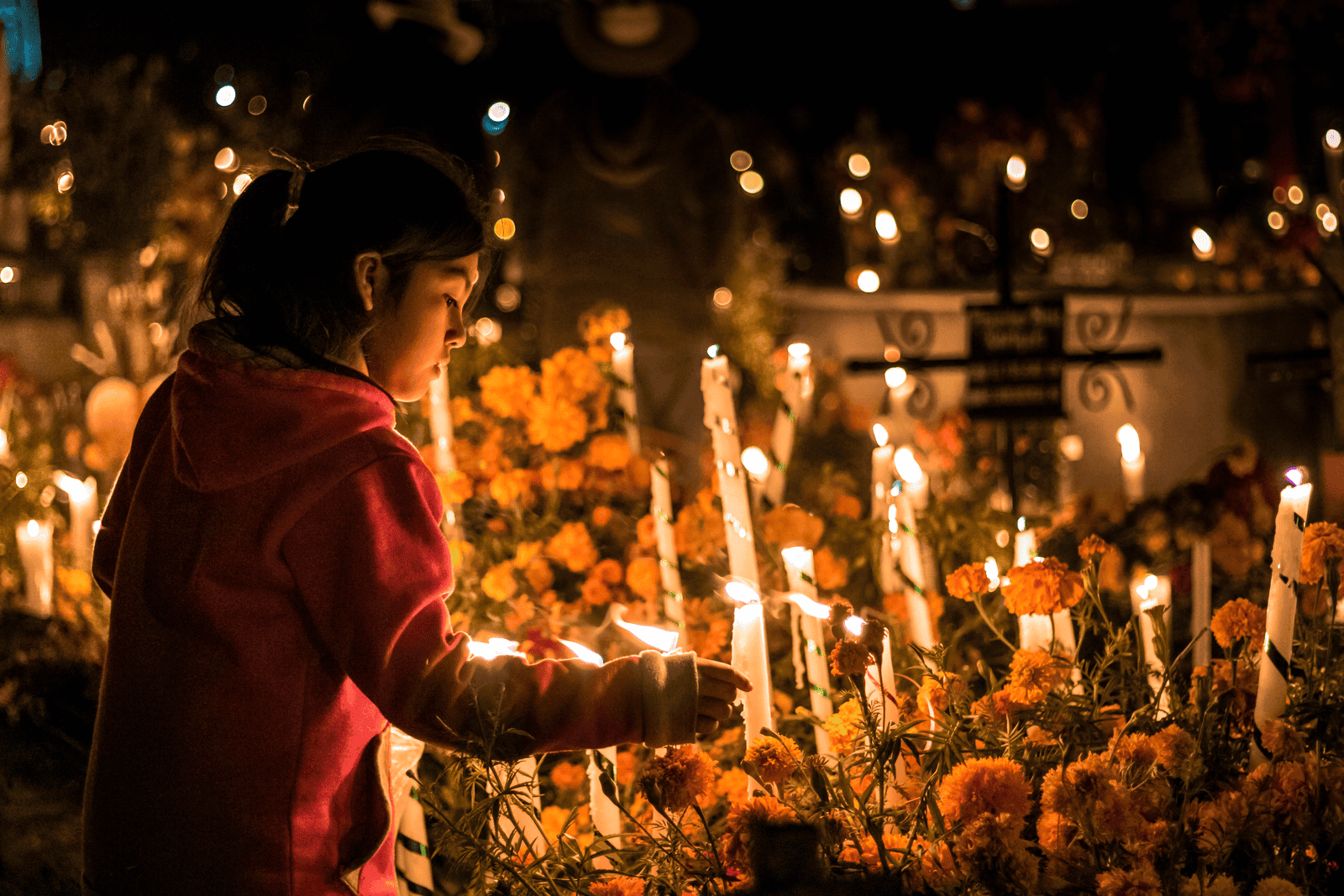
Mexico is an enormous country and the traditions change literally from state to state. In some places it’s celebrated intimately within the family circle, while elsewhere entire cities transform into one big festival. Let’s take a look at the places that offer travelers the most beautiful experiences.
Oaxaca: The most intense and colorful experience
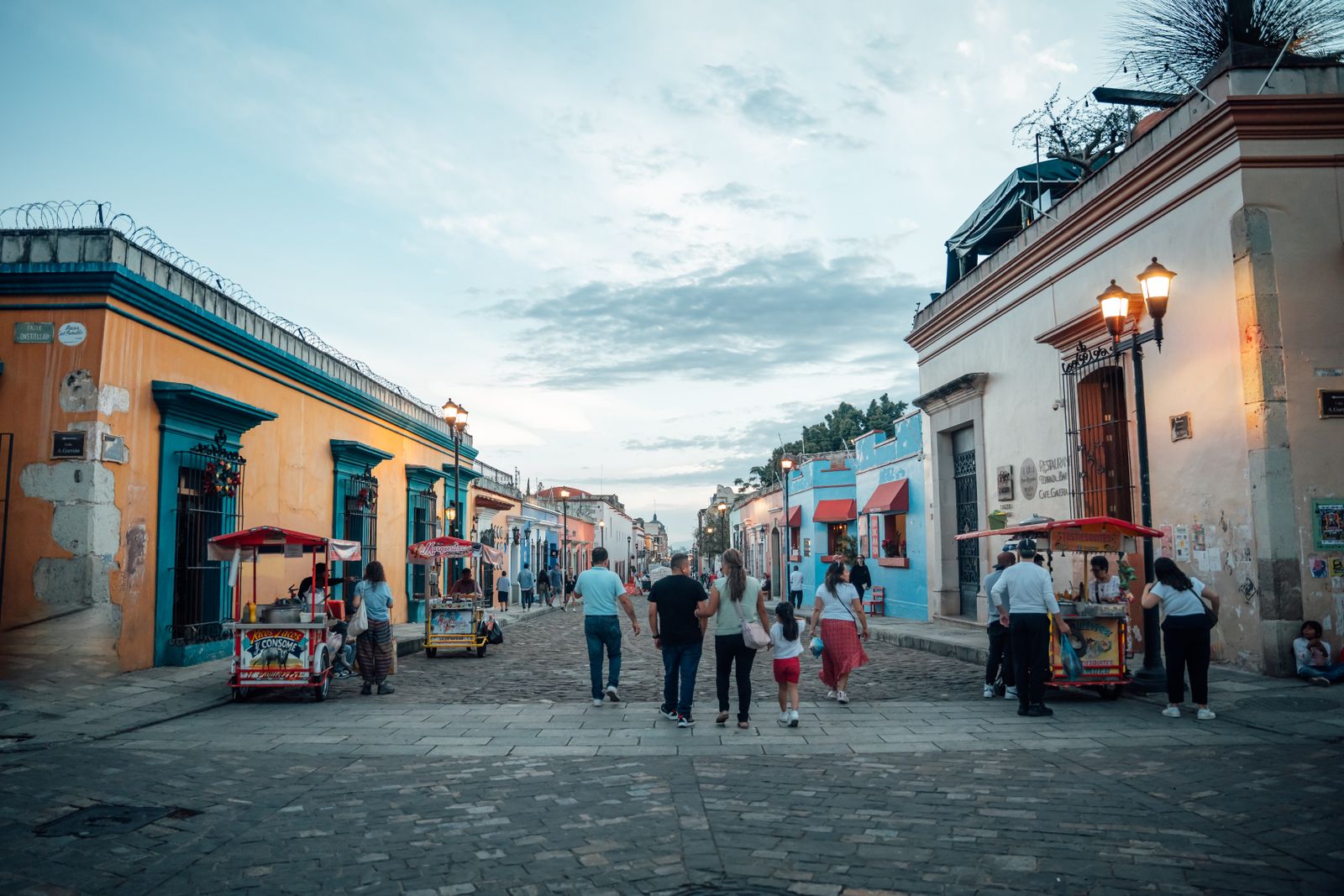
If you’re after the most authentic and lively atmosphere, Oaxaca is the clear winner. This beautiful colonial city in southern Mexico is famous for its deep indigenous roots, and the celebrations here reach truly epic proportions. The streets are full of music, color and the scent of an incense called copal.
The main draw here are the so-called comparsas — wild street parades full of people in costumes, live bands and dancing that snake through the entire city. Traveler Natasha N wrote on the Tripadvisor forum after her return that she absolutely fell in love with Oaxaca for the Day of the Dead and that it was the ideal place for solo travel, because there was always something happening and the atmosphere was fascinatingly alive.
💡 Tip: The experience of many travelers shows that the villages around Oaxaca celebrate on different days. As the blog No Maps or Foot Tracks points out, the village of Santa María Atzompa comes alive as early as 31 October, Etla on 1 November and Teotitlán del Valle on 2 November. So you can experience several different cemetery celebrations in a single trip.
Mexico City: A spectacular parade straight out of a Bond film
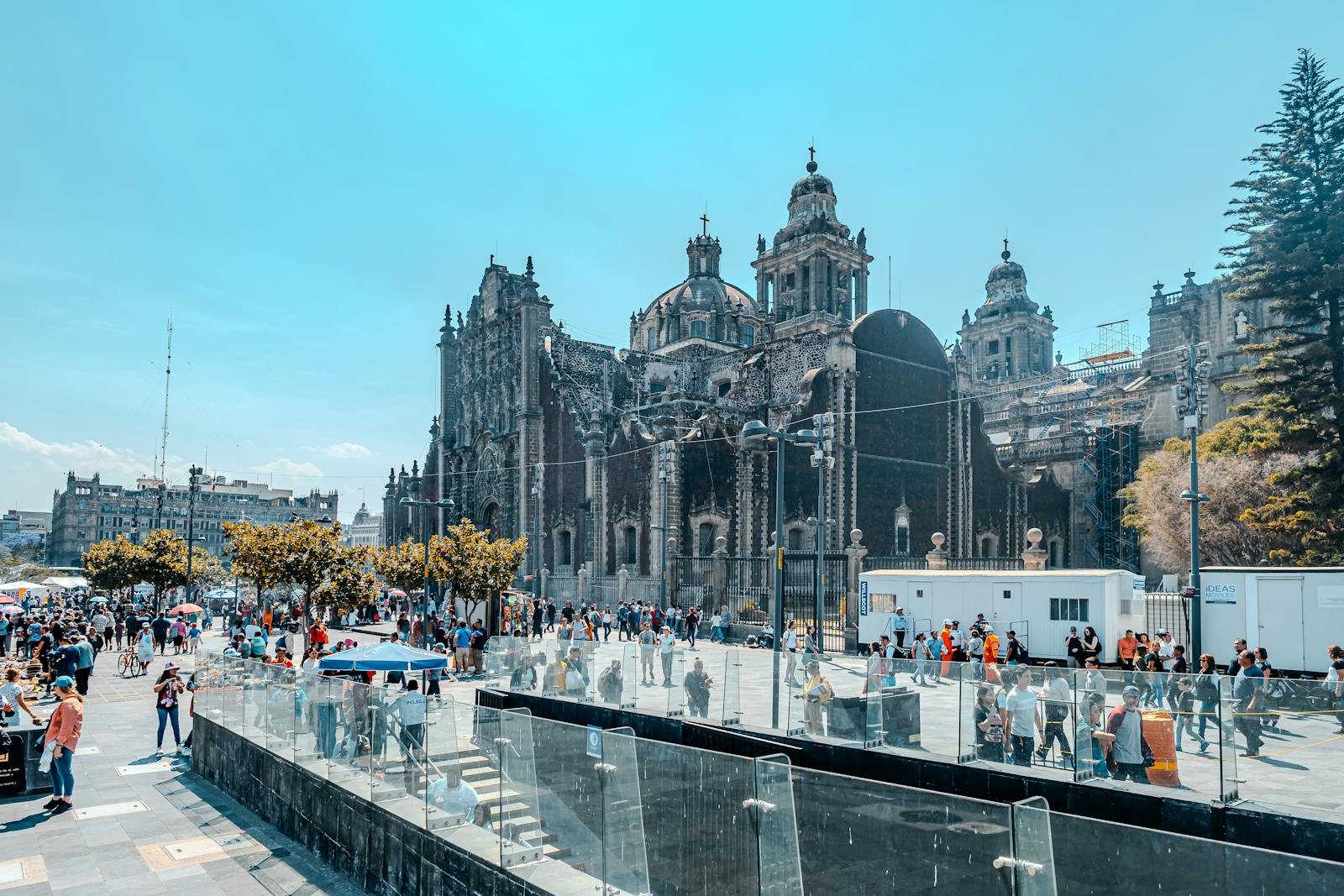
The capital offers a completely different style of celebration. Mexico City is a cosmopolitan metropolis that has embraced the Day of the Dead on a truly grand scale, including monumental altars on the main square, the Zócalo. But did you know that the famous giant parade, which now draws millions of people, is actually a complete novelty?
As the authors of the blog Inside the Upgrade report, this parade (Desfile de Día de Muertos) was held for the very first time only in 2016. The Mexican government was inspired by the fictional parade in the opening scene of the 2015 Bond film Spectre and decided to bring it to life. Even though it’s a modern affair, it’s a fantastic spectacle full of giant floats and incredibly elaborate costumes.
Pátzcuaro and Janitzio: A traditional night on the lake from the movie Coco
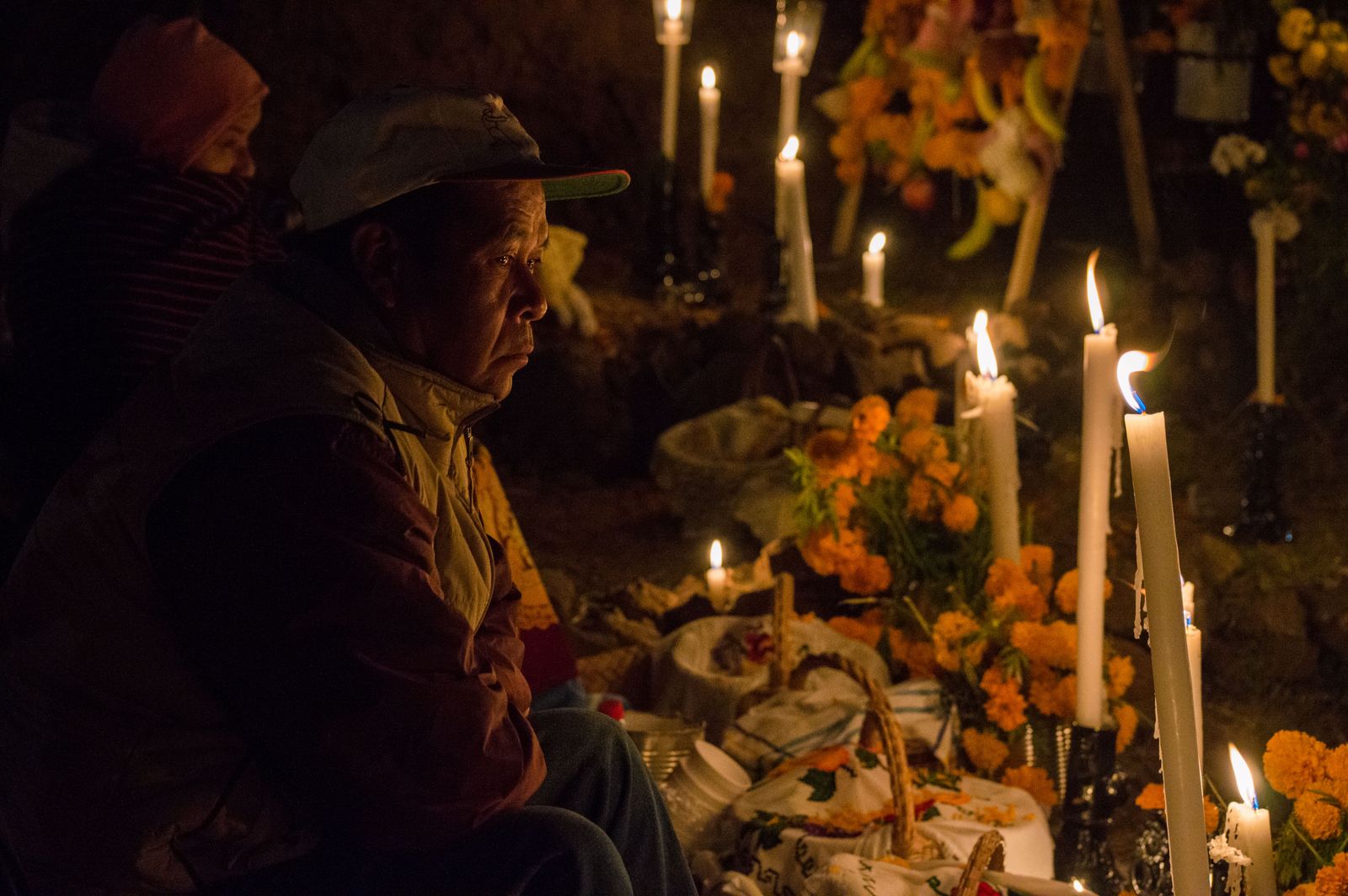
The Lake Pátzcuaro region in the state of Michoacán is the historic heart of the deepest traditions. On the night of 2 November, the local indigenous Purépecha people row out in small boats lit by candles to the island of Janitzio, where they spend the night in the cemetery. Visually, it’s exactly the scene you might recognize from the animated film Coco.
But there’s one big catch. It’s precisely thanks to Coco that such crowds of tourists started pouring in that the area now suffers from extreme overtourism. Commenters on Tripadvisor do admit it’s the more authentic choice thanks to the tradition of the night of the dead by the lake, but they warn about the crowds. If you’re traveling solo, they recommend Oaxaca instead for its better transport and infrastructure, because in Pátzcuaro it’s easy to get stuck somewhere because of traffic jams.
Mixquic: An authentic atmosphere a short drive from the capital
If you’re based in Mexico City but the giant Bond-style parade feels too commercial for you, head to the town of San Andrés Mixquic. It sits on the edge of the metropolis and has kept a very traditional village feel. After dark the local cemetery lights up with thousands of candles, and people sing and remember their loved ones in a far more intimate atmosphere than in the center of the capital.
What you’ll see and experience on the Day of the Dead
We’ve already touched on the altars and parades, but Día de Muertos offers many more layers. The most beautiful and moving experience is without doubt a nighttime visit to the cemeteries (for example the well-known Xoxocotlán cemetery near Oaxaca). After dark, the cemeteries literally glow with golden light, the flowers are fragrant and people sit by the graves on picnic blankets.
This is no quiet, gloomy wake like the ones we’re used to in Europe. Mexicans bring food to the cemetery, a bottle of something stronger, play guitars and swap funny stories about the departed. It’s a celebration of life that brings tears to your eyes in the most beautiful way possible. According to the experiences of many travelers, it’s fascinating to watch how the altars blend pre-Christian indigenous symbols with traditional Catholic elements, such as images of the Virgin Mary.
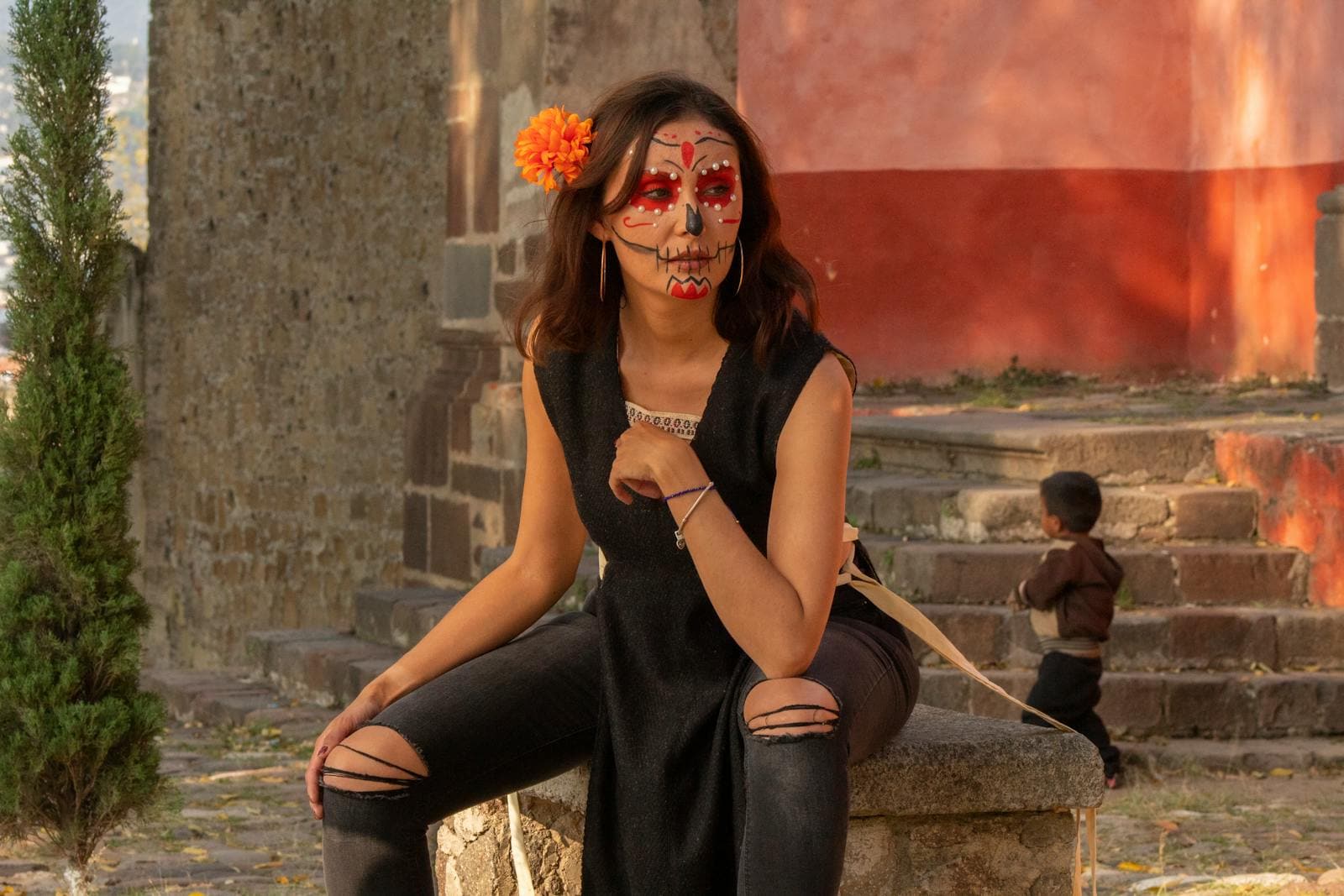
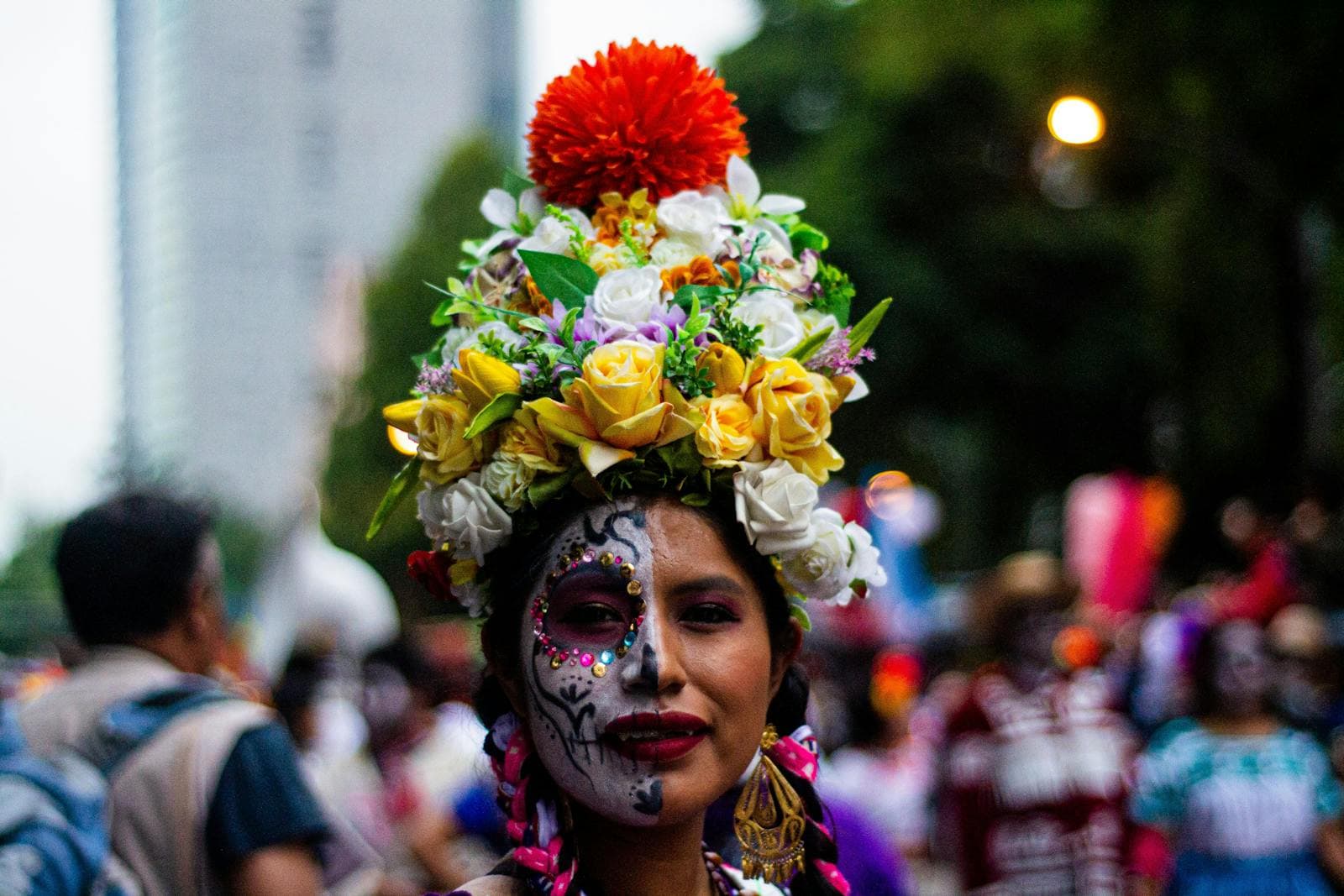
Also very popular is getting your face painted as a Catrina or a skeleton. On almost every corner you’ll find skilled makeup artists who, for a few hundred pesos, will create a beautiful work of art on your face in twenty minutes, decorated with glitter and rhinestones. It’s a great way to join in the celebrations and show respect for the local culture.
How to behave with respect: etiquette in cemeteries and beyond
Although the Day of the Dead in Mexico is cheerful and colorful, it’s still a deeply spiritual and sacred time when families remember their dead. Unfortunately, with growing tourism there are sometimes situations where foreigners act as if they’ve arrived at a music festival full of alcohol. So let’s go over a few basic rules to help you be the best possible guest.
First, cemeteries are not a backdrop for Instagram photos. As the author of the blog Travel Mexico Solo aptly advises, always ask permission before photographing anyone, whether it’s families by the graves or beautifully decorated altars. On top of that, check that the flash on your phone or camera is really turned off so it doesn’t accidentally flare into the darkness in the middle of quiet reflection.
💡 Tip: Be very careful about where you step. Mexican cemeteries tend to be very cramped and the graves often aren’t clearly marked. Never step across headstones and don’t use them as benches to rest on.
Second, skip the American Halloween costumes. Sexy nurses, superheroes or bloody zombies simply don’t belong here, and locals may see them as a great disrespect. You’ll do far better to buy a traditional embroidered shirt or dress at a local market, have your face painted by local artists and blend right into the crowd.
Practical logistics: book your accommodation up to six months ahead!
This is probably the most important piece of advice in the whole article. From a tourism perspective, the Day of the Dead is the absolute peak of the season, and if you leave your arrangements to the last minute, you’ll either have nowhere to stay or you’ll pay utterly astronomical prices.
According to a firsthand guide from the blog Travel Mexico Solo, it pays to book accommodation in Oaxaca for the Day of the Dead well in advance, because the hotels in the center all eventually sell out completely. The author stresses that this really isn’t scaremongering, but the annual reality. On top of that, accommodation prices in this period commonly rise to double or triple the usual rate.
Where to stay in Oaxaca during the celebrations
The best option is to find a hotel right in the historic center (Centro Histórico) or in the neighborhoods of Jalatlaco and Xochimilco. That way you’ll have everything interesting within walking distance and avoid hunting for taxis, which tend to be hopelessly full.
Oaxaca is easy to explore on foot, so it’s worth staying as close to the Zócalo square as possible — you can head out to the market in the morning and up to a rooftop terrace for mezcal in the evening, without a single taxi. The center is full of colonial houses converted into gorgeous boutiques.
💑 For couples: Casa Antonieta is a nine-room boutique in a building from 1529 just steps from the Zócalo, with a rooftop terrace and wine at dusk — romance itself (around €280 per night).
👨👩👧 For peace and families: Hotel Casa Conzatti has a green patio garden, its own restaurant and is quiet, yet within walking distance of all the sights (from around €95 per night).
💰 Best value for money: Hotel Trébol is a cozy three-star hotel two minutes from the Zócalo, with a colonial patio and breakfast included that guests rave about (from around €60 per night).
✨ For the experience: Quinta Real Oaxaca is housed in the former Convent of St. Catherine from 1576 in the heart of the center, and it’s an icon of the city with blooming cloisters and a pool (from around €245 per night).
Booking tip: for all these hotels, choose a rate with free cancellation — plans change and you don’t want to pay for somewhere you never actually reach. And don’t leave it to the last minute: the top-rated addresses sell out in high season as much as several months ahead, and prices then jump by tens of percent.
- Luxury experience: Quinta Real Oaxaca — A stunning hotel in a former 16th-century convent with a perfect location right in the center. In their reviews, travelers rave about the absolutely magical atmosphere and amazing breakfasts.
- Middle of the road: City Centro by Marriott Oaxaca — The famous “pink hotel” in the Jalatlaco neighborhood (which, by the way, is the most decorated of all for the Day of the Dead). Great rooftop pool and modern amenities.
- Boutique romance: Casa de Siete Balcones — A small, family-run and unbelievably charming hotel that guests say has one of the best locations in the city and fantastic, friendly staff.
- Beautiful and affordable: Hostal Central — If you’re after cheaper but still beautiful and clean accommodation, this hostel offers great private rooms and excellent traditional breakfasts for free.
Transport and getting around
The best way to travel around Mexico is by comfortable long-distance buses run by companies like ADO or Primera Plus. Tickets range roughly between 500 and 800 MXN (about €25–40) depending on the distance. If you’re planning to continue from Oaxaca to the ocean coast (for example to the popular Puerto Escondido), we have great news. A new highway recently opened that cut the crazy seven-hour journey through the mountains down to a very pleasant 2.5 hours.
💡 Tip: If you want to rent a car, be extra careful and avoid driving at night. Tolls on the paid highways (cuotas) are usually paid in cash and cost roughly 50 to 300 MXN (€2.50–15) per stretch.
What to taste during the holiday (a vegetarian paradise)
Mexican cuisine is renowned all over the world, but during the Day of the Dead it takes on a whole new dimension. Although it’s full of meat specialties, as a vegetarian you’ll be over the moon here, because the greatest festive delicacies are entirely meat-free.
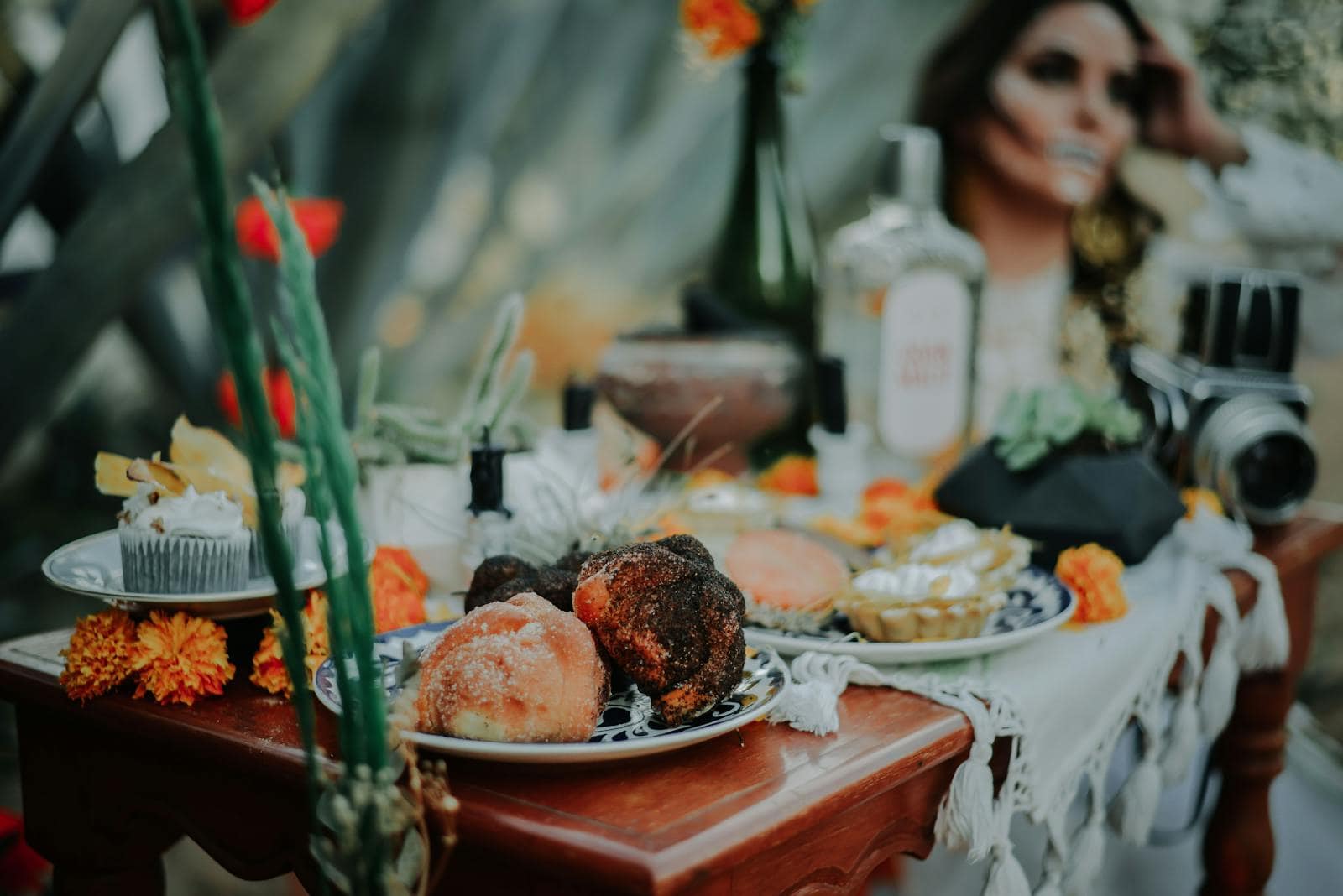
The absolute king is the so-called *pan de muerto* (bread of the dead). It’s a sweet, fluffy loaf with a light hint of orange blossom or anise, topped with pieces of dough resembling bones and dusted with sugar. During the holiday you’ll see it absolutely everywhere, and trust me, once you taste it, you’ll become a little addicted. 😅
Traditionally this sweet bread is dipped into hot chocolate. Oaxacan hot chocolate is absolutely exceptional — it’s made from freshly roasted cacao beans, almonds, cinnamon and sugar, and you can choose whether to have it mixed with water (the more traditional option) or milk. It’s a soothing treat, especially during the chillier evenings in the cemetery.
If you fancy something savory, definitely try Mexican tamales filled with cheese and jalapeño peppers (tamales de queso con rajas) or the legendary Oaxacan mole. The city is known for its seven kinds of mole, the most famous being the dark *mole negro*, which contains dozens of ingredients including chocolate and chili. In restaurants you can commonly get it in a vegetarian version served with rice or as a sauce for enchiladas.
And we mustn’t forget mezcal! Oaxaca is the world capital of this smoky agave spirit. Locals stick to the rule “Besos, no tragos”, which means mezcal isn’t downed as a shot but sipped in small mouthfuls, like kisses.
Where to go next
If you have time left over and want to explore more of Mexico’s beauty, I recommend digging into our other guides. A trip for the Day of the Dead pairs wonderfully with a visit to a pulsing metropolis where you certainly won’t be bored. Read our tips on everything Mexico City has to offer, or dive deeper into the secrets of a gastronomic and cultural gem in our article about Oaxaca.
- What to see in Mexico: the complete guide
- You’ll find nighttime tours and tickets to Día de Muertos celebrations on GetYourGuide.
Frequently asked questions
Is the Day of the Dead in Mexico safe for tourists?
Yes, the celebrations in major tourist areas like Oaxaca or Mexico City are very safe, with a friendly, almost festival-like atmosphere. Just be mindful of your belongings in large crowds and avoid deserted alleyways late at night.
How much does it cost to get your face painted as a Catrina?
In the streets of Oaxaca and Mexico City you’ll find dozens of face painters right on the pavement. The price typically ranges between 150 and 300 MXN (approx. €7–15) depending on the complexity of the design, and painting takes around 15 to 30 minutes.
When exactly should I go to see the best parades?
The biggest commercial parade in Mexico City often takes place the weekend before the actual holiday (always check the specific date for the year you’re visiting). In Oaxaca, the street processions (comparsas) are most intense on the evening of November 1st.
Can I visit cemeteries during the day?
Absolutely. Visiting cemeteries in daylight has a completely different, more peaceful atmosphere and allows you to better admire the details of the elaborate floral altars. However, the true magic with candlelight comes after sunset.
Is it appropriate to bring a gift to the cemetery?
Visitors aren’t expected to bring gifts, but locals very much appreciate when you show respect for their culture. You could, for example, buy a bouquet of orange marigolds at the entrance and place it on an unattended grave, which is a very nice gesture.
Isn’t it inappropriate to participate in the holiday if no one close to me has died?
Not at all. Día de Muertos is a remembrance of the deceased, but at its core it’s a grand celebration of life itself. Mexicans are very welcoming and happy to share their traditions with respectful visitors from around the world.
Can you pay for things by card in Mexico without problems?
In better hotels and restaurants, yes, but during street celebrations you’ll definitely need cash. For face painting, street food, bread of the dead at markets or small souvenirs, you certainly won’t be able to pay by card, so always have plenty of smaller bills in Mexican pesos on hand.
Tips and Tricks for Your Vacation
Don’t Overpay for Flights
Search for flights on Kayak. It’s our favorite search engine because it scans the websites of all airlines and always finds the cheapest connection.
Book Your Accommodation Smartly
The best experiences we’ve had when looking for accommodation (from Alaska to Morocco) are with Booking.com, where hotels, apartments, and entire houses are usually the cheapest and most widely available.
 🚗 Car rental on the roadVerified rental cars in Mexico
Search with the DiscoverCars comparison engine — it compares prices from dozens of local and international rental companies, and most bookings come with free cancellation.
Compare car prices in Mexico →Don’t Forget Travel Insurance
Good travel insurance will protect you against illness, accidents, theft, or flight cancellations. We’ve had a few hospital visits abroad, so we know how important it is to have proper insurance arranged.
Where we insure ourselves: SafetyWing (simple monthly subscription) and TrueTraveller (for extra-long trips).
Find the Best Experiences
Get Your Guide is a huge online marketplace where you can book guided walks, trips, skip-the-line tickets, tours, and much more. We always find some extra fun there!