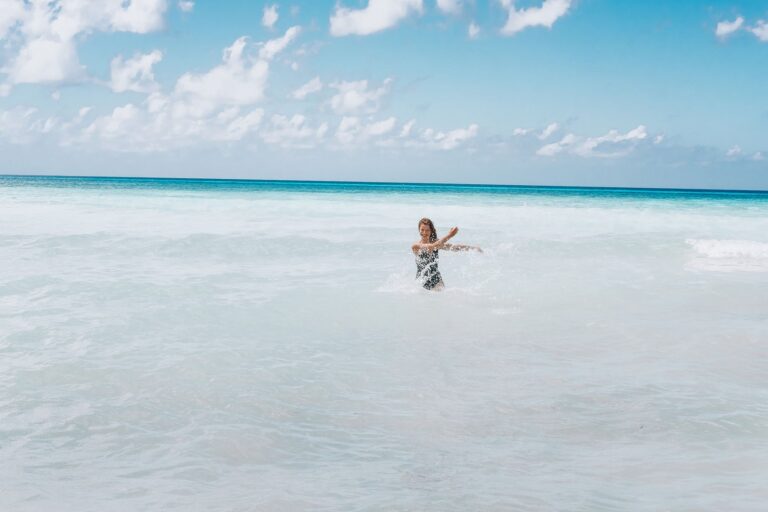
Know that feeling when you’re craving the perfect Caribbean paradise with powder-white sand and turquoise water, but you really can’t face battling the crowds in Cancún or dealing with the gridlocked roads in Tulum? Then the Mexican island of Cozumel in Mexico might just be the right call for you. While the mainland Riviera Maya is bursting at the seams, this island still holds onto a far more laid-back and friendly atmosphere that pulls you in straight away.
Most people come here on a day trip by boat, but trust me, that’s a real shame. Cozumel is genuinely world-class when it comes to snorkelling and diving, and its remote, untamed beaches on the east coast will quite literally take your breath away. And the best part of it all? When the mainland is plagued by floating seaweed, the west coast of this island stays beautifully clean.
In this guide you’ll find 12 tips on what to see and do on the island of Cozumel. We’ll go through the best spots for diving and swimming, I’ll help you sort out your accommodation, and I’ll add up-to-date prices for 2025 and 2026 so nothing catches you off guard once you’re there.
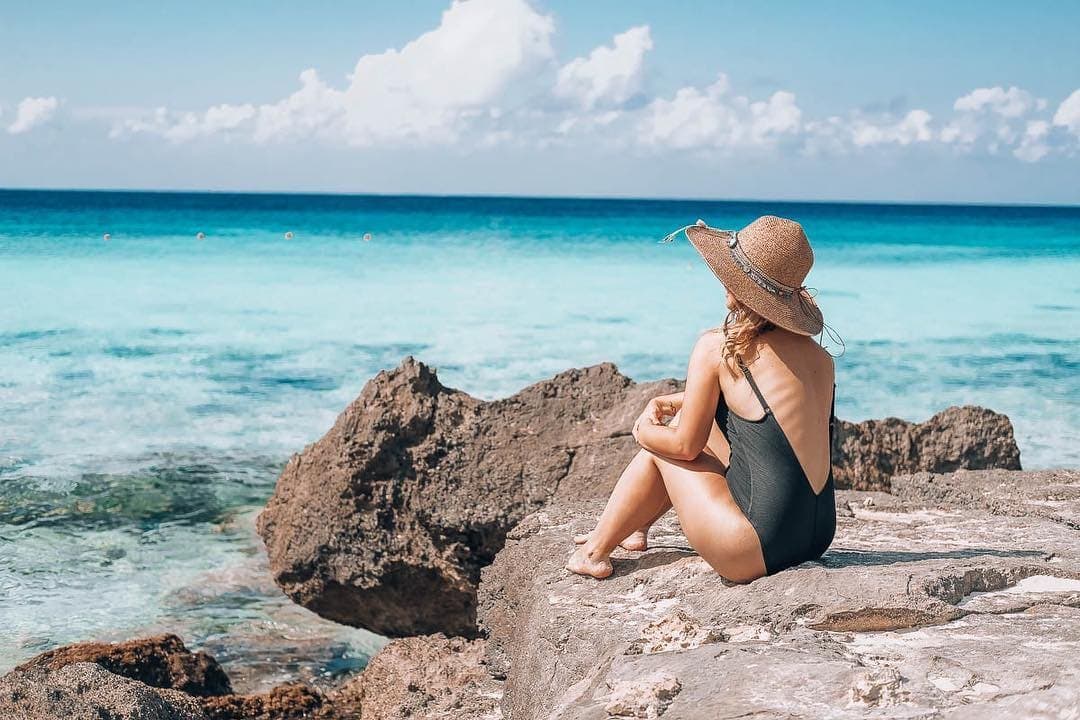
TL;DR
- When to go: The best weather runs from late November to April. Summer is brutally hot, and autumn brings the risk of hurricanes.
- Sargassum (seaweed): The western side of the island (where the hotels and swimming beaches are) is sheltered from the seaweed and stays clean even when the mainland is buried under it.
- Diving and snorkelling: Palancar and Columbia are world-famous reefs. As of 2025, there’s an increased marine park fee of 218 pesos (about €11) per day.
- Getting to the island: By ferry from Playa del Carmen — the crossing takes 30 to 45 minutes and runs every hour.
- Getting around: The ideal option is to hire a jeep or scooter for the day and drive around the wild eastern side of the island, which is absolutely stunning and has no phone signal.
- Money: The currency is the Mexican peso (MXN), but US dollars (USD) are accepted everywhere, although the exchange rate is often poor.
The full destination guide: Mexico — guide and what to see
When to visit Cozumel and what’s the deal with the seaweed
If you’re planning a Caribbean holiday, timing is absolutely crucial, because the weather can be pretty unpredictable. The ideal time to visit Cozumel is from late November to April, when it’s pleasantly warm, dry, and the humidity is bearable. May to October brings much more intense heat and the rainy season, with the biggest hurricane risk from August to October. We covered this topic in more detail in our article on when to go to Mexico.
💡 Tip: Cozumel has one huge advantage over the mainland Riviera Maya, and that’s sargassum (brown seaweed). Travellers and locals agree that sargassum barely affects the average tourist on Cozumel, because while the windward eastern side does get the seaweed in season, it’s undeveloped with no swimming infrastructure, whereas the western side with its beach clubs and reefs stays protected and clean even during the worst sargassum seasons on the mainland source.
Where to stay (and how much it costs)
Cozumel offers accommodation for every budget, but it’s important to think ahead about what kind of holiday you’re actually after. Most of the action happens on the west coast, because the eastern side is wild, windy and full of strong currents, so you won’t find any big resorts there.
The west coast splits into two main areas. The first is the town of San Miguel de Cozumel itself, which is ideal if you want everything close by, fancy local restaurants and cheaper accommodation, and don’t mind having to hop over to the beach. The second option is the southern and northern hotel zones, where you’ll find more upmarket beachfront resorts, often with their own snorkelling reef, but you’ll need to grab a taxi to get into town for food.
Cozumel is first and foremost a diving and snorkelling paradise, so decide whether you’d rather be in San Miguel (life, ferry, restaurants) or right by the sea above a reef. Both have their charm — and very different price tags.
💑 For couples: Encantada Resort is an adults-only boutique resort with a private beach and personal service just a few minutes south of San Miguel — peace and quiet made for two (from ~€115 per night).
👨👩👧 For families: Occidental Cozumel – All Inclusive is a sprawling beachfront all-inclusive resort with four pools, a kids’ programme and snorkelling straight off the beach (from ~€170 per night, all-in).
💰 Best value for money: Hotel Villas Las Anclas offers spacious apartments with a kitchenette and a garden pool just a few blocks from the main square and the ferry — the top pick among the island’s guesthouses (from ~€70 per night).
✨ For divers: Coral Princess Hotel & Dive Resort has its own pier and a reef right in front of the hotel, and it repeatedly wins reader polls in diving magazines (from ~€130 per night).
Booking tip: with all of these hotels, choose a rate with free cancellation — plans change and you don’t want to pay for somewhere you never end up reaching. And don’t leave it to the last minute: the top-rated places sell out months in advance in peak season, and prices then jump by tens of percent.
Specific accommodation picks on Cozumel:
- Cheaper stays in town: If you’re after something cosy with an authentic vibe right in San Miguel, check out Casa Mexicana Cozumel. They do a great breakfast and you’re just a few steps from the main square and the harbour. Another fantastic, affordable option is the boutique Villas El Encanto Cozumel, which has a gorgeous tropical garden with a pool where you can fully unwind after a long day.
- The happy medium by the sea: For those who want a sea view but don’t need a giant all-inclusive resort, Coral Princess Hotel & Dive Resort is absolutely ideal. They have their own dive centre and you can snorkel in crystal-clear water straight off the steps by the hotel. Prices usually run around €100 to €145 per night for two.
- Luxury and total relaxation: If you want to treat yourself to genuine Caribbean luxury, you’ll definitely be wowed by the Presidente InterContinental Cozumel Resort & Spa. It’s among the very best on the island, sitting right on a beautiful private beach with absolutely top-tier service.
💡 Tip: If you know you’ll be spending most of your time underwater, look for accommodation with “Dive Resort” in the name. They often offer good-value packages combining accommodation with dives, which can save you a fair bit of money in the end.
What to see and do in Cozumel: 12 tips
Let’s take a look together at the best this island has to offer. Most of the activities here revolve around the water, and no wonder — the Mesoamerican Reef that fringes the island is the second largest in the world, right after Australia’s. But we’ll throw in a bit of history and some wild nature exploring too.
1. The ferry from Playa del Carmen as the start of the adventure
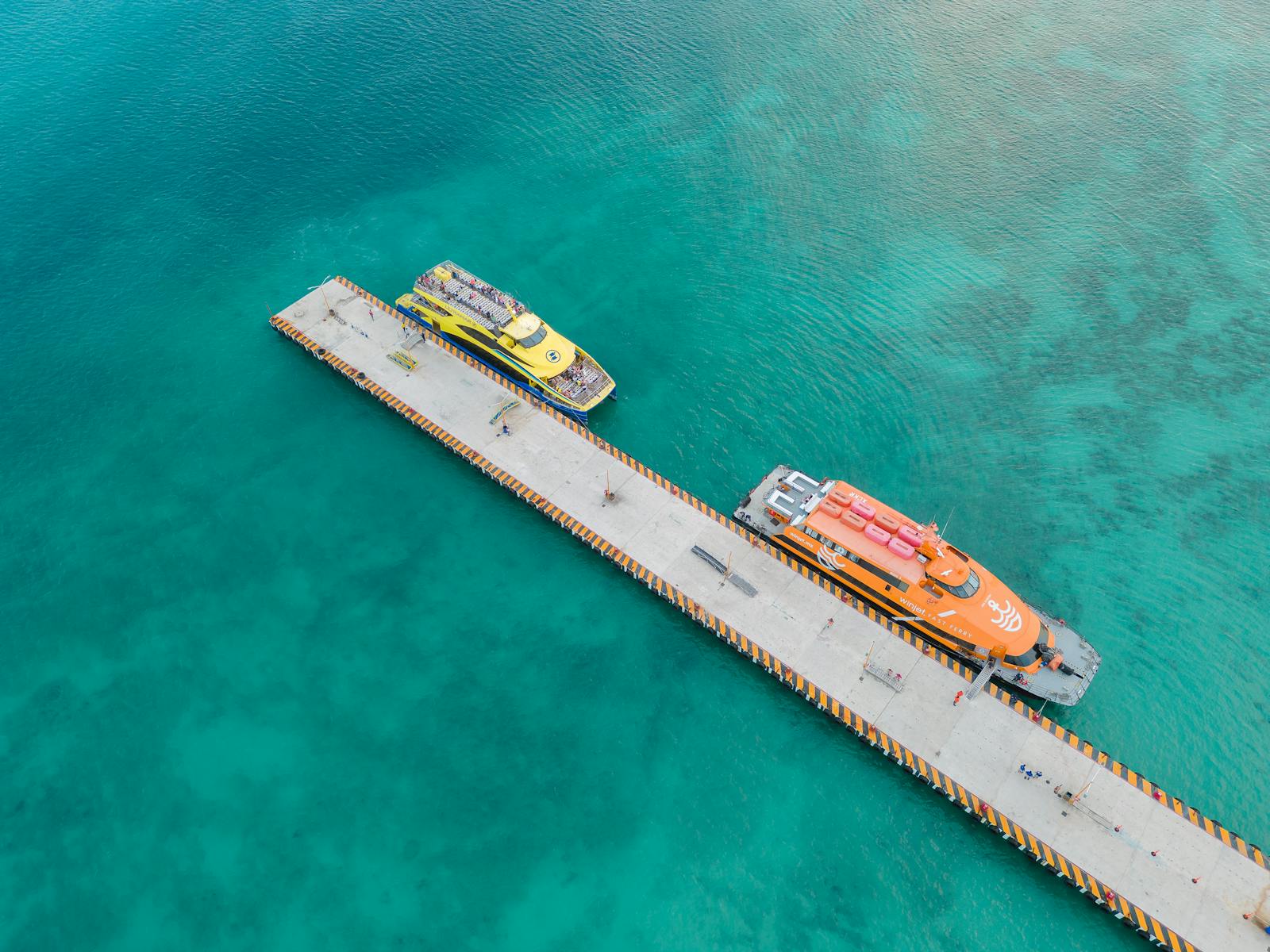
Getting to the island is a little experience in itself, as you’ve got a crossing over incredibly blue water ahead of you. The ferries depart from the port in Playa del Carmen and the whole thing is very straightforward. You can buy tickets online or right at the port kiosks — just be prepared for various tour sellers trying to grab you there.
Travellers confirm that the ferries run reliably every hour, with Ultramar and Winjet handling the crossing in about 45 minutes for a one-way ticket of around 250 pesos (about €13), while the newer Xcaret Xailing boats are a touch faster, taking just 30 minutes for around $16 (roughly €15) source.
2. Diving at Palancar Reef
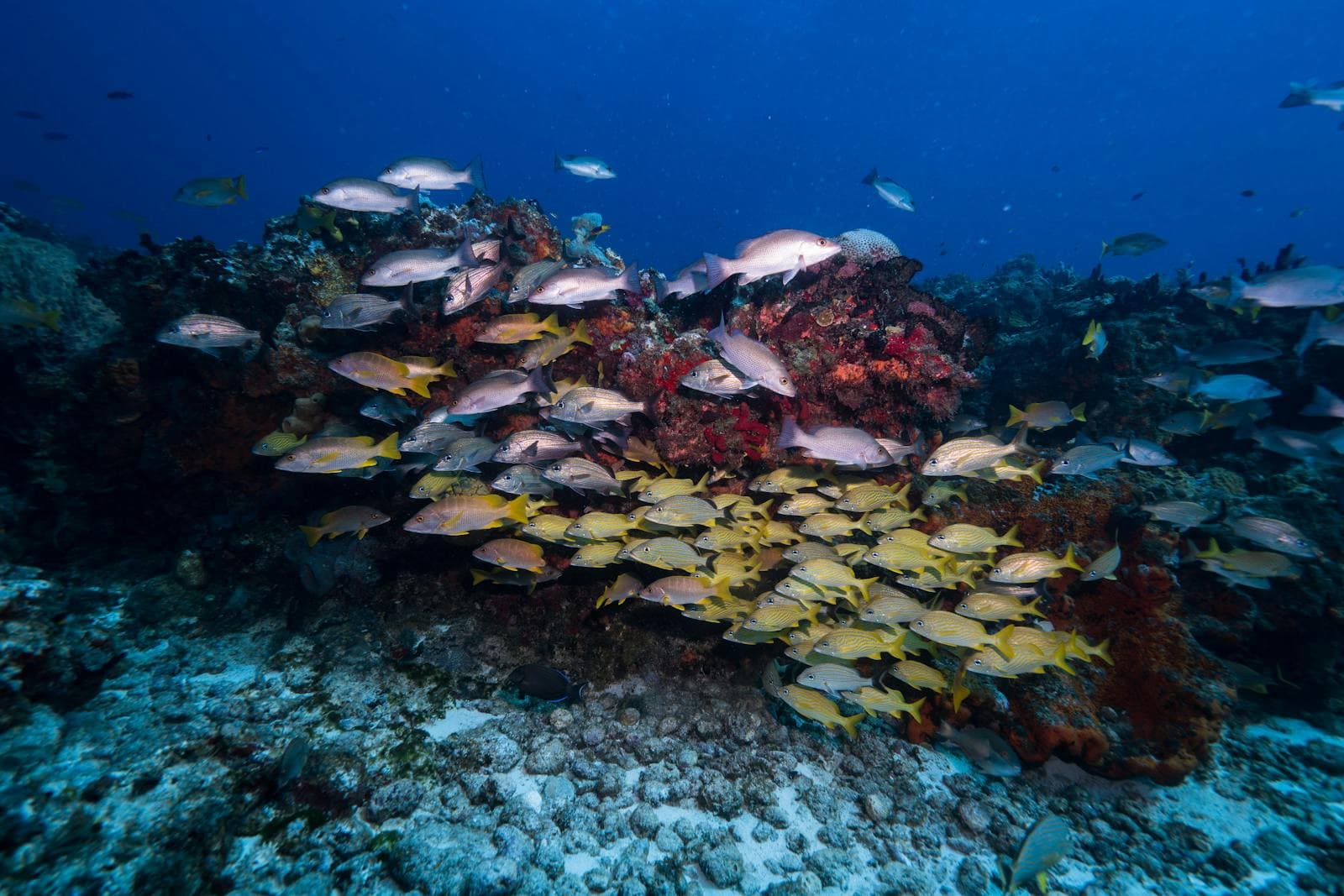
If you’ve got a diving licence, Cozumel is a place where you simply have to put it to use. Palancar Reef is an absolute legend, popularised by the famous Jacques Cousteau himself, offering over five kilometres of breathtaking coral formations, caves and swim-throughs. The water here is so incredibly clear that visibility regularly tops 30 metres.
Prices for a standard “two-tank dive” (two dives from a boat) in 2025 and 2026 range from $75 to $115 (roughly €70 to €105) depending on the dive centre. One traveller who dived with the local Pepe Scuba centre was thrilled when, within the first three minutes underwater, they came across a large ray and a majestic reef shark source.
3. Diving at Columbia Reef
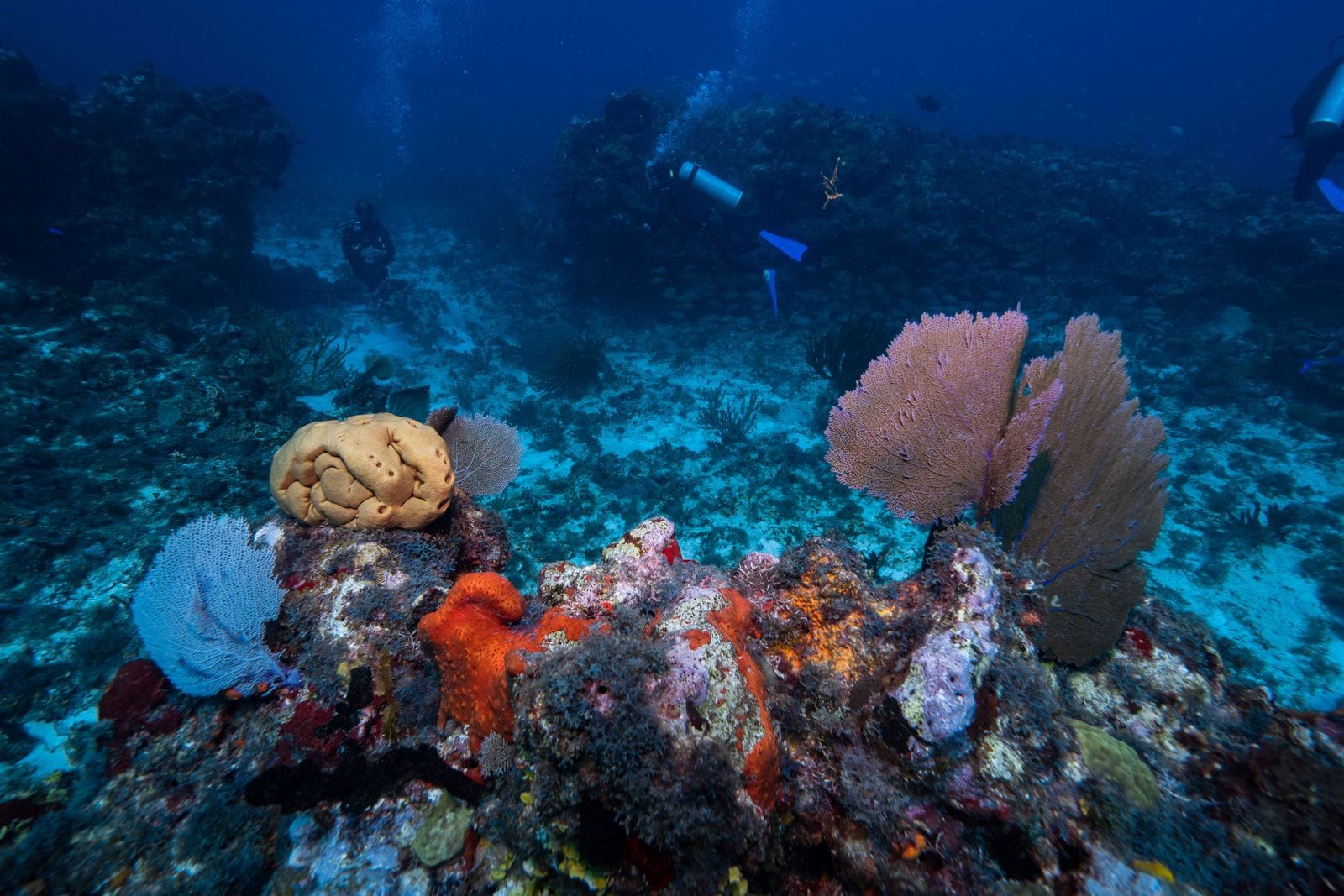
Right next to Palancar lies another diving gem, Columbia Reef. It’s a bit deeper and more demanding, so instructors often bring more experienced divers here. Waiting for you are enormous coral towers rising up from the depths like underwater skyscrapers, and huge sea turtles gliding past them with complete elegance.
Compared to Palancar, there tend to be slightly fewer boats here, so you’ve got a better chance of enjoying the underwater world in relative peace. If you love underwater photography, this spot will completely captivate you with its colours and dramatic topography.
4. The National Marine Park and the new fees
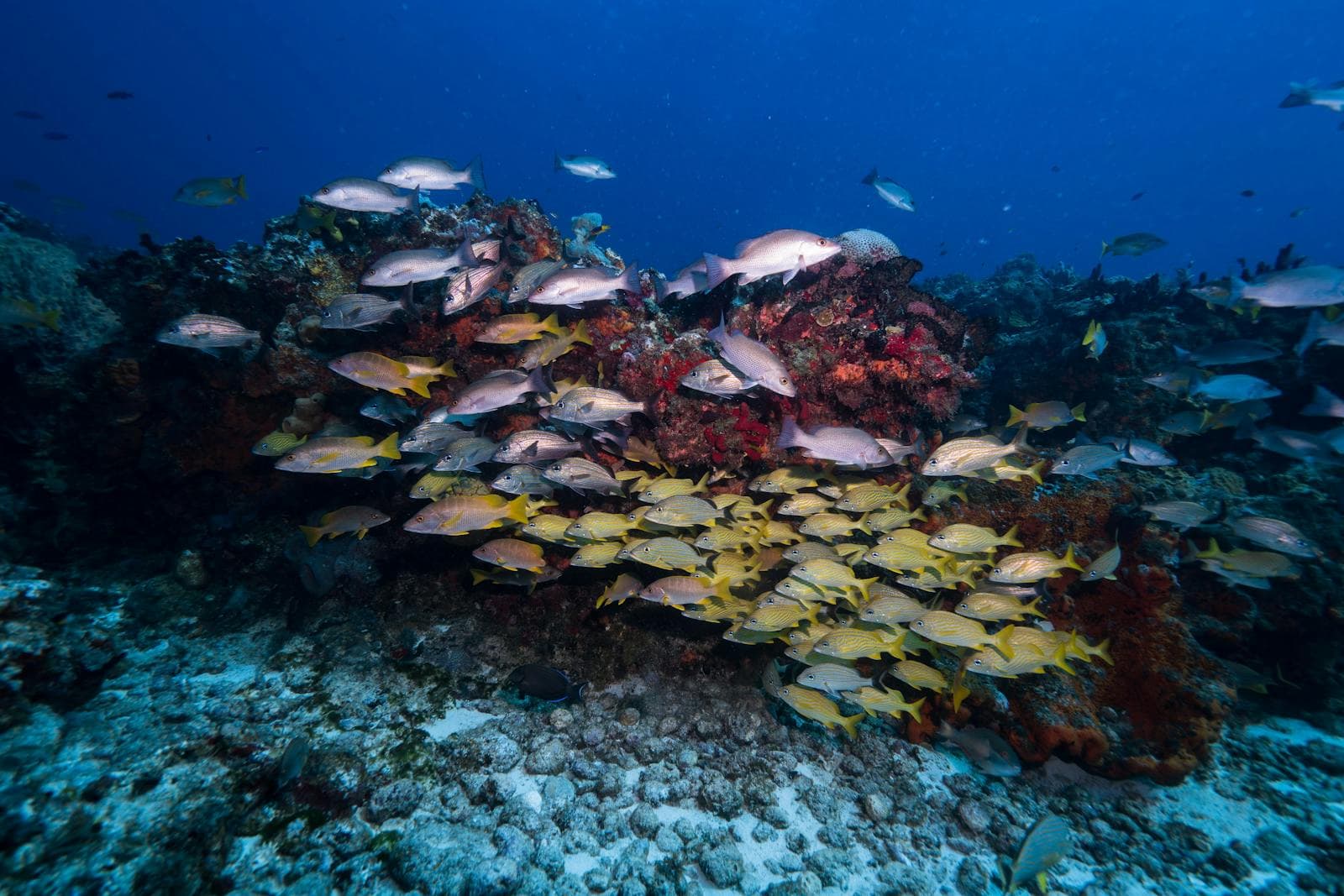
Most of the most beautiful reefs and beaches fall under the protection of the National Marine Park (Parque Nacional Arrecifes de Cozumel), which works to preserve this fragile ecosystem. That also comes with an obligation to pay a daily entrance fee, which is added to the price of diving and snorkelling trips.
Good to know: the National Marine Park entry fee rose to around 218 pesos (about €11) per person per day as of 1 January 2025, the first increase since 2020, with the money going directly towards reef protection source. Be sure to use only biodegradable sunscreen, ideally one explicitly labelled “reef-safe,” as ordinary sunscreens are strictly banned in some areas.
💡 Tip: Far better than any sunscreen is buying a UV-protective top (a so-called rashguard) for snorkelling and diving. It protects you from burning much more reliably and, on top of that, you have a cast-iron guarantee that you’re not harming the coral.
5. Snorkelling straight from the shore
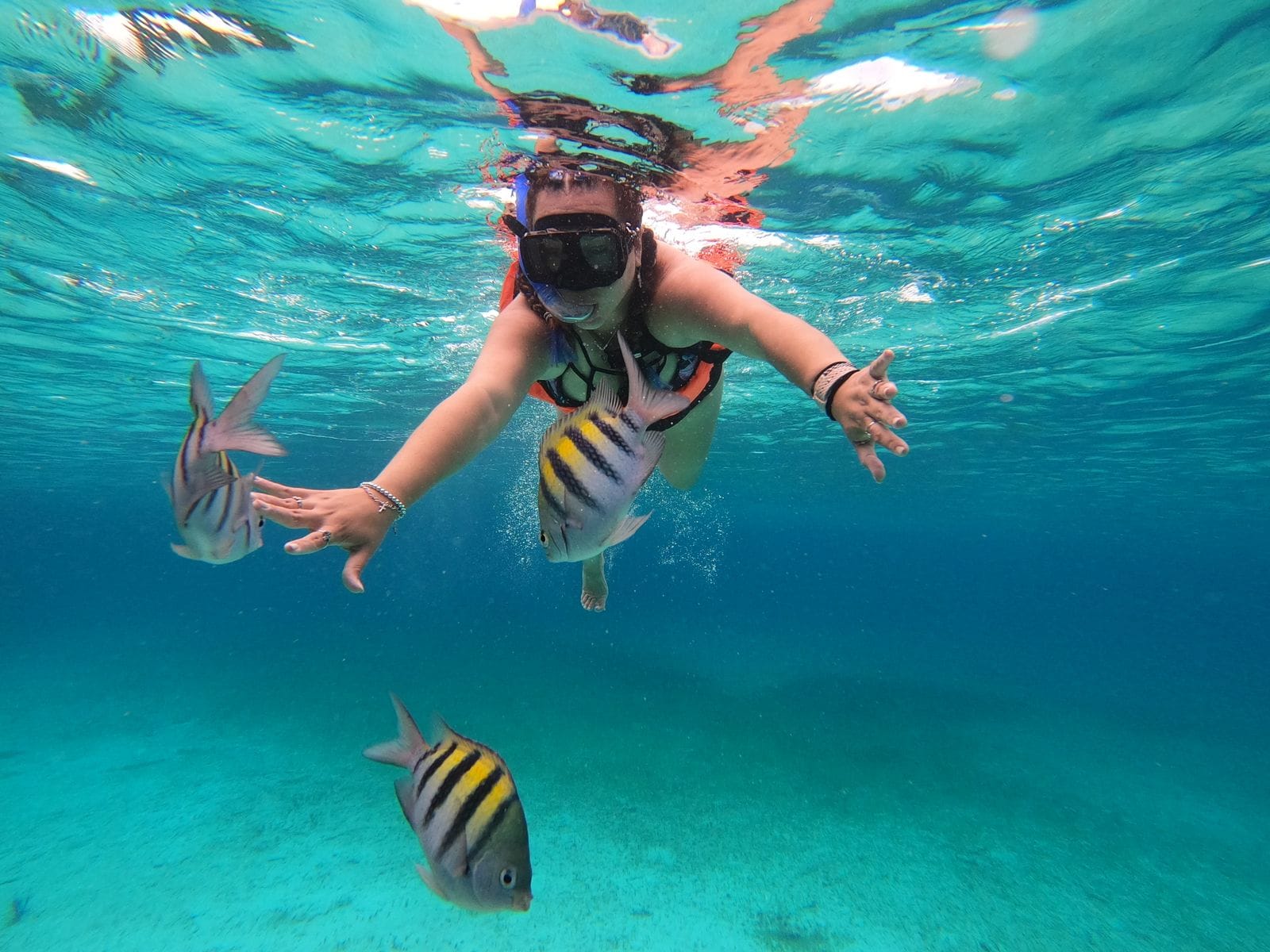
If you’re not into scuba diving, don’t despair at all, because Cozumel’s beaches and coastline also offer fantastic snorkelling with just a mask and fins. You don’t necessarily need to buy pricey boat trips — plenty of beauty is hidden just a few metres from the shore, especially along the western road, where you’ll find a string of small restaurants and beach clubs with water access.
A great example is the experience of one traveller who, in early June, snorkelled every day straight from their accommodation on the west side of the island — they just walked down the steps into clear water and immediately saw loads of fish, small yellow rays, and a coral wall teeming with life just off the shore source.

6. The El Cielo sandbar
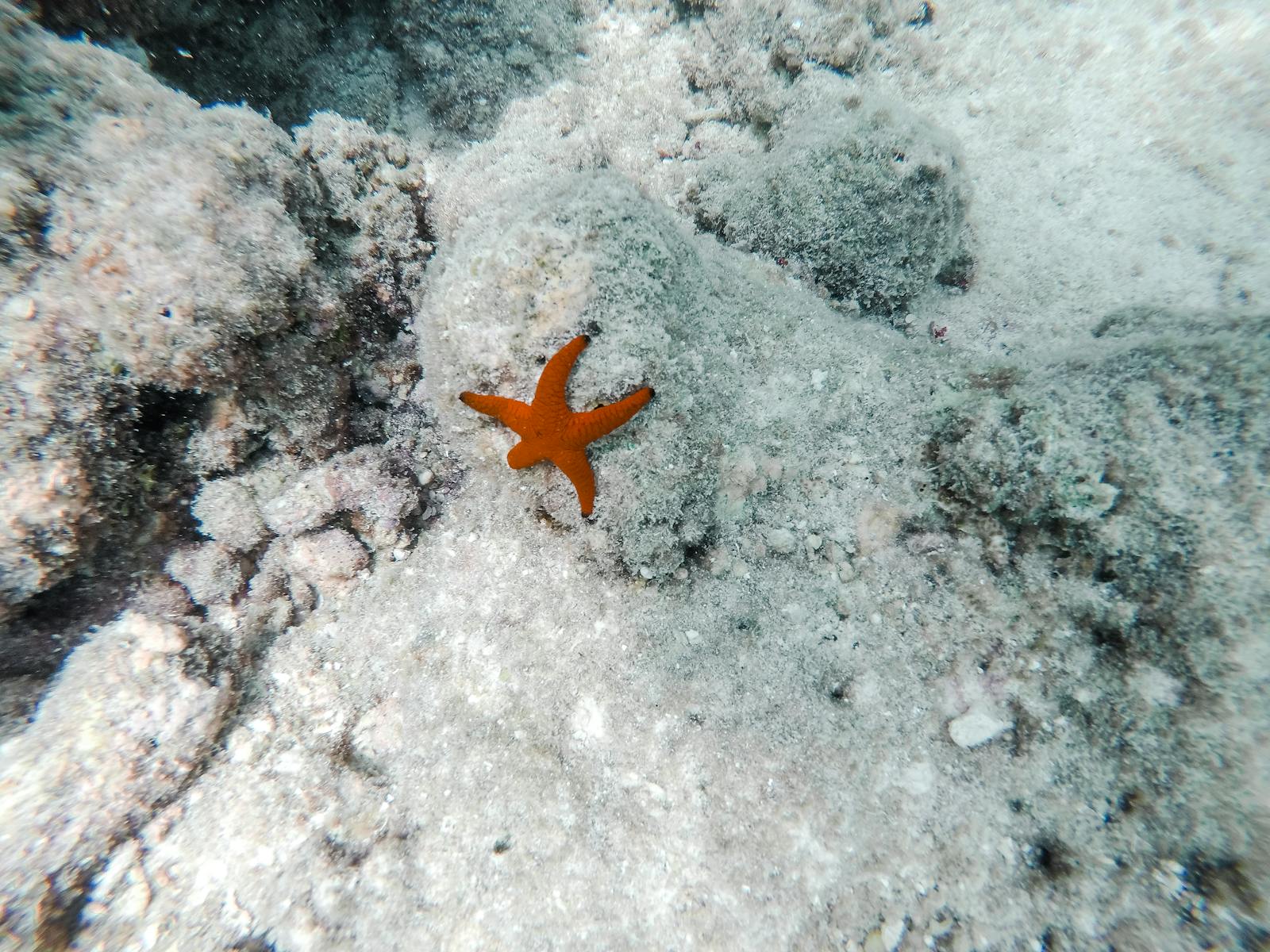
El Cielo translates as “heaven,” and the moment you arrive you’ll understand why. It’s a vast sandbar with the most turquoise water you can possibly imagine. The water barely reaches your waist here, and dozens of beautiful starfish rest on the white seabed.
You can only get here by boat, so it’s a popular stop on most snorkelling trips. But remember one immensely important rule: under no circumstances may you touch the starfish, and you absolutely must not lift them above the surface for a photo. Sadly, even a few seconds in the air is fatal for them.
7. The Punta Sur Eco Park and the Celarain lighthouse
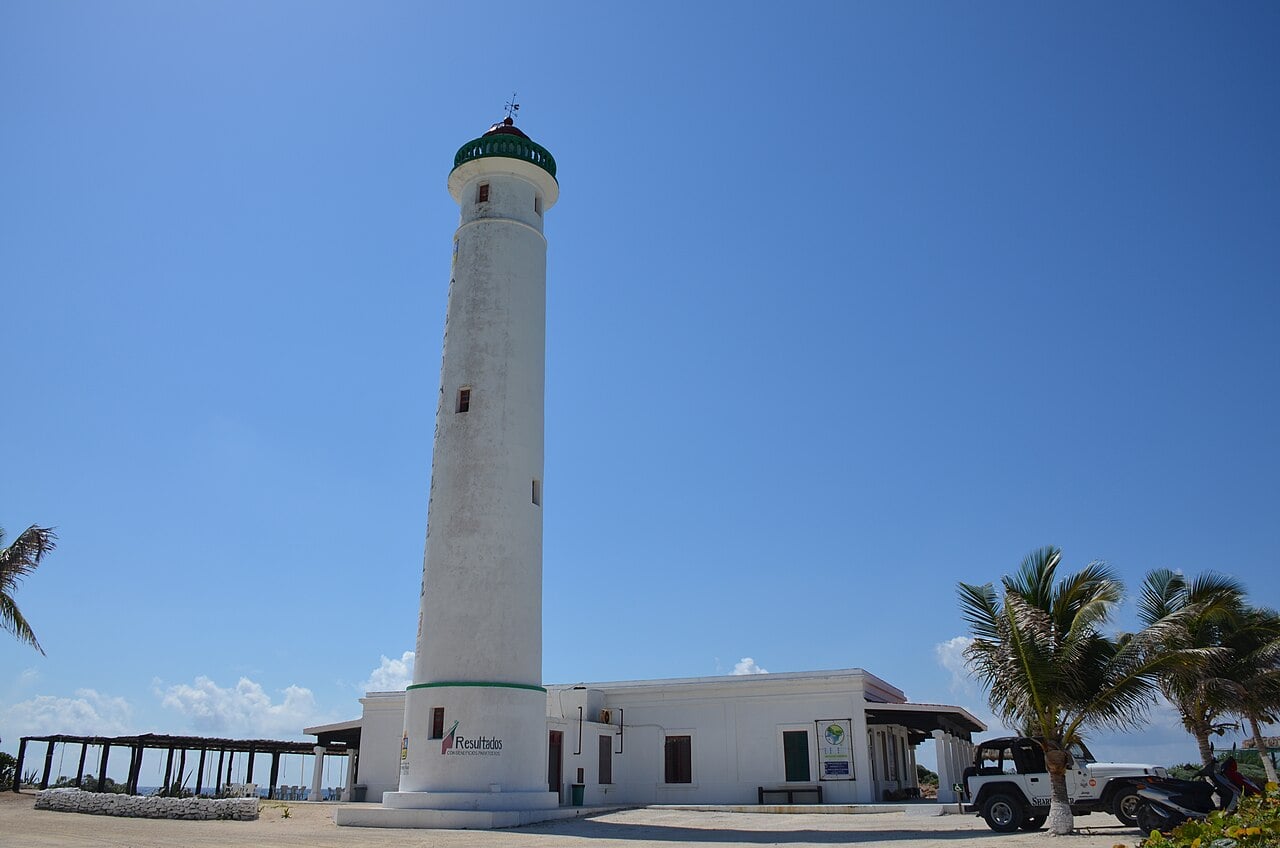
At the southernmost tip of the island you’ll find the amazing Punta Sur ecological reserve. This place shows Cozumel from a completely different side — you’ll find mangrove lagoons, wild nature and one of the most beautiful views on the entire island. Entry to the park costs around $19 (about €18) and it’s well worth setting aside at least half a day for it.
When visiting Punta Sur, don’t miss the climb up the historic Celarain lighthouse. It does mean tackling very narrow concrete steps and a tight hatch at the top, but travellers agree the incredible view over the azure sea stretching to the horizon is well worth the effort — and just nearby, by the lagoon, you can often safely watch wild crocodiles from an observation tower source.
8. The Mayan ruins of San Gervasio
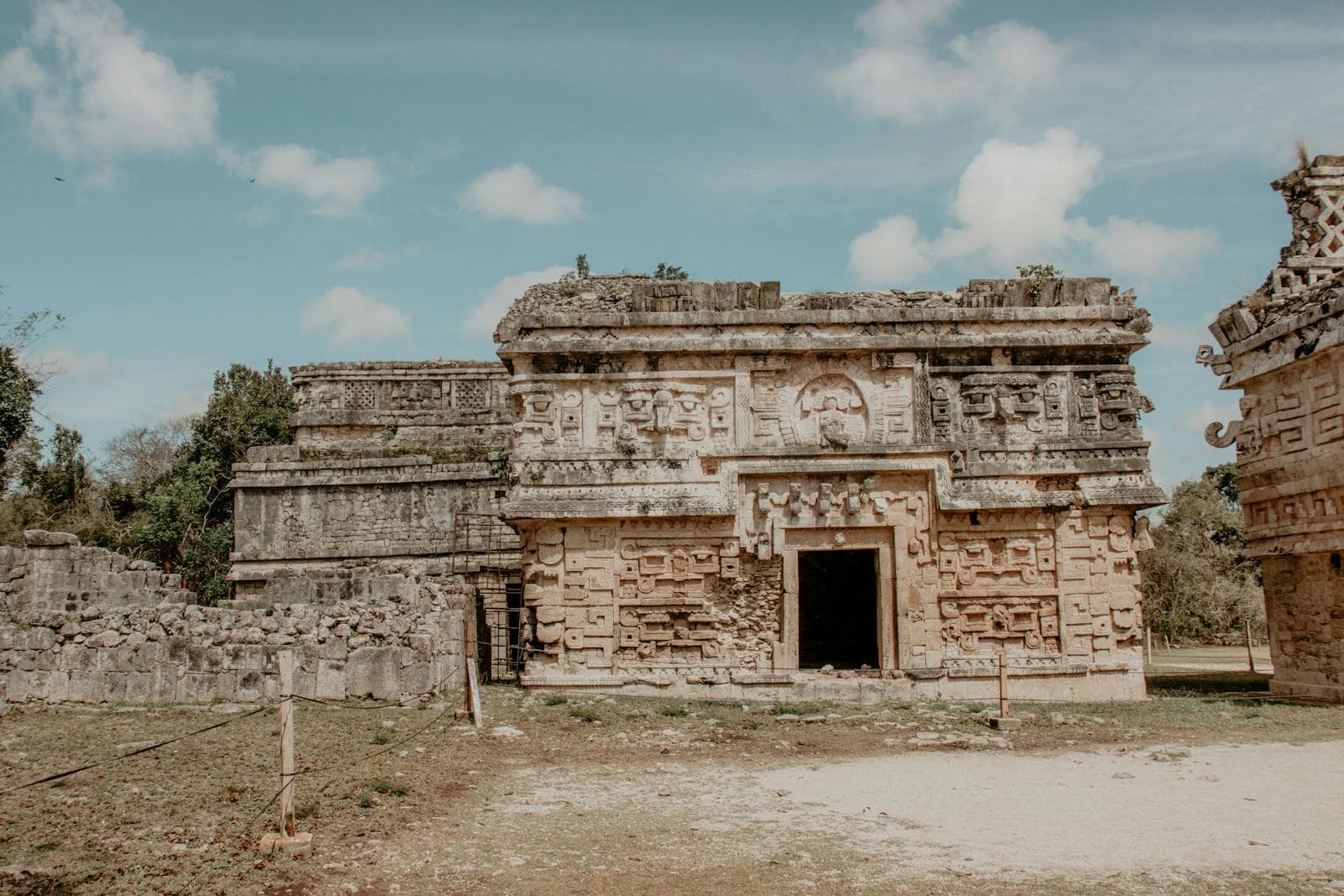
When you need a break from the sun and salt water, head inland to explore some Mayan history. The San Gervasio archaeological site isn’t as enormous or famous as Chichén Itzá or Tulum, but it has its own unmistakable charm. In ancient times it was a sacred site dedicated to the goddess Ixchel, protector of fertility, and every Mayan woman was apparently supposed to make a pilgrimage here at least once in her life.
The site is hidden away in the jungle, so you’ll meet plenty of iguanas basking on the old stones. Entry is split into two parts (a state and a federal fee) and comes to about 220 pesos (around €11) in total. Don’t forget to pack a strong insect repellent, because the jungle mosquitoes can be pretty relentless. For current opening hours, check the official pages of the INAH institute.
9. Hire a jeep and tour the wild east

This is an experience it would be a sin to skip. While the west coast is calm and touristy, the eastern side of the island (locals call it “The Other Side”) is utterly untamed. There’s no electricity, no mobile signal, and the beaches are battered by huge waves off the open Caribbean.
The best way to explore this area is to hire an open-top jeep or an old convertible Beetle, drop the roof and simply drive along the coastal road. Along the way you’ll come across a few isolated beach bars, like the popular Coconuts, where you can grab a refreshing coconut or an ice-cold beer. Hiring a car for the day usually costs between $50 and $80 (€46 to €74), and I’d definitely recommend taking out full insurance.
10. Relax at the beach clubs in the west
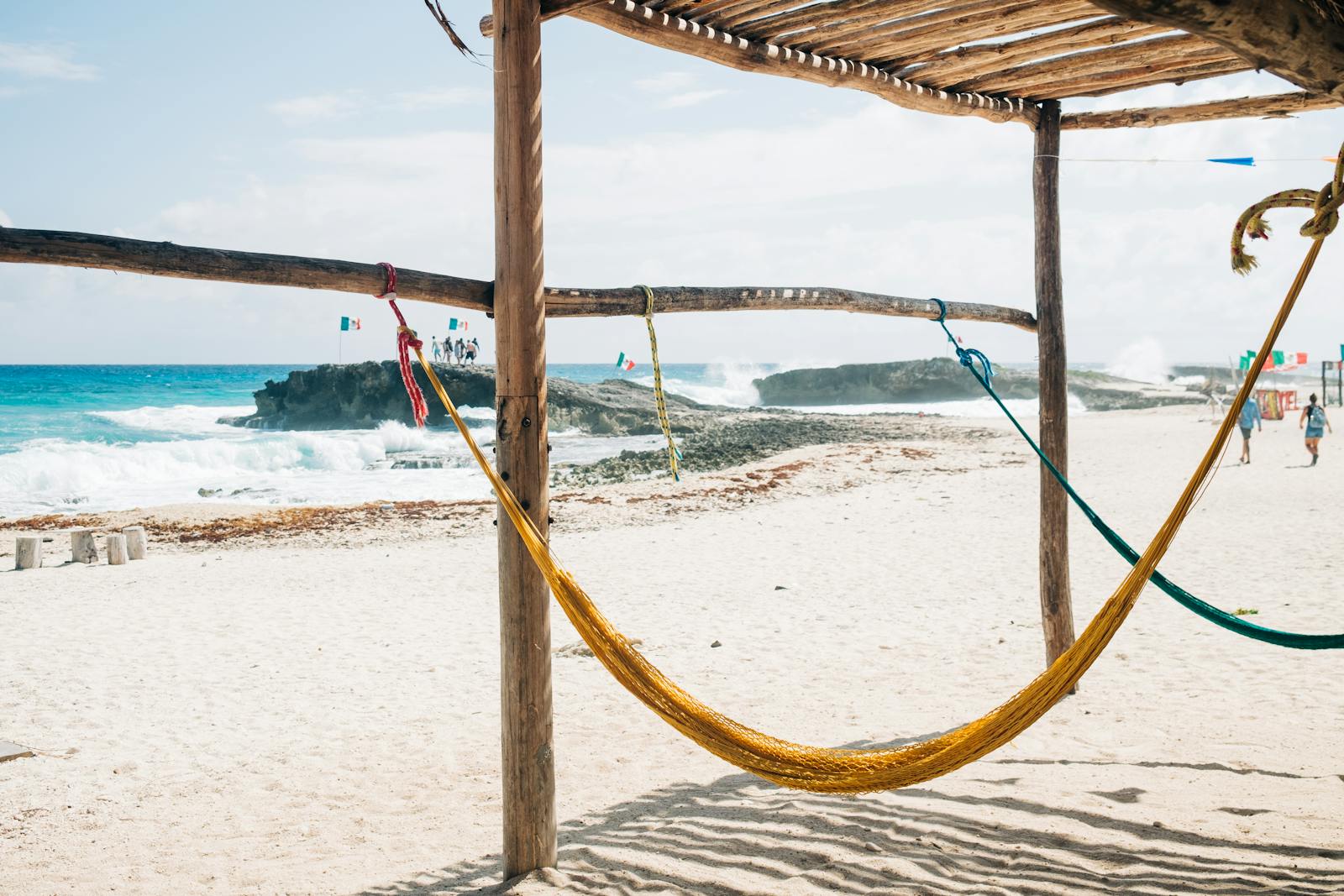
If you’re in the mood to just lounge about, sip a margarita and pop into the sea now and then, the western beach clubs are made for it. They mostly work on a minimum-spend basis — you don’t pay an entrance fee, but you commit to eating and drinking a certain amount, in return for which you get a sunbed, a parasol and water access.
Among the most popular are Buccanos Beach Club, with a fantastic pool and excellent food, or the slightly quieter Money Bar, where the snorkelling is absolutely phenomenal. The minimum spend usually sits around $20 to $40 (€18 to €37) per person, which you’ll easily rack up over lunch and a few drinks.
11. The untamed beaches of Chen Rio and San Martin
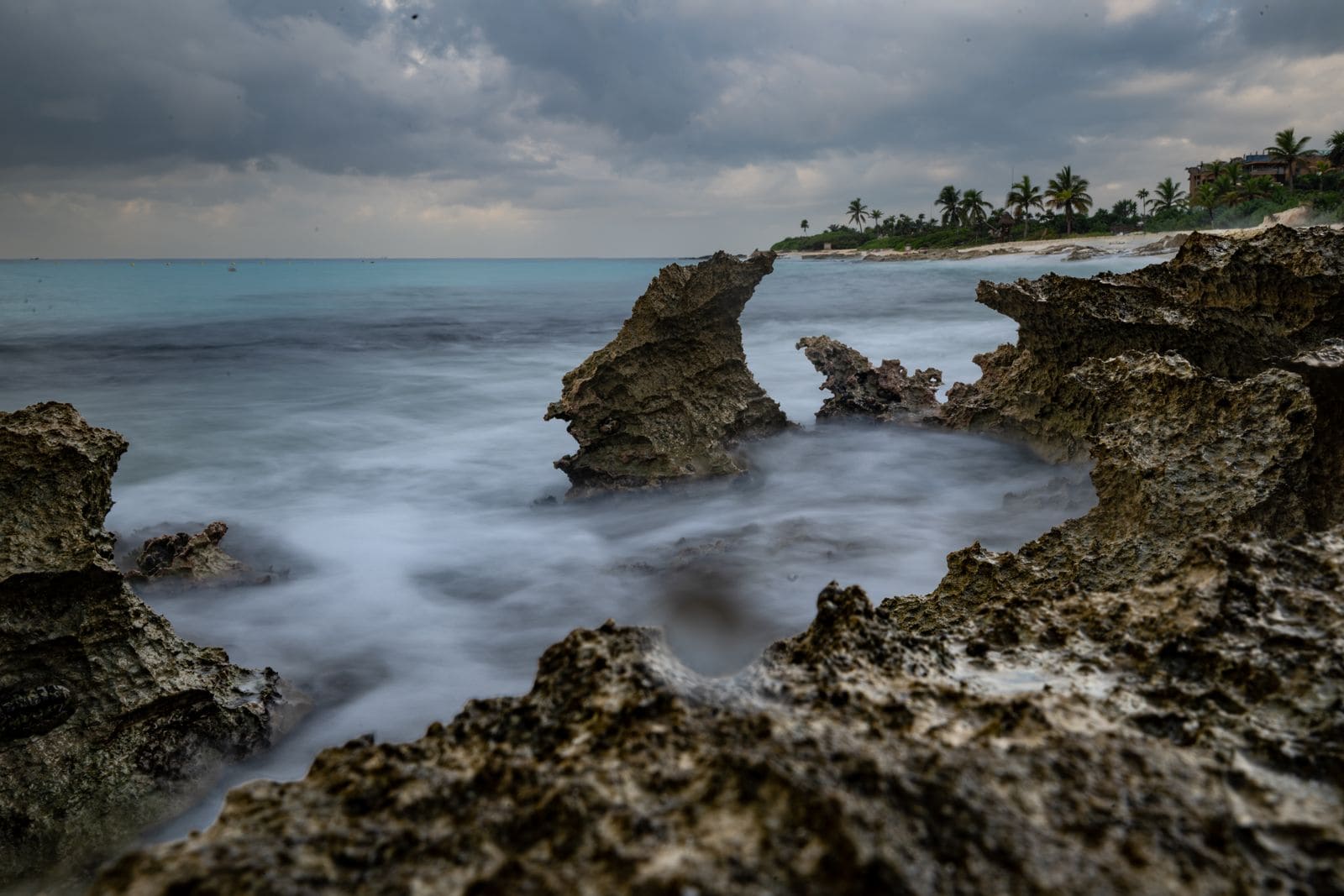
While the western beaches tend to be narrow and often rocky, the east coast offers kilometres of broad strips of fine sand. But as I mentioned, swimming here can be pretty treacherous because of the strong undercurrents.
The exception is Chen Rio beach, where the rocks form a small sheltered cove in which you can swim safely, even with kids. The water here is beautifully warm and there’s an excellent restaurant right on the beach. Another lovely stop is San Martin beach, which is perfect for long walks along the sand, collecting shells and watching pelicans diving into the waves.
12. Evening atmosphere in San Miguel de Cozumel
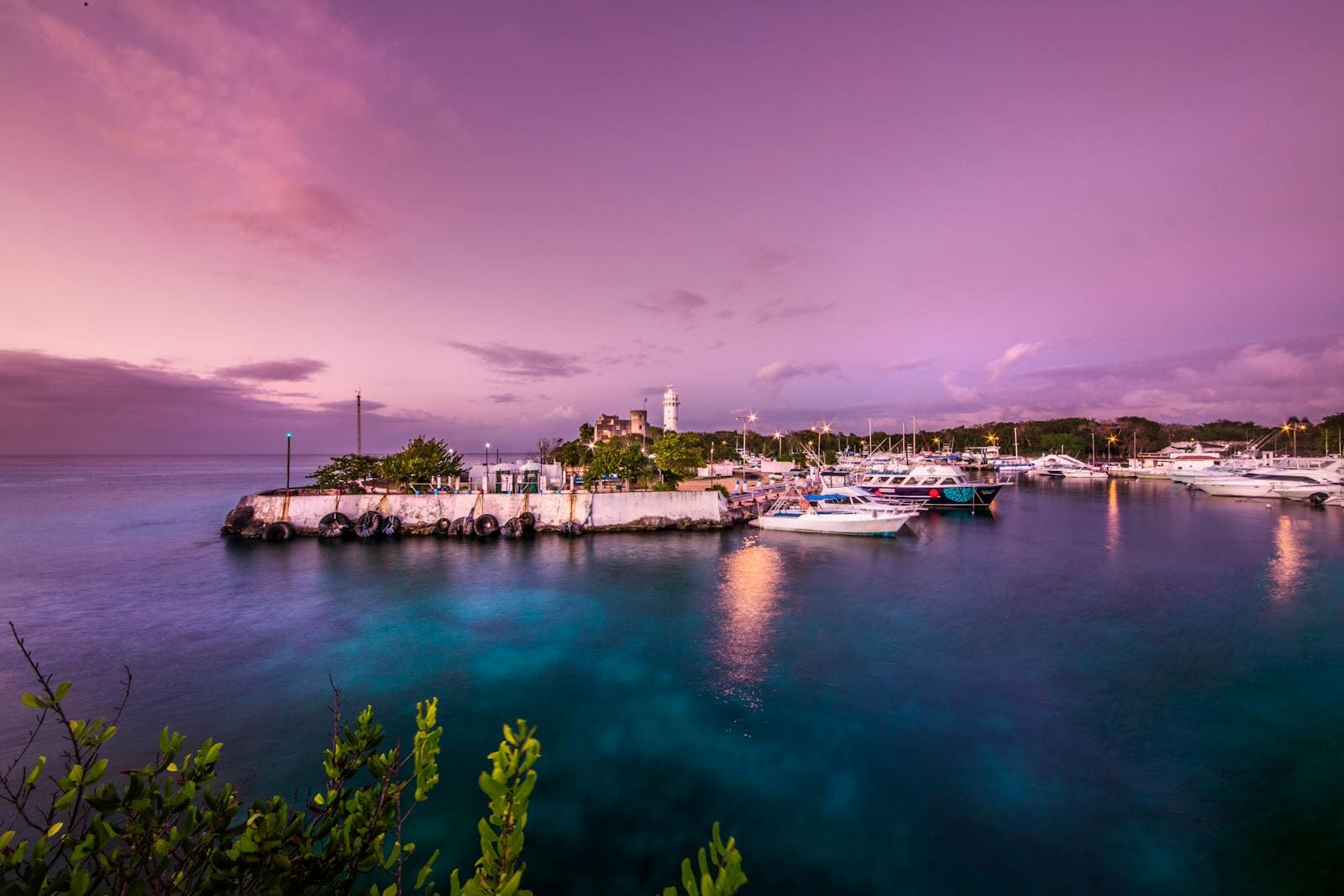
When the sun sets and most of the day-trippers sail back to Playa del Carmen, the town of San Miguel calms down beautifully and reveals its true face. The heart of town is the zócalo (main square), Parque Benito Juárez, which comes alive in the evening with local families, street musicians and food stalls.
Grab some churros from a cart, sit down on a bench and soak up that easy-going Mexican atmosphere. In the lanes around the square you’ll find loads of little shops selling ceramics, silver and textiles — absolutely ideal for an evening wander.
Map of points of interest for your phone
What to taste (and where to eat without meat)
Mexican cuisine is a lifelong love, and on Cozumel that goes double. Even though the Yucatán region is famous for its meat specialities (like the traditional slow-roasted pork cochinita pibil in a citrus marinade, or fresh fish ceviche), as a vegetarian you definitely won’t go hungry here — quite the opposite!
Venture away from the main tourist drag on the waterfront and slip into the small local eateries known as “loncherías.” Be sure to try the fresh cheese quesadillas served with a generous dollop of guacamole, which tastes far more intense here than back home. An absolute treat is the tacos filled with grilled cactus (nopales), beans, mushrooms or even hibiscus flowers (tacos de jamaica), which have a wonderful sweet-and-sour flavour. And if you’re really hungry, order chiles rellenos — large spicy peppers stuffed with cheese, dipped in batter and smothered in tomato sauce.
💡 Tip: If you’re after something really healthy and vegan, pop into the restaurant La Cocina de Silvia or the little bistro Nutrisano. They do great fresh juices, smoothie bowls and excellent vegetarian versions of the Mexican classics. To drink, definitely try agua de chaya — a refreshing drink made from local chaya leaves blended with lemon and pineapple.
Practical tips for your trip
So that nothing on the island catches you off guard, I’ve put together a few more practical bits of advice that are definitely worth knowing before you set off.
- Money and payment: The official currency is the Mexican peso (MXN), but US dollars (USD) are widely accepted everywhere. The catch is that when you pay in dollars, vendors set their own exchange rate, which is often very poor. That’s why I recommend withdrawing pesos from an ATM. But watch out for ATMs right out on the street — because of frequent skimming (card copying), always withdraw cash from machines located inside the branches of official banks (e.g. Santander, HSBC, Banorte). Also, never accept the unfavourable dynamic currency conversion (DCC) rate at the terminal.
- Getting around the island: Apps like Uber or Cabify sadly don’t work on Cozumel — transport here is firmly controlled by the local taxi union. The taxis are reliable but fairly expensive. Travellers report that a short ride from town a little way along the coast costs around 150 pesos (about €8). Always agree the price with the driver before you get in.
- Hiring a scooter: Hiring a scooter is hugely popular and cheap (around $25 / €23 per day), but I have to be honest and warn you. The island’s hospitals are full of tourists who couldn’t handle a scooter. The roads get slippery after rain and the locals drive pretty wildly. If you’ve no scooter experience from home, this isn’t the place to learn — hire a car instead.
- Safety: Cozumel is generally considered one of the safest places in Mexico, far safer than mainland Cancún or Tulum. Crime targeting tourists is minimal here, but of course common sense still applies — don’t leave valuables unattended on the beach, and avoid the unlit lanes on the edge of town at night.
💡 Tip: If someone in the street or at the ferry approaches you offering “island information” or invites you to a free breakfast, smile, decline and walk on. It’s almost always a timeshare seller (shared apartment ownership) who can trap you in a meeting room for four hours, relentlessly pushing you to sign a bad contract.
You can book diving and snorkelling trips on GetYourGuide.
Frequently asked questions
How long does the ferry ride to Cozumel take?
The ferry ride from the port in Playa del Carmen takes about 45 minutes with the standard ferries operated by Ultramar or Winjet. The newer catamarans from Xcaret Xailing can make the trip in as little as 30 minutes, and boats run throughout the day approximately every hour.
Is Cozumel safe for tourists?
Yes, the island is considered one of the safest destinations in all of Mexico, and crime is significantly lower here than on the mainland. However, as anywhere else, it’s good to follow basic precautions and keep an eye on your belongings at the beach.
Can you pay by card in Cozumel?
In larger restaurants, hotels and beach clubs you’ll pay by card without any problems. But if you’re heading to the eastern side of the island, to small local eateries or want to buy something from street stalls, definitely have enough cash in pesos with you.
Are there seaweed (sargassum) on the beaches in Cozumel?
The west coast, where most beach clubs and dive sites are located, is usually protected from seaweed and stays beautifully clean all year round. Seaweed occasionally appears on the eastern windward coast, where there isn’t suitable infrastructure for swimming anyway.
Do I need an advanced certification for diving in Cozumel?
For most reefs, like the famous Palancar, a basic Open Water Diver certification is sufficient, as many dives take place at depths up to 18 meters. For deeper dives or sites with stronger currents, instructors require more advanced experience and an Advanced certification.
Can you drink tap water on the island?
Under no circumstances is tap water in Mexico safe to drink for tourists, and it could cause you serious intestinal problems. Always buy bottled water and use it for brushing your teeth too; ice in restaurants is usually safe though, as it’s made from filtered water.
How much does it cost to rent a car in Cozumel?
Car rental, most often an open-top jeep or an old Beetle, ranges between 50 and 80 USD (approx. €45 to €70) per day depending on the season. I highly recommend paying extra for full insurance, as the roads on the island can sometimes be unpredictable.
Tips and Tricks for Your Vacation
Don’t Overpay for Flights
Search for flights on Kayak. It’s our favorite search engine because it scans the websites of all airlines and always finds the cheapest connection.
Book Your Accommodation Smartly
The best experiences we’ve had when looking for accommodation (from Alaska to Morocco) are with Booking.com, where hotels, apartments, and entire houses are usually the cheapest and most widely available.
 🚗 Car rental on the roadVerified rental cars in Mexico
Search with the DiscoverCars comparison engine — it compares prices from dozens of local and international rental companies, and most bookings come with free cancellation.
Compare car prices in Mexico →Don’t Forget Travel Insurance
Good travel insurance will protect you against illness, accidents, theft, or flight cancellations. We’ve had a few hospital visits abroad, so we know how important it is to have proper insurance arranged.
Where we insure ourselves: SafetyWing (simple monthly subscription) and TrueTraveller (for extra-long trips).
Find the Best Experiences
Get Your Guide is a huge online marketplace where you can book guided walks, trips, skip-the-line tickets, tours, and much more. We always find some extra fun there!