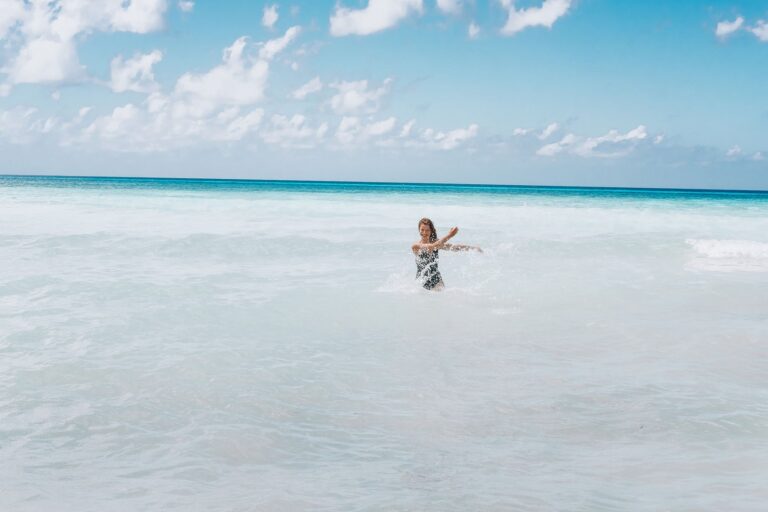
Picture the heat. The sun beats down on you, the air doesn’t stir, and after a full day of exploring Maya ruins you feel like you might just melt. Then suddenly you descend a set of stone steps below ground and a completely different world opens up before you. Crystal-clear, refreshing water framed by vines, stalactites, and the silence of the jungle. The Yucatán cenotes are exactly the kind of natural wonder that leaves you gasping and wondering whether you’re dreaming.
Whether you’re chasing the most beautiful, photogenic cenotes with perfect light, or craving hidden caves with no signal and no crowds, this peninsula hides thousands of them. In this guide you’ll find 12 tips for the absolute best cenotes, we’ll look at where to base yourself strategically, what strict swimming rules apply, and what to watch out for. Let’s dive into the Yucatán underworld!
TL;DR
- What they actually are: Sinkhole karst caves filled with fresh or brackish water. For the ancient Maya they were a sacred gateway to the underworld (Xibalba) and their main source of drinking water.
- Best base: The colonial town of Valladolid. It sits at an ideal driving distance from the prettiest spots (Oxman, Suytún, Zací).
- Sunscreen ban: Every cenote strictly bans sunscreen (even the biodegradable kind). A shower before entering the water is mandatory.
- Life vests: In the state of Yucatán a life vest is compulsory in most cases, even if you’re an excellent swimmer.
- Cash is king: Entry fees (roughly 60 to 350 MXN, about €3–17) are paid almost exclusively in cash, in Mexican pesos.
- When to go: The best weather runs from December to April, with February being the ideal month.
The full destination guide: Mexico — guide and what to see
When to Go Swimming in the Jungle
The Yucatán has essentially two seasons, and picking the right dates will make a big difference to your experience. If you’re after azure skies and pleasant temperatures around 28°C, plan your trip between December and April. February is usually the loveliest month, with minimal rainfall and cave water offering the best possible refreshment. From May to October it’s the rainy season — hot, humid and sticky — but you’ll save on accommodation and meet fewer people.
If you plan to visit the most famous cenotes, one golden rule applies: get up early. The magical atmosphere disappears the moment the first air-conditioned coaches arrive from Cancún. Most sites open between 8 and 9 a.m. The early bird gets the crystal-clear surface all to themselves.
💡 Tip: Read our detailed article on when to visit Mexico, where we break down weather and safety in detail.
Where to Stay (and How to Avoid the Traps)
Choosing the right base is absolutely crucial for exploring the caves. The peninsula is huge, and spending hours in the car will quickly wear you out. The best strategy is to split your trip into several stops and stay in two or three different towns along the way.
The clear number one for cenote lovers is Valladolid. This charming colonial town (officially listed among Mexico’s so-called Pueblos Mágicos) will win you over with colourful façades and a laid-back atmosphere. But the main advantage is the location. Within a thirty-minute drive of the centre you’ll find several stunning caves. Consider staying in the gorgeous boutique Casa Tia Micha or the comfortable, affordable Hotel Zací. That way you’ll get a huge head start on the crowds who commute in from the coast.
Valladolid is the ideal base for both Chichén Itzá and the surrounding cenotes, and compared with the coast you get far more for the same money here — a colonial house with a pool instead of an anonymous resort. It pays to stay a few minutes from the main square so you have evening life and morning coffee within easy reach.
💑 For couples and quiet: Zentik Project Boutique Hotel & Spa is an adults-only oasis with a pool in an artificial salt cave and colourful art-deco rooms — travellers love it precisely for the privacy and calm (from around €115 per night).
👨👩👧 For families: Hotel Posada San Juan occupies a 19th-century house with two pools and a large tree-filled garden just off the centre, so the kids have somewhere to burn off energy (from around €165 per night).
💰 Best value for money: Le Muuch Hotel Boutique offers stylish design rooms, two pools, and a breakfast guests rave about, just minutes from the square (from around €120 per night).
✨ For history lovers: Hotel Real Hispano sits in a former monastery with a courtyard pool, and you’re just half a block from the main square (from around €105 per night).
Booking tip: for all these hotels, choose a rate with free cancellation — plans change and you don’t want to pay for somewhere you never make it to. And don’t leave it to the last minute: the top-rated addresses sell out months in advance in high season, and prices then jump by tens of percent.
The second great base is Mérida. It’s earned the title of the safest city in Mexico and the second safest in all of North America. From here it’s easy to make trips to lesser-known, rustic cenotes around the villages of Homún and Cuzamá. Worth a mention is El Palacito Secreto, which looks like a genuine fairy-tale palace, but you’ll also find plenty of cheaper guesthouses here.
Mérida is the cultural heart of the Yucatán, and the best address is the Paseo de Montejo avenue or within walking distance of the cathedral. Staying in a colonial villa with a patio costs a fraction of a similar experience on the Caribbean coast.
💑 For couples: Casa Lecanda Boutique Hotel is an intimate adults-only boutique with cobbled patios and a pool right by Paseo de Montejo — exactly the kind of calm couples are after (from around €275 per night).
👨👩👧 For families: Hotel Hacienda Mérida VIP has three pools and cots for children, yet it’s just a 10-minute walk from the cathedral (from around €110 per night).
💰 Best value for money: The Diplomat Boutique Hotel is among the best-rated boutiques in the centre — guests highlight the owners’ personal touch and breakfast on request (from around €200 per night).
✨ For the experience: Rosas & Xocolate Boutique Hotel and Spa is a design flagship across two colonial villas on Paseo de Montejo, with a rooftop terrace and a chocolate spa (from around €225 per night).
Booking tip: for all these hotels, choose a rate with free cancellation — plans change and you don’t want to pay for somewhere you never make it to. And don’t leave it to the last minute: the top-rated addresses sell out months in advance in high season, and prices then jump by tens of percent.
The third option used to be the popular Tulum, but here I have to add a big, honest warning. Tulum has been going through a huge crisis in recent years. Prices have shot up to astronomical heights, transport is collapsing, and the beaches are often plagued by massive seaweed deposits (sargassum). If you’re mainly drawn by Gran Cenote and Dos Ojos, which lie just outside Tulum, consider staying instead in the quieter town of Bacalar, or look for accommodation via Booking.com in less affected areas further from the Tulum beach zone.
💡 Tip: If you want to save yourself the hassle of searching, Booking.com is completely reliable in Mexico and offers the widest choice, from cheap hostels to luxury haciendas. Always check reviews focused on street noise and working air conditioning, though.
What to See and Do: The 12 Most Beautiful Yucatán Cenotes + Rules
Before we get to the list itself, we need to clear up the rules of the game. Visiting these fragile ecosystems has its specifics, and local communities watch over them very carefully.
Since 2021, the state of Quintana Roo has strictly banned chemical sunscreens in cenotes, and in practice even so-called reef-safe or biodegradable versions aren’t welcome. They too leave an oily film on the surface that suffocates the local flora and fauna. That’s why everyone has to shower thoroughly before entering. If you try to get around the rule, you risk a fine of around 200 pesos or simply won’t be let into the water (this is confirmed by reports from Mexico Travel & Leisure magazine).
Let’s take a look together at the most breathtaking caves the Yucatán has to offer.
1. Cenote Suytún: A Cave for Photo Hunters
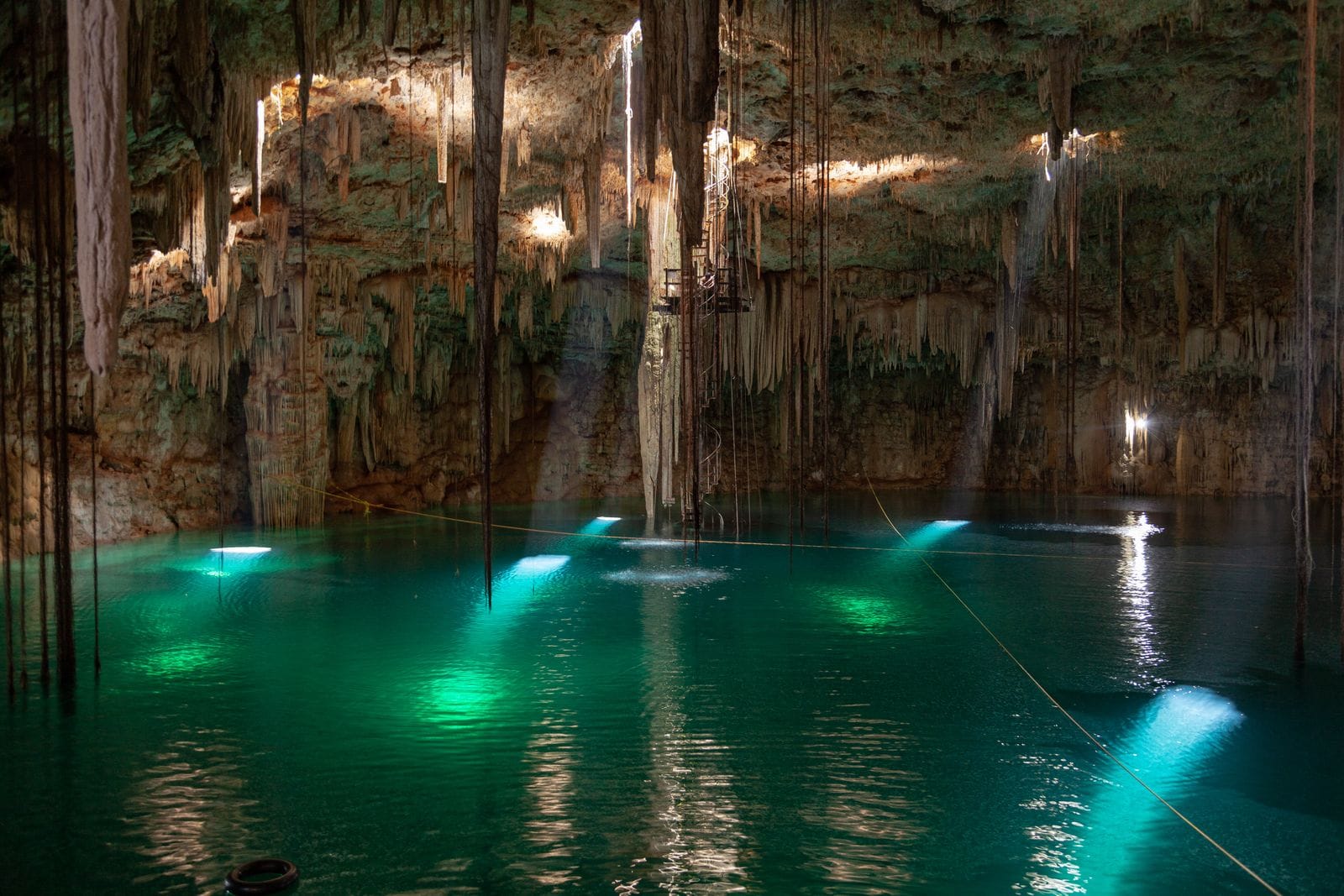
If you’ve ever seen a photo of a Mexican cenote on Instagram, chances are it was Suytún. This enclosed underground cave hides a stone pier that leads to the middle of the water’s surface. When you’re lucky and arrive at the right time, a magical sunbeam falls through a small opening in the roof straight onto the end of the pier. Entry costs around 250 MXN (about €12) and the visit is often limited to one hour.
There’s a catch, though. Suytún looks like a quiet, spiritual place in photos, but the reality tends to be the opposite. Inside it’s usually packed — whole coaches arrive and a queue of people forms at the stone pier waiting for their photo. Travellers from the Uprooted Traveler blog recommend arriving right at opening time at 9 a.m., when you’ll only run into a handful of people.
The strongest beam of light, however, falls between 12 and 2 p.m., which is also the busiest time. If you want to see the light without going mad from the crowds, the compromise is to come on a weekday and avoid weekends (as reviews on TripAdvisor also advise). Swimming is allowed here (with a mandatory vest), but the water is fairly shallow and people mostly come for the visual experience.
2. Cenote Ik Kil: Majestic Beauty Full of Vines
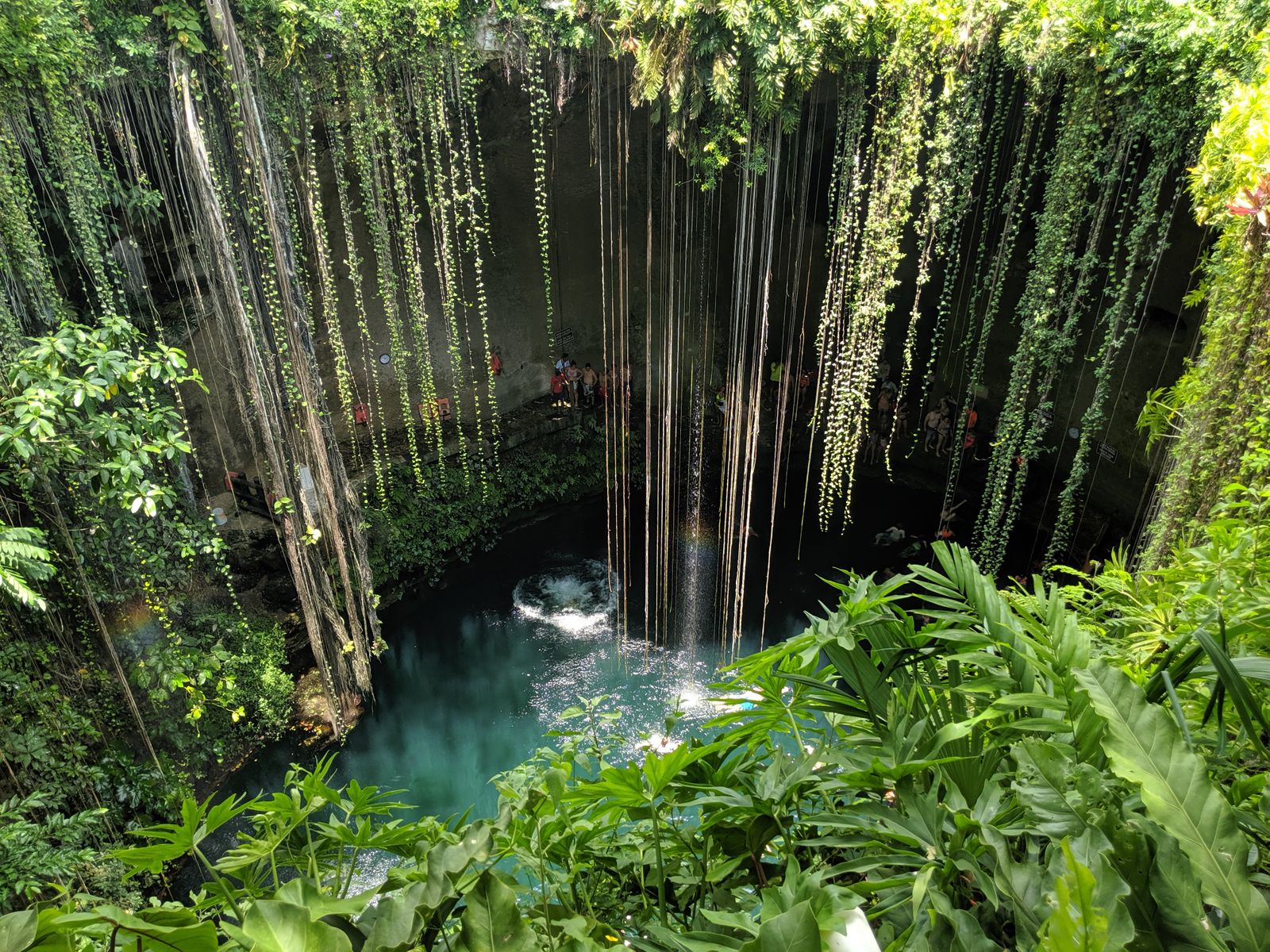
Cenote Ik Kil is an absolute classic and probably the most famous cenote of all. It’s an open sinkhole into which long green vines and small waterfalls tumble from a height of several dozen metres. The view from the bottom up to the sky is utterly breathtaking. The water reaches a respectable depth of around 50 metres, so a life vest is strictly compulsory for everyone without exception. Entry costs 200 MXN (about €10).
This beauty pays a price in the form of enormous popularity. Ik Kil lies just minutes’ drive from the famous pyramid of Chichén Itzá. Based on experiences from the Travel With Bender blog, the place tends to be quieter early in the morning, because most tourists start the day at the pyramids and only reach the water after noon. If you arrive in the afternoon, be prepared to dodge dozens of other swimmers in orange vests.
3. Cenote Dos Ojos: A Paradise for Divers
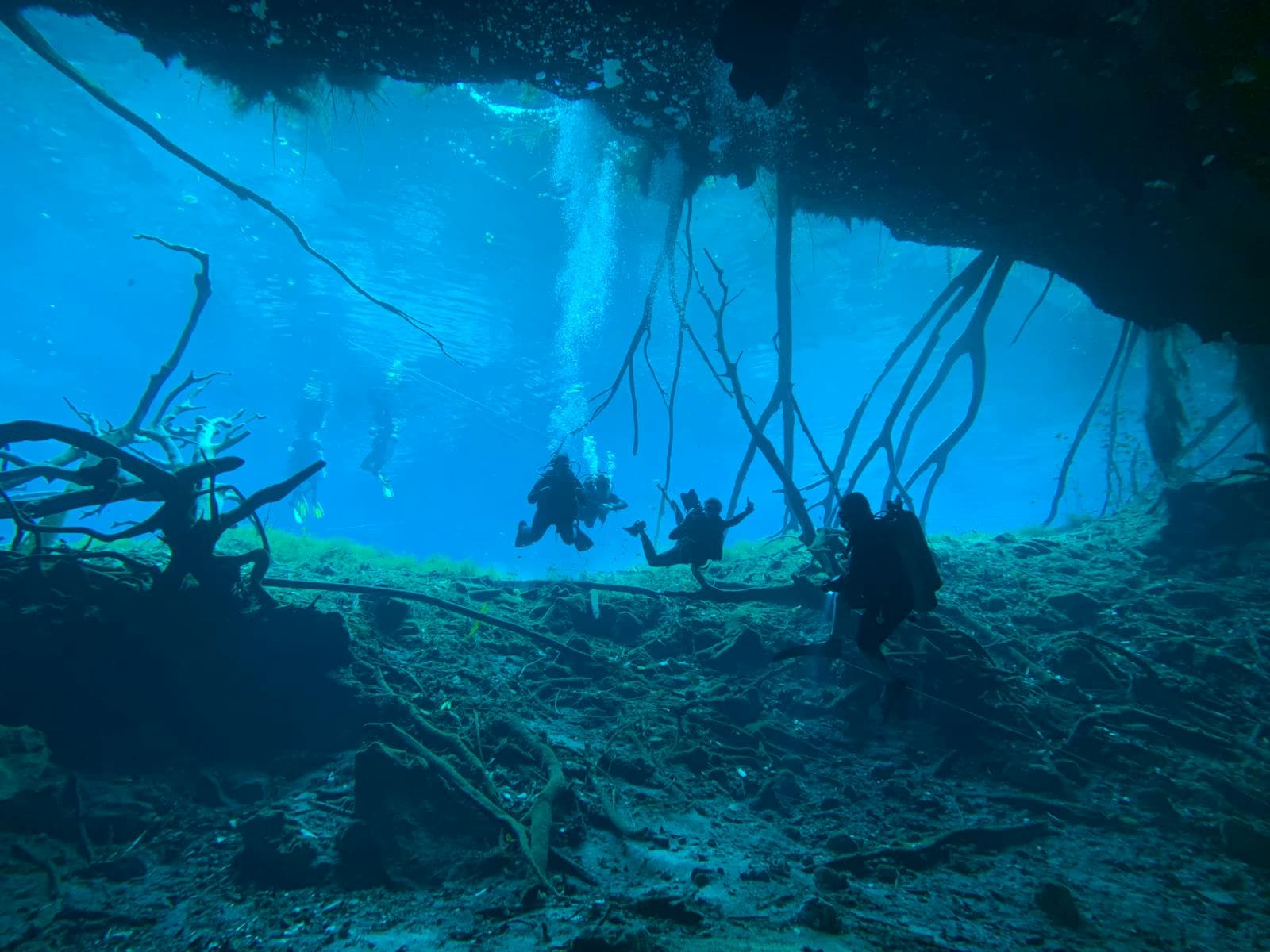
The name Dos Ojos translates as “Two Eyes.” This complex lies north of Tulum and consists of two connected sinkholes that, from a bird’s-eye view, really do resemble eyes. The water here is incredibly clear, which makes the place an absolute paradise for snorkelling and cave diving. The light filtering through the water creates magical turquoise reflections. Entry is a little higher — set aside 350 MXN (around €17).
If you scuba dive and are certified, Dos Ojos offers one of the best cave dives in the world. The underground Sac Actun tunnel system stretches an incredible 340 kilometres, with a maximum depth of up to 118 metres. For ordinary swimmers, though, there are safe, shallower zones set aside. Be sure to bring your own snorkel mask so you can admire the fascinating limestone formations below the surface.
4. Gran Cenote: Turtles and Crystal-Clear Water
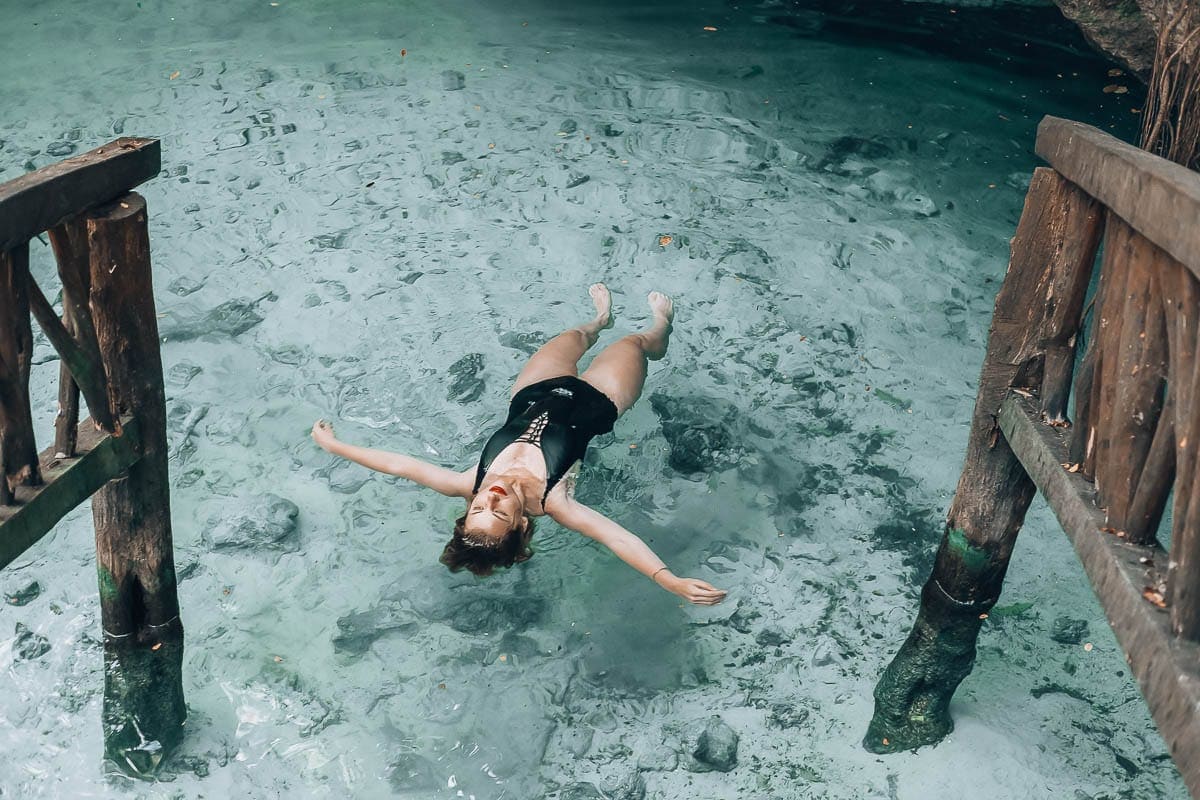
Gran Cenote is one of the prettiest, but also one of the busiest and most expensive spots on the peninsula. It lies just outside Tulum and lures visitors with crystal-clear water where you can regularly swim alongside small freshwater turtles and fish. The cave is part open, part enclosed; stalactites hide beneath the wooden walkways and the odd bat flits overhead. A ticket now costs over 300 MXN (about €15).
The rules here are very strict. Besides the absolute sunscreen ban, in many parts of the complex you’re not allowed to shoot with professional DSLRs, and the operators keep a close eye on everything. According to the Seth Dive Mexico blog, the crowds are thickest at midday and on weekends. Luckily they thin out over the afternoon, and in the last hour before the 5 p.m. closing time there are usually hardly any people at all. That’s your best shot at a peaceful experience.
5. Cenote Oxman: A Leap into a Jungle Pool
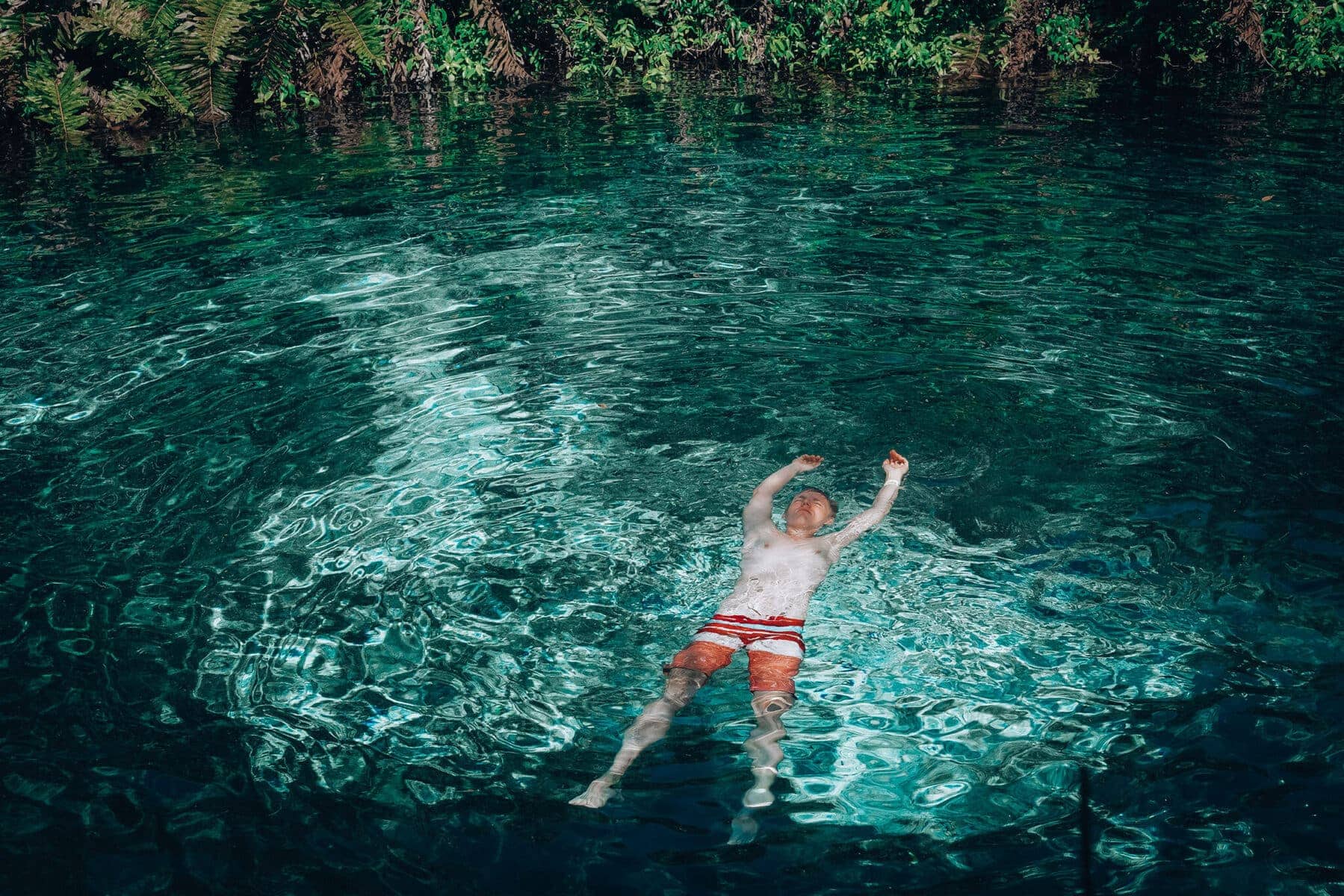
While Ik Kil is bursting at the seams, Cenote Oxman near Valladolid offers a very similar visual experience but in a far more relaxed atmosphere. It’s a deep sinkhole with tree roots dangling right down to the water. The main draw here is a huge rope swing you can leap from into the refreshing water with a scream. Entry starts at a very pleasant 70 pesos (about €3.50).
Oxman sits within the beautiful grounds of the historic Hacienda San Lorenzo, where you’ll also find a restaurant and an outdoor pool. The place used to be a secret tip, but these days coaches returning from Chichén Itzá regularly pull up in the late afternoon. That’s why Mexico Travel & Leisure magazine recommends arriving first thing in the morning or early afternoon, before the organised tours pile in.

6. Cenote Zací: An Oasis in the Middle of Town
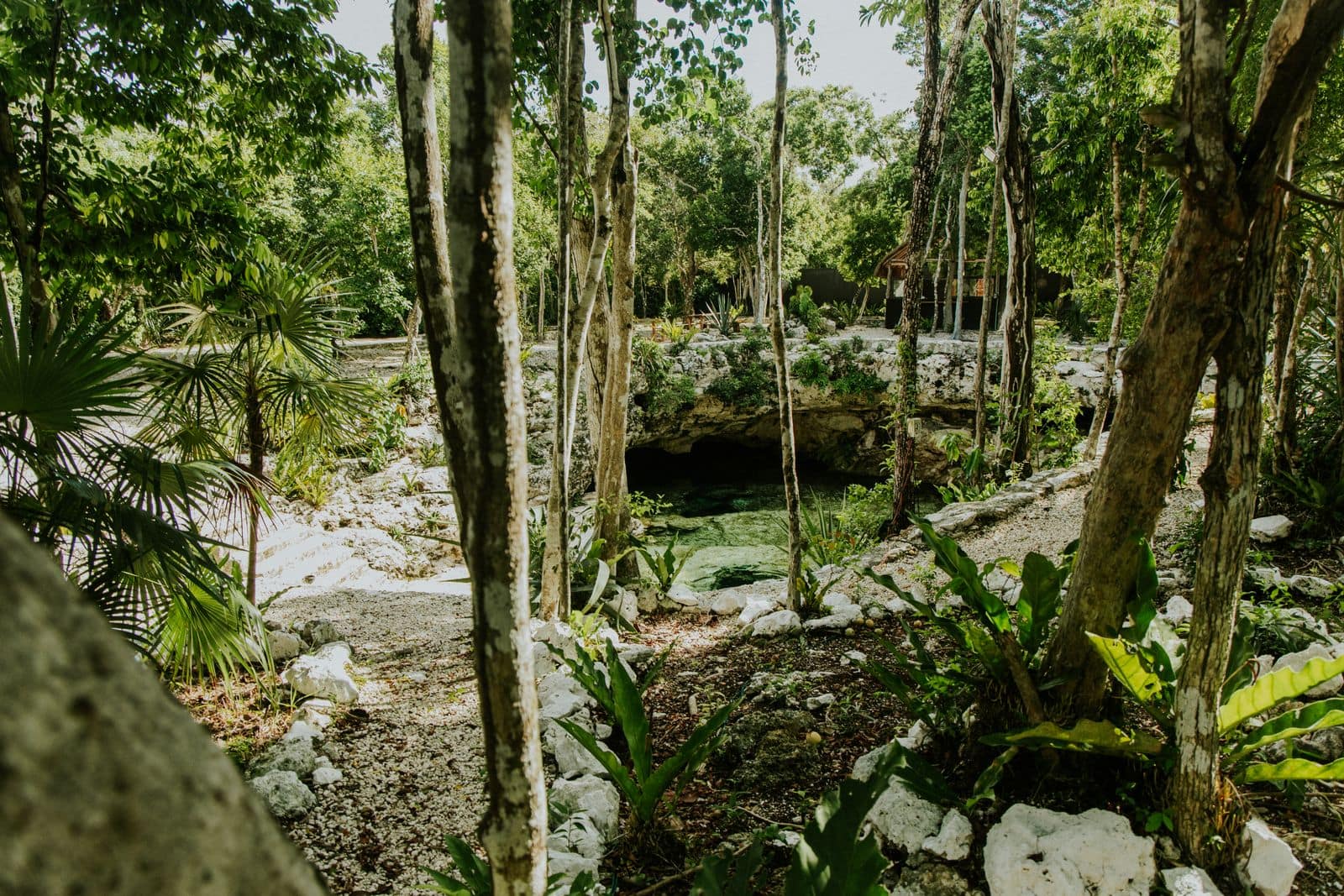
This one is a real one-off. While for most cenotes you have to drive or ride a scooter deep into the jungle, Zací lies right in the historic centre of Valladolid. It’s a huge, semi-open cave surrounded by lush vegetation. The water has a rich green to deep blue colour, and walkways and diving platforms at various heights have been built along the edges.
It’s a great spot for a quick afternoon refresher. Entry is ridiculously cheap, around 60 MXN (about €3), and if you have lunch at the restaurant of the same name above the cave, access to the water is often thrown in for free. The atmosphere here is very local — on weekends whole Mexican families come to swim and there’s a noisy, cheerful mood.
7. The Cenotes of Homún: A Rustic Adventure
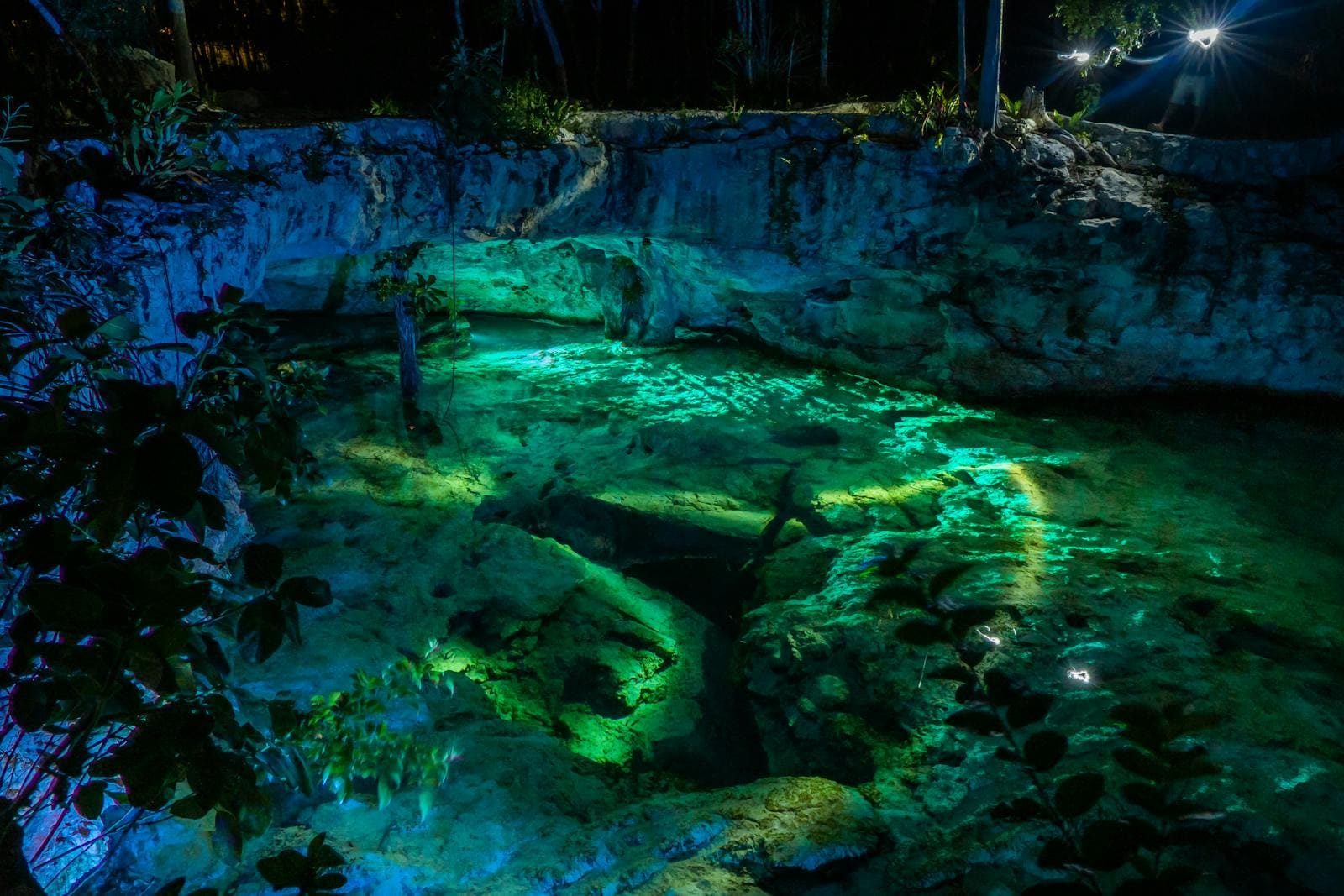
If you’re tired of concrete walkways and crowds with phones on selfie sticks, head to the village of Homún. It lies about 58 kilometres south of Mérida and hides more than twenty different, often very rustic cenotes. Entry to each cave costs between 30 and 250 pesos. The most popular is the Santa Bárbara complex, where for roughly 250 MXN you get access to three caves plus bike hire and a life vest.
Travelling between the caves is an experience in itself here. Locals commonly use so-called moto-taxis (modified three-wheelers with a driver). One visitor, however, warns in TripAdvisor reviews that after 2 p.m. it was already very hard to find a driver, so it’s better to arrange a circuit in advance or arrive in your own car. It’s touristy, but in the good, authentic sense of the word.
8. The Cenotes of Cuzamá: A Horse-Drawn Cart Ride
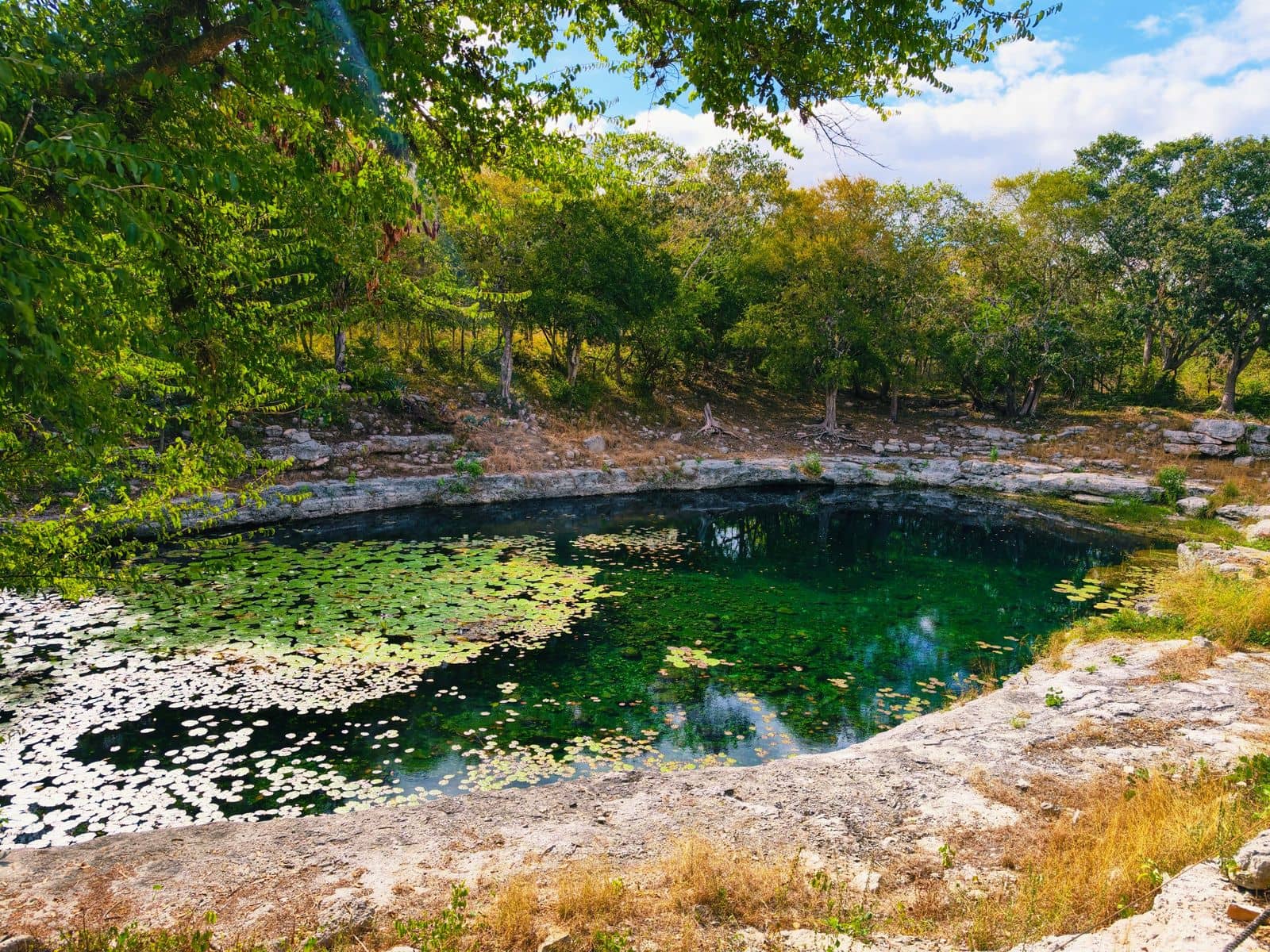
The neighbouring village of Cuzamá offers a similar experience to Homún, but with one unique historical twist. To travel between the cenotes, people use so-called “trucks” — small wooden carts pulled by horses along old railway tracks that once served to transport sisal agave. The ride through the jungle over the rickety rails is enormous fun.
On a single circuit you’ll usually visit three different caves. Some are open, others hidden deep underground and accessible only by steep wooden ladders. The atmosphere here is reminiscent of the Indiana Jones films. Be sure to bring plenty of small change for tipping the driver, and expect the whole trip to take up to half a day.
9. Cenote Hubiku: Light Underground
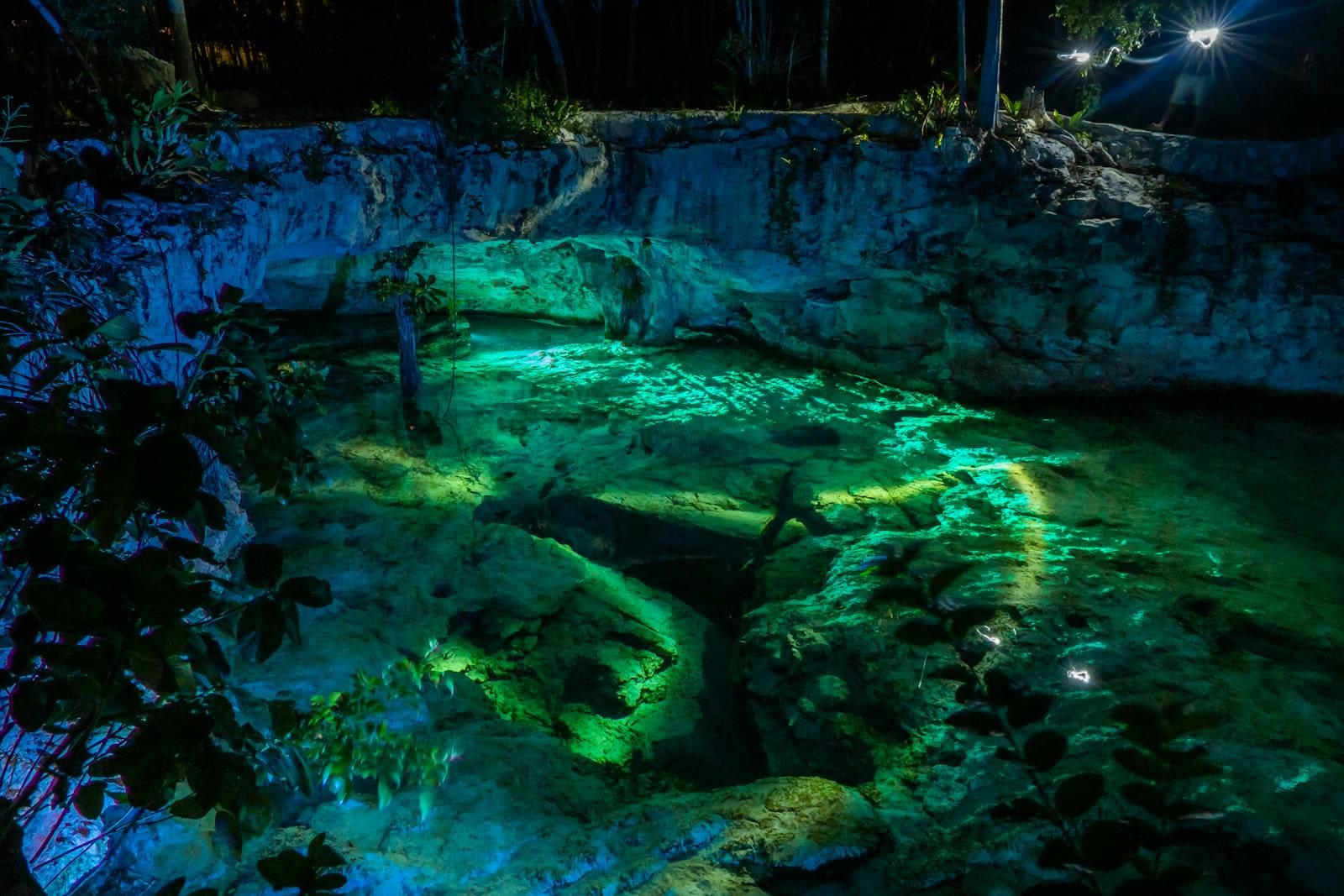
Just outside Valladolid you’ll come across Hubiku. It’s an underground cave with a huge dome, through the centre of which daylight pours in and illuminates the turquoise surface. It’s a gorgeous natural phenomenon that feels incredibly mystical. The water here is quite cold, an estimated 20°C or so, which feels wonderful in the Mexican heat.
The grounds around Hubiku are very well equipped — you’ll find a restaurant, souvenir shops, and even a tequila museum. Thanks to the good infrastructure, larger groups of tourists sometimes drop by, but the sheer size of the cave means people spread out easily and you never feel cramped.
10. Cenote Samula: An Underground Temple with Roots
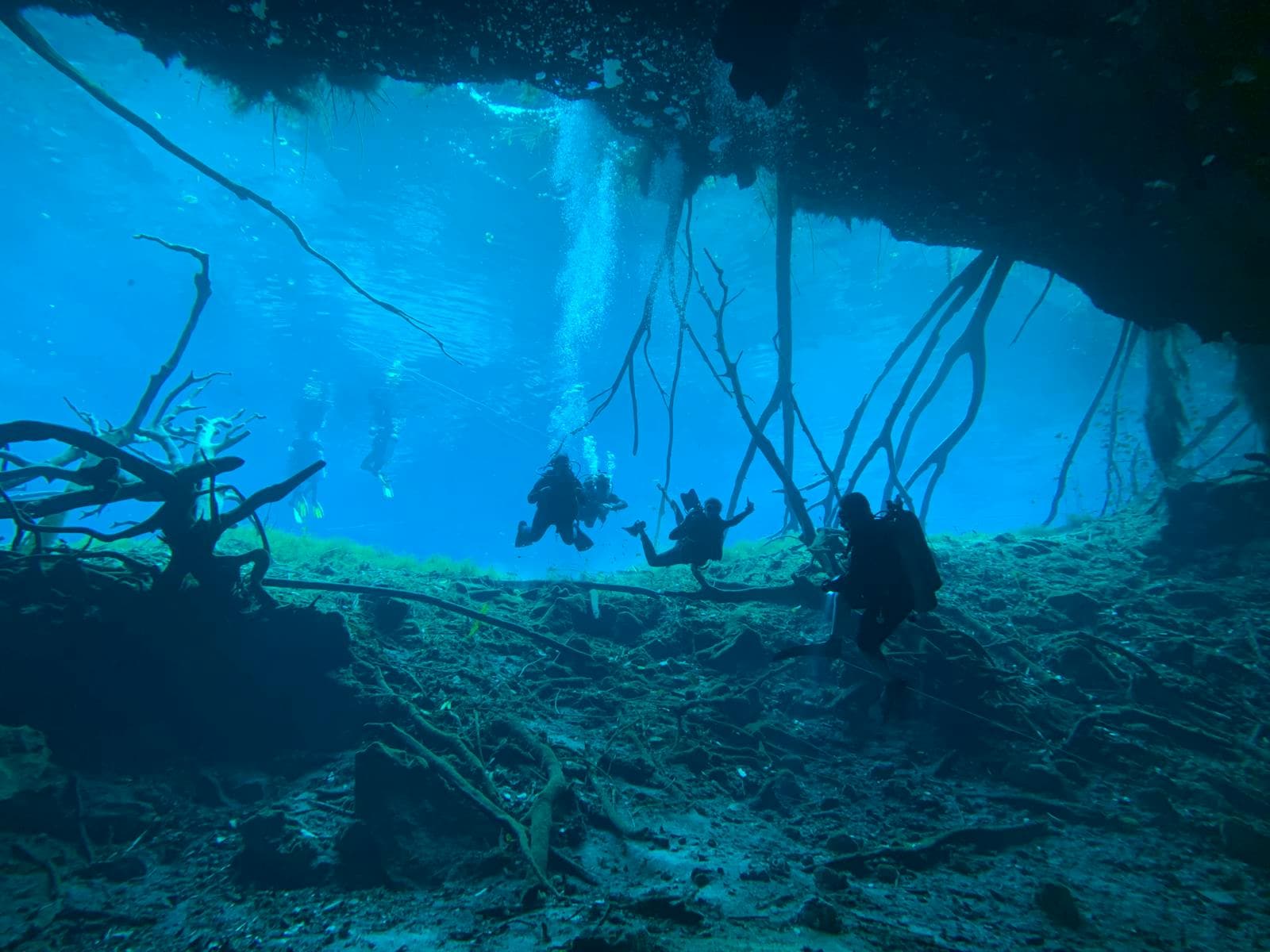
Samula (also spelled Samulah) is located in the village of Dzitnup near Valladolid. This enclosed cave looks like a natural cathedral. Long, thick roots from an enormous Alamo tree penetrate through the ceiling, hanging through the air right down to the water’s surface. It’s visually one of the most striking sights in the entire Yucatán.
Little bats flit around the water and now and then you’ll hear water dripping from the stalactites. A ticket costs around 80 pesos and is often sold in combination with the neighbouring X’Keken cave. Inside there’s a fairly dim, mysterious atmosphere, broken only occasionally by the shrieks of delighted swimmers.
11. Cenote X’Keken (Dzitnup): Among the Stalactites

Right next to Samula lies X’Keken, so it pays to visit both places at once. While Samula amazes with its roots, X’Keken is literally studded with huge limestone stalactites hanging from the ceiling, in many places joining up with the floor. The cave is very tight and enclosed, lit only by artificial lights and a single small opening in the roof.
The water is crystal-clear and full of tiny, harmless fish that will gently nibble at your feet if you stand still for a while (the kind of natural pedicure you’d pay a fortune for anywhere else). Access is down slightly slippery stone steps, so a bit of caution is definitely in order.
12. Cenote X’Canché: Adrenaline by the Maya Ruins
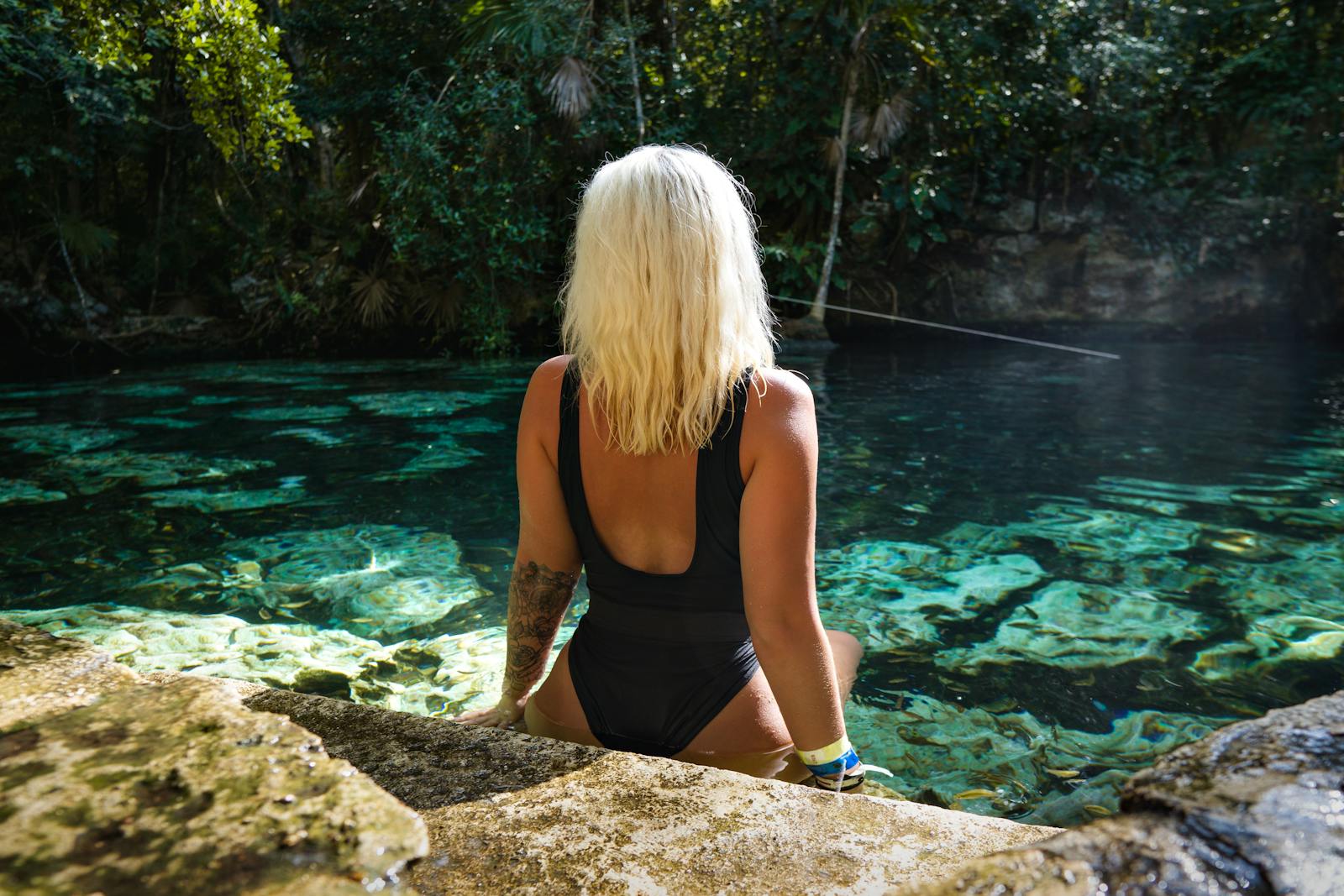
If you plan to visit the stunning Maya ruins of Ek Balam (where, incidentally, you can climb the breathtaking 43-metre-high Acropolis until 2026), X’Canché is literally round the corner. From the entrance to the archaeological site it’s about a 20-minute walk, or you can hire a bike and ride through the jungle.
This place is made for adrenaline lovers. The open sinkhole is surrounded by sheer walls, and besides the usual swim you can try a zipline right over the water or rappel down the walls. Entry is a little higher because of the attractions, but you’ll be rewarded with far fewer people than at the famous icons nearby.
💡 Tip: Plan your day so you explore the Maya monuments at Ek Balam in the morning and hide from the midday heat in X’Canché. It’s a perfect combination of history and relaxation.
What to Taste (Not Just for Sweet Tooths)
Mexico is a culinary paradise, and Yucatecan cuisine is a special chapter all of its own. Locals swear by traditional cochinita pibil (slow-roasted meat marinated in citrus juice and achiote, then cooked underground wrapped in banana leaves), but if you’re a vegetarian like me, don’t despair at all. The Yucatán is full of fantastic meat-free options!
Be sure to try Sopa de Lima, a refreshing lime soup that you can often ask for in a vegetarian version without chicken stock. For breakfast the absolute king is Chilaquiles (corn tortillas smothered in green or red sauce, topped with cheese and beans). During the day you’ll be saved by quesadillas filled with Oaxaca cheese and mushrooms, honest guacamole with nachos, or traditional panuchos — small fried tortillas filled with black beans and topped with pickled red onion, to which you simply mustn’t order a meat filling. Food in the Yucatán is colourful, bold, and incredibly cheap.
Practical Tips for the Trip
To make sure your trip to the underworld goes stress-free, it’s worth keeping a few purely practical things in mind. Here’s a selection of the most important ones:
- Money and cash: Entry usually ranges from €5 to €30 per person, and almost everywhere you pay exclusively in cash. It’s absolutely essential to carry enough small pesos for entry, locker rental, and a bit of food at the stalls. This is also covered by the safety guide on Cenotes Guide.
- Life vests: Even if you’re a world-champion swimmer, a life vest is often compulsory in the tourist cenotes of the Yucatán. The bottom often drops from shallows straight down to 10 to 60 metres, which is terribly hard to judge in clear water. Don’t argue with the staff — it’s simply the rule.
- Transport and buses: For travelling between towns (Cancún, Valladolid, Mérida, Tulum) the comfortable buses of the ADO company work perfectly. Longer routes will cost you €25 to €40. For shorter hops from town centres to the sights, so-called colectivos (shared vans) are super cheap and will stop for a wave of the hand.
- Safety: I often hear worries about safety in Mexico. But the Yucatán Peninsula (and especially the state of Yucatán, with its capital Mérida) is perfectly safe, comparable to many European resorts. Of course, keep an eye on your things and don’t leave your backpack unattended, but you definitely needn’t be afraid to walk around town in the evening.
💡 Tip: If you plan to hire a car, don’t forget the compulsory Mexican liability insurance (TPL). The standard cover from credit cards often doesn’t apply here, and without local liability the rental company simply won’t hand over the car. We always use a comparison site to check these conditions in advance.
Where to Go Next
The Yucatán Peninsula offers far more than just underground caves. Once you emerge from the water, don’t miss exploring the region’s fascinating Maya history.
We’ve put together a detailed guide to the iconic Chichén Itzá, where you’ll learn why you shouldn’t go on a Sunday. From there you can continue to the beautiful Valladolid, which will probably become your base. Another great stop is vibrant Mérida, full of culture and lovely little cafés. And if you’re interested in the wider context and want to see everything the region has to offer, take a look at our overview article on the whole Yucatán.
You can buy cenote tickets and combined tours on GetYourGuide.
Frequently Asked Questions
How much does admission to cenotes in Yucatan cost?
Prices vary greatly depending on the popularity of the location. The cheapest and less well-known spots (e.g. around Homún) start at 30–60 MXN (around €1.40–2.80). Famous places like Suytún or Gran Cenote will cost you 250 to 350 MXN (€10–14). You always need to have cash in Mexican pesos.
Can I use biodegradable sunscreen?
No, currently there is a strict ban on using any creams, including biodegradable (reef-safe) ones. Even these leave a film on the water surface. Instead, you must shower before entering the water and protect yourself from the sun with UV-protective clothing.
Is the water in the cenotes cold?
The water is quite refreshing, with temperatures averaging between 24 and 25 degrees Celsius. In the hot and humid Mexican climate, when outside temperatures climb above 30 degrees, it’s incredibly pleasant and invigorating.
Do I need a rental car for visiting?
The car offers the greatest freedom, especially if you want to catch opening hours and avoid crowds. However, if you don’t have a car, most well-known sites are accessible via shared vans (colectivos) or ADO buses from city centers like Valladolid or Tulum.
Is a life jacket mandatory in the cenotes?
Yes, wearing an orange life jacket is required almost everywhere in the state of Yucatán, regardless of your swimming abilities. The water can be surprisingly deep (even over 50 meters) and local authorities take safety very seriously.
Which place is best to stay for visiting the cenotes?
The ideal home base is the colonial town of Valladolid. It lies at a perfect driving distance from the most famous and beautiful cenotes (Suytún, Oxman, Zací) and offers great infrastructure, safety, and an authentic Mexican atmosphere.
When is the best time of day to visit?
Definitely first thing in the morning, as soon as they open (usually between 8:00 and 9:00), or alternatively late afternoon an hour before closing (around 16:00). This way you’ll avoid the crowds of tourists from air-conditioned buses, who typically arrive here around noon after visiting the pyramids.
Tips and Tricks for Your Vacation
Don’t Overpay for Flights
Search for flights on Kayak. It’s our favorite search engine because it scans the websites of all airlines and always finds the cheapest connection.
Book Your Accommodation Smartly
The best experiences we’ve had when looking for accommodation (from Alaska to Morocco) are with Booking.com, where hotels, apartments, and entire houses are usually the cheapest and most widely available.
 🚗 Car rental on the roadVerified rental cars in Mexico
Search with the DiscoverCars comparison engine — it compares prices from dozens of local and international rental companies, and most bookings come with free cancellation.
Compare car prices in Mexico →Don’t Forget Travel Insurance
Good travel insurance will protect you against illness, accidents, theft, or flight cancellations. We’ve had a few hospital visits abroad, so we know how important it is to have proper insurance arranged.
Where we insure ourselves: SafetyWing (simple monthly subscription) and TrueTraveller (for extra-long trips).
Find the Best Experiences
Get Your Guide is a huge online marketplace where you can book guided walks, trips, skip-the-line tickets, tours, and much more. We always find some extra fun there!