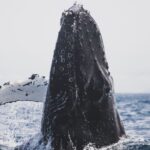
Picture this: the wild, deep-blue Pacific roaring away on your right, endless deserts dotted with giant cacti stretching out on your left, and the sun blazing overhead some 360 days a year. You know that feeling when you crave a total escape from reality, a place where you can lose yourself on empty roads and fall asleep with the ocean in view? That’s exactly what a Baja California road trip is all about. This narrow peninsula in western Mexico feels like a whole different world. No giant clouds of sargassum like in the Caribbean, no crowded all-inclusive resorts on every corner — just raw nature, whales within arm’s reach, and some of the most beautiful beaches North America has to offer.
In this guide you’ll find a complete 10-day Baja California itinerary that takes you from the buzzing south to the quiet bays up north. I’ll show you where to safely rent a car, when’s the best time to go whale watching for gray whales and whale sharks, how much the whole thing will cost, and where to find those magical little towns where time seems to stand still.
TL;DR
- Trip length: I’d recommend setting aside ideally 10 to 14 days. Distances here are huge and driving eats up a lot of time.
- When to go: If you want to see the whales of Baja in all their glory, the ideal window is from late December to April (the absolute peak is February and March).
- Getting around: Renting a car is an absolute must. Without one you simply won’t reach the best spots. Highway 1 is paved and safe — just avoid driving at night.
- Top highlights: The contrasting vibes of Los Cabos, the turquoise Balandra beach, snorkelling with sea lions on Espíritu Santo island, and of course whale watching in Magdalena Bay.
- Currency and budget: You pay in Mexican pesos (MXN); 1 peso is roughly £0.04 (about €0.05). Baja California Sur is one of the most expensive parts of Mexico, so budget more than you would for the Yucatán.
The full destination guide: Mexico — guide and what to see
Route and itinerary overview
Before we dive into the details, let’s visualise the whole route. This Baja California itinerary is laid out chronologically so you can fit in everything essential without completely wearing yourself out behind the wheel. The trip starts and ends at Los Cabos International Airport (SJD), which you can reach comfortably from the UK with one or two layovers (typically connecting via the US or Mexico City).
| Day | Route | Distance / drive time | Where to stay | Main experience |
|---|---|---|---|---|
| Day 1 | Arrival in Los Cabos | 0 km (just a short hop from the airport) | San José del Cabo | Settling in, wandering the streets, Art Walk |
| Day 2 | San José del Cabo → Cabo San Lucas | 33 km / 30 min | Cabo San Lucas | Boat trip to El Arco, Lovers Beach |
| Day 3 | Cabo San Lucas → Todos Santos | 75 km / 1 h 15 min | Todos Santos | Surf vibes, galleries and cacti |
| Day 4 | Todos Santos → La Paz | 80 km / 1 h 15 min | La Paz | Evening stroll along the promenade (malecón) |
| Day 5 | La Paz and surroundings | Depending on beach transfers | La Paz | Balandra beach and snorkelling with whale sharks |
| Day 6 | La Paz (trip to Espíritu Santo) | Boat trip (full day) | La Paz | Swimming with playful sea lions in turquoise water |
| Day 7 | La Paz → Magdalena Bay (Pto. San Carlos) | 270 km / 3 h 30 min | Pto. San Carlos | Watching gray whales up close |
| Day 8 | Puerto San Carlos → Loreto | 200 km / 2 h 30 min | Loreto | Colonial architecture and calm atmosphere |
| Day 9 | Loreto → La Paz / Los Cabos | 350–500 km / 4–6 h | La Paz / San José | Long drive back south, stops at viewpoints |
| Day 10 | Flying home | Short transfer to the airport | – | Last-minute souvenir shopping and departure |
Practical info before you go
A road trip through Mexico might sound like one giant adventure at first (and it is one), but if you prepare well you’ll find it’s a surprisingly smooth ride. The southern part of the peninsula (Baja California Sur) is also far calmer and friendlier than some of the mainland states. Here are a few things worth knowing before you get behind the wheel.
When to go for sun and whales
Baja is a year-round destination if all you’re after is sunshine, but if you want to witness the real wildlife miracle, you’ll need to think about timing. The whales of Baja (gray whales, specifically) swim into the warm local lagoons to give birth and raise their calves from December to April, with the absolute peak in February and March. Whale sharks in the bay near La Paz can usually be spotted from October to April. Summer (June to September), on the other hand, is extremely hot here and brings the risk of hurricanes. If you’re unsure when to go, read our detailed article on when to visit Mexico.
Renting a car and insurance
This is probably the single most important part of the whole planning process. Book your car well in advance through comparison sites, but be extremely careful about insurance. In Mexico, so-called TPL (Third Party Liability) is required by law. Many cheap deals online don’t include it, and at the rental desk you’ll be forced to pay hundreds of dollars on top. Always read the terms carefully. To drive, your UK driving licence plus an International Driving Permit (IDP) will do the trick.
💡 Tip: Federal Highway 1, which connects the south with the north, is entirely paved and in very good condition (though only two lanes). You don’t need an expensive 4×4 unless you plan to head off onto remote wild beaches deep in the desert. A standard car is perfectly fine for this itinerary.
Budget: how much does paradise cost?
Baja California Sur is unfortunately (or fortunately, since it keeps the crowds away) one of the most expensive destinations in all of Mexico. According to travellers, Los Cabos is the priciest spot in the country, thanks to the peninsula’s remote location — most goods have to be shipped in — and the huge spending power of American tourists. Average room rates here are well above the rest of Mexico, and in restaurants down south a burger or pizza can easily set you back $15. You can save money by heading away from the coastal resorts and eating at local taquerías and family-run spots, where you’ll get a meal for a fraction of the price (source).
Staying safe on the road
Mexico often gets a battered reputation in the media, but Baja California Sur is something of a safe bubble. The state currently has a Level 2 travel advisory (the same as France or Italy, for example) and ranks among the safest parts of Mexico, as long as you stick to tourist areas and use common sense. Travellers agree that the biggest danger on this road trip isn’t the cartels but the cows, which love to wander across the dark highway at night (source). For more, check out our article on whether Mexico is safe.
Where to stay along the route
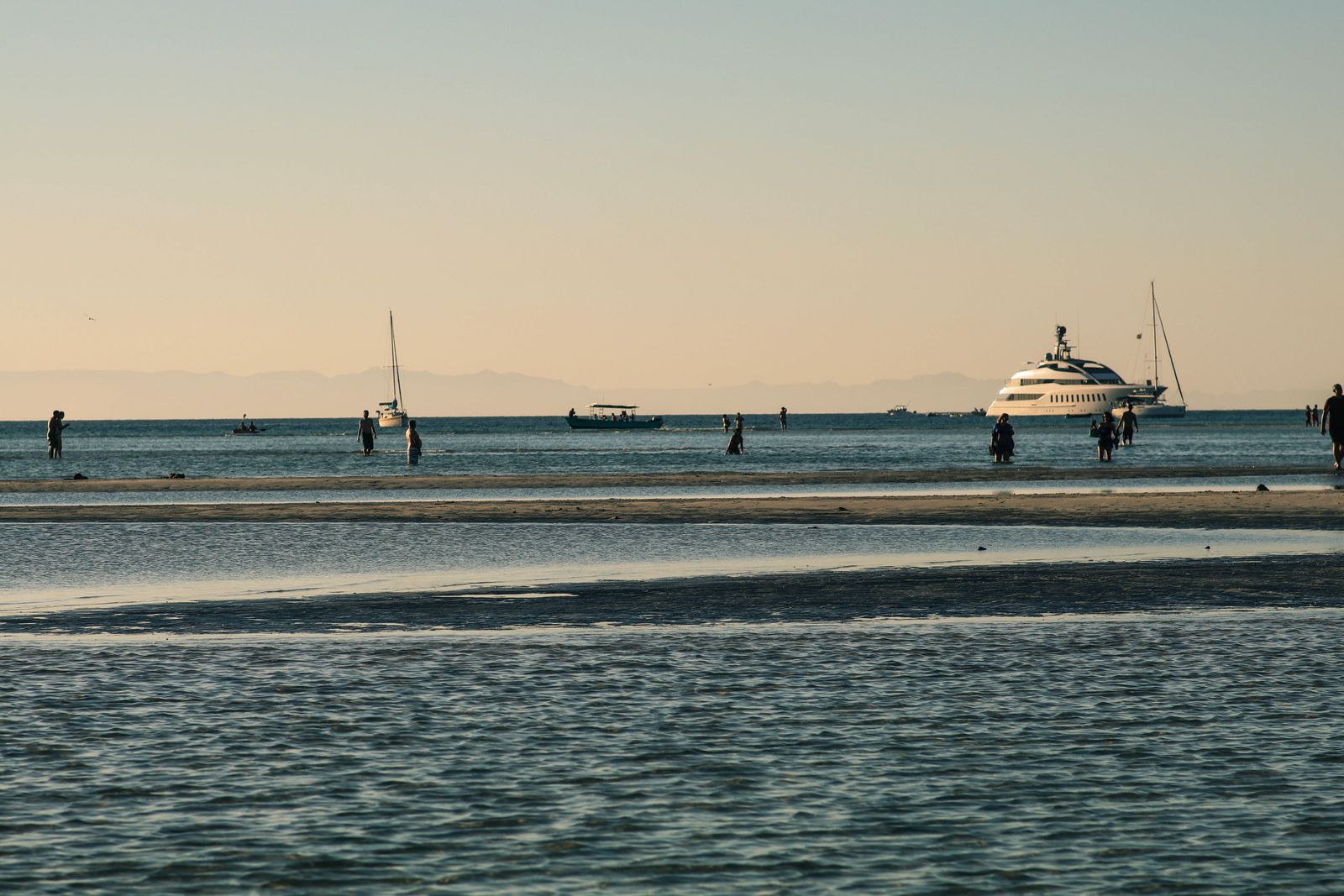
Finding accommodation on the Baja peninsula is a joy, because you’ll find everything from luxury resorts to charming family-run guesthouses with hammocks in the courtyard. I’d recommend booking hotels well ahead (at least 2–3 months), especially if you’re travelling during peak whale season.
Here are a few specific tips for popular, highly rated places across different categories:
Los Cabos (San José del Cabo and Cabo San Lucas): In San José del Cabo, try the gorgeous boutique Hotel El Ganzo (for those who want a touch of luxury and artistic flair right by the water), or the friendly, more affordable Mayan Monkey Los Cabos in Cabo San Lucas — a great choice for younger travellers and couples, with beautiful views over the marina.
Todos Santos: This little town is the very definition of boho style. A stunning stay awaits at Hotel San Cristóbal, set right on the beach with an incredibly photogenic design. If you’re after something charming right in the centre near the galleries, check out La Bohemia Hotel Pequeño, a cosy boutique hotel surrounded by a tropical garden.
La Paz: A city with a beautiful promenade deserves a good base. Baja Club Hotel is a renovated colonial villa right on the malecón, with a gorgeous pool and rooftop bar. A great mid-range option is Hotel Catedral La Paz, offering modern rooms, an excellent breakfast and views right over the main square and cathedral.
Loreto: In historic Loreto, the past breathes from every wall. A traditional and very popular choice is Hotel Santa Fe Loreto, which offers spacious rooms with a kitchenette and a lovely courtyard with a pool. For those who want sea views and a bit more luxury, there’s the majestic La Mision Loreto, which looks like something out of an old Spanish film.
Day-by-day itinerary: the best of Baja California Sur
Now we get to the heart of the matter. The following days are planned so you can take in the most beautiful beaches, taste some amazing food, and above all experience that incredible sense of freedom a Baja California road trip offers. Let’s go!
Days 1–2: Los Cabos (two worlds on one coast)
Your trip begins at the very southern tip of the peninsula, in the area known as Los Cabos. It’s actually a 33-kilometre coastal corridor connecting two completely different towns: Cabo San Lucas and San José del Cabo. Travellers who come here confirm that the mood of the two places couldn’t be more different. While Cabo San Lucas thrives on wild nightlife, big resorts and a buzzing yacht marina, San José del Cabo is a much calmer, artsy little town with cobbled streets and colonial architecture (source).
I’d recommend spending your first day in San José del Cabo. Soak up the laid-back atmosphere, wander through Plaza Mijares, and if you happen to be here on a Thursday (in season, from November to June), don’t miss the famous Art Walk, when the streets fill with art, music and a great atmosphere.
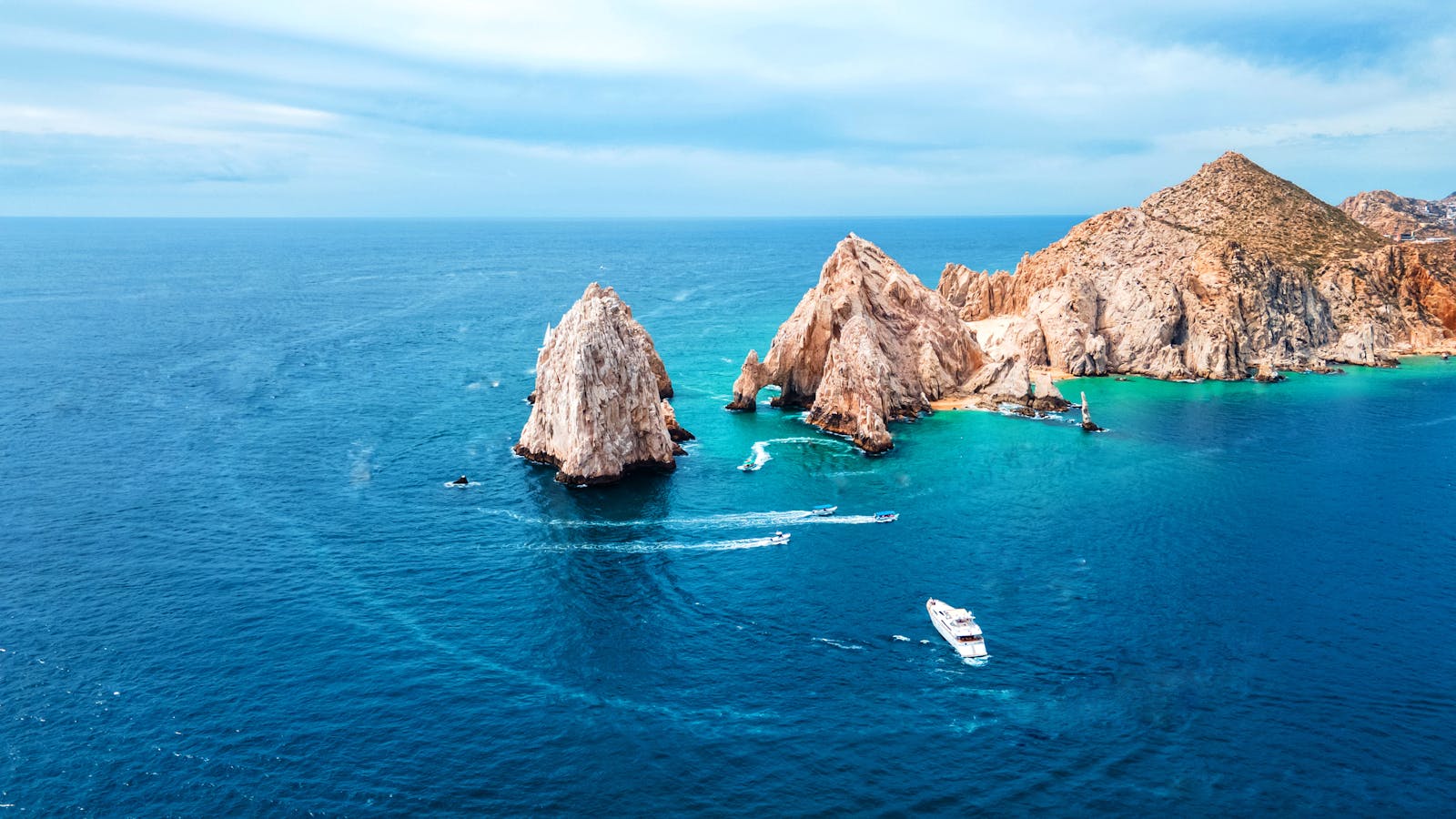
On the morning of the second day, drive over to Cabo San Lucas. Here you’ll find the absolute icon of the whole area — El Arco (the Arch), a breathtaking rock formation where the Pacific Ocean meets the Sea of Cortez. According to reviews, the boat trip to the Arch and the nearby Lovers Beach is an absolute highlight of any visit; captains usually leave plenty of time for photos, and you’ll enjoy the water around the rocks despite the occasional waves (source).
💡 Tip: If you’re hungry, San José del Cabo is packed with lovely “farm-to-table” restaurants (like the famous Flora Farms), where they make incredible vegetarian dishes from their own produce. Try their roasted vegetables or fresh quesadillas.
Day 3: Todos Santos (cacti, surf and art)
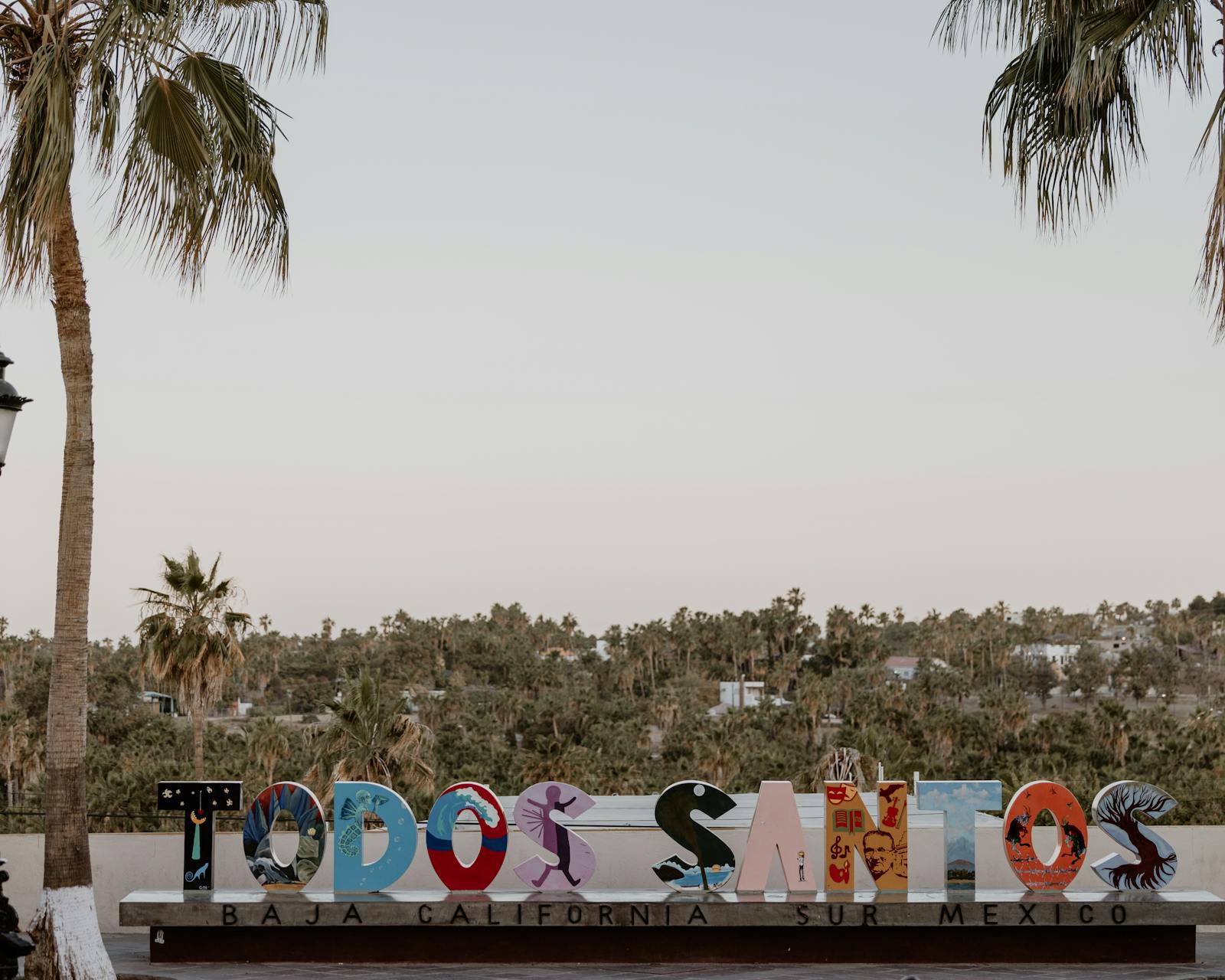
In the morning, hop in the car and head north along the west coast. After about an hour and a quarter you’ll reach Todos Santos. This little town has an incredible “Pueblo Mágico” vibe. It’s an oasis in the middle of the desert where surfers, artists and travellers from all over the world come together.
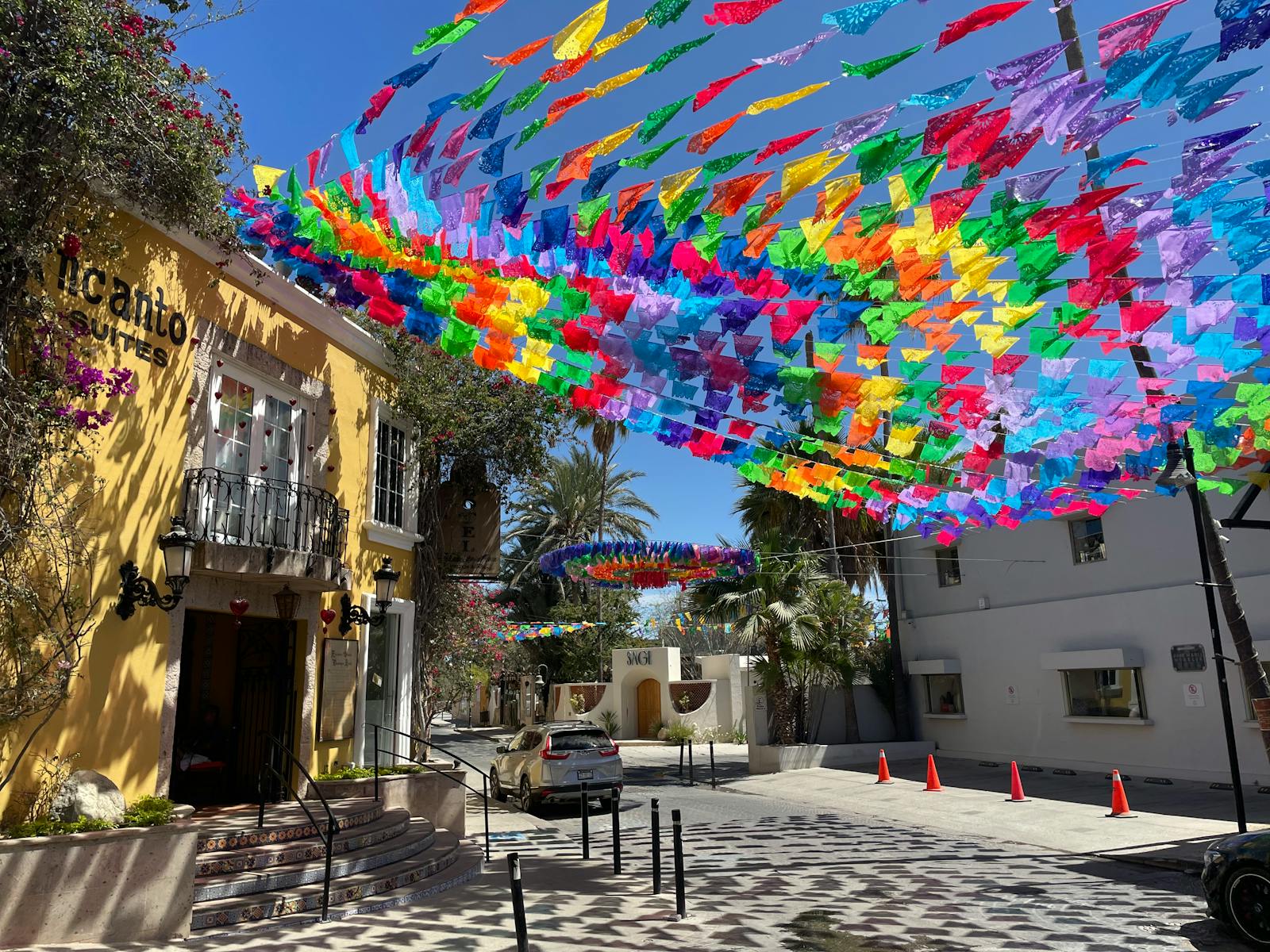
Explore the centre, full of colourful paper bunting (papel picado), peek into the small galleries, and don’t forget to snap a photo at the legendary Hotel California (even though it’s apparently not the one the Eagles sang about, everyone takes a picture there anyway). In the afternoon, head to one of the nearby beaches, like Playa Cerritos. Be careful about swimming, though — the waves here tend to be huge, so it’s a paradise for experienced surfers rather than swimmers.
In the evening, try chiles rellenos (peppers stuffed with cheese) at a local restaurant, or some proper guacamole with totopos (corn chips). Todos Santos is very focused on healthy, organic food, so as a vegetarian you’ll be in seventh heaven.

Days 4–5: La Paz (Mexican beach heaven)
On day four you’ll drive to the capital of Baja California Sur — La Paz. It’s just over an hour from Todos Santos. La Paz, Mexico is exactly the kind of place you fall in love with at first sight. It sits on the shore of the Sea of Cortez (often called the world’s aquarium), and its heart is the five-kilometre malecón (promenade). An evening stroll at sunset, when local families amble along the seafront, is an experience in itself.
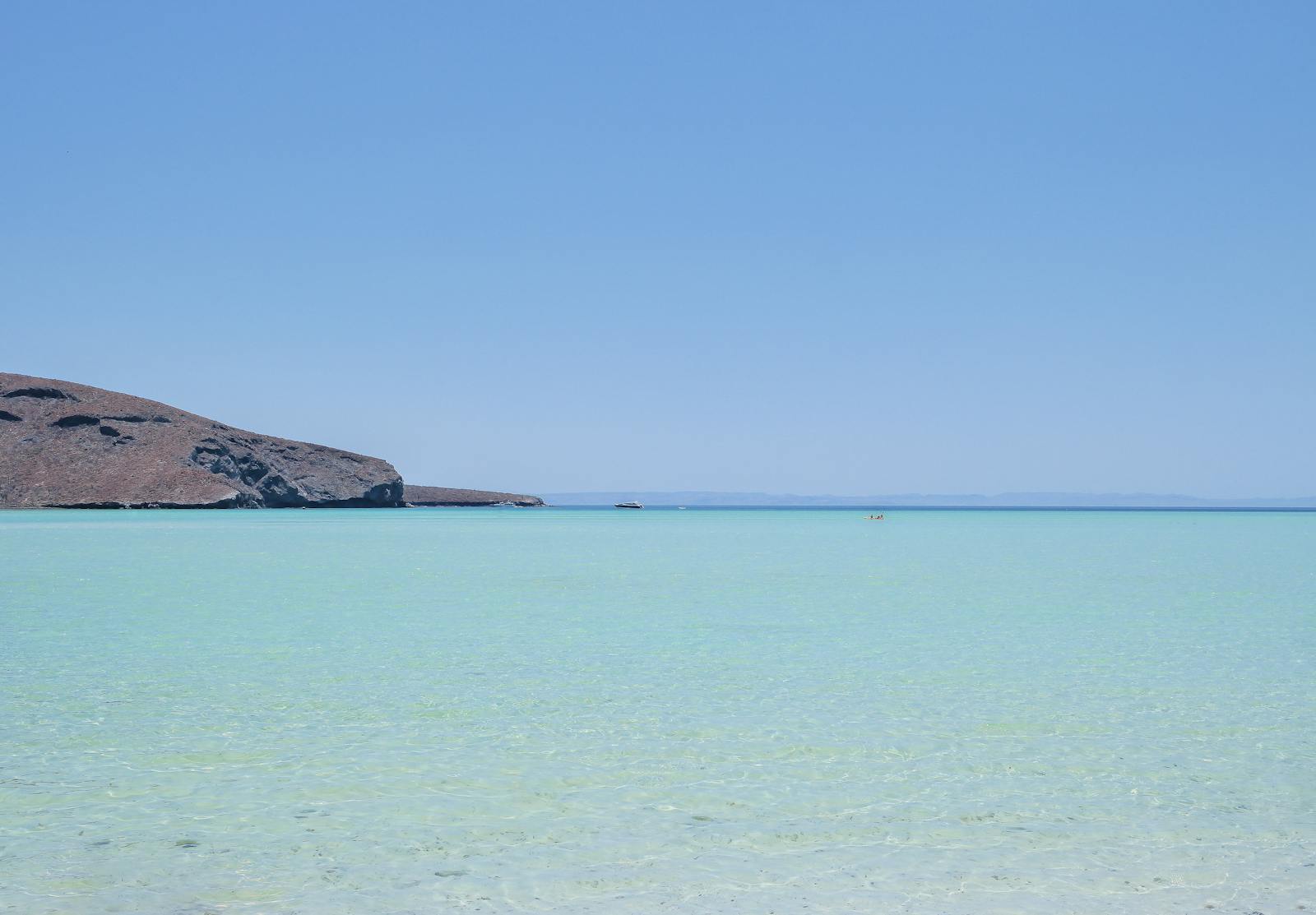
Dedicate day five to Balandra beach. Trust me, this is one of the most beautiful beaches in the world — a shallow turquoise lagoon with fine white sand, ringed by desert hills. Since 2025, though, fairly strict conservation rules apply: admission costs 120 pesos (in the form of a digital wristband) and the beach is divided into two time slots (8:00–12:00 and 13:00–17:00), with a limit of around 450 people per slot. Travellers advise arriving really early on a weekday, otherwise you’ll be queuing (source).
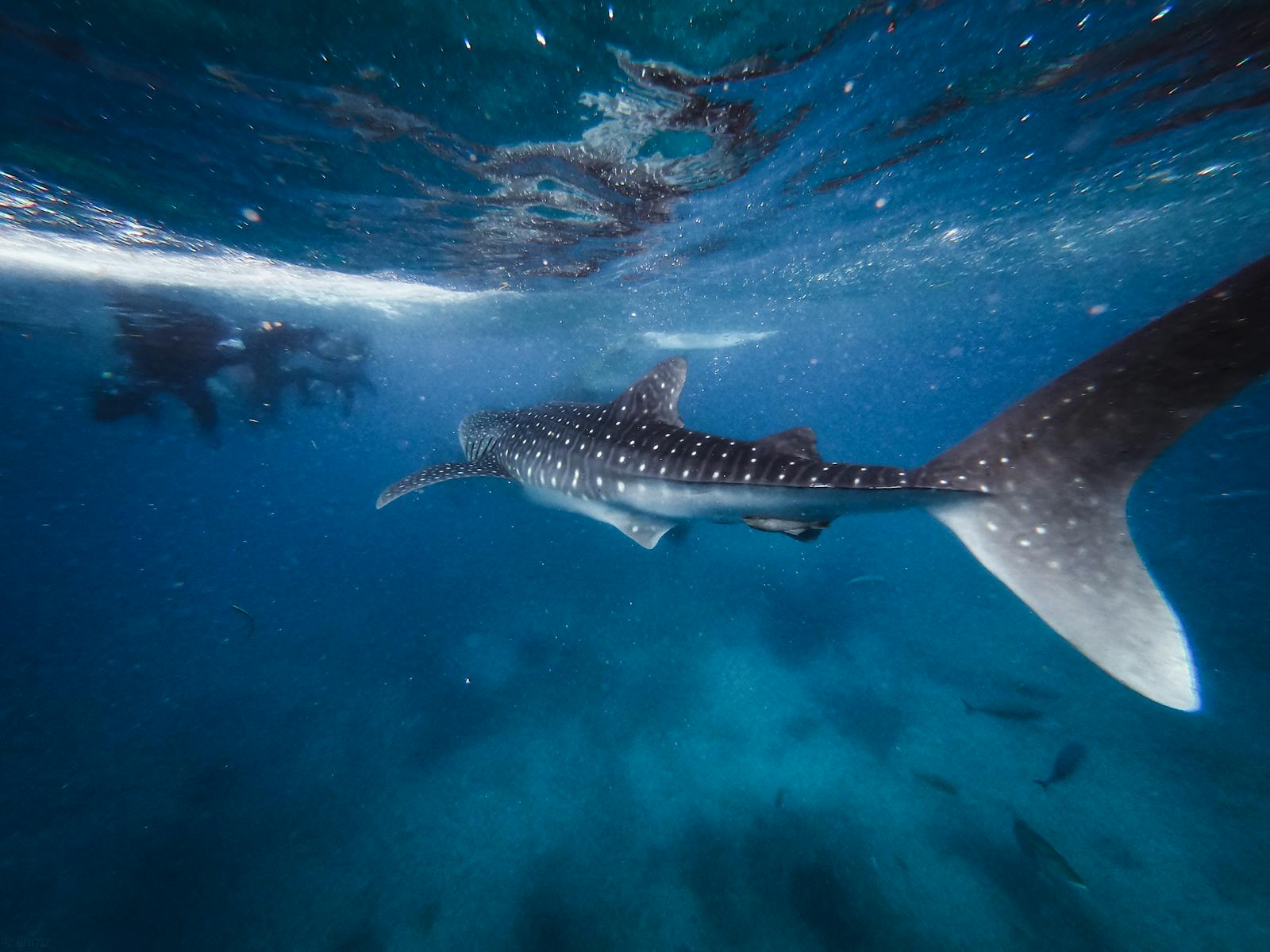
💡 Tip: Right here in La Paz, from October to April (peaking in the winter months), you have a unique chance to snorkel with whale sharks. La Paz draws only a fraction of the tourists compared to mainland Cancún, so the experience here is far more intimate, and the water in October or November is still wonderfully warm (27–29°C) (source).
Day 6: Espíritu Santo (snorkelling with sea lions)
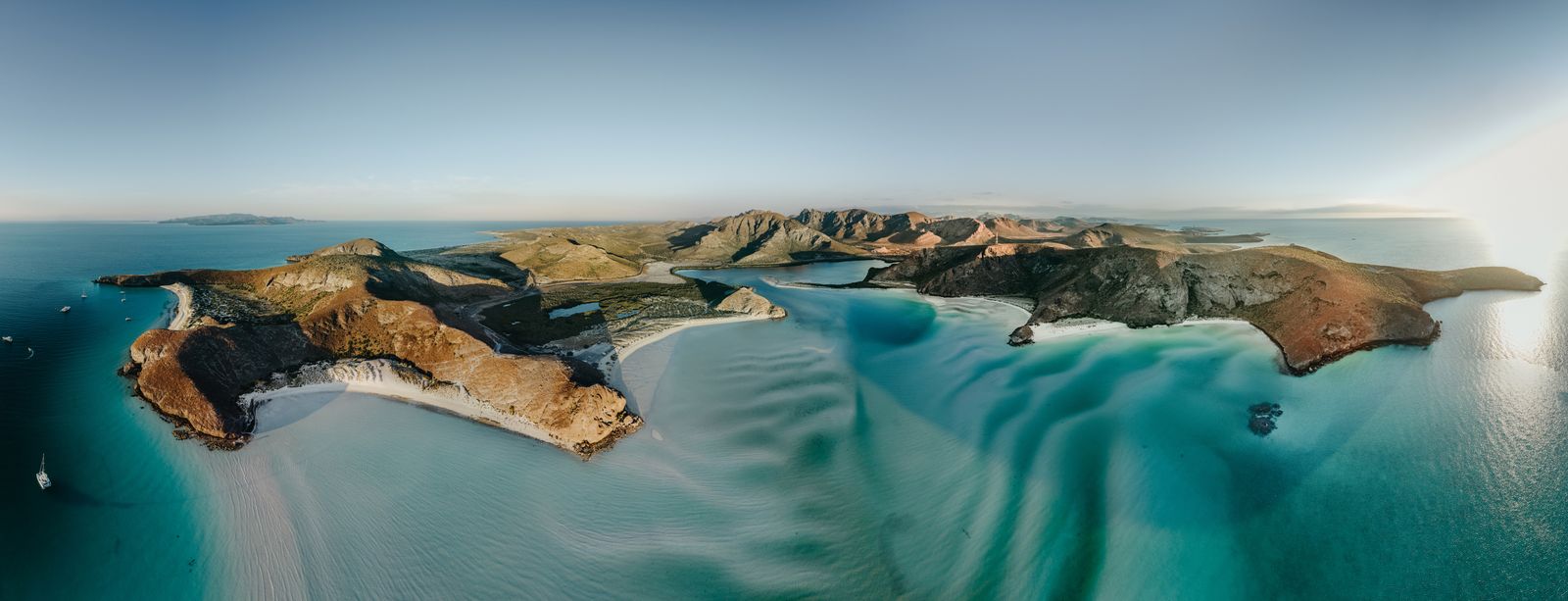
Today, leave the car to rest in the car park, because a full-day boat trip awaits. Espíritu Santo island, lying just off La Paz, is a UNESCO-protected reserve. It’s a rugged island full of red rock, but the real magic is hidden beneath the water.
The goal of the trip is the colony of California sea lions on the islet of Los Islotes. The boat ride takes about an hour and a half, past gorgeous desert coves. When you jump into the water, the curious sea lion pups start doing pirouettes around you and occasionally even nibble gently at your fins. People describe this as absolutely magical. Just keep in mind that in June, July and August, snorkelling right by the sea lion colony is banned for regulatory reasons due to mating and pup-rearing season (source). On the boat they usually prepare an excellent lunch right on one of the deserted beaches.
Days 7–8: Gray whale watching (a natural wonder)
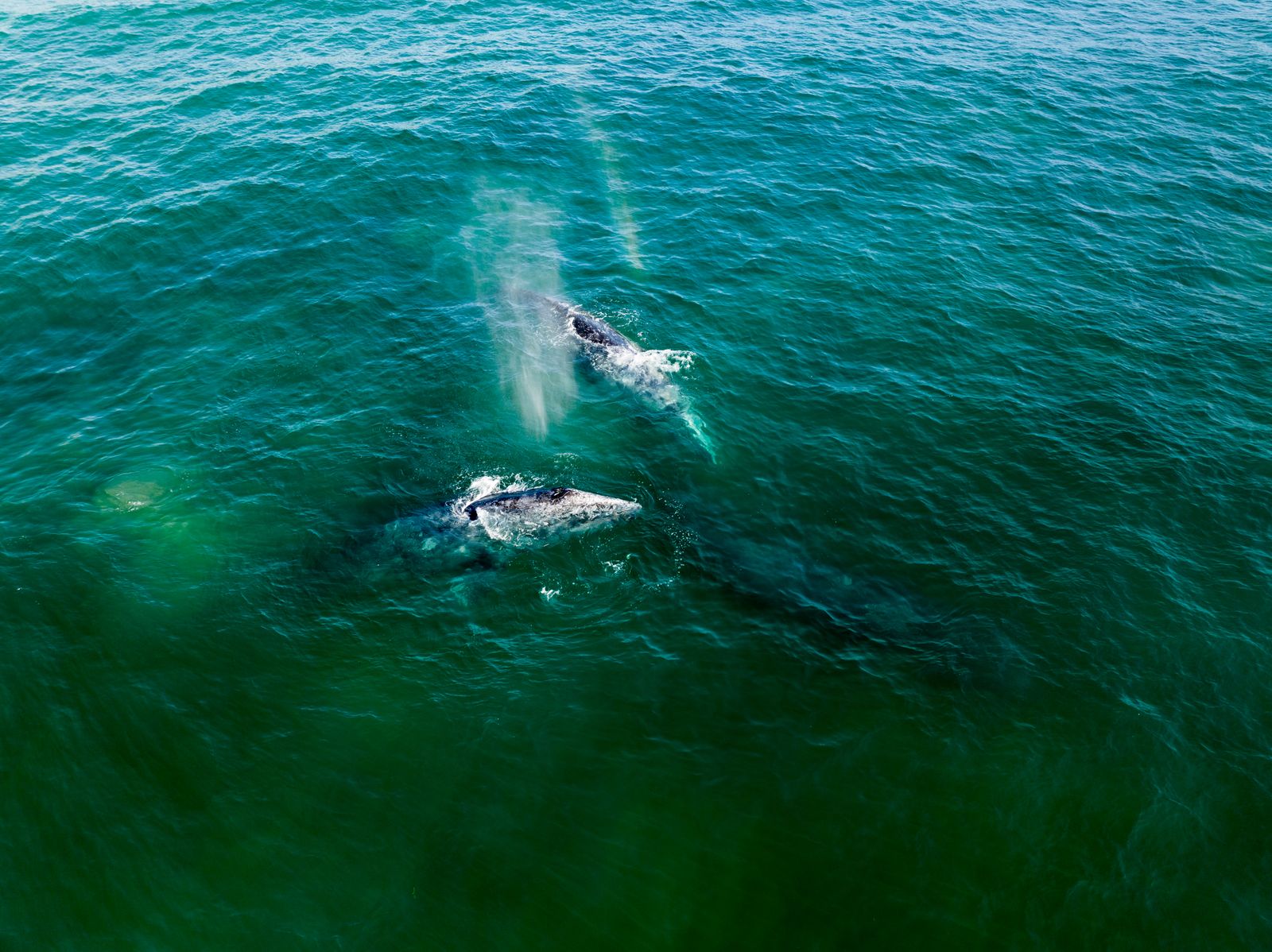
Here it is. The main reason people take a Baja California road trip in winter. In the morning you’ll head north from La Paz towards the Pacific coast to Puerto San Carlos in Magdalena Bay (the drive takes about 3.5 hours). This is one of three main spots on the peninsula where thousands of gray whales migrate every winter from the cold waters of Alaska.
The gray whales here are incredibly friendly. Visitors regularly experience huge mothers nudging their calves right up to the small boats (pangas) so people can have a look. It’s a deeply moving experience that brings tears to your eyes. As I mentioned, the whales are here from late December to March, so if you’re travelling during this period, this is simply not to be missed (source).
After returning from the boat, I’d recommend continuing the drive for another 2.5 hours or so across the peninsula to the town of Loreto, where you’ll spend the night.
💡 Tip: If you get seasick on small boats, take some travel-sickness tablets before the trip. The waters in the bay are calmer than the open ocean, but even so, a little panga can rock around quite a bit.
Days 9–10: Loreto and the return south
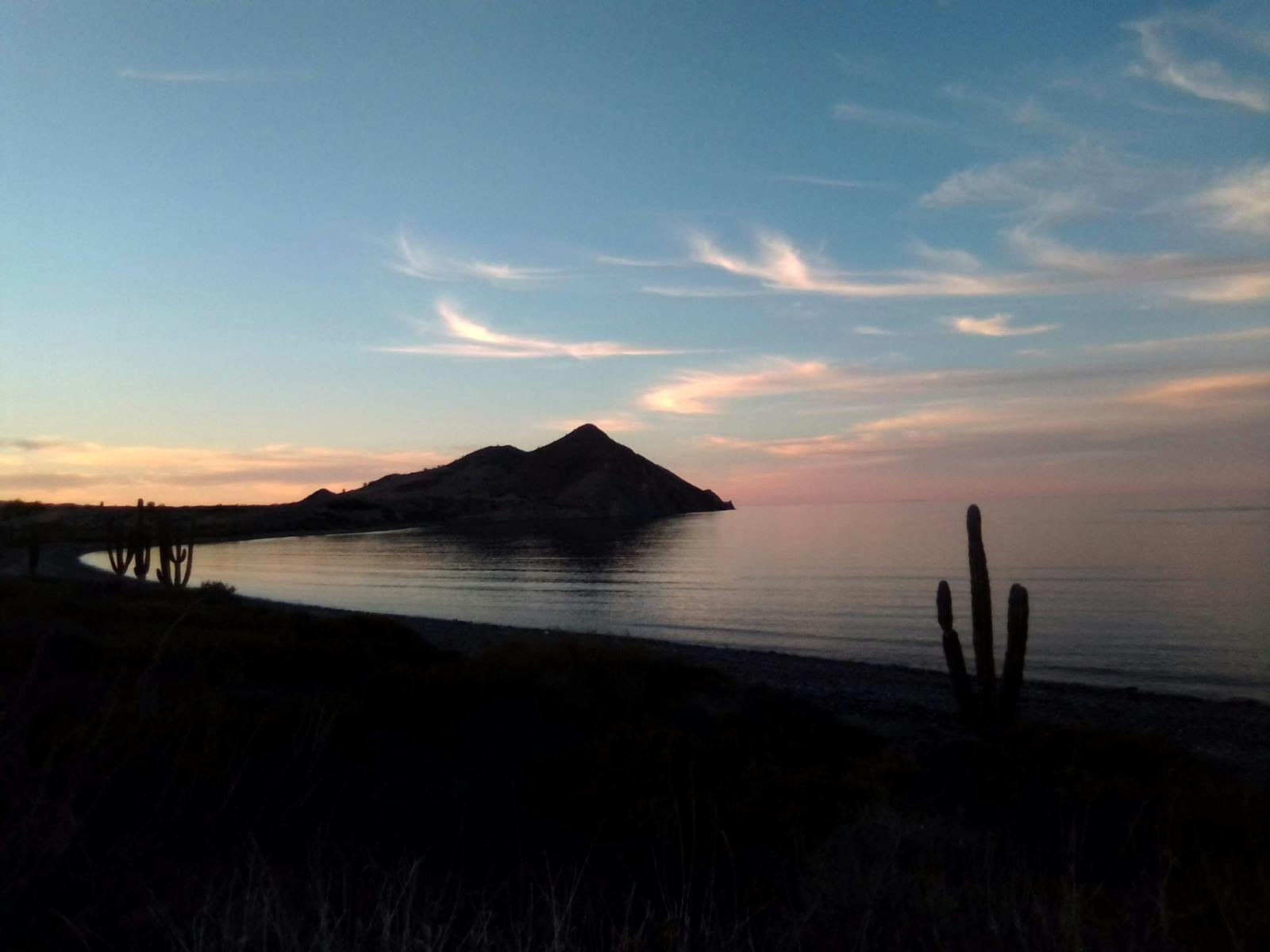
Loreto is a quiet, sleepy colonial town once again sitting on the shore of the Sea of Cortez. The atmosphere here is completely different from the wild south. In the morning, walk through the historic centre and visit Misión Nuestra Señora de Loreto, the very first Spanish mission on the peninsula, dating back to 1697. The streets here are lined with trees, little cafés and small shops.
On the afternoon of day nine (or the morning of day ten, depending on where and when your flight leaves), a long drive back awaits. From Loreto back to the airport in Los Cabos it’s about 6 hours of solid driving along the highway, so set aside plenty of time, stop at the viewpoints and enjoy the last glimpses of the endless desert.
Map of points of interest for your phone
Route variations: shorter or longer adventures
Not everyone has exactly 10 days to spare. Whether you’re short on time or planning a really long holiday, this Baja California itinerary can be nicely stretched or trimmed. Here’s a quick overview of two alternatives:
| Option | Ideal length | Route and what you’ll see | Who it’s for |
|---|---|---|---|
| Shorter (South) | 7 days | Los Cabos → Todos Santos → La Paz → and back. You’ll skip northern Loreto and the whales on the Pacific coast, but still catch the sea lions, whale sharks and Balandra beach. | For those with just a week who don’t want to spend too many hours in the car. |
| Longer (In depth) | 14 days | The classic route + from Loreto you continue further north to Mulegé and the stunning Bahía Concepción (white-sand coves and hot springs). | For lovers of camping and total disconnection from civilisation. |
What to eat in Baja
Mexican cuisine is a love for life, and in Baja that goes double. If you’re a vegetarian like us, you’ll be glad to hear that Mexico isn’t all about meat. The staples of the Mexican diet are corn, beans, chilli and avocado, so there are plenty of options.
Although Baja is home to the famous “Baja fish tacos” (battered, fried pieces of fish served in a corn tortilla with cabbage and sauce), which waft from every corner and which the locals swear by, you can happily do without them. Definitely try a street-side elote — grilled corn slathered in mayonnaise, sprinkled with cotija cheese and chilli, and drizzled with lime. In restaurants, look out for tacos de nopal (tacos with grilled cactus, an absolute delicacy) or classic quesadillas with mushrooms (champiñones) or squash blossom (flor de calabaza). And of course, a daily bowl of fresh guacamole is a must in Mexico!
💡 Tip: If you spot “Chiles en Nogada” on the menu (usually made around September, though some places serve it year-round) and they can make it without the meat filling, definitely give it a go. It’s a stuffed poblano pepper topped with walnut sauce and sprinkled with pomegranate. A feast for both the eyes and the taste buds!
Final practical tips
So that nothing catches you off guard on the road, here are a few of my personal warnings and tips for a smooth trip:
- Watch out for “topes”: Mexican speed bumps are legendary. They’re often completely unmarked, appear out of nowhere before villages, and are so high that if you hit one at speed you’ll rip off your undercarriage. Keep your eyes peeled.
- Never drive at night: This rule applies to the entire Baja California road trip. Once the sun sets, the highways are pitch black and livestock (cows, horses) regularly cross the road. A collision with a cow in the middle of the desert with no phone signal is the last thing you want to deal with.
- Fill up regularly: There are plenty of petrol stations (Pemex), but on some stretches they can be dozens of kilometres apart. As soon as you’re down to half a tank and see a station, top up. The attendants will fill the tank for you, and it’s polite to leave a small tip (about 10–20 pesos).
- Only drink bottled water: Tap water in Mexico isn’t safe to drink. Always keep a supply of large bottles of drinking water in the car — you’ll dehydrate far faster in the desert than you’d think.
Where to go next
If Mexico has caught your eye and you’re planning to explore other parts of this incredible country, we’ve put together plenty of other guides for you. If you want to get a sense of what else the country offers, check out our huge article on what to see in Mexico.
More drawn to the mainland Pacific and its surf vibes? Read our guide to Puerto Vallarta. And if you’re as wild about wildlife as I am, don’t miss our article on Mexico: whales and wildlife, where we break down the best animal encounters across the whole country.
You can book whale-watching cruises, sea lion snorkelling and other excursions on GetYourGuide.
Frequently asked questions
How long does it take to drive the entire Baja California?
If you want to drive the peninsula from the American border in the north all the way south to Los Cabos, you’ll need at least 2 to 3 weeks. Our itinerary focuses only on the southern half (Baja California Sur), which can comfortably be done in 10 to 14 days.
Is it necessary to rent a 4×4 car for the trip?
On the main route described in this article, which follows Highway 1 and paved roads, a regular car will be more than sufficient. You’ll only need a 4×4 vehicle if you’re planning detours off the highway to remote bays and wild beaches via sandy and rocky tracks.
Can you pay by card in Mexico, or do I need cash?
In larger cities like Cabo San Lucas or La Paz, at gas stations and in supermarkets you’ll pay by card without any problems. But you’ll definitely need cash in Mexican pesos (MXN) for street food, smaller purchases, tips and entrance fees to smaller beaches.
Is swimming in the ocean on the peninsula safe?
It depends where. On the Pacific side (e.g. Todos Santos or Los Cabos) there are often huge waves and extremely strong undertows, so swimming here can be deadly dangerous. On the other hand, the beaches on the Sea of Cortez side (Balandra, around La Paz) are shallow, calm and just perfect for relaxed swimming.
What is DCC and why should you watch out for it?
DCC (Dynamic Currency Conversion) is a tourist trap at ATMs and payment terminals, where the device offers to convert the amount to your home currency. The exchange rate is always extremely unfavorable (you can easily lose 8–9%). Always choose the option to pay or withdraw in the local currency (MXN) without conversion.
Can you travel around Baja using public transportation?
Yes, there are quite reliable and comfortable long-distance buses operated by Aguila running between the main cities (Los Cabos, La Paz, Loreto). The downside, however, is that they won’t get you to the most beautiful remote spots and beaches outside the cities, so renting a car will give you much more freedom.
When is the best chance to see whale sharks in La Paz?
The official season usually runs from October to April, but the most reliable months for spotting large numbers of individuals are December, January, and February. The experience is government-regulated, so you’ll need a licensed guide and only a small number of people are allowed in the water at a time.
Tips and Tricks for Your Vacation
Don’t Overpay for Flights
Search for flights on Kayak. It’s our favorite search engine because it scans the websites of all airlines and always finds the cheapest connection.
Book Your Accommodation Smartly
The best experiences we’ve had when looking for accommodation (from Alaska to Morocco) are with Booking.com, where hotels, apartments, and entire houses are usually the cheapest and most widely available.
 🚗 Car rental on the roadVerified rental cars in Mexico
Search with the DiscoverCars comparison engine — it compares prices from dozens of local and international rental companies, and most bookings come with free cancellation.
Compare car prices in Mexico →Don’t Forget Travel Insurance
Good travel insurance will protect you against illness, accidents, theft, or flight cancellations. We’ve had a few hospital visits abroad, so we know how important it is to have proper insurance arranged.
Where we insure ourselves: SafetyWing (simple monthly subscription) and TrueTraveller (for extra-long trips).
Find the Best Experiences
Get Your Guide is a huge online marketplace where you can book guided walks, trips, skip-the-line tickets, tours, and much more. We always find some extra fun there!