You know that feeling when your jaw drops in amazement, your breath catches, and you just stare in disbelief at what nature has come up with? That’s exactly how you’ll feel when you encounter Mexico wildlife up close. This vast country offers far more than perfect white-sand beaches, Mayan pyramids and the best vegetarian tacos on the planet — it’s an absolute paradise for animal lovers. Whether you dream of a giant whale gliding beneath your boat in a lagoon, want to snorkel alongside a majestic whale shark, or long to witness millions of orange butterflies, you’re in the right place.
This guide will walk you through the best wildlife in Mexico so you know exactly where — and crucially, when — to go. Nature doesn’t wait, and if you arrive in the wrong month, you might leave disappointed. We’ll look at where you can best spot adorable sea turtles, where to head for flocks of pink flamingos, and why it matters to choose certified guides who respect the animals. In short, I’ll show you how to make your travel dreams come true and bring home memories no one can ever take away.
In this article you’ll find a complete wildlife-watching calendar, detailed tips for individual regions from Baja California to the Yucatán, an overview of current prices and plenty of practical advice to make your adventure absolutely perfect.
TL;DR
- Best month for wildlife: If you want to see as much as possible, go in January. You can combine whale watching in the west, monarch butterflies in central Mexico and flamingos on the Yucatán.
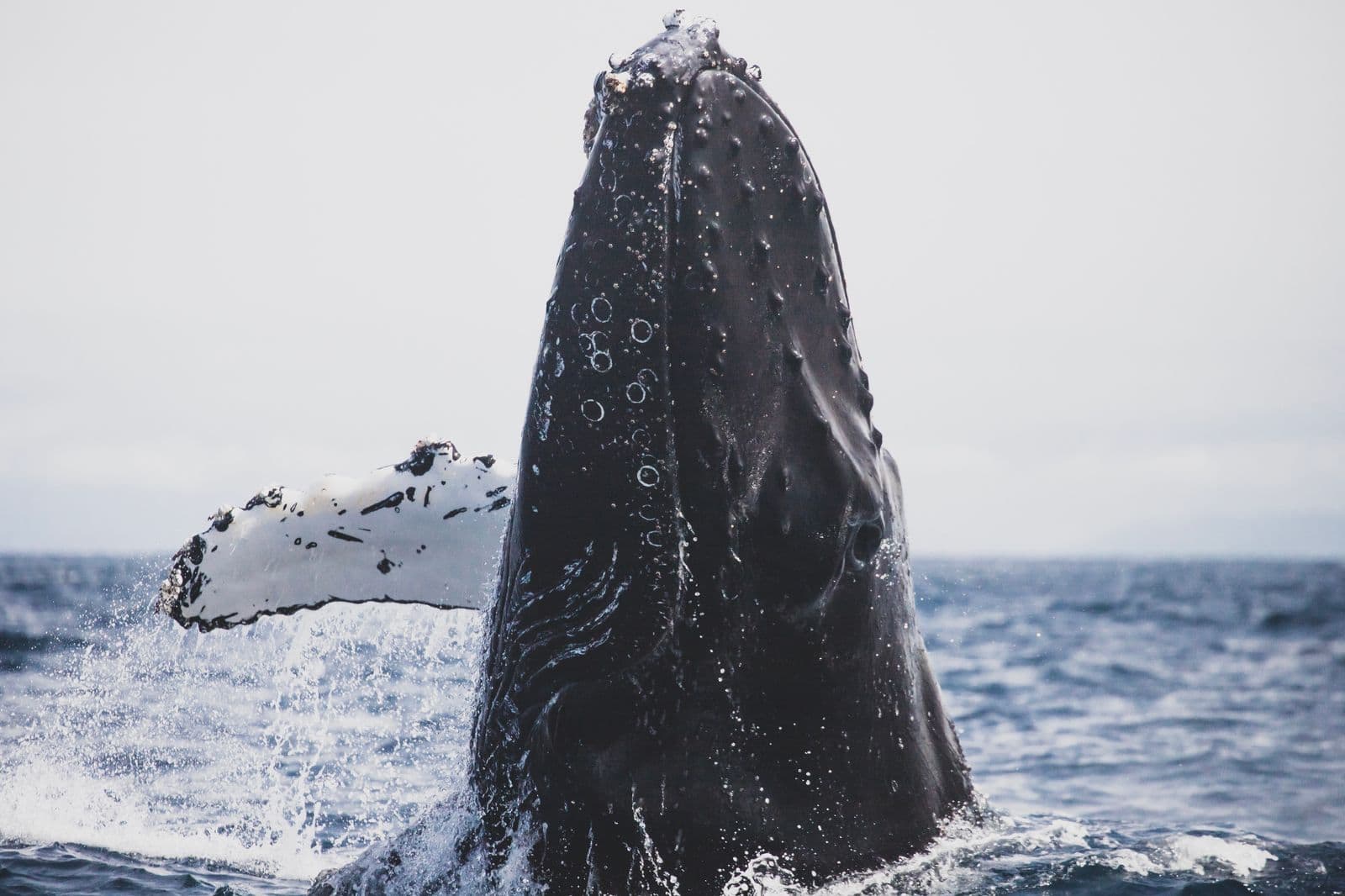
- Grey whales and humpbacks: The main season on the Baja California peninsula runs from December to April, with the absolute peak — and the best chance of seeing calves — in February and March.
- Whale shark: In the Caribbean (Holbox, Isla Mujeres, Cancún) you’ll see them from mid-May to mid-September. In the Pacific (La Paz), it’s November to March.
- Sea turtles: They nest from May to November; in the Akumal area a guide and life jacket are mandatory for snorkelling with them.
- Monarch butterflies: They overwinter in the state of Michoacán from November to March, with millions coating the trees at high altitudes.
- Flamingos: Celestún is ideal from November to March, while Río Lagartos hosts nesting from March to June.
- Conservation: Never touch the animals, keep your distance, and never enter cenotes or coral-rich seas wearing sunscreen.
The full destination guide: Mexico — guide and what to see
Wildlife Calendar: What You’ll See in Mexico and When
When planning a wildlife trip, timing is absolutely crucial, because most of the most fascinating creatures only migrate to Mexico. If you book flights for October hoping to see grey whales or whale sharks in the Caribbean, you’ll sadly just be staring at an empty sea. To help you get your bearings, here’s a clear table of the biggest highlights and their seasons.
| Month | Animal and location | What exactly you’ll see |
|---|---|---|
| January | Whales (Baja), Monarchs (Michoacán), Flamingos (Celestún) | The absolute jackpot — every migrating species is in place. |
| February | Grey whales (Baja California) | Peak season, with females teaching their calves in the lagoons. |
| March | Whales (Baja), Flamingos (Río Lagartos) | Whales slowly head out; flamingos in the northern Yucatán begin nesting. |
| April | Whales (end of season), Sea turtles | The sea-turtle mating season begins along the coast. |
| May | Whale shark (Caribbean), Turtles | The whale-shark season near Holbox officially begins on 15 May. |
| June | Whale shark (Caribbean), Crocodiles (Banco Chinchorro) | Ideal calm seas for snorkelling with whale sharks. |
| July | Whale shark (Caribbean), Sea turtles | Peak season for the giant fish and for turtles nesting on the beaches. |
| August | Whale shark (Caribbean), Turtles | The last strong month for whale sharks on the east coast. |
| September | Crocodiles (Banco Chinchorro), Turtles | The whale-shark season on the Yucatán ends around 17 September. |
| October | Sea turtles (hatching) | The biggest hatching of tiny turtles racing toward the sea begins. |
| November | Whale shark (La Paz), Monarchs | Whale sharks arrive in La Paz; the first butterflies settle in the mountains. |
| December | Whales (Baja), Flamingos (Celestún) | The main whale-watching season on the west coast kicks off. |
💡 Tip: If your holiday dates are flexible and you want to see the widest variety of nature, plan your trip around the turn of January and February. The weather is pleasant everywhere and the animals are present in full numbers.
Grey Whales and Humpbacks: When to Visit the Baja California Peninsula
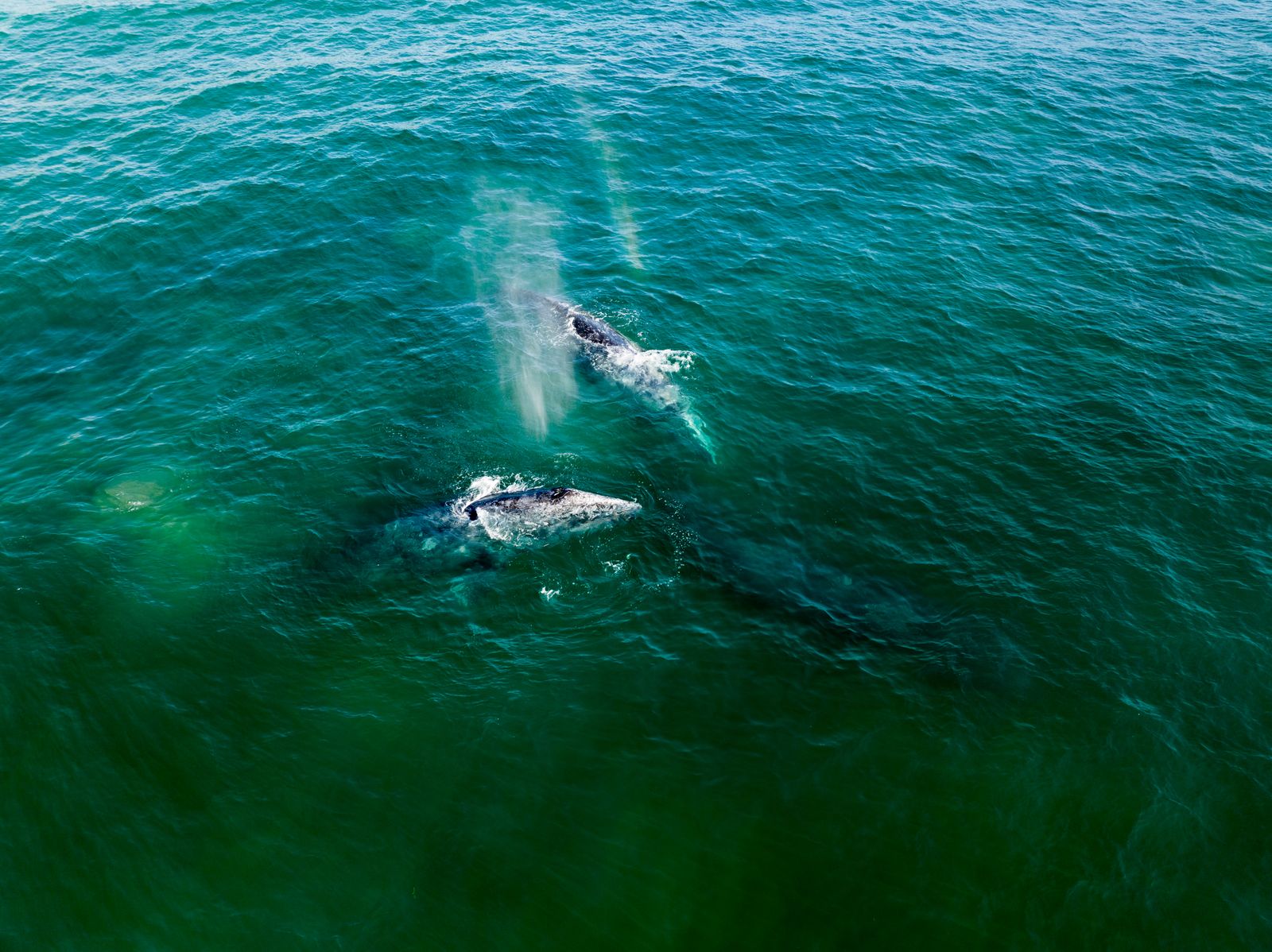
The Baja California peninsula is often called the world’s aquarium, and trust me, it earns that title down to the last letter. Every year, after travelling thousands of kilometres from the cold waters of Alaska, thousands of whales arrive here to mate and give birth in the warm, calm lagoons. Watching these giants with your own eyes is an experience that will give you goosebumps long after you get home.
The stars of the west coast are grey whales and humpbacks. The season runs roughly from December to April, but if you want to be sure of seeing mothers with their tiny calves, come in February or March. The very best spots are the Ojo de Liebre and San Ignacio lagoons, which mean heading a little further north up the peninsula. It’s here that the whales are what’s known as “friendly” — they often approach the small boats themselves, with mothers literally nudging their calves up to the surface to get a look at the tourists. It’s a magical show.
If you don’t want to travel that far north, Magdalena Bay is a great alternative. Tours set off from the small town of Puerto San Carlos, about three and a half hours’ drive from La Paz or roughly five and a half hours from the popular resort of Cabo San Lucas. Local fishermen take you out in small boats called pangas right into the bay, where whales will be breaching and blowing geysers all around you. Always make sure your captain follows the rules and doesn’t chase the animals — respecting their space is the absolute priority.
💡 Tip: Mornings out on the ocean in Baja California can be surprisingly cold, even at the height of the season. Be sure to pack a waterproof windbreaker, a warm hoodie and maybe a beanie, because once the boat picks up speed the wind can really cut through you.
Whale Shark in Mexico: Swim with the World’s Biggest Fish
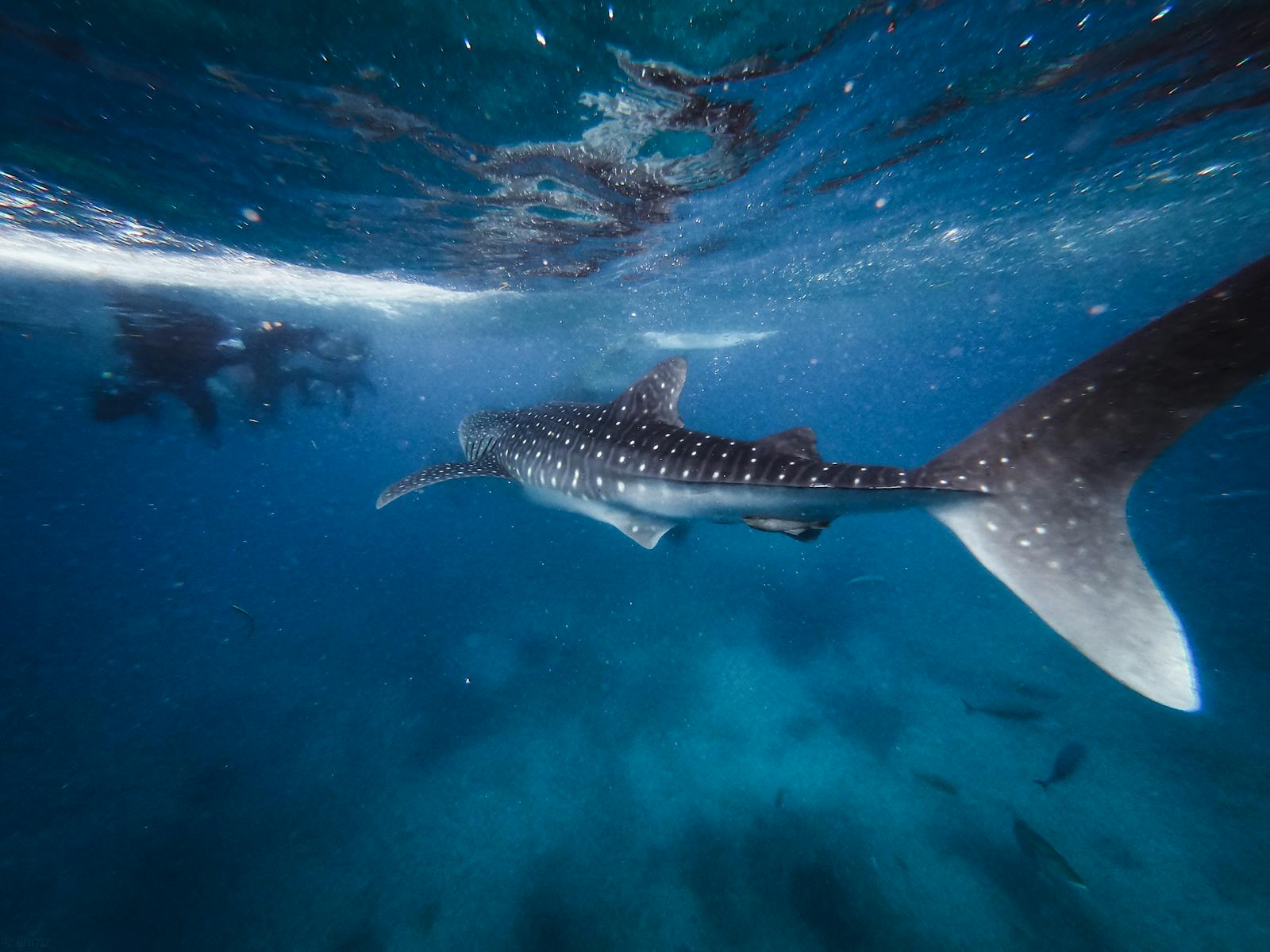
Picture yourself floating in crystal-clear blue water when suddenly, out of the shadows, an enormous creature covered in white spots emerges — looking like something straight out of prehistory. The whale shark is the largest fish on our planet, and swimming with one is a huge draw that brings tens of thousands of excited travellers to Mexico. But don’t worry: despite having the word “shark” in its name, it feeds only on plankton and tiny fish, so you’re of absolutely no interest to it and you’re in no danger.
It does, however, depend on which Mexican coast you’re heading to, as the seasons differ dramatically. If you’re going to the east coast and the Caribbean (areas like Cancún, Isla Mujeres or the little island of Holbox), the season is strictly government-regulated from 15 May to 17 September. You’ll find the highest concentrations — and therefore the best chance of success — in the middle of summer, from June to August. Tours are organised early in the morning and very strict rules apply to absolutely everyone.
A maximum of ten tourists are allowed on each boat, only two people enter the water with a guide at a time, and you must keep a distance of at least two metres. Touching the animal is strictly forbidden, and you may not use any sunscreen — not even the biodegradable kind — because the chemicals would harm the fish. The price for this tour is around 190 USD (about €175), which already includes the government fee for entering the reserve, roughly 125 USD. If, on the other hand, you’re heading west to the Pacific around the city of La Paz, whale sharks arrive there in winter, from November to March.
💡 Tip: For snorkelling in the Caribbean you can choose from certified agencies. You can verify the official rules and the list of permitted operators for the Holbox area on sites like Holbox Travel. If you suffer from seasickness, take a tablet first thing in the morning — the open-water swells can be treacherous.
Sea Turtles: Where to Watch Nesting and Hatching in the Pacific and Caribbean
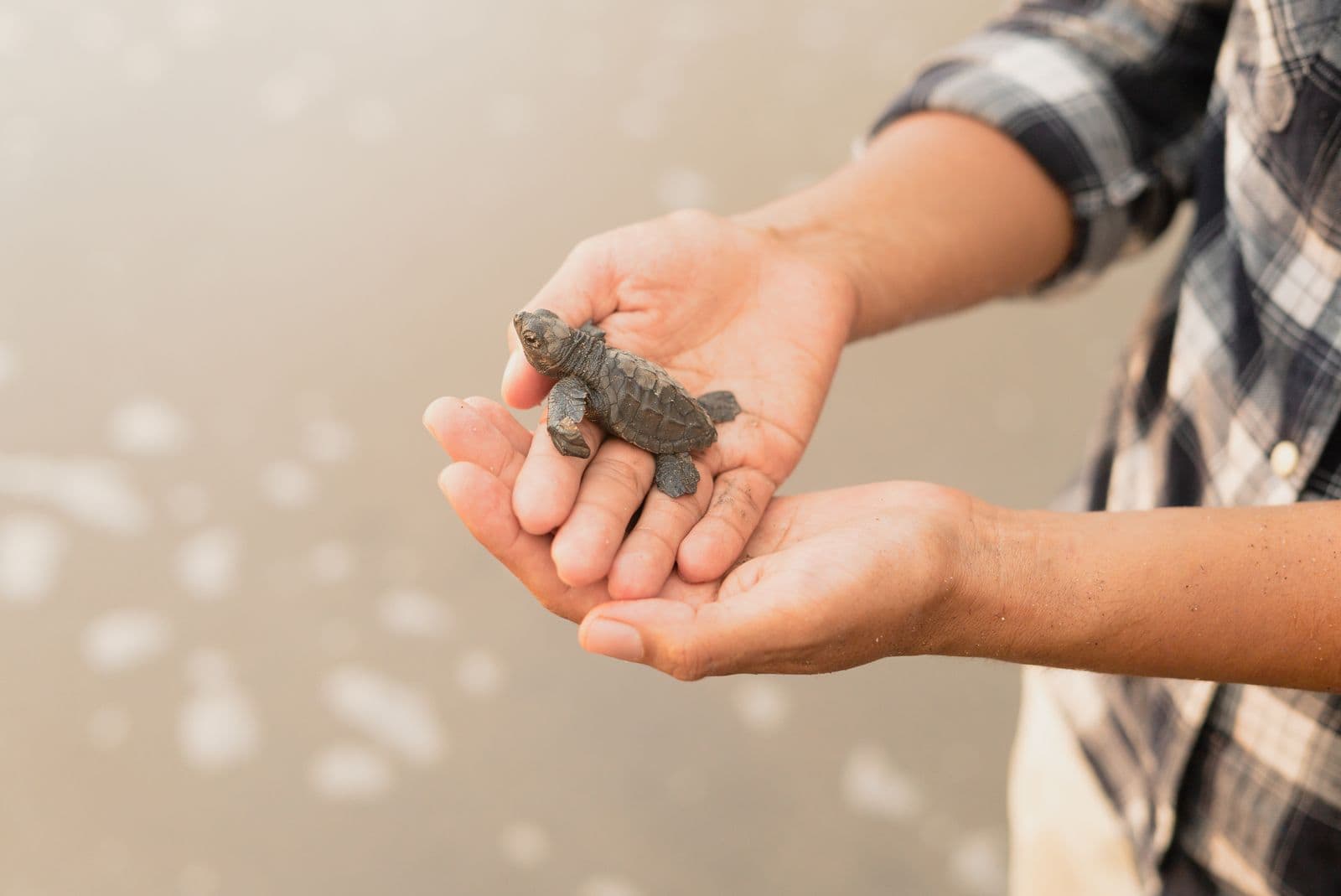
While whales and sharks amaze with their sheer size, sea turtles win everyone over with their charm and the incredible calm with which they glide beneath the surface. Mexico is hugely fortunate that every year thousands of females from several turtle species come ashore on its beaches to lay their eggs. The whole nesting process takes place roughly from May to November, and the subsequent hatching of the tiny turtles and their race for life toward the sea is one of the most moving experiences imaginable.
Probably the best-known spot for snorkelling with turtles is Akumal beach on the Riviera Maya. You used to be able to just turn up and jump straight into the water, but because the tourist pressure became unbearable for the animals, the government introduced strict and much-needed restrictions. Today you may only enter the turtle zone with a certified local guide, you’re required to wear a life jacket (so you’re forced to swim on the surface and can’t dive down to the turtles), and you must keep a safe distance. The turtles graze on seagrass on the seabed and need space to come up for air.
Besides the Caribbean, you’ll also find turtles on the Pacific coast, for example in the state of Oaxaca (famous beaches such as Mazunte) or Puerto Vallarta. During the autumn months, organised releases of baby turtles take place here, run by rescue stations. This is how they protect the nests from poachers and predators and give the hatchlings a far greater chance of survival.
💡 Tip: If you see a turtle on the beach laying eggs, never shine a torch or your phone’s flash at it. Light disorients them and they may return to the sea without laying their eggs.
Monarch Butterflies: A Natural Wonder in the State of Michoacán
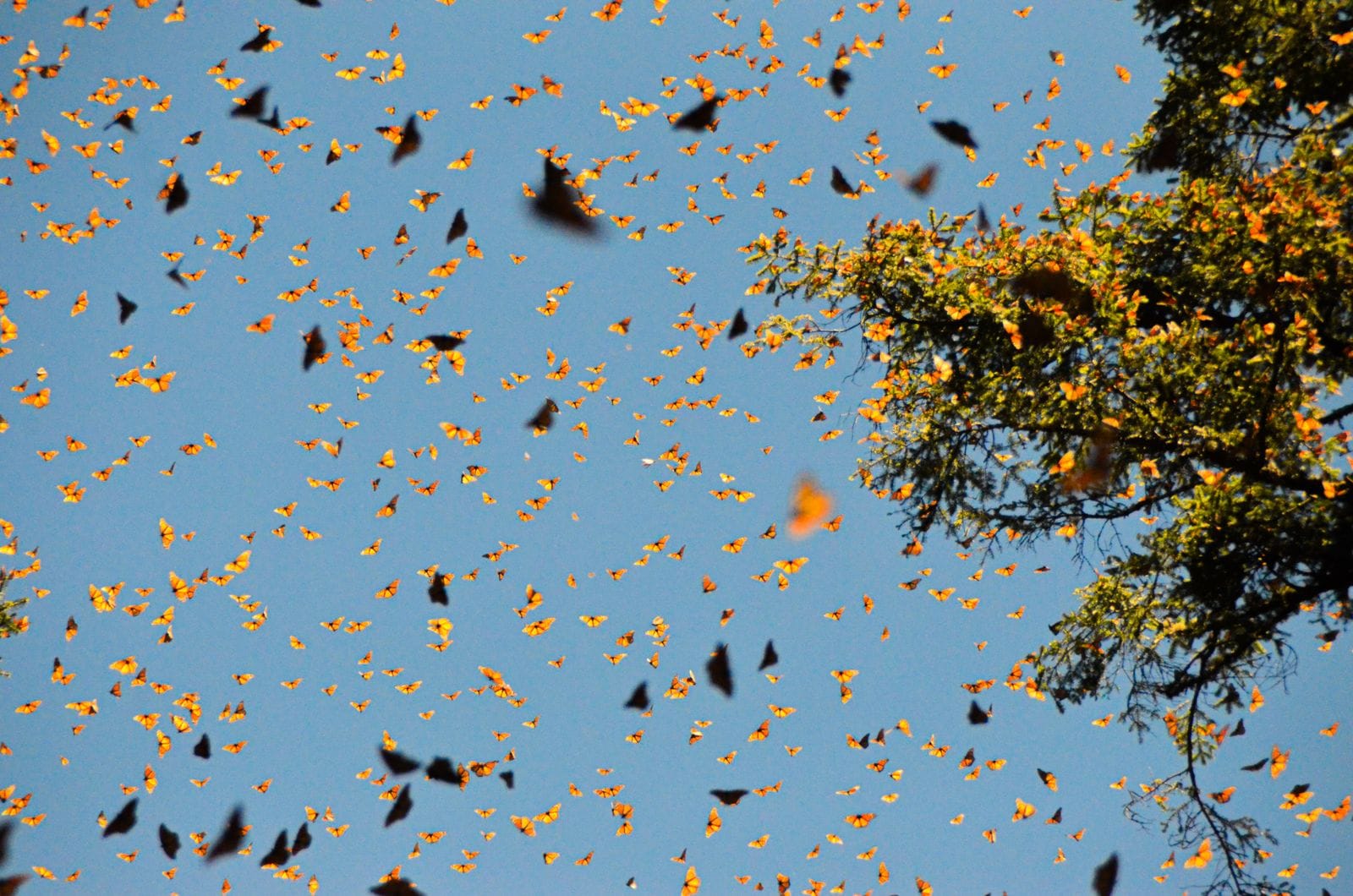
Not all of Mexico’s fascinating wildlife hides beneath the ocean’s surface. High in the mountains of the state of Michoacán, amid pine and oyamel forests, one of the world’s most mysterious animal spectacles unfolds. Every year, millions of orange-and-black monarch butterflies fly here from Canada and the northern US, covering an incredible 4,000 kilometres to wait out the harsh northern winter.
The season runs from November to March, but if you want to see it at its most beautiful, plan your visit for January or February. At that time the trees are literally draped in clusters of butterflies so dense that the branches bend under their weight. Then, when the sun comes out and the forest warms up, millions of butterflies take to the air all at once. There are so many that you can hear the rustle of their wings and the sky turns orange.
Among the most visited and best-equipped reserves are El Rosario and Sierra Chincua. The path to them runs up steep mountain trails, so be ready for a bit of cardio at altitudes over 3,000 metres above sea level. The reserves themselves are very well organised, and by visiting you support the local communities that protect the forests from illegal logging.
💡 Tip: A trip to the butterflies means setting off early in the morning into proper mountains. Temperatures here can drop to freezing, so layered clothing and comfortable hiking shoes are an absolute must — even if everywhere else in Mexico you’ve been wandering around in shorts.
Flamingos, Crocodiles and Other Animals in the Yucatán and Chiapas
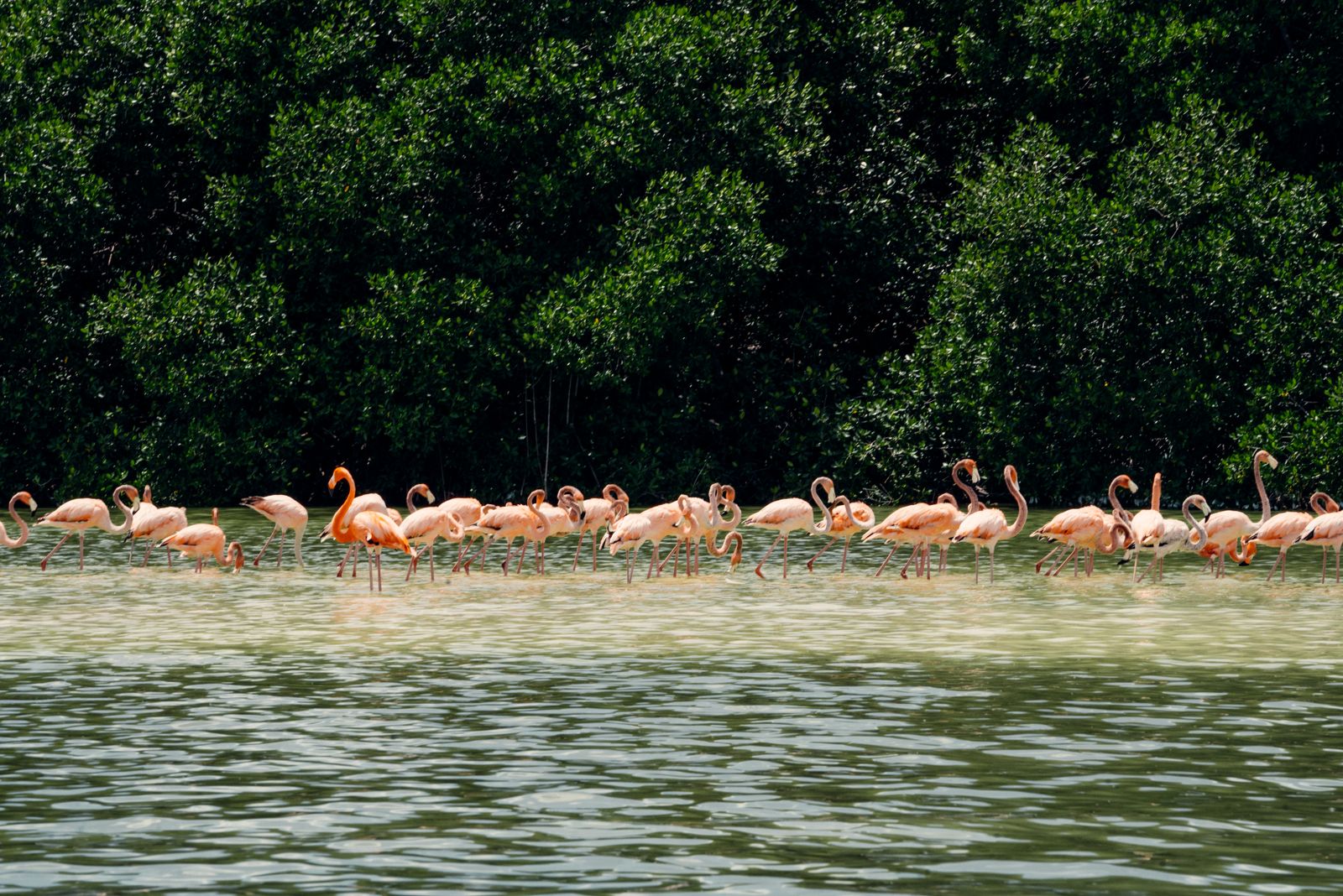
While the Yucatán peninsula is famous for its Mayan ruins and magical cenotes, it also harbours a huge amount of wildlife. If you love birds and colour, you have to see the flocks of flamingos. You’ll find these elegant pink birds mainly in two places. The first is the Ría Celestún reserve on the western coast of the peninsula, best visited from November to March. The second is Río Lagartos in the far north, where as many as 40,000 individuals gather. They nest here from March to June, but you can actually see them year-round. Along the way you’ll surely hear about the pink lakes of Las Coloradas — but beware, these are used for salt extraction and swimming in them is strictly forbidden.
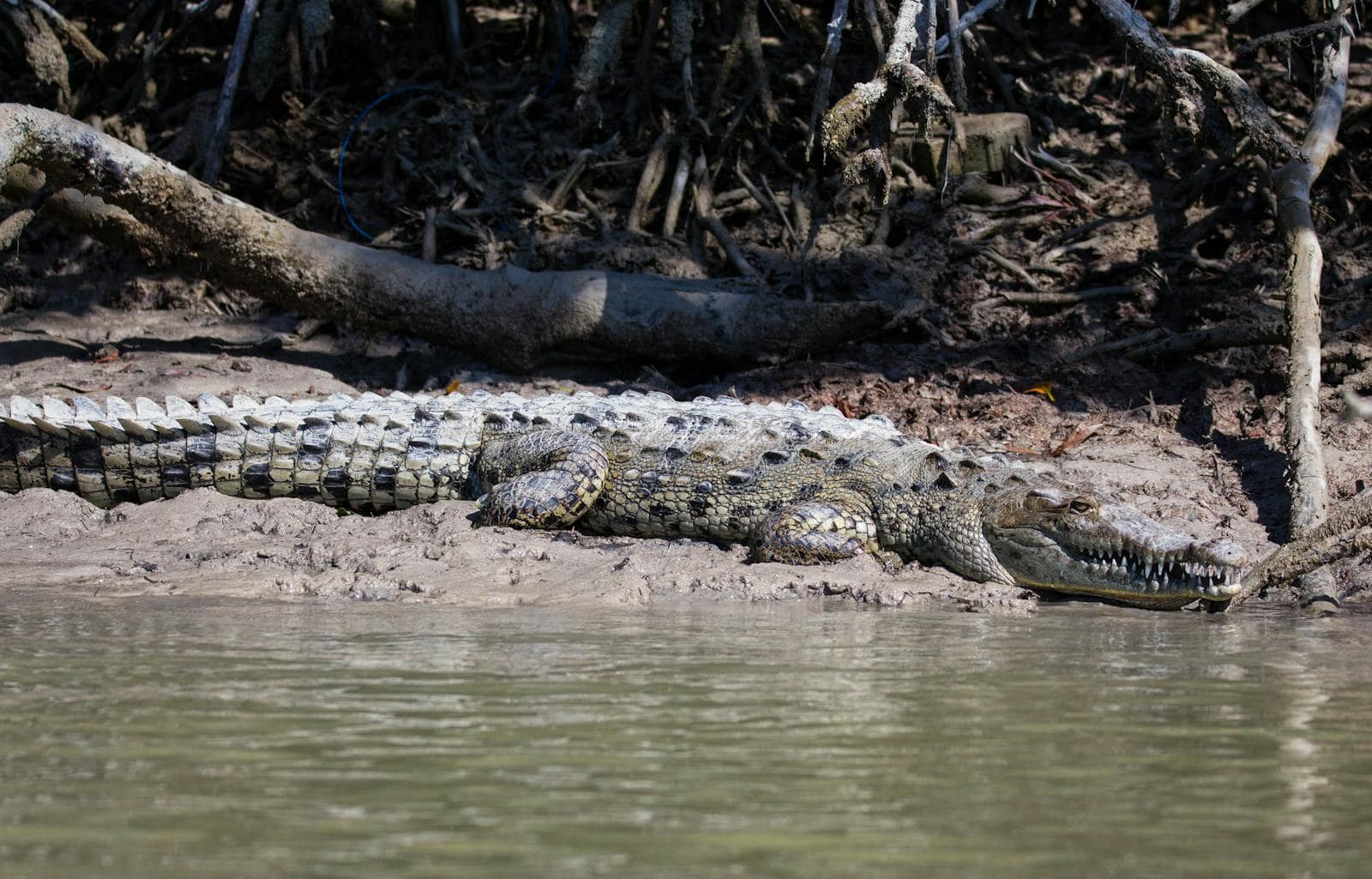
If you fancy a bit more adrenaline, Mexico will show you prehistoric giants in the form of crocodiles. One of the best places to watch them safely is the Sumidero Canyon National Park in the state of Chiapas. During a boat trip through the canyon, with its stunning walls up to 1,000 metres high, you’ll come across dozens of crocodiles lazily basking on the banks of the Grijalva River. More than two hundred of them live here. Tours usually start in the charming little town of Chiapa de Corzo, and you’ll find current information on park entry on the official Mexico tourism website.
Experienced divers can head to the vast Banco Chinchorro atoll (departing from the village of Mahahual), where from June to September you can meet American crocodiles underwater. This expedition is reserved for true enthusiasts only, and the trips may be organised by a single certified centre, the XTC Dive Center. Also worth a mention is the Sian Ka’an Biosphere Reserve (a UNESCO site spanning 1.3 million acres south of Tulum), where with a bit of luck you’ll spot wild dolphins, sea turtles or rare manatees.
💡 Tip: If you’re heading to the pink lakes of Las Coloradas near Río Lagartos, bear in mind that the water’s colour depends heavily on the sun and the time of day. They’re at their most vivid around midday, but if it’s overcast they can look more brown.
The Ethics of Wildlife Watching: How to Be a Responsible Traveller
Mexico’s nature is gorgeous, but it’s also incredibly fragile. Every year, millions of tourists arrive in the country, and this onslaught unfortunately takes its toll on the coral reefs, the rainforests and the animals themselves. Being a responsible traveller doesn’t mean you have to stay at home — it means behaving with the utmost respect for the environment you’re stepping into. Here are a few basic rules you should always keep in mind.
The most fundamental and important rule is: don’t touch. Whether it’s a starfish on the beach, a sea turtle or animals in the jungle. Human touch transfers bacteria to them, can damage their protective mucus and, in animals like turtles, causes enormous stress. You must also never pull a starfish out of the water, not even for a couple of seconds for a photo, because they suffocate very quickly.
The second big topic is protecting the water. Sunscreens — even those labelled “biodegradable” or “reef safe” — contain substances that bleach and kill corals. For snorkelling with whale sharks, sunscreens are banned entirely. The same goes for a strict ban on using any creams or repellents before entering cenotes. These underground freshwater systems are interconnected and the chemicals linger in them. The popular Gran Cenote near Tulum, for example, bans all creams entirely, and you have to shower thoroughly before getting in the water. Entry fees to these natural wonders are also rising — at Dos Ojos, for instance, you’ll now pay around 350 pesos (about €18).
💡 Tip: For wildlife trips and diving in the sea, I recommend getting a quality long-sleeved swim top with a UV filter (a so-called rashguard). You then don’t have to worry about sunscreen on your back and shoulders at all, protecting yourself from sunburn and the seabed from pollution. For diving off the island of Cozumel (the famous Palancar reef), also note that as of 2025 there’s a national park entry fee of 218 pesos per day.
Where to Next
If Mexico has captured your imagination and you want to carry on planning your dream trip, take a look at our other articles, where we’ve put together a whole heap of inspiration for you.
- Find out how to put together the perfect itinerary and what to see in Mexico on a two-week trip.
- Not sure which month to book your flights? We’ve written a detailed guide on when to go to Mexico based on weather and prices.
- Tempted by whale sharks and island bliss without tarmac roads? Find out what to do on Holbox island.
- For whale and road-trip lovers, we have a dedicated guide to a road trip around the Baja California peninsula.
You can book whale and whale-shark cruises on GetYourGuide.
Frequently Asked Questions
When is the best time for whale watching in Mexico?
Your best chance of encountering gray whales and humpbacks on the Baja California peninsula is from late December to early April. If you also want to see the calves, the absolute peak of the season is February and March in the lagoons of San Ignacio or Magdalena Bay.
Where can I swim with a whale shark and how much does it cost?
On the Caribbean side (Holbox, Isla Mujeres), the season runs from May 15 to September 17, with the trip costing around 190 USD (roughly 175 EUR), which already includes a fairly high government fee. On the Pacific side near the city of La Paz, you’ll see them in winter from November to March.
Can I wear my sunscreen while snorkeling with turtles or whale sharks?
Definitely not. The use of sunscreen, even those labeled as biodegradable, is strictly prohibited when swimming with whale sharks. The same rules apply to most cenotes and protected coves; a much better solution is a UV-protective shirt that guards against the sun.
How do I get to the monarch butterflies and how does it work there?
The most famous reserves like El Rosario or Sierra Chincua are located in the mountains of Michoacán state not far from Mexico City. The journey to them requires a hike at high altitude above 3,000 meters, so it’s necessary to have sturdy boots and warm clothing, because mornings there can be very chilly.
Where can I find the largest flocks of pink flamingos?
On the Yucatán Peninsula, there are two main places to see them. From November to March, the Celestún reserve on the western coast is ideal, while from March to June, flamingos nest in the north in the Río Lagartos area, where there can be tens of thousands of them.
Is it safe to go on a trip to see crocodiles in Sumidero Canyon?
Yes, it’s completely safe because you’ll only travel on organized motorboats with local guides. The crocodiles usually bask on the banks of the Grijalva River and the boats maintain a safe and respectful distance from them, so you can photograph them in peace.
Why do I have to wear a life jacket when swimming with turtles in Akumal?
The vest lifts you up and physically prevents you from diving deeper to the seabed. Turtles graze on the grass there and need a safe corridor to the surface so they can breathe; the vest ensures that tourists won’t restrict or disturb them.
Tips and Tricks for Your Vacation
Don’t Overpay for Flights
Search for flights on Kayak. It’s our favorite search engine because it scans the websites of all airlines and always finds the cheapest connection.
Book Your Accommodation Smartly
The best experiences we’ve had when looking for accommodation (from Alaska to Morocco) are with Booking.com, where hotels, apartments, and entire houses are usually the cheapest and most widely available.
 🚗 Car rental on the roadVerified rental cars in Mexico
Search with the DiscoverCars comparison engine — it compares prices from dozens of local and international rental companies, and most bookings come with free cancellation.
Compare car prices in Mexico →Don’t Forget Travel Insurance
Good travel insurance will protect you against illness, accidents, theft, or flight cancellations. We’ve had a few hospital visits abroad, so we know how important it is to have proper insurance arranged.
Where we insure ourselves: SafetyWing (simple monthly subscription) and TrueTraveller (for extra-long trips).
Find the Best Experiences
Get Your Guide is a huge online marketplace where you can book guided walks, trips, skip-the-line tickets, tours, and much more. We always find some extra fun there!