Oman is one of the most overlooked gems of the Middle East, a country that will completely disarm you with its authenticity and incredible calm. While the neighbouring emirates lure visitors with futuristic skyscrapers and showy luxury, here you’ll find deep rocky canyons, crystal-clear emerald wadis and endless sand dunes. It’s a vast land where old Bedouin traditions still play the leading role and where locals welcome you with a genuine smile and a cup of fragrant coffee.
If you’re looking for a destination that is one of the safest in the world while offering real adventure at every turn, you’ve just found it. In this article I bring you a complete guide and 21 of the best places to see and things to do in Oman, so you can plan your holiday down to the last detail. We’ll explore the bustling markets of the capital Muscat, discover the dramatic Hajar Mountains, and we won’t skip the tropical south around Salalah either.
I’ll also advise you on the best time to go, how to get around the country most easily, and where to base yourself strategically. Get ready, because this fascinating country full of the scent of precious frankincense and delicious sweet dates is guaranteed to win over your travelling heart.
TL;DR
- Two different seasons: For most of the country, the ideal time to visit is October to April, but the south around Salalah is also visited in summer during the unique khareef monsoon.
- How to get there: From the UK you can fly to Muscat with a convenient single stopover in Doha (Qatar Airways) or Dubai (Emirates), or directly with Oman Air from London Heathrow (the direct flight takes around 7 hours).
- A hire car is essential: The best way to explore Oman is by rental car, and for the mountains and desert you’ll absolutely need a reliable 4×4.
- Navigation: Don’t rely solely on classic Google Maps, which can occasionally play up here — download the Waze app to your phone instead.
- Visas are sorted online: UK citizens need an e-visa, which you can easily arrange in advance on the official Omani police website.
- Complete safety: Oman regularly ranks among the safest countries on the planet, crime is practically zero and the people are extraordinarily hospitable.
- Diversity: On a single trip you can see grand mosques, swim in caves, sleep under the stars in the desert and snorkel with sea turtles.
The full destination guide: Asia — guide and what to see
When to Visit Oman and What Weather to Expect
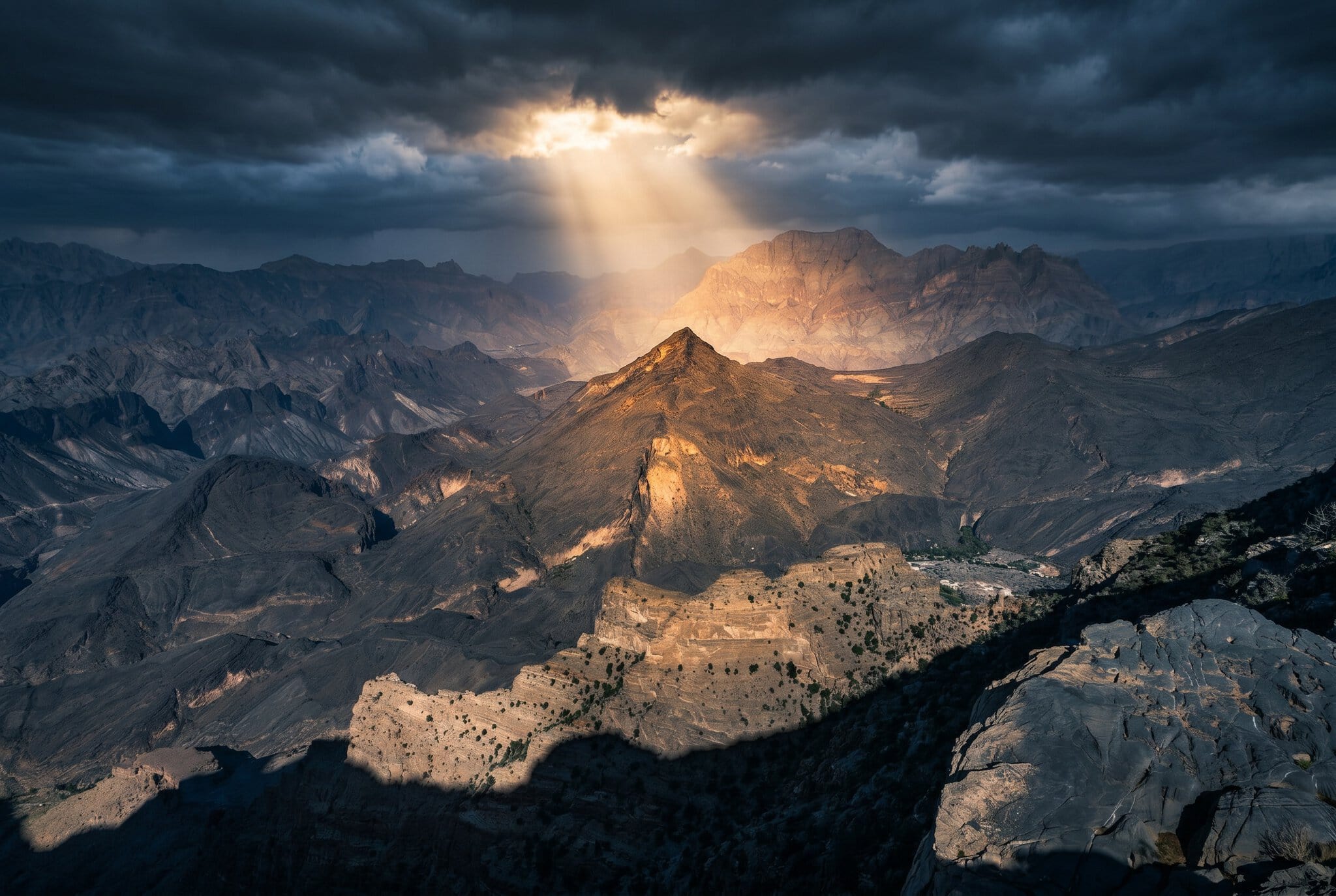
Planning a trip to Oman has one big quirk, because the country offers two completely different seasons. For the vast majority of the country (including Muscat, the mountains and the desert), the absolute best time to visit is the European winter, from October to April. In these months temperatures hover between a pleasant 20 and 30 degrees Celsius, which makes ideal conditions for hiking, camping and swimming in the wadis without any risk of heatstroke.
From May to September, northern and central Oman turns into a furnace where temperatures routinely climb above 45 degrees. During this period sightseeing in the interior simply can’t be recommended, as being outdoors is literally unbearable. The only exception are the high-altitude regions like Jebel Akhdar, where the elevation makes it noticeably cooler and where even Omanis themselves escape to hide from the heat.
Entirely different rules apply to the southern province of Dhofar and the city of Salalah, which experience a unique summer monsoon known as khareef. Roughly from late June to early September, thick fog blankets the south of the country, temperatures drop to a very pleasant 24 degrees and the dry landscape turns miraculously green. Temporary waterfalls and lakes form, drawing crowds of tourists from all over the Arabian Peninsula who flee here to escape the summer inferno.
When choosing your dates, don’t forget to also check the date of the moving holy month of Ramadan. During this Islamic festival, eating, drinking and smoking in public during daylight hours is forbidden (and this applies to tourists too). Opening hours of sights and shops tend to be significantly shortened, but on the other hand the city comes alive after sunset with an incredible atmosphere during the festive iftar dinners.
Practical Tips: How to Get to Oman, Visas and Transport
Getting to Oman is far easier from the UK today than it used to be. During the main winter season you can take a direct flight with Oman Air from London Heathrow to Muscat, which takes a comfortable seven hours or so. There are also countless one-stop options, most often with Qatar Airways via Doha or with Emirates via nearby Dubai. Flights can be found at very reasonable prices if you start looking well in advance.
If you’re not the type who enjoys planning everything yourself, several UK tour operators offer both beach and touring packages to Oman. Charter and package flights to the south around Salalah are especially popular, and these trips often include accommodation in luxury beach resorts with all-inclusive dining — a great choice for anyone who mainly wants to relax by the sea.
To enter the country you’ll need a valid passport (with at least 6 months’ validity after your return) and a visa. UK citizens must arrange an electronic e-visa in advance, exclusively through the official government portal (evisa.rop.gov.om). A short-term 10-day tourist visa costs roughly 5 Omani rials (about £10), while the monthly visa costs around 20 rials. Immigration rules change frequently, so before you fly, be sure to check the latest requirements on the UK government’s foreign travel advice website.
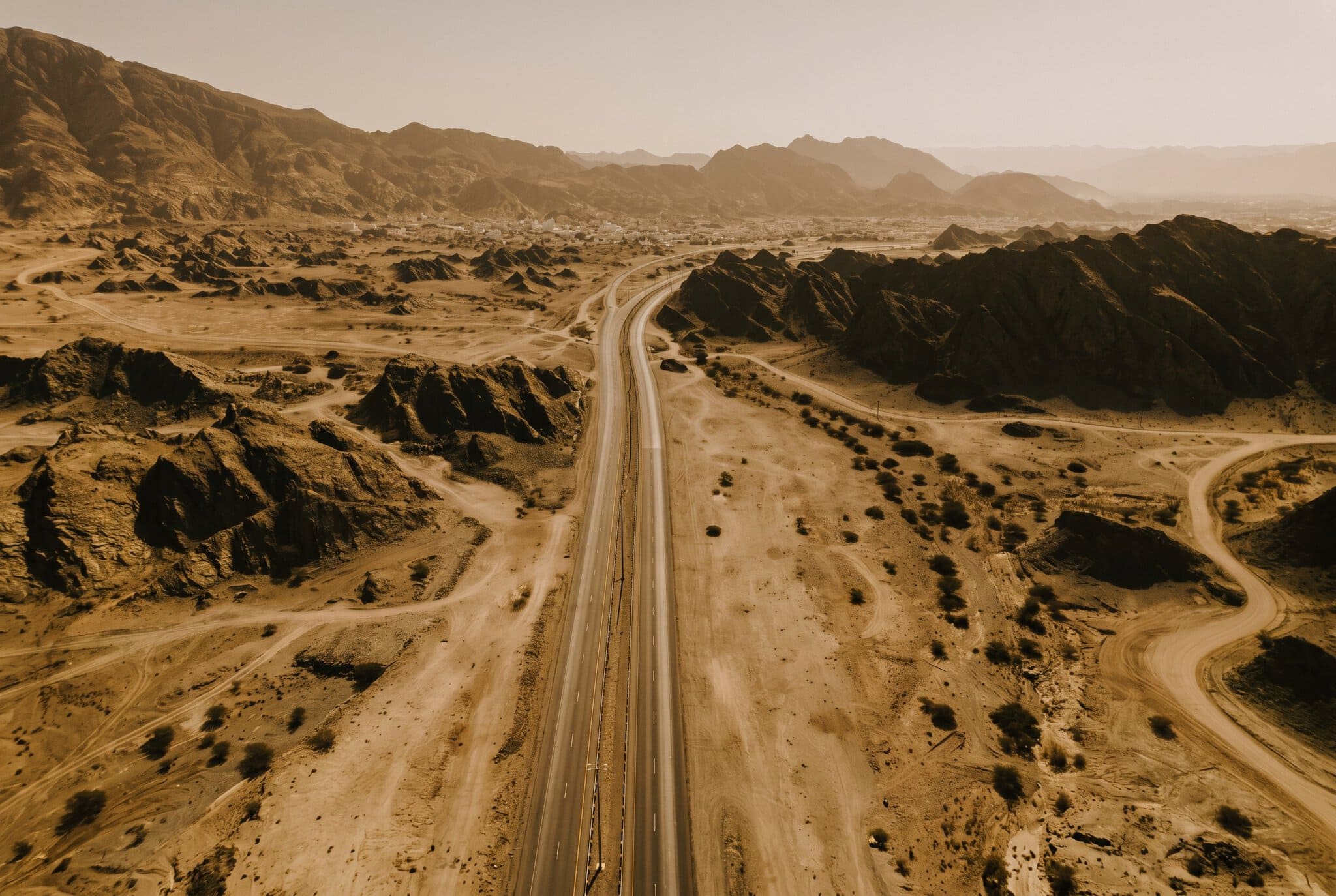
Travelling around Oman is best done in a hire car. Petrol here is extremely cheap (a litre works out at barely 50p) and the roads and motorways are in perfect condition. If you’re only heading along the coast and into the big cities, a standard saloon car will do. But if you’re planning to venture into the mountains to Jebel Shams, Jebel Akhdar or into the Wahiba Sands desert, you must absolutely rent a four-wheel-drive vehicle (4×4). On Jebel Akhdar, the police won’t even let you past the checkpoint without one.
Where to Stay in Oman: From Desert Camps to Luxury Resorts
💡 Tip for accommodation and experiences: We prefer to look for accommodation on Booking.com, where the cancellation policies tend to be the best. Tickets, tours and activities are then worth comparing and buying through GetYourGuide.
Oman offers an incredibly varied range of accommodation, from authentic Bedouin tents to palaces where you’ll feel like you’ve stepped into a One Thousand and One Nights fairy tale. In the capital Muscat, travellers most often rave about the gorgeous five-star The Chedi Muscat, famous for its minimalist architecture and enormous pool. Prices here do match the luxury, but according to reviews the experience is absolutely worth it.
If you’re after something a little more affordable but still top-tier, take a look at the sprawling Shangri-La Barr Al Jissah Resort & Spa, set in a breathtaking bay just outside Muscat. It offers great conditions for families and couples alike. For lovers of modern design in the new city district, an ideal choice is the Kempinski Hotel Muscat, which sits right on a beautiful promenade and offers first-class service.
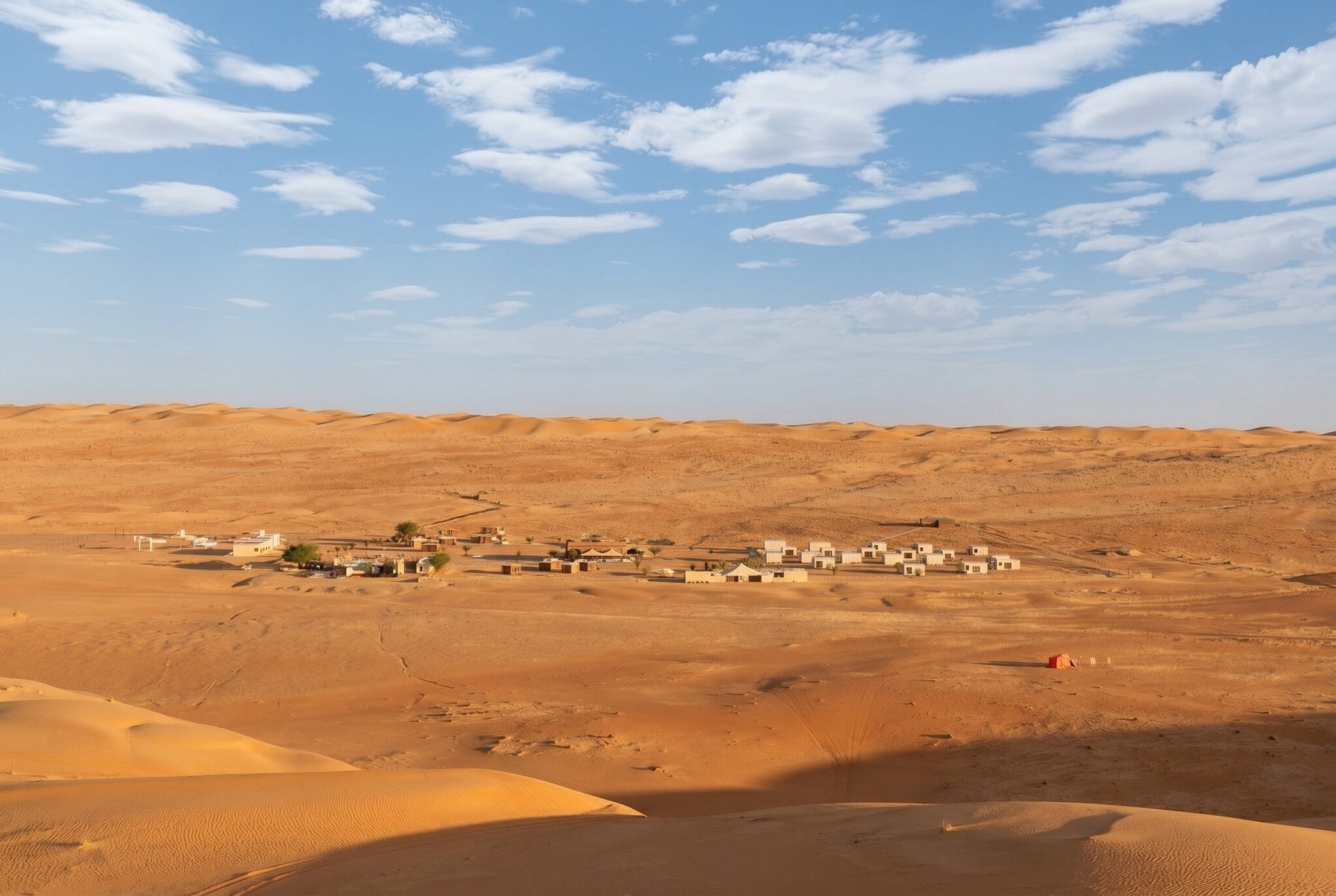
A completely different experience awaits you in the interior, specifically in the Wahiba Sands desert. A night spent in a desert camp is an absolute must. You’ll find simple tents for adventurers as well as so-called glamping options with air conditioning and glass roofs for stargazing. Most camps include a traditional Bedouin dinner and breakfast in the price, which is a great chance to sample local hospitality.
In the south, Salalah is dominated by large beach resorts. Among the very best rated is the Al Baleed Resort Salalah by Anantara, offering private villas with a pool right on the long sandy beach. Another very popular and slightly gentler-on-the-wallet classic is the Salalah Rotana Resort, which boasts beautiful architecture inspired by Omani villages and extensive gardens.
21 Best Places to See and Things to Do in Oman
Let’s now take a look at the very best this magical country has to offer. I’ve divided the tips into logical sections, from the capital through the interior all the way to the far north and south, so you can easily put together your own itinerary.
1. Sultan Qaboos Grand Mosque (Muscat)
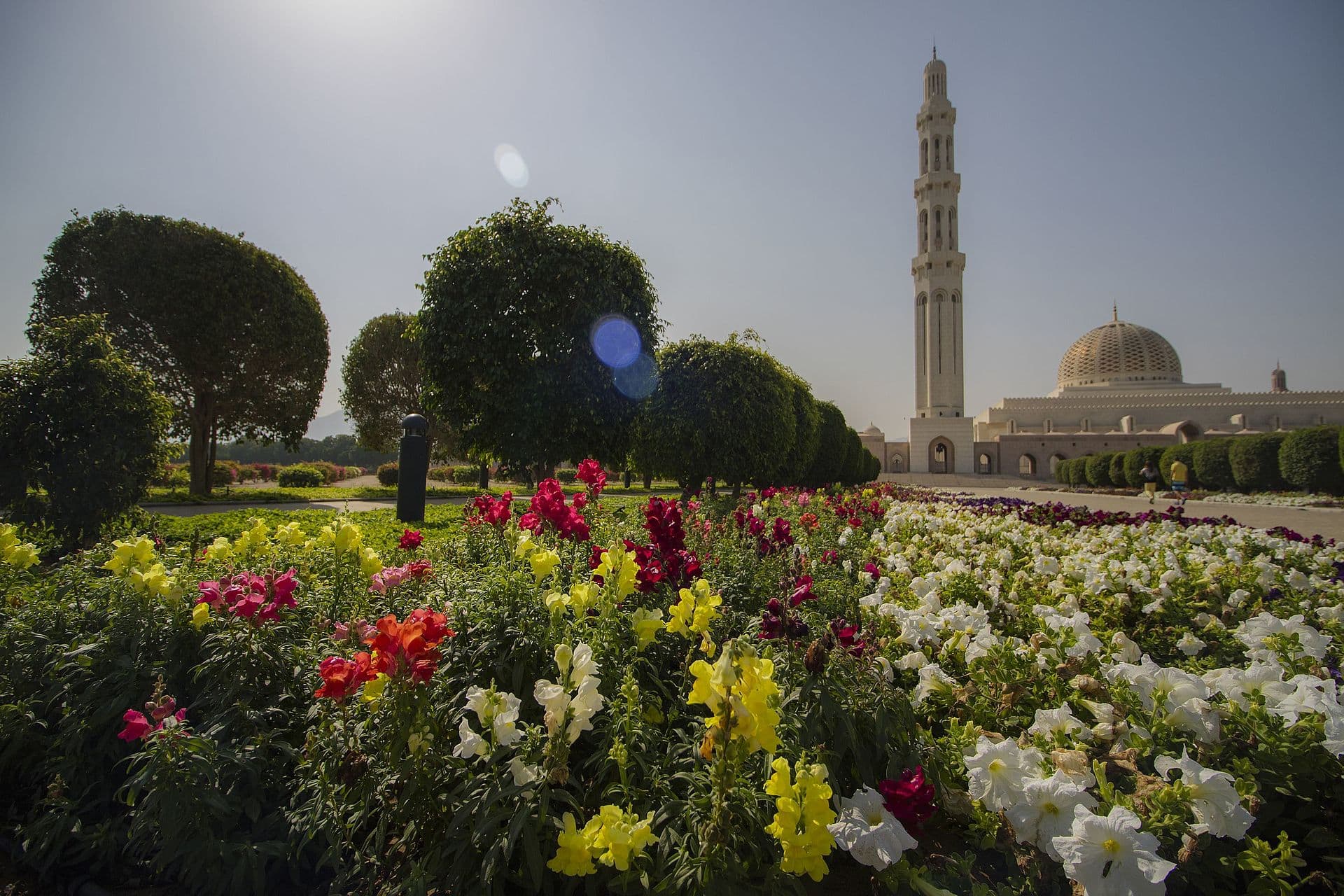
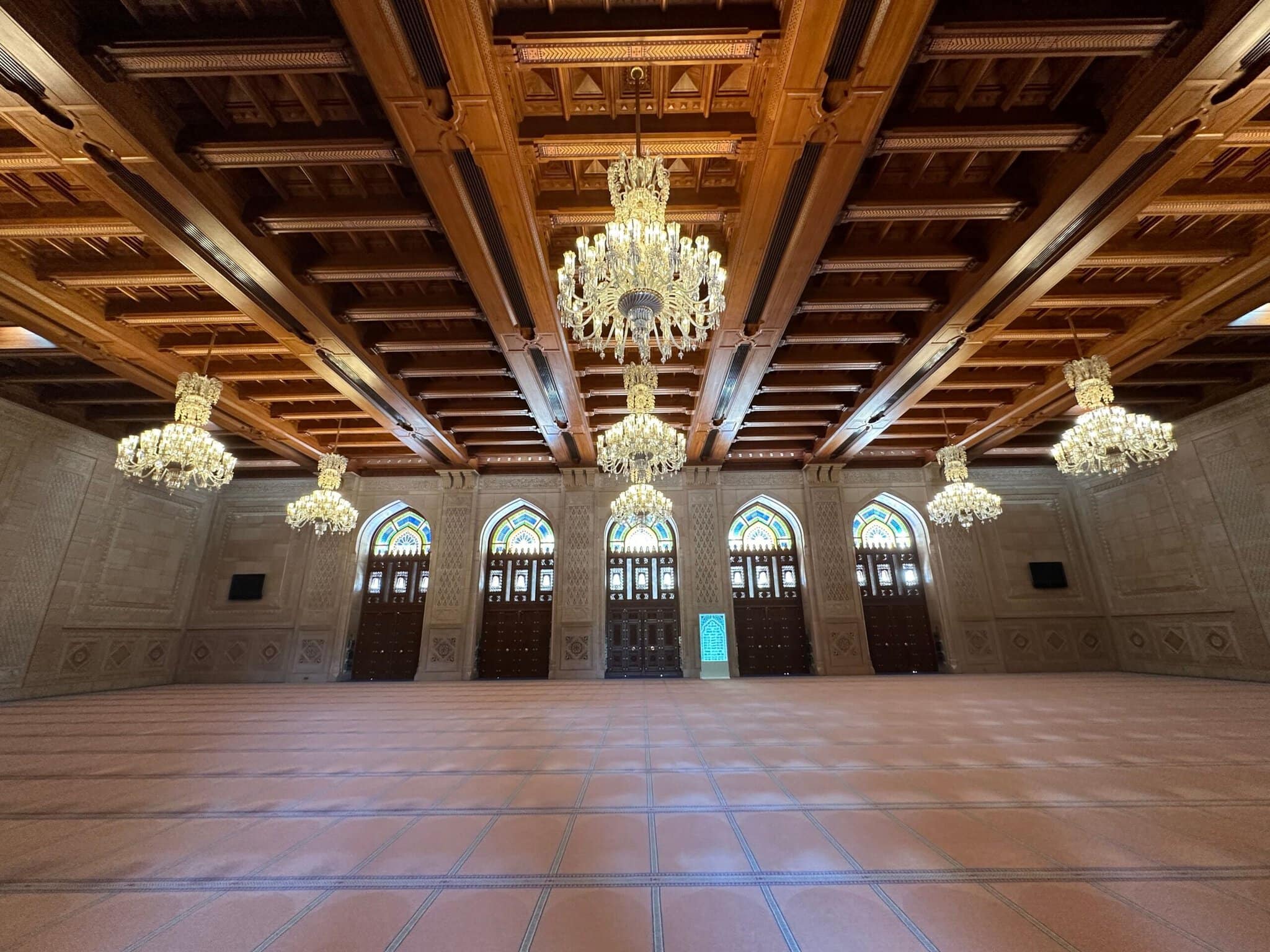
The Grand Mosque in Muscat is an absolute architectural gem and probably the most famous landmark in the whole country. It was completed in 2001 at the behest of the then sultan and can hold an incredible 20,000 worshippers. It’s also one of the few mosques in the entire Gulf that is officially open to non-Muslims. Entry is completely free, which is a very pleasant surprise for such a grand monument.
Inside the main prayer hall your jaw will literally drop. You’ll find the second-largest hand-woven carpet in the world, on which 600 Iranian weavers worked for four long years. Above your head glitters a gigantic Swarovski crystal chandelier weighing over eight tonnes and fitted with thousands of lights. The intricate ornamentation of the marble walls and wooden ceilings is a showcase of the finest Islamic art.
When visiting, you must observe a very strict dress code. Both men and women must have their shoulders and knees covered without exception (ideally long trousers and sleeves), and women must additionally cover their hair with a scarf. If you don’t have suitable clothing, traditional garments can be hired at the entrance for a fee.
💡 Tip: For tourists the mosque is open only from Saturday to Thursday between 8:00 and 11:00 in the morning. On Fridays it is strictly closed to the public for the main prayers. I recommend arriving right at 8 a.m. to avoid the biggest crowds from the cruise ships and enjoy the magical atmosphere in peace. If you’d like to know more about Muscat, take a look at our separate article Muscat: What to See in the Capital.
2. The Traditional Mutrah Souk (Muscat)
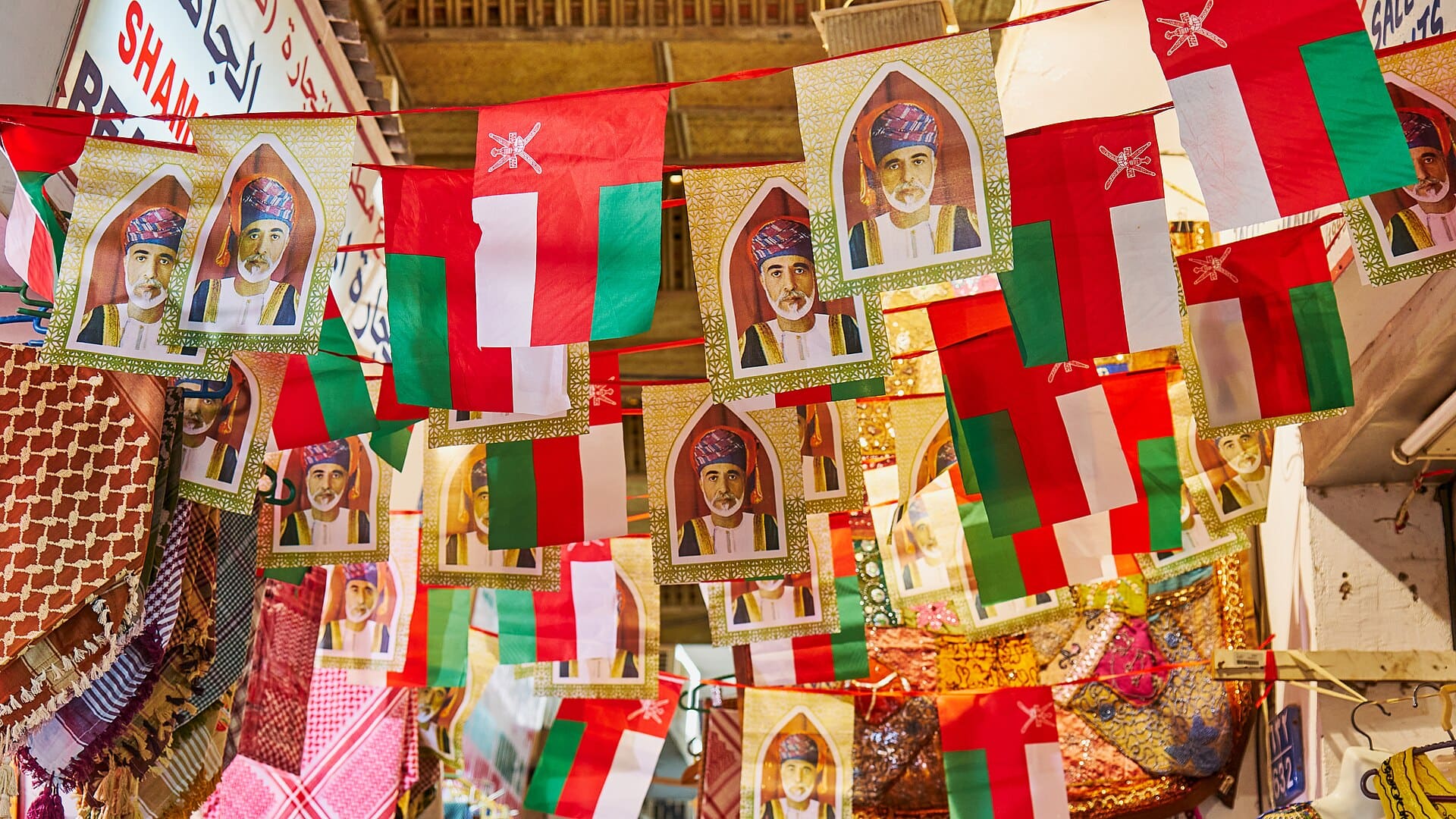
No visit to an Arab country is complete without a trip to a traditional market. Mutrah Souk lies right by the harbour promenade (the Corniche) and is one of the oldest and most authentic markets in the entire Arab world. Its narrow, winding lanes are roofed with wooden beams that shelter you from the fierce midday sun.
Right at the entrance you’ll be hit by the intense aroma of genuine Omani frankincense, myrrh and exotic spices. You can buy practically anything here, from silver jewellery and colourful cashmere scarves to traditional khanjar daggers, pottery and antiques. It’s an ideal spot to pick up souvenirs to take home.
Remember that haggling over prices is a must here and part of the local culture. Traders often set their first price quite high, so don’t be afraid to smile and suggest roughly half, then work your way towards a compromise. The souk tends to be liveliest in the evening after sunset, when local families come out to shop too.
3. The Royal Opera House Muscat
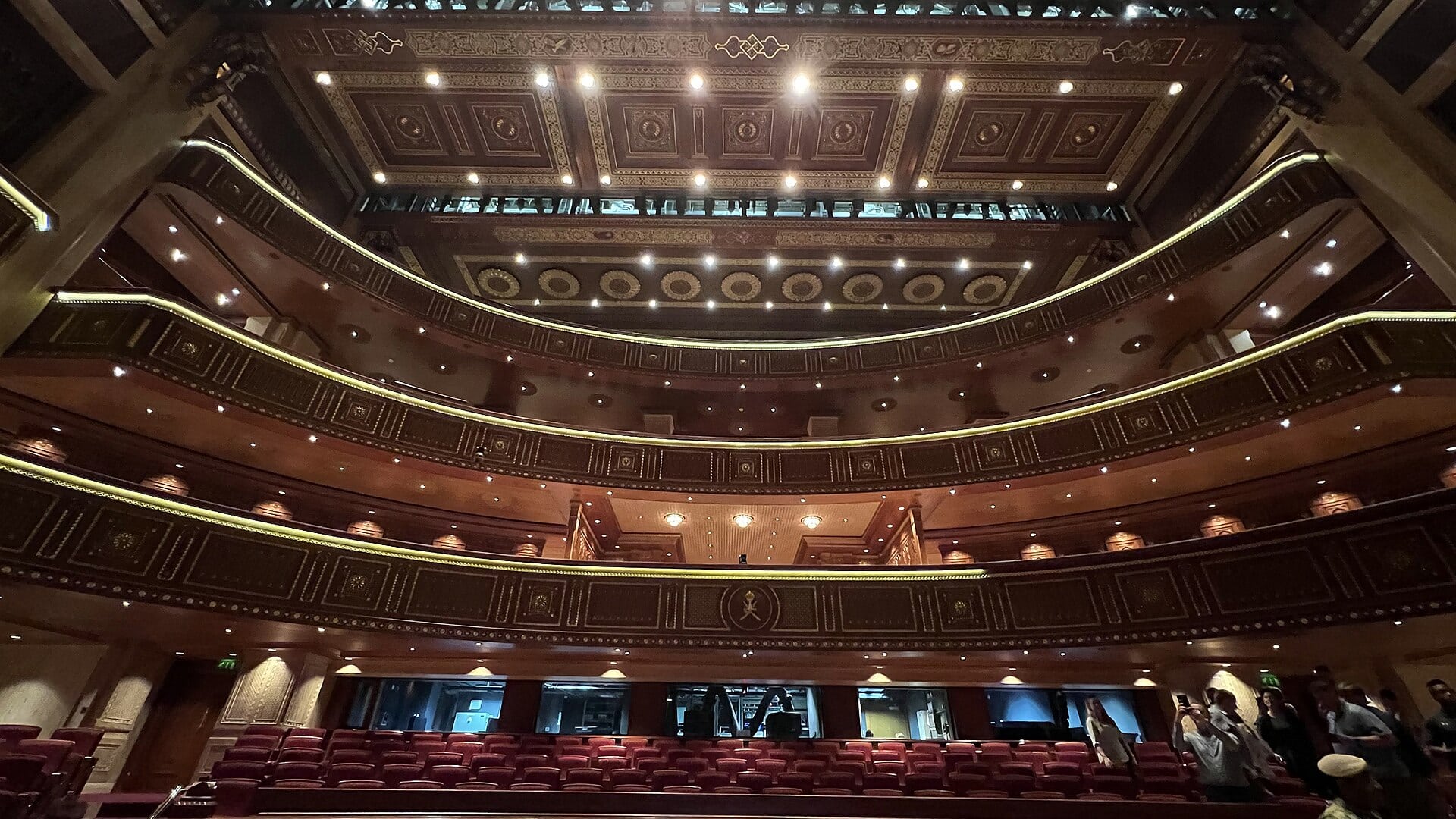
The Royal Opera House Muscat is proof of just how much Oman prides itself on culture and education. It’s the very first opera house built on the Arabian Peninsula, and its snow-white architecture, combining modern technology with traditional Islamic elements, is absolutely stunning. Even if you’re not planning to see a performance, the building is worth seeing from the outside alone.
For those interested, fascinating guided tours of the interior are held every morning, costing around 3 rials (roughly £6). During these you’ll see luxurious marble halls, intricate woodcarvings and learn about the acoustics of the main hall, which can be mechanically adjusted to suit the type of performance.
If you’d like to treat yourself to a cultural evening, tickets for a performance can be had from around 5 rials, though they climb to much higher figures depending on the exclusivity of the performers. Just bear in mind that evening events require formal dress, so you certainly won’t be let in wearing shorts and sandals.
4. Al Alam Palace and the Surrounding Forts (Muscat)
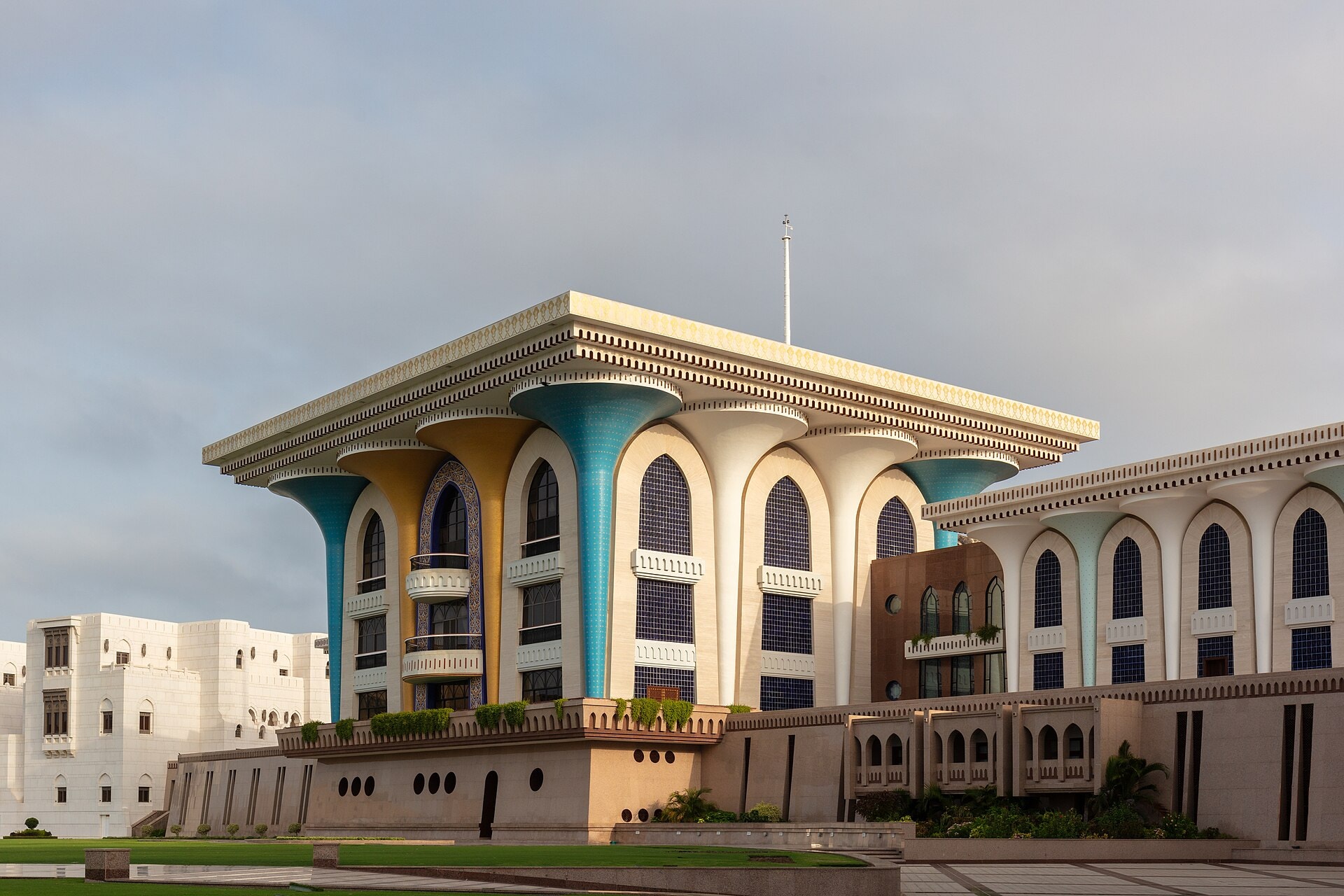
Al Alam Palace serves as the official ceremonial residence of the Omani sultan, and its striking blue-and-gold façade looks more like the set of some futuristic film than traditional Arab architecture. Although the palace interiors themselves aren’t open to the public, the spacious square and elegant colonnades in front of it are freely accessible and make a very popular photo stop.
Right behind the palace rise rugged cliffs guarded by two historic 16th-century Portuguese forts, Al Jalali and Al Mirani. In the past these forts protected the strategic entrance to Muscat’s harbour from pirate raids. Sadly you can’t go inside these either, as they’re still used by the royal guard and the army.
💡 Tip: The best time to visit this spot is in the late afternoon or just before sunset. The palace façade and surrounding cliffs take on a beautiful golden hue and the whole area is beautifully lit, creating the perfect atmosphere for an evening stroll.
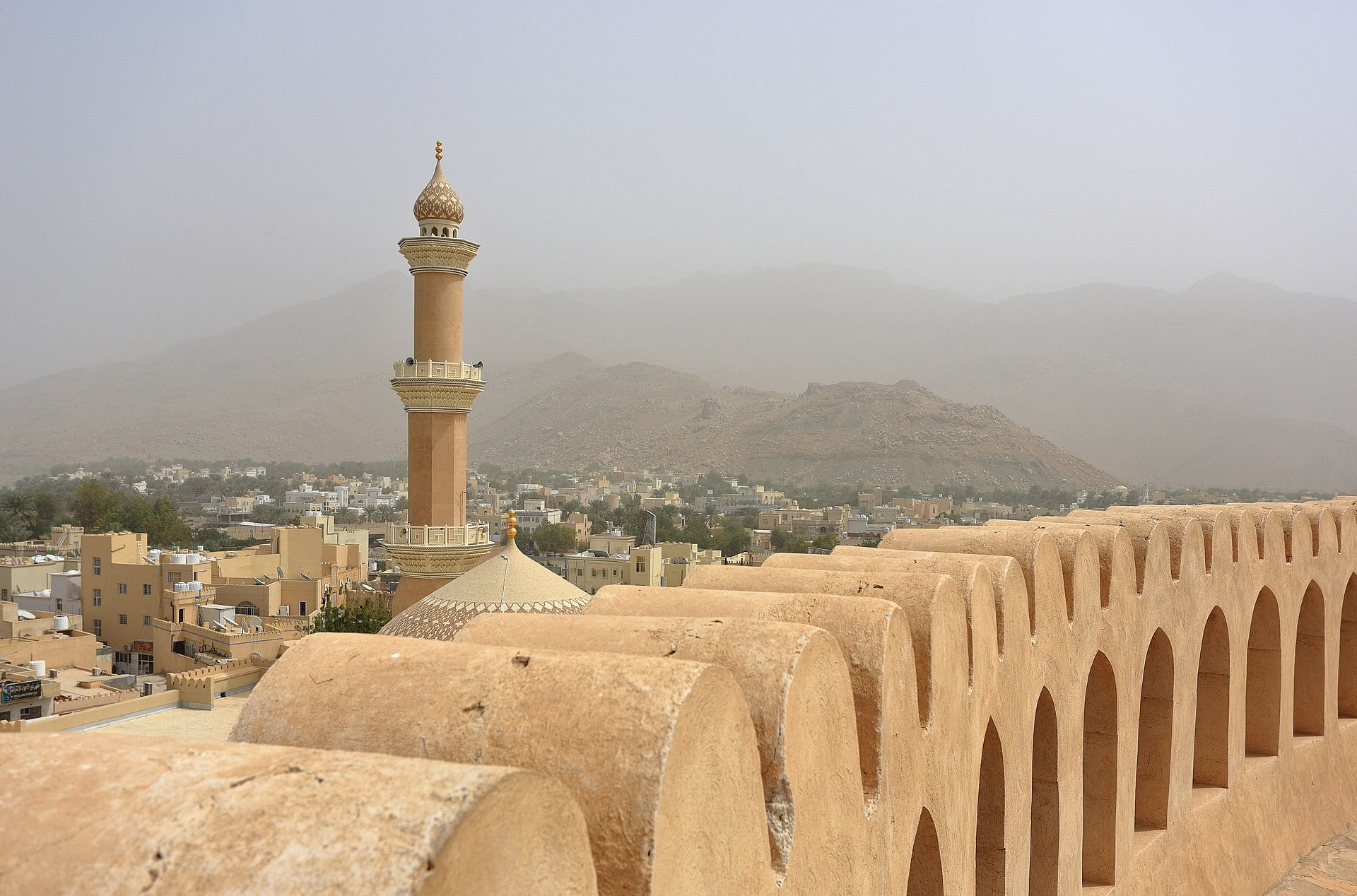
5. Nizwa and Its Historic Fort
The town of Nizwa, about an hour and a half’s drive from Muscat, was once the capital of the whole of Oman and to this day retains enormous historical charisma. The main draw here is the massive circular 17th-century fort, the most visited national monument in the country. Its giant tower was tasked with protecting the town and the surrounding date plantations.
Entry to the fort costs 5 rials, and inside a real maze of corridors, staircases and secret traps awaits you. During your visit you’ll see ingenious defensive mechanisms, such as openings above the doors through which defenders once poured boiling date syrup onto their enemies. From the top of the tower there’s a fantastic view over the whole town, surrounded by green oases and a wall of mountains.
Right next to the fort stretches a sprawling market (Nizwa Souk), which is far calmer than the one in Muscat. It’s an ideal place to buy traditional Omani pottery, local silver and, above all, a vast array of sweet dates that you can sample right at the stalls.
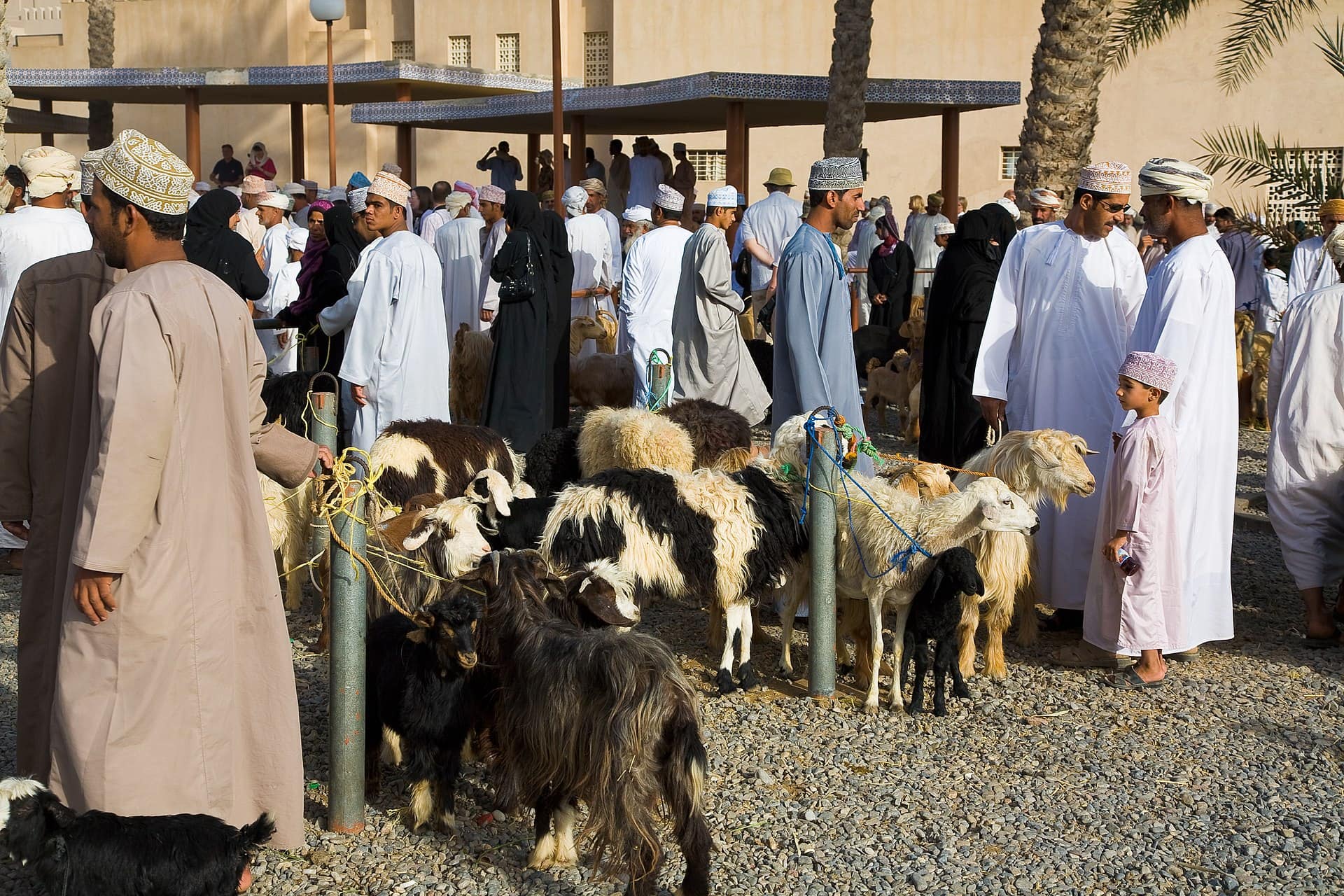
6. The Friday Goat Market in Nizwa
If you want to experience something utterly authentic that transports you hundreds of years back in time, plan your visit to Nizwa for a Friday morning. Every Friday a traditional livestock market (the Goat Market) takes place here, drawing farmers and Bedouins from far and wide to buy and sell goats, sheep and cattle.
The event takes place on a circular area right next to the main market. Sellers lead their animals round in a circle while potential buyers sit around the edge, inspecting the animals carefully and loudly shouting out their price offers. The atmosphere here is incredibly lively, full of dust, bleating animals and haggling in Arabic.
💡 Tip: The whole spectacle starts very early — it’s best to arrive on the spot around seven in the morning. By around nine, most of the trading is over and the market slowly winds down. Entry is completely free, but remember to respect the locals and don’t photograph people close up in the face without asking.
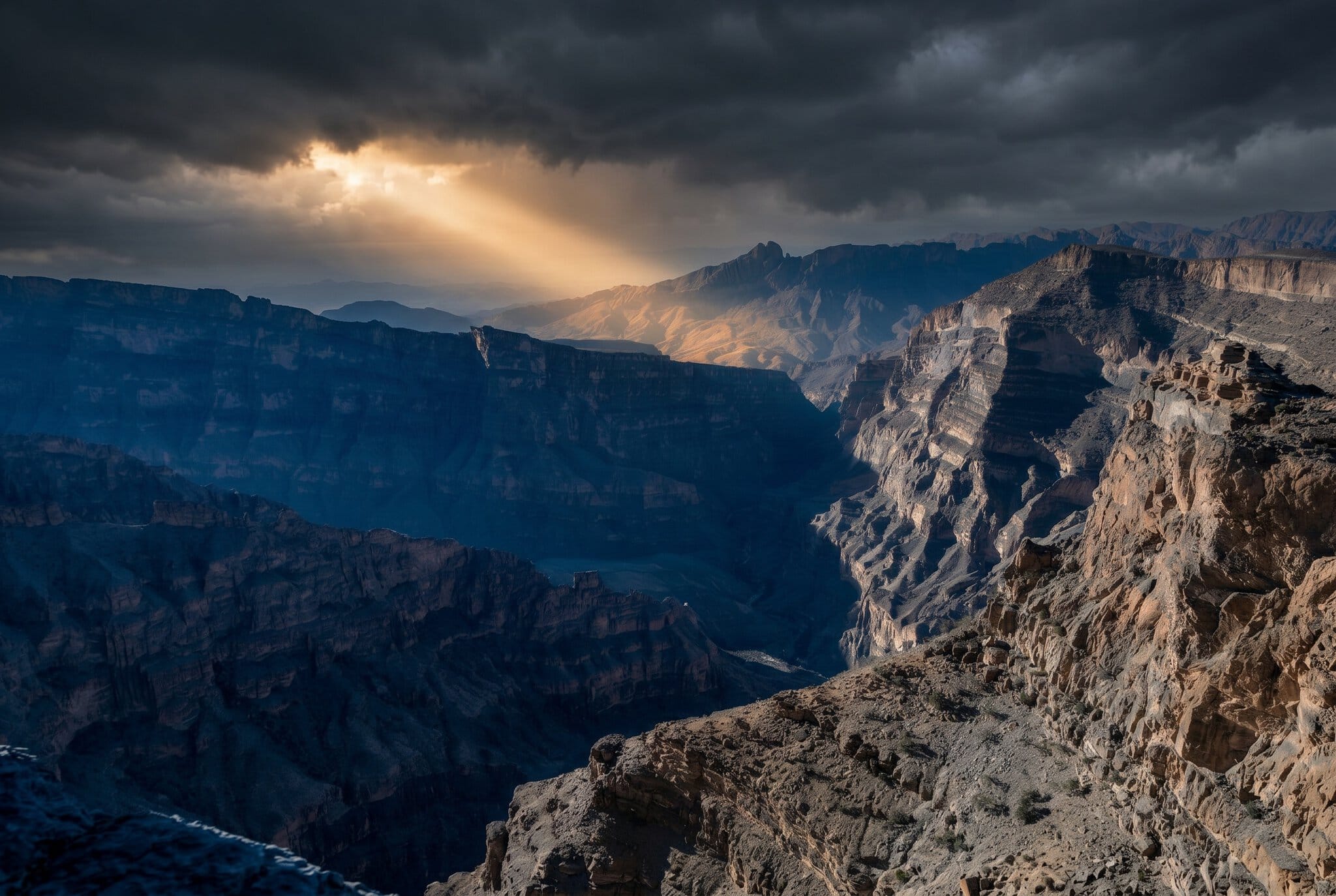
7. Jebel Shams and the Grand Canyon of Arabia
Jebel Shams (meaning Mountain of the Sun) is, at just under three thousand metres, the highest peak in Oman. But the main reason people come here isn’t the summit itself — it’s the neighbouring gigantic Wadi Ghul canyon, quite rightly nicknamed the Grand Canyon of Arabia. The views from the edge of the cliff down into a kilometre-deep abyss are absolutely breathtaking.
To reach the viewpoint and the start of the walking trails, you’ll definitely need a 4×4 vehicle. The final kilometres up are along an unpaved, dusty road full of potholes and steep climbs. Your reward, though, will be noticeably cooler mountain air and panoramas that feel like they’re from another world.
The area’s biggest highlight is the famous walking trail known as the Balcony Walk (marked W6). This relatively easy path runs right along a narrow ledge in the canyon wall and leads you all the way to the abandoned stone village of As Sab. The whole round trip takes around three to four hours, with views into the chasm accompanying you the entire way.
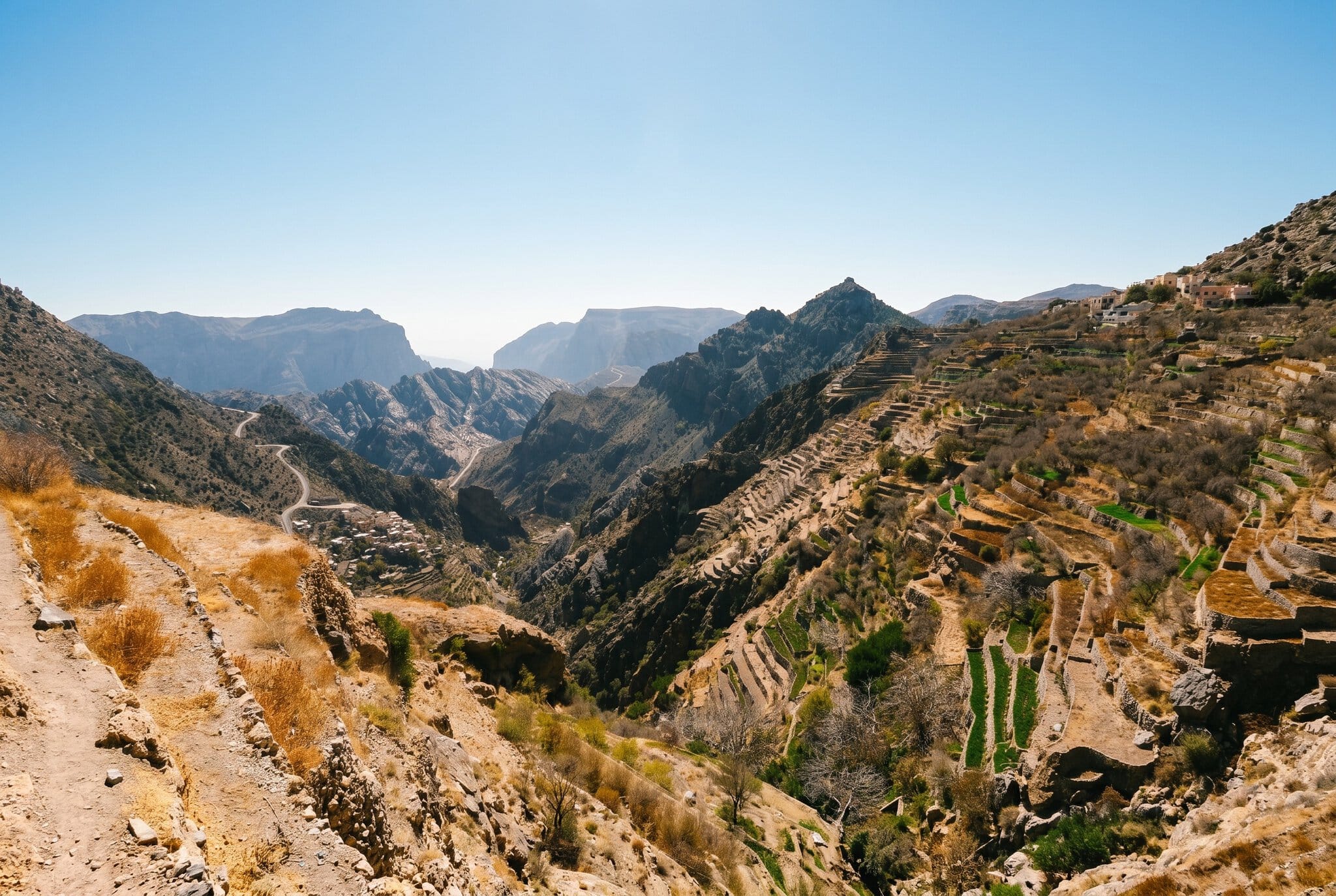
8. Jebel Akhdar (the Green Mountain)
The second major mountain region is Jebel Akhdar, a vast plateau lying at over two thousand metres. Unlike parched Jebel Shams, this area is surprisingly green. Thanks to its specific microclimate, local farmers grow pomegranates on terraced fields here, along with walnuts, peaches and apricots.
The drive up is a great experience in itself. Although the road is wide and perfectly surfaced, the climb is so extremely steep that the police at the checkpoint below only allow 4×4 vehicles up. If you don’t have a four-wheel drive, you’ll have to leave your car in the car park below and hire a local taxi to take you up.
The Green Mountain is at its most beautiful in April. That’s precisely when thousands of Damask roses bloom on the slopes, from which precious rose water is distilled in the traditional way. You can set off on an easy walk between the old villages (for example from Al Aqur to Sayq) and watch the locals at harvest time.
9. Al Hoota Cave
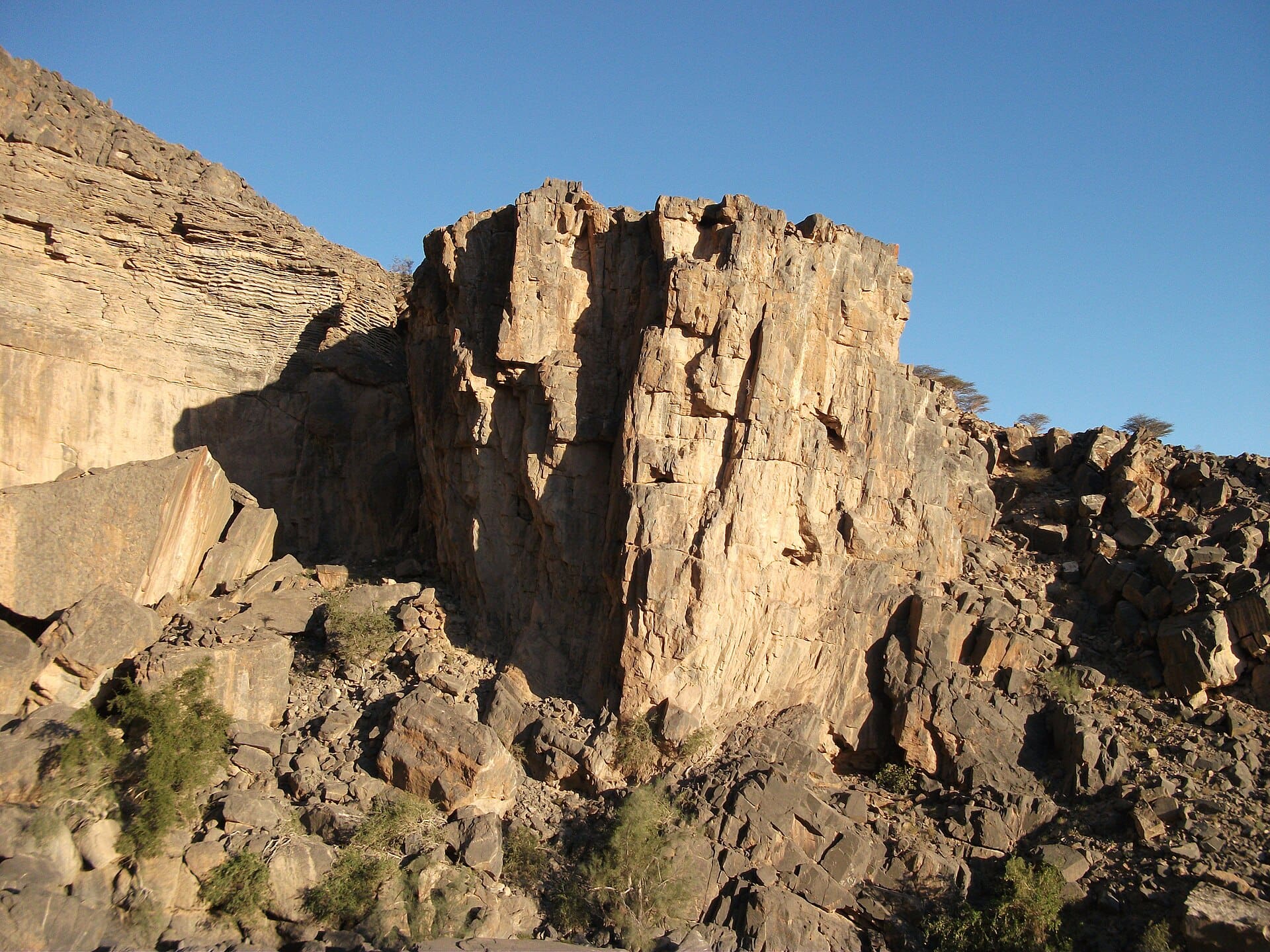
If you want a break from the sunshine, head underground. The Al Hoota cave system lies at the foot of Jebel Shams, not far from the town of Al Hamra, and is estimated to be more than two million years old. A beautiful section around 500 metres long is open to tourists, safely lit and adapted for easy walking.
During the guided tour you’ll see impressive dripstones, stalactites and stalagmites of various colours and shapes. But the most interesting point of the route is the underground lake, home to rare blind fish (Garra barreimiae) that have adapted to life without eyes in the total darkness.
The visitor centre also includes a small but very nicely put-together geological museum, which will give you an insight into how the Omani landscape was formed. It’s often best to book cave tickets a few days in advance via the official website, as the daily entry capacity is strictly limited to protect the microclimate.

10. The Mud-Brick Bahla Fort (UNESCO)
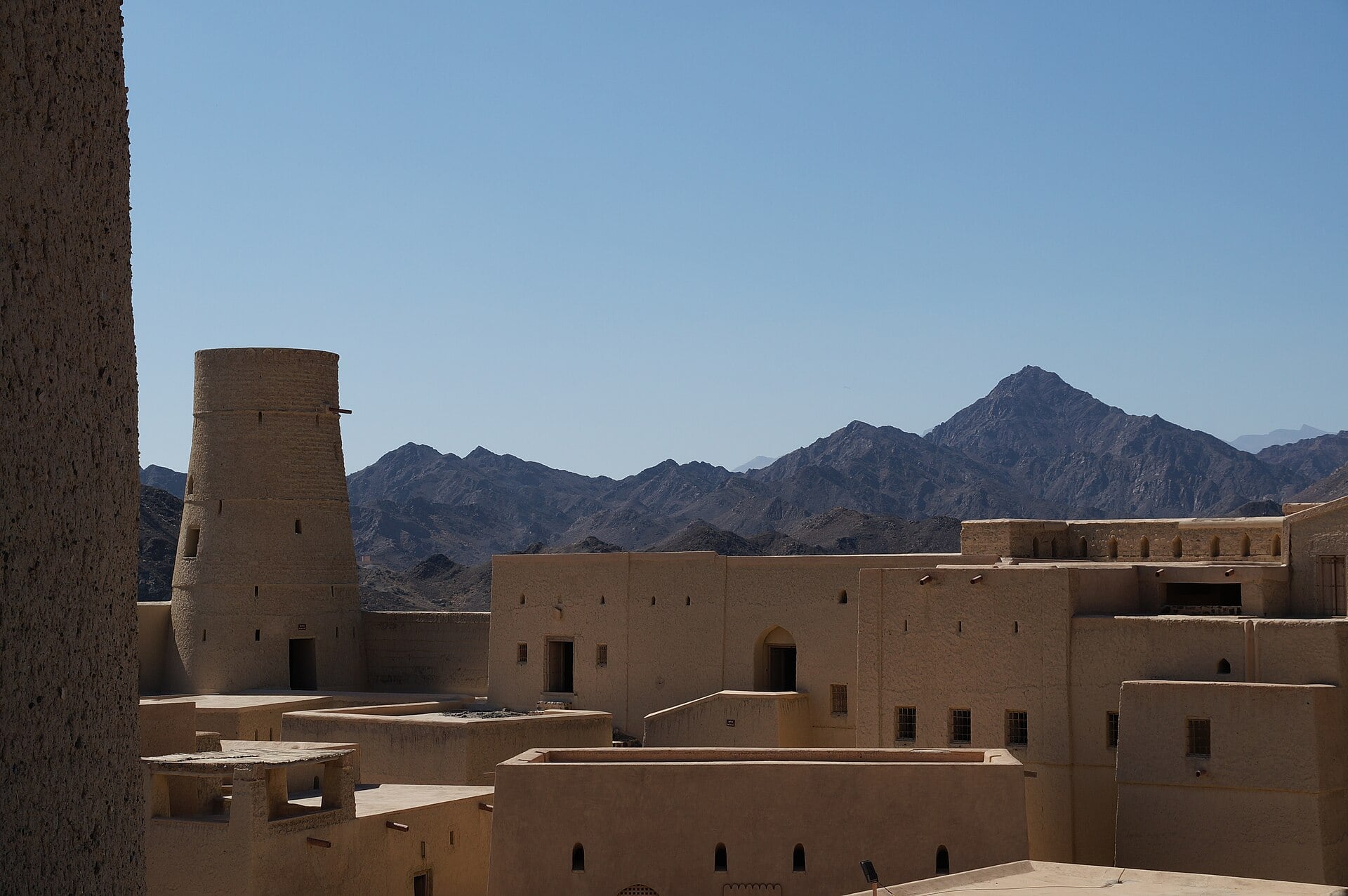
Oman is a land of castles and forts — there are over five hundred of them here — but Bahla Fort clearly stands out. It was, after all, the very first Omani monument to be inscribed on the UNESCO World Heritage list (way back in 1987). This gigantic complex of unbaked mud bricks originally dates from the 12th to 15th centuries, and its sheer scale will completely astound you.
The whole fort has undergone a long and costly restoration, and today you can freely wander the labyrinth of its corridors, watchtowers and hidden rooms. Unlike Nizwa, you won’t find much furniture or museum exhibits inside, but the main experience is the massive architecture itself and the views over the town, which is enclosed by a 12-kilometre-long mud wall.
The town of Bahla is also famous in Oman for its traditional pottery-making as well as its dark legends — locals believe it to be a centre of black magic and the home of jinn. If you have time to spare, I recommend driving a few more kilometres to the magnificent Jabreen Castle, which by contrast has beautifully decorated interiors and painted ceilings.
11. Bimmah Sinkhole (Hawiyat Najm)
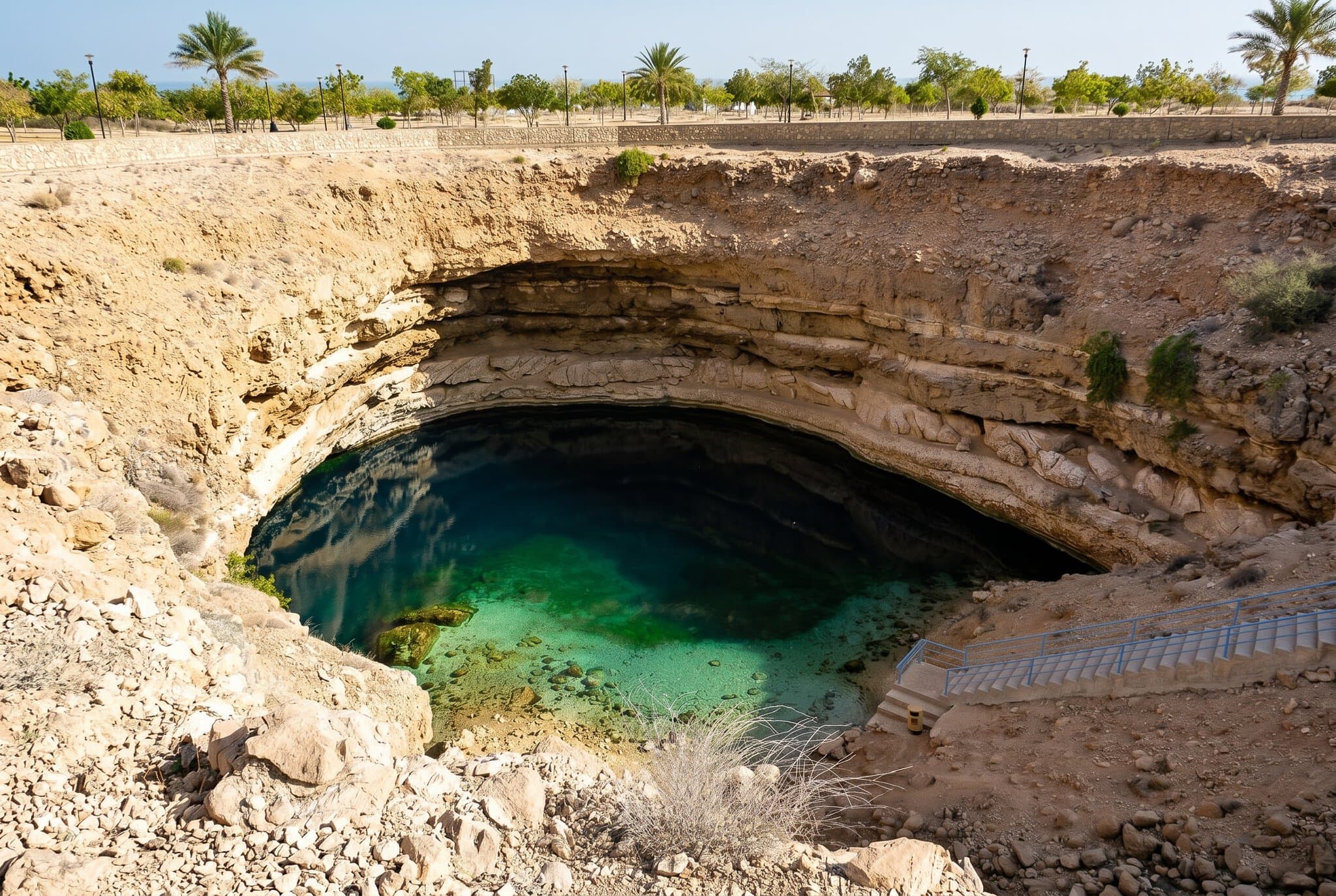
Driving along the motorway from Muscat heading south towards Sur, you’ll come across a natural phenomenon you’d certainly never expect in such a dry landscape. Bimmah Sinkhole is a huge depression in the limestone rock, with a beautifully turquoise pool glistening at the bottom. Local legend claims the hole in the ground was created by a falling meteorite, but geologists lean towards a natural collapse of a cave roof.
A landscaped park with benches and toilets has been built around the sinkhole, and entry to the grounds is completely free. A safe concrete staircase leads down to the water, so you can get here completely without any trouble, even with younger children.
The water in the pool is refreshing and swimming is officially permitted here. There are even little fish living in it (the kind known from Asian spa salons) that will gently nibble the dead skin off your feet once you dip them in. It’s an ideal quick stop of around 30 to 45 minutes to stretch your legs and cool off before the next stretch of driving.
12. The Spectacular Wadi Shab
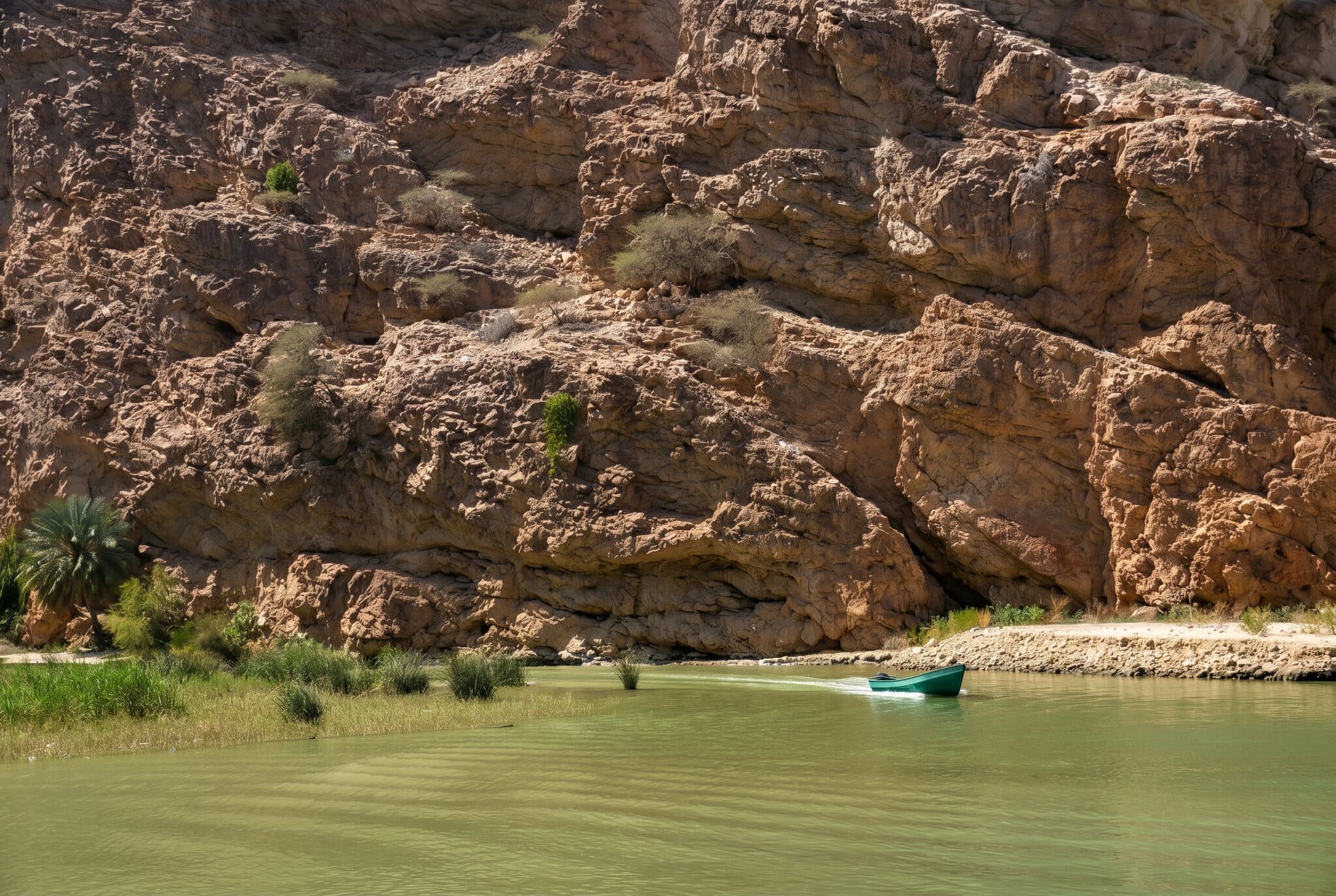
Wadi Shab is probably the most famous and most photographed wadi in all of Oman. The route to it starts by the motorway, where you have to leave your car in the car park and, for a symbolic fee of 1 rial, be ferried across the wide river to the other bank by a small motorboat. From there, a walking adventure awaits.
Next comes a roughly 45-minute hike up the valley. You’ll walk past falaj irrigation channels, through date plantations and hop across enormous white boulders. Once you reach the first turquoise pools, you’ll have to leave your things behind and continue on by swimming and wading through the water. The water is wonderfully clear and incredibly refreshing.
The absolute highlight of the whole trip is the end of the route, where you have to swim through a very narrow crevice in the rock into a hidden cave, inside which a small waterfall cascades down. This final section, however, is suitable only for genuinely strong swimmers, as you can’t touch the bottom inside the cave. Avoid visiting at the local weekend (Friday and Saturday), when hundreds of local families come here and the valley is hopelessly overcrowded.
💡 Tip: If you don’t want to sort out the logistics of getting here from the capital on your own, trips to Wadi Shab can be very easily booked in advance via GetYourGuide, where you’ll often find packages combined with a visit to Bimmah Sinkhole.
13. The Green Wadi Tiwi
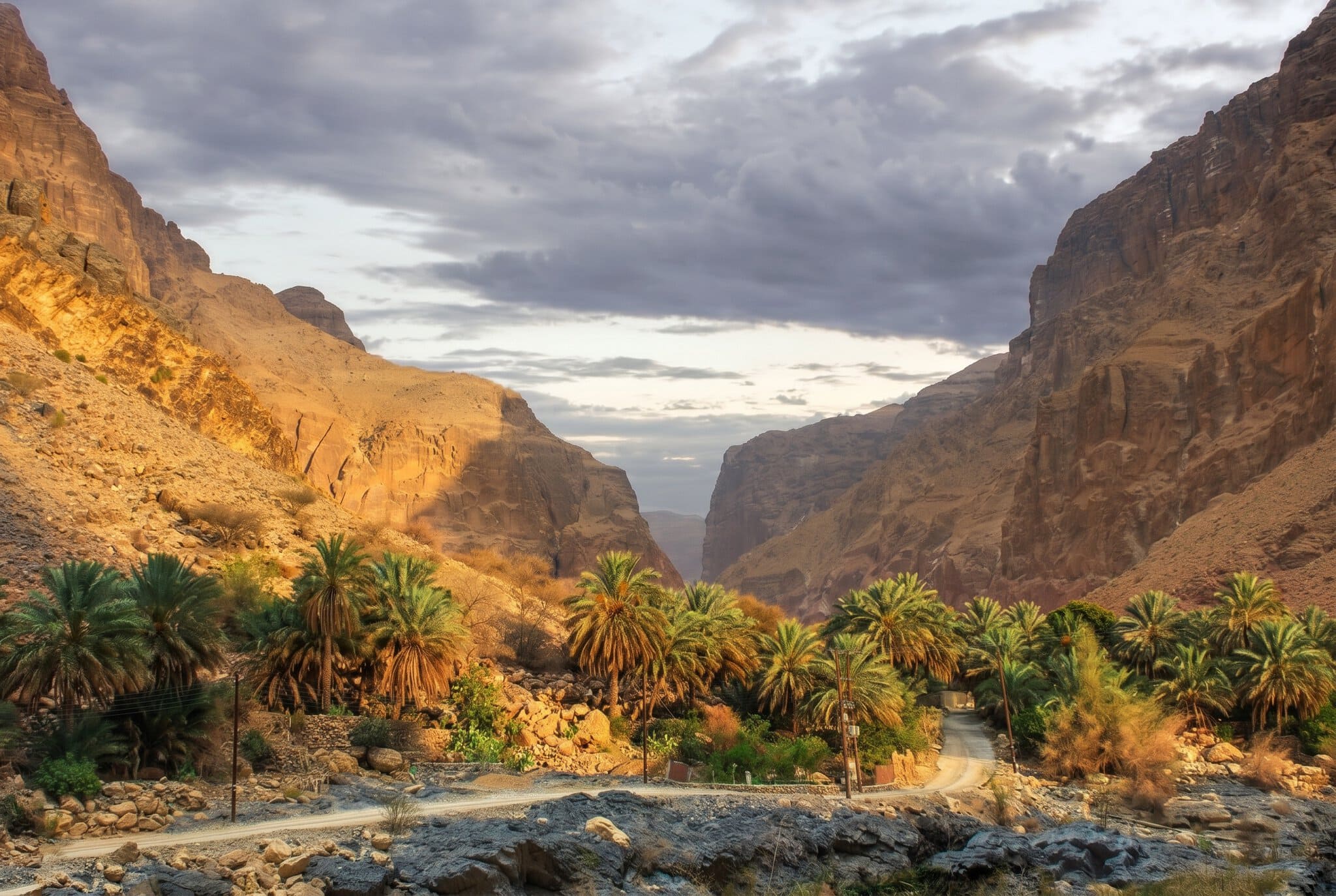
Right in the neighbouring valley beside Wadi Shab lies its lesser-known but all the greener sister — Wadi Tiwi. Whereas the former wadi is more rocky and wild, Wadi Tiwi is a huge, 36-kilometre-long oasis brimming with life. The canyon is densely overgrown with banana, fig and mango trees, among which small villages perch on the steep slopes.
The difference lies in the accessibility too. A narrow and very steep tarmac road runs through Wadi Tiwi, along which you can drive fairly high up into the valley. For safety reasons, though, the local authorities only allow 4×4 vehicles in. The road really is only for hardened drivers, as passing an oncoming car above a precipice requires nerves of steel.
If you don’t dare to drive it, you can leave your car down at the entrance and set off into the wadi on foot, or use the services of local residents who, for a few rials, will take you up on the back of their pick-up. Up at the village of Mibam you’ll then find beautiful pools with small waterfalls, where you can bathe in complete peace without the crowds of tourists.
14. Swimming in Wadi Bani Khalid
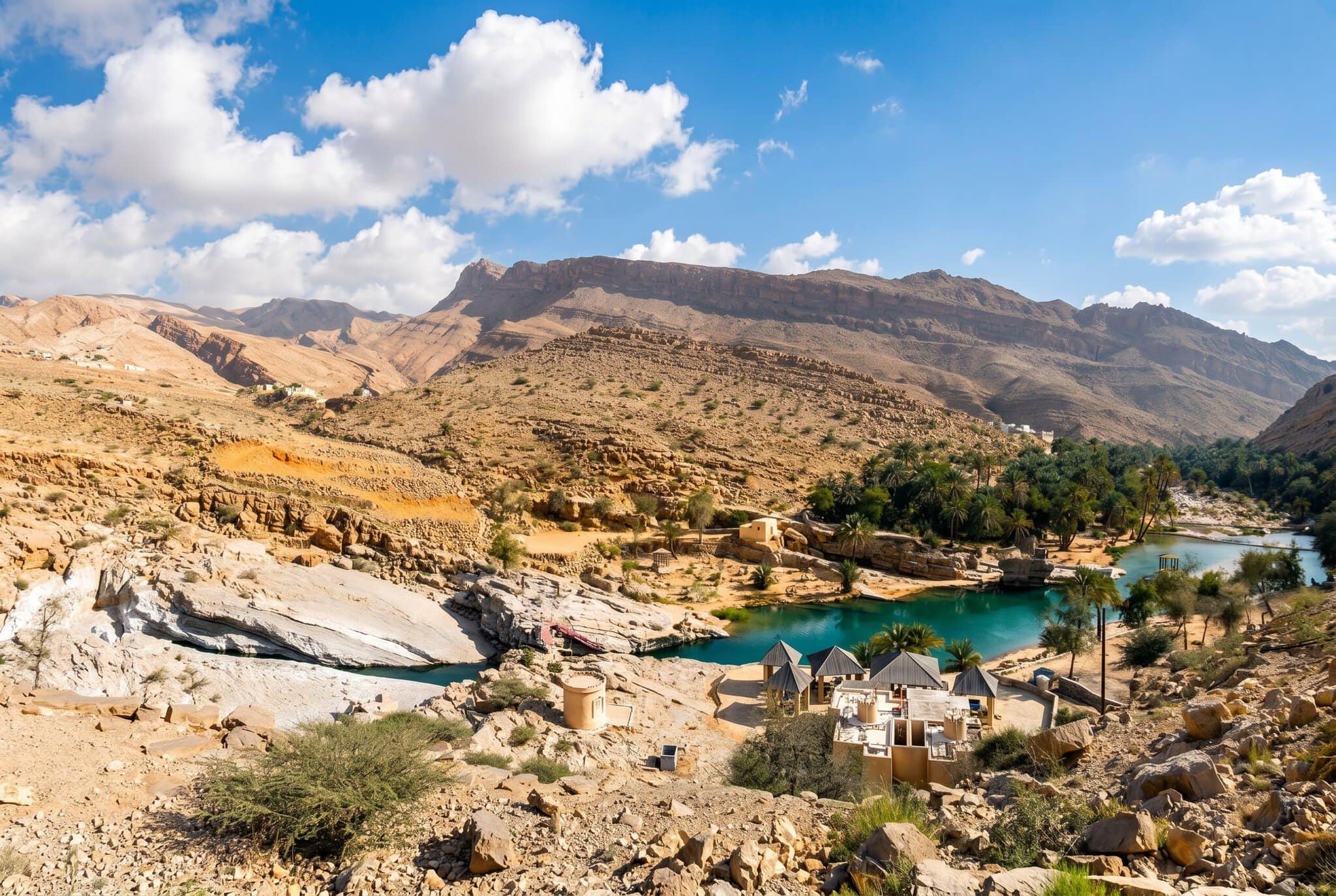
If you’re looking for an oasis that’s easy to reach and doesn’t require any demanding hiking, Wadi Bani Khalid is the right choice for you. It’s located on the edge of the desert on the way towards Wahiba Sands, and you can drive comfortably right up to the enormous car park along a good-quality road in any car.
From the car park it’s just a five-minute slow walk along a concrete path to the first enormous natural pools. The water here glows an unbelievable emerald colour and is pleasantly warm all year round. Right by the main lake there’s also a small restaurant where you can have a coffee or a simple lunch.
The place is very popular with local families for weekend picnics. So remember to respect local customs — although swimming is tolerated here, it’s recommended to swim in a T-shirt and shorts rather than a tiny bikini. If you follow the path a little further upstream, you’ll come across smaller and much quieter pools nestled among white rocks.
15. A Night in the Wahiba Sands Desert (Sharqiya Sands)
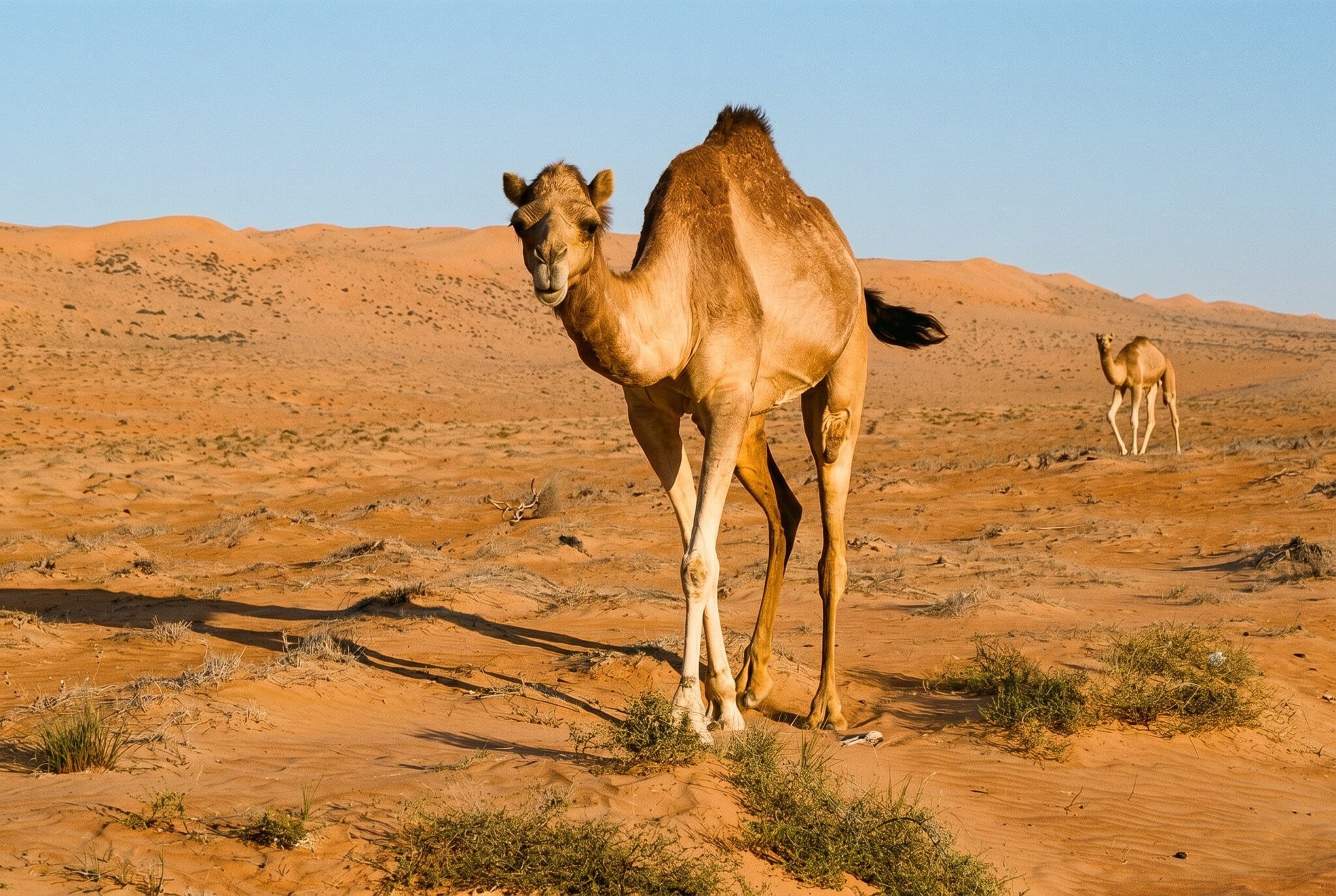
Experiencing a real desert is one of the main reasons to visit Oman. Wahiba Sands, officially known as A’Sharqiyah Sands, is a vast sea of golden and red sand dunes stretching for almost 200 kilometres. The gateway to the desert is usually the town of Bidiyah, where you should let some pressure out of your tyres just to be safe.
I’d definitely recommend booking an overnight stay in one of the desert camps. Most of them are hidden deep among the dunes, roughly 15 to 30 kilometres from the tarmac road. The way to them follows tracks worn into the sand, and without a four-wheel-drive car you won’t get there. If you don’t have one, the camp owners will happily come and collect you at the edge of the desert.
The experiences at the camp are unforgettable. Around five in the afternoon you’ll scramble up the nearest high dune and watch the magical sunset in complete silence. In the evening you’ll settle down on carpets around the fire, be served traditional Arabic tea and a Bedouin dinner, and above your head a sky studded with millions of stars will unfold, without a trace of light pollution.
16. The Port Town of Sur
The town of Sur, lying on the eastern tip of the country, has an incredibly rich maritime history. For centuries it was the most important port for trade with India and East Africa and the home port of the legendary seafarer Sinbad. Today it’s a calm and very pleasant town with a long promenade, an old lighthouse and snow-white houses.
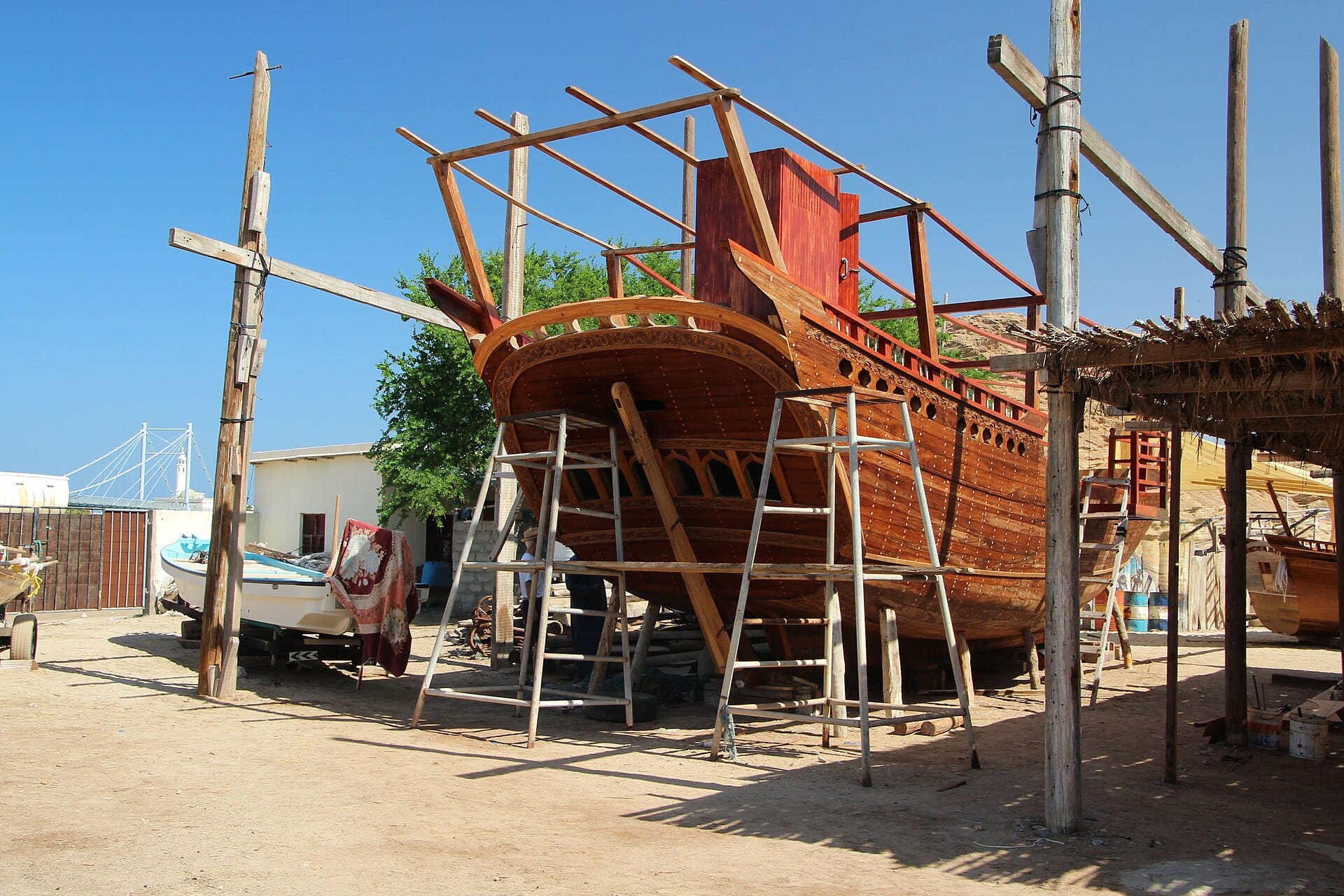
But the main attraction in Sur is the last working shipyard for traditional wooden dhow boats. These mighty trading vessels are still built here by hand, without any modern plans, purely with skill passed down from generation to generation. You can visit the shipyard (the Dhow Factory) for a small fee and watch the workers at their woodwork.
In the evening it’s worth heading into the centre for dinner. Although Sur is known for its fresh catch from the sea, as a vegetarian I can promise you that you’ll find plenty of excellent Indian restaurants here, serving you the finest fresh naan bread and honest lentil dhal or vegetable biryani for a fraction of European prices.
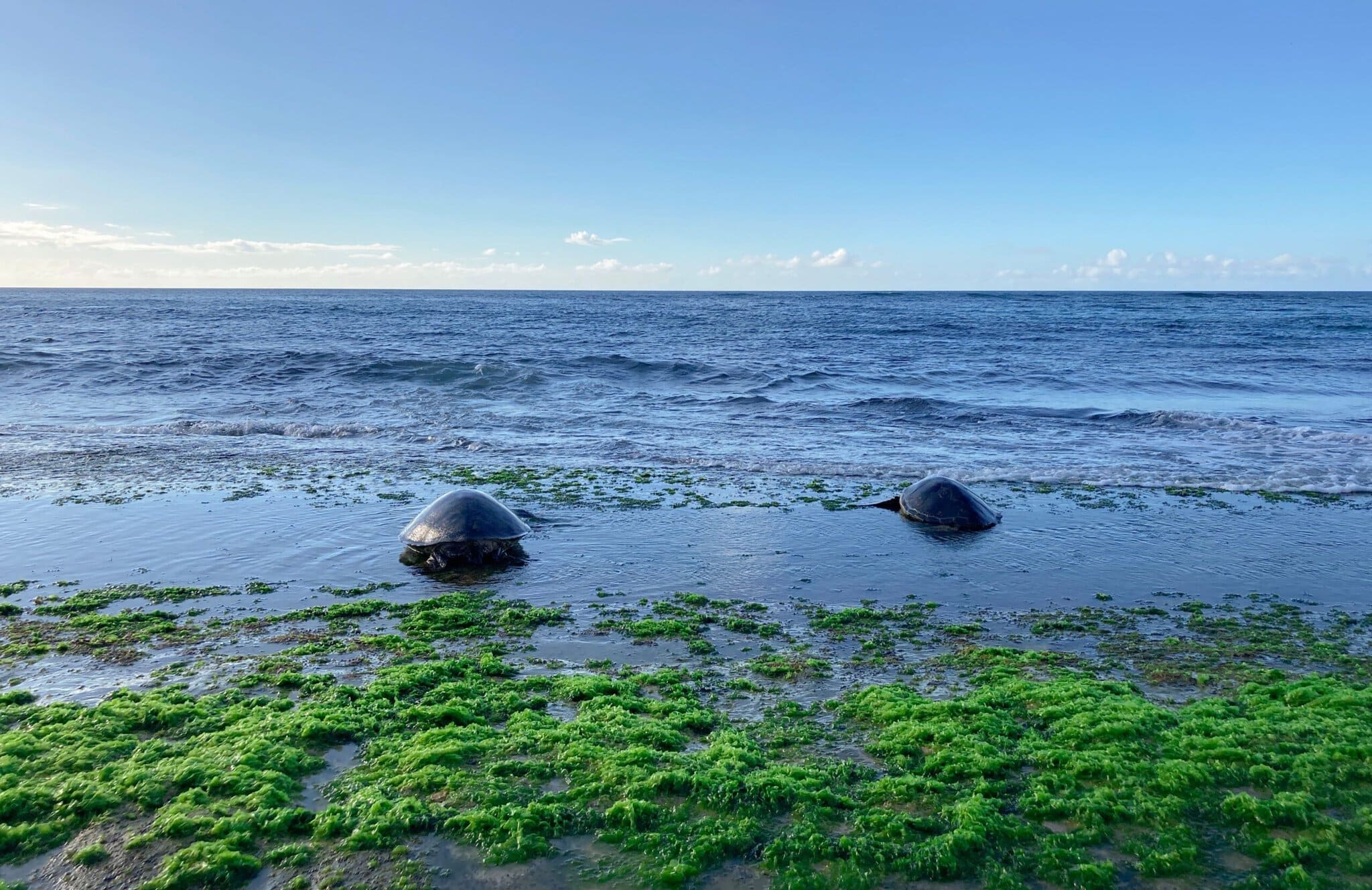
17. The Ras al Jinz Turtle Reserve
Just outside the town of Sur lies the protected Ras al Jinz nature reserve, which is the easternmost point of the Arabian Peninsula. This place is world-famous because every year thousands of endangered green turtles come here to lay their eggs in the soft sand.
The beach is strictly protected and entry is only possible with a licensed guide (a ranger). Tours take place either early in the morning at dawn or late at night. During a walk along the dark beach, with a bit of luck you’ll watch the giant females digging pits and laying eggs, or conversely freshly hatched hatchlings instinctively dashing towards the ocean waves.
It’s an incredibly moving experience, but it has its rules. Photography with a flash is strictly forbidden so as not to startle the turtles. The females come here to lay eggs all year round, but the absolute peak of the season is in the hot summer months from July to September. Be sure to book the night tours several weeks in advance, as they tend to be hopelessly sold out.
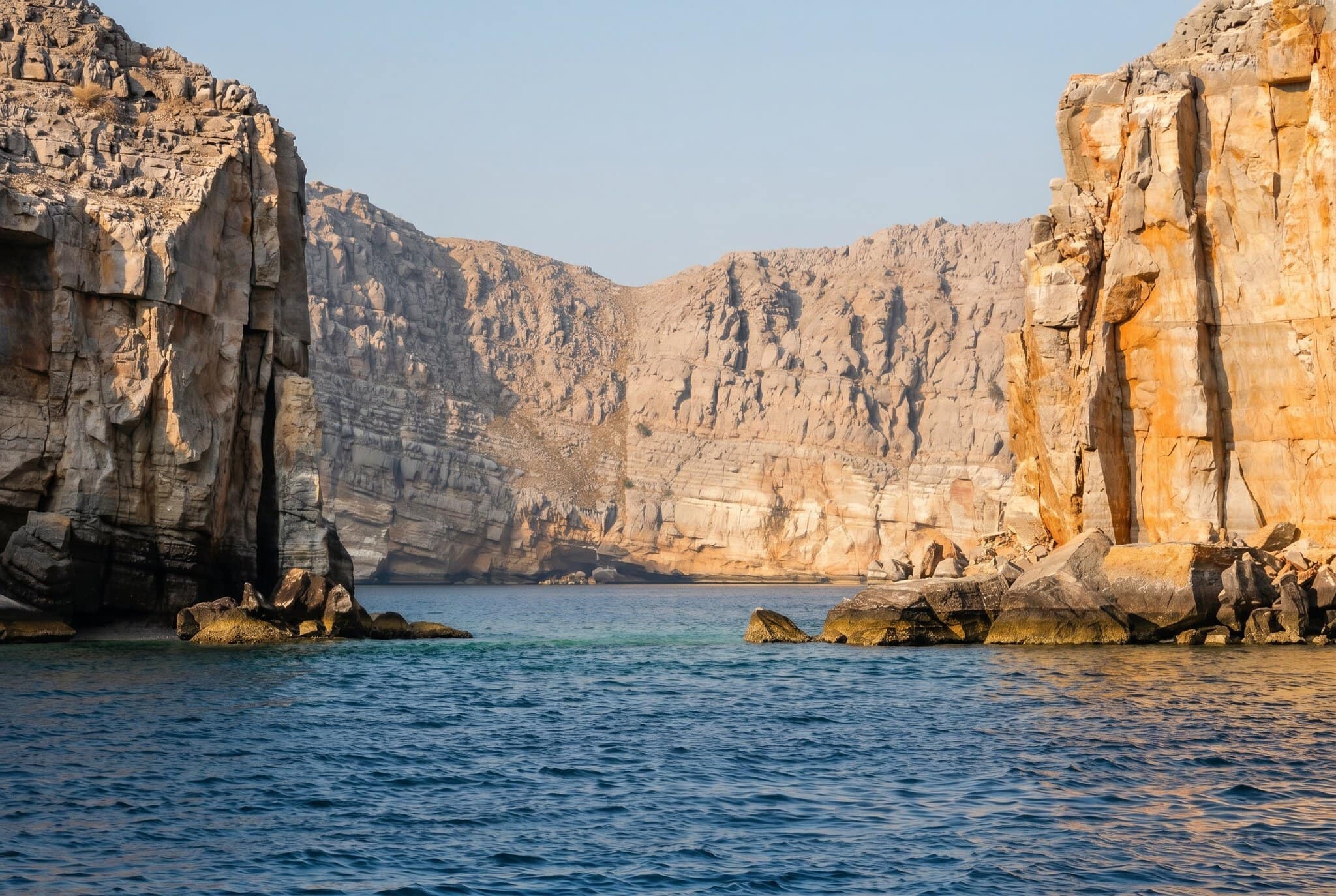
18. A Cruise Through the Fjords of Musandam
The Musandam Peninsula is a geographical anomaly — it’s the northernmost part of Oman, yet it’s separated from the rest of the country by the territory of the United Arab Emirates. This area is so dramatic and rocky that it’s earned the nickname the Norway of Arabia. Instead of green forests, though, the warm water of the Persian Gulf laps against steep limestone cliffs here.
The main activity in Musandam, which is most often reached from nearby Dubai, is a full-day cruise on a traditional wooden dhow boat. These boats, often fitted with soft carpets and cushions, take you deep into the intricate fjords, where no roads lead and where you’ll see only small, isolated fishing villages accessible only by water.
During the cruise (which lasts around 6 hours), you’ll almost certainly be accompanied by pods of playful dolphins who love to swim in the waves ahead of the boat’s bow. The trip usually also includes a stop at the famous Telegraph Island, where you’ll put on a mask and snorkel and dive into the warm water full of colourful fish.
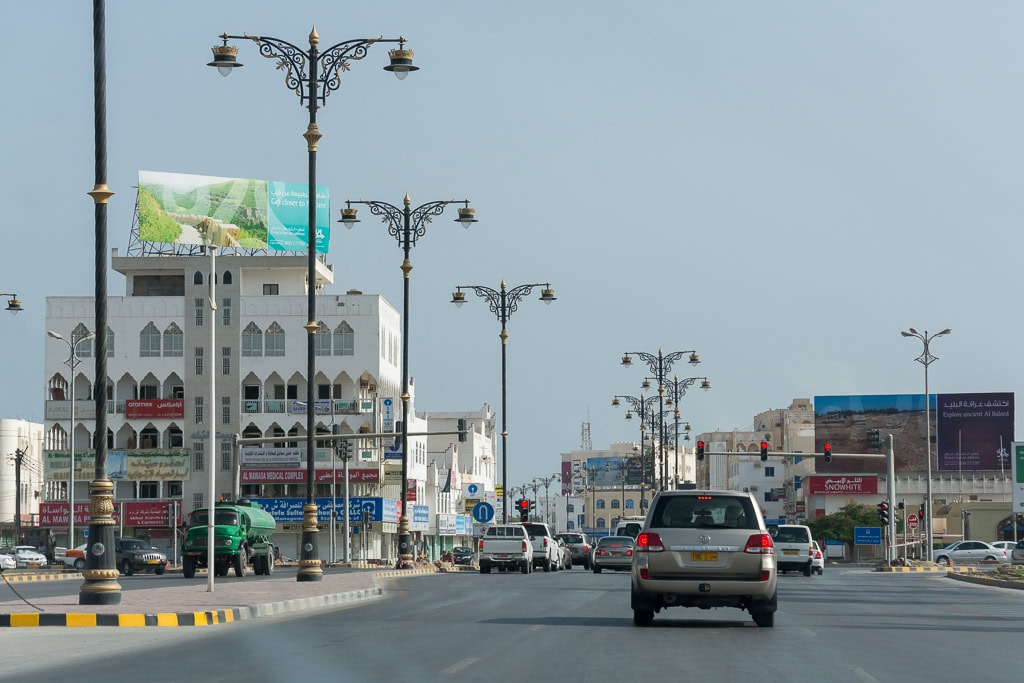
19. Tropical Salalah and the Khareef Phenomenon
The city of Salalah, lying in the far south in the province of Dhofar, represents a completely different world to the rest of Oman. As I mentioned in the introduction, this place is famous for the khareef phenomenon — the summer monsoon that transforms the parched desert into a green oasis. While it’s 45 degrees in Muscat in July, here it’s a pleasant 24 degrees and a fine drizzle falls from the sky.
But even if you head to Salalah in the European winter, when it’s sunny and warm, you won’t be disappointed. The city is fringed with endless plantations of coconut palms, banana and papaya trees, which lend it a thoroughly tropical, Caribbean feel. Buying a fresh coconut with a straw at the roadside is a daily obligation here.
The long white-sand beaches practically beg you to relax, which is why Salalah has become a hub of beach resorts. If you’re tempted by the combination of sea, white sand and stunning nature, be sure to read our detailed article Salalah and the South of Oman: Tips and Resorts, where you’ll find a detailed itinerary just for this region.
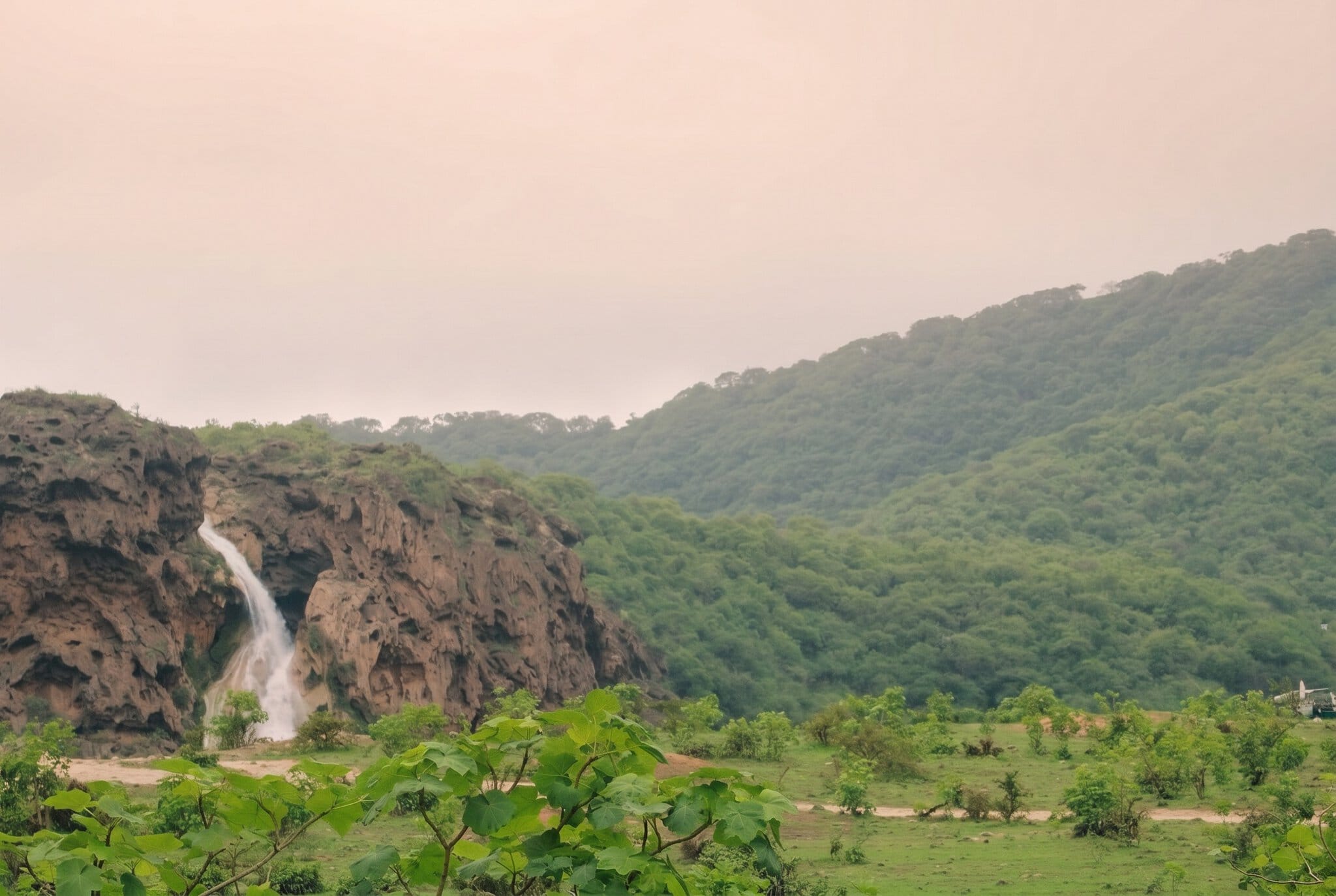
20. Waterfalls and Frankincense Trees Around Salalah
The area around Salalah offers so many natural and historical wonders that you could easily spend a whole week here. One of the most interesting spots is the Wadi Darbat valley. During the monsoon and just after it (in autumn), mighty waterfalls and sprawling turquoise lakes form here, on which you can go pedal-boating while herds of camels and cattle graze freely around you.
Heading west of the city, you mustn’t skip a stop at Al Mughsail beach. Here you’ll find the famous blowholes — natural rock vents in the cliffs through which, during a strong surf, seawater shoots up under pressure like a geyser almost 30 metres high. It’s an astonishing spectacle of the ocean’s power.
Dhofar is also the cradle of the finest frankincense in the world (resin from the Boswellia sacra trees). On the way to the Rub’ al Khali desert you’ll come across the protected Wadi Dawkah frankincense valley (UNESCO), where around five thousand of these gnarled, at first glance withered trees grow, whose fragrant resin once brought the region greater wealth than oil does today.
21. Snorkelling at the Daymaniyat Islands
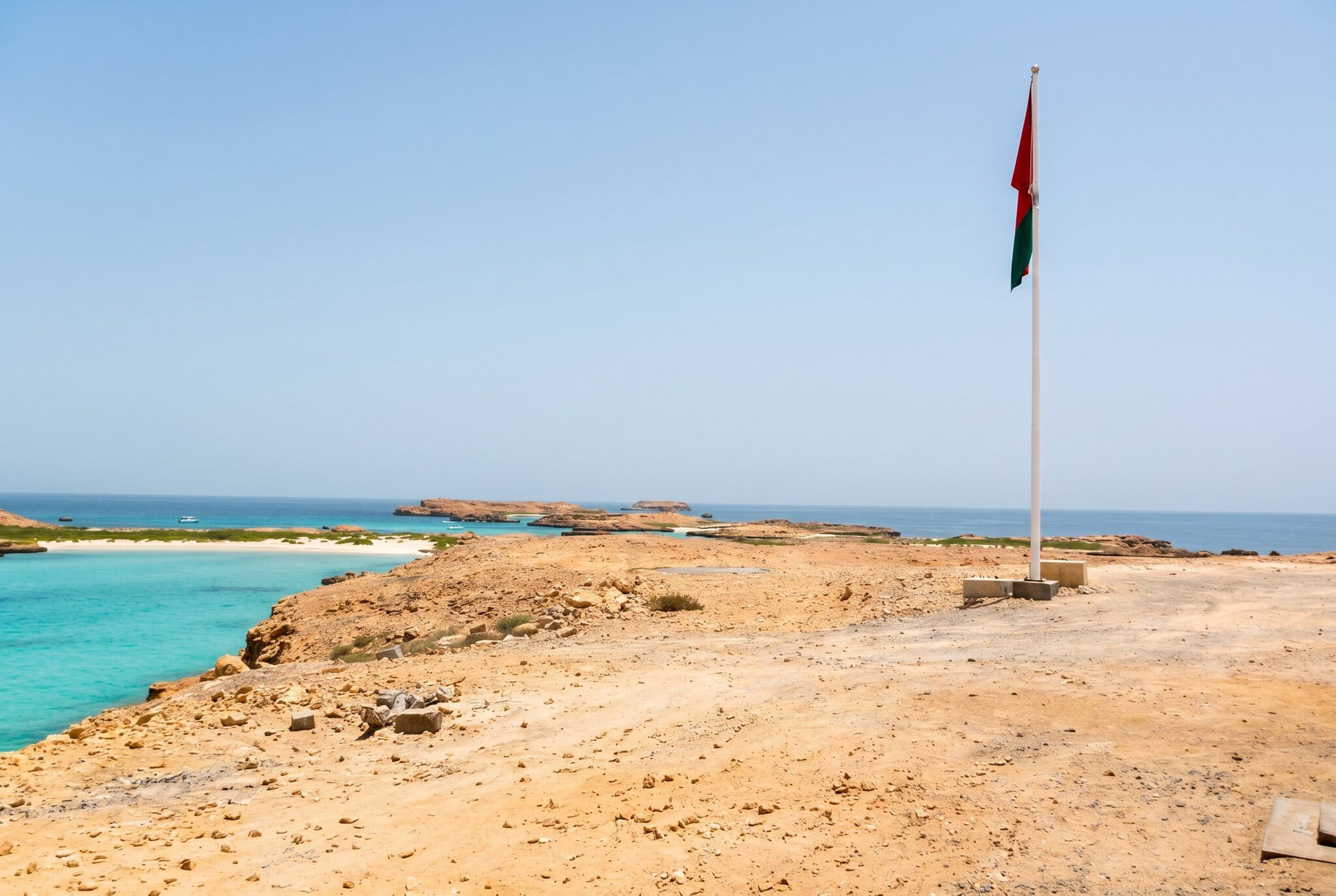
Our final tip takes us back to the northwest of Muscat. If you love the underwater world, you mustn’t skip a trip to the Daymaniyat Islands. This uninhabited archipelago of nine small limestone islets forms a strictly protected marine reserve and represents the best spot for snorkelling and diving in all of Oman.
Beneath the surface, well-preserved, colourful coral reefs and enormous shoals of tropical fish await you, and with a bit of luck you’ll almost certainly come across sea turtles foraging for food here. In the summer months and in autumn, harmless and majestic whale sharks also appear here fairly often.
Given the strict nature protection, you can’t head here on your own, but only as part of an organised trip with a licensed agency that will arrange the compulsory daily permit for you. Snorkelling trips cost an adult roughly 45 rials. Also bear in mind that, due to the nesting of rare birds and turtles, setting foot on the islands is completely forbidden from May to October and you can only stay in the water.
Where to Go Next from Oman
If you have more time available, or want to get a fuller picture of the possibilities across the whole Persian Gulf region, Oman can very easily be combined with neighbouring countries. Plenty of travellers fly first to the Emirates and from there drive or hop over to Muscat. If you’re tempted by giant metropolises and modern architecture, be sure to read our tips on what Dubai: Holiday and Tips looks like, or take inspiration from our article on the neighbouring luxury city of Holidays in Abu Dhabi.
Should you decide to dedicate your entire holiday to Oman alone (which I warmly recommend, because it’s huge), don’t forget to read up on our detailed regional guides. For the northern part of the country and the capital, make use of the article Muscat: What to See in the Capital. If you’re drawn more to the tropical south and the green khareef season, draw inspiration from the guide Salalah and the South of Oman: Tips and Resorts. And if you’re considering other Arab destinations purely for winter warmth, our guide When to Go to Egypt (Weather) may also help.
Frequently Asked Questions
Is Oman a safe country for tourists?
Oman is repeatedly ranked among the safest countries in the entire world. Crime, including petty pickpocketing, is practically non-existent here and the political situation has been very stable for a long time. The local people are incredibly hospitable, polite and helpful to foreigners. The main risks for tourists are not from people, but rather from nature – watch out for extreme summer heat, flash floods in wadis after rain, and risks associated with driving in deep sand.
Do I need a visa for Oman?
Yes, citizens of the Czech Republic need a visa to enter the country. It’s very easy to arrange online as an electronic e-visa through the official government portal (evisa.rop.gov.om). You can choose from several options, with the most common being a single-entry tourist visa for 10 or 30 days. Your passport must be valid for at least 6 months beyond your planned return date.
Can I drink alcohol in Oman?
Oman is an Islamic country and drinking alcohol in public is strictly forbidden. Alcohol is not sold at all in regular supermarkets. You can get it exclusively in large international hotels, luxury beach resorts and in licensed bars, but prices are relatively high there. If you’re going to Salalah with a tour operator on an all-inclusive basis, you’ll get alcoholic drinks normally within the hotel complex.
What is the dress code for tourists in Oman?
Oman is quite conservative, so tourists are expected to respect local customs. Both men and women should have their shoulders and knees covered in public (in cities, at markets). For women, loose long dresses or trousers and a short-sleeved shirt are ideal. When entering a mosque, women must additionally cover their hair with a scarf and men must wear long trousers. On beaches near large hotels, European swimwear is absolutely fine.
Can I Manage Oman Without a Rental Car?
Getting around Oman without a car is very complicated and expensive. Public transport in the form of Mwasalat buses does operate between major cities (e.g. Muscat – Salalah), but you won’t be able to reach natural attractions, wadis, mountains or the desert without a car. Organized tours with local agencies are very pricey, so renting a car will definitely be the most cost-effective and time-efficient option for you.
Is it better to fly to Muscat or to Salalah?
It depends on what you’re looking for from your holiday. If you want to experience a classic road trip, see high mountains, historic forts, swim in wadis and spend a night in the desert, definitely fly to Muscat and explore the north of the country. If you’re after more of a relaxing beach resort holiday, or want to experience the unique green khareef monsoon in summer, choose the airport in Salalah.
Do regular Google Maps work in Oman?
Google Maps does work in Oman, but it’s not very reliable for navigation while driving. It often can’t estimate arrival times correctly, doesn’t account for newly built intersections, or sends you down non-existent dusty roads. Travelers and Omanis themselves therefore clearly recommend using the Waze app, which is much more accurate and reliable.
How about payments and cash?
HTML translation with preserved tags and converted currency:
The currency is the Omani Rial (OMR), which is one of the strongest currencies in the world (1 rial is approximately €2.30). In large cities, supermarkets and international hotels you can pay by card without any problems. However, if you’re planning to head into the mountains, smaller markets (souks), small cafés or remote villages near wadis, you’ll definitely need cash. ATMs are commonly available in cities.
Tips and Tricks for Your Vacation
Don’t Overpay for Flights
Search for flights on Kayak. It’s our favorite search engine because it scans the websites of all airlines and always finds the cheapest connection.
Book Your Accommodation Smartly
The best experiences we’ve had when looking for accommodation (from Alaska to Morocco) are with Booking.com, where hotels, apartments, and entire houses are usually the cheapest and most widely available.
Don’t Forget Travel Insurance
Good travel insurance will protect you against illness, accidents, theft, or flight cancellations. We’ve had a few hospital visits abroad, so we know how important it is to have proper insurance arranged.
Where we insure ourselves: SafetyWing (simple monthly subscription) and TrueTraveller (for extra-long trips).
Find the Best Experiences
Get Your Guide is a huge online marketplace where you can book guided walks, trips, skip-the-line tickets, tours, and much more. We always find some extra fun there!