India can be incredibly intense, and its largest metropolis Mumbai (officially renamed from Bombay in 1995) will convince you of that right after you land. This city never sleeps, blending colonial British architecture with modern skyscrapers while the streets fill with the aroma of fresh spices. If you’re planning to explore the beauty of South Asia, set aside at least three full days for this city, because you definitely won’t get bored.
A major game-changer is the brand-new underground Aqua Line metro, which has been fully operational since October 9, 2025. For the very first time in history, you can now travel underground from international terminal T2 all the way south to the iconic Gateway of India. The journey to Churchgate station takes just 45 to 50 minutes, and a ticket costs a maximum of 70 INR (around €0.60). You no longer need to fear the legendarily overcrowded suburban trains.
When planning your trip, pay very close attention to the airport code on your ticket. Since October 1, 2026, roughly one-third of international flights have been moving to the new Navi Mumbai Airport (code NMI), which doesn’t yet have metro access. If you fly into the old airport in Andheri (code BOM), you’re in luck and can hop straight onto the metro. From the new Navi Mumbai Airport, expect a taxi ride across the new Atal Setu bridge, which takes about an hour and costs around 1,100 to 1,200 INR.
TL;DR
- New Aqua Line metro: From BOM airport, you can reach the center comfortably by metro for 70 INR; a 3-day tourist pass costs 700 INR.
- Two different airports: Since October 2026, watch your tickets carefully—BOM code means the airport with metro access, NMI code is the new airport accessible only by taxi.
- When to go: The ideal weather is from mid-November to February, when it’s dry and temperatures stay around a pleasant 31 to 34 °C.
- Electronic visa: You can arrange a 30-day tourist e-visa online for 25 USD; don’t forget to also fill out the free e-Arrival Card.
- Payments and money: International cards work in hotels; for payments at street stalls, set up the tourist UPI One World app at the airport for QR code payments.
- Safety in the city: The southern neighborhoods of Colaba and Fort are considered very safe, but at night use the Uber app for getting around, just to be safe.
- Vegetarian paradise: The city offers hundreds of so-called pure veg restaurants that cook completely without meat and eggs.
The full destination guide: Asia — guide and what to see
When to Visit Mumbai
The best time to visit is clearly from mid-November through the end of February. During these winter months, it’s practically dry, with daily highs between 31 and 34 °C and humidity dropping to a tolerable 50 percent. Nighttime temperatures in January fall to a pleasant 17 to 20 °C, so you can sleep without running the air conditioning at full blast. Just keep in mind that winter brings worse smog conditions, though the air here is significantly cleaner than in Delhi thanks to the ocean breeze.
On the other hand, April and May bring extreme humidity and temperatures climbing well above 34 °C. The only advantage of late spring is the season for the famous sweet Alphonso mangoes. If you don’t mind real extremes, you can try visiting then, but moving around the scorching streets will cost you a lot of energy.
Definitely avoid the monsoon season from June to September. During these four months, an average of 2,400 millimeters of rain falls and the streets are often completely flooded. For example, on July 2, 2026, 205 mm of rain fell in a single day, making it the second rainiest day in recorded history. On such days, suburban trains come to a halt and boats to Elephanta Island don’t sail.
Where to Stay in Mumbai
When choosing accommodation, it mainly depends on your budget and what you want to see. For a first visit, the best choice is the southern Colaba neighborhood, where you have iconic landmarks within walking distance, though hotel prices here are logically the highest. An excellent compromise is offered by the neighboring Fort and Churchgate districts, where you’ll find beautiful art deco buildings, great connections to the new metro, and somewhat more affordable nightly rates.
If you’re looking for modern cafés, nightlife, and don’t mind commuting 45 to 90 minutes to the monuments, choose the popular Bandra West neighborhood. For travelers with an early morning departure or very late arrival, it makes sense to spend at least the first night near the airport in the Andheri East area, where there’s a huge selection of decent business hotels and clean hostels right on the metro line.
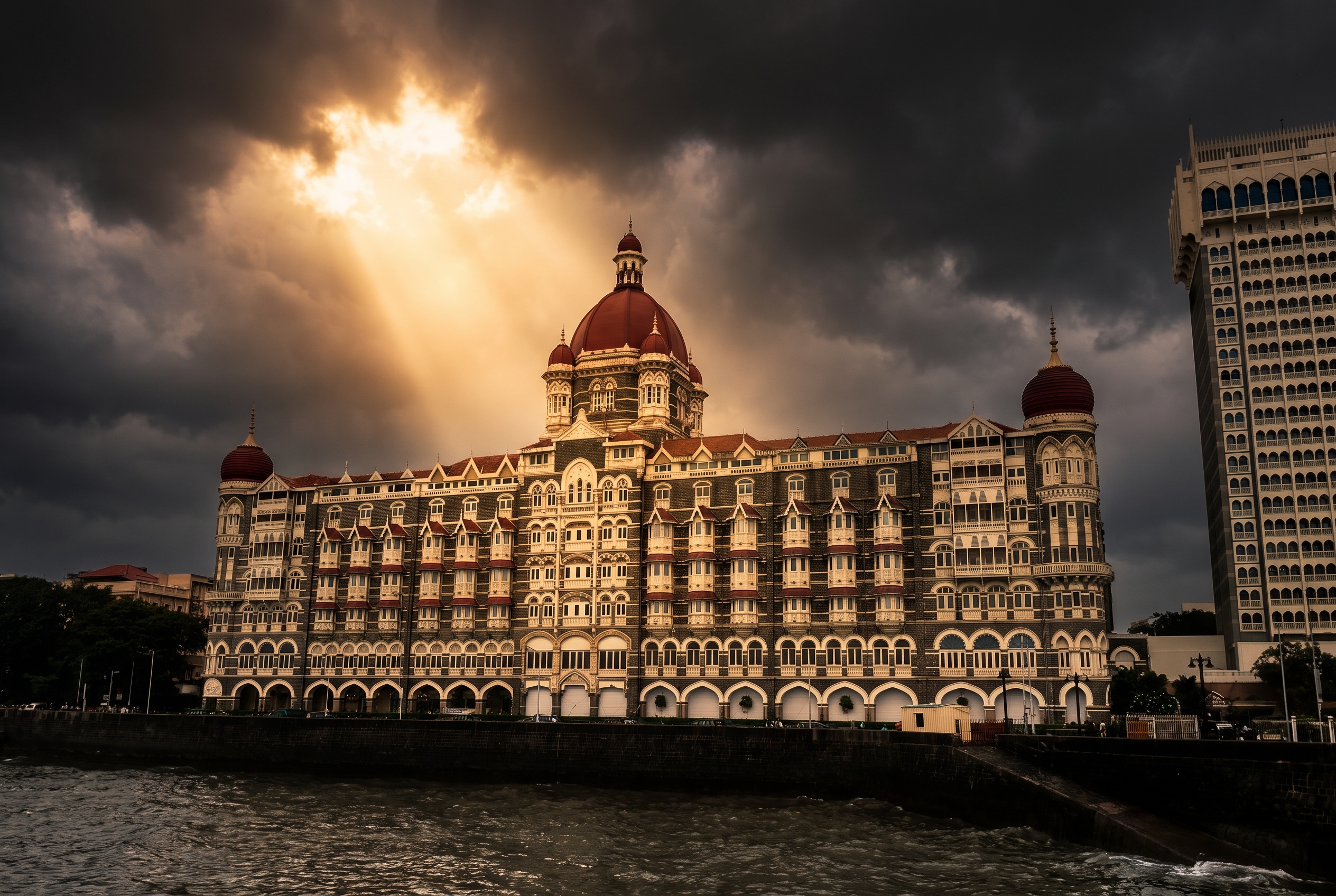
- The Taj Mahal Palace, Mumbai is a legendary hotel from 1903 right at Gateway of India, where guests praise the excellent breakfasts, pool relaxation, and perfect service. You’ll probably be thrilled with this gem, just be aware that some rooms aren’t exactly huge.
- Abode Bombay is a beautiful boutique hotel full of antiques, located a short walk from Regal Cinema and Gateway of India. Guests rave about the peaceful atmosphere in the middle of bustling Colaba, the friendly staff, and outstanding homemade breakfasts with local and vegan treats.
- Residency Hotel Fort is officially only a three-star hotel, but thanks to its incredibly friendly staff, quiet rooms, and excellent breakfasts, it offers great value for money. You’ll find it in the historic Fort district near CSMT station, so you can easily walk to the monuments.
- The Hosteller Mumbai, International Airport is one of the best-rated hostels in the city, where guests praise the cleanliness, helpful staff, and curtains on the beds. It’s located in Andheri East right by the metro near the airport, but be aware that the private rooms are reportedly tiny.
For a more detailed breakdown of individual neighborhoods and more specific tips, definitely check out the separate article Where to Stay in Mumbai.
💡 On this map, you can compare what’s currently available—you’ll immediately see how much the price changes just a few blocks away.
22 Tips on What to See and Do in Mumbai
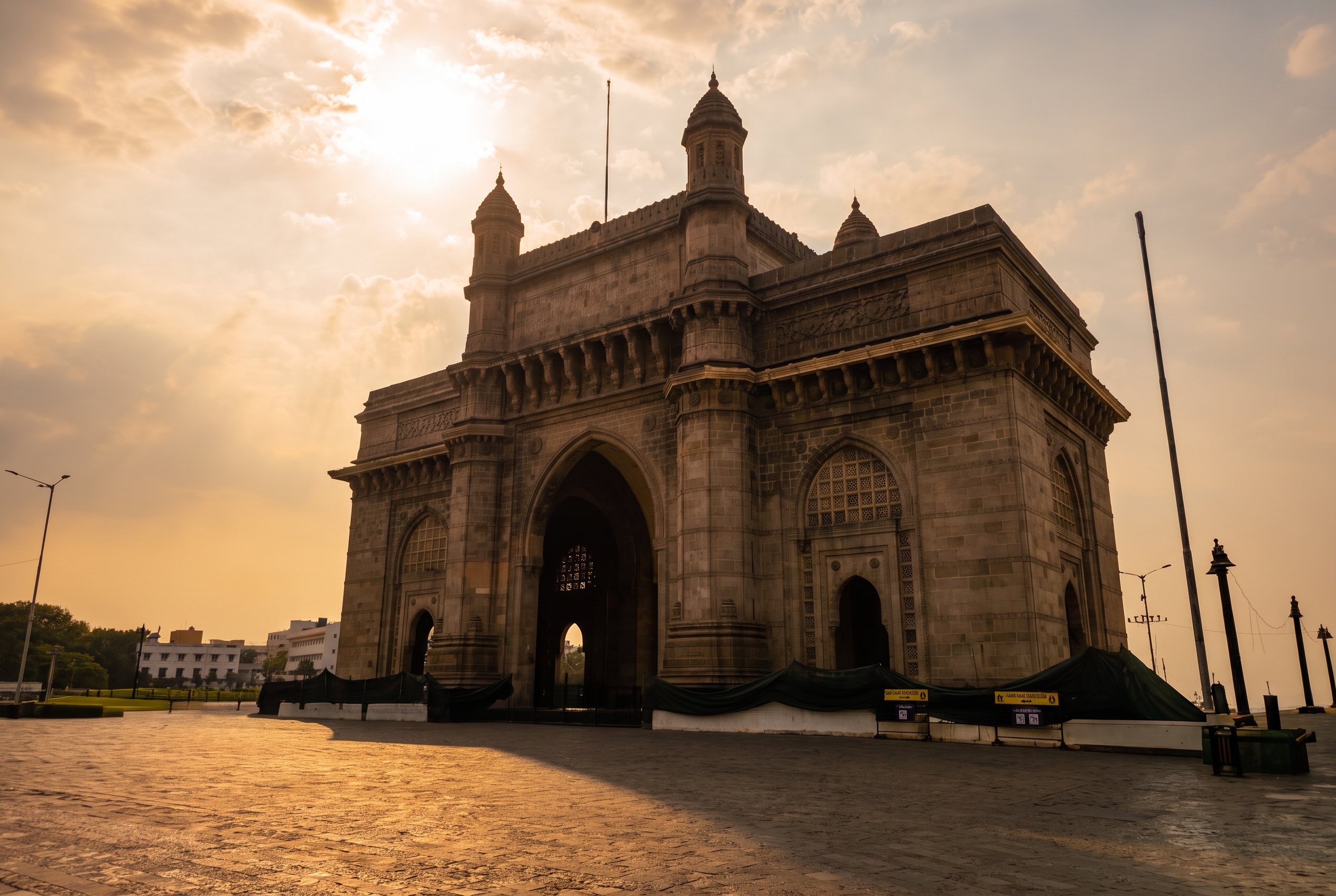
1. Gateway of India and Taj Mahal Palace Hotel
This 26-meter-high basalt arch is the city’s symbol and you’ll find it in the Colaba neighborhood (admission is free). The triumphal arch in Indo-Saracenic style was designed by architect George Wittet and completed in 1924 to commemorate the landing of British King George V. It’s a historical irony that this is exactly where, in 1948, the very last British military regiment sailed away from newly independent India.
Right across from the arch stands the stunning Taj Mahal Palace Hotel, opened as early as 1903, founded by the famous industrialist Jamsetji Tata. The building was tragically one of the main targets of the November 2008 terrorist attacks, but today it shines once again in all its glory. After a thorough security check, you can peek into the luxurious lobby, or you can stop by for afternoon tea at the Sea Lounge, though prices here are definitely not low.
The best way to reach the arch is by the new Aqua Line metro to Cuffe Parade station or Churchgate, from where it’s about 1.5 kilometers on foot or a short taxi ride. Boats to nearby Elephanta Island also depart directly from the monument, though a new pier is slowly being built at the neighboring Radio Club.
💡 Tip: Watch out for local scams. Dozens of self-appointed guides, photographers with portable printers, and requests for joint selfies circulate around the arch. The best approach is to say a firm no and simply keep walking.
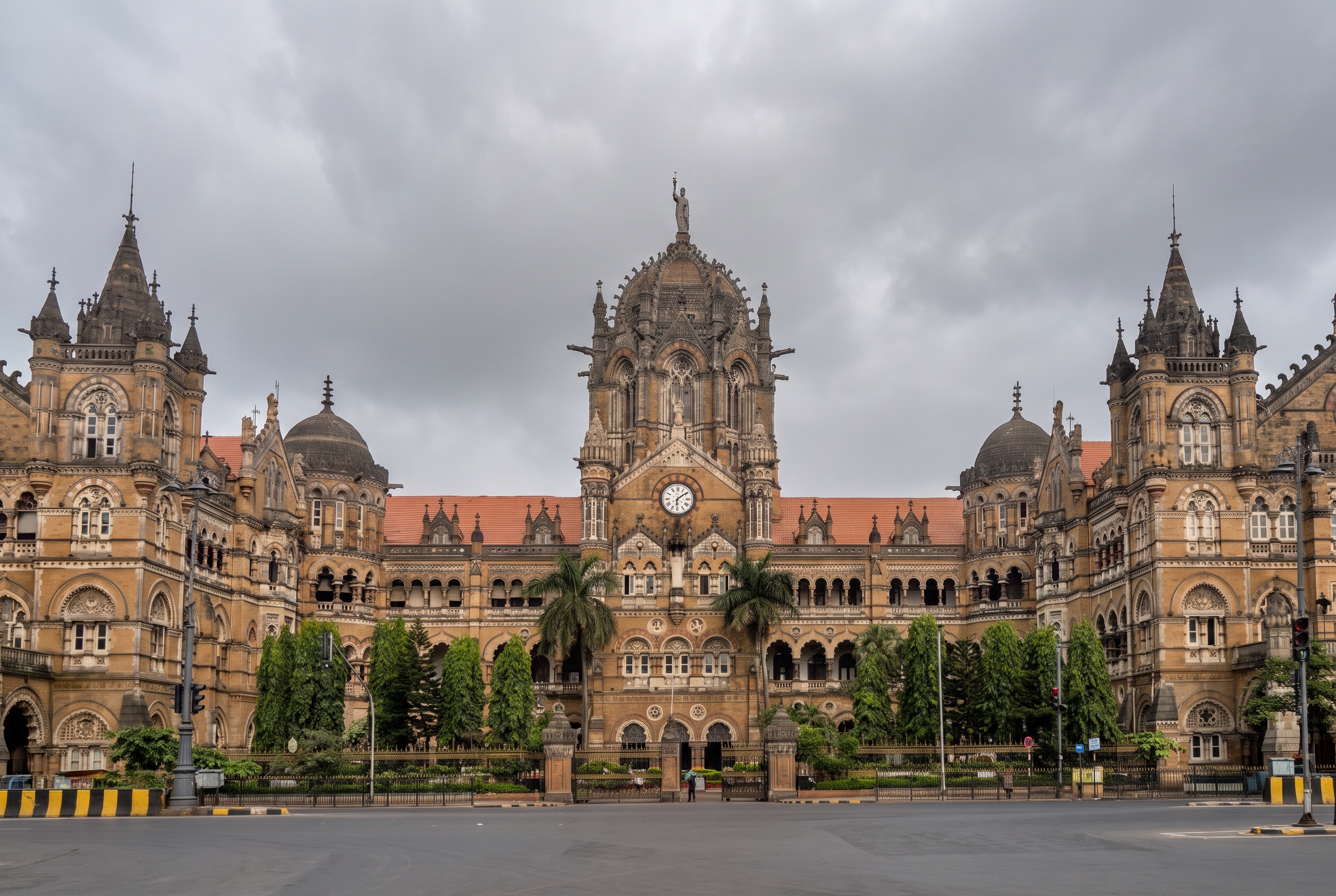
2. Chhatrapati Shivaji Maharaj Terminus (CSMT)
This iconic railway station in the Fort district is so stunning that it was rightfully inscribed on the UNESCO World Heritage List in 2004. Until 1996 it bore the name Victoria Terminus and represents the pinnacle of Victorian Gothic architecture, completed by workers in 1888 according to F. W. Stevens’ design. The main concourse hall is open to the public completely free of charge and hundreds of thousands of passengers pass through it daily.
If you want to see areas where ordinary visitors don’t get to go, join the excellent guided tour called The Crown Jewel of Mumbai. It lasts about an hour and a half, takes place on weekdays at 4:00 PM and on weekends also at 11:00 AM. Tickets for adults cost 500 INR (students 100 INR) and you can get them through the BookMyShow portal, with the meeting point at the McDonald’s branch opposite the main building.
Getting here is easy because the CSMT Metro station is located directly beneath the historic building. The most beautiful photos can be taken just after sunset during the so-called blue hour, when the entire sandstone facade is beautifully illuminated and the surrounding streets take on a magical quality.
💡 Tip: Right next to the station you’ll find the Aram Vada Pav stall (open Mon–Sat 8:30 AM–10:00 PM), where they make amazing vada pav, which is a spiced potato dumpling in a light bun and a vegetarian classic.
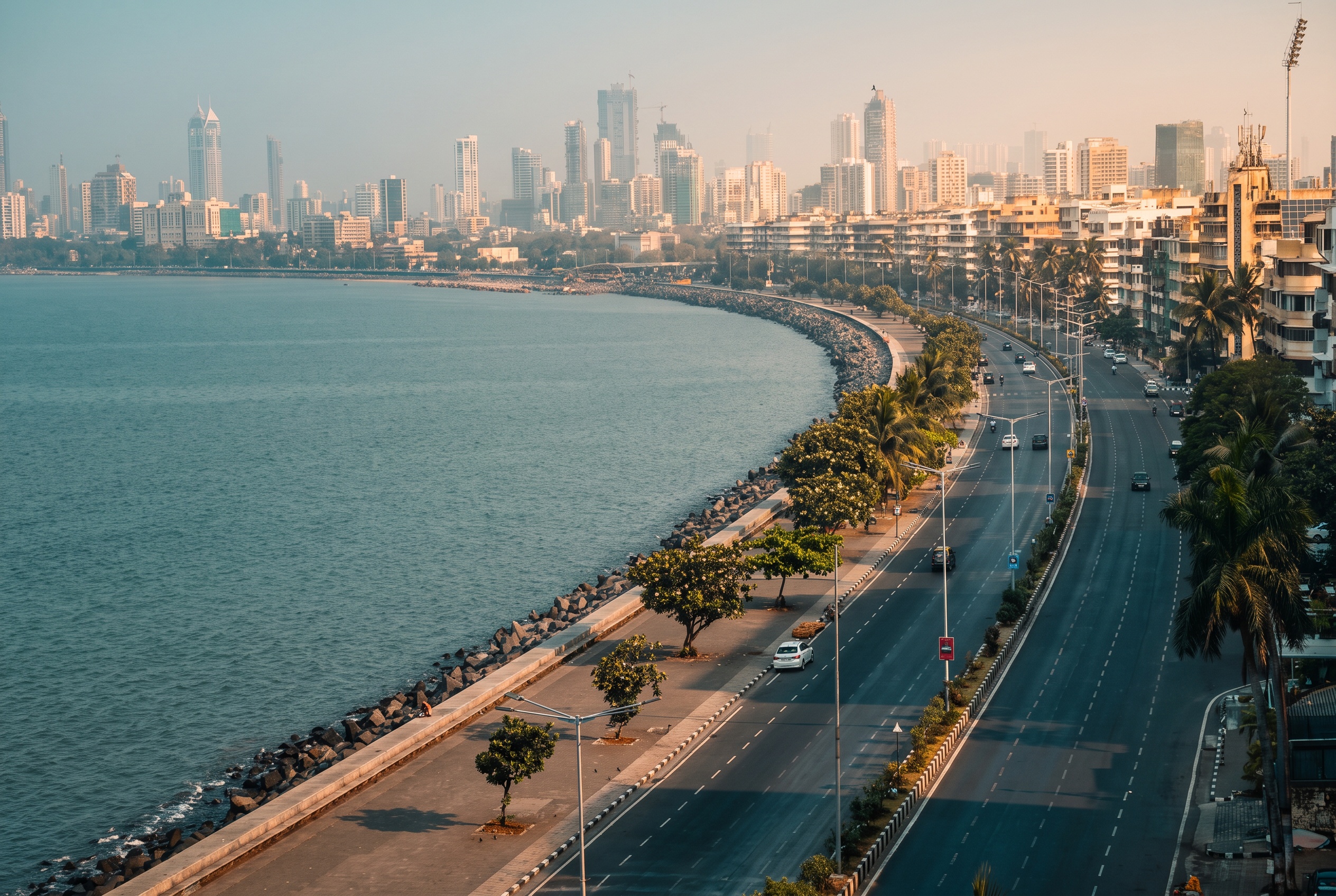
3. Marine Drive and Girgaon Chowpatty
The three-kilometer waterfront promenade Marine Drive curves along the bay and is part of the UNESCO protected zone from 2018. Built in 1940, locals affectionately call it the Queen’s Necklace because at night the arc of street lamps lights up in the shape of a perfect piece of jewelry. On one side you have the Arabian Sea and on the other a continuous row of art deco residential buildings, one of the largest collections of this style in the world.
At the very northern end of the promenade you’ll come across the Girgaon Chowpatty city beach, which isn’t meant for swimming but transforms into a huge picnic spot in the evening. You’ll find dozens of street food stalls here where you can have spicy bhel puri, or try the famous Bachelorr’s establishment that’s been running since the 1930s, where people go for fresh juices and traditional kulfi ice cream.
This very beach experiences the biggest crowds during the Ganesh Chaturthi festival, when the main visarjan (immersion of statues into the sea) takes place here. In 2026 the date falls on September 25 and hundreds of thousands of people will arrive, so if you want to avoid the crush, it’s better to watch the ceremony from a distance right from the Marine Drive promenade.
💡 Tip: Join the local evening ritual, buy something to drink and sit on the wide stone parapet of the promenade right at sunset – it’s a wonderfully calming experience.
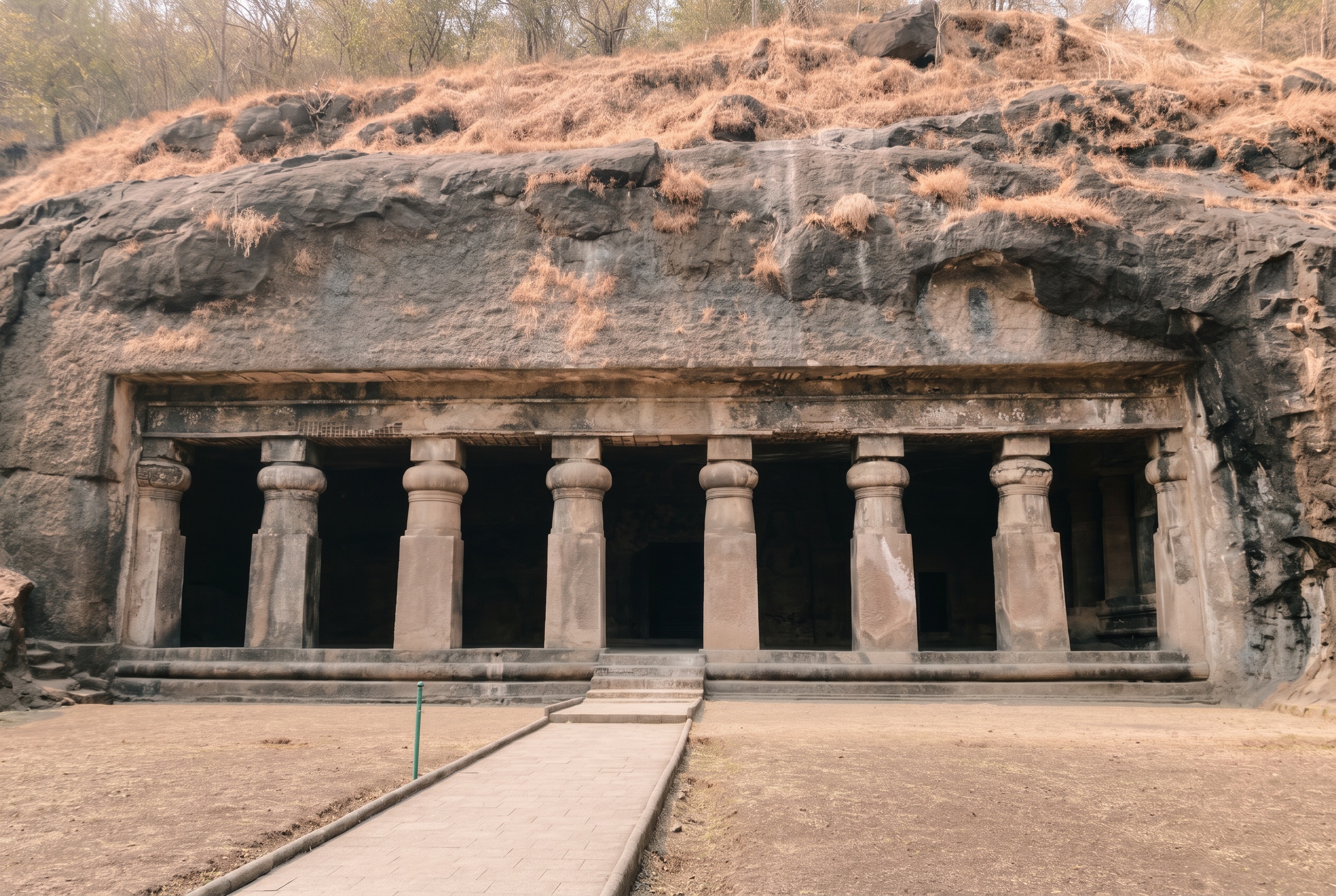
4. Elephanta Island and UNESCO Caves
About 10 kilometers to the east in the harbor lies a forested island hiding amazing caves from the 6th to 7th centuries, which have been under UNESCO protection since 1987. The main attraction of the complex is the giant six-meter statue of Trimurti depicting the three-headed god Shiva. Entry for foreigners costs 600 INR (550 INR when paid online), children under 15 enter free and the site is open from 9:00 AM to 5:00 PM, with Monday strictly closed.
Ferries depart directly from the Gateway of India every approximately 30 minutes, with the first boat leaving at 9:00 AM and the last returning to the mainland at 5:30 PM. The voyage itself takes about an hour and a return ticket costs approximately 260 to 300 INR exclusively from the official MMB company booth. If you pay an extra 10 rupees, you can sit on the upper open deck with a better view.
For safety reasons, following the tragic boat accident in December 2024, life jackets are mandatory for all passengers. Keep in mind that the trip takes about half a day (one hour there, one hour back and approximately two hours for the tour), and during heavy monsoon rains there’s a ban on sailing.
💡 Tip: On weekends there are long queues for the boat, easily 45 minutes. Therefore plan your trip on a weekday and arrive at the harbor for the very first morning boat at 9:00 AM.
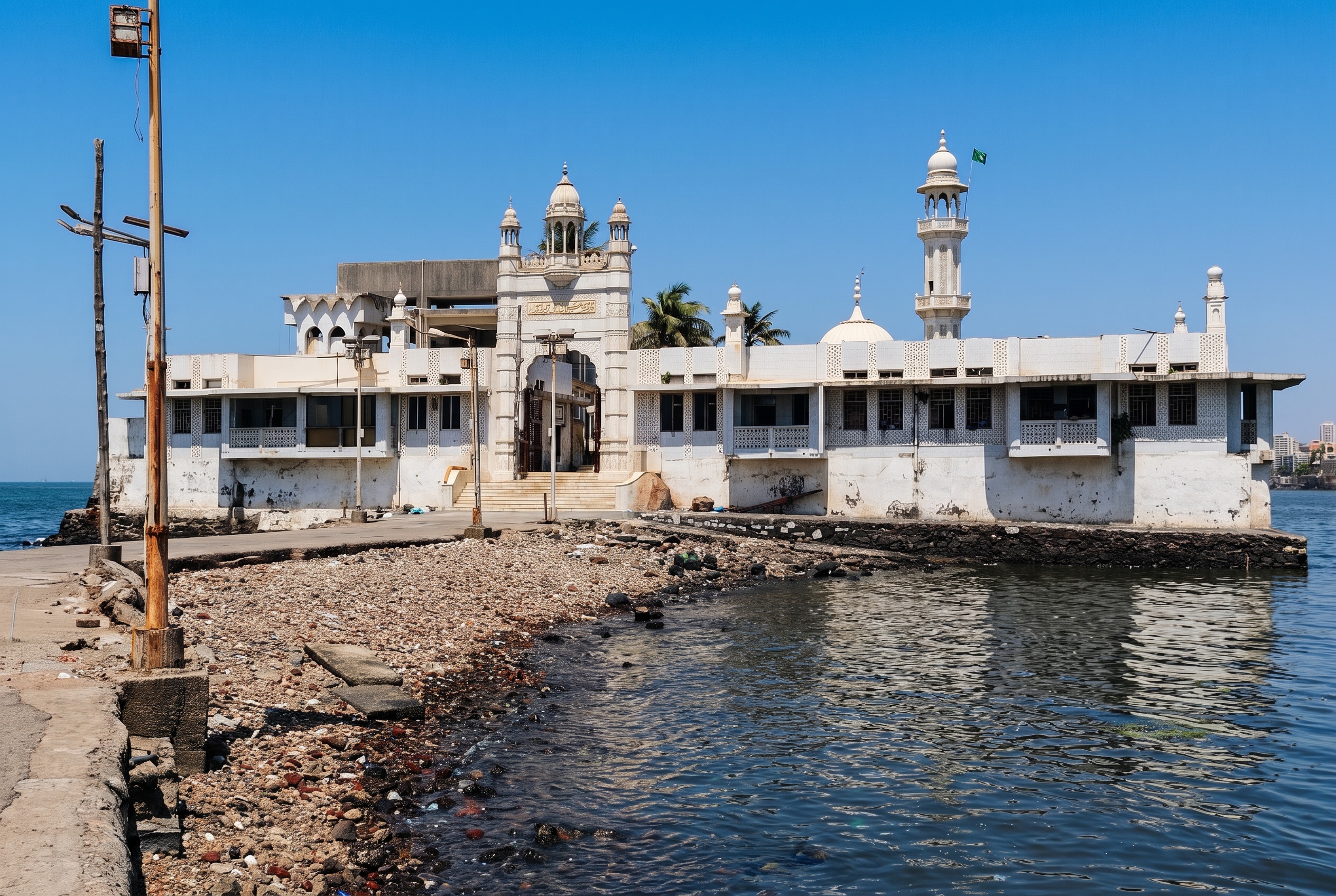
5. Haji Ali Dargah and Mahalakshmi Temple
This Sufi shrine from 1431 sits on a small islet about 500 meters from the mainland and is connected to the shore only by a narrow concrete causeway. Inside rests the saint Pir Haji Ali Shah Bukhari and the place is open daily from 6:00 AM to 9:45 PM completely free of charge. Strict rules apply for entry inside: everyone must have their shoulders and knees covered, women must also wear a scarf over their hair and of course shoes must be removed.
When planning your visit, be very careful about high tide because during high water the access causeway is completely flooded and the main gate is locked. The managing trust regularly publishes exact opening times on their social media; for example, in July 2026 the gate was temporarily closed for the entire month due to extreme tides.
Right next to the causeway entrance stands the Hindu Mahalakshmi Temple from 1831 on the mainland, which is also open daily and definitely worth a short stop. Both monuments are easily accessible either by classic suburban train or by the new Aqua Line metro to Mahalaxmi station, from where it’s about a kilometer walk to the shore.
💡 Tip: Logistically it’s ideal to combine a visit to the shrine and temple with a tour of the nearby giant Dhobi Ghat laundry, because all these points are served by the same metro station.
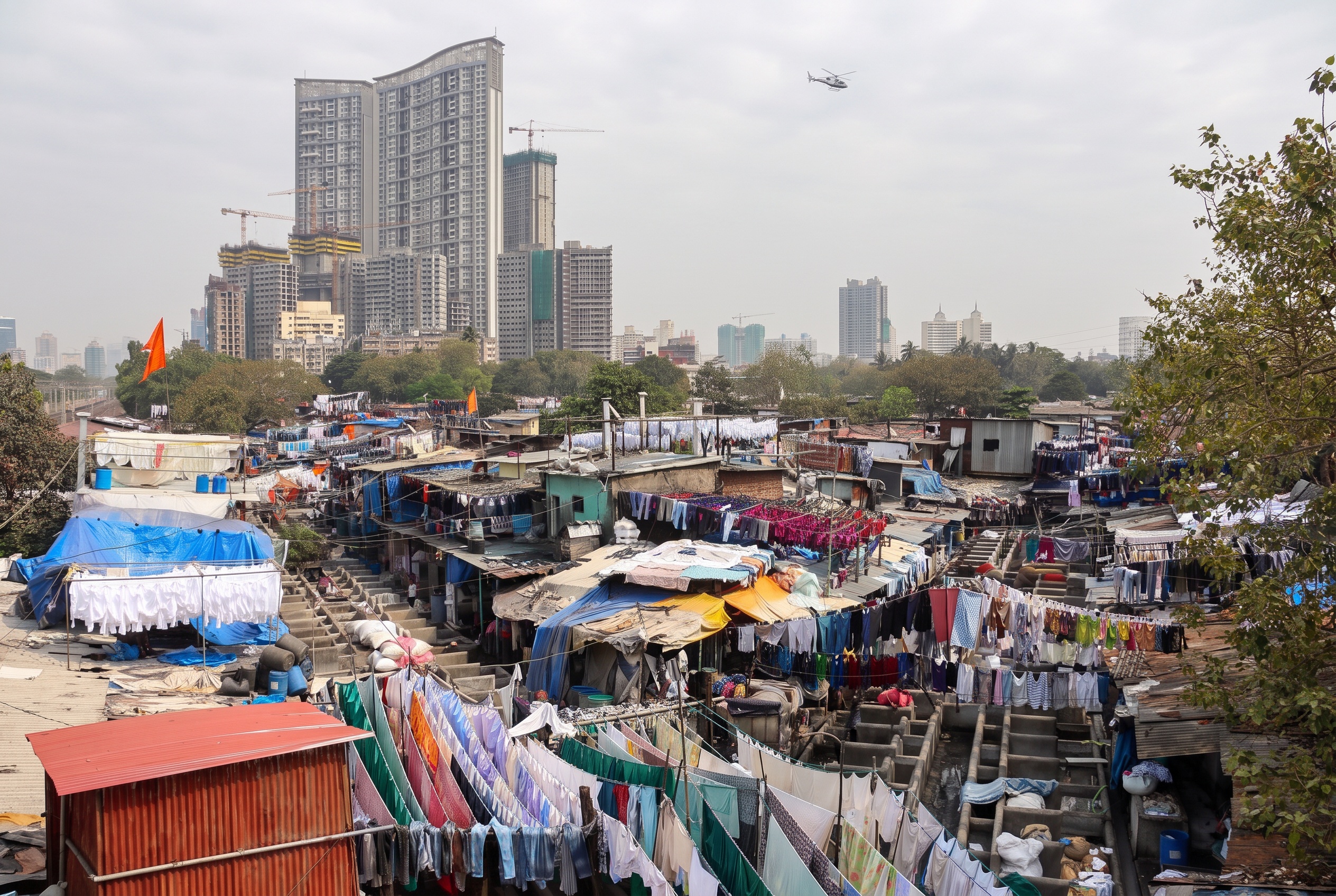
6. Mahalaxmi Dhobi Ghat Laundry
This complex of concrete washing troughs has been operating for over 140 years and is one of the largest open-air laundries in the world. Every day thousands of pieces of laundry from hospitals, hotels and ordinary households are hand-soaked, washed, beaten on stones and dried here. The best view is completely free right from the bridge at Mahalaxmi station, ideally early in the morning between 7:00 and 10:00 AM when it’s busiest.
You can enter the actual labyrinth of alleys between the troughs, but the local community allows this only accompanied by their own guide. The price depends heavily on your negotiating skills and ranges from 200 to 1,000 INR. You can also pay for an organized walk through portals like GetYourGuide, which costs approximately 300 to 1,000 INR per person.
The site is located at the Mahalaxmi suburban train stop and also on the route of the new Aqua Line metro. Modern skyscrapers are rising around the laundry and this contrast between old and new worlds is one of the most powerful visual experiences in the city.
💡 Tip: For the vast majority of travelers it’s enough to take great photos from above from the bridge. If you want to go inside, agree on the exact price with the tout always strictly in advance.
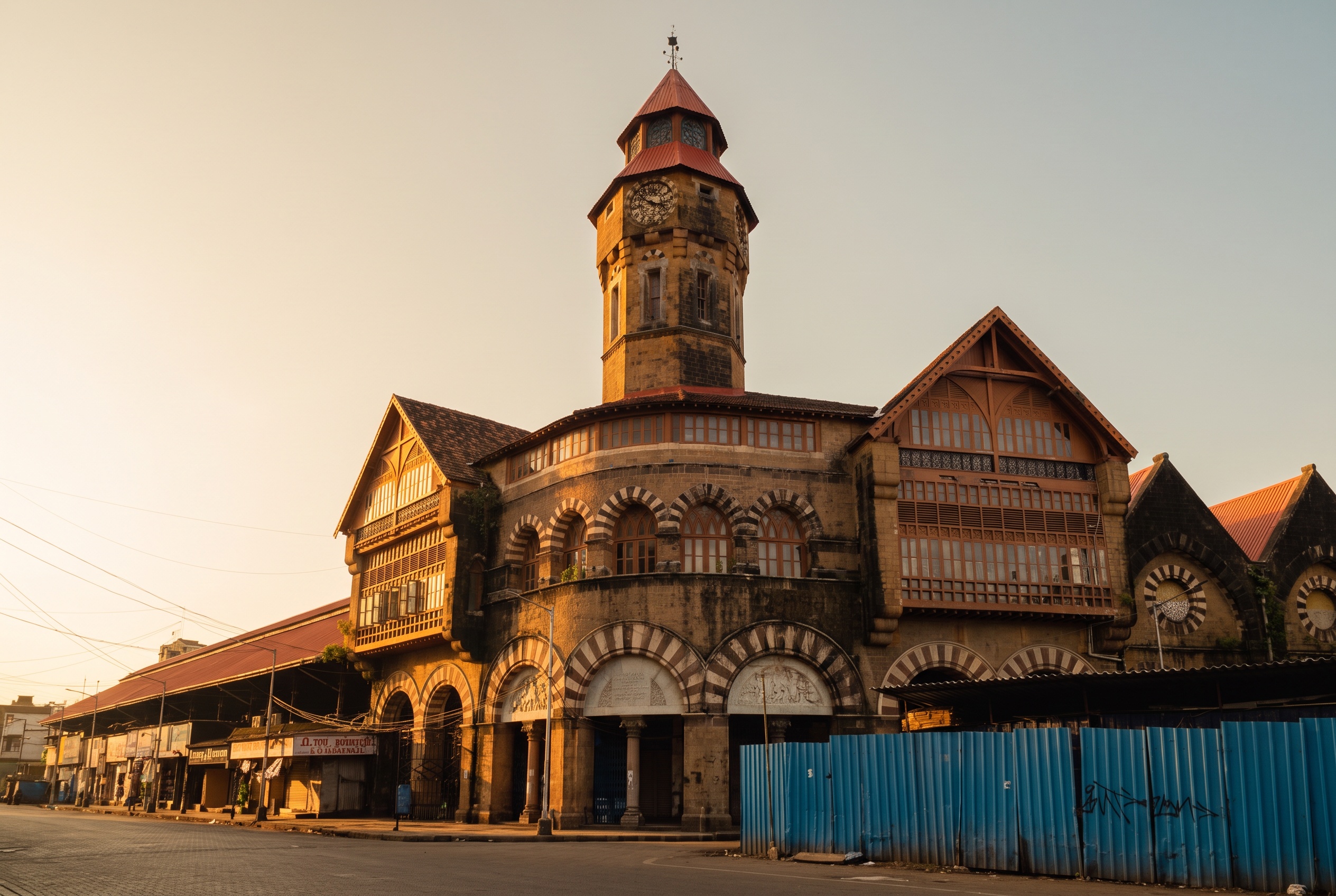
7. Crawford Market (Mahatma Jyotiba Phule Mandai)
This huge historic market dates back to 1869 and was created thanks to a generous donation from local philanthropist Cowasji Jehangir. Architecturally it’s a mix of Norman and Flemish styles and the beautiful reliefs on the exterior facade were designed by Lockwood Kipling, father of the famous writer Rudyard Kipling. Although the building is now officially named after Mahatma Phule, all locals still call it by its old colonial name Crawford Market.
The market operates roughly Monday to Saturday between 11:00 AM and 8:00 PM, while on Sunday the vast majority of shops are closed. The main wholesale fruit and vegetable trade has long since moved to Navi Mumbai, but you’ll still find amazing stalls with fragrant spices, nuts and dried fruit. If you visit during the period from April to June, definitely buy a box of perfect sweet Alphonso mangoes.
The complex is located north of CSMT station and just a short distance from police headquarters. You can easily get here from the CSMT Metro or Kalbadevi metro station. At the back of the market there’s also a section with animals and birds, which tends to be quite problematic for Europeans due to the conditions in which the animals live.
💡 Tip: Shopping for spices here is an experience, but haggling is a must. Always buy spices packaged and sealed to ensure freshness and quality.
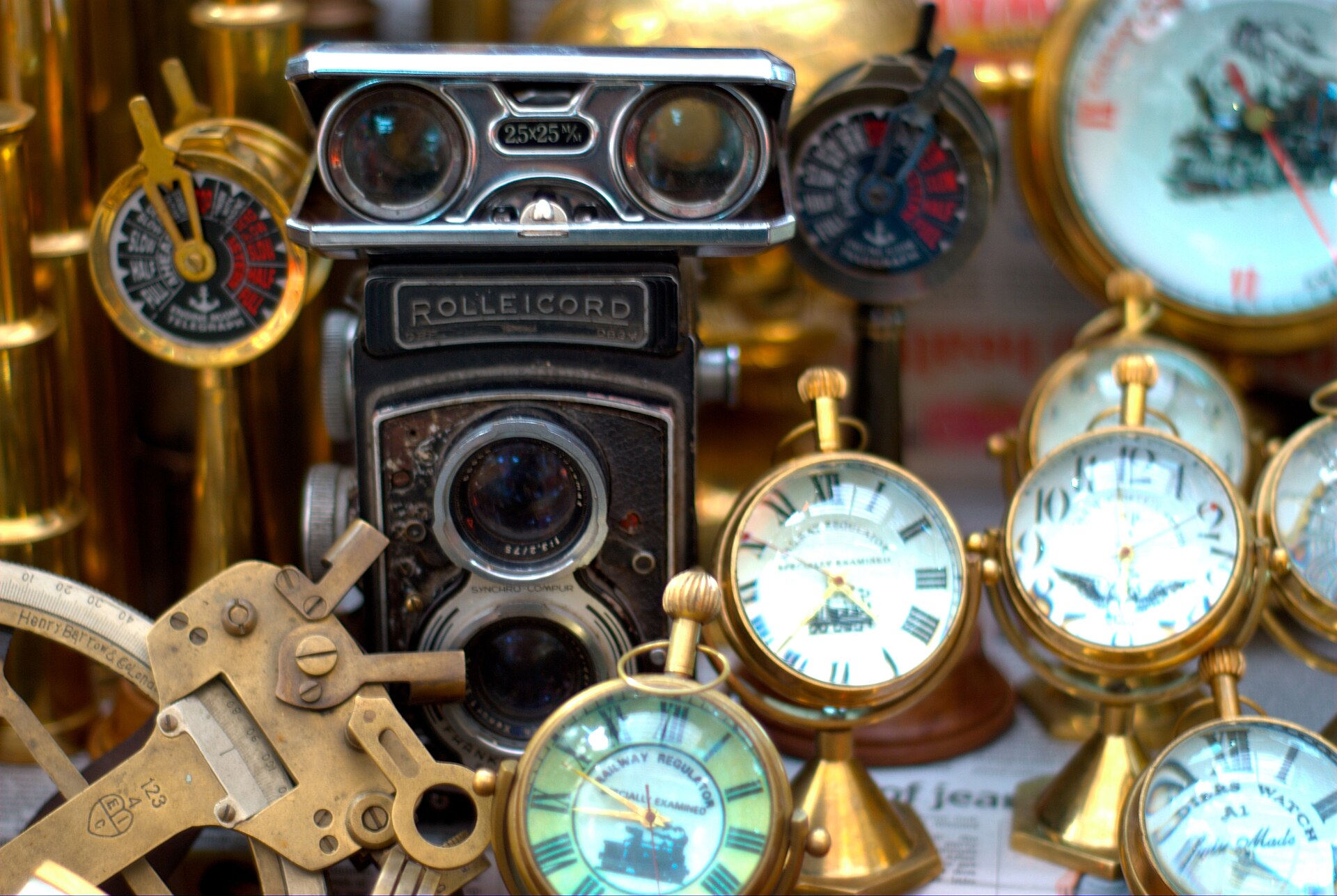
8. Colaba Causeway, Leopold Cafe and Cafe Mondegar
Officially named Shahid Bhagat Singh Road but known exclusively as Colaba Causeway, this street is the main shopping artery of the southern part of the city. You’ll find an endless strip of stalls selling everything from cheap clothing to antiques and jewelry. Right on the street also stands the beautiful Art Deco Regal Cinema, whose architecture will transport you back almost a hundred years.
Two institutions are located right on this street. Leopold Cafe has been operating since 1871 and is open daily from 7:30 am to 12:30 am. The establishment has a dark history, as it was one of the first targets of the 2008 terrorist attacks, and the bullet holes have been deliberately left in the walls to this day (they primarily serve meat dishes here). Rival Cafe Mondegar attracts visitors with its old jukebox and walls painted with witty caricatures by artist Mario Miranda.
Vegetarian options are available here too. For something sweet, stop by Theobroma Colaba for their famous brownies, and a bit further north in Kala Ghoda you’ll find Kala Ghoda Café with meatless dishes and good coffee. Both places are within walking distance of the new Cuffe Parade metro station. Nearby is also the historic Sassoon Docks fish market from 1875, liveliest between 5 and 7 am, where you’ll also find colorful street art on the warehouse walls.
💡 Tip: At the stalls along Colaba Causeway, never accept the first price. Vendors here commonly inflate prices for tourists by three times, so don’t be afraid to bargain assertively.
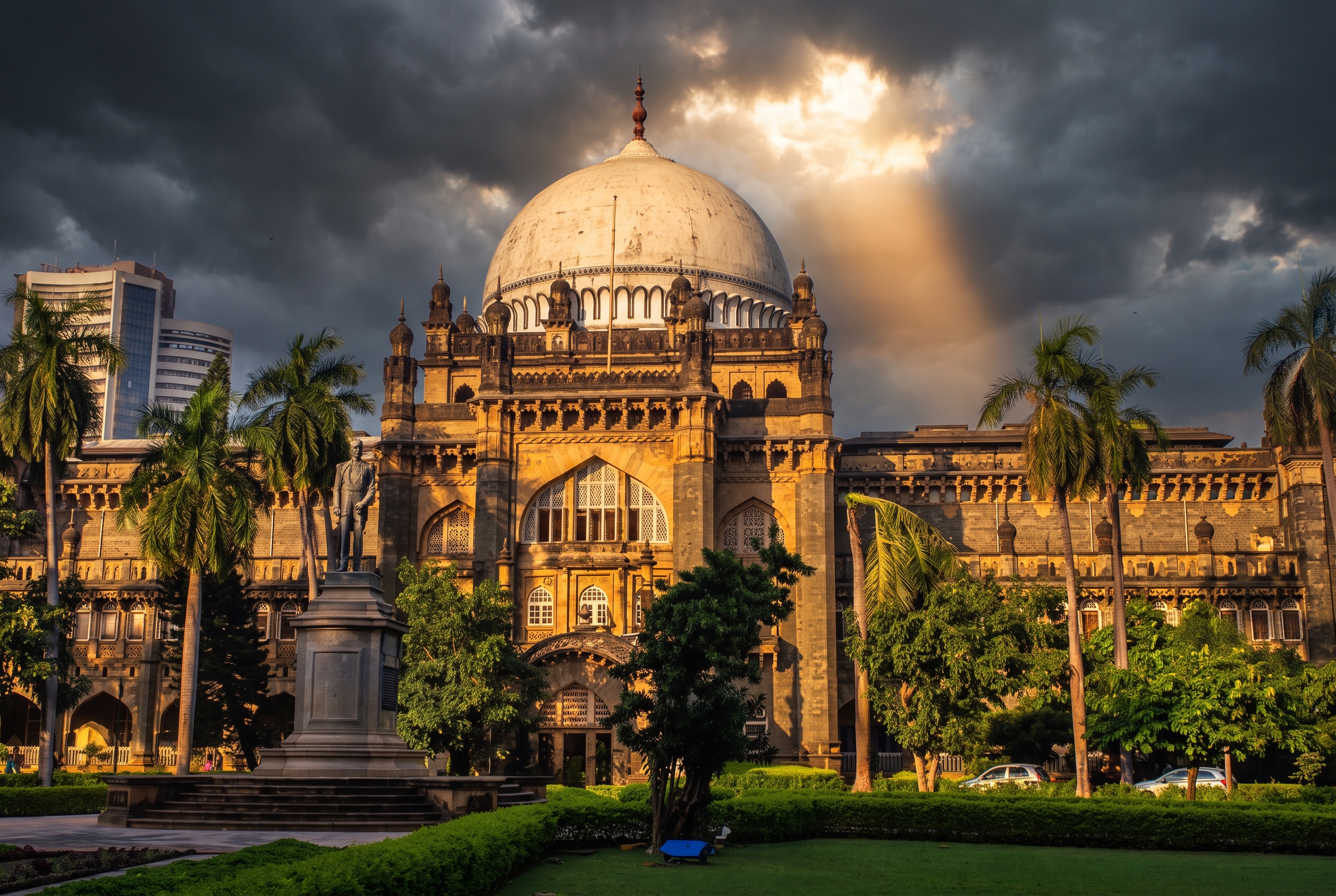
9. Kala Ghoda: CSMVS Museum and Jehangir Art Gallery
Mumbai’s main museum, Chhatrapati Shivaji Maharaj Vastu Sangrahalaya (formerly the Prince of Wales Museum), is an architectural gem from 1922. Basic admission for foreigners is 700 INR (according to the price list valid from May 1, 2025), children pay 200 INR, and an audio guide is already included in the price. It’s open daily from 10:15 am to 6:00 pm, but be careful—they are strictly closed on public holidays (January 26, May 1, August 15, and October 2). If you want to take photos inside, you need to pay an additional 500 rupees.
Right next to the museum stands the more modern Jehangir Art Gallery building, constructed in 1952. Entry to this prestigious art gallery is free, and it’s open daily from 11:00 am to 7:00 pm. The entire arts district is called Kala Ghoda (Black Horse) after an equestrian statue, which today is commemorated only by a new statue of a horse without a rider installed in 2017.
The area is also known for the famous Kala Ghoda Arts Festival, which takes place completely free of charge on the streets. The next edition will run from January 30 to February 7, 2027, and promises an amazing showcase of art, music, and literature. Transportation is easy—just get off at Hutatma Chowk metro station.
💡 Tip: For a great lunch, head to the nearby Burma Burma restaurant (open 12:00–3:30 pm and 6:30–10:30 pm). Their entire fantastic menu focused on Burmese cuisine is 100% vegetarian.
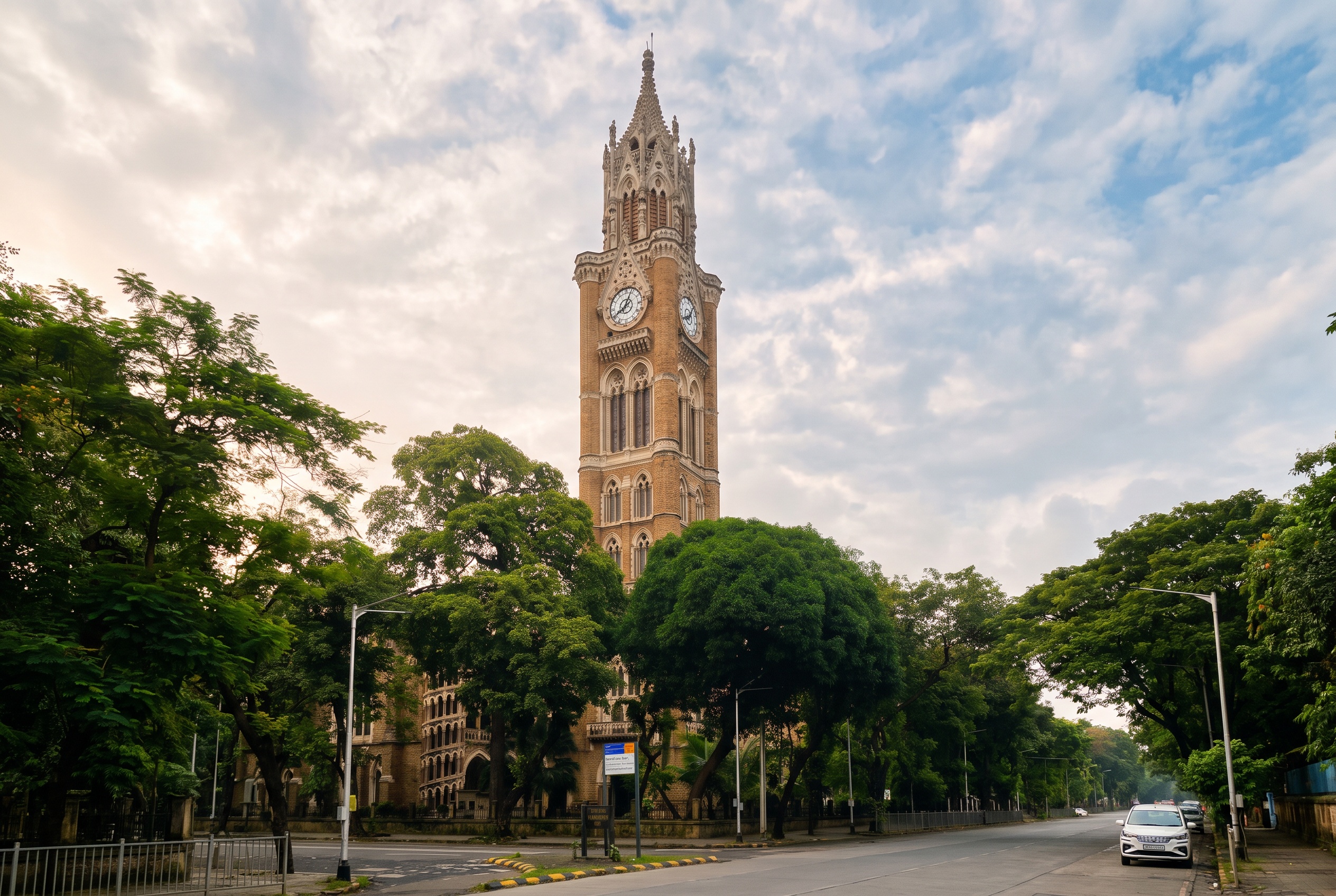
10. Fort: Rajabai Clock Tower, High Court, Oval Maidan and Asiatic Society
The Fort district is a showcase of the finest colonial architecture, dominated by the 85-meter-tall Rajabai Clock Tower from 1878. It was designed by the famous British architect Sir George Gilbert Scott as part of the university campus. The tower’s interior is not normally open to the public, but the best view of it is from the neighboring grassy park, Oval Maidan.
Oval Maidan park forms the boundary of the UNESCO-protected zone. While monumental Victorian Gothic buildings, including the High Court, tower on its eastern side, the western side is lined with elegant Art Deco houses. On the lawn itself, cricket is played from morning to evening, and there’s a great sporting atmosphere.
During your walk through the district, don’t miss the imposing Asiatic Society (Town Hall) building from the 1830s with its iconic wide staircase. The historic library inside is open to the public. The entire Fort district is naturally the financial and administrative center, so it’s perfectly connected to Churchgate and Hutatma Chowk metro stations.
💡 Tip: Stop by the legendary Kyani & Co. café (open 7 am–7 pm, until 4 pm on Sundays), founded in 1904. Order the traditional sweet Irani chai and bun maska, which is a fluffy bun with a huge amount of butter.
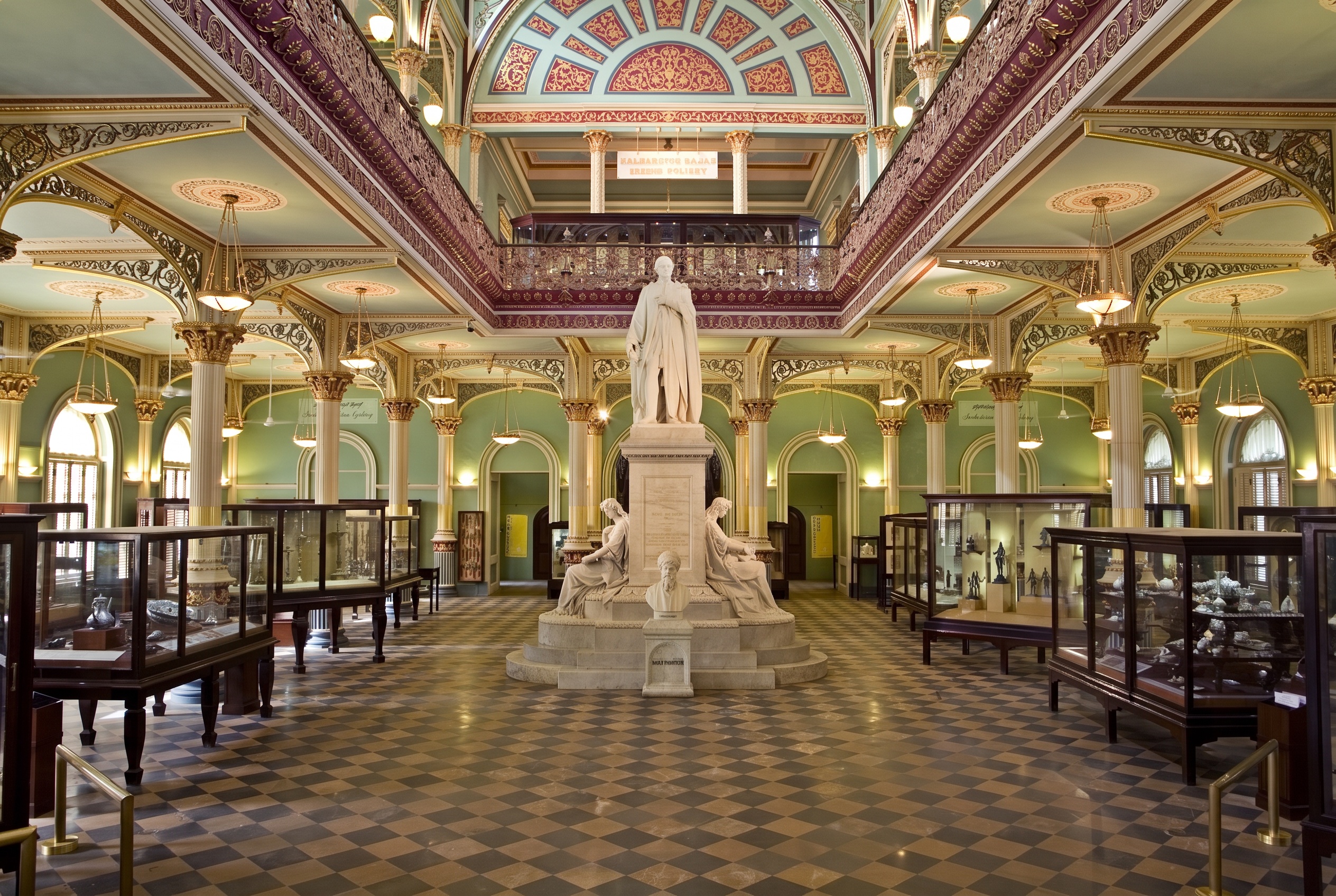

11. Dr. Bhau Daji Lad Museum (Byculla)
This beautiful museum located in the Byculla district is the oldest in all of Mumbai, first opening to the public in 1872. Originally named the Victoria and Albert Museum, after extensive renovation it boasts an opulent Victorian interior. The collections focus on the city’s history and detailed miniatures depicting old Indian crafts.
Opening hours are from 10:00 am to 5:30 pm, but be very careful—the museum is closed every Wednesday (Google Maps sometimes ignores this fact). Admission is very affordable—foreigners pay exactly 200 INR, children aged 3 to 12 have tickets for 100 INR, and for locals the ticket is subsidized to just 20 rupees.
The grounds are right next to the city’s Veermata Jijabai Bhosale Udyan zoo. Transportation-wise, the museum is a bit off the main tourist routes, as the new metro doesn’t stop there. The best option is to take a suburban train to Byculla station, or alternatively take the Aqua Line metro to Mumbai Central stop and take a taxi for the rest of the way.
💡 Tip: After viewing the historic exhibits, treat yourself to a bit of luxury and head to the nearby Bombay Sweet Shop, where they make traditional Indian sweets (mithai) in an amazing modern style.
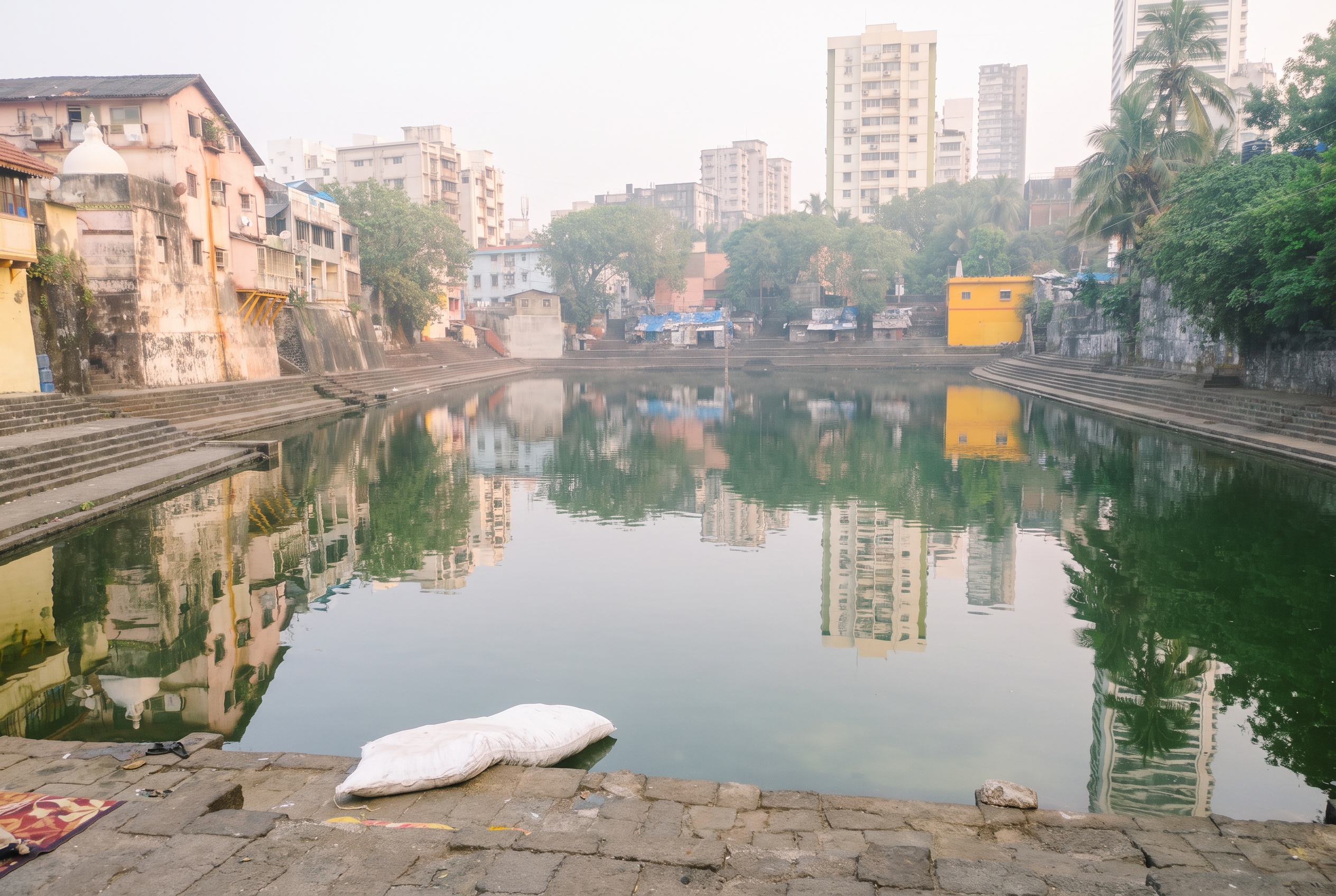
12. Malabar Hill: Banganga Tank and Hanging Gardens
In the middle of the expensive Malabar Hill residential district lies the sacred Banganga water tank from 1127, built by the Shilahara dynasty. The complex was rebuilt in 1715 and is surrounded by old ghats (steps leading to the water), where pilgrims sit, ducks swim, and peace prevails. The place is accessible completely free of charge from approximately 6:00 am to 9:00 pm, and according to legend, a spring gushed forth here after the god Rama shot his arrow into the ground.
A bit higher up the hill are the Hanging Gardens (officially Pherozeshah Mehta Gardens), beneath which a huge water reservoir has been hidden since 1881. There’s no admission fee to the gardens, they’re open from 5:00 am to 9:00 pm, and they’re famous for hedges precisely trimmed into animal shapes. From the edge of the park, there’s also a beautiful view down to the entire bay and the Marine Drive promenade.
You’ll recognize the neighboring Kamala Nehru Park by the giant boot-shaped structure. Getting up the hill is a bit more complicated—ideally, take the Aqua Line metro to Grant Road or Girgaon station and take a taxi for the rest of the way, or take a steep walk from Chowpatty Beach through the Babulnath area. The traditional Parsi Towers of Silence, which are also located in the area, are strictly closed to the public.
💡 Tip: Near the Babulnath stop, you’ll find the excellent purely vegetarian restaurant Soam (open 11:30 am–10:30 pm). They serve authentic Gujarati cuisine here, and they’ll cook your food without onions and garlic upon request.
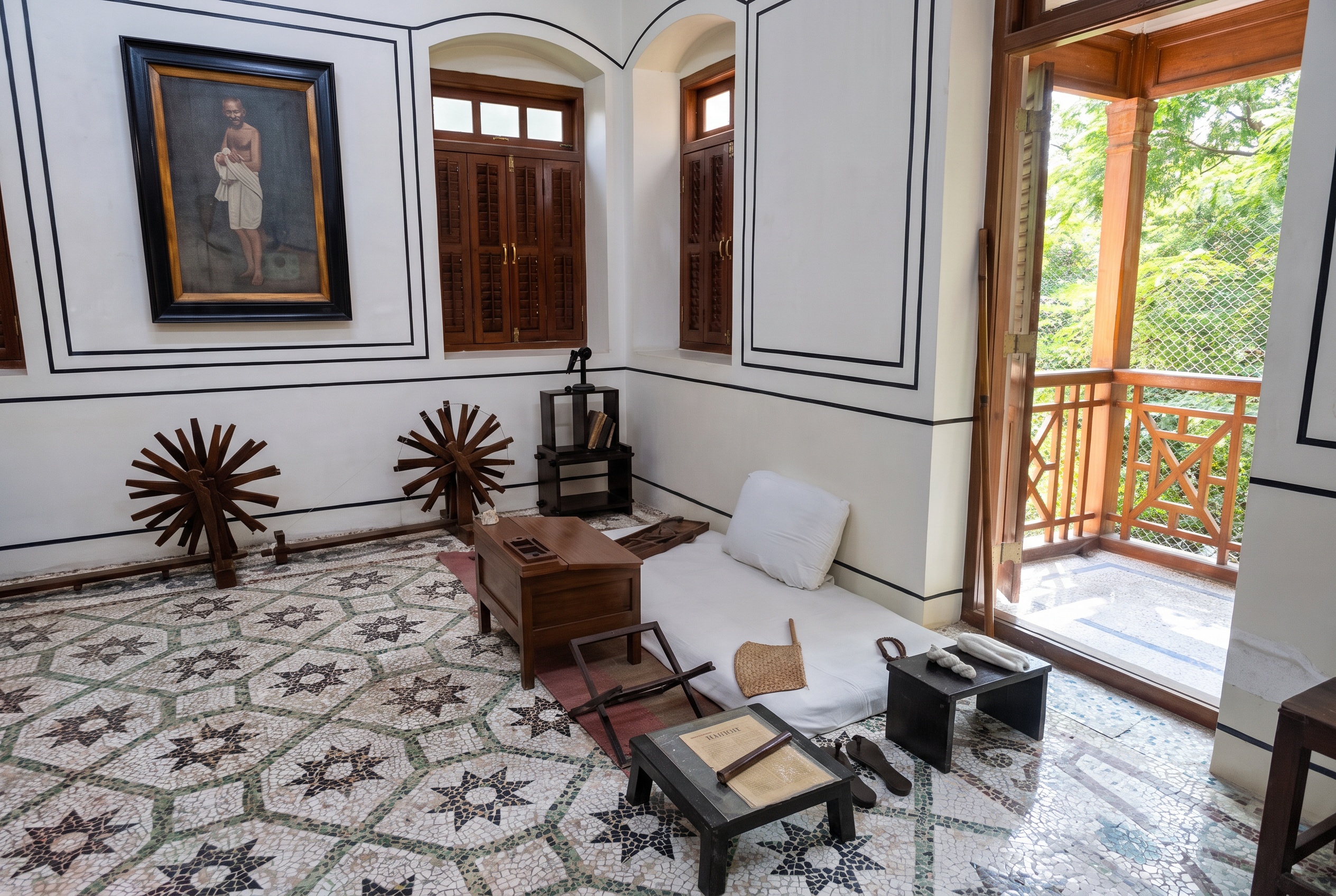
13. Gandhi’s Mani Bhavan House
On the quiet Laburnum Road in the Gamdevi neighborhood stands an unassuming two-story house that served as Mahatma Gandhi’s main Mumbai headquarters from 1917 to 1934. It was from this very place that Gandhi directed part of his non-violent campaigns against British rule. The museum is very well maintained and offers a peaceful escape from the bustling city streets.
The entrance fee is almost symbolic, with a basic ticket costing 20 INR (just 10 INR for students), and they’re open every day from approximately 9:30 to 17:30. Inside, you’ll see Gandhi’s modest room with his original spinning wheel, an extensive library, and beautifully crafted miniature dioramas that detail key moments from his life.
A complete tour of the building will take you about half an hour to an hour. The house is located about a kilometer from the new Grant Road metro station, or you can reach it with a pleasant walk from Chowpatty Beach. The location practically invites you to combine your visit with a trip to nearby Malabar Hill.
💡 Tip: Plan your visit for the morning and continue on foot up to Malabar Hill (tip 12). You can easily do both in half a day.
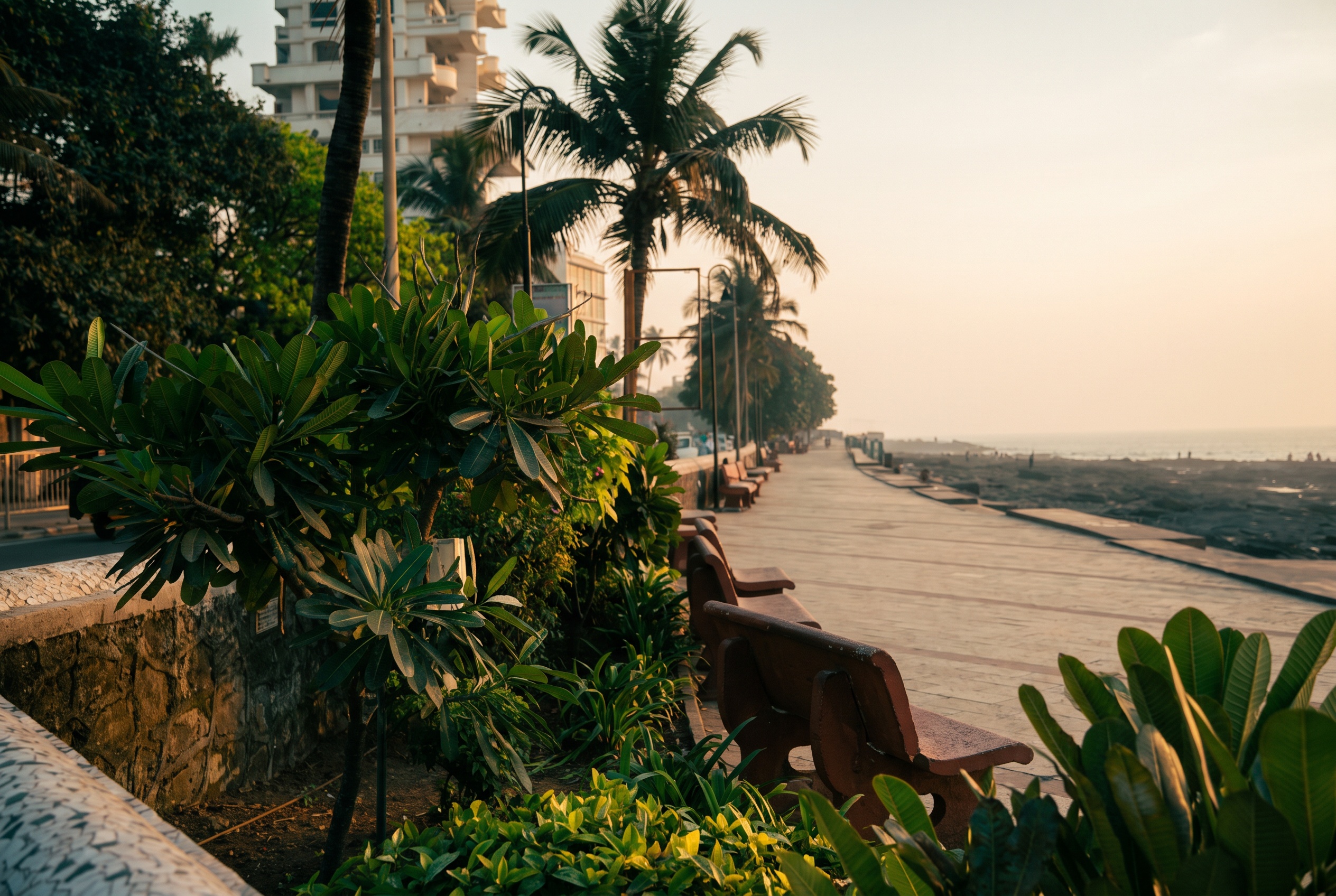
14. Bandra West: Bandstand, Bandra Fort, Mount Mary and Chapel Road
The Bandra West neighborhood is the heart of Mumbai’s bohemian scene, hipsters, and Bollywood stars. The main draw is the long waterfront promenade called Bandstand, where crowds gather in front of actor Shah Rukh Khan’s residence and wait for the sunset. At the very end of the promenade stand the ruins of the old Portuguese watchtower Bandra Fort from 1640, which you can visit for free and where you have a fantastic view of the modern Sea Link bridge.
High above the sea rises the beautiful Basilica of Our Lady of the Mount (known as Mount Mary) from the 16th century, which is open daily (6:00–13:00 and 14:00–20:30) and around which the huge Bandra Fair pilgrimage takes place every September. If you love street art, walk through the old lanes of Chapel Road and the Ranwar village, where house walls are decorated with enormous murals from the Bollywood Art Project series.
Watch out for one transport quirk: local auto-rickshaws are banned from entering south of Bandra, so only a taxi or Uber will take you to the center. From Colaba, you’ll take a taxi for about 45 to 90 minutes depending on traffic, or you can use the more reliable suburban train to Bandra station and from there continue by rickshaw for a few rupees.
💡 Tip: For a safe street food experience, head to Elco restaurant on Hill Road. They prepare amazing pani puri and bhel using strictly filtered water, so even sensitive international stomachs don’t need to worry.
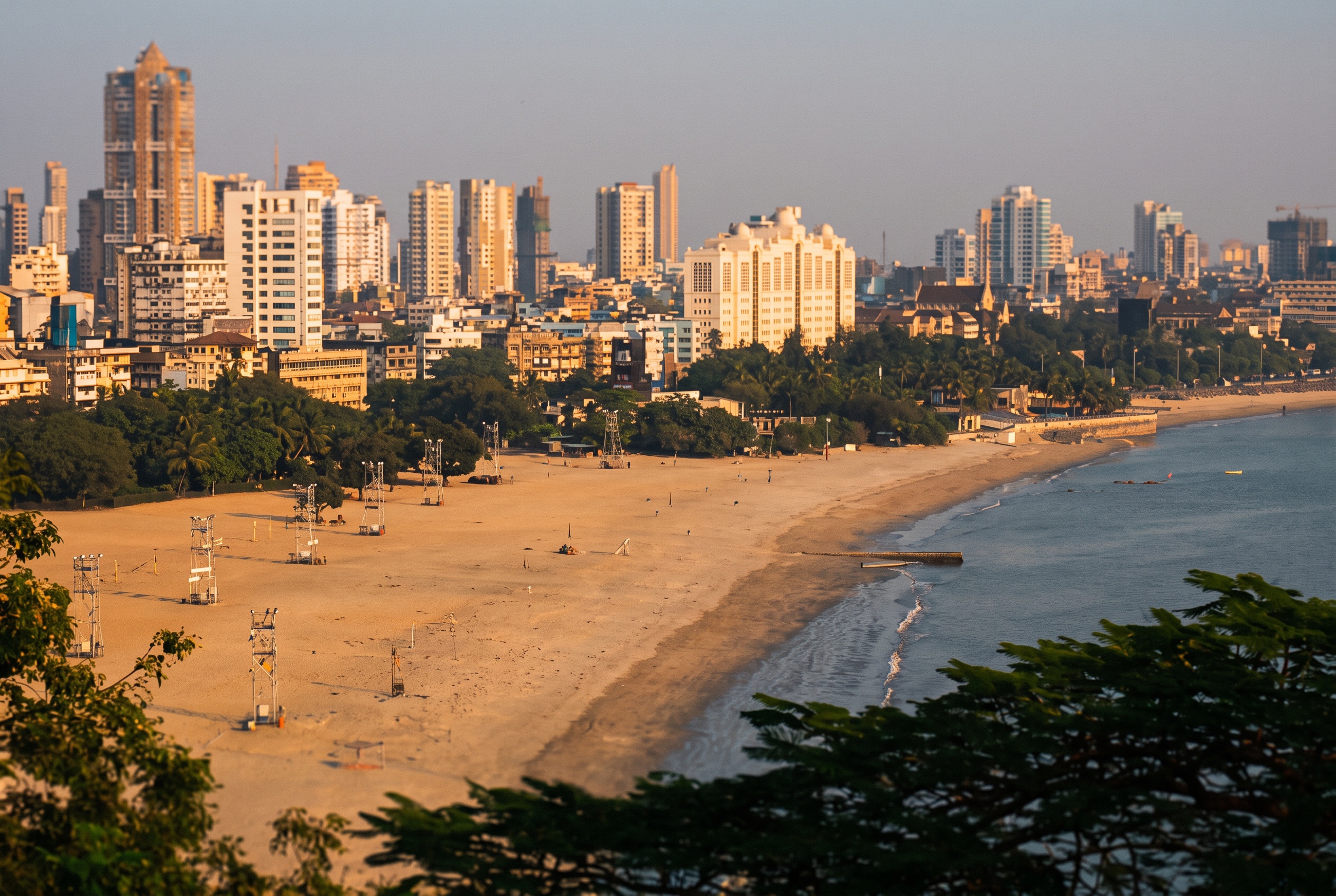
15. Juhu Beach, ISKCON and Prithvi Theatre
Juhu Beach isn’t meant for swimming in the sea, but serves as a huge social hub for the entire northern part of the city. The best atmosphere is here in the evening between 17:00 and 19:00, when thousands of people arrive to watch the fantastic sunset. After dark, the beach comes alive with dozens of stalls offering spicy pav bhaji and traditional kulfi ice cream, with activity dying down around midnight.
Not far from the beach you’ll find the magnificent ISKCON Juhu temple complex, which is open daily from 4:30 to 13:00 and from 16:15 to 21:00 (don’t forget to leave your shoes in the shoe room before entering). Just a short distance away is the famous Prithvi Theatre founded by the theatrical Kapoor family in the late 1970s. Excellent Hindi-language performances are held here and their outdoor café is a popular meeting spot.
The journey from South Mumbai takes easily an hour to an hour and a half. The area is served by the suburban train stations of Santacruz or Vile Parle, or you can use the northern metro lines Line 1 (D. N. Nagar station) or Line 2A (Andheri West).
💡 Tip: For excellent pure vegetarian food, head to the popular Shiv Sagar restaurant right in Juhu (open 9:00–24:00), or try the popular Amar Juice Centre, which serves amazing quick bites until three in the morning.
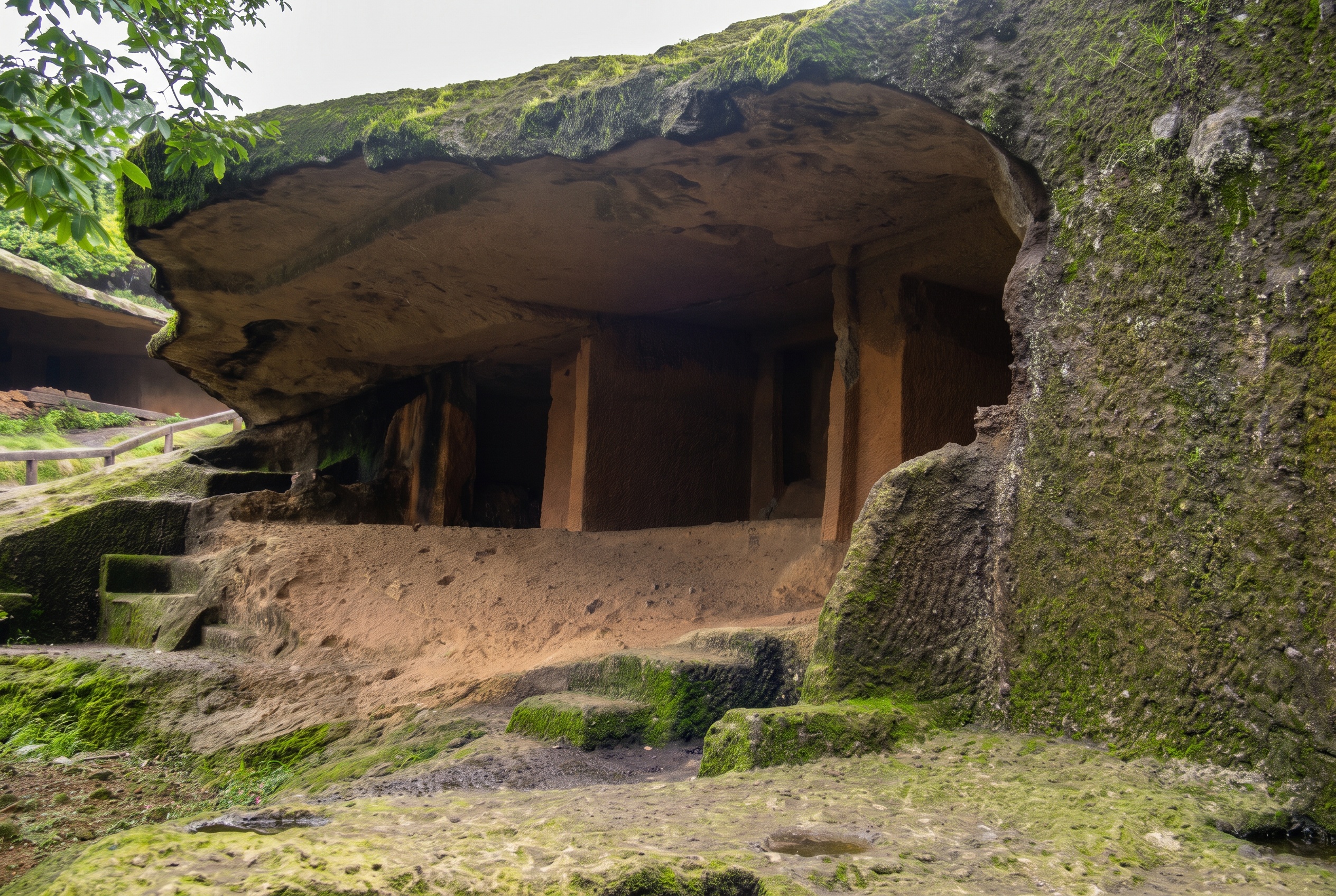
16. Sanjay Gandhi National Park and Kanheri Caves
On the northern edge of the metropolis lies a huge national park that is the true green lung of Mumbai and opens daily from 9:00 to 18:00. Inside the park lives a large population of wild leopards, but during the day on the main trails and near monuments there’s no danger. The basic entrance fee to the park itself for foreigners is around 300 INR, while locals pay about a third.
The main reason to visit is the more than 100 Kanheri Buddhist caves carved into black basalt (from the 1st century BC to the 10th century AD). Entry to the caves is paid separately directly to the ASI organization and costs foreigners 300 INR. From the main park gate, it’s another 6 kilometers to the caves, which you can cover by local shuttle bus for around 60 to 150 INR.
Getting here takes quite a bit of time. From the center, the fastest route is by suburban train to Borivali station (about an hour’s journey from Churchgate) followed by a two-kilometer auto-rickshaw ride to the main gate. The Borivali area is also served by new metro lines 2A and 7. Before your trip, verify Monday opening hours for the caves, as the monument authority’s rules change frequently.
💡 Tip: This trip will take up your entire morning, so it’s ideal to combine it with an afternoon visit to the nearby golden Global Vipassana pagoda, creating a full day-long itinerary in the north of the city.
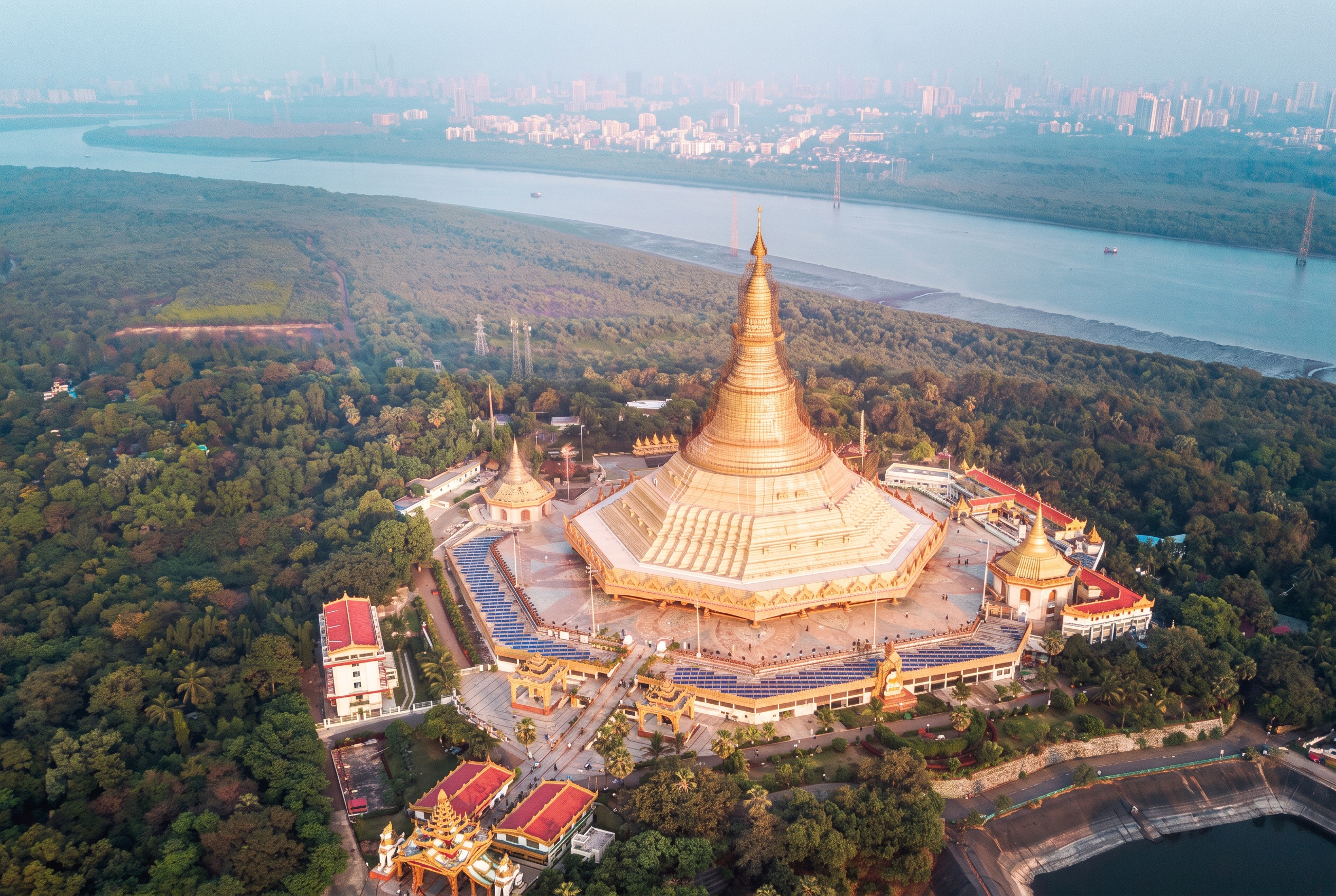
17. Global Vipassana Pagoda (Gorai)
This golden pagoda sits on a peninsula by Gorai Bay and was ceremonially opened on February 8, 2009. Entry to the grounds is completely free (daily 9:00–19:00) and they don’t even charge for a local guide. It’s a technical marvel, as the main hollow stone dome, which can accommodate up to 8,000 meditators, is built without a single internal supporting pillar and the entire structure reaches a height of almost 100 meters.
Inside the main dome are precious relics of the Buddha. A strict dress code applies for visiting the grounds—everyone must have their shoulders covered and wear long pants or skirts. Strict ten-day meditation courses in silence are also held here, but interested participants must reserve long in advance.
The journey from the center is quite an adventure and takes about two to two and a half hours. First you’ll take the train to Borivali station, from there a rickshaw or bus to Gorai Creek jetty. This is followed by a short ferry ride across the bay for about 15 INR and finally another short rickshaw transfer directly to the pagoda.
💡 Tip: The grounds are on an open space near the sea and there’s minimal shade. It’s best to arrive right at nine in the morning and don’t forget to bring plenty of bottled water.
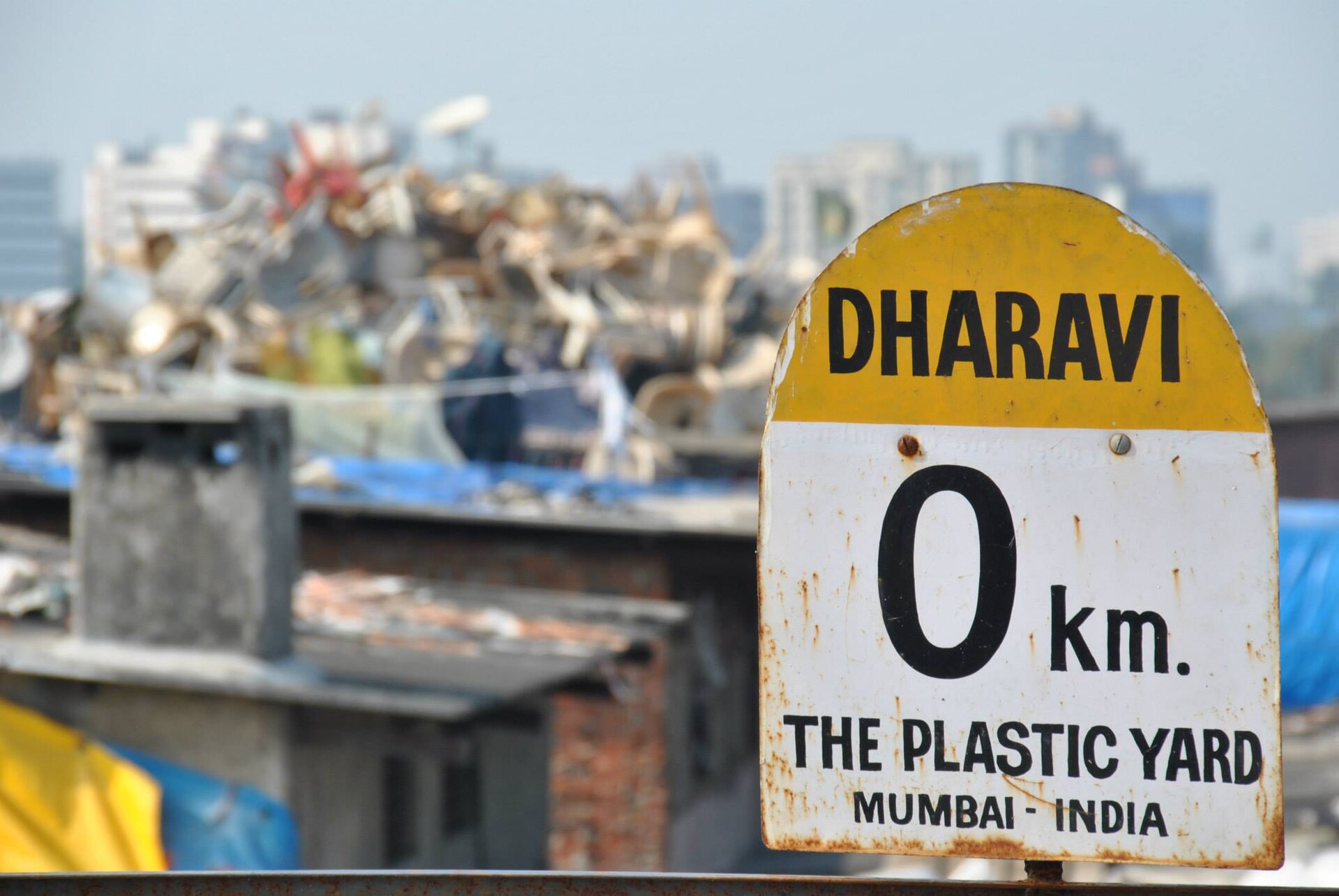
18. Dharavi with Reality Tours Guides
Dharavi covers an area of 2.39 square kilometers and is home to about a million people, making it one of the most densely populated places on the planet. Since 2024, a gigantic development redevelopment has been underway that will change the face of the neighborhood forever. Touring so-called slums is an ethically complex topic, but if you decide to do it, go exclusively with Reality Tours & Travel, which has been operating here since 2005.
This agency employs guides directly from Dharavi and returns 80 percent of its post-tax profit back to the neighborhood through its own charity Reality Gives. The basic two-and-a-half-hour shared tour costs from 1,450 to 1,700 INR depending on group size, and throughout the entire route there’s a photography ban to preserve the privacy of local residents.
Tours start either at Churchgate station or directly in the north at Mahim station. If you want to venture here on your own without a guide, you can get off directly at the Aqua Line metro station called Dharavi, or use the suburban train to Mahim station.
💡 Tip: Book your organized tour tickets online several days in advance, as reliable agencies’ capacities are often sold out quickly.
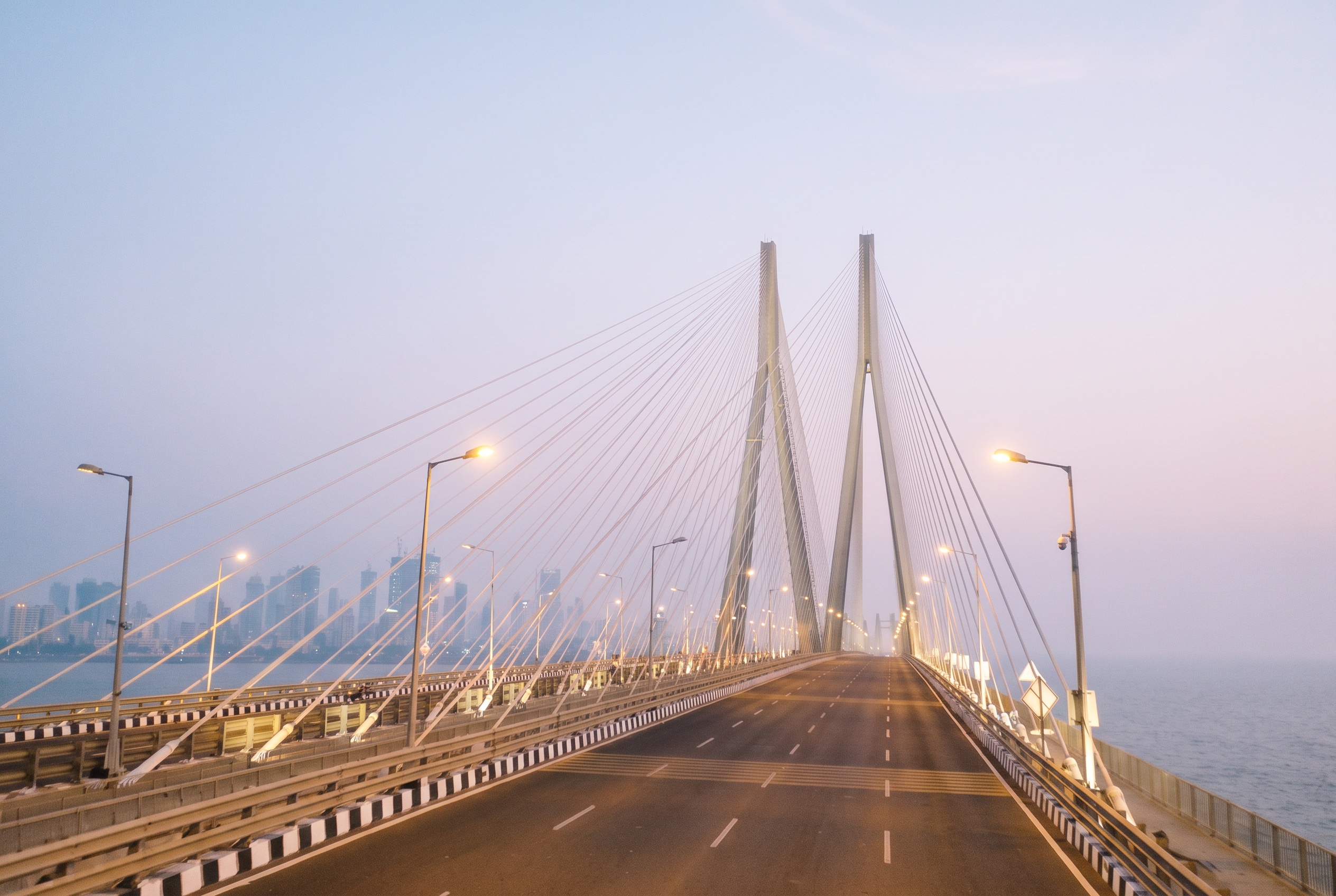
19. Bandra–Worli Sea Link and Worli Fort
The opening of this 5.6-kilometre engineering marvel in 2009 dramatically cut travel time between the south and north of the city. Entry onto the eight-lane bridge is strictly forbidden for pedestrians, motorcycles and auto-rickshaws, so the only way to cross it is to hire a taxi or Uber. The toll for a private car is 100 INR and the crossing itself takes an amazing five minutes with views of the skyscrapers.
If you just want to photograph the bridge, the best view is from the old Worli Fort built in 1675. It’s freely accessible roughly from 5:00 to 19:00 and you reach it through the old fishing village of Worli Koliwada, where the city’s original inhabitants live. Right next to it starts the brand new promenade of the free Coastal Road, which takes you along the sea all the way to Haji Ali.
To reach this area, the ideal option is to get off at the Aqua Line metro stations called Worli or Acharya Atre Chowk. From there it’s just a short walk to the coast or a quick taxi ride, as auto-rickshaws are no longer allowed into the Worli neighbourhood.
💡 Tip: If you get hungry, head to the highly rated Copper Chimney restaurant right in Worli, which offers excellent North Indian cuisine and has a huge section of vegetarian dishes.
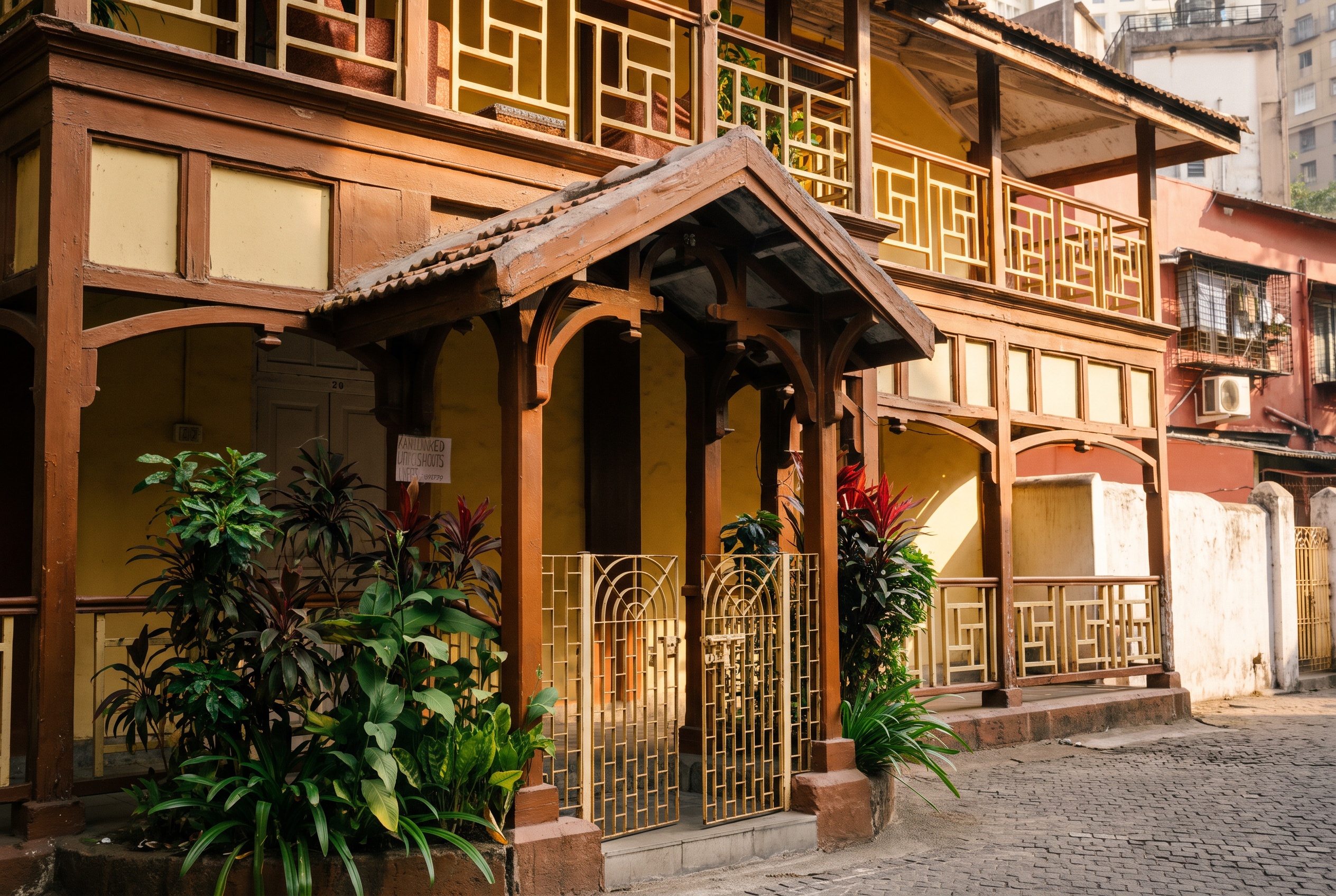
20. Khotachiwadi, a Portuguese Village in the Heart of Girgaon
This heritage-protected neighbourhood is like an apparition from the 19th century set right in the middle of a modern concrete metropolis. You’ll find narrow winding alleyways and beautiful wooden houses with colourful Portuguese verandas. This isn’t a classic open-air museum, but a living residential area that’s accessible 24 hours a day completely free of charge, so visitors are expected to show maximum respect to the residents.
Originally there were over sixty historic houses here, but due to developer pressure only half remain to this day. You can walk around on your own, or pay for a guided tour (costs around 300 INR), where local enthusiasts will explain the architectural details and history of Portuguese settlement.
The easiest way here is via the new Aqua Line metro to Girgaon station, or by suburban train to Charni Road. A visit to this quiet oasis will take you less than an hour and it’s very smart to combine it with the nearby Girgaon Chowpatty beach.
💡 Tip: When taking photos, be considerate and don’t photograph people over fences directly into open windows. The best atmosphere is in the morning, when the light is pleasant and the streets are beautifully quiet.
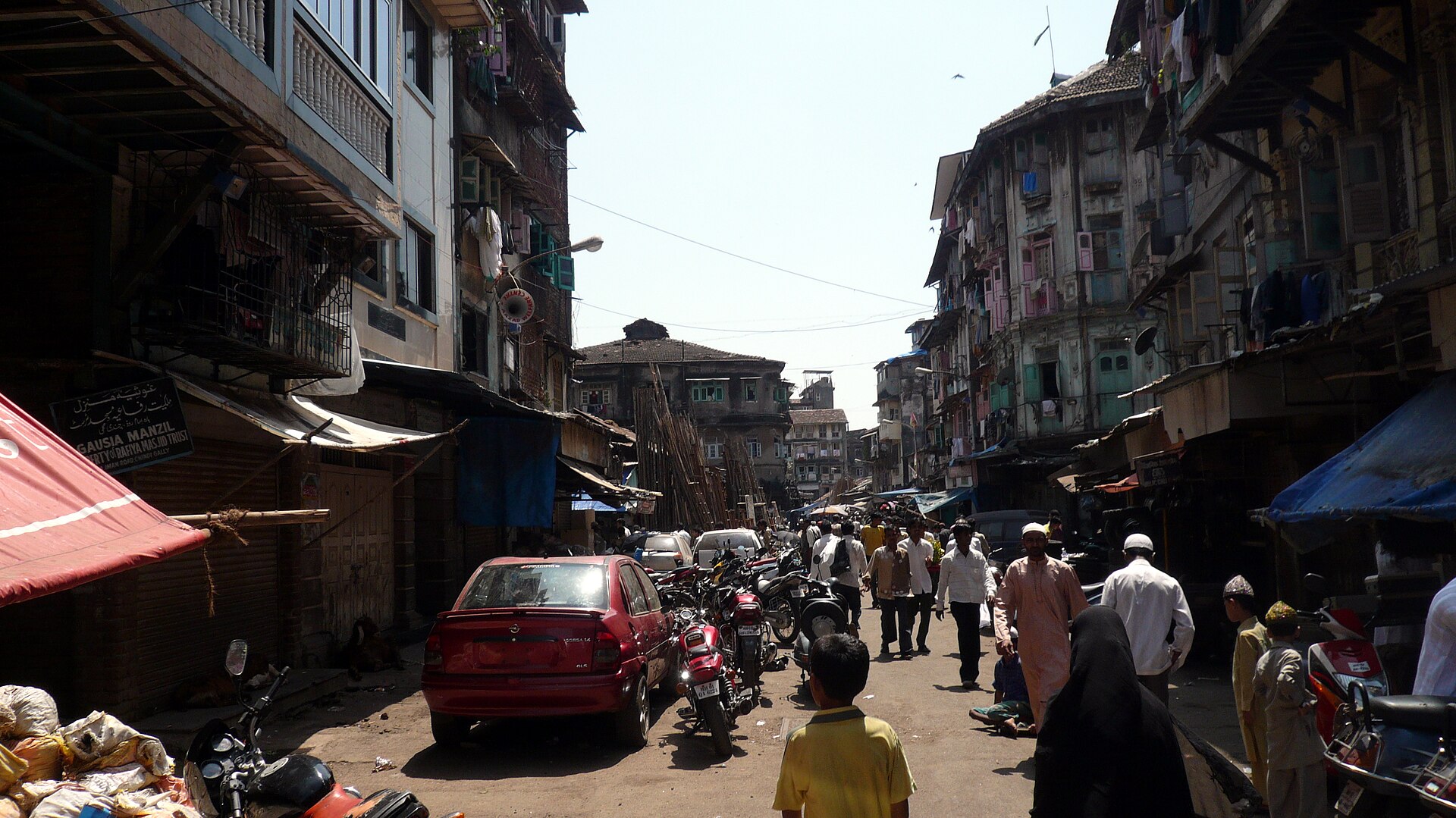
21. Chor Bazaar (Mutton Street)
The legendary thieves’ market on Mutton Street (near Bhendi Bazaar) is one of the largest flea markets in all of India. You’ll find everything from antique British porcelain and brass gramophones to spare car parts and original hand-painted Bollywood posters. The classic stalls operate roughly Saturday to Thursday between 11:00 and 19:30.
Be careful when planning your trip on Friday, when most regular shops are closed for Muslim prayers. Instead, however, there’s a wild Friday Jumma market starting as early as four in the morning, when the streets fill with vendors selling the most bizarre odds and ends and the market ends at eight sharp in the morning.
Currently the entire wider Bhendi Bazaar area is undergoing massive redevelopment, part of the old streets have already disappeared and the market is shrinking. If you want to visit, take the Aqua Line metro to Grant Road station, from where it’s about a kilometre on foot.
💡 Tip: In the Kalbadevi neighbourhood you’ll find the fabulous purely vegetarian B Bhagat Tarachand restaurant. Also ask whether Shree Thaker Bhojanalay, famous for its luxurious 35-course thali, has reopened after a long renovation.
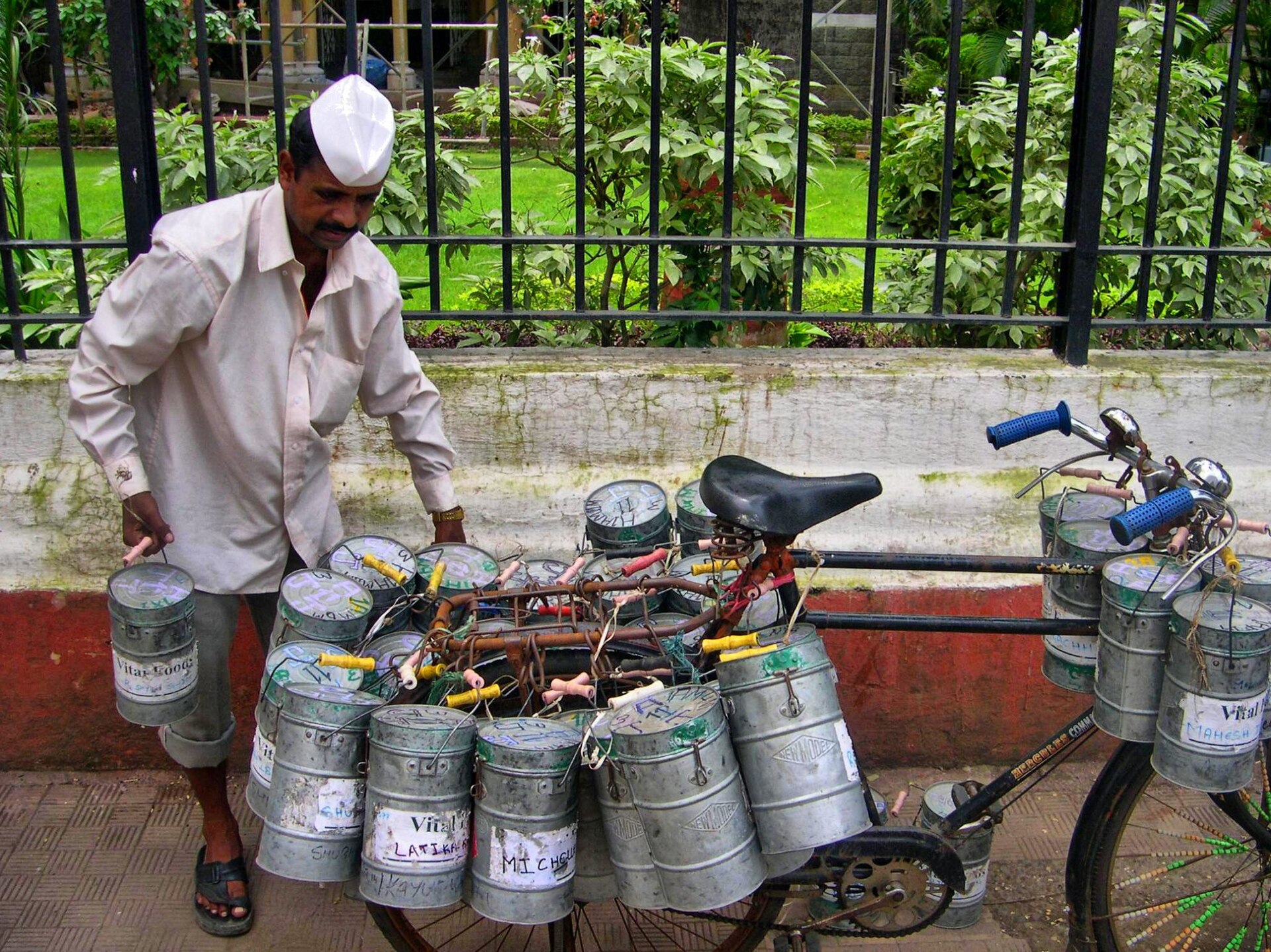
22. Dabbawalas at Churchgate
These legendary lunch deliverymen form the backbone of Mumbai office life. Every morning they pick up freshly cooked lunches from homes in special tin boxes (dabba) and transport them by train, carts and bicycles across the entire city directly to offices. In the afternoon they return the empty containers the same way back to families.
The system works on a genius colour-coding system without using any modern technology. The best chance to observe dabbawalas in action is at Churchgate station on weekdays roughly between 11:15 and 12:30, when thousands of boxes are sorted here before final delivery to the surrounding banks and offices. Some agencies even offer paid tours where you ride on the train with the deliverymen (prices start at around 1,800 to 2,000 INR).
This system has been running for over 130 years and has survived pandemics, floods and terrorist attacks. If you watch this organized chaos at Churchgate station, you’ll understand how Mumbai works.
💡 Tip: For an excellent lunch after watching the deliverymen, head to the popular Swati Snacks restaurant in Nariman Point, they make excellent vegetarian street food dahi puri served in perfect cleanliness.
Where to Go from Mumbai
- Siddhivinayak Temple: The most famous temple of the god Ganesha from 1801 is located in the Prabhadevi neighbourhood and you’ll find it right on the Aqua Line metro route. It’s open daily (5:30–21:50), the free queue typically takes 45 to 90 minutes, but for 100 INR you can buy expedited access.
- Bollywood and Film City: The entertainment complex in the northern part of Goregaon East has been operating since 1977. Three-hour bus tours through the BookMyShow portal start at 1,200 INR, but reviews warn that you probably won’t see actual filming with actors and will only tour empty sets.
- Kamala Mills Compound: The former giant textile mills in the Lower Parel neighbourhood have become one of the city’s trendiest social centres and nearby you’ll also find the Phoenix Palladium shopping mall. Definitely try The Bombay Canteen (if it’s already open after the autumn 2026 renovation).
- Take a metro ride: The ride itself on the brand new Aqua Line is an experience in itself. In an hour you’ll travel 33 kilometres underground and see the city from a completely different perspective than from a traffic jam in a taxi.
Frequently Asked Questions
How many days should I plan for visiting Mumbai?
Three full days are ideal for the city itself (you’ll cover Colaba, Fort, Malabar Hill, and manage dinner in Bandra too) plus one extra day for a trip out, for example to Elephanta Island or the Kanheri Caves in the north.
Is Mumbai safe for tourists?
Both locals and travelers from forums agree that it’s the safest major city in India and the historic districts are trouble-free even in the evening. However, official authorities recommend normal caution against pickpockets in crowds, women shouldn’t travel alone after 10 PM, and at night it’s best to get around only using Uber cars.
How much does a trip to Elephanta Island cost and how do you get there?
The ticket to the caves themselves costs 600 INR for foreigners on-site (550 online) and it’s open from 9:00 AM to 5:00 PM, with the site strictly closed every Monday. Ferries depart from the Gateway of India, the first boat leaves at 9:00 AM, and a return ticket costs around 260 to 300 rupees.
How do you get from the airport to the city center?
From terminal T2, the new underground Aqua Line metro runs to Churchgate station for a maximum of 70 INR and the journey takes just under 50 minutes (service ends around 10:30 PM). For night arrivals, take a prepaid taxi from the desk in the hall or Uber (the trip to Colaba costs around 700 to 1,200 INR). From October 2026 onwards, watch out for flight tickets – the code NMI means arrival at the new airport without metro.
When is the best time to visit?
The best conditions are from mid-November to February, when it’s dry and a pleasant 31 to 34°C. Avoid the monsoon season between June and September, when the city is lashed by extreme rainfall (in July over 900 millimeters of rain can fall) and streets are often flooded.
Will I eat well here if I’m vegetarian?
Mumbai is paradise for vegetarians. The city is full of so-called pure veg restaurants, where they cook strictly without meat, fish, or eggs (you’ll recognize them on the menu by the green square). Definitely try street classics like vada pav, pav bhaji, or the huge rice pancakes dosa.
Do I need a visa for India?
Yes, you can conveniently arrange a 30-day tourist e-visa online on the official government website for 25 USD (in the cheaper season from April to June only 10 USD) plus a 3% fee. You must apply 4 to 120 days in advance, and additionally, you need to fill out the free electronic e-Arrival Card no later than 72 hours before arrival.
Tips and Tricks for Your Vacation
Don’t Overpay for Flights
Search for flights on Kayak. It’s our favorite search engine because it scans the websites of all airlines and always finds the cheapest connection.
Book Your Accommodation Smartly
The best experiences we’ve had when looking for accommodation (from Alaska to Morocco) are with Booking.com, where hotels, apartments, and entire houses are usually the cheapest and most widely available.
Don’t Forget Travel Insurance
Good travel insurance will protect you against illness, accidents, theft, or flight cancellations. We’ve had a few hospital visits abroad, so we know how important it is to have proper insurance arranged.
Where we insure ourselves: SafetyWing (simple monthly subscription) and TrueTraveller (for extra-long trips).
Find the Best Experiences
Get Your Guide is a huge online marketplace where you can book guided walks, trips, skip-the-line tickets, tours, and much more. We always find some extra fun there!