

Planning a trip to Scandinavia comes with one big quirk that can catch out even very seasoned travellers. Norway is an incredibly beautiful country full of dramatic cliffs and deep fjords, but if you’re heading there, you need to be ready for the fact that Norway weather plays by its own rules. Sometimes you’ll get clear skies, a sudden downpour and thick fog all within a single hour, so flexibility will be your best friend.
Choosing the right time for your holiday is absolutely crucial, because every season offers a completely different experience and calls for different preparation. If you dream of endless mountain hikes and boat cruises, you’ll set off at a different time than if your main goal is the magical northern lights or a dog-sledding adventure. I’ve put together a detailed guide to help you understand how Norway’s weather works and when the best time to travel is for your specific plans.
TL;DR
- The main summer season runs from June to August, when all the mountain roads are open, the days are at their longest, and temperatures in the south can reach a pleasant 18 to 22 °C.
- For watching the northern lights, it’s ideal to travel between September and March, with the absolute peak of the season — and the longest nights — falling between November and February.
- You’ll experience the midnight sun above the Arctic Circle roughly from late May to mid-July, letting you explore the beauty of the north even at midnight.
- The west coast around Bergen is extremely rainy — expect more than 200 rainy days a year — so a quality waterproof jacket is an absolute must in any month.
- Winter months in the north bring temperatures commonly around −10 to −15 °C, while in the south around Oslo the winter stays far milder, hovering around freezing.
- The best value and quietest experience, free of tourist crowds, comes in spring (May) or early autumn (September) — when the northern lights are also starting to appear.
- Layering is the key to success, because Norway’s weather changes constantly and you’ll need thermal base layers, a warm mid-layer and a tough waterproof shell.
The full destination guide: Norway — guide and what to see
8 Things You Should Know About Norway Weather
Let’s take a detailed look at what to expect from each region and season. The differences between the south and the north are enormous, because Norway stretches over more than 1,700 kilometres and reaches high beyond the Arctic Circle. I’ll show you how to cope with these swings and what to watch out for most when planning your itinerary.
1. The Weather Varies Dramatically by Region
If you glance at a map of Norway, it’s immediately clear that you can’t expect the same conditions in Oslo and high up north in Tromsø. Southern Norway, around Oslo and the Sørlandet region, is the warmest and sunniest part of the country, where summer temperatures commonly sit between 18 and 22 °C. People even swim in the sea here in summer and enjoy fairly stable sunny days that feel like Central European spring. The weather for Oslo, Norway, is genuinely the gentlest in the country.
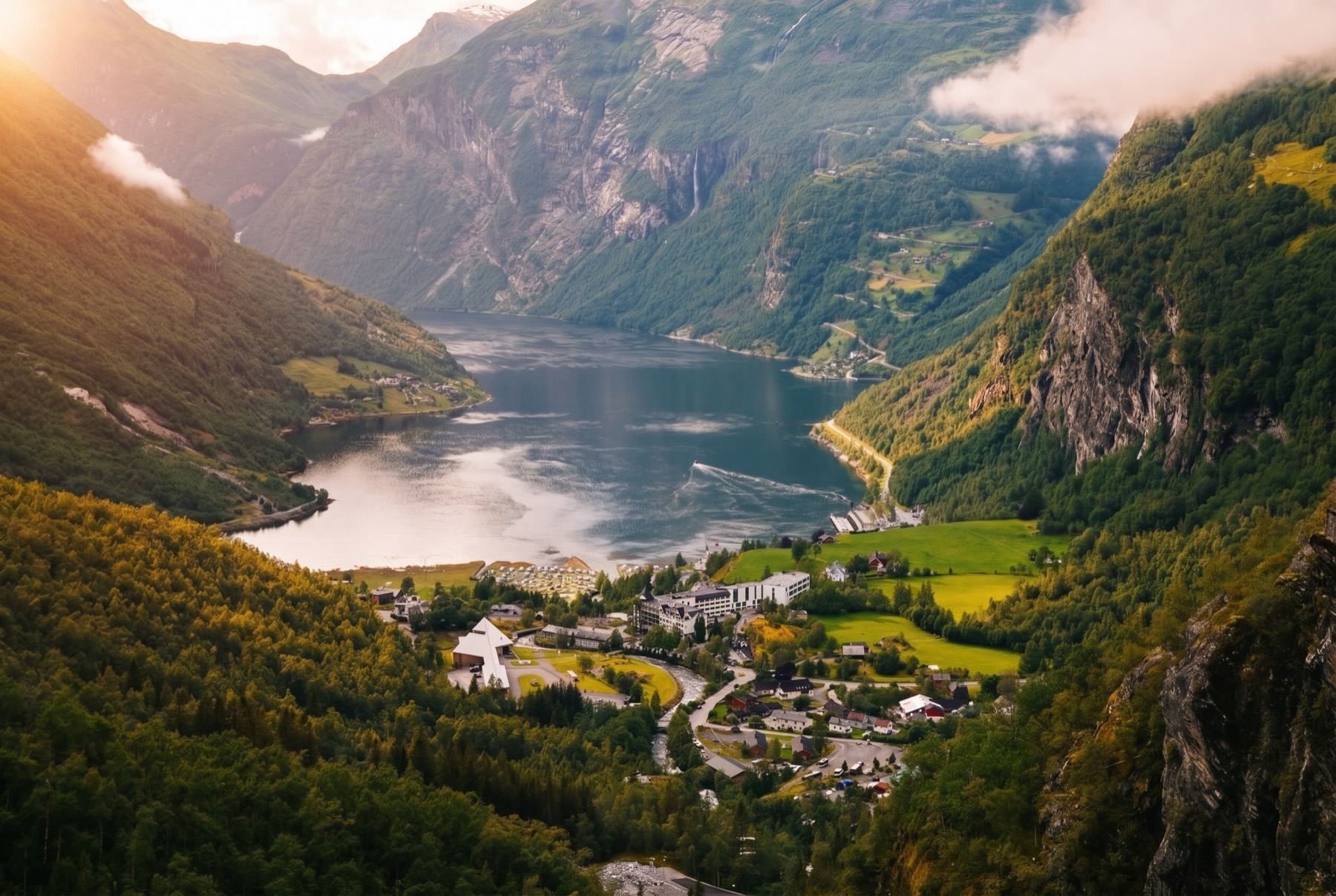
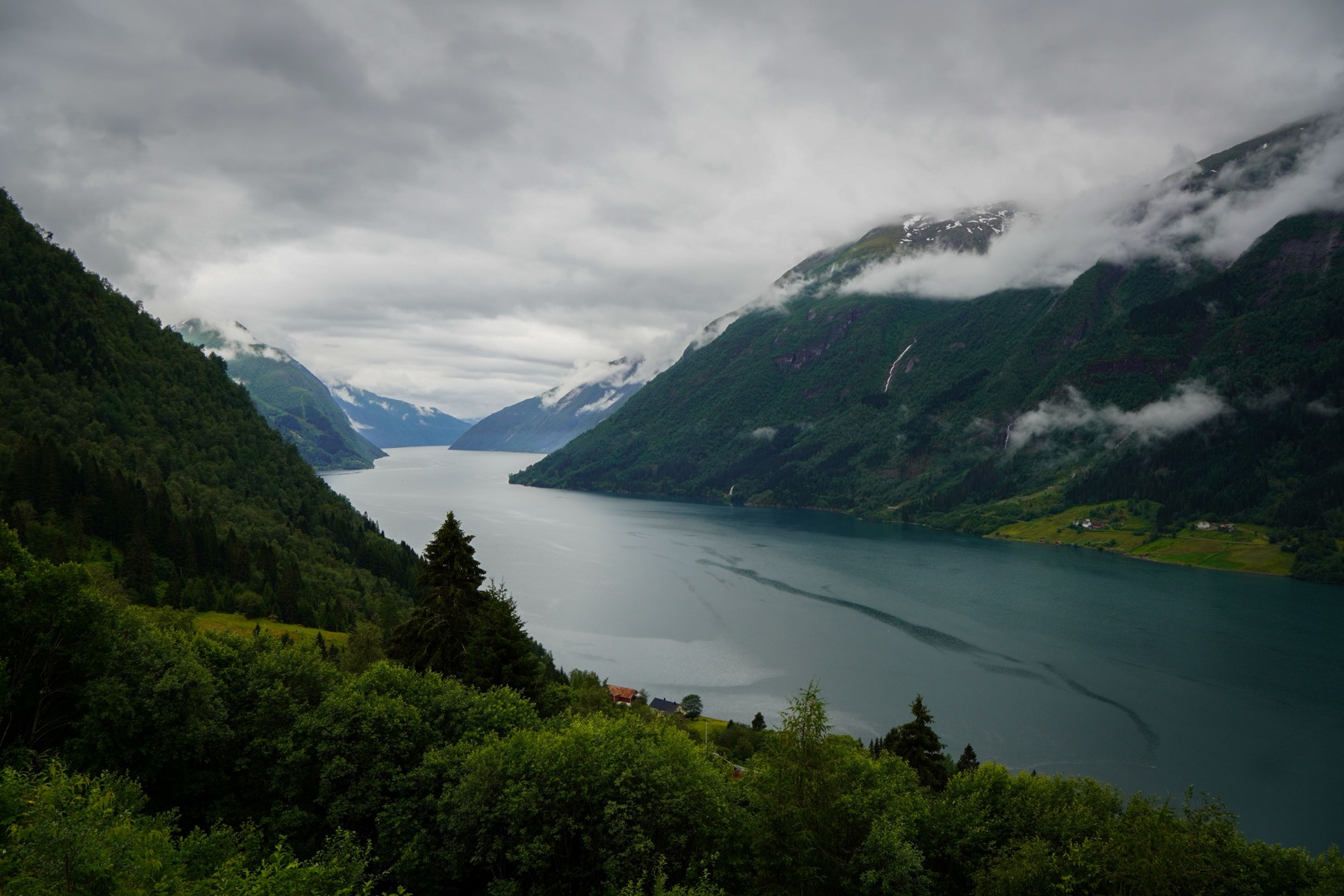
The west coast, with its iconic fjords, has a very specific climate shaped by the Gulf Stream — which keeps the harbours ice-free but also brings huge amounts of rainfall. Bergen and the surrounding fjords are famous for their rainy weather; summer temperatures here tend to stay between 15 and 20 °C and rain can arrive at any moment. Locals are so used to the rain that they treat it as a normal part of everyday life.
Northern Norway and the Arctic regions are a whole different world, with a harsher climate and a shorter summer. In summer the temperatures here only climb to around 12 to 16 °C, while the winters are long, very dark and bitterly cold. Still, the landscape beyond the Arctic Circle is utterly fascinating, and the rugged weather in Tromsø, Norway, and the far north is simply part of its character.
💡 Tip: When planning a road trip across the country, always check the current forecast for your specific location, because crossing the mountains from east to west can mean a temperature drop of ten degrees and a switch from clear skies to thick fog.
2. Summer (June to August) Means Long Days and Open Roads
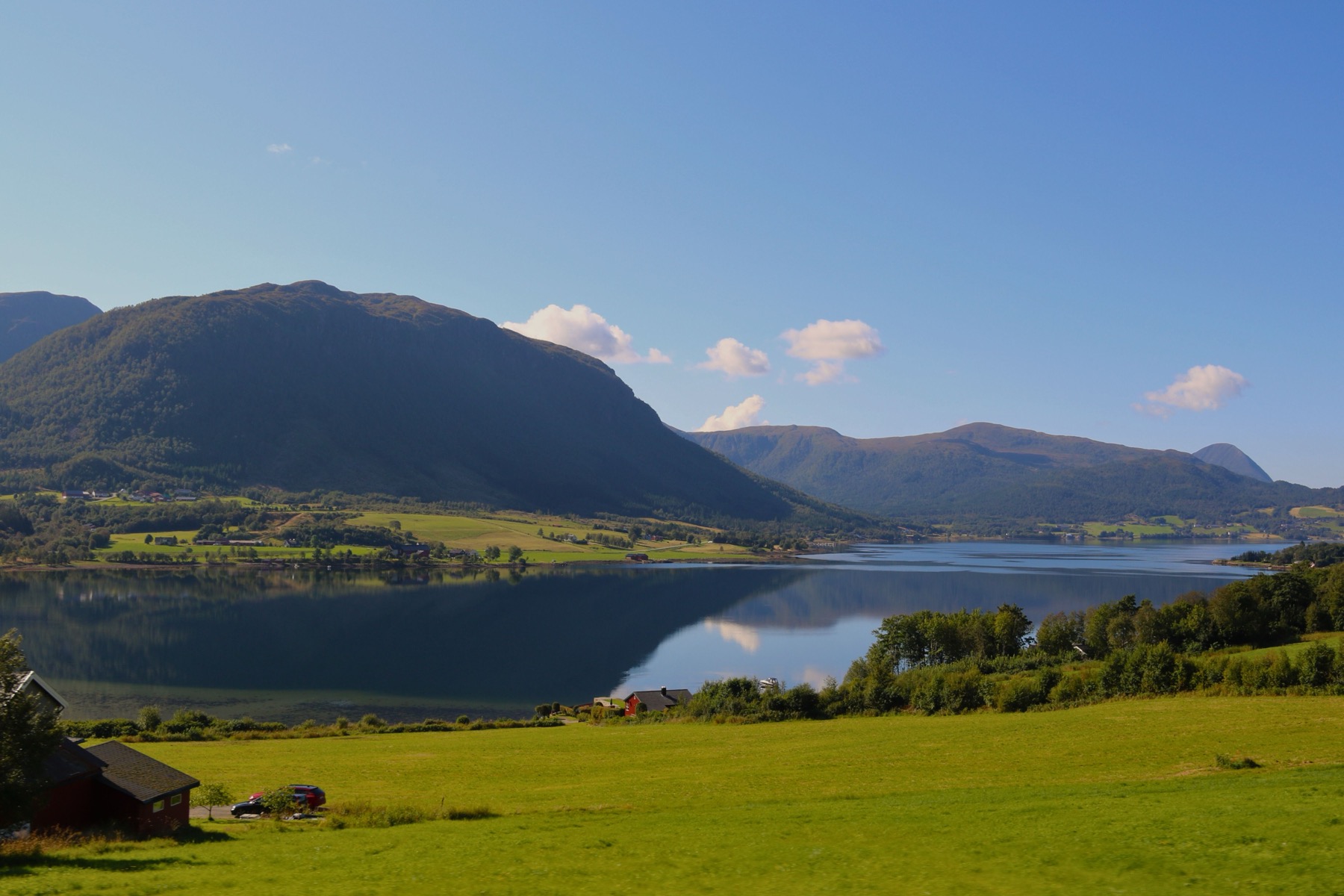
The summer months are without doubt the most popular time to visit, because nature shows itself in full force and the logistics of travel are at their easiest. Only in June do all the high mountain passes open, including the famous Trollstigen road, which stays hopelessly snowed under for the rest of the year. If you’re planning to drive the national tourist routes, summer guarantees you can reach everywhere you need to go.
This is an absolutely ideal time for hiking and tackling the famous viewpoints, such as Preikestolen or Trolltunga. Thanks to the long days, you have plenty of time for treks and don’t have to worry about darkness catching you out in the mountains. Up north, you can also look forward to the midnight sun, which gives the landscape an incredibly magical, energising atmosphere.
The downside of the summer season is, of course, the crowds and significantly higher prices for accommodation and services. The best-known fjord attractions get very busy in July and August, so you’ll need to book ferries and hotels well in advance. Norway’s weather in summer can be glorious, but even in July you can still get several days of rain in a row by the fjords.
💡 Tip: Make the most of the long, bright evenings to visit the most popular spots. Set off on the famous treks in the late afternoon — you’ll avoid the biggest crowds from the cruise ships and enjoy a much calmer atmosphere.
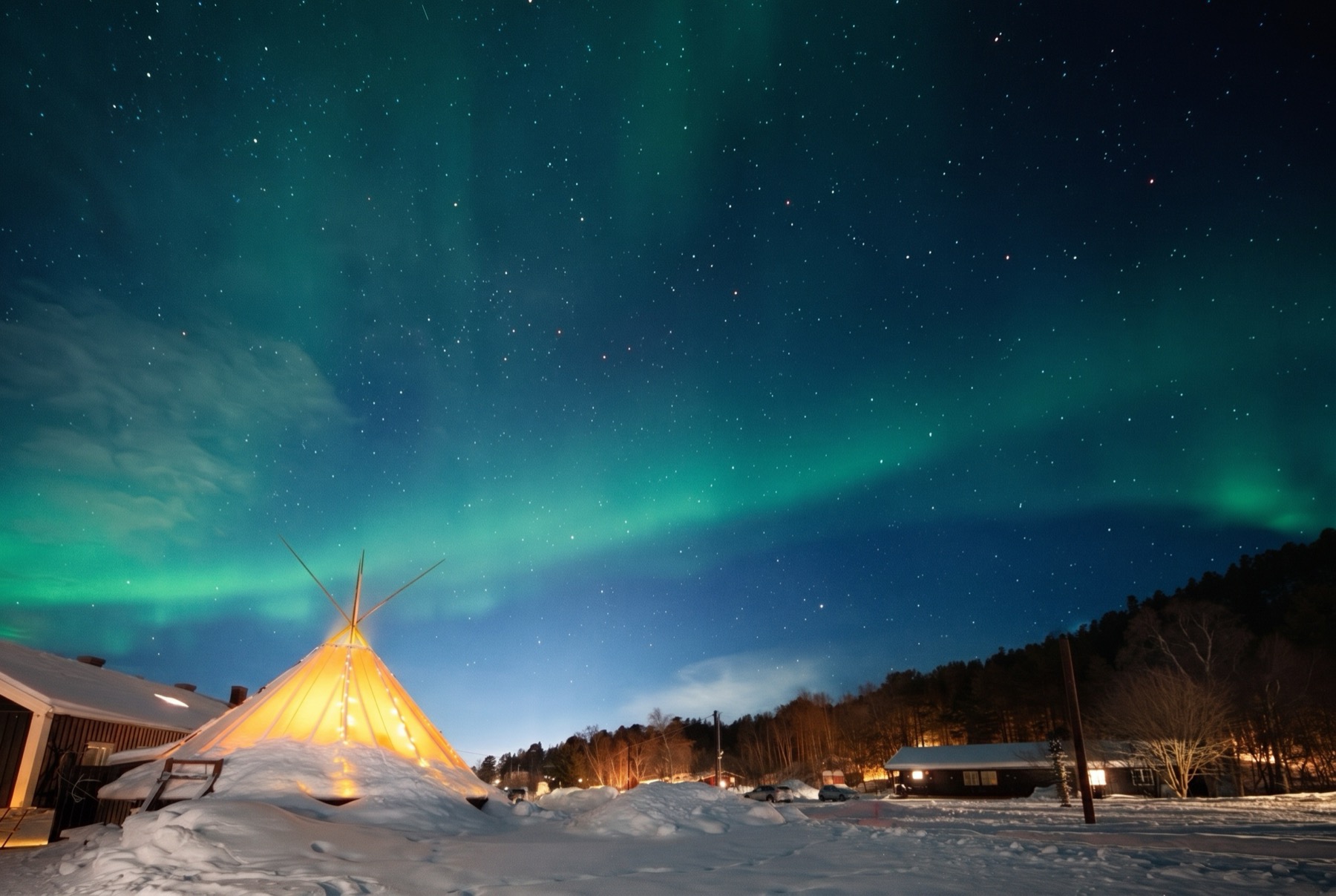
3. Winter (December to March) Lures You with Northern Lights and Snow
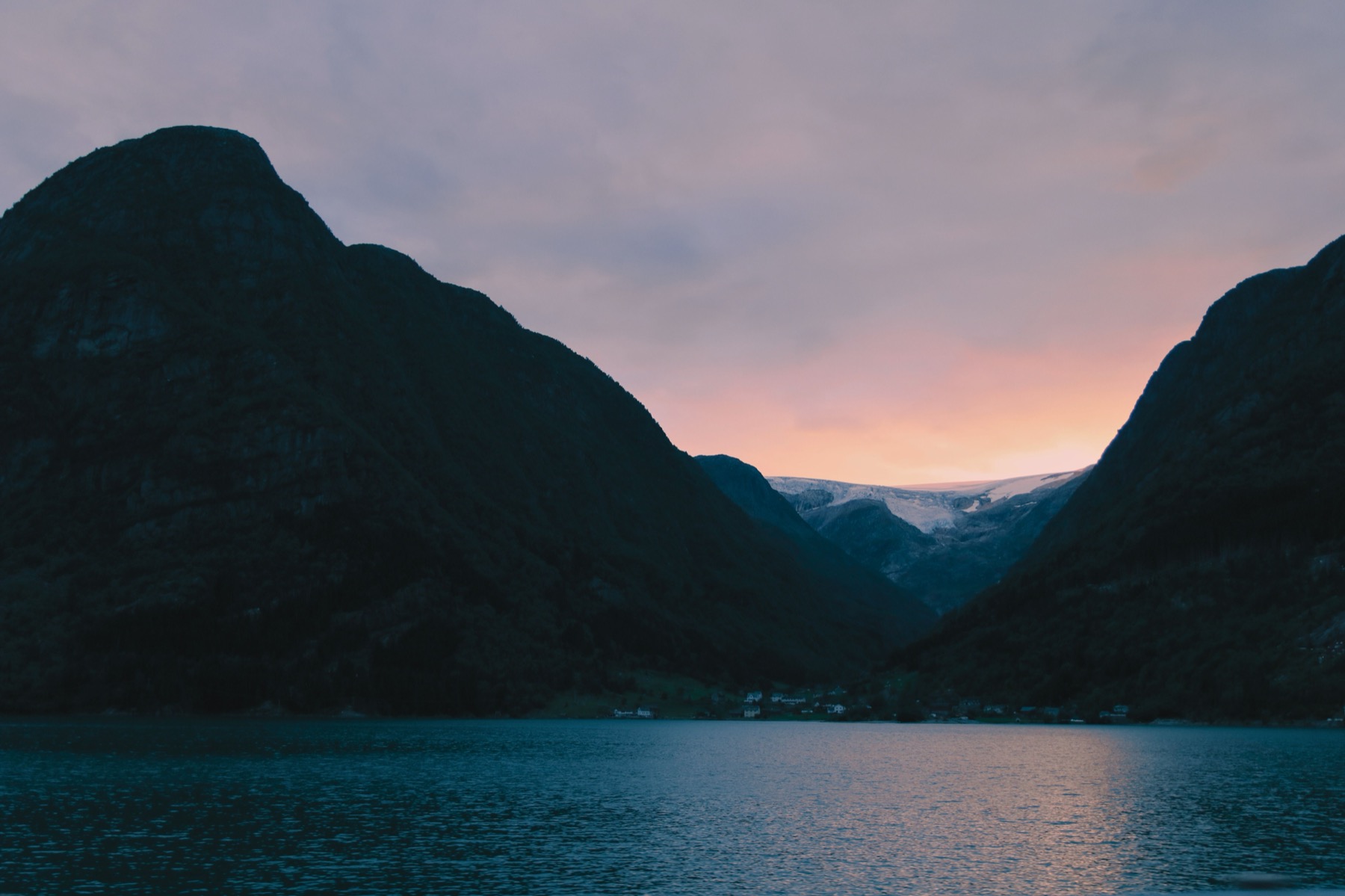
Winter transforms Norway into a magical icy kingdom that draws lovers of adventure and winter sports. In the north of the country you’ll experience a true Arctic winter, where temperatures commonly range from −10 to −15 °C but can drop much lower on clear nights. The winter here is dark because of the polar night, but it’s certainly not dull — the snow beautifully reflects the remaining light and gives the landscape a bluish glow.
This is the perfect time for the most amazing winter activities you can imagine. You can go dog-sledding, ride snowmobiles or go whale-watching around Tromsø, where the whales gather in winter to feed. For skiers, central and southern Norway offer perfectly groomed slopes and thousands of kilometres of cross-country trails through gorgeous mountain scenery.
When travelling in winter, though, you’ll have to factor in significant logistical limitations. Many mountain roads and smaller passes are completely closed for the winter, and even the main routes can be temporarily impassable due to snowstorms. Driving in these conditions takes experience and a great deal of caution.
💡 Tip: If you plan to drive a hire car in the winter months, be prepared for roads often covered with a layer of packed snow and ice. Fortunately, rental companies automatically fit their cars with quality studded winter tyres that make driving much easier.
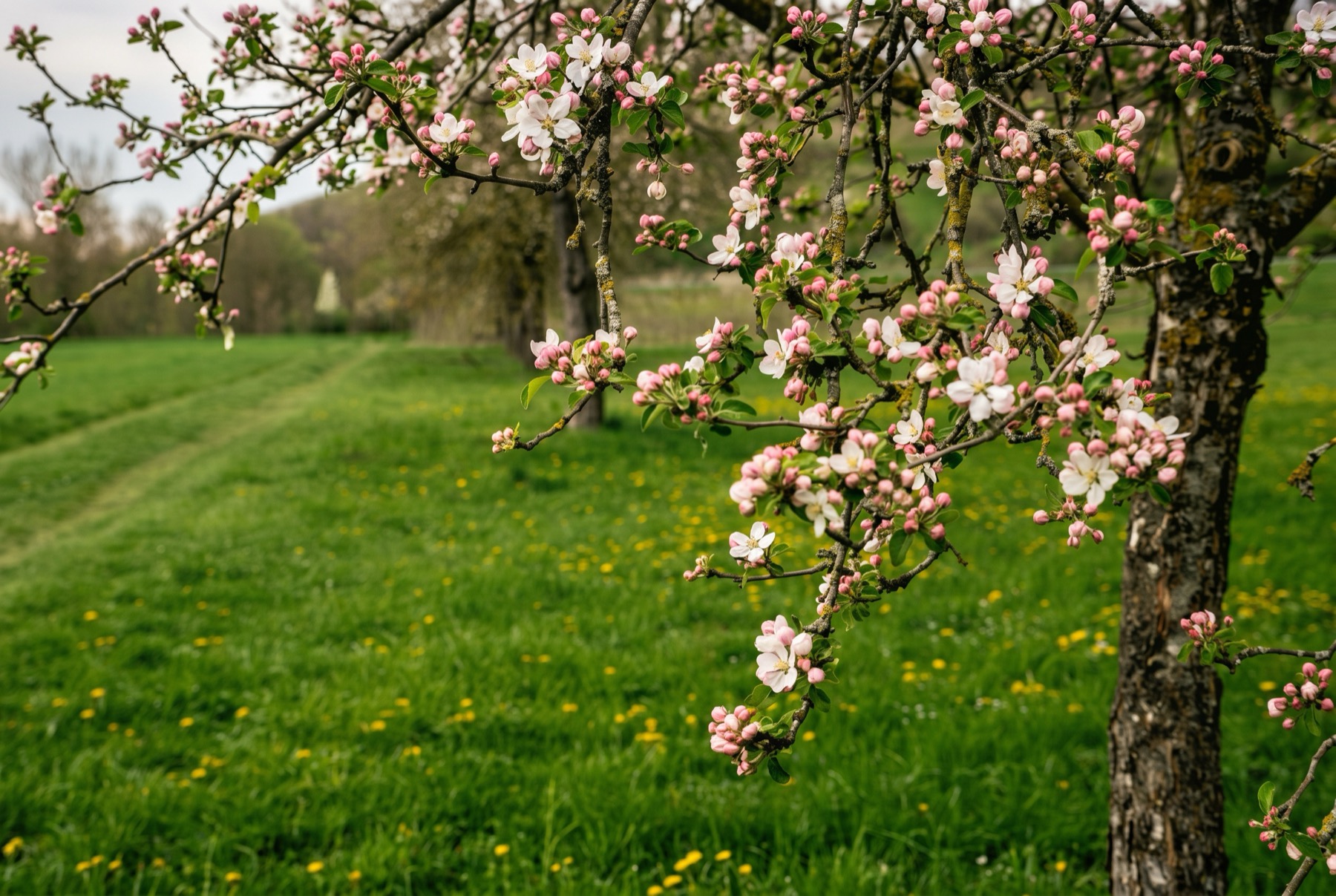
4. Spring (April to May) Awakens Nature and the Waterfalls
Spring in Norway is fairly short but enormously dynamic, the time when nature begins to wake from its winter slumber. Melting mountain snow fills the rivers and waterfalls, which show themselves in their full majesty in May and June, thundering with tremendous force. Watching the masses of water tumble down at this time of year is truly an unbeatable experience.
A major draw of the spring months is the blossoming of the fruit orchards, especially around the Hardangerfjord. At the turn of April and May, the steep slopes around the fjord turn white and pink, which, set against the snow-capped peaks in the background, creates an incredibly photogenic scene. Spring is also a great choice if you want to enjoy the popular spots in far greater peace, without the summer crowds.
You do have to bear in mind that Norway’s weather in spring is extremely unpredictable. While it may already be pleasantly warm and sunny down by the fjords, metres of snow still lie in the mountains and many hiking trails are impassable due to avalanche danger and mud. The high mountain roads, moreover, usually don’t open until the very end of May.
💡 Tip: May is considered one of the best months to visit southern and central Norway. You’ll enjoy long days, awakening nature and significantly lower prices for accommodation than in the peak summer season.
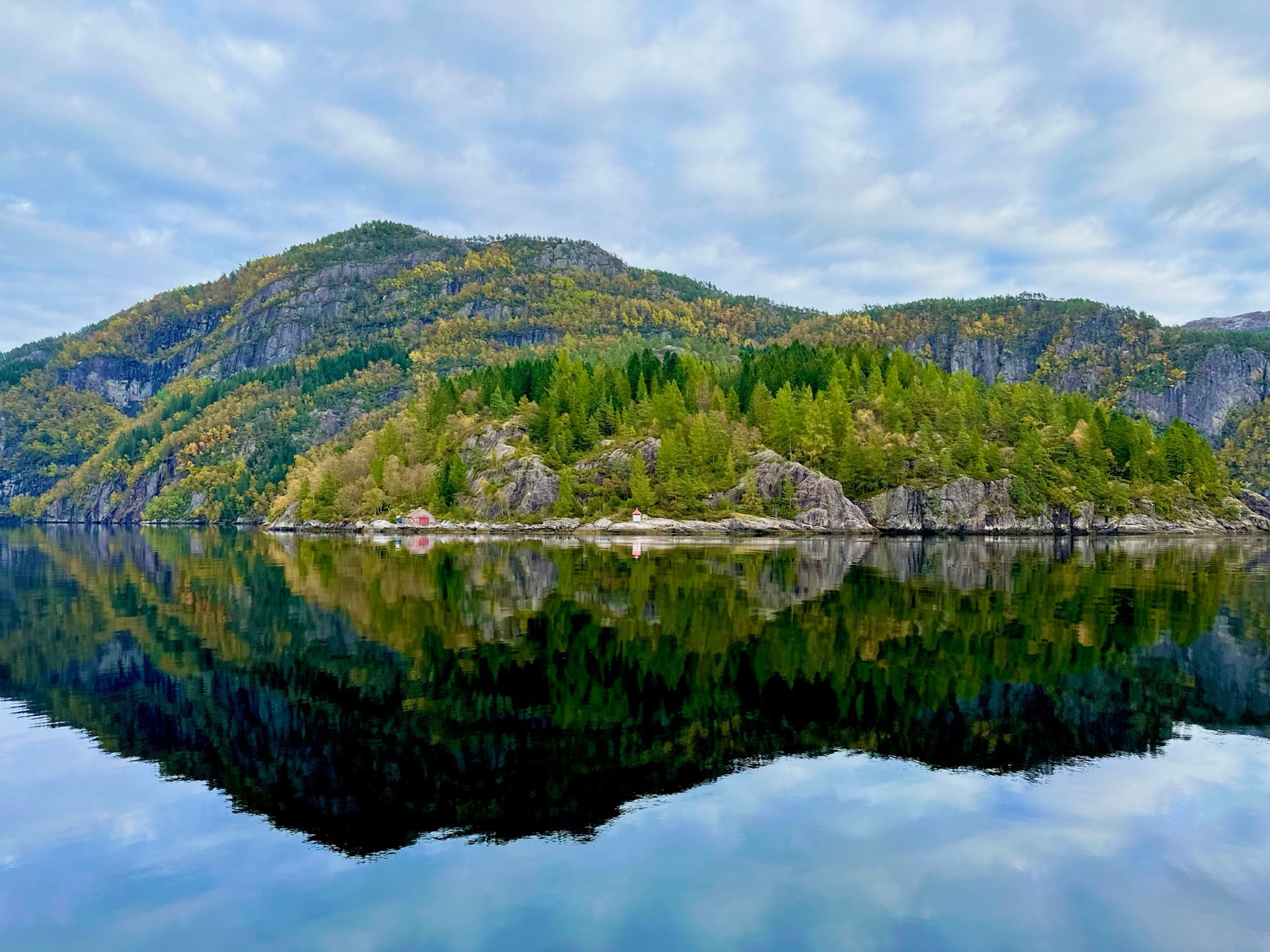
5. Autumn (September to October) Brings Colour and the Return of the Lights
The autumn months turn the Norwegian landscape into a perfect palette of gold, orange and deep red. September is an absolutely fantastic month for hiking, because the air is beautifully clean and crisp, the forests glow with colour, and the trails empty out again after the summer rush. Nature feels very calm and melancholy — ideal for those seeking an escape from the bustle of the cities.
As autumn draws in, the days start to shorten fairly quickly, which has one huge advantage. From September the magical northern lights reappear in the night sky, so you have a chance to spot them before the bitter winter frosts arrive. September and October are actually a great compromise between decent weather for outings and dark nights for aurora hunting.
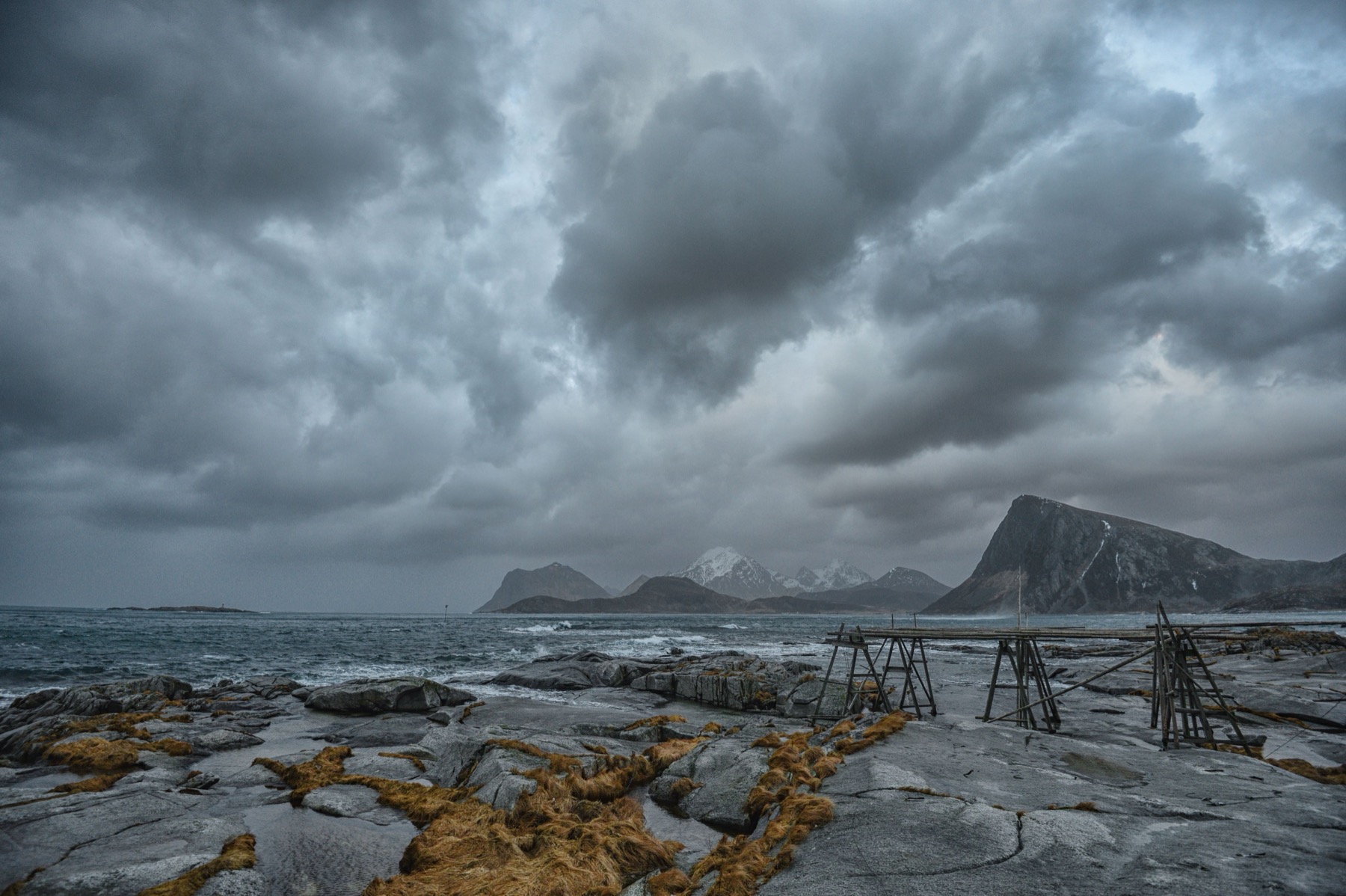
In autumn, though, you have to reckon with Norway’s weather turning far wilder. Strong autumn storms and heavy rain appear more often, and the mountains can see their first snow as early as October. Some summer attractions and services cut their opening hours, and the ferries switch to sparser winter timetables.
💡 Tip: If you’re after autumn colours and crowd-free hikes, set off in the first half of September, when the weather is still relatively stable and most mountain roads remain open to traffic.
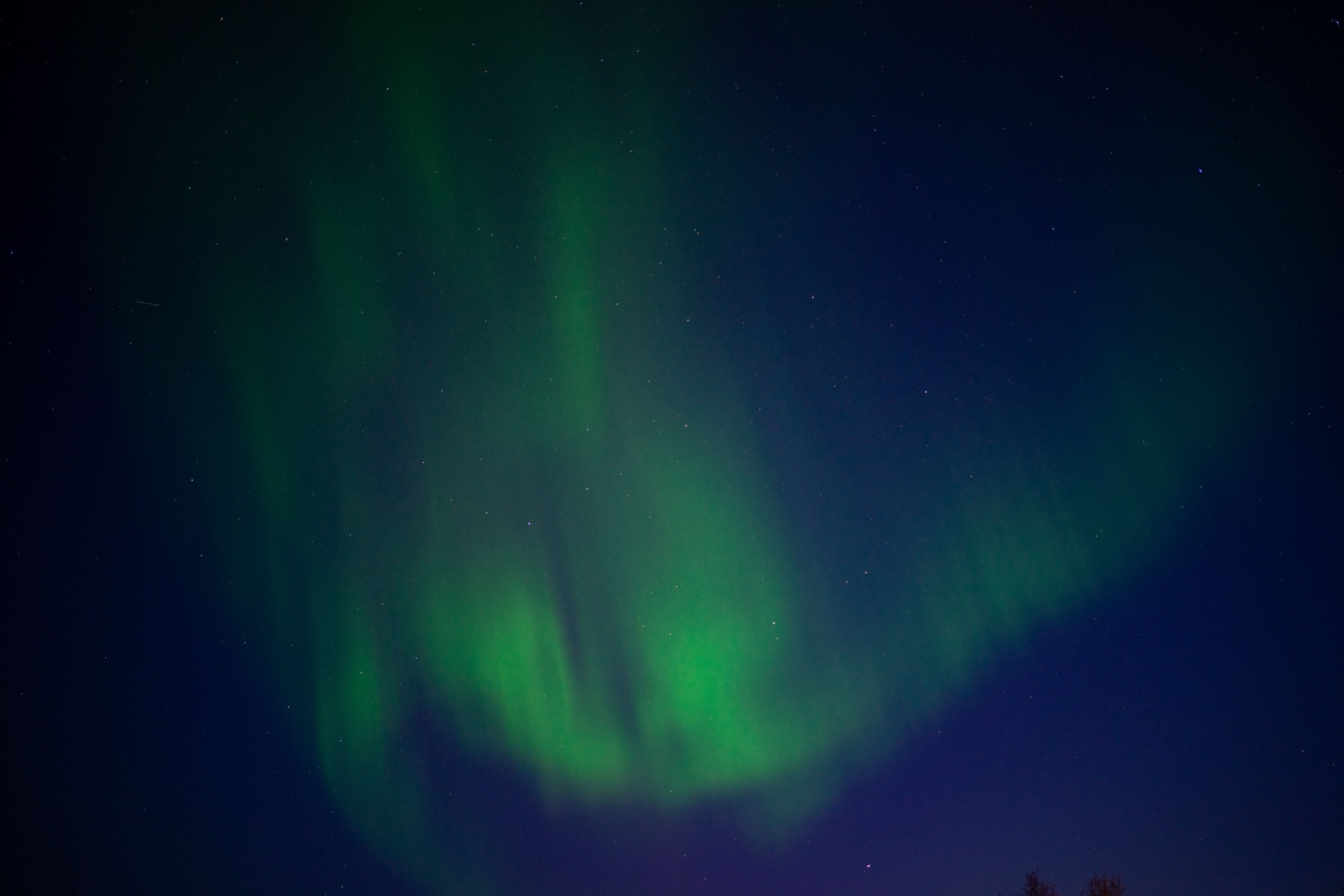
6. The Northern Lights Need Darkness and Clear Skies
Aurora hunters head to Norway from all over the world, but no one can guarantee this breathtaking natural phenomenon a hundred percent. The main season runs from September to March, with the absolute peak — the longest, darkest nights — falling between November and February. The more hours of darkness you have, the better your chance of seeing the green show in the sky.
For the best experience, you need to head high up north, far beyond the Arctic Circle. The best spots for watching are Tromsø, the Lofoten Islands, the island of Senja and the town of Alta, which lie directly beneath the so-called auroral oval. In these areas the geomagnetic activity is strongest, and the lights appear fairly often even during weaker solar flares.
Besides a good location, you need one more absolutely essential thing — clear, cloudless skies. Norway’s weather can be very overcast in the north, so it pays to have a car and to keep an eye on the local weather radar. Sometimes you only need to drive a few dozen kilometres inland or to the other side of the mountains for the sky to clear up miraculously.
💡 Tip: For up-to-date information on solar activity and cloud forecasts, I recommend downloading a dedicated aurora app to your phone. It’ll help you work out which direction to head and what your chances are on any given evening.
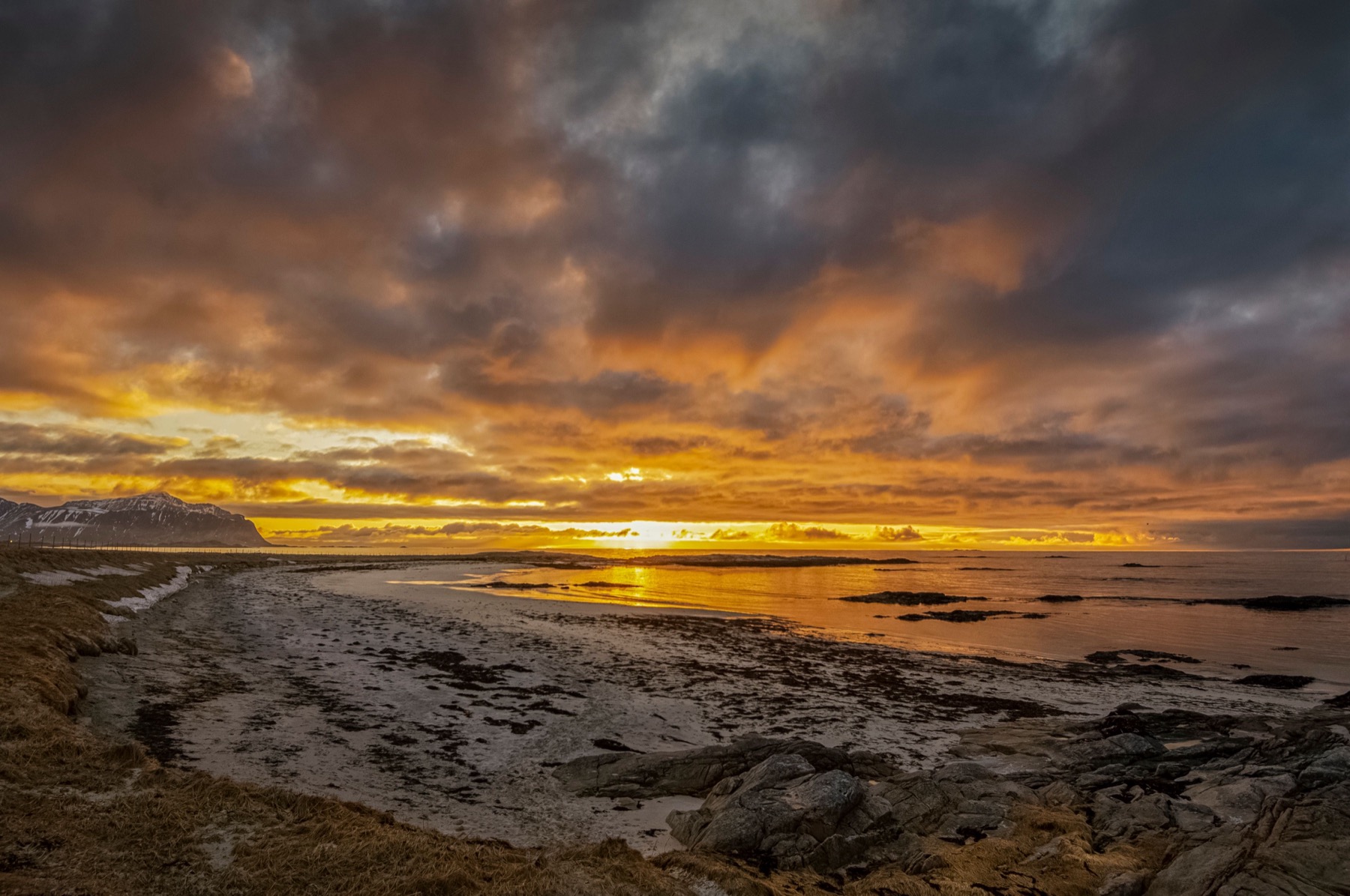
7. The Midnight Sun Will Throw Off Your Body Clock
The midnight sun is the exact opposite of the winter darkness, and you’ll only experience it in the summer months beyond the Arctic Circle. During this period the sun never sets below the horizon — it merely dips towards it and then begins to climb again. All night long the landscape is bathed in incredibly soft, golden light that is every photographer’s absolute dream.
The midnight sun period depends on how far north you go. At the famous North Cape (Nordkapp) it lasts roughly from mid-May to the end of July, while slightly further south in Lofoten you’ll catch it from late May to mid-July. During this time there’s huge energy in the north, with locals spending their nights outdoors and you feeling as though you don’t need to sleep at all.
It’s the ideal time for night hikes, fishing or kayaking in total silence under a golden sky. The constant light can really throw off your internal body clock, though, so it can easily happen that at three in the morning you find yourself wide awake and unable to fall asleep.
💡 Tip: If you struggle to sleep when it’s light, be sure to pack a good eye mask. Most Norwegian hotels have blackout curtains, but in campsites or cabins the constant daylight can be quite a problem when you’re trying to drift off.
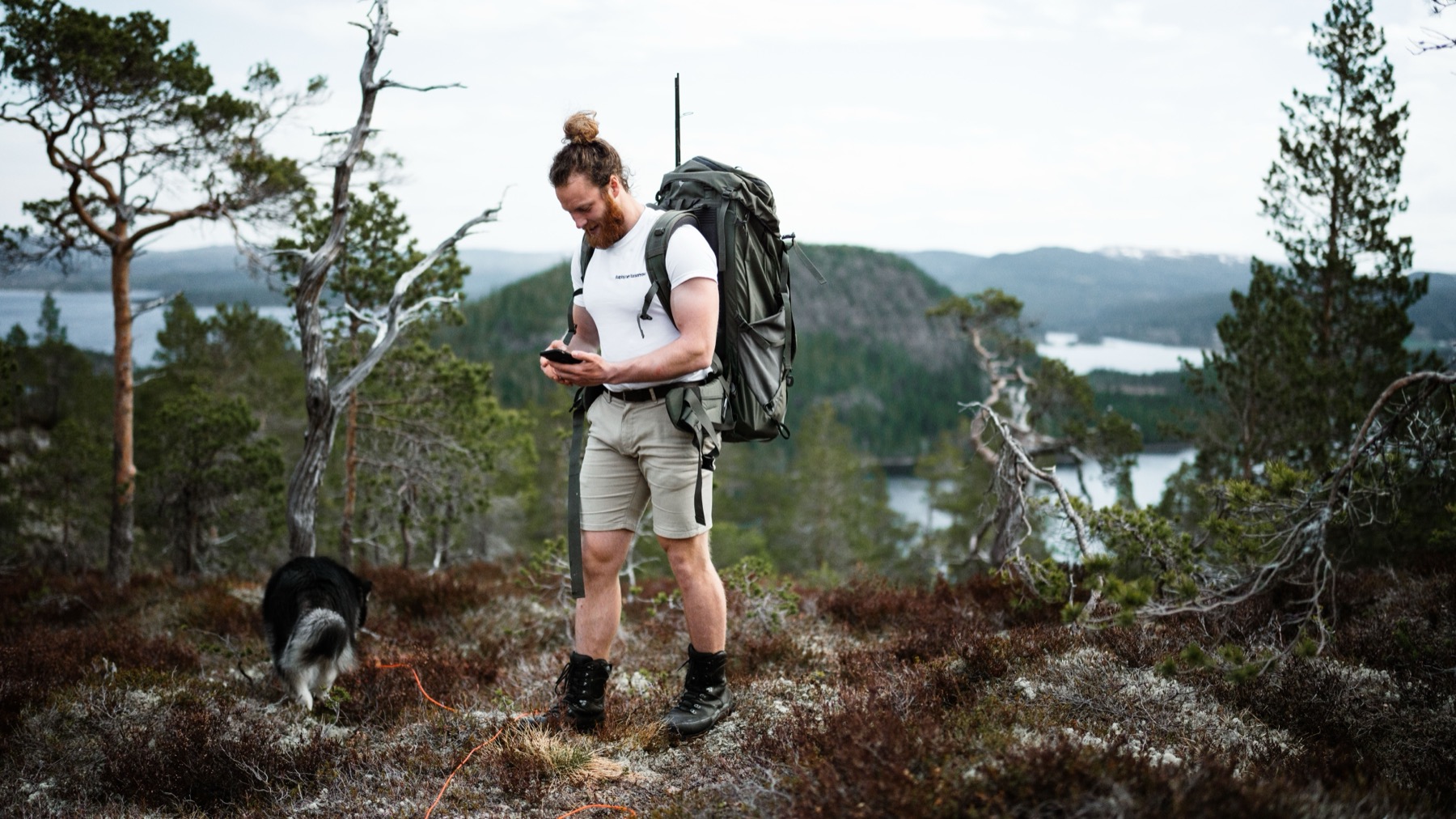
8. What to Pack and How to Master Layering
The secret to happy travel in Scandinavia lies in the right gear. The golden rule is to dress in layers — clothing you can easily take off and put back on depending on how Norway’s weather decides to show its face. Even in summer it commonly happens that you set off in the morning in a jacket and hat, walk around at noon in a T-shirt, and get hit by a cloudburst in the afternoon.
The foundation of everything is a quality base layer, ideally merino wool, which keeps you warm even when you sweat and doesn’t smell after several days of wear. The mid-layer should be insulating, such as a fleece or a thin down jacket, to retain your body heat. Then the absolute must-have is the outer layer — a genuinely good waterproof and windproof jacket, without which you simply won’t manage in Norway.
Don’t forget sturdy, comfortable hiking boots that can handle mud, rocks and wet grass. Even in a summer backpack, always pack a thin hat and gloves, because high in the mountains or on a fjord cruise the wind can be very sharp and cold. If you’re travelling in winter, add proper thermal underwear, warm winter boots and thick woollen socks to your kit.
💡 Tip: Trust the tried-and-tested advice of fellow travellers and leave the umbrella at home. The strong wind by the fjords would turn it inside out instantly, and you’d needlessly have your hands full. A quality rain poncho or Gore-Tex jacket will do a far better job.
Norway Weather by Month: A Practical Summary and Rough Costs
To pull it all together neatly, I’ve put together a rough temperature overview and a quick season-by-season guide. Please take these figures with a pinch of salt, as extreme swings are completely normal in Norway, but for basic orientation this overview of Norway weather by month will definitely help.
- Summer (June–August): The best time for fjords, hiking and the midnight sun. Temperatures of 18–22 °C in the south, 15–20 °C by the fjords, 12–16 °C in the north. All services are running and the roads are open, but prices are at their highest.
- Winter (December–March): Ideal for the northern lights and winter sports. Temperatures around 0 °C in the south, −10 to −15 °C in the north. Many mountain roads are closed and winter gear is essential.
- Spring (May) and Autumn (September): A great compromise for quieter, crowd-free travel. Temperatures average between 8–14 °C. In May the orchards bloom; in September the leaves turn and the aurora season begins. Accommodation prices tend to be more favourable.
- Budget (rough estimate for 2026): Bear in mind that Norway is a very expensive destination. A standard double room in the summer season costs roughly 230 to 360 € per night, a simple meal at a bistro around 35 to 55 €, and a litre of petrol sits above the 2 € mark. Outside the season, accommodation prices can drop by as much as 30%.
For booking trips such as fjord cruises or evening northern-lights expeditions, travellers often recommend reserving in advance through platforms like GetYourGuide, where you’re guaranteed a spot and get clear cancellation terms.
Where to Go Next
If you now have a sense of what Norway weather has in store and you’re fine-tuning a specific itinerary, you’ll definitely find our other practical guides useful too. They’re packed with inspiration for planning your Nordic trip.
- Norway: 50 Things to See
- Norwegian Fjords — A Guide
- Northern Norway: What to See Beyond the Arctic Circle
- Hurtigruten — A Coastal Voyage
Frequently Asked Questions
When is the best time to visit Norway?
If you want to explore fjords, go on high-mountain treks and experience the midnight sun, head out in the main summer season from June to August, when all mountain roads are open. If your main goal is to observe the Northern Lights, plan your trip for the period from September to March.
When and where will I see the Northern Lights?
The northern lights appear in the sky from September to March, with the best conditions featuring long dark nights from November to February. For the highest chance of success, head north beyond the Arctic Circle, ideally to areas like Tromsø, the Lofoten Islands, Senja Island, or the town of Alta.
When and where is the midnight sun?
The midnight sun, when the sun doesn’t set below the horizon at all, can only be experienced above the Arctic Circle. At the northernmost point of Nordkapp, this phenomenon lasts roughly from mid-May to the end of July, while a bit further south in the Lofoten Islands, it lasts from the end of May to mid-July.
What’s the weather like in Norway in summer?
Summer Norwegian weather is very changeable and local. In the south around Oslo it’s usually pleasant with temperatures reaching 18 to 22 °C. By the western fjords expect temperatures between 15 and 20 °C and very frequent showers, while in the far north summer temperatures tend to range between 12 and 16 °C.
Does it rain in Norway all the time?
It depends on the region. The western coast is extremely wet and the city of Bergen records more than 200 rainy days per year, so it really rains very often there. On the other hand, the eastern part of the country and the south around Oslo are significantly drier and enjoy many more sunny days.
What to bring on the trip?
The key is always layering your clothing, even in summer. Pack a quality waterproof and windproof jacket, a mid-layer insulation (fleece or merino), sturdy waterproof boots, and just to be safe, a thin beanie and gloves. In winter, add heavy thermal underwear and warm winter footwear.
When is Norway cheapest?
The best chance for more favorable accommodation prices and car rentals is outside the main summer season and away from major winter holidays. Ideal times are the spring months (especially May) and autumn (September and October), when the tourist crowds have thinned out, but the weather is still suitable for general exploring of the landscape.
Is Norwegian winter extreme?
In the north beyond the Arctic Circle and high up in the mountains, winter is truly harsh, with temperatures commonly dropping to −10 to −15 °C and very short days. In the south and along the west coast, however, thanks to the influence of the Gulf Stream, winter is much milder and temperatures hover around freezing.
When are the mountain roads open?
High mountain passes and famous tourist routes, such as Trollstigen, are typically open from roughly the end of May or beginning of June until October. During winter they are completely impassable due to enormous amounts of snow, and in spring there’s always a wait for their demanding snow clearing.
Tips and Tricks for Your Vacation
Don’t Overpay for Flights
Search for flights on Kayak. It’s our favorite search engine because it scans the websites of all airlines and always finds the cheapest connection.
Book Your Accommodation Smartly
The best experiences we’ve had when looking for accommodation (from Alaska to Morocco) are with Booking.com, where hotels, apartments, and entire houses are usually the cheapest and most widely available.
 🚗 Car rental on the roadVerified rental cars in Norway
Search with the DiscoverCars comparison engine — it compares prices from dozens of local and international rental companies, and most bookings come with free cancellation.
Compare car prices in Norway →Don’t Forget Travel Insurance
Good travel insurance will protect you against illness, accidents, theft, or flight cancellations. We’ve had a few hospital visits abroad, so we know how important it is to have proper insurance arranged.
Where we insure ourselves: SafetyWing (simple monthly subscription) and TrueTraveller (for extra-long trips).
Find the Best Experiences
Get Your Guide is a huge online marketplace where you can book guided walks, trips, skip-the-line tickets, tours, and much more. We always find some extra fun there!
More from Norway
Full guide → What to see · most readSouthern Norway: 11 Best Things to See in the South & Southwest in 2026
 FoodTraditional Norwegian Cuisine: 15 Foods to Try in 2026
 What to seeFlåm Railway (Flåmsbana): 7 Things to See and Do on Norway’s Most Beautiful Train Line in 2026
 What to seeVesterålen, Norway: 6 Tips on What to See and Do
 What to seeNordkapp Norway: What to See at Europe’s Northernmost Point in 2026


