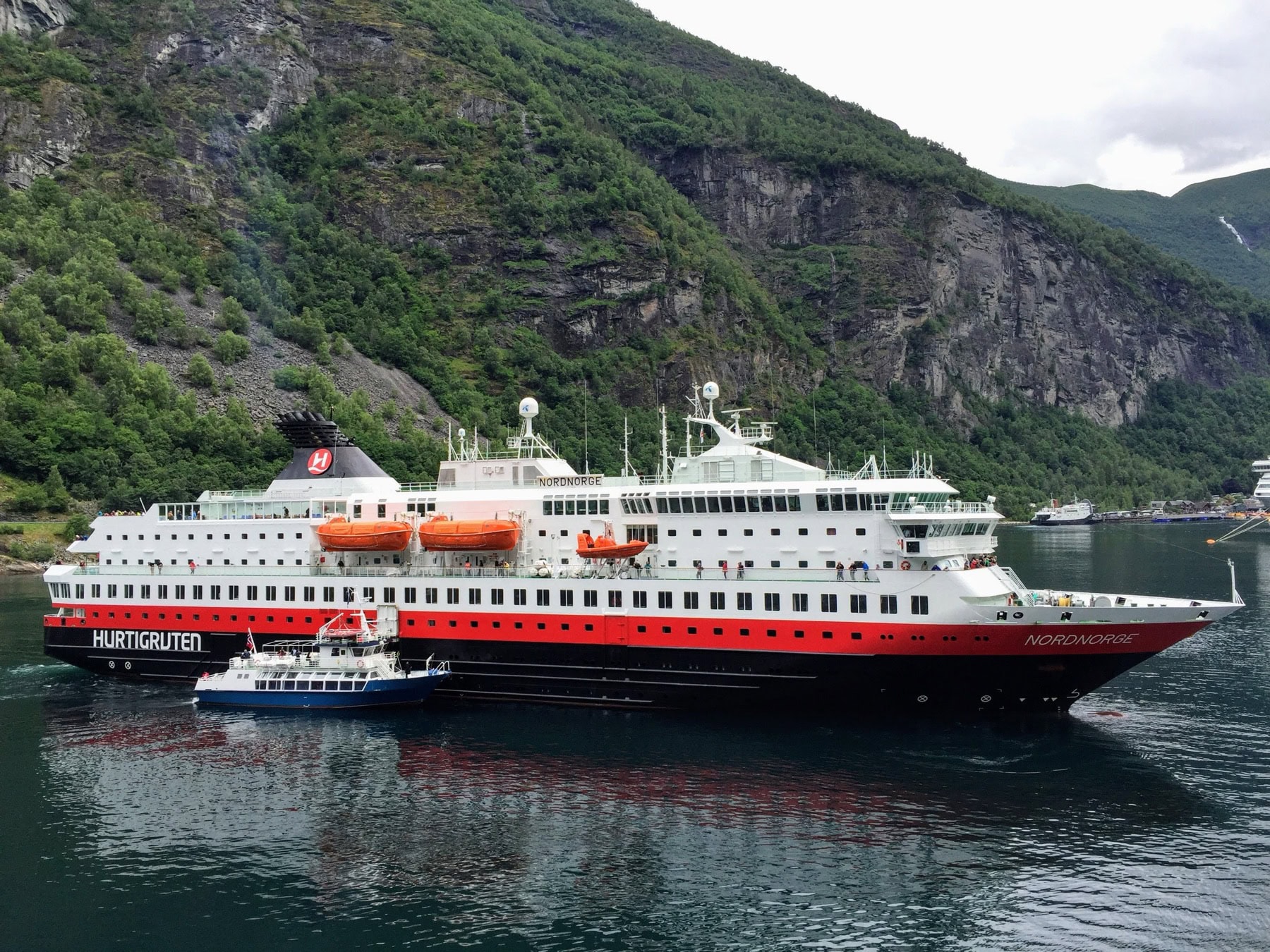
Norway is stunning from land, but it’s only from the deck of a ship that those enormous fjords and sheer cliffs take on a completely different perspective. By far the most iconic way to experience the Norwegian coast is the legendary Hurtigruten Norway voyage, which links the south with the far north. Along the way you’ll see remote fishing villages and jaw-dropping natural scenery you’d struggle to reach by land.
Originally this route worked mainly as a postal and supply line for remote regions, but over time it grew into a worldwide phenomenon. Today it’s a hugely popular travel destination offering an incredibly authentic glimpse of everyday life in the north. In this article we’ll break down exactly what to expect from the famous voyage from Bergen to Arctic Kirkenes and how to plan the whole trip as smoothly as possible.
We’ll take a detailed look at the best time to catch the northern lights or the midnight sun, how much the whole thing costs and what accommodation options you have on board. You’ll also learn why you don’t have to do the full seven-day route and how to pick just the most beautiful stretch by ship, so you can drive the rest of Norway comfortably at your own pace.
TL;DR
- The route: The classic coastal line runs from Bergen to Arctic Kirkenes, takes roughly 7 days one way and calls at 34 ports along the way.
- Best time to go: In winter travellers come for the magical northern lights and whales, while the summer months offer endless midnight sun and vivid green fjords.
- Competition: Besides the traditional Hurtigruten company, the same route is now sailed by the more modern Havila Voyages with brand-new hybrid ships.
- Flexibility: You don’t have to sail the whole route — the ships also work as a regular ferry between towns, ideal for a more affordable taster.
- Price: The full route costs roughly 10,000 to 20,000 NOK (about €880 to €1,760) per person depending on season and cabin.
- Extra experiences: On longer stops you can join organised excursions — a trip to the North Cape or a dog-sledding ride through snowy landscapes are popular.
The full destination guide: Norway — guide and what to see
When to go to Norway for the voyage
Choosing the right season completely shapes what you’ll see during the trip and the overall atmosphere on board. If you set off in the summer months from June to August, you’ll experience the famous midnight sun. Up north the days are endlessly long, nature glows in every shade of green, and you can sit on deck at midnight admiring the sunlit mountain peaks and the shimmering surface of the sea.
Winter voyages from November to March, on the other hand, are a huge draw for keen aurora hunters. Some cruises even offer an intriguing guarantee: if the aurora borealis doesn’t appear during your trip, you get another voyage completely free. The days are very short and polar night reigns in the far north, but the snowy coastal scenery and the real chance of spotting whales in the dark waters have enormous charm.
A great compromise can be spring or autumn, when you avoid the biggest crowds and cabin prices tend to be a little friendlier. In autumn nature turns a beautiful orange and you already have a decent chance of catching the nightly light shows, while in spring you can admire the melting snow on the peaks of the majestic fjords and the northern wilderness slowly waking up.
Where to stay before and after the voyage
💡 Tip for accommodation and experiences: We like to search for places to stay on Booking.com, which usually has the best cancellation terms. For tickets, tours and activities it’s worth comparing and buying through GetYourGuide.
Since the whole coastal route starts in southern Bergen and ends in far-flung Kirkenes near the Russian border, you’ll very likely need a night on land. It always pays to fly in a day or two early so you can explore the city at your leisure, soak up the atmosphere, and avoid the risk of watching your ship sail off before your eyes because of an unexpectedly delayed flight.
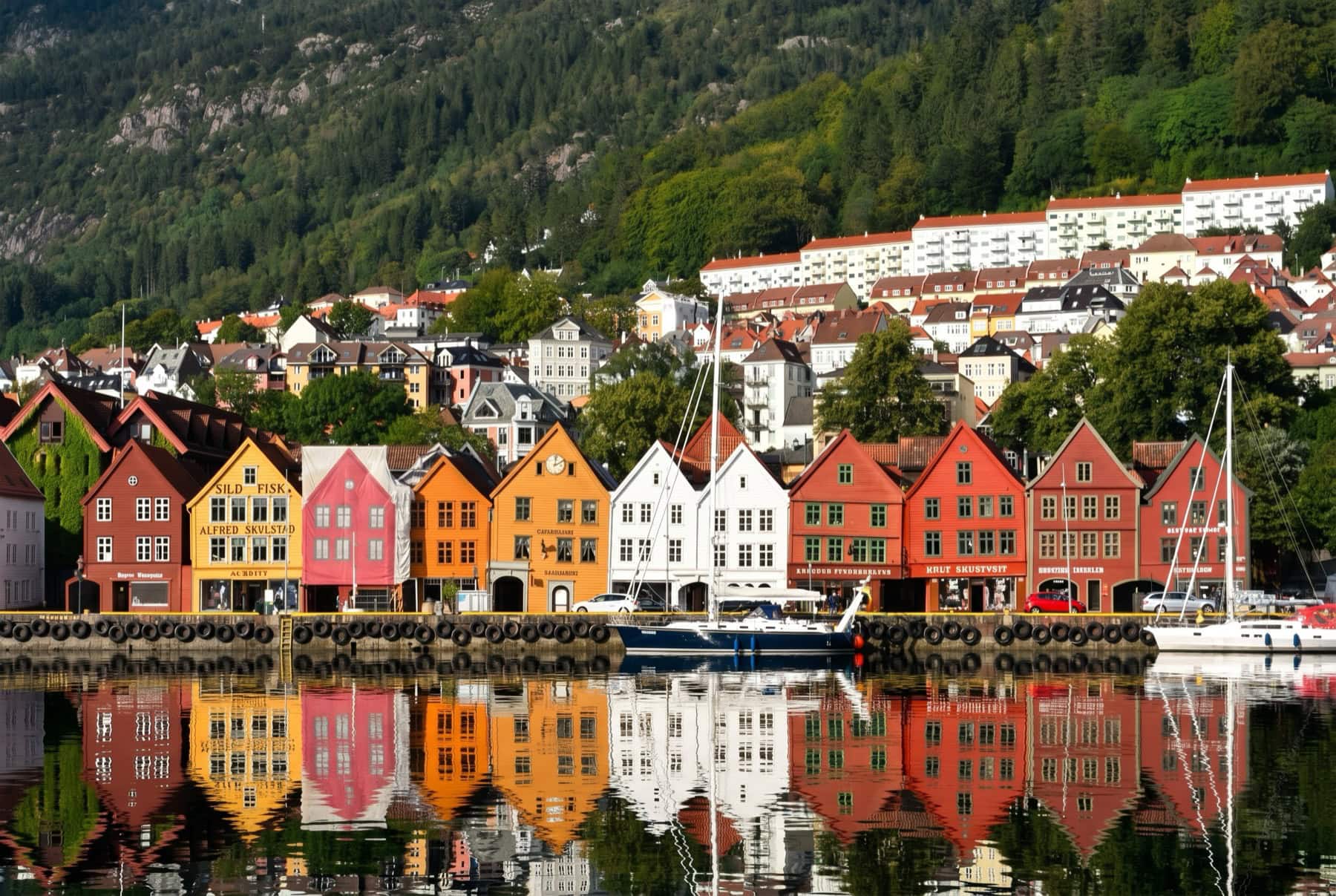
In Bergen, a great and practical choice is the Thon Hotel Orion, just a short walk from the historic wooden Bryggen quarter, with an absolutely phenomenal breakfast and a huge selection of everything. If you’re after something special and love beautiful historic buildings, try the more upscale Opus 16, a gorgeous boutique hotel right in the city centre, just a stone’s throw from the harbour.
At the opposite end of the route in Arctic Kirkenes, the obvious choice is the Thon Hotel Kirkenes, right by the water, so you can watch the ships arrive and the harbour bustle from the comfort of your room. For a truly unique winter experience, there’s the famous Snowhotel Kirkenes, where you can sleep in stylish cabins or try a night in the ice rooms — the perfect finale to a Nordic adventure.
What Hurtigruten is and what you’ll see along the way
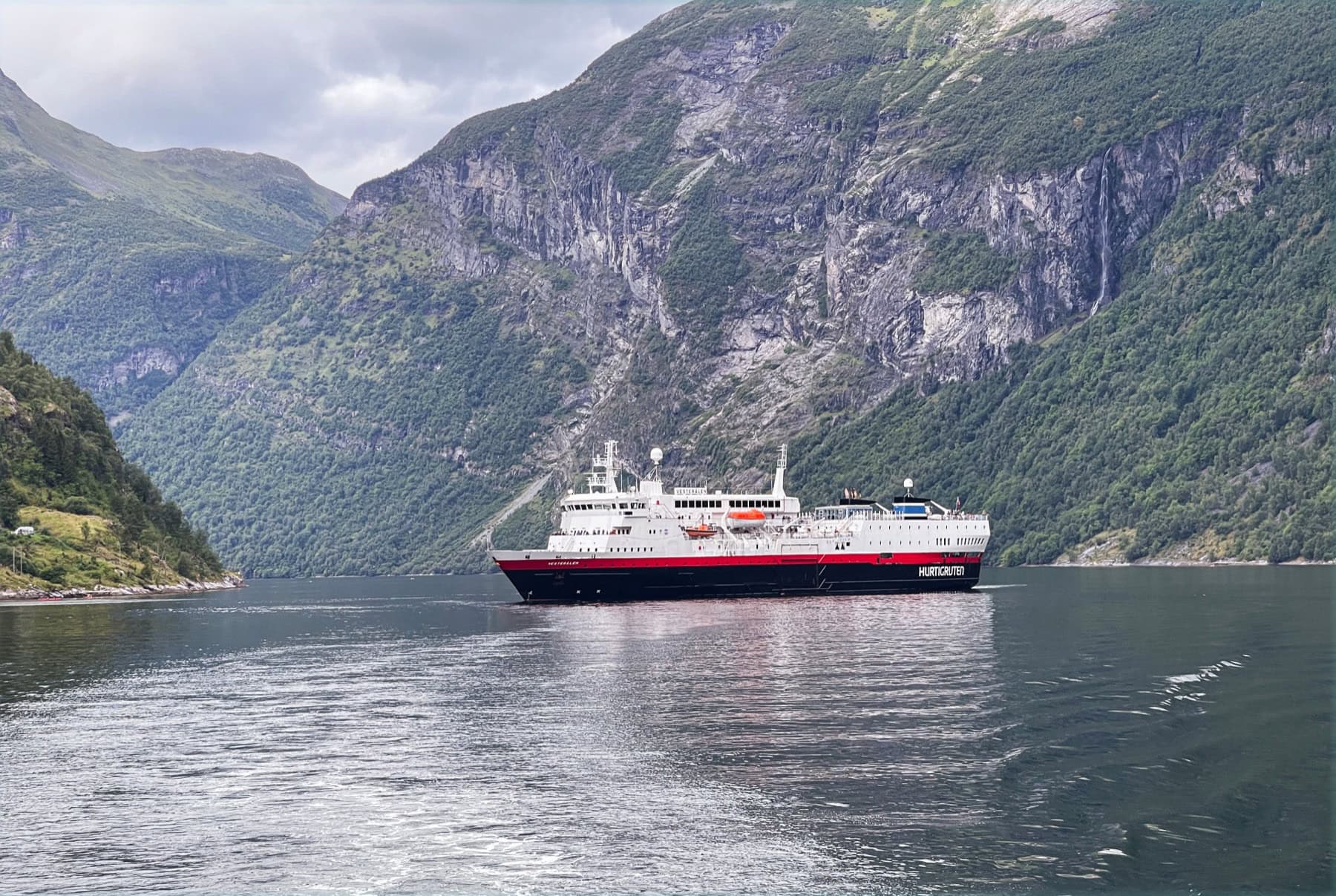
Let’s take a closer look at what this legendary line actually means in practice and what incredible scenery northern Europe has in store for you. The journey along the coast isn’t just about aimlessly sitting on deck — it’s above all about the constantly changing landscape and fascinating stops in towns big and small.
Over the course of the multi-day voyage you’ll pass thousands of tiny islands, weave through narrow straits and reach remote spots that no proper roads lead to. Be prepared to keep your camera in hand almost constantly, because the views from the outdoor deck are simply phenomenal in any weather.
1. What Hurtigruten is and how it works
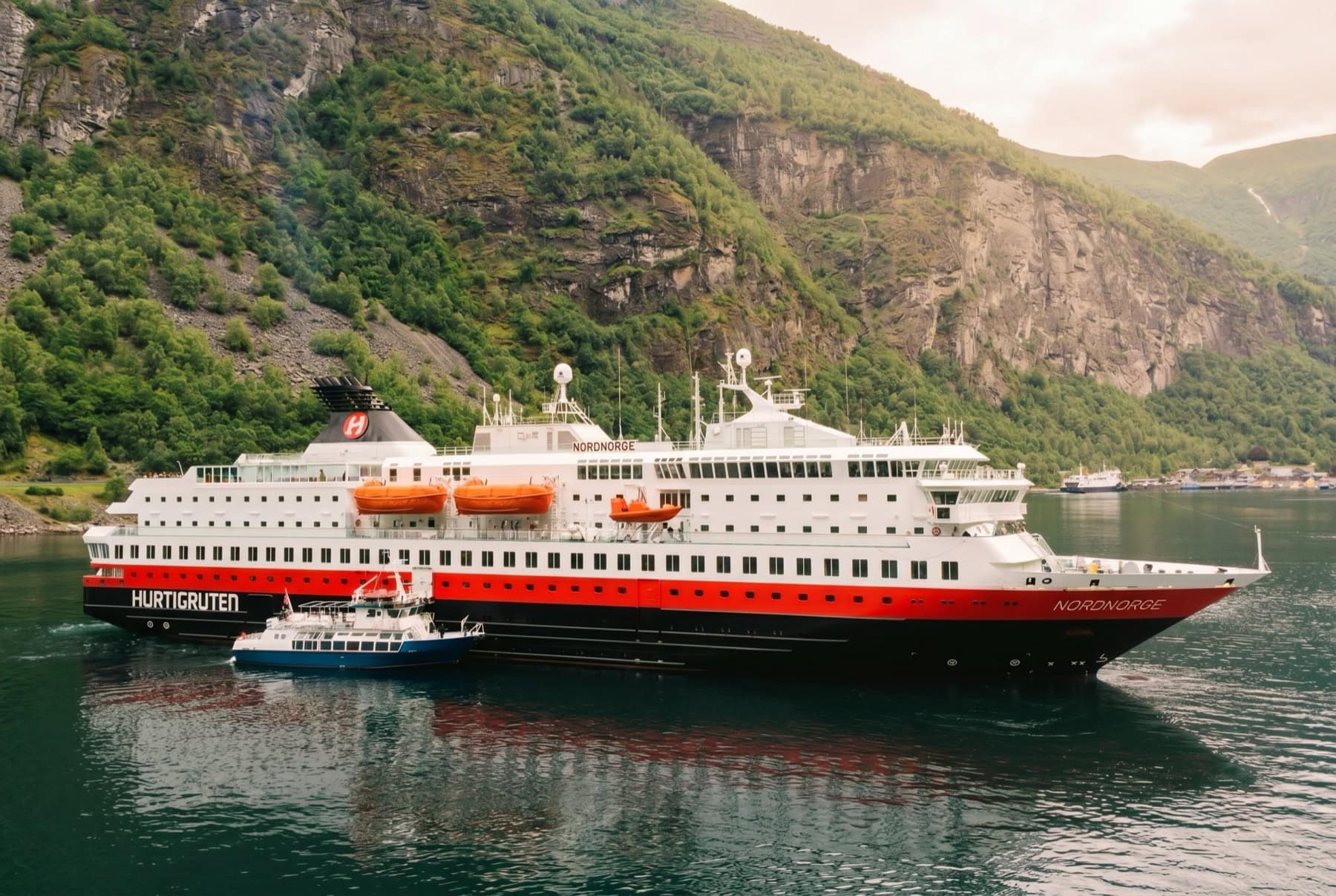
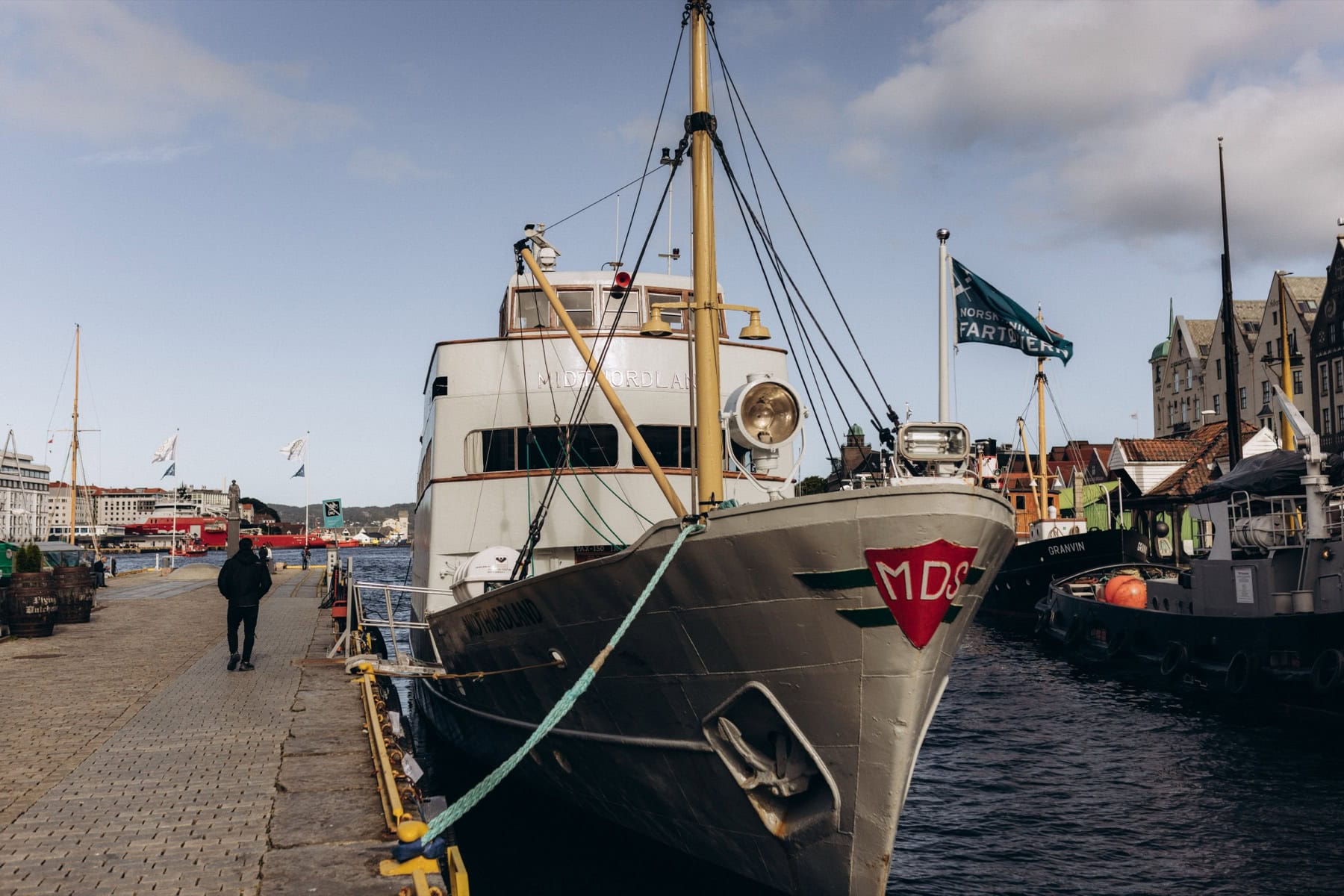
The history of this iconic coastal line dates back to 1893, when it began as a vital connection for remote Norwegian settlements along the endless coastline. Even today it’s not a classic giant cruise ship full of casinos and noisy water slides, but rather a floating village that regularly carries not only foreign tourists but also local residents and essential cargo for island communities. That gives the whole experience a huge dose of Nordic authenticity.
The classic route runs from southern Bergen all the way to Kirkenes and takes roughly 7 days one way, while the full round trip takes about twelve. The ship operates completely non-stop, so it calls at ports both day and night. The schedule is cleverly designed, though, so the captain tries to sail into the most interesting spots and larger towns at reasonable daytime hours, so you don’t miss out.
There’s an incredible 34 stops along the way, and their length varies enormously depending on the size of the town and the volume of cargo. In some places the ship docks for just fifteen minutes so workers on shore can quickly unload pallets of goods and postal staff grab fresh letters, while elsewhere you have several hours to head ashore in peace and properly explore the local sights.
2. The most beautiful stretches of the route
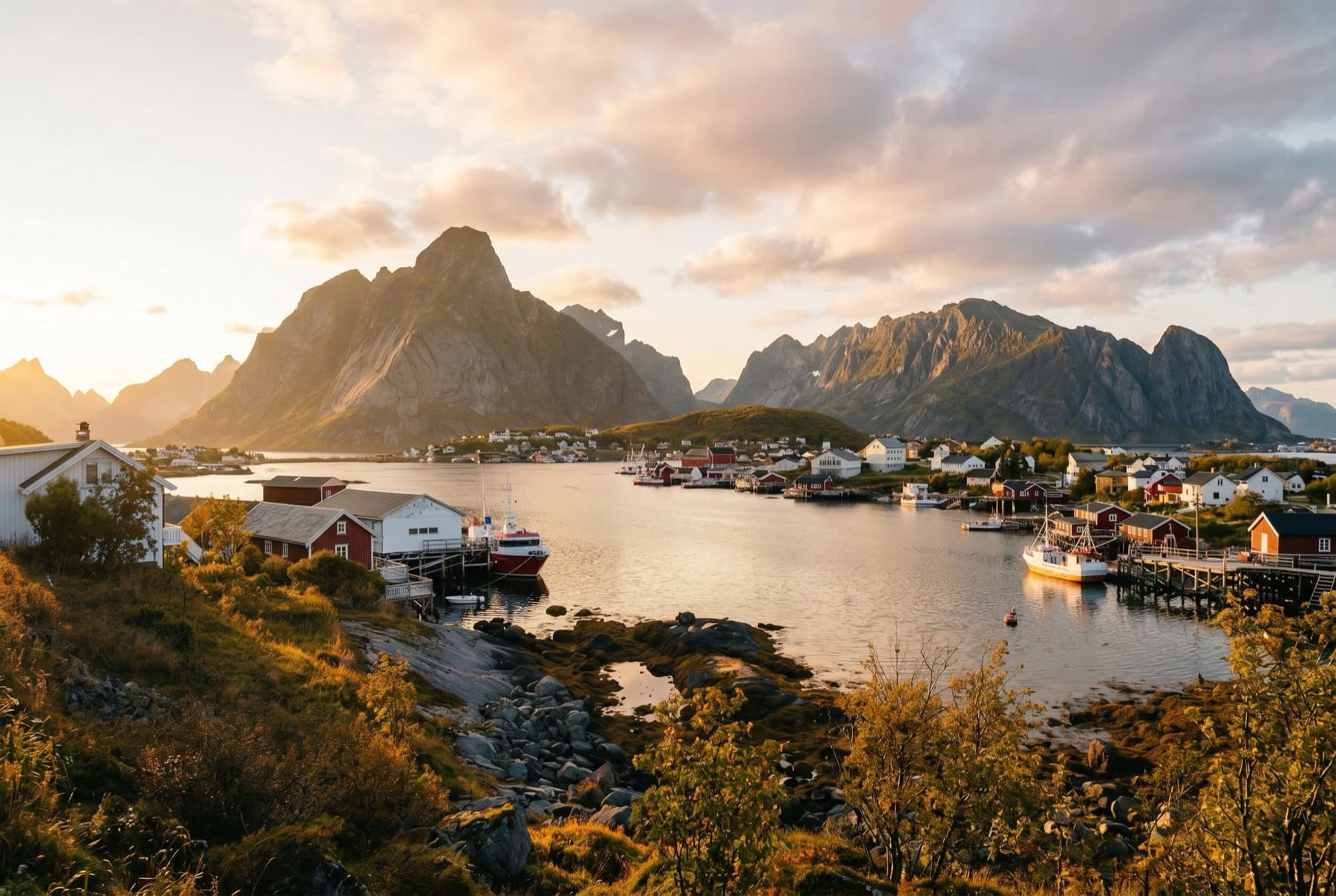
The landscape changes constantly and dramatically throughout the voyage, and each new day brings entirely different visual experiences. Among the absolute highlights of the whole trip is sailing through the narrow Trollfjord, where the steep rock walls are so close to the ship that you feel you could reach out and touch them from the deck. Here the captain has to show real mastery of ship handling to safely turn the enormous vessel in the fjord’s tight throat.
Another huge draw is sailing past the magical Lofoten and Vesterålen islands, whose sharp granite peaks rising straight out of the wild ocean look absolutely fantastic. This is exactly where the most iconic photos of the entire Norwegian voyage are taken, especially when the low evening sun catches the rock and the whole landscape takes on a golden hue.
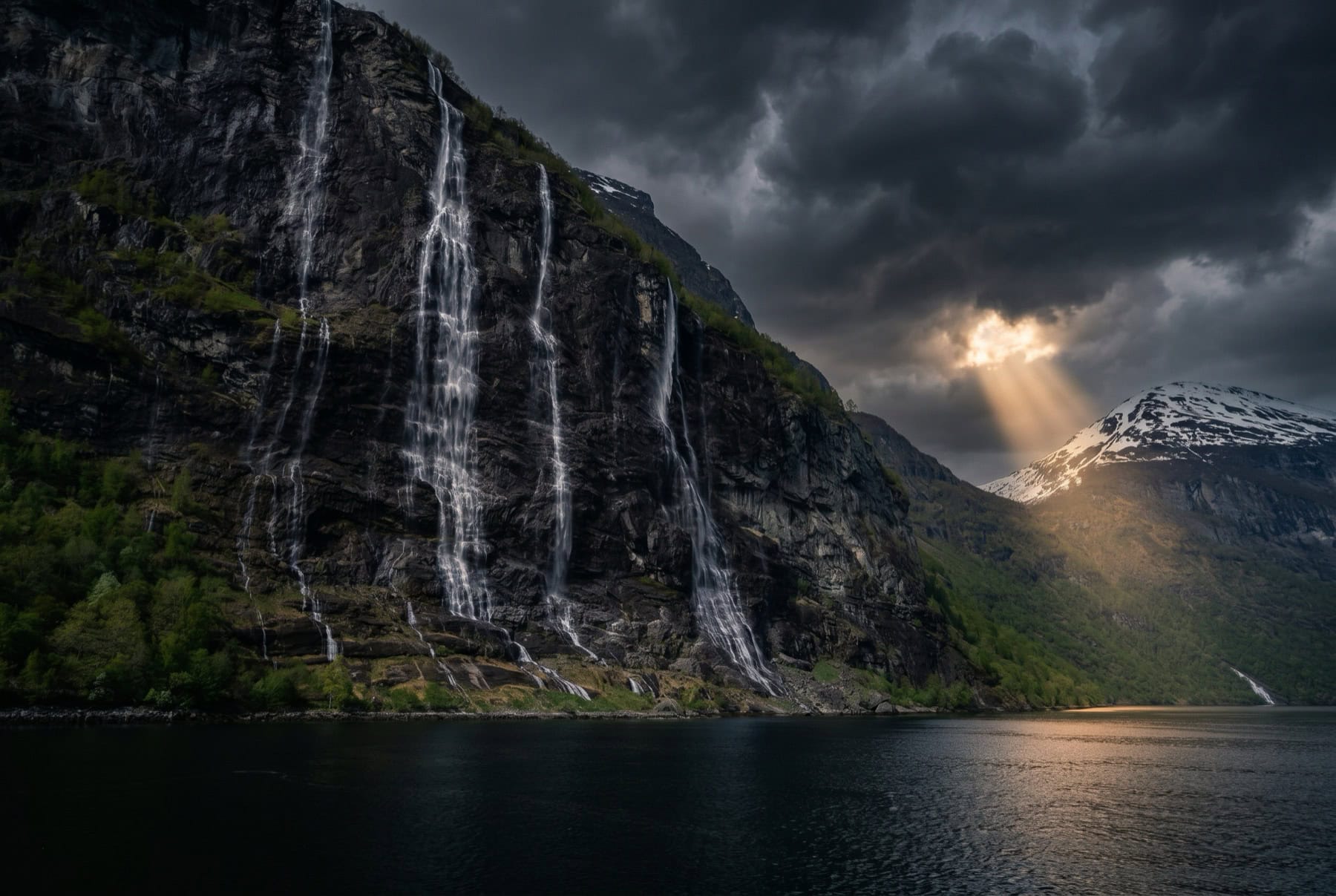
In the summer months some ships make a special scenic detour into the famous Geirangerfjord, a UNESCO-listed wonder boasting gorgeous thundering waterfalls. In the far north you’ll surely be blown away by the harsh, barren landscape around the North Cape and the Helgeland islands with their mystical mountains, like the legendary Seven Sisters range or Torghatten mountain with its famous hole right through the middle of the hill.
3. Port stops and shore excursions
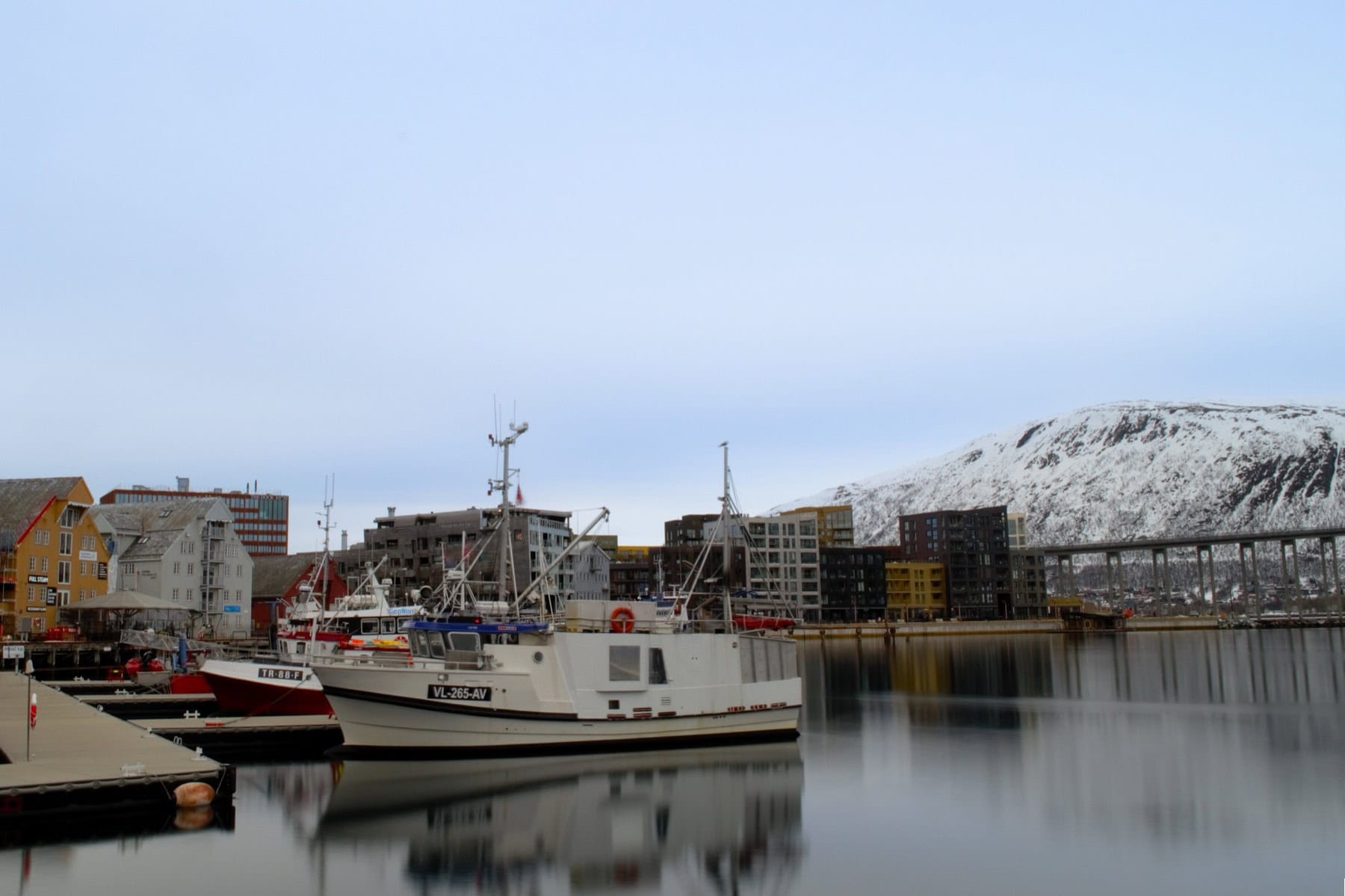
Because the ship docks for several hours in bigger towns, you have a perfect opportunity to head out and properly explore the surroundings. In historic Trondheim you can comfortably walk to the stunning Nidaros Cathedral, the most important religious building in the country, while in Arctic Tromsø you can stroll the lively centre and visit the fascinating polar museum. In these ports the ship usually stays for a whole morning or afternoon.
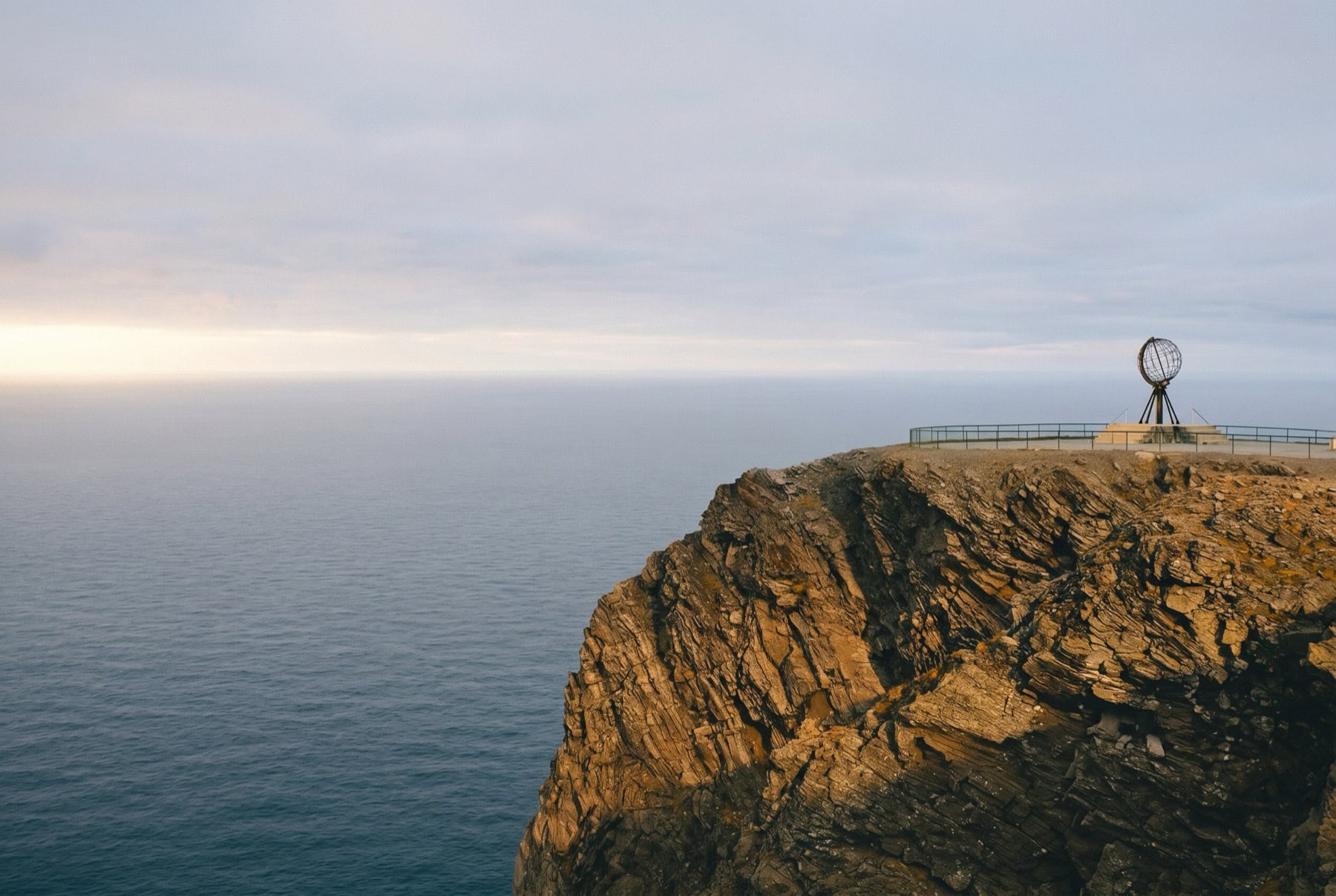
The company also offers a very wide range of organised excursions you can add to your voyage and simply be pampered. Very popular are the midnight concert in the Arctic Cathedral, a bus trip to Europe’s northernmost point, the North Cape, from the port of Honningsvåg, or an adrenaline-fuelled dog-sledding ride through the snowy wilderness. These activities tend to be quite pricey, but the organisation is top-notch and the ship always reliably waits for you.
💡 Tip: If you want to save money and be more flexible, you can book many of the port activities independently in advance, for example through the popular GetYourGuide platform. Just always keep a very close eye on the exact departure time, because once the mighty ship’s horn sounds, the captain waits for no one and you’d have a tricky time catching up with the rest of the route by land, at your own expense.
4. Winter aurora vs. summer midnight sun
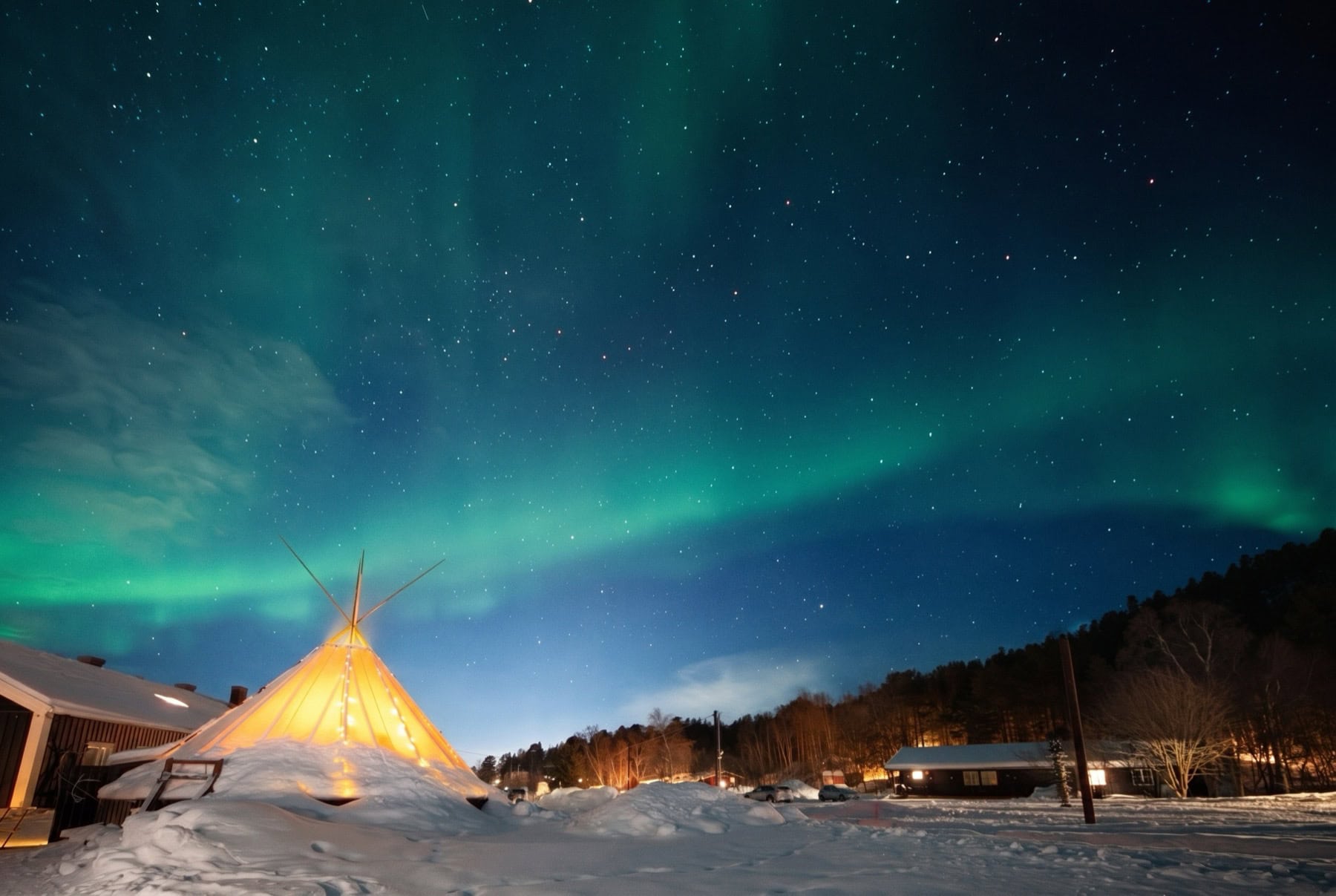
The experience of the coastal voyage differs radically depending on the season you choose for your trip to Scandinavia. Winter voyages have a huge advantage in that the ship sails far from the light pollution of big cities, giving you absolutely ideal dark conditions for watching the northern lights. What’s more, at night the captain announces sightings over the intercom straight into the cabins, so you definitely won’t miss anything important.
On the other hand, you have to reckon with polar night in the far north above the Arctic Circle, where the sun doesn’t rise above the horizon at all. Natural light is only available for a few hours in the form of a kind of mystical twilight. There’s also often a very strong wind, it’s properly freezing on deck and the sea can be quite rough — but that’s a fair price to pay for the gorgeously snowy Arctic landscape.
In summer it’s a completely different story and the atmosphere is noticeably more relaxed. The midnight sun means you can sit outside with a glass of wine at two in the morning and admire perfectly clear views of the green hills. The days are long, temperatures are usually quite pleasant and you have plenty of energy for all those coastal excursions — though you can obviously forget about the northern lights during this period.

Practical info: cabins, prices and booking
Before you excitedly buy your tickets and start packing warm jumpers, it’s worth getting your bearings on the practicalities of booking. You’ll discover that it’s no longer just one company running the route, and that the full seven-day voyage is far from the only way to fully enjoy Norway’s dramatic fjords from the deck.
We’ll take a detailed look at exactly how dining works on board, how much the whole thing costs and why you should seriously consider the intriguing combination of a shorter voyage with a classic road trip on land.
5. Hurtigruten vs. Havila Voyages
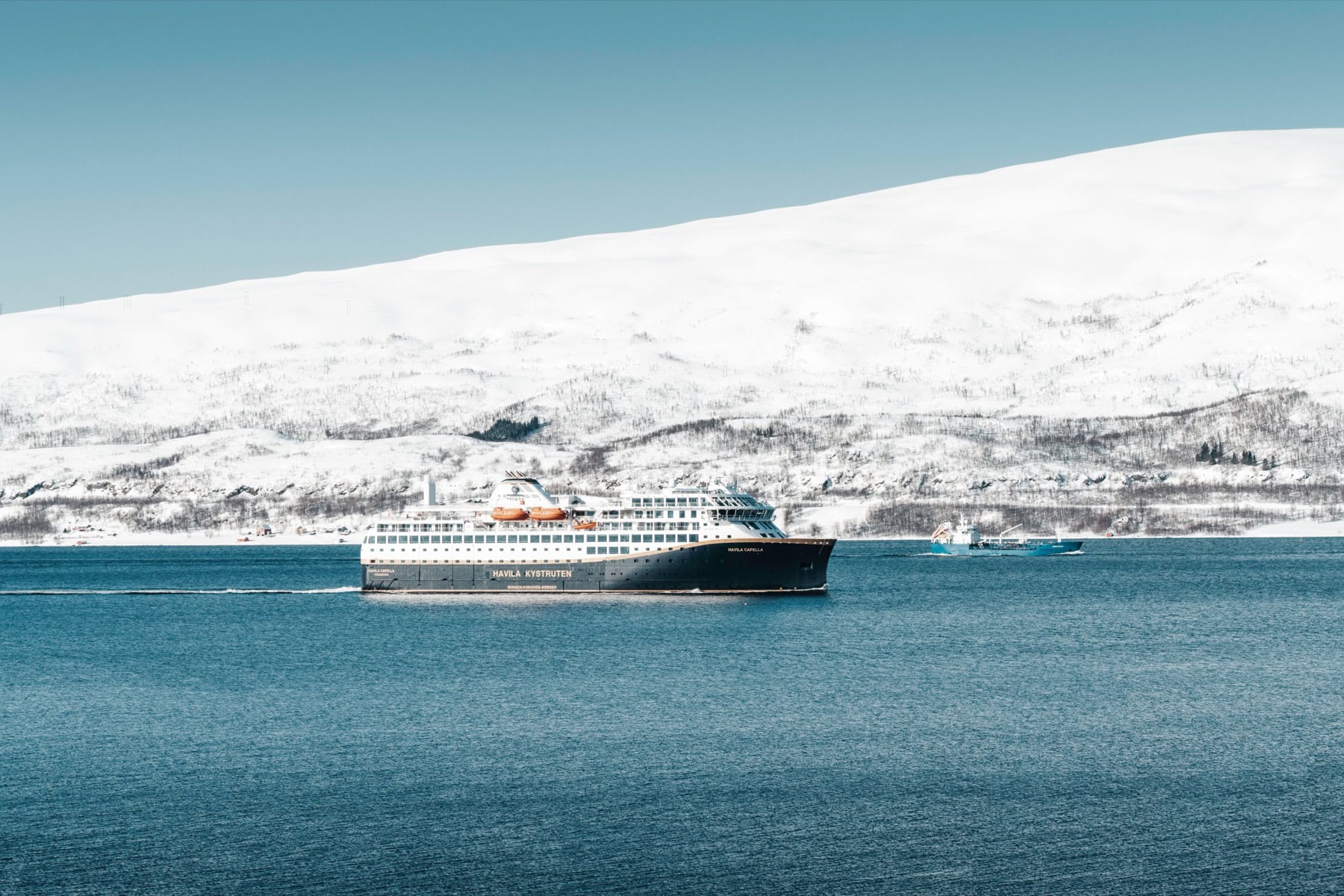
For decades the traditional Hurtigruten company held an exclusive monopoly on this coastal line, but since 2021 it has faced some very capable competition. The same route with exactly the same port stops is now also sailed by Havila Voyages, which is great news for travellers and for healthy competition. Incidentally, both companies receive state subsidies for operating this important transport artery.
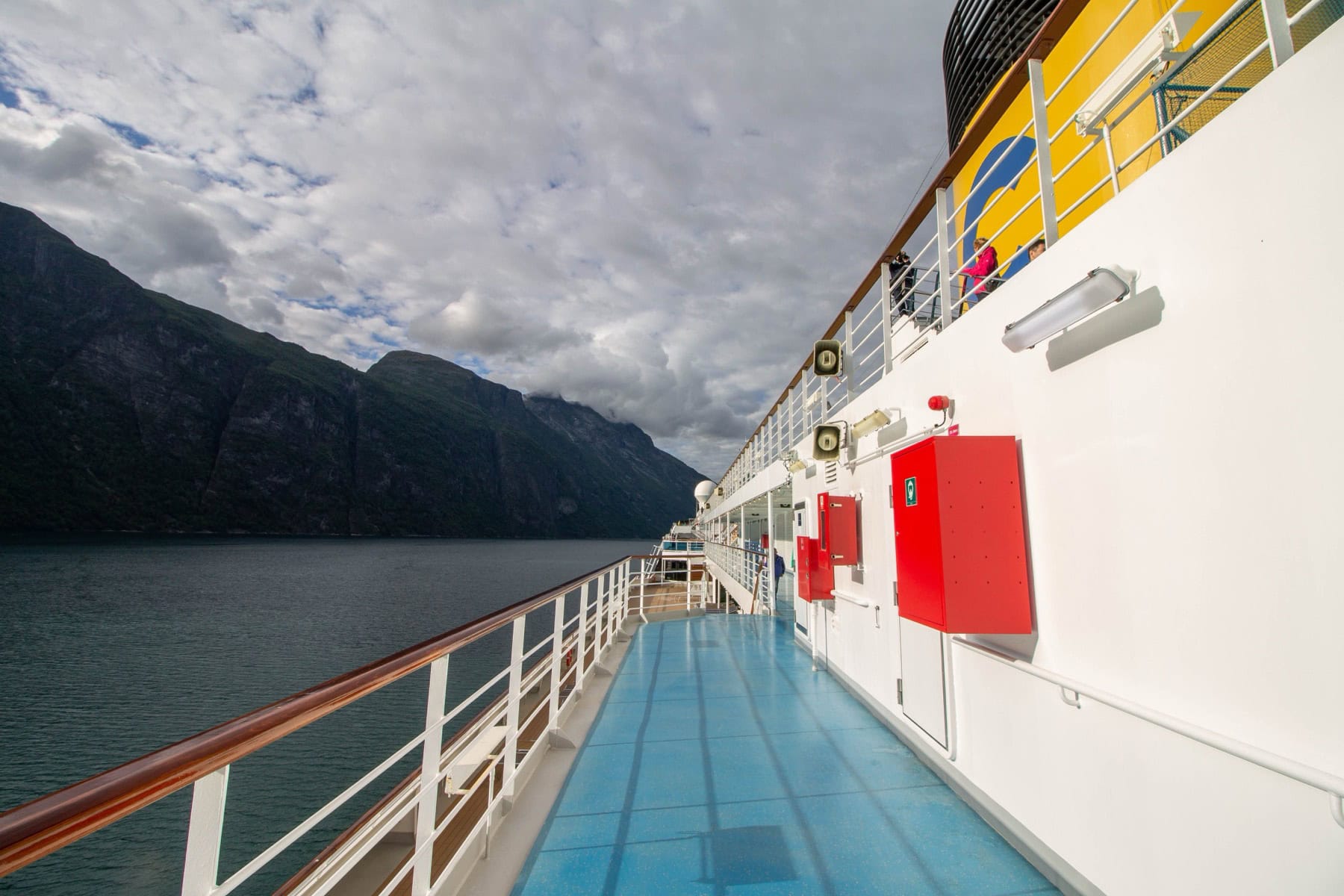
While the traditional Hurtigruten offers a fleet of tried-and-tested ships with that pleasant classic maritime character and often an experienced expedition team on board, Havila has come out with brand-new hybrid vessels. These modern ships can sail for several hours purely on huge batteries, which means that in the most precious fjords you’ll experience total silence with no unpleasant vibrations or smoke from the funnels.
Choosing between the two operators is mainly a matter of your personal preferences and the current prices. If you’re after the most modern design, more spacious standard cabins and a greener approach to nature, go for Havila with a clear conscience. If, on the other hand, you prefer the established classic with huge tradition and a wider range of add-on programmes, the traditional company will be the better choice for you.
6. Cabins, food on board and prices
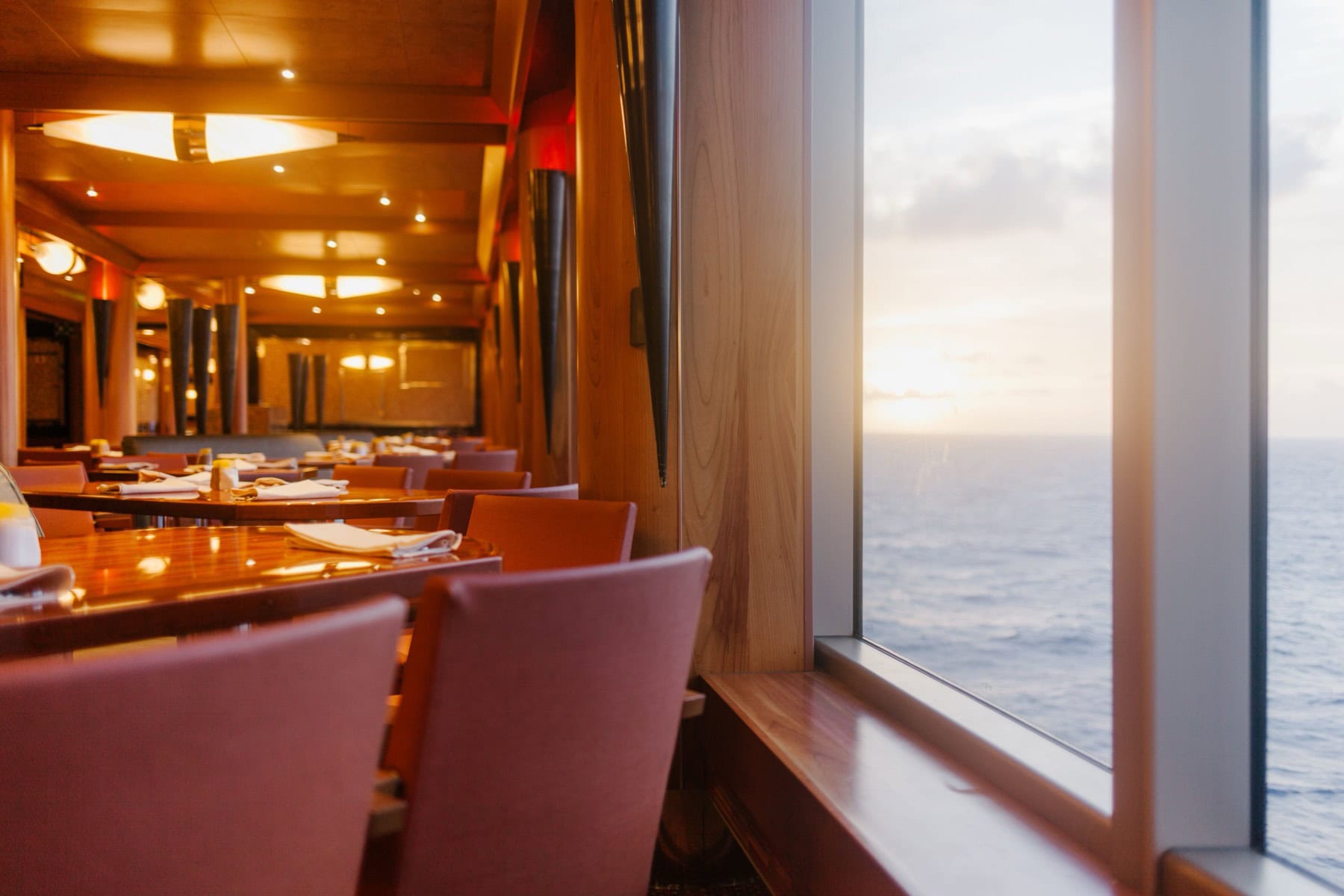
You can choose your accommodation on board exactly to suit your budget and needs, from the simplest inside cabins without windows to luxury suites with a balcony and hot tub. Even the cheapest available cabins are always perfectly clean, comfortable and fitted with their own small bathroom. Since you’ll spend most of your time out on deck or in the glass-walled panoramic lounges anyway, a window in the cabin isn’t a must if you want to save money.
The food on board is a huge culinary experience for all the senses. Both companies’ concept is built around using local ingredients straight from the regions you’re currently sailing through. The ships offer excellent vegetarian choices packed with fresh vegetables, great cheeses and pulses, and they handle various diets very well — you just need to let them know in advance. The local meat and fish dishes Norway is famous for are there for those who specifically want them.
As for the overall budget, you simply have to accept that Norway isn’t cheap, and sailing along it even less so. For the complete seven-day route from Bergen to Kirkenes you’ll pay, depending on season and cabin, roughly 10,000 to 20,000 NOK (about €880 to €1,760) per person. This base price usually includes full board, but you’ll pay handsomely on top for alcoholic drinks and organised excursions.
7. The full route vs. just one stretch
Most foreign tourists automatically buy the complete seven- or even twelve-day package, but few people know it isn’t compulsory at all. The ships work primarily as reliable public transport for locals, so you can buy a ticket for just any shorter stretch between any two ports. That’s an absolutely brilliant way to save significantly while still not missing out on this amazing experience.
You could, for example, board in Tromsø and spend just a single night on the ship on the way to Honningsvåg, from where you can comfortably head to the North Cape. Or pay for just a short daytime voyage through the majestic Trollfjord and disembark in the evening in Lofoten, where you’ll continue on your own. It’s simply the ideal taster for those on a limited budget or prone to seasickness who don’t fancy spending a whole long week on the waves.
When buying a ticket for just a selected stretch, you also have the option to travel without a cabin if you’re only sailing during the day, which brings the price down to an absolute minimum. You pay only for the transport itself along the coast, and you can either bring your own food in your bag or grab a bite in the onboard bistro with a view.
8. The coast by car vs. by ship
When planning your dream Norwegian holiday you’ll definitely run into a fundamental dilemma: whether to explore the stunning coast from the deck of a ship, or rather hire a car and set off on an independent road trip. Both options certainly have their appeal. Travelling by ship is incredibly comfortable — you don’t have to deal with ferries across fjords, the daily hunt for accommodation, or dangerous fatigue behind the wheel. You just sit, drink coffee and take in the views.
On the other hand, your own car gives you absolute freedom and flexibility in planning. You can stop spontaneously at every pretty waterfall, head out on a full-day hike into the mountains and stay overnight in a remote, charming campsite. From a huge ship you’ll only reach long mountain treks with great difficulty, because the port stops are simply too short for a proper hike.
The best possible solution is often a smart compromise. You can drive southern and central Norway along the scenic roads, then return the car in Trondheim or Tromsø and cover the rest of the journey north by ship in complete peace. In these harsh Arctic regions the roads are often very time-consuming and hard to drive in winter, so the ship is simply the best possible choice here.
Where to go next from Norway and what to read
If you’re planning a big Nordic trip, you’ll definitely find some further practical information useful to help you decide. Get inspired by our detailed guides and plan the holiday of your dreams exactly the way you imagine it.
- For an overall overview of the country, check out our article Norway: 50 tips on what to see.
- If you’re drawn to dramatic scenery, read our Norwegian Fjords — guide.
- For planning a stop in the north, our article What to see in Lofoten (the big guide) will come in handy.
- And if your journey starts in the south, don’t forget to explore Bergen: what to see.
Frequently asked questions
How much does a Hurtigruten cruise cost?
The price for the complete seven-day route from Bergen to Kirkenes ranges roughly from 10,000 to 20,000 NOK (approx. €880 to €1,760) per person. It mainly depends on the season, how far in advance you book, and your choice of a specific cabin. If you want to save money, you can buy a ticket for just a shorter stretch between towns.
How long does the entire cruise take?
The classic one-way route along the entire western coast from Bergen in the south to arctic Kirkenes takes approximately 7 days. If you happen to want to do the complete round trip there and back, it will take you about 12 days, with the ship stopping at ports at completely different times on the way back.
Is it better to choose Hurtigruten or Havila Voyages?
Both shipping companies offer a fantastic experience and sail along exactly the same route. Hurtigruten is more traditional and has a larger selection of ships, including those that are specifically expedition vessels. Havila, on the other hand, has brand new hybrid ships that are quieter on board, more modern overall, and somewhat more eco-friendly.
When is the best time for a cruise?
It depends purely on what you want to see in the sky. For sun-drenched green fjords and the famous midnight sun, head to Scandinavia in summer between June and August. If your big dream is a snow-covered landscape and witnessing the magical Northern Lights, the winter months from November to March will be ideal for you.
Can you take the boat for just a shorter stretch?
Yes, both companies operate as regular coastal lines, so you can absolutely buy a ticket just like a ferry between selected ports without any problem. It’s an excellent and much more affordable taster for those who simply don’t want to spend a whole long week on the water.
Is this a classic luxury cruise?
Definitely not, it’s more of an incredibly comfortable transport route that naturally mixes foreign tourists, local residents, and postal and cargo transport. You won’t find flashing casinos, giant water slides, or evening cabarets here. The luxury lies exclusively in the incredible views, fantastic local food, and absolute tranquility.
What will you see along the way?
The Nordic coastal landscape is incredibly diverse and photogenic. Among the greatest highlights are the dramatic passage through the narrow Trollfjord, the fairytale islands of Lofoten and Vesterålen, the rugged cliff of Nordkapp, or the mystical mountains of Helgeland. In the summer months, some ships even venture into the famous Geirangerfjord.
Tips and Tricks for Your Vacation
Don’t Overpay for Flights
Search for flights on Kayak. It’s our favorite search engine because it scans the websites of all airlines and always finds the cheapest connection.
Book Your Accommodation Smartly
The best experiences we’ve had when looking for accommodation (from Alaska to Morocco) are with Booking.com, where hotels, apartments, and entire houses are usually the cheapest and most widely available.
 🚗 Car rental on the roadVerified rental cars in Norway
Search with the DiscoverCars comparison engine — it compares prices from dozens of local and international rental companies, and most bookings come with free cancellation.
Compare car prices in Norway →Don’t Forget Travel Insurance
Good travel insurance will protect you against illness, accidents, theft, or flight cancellations. We’ve had a few hospital visits abroad, so we know how important it is to have proper insurance arranged.
Where we insure ourselves: SafetyWing (simple monthly subscription) and TrueTraveller (for extra-long trips).
Find the Best Experiences
Get Your Guide is a huge online marketplace where you can book guided walks, trips, skip-the-line tickets, tours, and much more. We always find some extra fun there!