

Mention a Scandinavian holiday and most travellers picture not only stunning fjords but also a slightly terrifying idea of the prices. Norway simply doesn’t have a reputation as a budget destination, and stories about an ordinary beer costing the better part of a tenner are enough to put plenty of people off the trip entirely. The truth is, though, that with a bit of planning this northern adventure doesn’t have to mean personal bankruptcy. Let’s take a look at how much a trip to Norway actually costs, what the current prices look like, and which tricks will help you save without missing out on the best bits.
TL;DR
- Preparation is key: Norway is one of the most expensive countries in Europe, but thanks to free wild camping and cooking your own meals, you can cut costs dramatically.
- Restaurants vs. cooking: A main course in a restaurant will set you back 250 to 350 NOK (roughly £18 to £25), while shopping at budget supermarkets like Kiwi or Rema 1000 will save your budget.
- Alcohol is a luxury: Wine and spirits can only be bought in the state-run Vinmonopolet shops; in a normal shop you’ll only find weak beer up to 4.7% alcohol (around 100 to 130 NOK in a pub).
- Transport and accommodation: Petrol runs at around 21 to 24 NOK per litre, and cabins at campsites (hytte) can be found from 200 to 500 NOK per night.
- Water is free: Never buy bottled water — tap water and mountain spring water is drinkable, incredibly delicious and completely free.
- Card payments: You’ll barely use cash in Norway — you can comfortably pay by card or Apple Pay almost everywhere.
- Weekly budget: Travelling modestly as a couple with a car, a week works out at roughly £900 to £1,250 per person, excluding flights.
The full destination guide: Norway — guide and what to see
8 Things You Should Know About Prices in Norway
Getting your head around Norwegian price tags takes a moment, because the numbers don’t look so frightening at first glance — until you start multiplying them by the exchange rate (currently reckon on roughly £0.073 per 1 NOK). I’ve put together a detailed overview of the most important things you should know before your trip, so you won’t get an unpleasant surprise once you’re there.
1. Why Norway Is Actually So Expensive
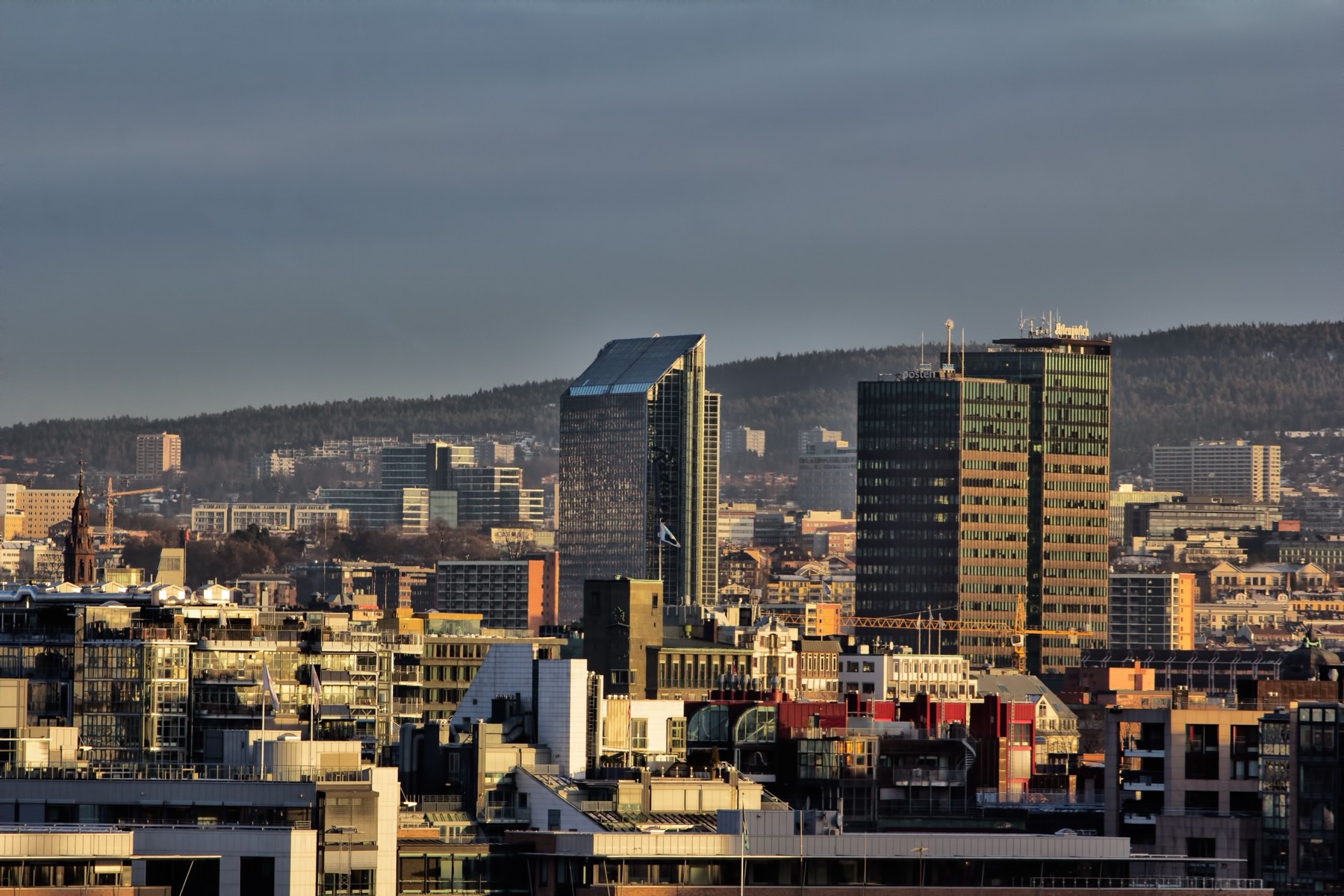
The high prices in Norway aren’t aimed at tourists — they logically reflect the enormous standard of living of the locals. Norwegians have some of the highest average wages in the world, which naturally feeds through into the cost of every service, job and product. When you go to a restaurant, you’re paying above all for the staff’s time and labour, which is simply very expensive.
Another factor is high taxes and the country’s remoteness. Because of the harsh climate, farming here doesn’t operate on the same scale as in central Europe, so a huge amount of food has to be imported. VAT and special excise duties then send the prices of sugar and all alcoholic drinks sky-high.
You’ll feel this price shock most acutely the moment you want to sit down in a café or for dinner. On the other hand, you’ll notice that some basic groceries in supermarkets, or ferry fares, are actually set quite reasonably given the local wages. If you learn to function at least partly like a local, you’ll find it’s perfectly manageable.
💡 Tip: Try not to compare every item with prices back home. It’ll only spoil your mood. Accept it as a fact and focus instead on where you can save smartly and sensibly.
2. Food and Drink Prices in Restaurants
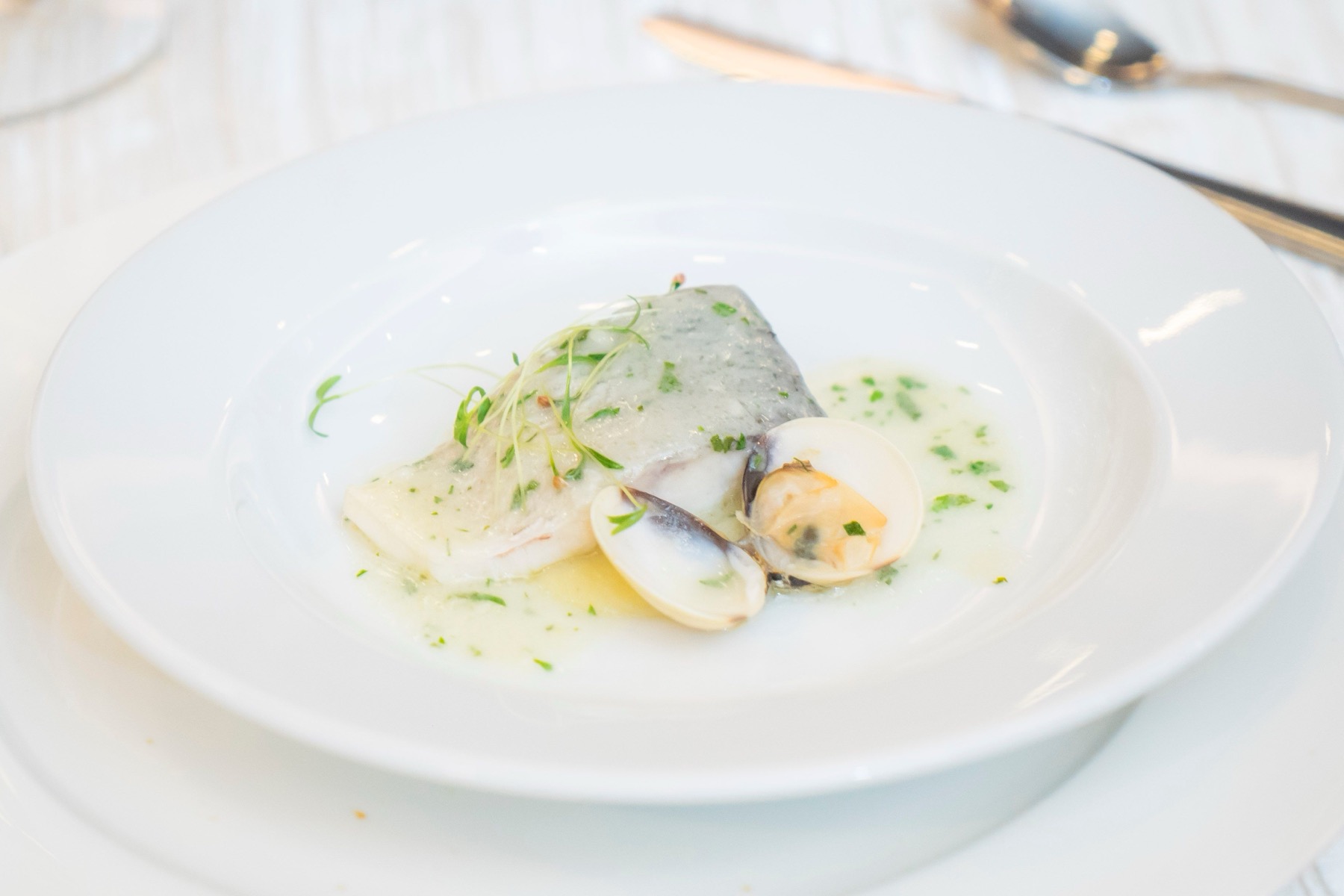
Eating out is considered a real event and a luxury in Norway, and the price tags reflect that perfectly. For an ordinary pint in a pub or bar you’ll pay 100 to 130 NOK (roughly £7 to £9.50). If you’re a coffee lover, reckon on an average cappuccino or flat white costing you 45 to 60 NOK. These amounts add up incredibly fast.
When you head out for a classic lunch or dinner, an average main course in an ordinary restaurant costs between 250 and 350 NOK. And we’re talking about normal places here, nothing Michelin-starred. You’ll often come across vegetarian dishes, which tend to be a slightly cheaper option than the traditional fare, but they still make a noticeable dent in the budget.
If hunger strikes on the road and you don’t fancy sitting in a restaurant, fast food will save you. A classic hot dog at a petrol station or a quick fast-food meal usually costs 60 to 90 NOK. It’s still a fair bit, but as an emergency solution in the middle of a long drive between fjords it works brilliantly.
💡 Tip: In many cafés and restaurants you’ll find a coffee thermos by the water station. In some places you can refill your purchased cup for free or for a small charge (the so-called påtår).
3. Grocery Shopping and Cooking as a Survival Basic
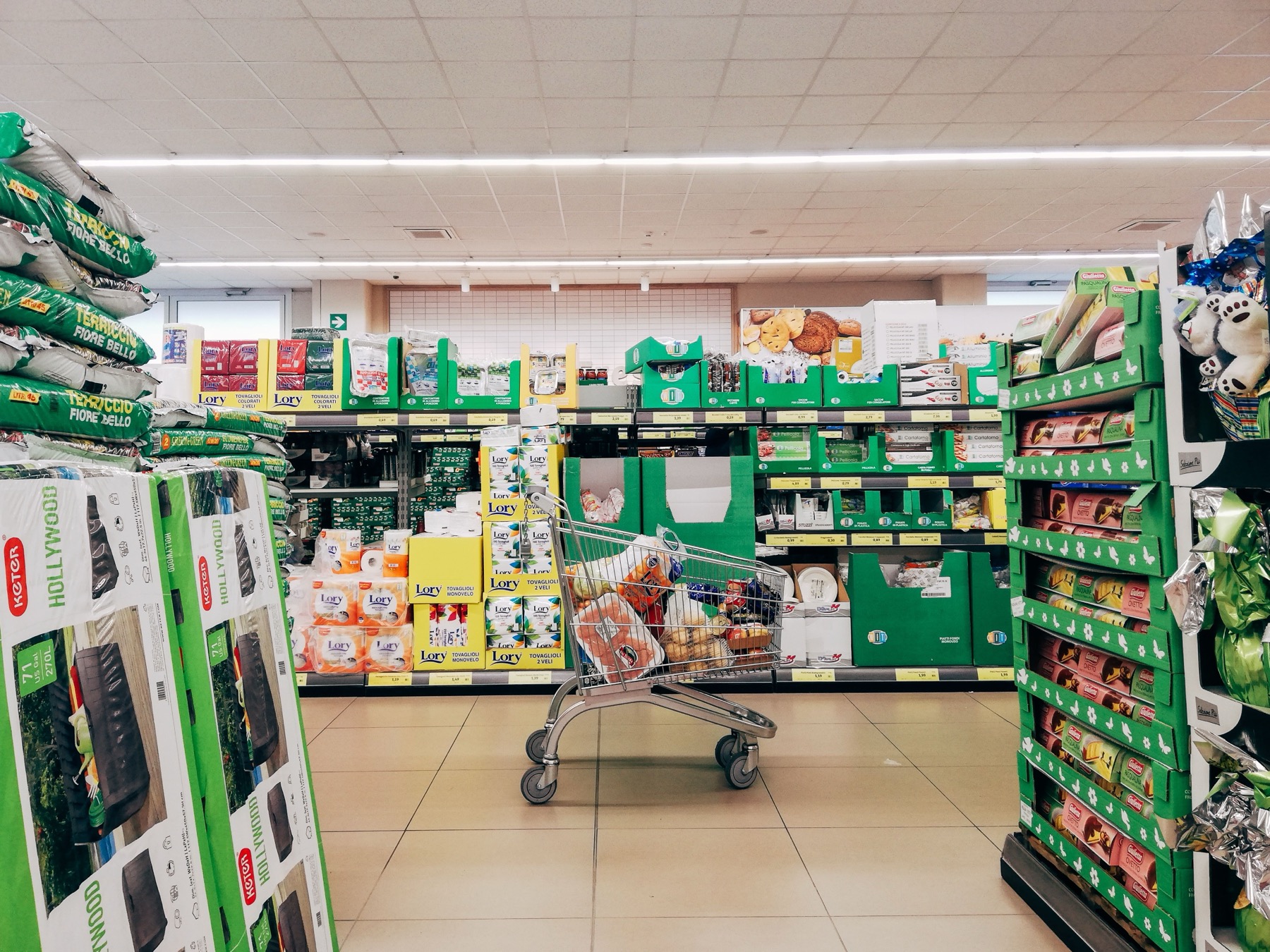
The secret to an affordable holiday in Norway lies in the supermarkets. If you want to save, your best friends will be discount chains like Kiwi, Rema 1000 and Coop Extra. Here you’ll find a wide range of all the basics, great bread and plenty of ready meals at prices that, while a touch higher than back home, are perfectly acceptable.
By contrast, steer well clear of smaller shops and convenience stores like Joker or Narvesen. These tend to stay open late into the night and sometimes even on Sundays, but you’ll pay a markup of tens of percent. Save the lovely local markets for the experience and the visual feast — buying ingredients for everyday cooking there would cost you a small fortune.
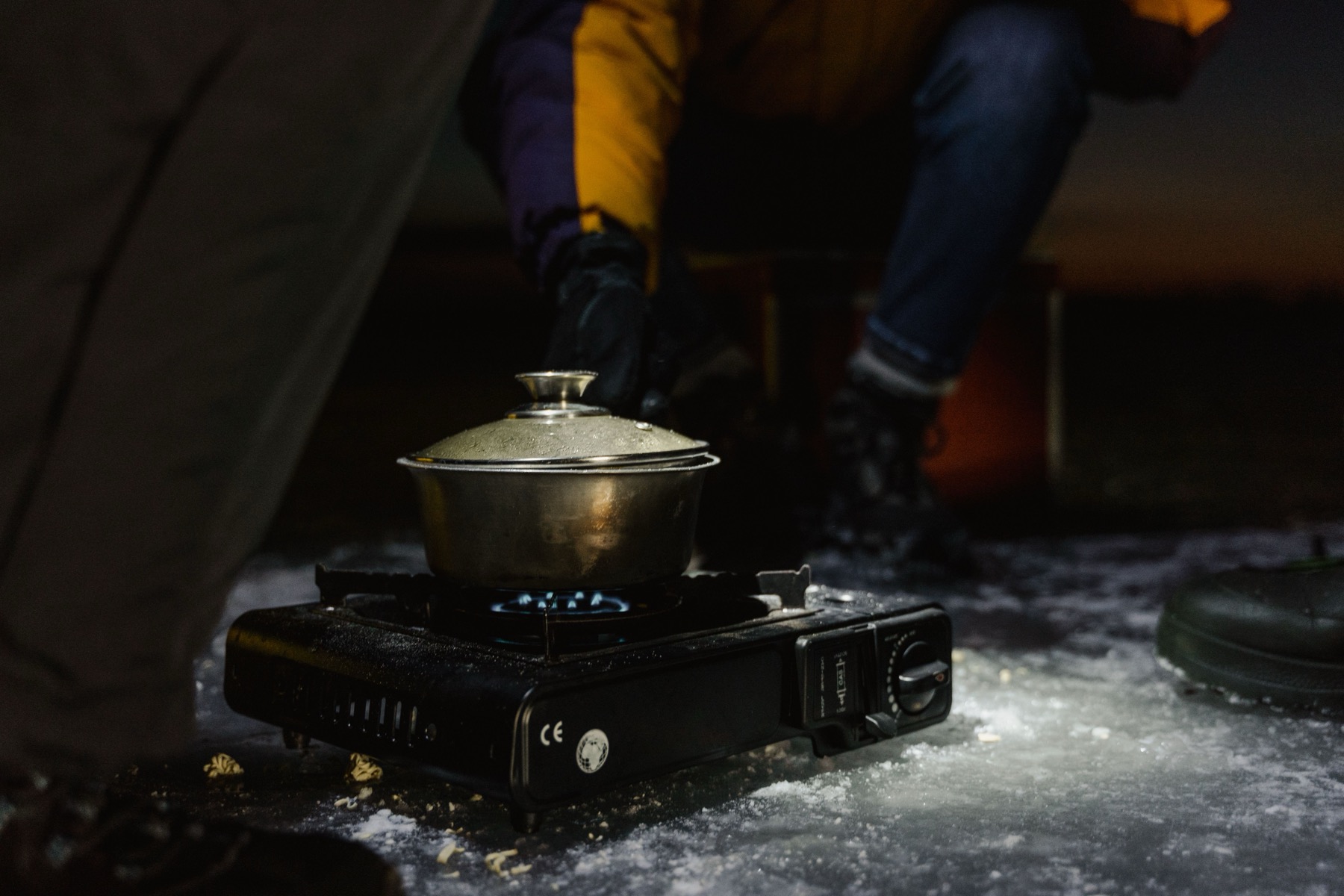
You’ll achieve the biggest savings by cooking for yourself. Most campsites have fully equipped shared kitchens, and if you rent a cabin you’ll usually find a basic stove and some cookware. Buying the ingredients for pasta with sauce or a hearty soup for two at Kiwi will cost you a fraction of the price of a single restaurant dinner.
💡 Tip: Look out for supermarket shelves with items nearing their use-by date. Norwegian shops very often slash prices by 40 to 50 percent to avoid waste. You’ll frequently find great bread or cheeses there.
4. Tricky Alcohol and the Vinmonopolet System
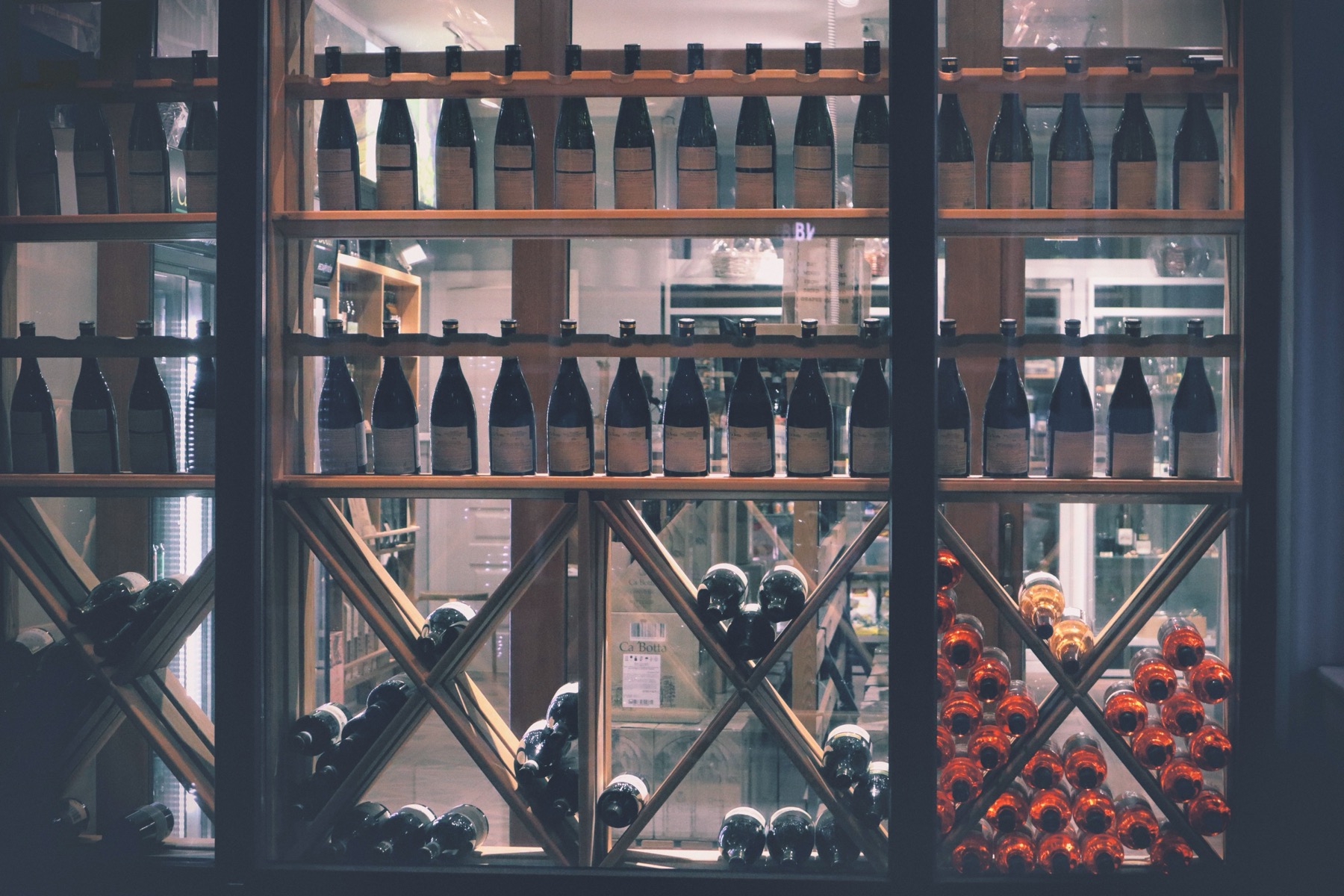
The Norwegian approach to alcohol often comes as a major culture shock to visitors. Sales are strictly regulated and burdened with massive taxes. Wine and all spirits can only be bought in the state-run shops called Vinmonopolet. You’ll usually only find these in larger towns; they have very limited opening hours and are firmly closed on Sundays.
In an ordinary supermarket you can only buy drinks with an alcohol content of up to 4.7 percent, which in practice means just ordinary beer or light ciders. But even here a trap awaits you in the form of sales hours. You can only buy beer in shops until 8 pm on weekdays and until 6 pm on Saturdays. If you reach the till a minute later, staff aren’t allowed to sell it to you.
Prices at Vinmonopolet are astronomical. An ordinary bottle of average wine starts at around 150 NOK, with better bottles running into the hundreds. If you can’t picture an evening without a glass, bring your duty-free allowance straight from home or stock up in the duty-free zone at the airport.
💡 Tip: If you’re planning a weekend road trip to the mountains and want to open a bottle of wine in the evening, you’ll need to plan your Vinmonopolet shop for Friday or Saturday morning. In remote areas you won’t come across these shops at all.
5. Accommodation and Getting Around the Fjords
After food, accommodation is the second-biggest item. Standard hotels cost on average 1,200 to 2,500 NOK per night. But if you’re heading out into nature, the absolute phenomenon is the wooden cabins at campsites known as hytte. The simplest ones without their own bathroom can be had from 200 to 500 NOK, which is a fantastic price for two to four people.
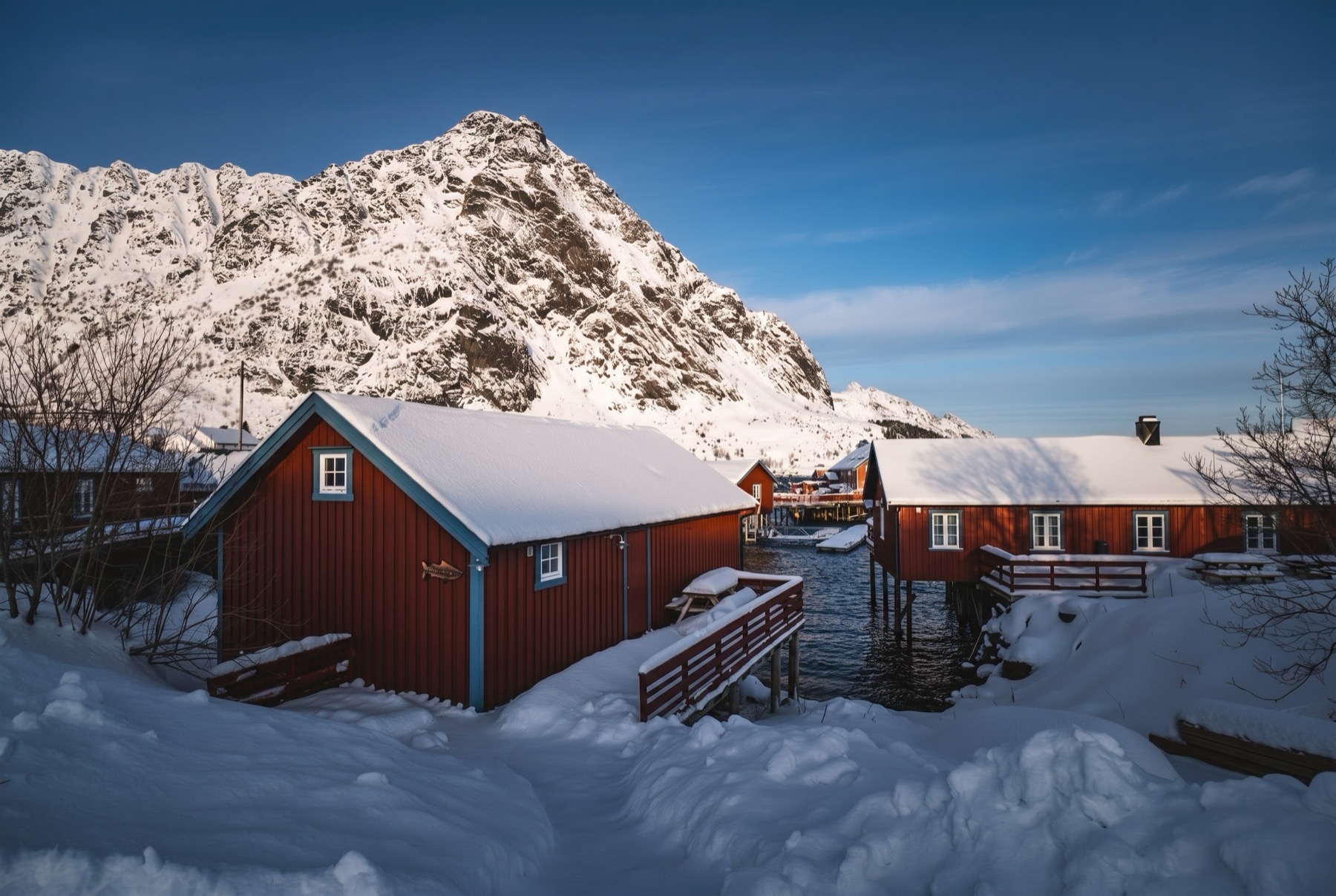
The golden middle path is hostels, where a bed in a shared room costs 350 to 600 NOK. In popular tourist spots like the Lofoten Islands you may come across traditional red fishermen’s huts called rorbu. They’re gorgeous and incredibly photogenic, but reckon on prices comparable to better hotels. You can easily compare and book all of these on Booking.com.
As for travelling by car, petrol and diesel prices fluctuate, but over the long term they hover around 21 to 24 NOK per litre. In Norway you’ll inevitably be using ferries across the fjords. A short crossing for a car with two passengers usually costs 150 to 300 NOK. Road tolls are paid automatically — cameras capture your number plate and the bill comes to you via the AutoPASS system.
💡 Tip: Many Norwegian petrol stations change their prices during the week. Travellers’ experience suggests you’ll often fill up cheapest on Sunday evening or Monday morning, while prices rise ahead of the weekend.
6. Daily Budget by Travel Style
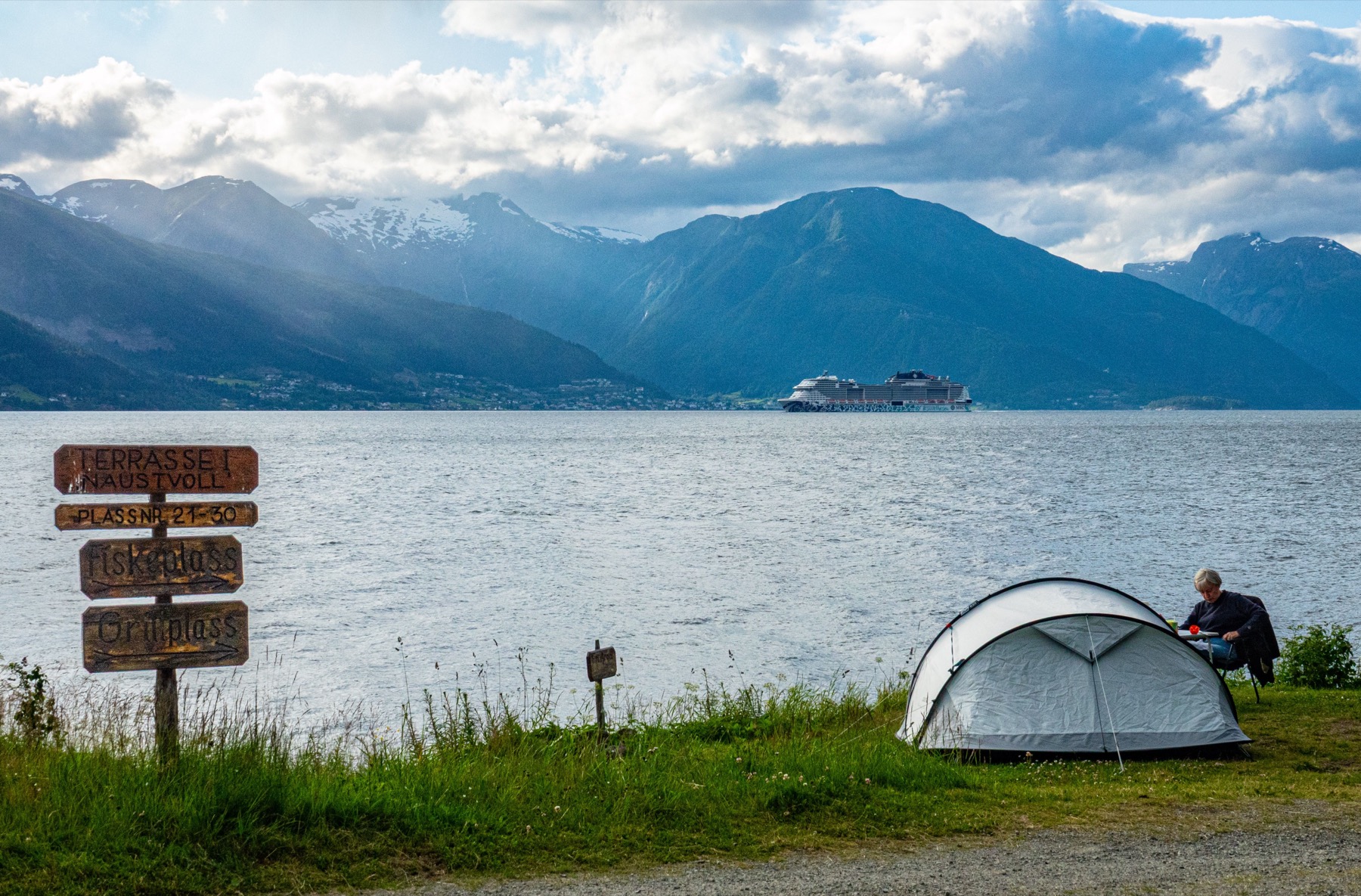
To picture all this in practice, I’ve put together three daily budget models for one person. If you’re the ultimate penny-pincher, you’ll sleep exclusively in your own tent, cook pasta from Rema 1000 and drink water from a stream. In that mode you’ll comfortably stay within 800 to 1,200 NOK a day (including your share of petrol and ferries).
The most common is the golden middle path. You sleep in cosy hytte cabins or cheaper apartments, mostly cook for yourself, but occasionally grab a hot dog at a petrol station or a coffee in town. Now and then you’ll pay for a small boat trip or admission to an interesting attraction, which you can book through portals like GetYourGuide. Here reckon on a budget of 1,500 to 2,500 NOK a day.
If you want to treat yourself to total comfort — sleeping in nice hotels with a generous Norwegian breakfast, heading out to a restaurant for dinner every evening and not worrying about the price of a drink at the bar — your budget will shoot up fast. In that case you’ll need at least 3,500 NOK and more for each day spent in the country.
💡 Tip: Spending on attractions can be reined in very easily. The most beautiful things in Norway — the views, hikes through national parks or strolls around the fjords — are, for the most part, completely free.
7. The Best Tips on How to Save
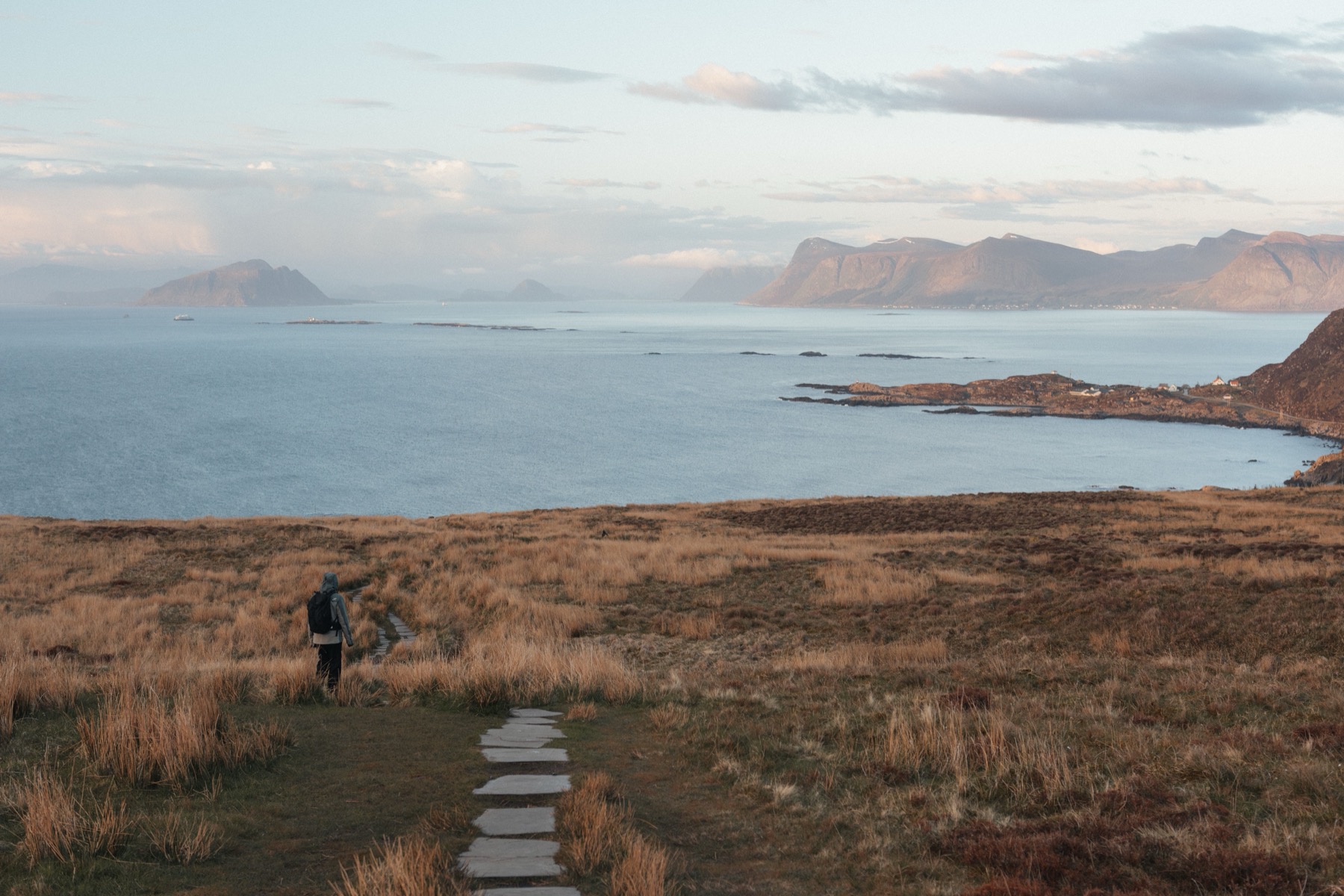
The most ingenious way to save on accommodation in Norway is to make use of the law known as allemannsretten. This rule allows you to pitch your tent on any uncultivated land, provided you’re at least 150 metres from the nearest dwelling. Wild camping here is completely legal and entirely free.
Another survival rule is staying hydrated. Never spend money on bottled water in supermarkets. The tap water here is not only drinkable but tastier than most bottled water. Just bring a good bottle and refill it at campsites, petrol stations or even straight from the clear mountain streams.
Instead of lunch in a restaurant, adopt the habit of picnics. Norwegians love the outdoors and you’ll find beautiful rest stops everywhere, with wooden tables and amazing views. If you buy fresh bread, cheese and vegetables, you’ll enjoy a better atmosphere than in a pricey establishment. You’ll also save by travelling just before or after the high season (in September, for example), when the prices of some accommodation drop.
💡 Tip: Many campsites charge a small fee for showers (usually 10 to 20 NOK for a few minutes of hot water). Even though cash is rarely used these days, a handful of these small coins will come in extremely handy on the road.
8. How Much the Whole Holiday Costs (Rough Trip Price)
When we add it all up, we arrive at a final figure. Picture a classic scenario: you’re travelling as a couple, you rent a car, sleep mostly in hytte cabins or a tent, and cook most of your meals yourself from ingredients bought at the cheaper supermarkets. Now and then you grab a coffee and pay for all the necessary ferries.
In that case, a week-long holiday will work out at roughly £900 to £1,250 per person (excluding flights). It depends on how many miles you cover and how often you give in to the temptation of pricier groceries. If you spent the same week in hotels and ate out every day, the cost would easily climb to double that.
On top of these costs you need to add getting to Norway. Unless you’re driving your own car across Europe — a long and costly journey — you’ll be flying. Return flights from London to Oslo can usually be found for £60 to £200, depending on how far in advance you book and what luggage you take. Airlines like Norwegian, SAS and British Airways all serve the route.
💡 Tip: I recommend sorting out your car hire as early as possible, ideally months in advance. On the spot and at the last minute, rental prices climb steeply and you may find the cheaper car models hopelessly sold out.

Practical Summary and Rough Prices
For a clearer picture and quick budget orientation, I’ve listed the most important items. Bear in mind that in Norway you pay in the Norwegian krone (NOK). The good news is that you barely need to exchange any money in advance. The country is extremely digitalised and everywhere, from the most remote campsite to the parking machines, you can pay by card or Apple Pay.
- 1 NOK = roughly £0.073 (always check the current rate before your trip)
- Coffee in a café: 45–60 NOK
- Pint in a bar: 100–130 NOK
- Main course in a restaurant: 250–350 NOK
- Hot dog at a petrol station: 60–90 NOK
- Litre of petrol: 21–24 NOK
- Short ferry (car + 2 people): 150–300 NOK
- Night at a campsite (hytte): 200–500 NOK
- Night in a standard hotel: 1,200–2,500 NOK
Tipping in Norway isn’t compulsory or strictly expected, because staff are very well paid. But if you were extremely happy with the service in a restaurant, rounding up the bill or adding five to ten percent is always a kind gesture.
Where to Next
If the prices haven’t put you off and you’re about to plan your northern trip, you’ll definitely find some more practical advice useful. Take a look at the comprehensive article Norway: 50 Things to See, where you’ll find plenty of inspiration. For those who love driving, we’ve prepared a detailed Norway by Car: Road Trip and Itinerary.
Don’t forget to find out how to pack, too, which we cover in the guide Norwegian Weather and When to Go to Norway. And if your main goal is nature, you shouldn’t miss the article Norwegian Fjords — A Guide.
Frequently Asked Questions
Is Norway Really That Expensive?
Quite honestly, yes. Norway has long been ranked among the most expensive European countries, which you’ll especially notice when dining out or buying alcohol. However, the high prices reflect the local standard of living. If you start shopping at regular supermarkets or use campsites, costs can be brought down very effectively.
How much does a week in Norway cost?
When traveling as a couple, sleeping in cabins or a tent, cooking for yourselves and getting around in a rental car, expect to spend between €1,000 and €1,400 per person excluding flights. If you’d prefer standard hotels and eating out at restaurants every day, the budget can easily double.
How to Save as Much as Possible in Norway?
The biggest savings come from cooking your own meals with ingredients from discount supermarket chains like Kiwi or Rema 1000. I also recommend sleeping in campsites, taking advantage of the allemannsretten right for free wild camping, drinking exclusively tap water, and avoiding purchasing expensive alcohol in local bars.
How much will I pay for beer and food at a restaurant?
Visiting a restaurant is a luxury. For an ordinary draft beer you’ll pay between 100 and 130 NOK. A main course in an average restaurant usually costs 250 to 350 NOK. A cheaper alternative is fast food, where you can get a hotdog or simple fast food for 60 to 90 NOK.
Can you pay by card everywhere?
Yes, Norway is a pioneer in this regard. You can pay by card or mobile phone via Apple Pay absolutely everywhere, from supermarkets through parking meters to small coffee stands. Cash is almost a relic and you probably won’t need it at all during your entire stay.
Where can you buy alcohol?
The system is very strict. Regular supermarkets only sell beverages with an alcohol content up to 4.7% (mainly beer), and only until 8:00 PM on weekdays and until 6:00 PM on Saturdays. All wine and spirits can only be purchased at specialized state-run stores called Vinmonopolet, which have limited opening hours.
What daily budget should I plan for?
If you’re being extremely frugal and wild camping, you can get by on 800 to 1,200 NOK per day. The golden middle ground with the occasional coffee and sleeping in cabins will set you back 1,500 to 2,500 NOK daily. For comfortable travel with hotels and restaurants, prepare at least 3,500 NOK per day.
Is tap water really drinkable?
Yes, and it’s absolutely excellent. Norway has some of the cleanest water sources in the world. Buying bottled water in supermarkets is a complete waste of money and plastic. Bring a quality reusable bottle with you and refill it at your accommodation or at rest stops completely free of charge.
How much do tolls and ferries cost?
Most short ferries for a passenger car and two people cost between 150 and 300 NOK. Road tolls are paid automatically through cameras that capture license plates. If you have a rental car, the fees are loaded into the AutoPASS system and the rental company will subsequently charge them to your card.
Tips and Tricks for Your Vacation
Don’t Overpay for Flights
Search for flights on Kayak. It’s our favorite search engine because it scans the websites of all airlines and always finds the cheapest connection.
Book Your Accommodation Smartly
The best experiences we’ve had when looking for accommodation (from Alaska to Morocco) are with Booking.com, where hotels, apartments, and entire houses are usually the cheapest and most widely available.
 🚗 Car rental on the roadVerified rental cars in Norway
Search with the DiscoverCars comparison engine — it compares prices from dozens of local and international rental companies, and most bookings come with free cancellation.
Compare car prices in Norway →Don’t Forget Travel Insurance
Good travel insurance will protect you against illness, accidents, theft, or flight cancellations. We’ve had a few hospital visits abroad, so we know how important it is to have proper insurance arranged.
Where we insure ourselves: SafetyWing (simple monthly subscription) and TrueTraveller (for extra-long trips).
Find the Best Experiences
Get Your Guide is a huge online marketplace where you can book guided walks, trips, skip-the-line tickets, tours, and much more. We always find some extra fun there!
More from Norway
Full guide → What to seeSouthern Norway: 11 Best Things to See in the South & Southwest in 2026
 What to seeNordkapp Norway: What to See at Europe’s Northernmost Point in 2026
 Getting thereRoad Tolls in Norway: How AutoPASS Works and What You’ll Pay in 2026
 PricesOslo to Bergen by Train: 10 Things to Know About Bergensbanen, Prices and View Tips
 FoodTraditional Norwegian Cuisine: 15 Foods to Try in 2026


