If you’re driving north, taking a ferry to Norway is pretty much unavoidable — the only alternative is a huge detour through the whole of Sweden. And honestly, the overnight crossing from Kiel in Germany or the quick one-hour hop from Hirtshals in Denmark can be the loveliest part of your entire trip. You’ll cut out hours of tedious motorway driving and swap them for sea views instead.
Planning a journey this far north can be a real puzzle, though. Ticket prices change faster than April weather, the rules for campervans are strict, and some once-famous routes no longer run at all. On top of that, Norway’s domestic ferries no longer take cash — they simply scan your number plate automatically.
Below I’ve put together everything you need to know — from choosing your route and booking to a few tricks for not paying more than you have to. You’ll also learn why it pays to sort out travelling with a dog well in advance.
TL;DR
If you’re busy packing and don’t have time to wade through long, detailed paragraphs, I’ve pulled out the most essential points for you. You can read the rest at your leisure — maybe on the ferry itself.
- Fastest route: Ferries from Hirtshals in Denmark to Kristiansand or Larvik take just over three hours.
- Comfort first: The overnight crossing from Kiel in Germany to Oslo takes twenty hours and works like a luxurious floating hotel.
- Discontinued routes: The popular Langesund route no longer runs, and the legendary DFDS ships from Copenhagen have been taken over by Go Nordic Cruiseline.
- Dynamic pricing: Buy summer tickets ideally three to six months ahead — prices climb steeply as departure approaches.
- Domestic payments: Norwegian ferries have no ticket booths — cameras scan your number plate and passengers travel completely free.
- Toll discount: With a prepaid AutoPASS contract you get an incredible fifty per cent off domestic ferries.
- Compulsory booking: On the Bodø–Lofoten route you must reserve a spot for your car in advance during the summer months.
The full destination guide: Norway — guide and what to see
10 Things You Need to Know About the Ferry to Norway
The following points will help you get your bearings among the current offerings from the ferry companies. The market is constantly changing, so it’s important to work from the latest data for the current season.
1. Overview of all international routes (2026)
Choosing the right port depends mainly on exactly where in Norway you’re heading. If you’re going south or west towards the fjords, Denmark makes the most sense. For a journey straight to the capital, Germany or Copenhagen are good options — the ships sail in through the gorgeous Oslofjord. Below you’ll find an up-to-date table of the most important connections operated in the 2026 season under companies such as Color Line and Fjord Line. Treat the prices as rough starting figures for a car plus its crew.
| From and to | Operator | Crossing time | Indicative price from |
|---|---|---|---|
| Kiel – Oslo | Color Line | 20 hours | €155 |
| Hirtshals – Kristiansand | Color Line | 3 hours 15 minutes | €49 |
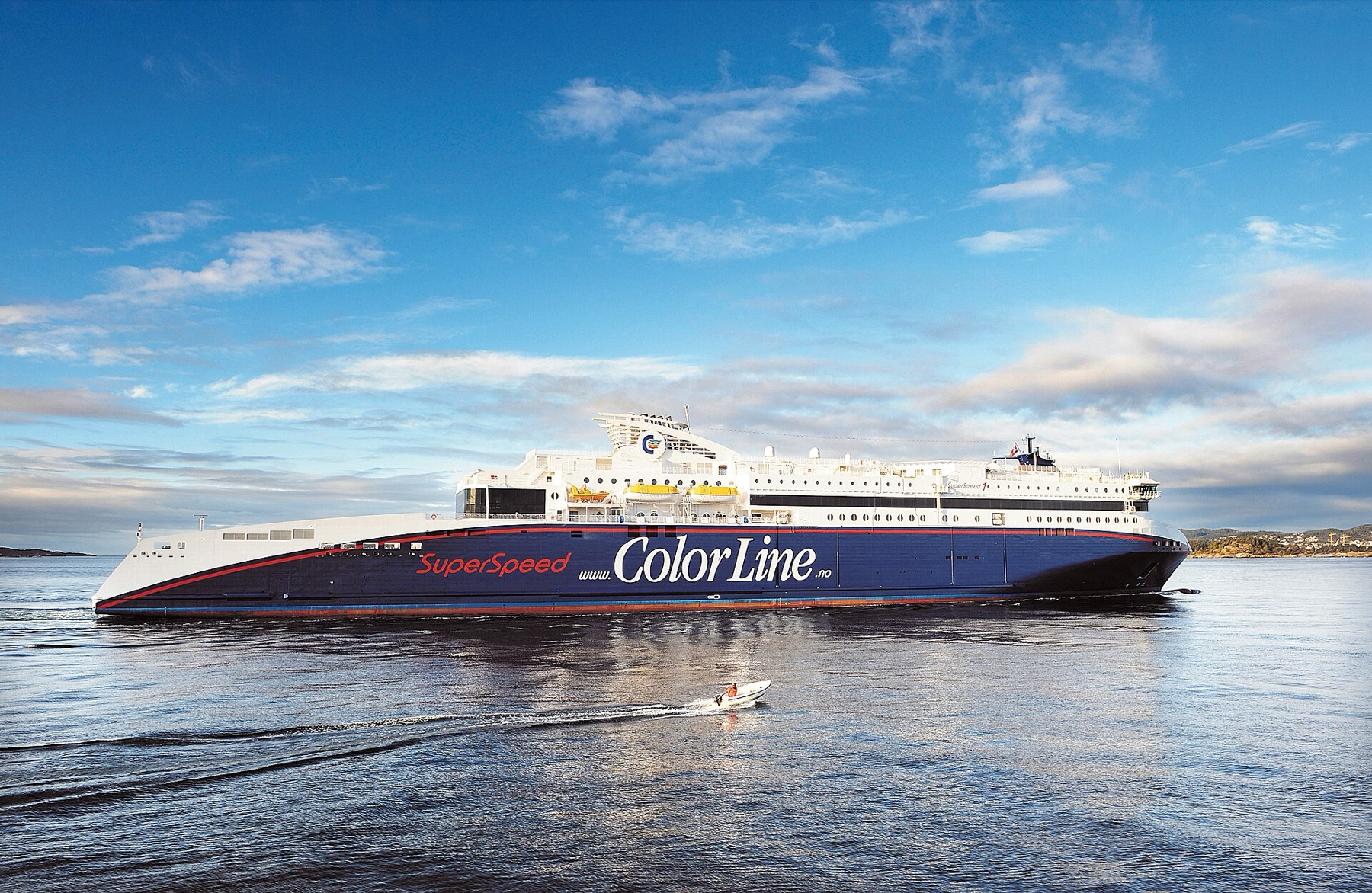
| Hirtshals – Kristiansand | Fjord Line (FSTR catamaran) | 2 hours 25 minutes | DKK 401 |
| Hirtshals – Larvik | Color Line | 3 hours 45 minutes | €53 |
| Hirtshals – Stavanger | Fjord Line | 11 hours (overnight) | dynamic |
| Hirtshals – Bergen | Fjord Line | 17 to 18 hours | dynamic |
| Copenhagen – Oslo | Go Nordic Cruiseline | 17.5 hours | DKK 293 / person |
| Sandefjord – Strömstad | Color Line | 2 hours 30 minutes | €32 |
When planning your route, always check whether the ship in question sails year-round. The super-fast Fjord FSTR catamaran, for example, only runs in the summer season, roughly from late March to mid-September. If, on the other hand, you’re heading overland through Sweden and want to skip driving around Oslo, there’s a short crossing from Strömstad in Sweden to Sandefjord in Norway. The journey takes just two and a half hours and reliably whisks you across the border without having to pay Norwegian tolls on the E6 motorway.
2. Dead routes you shouldn’t rely on anymore
The internet is full of old travelogues and forum threads recommending routes that vanished long ago. The most common mistake is the Langesund route. Fjord Line permanently scrapped it in February 2023 after rebuilding its ships’ engines, and its vessels now only serve the Hirtshals to Kristiansand, Stavanger and Bergen routes. Searching for tickets to Langesund is a complete waste of time these days.
Another big change is the end of the famous Stena Line ships from Frederikshavn in Denmark to Oslo. This connection was cancelled during the pandemic in 2020 and never came back. Holland Norway Lines also went bust, so there are no longer any sailings to Norway from Eemshaven in the Netherlands. Many travellers only find this out at the last minute, which can seriously derail summer plans.
A change of name and owner also hit the legendary Copenhagen–Oslo route. DFDS sold this line to a Swedish operator in autumn 2024. It’s now run by Gotlandsbolaget under the brand-new name Go Nordic Cruiseline. The intermediate stops have also been dropped, so the Nordic Crown and Nordic Pearl now sail north from the Danish capital without any stopover.
3. Ferry vs. driving through Sweden
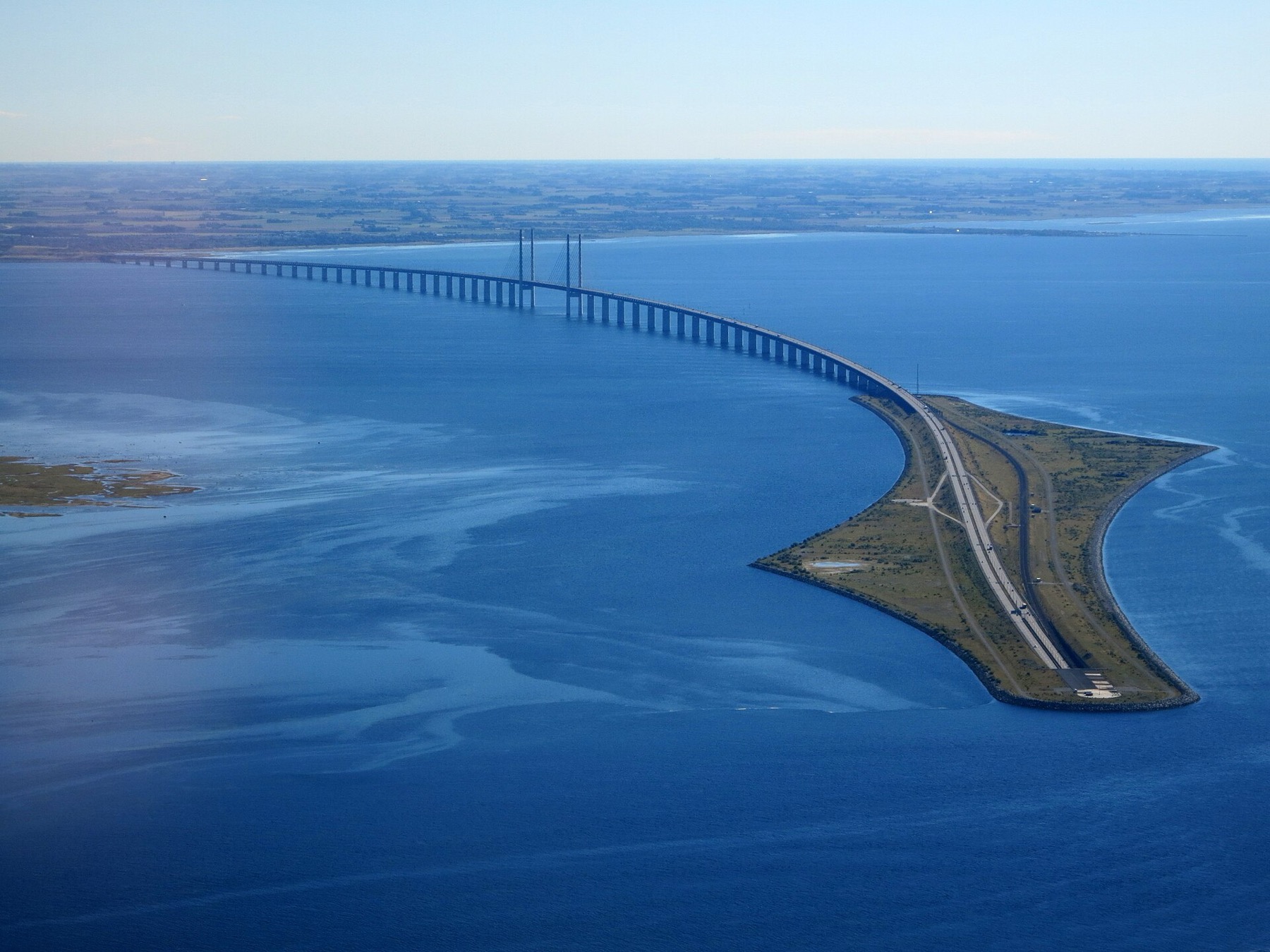
Plenty of travellers wonder whether to skip the ferries altogether and drive the whole way overland. From central Europe to Oslo it’s roughly 1,650 kilometres across the Danish and Swedish bridges. It’s a long haul that can be done in two days, but frankly, after two days behind the wheel you’ll arrive feeling wrung out rather than ready for a holiday. On top of that, you’ll face some hefty charges for crossing the straits.
This option is far from free. Crossing the Storebælt bridge costs DKK 235 when paying by card. Then comes the huge Øresund Bridge into Sweden, where a one-way ticket costs around SEK 670 in 2026. But if you buy an annual ØresundGO contract in advance for SEK 530, the price of a single crossing drops to a superb SEK 260. That investment pays for itself on your very first return trip.
When you add it all up, the short ferry from Hirtshals often works out cheaper. It’s about 1,250 kilometres to Denmark, and you can pay as little as around fifty euros for a car with crew on board. You’ll save yourself hours behind the wheel, money on diesel, and you’ll arrive up north nicely rested. Also consider the Baltic ferries from Rostock in Germany to Trelleborg in Sweden, which spare you the drive across the Danish islands entirely.
4. The overnight Kiel–Oslo line for comfort lovers
If you don’t fancy long drives and want to start your holiday with an experience, the line from Kiel in Germany to Oslo is absolutely ideal. The ship departs every day at 2 p.m. and arrives in Oslo at 10 a.m. the next morning. Compared to the long drive through the whole of Sweden, you save an enormous chunk of mileage and stress behind the wheel.
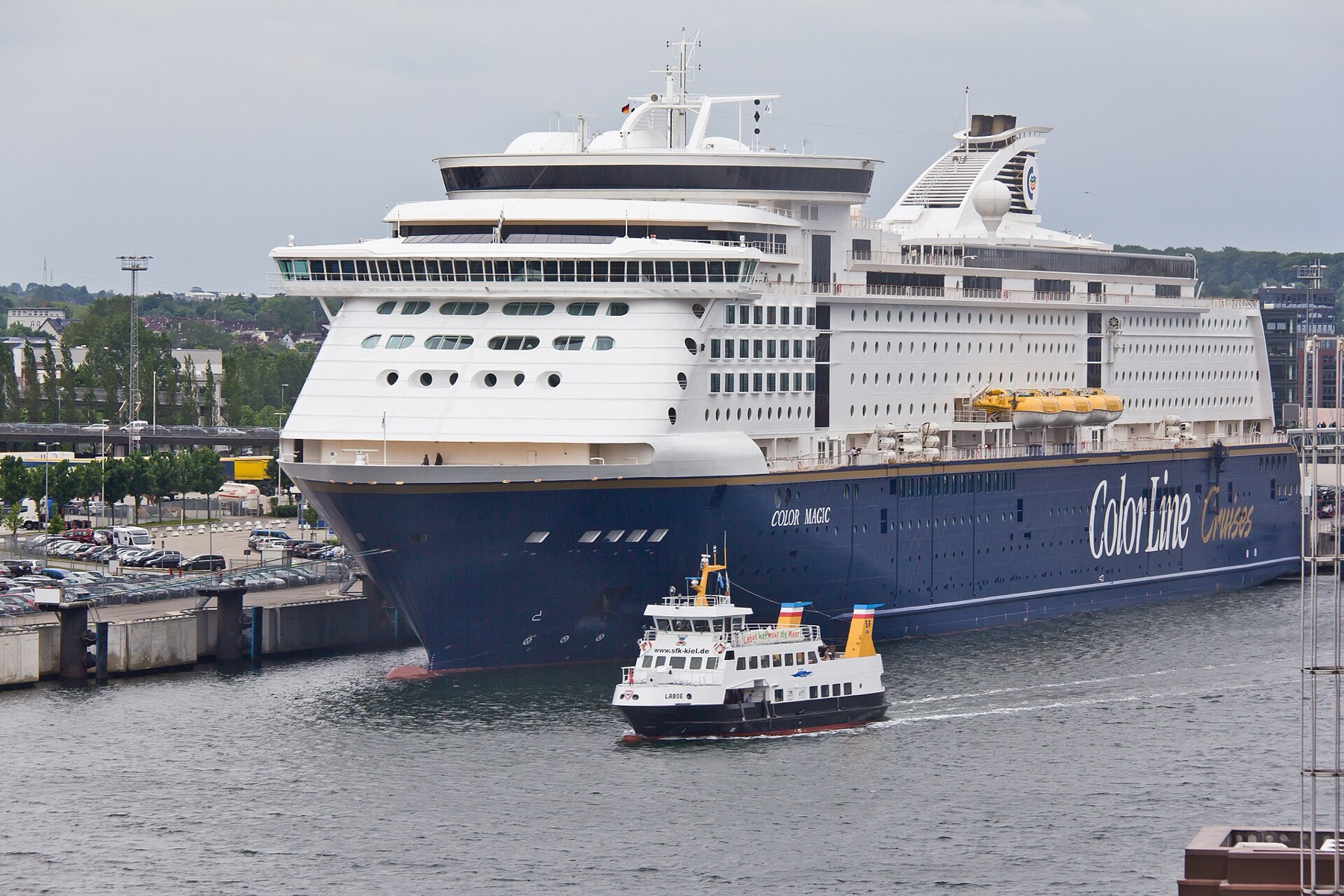
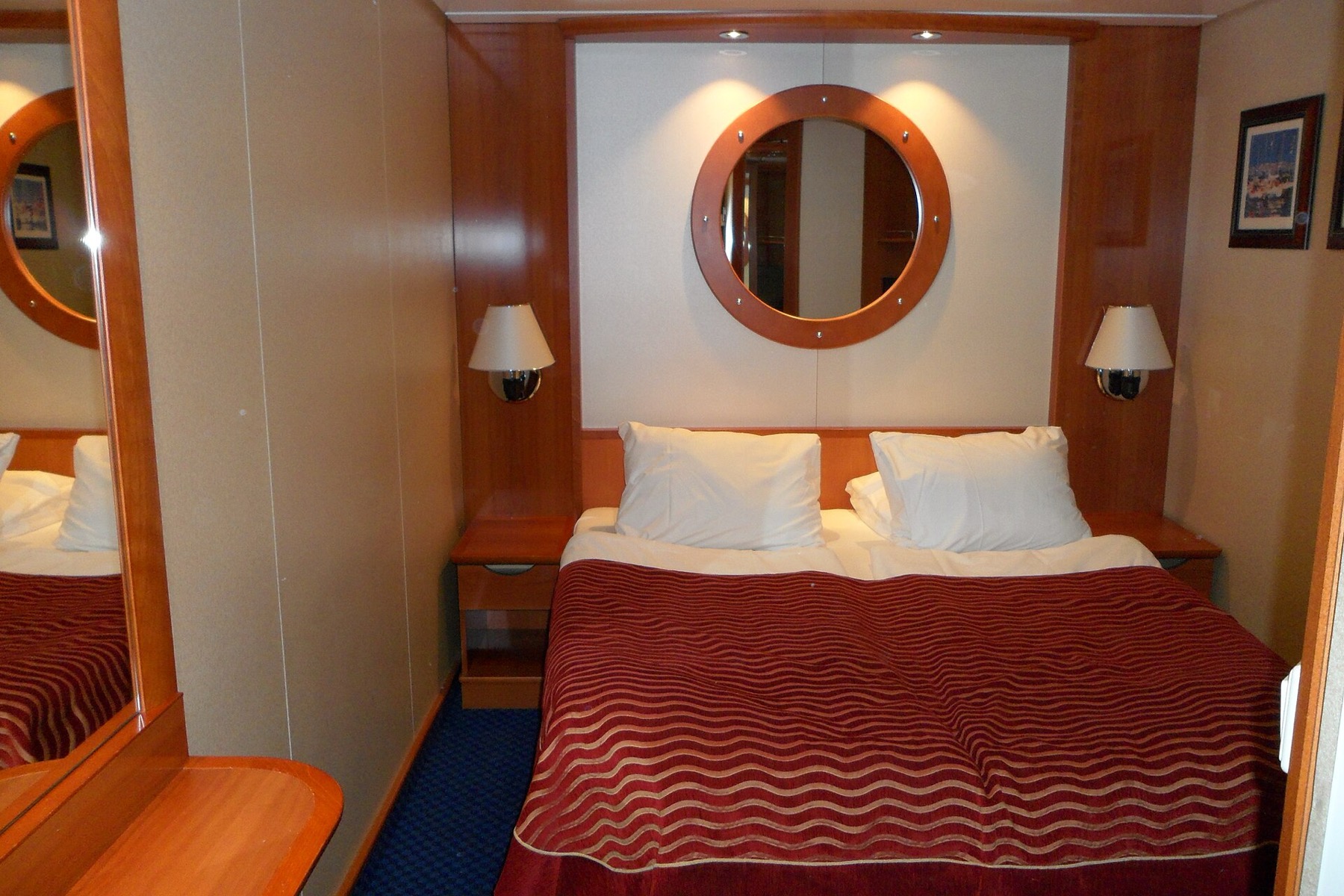
This is no ordinary ferry — it’s a huge cruise ship. On board the Color Fantasy and Color Magic you’ll find a shopping promenade, a pool with a water slide and several great restaurants. A cabin is compulsory for all passengers, so you’ll get a comfortable night’s sleep. The lavish buffets here are famous. Vegetarians are well catered for, and there’s so much cheese you won’t know where to start.
Prices start at €155 for four people in an inside cabin, while campervans start at around €333. It’s more than the short daytime crossings, but you save a night in a hotel and plenty of fuel. And if you book the return leg at the same time, you automatically get a ten per cent discount on it. I’d wholeheartedly recommend this line to anyone who treats a holiday as relaxation from the very first mile abroad.
5. Hirtshals as the main gateway to the fjords
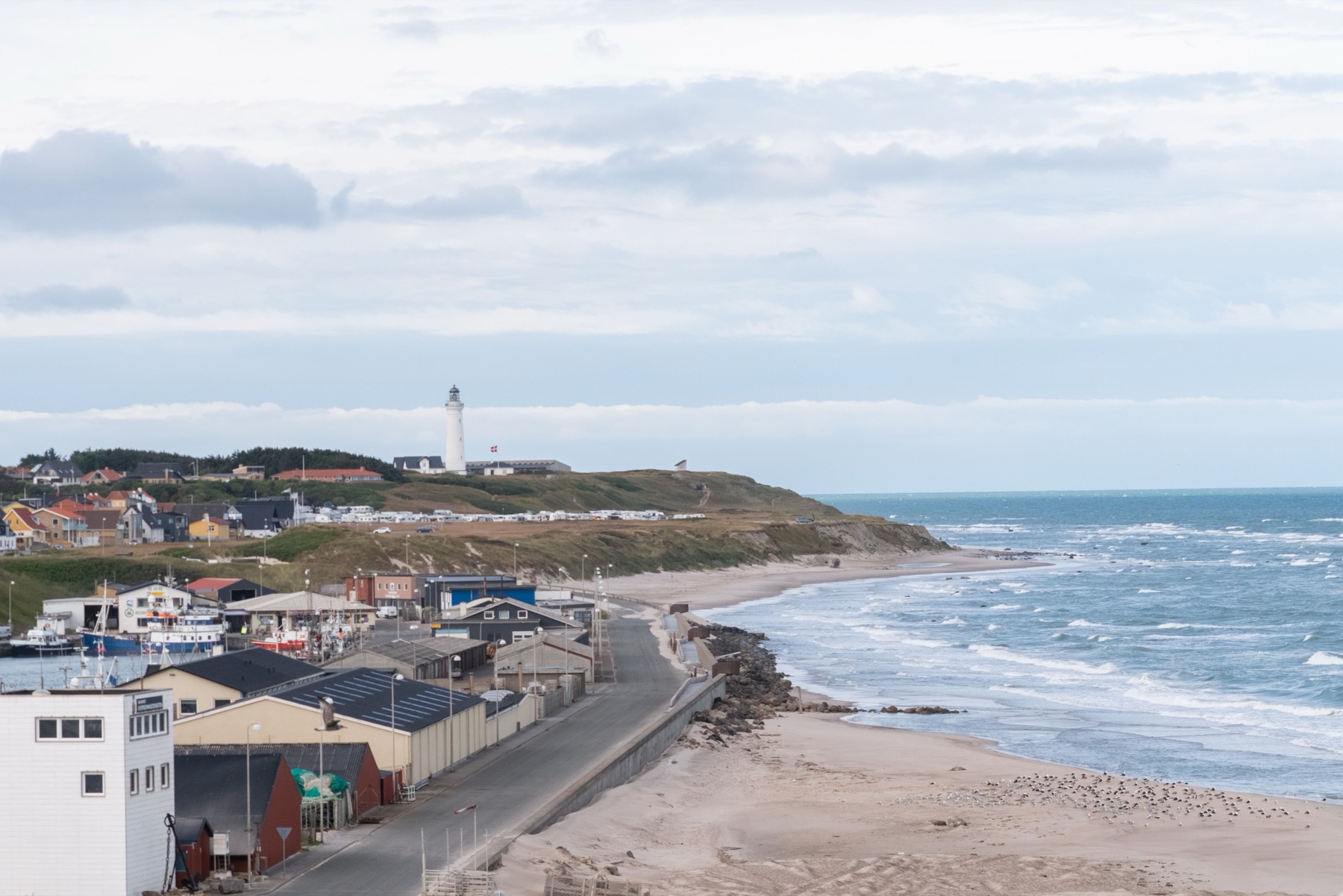
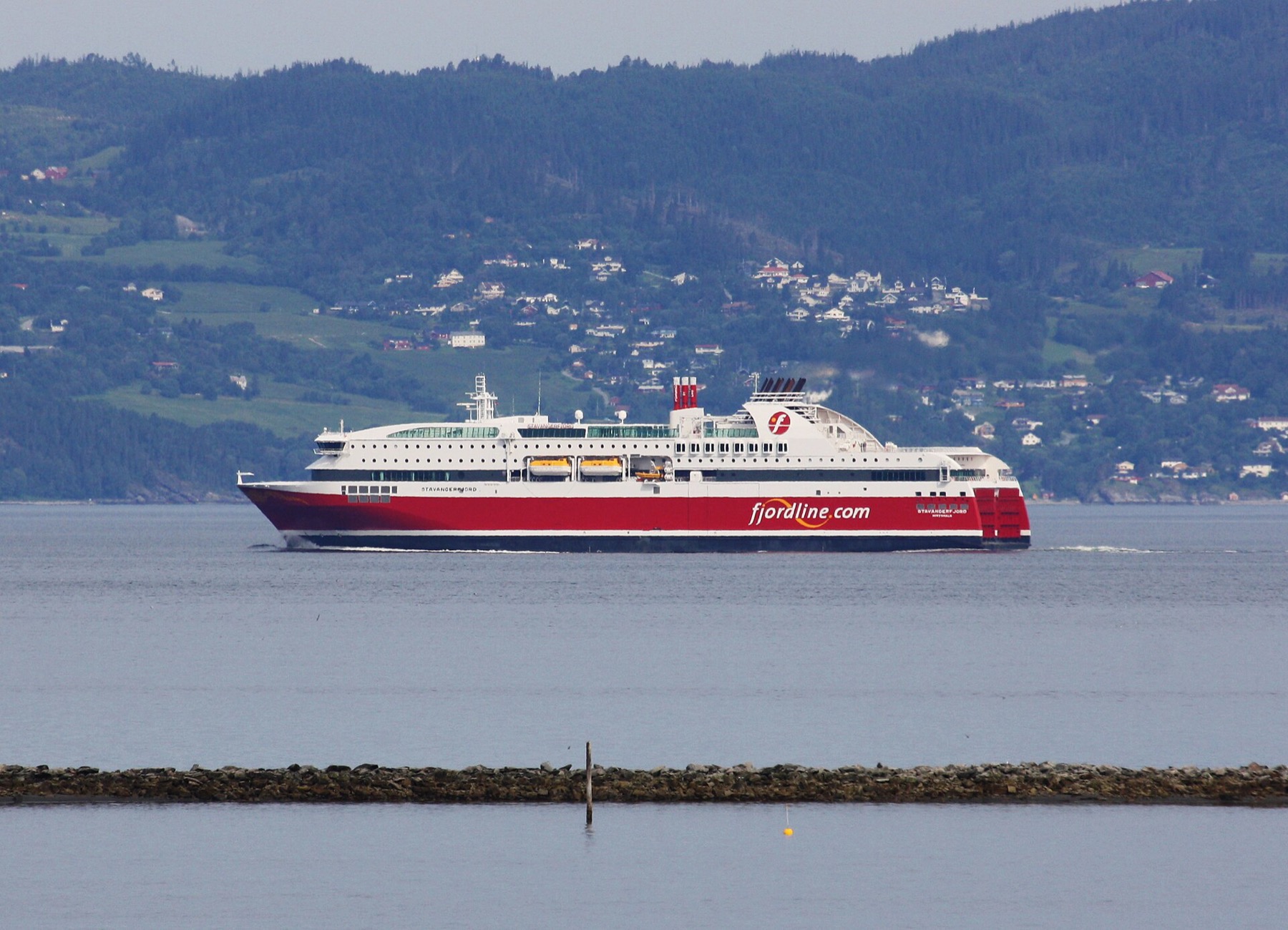
The Danish port of Hirtshals is an absolute classic for trips to central and southern Norway. The fastest option is the Fjord FSTR catamaran to Kristiansand, which covers the route in an incredible two hours and twenty-five minutes. Color Line’s route to Larvik is also very popular. The journey takes just under four hours, and Larvik is nearly two hundred kilometres closer to Oslo than Kristiansand.
For trips straight to the great western fjords, definitely consider Fjord Line’s overnight sailings. The ferry to Stavanger takes about eleven hours, and waking up in the morning to views of the Norwegian coast is said to be utterly breathtaking. There’s also a Bergen option, which takes over seventeen hours. This can save you a good couple of days of gruelling driving through Norway’s mountain passes, letting you dive straight into discovering the most beautiful natural wonders.
When departing from Hirtshals, be very careful to arrive on time. The companies require check-in at least sixty minutes before departure, and on the fast catamaran the gates close a full twenty minutes early. In the summer months long queues form outside the port, so I’d recommend arriving with at least an hour to spare. Turning up late means a forfeited ticket with no refund whatsoever.

6. How to book tickets and save serious money
Ferry prices work exactly like airfares. They follow dynamic demand, so they shoot up as departure approaches or as capacity sells out. For the busy summer months I’d recommend booking well in advance, ideally three to six months ahead. Leave it to the last minute and the trip can cost you up to three times as much.
The most expensive are always weekends and the days when Norwegian or Danish summer holidays begin. The cheapest tickets, on the other hand, are for departures early in the morning or late in the evening mid-week. Fjord Line often offers so-called campaign packages for a car and crew, which are very cheap — but bear in mind they can’t be cancelled or flexibly changed.
And one more thing that’s easy to forget. Prices can differ depending on the language version of the website. Try searching for the same crossing on Color Line’s Norwegian domain and compare it with the Danish or German version. People often report that by buying in Norwegian kroner they saved as much as twenty per cent off the original price — which makes a huge difference on a family holiday.
7. Strict rules for caravans and campervans
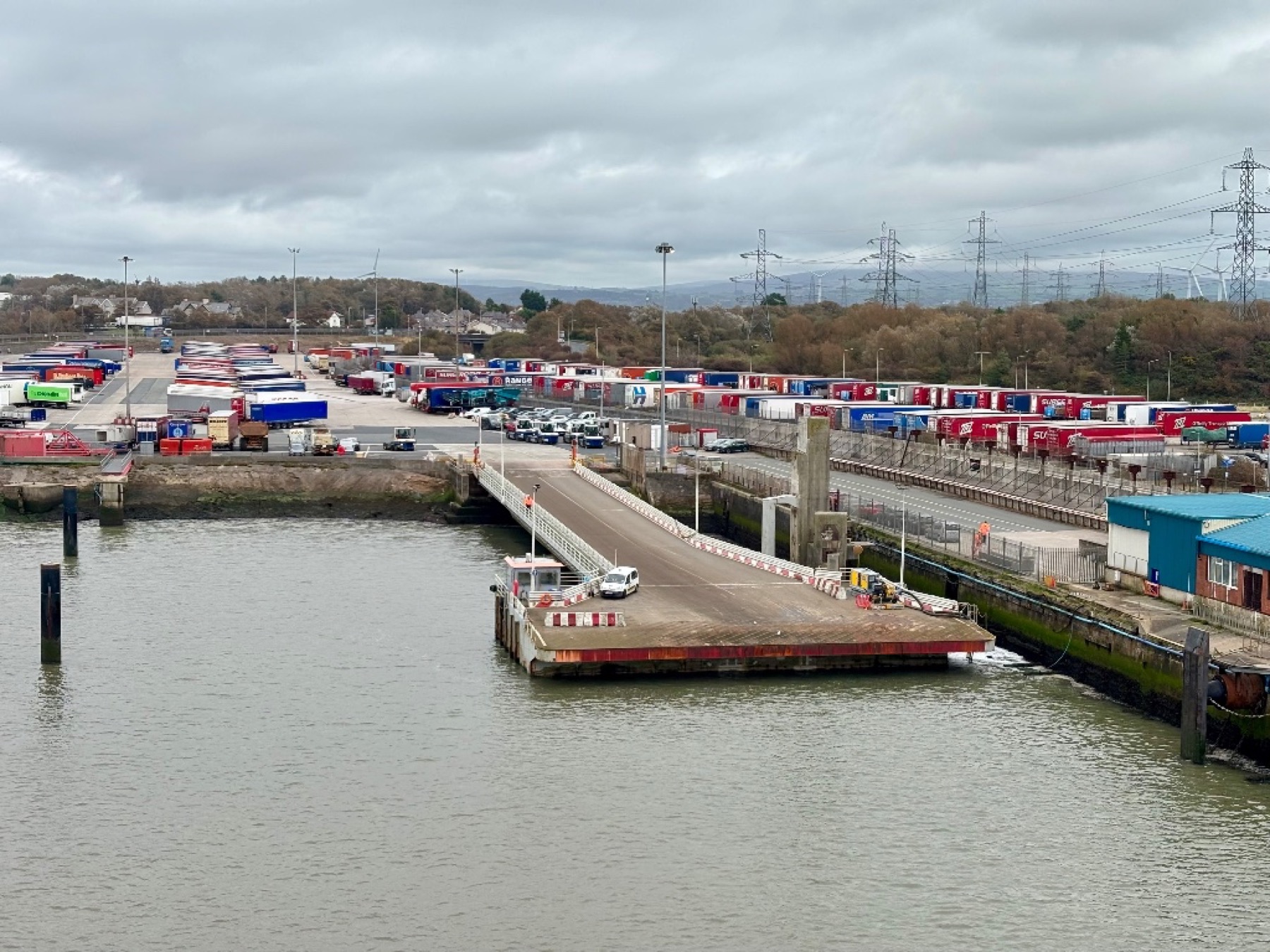
Travelling by campervan is a dream for many of us, but you’ll pay a fair bit extra for it on the ferries. The basic campaign price always applies to a standard car up to five metres long and just under two metres tall. Anything larger automatically falls into pricier categories, and the ferry companies keep a careful eye on every extra centimetre.
When booking you must state the exact length, including rear bike racks or a tow bar. At the port, vehicles are routinely measured before boarding, and you’ll be charged hard for every extra metre right there on the spot. Fortunately, both major companies offer special camper packages for vehicles up to two and a half metres tall, which work out slightly better value than stacking up individual surcharges.
Be especially careful with gas bottles: they must be securely shut off for the whole crossing, so your absorption gas fridge simply won’t run. Electric car owners, meanwhile, need to remember that charging vehicles on board is strictly forbidden for safety reasons, so top up your battery before reaching the port. On overnight sailings, no one is allowed to stay down on the car deck either.
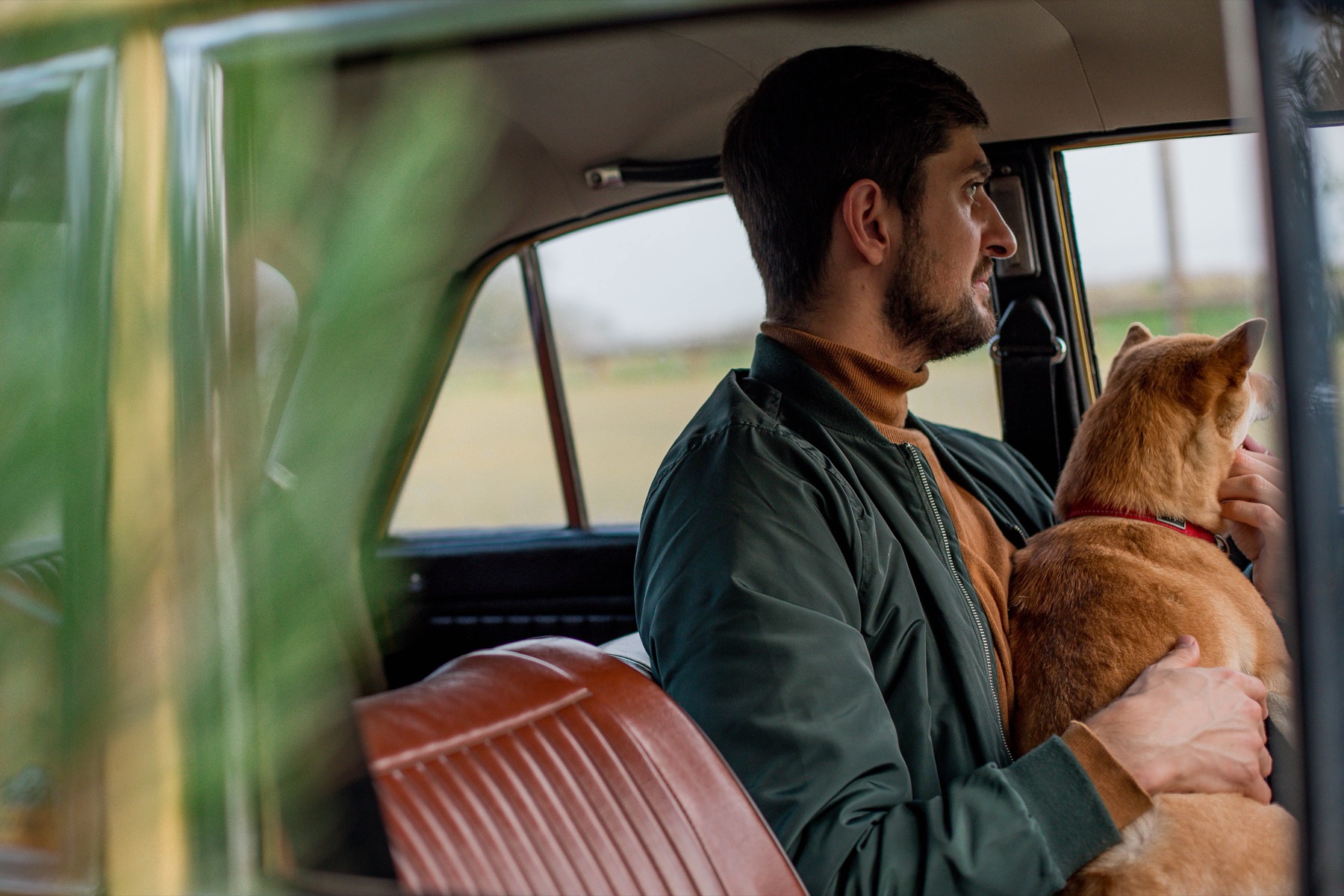
8. Travelling with a dog and the tricky deworming rule
Bringing your four-legged companion along requires genuinely meticulous planning. Norway isn’t in the EU customs union and has very strict veterinary rules for animals. The most important thing is deworming against the tapeworm (Echinococcus), which must be carried out by a vet and recorded in the pet passport. Treating your pet yourself at home definitely won’t fly at the border.
This deworming must take place strictly between twenty-four and one hundred and twenty hours before crossing the Norwegian border. That means if you enter Norway on a Wednesday afternoon, you can visit the vet no earlier than the Friday before, though Monday is ideal. It’s the one hard deadline of your trip that you mustn’t miss — otherwise your dog won’t be allowed into the country.
The sea crossing itself is fairly demanding for dogs. On the Kiel–Oslo line dogs aren’t allowed in ordinary cabins, and there are only ten special dog kennels. If they’re full, the dog has to stay in the car — which I definitely wouldn’t recommend in summer because of the heat. On the big Fjord Line ships there are special cabins for dog owners, but these must be booked by phone and disappear as soon as sales open. The alternative is an on-board dog pen for NOK 100.
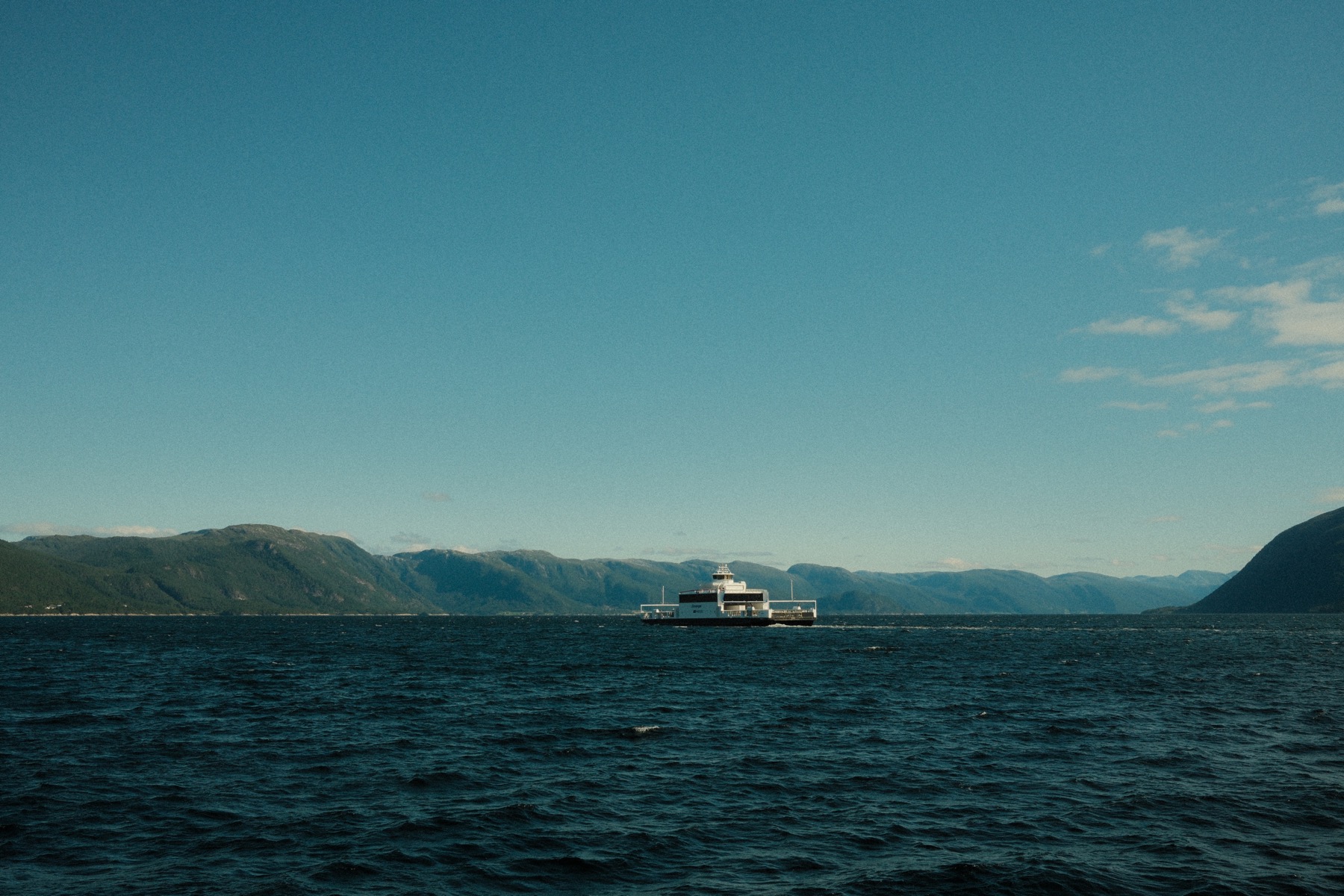

9. Domestic ferries and number-plate scanning
Norway is threaded with deep fjords, and domestic ferries here function as a perfectly normal part of the road network. But forget fishing for coins in your pockets or winding down the window at a kiosk. The classic ticket booths have vanished entirely, and these days no one gets out of the car. The whole process is beautifully seamless.
The system is fully automated: as you drive on, a camera scans your plate and the payment goes through by itself, with no scrambling for change or winding down windows. The big advantage is that you only pay for the car. All passengers in the vehicle, as well as cyclists and pedestrians, travel on public routes completely free. To give you an idea, the busy thirty-minute Moss–Horten ferry will cost you just under NOK 300 in 2026.
The simplest solution for tourists is to register with the FerryPay system. You enter your plate and a payment card, and the money is charged automatically with no surcharges. If you’re planning a longer road trip, it pays to get an AutoPASS toll tag and set up a prepaid account. You’ll have to pay a deposit, but you’ll get a discount of an incredible fifty per cent on most domestic routes. Electric cars also always pay at most half the price of regular vehicles.
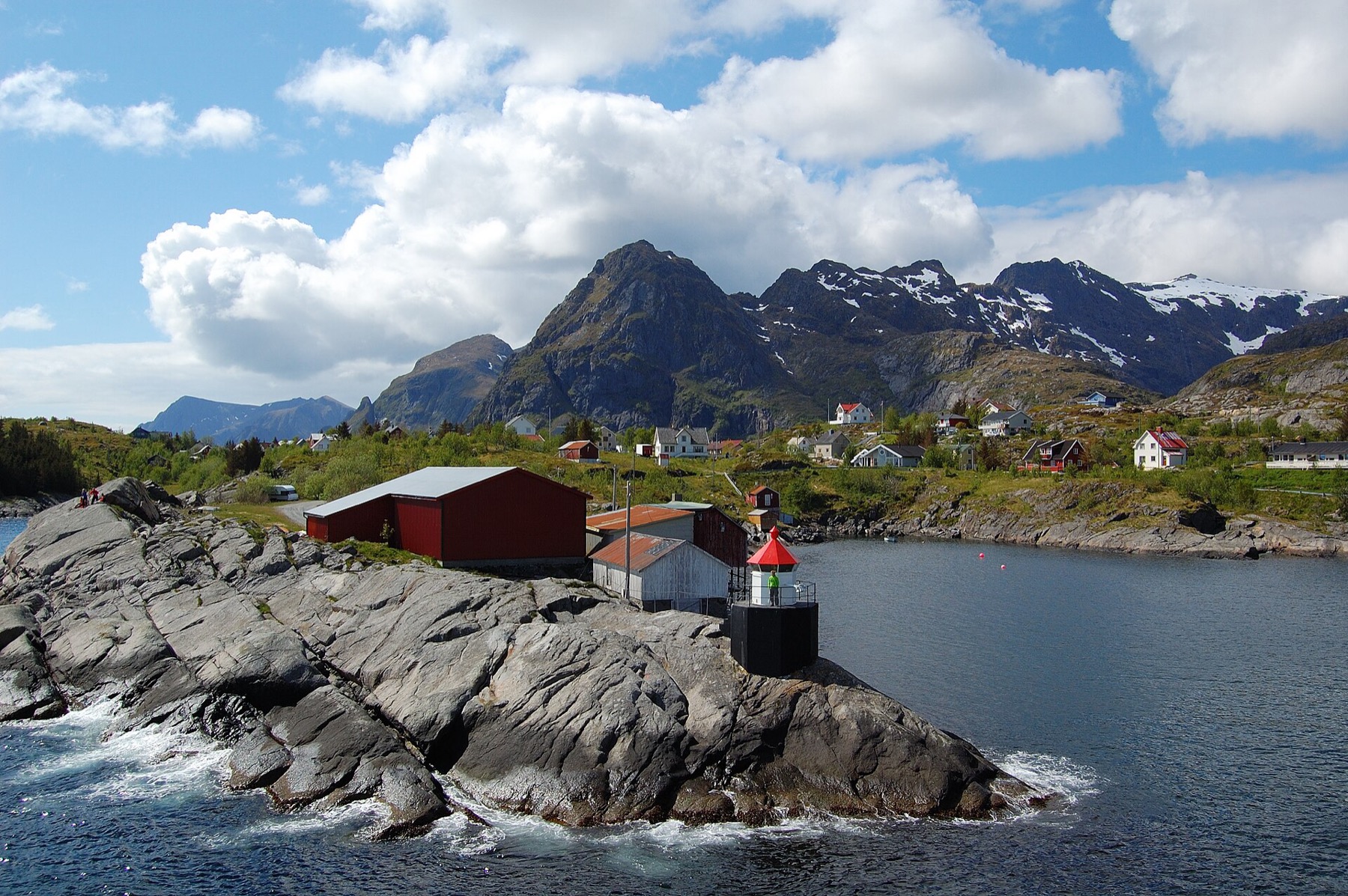
10. Tourist highlights and when booking is a must
Most domestic ferries run so frequently that you don’t need a reservation at all. Just turn up, join the queue and wait. In a few places, though, different rules apply, and there the queue will bring you little joy. There are exceptions where you’ll hit a hard wall without a booking and end up sitting on a concrete pier all day.
The best-known case is the route from Bodø to the port of Moskenes on Lofoten. In July and August the crush is such that without a reservation you simply won’t sail — or you’ll wait a whole day. Half the ship’s capacity is sold in advance, and for a car up to six metres you’ll pay roughly NOK 600 plus a small booking fee. Turn up on spec and you risk getting stuck and missing several departures in a row.
Another must-book is the famous tourist ferry from Geiranger to Hellesylt. This crossing works more like a scenic voyage through the fjord, right beneath the majestic Seven Sisters waterfall. Car spaces vanish at lightning speed. I’d also recommend booking the Lysefjord ferry, where the ship’s capacity is very limited. At the opposite extreme is the summer Andenes–Gryllefjord line on the island of Senja, where reservations don’t exist at all and it’s first come, first served.

Where to stay (before and after the ferry)
💡 Accommodation tip and experiences: We prefer to look for accommodation on Booking.com, which tends to have the best cancellation terms. For tickets, tours and activities it’s worth comparing and booking through GetYourGuide.
The journey north tends to be long and exhausting. I’d definitely recommend breaking it up and recharging your batteries at a hotel near the port before boarding. That way you’ll avoid the needless stress of unexpected motorway tailbacks, which can stretch your arrival time by many hours.
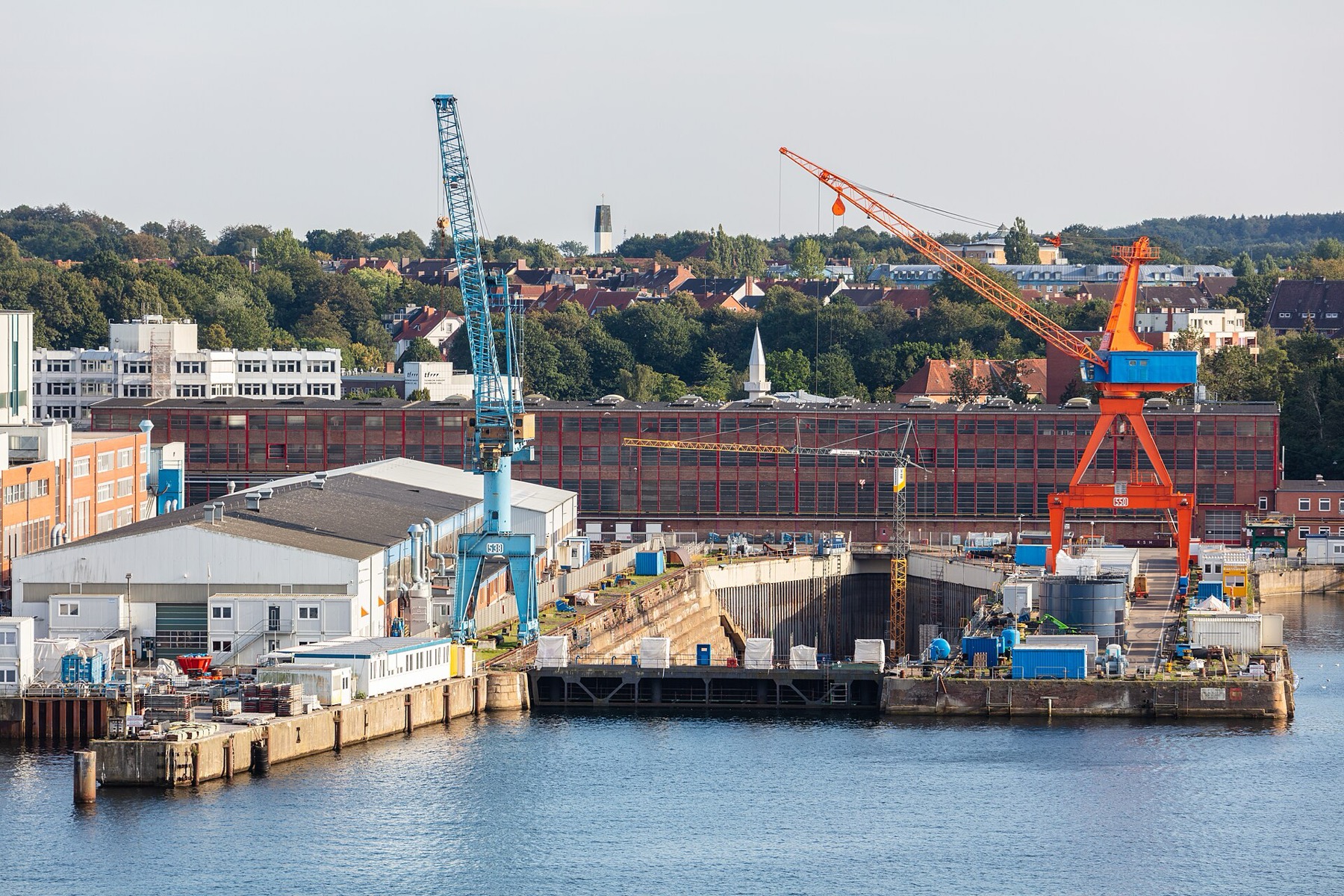
An overnight stay in Germany (Kiel)
If you’ve come from far away and opted for the comfortable ferry from Germany, I’d recommend staying overnight right in Kiel so there’s no morning rush. You’ll avoid the morning rush hour and boarding itself will be completely relaxed. The stylish Me and all hotel Kiel has great reviews and a handy location, just a short distance from the terminal, with excellent and secure parking.
If you prefer something more luxurious and want to spoil yourself with a fabulous breakfast before the crossing, go for the popular Steigenberger Conti Hansa. Both places will set you up beautifully for the voyage ahead and ensure you reach the ship in the best of moods, without needless hurry.

Staying in Hirtshals, Denmark, and in Oslo
Hirtshals in Denmark gets hopelessly full in the summer season, so book your accommodation well in advance. A tried-and-tested classic that won’t let you down is the Montra Skaga Hotel. Its huge advantage is a generous car park, where you can easily park even with a much larger campervan. In the morning the ferry gates are literally just a few minutes’ drive away.
Looking for somewhere to stay after disembarking right in the Norwegian capital? If you arrive in Oslo by ship, or stop off here on your way through Sweden, the design-led Thon Hotel Opera offers a fantastic strategic location right by the central station and the famous opera house. Everything is within easy reach from here, and you can leave the car resting in the hotel garages.

Where to eat well along the way
Whether you’re waiting for the ferry in port or want to make a long several-hour crossing more pleasant, good food is simply an inseparable part of travelling. Norwegian and Danish prices can put a bit of a strain on your wallet, but every now and then it’s worth turning a blind eye and treating yourself to something local.
Dining on board the ferries
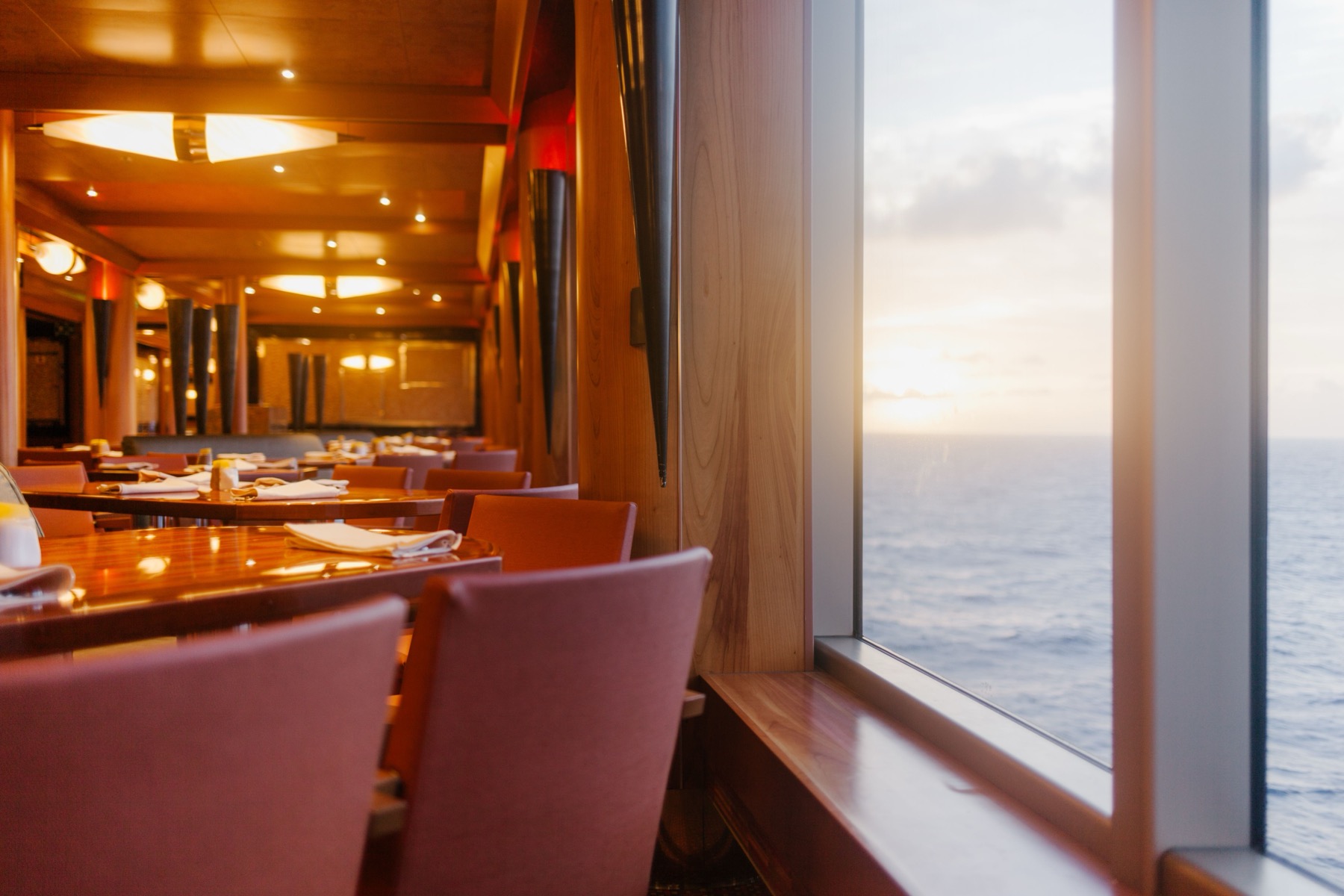
If you’re sailing on the longer routes, the food on board is a big draw in its own right. On the Color Line ships departing from Kiel there’s the elegant Oceanic à la Carte Restaurant, serving seafood and fantastic desserts with a view of the waves. If you prefer something quicker and more varied, the on-board buffets offer a genuinely generous selection of Nordic cheeses, smoked fish and plenty of fresh vegetarian specialities.
With Fjord Line, the spacious Commander Buffet restaurant is very popular. It’s simple: for a fixed price you can pile your plate with whatever you fancy, drinks included. On evening crossings especially, it’s an absolutely ideal way to start your dream holiday in style before you retire to your cabin.

Quick bites in Hirtshals
Before boarding in Denmark you often have an hour or two to spare in the port, which is perfect for one last proper meal on the mainland. Right by the water is the popular Hirtshals Fiskehus, renowned for fresh fish and honest fish and chips that draw people from all around; nearby, vegetarians will find bakeries and cafés serving Danish smørrebrød with cheese.
Another lovely and slightly quieter stop is the Cafe2 coffee shop. You can enjoy excellent coffee, sandwiches made from local ingredients and a moment’s rest in the warm before the gates to the ferry open. From personal experience I can confirm it’s a far better option than staring at an empty horizon in an endless queue of cars.
Practical summary and indicative prices
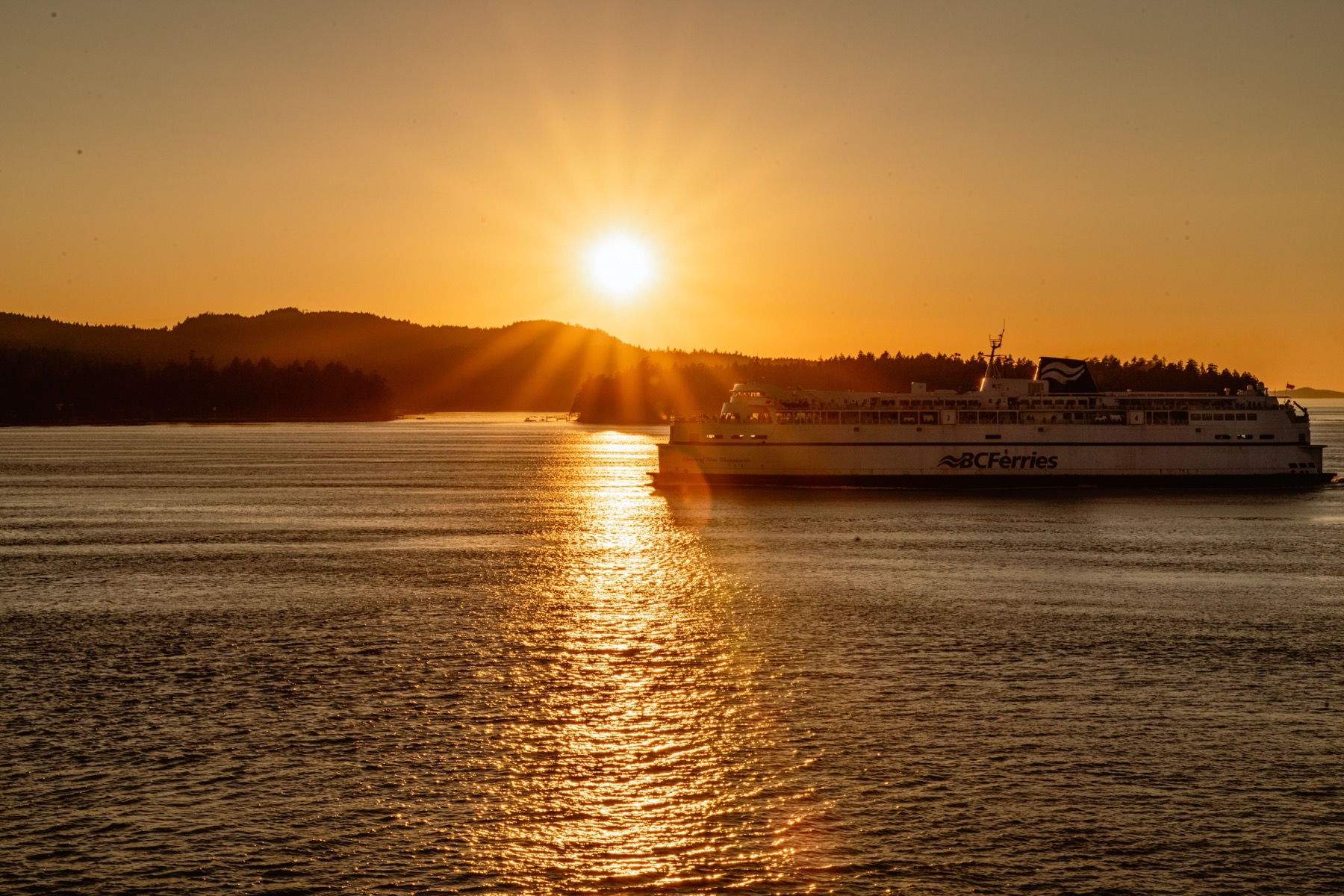
All in one place: what awaits you in 2026 and roughly what it’ll cost, in the most important points. Accommodation and food prices in Norway are high, but with a smart choice of route you can save a real chunk of money.
- Øresund Bridge (Sweden): SEK 670 one way without a contract.
- Øresund Bridge with ØresundGO: SEK 260 (the annual contract itself costs SEK 530).
- Storebælt Bridge (Denmark): DKK 235 for a manual card payment, DKK 205 in the express lane.
- International ferry Hirtshals – Kristiansand: From €49 for a car up to 5 m and crew.
- Domestic ferry Moss – Horten: NOK 291 for a car up to six metres.
- Lofoten ferry (Bodø – Moskenes): NOK 605 for a car up to six metres.
- Scenic ferry Geiranger – Hellesylt: Approx. NOK 720 for a car plus NOK 420 per adult.
- Discount with an AutoPASS ferje account: 50% off on domestic routes (a deposit and toll chip are required).
If you’re planning to spend more than two weeks on Norway’s roads and face a lot of fjord crossings, I’d recommend getting an AutoPASS toll tag. The paperwork does take a little time before you set off, but the savings on every ferry are simply enormous.
Where to next
If you’re interested in more details about travelling in the north, I’ve prepared several very handy guides for you. They cover everything from paying tolls to tips on the most beautiful places.
- Tolls in Norway: AutoPASS and Epass24
- How to get to Lofoten
- Norway by car: road trip and itinerary
- Norway by campervan: rules and campsites
- Norway: 50 tips on what to see
- How much a holiday in Norway costs
- Hurtigruten: cruising the coast
Frequently asked questions
How much does a ferry to Norway with a car cost?
The price depends heavily on the season and the route chosen. Short daytime crossings from Denmark can be found on sale for as low as fifty euros for a car with passengers. Overnight routes with mandatory cabins start from around one hundred and fifty euros upwards. Larger caravans incur significant surcharges for each additional meter of length.
How long does the ship sail from Kiel to Oslo?
This very popular voyage lasts exactly twenty hours. Ships depart daily at two o’clock in the afternoon and arrive at their destination the following day at ten o’clock in the morning. The journey passes unexpectedly quickly because the ships function as superbly equipped recreational resorts with restaurants, a promenade, and shops.
Is it possible to get to Norway completely without a ferry?
Yes, it is possible, but prepare for a huge detour. You must drive through the Danish islands and pay tolls on the Storebælt and Öresund bridges. From major European hubs to Oslo via this route is approximately 1,650 kilometers, so you’re looking at a minimum of two days of very intensive motorway driving.
Do I need to book domestic ferries?
For the vast majority of regular Norwegian ferries, you don’t need a reservation at all. You simply arrive at the port and join the queue. Exceptions are the summer months on the Bodø–Moskenes route and scenic cruises in Geiranger and on Lysefjord, where advance booking is practically essential.
How does payment work for domestic ferries?
Forget about cash and searching for ticket offices. When boarding the ship, cameras automatically scan your license plate. If you don’t have a registered card in the FerryPay system or a toll chip, the vehicle owner will receive an invoice with the fee at their home address. All passengers in the car travel for free on public routes.
Are dogs allowed on board international ferries?
Yes, but the rules vary greatly by company. You must always have deworming from a veterinarian performed 24 to 120 hours before entry. On overnight routes the situation is more complicated—dog kennels are limited and cabins for dog owners sell out immediately after tickets go on sale. I don’t recommend leaving a dog in the car in summer.
When are ferries cheapest?
The key to the best price is early booking. The cheapest tickets can be found three to six months in advance. The most budget-friendly departures tend to be early morning or late evening in the middle of the work week. A great trick is also to check the Norwegian version of the website, where tickets are often significantly cheaper when converted.
Tips and Tricks for Your Vacation
Don’t Overpay for Flights
Search for flights on Kayak. It’s our favorite search engine because it scans the websites of all airlines and always finds the cheapest connection.
Book Your Accommodation Smartly
The best experiences we’ve had when looking for accommodation (from Alaska to Morocco) are with Booking.com, where hotels, apartments, and entire houses are usually the cheapest and most widely available.
 🚗 Car rental on the roadVerified rental cars in Norway
Search with the DiscoverCars comparison engine — it compares prices from dozens of local and international rental companies, and most bookings come with free cancellation.
Compare car prices in Norway →Don’t Forget Travel Insurance
Good travel insurance will protect you against illness, accidents, theft, or flight cancellations. We’ve had a few hospital visits abroad, so we know how important it is to have proper insurance arranged.
Where we insure ourselves: SafetyWing (simple monthly subscription) and TrueTraveller (for extra-long trips).
Find the Best Experiences
Get Your Guide is a huge online marketplace where you can book guided walks, trips, skip-the-line tickets, tours, and much more. We always find some extra fun there!