

Getting to the Lofoten islands in Norway isn’t your typical weekend getaway, where you just toss a backpack on a plane and two hours later you’re sipping coffee on a beach somewhere. You’re heading far above the Arctic Circle to one of the most beautiful — but also logistically demanding — destinations in all of Europe. If you’re planning your dream Norwegian holiday, you’ve probably already realised that there’s no direct flight from the UK. You’re looking at a full day of travel with at least one connection in Oslo, picking up a car afterwards, and quite possibly a multi-hour ferry crossing over open sea.
Norwegian infrastructure runs like the proverbial Swiss watch, but you need to know the rules of the game in advance and have a clear plan up your sleeve. Your main goal should be to minimise downtime and eliminate the stress of uncertainty, because a missed connection up north often means losing an entire day. In this guide we’ll take a detailed look at every transport option, from buying flights to paying for parking at the most famous viewpoints. I’ll tell you which airports make sense to combine, what to watch out for when renting a car, and which apps will save your sanity once you’re there.
TL;DR
- Choosing the airport is key: Evenes Airport (Harstad/Narvik) saves you the ferry crossing, while flying into Bodø means a sea voyage is unavoidable.
- Ferries are bursting at the seams: Book your ticket on the Bodø–Moskenes ferry online the moment you’ve bought your flights, or you’ll spend hours in the port.
- Summer 2026 prices: A return flight will set you back roughly €330 to €620, and the ferry costs one car between 764 and 1,710 NOK.
- Don’t delay the car rental: Cars for July are often sold out by spring, and a week’s rental of a small car will cost 7,000 to 11,000 NOK.
- Measure distances in hours: The main E10 road is narrow and packed with motorhomes, so average speeds in season hover around just 40 to 50 km/h.
- Parking adds up: Exposed spots like Haukland Beach or the trailhead for Ryten charge hefty daily fees of around 100 to 200 NOK.
- You won’t manage without apps: Norway is a cashless society, so download Yr.no, EasyPark and the Torghatten app for buying ferry tickets before you leave home.
The full destination guide: Lofoten — guide and what to see
7 Things You Need to Know
1. By Air: Evenes Airport vs. Bodø
All air routes to the archipelago logically run via Oslo, where you’ll catch a connecting domestic flight heading north. From the UK, you can fly to Oslo directly with the likes of Norwegian, SAS or British Airways from London, and from there hop on the domestic leg. The choice of final airport completely shapes the rest of your travel day and your overall budget. Flights for the summer 2026 season cost roughly €330 to €620 per person, depending on how far ahead you book. You have two main, realistic options, and each offers a totally different travel experience.
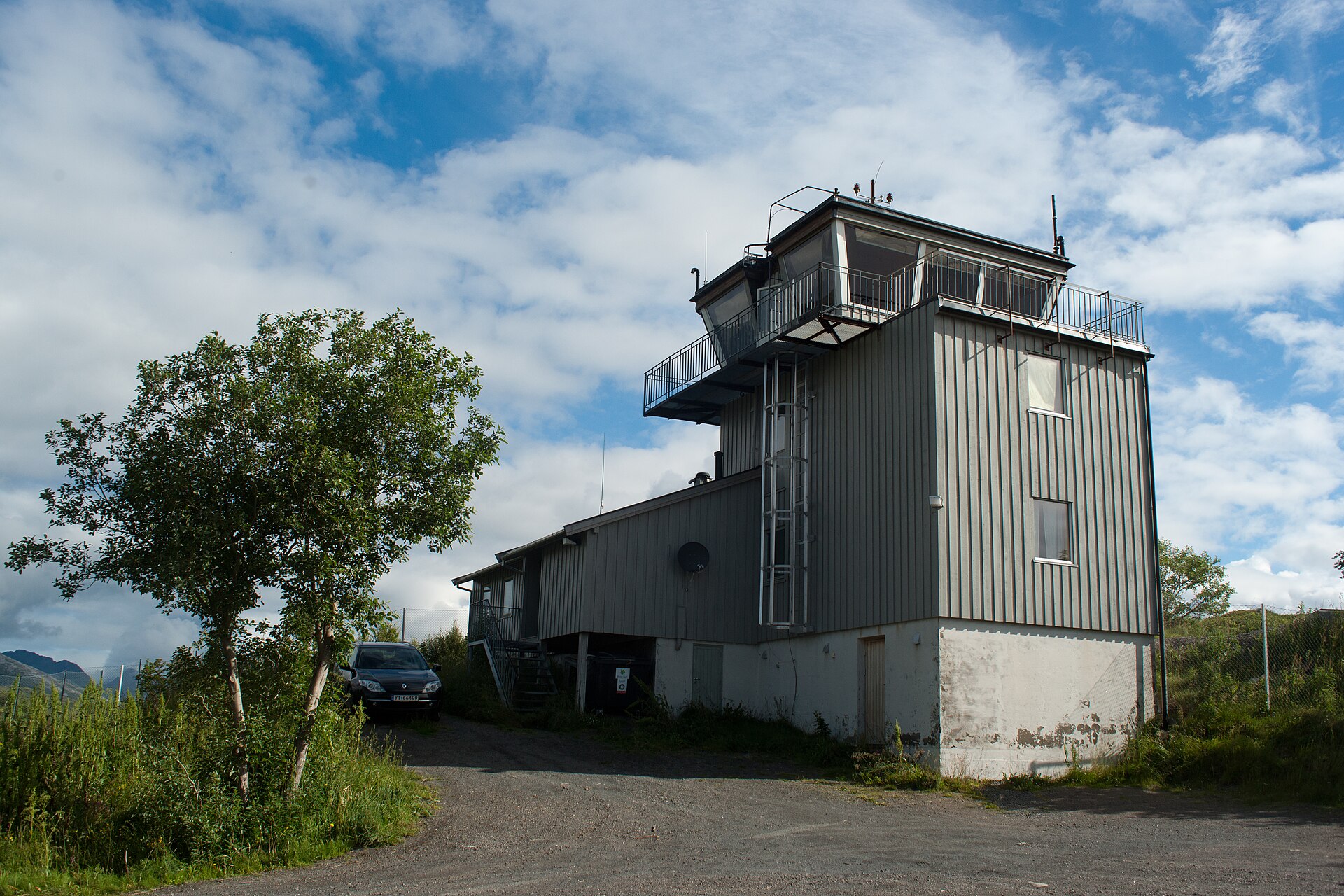
The first option is Evenes Airport, which you’ll find under the code EVE and the official name Harstad/Narvik. This airport sits right on the mainland, making it the absolutely ideal choice for any traveller who hates sea crossings or wants to save time. After landing, you simply pick up your pre-booked rental car and drive straight onto the famous E10 road. No complicated waiting in the port, no stress over whether you’ll fit on the ferry — none of that applies here. You’ll reach Svolvær, the symbolic gateway to Lofoten, after 2.5 hours of smooth driving through truly stunning Nordic scenery.
The second very popular option is Bodø Airport, code BOO — the classic and busiest route. The flight from Oslo is a touch shorter in this case, but in Bodø your journey by air definitively ends and you have to make your way to the local port. From there a huge ferry sails to the town of Moskenes, which lies at the very southern tip of the Lofoten archipelago. This transfer means another unavoidable change, a fairly long wait in the terminal, and about 3.5 hours sailing across open sea. And if a strong wind happens to be blowing, the big waves can be a real challenge for more sensitive stomachs.
💡 Tip: If you opt for Evenes Airport, you’ll spare yourself a lot of worry over potential bad weather. A car and a mainland road won’t be cancelled by strong wind, whereas the ferries from Bodø simply don’t sail at all in bigger storms.
2. The Bodø–Moskenes Ferry: Step by Step
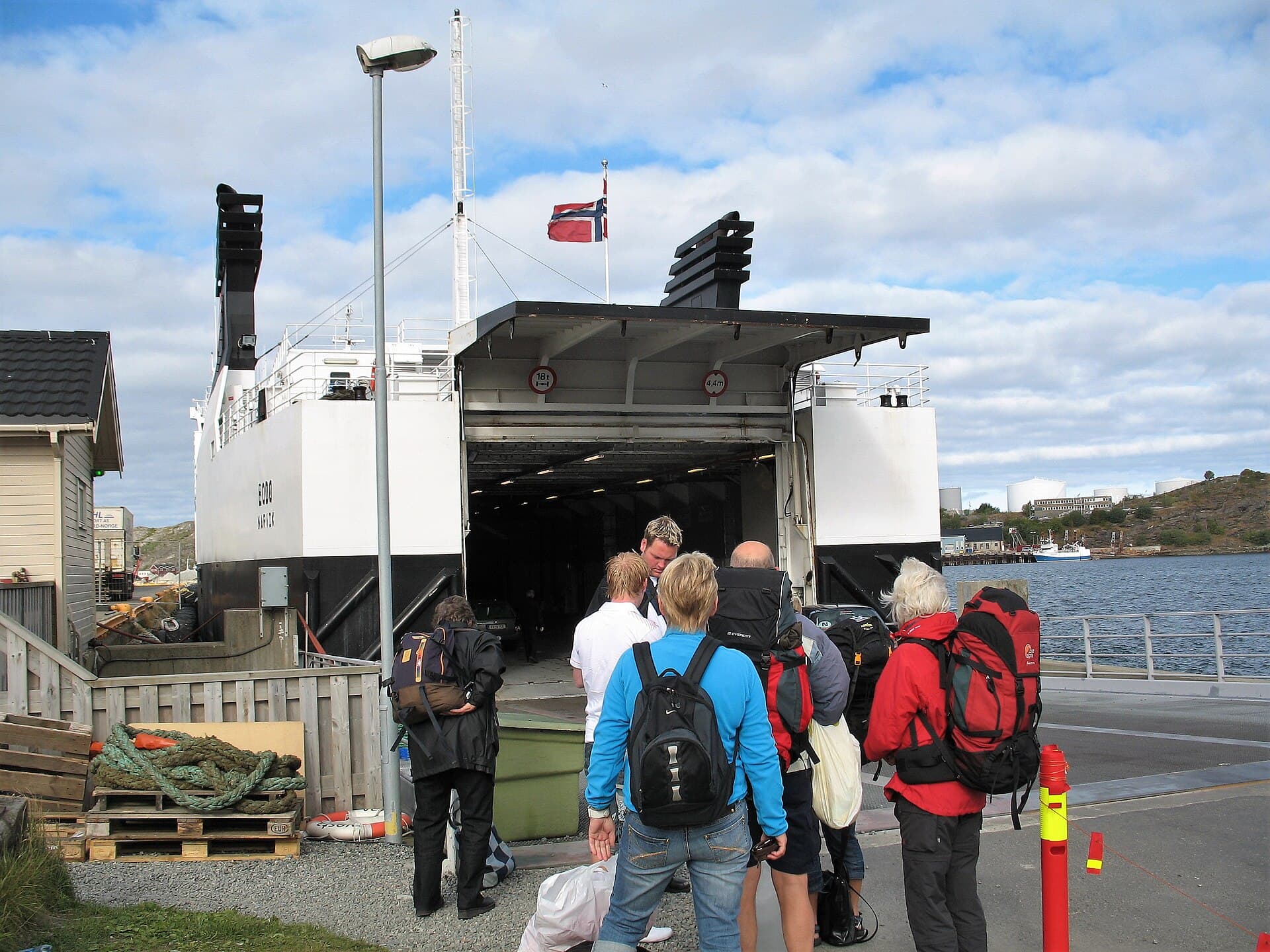
If your choice fell on Bodø Airport, the ferry becomes an unavoidable part of your Norwegian adventure. This particular sea route is operated by Torghatten, and in the summer months up to 9 sailings run daily. The fare for a standard passenger car with occupants for 2026 ranges widely between 764 and 1,710 NOK, which works out to roughly €65 to €145 one way. The exact amount depends on the specific sailing time and the type of your vehicle.
But this is where all the fun ends and the harsh reality of an overcrowded Lofoten summer begins — something many tourists simply aren’t prepared for. Exactly 50 percent of the ship’s total capacity can be reserved online in advance, while the rest of the spots run on an uncompromising “first come, first served” system. You should make this reservation on the official website the moment you’ve bought your flights, because spots disappear at an incredible pace. Even with a prepaid ticket, you must be at the dock at least 45 minutes before departure so the port staff can slot you into the correct designated lane in time.
If you miss the reservation window or turn up without a ticket, expect a very long wait. In July the standby queues start filling up the night before, and it’s completely normal to simply not fit onto the first or even the second boat. The wait can easily stretch to another two or three hours, which is a genuinely exhausting experience after a full day of flying from the UK. This rule also applies to other popular routes, such as the ferry from the island of Senja on the Gryllefjord–Andenes route.
So what should you do if you don’t make it onto the boat and have to kill time in the port? Fortunately, the terminal in Bodø has a fairly large, heated waiting room with toilets and a hot coffee machine. Right next to the terminal there’s a long waterside promenade, perfect for stretching your legs after the flight in good weather. Within a five-minute walk you’ll find a large Coop Extra supermarket and the lovely Kafe Kafka café, where you can comfortably ride out the worst of the wait. There’s even a free bus from the terminal car park straight to the town centre — the trip takes just three minutes.
💡 Tip: If your ferry is definitively cancelled due to a gale or a technical fault, Torghatten will usually happily refund the forfeited ticket or automatically move you to the next available sailing. So always keep your booking confirmation SMS safe.
3. Renting a Car in Lofoten
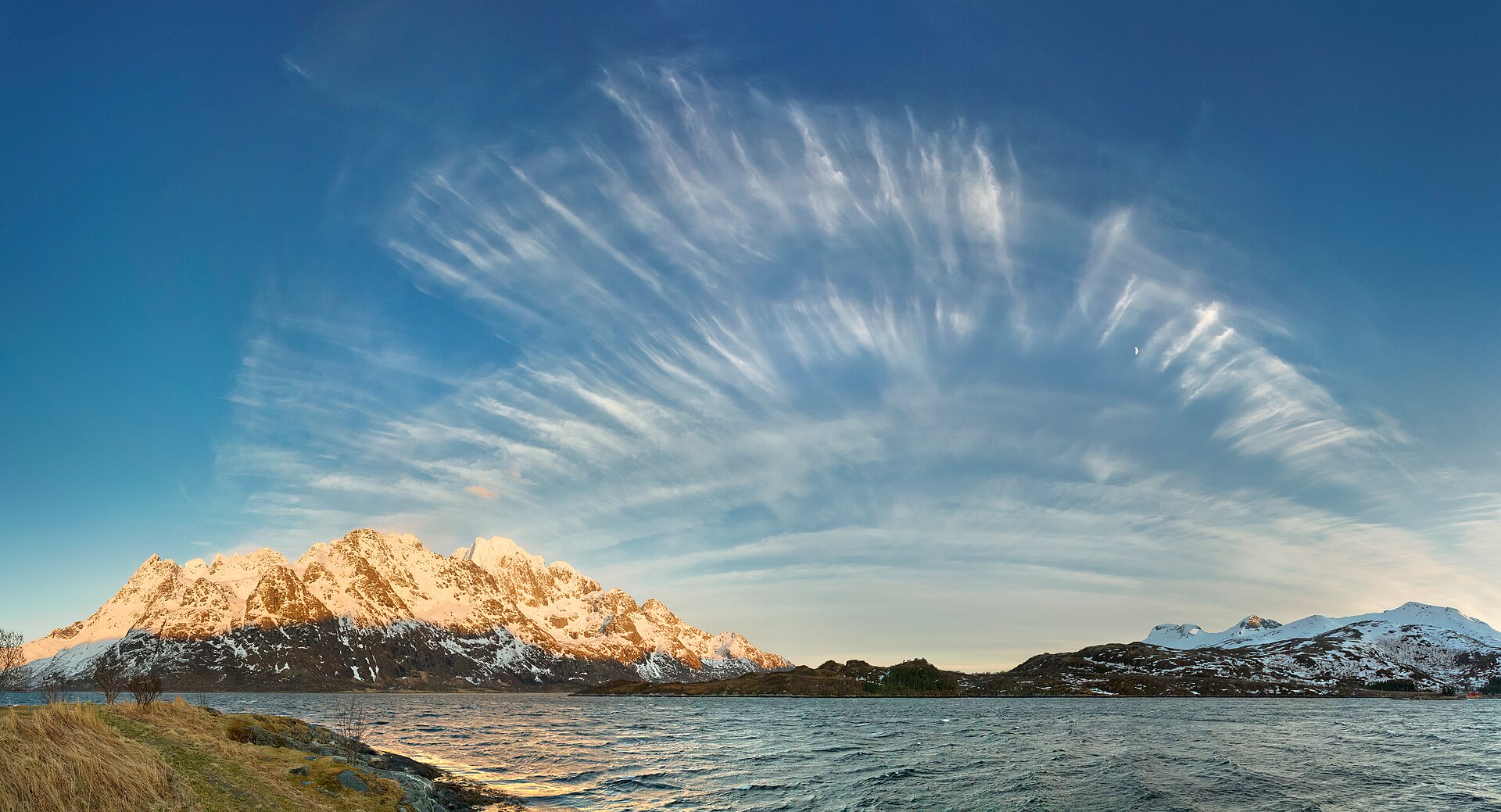
Without your own or a rented car, getting around the archipelago is very tough and you’ll miss out on a huge amount of freedom. Public bus transport officially exists here, but the timetables are practically useless and very restrictive for actively exploring the islands. So reserve your car ideally two to three months in advance to be sure of the choice. In July, prices literally shoot into orbit and most local rental agencies report being completely sold out.
For a small car — which in Lofoten will quite possibly be fully electric or diesel — you’ll pay around 7,000 to 11,000 NOK in 2026 for one week. If you’d fancy a bigger, roomier SUV, set aside between 11,000 and 17,000 NOK. But do you really need an expensive four-wheel-drive SUV? The answer is crystal clear: in summer you absolutely don’t. All the main routes and turnoffs to tourist sights have excellent, well-maintained tarmac.
A classic estate or an ordinary mid-size hatchback is perfectly sufficient — you’ll fit all your suitcases, backpacks and any camping gear in without the slightest trouble. The important thing is to focus instead on comprehensive insurance with zero excess, because scratches from stones or scraped mirrors on the narrow roads are nothing out of the ordinary. If you’re travelling with family, don’t forget that a child car seat is strictly mandatory in Norway for small children, and checks tend to be strict.
Either you rent the car seat with the car for a hefty surcharge — which I don’t recommend, as they’re often dirty and of dubious quality — or you’d be better off bringing your own from home. Most regular airlines will happily check in a child car seat free of charge, on top of your standard baggage allowance. Just be sure to get a really sturdy, padded travel bag for it so it survives the rough handling of airport staff during connections undamaged.
💡 Tip: Rental cars come fitted with a special toll chip from the factory, and the number plate is firmly tied to your rental agreement. The agency will simply charge tolls for the new tunnels to your credit card without asking, four to six weeks after the rental ends.
4. The Reality of the E10 Road: Bridges, Tunnels and Traffic Jams
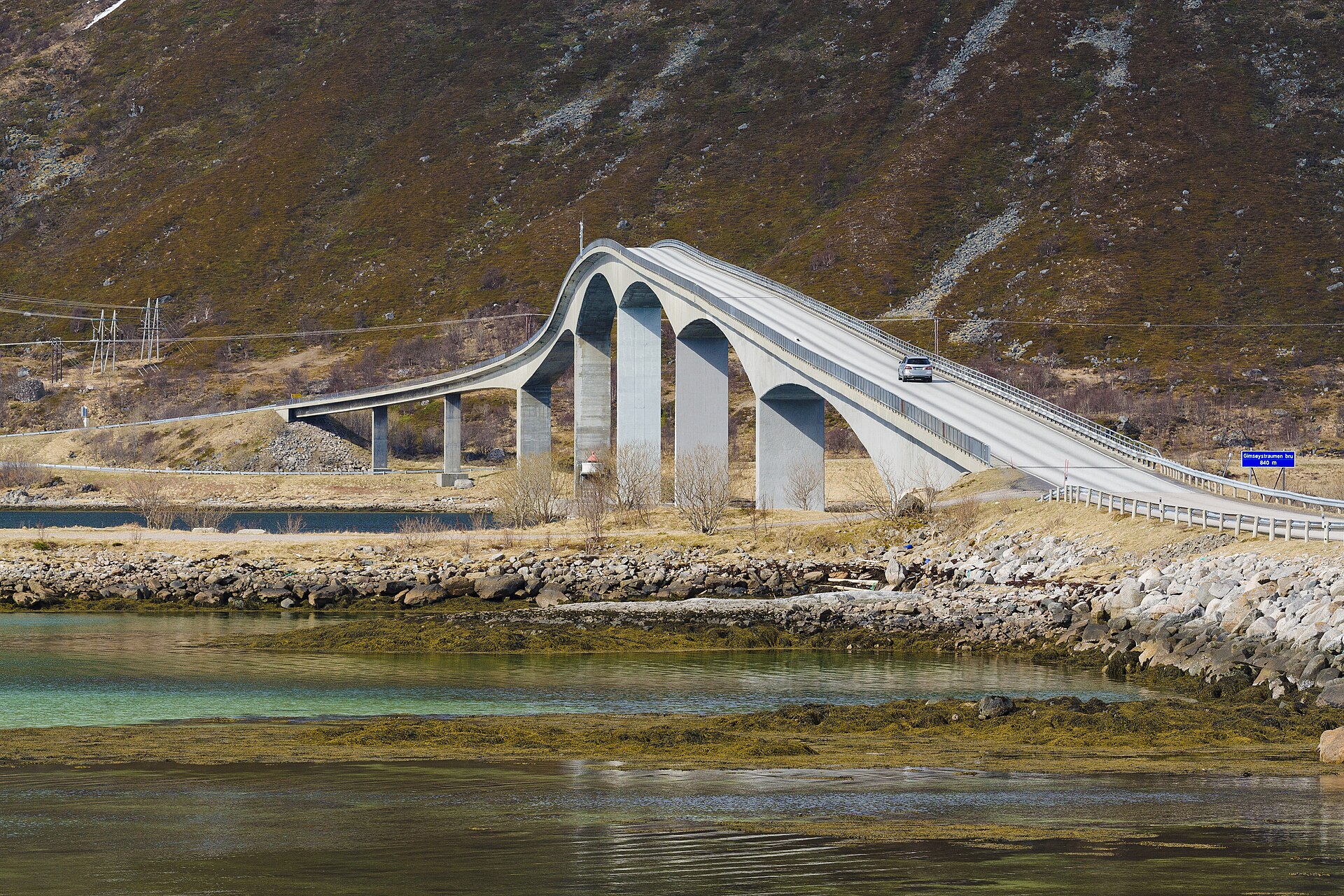
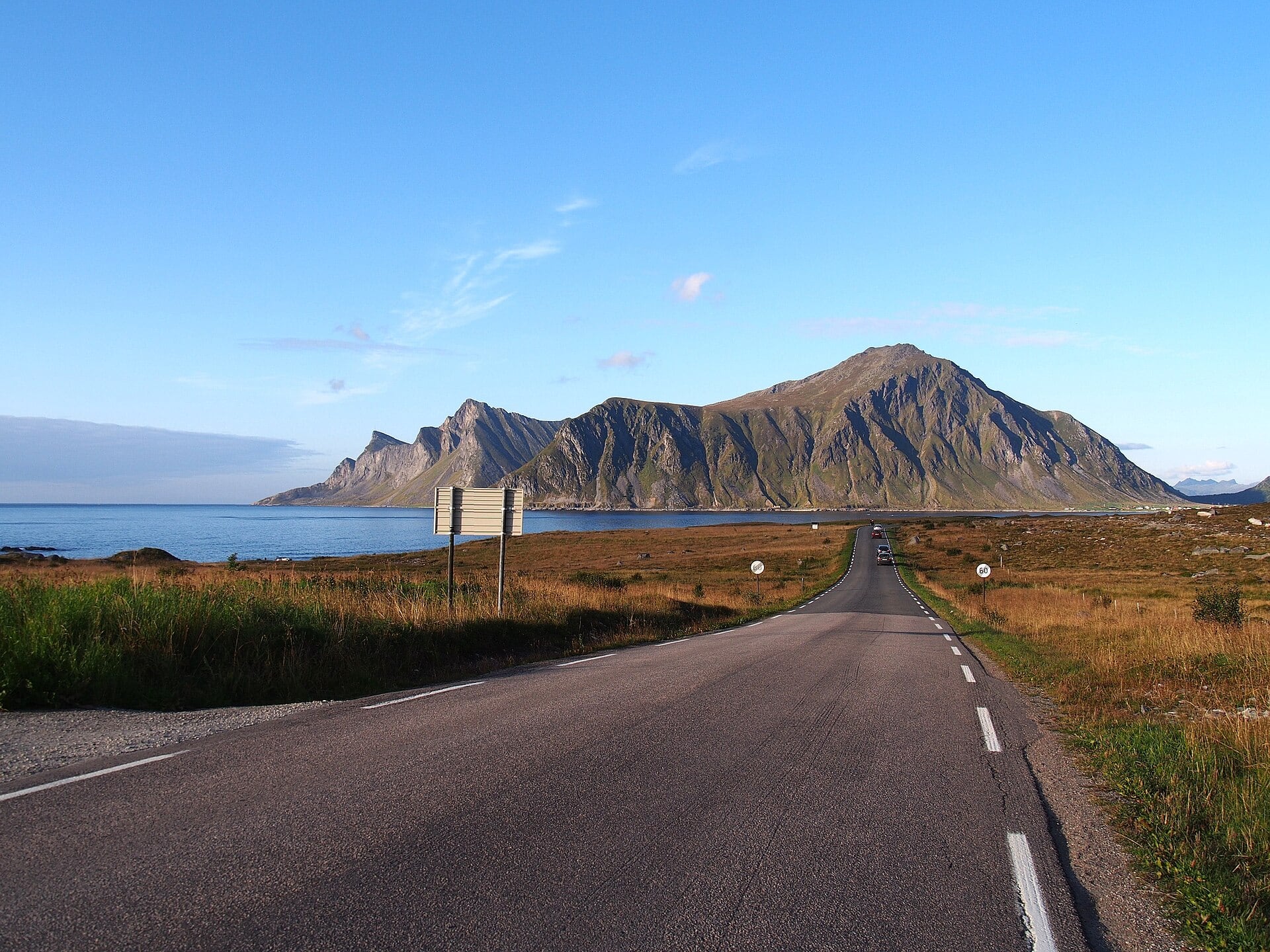
The backbone of all Lofoten is the iconic E10 road, which winds through stunning scenery and connects the individual islands via a web of bridges and deep undersea tunnels. It runs from the north all the way down to the far south and ranks among the absolute most beautiful roads in the world — which brings its own pitfalls, too. In July it’s also among the most congested and slowest roads in all of Scandinavia. The archipelago welcomes over a million enthusiastic tourists a year, while just twenty-five thousand permanent residents live here.
The E10 simply wasn’t built to handle such an extreme onslaught of vehicles, and in many places it can’t cope. It’s fairly narrow, full of blind bends, and in season convoys of very slow motorhomes crawl along it. Your average travel speed commonly hovers around just 40 to 50 km/h, which you must firmly factor into your trip planning. So never measure distances on the map in kilometres driven here, but solely in the real hours you’ll spend behind the wheel.
In the summer season, motorhomes uncompromisingly occupy every conceivable cove, lay-by and wider verge, which significantly complicates smoothly passing oncoming vehicles. So arm yourself with a huge dose of patience and plan your drives between towns with a generous time buffer. Traffic jams are an entirely normal phenomenon, especially on the narrow roads around the most popular spots and viewpoints. An ordinary fifty-kilometre stretch can easily eat up an hour and a half of pure driving time in summer traffic.
💡 Tip: Take extra care in the long undersea tunnels, where light switches very sharply to darkness and the road plunges steeply downhill. Don’t forget to take off your sunglasses and keep a safe distance from the cars in front, as motorhomes often brake unexpectedly here.

5. Parking and Strict Rules
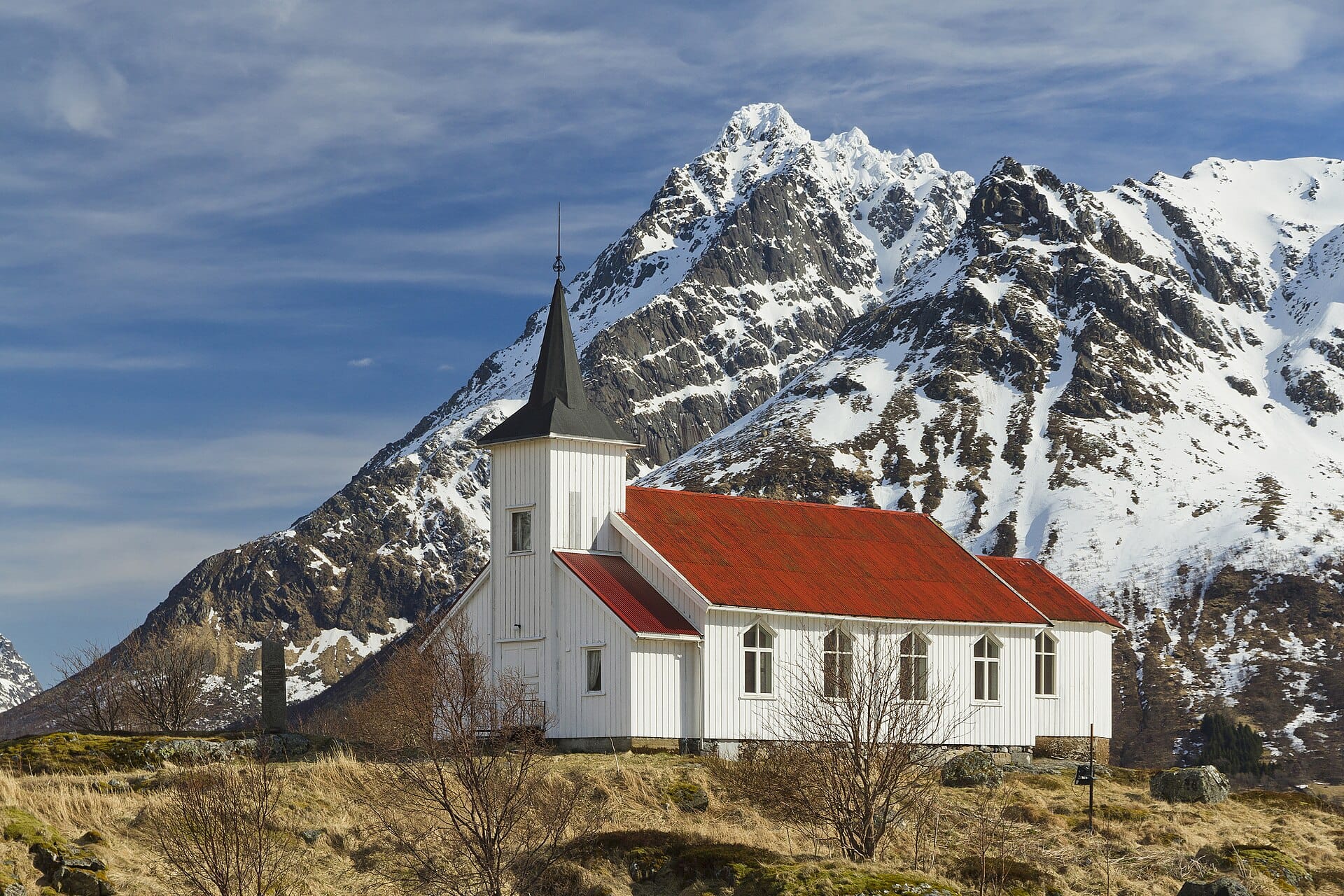
Norway is currently an almost entirely cashless society, which shows fully when paying for parking out in nature. The fact that you happen to be parked in the middle of wild, untamed scenery no longer means you can just leave the car there for free. In recent years, tourist hotspots have had to introduce fairly steep fees to somehow regulate the unmanageable crowds of visitors. That money then goes towards maintaining toilets, paths and rubbish collection from remote areas.
Fees vary by location, but always expect them to take a significant bite out of your daily budget. For example, at the popular Reine Outer Harbour you’ll pay 35 NOK for every hour started. At the beloved Haukland Beach, the daily rate ranges between 100 and 200 NOK depending on your car type and the exact parking duration. If you’re heading to the famous Ryten viewpoint from the Fredvang car park, set aside a flat 100 NOK for an all-day ticket.
Some villages do still have a few free spaces, but they’re as rare as hen’s teeth and vanish at lightning speed. In Reine you’ll find the small Steffenakken car park with twenty free spaces, but in July it’s bursting at the seams by seven in the morning. Never, ever try to save money by parking the car outside designated, official spots. Don’t park on private driveways to houses, or in a way that even partly blocks the main carriageway with a wheel.
💡 Tip: Fines for bad parking are utterly draconian across Norway, and the locals are quite understandably allergic to tourists who block the entrances to their homes. What’s more, police or car park wardens regularly patrol the area and mercilessly slap hefty fines under windscreen wipers.
6. Phone Apps You Can’t Do Without
While you’re still on the comfortable sofa at home, download and carefully set up all the essential digital kit on your phone. Once you’re there, these smart apps will save you dozens of minutes of precious time and a lot of frustration when hunting for parking machines. The foundation of everything is the Yr.no app from the Norwegian Meteorological Institute — an absolute must. The weather here changes literally minute by minute, and this is the one reliable source that will warn you of an approaching Arctic storm.
In the Yr.no app, watch not just the precipitation but above all the current strength and direction of the wind, which can be very treacherous. An excellent companion to this app is the globally known Windy, which offers a very detailed and clear radar of wind gusts. You’ll appreciate this information above all the moment you open your car door, so a strong gust doesn’t suddenly rip it off its hinges. For managing and quickly buying ferry tickets, definitely install Torghatten’s official app.
You’ll handle parking payments elegantly and quickly using the two most common Norwegian apps, EasyPark and Parka. These systems work both in remote gravel car parks beneath the mountains and in larger towns like Svolvær or Leknes. Don’t forget to link your payment card to them before you fly out, so you’re not stuck deciphering terms in the rain in a car park. On many spots, physical parking machines have long since disappeared altogether.
💡 Tip: If you’re heading north in your own car from the UK rather than using a rental, you’ll need to sort out Norwegian tolls yourself. So register an online account in advance at autopass.no and link it to your number plate, which will save you needless invoices with surcharges. And don’t forget a reliable data connection for all these apps — an Holafly eSIM is the easiest way to stay online from the moment you land.
7. Plan B: What to Do When Transport Fails
Lofoten will very quickly and bluntly teach you true travel humility, because nature here always has the last word. It can happen that the plane to Bodø picks up an awkward delay and as a result you miss your dutifully reserved ferry. At a moment like that, the most important thing is simply not to panic and to keep a cool head, because hundreds of tourists deal with similar situations here every day. You simply drive to the port and dutifully join the queue for cars without a reservation, the so-called Non-booked lane.
You’ll probably wait an hour or so for the next free boat, but in the end you’ll always make it to the islands. For these cases, always keep enough food, warm clothing and water in your carry-on for another twelve hours of unplanned waiting. The larger terminals do tend to have maintained toilets and basic heated waiting rooms, but you have to provide all your own distraction and comfort. A book, a charged power bank or downloaded films on a tablet are worth their weight in gold here.
If ferries are cancelled entirely for the whole day due to extreme weather, contact your accommodation — your reserved rorbu — immediately. The local owners are very well used to these unpredictable crisis situations and will often shift your booking to later days without any penalty. They know full well that you simply have no safe way to physically reach them across a stormy sea. Communication is absolutely the key to success and to keeping good relations here.
💡 Tip: It’s precisely because of these frequent ferry disruptions that flying into the mainland Evenes Airport (EVE) is so much safer and more reliable. A strong wind simply can’t cancel your rental car or a mainland road, and you’ll reach your destination slowly, perhaps, but with complete certainty.
Practical Summary and Indicative Prices
To tidy up all that information and all those figures neatly, I’ve put together a quick overview of indicative prices for the summer 2026 season. Exchange rates can of course shift a little, but for getting a sense of your budget, this data will serve you well.
- Return flight from the UK (via Oslo): €330 to €620 depending on how far ahead you book.
- Bodø–Moskenes ferry (car with occupants): 764 to 1,710 NOK (approx. €65 to €145) one way.
- Small car rental for a week: 7,000 to 11,000 NOK.
- 4×4 SUV rental for a week: 11,000 to 17,000 NOK.
- Parking at famous spots (Haukland, Ryten): 100 to 200 NOK for the whole day.
- Hourly parking in towns and at ports: Around 35 NOK for every hour started.
💡 Accommodation and experiences tip: We love to look for accommodation on Booking.com, which tends to have the best cancellation terms. Tickets, tours and activities are then worth comparing and booking through GetYourGuide.
Where to Next
- If you’ve already sorted out your transport, definitely have a read of our big guide to Lofoten, where you’ll find the most beautiful trips and beaches.
- Wondering which month is best to go? Read the article on when to visit Lofoten to avoid the worst of the crowds.
- For those who want to experience total freedom, we’ve put together a detailed Lofoten by car — road trip with a specific route.
- If you’re facing a long wait for the ferry, take a look at what the town of Bodø itself has to offer.
- And finally, you’ll find tips on the most magical red cabins in our overview of where to stay in Lofoten.
Frequently Asked Questions
How long does the whole journey from Prague to the Lofoten Islands take?
If you choose Evenes airport, count on a whole day. You’ll depart Prague in the morning, change in Oslo at noon, and land in the north in the afternoon. Add to that roughly 2.5 hours of driving to Svolvær. In case of a flight to Bodø and subsequent ferry, the journey can easily stretch into the late evening hours or the next day.
Do I really need to book my ferry ticket in advance?
In the summer months, it’s an absolute must. The reservation system only releases 50 percent of the boat’s capacity, and these spots disappear at an incredible speed months in advance. If you show up at the harbor without a ticket, there’s a huge chance you won’t get on the first connection at all and you’ll spend long hours waiting for the next boat.
Can you get by on the islands without a rental car?
Theoretically it’s possible, but in practice I definitely don’t recommend it. Bus transport does work here, but connections don’t run very frequently and on weekends their operation is even more limited. Without a car you also won’t be able to reach the more remote beaches and trailheads that are located off the main roads.
Do I need to have cash on me in Norway?
Not at all, Norway is nowadays an almost one hundred percent cashless country. Absolutely everywhere, from small coffee stands through public toilets to parking meters, you can pay without any problem using a regular payment card or smartphone. Cash will more likely cause you trouble when looking for currency exchange offices, of which there are very few.
Where and how exactly do you pay the road toll?
If you have a car from a local rental company, you don’t need to worry about anything. The vehicles are equipped with an electronic chip and each time you pass through a toll gate, the amount is automatically recorded. The rental company will then deduct the total toll amount from your credit card approximately one month after you return home.
What happens when the ferry gets cancelled due to strong winds?
The company Torghatten will in such cases transfer you to the nearest available connection once the weather calms down, or will gladly refund your money for the unused ticket. Also immediately contact your booked accommodation in Lofoten – the owners completely understand this situation and will often move your reservation without any cancellation fees.
Does it make sense to pay extra for an expensive 4×4 SUV in summer?
For the summer months from June to August, it’s completely unnecessary luxury. All main roads and side routes to tourist destinations are paved and very well maintained. A classic hatchback or spacious estate car will be more than enough for you, and you can invest the thousands of Norwegian kroner you save into quality accommodation instead.
Tips and Tricks for Your Vacation
Don’t Overpay for Flights
Search for flights on Kayak. It’s our favorite search engine because it scans the websites of all airlines and always finds the cheapest connection.
Book Your Accommodation Smartly
The best experiences we’ve had when looking for accommodation (from Alaska to Morocco) are with Booking.com, where hotels, apartments, and entire houses are usually the cheapest and most widely available.
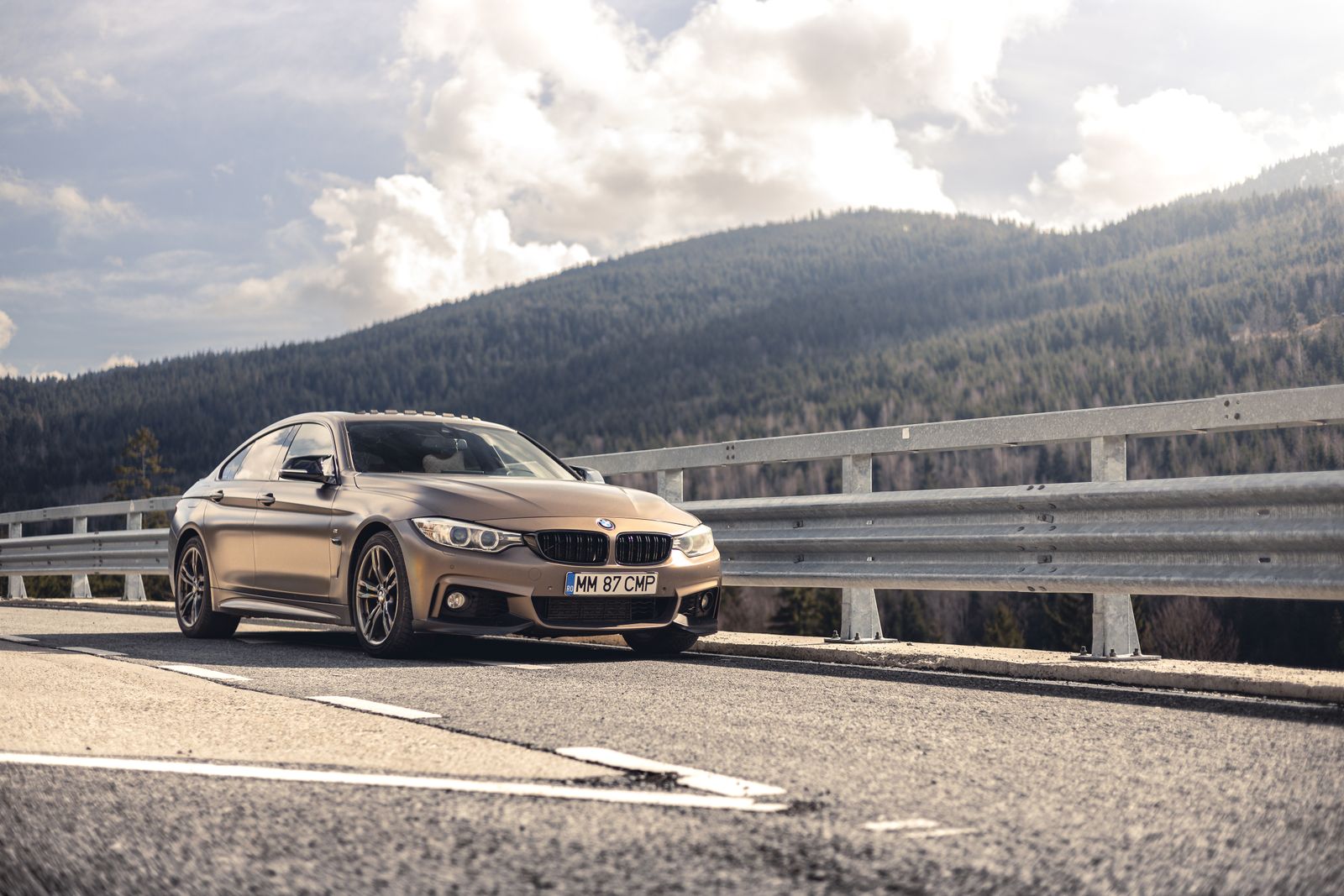 🚗 Car rental on the roadVerified rental cars in Norway
Search with the DiscoverCars comparison engine — it compares prices from dozens of local and international rental companies, and most bookings come with free cancellation.
Compare car prices in Norway →Don’t Forget Travel Insurance
Good travel insurance will protect you against illness, accidents, theft, or flight cancellations. We’ve had a few hospital visits abroad, so we know how important it is to have proper insurance arranged.
Where we insure ourselves: SafetyWing (simple monthly subscription) and TrueTraveller (for extra-long trips).
Find the Best Experiences
Get Your Guide is a huge online marketplace where you can book guided walks, trips, skip-the-line tickets, tours, and much more. We always find some extra fun there!
More from Lofoten
Full guide → Travel story · most readWhat to Pack for Lofoten, Norway: A Packing List for Every Season
 When to goWhen to Visit Lofoten, Norway: Weather Month by Month and the Midnight Sun 2026
 ActivitiesReinebringen Norway: 6 Things to Know — The Hike, Steps & Current Status
 What to see7 Things to Do in Lofoten, Norway When It Rains: Your Backup Plan
 ActivitiesTrollfjord, Norway: Cruising the Narrowest Fjord in Lofoten 2026


