

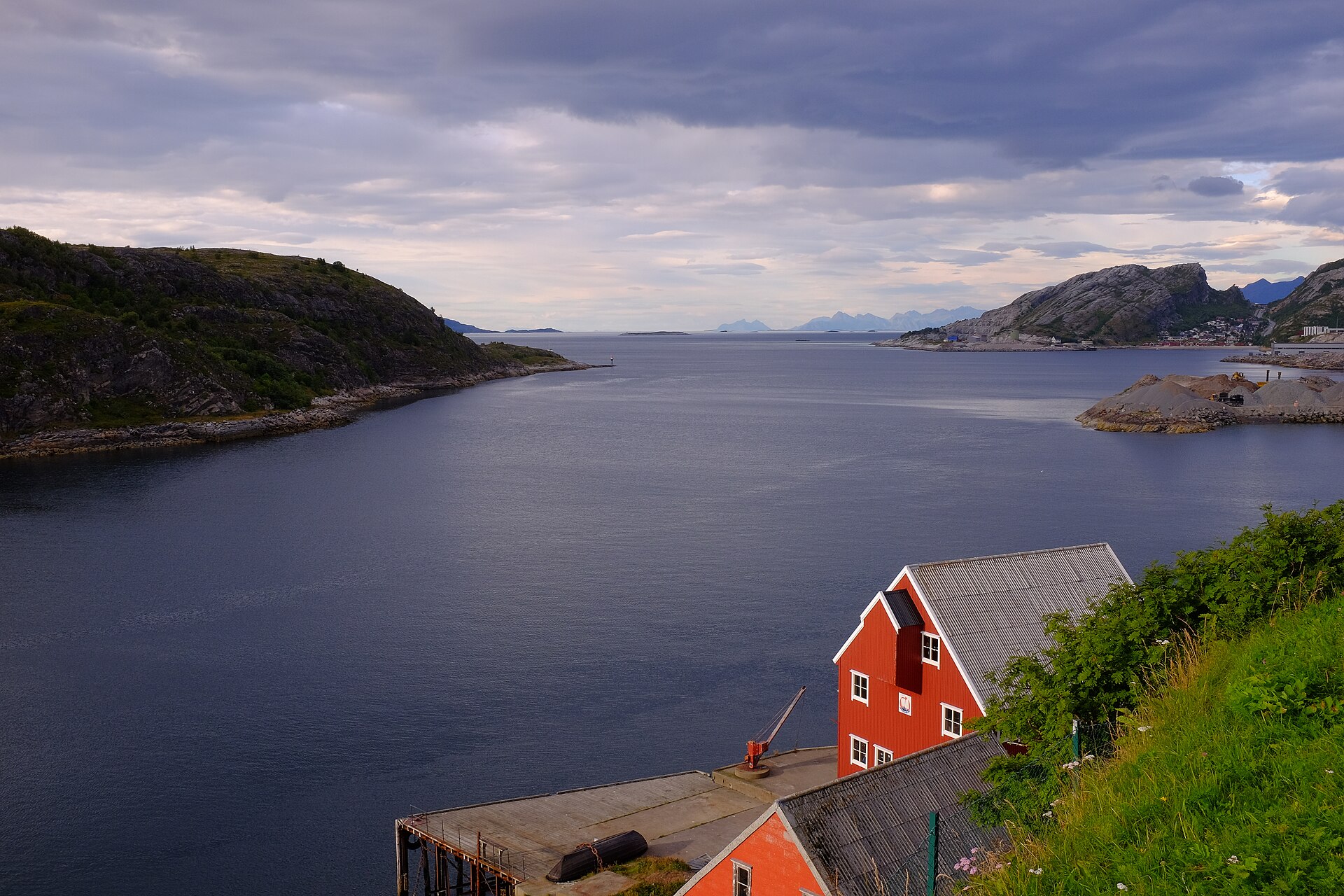
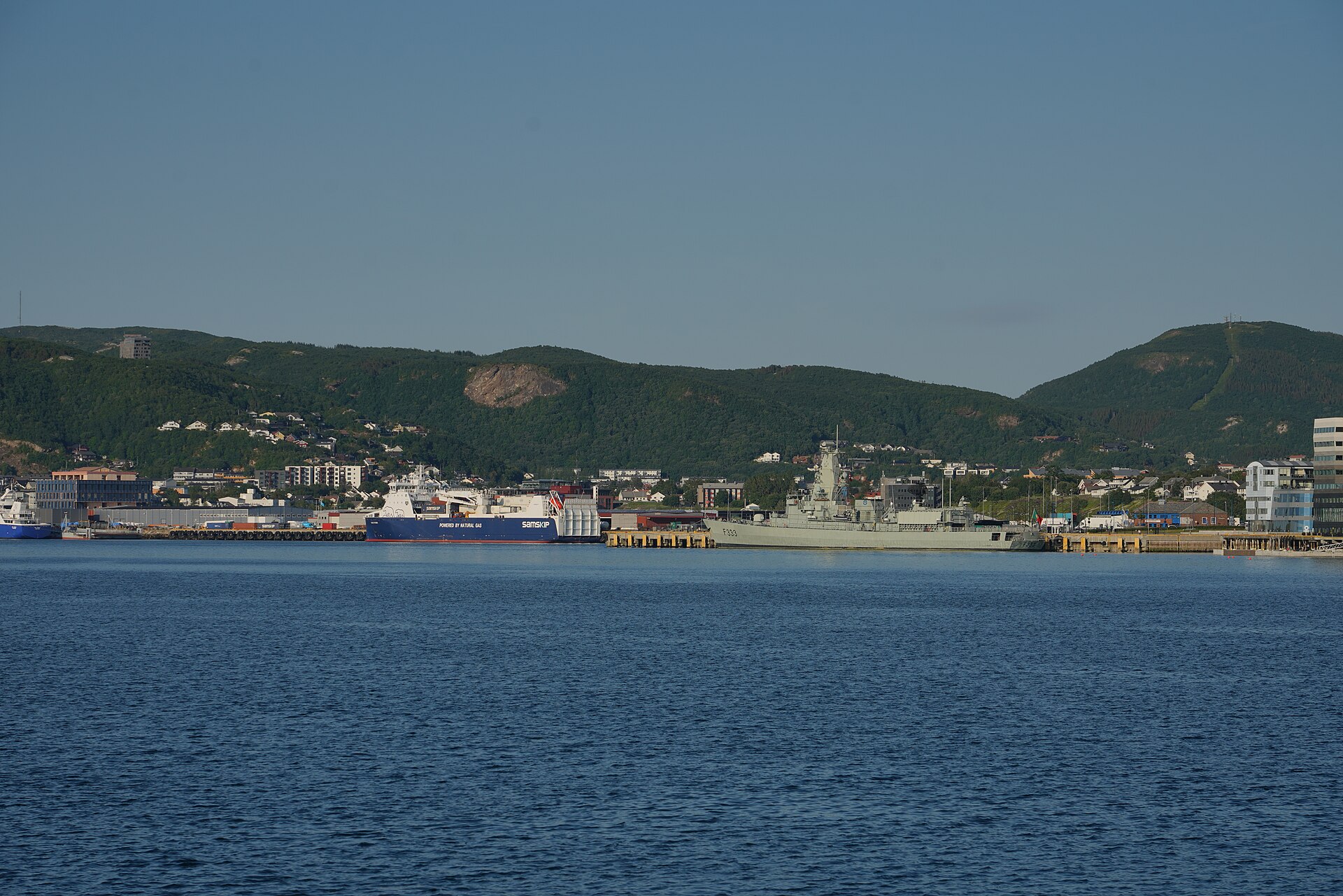
If you’re planning a trip to northern Norway, your sights are probably set on the dramatic peaks of the famous Lofoten Islands. But the journey to this paradise often begins more quietly, in the port town of Bodø, Norway, which serves as the main transport hub and gateway to the islands.
Bodø might not seem like a typical romantic destination at first glance, but don’t be fooled, it hides enormous charm and fascinating natural phenomena. This is home to the strongest tidal current in the world, and majestic white-tailed eagles will be circling overhead.
In this article we’ll cover all the practical information about the Bodø–Moskenes ferry and show you how to fit the town into your itinerary. I’ll also throw in exactly 6 tips on what to see and do in Bodø, so it’s not just a boring waiting room for the boat. ☺️
TL;DR
- Main hub: Bodø is the best starting point for the trip to Lofoten; the ferry to the port of Moskenes takes roughly 3 to 3.5 hours from here.
- Biggest draw: Just half an hour’s drive from the town you’ll find Saltstraumen, which is the strongest tidal whirlpool on the planet.
- Culture and art: In 2024 Bodø was the European Capital of Culture, which is reflected in a huge amount of stunning street art.
- When to go: For the midnight sun and stable weather, the ideal time is the turn of June and July, while the winter months are best for the northern lights.
- Ferry booking: In the 2026 summer season it is absolutely essential to book the car ferry in advance, otherwise you risk a full day of waiting at the port.
- Views: If you have time before the boat departs, head up Keiservarden mountain, from where you can see the entire coastline and the approaching ferries.
The full destination guide: Lofoten — guide and what to see
When to Visit Bodø
Choosing the right time to visit northern Norway depends entirely on what you want to experience. The town sits just above the Arctic Circle, which gives it very specific light conditions that will shape your itinerary more than anything else. If hiking is your goal and you’re longing to experience the famous midnight sun, plan your trip for early June through to mid-July. During this period the sun officially never dips below the horizon, and you can enjoy endless days, a huge advantage for flexible travel and even midnight excursions.
The winter months, on the other hand, tempt you with a completely different atmosphere, above all the magical northern lights (Aurora Borealis). From September to April the sky turns green on clear nights, but you’ll have to reckon with very short days. In December and January there’s also the polar night, when the sun doesn’t show up at all and the town is wrapped in deep blue twilight. Although Bodø is much warmer than other places at the same latitude thanks to the strong influence of the Gulf Stream, with summer temperatures climbing to a pleasant 15 degrees, the strong ocean wind drastically lowers the feels-like temperature even in August. This is also why the weather in Bodø, Norway, varies so much from day to day.
Spring and autumn are seasons of rapid changes and frequent rain showers that can complicate your plans a little. While in May nature is only just waking up and there’s still plenty of snow on the mountain peaks, September offers gorgeous autumn colours and far fewer tourists. That means emptier ferries, more peace on the roads, and much friendlier prices for car rentals and accommodation, which is bursting at the seams in summer.
💡 Tip: Whatever season you set off in, always pack a quality waterproof jacket and a windproof layer. The weather on the Norwegian coast can change literally within minutes, and bright sunshine can be replaced without warning by a sudden horizontal downpour, in which an umbrella will be utterly useless.
Where to Stay in Bodø: Best Hotels
💡 Accommodation and experience tip: We prefer to look for places to stay on Booking.com, which usually has the best cancellation terms. Tickets, tours and activities are then worth comparing and buying through GetYourGuide.
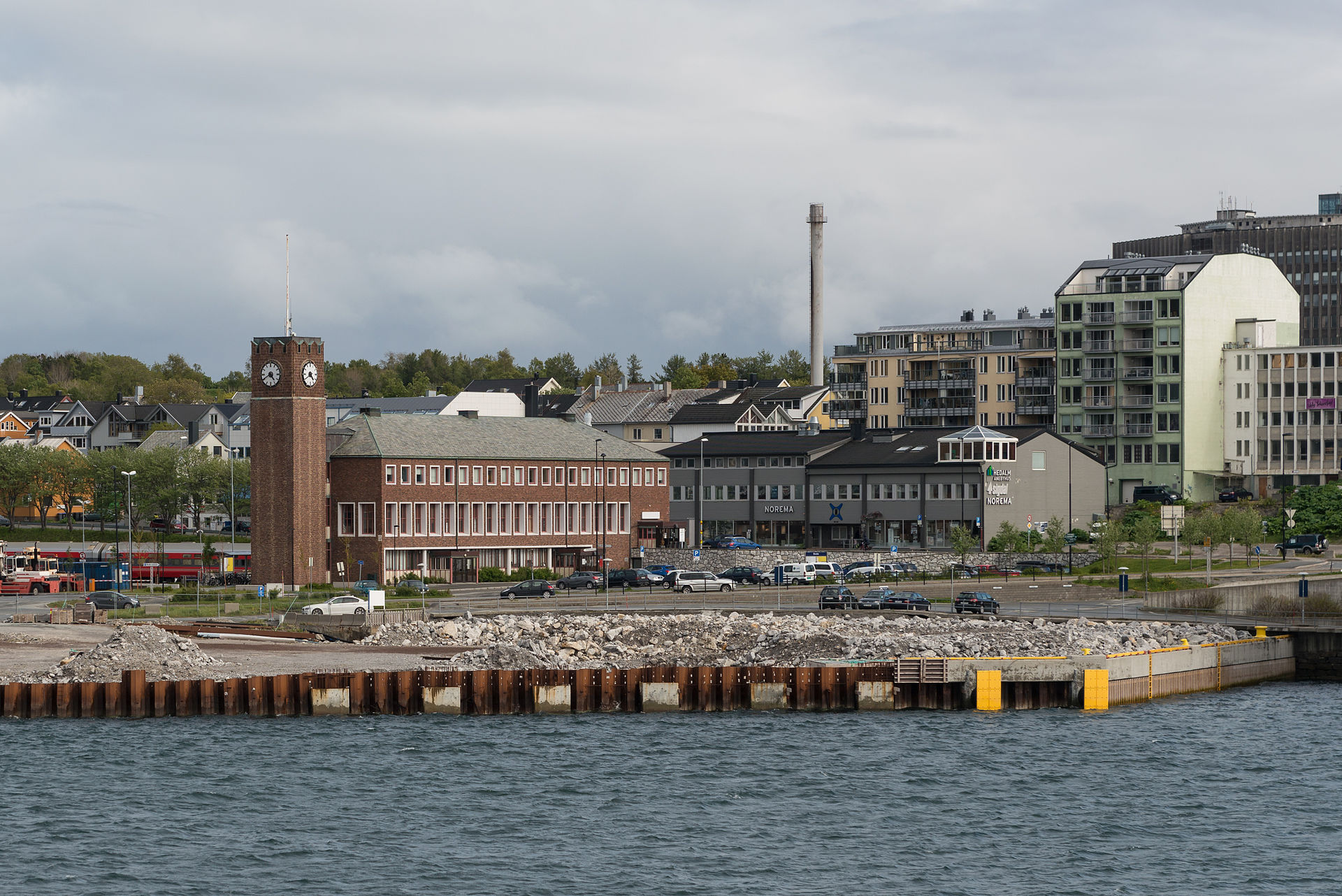
Since the town is the main transit hub for the vast majority of tourists, the choice of accommodation is fairly wide and varied. In the main summer season (June to August), though, the best rooms disappear incredibly fast, so don’t leave your booking until the last minute. Strategically, it’s best to look for hotels in the immediate vicinity of the glass terminal or in the town centre (Sentrum), from where you can comfortably walk to the ferry, the airport and the main cafés.
Prices per night for a standard double room in 2026 average around 1,800 to 3,000 NOK (roughly £130 to £215), and in the winter months they can drop to half that. Booking through popular portals several months in advance can save your tight budget a great deal, especially if you’re after accommodation with a generous Norwegian breakfast, which you’ll definitely appreciate at local price levels.
Here are specific hotels that have consistently ranked among the best-rated and sit in ideal spots for onward travel:
- Scandic Havet: This iconic hotel is the tallest building in all of northern Norway and offers absolutely fantastic views of the ocean and the surrounding mountains. The rooms are modern, spacious, and from the top floor you get a lovely view of the arriving ferries. At the renowned lavish breakfast you’ll also find plenty of great vegetarian and vegan options, including fresh pastries, local cheeses and excellent porridges.
- Radisson Blu Hotel Bodø: A great choice located right by the port, which you’ll appreciate especially when you have an early morning ferry to Lofoten and don’t want to move around with all your luggage. The hotel has very comfortable beds, excellent coffee, and just around the corner you’ll find plenty of interesting street art.
- Smarthotel Bodø: If you’re looking for a more affordable yet still very clean and modern option, this hotel will be an ideal choice for your budget. The rooms are smaller and efficiently furnished in a minimalist Nordic style, but the location right in the heart of the town makes it a perfect base for exploring the surroundings before your next departure.
6 Tips on Things to Do in Bodø, Norway
Let’s look at how to get the most out of a visit to this windy Nordic town. Whether you’re spending just one free afternoon before boarding or you have two whole days to explore, Bodø will surprise you with its wild nature and rich cultural life.
I’ll show you how to handle the tricky ferry logistics, where to head for the best view of the town, and how to safely watch the staggering phenomenon of the tidal whirlpools.
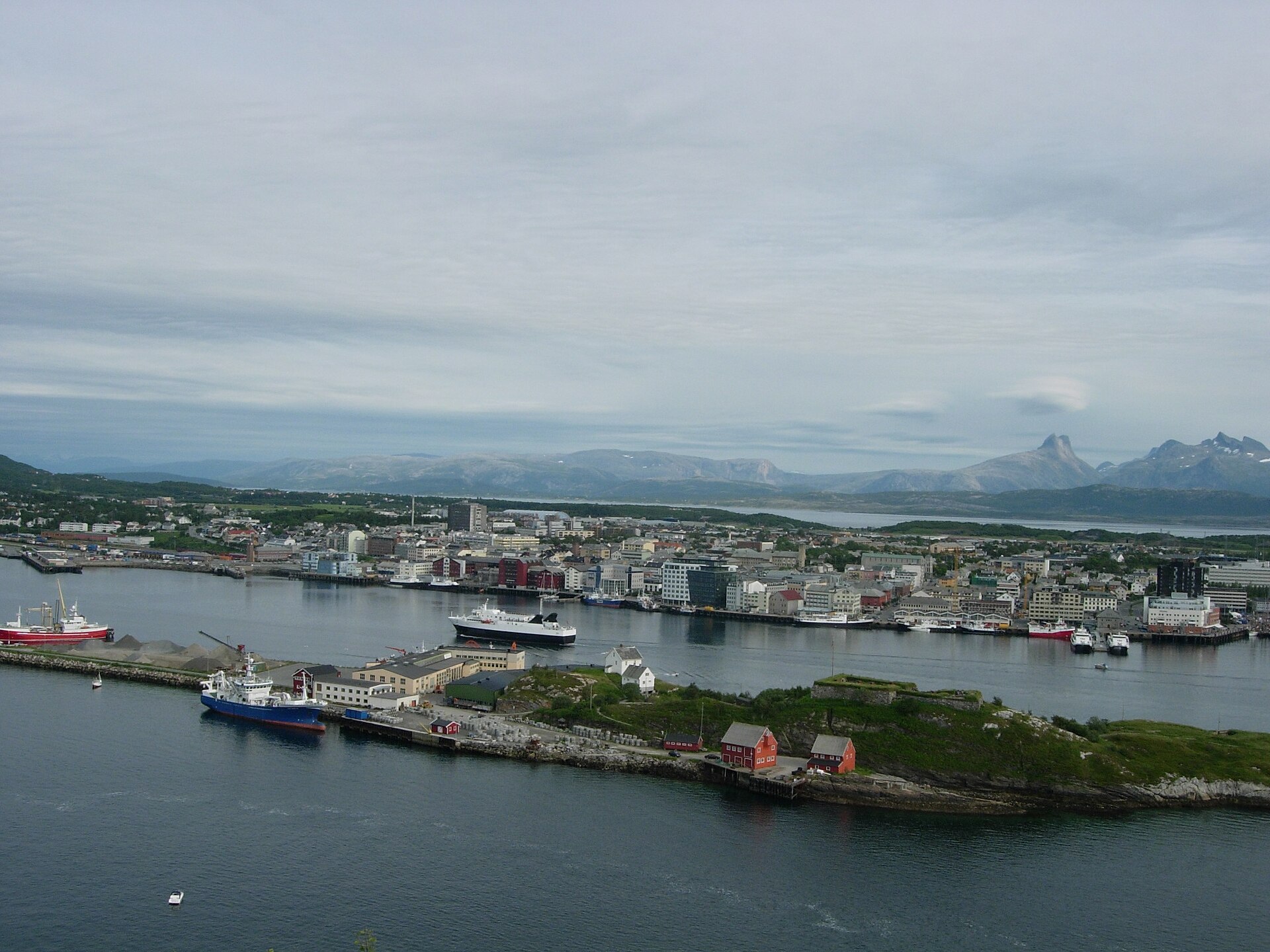
1. The Bodø–Moskenes Ferry: The Heart of the Journey
Most travellers arrive in Bodø for one logical reason: boarding the massive ferry heading to Lofoten. This backbone route is reliably operated by Torghatten Nord, and the crossing itself across the wide and often rough Vestfjorden to the town of Moskenes takes roughly 3 to 3.5 hours. If you suffer from seasickness, I recommend taking medication or ginger sweets beforehand, because the open sea here can be unpredictable and the waves sometimes reach impressive heights.
For the summer season there’s one absolutely crucial rule: you must book a car space well in advance. Vehicle tickets can be bought online on the operator’s website (the price for a car is around 1,000 NOK, roughly £72), and without them you really do risk not fitting on board and spending the whole day bouncing around in the so-called stand-by queue. Even with a valid reservation, operators will ask you to arrive at the port at least 45 to 60 minutes before departure, otherwise your spot will go to someone else.
If you’re travelling with just a backpack and no car, the situation is far friendlier and cheaper. Foot passengers board more smoothly, and in recent years the Norwegian government has even made foot passage on selected ferries completely free. During the crossing, definitely don’t stay cooped up inside the café the whole time, because the view of the approaching jagged peaks of Lofoten from the outer deck is an experience you won’t forget in a hurry, and one that’s guaranteed to fill up your phone’s memory.
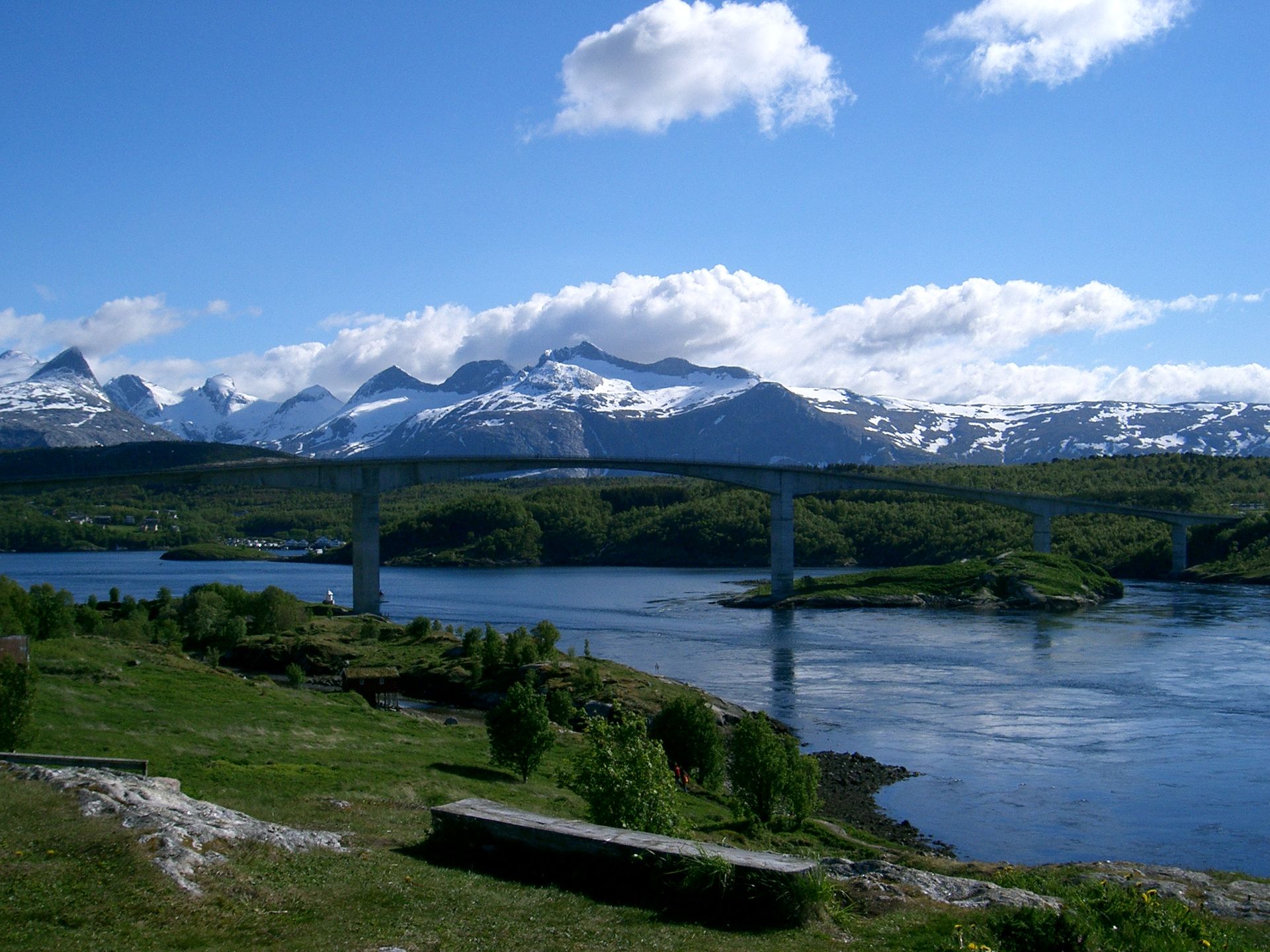
2. Saltstraumen: The Strongest Tidal Current in the World
Just about 33 kilometres southeast of central Bodø lies a strait that hides one of the greatest natural wonders in all of Norway. Saltstraumen is officially the strongest tidal current on the planet, where every six hours an incredible 400 million cubic metres of water force their way through a channel just 150 metres wide. The water here reaches speeds of up to 40 km/h, creating enormous whirlpools (maelstroms) that can be up to 10 metres in diameter and several metres deep.
To get the most out of this dramatic phenomenon, timing your visit is absolutely key. The strength of the whirlpools depends on the phase of the moon and the tide, so before you leave town, always check the so-called tide tables (ideally on the Norwegian BarentsWatch portal) for the day. The biggest spectacle happens exactly when the current is at its absolute peak, which occurs around four times in 24 hours, and crowds of photographers always gather around the strait.
You can admire the strait completely free from the shore or from the high road bridge that elegantly spans it and offers a fantastic bird’s-eye view. If you don’t have a car, local bus number 300 runs here regularly from the central terminal (the journey takes about 40 minutes and a ticket costs around 50 NOK, roughly £3.50). 💡 Tip: Right by the car park you’ll find a small visitor centre where you can warm up with a cup of tea after the windy show and buy a few small souvenirs.
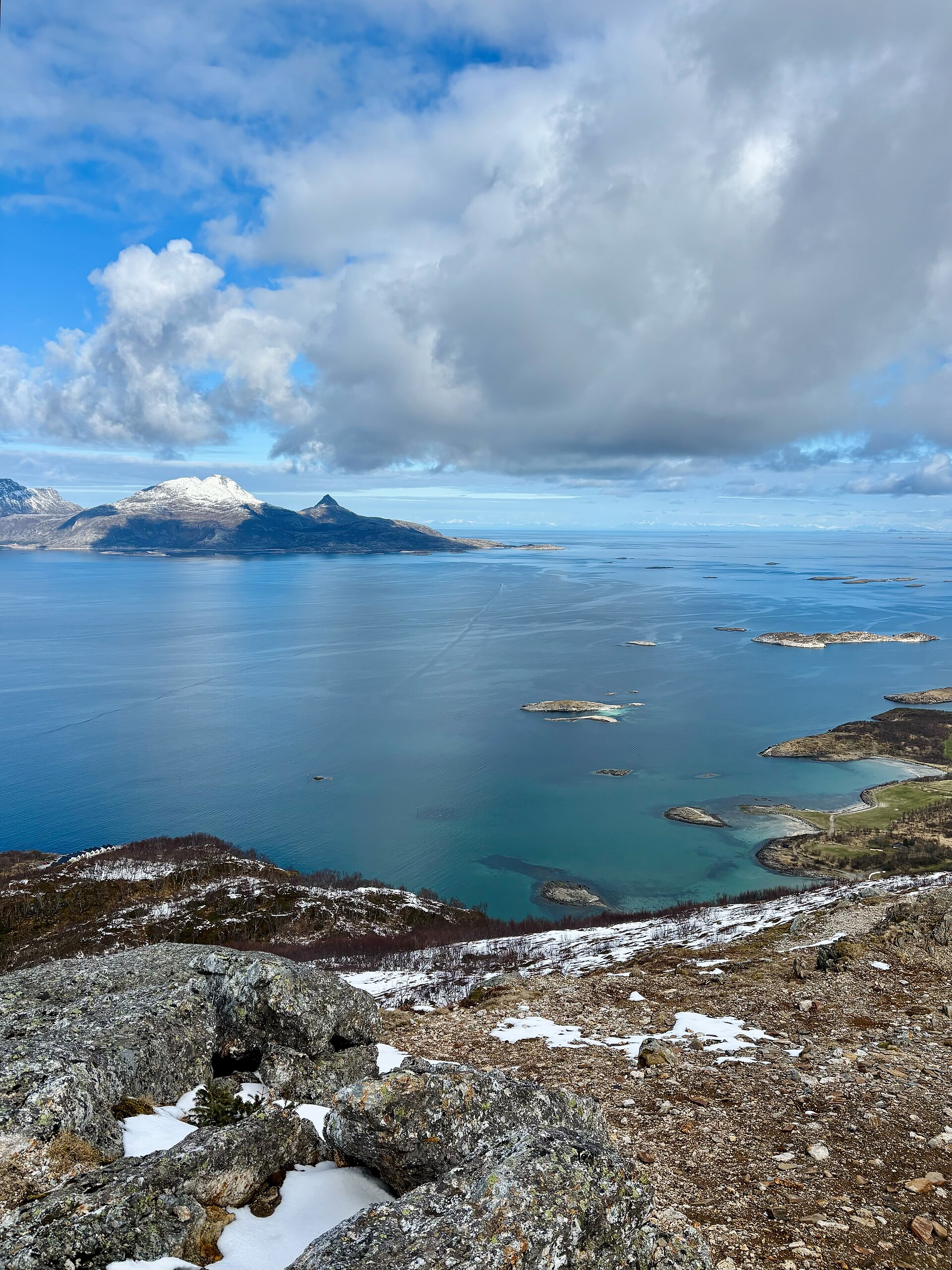

3. Hiking up Mount Keiservarden
If you have a free afternoon in Bodø and the moody Arctic weather is on your side, you definitely shouldn’t miss the hike up Mount Keiservarden. This popular local hill, 366 metres above sea level, rises right above the town and offers absolutely unbeatable panoramic views of the scattered islands, the endless ocean, and, on a clear day, even the distant wall of the Lofoten mountains. Incidentally, it got its name from the German emperor Wilhelm II, who visited the summit enthusiastically in 1889.
The route to the top isn’t extremely technically demanding and can be managed even by occasional hikers in decent trainers. The whole loop is roughly 4.5 kilometres and the climb takes a little over an hour, with the trailhead at the paid Turisthytta car park, about 3 kilometres from the centre. The most popular and comfortable route follows the so-called Sherpa steps (Sherpatrappa), built from massive stone blocks by Nepalese Sherpas to create a comfortable path that protects the fragile surrounding nature from erosion by thousands of boots.
Keiservarden is one of the locals’ favourite spots for watching the midnight sun. In the summer months you’ll meet dozens of Norwegians who bring a thermos of coffee in their backpacks and enjoy the magical light tinting the sky golden long after midnight. 💡 Tip: At the very summit, by the stone cairn, it often blows very hard, so a warm hat and a quality windbreaker will come in handy even in the heat of July.
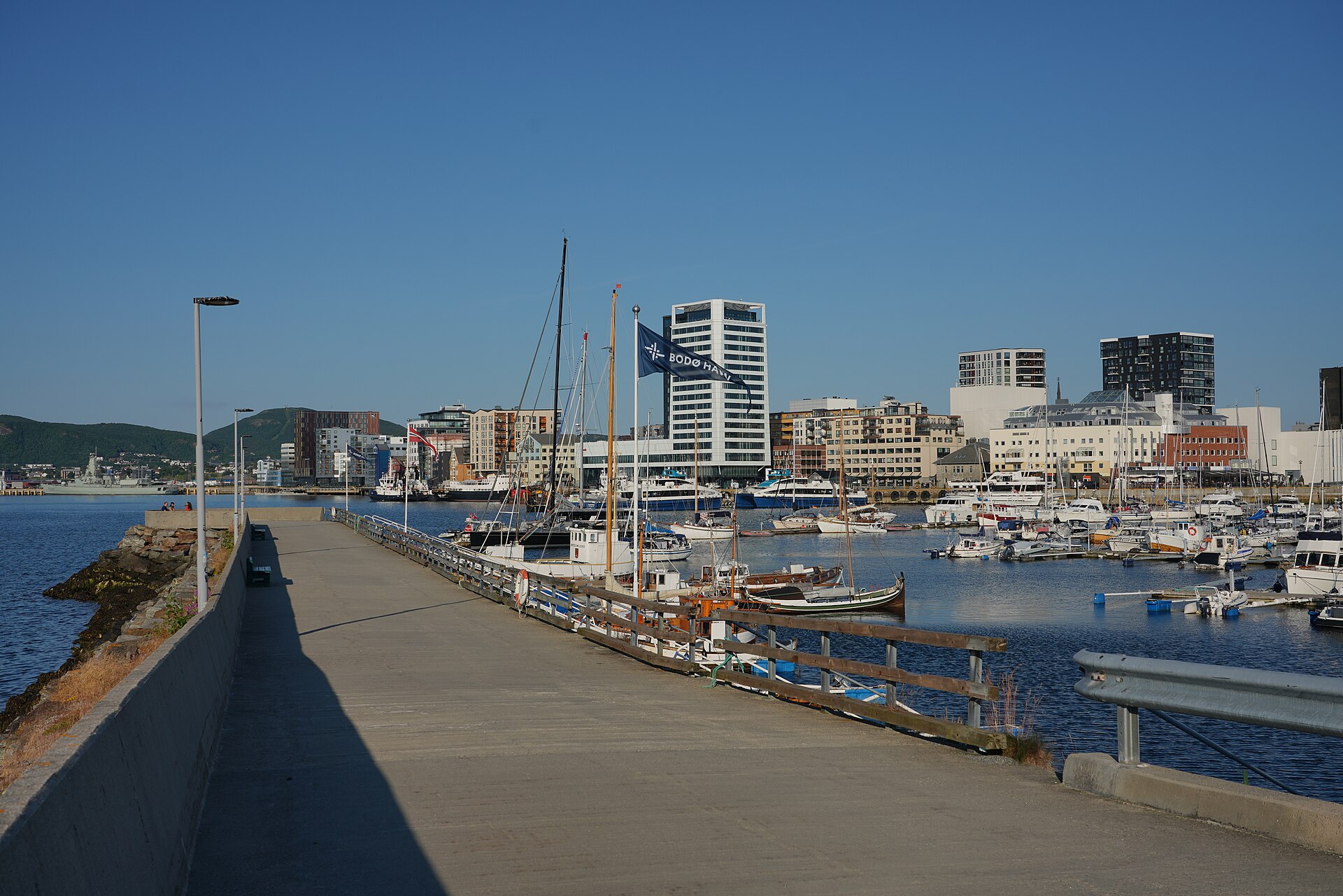
4. European Capital of Culture and Street Art
2024 was an absolutely groundbreaking year for Bodø, as it became the first city ever located north of the Arctic Circle to win the prestigious title of European Capital of Culture. This huge event transformed a once rather sleepy and industrial port into a lively artistic hub full of modern galleries and public art, whose strong legacy can still be felt at every turn in the Nordic streets today.
The most striking element of this urban transformation is the ubiquitous and brilliantly executed street art. Largely thanks to the international UpNorth festival, the facades of dull concrete and brick buildings are decorated with huge murals by artists from all over the world, with most concentrated around Sjøgata and Storgata streets. At the information centre by the harbour you can pick up a map and set off on your own walking tour of the most interesting works, which very often reference Nordic mythology or the harsh life of the local people.
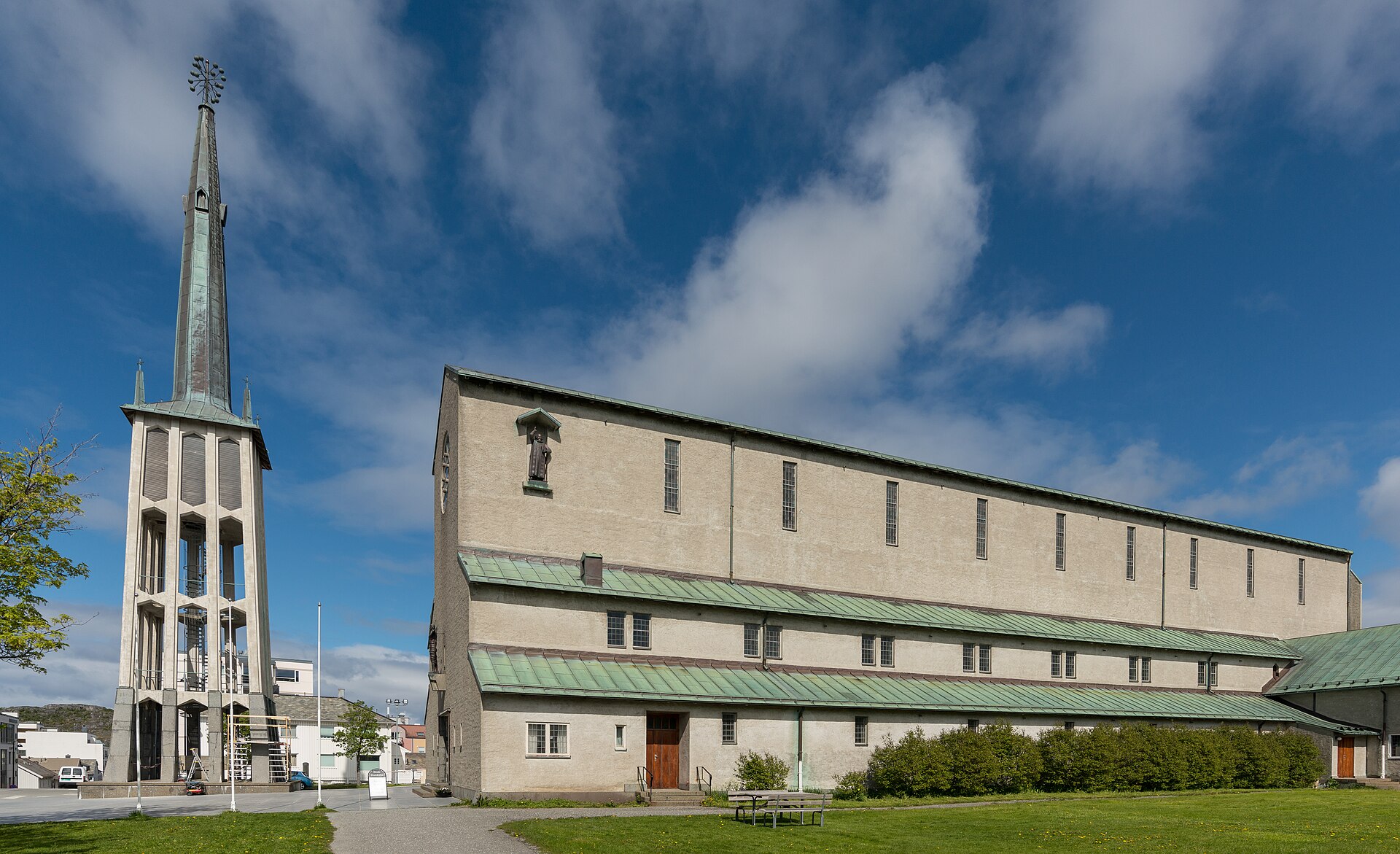
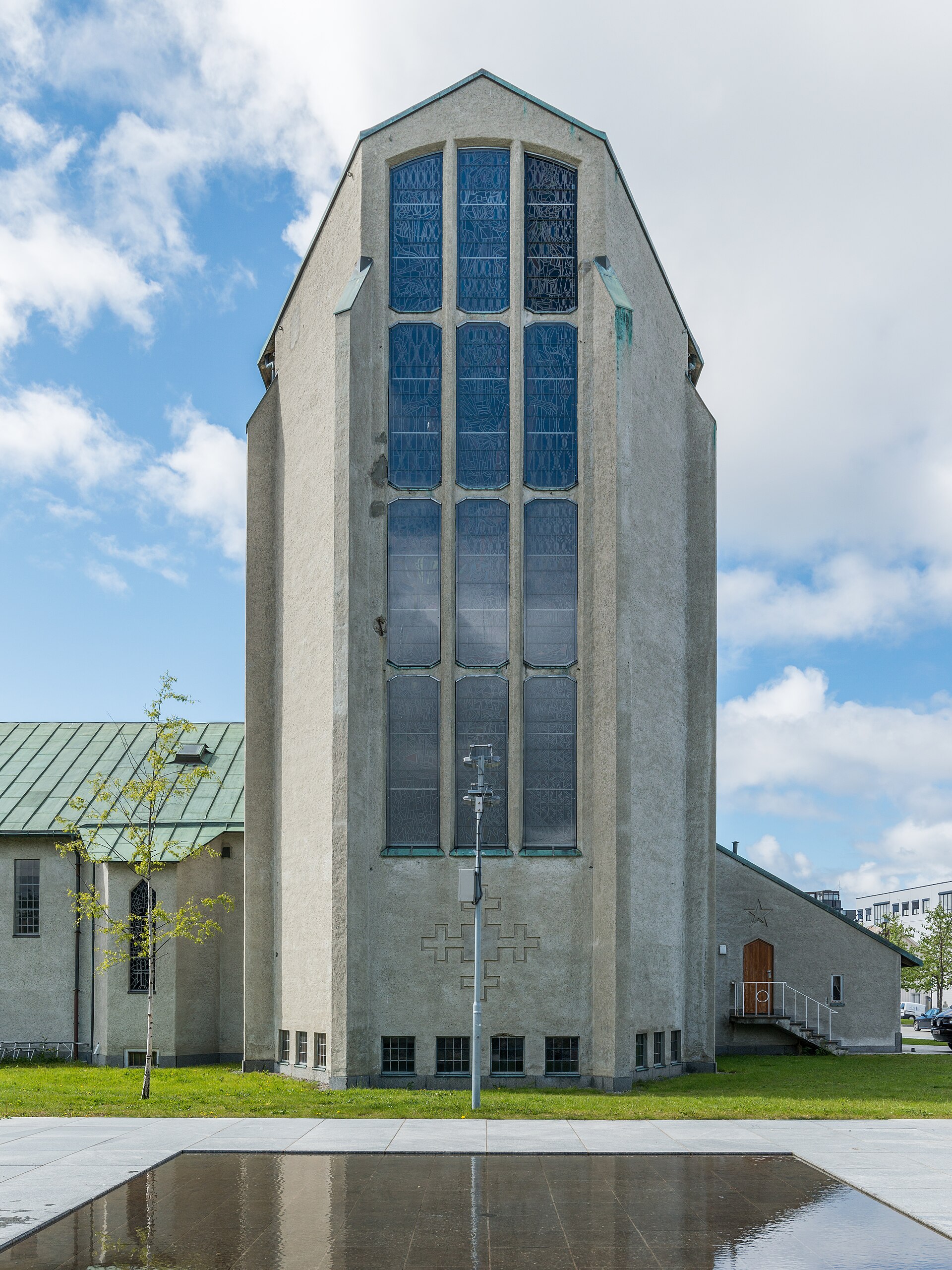
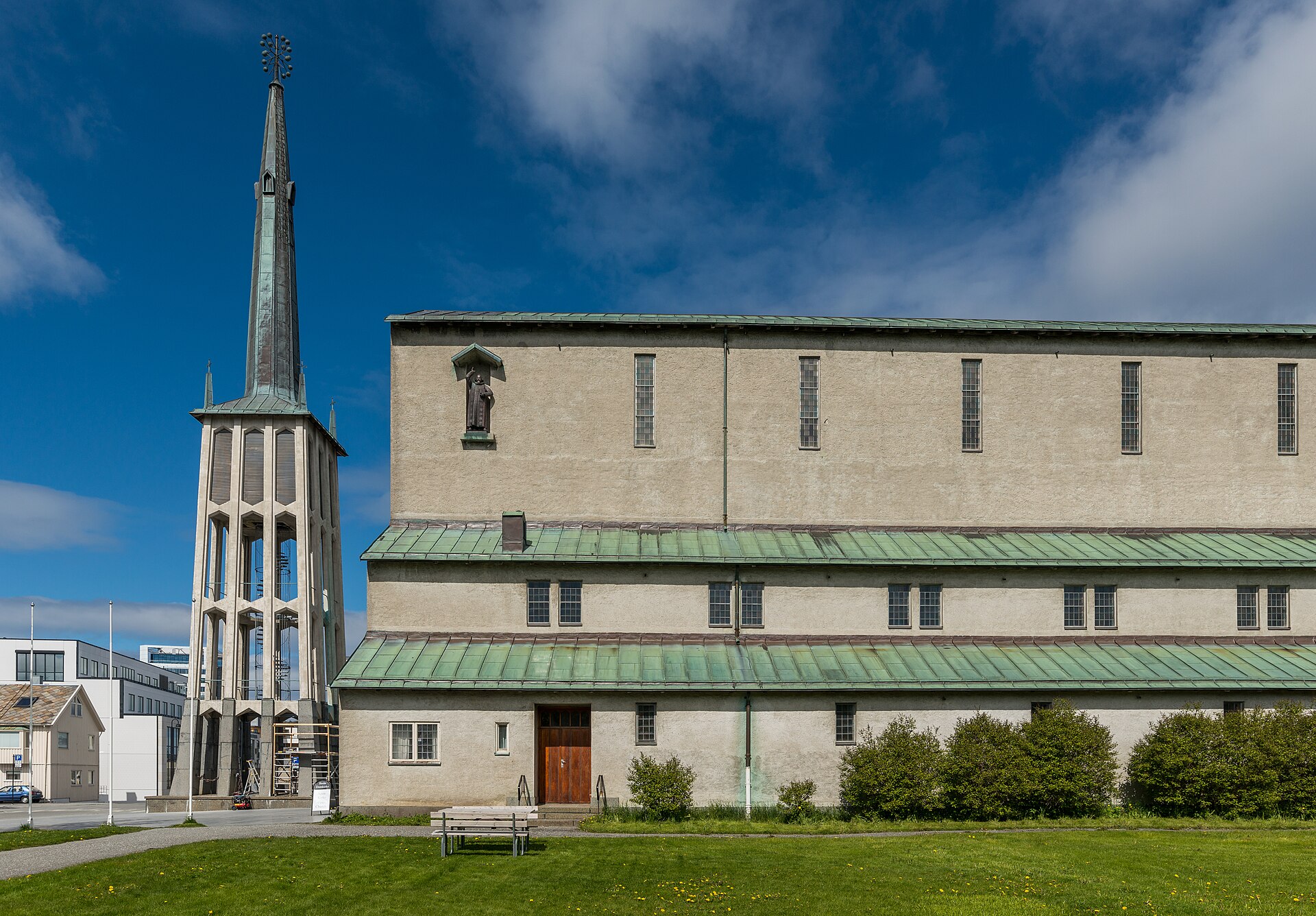
While strolling through the modern centre, you’ll definitely come across the architecturally interesting cathedral (Bodø domkirke) and the stunning Stormen library and concert hall. The original town was almost levelled during the Second World War, so today’s development is a showcase of interesting post-war architecture. 💡 Tip: When your feet start to ache from walking, pop into the popular Craig Alibone Pâtisserie, which makes excellent coffee and has fantastic desserts and cheese sandwiches.

5. Watching White-Tailed Eagles (Sea Eagle Safari)
The northern coast of Norway, and especially the rugged area around Bodø and Saltstraumen, proudly boasts the largest concentration of white-tailed eagles in the entire world. The town has even rightfully earned the nickname “the eagle capital.” This majestic bird of prey, with an enormous wingspan reaching an incredible 2.4 metres, is a symbol of the region, and seeing it circle in the wild above the fjords is an experience guaranteed to give you goosebumps.
Although with a bit of luck you’ll spot eagles by chance while walking along the coast, your best chance of a really close encounter is on an organised Sea Eagle Safari. These adrenaline-fuelled trips take place on fast RIB motorboats, and experienced local captains know exactly where these birds nest and what their habits are. The safari often lasts around two hours and is commonly combined with a visit to the Saltstraumen whirlpools. Before the trip you’ll also be given special insulated floating suits and protective goggles, so you definitely won’t be cold.
During the trip, the guides tell you fascinating details from the lives of these stunning Arctic predators. They often manage to lure the eagles close to the boat with a small fish thrown into the water, giving you a once-in-a-lifetime chance to photograph the huge bird as it gracefully plucks its prey straight from the surface. The price for such a trip ranges roughly from 900 to 1,200 NOK per person (about £65 to £85), but the investment in this authentic Nordic experience is absolutely worth it.
6. The Norwegian Aviation Museum (Norsk Luftfartsmuseum)
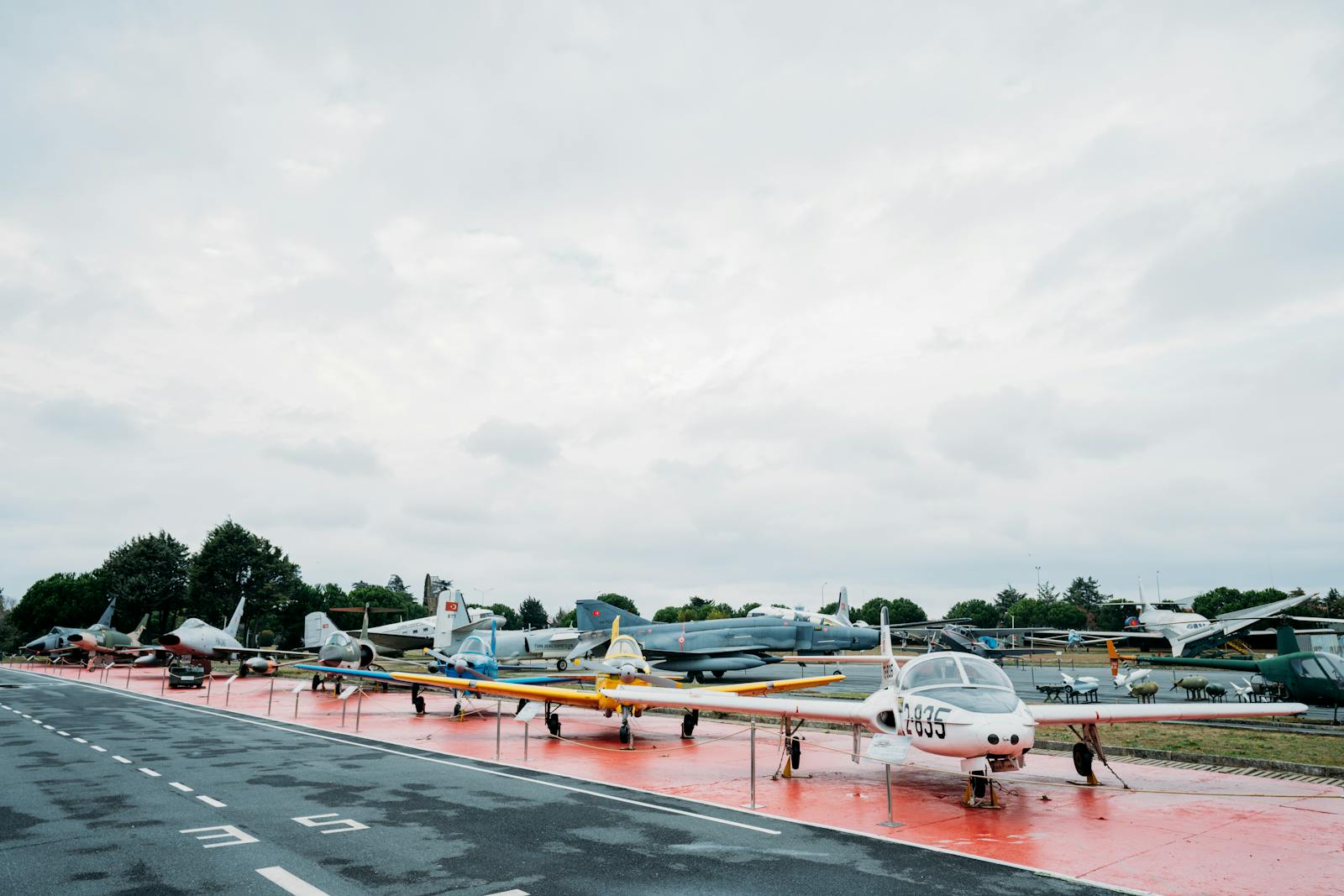
The weather in the far north is extremely unpredictable, and if you happen to get caught by persistent all-day rain in Bodø, the Norwegian Aviation Museum is an absolutely fantastic backup plan. It’s a huge, modern complex about a twenty-minute walk from the centre, whose building has a surprising giant propeller shape from above, and offers an incredibly detailed look at the rich history of flying in tough Nordic conditions.
The museum is cleverly divided into two main huge halls dedicated to civil aviation and military history. Bodø had enormous strategic importance during the Cold War as a key NATO base, and it was from here that the famous American U-2 spy plane flew before it was dramatically shot down over the Soviet Union in 1960. The exhibitions are very interactive, full of real restored aircraft, and visually superbly done, so you’ll easily and happily spend three hours here.
The biggest hit for all visitors is undoubtedly the chance to try out a realistic flight simulator. You sit down in a detailed cockpit, grab the control stick, and try to land safely on a virtual runway surrounded by digital Norwegian fjords. Admission costs roughly 175 NOK (about £12.50), it’s usually open from 10am to 4pm, and the museum overall is an unexpected technological gem you’d probably never go looking for in a small town above the Arctic Circle.
Map of points of interest for your phone
Where to Go Next from Bodø
As mentioned, for the vast majority of travellers Bodø is a springboard for further adventures. Once you board the ferry and cross the rough sea, a world of steep peaks, red fishing cabins and turquoise beaches opens up before you.
If you’ve already bought your boat tickets and are planning a detailed itinerary, be sure to check out our big guide to Lofoten, where you’ll find a detailed map and tips on the most beautiful beaches and hikes. If you’re still unsure whether to choose the ferry, the plane or driving across the mainland, read our article on how to get to Lofoten, where we compare in detail all the transport options, their prices and how long they take.
Frequently Asked Questions
How long does the ferry crossing from Bodø to Lofoten take?
The actual crossing on the massive ferry from the port in Bodø to the small town of Moskenes in the south of Lofoten takes approximately 3 to 3.5 hours. However, it really depends on the current weather conditions on the open sea and the strength of ocean currents in the Vestfjorden, which can make the journey unpleasantly rough and slightly longer, so it’s a good idea to bring seasickness medication with you.
Do I need to book the ferry in advance?
If you’re traveling with a car or camper van, booking in the summer months is absolutely essential. Tickets with Torghatten Nord often disappear from the online booking system weeks in advance, and without them you risk lengthy all-day waits for a random available spot in the stand-by queue at the port.
How far is the airport from the port in Bodø?
Bodø Airport (BOO) is very unique in that it’s located just about 2 kilometers from the town center and the main ferry port. You can easily walk there at a leisurely pace in 20 to 30 minutes, or if you have heavy luggage you can use the local bus or take a short taxi ride, which literally takes just a few minutes.
When is the best time to visit the Saltstraumen maelstrom?
This gigantic whirlpool has the greatest visual power when the tide changes between high and low tide, which happens approximately four times a day. To find out the exact time, it’s essential to check the tide tables available on Norwegian websites for the specific day of your visit, so you don’t just see a calm water surface.
Is the ferry to Lofoten really free for foot passengers?
Norway currently has a generous system supporting eco-friendly travel, thanks to which foot passengers can board many ferry routes for free, including the route to Moskenes. However, the system and government subsidies can change, so it’s always very wise to verify the current rules just before departure on the carrier’s official website.
Where can I safely park my car for an extended period in Bodø?
If you decide to leave your rental car on the mainland, near the port and close to the airport you’ll find official long-term parking zones. They’re easily paid for through mobile apps and regularly monitored, making it a completely safe and convenient solution for multi-day trips to the islands without unnecessary stress.
What good food can we try in Bodø?
In the city you’ll find plenty of excellent bakeries and cozy modern cafés with a warm atmosphere. I recommend stopping by one of them near the port and getting specialty Norwegian coffee and a freshly baked fluffy cinnamon bun (kanelbolle). If you’re hungrier, in the center you’ll find great bistros offering proper vegetarian pizza or creamy vegetable soups with sourdough bread.
Tips and Tricks for Your Vacation
Don’t Overpay for Flights
Search for flights on Kayak. It’s our favorite search engine because it scans the websites of all airlines and always finds the cheapest connection.
Book Your Accommodation Smartly
The best experiences we’ve had when looking for accommodation (from Alaska to Morocco) are with Booking.com, where hotels, apartments, and entire houses are usually the cheapest and most widely available.
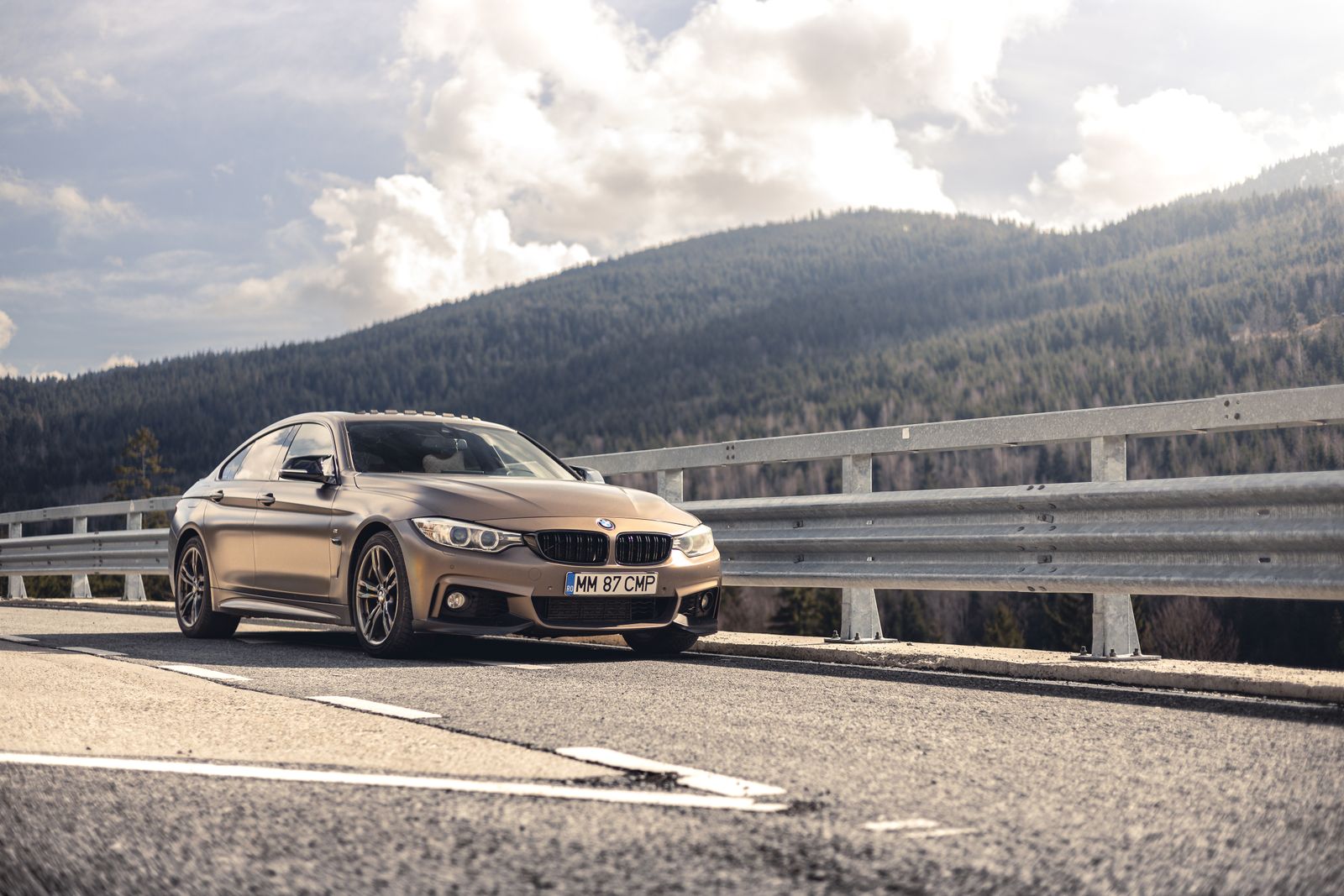 🚗 Car rental on the roadVerified rental cars in Norway
Search with the DiscoverCars comparison engine — it compares prices from dozens of local and international rental companies, and most bookings come with free cancellation.
Compare car prices in Norway →Don’t Forget Travel Insurance
Good travel insurance will protect you against illness, accidents, theft, or flight cancellations. We’ve had a few hospital visits abroad, so we know how important it is to have proper insurance arranged.
Where we insure ourselves: SafetyWing (simple monthly subscription) and TrueTraveller (for extra-long trips).
Find the Best Experiences
Get Your Guide is a huge online marketplace where you can book guided walks, trips, skip-the-line tickets, tours, and much more. We always find some extra fun there!
More from Lofoten
Full guide → Travel story · most readWhat to Pack for Lofoten, Norway: A Packing List for Every Season
 When to goWhen to Visit Lofoten, Norway: Weather Month by Month and the Midnight Sun 2026
 ActivitiesReinebringen Norway: 6 Things to Know — The Hike, Steps & Current Status
 What to see7 Things to Do in Lofoten, Norway When It Rains: Your Backup Plan
 With kidsLofoten Norway with Kids: 8 Tips on What to See and Do


