Norwegian summer is a bit of an oxymoron, and if you’re planning to head north, you’d best forget right away about the kind of stability you know from the sun-drenched resorts of southern Europe. The weather in Lofoten, Norway can change from one minute to the next, which is exactly why the month you choose for your trip is absolutely crucial to your holiday. Lofoten may have only around twenty-five thousand permanent residents, but more than a million tourists head here every year, the vast majority of whom try to squeeze into the narrow window between late June and mid-August.
To avoid ending up trapped in an endless traffic jam on the narrow E10 main road, or handing your entire pay packet over to the local car rental desk, it’s hugely important to know what you’re actually getting into at each stage of the year. In this detailed guide I’ll break down the best time to visit Lofoten, taking into account rainfall, average temperatures, the crowds and your overall budget. Norway is a destination where good timing decides whether you come home with memories of fairytale fjords or just fog and soggy boots.
A little reality check from our trip: in mid-July the weather changed literally every five minutes — rain, sunshine, overcast, rain again and wind. Whenever you set off, layering and a waterproof jacket are essential, and stay flexible with your plans.
TL;DR
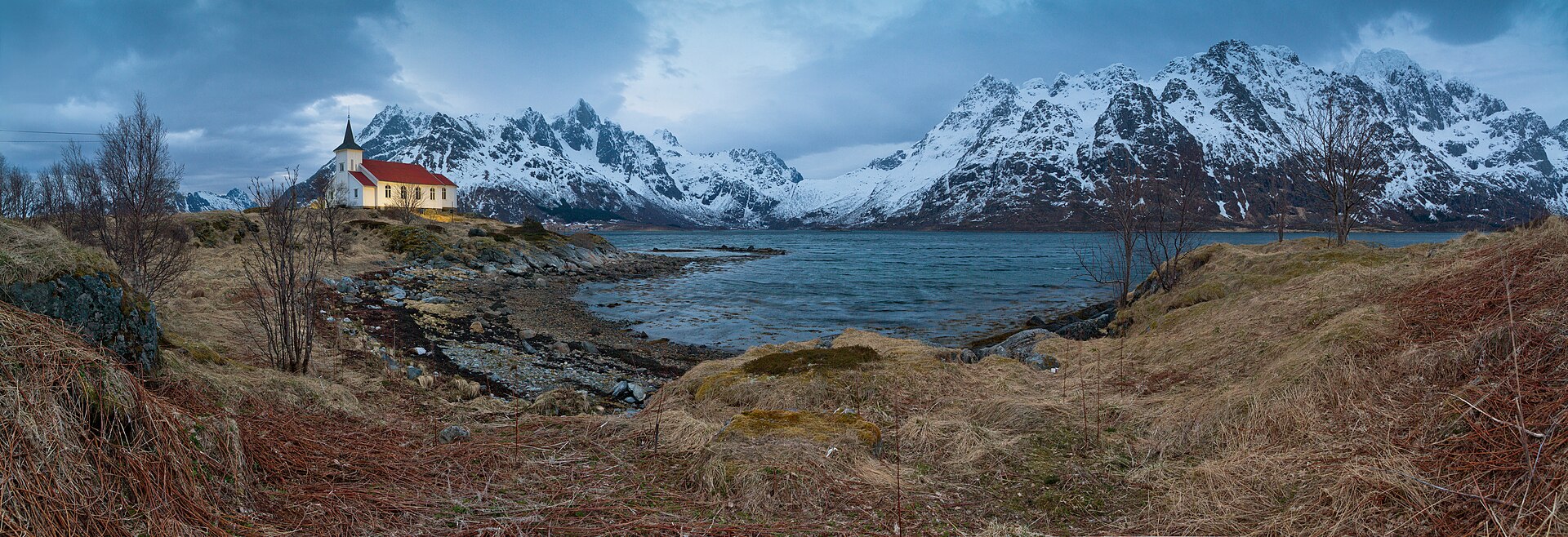
When is the best time to visit Lofoten? For most travellers the golden compromise is June, when it statistically rains the least, the roads aren’t hopelessly clogged yet, and you can witness the midnight sun with your own eyes. If you’re after the northern lights and can handle more cold, head out in September or October instead.
- Warmest month: July, with averages of 12 to 15 °C, though on very rare occasions the mercury can climb close to 25 °C.
- Driest summer month: June, which offers noticeably more stable conditions than the rainier August (which statistically sees up to 11 wet days).
- Midnight sun: This magical phenomenon lasts in Lofoten without a break, precisely from 28 May to 14 July.
- Most expensive period: July is the month with the absolute highest prices, when a traditional rorbu (fisherman’s cabin) will set you back 2,000 to 3,500 NOK (roughly €170 to €300) per night.
- Sea temperature: In June the water at the beautiful white beaches is only 4 to 6 °C; by August the ocean “warms up” slightly to 13 °C.
- The app you must have: Norway’s meteorological app yr.no, which provides the essential ninety-minute forecasts for quick planning.
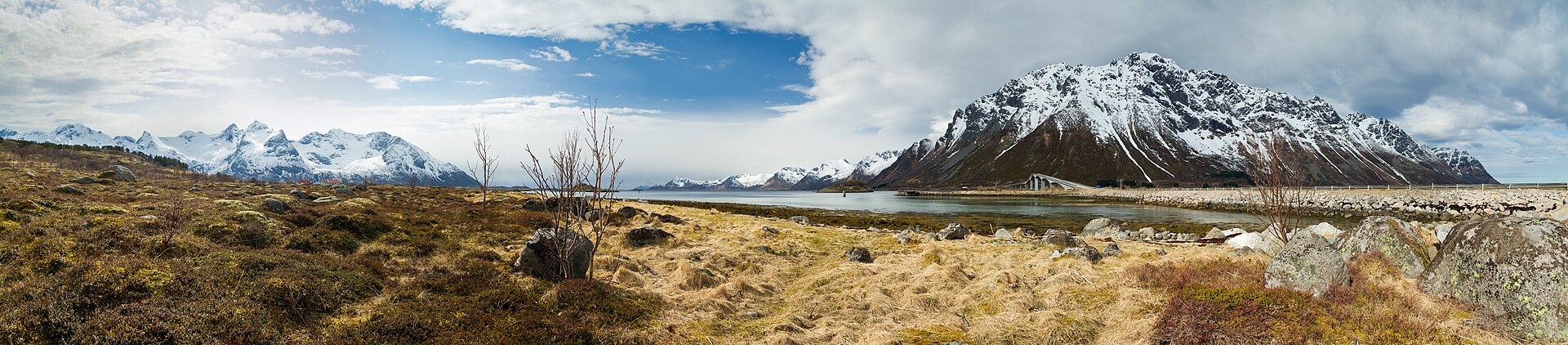
The full destination guide: Lofoten — guide and what to see
7 Things You Must Know About the Seasons in Lofoten, Norway
1. June: Light, Calm and Icy Water
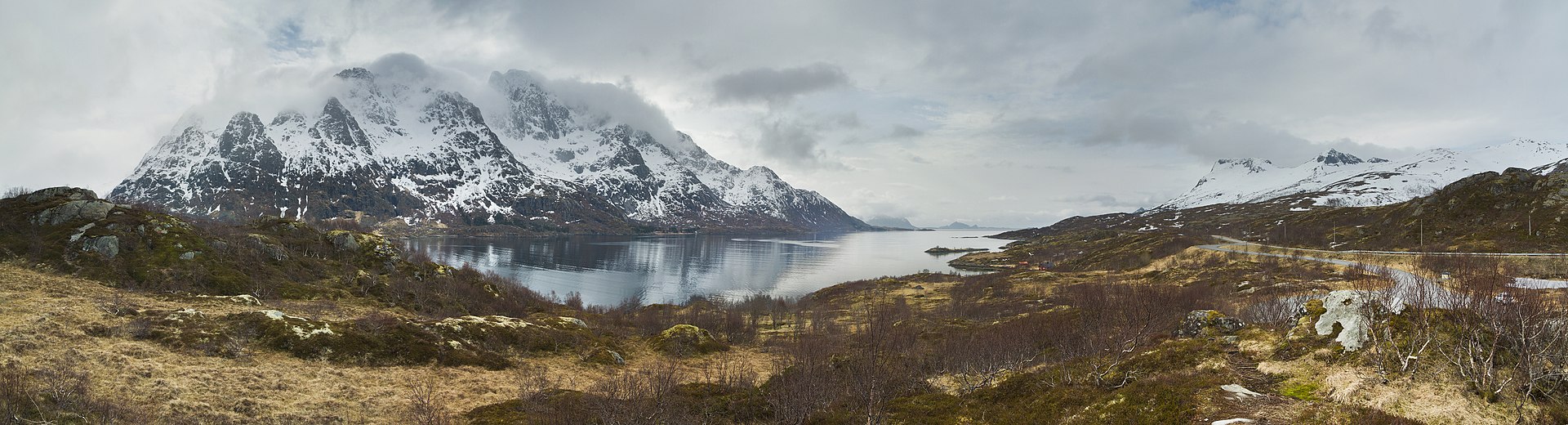
For many travellers, June is the smartest compromise of all if you want to experience the Nordic summer at its most pleasant and peaceful. Statistically it’s the driest month of the entire summer season, which is a huge plus when planning treks in an area known for its frequent and unexpected showers. The crowds of tourists from all over the world are only slowly building at this point, so Lofoten’s main artery, the E10, stays nicely passable without you having to awkwardly reverse into the nearest lay-by every five minutes to let a German camper van past.
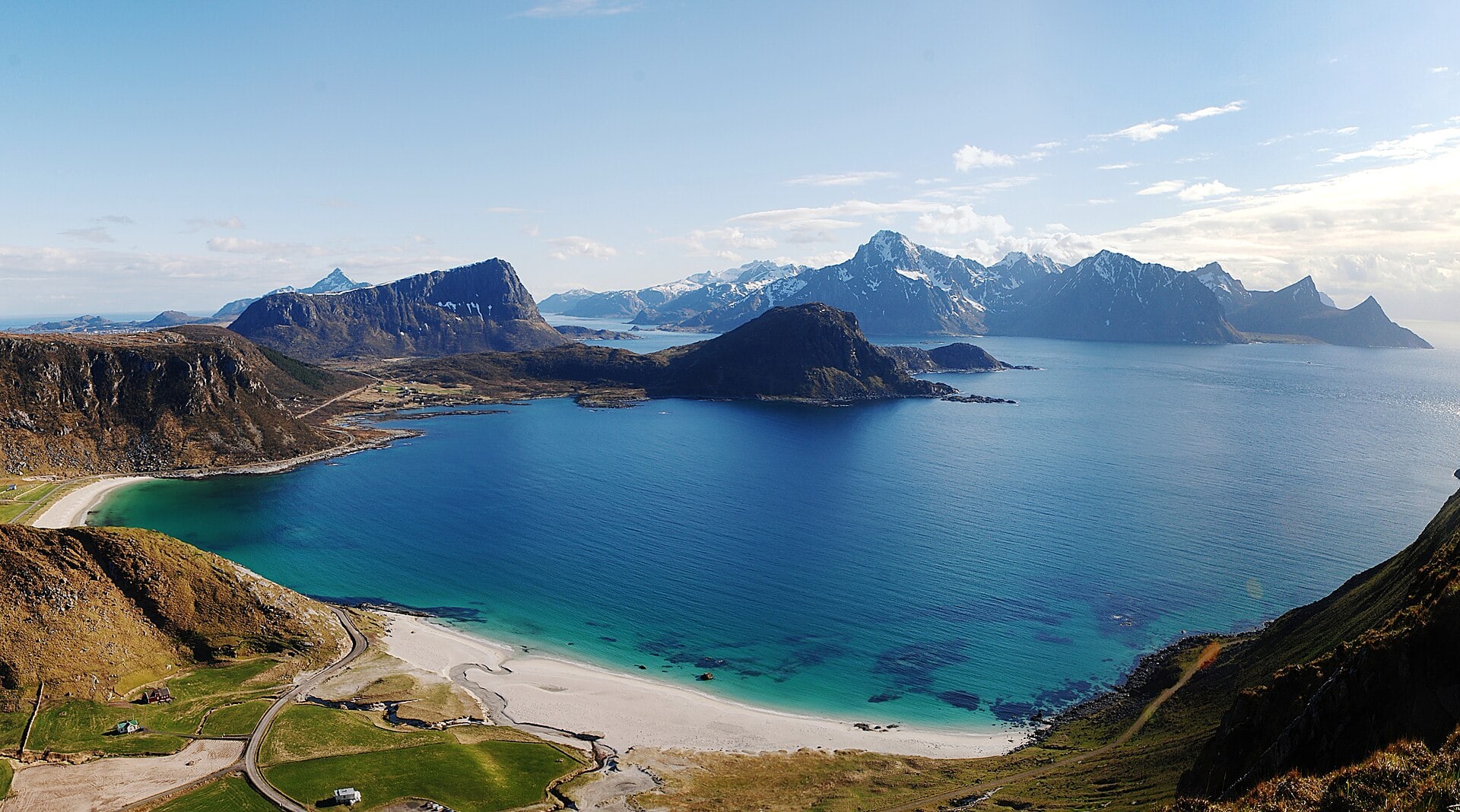
Another big advantage of going in June is the complete absence of pesky mosquitoes, which are still reliably kept in check by the fresh ocean breeze and the cooler start to the Nordic summer. The price you pay for this calm and relative dryness, however, is the sea temperature, which definitely won’t tempt you into a long, joyful swim. At the most stunning beaches, such as Haukland or Rambergstranda, the crystal-clear water is only around 4 to 6 °C in June.
The sand here is fine and dazzlingly white, like somewhere in the Caribbean, but the icy ocean won’t let you forget for a single second that you’re high above the Arctic Circle. Bear in mind that even a simple walk along the beach will be far more comfortable in a warm hoodie and a windbreaker than in summer clothes, because the cold wind can drive the feels-like temperature down very quickly and mercilessly.
💡 Tip: Book your accommodation and car rental for June ideally well in advance — even six months ahead is fine. Although the peak of the summer season hasn’t kicked in yet, the best value-for-money traditional rorbu disappear from the booking systems as early as the start of spring.
2. July: The Norwegian Riviera, Crowds and Mosquitoes
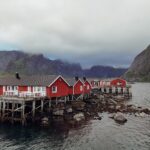
July in Lofoten is packed — and I mean to bursting point — because Norway itself and the vast majority of the rest of Europe are on long school holidays at exactly this time. Prices for the classic fisherman’s cabins shoot up steeply this month to 2,000 to 3,500 NOK per night, which works out to roughly €170 to €300 for a single night’s stay in 2026. Renting even an ordinary small car is also a serious dent in your travel budget, costing 7,000 to 11,000 NOK per week in July, while a roomier SUV can easily climb to an astronomical 17,000 NOK.
In July you’ll experience the Norwegian islands at their warmest, when the thermometer can occasionally show an incredible 25 °C. Don’t count on it under any circumstances, though, because the long-term summer average stubbornly and steadily sits between 12 and 15 °C, so a good down jacket definitely shouldn’t be missing from your suitcase.
When there’s no strong wind and the warming sun comes out, the tiny midges and mosquitoes take to the stage and can seriously spoil any evening spent out on the terrace. Compared to the Norwegian interior, where the swarms of insects are often unbearable, it’s still pretty mild on the coast, but a quality repellent with a high content of the active ingredient DEET is an absolute must, especially if you’re planning walks around inland lakes.
💡 Tip: If you’re limited by a company-wide holiday shutdown and simply have to travel in July, arm yourself with a big dose of patience when hunting for parking spaces. Head to popular spots like the village of Reine or Haukland beach either very early in the morning or late in the evening, to avoid the biggest tourist crowds.
3. August: The Return of Darkness and Savings for Your Wallet
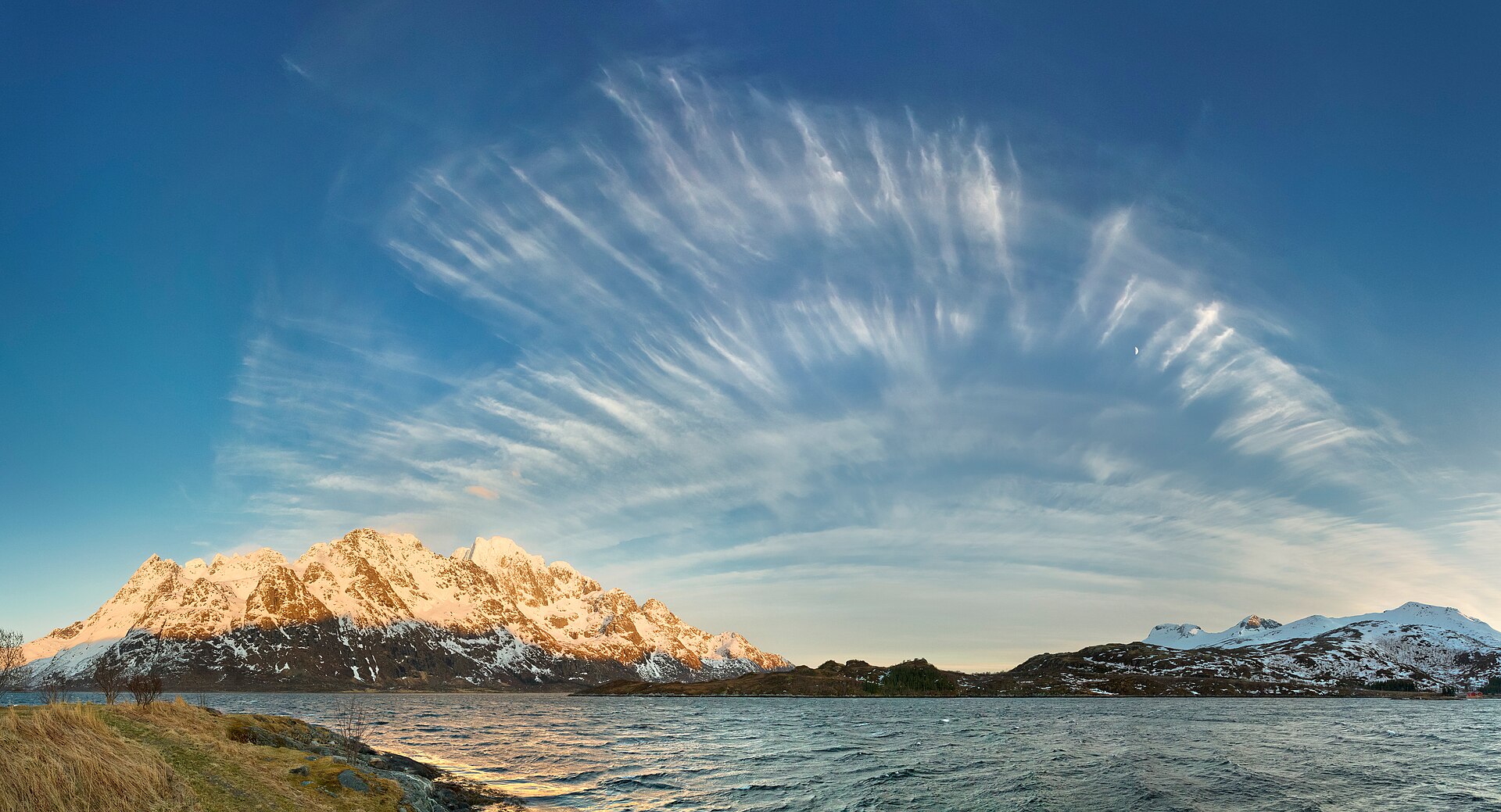
By mid-August the whole archipelago finally lets out a deep breath, which you’ll feel immediately in the overall atmosphere and in the state of your bank account. Accommodation prices drop by a very welcome 20 to 30%, so you can grab a stylish rorbu with a fjord view for far more reasonable sums. It’s also considerably easier to get onto the busy ferry shuttling from Bodø to Moskenes without a long-standing reservation, although with a fully loaded car it’s always safer and more reliable to buy your ticket in advance via the Torghatten company’s website.
There’s one fairly major catch, though, and that’s the sharply increased rainfall that arrives as the Nordic summer draws to a close. Statistically, August sees rain on around 11 days of the month, which is three wet days more than in the relatively drier June, so your waterproofs will get a real workout.
The ocean, after a long summer of sun, is “warmed up” to its annual maximum of around 13 °C, but the number of grey, windy days is unfortunately slowly creeping up. The huge advantage of going in August, however, is the gradual return of darkness, which means the nights start getting longer and sleep suddenly becomes far easier and deeper, because your brain is no longer confused by the constant light.
💡 Tip: The second half of August makes huge sense if you want to save a fair bit on car rental and accommodation and don’t necessarily need the midnight sun. If you can make peace with the occasional bit of rain down the back of your neck on a mountain trek, you’ll get a much more authentic experience without the ever-present crowds.
4. September and Autumn: The Golden Middle Path for the Northern Lights
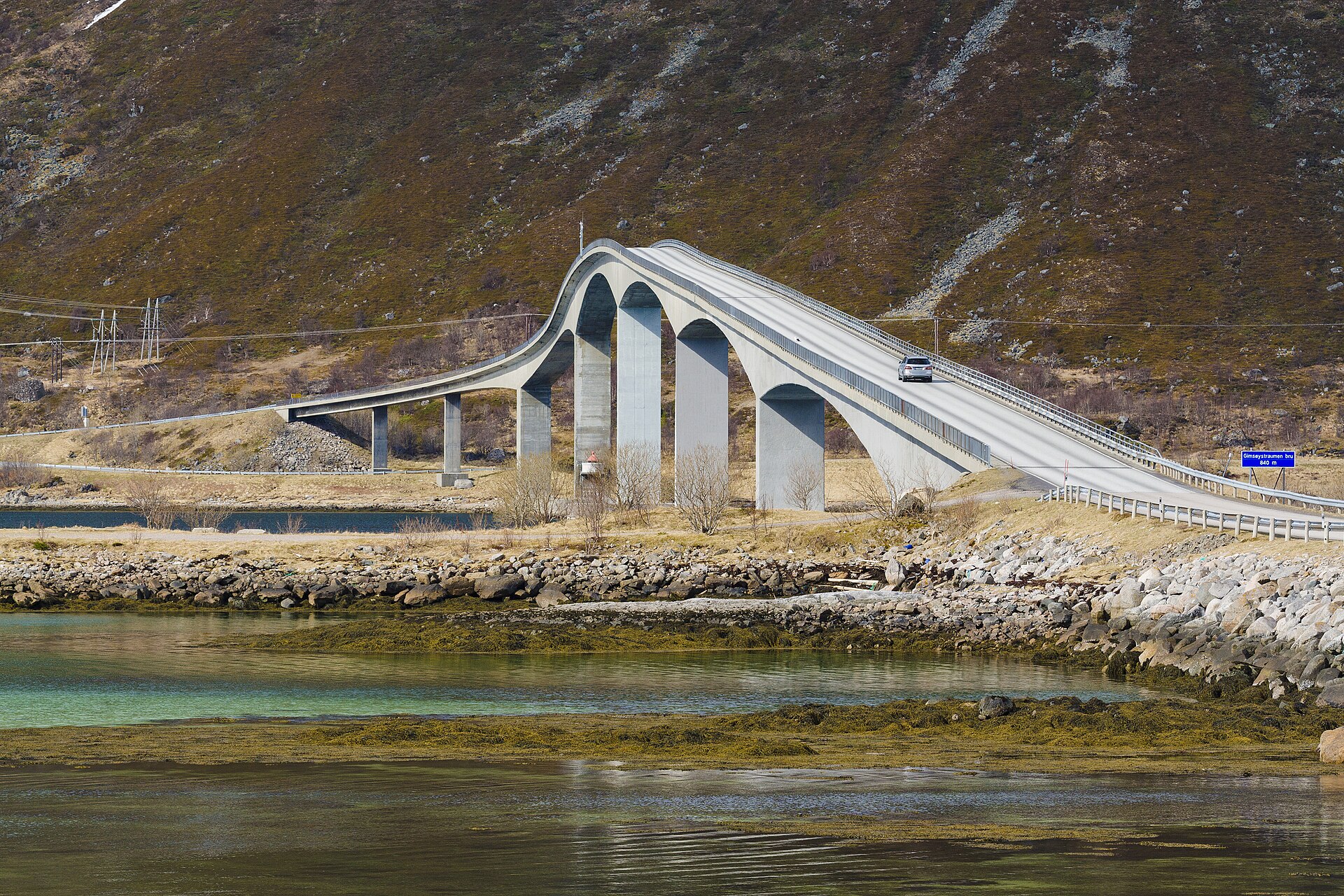
September and October are often described by seasoned travellers as a kind of “sweet spot” of the entire Lofoten year, because they combine the perks of a colourful autumn with the hope of unforgettable celestial displays. During this period the days start to shorten dramatically, which brings enough of the darkness needed for night-time viewing of the magical northern lights, while nature still gives you plenty of daylight for full-day excursions and demanding mountain treks.
Throughout September the landscape gradually changes into incredibly rich shades of yellow, orange and red, turning Lofoten’s valleys into an absolute paradise for every lover of landscape photography. At the same time the roads and the picturesque fishing villages are nearly deserted, so you get the irresistible feeling that the rugged Nordic beauty is finally all yours.
The weather in these months is considerably more unpredictable, though, and you have to realistically reckon with frequent autumn storms, strong winds and sharp temperature swings that can quickly drop to zero on the mountain peaks. In autumn some seasonal restaurants and more remote cafés also start to close, so it’s very wise to book accommodation with its own kitchenette and stock up at the local supermarkets.
💡 Tip: If the northern lights are your main, dream goal, head here ideally between late September and late October. Don’t forget to bring a sturdy tripod and good warm clothing, because waiting for those green lights in the middle of a freezing night can be a real test of endurance.
5. Winter (December to March): Polar Night and Snow
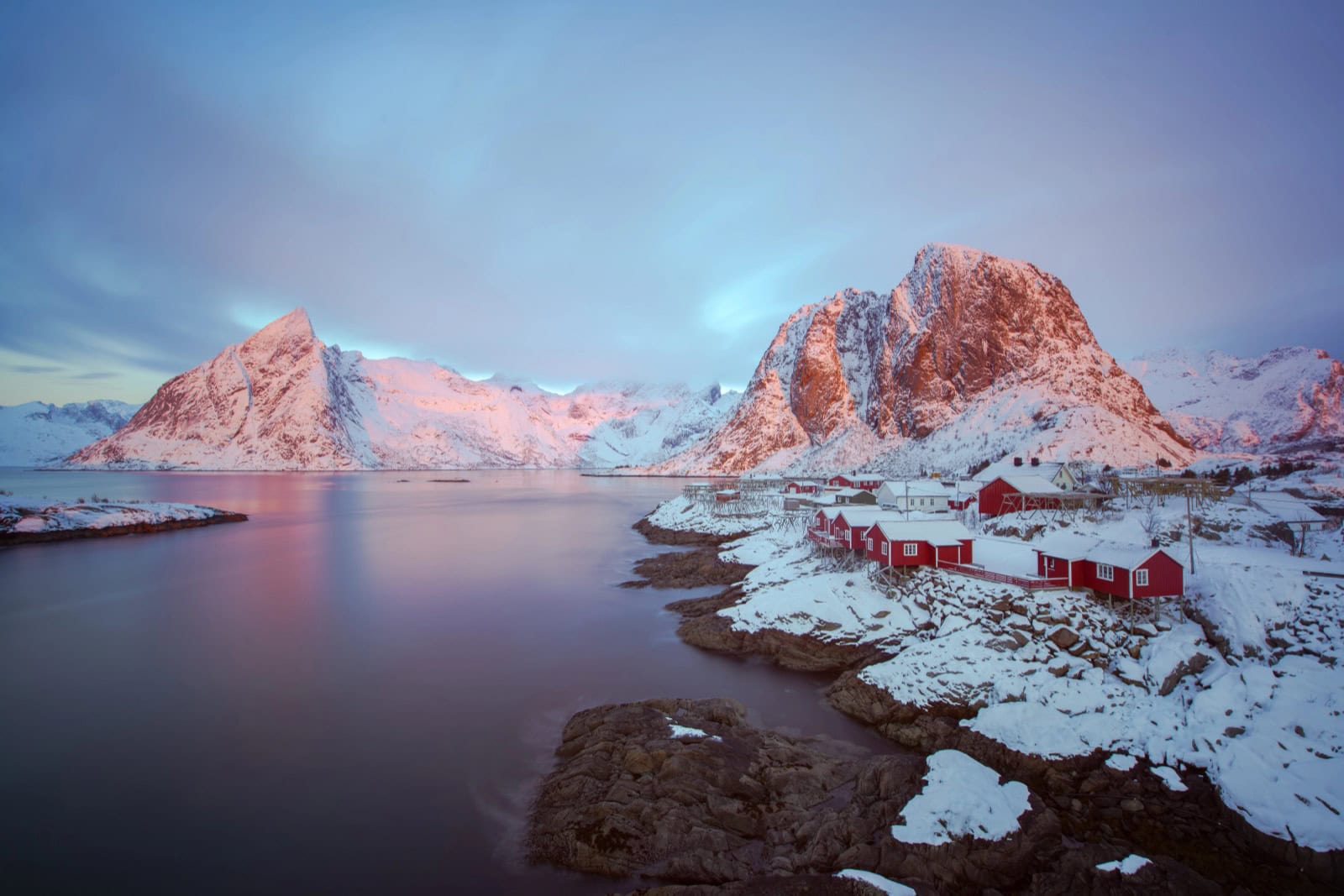
Winter in Lofoten is a chapter all of its own and represents a completely different world full of dramatic visual contrasts, deep silence and a fascinating, frosty beauty. While in summer the sun never sets, in winter you experience the dark polar night, when the solar disc doesn’t appear above the horizon at all, and the entire snow-covered landscape is lit only by a magical blue twilight reflecting off the surface of the fjords.
This harsh period is the absolute pinnacle for passionate northern lights hunters, because the endlessly long nights provide the maximum possible time window for observing this natural phenomenon. It’s also the time when the villages are intensely scented with dried cod hanging on giant wooden racks, and the whole landscape takes on an incredibly fairytale-like, pristine quality under a fresh layer of snow.
Travelling in winter naturally requires much more thorough logistical preparation, though, because the roads can be permanently icy, mountain passes temporarily closed due to avalanche danger, and the days extremely short for any longer journeys. Thanks to the influence of the Gulf Stream, temperatures rarely drop far below -5 °C, but the strong, icy wind from the ocean can push the wind chill to far more unpleasant values.
💡 Tip: Tempted by snowy romance and chasing green lights across the night Arctic sky? Check out our detailed article on what to see in Lofoten in winter, where you’ll find all the essential information for travelling safely on snow and ice.
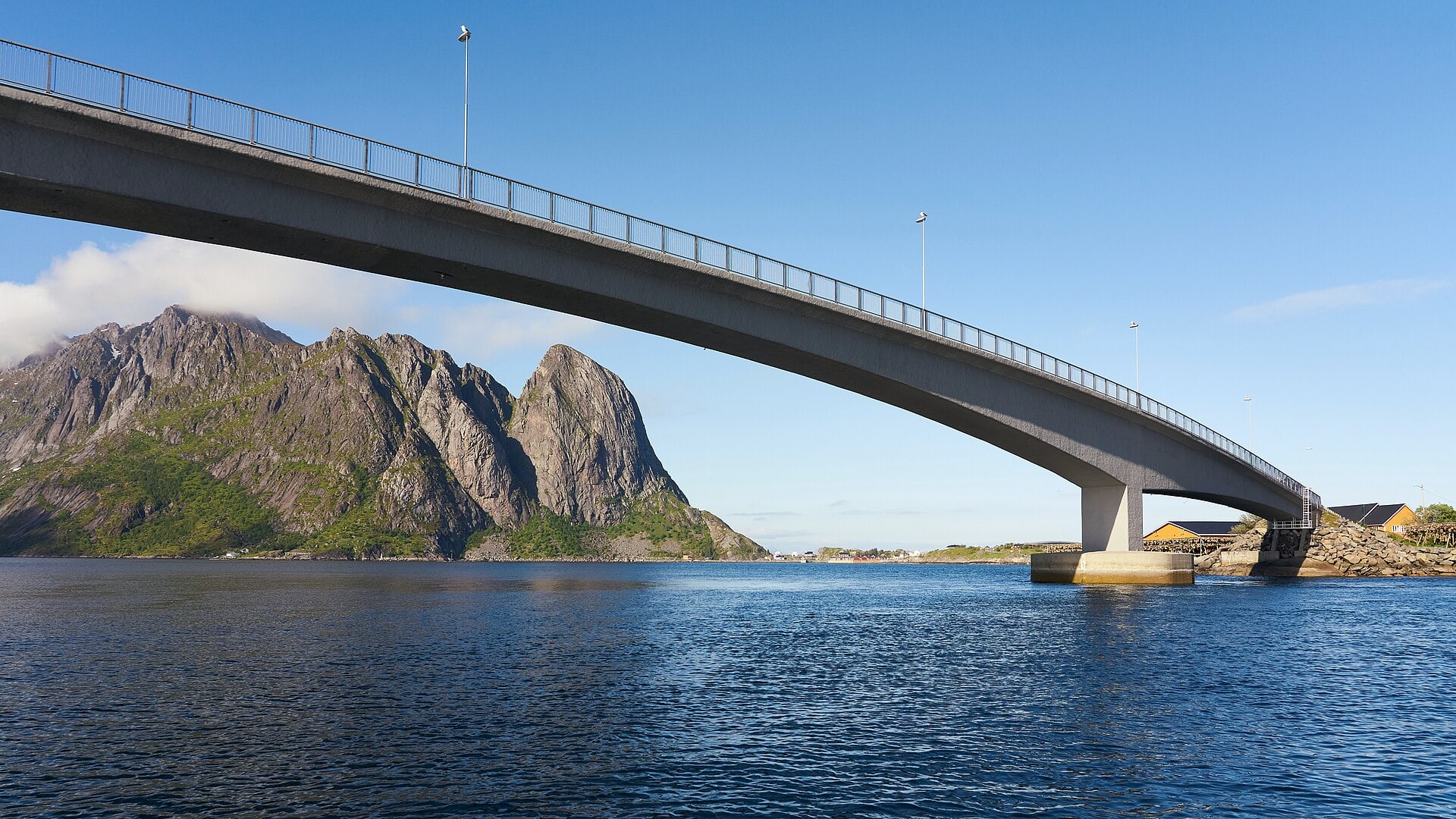

6. Midnight Sun: The Magic That Won’t Let You Sleep
Picture this slightly surreal scene: it’s half past ten in the evening, you’re sitting contentedly on the wooden terrace of your accommodation by the fjord, and it looks like a beautiful late afternoon — except midnight is relentlessly approaching. The midnight sun lasts in Lofoten from exactly 28 May to 14 July, when the radiant solar disc just barely touches the sea horizon but doesn’t sink below it at all, and starts to rise again.
For keen photographers and lovers of long evening walks it’s a dream come true, but for your natural body clock it can mean total logistical and physiological hell if you arrive unprepared. The body needs darkness to bring on deep sleep and produce melatonin, so if the light never disappears, your brain simply doesn’t get the signal to rest and you’ll be tossing and turning in frustration until the early hours.
Fortunately, most more modern rorbu and better hotels understand very well that visitors from the south need darkness at night, so the bedrooms tend to have proper blackout curtains or blinds installed. Don’t count on it 100%, though, and just to be safe pack a roll of good-quality masking tape and a few strong black bin bags from home — they can quite literally save your holiday.
💡 Tip: If you discover that the hotel curtains let strong light leak around the edges, black bin bags taped straight onto the window glass will elegantly fix it within five minutes. Forget about clips, magnets or wedged-in towels, which in practice never hold on smooth windows and come crashing down in the middle of the night.
7. The yr.no App: Your Norwegian Bible and Planning by the Hour
Whether you end up going in sunny, calm June or grey, drizzly August, the Lofoten weather will simply do exactly what it pleases, and you have to adapt to it. Experiencing sharp sunshine, a heavy downpour, impenetrable fog and gusting wind all within a single afternoon is completely standard here and mustn’t throw you off.
So forget your usual weather apps or global forecasts, which often fail in these specific latitudes, and make room on your phone for the Norwegian app yr.no. This app works very much like the precise models surfers use, and you need to keep a close eye especially on the detailed ninety-minute forecasts for specific locations.
Planning several days ahead simply doesn’t work here; in Lofoten plans have to be made and changed on the fly, by the hour. When you see on the radar that it’s going to rain heavily from ten until half past twelve, stay in the rorbu, play board games and cook lunch, so that the moment one o’clock rolls around and the clouds break, you can head straight out on a trek.
💡 Tip: Even with very accurate data in the apps, never forget the huge year-to-year variability, because the harsh nature above the Arctic Circle always plays by its own rules. You might get a June where it rains for fourteen days straight, or an August where you’re sweating on the beach in a t-shirt.
Practical Summary and Rough Prices
To help you better picture what each month really has in store and how much the whole thing will cost, I’ve put together a clear summary of the most important figures. All the prices given are carefully estimated for the 2026 summer season and represent the usual tourist standard.
- Rorbu accommodation price (July): Typically ranges from 2,000 to 3,500 NOK (roughly €170 to €300) per night.
- Rorbu accommodation price (August): About 20 to 30% cheaper, so around a more pleasant 1,500 to 2,500 NOK per night.
- Small car rental per week (July): Will set you back 7,000 to 11,000 NOK (roughly €600 to €950).
- SUV rental per week (July): Can climb to as much as 17,000 NOK (around €1,450), so book early.
- Average summer temperatures: Usually 12 to 15 °C (with rare temperature peaks reaching up to 25 °C).
- Ocean temperature: From an icy 4 to 6 °C in June to a more bearable 13 °C at the very end of August.
- Number of rainy days: June is statistically the driest, while August sees rain on an average of a full 11 days.
- Food and dining: Norway is extremely expensive overall, so if you cook for yourself using ingredients from the discount supermarket Rema 1000, you’ll save a serious amount. If you do head out to a restaurant, you’ll always easily find excellent vegetarian options, such as hearty vegetable soups, salads with local cheese or a good pizza, which will reliably fill you up after a whole day on your feet.
💡 Accommodation and experiences tip: We like to look for accommodation on Booking.com, where the cancellation terms tend to be the best. Tickets, tours and activities are then worth comparing and buying through GetYourGuide.
Where to Next
If you’re busy planning your Nordic trip and piecing together an itinerary, our other detailed articles will definitely come in handy and save you plenty of time with the whole preparation:
- The Big Guide: What to See and Do in Lofoten
- How to Get to Lofoten: By Plane, Car and Ferry
- What to Pack for Lofoten (A Practical Packing List)
- When and How to Best See the Northern Lights in Lofoten
- Lofoten in Winter: A Complete Guide and Safety Tips
Frequently Asked Questions
When is the best time to visit the Lofoten Islands?
It depends purely on your personal priorities, but the golden middle ground is generally considered to be June or early September. In June you’ll experience the magical midnight sun, the least rainfall and emptier roads, while in September you’ll avoid the summer crowds and get a unique chance to see the autumn northern lights for the first time.
When exactly does the midnight sun shine in Lofoten?
This fascinating magical phenomenon, where the sun doesn’t set below the sea horizon at all, you can observe with your own eyes here exactly from May 28th to July 14th. During this time, it’s constantly as bright as day outside, which can unpleasantly disrupt your sleep schedule if you don’t have thoroughly blackout curtains in your bedroom.
Is it true that there are a lot of mosquitoes in the Lofoten Islands in summer?
Yes, especially in warm July you’ll encounter mosquitoes and small biting midges, but fortunately it’s not such a disaster as in the north inland. A quality repellent with a high concentration of the active ingredient DEET should definitely be an essential part of your travel kit, especially if you’re planning evening walks near stagnant water.
How much does accommodation in traditional rorbu cabins actually cost?
In the absolute peak season during July, you’ll pay an average of 2,000 to 3,500 NOK (roughly €190 to €330) for one night in a traditional red rorbu. If you set out in the second half of August or during September, the prices of this accommodation drop by roughly twenty to thirty percent.
Does it even make sense to go to the Lofoten Islands in August?
Definitely yes, especially after mid-August when the biggest rush subsides. You’ll avoid overcrowded masses and the highest prices, and the return of darkness will make falling asleep in the evening much easier. However, you must realistically expect that statistically August is somewhat rainier than June, so a good raincoat is an absolute necessity.
Can you actually swim in the sea in the Lofoten Islands?
It mainly depends on your personal cold tolerance, but for the average mortal used to the Mediterranean Sea, it’s more of a very quick refreshing dip than any real swimming. In June, the water at the beaches is only around 4 to 6 °C, and by the end of August, the ocean can warm up to a maximum of 13 °C, which still requires a great dose of courage.
When is the best time to see the northern lights?
For observing the phenomenon of aurora borealis, you need complete darkness, so the best time window opens from the end of September until the end of March. In summer, due to the midnight sun and endlessly long days, you simply have no chance of seeing the northern lights in the sky, even if solar activity were at its highest.
What weather app to use in Norway?
Definitely download the Norwegian app yr.no to your phone before your trip. Czech or common international models don’t work nearly as well here as this local service, which offers very accurate ninety-minute forecasts, which is absolutely crucial for the rapidly changing Lofoten weather.
Tips and Tricks for Your Vacation
Don’t Overpay for Flights
Search for flights on Kayak. It’s our favorite search engine because it scans the websites of all airlines and always finds the cheapest connection.
Book Your Accommodation Smartly
The best experiences we’ve had when looking for accommodation (from Alaska to Morocco) are with Booking.com, where hotels, apartments, and entire houses are usually the cheapest and most widely available.
 🚗 Car rental on the roadVerified rental cars in Norway
Search with the DiscoverCars comparison engine — it compares prices from dozens of local and international rental companies, and most bookings come with free cancellation.
Compare car prices in Norway →Don’t Forget Travel Insurance
Good travel insurance will protect you against illness, accidents, theft, or flight cancellations. We’ve had a few hospital visits abroad, so we know how important it is to have proper insurance arranged.
Where we insure ourselves: SafetyWing (simple monthly subscription) and TrueTraveller (for extra-long trips).
Find the Best Experiences
Get Your Guide is a huge online marketplace where you can book guided walks, trips, skip-the-line tickets, tours, and much more. We always find some extra fun there!