When most people picture a holiday above the Arctic Circle, they automatically imagine freezing temperatures and snowdrifts piling up. But the reality of the Lofoten Norway archipelago, in the far north of the country, is far more varied and, above all, utterly unpredictable. Packing your suitcase or backpack for a place where scorching sunshine, a fierce gale and horizontal rain can all take their turn in a single afternoon calls for a bit of strategic planning.
The weather in Lofoten simply does whatever it pleases, and even if you head north in mid-July, the average daytime temperature will hover at just around 12 to 15 °C. That’s why it’s an absolute must to download the Norwegian weather app yr.no to your phone — locals treat it like gospel, and you shouldn’t set off on any longer trip from your accommodation without checking it first.
The right gear decides whether you come home from those majestic mountains and deep fjords with breathtaking memories — or just the recollection of how cold you were the whole time. So let’s take a look together at what definitely belongs in your luggage, and what you can safely leave at home with a clear conscience.
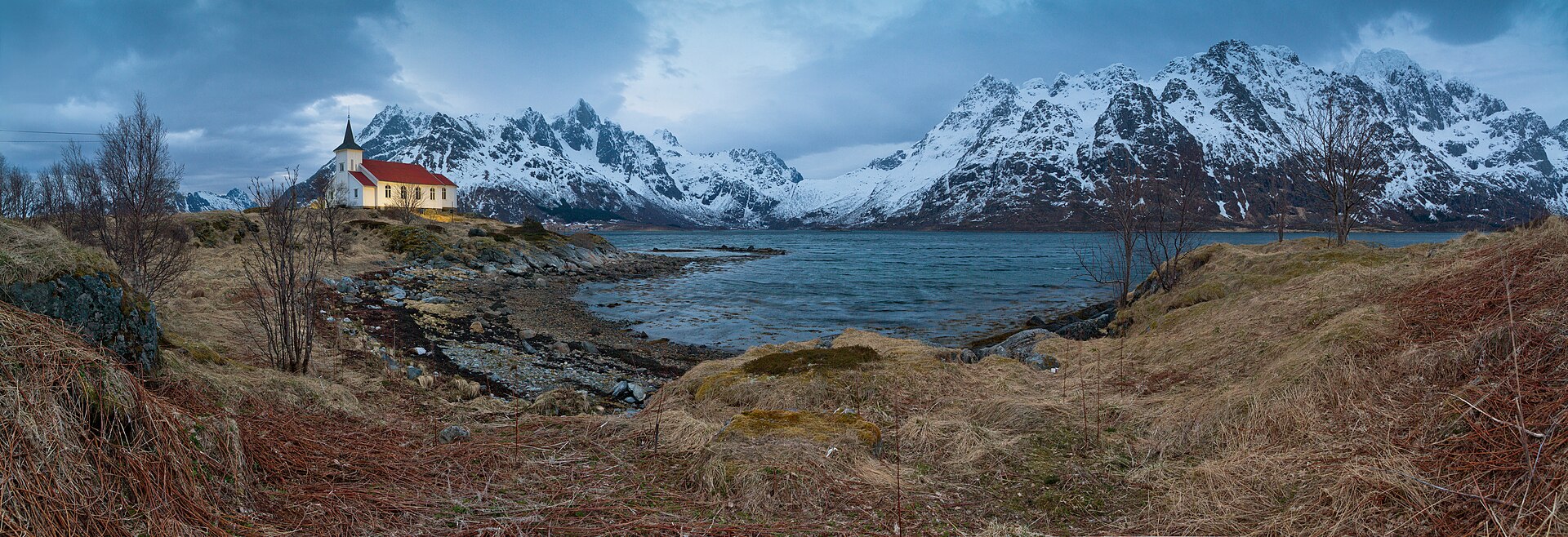
TL;DR
- Layer your clothing: The onion-layer system is essential for survival, and good-quality merino wool will serve you best, keeping you warm even when you sweat or get wet.
- Go for a hardshell: A quality waterproof and, above all, windproof jacket with trousers will save you from unexpected showers and the strong ocean wind.
- Sturdy footwear is a must: Norwegian trails are very often muddy and slippery, so you won’t manage without waterproof hiking boots with a good sole.
- Don’t forget an eye mask: In summer you’ll experience the polar day, when the sun never sets, which can quickly disrupt your sleep schedule without proper blackout.
- Leave the cash at home: Norway is a cashless society; you can pay absolutely everywhere without any problems by card or smartphone.
- Shop smart: You’ll get groceries cheapest in the Rema 1000 or Kiwi supermarkets, as restaurants here are extremely expensive and cooking for yourself will save you huge amounts.
- Get insured: The European Health Insurance Card is valid, but Norwegian excess fees are high, so quality commercial travel insurance is an absolute must.
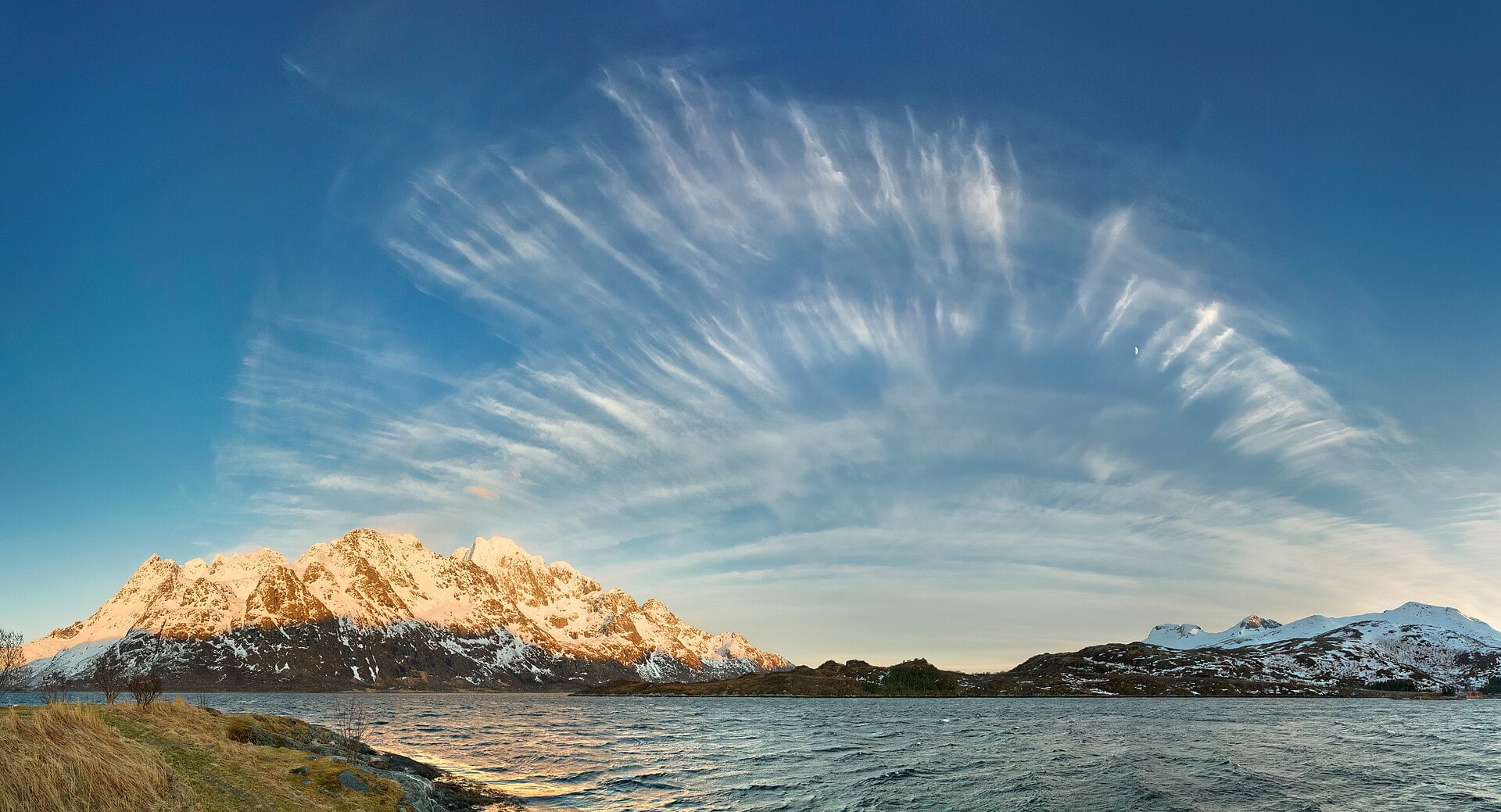
The full destination guide: Lofoten — guide and what to see
7 Things You Need to Know About Packing for Lofoten, Norway
💡 Tip: Whatever time of year you head north, the key to success is flexibility and the ability to react quickly to changes in the weather. Pack your things so they’re easy to mix and match, and you won’t be caught out by either an unexpected morning frost or the afternoon sunshine that can warm up a mountain valley surprisingly nicely.
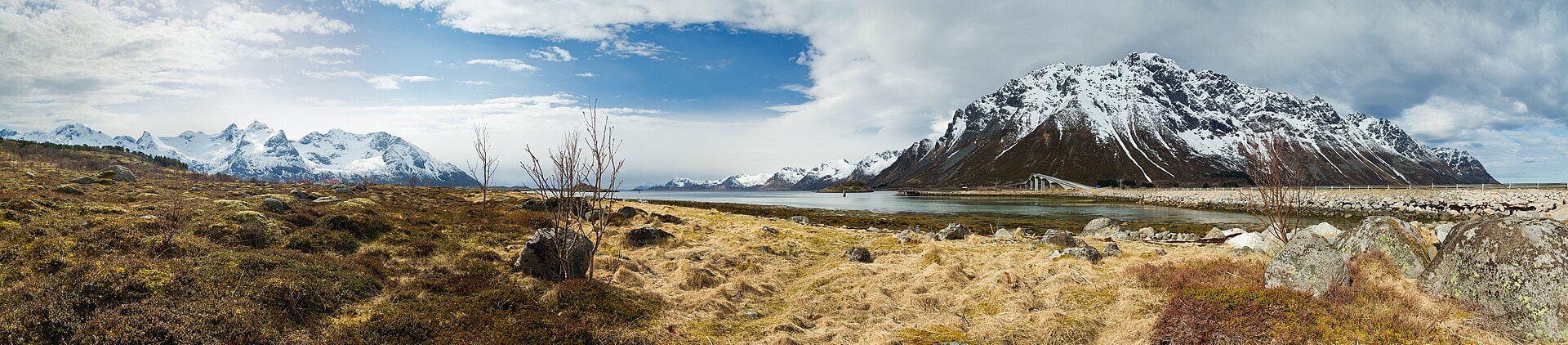
1. The layering system is the absolute foundation of your wardrobe
The secret to staying comfortable in the rugged north is layering — seasoned travellers wouldn’t call it anything else. Forget one huge, thick winter jacket that has you boiling the moment you start the first steep climb, only to leave you shivering when you stop at a viewpoint. What you need is a well-thought-out system of thinner layers that you can peel off and put back on as you walk, depending on how hard the wind is blowing or how brightly the sun is shining. The absolute essential — and the one piece you shouldn’t skimp on — is quality merino wool base layers, which have the wonderful property of keeping you warm even when damp, and won’t smell even after several days of wear.
Over this first base layer goes an insulating mid-layer, best handled by a lightweight fleece or a thin wool jumper that traps your body heat perfectly. I’d recommend leaving cotton T-shirts and classic jeans right at the bottom of your wardrobe back home, because once they get wet in Lofoten, they probably won’t dry until you’re back on home soil. If you’re planning more demanding climbs up the surrounding peaks, also pack a lightweight down or synthetic insulated jacket in your backpack — the one you slip on the moment you stop at the summit and start soaking up the views over the endless ocean.
You’ll appreciate this flexible layering system not just on long hikes out in nature, but also when moving from the chilly outdoors into the heated cafés or museums you’ll find surprisingly often across the archipelago. Well-chosen layers keep you comfortable all day long, and on top of that they take up far less room in your luggage than bulky, heavy winter coats you’d rarely use anyway.
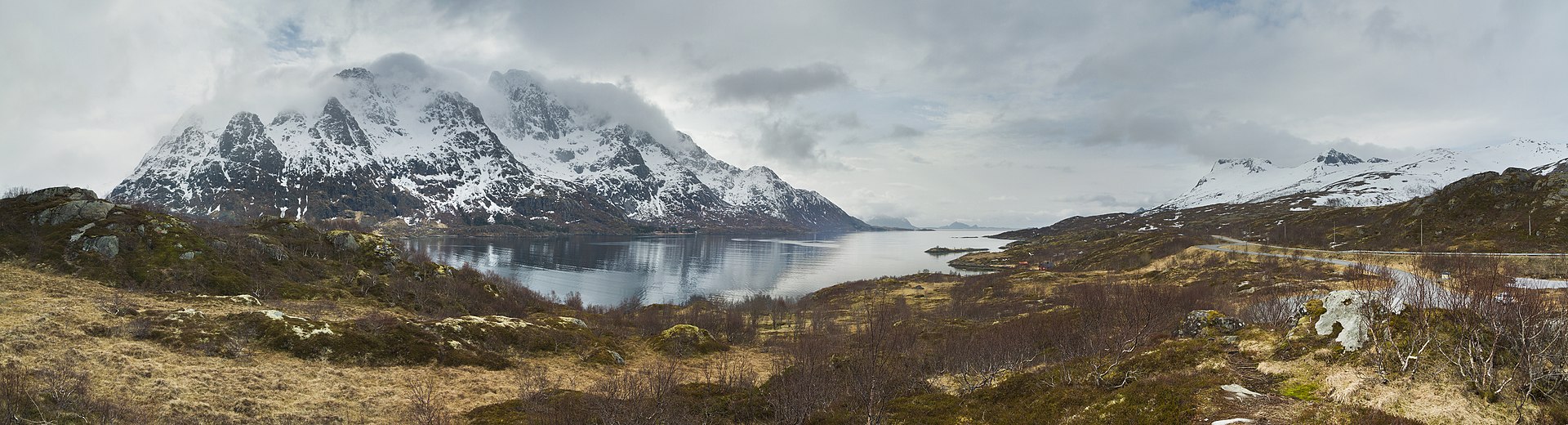
2. A waterproof jacket and trousers will save you from the wind
The second most important item on your list should be the so-called hardshell layer — clothing that reliably protects you from the elements, namely rain and strong wind. The Lofoten weather is shaped by the Gulf Stream and the proximity of the open ocean, which in practice means you’ll very often encounter horizontal rain, against which a classic umbrella is completely useless and would simply snap in the gusts. What you need is a quality waterproof jacket, ideally with a Gore-Tex-type membrane that keeps water out but still lets your body breathe, so you don’t end up sweating like you’re in a greenhouse.
Equally important are waterproof over-trousers, which a lot of hikers sadly forget about and then end up spending the afternoon in soaking-wet trouser legs. These should be roomy enough to pull on easily over your usual hiking clothes the moment a sudden shower catches you out on the trail. Choose models with side zips down the legs, which let you put them on even with your trekking boots already laced up — saving you plenty of stress and time in pouring rain.
When choosing your jacket, pay attention to a roomy, well-adjustable hood that won’t blow off your head even in a real gale, and a high enough collar to protect your neck. Buying quality hardshell clothing might feel like a fairly steep investment, but in northern Norway it’s precisely the piece of kit that decides whether you’ll fully enjoy your trip or endure it cold and soaked through.
3. Sturdy, waterproof footwear for slippery treks
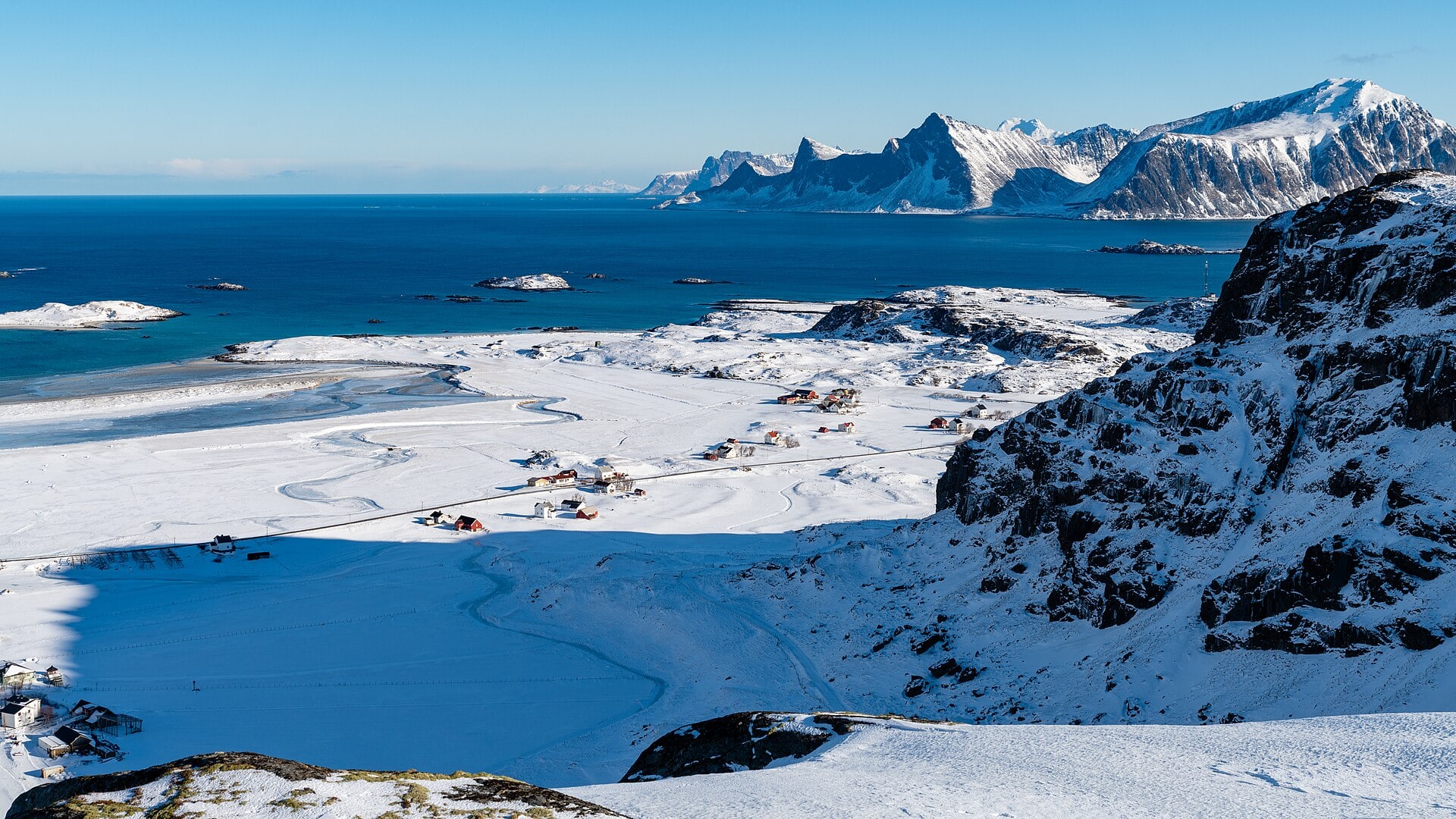
If there’s one thing you definitely shouldn’t skimp on when travelling to northern Norway, it’s quality boots, because the terrain here can be genuinely treacherous and unforgiving of mistakes. Most of the popular trails and viewpoints cross sharp rocks, peat bogs, deep mud and steep slopes, where ordinary city trainers will do you a real disservice and have you well on your way to a twisted ankle. Your best investment will be high trekking boots with a sturdy Vibram sole, which keep your foot stable even on very uneven ground and can handle the more demanding sections you’ll meet if you set off to explore the best treks in Lofoten.
Besides good ankle support, it’s absolutely essential that your boots are 100% waterproof, ideally fitted with a proven membrane, because even in summer you’ll often be wading through wet grass or stepping across small streams. Don’t forget to thoroughly waterproof your boots before you leave, and above all break them in at home, so you don’t end up with painful blisters on the very first day that spoil the rest of your trip. It’s also worth tossing a few pairs of quality trekking socks with a touch of merino wool into your backpack — they prevent rubbing and keep your feet dry and warm.
As a backup, I’d recommend packing a pair of comfortable, lightweight shoes to change into, which you’ll appreciate in the evening when relaxing in your rented cabin or nipping to the nearby supermarket. Some travellers also bring sturdy trekking sandals to Lofoten, but realistically you’ll only use them on the handful of genuinely hot summer days, or as handy slip-ons for shared bathrooms at campsites.
4. What’s different about packing for summer and winter
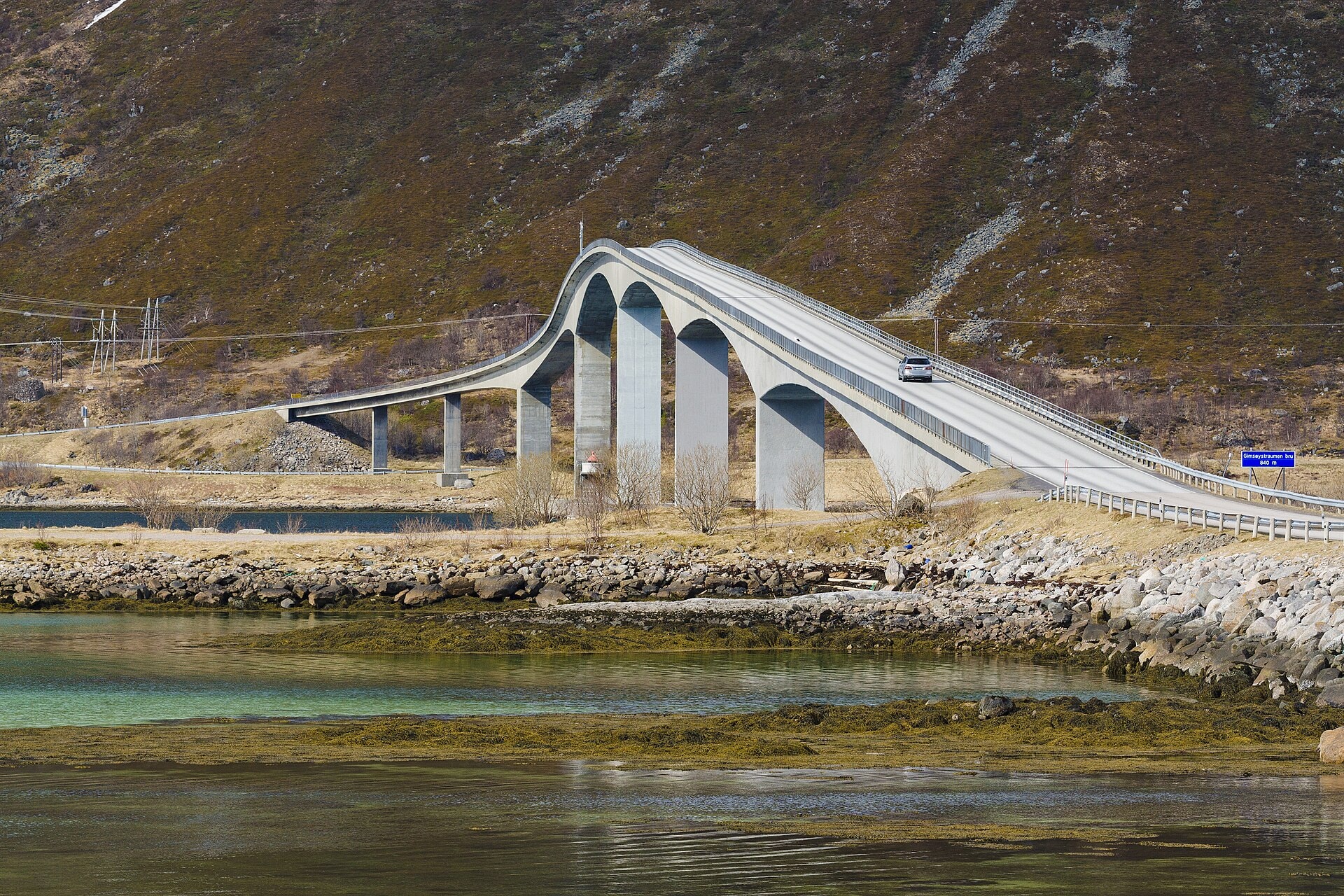
Although the basic rules for layering don’t change, what you pack will differ quite significantly depending on the time of year you’re heading to the far north. If you’re travelling in the summer months, when temperatures might occasionally creep up towards twenty degrees, you’ll experience the fascinating phenomenon of the midnight sun, when the sun never dips below the horizon and shines through your windows even at midnight. For that reason, be sure to pack a quality sleep mask for your eyes, because while many places to stay have blackout curtains, you can never rely on it completely — and your body clock could quickly go on strike.
Packing for the colder months, on the other hand, demands far more thorough preparation, which you can read more about in our article on Lofoten in winter, when battling low temperatures is the order of the day. Your winter kit absolutely must include a warm down jacket, thick ski gloves, a warm hat that covers your ears, and above all traction cleats, because icy paths and trails are a completely normal reality here for many months. If you’re hoping to watch the magical northern lights, bear in mind you’ll be standing motionless in the cold for hours on end, so a thermos for hot tea and a few chemical hand warmers for your pockets will come in handy.
Whether you’re racking your brains over when to visit Lofoten and which season is right for you, remember that the weather here is unpredictable all year round, and even in July you might be surprised by morning frost. The differences between seasons show up more in the thickness of your insulating layers and the length of daylight than in any chance you could leave the waterproof jacket hanging at home in summer with a clear conscience.

5. Electronics, adapters and camera gear for the winter
When it comes to charging your devices, I’ve got good news: all of Norway uses the same European-style Type C/F sockets, so if you’re travelling from the UK you’ll simply need a standard UK-to-European travel adapter — nothing special beyond that. What you absolutely will need, though, is a good high-capacity power bank, because in cold and windy weather the batteries in phones and cameras drain incredibly fast — often by tens of percent in just a few minutes. Get into the habit of carrying your phone and spare camera batteries in a chest pocket as close to your body as possible, where your body heat will keep them warm and extend their life during full-day trips along the cliffs.
For photography lovers, Lofoten is an absolute paradise on earth, but capturing the best shots calls for the right gear that can withstand even tougher weather conditions. If you’re planning to shoot the northern lights or the magical colours of the midnight sun, you won’t manage without a solid, stable tripod, because the wind on the coast is often so strong that holding a camera steady in your hand during long exposures is physically impossible. Don’t forget to pack plenty of memory cards, a set of lens-cleaning cloths (sea spray will constantly land on your lens), and perhaps a polarising filter to bring out the dramatic sky and sea.
If you’re planning to fly a drone, familiarise yourself thoroughly in advance with the very strict local rules, because flying is strictly banned in many places, including the popular national parks and near airports, and the fines are astronomical. It’s far more practical to download offline maps to your phone, because while the signal is surprisingly good in most places, in the deep fjords and more remote coves you can easily hit spots with no coverage.
6. First aid kit and health in remote areas
Norway isn’t a member of the European Union, but it is part of the European Economic Area, which means your UK Global Health Insurance Card (GHIC) — or an existing EHIC — is fully valid here and will cover essential emergency care in state-run facilities. It also means, however, that you pay the same Norwegian co-payment as Norwegians themselves, which usually runs around 200 to 400 NOK (roughly £15–30) for a standard doctor’s appointment, and can be considerably higher for an A&E visit. The card also doesn’t cover any repatriation back to the UK, so arranging reliable commercial travel insurance is an absolute, non-negotiable must before any trip north.
As for minor injuries or common colds, don’t rely on buying everything you need on the spot, because pharmacies (Apotek) are only found in the larger centres such as Svolvær or Leknes, and their weekend opening hours tend to be very limited. Put together a proper travel first aid kit at home, packing tried-and-tested painkillers like paracetamol or ibuprofen, blister plasters, antiseptic for scrapes from the slippery rocks, and possibly motion-sickness tablets if winding roads and boat trips don’t agree with you. In summer, particularly around the turn of July and August, sheltered spots out of the wind can be unpleasantly plagued by midges and mosquitoes, so don’t forget to pack an effective DEET-based repellent and a soothing after-bite cream.
The only full-service hospital on the entire archipelago is in the small town of Gravdal, which acts as the fallback point for anything more serious, while for non-emergency but urgent situations all of Norway uses a single phone number: 116 117. The operators on the line speak perfect English, will happily assess your situation with you, and advise whether you need to head to A&E or whether ordinary care in the warmth of your accommodation will do the trick.
7. What definitely not to pack and what to buy on arrival
When packing for expensive Nordic destinations, travellers often have a tendency to fill half their suitcase with food supplies from home, but in Lofoten it really isn’t necessary and you’d only be lugging around a heavy load for nothing. Norwegian supermarkets are superbly stocked, and if you head to the cheaper chains like the green Kiwi or the blue Rema 1000, you’ll pick up basic ingredients at prices that, while a touch higher than back home, certainly won’t ruin your budget. It’s worth seeking out the own-brand products in particular, which are of very high quality and will save you a fair bit on every shop.
What you can definitely leave at home is any physical cash, because Norway today is almost a perfect cashless society, where you can pay by card absolutely everywhere. Whether you’re buying a morning coffee at the tiniest bakery in the village of Å, paying for parking out in the middle of nature, or needing to use a paid public toilet, there’s a card terminal available everywhere. Locals very often use a mobile app called Vipps — their equivalent of sending money via QR codes — but as a tourist without a Norwegian bank account you’ll get by perfectly fine without it, and an ordinary payment card will always be enough.
As for local ingredients, you can buy and try them right there — like traditional Norwegian brown cheese, brunost, with its distinctive caramel flavour, or the tube of caviar paste that’s an inseparable part of any local breakfast. If you cook in the well-equipped kitchen of your accommodation — a huge financial lifesaver compared with the overpriced restaurants — be sure to grab some fresh cod, known as skrei, at the shop. Simply pan-fry it in butter and you’ll have a luxurious dinner for a fraction of what you’d pay at a restaurant in town.
Practical summary and rough prices
Budgeting for a trip to the far north can be a bit of a puzzle, so I’ve put together an overview of rough prices for the 2026 season to give you an idea of what to expect. The Norwegian currency is the Norwegian krone (NOK), and I’ve listed prices in the local currency with an approximate conversion to pounds.
- Main course in an ordinary restaurant: 200 to 400 NOK (approximately £16 to £32)
- Cost of cooking for yourself (per day/person): 112 to 195 NOK (approximately £9 to £16)
- Excess fee for a doctor’s visit (with an EHIC card): 200 to 400 NOK (approximately £16 to £32)
- Litre of petrol/diesel: 20 to 25 NOK (approximately £1.60 to £2)
- Coffee in a café: 40 to 60 NOK (approximately £3 to £5)
💡 Tip: Some excursions, fjord cruises or organised northern lights tours can be booked very conveniently and safely in advance through trusted platforms like GetYourGuide, securing your spot even in the peak tourist season.
💡 Tip for accommodation and experiences: We like to look for our stays on Booking.com, where the cancellation terms tend to be the best. For tickets, tours and activities, it pays to compare and book through GetYourGuide.
Where to next
If you’re after more detailed information and want to plan your trip down to the very last detail, I’ve prepared a few more useful guides for you. Be sure not to miss our big guide to Lofoten, where you’ll find the most beautiful locations and hidden spots away from the tourist crowds.
If you’re still undecided about the timing of your trip, read our article on when to visit Lofoten to pick the best weather for your plans. Romantic and adventurous souls will surely appreciate our tips for travelling to Lofoten in winter, when the landscape takes on a truly magical air. And for active travellers, there’s a roundup of the loveliest views and trails covering the best treks in Lofoten.
Frequently Asked Questions
Do I need to exchange cash for Norway?
You definitely don’t need cash, because Norway functions as a modern cashless society and you can pay by card absolutely everywhere. Even public roadside toilets or small rural bakeries have terminals for card or smartphone payments.
What’s the weather like in Lofoten in summer?
Even in mid-July, average temperatures only range between 12 to 15 °C and the weather is very changeable. During a single day you can experience sunshine, strong winds and heavy rain, so you won’t get by without a quality waterproof jacket and warmer layers of clothing.
Are there mosquitoes in northern Norway?
Thanks to the strong ocean wind, the insect situation on the coast is much better than inland. You might experience minor issues with midges and mosquitoes mainly around the turn of July and August, so packing a quality repellent containing DEET is definitely worthwhile.
Does the Czech health insurance card (EHIC) work in Norway?
Yes, your blue card is fully valid here and will ensure you receive treatment in state facilities, but under the same conditions as local residents. This means you’ll be paying a relatively high co-payment, so commercial travel insurance is still an absolute necessity.
Where can you buy food the cheapest on the islands?
What power adapter will I need?
You don’t need to buy any adapter at all, because Norwegian electrical outlets are completely identical to those we commonly use in the Czech Republic. Instead, pack a quality power bank, as the cold weather quickly drains your devices’ batteries.
Does it make sense to pack an umbrella for trips?
You can leave your umbrella at home without any worries, because the exposed coastline very often experiences extremely strong winds that would instantly break and destroy it. The only effective protection against horizontal rain is a quality waterproof hardshell jacket with a sturdy hood.
Tips and Tricks for Your Vacation
Don’t Overpay for Flights
Search for flights on Kayak. It’s our favorite search engine because it scans the websites of all airlines and always finds the cheapest connection.
Book Your Accommodation Smartly
The best experiences we’ve had when looking for accommodation (from Alaska to Morocco) are with Booking.com, where hotels, apartments, and entire houses are usually the cheapest and most widely available.
 🚗 Car rental on the roadVerified rental cars in Norway
Search with the DiscoverCars comparison engine — it compares prices from dozens of local and international rental companies, and most bookings come with free cancellation.
Compare car prices in Norway →Don’t Forget Travel Insurance
Good travel insurance will protect you against illness, accidents, theft, or flight cancellations. We’ve had a few hospital visits abroad, so we know how important it is to have proper insurance arranged.
Where we insure ourselves: SafetyWing (simple monthly subscription) and TrueTraveller (for extra-long trips).
Find the Best Experiences
Get Your Guide is a huge online marketplace where you can book guided walks, trips, skip-the-line tickets, tours, and much more. We always find some extra fun there!