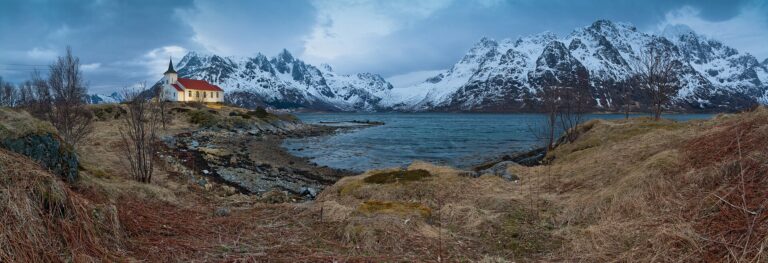
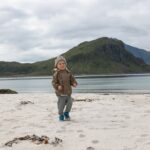
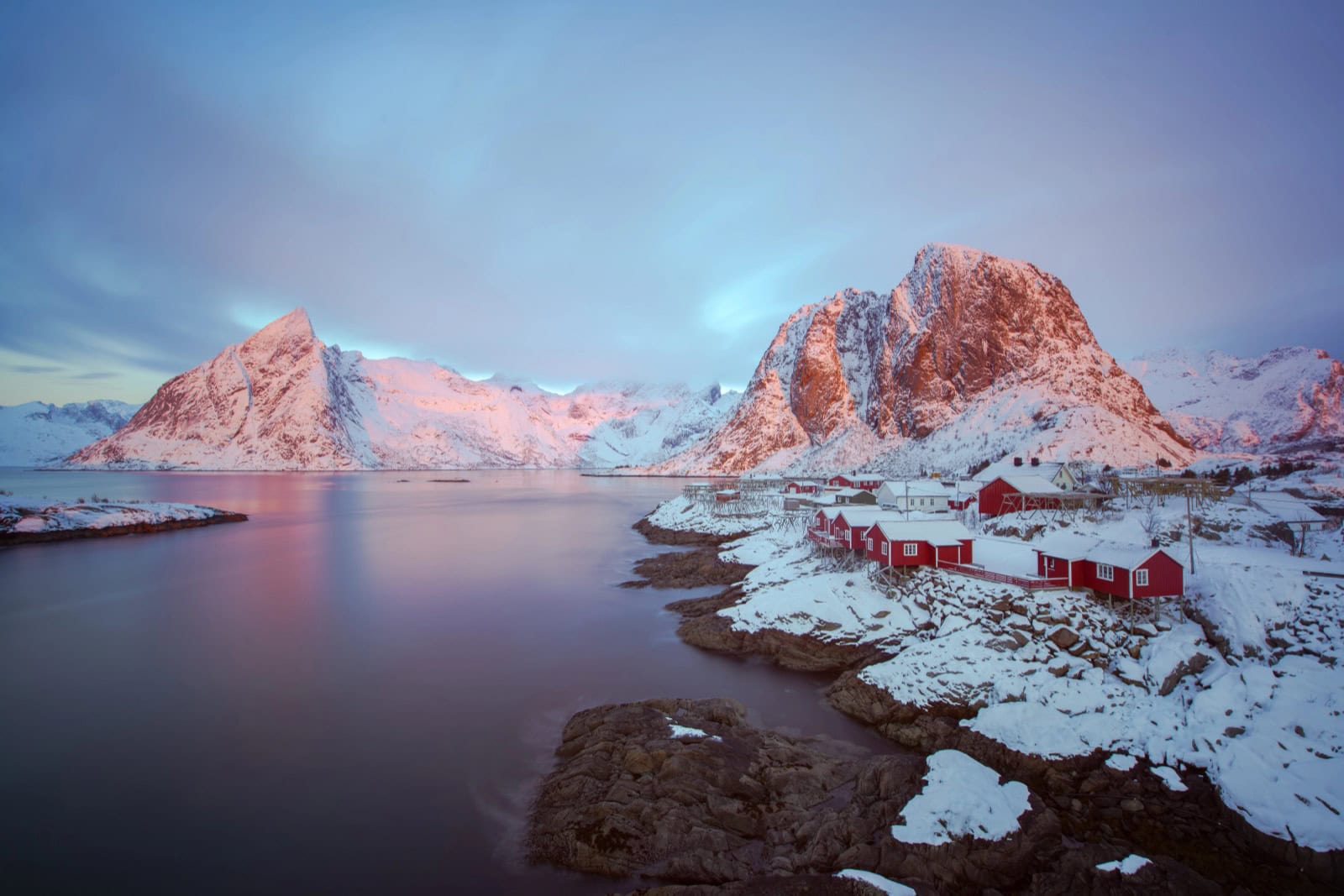
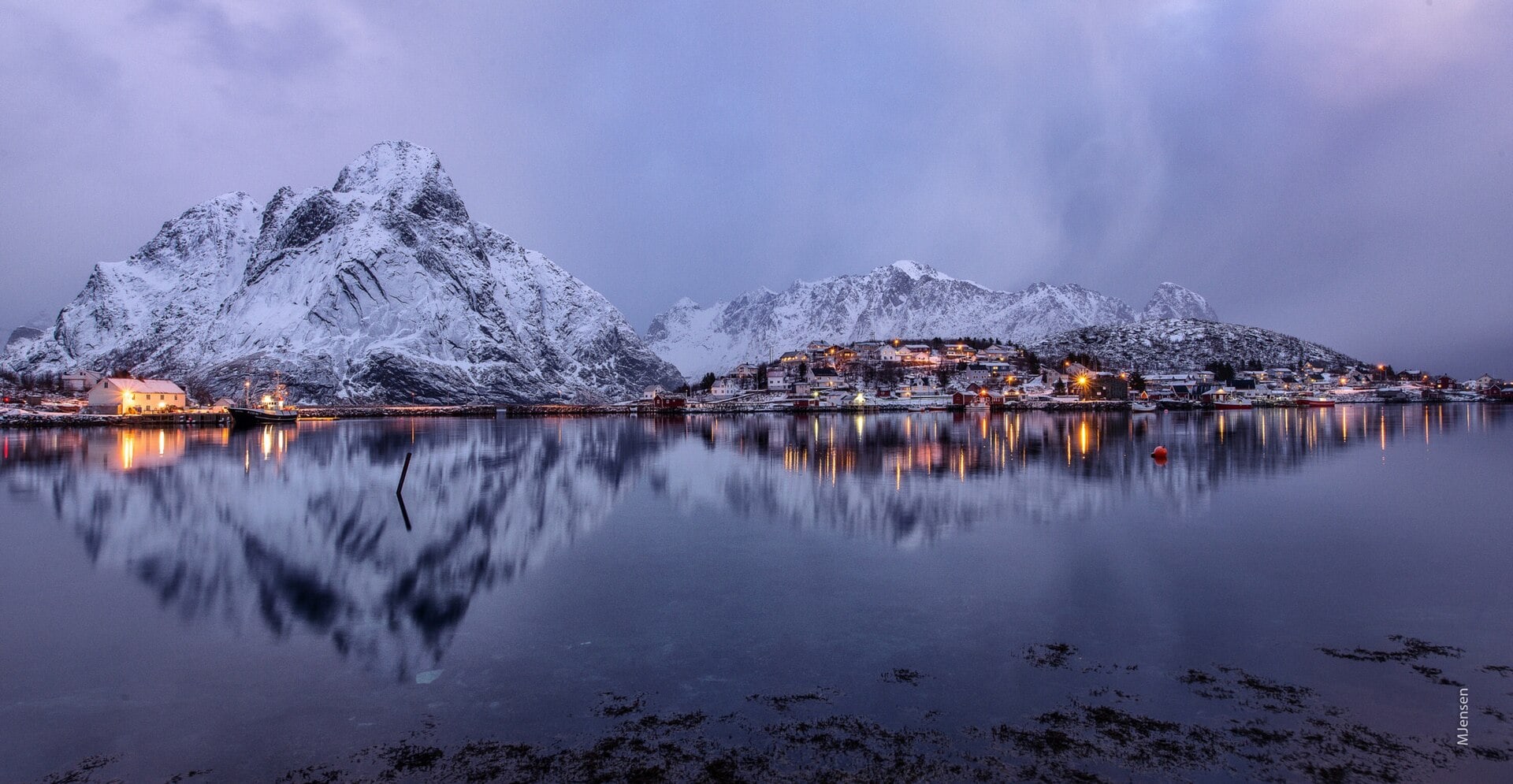
If you’re thinking about a winter trip above the Arctic Circle, I have to warn you about one crucial thing upfront, because the snow-covered Lofoten islands in Norway will completely win you over and you won’t want to leave. ☺️ The combination of steep white peaks, deep blue ocean and red fishing cabins creates a breathtaking backdrop that feels like it belongs to an entirely different world.
While most tourists head here in summer, it’s the frosty months that offer the most magical Arctic atmosphere without the endless crowds and traffic jams. Snow crunching underfoot, the dramatic light of a low-hanging sun and a mug of hot tea after coming back from a freezing outing simply have an enormous charm. It’s the perfect escape into a true Nordic fairytale.
In this guide I’ll show you the best tips on what to see and do in Lofoten in winter, so you can enjoy your trip to the fullest, safely and warmly. We’ll cover the perils of driving on icy roads, hunting for the magical northern lights, and how to dress properly for the unpredictable Arctic weather.
TL;DR
- Winter season up north: The best conditions for plenty of snow and northern lights viewing are from February to March, when the days are already pleasantly longer.
- The magic of polar night: In December and early January, the sun never rises above the horizon, creating a unique blue twilight that’s gorgeous for photography.
- Road safety: Studded winter tires are an absolute must, as roads are very often covered with invisible black ice.
- Essential clothing layers: You definitely won’t get by up north without quality merino wool, a waterproof jacket, and sturdy ice grips for your shoes.
- Iconic views: Photographing the traditional red fishing cabins in the snow-covered villages of Hamnøy and Reine is an absolute must for every visitor.
- Whale watching: To see whales and orcas during the winter months, most trips head a bit further north to the renowned Skjervøy area.
The full destination guide: Lofoten — guide and what to see
When to Visit Lofoten in Winter
Planning a winter holiday above the Arctic Circle takes a bit of strategic thinking, mainly because of the limited daylight and the whims of nature. The Lofoten weather in winter is, thanks to the warm Gulf Stream, surprisingly milder than inland, so temperatures often hover just around freezing. The strong ocean wind, however, drops the perceived temperature far lower, which you definitely need to factor in when packing.
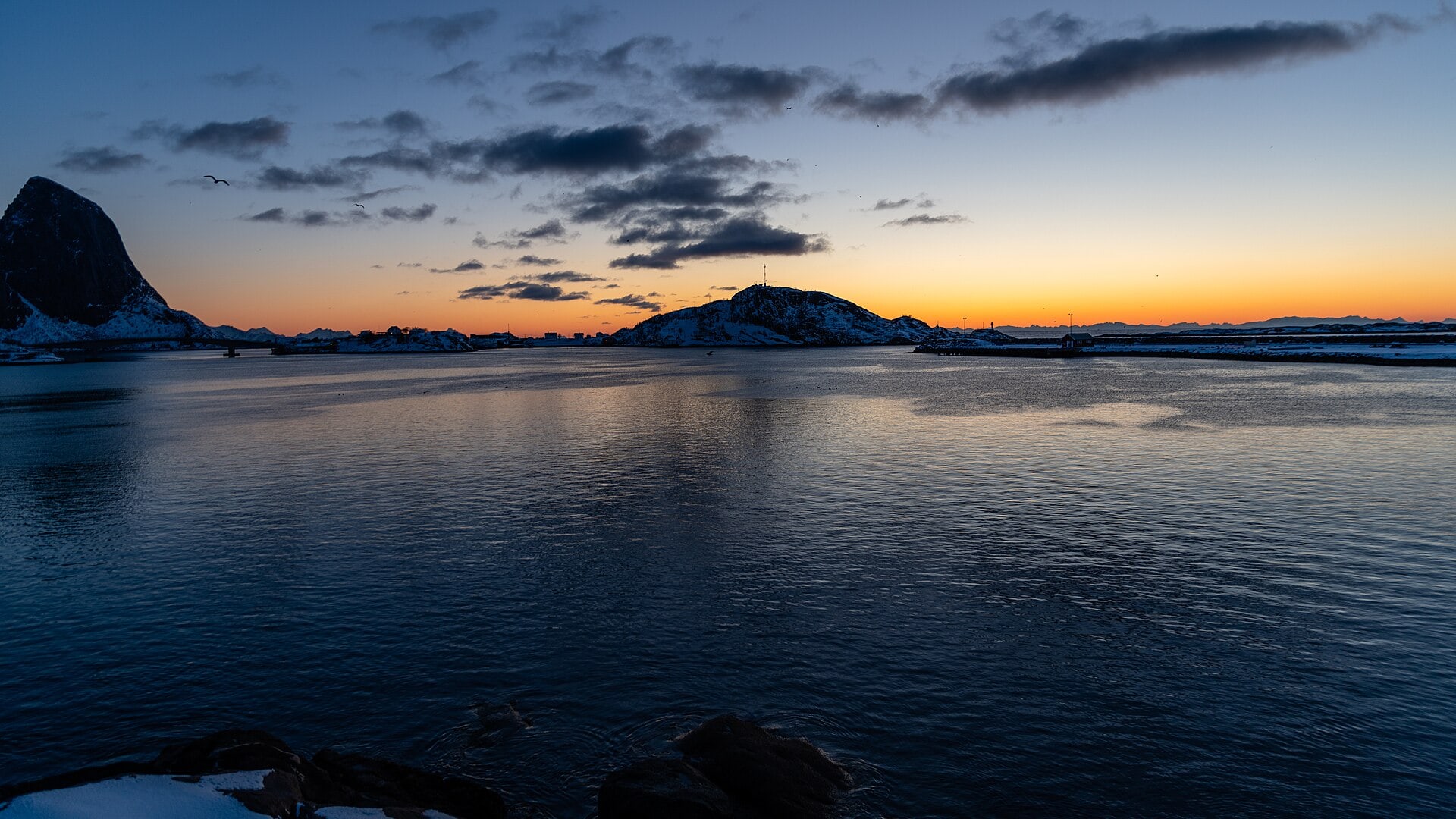
If you go in December or early January, you’ll experience the polar night, when the sun never climbs above the horizon and the landscape sinks into a magical blue twilight for just a few hours a day. This phenomenon is visually stunning and offers a truly unique atmosphere, but it’s obviously not ideal for long full-day mountain hikes. During this period you’ll mostly enjoy the silence, the night sky and the cosy atmosphere inside heated cabins.
Personally, for a more active holiday I’d recommend planning your trip for February or March, which I think are absolutely ideal months for a winter visit. The days lengthen quickly, the snow cover is usually at its deepest, and you still have a huge chance of catching the evening sky shows. Arctic conditions here change literally from minute to minute, so experiencing bright sun, a sudden blizzard and fog all in one afternoon is completely standard. Your best friend will become the Norwegian app yr.no, which you’ll have to use to plan outings practically by the hour, because long-range forecasts simply don’t work in the north.
You’ll find more detail about individual months and light conditions in our article on when to visit Lofoten. For a proper exploration of the winter islands, set aside at least seven to ten days so you have enough of a buffer in case of bad weather. Flexibility and a willingness to adapt your plans to the current situation are absolutely essential for winter travel, and will save you a lot of disappointment.
What to Wear and Pack for the Arctic Winter
The key to survival and all-day comfort is proper layering, because constantly moving from a warm car into the freezing wind at the viewpoints really takes a toll on your body. For your base layer, go for quality merino wool, which keeps you reliably warm even if you sweat a little while walking. Over that goes a thicker fleece or wool insulating layer, and on top a quality waterproof jacket with a membrane tough enough to handle the sharp ocean wind.
Don’t forget warm winter boots with sturdy soles that comfortably fit thick wool socks without rubbing. A crucial and often overlooked piece of kit is a good pair of hiking ice grips, because the icy pavements in the villages and the trodden paths to viewpoints are as slippery as the smoothest ice rink. Pack two pairs of gloves too, with one thinner pair for comfortably operating your camera or touchscreen phone in the biting cold.
Where to Stay in Lofoten
💡 Tip for accommodation and experiences: We like to find our accommodation on Booking.com, which usually has the best cancellation terms. It then pays to compare and buy tickets, tours and activities through GetYourGuide.
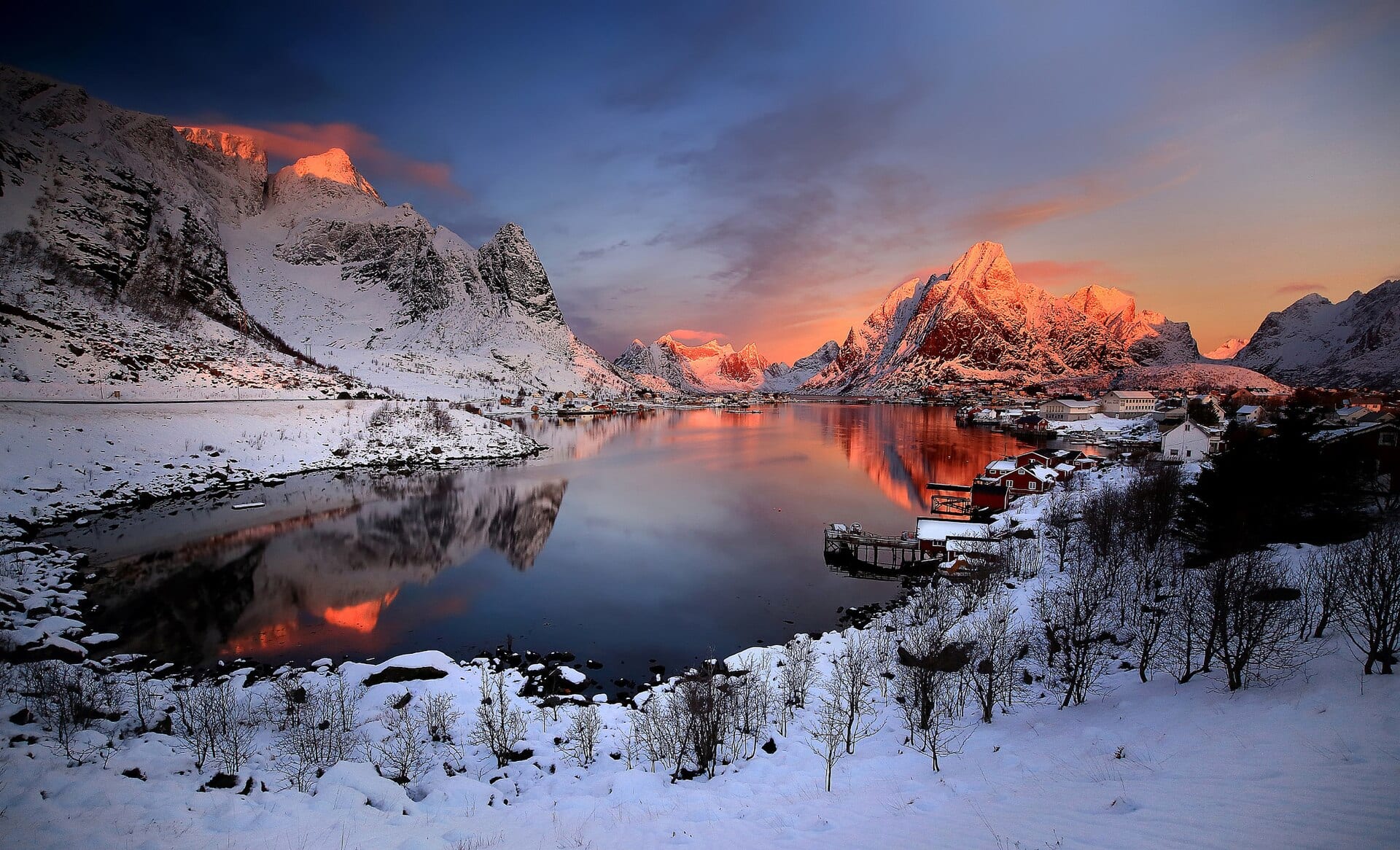
For the most authentic Norway experience, I wholeheartedly recommend renting a traditional fishing cabin, known locally as a rorbu. These deep-red or ochre-yellow houses stand on stilts directly above the sea and offer fantastic views of the surrounding snow-covered peaks. In winter they’re of course fully insulated, fitted with modern heating, and often have their own little kitchen — which you’ll appreciate enormously, since many restaurants have limited opening hours outside the summer season.
One of the absolute most beautiful places to stay is Eliassen Rorbuer in the iconic village of Hamnøy, one of the most photographed spots in the whole north. From the windows of these cabins you look straight out at the majestic Festvågtind mountain, and you can often comfortably watch the northern lights right from the warmth of your living room with a glass of wine in hand. Prices for classic fishing cabins in this area range roughly from 2,000 to 3,500 NOK per night (around £150 to £270), so it definitely pays to travel as a group and split the cost smartly. In the winter months demand among photographers is huge, so really don’t leave your Booking reservation until the last minute.
Another great choice is the historic complex Reine Rorbuer, located in the neighbouring town of Reine with its breathtaking backdrop of sharp granite peaks jutting out of the icy sea. For lovers of more modern Scandinavian design blended with tradition, I’d recommend the wonderful Hattvika Lodge in the Ballstad area, which offers slightly more luxurious facilities. If you want to save on food, the ideal strategy is to stock up at supermarkets like Rema 1000 or Extra and cook a hearty plate of pasta or local cheeses with bread in the warmth of your cabin in the evening.
7 Things to See and Do in Lofoten in Winter
Winter Lofoten offers a huge range of unforgettable experiences, from mild adrenaline on snowmobiles to quiet contemplation by frozen beaches. Let’s take a look at the 7 best winter activities that definitely shouldn’t be missing from your itinerary for the perfect holiday. For each one I’ve also got a few practical tips on how to enjoy it all in complete safety and without unnecessary stress.
1. Hunting the Magical Northern Lights
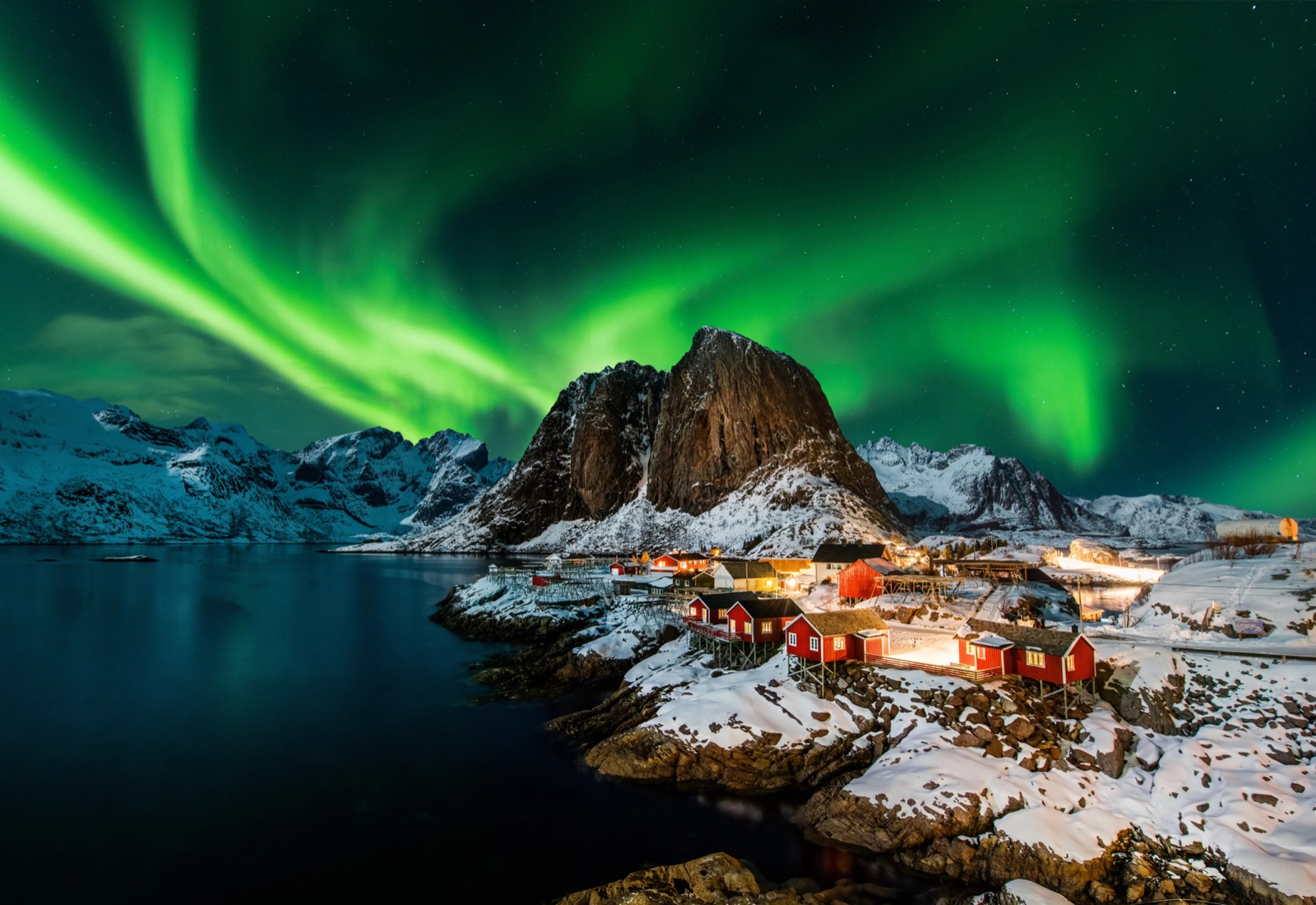
Seeing the dancing green northern lights with your own eyes is, for most travellers, the main and most important reason to visit northern Scandinavia in winter. Lofoten lies directly beneath the auroral oval, so the statistical chance of spotting them here from late September to early April is genuinely enormous. You only need three basic things: enough darkness, a clear sky without clouds, and strong solar activity.
The best spots for night photography are north-facing beaches such as the famous Haukland, Uttakleiv and Skagsanden, where no tall mountain ranges block your view. Wrap yourself in your warmest blankets, brew a hot tea into a thermos, and arm yourself with a huge dose of patience, because nature takes its time and waiting in the cold can last hours. You can stand on the beach for a long while and see absolutely nothing, then suddenly the whole sky unexpectedly explodes with colour, which instantly makes up for all the cold.
💡 Tip: For tracking cloud cover and the likelihood of the phenomenon I recommend downloading the Norwegian app yr.no along with specialised aurora radars on your phone. If you want a better chance and want to learn more about photographing it, definitely read our article on how to chase the northern lights in Lofoten.
2. Watching Orcas and Humpbacks (Skjervøy)
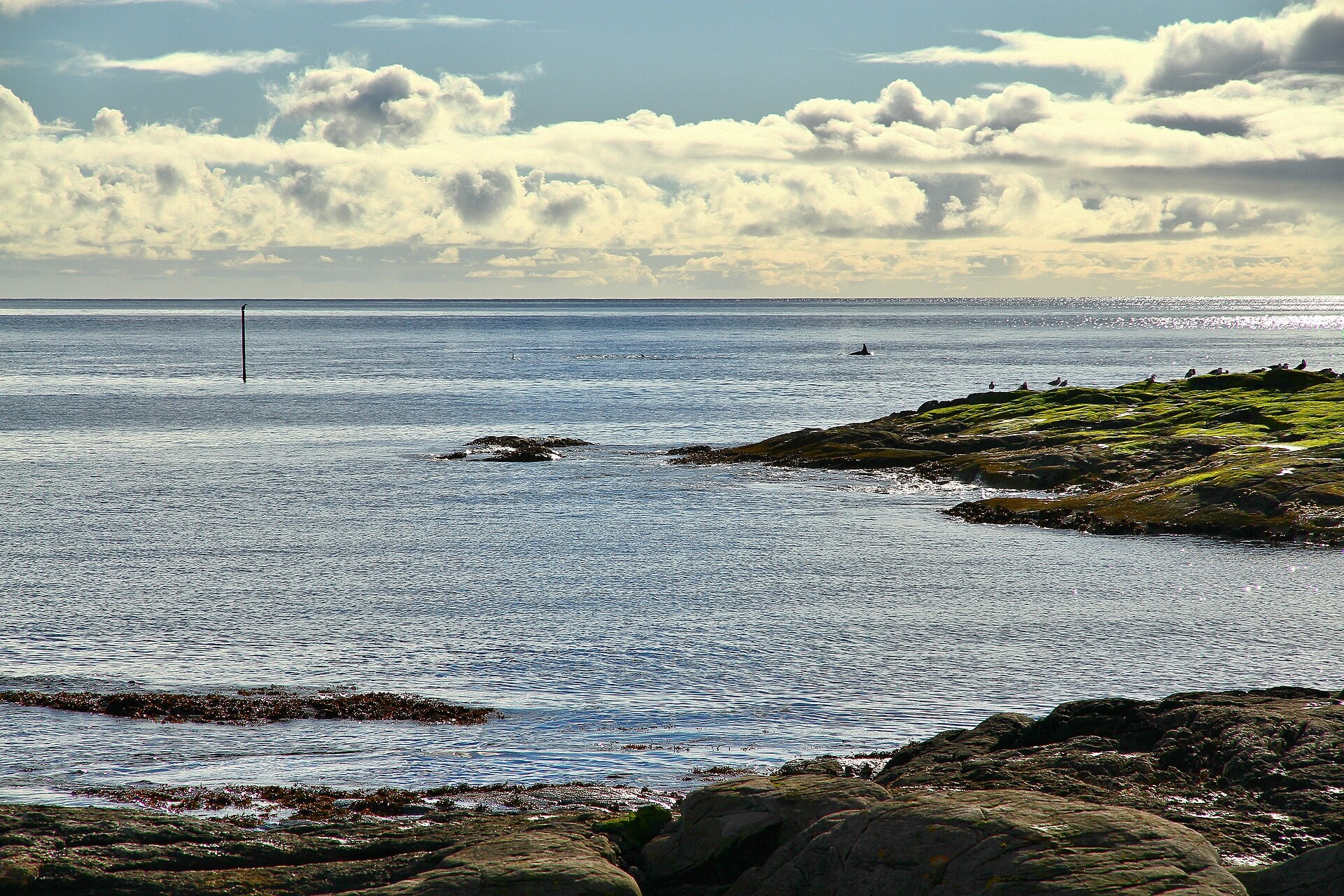
The winter months bring vast shoals of herring into the deep Norwegian fjords, and following them are hundreds of majestic whales in search of food. You’ll spot whales in the south of Lofoten only rarely, but plenty of travellers combine this trip with an excursion a little further north, where the fish have moved in recent years. The Skjervøy area near the town of Tromsø is world-famous for winter sightings of intelligent orcas and enormous humpback whales, drawing enthusiasts from across the globe.
Whale safaris usually take place either aboard larger, more stable boats or on fast, adrenaline-fuelled RIB boats, from which the animals are literally within arm’s reach. The operators always lend you thick insulated, waterproof overalls, because the wind on the open sea is genuinely icy in winter and cuts right to the bone. Seeing a humpback’s spout up close, hearing its powerful breath and watching its huge tail fin disappear into the dark waters is an absolutely breathtaking experience.
💡 Tip: These popular tours tend to sell out very quickly in peak winter season, so book them several months in advance. Expect a price of around 1,500 to 2,500 NOK (roughly £115 to £190) per person, which isn’t cheap, but the investment in this unique natural spectacle is one hundred percent worth it.

3. Photographing the Snowy Villages of Hamnøy and Reine
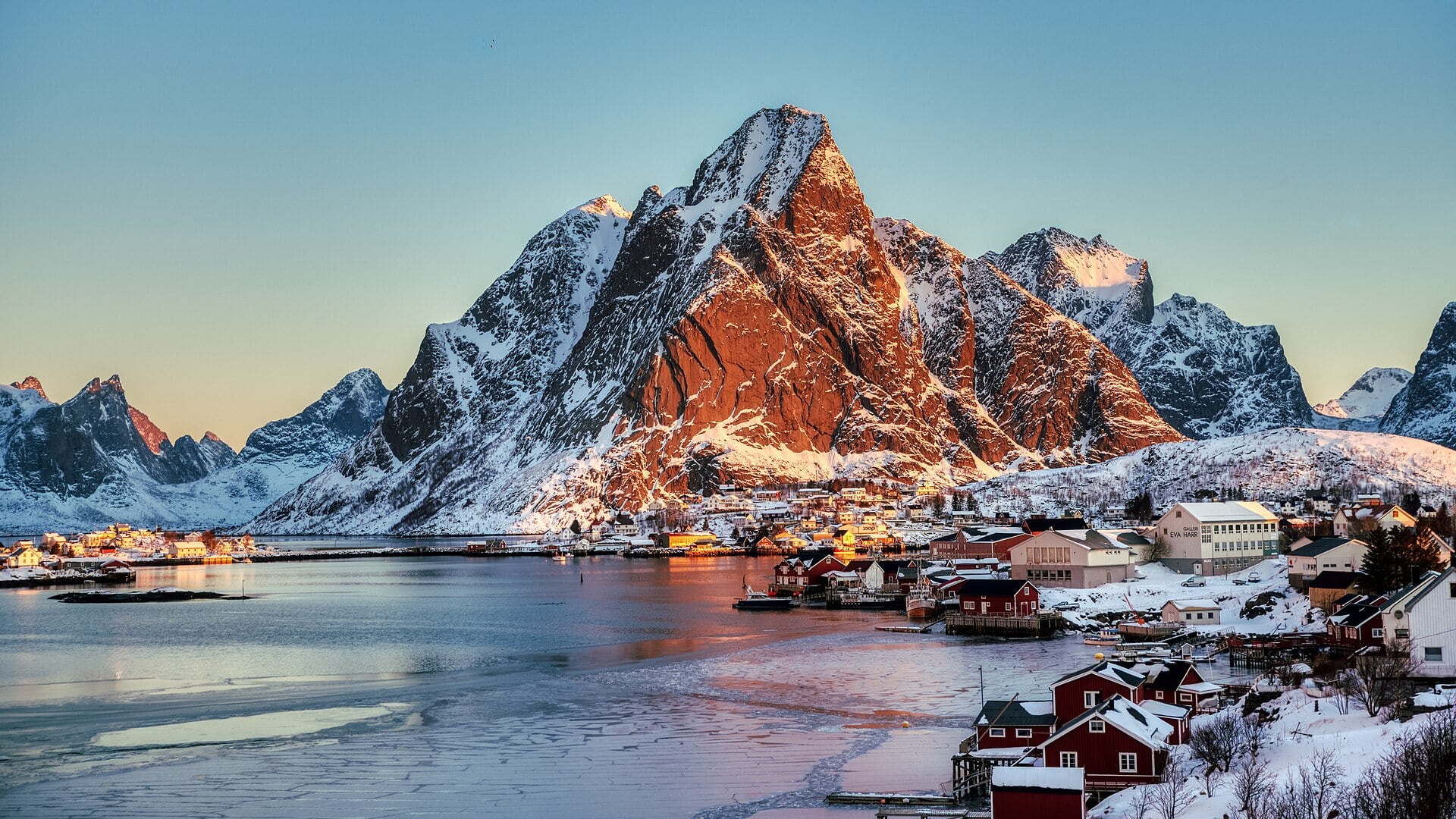
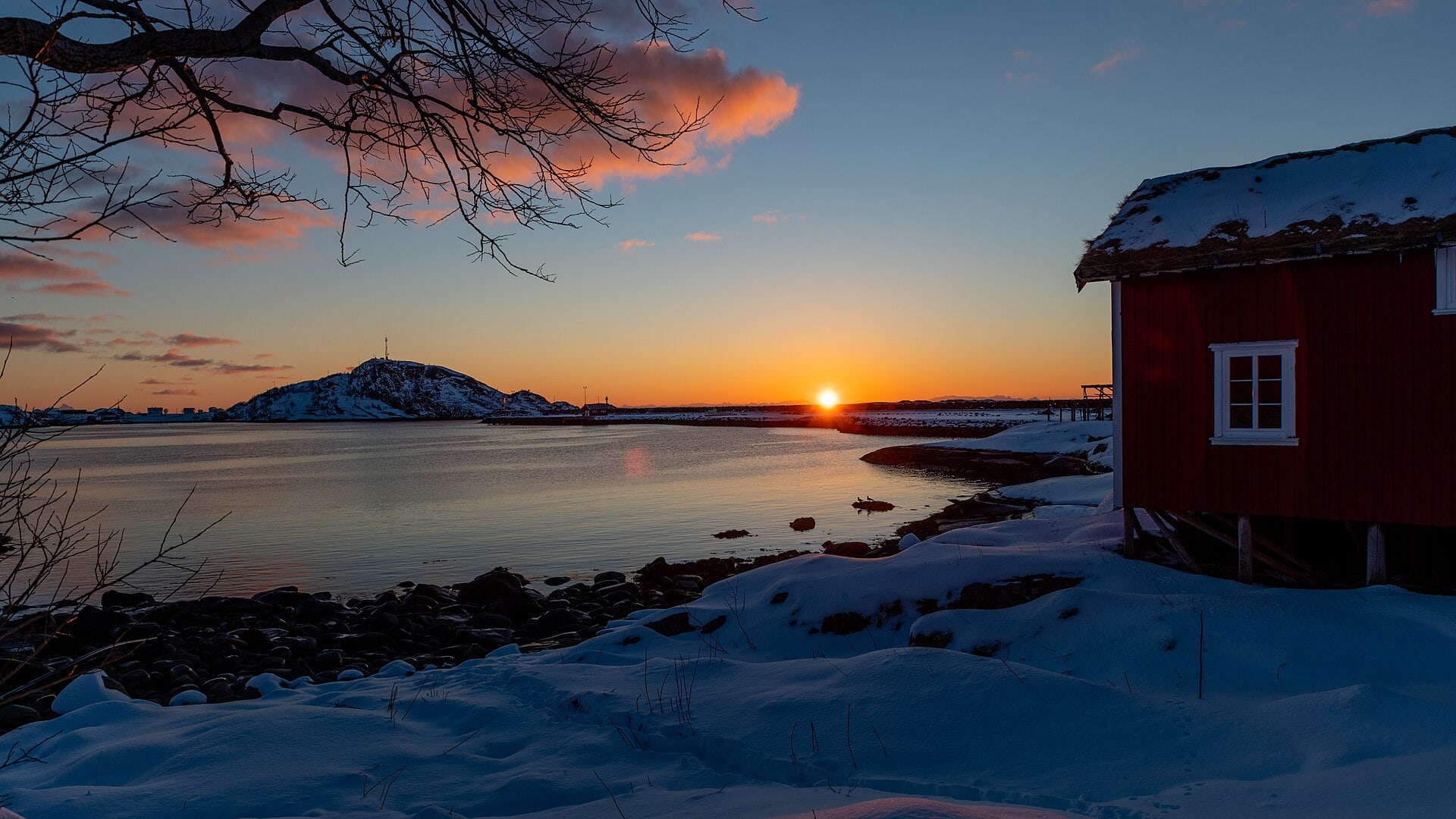
If you’ve ever seen a striking photo from winter Lofoten, ninety percent of the time it was a shot of yellow and red cabins against a backdrop of rugged, snow-covered mountains. The villages of Hamnøy and Reine are literally a paradise for photographers, and under a thick blanket of winter snow they look absolutely fairytale-like. The most iconic view of Hamnøy opens up right from the small road bridge, where even in the bitterest cold you’ll meet dozens of enthusiastic travellers with tripods waiting for the perfect light.
In nearby Reine I’d recommend parking on the edge of the village and walking the narrow, snow-covered lanes on foot, because the bay looks completely different from every new angle and offers fresh compositions. The light conditions here are beautifully soft all day long in winter, since the sun rises only very low above the horizon and creates no harsh, unpleasant shadows. Once you’re completely frozen, definitely stop by the cosy local café Bringen Kaffebar for a great coffee and a freshly baked cinnamon roll, which will warm you up wonderfully after your walk.
💡 Tip: Camera and phone batteries drain incredibly fast in the Arctic cold. Keep spare batteries and power banks tucked in your chest pocket close to your body, so they stay warm and don’t die before you’ve even managed to capture the most beautiful scenery.
4. A Winter Road Trip and Safe Driving
Renting a car is absolutely essential for thoroughly exploring the archipelago, but winter driving in Norway demands maximum respect for nature and a big dose of caution. The main artery, the E10, is regularly cleared by snowploughs, but it’s very often covered with packed snow or dangerous black ice that you can’t see at all at first glance. Fortunately, rental companies automatically supply cars fitted with special studded winter tyres (piggdekk in Norwegian), which grip the ice phenomenally well and give you a sense of security. Remember to drive on the right here, which takes a little getting used to if you’re coming from the UK.
Even with top-notch winter tyres you have to significantly reduce your speed and keep huge distances from other vehicles, because the braking distance is unforgiving and animals can dart into the road at any time. The weather can change within ten minutes from a clear sky to total whiteout, when you can’t see the car in front of you even five metres away and the road blends into the surrounding landscape. An ordinary small car will cost you around 7,000 to 11,000 NOK per week (roughly £530 to £840), so it pays to compare rental offers well in advance.
💡 Tip: Never let the tank run down to empty — top up regularly whenever you pass an open petrol station. In case of an unexpected road closure due to avalanche danger, you’ll need enough fuel to run the heating during a wait of several hours in a queue, which is nothing unusual in winter.
5. Dog Sledding
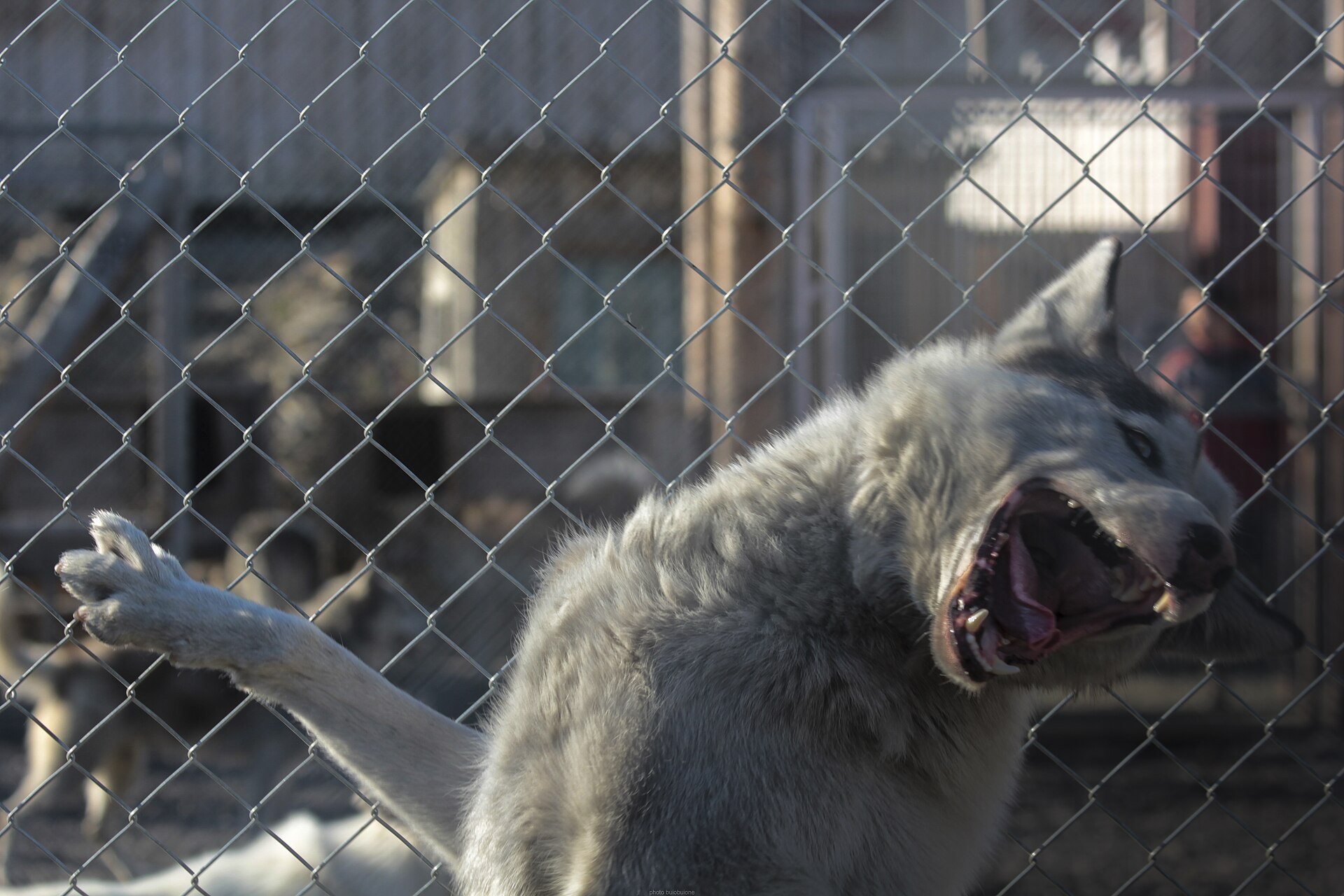
Few outdoor activities connect you with the winter Arctic landscape as powerfully and naturally as traditional dog sledding. Most of the large Alaskan husky farms are located further north in Tromsø or in Sweden, but even on Lofoten and in the neighbouring Vesterålen area you’ll find smaller, very friendly local operators. The dogs are extremely sociable, love human attention, and running through the snowy landscape is demonstrably their greatest joy in life.
During the trip you can usually choose whether to simply be carried comfortably in the sled wrapped in warm blankets, or to try driving the team yourself. An experienced guide will explain in detail before the ride how to shift your weight in the bends and how to use both brakes correctly when going downhill. It’s quite physically demanding and you’ll occasionally have to help the dogs by pushing off, but the feeling of the sled gliding silently across the snow is worth every drop of sweat — and it usually costs 1,800 to 2,000 NOK per person (around £140 to £155).
💡 Tip: Dog sledding trips are surprisingly ideal even on days when it’s overcast and lightly snowing. The experience of speeding through snowy forests and plains isn’t spoiled at all — quite the opposite, it adds drama to the whole Nordic atmosphere and makes you feel like a real polar explorer.
6. Adrenaline on Snowmobiles
For lovers of a bit more speed and powerful engines, a snowmobile trip is an absolute must that will reliably get your blood pumping. On Lofoten itself, free riding off marked trails is strictly forbidden to protect the fragile environment, but organised guided trips will take you to the most beautiful permitted spots. Tours often head high into the mountains and to frozen lakes that you’d never reach on foot through the deep powder.
To drive a snowmobile you only need a valid car driving licence, and before the ride itself you’ll go through a short safety briefing that anyone can manage. The guide will teach you how to control the throttle, switch on the handlebar heating, and explain how to react if you get stuck in deep snow. The views from snowy mountain saddles out over the endless white wilderness far below are simply phenomenal, perfectly offsetting the loud engine noise.
💡 Tip: The snowmobile gear lent to you at the base tends to be very bulky, and while the heavy helmet protects you from the icy wind, it often lets a draught through at the neck. Even so, don’t forget to wear a quality ski balaclava underneath, because at higher speeds the freezing wind really gets in everywhere and you’d chill quickly.
7. Visiting Fishing Museums and the Drying Cod (Skrei)
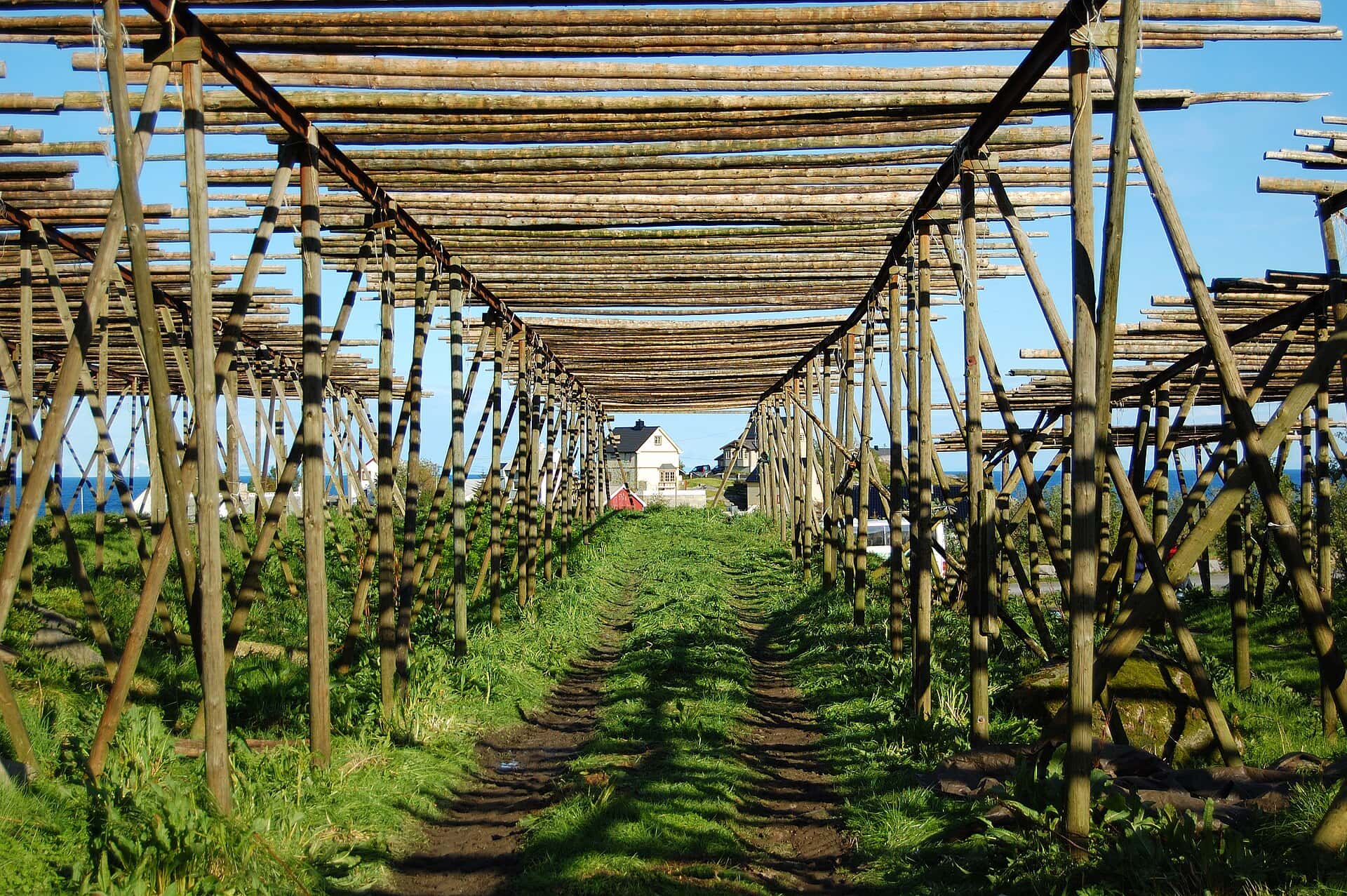
From February to April, an annual event takes place in northern Norway that has shaped the local culture and livelihood for centuries. Huge shoals of Arctic cod, known locally as skrei, swim to the coast to spawn here in the warmer waters of the Gulf Stream. The whole islands instantly come alive with fishing activity, boats head out onto the rough sea, and everywhere you look there are enormous wooden racks full of processed catch, which have become a symbol of the region.
This traditional method of preserving fish using nothing but the freezing Arctic wind and salt is an absolutely unique sight that you’ll come across in literally every village. If you’re interested in maritime history and architecture, definitely visit the Lofoten Museum in Kabelvåg or the fantastic Norwegian Fishing Village Museum right in the town of Å at the very south of the archipelago. After the tour I’d recommend popping into a local café for a hot vegetarian soup with crusty bread, because finding an open restaurant can be quite a challenge in winter.
💡 Tip: Thanks to the wind, you’ll often smell the wooden fish racks from far away, and they’re an inseparable part of the visual character of the winter and spring months. It’s admittedly a very distinctive, strong smell that takes a little getting used to, but it belongs to local life just as inseparably as the dramatic fjords and the northern lights.
Where to Go Next from Lofoten
The Lofoten islands in Norway are often just one of many stops on a broader exploration of rugged northern Scandinavia. If you have more time and a rental car, I’d recommend heading to the neighbouring Vesterålen archipelago, which is noticeably quieter and so far less affected by mass tourism. It offers gorgeous sandy beaches, deep fjords and is a great base for year-round whale watching.
Many travellers also like to combine this Arctic trip with a multi-day visit to the largest northern city of Tromsø, nicknamed the Paris of the North for its lively culture. The drive there takes about eight hours through breathtaking winter scenery you simply won’t get enough of. If you want to get an even better picture of the whole region, definitely read our detailed complete Lofoten guide, packed with more practical information. You’ll surely also be interested in our article on how to get to Lofoten, where we cover ferries, bridges and flights in detail.
Frequently Asked Questions
Is it safe to drive in Lofoten in winter?
Yes, but it requires great caution, smooth driving, and enormous respect for the changing weather. All rental cars are automatically equipped with special studded metal tires (piggdekk), which provide excellent traction on packed snow and black ice. The key is smooth driving without sudden braking, maintaining large distances, and constantly monitoring the weather forecast and current road conditions.
How many hours of daylight can I expect?
In December and early January, the north experiences the polar night period, when there are only a few hours of light per day in the form of magical blue twilight. From late January and throughout February, the days lengthen extremely quickly, and in March you’ll have around ten to twelve hours of beautiful daylight available for your all-day excursions and photography.
Will I see whales in Lofoten in winter?
Directly off the coast of Lofoten itself, the chance of observing whales in winter is unfortunately rather slim. Whales follow herring schools, which in recent years have moved further north to the Skjervøy area near the city of Tromsø. If you want absolute certainty and to experience an unforgettable whale safari, it’s definitely worth taking a several-day trip there.
What temperatures prevail during the winter months?
Thanks to the warm and stabilizing Gulf Stream, Lofoten is far from as freezing as the Swedish or Finnish interior. Average winter temperatures here typically range between minus 2°C and plus 2°C. However, due to the strong and icy ocean wind, the perceived temperature is much lower, so be prepared for even minus 10°C and layer your clothing wisely.
Can I pay by card everywhere or do I need cash?
Norway is currently a virtually cashless society and payment cards are accepted absolutely everywhere, even in the most remote places and small villages. From parking meters at beaches to buying groceries at Rema 1000 supermarkets to paid public toilets. You don’t need to carry cash in Norwegian kroner (NOK) at all.
Are hiking trails normally accessible in winter?
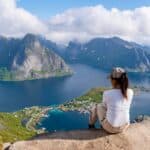
Most of the famous and steep mountain hikes, such as the popular Reinebringen, are extremely dangerous in winter due to avalanches and heavily iced terrain. I recommend ascents to higher elevations only with a certified mountain guide and proper avalanche equipment; otherwise, stick to beautiful and safe walks along frozen beaches and flat valleys.
How far in advance do I need to book accommodation?
Even though the Arctic winter is somewhat quieter than the packed summer, the most beautiful fishermen’s cabins (rorbu) with sea views are often sold out even half a year in advance. Especially dates in February and March are very popular among photographers and northern lights hunters from around the world, so definitely don’t wait until the last minute to book on portals like Booking and secure your accommodation early.
Tips and Tricks for Your Vacation
Don’t Overpay for Flights
Search for flights on Kayak. It’s our favorite search engine because it scans the websites of all airlines and always finds the cheapest connection.
Book Your Accommodation Smartly
The best experiences we’ve had when looking for accommodation (from Alaska to Morocco) are with Booking.com, where hotels, apartments, and entire houses are usually the cheapest and most widely available.
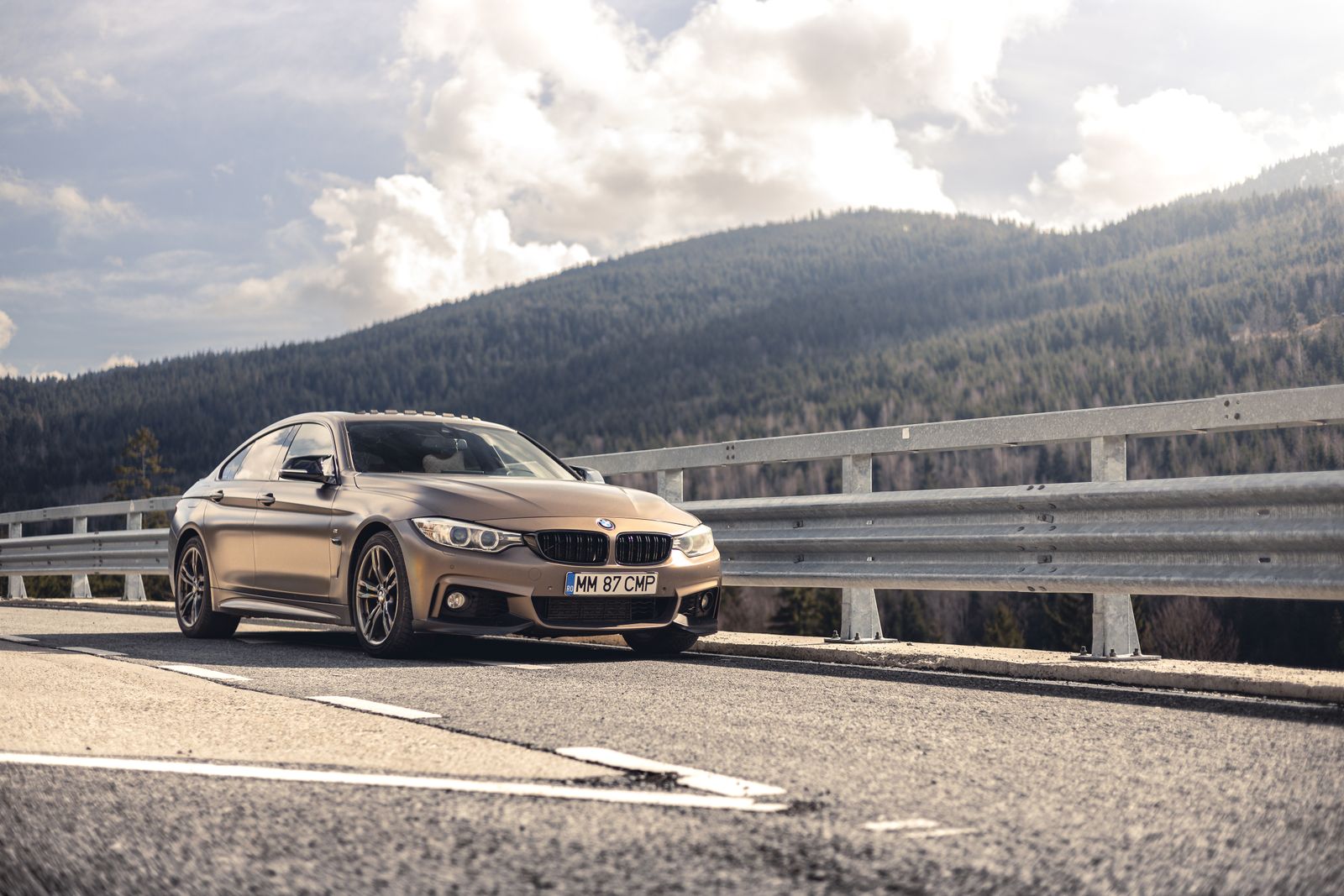 🚗 Car rental on the roadVerified rental cars in Norway
Search with the DiscoverCars comparison engine — it compares prices from dozens of local and international rental companies, and most bookings come with free cancellation.
Compare car prices in Norway →Don’t Forget Travel Insurance
Good travel insurance will protect you against illness, accidents, theft, or flight cancellations. We’ve had a few hospital visits abroad, so we know how important it is to have proper insurance arranged.
Where we insure ourselves: SafetyWing (simple monthly subscription) and TrueTraveller (for extra-long trips).
Find the Best Experiences
Get Your Guide is a huge online marketplace where you can book guided walks, trips, skip-the-line tickets, tours, and much more. We always find some extra fun there!