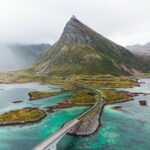
Norway is wild and untamed, and the Lofoten Islands are its absolute natural jewel. If you’re planning a trip up north, you’re probably already dreaming about the dramatic mountains that plunge straight into the icy ocean. Hiking in Lofoten, Norway, is the kind of experience that takes your breath away at every single step.
You don’t need to be a seasoned mountaineer to enjoy this scenery to the fullest. Lofoten offers an incredible range of trails, from the extremely demanding to the wonderfully easygoing. Just don’t expect any fences, railings or warning signs here, because a step into the void is entirely your own problem in the Norwegian wilderness.
In this article I’ll recommend 8 of the best hikes and trails in Lofoten that are well worth adding to your itinerary. I’ll help you choose routes for beginners and experienced hikers alike, we’ll talk about the treacherous Norwegian weather, and we’ll look at where to base yourself strategically on the islands.
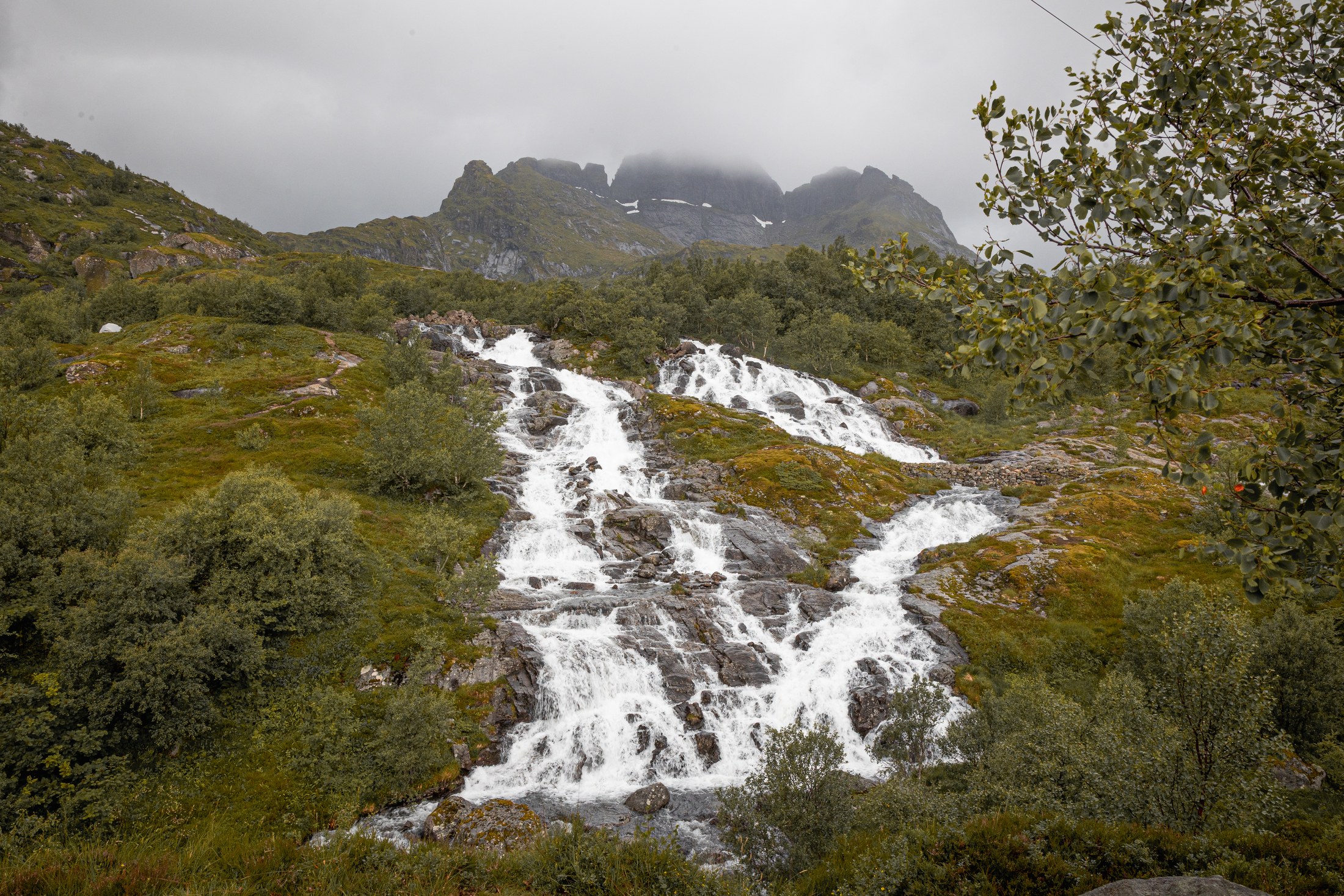
Whichever hike you choose in Lofoten, you’ll be rewarded with a stunning view — there’s no doubt about that. But far more important than picking a specific mountain is keeping an eye on the weather. The trails here are often impassable or downright dangerous — wet rocks are slippery — and that goes double when you’re hiking with kids.
Because of that, for the first part of our stay we barely hiked at all, just very short walks. The weather changed literally every five minutes — rain, sunshine, overcast, rain again and wind. We did manage Ryten with its view over Kvalvika and a few shorter hikes.
💡 Tip: If you realize you’ve only brought summer layers, head to Sport Outlet Svolvær — you can cheaply kit yourself out there for the changeable Lofoten weather.
TL;DR
- Best view: The hike to Ryten with its view over Kvalvika beach is the most rewarding moderate trail in the whole archipelago.
- Most famous steps: Reinebringen offers an iconic view, but you’re facing 2,000 steep steps and huge crowds.
- For beginners and families: The coastal path between Haukland and Uttakleiv beaches is completely flat and suitable for absolutely everyone.
- Hidden gem: Bunes beach requires a trip on a local ferry, which lets you avoid the biggest tourist rush.
- Golden rule: The weather changes by the minute, so always check the yr.no app and turn back straight away if conditions worsen.
- Accommodation: Book hotels and rorbu (traditional fishermen’s cabins) well in advance — they get snapped up incredibly fast.
The full destination guide: Lofoten — guide and what to see
When to Visit Lofoten for Hiking
The weather in northern Norway shows absolutely no mercy, and sunshine, downpours and gales can all swap places in a single afternoon. If hiking is your main goal, the most reliable season is the summer months from late June to mid-August. During this time the magical midnight sun lets you walk the mountains even at midnight, which gives you enormous flexibility when planning.
September brings gorgeous autumn colours and a unique chance to see the Northern Lights over Lofoten, Norway, but the days shorten quickly and rainy days pile up. Many mountain trails become incredibly dangerous in autumn thanks to deep mud and wet rocks that are as slippery as soap. Be sure to pack quality waterproof gear and take the utmost care on exposed routes.
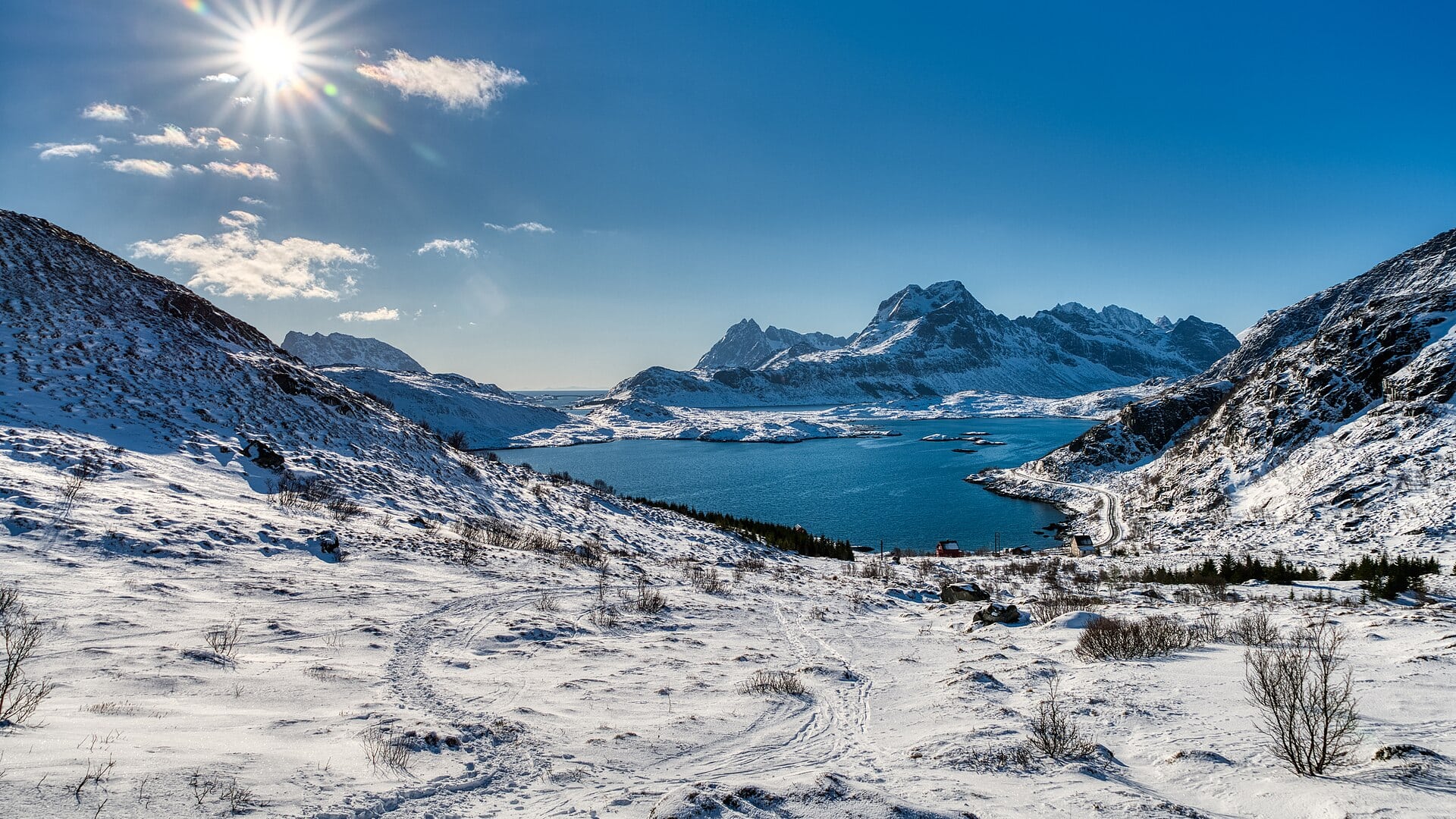
In winter and spring, Lofoten is buried under a thick layer of snow and ice, and hiking without snowshoes or crampons is completely impossible in winter. Many popular trails are closed entirely due to avalanche risk, so a winter visit is better suited to photography from safe valleys, admiring the snow-covered landscape, and easy drives along the coastal roads.
The basic rule for any season is never to leave things to chance and to carefully check the yr.no weather app before every hike. The Norwegian Meteorological Institute is accurate to the hour, so if the forecast shows a front arriving at 2 pm, you need to be back at the car by 1:30 at the latest. Never let your ego take over and chase the perfect photo on the edge of a cliff.
Pay particular attention to tricky temperature regulation if you’re heading out with children in a carrier or with less fit companions. While you’re sweating buckets up a steep climb, your fellow travellers can quickly get cold extremities at twelve degrees. A hot cup of tea from a flask in the safety of a warm car is simply always a better experience than risking your health miles from civilisation.
Where to Stay in Lofoten
💡 Tip for accommodation and experiences: We love searching for places to stay on Booking.com, which usually has the best cancellation terms. For tickets, tours and activities, it pays to compare and book through GetYourGuide.
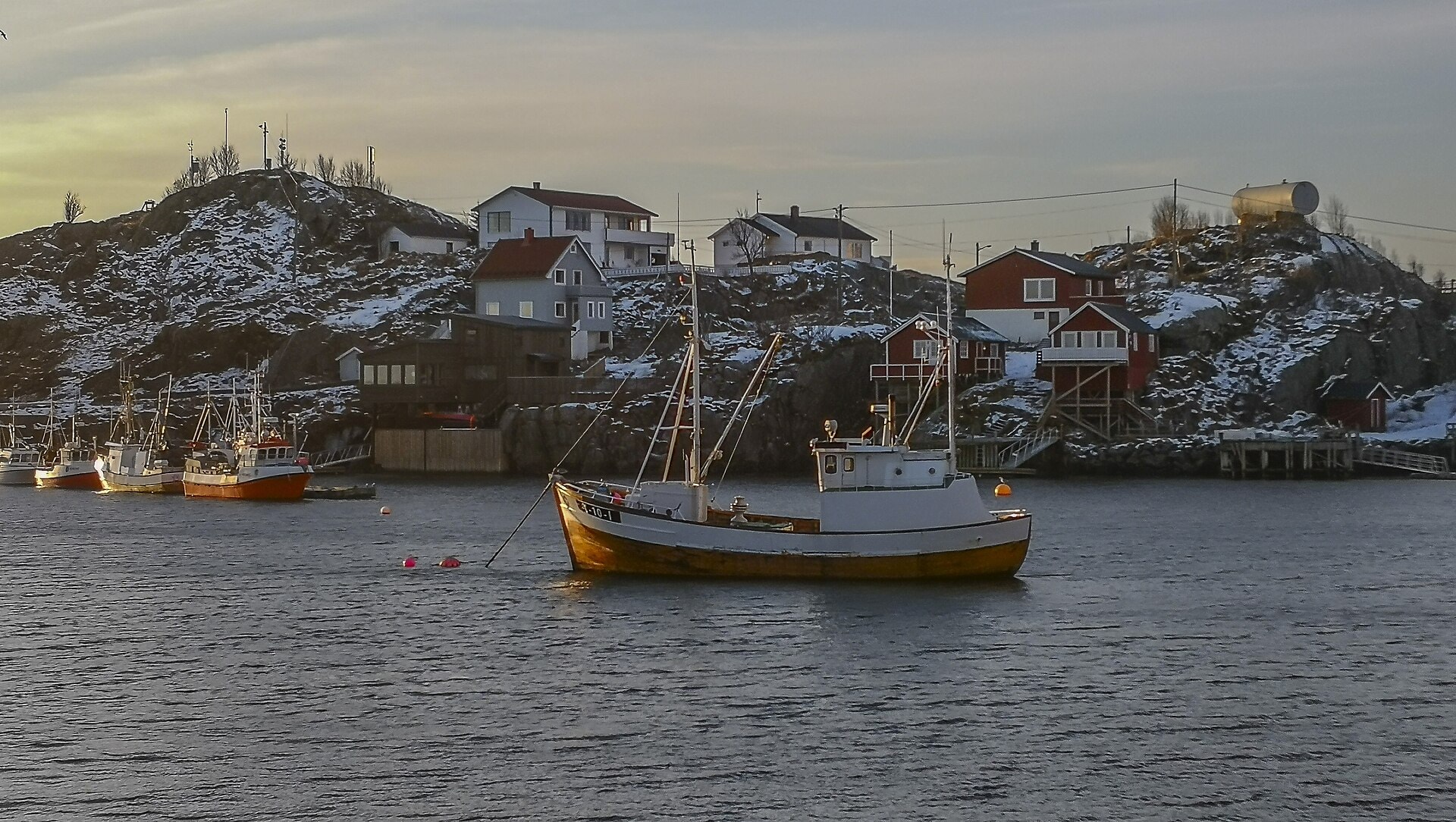
Given the huge demand, accommodation capacity on the islands is very limited, and in the peak summer season everything is hopelessly sold out months in advance. The best and most authentic base for mountain trips is the traditional red fishing cabins called rorbu, which today serve as cosy, fully equipped apartments.
To explore the southern and central parts of the archipelago, base yourself strategically near the picturesque villages of Reine, Hamnøy or Leknes. One absolutely iconic and incredibly photogenic spot is the Eliassen Rorbuer complex on the island of Hamnøy, the source of the most famous photos of red cabins huddled beneath a steep mountain. Staying in these historic cabins right above the surface of the fjord is a huge experience in itself.
If you’re after something a little more luxurious right next to great hikes, I warmly recommend the beautiful Hattvika Lodge in the fishing village of Ballstad. It offers a lovely modern design elegantly combined with traditional island architecture, with the surrounding hills literally at your fingertips. Larger, more modern hotels with classic services and a generous breakfast can be found in the main town of Svolvær, where the popular Thon Hotel Lofoten certainly won’t disappoint, with its lovely view over the bustling harbour.
When choosing where to stay, always carefully consider the driving distances to the start of your chosen trails, so you don’t spend too long in the car. The narrow Norwegian roads full of bridges and tunnels don’t allow for fast driving, so journeys often take much longer than they appear on a map. Also make sure your rorbu or hotel has good heating options, because being able to dry out soaked boots overnight is priceless in Lofoten. A big advantage of apartments is the kitchenette, since eating out at Norwegian restaurants can really blow your budget.
8 Best Hikes in Lofoten, Norway
Let’s take a look at the specific routes you shouldn’t miss. I’ve picked a mix of demanding summits and completely relaxing strolls, so there’s truly something for everyone regardless of your current fitness level.
1. Ryten and the View over Kvalvika
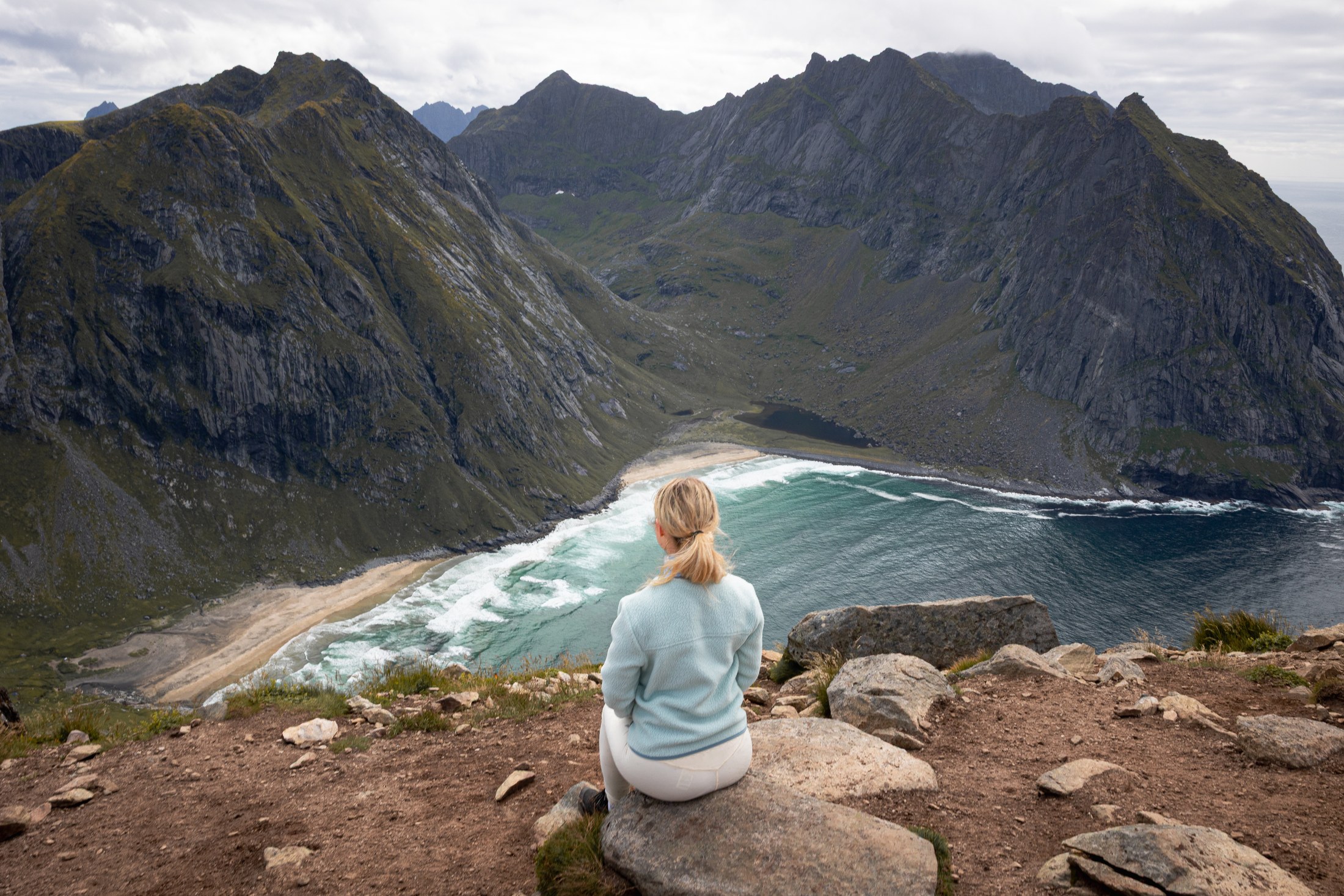
This hike is, without a doubt, one of the most beautiful and rewarding in all of Lofoten. The trail up Mount Ryten offers absolutely spectacular views of the famous Kvalvika bay, with its magically turquoise water and perfectly white sand. Compared to other steep summits, the climb is fairly forgiving, so you’ll genuinely enjoy the walk without gasping for breath at the end.
The route takes roughly three to four hours there and back, and you’ll climb a little over 500 metres in elevation. The path starts on tidy wooden boardwalks across soft peat bogs, then rises along a rocky but easily walkable trail. It’s an absolutely ideal choice for intermediate hikers who want to see the very best of Norwegian nature in a single outing.
Parking at the trailhead near the village of Innersand fills up hopelessly early in summer and is fairly pricey. So head out either really early in the morning or, conversely, in the late afternoon, when the crowds slowly begin to drift back to their cars. The famous photos taken from the overhang at the top of Ryten look extremely dangerous and full of adrenaline, but don’t be fooled by the optical illusion. In reality there’s a wide, safe rock ledge beneath you, so you can get that memorable shot without needlessly risking your life.
2. Reinebringen (the Iconic Stairway Climb)
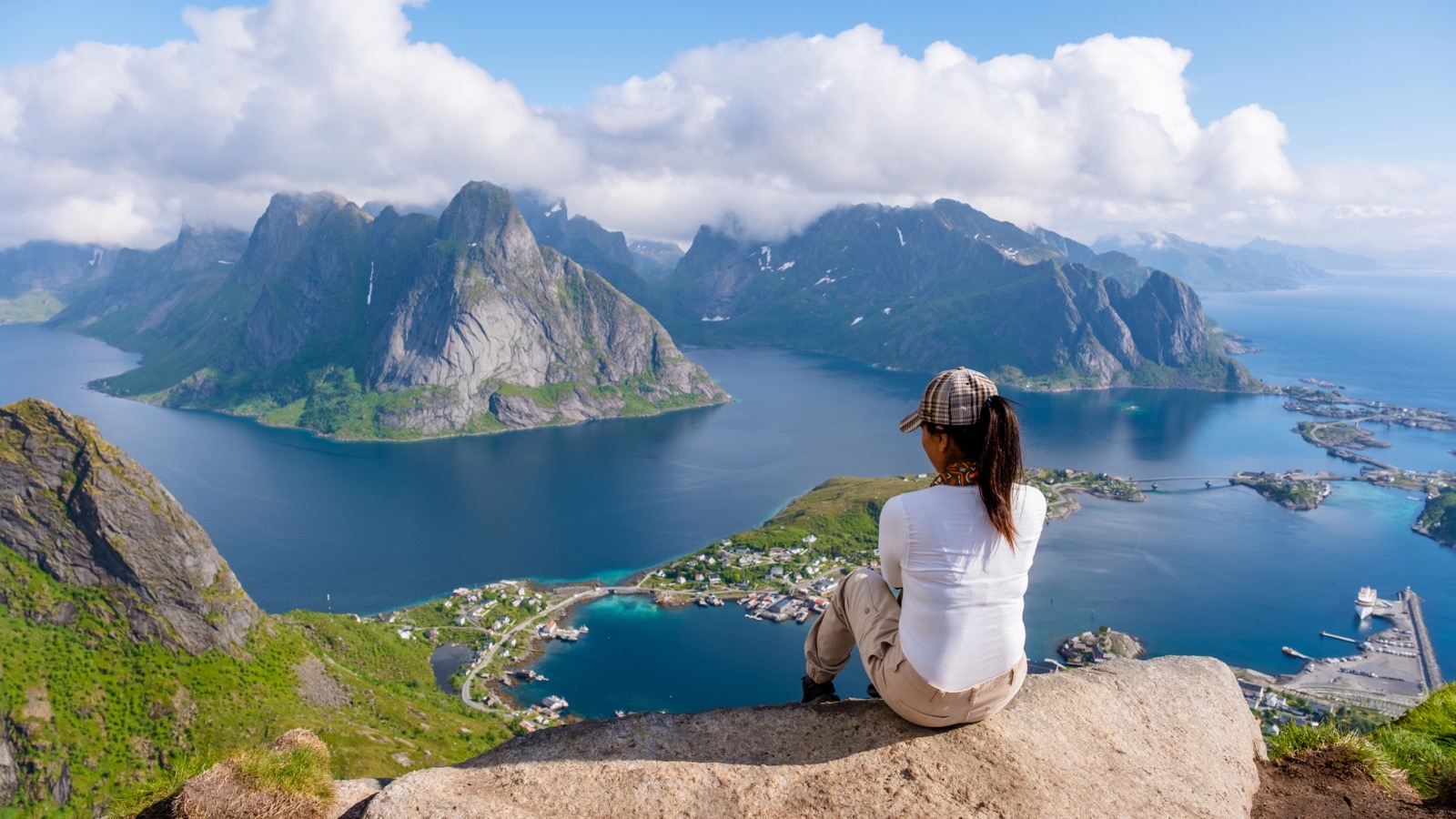
The photo from the top of Reinebringen is probably familiar to anyone who has ever looked for inspiration for a trip to Norway. Up here you’ll find an absolutely breathtaking panorama of the village of Reine, scattered islets and deep, majestic fjords. The way up, however, is a brutal physical test of your willpower and stamina, and it really isn’t for everyone.
The summit is reached by exactly two thousand steep stone Sherpa steps, which gain 450 metres of elevation over a very short distance. It’s an enormous strain on your knees and lungs, especially on the way back down. On top of that, it’s such an incredibly popular spot that during June 2024 alone a staggering 41,000 people passed through, so you can forget any romantic contemplation of solitude in the wild.
This climb is absolutely not suitable for people who suffer from vertigo, nor for families with small children in carriers, for whom this route is pure recklessness. Wet stone steps after rain become extremely and unpredictably slippery, and the descent is often far more dangerous and demanding than the way up. If you do head here, take the utmost care, watch every step, and in bad weather it’s best to skip the experience entirely.
3. The Haukland and Uttakleiv Coastal Path
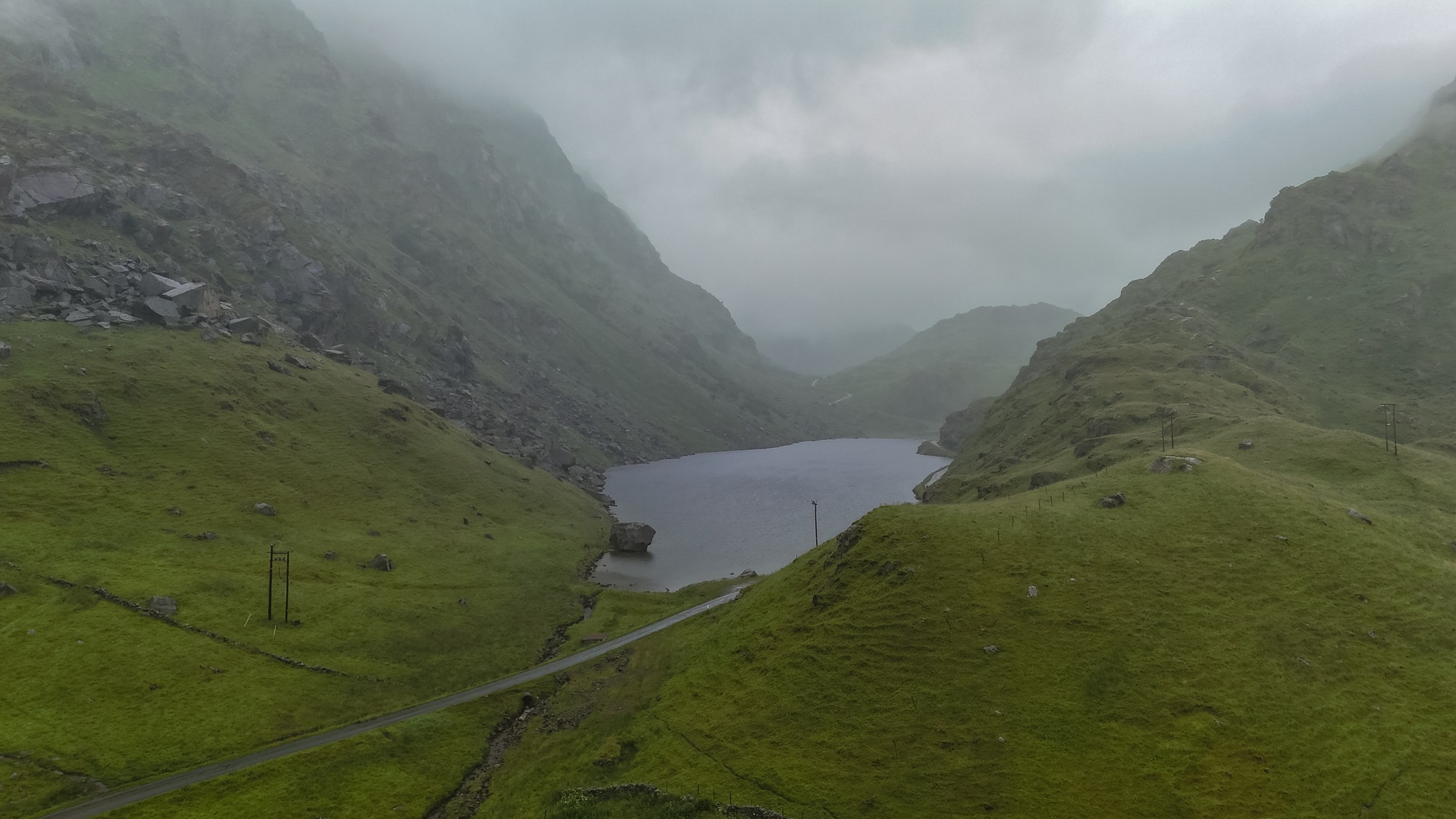
If you want to give the steep, exhausting hills a rest for a while, this is an absolutely ideal choice for an easy day. Haukland is one of the most photographed beaches in all of Norway, and in summer you’ll pay roughly 100 to 200 Norwegian kroner (about 9–18 €) for parking. Instead of scrambling up the surrounding sharp peaks like Mount Mannen, set off along the old coastal road around the headland.
This wide and completely flat gravel road calmly skirts the mountain massif and connects the popular Haukland beach with the wilder neighbouring Uttakleiv beach. The trail is so incredibly easy that you can manage it without the slightest problem even with an off-road pram with big wheels, or if your knees are aching from previous climbs. The whole loop there and back measures a very pleasant eight kilometres.
The path safely hugs the cliff just above the ocean the entire way and offers quiet, soothing and fantastic views of the waves. If you fancy even more peace and a complete escape from the crowds, drive a little further to the very quiet Storsandnes beach. Here you can park right by the water and enjoy a paddle in the icy ocean without weaving between dozens of campervans.
4. Bunes Beach (a Walk across the Fjord by Ferry)
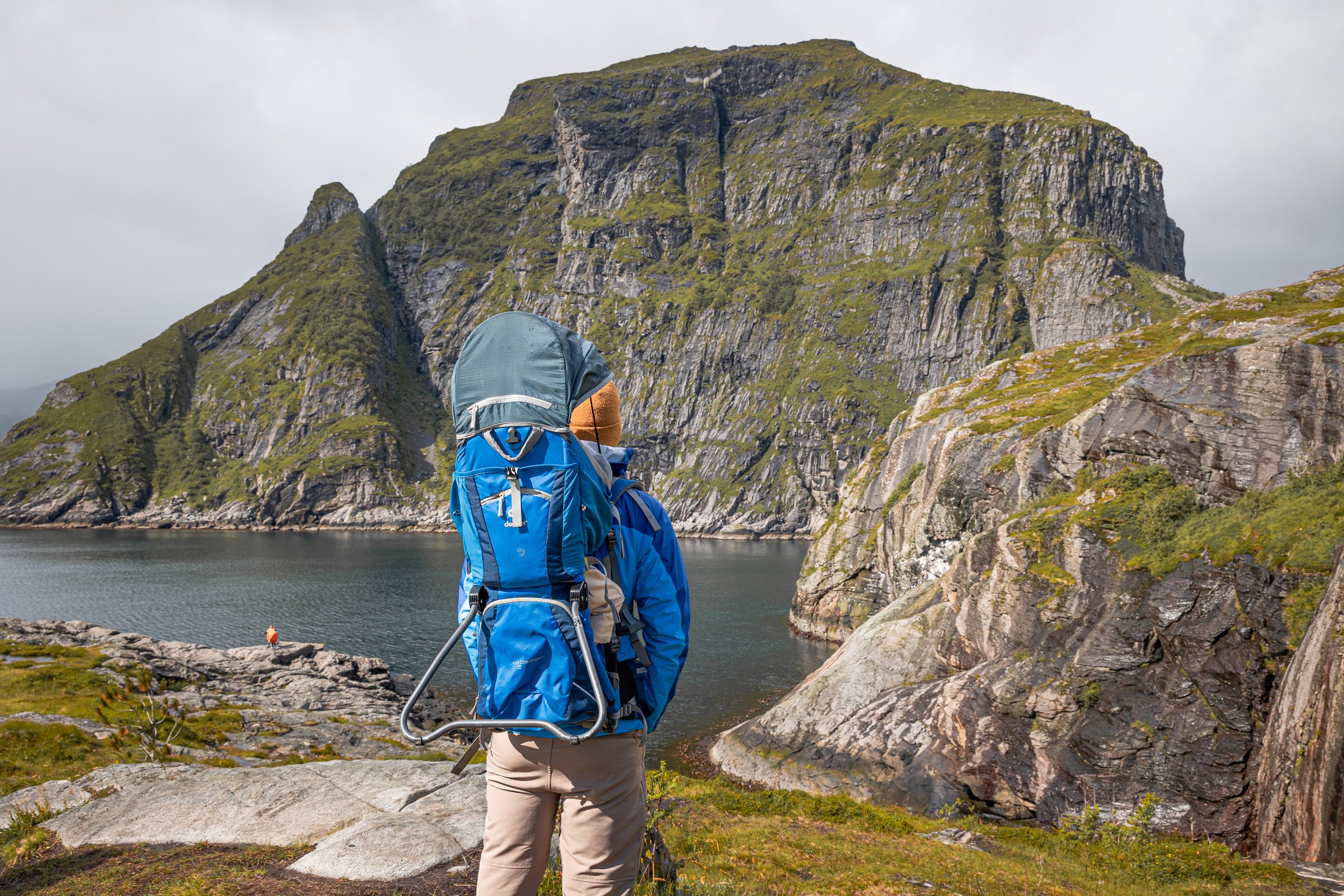
A visit to the isolated Bunes beach is a gorgeous full-day trip that packs in everything that makes Lofoten so magical. From the picturesque little village of Reine you hop on a small local ferry and head across the deep fjord to the remote, quiet hamlet of Vindstad. The voyage itself, across waters ringed by steep mountains, is an absolutely unforgettable experience and a wonderful start to the day.
From the little harbour, a peaceful walk leads across a narrow neck of land to the other side of the island. With a tiny elevation gain of around 80 metres, it’s more of a relaxing stroll than a real mountain hike, so absolutely everyone can manage it, including small children. As soon as you crest the low saddle, a giant white-sand beach opens up before you, framed by jet-black cliffs.
This beach is so incredibly vast that people can lose themselves and find their own privacy here without any problem, even in peak summer season. Just check the exact return ferry times very carefully in advance and be at the wooden jetty in Vindstad with plenty of time to spare. If you miss the boat, you’ll be left with no choice but to spend a very cold night out in the open, which is definitely not something you want to experience.

5. Around the Lofotr Viking Museum in Borg
At first glance it might sound like a classic commercial tourist trap, but the area around the Lofotr museum offers genuinely great conditions for an easy, visually beautiful outing. From the main museum building, shaped like an upturned Viking ship, a roughly one-and-a-half-kilometre groomed gravel path descends towards a peaceful lake. It’s a pleasant change from the rugged rocky trails on the coast.
During this completely relaxed walk you’ll pass spacious paddocks with sturdy Viking horses, sheep and even wild boar. The trail runs only gently downhill along a very wide path the whole way, making it absolutely ideal for complete beginners or families with an off-road pram. It’s a great place to recover if your knees are on strike after previous days and refuse to tackle any more elevation.
Down by the lake, a beautiful and meticulously detailed replica of a traditional Viking ship is moored, which you can walk up to and inspect from up close. The whole area around the museum is set in a lovely, soothing landscape full of greenery. This gentler face of nature contrasts sharply and very pleasantly with the otherwise dramatic, jagged peaks across the rest of the northern archipelago.
6. Værøy Håen (an Old Road to a Stunning View)
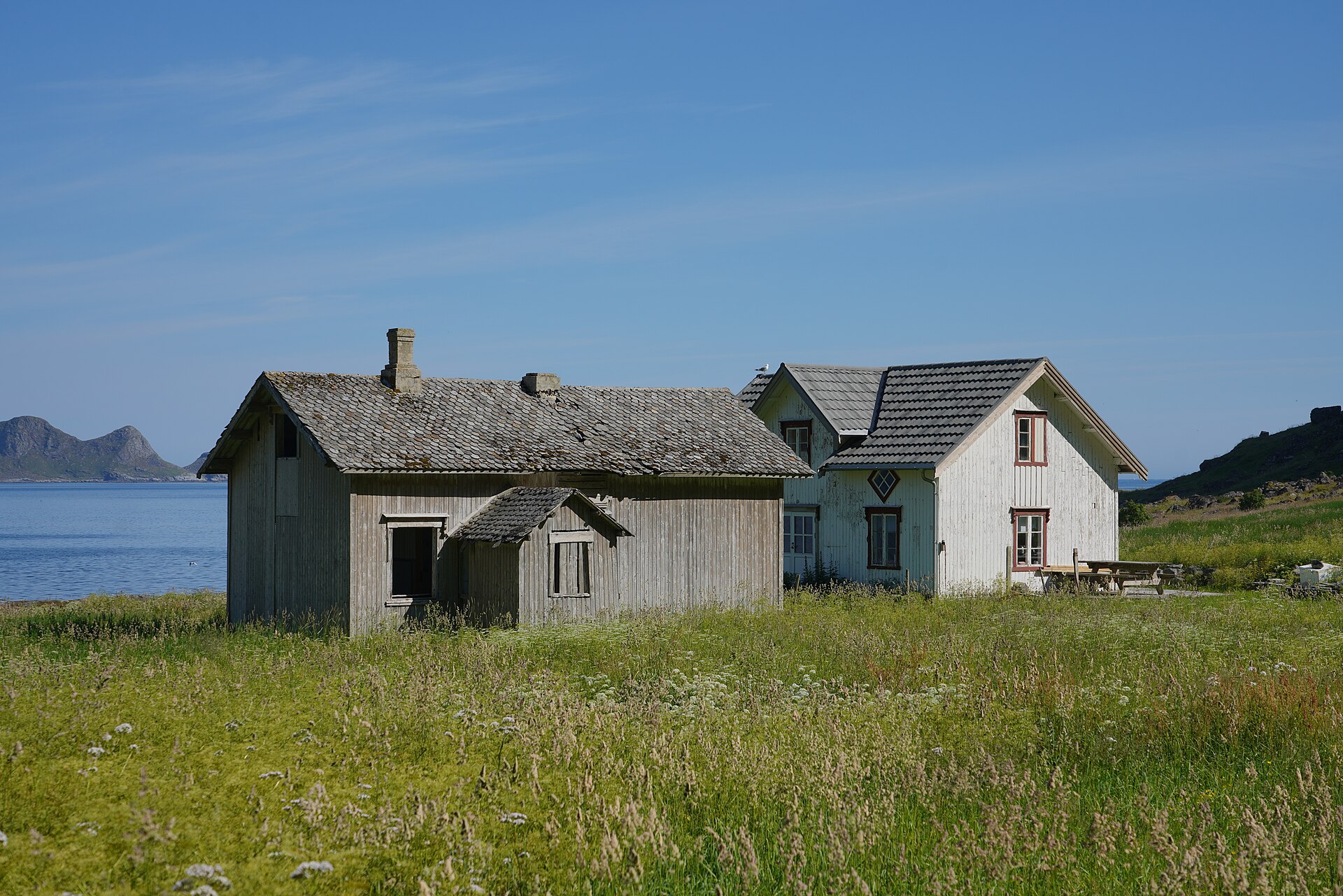
If your itinerary leaves you enough time for a ferry ride to the more remote southern island of Værøy, definitely head for this magical spot. An old tarmac road leads up to the breathtaking Håen viewpoint, and it’s now completely closed to all motor traffic. That means you’ll enjoy total peace and avoid constantly dodging passing campervans.
You won’t escape some climbing here, but the gradient is fairly gentle and the surface stays nice and smooth the whole way. This route is a brilliant alternative for travellers who want to see a world-class panorama but don’t fancy the rocky, often treacherous mountain trails on the main islands. With a bit of effort you can even push a decent suspension pram up here.
The view from the top over deep-green cliffs plunging steeply into the dark, churning sea has been nominated several times in the past as the most beautiful scenery in the world. It’s exactly the kind of place where you quietly and fully grasp the staggering power of northern nature, all with very acceptable and minimal physical effort that won’t leave you recovering for the next three days.
7. Moderate Summits (Tindstinden, Offersøykammen and Mannen)
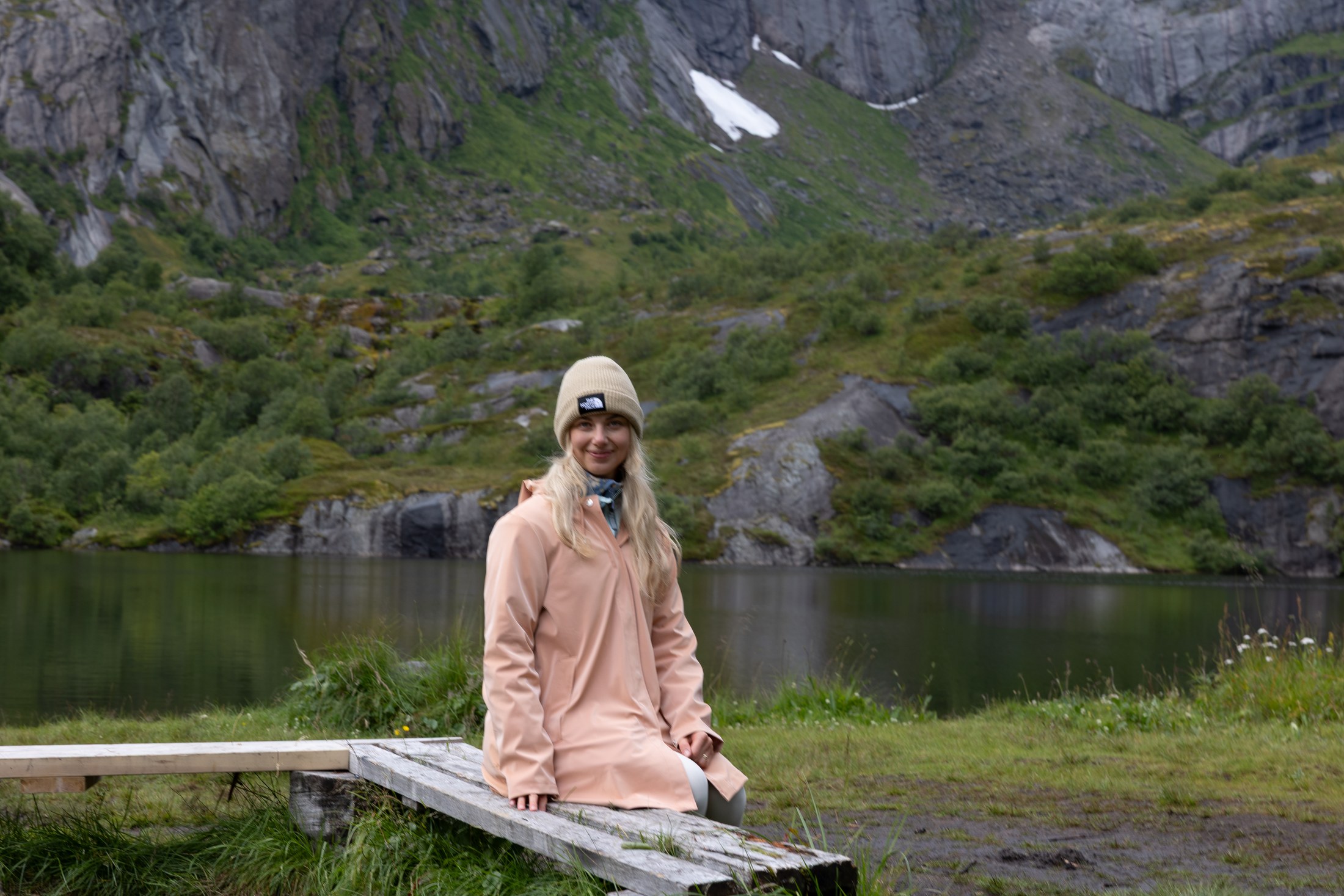
For more experienced and fitter hikers actively seeking a challenge in the mountains, Lofoten offers absolutely endless possibilities and litres of spilled sweat. Peaks like Tindstinden, Offersøykammen or the popular Mannen are among the most sought-after, but they really do demand a sure foot, good balance and excellent fitness. These are by no means routes for complete novices or day-trippers in city trainers.
You’ll face very rocky, technical and often sharp climbs where you’ll sometimes need to use your hands and haul yourself up. Special care is absolutely essential after any rain, because wet rocks and the ever-present deep mud are slippery as soap. The descent from these mountains is then a real and rather painful test of endurance for tired knees.
The reward for your sweaty effort will be isolated and absolutely fantastic views over the surrounding archipelago, often with far fewer people than you’d meet on the famous steps at Reine. Always honestly weigh up your current strength, check the quality of your boots, and never set out onto these exposed peaks in strong, unpredictable gusty winds.
8. Easy Village Strolls (Henningsvær, Å and Nusfjord)
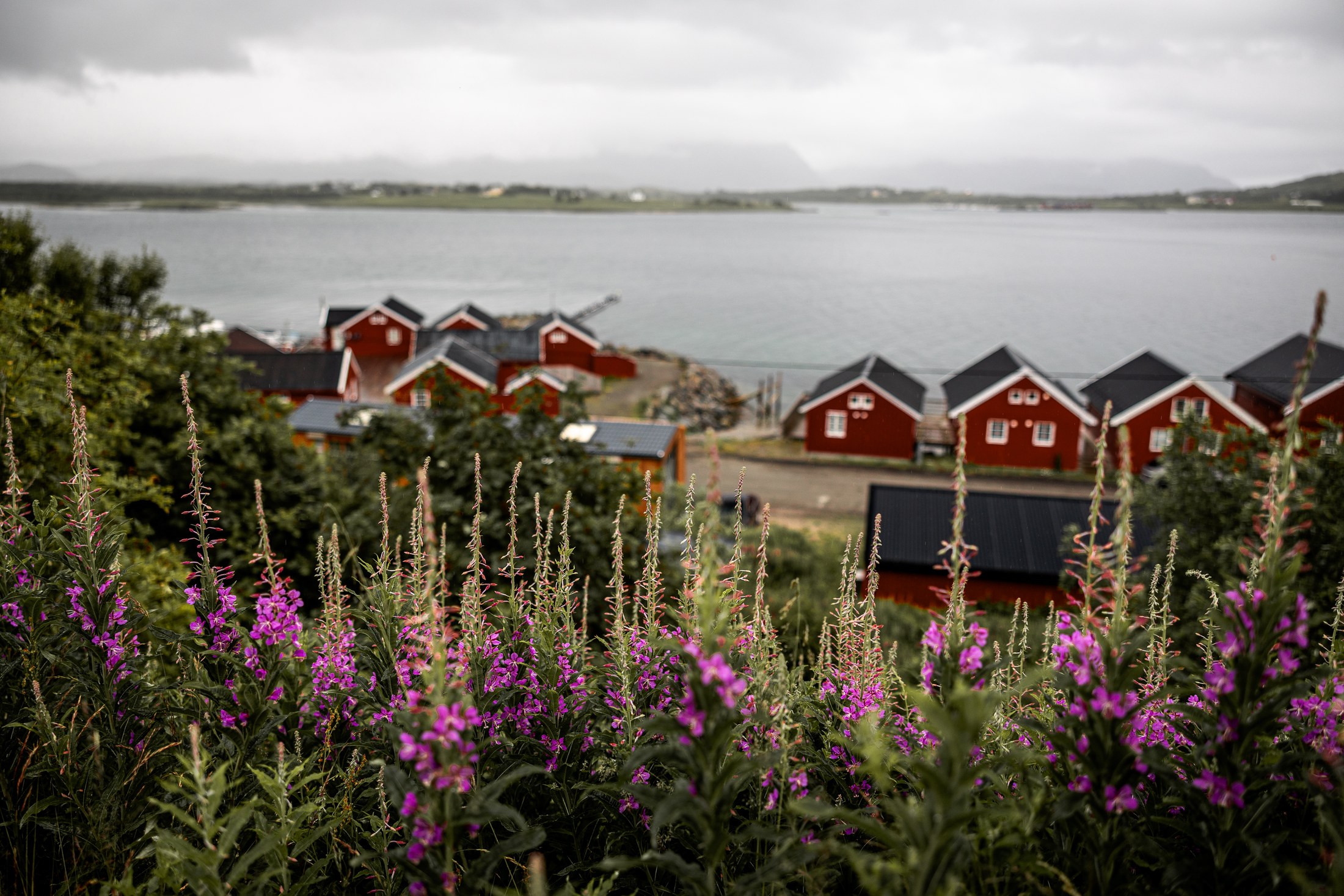
When the weather model warns of strong gusty winds or relentless rain, don’t head into the mountains under any circumstances and forget your hiking ambitions. Choose the safe alternative of strolling through the fishing villages instead, which have their own unmistakable, slightly melancholic charm in absolutely any weather. And on photos, an overcast sky looks incredibly dramatic.
In picturesque Henningsvær, rightly nicknamed the Venice of Lofoten, you can wander along a flat tarmac road between the wooden cod-drying racks all the way to the famous football pitch on a tiny islet. Just be careful, drone flying is strictly forbidden above the pitch. At the very end of the E10 road lies the historic village of Å, where red cabins, an interesting dried-fish museum and a renowned old bakery full of fragrant treats await you.
Nusfjord is also well worth a visit, a stunning historic village listed by UNESCO and tucked deep inside a narrow fjord. A stroll along the yellow and red wooden piers right above the water has a completely unique atmosphere. The wooden piers do get unpleasantly slippery after rain or morning dew, so tread carefully, and after your walk I recommend warming up at the excellent local Italian pizzeria.
Map of points of interest for your phone
What to Pack and Safe Hiking Rules
The Norwegian mountains don’t forgive mistakes, and without the reliable yr.no weather app you won’t get anywhere in Lofoten. The Norwegian Meteorological Institute is accurate to the hour, so if the forecast shows a strong front and storm arriving at 14:00, be safely back at the car by 13:30 at the latest.
Forget your ego and don’t chase the perfect photo on the edge of crumbling cliffs. Your main and only goal is always a safe return. If the sky darkens, the wind picks up, or the path starts getting slippery, turn back immediately. A hot cup of tea from a flask in the safety of a warm car is a far better experience than risking a twisted ankle miles from the hospital in Gravdal.
As for essential gear, quality ankle-height hiking boots and a fully waterproof jacket with taped seams are an absolute must. Always carry one more insulating layer in your backpack than you think you’ll need at the moment. While you sweat up the steep climb, your hands and the back of your neck can chill quickly at twelve degrees on a windy, exposed summit.
Where to Go Next from Lofoten
If you’re planning to explore this amazing corner of Norway more widely, I’ve put together more handy guides to help you plan.
- Interested in a comprehensive overview of the whole archipelago? Read our big guide to Lofoten.
- Want to relax on white sand by turquoise water? I’ve mapped out the most beautiful beaches in Lofoten for you.
- Considering a climb up the most famous peak? Find out everything about the Reinebringen hike.
- Not sure what to pack? Our article on what to pack for Lofoten will help.
- Undecided on when to travel? Read our detailed breakdown of when to visit Lofoten.
Frequently Asked Questions
Can you wild camp in Lofoten?
Yes, the right of public access to nature applies throughout Norway. You can pitch your tent practically anywhere in uncultivated countryside, the only condition being that you maintain a distance of at least 150 meters from the nearest dwelling or fenced property. However, always be extremely considerate, don’t damage the fragile Nordic flora, and conscientiously take all your rubbish back to civilization with you, so you don’t leave a single trace behind.
Are the hikes safe for families with small children?
Some routes are completely safe, while others are an absolute hazard. For families, I warmly recommend flat coastal paths, such as Haukland or the peaceful all-day walk to the remote Bunes beach. Descending with a child in a carrier is always much more demanding and dangerous than the actual ascent, because your center of gravity shifts radically and wet rocks slip mercilessly underfoot.
Is water from mountain streams drinkable?
In the vast majority of cases yes, and the water tastes absolutely wonderful. Spring water high in the mountains, far above pastures, is crystal clear and completely safe to drink immediately straight from your hand. However, avoid collecting water from streams that flow through sheep enclosures or are located in close proximity to busy tourist centers, where there’s a risk of contamination.
Are there bears or other dangerous animals in Lofoten?
You don’t need to have any fear at all, there are no bears, wolves, or other large predators living in Lofoten that could threaten you on a hike. The local fauna consists mainly of ubiquitous sheep, majestic sea eagles, foxes, and countless species of noisy seabirds. In the warm summer months, you might at most be bothered by annoying mosquitoes in areas around stagnant lakes and wet peat bogs.
Do I need trekking poles for hikes?
I definitely highly recommend packing them in your suitcase. Trekking poles will give you enormous relief during steep and demanding descents, of which there are truly plenty in the steep Lofoten. They’ll also give you much greater confidence and stability when crossing wild streams and walking on slippery mud, which persists on shady Nordic trails easily even several days after heavy rain.
Does mobile signal work in the mountains?
Coverage throughout Norway is generally at an absolutely top-notch level. On most mountain peaks and exposed locations you’ll have excellent signal, often even very fast mobile data for uploading photos. In deep fjords, enclosed valleys, and on some remote beaches such as Kvalvika or Bunes, however, signal is often completely absent, so it’s better to download maps offline.
Can I fly a drone on all hikes?
No, the rules are currently quite strict and fines are high. Over densely populated areas and near airports there’s an uncompromising ban, which applies, for example, to the iconic football pitch in Henningsvær. In the mountains you can usually fly, but you mustn’t disturb nesting birds or other tourists with your devices, who are seeking peace and absolute silence in nature.
Do you pay entrance fees for hikes in Lofoten?
Nature in Norway is free and without barriers for everyone. There are no fees at all for access to mountain trails themselves, which is a huge advantage. However, be prepared that you’ll very often pay relatively high amounts for parking at the start of hiking routes, with prices typically ranging between €9 and €18 per day.
Tips and Tricks for Your Vacation
Don’t Overpay for Flights
Search for flights on Kayak. It’s our favorite search engine because it scans the websites of all airlines and always finds the cheapest connection.
Book Your Accommodation Smartly
The best experiences we’ve had when looking for accommodation (from Alaska to Morocco) are with Booking.com, where hotels, apartments, and entire houses are usually the cheapest and most widely available.
 🚗 Car rental on the roadVerified rental cars in Norway
Search with the DiscoverCars comparison engine — it compares prices from dozens of local and international rental companies, and most bookings come with free cancellation.
Compare car prices in Norway →Don’t Forget Travel Insurance
Good travel insurance will protect you against illness, accidents, theft, or flight cancellations. We’ve had a few hospital visits abroad, so we know how important it is to have proper insurance arranged.
Where we insure ourselves: SafetyWing (simple monthly subscription) and TrueTraveller (for extra-long trips).
Find the Best Experiences
Get Your Guide is a huge online marketplace where you can book guided walks, trips, skip-the-line tickets, tours, and much more. We always find some extra fun there!