

If you’re planning a trip up north, Lofoten in Norway will completely disarm you with its rugged beauty and magical atmosphere. These Norwegian islands offer breathtaking scenery you’ll struggle to find anywhere else in Europe, which is exactly why travellers from all over the world keep coming back.
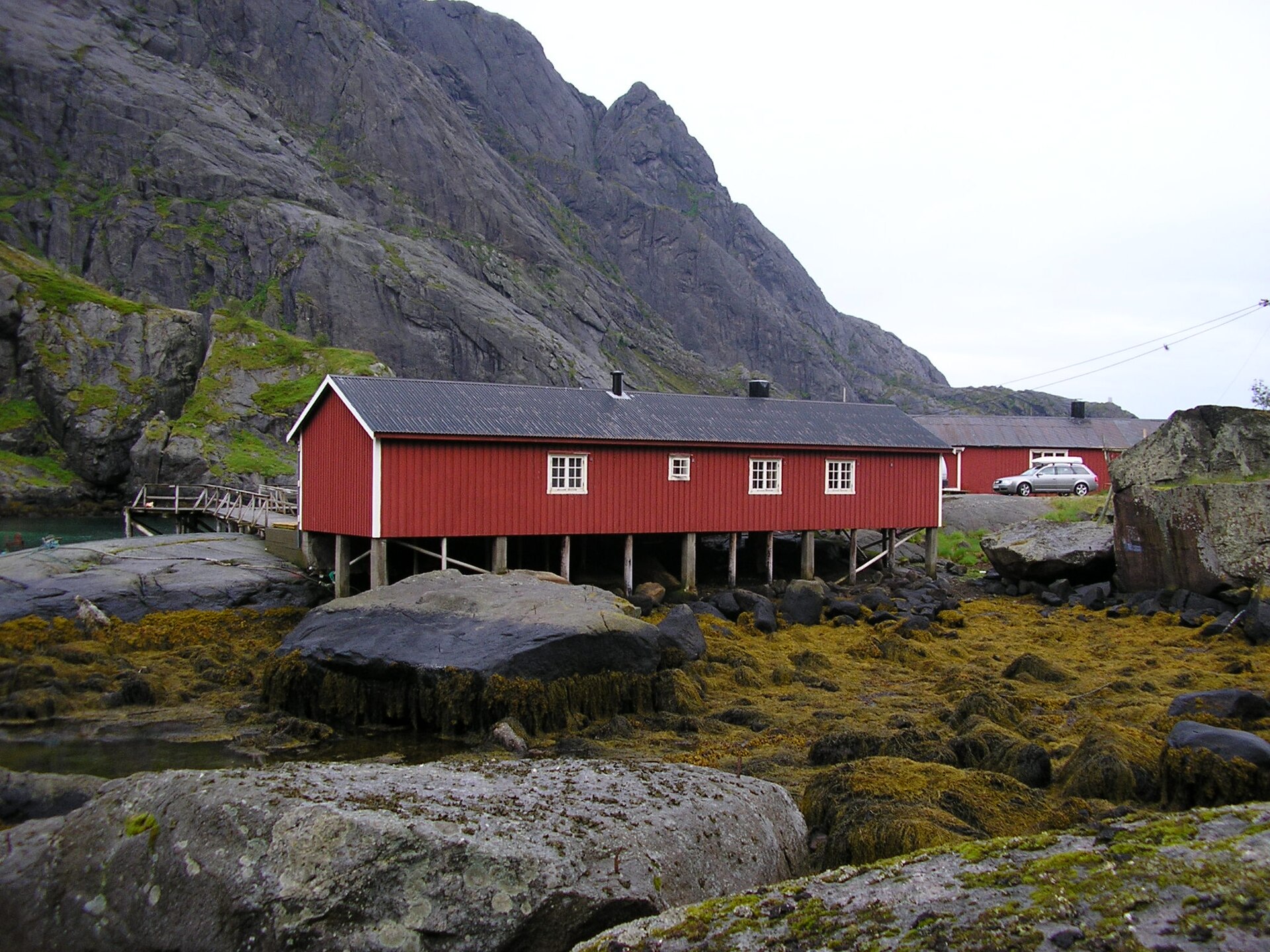
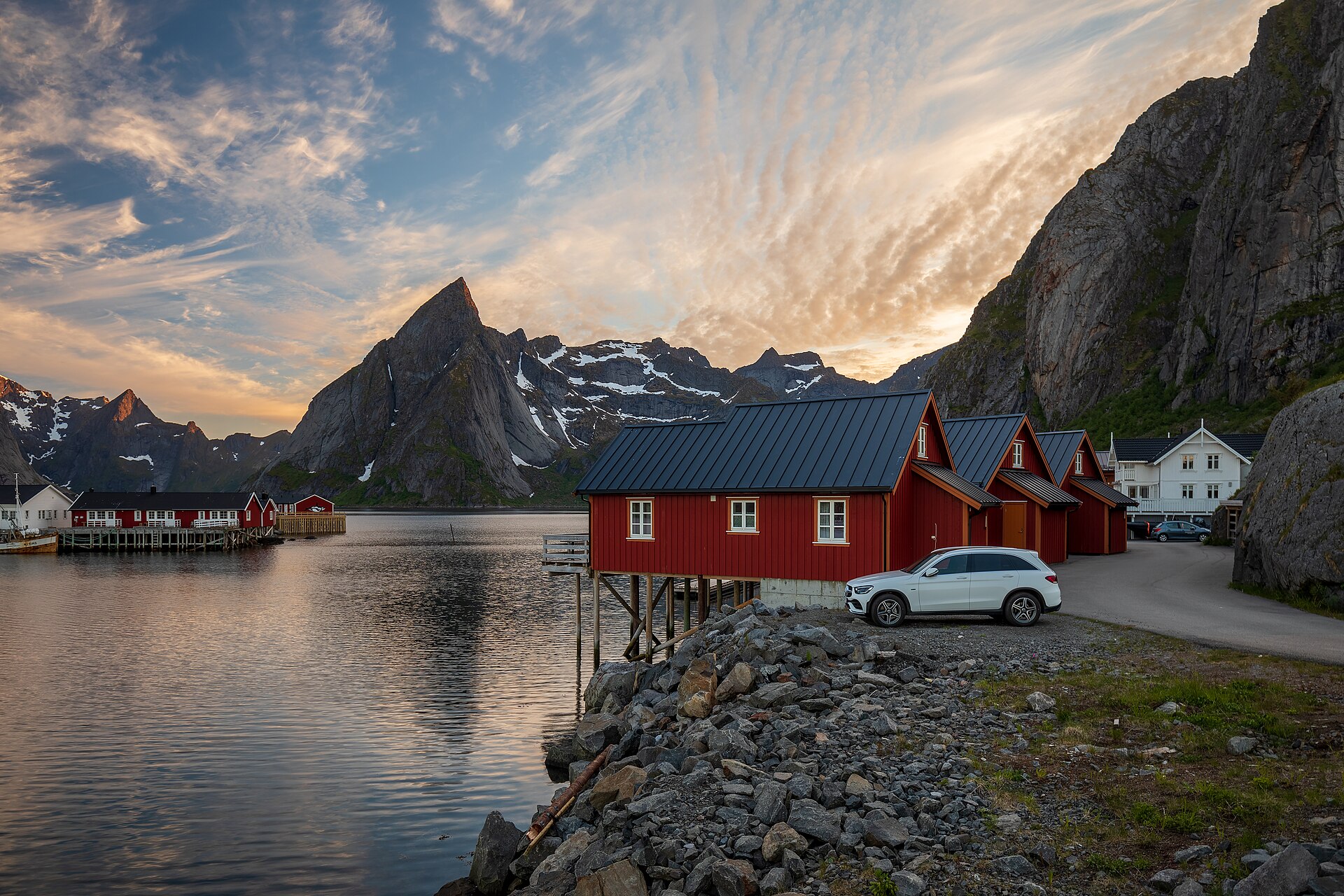
The most iconic experience of all is sleeping in a traditional rorbu — an old fishermen’s cabin built on stilts right above the surface of the fjord. In the morning you brew a coffee, settle onto the wooden terrace and watch the dramatic mountain peaks rising straight out of the wild ocean.
In this article I’ll show you where to base yourself strategically on the islands so you don’t waste hours behind the wheel and can actually enjoy a relaxed holiday. We’ll look at the best areas, practical tips for picking your cabin and the prices you should expect in 2026.
TL;DR
- A base camp is the key to success: Don’t move on to a different spot every day, pick one or two bases and take day trips out from there.
- A rorbu is a must: The traditional fishermen’s cabins may cost over 2000 NOK per night in summer, but that authentic Nordic experience is absolutely worth it.
- Your own kitchen saves money: Restaurants in Norway are extremely expensive, so cooking with your own supplies bought at supermarkets is the best way to save.
- Don’t forget about blackout: From late May the sun doesn’t set, so quality blackout curtains or travel blinds will literally save your sleep.
- South for photos, centre for logistics: The Reine and Hamnøy areas are the most photogenic, but Ballstad and Leknes sit right in the middle and will save you hours behind the wheel.
- Book way in advance: The best cabins with a view disappear from listings half a year ahead, so last-minute planning really doesn’t pay off here.
The full destination guide: Lofoten — guide and what to see
When to Visit Lofoten
Choosing the right time of year will fundamentally shape the kind of experience you take home from Norway and how many layers you’ll need to pack. The weather on the islands is unpredictable all year round, and a classic Nordic front can dump three days of relentless rain with whipping wind, so it’s worth downloading the Norwegian weather app yr.no and adapting your plans on the fly. If you only come for a long weekend, you risk seeing absolutely nothing thanks to bad weather, which is why a window of seven to ten days is ideal.
If you’re craving long days and the midnight sun, the best time is the turn of June and July, when the light practically never ends and your brain often refuses to believe it’s time for bed. You can head out on a hike at midnight if you like, reliably dodging the biggest crowds at the popular viewpoints while soaking up the incredible colours of the sky in total silence. Just bear in mind this is peak season, when prices for everything shoot up and the best accommodation sells out half a year ahead.
Late summer and early autumn, on the other hand, bring the first chances of spotting the northern lights, while nature turns gorgeous earthy tones and the tourist buzz slowly fades. It’s an ideal time for travellers who want slightly quieter islands and don’t mind chillier nights when wool jumpers and waterproof jackets finally earn their keep. On top of that, you can snag traditional cabins for much friendlier prices in this period.
Winter in the north is a chapter all of its own, because the landscape vanishes under snow and the days are extremely short during the polar night, creating an unbelievably cosy mood for evenings spent with a hot cup of tea. But you need to factor in that driving on icy roads takes genuine experience, and some hiking trails will be completely impassable or downright dangerous.
Where to Stay in Lofoten
💡 Tip for accommodation and experiences: We love searching for places to stay on Booking.com, which tends to have the best cancellation terms. Tickets, tours and activities are then worth comparing and booking through GetYourGuide.
Finding the perfect place to stay on the islands can seem tricky at first, because distances on the map are very deceptive and the main narrow E10 road gets clogged with slow-moving campervans in season. Instead of constantly packing and unpacking, I strongly recommend the base-camp strategy: you spend several nights in one spot, stock the fridge with a supermarket shop and head out on day trips. Just the drive from Svolvær in the north to Reine in the south takes over two hours of pure driving one way, which would absolutely wear you out if you commuted it every day.
If you’re coming for a whole week, splitting your stay between two bases makes huge sense and saves you a lot of stress from long transfers. The ideal is to spend three nights on the dramatic south and four nights in the central or northern part, so all the main highlights are within reach without spending half a day at the wheel. For families with kids or travellers craving maximum calm, a single base smack in the middle of the islands around Ballstad or Leknes is the best choice.
When picking a specific place, always check whether your cabin has its own parking space right by the door, because lugging bags through Nordic rain from a public car park is no fun at all. For every visitor, the single most important feature is a well-equipped kitchen, which lets you cook your own food and avoid the astronomical prices in local restaurants. In season they routinely charge between 200 and 400 NOK (roughly £15–30) for one ordinary dinner.
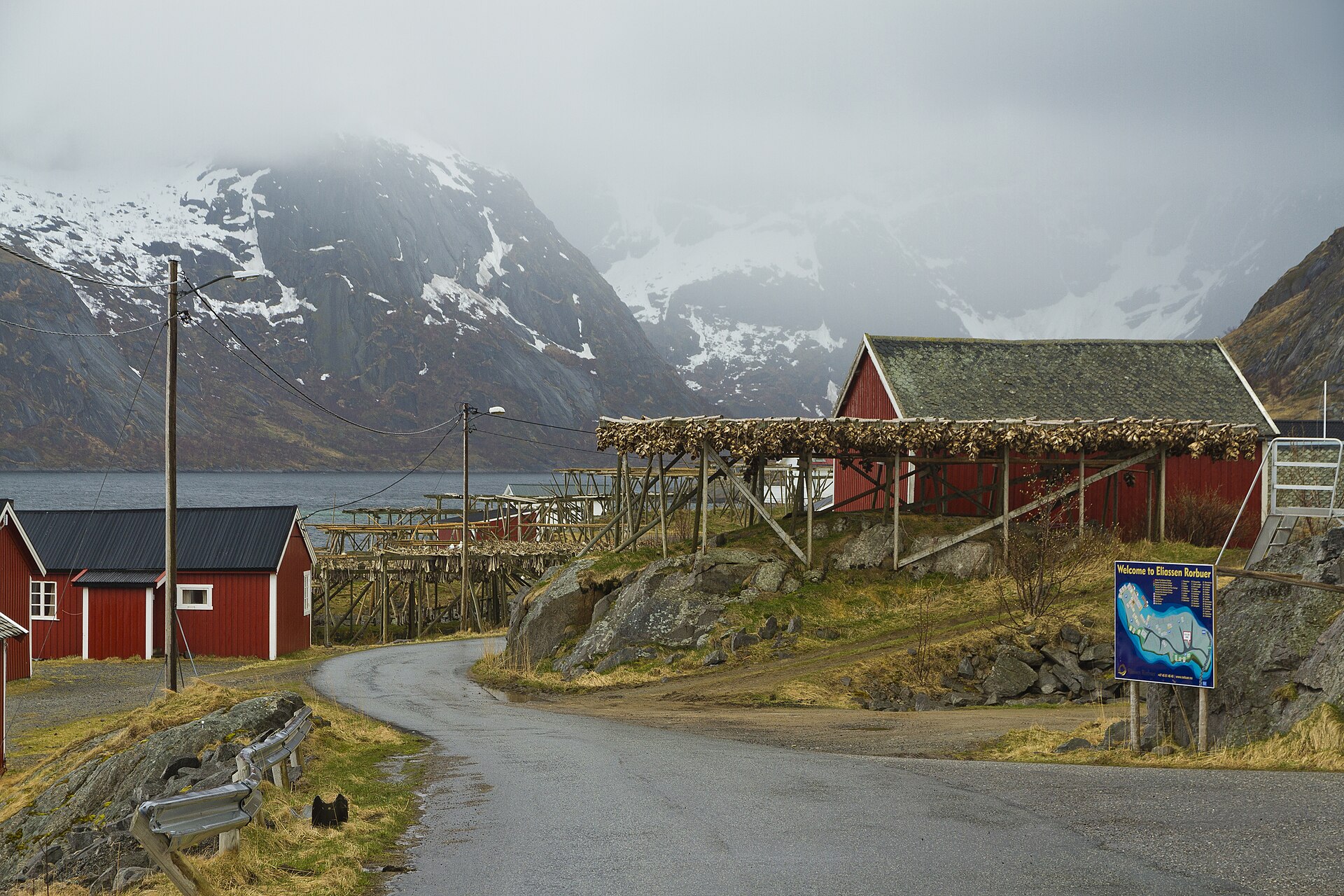
If you’re after the most classic photogenic icon, Eliassen Rorbuer in Hamnøy is an absolute legend with its red cabins, while neighbouring Sakrisøy Rorbuer glows yellow from afar. For those who want shops and services on hand, a fantastic choice is Svinøya Rorbuer in Svolvær, where historic charm blends with the comfort of a small town. And if you want the golden middle ground with a good price and easy logistics, check out Kræmmervika Havn in quiet Ballstad.
7 Tips on What to See and Do in Lofoten
The islands offer an endless range of experiences, from demanding climbs to gentle strolls among wooden houses scented with salty sea air. Let’s run through seven key tips and locations that definitely shouldn’t be missing from your itinerary — and find out where to stay in each of them.
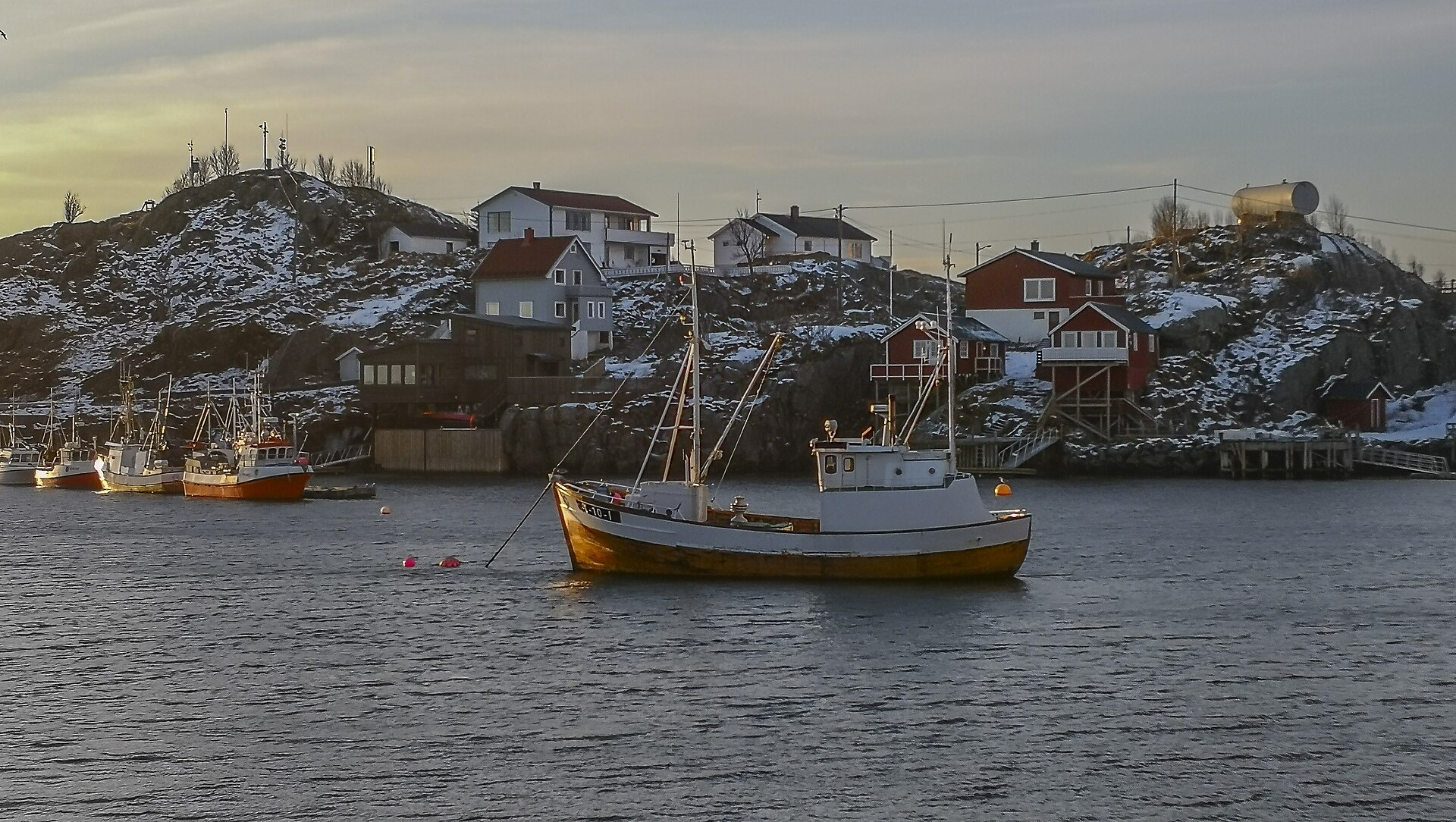
1. The Experience of Sleeping in a Traditional Rorbu
A rorbu isn’t just an ordinary tourist cabin — it’s a historic institution that has been an inseparable part of northern Norway for centuries and defines the local culture. Originally these were very spartan wooden huts on stilts above the water, where fishermen crammed in together through the winter while the icy sea sloshed beneath the floorboards and a cold wind howled. Today these cabins have transformed into the most sought-after type of accommodation, offering all the modern comforts while still keeping their distinctive smell and unmistakable old-world atmosphere.
From a comfy bed you often look straight out onto the water, which is especially magical over a morning coffee, when mist rolls across the fjord and the gulls begin their day. When booking, though, be very careful whether the cabin really has good blackout curtains, because from late May to mid-July the sun doesn’t set at all and the polar day can throw your body clock for a loop. Definitely pack a travel suction-cup blackout blind from home, plus a properly sharp knife, since the standard cabin kit often can’t even slice through fresh bread.
Rorbu prices in the 2026 summer peak will run roughly from 2,000 to 3,500 NOK a night, which works out to about £150–260, so it pays to book four to six months ahead. If you’re after a premium experience, a wonderful choice is Hattvika Lodge in Ballstad, which offers renovated cabins with Scandinavian design and a private sauna.
💡 Tip: Try to find a rorbu with a terrace facing east or west, so you can fully soak up the magical colours of the midnight sun straight from your own deckchair.
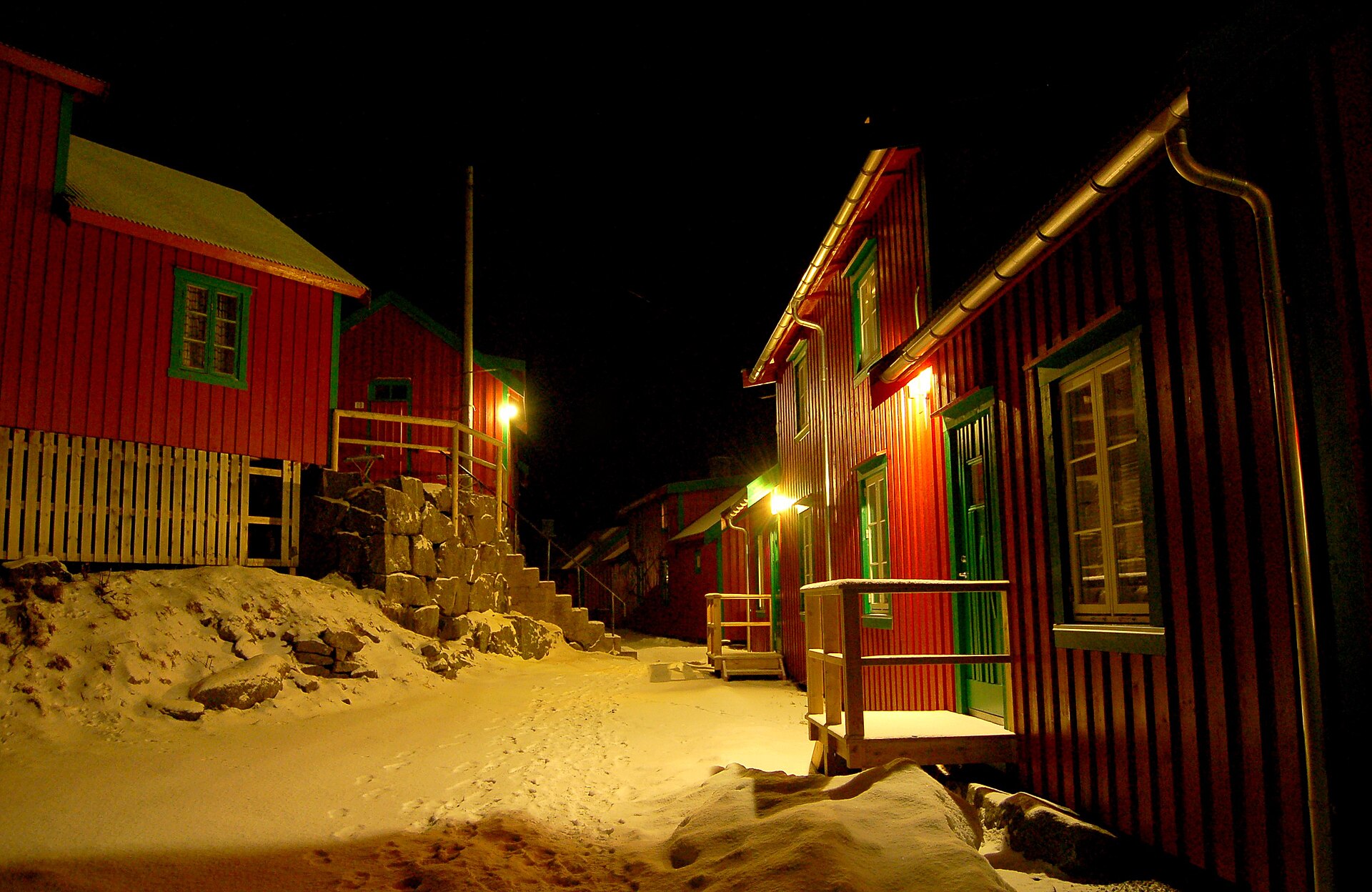
2. Explore the Postcard South in Reine and Hamnøy
The far south of the islands is exactly the spot where all those famous calendar photos are taken, with red and yellow houses beneath steep mountain peaks. Staying in Reine, Hamnøy or on the nearby islet of Sakrisøy means you’re living inside a holiday brochure, with the most beautiful natural scenery literally a few steps from your door. You can stay in the famous Eliassen Rorbuer complex or in the yellow cabins of Sakrisøy Rorbuer, right next to a wonderful museum of historic toys.
This beauty comes at a price in the summer months, though, because crowds of tourists pour in from all over the world and the narrow little lanes are jammed solid from morning till night. Parking sometimes turns into a mild nightmare — for example at the Reine Outer Harbor car park you’ll pay 35 NOK (about £2.50) per hour and the free spaces vanish at incredible speed, so your own parking spot at your accommodation is an absolute necessity here.
If you decide to base yourself right here, you get a perfect launchpad for visiting the historic little village of Å or for an early-morning climb to the breathtaking Reinebringen viewpoint before the other tourists arrive. From here you can also easily fit in a boat trip to the gorgeous, remote Bunes beach. Just bear in mind that any trip to the north of the islands eats up a lot of time, since the drive to Svolvær alone takes over two and a quarter hours of pure driving one way.
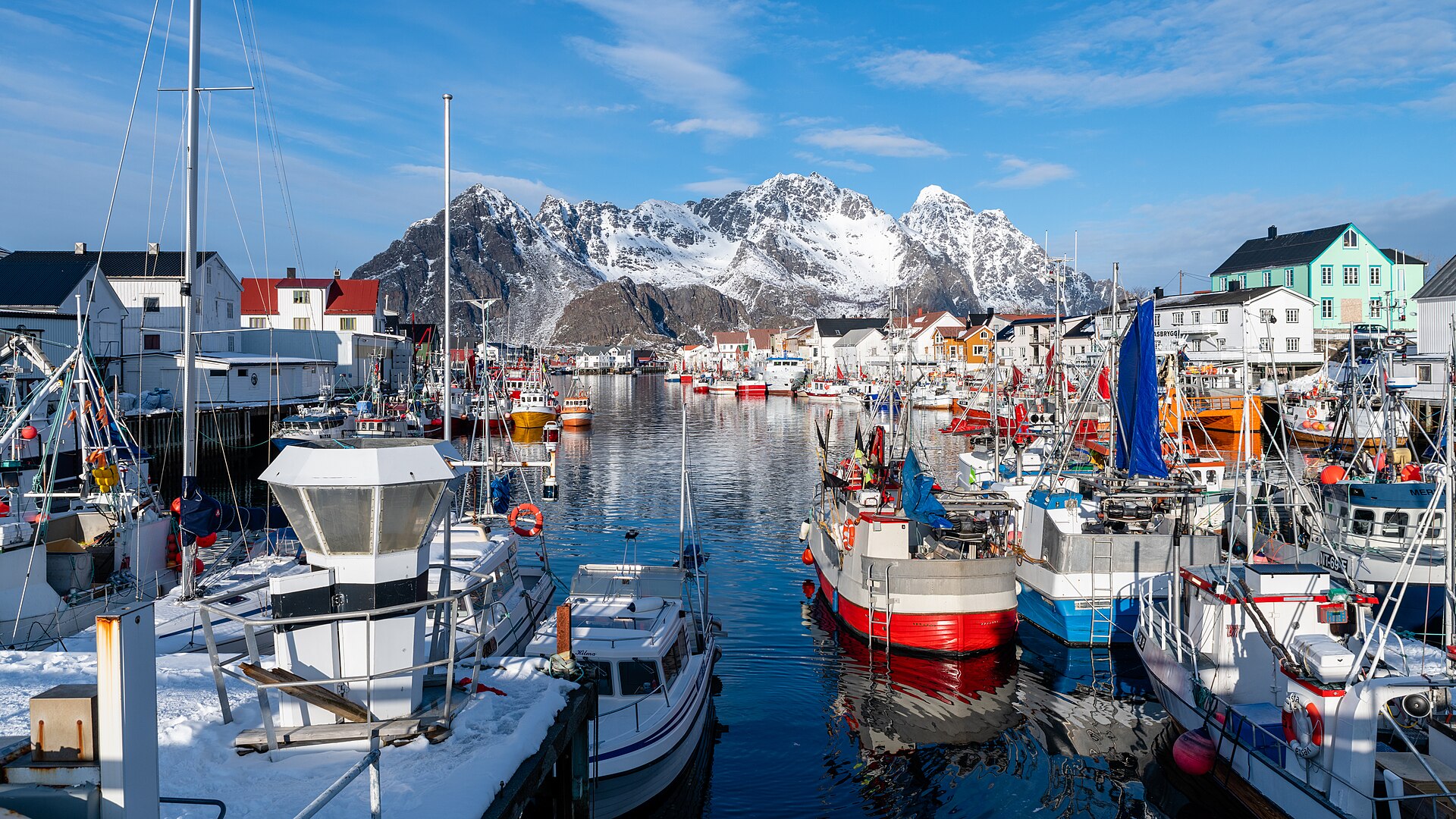
3. Get Lost in the Lanes of Henningsvær
Henningsvær is often called the Venice of the North, and its enchanting atmosphere grabs you instantly the moment you cross the series of narrow bridges linking the individual islets. This fishing village scattered across rocky outcrops has a surprisingly hipster vibe, full of cosy cafés serving speciality coffee, art galleries and small boutiques with local design. You can wander here for hours, breathe in the salt-soaked air and admire the huge wooden cod-drying racks, an ever-present reminder of the rugged fishing tradition.
It’s right here at the very end of the village that you’ll find the most famous football pitch in the world, squeezed onto a rocky cliff and looking like a complete apparition from a bird’s-eye view. As a base, Henningsvær is wonderful if you’re after richer cultural life and good food, but logistically it sits quite a way off, east of the main E10 road. A trip to the photogenic south to Reine means more than two hours of sitting in the car.
The access road into the village itself is also very narrow and winding, so in summer peak you’ll need nerves of steel as you squeeze past oncoming campervans and coaches. But if you split your stay into two parts, Henningsvær works as an absolutely perfect base for exploring the northern half of the archipelago.
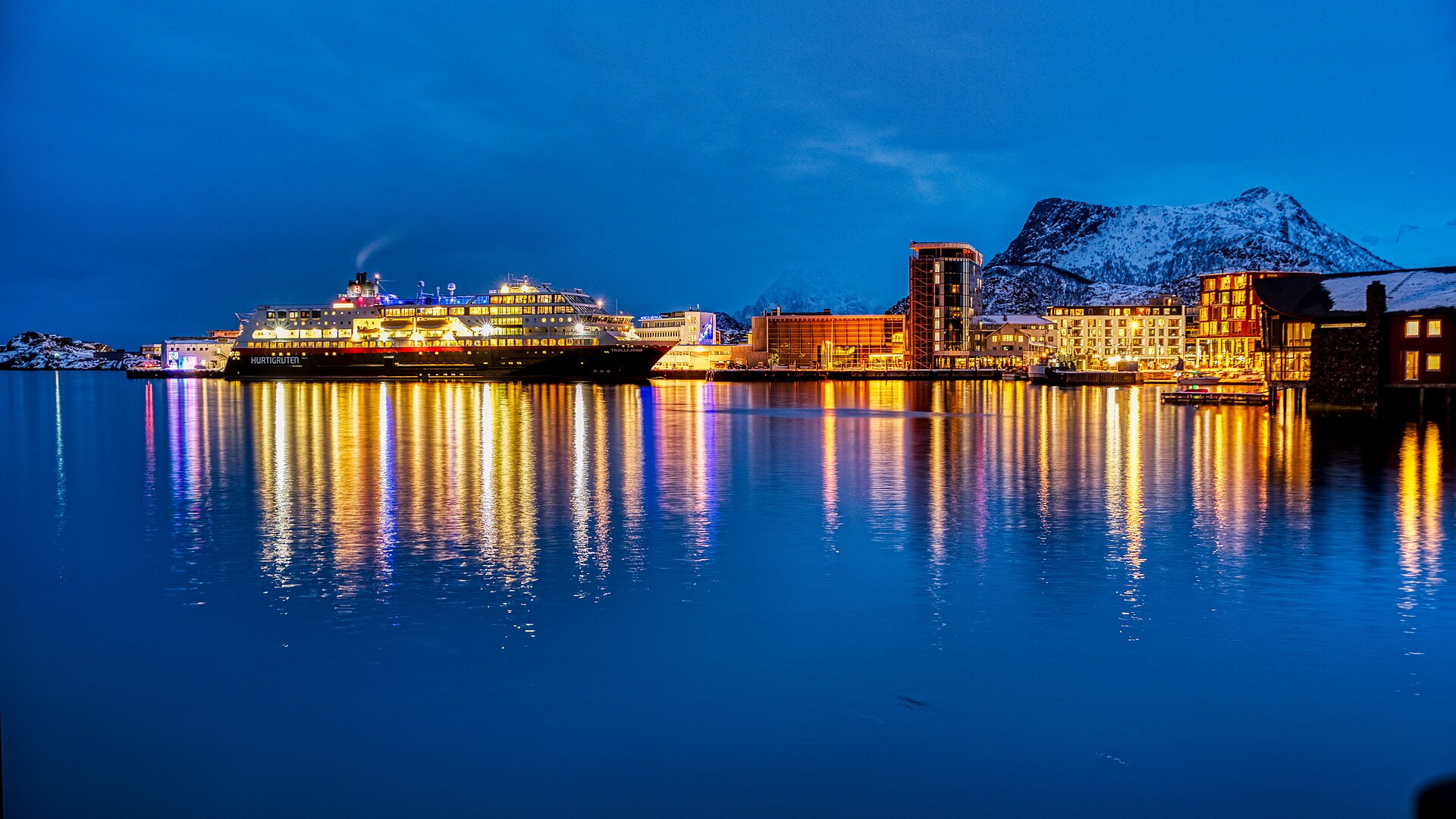

4. Use Svolvær as a Practical Base
Svolvær acts as the unofficial capital of the islands and offers every conceivable amenity you might need during your long trip. In terms of practicality and logistics it’s an absolute winner — you’ll find pharmacies, huge grocery stores, outdoor gear rental shops and even the famous Magic Ice ice bar for an unusual evening out. A great accommodation option here is the Svinøya Rorbuer complex, which sits on its own little island connected by a bridge, so you can comfortably walk into the centre.
The town’s busy harbour is also where the best organised boat trips set off, whether you want to go sea-eagle watching or glide through the quiet, majestic Trollfjord aboard a modern electric boat. If you fly into Evenes airport (EVE), you’re here in a comfortable two and a half hours’ drive, which makes the town an ideal first stop after a long flight.
The only downside of Svolvær is the simple fact that it lacks the wild, cut-off natural romance you find in the smaller fishing villages of the far south. It’s just a normal, lively town full of cars and people, but for anyone who needs all the services right at hand it’s the safest and most comfortable choice for a Nordic holiday.
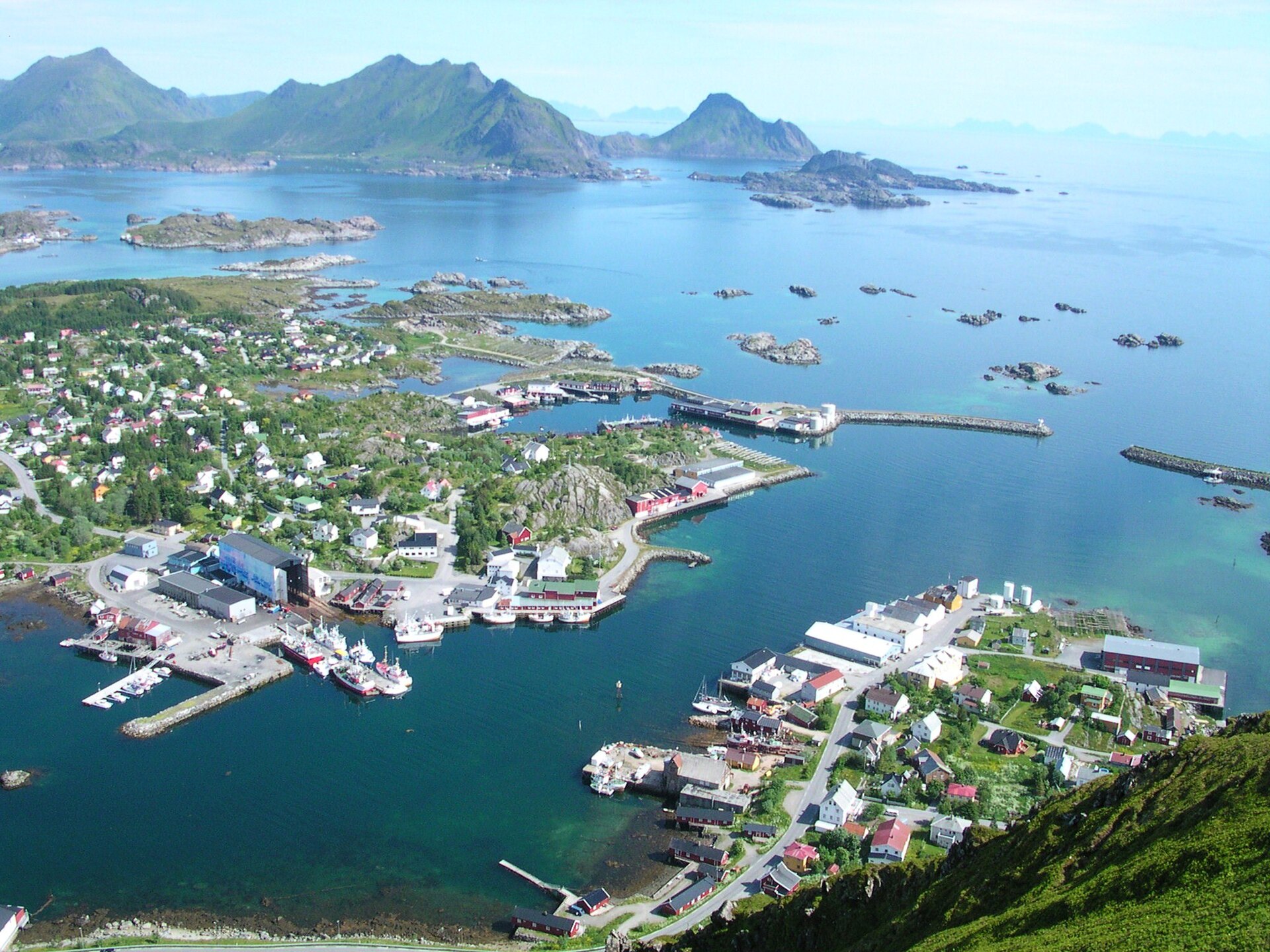
5. Choose the Middle of the Islands Around Ballstad and Leknes
If you want to spend your holiday smartly and skip the stress, the area around the towns of Ballstad and Leknes is a secret trump card that will save you a huge amount of driving time. Geographically it sits right in the middle of the whole archipelago, so you’re relatively close to both ends and can comfortably cover all the main natural attractions from one spot. Leknes itself isn’t exactly bursting with charm and works more as an administrative hub, but it’s right next to the most beautiful beaches like Haukland and Uttakleiv, which you can reach in just 15 minutes.
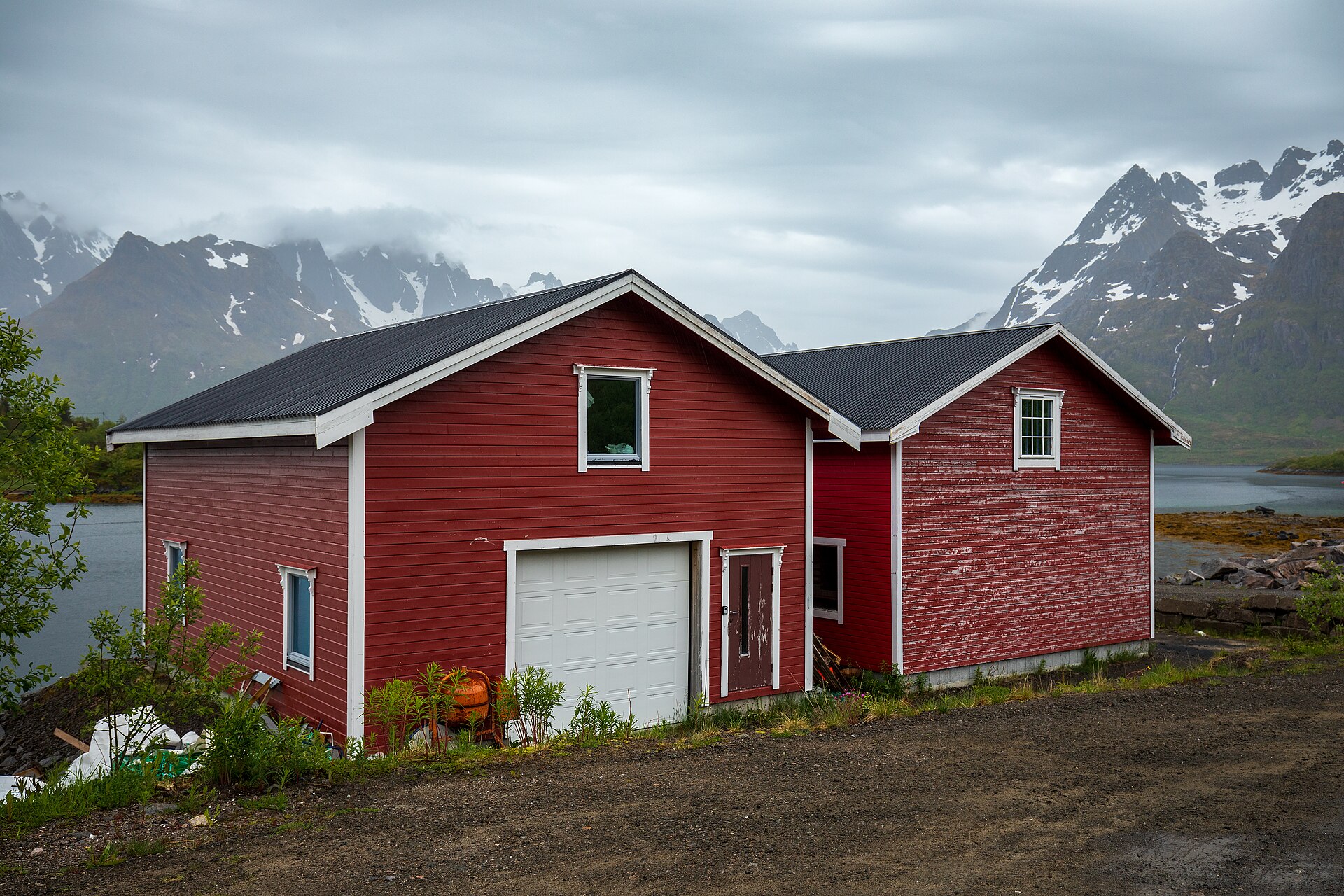
Ballstad, located just a touch further south, still holds on to its raw fishing atmosphere and offers highly authentic rorbuer at slightly friendlier prices than the crowded south. A great, affordable base here is, for example, Kræmmervika Havn, where you can find a classic cabin for around €170 a night, which is a very solid deal by Norwegian standards. From here you can set off after breakfast and be at the Vikings in Borg or the famous Skagsanden beach within the hour.
The price for this absolutely perfect logistics is the fact that you often lose that iconic view of sharp peaks from your bed, because the landscape here simply isn’t as steep and dramatic. For practically minded travellers, though, it’s hands down the best place — and as a bonus, in neighbouring Gravdal you can count on the only large hospital on the entire islands.
6. Save Money With Campsites and Cosy Airbnbs
Staying in traditional cabins on the water can really hammer your budget, but luckily there are ways to slash costs significantly without compromising on warmth and comfort. Many of Lofoten’s campsites rent out simple wooden cabins with electric heating, their own little kitchen and bunk beds, costing a fraction of the price of the premium cabins on stilts. An excellent choice in this respect is, for example, the popular Lofoten Cabins.
Another great experience is staying right by the ocean at Lofoten Beach Camp near Skagsanden beach, where you open the door in the morning and look straight out onto white sand while keen surfers in wetsuits dash into the icy water. These cabins may not be as spacious or luxurious, but for active travellers who are out hiking all day anyway they make an absolutely ideal, warm refuge from the unpredictable weather.
Renting through Airbnb also works very well and reliably here, where you can often rent a fully equipped ground floor of a family home. You do lose a little of Lofoten’s wooden romance, but in return you get loads of space and, above all, a washing machine, which is worth its weight in gold in Norway’s rainy climate — especially if you’re travelling for longer or with kids.
7. Use Your Own Kitchen and Discover Lofoten’s Cafés
As I mentioned at the start, eating in Norwegian restaurants three times a day is financial suicide, which is why a kitchen in your accommodation is the single most important item of the whole trip. A regular meal out will set you back 200 to 400 NOK (roughly £15–30) per person, so shopping at supermarkets like Rema 1000 or Kiwi is a must — though even there you should expect prices roughly triple what you’d pay back home. But if you cook your main meal in the rorbu, you’ll have enough money left for little treats out on your trips.
When you do feel like treating yourself, head to one of the wonderful local bakeries, where it smells gloriously of fresh cinnamon buns and delicious cardamom knots. In villages like Henningsvær or in the bigger Svolvær you’ll find plenty of hipster cafés with top-notch speciality coffee, where you can warm up your frozen hands and rest after a long, windy walk along the coast.
For vegetarians there’s absolutely no problem finding great meat-free food these days — you’ll very often come across excellent vegetarian pizza, hearty hot vegetable soups or fresh cheese sandwiches that will reliably give you energy for more exploring. Do stock up on the basic ingredients in bulk on your very first day at the big shops in Leknes or Svolvær, though, because the small village stores in the south have a very limited selection.
Where to Go Next From Lofoten
If you’re planning to explore the north more widely and want to make sure you don’t miss anything, definitely check out our big guide to Lofoten, where you’ll find a detailed breakdown of all the highlights. To get the timing right, our article on when to visit Lofoten will help, so the polar night doesn’t catch you off guard.
For the financial side of things and detailed spending breakdowns from our research, see our piece on how much a trip to Lofoten costs. And if you want to zoom in on specific areas, we’ve prepared detailed information on Reine and Hamnøy as well as on the picturesque Henningsvær.
Frequently Asked Questions
What exactly is a rorbu?
A rorbu is a traditional Nordic fisherman’s cabin, which was historically built on wooden stilts directly above the sea or fjord. It used to provide accommodation for fishermen during harsh winter seasons, when they would huddle together in a small space. Today, these are renovated and very popular holiday cottages that offer all modern comforts, a fully equipped kitchen, and an absolutely unforgettable atmosphere with a view of the water right from your bed.
Where is the best place to stay for a first visit?
For your first trip, I highly recommend choosing the area around the towns of Leknes or Ballstad, as they’re located right in the geographic center of the archipelago. This gives you a perfect base, from where it’s relatively close to both the north and south, saving you hours of sitting in the car on congested roads, and you’ll have easy access to the largest supermarkets and the only local hospital in nearby Gravdal.
How much does accommodation cost in Lofoten?
Prices vary extremely depending on the season, in summer 2026 expect to pay between 2000 and 3500 NOK for a traditional rorbu per night, which is roughly €170 to €300. If you’re looking for a cheaper option, you can choose wooden cabins at campsites or rentals through Airbnb, where you can find very nice and practical places for a fraction of the price, especially if you’re traveling in a larger group and can split the costs.
Do I need to book accommodation in advance?
If you’re going between June and August, booking well in advance is an absolute and unavoidable necessity. The most beautiful cabins with iconic mountain views are often sold out four to six months ahead, so spontaneous last-minute accommodation hunting will cost you either a lot of stress or a huge amount of money for overpriced hotels that are left available.
What sleeping essentials shouldn’t I forget?
For the summer months, the absolute most important item is quality blackout curtains or travel blinds with suction cups, because the midnight sun shines all night and sleeping without darkness is very difficult. Definitely also pack an eye mask and earplugs just in case, because in wooden cabins you can often hear the wind, water splashing, or the cries of the ubiquitous seagulls.
Can you get around Lofoten without a car?
Theoretically it’s possible thanks to local buses, but in practice it will cost you an enormous amount of time and you’ll miss out on the freedom to stop wherever you like. Your own or rental car is almost essential for comfortably exploring remote beaches and small villages, where public transport only goes very rarely or at inconvenient intervals.
Is one base better, or should I move every day?
I definitely don’t recommend moving every day, because packing suitcases and constant check-ins will eat up precious time and energy. For a week-long stay, it’s ideal to split your accommodation between two strategic bases, for example spending three days exploring the south from Reine or Ballstad and another four days devoted to the northern areas with accommodation around Svolvær or Henningsvær.
Where’s the best place to buy groceries on the islands?
The largest and best-stocked supermarkets can be found in the towns of Leknes and Svolvær, where chains like Rema 1000, Kiwi, or Extra are located. I recommend doing one big shop for non-perishables right after arrival, because in the small fishing villages in the south, the stores are significantly smaller, have very limited selection, and prices tend to be even higher than in the towns.
Tips and Tricks for Your Vacation
Don’t Overpay for Flights
Search for flights on Kayak. It’s our favorite search engine because it scans the websites of all airlines and always finds the cheapest connection.
Book Your Accommodation Smartly
The best experiences we’ve had when looking for accommodation (from Alaska to Morocco) are with Booking.com, where hotels, apartments, and entire houses are usually the cheapest and most widely available.
 🚗 Car rental on the roadVerified rental cars in Norway
Search with the DiscoverCars comparison engine — it compares prices from dozens of local and international rental companies, and most bookings come with free cancellation.
Compare car prices in Norway →Don’t Forget Travel Insurance
Good travel insurance will protect you against illness, accidents, theft, or flight cancellations. We’ve had a few hospital visits abroad, so we know how important it is to have proper insurance arranged.
Where we insure ourselves: SafetyWing (simple monthly subscription) and TrueTraveller (for extra-long trips).
Find the Best Experiences
Get Your Guide is a huge online marketplace where you can book guided walks, trips, skip-the-line tickets, tours, and much more. We always find some extra fun there!
More from Lofoten
Full guide →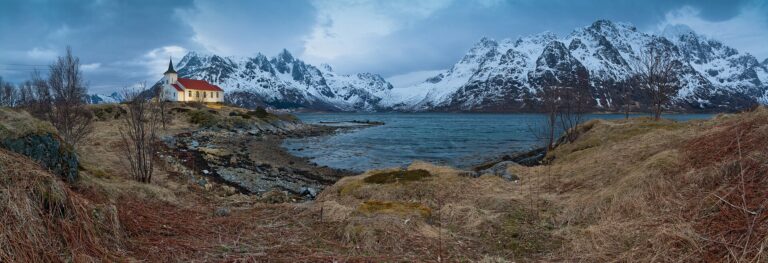 Travel story · most readWhat to Pack for Lofoten, Norway: A Packing List for Every Season
 When to goWhen to Visit Lofoten, Norway: Weather Month by Month and the Midnight Sun 2026
 ActivitiesReinebringen Norway: 6 Things to Know — The Hike, Steps & Current Status
 What to see7 Things to Do in Lofoten, Norway When It Rains: Your Backup Plan
 Getting thereLofoten Islands by Campervan: Parking & Rules for 2026


