

If you’re thinking about a holiday in Montenegro and looking for a place that completely breaks the usual Balkan mould, the southernmost town of Ulcinj in Montenegro is guaranteed to surprise you. The moment you arrive, an entirely different world washes over you — one full of oriental atmosphere, where the call to prayer drifts through narrow alleyways and the smell of freshly baked byrek fills the air.
It’s a fascinating crossroads of cultures, where roughly seventy percent of locals identify as ethnic Albanian. You can see it not only in the language, but also in the wonderful food and noticeably lower prices compared to the northern coast. Instead of crowded concrete resorts, you’ll find wild nature and unique historical landmarks here.
In this article I’ll show you 11 tips on what to see and do in the Ulcinj area so you can make the most of it. We’ll explore the mysterious pirate Stari Grad, head out to the incredible 13-kilometre sandy stretch of Velika Plaža, and we won’t miss the famous river island of Ada Bojana — an absolute paradise for kitesurfing lovers.
TL;DR
- Pirate history: Ulcinj’s Stari Grad boasts walls more than 2,500 years old, Ottoman minarets and the fascinating Slave Square.
- Endless sand: At 13 kilometres, Velika Plaža is the longest sandy beach on the entire eastern Adriatic and an ideal spot for families and sporty types alike.
- Kitesurfing paradise: Thanks to the steady thermal wind, the area around Velika Plaža and the mouth of the Bojana River is a renowned kitesurfing mecca.
- Pink flamingos: The former Solana Ulcinj salt pans are now home to more than 2,500 resident flamingos and other rare birds.
- Unique beaches: You’ll even find special beaches here like Ladies Beach, with its healing springs, open exclusively to women.
- Wallet-friendly prices: Ulcinj and neighbouring Bar have long been the most affordable and cheapest seaside resorts in all of Montenegro.
The full destination guide: Montenegro — guide and what to see
When to Visit Ulcinj in Montenegro
Ulcinj sits at the very south of Montenegro, close to the Albanian border, which makes it the warmest corner of the whole country. As a result, the tourist season here lasts about two to three weeks longer than in popular Kotor or Budva, and you can visit from early spring right through to late autumn.
The best balance of pleasant weather and peace and quiet comes in June and the first half of September, when air temperatures hover around an ideal 27 to 29 degrees. The sea is already beautifully warm for swimming, yet you’ll dodge the biggest summer crowds and accommodation prices are far more friendly.
If you’re tied to the school holidays and travel in July or August, brace yourself for genuinely hot days with temperatures topping 30 degrees. This is also when the area is busiest, so I’d recommend heading to the popular spots early in the morning.
Spring and autumn, on the other hand, are absolutely ideal for nature lovers, because March, April and October bring the main bird migration to the local Solana. Kitesurfers tend to arrive mostly between May and September, when the most reliable thermal wind blows.
Where to Stay in Ulcinj and Around: Hotels in Montenegro
💡 Tip for accommodation and experiences: We love searching for places to stay on Booking.com, which usually has the best cancellation terms. For tickets, day trips and activities, it pays to compare and book through GetYourGuide.
Choosing where to stay depends mainly on what exactly brings you to Ulcinj. You can stay amid the romantic backdrop of the old town, or opt for modern hotels closer to the endless beaches and sporting action.
If you love history and want all the landmarks and restaurants within arm’s reach, the historic centre is the obvious choice. For families with children and kitesurfing fans, it’s far more strategic to stay to the south-east towards Velika Plaža, so you don’t have to commute every day.
The best hotels in Ulcinj, Montenegro:
- Hotel Palata Venezia: A stunning four-star hotel set right within the old town walls, where you’ll feel like you’ve stepped into a fairy tale. The terraces offer breathtaking sea views, and according to traveller reviews it’s one of the best places to stay in the whole area, with prices from €138 per night in season.
- Hotel Kulla e Balshajve: A beloved boutique hotel right in the heart of the historic centre’s pedestrian zone. It offers lovely views over the Adriatic and a very intimate atmosphere — just check its current availability on Booking.com before booking, as it recently underwent extensive renovations.
- Hotel Platinum Lux: A highly rated modern hotel with free parking, from which you can walk to Velika Plaža in under twenty minutes. It’s an ideal, affordable base for anyone who’s come mainly for swimming and relaxing.
- Hotel Umma: A very pleasant four-star complex located on the way to the long beaches. It offers its own restaurant, bar and terrace, and travellers particularly praise the modern facilities and excellent value for money.
- Azul Beach Resort Montenegro by Karisma: For fans of all-inclusive holidays, this huge beachfront resort is the best choice. It boasts the largest pool complexes in Montenegro and is perfectly equipped for families with young children looking for maximum comfort.
11 Things to Do in Ulcinj, Montenegro
Let’s take a look together at the very best this sunny region has to offer. From the mysterious alleyways of the old town to salt pans full of flamingos and the most beautiful beaches and natural scenery, these are the spots you definitely shouldn’t miss on your visit.
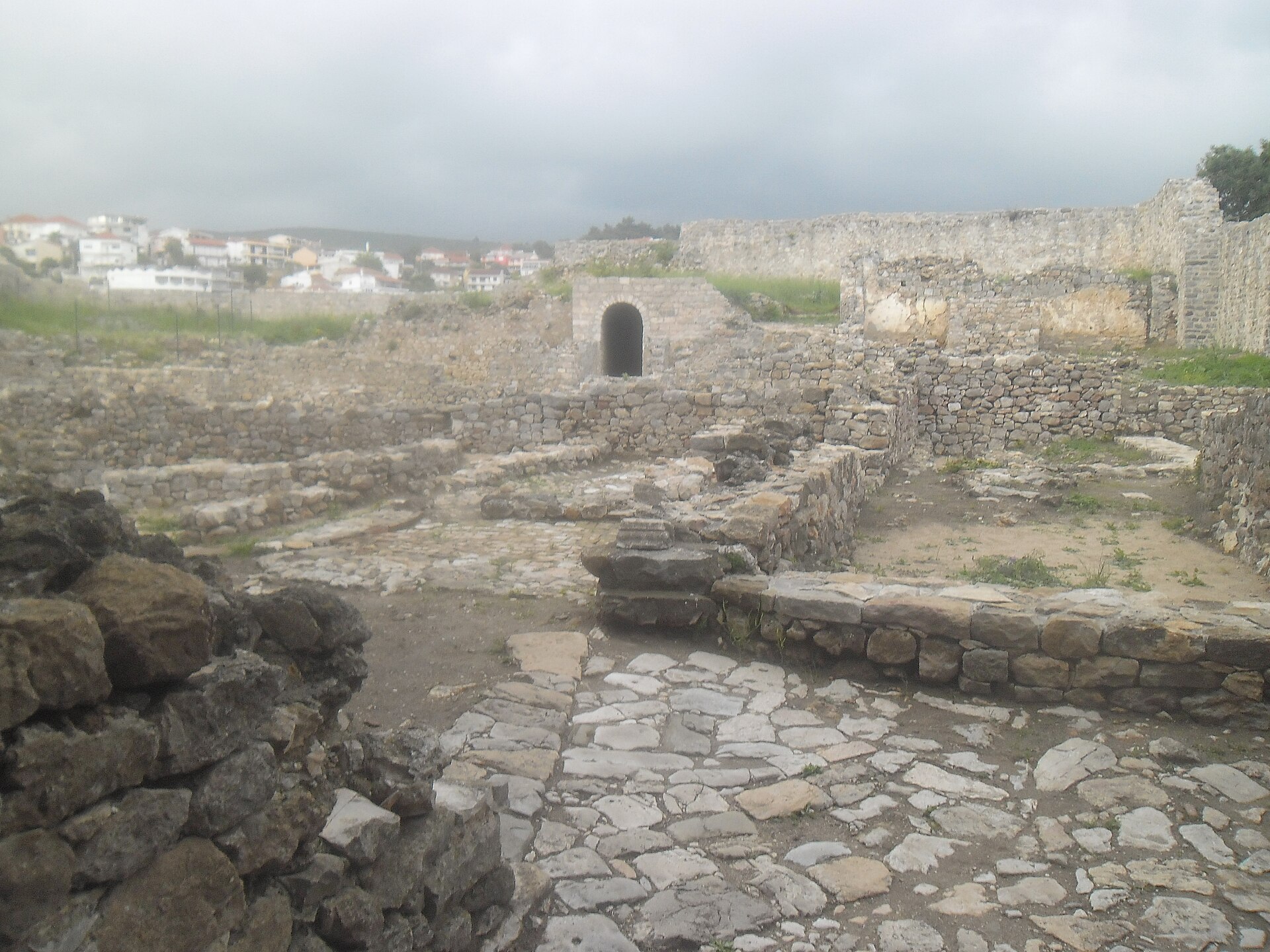
1. Stari Grad and Its Pirate History
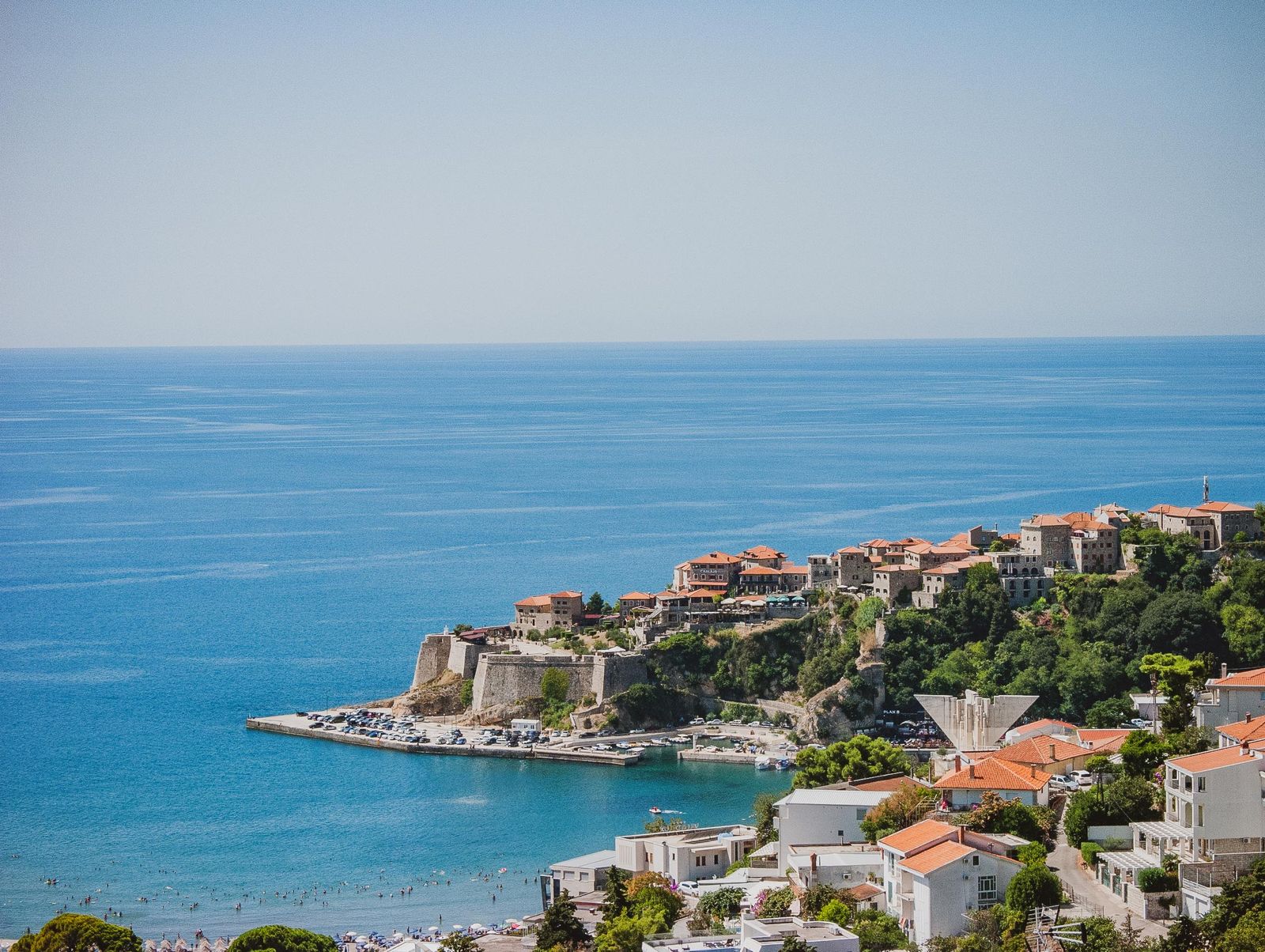
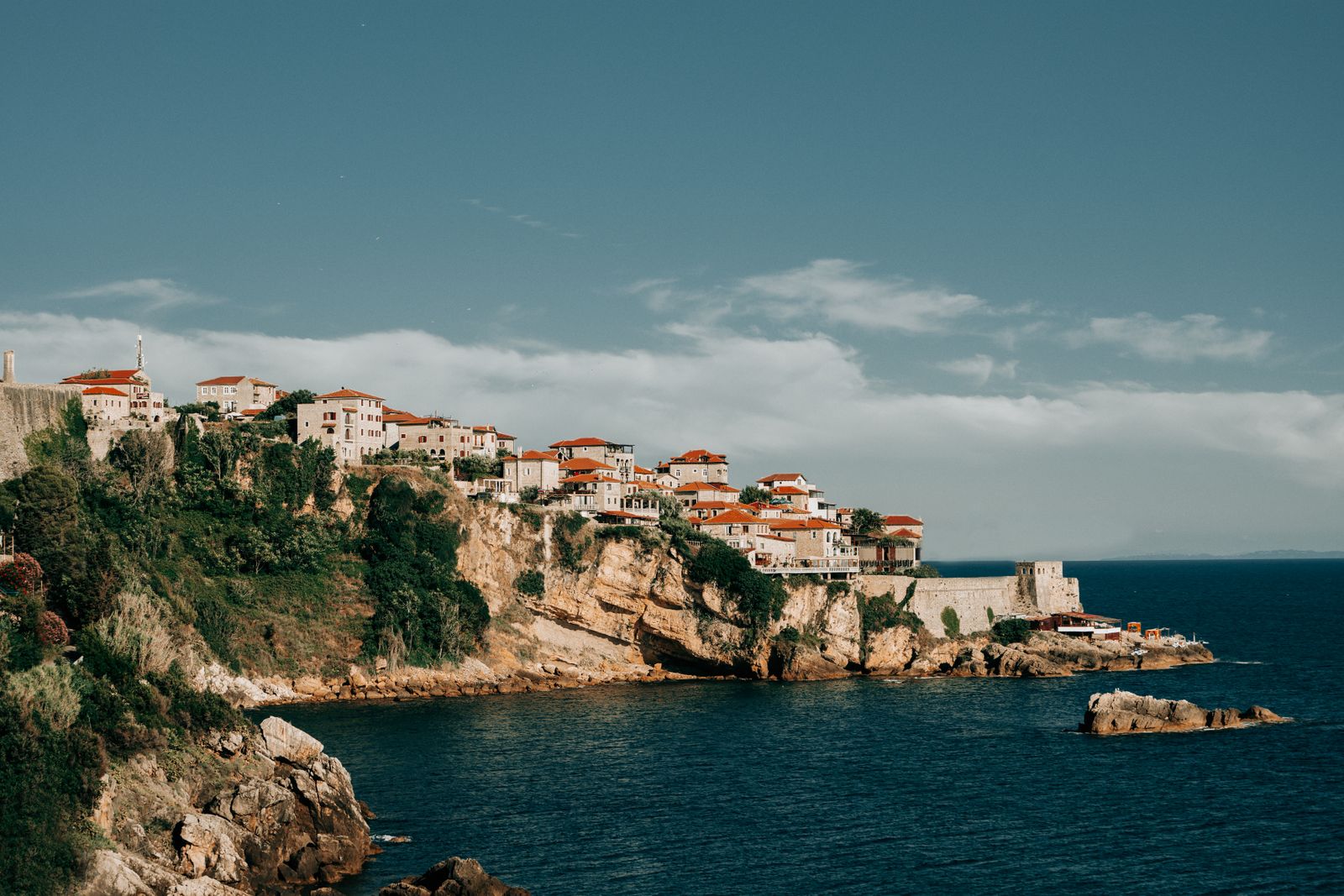
Ulcinj’s historic centre is one of the oldest settlements on the Adriatic coast, and its walls have witnessed more than two and a half thousand years of history. Wandering the labyrinth of stone alleyways, you’ll see a fascinating blend of Venetian and Ottoman architecture that gives the town its utterly unique character.
From the seventeenth century, Ulcinj was a notorious base for dangerous corsairs and pirates who launched raids on merchant ships from here. The focal point of this dark history is the so-called Slave Square (Trg Robova), where captives brought over from Italy were gathered and waited until their wealthy families paid the ransom.
I’d definitely also recommend visiting the local history museum, housed in an incredible building that combines Gothic arches, Venetian elements and an Ottoman dome. Admission costs just €2, and you’ll find interesting artefacts from shipwrecks as well as a room dedicated to the legendary pirate named Lika.
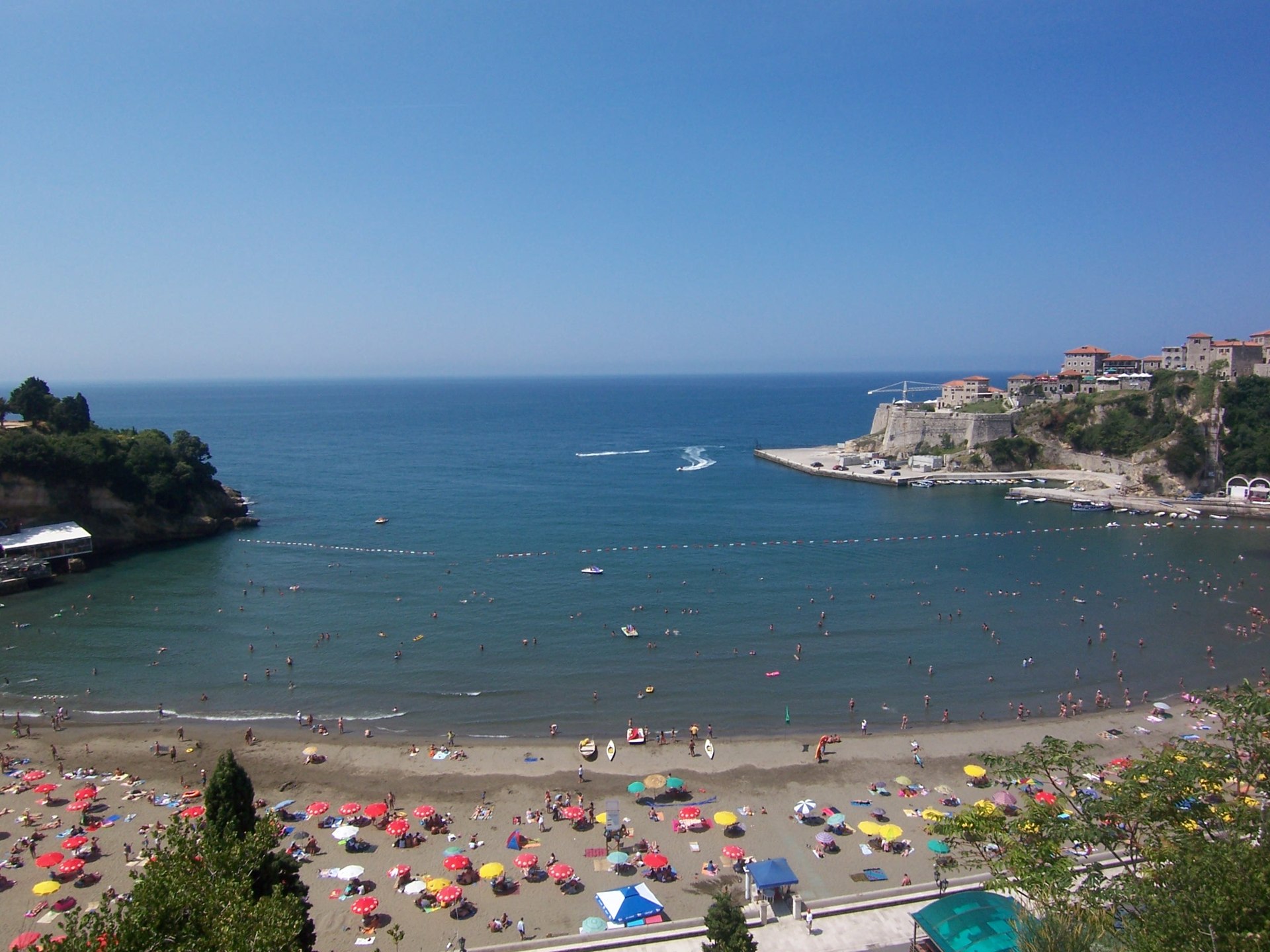
2. Mala Plaža Right Below the Walls
Mala Plaža is the main town beach, stretching 360 metres directly beneath the imposing old town walls. It offers pleasant fine sand and a shallow entry into the sea, making it a very convenient spot for a quick dip without having to travel anywhere complicated.
You’ll find every conceivable amenity here, from loungers and parasols for hire to dozens of cafés and restaurants lining the promenade. It’s the ideal choice for days when you can’t be bothered to start the car and want all the services within walking distance of your hotel.
Its huge advantage is also its drawback, though, because during peak summer season it gets genuinely extremely crowded. If you want to enjoy a peaceful swim here in July or August, I’d recommend coming early in the morning, before the beach is swamped by tourists and locals alike.
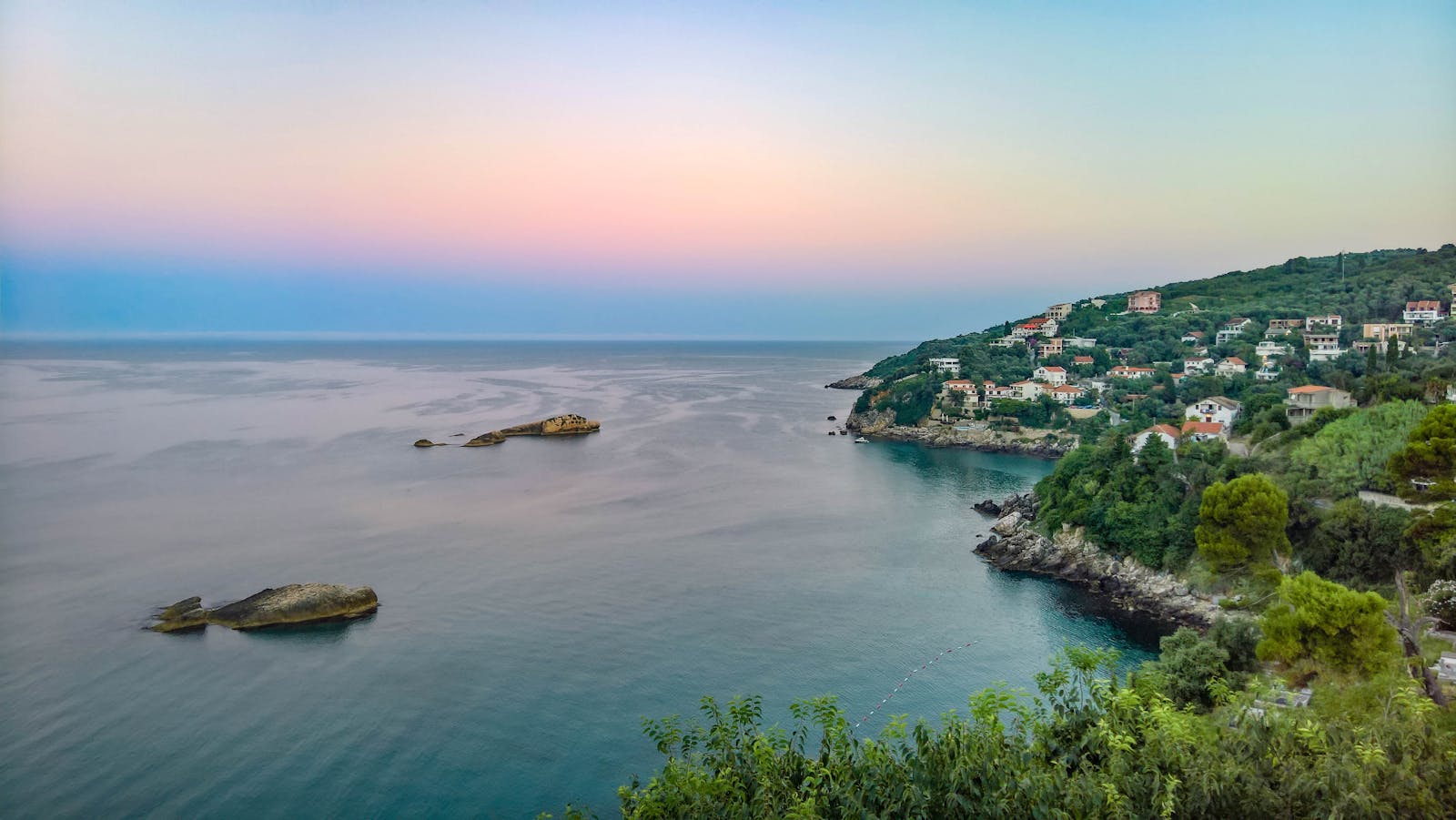
3. The Liman I and Liman II Coves
If you’re after a quieter alternative to the bustling town beach, head a little north of the old town to the small Liman coves. These pebble-and-sand beaches are the secret tip of many locals, who come here for cleaner water and more privacy.
The larger Liman II cove is easily reachable by car and has its own car park, so you can get here without trouble even with all your beach kit. It offers lounger and parasol hire and even beach massages, while keeping a much cosier atmosphere than the beaches right in town.
💡 Tip: An early-morning swim at the Liman beaches is, according to traveller reviews, absolutely magical, because the sun beautifully lights up the crystal-clear water and the whole cove is practically empty until around eight o’clock.
4. Ladies Beach for Women Only
One of the area’s biggest quirks is a small beach hidden in a pine forest between the centre and Velika Plaža, aptly named Ladies Beach. From May to October, all men are strictly forbidden from entering and the spot serves exclusively for women to relax.
It’s no ordinary beach, though — strong springs of natural sulphur water bubble up right here in the sea. Locals and visitors from all over the world come here for the healing effects of this mineral water, which is said to help with all sorts of skin and inflammatory problems.
The atmosphere here is incredibly relaxed, and even CNN ranked this spot among the most beautiful nudist beaches in the world. So if you’re looking for complete privacy surrounded by healing nature, definitely set aside at least one afternoon for this special place.
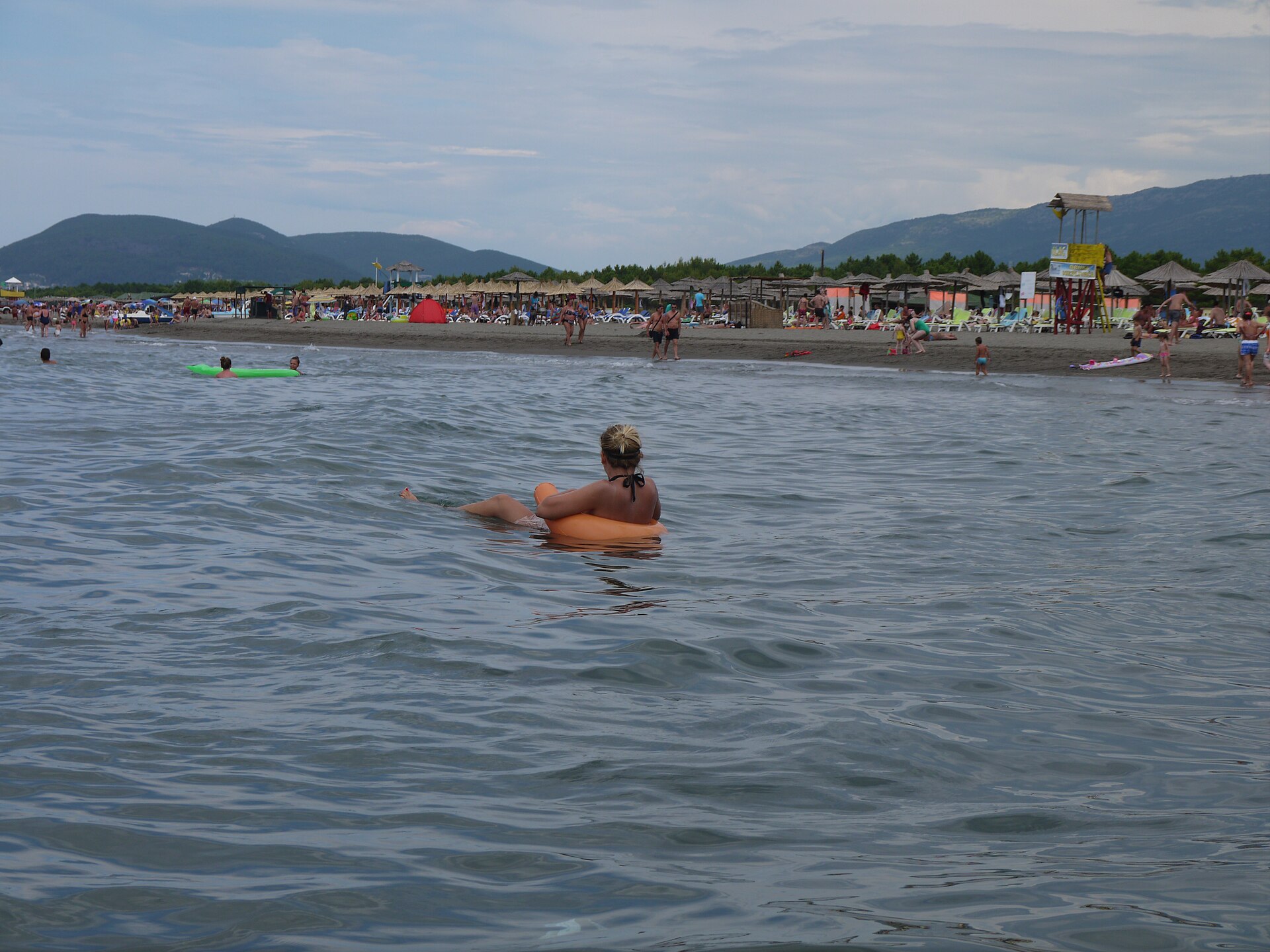
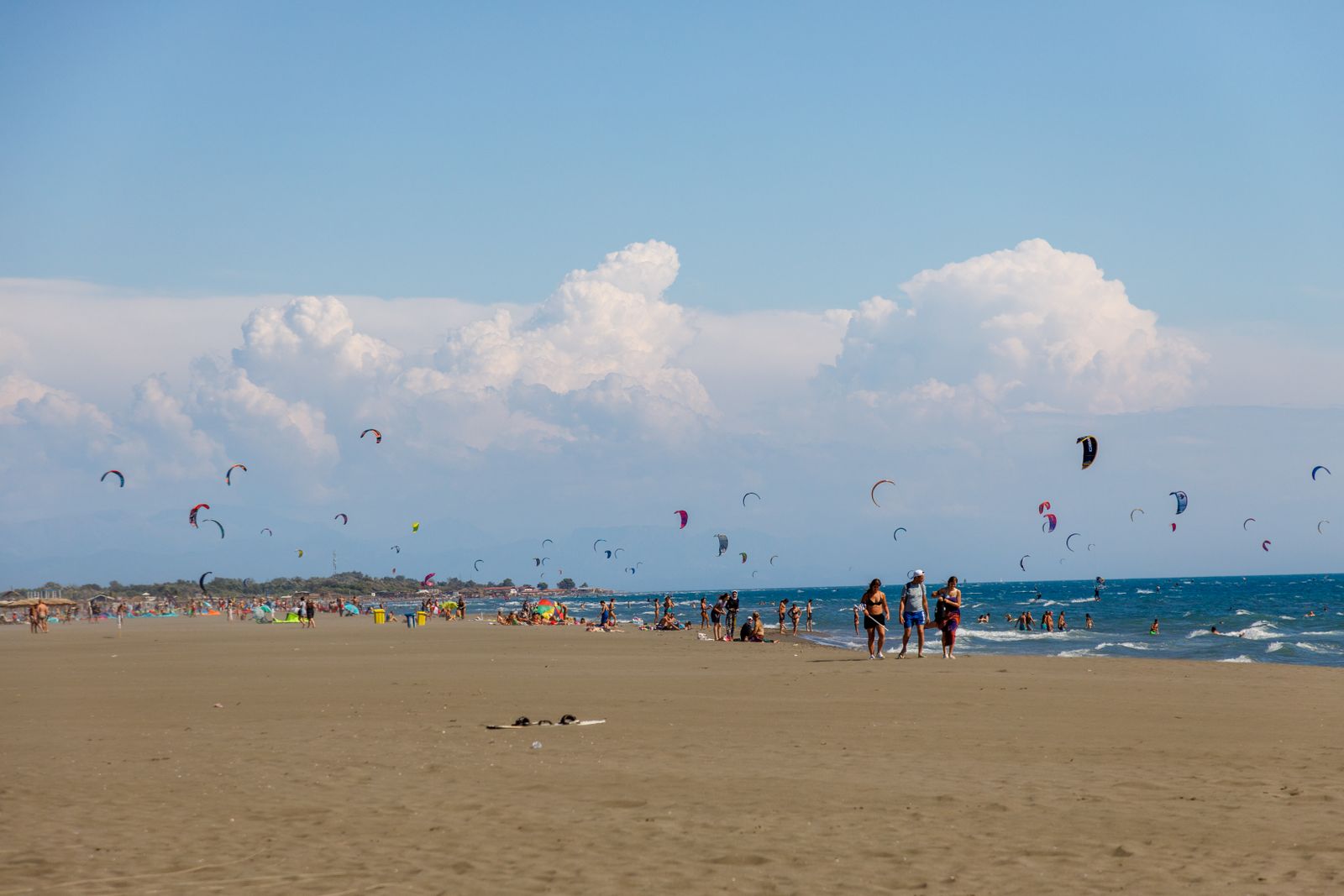
5. Velika Plaža and Its 13 Kilometres of Sand
Velika Plaža is the unofficial symbol of the whole region, and at twelve to thirteen kilometres long it’s a true rarity on the entire eastern Adriatic coast. It’s made up of fine, dark volcanic sand that runs from the town of Ulcinj all the way to the Albanian border.
Thanks to the very gentle slope into the sea, the water stays beautifully shallow even tens of metres from the shore — something families with young children will especially appreciate. Along the beach you’ll find plenty of modern beach bars where you can hire comfortable loungers with a parasol from around €4 a day.
Given the sheer size of the beach, it’s best to hire a car or use the local taxis, since it takes around ten minutes to drive from the town centre to the finest stretches. The further south-east you go, the wilder and more spacious the atmosphere becomes.
6. The River Island of Ada Bojana
At the very south of Montenegro, exactly where the Bojana River flows into the Adriatic Sea, lies the fascinating triangular island of Ada Bojana. It came about through a curious twist of nature in the nineteenth century, when the wreck of a sunken ship altered the river’s flow and gradually built up deposits of sand around it.
The island is famous for its long naturist history, as it was here in 1973 that the largest naturist settlement in the country was founded. Today the atmosphere is very tolerant, and naturists coexist without any issues alongside regular visitors who’ve come to enjoy the wild nature and beautiful sand dunes.
Another big draw is the iconic wooden restaurants built on stilts right above the river’s surface. The local speciality that draws foodies from far and wide is fresh catches straight from the river and sea, prepared for you with that unmistakable Balkan hospitality.

7. Solana Ulcinj and the Pink Flamingos
Few people realise that just a short distance from the beaches lies one of the most important bird reserves in all of Europe. The former salt pans, where salt was harvested from 1926, have gradually transformed into a protected nature park that is home to more than two hundred and fifty different bird species.
The undisputed star of the Solana is the greater flamingo, for which this is the only place on the eastern Adriatic where it permanently lives and nests. It’s estimated that an impressive 2,500 resident flamingos live here, and besides them you can also spot critically endangered Dalmatian pelicans and herons.
The reserve is open to the public every day from seven in the morning and admission costs a very symbolic €2.50. I’d recommend heading out as early as possible with a good pair of binoculars — you’ll avoid the worst of the heat and stand the best chance of observing these majestic birds.
8. Valdanos and the Thousand-Year-Old Olive Groves
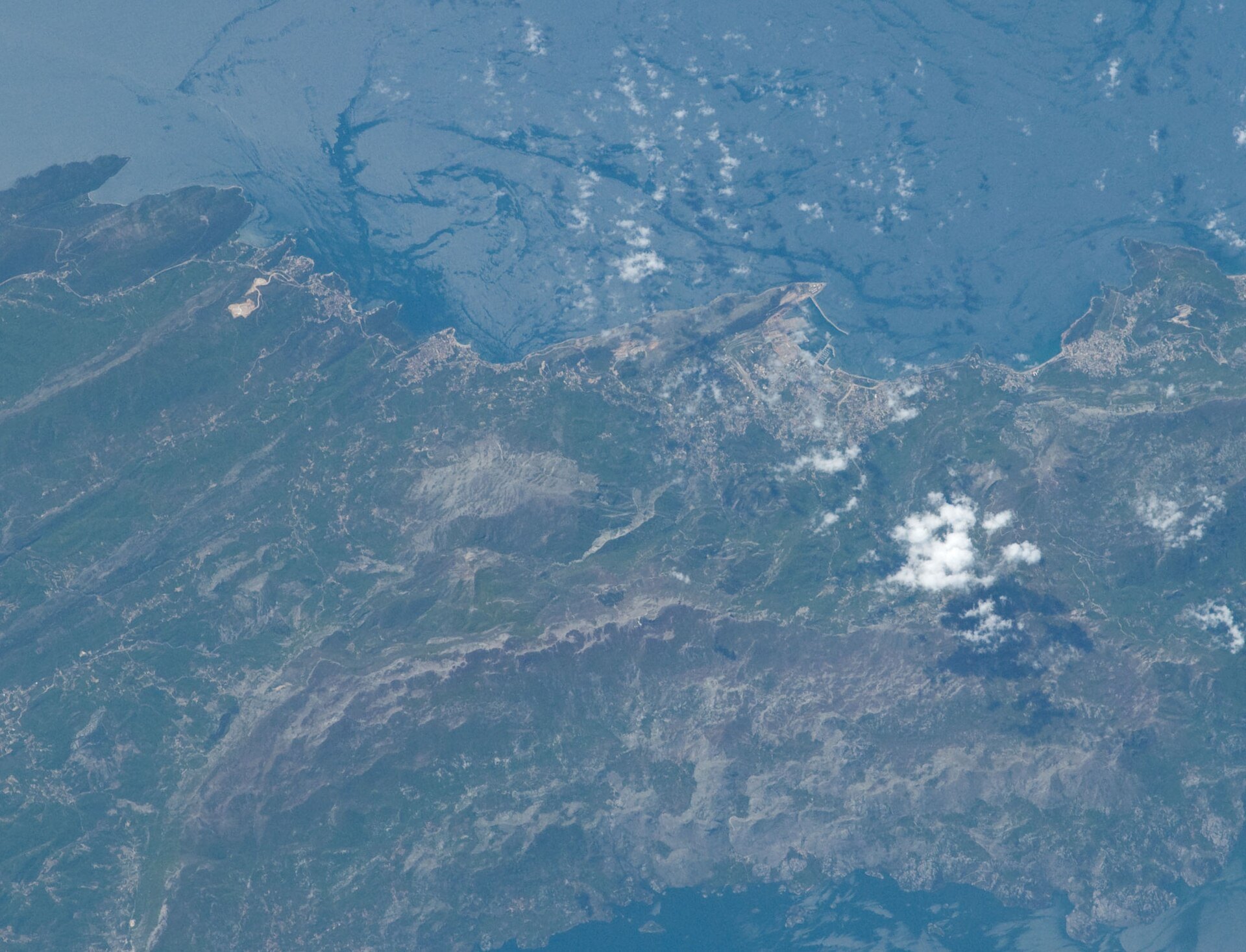
About five kilometres north-west of Ulcinj lies the bay of Valdanos, tucked away within the country’s largest living monument to olive cultivation. This legally protected natural monument is made up of an incredible eighteen thousand olive trees with an average age of eight hundred years, while the oldest go back as far as two thousand years.
The beach in the bay itself is made of smooth pebbles, and thanks to its shape it’s sheltered from waves and strong winds. The water shifts from a gorgeous pale green to a deep emerald, and unlike at Velika Plaža you won’t find any noisy water sports here, making it a perfect spot for a quiet picnic in the shade of the trees.
From the other side of the bay, an inconspicuous walking trail leads to the historic Mendra lighthouse. It’s the oldest lighthouse in Montenegro, still tended by a live keeper, and the view over the open sea from those cliffs is among the most dramatic on the whole coast.
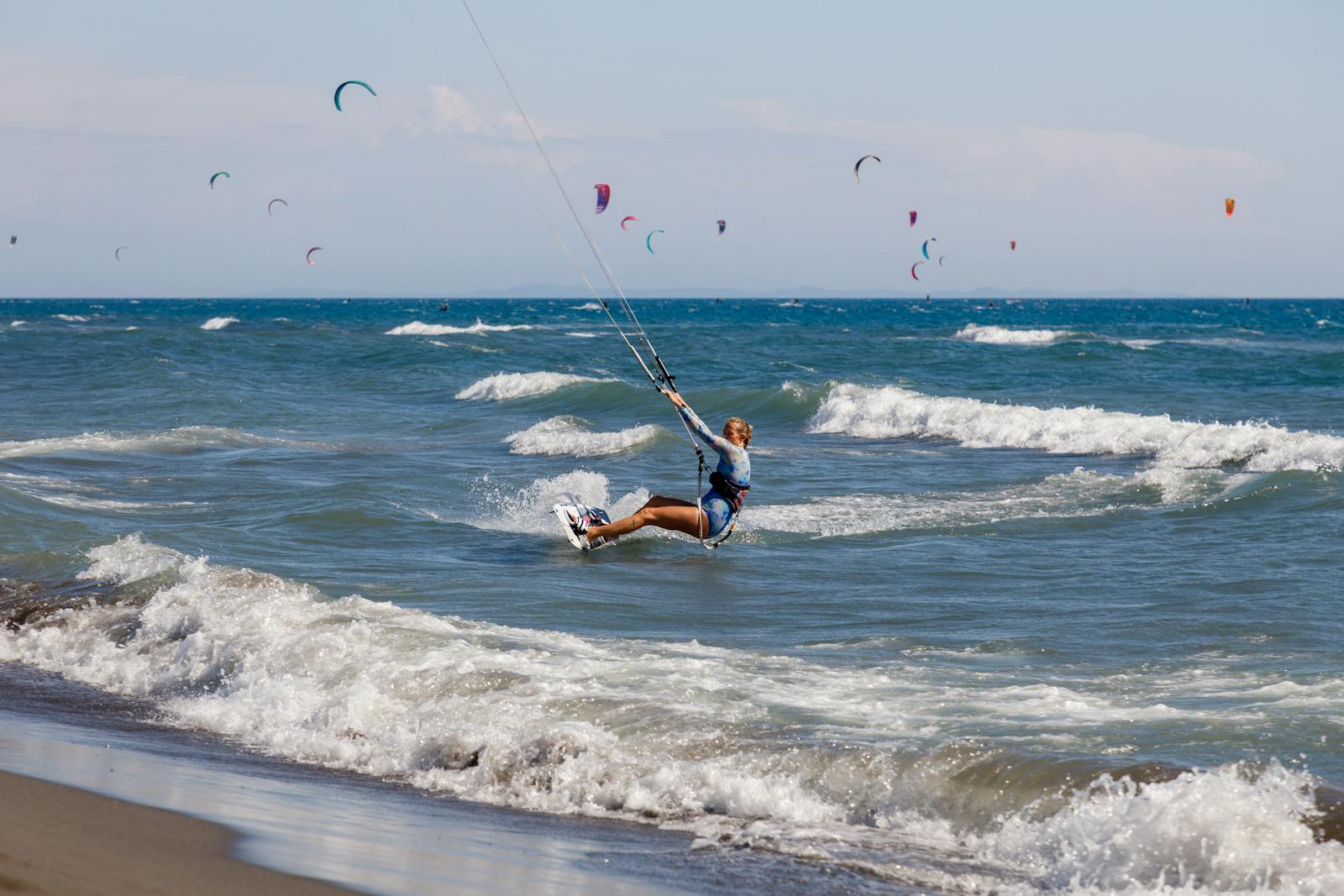
9. Kitesurfing for Beginners and Pros
The area around Ulcinj, and especially Velika Plaža with the island of Ada Bojana, is considered one of the best kitesurfing destinations in Europe. The reason is the utterly reliable thermal wind that blows here from May to September, regularly every afternoon at fifteen to twenty-five knots.
The shallow water and sandy seabed free of dangerous reefs make this place an absolutely safe spot for complete beginners. Right on the beach there are more than seven certified kite schools, such as Kiteriders or Kitebuddies, where you can hire all the gear or pay for an instructor.
Prices here are still very friendly compared to Western Europe — an introductory lesson costs roughly from €70, and a complete three-day beginner course will set you back around €250. Advanced riders tend to head further south to the mouth of the Bojana River, where the sea and river winds mix to create fantastic conditions for jumps.
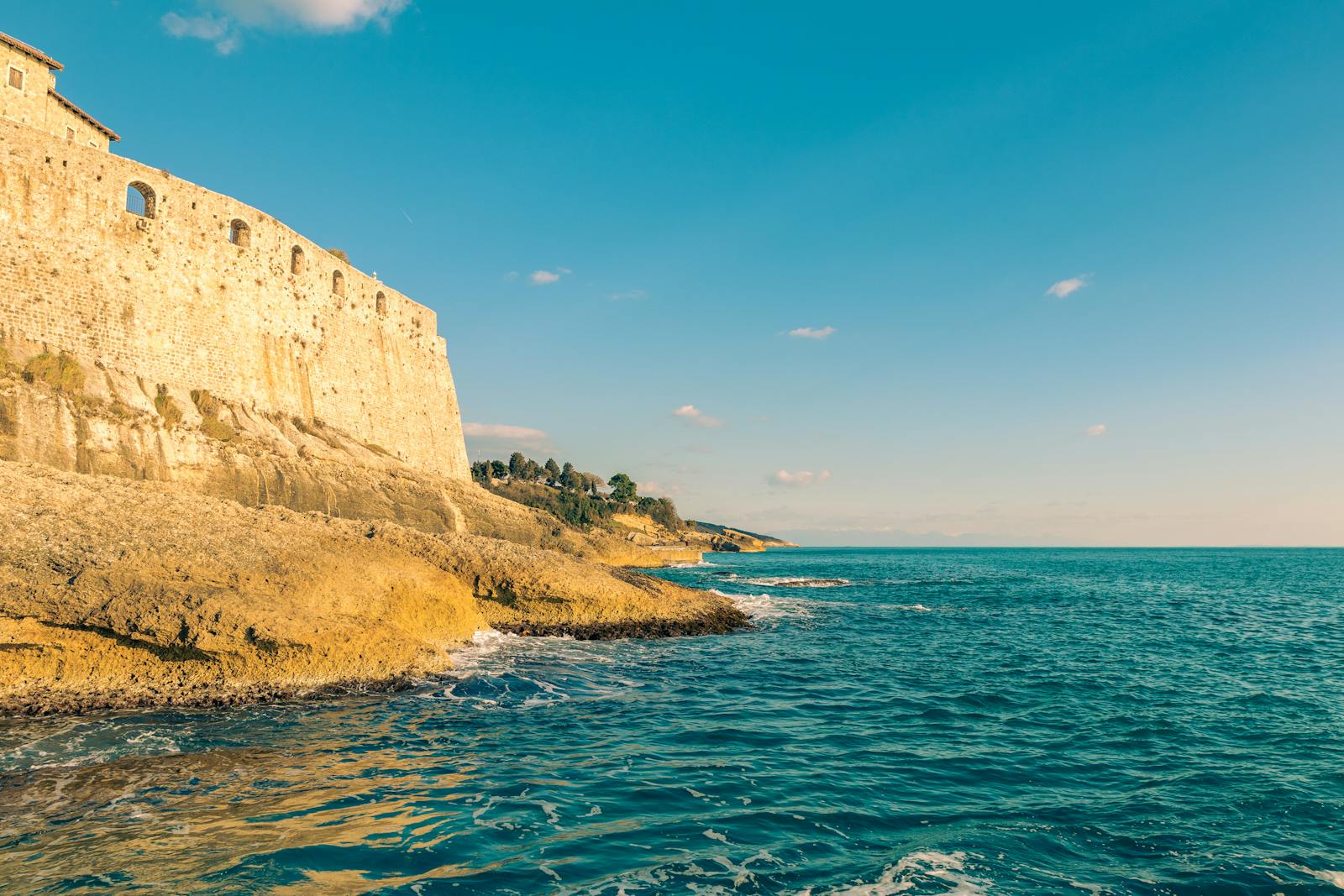
10. Šas Lake and the Lost City of Svač
Just fifteen minutes’ drive from the coast you’ll come across the beautiful freshwater Šas Lake, which offers a welcome escape from the beach bustle. This calm body of water is an important birdwatching site and, together with the Solana and Ada Bojana, forms the golden triangle of local nature tourism.
Rising above the lake is a steep rocky outcrop, on which you’ll find the fascinating ruins of the abandoned medieval city of Svač. This former bishopric was destroyed by the Ottomans in the fifteenth century, but a walk among the remains of the old walls, with birds drifting lazily over the lake, has enormous charm.
Access to the lake and the historic ruins is completely free, and in the summer months you can happily take a dip in the fresh water. It’s a perfect tip for an afternoon trip if you’ve had your fill of salt water and want to discover authentic Montenegrin countryside without the crowds.
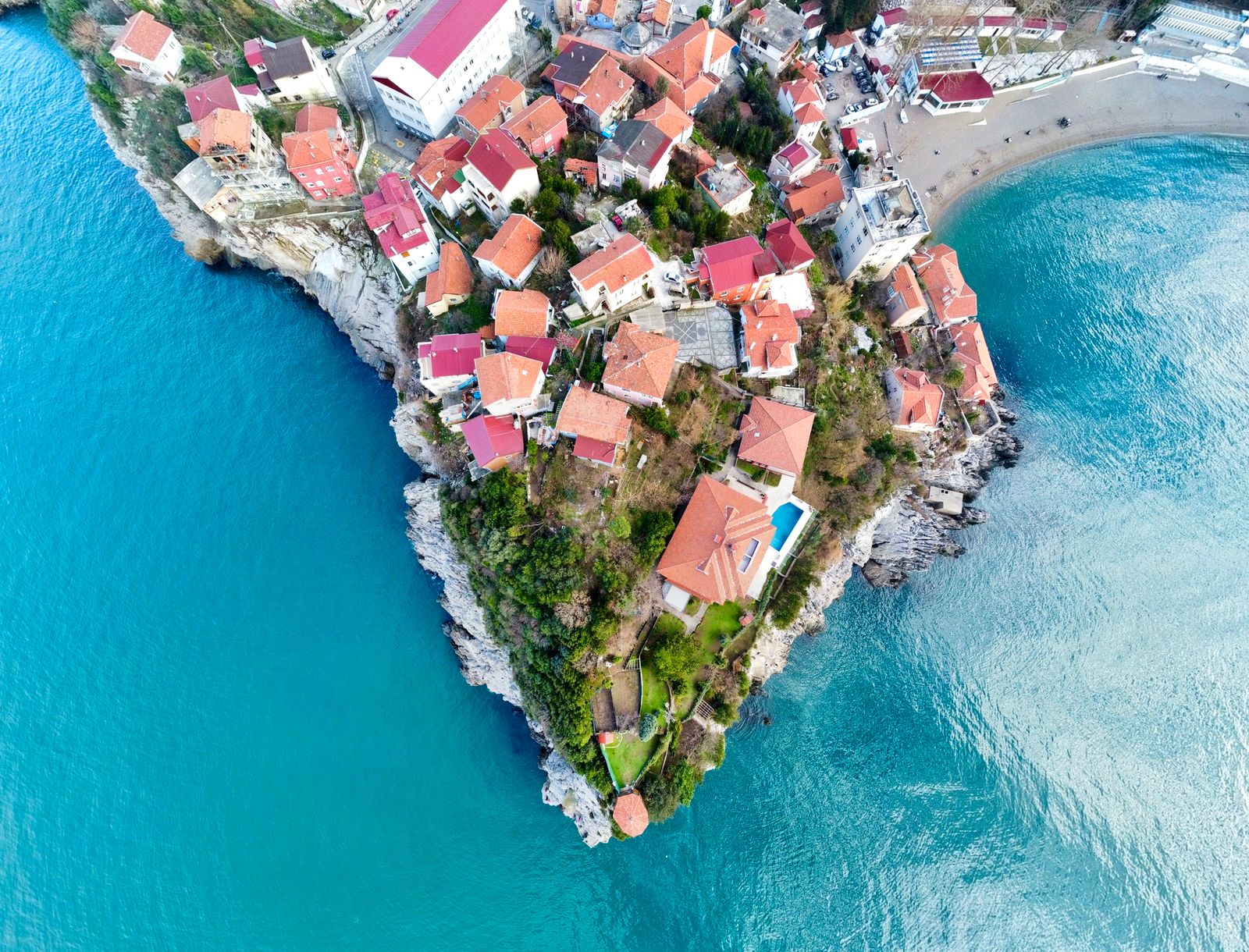
11. Authentic Atmosphere and Albanian Cuisine
What makes Ulcinj truly special is its unmistakable atmosphere on the border between Europe and the Orient. The town lives to its own relaxed rhythm, on the streets you’ll mostly hear Albanian, and the skyline is adorned with the slender minarets of local mosques, creating a beautiful contrast with the typical Balkan architecture.
This cultural mix leaves a fantastic mark on the local cuisine. Ulcinj is a paradise for lovers of good food, with the absolute classic being traditional byrek filled with fresh cheese or spinach. It’s baked fresh in local bakeries every morning and makes for an utterly perfect — and entirely vegetarian — breakfast for just a few coins.
Overall, prices in the restaurants and shops here are noticeably lower than in tourist-saturated Budva or Kotor. In tucked-away traditional taverns, known here as konobas, you’ll get huge portions of delicious salads, grilled vegetables and local cheeses for a fraction of what you’d pay in the north of the country.
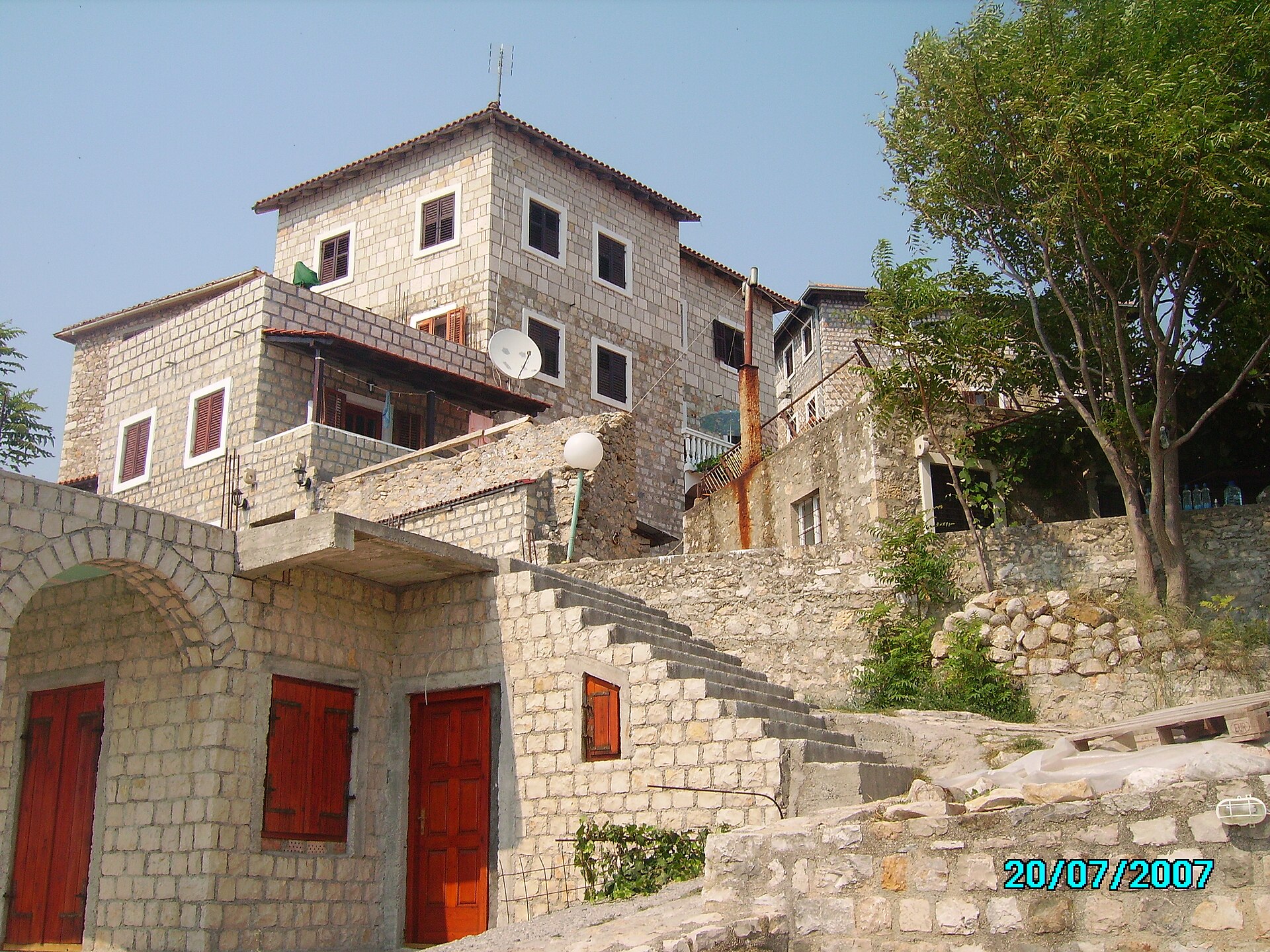
Map of points of interest for your phone
Where to Go Next from Ulcinj
If you have a hire car at your disposal and want to explore other parts of this gorgeous Balkan country, you really have plenty of options. The south is a great starting point for discovering not only the coast, but the nearby mountains too.
For a complete overview of the most interesting spots, practical advice and more trip ideas in this diverse country, be sure to check out our detailed article Holiday in Montenegro: 15 Tips for the Sea and the Mountains. You’ll find plenty of inspiration there for planning your next adventure.
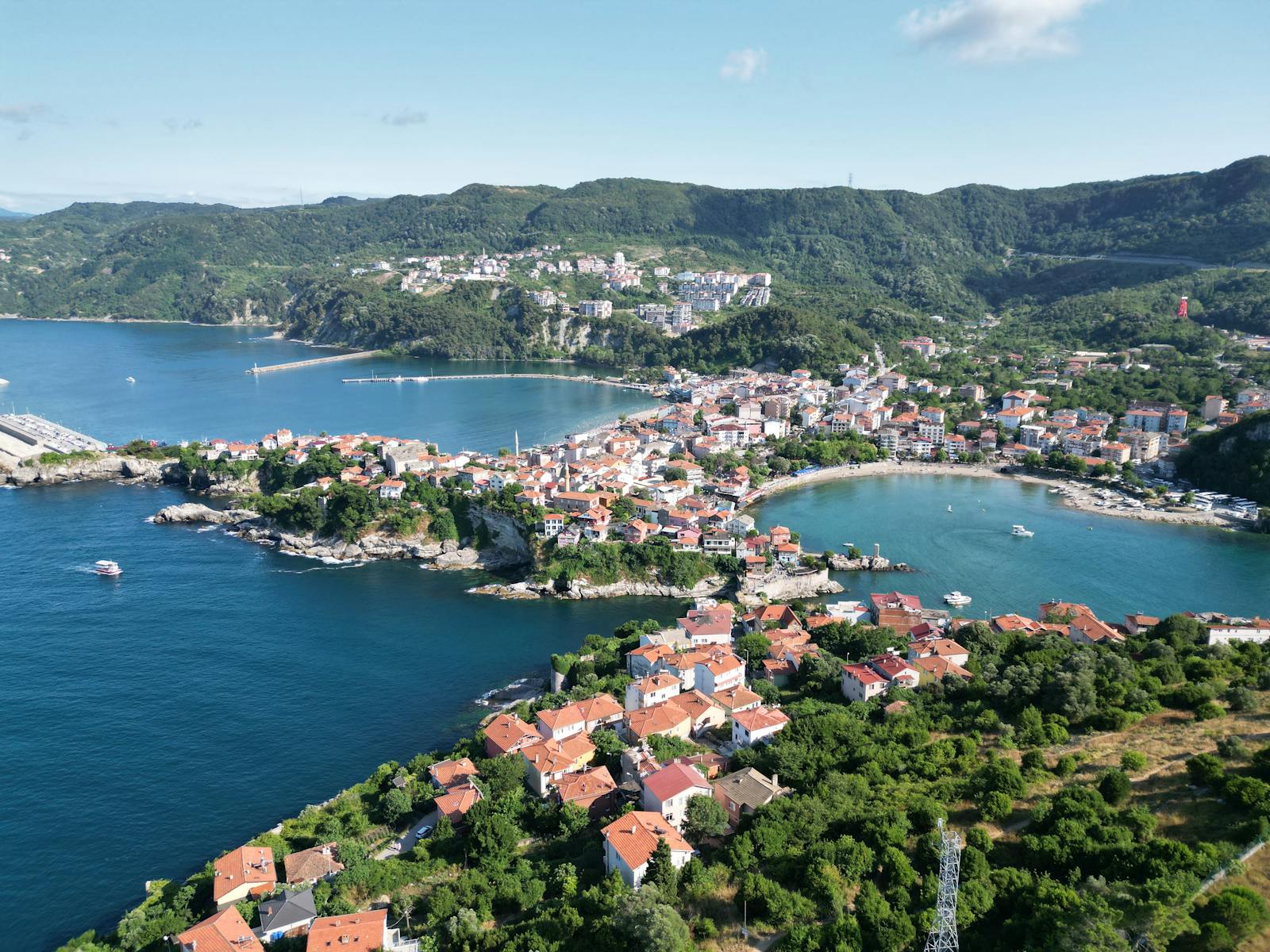
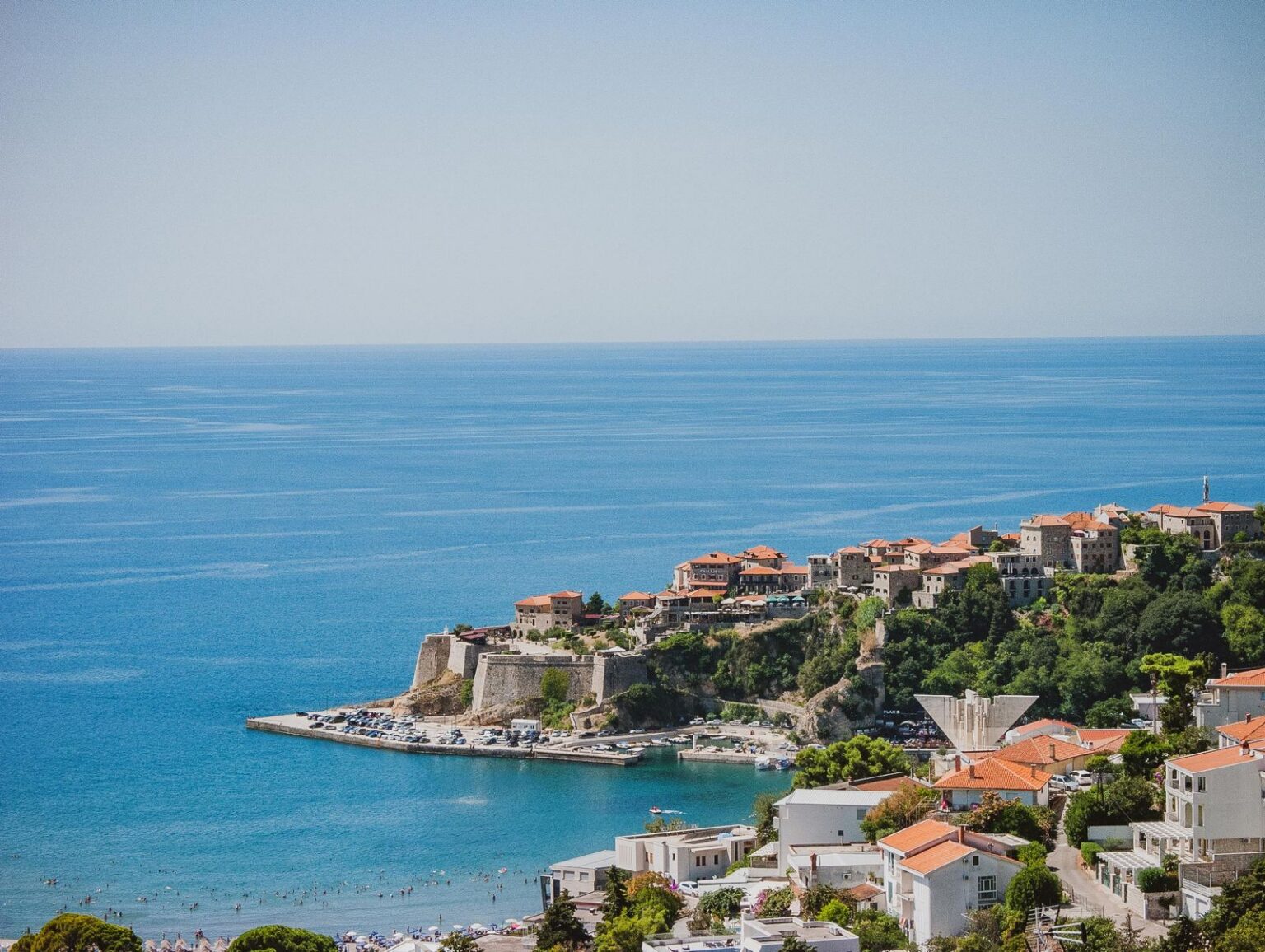 🚗 Car rental on the road
Verified car rentals in Montenegro
🚗 Car rental on the road
Verified car rentals in Montenegro
Search with the DiscoverCars comparison engine — it compares prices from dozens of local and international rental companies, and most bookings come with free cancellation.
Compare car prices in Montenegro →Frequently Asked Questions
How do I get to Velika Plaza from Ulcinj city center?
Velika Plaža is located roughly three to five kilometers southeast of the historic center. It’s quite far on foot, so travelers most often use local taxis, which cost around 3 to 5 €, or they rent a car or bike. During high season, local bus lines also operate on this route.
Is Ada Bojana a nudist beach?
Part of this island is indeed reserved for naturists and the FKK settlement has been operating here since 1973. However, the island is not exclusively nudist; regular visitors in swimwear are warmly welcomed in most areas of the island, and both groups coexist here without any problems at all.
Are there really flamingos in Ulcinj?
Yes, the Solana Ulcinj bird reserve is home to a permanent population of approximately 2,500 pink flamingos. It’s an absolute unique sight and the only place along the entire eastern Adriatic coast where these birds nest. You’ll have the best chance of spotting them early in the morning during the spring or autumn months.
Is Ulcinj a safe city for tourists?
Definitely yes, Ulcinj is a very calm and friendly destination. The locals are renowned for their immense hospitality, and concerns often stem only from a lack of familiarity with the local culture. Of course, the usual caution against pickpockets in crowded markets applies, just as anywhere else in Europe.
Do I need a car for a vacation in Ulcinj?
If you’re planning to stay just in the center and swim at the city beach, you don’t necessarily need a car. However, for visiting the long beach of Velika Plaža, the flamingo reserve, the Valdanos olive groves, or Ada Bojana island, having your own transport is highly recommended, as distances range from five to fifteen kilometers.
Can I get by with English in Ulcinj?
In hotels, tourist restaurants and kite schools you will get by with English without any problems. At markets and in smaller streets you will mainly hear Albanian and Serbian, so if you learn at least a basic greeting in Albanian, the locals will really appreciate it and will reward you with a big smile.
When is the best time to visit Ulcinj?
Ideally, June and the first half of September are the perfect compromise, when the sea is a lovely 22 to 25 degrees and the air temperatures aren’t as sweltering as in August. The advantage of this southernmost destination is the fact that you can swim here much longer into autumn than in the rest of Montenegro.
Tips and Tricks for Your Vacation
Don’t Overpay for Flights
Search for flights on Kayak. It’s our favorite search engine because it scans the websites of all airlines and always finds the cheapest connection.
Book Your Accommodation Smartly
The best experiences we’ve had when looking for accommodation (from Alaska to Morocco) are with Booking.com, where hotels, apartments, and entire houses are usually the cheapest and most widely available.
Don’t Forget Travel Insurance
Good travel insurance will protect you against illness, accidents, theft, or flight cancellations. We’ve had a few hospital visits abroad, so we know how important it is to have proper insurance arranged.
Where we insure ourselves: SafetyWing (simple monthly subscription) and TrueTraveller (for extra-long trips).
Find the Best Experiences
Get Your Guide is a huge online marketplace where you can book guided walks, trips, skip-the-line tickets, tours, and much more. We always find some extra fun there!
More from Montenegro
Full guide →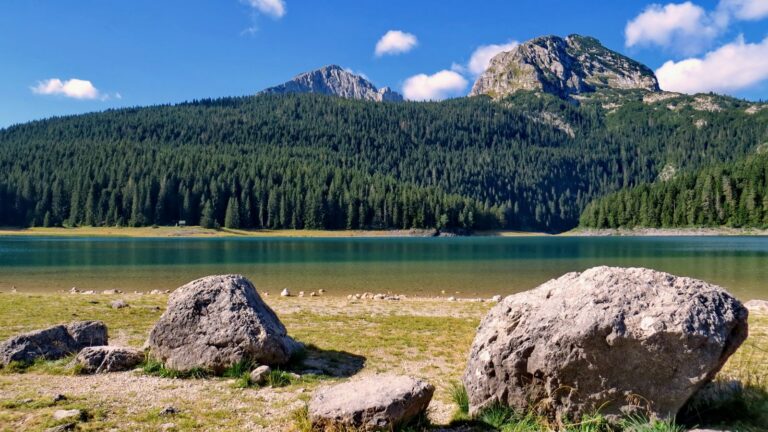 What to seeDurmitor National Park & Žabljak: 12 Hikes, Crno Jezero and Bobotov Kuk
 What to seeBar & Stari Bar, Montenegro: 10 Tips for Ruins, the Port and Europe’s Oldest Olive Tree
 What to seeSveti Stefan, Montenegro: 10 Tips for the Adriatic’s Most Photogenic Island
 What to seeLake Skadar: 10 Tips for the National Park, Pelicans and Wineries 2026
 BeachesBudva, Montenegro: 14 Tips for Beaches, Old Town & Surroundings in 2026


