

Kotor, Montenegro is without doubt one of the most beautiful and best-preserved medieval towns on the entire Adriatic, and it captivates you the moment you spot its setting at the very tip of the Bay of Kotor. This deep sea inlet, carved into towering mountains, is often called Europe’s southernmost fjord — even though geologically it isn’t a fjord at all. The bay is framed by majestic limestone peaks, and beneath them huddles a Venetian labyrinth of narrow lanes full of history, cats and the smell of coffee.
If you’re thinking about visiting this photogenic gem, I have to flag one absolutely crucial thing right from the start — something that can either make or completely ruin your holiday. Kotor is a victim of so-called overtourism, and during the summer months up to four enormous cruise ships dock here every single day, disgorging as many as ten thousand day-trippers into a small town of barely fourteen thousand residents. Trust me, elbowing through the crowds in narrow stone alleys at high noon is not something you want to experience.
The key to a perfect experience is therefore smart planning and good timing, because early in the morning or in the late afternoon the town transforms into an utterly romantic oasis. In this article I’ll point you towards the most beautiful spots, give you advice on parking and accommodation, and throw in a few secret tips on how to dodge the biggest crowds — and even skip the entry fee to the town walls.
TL;DR
- The biggest crowds from the ships flood the town between 10 a.m. and 4 p.m., so plan your walk around the old town ideally before nine in the morning or after five in the afternoon.
- Entry to the old town itself is free and the gates are open round the clock — you only pay for selected monuments and access to the walls.
- Don’t miss the climb up to San Giovanni Fortress, but set off at dawn to avoid the scorching sun and, with a bit of luck, the entry fee too.
- Parking is a huge problem in season, so if you’re arriving by car, try to grab a spot in the paid car parks near the centre before nine in the morning.
- Choose your accommodation strategically — the old town offers wonderful atmosphere at the price of late-night noise from the bars, while neighbouring Dobrota gives you total peace and a swim.
- The loveliest half-day trip is a visit to the nearby baroque town of Perast and a boat ride out to the man-made islet of Our Lady of the Rocks.
The full destination guide: Montenegro — guide and what to see
When to Visit Kotor
Picking the right dates is absolutely key when planning a trip to the Bay of Kotor, because in the peak summer season of July and August it gets blisteringly hot here, with temperatures regularly climbing towards thirty degrees. Those months also mean the highest accommodation prices and endless traffic jams on the coastal road linking the surrounding resorts with the centre. If you’re checking the Kotor, Montenegro weather before you book, those are the months to think twice about.
The best balance of pleasant weather and a bearable number of tourists comes in June and especially in September, when the sea is still beautifully warm for swimming at around 23 to 25 degrees. Late September is then an absolutely ideal choice for anyone who wants to be sure all the monuments and restaurants are still open, while the streets already breathe a sense of calm.
As for the time of day, it pays to check the current cruise ship schedule before your visit on specialist sites like cruisetimetables.com. Ships usually moor in the harbour between ten in the morning and four in the afternoon, so I recommend using exactly that window to slip out of town — to a beach, into the mountains, or onto a boat trip around the bay.
Where to Stay in Kotor
💡 Tip for accommodation and experiences: We like to look for places to stay on Booking.com, where the cancellation terms tend to be the best. Tickets, tours and activities are then worth comparing and booking through GetYourGuide.
When hunting for accommodation you face one fundamental decision that will shape the whole character of your holiday: the choice between the lively historic centre and the quieter villages nearby. If you want all the monuments and restaurants within arm’s reach, stay right inside the old town walls — but bear in mind you can’t drive in, and at night the music from local bars may keep you awake.
The neighbouring areas of Dobrota, Muo or Prčanj, on the other hand, offer perfect peace, gorgeous views of the illuminated town walls and, above all, the chance to jump straight into the sea right outside your hotel. You’ll have a slightly longer way into the centre from here, but a pleasant evening stroll along the bay has a huge charm of its own — and you’ll usually park without any trouble.
I’ve put together a selection of highly rated hotels that travellers consistently recommend across a range of price brackets:
- Old Town Hostel Kotor (budget): A fantastic choice for backpackers and solo travellers looking for cheap accommodation right in the heart of the walls, with both shared dorms and clean private doubles.
- Hotel Vardar (mid-range): A reliable and very popular hotel right on the main Square of Arms, offering great value for money and a lively terrace in the middle of the action.
- Guesthouse Palazzo Drusko Deluxe Rooms (mid-range boutique): A charming six-hundred-year-old noble stone house just steps from the cathedral, where you’ll be won over by the period furnishings and incredibly helpful staff.
- Boutique Hotel Hippocampus (boutique hotel): A beautifully renovated design hotel tucked away in the lanes of the UNESCO centre, whose big advantage is a rooftop terrace with stunning views of the walls.
- Boutique Hotel Astoria Kotor (four-star boutique): A more upmarket option right in the town centre, frequently praised in reviews for its exceptionally generous breakfasts and very comfortable rooms.
- Palazzo Radomiri Heritage Boutique Hotel (luxury): A restored 18th-century sea captain’s palace in tranquil Dobrota, offering a pool surrounded by greenery, morning yoga and the perfect escape from the tourist crowds.
- Forza Mare Hotel (five-star luxury): A truly exceptional hotel in Dobrota with ten themed rooms, its own private beach and even a private speedboat for guests.
15 Things to See and Do in Kotor
Let’s take a look together at the very best this Montenegrin town and its immediate surroundings have to offer. I’d recommend spreading these activities over at least two or three days so you can soak up the local atmosphere properly, without any unnecessary rush.
1. The Main Square and the Sea Gate
Your tour will probably begin at the main entrance to the old town, the majestic Sea Gate (Vrata od mora), built in 1555. Above the passageway, be sure to notice the curious contrast: next to the historic Venetian winged lion of St Mark you’ll see a carved communist slogan commemorating the town’s liberation.
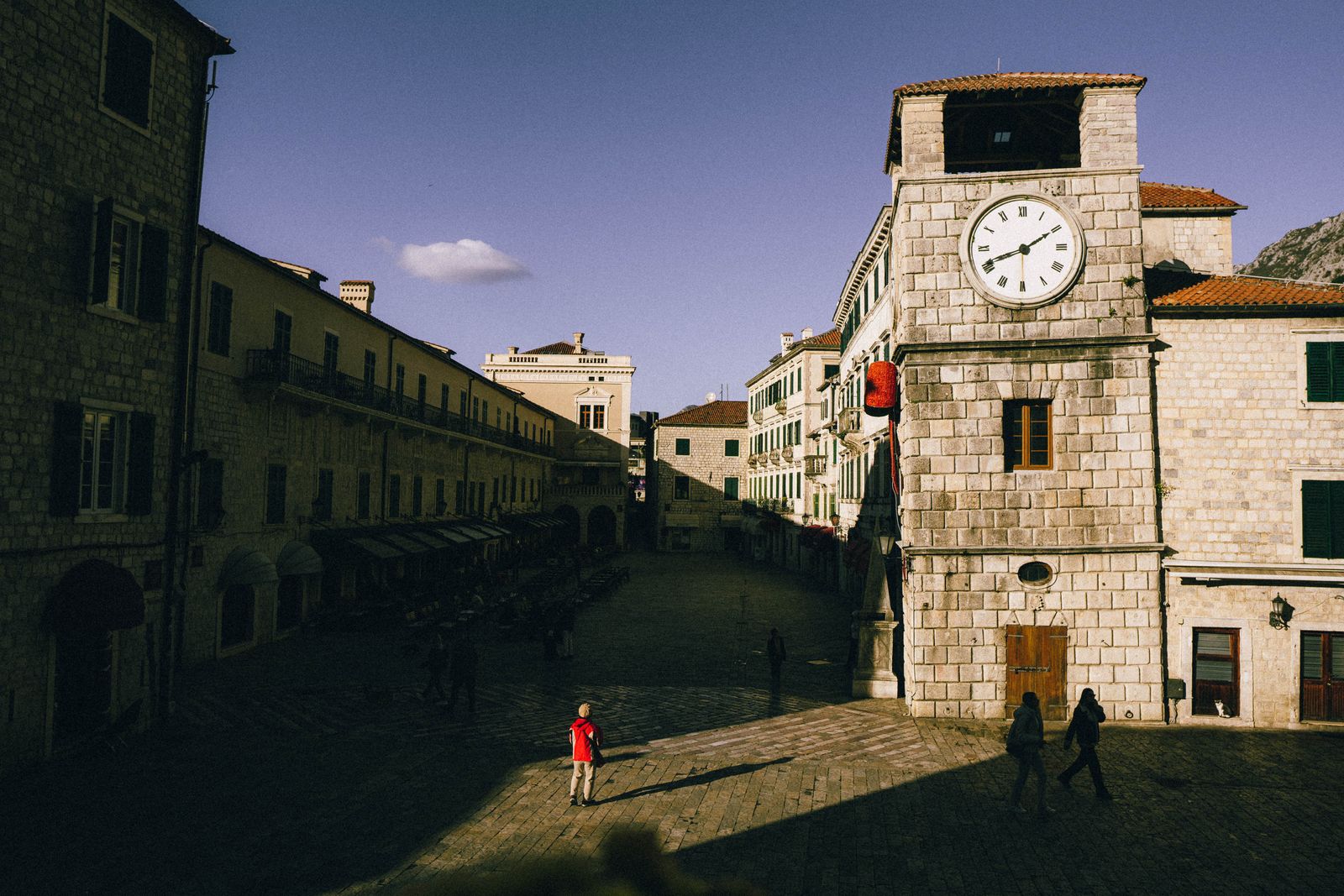
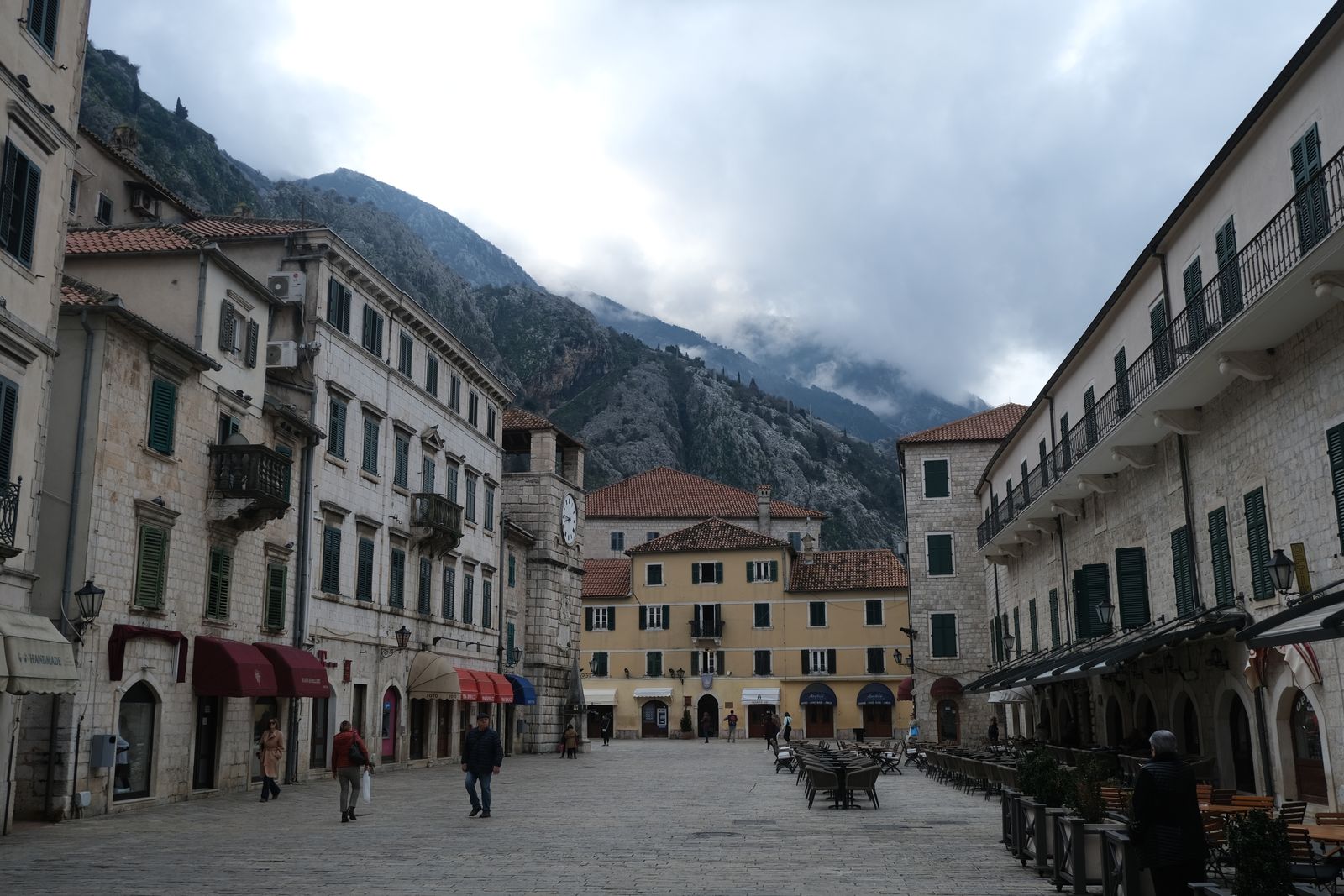
Just past the gate, the Square of Arms (Trg od oružja) opens up in front of you — the largest and liveliest open space in the whole town. The square is dominated by a beautiful 17th-century clock tower, and in front of it stands the stone pillar of shame, where local wrongdoers were once punished.
Since this is the first place the cruise-ship crowds head for, it gets seriously packed during the day. If you want to photograph the square without people and enjoy your morning coffee in peace, get up early and arrive before nine in the morning.
2. The Cathedral of St Tryphon
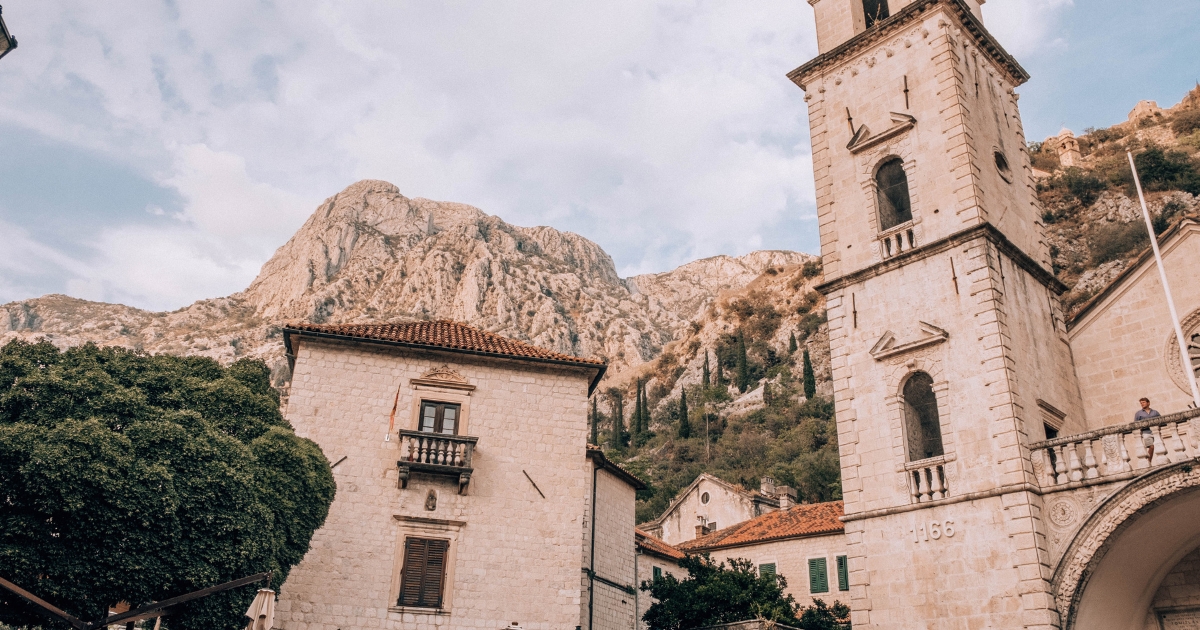
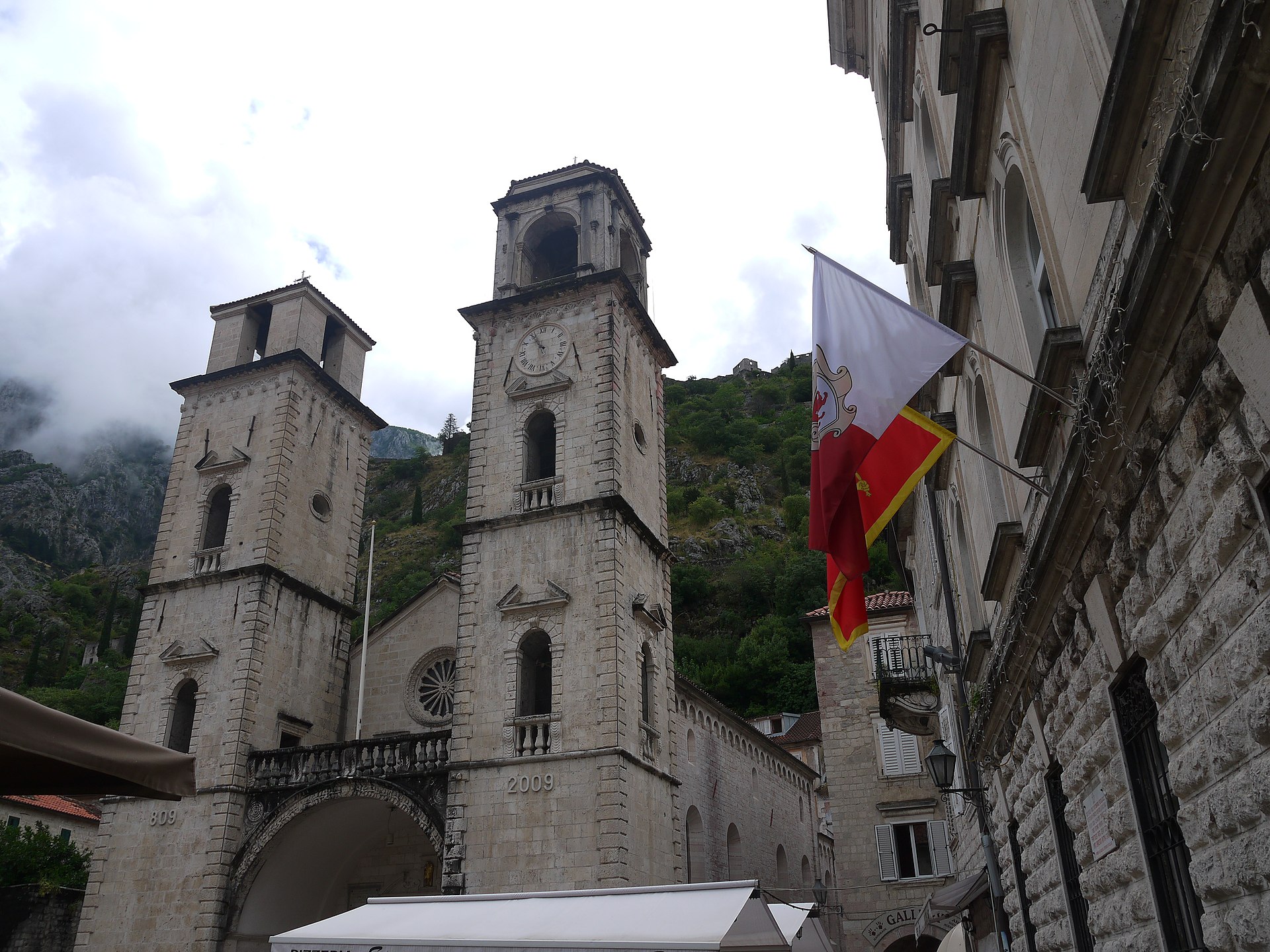
This stunning Romanesque-Gothic building is an absolute symbol of the town, and its history goes all the way back to 1166 — which means it’s older than many of Europe’s famous cathedrals. You’ll recognise it at a glance by its two asymmetrical towers, which had to be rebuilt after a devastating earthquake in the 17th century.
Inside, you’ll be drawn above all to the ornate ciborium over the main altar, and on the upper floor you’ll find a rich treasury. Here lies the precious reliquary holding the remains of St Tryphon, the patron and protector of the entire town.
Admission to the cathedral, which includes the upstairs museum and access to a small balcony overlooking the square, costs around €3 to €4. Don’t forget to bring cash, as you often can’t pay by card here, and respect the dress code covering shoulders and knees.
3. The Church of St Luke
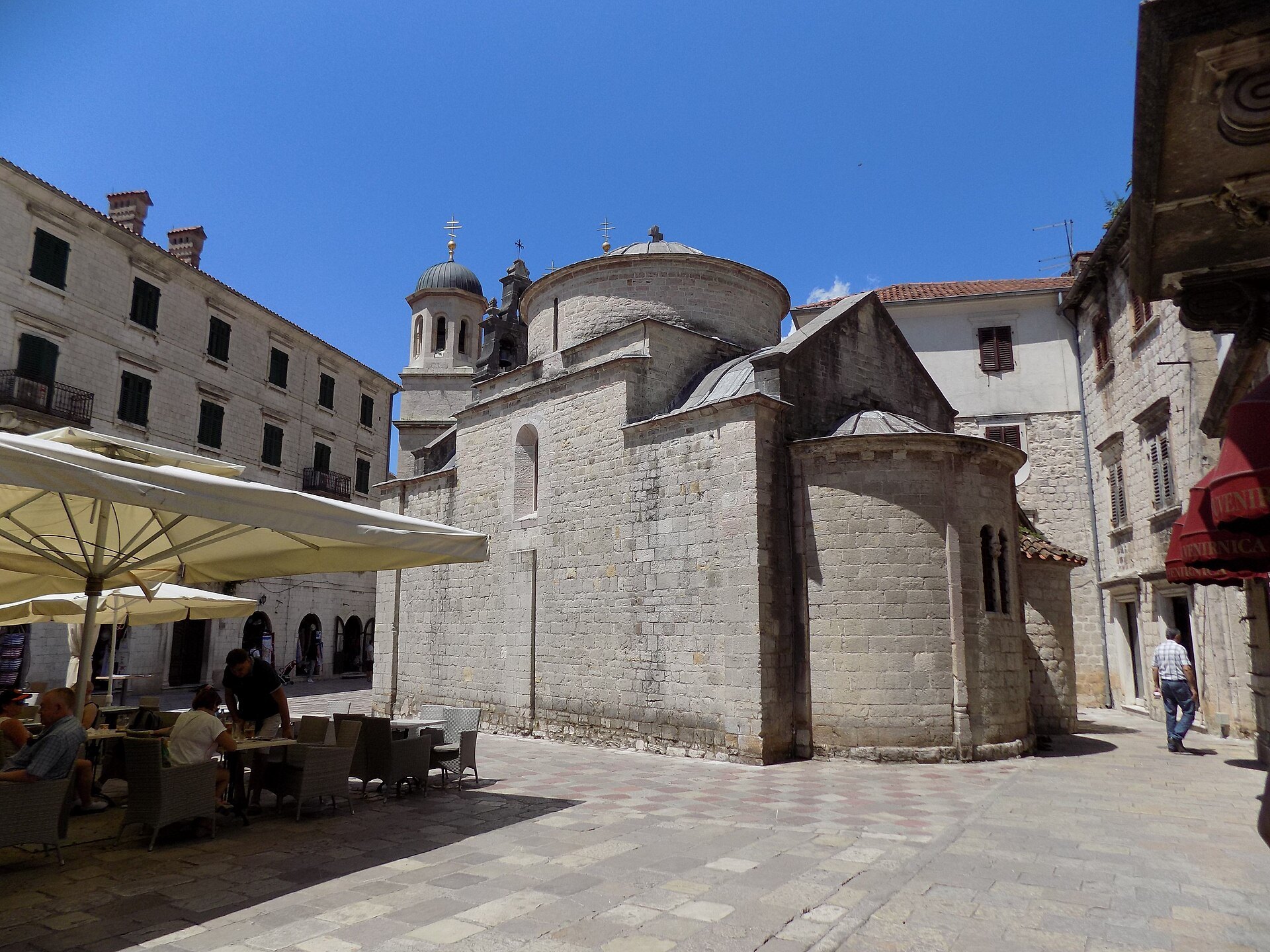
In a quieter part of town, on St Luke’s Square, you’ll discover a tiny but historically fascinating Romanesque church dating from 1195. Its true uniqueness lies in the fact that for centuries it served Catholic and Orthodox worshippers at the same time, which is why it once had two separate altars inside.
When you step inside, don’t forget to look down at your feet, because the floor is made up of old gravestones that lend the place a very particular atmosphere. Entry to the church is free, though you can leave a small voluntary donation in the box.
Right next door stands the much larger and more ornate Orthodox Church of St Nicholas, built at the beginning of the 20th century. This little square is generally a touch calmer than the rest of the centre, as large tour groups often never make it this far.
4. The Town Walls and San Giovanni Fortress
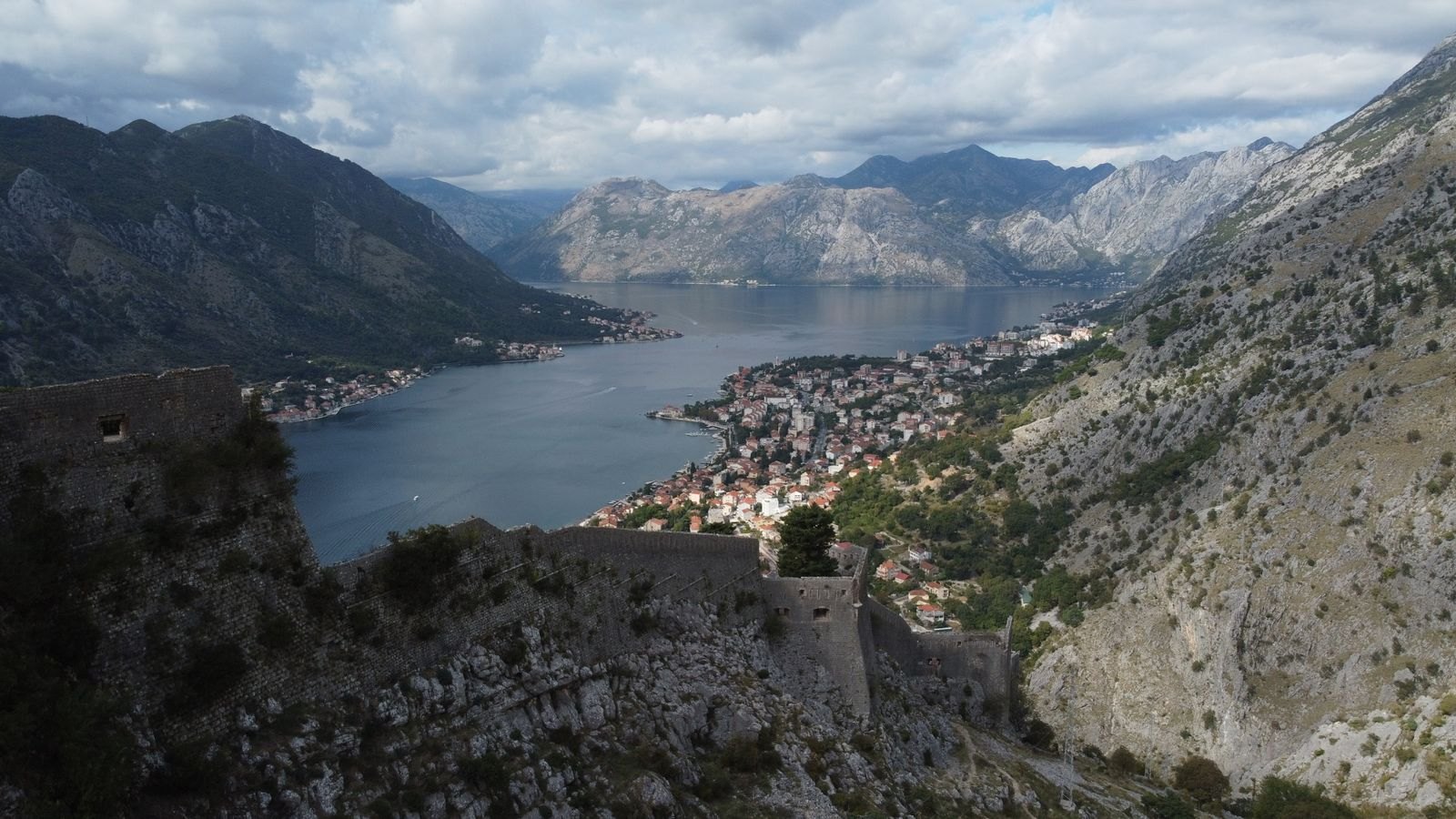
Climbing the old town walls is the absolute highlight of any visit and an experience you really shouldn’t skip. Roughly 1,350 stone steps await you, winding steeply up the slope to San Giovanni Fortress (St John), perched at a respectable 260 metres above sea level.
Your reward for the sweat-soaked shirt is the most iconic view over the whole bay and the red rooftops of the old town — the one you know from every postcard. The climb up itself takes about 45 to 60 minutes, but with frequent stops to take photos and catch your breath, set aside at least two hours.
In peak season admission runs around €8 to €15, with children under twelve usually getting in free. 💡 Tip: If you reach the turnstiles early in the morning, typically before seven, the gate is often open and the ticket booth unstaffed — so you’ll enjoy the climb for free and, better still, in the shade, away from the murderous midday heat.
5. The Secret “Ladder of Kotor” Trail
If you enjoy a bit of adventure and want to avoid paying the pricey wall fee, travellers recommend taking the old caravan path known as the Ladder of Kotor. This narrow, rocky, switchback trail starts discreetly behind the North (or River) Gate and originally served to supply the mountain villages.
About halfway up this steep climb you’ll come across a small window in the wall that you can clamber through for free, straight onto the official staircase to San Giovanni Fortress. That way you bypass the main ticket booth down in town, and along the way you can stop at the picturesque little Church of Our Lady of Health.
Keep in mind, though, that this trail is genuinely rocky, has no railings and turns into a furnace in the sun. Sturdy shoes and plenty of drinking water are an absolute must, as is an early morning start before the sun bears down on the slope.
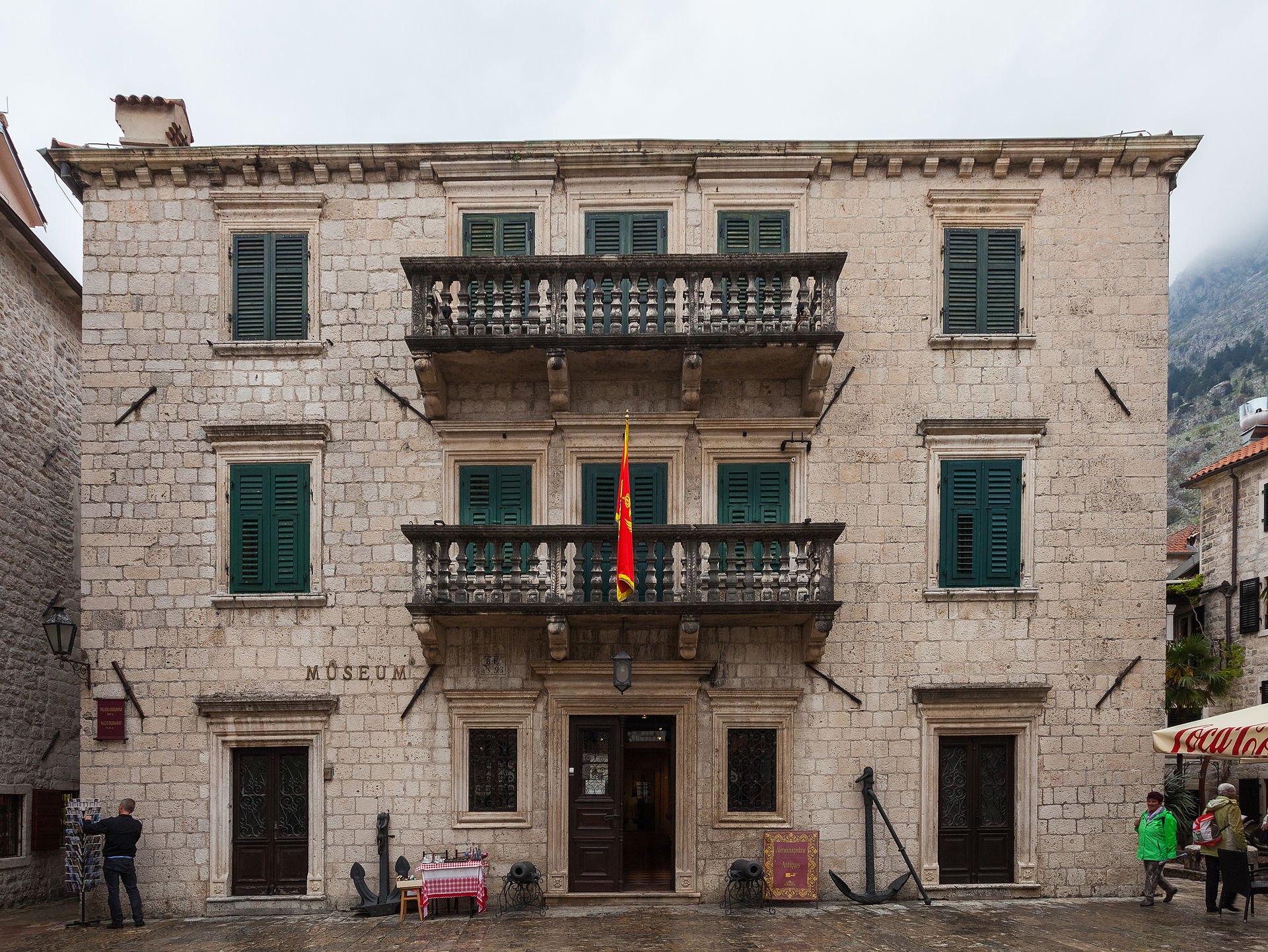
6. The Maritime Museum of Montenegro
For lovers of history and ships — or simply as a great refuge from the midday heat or an unexpected downpour — I recommend a visit to the Maritime Museum (Pomorski muzej). It’s housed in the beautiful baroque Grgurina Palace on Boka Square, and its collection is surprisingly rich and very engaging.
Here you’ll find gorgeous, detailed models of old sailing ships, historic weapons, old navigation charts and portraits of famous local captains. The silver votive offerings on display clearly show just how much wealth flowed into the town in the days when it had one of the strongest merchant fleets on the entire Adriatic.
Admission costs around €6 and the price includes a handy audio guide that brings the whole tour to life beautifully. In season the museum tends to be open from eight in the morning until six in the evening, so it’s easy to pop in while wandering the lanes.
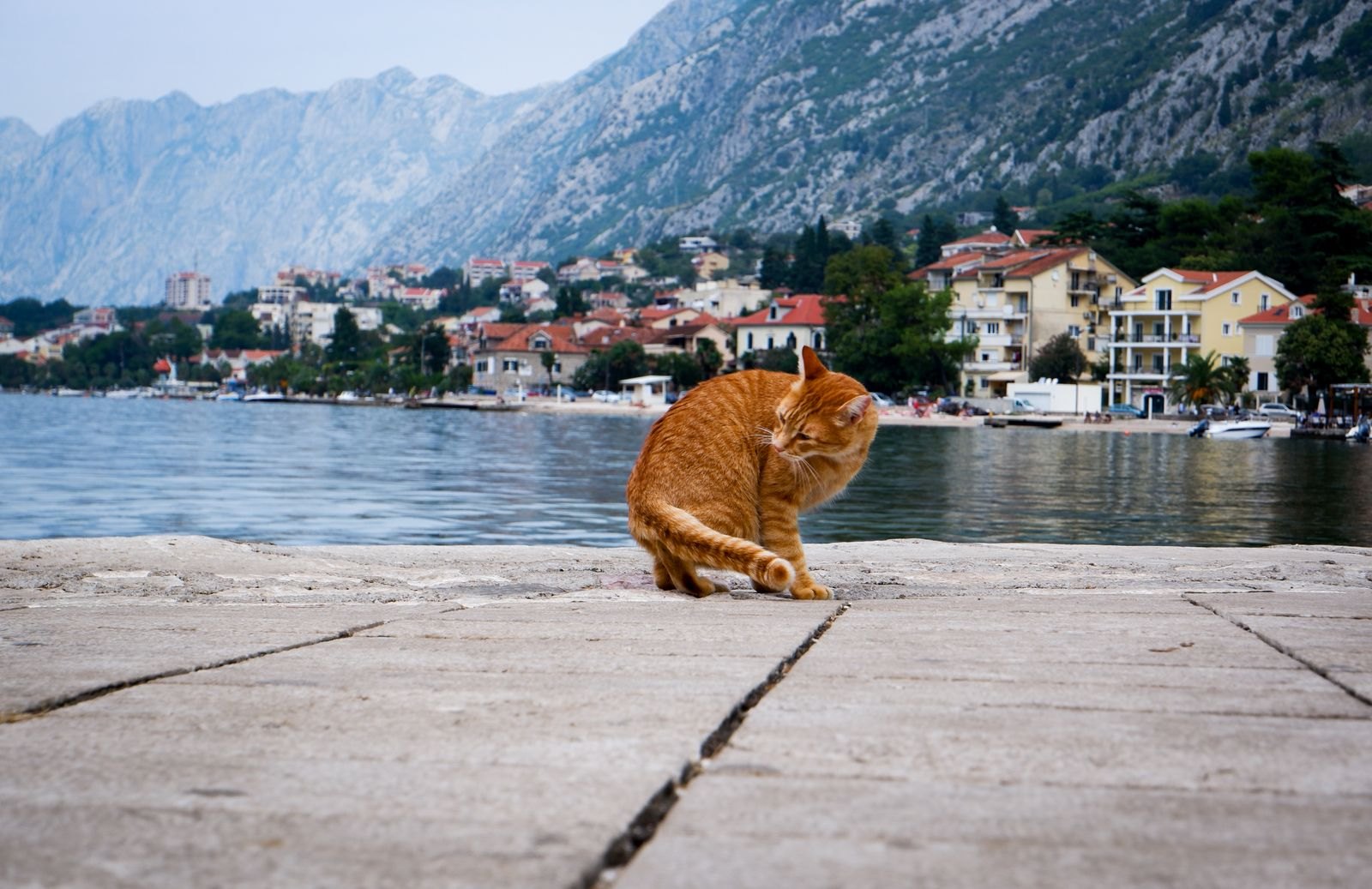

7. The Cat Museum and Street Predators
If there’s one thing you’re guaranteed to notice while strolling through town, it’s the ever-present stray cats, which have become an utterly unofficial symbol of the whole place. According to old legend, they were brought here by sailors from all over the world to protect the town and its ships from rampaging rodents.
The locals are duly proud of their animal residents and have even set up a small and very endearing Cat Museum on the little Gospa od Anđela square. Inside you’ll find a collection of historic postcards, old engravings, stamps and various artefacts all featuring these four-legged friends.
Entry to the museum is more or less symbolic — you’ll pay just €1, and all the proceeds go directly towards feeding and providing veterinary care for the street cats. It’s a great stop especially if you’re travelling with children, who are sure to love photographing the furry friends in the alleys.
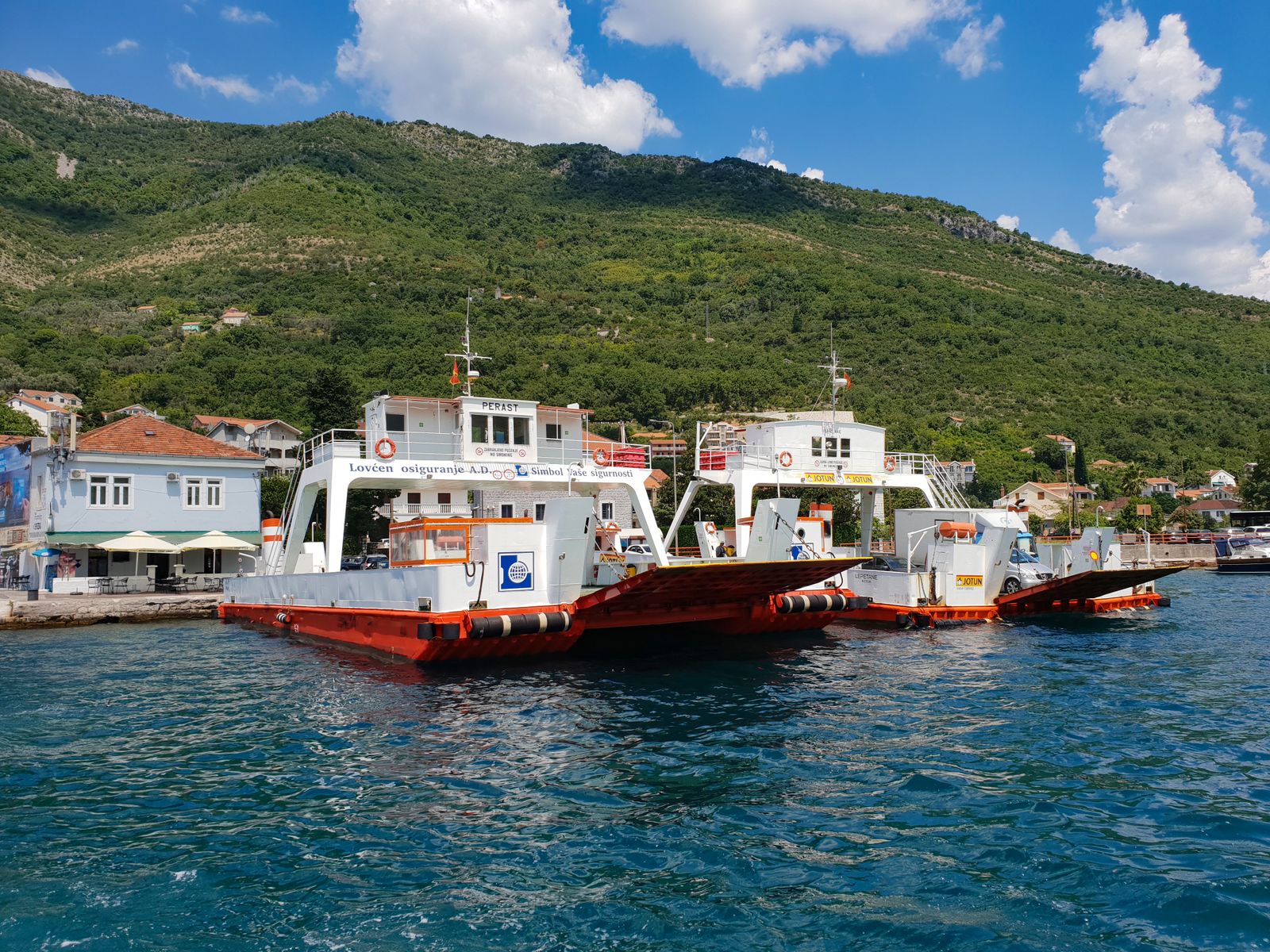
8. A Boat Trip Around the Bay of Kotor
A stay by the sea wouldn’t be complete without a proper boat trip — which, incidentally, is the single most popular activity in the whole area. Dozens of speedboats set off daily straight from Kotor’s pier, taking you on a fascinating exploration of the bay and the natural beauty around it.
The classic few-hour loop takes you out to the iconic islet of Our Lady of the Rocks, to the old island fortress of Mamula, and climaxes with a swim in the neon-blue water of the so-called Blue Cave. Along the way you’ll often spot the abandoned submarine tunnels left behind by the former Yugoslav army.
A seat on a group speedboat for around twelve people will set you back roughly €30 to €35 per person. You can easily book these trips online through platforms like GetYourGuide, but remember that the boats only sail in fair weather and calm seas.
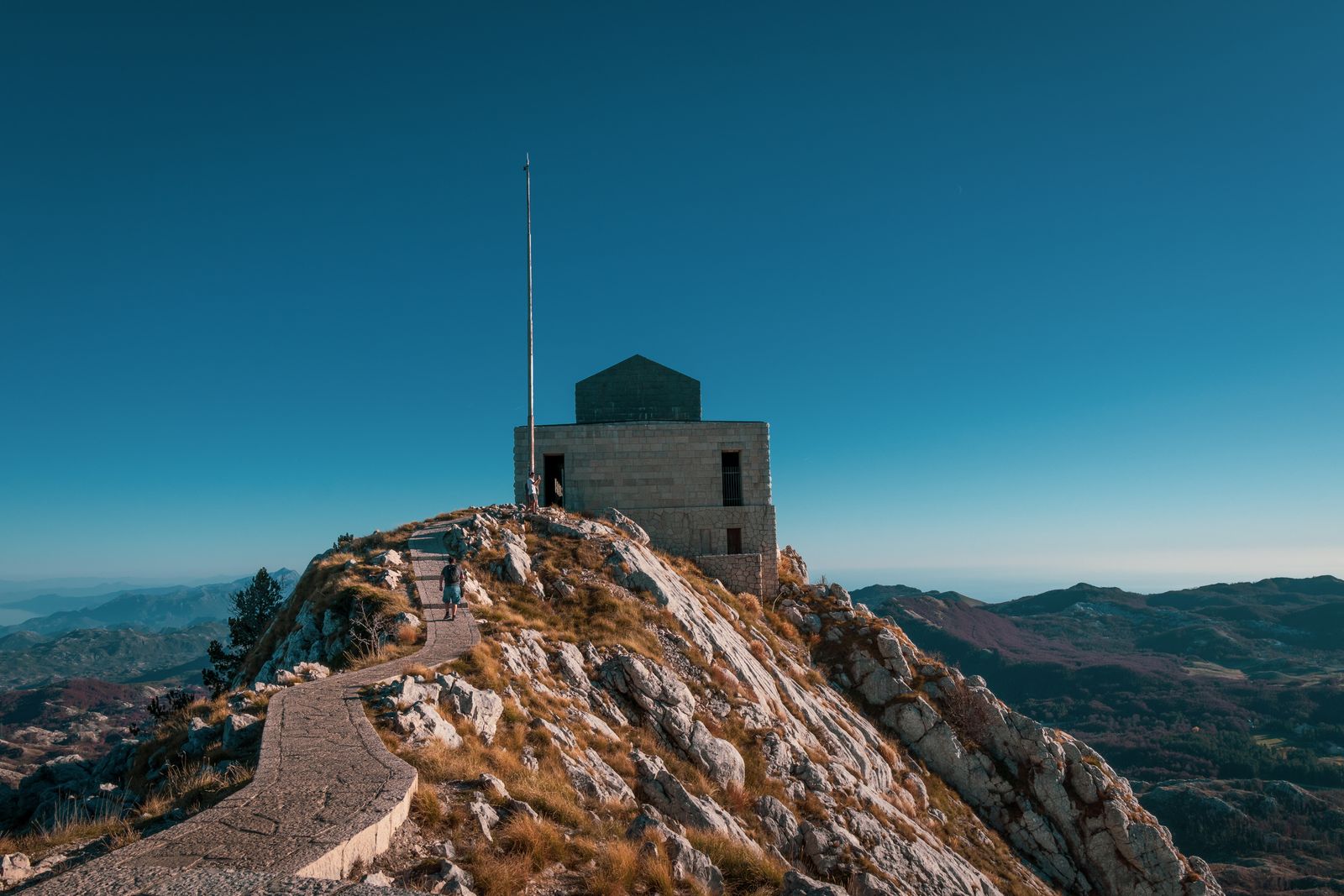
9. The Epic Switchback Road to Lovćen
For drivers who don’t suffer from vertigo, driving the old panoramic road signed P1 — which climbs steeply out of town into Lovćen National Park — is an absolute must. An incredible 25 sharp hairpin bends carved into the rock await you, forming one of the most dramatic roads in all of Europe.
Your reward for a little stress behind the wheel is the very best view of the entire Bay of Kotor, which opens up from around the thirteenth bend and peaks at the twenty-fifth. During the summer season there’s often a small makeshift café near the top, where you can grab an iced coffee and drink in the view from over a thousand metres up.
The road is genuinely narrow, has no crash barriers, and passing oncoming traffic calls for a steady hand and steady nerves. Definitely don’t set off here between ten in the morning and two in the afternoon, when big tour buses full of cruise passengers come through and cause traffic chaos.
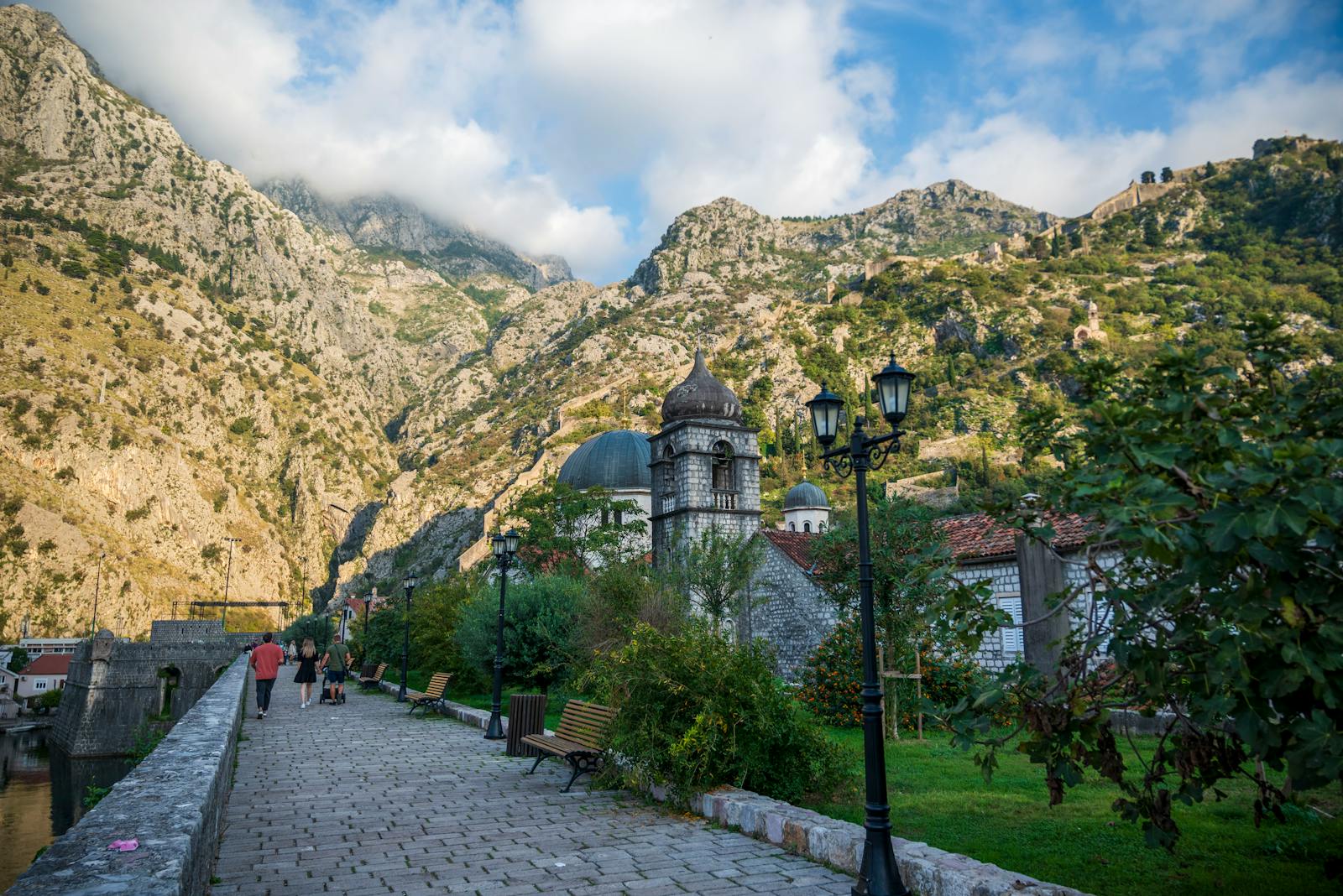
10. A Cheese Stop in the Village of Njeguši
Once you’ve conquered those crazy switchbacks, it would be a huge shame not to carry on a little further to the mountain village of Njeguši, set in a scenic saddle beneath Mount Lovćen. This is where the famous Montenegrin ruler and poet Petar II Petrović-Njegoš came from — the man after whom the famous mausoleum on the mountain’s summit is named.
The village, though, is famous above all for its food — specifically the local meat speciality njeguški pršut and its fantastic cheeses. If you’re vegetarian, or simply love cheese, be sure to order a plate piled with the superb hard njeguški sir in one of the traditional konobas (taverns); it matures in the clean mountain air.
This cheese is often served drizzled with local honey and paired with fresh olives and homemade bread — an absolutely perfect, light mountain snack. From the town centre you can drive here in about forty minutes along that winding road.
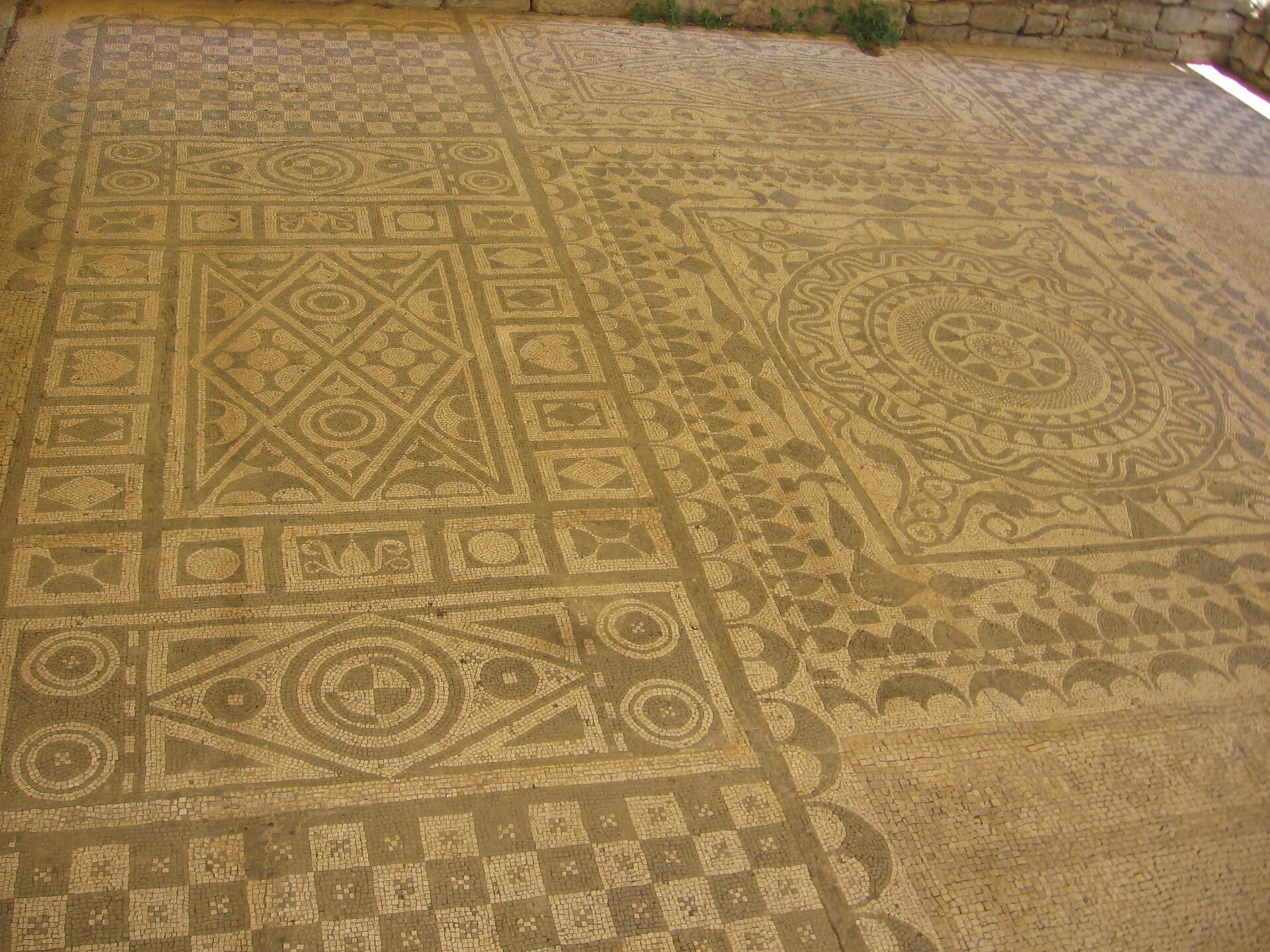
11. The Roman Mosaics in Risan
If you take a drive along the shore of the bay, stop after about fifteen kilometres in the little town of Risan, the oldest recorded settlement in the whole of the Bay of Kotor. It was once an important Illyrian capital of the feared Queen Teuta; today, though, it’s a far quieter place.
The main draw here is the remains of a Roman villa from the second century AD, in which some wonderful floor mosaics have survived. The most precious is undoubtedly the central section, featuring the only known depiction of Hypnos, the Greek god of sleep, anywhere in the world.
Admission to this archaeological site is a reasonable €5, and in the summer season it’s open from eight in the morning until eight in the evening. Bear in mind, though, that if you come in winter — specifically in January — the site is closed completely, and for the rest of the winter it also closes every Monday.
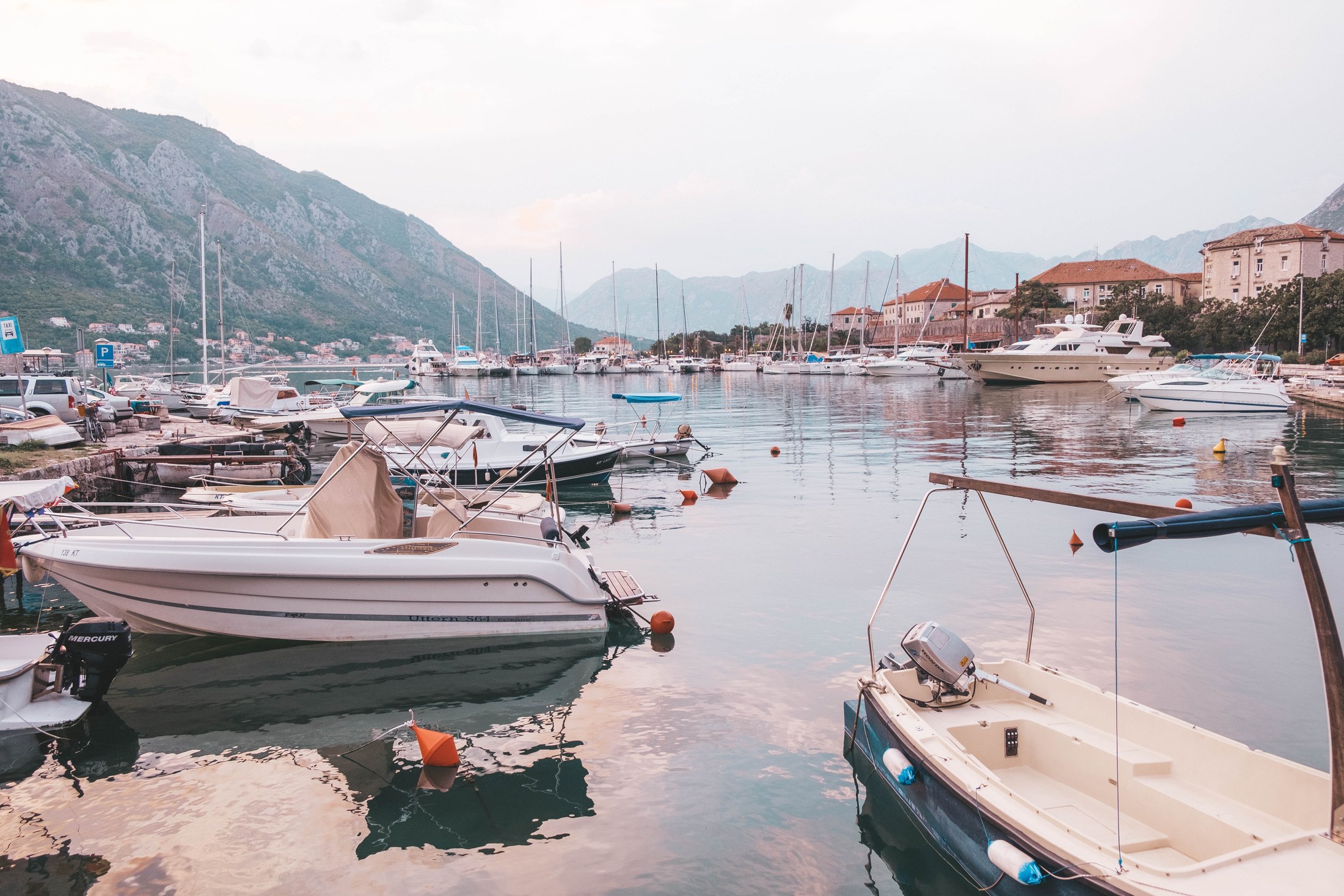
12. Swimming and the Promenade in Dobrota
When you tire of sightseeing and fancy a refreshing dip in the sea, head straight north from the centre to the adjacent district of Dobrota. Don’t expect any wide sandy beaches with beach clubs here, but rather a system of concrete jetties, stone platforms and ladders leading straight into the crystal-clear water.
This is exactly the place where the locals come to swim and unwind after work, so there’s a far more laid-back atmosphere than in the overcrowded centre. You’ll find the best access to the water near the well-known Hotel Vardar Dobrota, for example, or around the picturesque little Church of St Eustace.
What’s more, a long, flat promenade runs along the water, absolutely ideal for an evening stroll or a bike ride. Just don’t forget to pack water shoes, because the bottom of the bay is very rocky and the odd sea urchin sometimes hides down there.
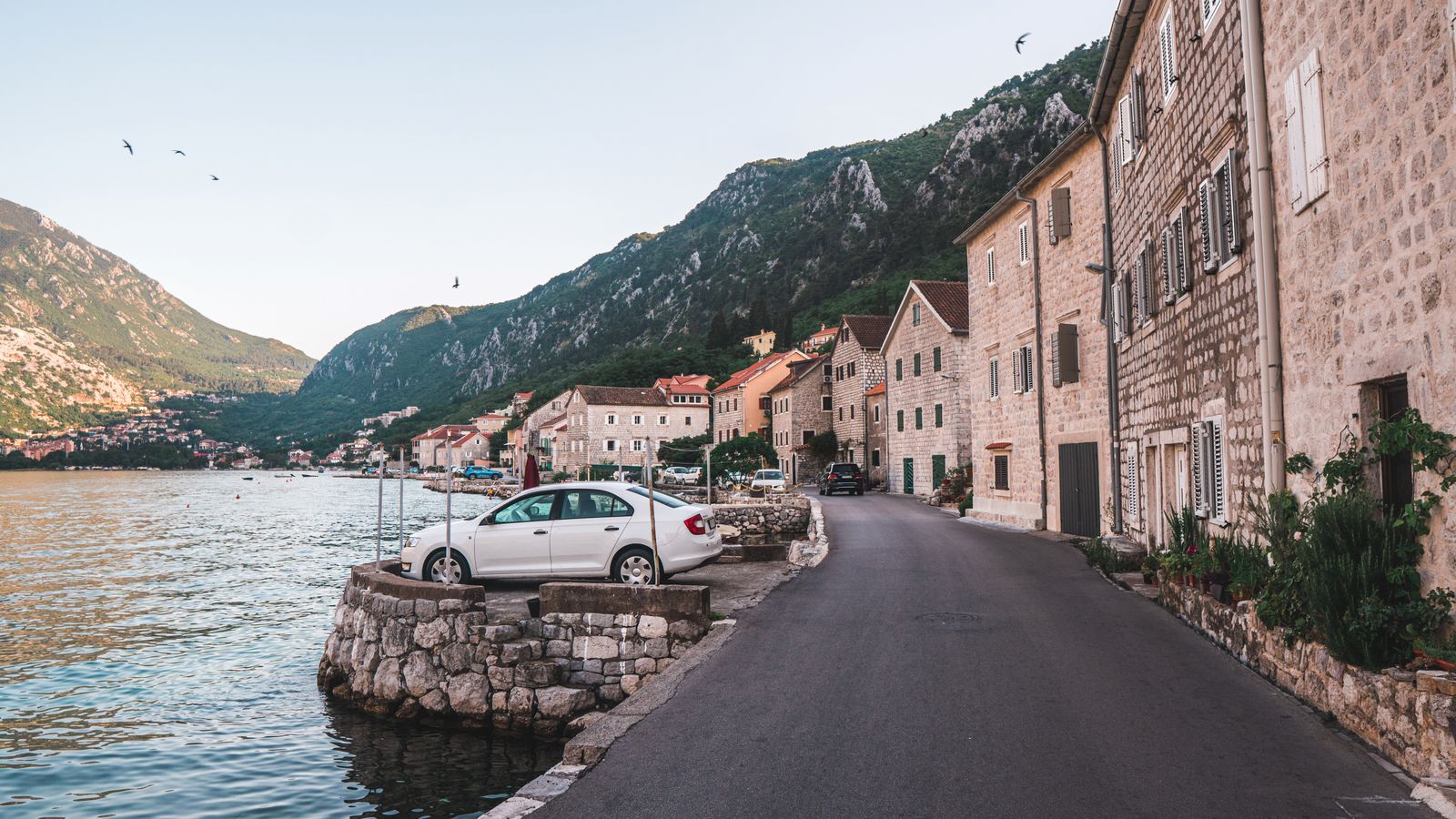
13. A Quiet Escape to the Villages of Muo and Prčanj
If you’re after even greater peace and authenticity, head to the exact opposite — the southern shore of the bay, where the sleepy fishing villages of Muo and Prčanj lie. They sit directly across from the main town, so they offer the most beautiful view of the medieval walls climbing the hill on the opposite side.
Prčanj in particular is worth a closer look, as you’ll see plenty of dilapidated and restored palaces of old sea captains. The village is dominated by the enormous baroque Bogorodičin hram (Church of the Nativity of the Virgin Mary), reached by a monumental staircase and the largest church in the entire bay.
From the centre you can reach the village of Muo on a pleasant waterside walk in about twenty minutes, or you can use the little water taxis that ply the bay. It’s the perfect place to escape to when you want to enjoy a quiet lunch with a view of the water and avoid the crush.
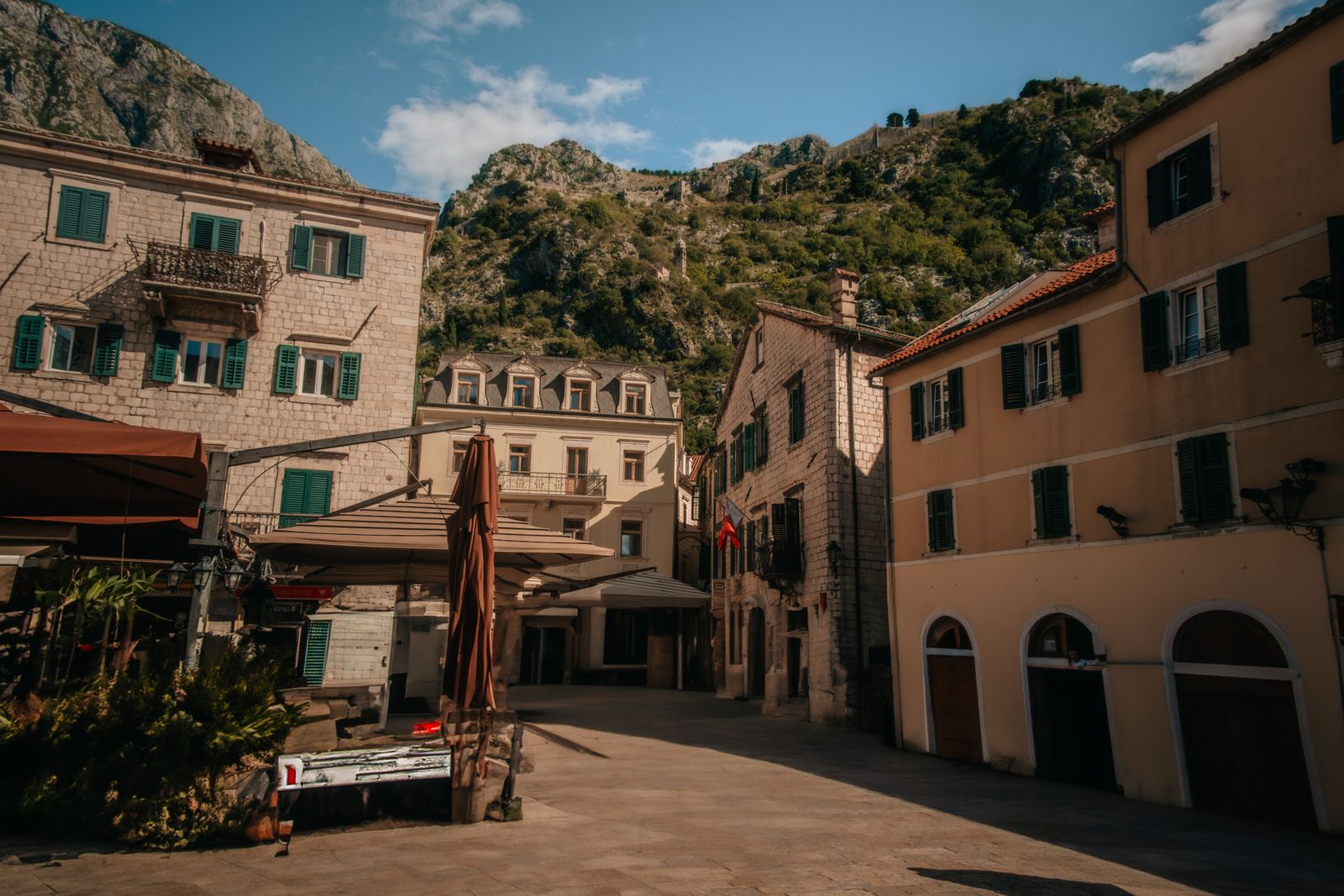
14. The Town Beach and the Clear Water in Orahovac
If you don’t want to travel anywhere from the centre and just need a quick cool-down after climbing the walls, you’ll find a small town beach right behind the northern walls. It’s made up of fine pebbles and offers a unique view straight onto the fortifications, but be warned that in peak season it’s hopelessly packed to bursting.
A much better tip for a full day of swimming is the village of Orahovac, about ten kilometres north along the coastal road. The locals agree that, thanks to particular sea currents and underwater springs, this is the cleanest water in the entire bay.
You’ll also find organised sun loungers and parasols you can rent for a fee here, although the prices climb quite high in summer. The water in the bay is very calm, with no big waves, and it’s good for swimming from roughly mid-May until the end of October.
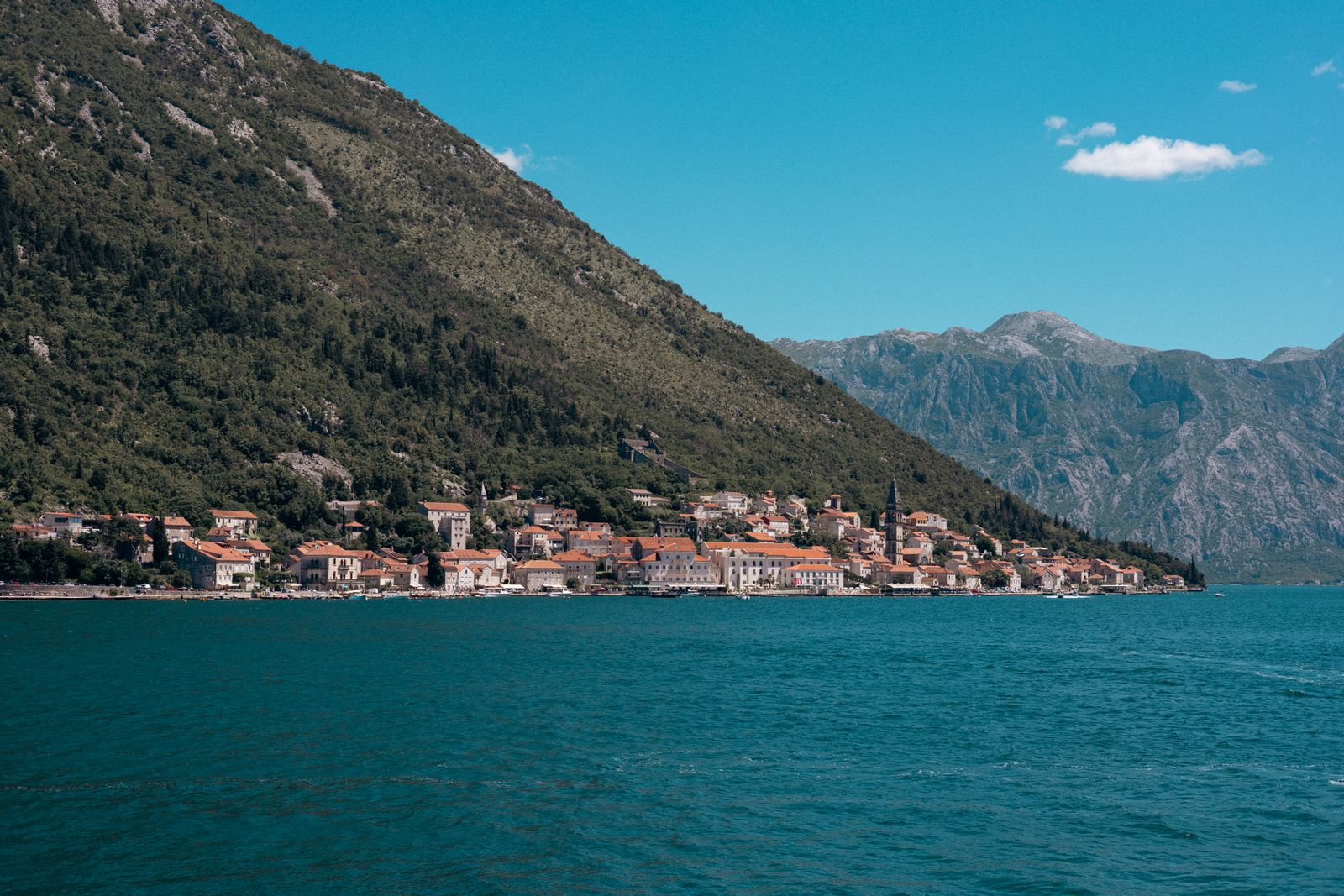
15. A Half-Day Trip from Kotor to Perast
The crowning glory of any visit to Montenegro is a short hop to the neighbouring baroque town of Perast, which looks as though it wandered in by mistake from Venice. In this miniature settlement you’ll find an incredible sixteen churches and seventeen noble palaces, and no busy through-road runs through its heart.
The main reason everyone comes here, though, is the iconic man-made islet of Our Lady of the Rocks (Gospa od Škrpjela), which lies just off the shore. From the local pier any of the small boats will take you out there for €3 to €10, and you’ll be able to admire the amazing baroque frescoes and the fascinating collection of silver votive plaques inside the chapel.
💡 Tip: Parking in Perast is an absolute nightmare in the summer months, as the town has only two limited car parks on its edges. I recommend arriving here by seven in the morning at the latest, otherwise there’s a strong chance you won’t find a spot and will have to leave empty-handed.
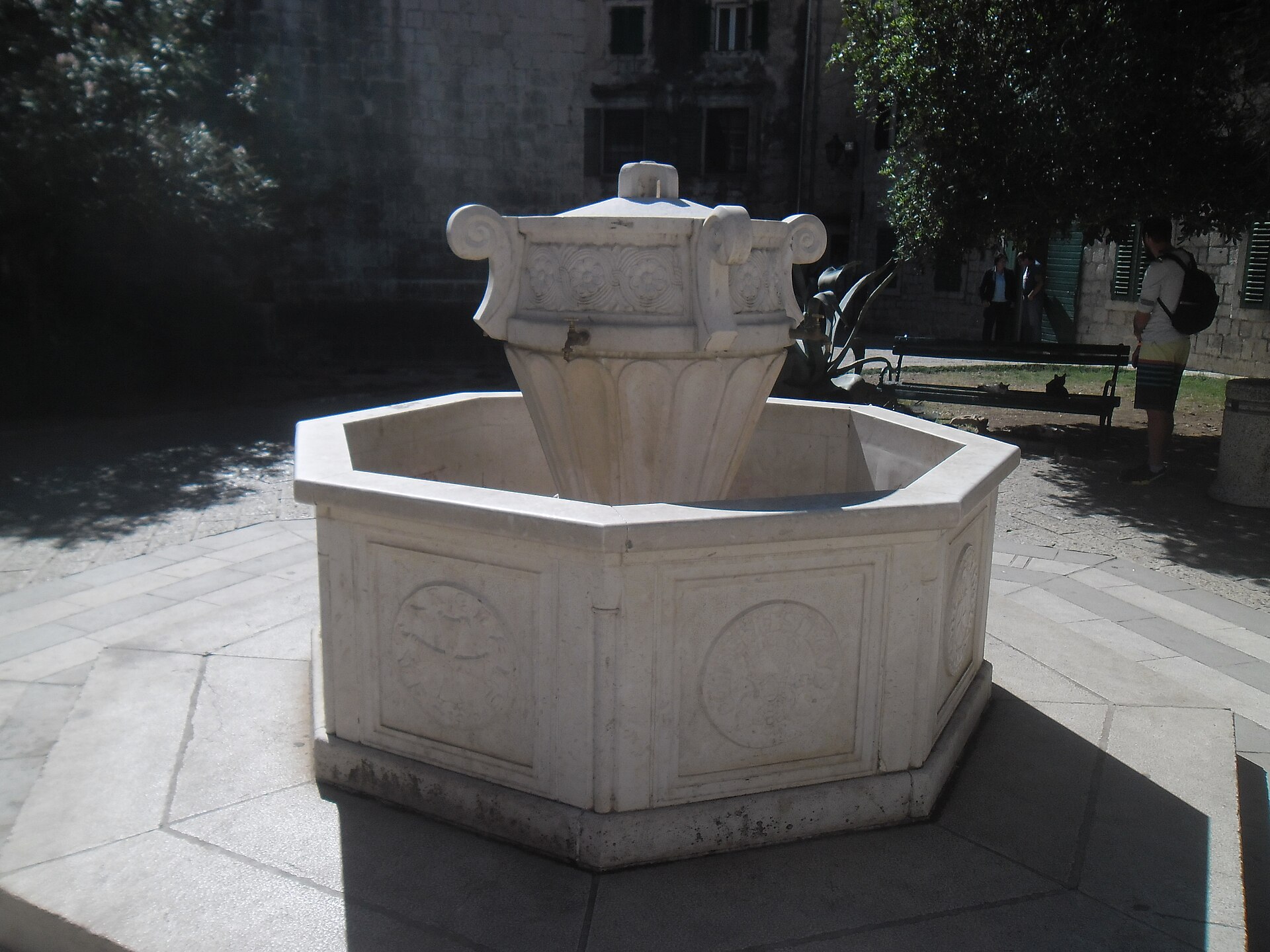
Map of points of interest for your phone
Where to Go Next from Kotor
Once you’ve thoroughly explored the alleys and the bay, it would be a shame not to see the other parts of this wonderful and varied Balkan country too. Montenegro may be small, but it offers huge contrasts — from the high mountains of Durmitor National Park to the long sandy beaches in the south near the Albanian border.
If you’re wondering what else you shouldn’t miss in the country and which places are worth visiting, be sure to read our detailed article: A Holiday in Montenegro: 15 Tips for the Coast and the Mountains. You’ll find plenty of practical information there to help you plan the very best itinerary.
While wandering the old town you’re bound to get hungry. From my own research and traveller reviews, I can warmly recommend a stop at Restobar Taraca, near the north gate, which offers great meat-free options like buddha bowls and vegan curry. For lovers of great Italian classics and fantastic pizza, the popular Caffe Pizzeria Mondo is a safe bet, where you’ll eat well without any complicated searching.
Frequently Asked Questions
How many days is enough for Kotor?
For exploring the old town itself and climbing the city walls at a relaxed pace, one to two days will be enough. However, if you use the town as a strategic base for trips around the entire bay, a visit to Perast, a boat excursion, and a trip up to Lovćen, I recommend setting aside two to three full days ideally.
How much does it cost to climb the walls and when is it free?
In the main tourist season, you’ll pay around 8 to 15 euros for the climb, though prices may vary and children under twelve usually get in for free. However, if you get up early and arrive at the turnstiles before seven in the morning, the ticket office is usually still unmanned; in the winter months, they typically don’t collect admission at all.
How many steps are there to San Giovanni fortress?
Up to the very top of the fortress at 260 meters above sea level, there are approximately 1,350 stone steps. The climb takes an average of forty-five to sixty minutes, requires sturdy footwear, plenty of fluids, and you should definitely avoid ascending in the midday heat.
Is there an entrance fee to the old town of Kotor?
No, entry to the historic core itself and strolling through the streets is completely free and the city gates are open twenty-four hours a day. You only pay for entry to specific monuments, such as the city walls, the cathedral with museum (around 3 euros) or the Maritime Museum (around 6 euros).
Can you swim in Kotor?
Yes, swimming is very popular here, but don’t expect long sandy beaches; the Bay of Kotor’s coastline is mostly made up of pebbles, rocks, or concrete piers. The best and most peaceful spots for swimming with clear water can be found in the nearby neighborhoods of Dobrota, Prčanj, or the little village of Orahovac.
How to avoid cruise ship crowds?
Large cruise ships bring thousands of tourists here who flood the streets mainly between ten in the morning and four in the afternoon. Therefore, plan your sightseeing either very early in the morning before nine o’clock, or in the early evening after five o’clock, when the ships weigh anchor and the city empties out again.
Is Kotor in the EU and what currency is used?
Montenegro is not a member of the European Union or the official eurozone, however it has unilaterally adopted the euro as its sole official currency, so you’ll pay with regular euros here. Don’t forget to arrange an eSIM or local data card before your trip though, as European roaming doesn’t apply here and data is very expensive.
Tips and Tricks for Your Vacation
Don’t Overpay for Flights
Search for flights on Kayak. It’s our favorite search engine because it scans the websites of all airlines and always finds the cheapest connection.
Book Your Accommodation Smartly
The best experiences we’ve had when looking for accommodation (from Alaska to Morocco) are with Booking.com, where hotels, apartments, and entire houses are usually the cheapest and most widely available.
 🚗 Car rental on the roadVerified rental cars in Montenegro
Search with the DiscoverCars comparison engine — it compares prices from dozens of local and international rental companies, and most bookings come with free cancellation.
Compare car prices in Montenegro →Don’t Forget Travel Insurance
Good travel insurance will protect you against illness, accidents, theft, or flight cancellations. We’ve had a few hospital visits abroad, so we know how important it is to have proper insurance arranged.
Where we insure ourselves: SafetyWing (simple monthly subscription) and TrueTraveller (for extra-long trips).
Find the Best Experiences
Get Your Guide is a huge online marketplace where you can book guided walks, trips, skip-the-line tickets, tours, and much more. We always find some extra fun there!
More from Montenegro
Full guide → Beaches · most readUlcinj, Velika Plaža & Ada Bojana: 11 Tips for Montenegro’s Southernmost Coast
 Day tripsTivat & Porto Montenegro: 10 Tips for the Luxury Marina and Beyond
 When to goMontenegro Weather: When to Visit the Coast and the Mountains (Month by Month)
 ActivitiesTara River Canyon & Đurđevića Bridge: Rafting, Zip-Line and Europe’s Deepest Canyon 2026
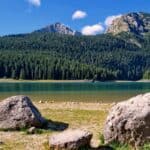 What to seeDurmitor National Park & Žabljak: 12 Hikes, Crno Jezero and Bobotov Kuk


