

Montenegro isn’t only about sun-soaked beaches and strolls through historic Kotor, even if that’s probably what springs to mind first. But all it takes is jumping in the car, heading north, and within a few hours you find yourself in a completely different world. You’ll be greeted by rugged limestone peaks, deep canyons and emerald lakes that take your breath away. Durmitor National Park in Montenegro is the mountain jewel of the entire Balkans, and trust me, once you’ve been here you’ll want to keep coming back.
While the coast bakes in thirty-degree heat all summer, up here in the mountains you’ll find a pleasant cool-down and fresh, pine-scented air. The picturesque mountain town of Žabljak makes the perfect base — and it’s the highest town in the whole Balkans, by the way. You’ll find absolutely everything you need here, from cosy hotels to restaurants serving honest mountain cooking.
In this article we’ll take a look at 12 things to see and do in Durmitor National Park and its immediate surroundings. You’ll learn the best time for challenging climbs, where to find the most beautiful hidden lakes, and how much all this mountain splendour will cost you. And of course there’s no shortage of practical advice on accommodation and local vegetarian specialities.
TL;DR
- Base camp: The ideal starting point is the town of Žabljak, which offers great facilities and accommodation at a fraction of coastal prices.
- Most famous spot: The loop around the glacial Crno Jezero is doable for anyone — an easy and utterly gorgeous walk.
- Highest peak: Bobotov Kuk (2,523 m) is the park’s icon, but beware — it isn’t Montenegro’s highest mountain (that’s Zla Kolata in the Prokletije range).
- Summer snow: On the highest peaks and exposed saddles, snow lingers until the end of June — factor this in when planning your hikes.
- Adrenaline and views: Don’t miss the Ćurevac viewpoint over the Tara River canyon and the famous Đurđevića bridge, where you can ride a giant zip-line.
- Practical entry fee: A one-day entrance to the national park costs €5, or it’s worth getting the annual pass to all Montenegrin parks for €13.50.
- Vegetarian food: Local cuisine is very meat-heavy, but traditional kačamak, cicvara, homemade cheeses or an honest shop-bought picnic will save you.
The full destination guide: Montenegro — guide and what to see
When to visit Durmitor National Park and Žabljak
If you’re planning to hike the mountains and bag some peaks, the best time to visit is from the second half of June through September. July and August see the most tourists, but even then it’s far quieter here than on the overcrowded Montenegrin coast. September offers absolutely ideal conditions for anyone who loves empty trails and more settled autumn weather.
But I have to give you a serious warning about spring and the early summer months. On iconic peaks like Bobotov Kuk or up in the Sedlo pass, snow commonly lingers until the end of June. If you come in early June, expect that perhaps sixty percent of the high-mountain trails will be under snow, and without proper crampons and experience you simply won’t make it up there.
Mountain weather here is highly changeable, and they don’t say for nothing that Durmitor plays by its own rules. Even in the middle of summer an afternoon thunderstorm or a sharp drop in temperature can catch you out. Always pack a good rain jacket, a warm mid-layer, and set off on longer hikes early in the morning to dodge the afternoon’s whims.
As for getting there, the drive from the coast takes roughly three to four hours by car. From Kotor it’s about 150 kilometres of winding mountain switchbacks, so your average speed won’t be dazzling. Either way, having your own car is a huge advantage here, because many trailheads simply can’t be reached by public transport. If you’re flying in from the UK, easyJet and Wizz Air run seasonal routes to Tivat or Podgorica, and from either airport a hire car is by far the most flexible option.
Where to stay in Žabljak and the surrounding area
💡 Tip for accommodation and experiences: We like to search for places to stay on Booking.com, where the cancellation terms tend to be the best. For tickets, tours and activities, it pays to compare and book through GetYourGuide.
Finding a place to stay in this area is genuinely a pleasure, because prices here are far friendlier than down by the sea. The best strategy is to find a hotel right in the town of Žabljak or just on its outskirts, putting all the natural wonders and restaurants quite literally within arm’s reach.
I always recommend booking your accommodation well in advance through Booking, because the best and cosiest mountain lodges vanish fast in peak season. Let’s take a look at a few specific hotels across different price brackets that have excellent reviews and that I can recommend with a clear conscience.
If you’re after absolute comfort and a brilliant location, check out Hotel Soa. This four-star hotel sits right on the first kilometre of the path to Crno Jezero, so morning strolls down to the water are completely effortless. Guests rave about the cleanliness, the on-site wellness centre with sauna, and the excellent breakfasts. In short, it’s a safe bet for anyone who likes to treat themselves to a touch of luxury after a hike.
For lovers of a cosy family atmosphere and a sustainable approach, the boutique Casa di Pino EcoLodge is made for you. It boasts absolutely fantastic reviews, incredibly kind hosts and honest homemade breakfasts. It has a beautiful wooden interior, free parking, and you’ll feel more like you’re visiting good friends than staying in a classic hotel.
Another great choice right in the very heart of town is the three-star Hotel Žabljak. It sits right on the main square, so you’re close to all the shops and bakeries. It offers very decent value for money, its own restaurant and a small spa zone where you can recover those tired legs. A solid middle-of-the-road option is Hotel Pavlović, renowned for its cleanliness and reliable service.
If you’d rather have peace and a touch of romance in nature, take a look at Durmitor Bungalows. These are beautiful wooden cabins tucked just under three kilometres from the centre of Žabljak, offering the perfect mountain atmosphere and privacy for couples and families alike. And for those who want to be a little away from the town buzz, Hotel Polar Star in the nearby village of Borje is excellent — a lovely mountain resort with stunning views over the surrounding plains.
12 things to see and do in Durmitor National Park and Žabljak
Durmitor National Park is enormous and offers enough to fill several active weeks. So you don’t get lost in the sea of options, I’ve picked out the twelve most interesting places and experiences for you. You’ll find everything here, from easy strolls around emerald lakes to full-day high-mountain ascents and adrenaline-fuelled attractions in the nearby canyons.
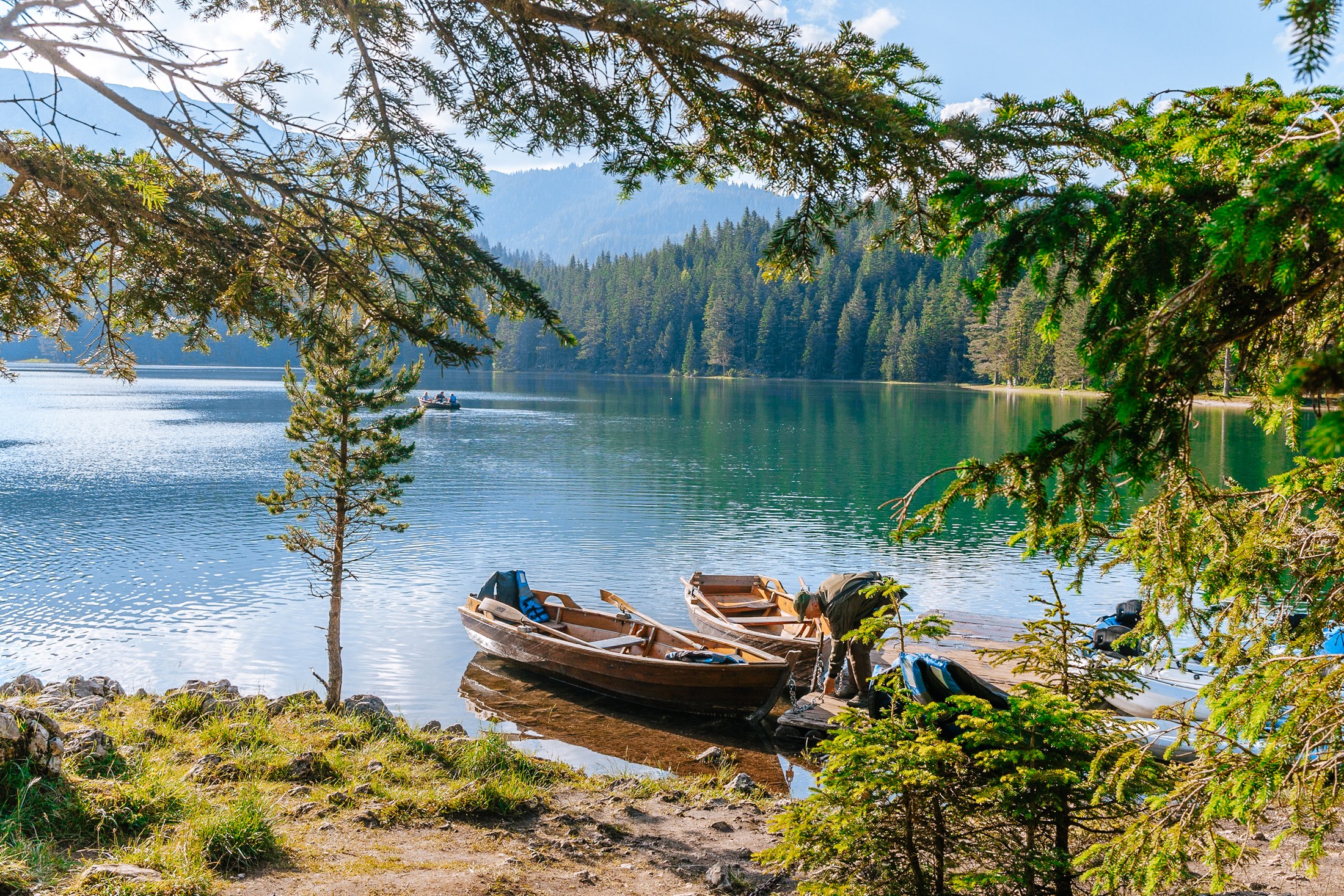
1. Crno Jezero: A loop around Durmitor’s turquoise icon
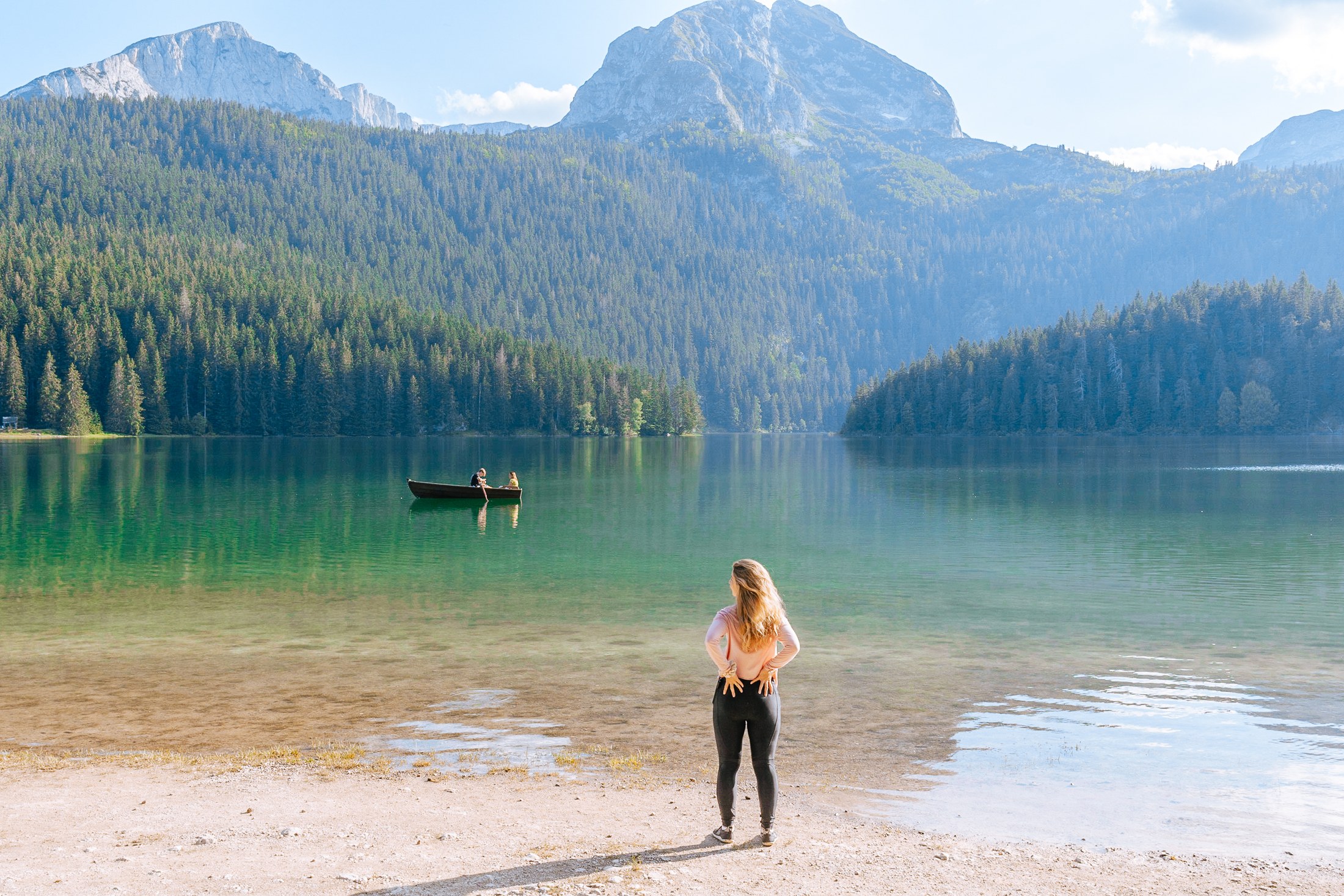
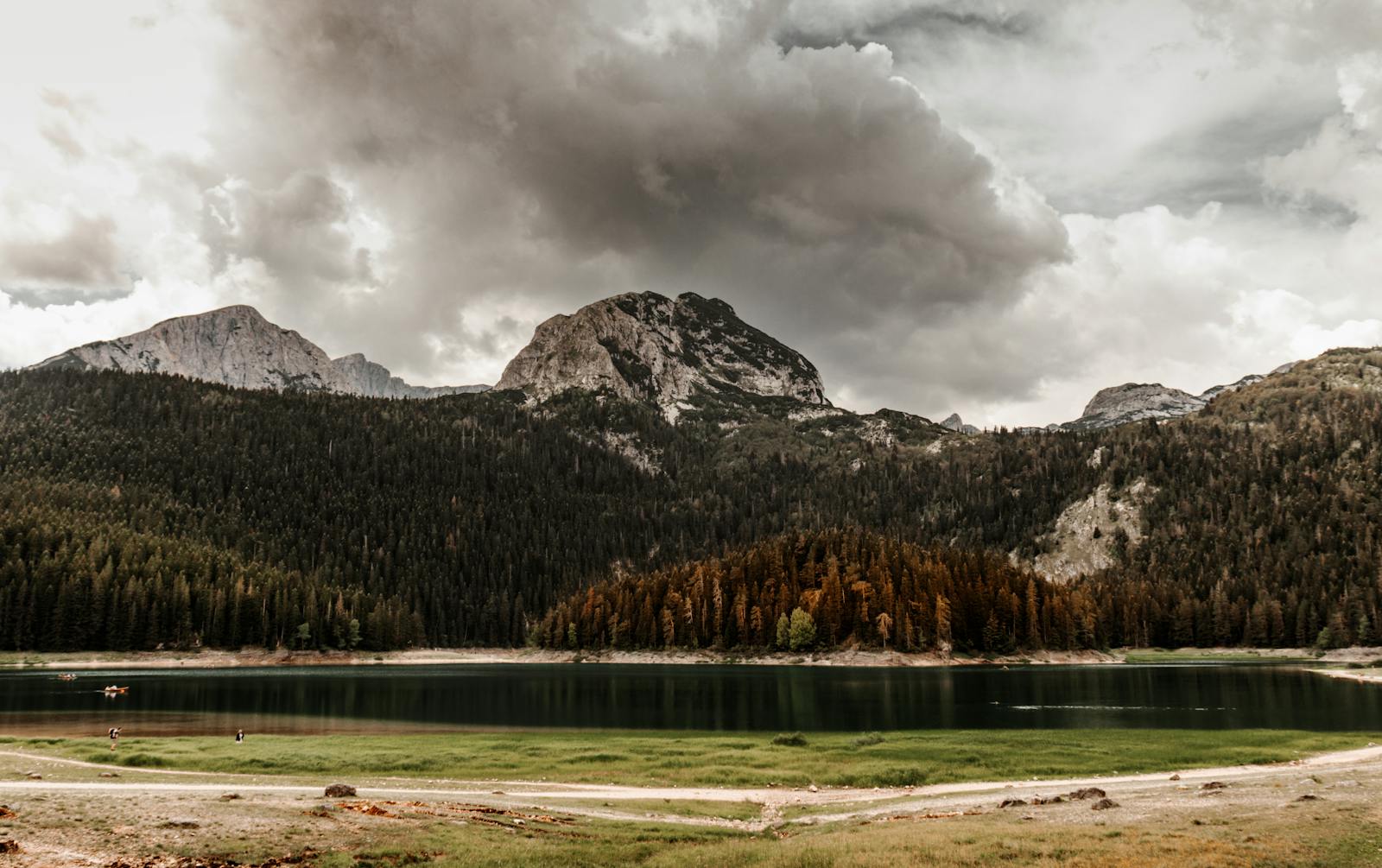
Crno Jezero (the Black Lake) is the absolute icon of the entire national park and probably the first place your feet will carry you. It lies just three kilometres from the centre of Žabljak and, despite its dark name, it’ll amaze you with its richly saturated, intensely green-blue water. Rising majestically right above it is the rocky peak of Međed, lending the whole scene a dramatic edge.
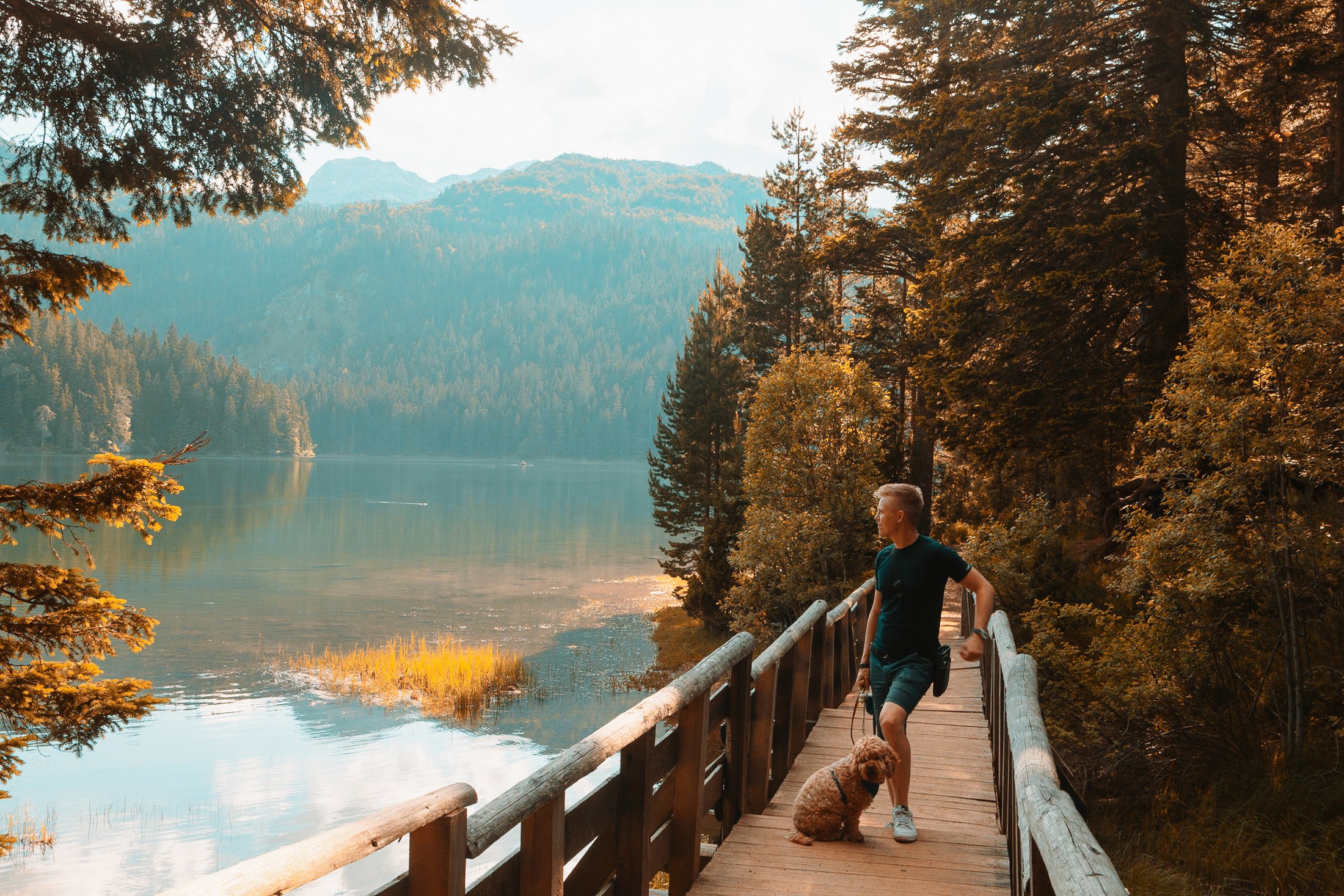
It’s actually two lakes (the Big and the Small) joined by a narrow natural isthmus. During the hot summer, when the water level drops, this isthmus is exposed so you can shorten your route and walk straight across the middle. The loop around both lakes is roughly 3.5 kilometres and it’s a very pleasant, easy walk you’ll comfortably manage in an hour to an hour and a half. The terrain suits all ages.
Entry to the national park costs €5 per person per day at the main gate. If you arrive by car, factor in a parking fee of about €1 per hour. In summer you can also rent a wooden rowing boat or a kayak (around €10 an hour) and explore the lake’s mysterious corners straight from the water.
💡 Tip: Come here early in the morning, ideally around eight o’clock. At this hour the wind hasn’t picked up yet, so the lake surface acts like a perfect mirror, reflecting the surrounding mountains. You’ll also dodge the crowds that roll in during the late morning.
2. Bobotov Kuk: A demanding climb to the roof of the park
At 2,523 metres above sea level, Bobotov Kuk is the highest and best-known peak in the entire Durmitor massif. It’s often mistakenly described as the highest mountain in all of Montenegro, but that’s wrong. The country’s true highest point is Zla Kolata (2,534 m), which lies in the Prokletije range on the border with Albania. None of which takes anything away from Bobotov Kuk’s majesty and beauty.
The most popular and easiest route to the summit starts in the Sedlo mountain pass (around 1,900 m above sea level). The whole there-and-back trail is about 10 kilometres with roughly 940 metres of elevation gain. Depending on your pace, the climb takes five to eight hours. There’s also a much longer variant straight from Žabljak — 20 kilometres taking 10 to 12 hours — but that one is really only for the fittest of mountaineers.
The climb is classified as hard. Prepare for walking across scree fields, the occasional bit of easy scrambling and fairly airy, exposed sections that are thankfully secured with fixed ropes. The final half-hour just below the summit is the steepest, but there’s always something to grab hold of. Don’t forget to take at least two litres of water per person, quality sturdy boots and several layers of clothing, because an icy wind often blows up top.
💡 Tip: As I mentioned in the intro, snow commonly lingers on the exposed sections below the summit right until the end of June. If you don’t have winter gear, plan this climb for July or August instead.
3. Ledena Pećina: An icy kingdom in the middle of summer
If you’re looking for a truly unusual experience, head to the Ice Cave (Ledena Pećina), set in the slope of Obla Glava mountain at around 2,160 metres above sea level. Inside, a stable temperature of around zero holds all year, and you’ll find fascinating ice stalagmites and stalactites that don’t melt even in the most sweltering August. The cave’s main chamber is huge, measuring roughly 40 by 20 metres.
The most common access route again leads from the Sedlo pass along marked alpine trails. The whole trip, including the return to the car park, takes around six hours. The path crosses beautiful limestone plateaus and serves up fantastic views of the park’s surrounding jagged peaks.
The descent into the cave itself, though, is quite a challenge. A very steep snow-and-ice ramp about forty metres long awaits, which you have to clamber down. This section is extremely slippery and demands great care, good boots and ideally some experience moving in similar terrain. It’s definitely not an attraction for small children or casual tourists in trainers.
💡 Tip: The temperature difference between the summer heat outside and the freezing interior of the cave is enormous. Be sure to pack a warm jacket and gloves, even if you only spend fifteen or thirty minutes down there.
4. Prutaš: A photogenic mountain with striped slopes
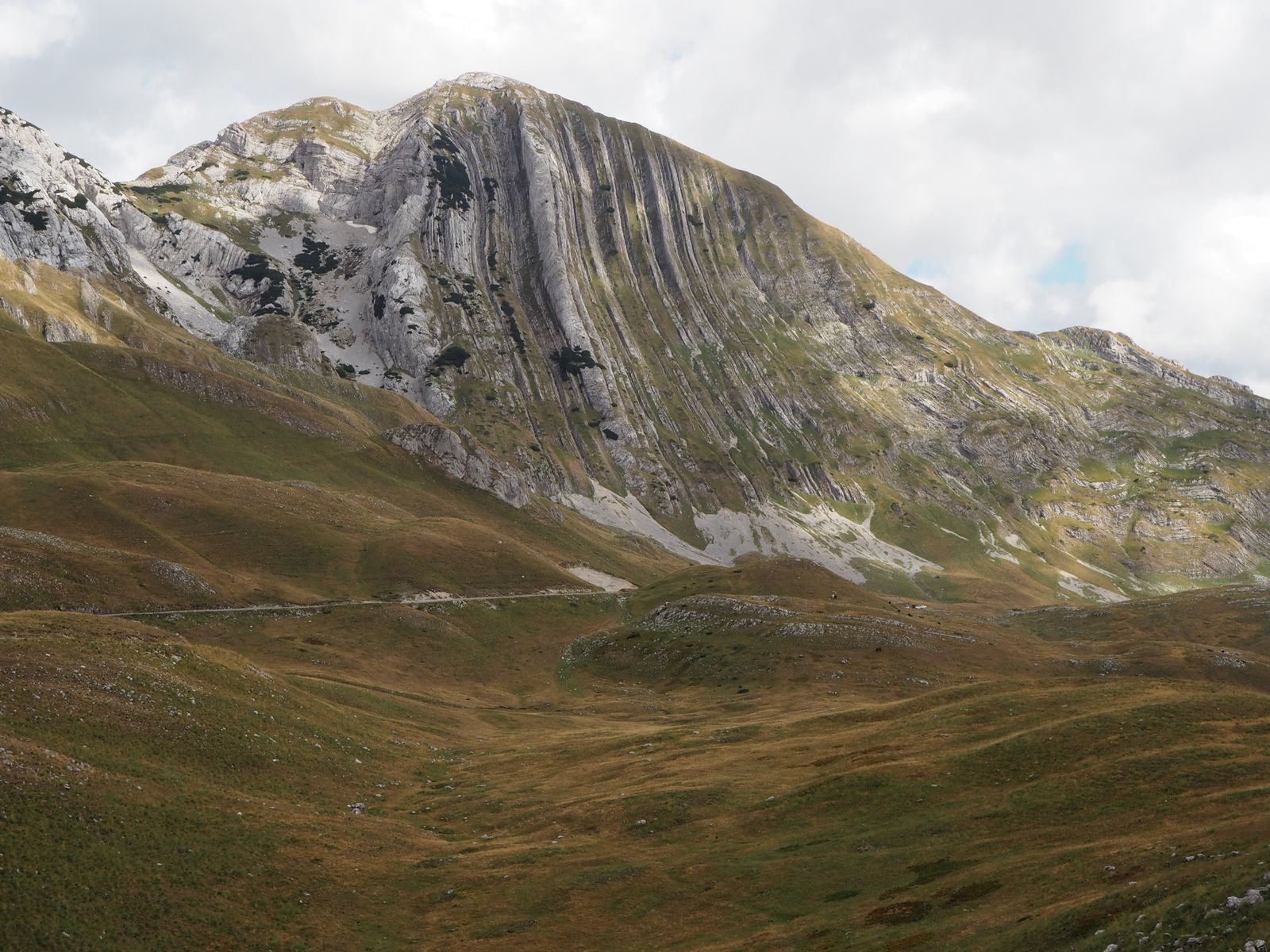
Prutaš mountain (2,393 m) is probably the most photogenic and recognisable peak in all of Durmitor. Its slopes are formed by distinctive vertical layers of limestone rock that, from a distance, look as if someone stacked the mountain from giant stone slabs. This unique silhouette makes it an immensely popular destination for photographers and nature lovers.
The easiest access route starts in the picturesque Dobri Do basin. It’s a moderately demanding trail about nine kilometres long (there and back) that you’ll manage at a comfortable pace in four hours. The path is constantly uphill, but unlike Bobotov Kuk there are no dangerous exposed sections or fixed ropes here.
Your reward for the effort will likely be the most beautiful panoramic views in the whole park. From the summit of Prutaš you’ll see the deep Sušica canyon, the sprawling valley of the Škrčko lakes, the neighbouring Planinica mountain and, of course, the iconic ridge of Bobotov Kuk. In short, it’s the kind of place where you’ll want to sit for hours and just drink in the endless beauty.
💡 Tip: During the climb, take a small detour that adds only about ten minutes. It brings you to a viewpoint directly above Veliko Škrčko lake, where you’ll capture absolutely stunning photos.
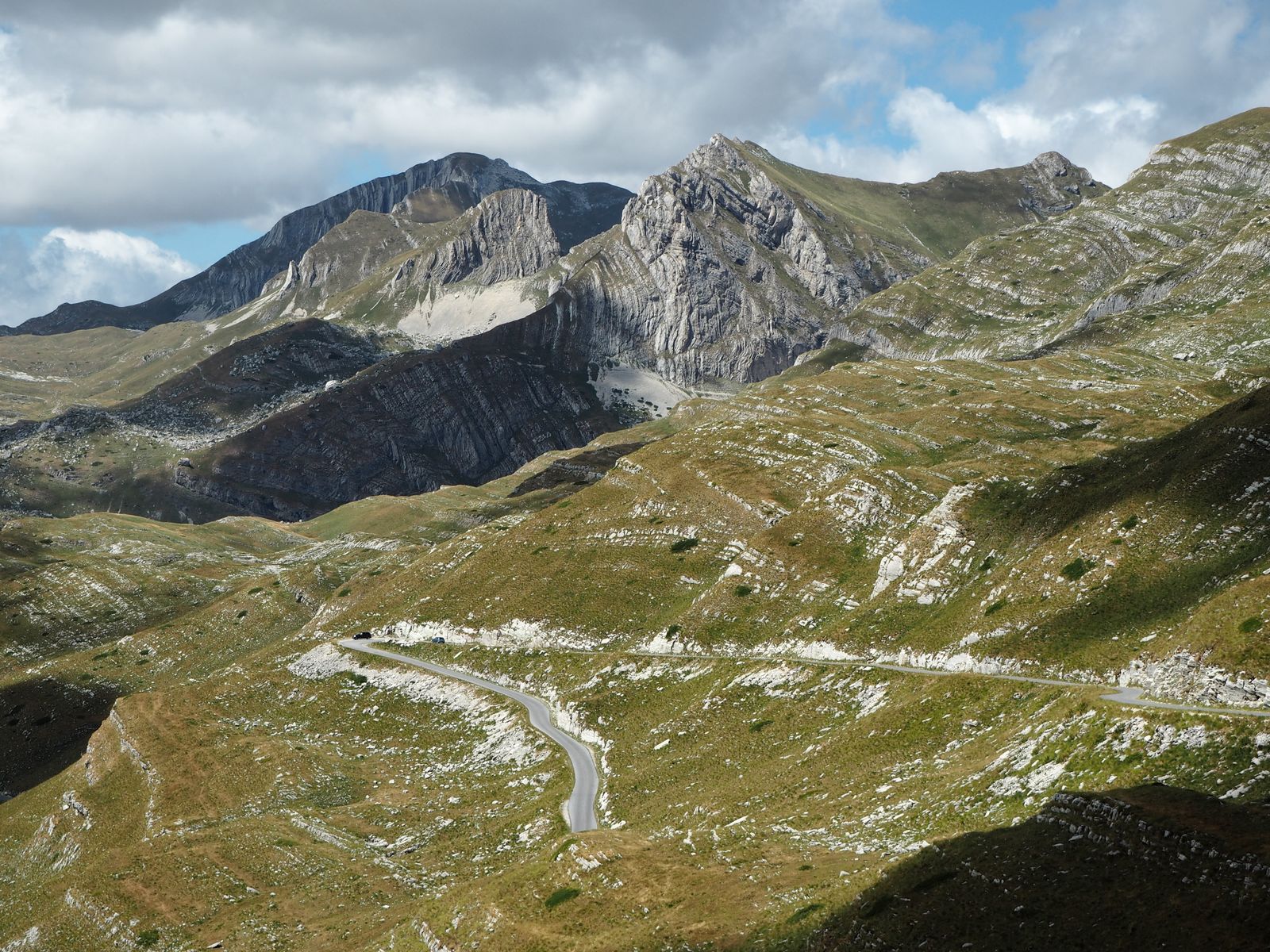
5. Planinica: A long trek for endless views
The Planinica summit (2,330 m) is a great alternative for those who want to experience the high mountains but don’t fancy tackling technically demanding climbing and exposed sections. The route up this mountain starts right at Crno Jezero, so you don’t have to drive anywhere. From the water you face a climb through fragrant pine forests and blooming high-mountain meadows full of rare plants.
This hike is classified as demanding, mainly because of its length and overall elevation gain. The trail is nearly ten kilometres one way, and the whole trip takes five to seven hours of actual walking (the ascent alone is around four hours). But it’s more of a long, endurance-style trek than dangerous mountaineering. Along the way you’ll also very often meet wild horses, grazing cows or nimble ibex.
The green summit of Planinica offers a breathtaking panorama of the deep Sušica canyon and both Škrčko lakes, glinting far below you like two blue teardrops. From here you also get a fantastic view of the jagged Bezimeni Vrh ridge and nearby Bobotov Kuk. The ideal time for this trek is from mid-June to mid-September, when the trails are safely free of snow.
💡 Tip: Given that the route starts at around 1,400 metres and ends at 2,330 metres, you’re facing almost a thousand metres of elevation gain. Pace yourself well and set off as early in the morning as you can.
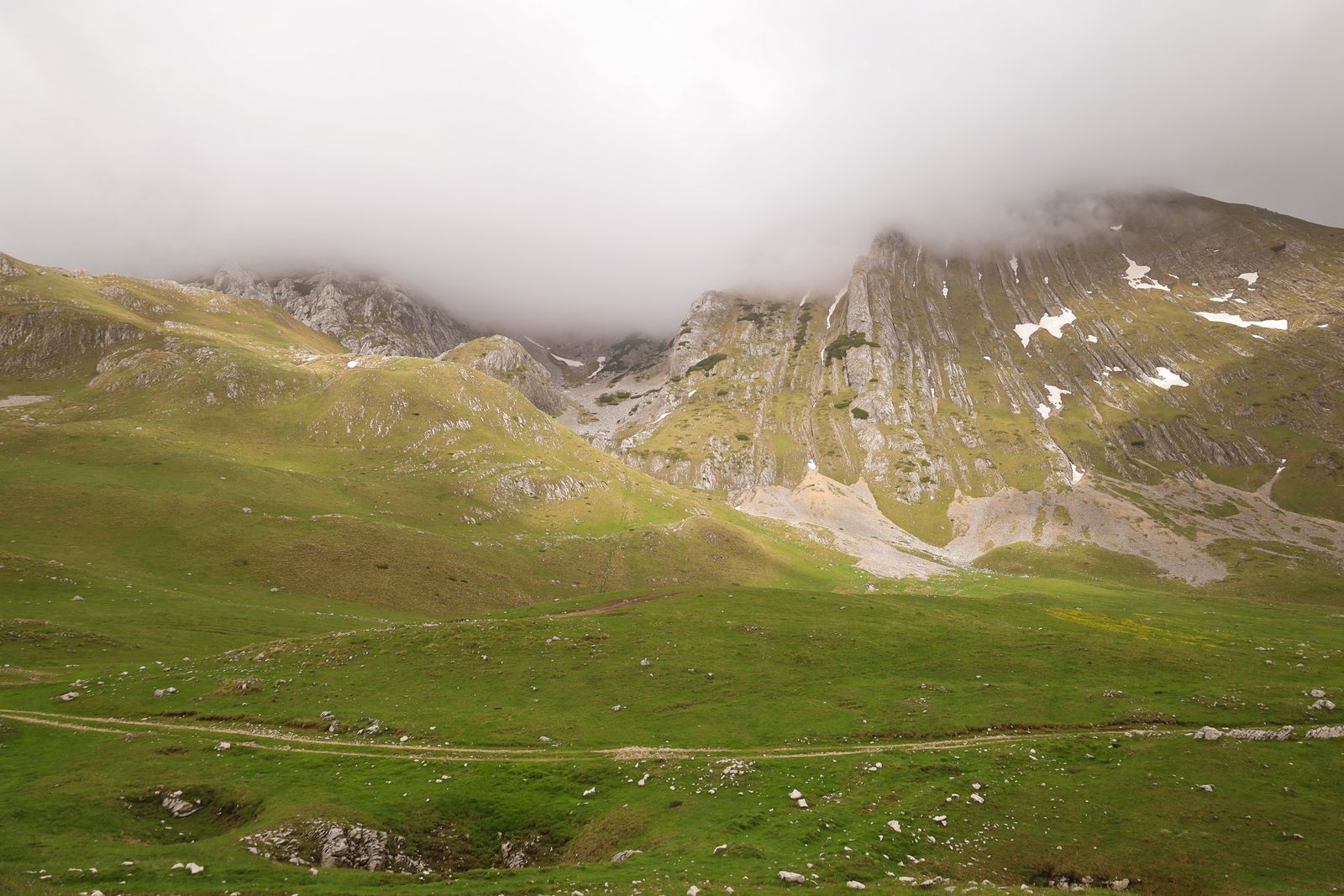

6. Ćurevac viewpoint: A majestic view into the heart of the Earth
If you’re not in the mood for a full day of trekking but still want to see something utterly monumental, head to the Ćurevac viewpoint. This unassuming spot at 1,626 metres above sea level offers the best possible view of the Tara River canyon. At a remarkable 1,300 metres deep, this canyon is the deepest in all of Europe and the second deepest in the world, right after America’s Grand Canyon.
Access to the viewpoint is very easy. From the centre of Žabljak it’s about a twenty-minute drive along a narrow tarmac road (roughly 7.6 kilometres) to a small gravel car park. From there it’s just about thirty minutes on foot along a pleasant trail through pine forest and across open meadows. The whole loop, with plenty of time for photos, takes an hour at most.
Looking down into that vast forested abyss, with the wild Tara River winding along the bottom like a thin green ribbon, you feel incredibly small. It’s a very short but emotionally powerful experience, and one that pairs perfectly with an afternoon visit to nearby Crno Jezero.
💡 Tip: There are no safety railings at the viewpoint or along the canyon edge. So be very careful, don’t overestimate yourself for the sake of a good photo, and if you’ve got younger children with you, keep them close at all times.
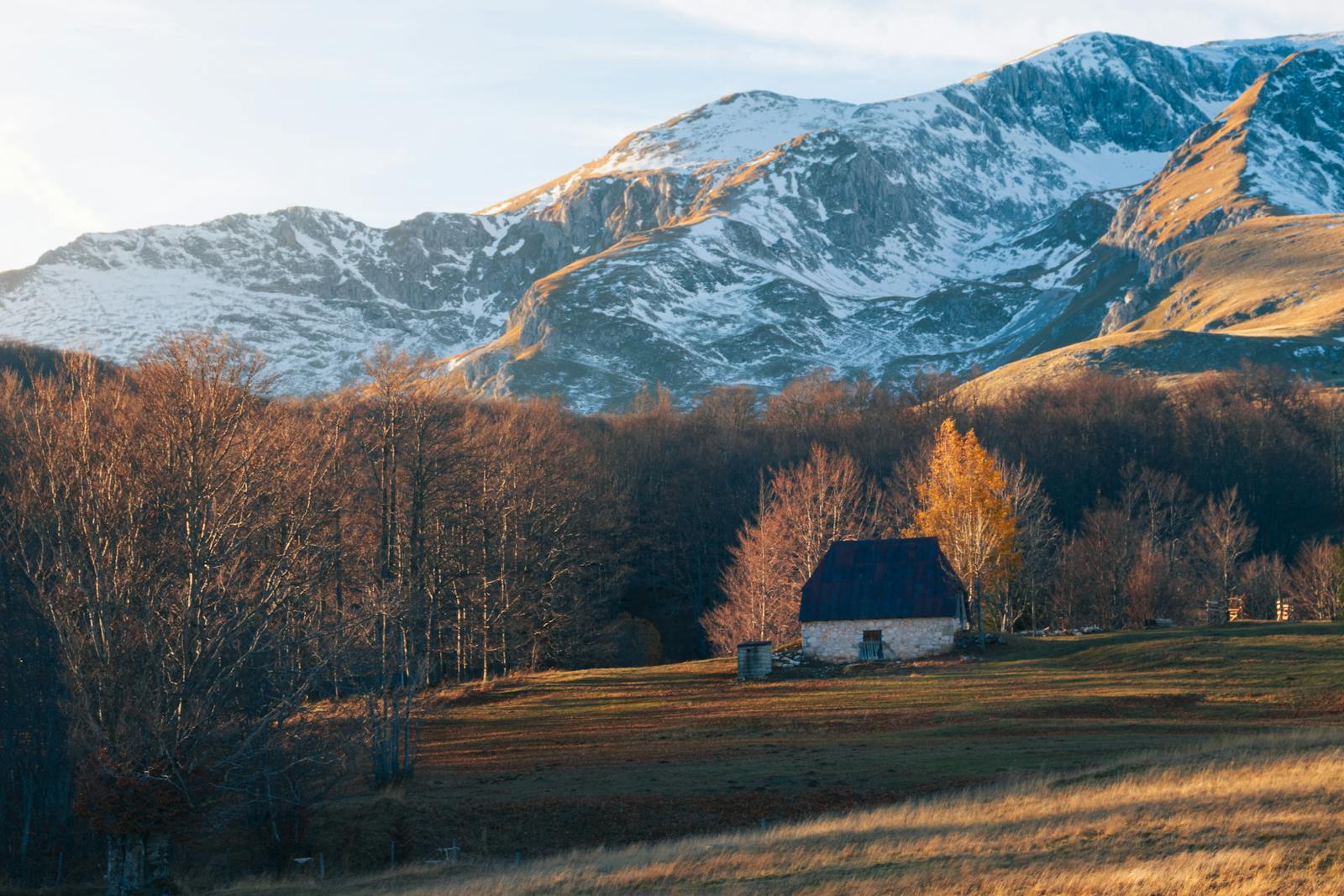
7. The Durmitor ring road by car: A panoramic loop over Sedlo
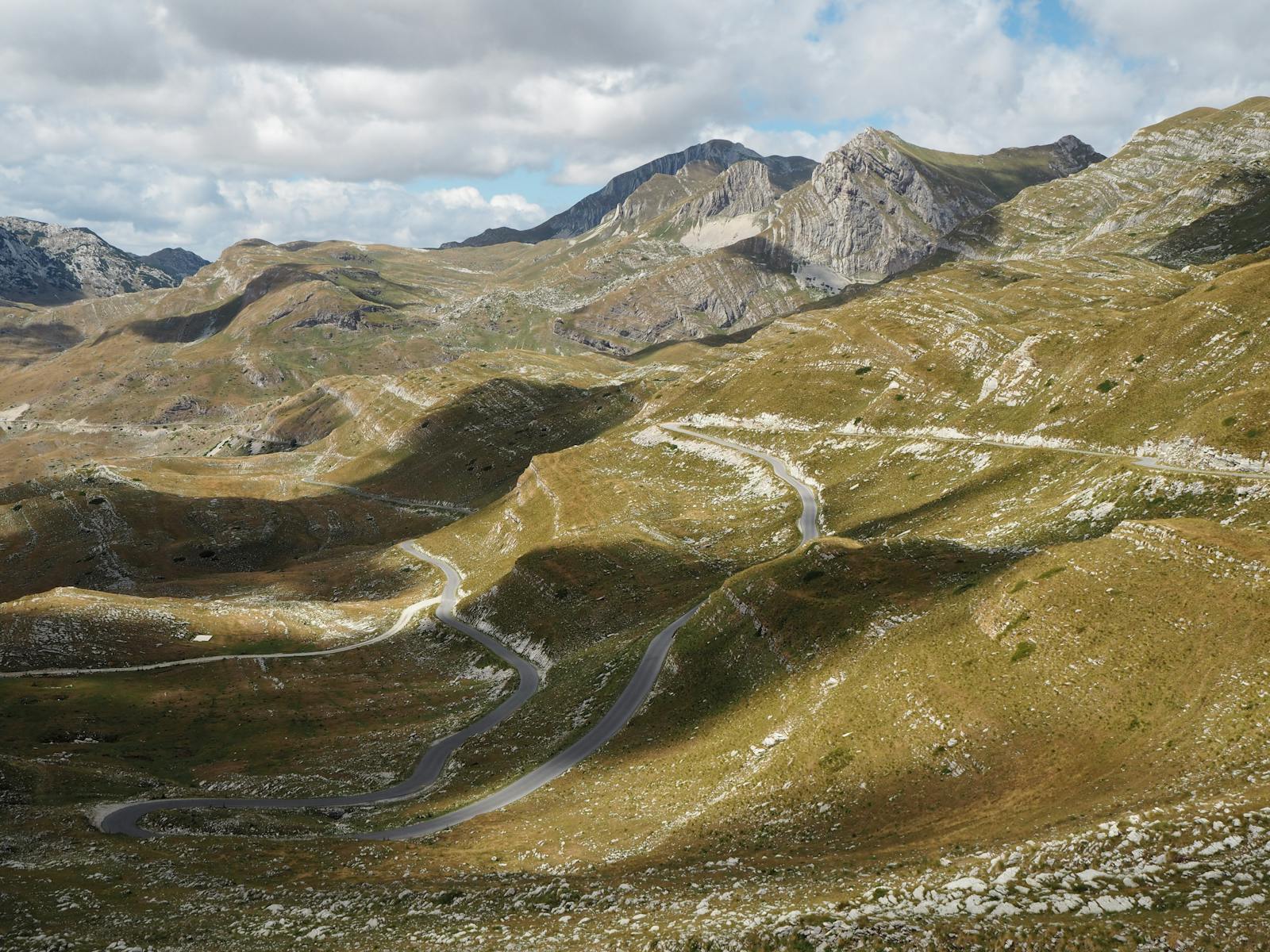
Some of Durmitor’s most beautiful views can be enjoyed without a single drop of sweat. Just set off on the so-called Durmitor Ring (Durmitorski Prsten), a panoramic road loop roughly 80 to 85 kilometres long. The route starts and ends in Žabljak, and pure driving time runs between two and four hours. Most people, though, turn this loop into a full-day trip packed with stops and picnics in the grass.
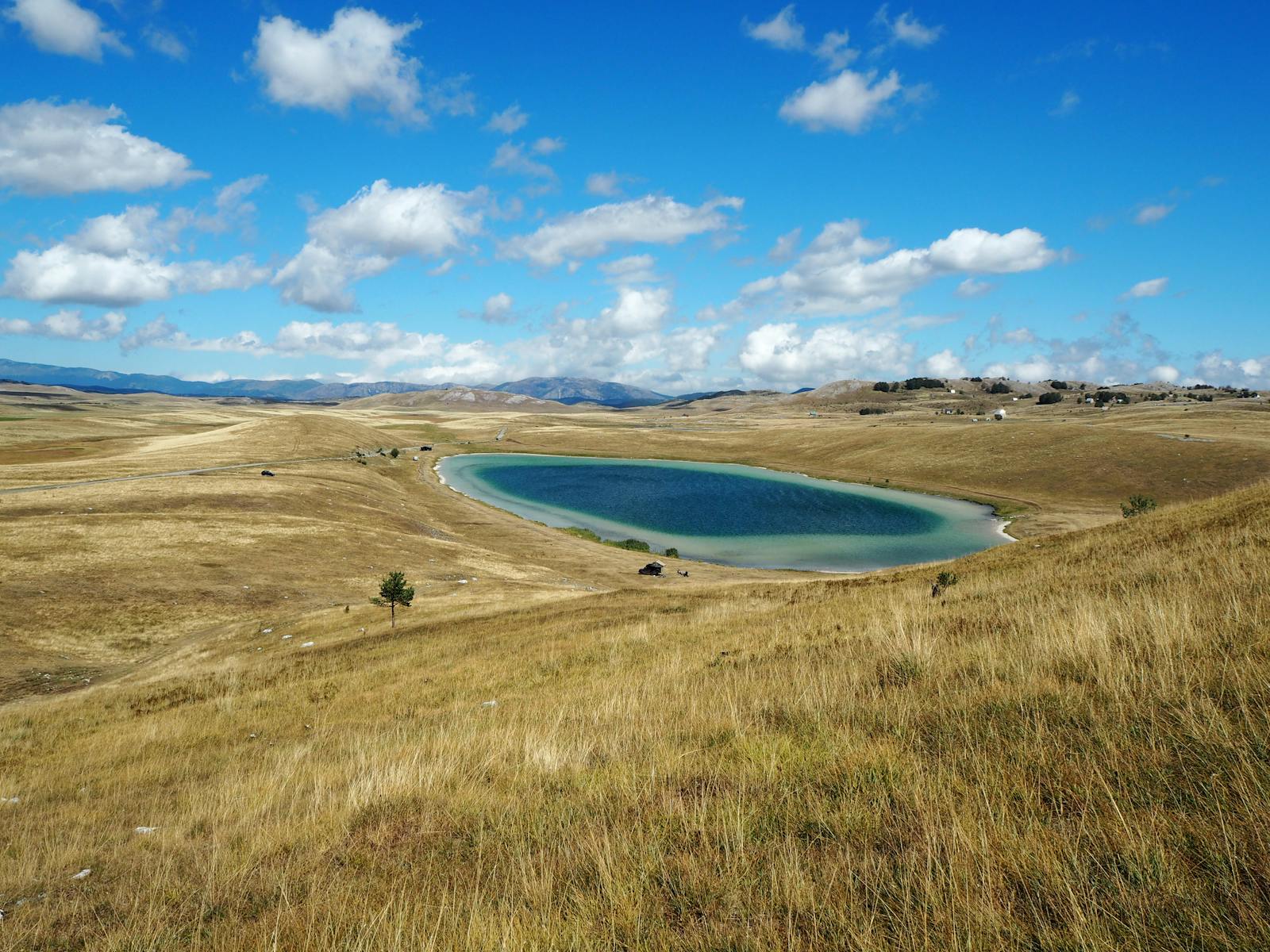
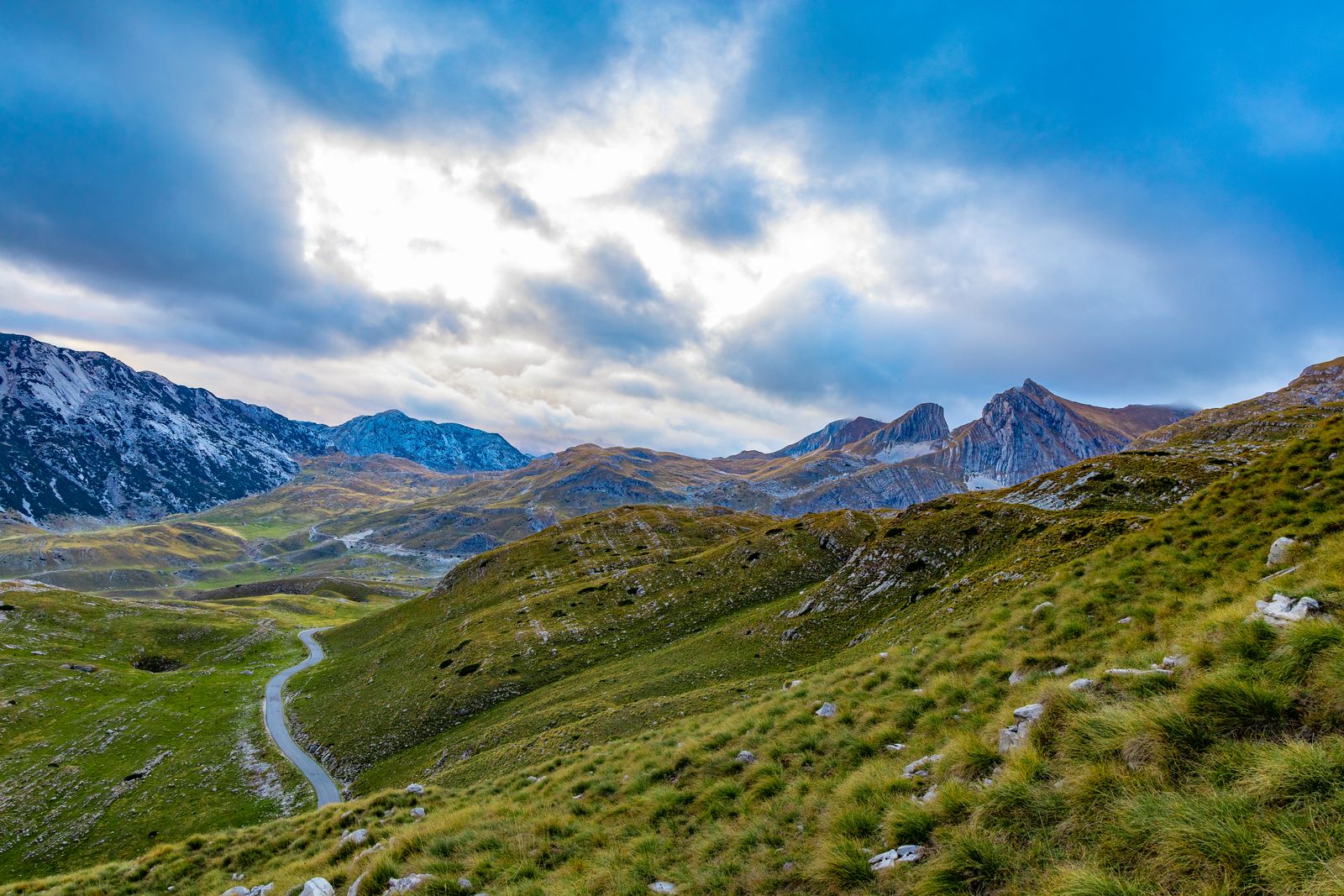
The highest and most dramatic point of the whole drive is the Sedlo mountain pass, crossed by the road marked P14. It sits at around 1,900 metres, making it the highest road saddle in all of Montenegro. The road is paved along the entire loop, with the exception of a short, roughly 2.5-kilometre gravel stretch just before the saddle itself, which you’ll get through carefully even in an ordinary car.
As you drive you’ll pass through stunning high-mountain scenery, skirt shepherd settlements and photograph deep basins. A big highlight on the route is also the gorgeous Modro Jezero (the Blue Lake), a deeply coloured pool lying right by the road near the pass. The whole route is brilliantly signposted with brown tourist signs, so there’s no fear of getting lost.
💡 Tip: In many places the road is really very narrow, often only wide enough for one car. Arm yourself with patience, drive slowly and be ready to occasionally reverse to the nearest passing place to let an oncoming vehicle through.
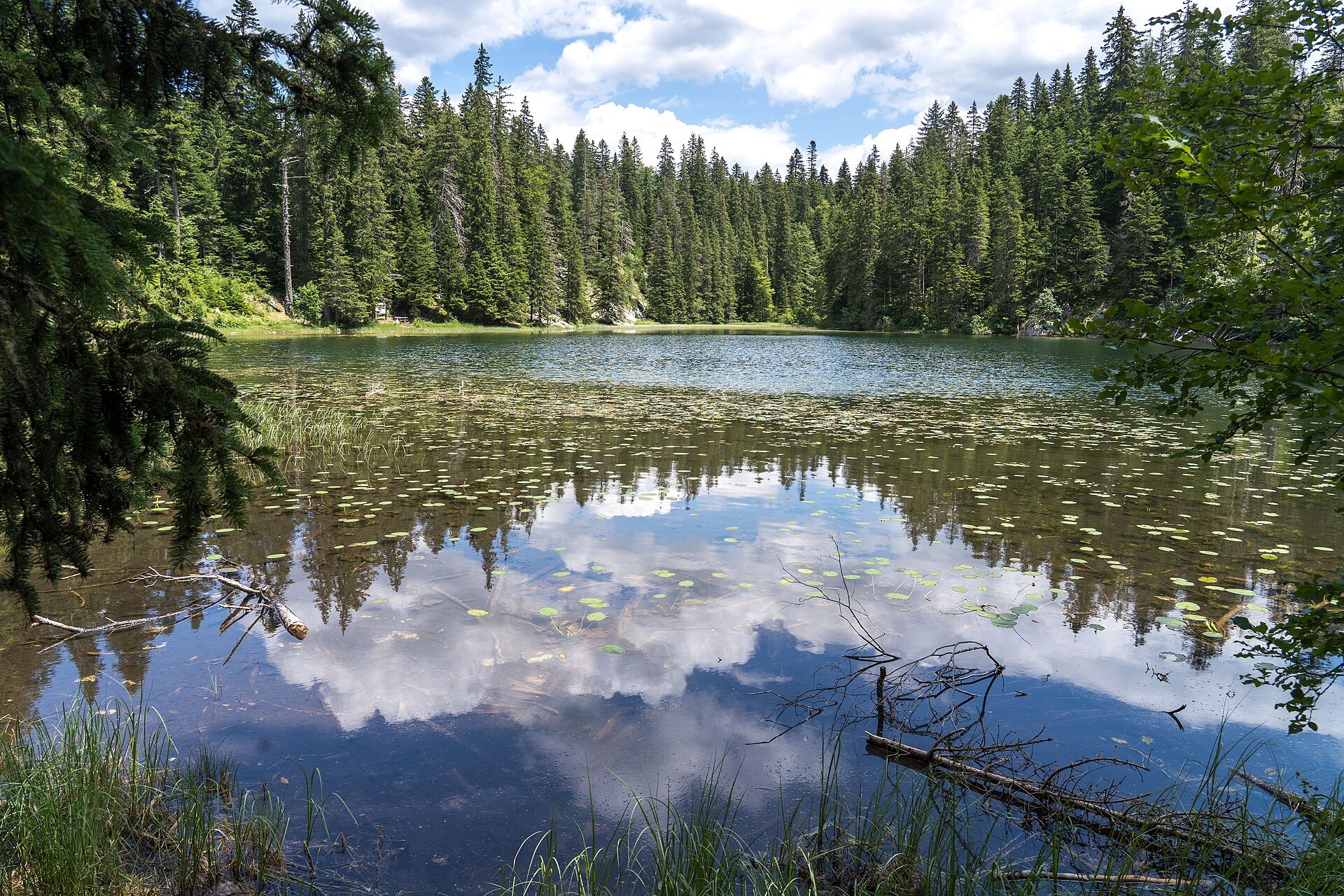
8. Škrčko and Zminje lakes: Oases of calm without the crowds
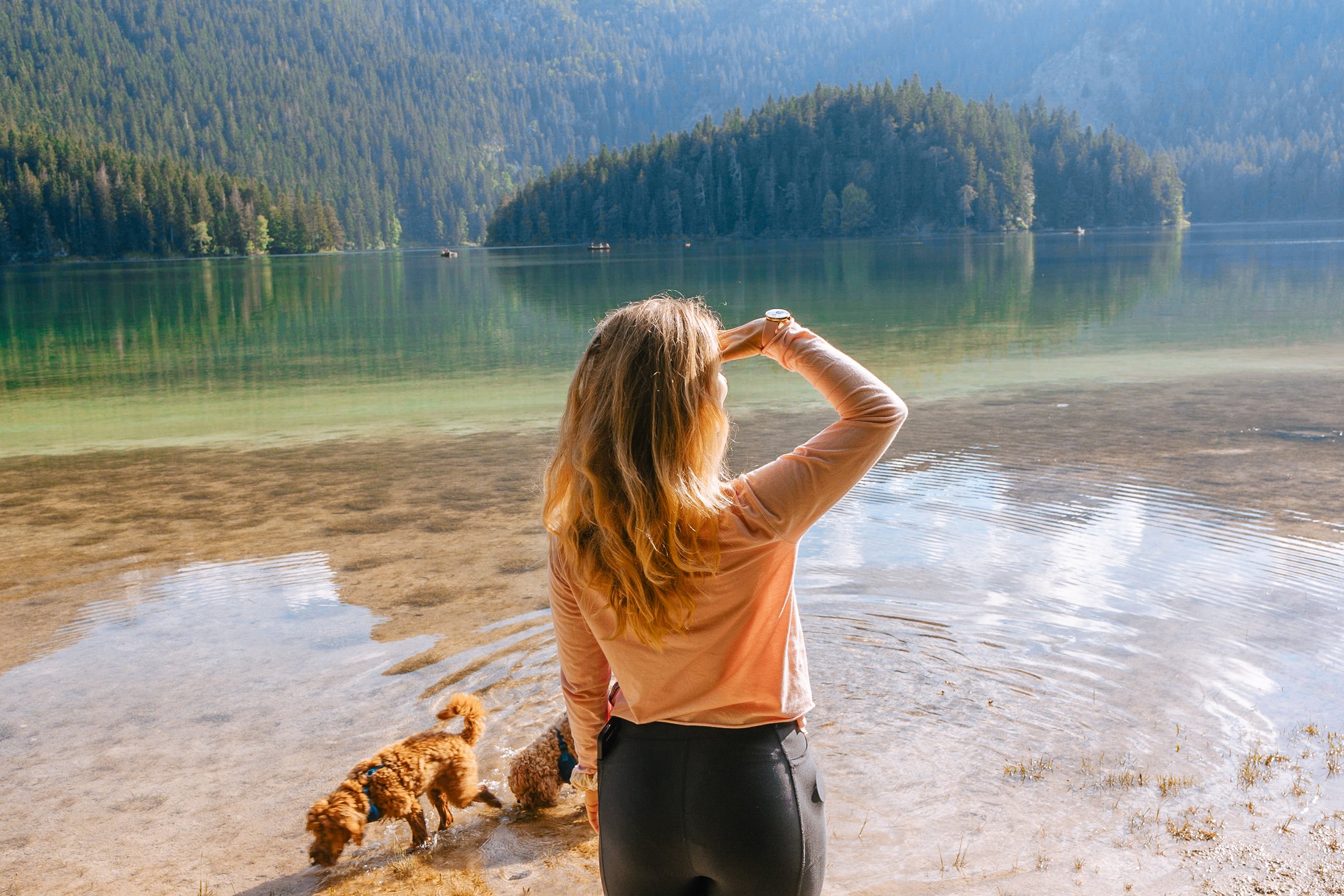
While you’ll meet hundreds of people at Crno Jezero in season, Durmitor hides other bodies of water where you’ll have nature almost to yourself. One of them is Zminje Jezero (Snake Lake), tucked away in deep pine forest just a short way beyond Crno Jezero. The surface here is a vivid emerald green, mist often rolls over it, and complete, undisturbed silence reigns. You can reach it easily along a marked trail.
The Škrčko lakes (Veliko and Malo Škrčko) are a whole different league. These two glacial lakes lie high in a rugged alpine basin at over 2,000 metres above sea level, hemmed in on all sides by steep limestone peaks. This is one of the least visited and wildest corners of the entire national park, one that has kept its rough authenticity.
You can reach these high-mountain lakes either via a demanding descent from the ridges, or you can look down on them from above during the climb up Prutaš or Planinica. Whichever option you choose, the sight of these blue pearls hidden among grey stone is one of the finest memories you can carry away from the Montenegrin mountains.
💡 Tip: Durmitor National Park hides a total of eighteen glacial lakes, poetically nicknamed the “mountain eyes”. There are no wide roads to many of them, so you’ll have to make your own way along narrow paths.
9. Žabljak as the ideal base and where to eat well
The town of Žabljak, sitting at around 1,450 metres above sea level, is an unbeatable starting point for exploring all of Durmitor. Everything important is quite literally within arm’s reach: Crno Jezero is three kilometres away, the Tara canyon about eighteen kilometres, and you can drive to the Savin Kuk cable car in five minutes. On top of that, you’ll find accommodation here at a fraction of what you’d pay in the seaside resorts.
When it comes to the local food scene, I have to flag up one important thing. The mountain restaurants in Žabljak are heavily focused on meat dishes, especially traditional lamb roasted under the bell (ispod sača) or fresh trout. If you don’t eat meat, as Lukáš and I don’t, the menu may seem limited at first glance, but in reality you’ll find fantastic vegetarian treats here.
An absolute safe bet and local speciality is traditional kačamak or cicvara. It’s a very rich corn porridge baked with potato, a huge amount of butter and a local creamy cheese called kajmak. I promise you’ll have enough energy for a whole day of trekking after one portion of kačamak. Also excellent are priganice (fried dough balls with honey and cheese) or savoury pies (pita) filled with cheese and spinach.
💡 Tip: If you’re heading out on a full-day hike deep into the mountains, where you won’t come across any mountain huts serving refreshments, stop at the local supermarket in the morning and buy ingredients for a picnic. Fresh bread, superb homemade cheeses from the surrounding sheepfolds and some vegetables will be a lifesaver on the trail.
10. Đurđevića Tara bridge and the adrenaline zip-line
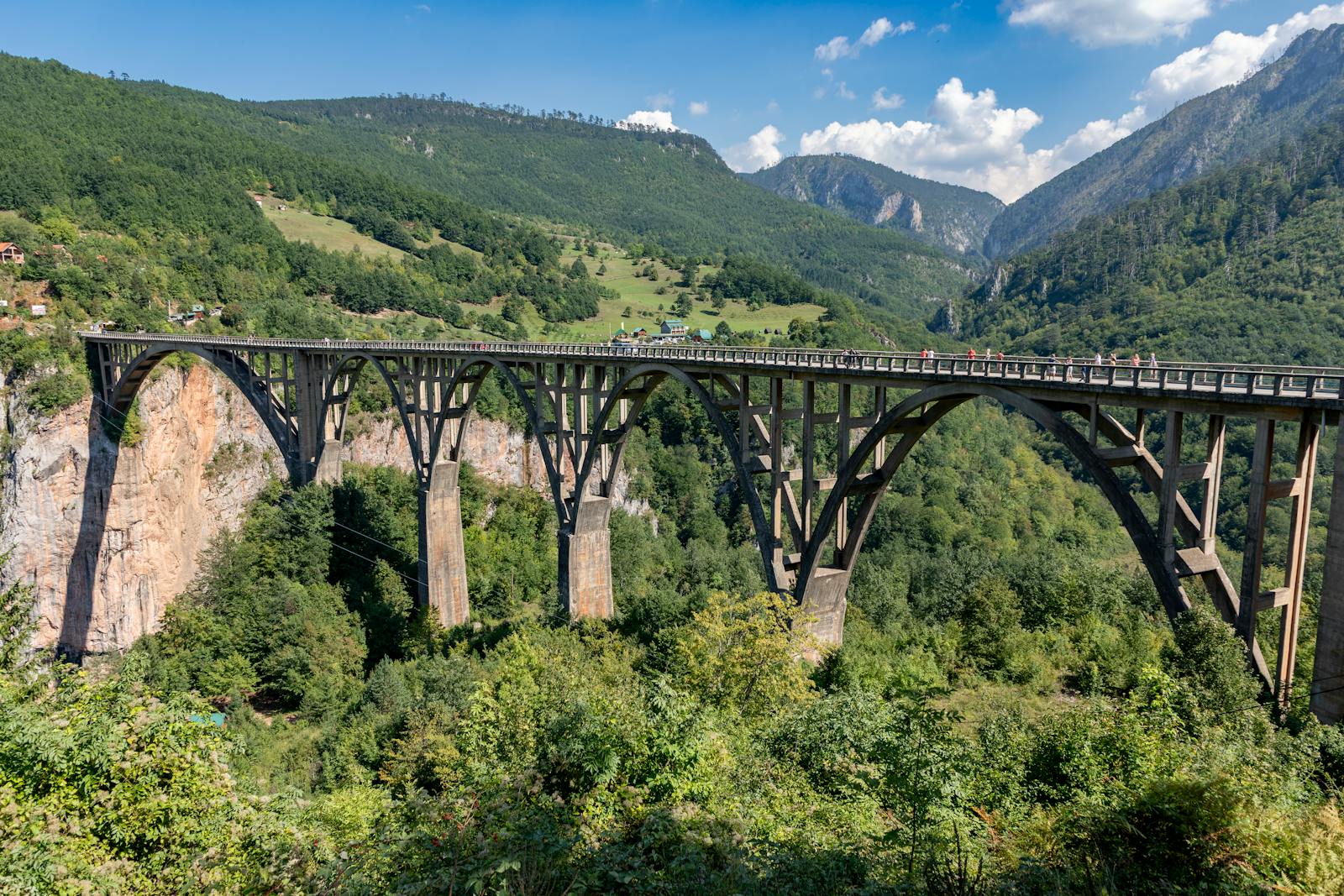
About eighteen kilometres from the centre of Žabljak you’ll come across an architectural gem you might not expect in this wilderness. The elegant concrete Đurđevića Tara bridge was built in 1940, and with its five enormous arches it gracefully spans the deepest of chasms. The bridge is 365 metres long and rises roughly 149 metres above the river. Walking across it is free and the views are absolutely phenomenal.
But if simply gazing isn’t enough and you’re after a proper hit of adrenaline, try the local zip-line. Steel cables are stretched right across the vast canyon, parallel to the historic bridge. You’ll fly around 150 metres above the emerald river and reach speeds of up to 50 km/h on the more than one-kilometre-long line (some sources quote far higher speeds on the longest runs).
The whole flight lasts about a minute and it’s an experience you won’t forget in a hurry. The zip-line season usually runs from April to October. The price ranges roughly from €50 to €70 per person, and if you’re nervous about your first ride, you can arrange a tandem flight with an instructor.
💡 Tip: Parking at the bridge can be a little chaotic in peak summer season. Arrive first thing in the morning, ideally, before dozens of tour coaches park up, and you’ll be able to enjoy the bridge and views in relative peace.
11. Rafting on the emerald Tara River
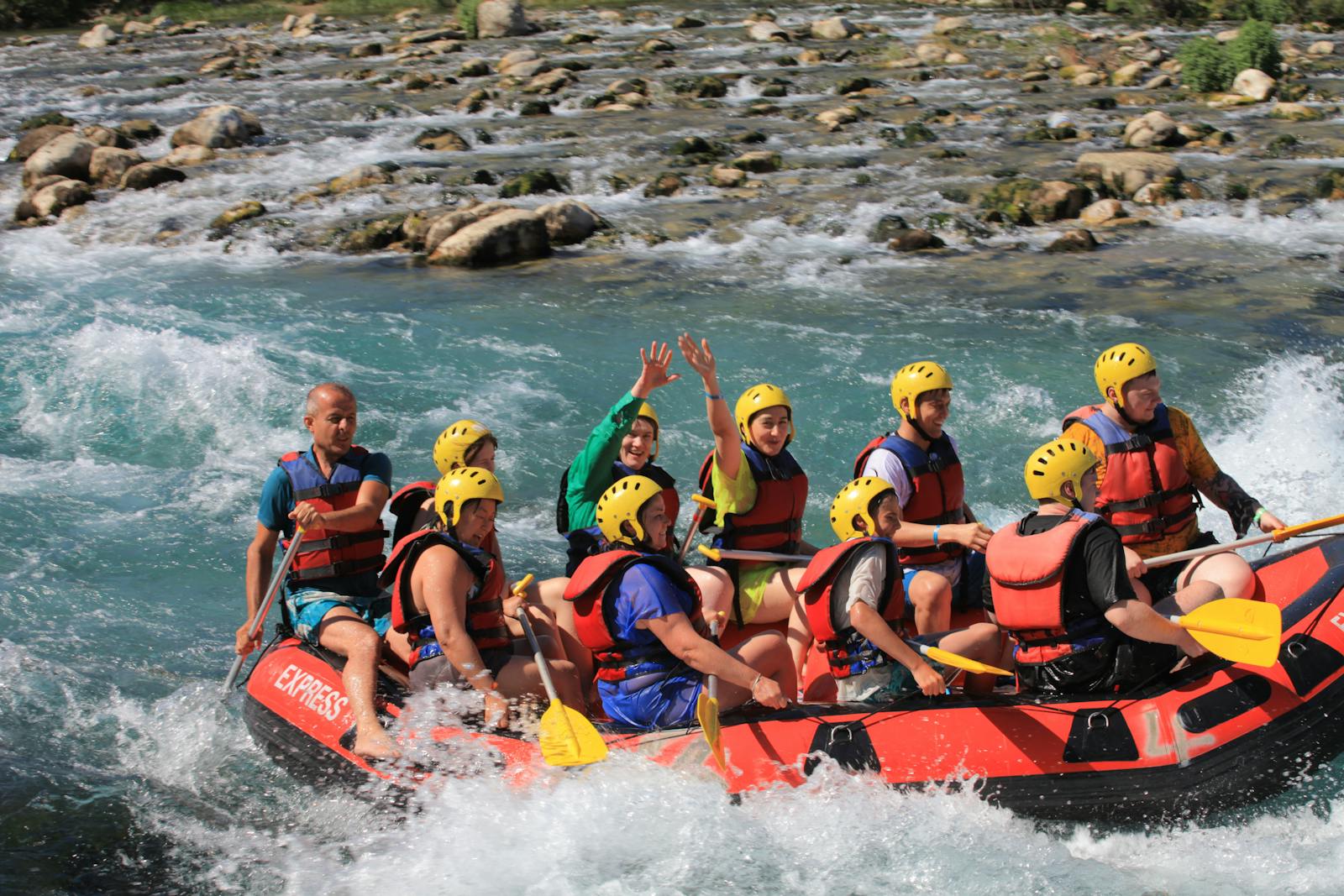
Once you’re at the deepest canyon in Europe, it would be a sin not to try rafting down the Tara River itself. Its water has an incredibly clean, emerald-green colour and the rapids offer fun for complete beginners and more experienced paddlers alike. Most local agencies offer convenient pickup right from your hotel in Žabljak, usually around ten in the morning.
The most popular option is a half-day rafting trip. This route is about 14 kilometres, you’ll spend two to three hours on the water, and the approximate price is around €70 per person. If you’re after a genuine full-day adventure, you can choose the longer 38-kilometre run. That takes roughly five hours and will set you back around €150.
The trip price usually includes all the rafting equipment, transport and often a hearty lunch out in nature. That typically consists of traditional meat dishes or freshly caught fish, but the agencies will happily arrange a meat-free version if you ask in advance. The experience of floating along the bottom of the canyon, with rock walls over a kilometre high towering above you, is simply priceless.
💡 Tip: In July and August, demand for rafting is enormous. I recommend booking your trip several days in advance, whether online or in person at one of the tourist offices right in the centre of Žabljak.
12. Skiing and summer views on Savin Kuk
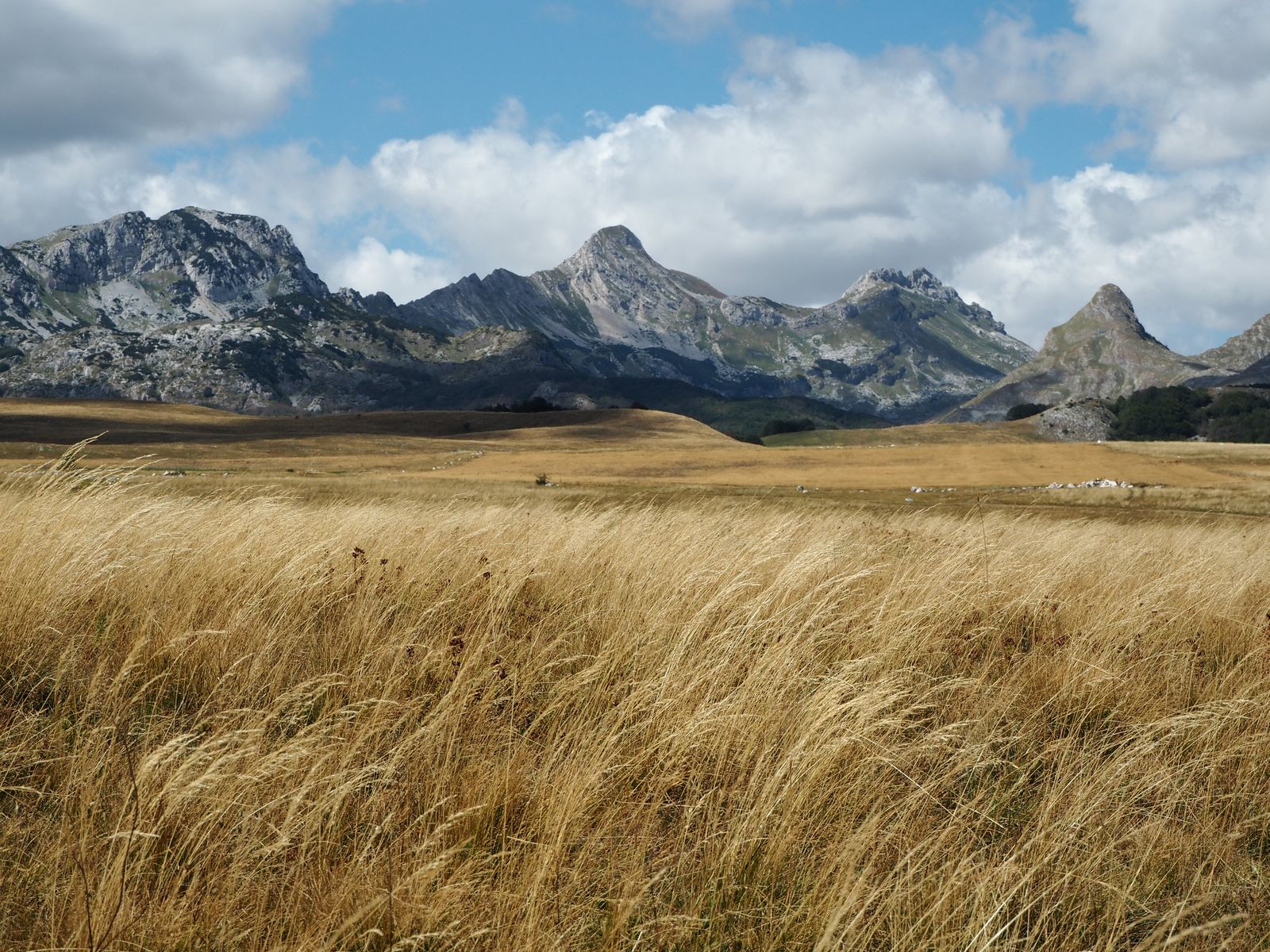
To finish, here’s a tip that’ll please winter sports lovers and laid-back summer tourists alike. Just five minutes’ drive from Žabljak you’ll find the Savin Kuk ski centre. In the winter months (from December to March or April, depending on snowfall), two double-chair lifts run here, carrying you up to a respectable height of around 2,213 metres above sea level. Carving down the snowy slopes with a view of Crno Jezero is an absolute treat.
What’s interesting, though, is that the lift also runs in summer for walkers (roughly from June to October). It’s an ideal option for days when your legs are aching from previous climbs but you still want to see the world from up high. A return ticket costs around €12 for an adult and €7 for a child.
From the upper lift station, an absolutely luxurious panorama opens up over the whole valley, the town of Žabljak and the surrounding jagged ridges. The local chairlift is an older model and the ride up takes quite a while, so you’ll really get to savour the calm and the views to the full.
💡 Tip: It very often blows hard up top, even when it’s pleasantly warm down in Žabljak. Before boarding the summer lift, be sure to put on a hoodie or windbreaker so you don’t get chilled up there for no reason.
Map of points of interest for your phone
Where to go next from Durmitor National Park
If you’ve got more time in Montenegro and you’re planning to head down to the sea after exploring the mountains, or to discover other corners of this gorgeous country, I’ve got another complete article ready for you. It’s full of inspiration and practical tips for planning your whole trip.
Take a look at my big guide: Holiday in Montenegro: 15 tips for the coast and the mountains.
Frequently asked questions
How much does entrance to Durmitor National Park cost in 2026?
For a one-day entry to the national park, you’ll pay approximately €5 per person (around €5), with free admission for children under six. If you’re planning to visit multiple parks in Montenegro, I recommend getting an annual pass (Montenegro National Parks Card) for €13.50 (around €13.50), which is valid for all five national parks in the country.
How difficult is the climb to Bobotov kuk and how long does it take?
The ascent is classified as difficult. From Sedlo Pass, you can expect a route of about 10 kilometers round trip with an elevation gain of around 940 meters, which takes five to eight hours. The route includes easy scrambling, exposed sections secured with cables, and a very steep finish. You’ll need sturdy boots, plenty of water, and a confident step.
When is the best time for hiking in Durmitor and how long does snow stay on the peaks?
The best time for mountain hikes is from the second half of June to the end of September. On the highest peaks, such as Bobotov kuk, and in exposed saddles, snow reliably remains until the end of June. At the beginning of June, a large part of these trails is under snow and you won’t get up safely without crampons.
How do I get to Žabljak from the coast?
The drive from the Bay of Kotor (e.g., from Kotor) will take you approximately 3 to 3.5 hours by car. The roads are full of bends and hairpin turns, so expect a slower but very scenic drive. Although several buses run here daily from the coast, having your own car is absolutely essential for comfortably exploring the mountains and the Durmitor loop.
Can you walk around Crno jezero and is it difficult?
Yes, Crno jezero can be very easily walked around in its entirety. The loop measures about 3.5 kilometers, follows well-maintained forest paths, and at a leisurely pace you can manage it in an hour to an hour and a half. It’s a very easy walk that’s absolutely ideal for families with small children or for a rest day.
What to eat when I’m a vegetarian?
Although mountain restaurants focus mainly on grilled meat, vegetarians won’t go hungry here. Definitely try the hearty kačamak or cicvara (cornmeal porridge with a huge amount of butter and local kajmak cheese). The fried priganice, cheese pies, or buying fresh ingredients at the supermarket for an all-day picnic are also excellent.
Is the Durmitor Loop by Car (Sedlo Pass) Worth It?
Definitely yes! This panoramic loop measures over 80 kilometers and takes you through the most dramatic landscape of the entire national park. You’ll cross the highest mountain pass in Montenegro (around 1,900 m above sea level) and see breathtaking views into the canyons. The drive itself takes 2 to 4 hours, but with photo stops, set aside at least half a day for it.
Tips and Tricks for Your Vacation
Don’t Overpay for Flights
Search for flights on Kayak. It’s our favorite search engine because it scans the websites of all airlines and always finds the cheapest connection.
Book Your Accommodation Smartly
The best experiences we’ve had when looking for accommodation (from Alaska to Morocco) are with Booking.com, where hotels, apartments, and entire houses are usually the cheapest and most widely available.
 🚗 Car rental on the roadVerified rental cars in Montenegro
Search with the DiscoverCars comparison engine — it compares prices from dozens of local and international rental companies, and most bookings come with free cancellation.
Compare car prices in Montenegro →Don’t Forget Travel Insurance
Good travel insurance will protect you against illness, accidents, theft, or flight cancellations. We’ve had a few hospital visits abroad, so we know how important it is to have proper insurance arranged.
Where we insure ourselves: SafetyWing (simple monthly subscription) and TrueTraveller (for extra-long trips).
Find the Best Experiences
Get Your Guide is a huge online marketplace where you can book guided walks, trips, skip-the-line tickets, tours, and much more. We always find some extra fun there!
More from Montenegro
Full guide →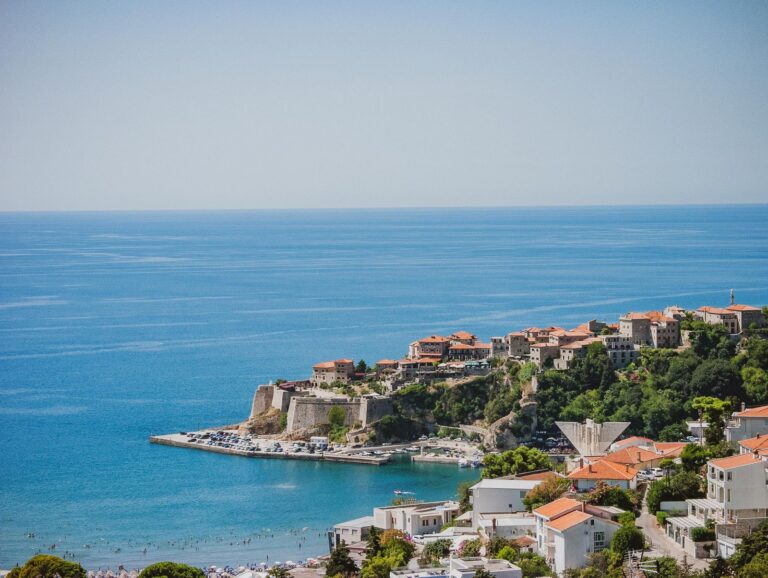 Beaches · most readUlcinj, Velika Plaža & Ada Bojana: 11 Tips for Montenegro’s Southernmost Coast
 What to seeBar & Stari Bar, Montenegro: 10 Tips for Ruins, the Port and Europe’s Oldest Olive Tree
 What to seeSveti Stefan, Montenegro: 10 Tips for the Adriatic’s Most Photogenic Island
 What to seeLake Skadar: 10 Tips for the National Park, Pelicans and Wineries 2026
 BeachesBudva, Montenegro: 14 Tips for Beaches, Old Town & Surroundings in 2026


