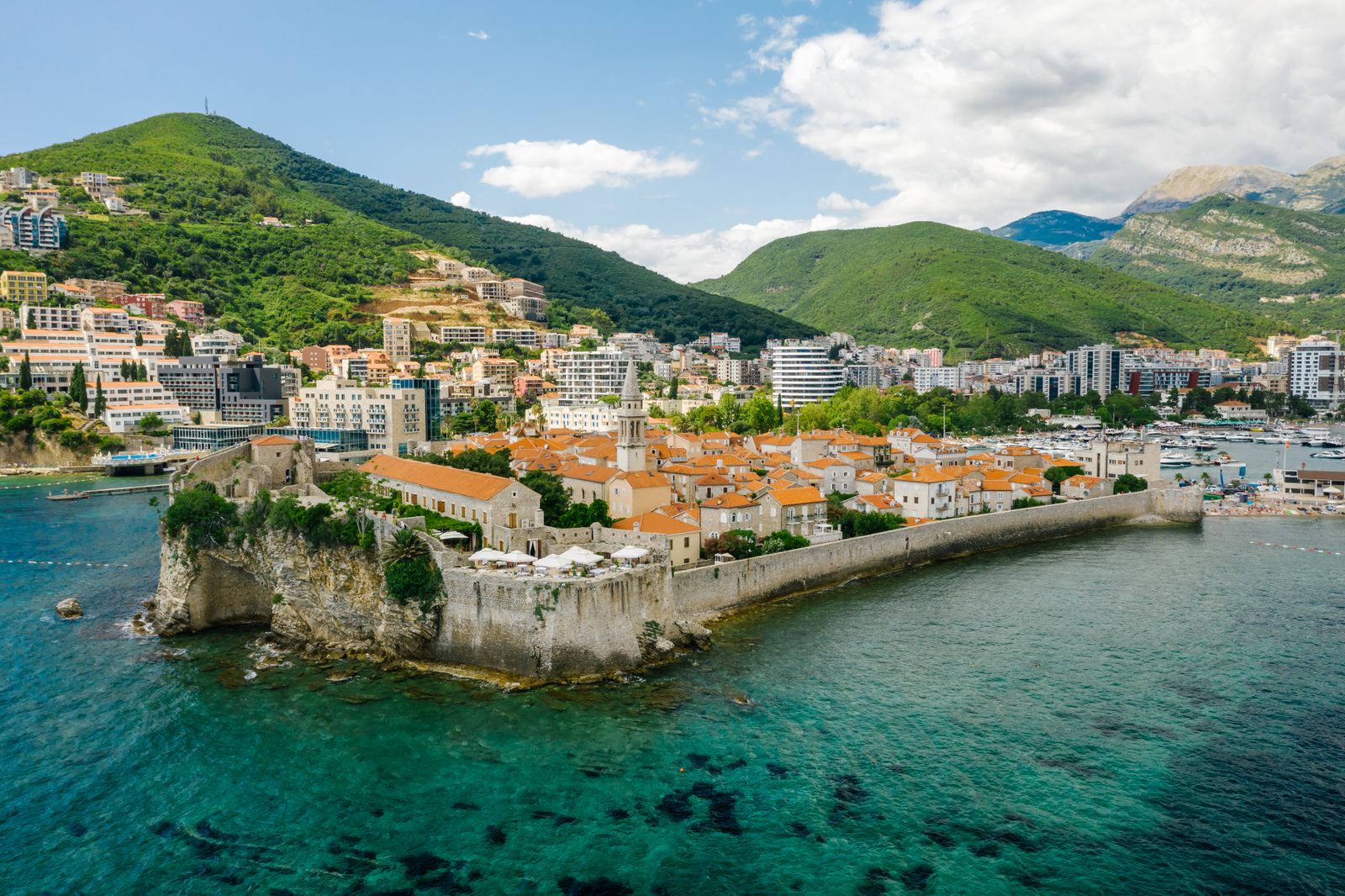
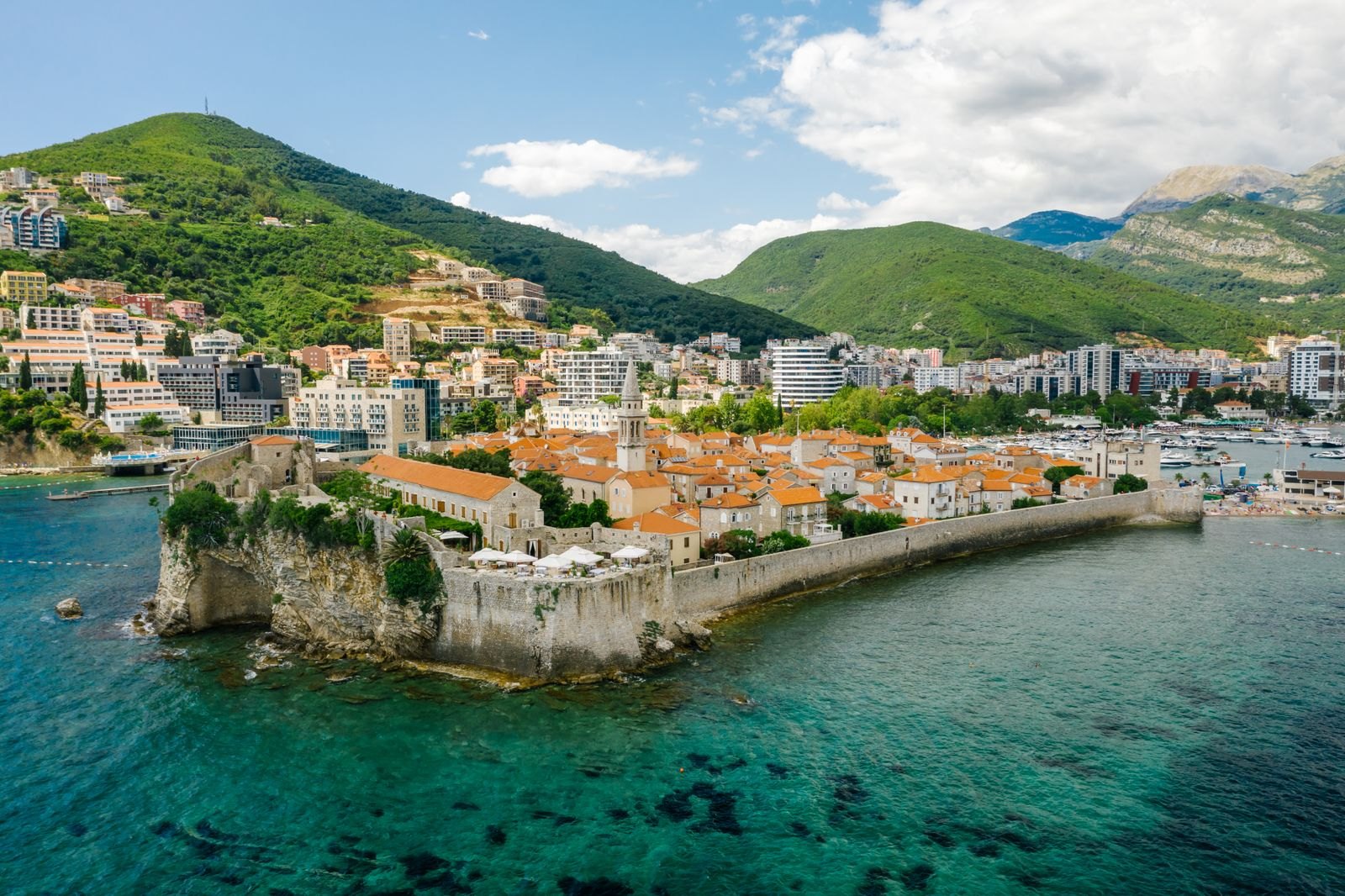
Montenegro is a destination that will completely sweep you off your feet with its contrasts, and Budva in Montenegro is its most dazzling gem. Picture medieval walls rising straight above the azure sea, hiding behind them a labyrinth of narrow stone lanes steeped in history. At the same time, this is the liveliest resort on the entire Montenegrin coast, where things buzz from the early morning until late at night throughout summer.
If you’re looking for a place where gorgeous beaches meet a rich nightlife, you’ve come to the right place. Budva is often nicknamed the Montenegrin Ibiza, which means plenty of fun — but also massive summer crowds and a permanent buzz. Anyone craving total peace and quiet usually picks one of the smaller resorts nearby, but skipping the old town itself would be a huge mistake.
In this guide we’ll take a detailed look at 14 tips on what to see and do in Budva and its immediate surroundings. I’ll tell you which beaches to head to with the family, where photographers will find the best views, what’s happening with the iconic island of Sveti Stefan this year, and what to watch out for when planning your budget.
TL;DR
- Old town (Stari grad): The historic heart of Budva, encircled by mighty walls, is a maze of lanes, medieval churches and picturesque cafés, where cars are strictly banned.
- The prettiest beaches: Just a short walk from the centre you’ll find the highly photogenic Mogren I and II beaches, while for families with children the long beach in Bečići, awarded the prestigious Blue Flag, is ideal.
- Sveti Stefan island: The luxury hotel resort is reopening on 1 July 2026 after lengthy disputes, with part of the adjacent beaches set to be publicly accessible once again.
- The Montenegrin Ibiza: In July and August Budva is the heart of the nightlife with giant open-air clubs, so if you’re after a quiet holiday, base yourself in one of the surrounding towns instead.
- Practical info: The local currency is the euro, even though the country isn’t yet in the European Union, and the nearest international airport is in Tivat, around 20 kilometres away.
- Aqua park warning: The town’s aqua park above Budva is facing serious operational and legal problems in 2026, is likely closed, and you should carefully check its status before your trip.
The full destination guide: Montenegro — guide and what to see
When to visit Budva
Picking the right time is absolutely crucial for a visit to Budva, because the town changes dramatically throughout the year. The best time to go is clearly June and September. In these months the sea is already a pleasant temperature for swimming (around 22 to 24 °C in June, even 24 °C in September), yet you’ll dodge the worst of the crowds. The Budva weather is beautifully stable, accommodation prices are more bearable, and you won’t spend hours stuck in traffic.
The peak season runs through July and August, when Budva turns into a pulsing and often extremely crowded party resort. Air temperatures regularly climb past 30 °C and coastal prices can easily be double those of the shoulder months. The Adriatic Highway between Budva and Kotor often becomes one long, endless traffic jam during this period. If you don’t like noise and crowds, it’s better to avoid the Budva Riviera during the summer holidays.
May and October, on the other hand, are absolutely ideal months for active sightseeing, exploring landmarks and trips into the mountains. Swimming can be a bit borderline by then, but you’ll enjoy a half-empty old town and stunning views without breaking a sweat. Most beach bars and summer clubs are closed, but Montenegro offers an all the more authentic atmosphere at this time of year.
Where to stay in Budva
💡 Accommodation and experiences tip: We like to search for places to stay on Booking.com, where the cancellation terms tend to be the best. Tickets, tours and activities are then worth comparing and booking through GetYourGuide.
Accommodation in Budva and the surrounding area offers a huge range of options, from luxury resorts to small family apartments. If you want to be in the thick of the action, look for a place right in town, but for a calmer stay choose neighbouring Bečići or the picturesque Petrovac instead. When booking through popular portals like Booking, always read the reviews concerning night-time noise carefully.
For lovers of pure luxury and top-notch service, the obvious choice is the Hotel Splendid Conference & Spa Resort in neighbouring Bečići. It’s the first five-star hotel on the eastern Adriatic, offering a huge wellness centre, several pools and, above all, a gorgeous private beach. It’s the perfect retreat for discerning travellers who want all their comforts in one place and only pop into central Budva for the occasional outing.
Right by the historic walls and the famous Mogren beach sits the four-star Avala Resort & Villas. Its location is absolutely unbeatable, since you have the old town literally a few steps from your room. Guests of this resort often get free entry to Mogren beach, which is a huge bonus in season. Another great in-town option is the Hotel Tre Canne, which lies just 150 metres from the sea and boasts a luxurious rooftop restaurant with views.
If you’re travelling with family and looking for the ideal compromise, you’ll definitely be drawn to the Mediteran Hotel & Resort in Bečići. This four-star hotel has its own private beach and, more importantly, a small private aqua park with slides — a huge plus given the problems plaguing the big town aqua park. A popular and more affordable alternative in the same area is the modern Hotel Moskva.
For romantic souls craving a historic atmosphere, the Astoria Boutique Hotel is made for you. It sits right in the heart of the old town, offering a gorgeous rooftop terrace with sea views and its own beach service. Anyone after absolute calm away from the Budva buzz should choose the Vile Oliva Hotel & Resort in the neighbouring town of Petrovac. The resort lies in the middle of an olive grove full of centuries-old trees and offers perfect family relaxation just a twenty-minute drive from the centre of Budva.
14 tips on what to see and do in Budva
Let’s take a detailed look at the best of what the Budva Riviera has to offer. The town blends ancient Venetian architecture, stunning natural scenery and modern tourist attractions.
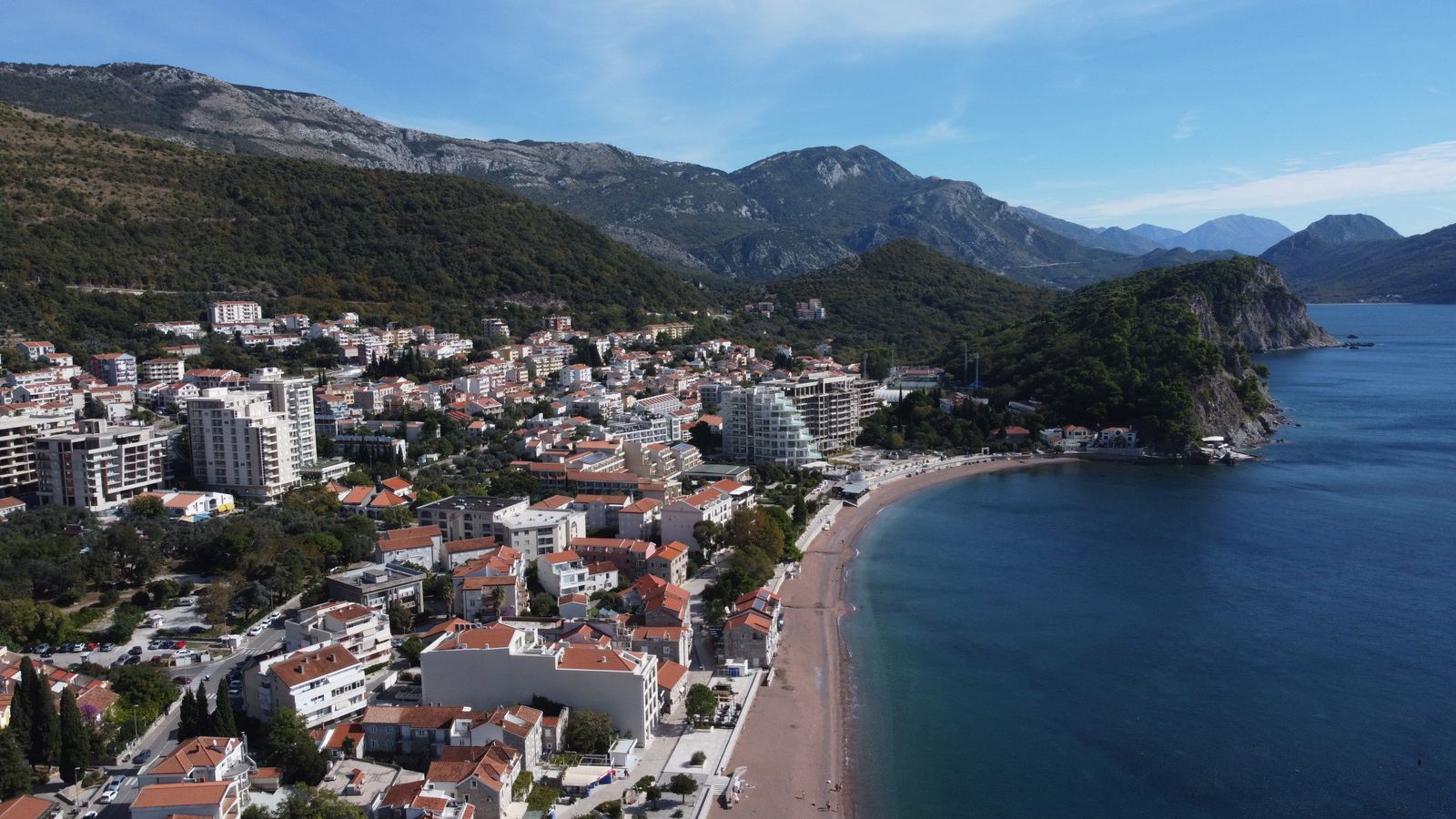
1. Stari grad: a Venetian labyrinth above the sea
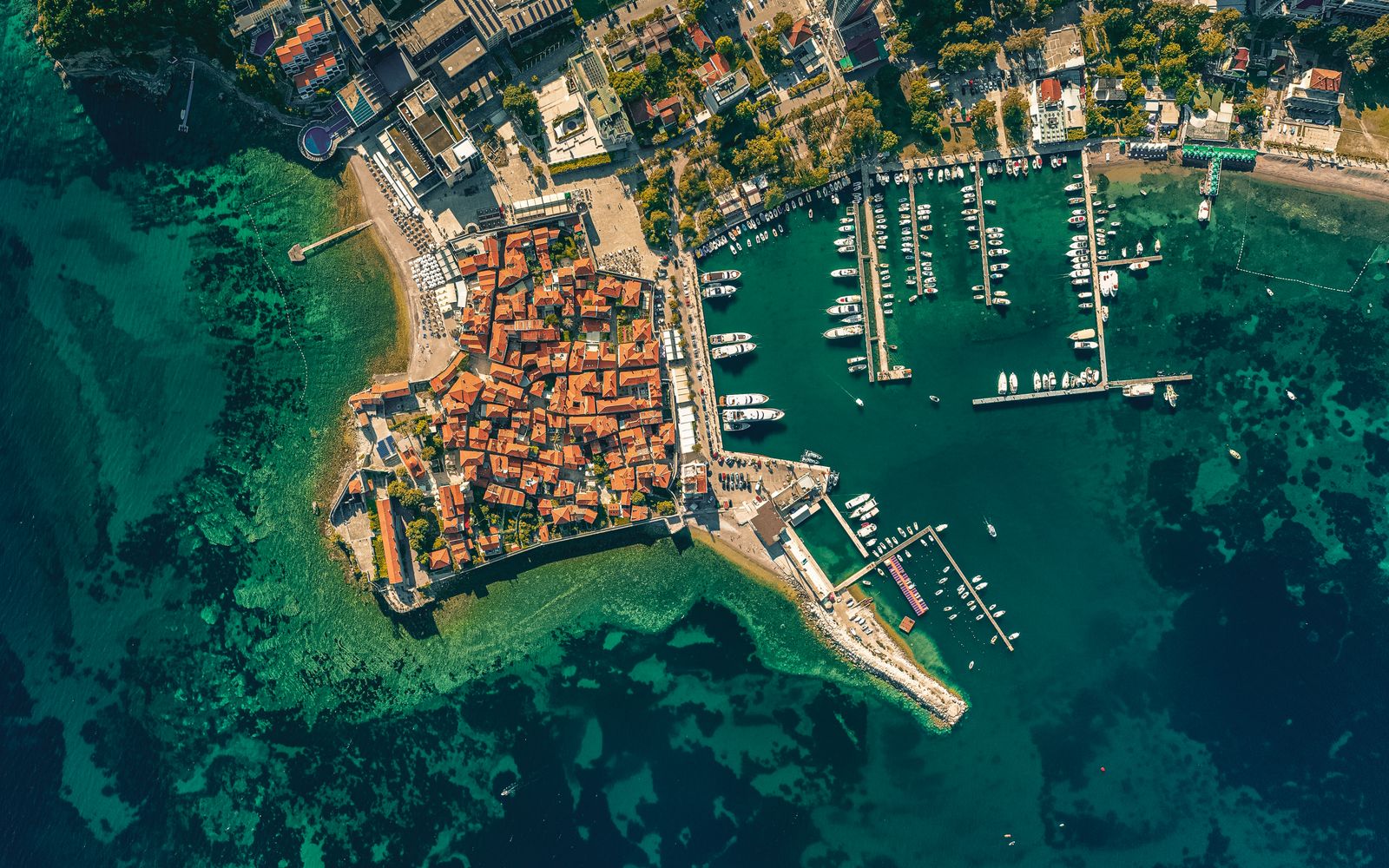
The fortified medieval core of Budva sits on a small, picturesque peninsula and is made up of an incredibly tangled network of narrow stone lanes. Budva is among the very oldest settled places on the entire Adriatic, with a history stretching back roughly 2,500 years to Illyrian and Greek roots. After the devastating earthquake of 1979, the old town was restored very sensitively and carefully to its original beauty.
The whole old town is strictly pedestrian and entering the lanes is completely free. This place is at its most magical early in the morning at sunrise, or conversely late in the evening, when the street lamps light up and live music drifts out of the little squares. You’ll find dozens of boutiques, small galleries and cafés where you can sit for hours and just watch the world go by.
A real hidden treasure is the trio of churches on the main square, standing right next to one another. You can admire the Orthodox Holy Trinity Church from 1804 with its beautiful frescoes, and right beside it the older Catholic Church of St John with its dominant bell tower. A short walk away, at the very tip of the peninsula, stands the tiny Santa Marija in Punta from 840 AD — one of the oldest churches in the country, today serving as a unique gallery.
💡 Tip for vegetarians: If you get hungry, head into the lanes to explore the local food scene. A short walk from the Pizanela gate you’ll find Pastabar, which serves excellent homemade pasta and clearly marks its vegan options. Lovers of purely plant-based food shouldn’t miss Paradise Food, the only fully vegetarian and vegan spot in town.
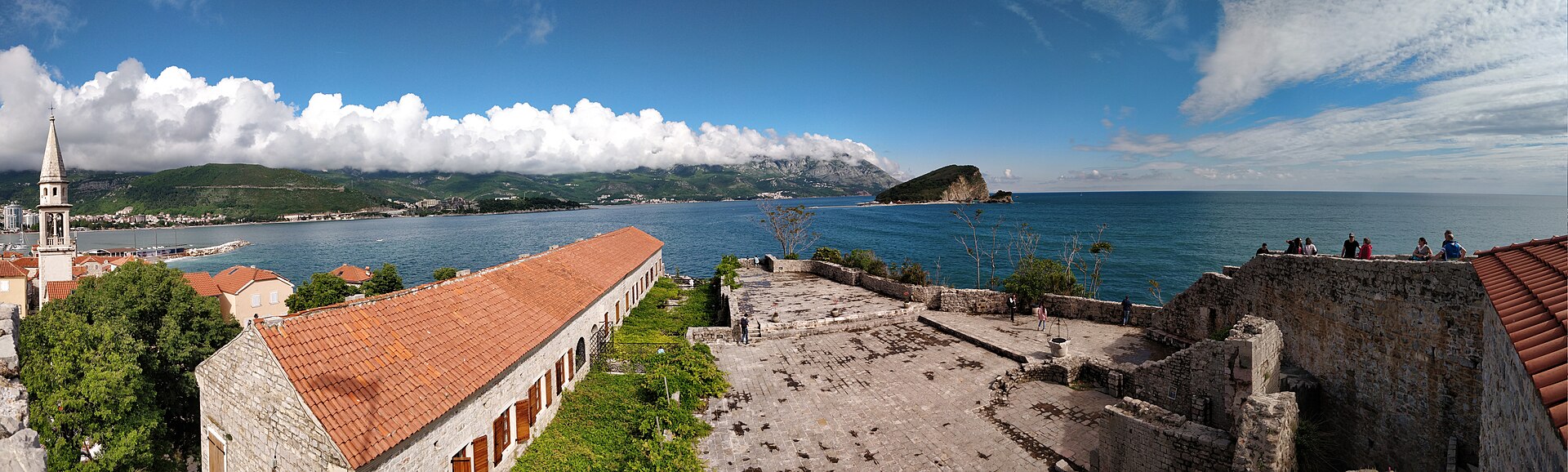
2. The Citadel: a fortress at the tip of the old town
The highest and most dramatic point of the entire old town is the medieval Citadel, whose present form dates mostly from the 15th to 19th centuries. It sits at the very southern tip of the peninsula and offers the most beautiful views across the surrounding area. Inside you’ll find a spacious courtyard, the remains of old barracks and a charming little library with historic sea charts and models of old ships.
The main reason to visit, though, are the mighty walls themselves with their viewing walkway. From here you’ll get a fantastic view over the open sea, the facing island of Sveti Nikola and the iconic red rooftops of the old town below you. In the evenings, a romantic restaurant with a view often operates in part of the Citadel, with an atmosphere all its own.
Admission for adults in 2026 is roughly 5 € and children usually enter free. You pay on the spot in cash, so there’s no need to fuss with booking tickets online in advance. While wandering the town’s lanes is free, this small fee for the views from the highest point is absolutely worth it.
💡 Tip: Plan your Citadel visit for late afternoon, when the sun is no longer beating down and the colours of the sea and the old stone start to take on warm, golden tones.
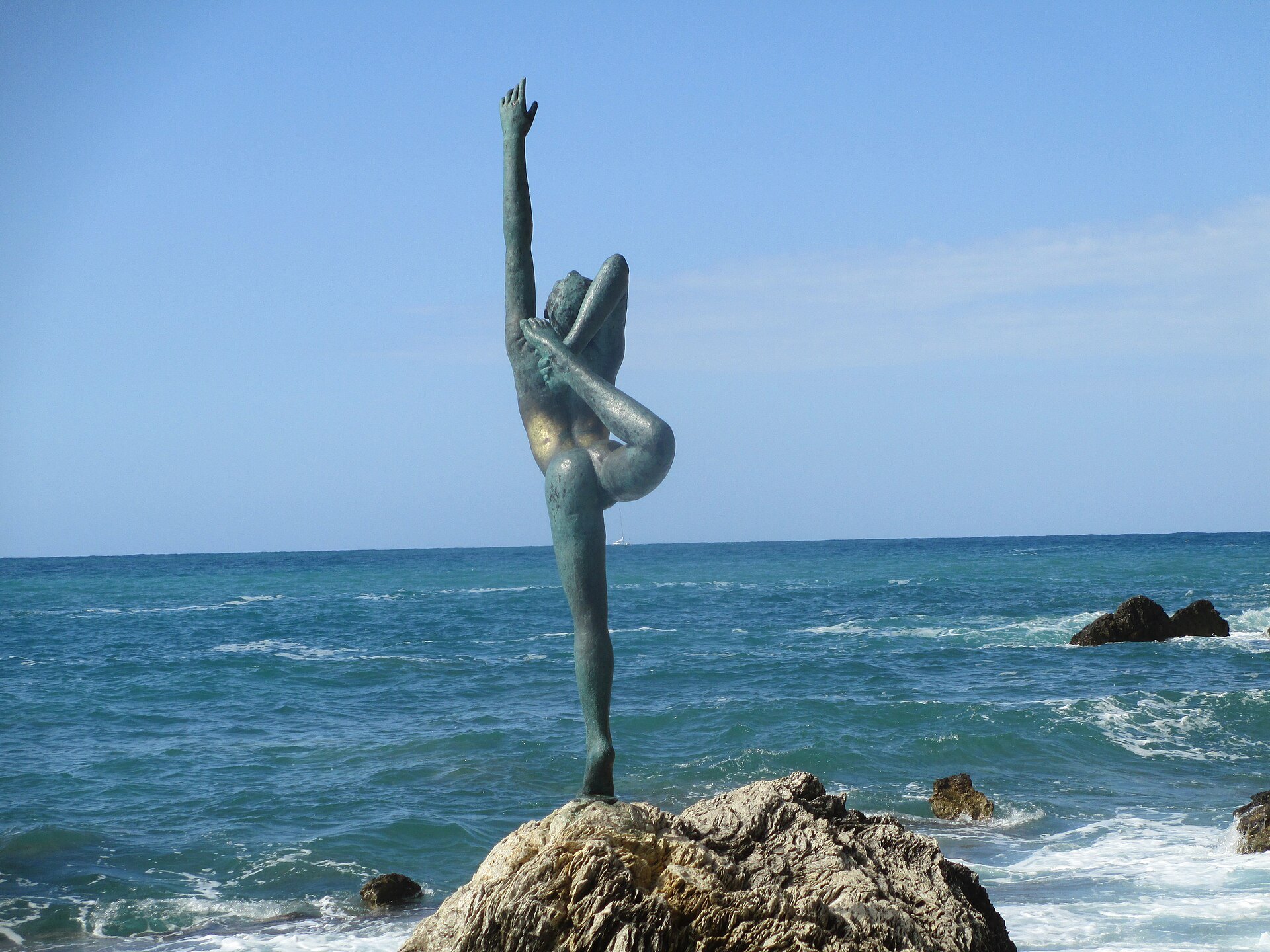
3. The Dancer statue and its touching legend
If you set off along the coastal path from the old town towards the beaches, you’ll come across probably the most photographed sight in all of Budva. It’s a beautiful bronze statue of a girl in a graceful gymnastic arch, balancing on a lone rock right above the sea waves. Her silhouette with the historic walls in the background is an absolute classic that nearly every visitor takes home.
Tourists often mistakenly call her a ballerina, but the official name of the work is The Dancer and it comes from the workshop of sculptor Gradimir Aleksić. A touching local legend is tied to it, telling of a girl who supposedly came to this rock every day to watch for her beloved fisherman. He never returned from the stormy sea, and so the statue became an eternal symbol of love, faithfulness and endless waiting. It is not, then, a monument to any real historical ballerina.
You’ll find it about five minutes’ slow walk from the walls. The best time to capture those iconic photos is during the golden hour just before sunset. At that moment the statue is beautifully backlit and the sea behind it turns into incredible shades of orange and purple.
💡 Tip: During the day there’s quite a crush of people around the statue wanting to take selfies. If you’re after a photo without the crowds, it’s worth heading here early in the morning, right after breakfast.
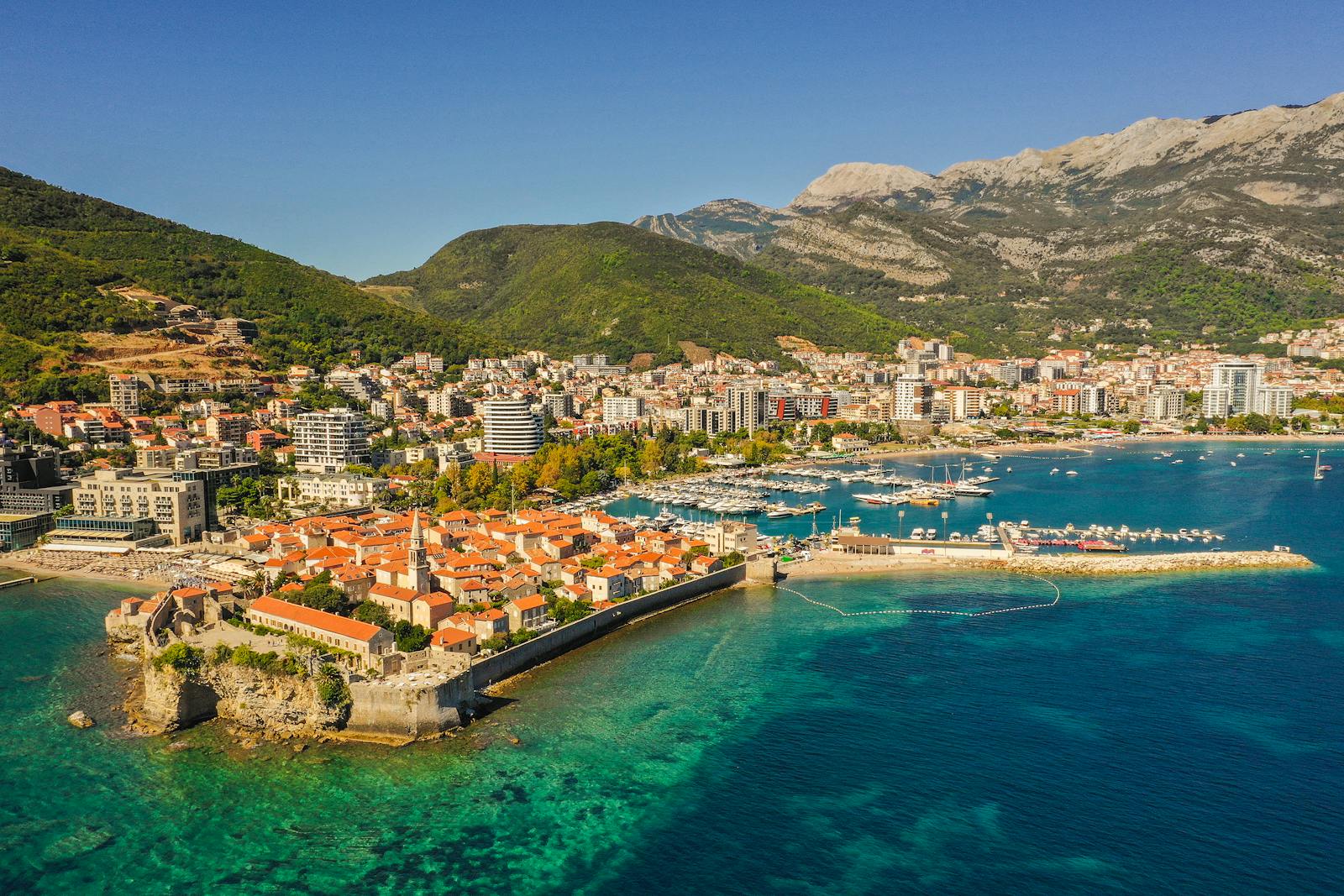
4. The old town walls and the seaside promenade
A stroll around the whole peninsula and along the crown of the town walls is one of the loveliest free experiences you can treat yourself to in Budva. The route starts at the luxurious marina full of yachts, continues past the old fishing harbour, follows the mighty stone walls and, passing the Dancer statue, leads you all the way to the tunnel heading towards the famous beaches.
The whole promenade is beautifully laid out and lined with benches from which you can watch the waves crashing against the rocks. If you count yourself among keen walkers, the Seven Bays trail will definitely delight you. It’s a stunning coastal route that starts in Budva and runs along the cliffs and beaches all the way to the luxurious island of Sveti Stefan.
This trail is still a huge hidden gem for many regular tourists. It offers absolutely breathtaking views over the open Adriatic, and you won’t meet crowds here even at the height of summer. Of course, you can split the route into several shorter sections and take a dip along the way in one of the smaller, lesser-known coves.
💡 Tip: If you set off on the Seven Bays trail, don’t forget to bring sturdy shoes and plenty of drinking water. Some sections are rockier, and in the summer months the sun really beats down on the path.
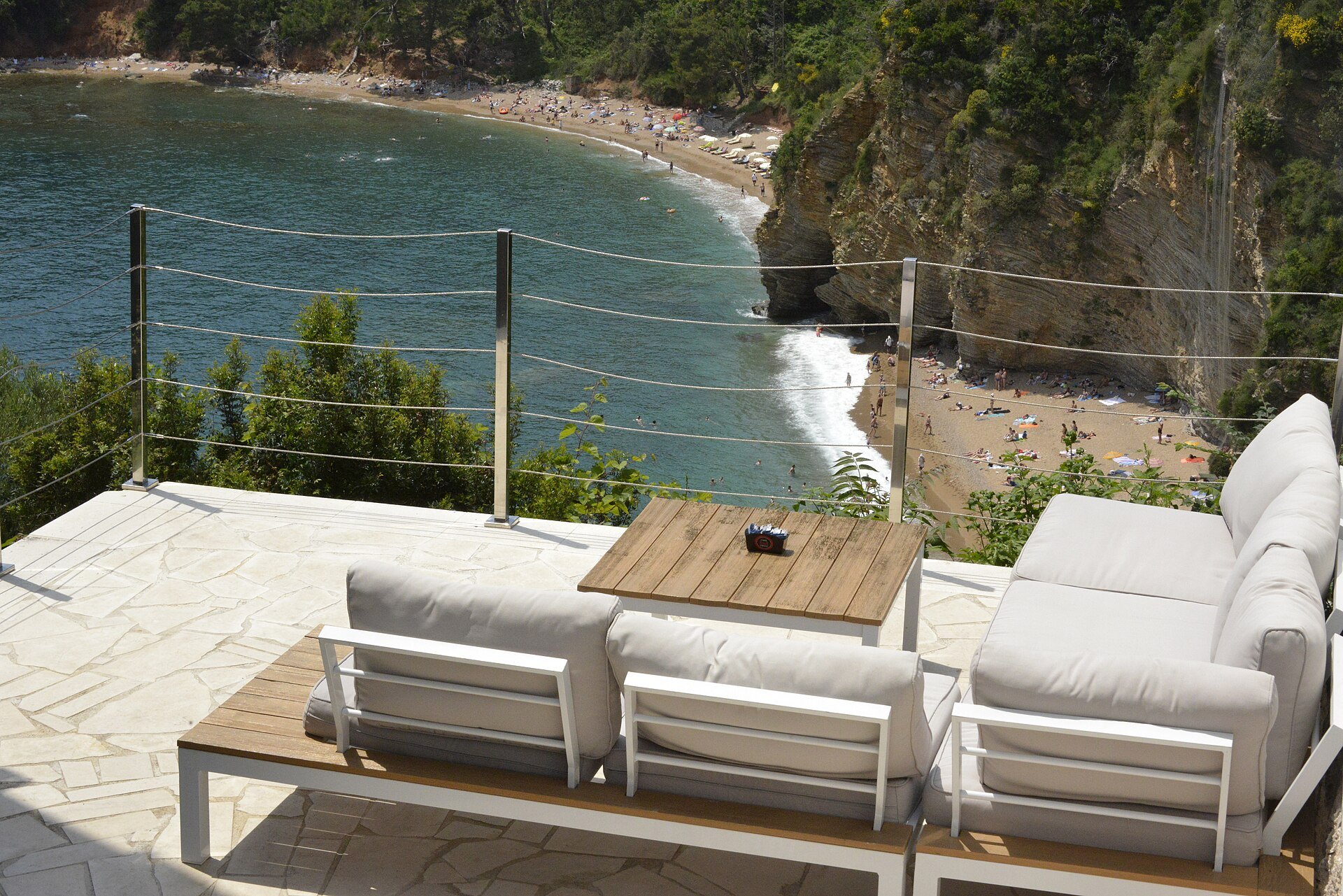
5. Mogren I and Mogren II beaches
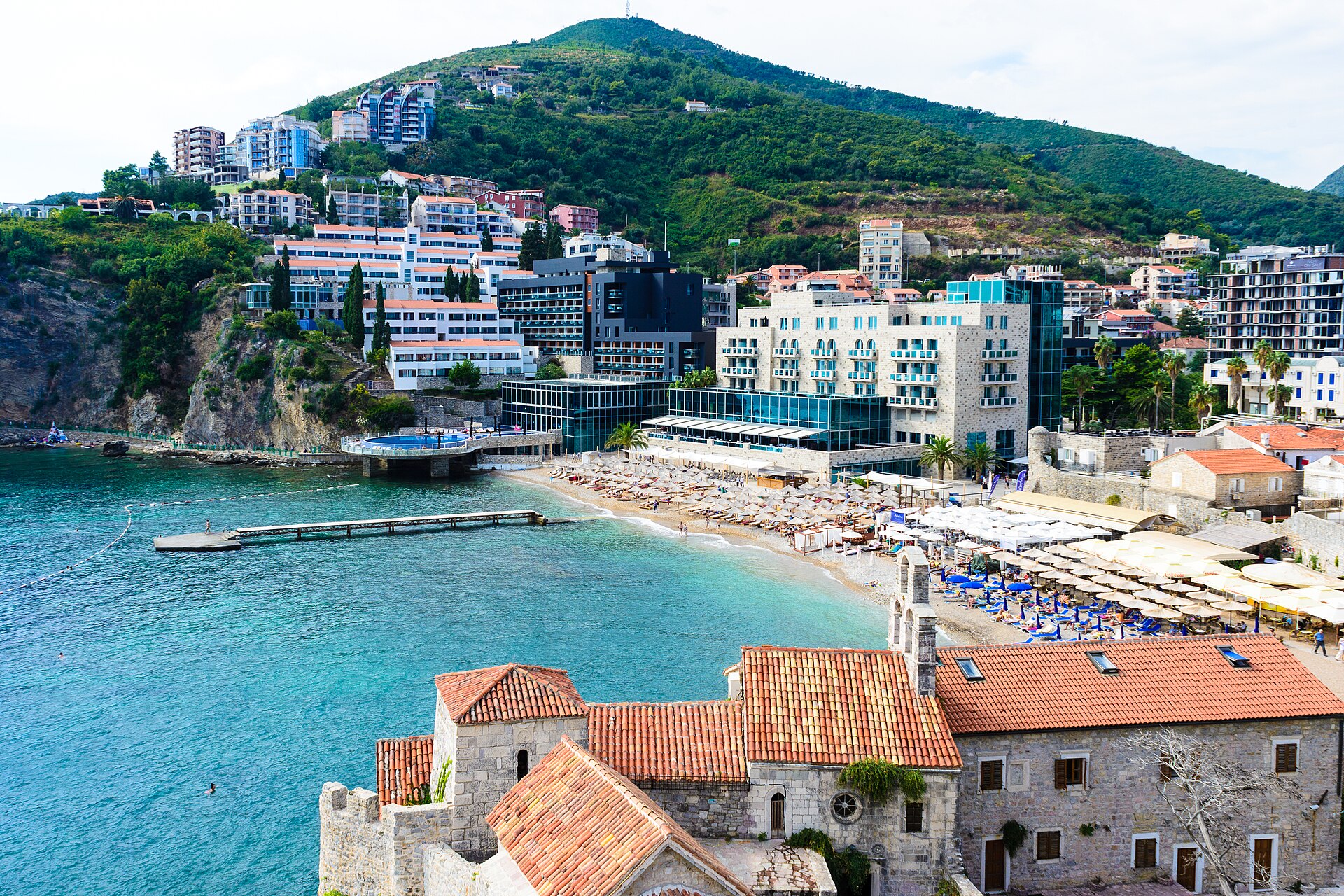
About ten to fifteen minutes on foot from the historic centre you’ll find the most famous and most popular beaches on the entire riviera. You reach them along the coastal path past the Dancer statue, and at the very end you pass through a short, adventurous tunnel carved straight into the rock. Two gorgeous coves await you, sheltered by cliffs and lined with fragrant pine trees.
The first part, Mogren I, is larger, noticeably busier and offers complete beach service including beach bars. But just past the next rocky passage hides Mogren II, which is smaller, far more photogenic and much calmer. The water here is incredibly crystal clear, but the entry into the sea tends to be a bit steeper, which is good to know if you’re travelling with small children.
The surface of both beaches is a pleasant fine pebble mixed with coarser sand. Renting a set of two sunloungers and a parasol costs roughly 10 to 20 € depending on the season and location. At the peak of summer a symbolic beach entry fee of around 2 € per person is sometimes charged, while out of season entry is completely free.
💡 Tip: I’d recommend heading to Mogren II early in the morning, because it fills up fast in the afternoon and finding a free spot becomes tricky. Don’t forget to pack water shoes for the small pebbles.
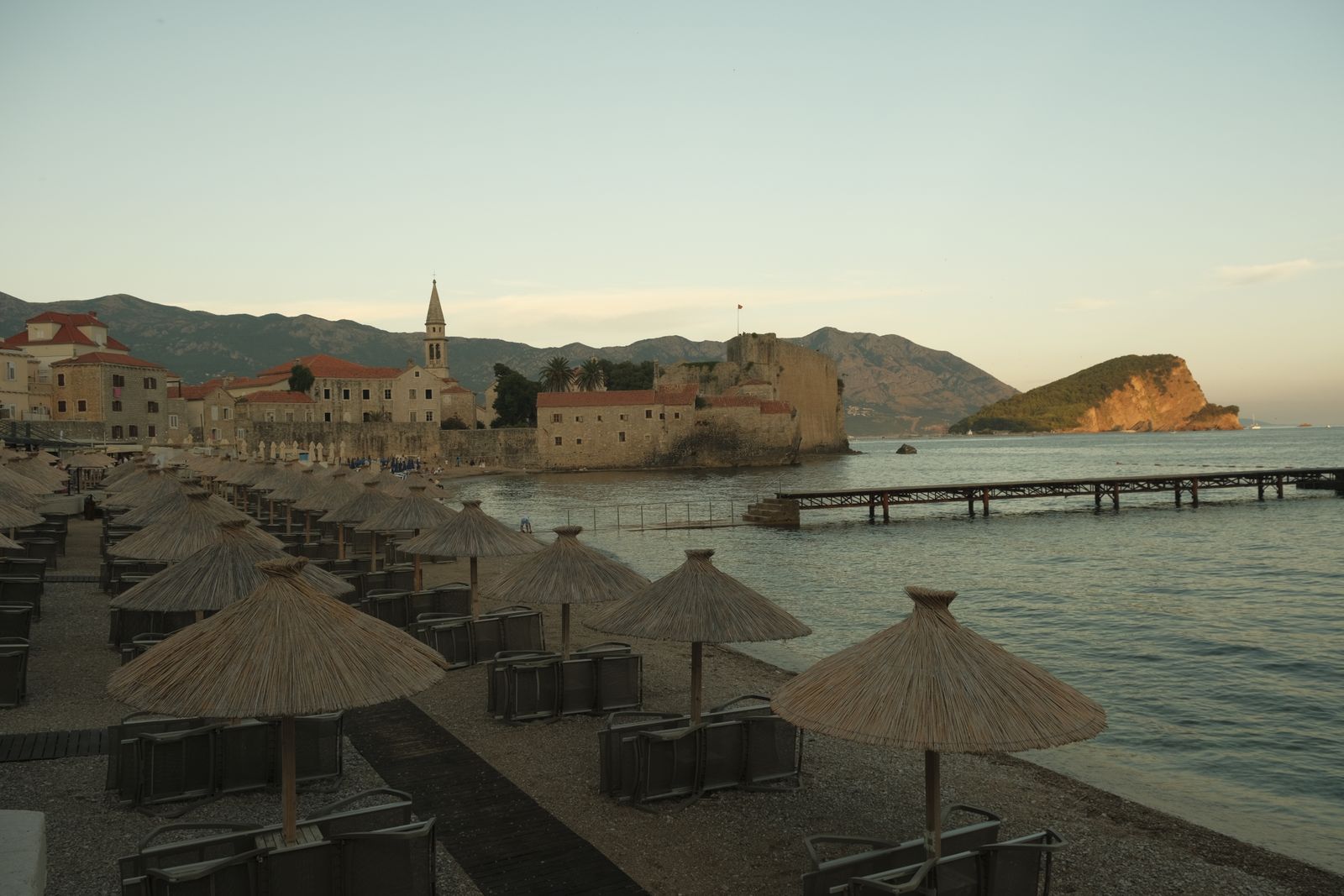
6. Slovenska plaža: the pulsing heart of the resort
Slovenska plaža, or Slavic Beach, is by far the longest and busiest town beach in Budva. It measures a respectable 1.6 kilometres and stretches from the historic centre along a sprawling hotel complex. Its surface is sand-and-pebble, the entry into the sea is very gentle and the facilities are honed to perfection.
You’ll find absolutely everything here, from hundreds of sunloungers and dozens of beach bars to jet ski and pedalo rentals. It’s the main action hub loved by young people looking for fun and by families who need complete infrastructure. Sunloungers here cost roughly 10 to 25 € per pair, while in the more upmarket sections prices can climb even higher.
Right at the start of this long beach, directly beneath the medieval walls, lies the small but incredibly photogenic Ričardova glava beach (Richard’s Head). Its backdrop is formed by the very stone walls of the old town, which makes it one of the most interesting places to swim — although it gets snapped up extremely quickly.
💡 Tip: In July and August you have to arrive at Slovenska plaža really early in the morning, otherwise you’ll have only a slim chance of bagging a free sunlounger or even a spot for your own towel.
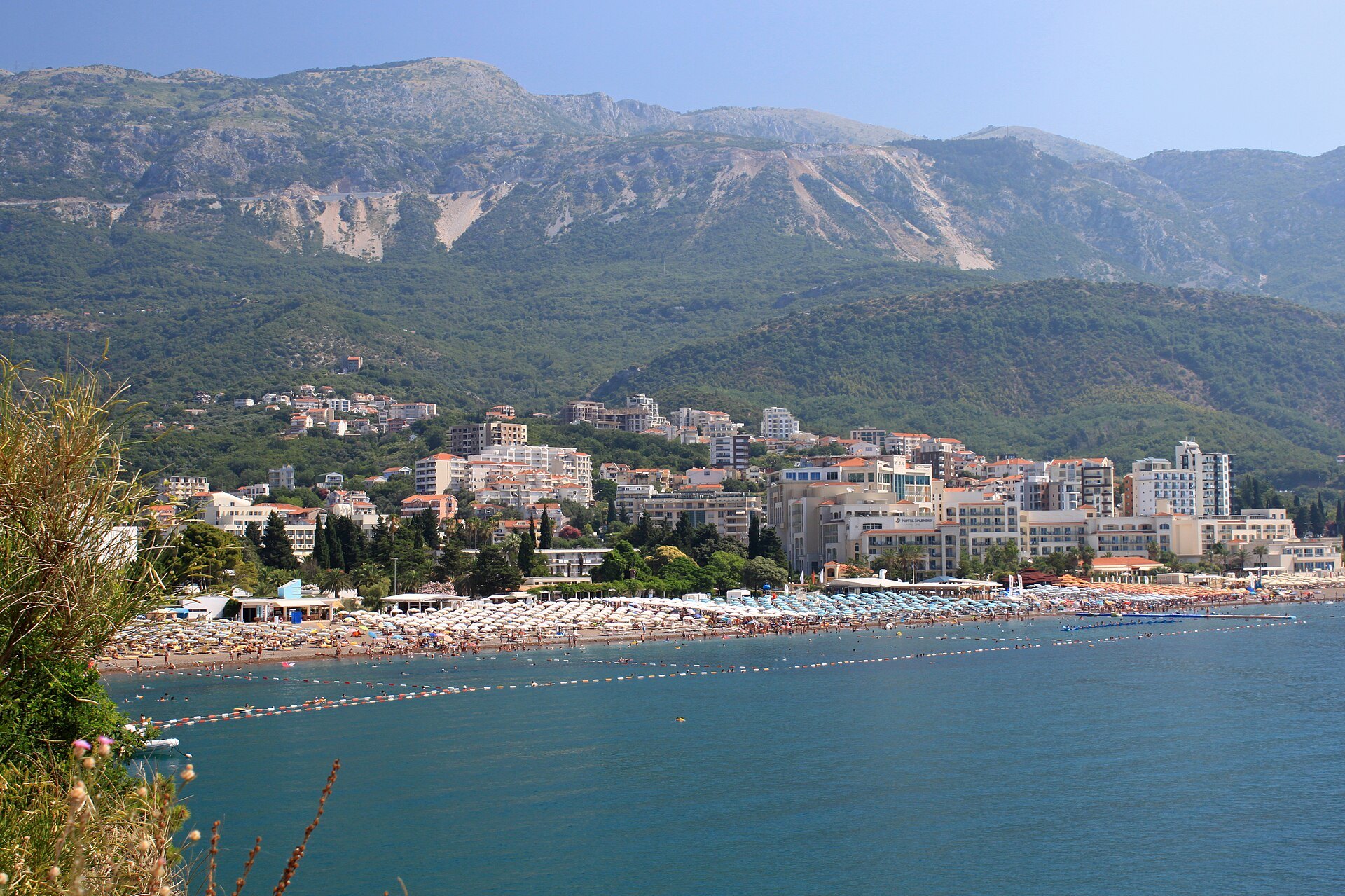
7. Bečići and its Blue Flag
About three kilometres south of central Budva lies the enormous sand-and-pebble beach in Bečići, which is nearly two kilometres long. Compared to the town beaches it offers far more breathing space and has repeatedly been awarded the prestigious Blue Flag for water cleanliness and service quality — a real mark of quality in the Balkans.
It’s a wide strip of coast with excellently organised service, clean showers and changing rooms. It’s very popular with families, though you need to be careful, because the water here deepens a little faster than at Slovenska plaža. For a pair of sunloungers you’ll pay roughly 6 to 15 €, which makes it one of the best value-for-money options in the whole area.
Bečići also works as a self-contained hotel enclave full of modern resorts. It’s the absolutely ideal practical base for anyone who wants to spend their days on a spacious beach but conveniently get to the fun in central Budva in the evening, which you can easily reach on foot along the well-kept seaside promenade.
💡 Tip: If you stay in the hotels in Bečići, you’ll avoid the morning scramble to find parking near the beaches and gain a much calmer environment for drifting off to sleep in the evening.
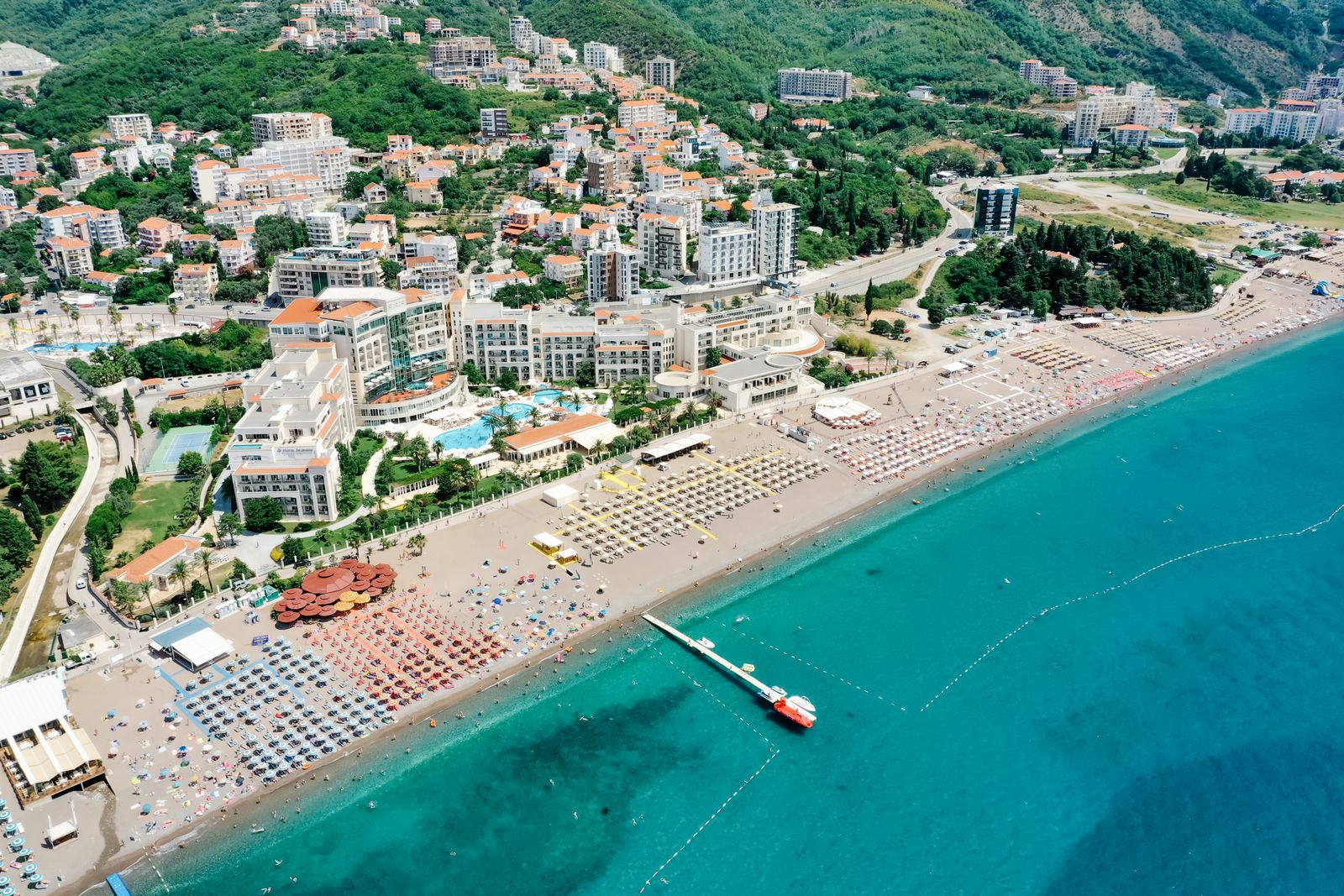

8. Jaz Beach: sand, bars and open-air music
About 2.5 kilometres west of Budva lies Jaz Beach, which is one of the longest and most spacious beaches on the entire riviera. It measures almost two kilometres and its surface is a pleasant mix of coarse sand and fine pebbles. The whole area is divided into a family-oriented, organised part, Jaz I, and a wilder, more relaxed and partly naturist part, Jaz II.
This beach is famous for its musical history and has a reputation among locals as a great open-air stage. In the past, huge music festivals and concerts by world stars such as the Rolling Stones and Madonna were held here. Today you’ll find great beach bars where music plays from the afternoon into the evening, along with a huge range of various water sports.
A huge advantage of Jaz Beach is the large free car park right by the sea. Around Budva, parking is usually a big source of stress and costs quite a lot of money, but here you have one of the few options where you can park for free without long circling.
💡 Tip: Jaz is a great choice if you have a hire car and don’t want to pay for expensive town parking. The wide beach guarantees you’ll find a spot even in the afternoon hours.
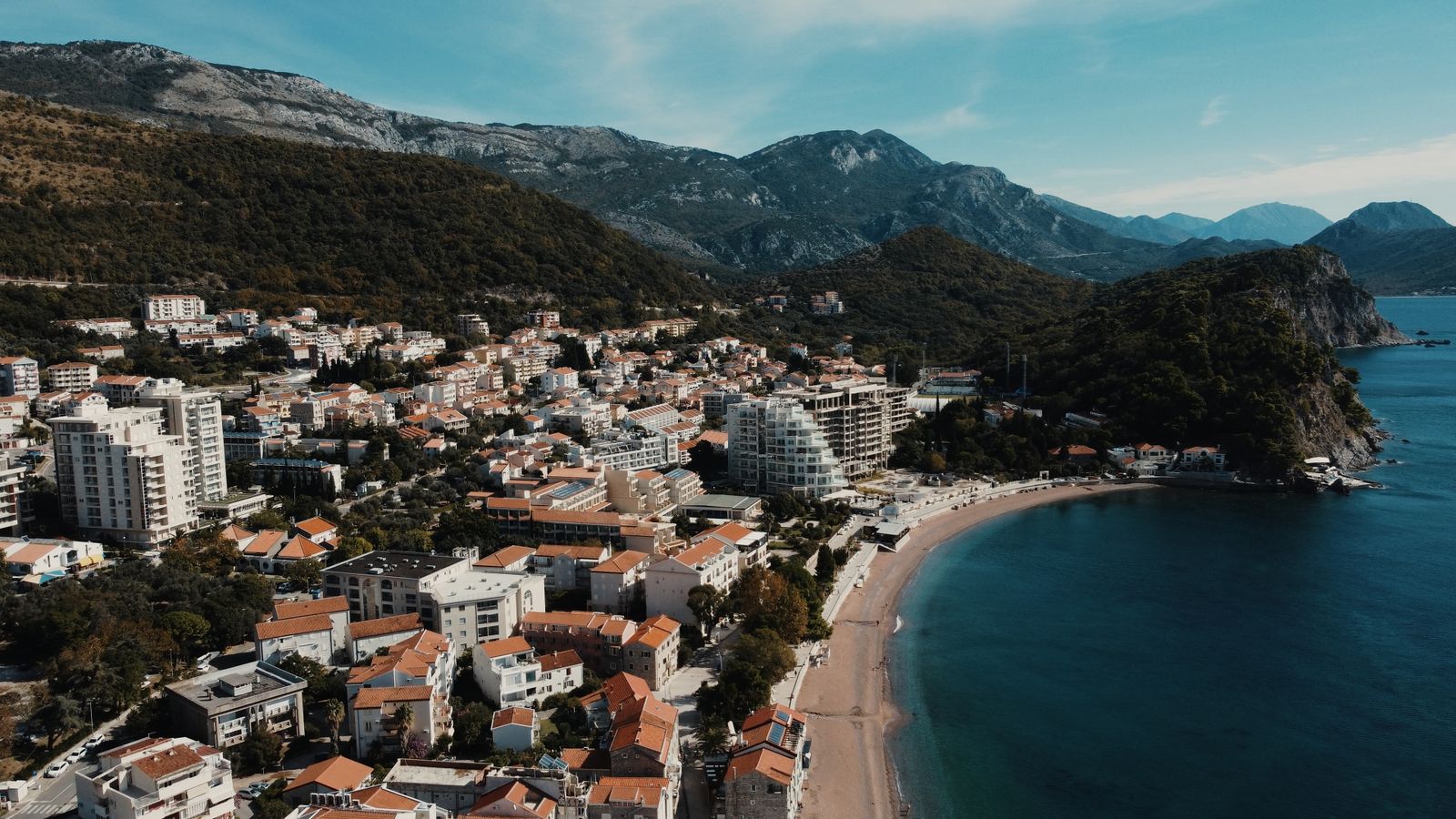
9. Ploče Beach: concrete terraces and pools in the rocks
If you’re already tired of classic pebble beaches and looking for something a little different, head to Ploče beach, lying a bit further west beyond Jaz Beach. It’s not a beach in the true sense, but a unique rocky headland with smooth concrete terraces and several seawater pools cut in cascades straight into the cliffs.
From the terraces you can jump straight into the incredibly deep, crystal-clear water of the open sea. Ploče basically functions as one giant beach club. During the day rhythmic music plays from the speakers, famous foam parties take place and great cocktails are mixed. At the same time, though, you’ll also find calmer sections with children’s pools, so you needn’t be afraid to come here even with the family.
This concept often offers a very pleasant pricing policy where you get a sunlounger essentially for free on the condition of spending a certain amount at the local bar or restaurant. It’s an ideal solution for those who dislike pebbles underfoot and want to enjoy a modern beach atmosphere with a drink in hand.
💡 Tip: Definitely bring swimming goggles or a snorkel. Thanks to the rocky bottom, the water here is absolutely crystalline and the underwater life around the reefs is very rich.
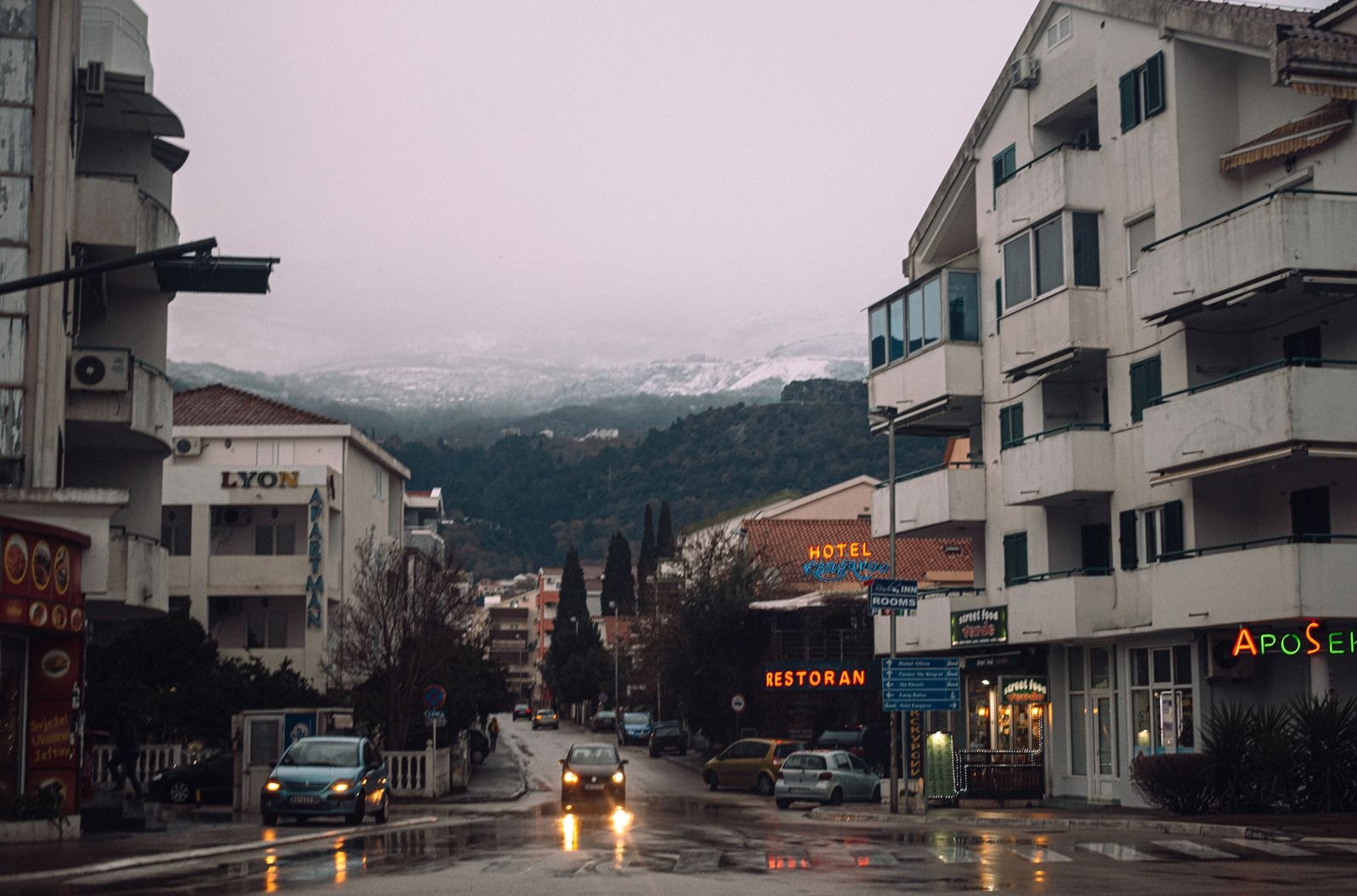
10. Nightlife: why Budva is called the Montenegrin Ibiza
Budva didn’t earn its nickname, the Ibiza of the Adriatic, by chance. During the summer it turns into the most intense party destination in all of Montenegro, drawing in young people from across the Balkans and Europe. The main draw is the legendary Top Hill, a gigantic open-air club built on a hill about 200 metres above the town. From the enormous dance floor you get an amazing view of the night-time sea, and the best international and local DJs play here.
The Top Hill club operates in full swing mostly only in July and August. If you prefer something a little more intimate, head to the Adriatic club (sometimes called Ibiza Budva). It sits right on the coastal cliffs south of the old town and offers a fantastic terrace above the sea. It’s at its most magical around sunset (roughly between 7 and 10 pm), when it works as a laid-back sunset bar before turning into a dance party in the evening.
If nightlife isn’t quite your thing, it’s wise to approach Budva with genuine respect. In peak season the centre really is very loud and the streets are full of revelling tourists. Anyone looking for peace on holiday and an early night should stay in calmer resorts like Petrovac or Pržno and only come into the whirl of Budva for an afternoon trip.
💡 Tip for a calmer evening: Instead of noisy clubs, you can enjoy a great dinner. If you eat meat, locals often recommend the restaurant Jadran kod Krsta in the harbour, where they make a famous sea bass in a salt crust. For lovers of a gluten-free diet and craft beers, the obvious choice is Gluteria Getafix.
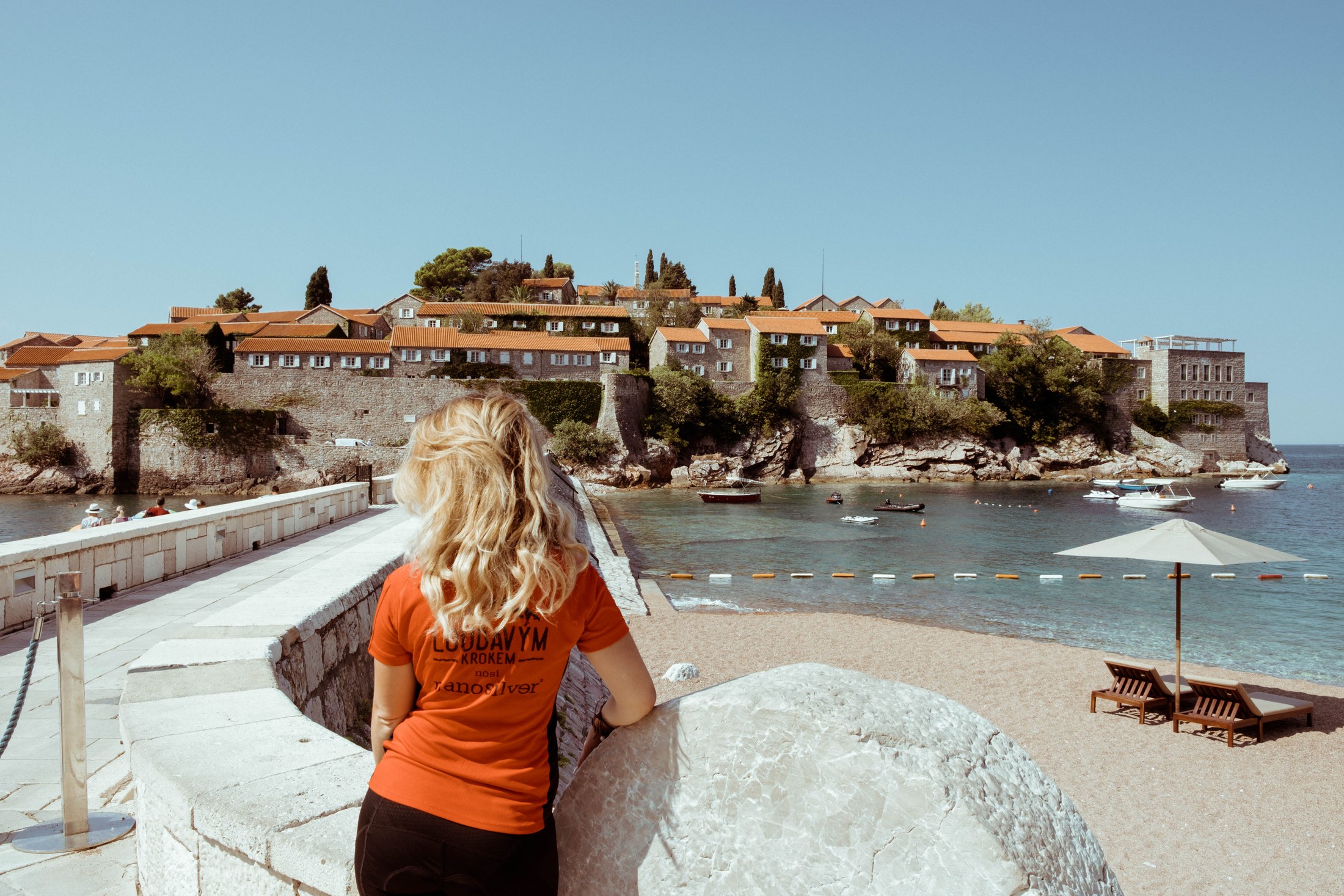
11. A trip to Sveti Stefan and the big change for 2026
When you say Montenegro, the first thing most people picture is precisely the photograph of the island of Sveti Stefan. This former small 15th-century fishing village, built on an islet connected to the mainland only by a narrow sandy isthmus, has become an icon of the entire country. In the past it was rebuilt into the super-luxury Aman Sveti Stefan resort, which hosted celebrities from all over the world.
For a long five years, however, this resort was unfortunately closed due to sharp disputes with the government over beach access. The important news is that, under the current agreements, Aman Sveti Stefan is reopening to the public on 1 July 2026. Part of this grand deal should include restored free public access to the adjacent Sveti Stefan Beach and King’s Beach, while the exclusive Queen’s Beach will remain reserved for hotel guests only.
It’s important to know that the island itself remains private and ordinary tourists can’t get inside its lanes unless they’re staying as resort guests. But that doesn’t matter at all, because the most beautiful view of the island is from the lookout points along the road high above the sea, from where you can take the most iconic photographs.
💡 Tip: Stop at the lookouts above the island early in the morning at first light. The whole of Sveti Stefan turns an incredible golden colour and you won’t have to jostle with coachloads of day-trippers. Just to be safe, double-check the current situation with beach access before your trip.
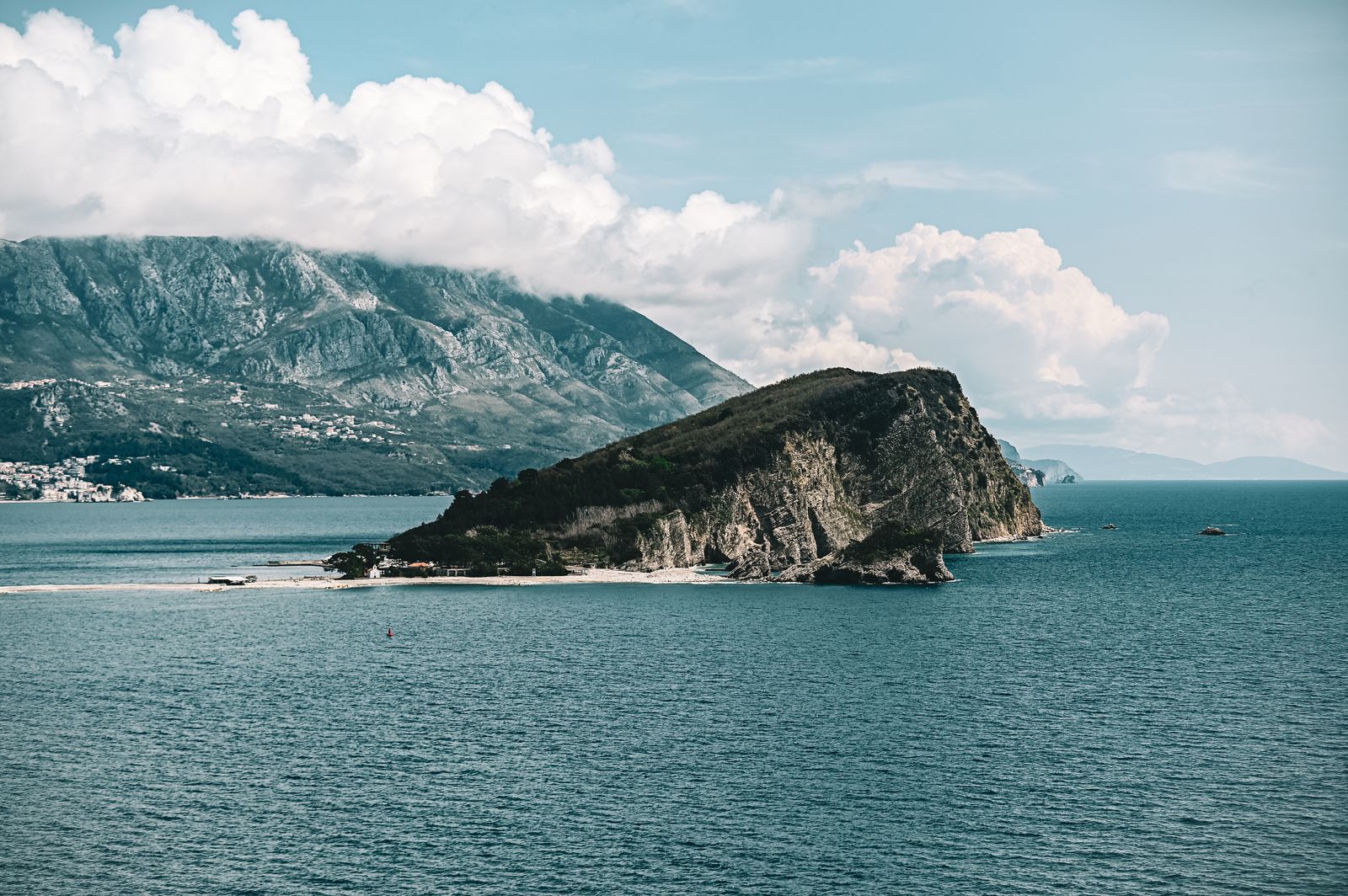
12. Sveti Nikola island: take a trip to Hawaii
Directly opposite Budva, the largest island of the southern Adriatic — Sveti Nikola — rises from the sea. For its wilder character and laid-back atmosphere, locals fondly nickname it Hawaii. On the island you won’t find any big hotels, just a small historic church dedicated to St Nicholas, pine forests and three beautiful public pebble-and-sand beaches on the northern side.
It’s a great place to escape the bustle of the town beaches. Getting there is very easy; in season, small water taxis shuttle back and forth constantly from the Budva marina and the old town, running roughly every hour. A return ticket costs roughly 5 to 10 € and the crossing itself takes just a few minutes.
The beaches on the island are beautiful, but markedly wilder than on the mainland. The water can deepen more quickly here and stronger sea currents appear in places, so it may not be the ideal choice for families with very small children. Be sure to bring quality water shoes for the larger pebbles.
💡 Tip: The beach service and food options on the island are fairly modest. I’d definitely recommend packing your own supply of drinking water and a few snacks from the mainland into your backpack.
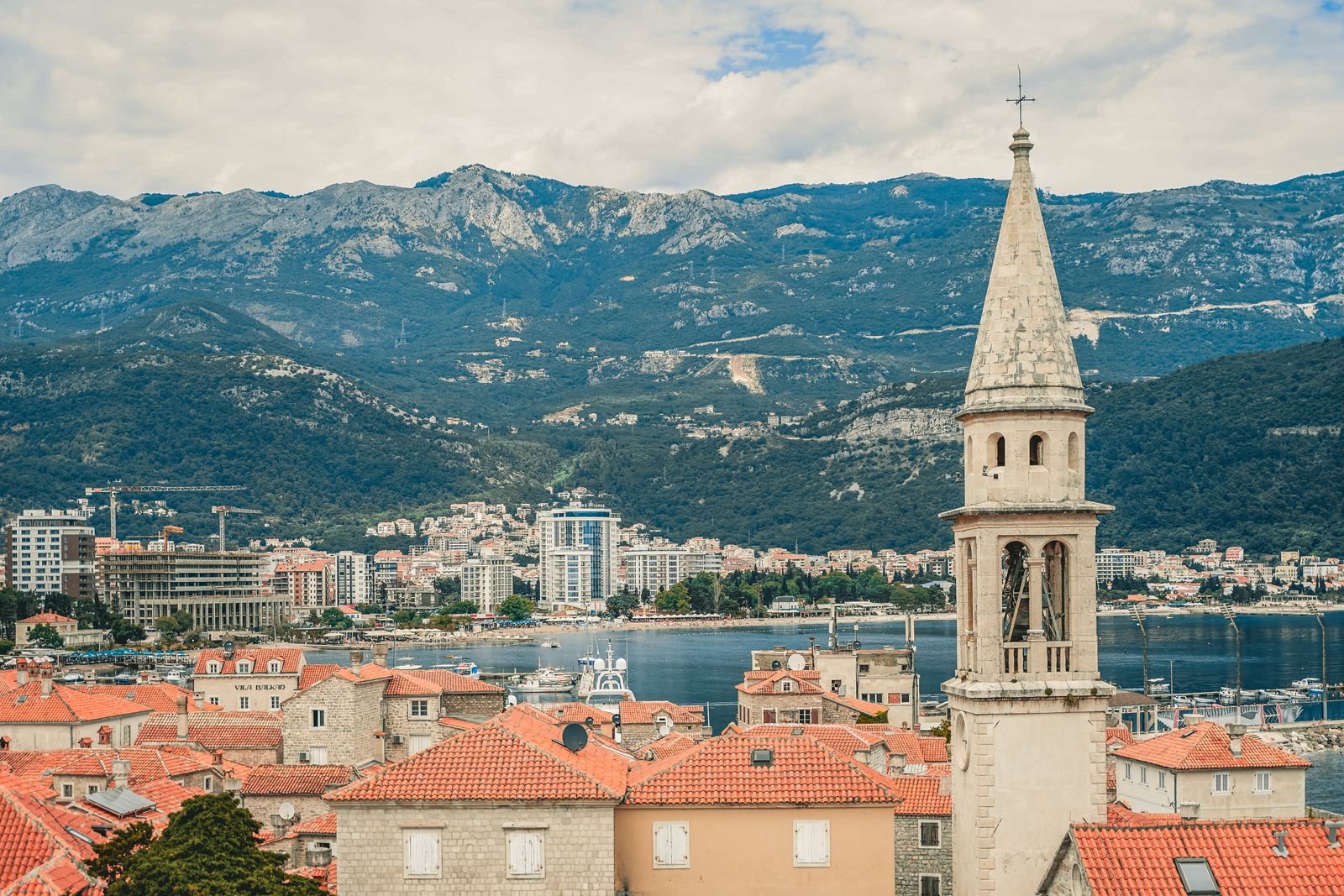
13. Podmaine Monastery: a quiet retreat with a view
If you need a break from the salty sea and the beach hustle, head about two kilometres above Budva to the historic Podmaine Monastery (sometimes called Podostrog). This beautiful 15th-century Orthodox monastery founded by the powerful Crnojević family is a true oasis of complete calm. In the past it served as an important residence of the Montenegrin prince-bishops, and the famous poet Petar II Petrović-Njegoš stayed here too.
Inside the carefully maintained grounds you’ll find two smaller churches adorned with old frescoes and a gorgeous terrace with a fascinating view over all of Budva and the shimmering sea. Entry to the grounds is completely free; only a voluntary donation is expected. Since this is an active Orthodox monastery, you need to observe a stricter dress code, which means covered shoulders and knees for both women and men.
Only a tiny fraction of tourists make their way here, so you’ll avoid any crowds. If you enjoy hiking, from the monastery you can continue along the old trail another two kilometres or so up into the hills to the fortified historic complex of Podostrog.
💡 Tip: Plan your monastery visit for early morning or, conversely, the early evening. That way you’ll avoid the harsh midday sun on the climb uphill and enjoy a much more mystical atmosphere about the place.
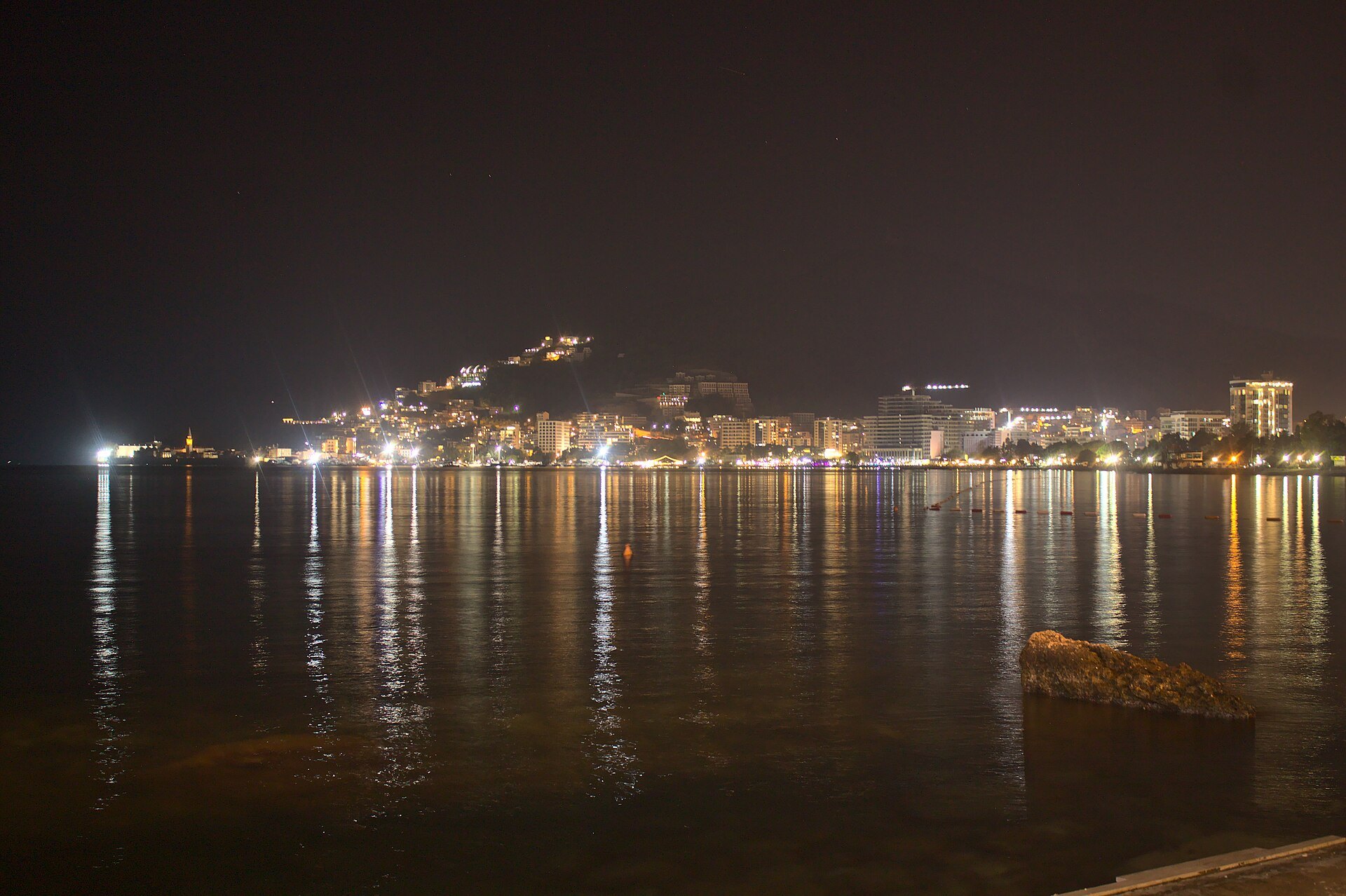
14. Budva Aqua Park: beware its current status in 2026!
The enormous aqua park built on the Topliš hill above town used to be a huge hit for families with children until recently. It offered dozens of modern water slides, huge pools and an amazing view over the entire coast for an entry fee of around 25 € for adults. The place that once burst at the seams is, unfortunately, in big trouble right now.
When planning your holiday in 2026, it’s absolutely crucial to know that the complex has serious operational and legal problems, which include energy debts and land disputes with the town. There are numerous reports that the entire park’s operations have been completely suspended, and visitors in previous seasons reported broken attractions, shut-down water slides and closed pools.
Definitely don’t firmly count on visiting the aqua park until you’ve verified its current status just before your trip on the official profiles, or asked the locals. As a great and reliable family alternative, the hotels in Bečići (for example the aforementioned Mediteran) run their own — albeit smaller — slides and pool complexes exclusively for their guests.
💡 Tip: Rather than the closed aqua park, invest your money in a full-day boat trip along the coast. The children will be far more thrilled by the cruise and exploring hidden caves than by waiting around broken water slides.
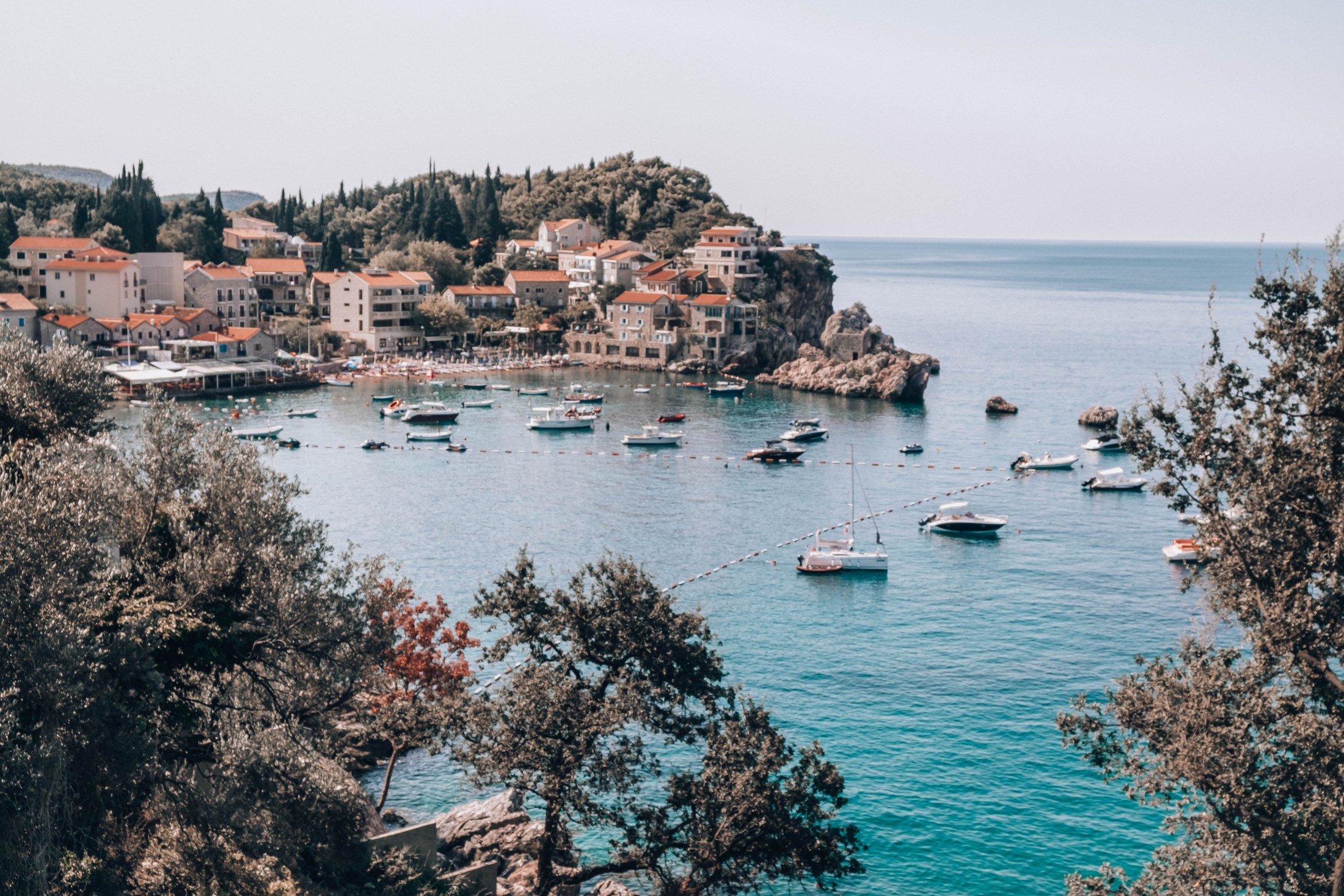
Map of points of interest for your phone
Where to go from Budva
The Budva Riviera is a great starting point for exploring the rest of the country. If you have a car at your disposal, definitely set off along the breathtaking Adriatic Highway northwards towards the picturesque Bay of Kotor and the historic town of Kotor. Heading south, you can explore the long sandy beaches near the town of Ulcinj close to the Albanian border.
You’ll find another big dose of inspiration for your trip, including detailed tips on mountain hiking in the Lovćen or Durmitor national parks, in our big guide: Holiday in Montenegro: 15 tips for the sea and the mountains.
 🚗 Car rental on the road
Verified car rentals in Montenegro
🚗 Car rental on the road
Verified car rentals in Montenegro
Search with the DiscoverCars comparison engine — it compares prices from dozens of local and international rental companies, and most bookings come with free cancellation.
Compare car prices in Montenegro →Frequently asked questions
Is Budva even worth visiting, or is it too crowded with tourists?
The Old Town, views from the Citadel, and the iconic Mogren Beach are definitely worth seeing and skipping them would be a mistake. However, it’s true that during high season (July and August), Budva is massively overcrowded and noisy. If you’re looking for a quieter holiday, choose dates in June or September, or stay in nearby Petrovac and just visit Budva on a day trip.
How much does entry to the old town and the Citadel cost?
Entry to the lanes of the old town is completely free, the entire area functions as a freely accessible pedestrian zone. You only pay for entry to the highest point, the medieval Citadel. A ticket costs approximately €5 (around 125 CZK) for an adult and is paid in cash directly on site at the entrance.
Which beaches in Budva and the surrounding area are the very best?
Among the most interesting are the photogenic Mogren I and II bays just a stone’s throw from the old town, the very long family beach in Bečići awarded the Blue Flag, or the spacious Jaz beach with many beach bars. Classic fine sand is rare here though, as most local beaches have a surface of small pebbles or coarse sand.
Can you normally visit the island of Sveti Stefan?
The island itself serves as a private luxury Aman resort and regular tourists don’t have access to its streets. However, after lengthy disputes, the resort is reopening on July 1st, 2026. The adjacent beaches should be partially accessible to the public, and the most beautiful view of the island from the viewpoints above the road is, of course, available to everyone completely free of charge.
How do I best get to Sveti Nikola island (Hawaii)?
You can reach Sveti Nikola Island very easily by small water taxis, which regularly depart from Budva’s marina near the old town during the season. A return ticket costs approximately €5 to €10 and the boat ride to the island takes just a few minutes.
Will the large Budva aquapark be open this year?
The situation around the aquapark in 2026 is very uncertain. The facility is facing serious operational and legal issues, and reports suggest it may remain closed. Before your trip, make sure to carefully check the current situation so you don’t experience a big disappointment with your family in front of a locked gate.
Is the euro used in Montenegro and where is the nearest airport?
Yes, in Montenegro you commonly pay with euros, even though the country is not a member of the European Union or the official eurozone. The closest airport for traveling to the Budva Riviera is Tivat International Airport, which is located about 20 kilometers away. Unfortunately, there is no regular public transport from the airport, so it’s best to arrange a transfer in advance.
Where’s the best place to park near the old town in Budva?
# Translation
You can’t drive directly into the old town. The nearest parking with the largest capacity is the large paid car park at Slovenska Beach opposite the VOLI supermarket, where you’ll pay approximately €5 per hour or €15 per day. You can park completely free at the more distant Jaz Beach, but during high season I recommend arriving as early as possible in the morning.
Tips and Tricks for Your Vacation
Don’t Overpay for Flights
Search for flights on Kayak. It’s our favorite search engine because it scans the websites of all airlines and always finds the cheapest connection.
Book Your Accommodation Smartly
The best experiences we’ve had when looking for accommodation (from Alaska to Morocco) are with Booking.com, where hotels, apartments, and entire houses are usually the cheapest and most widely available.
Don’t Forget Travel Insurance
Good travel insurance will protect you against illness, accidents, theft, or flight cancellations. We’ve had a few hospital visits abroad, so we know how important it is to have proper insurance arranged.
Where we insure ourselves: SafetyWing (simple monthly subscription) and TrueTraveller (for extra-long trips).
Find the Best Experiences
Get Your Guide is a huge online marketplace where you can book guided walks, trips, skip-the-line tickets, tours, and much more. We always find some extra fun there!