When people think of Portugal, what usually springs to mind is the scent of the ocean, yellow trams and endless sunny days. But if you’re a foodie at heart, your thoughts will likely drift to something far warmer. Port wine is a true liquid treasure that put this small country on the world map. While you can pick up a bottle in any decent supermarket these days, truly understanding its soul requires diving into its rich history and remarkable diversity.
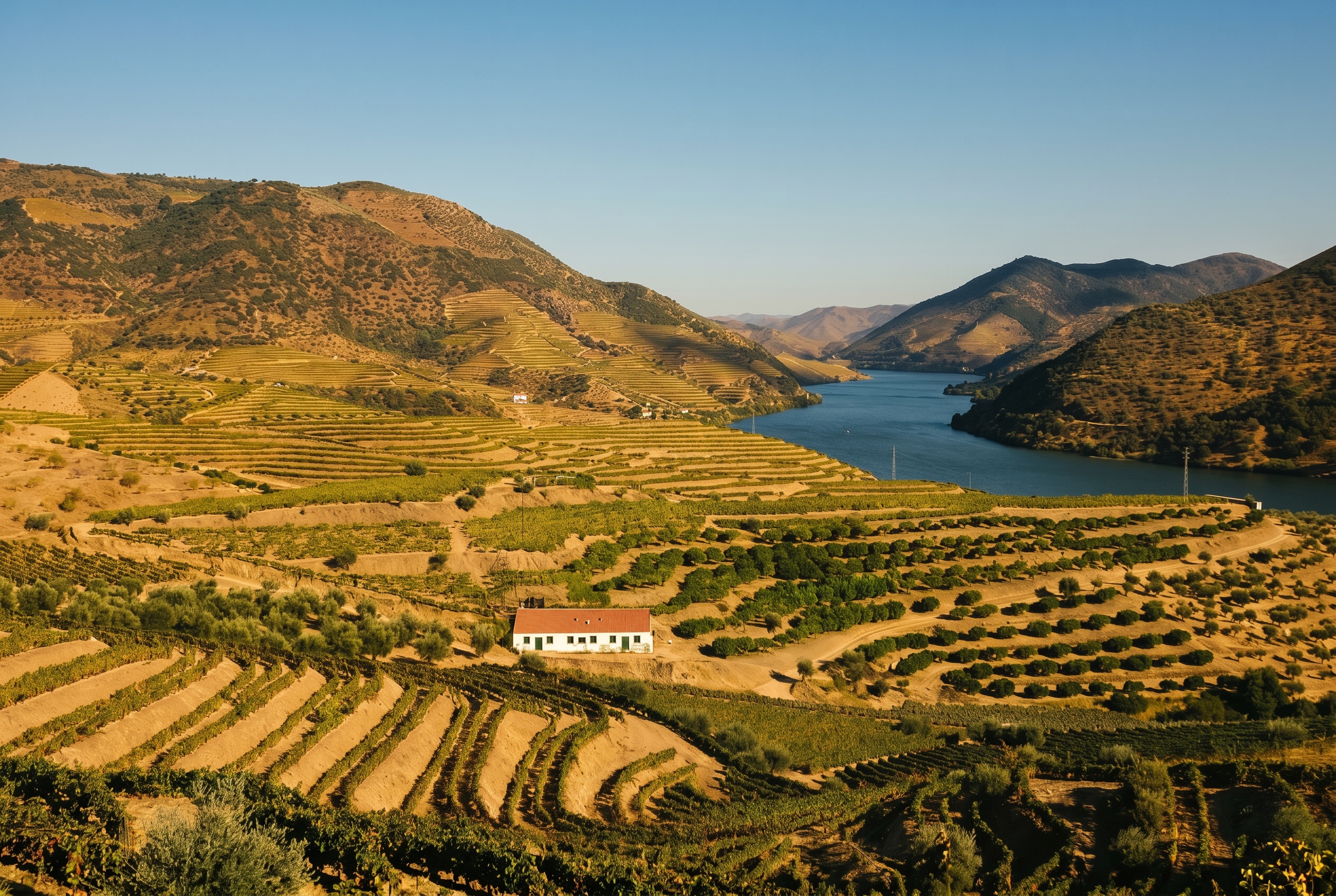
Picture yourself in northern Portugal, where the River Douro carves deep into steep hillsides. Terraced vineyards here form one of the most stunning cultural landscapes on Earth. This is where the grapes are born — the ones that become a drink brimming with sunshine, sweetness and a generous kick of alcohol. It’s not just any wine; it’s an institution with strict rules and a fascinating story to tell.
In this article, you’ll find everything you need to know about port wine before setting off on your Portuguese adventure. You’ll discover the different types and how they compare, so you can order with confidence at any restaurant. You’ll also learn how to taste it properly, what to pair it with and exactly where to go for the most authentic tasting experience right at the source.
TL;DR
- Origin and production: Port wine comes exclusively from the Douro Valley in northern Portugal. During fermentation, grape spirit (aguardente) is added to halt the process, preserving a high level of natural sugar and around 20% alcohol.
- Ruby vs. Tawny: Ruby ages in large vats with minimal air contact, staying deep red and fruity. Tawny ages in small oak casks, oxidises gradually and develops an amber hue with aromas of nuts and caramel.
- The King — Vintage Port: Only produced in exceptionally good years, Vintage (Vintage) port ages in the bottle for decades and represents the absolute pinnacle of the winemaker’s art.
- Where to taste: The best cellars aren’t in Porto itself but across the river in Vila Nova de Gaia, where wine was historically stored in the cooler climate.
- Modern trends: White and rosé port are now often served as a refreshing summer cocktail known as Port Tonic — with ice and a slice of lemon.
- Beyond port: Don’t stop at sweet fortified wines — be sure to try the light, slightly sparkling Vinho Verde or the full-bodied reds from the Douro and Alentejo regions.
The full destination guide: Portugal — guide and what to see
How (and Where) to Drink Port Wine Like a Local
Before you taste your very first sip, it helps to understand how this unique drink came into being. The history of port is closely tied to British merchants who, in the seventeenth century, were searching for an alternative to French wines. To help the wine survive the long, rough sea voyage to England, they began adding a splash of grape spirit. And so fortification was born — the process that gave port its signature strength and sweetness.
Production begins high in the hills of the Douro Valley. Grapes are traditionally crushed barefoot in shallow granite troughs called lagares. This gentle pressing method ensures that bitter tannins aren’t released from the seeds. Once the must reaches the ideal balance of alcohol and sugar, a neutral grape spirit (aguardente) at 77% strength is added. Fermentation stops immediately and you’re left with a sweet, powerful wine.
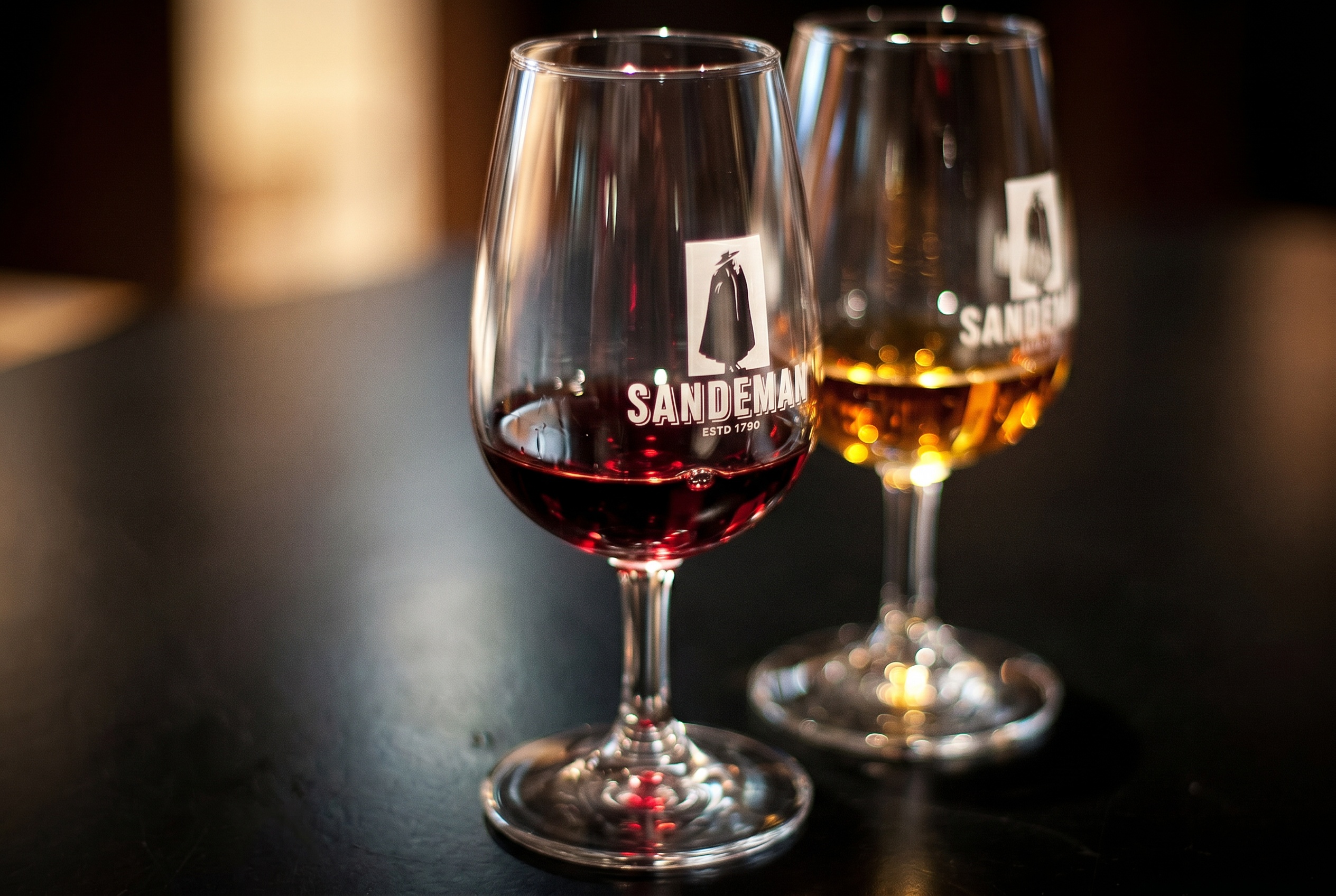
If you want to drink port like a true Portuguese local, forget those oversized wine glasses. It’s served in smaller tulip-shaped glasses that help concentrate the rich aromas. You should never fill the glass to the brim — about one-third full is perfect. This gives you plenty of room to swirl the wine and release all those hidden fragrances.
A common mistake many visitors make is serving port at room temperature. Especially during Portugal’s scorching summers, the wine needs to be lightly chilled. Red styles like Ruby or Tawny taste best between 15 and 18°C. White and rosé port should be cooler still — around 10°C — to let their freshness and fruity character truly shine.
12 Types of Port Wine and Experiences You Must Try
Navigating a Portuguese wine list can feel a bit daunting at first. Port isn’t simply divided by colour — it’s primarily classified by how it’s aged. Let’s take a detailed look at exactly 12 types, tips and unforgettable experiences that will help you unlock the secrets of this fascinating world of wine.
1. Young and Vibrant Ruby
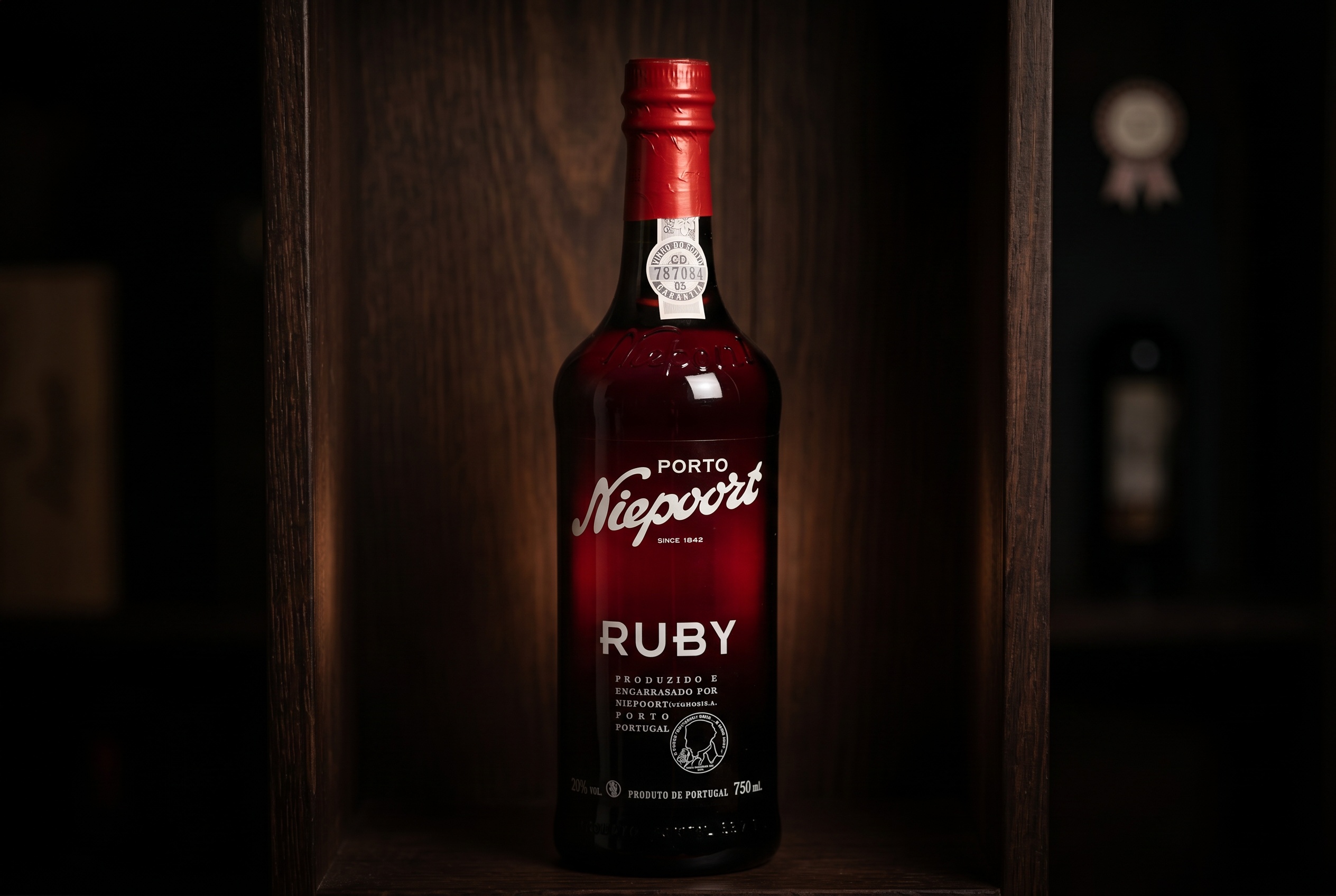
Ruby is the foundation of port wine and often your very first encounter with it. It gets its name from the deep, jewel-like ruby colour that resembles a precious gemstone. It’s made from a blend of grapes from different vintages, and its main purpose is to preserve as much primary fruit character as possible.
Unlike other styles, Ruby ages in large stainless steel tanks or enormous oak vats. This means the wine has virtually no contact with air and doesn’t oxidise. It retains its freshness and bold flavours of ripe cherries, blackberries and raspberries. It typically spends just two to three years in the vats before being bottled.
This style is perfect for casual evening sipping. It doesn’t need any elaborate preparation or decanting — just open and pour. It’s also the most affordable option; you can pick up a perfectly decent bottle of Ruby in Portuguese shops for very wallet-friendly prices.
2. Refined and Nutty Tawny

If Ruby embodies youth, Tawny is the epitome of elegance and patience. It ages in small oak casks holding around 600 litres, known as pipas. The wood is porous, so the wine constantly breathes, slowly oxidises and gradually loses both water and alcohol through evaporation.
This oxidation process transforms the wine’s colour from red to a gorgeous amber-brown. Fruity notes fade into the background and a complex bouquet emerges — roasted nuts, caramel, dried figs and gentle vanilla. The longer a Tawny spends in the cask, the lighter its colour becomes and the more concentrated its flavour.
On the labels of top-shelf bottles, you’ll see age designations of 10, 20, 30 or even 40 years. This doesn’t refer to the exact age of a single vintage, but rather the average age of a blend of different wines carefully assembled by the master blender. A 20-year-old Tawny is considered by many experts to be the perfect sweet spot between freshness and the complexity that comes with ageing.
3. The King — Vintage Port
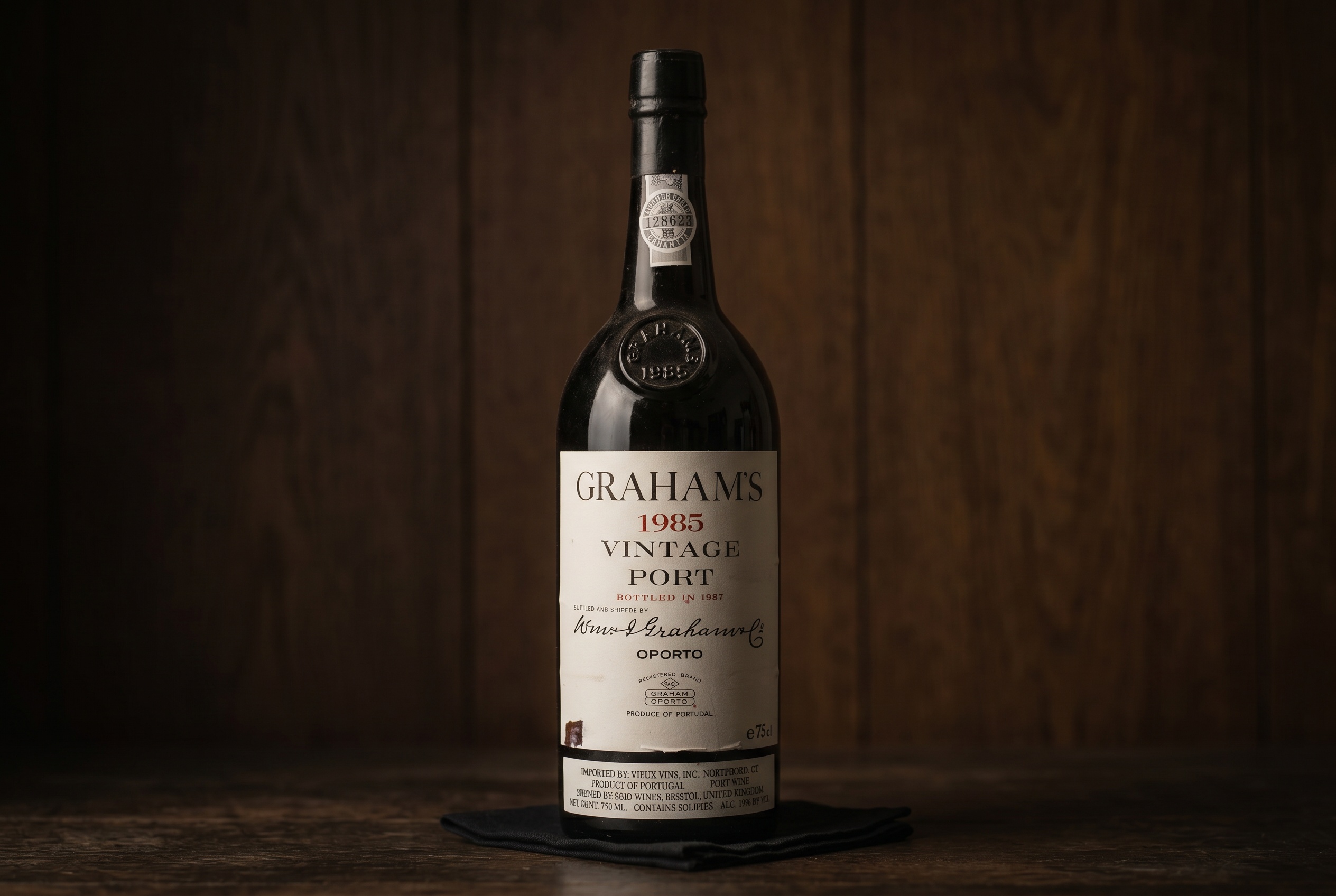
Vintage port is the uncrowned king of all port wines. It’s made exclusively from the harvest of a single, exceptionally high-quality year. Port houses (known as shippers) don’t declare a Vintage every year — it typically happens only about three times per decade, when climatic conditions are absolutely perfect.
What’s fascinating is that this wine spends only a very short time in oak casks — two and a half years at most. Its true potential unfolds after bottling, where it matures in darkness and cool temperatures for decades to come. Over this time, it becomes an incredibly refined, deep and elegant drink with enormous ageing potential.
Older Vintage port requires careful decanting before serving. The wine is bottled unfiltered and develops a heavy sediment over time. Once opened, you should drink the bottle fairly quickly — ideally within two days — because exposure to oxygen will start to deteriorate this delicate old wine quite rapidly.
4. Late Bottled Vintage (LBV)
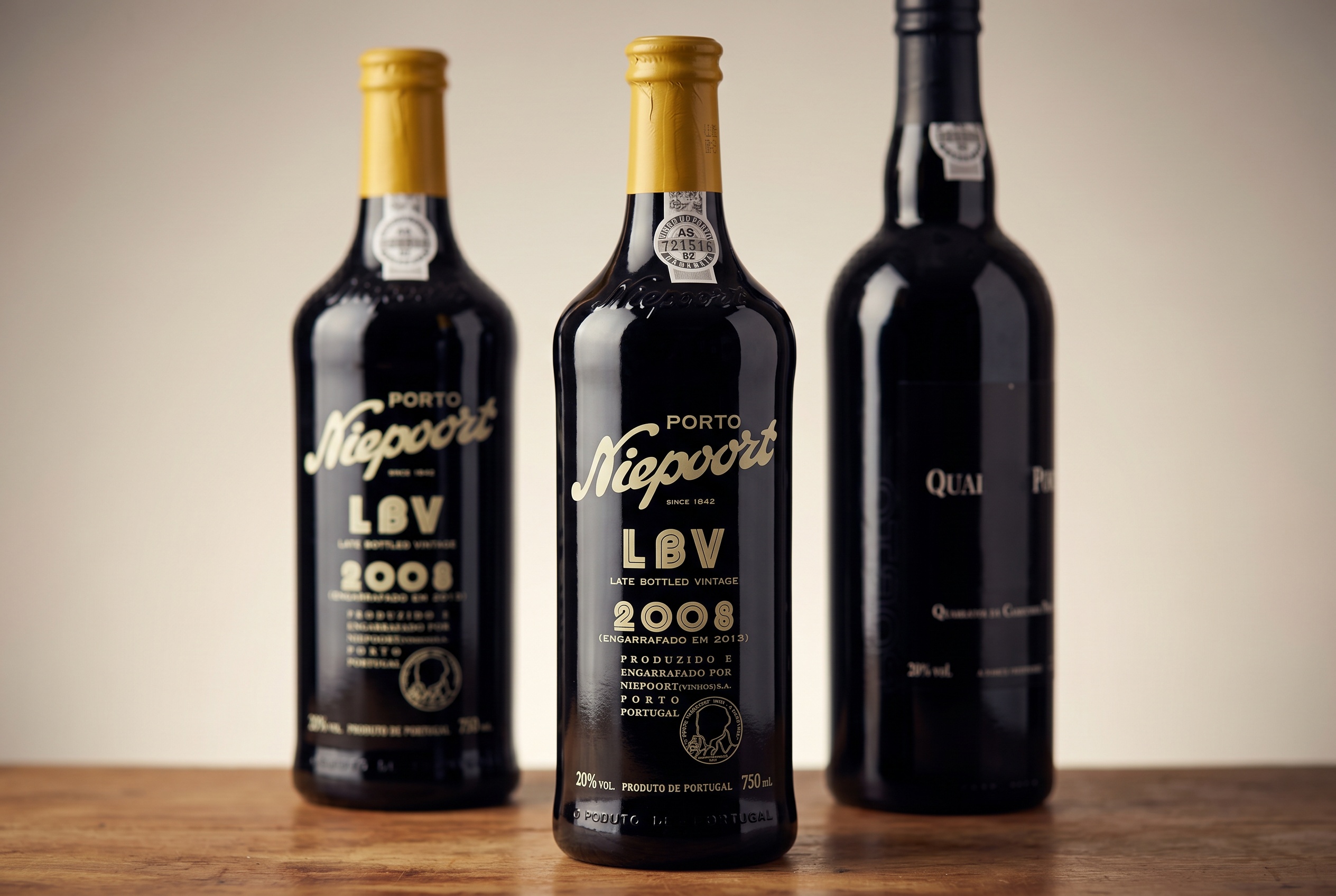
Late Bottled Vintage — often shortened to just LBV — was created as a more accessible alternative to expensive Vintage port. It’s also a single-vintage wine, but the ageing process differs. Instead of being bottled quickly, it remains in casks for much longer, typically four to six years.
Thanks to this extended contact with wood, LBV is ready to drink the moment you buy it. There’s no need to let it sit in a cellar for years before you can fully enjoy it. It offers deep colour and intense flavours of dark berry fruits that come very close to a classic Vintage — but at a fraction of the price.
Most modern LBV wines are filtered before bottling, so they don’t require decanting. However, if you come across a bottle labelled “Unfiltered”, you’ve found a wine that more closely resembles its famous sibling. Such a bottle can improve slightly over time, but eventually you’ll find sediment at the bottom.
5. Rare and Single-Vintage Colheita
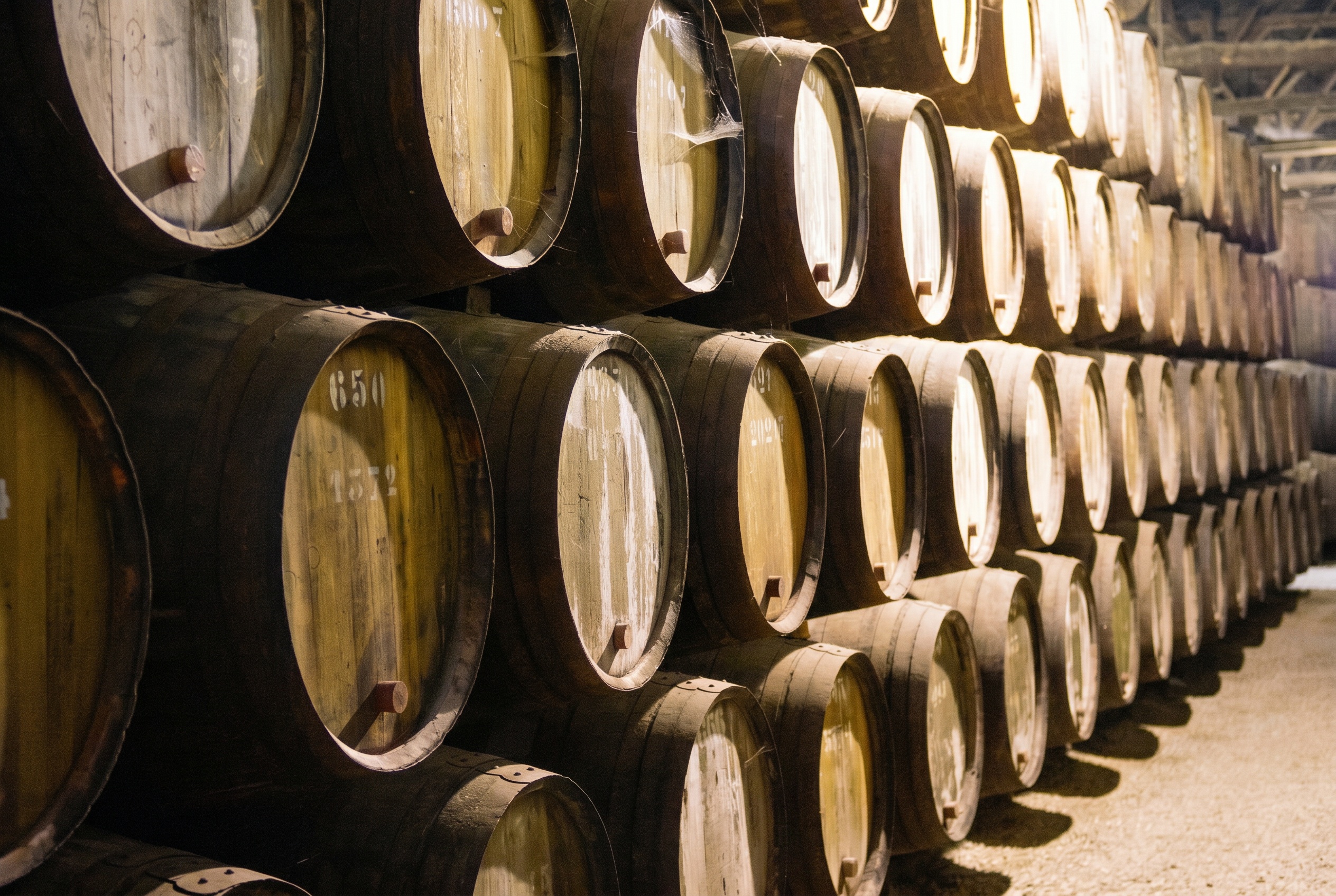
Colheita is the Portuguese word for harvest, and in the port world it refers to a single-vintage Tawny. While standard Tawny is a blend of multiple years, Colheita comes from one specific year. You’ll always find the vintage clearly marked on the label — 1998 or 2005, for example.
To earn this designation, the wine must spend at least seven years in small oak casks. Most producers leave it to age for far longer — often ten or even twenty years — before deciding it’s ready for bottling. During this extended time, it develops an extraordinarily rich palette of flavours, from marzipan and dried plums to delicate spice.
On the back label of a Colheita bottle, you’ll always find the year it was bottled as well. This is an important detail because once the wine leaves the cask, it no longer develops in the bottle. An open bottle of Colheita will keep in perfect condition in the fridge for several weeks, making it an ideal wine for slow, celebratory enjoyment.
6. The Overlooked White Port
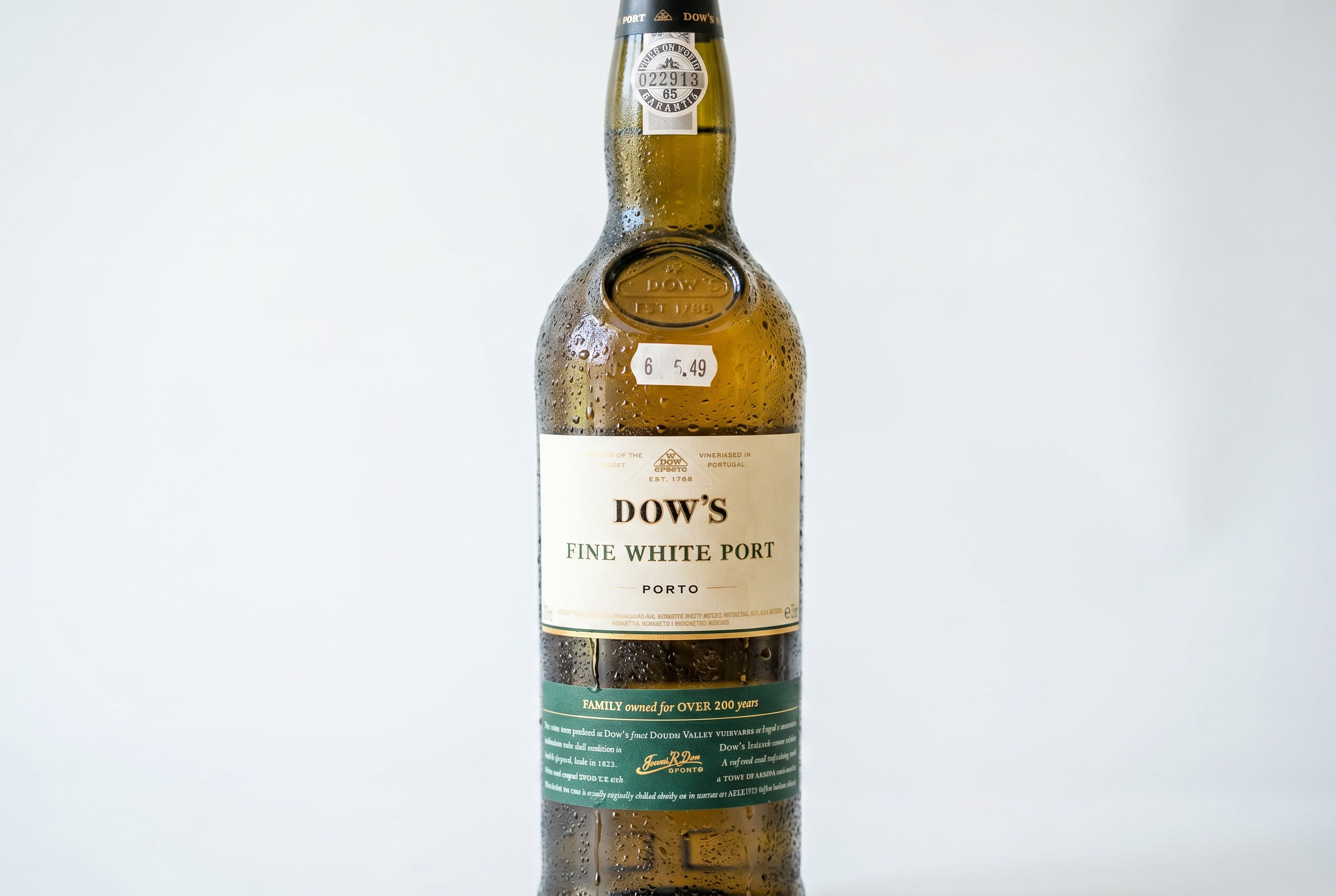
White port is made using the same fortification process as its red counterpart, but it’s crafted from local white grape varieties. The most well-known include Malvasia Fina, Viosinho and Gouveio. For a long time it languished in the shadow of its red relatives, but in recent years it’s been enjoying a massive renaissance.
You’ll find varying levels of sweetness, from bone-dry (Extra Seco) to very sweet (Lágrima). The drier styles age for a shorter period and retain a refreshing acidity, while the sweeter versions often rest in casks and develop honeyed, nutty notes. The colour ranges from pale straw to rich gold.
Order white port in Portugal and you’ll most likely be served it as an aperitif. It’s wonderful for awakening the palate before a hearty meal, especially when served well chilled. Traditionally, it’s accompanied by salted roasted almonds or green olives, which create a perfect contrast with the wine’s sweetness.
7. The Modern Rosé Port
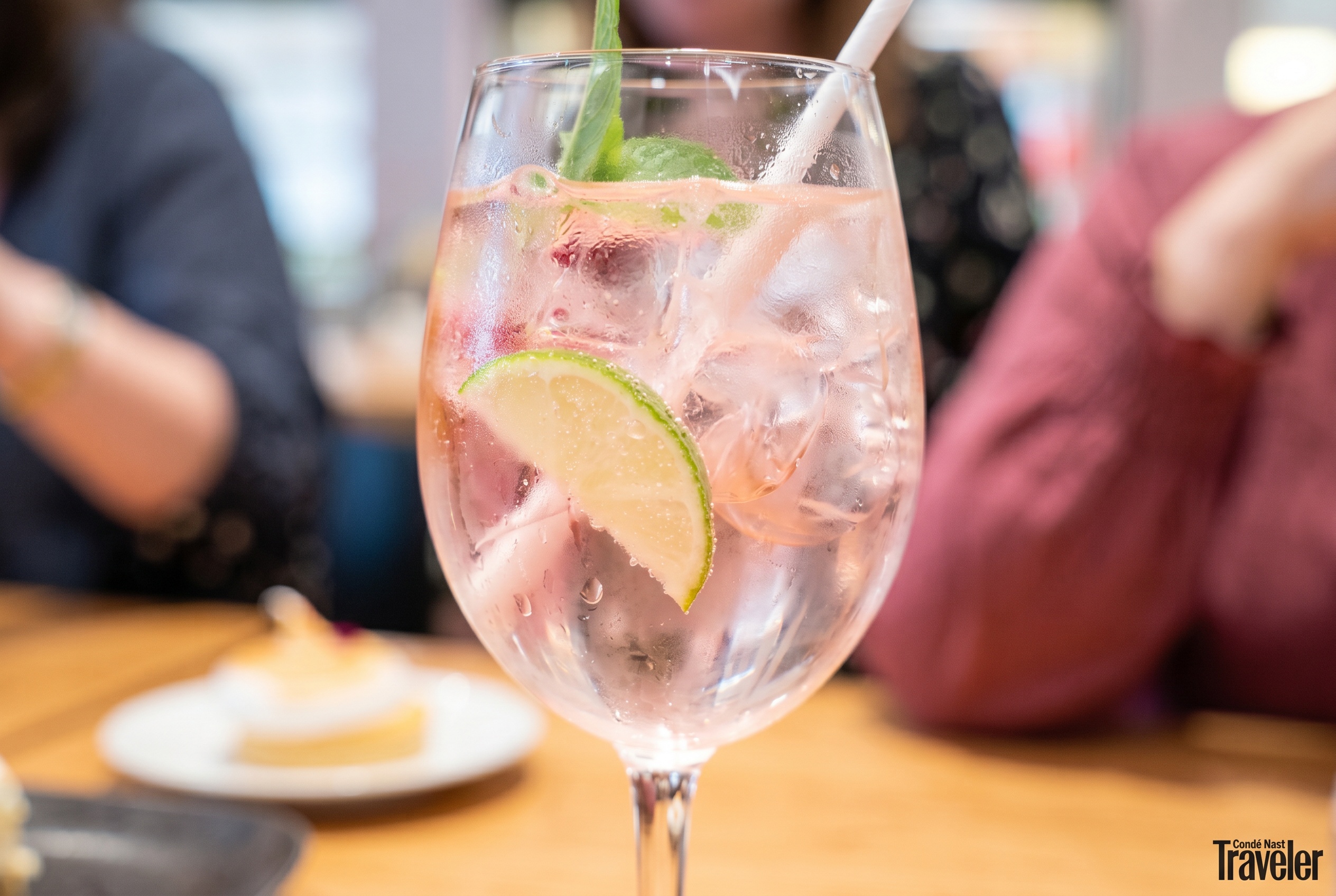
Rosé port is the newest addition to the Douro’s family of fortified wines. It was first brought to market by the house of Croft in 2008, making it a genuine newcomer that initially raised a few eyebrows among traditionalist winemakers. Today, however, most major producers offer their own version.
It’s made from red grapes, but the skins are left in contact with the must for only a very short time. This gives the wine a beautiful, vibrant pink colour and a light, fruity character. Fermentation takes place at low temperatures to maintain maximum freshness and pronounced aromas of wild strawberries, cherries and raspberries.
This style of port isn’t meant for long ageing or elaborate tasting rituals. It’s fun, uncomplicated drinking that’s perfect for hot summer days. The Portuguese love it as a base for mixed drinks — especially the popular Port Tonic — or simply poured over a glass full of ice with a sprig of mint.
8. Perfect Pairings: Cheese and Chocolate
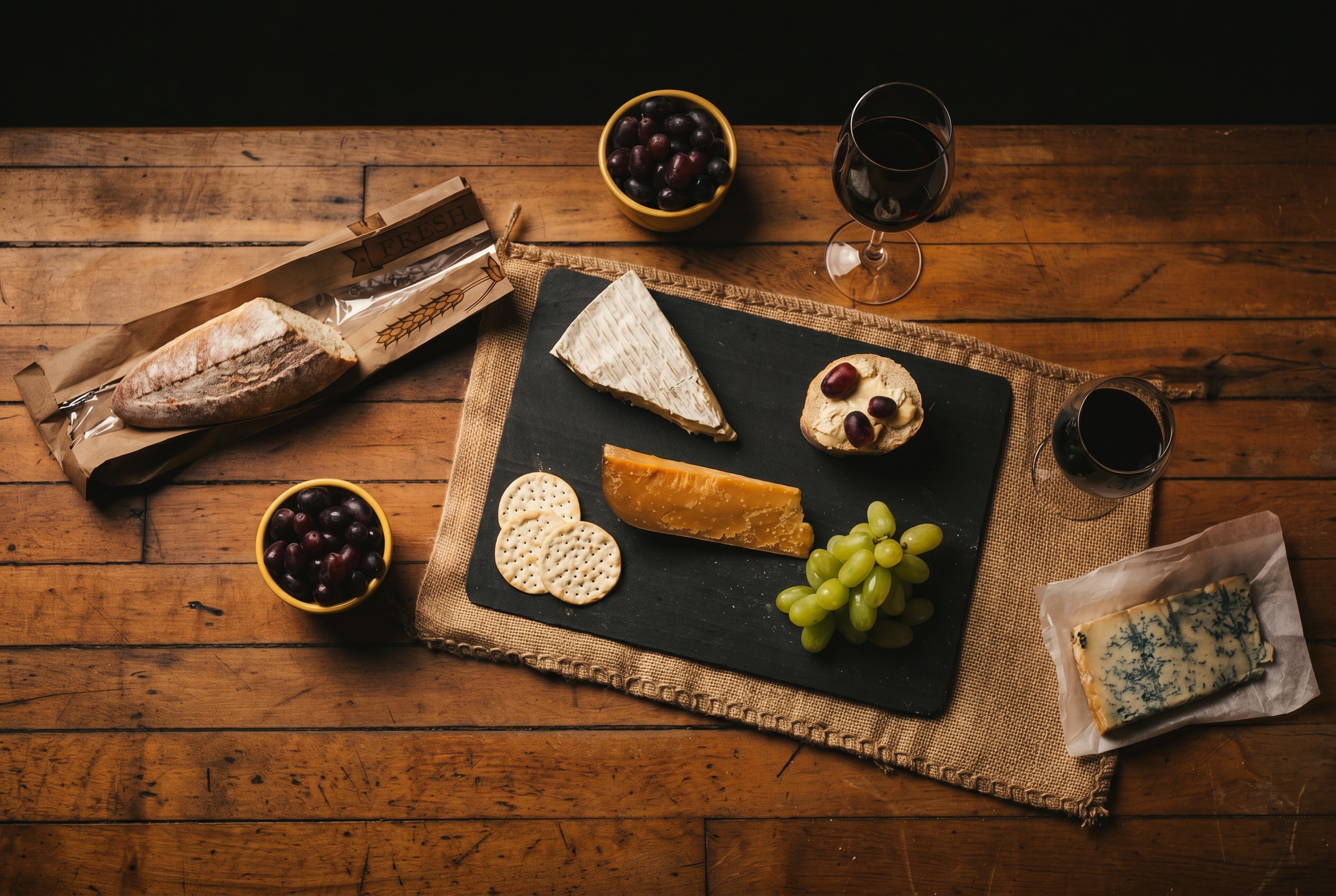
Sipping port on its own is a wonderful experience, but the right food pairing takes it to an entirely different level. The classic and utterly unbeatable combination is port with blue cheese. The wine’s sweetness brilliantly balances the sharp, salty bite of cheeses like Stilton or Roquefort — a match made in heaven that’s been cherished in Britain for centuries.
If you want to stay local, seek out the Portuguese cheese Serra da Estrela. This sheep’s milk cheese from the mountain regions has a semi-liquid texture and incredibly intense aroma. Paired with an aged Tawny or Vintage, it creates an explosion of flavour in your mouth that you won’t forget in a hurry. Always add a handful of walnuts and dried figs to the cheese board for good measure.
For those with a sweet tooth, there’s the chocolate pairing. Young, fruity Ruby goes wonderfully with quality dark chocolate that has a high cocoa content. The bitterness of the chocolate tempers the wine’s sweetness while letting those berry fruit notes really sing. Nutty Tawny, meanwhile, is a superb match for caramel-based desserts like the traditional Portuguese pudim flan, or treats featuring apple and cinnamon.
9. Vila Nova de Gaia and the Legendary Cellars

When you hear “port wine,” Porto naturally comes to mind. But the truth is, the wine was historically stored on the opposite bank of the river. The town of Vila Nova de Gaia offered ideal conditions for ageing — it faces north and is sheltered from the fierce summer sun. This is where the casks were brought from the vineyards.
Today, Gaia’s waterfront is lined with dozens of historic port houses (caves). Names like Sandeman, Taylor’s, Graham’s and Cálem glow from the rooftops, beckoning you inside. Each cellar offers guided tours where you’ll walk among thousands of oak casks, breathe in the distinctive scent of damp wood and learn everything about the history of the trade.
If you’re visiting during the summer season, make sure to book your tour in advance. Many travellers use online booking platforms — for instance, through GetYourGuide you can easily secure a specific time slot and skip the queues. And of course, every tour finishes with the highlight — a guided tasting of several samples with commentary from a local sommelier.
10. A Rabelo Boat Cruise on the River Douro

The history of port is inseparable from the River Douro. Before roads and railways were built, the river was the only way to transport wine from the vineyards to the cellars near the ocean. Traditional flat-bottomed wooden boats were used for this purpose, known as barcos rabelos. Navigating them through the wild rapids was extremely dangerous work.
Today the rapids have been tamed by a system of dams and rabelo boats serve tourists exclusively. They’re moored along the waterfronts of both Porto and Gaia, offering sightseeing cruises. The most popular is the so-called Six Bridges Cruise (Cruzeiro das Seis Pontes), which lasts just under an hour and treats you to absolutely breathtaking views of Porto’s historic centre from the water.
If you’re after a longer experience, you can take a boat right into the heart of wine country. Full-day cruises from Porto to the towns of Peso da Régua or Pinhão are among the most beautiful things northern Portugal has to offer. Along the way, you’ll pass through enormous locks and watch the landscape gradually transform from lush green forests into steep, sun-baked vineyards.
11. Visiting Wineries (Quintas) at the Source
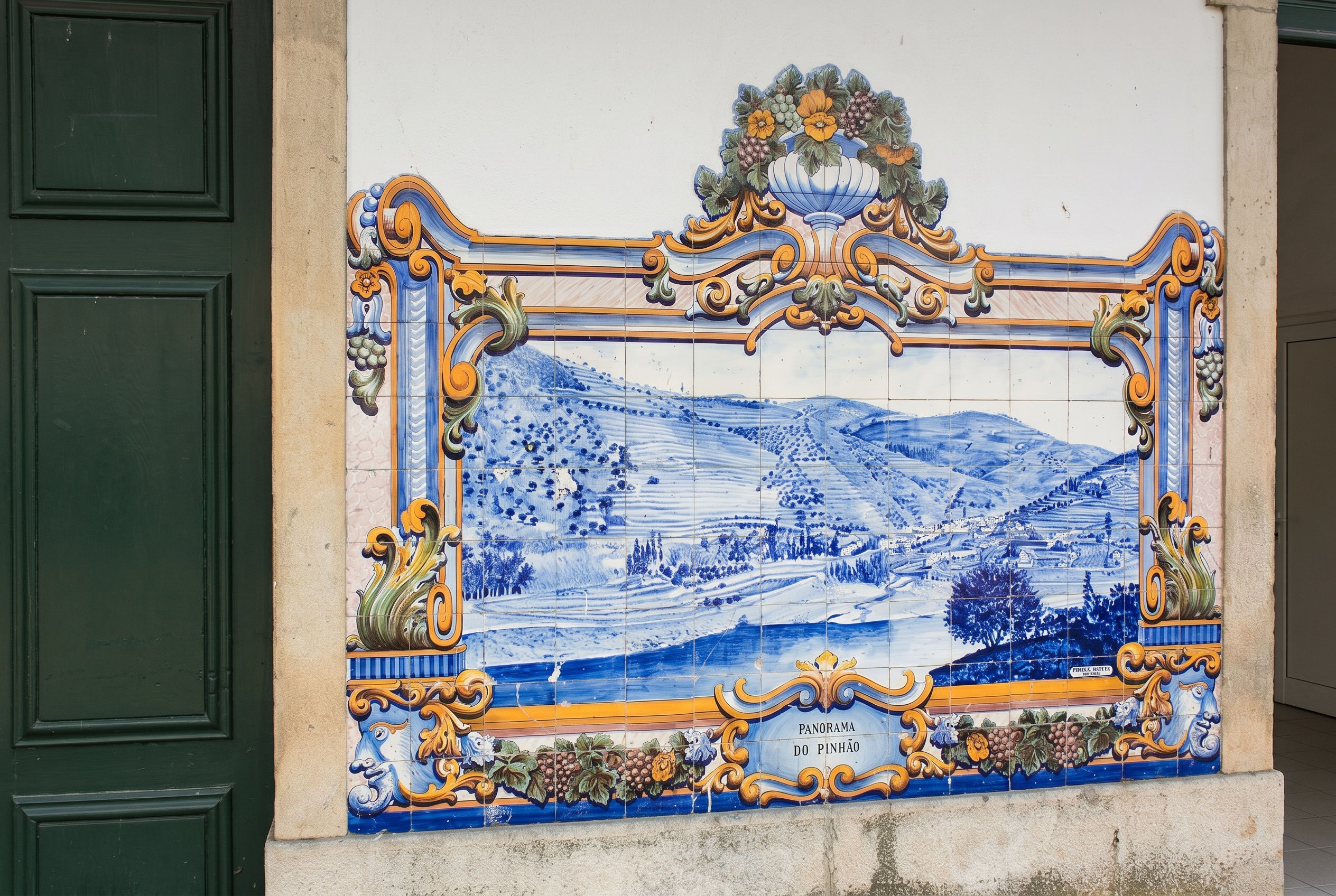
Tasting wine in the Gaia cellars is brilliant, but seeing where the grapes are actually grown is something else entirely. The wine estates in the Douro Valley are called quintas. Many have been operating for centuries and offer not just tastings, but often luxury accommodation and first-rate dining right in the heart of the vineyards.
The heart of the wine region is the small town of Pinhão. Start with a visit to the local railway station, which is adorned with stunning blue-and-white azulejo tiles depicting scenes of the historic grape harvest and wine transport. From there, it’s just a short walk to several famous estates, such as Quinta da Roêda or Quinta do Bomfim.
A visit to a quinta usually includes a stroll through the rows of vines themselves. You’ll learn why the soil here consists almost entirely of schist, which absorbs the sun’s heat during the day and releases it back to the plants at night. If you visit in September during the grape harvest (vindima), with a bit of luck you might even witness traditional foot-treading in the lagares — a practice that some premium producers still keep alive.
12. How to Choose and What You’ll Pay
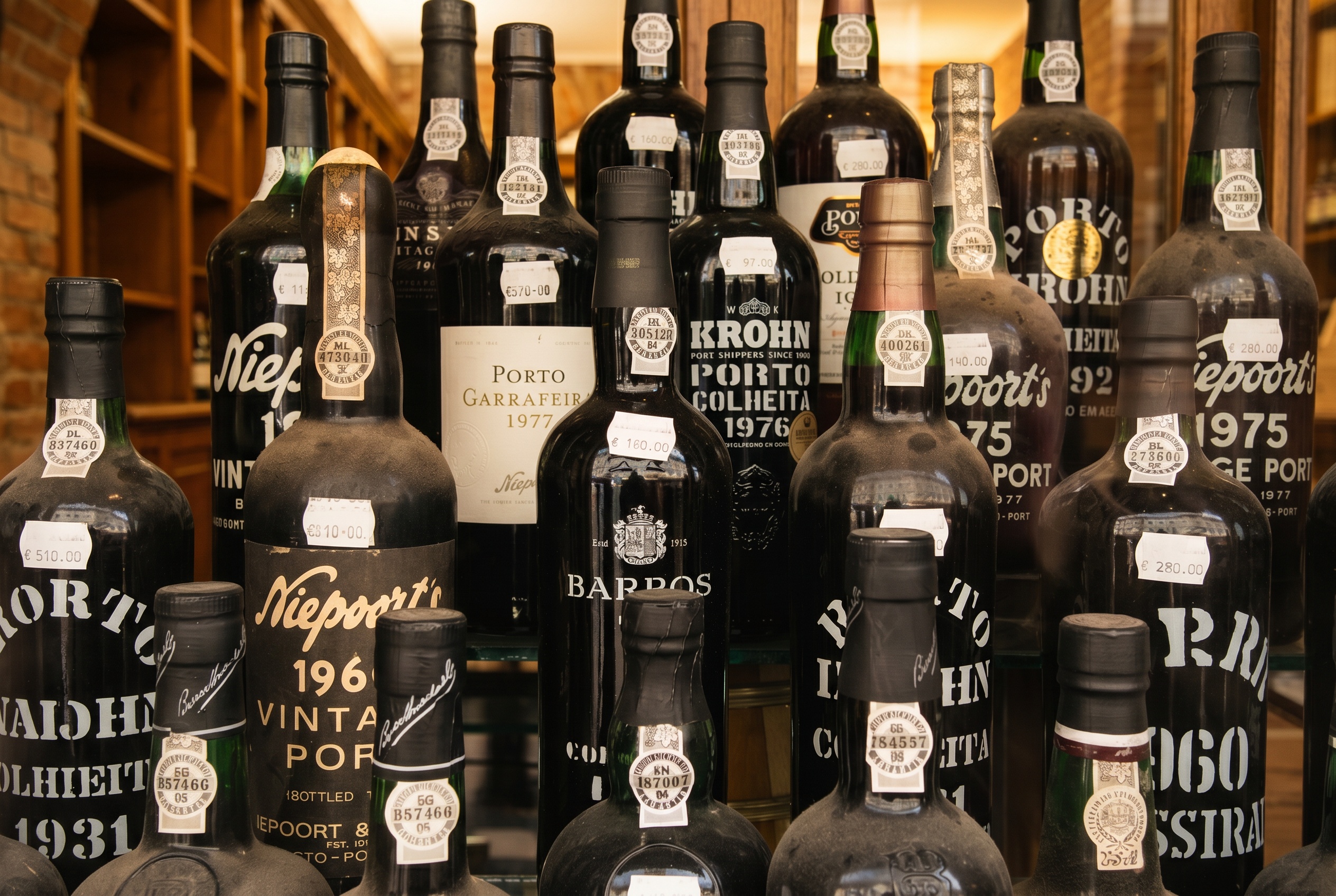
Buying port wine in Portugal is a joy, but the sheer range can be overwhelming. In major supermarkets like Continente or Pingo Doce, you’ll find an enormous selection. A basic Ruby or Tawny starts at around 8 to 15 euros. These bottles are perfectly fine for everyday drinking and often deliver surprisingly good quality.
If you’re looking for something special, head to a specialist wine shop known as a garrafeira. The staff here can offer expert advice and will often let you taste before you buy. A bottle of quality 20-year-old Tawny will set you back roughly 40 to 60 euros. For old Vintage vintages, prices start at around a hundred euros and can reach truly astronomical figures.
When choosing, always check the neck of the bottle. Genuine port wine must have an IVDP seal across the cork (Instituto dos Vinhos do Douro e do Porto). This paper strip guarantees the wine’s origin and quality. And remember — if you’re buying an aged Vintage, keep the bottle on its side during transport to prevent the cork from drying out, and once home, let it rest for a few weeks so the sediment settles back to the bottom.
What to Drink Next: Portugal Is More Than Sweet Wines
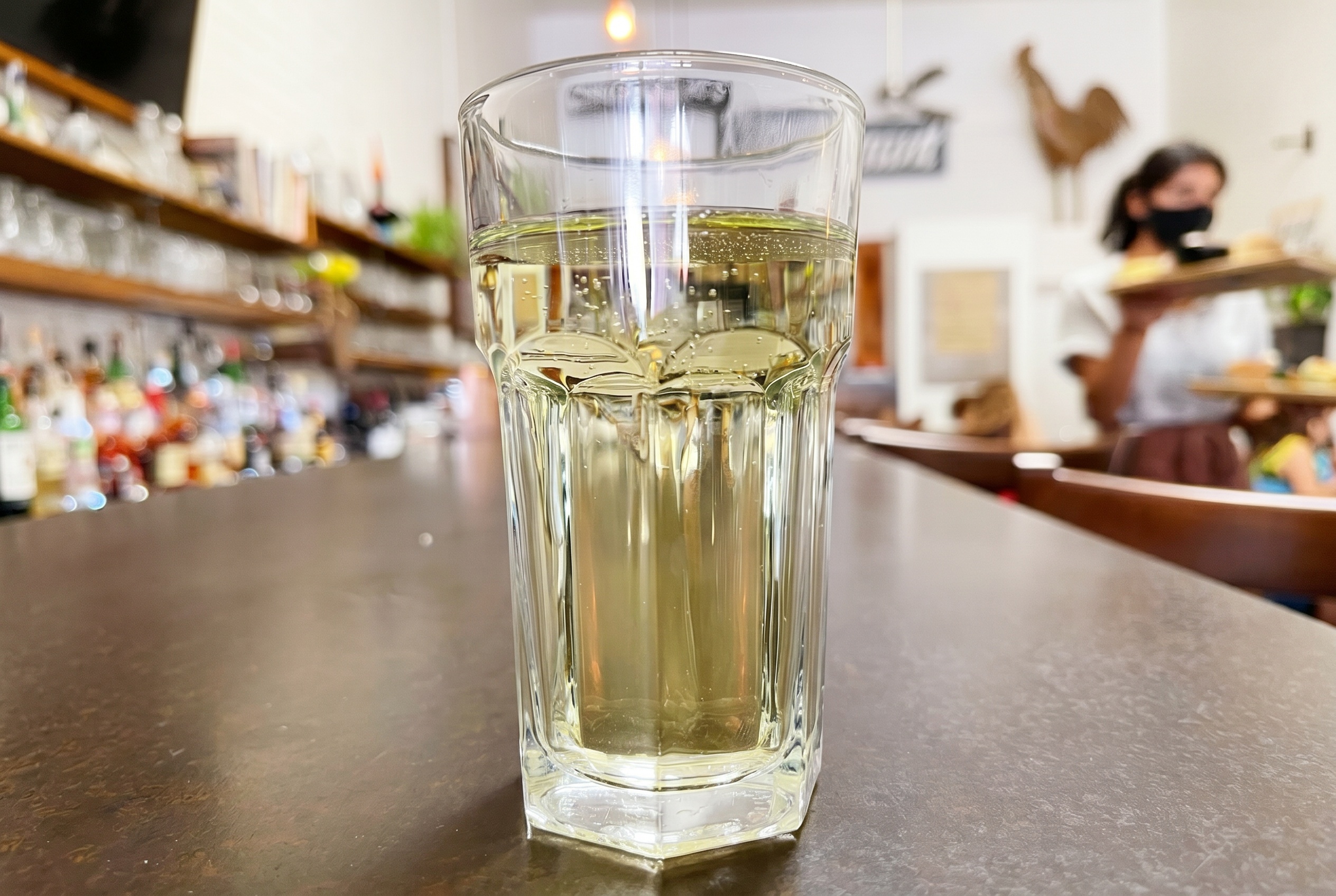
It would be a real shame to limit yourself to port wine alone while in Portugal. The country’s wine industry is incredibly rich, offering wines you simply won’t find anywhere else. The Portuguese take enormous pride in their indigenous grape varieties — they cultivate over 250 of them. They don’t need to import Merlot or Chardonnay; they’ve got their own unique grapes.
In the north, in the green and rainy Minho region, you’ll find Vinho Verde. The word verde (green) doesn’t refer to the wine’s colour, but to its youth. It’s a very young, light wine that’s bottled shortly after harvest. It’s characterised by lower alcohol (often just 9 to 11%), a vibrant fresh acidity and a very gentle spritz. For traditional seafood dishes or light salads on a sweltering summer’s day, there’s simply no better choice.
If you prefer robust reds, stay in the Douro Valley. Alongside port, the region also produces outstanding still red wines that rank among the best in Europe. They’re made from the same grapes as port, particularly the noble Touriga Nacional variety. The result is full-bodied, dark wines with firm structure, pronounced tannins and a long finish — just give them a bit of time to breathe before pouring.
A completely different character awaits in the sprawling, sun-drenched south. The Alentejo region produces soft, fruity and immensely drinkable wines. They’re velvety smooth, lower in acidity and radiate the warmth of the Portuguese sun. A huge bonus is their exceptional value for money — you can find excellent bottles in supermarkets for around five euros.
Also worth mentioning is Madeira wine. Thanks to a unique heating process called estufagem, Madeira wine is virtually indestructible. During ageing it’s deliberately oxidised and caramelised, mimicking the conditions on the old seafaring vessels. And if you fancy something stronger to round off your evening meal, look out for Ginjinha. This sweet and potent sour cherry liqueur is sipped from tiny cups, and they’ll often pop a soaked cherry at the bottom for good luck.
Read More
If you’re interested in northern Portugal and its wine culture, be sure to check out our article about the city of Porto. Great wine naturally deserves great food, so don’t miss our guide to Traditional Portuguese food, where you’ll discover what to order alongside your glass. For those who want to head straight to the vineyards, there’s a detailed article on what the Douro Valley has to offer. And if you’re thinking of combining your trip with a visit to the capital, have a look at our Lisbon Guide.
Frequently Asked Questions
Why is Port wine called Port?
The name comes from the city of Porto (Oporto), from where the wine was historically exported around the world. Although the grapes are grown high up in the Douro Valley and the wine ages in cellars in Vila Nova de Gaia on the opposite bank, it was the port in Porto that gave this drink its international name.
How long does an open bottle last?
It depends on the type. Young Ruby or filtered LBV will keep well in the fridge for about three to four weeks. Nutty Tawny (such as 10-year or 20-year) is more stable and will easily last six to eight weeks once opened. On the other hand, old Vintage Port oxidizes quickly and should ideally be consumed within two days of opening.
Should Port be served chilled?
Yes, serving it at room temperature is a common mistake. Red Ports (Ruby, Tawny) should be served slightly chilled at 15–18°C. White and rosé Port should be served even cooler, ideally around 8–10°C, or straight over ice as a cocktail.
Can I visit the cellars in Vila Nova de Gaia without a reservation?
During the winter months it’s usually not a problem, but from spring to autumn the most famous cellars (Sandeman, Taylor’s, Graham’s) tend to be fully booked. We definitely recommend booking a tour with tasting online in advance, otherwise you risk not getting a spot in an English-speaking group.
Is Port suitable for vegetarians?
Unfortunately, most Port wines are not suitable for strict vegans, and often not for vegetarians either. During the so-called fining process (which removes sediment from the wine), animal products such as egg whites, casein, or gelatin have traditionally been used. Some smaller producers are now switching to vegan methods, but you always need to check the specific label.
How much does a regular bottle of Port cost in the supermarket?
Prices in Portugal are very reasonable. You can get a basic bottle of decent Ruby or Tawny at a regular supermarket for between 8 and 15 euros. More premium options, like a 10-year Tawny, start at around 20 euros.
When is the best time to visit the vineyards in the Douro Valley?
The valley is most beautiful in September and October during harvest season (vindima), when the vineyards display all the colors of autumn and the scent of grapes fills the air. Spring (April, May) is also very pleasant. In July and August, be prepared for extreme heat—temperatures in the valley regularly exceed 40°C.
Tips and Tricks for Your Vacation
Don’t Overpay for Flights
Search for flights on Kayak. It’s our favorite search engine because it scans the websites of all airlines and always finds the cheapest connection.
Book Your Accommodation Smartly
The best experiences we’ve had when looking for accommodation (from Alaska to Morocco) are with Booking.com, where hotels, apartments, and entire houses are usually the cheapest and most widely available.
 🚗 Car rental on the roadVerified car rentals in Portugal
Search with the DiscoverCars comparison engine — it compares prices from dozens of local and international rental companies, and most bookings come with free cancellation.
Compare car prices in Portugal →Don’t Forget Travel Insurance
Good travel insurance will protect you against illness, accidents, theft, or flight cancellations. We’ve had a few hospital visits abroad, so we know how important it is to have proper insurance arranged.
Where we insure ourselves: SafetyWing (simple monthly subscription) and TrueTraveller (for extra-long trips).
Find the Best Experiences
Get Your Guide is a huge online marketplace where you can book guided walks, trips, skip-the-line tickets, tours, and much more. We always find some extra fun there!