When people think of Portugal, Lisbon’s sun-drenched streets and Porto’s melancholic charm usually spring to mind first. But if you’re looking for the true historical and intellectual heart of the country, you need to head to central Portugal. Coimbra Portugal is a fascinating university city perched on a steep hill above the River Mondego, where students still stroll the narrow alleyways wearing traditional black capes. These very capes are said to have inspired J.K. Rowling when she was creating the wizarding world of Harry Potter. Once the medieval capital of Portugal, Coimbra today offers an incredible mix of ancient history, monumental monasteries, and youthful energy. I’ve put together a detailed guide to help you discover the greatest treasures of this unique destination. You’ll find exactly 14 things to see and do in Coimbra, along with tips on where to stay and how to avoid the biggest tourist traps.
TL;DR
- The Joanina Library is a must: One of the world’s most beautiful baroque libraries requires a timed-entry ticket — ideally booked online several days in advance.
- Prepare for hills: The historic centre (Alta) and the lower town (Baixa) are connected by very steep lanes with slippery cobblestones, so comfortable shoes are absolutely essential.
- Fado is different here: Local fado is sung exclusively by men, and you don’t clap afterwards — appreciation is shown with a discreet cough.
- Two train stations: Intercity trains stop at Coimbra-B on the outskirts, from where you need to catch a local shuttle train to the central Coimbra-A station.
- The university is the heartbeat: The entire city revolves around its UNESCO-listed university, which has been running continuously since 1290.
- Watch out for the tourist tax: Hotels charge a fee of around €3 per person per night, payable in cash at reception.
The full destination guide: Portugal — guide and what to see
When to Visit Coimbra
When planning your trip, keep in mind that Coimbra is first and foremost a student city, which fundamentally shapes its atmosphere. If you visit in July or August, the streets will feel half-empty as most students head home for the holidays. Summer also brings extreme heat to central Portugal, with temperatures in the Mondego valley regularly pushing towards 40°C. Trudging up steep hills in that kind of heat can be truly exhausting and far from enjoyable.
The best time to visit is spring or early autumn. In April, May, September, and October, temperatures hover around a pleasant 20–25°C. If you want to experience something truly unique, plan your trip for the first half of May. That’s when the Queima das Fitas (Burning of the Ribbons) takes place — one of the biggest student festivals in Europe. The city barely sleeps, with massive parades, concerts, and an incredible sense of euphoria everywhere you go ☺️. Just be aware that accommodation will be pricier and books up well in advance during this period.
During the winter months between November and February, Coimbra Portugal weather tends to be damp and rainy. Conditions are similar to Porto in the north, so you’ll need a waterproof jacket and a good umbrella. Temperatures rarely drop below 10°C, but historic buildings aren’t well heated, so you might feel cold even inside cafés and museums. The upside of a winter visit? Minimal tourist crowds and significantly lower accommodation prices.
Where to Stay in Coimbra
💡 Accommodation & experience tips: We like to search for places to stay on Booking.com, which usually has the best cancellation policies. For tickets, tours, and activities, it’s worth comparing options on GetYourGuide.
Choosing the right area to stay in Coimbra is absolutely key, because the city is split into the lower town (Baixa) and the upper town (Alta). The upper part is incredibly romantic and packed with historic alleyways, but if you arrive with heavy suitcases, you’ll curse every single step. Baixa, on the other hand, is flat, full of great shops, and sits close to the main Coimbra-A train station. Also bear in mind that since 2026, stricter EU regulations on short-term rentals have come into effect. The supply of private apartments in the centre has thinned out, so sticking with traditional hotels is often the better bet.
Have some cash ready at check-in, as the city charges a tourist tax of around €3 per person per night. If you want comfort without the uphill slog with a backpack, stay in the lower town. A great choice is the traditional Hotel Oslo, which offers fantastic city views from its rooftop terrace and free parking — a genuine miracle in Coimbra’s narrow streets. You can easily book your room through Booking.
If you prefer a historic atmosphere and don’t mind a bit of climbing, opt for accommodation in the upper Alta district. Solar Antigo Luxury Coimbra offers a wonderful experience — you’ll sleep in beautifully restored historic rooms with original stone walls. Prices for a decent double room in peak season hover around €100–150 per night, though you can find much cheaper deals outside the high season. Always check in advance whether your accommodation has air conditioning, because summer nights in Coimbra can be stifling.
14 Best Things to See and Do in Coimbra
You can explore the entire city on foot, but be prepared for your calves to get a serious workout. Let’s take a look at the most beautiful sights and experiences you absolutely shouldn’t miss.
1. University of Coimbra & Paço das Escolas
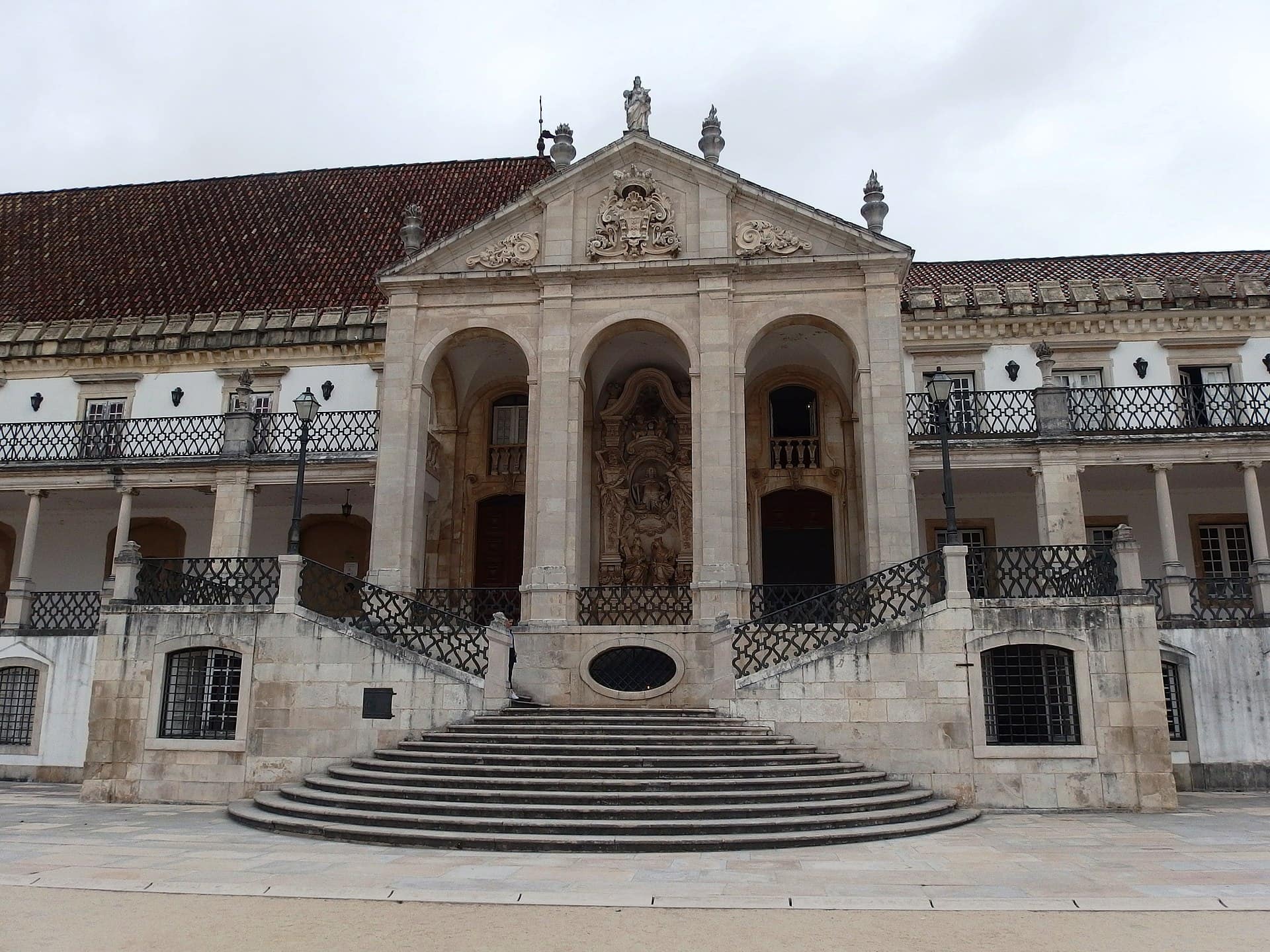
The beating heart of the city is the majestic university complex, founded back in 1290 and ranking among the oldest continuously operating universities in the world. The main historic campus is called Paço das Escolas and originally served as a royal palace. Today, this area is a UNESCO World Heritage Site and offers breathtaking views over the River Mondego and the red rooftops of the lower town.
As you step through the ornate Iron Gate (Porta Férrea) into the main courtyard, you’ll feel transported to another world. At the centre stands the statue of King John III, who permanently relocated the university to Coimbra. Flanking the square are historic faculty buildings that still serve their original purpose to this day. You don’t need a ticket to enter the courtyard — it’s freely open to the public.
💡 Local tip: The best light for photography of the entire complex is in the early morning or late afternoon. At midday, the white buildings reflect the sunlight so harshly that you won’t be able to open your eyes without sunglasses.
2. Joanina Library (Biblioteca Joanina)

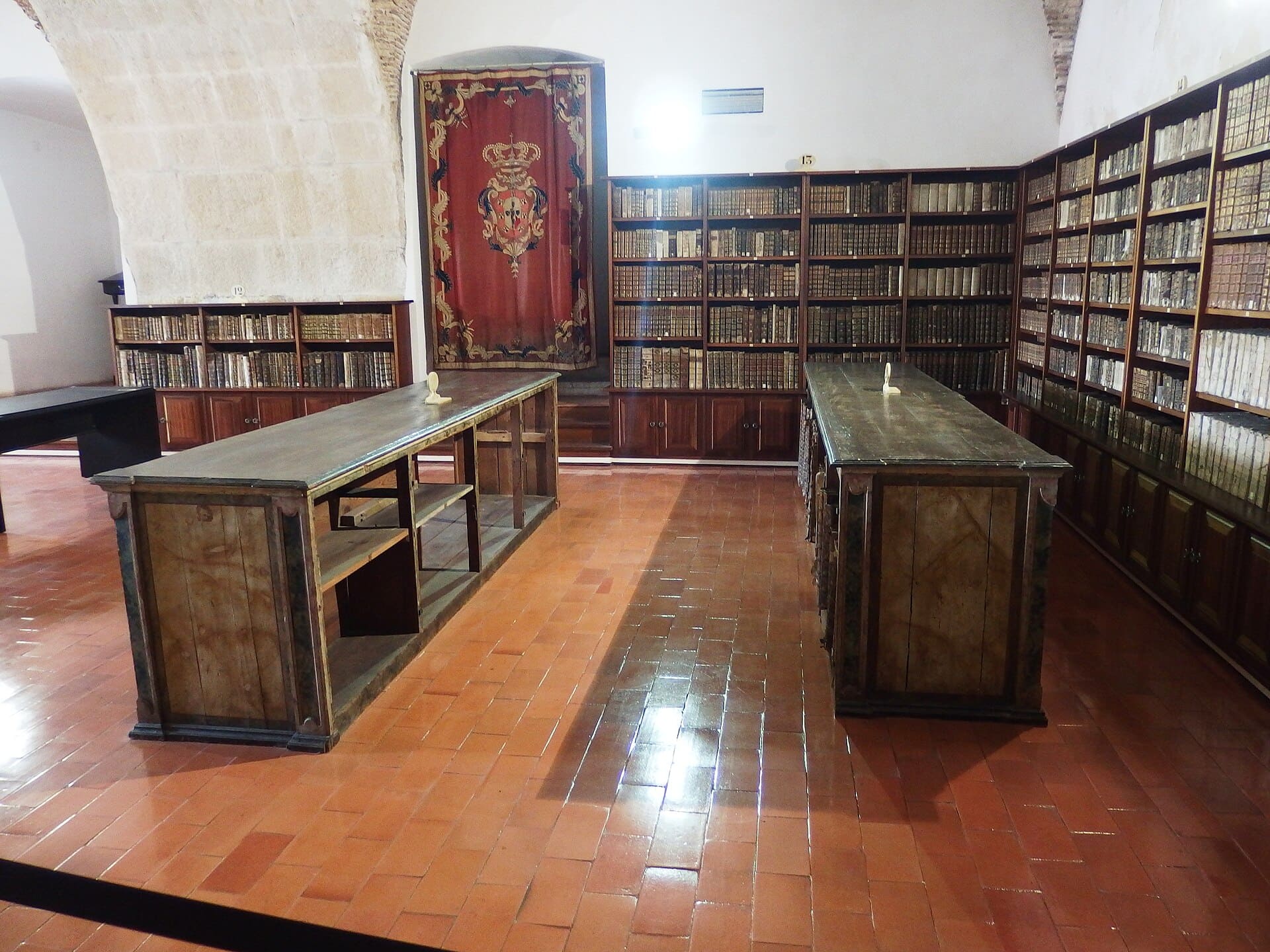
This is, without exaggeration, the crown jewel of all Portugal and the main reason most tourists come to Coimbra in the first place. The 18th-century Biblioteca Joanina looks like something straight out of a fairy tale. Its walls are lined with wood adorned in gold leaf, and the shelves house more than 60,000 rare volumes. Stepping inside this magical space will quite literally take your breath away.
Here’s a fun fact: the library has its own living guardians — a colony of bats. They hide behind the shelves during the day and emerge at night to catch insects that could damage the precious books. Every evening, the tables are covered with leather cloths to protect them from bat droppings. Photography is strictly forbidden inside the library, and the guards enforce this rigorously.
You need to buy your tickets well in advance online, as capacity is strictly limited and on-site tickets are often sold out days ahead. A ticket covering the entire university complex costs around €13, and the time printed on your ticket is specifically for your library entry slot. If you’re even five minutes late, the guards won’t let you in. For easy planning, I recommend checking portals like GetYourGuide, where you can often find options that include a local guide.
3. Clock Tower & Ceremonial Hall
Right next to the library stands the defining landmark of the entire square — the university tower known as Torre da Universidade. Students affectionately call it “Cabra” (the Goat) because of the sound its oldest bell makes. For centuries, this bell summoned students to lectures and set the rhythm of academic life. If you’ve got the energy, you can tackle the narrow spiral staircase and enjoy the panoramic view from the top.
As part of the tour circuit, don’t miss the Ceremonial Hall — Sala dos Capelos. This former royal throne room is now used for the university’s most important academic events, such as doctoral defences. The walls are adorned with portraits of every Portuguese king, and the ceiling features magnificent colourful frescoes.
As you walk through these spaces, soak in the unique atmosphere steeped in tradition. If you’re lucky, you’ll spot students dressed in their black uniforms with long capes. These aren’t just a tourist attraction — they’re everyday attire worn during exam periods and ceremonial occasions.
4. Old Cathedral (Sé Velha)
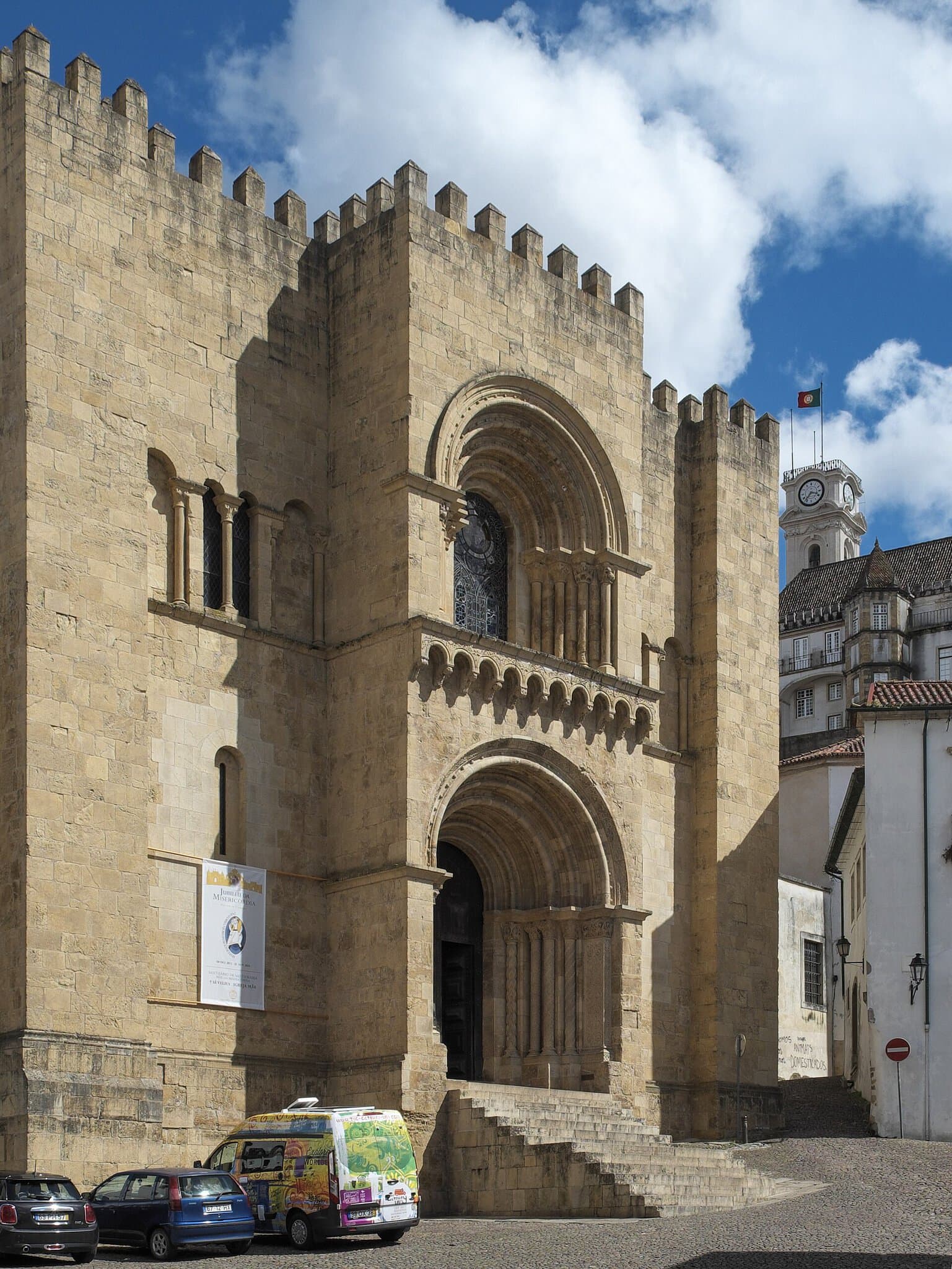
As you descend from the university hill, you’ll come across a building that at first glance looks more like an impregnable military fortress than a place of worship. The Old Cathedral (Sé Velha) is one of the most important Romanesque monuments in Portugal, built in the 12th century. Its massive stone walls with battlements and narrow windows were designed to protect the Christian city at a time when the border with Moorish territory was dangerously close.
For an admission fee of around €2.50, you can explore not only the dark and atmospheric nave but also the stunning Gothic cloister. It’s an oasis of calm in the middle of a bustling city. Stone arches surround a small green courtyard, and you’ll find beautifully carved column capitals featuring plant and animal motifs.
💡 Local tip: The cathedral has superb acoustics. Every year in May, a monumental student fado concert takes place on the steps in front of the main entrance, drawing thousands of people from across Portugal. It’s a truly magical experience.
5. New Cathedral (Sé Nova)
Despite the name “New,” this cathedral was actually founded in 1598 as a Jesuit church. It sits just a few steps from the main university square, and its monumental baroque façade stands in sharp contrast to the austere Romanesque style of the Old Cathedral. When the Jesuits were expelled from Portugal in the 18th century, the bishopric took over the building.
The interior is incredibly ornate, housing massive gilded altarpieces from the 17th century — outstanding examples of Portuguese woodcarving artistry. The space is vast and bright, which only amplifies the sense of grandeur. Admission is nominal, and you’ll often find hardly any other tourists here, as most rush straight to the Joanina Library.
In front of the cathedral there’s a small square offering lovely views of the surrounding faculty buildings. If you’re into architectural history, notice how the lower storey of the façade follows a strict Renaissance style, while the upper section gives way to exuberant baroque ornamentation.

6. Traditional Fado de Coimbra

No visit to Coimbra is complete without hearing the local fado. Unlike the Lisbon version, which is performed by both men and women in taverns, Fado de Coimbra is an exclusively male tradition. The singers wear black student capes, and the songs are far more melancholic. The lyrics often revolve around farewells to student life, unrequited love, and longing for youth.
The most distinctive quirk is that at the end of a song, you absolutely do not clap in Coimbra. Instead, the audience expresses appreciation with a quiet, discreet cough. If you were to burst into enthusiastic applause, the locals would give you some very disapproving looks. This tradition originated in the days when fado was sung secretly at night beneath the windows of young women.
For an authentic experience, I recommend visiting the Fado ao Centro cultural centre or the À Capella club, housed in a deconsecrated 14th-century chapel. Shows usually run in the afternoon and evening, last just under an hour, and tickets cost around €12. It’s best to reserve your spot in advance, as these intimate venues have very limited capacity.
7. Machado de Castro Museum & Roman Cryptoporticus
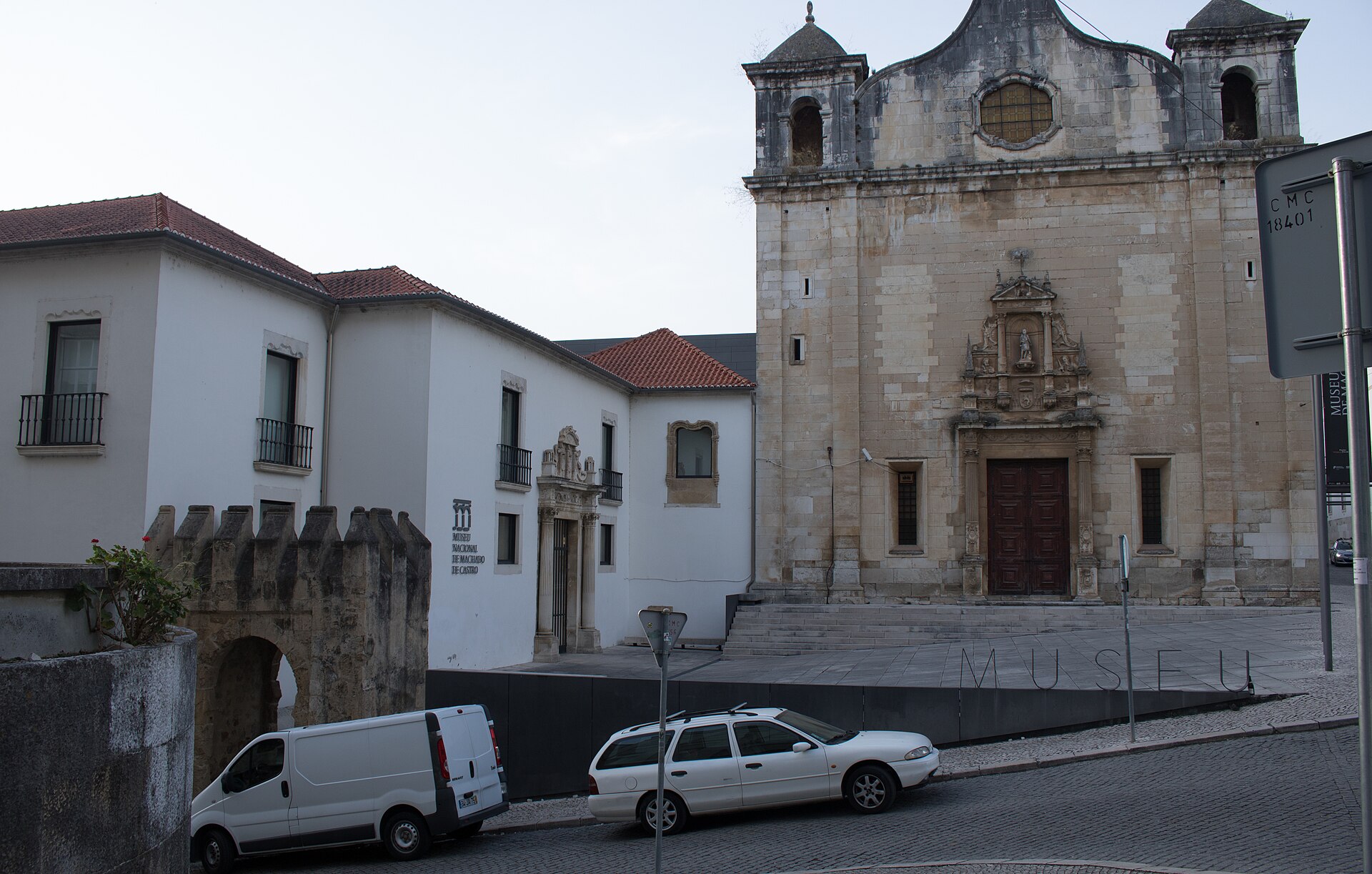
This national museum ranks among the finest in all of Portugal, and not just for its art collections. Housed in a former bishop’s palace, the building itself is an architectural gem. But the real treasure lies beneath street level. Here you’ll find a perfectly preserved Roman cryptoporticus — a two-storey underground structure dating back to the 1st century AD.
Wandering through the dark, damp Roman corridors is an unforgettable experience. These passageways originally served as a massive foundation for the Roman forum that stood above. Today, they feel like a mysterious labyrinth. On the upper floors of the museum, you can admire outstanding collections of medieval sculpture and religious art.
💡 Local tip: The museum café boasts a stunning outdoor terrace with panoramic views across the entire old town. Even if you decide to skip the exhibitions, you can still pop in for a coffee and a traditional pastry without any problem.
8. University Botanical Garden
If you need a break from the steep cobbled streets, head to the sprawling botanical garden that cascades down the slopes below the university. Founded in 1772, it originally served medical students studying medicinal plants. Today, it’s the largest green oasis in the city centre — and admission is completely free.
The garden is laid out across several terraces. You’ll find a majestic bamboo forest, old greenhouses filled with exotic plants, and magnificent trees brought over from former Portuguese colonies in Brazil and Africa. It’s the perfect spot for a leisurely stroll or a rest on a bench in the shade of enormous fig trees.
The historic Aqueduct of São Sebastião also runs through the area, creating a gorgeous backdrop for your photos. During the scorching summer months, the garden provides much-needed shade, and temperatures here feel several degrees cooler than on the sun-baked squares above.
9. Santa Clara-a-Velha & Santa Clara-a-Nova Monasteries
Cross the bridge to the other side of the River Mondego and you’ll uncover yet another layer of the city’s rich history. Here you’ll find two monasteries dedicated to Saint Clare. The first, Santa Clara-a-Velha, was built in the 14th century. Unfortunately, it stood too close to the river and was repeatedly flooded over the centuries, until the nuns were finally forced to abandon it in the 17th century. Today you can explore its romantic ruins, which were only recently painstakingly excavated from layers of silt.
The nuns moved further up the hill and built a new complex — Santa Clara-a-Nova. This houses a beautiful church with lavish baroque decoration. The main reason to visit, however, is the silver reliquary containing the remains of Queen Isabel of Portugal, the city’s patron saint.
From the new monastery, you get one of the best views of Coimbra’s historic centre across the river. Admission to the grounds costs around €4 and is well worth the little effort of the uphill walk.
10. Portugal dos Pequenitos Park
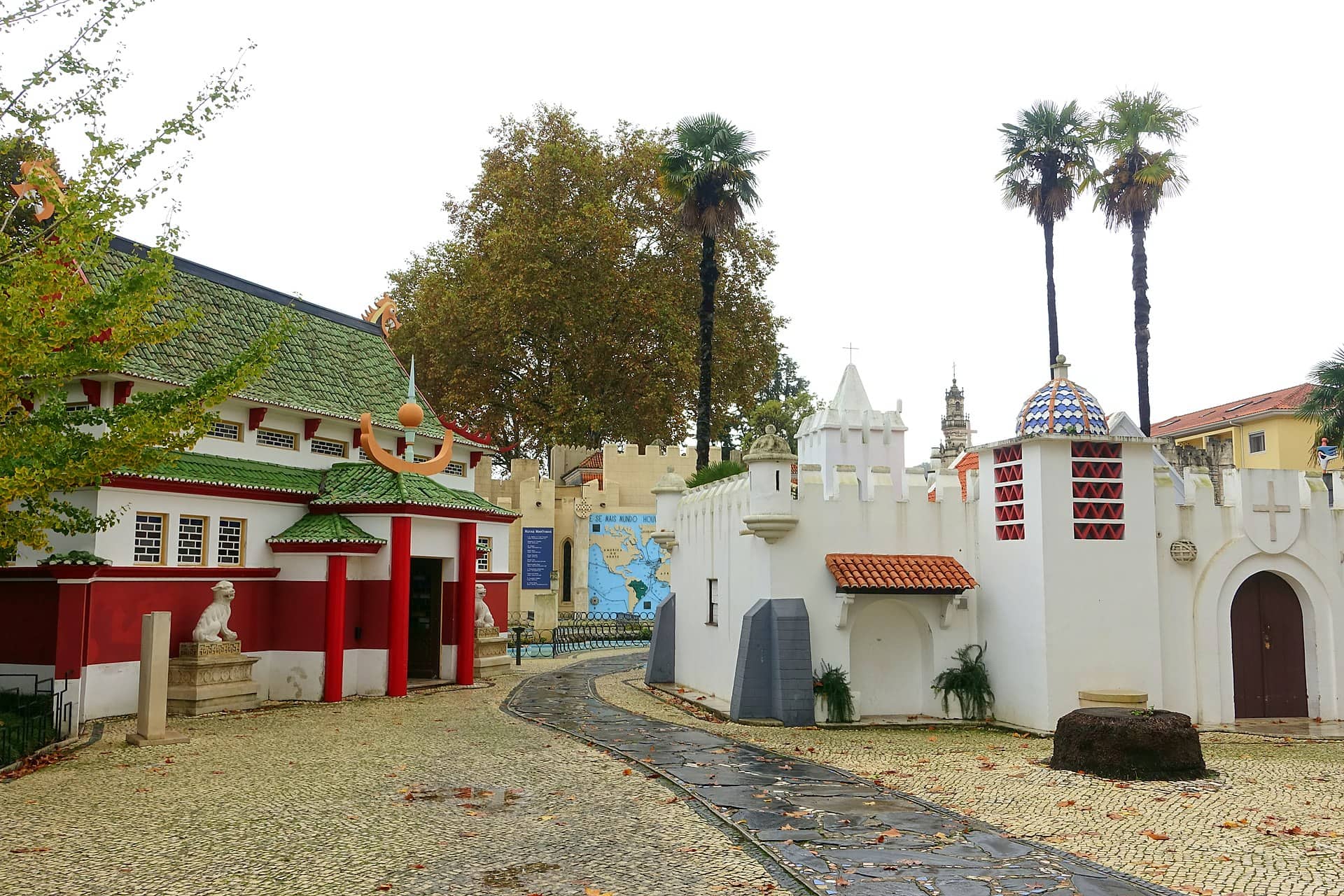
If you’re travelling with kids, this is a place you can’t skip. Portugal dos Pequenitos (Portugal for Little Ones) is a unique theme park full of miniature replicas of Portugal’s most important monuments. It was created back in the 1940s and still retains its charm with a delightful retro feel.
You’ll find tiny versions of traditional rural houses from every region of Portugal — small enough for children to duck inside. The park also features scaled-down replicas of iconic landmarks like Lisbon’s Belém Tower and the Batalha Monastery, plus a pavilion dedicated to Portugal’s former overseas territories.
Admission is around €15 for adults and €10 for children. Be warned that weekends get really busy, so it’s best to arrive first thing when the gates open. The park is located on the south bank of the river, near the ruins of the old Santa Clara monastery.
11. Romantic Penedo da Saudade
This is the most beautifully melancholic spot in all of Coimbra. Penedo da Saudade is a park set on a rocky outcrop overlooking the valley. Legend has it that King Pedro I came here to grieve after his beloved Inês de Castro was murdered. Today, it’s where students come to reflect on their years at the university.
The entire park is dotted with stone plaques engraved with poems. These are added by each graduating class as a way to leave their mark for future generations. Walking among the trees and reading these inscriptions (if you have a smattering of Portuguese or simply use your phone’s translator) is incredibly moving.
The park is a little further from the main tourist routes, in the eastern part of the city. It’s the perfect spot for a picnic and relaxation with a view, especially around sunset. There’s no admission fee, and you’ll find barely a soul here.
12. River Mondego & Parque Verde
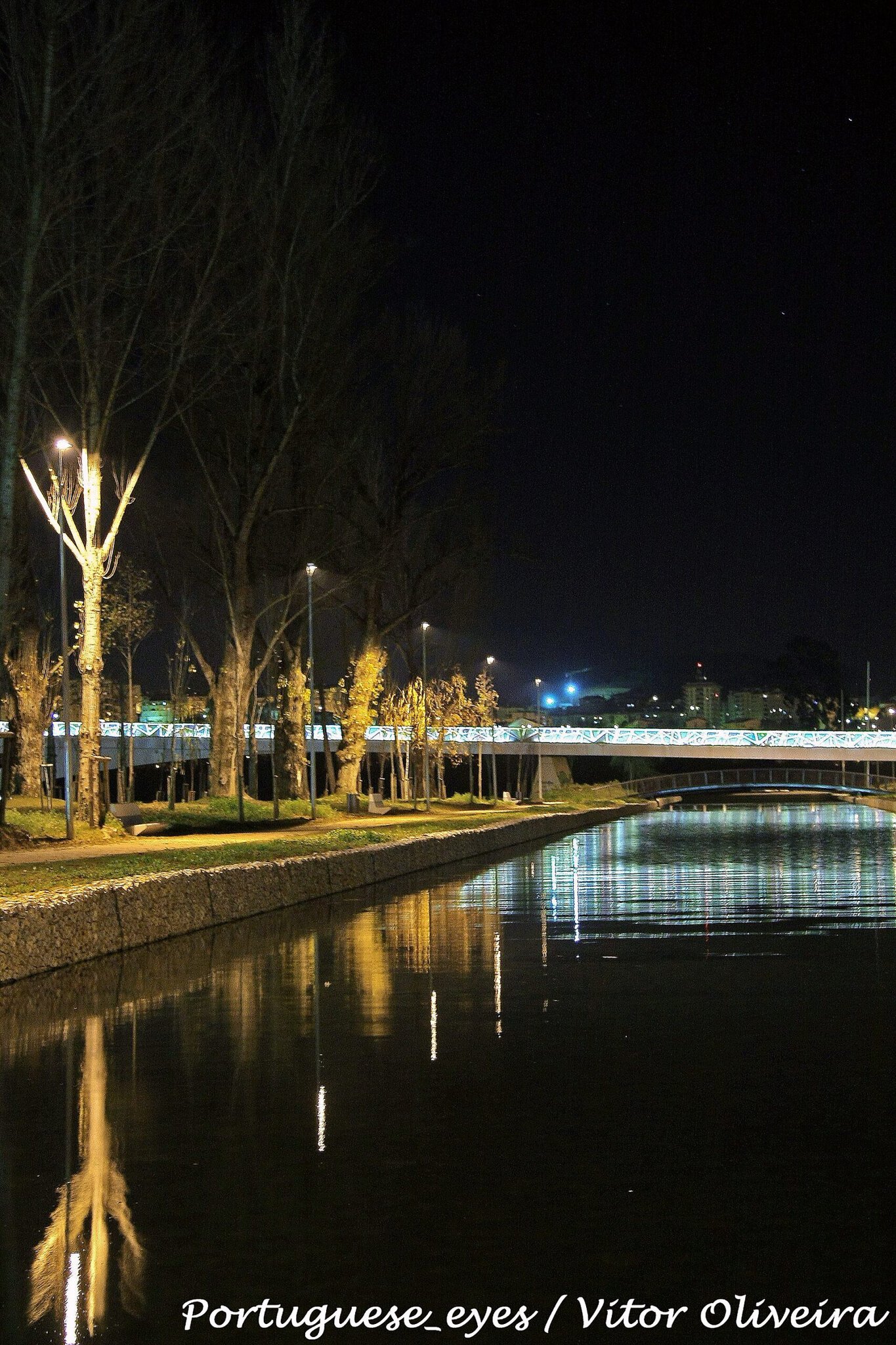
The River Mondego gives Coimbra its unmistakable charm. The riverbanks have been beautifully revitalised in recent years, creating the expansive Parque Verde do Mondego. You’ll find kilometres of flat cycling paths, green lawns ideal for lounging, and plenty of modern pavilions with restaurants and cafés.
If you prefer an active break, you can hire a pedalo or paddleboard right in the park and see the city from the water. The river is very calm and safe in this stretch. Scenic boat trips are also available, lasting about an hour with tickets at a reasonable €10.
💡 Local tip: The riverside cafés are the perfect spot for an evening drink. The food is excellent, and they serve great local craft beer. If you’re vegetarian, you’ll easily find places offering superb cheese boards, olives, and grilled vegetables served tapas-style.
13. Praça da República & Café Santa Cruz
If you want to feel the true student pulse of the city, head to Praça da República. This square is the hub of nightlife, lined with dozens of bars and cafés. In the evenings it buzzes with energy — students perched on walls, soaking up the atmosphere.
During the day, don’t miss a visit to the historic Café Santa Cruz, located in the lower town right next to the town hall. The café was built inside a former 16th-century church and features a gorgeous vaulted ceiling and stained-glass windows.
Order a proper Portuguese coffee and make sure to try the pastries called crúzios, baked to a secret recipe. The interior is wonderfully elegant, and in the evenings the café often hosts free fado performances for its guests.
14. Day Trip: Roman Ruins of Conímbriga
If you have more than one day in Coimbra, take a trip to nearby Conímbriga, about 16 kilometres south of the city. These are the largest and best-preserved Roman ruins in all of Portugal. The settlement was founded in the 2nd century BC, and you should set aside at least two hours to explore it properly.
The biggest draw is the stunning floor mosaics, which have retained their vivid colours even after two thousand years. You can admire the remains of bathhouses, an intricate underfloor heating system, and vast villas of wealthy patricians. The House of the Fountains (Casa dos Repuxos), with its working water jets, is absolutely mesmerising. A combined ticket for the site and adjoining museum costs €4.50.
Getting there is easy by Transdev suburban bus, which departs from the bus station in Coimbra. The journey takes just under half an hour, and you can buy tickets directly from the driver. If you’ve hired a car, remember that Portuguese motorways use electronic tolling, so you’ll need a Via Verde device in your vehicle or you can register your number plate for temporary toll access online before your trip.
Map of points of interest for your phone
Where to Go from Coimbra
Coimbra sits in a wonderfully strategic position right in the middle of the country, making it easy to continue in any direction. If you’re travelling by train, just remember that the city has two railway stations. Long-distance services (Alfa Pendular and Intercidades) only stop at Coimbra-B on the outskirts. From there, you need to transfer to a short local shuttle train which takes you — free of charge on the same ticket — into the centre at Coimbra-A station.
- If you’re drawn to the ocean and a fishing-town atmosphere with monster waves, head to Nazaré, just an hour away.
- For lovers of romance and fairy-tale palaces, the mystical Sintra is the obvious choice — reachable by train with a change in Lisbon.
- If you’re heading north, don’t miss the stunning city of Porto, famous for its port wine and the bridge designed by a pupil of Gustave Eiffel.
- In just half an hour by train you can reach Aveiro, nicknamed the Portuguese Venice for its canals and colourful boats.
Frequently Asked Questions
How many days do I need to explore Coimbra?
One full day and one night is enough to see the main highlights. You can visit the university and library in the morning, explore the lower town in the afternoon, and catch a fado performance in the evening. However, if you want to visit the Conímbriga ruins or the miniature park as well, plan to stay for two nights.
Is the Joanina Library really that strict about entry times?
Yes, absolutely. The system is set up to admit a specific number of people every 20 minutes. If you’re late, your ticket becomes invalid and the guards won’t let you in. It’s best to arrive at the Paço das Escolas courtyard at least fifteen minutes early.
Can I manage the city with a stroller or limited mobility?
It will be very challenging. The historic streets in the Alta district are extremely steep, narrow, and the cobblestones are bumpy and slippery. I recommend using the yellow minibuses on the Linha Botânico route, which shuttle between the lower and upper town and will save you a lot of effort.
What’s the difference between fado in Lisbon and Coimbra?
Lisbon fado can be sung by both men and women, often involves audience participation, and includes applause. Coimbra fado is sung exclusively by men—students or university graduates wearing black capes. It’s more academic, more melancholic, and after the performance, instead of applause, people show respect with a quiet cough.
Where’s the best place to park in the city?
Parking in the historic center is a nightmare. If you’re arriving by car, leave it at the large free parking lot by Parque Verde do Mondego on the left bank of the river, or use the underground garage at Praça da República. From there, you can walk to the center.
Are there good restaurants for vegetarians in the historic center?
Definitely. Although traditional Portuguese cuisine is heavily based on fish and meat, Coimbra is a university town, so you’ll find plenty of modern establishments. Almost every restaurant offers excellent vegetable soups, cheese boards, and olives, and the modern bistros in the lower town regularly serve vegetarian dishes.
Do Uber or Bolt work here?
Yes, both apps work perfectly in the city and are often cheaper than regular taxis. A ride from Coimbra-B train station to a hotel in the center will cost you around 4 to 6 euros, which is definitely worth it when you’re traveling with heavy luggage.
Tips and Tricks for Your Vacation
Don’t Overpay for Flights
Search for flights on Kayak. It’s our favorite search engine because it scans the websites of all airlines and always finds the cheapest connection.
Book Your Accommodation Smartly
The best experiences we’ve had when looking for accommodation (from Alaska to Morocco) are with Booking.com, where hotels, apartments, and entire houses are usually the cheapest and most widely available.
 🚗 Car rental on the roadVerified car rentals in Portugal
Search with the DiscoverCars comparison engine — it compares prices from dozens of local and international rental companies, and most bookings come with free cancellation.
Compare car prices in Portugal →Don’t Forget Travel Insurance
Good travel insurance will protect you against illness, accidents, theft, or flight cancellations. We’ve had a few hospital visits abroad, so we know how important it is to have proper insurance arranged.
Where we insure ourselves: SafetyWing (simple monthly subscription) and TrueTraveller (for extra-long trips).
Find the Best Experiences
Get Your Guide is a huge online marketplace where you can book guided walks, trips, skip-the-line tickets, tours, and much more. We always find some extra fun there!