If you’re thinking about heading to northern Portugal, brace yourself for a completely different world from the sun-drenched south. The north is proud, granite-built, and incredibly authentic. Braga Portugal, often nicknamed the Portuguese Rome, is one of those places that instantly draws you into its history while surprising you with a wonderfully youthful energy. The city is brimming with students from the local university, so historic baroque churches sit naturally alongside bustling cafés and bars. Come and explore a city where deep spirituality meets laid-back student life, and where breathtaking architecture awaits around every corner.
TL;DR
- The Portuguese Rome: Braga is the religious heart of the entire country, home to dozens of stunning churches and Portugal’s oldest cathedral.
- Bom Jesus do Monte: This absolutely iconic pilgrimage site with its baroque stairway and unique water-powered funicular is an unmissable highlight.
- Young blood: Thanks to the university, the city is full of life, excellent cafés, and the streets truly come alive in the evenings.
- Watch the weather: Northern Portugal gets a lot of rain, so a decent waterproof jacket and sturdy shoes are absolute essentials.
- Ideal base: Braga makes a perfect jumping-off point for day trips to Guimarães or the Douro Valley.
- Getting there: You can reach Braga from Porto easily and cheaply by commuter train in roughly an hour.
The full destination guide: Portugal — guide and what to see
When to Visit Braga Portugal
This is an absolutely crucial question to ask yourself before booking flights. Northern Portugal is exposed to the Atlantic and gets far more rain than Lisbon or the Algarve. Those green hills surrounding Braga aren’t green by accident. From November to March, weather fronts roll in from the ocean and it can easily rain for a week straight. Winters are damp and chilly — you definitely won’t survive without an umbrella — with temperatures hovering around just 13 to 15°C.
On the flip side, from June to August you can expect lovely summer weather, with sunny and pleasantly warm days. Mornings can be slightly misty, but afternoon temperatures climb to around 25°C. If you want to explore the city without the crowds and in comfortable temperatures, September and October are the ideal months. September is absolutely perfect for strolls and day trips, while in October you’ll need to factor in a higher chance of rain. Spring (March to May) is quite changeable with frequent showers, but nature is beautifully in bloom and it’s an ideal time for sightseeing.
Where to Stay in Braga
💡 Accommodation & experiences tip: We love searching for places to stay on Booking.com, which tends to have the best cancellation policies. For tickets, tours, and activities, it’s worth comparing options on GetYourGuide.
When searching for accommodation, you’ll encounter similar rules to nearby Porto, as the entire region is working to regulate short-term rentals. The supply of private apartments in the centre is shrinking, so travellers are increasingly turning to traditional hotels or guesthouses. Be prepared for a city tourist tax, which hotels collect on site at check-in (usually a couple of euros per person per night). The best neighbourhood to stay in is undoubtedly the historic centre (Centro Histórico), from where you can walk to all the main sights and have the best restaurants right on your doorstep.
If you prefer peace and quiet and don’t mind hopping on a bus, the Tenões neighbourhood near Bom Jesus do Monte offers gorgeous views and an escape from the city buzz. For booking accommodation, we’ve consistently had the best results with Booking.com. Among the top-rated hotels right in the centre is Vila Galé Collection Braga, which occupies a historic building and oozes incredible atmosphere. If you’re after something more modern, the Melia Braga with its lovely spa is an excellent choice, as is the popular boutique hotel Bracara Augusta.
14 Best Things to See and Do in Braga Portugal
Let’s dive into the very best that this stunning city in the north has to offer. Braga is very compact and you can easily explore the centre on foot, but for some of the hilltop attractions you’ll need to use local transport. Wear comfortable shoes, because traditional Portuguese cobblestones (calçada) can be treacherously slippery after rain.
1. Bom Jesus do Monte and Its Baroque Stairway
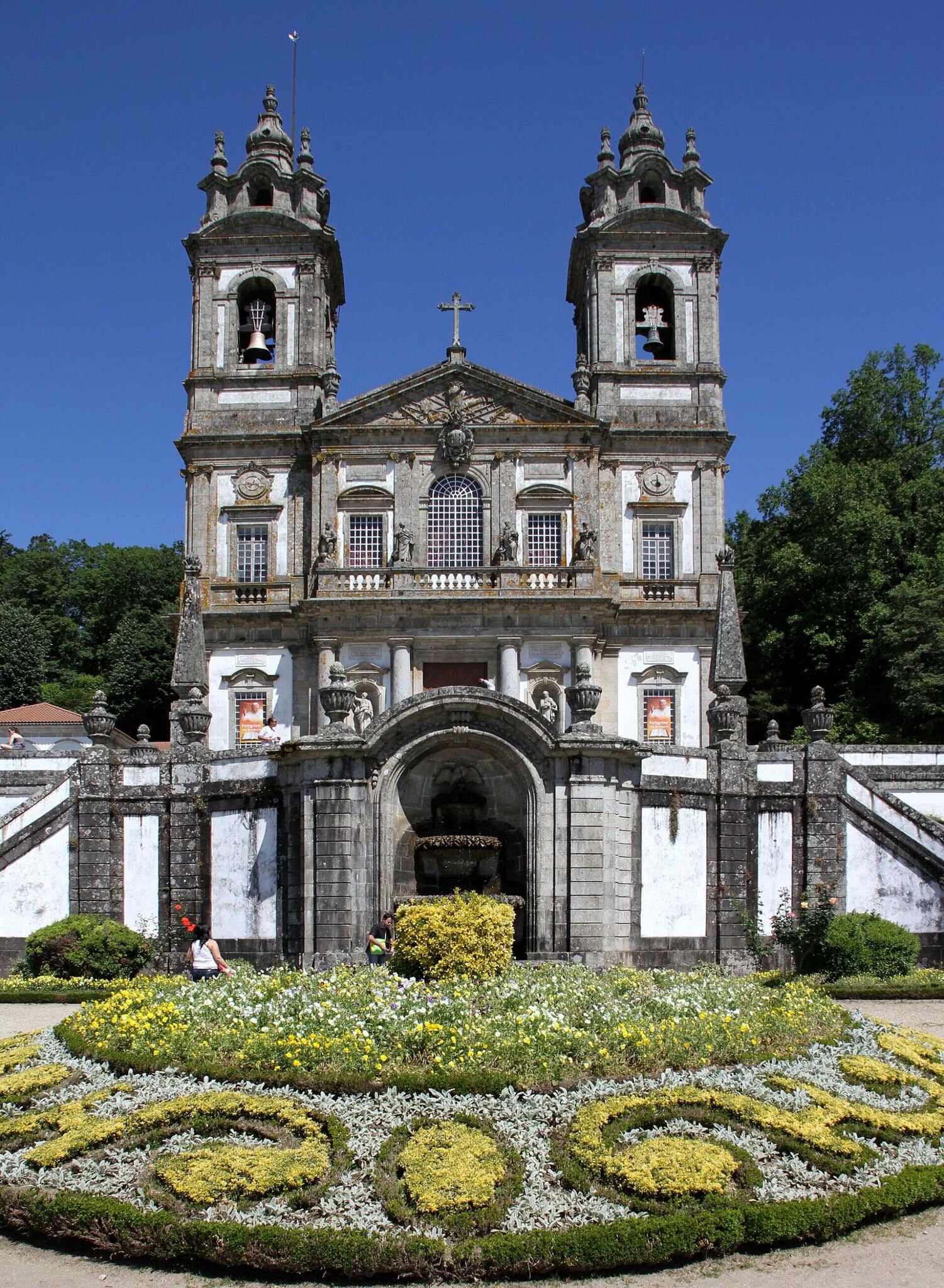
This UNESCO-listed pilgrimage site is the ultimate symbol of Braga and the main reason people flock here. Perched on a hill above the city, its sheer monumentality grabs your attention from miles away. An incredible stairway lined with Stations of the Cross leads up to the baroque basilica, creating a mesmerising optical illusion when viewed from below that looks absolutely stunning in photos.
The stairway is divided into several sections, and each terrace symbolises one of the human senses and virtues. You’ll find beautiful fountains, statues, and meticulously manicured gardens along the way. The climb is quite physically demanding, but the panoramic views over the whole of Braga are more than worth the effort.
💡 Insider tip: Head here first thing in the morning or just before sunset. You’ll dodge the biggest tourist crowds and catch the best light for your photographs.
2. The Unique Water-Powered Funicular
If you’d rather not tackle hundreds of steps to reach Bom Jesus on foot, take advantage of a local engineering marvel dating back to 1882. This historic funicular (Elevador do Bom Jesus) is the oldest functioning water-powered funicular in the world. Riding in the wooden carriage is an incredible experience, and it whisks you to the top in just three minutes.
The system works on a brilliantly simple counterweight principle. The tank of the upper carriage is filled with water, making it heavier, and its weight naturally pulls the empty lower carriage uphill. At the bottom, the water is released from the upper carriage and the whole process repeats. A ticket costs just a few euros and it’s an experience you really shouldn’t miss.
3. Sé Cathedral – The Oldest in Portugal
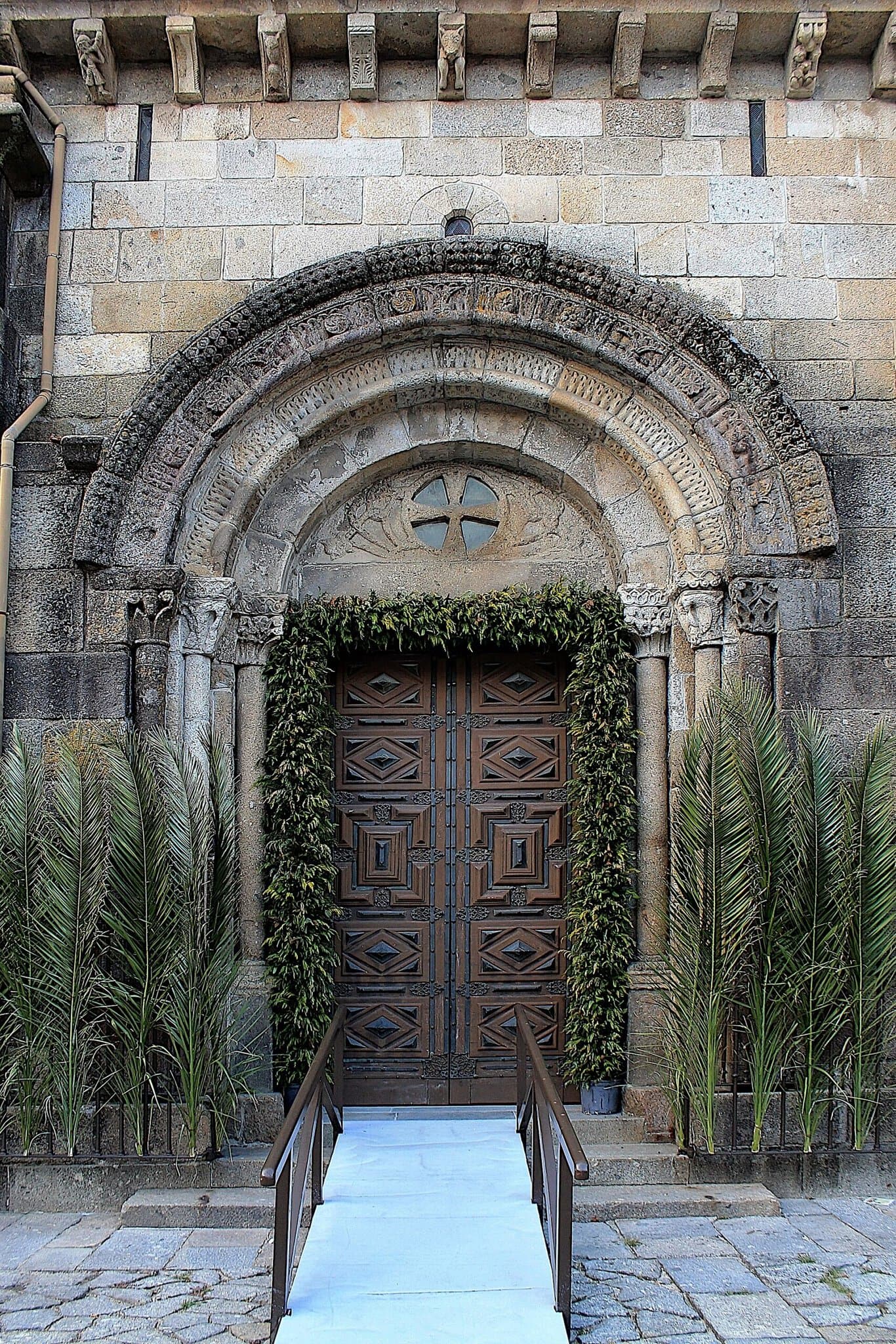
The Sé de Braga is the oldest cathedral in the entire country, dating all the way back to the 11th century. From the outside, it looks more like an impenetrable fortress than a typical church. Over the centuries it’s been remodelled numerous times, so you’ll find an incredible mix of Romanesque, Gothic, and baroque styles all in one building.
I’d definitely recommend paying the modest admission fee to visit the interior and treasury. Inside, you’ll be blown away by the majestic baroque organs adorned with rich woodcarvings and a stunning choir. The cathedral also houses the tombs of the parents of Portugal’s first king, which speaks volumes about the immense historical significance of this place.
💡 Insider tip: During your visit, don’t forget to look up and admire the beautifully decorated ceilings — something many visitors rush right past.
4. The Historic Centre and Arco da Porta Nova
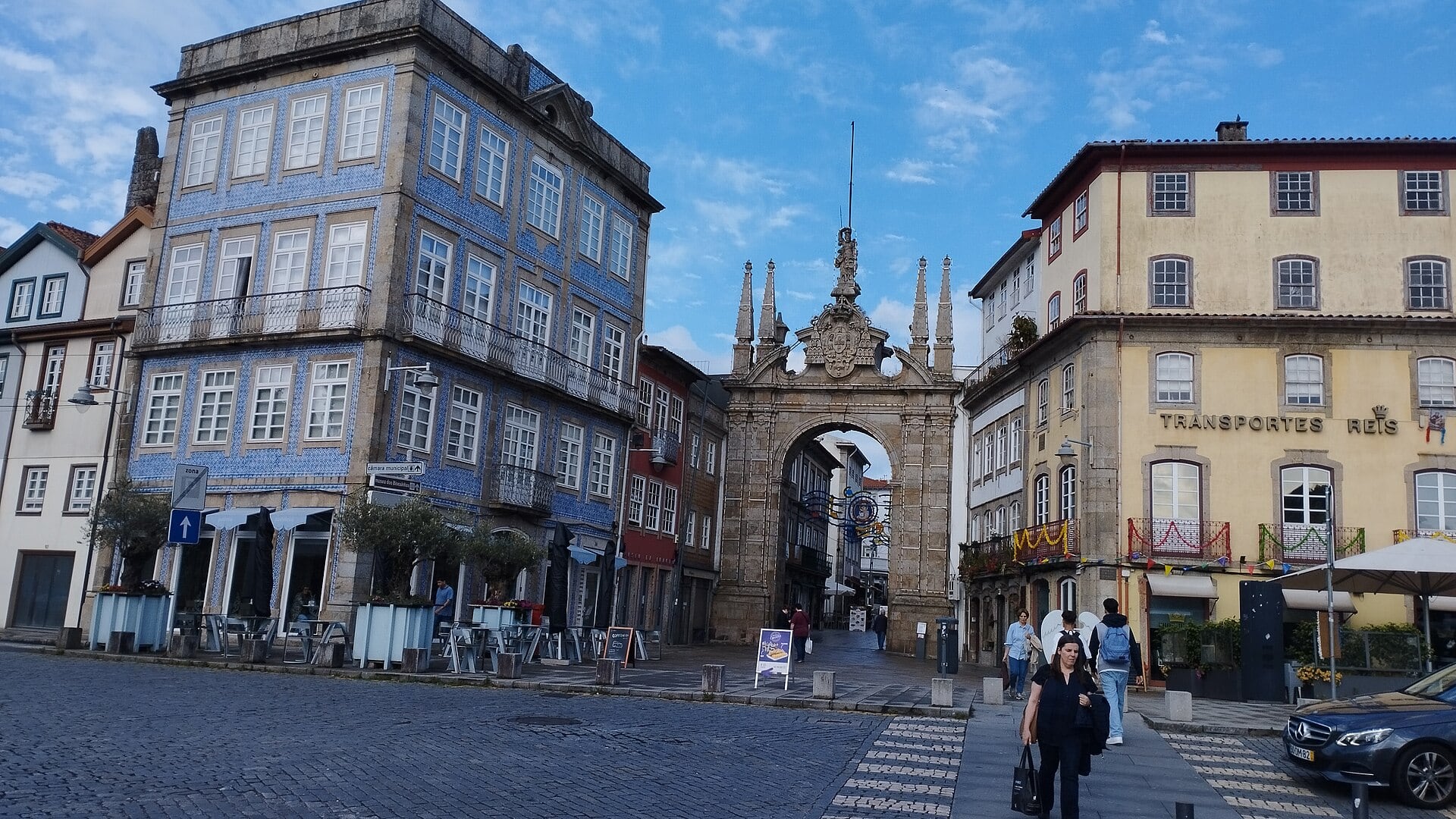
The heart of Braga is its gorgeous historic centre, a maze of narrow streets and colourful houses. The gateway into this labyrinth is the Arco da Porta Nova, which once served as the main entrance to the medieval city. Fun fact: the gate never actually had doors.
This quirk gave rise to a famous Portuguese saying. Whenever someone leaves a door open, locals will often ask: “És de Braga?” (Are you from Braga?). Strolling from the arch towards the centre takes you along Rua do Souto, the main shopping street lined with little shops and traditional bakeries.
5. Santuário do Sameiro and Heavenly Views
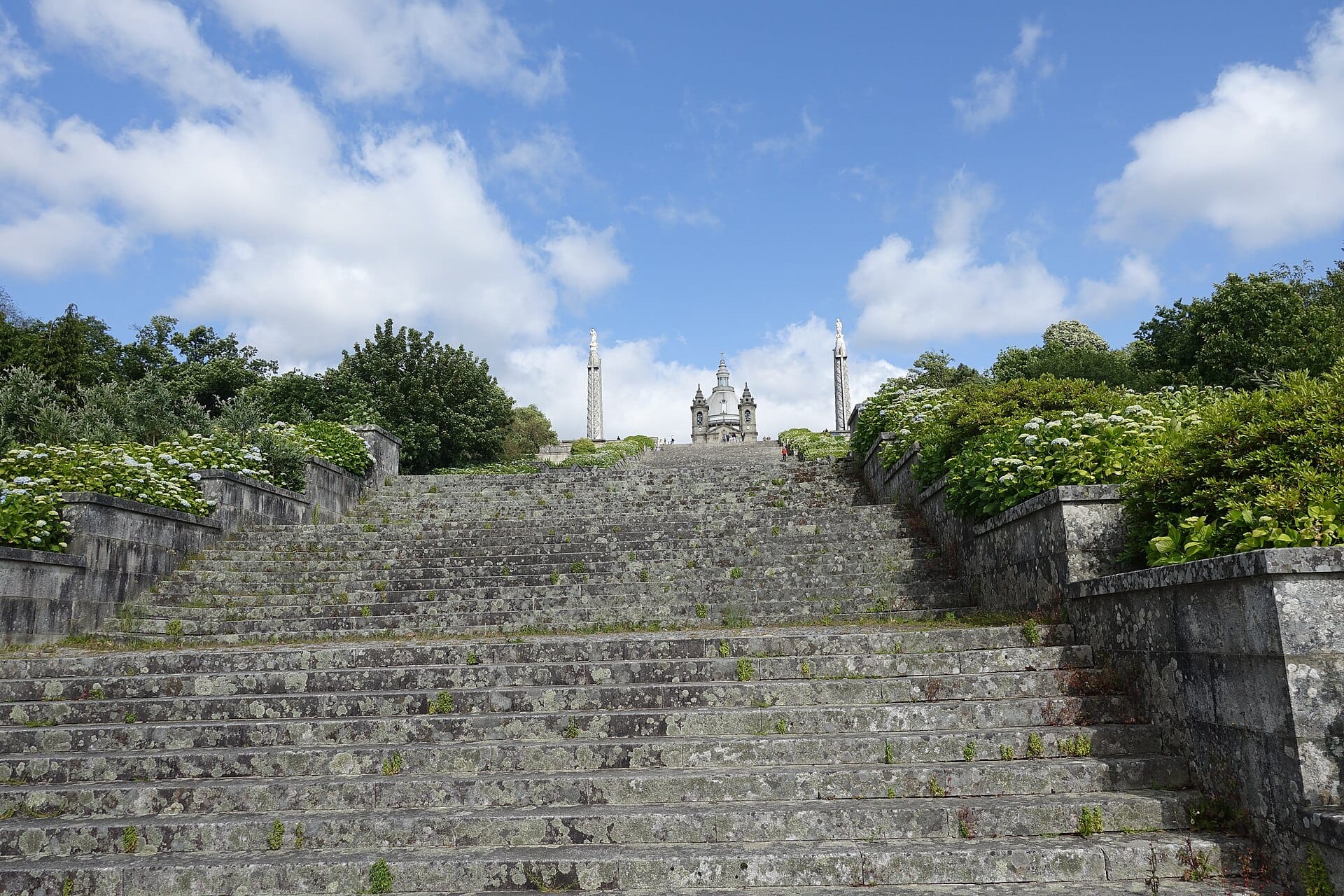
If you’re already at Bom Jesus do Monte, definitely continue a little further up to Santuário do Sameiro. This is the second-largest Marian shrine in Portugal (right after the famous Fátima). The 19th-century basilica itself is imposing and deeply impressive.
The real draw, though, is the vast esplanade in front of the church. From over 500 metres above sea level, you’ll get the finest panoramic views across the entire Minho region. On a clear day, you can see all the way to the mountains of Peneda-Gerês National Park.
6. Cafés and the Buzzing Student Scene
Braga isn’t just a city of churches — it’s also home to the University of Minho. Thanks to thousands of students, the city has an incredibly fresh and vibrant atmosphere. The main gathering spot is Praça da República with its iconic Arcada building, where you’ll find the most popular café terraces.
Make sure you grab a seat at the legendary Café A Brasileira, order a coffee, and soak up the lively buzz. In the evenings, the streets in the centre fill up with young people, bars open their doors, and the city takes on a completely different, much more relaxed vibe. It’s a fascinating contrast to the solemnity of the local monuments.
7. Jardim de Santa Bárbara and Medieval Ruins
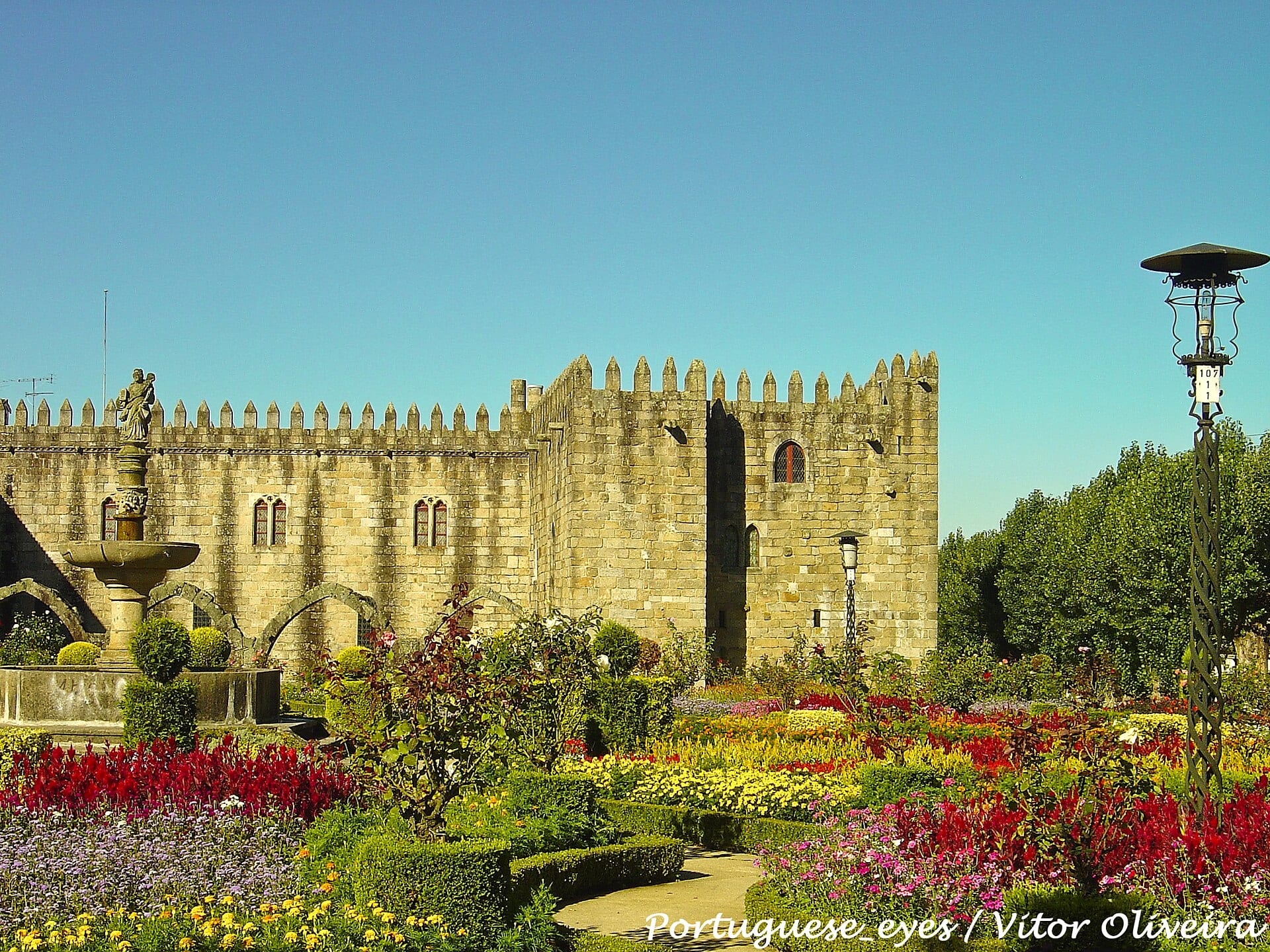
Right in the city centre, you’ll discover a little oasis of calm in the form of the Jardim de Santa Bárbara gardens. This beautifully maintained public park from the 17th century is bursting with colourful flowers and geometrically trimmed hedges. A fountain with a statue of Saint Barbara stands in the middle.
What truly makes the gardens magical, though, is their backdrop. The flowerbeds are framed by the romantic ruins of a medieval archbishop’s palace. It’s arguably the most photogenic spot in the entire historic centre and the perfect place for a quick rest while exploring the city.

8. Palácio do Raio and Blue Azulejos
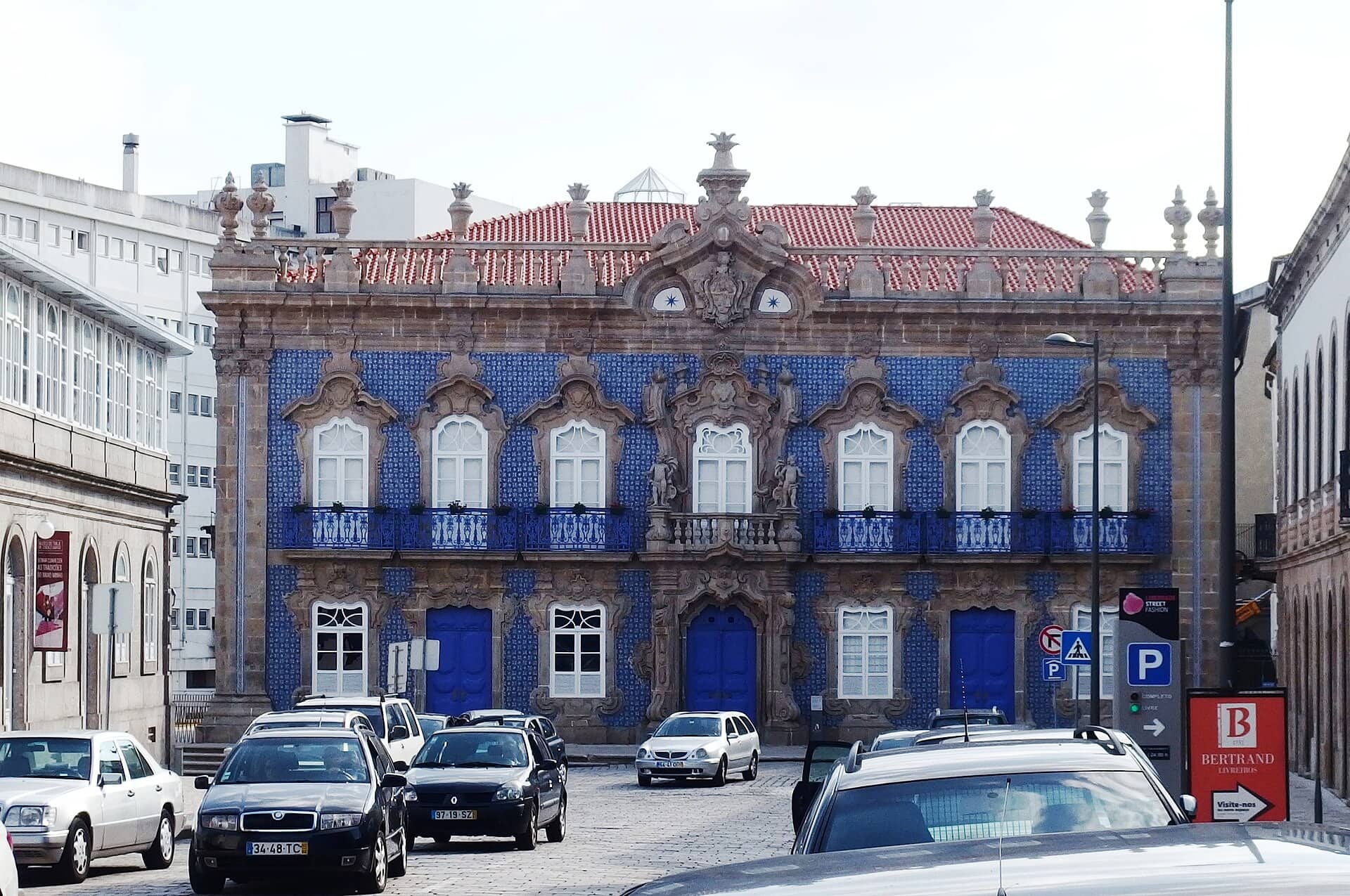
Architecture lovers and fans of Portuguese azulejo tiles will be in seventh heaven here. Palácio do Raio is a jaw-dropping baroque palace from the 18th century that stands out for its lavishly decorated façade. Designed by the celebrated architect André Soares, the building looks more like an elaborate confection than an ordinary structure.
The entire front wall is covered in gorgeous blue-and-white tiles that contrast sharply with the ornate granite portals and carved balconies. Today the interior houses a small museum, but even just admiring it from outside is one of the greatest aesthetic experiences in Braga.
💡 Insider tip: The best photos of the façade are taken in the morning, when the early sunlight hits the blue tiles and the colours are at their most vivid.
9. Easter Processions (Semana Santa)
If you’re planning a spring trip, seriously consider timing your visit for Holy Week (Semana Santa). Braga is the religious heart of Portugal and its Easter celebrations have an utterly unforgettable atmosphere that draws visitors from all over the world.
The streets are adorned with flowers and purple banners. Silent, mysterious processions wind through the city, with hooded figures and barefoot penitents carrying heavy statues of saints. It’s a profoundly spiritual experience, filled with the fragrant smoke of incense and the muffled beat of drums.
10. Museu dos Biscainhos and Noble Life
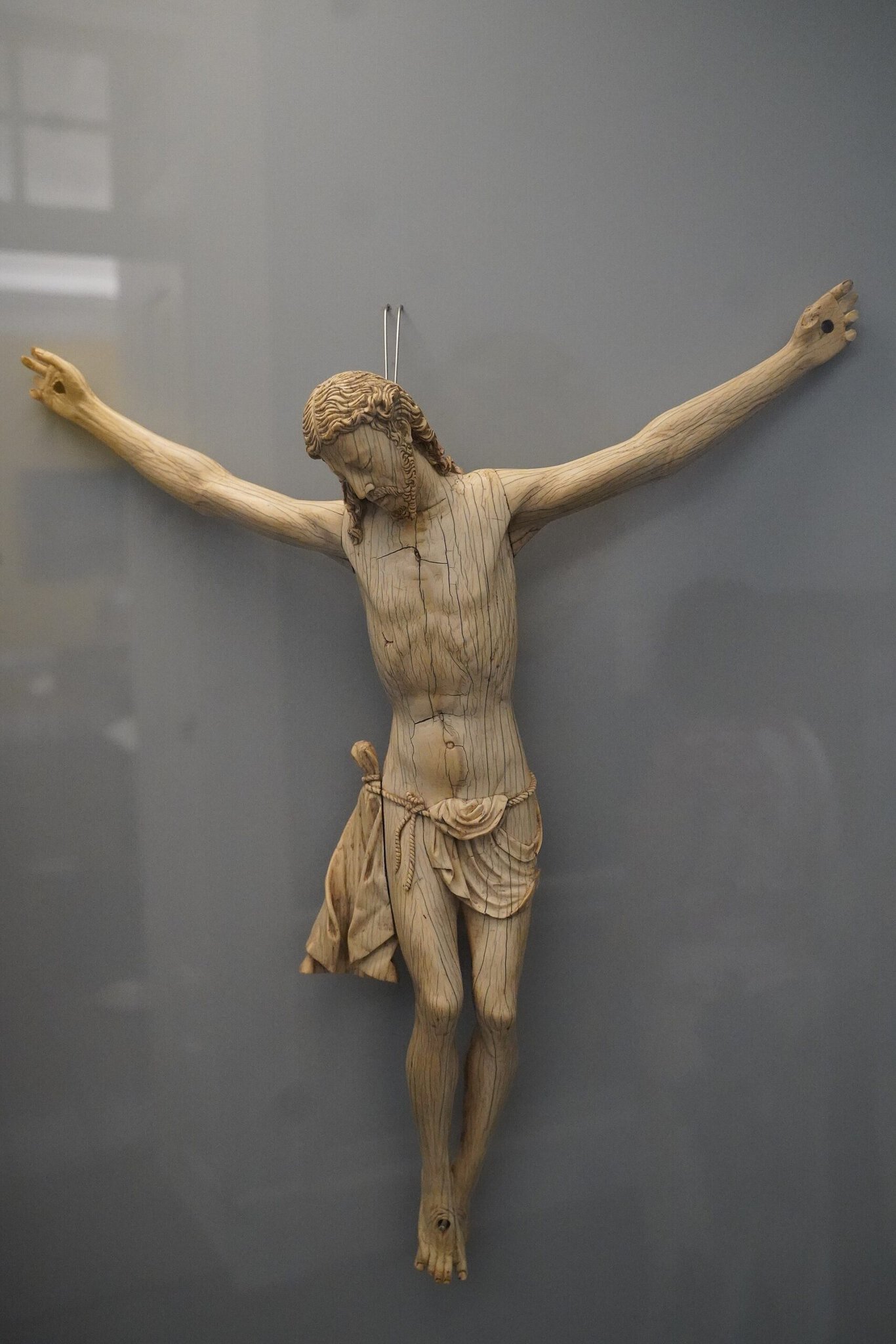
Want to see how Braga’s wealthy aristocracy lived during the baroque period? Head to the Museu dos Biscainhos, housed in a stunning 17th-century palace. You’ll wander through richly decorated halls filled with original furniture, tableware, and a collection of rare clocks.
The real gem, however, is the palace garden. It’s one of the best-preserved baroque gardens in all of Portugal, brimming with fountains, statues, and hedge labyrinths. Entry to the gardens has historically been free, and it’s a wonderful spot to escape the summer heat.
11. Capela de São Frutuoso – A Hidden Gem
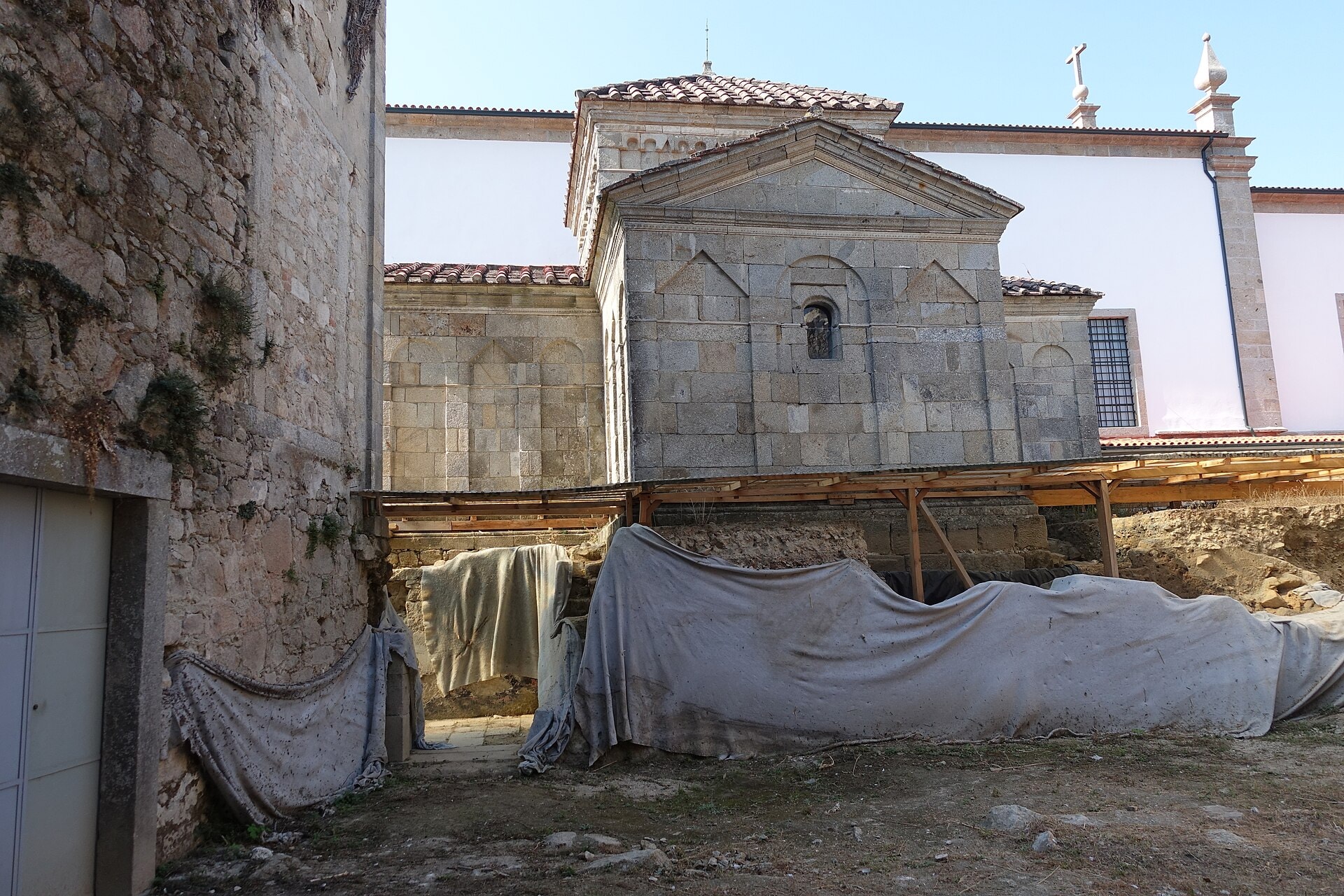
Just outside the city centre lies an attraction that most regular tourists completely overlook. The Capela de São Frutuoso is a rare pre-Romanesque chapel dating back to the 7th century that survived the Moorish occupation. It has a unique Greek cross floor plan.
This tiny stone building radiates an incredibly mystical aura, and you can feel the weight of centuries the moment you step inside. The chapel is now part of a larger monastery complex, and while a visit only takes a few minutes, architecturally it’s one of the most important sites on the entire Iberian Peninsula.
12. Taste Sweet Braga and Superb Coffee
Portugal is paradise for anyone with a sweet tooth, and Braga is no exception. While for lunch I’d recommend trying one of the many modern vegetarian restaurants that have popped up thanks to the student population, in the afternoon you absolutely must visit a traditional pastelaria.
The local speciality is the so-called Tibias de Braga — delicious crispy pastries filled with sweet custard cream and dusted with icing sugar. Pair them with a strong Portuguese espresso (bica) and enjoy the afternoon like a true local.
💡 Insider tip: Avoid restaurants with touts on the main squares. The best family-run places with authentic food and excellent vegetable soups are tucked away in the side streets.
13. Day Trip to Guimarães: The Birthplace of Portugal
While you’re in Braga, it would be a real shame not to visit the neighbouring city of Guimarães, which is just a short journey away. A famous inscription on a wall in the historic centre reads “Aqui nasceu Portugal” (Portugal was born here), as this is where Portugal’s first king was born in the 12th century.
The city boasts a perfectly preserved UNESCO-listed medieval core. Narrow lanes are packed with cafés, and a majestic castle with a mighty square tower looms above the town. It’s a very compact and photogenic place with an incredibly proud atmosphere that you can easily explore in half a day.
14. Day Trip to Porto and Wine Tasting in the Douro Valley
Braga makes an excellent base for exploring the entire north. You can reach central Porto by commuter train in roughly an hour and admire the iconic Dom Luís I Bridge, the São Bento railway station clad in blue tiles, or wander the steep alleyways of the Ribeira quarter.
From Porto, I’d recommend continuing east to the Douro River valley. This valley is the world’s oldest demarcated wine region, where vines grow on steep terraced slopes tumbling straight down to the river. The train journey along the Linha do Douro is one of the most romantic experiences in all of Portugal.
Map of points of interest for your phone
Where to Go Next from Braga
If you’ve hired a car or enjoy travelling by train, northern Portugal has a huge amount to offer. You could head to the captivating city of Porto, which will charm you with its melancholic atmosphere. On your way south, be sure to stop in Aveiro, often dubbed the Portuguese Venice thanks to its network of canals. For giant waves and an incredible surf vibe, make your way to the legendary Nazaré.
If you’re planning to explore the whole country, don’t miss our Lisbon Guide and the fairy-tale town of Sintra, full of colourful palaces. Just a stone’s throw from Lisbon lies the laid-back seaside town of Cascais. And if you’re drawn to the sun-drenched south, head to the stunning Algarve, where rugged cliffs await in Sagres, gorgeous beaches in Lagos and Carvoeiro, and historic towns like Silves, Tavira, Faro, Loulé, and Olhão.
Frequently Asked Questions
How do I get from Porto to Braga?
Travel is incredibly easy and cheap. The best option is the suburban trains (CP – Comboios de Portugal), which depart from Porto’s São Bento or Campanhã stations. The journey takes about an hour and a ticket costs just a few euros. The trains run very frequently throughout the day.
How many days do I need to see Braga?
For the historic centre itself and a trip to Bom Jesus do Monte, one full, packed day will be plenty. But if you want to add a trip to neighbouring Guimarães or enjoy the evening atmosphere of this student city, I’d recommend staying at least two nights.
Is the city centre hilly?
The historic core of Braga itself is surprisingly flat and very easy to walk, which is a pleasant change from the steep lanes in Porto or Lisbon. You can comfortably reach pilgrimage sites such as Bom Jesus do Monte and Sameiro, which sit on the surrounding hills, by bus, funicular or car.
Do Uber and Bolt work in Braga?
Yes, apps like Uber and Bolt work absolutely reliably here and are very affordable. It’s a great and often the fastest way to get from the city centre to the more distant sights up on the hills if you don’t want to wait for the local buses.
Is there a tourist tax in Braga?
Just like in most major Portuguese cities, tourist fees are gradually being introduced here too. Expect to pay a small fee per person per night when staying in a hotel or apartment, collected right at reception during check-in.
Does the Bom Jesus funicular run all year round?
The historic water-powered funicular runs all year, but outside the main summer season it has shortened opening hours. Always check the current timetable on the official website in advance so you don’t miss out on this unique piece of engineering.
Where’s the best place to park a rental car?
In the historic centre, street parking is tricky and often restricted. The best bet is the paid underground car parks on the edge of the centre, for example under Praça da República square. At the Bom Jesus and Sameiro pilgrimage sites there are large free or very cheap car parks.
Tips and Tricks for Your Vacation
Don’t Overpay for Flights
Search for flights on Kayak. It’s our favorite search engine because it scans the websites of all airlines and always finds the cheapest connection.
Book Your Accommodation Smartly
The best experiences we’ve had when looking for accommodation (from Alaska to Morocco) are with Booking.com, where hotels, apartments, and entire houses are usually the cheapest and most widely available.
 🚗 Car rental on the roadVerified car rentals in Portugal
Search with the DiscoverCars comparison engine — it compares prices from dozens of local and international rental companies, and most bookings come with free cancellation.
Compare car prices in Portugal →Don’t Forget Travel Insurance
Good travel insurance will protect you against illness, accidents, theft, or flight cancellations. We’ve had a few hospital visits abroad, so we know how important it is to have proper insurance arranged.
Where we insure ourselves: SafetyWing (simple monthly subscription) and TrueTraveller (for extra-long trips).
Find the Best Experiences
Get Your Guide is a huge online marketplace where you can book guided walks, trips, skip-the-line tickets, tours, and much more. We always find some extra fun there!