You know that feeling when you picture Portugal and all you see is endless sandy beaches or the colourful alleyways of Lisbon? Well, put that image aside for a moment, because I’m about to take you somewhere completely different. Serra da Estrela Portugal is home to the highest mountain range on the mainland, and it offers landscapes that will absolutely take your breath away. Think majestic granite cliffs, deep glacial valleys, and utterly unique mountain villages where time seems to have stood still.
If you’re looking for an escape from the coastal crowds and you love unspoilt nature, this is the perfect destination for your next adventure. The mountain range sits in central Portugal and its name translates to Star Mountains — which couldn’t be more fitting for this magical place. Crystal-clear lakes, endless hiking trails, and — surprise — the only ski resort in the entire country all await you here.
The area has been designated a natural park and in recent years has become a hugely popular destination for road trip enthusiasts. The roads twist and turn through sharp switchbacks, and every bend reveals a view you’ll want to photograph immediately. Be prepared, though — the weather here can be incredibly unpredictable, and temperatures can change within minutes.
In this article, you’ll find twelve specific tips on what to see and do in Serra da Estrela. I’ll tell you where to strategically base yourself so you don’t spend hours in the car, and when the best time to visit is. Trust me — this mountain adventure will be one of the highlights of your Portuguese journey.
TL;DR
- Highest point: The summit of Torre stands at 1,993 metres, but a king had a seven-metre stone tower built on top to round it up to a neat two thousand.
- Only skiing in Portugal: In winter you can hit the slopes at Estância de Esqui — the Serra da Estrela ski resort and the country’s only one.
- Culinary gem: The local Serra da Estrela cheese (Queijo Serra da Estrela) is an absolute legend, exported all over the world.
- Natural wonder: The Zêzere Glacial Valley stretches thirteen kilometres with stunning views reminiscent of the Alps.
- Mysterious sinkhole: Covão dos Conchos looks like a portal to another world, but it’s actually a brilliant piece of engineering.
- Swimming: In summer you can cool off at beautiful river beaches, like the one in the village of Loriga.
- How much time you need: Allow at least two to three full days to explore the main highlights.
The full destination guide: Portugal — guide and what to see
When to Visit Serra da Estrela
Planning a trip to the Star Mountains requires a bit of thought about what exactly you want to experience. The weather here plays an absolutely crucial role, and each season offers a dramatically different experience. While summer temperatures along the coast push towards 40°C, up here you’ll find a wonderfully cool refuge from the heat.
If you’re after hiking and want to explore mountain lakes, aim to visit between May and October. Spring is absolutely ideal for spotting wildflowers and gushing waterfalls, while September and October bring stable weather with gorgeous autumn colours. Summer does offer the warmest temperatures, but you’ll also have to contend with larger numbers of Portuguese visitors escaping the sweltering cities.
The winter months from December to March drape the mountains in a white blanket. For the Portuguese, this is a massive event — snow here is an absolute rarity. At weekends, enormous queues form on the approach roads, packed with carloads of families heading up to build snowmen. If you want to experience snowy Portugal without the stress, I’d strongly recommend planning your visit strictly on weekdays and packing plenty of warm clothing.
💡 Local tip: In winter, always keep snow chains in your car, as police can completely block access to higher elevations without them. The roads are maintained, but mountain blizzards can catch even the most experienced drivers off guard.
Where to Stay in Serra da Estrela
💡 Accommodation and experiences tip: We usually search for accommodation on Booking.com, which tends to have the best cancellation policies. For tickets, tours, and activities, it’s worth comparing options on GetYourGuide.
Choosing the right base is absolutely essential for exploring the park, because the mountain roads are slow and full of hairpin bends. By 2026, the wave of modernisation has reached even here, and the range of quality accommodation has expanded significantly. Rather than standard apartments, I’d recommend trying traditional mountain hotels, many of which now offer heated pools with panoramic views.
The best strategic location is the little town of Manteigas, which sits right in the heart of the glacial valley. From here you’ll be close to all the main hiking trails and waterfalls. If you’re after a more luxurious experience, book into the iconic Casa das Penhas Douradas hotel, where you can enjoy wonderful spa facilities and fantastic breakfasts made from local produce. It’s pricier, yes — but for the peace and quiet surrounded by nature, it’s absolutely worth it.
Another excellent choice is the historic city of Covilhã, which lies at the foot of the mountains and offers all the urban amenities including large supermarkets and superb restaurants. For a special stay, consider the Pousada da Serra da Estrela — a luxury hotel housed in a former sanatorium with absolutely jaw-dropping valley views. Always book your Serra da Estrela Portugal hotels well in advance through Booking.com, as availability during peak season disappears fast.
Your budget for a mountain stay depends on your expectations. A lovely double room in a quality mountain hotel with spa facilities will set you back around 120 to 180 euros per night. If you prefer more rustic apartments in the villages, expect to pay roughly 70 to 100 euros — though prices naturally rise during winter months and holiday periods.
12 Best Things to See and Do in Serra da Estrela
Let’s dive into the very best that this natural park has to offer. We’ll explore not only the iconic peaks and mysterious lakes, but also hidden villages and local traditions. Pack your comfiest hiking boots and get ready for unforgettable views.
1. Torre — Reaching Two Thousand Metres
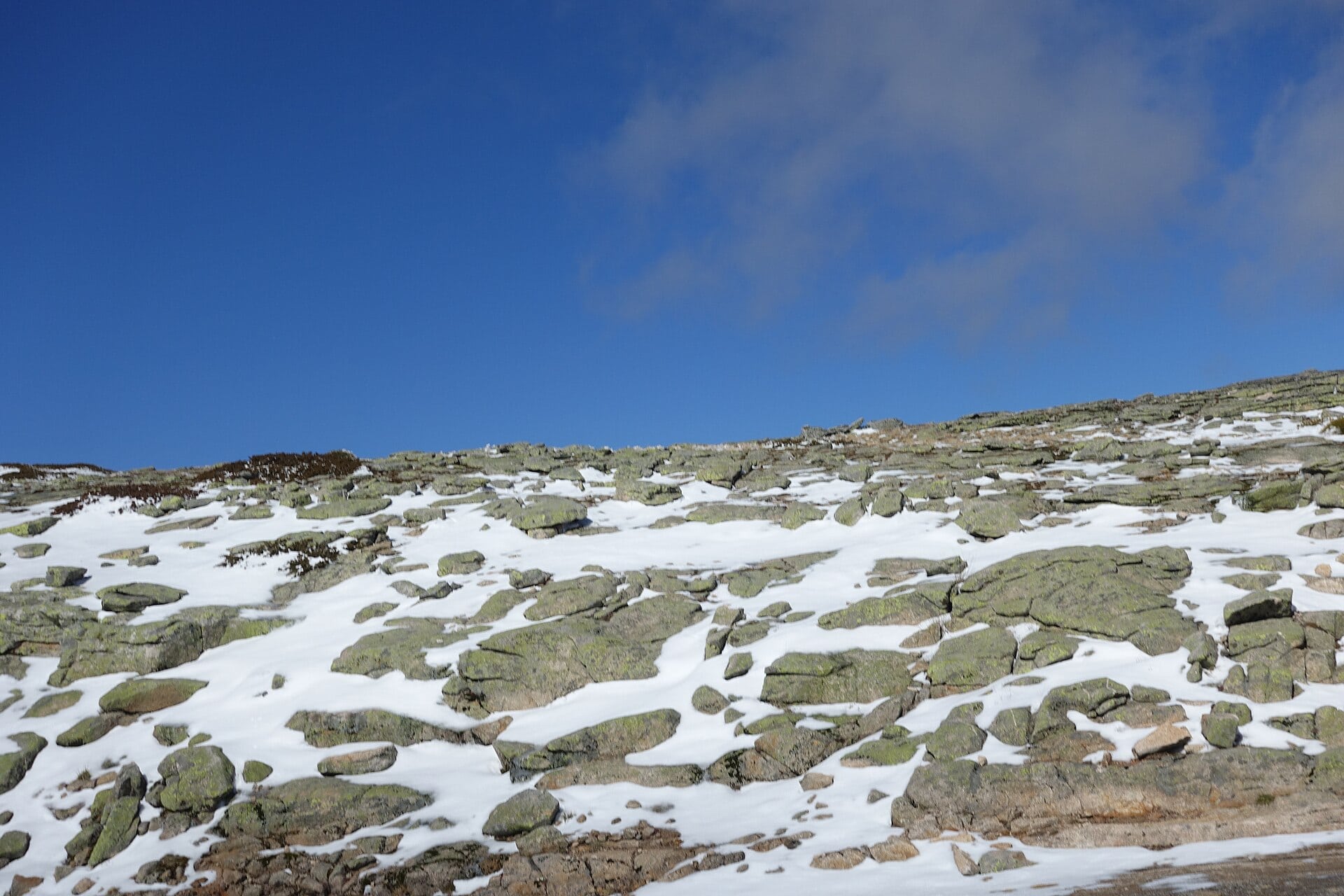
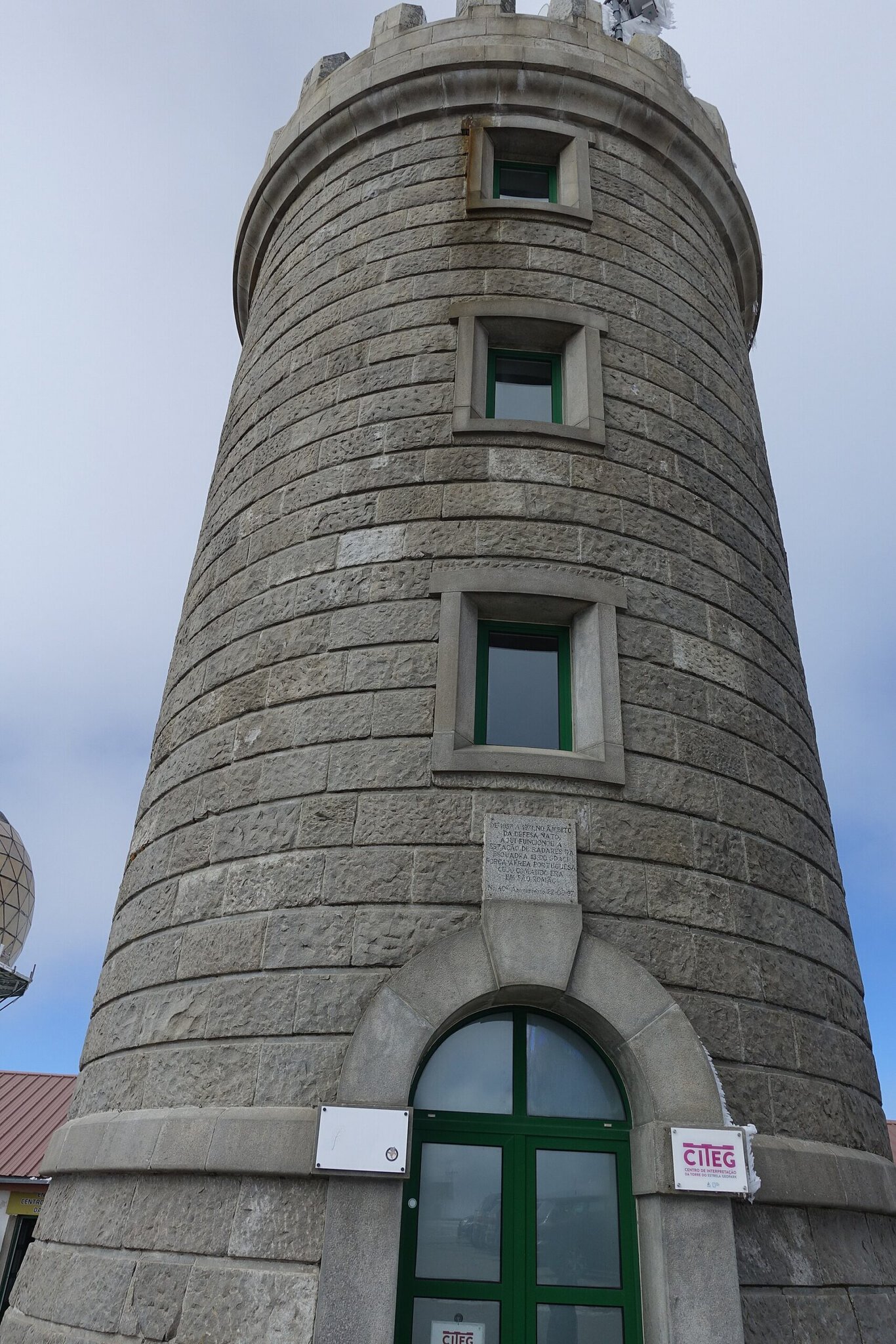
Although the mountain range looks impressively grand, its highest natural point — Torre — actually measures just 1,993 metres above sea level. King João VI wasn’t satisfied with this number back in the early nineteenth century, so he had a seven-metre stone tower built on the summit to bring the total height to a neat two thousand metres. This spot is the absolute centrepiece of the entire range and one you simply cannot miss.
What surprises many visitors is that you can actually drive all the way to the very top. Around the tower itself there’s even a roundabout and a massive car park. It might feel a tad commercial, but it does mean the place is accessible to absolutely everyone regardless of fitness level.
Right at the summit you’ll find a handful of little shops selling traditional souvenirs and local specialities. You can pick up the famous cheese, warm woollen blankets, or sample the local firewater. On a clear day, the views from Torre are simply staggering — you can see all the way into neighbouring Spain.
2. Estância de Esqui — Serra da Estrela Ski Resort
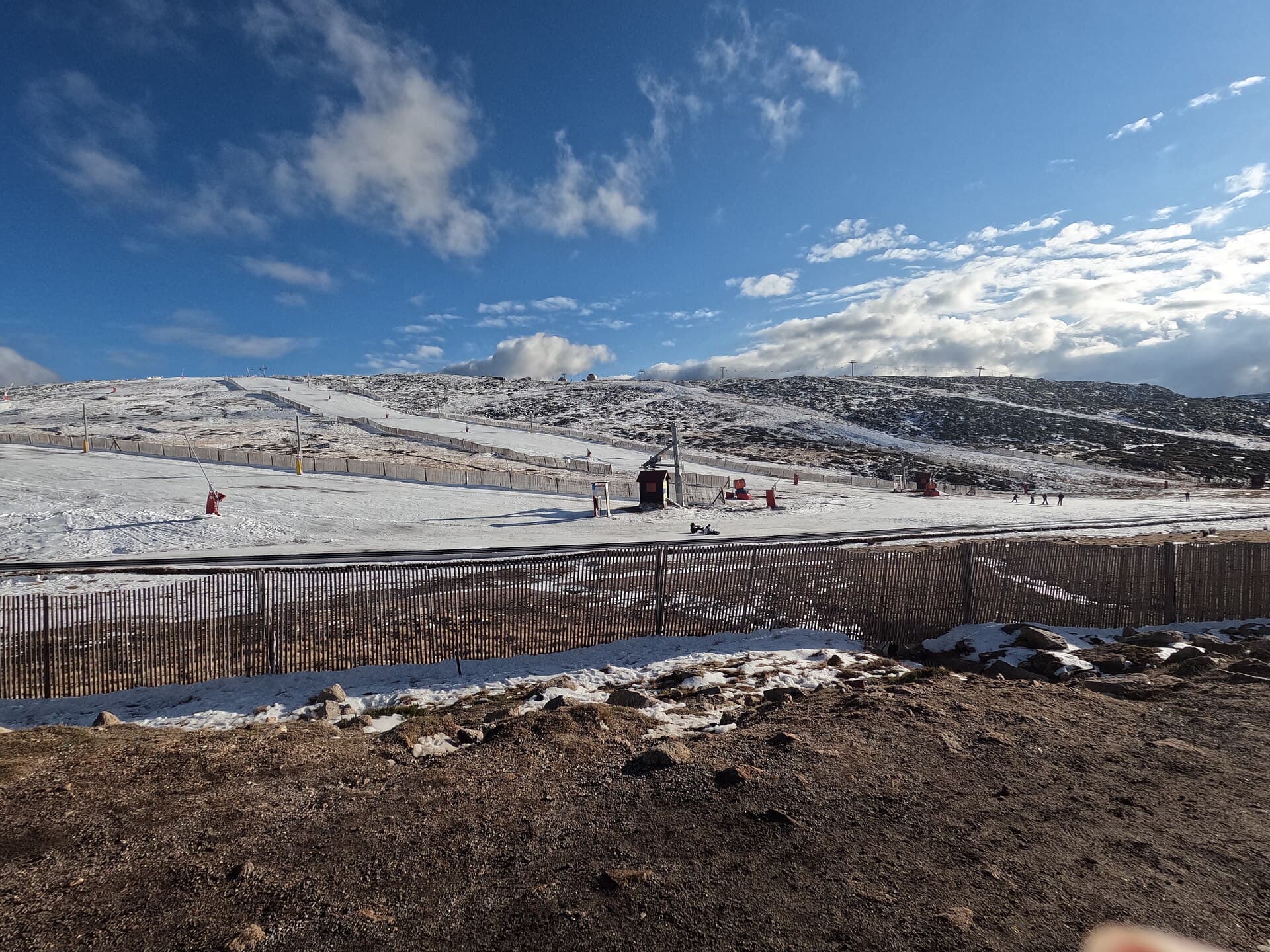
Skiing in Portugal sounds like a bad joke, but here it’s absolutely real. Just below the Torre summit lies the only ski resort in the country — the Serra da Estrela Portugal ski resort — drawing thousands of enthusiastic locals and curious tourists alike. Don’t expect some sprawling Alpine mega-resort; it’s a compact area with just a handful of runs, but the atmosphere is absolutely unforgettable.
The resort is equipped with modern snow cannons, so even when nature doesn’t cooperate, there’s usually enough artificial snow on the slopes. You’ll find drag lifts and chairlifts, and the runs are ideal mainly for beginners and intermediate skiers. A full-day ski pass in 2026 costs around 35 euros — a very friendly price compared to Alpine resorts.
If you don’t have your own gear, no worries. There’s a well-equipped rental shop right on site for skis and snowboards, and you can also book lessons with an instructor. Even if you’re not an experienced skier, I’d recommend visiting the resort just for the sheer novelty of carving turns in sunny Portugal.
3. Zêzere Glacial Valley
Vale Glaciar do Zêzere is, without exaggeration, one of the greatest natural wonders in all of Europe. This perfectly U-shaped valley was carved more than twenty thousand years ago by a massive glacier. It stretches thirteen kilometres from the Torre summit down to the town of Manteigas, offering scenery that will leave you speechless.
The best way to take in the valley is by driving along the N338, which cuts right through it. The road winds alongside the River Zêzere, with steep granite slopes cloaked in green vegetation rising on both sides. There are plenty of safe viewpoints where you can pull over and simply soak in the beauty.
For more active travellers, I’d recommend walking part of the valley along the waymarked trail. Along the way you’ll spot traditional stone shepherds’ huts and might even encounter flocks of mountain sheep grazing freely. It’s a wonderfully calming and photogenic experience that really showcases the raw power of nature.
4. Famous Serra da Estrela Cheese

The gastronomy in these mountains has one undisputed king, and that’s Queijo Serra da Estrela cheese. This is a protected traditional product made exclusively from the milk of local sheep breeds. What makes it particularly fascinating is that instead of animal rennet, it uses an extract from wild thistle flowers for curdling — giving it an utterly unique flavour.
The cheese has a firm rind on the outside, but inside it’s so creamy and liquid that you can’t slice it. Locals eat it by cutting off the top rind like a lid and spooning the oozing interior onto fresh bread. It’s an absolute delicacy that any cheese lover will fall head over heels for.
You’ll find it in shops and markets in the surrounding villages on practically every corner. A whole wheel will set you back roughly twenty to thirty euros depending on size and maturity. It’s often served alongside sweet pumpkin jam, which beautifully balances out its intense, slightly tangy flavour.
5. Charming Manteigas and Its Wool Heritage
Manteigas is arguably the most picturesque spot in the entire mountain range. It sits at the very bottom of the glacial valley and feels like an oasis of calm. Narrow cobbled streets, white houses with red-tiled roofs, and the ever-present sound of running water make it the perfect place for an afternoon stroll and a good cup of coffee.
The town is historically renowned for wool processing and the production of a traditional fabric called Burel. Shepherds once wore heavy waterproof cloaks made from it, but today the material is enjoying a huge renaissance. You can visit the Burel Factory, where you’ll see historic weaving looms in action and learn about the entire production process.
In the on-site design shop you can pick up beautiful woollen accessories — everything from colourful blankets and cushions to elegant backpacks and coats. It’s a perfect and meaningful souvenir that also supports local Portuguese craftsmanship and the preservation of traditional skills.

6. Historic Village of Linhares da Beira
If you love history, you simply must visit Linhares da Beira. This little village is part of Portugal’s network of Historical Villages and positively drips with medieval atmosphere. Crooked lanes are lined with ancient stone houses, and at every turn you’ll stumble upon some fascinating architectural detail.
The main landmark is a mighty twelfth-century castle perched on a hill above the village. Entry is free, and the views from its ramparts across the surrounding plains are absolutely spectacular. At sunset in particular, the old stones take on a gorgeous golden hue — pure heaven for any photographer.
These days the village is also well known as one of the best paragliding spots in Europe. Thanks to specific thermal currents, international competitions are held here regularly, and you’ll often see dozens of colourful canopies soaring above the castle. Even just watching the spectacle from the ground is well worth your time.
7. Beech Forest and Rota das Faias
The nature of the Estrela mountains isn’t all about bare rocks and grass. Near the town of Manteigas lies a genuine gem — a dense beech forest. A hiking trail called Rota das Faias has been created here, and it ranks among the most beautiful short treks in the area. It’s manageable for anyone.
The route is just under six kilometres long and takes you through a shady forest that provides a perfect escape from the sun in summer. But the real magic happens in autumn, when the leaves turn incredible shades of yellow, orange, and red. Honestly, you’ll feel more like you’re in Canada than in southern Europe.
The path is very well marked and follows soft forest floor. Along the way you’ll come across the small chapel of São Lourenço, from which a lovely view of the entire valley opens up. Don’t forget to bring plenty of water, as there are no springs or refreshment stands along the way.
8. Poço do Inferno Waterfall
The name of this waterfall sounds rather ominous — it translates to “Hell’s Well” — but the reality is absolutely enchanting. It’s a ten-metre waterfall tucked away in a deep, narrow gorge, reached via a picturesque little road full of switchbacks. It’s a hugely popular stop for all visitors to the park.
Water from the Leandres stream plunges into a dark pool ringed by rugged rocks. The surrounding vegetation is incredibly lush and green thanks to the constant moisture. If you’re brave enough, you can take a dip in the pool — but be warned, the water is absolutely freezing even in the height of summer.
A very pleasant hiking trail of around two and a half kilometres loops around the waterfall. It’s a bit more challenging with some elevation gain and the occasional boulder to clamber over, but it rewards you with views of the waterfall from multiple angles. If you head out early in the morning, there’s a good chance you’ll have the place entirely to yourself.
💡 Local tip: The waterfall is at its most impressive in spring after the snowmelt. By the end of a dry summer it can dwindle to little more than a trickle, so time your visit accordingly.
9. Mystical Covão dos Conchos
This spot took the internet by storm and became a viral sensation. At first glance, Covão dos Conchos looks like a mysterious portal sucking water into the depths of the earth. In the middle of a tranquil mountain lake, there’s a circular opening nearly fifty metres in diameter into which the water surface thunders and disappears.
In reality it’s not a miracle of nature at all, but a brilliant feat of engineering from the 1950s. It’s an overflow tunnel that channels water from this lake through underground pipes to the nearby Lagoa Comprida reservoir. The tunnel stretches over one and a half kilometres, and its edges have gradually become cloaked in moss — giving it that magical appearance.
There’s no road to the lake — you have to get there on foot. The trail starts at the Lagoa Comprida dam and measures roughly four and a half kilometres one way. The terrain is fairly rocky and gently undulating, so make sure you wear sturdy hiking boots. Your reward will be the sight of something you truly won’t find anywhere else in the world.
10. River Beach Swimming in Loriga
Portugal is full of so-called river beaches, but Praia Fluvial de Loriga is truly one of a kind. It’s set in a gorgeous valley lined with terraced fields and offers the perfect refreshment on scorching summer days. Essentially it’s a series of natural rock pools connected by small waterfalls, fed by crystal-clear water from the melting snow above.
The beach is surrounded by green lawns and has basic facilities including clean toilets and a small kiosk selling refreshments. The spot is very popular with local families in summer, so if you want to bag a good spot for your towel, arrive before midday.
The water in the pools is beautifully clear, but prepare yourself — it’s a genuine test for cold-water swimmers. Even in August, the water temperature hovers around just 15°C. But if you muster the courage and take the plunge, you’ll feel an incredible rush of energy and total rejuvenation.
11. Impressive Lagoa Comprida Dam
Lagoa Comprida is the largest lake in the entire mountain range and serves as a huge water reservoir for the region. This expansive hydroelectric dam was built at an altitude of over 1,600 metres and offers utterly breathtaking views of the dark water surface reflecting the surrounding granite peaks.
Right by the dam wall you’ll find a spacious car park and several small shops selling regional products, where you can pick up excellent local bread and cheese. Many hikers set off from here, as several very popular trails start at the dam — including the one to the aforementioned Covão dos Conchos.
Simply walking along the long concrete dam wall is a great experience in itself. The wind up here is fierce, so even in summer you’ll appreciate a light jacket or jumper. The water in the lake is a deep, dark blue — almost black — thanks to its great depth, and swimming is strictly prohibited for safety reasons.
12. Stargazing Under the Night Sky
Serra da Estrela isn’t famous just for snow and peaks — it’s also blessed with remarkably clear night skies. Thanks to the high altitude and minimal light pollution from cities, you’ll find ideal conditions for stargazing here. The evenings are cooler, yes, but the view of the Milky Way makes it absolutely worth it.
A dark sky protection initiative has recently launched in the area, and the local Observatório Espacial runs regular night-time excursions. You can join guided observation sessions using professional telescopes and learn all sorts of fascinating facts about the cosmos. These events need to be booked in advance via their official website.
If you prefer solitude, simply drive up to one of the higher viewpoints after dark, switch off your lights, and let your eyes adjust. During August nights you can easily watch shooting stars and soak up the utter silence, broken only by the occasional distant clinking of sheep bells.
Map of points of interest for your phone
Where to Go Next from Serra da Estrela
Once you’ve thoroughly explored the mountains and start thinking about the next stop on your Portuguese road trip, you’ve got several brilliant options. From the mountains you can easily hop over to other gems in central and northern Portugal.
- If you don’t mind heading a bit further north and love wine, make for the famous Douro Valley. Its terraced vineyards tumbling down to the river offer a gorgeous contrast to the mountain scenery.
- More into history and university-town vibes? Head to the wonderful city of Coimbra, which is less than two hours’ drive from the mountains.
- If you’re craving more wild nature and hiking, I’d recommend visiting the Peneda-Gerês National Park in the far north of the country near the Spanish border.
- And if you simply can’t wait to feel sand between your toes, head straight west and discover the most beautiful beaches in Portugal, where you can finally soak up the sun and surf after your mountain adventure.
Frequently Asked Questions
Can I handle driving in the mountains even as a beginner?
The roads in the mountains are fairly wide and in most places have good asphalt surfaces. But do expect a lot of sharp hairpin bends and steep climbs. As long as you focus fully on driving and keep to the speed limit, you’ll manage it without any problems even with average experience. In winter, though, things are tougher because of snow and ice.
Is there an entrance fee in the park?
No, the entire Serra da Estrela Natural Park is completely free to access with no fees whatsoever. There’s no charge for driving up to the Torre summit or for parking at the main tourist attractions. Fees only apply to specific services, such as ski rental, souvenir shopping or guided tours.
How many days should I set aside for the mountains?
For a quick visit to the main spots by car, one very packed day will do. But if you want to soak up the atmosphere, do at least one of the treks and visit the villages in the valley, I’d recommend setting aside at least two nights. The ideal amount of time for exploring without rushing is three full days.
Are the hiking trails suitable for children too?
Some trails are, others can be demanding. A walk through the Rota das Faias beech forest or around the Lagoa Comprida reservoir is great and safe even for smaller children. The path to the Covão dos Conchos lake, on the other hand, is very rocky and you definitely won’t get through it with a pushchair, so only head there with older children who are used to walking.
Do I need an electronic Via Verde transponder on the motorways?
If you’re heading into the mountains from Lisbon or Porto, you’ll probably travel on motorways with electronic tolls. When renting a car, definitely ask for a Via Verde transponder; it’ll save you a lot of hassle paying fines, because many sections lack classic toll gates and the cameras only capture licence plates.
Where can I buy the best local cheese?
You’ll get the most authentic Queijo Serra da Estrela cheese straight from local farmers at markets or in small family shops in the towns of Manteigas or Seia. You’ll also find a good selection in the shops at the Torre summit, though prices there tend to be a bit inflated due to the high concentration of tourists.
What’s the best way to get to the mountains from Lisbon?
The most comfortable and fastest option is renting a car. The journey from Lisbon takes about three hours of actual driving time via the A1 motorway and then the A23. Public transport is fairly complicated; by train you can get at most as far as the town of Covilhã, and from there you’d have to take a taxi into the mountains, which works out quite expensive.
Tips and Tricks for Your Vacation
Don’t Overpay for Flights
Search for flights on Kayak. It’s our favorite search engine because it scans the websites of all airlines and always finds the cheapest connection.
Book Your Accommodation Smartly
The best experiences we’ve had when looking for accommodation (from Alaska to Morocco) are with Booking.com, where hotels, apartments, and entire houses are usually the cheapest and most widely available.
 🚗 Car rental on the roadVerified car rentals in Portugal
Search with the DiscoverCars comparison engine — it compares prices from dozens of local and international rental companies, and most bookings come with free cancellation.
Compare car prices in Portugal →Don’t Forget Travel Insurance
Good travel insurance will protect you against illness, accidents, theft, or flight cancellations. We’ve had a few hospital visits abroad, so we know how important it is to have proper insurance arranged.
Where we insure ourselves: SafetyWing (simple monthly subscription) and TrueTraveller (for extra-long trips).
Find the Best Experiences
Get Your Guide is a huge online marketplace where you can book guided walks, trips, skip-the-line tickets, tours, and much more. We always find some extra fun there!