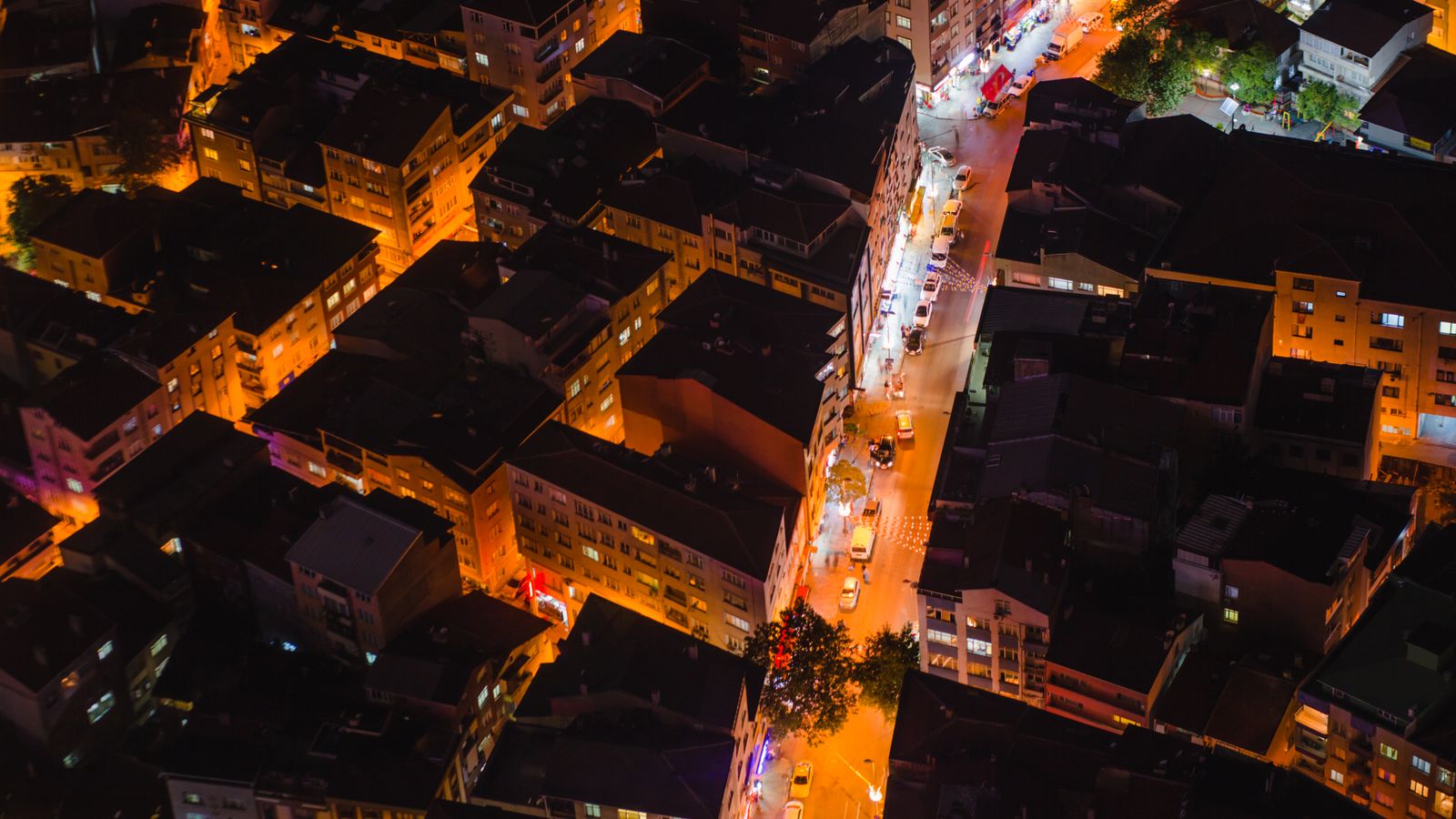
Istanbul, Turkey is a city squeezed between two continents, where Byzantine monumentality meets Ottoman elegance, where seagulls screech overhead while the air smells of roasted chestnuts. It’s the only metropolis in the world that stands in Europe and Asia at the same time.
With nearly twenty million inhabitants, it swallows you, deafens you and enchants you all at once. Winding alleys full of cats, the monumental domes of mosques, endless bazaars and ferries crisscrossing the dark waters of the Bosphorus, all of it together makes a cocktail that keeps drawing people from all over the world back again and again.
In this article you’ll find 15 things to do in Istanbul, from Hagia Sophia through the Grand Bazaar all the way to the Asian side, plus advice on where to stay, when to go, how much admission costs and how to dodge the most annoying scams. Be warned, Istanbul will probably wreck your feet, but it’ll also win your heart.
TL;DR
- How many days: Set aside at least 3–4 days for Istanbul, otherwise you’ll just rush through it.
- Where to stay first time: The historic district of Sultanahmet (walking distance to the sights). For food and nightlife head to Beyoğlu/Galata, for local atmosphere the Asian Kadıköy.
- The big five sights: Hagia Sophia, the Blue Mosque, Topkapı Palace, the Basilica Cistern and Dolmabahçe Palace. Individual tickets are pricey, the Museum Pass Istanbul (€125) only pays off for some (and it covers neither Hagia Sophia nor the Cistern!).
- Admission 2026 ⚠️: Turkey has hiked prices sharply and they’re now in euros. Hagia Sophia €25 (gallery only), Topkapı €55, the Cistern €38.
- Experience #1 for free: A Bosphorus cruise on a public ferry with the İstanbulkart, not an overpriced tourist cruise.
- Watch out for scams: Taxi drivers (banknote switching), the shoe-shiner, the “let’s go for a drink” trick. Pay by card, use the BiTaksi app.
- Transport: Buy an İstanbulkart right after you land and travel by metro, the T1 tram and ferries.
The full destination guide: Türkiye — guide and what to see
When to go, how to fly in and how to not lose your mind over transport
Before you dive headfirst into the sights, sort out your arrival and basic orientation. Istanbul is best explored in spring (April to May) and autumn (September to October), when there’s neither sticky heat nor the crush of summer crowds. Summer brings temperatures over 30 °C and the historic centre bursts at the seams, winter is damp and rainy but cheaper and free of queues. If your trip falls during Ramadan, expect some restaurants to scale back daytime service, though the evening atmosphere after dark is magical.
Istanbul has two airports and your first impression varies a lot depending on where you land. The huge new İstanbul Airport (IST) sits on the European side and is the hub for Turkish Airlines, which flies direct from London Heathrow and other UK airports. Good news for 2026: the fully automatic M11 metro takes you from here to Gayrettepe station in just 24 minutes, where you switch to the green M2 line towards Taksim. The second airport, Sabiha Gökçen (SAW), is on the Asian side and is served mainly by low-cost carriers (Pegasus, AJet); you’ll also find budget UK links such as easyJet into the city. It’s further from the centre, but Havaist and Havabus airport buses run reliably from both airports.
Do one thing the moment you arrive: buy an İstanbulkart. This rechargeable card is your pass to all public transport, you tap it on the metro, on ferries, buses, funiculars and on the Marmaray undersea train, which whisks you under the Bosphorus from Europe to Asia in a few minutes. In the historic centre your best friend is the T1 tram, which links the Grand Bazaar, Sultanahmet and the Eminönü waterfront, plus the short underground funicular F1 that carries you from Karaköy up to the Tünel and İstiklal.
💡 Tip: Grab your İstanbulkart from a machine right at the airport and top it up a few days in advance. One card easily works for two, you just tap twice at the turnstile.
Where to stay in Istanbul (and how much it costs)
💡 Accommodation and experiences tip: We like to look for places to stay on Booking.com, where you tend to find the best cancellation terms. Tickets, tours and activities are then worth comparing and booking through GetYourGuide.
Istanbul is enormous and the district you pick will shape your whole evening programme. When you pay for your hotel, expect a 2% accommodation tax (konaklama vergisi) added to the bill. And one more safety tip: because of seismic risk, choose hotels in modern buildings put up after 2000, when Turkey dramatically tightened its building codes.
If it’s your first time and you’ve only got a few days, stay in Sultanahmet. The key sights are within walking distance and you can be standing outside the Blue Mosque in the morning before the cruise-ship crowds arrive. The downside? It goes quiet quickly in the evening and it’s more of a tourist bubble.
If, on the other hand, you want nightlife, views and the best restaurants, head across the Golden Horn to Beyoğlu and Galata, where the streets buzz late into the night and there’s a rooftop bar around every corner. Quieter but still brilliantly located are neighbouring bohemian Cihangir or waterside Karaköy, with its cafés and galleries. And if you’re after local atmosphere without the crowds and lower prices, consider the Asian Kadıköy, a trendy district full of cafés and street food, from where you can ride the ferry back to the centre with a tea in hand.
Here are some specific picks by budget and district, chosen from real reviews (on Booking, look for a rating of 8.5+ and plenty of reviews):
- Sultanahmet, budget with character: Cheers Hostel has a highly rated rooftop terrace with a view of the Blue Mosque and sits a few minutes from the main sights.
- Sultanahmet, mid-range: Sirkeci Mansion racks up rave reviews for its breakfast, its location near Hagia Sophia and its helpful staff.
- Sultanahmet, luxury: Four Seasons Hotel Istanbul at Sultanahmet occupies a historic building just steps from the big five sights.
- Galata/Beyoğlu, boutique and nightlife: Georges Hotel Galata tempts you with a rooftop terrace overlooking the Golden Horn and easy walking access to İstiklal.
- Cihangir, stylish apartments: Witt Istanbul Suites are designer suites in a quieter bohemian district with excellent views.
- Bosphorus, palace experience: Çırağan Palace Kempinski Istanbul is a former Ottoman palace right on the water, for when you want to experience full-blown luxury.
💡 Tip: Hotels in Sultanahmet will promise you a “view of the Blue Mosque”, but it’s often just a tiny window from the rooftop terrace. Read the reviews (on Booking go for 8.5+ and lots of ratings) and check whether breakfast is included, the Turkish one is well worth it.
Sultanahmet: the historic heart and the big five
Sultanahmet is the absolute core of Istanbul, the spot where the Byzantine hippodrome and the palaces of the Ottoman sultans once stood. Just stand on the square between Hagia Sophia and the Blue Mosque and you’ll see, for free, the remains of the Hippodrome with its Egyptian obelisk and the Serpent Column. But this is exactly where your wallet faces its toughest test, because Turkey has sharply raised admission for foreigners in recent years and priced it in euros to catch up with lira inflation. Let’s get to the places you can’t miss here.
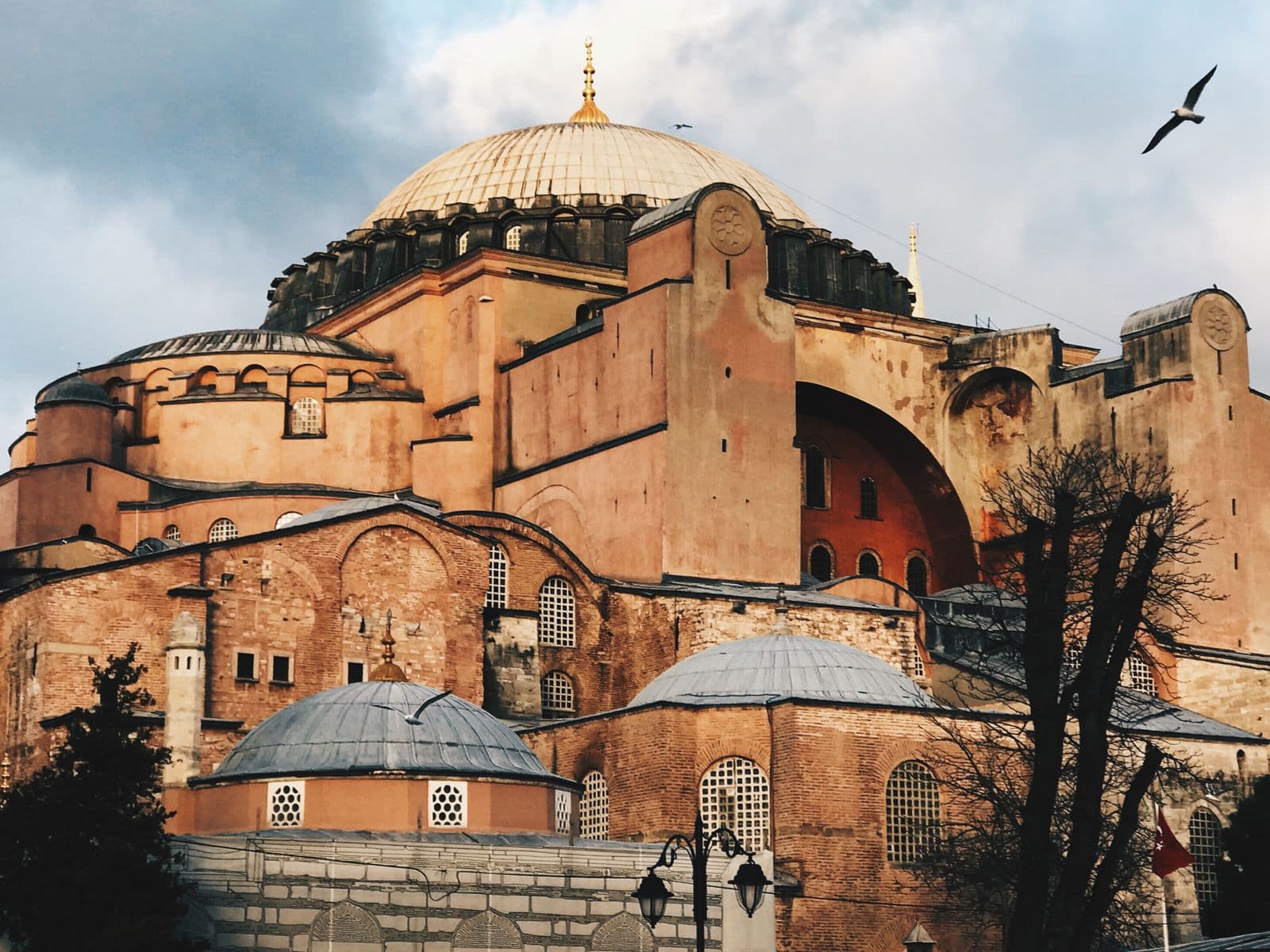
1. Hagia Sophia (Ayasofya): an icon with a question mark
The Church of Holy Wisdom was built by the Byzantines, rebuilt by the Ottomans, and today it’s at the centre of cultural and political disputes. Since July 2020 it has functioned again as an active mosque, and since January 2024 foreign tourists pay €25 (around £21).
But it’s worth being straight with you here. The ticket only lets you onto the upper gallery; the main prayer floor under the giant dome is reserved for worshippers. On top of that, the building is wrapped in scaffolding for anti-earthquake works. Reviews are sharply divided, for some it’s the most powerful experience of the trip, others leave disappointed. One English-language review warns: “Not worth spending 25 euros to enter since the coverings greatly limited the mosaics.” Bear that in mind and temper your expectations a little. The Museum Pass isn’t valid here, and children under 8 enter free (carry their passport). As in any mosque, a strict dress code applies: covered shoulders, knees and a headscarf for women. Scarves are lent at the entrance, but bringing your own saves you the queue, and during the five daily prayers it closes to tourists (longest around midday on Fridays).
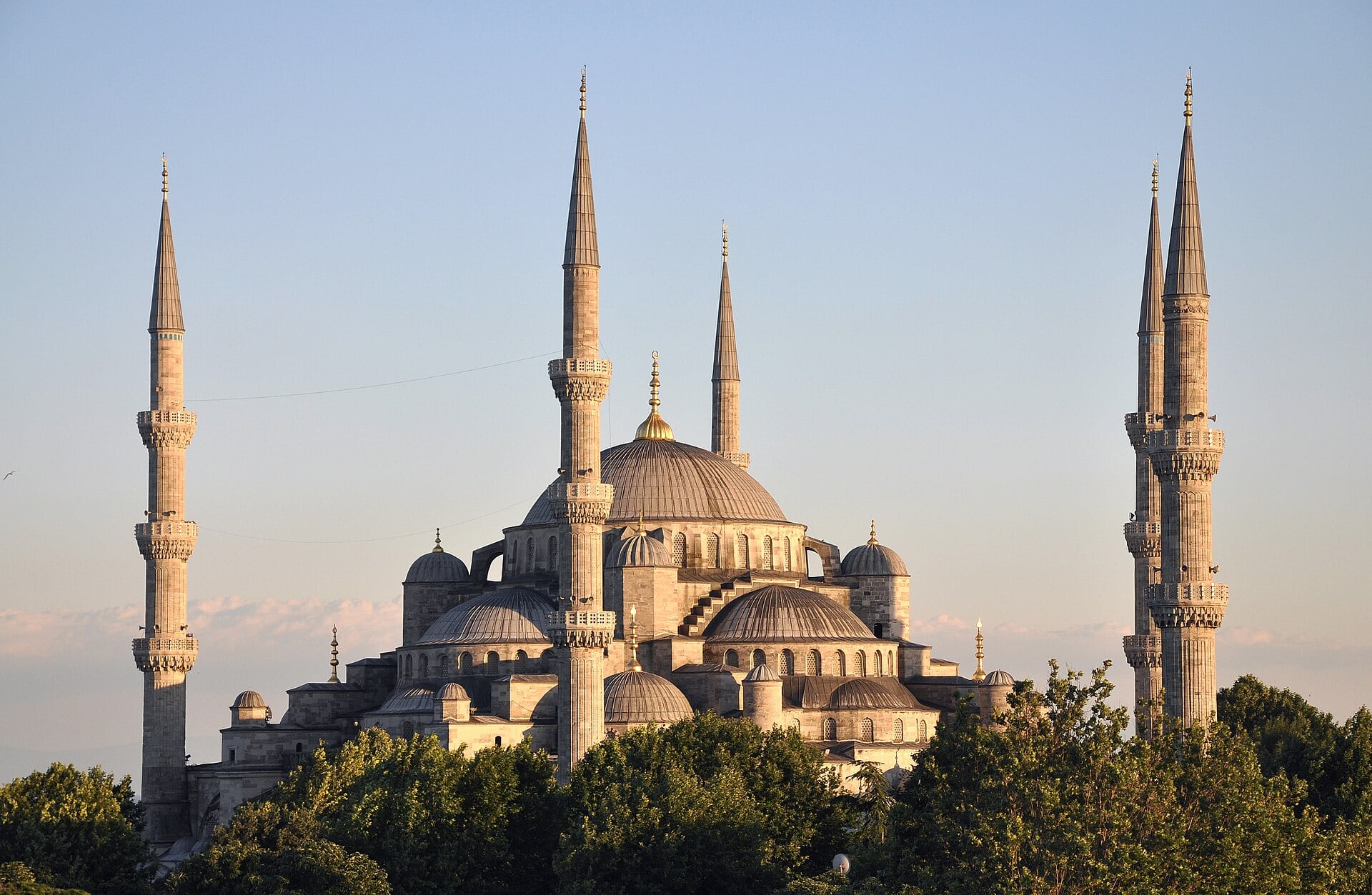
2. The Blue Mosque (Sultanahmet Camii)
Directly opposite stands the famous mosque with six minarets and an interior lined with blue İznik tiles, which earned it its nickname. The long restoration is finally finished, the scaffolding is gone and the mosque is showing off in full glory. Entry is free, but the same dress code and prayer breaks apply as at Hagia Sophia. At the tourist entrance (on the side, not the main door) you’ll get a scarf and an apron lent for free, and you keep your shoes in a plastic bag.
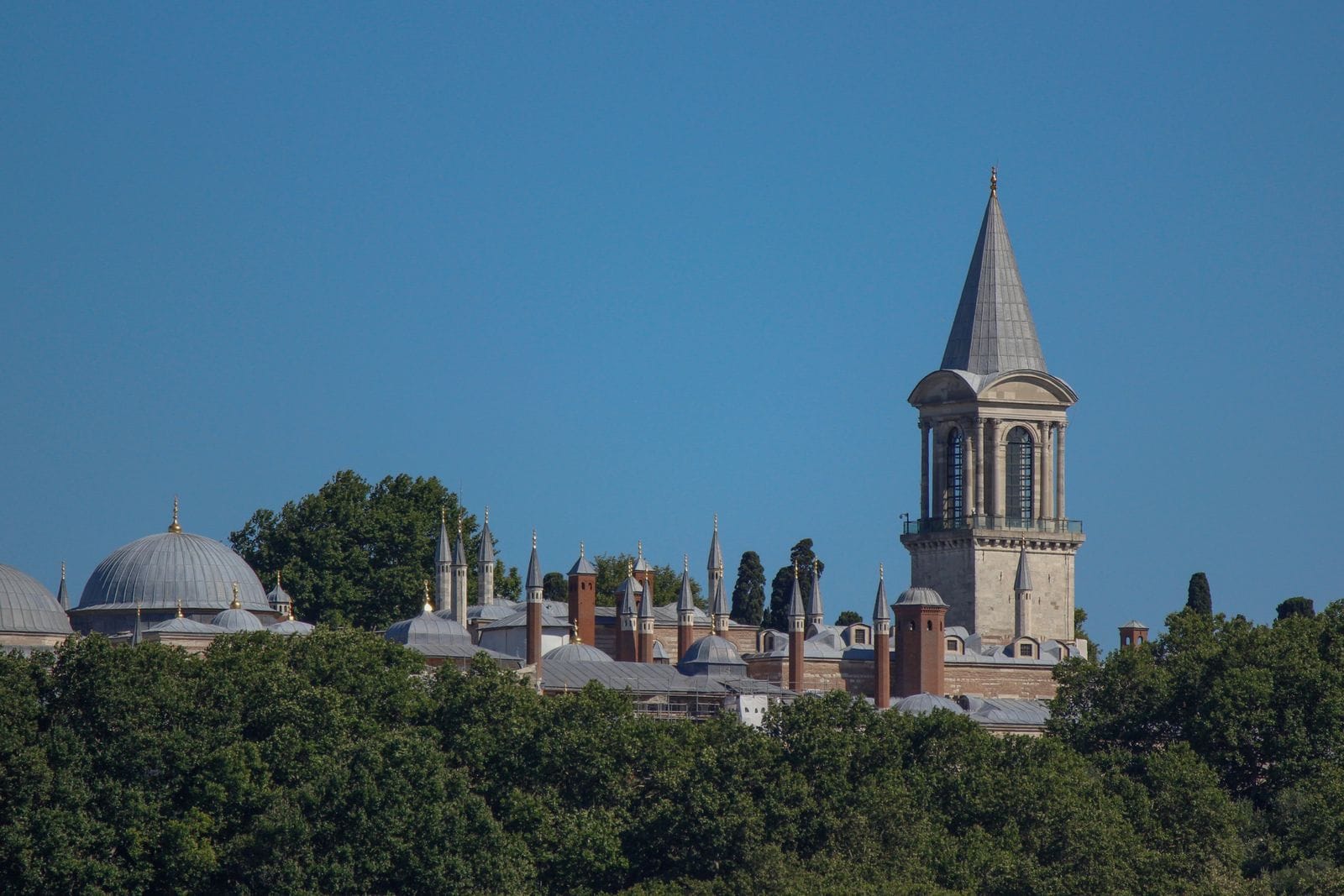
3. Topkapı Palace
The seat of the Ottoman sultans, from where they ruled the empire for four centuries. Get €55 (around £47) ready, but it luckily includes the fascinating Harem and the Byzantine church of Hagia Irene. The complex is vast, full of gorgeous courtyards, a treasury with the famous diamond and terraces overlooking the confluence of the Bosphorus and the Golden Horn, so set aside at least half a day for it. It’s closed on Tuesdays. Here, on the other hand, the Museum Pass Istanbul saves you.
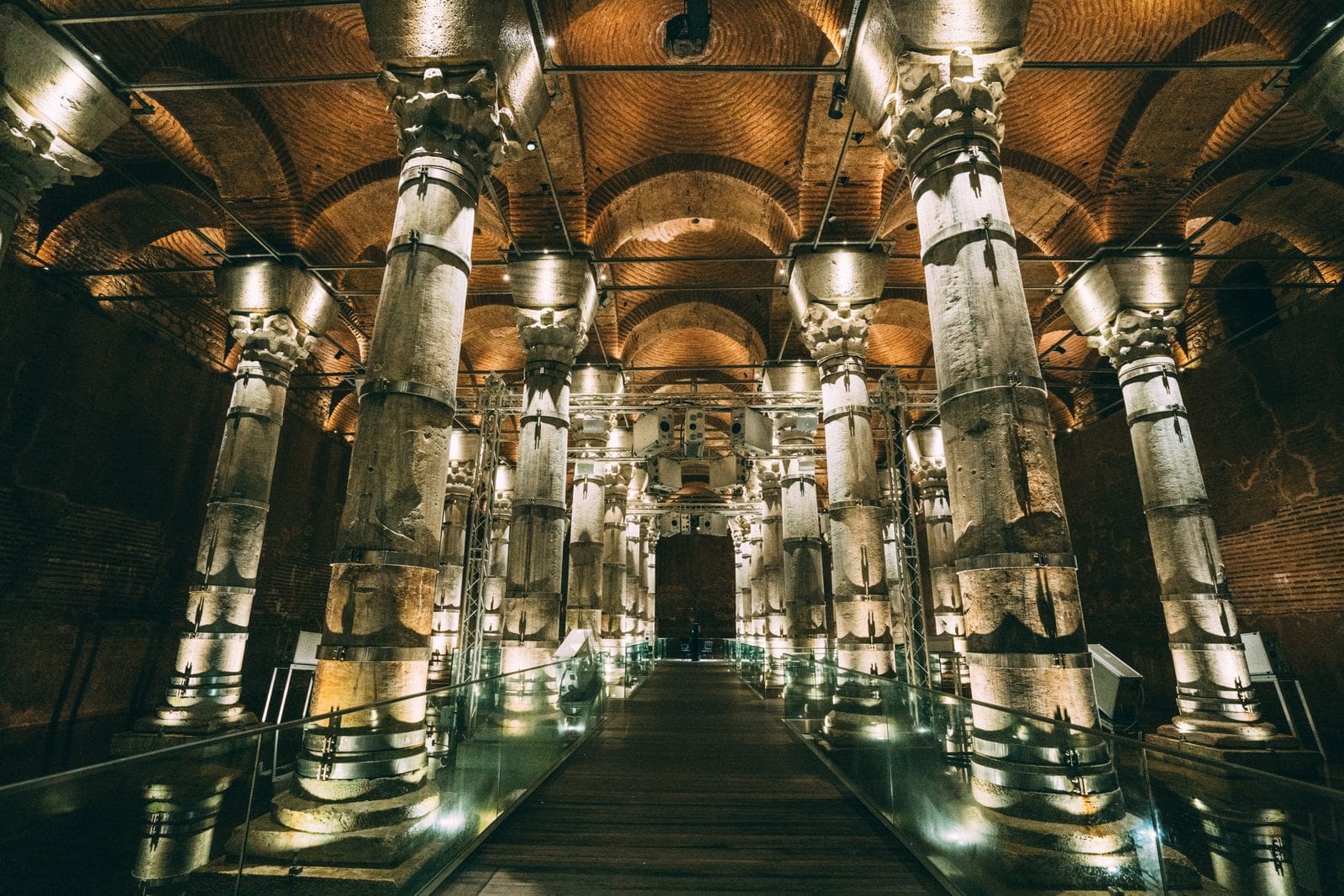
4. The Basilica Cistern (Yerebatan Sarnıcı)
The largest of the underground water reservoirs built by the Byzantine emperors. A forest of 336 marble columns is mirrored in the shallow water, the lighting and music feel magical, and at the far end you’ll find two famous stone heads of Medusa, one upside down, the other on its side. Daytime admission is 1,500 lira (around €38), the evening “Night Shift” costs €58. ⚠️ Beware, the Museum Pass is NOT valid here, it’s a common tourist trap. The queue tends to be long, so ideally arrive right at opening.
Big five admission prices 2026 at a glance
Bottom line: whoever wants to see Istanbul’s big five had better bring out the heavy artillery. Individual tickets will run you nearly €190 per person.
| Sight | Admission 2026 | Museum Pass? | Note |
| Hagia Sophia | €25 | ❌ NO | Upper gallery only |
| Topkapı Palace | €55 | ✅ YES | Incl. Harem, closed Tuesdays |
| Basilica Cistern | €38 | ❌ NO | More expensive in the evening (€58) |
| Dolmabahçe Palace | €40 | ❌ NO | Closed Mondays |
| Galata Tower | €30 | ✅ YES | |
| Museum Pass Istanbul | €125 | — | Valid 5 days, doesn’t cover Hagia Sophia, the Cistern or Dolmabahçe |
Prices in lira (₺) swing heavily due to inflation (in spring 2026 roughly €1 ≈ 53 ₺). Pay by card where you can, some ticket desks don’t take euro cash.
💡 Tip: Do the maths in advance. The Museum Pass only pays off if you fit in several paid state-run sights (Topkapı, Galata Tower, the archaeological museums). If you mainly want Hagia Sophia and the Cistern, don’t buy the pass, it isn’t valid for them anyway.
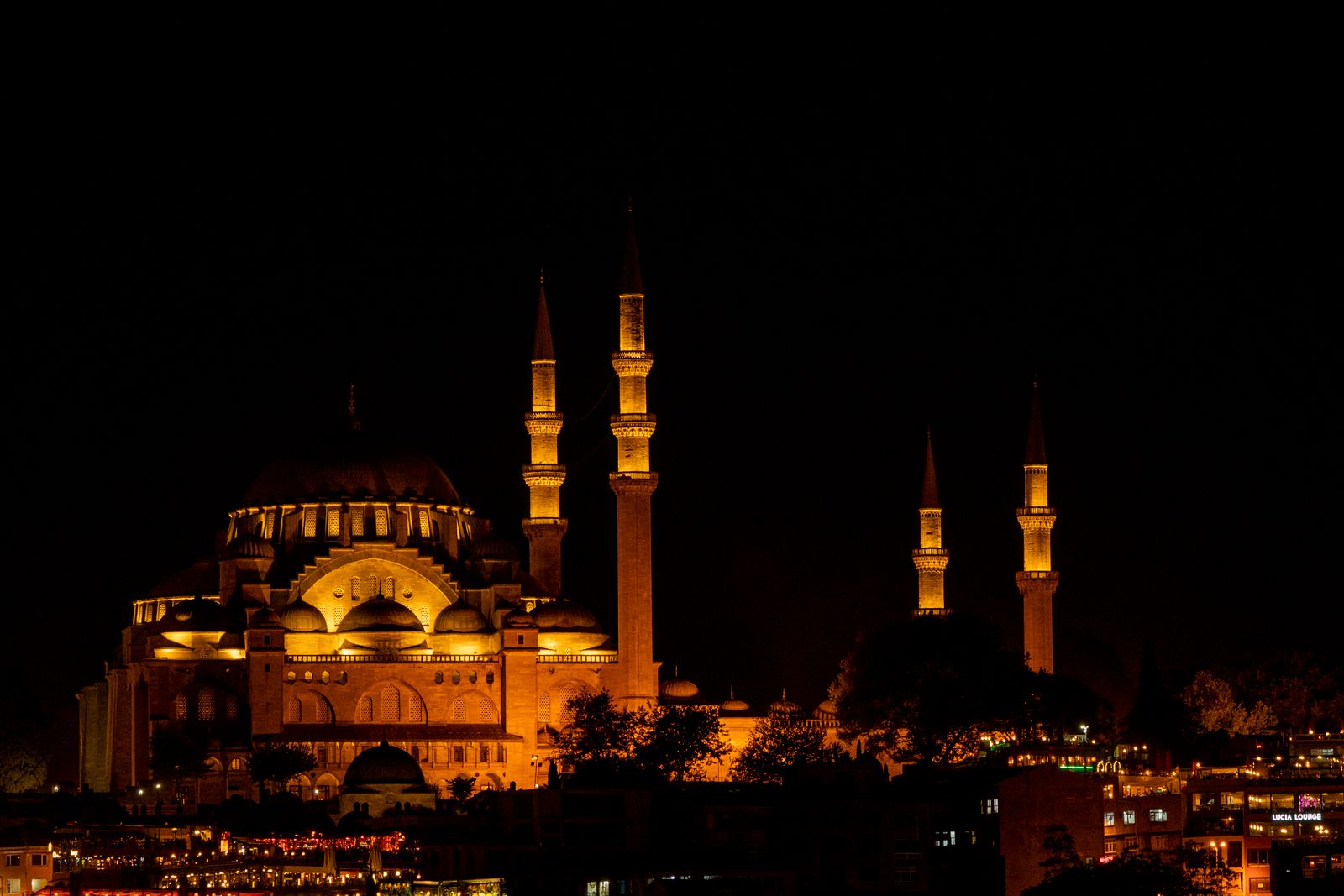
5. The Süleymaniye Mosque
If the queues at the Blue Mosque put you off, hike up to Süleymaniye. It’s even bigger, a masterpiece by the architect Sinan, with gorgeous views of the Golden Horn, and you’ll meet just a fraction of the tourists. Entry is free and the courtyard offers a calm you wouldn’t expect in the centre. It’s one of the loveliest stops in the whole city.
Bazaars and the art of haggling
To plunge into the Grand Bazaar (Kapalı Çarşı) is to step into a labyrinth from the 15th century. Beneath vaulted ceilings, more than four thousand shops are crammed in and you can buy everything from gold jewellery through ceramics to lamps and leather jackets. A little further along by the water lies the Spice Bazaar (Mısır Çarşısı), perfumed by mountains of spices, tea and sweet lokum. Both bazaars are closed on Sundays.
6. The Grand Bazaar (Kapalı Çarşı)
There are no fixed prices here, and haggling (pazarlık) is both a necessity and a ritual. Above all, don’t show your enthusiasm. Start at 40 to 50% of the original price and slowly work your way up, the real deal usually lands between 50 and 70% of the asking figure. Drop by in the morning, when sellers need to hit their daily quota and are more willing to come down. If they offer you tea, feel free to accept it, it’s a gesture of hospitality, and don’t be afraid to walk away with a smile, they’ll often call you back with a better offer.
⚠️ Be especially careful with carpets. Touts will often invite you “just for tea”, which turns into an hour-long sales offensive, and many carpets sold as “hand-knotted silk” are nothing but synthetic factory fakes. You can tell real silk because the pattern looks the same on both sides and it feels cool to the touch. If you don’t know your stuff, don’t buy the expensive pieces.

7. The Spice Bazaar and spices
Smaller, but perhaps prettier than the Grand one. The Spice Bazaar is a paradise for the senses: pyramids of colourful spices, heaps of dried fruit, nuts, Turkish honey and lokum. It’s a great spot for gifts to take home, just haggle here too and feel free to taste before you buy, the sellers expect it. In the alleys around the bazaar you’ll also find shops selling goods for locals, where the prices are fairer.
The Bosphorus: Istanbul’s bloodstream
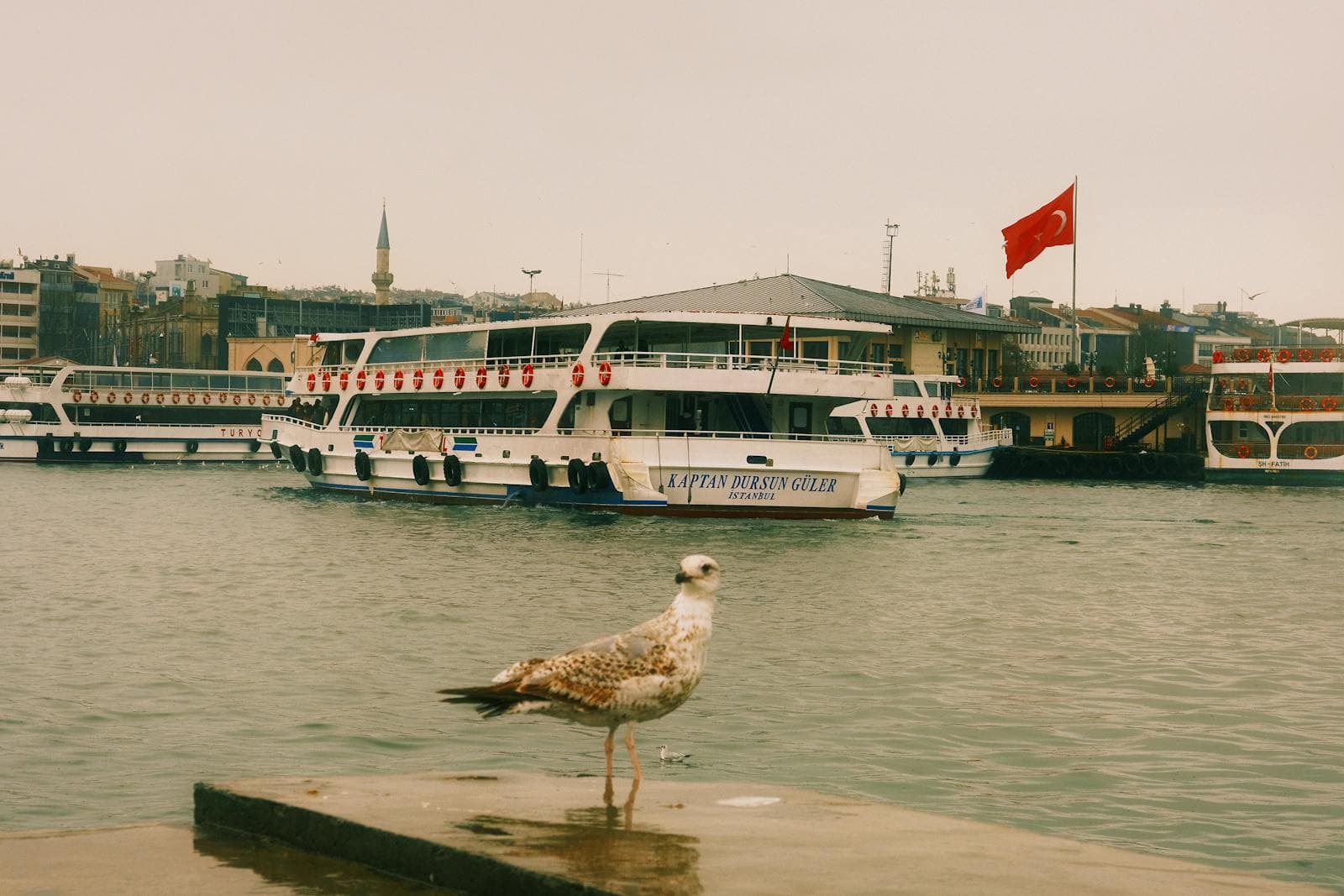
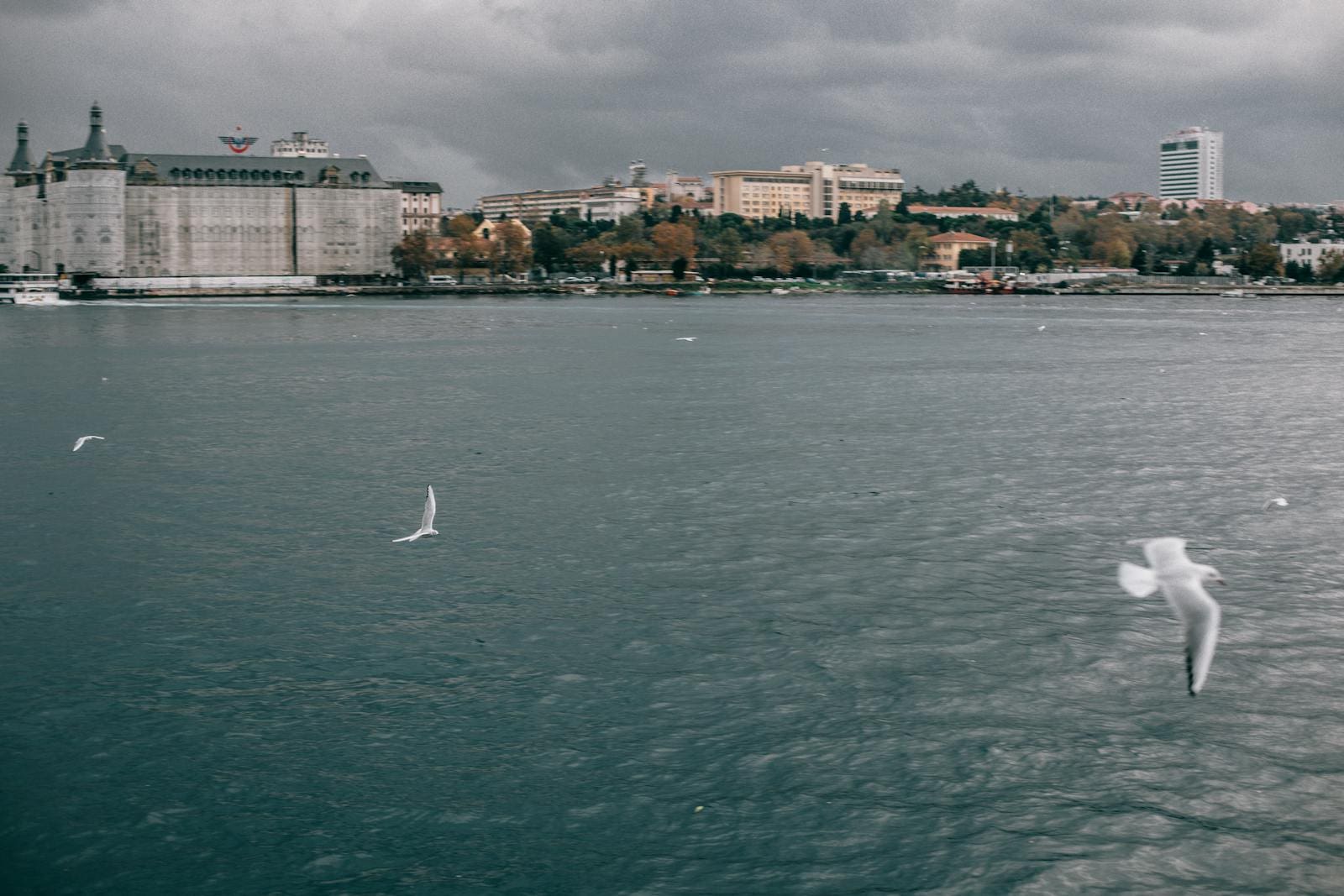
A Bosphorus cruise is repeatedly rated by travellers as the number one experience. Seeing the city’s minaret-studded silhouette from the deck of a boat while you cross between Europe and Asia simply can’t be put into words.
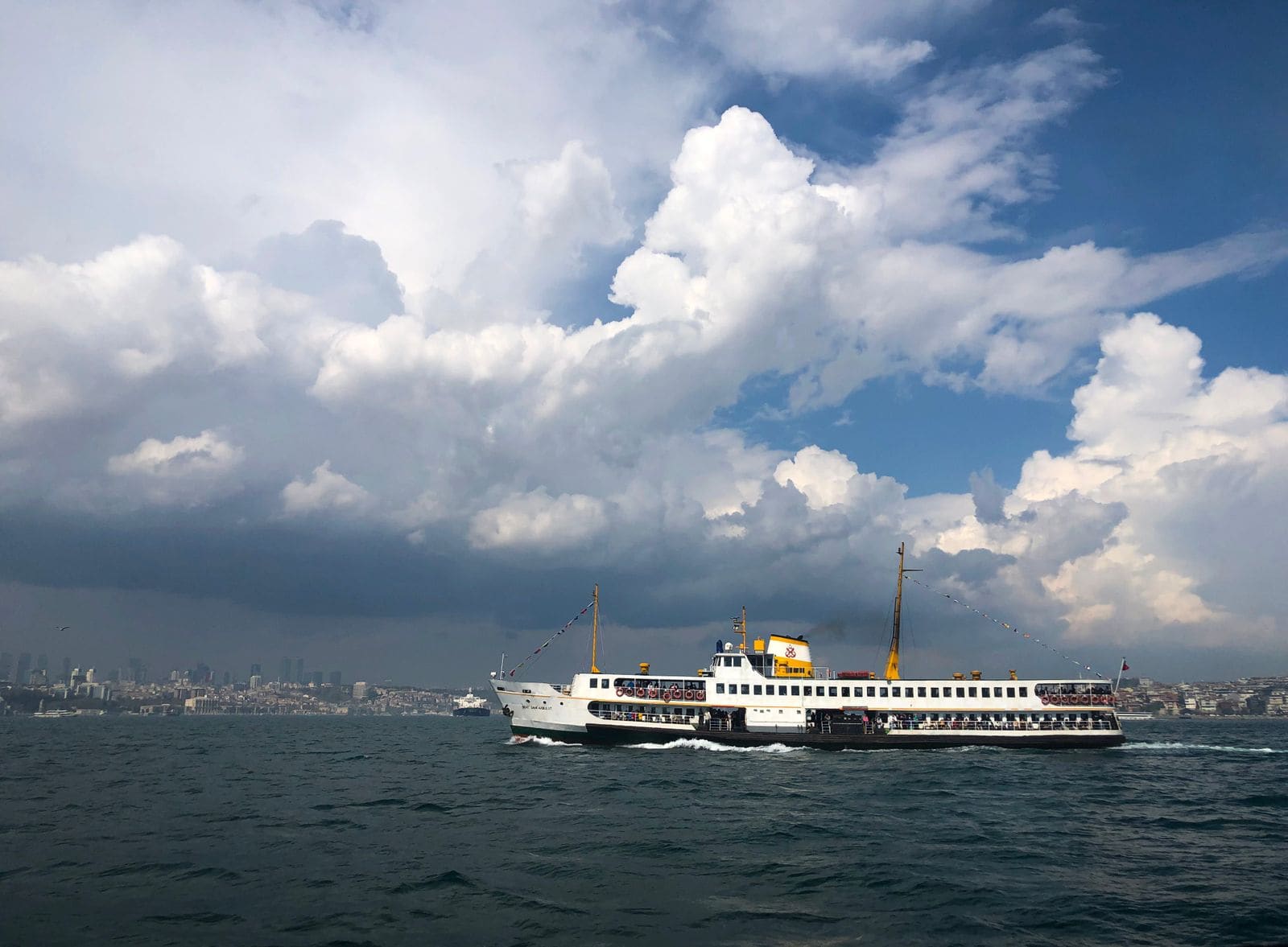
8. A Bosphorus cruise on a public ferry
You don’t have to pay for pricey tourist “sunset cruises”. The best and cheapest option is the public ferries run by Şehir Hatları, where you just tap your İstanbulkart and hop on. A lovely route is the line from Eyüp to Kadıköy, which weaves along the Golden Horn, or the long scenic trip upstream to the Rumeli Hisarı fortress and the villages below the second Bosphorus bridge. Along the way you’ll also pass the photogenic mosque at Ortaköy, right under the bridge. For a few pence you get the same view as the boats that cost a small fortune.
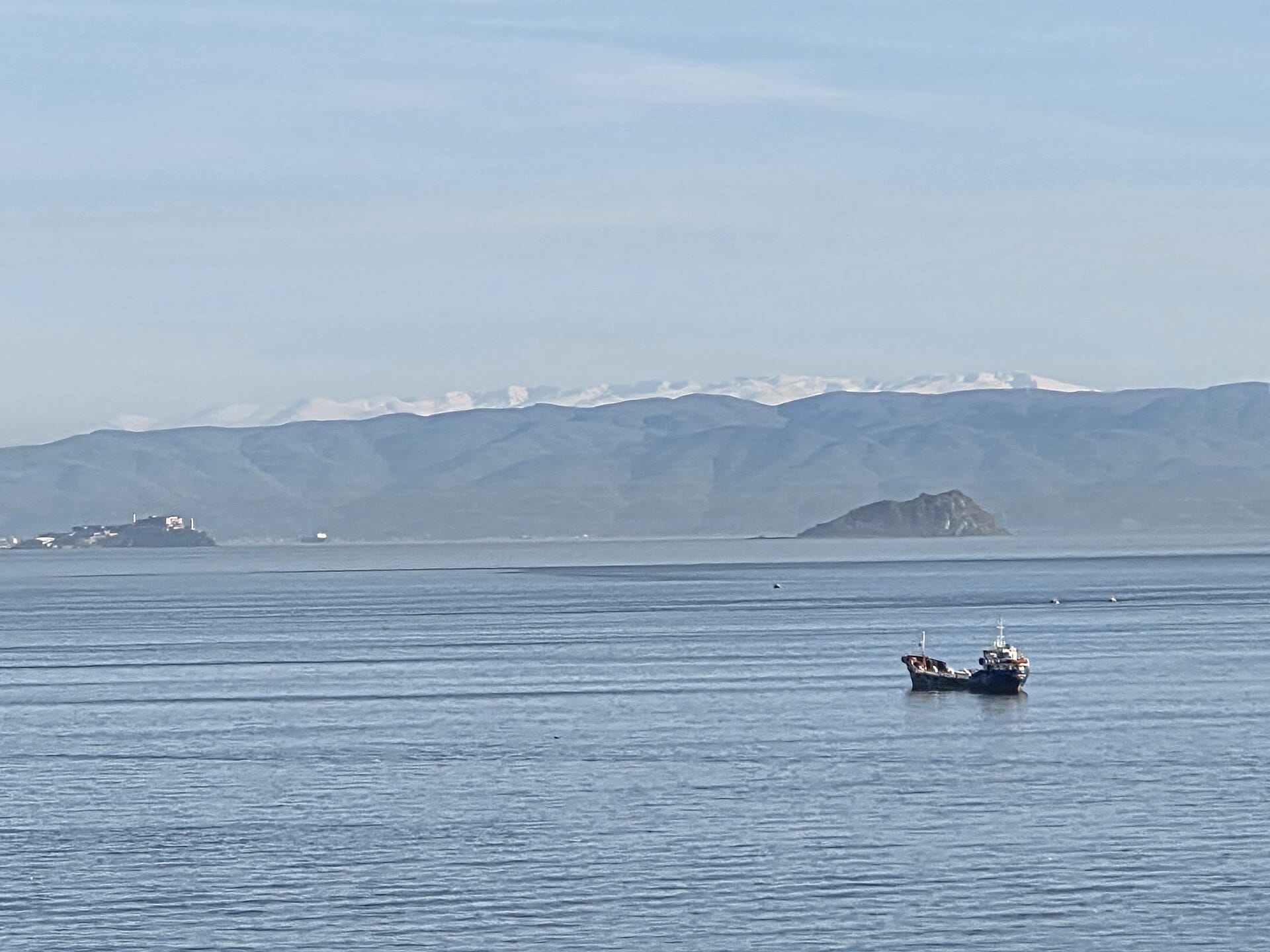
9. The Princes’ Islands (Adalar)
If you’ve got a spare day, set off on a full-day trip to the Princes’ Islands. The ferry from the city takes roughly an hour and a half, and the islands work as an oasis of calm because there’s an absolute ban on cars. Locals and tourists alike get around on bikes and electric carts between pastel-coloured villas and pine trees. The largest island, Büyükada, can easily be walked on foot and is perfect for a picnic far from the city noise.
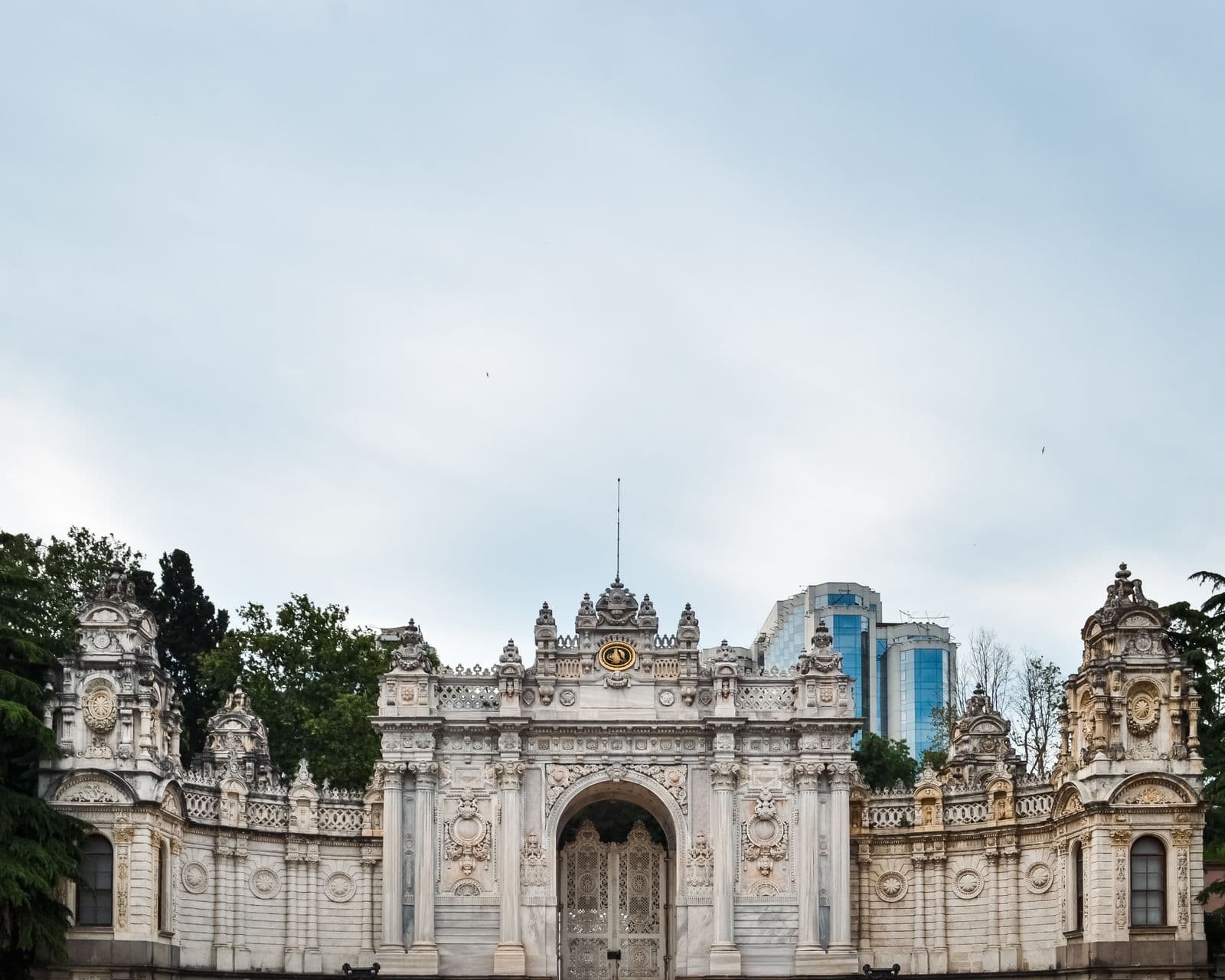
10. Dolmabahçe Palace
On the European shore of the Bosphorus rises Dolmabahçe Palace, where the Ottoman sultans moved from Topkapı in the 19th century to live in European-style luxury. Expect tonnes of gold, Baccarat crystal chandeliers and the largest crystal chandelier in the world, plus a ticket for €40. It’s closed on Mondays and photography is not allowed inside.
💡 Tip: For the loveliest view of the Golden Horn and the silhouette of the old town, take the cable car up to Pierre Loti hill in Eyüp. Sit in a café with a tea in a tulip-shaped glass and you’ve got all of Istanbul laid out in front of you, completely free.
Map of points of interest for your phone
Across the Golden Horn: Galata, Beyoğlu and Karaköy
Walk across the Galata Bridge (watch out for the anglers and the touts dragging you down to the restaurants below) and you’ll find yourself in the Karaköy district, from where steep alleys climb up to Galata Tower. This part of the city is more modern, full of energy in the evening, and home to the best restaurants, cafés, galleries and baths.

11. Galata Tower
Built by the Genoese, for €30 you take the lift up to the gallery, from where there’s an unbeatable 360-degree view over the whole city, the Golden Horn and the Bosphorus. It’s at its prettiest at dusk, but expect a queue and a narrow gallery. The surrounding Galata alleys are full of little workshops, cafés and boutiques, so leave yourself time for a wander.
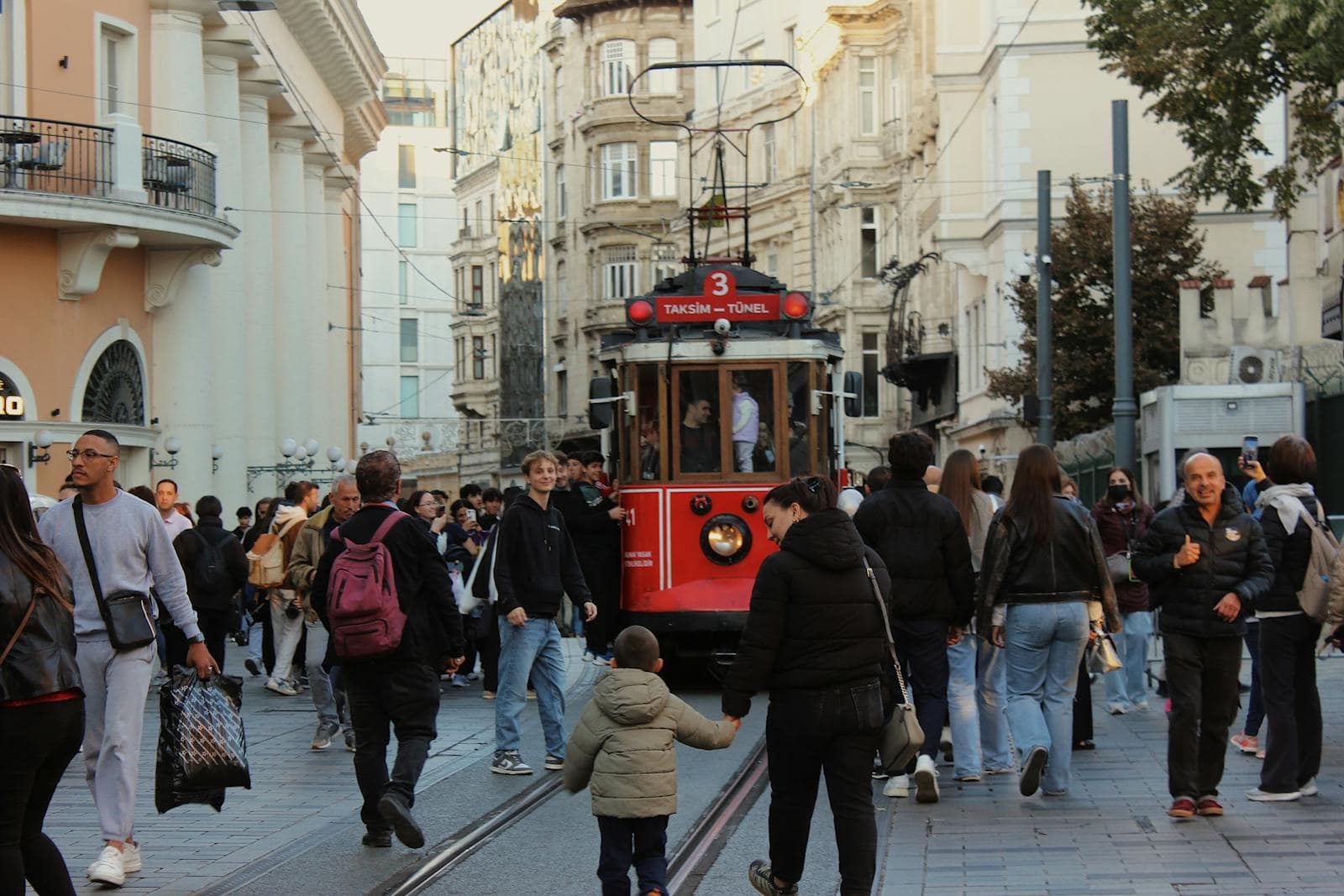
12. İstiklal Caddesi and Taksim Square
From the tower the İstiklal Caddesi (Independence Avenue) continues, a bustling pedestrian zone occasionally crossed only by the iconic red heritage tram. It’s lined with boutiques, galleries, churches, consulates and hidden arcades like Çiçek Pasajı (the Flower Passage), full of little taverns. Just off to the side stands the Pera Museum and plenty of rooftop bars. The avenue ends at Taksim Square and it’s the ideal route for an evening stroll and a spot of people-watching.
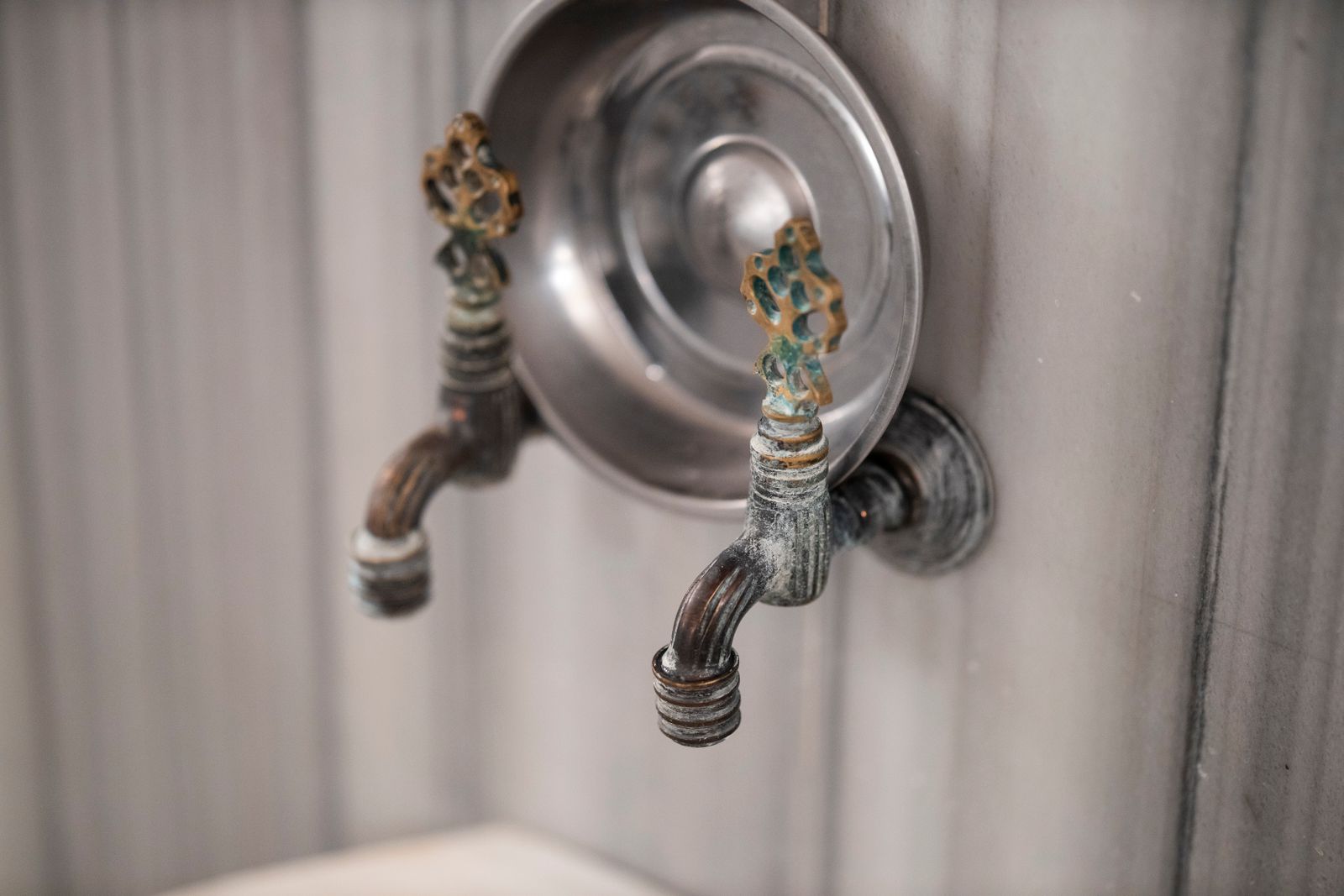
13. Hammam (Turkish baths)
Treat yourself to an authentic hammam here. A great choice is the historic Kılıç Ali Paşa Hamamı from the 16th century, right in Karaköy. Don’t expect gentle stroking, in a hot marble room the attendant scrubs your dead skin off with a coarse mitt (kese) and then drowns you in clouds of soapy foam. It’s a perfect cleansing of body and soul and a lovely way to revive your feet after days of walking. Don’t forget to leave a tip (bakşiş), it’s standard practice.
The Asian side and hidden colours: Kadıköy and Balat
Most tourists skip the Asian side entirely, which is a huge mistake. Just hop on a ferry at Eminönü (or take the undersea Marmaray) and in twenty minutes you’re in another world.
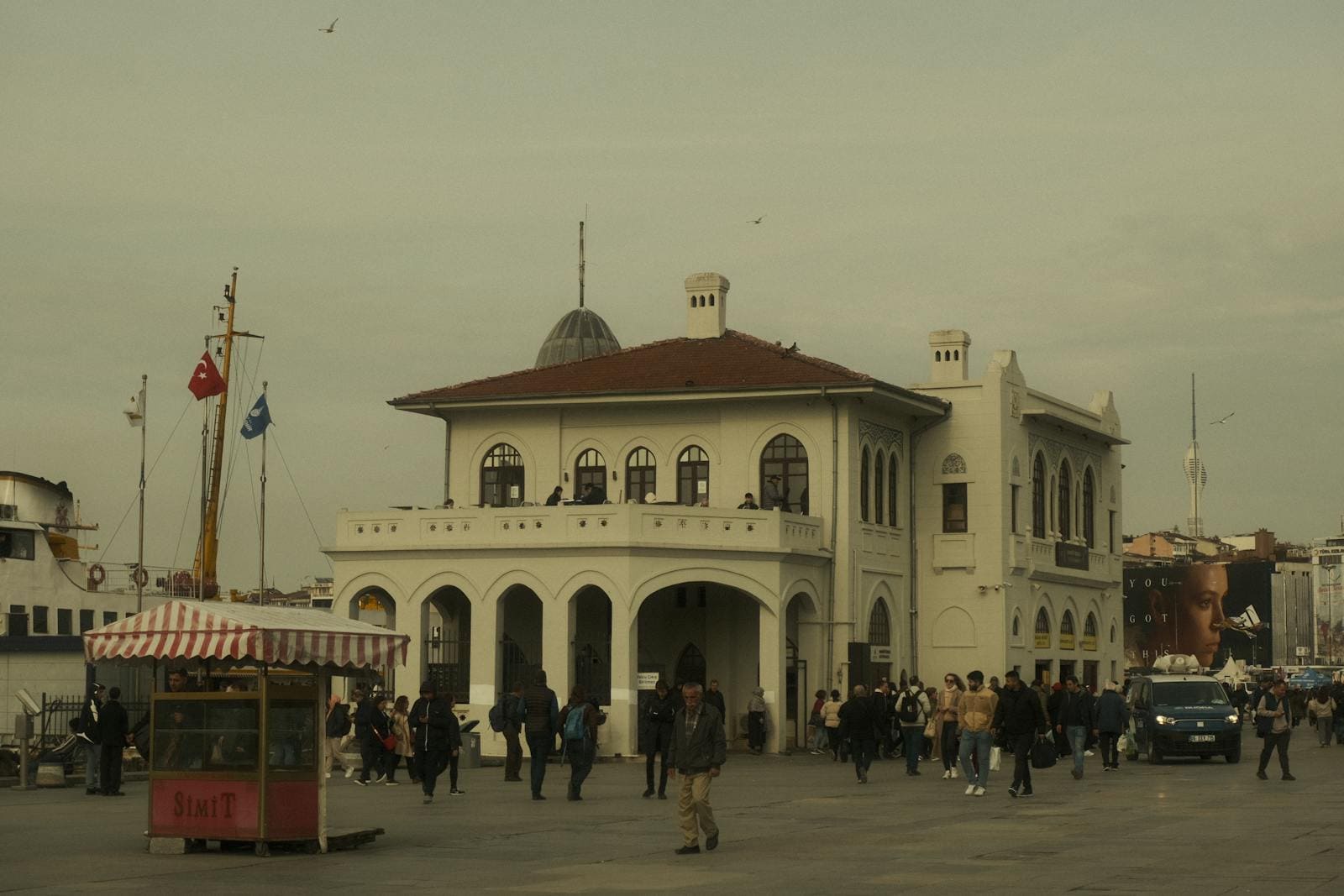
14. Kadıköy (the Asian side)
In Kadıköy you breathe the real, local Istanbul. You’ll find buzzing fruit and fish markets, alleys full of bars around Kadife Street (known as “Barlar Sokak”) and the best spots for street food. It’s cheaper, more relaxed and nobody is hassling you. A short walk away lies the pleasant district of Moda, with a seaside park and a heritage tram. Among the local specialities, people traditionally eat lahmacun (thin flatbreads) and midye dolma (stuffed mussels), but for vegetarians it’s paradise especially in the meze and the sweets: have a çay (Turkish tea in a tulip glass), a proper Turkish coffee, a fresh simit (sesame ring) or some baklava.
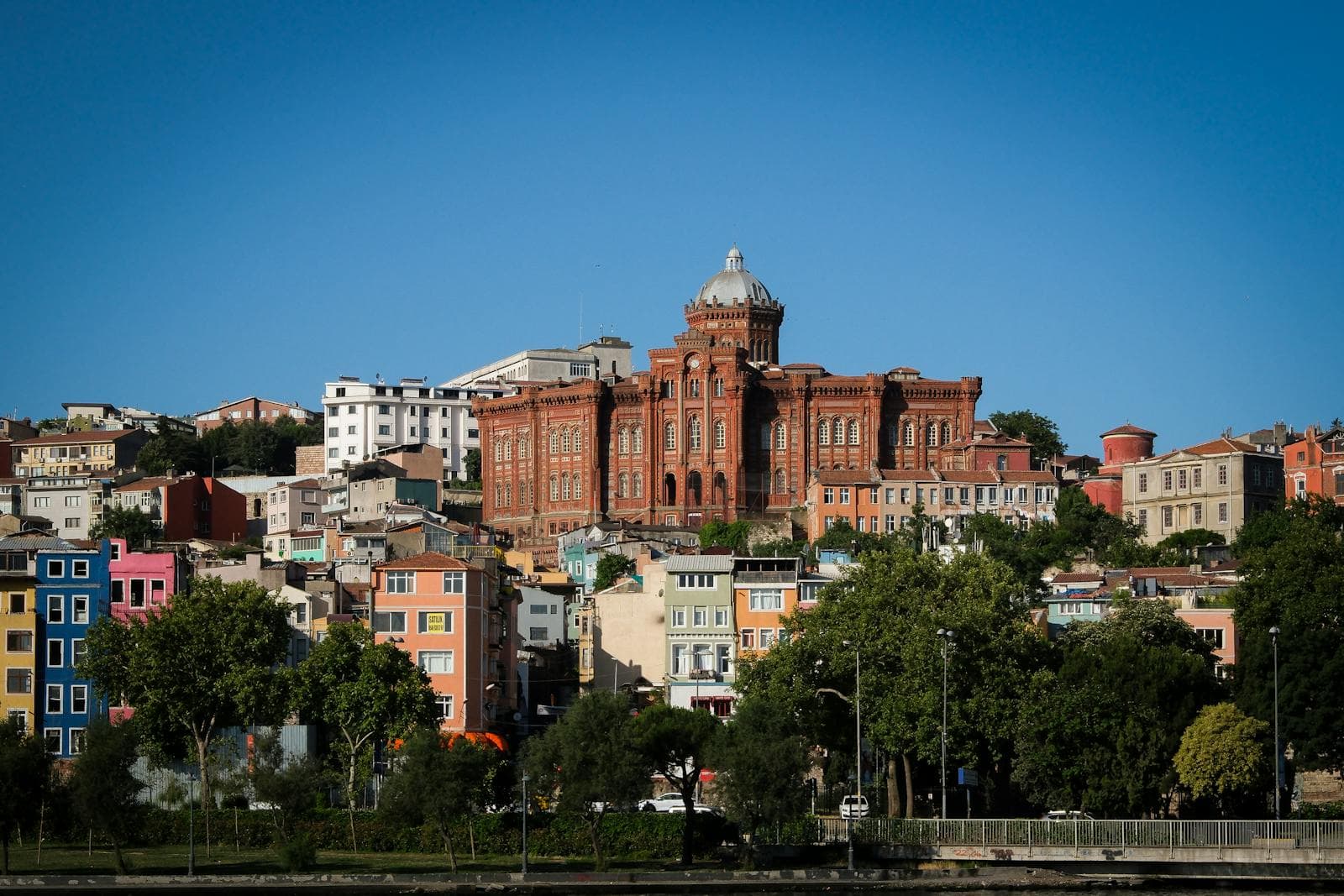
15. Balat and Fener
If you’re hunting for the prettiest photos, head along the European bank of the Golden Horn to the districts of Balat and Fener. These historically Jewish and Greek neighbourhoods have undergone a renaissance, and today they welcome you with steep alleys lined with pastel-coloured houses, junk shops, old cafés and an incredible number of cats that the locals lovingly look after. It’s the most Instagrammable corner of the city, but visit with respect, these are still inhabited neighbourhoods, not a film set.
What to eat in Istanbul (tips for vegetarians)
Istanbul’s cuisine is above all about meze (cold and warm starters), which are largely vegetarian. Tuck into hummus, babaganuş (grilled aubergine paste), dolma (stuffed vine leaves), börek (savoury pastry with cheese), mercimek köftesi (lentil balls), roasted peppers and fresh cheese. For breakfast, have the traditional kahvaltı, a hearty spread full of cheeses, olives, tomatoes, eggs, honey and crispy bread, feel free to set aside a whole morning for it.
As for street food, on every corner you’ll come across simit (sesame rings), roasted chestnuts and corn. From the sweets, don’t resist baklava, lokum (Turkish delight) and sütlaç (rice pudding), with top-class patisseries to be found in Karaköy, for instance. All of it goes with strong çay in a tulip glass and thick Turkish coffee, which is on the UNESCO list. Meaty specialities like kebab, köfte and midye dolma are everywhere, but as a vegetarian you certainly won’t go hungry in Istanbul.
Safety and the most common scams ⚠️
Istanbul is generally a safe city, often safer than many a Western European capital. But, as in every tourist epicentre, professionals operate here who’ll try to fleece you. Here are the most common ones.
Taxi drivers. The city’s biggest headache. They commonly drive without the meter for a nonsensical “fixed price” or switch on the night rate during the day. But the most widespread is the banknote switch: you pay with a hundred, the driver whips it out of sight, shows you a ten-lira note and claims you gave him less. “He screamed and said you gave me 5 lira instead of 50,” tourists complain on forums. Defence: use the BiTaksi or iTaksi app, where you can see a fare estimate, and if you do take a taxi off the street, hand over notes one at a time and say their value out loud.
The shoe-shiner. A brush “accidentally” drops in front of you, you pick it up, out of gratitude he cleans your shoes “for free” and then aggressively demands 200 to 500 lira. Just don’t pick up the brush.
“Let’s go for a drink.” This mainly targets solo male travellers around Taksim. A friendly, well-spoken Turk invites you for a beer, women join you at the bar, champagne is ordered and the bill then comes to hundreds or thousands of euros, with bouncers standing at the door. The golden rule: never go for a drink with strangers off the street.
Money and cash machines. Pay by card where you can (almost everywhere in Istanbul). At the cash machine, always decline DCC (click “Pay in TRY”), otherwise they’ll rob you of 5 to 8% in fees, and avoid the yellow Euronet ATMs. Don’t drink tap water, buy bottled.
💡 Tip: Istanbul lies close to the North Anatolian Fault and seismologists factor in the risk of a stronger earthquake. For a short-term tourist the risk is statistically tiny, but it’s one more good reason to choose hotels in newer buildings.
How to do Istanbul in 3–4 days
Istanbul needs time, three to four days are the minimum to understand it a little rather than just rush through it.
- Day 1, Sultanahmet: Get up early, be at the Cistern or Topkapı by 8:30 to beat the queues. In the afternoon Hagia Sophia and the Blue Mosque, in the evening a walk along the Hippodrome and dinner nearby.
- Day 2, the bazaars: In the morning the Grand and Spice Bazaars, then a hike up to the Süleymaniye Mosque with its view of the Golden Horn. In the afternoon wander the surrounding alleys and have a proper Turkish coffee.
- Day 3, views and Asia: Galata Tower, İstiklal up to Taksim, in the afternoon a ferry to the Asian side to Kadıköy and Moda, and an evening food tour.
- Day 4, optional finale: Colourful Balat and Fener, a hammam, the view from Pierre Loti, or a full-day escape to the Princes’ Islands.
Where to go next
Istanbul is often the first stop before a Turkish circuit or a seaside holiday. Check out more tips:
- Pamukkale: white travertines, swimming and admission
- Antalya: 25 things to see and do on the Turkish Riviera
- A holiday in Turkey: tips on what to see and experience
Frequently asked questions
How many days are enough for Istanbul?
The minimum is 3 days, ideally 4. In three days you can cover the big five monuments, the bazaars and a Bosphorus cruise. The fourth day you can use for the Asian side, Balat or the Princes’ Islands.
How much does admission to the main attractions cost in 2026?
Entrance fees are expensive and in euros: Hagia Sophia €25, Topkapı €55, Basilica Cistern €38, Dolmabahçe €40, Galata Tower €30. The Museum Pass Istanbul costs €125 and is valid for 5 days, but doesn’t cover Hagia Sophia or the Cistern.
Is the Istanbul Museum Pass Worth It?
Only if you manage to visit more paid state monuments (Topkapı, Galata Tower, archaeological museums). If you mainly want to see Hagia Sophia and the Cistern, don’t buy the pass, as it doesn’t cover them.
Where’s the best place to stay in Istanbul?
First time in Sultanahmet (walking to monuments), for nightlife and restaurants in Beyoğlu or Galata, for local atmosphere in Asian-side Kadıköy. Choose hotels in newer buildings due to seismic risk.
Is Istanbul safe?
Yes, it’s generally a safe city. The main risks are scams (taxi drivers, shoe shiners, “let’s go for a drink”) and pickpockets in crowds around the Grand Bazaar and on the T1 tram. Pay by card, use the BiTaksi app, and don’t go for drinks with strangers from the street.
How to get from the airport to the center?
From IST airport, the M11 metro runs to Gayrettepe in 24 minutes, with a transfer to M2 from there. From SAW on the Asian side, the easiest option is the Havabus. Get an İstanbulkart card right after arrival.
When is the best time to go to Istanbul?
In spring (April to May) and autumn (September to October), when the weather is pleasant without summer heat and the biggest crowds. Summer is hot and busy, winter is dreary, but cheaper.
Tips and Tricks for Your Vacation
Don’t Overpay for Flights
Search for flights on Kayak. It’s our favorite search engine because it scans the websites of all airlines and always finds the cheapest connection.
Book Your Accommodation Smartly
The best experiences we’ve had when looking for accommodation (from Alaska to Morocco) are with Booking.com, where hotels, apartments, and entire houses are usually the cheapest and most widely available.
 🚗 Car rental on the roadVerified rental cars in Turkey
Search with the DiscoverCars comparison engine — it compares prices from dozens of local and international rental companies, and most bookings come with free cancellation.
Compare car prices in Turkey →Don’t Forget Travel Insurance
Good travel insurance will protect you against illness, accidents, theft, or flight cancellations. We’ve had a few hospital visits abroad, so we know how important it is to have proper insurance arranged.
Where we insure ourselves: SafetyWing (simple monthly subscription) and TrueTraveller (for extra-long trips).
Find the Best Experiences
Get Your Guide is a huge online marketplace where you can book guided walks, trips, skip-the-line tickets, tours, and much more. We always find some extra fun there!