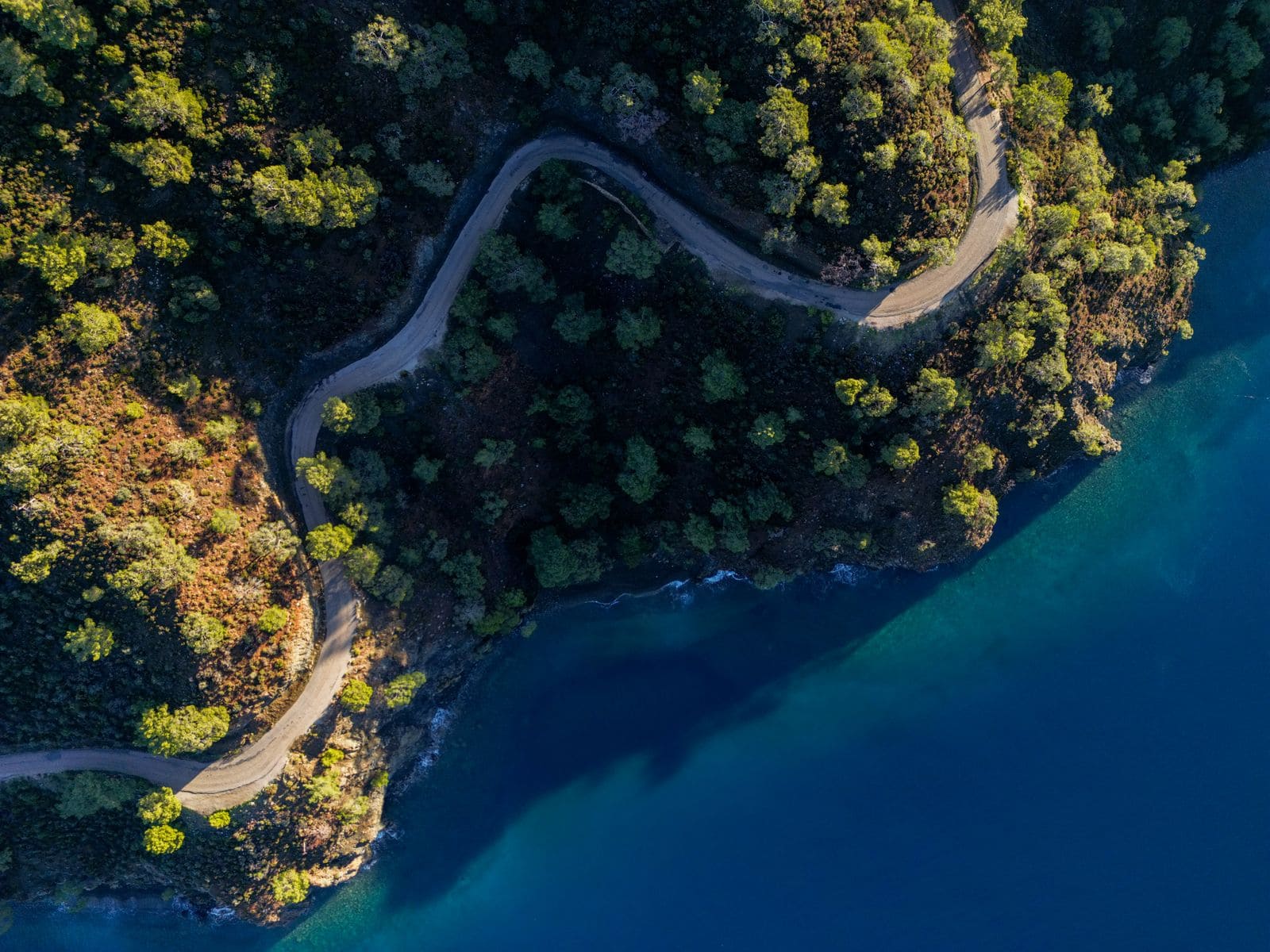
Say “summer in Turkey” and most people picture the endless resorts of Antalya and all-inclusive buffets. But the Aegean coast around Fethiye in Turkey shows a completely different side of the country. The air smells of pine and wild oregano, the mountains tumble steeply into the sea, and instead of concrete hotel monsters you’ll find boutique guesthouses, anchored wooden yachts and bays the colour of undiluted turquoise.
At the heart of the region is a duo you’ll recognise from every other brochure: the lively harbour town of Fethiye and, a few kilometres further on, the iconic Blue Lagoon in Ölüdeniz. Towering two kilometres above it is Mount Babadağ, from which dozens of colourful canopies drift down — this is one of the best places in the world for tandem paragliding.
In this guide you’ll find 12 tips for Fethiye and Ölüdeniz — from the Blue Lagoon and flying above it to the abandoned ghost town of Kayaköy and the icy Saklıkent Gorge, all the way to a Blue Cruise between the islands. We’ll also help you with when to come, where to stay and how to get here from the UK.
TL;DR
- Why come here: An Aegean gem without the resort bubble — the Blue Lagoon, mountains, antiquity and a relaxed atmosphere.
- When to come: May, June and September (warm sea, bearable heat). July and August are the hottest and priciest.
- How to get here: Fly into Dalaman (DLM), then about an hour’s journey. Summer charters run direct from several UK airports; otherwise connect via Istanbul.
- Don’t miss: The Blue Lagoon, paragliding from Babadağ, the ghost town of Kayaköy, and Saklıkent Gorge.
- On the water: A full-day Blue Cruise on the “12 Islands” route.
- Base yourself: Fethiye/Çalış for authenticity and quiet, Ölüdeniz and Hisarönü for the beach and nightlife.
- Money ⚠️: Pay by card in the local currency (TRY), withdraw cash from an ATM, and watch out for taxi scams.
The full destination guide: Türkiye — guide and what to see
When to visit Fethiye and how to get there
The Aegean coast is at its most pleasant at the turn of spring and summer, and again in September. In May, June and September the sea sits at a comfortable 22–26 °C, the landscape is in bloom and the heat is manageable. July and August are the hottest, the most expensive and the most crowded around the lagoon; if you have to come in high summer, plan your activities for the morning and early evening. Saklıkent and the mountain hikes have their own window too — the deep parts of the gorge only open up after April, once the snowmelt subsides.
The nearest airport is Dalaman (DLM), roughly an hour’s drive from Fethiye. In summer, charter and budget airlines such as Jet2, TUI and easyJet fly direct to Dalaman from several UK airports, which is usually the simplest option. Outside the season, a scheduled flight with Turkish Airlines or Pegasus connecting through Istanbul tends to work best. Shuttle transfers, long-distance buses and taxis all run from the airport to the resorts.
💡 Tip: The cheapest and most authentic way to travel around the region is by the minibuses known as dolmuş — you flag them down with a wave and pay a few lira. They run frequently between Fethiye, Ölüdeniz, Hisarönü and Çalış. For the more distant trips (Saklıkent, Kayaköy), though, a hire car or an organised tour pays off.
Where to stay in Fethiye and Ölüdeniz
💡 Tip for accommodation and experiences: We like to look for accommodation on Booking.com, which usually has the best cancellation terms. Tickets, tours and activities are then worth comparing and booking through GetYourGuide.
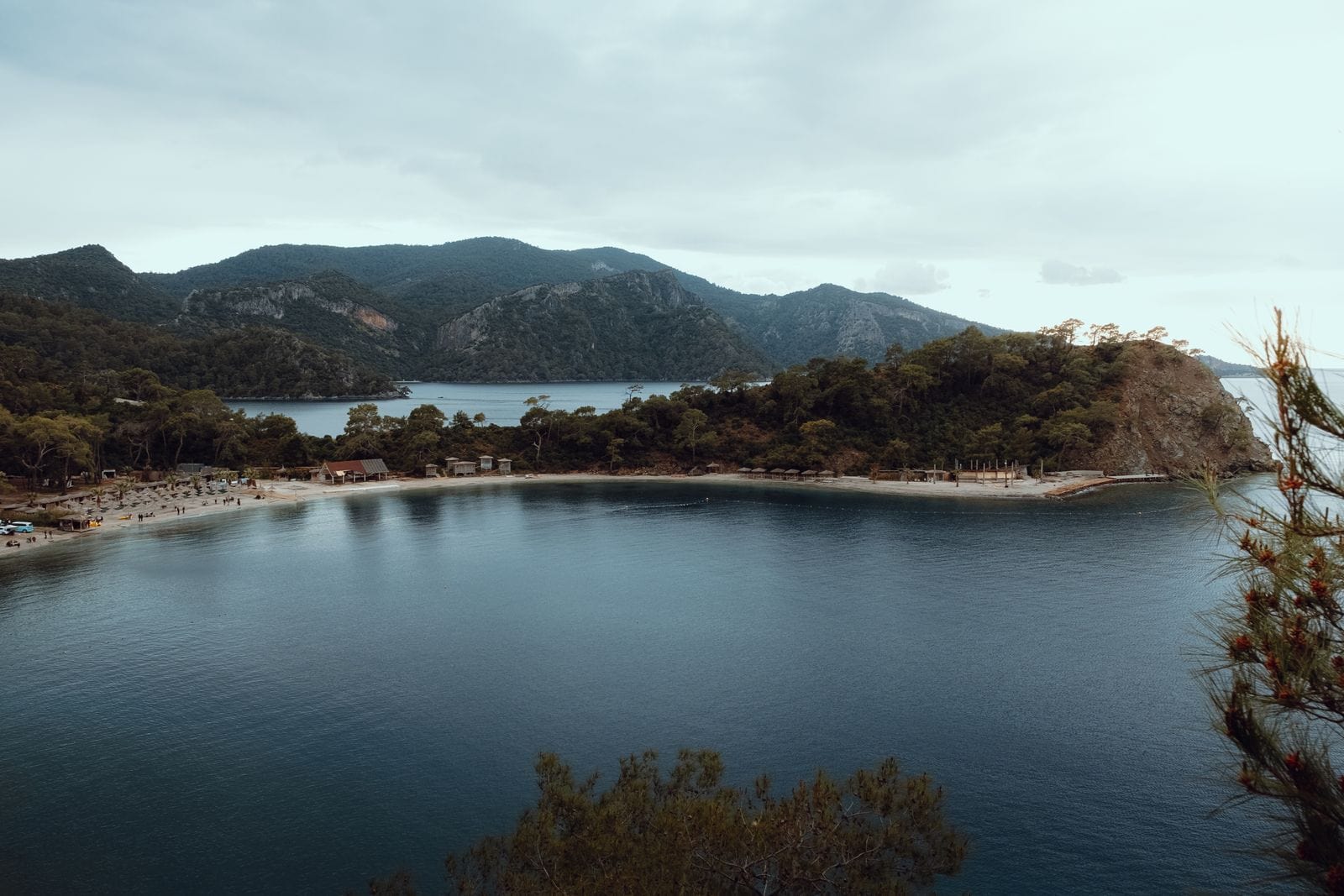
The region offers three distinct moods. Fethiye and neighbouring Çalış are best for those who want a working town, a promenade and some peace — you stay among locals, with the marina and fish market close by. Ölüdeniz sits right by the Blue Lagoon, ideal for swimming and paragliding, though crowded and pricier in season. Hisarönü in the hills above the lagoon is the hub of cheaper party tourism with bars and clubs; it suits younger travellers who don’t mind noisy nights.
Here are some specific tips for verified Fethiye hotels in Fethiye, Çalış and Ölüdeniz (you can compare prices and availability with one click via Stay22, which searches for the best deal across Booking.com, Airbnb and others):
- Yacht Classic Hotel – an elegant hotel by the marina with a spa and rooftop pool; for couples who want quiet right in town.
- Villa Daffodil – a historic Ottoman villa with a pool and garden on the promenade; full of character and easy on the wallet.
- Oyster Residences – a boutique hotel tucked in greenery a short walk from the Blue Lagoon; peace and quiet right by the beach.
- Montebello Resort – a popular resort with pools a few minutes from the lagoon; excellent value for money.
- Jiva Beach Resort – a family resort right on Çalış beach with pools and famous sunsets.
- Liberty Hotels Lykia – a large all-inclusive resort with its own beach and water park; ideal for families.
💡 Tip: If you want peace and lovely sunsets, choose Çalış Beach; for the beach on your doorstep, go for Ölüdeniz. Either way, aim for ratings of 8.5+ with plenty of reviews, and around Hisarönü read the comments about bar noise. In season, book months ahead.
12 things to experience in Fethiye and Ölüdeniz
Fethiye is a brilliant base, with day trips fanning out in every direction — to the lagoon, into the mountains and out to sea. Here are twelve things that bring independent travellers back year after year.
1. The Blue Lagoon in Ölüdeniz
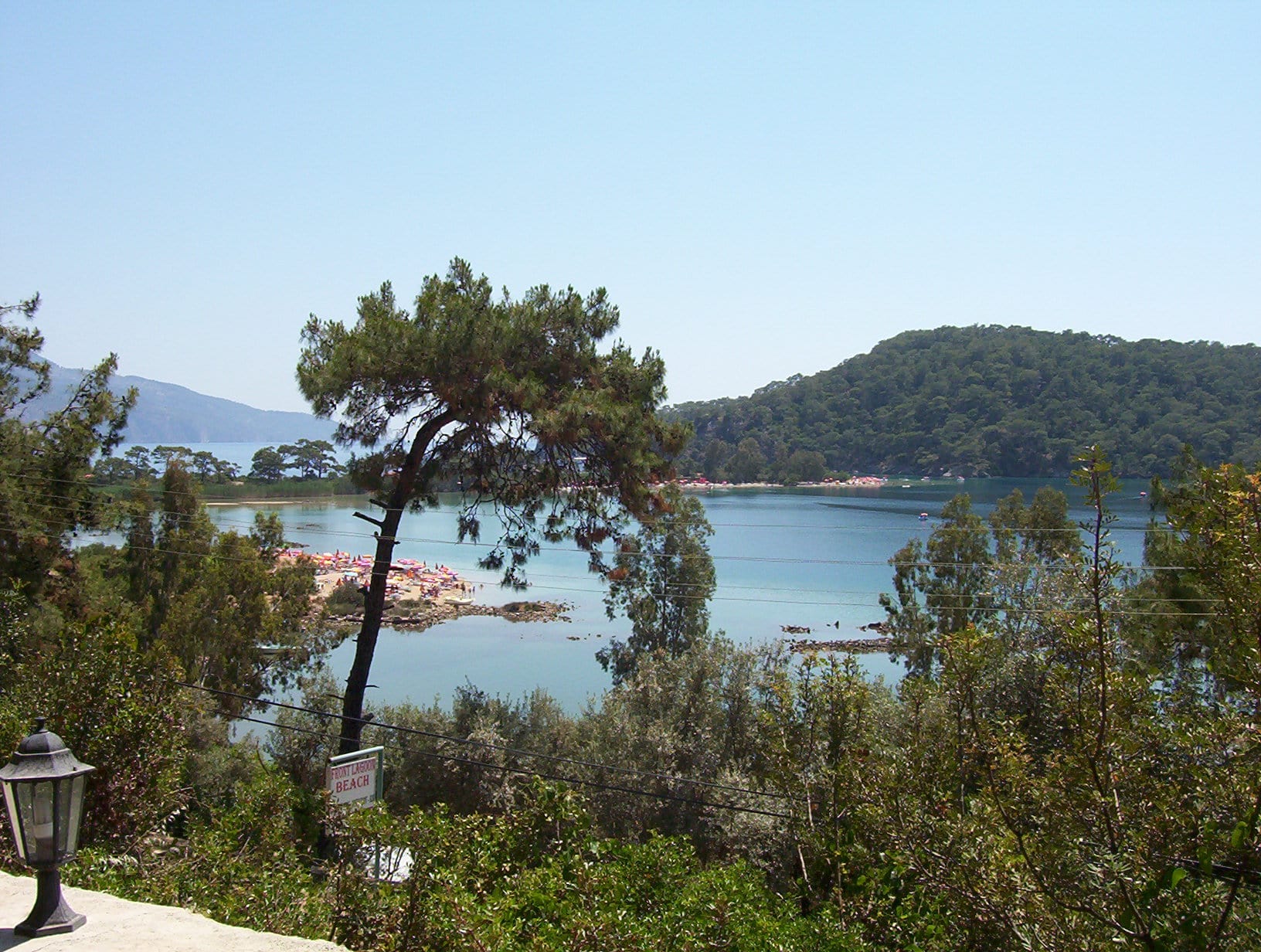
The star of the region is the Blue Lagoon in Ölüdeniz, whose photo you’ve probably seen on the cover of every other brochure about Turkey. This calm, impossibly turquoise bay is protected by a nature park (a small entrance fee applies), so no hotel monster is allowed to be built here. The beach is made of fine sand mixed with white pebbles and the water is mirror-still — hence the name Ölüdeniz, “dead sea”.
2. Paragliding from Mount Babadağ
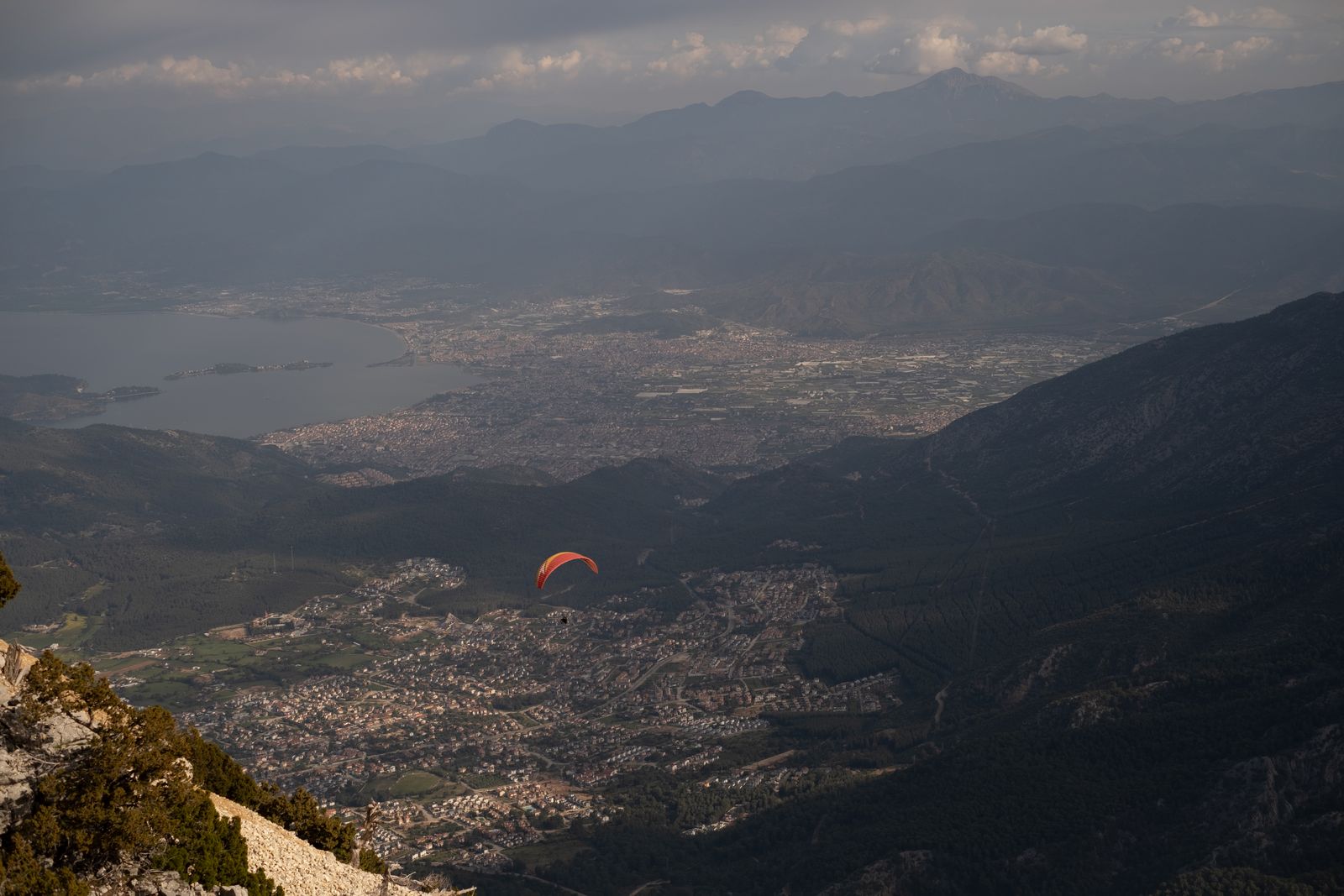
Look up from the beach in Ölüdeniz and you’ll see dozens of colourful dots. Mount Babadağ rises almost 2,000 metres straight out of the sea, which makes it one of the best paragliding spots on the planet. A minibus takes you to the summit, an instructor straps you into a tandem harness, a few steps down the slope — and suddenly you’re flying. You’ll spend 25 to 40 minutes in the air with views over the lagoon, Butterfly Valley and the endless sea, before a soft landing right by the beach.
⚠️ Is it safe? Accidents are rare, and Turkey’s civil aviation authority has tightened the rules considerably — pilots must hold valid licences and flights are cancelled at the slightest hint of bad weather. Check the price (roughly €60–150 depending on the season) with several agencies, and factor in a surcharge for the GoPro video.
3. Butterfly Valley
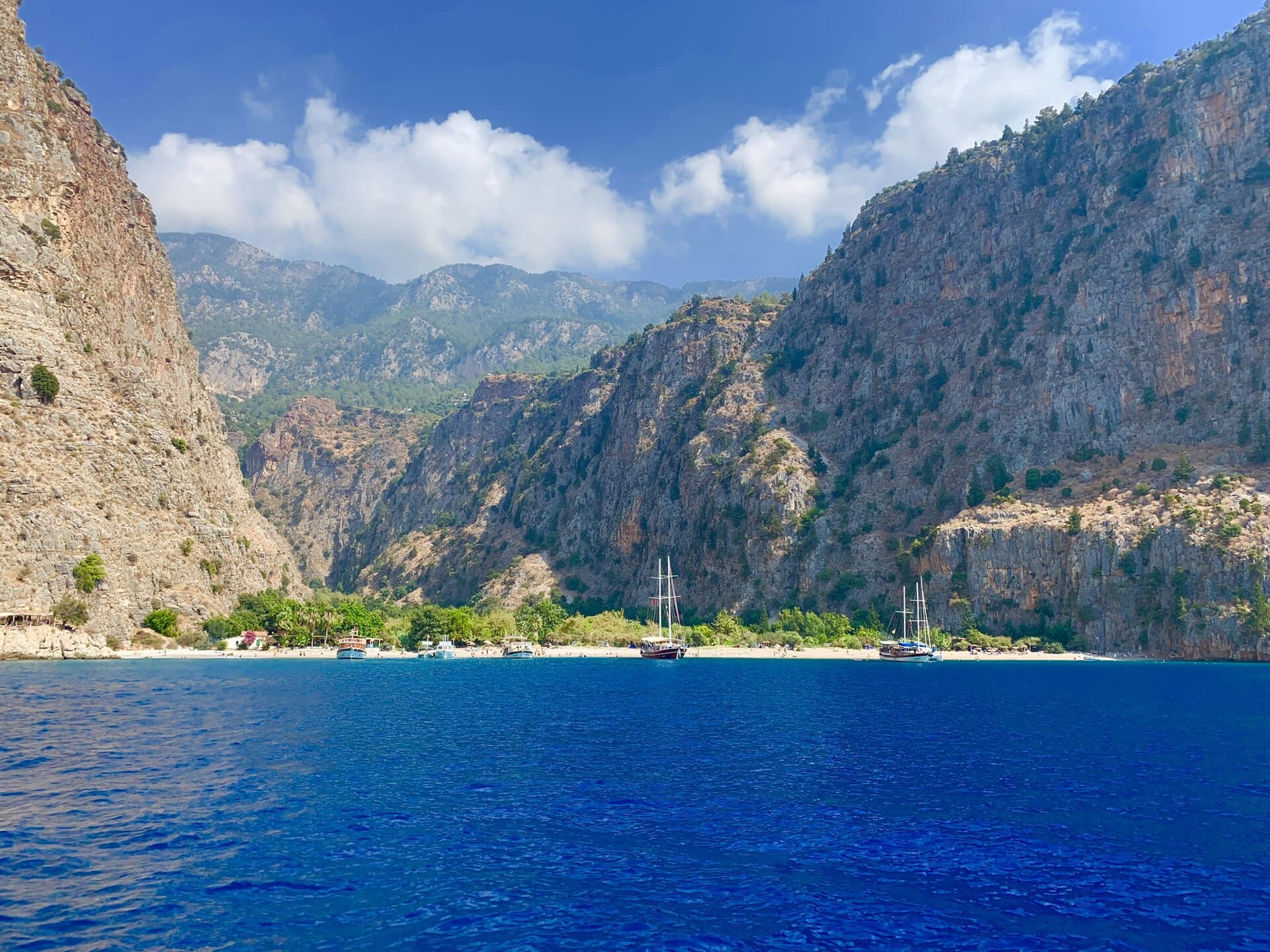
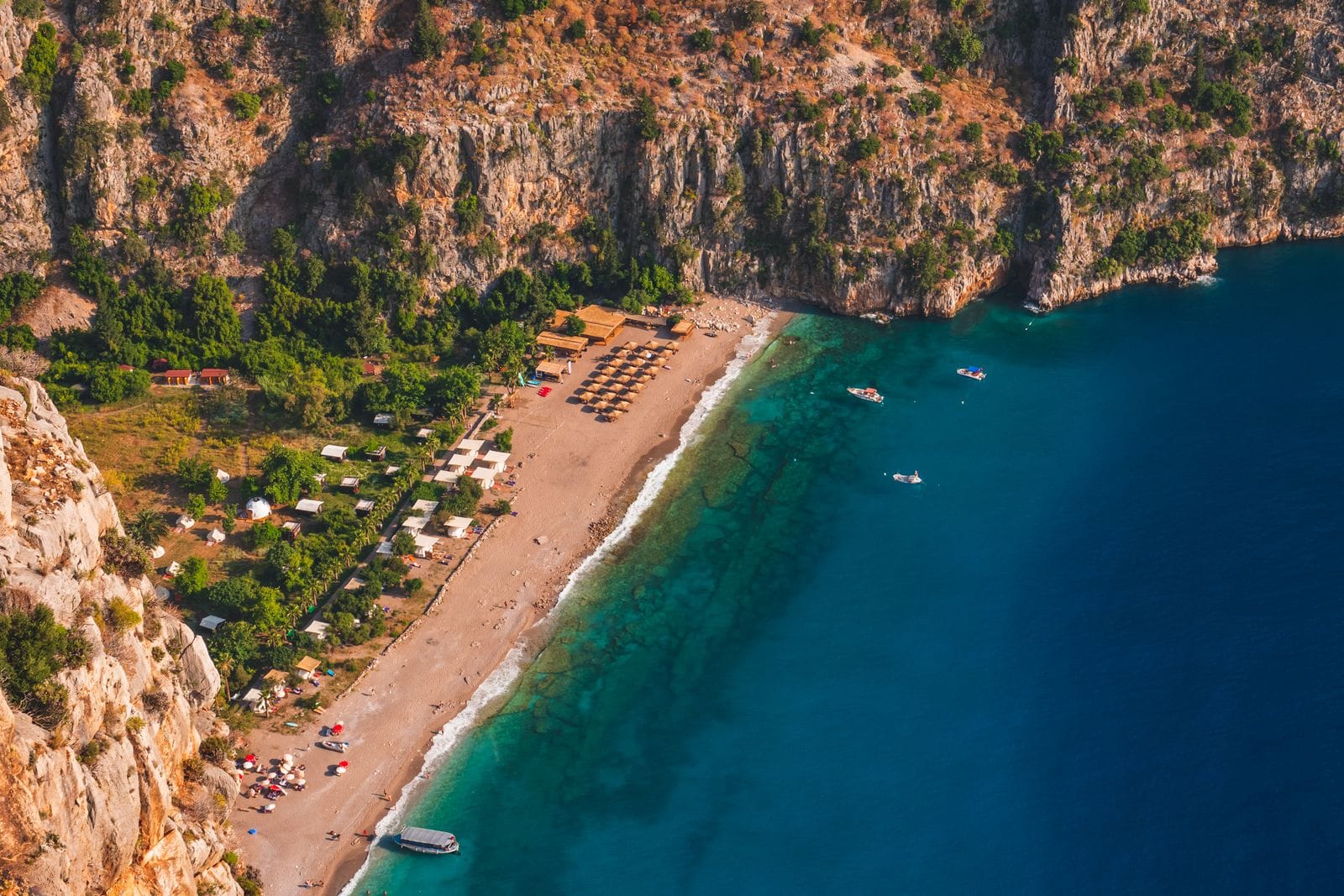
The deep Butterfly Valley (Kelebekler Vadisi) opens straight onto the sea via a small beach hemmed in between sheer cliffs. It takes its name from the rare butterflies that live here, though these days it mostly draws camping backpackers and lovers of wild nature. The easiest way in is by boat from Ölüdeniz; the descent from above along the trail is steep and only for the experienced. It’s one of the most photogenic bays on the whole coast.
4. Kayaköy: the ghost town
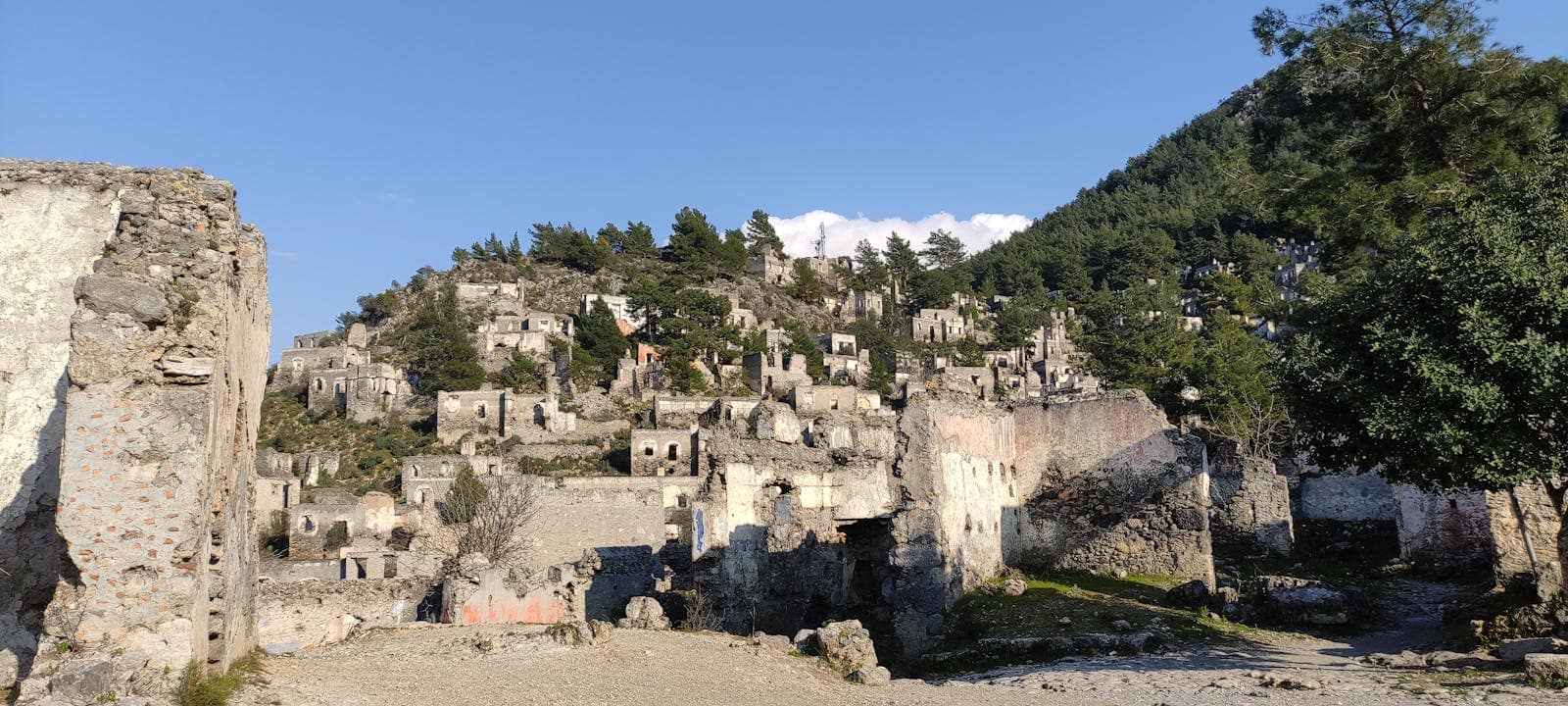
Perhaps the region’s most powerful experience is Kayaköy — an abandoned Greek village, a fascinating ghost town. Until 1923 it was home to Greek Orthodox Christians, who were displaced by the state as part of a population exchange. Today you wander among hundreds of stone house ruins and roofless churches, slowly being reclaimed by nature. It’s a melancholy, silent and unforgettable place that only a fraction of the lagoon crowds ever reach.
5. Saklıkent Gorge
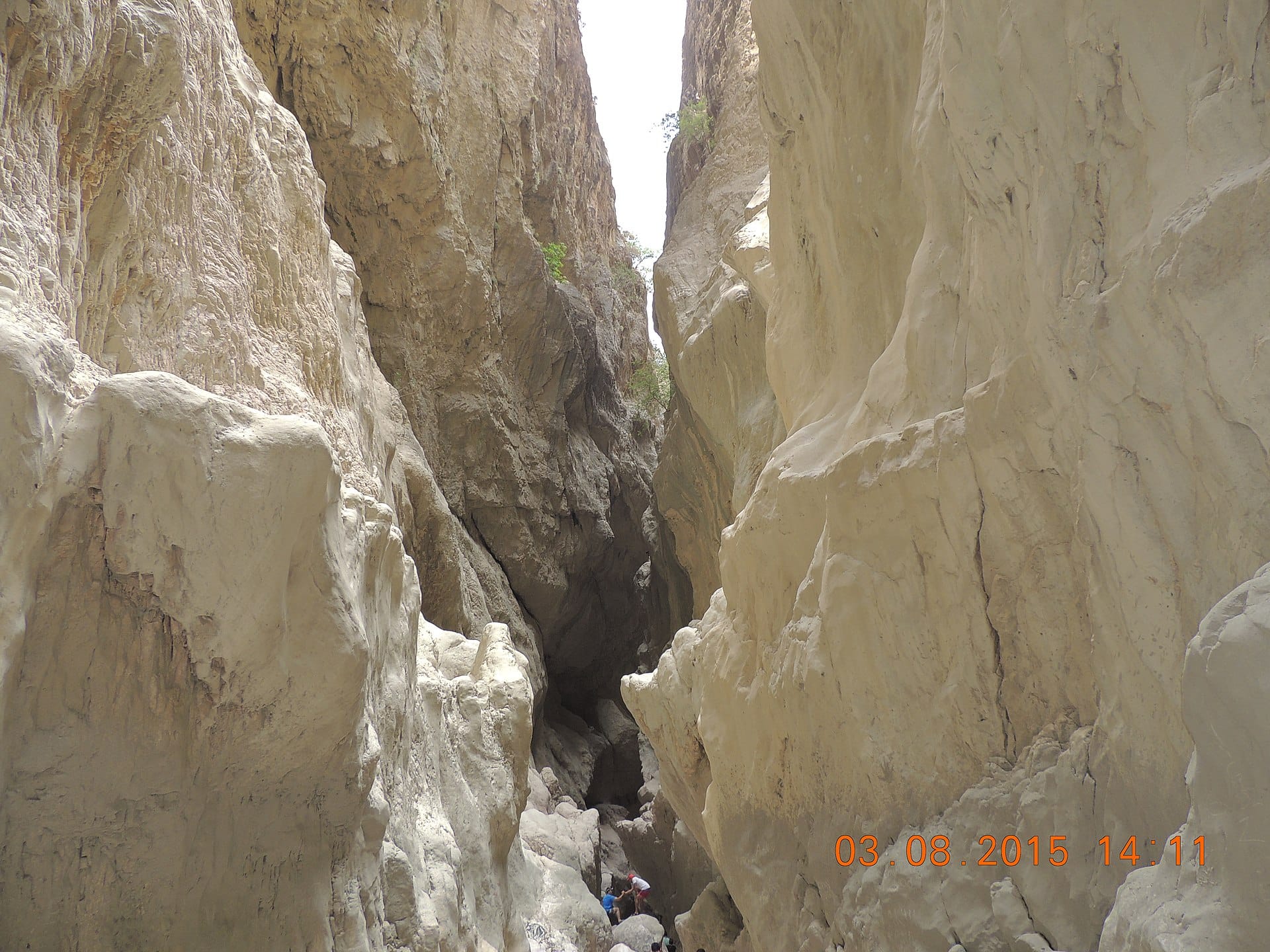
Over 300 metres deep and 18 kilometres long, Saklıkent Gorge is the perfect escape from the heat. You step onto a raised walkway above a wild river, then wade through icy water deep into a ravine squeezed between vertical walls. ⚠️ The deeper sections only open after April — in spring and winter the water level is dangerously high. Bring water shoes and clothes that can handle a soaking; in the heat it’s one of the most refreshing experiences in the region.

6. The Lycian rock tombs above Fethiye
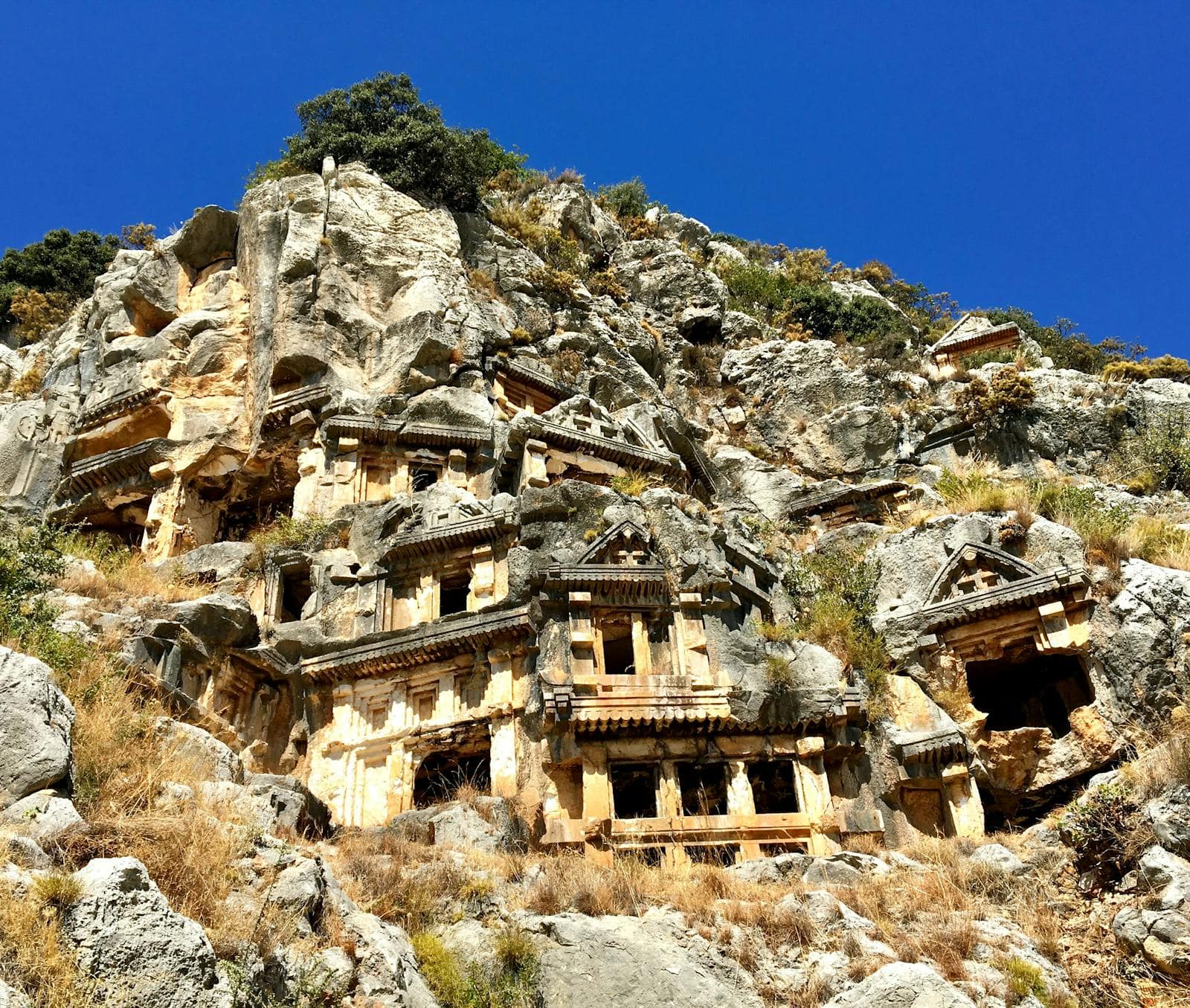
Right above Fethiye’s rooftops, monumental Lycian rock tombs rise out of the cliff face. The most famous is the Tomb of Amyntas, with a facade resembling an ancient temple; a staircase leads up to it and the reward is a view over the whole bay. Fethiye stands on the site of the ancient city of Telmessos, so you’ll stumble across traces of antiquity all over town, including a small theatre near the harbour.
7. The fish market and Aegean cuisine in Fethiye
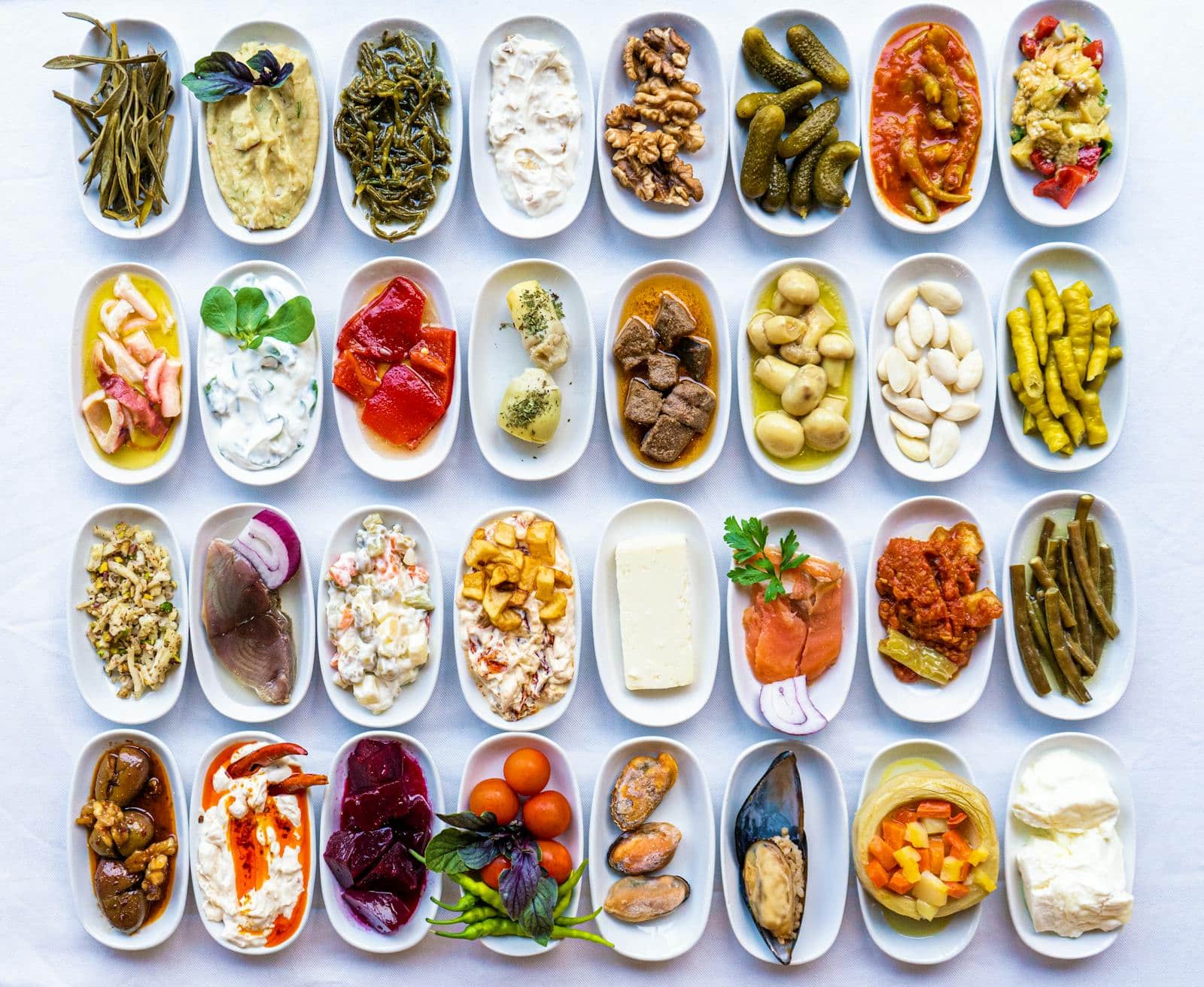
The heart of Fethiye by night is the fish market (Balık Pazarı) — a ring of stalls surrounded by restaurants. For non-vegetarians it works on a “buy it and have it grilled” basis, but the surrounding taverns also serve up generous Aegean meze (cold starters), grilled vegetables and salads. It’s a lively, fragrant spot and a wonderful backdrop for dinner under the open sky.
💡 Tip: Vegetarians will be in their element at the market and in the surrounding taverns. Go for meze (bean paste, stuffed vine leaves yaprak sarma, yoghurt dips), gözleme (stuffed flatbreads with cheese or spinach) and grilled vegetables with sheep’s cheese.
8. A Blue Cruise around the 12 Islands
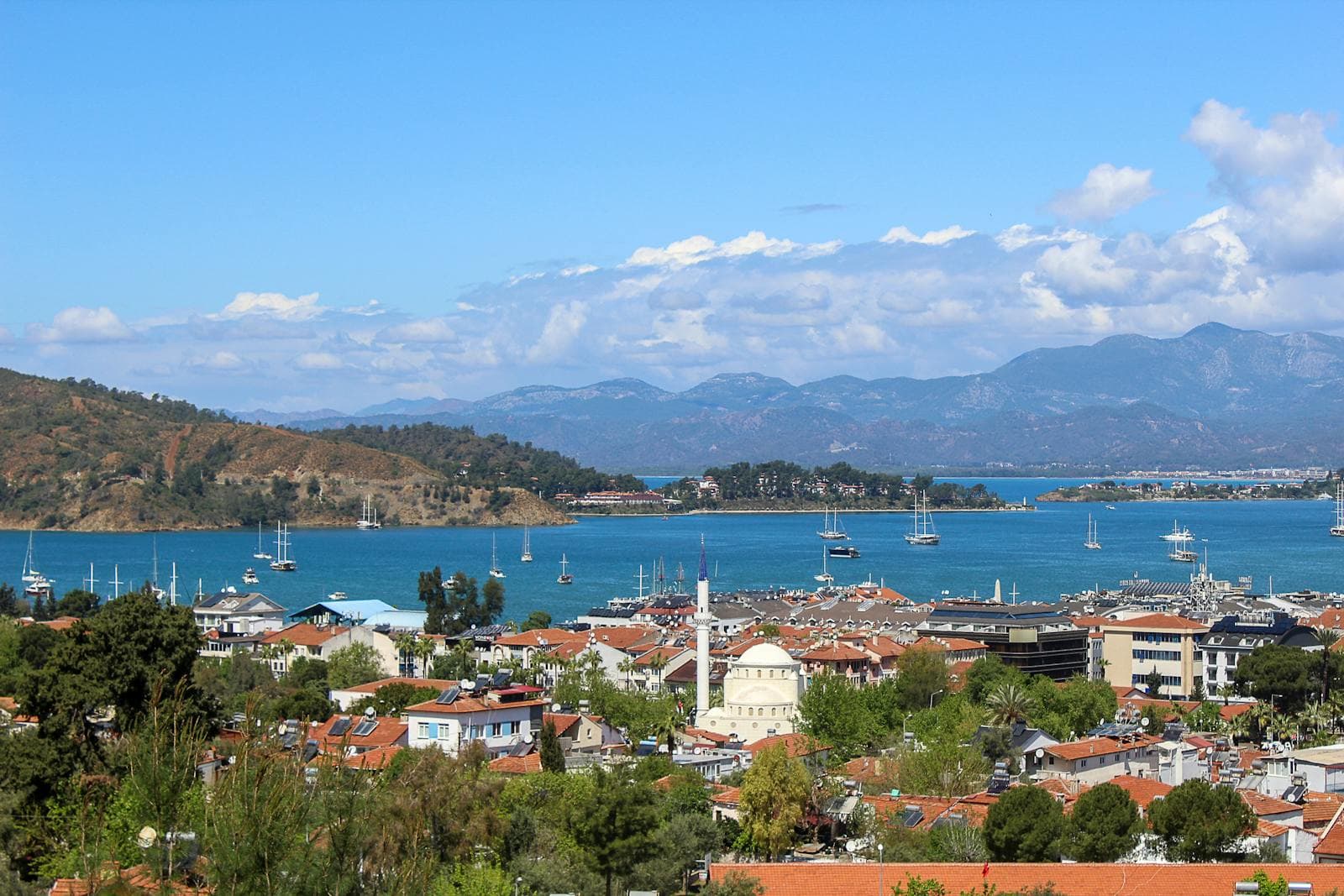
The Aegean coast is best discovered from the deck of a boat. Turkey is famous for its broad wooden yachts called gulets, and the “Blue Cruise” (Mavi Yolculuk) phenomenon is huge here. The simplest option is to buy a ticket for a full-day “12 Islands” trip from Fethiye — the boat glides through the bay, anchors in crystal-clear coves for swimming and snorkelling, and the crew cooks up a simple lunch. The ultimate escape from the mainland.
9. Kabak Beach and the Lycian Way
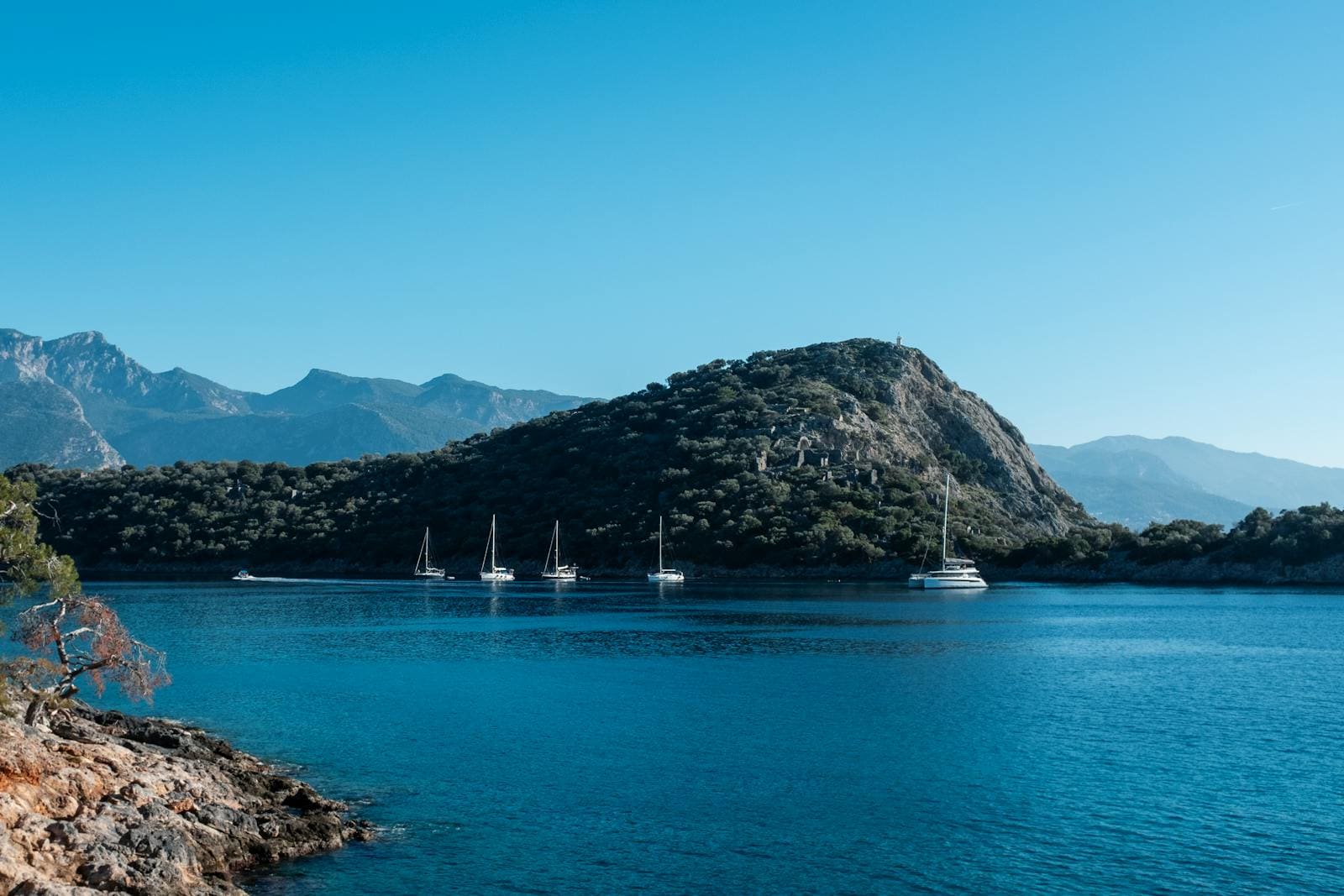
Beyond Ölüdeniz the coast carries on into wilder country. Kabak Beach lies at the end of a switchback road in a green valley sloping down to the sea, a haven for those seeking peace, eco-camps and untouched nature. The famous Lycian Way also passes through here — one of the most beautiful long-distance treks in the world — and even a short section above Ölüdeniz delivers breathtaking views over the lagoon.
10. Ölüdeniz and Belcekız beach
Right next to the lagoon stretches the main Belcekız beach — wider, livelier and fully kitted out with sun loungers, bars and water-sports hire. This is where the paragliders land, so you can sip an iced lemonade while watching the colourful canopies drift down from Babadağ. The water is just as clean and turquoise as in the lagoon — there’s simply more buzz and fun on offer.
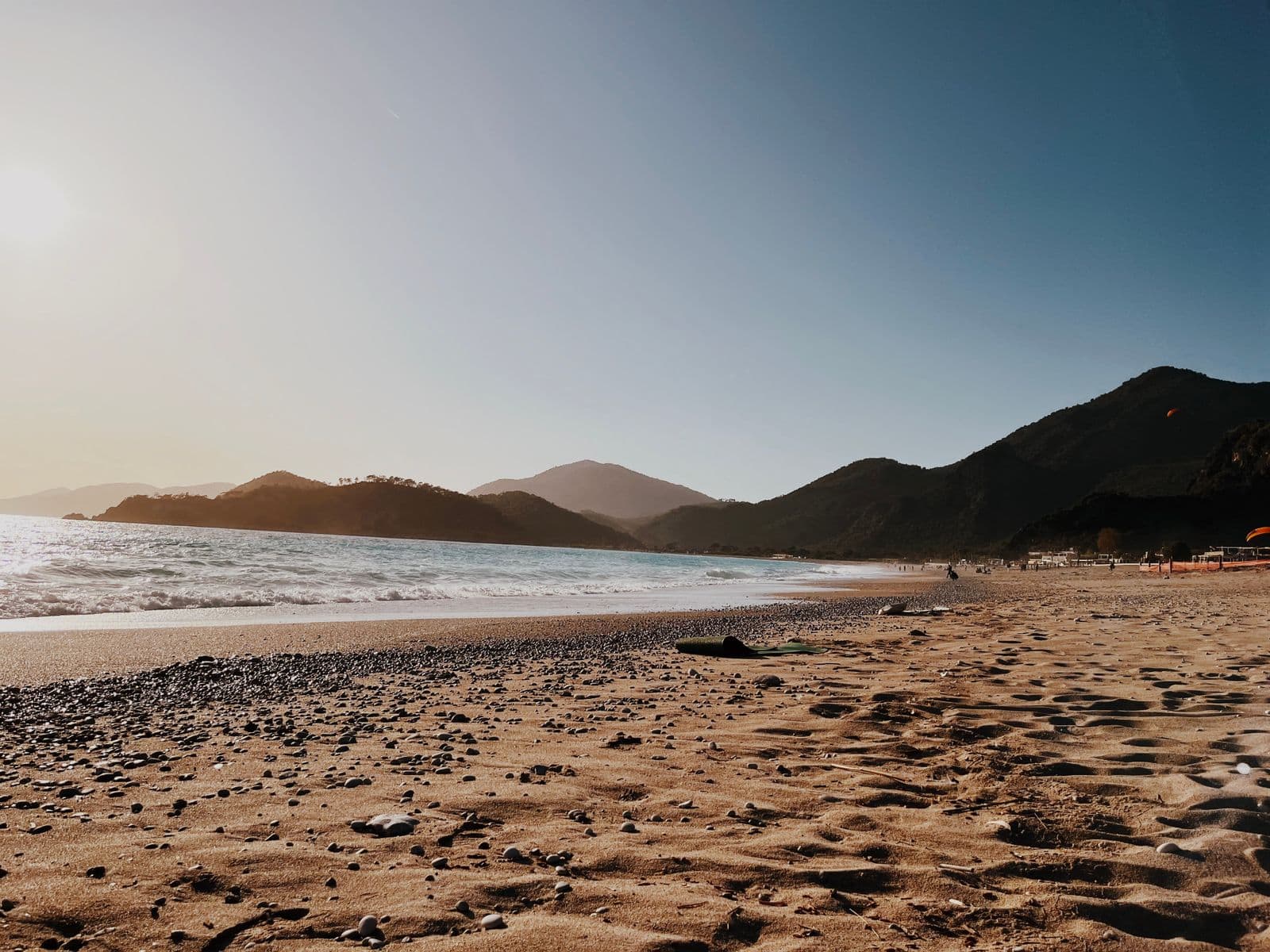
11. Sunset on Çalış Beach
The long pebble-and-sand Çalış Beach just outside Fethiye is famous for one thing — its sunsets. As the sun sinks behind the islands in the bay, the café-lined promenade turns into one big grandstand. From Çalış there’s also a small water taxi running straight to Fethiye harbour, a romantic and convenient way to travel by water.
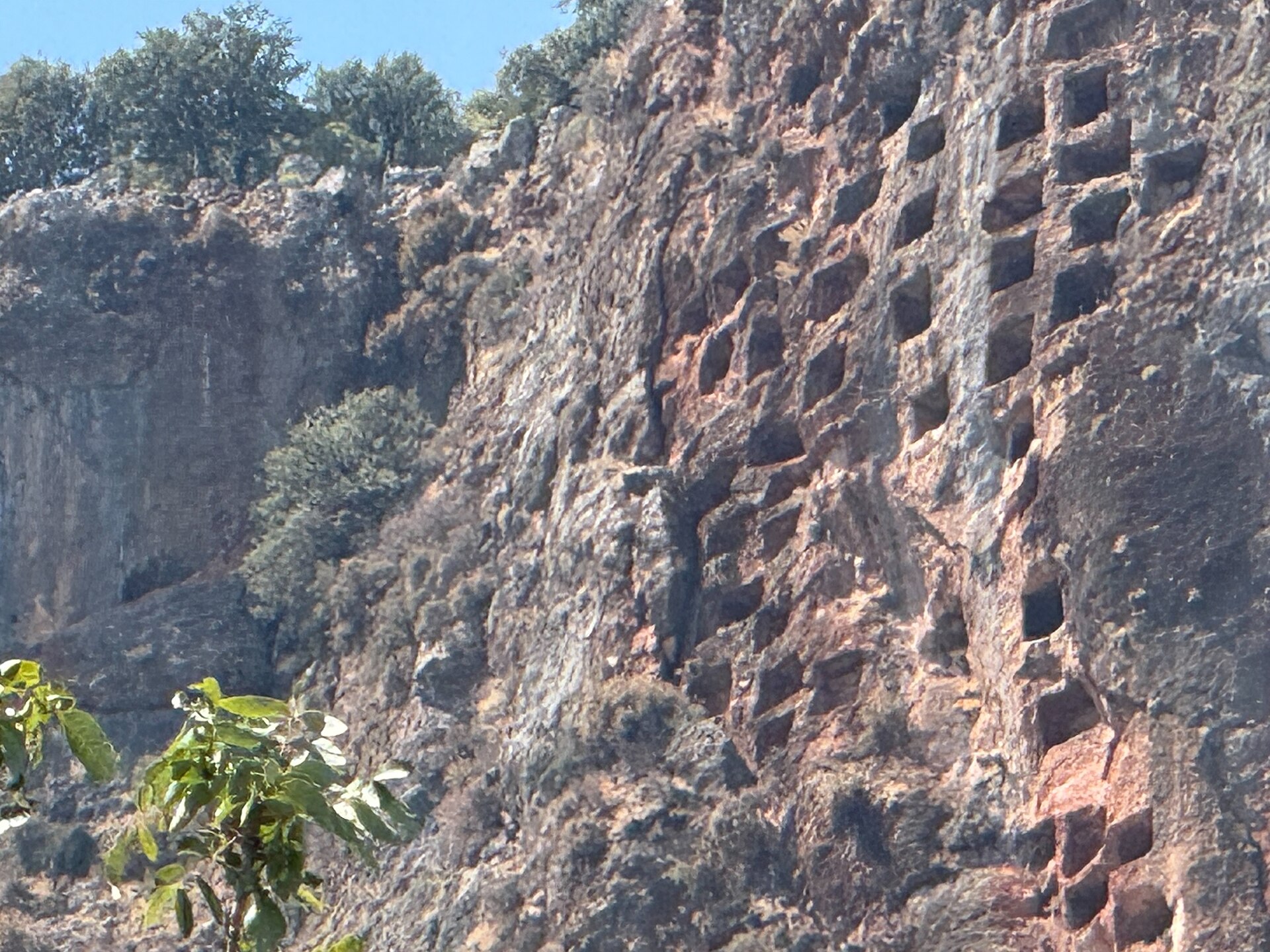
12. Ancient Tlos and the Saklıkent waterfall
On a trip to Saklıkent Gorge it’s well worth adding nearby ancient Tlos — one of the oldest Lycian settlements, dramatically spread across a hillside with rock tombs, a theatre and an acropolis crowned by an Ottoman fortress. The views over the fertile Xanthos valley are gorgeous and you’ll meet hardly any crowds. It pairs perfectly with wading through the gorge to make one full-day loop.
Map of points of interest for your phone
What to eat in Fethiye
Aegean cuisine is a small paradise for vegetarians — it revolves around olive oil, fresh vegetables, herbs and cheeses. After a day at the lagoon, don’t miss these classics:
- Meze – a colourful array of cold starters: bean and roasted-pepper pastes, braised cabbage, stuffed vine leaves (yaprak sarma), yoghurt dips. The ideal meat-free dinner to share.
- Gözleme – a thin stuffed flatbread cooked on a griddle, most often with cheese, spinach or potato. The cheap and filling king of street food.
- Menemen – scrambled eggs with tomatoes, peppers and spices, a classic Turkish breakfast scooped up with bread.
- Çiğ köfte – nowadays commonly in a meat-free version made from bulgur and spices, served in a lettuce leaf with lemon.
- Baklava and Turkish tea – a sweet full stop; tea (çay) served in the traditional tulip-shaped glass is part of every sit-down.
Fethiye’s fish market is famous for its fresh fish and seafood; these are the regional specialities for non-vegetarians, while vegetarians can feast happily on meze and vegetable dishes.
Practical tips for Fethiye and the surrounding area
- Pay in lira (TRY). Turkey is not in the EU and the lira has been weakening for years. ⚠️ When paying by card, always choose the local currency (TRY), not the unfavourable DCC conversion. Withdraw cash from an ATM on the spot.
- eSIM instead of roaming. Sort out your data with an eSIM before you leave home (it activates as soon as you land) — ordinary roaming outside the EU tends to be pricey.
- ⚠️ Watch out for taxi scams. Insist on the meter being switched on, pay with smaller notes and say the amount you’re handing over out loud. Between resorts, though, the dolmuş is the easiest option.
- Entry fees and heat. There’s a small entrance fee for the nature park by the lagoon and for Saklıkent. On trips, bring a hat, water and sturdy shoes — there’s little shade and the rocks can be slippery.
- Tipping. In restaurants around 10% in cash left on the table is expected.
Where to go next in western Turkey
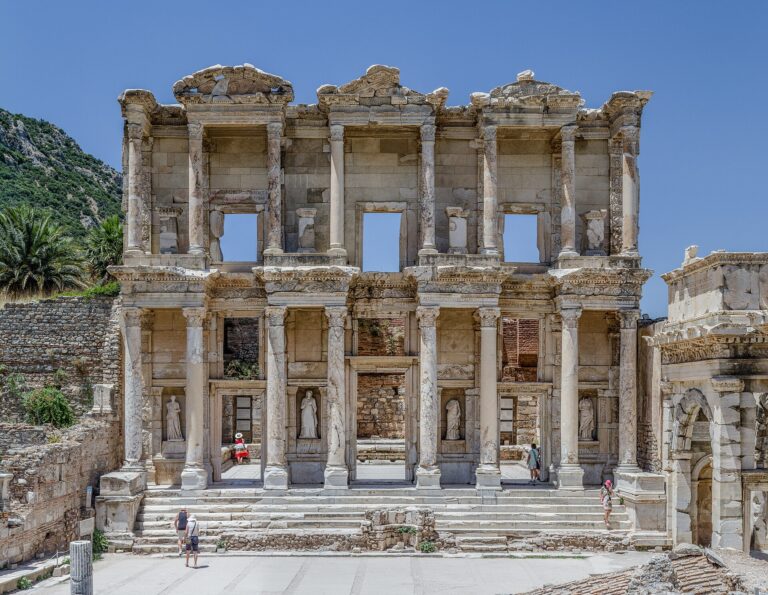
Fethiye is an ideal base from which to venture further. For the best-preserved ancient city in the world, head to Ephesus; for fairy-tale rock towers, Cappadocia; and for a city spanning two continents, Istanbul. Inland, the white terraces of Pamukkale and ancient Hierapolis are well worth a trip, while to the south lie the resorts around Antalya.
Frequently asked questions
Where is the Blue Lagoon and how much does entry cost?
The Blue Lagoon is located in Ölüdeniz, about 15 km from Fethiye. It’s part of a protected nature park, so there’s a small entrance fee to access the beach by the lagoon (in the order of tens of lira). The main Belcekız beach right next door is accessible for free. You can reach the lagoon by dolmuş from Fethiye or directly from Ölüdeniz.
Is paragliding from Babadağ worth it and is it safe?
Yes, tandem paragliding from Babadağ mountain is one of the region’s best experiences and you don’t need any training – you fly strapped to a licensed pilot. Accidents are rare and flights are cancelled at the slightest hint of bad weather. Check prices with multiple agencies and expect an extra charge for video. If you suffer from severe vertigo, think twice, but most people thoroughly enjoy the flight.
How do I get from Czechia to Fethiye?
The nearest airport is Dalaman (DLM), about an hour’s drive from Fethiye. There are few direct charter flights from the Czech Republic, so regular flights with Turkish Airlines or Pegasus with a connection in Istanbul are often used, or alternatively a direct flight from Vienna or from German airports. Transfers, buses and taxis run from the airport.
When is the best time to go to Fethiye?
Best in May, June or September, when the sea is 22–26 °C, the landscape is in bloom and the heat is bearable. July and August are the hottest, most expensive and most crowded around the lagoon. For Saklıkent Canyon, keep in mind that the deeper sections don’t open until after April.
Living in Fethiye or Ölüdeniz?
It depends on what you’re looking for. Fethiye and Çalış are authentic, quieter and with city amenities, ideal for a relaxing holiday and beautiful sunsets. Ölüdeniz is right by the lagoon, great for swimming and paragliding, but pricier and crowded in season. Hisarönü above the lagoon is a cheaper party hub for younger crowds.
Tips and Tricks for Your Vacation
Don’t Overpay for Flights
Search for flights on Kayak. It’s our favorite search engine because it scans the websites of all airlines and always finds the cheapest connection.
Book Your Accommodation Smartly
The best experiences we’ve had when looking for accommodation (from Alaska to Morocco) are with Booking.com, where hotels, apartments, and entire houses are usually the cheapest and most widely available.
 🚗 Car rental on the roadVerified rental cars in Turkey
Search with the DiscoverCars comparison engine — it compares prices from dozens of local and international rental companies, and most bookings come with free cancellation.
Compare car prices in Turkey →Don’t Forget Travel Insurance
Good travel insurance will protect you against illness, accidents, theft, or flight cancellations. We’ve had a few hospital visits abroad, so we know how important it is to have proper insurance arranged.
Where we insure ourselves: SafetyWing (simple monthly subscription) and TrueTraveller (for extra-long trips).
Find the Best Experiences
Get Your Guide is a huge online marketplace where you can book guided walks, trips, skip-the-line tickets, tours, and much more. We always find some extra fun there!