You won’t really get to know Turkey just by ticking off ancient ruins and snapping photos of palaces. The true soul of the country lies in its everyday rituals – in the art of slowing down over a glass of tea, in cleansing the body beneath vaults half a millennium old, and in the masterful game known as the bazaar.
This isn’t Europe with its fixed price tags and sterile rules. Here a purchase becomes a conversation and hygiene becomes a social event. Be prepared to lose your bearings now and then, and maybe to overpay for the odd thing – but you’ll come home with experiences that get under your skin. Literally.
In this guide you’ll find everything about the Turkish hammam (how it works, what it costs, the etiquette), about the art of haggling at the bazaar step by step, about which souvenirs to buy and how not to get ripped off, plus the culture of tea, coffee and the water pipe.
TL;DR
- Hammam: a ritual – a scrub with the kese mitt + a foam massage on heated marble. ⚠️ Full nudity is taboo; swimwear is a must.
- Hammam price: in Istanbul €50–150; historic baths Çemberlitaş, Cağaloğlu, Hürrem Sultan. Tip the attendant 10–20%.
- Haggling: mandatory in the bazaars, not in supermarkets/restaurants. Open at 40–50% of the price, settle around 50–70%.
- Accept the tea – it doesn’t commit you to buying anything; it’s simply hospitality.
- Souvenirs ⚠️: carpets and İznik ceramics = watch out for factory fakes; safe bets are Turkish delight, spices and the nazar (blue eye).
- Turkish coffee: don’t stir it, don’t drink the grounds.
- Mosques: take off your shoes, cover shoulders/knees (women their hair too), don’t go during prayer times.
The full destination guide: Türkiye — guide and what to see
Hammam: A Ritual for Body and Soul
The Turkish bath, the hammam, is an institution. Forget the hushed, scented European spa with its relaxing soundtrack – the traditional hammam is raw, physical and liberating. If it’s your first time, you might feel a flicker of nerves about the nudity. No need: the hammam has clear rules, and full nudity is strictly off-limits.
How a Hammam Works Step by Step
It all starts in the changing room, where you’re handed a peştemal – a thin cotton wrap to drape around yourself. Underneath you keep your swimwear or underwear on (dark colours are ideal). Men and women either have separate sections or designated hours.
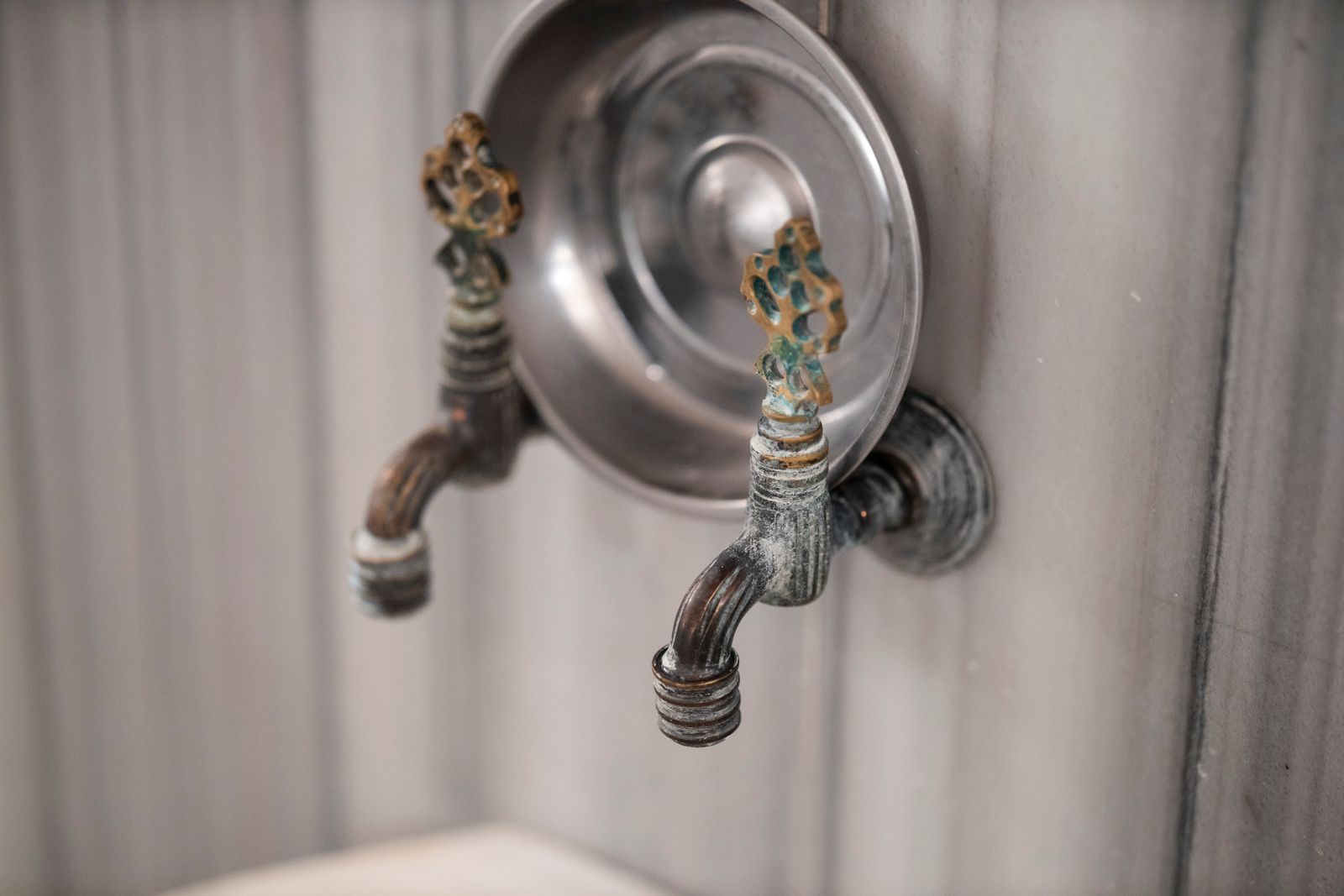
Next you step into the hot steam room, the hararet, whose centrepiece is the göbektaşı – a huge heated marble slab. You’ll spend the first 15–20 minutes here, letting your body warm up and your pores open. Then an attendant takes over (a man for men, a woman for women) and the key moment arrives: a scrub with the rough kese mitt that literally sloughs off layers of dead skin (don’t be alarmed by how much comes away). After a rinse comes the foam massage – a mountain of thick, fragrant suds and a proper kneading of the muscles. The ritual ends with alternating splashes of hot and cold water, a wrap in dry towels and a glass of apple tea in a cooler room.
Where to Go and What It Costs
Prices in Istanbul sit in the €50–150 range depending on the package. For history and top-notch service, head to Çemberlitaş Hamamı (built by the celebrated architect Mimar Sinan in 1584; the basic package is around €68) or the iconic Cağaloğlu Hamamı. If you’re worried about the language barrier and want somewhere more beginner-friendly, the perfectly structured Hürrem Sultan Hamamı sits right between Hagia Sophia and the Blue Mosque.
⚠️ Etiquette: speak quietly in the hammam – phones and photography are banned inside. And remember the golden rule: the attendant who scrubbed and massaged you gets a separate tip on the way out (usually 10–20% of the price, in cash).
The Art of Haggling: A Game You Have to Embrace
For most Brits, haggling (pazarlık) feels stressful – as if you’re picking a fight. Turks see it completely differently: haggling is a conversation, a way of building rapport and a test of mutual respect. Anyone who refuses to haggle is seen as either arrogant or naive.
You haggle at the Grand Bazaar (Kapalı Çarşı), at the Spice Bazaar, in souvenir shops and at local markets. ⚠️ What you shouldn’t try it on are supermarkets, restaurants, pharmacies and branded clothing stores. Here’s how to do it:
- Hide your enthusiasm. The moment the seller sees you’re set on something, the price shoots up.
- Let them name the first price. Your counter-offer starts at 40–50% of their figure.
- A slow dance. They drop a little, you add a little. A realistic deal usually lands between 50 and 70% of the original asking price.
- The walk-away weapon. When you hit a wall, thank them politely and slowly head off – in most cases the seller will come running after you with a better price.
- Haggle in the morning. The first customer of the day brings luck (siftah), so your chances of a good deal are highest first thing.
💡 Tip: While you’re haggling you’ll almost certainly be offered tea. Accept it – it’s not a trap. You can happily finish your glass, chat about football and walk away empty-handed with a smile. It’s basic Ottoman hospitality, not a commitment to buy.
What to Take Home: A Souvenir Guide
The bazaar is a feast for the eyes – and a minefield for your wallet. Here’s what’s worth buying, and what to watch out for:
- Carpets and kilims ⚠️ – gorgeous, but the sellers are masters of psychology and high-pressure sales. You can spot handmade work by the irregular knots on the back (a machine-perfect pattern = factory-made). Don’t trust certificates the seller pushes on you; only buy pieces whose price won’t hurt once you’re back home.
- İznik ceramics ⚠️ – blue-white-red tulip patterns. The cheap bowls in Sultanahmet are printed replicas; genuine ceramics are hand-painted (no two plates are ever identical).
- Nazar boncuğu – the blue glass eye that wards off the evil eye, the most common and safest souvenir.
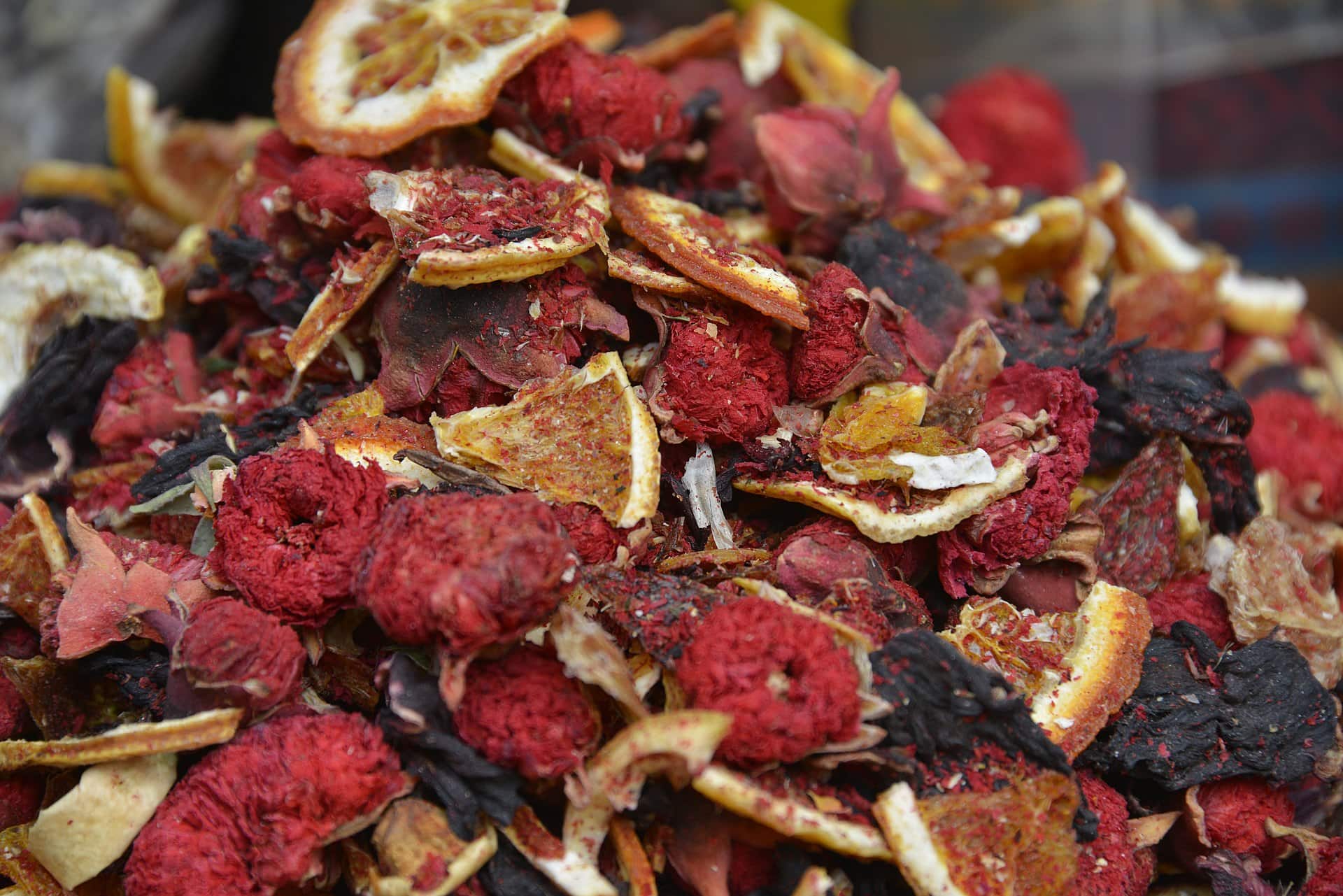
- Spices, teas and Turkish delight – head to the Spice Bazaar for saffron, sumac and chilli flakes. ⚠️ Don’t buy pre-packed Turkish delight in tourist shops (it’s full of sugar and starch) – go to the Tahtakale wholesale market instead, taste as you go and look for delight sweetened with honey.

Tea, Coffee and the Water Pipe
In Turkey you’re never thirsty – drinks are the very backbone of social life.
The real ruler of the country is tea (çay): Turkey has the highest per-capita tea consumption in the world. It’s brewed in a double teapot, served in tulip-shaped glasses and sipped from morning to night. Turkish coffee (türk kahvesi) is a UNESCO heritage – ⚠️ never stir it (you’ll ruin the foam), wait for the grounds to settle to the bottom, and don’t drink the thick “mud” at the bottom. It always comes with a glass of water and a piece of Turkish delight.
The tradition of the water pipe (nargile) goes back to the 16th century. In Istanbul you’ll soak up the real atmosphere in the Tophane district (“Nargile Central”) or in the quiet courtyard of Çorlulu Alipaşa Medresesi, where people play backgammon (tavla) at little tables, sip tea and puff out clouds of apple-scented smoke. These aren’t noisy bars but places for quiet conversation.
Whirling Dervishes and Mosque Etiquette
The sight of men in white skirts spinning in an endless trance is mesmerising. This is the sema ceremony of the Mevlevi dervishes, followers of the poet Rumi. ⚠️ Don’t be fooled by the ticket – the sema is not a show but a spiritual liturgy: stay silent, no flash photography, don’t get up from your seat and don’t applaud at the end. It’s most authentic in Konya (the order’s home); in Istanbul, book the Hodjapasha cultural centre.
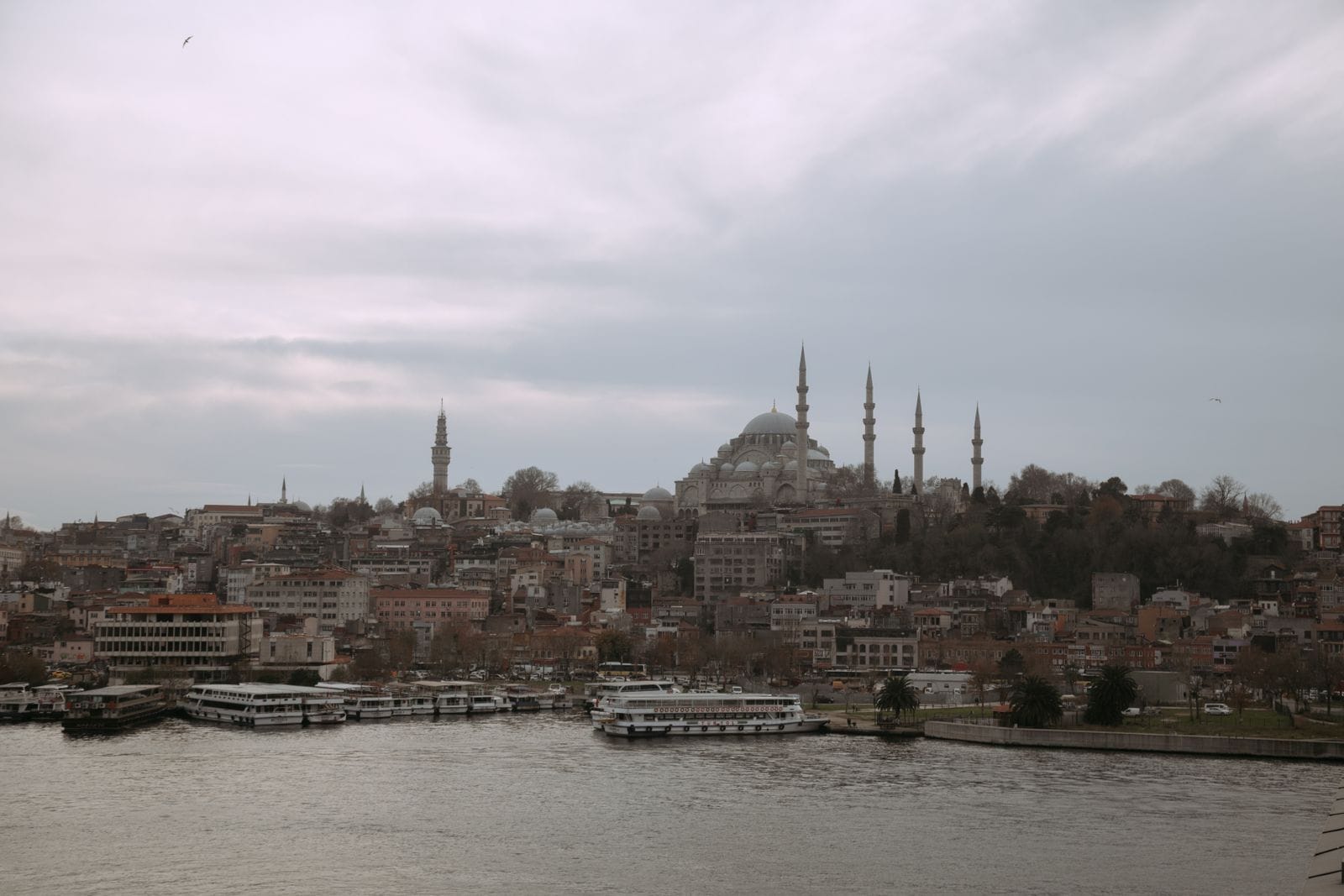
Visiting the mosques (the Blue Mosque, Süleymaniye) comes with rules that never change:
- Take off your shoes at the entrance (shelves or a plastic bag for your footwear).
- Cover your shoulders and knees (men and women alike); women also cover their hair – bringing your own scarf saves queuing for a loaner.
- Don’t go during prayer times – mosques close to tourists roughly 30–60 minutes before and after each of the five daily prayers; the longest closure is Friday at midday.
- ⚠️ Hagia Sophia has been an active mosque again since 2024: the ground floor is reserved for worshippers, and tourists pay €25 just for the upper gallery (often under scaffolding) – no Museum Pass is valid here.
💡 Accommodation and experiences tip: We like to book our stays on Booking.com, which usually has the best cancellation terms. It then pays to compare and buy tickets, tours and activities through GetYourGuide.
Where to Next
The main hub holiday in Turkey, the city of bazaars and mosques Istanbul, Turkish flavours Turkish cuisine, and practical advice on when to visit Turkey as well as what to pack for a holiday in Turkey.
Frequently Asked Questions
What to wear to a Turkish hammam?
Bring swimwear or underwear (ideally dark) to the hammam – complete nudity is taboo. You’ll receive a cotton towel called peştemal to wrap yourself in. You don’t need to bring your own towel, soap, or kese mitt; the baths will provide them. Leave your phone in the changing room, as photography is forbidden inside.
How much does a hammam cost in Istanbul?
The basic package (kese peeling + foam massage) costs around 50–150 € in Istanbul depending on the luxury level of the hammam. The historic Çemberlitaş Hamamı runs about 68 €, the iconic Cağaloğlu even over 100 €. ⚠️ Expect to add a 10–20% cash tip for your attendant when leaving.
How to Haggle Properly at a Turkish Bazaar?
Hide your enthusiasm, let the seller state the first price and start at 40–50% of their amount. Then negotiate calmly – a realistic deal lies around 50–70% of the original offer. If you get stuck, politely walk away (the seller will often rush out with a better price). Bargain in the morning and feel free to accept offered tea, it doesn’t commit you to buying.
Where to Haggle in Turkey and Where Not to?
Haggling is expected at bazaars and markets (Grand Bazaar, Egyptian Bazaar), in souvenir shops, carpet and ceramics stores. On the other hand, you don’t haggle in supermarkets, restaurants, pharmacies and brand-name stores with fixed prices – it would be a faux pas.
How to behave in a Turkish mosque?
Take off your shoes, keep your shoulders and knees covered (women also their hair) and don’t go inside during prayer times (mosques close to tourists about half an hour before and after each of the five daily prayers, longest on Friday at noon). Bringing your own headscarf will save you from queuing. In Hagia Sophia, tourists have had access only to the paid upper gallery since 2024.
Tips and Tricks for Your Vacation
Don’t Overpay for Flights
Search for flights on Kayak. It’s our favorite search engine because it scans the websites of all airlines and always finds the cheapest connection.
Book Your Accommodation Smartly
The best experiences we’ve had when looking for accommodation (from Alaska to Morocco) are with Booking.com, where hotels, apartments, and entire houses are usually the cheapest and most widely available.
 🚗 Car rental on the roadVerified rental cars in Turkey
Search with the DiscoverCars comparison engine — it compares prices from dozens of local and international rental companies, and most bookings come with free cancellation.
Compare car prices in Turkey →Don’t Forget Travel Insurance
Good travel insurance will protect you against illness, accidents, theft, or flight cancellations. We’ve had a few hospital visits abroad, so we know how important it is to have proper insurance arranged.
Where we insure ourselves: SafetyWing (simple monthly subscription) and TrueTraveller (for extra-long trips).
Find the Best Experiences
Get Your Guide is a huge online marketplace where you can book guided walks, trips, skip-the-line tickets, tours, and much more. We always find some extra fun there!