We drove through the Westfjords of Iceland on days 11 to 13 of our big Icelandic road trip, and to this day I look back on it as a downright spectacular adrenaline-fuelled experience (well, spectacular, even if slightly adrenaline-fuelled). I’ll be honest right off the bat: we very nearly got stuck in a blizzard on the gravel mountain roads here, but in the end everything turned out fine and we actually quite enjoyed it. 😅 The landscape is incredibly raw and rugged, so literally every kilometre begs you to stop, and you feel like all you ever do is take photos.
While crowds of tourists circle the famous Ring Road, fewer than 10% of all visitors ever wander up here to the northwest. It’s a huge, jagged peninsula that looks on the map like a hand reaching out towards Greenland, and it represents the truly untamed land of the Vikings that you simply can’t help but fall in love with.
If you’re drawn to the most interesting places in the Westfjords of Iceland, you’re in the right spot. In this article you’ll find 12 tips on what to see and do in the Westfjords region, advice on where to base yourself strategically, the lowdown on road conditions, and the most beautiful spots that make the long haul up here well worth it.
TL;DR
- Best time to visit: Honestly, I’d recommend summer only (from mid-June to mid-August), because in winter many mountain passes are impassable and closed.
- Solar eclipse 2026: Heads up — in August 2026 a total solar eclipse will pass directly over this region, so accommodation prices are already sky-high and it will be packed.
- How much time you need: You’ll need at least 3 days to drive the region, but 4 to 5 days is ideal (it’s at least a 6-hour drive here from Reykjavík).
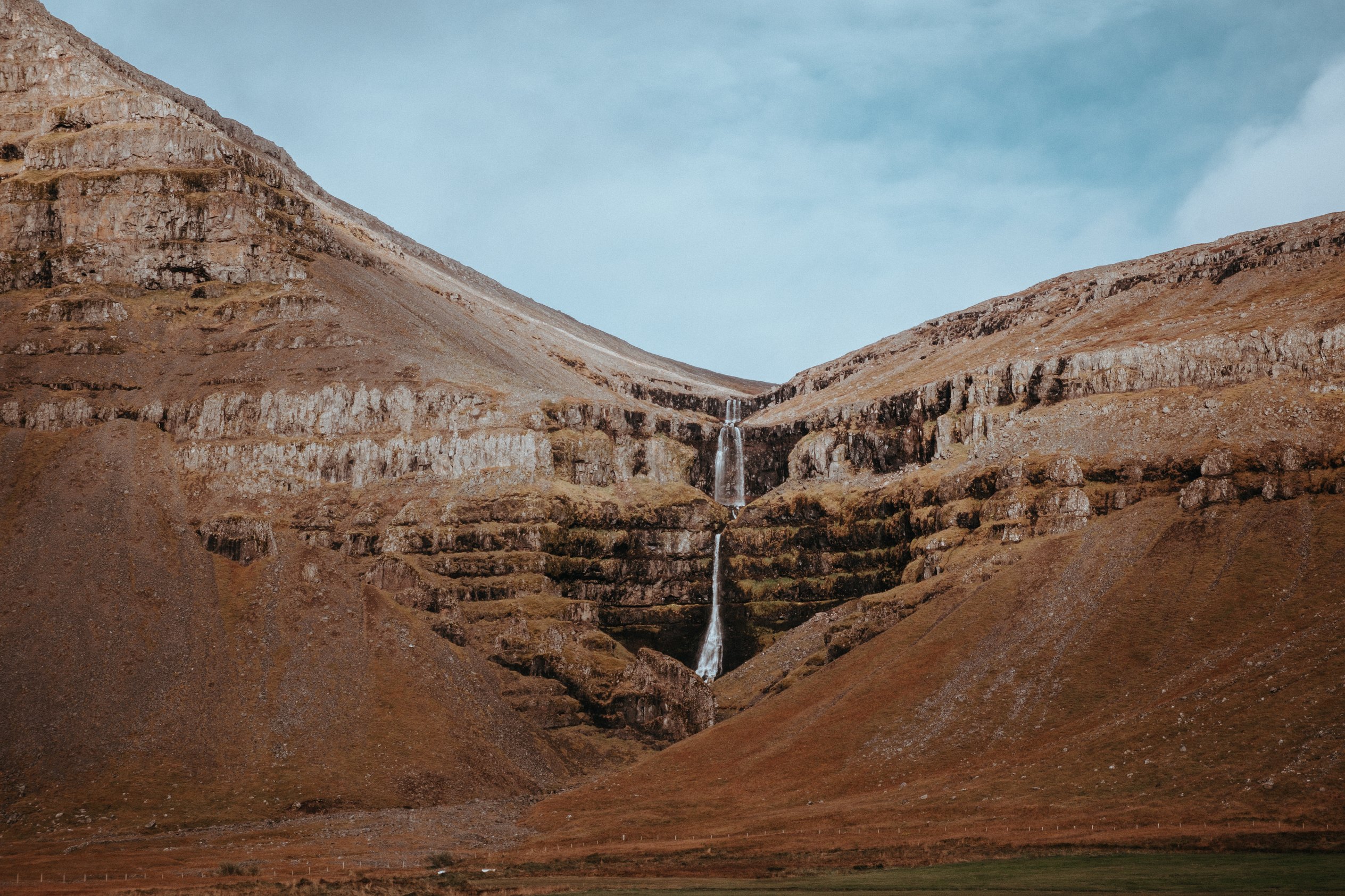
- Top highlights: Definitely the fairytale Dynjandi waterfall, the Látrabjarg bird cliffs full of tame puffins, and the hot springs dotted along the coast.
- Car: Although main roads 60 and 61 are largely paved, thanks to the frequent gravel and mountain stretches we strongly recommend a 4×4.
The full destination guide: Iceland — guide and what to see
When to go and how to get there
The Westfjords lie well off the main tourist trails and getting here takes a fair amount of time and planning. You can choose to drive around the deep bays the long way under your own steam, or shorten the journey by ferry, but be prepared for the fact that logistics in this part of Iceland work by slightly different rules than in the more civilised south.
From our own experience, you definitely won’t squeeze this region into a single free afternoon — you need to add at least two to four extra days to your usual itinerary.
Most travellers from the UK fly into Keflavík with airlines such as easyJet, Wizz Air or Icelandair (direct routes run from London, Manchester, Edinburgh and several other UK airports), pick up a hire car in Reykjavík and drive north from there.
By car over mountains and bays
From Reykjavík the drive to the first bays takes roughly three to four hours, but it can easily be seven hours in one go to reach the biggest draws. You’ll follow Route 1 north and then turn onto Route 60, which winds you through stunning but very deep fjords. What looks like five kilometres as the crow flies actually means an hour of careful steering along clifftop edges, because the roads follow every curve of the coast.
In theory an ordinary two-wheel-drive car will do for the main routes, but because of the huge number of broken gravel stretches and steep climbs over mountain saddles, Lukáš and I strongly recommend paying extra for a 4×4, which in summer will cost you roughly 12,000 to 35,000 ISK per day — about €80 to €230.
Driving here demands an enormous amount of attention and constant focus. The speed limit on tarmac is 90 km/h and on gravel 80 km/h, but in reality you should slow right down, because most accidents happen the moment a driver flies off solid tarmac onto loose gravel at full speed and the car skids.
You’ll also regularly come across the Blindhæð sign, which marks a blind crest you simply can’t see over, so you have to keep strictly to the right and ease off the accelerator. You’ll also hit plenty of single-lane bridges, where the simple rule is that whoever reaches the bridge first goes first.
Insurance for your hire car is crucial too — absolutely pay extra for so-called Gravel Protection, because stones flying up from oncoming cars can very easily crack your windscreen, and without cover even a small chip could cost you a small fortune.
New fees and taxes on Iceland’s roads
As of 1 January 2026 a brand-new per-kilometre tax came into force in Iceland, applying to cars and SUVs up to 3.5 tonnes and amounting to 6.95 ISK for every kilometre driven, which works out to roughly €0.05 per kilometre. Car hire companies will charge you this either as a daily flat fee of around 1,390 to 1,550 ISK, or they’ll deduct it at the end of your trip exactly according to the odometer, so be sure to factor it in when planning your trip to the Westfjords.
As a small consolation, though, the state scrapped the original fuel tax, so a litre of petrol dropped pleasantly by about 80 ISK, and in the summer 2026 season you’ll pay around 305 ISK per litre, which is about €2.10. You can pay contactlessly with a card or phone absolutely everywhere in Iceland, but remember one crucial thing: for payments at self-service petrol pumps and in parking apps you’ll need to know the numerical PIN of your physical card.
The Baldur ferry as a brilliant shortcut
If you want to save yourself hundreds of kilometres behind the wheel and enjoy great views of the ocean and thousands of tiny islets, you can take the Baldur ferry, which sails from the town of Stykkishólmur on the Snæfellsnes peninsula, crosses Breiðafjörður bay and ends at Brjánslækur harbour in the south of the Westfjords. The crossing takes around two and a half hours, and in 2026 you’ll pay 7,700 ISK (about €52) for an adult passenger, exactly the same again for an ordinary car up to five metres long, while children under twelve travel completely free.
In the summer season from early June to the end of August the ferry runs twice a day and your car sails with you, but be sure to book your tickets well in advance on the official Seatours website, because in winter the frequency drops to one crossing a day (except Saturdays) and spaces vanish quickly.
Why not to come in winter and what awaits you in summer
Lukáš and I visited the Westfjords at the turn of September and October, and even then we hit a proper snowstorm that scared us quite a bit, our teeth chattering as we worried whether we’d make it down at all. Bear in mind that most mountain roads here aren’t maintained at all from October to May, the roads to the main sights lie under metres of snow, and the tourist infrastructure — including much of the accommodation — essentially shuts down, so plan your visit strictly for the summer months.
In summer, on the other hand, you’ll enjoy the fascinating midnight sun — at the end of June, for example, daylight lasts an incredible 21 hours and the sun barely sets, so you can explore the empty fjords at two in the morning without passing a single car.
Just be sure to pack an eye mask, otherwise you simply won’t get any sleep in those light-flooded rooms. And if you’re longing for the Northern Lights, you’ll need to come right at the very end of August or in September, when the nights are properly dark again and there’s a real chance of catching this celestial show.
Where to stay + how much it costs
The choice of accommodation is very limited in this remote part of Iceland, and given the enormous distances you have to think carefully about where you’ll lay your head after a long day. On our trip we didn’t camp at all, because we wanted warmth and our own little kitchen in the evening after a full day freezing outdoors, so we slept exclusively in cosy guesthouses, hostels and apartments along our route. You can easily check prices and availability for the whole area on Booking.com.
If you’re travelling in a campervan or planning to pitch a tent, the popular Camping Card 2026 is well worth getting — it costs around 26,000 ISK (about €175) and is valid for two adults and up to four children at dozens of campsites across the island. Just don’t forget that there’s now an accommodation tax everywhere in Iceland, amounting to 400 ISK per night at a campsite and 800 ISK for a standard hotel room.
💡 Specific accommodation tips (check prices and availability via Booking and book early — in season and around the 2026 eclipse they sell out months ahead):
- Fosshótel Westfjords (Patreksfjörður)
- Hótel Ísafjörður (Ísafjörður)
- Gentle Space Guesthouse (Ísafjörður)
A standard hotel room in peak summer season averages around $250 (roughly 35,000 ISK / €235) per night, while the most basic guesthouses go for from about €110 (17,000 ISK). The widest choice — and the best supermarkets — can be found in the largest town, Ísafjörður, while for comfortably exploring the southern part the absolutely ideal base is Patreksfjörður, home for example to our favourite Fosshotel Westfjords with prices from $109 a night, or you can look for accommodation in smaller villages such as Þingeyri and Reykhólar.
Be extremely careful if you’re planning a trip in August 2026, when a total solar eclipse will pass directly over the Westfjords on Wednesday 12 August — an astronomical event Iceland hasn’t witnessed since 1954. Because of this spectacular occasion, most accommodation in the band of totality is already hopelessly sold out, and ordinary guesthouses in Ísafjörður are charging utterly absurd rates climbing as high as $700 a night. So if you don’t yet have a reservation and don’t fancy sleeping in your car, it’s better to give August a wide berth this year and leave the space to the astronomers.
South and west: 4 breathtaking spots and what to do there
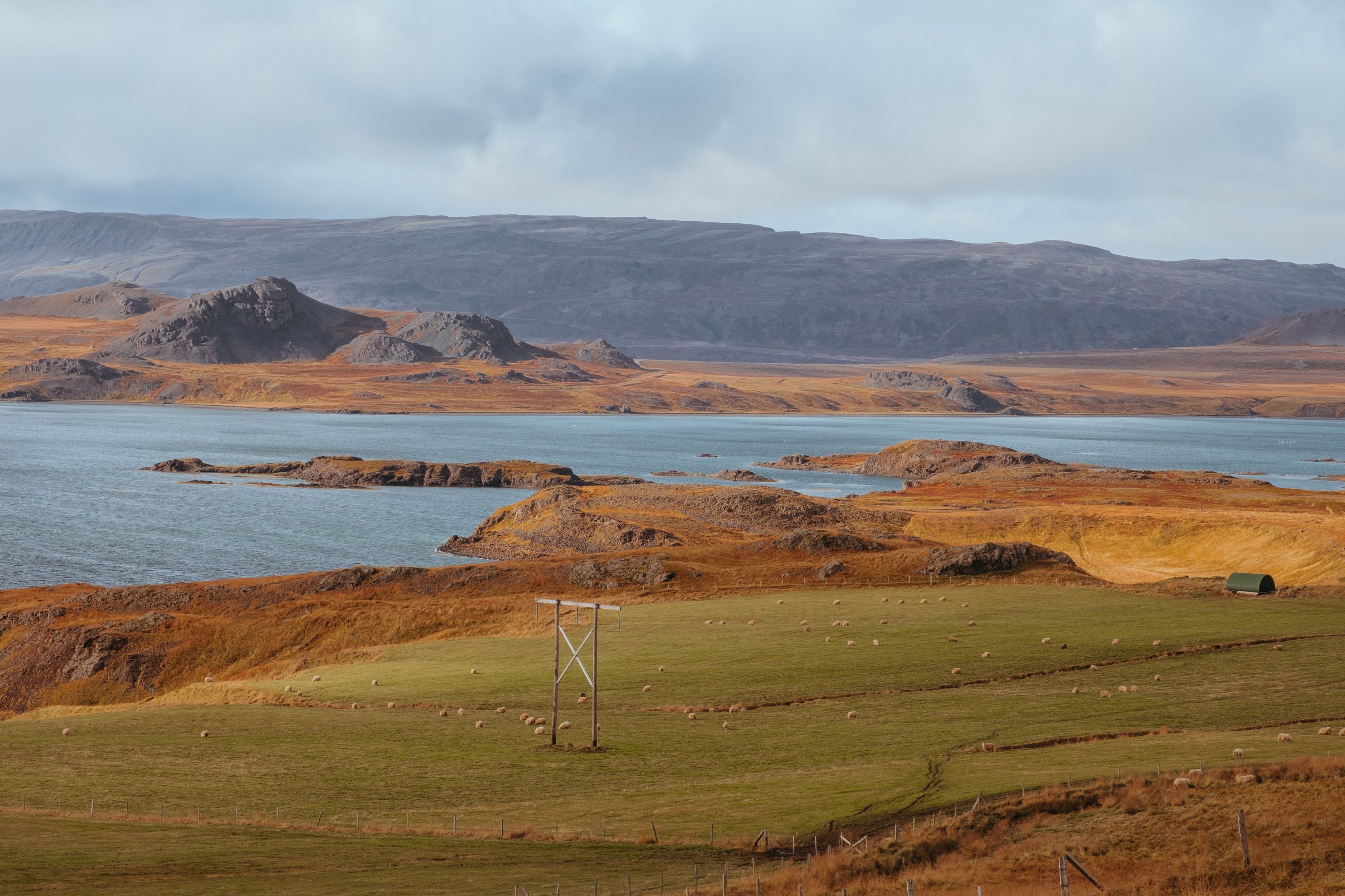
As soon as you drop off the main tarmac onto really coarse gravel, you find yourself in a world ruled only by the roaring ocean, steep black cliffs and incredible calm. The southern tip of the peninsula hides the very most beautiful natural extremes, from million-strong bird colonies to giant waterfalls that simply take your breath away and keep you lingering longer than you’d planned.
1. Látrabjarg and the tame puffins
Látrabjarg is one of the westernmost points in all of Europe and is the largest bird cliff on the continent, stretching an incredible fourteen kilometres and dropping straight into the dark ocean from a staggering height of up to 440 metres. It’s a place straight out of another world, reached by a rough gravel road where you’ll certainly appreciate a 4×4, though in summer you could manage it with care in an ordinary car too.
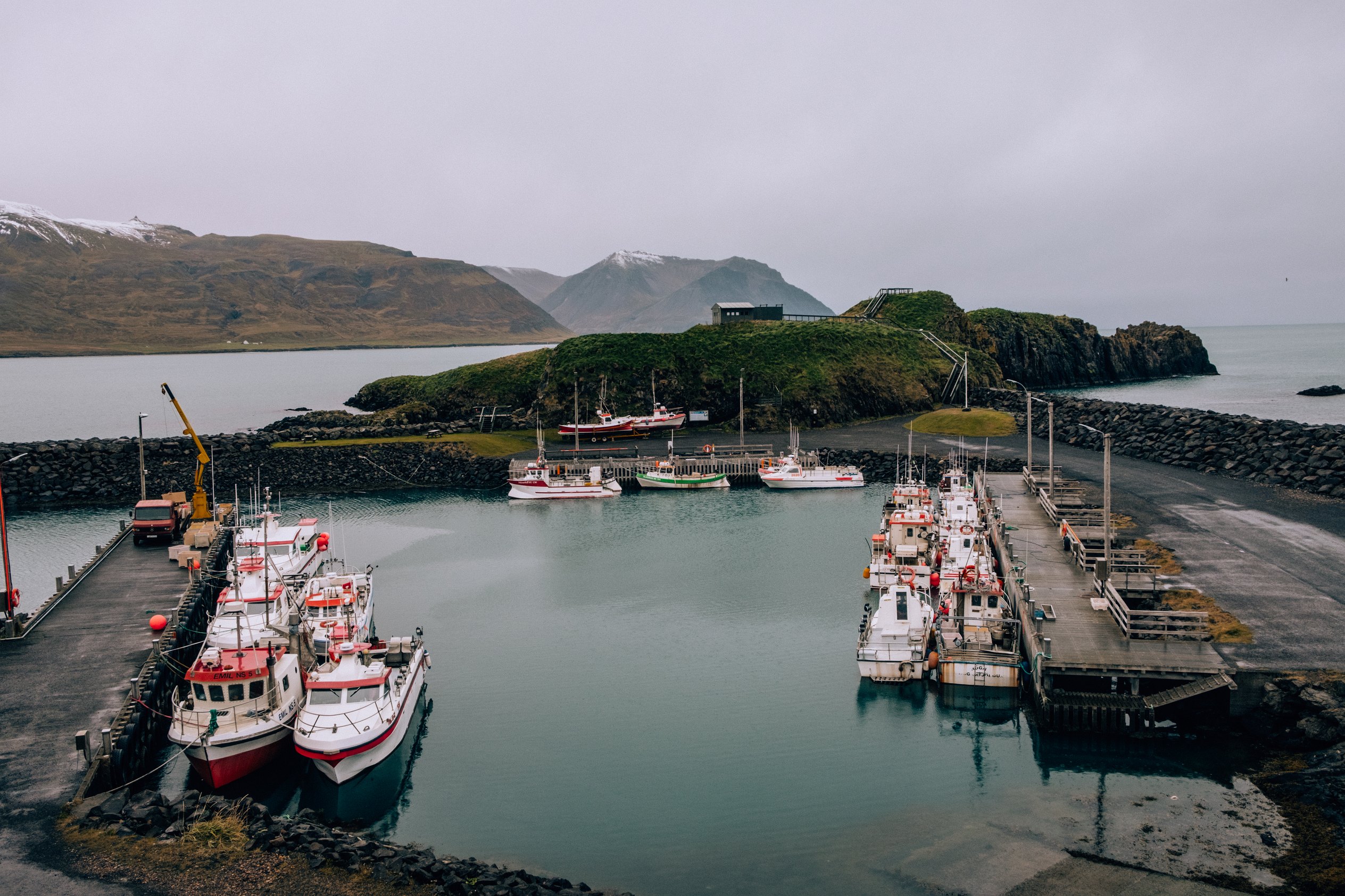
Access to the cliffs is completely free for all visitors, but please be extremely careful near the edges, which are often heavily undercut and at risk of unexpectedly collapsing into the sea. Standing heroically on the brink with a camera to your eye here is literally a one-way ticket to a flight into the icy waves, so there’s a strict rule: you approach the edge only by crawling on your belly.
From May to mid-August these magnificent cliffs turn into a huge, noisy and rather distinctively smelling bird metropolis, dominated by beautifully tame puffins, of which around fifty thousand pairs nest here. Unlike in the south of Iceland, the puffins here have no natural land predators, so they’re incredibly trusting and you can comfortably photograph them from just two metres away without spooking them in the slightest.
The absolute peak of the nesting season runs from late June to early August, when the sky is literally full of birds. To check current safety on the access roads and warnings about strong winds, I’d recommend always consulting the official Safetravel.is website.
2. The red beach of Rauðasandur
While the rest of Iceland is famous for its established jet-black volcanic beaches, led by Reynisfjara in the south, the vast bay of Rauðasandur — which translates as “Red Sand” — plays in every gorgeous shade of red, gold and brilliant orange. This incredible beach stretches an impressive ten kilometres, and the fine sand here is constantly changing depending on how the afternoon sun is shining and what stage the tide is at, so from every angle the place looks just a little different.
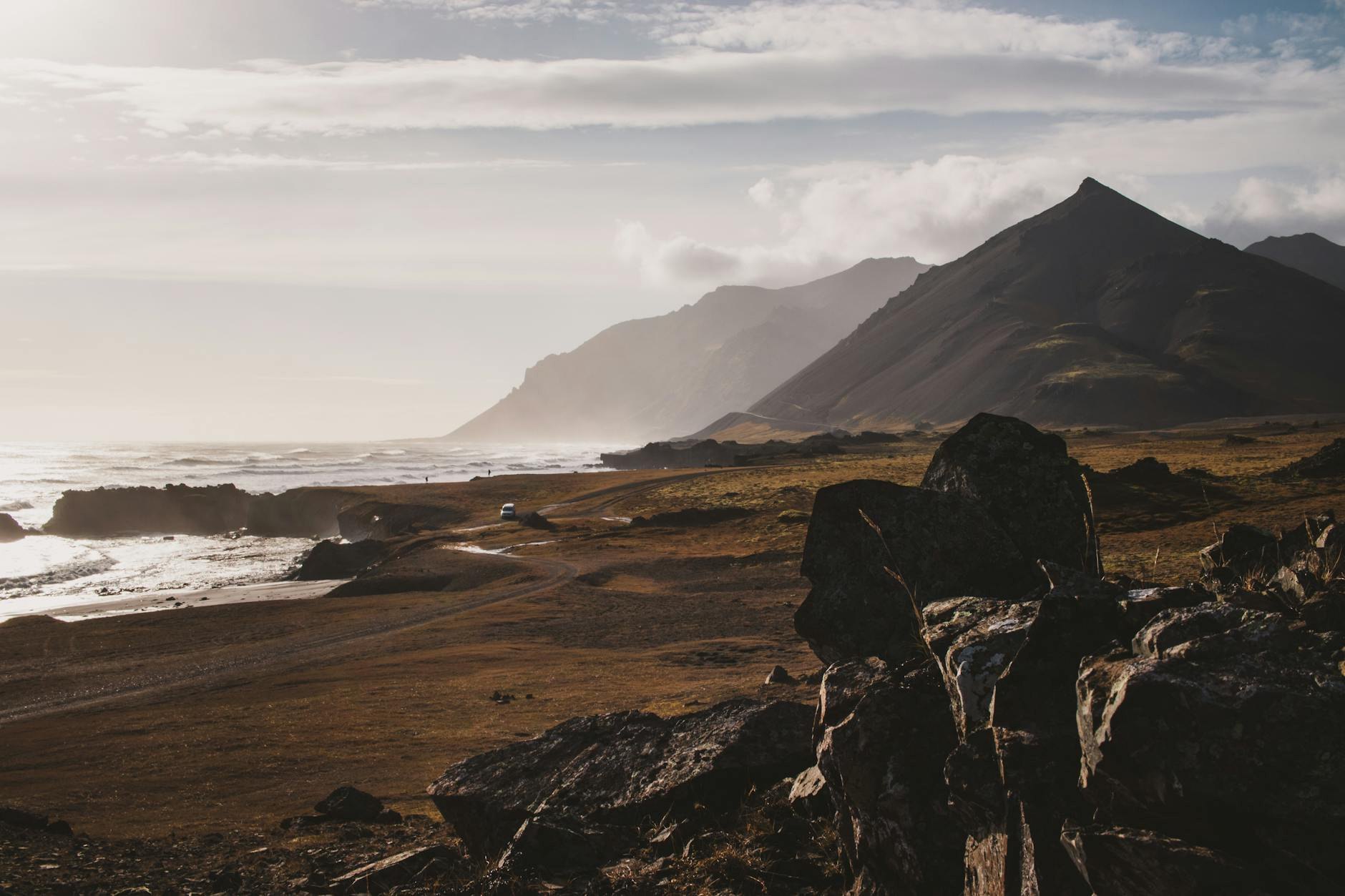
The drive down to the beach is quite the adrenaline rush in itself, because you descend a very steep and twisty gravel road full of hairpins without any crash barriers, which calls for a cool head and a steady hand on the wheel. But once you reach the bottom safely, your huge reward is total isolation from the outside world — there are no crowds of tourists at all, and with a little luck you can watch large colonies of seals through your binoculars, lounging contentedly on the golden sand and resting after a hunt.
3. Hot pools along the coast
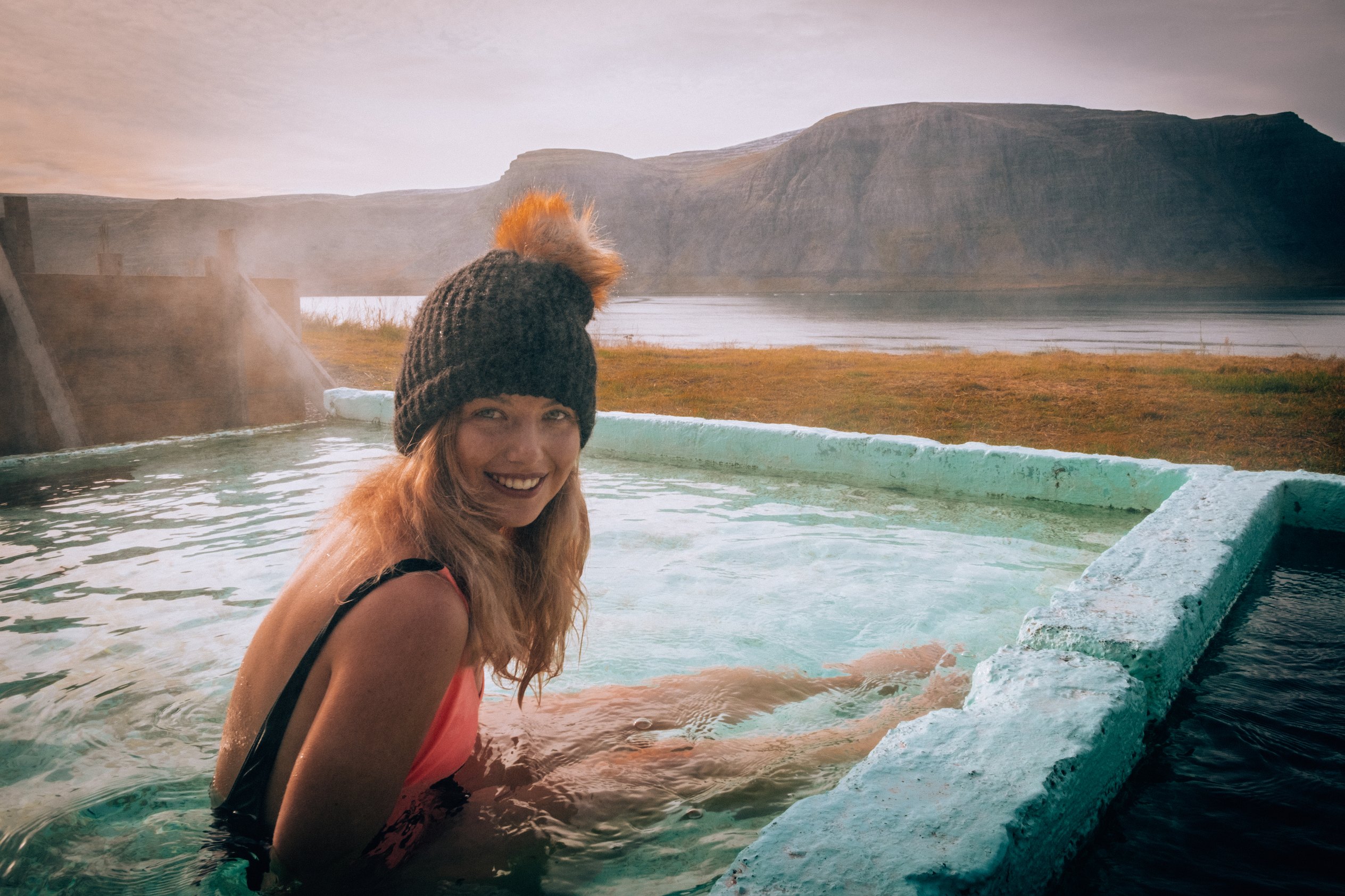
Iceland’s hot springs and natural hot pots are a chapter all of their own, and on the twelfth day of our road trip we started things off in absolute fairytale fashion by heading to the cascade of thermal pools at Pollurin near the village of Tálknafjörður. It’s a beautiful, hidden spot with four small basins where the hot water sits at a very pleasant 36 to 45 degrees Celsius. The best thing about these hot pots is that they offer a perfect view straight onto the surface of the fjord, and there’s even a simple outdoor changing area — which counts for more than gold in the harsh island chill.
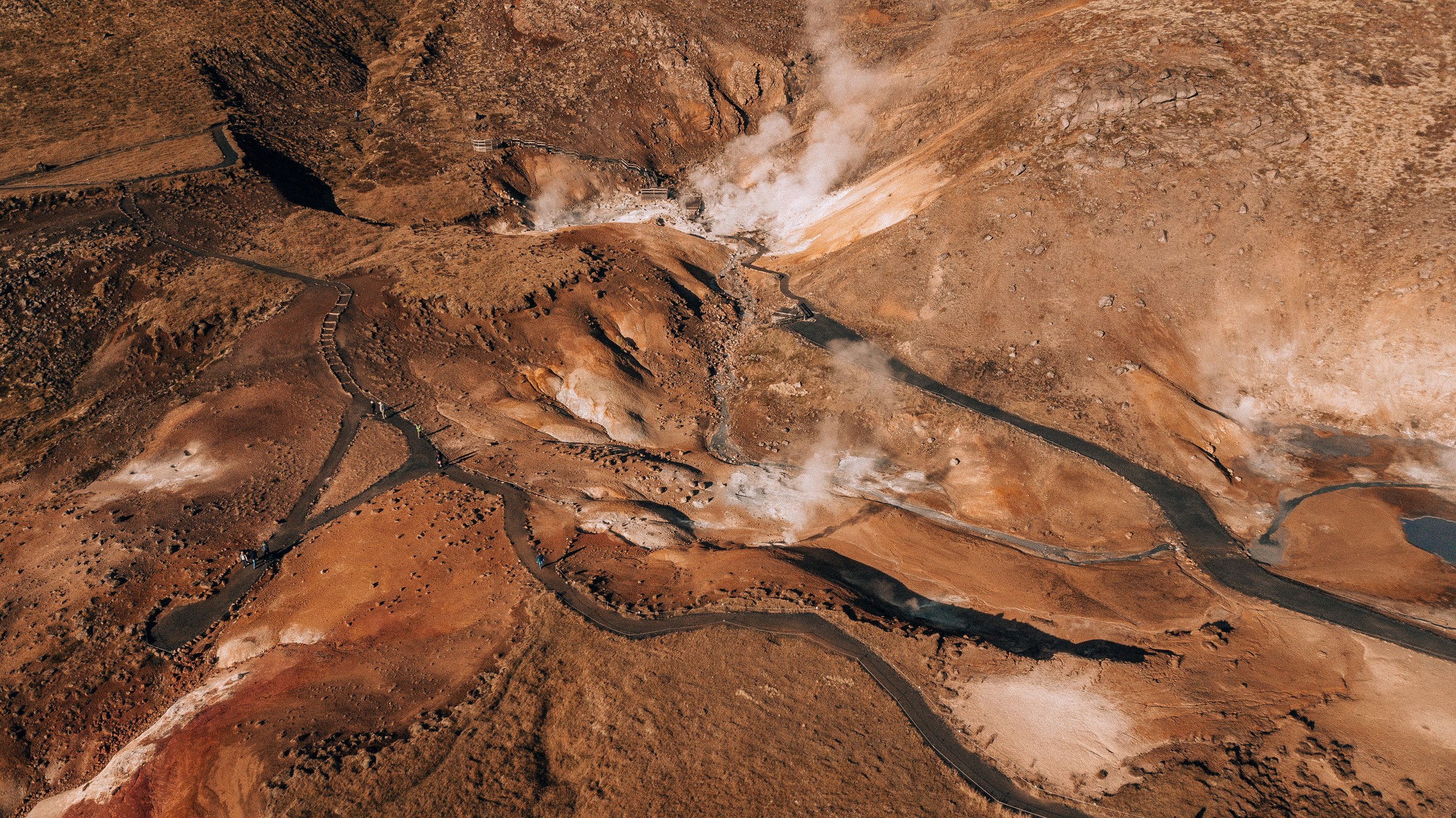
Besides Pollurin, the Westfjords hide a whole host of other hot pools you can jump into, mostly completely free or for a small contribution to a wooden honesty box. One wonderful find, for instance, is the nearby Reykjafjarðarlaug pool in Arnarfjörður, where you can soak surrounded by raw nature.
If you don’t mind a bit of grit and a freezing wind while you undress, be sure to make the detour to the Hörgshlíðarlaug hot pot in Mjóifjörður too, where the turquoise water is around 40 degrees and the spring itself sits on a local farmer’s land. The polite thing is to quickly ask whether you can bathe, but they usually have absolutely no problem with it.
4. Dynjandi, the fairytale cascading waterfall
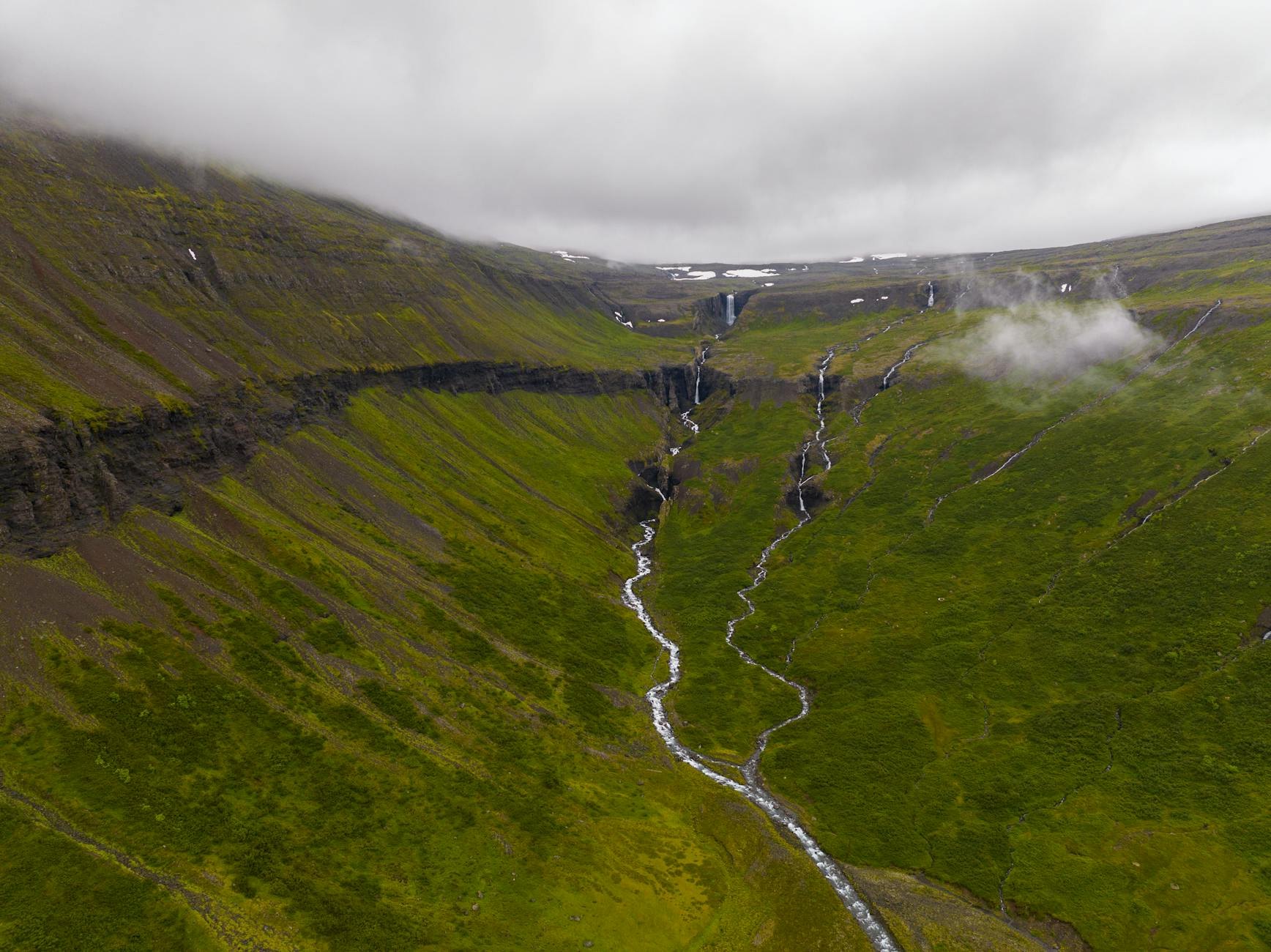
This is the real, undisputed jewel of the entire western region, and some seasoned travellers even claim it’s the most beautiful waterfall in all of Iceland, putting even the most famous ones in the south to shame. Dynjandi, which you’ll often find on maps under the older name Fjallfoss, doesn’t overwhelm visitors with a huge volume of water but with its utterly fascinating shape. It resembles an enormous bridal veil — thirty metres wide at the top, then spreading across the steep cliff in a total of seven cascades over a height of a hundred metres, and widening at the bottom to double that, around sixty metres.
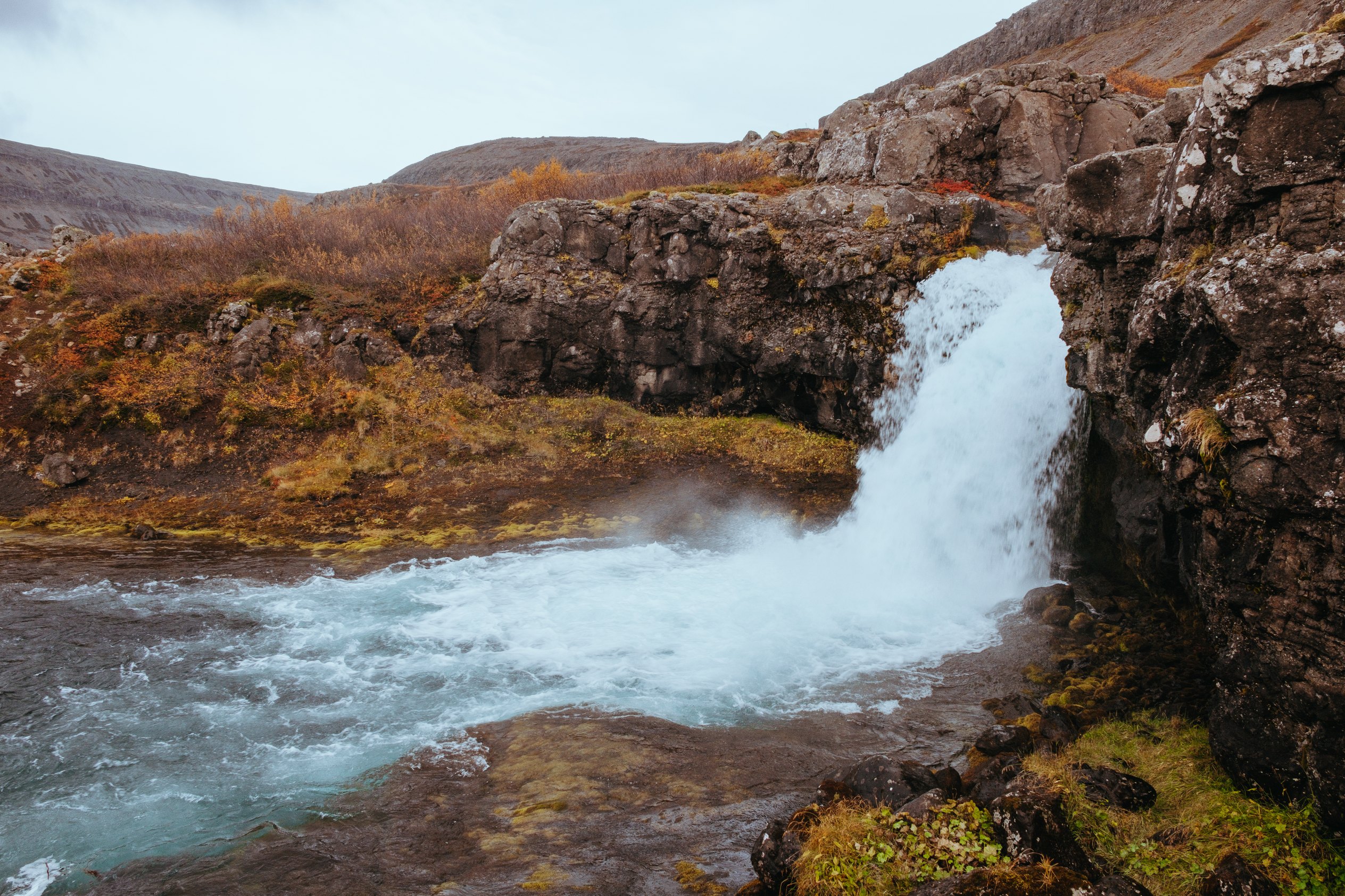
Lukáš and I spent a good hour and a half here, because we simply couldn’t get enough of all that natural beauty. The drive does eat up a lot of time — it’s some five to six hours from Reykjavík — but the car park itself is completely free, and a well-maintained, roughly fifteen-minute trail leads up alongside the cliff, passing several smaller waterfalls along the way and rewarding you with a breathtaking view down over Arnarfjörður bay.
Always keep in mind, though, that the mountain road leading to the waterfall closes completely in winter and isn’t maintained, so you can comfortably admire this watery beauty only in a short window from June to the end of September.
💡 Tip: Tickets and organised tours (around Iceland and beyond) are well worth booking in advance online via GetYourGuide — they fill up fast in season.
The north and Ísafjörður: 5 tips for the rugged north
While the south of the region is safely defined by long beaches and bird cliffs plunging into the waves, the northern part forms a very confusing labyrinth of deep, incredibly steep fjords that cut into the mainland like a very sharp axe. This is home to the largest town for miles around, from which all the important boats set sail, and it’s also the gateway to the wildest reserve you can realistically experience in Europe today.
5. Ísafjörður and its old wooden houses
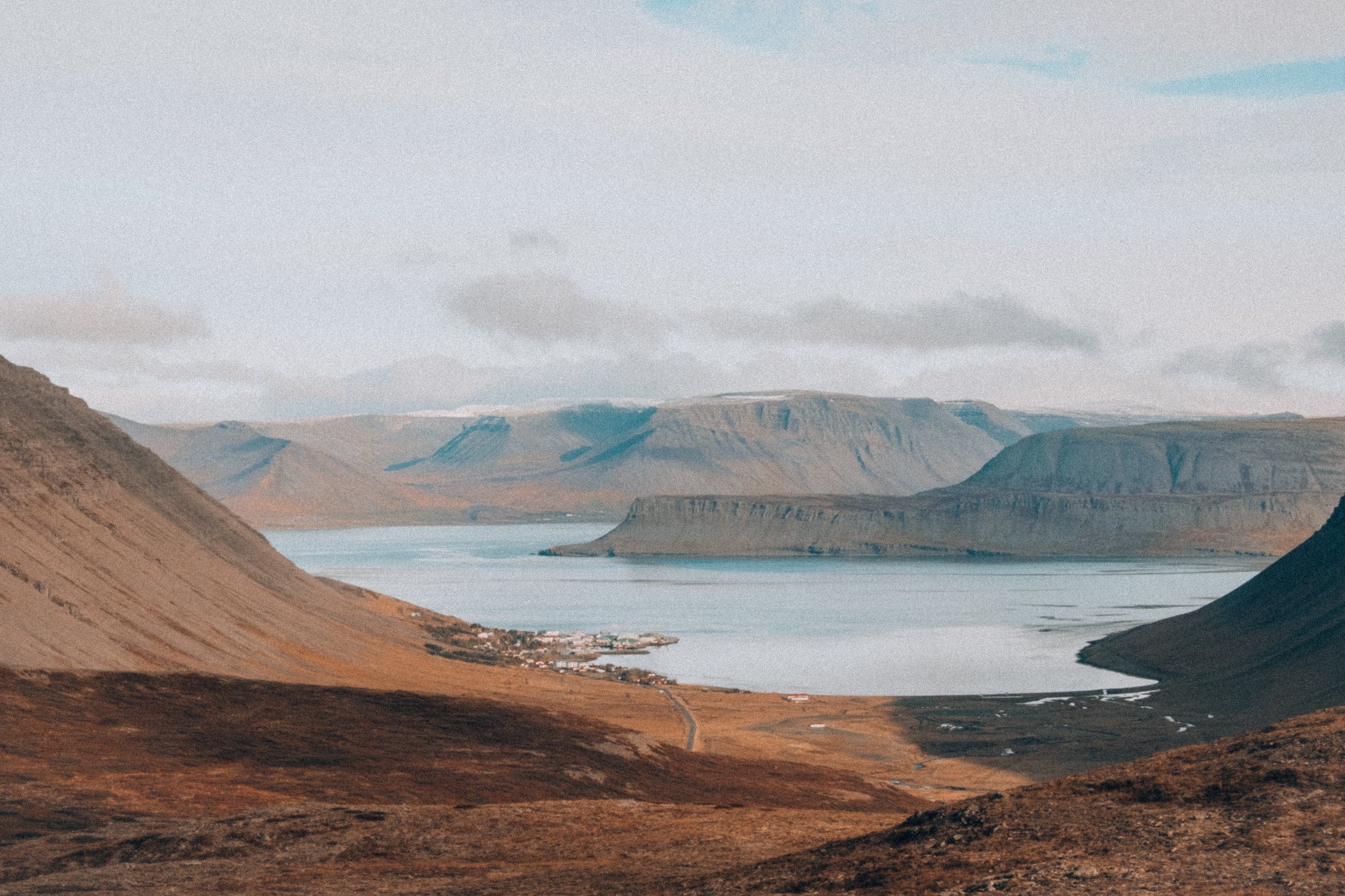
The little town of Ísafjörður is home to just over two and a half thousand permanent residents, but by the standards of the deserted Westfjords it’s a genuine metropolis with everything you could need. The town sits in fairytale fashion on a narrow sandy spit right in the middle of the icy Skutulsfjörður fjord, with dramatic, dark, steep mountains looming above it — mountains that constantly threaten unexpected avalanches through the long winters, lending the place a distinctly dramatic edge.
We stayed here two nights after a demanding day full of endless drives, and an evening stroll among the beautifully preserved old wooden houses from the 18th and 19th centuries in the quiet historic quarter of Neðstikaupstaður had an enormous, almost romantic charm.
If you’re interested in the local history in more detail and the hard, dangerous life of the fishermen of old, don’t miss a visit to the captivating Westfjords Heritage Museum, beautifully housed in one of those lovely buildings right by the water. And if you head here around Easter, you’ll catch the huge Aldrei fór ég suður music festival, which the entire north of Iceland lives and breathes.
On a practical note, this town is also the absolute last place where you can reliably stock up on big supplies of food at the renowned Bónus or Krónan supermarkets before you disappear into the complete wilderness.

6. The dangerous but stunning Route 60 over the mountains
The Westfjords will really put you through your paces behind the wheel, because many of the routes here simply cross high, unprotected mountain saddles with very unstable, rapidly changing weather. During our earlier move north, an aggressive snow blizzard caught us at higher altitudes so violently that we nearly got stuck, teeth chattering as we wondered whether we’d even make it back down — and that was with a genuinely sturdy, safe 4×4 fitted with quality tyres.
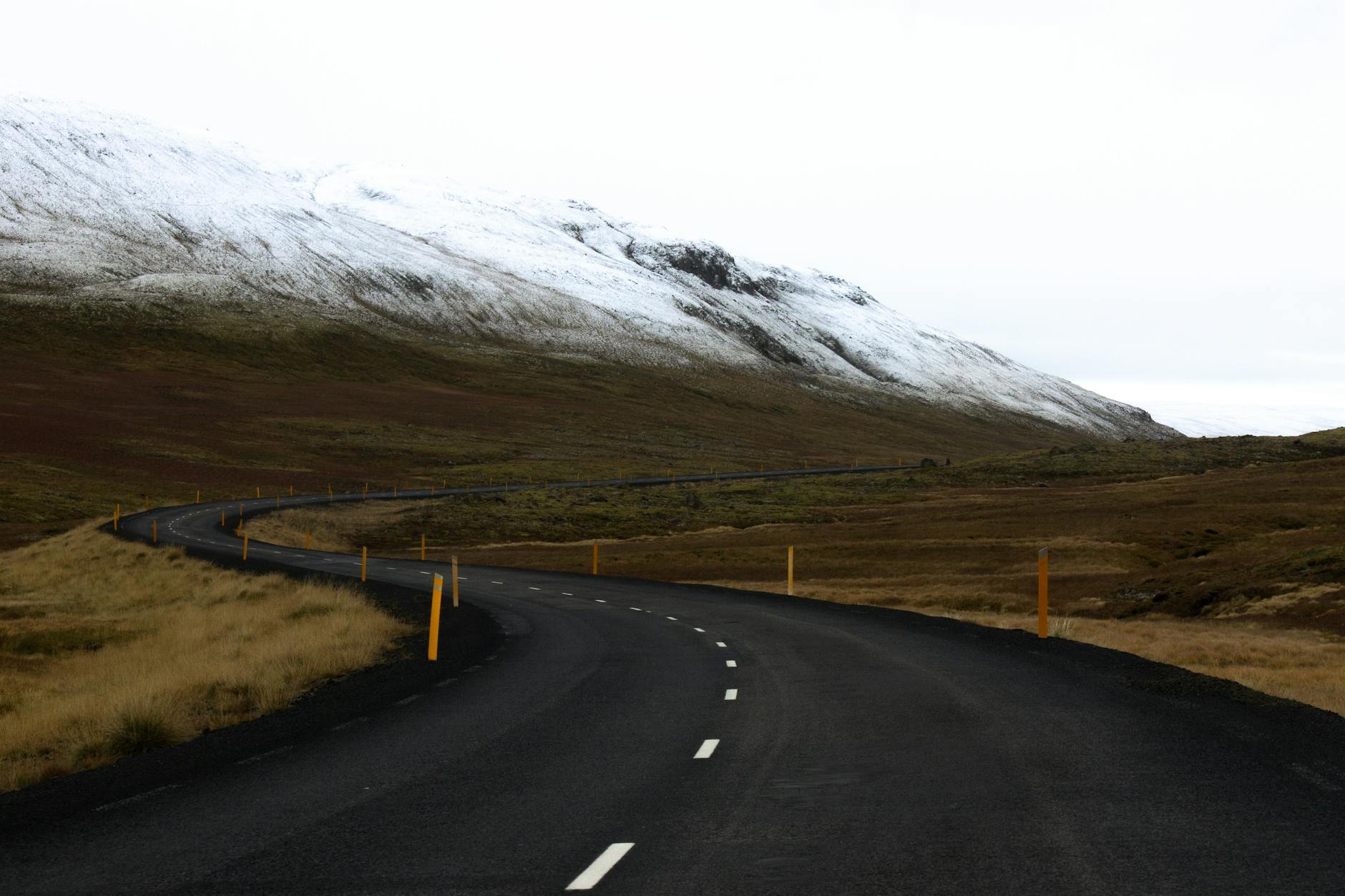
Today many of the very most dangerous mountain passes on main Route 60 have been replaced by brand-new modern tunnels, which have significantly shortened the route and, thankfully, made it safer. But even so, you simply have to stay alert at all times and look far ahead. The Icelandic wind is so treacherous that, if you open the door carelessly, it can easily rip your car door clean off its hinges — which, by the way, standard insurance never covers — so you must always hold the door firmly with both hands.
7. Vigur island with its mill and bird post office
If you fancy a little genuine island romance for a while and want a break from driving, set off from the main harbour in Ísafjörður on a roughly thirty-minute, rolling boat ride to the tiny island of Vigur. It’s an incredibly photogenic and peaceful spot where, during the warm summer, an unbelievable 100,000 puffins nest — the sky is literally full of little wings and you won’t know where to point your camera first.
The island is also famous all across Iceland for proudly hosting the only surviving historic windmill on the entire island, and you’ll even find Europe’s smallest, most adorable post office here, from which you can send a postcard home as a lovely keepsake. These trips with a friendly guide usually last around a relaxed three hours and make an absolutely brilliant change from a full day sitting in the car.
8. Hornstrandir, true Arctic wilderness
If we talk about the Westfjords in general as a wilderness full of solitude, then the vast Hornstrandir peninsula, lying at the very north just below the Arctic Circle, is wilderness squared. There are simply no roads leading into this territory, and the last permanent inhabitants abandoned this harsh, inhospitable land for good back in the 1950s, because life here was simply too cruel.
Today it’s a strictly protected reserve and a genuine paradise for experienced trekkers and lovers of Arctic foxes, which have completely lost their natural shyness here since no one hunts them, and they’ll happily wander right up to your tent out of curiosity about what you’re cooking.
To get here at all, you need to use the special boat services run by companies such as Borea or Sjóferðir from Ísafjörður, with a return ticket costing roughly €150 to €250. The season for visiting lasts only a very short window from late June to early September, and you have to be one hundred percent equipped, because here a brutal storm can develop out of calm weather in as little as twenty minutes.
9. The Sea Monster Museum in Bíldudalur
In the very small and immensely remote harbour town of Bíldudalur you’ll come across a truly curious stop as you drive through, called Skrímslasetur in Icelandic, which translates as the Sea Monster Museum. The huge Arnarfjörður bay has always been notorious for frequent sightings of utterly bizarre creatures, so for generations the local fishermen and inhabitants told one another long, spine-chilling legends to pass those endless dark evenings.
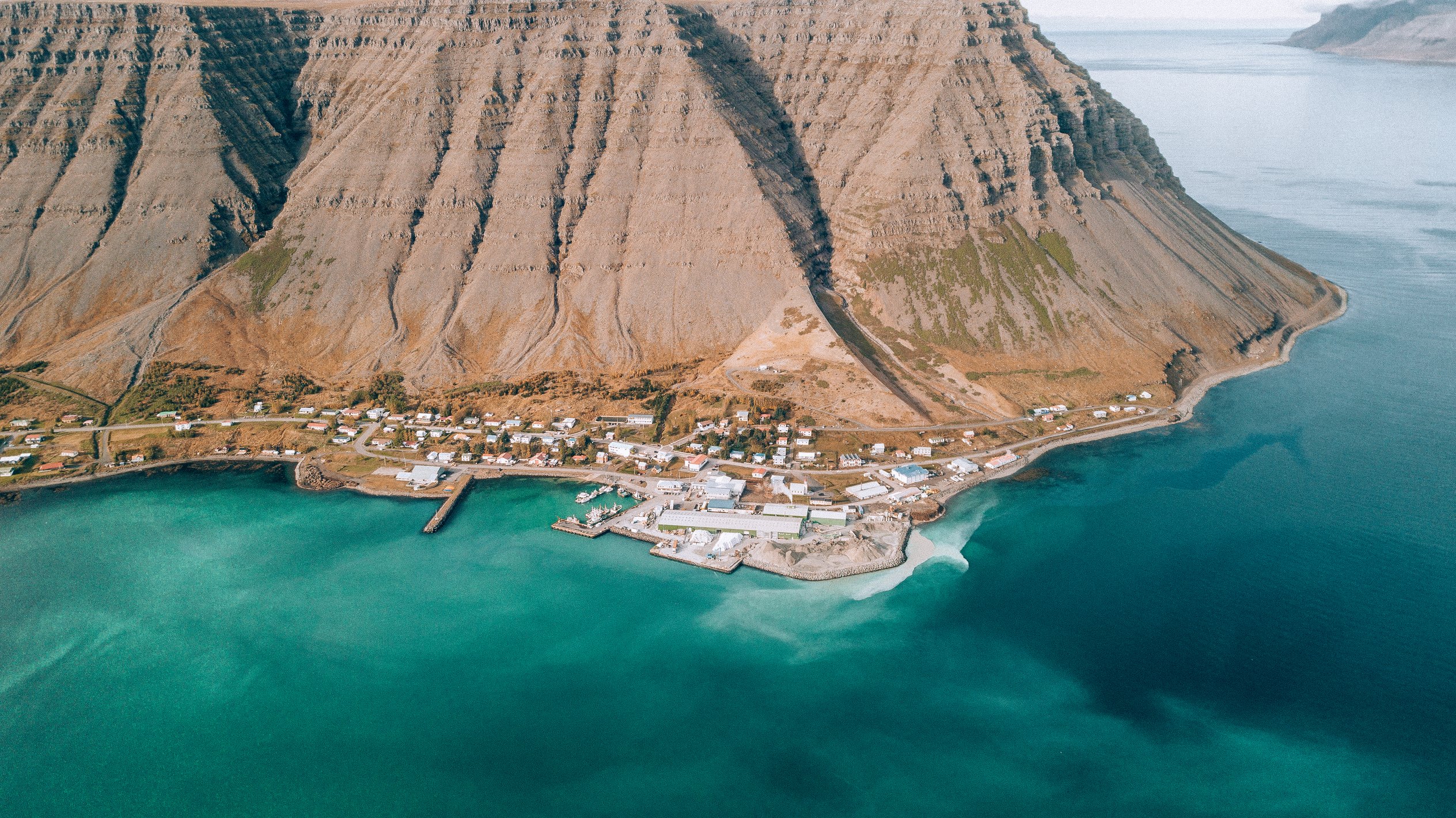
From my point of view it’s a touch bizarre, but ultimately a hugely entertaining exhibition, full of modern multimedia elements, the tales of resurrected sailors and interactive monster models, that perfectly illustrates how the cruel winter isolation and the fight for survival once shaped a very vivid Icelandic imagination.
Map of points of interest for your phone
Secret gems and other curiosities: 3 spots not to miss
Besides the main, famous landmarks, the Westfjords hide plenty of very small, unassuming spots that may not leap straight off the front pages of the big guidebooks, but will definitely give your trip that right personal touch — the kind you’ll enthusiastically tell friends about over a glass of wine back home.
10. The village of Þingeyri and the legendary Simbahöllin café
As we drove past the tiny coastal village of Þingeyri one gloomy afternoon, we stumbled completely by chance upon the utterly charming Simbahöllin café, beautifully housed in a renovated old wooden building where the solid floors creak pleasantly underfoot with every step. The place has a wonderful, almost warm and homely atmosphere, rounded off by extremely friendly staff and the intense scent of freshly baked treats right by the entrance.
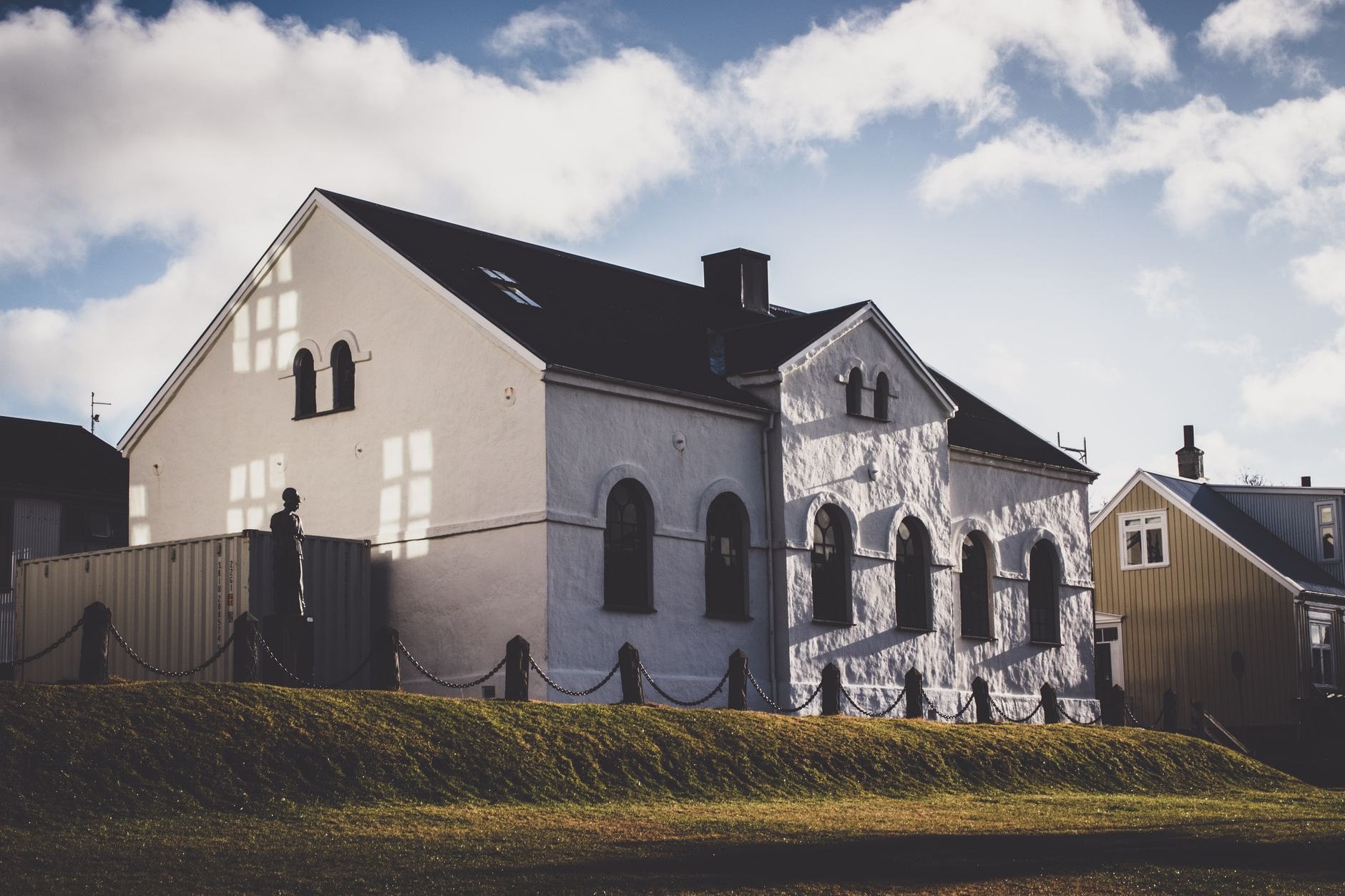
The café is renowned throughout the region for its excellent, fluffy Belgian waffles with thick homemade jam and a mound of whipped cream, but if you arrive frozen through, you’ll warm up nicely on the delicious hot homemade soups too. It’s exactly the kind of charming little place where you’ll happily rest with a hot mug in your hands after long hours spent steering with full concentration, and recharge the energy — and the sugar — you need for the next crazy exploration of the peninsula.
11. Watching the Northern Lights from a remote cabin
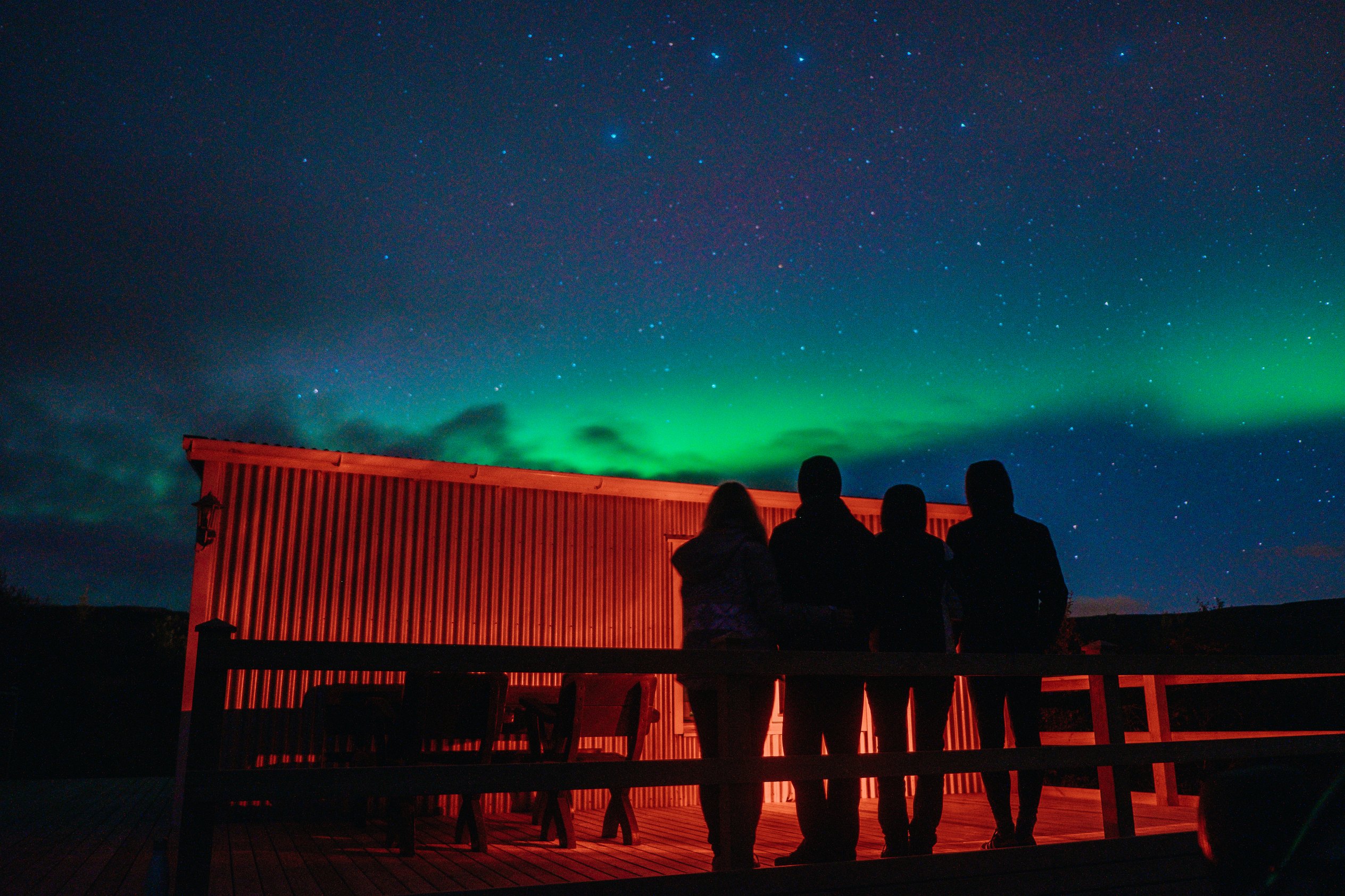
When we finally settled into one of the very remote wooden cabins on the evening of day 11, all we were hoping for was hot tea and at least a little quiet after a demanding drive — but nature had a far more spectacular and unexpected show in store for us outside the window. The sky suddenly brightened, the clouds tore apart, and right from the frozen terrace of our little lodging we watched, mesmerised, a gorgeous green aurora that danced and rippled smoothly above the snow-capped peaks of the nearby mountains.
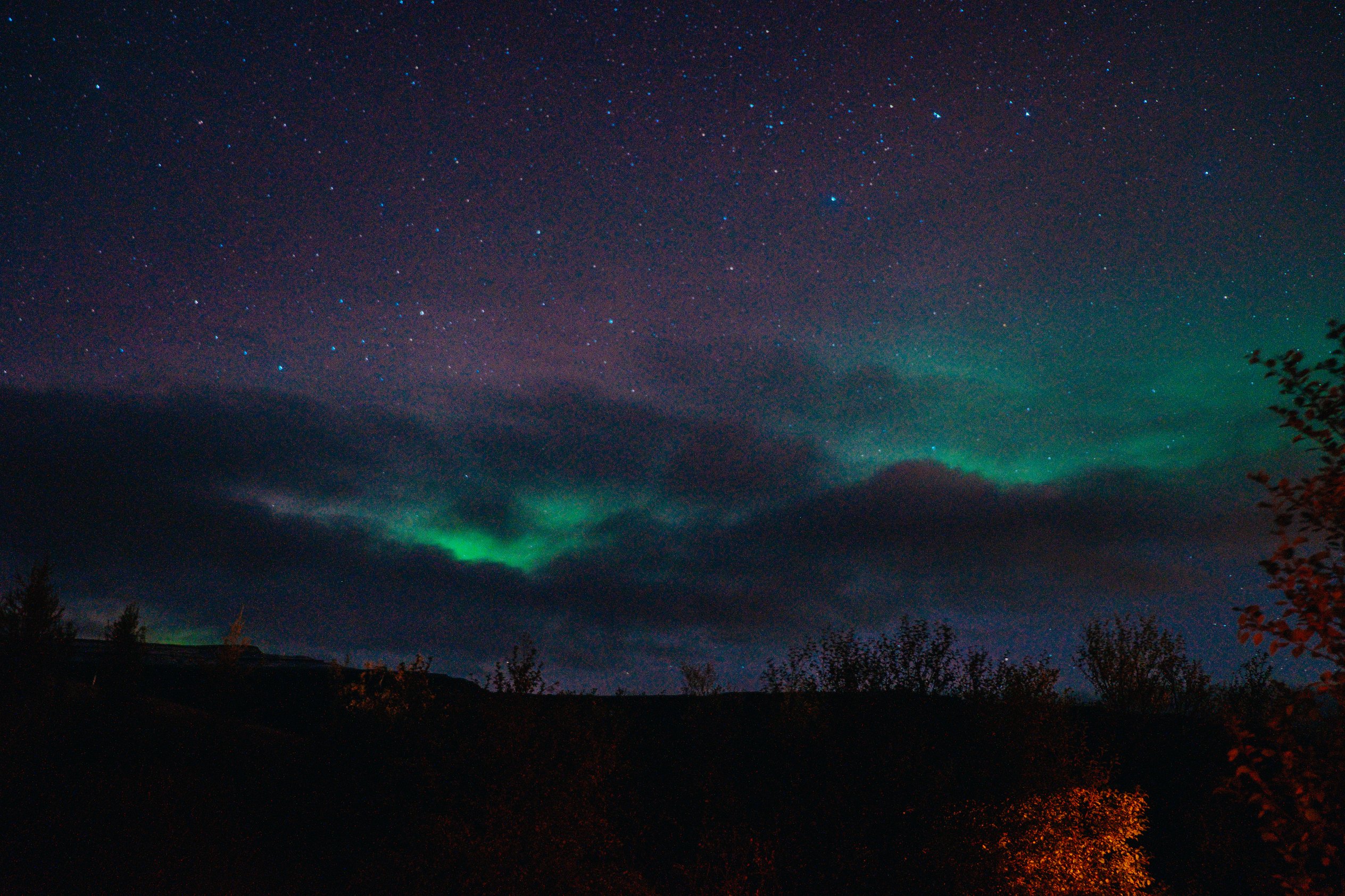
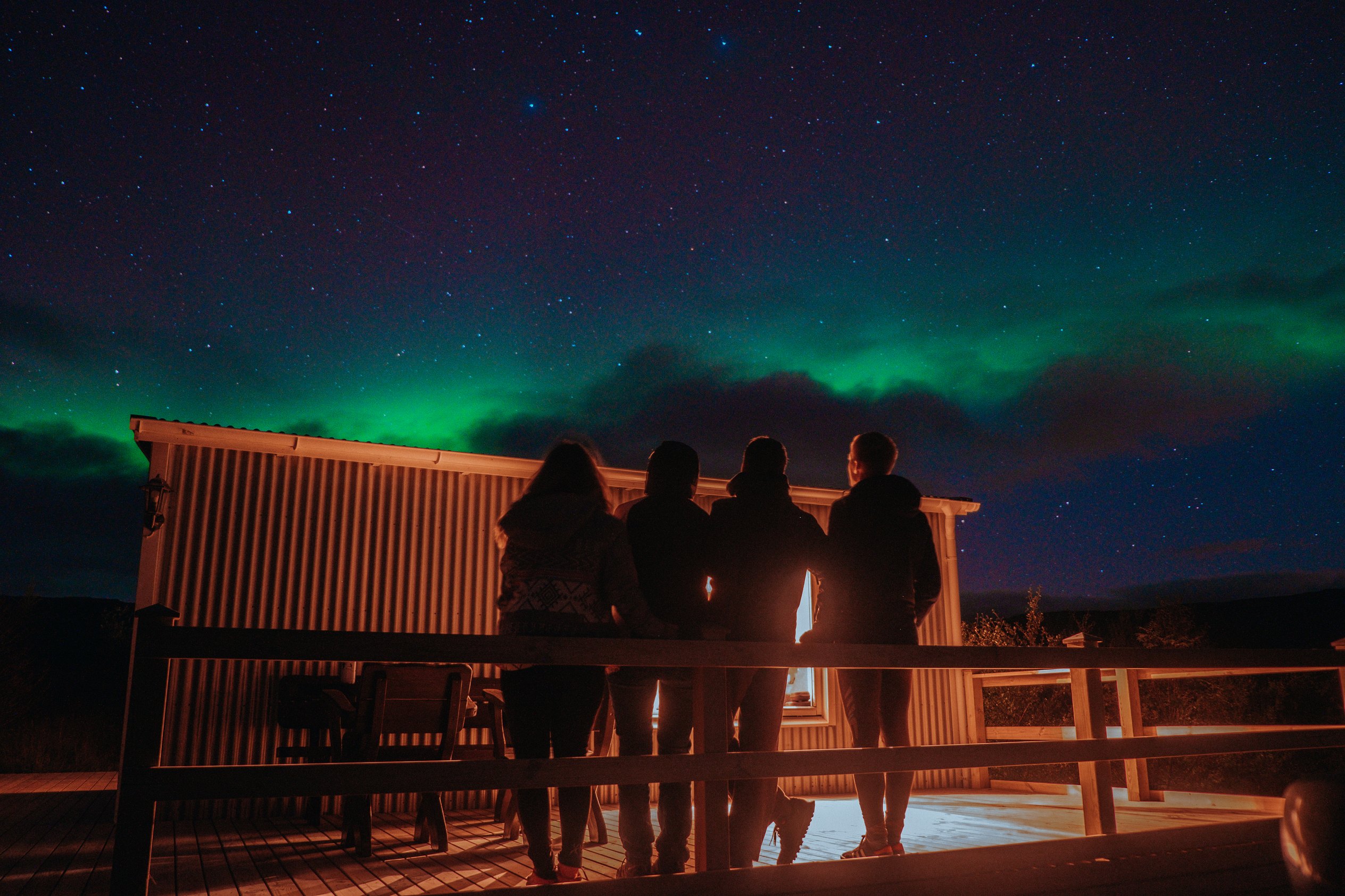
The Westfjords are an absolutely ideal place for hunting the aurora borealis, because there’s almost no light pollution from big cities and towns, so the stars shine here with incredible intensity.
If you head here right at the very end of August or, better still, in September, you have a huge chance of seeing this magical natural phenomenon with your own eyes. I warmly recommend checking the current forecast for cloud cover and solar activity in detail each evening on the official Icelandic Met Office website, so you know exactly when it’s worth freezing outdoors and when you’re better off just going to sleep.
12. Bathing with a rugged ocean view at Hellulaug
Speaking of hot springs, I definitely can’t forget the natural pool of Hellulaug, hidden right on the rugged southern coast near the Brjánslækur ferry harbour, which you’ll fall in love with at first sight. Unlike the modern, sterile concrete bathing complexes near Reykjavík, this one is a purely natural-looking, unassuming stone pool that fits perfectly into the rock.
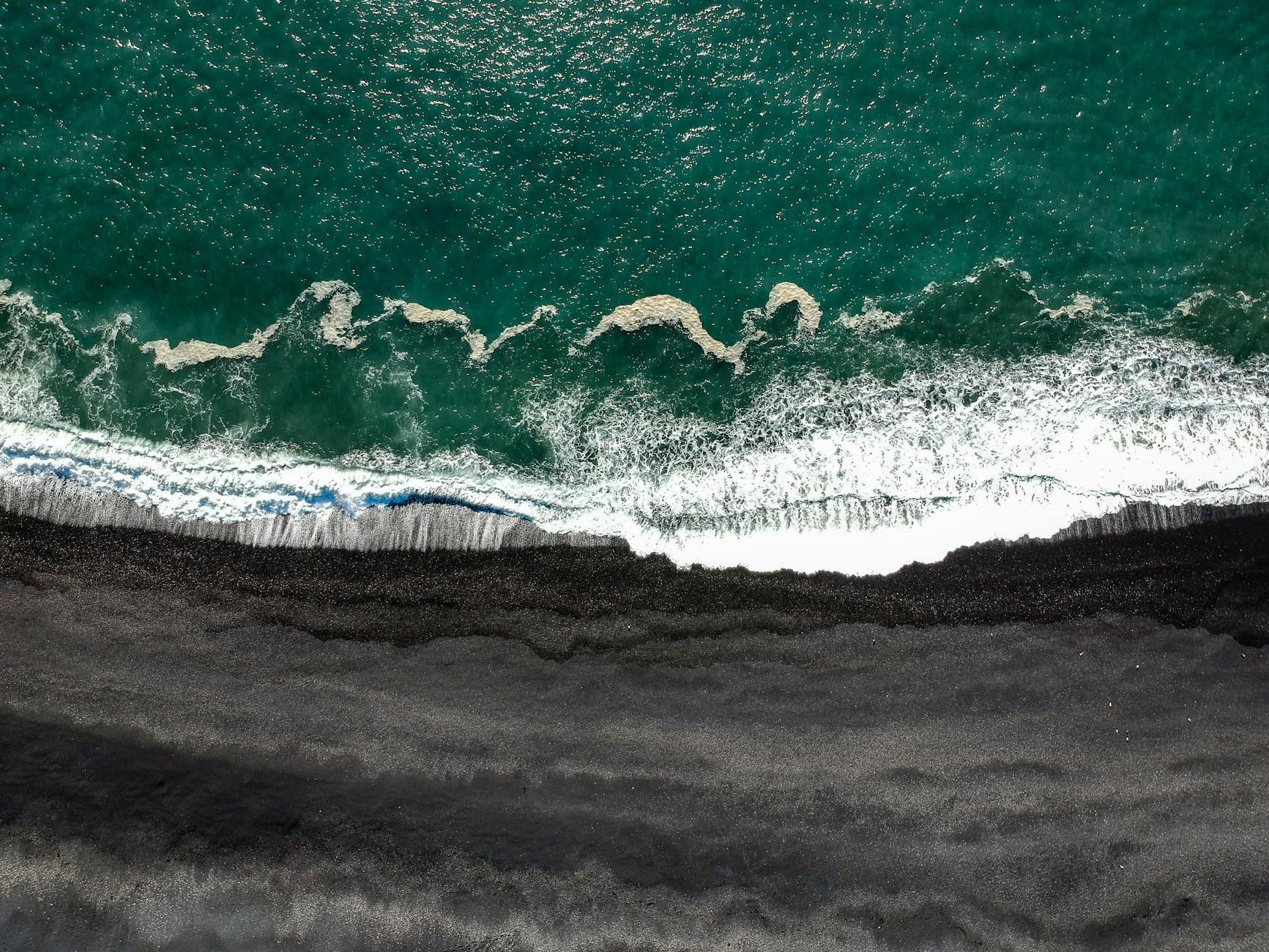
The hot geothermal water here is a luxurious 38 degrees and you can sink into it up to your neck with a direct, utterly undisturbed view of the crashing waves of the icy Atlantic Ocean — a contrast that simply gets you.
Bathing here is free, or you can drop a small voluntary contribution towards the modest upkeep of the pool. Just prepare yourself mentally for the fact that there are absolutely no facilities or shelters here, and you’ll have to wriggle quickly into your wet swimwear outside, right in the freezing Icelandic wind — which is the real experience for hardy travellers. 😉
Where to eat in the Westfjords (not just for vegetarians)
Lukáš and I are vegetarians, and I’ll be honest: in Iceland, a country literally full of caught sea fish and traditional lamb, that can sometimes be quite a big and tricky challenge — especially in such a remote area where supplies are at rock bottom. So we mostly cooked for ourselves, cheaper too, from our own provisions in our apartment kitchens, but when we did head out during the day and wanted to treat ourselves, we found several absolutely great places with excellent food in the centre of Ísafjörður.
Our favourite vegetarian finds
We fondly and gladly remember the cosy spot Húsið, a relaxed, easy-going café nicely combined with a bar and a classic restaurant, where they’re not the least bit afraid of meat-free dishes. After a demanding day, Lukáš and I sat down there and, with enormous relief, tucked into a delicious meat-free pizza and a hearty plate of pasta. If you love good coffee and are looking more for lighter modern dishes and little cakes, we’d warmly recommend heading straight to the stylish, hipster spot Heimabyggð, which has a wonderful interior that wouldn’t look out of place in trendy quarters of London.
If you’re after a bit more history and a quiet spot for a hearty lunch with soup or an afternoon slice of sweet cake, be sure to push open the door of the Edinborg restaurant, housed in one of those lovely big historic buildings erected in the 19th century. And for the very best crisp morning pieces of fresh pastry for breakfast, pop straight into the old, wood-scented bakery Gamla Bakaríið, which has the best sweet treats for miles around.
For a standard main course in these decent restaurants you’ll pay roughly between 2,500 and 4,500 ISK, which works out to a reasonable €17 to €30.
The local legendary fish tradition
If, unlike us, you’re not a vegetarian and simply love discovering and tasting local traditional dishes, you mustn’t miss the absolutely legendary family restaurant Tjöruhúsið in the lanes of Ísafjörður. The establishment is cleverly located in one of the oldest wooden buildings, right next to the museum, with long shared tables and no classic menu, and among travellers and locals alike it’s reckoned to be the single most renowned spot on the whole island.
People come from far and wide for nothing other than guaranteed fresh fish and the immensely famous plokkfiskur, an Icelandic fish stew with potatoes, which the cooks in the kitchen prepare exactly and solely according to whatever catch the local fishermen brought into the harbour that very same morning.
Where to go next in Iceland
If you’re planning to explore more of this icy island, do take a look at our other in-depth articles full of specific tips and personal experiences from Iceland, into which we’ve poured all the best:
- Iceland: Guide and tips on what to see
- Itinerary: A 14-day road trip around Iceland
- How and where to catch the Northern Lights in the north
- 16 best hot springs in Iceland
Frequently asked questions
1. Kolik dní reálně potřebuji na projetí Západních fjordů?
Na nějaký základní, ale hodně uspěchaný průzkum tohoto obrovského regionu potřebujete naprosté minimum v podobě tří plných dnů, ale to vám garantuji, že budete jen od rána do večera sedět v autě a spěchat, abyste to vůbec objeli. Ideální doba, kterou s Lukášem doporučujeme, jsou 4 až 5 dnů čistého času, abyste si mohli v klidu a beze stresu projít vysoké útesy Látrabjarg, zastavit se v kavárně na vafle, prozkoumat vodopády a užít si mnohem pomalejší tempo jízdy po nezpevněných klikatých cestách.
2. Je opravdu nutné půjčovat si dražší auto s pohonem 4×4?
V letních měsících od června do srpna sice ty úplně hlavní asfalové tahy s notnou dávkou štěstí teoreticky projedete i s opatrným řízením běžného auta s náhonem pouze na dvě kola, ale vzhledem k obrovskému množství rozbitých, hrubých šotolinových úseků a strmým stoupáním čtyřkolku naprosto důrazně doporučujeme. Vaše cesta bude mnohem bezpečnější i klidnější a navíc se nemusíte bát defektu na každém kameni, přičemž v podzimních měsících je auto s pohonem všech čtyř kol vyloženou a neoddiskutovatelnou nezbytností a bez něj by vás sem občas ani nepustili.
3. Jak se do Západních fjordů nejlépe a nejrychleji dostat?
Máte v zásadě dvě naprosto odlišné možnosti. Buď se obrníte trpělivostí a pojedete autem po pevnině z Reykjavíku po silnici číslo jedna a pak po hodně klikaté silnici šedesát, což vám i bez větších zastávek a focení zabere reálně šest až sedm hodin čistého času kroucení volantem, nebo chytře využijete velký trajekt Baldur, který vyplouvá z městečka Stykkishólmur na poloostrově Snæfellsnes a zhruba za pohodové dvě a půl hodiny vás i s autem hladce převeze přímo na jih Westfjords.
4. Kdy přesně a kde s jistotou uvidím roztomilé papuchalky?
Největší pravděpodobnost na blízké pozorování papuchalků máte na velkolepých strmých útesech Látrabjarg. Tito krásní ptáci sem začínají pomalu přilétat už v květnu a zůstávají tu zhruba do poloviny srpna, přičemž absolutní vrchol hnízdící sezóny, kdy jich je tu opravdu přes padesát tisíc párů a nechají vás při opatrném plazení přijít naprosto v klidu až na dva metry od nich, nastává v okně od konce června do začátku srpna.
5. Stojí velká zajížďka k vodopádu Dynjandi za ten ztracený čas?
Jednoznačně a s čistým svědomím říkám, že ano! Tento majestátní a sto metrů vysoký vodopád úchvatně tvořený sedmi skalními kaskádami patří naprosto zaslouženě k těm vůbec nejkrásnějším a nejzajímavějším na celém ostrově, protože nevypadá jako klasická padající voda, ale spíš jako obří svatební závoj. Parkoviště přímo pod vodopádem je navíc stále ještě zdarma a k samotnému úpatí s dechberoucími výhledy na fjord Arnarfjörður dojdete příjemnou procházkou za patnáct minut, jen pamatujte na to, že v zimě je uzavřená a kompletně zasypaná sněhem příjezdová horská silnice.
6. Lze odlehlé Západní fjordy nějak navštívit také v zimě?
Cestování a objevování v této velmi drsné oblasti během mrazivé zimy (což se počítá už od října do konce května) je extrémně omezené a rizikové, protože velká většina důležitých horských průsmyků je zavalená metry hutného sněhu a silničáři je často vůbec neudržují průjezdné. Ty největší hlavní taháky regionu jako zmíněný vodopád Dynjandi nebo daleké ptačí útesy Látrabjarg jsou obvykle zcela nedostupné a odříznuté od světa, takže pokud nejste polárníci, vaši návštěvu sem plánujte skutečně jen na letní měsíce od června do začátku září.
7. Najíme se ve Westfjords dobře, i když chceme jíst bezmasě?
Určitě ano, i když je to na první pohled drsný rybářský region založený na úlovcích z moře a mase z ovcí, tak nebudete hladovět. V tom největším městečku jménem Ísafjörður najdete překvapivě hned několik skvělých a moderních podniků s dobrou kávou, my jsme měli hodně výbornou a osobní zkušenost se stylovými restauracemi Húsið nebo Heimabyggð, kde se chutných vegetariánských těstovin nebo pizzy vůbec nebojí, a pokud narazíte na apartmán, kde je praktická kuchyňka, vyplatí se vám zastavit se u Bónusu, nakoupit zásoby a jednoduše si večer uvařit něco vlastního. —
Tips and Tricks for Your Vacation
Don’t Overpay for Flights
Search for flights on Kayak. It’s our favorite search engine because it scans the websites of all airlines and always finds the cheapest connection.
Book Your Accommodation Smartly
The best experiences we’ve had when looking for accommodation (from Alaska to Morocco) are with Booking.com, where hotels, apartments, and entire houses are usually the cheapest and most widely available.
 🚗 Car rental on the roadVerified rental cars in Iceland
Search with the DiscoverCars comparison engine — it compares prices from dozens of local and international rental companies, and most bookings come with free cancellation.
Compare car prices in Iceland →Don’t Forget Travel Insurance
Good travel insurance will protect you against illness, accidents, theft, or flight cancellations. We’ve had a few hospital visits abroad, so we know how important it is to have proper insurance arranged.
Where we insure ourselves: SafetyWing (simple monthly subscription) and TrueTraveller (for extra-long trips).
Find the Best Experiences
Get Your Guide is a huge online marketplace where you can book guided walks, trips, skip-the-line tickets, tours, and much more. We always find some extra fun there!