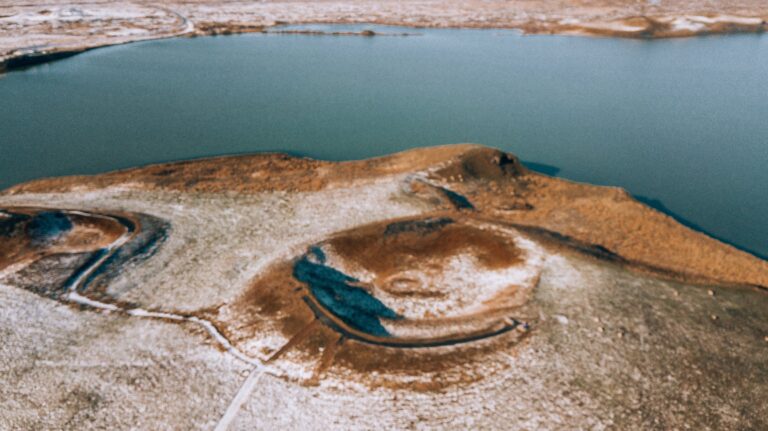
When you leave behind the dramatic, breathtaking, but utterly tourist-packed south of the island and turn the wheel onto Route 1 heading northeast, the landscape suddenly takes a deep breath. Traffic thins out, the crowds at the waterfalls disappear, and you find yourself in a world ruled by endless bays, steep mountains and absolute calm. Welcome to the east fjords of Iceland, a place plenty of travellers blindly drive straight through, but one we fell head over heels for from the very first moment.
Lukáš and I explored the east fjords of Iceland on the sixth and seventh days of our autumn road trip, right at the turn of September and October, and we still think back fondly on that isolated beauty. While down south we sometimes had to dodge tour buses at the landmarks, up here we had loads of spots entirely to ourselves. I was fascinated by how the tarmac winds endlessly along the deep bays, and how every new bend reveals a view even prettier than the last.
In this article you’ll find 12 things to see and do in the east fjords. We’ll look at gorgeous basalt canyons, I’ll show you the most adorable little arts town, and I’ll tell you where to spot tame puffins or wild reindeer. I’ll also throw in practical info on where to base yourself strategically, what prices look like right now, and why you should pay close attention to which side of the river you pick for your trip. Let’s dive in! ☺️
TL;DR
- Base for day trips: The best strategic point for exploring the eastern part of the island is the town of Egilsstaðir, where you’ll find supermarkets and the main roads cross.
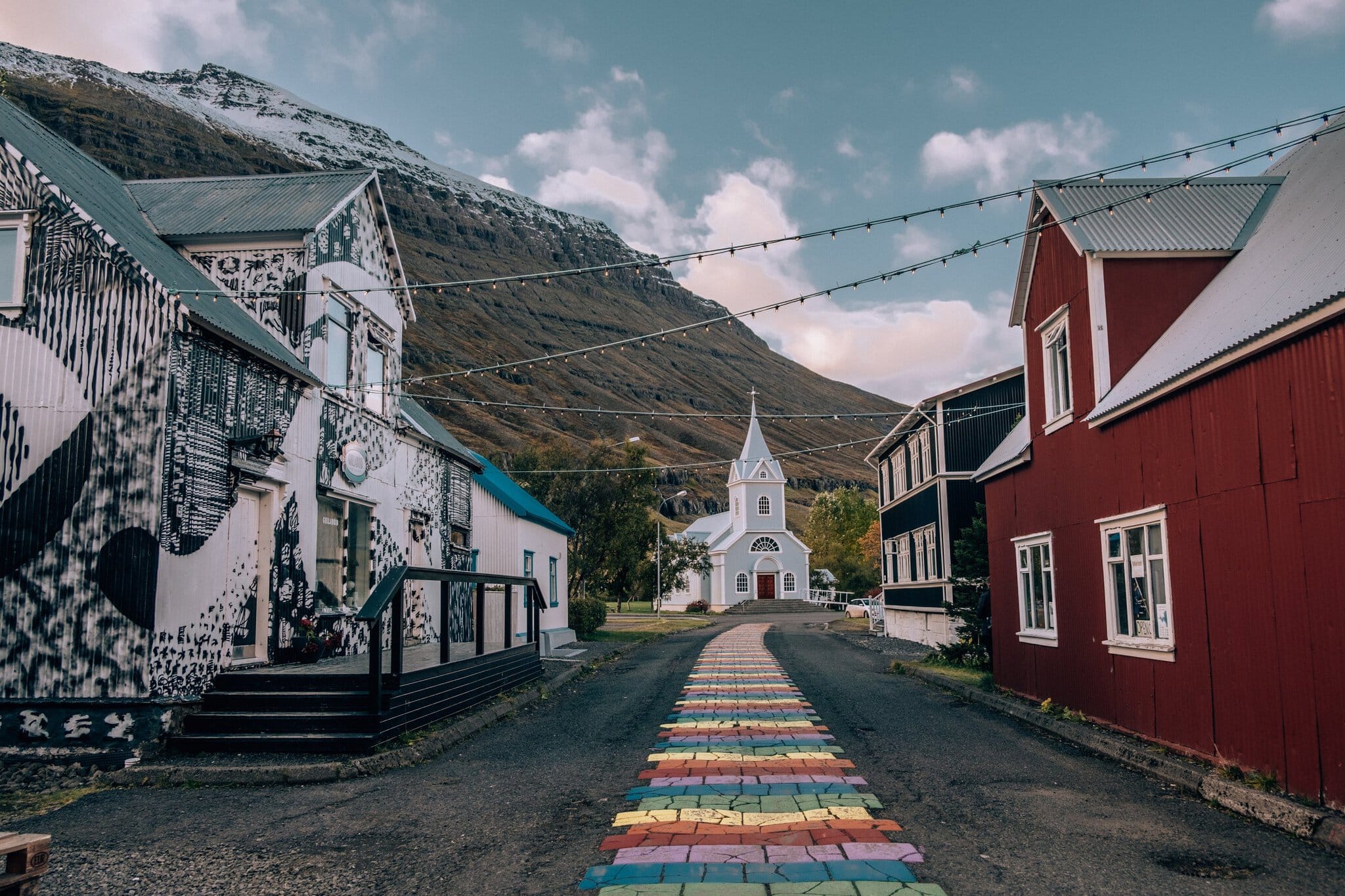
- Prettiest little town: You absolutely can’t miss Seyðisfjörður, about 30 minutes from Egilsstaðir over a mountain pass. This is home to the famous rainbow street and a little blue church.
- Natural wonder: The Stuðlagil basalt canyon with its turquoise water is a huge draw — just make sure you park on the eastern side, where you can walk right down to the river.
- Wildlife: Wild reindeer live only in this region, and in summer (until mid-August) you’ll find a huge colony of tame puffins in Borgarfjörður eystri.
- Bathing: Our favourite thermal experience is the luxurious Laugarfell pools, or you can try the modern floating Vök Baths right next to Egilsstaðir.
The full destination guide: Iceland — guide and what to see
When to Go and How to Get There
The main artery is the famous Route 1, better known as the Ring Road. You can reach the east either via the long drive from the south coast past stunning black beaches and glacier lagoons, or from the north near Lake Mývatn — and both routes are an incredible experience in their own right. Just bear in mind that looping around the individual bays eats up a lot of time, because there’s simply no way to cut a fjord short.
The ideal time to visit is of course the Icelandic summer, June to August, when all the roads are easily passable, the days are endlessly long, and you can watch the much-loved puffins. We drove the east coast in early October, which had the huge advantage of hardly any tourists and gorgeous autumn colours — but we missed the birds, which fly out to sea in August.
If you’re planning a winter trip, always check the official Icelandic road website before every drive, because mountain passes (like Route 93 to Seyðisfjörður) are often closed due to snow.
On top of that, from 2026 Iceland has introduced a new per-kilometre tax for passenger cars of 6.95 ISK (around £0.04) for every kilometre driven. Your rental company will likely bill you for this when you return the car, though on the upside the price of petrol at the pumps has dropped by a noticeable amount.
A special warning for August 2026, when a total solar eclipse will be visible from the east and other parts of the island. Tourist mayhem is expected, so if you want to travel during this exact window, book everything well in advance — easily a year and a half ahead.
Where to Stay and How Much It Costs
The logistical and practical hub of the entire east is, without question, the town of Egilsstaðir. It probably won’t win any awards for beautiful architecture, but you’ll find everything you need to survive in the rugged wilderness. We used this town as the launchpad for all our surrounding day trips, stocking up at the big Bónus and Nettó supermarkets and filling up on petrol, because further along the coast prices for everything climb sharply.
Lukáš and I never camped during our trip around Iceland, because we like our comfort and a bit of warmth in the evening. We always slept in guesthouses, hostels or small apartments that had access to a shared or private kitchenette. That’s by far the best way to save a fortune on food in Iceland.
Every evening we cooked our own hot dinners at the accommodation, prepped snacks for the next day, and made a thermos of hot tea — without which we probably wouldn’t have survived those windy days. A night in a nice guesthouse in Egilsstaðir will set you back roughly 17,000 to 25,000 ISK (around £100 to £150) for two people, although if you book your stay well in advance you can find cheaper rooms too.
💡 Specific accommodation tips (check prices and availability on Booking, and book early — in high season and around the 2026 eclipse they vanish months ahead):
- Lake Hotel Egilsstaðir (Egilsstaðir)
- Hótel Stuðlagil (Egilsstaðir)
- Hótel Aldan (Seyðisfjörður)
- Blábjörg Guesthouse (Borgarfjörður eystri)
Besides Egilsstaðir, you can also stay right in one of the romantic fjords. You’ll find lovely little hotels in the village of Seyðisfjörður, where prices start from around 21,000 ISK (about £125) and up. And if you come in summer mainly to watch the puffins, I’d recommend spending a night in the hamlet of Bakkagerði in the Borgarfjörður eystri area. Just be aware that capacity is very limited in these tiny villages, and in peak season the rooms vanish at lightning speed.
The Prettiest Towns and Villages in the East
The first batch of our tips focuses on the places where people actually live. The east fjords are dotted with small fishing settlements that huddle beneath steep mountainsides, often reached by just a single winding road. Most of them have only a few hundred residents, a modest harbour, and an utterly unmistakable atmosphere you won’t easily find anywhere else on the island.
1. Seyðisfjörður and Its Famous Rainbow Street
When we checked into our place in Egilsstaðir fairly early in the afternoon on day six, we realised we still had heaps of time, so we hopped back in the car and set off over the mountains to Seyðisfjörður.
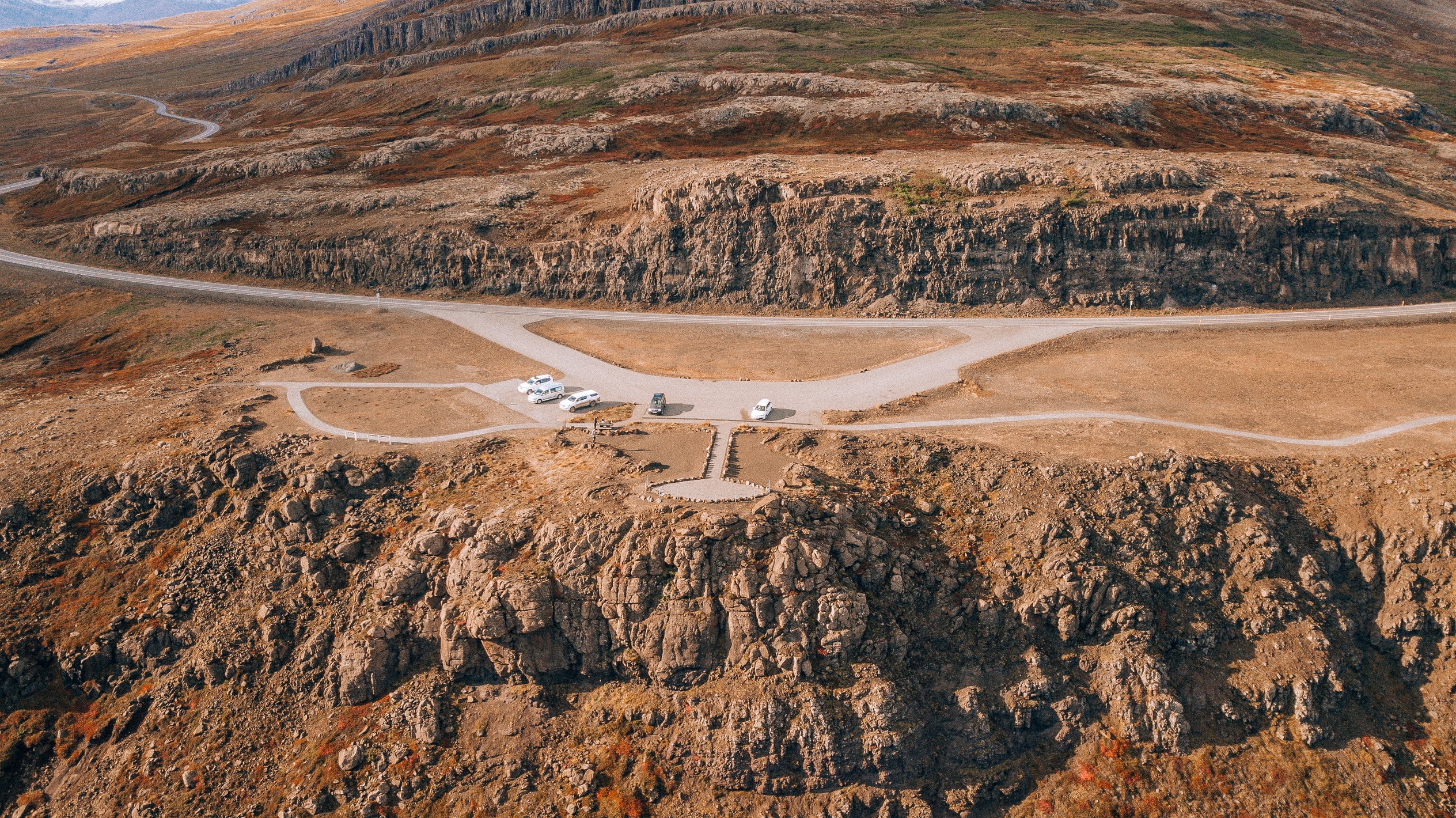
It’s about a 30-minute drive along Route 93, and the journey itself is an experience, since you climb over the Fjarðarheiði mountain pass to over 600 metres above sea level before dropping steeply down into the bay. Incidentally, this is exactly the road Ben Stiller bombed down on a longboard in the film The Secret Life of Walter Mitty.
Seyðisfjörður is home to just under 700 residents, yet it feels like the cultural heart of the entire east. Here you’ll find the famous Rainbow Street, which leads you straight to the beautiful little blue church, Bláa kirkjan.
The town is full of small galleries, charming cafés and a bohemian vibe. On top of that, the big Norröna ferry arrives here from Hirtshals in Denmark, so when the ship docks, the number of people in the streets triples for a few hours. Definitely make time for a coffee and just wander among the old wooden houses.
2. Reyðarfjörður and the Hike up Mount Grænafell
If you fancy a slightly more active kind of rest, head to the town of Reyðarfjörður, which sits on the shore of the longest fjord on the entire east coast. The town itself is known mainly for its industrial history and an aluminium smelter, but we came here for the nature and set off on an easy hike up Mount Grænafell, which rises right above the centre.
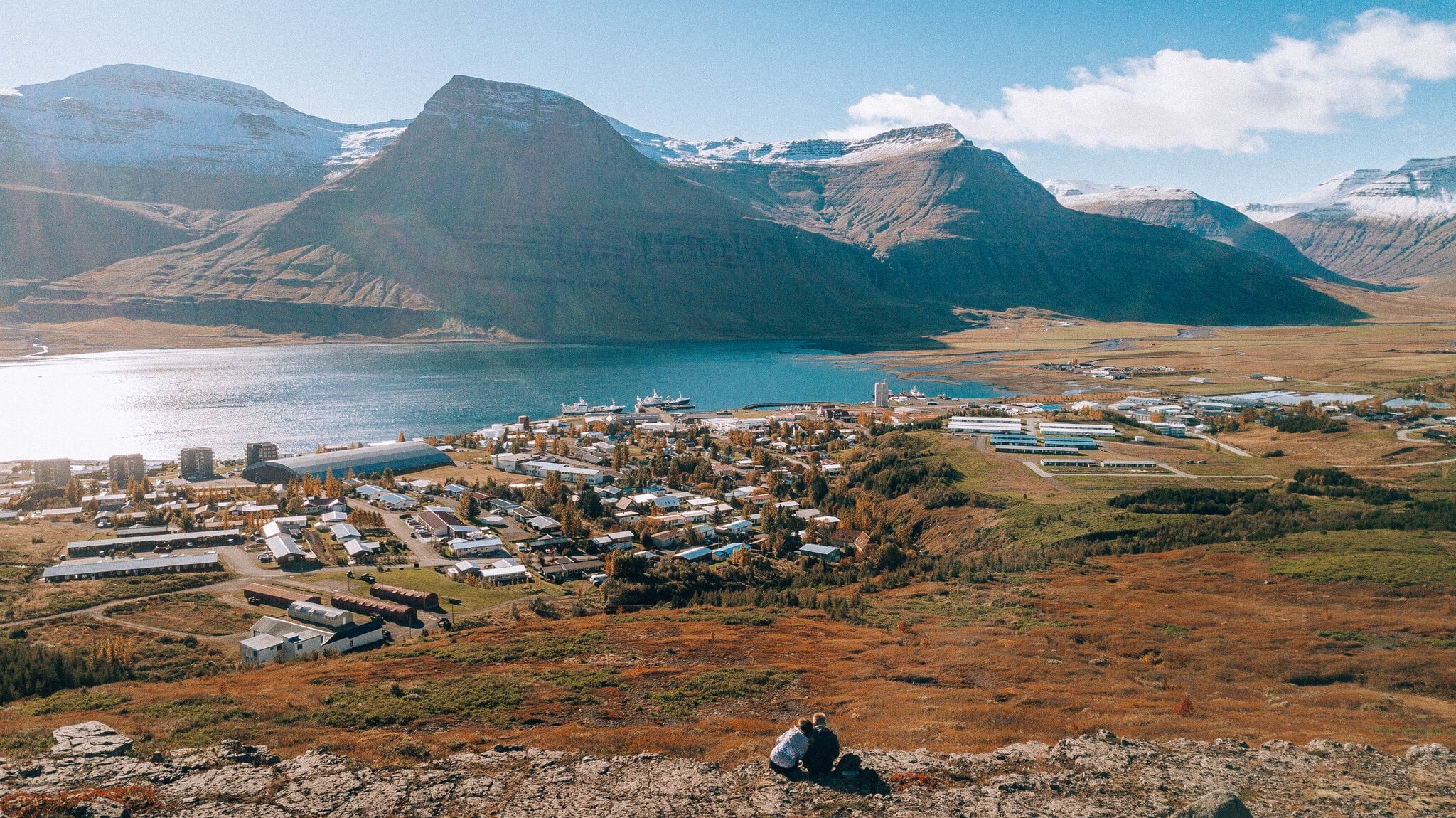
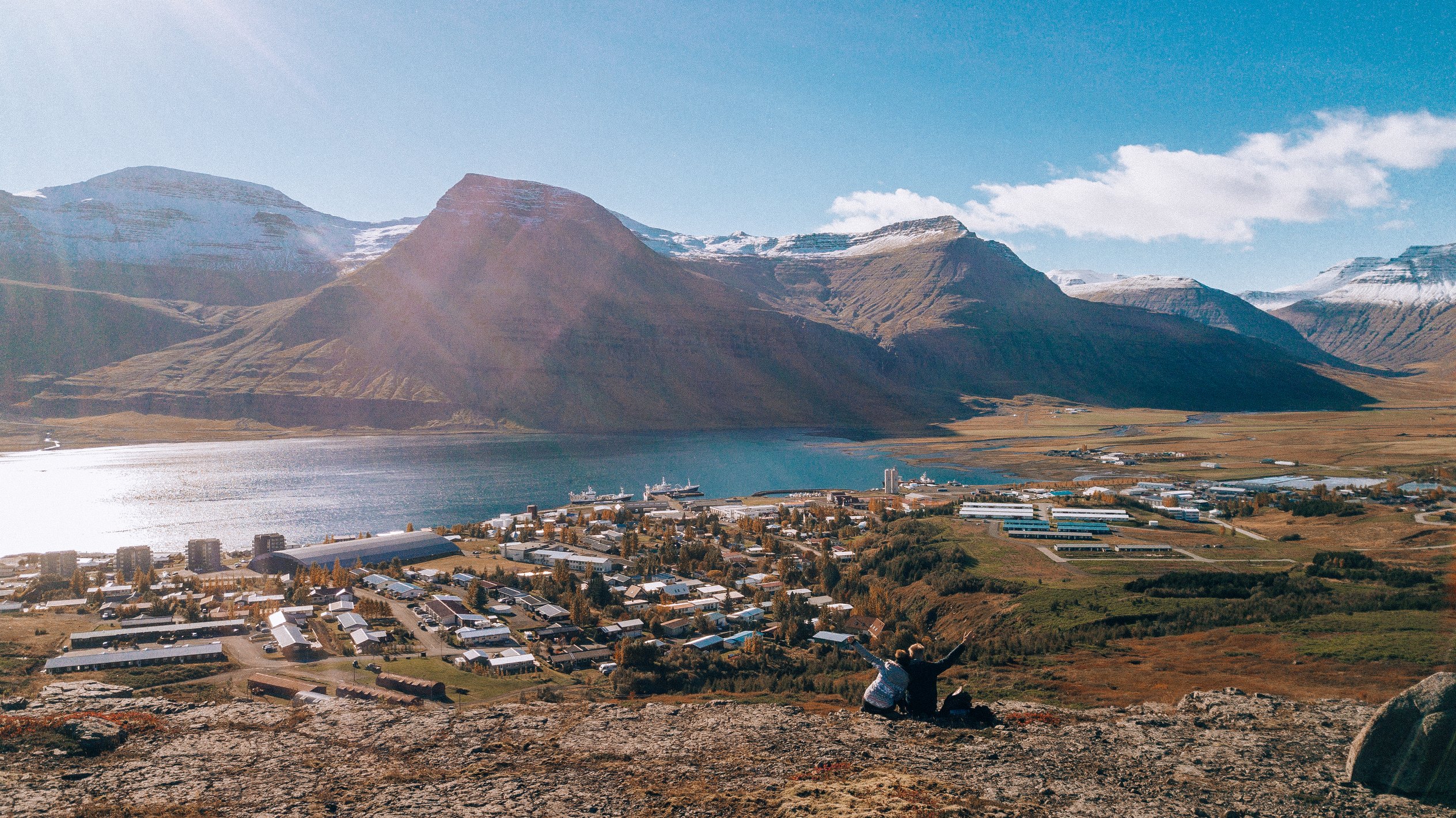
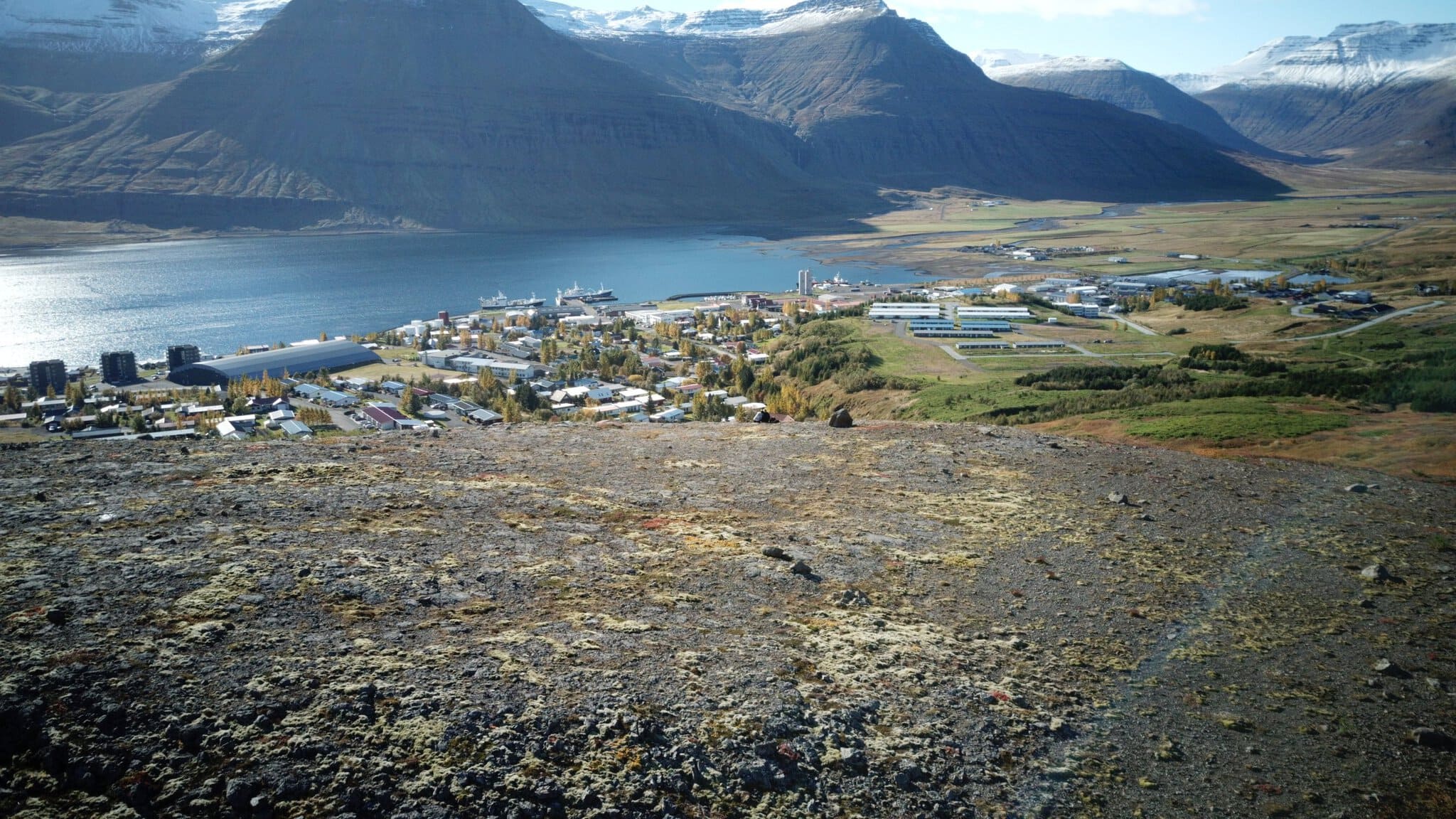
The hike took us about two hours at a pleasant pace, and our reward was a breathtaking view over the whole elongated fjord and the surrounding peaks. The trail starts off fairly steeply uphill and weaves through a small wood (which is a huge rarity in Iceland, by the way) before opening out onto more exposed plains. It’s an ideal stop to stretch your legs when you’ve had enough of sitting in the car.
3. Neskaupstaður and a Slightly Disappointing Cave
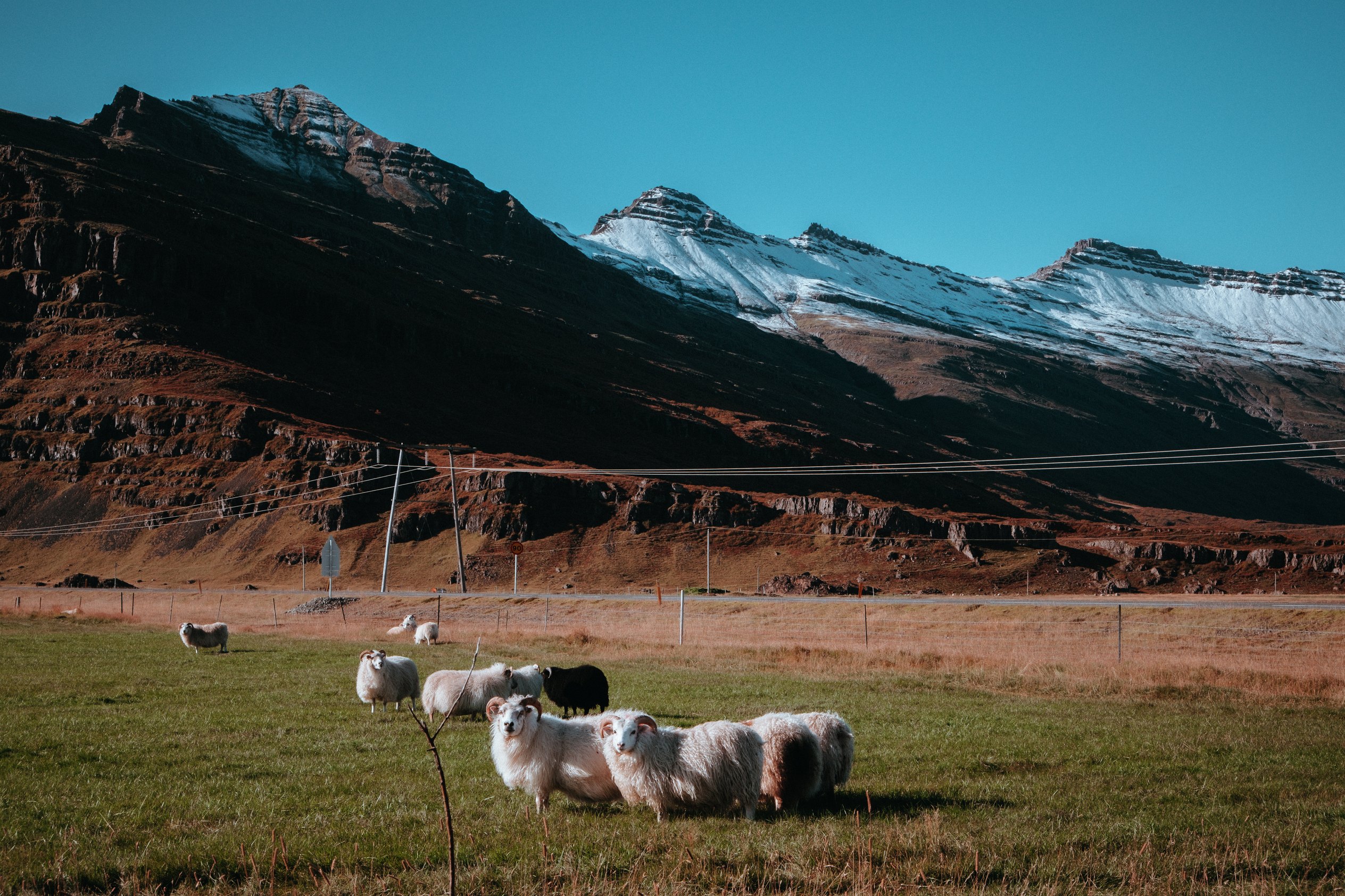
Our next destination in the east was Iceland’s easternmost town, Neskaupstaður, which you reach by working your way through a long tunnel. The drive there is absolutely stunning — sheep graze along the roadside and the mountains plunge straight into the icy ocean. The town itself has a pretty little harbour and an overall very sleepy, peaceful mood.
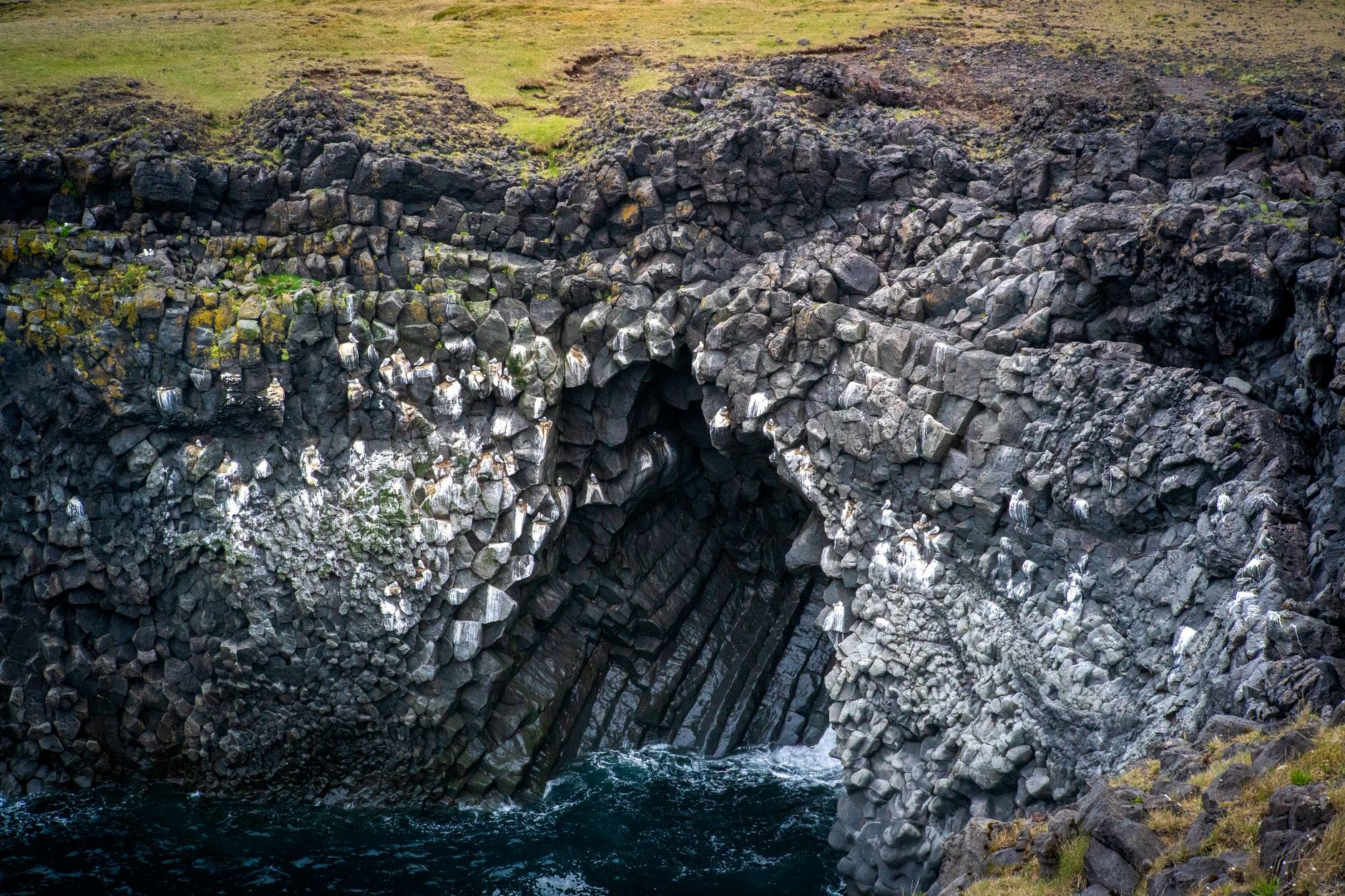
We wanted to explore the so-called Easter cave Páskahellir, which lies on the coast just past the town. And here I have to be completely honest — for us it was a bit of a letdown 😅. We’d expected something far more epic, but in reality it was just a small hole in the rock, reached by a fairly muddy and slippery path.
If you’ve got a really packed itinerary and you’re pressed for time, in my opinion you can skip this spot with a clear conscience and save your energy for the other gems of this rugged region.
4. Djúpivogur and the Granite Eggs in the Harbour
If you’re driving up the Ring Road from the south, your first major stop in the east will probably be the village of Djúpivogur. This little town is proud of its Cittaslow certification, which means everything here is done slowly, with quality, and with respect for tradition and the environment. You can really feel it — nobody’s in a hurry and a perfect sense of calm reigns everywhere.
The main attraction that usually draws tourists off the road is the artwork Eggin í Gleðivík, stretching along the coast near the harbour. It’s a row of 34 oversized granite eggs, each one representing a species of bird that nests in the area. It’s a great spot for a short stroll, and just nearby you can grab an excellent hot coffee and watch the fishing boats bobbing on the waves.
💡 Tip: It pays to book tickets and organised tours (around Iceland and beyond) in advance online through GetYourGuide — they fill up fast in season.
Natural Wonders, Waterfalls and Stunning Canyons
The east isn’t just about towns, of course — it hides some of the most beautiful natural scenery we saw anywhere on the island. Compared with the famous Golden Circle or the south coast, there’s a far more raw, lonely atmosphere here that makes these places genuinely special. Whether you’re after turquoise rivers or thundering waterfalls, the east fjords certainly won’t let you down with their wonders.
5. The Stuðlagil Basalt Canyon
This is, without exaggeration, one of the most photogenic spots on the entire island — and one that, as it happens, was only revealed relatively recently. For decades this massive basalt canyon lay hidden beneath a raging glacial river, but when a nearby hydroelectric plant was completed in 2009, the water level dropped and exposed an incredible wall of geometrically precise hexagonal basalt columns, between which brilliantly turquoise water now flows.
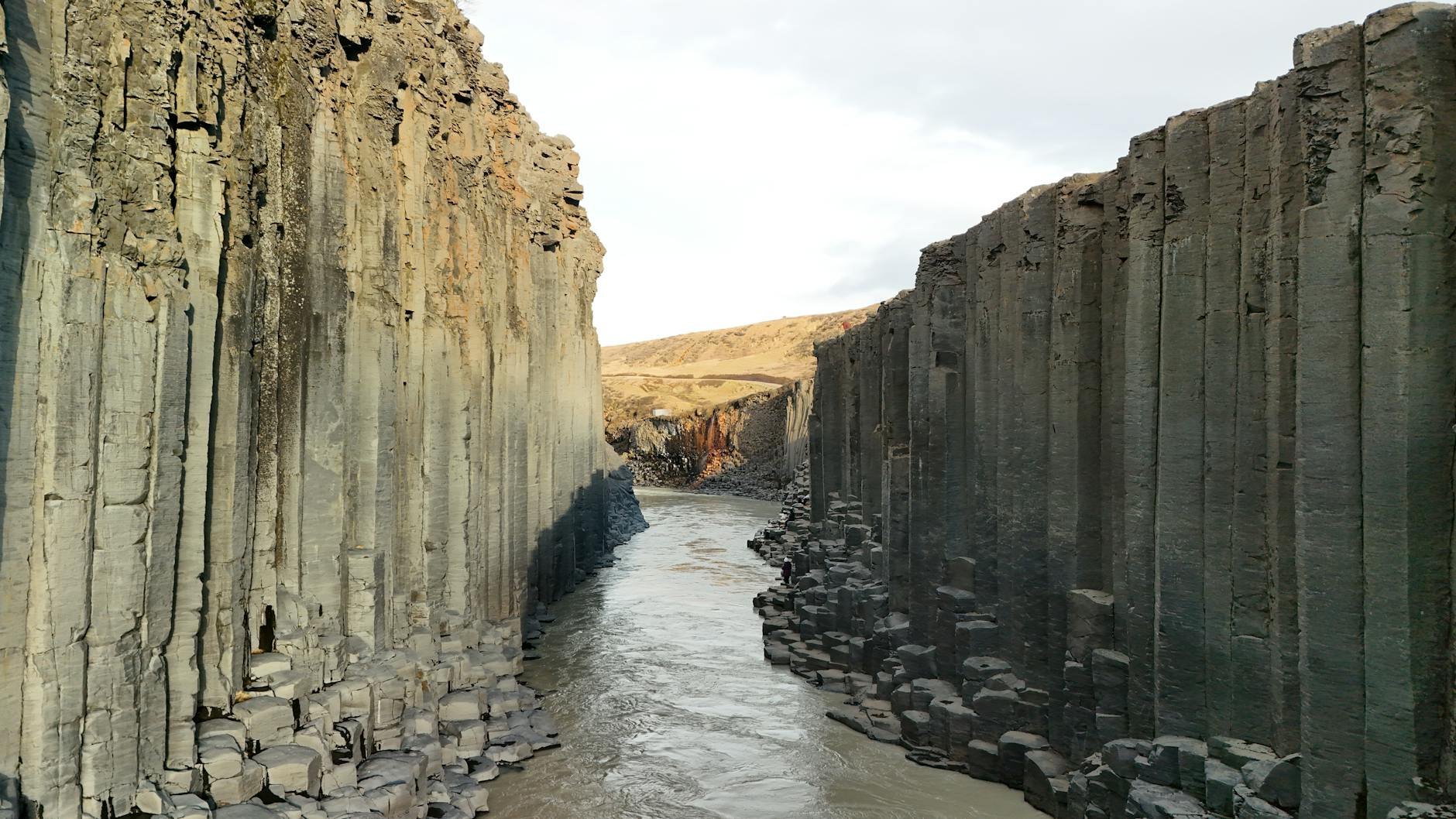
When visiting, you need to pay very close attention to which side of the river you choose for your trip. The western side offers quick access and newly built steps up to a viewing platform, where you’ll also find toilets and a small food truck — but you can’t get down to the river from there.
We always recommend parking on the eastern side, from where you do have to walk about 40 minutes along a stony path, but it’s the only way to climb right down into the heart of the canyon and touch the icy water. Either way, you’ll pay 1,000 ISK (about £6) for parking, which you can easily sort out via the popular Parka app.
6. The Impressive Hengifoss Waterfall
While the south of Iceland boasts the Skógafoss and Seljalandsfoss waterfalls, the east has its own pride and joy — the Hengifoss waterfall. At 128 metres tall, it’s the third-highest waterfall on the island, but what makes it truly unique isn’t just the height — it’s the wall the water tumbles over. The black basalt here is laced with vivid red layers of clay, which, combined with the roaring water, looks downright magical.
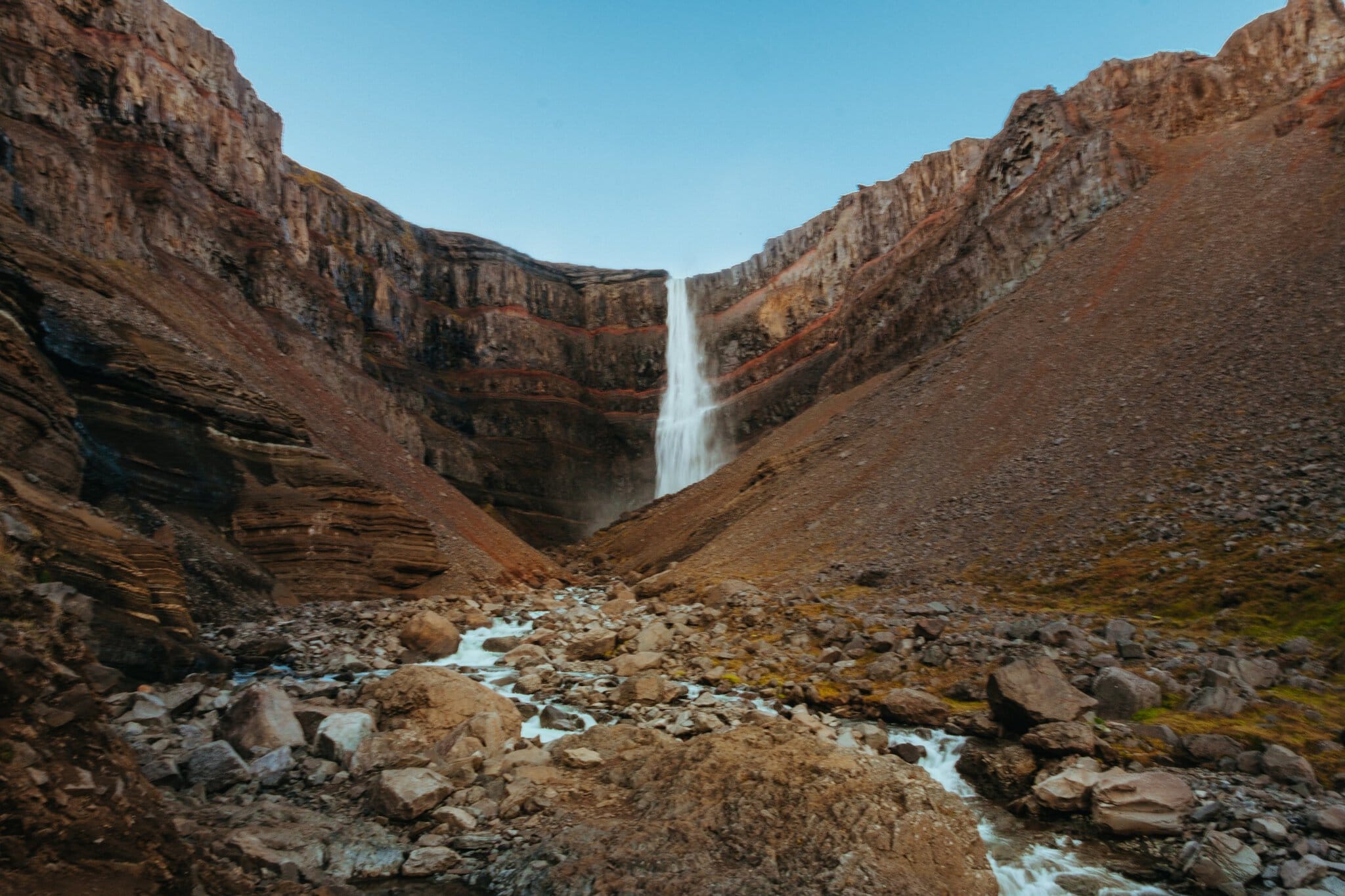
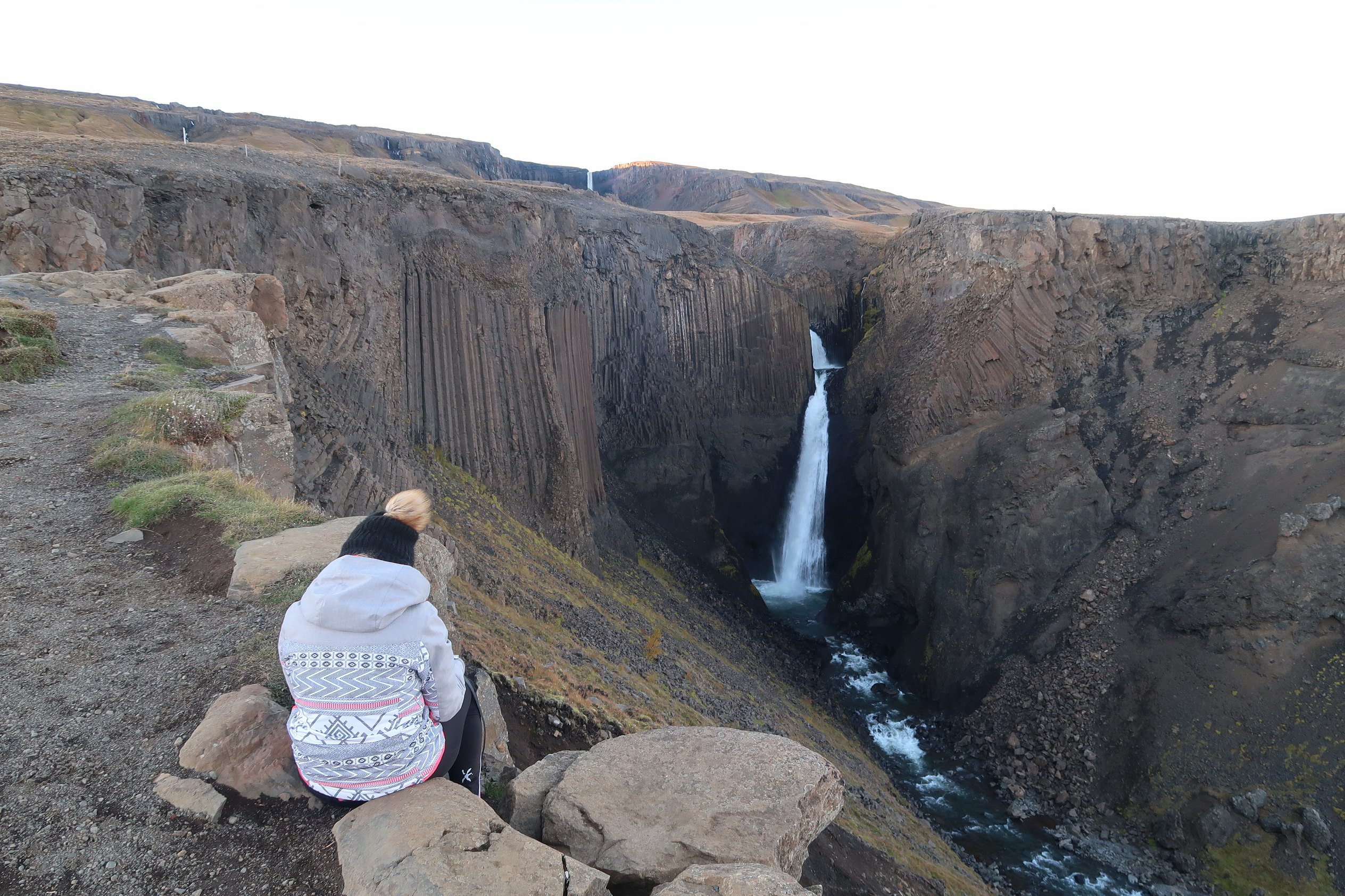
We headed here on the seventh day of our road trip, and the walk up from the car park took us about half an hour at a brisker uphill pace, though most guides quote around 45 to 90 minutes one way.
It depends a lot on your fitness and how much you stop to soak it all in, because roughly halfway up you pass another, smaller but all the more interesting waterfall, Litlanesfoss, beautifully framed by perfect basalt columns. Definitely wear sturdy shoes, as the trail can get properly slippery after rain.

7. Lake Lagarfljót and the Icelandic Monster
When you check in at Egilsstaðir, you’ll definitely notice the huge, murky lake that stretches alongside the entire town. It’s called Lake Lagarfljót, and for Icelanders it holds a significance similar to Scotland’s Loch Ness. With a deadly serious face, the locals will tell you the legend of a giant lake worm named Lagarfljótsormurinn, whose first recorded sighting dates all the way back to 1345.
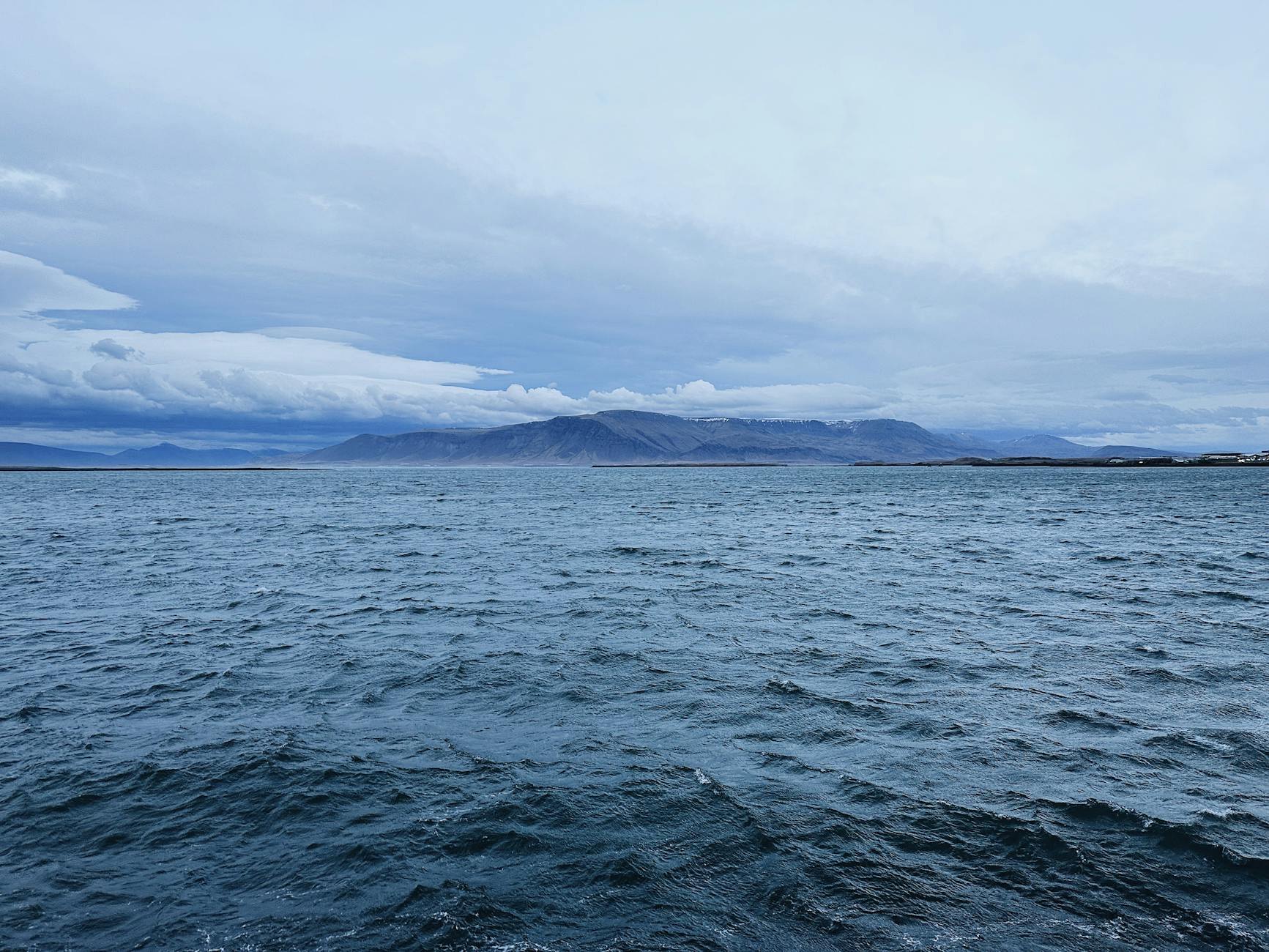
I can’t promise you’ll actually spot the monster, but the drive along the lake shore is lovely all the same. What’s more, on its eastern bank you’ll find Hallormsstaður forest, which by Icelandic standards is a huge rarity, since the island is otherwise almost completely bare thanks to ancient deforestation. The trees here smell wonderful, and it’s a great spot for a short rest or a snack from your own supplies.
8. The Majestic Mount Snæfell
Throughout our wanderings in the east, we kept admiring a huge, solitary mountain that watched over the whole landscape from afar. Mount Snæfell, which fittingly translates as “Snow Mountain”, stands at 1,833 metres — the highest mountain in Iceland outside of the glaciers, even though its summit is covered in a white blanket practically all year round.
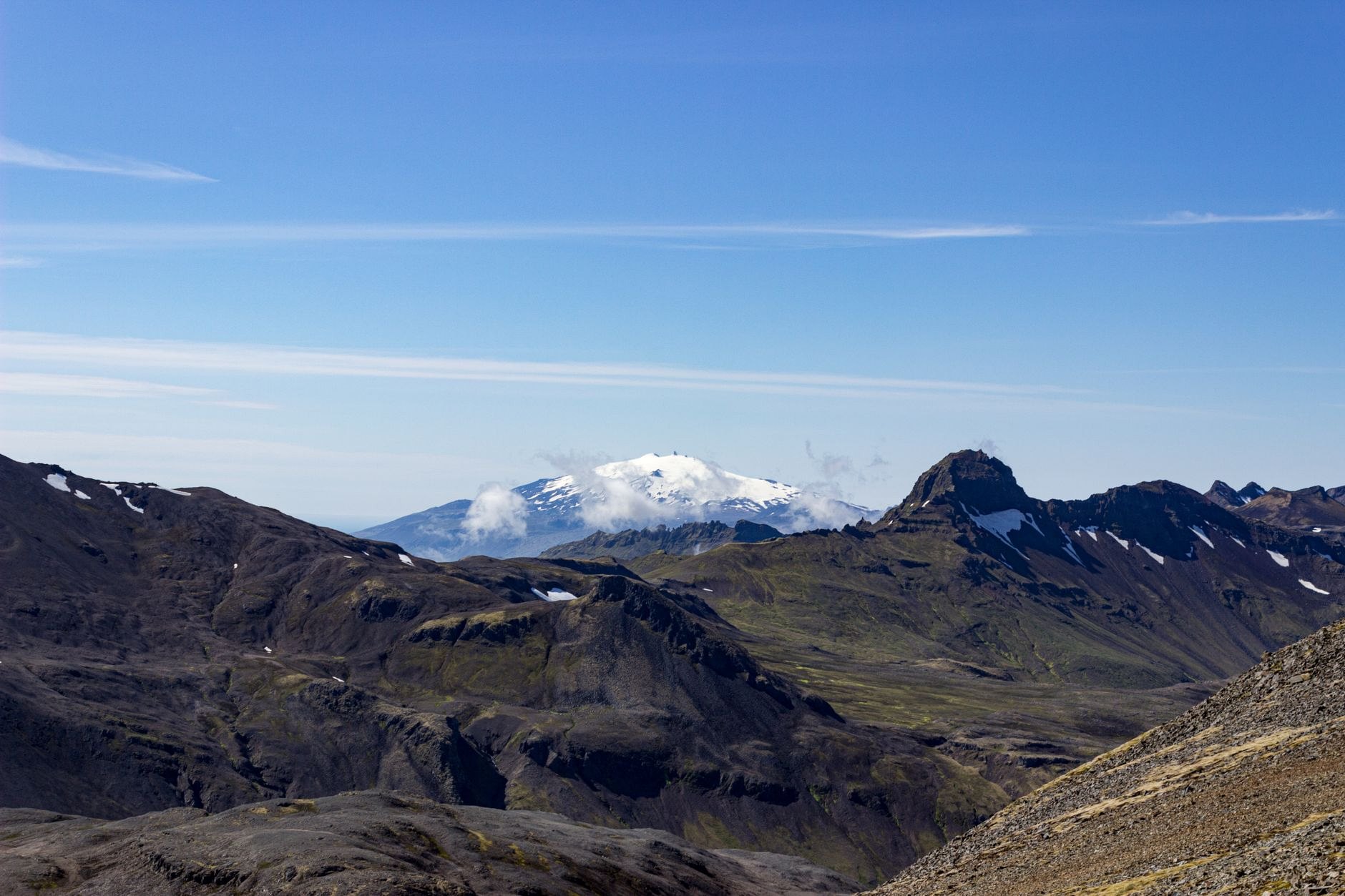
We didn’t plan to actually climb it (for that you need real experience, great gear and ideally the summer months), but even just the view of it from the car or the surrounding plains is genuinely captivating. The mountain looks like a giant guardian of the eastern highlands, and at sunset, when its snowy peak turns pink, you won’t know where to point your camera first.
Map of points of interest for your phone
Wildlife and Hot Springs: What Else to Experience Here
Besides the inanimate landscapes, the east also offers fantastic encounters with wildlife and some of the best thermal pools in the country. Because there are fewer tourists here, the animals are calmer and the thermal baths aren’t as hopelessly packed as the famous Blue Lagoon near the airport.
9. Borgarfjörður eystri and the Tame Puffins
If you’re travelling to Iceland between late April and mid-August, you absolutely must not miss the little village of Borgarfjörður eystri. Right beside it, in the harbour of Hafnarhólmi, you’ll find what is probably the very best and most accessible spot for watching adorable puffins on the entire island. Around 10,000 pairs nest here, and the locals have built wooden platforms from which you can watch these little creatures from literally a metre away.
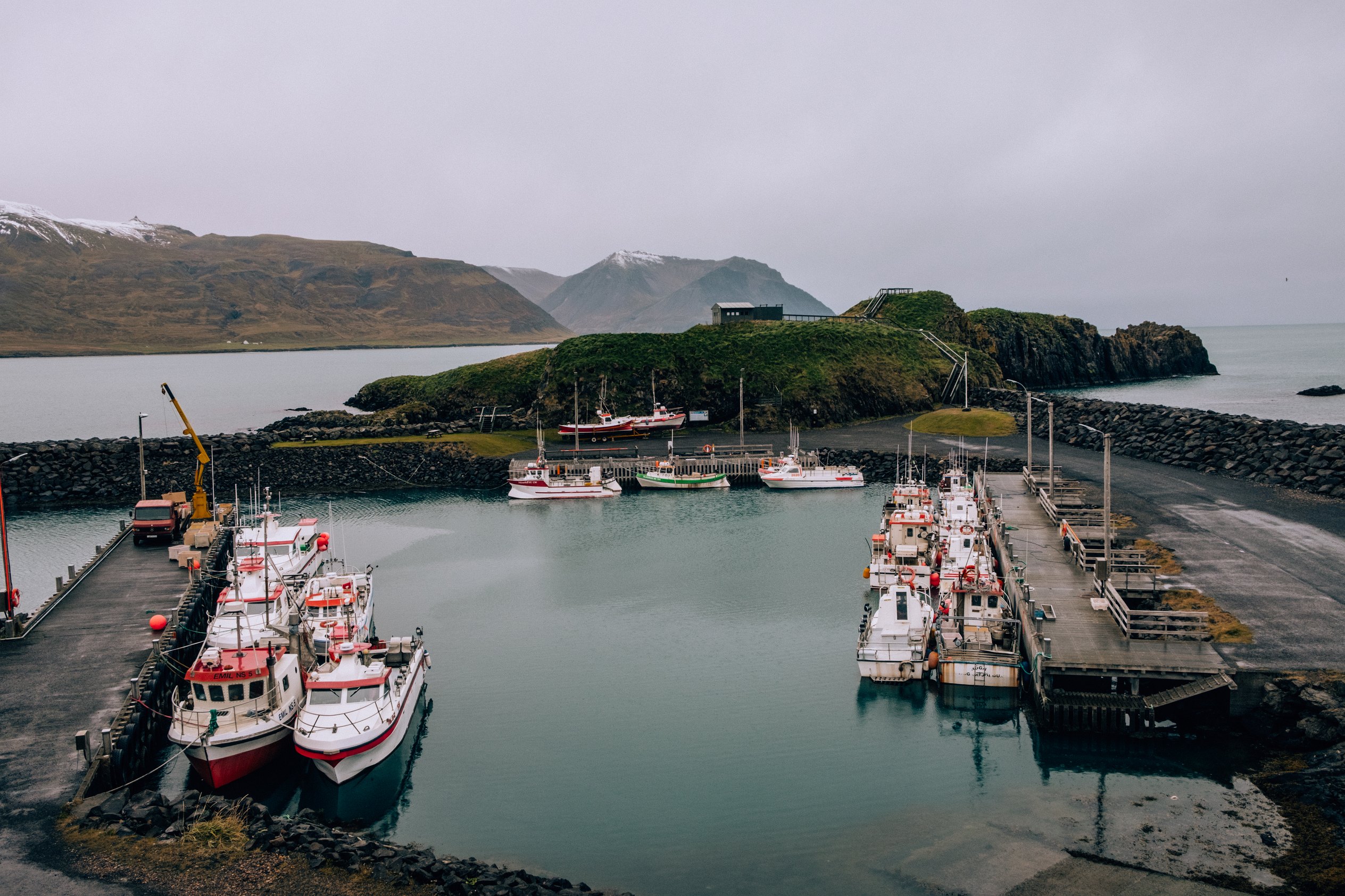
We headed here to explore on the seventh day of our trip (the drive from Egilsstaðir took us about an hour), but because it was already early October, there wasn’t a puffin in sight. The birds had simply flown off to the open sea for the winter, and nothing at all was happening in the village — it was utterly silent and empty.
Outside of the bird season, I’d only recommend this detour to real lovers of remote roads — but in June and July it’s an absolute must.
10. Wild Reindeer by the Roadside
It might surprise you, but the eastern part of Iceland is the only region on the whole island where you can spot wild reindeer in the open. They were brought over from Norway in the 18th century for farming purposes, but the experiment didn’t quite go to plan — the animals went feral, and today several thousand of them roam freely here.
Your best chance of encountering them is along Route 1 on the stretch between the towns of Egilsstaðir and Höfn, especially from autumn to spring, when the snow drives them down from the mountains closer to the coast — sometimes they even lick salt straight off the roads.
We spotted a herd of reindeer right from the car window and it was an amazing experience, but it’s also a reason to be extremely careful. Especially at dusk, keep your eyes peeled while driving, because a collision with a reindeer is really not something you want to be sorting out with the rental company.
11. The Luxurious Laugarfell Thermal Pools
After long walks in the icy Icelandic wind, there’s nothing better than sinking into hot water. So on day seven we set off to the Laugarfell hot springs, which lie on a plateau east of Mount Snæfell. They’re a little way from civilisation and the road to them can get bumpy at times, but it’s worth every single minute of the drive.
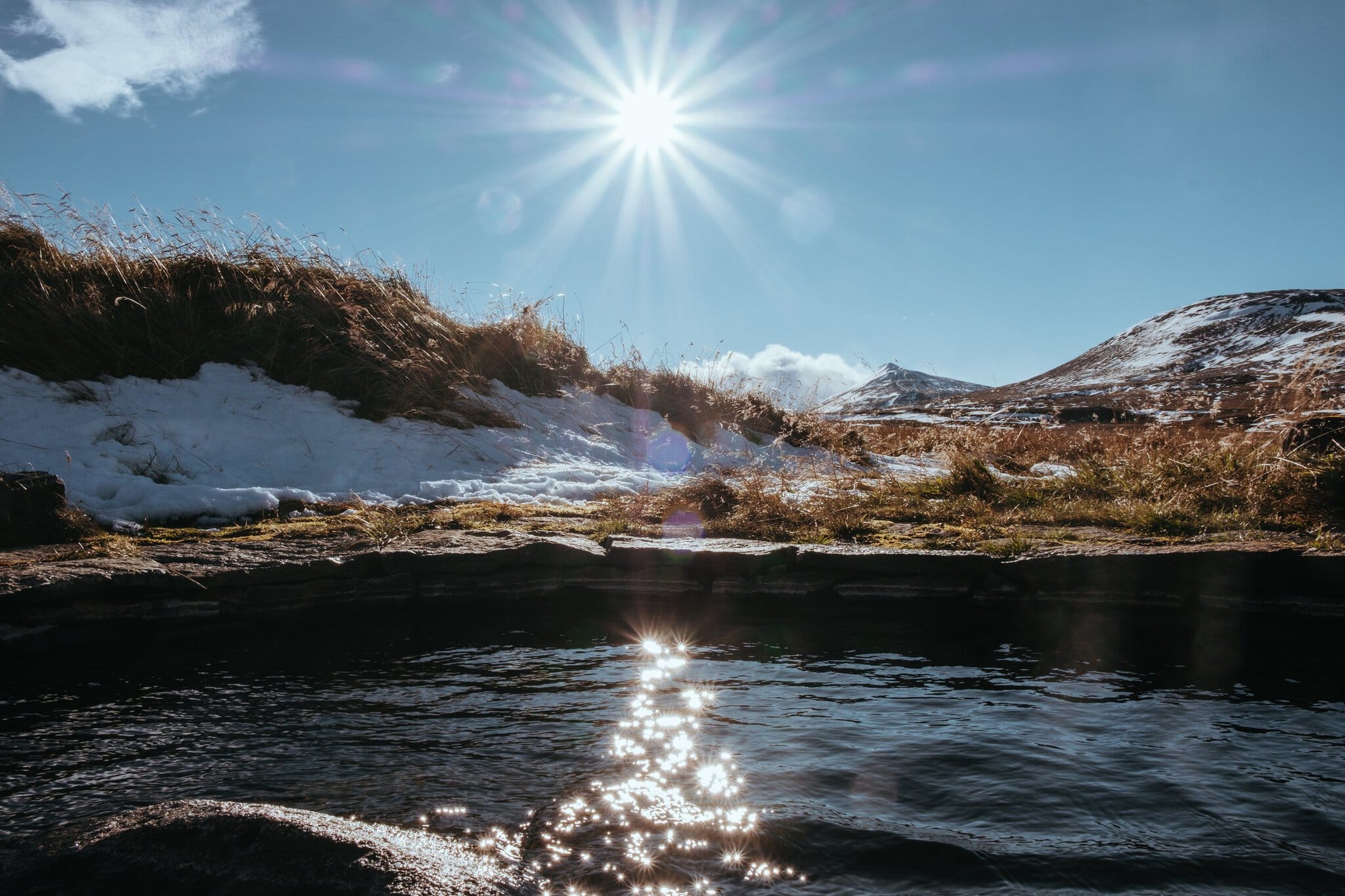
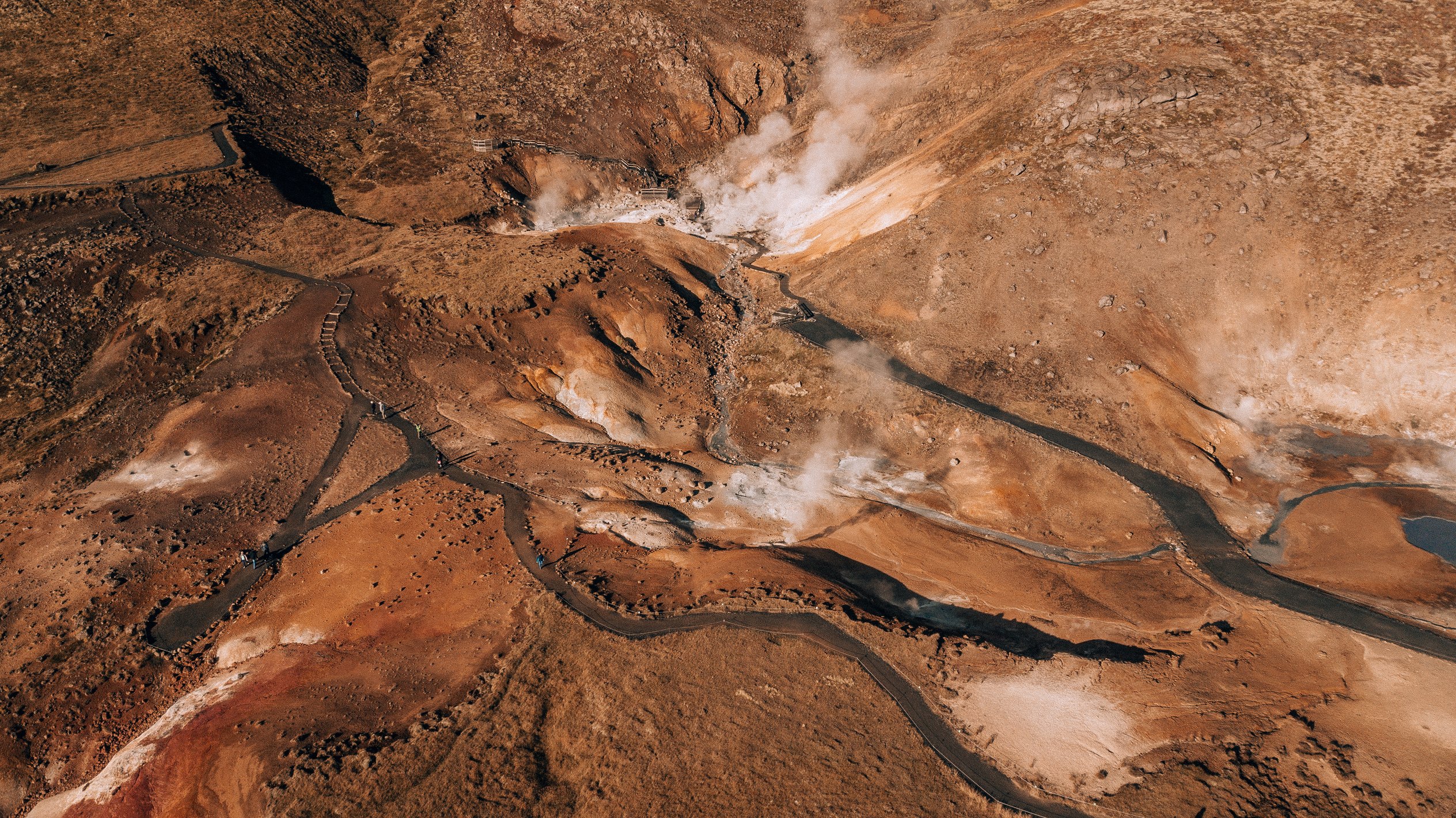
Here you’ll find two gorgeous outdoor pools built from natural stone, with water at the ideal temperature for a long soak. While your nose freezes, your body warms up in the hot water and you can just gaze out over the endless tundra all around. It was a truly luxurious bathe that we still remember fondly, because back then we had it almost entirely to ourselves.
12. The Floating Vök Baths
If you’d rather not venture out into the wilderness and prefer a more modern spa setting, head to the Vök Baths, which sit literally five minutes’ drive from Egilsstaðir on Lake Urriðavatn. This place is architecturally stunning, because the thermal pools float right on the surface of the lake. The water — which, by the way, is so clean you can drink it — sits between 37 and 41 degrees Celsius in the pools.
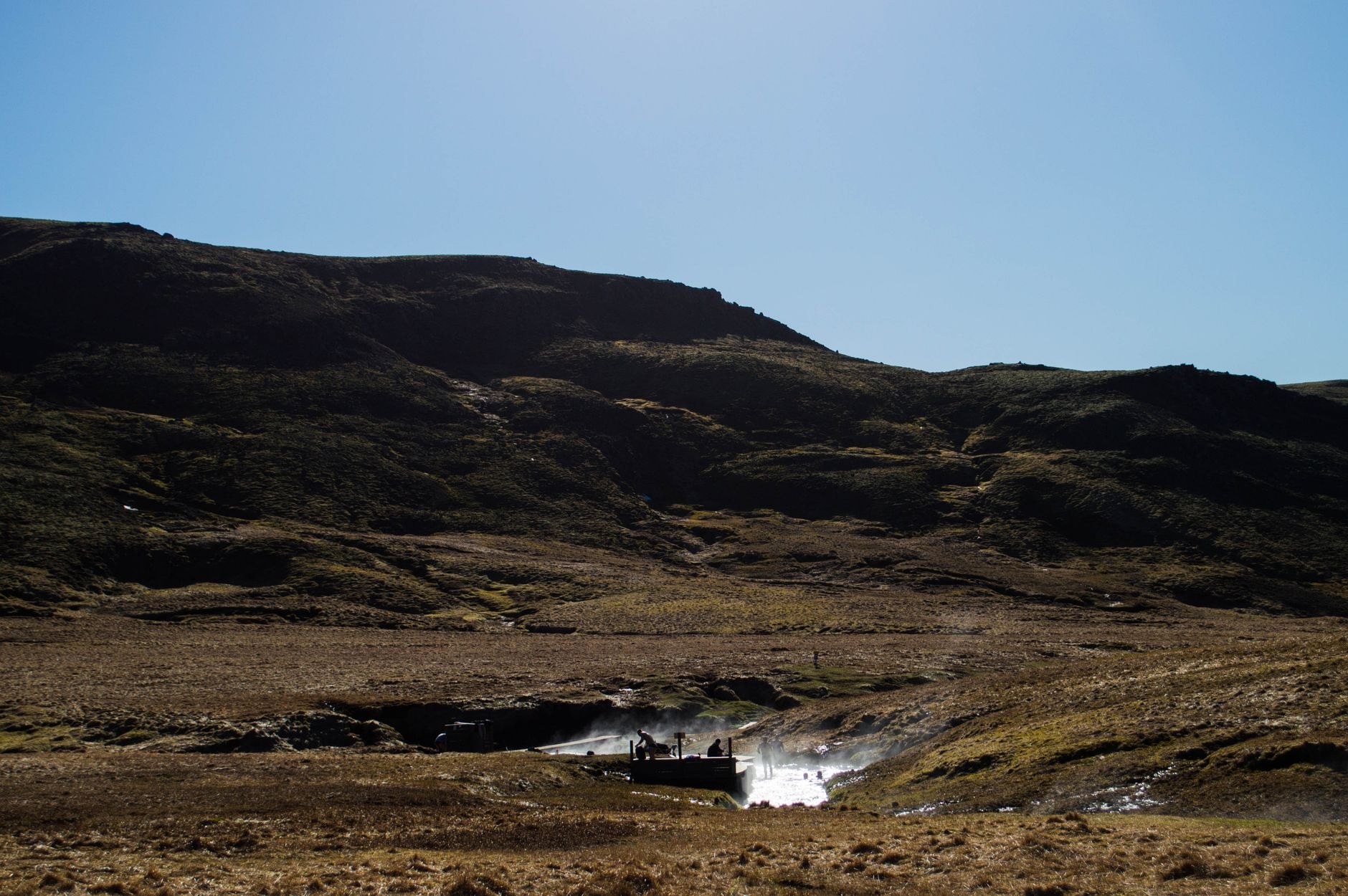
Admission for an adult costs 7,690 ISK (about £45), and especially during the summer season, don’t forget to book your tickets well in advance through their official website, as capacity is understandably limited. We didn’t actually make it here, since we gave preference to the wilder Laugarfell, but we’ve heard nothing but huge praise for these floating baths from plenty of people.
Where to Eat
As I’ve already mentioned, Lukáš and I basically cooked in our accommodation’s kitchenettes the entire time we were in Iceland. Iceland is incredibly expensive, and daily restaurant visits would have reliably wrecked our budget. Since we’re both vegetarians, our diet consisted mainly of pasta, vegetables and excellent local skyr yoghurts, which we bought at Bónus. Even so, sometimes you just need a change and the warmth of a cosy café.
During our visit to Seyðisfjörður we popped into a great arts centre, part of which is Skaftfell Bistro. The atmosphere there is wonderful and they make an excellent vegetarian pizza, which we thoroughly enjoyed after a whole day outdoors.
Another amazing place we discovered near Egilsstaðir is Móðir Jörð. It’s an organic farm and café in one, offering a strong vegetarian menu made from its own produce — we tried a fantastic creamy soup here.
I also have to mention the small food truck on the western side of the Stuðlagil canyon, where you won’t get a full lunch, but their vegetarian soup and a hot coffee in hand will warm you up no end after your walk.
If you’re after acclaimed dining and don’t mind that it’s not a vegetarian recommendation, lots of travellers rave about Norð Austur in Seyðisfjörður. It’s a highly rated restaurant specialising in fresh sushi made from local fish and seafood. They only open during the summer season and a reservation is definitely essential, since the tables tend to be hopelessly booked out far in advance. We naturally gave it a miss given our diet, but its reputation is phenomenal.
Where to Go Next
If our guide to the east fjords has whetted your appetite for exploring more of this magical island, be sure to check out our other articles. In them we’ve written down all our experiences, routes and tips on how to get the most out of your trip:
- The complete guide to Iceland: a summary of everything you need to know before your trip, from renting a car to the weather and packing.
- The Westfjords of Iceland: if you love the calm of the east, the Westfjords — where even fewer tourists venture — will completely win you over.
- The best hot springs in Iceland: our pick of 16 luxurious and secret natural pools, perfect for warming up after a hike.
- How to catch the Northern Lights: practical tips on how and when to watch the aurora, not just in Iceland but across the other Nordic countries too.
To wrap up, let me just repeat our favourite practical recommendations. Lukáš and I have long had good experiences with Booking.com, which we use to book all our accommodation around the world. For renting a car in Iceland we usually use a comparison site like RentalCars, where you can neatly filter for 4×4 models. And we traditionally hunt for cheap flights on Kiwi, our favourite portal for combining different connections. One more tip from us: grab a travel eSIM like Holafly so you stay online for checking road conditions even out in the remote east.
Frequently Asked Questions
How many days do I need to explore the eastern fjords?
Make sure to set aside at least two to three days. People often try to drive through this region in one day as part of a Ring Road circuit, but that means you’ll miss out on the time for detours into individual bays and won’t get to soak up any of that wonderful, solitary atmosphere.
Which side of the river should I choose when visiting Stuðlagil canyon?
The western side is quick and easily accessible, it has a viewing platform and new stairs, but you can’t get down to the water from it. The eastern side requires a 4 to 8 kilometer hike (depending on where you park), but only from there can you descend directly down among the basalt columns to the river. On both sides, parking costs €6.50 via the Parka app.
When and where can I see puffins and wild reindeer in Iceland?
You can observe puffins in Borgarfjörður eystri from late April to mid-August, with the best time being June and July, ideally early morning or late afternoon. Wild reindeer live only in the east along Route 1 and you’ll most commonly encounter them from October to April, when they descend from the mountains to the roads.
What is the time difference in Iceland?
Island doesn’t use daylight saving time and follows Greenwich Mean Time (GMT) all year round. For us from the Czech Republic, this means that in winter, Iceland is 1 hour behind us, and in summer (when we switch to daylight saving time) it’s even 2 hours behind.
Why is Iceland actually such a rich country?
Iceland’s economy primarily rests on three strong pillars: abundant fishing in the surrounding seas, a massive tourism boom over the past ten years, and the use of cheap geothermal and hydroelectric energy. Thanks to natural energy sources, they can also process imported aluminum cheaply.
When is the best time to fly to Iceland?
It depends on what you want to see. Summer is ideal for puffins, long days and hiking in the interior. Autumn (September and October) brings beautiful colours and smaller crowds, winter is perfect for the Northern Lights and ice caves, although the days are extremely short and roads are often closed due to snow.
Is it difficult to get to the town of Seyðisfjörður by car?
From Egilsstaðir, you can reach the town via road 93 and the Fjarðarheiði mountain pass, which takes about 30 to 45 minutes. In summer it’s a beautiful and safe drive, but in winter this section is often closed due to snowdrifts and strong winds on the sharp hairpin bends, so always check the current road conditions before traveling.
Tips and Tricks for Your Vacation
Don’t Overpay for Flights
Search for flights on Kayak. It’s our favorite search engine because it scans the websites of all airlines and always finds the cheapest connection.
Book Your Accommodation Smartly
The best experiences we’ve had when looking for accommodation (from Alaska to Morocco) are with Booking.com, where hotels, apartments, and entire houses are usually the cheapest and most widely available.
 🚗 Car rental on the roadVerified rental cars in Iceland
Search with the DiscoverCars comparison engine — it compares prices from dozens of local and international rental companies, and most bookings come with free cancellation.
Compare car prices in Iceland →Don’t Forget Travel Insurance
Good travel insurance will protect you against illness, accidents, theft, or flight cancellations. We’ve had a few hospital visits abroad, so we know how important it is to have proper insurance arranged.
Where we insure ourselves: SafetyWing (simple monthly subscription) and TrueTraveller (for extra-long trips).
Find the Best Experiences
Get Your Guide is a huge online marketplace where you can book guided walks, trips, skip-the-line tickets, tours, and much more. We always find some extra fun there!