On the second-to-last day of our two-week autumn road trip, we decided to dedicate our time to a region that’s affectionately nicknamed “Iceland in miniature.” In plain English, that means if you don’t have time to loop the entire island along the famous Ring Road, the Snæfellsnes peninsula in Iceland serves up the essence of everything that makes this country so magical, all on one compact stretch of land.
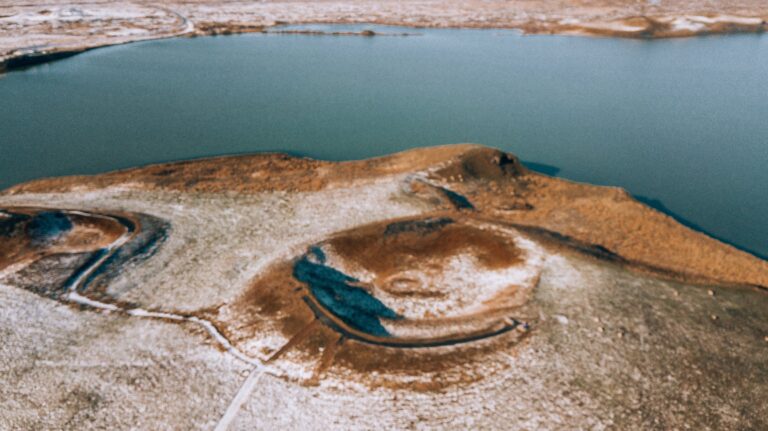
You’ll find dramatic cliffs plunging into a frothing ocean, golden and coal-black beaches, rising volcanic craters, and of course a majestic glacier glinting in the distance under gusts of Nordic wind. When Lukáš and I arrived here at the turn of September and October 2018, we were already pretty worn out from the previous days, but the wild, raw landscape instantly recharged our batteries.
Although we were mostly looking forward to the famous Mount Kirkjufell, I’ll admit straight away that it slightly disappointed us, because it was crammed with crowds of tourists wielding giant tripods, and that perfect postcard view only really works from one specific angle. But it was all made up for by the wonderfully romantic village of Arnarstapi, where we strolled hand in hand along the cliff edge while enormous waves shattered against the basalt rocks and snow-capped peaks loomed in the distance.
It’s probably one of the most beautiful places we saw on our entire trip. In this article you’ll find tips on what to see and do on the Snæfellsnes peninsula, advice on where to stay without breaking the bank, and a few recommendations for vegetarians, because finding good meat-free food outside the big cities can sometimes be a bit of a challenge. ☺️
TL;DR
- Getting there from the airport: The peninsula lies about two to two and a half hours’ drive north of Reykjavík, so you can reach it easily via the well-surfaced asphalt Road 54.
- How much time you need: Ideally set aside one full day to loop the entire peninsula, or stay overnight at least once so you don’t have to rush back to the city in the evening.
- Main highlights: Iceland’s most photographed mountain Kirkjufell, the mysterious little black church Búðakirkja, Djúpalónssandur beach with its lifting stones, and the romantic coastal trail between Arnarstapi and Hellnar.
- National park: At the very western tip sits the glacier-capped stratovolcano Snæfellsjökull, made famous by Jules Verne in his novel Journey to the Center of the Earth.
- Transport and updates: As of 2026 Iceland has a new per-kilometre road tax, but fuel has become cheaper at the same time. Most of the sights along the route don’t require a 4×4, unless you’re coming in the depths of winter.
- Accommodation: I recommend looking for a place with its own kitchenette around the towns of Grundarfjörður or Stykkishólmur. We slept a bit further south in Akranes and set off on our day trip from there.
The full destination guide: Iceland — guide and what to see
When to go and how to get there
Planning a trip to Iceland always starts with logistics, and for the Snæfellsnes peninsula that’s doubly true, because even though it sits fairly close to the capital, the weather here can be utterly unpredictable. At the turn of September and October we got incredibly lucky with relatively sunny days, when the colours of the autumn grass blended beautifully with the dark volcanic rock, but winter was already making itself known with a freezing wind.
If you’re coming in summer, you’ll enjoy long days and seal-watching, but expect the biggest crowds of tourists. In the winter months the peninsula turns into a silent kingdom of snow and ice, which has its undeniable charm, but you’ll absolutely need a 4×4 vehicle with winter tyres, because while the roads are usually maintained, strong wind and black ice can turn even a short drive into an adrenaline experience.
Driving from Reykjavík, you’ll head north along the main Ring Road (Route 1), pass through the tolled undersea tunnel Hvalfjarðargöng, and then turn onto Road 54, which more or less loops the whole peninsula. The drive to the first stop is roughly 140 kilometres, taking about two to two and a half hours of actual driving. The full return loop measures around 500 kilometres, and with photo stops and walks you should set aside a comfortable 10 to 12 hours.
If I can offer one purely logistical tip: do the loop clockwise, heading first to the south coast and then to the north. That way you’ll reach iconic Mount Kirkjufell in the afternoon, when the light is much softer and your photos will look considerably better.
As of 2026 Iceland also has a new per-kilometre road tax for passenger vehicles at 6.95 ISK (about €0.05) per kilometre driven. Rental companies usually handle this either with a flat daily fee or by charging you when you return the car based on your actual mileage.
But there’s no need to panic, because alongside this charge the government scrapped the excise duty on fuel, so petrol at the pumps got significantly cheaper and overall the impact on your budget is minimal. Before you head off anywhere, please always check the current road conditions on the official site Umferdin.is, because Icelandic nature does absolutely whatever it pleases and plans can change here from one minute to the next.
Where to stay and how much it costs
When we were figuring out where to lay our heads, we knew for certain that campsites and tents weren’t our cup of tea. After a whole day of walking in the Icelandic wind, what you crave most is a hot shower and a heated room, so throughout the trip we slept exclusively in guesthouses, hostels or small apartments.
A big advantage of this kind of accommodation is access to a shared or private kitchenette. For us as vegetarians it was a literal lifesaver, because in the evening we could quietly cook up some pasta and didn’t have to pay astronomical prices in restaurants, where back then the meat-free offering was only timidly getting started.
We booked our room for the second-to-last night in the town of Akranes, which lies a bit further south. It turned out to be a fairly strategic spot with reasonable prices, a short hop from the peninsula and an easy onward drive straight to the airport the next day.
If you’d rather stay right in the thick of it on the Snæfellsnes peninsula itself, set aside a slightly bigger budget, because the supply of accommodation here isn’t endless and it vanishes fast in season. A very popular base is the northern town of Grundarfjörður, just a few minutes’ drive from Mount Kirkjufell.
Here you’ll find decent hostels where a night costs roughly €50 per person, or classic double rooms, for example at the excellent Kast Guesthouse, where prices hover around €150. For those after a bit more comfort and a good café right around the corner, the picturesque harbour of Stykkishólmur is a perfect choice, where you can stay at the stylish Fosshotel, for instance.
On the opposite side near the national park and glacier you’ll find the most enchanting but also most expensive locations. In the hamlets of Hellnar or Arnarstapi, where a more upscale room at Fosshotel Hellnar easily runs over €195 per night, you’ll wake up to a perfect ocean view.
The absolute pinnacle is the renowned Hótel Búðir right by the black church, an experience in itself, but be aware that here the prices climb really high. If you’re instead looking for ways to save a little and don’t mind driving a bit further, check out accommodation in the towns of Hellissandur or Ólafsvík at the very western tip of the peninsula, where guesthouses tend to be noticeably cheaper while keeping you right next to the national park.
💡 Specific accommodation tips (check prices and availability on Booking.com, and book early — in season and around the 2026 eclipse they sell out months in advance):
- Fosshótel Stykkishólmur (Stykkishólmur)
- Hótel Búðir (Búðir)
- Fosshótel Hellnar (Hellnar)
- Kast Guesthouse (Grundarfjörður)
North coast: From a magical harbour to a famous mountain
The northern part of the peninsula welcomed us with a jagged coastline and a string of small fishing towns that feel as though time has stood still. This is exactly the part people head for when they’re after inspiration on what to see on the Snæfellsnes peninsula, because this is where the most photographed, iconic views are found. The coastal road undulates beautifully, every few moments opening up a view of the deep-blue ocean, while the snow-capped peaks of the local giants slowly take shape on the horizon.
1. The town of Stykkishólmur and the island of Flatey
We symbolically kicked off our all-day drive in the peninsula’s largest town, the picturesque Stykkishólmur. Although you have to take the word “largest” with an enormous grain of salt in Iceland, because it’s really a quiet village full of gorgeous, richly coloured wooden houses that contrast fantastically with the steel-grey Nordic sky.
It’s an absolutely perfect place for a morning coffee or to pick up some fresh pastries for the road. Right next to the harbour rises the small basalt islet of Súgandisey, which you can reach easily on foot along a short causeway. Climb up to the bright red lighthouse at its top and you’ll be treated to an incredible view over the vast Breiðafjörður bay, dotted with thousands of tiny scattered islets.
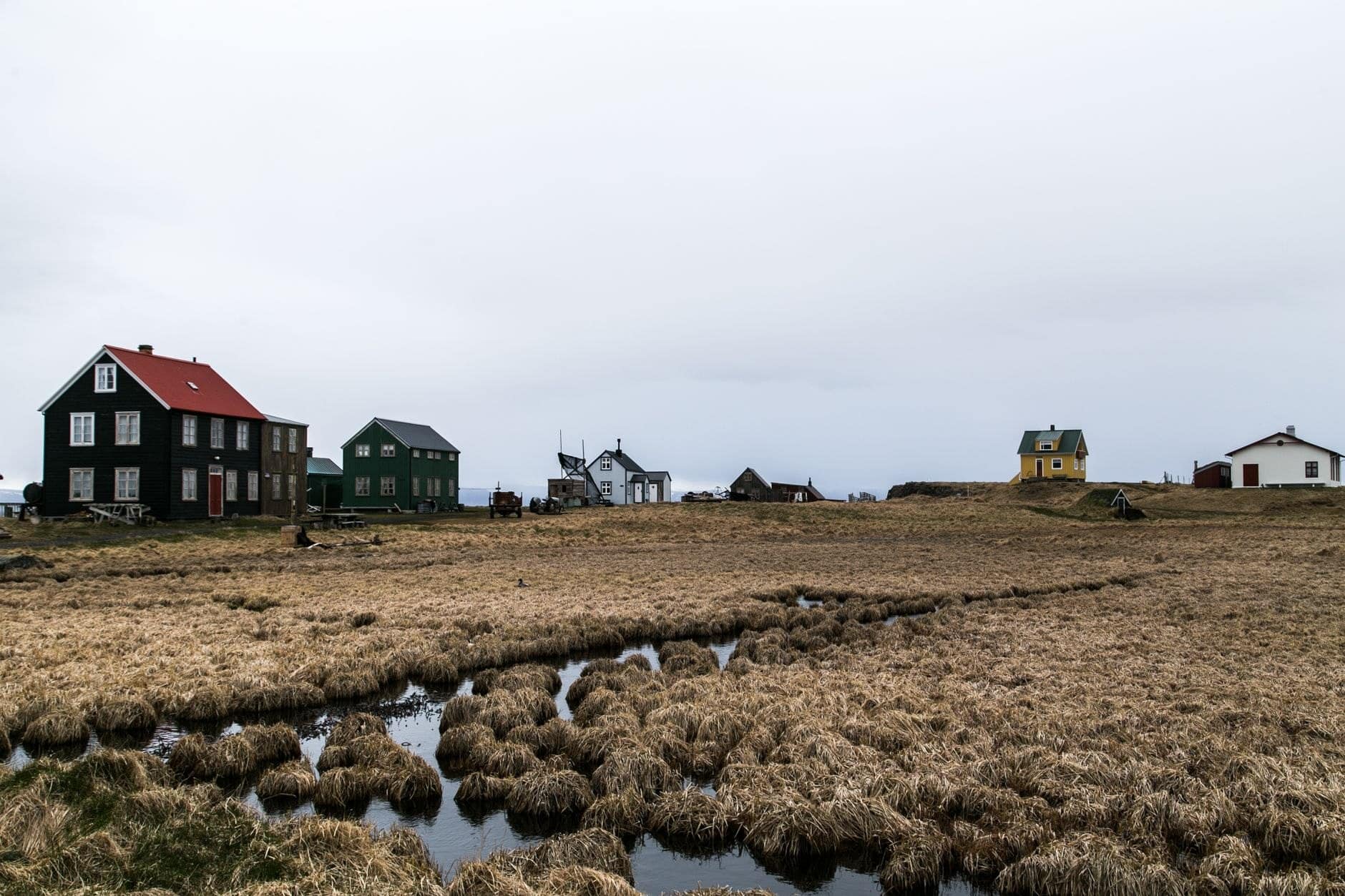
It’s from this lively harbour that the well-known Baldur ferry regularly departs, connecting the peninsula with the more remote Westfjords, specifically the port of Brjánslækur. On the way the ferry stops at the charming, isolated island of Flatey, which draws plenty of birdwatchers and rare-bird enthusiasts during the summer months.
A one-way ticket including an ordinary passenger car costs around 7,396 ISK (roughly €50), and if you’re travelling during the main summer season from early June to the end of August, the ferry usually departs twice a day. It wasn’t relevant for us, as we were heading onwards across the mainland, but if you’re planning a longer exploration of the western part of the country it’s a great logistical shortcut that saves you long hours behind the wheel.
2. The hidden lava field of Berserkjahraun
On the drive between Stykkishólmur and the well-known Grundarfjörður, there’s one stop most guidebooks rather unfairly overlook. The enormous Berserkjahraun lava field was created four thousand years ago, when three nearby volcanic craters suddenly erupted. Unlike many other spots on the island, the crowds don’t come here, so you’ll often have the dramatic atmosphere of twisted lava boulders, densely carpeted in bright green and incredibly soft moss, entirely to yourself.
An old gravel road runs through the field and is passable for most ordinary cars, as long as the worst winter conditions aren’t in play. Stop at one of the designated spots, walk a little way along the marked paths, and remember that Icelandic moss grows terribly slowly, so under no circumstances should you tread on it. The whole place also comes with a dark and bloody legend from the old sagas about two Swedish berserkers, after whom the lava field eventually got its tongue-twisting name.
3. Kirkjufell and Kirkjufellsfoss: an icon with a small catch
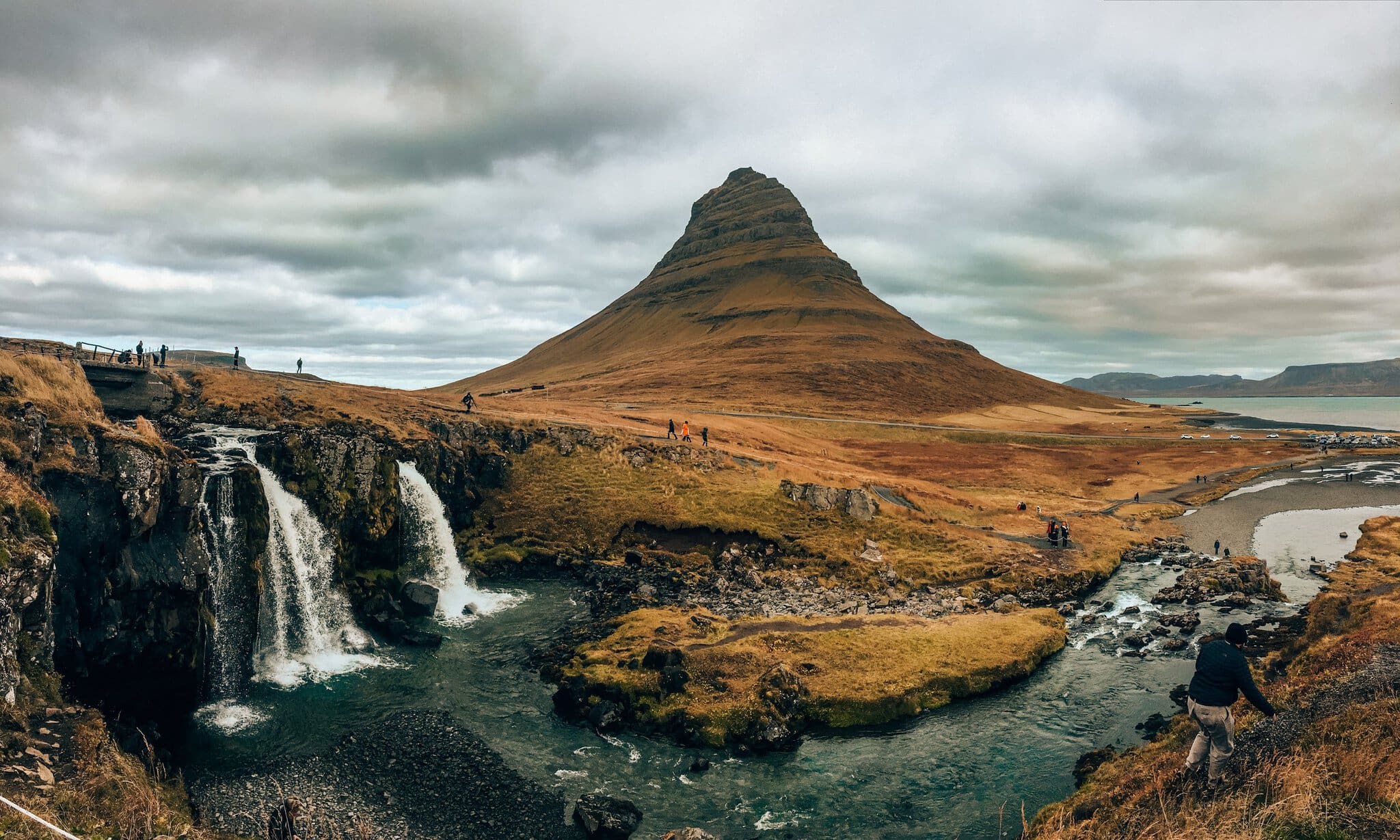
Say the word “Iceland” and lots of people instantly picture a mountain shaped like a perfect arrowhead pointing skyward, with a small waterfall thundering in front of it. That’s exactly Mount Kirkjufell (463 metres high, by the way), which became even more famous in recent years thanks to Game of Thrones, where it featured as “the mountain shaped like an arrowhead.”
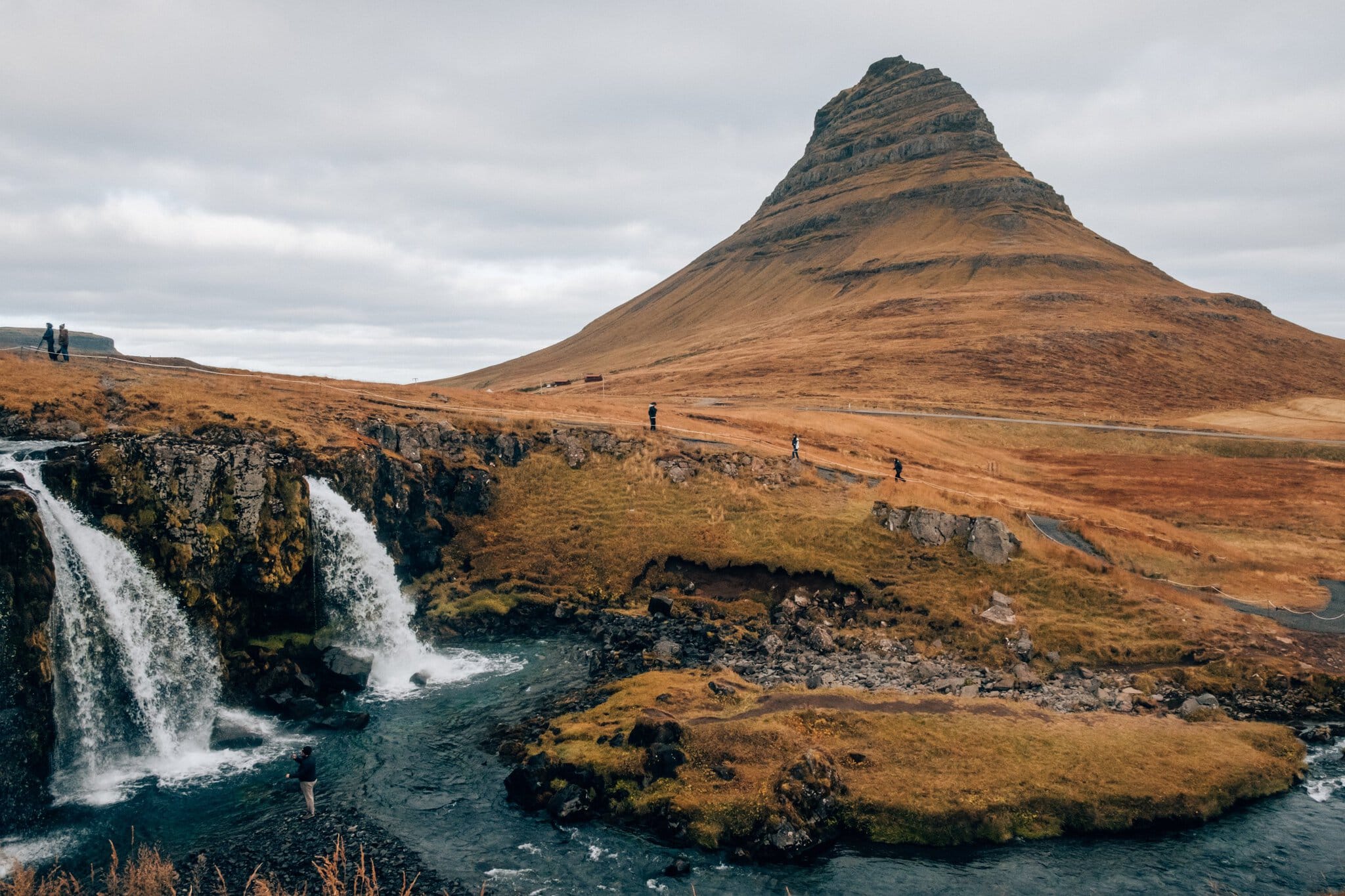
I’d be hiding the truth from you if I didn’t admit that this utterly iconic stop slightly disappointed us, and that we probably had over-inflated expectations. The magic of that perfect postcard shot actually lies in very clever composition and the photographers’ artistry.
The Kirkjufellsfoss waterfall itself is actually rather small, and to get both the mountain and the water into one spectacular shot you have to stand at a precisely defined spot to the right of the cascades facing the mountain, where, of course, crowds of other eager photographers are jostling for space. Even so, it’s a place you simply have to see.
The car park sits right by the road, and recently a fee of 1,000 ISK (about €7) per car per day has been introduced, which you’ll most easily pay via the popular mobile app Parka.app. Be sure to also walk down beneath the waterfall itself, where on a calm, windless day the mountain reflects beautifully in a little pool.
💡 Tip: It pays to book tickets and organised tours (around Iceland and beyond) in advance online with GetYourGuide — they fill up fast in season.
4. The golden beach of Ytri Tunga and the local seals
This place is a little Icelandic paradox, because on an island otherwise renowned for its black volcanic beaches, a stretch of coast suddenly appears with fine golden sand. Ytri Tunga beach lies on the more southerly side, but logistically it’s worth the detour, especially if you love wildlife and nature photography. The shallow shore here, full of rocks poking out of the water, has been chosen as a resting spot by a fairly large colony of adorable harbour seals.
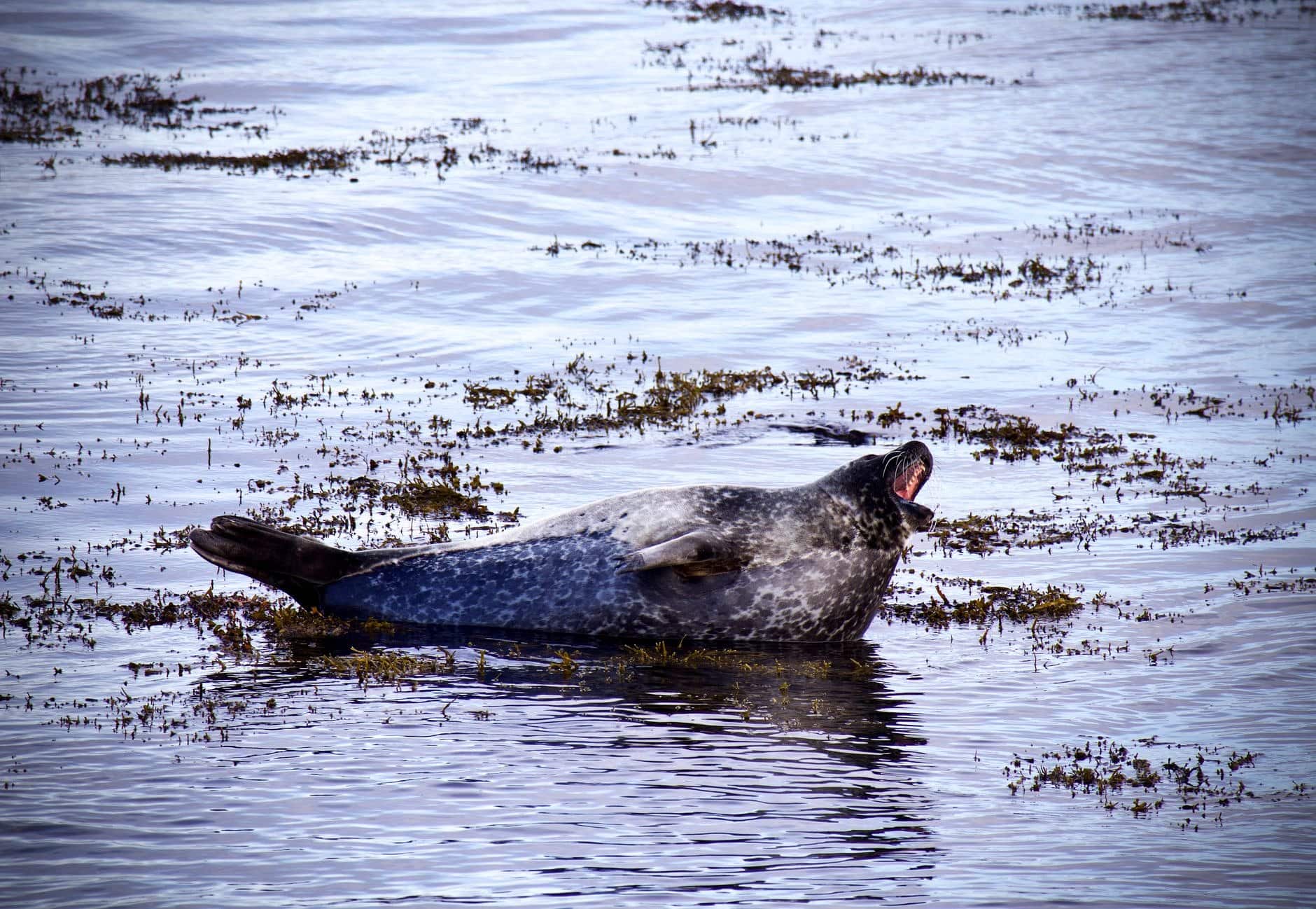
You’ll have the best chance of spotting them lazily lounging on the rocks and warming their blubber in the sun mainly during the summer months, roughly from June to August. We had no such luck back then in autumn, as the ocean was already too wild and cold, but even just the walk along the beach with the mountains at our backs was well worth the little detour.
Just remember that seals are shy wild animals, so for your own safety as much as theirs, keep a respectful distance of at least fifty metres and take care not to needlessly startle them with loud shouting or drones.
The national park and the westernmost tip full of lava
When the road leaves the northern side and starts to curve towards the very end of the peninsula, the landscape around you dramatically toughens out of nowhere. You find yourself in the protected territory of Snæfellsjökull National Park, where lush greenery alternates with endless lava fields, and over it all an ancient volcano keeps watch, its white peak visible on a clear day even across the entire bay from distant Reykjavík.
5. The Snæfellsjökull volcano and Journey to the Center of the Earth
This enormous snow-capped mountain is the absolute centrepiece of the whole national park. It’s actually a stratovolcano an incredible 700,000 years old, rising majestically to 1,446 metres above sea level, its summit permanently covered by a layer of glacier. Its name might ring a bell from your literature lessons, because it was the famous French author Jules Verne who chose this volcanic crater as the gateway to a mysterious underground world in his novel Journey to the Center of the Earth.
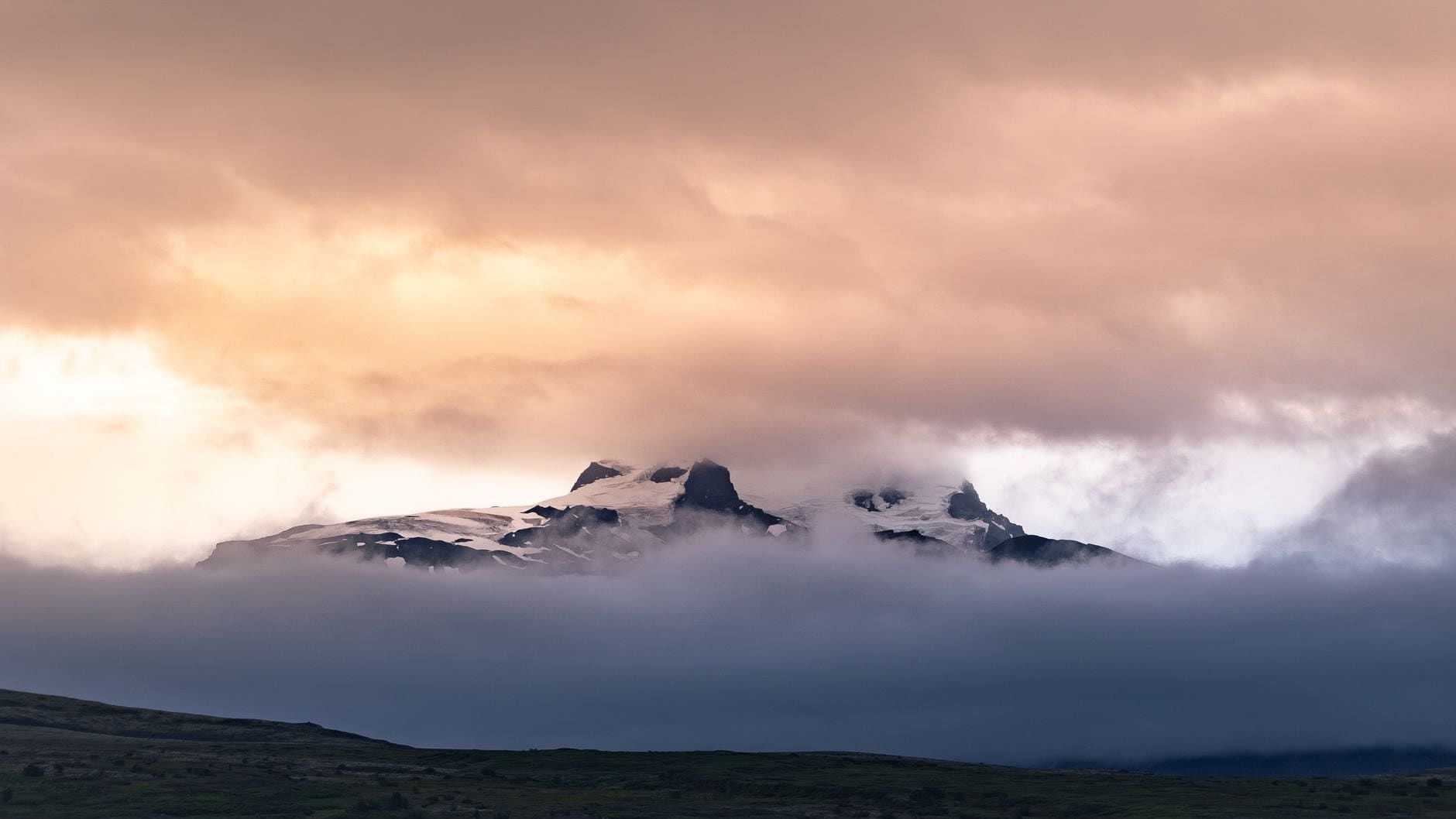
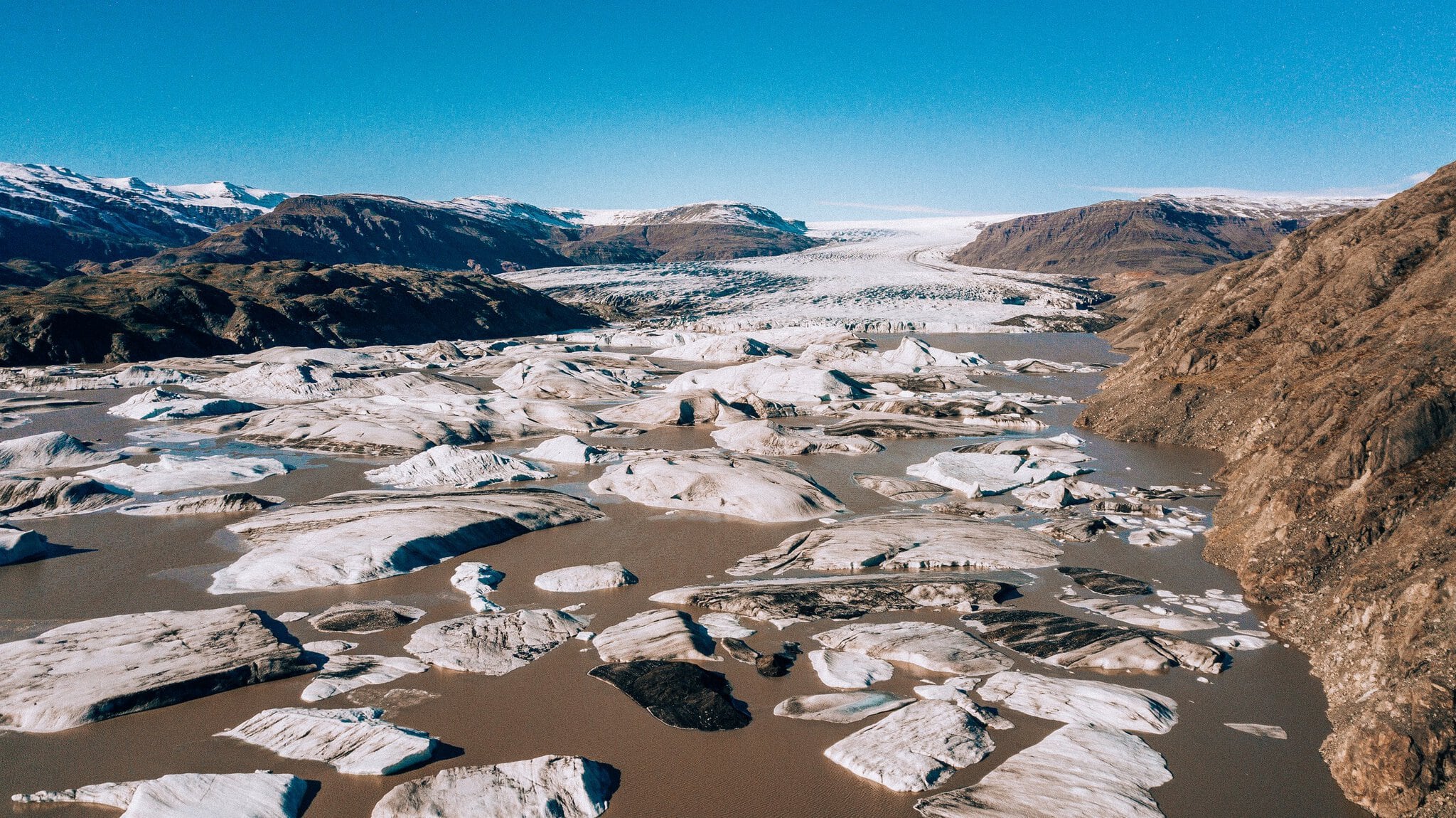
As much as we’d love to say we bravely climbed all the way to the very top, I have to assure you that for the average traveller the glacier is more of a fascinating backdrop for photos from a distance. The climb to the summit itself is a full-day, very demanding hike, which usually starts down in Arnarstapi. For safety reasons it requires an experienced local guide and special equipment including crampons, harnesses and ice axes, because along the way you have to weave between deep and treacherous crevasses in the ice.
So we contented ourselves with admiring it from the foot, where the black lava meets white snow in an incredible visual contrast. What’s more, even the guides confirm the sad fact that the glacier itself is shrinking fairly fast due to global warming.
6. The stairs into the Saxhóll volcanic crater
If you still want to enjoy the heady feeling of standing atop a real volcano (without working up a deadly sweat), take a short detour to the Saxhóll crater. This roughly hundred-metre-high extinct volcano is now very easily accessible thanks to a narrow, spiral metal staircase that the park authority built fairly recently to protect the extremely fragile volcanic soil from being completely trampled and eroded.
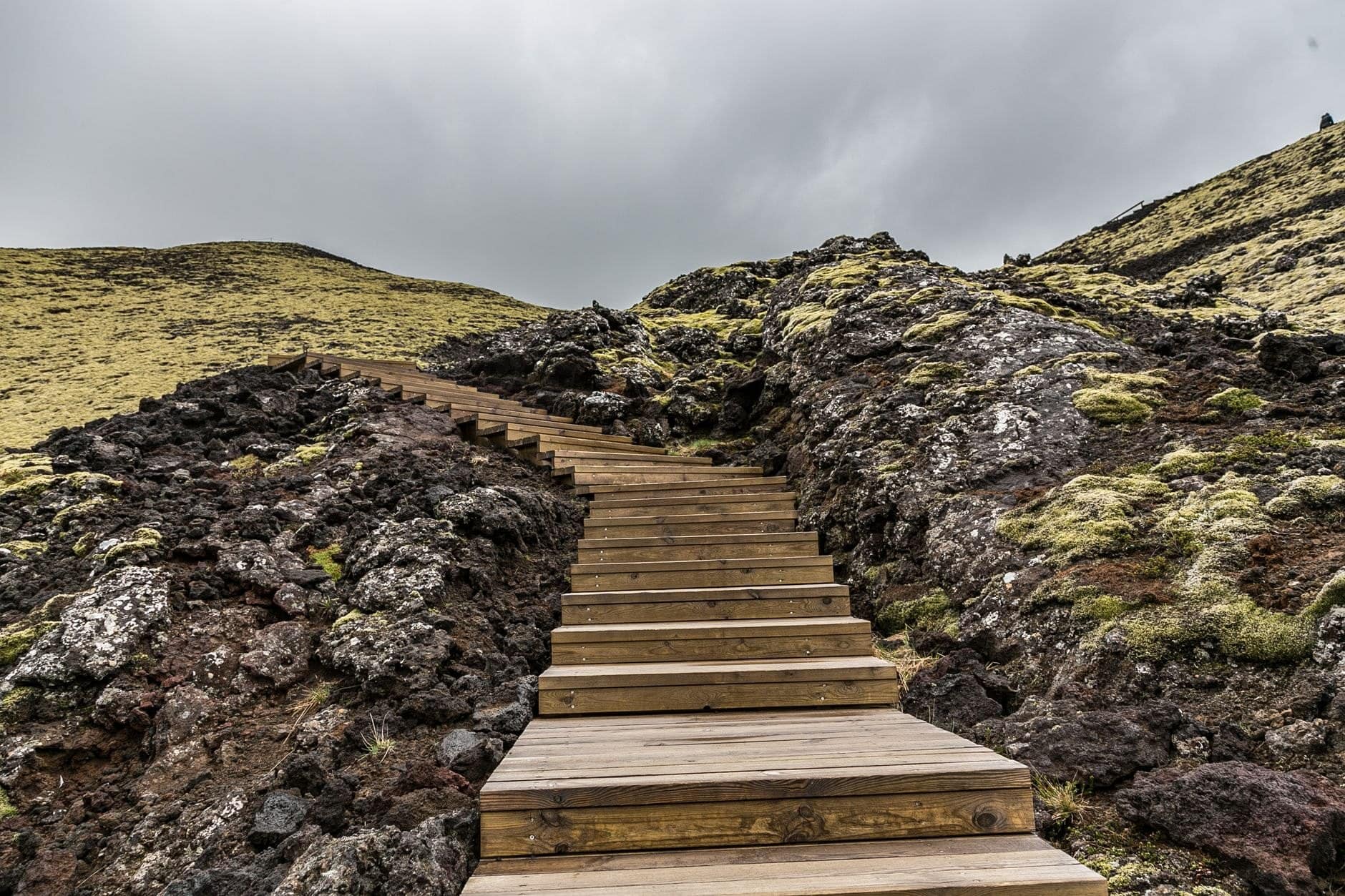
The climb up takes only about ten minutes of gentle ascent, so even smaller children can manage it with ease, and at the top a breathtaking 360-degree panorama opens up before you. On one side, a dark, jagged lava field resembling a lunar landscape spreads out deep below you, and on the other lies the endless silver expanse of the Atlantic. The wind here can blow so incredibly hard that at times you feel as though it might sweep you straight into the ocean, so be sure to pull your hat down tight.
7. Descending into the total darkness of the Vatnshellir cave
Speaking of Journey to the Center of the Earth, you can actually try something very similar for real. The roughly 8,000-year-old Vatnshellir lava tunnel is one of the most accessible underground systems on the whole of Iceland. Unlike the usual limestone caves back home, where you admire stalactites, here you’ll see stunning walls of solidified basalt lava, vivid mineral colours and incredible natural formations left behind by the rolling flow of molten rock.
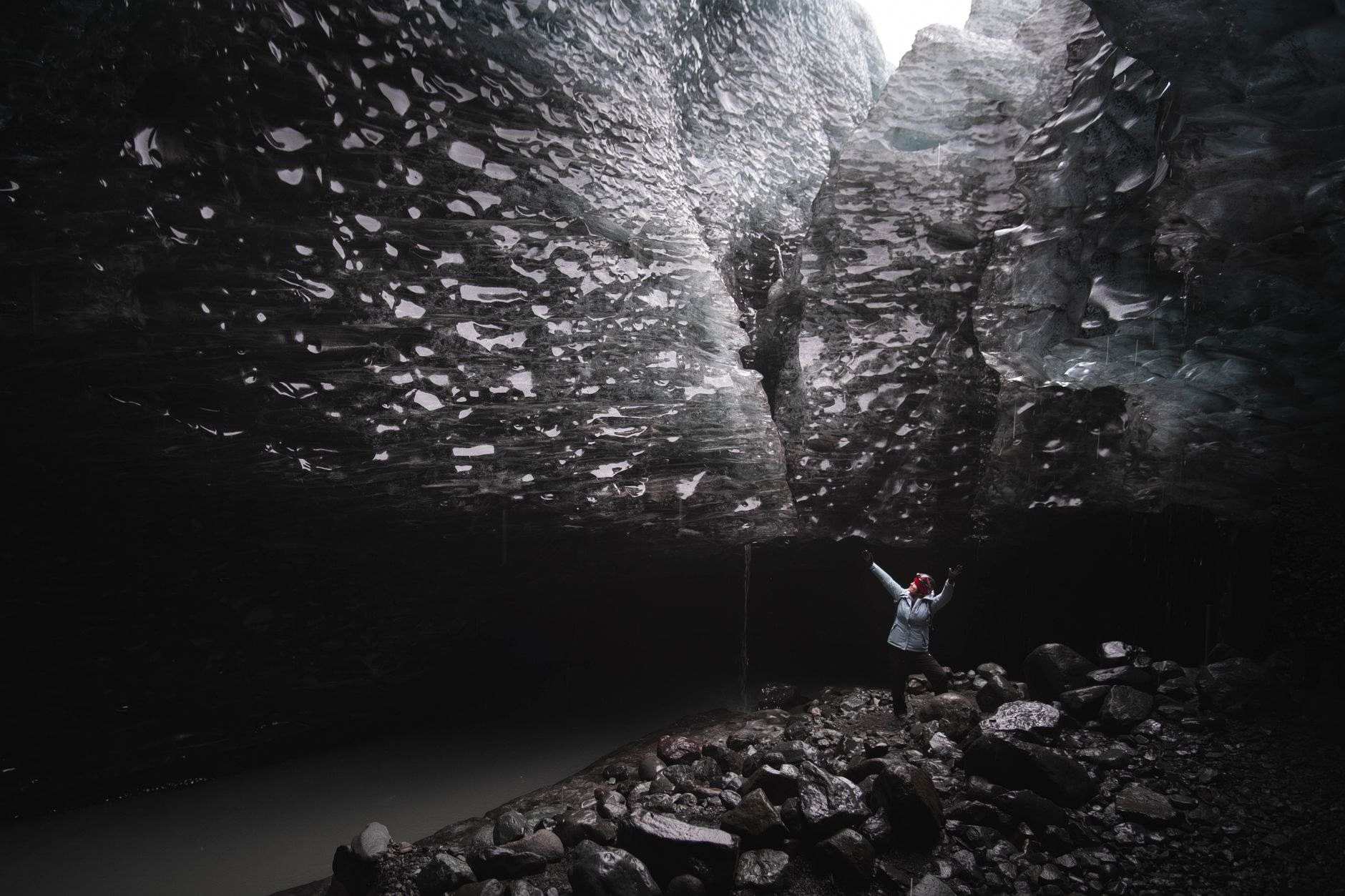
You’re only allowed to enter the cave accompanied by a professional guide. Before going in you’re kitted out with a fetching helmet and headlamp, and then you descend dozens of metres down a steep spiral staircase into absolute, tangible darkness. It’s an utterly amazing experience, especially when the guide asks everyone in the middle of the cave to switch off their headlamps for a moment and listen to the perfect silence of the underground.
An adult ticket currently costs 5,400 ISK (about €37), youths aged 12 to 17 pay 2,400 ISK, and younger children get in completely free. In the summer season the tours, which you can arrange in advance via the operator’s official website, run regularly on the hour from roughly ten in the morning to six in the evening.
South coast: dramatic cliffs and a mysterious black church
While the north belonged to peaceful fishing harbours and brooding mountains, the southern side leans fully into the furious ocean. If you’re wondering whether it’s even worth looping both sides on your itinerary, then I honestly promise you that it’s the south that hides the absolute best that a visit to the Snæfellsnes peninsula has to offer tourists. Here you’ll walk along a black beach strewn with rusty shipwrecks and spend the late afternoon in places where the old Icelandic sagas come alive once more.

8. The lifting stones on Djúpalónssandur beach
Djúpalónssandur beach may sound like a perfect tongue-twister, but it’s one of the most iconic and most rugged spots on the island. The path to the storm-tossed shore winds through jagged lava formations and strangely twisted rock walls. The beach itself isn’t made of fine sand but of smooth black pebbles, and its main attraction right at the entrance is the four legendary lifting stones. Local fishermen once tested their raw strength on these to prove to the captain they were worthy of the hard work aboard a fishing boat.
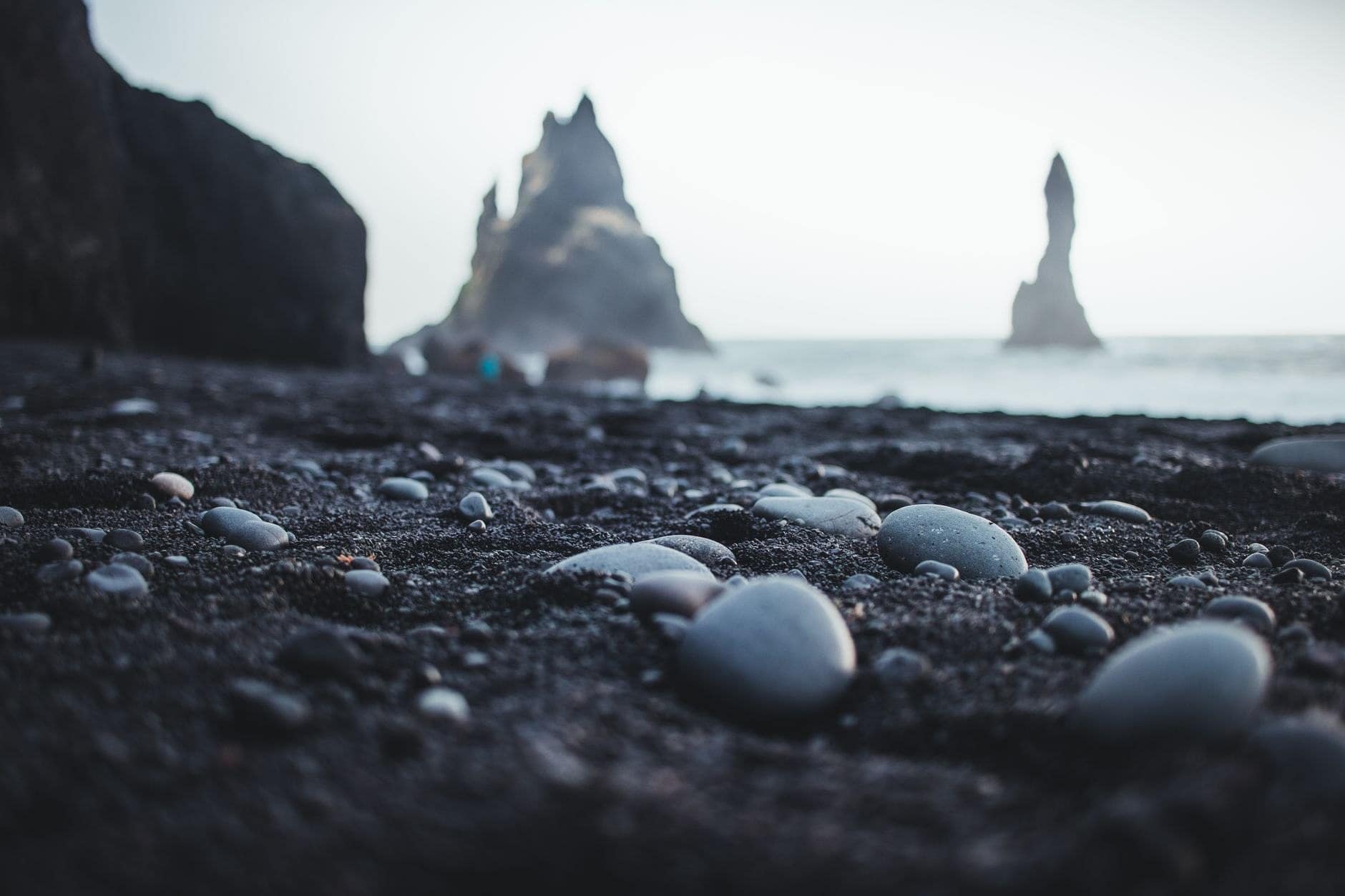
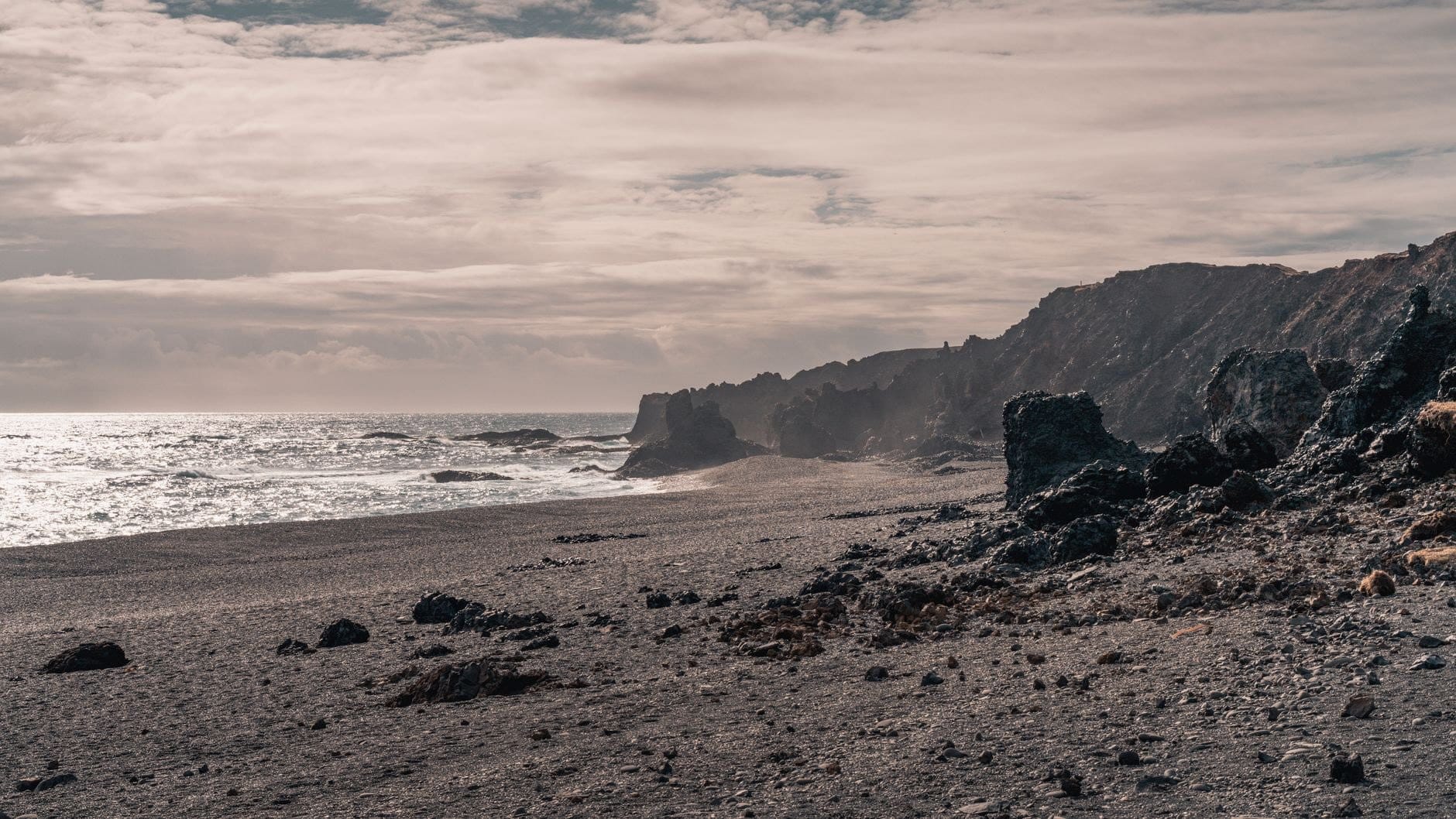
The stones each have their own name and exact weight. They are Fullsterkur, meaning Full Strength (154 kg), Hálfsterkur as Half Strength (100 kg), the weakling Hálfdrættingur (54 kg) and finally the tiny Useless named Amlóði (23 kg). To get even a miserably paid spot on board back then, you had to lift the fifty-kilo weakling roughly to hip height. Feel free to give it a go, but honestly, Lukáš and I had quite a struggle just to peel even the lightest one off the ground, let alone get it up to our knees. 😅
Scattered casually across the beach are also rusty iron wreckage, remnants of the British fishing trawler Epine GY 7, which ran aground here during a terrible storm in 1948. The wreck serves as a memorial to the victims, so it’s strictly forbidden to take anything from it.
When walking along the water, be extremely careful, as the creeping waves here, known in English as sneaker waves, are unpredictable, so never, and I mean never, turn your back on the sea. I also recommend checking the warnings on the official safety website Safetravel.is.
9. Lóndrangar, the magnificent Rock Castle
As you continue along the road from the beach, two giant basalt towers suddenly emerge on the horizon, jutting brazenly from the cliff right above the roaring ocean. The Lóndrangar towers reach a respectable height of 75 and 61 metres, and from a distance they really do visually resemble the ruins of an enormous crumbling Gothic castle. They are in fact the only remnants of an ancient volcanic crater, whose softer parts were ground away over millennia by the relentless surf and weathering until only this extremely hard lava core remained.
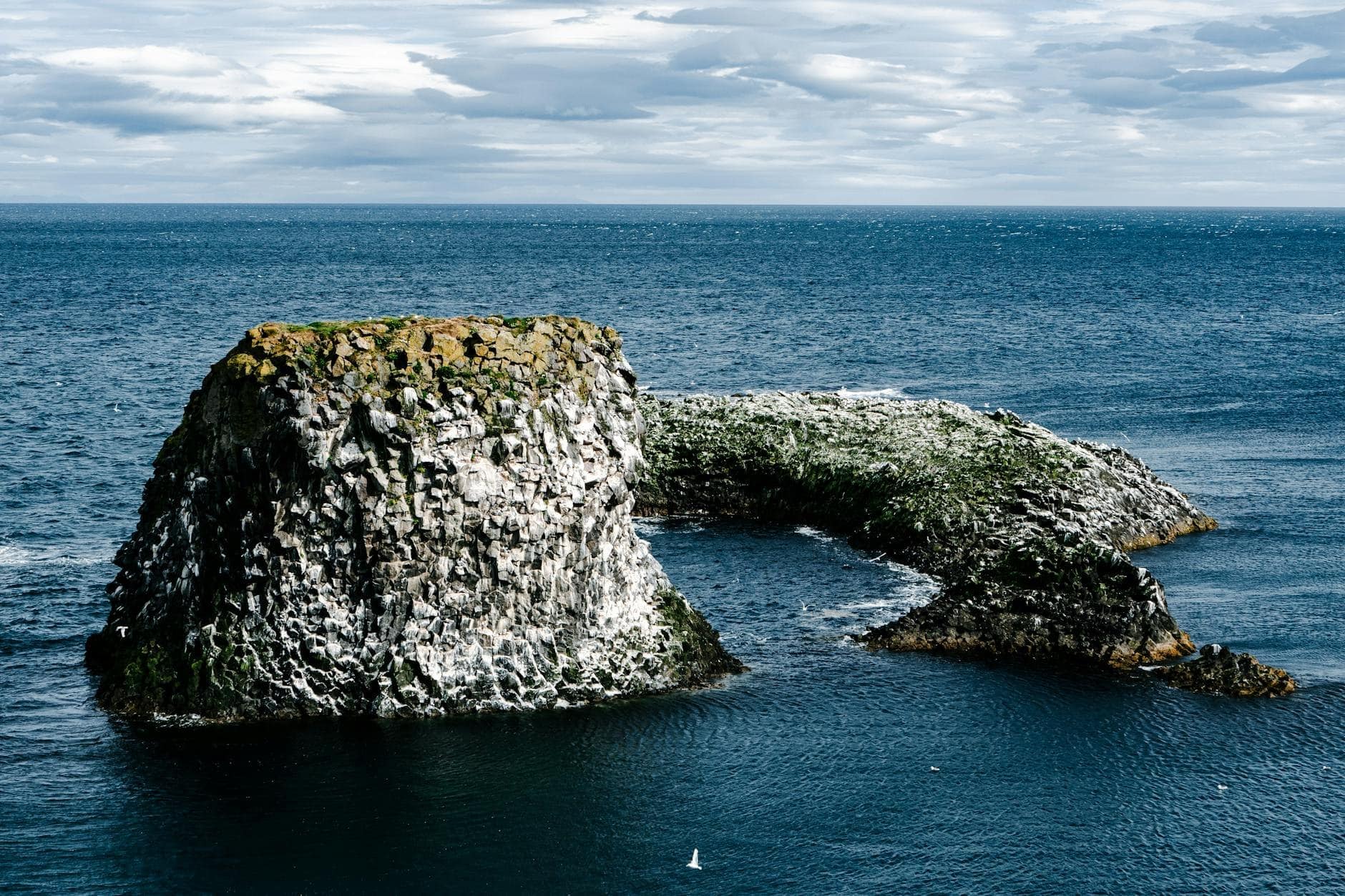
You can leave the car at a nearby dusty car park and set off along a comfortable path that leads to safe viewing platforms on the cliffs. From them you’ll have an absolutely fantastic view not only of the basalt towers themselves, but also of thousands of nesting seabirds gracefully soaring on the strong air currents high above the foaming azure waves.
10. The villages of Arnarstapi and Hellnar: a place close to our hearts
As I hinted right at the start, this particular part of the island won our hearts more than just about anywhere else we saw. The village of Arnarstapi itself, made up of essentially just a few scattered houses, is genuinely charming, but the real natural gem is hidden down on the coast.
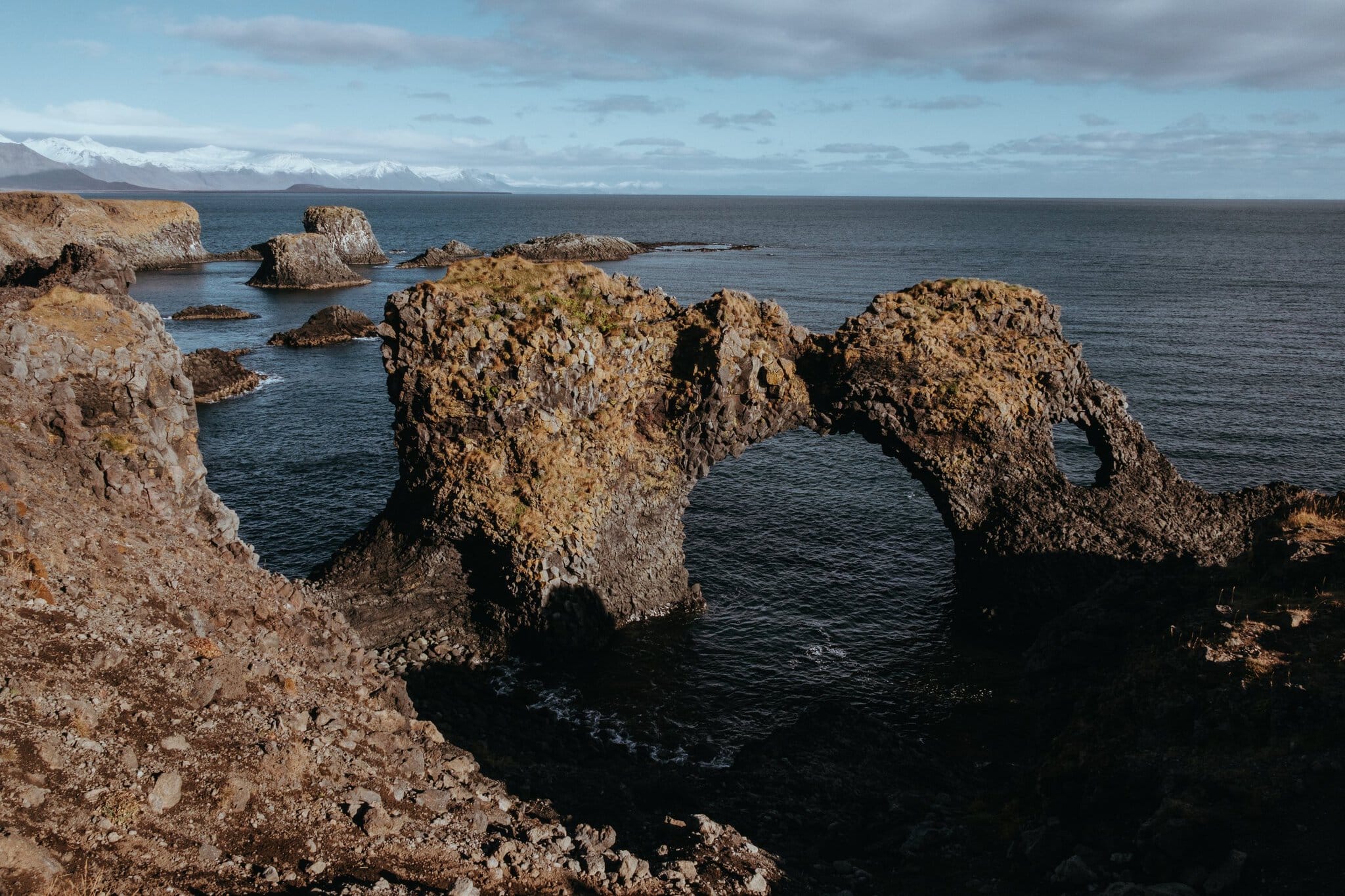
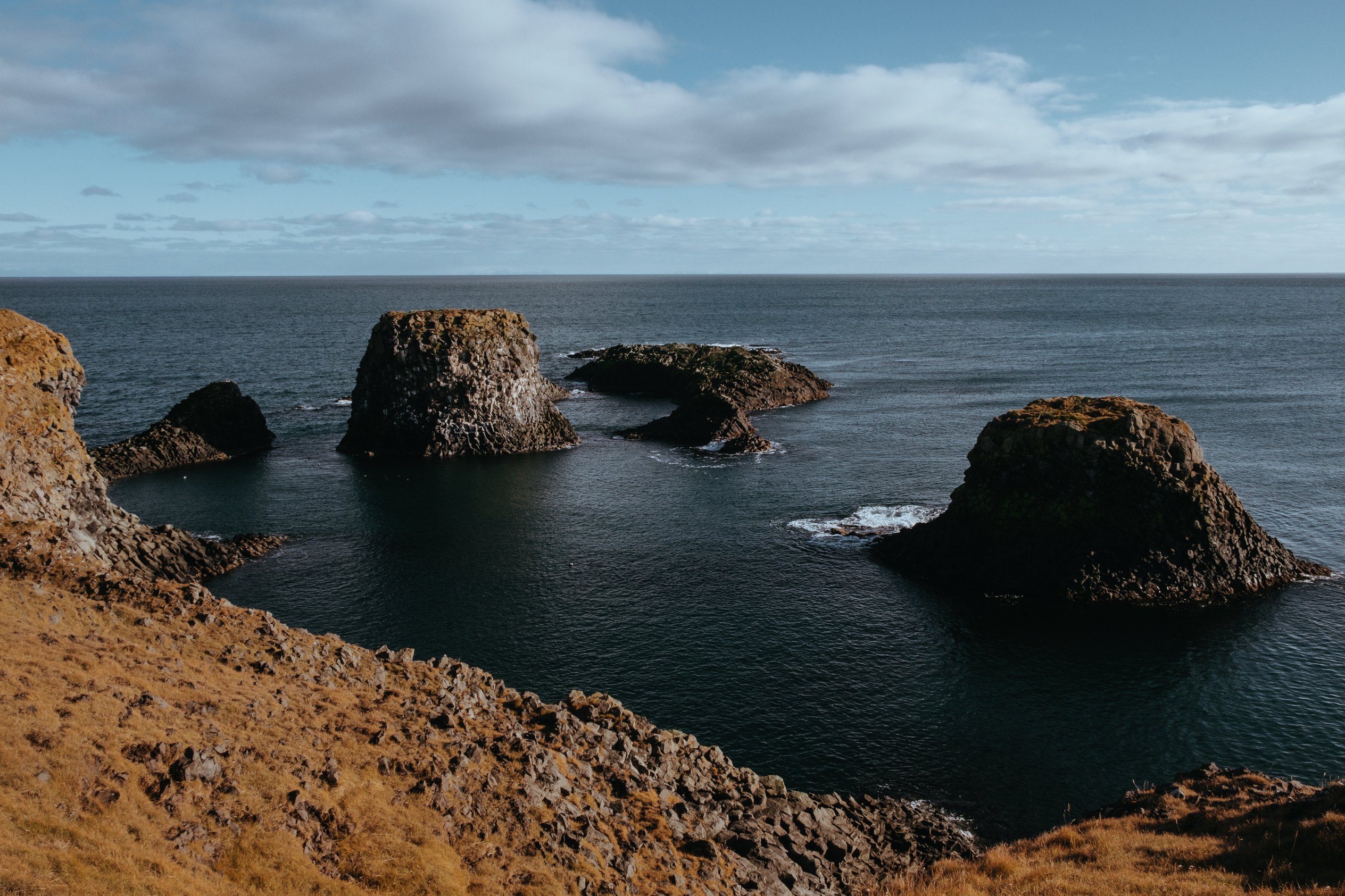
Right above the deep cliffs here begins a roughly two-and-a-half-kilometre walking trail that takes you right along the edge of the ocean to the neighbouring, perhaps even smaller and more isolated hamlet of Hellnar. It’s a completely undemanding, almost flat walk, so you’ll handle it perfectly fine even with children, and one way takes about forty-five minutes of actual walking.
As you stroll slowly along, you’ll pass fantastic lava arches carved out by marine erosion and deep caves into which water constantly crashes with a deafening roar. The best-known rock gateway on the route is Gatklettur, through which, in favourable weather and light, you can capture amazing shots with the white glacier outlined in the background.
Right in Arnarstapi, by the way, at the very start of the trail you’ll be greeted by an unexpectedly enormous stone statue of a mythological figure named Bárður Snæfellsás. According to the old Icelandic sagas, he’s a being who is half human and half fearsome giant, and who from the top of the glacier permanently protects the whole peninsula from evil spirits.
11. Búðakirkja: the legendary black church in the wilderness
Probably no proper Icelandic itinerary would ever be complete without the famous wooden church of Búðakirkja. Its enormous distinction lies not in its architecture or size, but in how incredibly sharply and strikingly it contrasts with its wild surroundings. The tiny, richly tar-painted black building with prominent white window frames stands alone in the middle of a vast lava field densely overgrown with golden grass. On one side it’s framed by the sea, on the other by the snow-capped volcano.
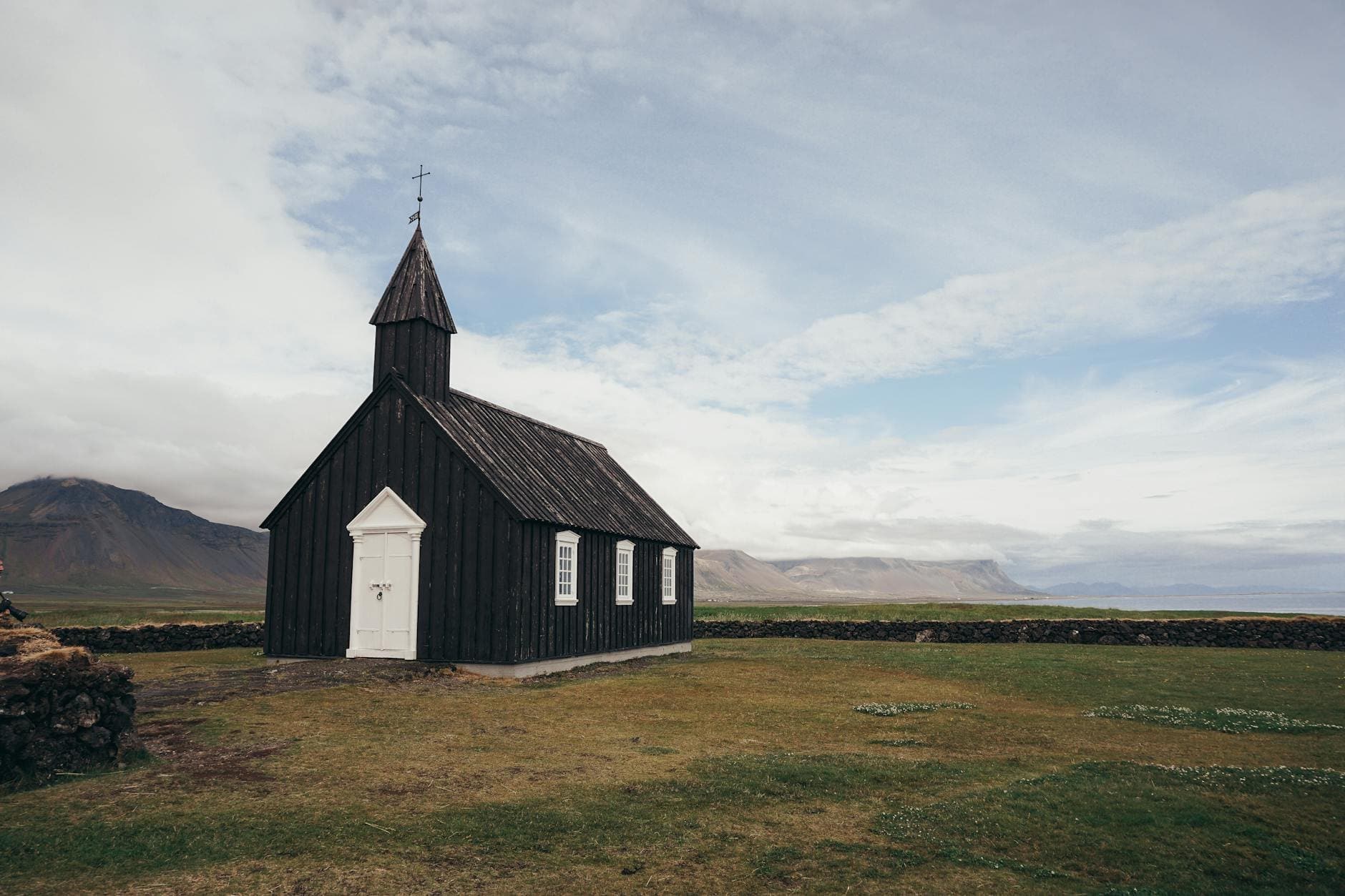
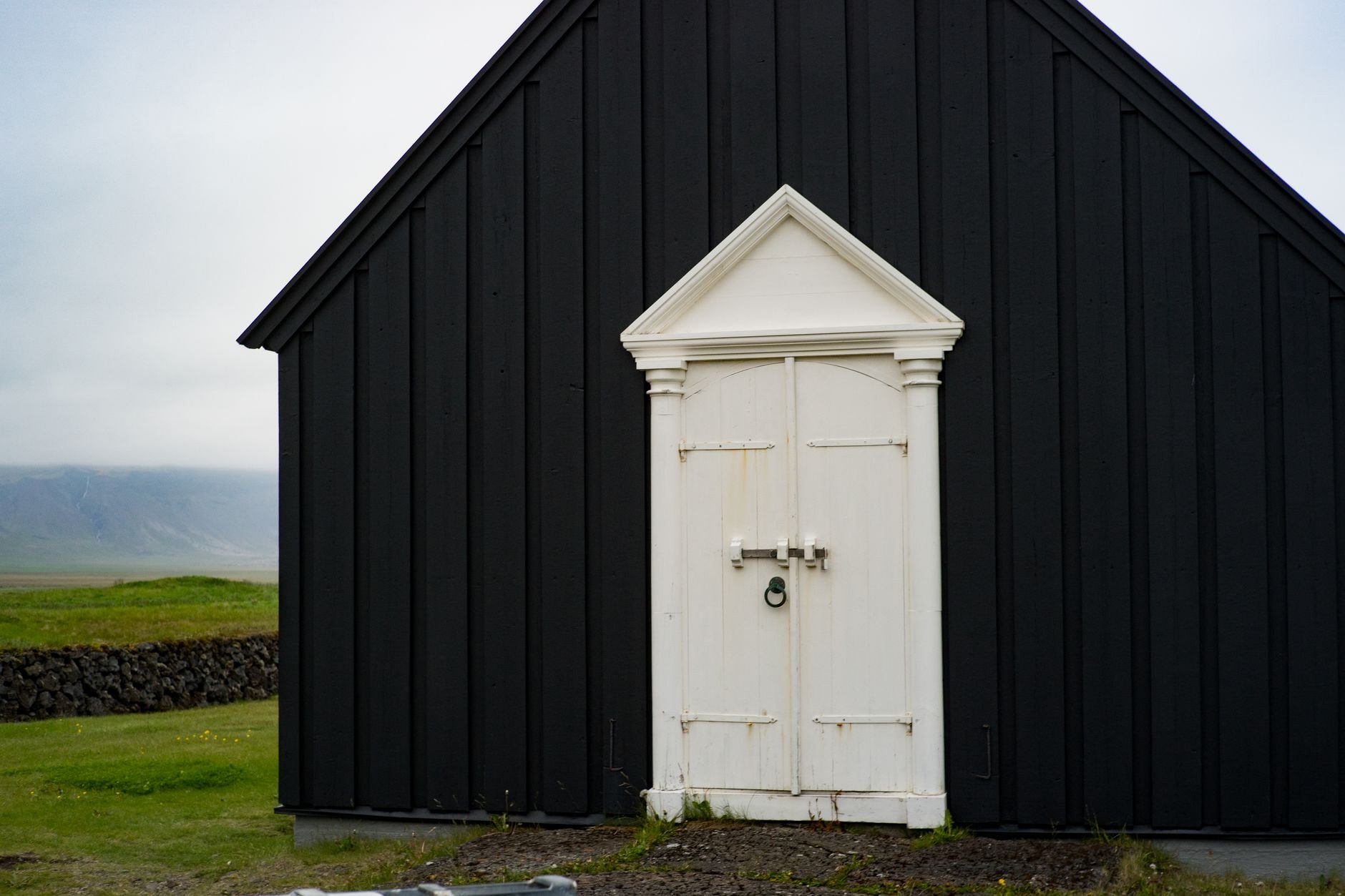
The current building actually dates only from the late 1980s, when it was rebuilt, but the history of this sacred site reaches deep into the nineteenth century. You can photograph the little church from the outside whenever you like, but unfortunately you can’t normally get inside, as it’s used exclusively for private religious ceremonies.
It’s even one of the most popular and most sought-after spots in all of Iceland, where couples from around the world come to marry in grand style, because those wedding photos with the glacier in the background must simply be breathtaking.
Map of points of interest for your phone
Where to eat well on Snæfellsnes
I have to admit quite openly that traditional Icelandic cuisine is historically heavily based on fresh fish, local lamb and dairy products, which for us as lifelong vegetarians means that the food on offer in remote regions outside the capital could sometimes be quite limited.
So during our trip Lukáš and I relied mainly on honestly cooking our own meals from ingredients bought at the well-known Bónus supermarket, but you’ll still find a few great places where, after a whole day of freezing in gusts of wind, you can warm up beautifully.
Right in the town of Stykkishólmur we can definitely recommend a stop at the excellent restaurant Narfeyrarstofa. We had an absolutely fantastic, honest veggie burger there, made from scratch with their own ingredients, along with excellent hot coffee that hit the spot wonderfully after a morning frost. The place is very cosy, nicely furnished, and the staff are extremely friendly.
Another popular choice, especially if you happen to be near the popular Mount Kirkjufell, is the restaurant Bjargarsteinn Mathús, set by the water in the harbour in Grundarfjörður. It’s a well-known, renowned establishment that prides itself on local fish and meat specialities for regular tourists, but thankfully the chefs always keep plant-based diners in mind too. They can conjure up an excellent, hearty and beautifully plated meat-free dish that doesn’t fall short of the rest of the menu in quality.
And if a sudden little crisis hits you in the middle of photographing the cliffs in the south, head straight to the very simple bistro Arnarstapi Center, where you can warm up exceptionally quickly with a hearty meat-free soup and a good chunk of fresh local bread and butter.
Practical tips to finish, and where to save
Travelling around Iceland isn’t exactly one of the cheapest hobbies, but once you know how, you can optimise your budget pretty cleverly. Here are a few practical pieces of advice that have always served us well on our travels through the rugged north and everywhere else:
How to keep an eye on the unpredictable weather
The basic rule number one in Iceland is that the weather can change literally within minutes. Just because the sun is shining over breakfast in the morning absolutely doesn’t mean you won’t run into a sudden blizzard over the very first hill. The number one official app and website for you is the Icelandic Meteorological Office (Vedur.is), where you’ll find not only a reliable forecast of precipitation and wind, but also a great cloud-cover map in the evenings, which is essential for a successful hunt for the Northern Lights.
⚠️ The solar eclipse in August 2026
If you’re planning your dream trip to Iceland in August 2026, you’d better sit up and pay attention. On exactly 12 August, Iceland will experience a total solar eclipse, and crucially, the ideal path of totality crosses right through our beloved Snæfellsnes peninsula and Reykjavík.
A huge festival is therefore being planned on the peninsula, and according to the official event information, prices for a bed are already soaring to unprecedented, astronomical heights, with guesthouses charging a comfortable €600 for an ordinary night. If you don’t have a reservation a year in advance, be prepared for both the logistics and the prices to be extreme throughout August.
Where to find flights
From the UK you’ll find plenty of options to Reykjavík: Icelandair and the budget carrier Play both run regular direct flights from London, and there are seasonal connections from Manchester, Birmingham and Edinburgh too. Booking a direct flight saves you the hassle with luggage at connecting airports, and the journey is only around three hours, so it makes for a very doable long weekend.
Renting a car and the tricky business of paying for fuel
When renting a car for Iceland, NEVER forget to calmly pay the small extra for gravel damage insurance (known as Gravel Protection). Very often you’ll come off the lovely smooth asphalt onto a dusty gravel road, and flying stones thrown up by fast oncoming cars are a completely common occurrence that, without insurance, will make a big dent in your budget.
Iceland is an utterly cashless country, where you pay by card on your phone even in the toilets, but be very careful at self-service petrol stations (N1) and at older parking machines. They often lack an Apple/Google Pay reader, and once you insert a physical plastic card, the old pumps uncompromisingly require you to enter your PIN, so it’s best to refresh it in your memory before you fly out.
Booking accommodation with a kitchenette
Booking.com has been our favourite hotel and private accommodation search engine for years. Personally, I always recommend carefully filtering the search results by amenities and deliberately choosing only rooms with access to a shared or private kitchenette. The hundreds of pounds you save on overpriced Icelandic dinners you can guilt-free invest instead in ferry tickets or cave admission.
Don’t forget good travel insurance
For the usual shorter trips within Europe we always choose reliable cover, and for longer or more complicated journeys halfway across the world we put our full trust in True Traveller, who offer genuinely excellent cover even for more demanding treks. Whatever you pick, make sure your policy covers hiking and any active pursuits you’re planning on Snæfellsnes.
Where to go next in Iceland
If you have more time on the island and want to know what else to add to your itinerary, take a look at our earlier articles from the road trip. You might just find the very inspiration that puts the crowning touch on your trip. 😉
- What to see and do in Reykjavík: a colourful capital city
- The complete guide to Iceland for beginners
- Our big itinerary for a road trip around the island
- Where to warm up for sure: 16 of the best hot springs
 🚗 Car rental on the road
Verified rental cars in Iceland
🚗 Car rental on the road
Verified rental cars in Iceland
Search with the DiscoverCars comparison engine — it compares prices from dozens of local and international rental companies, and most bookings come with free cancellation.
Compare car prices in Iceland →Frequently asked questions
1. Can you do the Snæfellsnes peninsula in just one day from Reykjavík?
Yes, you can definitely manage it, but prepare yourself in advance for a fairly demanding day spent mostly behind the wheel. The journey there, back and the entire big loop around the peninsula means roughly 500 kilometers driven, which together with slow transfers, short walks and taking photos will take you 10 to 12 hours. To really enjoy the trip, soak up the atmosphere and not unnecessarily rush back to your accommodation, it’s definitely worth spending at least one night there.
2. Is the peninsula better and more beautiful than the famous Golden Circle?
These two areas are hard to compare, as each offers a slightly different experience. The Snæfellsnes Peninsula provides much greater diversity in one place, from a volcanic glacier through dramatic black beaches to seal colonies. The Golden Circle, on the other hand, is logistically much closer to the capital, is more accessible, and you’ll find the famous spouting Geysir there. However, Snæfellsnes is a considerably quieter destination, where even in season you’ll experience far smaller crowds of tourists. If you have time, definitely don’t skip either one.
3. Isn’t that heavily photographed mountain Kirkjufell a bit overrated?
It really depends on your personal expectations and mindset. The aforementioned waterfall in front of the iconic mountain is actually quite tiny, and the main charm of the entire place lies really only in one single very specific photographic composition. The site is also heavily crowded with people during the summer season. It’s definitely worth seeing with your own eyes, but don’t expect a mighty and deafening mass of water like at other Icelandic giants, such as Gullfoss in the south.
How much exactly does the entrance to Vatnshellir lava cave cost and can I go by myself?
No, entering the deep cave on your own is strictly forbidden for safety and nature protection reasons and is only possible with a certified guide and borrowed helmet with headlamp. An adult ticket will currently cost you 5,400 ISK (approximately €38). Youth aged 12 to 17 pay a significantly reduced amount of 2,400 ISK and the youngest children up to 11 years accompanied by parents have the tour completely free.
Is it possible to go to Snæfellsjökull glacier itself without a guide?
Definitely not, any attempt to climb the steep volcanic peak, which is permanently covered by a treacherous glacier, is extremely dangerous due to dozens of deep crevasses in the ice, often hidden by a thin layer of snow. This is a technically demanding full-day expedition for which you absolutely need not only a very experienced local guide who knows the terrain, but also heavy specialist equipment including crampons, sturdy harnesses and long ice axes.
6. Which towns are best suited as a base for accommodation and day trips?
The choice really depends on where exactly you’re coming from and what your budget is. The larger northern town of Stykkishólmur has absolutely excellent facilities and restaurants. If you want to stay right by the famous mountain, look for hostels in Grundarfjörður. For romantics who don’t suffer from a lack of money and want to wake up right on the cliffs with luxury ocean views, the settlements of Arnarstapi, Hellnar or the immediate vicinity of the iconic little church in Búðir are fantastic. For cheaper options, look for accommodation in Hellissandur.
7. Is it safe to travel around the peninsula by car even during the harsh Icelandic winter?
Yes, it’s definitely possible. The main ring road number 54 on the peninsula is fully paved and snow ploughs keep it maintained even in winter, however the constant supply of fresh snow, slippery ice and extremely strong crosswinds are literally an everyday occurrence here from November to March. During these winter months you therefore absolutely need a reliable car with all-wheel drive (4×4), quality winter tyres (ideally studded) and above all a huge amount of respect for the changeable Nordic nature. Check road conditions regularly on Umferdin.is.
Tips and Tricks for Your Vacation
Don’t Overpay for Flights
Search for flights on Kayak. It’s our favorite search engine because it scans the websites of all airlines and always finds the cheapest connection.
Book Your Accommodation Smartly
The best experiences we’ve had when looking for accommodation (from Alaska to Morocco) are with Booking.com, where hotels, apartments, and entire houses are usually the cheapest and most widely available.
Don’t Forget Travel Insurance
Good travel insurance will protect you against illness, accidents, theft, or flight cancellations. We’ve had a few hospital visits abroad, so we know how important it is to have proper insurance arranged.
Where we insure ourselves: SafetyWing (simple monthly subscription) and TrueTraveller (for extra-long trips).
Find the Best Experiences
Get Your Guide is a huge online marketplace where you can book guided walks, trips, skip-the-line tickets, tours, and much more. We always find some extra fun there!