Brussels might not pull you in at first glance the way Paris or Rome do, but trust me — the capital of Belgium has several huge aces up its sleeve. Beyond the stunning architecture and the EU institutions, Brussels, Belgium is an absolute paradise for anyone who loves good food, especially if you have a sweet tooth.
If you’ve ever dreamed of a place where they make the best pralines in the world, where beer flows freely and the smell of freshly baked waffles drifts out of every other street, you’ve just found it. The Belgian capital is also surprisingly compact, so you can easily explore it on foot over one long weekend.
In this article we’ll look together at 19 things to do in Brussels and explore the most beautiful spots, from the famous Atomium to hidden Art Nouveau backstreets. I’ll also tell you where to stay strategically, how the local transport works, and what to watch out for on the streets.
TL;DR
- Main square: Grand-Place is the heart of the city, and a short walk away you’ll find the famous Manneken Pis statue.
- City icon: The Atomium from Expo 58 offers great views, and right next to it lies the Mini-Europe theme park.
- Food: Taste Belgian pralines and hot waffles, sign up for a chocolate workshop, or explore an endless variety of beers.
- Culture and art: Don’t miss the Magritte Museum, the Art Nouveau buildings by architect Horta, and the comic-book murals everywhere.
- European Quarter: Visit the free Parlamentarium and take a break on the Václav Havel bench.
- Day trips: Brussels is the perfect base for train trips to romantic Bruges or historic Ghent.
The full destination guide: Belgium — guide and what to see
When to Visit Brussels and How to Prepare
Belgian weather is a bit of a lottery, and the mild oceanic climate brings roughly 200 rainy days a year. An umbrella or a decent raincoat should be an absolute essential in your bag, no matter which month you travel in.
The best time to visit is from May to September, when the days are longer and temperatures hover around a pleasant 21 °C. September is usually the ideal month, as it tends to bring slightly more stable weather and less rain than the rest of the year.
If you love flowers, plan your trip for mid-August in an even-numbered year (such as 2026), when the main square is covered by the famous Flower Carpet made of half a million begonias. In winter, the city comes alive with a wonderful festive atmosphere, and the local Plaisirs d’Hiver markets are regularly ranked among the best Christmas markets in Europe.
The local transport is very straightforward and easy to navigate. A single metro or tram ticket costs €2.40, but if you pay with a contactless card directly on board, your daily spend is capped at €8.40. From the main Zaventem airport (BRU) you can reach the centre by train in about 20 minutes, while from the low-cost Charleroi airport (CRL) you’ll need to take a bus that takes around an hour. There are direct flights to Brussels from most major UK airports such as London Heathrow, Gatwick and Manchester with carriers like Brussels Airlines, British Airways and Ryanair, and the journey takes just over an hour.
Where to Stay in Brussels (and What to Avoid)
💡 Tip for accommodation and experiences: We like to search for places to stay on Booking.com, which usually has the best cancellation terms. For tickets, tours and activities, it pays to compare and book through GetYourGuide.
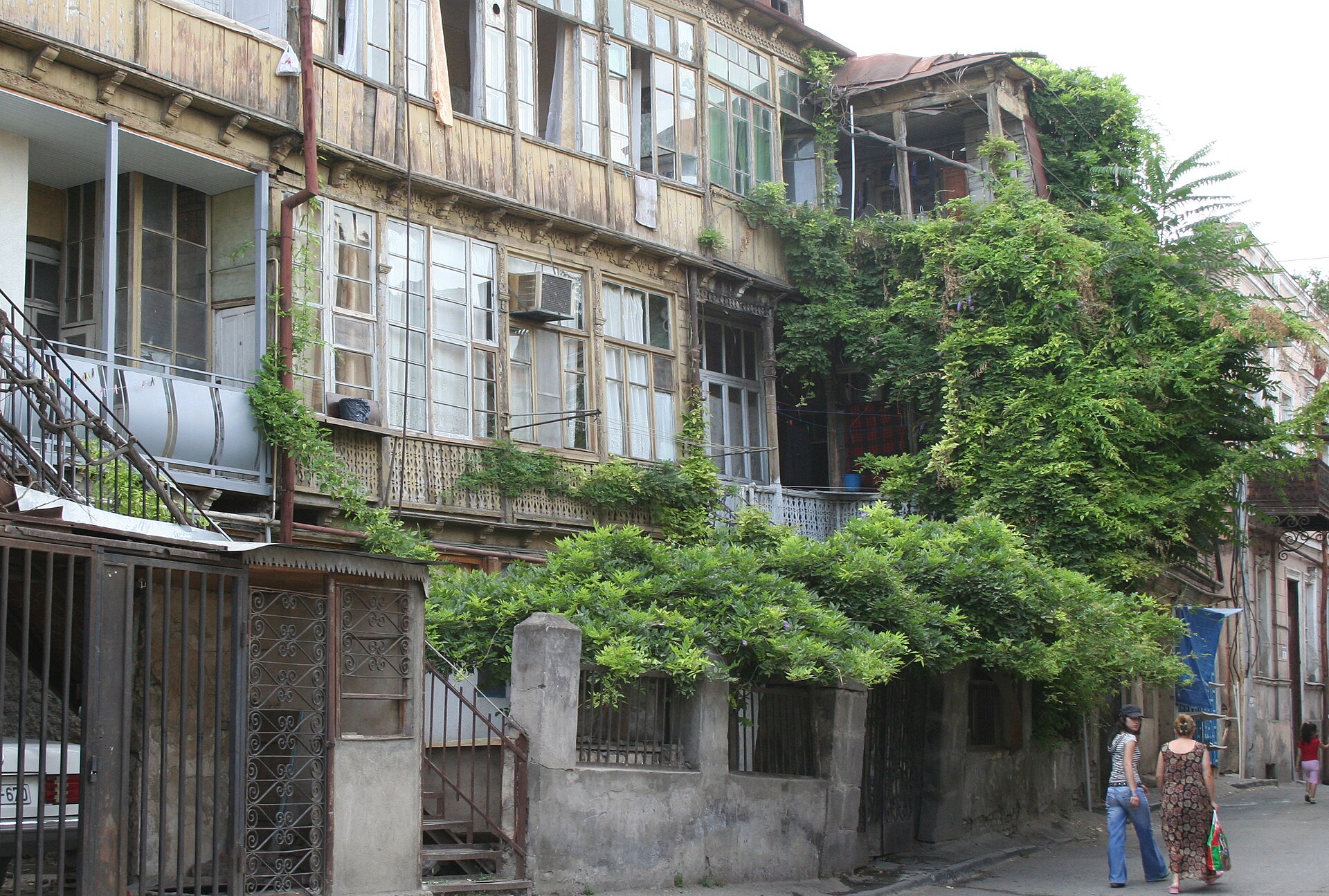
Choosing the right neighbourhood is absolutely key to your overall impression of the city. While the centre around Grand-Place is enchanting and everything is within walking distance, the area around Bruxelles-Midi station (where Eurostar trains stop) is notorious for pickpockets and feels far from safe at night.
If you’re after quieter areas full of great restaurants, focus on the Sainte-Catherine district or the elegant Louise area. Around the European Quarter you’ll find modern hotels that are surprisingly affordable at weekends, once the office crowd has left town.
I recommend booking your accommodation well in advance through Booking, because Brussels hosts plenty of international conferences and hotels often sell out. Here are a few specific tips across different price ranges:
- Luxury experience: Rocco Forte Hotel Amigo sits right by the main square and offers first-class five-star service and beautiful rooms with a historic touch.
- Boutique style: Hotel des Galeries is tucked away inside the famous shopping arcade, so you’ll sleep literally a few steps from the best chocolate shops.
- Happy medium: NH Collection Brussels Centre is a popular hotel with a fantastic rooftop terrace and a great location for exploring the city on foot.
- Modern budget: Motel One Brussels offers a lovely design interior at very reasonable prices and sits just a short walk from the Royal Palace.
- For backpackers: If you’re looking for a clean and cheap hostel, great options are the popular 2GO4 Quality Hostel or the modern Sleep Well Youth Hostel.
19 Best Things to Do in Brussels in 2026
Let’s take a look together at 19 specific places and experiences you definitely shouldn’t miss during your visit. I’ve included both the most famous landmarks and a few smaller tips for lovers of art and good food.
1. Grand-Place Square (Grote Markt)
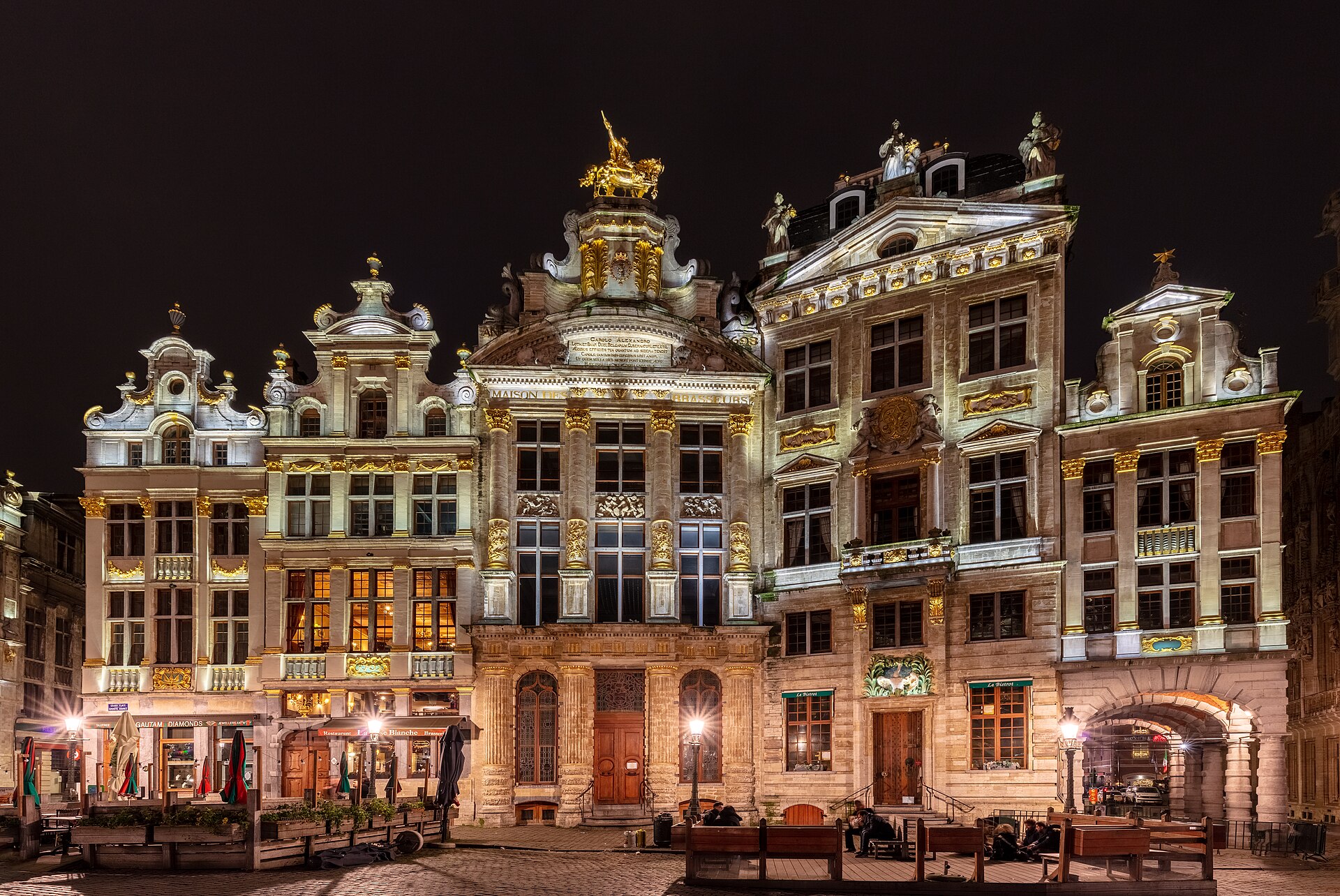
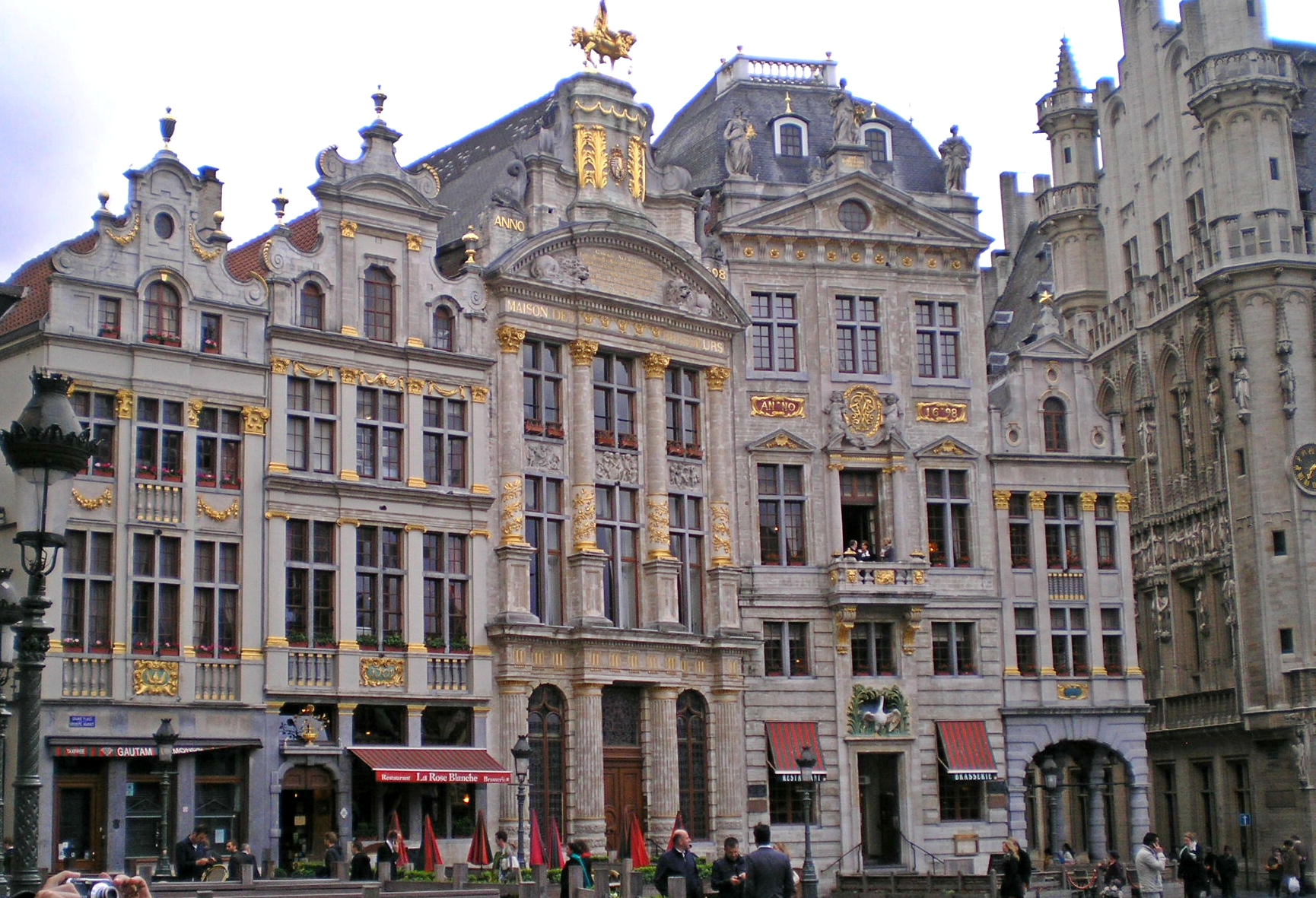
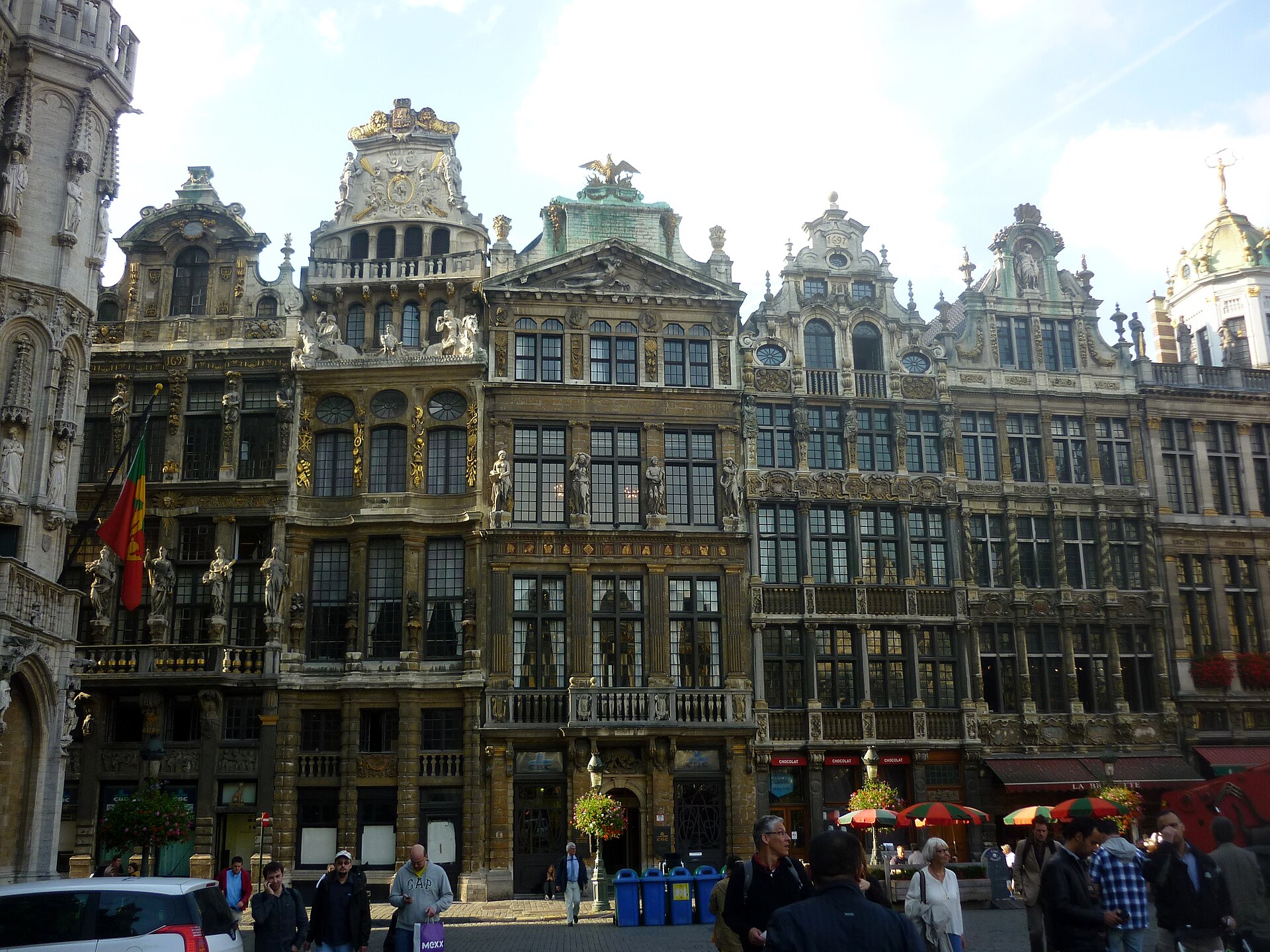
The main square is, without exaggeration, one of the most beautiful in all of Europe and is listed as a UNESCO site. On every side you’re surrounded by stunning Baroque guild houses with golden details that glitter beautifully in the sun.
The most striking building is undoubtedly the Gothic town hall with its 96-metre-high tower, topped by a statue of Saint Michael. The square is free to enter, and I recommend coming here twice — once in daylight and once after dark, when the whole space is magically lit up.
💡 Tip: If you love flowers, plan your visit for mid-August in an even-numbered year, when the entire square is covered by a gigantic flower carpet made of brightly coloured begonias.
2. The Peeing Boy (Manneken Pis)
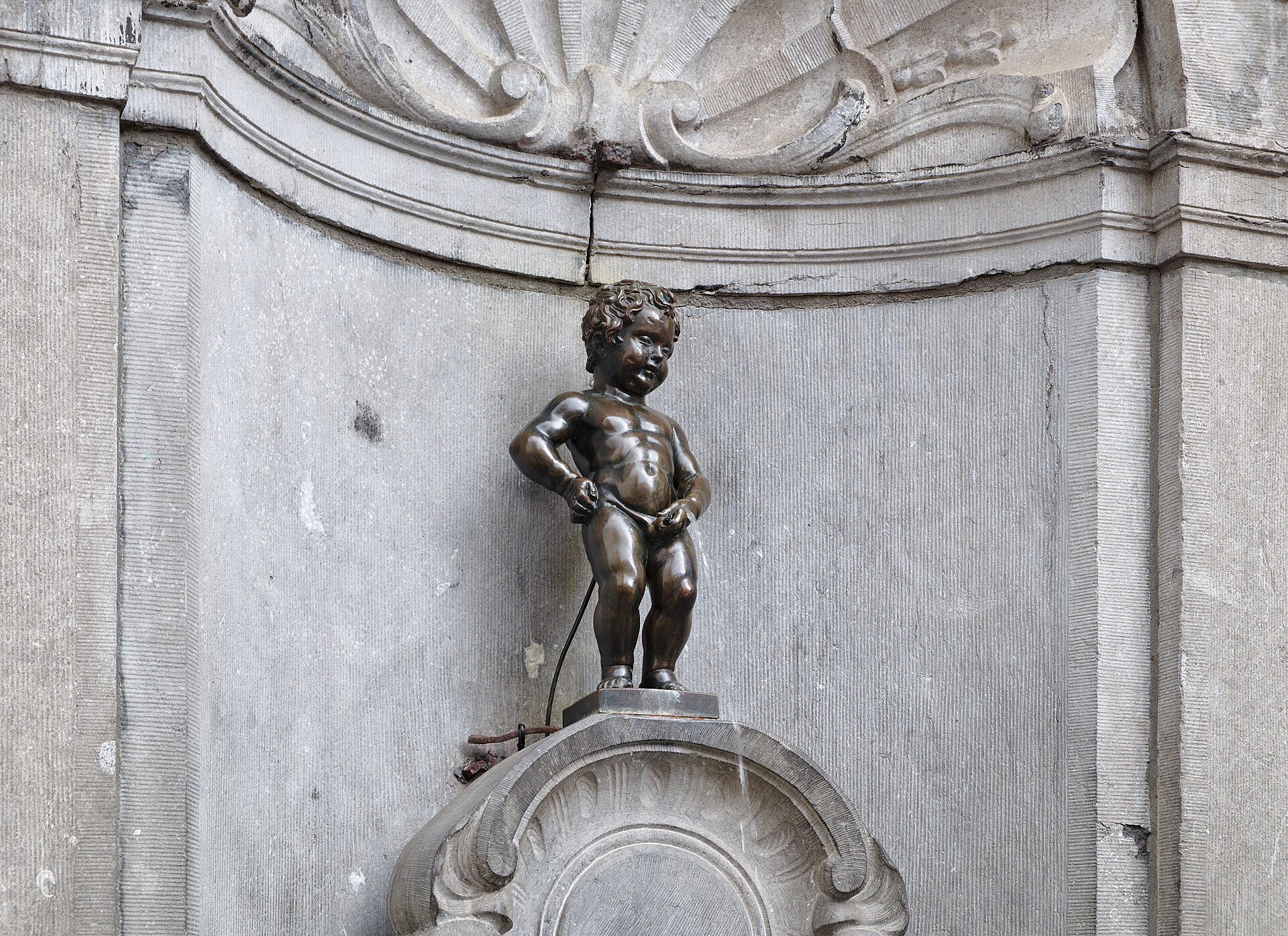
Just a few streets from the main square you’ll find the most iconic statue in all of Belgium. The bronze little boy Manneken Pis draws crowds of tourists every day, though a small surprise probably awaits you on the spot.
I have to be honest and warn you that the statue is really tiny, measuring just 55 centimetres. People often walk away slightly disappointed, so it’s good to be aware of those modest dimensions in advance and not expect a monumental work of art.
The little boy is often dressed in various costumes depending on which holiday or anniversary happens to be celebrated. If you’re curious about his complete wardrobe, you can visit the free GardeRobe museum, where you can see hundreds of his miniature outfits.
3. The Iconic Atomium
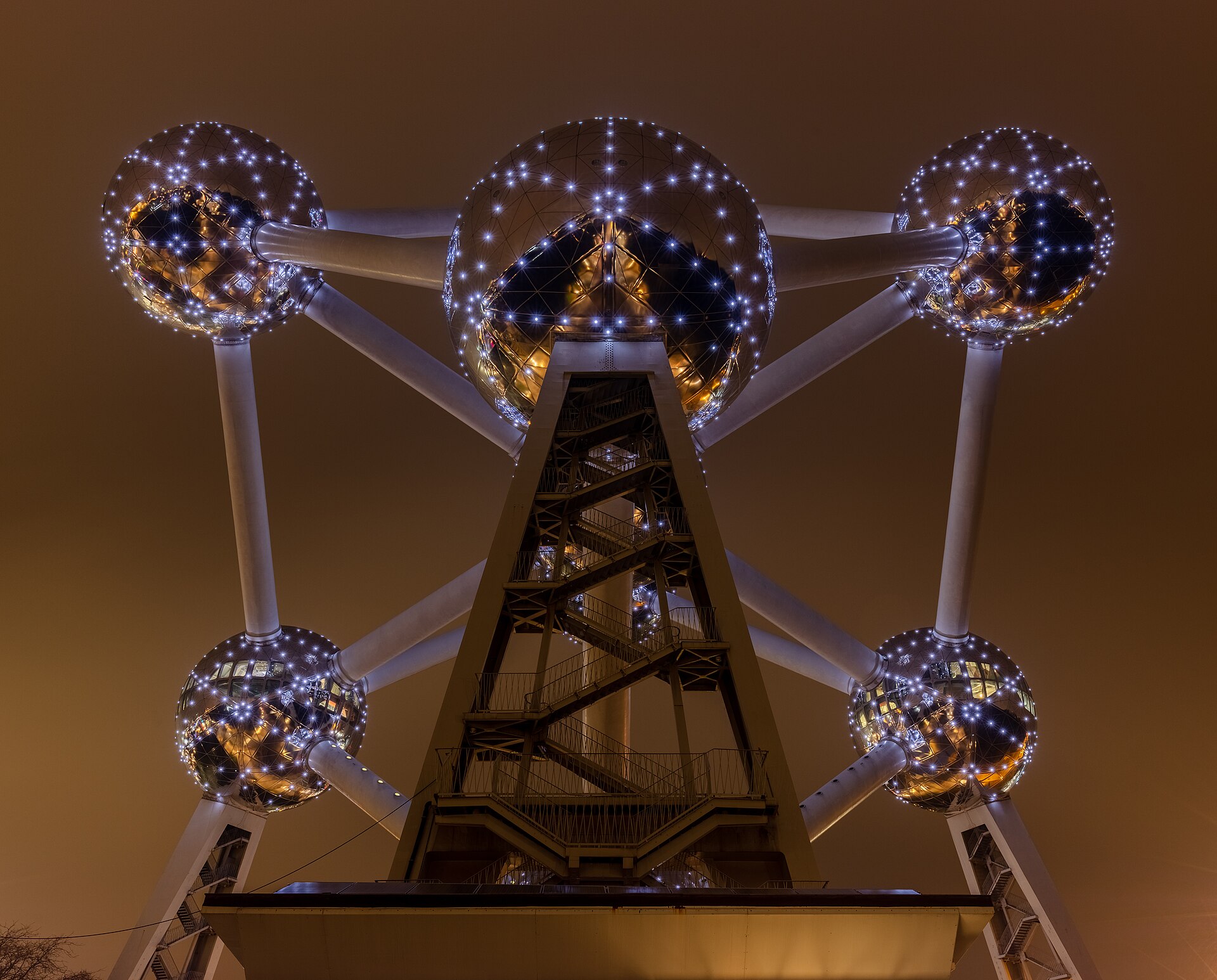
This enormous steel structure was built in 1958 for the international Expo exhibition and was originally meant to stand in the park for just a few months. Today the Atomium is an inseparable symbol of the city and represents a model of an iron crystal lattice magnified 165 billion times.
The structure is 102 metres tall and houses nine spheres in total, some of which serve as exhibition spaces while the highest one works as a panoramic viewpoint. Admission costs around €17 and it’s open every day from 10 a.m. to 6 p.m.
💡 Tip: You can easily reach the Atomium by metro to Heysel station, but I recommend coming here early in the morning. It’s also better to buy your tickets online in advance through GetYourGuide to avoid unnecessarily long queues at the box office.
4. Mini-Europe Theme Park
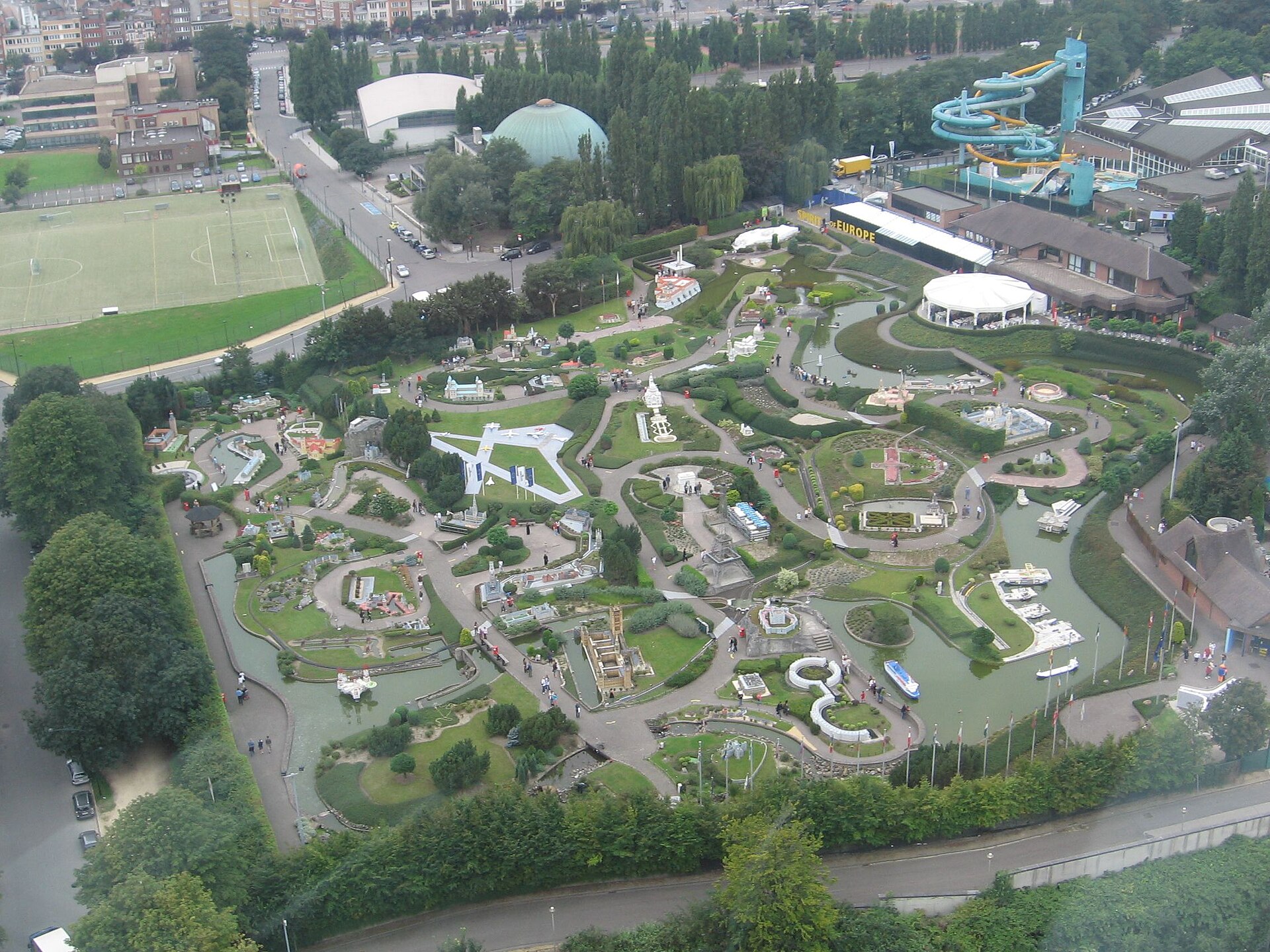
Right next to the Atomium lies a very popular park of miniatures, which is an absolutely ideal stop for families with children. In one place you can see scaled-down replicas of Europe’s most famous landmarks at a 1:25 ratio.
You’ll find everything from the Paris Eiffel Tower to London’s Big Ben, and many of the models are interactive and spring into motion at the push of a button. A standalone ticket costs around €21.70, but it’s well worth buying a combined ticket with the Atomium for roughly €35.
5. Royal Palace (Palais Royal)
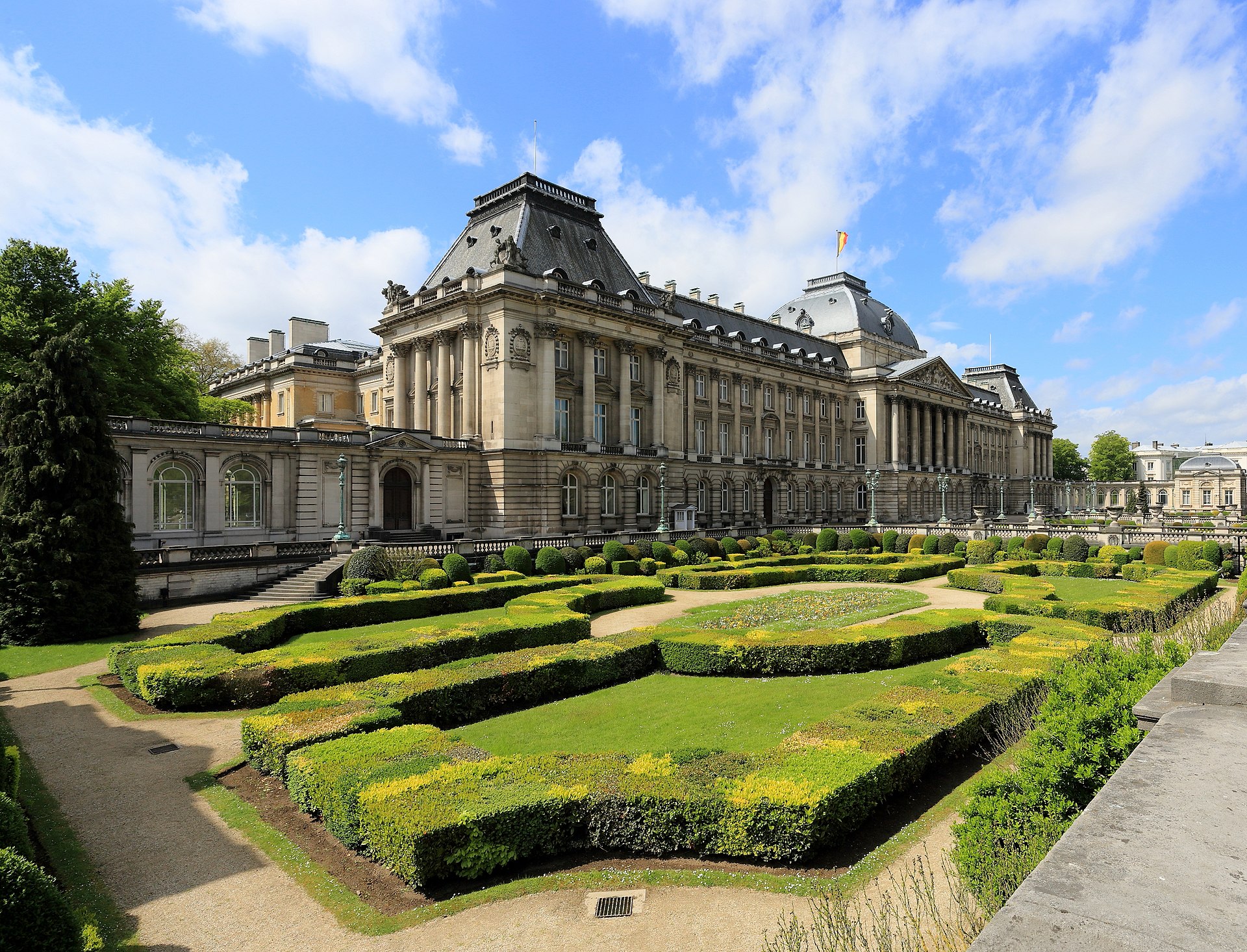
Although the Belgian royal family lives on the edge of the city in Laeken, this majestic palace in the centre is used for official state purposes. Its sprawling courtyard and richly decorated façade make a beautiful backdrop for your photos all year round.
The most interesting part, though, is hidden inside — specifically in the famous Mirror Room, whose ceiling is covered with more than a million wing cases of Asian jewel beetles. This unique greenish work was created by artist Jan Fabre and looks absolutely incredible.
💡 Tip: The palace opens to the public completely free of charge only in summer, usually from late July to late August. If you come during this period, don’t forget to arrange a free booking online in advance (it’s traditionally closed on Mondays).
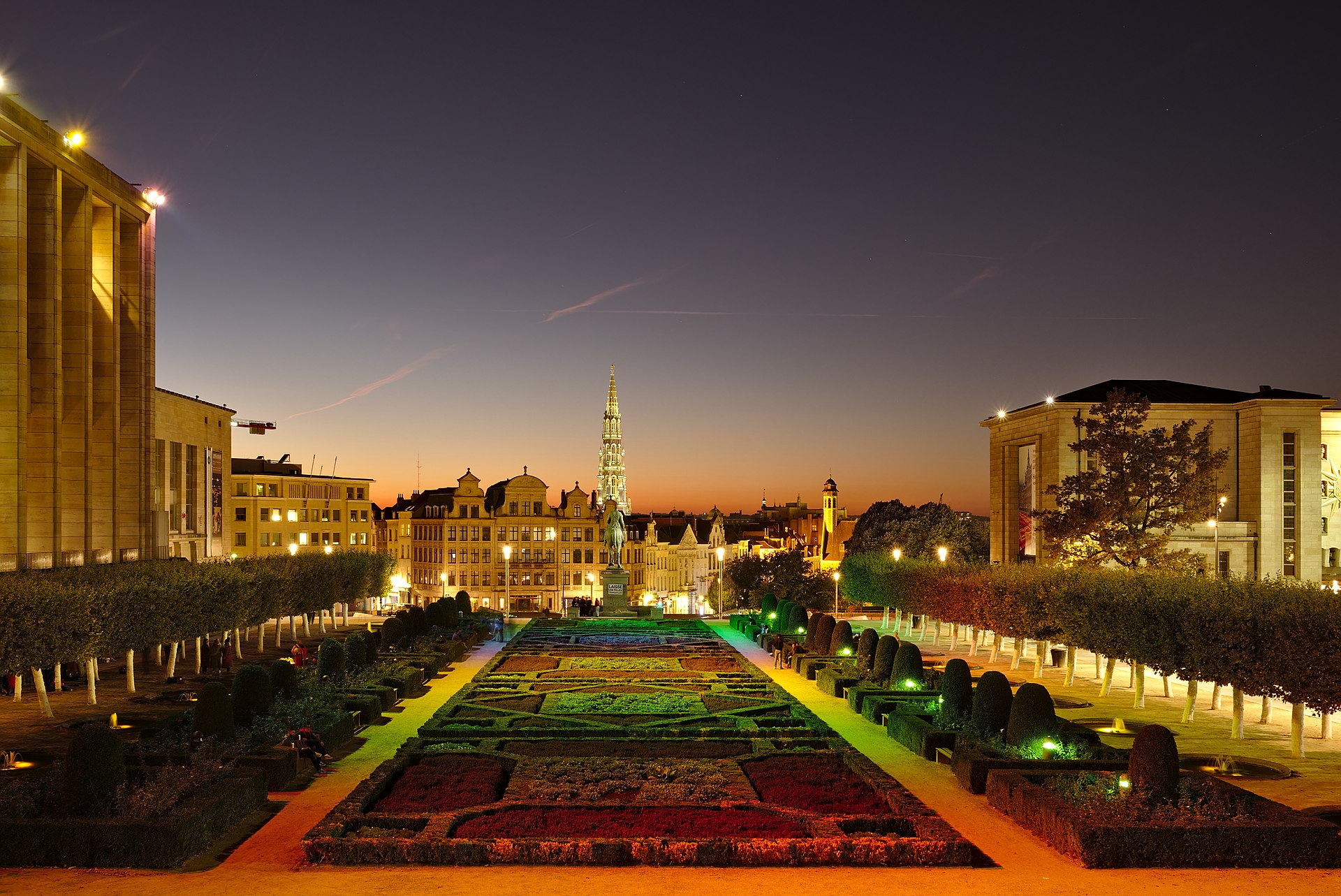
6. The View from the Mont des Arts Garden
Right between the Royal Palace and the historic centre lies the so-called Hill of the Arts, which offers one of the most beautiful views of the whole city. The geometrically arranged garden is full of benches and perfectly trimmed hedges.
From the upper terrace you’ll get a lovely direct view of the tall tower of the historic town hall on Grand-Place, and on a clear day you can even see all the way to the shiny spheres of the Atomium. This space is also free to enter and is an ideal spot to relax.
Locals often come here to spend their late afternoons, and the view is at its most magical at sunset, when the city is bathed in warm orange light. It can get quite busy, but that relaxed atmosphere is definitely worth it.
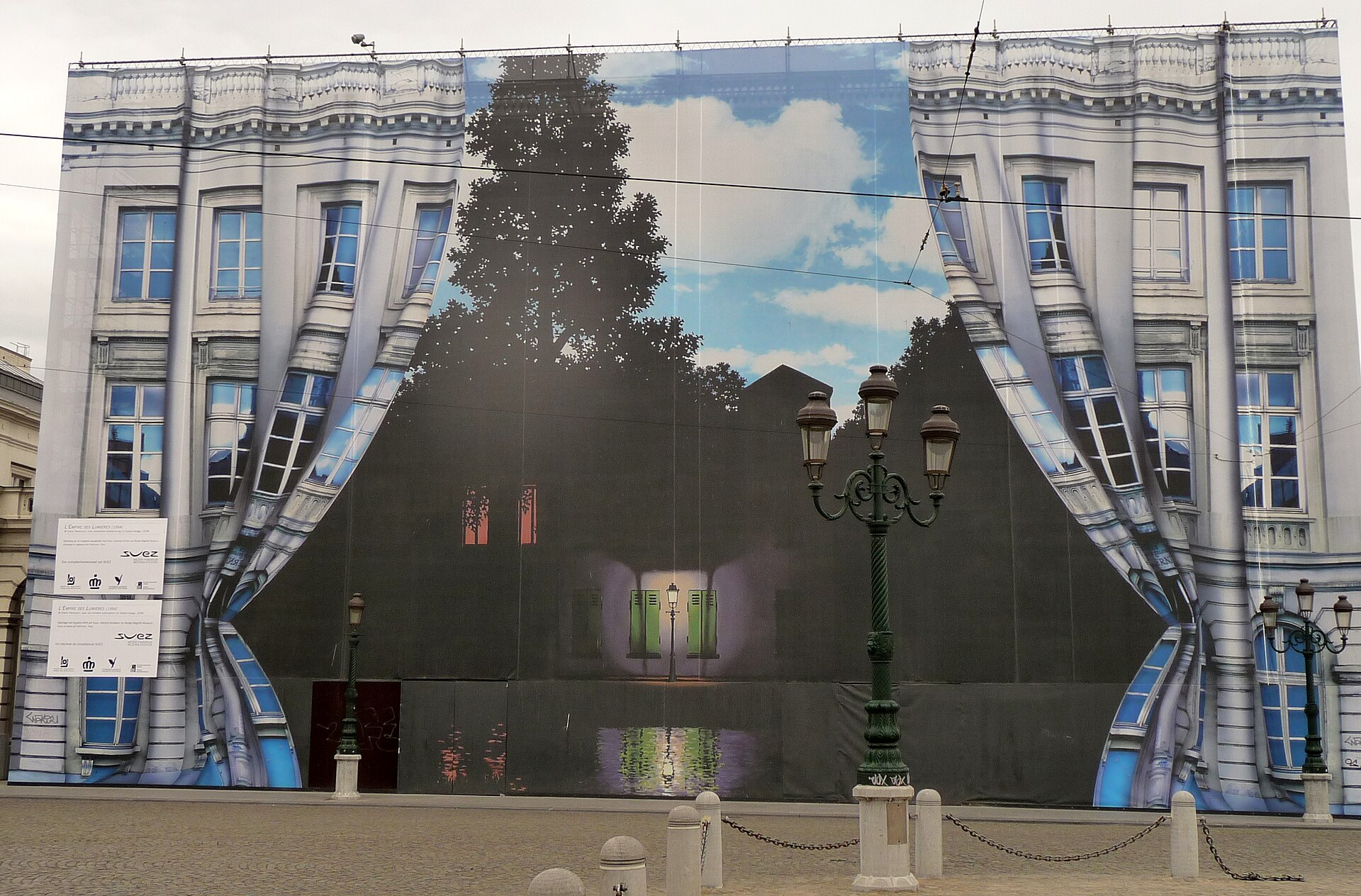
7. Magritte Museum
If you love surrealism and art, this museum should be an absolute priority on your list. It’s located right on Place Royale and holds the largest collection of works by René Magritte in the entire world.
During your tour you’ll see his famous paintings full of mysterious bowler hats, pipes and floating clouds that force you to think about reality. A standalone ticket costs €13, or you can get a combined ticket to all the adjacent Royal Museums for €20.
💡 Tip: Try to plan your visit for the first Wednesday of the month, because entry to the museum is completely free from 1 p.m. Just remember that many galleries across the city have their closing day on Mondays.
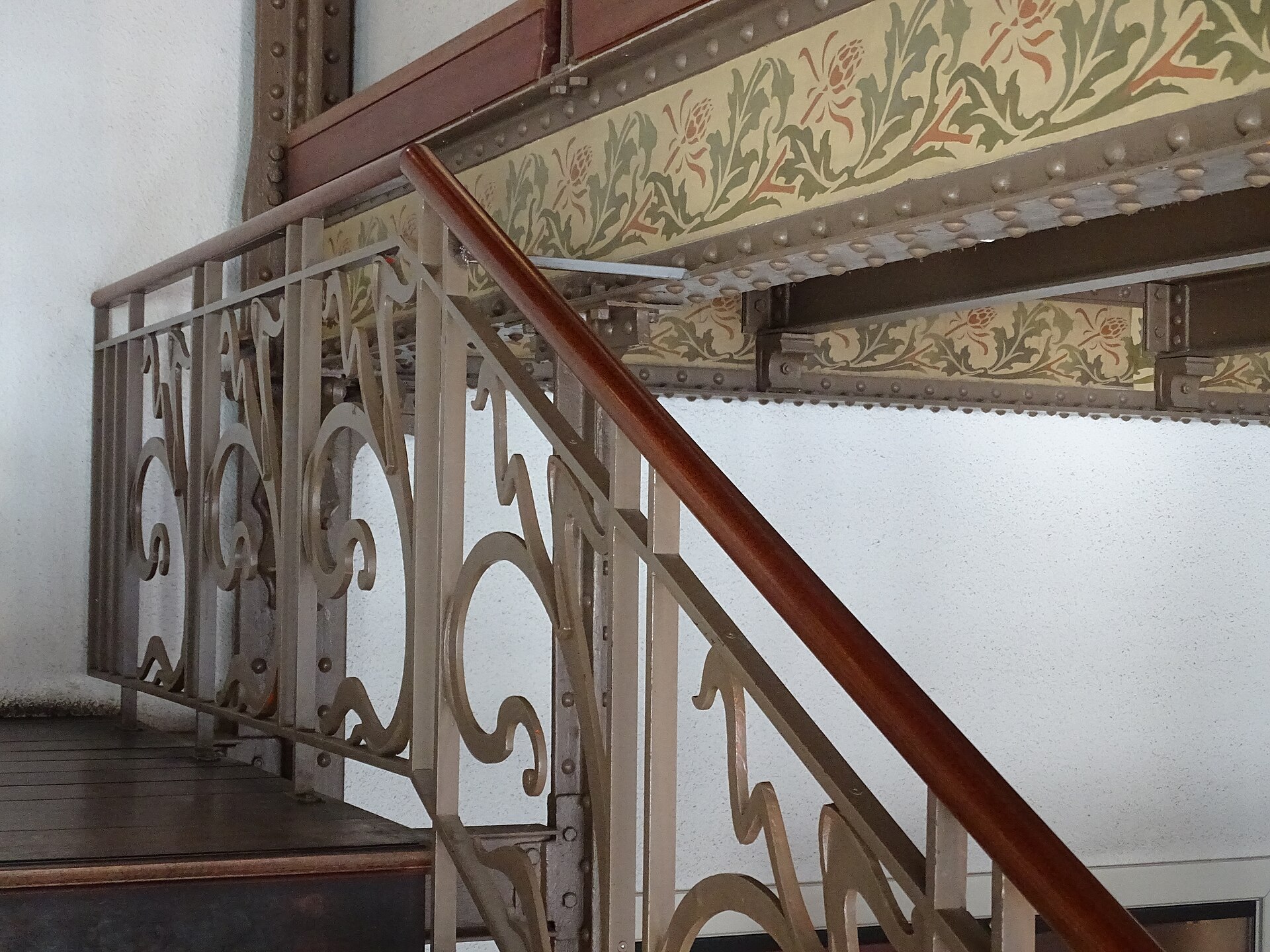
8. Musical Instruments Museum (MIM)
This museum will likely impress you from the outside, as it’s housed in the absolutely stunning Art Nouveau Old England building from 1899. Its façade of wrought iron and glass is incredibly photogenic and ranks among the city’s architectural gems.
Inside there’s a huge collection of more than 8,000 musical instruments from around the world and across various historical eras. Admission starts at €15, and a huge advantage is that you’re given headphones for the tour, which automatically play the sound of whichever instrument you walk up to.
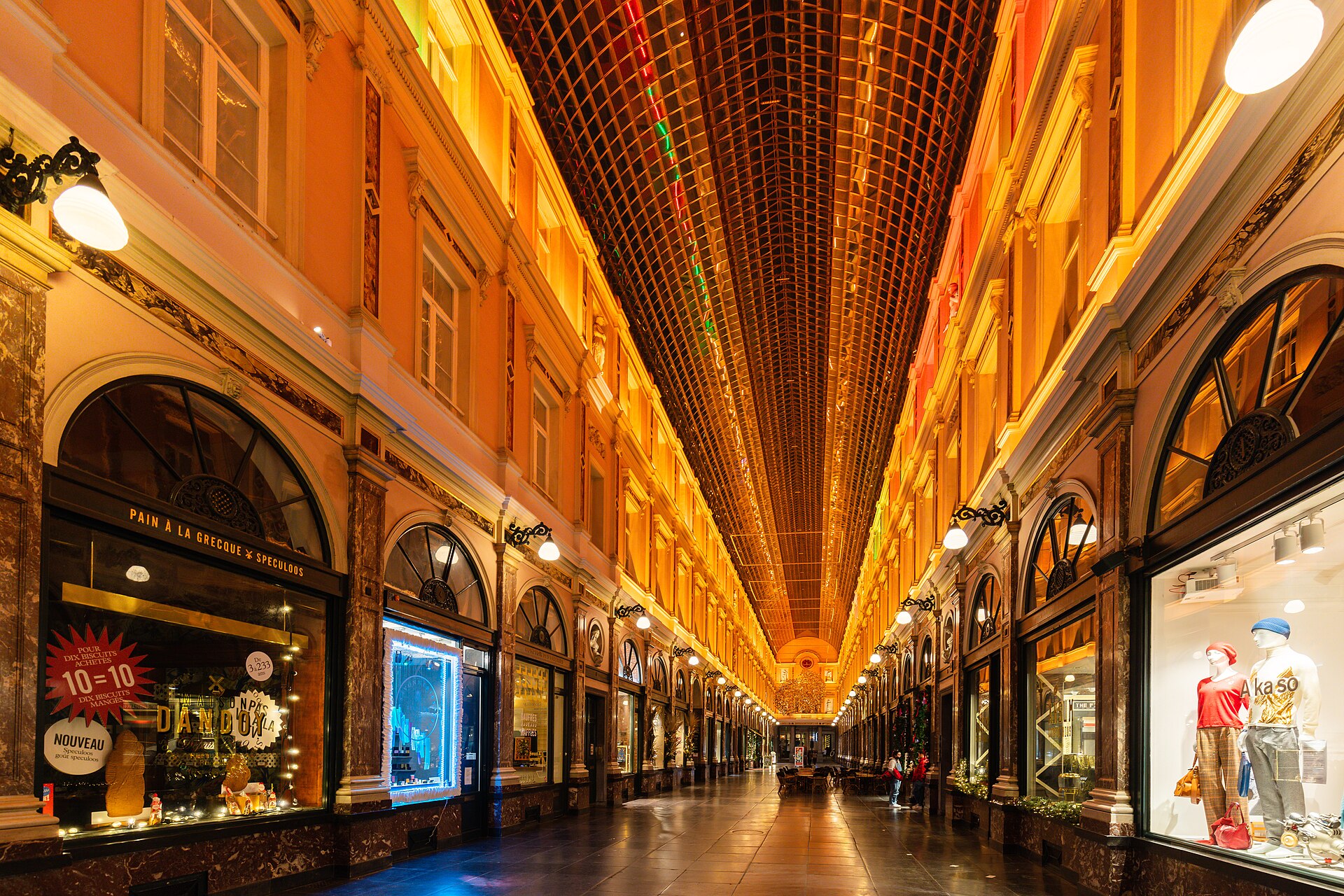

9. Galeries Royales Saint-Hubert Shopping Arcade
This gorgeous glass-roofed shopping arcade dates back to 1847 and boasts the title of the oldest glazed gallery in Europe. It’s an architectural treasure full of elegant arches, marble and natural light.
Inside you’ll find the most luxurious boutiques, cafés and, above all, chocolate shops, tempting you with beautifully arranged window displays. It was right here that the famous Jean Neuhaus opened his shop — more on him in the section about sweets.
The gallery is freely accessible and makes a great, elegant shelter when a typical Belgian rain shower catches you out on the streets. Prices in the local cafés are admittedly higher, but having a coffee here and watching the bustle around you has its own great charm.
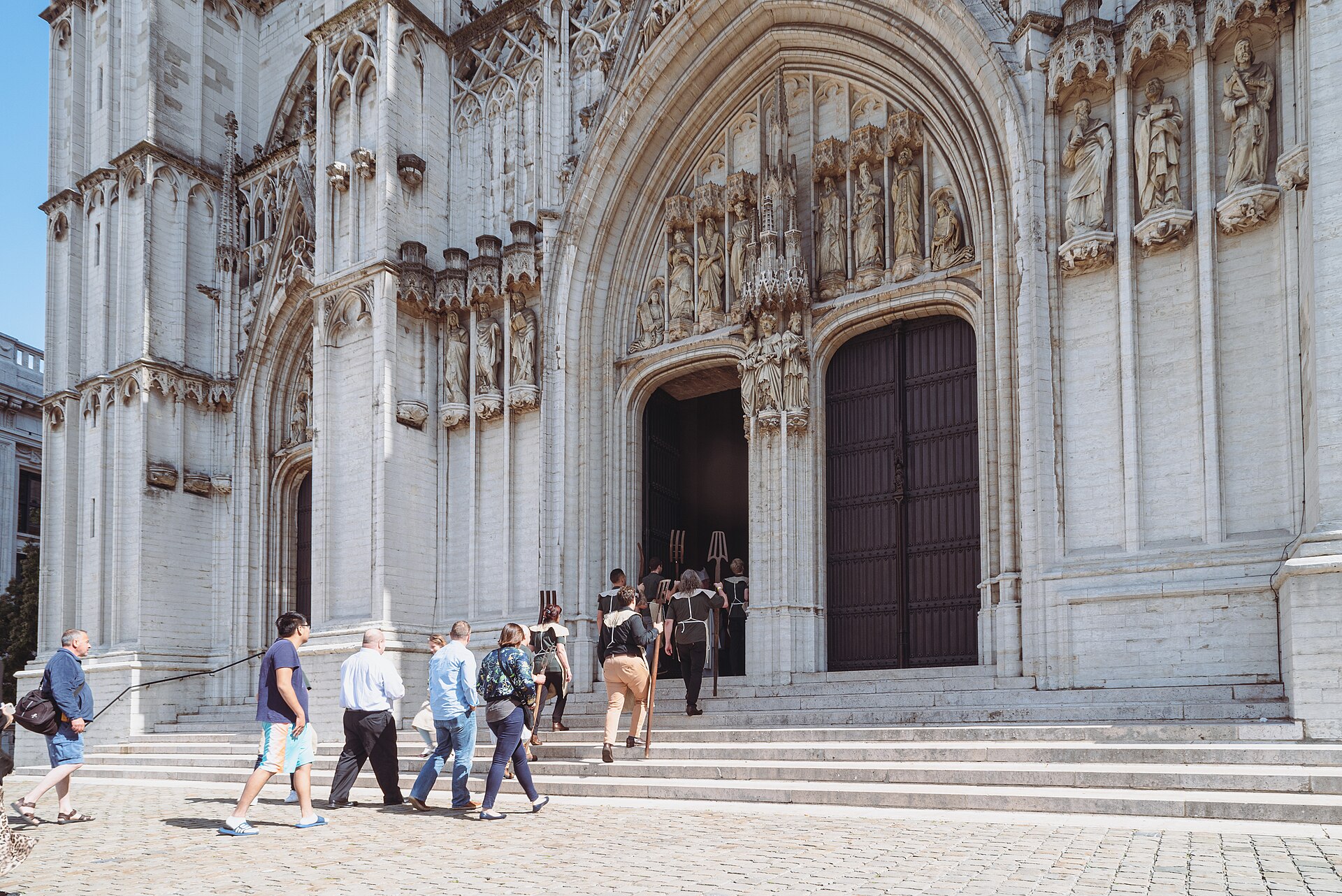
10. St. Michael and St. Gudula Cathedral
Although from the outside it may slightly resemble the Notre-Dame in Paris, this enormous Brabantine Gothic cathedral has its own unique character. It’s the country’s main religious church and the traditional venue for all royal weddings and funerals.
The interior will impress you above all with its beautiful, detailed stained-glass windows, which let gorgeous coloured light into the main nave. Entry to the nave itself is completely free for all visitors; there’s only a small charge for a tour of the archaeological excavations in the crypt.
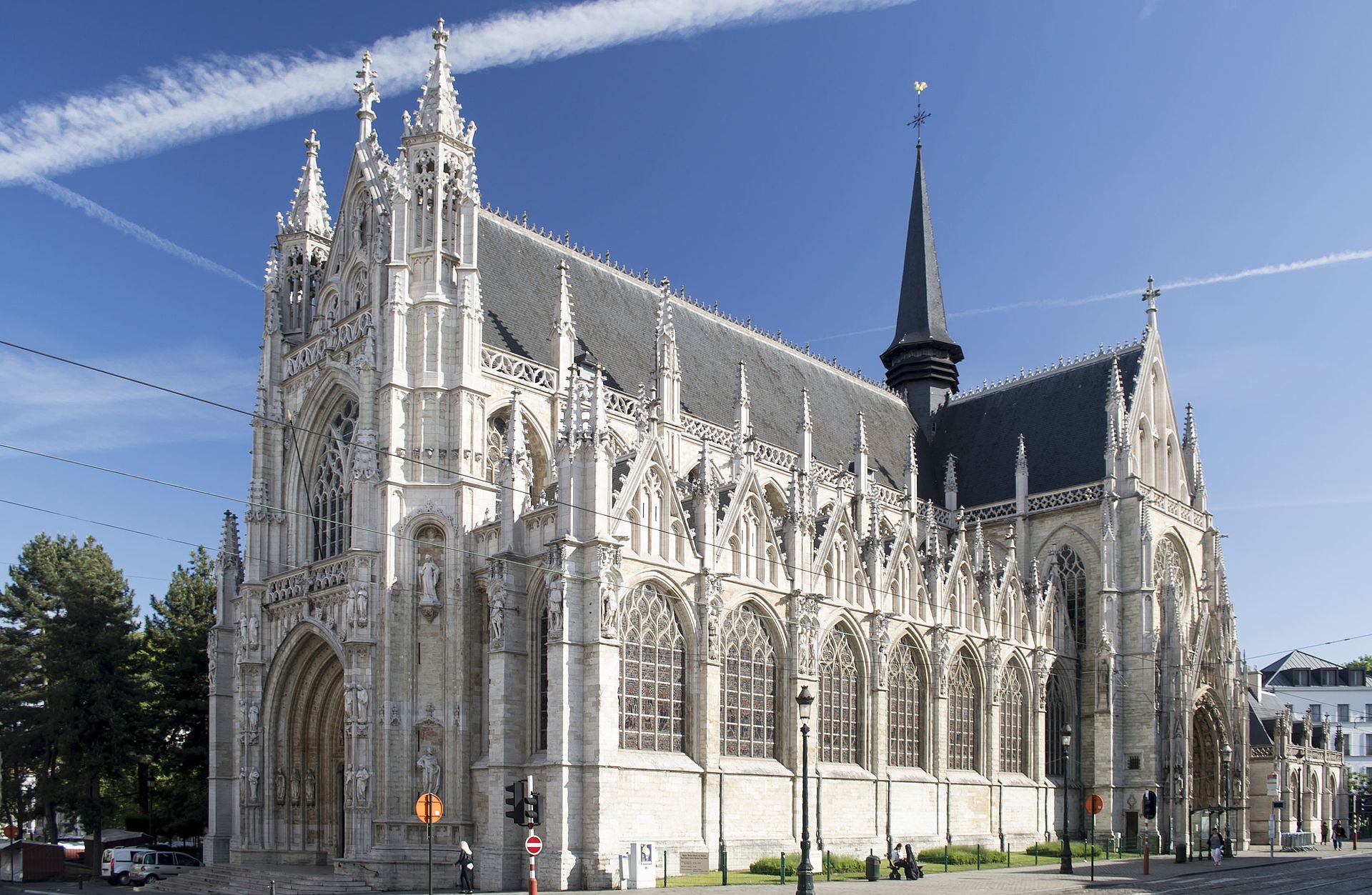
11. The Sablon District and Grand Sablon Square
If you’re looking for an oasis of calm full of elegance, head to the charming Sablon district. Its landmark is the beautiful Gothic church of Notre-Dame du Sablon, around which lies an area renowned for its luxury antique shops.
This spot is also a true paradise for chocolate lovers, as it’s home to the absolute top brands like Wittamer and Pierre Marcolini. Their pralines resemble works of art more than ordinary sweets, and the prices, unfortunately, often reflect that.
💡 Tip: Come here on a weekend morning, when the square regularly hosts a traditional antiques market. There’s a great atmosphere and you might discover some truly unexpected historical treasures.
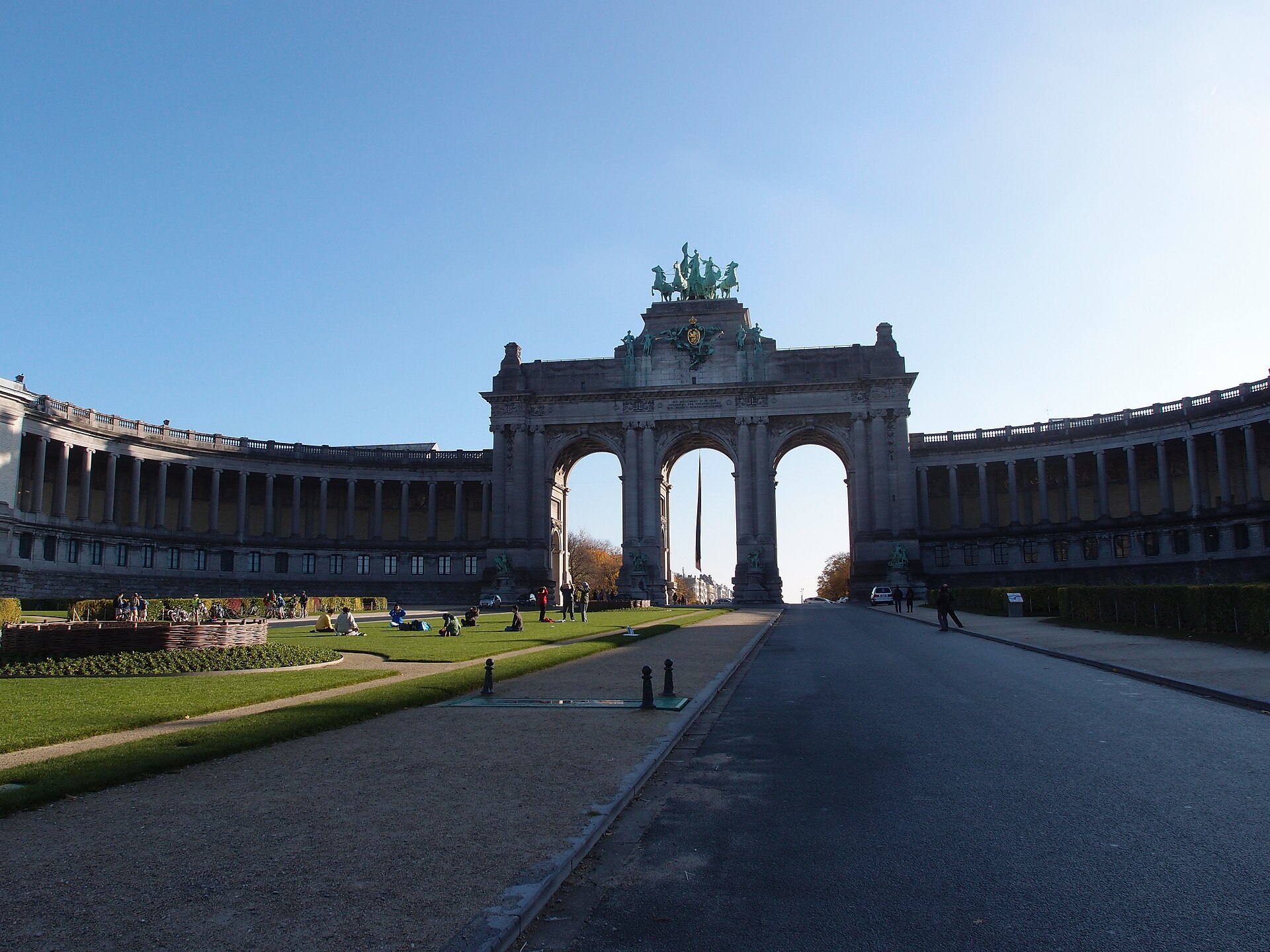
12. Parc du Cinquantenaire
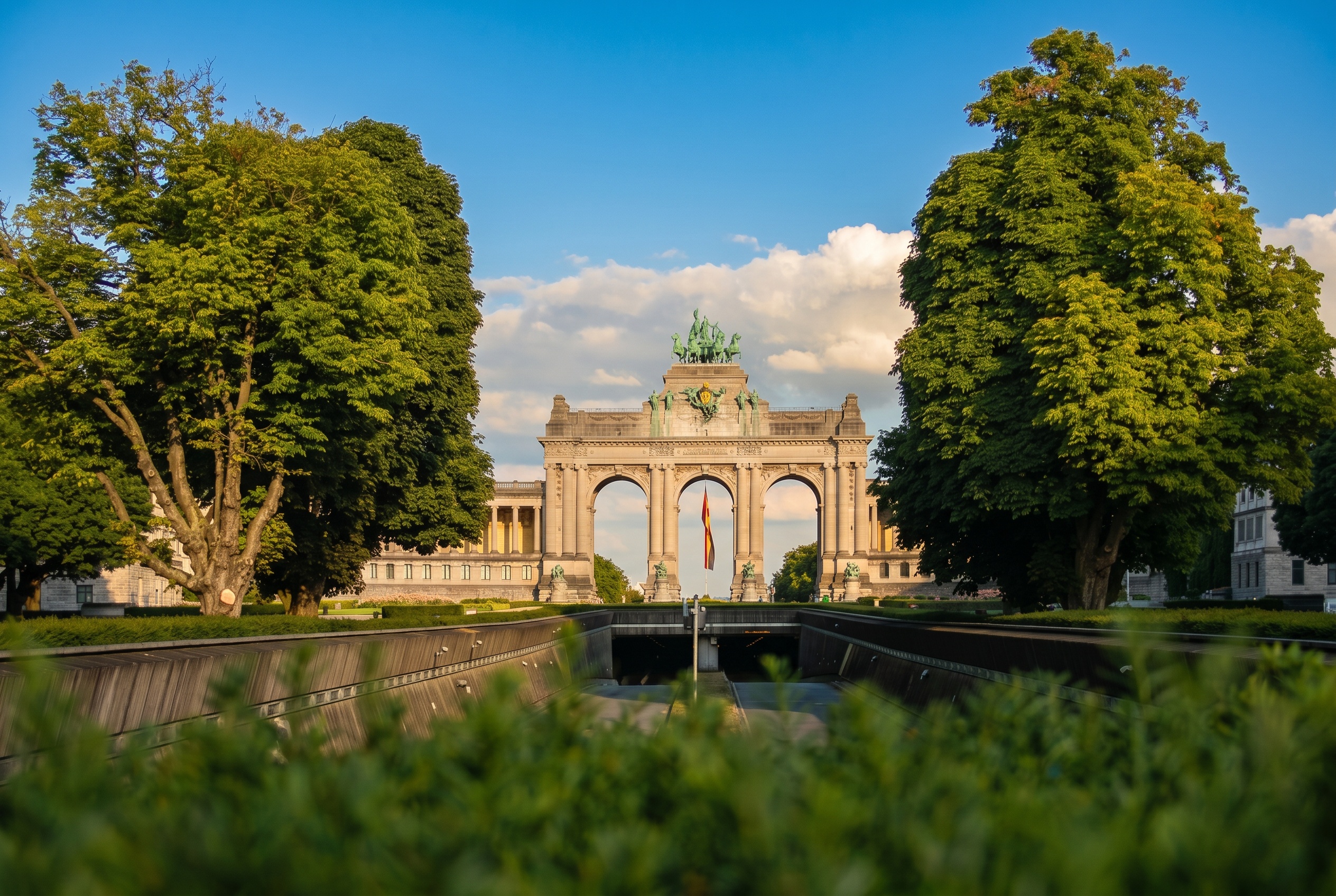
This huge park on the edge of the European Quarter was built to celebrate the fiftieth anniversary of Belgium’s independence. Its unmissable landmark is a massive triumphal arch reminiscent of those in Berlin or Paris.
The park itself is ideal for picnics and entry is free; you can easily get here by metro to Mérode station. Around the arch you’ll also find several very interesting museums, including the famous Autoworld full of historic cars.
One curiosity is the local Military Museum, from which you can walk out onto the terraces right at the top of the arch, offering a great panoramic view of the modern part of the city.
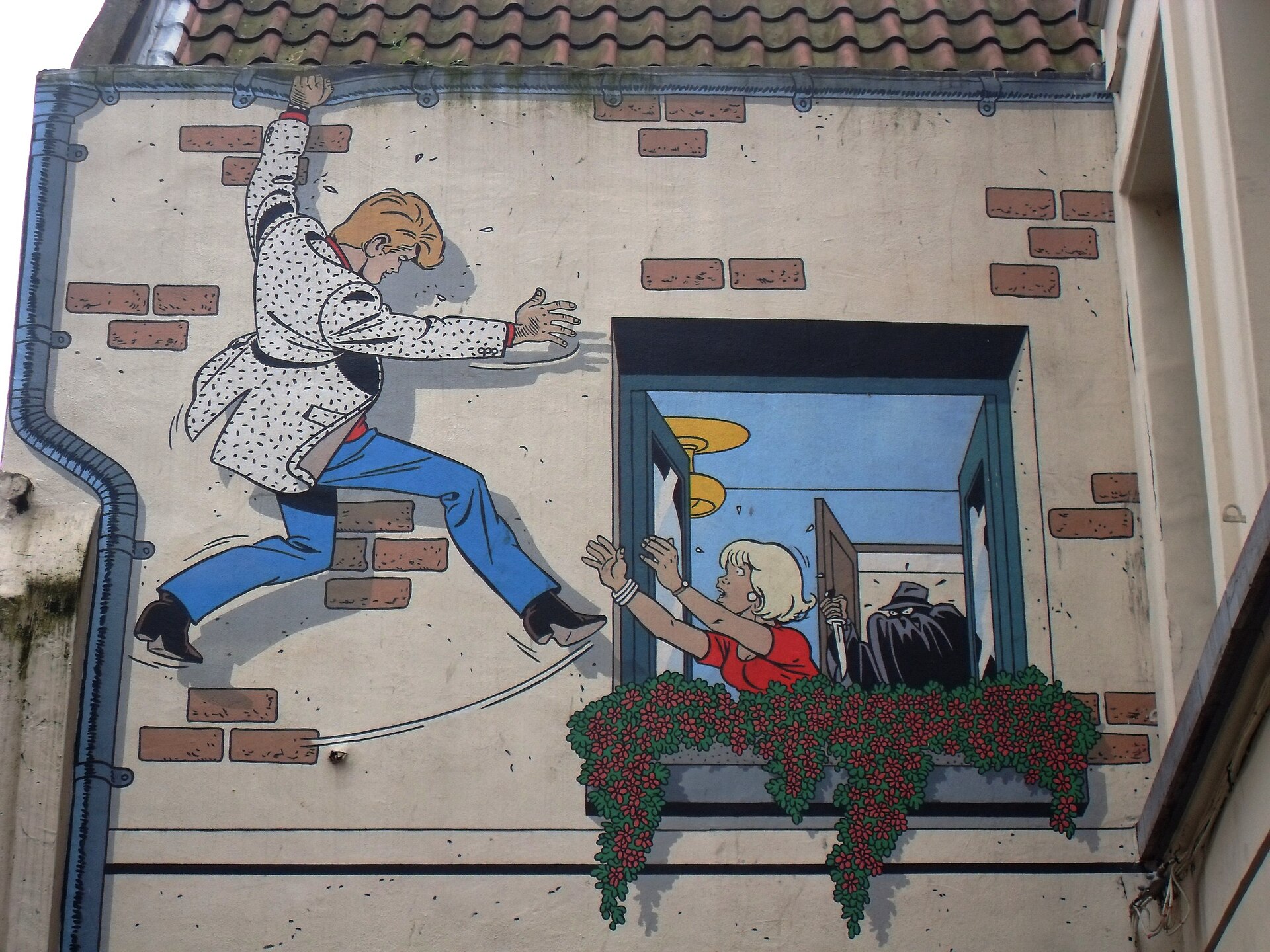
13. The Comic Strip Center and Street Murals
Belgians live and breathe comics, and this is where characters like Tintin and the Smurfs were born. The main comic strip museum is housed in a beautiful Art Nouveau building designed by Victor Horta, so you’ll enjoy not only the drawings but the architecture itself (admission is around €12).
But comic art isn’t locked away behind gallery walls — you’ll find it scattered all across the city. On the façades of houses there are more than 80 enormous comic-strip murals, which form a special walking trail that is, of course, free to follow.
14. The European Quarter and the Parlamentarium
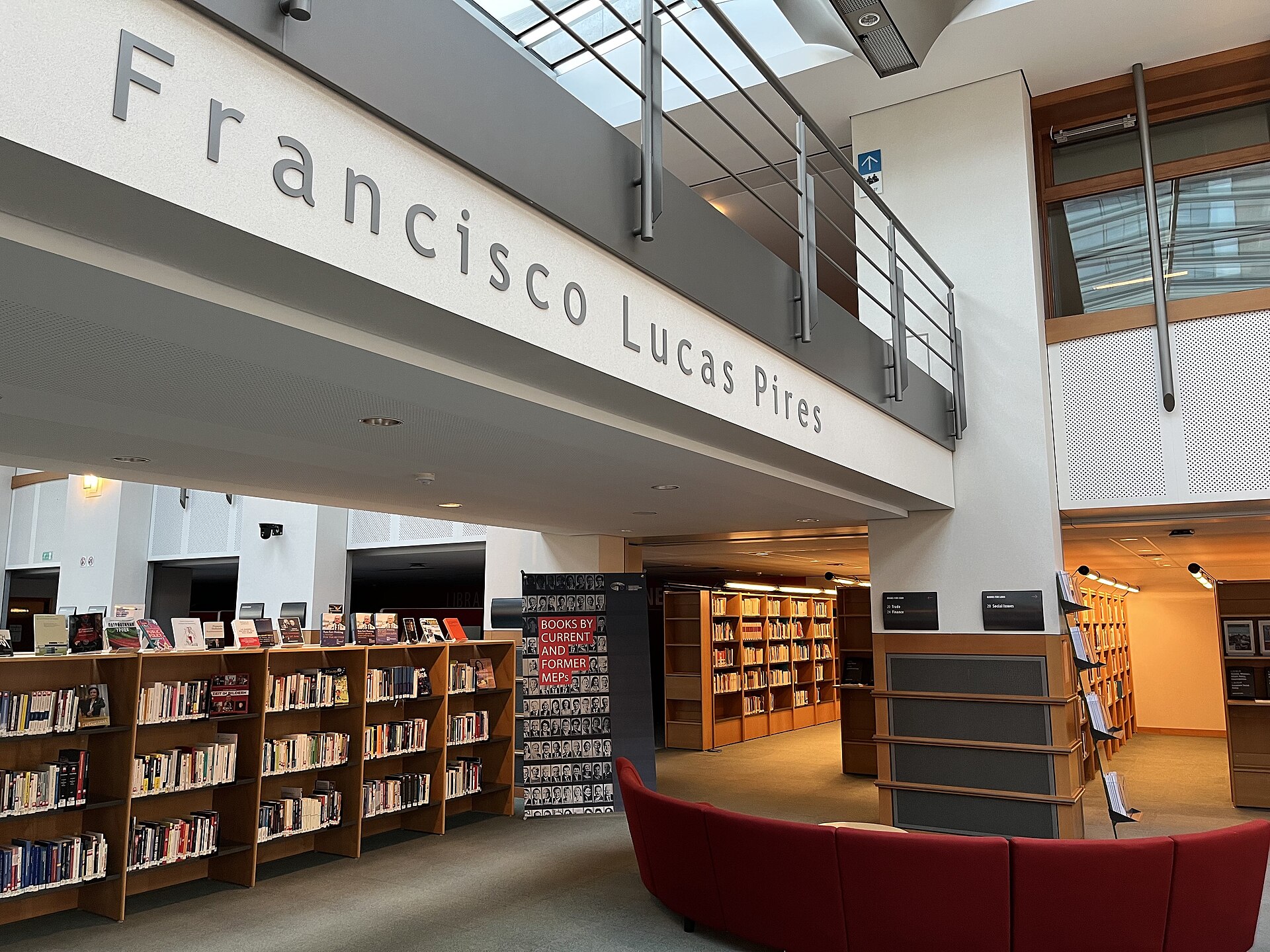
Whether you’re interested in politics or not, the European Quarter with its modern glass skyscrapers is worth at least a short walk. The local buildings look enormous in contrast to the historic centre and show a completely different face of Brussels.
The interactive Parlamentarium visitor centre is definitely worth a visit, where you’ll learn all about how the European Parliament works in a very engaging way. Entry here, just like to the nearby House of European History, is completely free for all visitors.
💡 Tip: In the nearby Leopold Park, don’t forget to stop by a small memorial. This is where you’ll find the Václav Havel Bench, designed by the renowned Czech designer Bořek Šípek — it consists of two chairs joined by a round table with a tree growing through it, a quiet tribute to the late Czech president and playwright.
15. Beer, Lambic and Belgian Beer World
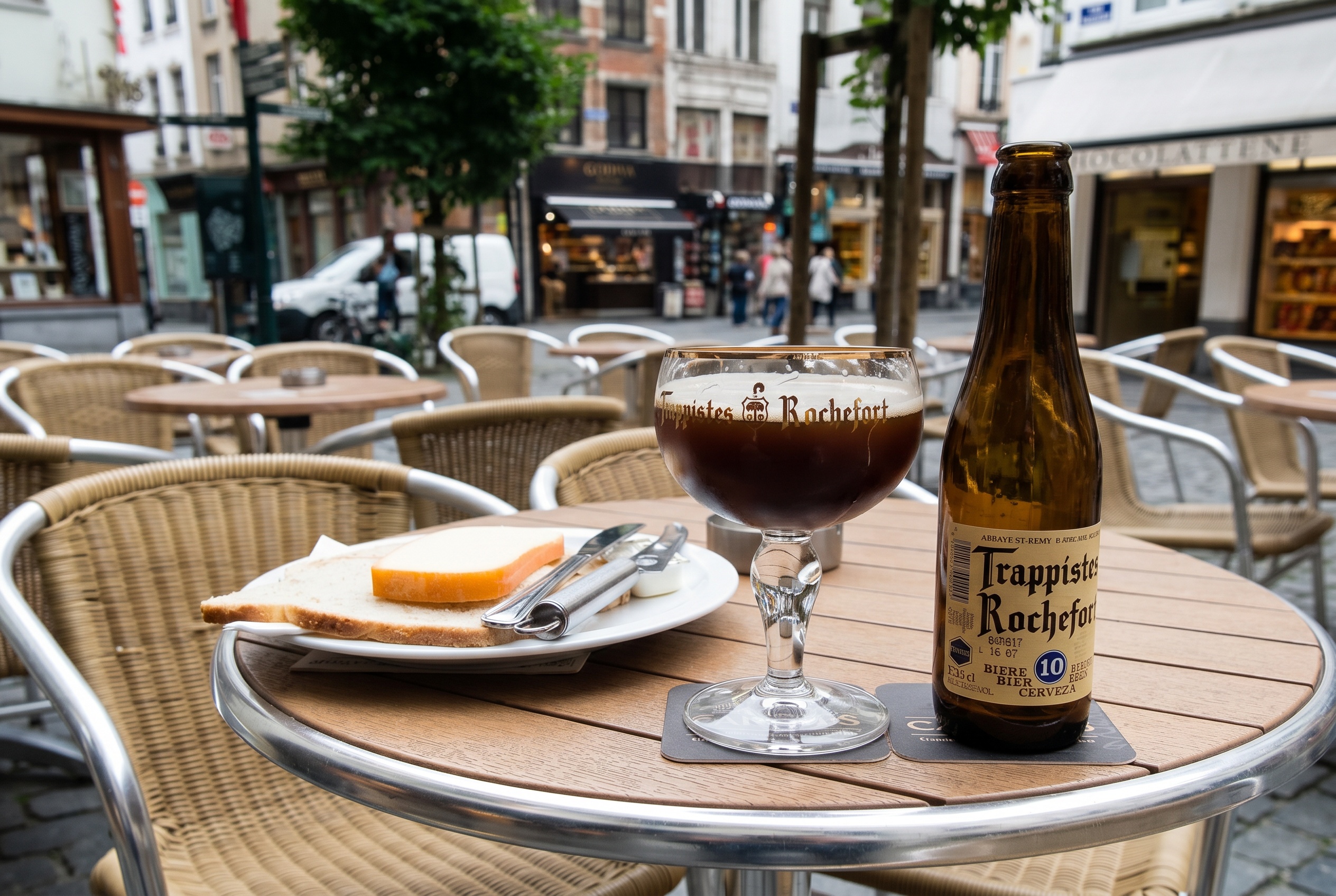
Belgian beer culture is so unique that it earned a place on UNESCO’s intangible heritage list. In the historic Bourse (stock exchange) building, a huge experiential museum called Belgian Beer World recently opened, where for around €21.50 you’ll learn all about brewing and the price includes a tasting right on the rooftop terrace.
The true Brussels speciality, though, is the so-called lambic and gueuze beers, which ferment spontaneously using wild yeasts floating in the air. If the process interests you, head to Brasserie Cantillon, the very last working lambic brewery right in the city centre, which also serves as a museum.
You can also drop by the renowned Delirium Café (you’ll recognise it by the pink elephant), which holds the record for offering more than 3,000 kinds of beer. It’s very touristy here, though, so for a quieter tasting locals recommend the more authentic Moeder Lambic.
16. The Lively Place Sainte-Catherine
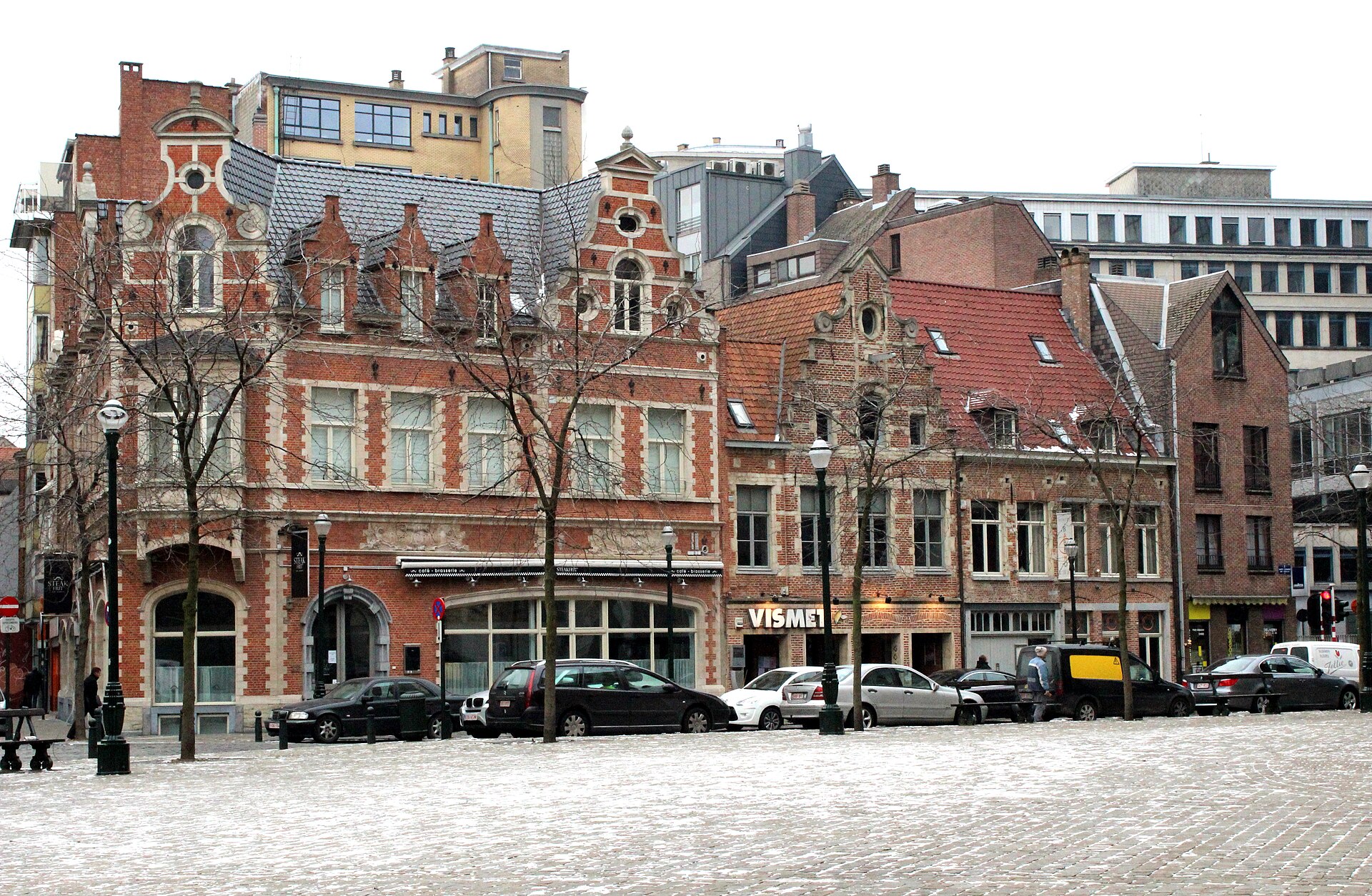
This area once served as a bustling fishing district and to this day it has kept its reputation as the best place for lovers of quality food. The square is lined with plenty of great restaurants, and the smell of freshly prepared fish drifts out of them.
It’s right here that locals usually taste the traditional national dish moules-frites, mussels served with crispy fries. During winter, the largest part of the Brussels Christmas markets takes place on this square, and you’ll find an ice rink and a giant Ferris wheel here too.
17. The Art Nouveau Gem: Horta Museum
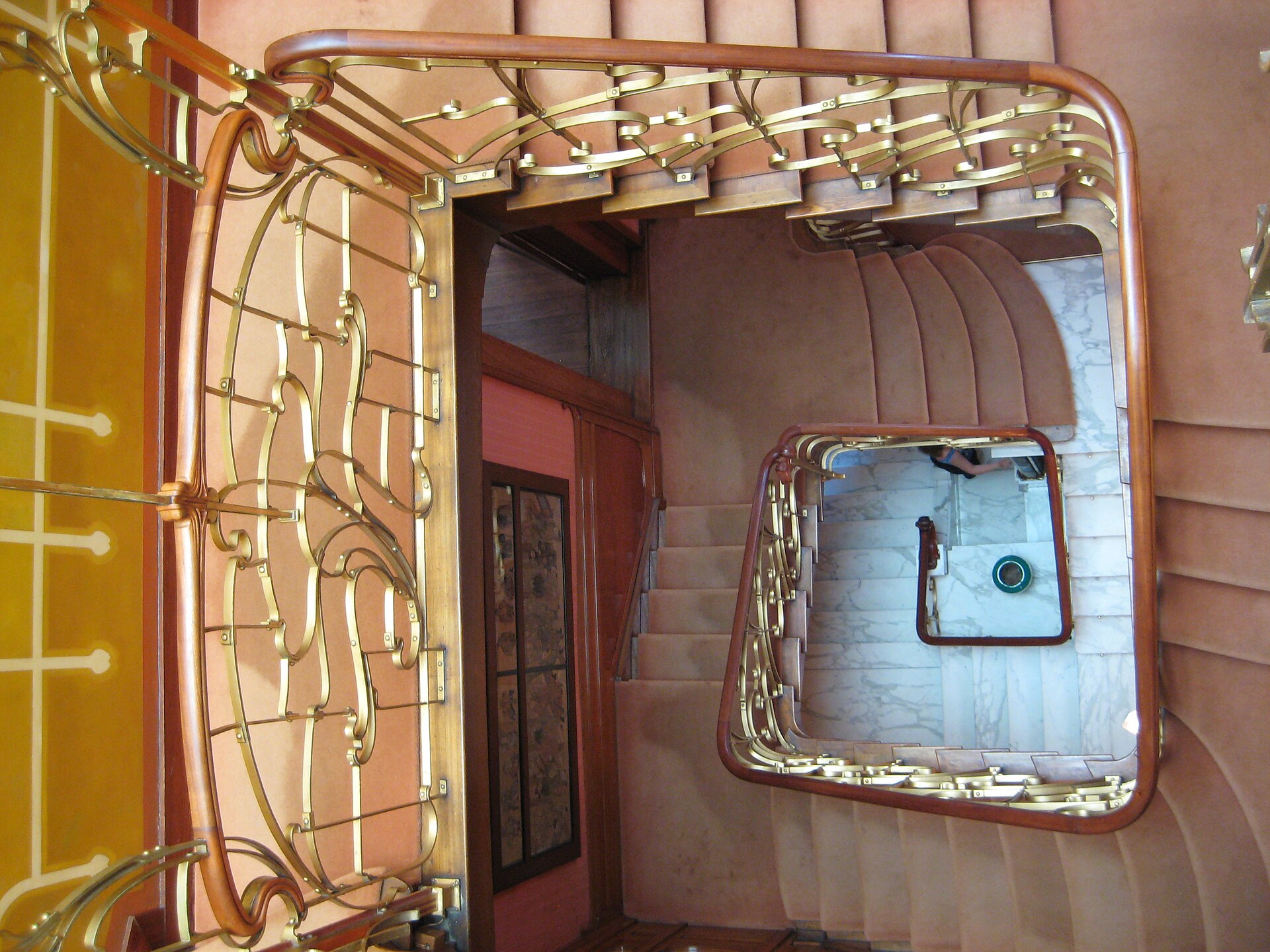
Architect Victor Horta left an indelible mark on Brussels, and his houses are listed as a UNESCO site. If you want to see Art Nouveau in its purest form, head to the Saint-Gilles district, where his original private home and studio are located.
The interior will impress you with its wonderfully flowing lines, a spiral staircase of wrought iron and detailed mosaics on the floor. Admission is €14, and I must warn you that photography is strictly forbidden inside, so you’ll have to store all that beauty in your own memory.
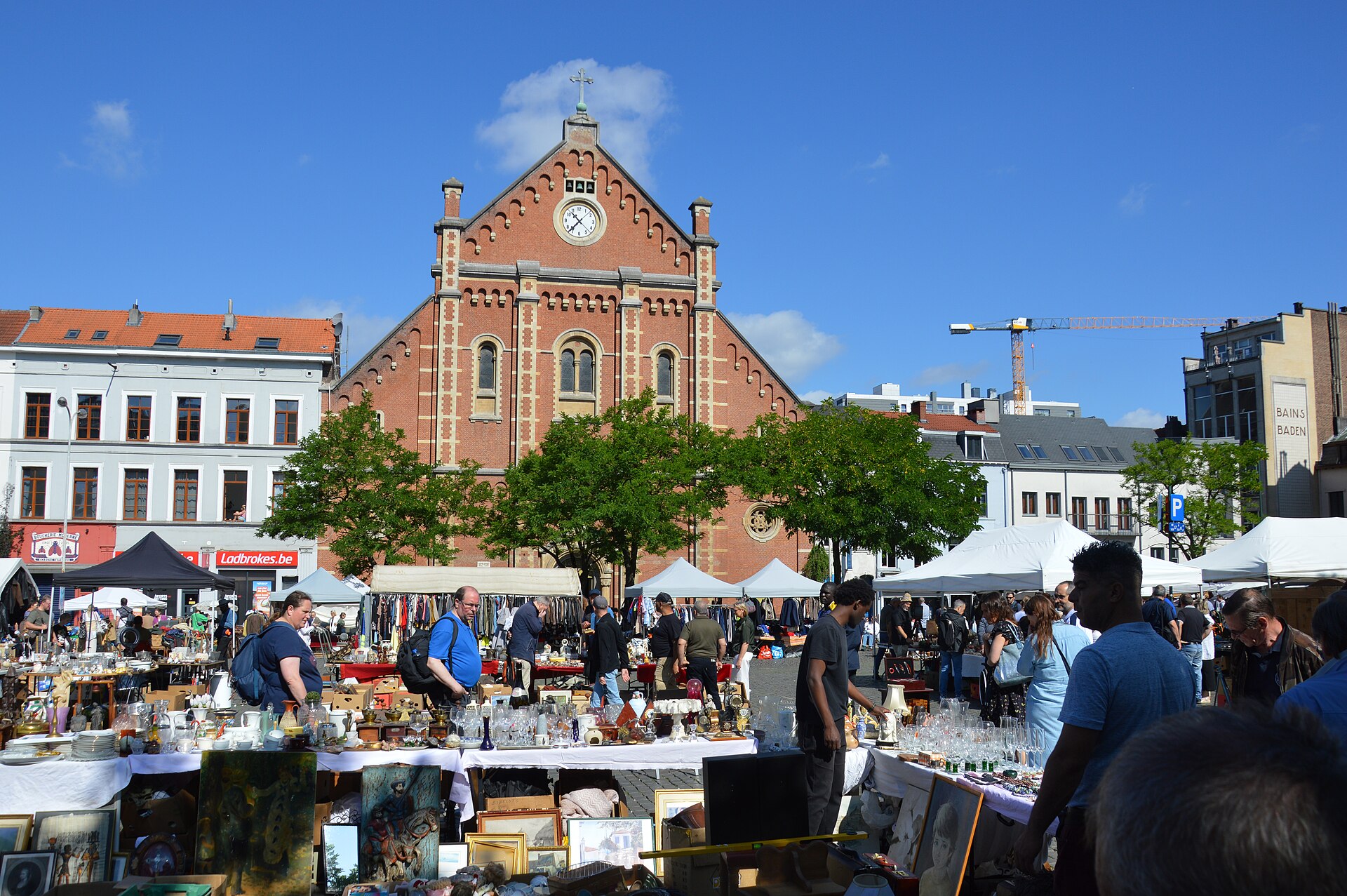
18. Flea Market on Place du Jeu de Balle
If you like soaking up local atmosphere with no frills, head to the working-class Marolles district (best reached by metro to Porte de Hal). Every morning, a huge and very authentic flea market sets up on the square — one that has been running since 1919.
You’ll find more than 300 stalls selling absolutely everything — from old books and vinyl records to vintage clothes and antique furniture. The market runs daily from 6 a.m. to around 2 p.m., and the rule is that you’ll bag the best finds early in the morning, while before noon the traders start dropping their prices significantly.
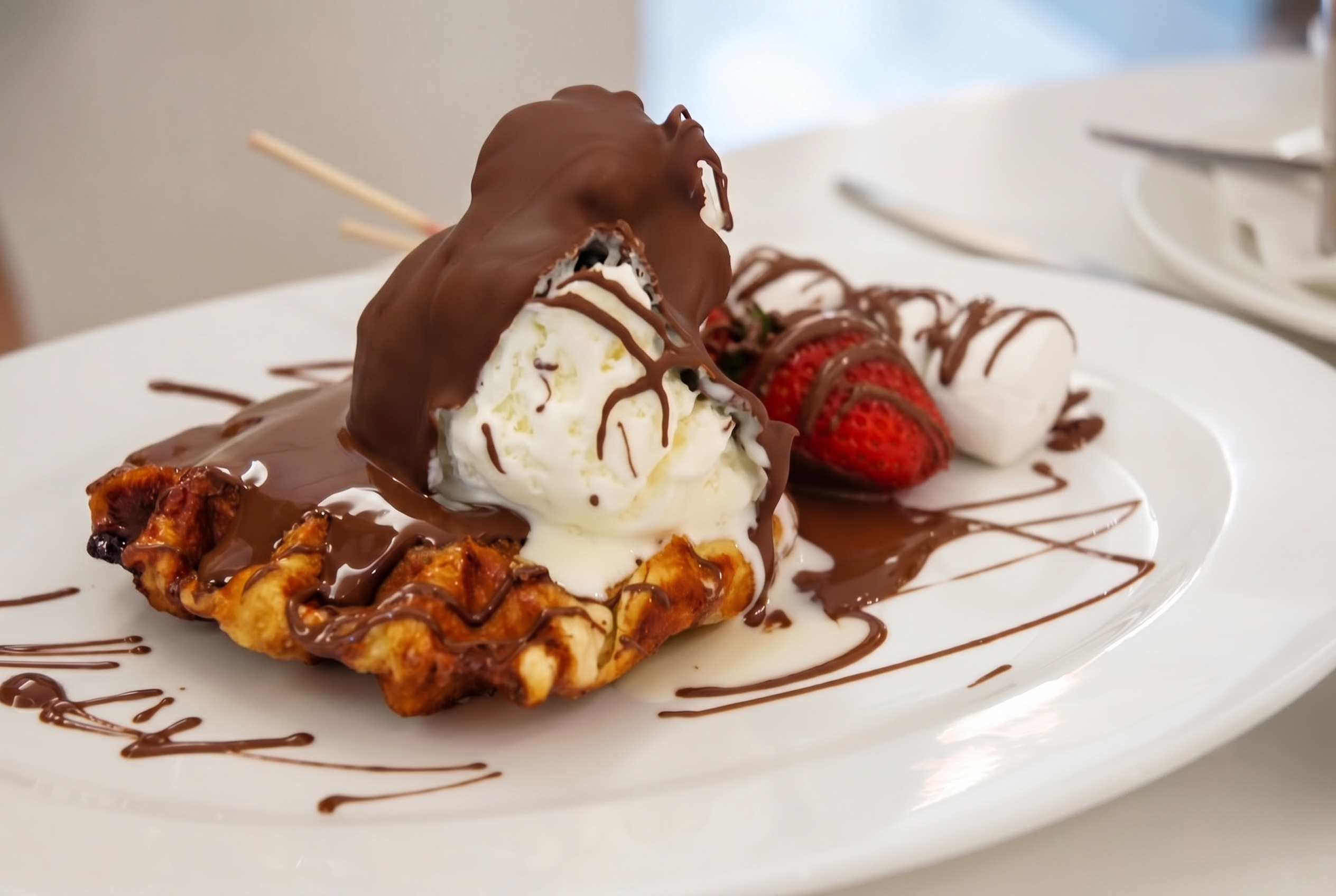
19. Tasting Belgian Waffles and Chocolate
Belgium is an absolute paradise for vegetarians and anyone with a sweet tooth. Did you know that the first praline in the world was invented right here in Brussels? It happened in 1912 at the family firm Neuhaus, whose boutiques you’ll now find all over the city, and their chocolate is a real treat. A great option is to book an interactive chocolate workshop through GetYourGuide, where you can try making them yourself.
Belgian waffles are equally important, and you should know there are two essential kinds. The light, crispy Brussels waffle has a perfectly rectangular shape, while the Liège waffle is denser, sweeter, and contains chunks of caramelised pearl sugar. The best ones are made at the famous Maison Dandoy, which has been baking since 1829.
⚠️ Important warning for vegetarians about fries: Although Belgian double-fried fries (for example at the famous Maison Antoine or Frit’Flagey stalls) are absolutely fantastic, they are traditionally fried in beef tallow. If you don’t eat meat, you must always ask the staff in advance whether they use vegetable oil (“huile végétale?”), otherwise you could be in for an unpleasant surprise.
Map of points of interest for your phone
Where to Go Next from Brussels: The Best Day Trips
Brussels is an absolutely ideal starting point for exploring the rest of the country, because trains run in every direction from the local stations and the distances are minimal. If you love travelling by rail, you can try heading to the sea by train all the way to the coastal resort of Ostend.
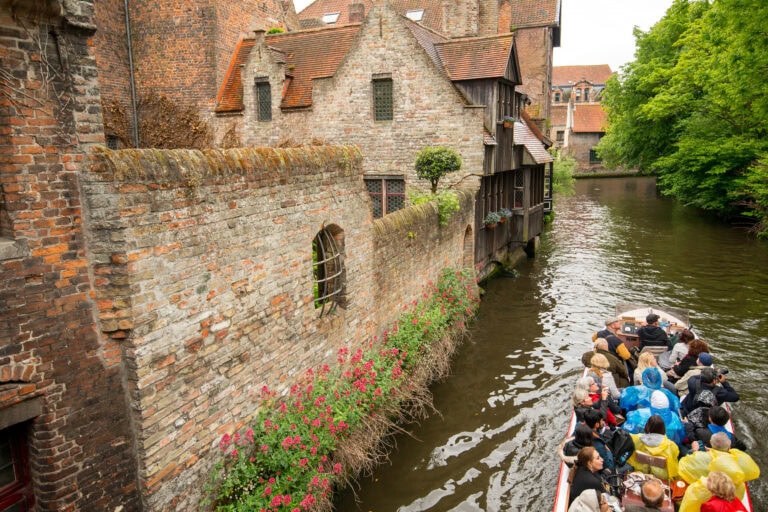
- Bruges: One of the most romantic cities in Europe, nicknamed the Venice of the North. The train journey takes about an hour and a return ticket costs around €17.60 (cheaper at weekends). Read our detailed article Bruges: what to see and do.
- Ghent: It’s often said that Ghent is a more authentic and lively alternative to Bruges. It’s just a 30-minute train ride from Brussels, with a stunning medieval centre full of students waiting for you.
- Antwerp: This port city lies about 45 minutes away and will impress you the moment you arrive — the local Antwerpen-Centraal station is considered one of the most beautiful in the world.
- Waterloo: For history lovers, this is an absolute must. The battlefield where Napoleon was finally defeated in 1815 lies just outside the city, and the climb up the Lion’s Mound’s 226 steps is well worth it.
Frequently Asked Questions
How many days do I need to visit Brussels?
For the historical center itself and the main sights, 2 full days will easily be enough. However, if you’re also planning trips to nearby cities like Bruges or Ghent, I recommend setting aside at least 4 to 5 days for the whole trip.
Is Brussels a safe city?
Most tourist areas and the city center are absolutely safe during the day. However, be extra careful around the Brussels-Midi (Zuid) train station, where there are really lots of pickpockets operating, and after dark this neighborhood isn’t particularly pleasant for walks.
What’s the difference between a Brussels waffle and a Liège waffle?
# Translated HTML
Brussels waffle (gaufre de Bruxelles) is lighter, airy, crispy and has a perfectly rectangular shape. Liège waffle (gaufre de Liège), on the other hand, is denser, has rounded irregular edges and contains baked-in pieces of pearl sugar, making it much sweeter on its own.
What exactly does lambic-style beer mean?
Lambic is a specific type of Belgian beer that is typical exclusively of the Brussels region. Unlike regular beers, it ferments spontaneously thanks to wild yeasts floating in the air, which gives it a very specific, earthy-sour and refreshing taste.
What’s the best way to get from the airport to the city center?
If you fly into the main Zaventem Airport (BRU), the fastest option is to take the train, which will get you to the central station in under 20 minutes for around €12. If you’re flying budget to Charleroi Airport (CRL), you’ll need to use Flibco buses, which take about an hour and cost around €19.
Is it worth buying a day pass for public transport?
You can explore most of the center on foot and you’ll only need the metro to get to the Atomium or the Marolles district. For this reason, a classic day ticket often isn’t worth it. It’s much better to pay with a contactless card directly on the tram or metro, as the system automatically caps your spending at €8.40 per day.
Can I get by with English in Brussels?
Yes, Brussels is a very cosmopolitan city full of officials from all over Europe, so you won’t have the slightest problem with English in hotels, museums or restaurants. Otherwise, the official languages here are French and Dutch (Flemish), with French clearly dominating in the streets.
Tips and Tricks for Your Vacation
Don’t Overpay for Flights
Search for flights on Kayak. It’s our favorite search engine because it scans the websites of all airlines and always finds the cheapest connection.
Book Your Accommodation Smartly
The best experiences we’ve had when looking for accommodation (from Alaska to Morocco) are with Booking.com, where hotels, apartments, and entire houses are usually the cheapest and most widely available.
Don’t Forget Travel Insurance
Good travel insurance will protect you against illness, accidents, theft, or flight cancellations. We’ve had a few hospital visits abroad, so we know how important it is to have proper insurance arranged.
Where we insure ourselves: SafetyWing (simple monthly subscription) and TrueTraveller (for extra-long trips).
Find the Best Experiences
Get Your Guide is a huge online marketplace where you can book guided walks, trips, skip-the-line tickets, tours, and much more. We always find some extra fun there!