Picture this: in the evening you board a warm sleeper carriage at Stockholm’s central station, let the quiet rhythm of the rails rock you to sleep, and wake up above the Arctic Circle with endless snowy tundra rolling past your window. Travelling Sweden by train is one of those rare European experiences where night rail truly makes sense and the journey itself becomes the adventure. You’ll cover vast distances in total comfort, without the stress of driving on icy roads, and with a mug of hot coffee in hand.
The rail network will reliably carry you from the southern coast all the way to the Norwegian border. So you don’t get lost in the Nordic system, I’ve put together this detailed guide. I’ll show you where the panoramic routes run, how to snag cheap tickets, and how to build an itinerary that doesn’t need a car at all 😉.
TL;DR
If you’re already packing your bags and have no time to study the details, here’s a quick summary of the most important things to know before you go.
- SJ tickets work like plane tickets. Prices are purely dynamic, and buying two months ahead often saves you more than half the fare.
- The SJ operator app is an absolute must. Use it to search connections, buy tickets, and above all see live updates on any delays.
- A summer 2026 change makes transport significantly cheaper. From July to December the government subsidises regional services, and 30-day passes (for example in Stockholm) cost exactly half.
- From abroad you can reach Sweden very comfortably overnight. There’s the summer and autumn night express Snälltåget, which from August to December 2026 even departs from nearby Dresden.
- High-speed X2000 trains require a seat reservation. Without one they won’t let you board at all, so hopping on spontaneously at the platform is out of the question.
- Several operators run on the northern line to Kiruna. Book sleeper cabins well in advance, as in winter they sell out months ahead.
- Carrying bikes on SJ trains is complicated. Officially they must be disassembled and packed in a special bag as ordinary luggage.
The full destination guide: Sweden — guide and what to see
14 things to know before you travel Sweden by train
Before you head to the station and jump on your first high-speed train, it pays to know a few local quirks. The Swedish rail system works a little differently from what many international visitors are used to, and it can catch out an unprepared traveller.
Whether you’re dealing with dynamic ticket prices, the tricky rules for carrying bikes, or just looking for a way to eat well and cheaply on board, I’ve gathered all the practical tips in one place.
1. Why travelling Sweden by train makes sense
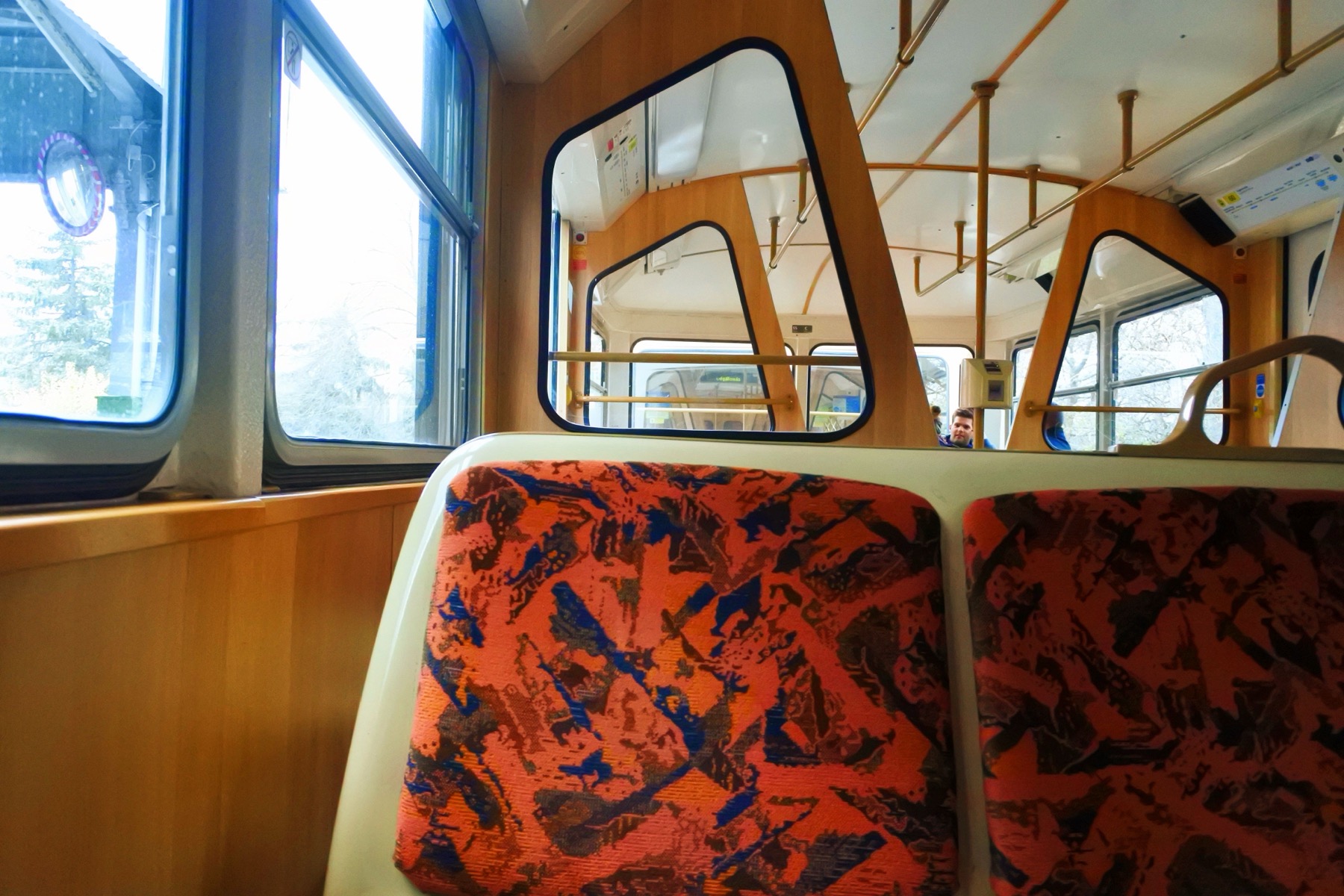
Sweden is an absolutely gigantic country. The journey from Stockholm up to Kiruna alone stretches over twelve hundred kilometres, and behind the wheel you’d spend an exhausting fifteen hours of pure driving time. By train, this huge distance turns into a relaxing experience: you tuck into clean sheets in the evening and step out rested right at your destination in the morning.
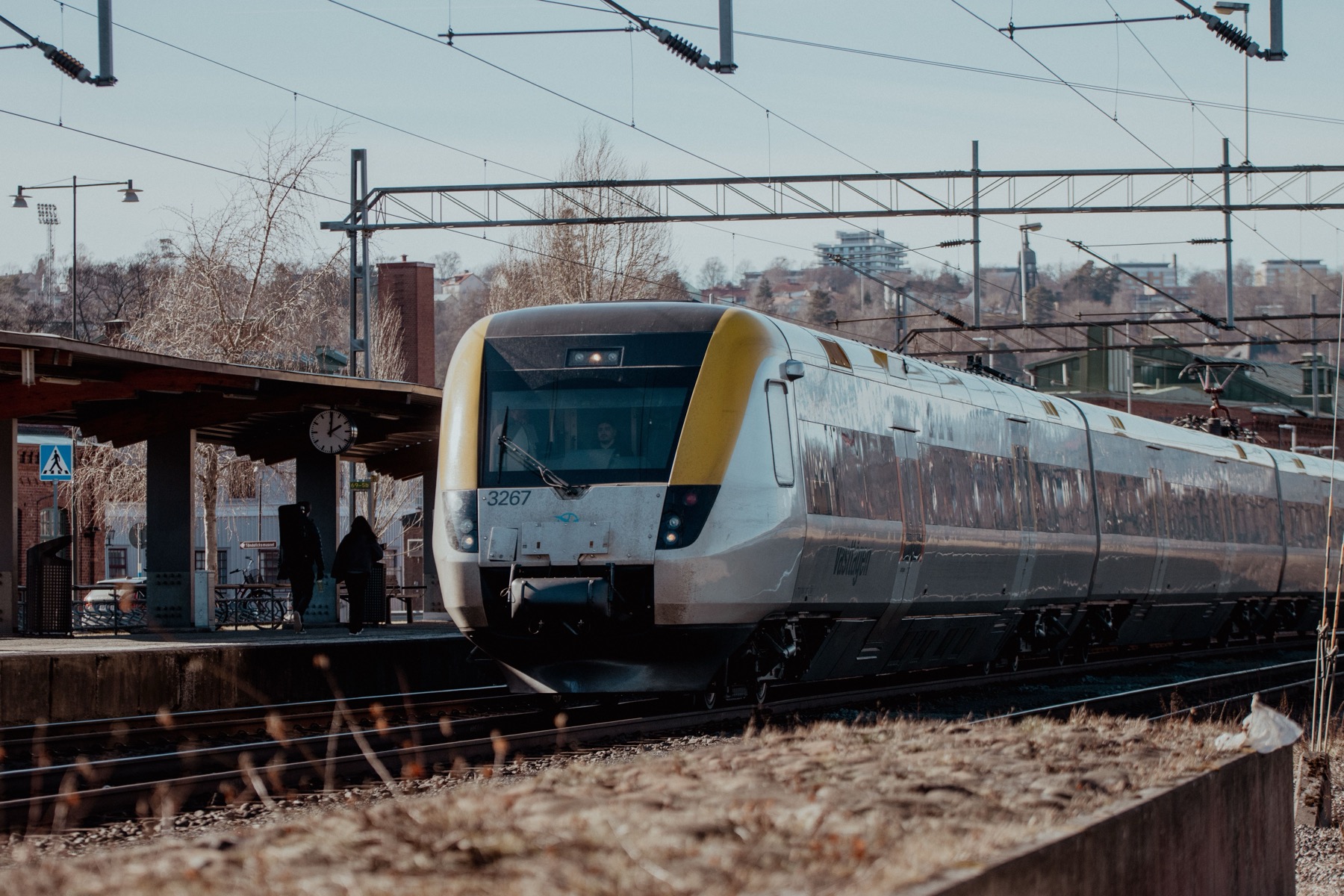
Local high-speed trains reach up to 200 kilometres per hour and, thanks to a special tilting system, glide through curves incredibly smoothly. On-board comfort far exceeds the European standard: you’ll find plenty of legroom, reliable wi-fi and power sockets everywhere. And honestly, watching moose dart across the landscape is far better entertainment than staring at a GPS.
While driving forces you to constantly watch your speed for the ubiquitous grey speed cameras or keep an eye out for moose, on the train you can calmly work, read, or simply watch the forests roll by. You’ll also avoid the stress of winter conditions, since driving on packed snow and ice takes a lot of experience in the northern regions.
Travelling by train also drops you right in the city centre. There’s no need to deal with expensive parking or congestion charges for entering the centres of Stockholm and Göteborg. Swedish train stations work as modern hubs full of great cafés and shops, so you’ll find your way around them without any trouble.
💡 Tip: If you plan to work, pick the so-called quiet zone (Tyst avdelning) on SJ high-speed trains. Phone calls are strictly forbidden and there’s absolute peace for concentration.
2. Who actually runs things here (SJ and regional operators)
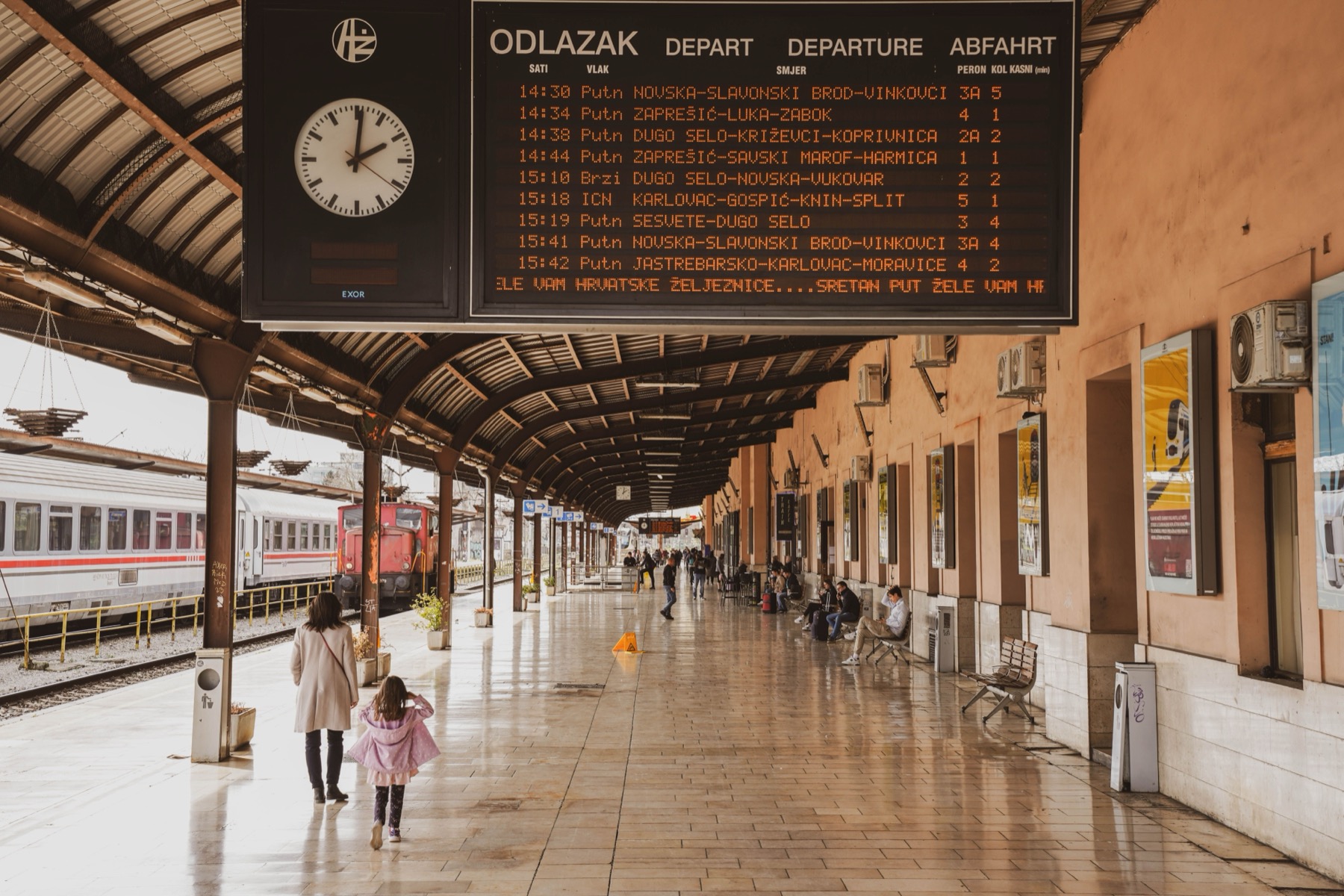
There’s no monopoly on Sweden’s railways, and several different companies operate here. The main and largest national carrier is SJ (Statens Järnvägar), which serves the key long-distance routes and high-speed connections. If you’re travelling between big cities or heading north, you’ll most likely ride with them.
Besides SJ, there are strong regional operators that dominate transport in individual counties. In the south around Malmö, Skånetrafiken rules; around Göteborg it’s Västtrafik; and the wider Stockholm area is covered by SL. Different tickets apply between these systems and it’s crucial to know which train you’re actually boarding. The golden rule, though, is that you can buy tickets for almost everything through the SJ search engine.
For getting around within a single county, it always pays to download the local operator’s app. In it you’ll find not just trains but also connecting buses, trams and ferries. Swedish public transport runs surprisingly smoothly, so a single ticket often takes you by train to a port and then by boat all the way to an island.
A major 2026 development is the nationwide state subsidy of public transport. The government decided to significantly subsidise mass transit and halved the price of 30-day passes from July until the end of the year. In practice this means a monthly ticket very often pays off even for a stay of just a few days in the city.
💡 Tip: The discounted monthly pass in Stockholm (SL) costs just 530 SEK (about €50) in the second half of 2026. If you plan to spend five days or more in the city, definitely get it — you’ll save a fortune on single tickets.
3. When and how to buy tickets (the magic of the SJ app)
Forget the fixed per-kilometre fares you might know from home. The Swedish state railways work exactly like airlines and use strictly dynamic pricing. This means the closer the departure date gets and the fuller a particular carriage becomes, the steeper the ticket price climbs.
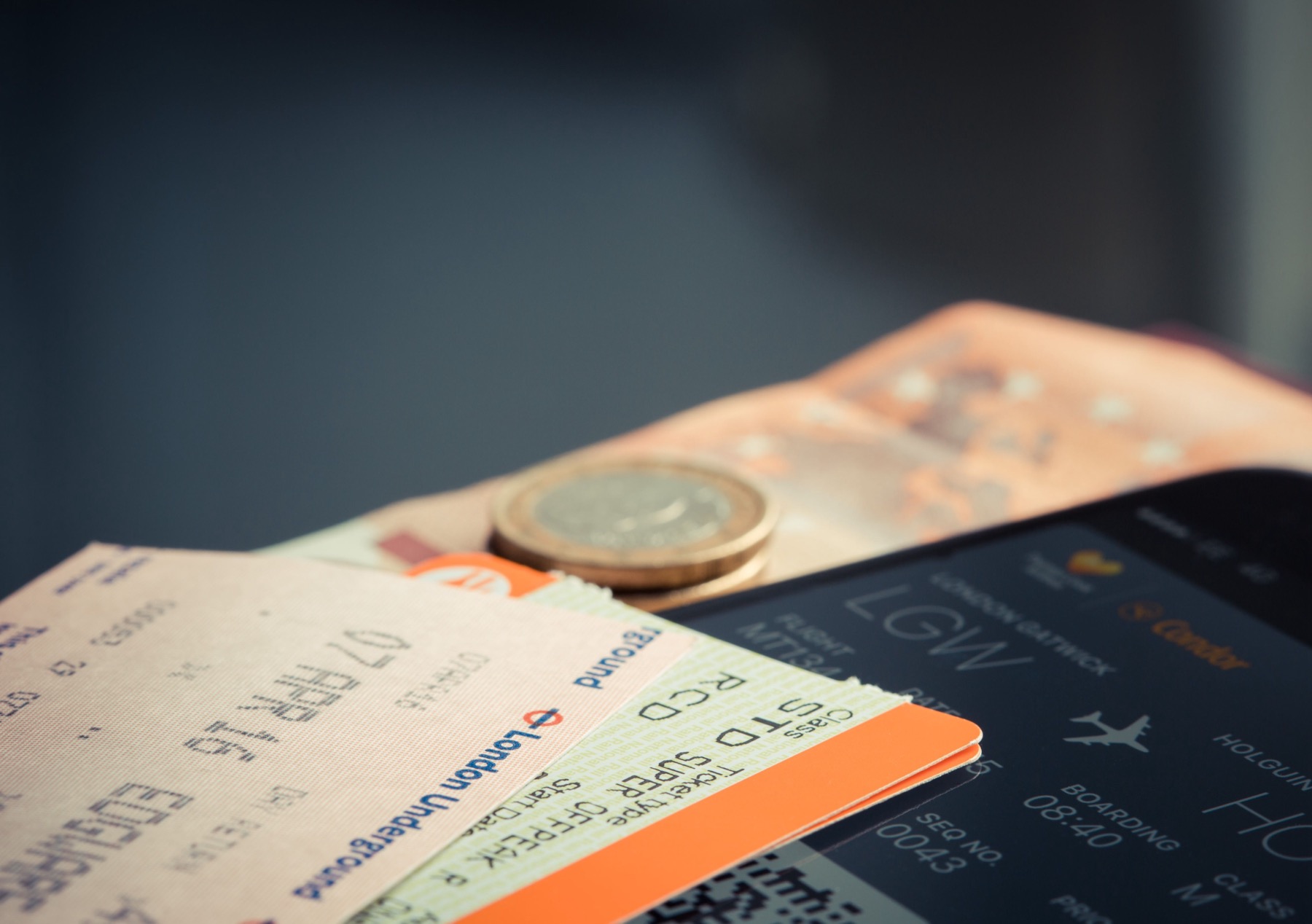
If you show up at the station ten minutes before a high-speed train to Göteborg, you could easily pay three times the original fare. Tickets usually go on sale ninety days ahead, and that’s exactly when you’ll grab the cheapest ones (often from 250 SEK / about €23). To buy them, be sure to download the official SJ app — it’s clear, available in English, and keeps all your QR codes neatly in one place.
When buying through the app or website, watch out for currency conversion. The system sometimes offers to charge you in your home currency (so-called DCC), which is always a bad deal. Always choose to pay in Swedish krona (SEK) and let your bank or a card like Revolut handle the conversion — you’ll save a noticeable percentage of the total.
It’s also important to know that SJ offers three levels of ticket flexibility. The cheapest “Non-rebookable” is lost if you don’t board the train. The mid-range “Rebookable” lets you change the date or time, but you only get money back as credit for a future purchase. The most expensive “Refundable” option can be cancelled and refunded straight to your account.
💡 Tip: If you’re travelling in a group or with family, always buy tickets together in a single transaction. The SJ system automatically applies group discounts that can cut the final price by up to 15%.
4. Classes, seat reservations and what’s included
On Swedish trains you’ll usually choose between standard second class and premium first class. Second class is honestly more comfortable than most things in Europe: the seats are wide, the carriages quiet, and the legroom genuinely exists. On high-speed X2000 and X3000 services a seat reservation is always included in the price, so you’re guaranteed your own seat and needn’t worry about standing in the aisle.
If you pay extra for first class, you get even more personal space and a quieter environment. First-class passengers have free access to hot coffee, tea and small fruit throughout the journey. On morning services departing before nine, a packed breakfast will also be waiting on your seat, which turns early travel into a genuinely pleasant ritual.
Luggage policy in Sweden is fairly relaxed. There are no strict weight limits like on planes, but one unwritten rule applies. You must be able to carry all your luggage yourself and safely store it in the overhead racks or in the dedicated stands at the ends of the carriages. On high-speed trains, space for large suitcases is sometimes limited, so it’s best to board among the first.
Some SJ carriages also offer special compartments. Besides the quiet zone mentioned above, you can choose seats with a table for four, ideal for families or a group of friends. 230V sockets and reliable wi-fi are now completely standard in both classes on all long-distance services.
💡 Tip: If you’re travelling on an X2000 high-speed train with a big heavy suitcase, pick a seat right by the carriage entrance when you reserve. That way you’ll avoid awkwardly squeezing down the narrow aisle.
5. Reaching Sweden: night connections through Germany and Denmark
You can reach Sweden by train from mainland Europe surprisingly smoothly — you just need to allow more time. The traditional route runs through Dresden, Berlin and Hamburg on to Copenhagen. 2026 brought fairly big changes to the international timetables, though, as state operator SJ ended the subsidised operation of its EuroNight night train.
Fortunately, from September 2026 the German company RDC has taken the line over commercially, though it runs only three times a week. For travellers, there’s a far better alternative in the form of the private night train Snälltåget. From August to December 2026 it departs on Sundays directly from Dresden. So you can simply catch an ordinary EuroCity to Dresden, change to the sleeper carriage there, and wake up fresh right in Stockholm.
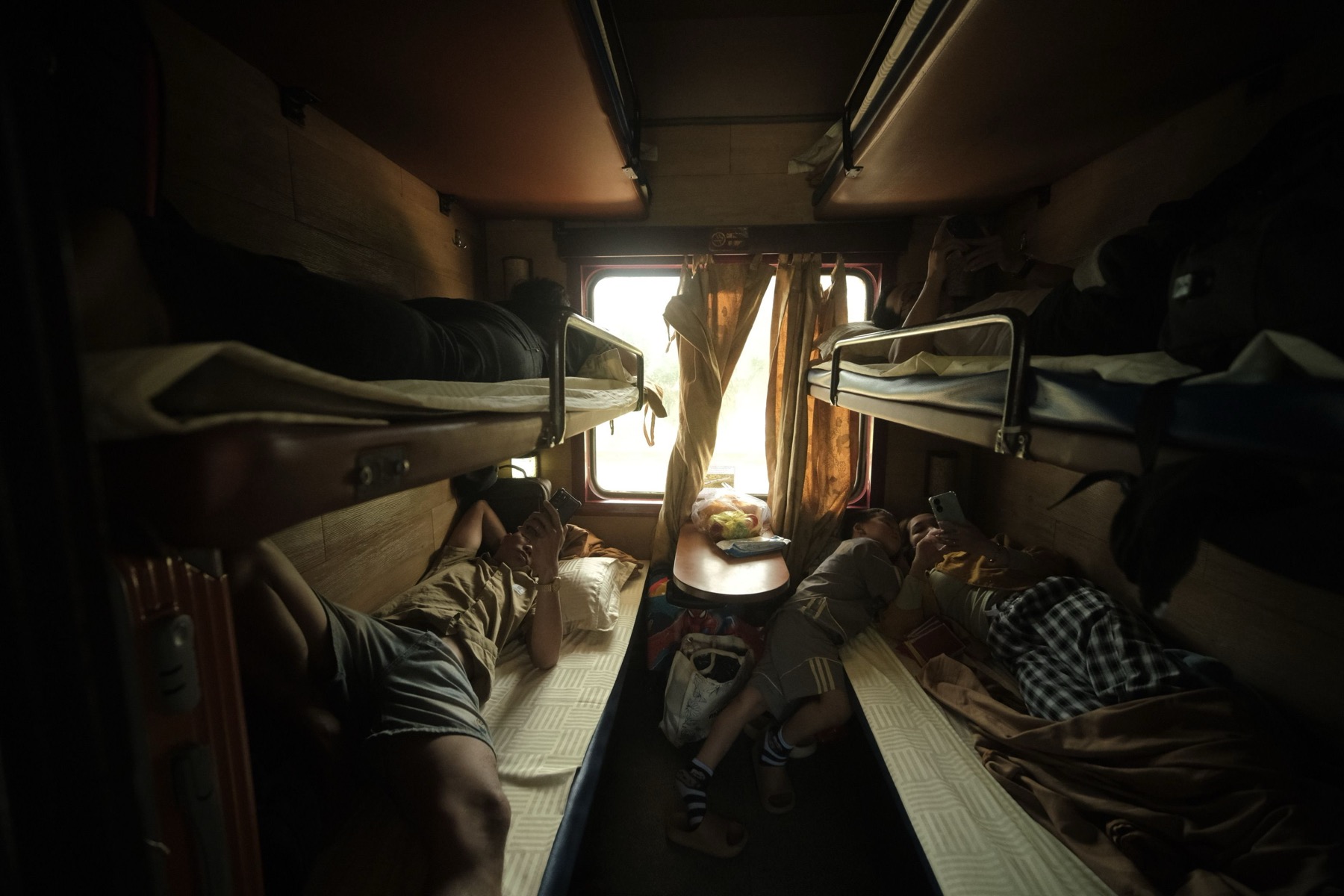
Snälltåget tickets start at around 499 SEK (about €45) for a seat. For the fifteen-hour overnight crossing, though, I strongly recommend paying extra for a couchette. The train has classic six-berth compartments that fold down into comfortable seats during the day. If you’re travelling as a family, you can rent a whole compartment for yourselves, which works out best value.
Travel from Europe to Sweden will get significantly faster in the future. The huge undersea Fehmarnbelt tunnel between Germany and Denmark is currently under construction. Once it’s finished, the journey from Hamburg to Copenhagen will be cut by several hours, making the train north an even more attractive alternative to flying.
💡 Tip: Snälltåget trains have very limited restaurant car capacity. You must reserve food online in advance, otherwise there may be no room left and you’ll be stuck with just small snacks.
6. From Arlanda airport to the centre (the Arlanda Express trap)
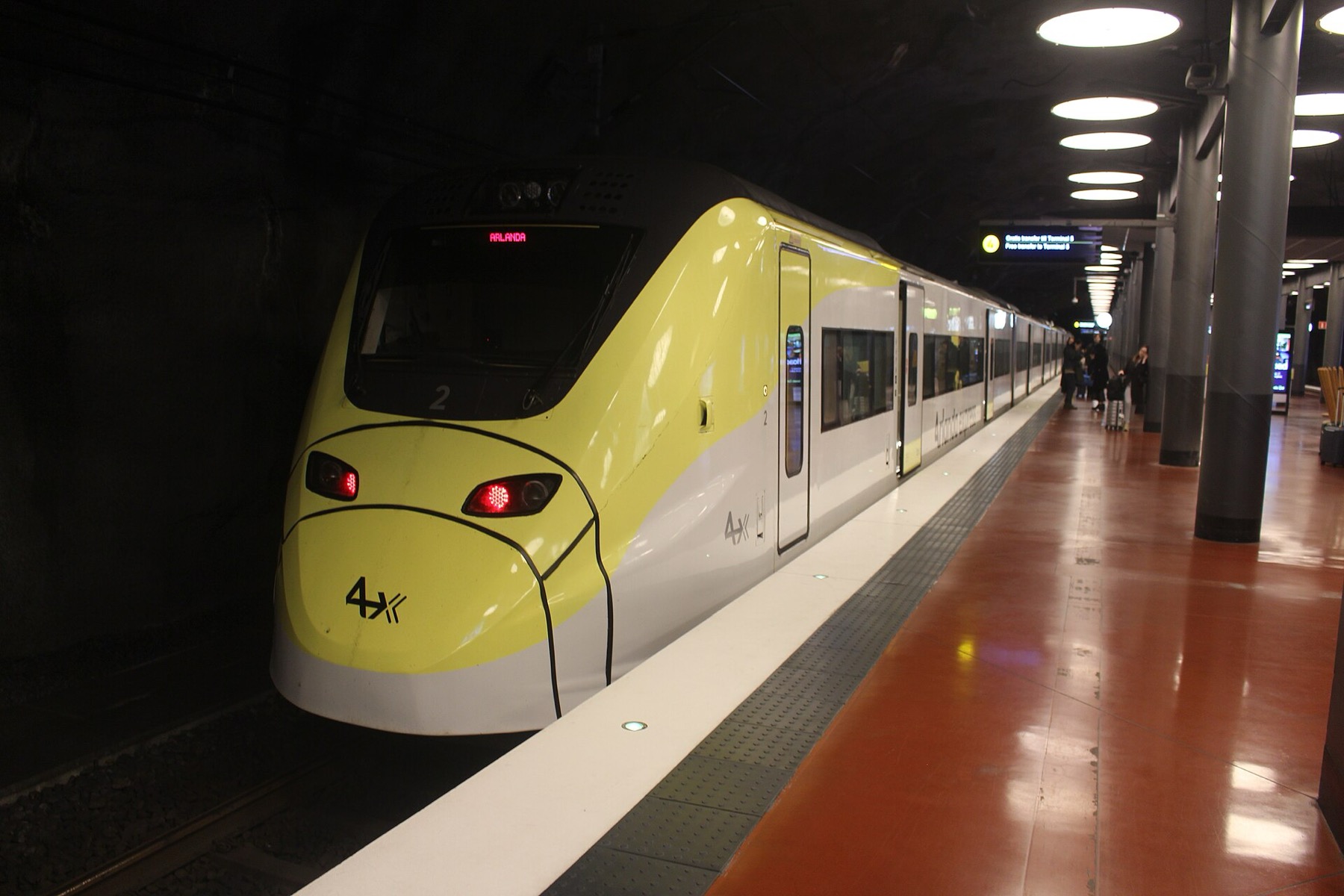
Most travellers land at Stockholm’s main airport, Arlanda, and look for the fastest way to the central station. Everywhere you’ll see ads for the yellow Arlanda Express, which shoots you into the centre in just eighteen minutes. But there’s one huge catch: a one-way ticket costs around 340 SEK (over €30).
A far more sensible alternative is the Flygbussarna airport buses. They run every ten to fifteen minutes, cost a fraction of the express fare (around 130 SEK), and the journey takes a pleasant forty-five minutes. Another option is the Pendeltåg commuter train, line 40, on which your regular Stockholm transit ticket is valid, but you must pay a so-called airport surcharge to pass through the turnstiles (around 135 SEK).
Pay huge attention to exactly where you’re flying. Low-cost carriers like Ryanair or Wizz Air sometimes offer tickets for pennies, but they often fly you into Skavsta or Västerås airports. Both airports lie a hundred kilometres from Stockholm and the bus into the centre takes an hour and a half. You’ll pay another 200 SEK (about €18) for it, so your cheap flight ends up costing a lot more.
The Swedish market is fully deregulated and taxi drivers can legally charge whatever they like, so always check the yellow Jämförpris sticker on the window — if the number is higher than 400 SEK, don’t get in. The safest bet is to use Uber or Bolt, where you see the final price up front.
💡 Tip: If you’re travelling on the Arlanda Express in a group of two or three, check their website for group discounts. On weekends and holidays they often offer deals where two people travel for the price of one.
7. Night train to Lapland: sleepers and the northern lights
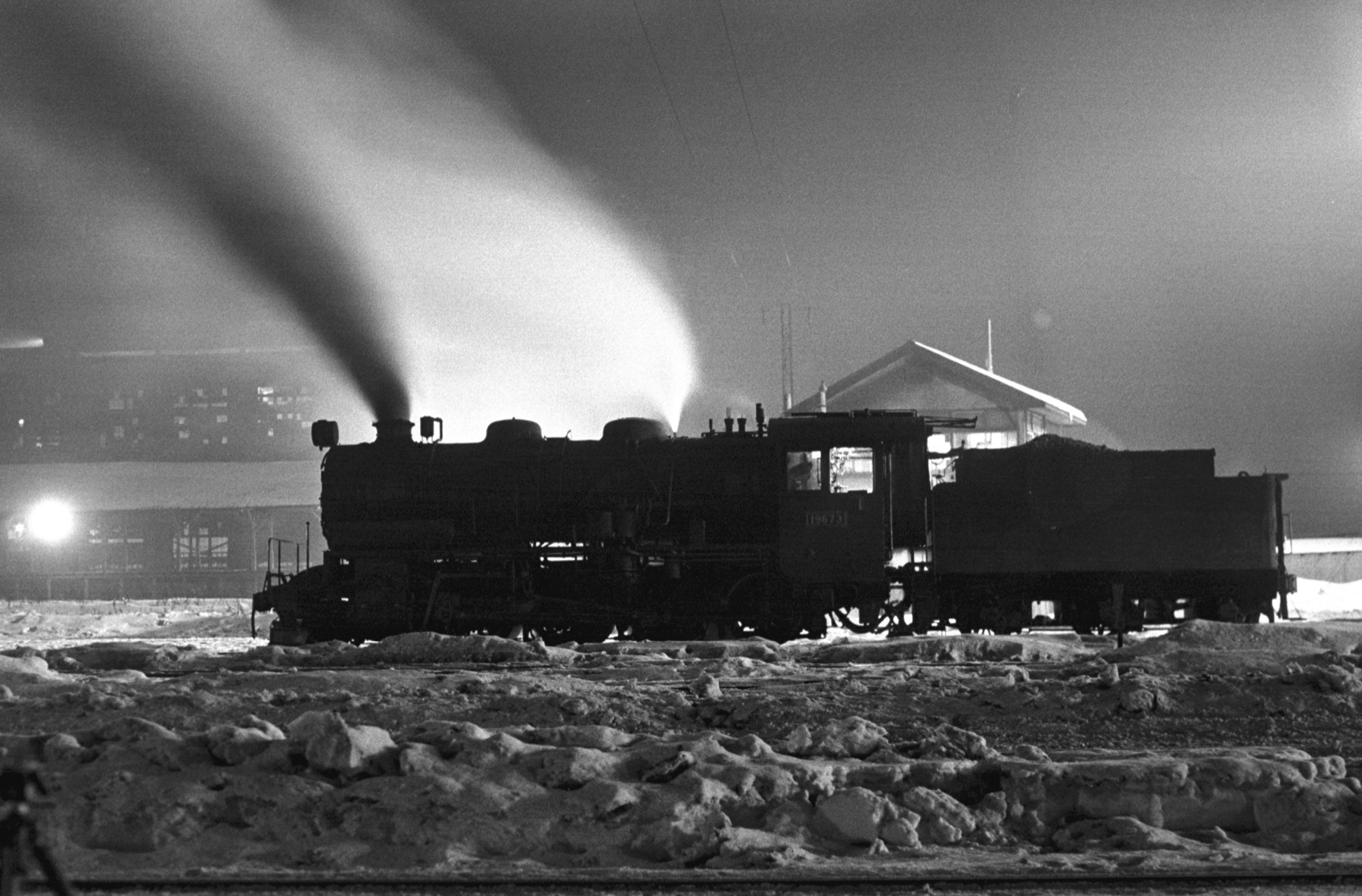
The night express from Stockholm up north to Kiruna and Abisko is one of Europe’s legendary rail journeys. The train sets off from the capital in the evening, eats up the kilometres through dark forests all night, and the next afternoon spits you out right in the middle of the Arctic wilderness. This route is currently run by operator VY Tåg, but you can buy tickets easily through the SJ portal.
The carriages are laid out very practically. You can choose the cheapest seats (which really hurt over a fifteen-hour trip), shared six-berth couchette compartments, or comfortable three-berth sleeper cabins with their own washbasin. The train of course has a restaurant car too, where travellers from all over the world gather in the evening, sip tea and swap travel stories.
If you head north in the winter months (December to March), you’ll sometimes glimpse the dancing northern lights right from the corridor window. It’s an utterly magical experience — the train racing through the snowy dark while the sky above glows green. The winter season is extremely popular on this route, though, so sleeper cabins often sell out several months ahead.
Ticket prices vary greatly depending on how far ahead you book and the type of berth. While an early ticket for a six-berth compartment starts around 850 SEK (about €80), a private sleeper cabin can easily cost over €130. Given that you also save the cost of a hotel night, the investment in comfort is definitely worth it.
💡 Tip: Sleeper cabins tend to be quite warm with dry air. Bring lightweight pyjamas, plenty of drinking water, and don’t forget earplugs, as older carriages sometimes creak a little over the points.
8. Inlandsbanan: the legendary inland line
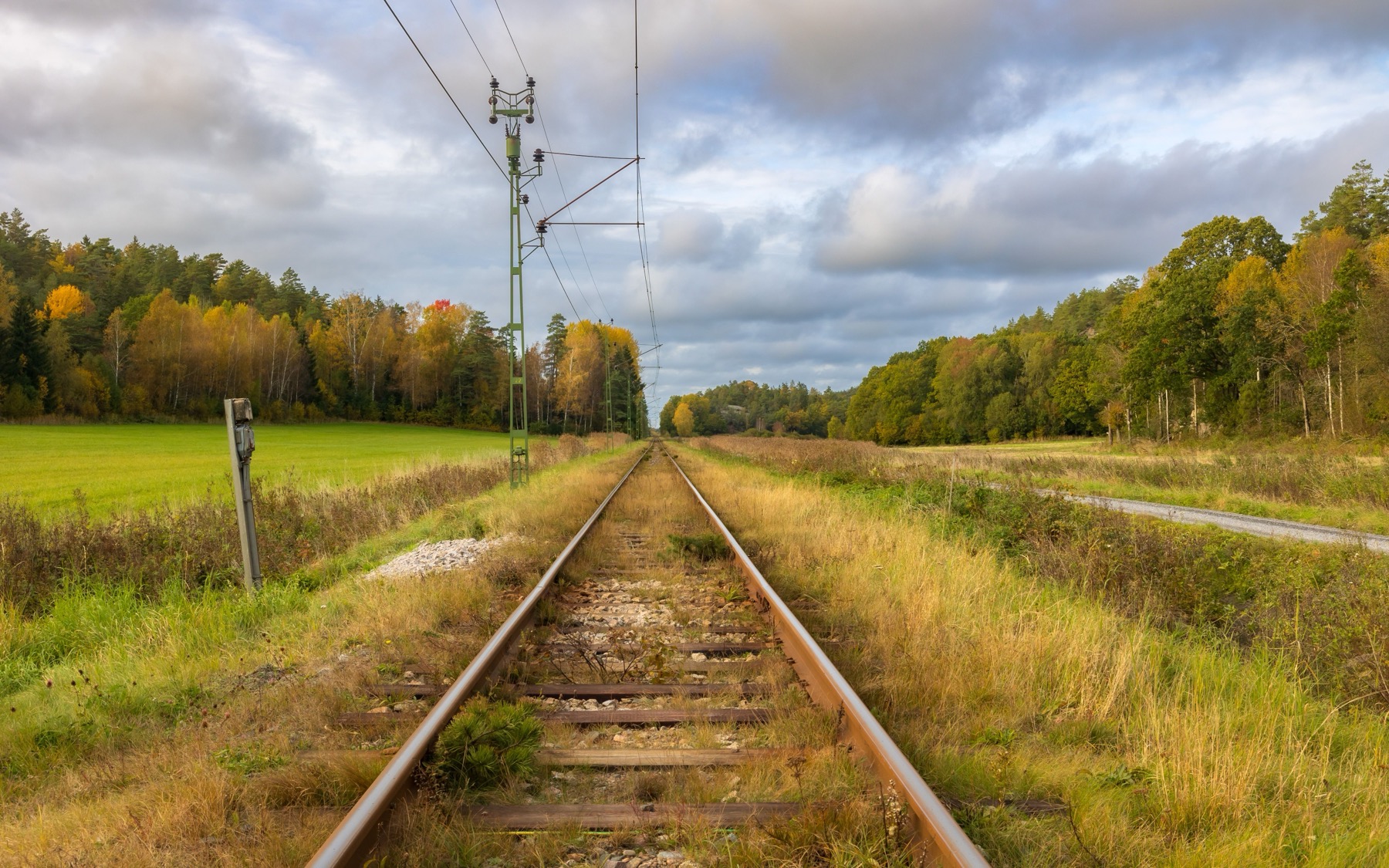
While most high-speed trains race along the coast, one utterly unique railway winds through the heart of the country. It’s called the Inlandsbanan (Inland Line) and stretches for thirteen hundred kilometres from Kristinehamn in the south all the way beyond the Arctic Circle to Gällivare. This isn’t an ordinary commuter line, but a pure tourist experience.
This train runs only during the summer season and embraces the philosophy of slow travel. The driver will routinely slow down so you can photograph a herd of reindeer crossing the tracks, and longer stops are made at interesting spots for lunch or a museum visit. It’s the complete opposite of the rush of high-speed trains and a great way to discover authentic rural Sweden.
For this line it pays to get a special Inlandsbanan Card, a multi-day pass. With it you can hop off freely along the way, spend the night by a beautiful lake in Dalarna, head out on a shorter hike into the forests, and the next day simply catch another train and continue north. The journey from south to north takes two days of pure travel time, with a compulsory overnight stop in Östersund.
The carriages are often historic railcars with undeniable charm. There’s usually a guide on board who tells the story of building the line, the local nature and Sámi culture. It’s more of a land-based cruise than a classic point-to-point train ride.
💡 Tip: Inlandsbanan tickets aren’t sold through the regular SJ system. You have to buy them directly on their official website, where you’ll also find a detailed breakdown of all the interesting stops and recommended places to stay overnight.
9. High-speed trains and Europe’s northernmost line
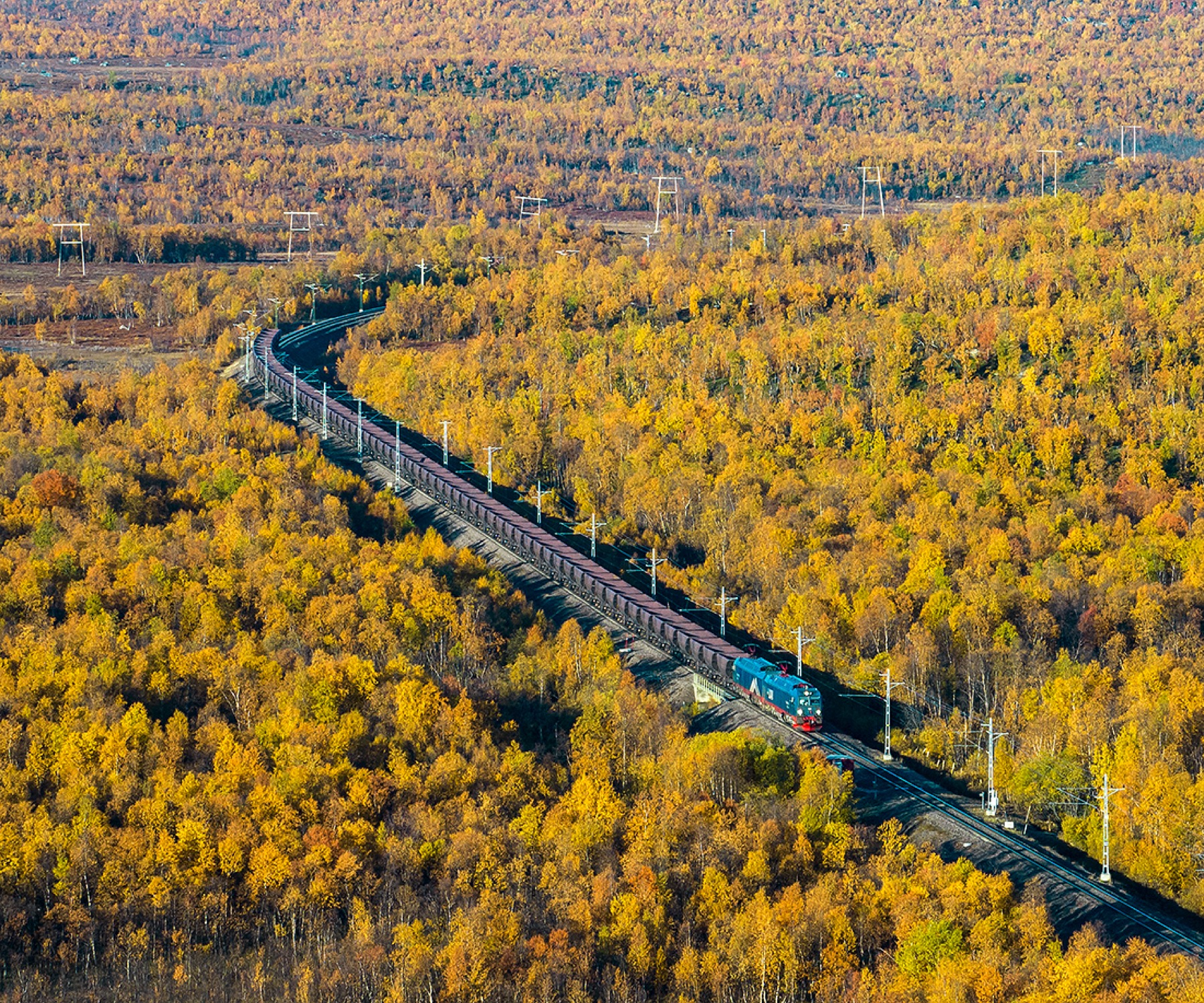
Between Stockholm and Göteborg there’s a top-notch high-speed connection on X2000 trains, which cover this five-hundred-kilometre distance in a flat three hours. Of the long-distance routes, though, the Arctic Malmbanan railway wins hands down on scenery. It connects with services in Kiruna and continues through the dramatic mountains of Abisko National Park all the way to the Norwegian port of Narvik.
The journey along Lake Torneträsk offers breathtaking views of snowy peaks and deep valleys. This is the northernmost railway line in Western Europe, originally built to transport iron ore. To this day passenger trains pass enormous, extremely heavy freight trains loaded with mined material, which is quite an impressive sight.
While the trip from Stockholm to Kiruna runs mostly through endless forests, the stretch from Kiruna to Narvik is an absolute visual explosion. The landscape changes dramatically, trees disappear and are replaced by harsh mountain tundra, which then plunges steeply down to the Norwegian fjords. The ride itself takes about three hours and is one of the best rail experiences in the world.
Tickets for this stretch are surprisingly affordable and typically cost around 150 to 250 SEK (€14 to €23). The trains tend to be full of tourists and backpackers heading for the famous Kungsleden trek, which starts right by the railway station in Abisko.
💡 Tip: On the trip from Kiruna to Narvik, choose a seat on the right side of the train in the direction of travel when reserving. You’ll get the absolute best views of the huge lake and surrounding mountains from the window.
10. Öresundståg and the Copenhagen to Sweden train
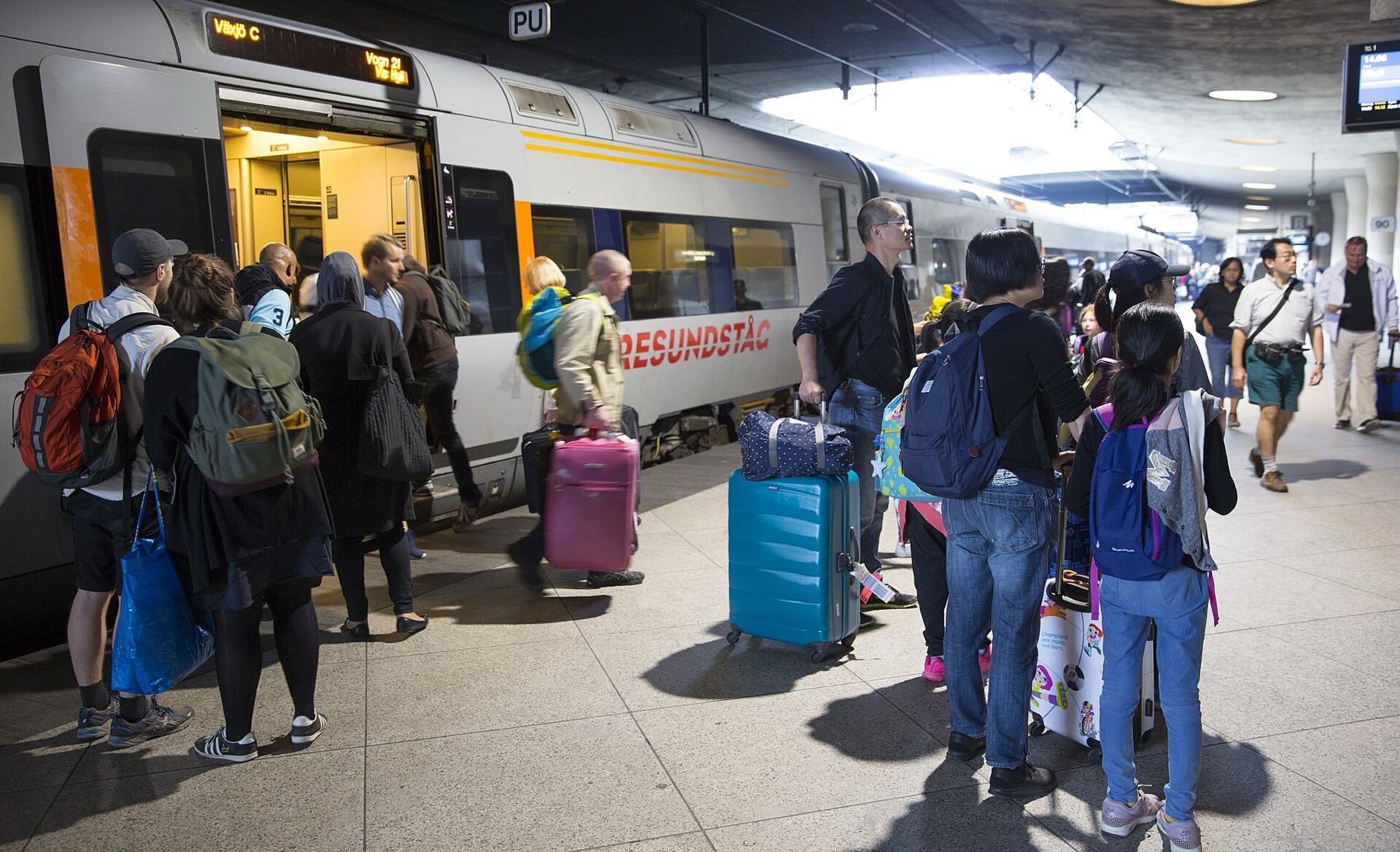
The link between southern Sweden and Danish Copenhagen is a masterpiece of transport engineering. Regional Öresundståg trains leave Malmö’s central station every twenty minutes and glide smoothly across the famous Öresund Bridge straight to Copenhagen’s international Kastrup airport and on into the city centre. The Copenhagen to Sweden train ride takes about forty minutes, and the bridge structure high above the waves offers lovely views.
While crossing the bridge by car costs a hefty 470 to 510 DKK (about €63 to €68), the train ticket is a fraction of the price (around 135 SEK / €13). You simply buy the ticket at the machines at the station or through the Skånetrafiken app. The trains run practically non-stop, with only slightly longer intervals at night.
When travelling in this direction, though, you need to keep bureaucracy in mind. The Swedish government has extended random checks on its borders at least until November 2026. If you’re travelling from Denmark to Sweden, always have a valid ID card or passport ready, as police at the first Swedish stop (Hyllie) very often walk through the carriages checking documents.
Öresundståg carriages are very spacious and comfortable. They offer a special quiet zone and accessible toilets. They also have well-designed space for carrying bicycles, which you’ll appreciate if you plan cycling trips along the Skåne coast or through Copenhagen’s streets.
💡 Tip: If you’re travelling from Copenhagen’s Kastrup airport to Sweden, the train departs directly from the underground station beneath the terminal. It’s hugely convenient — just remember you must buy tickets before boarding the train.
11. Interrail and Eurail in Sweden: when is it really worth it?
Europe-wide Interrail passes are still popular among backpackers, but in Sweden they come with clear caveats. The Swedish rail network does fully accept these passes, but most long-distance trains won’t let you board without a paid seat reservation. A reservation on the X2000 high-speed train costs around seventy Swedish krona (about €6.50), and on night services you pay hundreds of krona extra for a berth or couchette.
If you’re only planning a single quick trip from Stockholm to Göteborg, Interrail definitely won’t pay off financially and you’re better off buying a regular early ticket through the app. An early SJ purchase usually works out considerably cheaper than the proportional cost of a daily Interrail pass plus the mandatory reservation fee.
But if you want to spend a week criss-crossing the country and plan unexpected stops, a global pass gives you huge freedom and flexibility. It works brilliantly on local and regional lines where you don’t need any reservations. You can spontaneously hop on Skånetrafiken trains in the south or explore the area around Lake Vättern.
You can easily buy reservations for Interrail pass holders directly through the SJ website (just select “Interrail/Eurail pass” as the traveller type). Book them well in advance, though, as the number of seats reserved for pass holders can be limited on the busiest routes.
💡 Tip: If you’re travelling with Interrail, download the Rail Planner app. It clearly shows which specific Swedish services require a reservation and where you can travel completely freely with no surcharges at all.

12. Bikes, skis and travelling with kids
Families with children absolutely love Swedish trains. Children under fifteen travel with an adult companion on SJ trains at hugely discounted rates (often paying just a seat reservation fee). Some long-distance carriages even have a special family compartment with a small play area, where the youngest travellers can pass a long journey. Prams travel without any problem — you just need to fold them and store them in the designated areas at the front of the carriage.
Bicycles, on the other hand, are quite complicated, and national operator SJ doesn’t make cyclists’ lives easy. You can’t just take a bike whole onto a high-speed train. You have to take it apart, remove the wheels and pack it into a special transport bag so it counts as ordinary bulky luggage. Only then can you board with it.
An exception is some regional trains (such as the Öresundståg in the south or Västtrafik trains), which have special carriages adapted for cyclists. There you simply hang your bike on a hook for a small fee and don’t need to dismantle anything. Always check the specific county operator’s rules in advance, though.
Carrying winter gear, by contrast, is completely hassle-free. Swedes are a nation of skiers, so night trains heading to the popular resort of Åre or further north have special storage areas for skis and snowboards. Everything fits at no extra charge.
💡 Tip: If you’re travelling with small children on the night train to Lapland, ask about connecting two sleeper cabins. Some carriages have unlockable doors between compartments, giving you one large family space.
13. Food on the train and how to eat cheaply
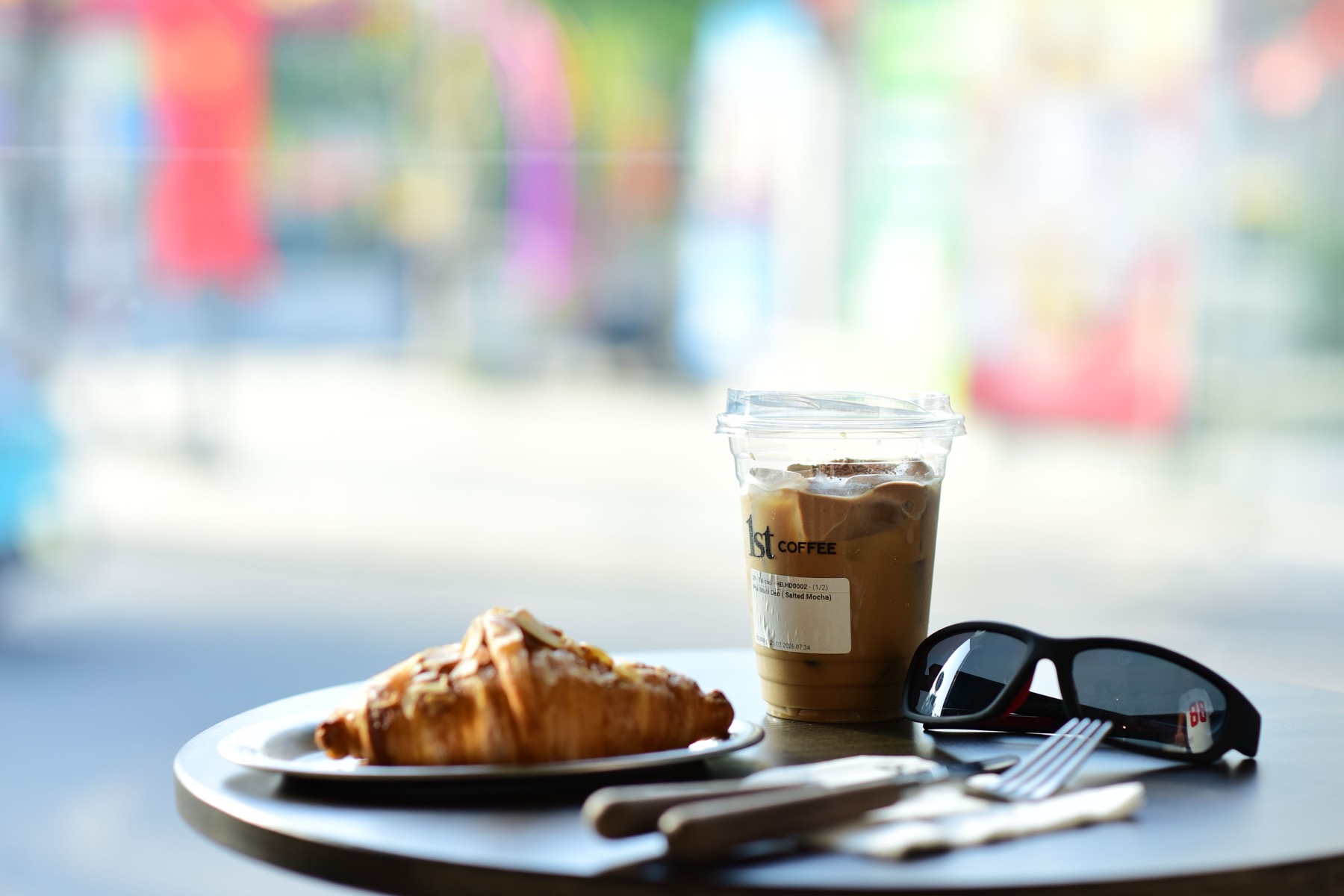
Most long-distance Swedish trains have a very pleasant bistro car. Prices are naturally a bit higher than in a supermarket, but the quality of ingredients is perfect. Swedes value sustainability and a healthy lifestyle, so you’ll easily get excellent vegetarian wraps, fresh salads or hearty cheese sandwiches. The coffee is strong and always comes with the option of a traditional cinnamon bun (kanelbulle).
If you want to save money and eat well, I warmly recommend trying a Swedish trick before boarding called dagens rätt (the daily menu). At every larger station you’ll find restaurants that at lunchtime, for around 120 to 150 SEK (€11–14), serve huge portions with an unlimited salad buffet, bread and coffee included. You then board the train completely full and just need a thermos of tea.
For small purchases for the journey, look for supermarkets like Willys or Lidl, which are cheaper than the premium ICA and Coop. Remember that Sweden is an almost cashless society. Cash will be useless to you — you can’t even use it in station toilets — but you can pay by card everywhere without a second thought.
Locals like to pay with the mobile app Swish, which you can’t get as a tourist without a Swedish bank account. So you may occasionally come across a small coffee stand outside a station that only accepts Swish, but on trains and in regular shops an ordinary card will always save you.

Where to eat at the bigger stations
If hunger strikes before departure or during a transfer, most large Swedish stations have reliable staples. A great choice is the home-grown fast-food chain Max Burgers, which offers excellent vegetarian options and has your food ready in minutes.
For coffee and a traditional Swedish fika (a sweet break), don’t miss the ever-present Espresso House, where they make fantastic cinnamon buns. If you have more time and want to sit down, check out the sports bar O’Learys, found at the main stations in both Stockholm and Göteborg, which serves proper hot meals.
💡 Tip: In the SJ bistro you can buy coffee or tea in your own reusable thermal mug. Not only do you help the environment, but the staff often give you a small discount for it.
14. Delays, engineering works and what to do when a train doesn’t run
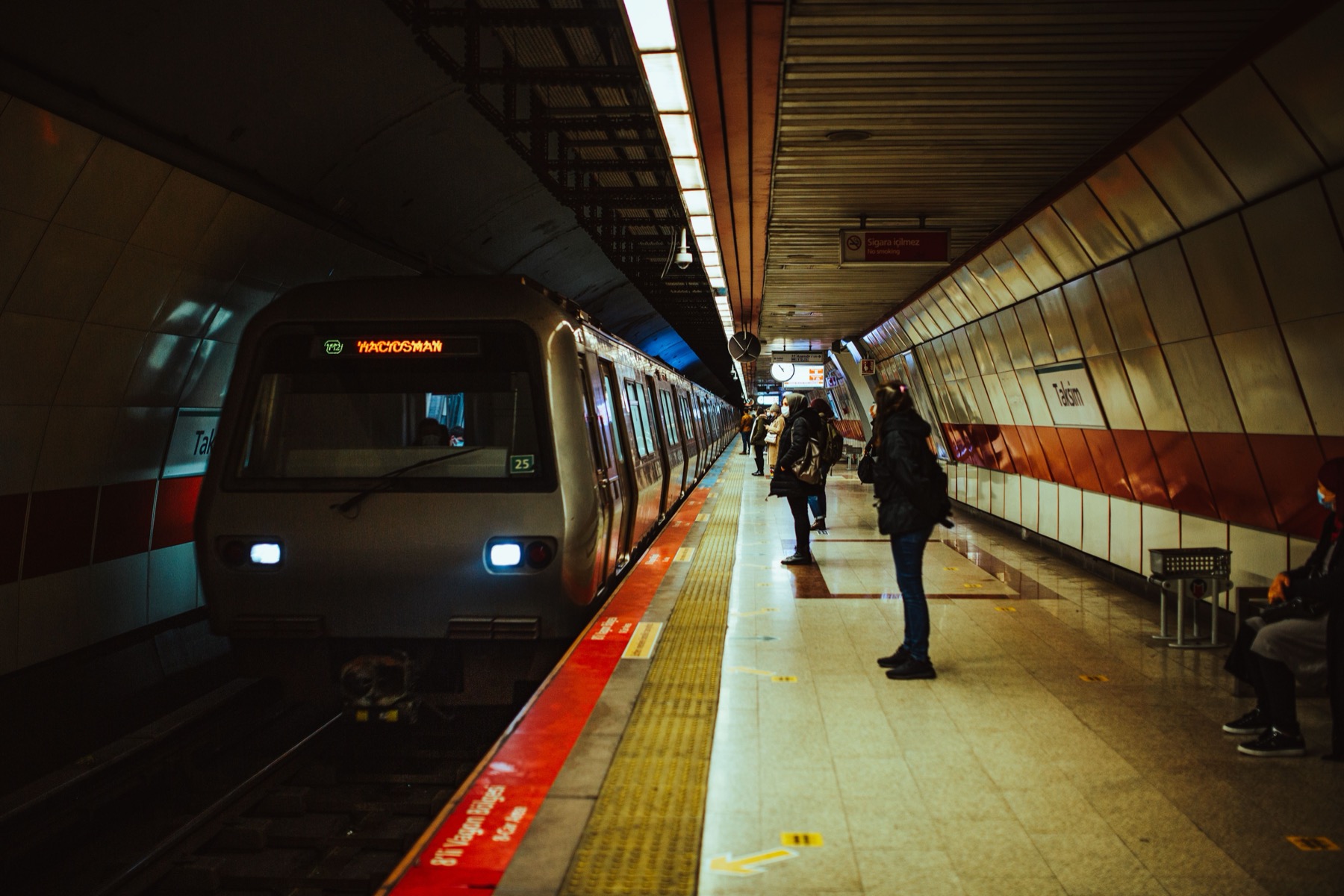
Swedish trains are modern and comfortable, but they’re not immune to the harsh Nordic nature. Especially in the winter months, you need to reckon that snowstorms or frozen points sometimes disrupt services. Delays on the long routes up north aren’t unusual, so it’s wise to factor them into your itinerary and not leave tight transfers to the last minute.
Thanks to European rules, though, you have very strong passenger rights, which SJ strictly upholds. If your train is delayed by more than sixty minutes, you’re entitled to a partial refund (at least 25% of the ticket price). You handle it all very elegantly in a few clicks right in the SJ app or through a simple form on their website, and the money arrives in your account within a few days.
If a delay to your first train means you miss a connecting service by the same operator, there’s no need to panic. The system automatically and free of charge rebooks you onto the next available service and the new ticket lands straight in the app. If a delay leaves you stranded at a station overnight, SJ will arrange and pay for a hotel.
In summer it’s fairly common for planned engineering works to take place on the lines for maintenance. In that case the operator always lays on replacement bus transport (ersättningsbuss). The buses are comfortable, wait right in front of the station, and staff will happily point you towards them.
💡 Tip: If a truly massive delay means you can’t reach your destination on time, under Swedish rules you’re often entitled to reimbursement for alternative transport (for example a taxi), as long as the amount doesn’t exceed the set limit.
The most scenic railway routes in Sweden
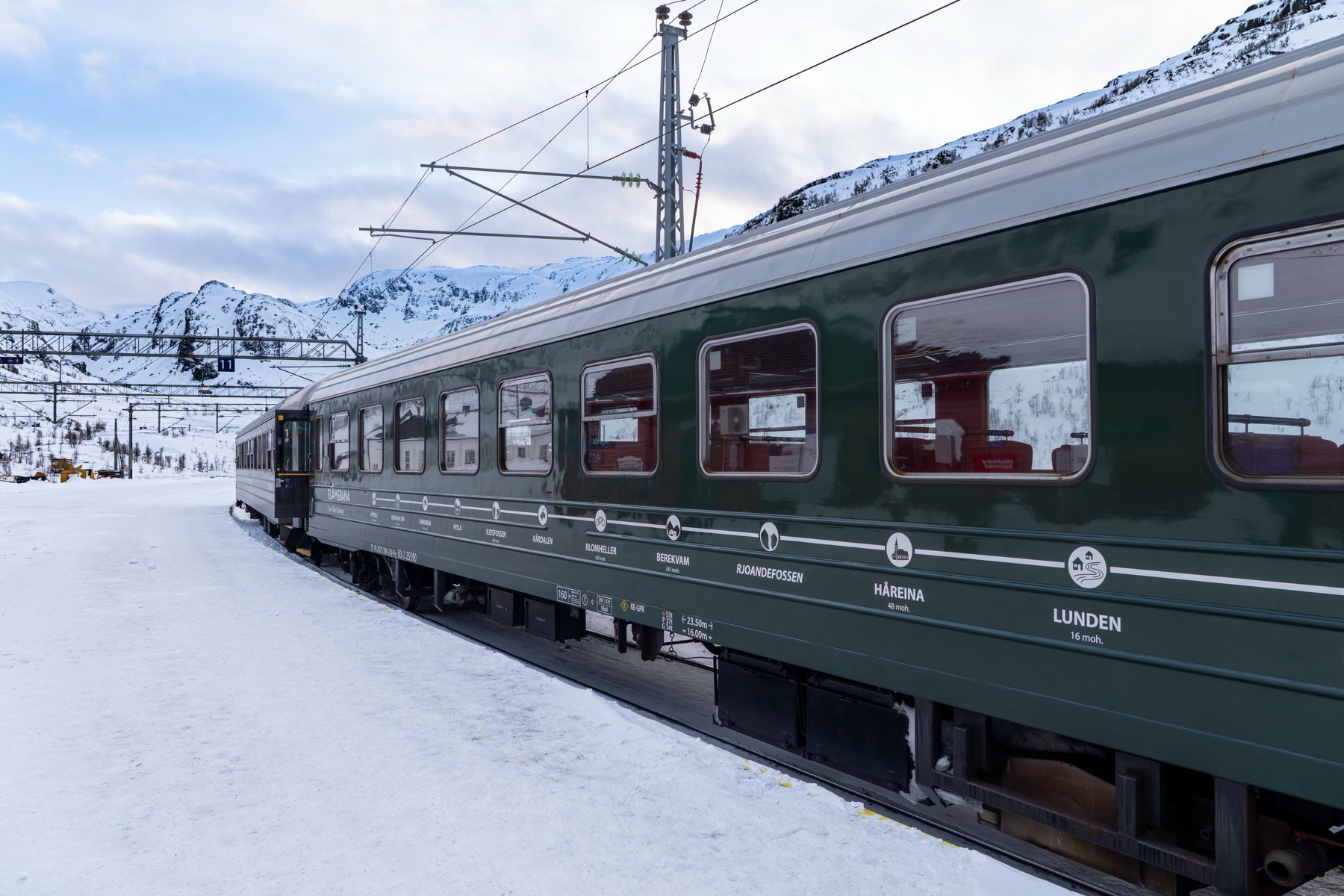
If you want to enjoy the train primarily for the views and the sheer pleasure of the ride, Sweden offers several lines that rank among Europe’s absolute best. You don’t need to be a railway enthusiast for these routes to blow you away.
Malmbanan (the Arctic Line)
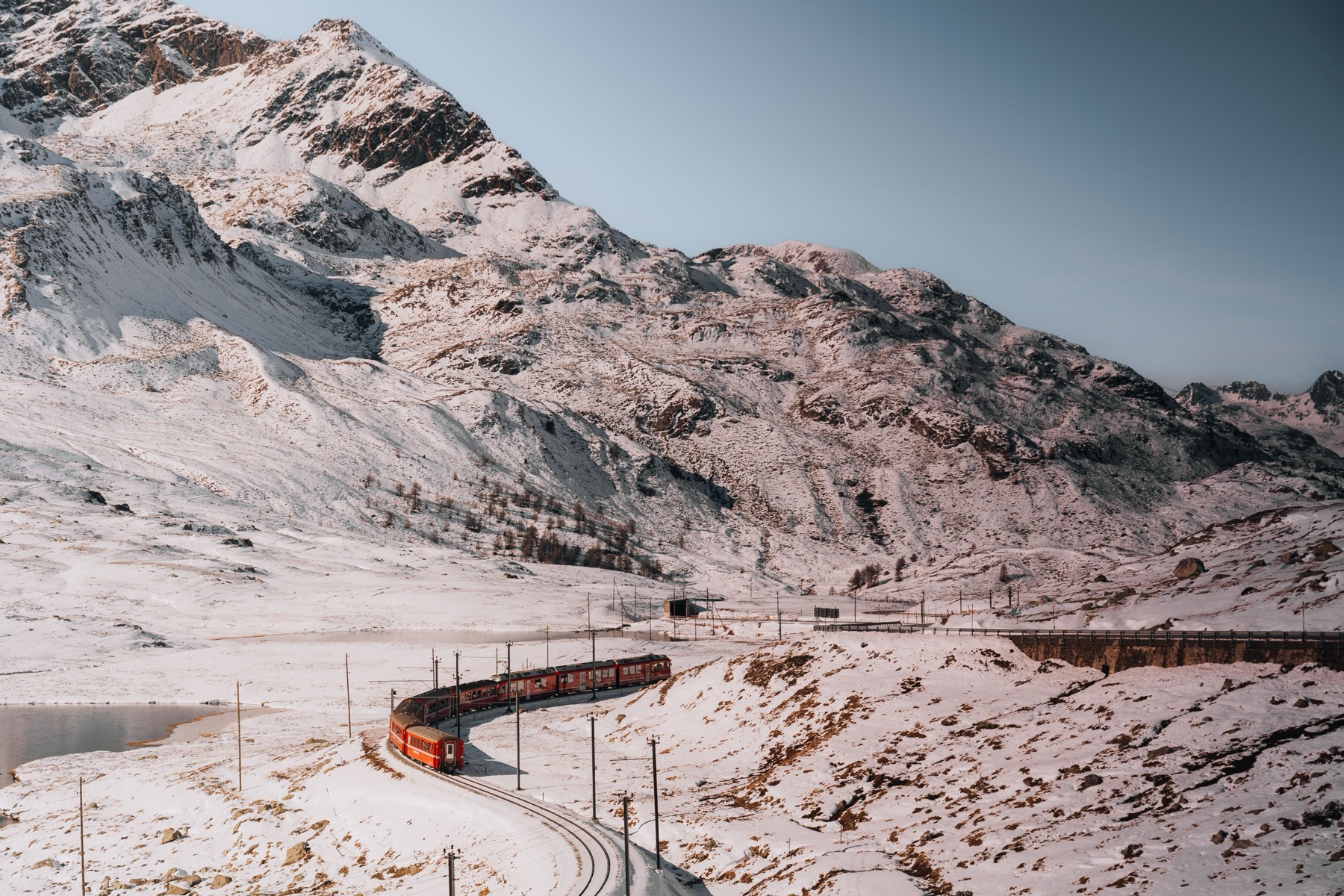
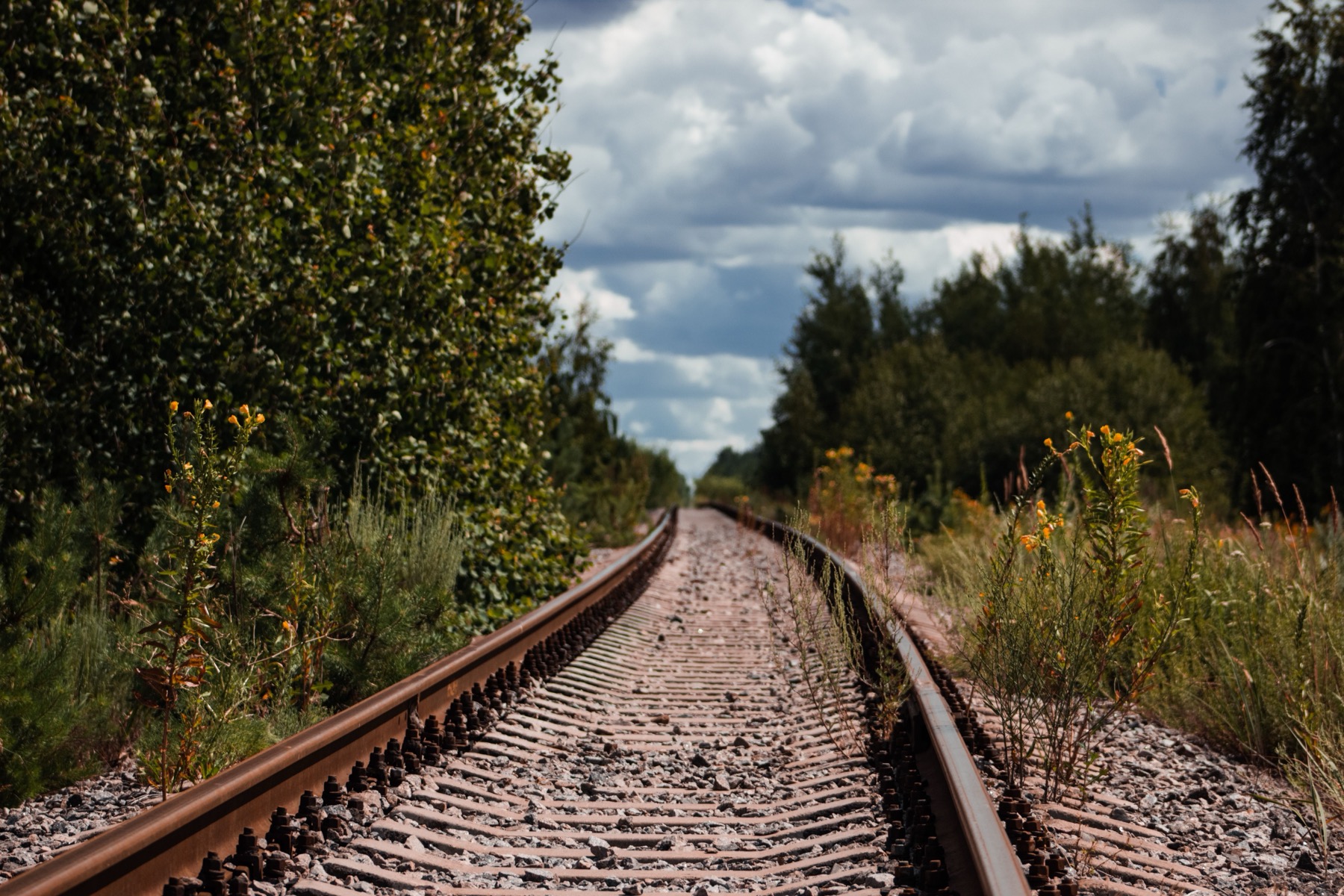
This is, without debate, the queen of Swedish railways. The line connects the mining town of Kiruna with the Norwegian port of Narvik. Over a roughly three-hour ride you’ll cover 130 kilometres through the harshest Arctic wilderness.
The train passes through Abisko National Park, crosses mountain passes, and on the right side fantastic views open up over the huge frozen (or summer turquoise) Lake Torneträsk. Tickets cost from 150 to 250 SEK (about €14–23) and the line runs year-round, though in winter it’s occasionally closed due to avalanche danger.
Inlandsbanan (the Inland Line)
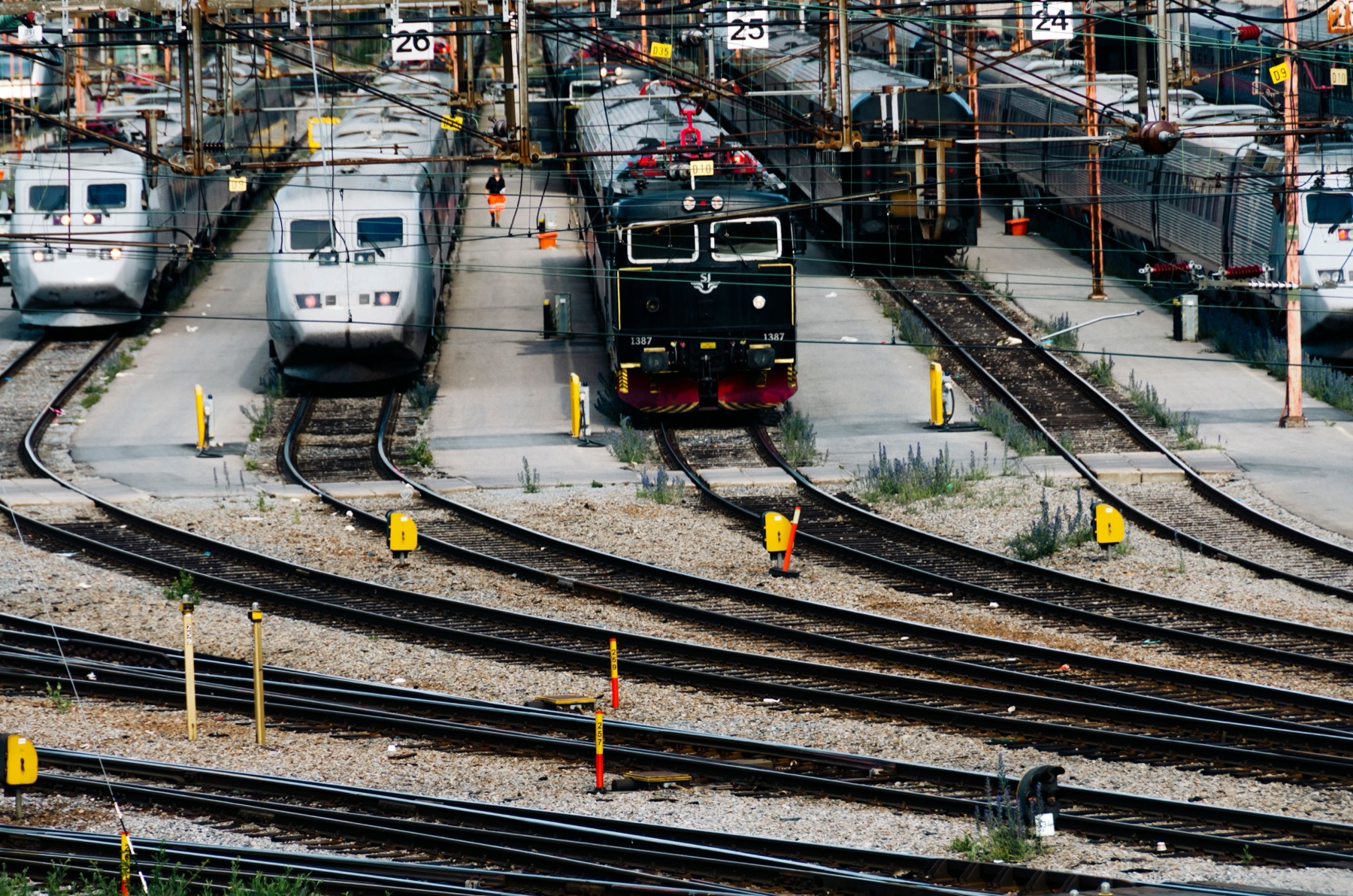
While Malmbanan is about drama, Inlandsbanan is pure slow-travel romance. The line runs an almost unbelievable 1,300 kilometres, stretching from Kristinehamn in the south to Gällivare beyond the Arctic Circle.
It passes through deep forests, glides past remote lakes, and you often have to stop because reindeer are standing on the tracks. The trains run only in summer, and it’s best to buy a multi-day pass (prices change slightly each year — reckon on around 2,000 SEK / about €185), with which you can hop off anywhere and camp.
Botniabanan (the Gulf of Bothnia Line)
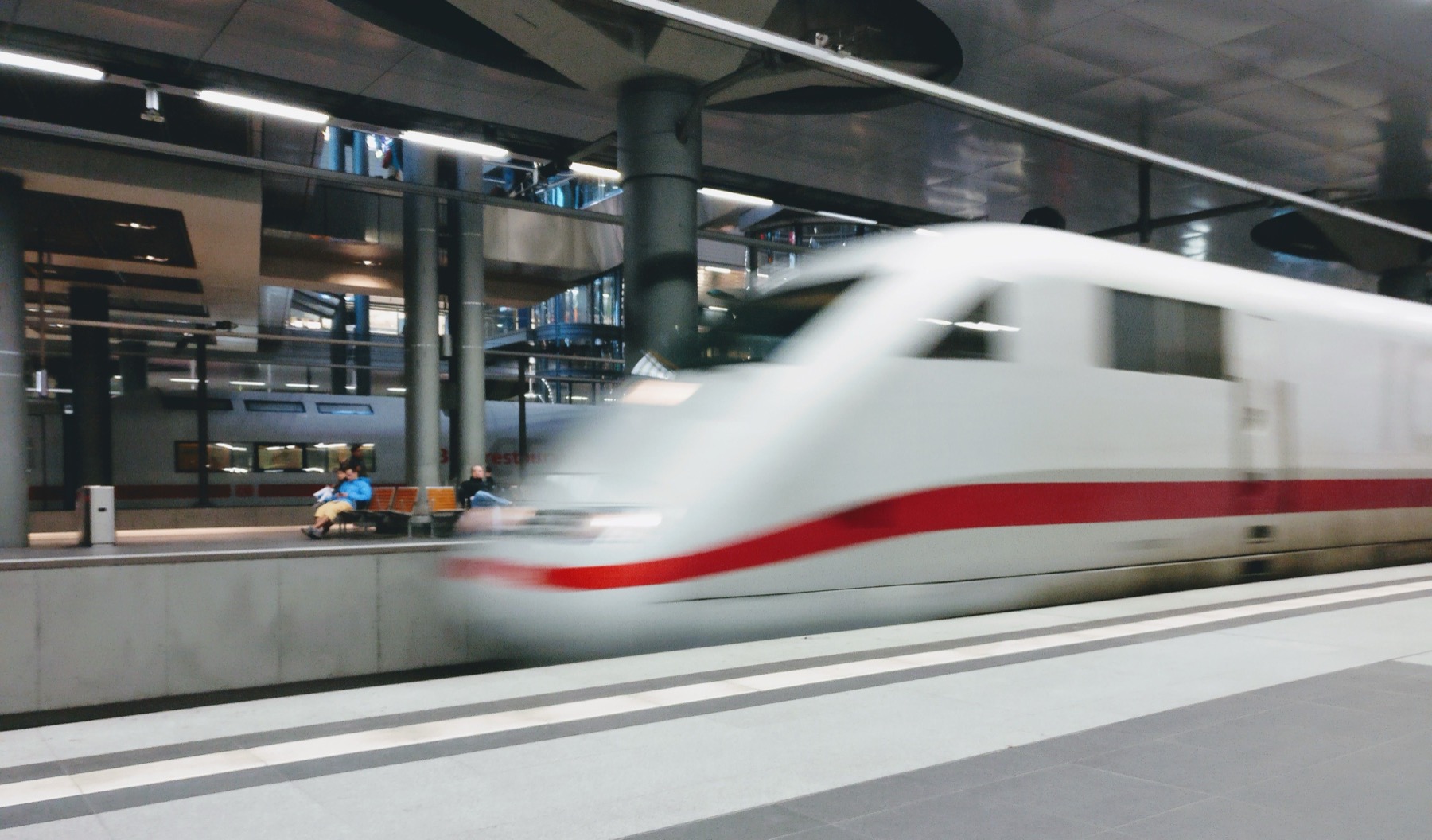
One of the newest Swedish lines, connecting Umeå and Sundsvall. Trains here whizz along at up to 250 km/h, with the line following the eastern coast.
Beautiful views open up over the sea and the dramatic cliffs of the Höga Kusten (High Coast) area, a UNESCO World Heritage Site. If you’re heading north and don’t want to sacrifice the views for speed, this is your route.
Stockholm – Göteborg
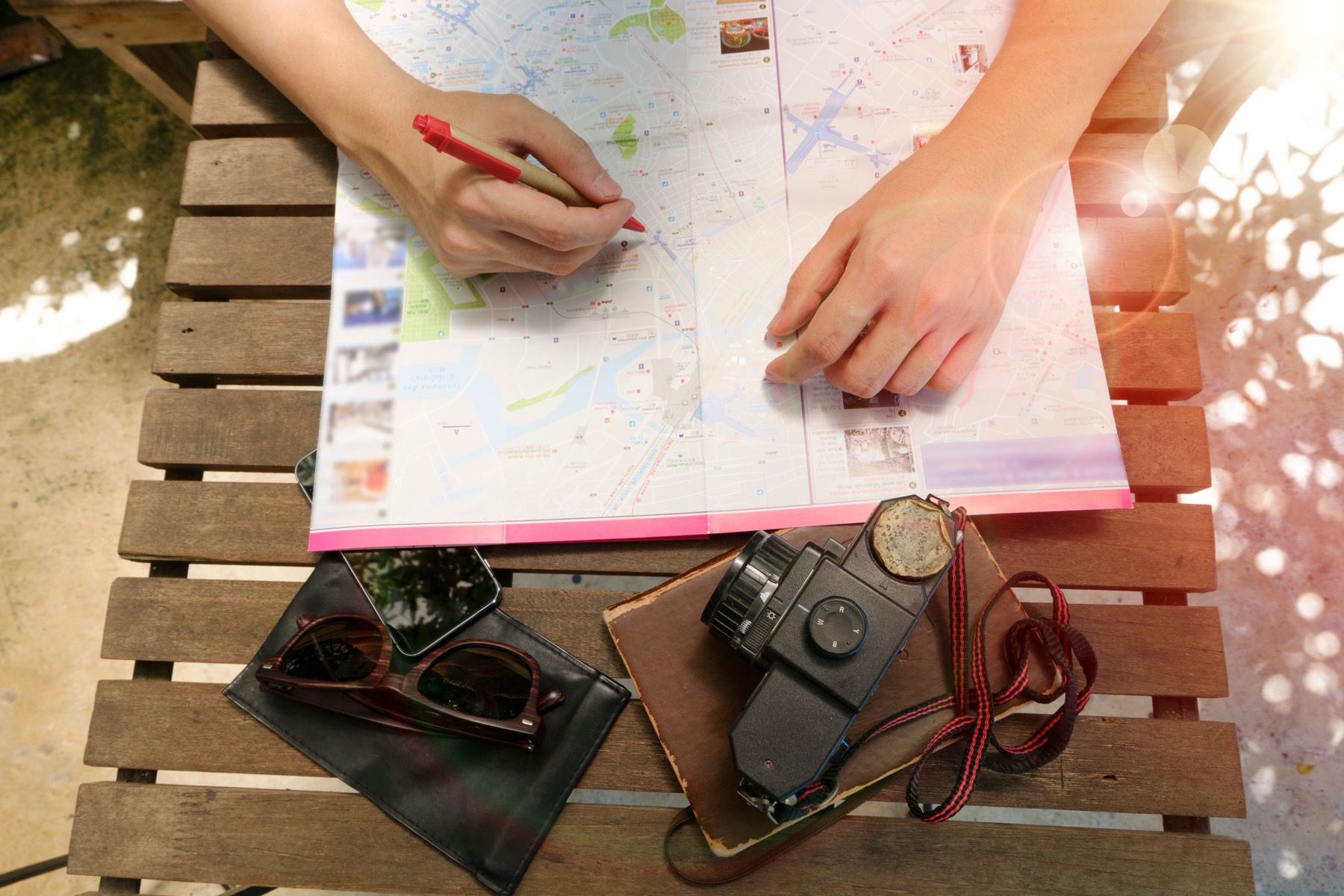
This classic express route (about 450 km) may not be as wild as the northern ones, but it offers a wonderful cross-section of the Swedish landscape. The X2000 high-speed train covers it in three hours.
You’ll travel through endless pine forests and along the huge lakes Vänern and Vättern. With an early purchase (two months ahead) you can get a ticket from 250 SEK (about €23), making it the most affordable panoramic ride in the country.
Sweden by train in ten days
This particular itinerary is designed so you see both of Sweden’s main faces: bustling southern cities full of cafés and the harsh Arctic wilderness in the north. You don’t need a car, and you’ll handle all the transfers comfortably on the rails.
Days 1–2: Arrival and the Copenhagen bridge
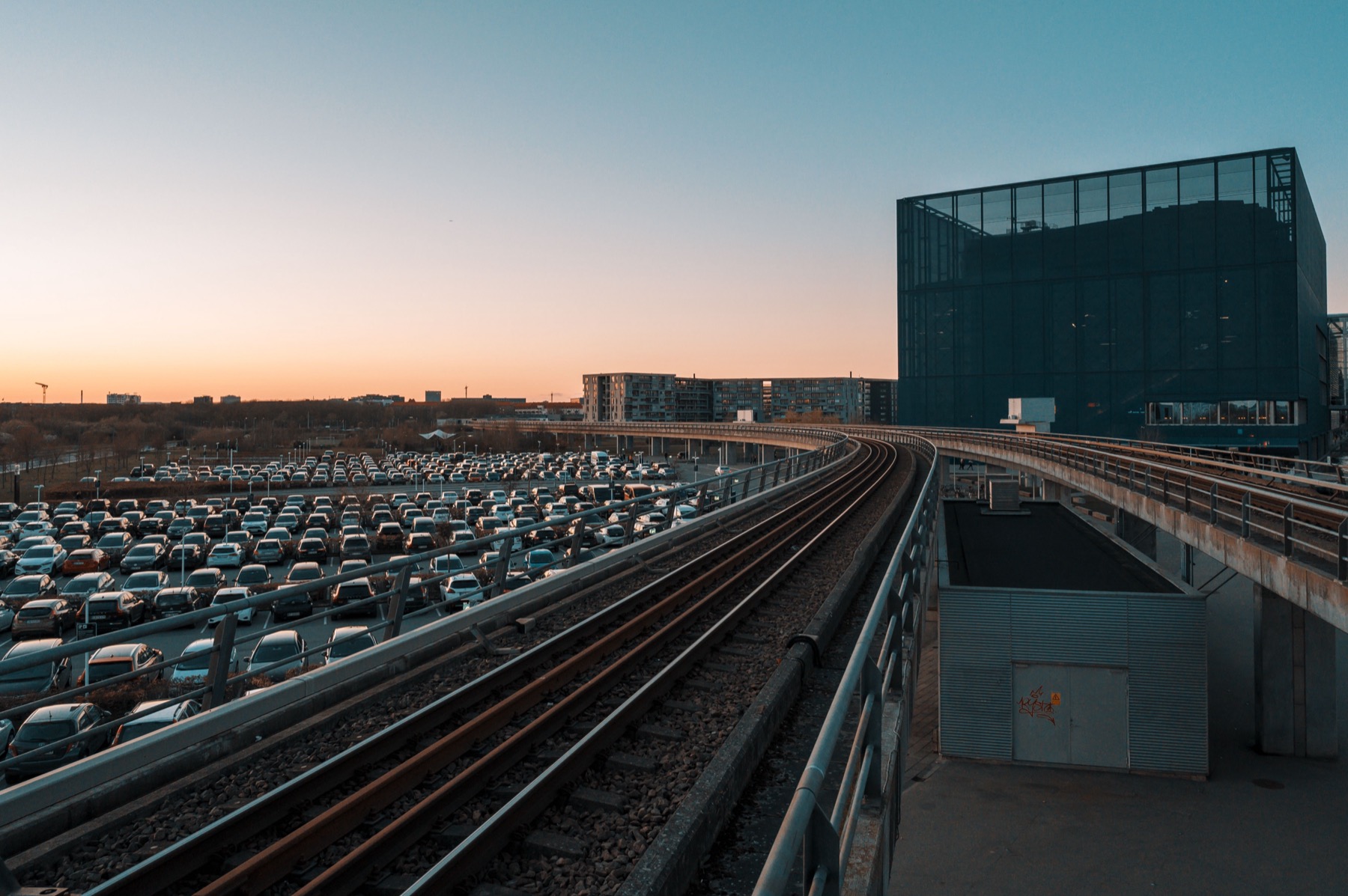
You’ll arrive (by train or by air) in Copenhagen. From here, hop on the regional Öresundståg train (about 135 SEK / €13), which carries you across the famous bridge straight to Malmö in 40 minutes.
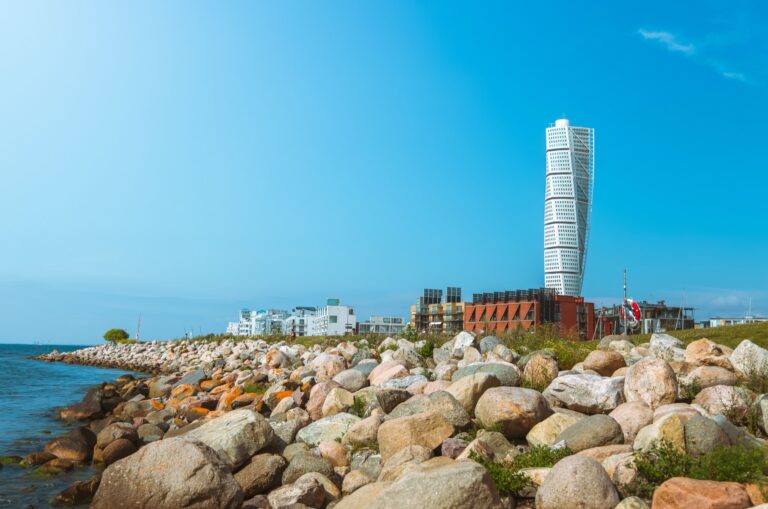
Check in and take a look at the Turning Torso skyscraper, the historic Lilla Torg square, and grab a coffee at one of the local bakeries.
Days 3–4: Heading west to Göteborg
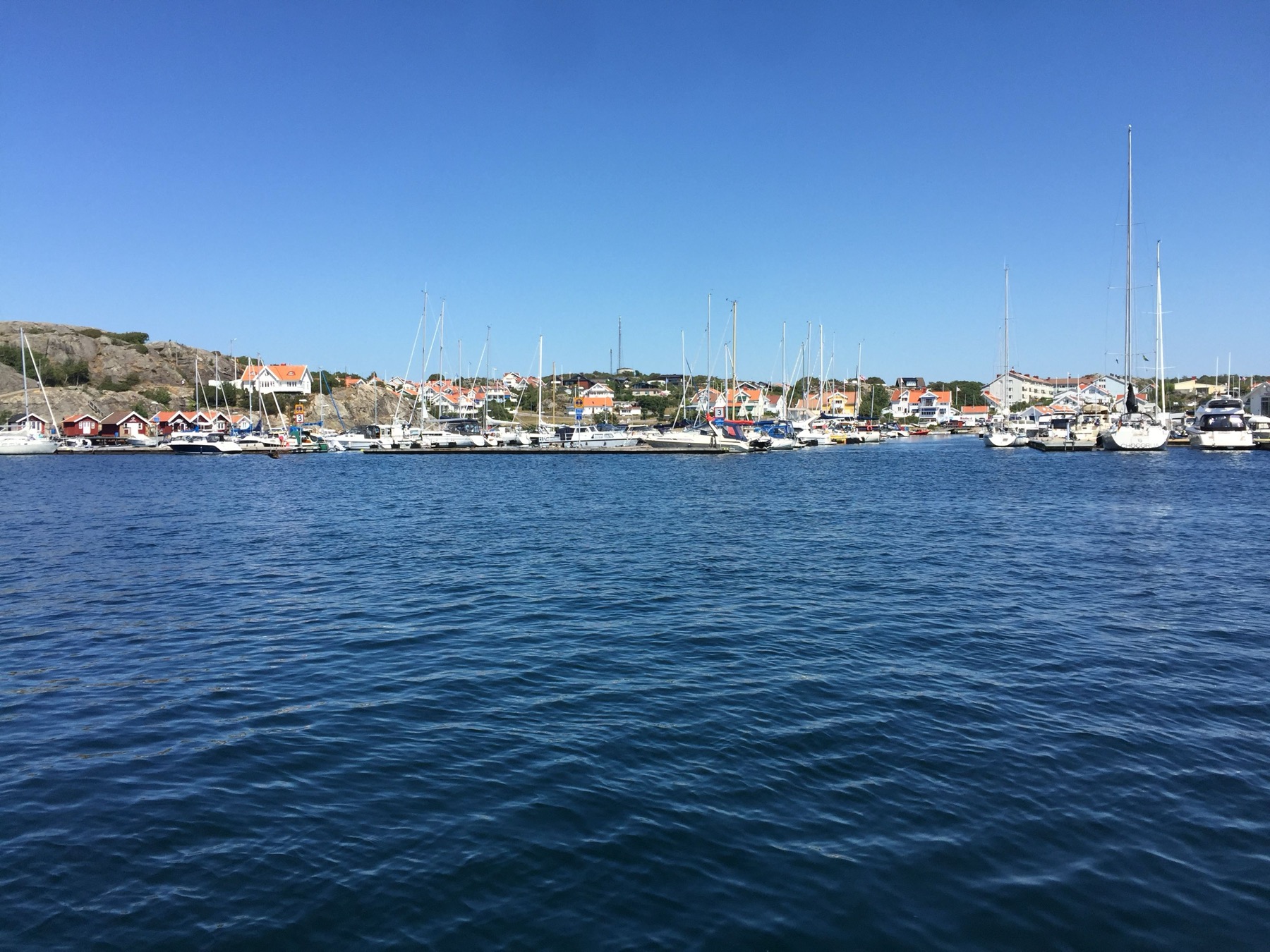
In the morning, set off by train along the west coast to Göteborg (the trip takes just under 3 hours, tickets from 200 SEK). Göteborg is a city with an incredibly relaxed atmosphere.
Wander through the historic Haga district with its typical wooden houses, try the famous giant cinnamon bun (Hagabulle), and on the second day use the local ferries for a trip to the granite islets of the southern archipelago.
Days 5–7: Stockholm and the archipelago
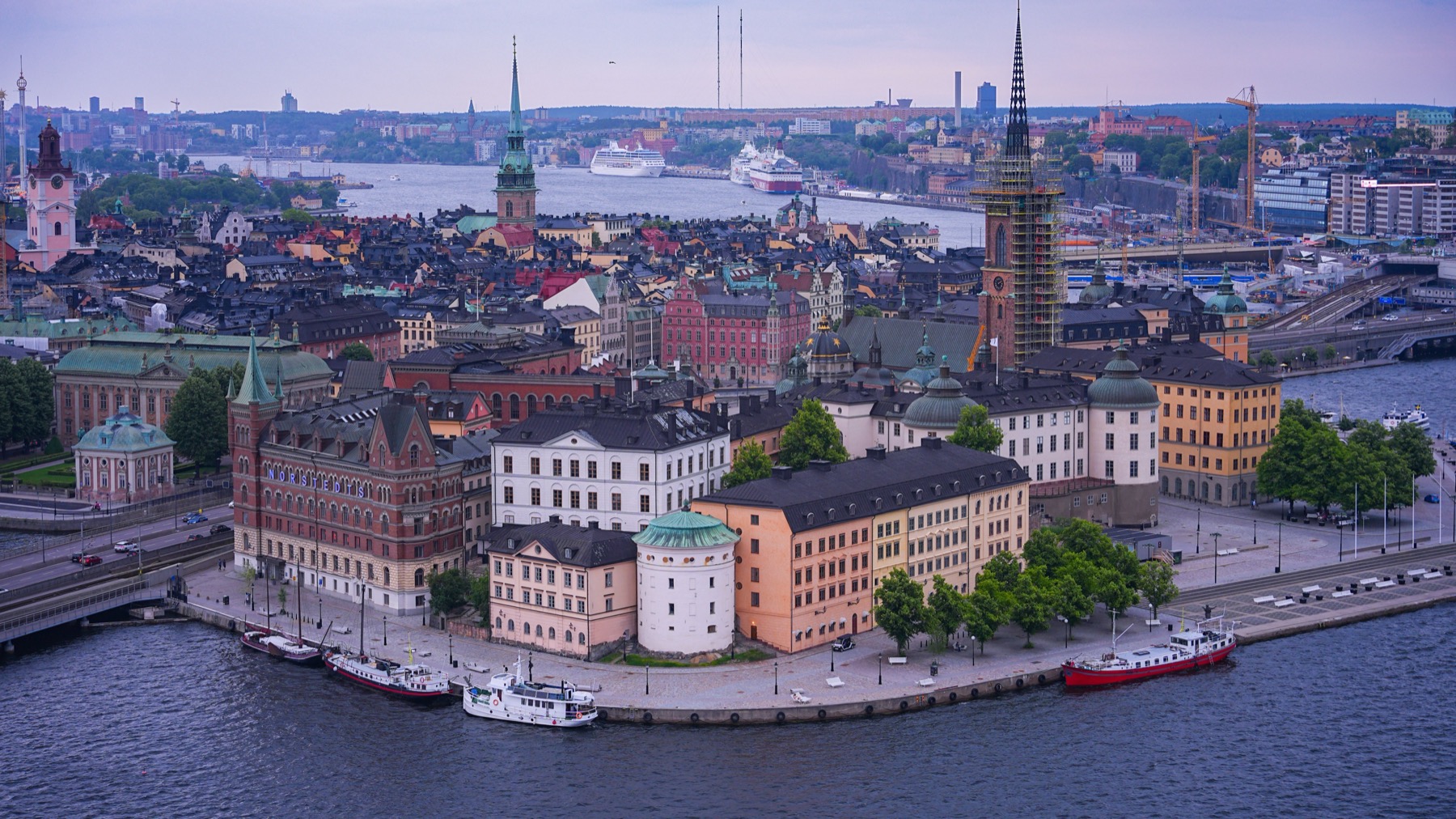
From Göteborg, board the X2000 high-speed train to Stockholm (3 hours, from 250 SEK). In the capital, the famous Vasa ship museum awaits along with the historic lanes of Gamla Stan.
Be sure to buy the discounted SL transit pass (530 SEK) and dedicate a whole day to a ferry ride to the island of Vaxholm or Sandhamn. It’s the best way to understand why Stockholm is called the Venice of the North.
Days 8–10: Night adventure and Lapland
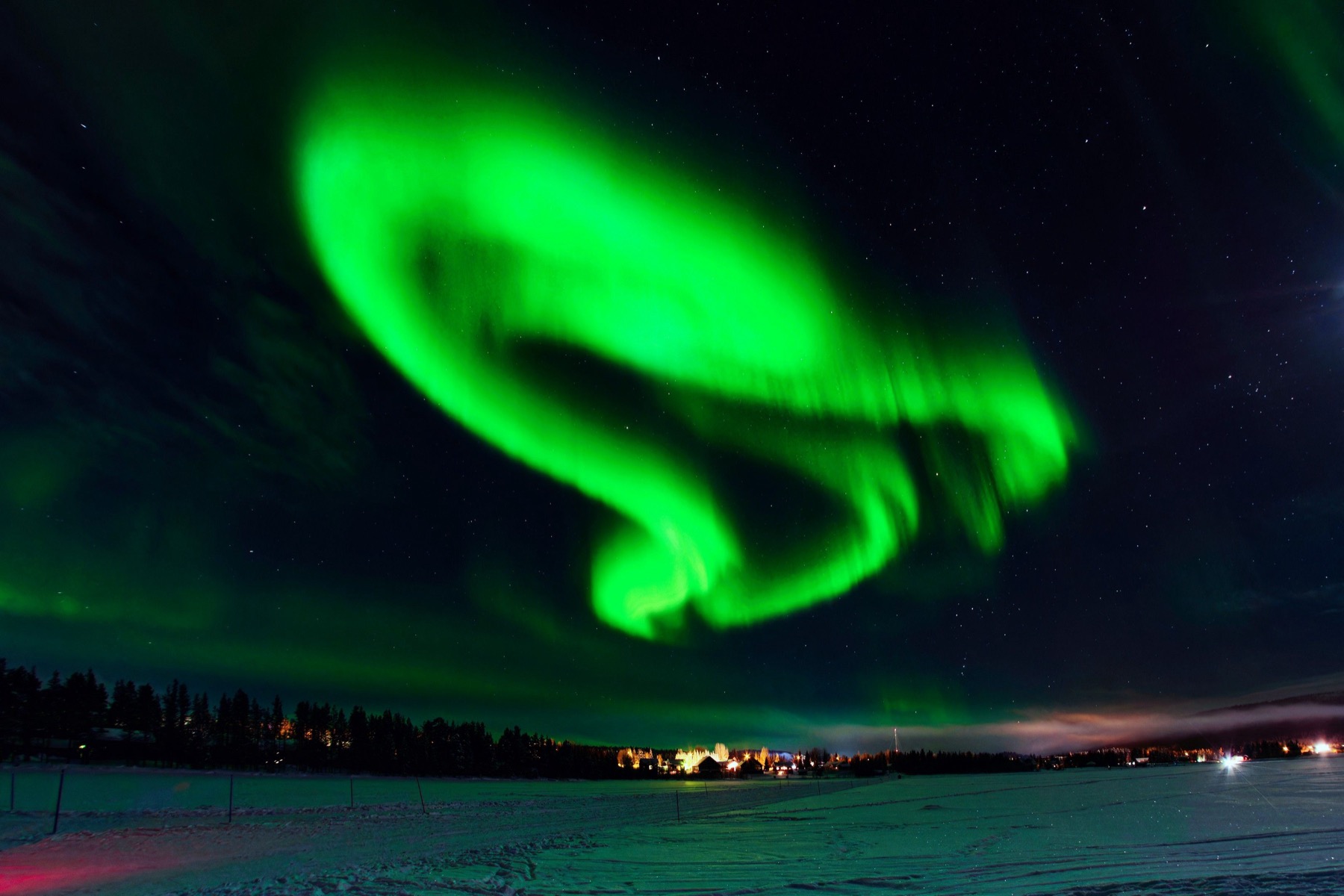
On the evening of day eight, board the night sleeper train in Stockholm (about 15 hours, berth from 850 SEK). In the morning you’ll wake up above the Arctic Circle. Get off in Kiruna and go see the ice hotel in nearby Jukkasjärvi.
In the evening, watch for the northern lights (in winter) or enjoy the midnight sun (in summer). The following day, ride the panoramic line to Abisko National Park for a light trek. On day ten you can fly directly home from Kiruna airport.
Practical summary and rough prices (2026)
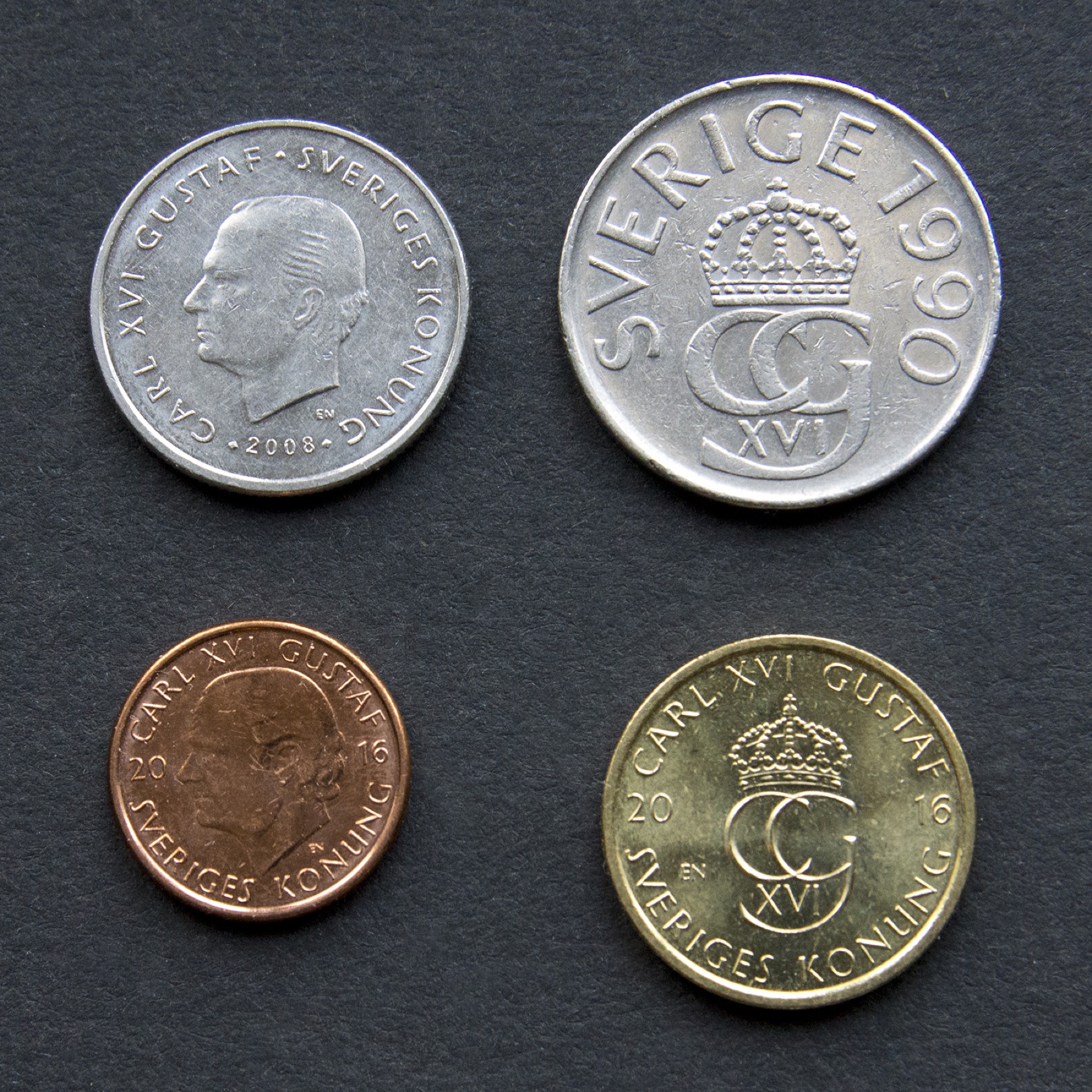
Sweden isn’t the cheapest destination, but a rail holiday can be put together for very reasonable money with early booking. The current exchange rate is roughly 1 SEK = €0.09.
- Early ticket Stockholm – Göteborg: from 250 SEK (about €23)
- Night train Stockholm – Kiruna (couchette): from 850 SEK (about €80)
- Coffee and cinnamon bun on the train (fika): about 75 SEK (about €7)
- Flygbussarna airport bus (Arlanda – centre): about 130 SEK (about €12)
- SL monthly pass (Stockholm) with 2026 subsidy: 530 SEK (about €50)
Where to stay near the main stations
💡 Accommodation and experience tip: We prefer to look for accommodation on Booking.com, which usually has the best cancellation terms. For tickets, tours and activities, it’s worth comparing and booking through GetYourGuide.
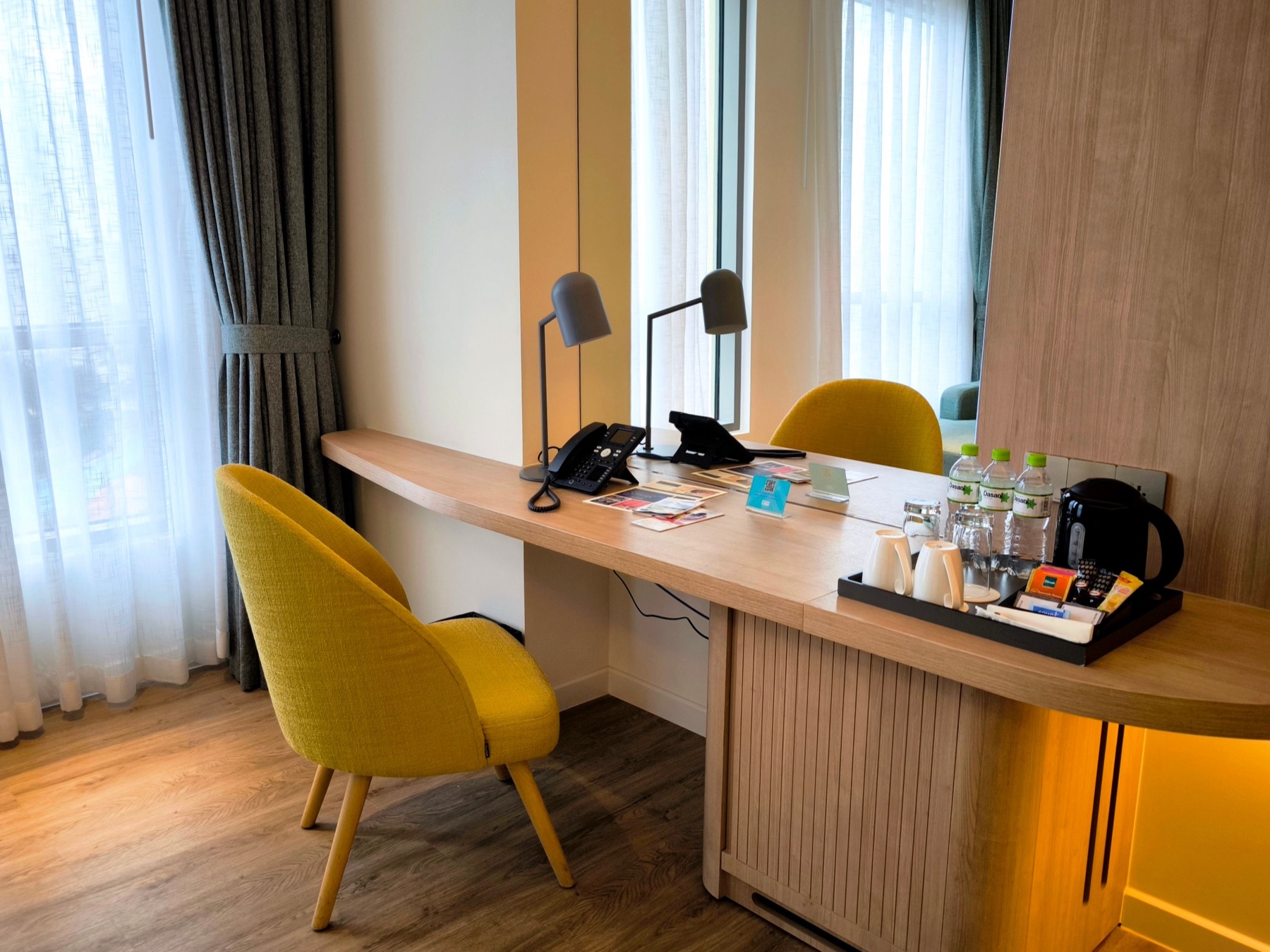
If you’re travelling by train with a heavy backpack, a strategic location for your accommodation is absolutely key. I’ve picked out tried-and-tested hotels you can reach from the train on foot in a few minutes.
Stockholm Centralstation:
- Radisson Blu Waterfront Hotel: A beautiful hotel right next to the station with a view of the city hall. A more luxurious choice with a phenomenal breakfast (from €400 / night).
- Scandic Continental: Located directly opposite the main station entrance. It has a great rooftop bar and very modern, clean rooms (from €290 / night).
- Comfort Hotel Xpress Stockholm Central: A perfect budget option right inside the station complex. Smaller rooms, but strategically unbeatable (from €190 / night).
Göteborg Centralstation:
- Clarion Hotel Post: The iconic former post office building right on the square in front of the station. A gorgeous design experience with a rooftop pool (from €320 / night).
Malmö Centralstation:
- Clarion Hotel Malmö Live: A high-rise five minutes’ walk from the platform. From the upper floors you can see all the way to Copenhagen (from €260 / night).
Where to go next
- Interested in the capital? Read the article Stockholm: 25 tips on what to see and do.
- Want a broader picture of the whole country? I’ve prepared a detailed overview: Sweden: 30 tips on what to see and do.
- If the Arctic north tempts you, don’t miss the guide Kiruna: 18 tips on what to see and do.
- Working out your budget in detail? Here you’ll find a breakdown of Prices in Sweden: how much does a holiday cost.
- Considering your own transport after all? Study the manual Sweden by car: tolls, rules and the best road trips.
Frequently asked questions
How much does a train cost in Sweden?
Prices are highly dynamic, similar to flight tickets. An advance ticket for a high-speed train between major cities (Stockholm – Gothenburg) purchased a month or two in advance costs around €22–35 (250–400 SEK). However, if you buy it directly at the station on the day of departure, the price commonly jumps to over €90 (1,000 SEK). A berth on an overnight train to the north costs from €75 (850 SEK) upwards, depending on the compartment type.
How and where can I buy the cheapest tickets?
You’ll get the best prices exclusively by purchasing through the official SJ carrier app or on their website. Avoid intermediaries and ideally buy 60 to 90 days in advance, when booking windows open for the cheapest fares. Always pay in Swedish kronor to avoid unfavorable exchange rates on your card.
How long does the overnight train journey to Lapland take?
The journey from Stockholm to Kiruna takes roughly fifteen hours of pure travel time, and to the nearby Abisko National Park about an hour longer. The train departs from the capital in the early evening and you arrive at your destination beyond the Arctic Circle the following afternoon, perfectly rested and ready for excursions.
Is an Interrail pass worth it for traveling around Sweden?
If you’re planning fast connections on X2000 high-speed trains, Interrail is not really worth it because of the need to pay high mandatory seat reservation fees (around €6/70 SEK per seat and hundreds for a berth). However, if you want to travel spontaneously on regional trains and make frequent stops across the country, the pass gives you great flexibility and saves quite a bit of money.
Can I take a bicycle on Swedish trains?
On national carrier SJ trains, you cannot transport an unfolded bicycle. You must disassemble your bike, remove the wheels, and put it in a special transport bag for it to count as regular luggage. Exceptions are some regional connections in the south of the country (e.g., Öresundståg), which have carriages adapted specifically for cyclists where you can hang your bike normally on a hook.
Can you travel by train from Central Europe to Sweden?
Yes, the connection is surprisingly comfortable. From major European hubs you can take a regular express train to Dresden or Berlin and then board an overnight train there (for example, Snälltåget or RDC services). This express train then takes you overnight through Denmark directly to Stockholm. Prices for a seat with private carriers start at a reasonable €45 (499 SEK).
What’s the best way to get from Arlanda Airport to Stockholm?
The fastest option is the Arlanda Express high-speed train (18 minutes), but it’s extremely expensive (around €30/340 SEK). The golden middle way is therefore the Flygbussarna airport buses. They take about 45 minutes but cost just a fraction of the express train price (around €12/130 SEK). You can also use the commuter train Pendeltåg, but you need to pay an additional airport surcharge.
Tips and Tricks for Your Vacation
Don’t Overpay for Flights
Search for flights on Kayak. It’s our favorite search engine because it scans the websites of all airlines and always finds the cheapest connection.
Book Your Accommodation Smartly
The best experiences we’ve had when looking for accommodation (from Alaska to Morocco) are with Booking.com, where hotels, apartments, and entire houses are usually the cheapest and most widely available.
Don’t Forget Travel Insurance
Good travel insurance will protect you against illness, accidents, theft, or flight cancellations. We’ve had a few hospital visits abroad, so we know how important it is to have proper insurance arranged.
Where we insure ourselves: SafetyWing (simple monthly subscription) and TrueTraveller (for extra-long trips).
Find the Best Experiences
Get Your Guide is a huge online marketplace where you can book guided walks, trips, skip-the-line tickets, tours, and much more. We always find some extra fun there!