Sweden has a reputation in many parts of Europe as an outrageously expensive country. Plenty of people think that one Nordic holiday will leave them eating plain bread for a month after they get home. But we can put that myth to rest right away, because Sweden prices in 2026 are far more reasonable. Stockholm is now considered the cheapest Nordic capital by a clear margin, comfortably beating Oslo, Copenhagen and Helsinki.
You can find a double room in a hotel for prices that compare surprisingly well with Germany or Austria. You won’t have a heart attack at the petrol station either, since a litre of fuel costs practically the same as in Central Europe. The real blow to your budget comes from just two specific things: restaurants and alcohol. If you prepare for those and learn a few local tricks, your bank account will easily survive a Nordic adventure.
Summary
- Swedish krona exchange rate: For a quick mental conversion, multiply the Swedish price by two and a bit.
- A cashless society: Cash is often not accepted even at markets or public toilets, so rely on your payment card.
- The holy grail called dagens lunch: A discounted lunch menu with an unlimited salad buffet and coffee fills you up for a fraction of the price of a regular dinner.
- An alcohol monopoly: You can buy beer and wine only in the state-run Systembolaget stores, which strictly close on Saturday afternoons and Sundays.
- Motorways are free: There are no motorway vignettes; tolls are collected automatically by cameras only in Stockholm, Gothenburg and on major bridges.
- Free nights in nature: Thanks to allemansrätten, you may pitch a tent practically anywhere out of sight of houses for one or two nights.
- A summer transport revolution: In the second half of 2026, major government discounts on public transport apply and monthly passes cost exactly half price.
The full destination guide: Sweden — guide and what to see
16 Things You Need to Know About Sweden Prices
Before you start packing your bags and planning your itinerary, it’s useful to know exactly what you’re getting into. Nordic countries have their own quirks, and Sweden is no exception. We’ve put together sixteen practical tips to help you save money, avoid unnecessary fines and enjoy your trip to the fullest.
1. Exchange Rates and Simple Maths
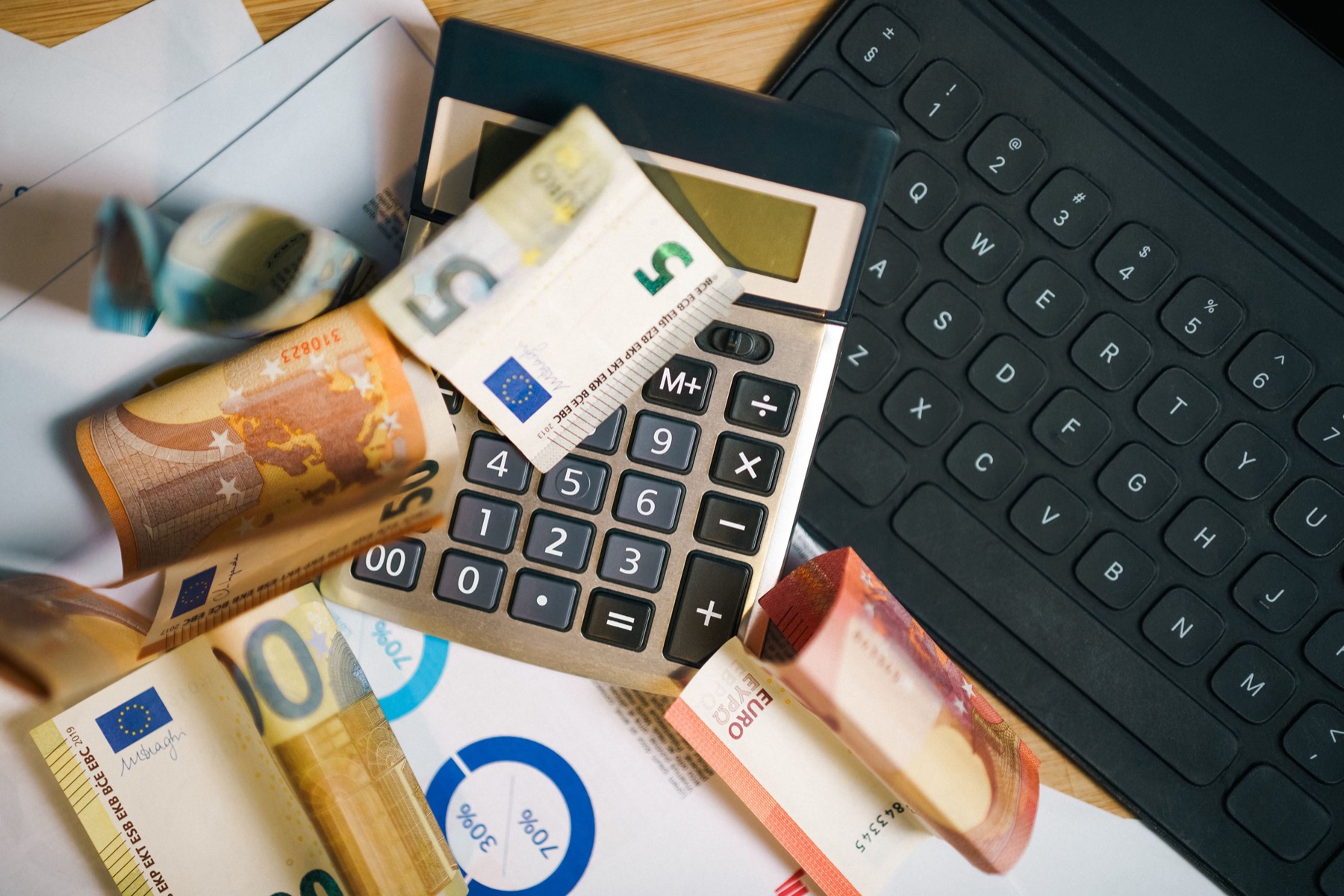
💡 Tip: Learn a quick maths trick that will save you from constantly reaching for your phone calculator. The exchange rate has settled at a very convenient level, with one Swedish krona (SEK) equal to roughly €0.09.
Of course, it’s worth checking the current rate before you travel, as markets are always moving. For lightning-fast calculations in a shop, though, you only need a simple rule of thumb: just remember that 100 SEK is roughly €9. If you see a coffee for 40 SEK, you’ll immediately know it costs just under €4.
The exchange rate makes you a happy traveller. In Norway or Denmark, price tags can come as a shock; in Sweden, you may even find yourself boasting about how much you saved. Compared with major European capitals such as London, Paris or Amsterdam, Stockholm is actually cheaper in many respects.
The basic rule for a successful trip is to realise that the biggest costs build up through small purchases. One afternoon beer in a bar or a spontaneous dinner in the centre can seriously shake your budget. If you adopt the local lifestyle, drink excellent tap water and have your main meal at lunchtime, your wallet won’t suffer any dramatic shock.
2. Flights and the End of One Major Trap
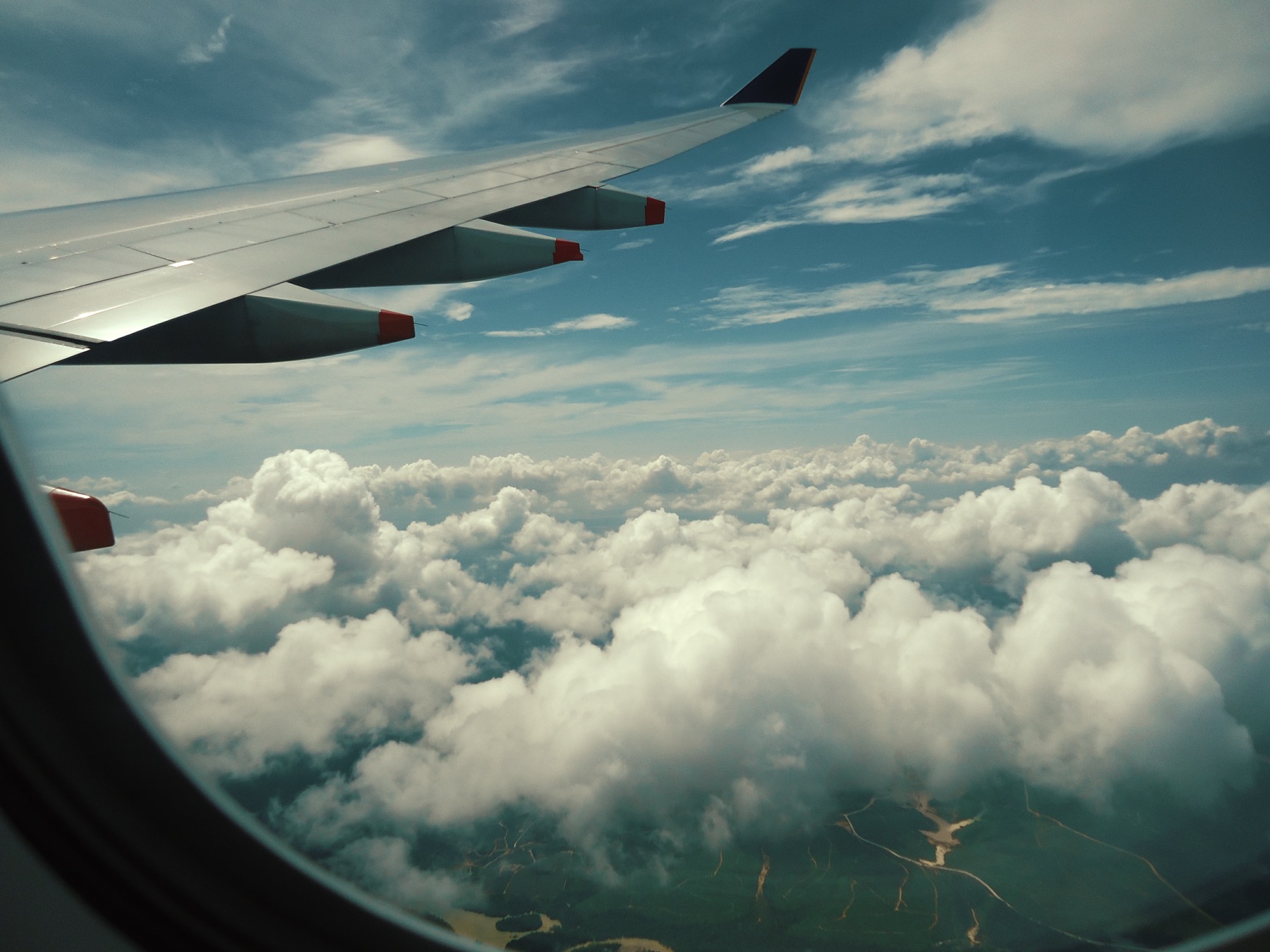
💡 Tip: When booking flights, pay close attention to the name of the destination airport. For years, low-cost airlines flew to Skavsta from various European cities. It is located more than 100 kilometres from Stockholm, deep in the forest.
In 2026, however, a major change arrived. Ryanair now lands directly at Stockholm Arlanda (ARN), the main international airport. This eliminates the long and expensive bus ride that often wiped out all the savings from a cheap flight. The same airline has also restored direct flights to Gothenburg (Landvetter), making it much easier to explore the entire west coast and the beautiful islands of Bohuslän.
From Arlanda, the fastest way to the centre is the yellow high-speed Arlanda Express. The train whisks you to the main station in under twenty minutes, but you’ll pay around 340 SEK (€30) for that speed. If you want to save money, the comfortable Flygbussarna buses take about 45 minutes and cost a fraction of the price.
However, give the taxis waiting outside the terminal a very wide berth. Sweden’s taxi market has been fully deregulated, and independent drivers can legally charge truly astronomical amounts. Foreign forums are full of stories about tourists who were charged 4,600 SEK (over €400) for a ride into the centre. The police won’t help in such a situation, because by getting into the car you agreed to its price list. Always check the yellow price label in the car window marked Jämförpris; the amount should be around 350–400 SEK.
3. Ferries and Travelling by Car
💡 Tip: Ideally, buy summer ferry tickets several months in advance, because they work just like flights. The closer the departure date gets and the fuller the ship becomes, the more steeply the price rises.
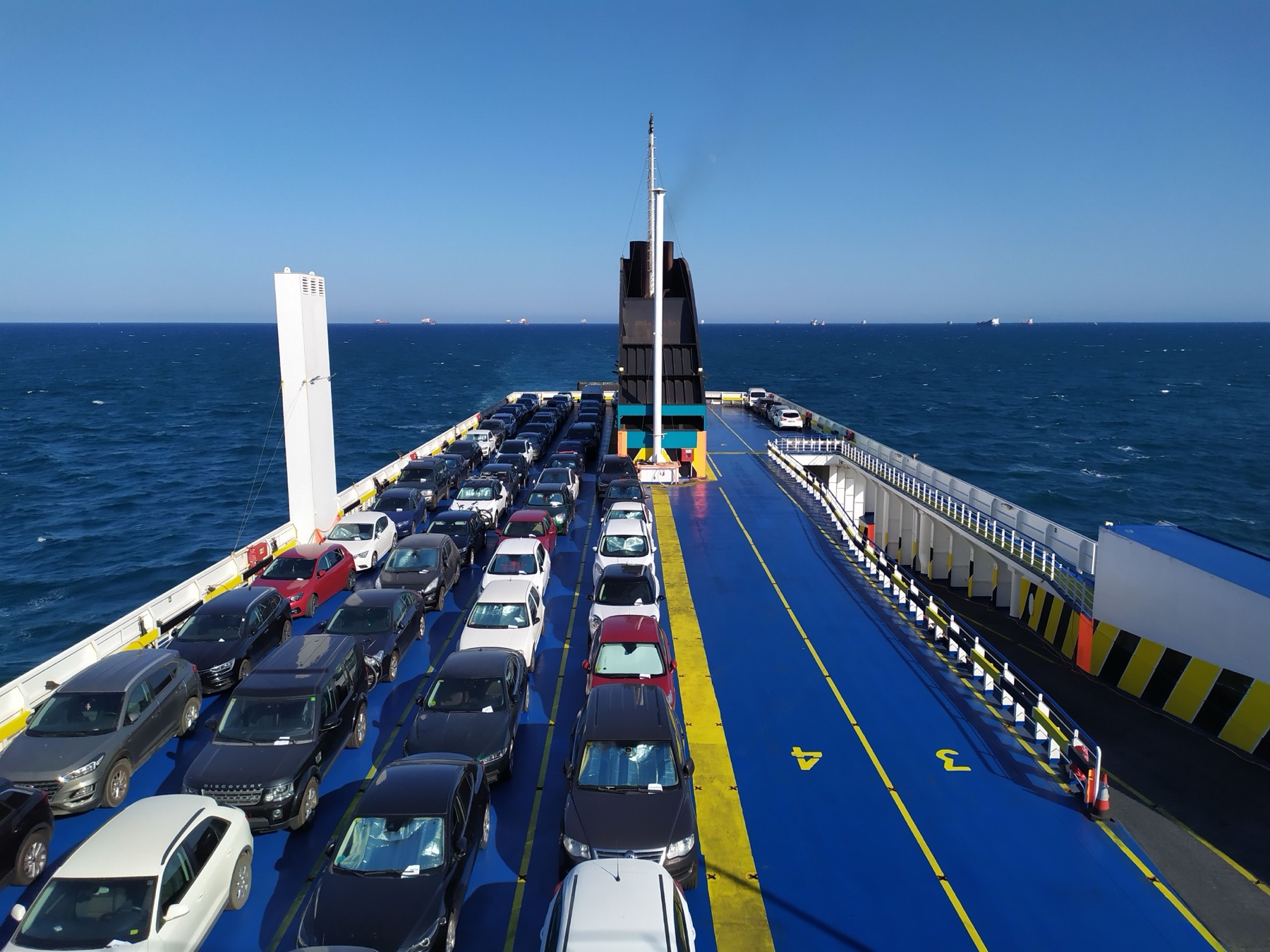
Travellers driving from different parts of Europe generally choose between two main ways of reaching the sea. The first option is travelling via the Polish ports of Świnoujście or Gdynia. This route makes a lot of sense if you’re coming from the east, as you’ll drive fewer kilometres on land. The crossing to Ystad or Karlskrona takes seven to nine hours, and a ticket for a car and driver starts at around €95. If you choose an overnight sailing and book a cabin, you’ll save the cost of one hotel night and arrive on Swedish roads refreshed in the morning.
The other popular option is travelling via Rostock in Germany or across Denmark’s Öresund Bridge. From Rostock, you can reach Trelleborg in six hours, and ferries run frequently. For architecture lovers and anyone who values freedom on the road, there is also the overland route through Denmark, ending with a crossing of the famous Öresund Bridge to Malmö.
A one-way crossing of this enormous bridge costs around 470–510 DKK (€63–68). If you plan to return the same way, it’s worth buying an annual ØresundGO subscription. It significantly reduces the price of each crossing, and the investment pays for itself on the very first return trip. Split the cost between four people and travelling by car has practically no competition.
4. Free Motorways and Urban Tolls
💡 Tip: Before travelling in your own car, register your number plate on the Epass24 portal to avoid delayed invoices and unnecessary penalties.
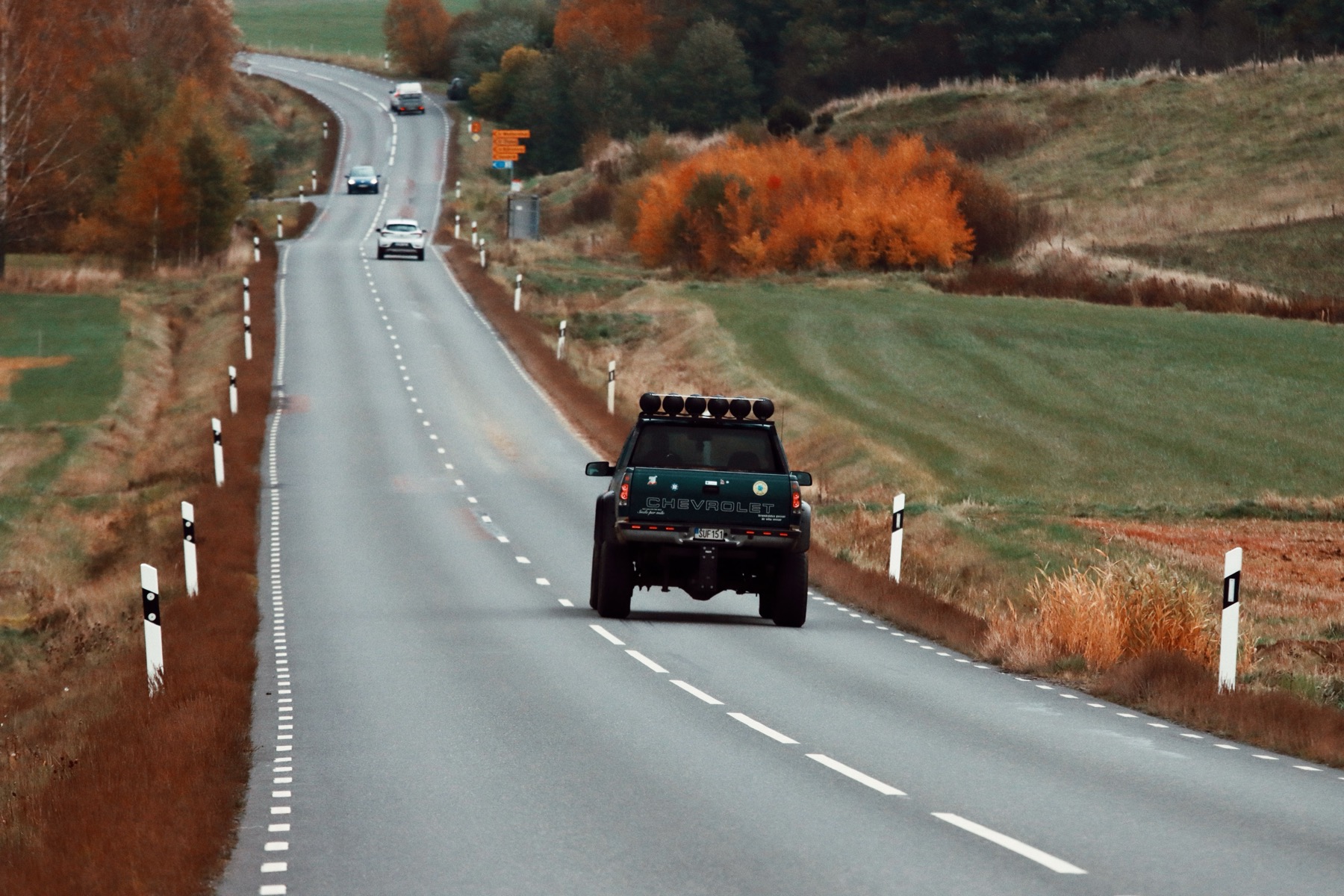
European drivers used to motorway vignettes often nervously search for information about where they have to pay to use motorways in Sweden. The answer will certainly make you happy. Swedish motorways are completely free for passenger cars. There are no physical or electronic vignettes here, so you can cross the country from south to north without any motorway charges.
You only need to reach for your wallet in very specific situations. There are tolls on major border bridges and a small charge for entering the wider centres of Stockholm and Gothenburg during weekday daytime, known as congestion tax. Don’t look for toll booths with barriers, though: cameras automatically read your number plate and the bill arrives electronically. This is why the Epass24 registration mentioned above is useful, as it links everything to your payment card.
The great news for summer road trips is that Stockholm congestion tax is not charged at all in July. The city empties during the main holiday period, so the authorities temporarily suspend the charges. Parking is a separate matter. In cities and at supermarkets, you can conveniently pay through mobile apps such as Parkster or EasyPark. If you see a road sign marked P-skiva, it means you must display a paper or plastic parking disc behind the windscreen; you can buy one at any petrol station for a small amount.
5. A Public Transport Revolution
💡 Tip: If you’re heading to Sweden in the second half of 2026, take advantage of the major state subsidies for public transport. The Swedish government has pumped billions into making transport cheaper, and the result is fantastic for travellers.
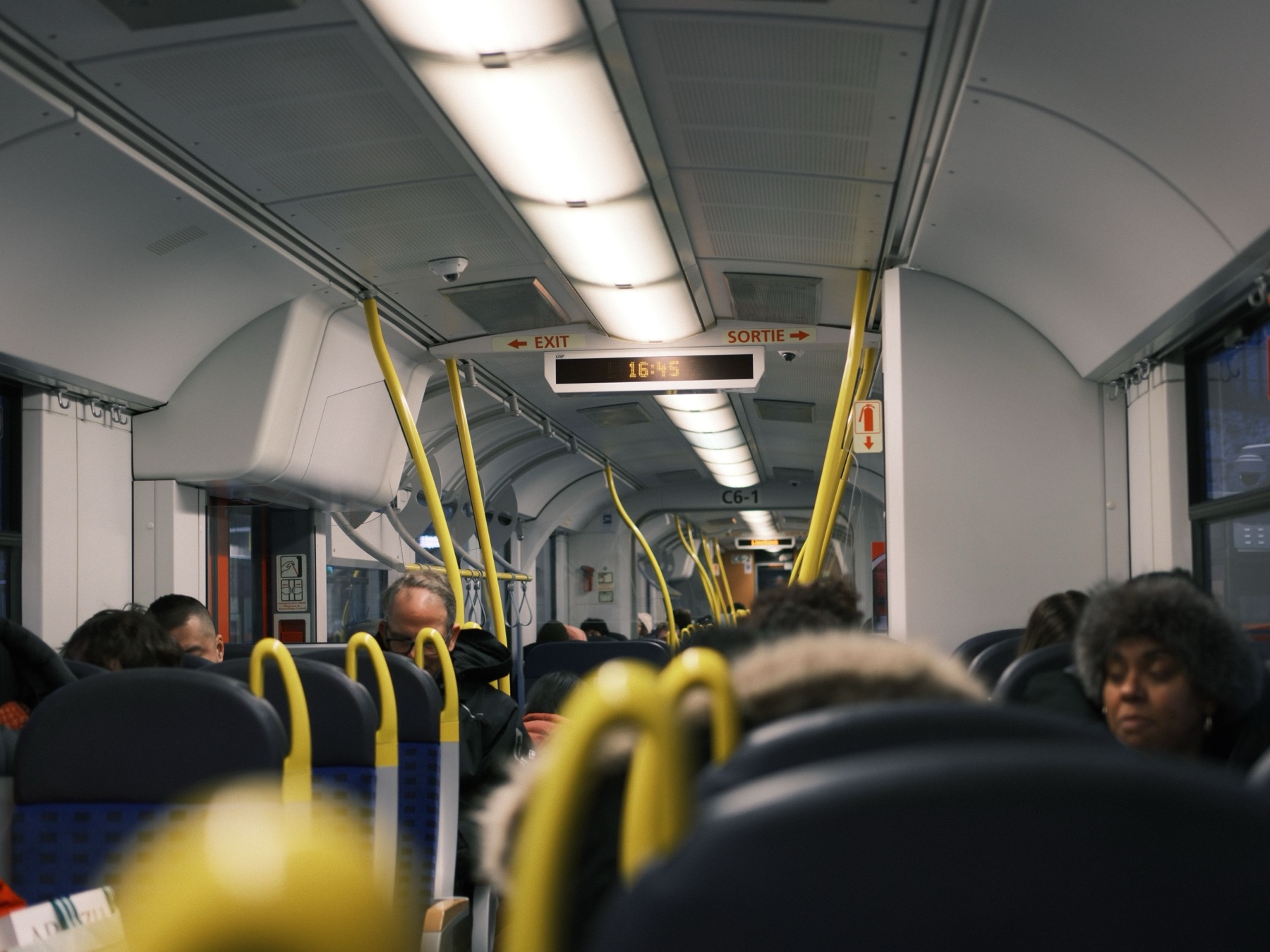
From July to the end of December 2026, all 30-day public transport passes across the country cost exactly half price. In Stockholm, on the SL network, the monthly pass has fallen from 1,060 SEK to just 530 SEK (around €47). Since a regular single ticket costs 42 SEK, you only need to take the metro or ferry a few times a day for the discounted monthly pass to pay off, even during a five-day stay.
If you dream of slow travel and watching endless forests pass by, hop on the Inlandsbanan. This summer scenic railway takes you from the south far beyond the Arctic Circle at sightseeing-train speed. The train stops by waterfalls, occasionally has to wait for a herd of reindeer to cross the tracks and offers an incredibly romantic experience.
Swedish SJ high-speed trains on the main route between Malmö, Gothenburg and Stockholm, on the other hand, work much like flights. A seat reservation is mandatory and you should buy tickets well in advance. If you try to buy one at the station five minutes before departure, you could easily pay three times the original price. The trains themselves are beautifully clean and punctual, and the journey is very comfortable.
6. The Cashless Trap and the Swish App
💡 Tip: Don’t bring paper kronor or euros to Sweden, because you probably won’t be able to spend them anywhere. Sweden is arguably the most cashless country in the world.
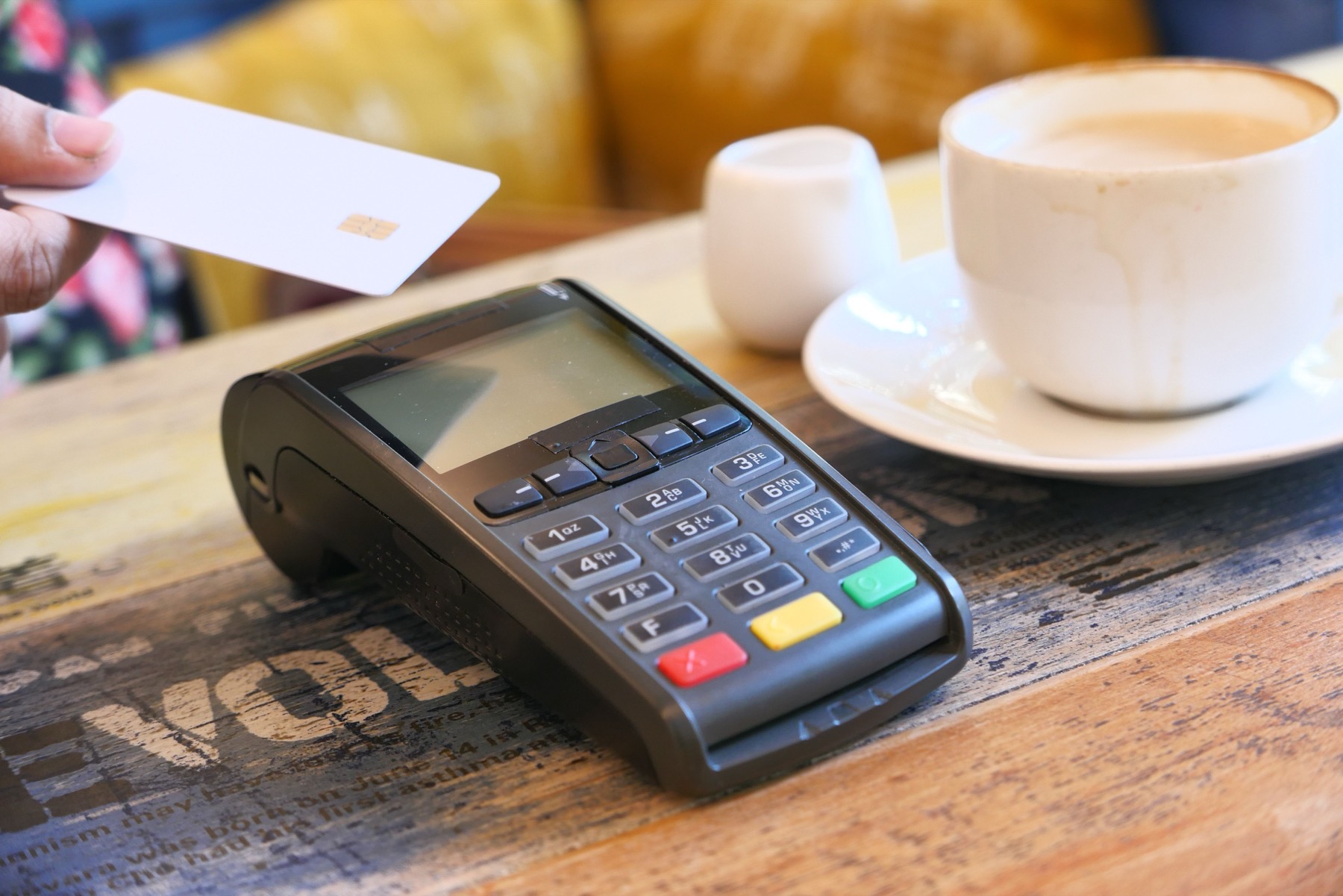
You can pay everywhere with an ordinary payment card; even the smallest espresso or a toilet ticket can be tapped without batting an eyelid. The real problem for tourists is that many businesses now actively refuse cash. Stockholm’s famous Vasa ship museum, for example, operates strictly on a card-only basis and will simply hand paper banknotes back to you at the ticket desk.
Sweden’s national payment app, Swish, is another part of the picture. Locals absolutely love it and use it for everything from settling a pub bill to buying strawberries by the roadside. Unfortunately, tourists can’t get it, as it strictly requires a Swedish personal identity number and a local bank account. You may therefore get stuck at flea markets, rural vegetable stalls or church collections, where there is no conventional card terminal and nobody has change for cash.
Your only reliable weapon is a good payment card. When paying at a terminal, always make sure you choose to be charged in Swedish kronor (SEK). Never let the terminal convert the amount into your home currency, because dynamic currency conversion (DCC) always uses an unfavourable rate. Look for an ATM only when you’re heading into true wilderness, such as remote treks where small boat transfers must be paid for in cash.
7. Accommodation Strategies and Stuga Cabins
💡 Tip: Choose your accommodation based on whether you plan to cook or eat out. Food is what ultimately decides the overall budget of your trip.
Swedish hotel breakfasts are phenomenal in a way that will convince you to stay at the table an hour longer than planned. Pastries, local cheeses, porridge—you name it. They’ll keep you full for half the day, so you can head out with a full stomach and have a lighter meal in a bistro in the evening.
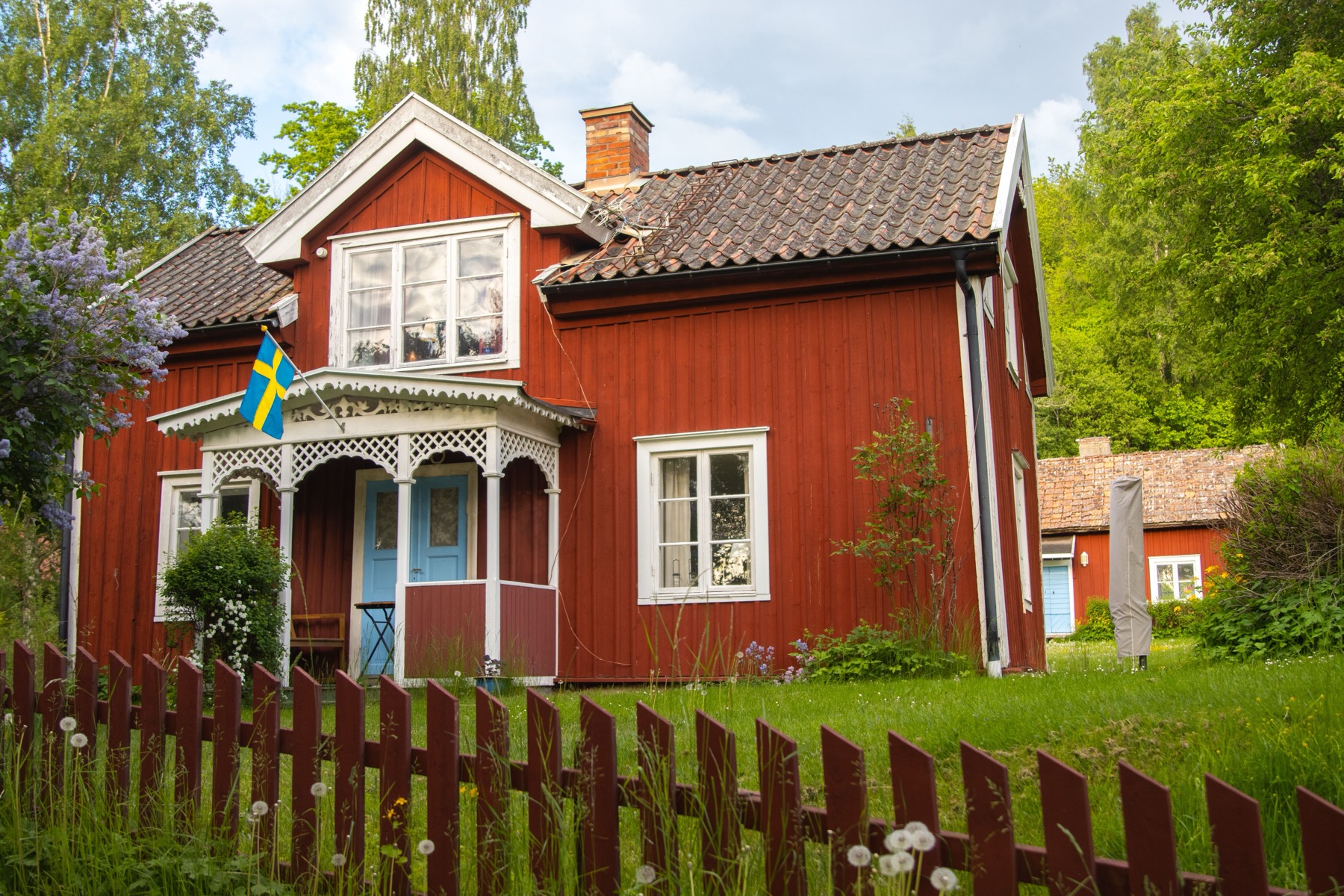
For families and nature lovers, the unbeatable choice is a classic red cabin called a stuga. You’ll find them at campsites all over the country. They tend to be simple but highly practical, and most importantly, they have their own kitchenette. Cooking for yourself can save hundreds of euros on expensive restaurant dinners. If you plan to camp or stay in cabins regularly, it’s worth getting a Camping Key Europe card, which speeds up check-in and often brings useful discounts.
A true Swedish landscape classic is the wooden vindskydd shelter. These simple cabins, open on one side, stand on lake shores and along hiking trails. They are completely free and come with a firepit, sometimes even a supply of dry firewood. Sleeping in your sleeping bag in a vindskydd, making morning coffee over the fire and jumping into an icy lake is the purest Swedish experience you can have.
8. Allemansrätten and Free Camping in Nature
💡 Tip: Take advantage of the unique right of public access, but always follow the rule of not disturbing or damaging anything. The Swedish countryside is open and welcoming, with no barbed-wire fences.
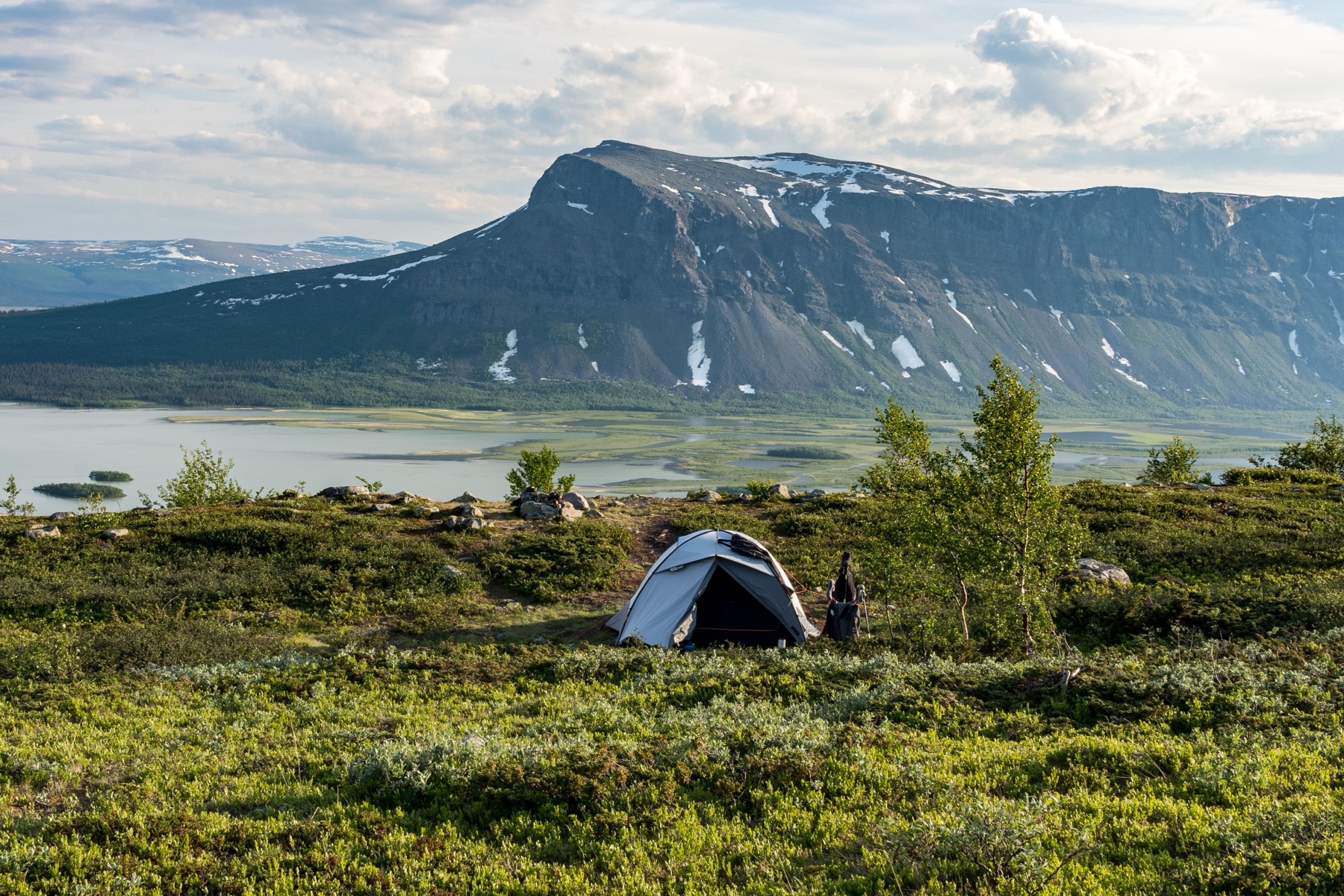
Allemansrätten is Sweden’s greatest freedom. You can pitch a tent practically anywhere in a forest, meadow or beside a beautiful lake, provided you keep a respectful distance from the nearest home. The golden rule says you may stay in one place for one, or at most two, nights, and you must not camp so close that people can look straight into your tent from their living-room window. You must respect the so-called hemfridszon, the private zone around a house.
The biggest misconception among European travellers is that this right also applies to cars. Allemansrätten does not apply to motorhomes or caravans at all. The off-road driving law strictly prohibits leaving marked roads with a van and driving onto a meadow or beach. You may park and sleep only at paved roadside rest areas, designated ställplats sites or regular campsites.
If you’re heading to national parks, remember that stricter rules apply there and allemansrätten often gives way to nature protection. In national parks, camp only in designated places, always clean up after yourself and be careful with fire, as authorities readily ban fires during dry summer months.
9. Restaurants and the Holy Grail of Dagens Lunch
💡 Tip: If you want to taste local cuisine without blowing your budget, go to restaurants at lunchtime. It’s the best food deal in the entire country.
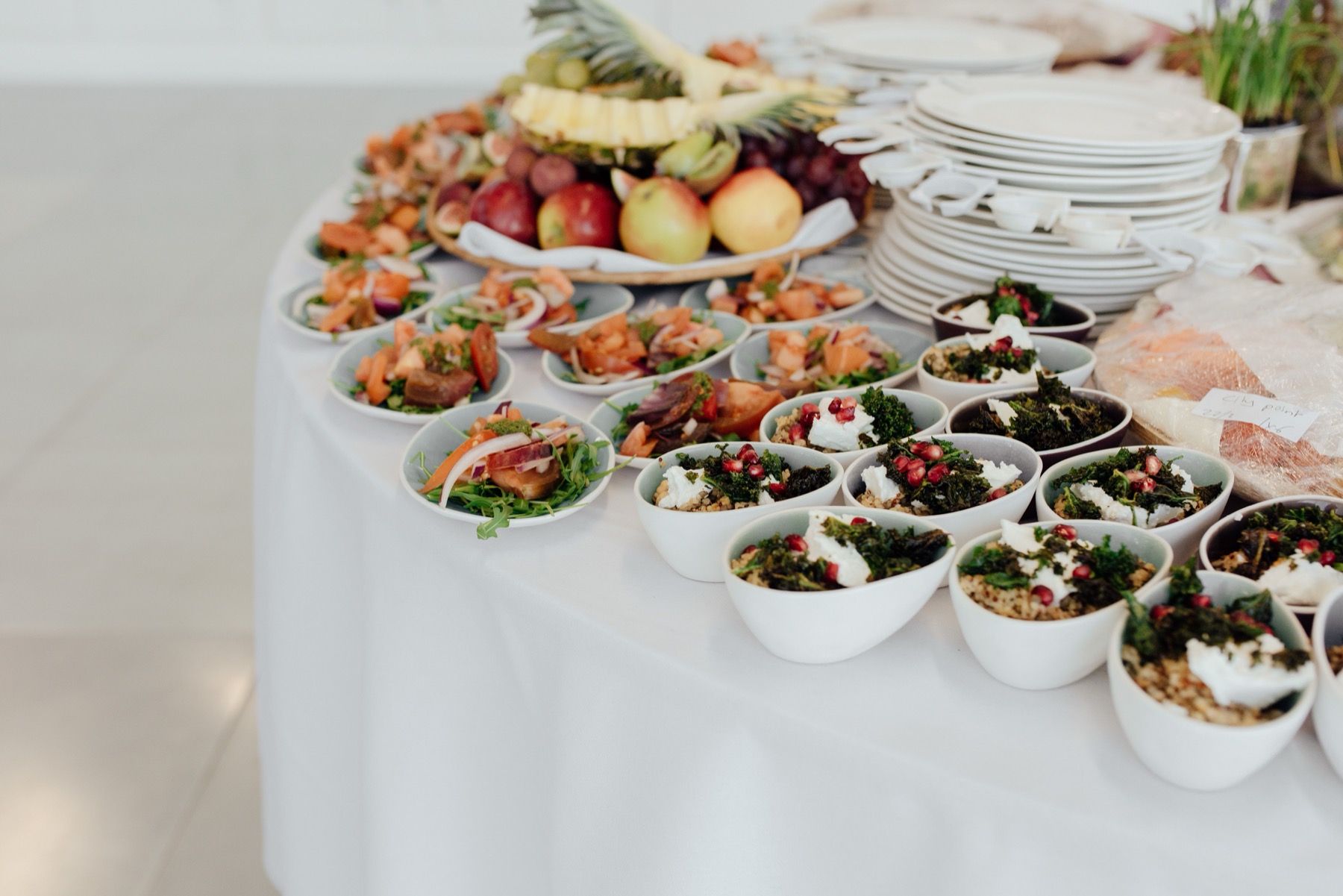
A regular dinner in a Stockholm restaurant costs 150–250 SEK for a main course, and considerably more in a better establishment. The rescue comes in the magical phrase dagens lunch, or lunch of the day. Most restaurants, from ordinary bistros to very good establishments, offer it between roughly 11 a.m. and 2 p.m. for a reasonable 120–150 SEK (€11–13).
You don’t just get a plain main course for that price. In Sweden, it’s standard for the price to include an unlimited salad buffet, fresh bread with butter, water and coffee at the end. There is always a great meat-free option, whether it’s excellent falafel, creamy vegetable stew, halloumi burgers or hearty soups. The local meat speciality is, of course, köttbullar with cream sauce, although it costs considerably more outside the lunch menu.
With every meal, you also get excellent tap water, kranvatten, completely free. Nobody will look down on you for not ordering an expensive soft drink; drinking water with a meal is perfectly normal here. The cheapest way to handle dinner is to shop at a supermarket or grab a quick meal from an Asian bistro.
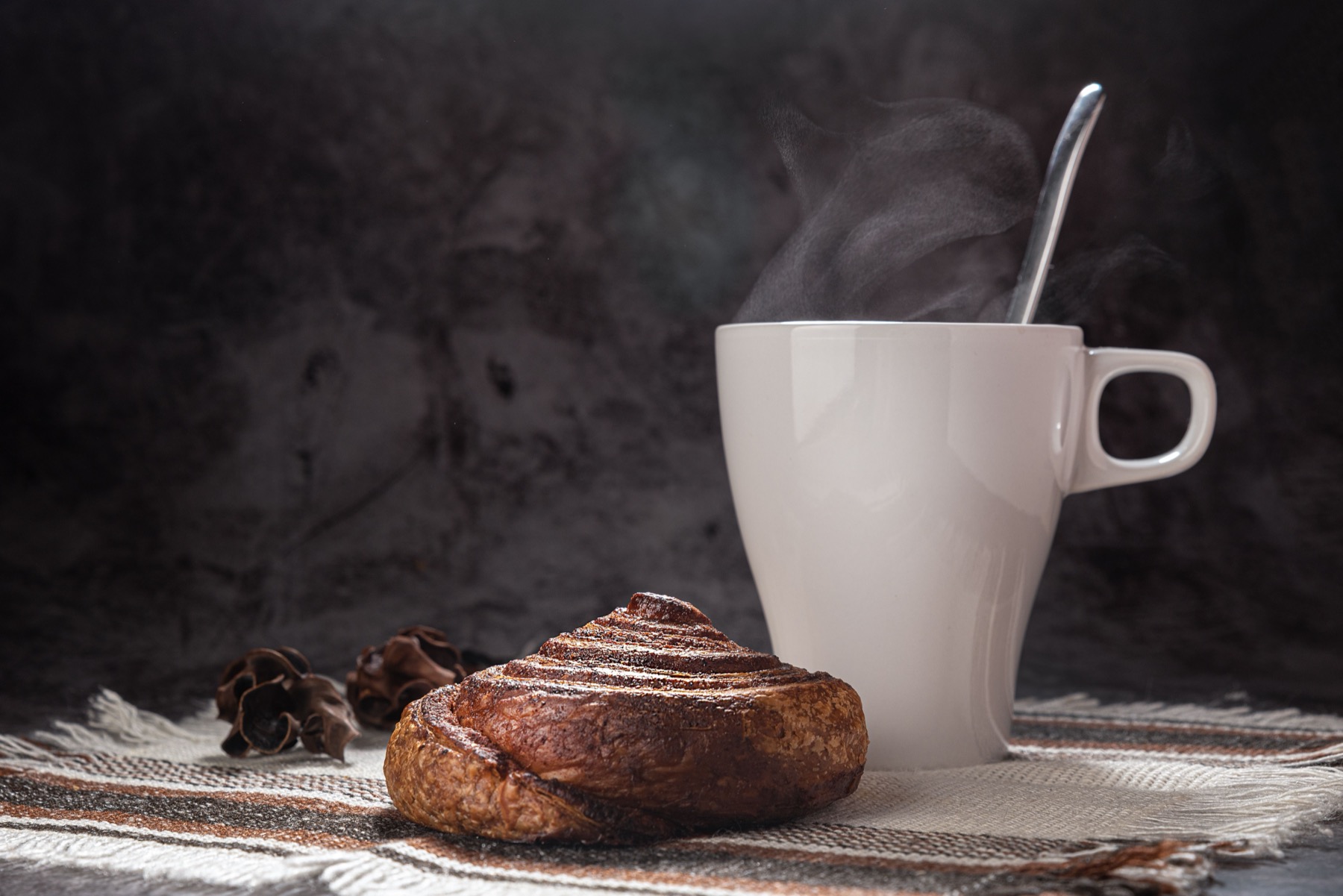
10. Fika as a Sweet Ritual
💡 Tip: Instead of an expensive afternoon restaurant visit, try the Swedish national pastime known as fika. It lets you slow down and enjoy a wonderfully relaxed atmosphere.
It isn’t just an ordinary coffee break, but a practically sacred ritual and time set aside to pause. Sweden is one of the countries with the highest coffee consumption in the world. The coffee is typically strong, black and filter-brewed, and cafés commonly offer a free refill called påtår. Fika is so deeply rooted in the culture that in many companies everyone meets at ten in the morning and three in the afternoon, puts work aside and simply chats.
The hot drink is inseparable from sweet pastry, led by the cinnamon bun called kanelbulle, or its more fragrant cardamom version. Coffee and this sweet treat cost around 65–100 SEK. It makes a filling small snack, lets you soak up the local calm and saves you money on another meal.
If you’re travelling with children, or simply have a sweet tooth, you must experience lördagsgodis, or Saturday sweets. In every larger supermarket, you’ll find huge walls of bins filled with pick-and-mix sweets. Take a paper bag and create your own mix. Be brave enough to try the local speciality salt lakrits, extremely salty liquorice that Swedes love while visitors often shake their heads in bewilderment. 😅
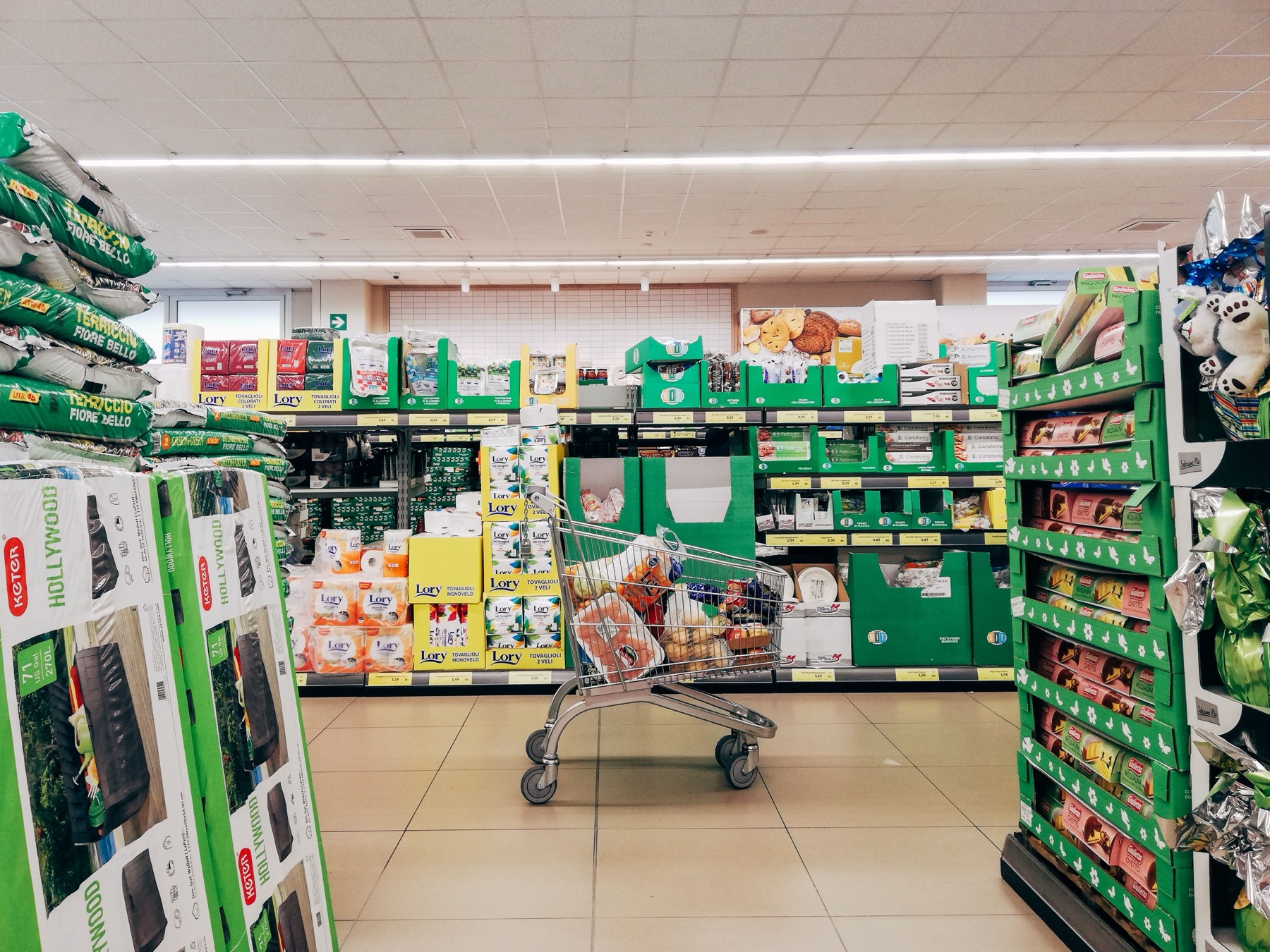
11. Supermarkets and Deposit Refunds
💡 Tip: If you’re cooking at a campsite or hostel, it pays to understand the local supermarket hierarchy; price differences at the checkout can be enormous.
At the top of the price ladder are the attractive, well-stocked ICA and Coop supermarkets. They have absolutely everything in premium quality, but you’ll pay considerably more at the checkout. For budget shopping, look for Willys or Lidl instead. Your grocery bill will still be roughly a third higher than in Central Europe; ordinary milk costs around 16.50 SEK.
In larger shops, you’ll find popular hot-food counters and salad bars where you can fill a takeaway box with fresh food sold by weight. It gives you a full lunch for a fraction of the restaurant price. Also remember that Sweden has a well-developed deposit system for cans and PET bottles called pant. Never throw empty containers in the bin; return them to the machines near the entrance. The machine prints a voucher whose value the cashier will deduct from your shopping.
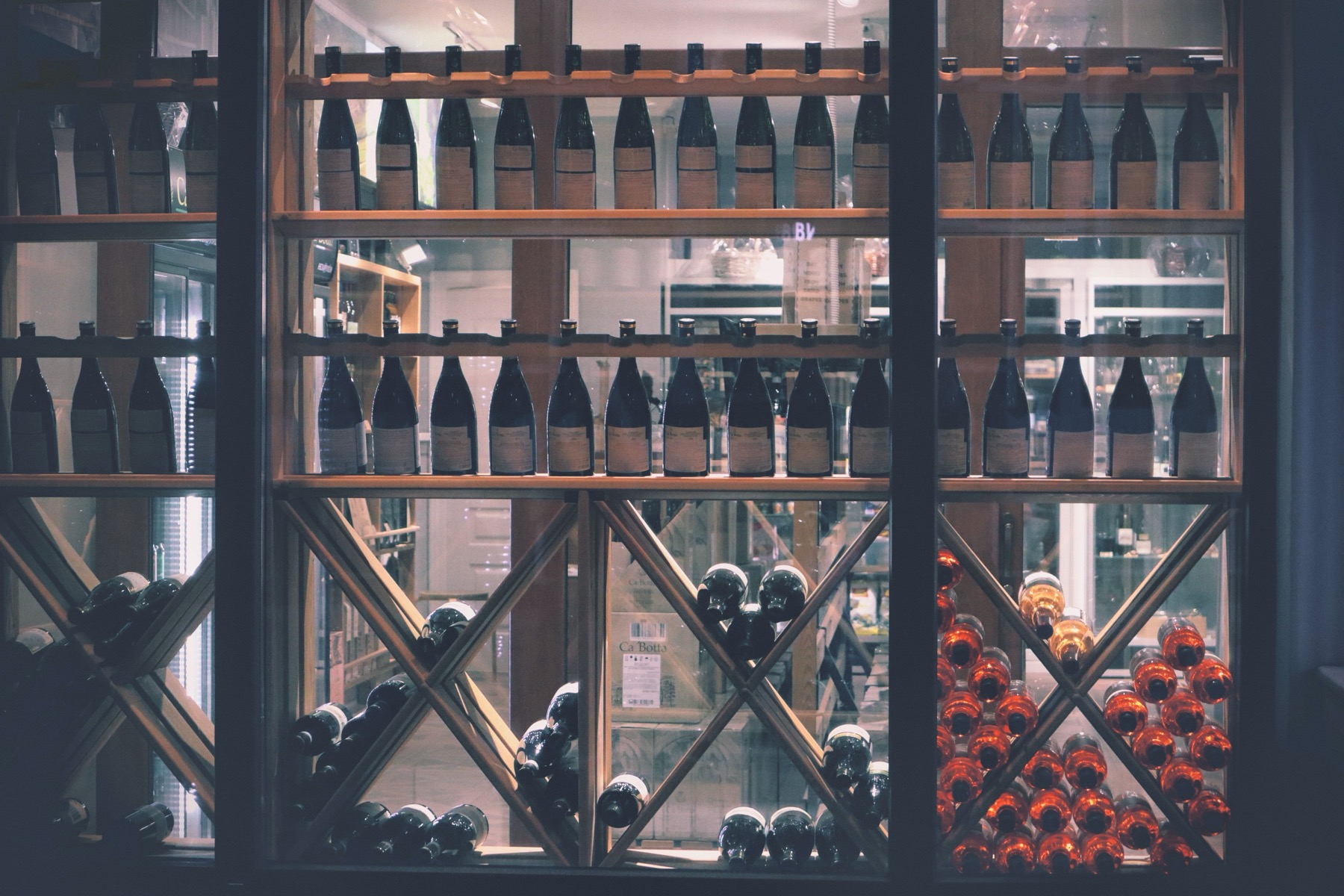
12. Systembolaget and the Alcohol Monopoly
💡 Tip: Any alcohol above 3.5% can be bought only in the state-run Systembolaget stores; don’t look for it in a regular supermarket.
This is a classic trap that catches every other first-time visitor. In a food supermarket, you’ll find only so-called folköl, or light beer. The state-run Systembolaget stores also have very strict rules and limited opening hours. The law bans promotions such as buy two, get one free, and beer and wine are not sold chilled.
The biggest trap comes at the weekend. On weekdays, branches close early in the evening; on Saturdays they are open only until 3 p.m., and on Sundays they are completely closed. The typical unprepared party scenario ends with arriving at a cabin on Saturday evening and discovering that buying wine for dinner is simply impossible. The price difference between a bar and a shop is huge. While a beer in a pub costs 70–95 SEK, the same beer in Systembolaget costs 18–35 SEK per can.
Since June 2025, however, there has been one fantastic new development: gårdsförsäljning. Small local breweries, vineyards and distilleries may sell their products directly to visitors from the farm. If you take a trip through the Swedish countryside, you can finally bring home a bottle of local gin or beer straight from the source after a tasting.
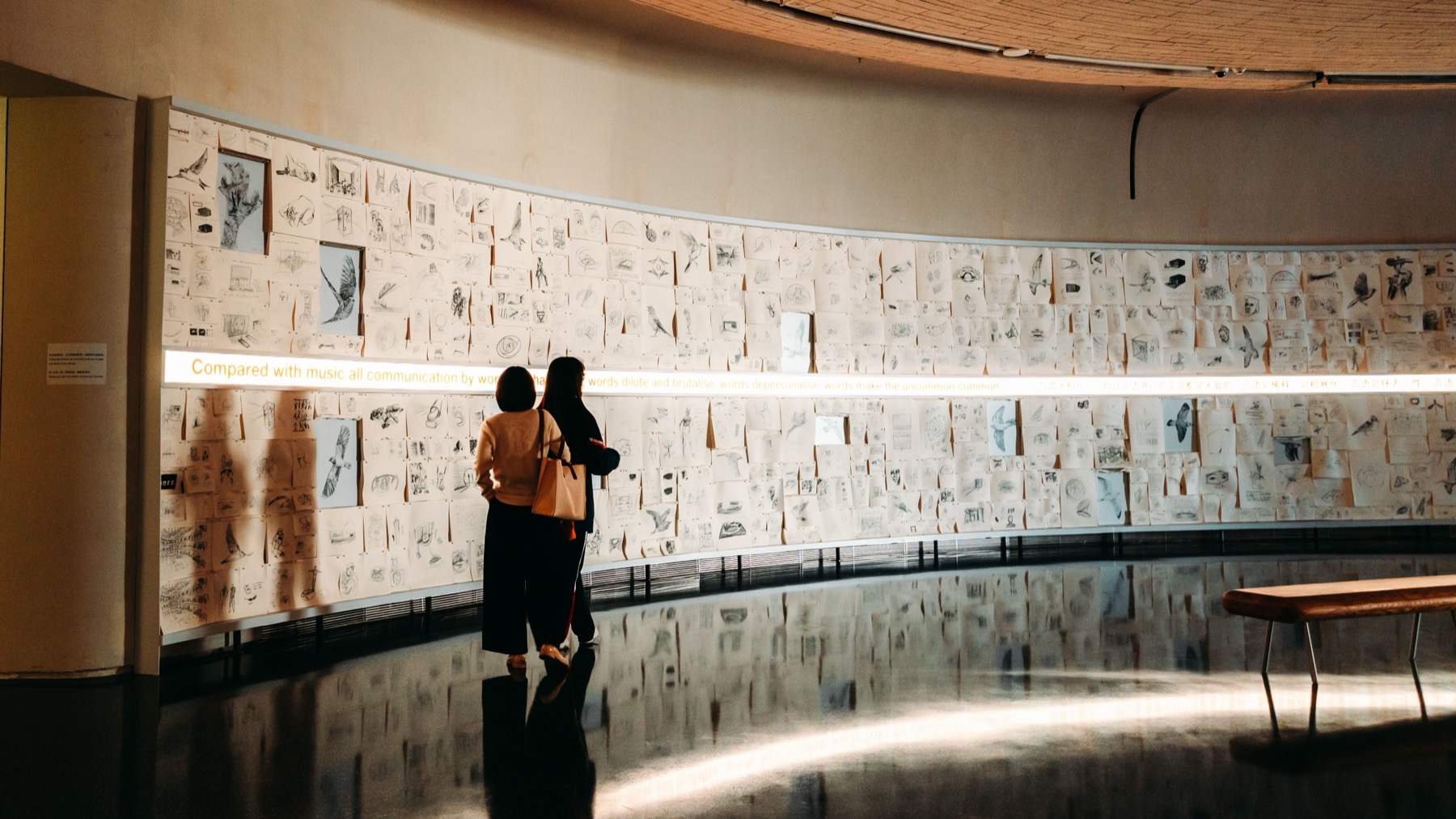

13. Museums, Attractions and Family-Friendly Prices
💡 Tip: Many state museums offer free entry or significant discounts for children and students, so it’s worth checking their websites in advance.
Visiting attractions can take a fairly large bite out of your budget, as standard admission to the main sights is usually 150–250 SEK. Stockholm’s impressive Vasa Museum, displaying the sunken ship and an absolute must-see, is among the places that strictly accept payment cards only. Cash is completely useless there. Most of Stockholm’s top museums are clustered on the green island of Djurgården, saving you time on getting around.
On the other hand, many smaller galleries and some smaller state museums charge no admission at all. If you’re travelling with children under eighteen, they get free entry in many places, which can make a huge difference to a family budget. The open-air museum and amusement parks are good examples, often offering attractive family packages. It’s therefore worth checking official websites in advance and planning your itinerary around these benefits.
14. Tipping and Restaurant Rules
💡 Tip: Swedes don’t like complicated tip calculations; tipping is generally not expected here and nobody will pressure you into it.
Restaurant and café staff earn decent wages guaranteed by collective agreements, so your tip is not the foundation of their livelihood. If you were genuinely delighted with the food and service, simply round the total up slightly. Adding five or ten per cent is a kind gesture, but it is certainly not obligatory as it is, for example, in the United States.
In many modern bistros, you order and pay directly at the counter. You receive a number, take a seat and the staff simply bring your food, so there is no opportunity to tip at all. Swedish institutions also have a ticket-based queue system. Wherever a queue forms—at a pharmacy, Systembolaget or the fish counter—look for a red machine dispensing numbered paper tickets. Without a nummerlapp ticket, nobody will serve you.
15. When to Go and the Month of Empty Cities
💡 Tip: If you’re looking for the buzz of a big city and busy cafés, avoid July, when Sweden’s mass holiday called industrisemester takes place.
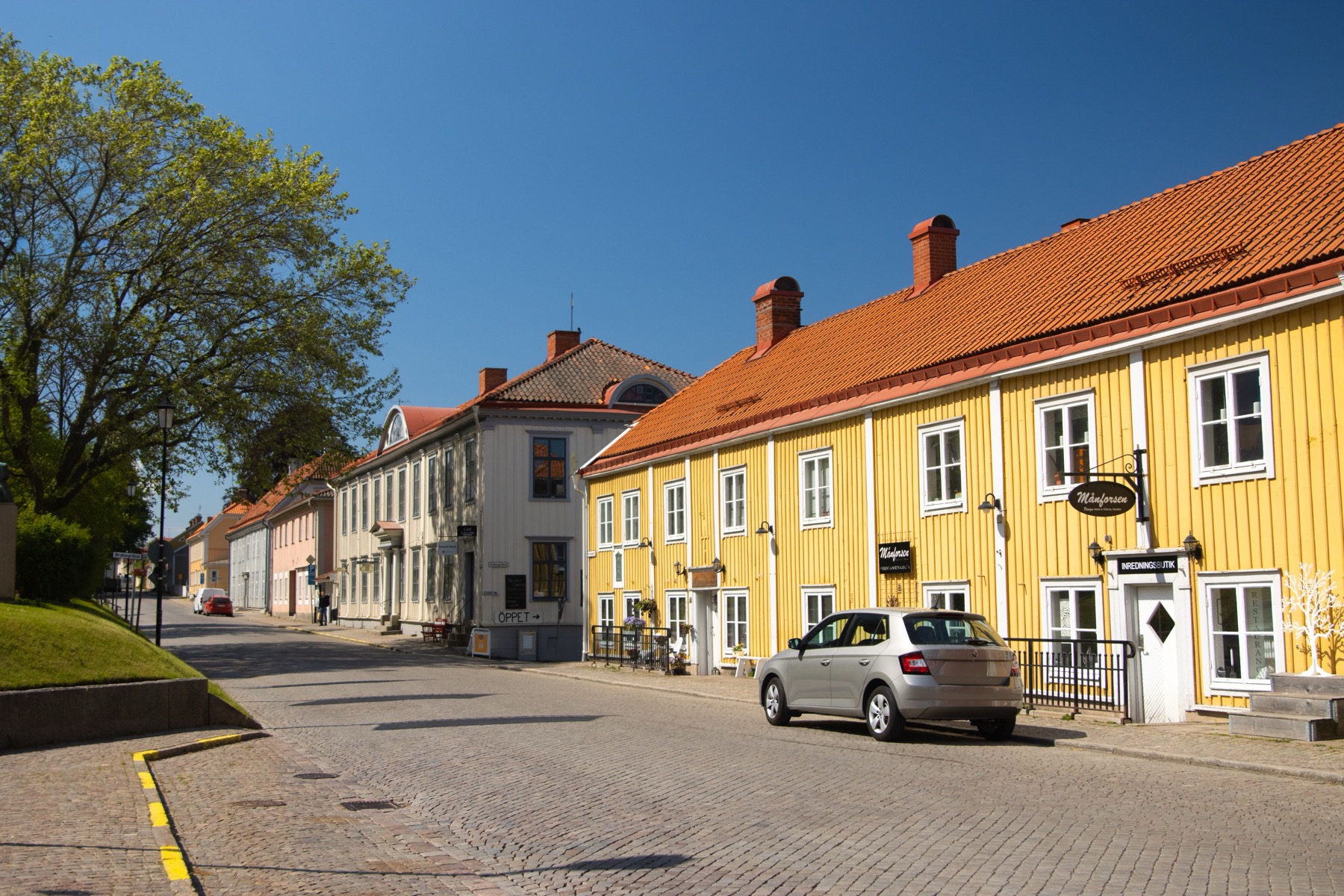
Sweden takes a nationwide holiday in July, and people disappear en masse to their summer cottages in the countryside or to islands in the archipelago. In cities, many of the cafés you’ve dreamed of visiting and small design shops may have a note on the door saying they are closed for the entire summer.
Another critical date is midsommar, the summer solstice celebration at the end of June. It is the biggest and liveliest celebration of the year. Cities completely empty out on Thursday afternoon, and on Friday supermarkets and restaurants will very likely be closed. At that moment, everyone is dancing around a maypole somewhere in the Dalarna region.
If you’re heading far north in summer, prepare for a test of mental endurance involving mosquitoes and tiny midges. Buy repellent once you arrive at a supermarket, because local brands such as Mygga work much better against Nordic insects than sprays brought from abroad. For an ideal city atmosphere and the best prices, visit Sweden in May, early June or magical September instead.
16. What to Arrange Before Your Trip
💡 Tip: Set up all your digital tools calmly at home; nothing will surprise you once you arrive, and you’ll save both time and money.
The basics are a payment card with a favourable exchange rate, ideally Revolut or Wise, so you don’t pay unnecessary bank currency-conversion fees every time you tap. Since you’ll use your card even for small amounts in public toilets, a poor rate from your home bank could become painfully expensive. If you’re driving your own car, registering with Epass24 ensures toll invoices arrive without problems.
Camping enthusiasts will appreciate a physical or digital Camping Key Europe card, which offers discounts and speeds up the check-in process at large campsites. Also remember to take out good travel insurance before you leave. Your European Health Insurance Card (EHIC) may be valid, but if you need treatment, you’ll pay the same patient contribution as a Swedish resident—often anywhere from a few dozen to several hundred euros—which good insurance will cover.
Where to Stay and How Much It Costs
💡 Accommodation and experiences tip: We prefer to look for accommodation on Booking.com, where cancellation conditions are often the best. It’s also worth comparing and booking tickets, trips and activities through GetYourGuide.
Finding accommodation in Sweden that won’t destroy your budget while meeting Nordic cleanliness standards is not difficult at all. Don’t expect any questionable motels—even the cheapest hostel bed will have clean linen and functional design.
The cheapest option in cities is hostels and accommodation run by STF (Svenska Turistföreningen). A bed in a shared room costs roughly €50–80. If you’re travelling as a couple and want privacy, the mid-range three-star hotels are a wonderful choice. A double room with a fantastic breakfast costs roughly €200–300, comparable to Vienna or Munich. For road trips and journeys into nature, campsites are a lifesaver: you can rent a red wooden stuga cabin with its own kitchenette for around €140–180.
Here are a few specific tips on where to stay strategically:
- City Backpackers Hostel (Stockholm): One of the best budget options right in central Stockholm. Great atmosphere, clean rooms, a free sauna and bike rental. Ideal for solo travellers and young couples.
- STF af Chapman & Skeppsholmen (Stockholm): A truly unique experience. You’ll sleep in the cabin of a historic sailing ship moored right in the city centre, with fantastic views of the Royal Palace.
- Motel L Hammarby Sjöstad (Stockholm): A stylish, modern and affordable hotel in a quieter eco-friendly district. The tram stop is right outside, and the breakfasts are excellent. A great price-to-quality ratio for couples.
- First Camp (across Sweden): If you’re travelling by car, download the app for this huge campsite network. You’ll find sites from Malmö all the way to the Arctic Circle. They offer well-equipped cabins, playgrounds and clean facilities.
- Icehotel (Jukkasjärvi): If you’re looking for a once-in-a-lifetime experience in northern Lapland, this is it. Sleeping in a room carved from ice at a constant below-freezing temperature costs extra—prices start at around €530 per night—but you’ll never forget it.
Where to Eat Without Feeling the Pain
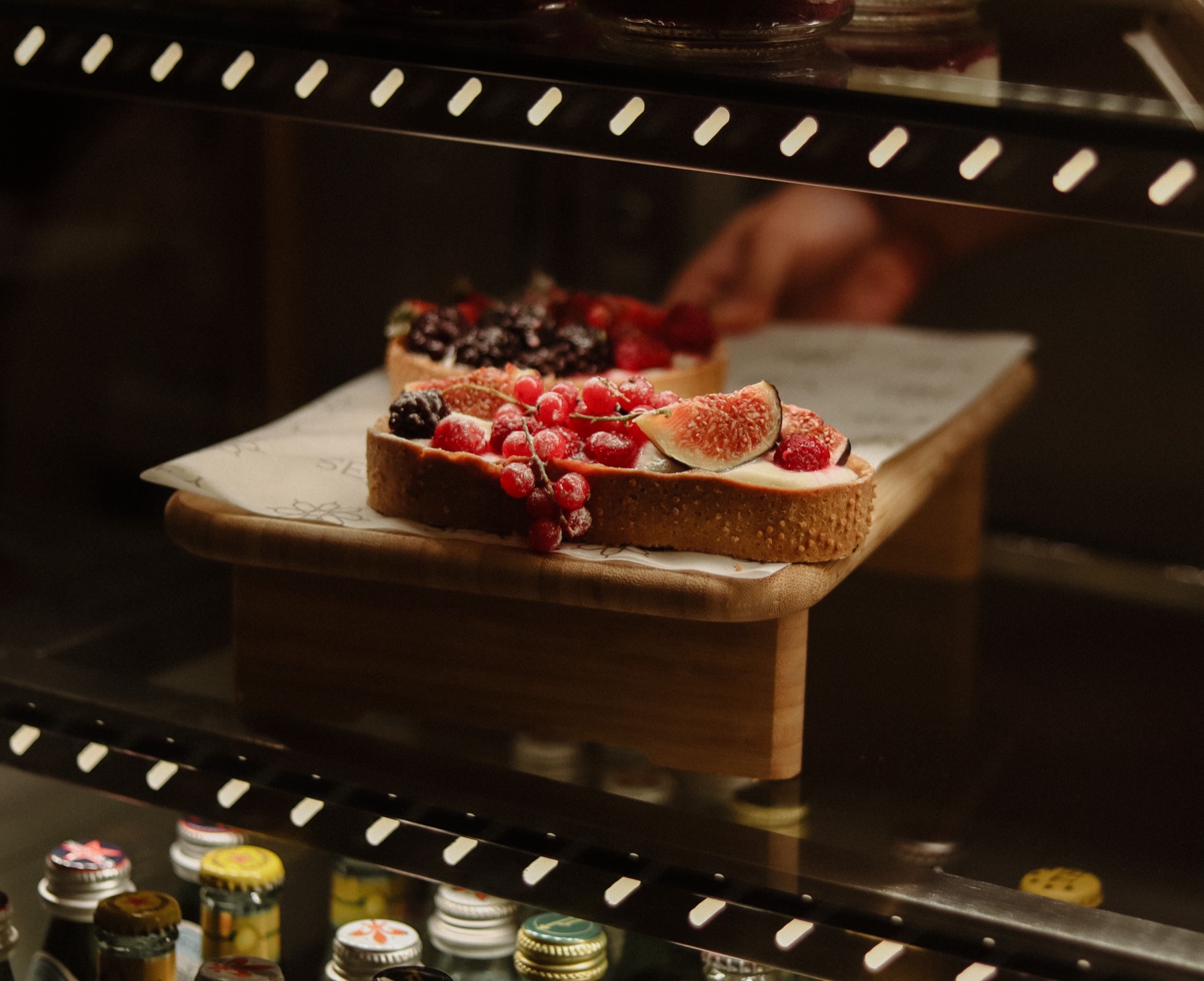
Food, together with alcohol, is the most expensive part of a Swedish budget. With a few tricks, however, you’ll spend a fraction of what most tourists do. The key is simple: have your main meal at lunchtime, sort out dinner with a supermarket shop and enjoy fika in between.
- Dagens lunch anywhere in the country: On weekdays between 11 a.m. and 2 p.m., most establishments offer
a lunch menu for 120–150 SEK (€11–13). The price usually includes the main dish, an unlimited salad buffet, bread with butter, water and coffee. There is always a vegetarian option, and the salad buffet turns it into a filling lunch.
- Gunnebo Kaffehus (Gothenburg): An organic café by Gunnebo House, where they bake with their own ingredients.
An ideal fika stop for a cinnamon bun and a cup of filter coffee.
- Vete-Katten (Stockholm): A café institution dating from 1928 on Kungsgatan. A kanelbulle
with coffee costs around 90 SEK (€8) and the atmosphere of the old salons is worth experiencing.
- Möllevångstorget (Malmö): A multicultural square where a falafel roll costs 50–70 SEK
(€4–6). It’s the cheapest proper meal you’ll find in Sweden.
- Östermalmshallen and Hötorgshallen markets (Stockholm): Alongside fish and meat counters, you’ll
find soups, salads, cheeses and pastries. Local classics include fish soup and köttbullar meatballs, served with lingonberries and mashed potatoes.
💡 Tip: ICA, Coop and Willys supermarkets have their own hot-food and salad counters. A supermarket dinner costs 60–100 SEK, and in a cabin with a kitchenette you can cut your food budget in half.
Three Sample Budgets for a Week in Sweden
Talking about prices is all well and good, but what does it mean for your wallet? Here are three realistic scenarios for 2026. The amounts are approximate for 2026 and assume a one-week stay. Remember that the biggest influence on your budget is how often you eat in restaurants and whether you skip alcohol.
1. A modest budget (Backpacker) You’re travelling alone, getting around by public transport or hitchhiking and sleeping in hostels or in a tent thanks to allemansrätten. You cook your own lunch and dinner using ingredients bought at budget supermarkets such as Willys or Lidl. Occasionally, you treat yourself to coffee and a cinnamon bun as part of fika. You mainly admire sights from outside or visit state museums with free admission.
- Total for one week: approximately €1,000–1,300 per person.
2. Mid-range (A holidaying couple) You fly to Stockholm or Gothenburg and stay in a nice three-star hotel with breakfast. During the day, you use discounted local public transport. For lunch, you take advantage of the fantastic dagens lunch deals in restaurants, where you eat well for 150 SEK. Dinner is a light supermarket shop or an Asian bistro. You pay admission to the Vasa Museum, take a boat trip and occasionally have a beer in the evening.
- Total for one week: approximately €1,500–2,000 per person.
3. Family road trip (2 adults + 2 children in your own car) You arrive by car via a ferry from Germany or Poland. You sleep at campsites, either in your own family tent or in rented red stuga cabins. You cook nearly all your meals using groceries from local supermarkets. You visit the Pippi Longstocking theme park in Vimmerby, pay for a moose safari and enjoy trips to national parks, which are free.
- Total for one week: approximately €800–1,100 per person, including the shared cost of diesel and the ferry from mainland Europe.
Practical Summary and Approximate Prices
This overview neatly sums everything up—approximate prices converted into euros for 2026.
| Daily item | Budget Backpacker | Mid-range (Couple) | Family with car (2+2) |
|---|---|---|---|
| :— | :— | :— | :— |
| Travel style | Travels alone, sleeps in hostels, cooks from Lidl groceries, uses public transport, free attractions. | Two people, 3-star hotel, dagens lunch, supermarket dinner, coffee, paid museum. | Four people, arrive by car, sleep at campsites and in cabins, cook for themselves. |
| Accommodation | €50–80 | €200–300 (per room) | €45–180 (campsite/cabin) |
| Food and drinks | €30–45 | €140–180 (for both) | €90–140 (groceries) |
| Transport locally | €9 (monthly pass) | €18 | €55 (shared ferry and fuel) |
| Experiences and other | €9 | €55 | €35 |
| TOTAL PER DAY | approx. €145–180 (per person) | approx. €410–570 (for both) | approx. €230–410 (for the whole family) |
What to Read Next
- Sweden: 30 Tips on What to See and Do
- Stockholm: 25 Tips on What to See and Do
- Kiruna: 18 Tips on What to See and Do
- Öresund Bridge: Tolls, Trains and How to Cross It
- European Holidays: 17 Most Beautiful Places
Frequently Asked Questions
Here are answers to the most common questions that may come up when planning your budget and trip to Sweden.
How much money should I budget for a week in Sweden?
If you’re traveling as a couple, staying in mid-range hotels and eating a mix of bistros and supermarket food, budget around €650 to €900 per person. A family with a car and their own tent can bring costs down significantly to around €400 per person, while a luxury weekend in Stockholm with dinners and alcohol will cost considerably more.
Do I need to bring cash to Sweden?
Definitely not, cash is basically useless and often not even accepted. Most businesses, museums and small cafés operate entirely cashless. You’ll get by with a regular payment card with good exchange rates; only look for ATMs if you’re heading deep into the wilderness.
How does alcohol sales work in Sweden?
Spirits, wine and regular beer above 3.5% can only be purchased at state-run Systembolaget stores. These have very limited opening hours, closing at 3pm on Saturdays and not opening at all on Sundays. In regular supermarkets you’ll only find weak beer.
How much does restaurant food actually cost?
A typical dinner will cost you at least 150 to 250 SEK for a main course. The best trick is to go to restaurants for their lunch menu dagens lunch, which costs around 130 to 150 SEK and includes unlimited salad bar, bread, coffee and tap water.
Is Sweden more expensive than neighboring Norway?
No, Sweden is now significantly cheaper than the rest of Scandinavia. Of the major Nordic countries it offers the most favorable exchange rate, and Stockholm is a much more affordable capital for tourists than Oslo in Norway or Copenhagen in Denmark.
Can you travel through Sweden cheaply on a limited budget?
Yes, if you take advantage of free camping in nature with your own tent, cook your own meals from Lidl groceries and skip the expensive bar alcohol. In the second half of 2026 you’ll save incredibly thanks to half-price public transport.
How much do petrol and diesel cost at Swedish pumps?
Fuel prices are at a very similar level to Central Europe. You’ll fill up with petrol for around 17 to 20 SEK per liter, so you won’t face any price shock at gas stations and a road trip is worth it.
Do you pay for motorways in Sweden?
Swedish motorways are completely free for cars and you don’t need any toll sticker. You only pay electronic tolls for entering the centers of Stockholm and Gothenburg, or fees for crossing major border bridges like Öresund.
Can I camp anywhere in nature for free?
Thanks to the right of allemansrätten you may pitch a tent for one or two nights out of sight of houses. However, this rule strictly does not apply to motorhomes and caravans, with which you must not leave marked roads and must park in designated areas.
Tips and Tricks for Your Vacation
Don’t Overpay for Flights
Search for flights on Kayak. It’s our favorite search engine because it scans the websites of all airlines and always finds the cheapest connection.
Book Your Accommodation Smartly
The best experiences we’ve had when looking for accommodation (from Alaska to Morocco) are with Booking.com, where hotels, apartments, and entire houses are usually the cheapest and most widely available.
Don’t Forget Travel Insurance
Good travel insurance will protect you against illness, accidents, theft, or flight cancellations. We’ve had a few hospital visits abroad, so we know how important it is to have proper insurance arranged.
Where we insure ourselves: SafetyWing (simple monthly subscription) and TrueTraveller (for extra-long trips).
Find the Best Experiences
Get Your Guide is a huge online marketplace where you can book guided walks, trips, skip-the-line tickets, tours, and much more. We always find some extra fun there!