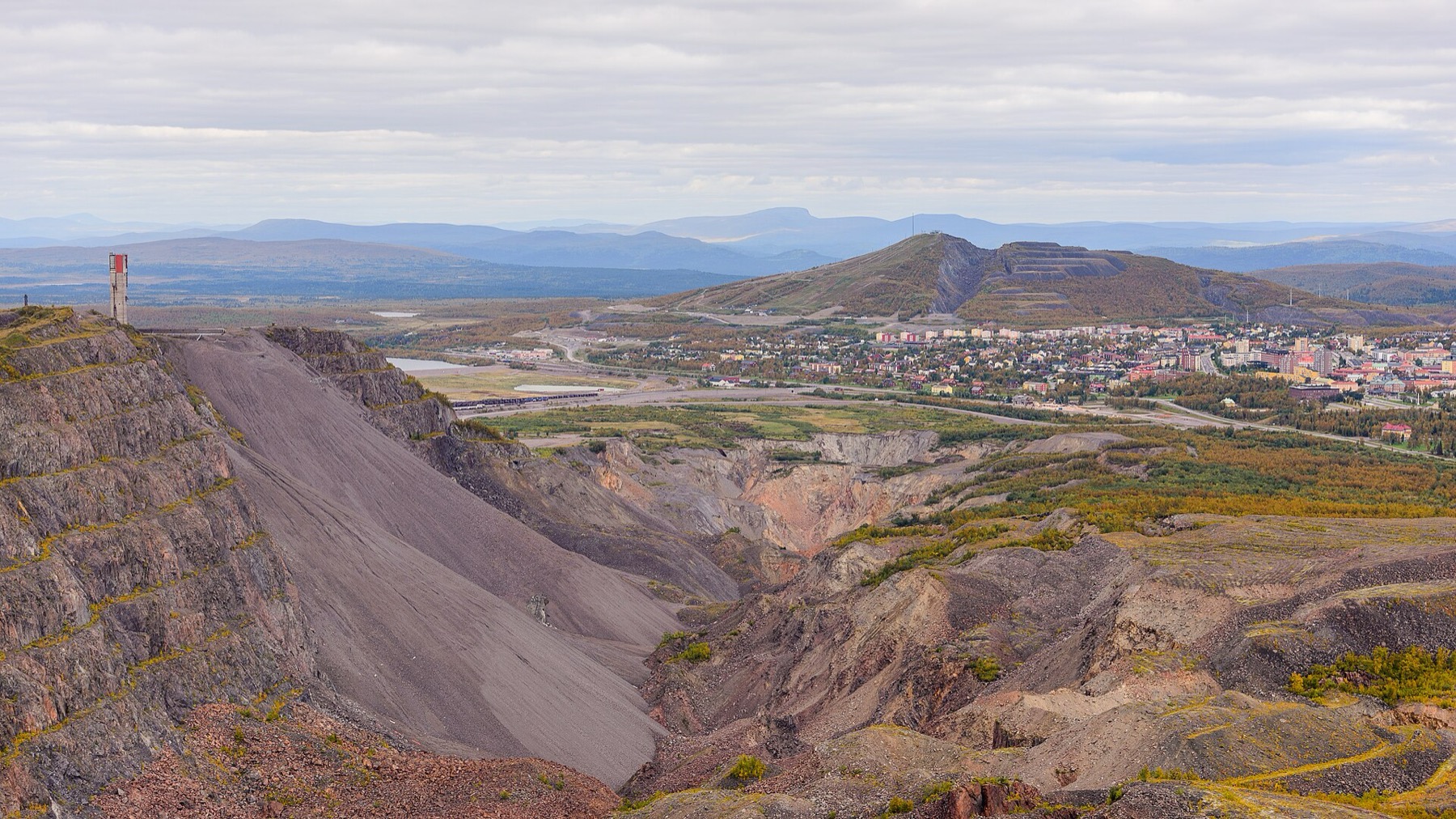
In Arctic Kiruna in northern Sweden, an engineering and architectural miracle is unfolding right now, and the whole world is watching with bated breath. Because of a gigantic underground iron-ore mine, the entire town has to move three kilometres to keep its streets from collapsing into the ground.
What started out as a rugged industrial settlement has become an utterly fascinating gateway to the Arctic wilderness, where travellers come for the most intense Nordic experiences. You’ll find absolutely everything here. From the legendary ice hotel in nearby Jukkasjärvi and endless snow-covered plains to perfect conditions for watching the magical northern lights.
Whether you’re drawn by the aurora, reindeer sledding or a summer mountain trek, here are 18 tips for exploring Kiruna and its surroundings properly. I’ll also share the best strategy for chasing the aurora, where to base yourself, and roughly how much a Lapland adventure like this really costs.
A quick summary for those who don’t have time to read the whole article
- A town on the move: Kiruna is relocating because of ore mining, and in August 2025 even the enormous historic wooden church was successfully moved.
- An icy kingdom: A short drive from town lies the famous ICEHOTEL, which you can visit on a much cheaper day pass.
- Arctic activities: Get ready for adrenaline-pumping snowmobile rides and the quiet beauty of a dog-sled journey.
- Northern lights: For the best chance of a green sky, head from Kiruna to Abisko National Park, which has its own special microclimate.
- Sámi culture: Learn about the life of Lapland’s indigenous people, see reindeer herds and taste traditional ingredients.
- A summer face: From June to August, snow gives way to the midnight sun and gorgeous treks open up, including the climb to Sweden’s highest peak.
- Practical planning: A typical winter stay lasts three to five days and calls for really thorough layering of good-quality clothing.
The full destination guide: Sweden — guide and what to see
When to visit Kiruna
Picking the right dates for a trip above the Arctic Circle is absolutely crucial, because Arctic nature dictates everything from opening hours to your physical stamina. If your main goal is snow and the northern lights, the best time to visit is February and March. By then the days are pleasantly longer and the sun bounces off the white snowdrifts. You can make the most of every daytime activity, from cross-country skiing to snowmobiles, without constantly freezing in the dark. The nights are still long enough to give you a huge chance of catching the aurora borealis, which tends to be exceptionally active around the spring equinox. In this period, Kiruna weather usually brings daytime temperatures around minus ten degrees – an honest but still bearable Nordic chill.
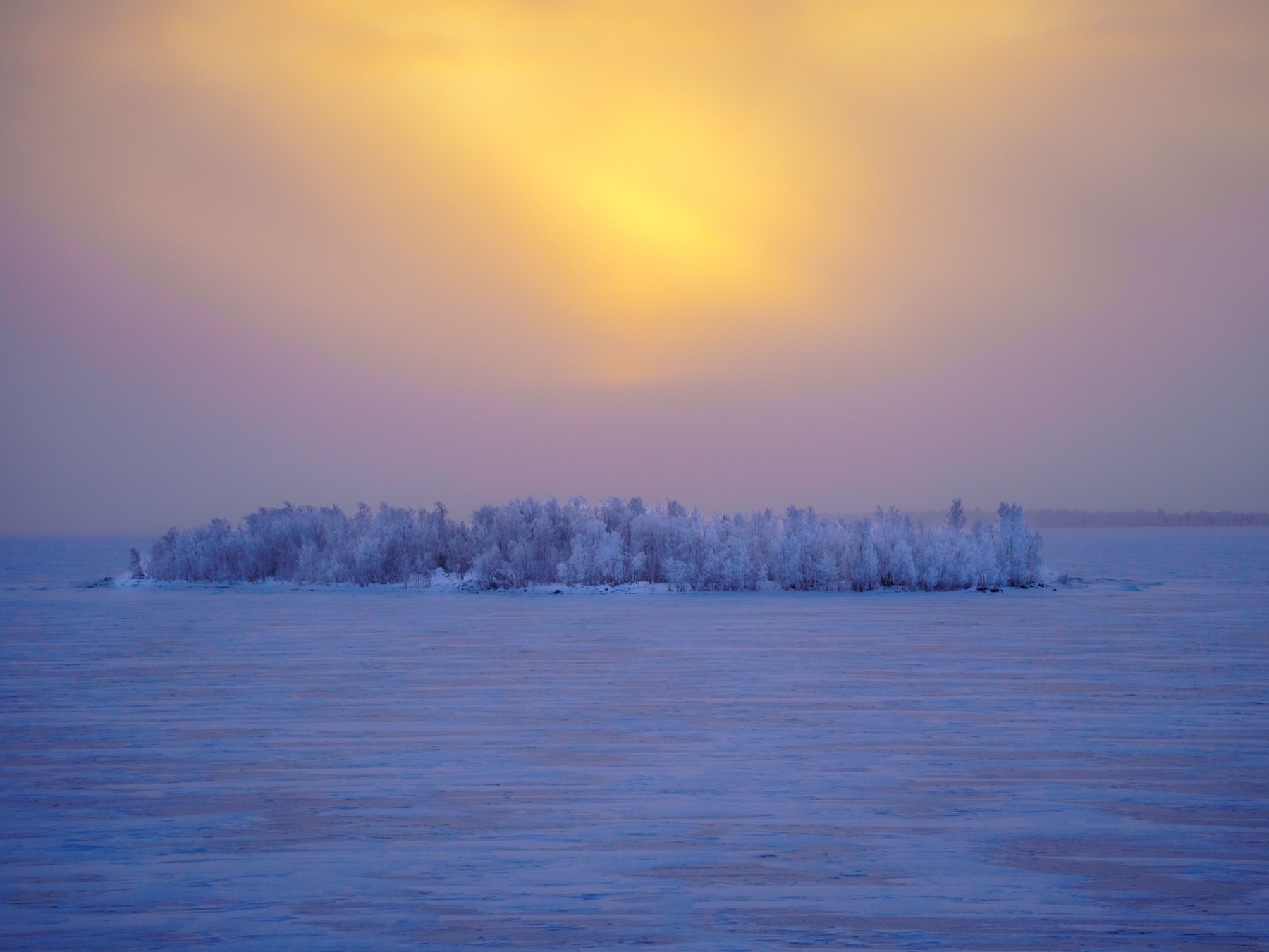
December and the first half of January, on the other hand, are a season of dark romance, when the sun never rises above the horizon. The town sinks into polar night, which doesn’t mean total darkness, though. Around noon the landscape glows for a few hours in incredible purple and blue tones that photographers call the blue hour. Be prepared, however, for temperatures that regularly drop to minus twenty or thirty degrees. That kind of cold can dangerously complicate longer stays outdoors, and many operators cancel dog rides in extreme temperatures for the animals’ safety. If you do head out, you really have to watch your own body’s warning signals carefully and not play the hero.
An interesting and often overlooked alternative is autumn. During September and October you can watch the northern lights in far more pleasant above-zero temperatures. A huge bonus for photographers is that the lakes aren’t frozen yet and the green sky reflects beautifully on the water’s surface, creating absolutely magical mirror shots. You avoid the need to buy heavy Arctic gear, and the summer swarms of insects will no longer bother you.
Summer in Lapland is a chapter of its own. It offers a completely different but no less breathtaking world. From late May to mid-July the midnight sun reigns here, when the light never ends and nature simply explodes with green. It’s the ideal time for hiking, camping and conquering mountain peaks. Just bear in mind that in July, huge clouds of mosquitoes appear in the marshy areas around the lakes, so a strong, quality repellent bought locally will become your best friend. Repellents from home usually don’t do much against tough Arctic mosquitoes.
Where to stay in Kiruna and around
💡 Tip for accommodation and experiences: We prefer to look for accommodation on Booking.com, which usually has the best cancellation terms. For tickets, tours and activities, it’s worth comparing and booking through GetYourGuide.
Where you stay in the far north will fundamentally shape not only your budget but also how easily you can get out for night-time sky watching. Most travellers face the classic dilemma of whether to stay in civilisation or head straight into the wild. If you want full comfort, good restaurants and easy airport access, stay right in the new centre of Kiruna. From here operators will conveniently pick you up for all your planned trips, and you’ll be close to grocery shopping, which will noticeably ease the strain on your wallet.
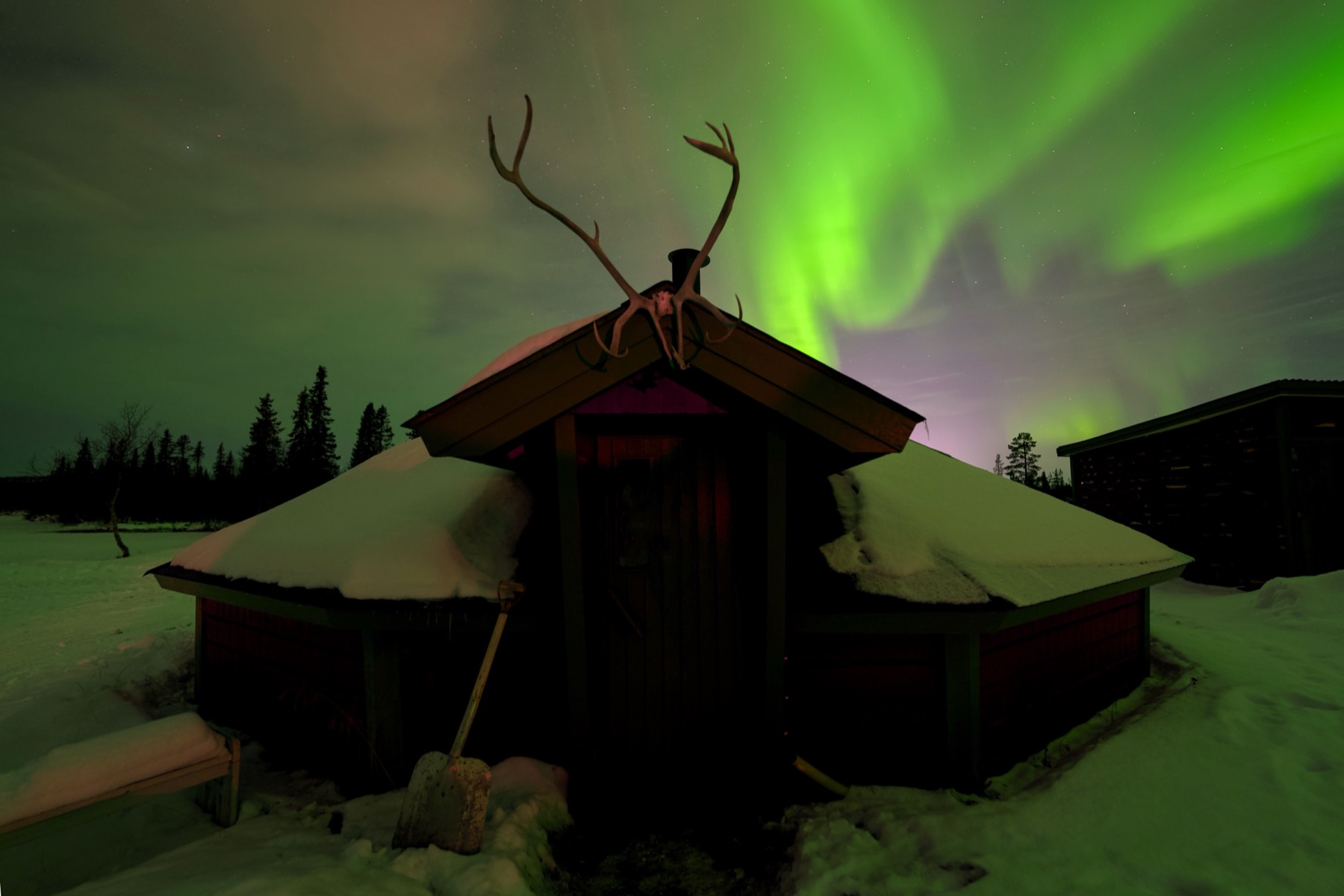
Nature lovers and aurora hunters, on the other hand, will do well to drive about a hundred kilometres north-west into Abisko National Park. This is exactly where you escape the town’s light pollution and can watch the aurora straight from your window. Accommodation across the whole region is limited, though, and in the peak winter season it disappears really fast, so booking even half a year ahead is definitely wise. A standard mid-range double room will run you €140 to €250 per night. Prices can climb even higher around Swedish public holidays and school breaks.
Here are some specific accommodation tips that travellers rave about and that have great reviews:
- Camp Ripan: A fantastic resort right on the edge of Kiruna, offering cosy stand-alone cabins. Its biggest draw is its own top-notch Arctic wellness centre with heated outdoor pools, where you can warm up perfectly after a day in the frost.
- Scandic Kiruna: A brand-new, architecturally striking hotel right in the town’s new centre. Guests praise its lavish Nordic breakfasts and the panoramic top-floor bar with a lovely view over the surrounding mountains.
- STF Abisko Turiststation: An iconic mountain station right by Lake Torneträsk in the national park. It’s the absolute holy grail for every aurora hunter, because it lies in the so-called blue hole with minimal cloud cover.
- Icehotel Jukkasjärvi: If you want to tick off a bucket-list dream, book a combined stay. You’ll spend one night in the famous ice room in a sleeping bag and the rest of your holiday resting in a heated wooden cabin the complex also offers.
18 things to see and do in Kiruna, Sweden
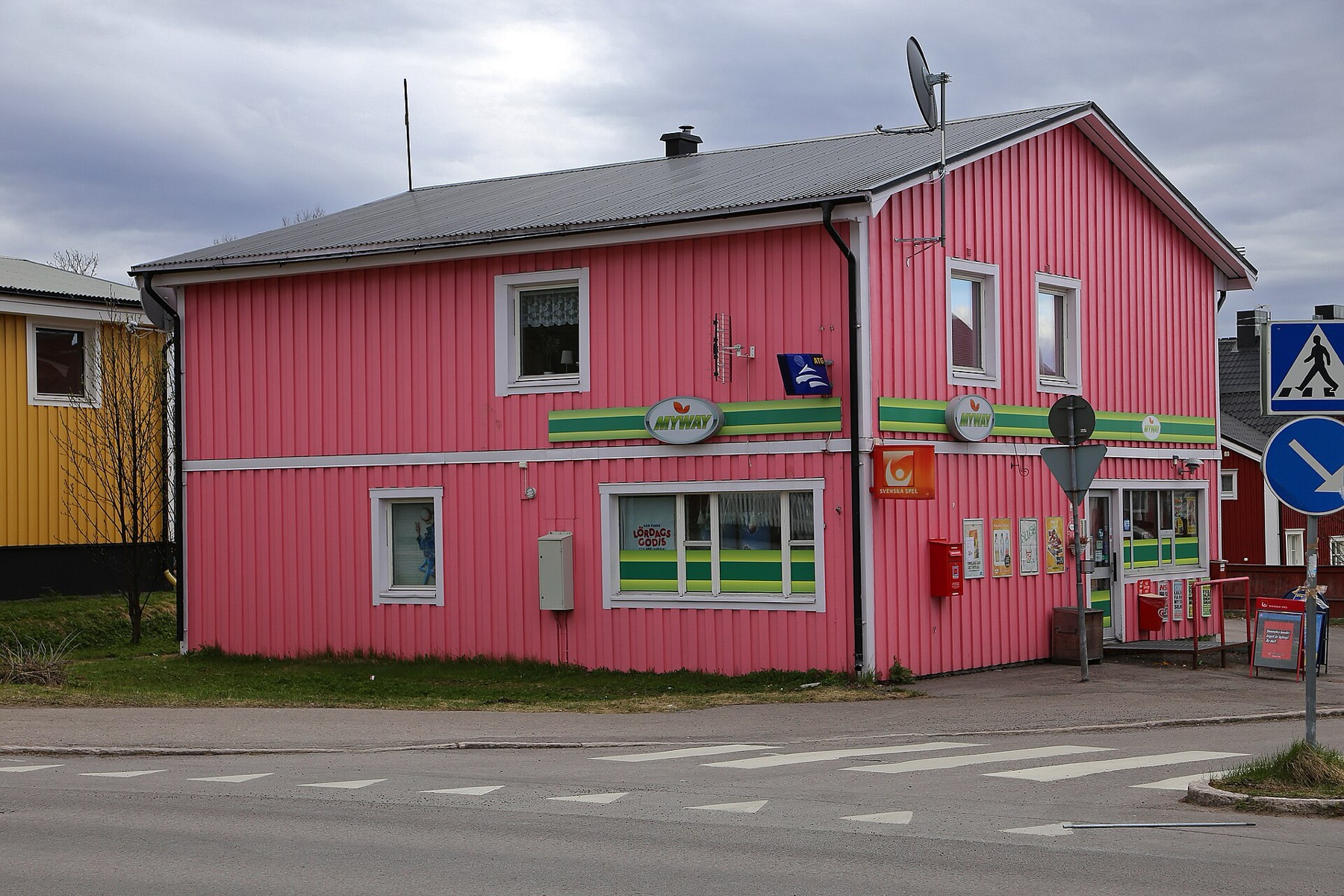
Kiruna offers surprisingly a lot: engineering marvels, Sámi culture and nature that will simply take your breath away. Here are the very best tips. I’ll show you how to plan your time cleverly so you catch the highlights without needlessly blowing a fortune on overpriced attractions. I recommend planning no more than one big activity per day, because the Nordic winter and early nightfall will tire you out more reliably than you expect.
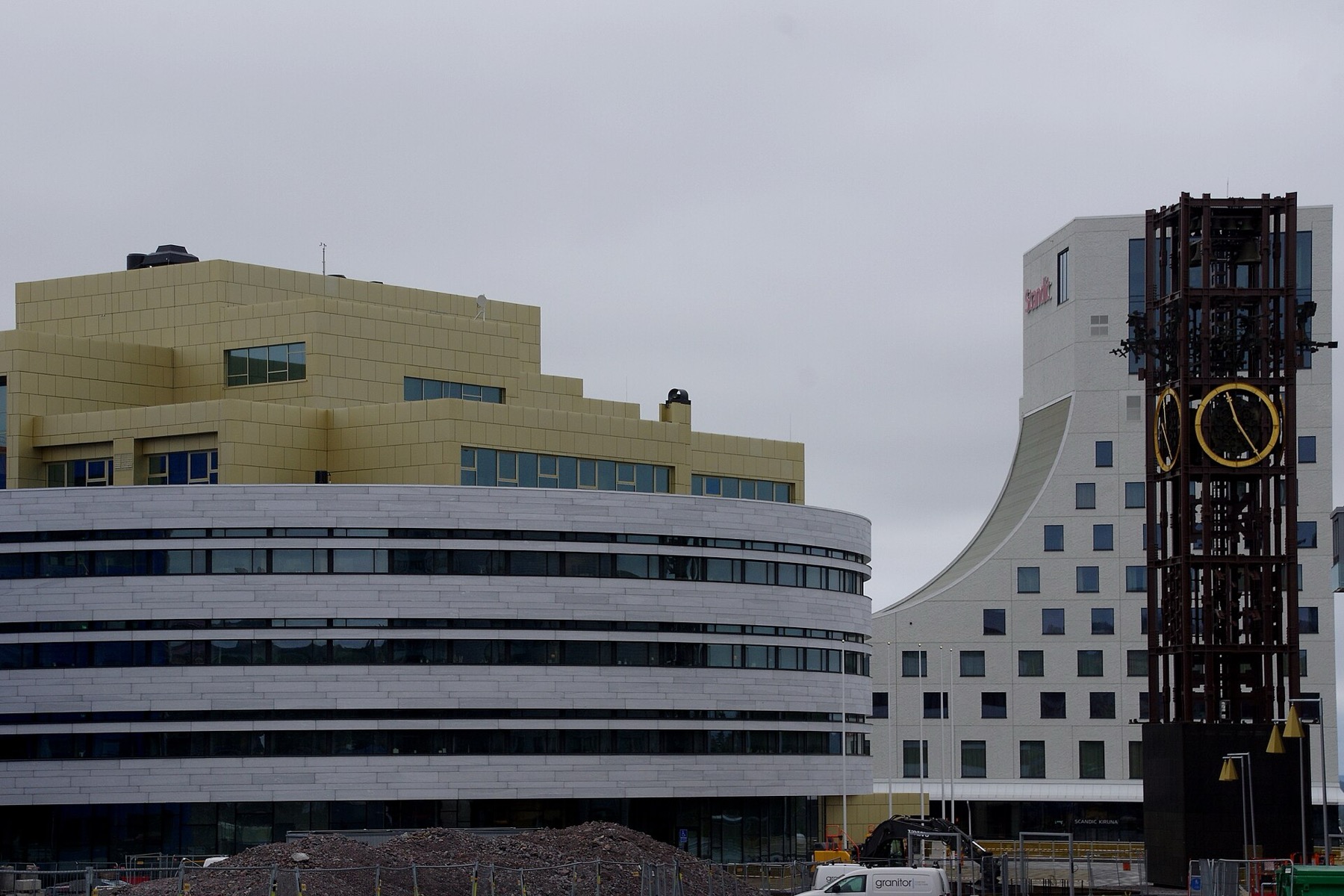
1. The new Kristallen town hall
At the heart of the newly built town stands the unmissable town hall called Kristallen, whose circular design symbolises rebirth and the unity of its residents. Inside this modern building you’ll find not only administrative offices but also beautiful exhibition halls charting the history of mining and the complex process of moving the entire urban area. The original town hall sadly had to be demolished, but the architects rescued its iconic iron bell tower and very sensitively incorporated it into the new square.
Starting here makes a lot of sense. In an hour you’ll understand why the whole town is moving and what an engineering challenge that involves in practice. Entry to the public parts of the building and to the exhibitions is completely free, which your northern budget will surely appreciate. Don’t forget to check out the detailed models of the new town plan, which show what Kiruna will look like in a few decades, once not a trace of the original buildings remains.
There’s also a very pleasant café inside the town hall, where you can take shelter from the Arctic cold. Swedes love their coffee ritual, fika, so you can calmly plan the rest of your day over a hot drink and a fresh cinnamon bun.
💡 Tip: The town hall is mainly open during regular working hours on weekdays. If you arrive at the weekend, you’ll probably only get as far as the outdoor square by the bell tower.
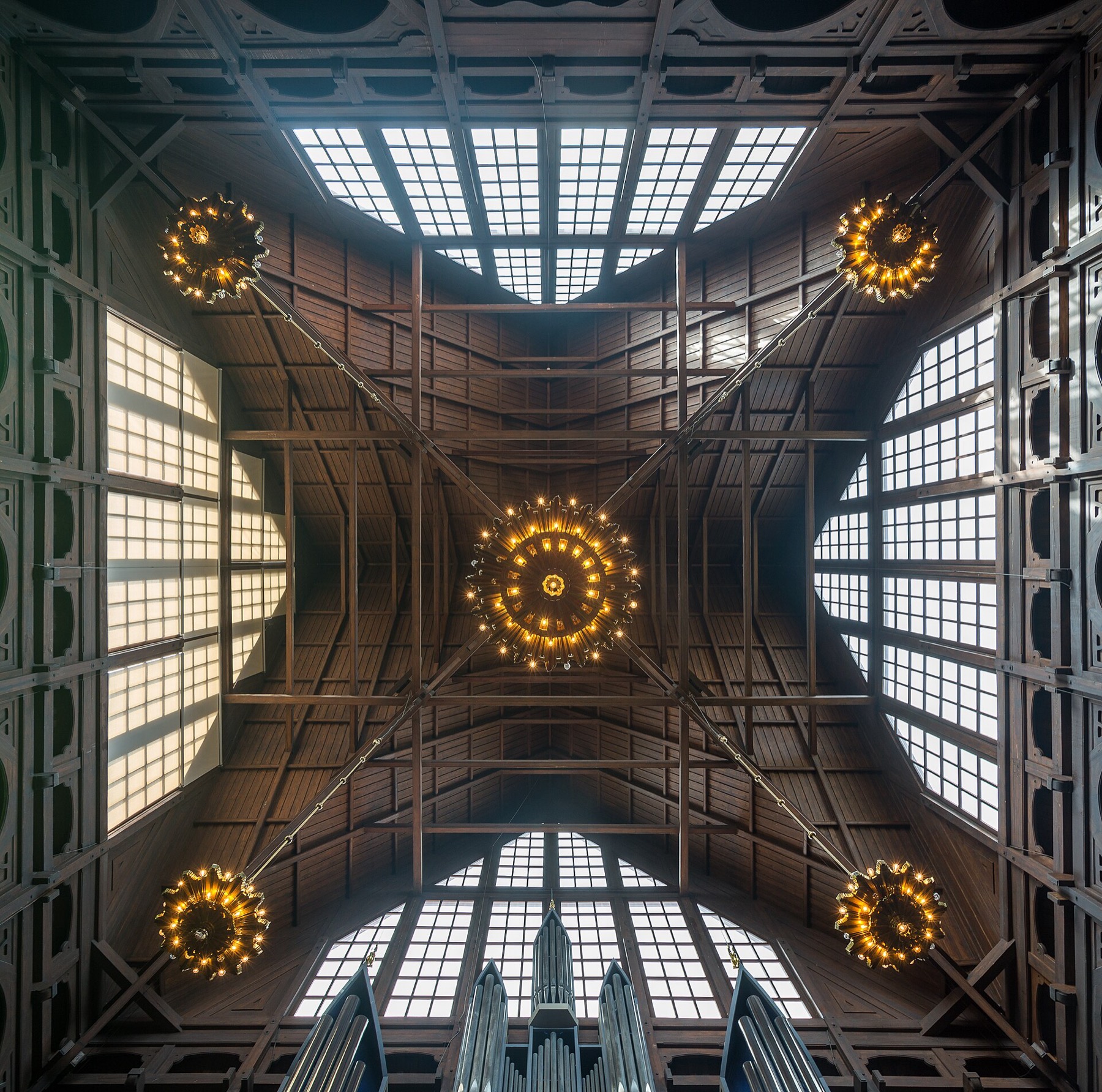
2. The wooden Kiruna kyrka church
This gorgeous brick-red church from 1912 is shaped to echo a traditional Sámi tent, and Swedes once even voted the Kiruna church in Sweden the most beautiful building in the whole country. Because of the expanding ore mining, though, it ended up in a critical subsidence zone, and in August 2025 its closely watched rescue took place. Engineers loaded the entire 672-tonne building onto special trailers and moved it at walking pace along a five-kilometre route to a new, safe site. It was one of the most complex operations in modern European history.
Today the church proudly stands in the new centre, and you can calmly admire its unique wooden interior, adorned with a beautiful altarpiece bathed in a peculiar Arctic light. Definitely don’t miss the details on the façade and the massive bell tower, which is an inseparable part of the building and made the move without a single scratch. Inside there’s an incredible calm that sharply contrasts with the noise of the mining machinery in the distance.
Entry is free, but the church tends to be closed during services or weddings. Even so, definitely don’t skip at least a walk around the outside, because that red wood against the white snow is a real sight. Try to capture it at dawn or at sunset, when the façade takes on an incredibly rich colour.
💡 Tip: The church has specific opening hours for tourists, so before your visit it’s best to check the current times on the official website of the local parish, so you don’t make the trip for nothing.
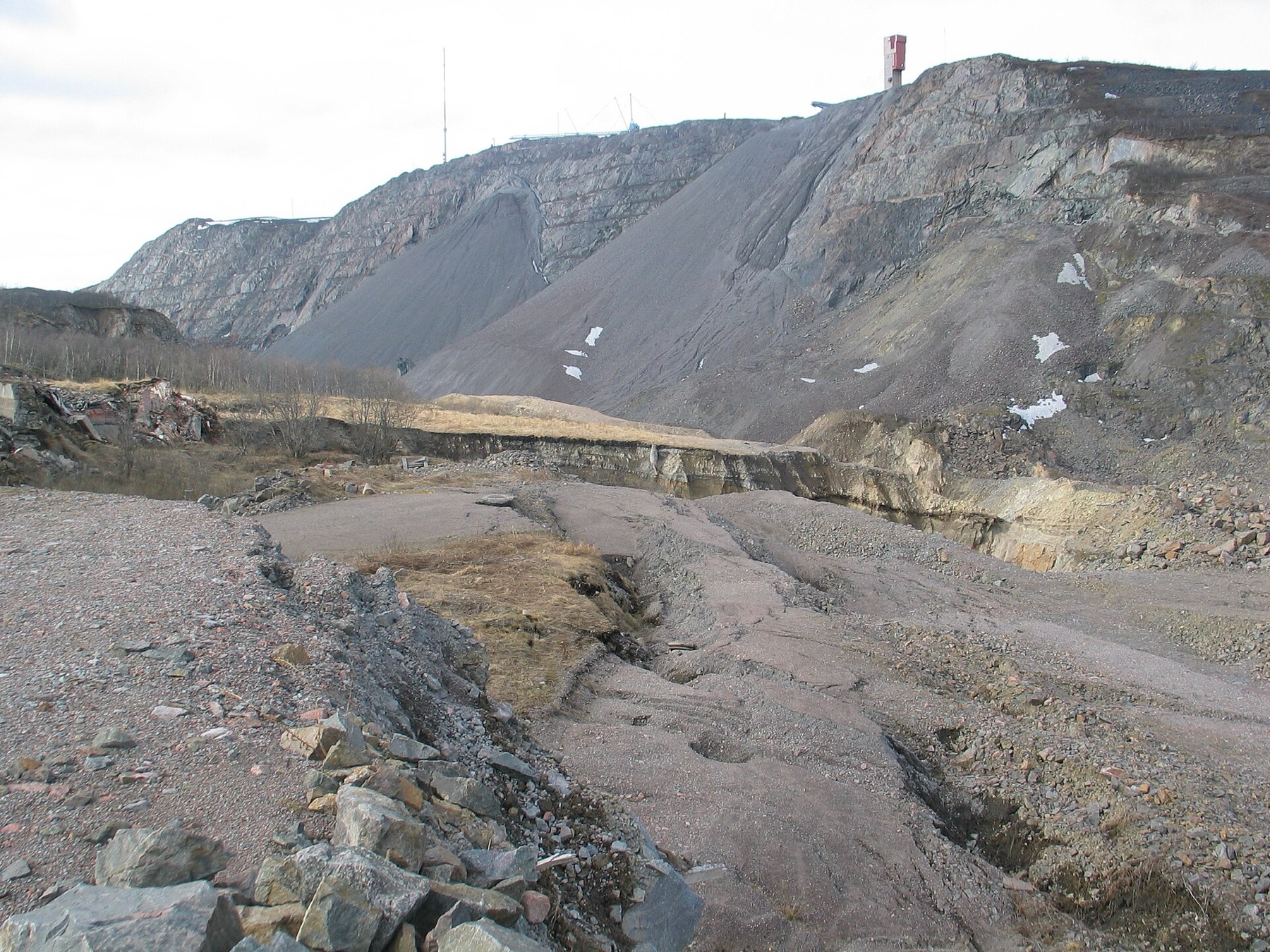
3. The LKAB mine and InfoMine
The reason the whole town exists – and is moving – is the gigantic mine run by the state company LKAB, which is the largest underground iron-ore deposit in the world. Mining here goes to incredible depths, and the company offers engaging public tours straight into the bowels of the earth. A special bus takes you more than five hundred metres below the surface to the huge InfoMine visitor centre, where you’ll see heavy mining machinery and endless tunnels with your own eyes.
During the roughly three-hour tour, you’ll grasp the enormous scale of the whole industrial colossus. Experienced guides explain in detail how huge chunks of hard rock become the small pellets ready to be shipped by rail to Narvik in Norway. Among other things, you’ll learn how the entire underground labyrinth keeps growing and shaping the fate of the people on the surface.
Tickets for the Kiruna mine in Sweden really do sell out fast, even months ahead, so don’t put off booking. An adult ticket costs about 400 SEK, roughly €35. Underground there’s a constant temperature of about ten degrees above zero, so while it may be bitterly cold outside, you’ll warm up nicely down below. You’ll get a mandatory safety helmet and coffee with a biscuit in the underground café.
💡 Tip: Tours always start from the tourist information centre in town, where they collect you by bus. Don’t try to drive to the mine in your own car, because security won’t let you into the strictly guarded site on your own without a guide.
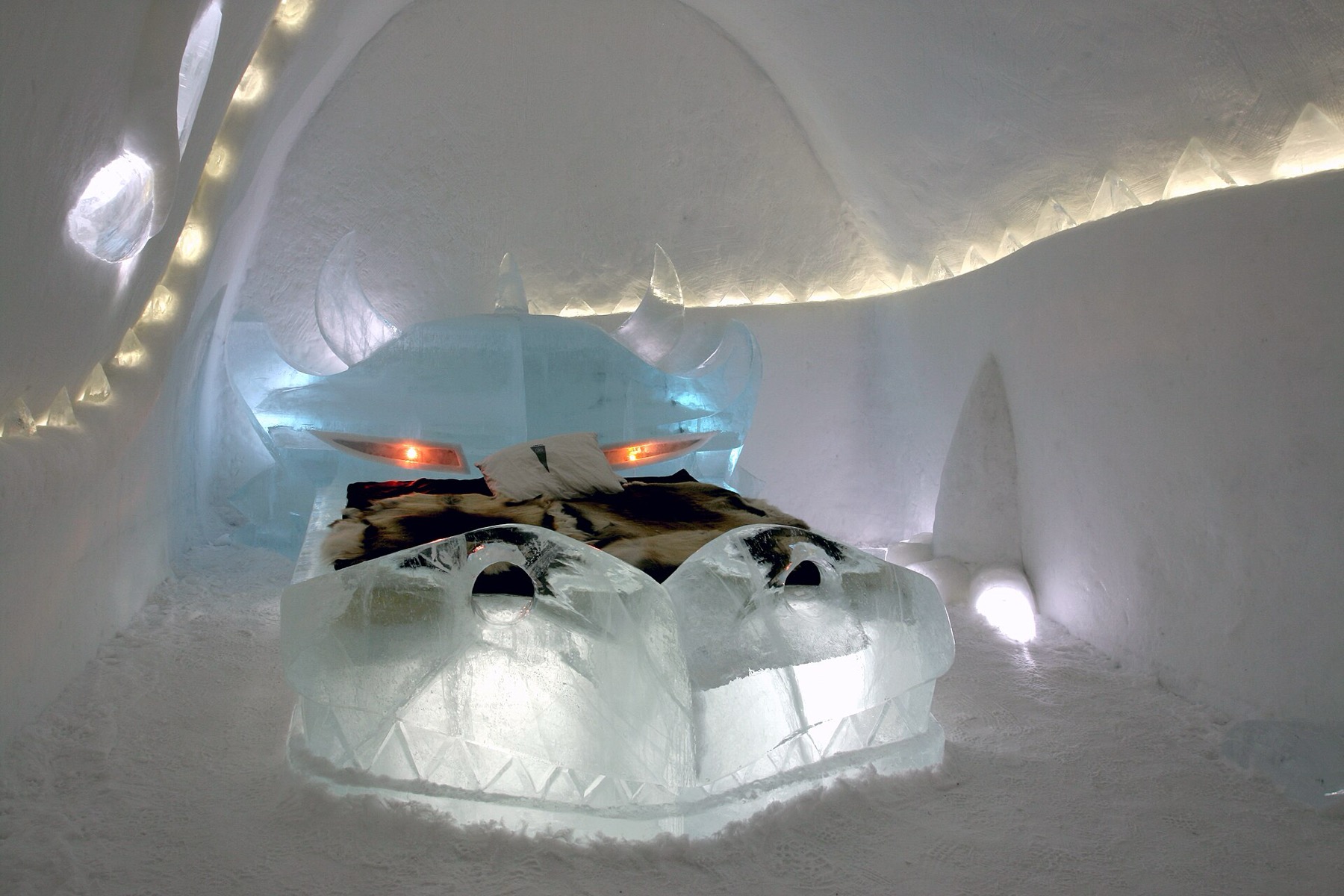
4. A day pass to the ICEHOTEL in Jukkasjärvi
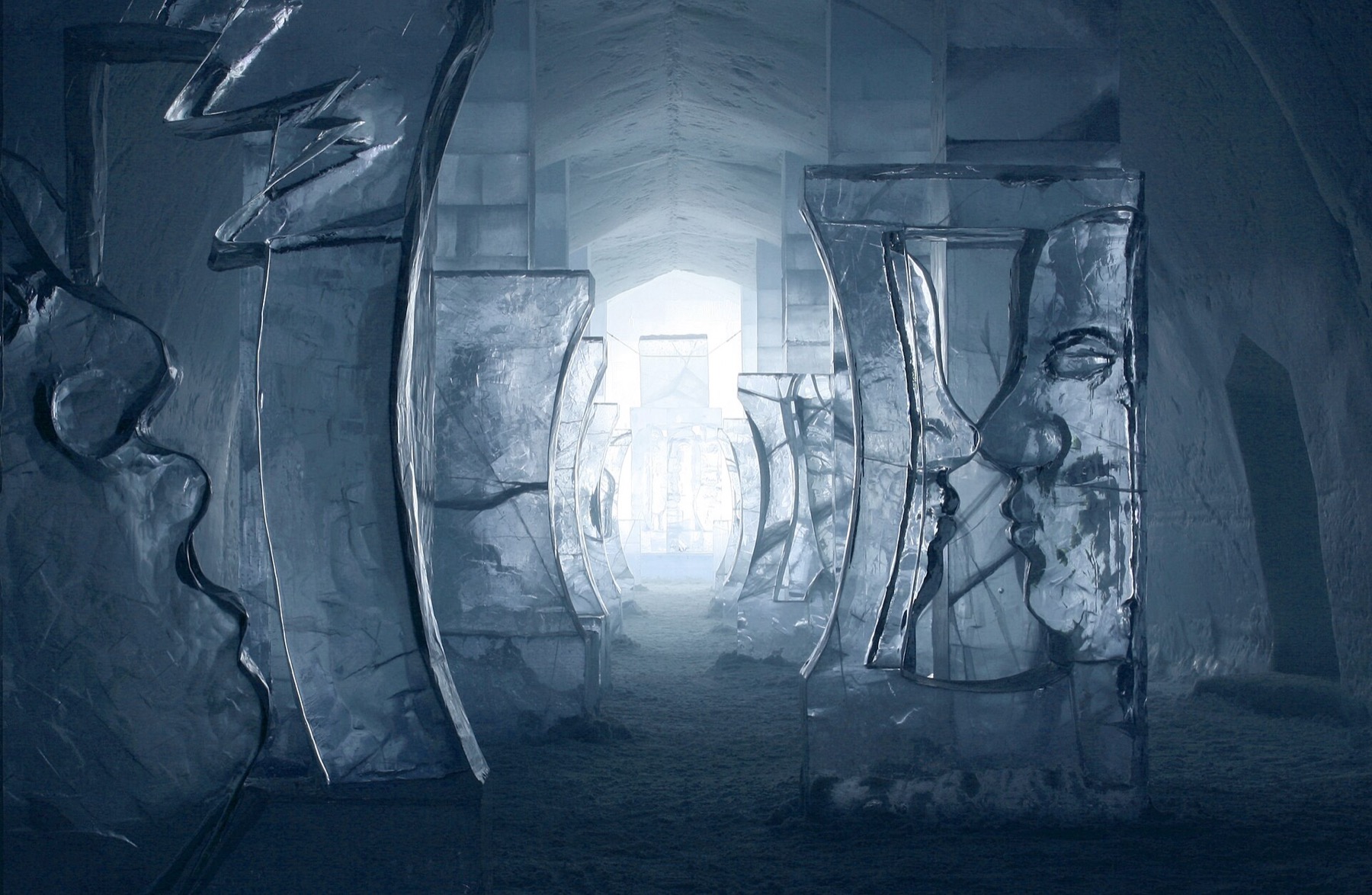
About twenty minutes’ drive from Kiruna lies the village of Jukkasjärvi, home to the very first and most famous ice hotel in the world. Every autumn, artists from all over the globe come here to carve brand-new artistic suites from massive blocks of pure ice cut from the nearby Torne River. The ice blocks are harvested in early spring and kept in special cold storage halls all summer. If you don’t want to pay eye-watering sums for a night in the frost, you can buy a day pass for 325 SEK (about €30) and walk through the whole complex as a breathtaking gallery.
During the daytime tour you’ll peek into all the ice rooms, photograph incredibly detailed sculptures and admire the play of light passing through the frozen walls. Each room has a completely unique design and its creator’s name carved into an ice plaque. For families with children this ice hotel in Sweden is an absolutely ideal compromise, because little visitors pay just a symbolic 39 SEK (about €3.50) and in the evening you calmly head back to a warm guesthouse. There’s also the ICEHOTEL 365 building, which is cooled by solar power and doesn’t melt even in summer.
You can get to the hotel from Kiruna very easily on local bus number 501, so you don’t necessarily have to rent an expensive car. The trip takes only a moment and the stop is a short walk from the main reception. Bus stops in Sweden don’t always have digital signs, but the drivers reliably announce the hotel stop to all the tourists.
💡 Tip: Set aside about two hours for the hotel tour. Inside there’s a constant temperature of minus five degrees, so definitely keep your winter jacket and hat on, even if you’re only popping in for a look.
5. A night in an ice room
For true adventurers, sleeping in a giant freezer is an experience they’ll enthusiastically tell their grandchildren about. In the rooms the temperature stays steadily at minus five degrees Celsius, and guests sleep in special expedition sleeping bags laid on reindeer hides. For the upcoming 2026/2027 season, the anniversary ICEHOTEL 37 is opening, welcoming its first frozen overnighters on Friday 11 December 2026.
Experienced travellers unanimously agree on one absolutely essential piece of advice. Book only one single night on the ice. Sleeping in the frost is physically very demanding and feels more like a polar expedition than a relaxing holiday. There are of course no toilets or showers in the room; in the middle of the night you have to dash down a freezing corridor to the warm building next door. You also don’t take any luggage into the ice room itself – it stays locked in a heated changing room so it doesn’t freeze solid overnight. In the morning the staff wake you with a mug of hot lingonberry juice brought right to your bed.
The price for this unique experience is by no means low. A standard ice room starts at around 6,000 SEK (over €530) per night, and luxury artistic suites with their own sculptures cost far more still.
💡 Tip: Plan the rest of your stay in the classic warm cabins the Jukkasjärvi hotel complex also offers. After a night on the ice, you’ll really appreciate a hot shower and an ordinary soft mattress.
6. The ICEBAR and drinks made of ice
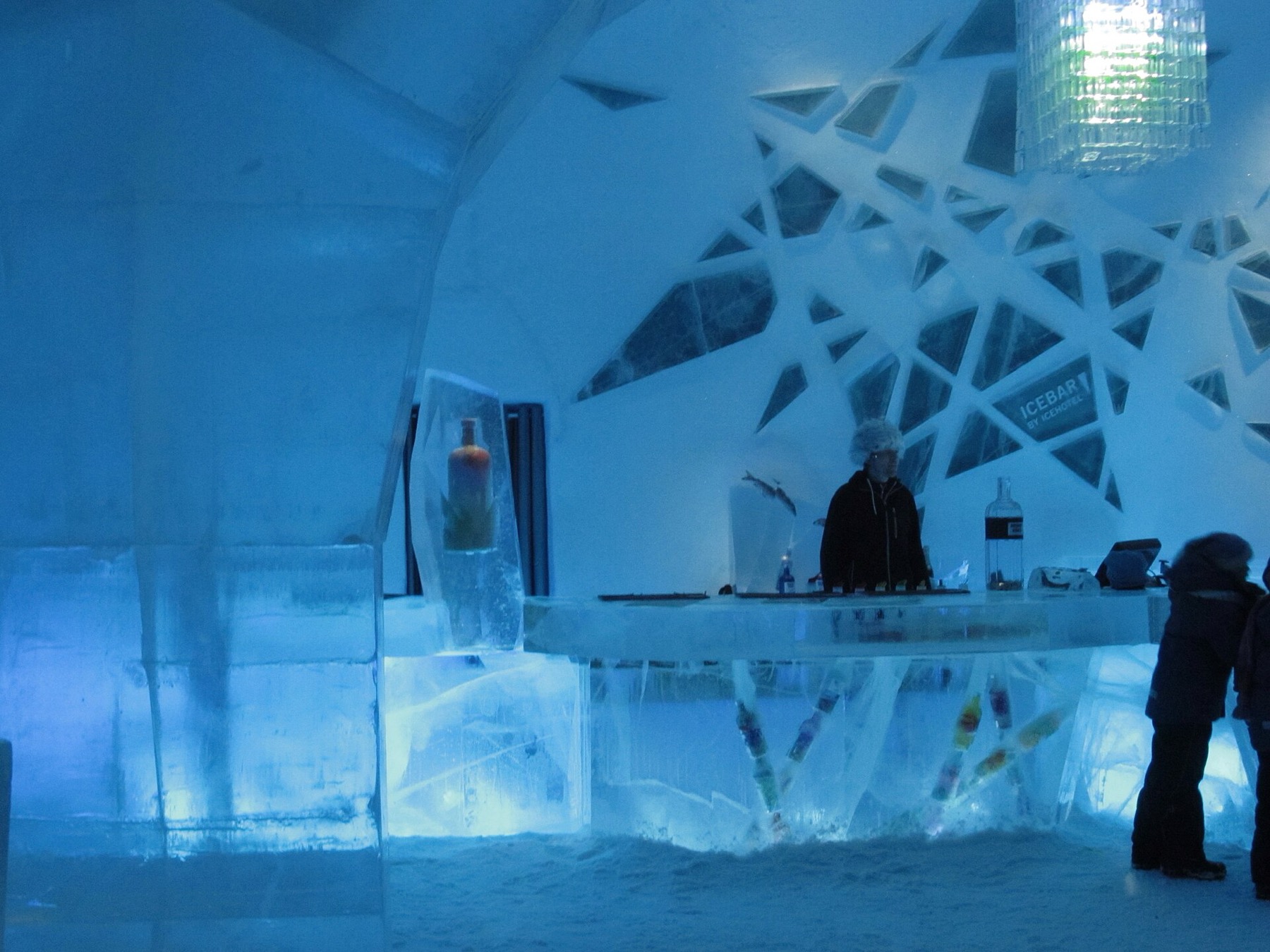
Even if you decide not to sleep at the hotel and come only for a day tour, you definitely shouldn’t skip the local ice bar, which is a fixed part of the tour route. Inside you’ll find a massive frozen counter, ice tables and armchairs covered with warm furs. Skilled bartenders will mix you colourful cocktails in massive glasses made of pure river ice. Each drink has its own specific name and colour, which glows gorgeously through the ice glass.
The atmosphere inside is very relaxed, and a drink from an ice cup makes for one of the most iconic photos you can bring home from Lapland as a keepsake. Just don’t forget to keep your warm gloves on, or a glass full of icy drink will freeze to your bare skin very quickly and quite unpleasantly. Cocktails usually cost around 150 SEK (roughly €13), and the menu also includes excellent non-alcoholic versions bursting with Nordic forest berries like blackberries and lingonberries.
The bar tends to be open from lunchtime for day visitors, so you don’t have to wait until evening. Inside you’ll meet people from all over the world in enormous down jackets, trying to elegantly sip a drink from a five-centimetre-thick chunk of ice. 😅
💡 Tip: You don’t have to return the empty ice glass anywhere at the end. Plenty of visitors simply toss it into the snow in front of the hotel, where in spring it naturally melts back into the river.
7. A dog-sled ride (husky safari)
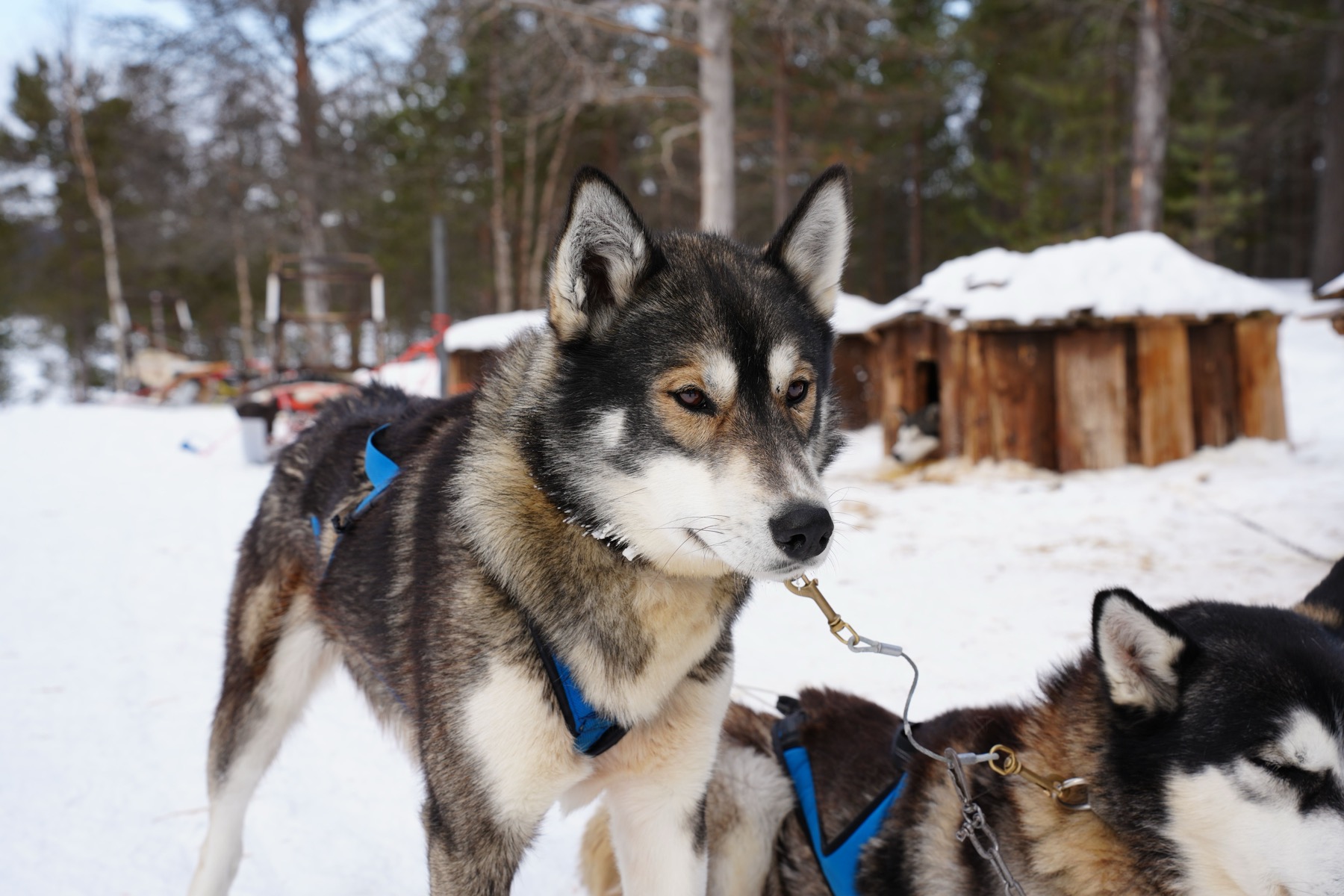
Hearing nothing but the crunch of snow and the panting of a pack of eager sled dogs is one of the most romantic moments the rugged Nordic winter has to offer. Alaskan and Siberian huskies are literally born to run in the snow, and their energy is incredibly contagious. When booking, though, pay close attention to the type of trip you’re actually buying. You can choose the more comfortable option, where you sit wrapped in blankets and an experienced guide drives the sled, or pay extra for the chance to drive your own smaller team, which adds a whole new dimension to the experience.
Steering the sled is quite physically demanding. You have to actively help the dogs uphill by jumping off the runners and pushing, brake hard downhill and balance your weight in sharp bends, so you’ll work up a proper sweat under your thick jacket. At the same time you have to trust the experience of the lead dogs, who know very well which trail to follow. Prices for a husky safari usually run between €90 and €135 per person (1,000 to 1,500 SEK). A typical ride lasts two to four hours, and halfway through there’s a break in a traditional tent by a fire with hot tea and a pastry.
Before the ride, operators always lend you a heavy Arctic overall and special warm boots, so you don’t need to worry about freezing in your own clothes. The animals are incredibly friendly, and after the ride you can cuddle them to your heart’s content, which most dogs enthusiastically welcome.
💡 Tip: If the temperature drops below minus twenty degrees, operators often cancel rides for the dogs’ welfare. The most stable conditions therefore come in February and March, when it’s already warmer during the day and the snow has just the right consistency.
8. Snowmobiles into the wild
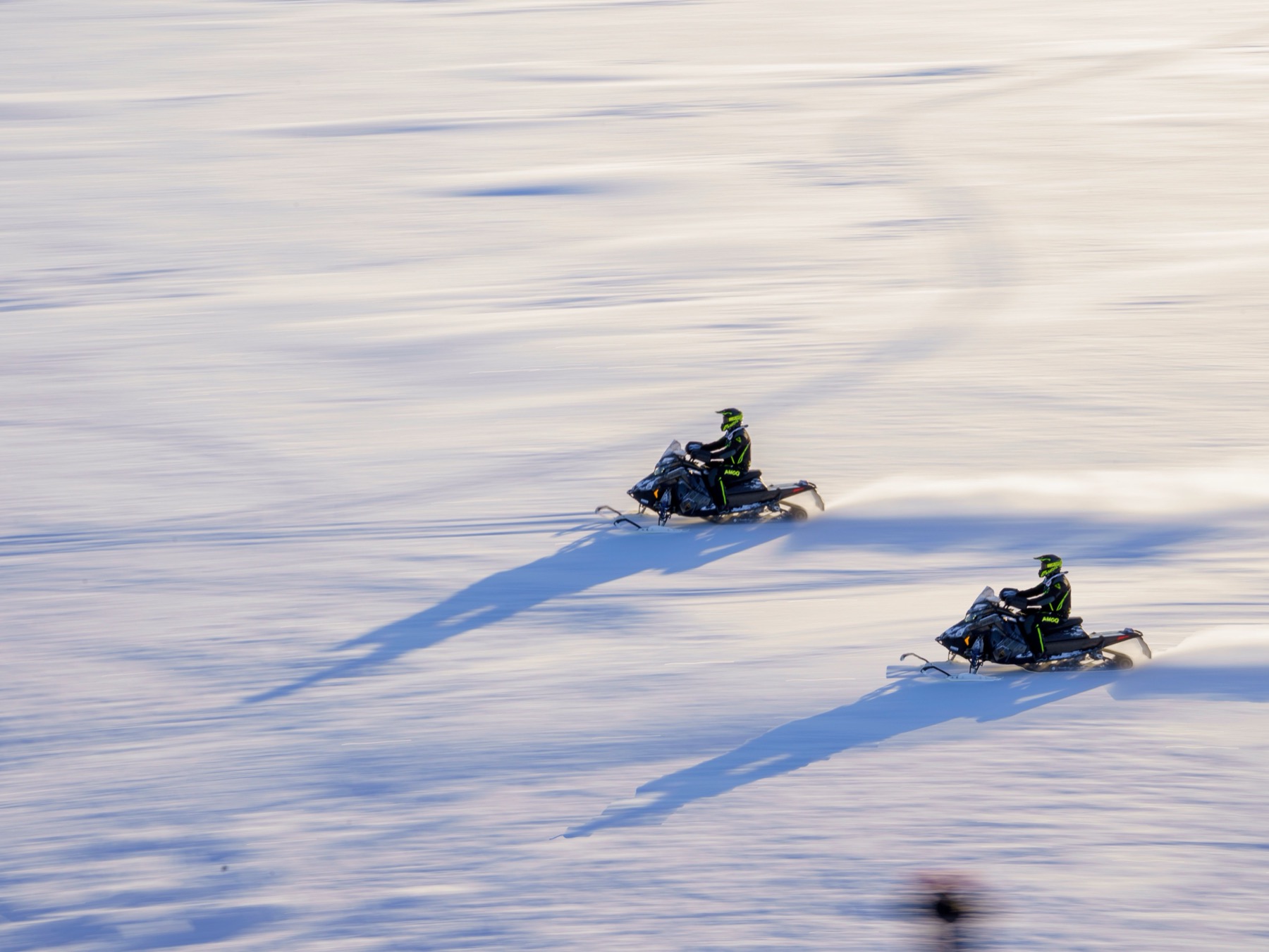
While dogs represent calm and a connection with nature, an expedition on snowmobiles means pure adrenaline and enormous efficiency in covering distances. The frozen lakes and endless snow-covered plains around Kiruna work like a perfect network of winter highways. Along them you can get deep into pristine wilderness that would otherwise take days to reach on snowshoes.
To drive a snowmobile you just need an ordinary car licence, and before the ride itself you’ll go through thorough safety training. You’ll learn how to avoid hidden rocks, how to work the throttle, and that braking on clear ice doesn’t make much sense. Bear in mind that out in the open there’s a brutal frost and a strong wind that pushes the felt temperature deep below freezing. Quality gear lent by the operator and the machine’s heated grips, though, will make sure you survive the three-hour trip in relative comfort. Trips usually cost €80 to €130 depending on route length.
Two people can ride one snowmobile, and halfway through you can swap over the driving. The driver enjoys the adrenaline and full focus on the track, while the passenger has time to soak up the passing snowy landscape, which looks like it’s from another planet.
💡 Tip: Definitely take a good balaclava to wear under the helmet – it’ll protect your neck and chin from the icy air. A scarf on its own is no use at all in the wind on a snowmobile, because it easily unravels and loses its insulating power.
9. Chasing the northern lights around Kiruna
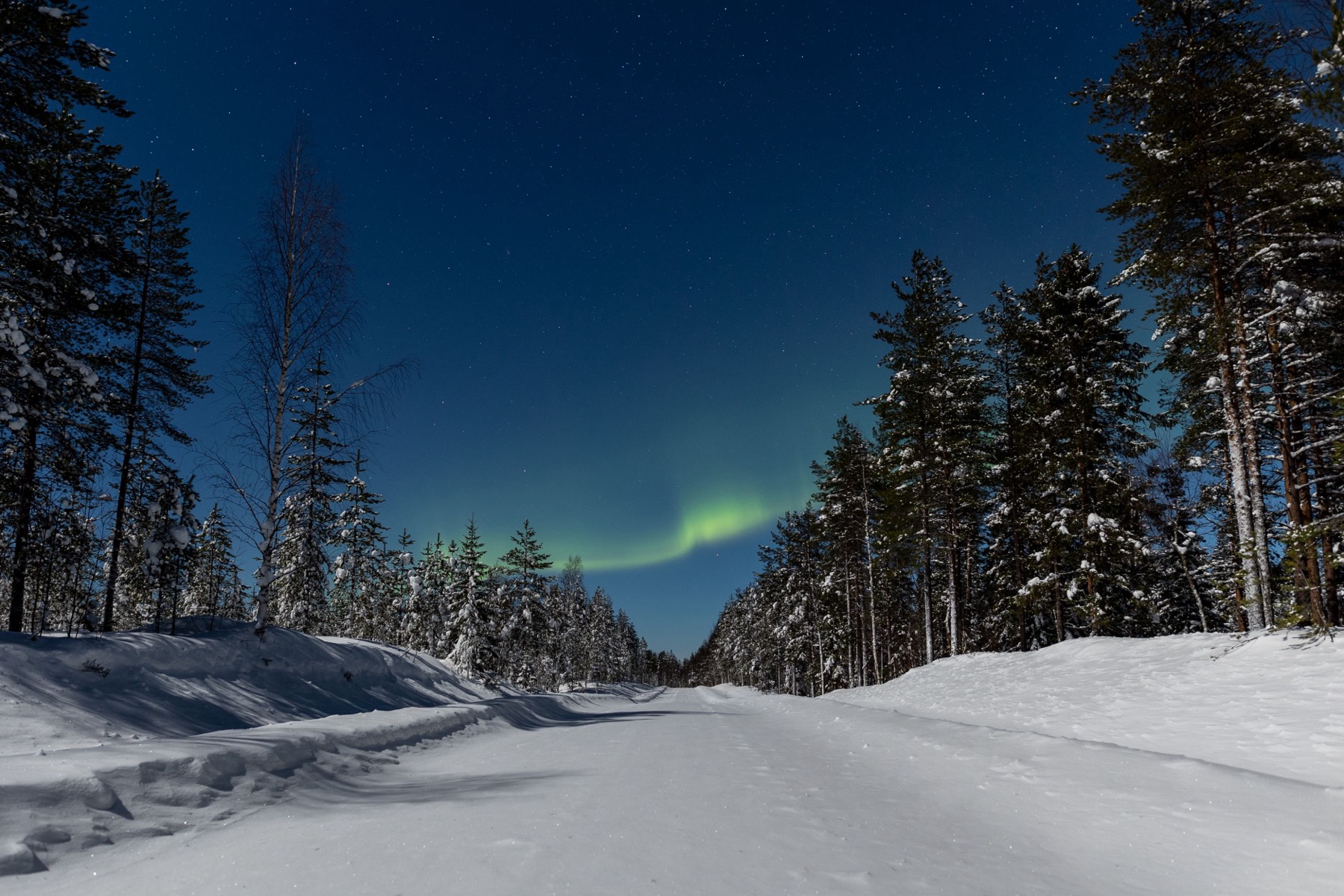
The town itself produces fairly strong light pollution, which sadly makes it impossible to watch weaker geomagnetic storms straight from the streets. If you want to see the Kiruna northern lights in Sweden in full glory, you have to get into absolute darkness away from inhabited areas. Local agencies solve this with organised evening minibus trips, when experienced guides drive you exactly where the models promise clear skies. These days anyone can download smart apps like My Aurora Forecast or SpaceWeatherLive, but local guides know precisely which valley the clouds most often break in.
While you wait for the green show, guides usually light a fire in the forest, brew hot tea and help you set your camera correctly for a long exposure. Without a tripod and manual focus on the stars, it just won’t work. These trips cost roughly €80 to €135 per person. It’s worth knowing that experienced aurora hunters don’t only follow the well-known KP index, but above all the detailed solar-wind values and cloud-cover maps. Even the slightest magnetic activity will conjure up a beautiful show, as long as you have clear sky overhead.
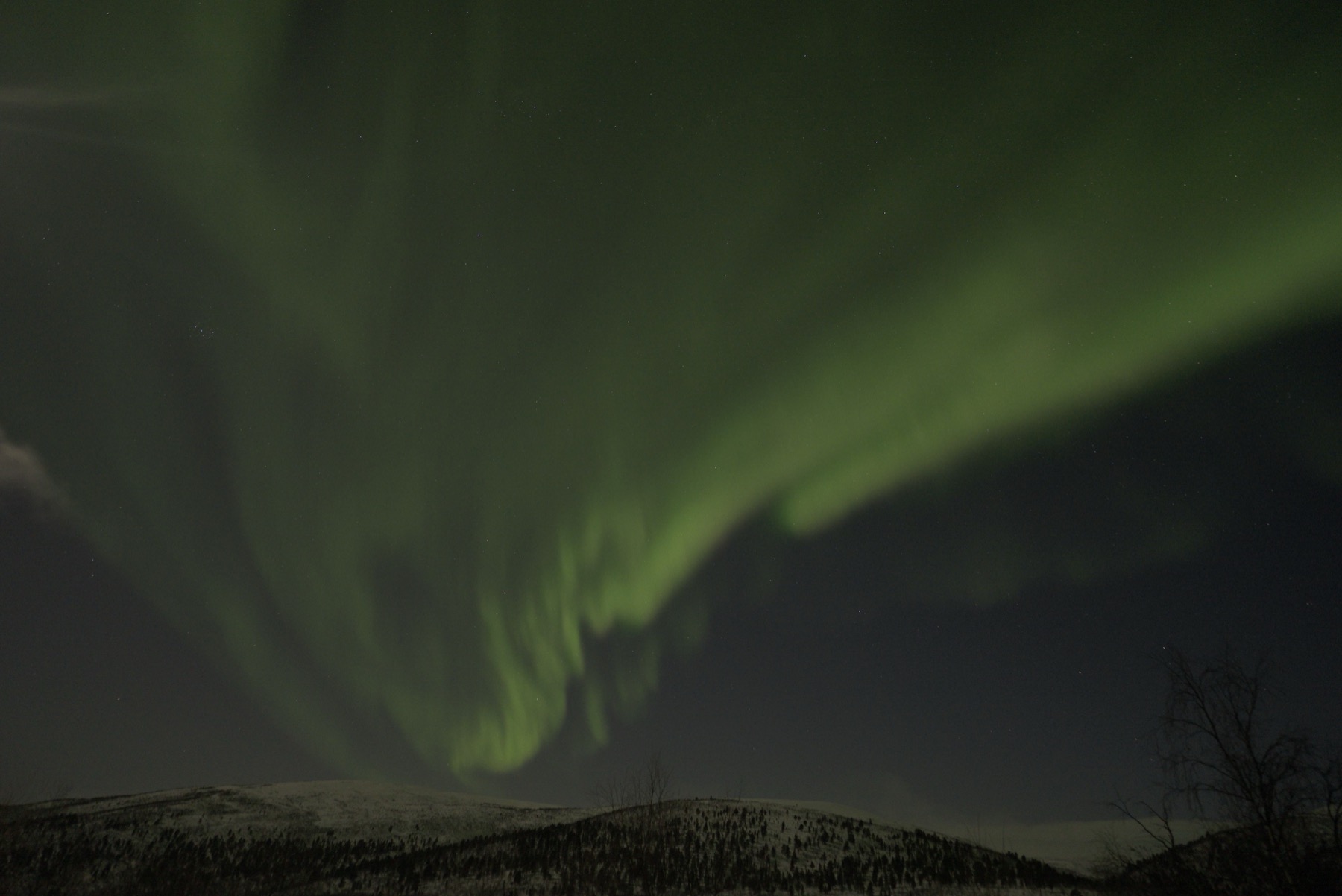
And one more important thing: to the naked eye, the aurora at first looks more like a suspicious greyish cloud. Only the camera reveals the rich green colour, so don’t panic that you came for nothing. 😅 But the moment a strong solar storm breaks out, incredible green, pink and purple bands stretching across the whole horizon will dance right before your eyes, even without a camera.
💡 Tip: Most commercial tours have a no-refund policy if you don’t see the aurora. You simply can’t command the weather, so treat it like a lottery with a pleasant evening in the forest and don’t expect miracles on demand.
10. Abisko National Park and the Blue Hole
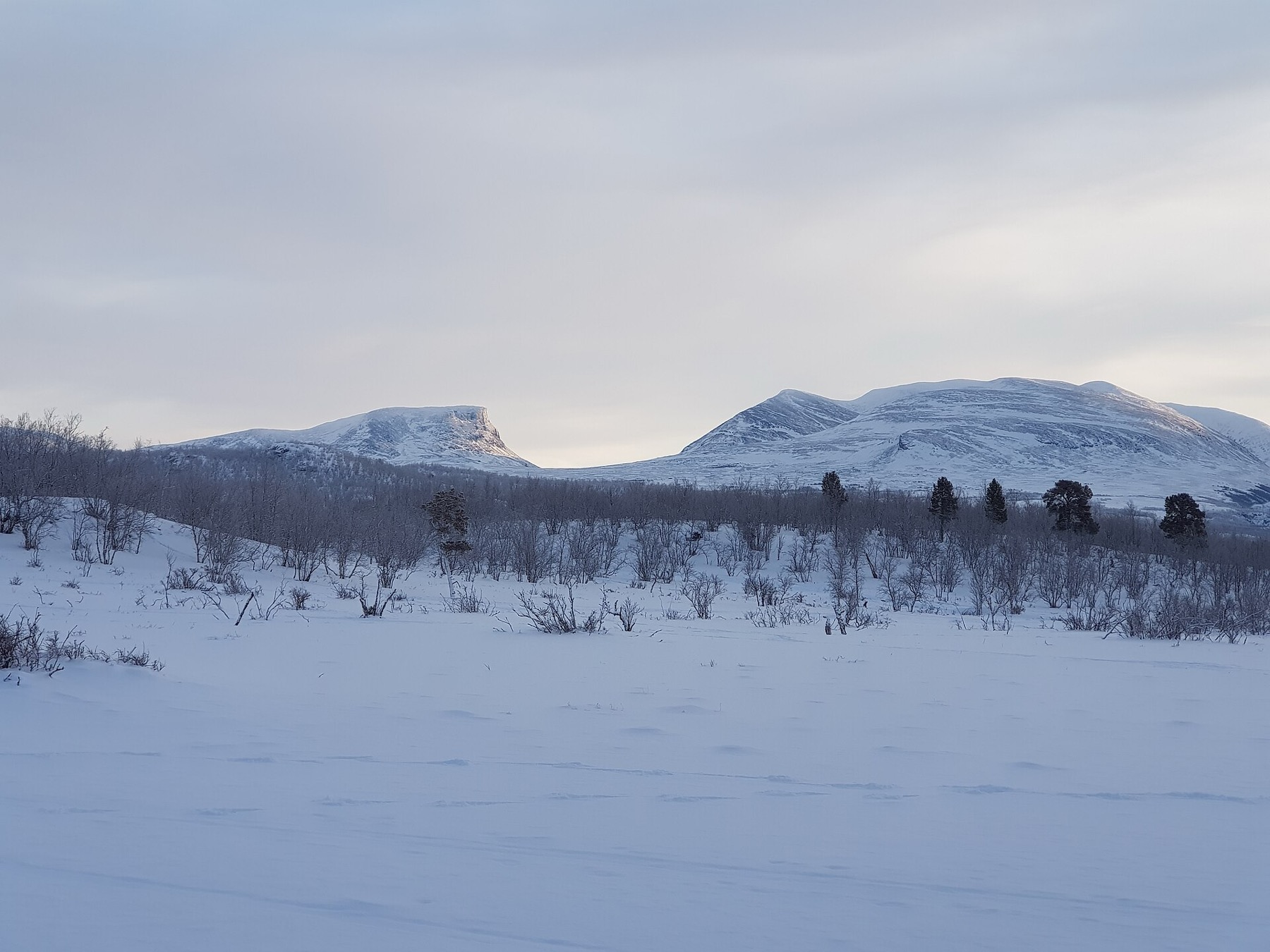
About a hundred kilometres from Kiruna lies Abisko National Park, world-famous as one of the absolutely most reliable places to watch the aurora borealis. It owes this status to a unique microclimate and the rain shadow of the surrounding mountains. They create the so-called blue hole above the huge Lake Torneträsk. Thanks to this, the clouds here very often break even at moments when the rest of Lapland hopelessly reports overcast skies and snowfall.
During the day the park offers gorgeous options for winter walks. The most popular is a short, easy trek to the frozen canyon of the Abiskojåkka river, which you can manage even without snowshoes. Here you can watch peculiar ice formations on the frozen rapids and enjoy the utter silence of the Nordic forest. You can reach Abisko from Kiruna very easily by comfortable train (the trip takes about an hour and a half) or by rental car. It’s definitely worth spending at least two or three nights here, which radically boosts your chances of a successful hunt.
The village of Abisko is tiny – you’ll find only a few places to stay, a small supermarket and a tourist station. But the sense of connection with real Arctic nature, far from the lights of city sprawl, is all the stronger.
💡 Tip: If you sleep right at the tourist station in Abisko, you don’t have to pay for any pricey evening tours. Just dress well, walk five hundred metres to the lake into the dark and wait with a thermal mug in hand. You’ll save a huge amount of money that you can instead invest in better accommodation.

11. The Aurora Sky Station on Mount Nuolja
Right in Abisko there’s a unique observation station, set high on the slopes of Mount Nuolja in absolutely perfect darkness without a single street light. An older open chairlift takes you up, which in the Arctic frost is quite an intense experience in itself, one where you’ll pray the whole way for the warmest possible clothing. At the top a warm building with a small café and a huge viewing terrace awaits, giving you the whole sky at your fingertips.
Tickets for the evening Night Visit tend to be fairly pricey (around 750 to 900 SEK, i.e. €65 to €80). In peak season they sell out very quickly, too, so booking months ahead is an absolute must, since the summit’s capacity is strictly limited for safety reasons. If you want to save money, just take the chairlift up during the day, when you’ll pay only a fraction of the price (around 220 SEK).
The daytime views from the mountain over the frozen lake and the famous U-shaped mountain profile called Lapporten are absolutely breathtaking. At the top you can have a coffee in the warmth, photograph panoramas bathed in the low afternoon sun and enjoy the scenery without the night-time cold.
💡 Tip: The chairlift ride up takes about twenty minutes. Operators lend you thick blankets and overalls at the bottom, but even so, put on absolutely everything you have in your backpack, because the lift moves very slowly and exposes you to a fierce wind.
12. Meeting reindeer and Sámi culture
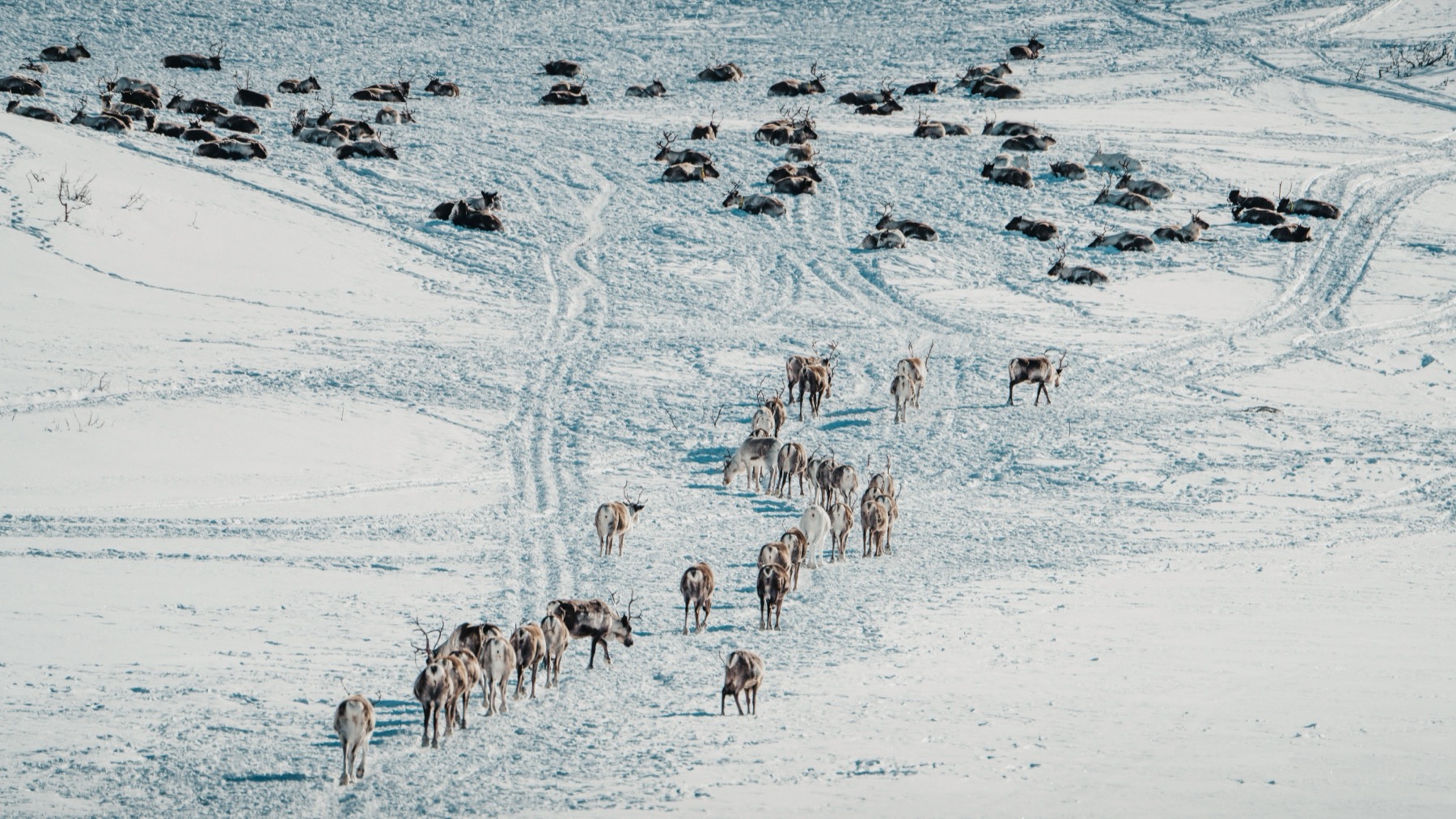
The Sámi are the indigenous people of the Nordic regions and the only recognised indigenous nation in the European Union. Reindeer herding is to this day an absolutely key part of their culture and livelihood. If you want to learn more about their fascinating life, travellers highly recommend a visit to the Nutti Sámi Siida community, which lies a short drive from Jukkasjärvi and is run directly by local people with enormous respect for tradition.
This really isn’t the Santa Claus kitsch from the Finnish side of the border. It’s a genuine community where traditions are viewed with respect and without theatrical gimmicks. During the visit you’ll get right up close to semi-wild reindeer, which you can carefully feed special dried lichen from your hand. You’ll listen to captivating stories about how old-style herding is adapting to modern times full of climate change and the ever-present mining that disrupts the animals’ old migration routes.
The tour usually lasts two to three hours. You sit in a traditional lávvu tent by an open fire, where coffee is served from a tin pot and stories are told of life in the wild, the kind you definitely won’t find in tourist guidebooks.
💡 Tip: When meeting the reindeer, stay calm and avoid sudden movements. The reindeer are used to people, but they’re still semi-wild, timid animals that easily startle at unexpected noise or a camera flash.
13. The winter market in Jokkmokk
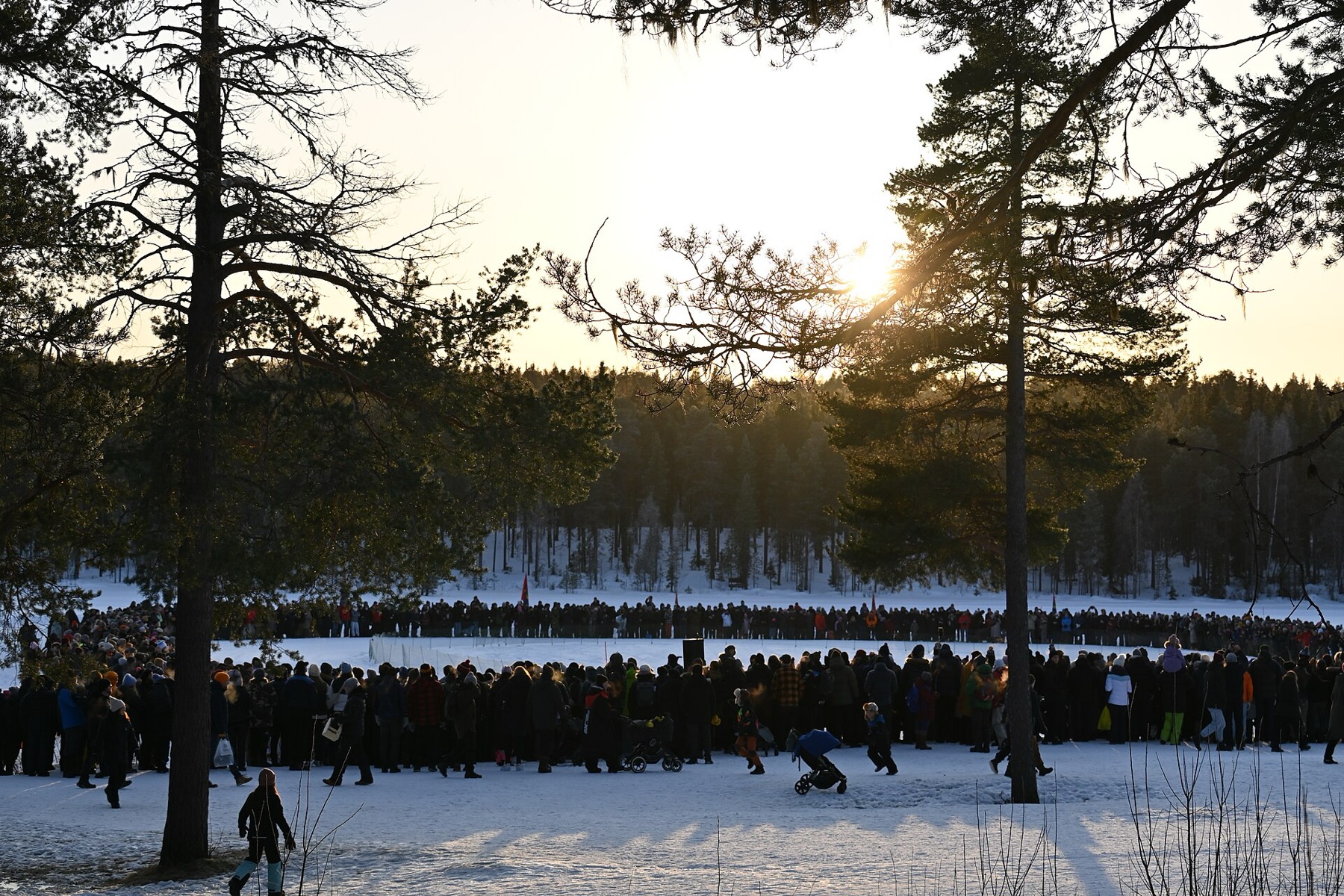
If you’re planning a trip at the very start of February, you should seriously consider a day trip to the town of Jokkmokk, south of Kiruna. This is where the legendary winter market takes place, with an unbroken tradition of over four hundred years, drawing Sámi from all over the north every year. The town of a few thousand people transforms for three days into a buzzing hub visited by up to thirty thousand enthusiastic visitors and dozens of vendors from across Scandinavia.
Here you’ll see gorgeous displays of traditional crafts called duodji, listen to the throat singing of the jojk and watch thrilling reindeer-sled races right on the frozen lake. The atmosphere is absolutely electrifying, and it’s the very best opportunity to buy truly authentic handmade goods from birch wood, silver or quality leather that will last you a lifetime.
Accommodation around the market disappears as much as a year in advance, so most people opt for an early-morning arrival from Kiruna and an evening return to base. The drive takes about three hours one way, but the views along old riverbeds on the way are definitely worth it.
💡 Tip: Dress really extremely warmly. You’ll spend the whole day outdoors among the stalls, and temperatures in Jokkmokk in February drop dreadfully low, often far below minus thirty degrees. A hot drink in a thermos is an absolute necessity, without which you shouldn’t even set off for the market.
14. Tasting Arctic and Sámi cuisine
Nordic gastronomy is rugged, simple and built on local ingredients that can survive extreme conditions. Traditional Sámi culture is typified by smoked reindeer meat served with mashed potatoes and various kinds of Arctic fish (especially Arctic char), but Sweden is one of the very conscientious countries with a huge range of excellent meat-free alternatives. In every restaurant you’ll come across excellent creamy soups, hearty roasted potatoes with herbs or rich Nordic salads with root vegetables.
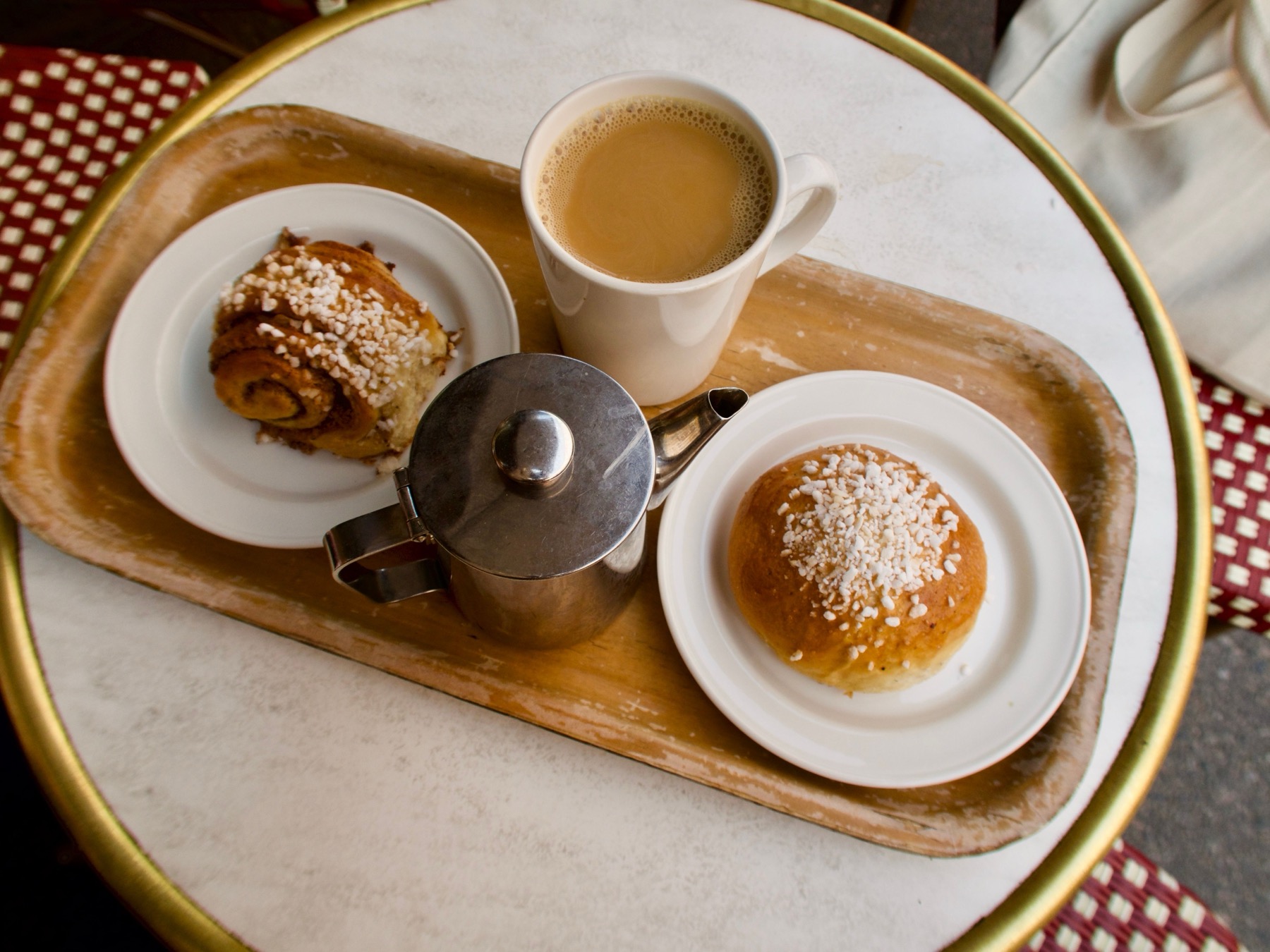
Among the local specialities, definitely taste the bright-orange cloudberries, nicknamed Arctic gold up north. They grow mostly in the marshes and taste amazing with warm waffles, whipped cream, ice cream or even savoury with a special cheese. After a demanding day in the frost, you’ll be reliably rescued by the sacred Swedish ritual called fika, where you have a strong coffee and a warm cinnamon bun (kanelbulle) or a cardamom pastry. This sweet break will cost you roughly 65 to 100 SEK (€6 to €9).
Another curiosity is the local approach to alcohol. Sweden has a state monopoly called Systembolaget, which means you can’t buy stronger beer and wine in an ordinary supermarket, but only in specialised shops with very limited opening hours. If you’re planning an evening toast at the cabin, stock up in advance during the day. Tap water, on the other hand, is so clean and delicious here that it would literally be a sin to buy it bottled in plastic.
💡 Tip: Food from the evening menu in restaurants is extremely expensive. It’s therefore worth seeking out places offering a discounted lunch menu called dagens rätt. For about 120 to 150 SEK (€11 to €14) you get a hot main course, a free salad buffet, crusty bread and a coffee at the end.
15. Arctic sauna and ice bath
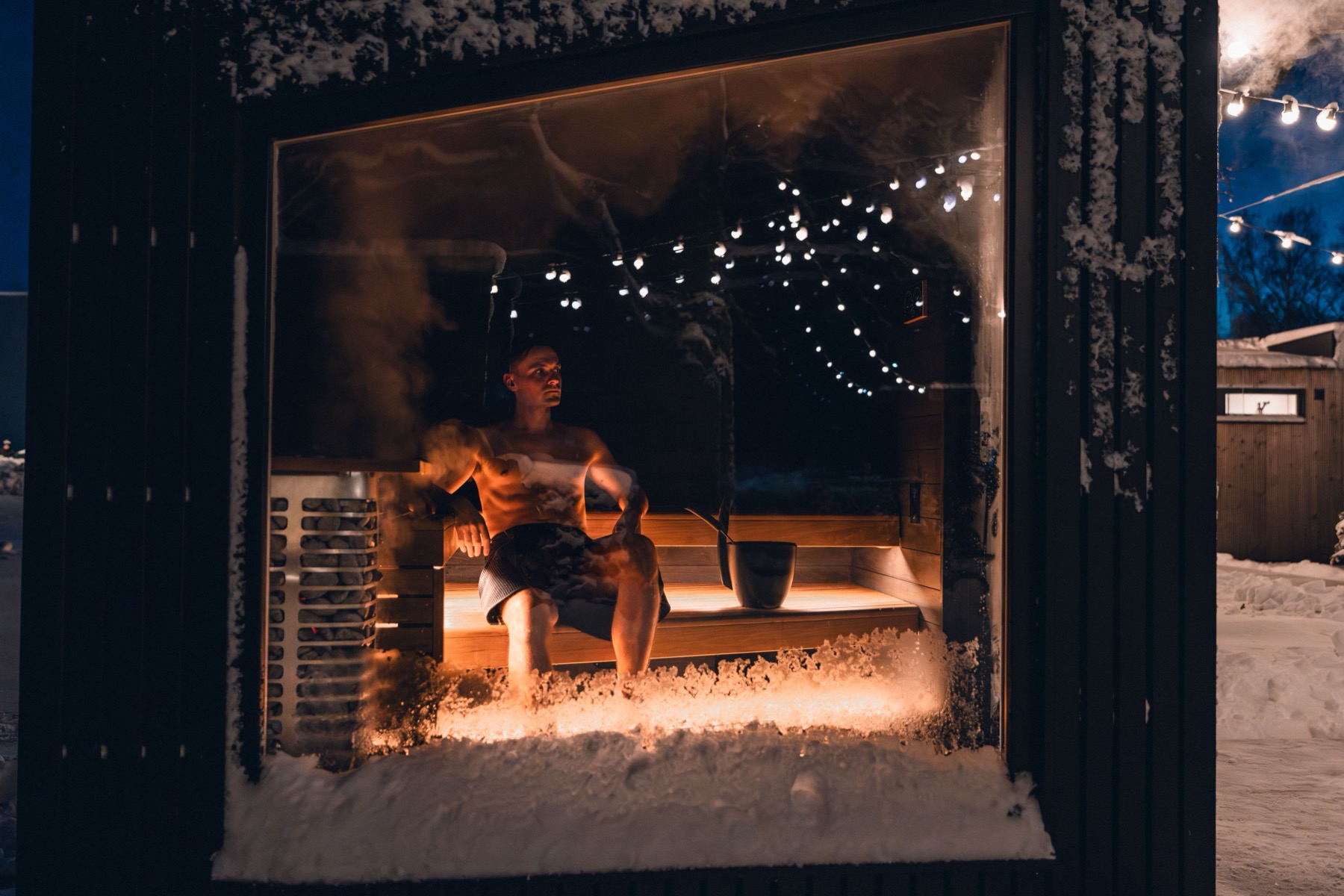
The bastu, or sauna, isn’t just some luxury add-on at pricier hotels in Sweden – it’s an absolute necessity of life and a place for social gatherings across generations. After a day spent outdoors at minus twenty degrees, there’s nothing better than a hot wooden sauna built right on the shore of a frozen lake. The pleasant radiant heat instantly helps loosen up muscles stiffened by a snowmobile ride, boosts your immune system and warms you perfectly to the marrow.
An inseparable part of traditional Arctic sauna culture, though, is a hole cut in the ice (isvak), into which you have to bravely plunge for at least a few seconds. The shock of the icy water floods your body with an incredible amount of endorphins. As soon as you climb out, even the harshest Nordic frost will feel for a moment like a pleasant spring breeze, and your skin will tingle beautifully.
You’ll find an excellent publicly accessible Arctic spa, for example, at Camp Ripan, where a full-day pass costs about 400 SEK (about €35). They also have outdoor heated pools from which you can beautifully and comfortably watch a starry sky full of aurora in the evening.
💡 Tip: In public saunas in Sweden people often go without swimwear, but men and women usually have separate rooms. At mixed saunas or outdoor tubs under the open sky, on the other hand, swimwear is a must, so it’s best to always pack it.
16. Climbing Kebnekaise
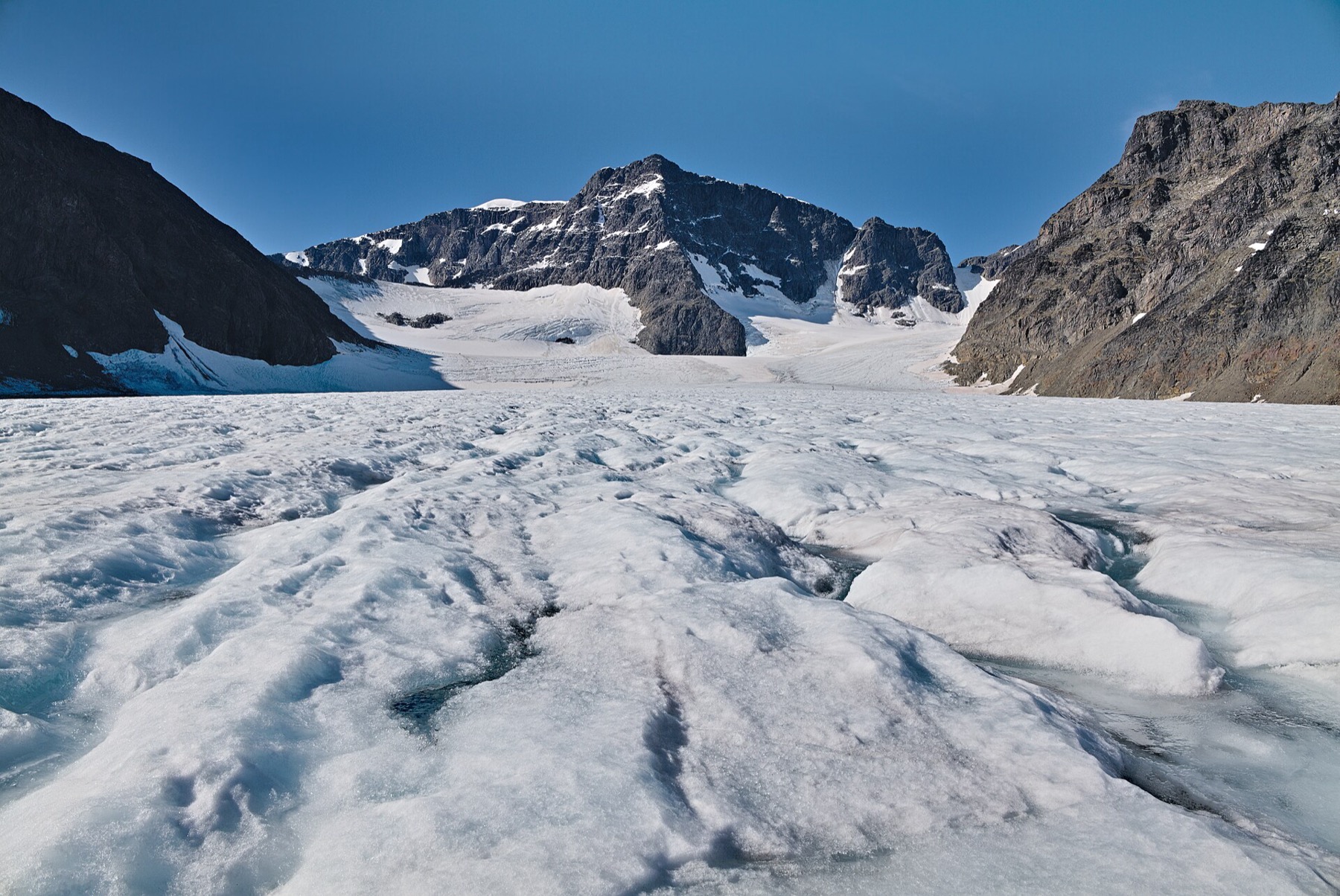
If you head to Kiruna in the summer months, your biggest challenge will probably be climbing Sweden’s highest mountain, which stands just over two thousand metres. The starting point is the picturesque village of Nikkaluokta at the end of the road, about seventy kilometres from town. From here you first have to walk roughly nineteen kilometres to the Kebnekaise Fjällstation mountain station, where you can pitch your own tent or sleep comfortably in a bed. This base is also well equipped with a restaurant and a drying room for soaked boots.
The climb to the summit itself is a very long and physically demanding day trek across rocky terrain, which takes ten to fourteen hours there and back depending on the route you choose (the eastern or western path). The mountain’s summit is covered by a glacier that is sadly slowly melting due to climate change, so its exact height changes slightly and drops a little each year. Warming also makes the glacier’s crevasses ever more unpredictable.
For the climb along the western route you don’t need special mountaineering gear, but you do need excellent fitness and absolutely reliable waterproof clothing. The weather at these latitudes changes minute by minute, and in August you can easily be caught out by an unexpected snowstorm or impenetrable fog.
💡 Tip: If you want to save your energy for the summit itself, you can shorten the trip from Nikkaluokta to the mountain station by boat across Lake Ladtjojaure, which spares you about six kilometres of tedious walking through the valley.
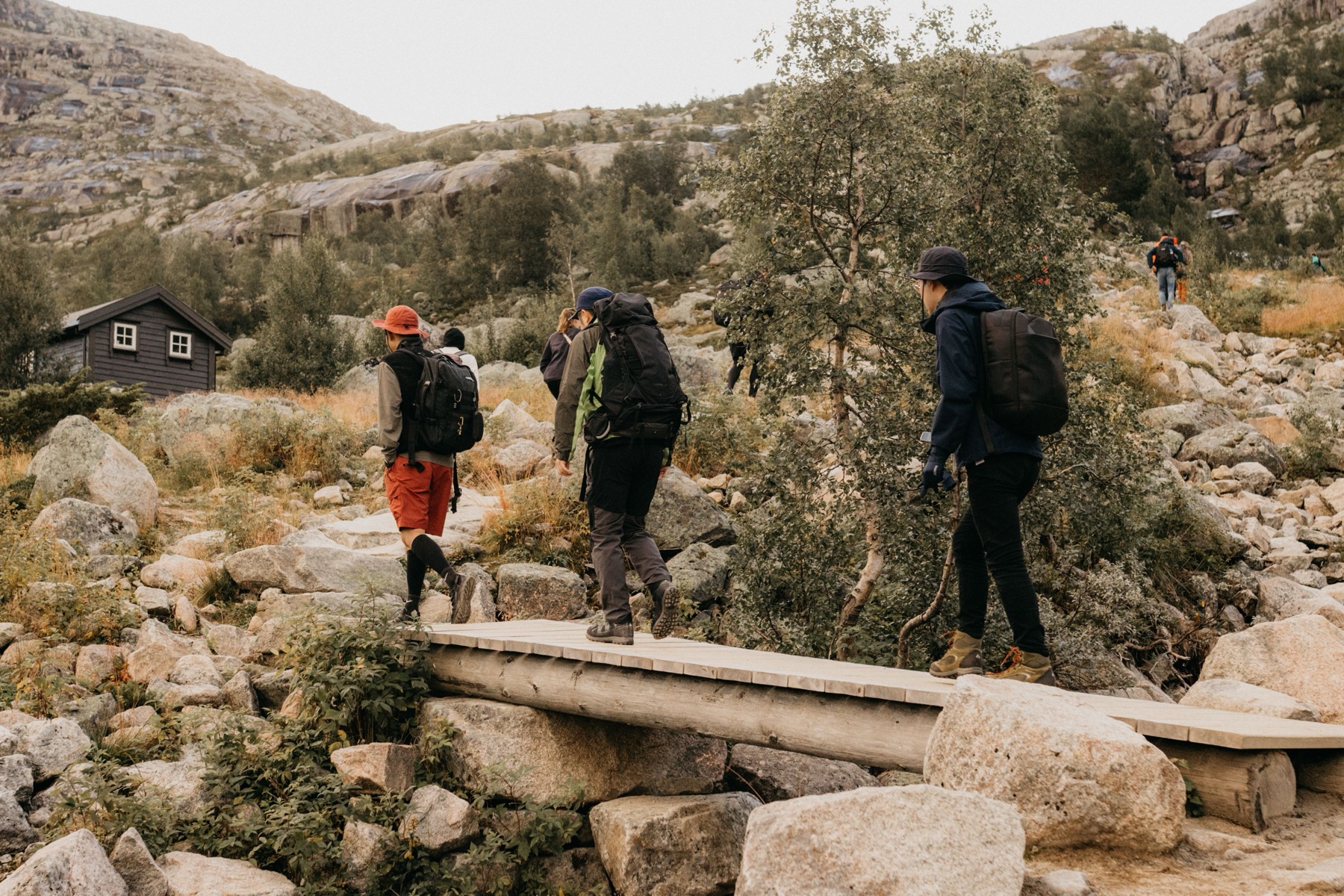
17. Trekking the famous Kungsleden
Abisko National Park doesn’t only serve winter aurora hunters; in summer it works as the northern gateway to Sweden’s most famous long-distance route, called Kungsleden, or the King’s Trail. The whole route is over four hundred kilometres long, but most ordinary travellers pick just its most beautiful and most accessible northern section from Abisko to Nikkaluokta, which takes about five to seven days of steady walking through gorgeous mountains and passes.
Along the way you’ll sleep in simple but fantastically maintained mountain huts run by the STF tourist association. A night costs about 400 to 500 SEK (roughly €35 to €45). In many of them you can buy basic long-life food, so you don’t have to carry a whole week’s worth on your back, and in the evening you can rest by a warm stove in the lovely company of other hikers from all over the world.
The landscape around the trail is absolutely breathtaking, full of wild rushing rivers, deep glacial valleys and freely grazing reindeer on summer meadows in bloom. Navigation is very easy, because the trail is perfectly marked with the typical red crosses, and the worst boggy sections have reliable wooden boardwalks.
💡 Tip: The best time for this trek is August and early September, when the worst mosquito clouds have gone, the temperatures are pleasant for walking and nature slowly starts turning gorgeous orange and red autumn shades.
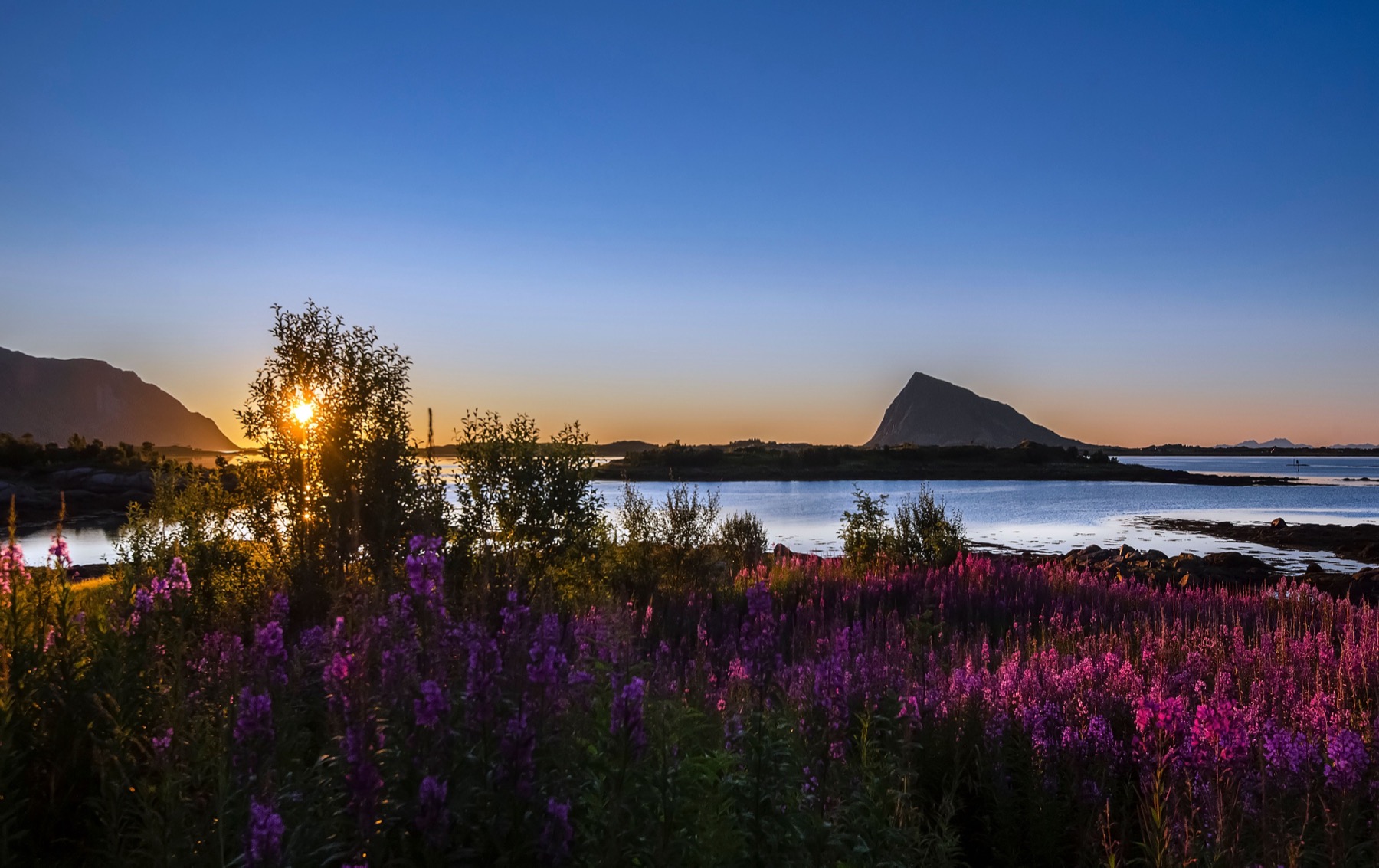
18. The midnight sun and the summer face of Lapland
While winter is marked by darkness and biting frost, from late May to mid-July the whole area sinks into never-ending light. In this period the sun never sets below the horizon and only glides just above the tree line. This incredible phenomenon called the midnight sun gives the landscape enormous energy and lets you set off on hikes even at three in the morning, when you have all of nature to yourself, bathed in a peculiar golden light, without fear of getting lost in the dark.
Summer Kiruna is surprisingly green, and on sunny days temperatures can climb to around twenty degrees, which practically begs you to walk about in a T-shirt. You do have to reckon with one small catch, though, in the form of ever-present insects. Definitely pack a quality local repellent (the trusted Swedish brand is called Mygga). Arctic mosquitoes can be quite annoying and bitey in the still air by the lakes, although out on the windy mountain ridges you thankfully won’t even notice them.
The reward for a summer visit is perfectly calm lakes ready for canoeing, the chance to camp wild almost anywhere thanks to Sweden’s allemansrätten right of public access, and gorgeous views that the winter snowstorm hides.
💡 Tip: Sleeping in full daylight can be tough for visitors, and the body struggles to switch into night mode. If you’re travelling in summer and sleeping in a tent or a cheaper cabin without blackout curtains, a quality eye mask is an absolute necessity if you don’t want to be dead tired after three days.
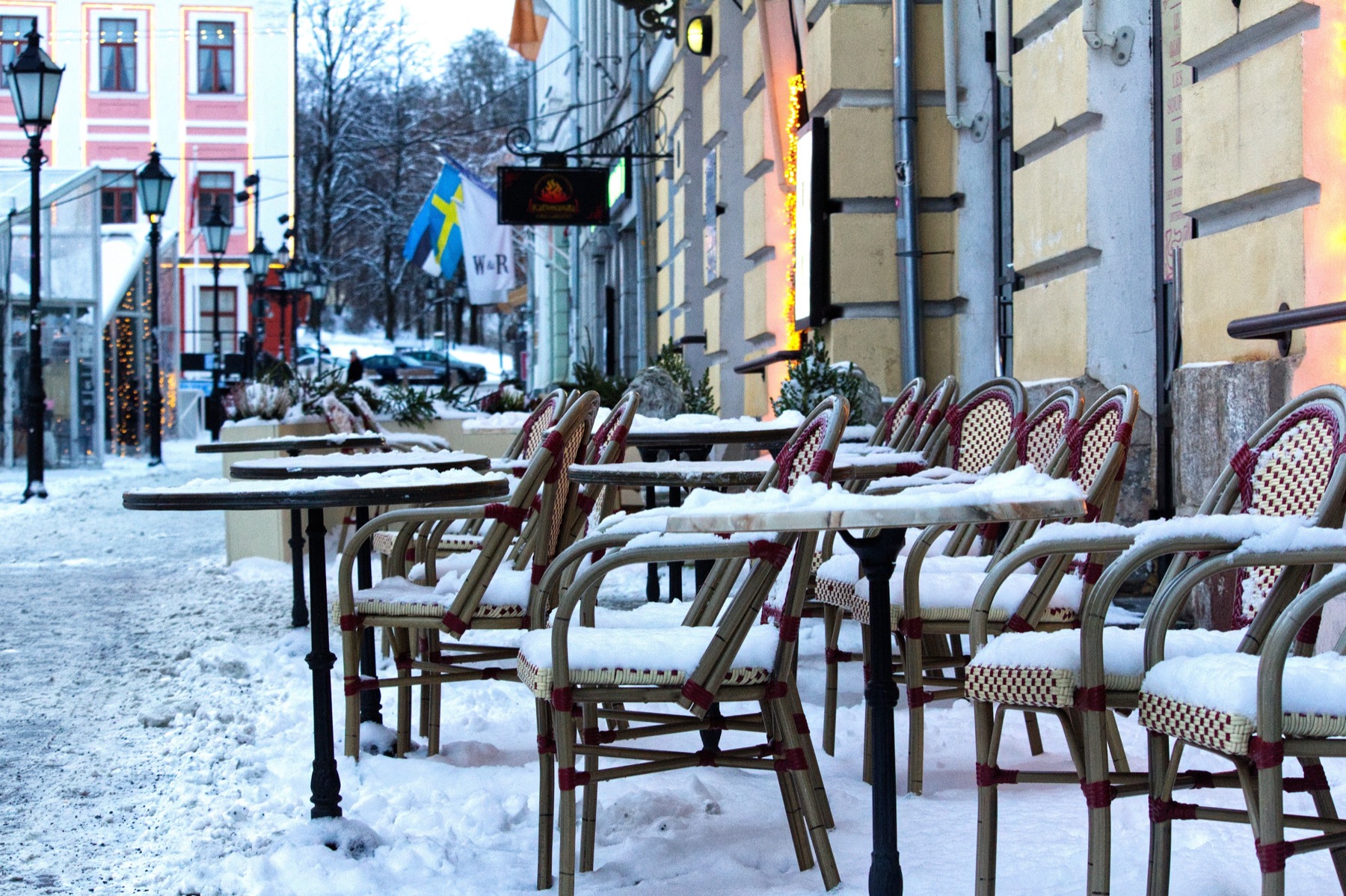
Where to eat in Kiruna
An Arctic town the size of a district has a surprisingly decent range, though you have to get used to it: dinner ends earlier than in central Europe, and on Sundays a lot of places are closed. Reckon on a main course costing 150 to 250 SEK (€14 to €23).
The best daytime stop is Café Safari in the centre. It’s the natural heart of local social life, they bake an enormous cinnamon bun here, and coffee with a pastry costs around 80 SEK (€7). Vegetarians do well here even in the frost, as do those at the soup and salad-buffet places, which at lunchtime offer dagens lunch for 120 to 150 SEK including coffee.
You can get a taste of modern Nordic cuisine at the restaurant Spis Mat & Dryck in the new centre, which locals have taken a liking to as well. The kitchen here is built on local ingredients, so alongside the vegetarian options you’ll also find traditional Arctic fish and game, which the Swedes eat mostly. Stejk Street Food works similarly, in a lávvu tent with a fire pit inside, where they serve burgers with reindeer and elk meat as a local classic, but also meat-free versions.
💡 Tip: There are only a few supermarkets in and around Kiruna, and practically none in Jukkasjärvi. If you take accommodation with a kitchenette, shop in town before you head north.
How to get to Kiruna
Getting above the Arctic Circle from abroad hasn’t meant a gruelling week-long expedition for a long time now. You have three main options to choose from, which differ in time, cost and the level of adventure.
By air: This is clearly the fastest and most comfortable option. Major carriers such as Ryanair, easyJet, Norwegian and Lufthansa fly to Stockholm’s main airport, Arlanda (ARN), from many European hubs, and you can grab a return ticket in sales from around €85 to €170. From Arlanda, domestic SAS flights connect straight to Kiruna – the trip takes an hour and a half, and buses or taxis wait for you at the airport. Watch out for low-cost tickets to Skavsta or Västerås airports, though; they lie a hundred kilometres from Stockholm, and the onward transfer to Arlanda will eat up a huge amount of precious time and money.
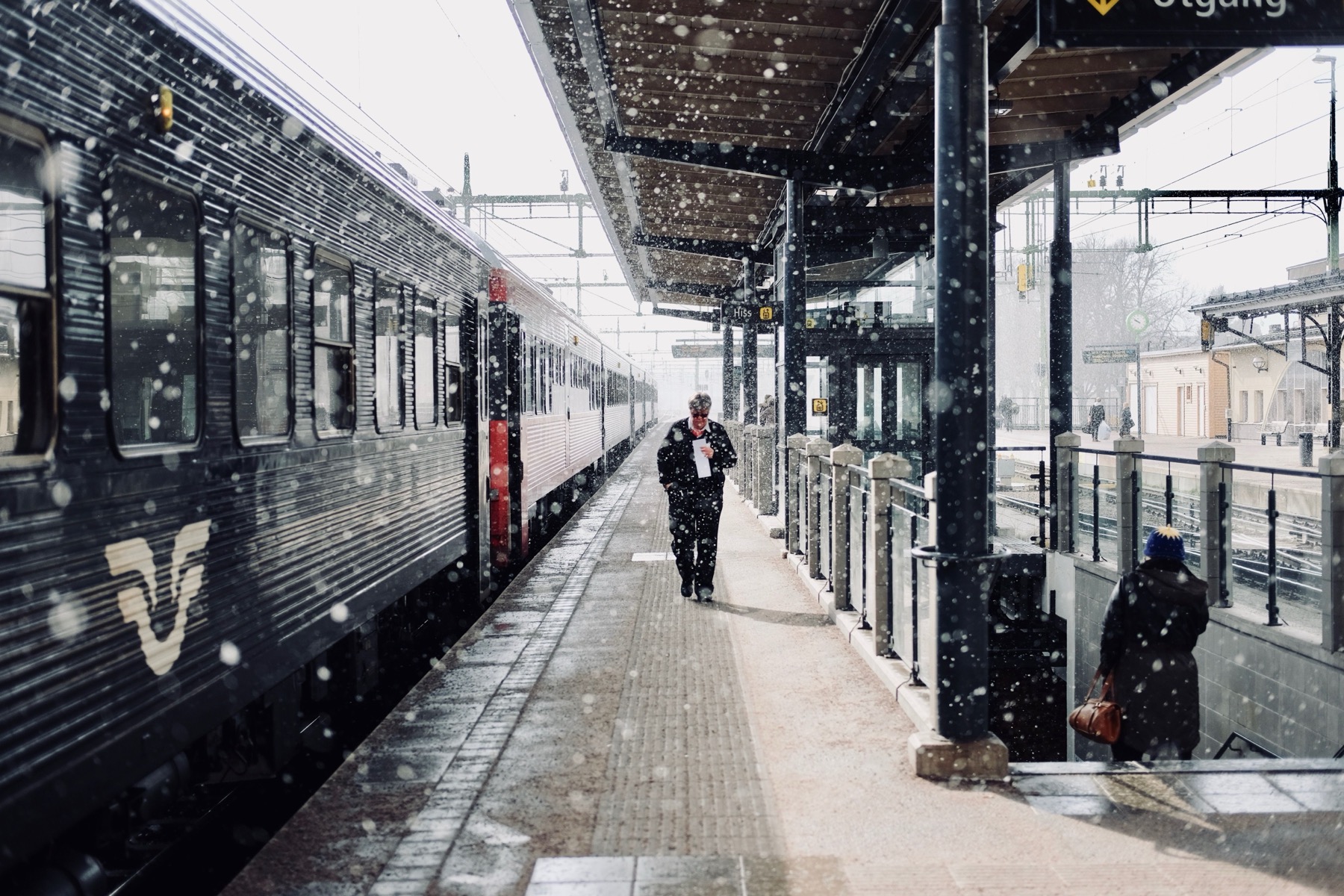
By train: For lovers of slow travel and endless romance, there’s a reliable night train. Every evening long sleeper services (run by SJ or Vy) leave Stockholm and carry you in 15 to 18 hours through magical snow-covered landscape straight to Kiruna or on to Abisko. A seat costs from about 475 SEK (€45), while a more comfortable and far more private berth in a shared compartment starts at 835 SEK (€75). The journey passes surprisingly quickly thanks to the dining car, but bear in mind that the northern Malmbanan line tends to be extremely congested in winter with iron-ore freight trains, and delays due to snowdrifts are no great rarity here, so don’t plan any important paid activities with a fixed time on your arrival day.
By car: If you have plenty of time, winter driving only mildly scares you, and you’re bringing your own bulky gear, you can set off by car along the long, beautiful E10 highway that runs all the way through Sweden to the north. The roads in Arctic areas aren’t salted at all, they’re only occasionally ploughed and lightly gritted for basic traction, so it’s completely normal to drive on a hard layer of packed snow or straight over ice (black ice). That’s why winter tyres are a must, and local drivers use exclusively studded tyres (dubbade däck), which can, incidentally, be rented together with the car in many places in Sweden. On the roads you have to stay constantly alert, because the main danger, curiously, isn’t skidding but the enormous reindeer and unpredictable elk that especially at dusk love to gather near the ploughed roads to lick up trapped salt. Local rental cars are also standardly fitted with a small connector in the front grille – it’s a hook-up for a so-called motorvärmare, i.e. engine pre-heating from an ordinary electrical socket, which is commonly used overnight in hotel car parks.
What to pack for the Arctic winter
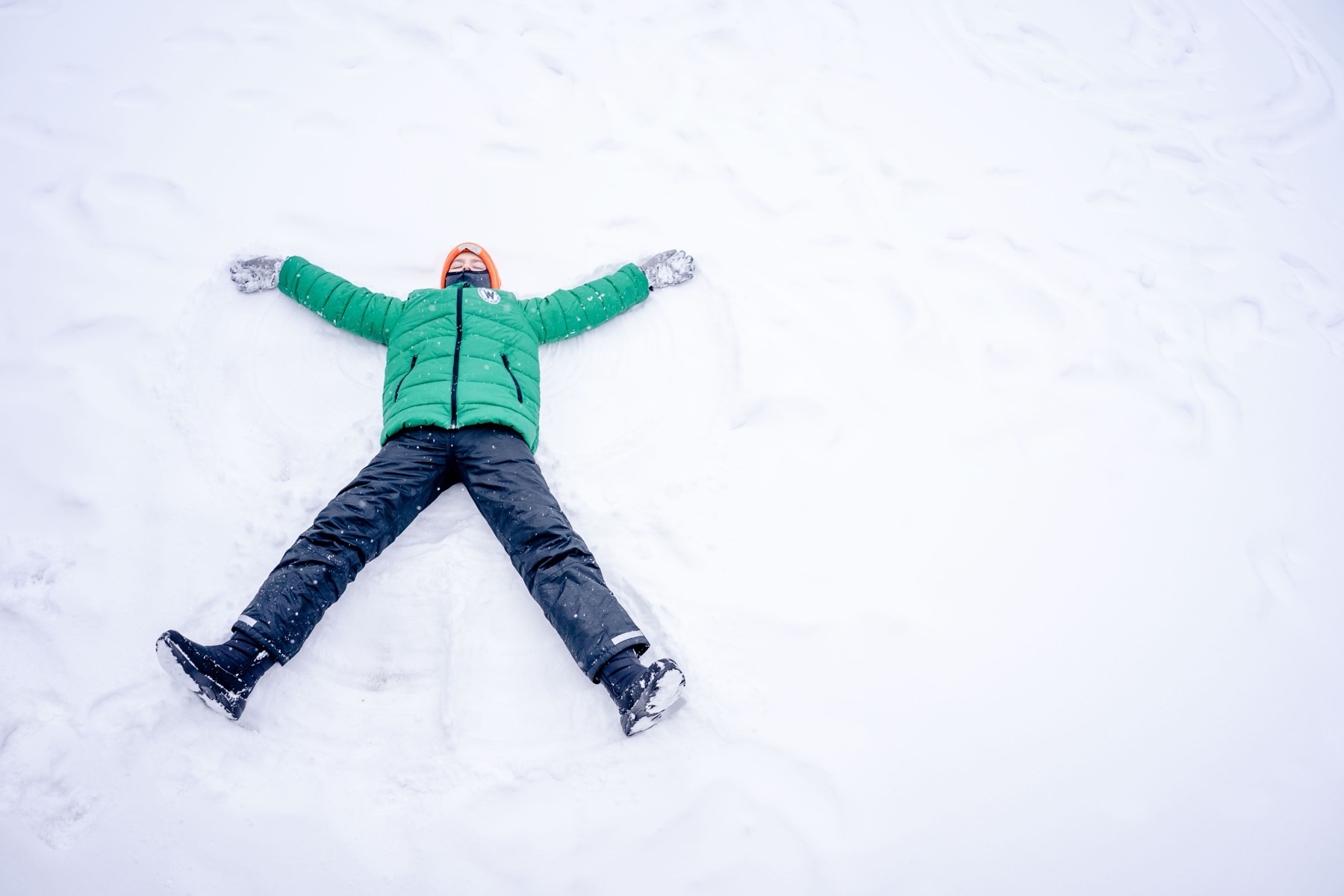
Winter Lapland absolutely doesn’t forgive any crude mistakes in your gear. The typical daytime temperature for most of the season is between minus fifteen and minus thirty degrees, so you can leave thin jeans and ordinary cotton T-shirts at home in the drawer without a second thought. The basis of all success and warmth is thoughtful layering of clothing, not one giant shapeless jacket.
Clothing: As the very first and most important layer directly against your bare skin, use quality, thick merino wool (ideally a long-sleeved top of at least 200 to 250 g/m² and matching bottoms). Unlike synthetics, merino stays lovely and warm even when slightly damp and reliably wicks sweat away from your skin. Cotton would instantly soak up all the moisture, chill your back, and you’d be guaranteed to get cold very quickly. As a middle insulating layer, a thick technical fleece or a proper coarse wool jumper works great, or both over each other depending on how cold it is. Then comes the main insulating layer in the form of a quality, very fluffy down jacket that holds air. Finally, you have to seal it all with a shell resistant to the biting wind, i.e. an outer Gore-Tex jacket and trousers, through which neither snow nor wind has any chance of getting.
Protecting your extremities: Your head, hands and especially feet suffer the most in extreme frost, because the body instinctively pulls warm blood towards the core and the key organs. So take two pairs of gloves. Put thin merino finger gloves under thick outer mittens, so you can easily operate your phone or camera outside without getting frostbitten fingers. Always pick boots at least one full size larger, so they fit both a thin liner sock and a thick knitted wool layer over it, while still leaving room in the boot for an insulating layer of air. A cramped foot freezes first. On your head you need a proper thick hat, and under a snowmobile helmet a knitted balaclava works well, reliably protecting your nose and cheeks from dangerous frostbite caused by the treacherous cold wind.
You don’t have to buy everything: The good news for your wallet and your suitcase space is that you thankfully don’t have to buy heavy minus-forty expedition snow boots for hundreds of euros back home, which you’ll then never use again. Almost all reputable operators in and around Kiruna will automatically and willingly lend you huge warm Arctic overalls and the right heavy boots rated for the local killer frost, included in the price of any planned dog or snowmobile ride.
Tech in the frost: Batteries in smartphones and modern cameras die at lightning speed in Arctic conditions, often going from full charge to switched off in just twenty minutes outdoors. Carry your phone in a chest pocket so your body heat keeps it warm, pull it out only to take photos, and always bring a powerful power bank – that’s rule number one of Arctic travel. If you’re serious about evening aurora photography, get some small stick-on chemical hand warmers in advance and attach them with an elastic band straight to the lens barrel or near the battery compartment on your camera to significantly extend its endurance.
How much a trip to Kiruna costs: 3 sample budgets
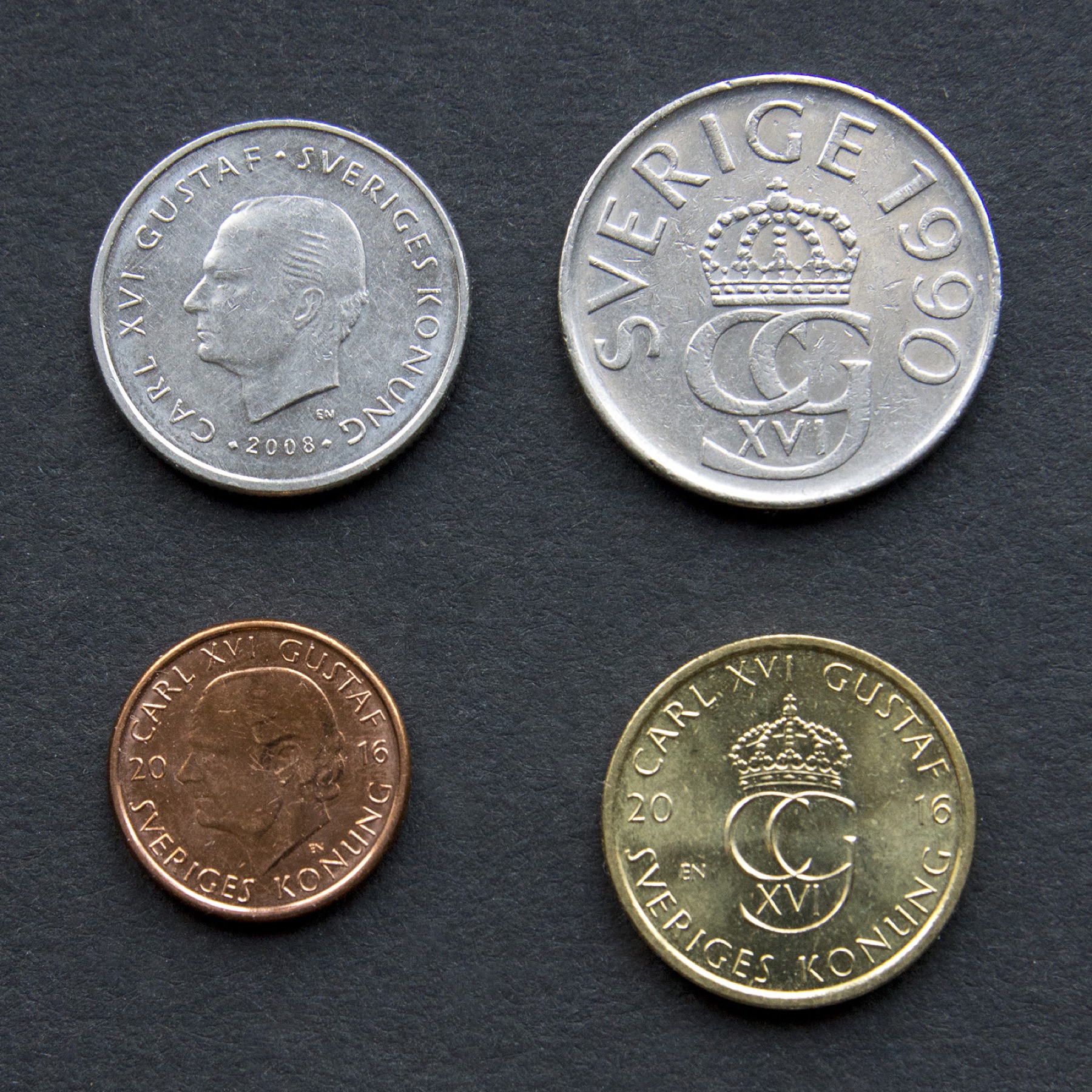
Sweden certainly isn’t among the cheap, low-cost destinations, but with a bit of cleverness and long-term planning, you can put together this Nordic trip without having to smash the family piggy bank. Here are three rough per-person budgets for a nice five-day winter stay (given in euros).
1. DIY Backpacker (approx. €800–950) You travel cleverly and very economically, but even so you’ll come away with gorgeous experiences. You fly with a low-cost airline to Stockholm, from where you continue on a cheap night sleeper or seated train straight to Abisko. You sleep in a modest shared room in one of the few local hostels (e.g. at the STF Turiststation). You cook all your food yourself from basic ingredients bought at the small local supermarket. Instead of buying pricey organised aurora tours, in the evening you simply walk with a thermos to the lake, where it’s pitch dark and the northern lights are beautifully visible through the lens even without a guide. From your saved money you pay only for a basic day pass to the famous Icehotel and one three-hour dog-sled ride, where you swap over the driving with someone.
2. The golden middle path (approx. €1,100–1,350) This is an absolutely ideal and very common compromise for young and older couples without kids. You fly comfortably from a major European hub via Stockholm to Kiruna’s small home airport. You stay in your own private, pleasantly heated double room in a nice guesthouse or cabin (e.g. at the popular Camp Ripan). During the day you occasionally grab a hearty discounted lunch menu (dagens rätt), which fills you up for a long time, and in the evening you either cook for yourself in the kitchenette or pop out for a beloved Swedish fika at a café. Your activity budget includes a daytime Icehotel tour, a fantastic snowmobile ride with all the warm gear lent to you, and an evening organised aurora hunt with a guide into the surrounding deep wilderness, where they’ll ensure you outrun the clouds.
3. Arctic comfort (approx. €2,000+) You simply want to experience everything winter has to offer to the full and with absolutely no compromises or cutting back on comfort. You stay in a beautiful modern hotel with panoramic views right in the centre of Kiruna, including a lavish hotel breakfast, and for one single night you move out of curiosity to the famous artistic ice room at the Icehotel. You dine strictly in the renowned local classic restaurants and savour the excellent Arctic reindeer and fish gastronomy. You have a ticket and a ride on the old chairlift up to the prestigious Aurora Sky Station for exclusive evening aurora watching, you drive your own smaller husky team all to yourself, and to round off the trip you try out top-notch Arctic wellness with outdoor hot heated pools and a genuine Swedish sauna with the option of an ice bath.
Where to go next from Kiruna
If you’re weighing up a wider Scandinavian itinerary or looking for more aurora-hunting inspiration, definitely check out our detailed articles from the region. We’ve put together several guides where you’ll find out how to plan the best route further south or how to visit the stunning national parks in the neighbouring Nordic countries.
- Sweden: 30 tips on what to see and do
- Northern lights: where and when to see them
- Lapland: 20 tips on what to see and do
- Iceland, Finland and Norway: how and where to catch the aurora
- Norway: 50 tips on what to see
Frequently asked questions
When is the best chance to see the northern lights?
Statistically, the best conditions are in February and March, when the nights start to clear up and geomagnetic activity around the spring equinox intensifies. Unlike December, the extreme cold is also less severe and the days are noticeably longer, so you can enjoy winter sports in the sunshine during the day and watch for the green skies in the evening.
How many days should I plan for Kiruna?
The ideal length of stay is between three and five days. This timeframe gives you enough space for all the key activities, such as dog sledding or visiting the ice hotel. Most importantly, it provides you with a sufficient buffer in case the first two nights are overcast and you can’t see the aurora due to clouds.
What’s the best way to get to Kiruna from abroad?
The fastest and most convenient route is to fly to Stockholm’s main Arlanda airport, from where direct domestic flights to Kiruna easily connect. If you prefer slower travel, a more romantic alternative is to take the overnight sleeper train, which departs from the Swedish capital and takes you through the snow-covered landscape all the way beyond the Arctic Circle.
How much does dog sledding cost?
Prices for husky safaris typically range between €85 and €135 per person, which is roughly 1,000 to 1,500 Swedish kronor. The final amount depends mainly on whether you simply share the sled with an experienced guide and sit in the blankets, or pay extra for the more physically demanding experience of driving your own smaller team.
Do I need special clothing for the cold?
The foundation is quality layering with merino wool and warm fleece, but you don’t need to buy heavy expedition clothing at home. Massive Arctic overalls and huge snow boots for minus thirty degrees are commonly and willingly lent to you by operators on site, always included in the price of your booked activity, such as snowmobiles or dog sledding.
Can I visit the Icehotel without sleeping on ice?
Yes, and it’s actually the most popular and smartest option. For a day visit you’ll pay 325 SEK, which is roughly €29. During the day you can leisurely explore all the beautiful art rooms as a unique frozen gallery, and in the evening you can return to the warmth of your regular heated guesthouse.
How dark is it in December during the polar night?
It’s not absolute pitch-black darkness like we know from midnight, but rather an all-day twilight. Although the sun never rises above the horizon, around midday the landscape glows beautifully for a few hours in stunning shades of blue and purple. Photographers call this phenomenon the blue hour and it’s an absolutely unique visual experience.
Is a vacation in Kiruna expensive?
Winter Lapland unfortunately ranks among the more financially demanding destinations. Even with very careful independent planning and mid-range accommodation, you should budget around €800 to €1,200 per person for a five-day stay. The amount includes flights, food, warm accommodation, and the most popular paid Arctic activities.
Tips and Tricks for Your Vacation
Don’t Overpay for Flights
Search for flights on Kayak. It’s our favorite search engine because it scans the websites of all airlines and always finds the cheapest connection.
Book Your Accommodation Smartly
The best experiences we’ve had when looking for accommodation (from Alaska to Morocco) are with Booking.com, where hotels, apartments, and entire houses are usually the cheapest and most widely available.
Don’t Forget Travel Insurance
Good travel insurance will protect you against illness, accidents, theft, or flight cancellations. We’ve had a few hospital visits abroad, so we know how important it is to have proper insurance arranged.
Where we insure ourselves: SafetyWing (simple monthly subscription) and TrueTraveller (for extra-long trips).
Find the Best Experiences
Get Your Guide is a huge online marketplace where you can book guided walks, trips, skip-the-line tickets, tours, and much more. We always find some extra fun there!