The Vasa Museum in Stockholm houses the most expensive warship in Swedish history — a vessel that sank after barely 1,300 metres of its very first voyage. It’s actually an incredible paradox, because it’s precisely thanks to this colossal blunder that you can admire the ship today in almost perfect condition. This place simply isn’t just another dull exhibition of old timber, but an utterly unique 17th-century time capsule. It’s the most visited museum in all of Scandinavia, drawing over 1.5 million travellers from around the world every year.
If your time and budget in the Swedish capital only stretch to a single paid attraction, this ship should reportedly be it. Trust me, the sight of a preserved giant that spent 333 years on the seabed will simply blow you away. I’ve put together a detailed guide with all the current prices for 2026, practical transport tips, and the fascinating story of the pride that came before an unexpected fall.
The full destination guide: Sweden — guide and what to see
TL;DR
- Admission 2026: In the main summer season (May to September) you’ll pay 240 SEK (about €22), and 195 SEK (about €18) the rest of the year.
- Children free: Visitors under 18 get into the museum completely free of charge all year round.
- Card payment only: The museum is strictly cashless — they won’t take paper Swedish kronor at the till.
- When to go: The best time is right at opening (8:30 in summer) or on Wednesday evening, when it’s open until 20:00.
- Getting there: The most romantic and comfortable route is the ferry from the Gamla Stan district straight to Djurgården island.
- Time needed: Set aside roughly two hours for a relaxed look at the ship, the model and the surrounding exhibits.
14 Things You Need to Know
Let’s take a look together at the most important information, historical background and practical hacks. Knowing the context will enrich your visit enormously and save you plenty of time and nerves in the queues that sometimes form here.
1. History and the Ambitions of a Swedish Superpower
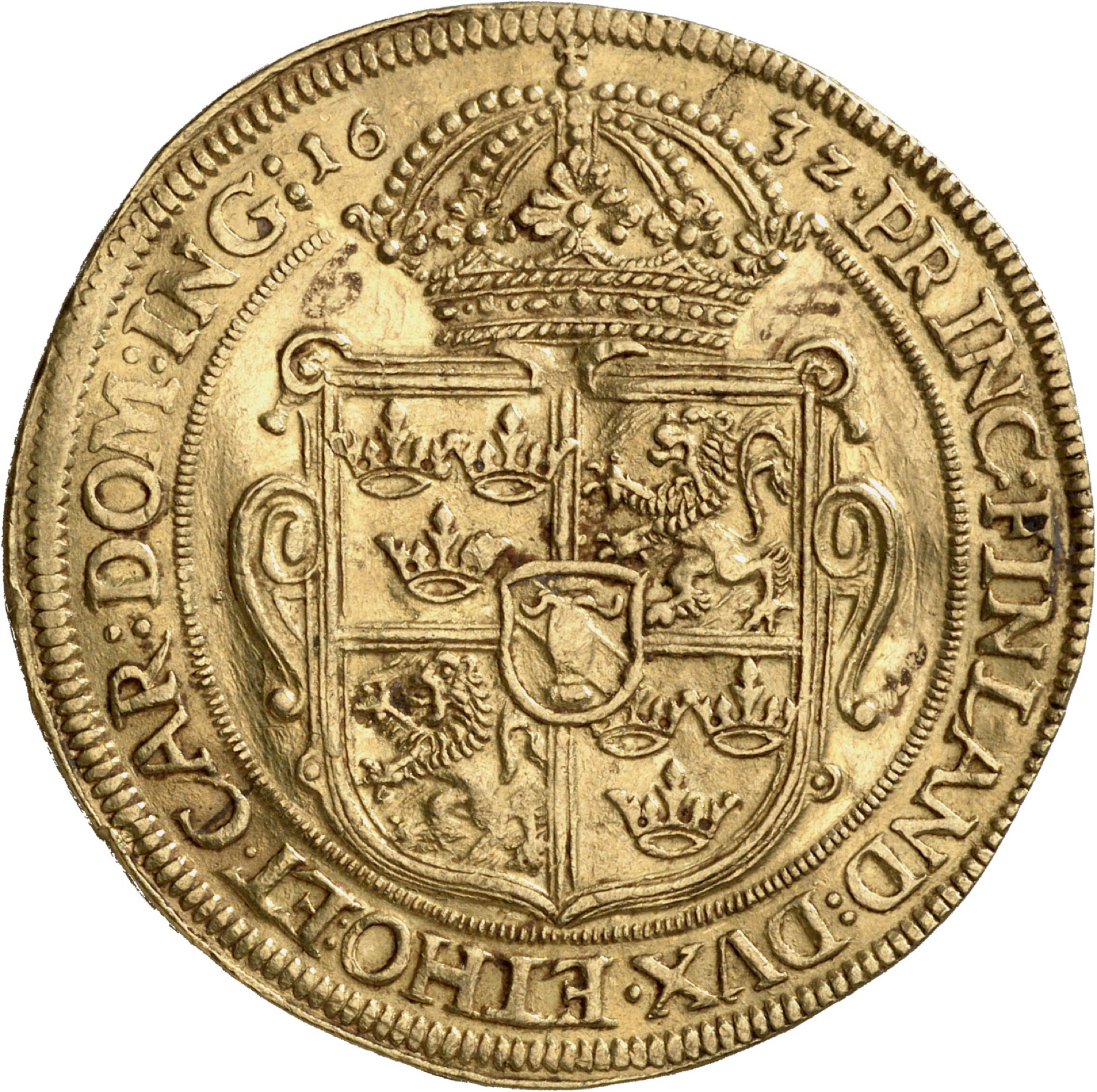
The year is 1626 and Swedish King Gustav II Adolf has enormous, almost megalomaniacal plans. Sweden is deeply embroiled in the drawn-out Thirty Years’ War, and the monarch desperately needs to impress the whole world with his naval power. So he decides to build the most devastating warship on the Baltic Sea — one that would clearly demonstrate his absolute power and wealth. Incidentally, this is the very same conflict during which, a few years later in 1648, the Swedish army under General Königsmarck ruthlessly plundered Prague Castle and carried off its famous Devil’s Bible to Stockholm.
The construction of the giant ship was originally entrusted to experienced Dutch shipwrights Henrik Hybertsson and Arendt de Groote, who immediately employed hundreds of the finest carpenters, blacksmiths and sailmakers at the royal shipyard. Unfortunately, King Gustav II Adolf kept meddling in the whole process and ordered a second row of heavy bronze cannons, something the original drawings never anticipated. When chief builder Henrik Hybertsson died unexpectedly in the spring of 1627, the entire project had to be taken over by his assistant Henrik Jacobsson, who suddenly found himself under enormous pressure.
Back then you simply didn’t defy the king’s wishes, even though the experienced sailors knew full well that such a huge mass of wood and metal would have serious trouble with its centre of gravity. The result was a colossus of an impressive 47.5 metres in length and 11.7 metres in width, with a total displacement of over 1,210 tonnes. The ship carried an incredible 64 cannons, most of them heavy 24-pounder bronze pieces. On paper and in the harbour the ship looked utterly majestic, but the laws of physics couldn’t be outwitted.
💡 Tip: If the mentioned Devil’s Bible (Codex Gigas) looted from Bohemia interests you, you’ll find it on display at the Royal Library in Humlegården park, where you can head after seeing the ship.
2. Why the Vasa Ship Sank So Quickly
D-Day for the Swedish navy finally arrived on 10 August 1628. The weather was beautiful and sunny, only a gentle breeze was blowing, and the Vasa was ceremoniously sailing out of Stockholm harbour on her very first voyage. Thousands of enthusiastic spectators cheered her on from the shores, festive music played, and the whole city was gripped by immense national pride. Yet even at a glance the ship had very little initial stability. Her hull above the waterline was disproportionately tall, narrow and dangerously heavy, packed with massive oak timber and those bronze cannons.
After barely 1,300 metres, a slightly stronger gust of wind caught her enormous sails — a gust that would have posed no danger whatsoever to an ordinary, properly balanced ship. But this colossus immediately heeled dangerously to port and could no longer right herself. The crucial and utterly fatal mistake was that the lower gun ports had been left wide open for the ceremonial salutes with which the ship was bidding the city farewell.
Water immediately began pouring through these openings at tremendous speed, and the pride of the Swedish navy went to the bottom incredibly fast right before the eyes of the shocked spectators, without even leaving Stockholm’s inner waters. Within a few short minutes it was all over, and the ship settled into the deep mud at the bottom of the harbour. On board at that moment were roughly 145 sailors and 300 soldiers. About thirty of them did not survive this unexpected catastrophe and drowned in the dark lower decks.
💡 Tip: As you tour the museum, notice the precise model showing just how low above the water those open gun ports sat. It gives you a perfect sense of how little it took to cause the unexpected tragedy.
3. The Ignored Stability Test
The most tragic thing about this whole historical story is undoubtedly the fact that the catastrophe could have been fairly easily prevented, if only someone had found the courage to tell the king an uncomfortable truth. Before the ceremonial voyage itself, a standard stability test was carried out at the quayside to check how the ship would behave on the waves. The test involved thirty sturdy sailors running from side to side across the full width of the deck to simulate the rolling of the open sea.
After just the third run across, the ship was rocking so alarmingly that the admiral present had to stop the test immediately. Had the sailors continued, the Vasa would have capsized with an enormous crash right there in the harbour, while she was still safely tied up at the dock. It was absolutely clear to the eyewitnesses that the vessel was extremely unstable and stood no chance whatsoever of surviving even the mildest autumn storm on the open sea.
And yet nobody in the entire kingdom found the courage to step before the monarch and tell him that his dream — and extraordinarily expensive — project was doomed. The royal pressure was so immense, and Gustav II Adolf was waiting so impatiently for his new weapon for the ongoing war in Poland, that they rather sent the ship to certain death with a full crew. It’s a fascinating historical example of how fear of absolute authority can lead to a complete collapse of common sense among an entire team of engineers.
💡 Tip: When you stand on the ground floor beneath the giant hull, look at its narrowed shape at the bottom. You’ll instantly understand, in purely physical terms, why thirty running men could rock a thousand-tonne colossus so easily.
4. The Tragedy and the Investigation That Followed
Around thirty people died when the ship sank. They were mostly crew members and their family members, who had been granted the special privilege of joining the first ceremonial voyage. Since the accident happened just 1,300 metres from the shore, with dozens of small boats full of spectators circling all around, most of the 145 sailors and 300 soldiers were fortunately rescued before the icy waters of the Baltic Sea could drag them down.
An enormous and very strict investigation followed immediately after the catastrophe. The goal was to quickly find someone to blame for this huge national embarrassment, which all of Europe was soon mockingly chattering about. One by one, the surviving builders, engineers and the ship’s captain Söfring Hansson himself stood before the court. Under oath, the captain testified that the crew had been completely sober and that all the heavy cannons had been properly and firmly secured below deck. The investigators therefore tried to pin the blame on the dead chief builder Henrik Hybertsson, who understandably could no longer defend himself.
In the end, though, the whole process unexpectedly fizzled out and no one was officially punished for the sinking, because all the leads and evidence pointed to a single man. The main blame lay with the king himself, thanks to his constant interference with the design and his rash demands for more cannons. Of course, the judges of the day could not say this out loud if they wanted to keep their heads on their shoulders and avoid the executioner’s block. So the whole case was quietly swept under the rug.
💡 Tip: On the upper floors of the museum you’ll find a wonderful exhibition dedicated to the investigation. You can read excerpts from the original court records here and try playing detective yourself.
5. Discovery After Centuries and the Salvage
The Vasa lay forgotten in the dark mud of Stockholm harbour for a full 333 years. Already during the 17th century, brave divers managed to salvage most of the valuable bronze cannons using primitive diving bells, but no one dared touch the hull itself. It wasn’t until 1956 that, after a long and exhausting search through historical archives, the ship was discovered by amateur archaeologist Anders Franzén. To pinpoint her exact location, all he needed was a simple lead probe lowered from a small rescue boat.
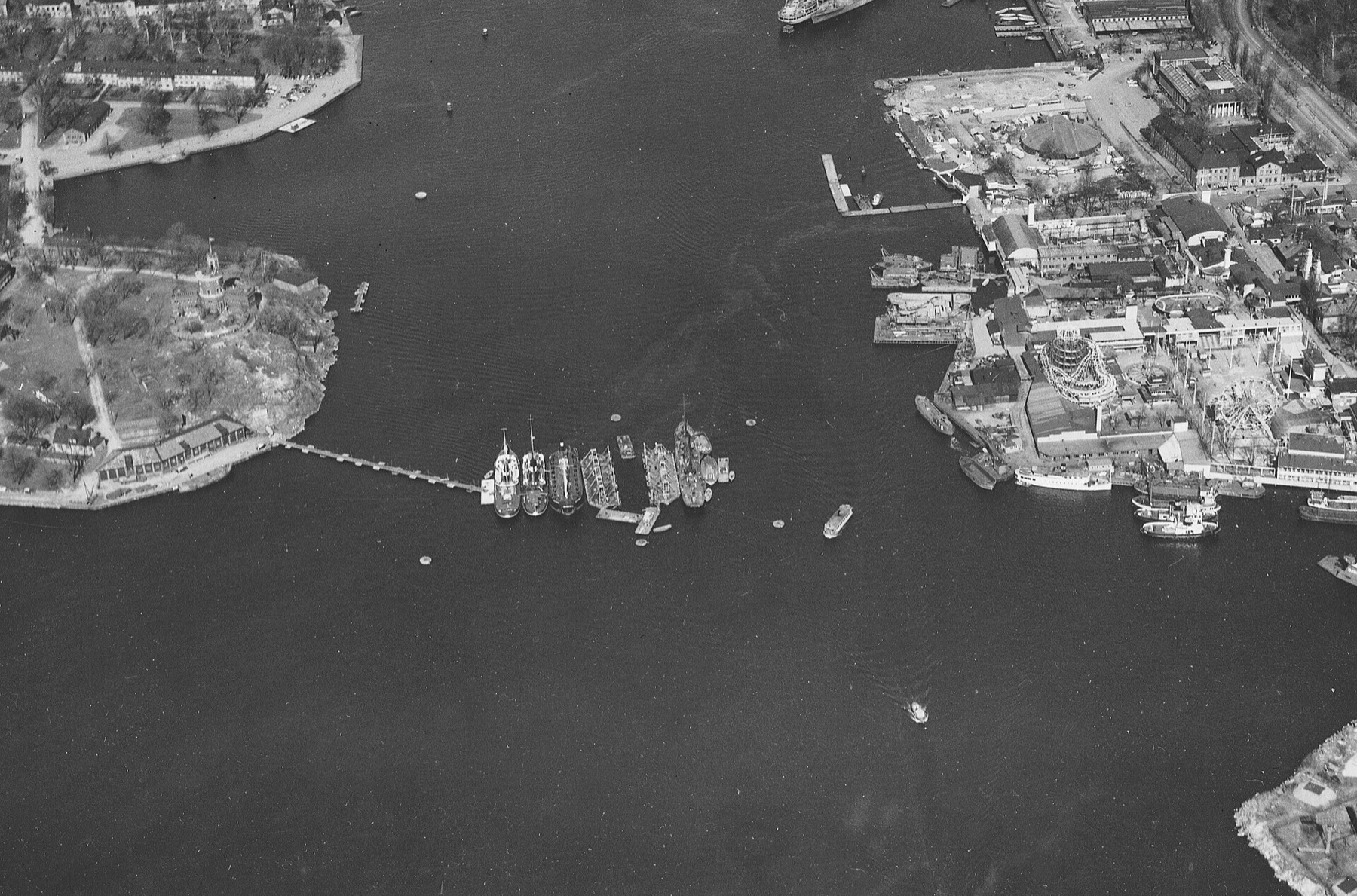
This discovery was followed by endless years of careful preparation and complex engineering calculations on how to safely bring the fragile wreck to the surface without it falling apart into thousands of pieces. In complete darkness and icy water, divers had to dig six tunnels beneath the giant hull for thick steel cables — extremely dangerous work. They were under constant threat of being buried by heavy mud and debris, as visibility below the surface was close to zero. All this enormous effort by the underwater engineers ultimately paid off, and the hull finally emerged on 24 April 1961, with this thrilling event broadcast live on television around the world. The ship was then temporarily sealed, pumped out and slowly towed into a dry dock. What’s amazing is that, from this famous moment of raising up to the start of 2025, an incredible 45 million fascinated visitors have seen the Vasa.
💡 Tip: The museum regularly shows a short documentary film about the raising of the ship, with English subtitles, featuring original period footage of this incredible rescue operation.
6. The Miracle of the Baltic Sea
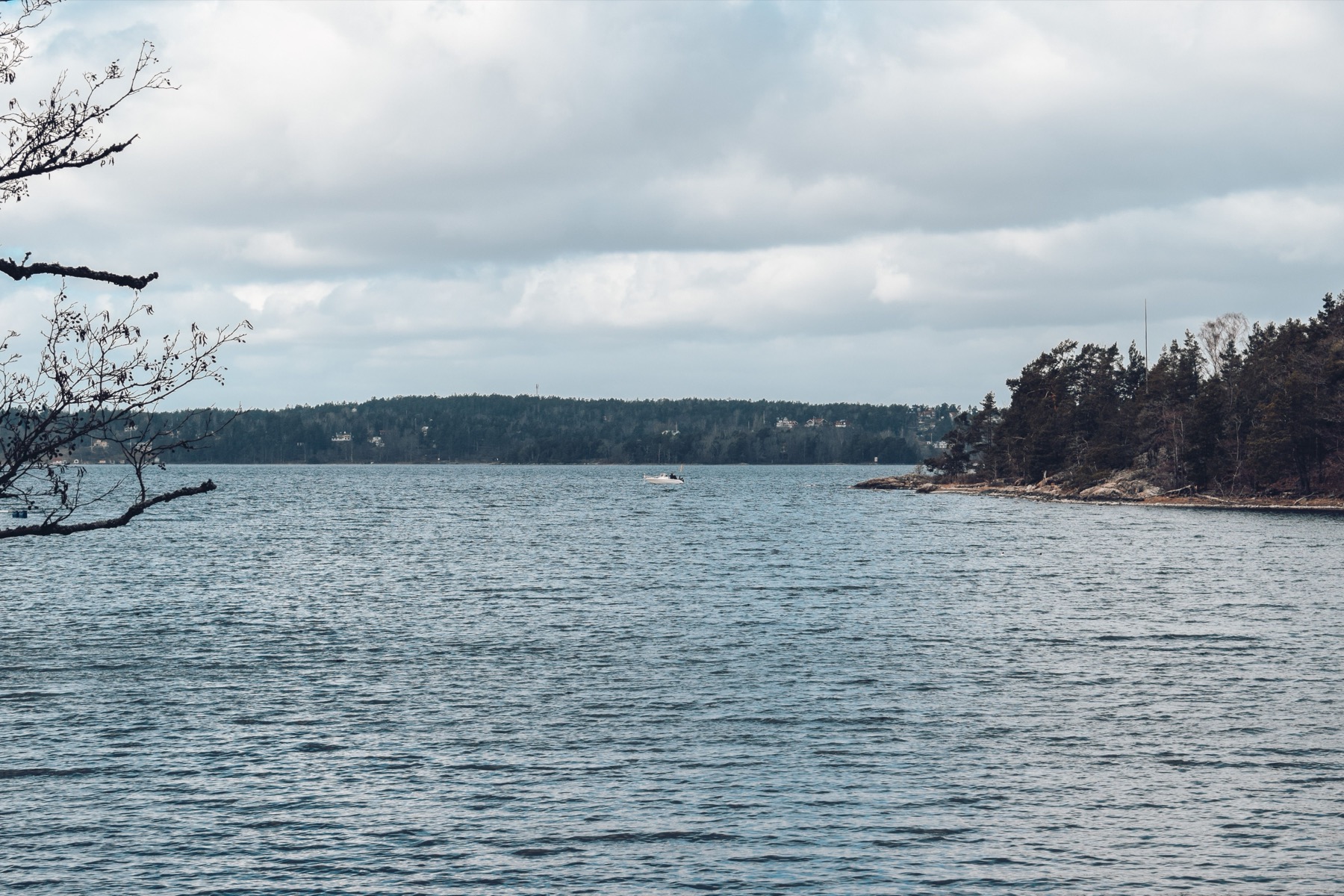
You’re probably wondering how it’s even possible that an ordinary wooden ship didn’t completely crumble to dust underwater over more than three centuries. It’s down to the specific composition of the Baltic Sea, which is an absolute blessing for underwater archaeologists. The water here around Stockholm is so brackish and has such an unusually low salinity that the so-called shipworm (technically a marine mollusc) cannot survive in it. This tiny but voracious creature is normally the greatest scourge of all sunken wrecks in the salty oceans of the world, capable of eating and drilling through massive timber like Swiss cheese within just a few years.
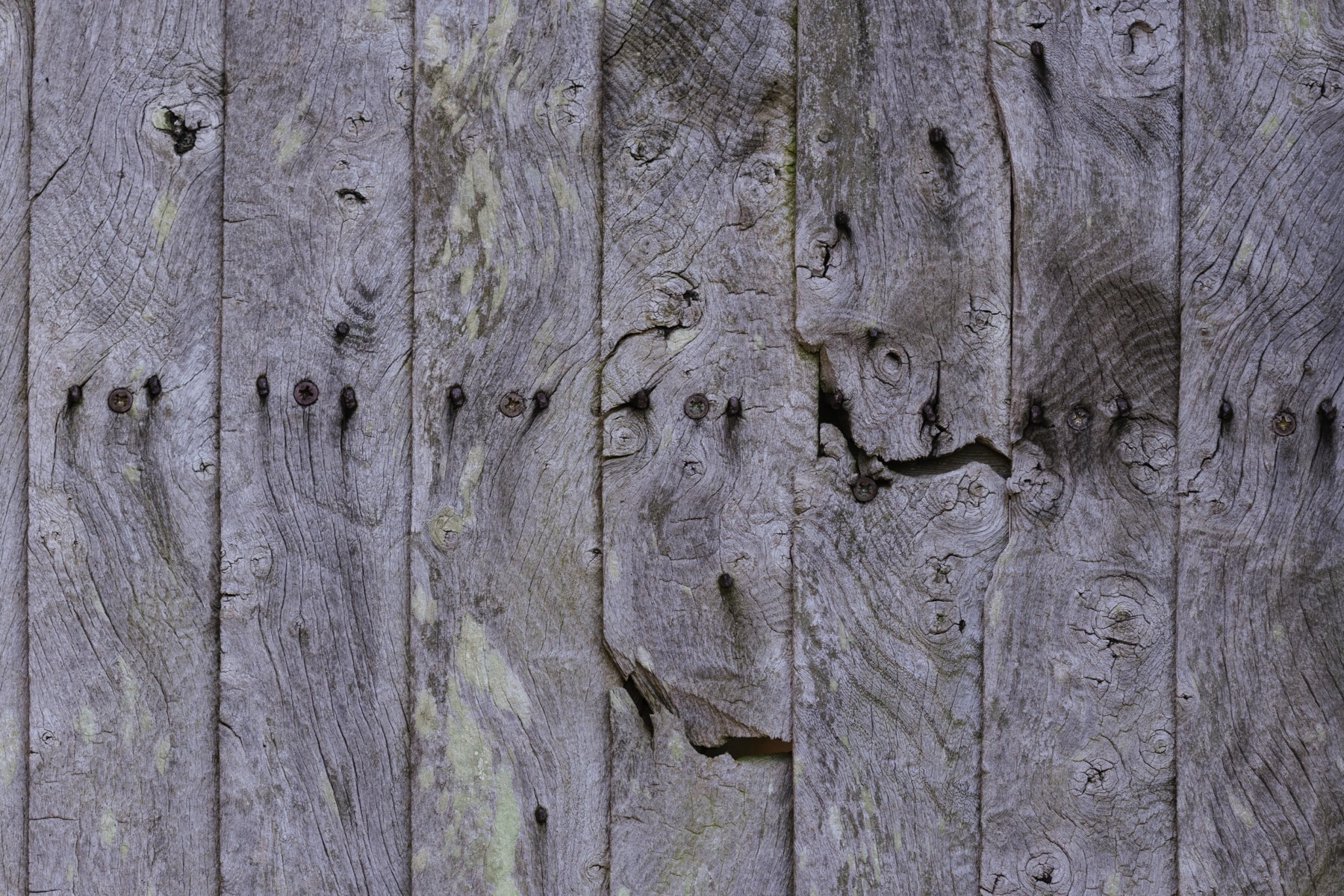
In Stockholm’s waters, though, this little pest was fortunately absent, which saved the entire colossus. Thanks to this wonderful quirk of nature, and the fact that the ship sank deep into a protective layer of dense, oxygen-free mud, the Vasa is preserved in 98 percent of its original state. What you see today in the dimly lit museum hall are not modern plastic replicas from some film studio, but genuine, massive 17th-century oak timbers that the carpenters of the day actually touched. It’s simply an enormous stroke of luck in misfortune, one that millions of history lovers around the world benefit from today. The mud acted as a perfect insulating layer that blocked not only destructive oxygen but also the bacteria that would otherwise have relentlessly broken down the organic material into dust. As you walk around the mighty hull today, you’ll feel as though time has completely stood still here.
💡 Tip: Take a close look at the details of the wood on the lowest floor of the museum, where you can beautifully see the original structure of the oak planks that survived three centuries underwater.
7. Conservation and Current Threats
But hauling the ship ashore was only the beginning of the rescue, because paradoxically the greatest danger to the wreck came in the fresh air. To stop the centuries-soaked wood from crumbling and shrinking as it dried, experts had to spray the wreck continuously for a full 17 years with a special substance called polyethylene glycol (PEG for short). This chemical very slowly and gently replaced the water in the wood’s cells, fixing its structure and preventing the catastrophic collapse of the entire hull.
Today, however, the museum is battling new and very insidious problems that threaten the very existence of the ship and keep the conservators up at night. From the corroding iron bolts inserted into the ship during its first grand reconstruction in the 1960s, dangerous sulphuric acid is forming. It chemically attacks and relentlessly breaks down the original oak wood from the inside. On top of that, the huge, heavy hull is slowly settling under gravity and dangerously sagging under its own weight, because the original support system simply isn’t enough anymore.
That’s why the museum is currently working on an entirely new, more modern and far more robust support structure, designed to relieve the ship, transfer the weight from the fragile wood onto steel, and ensure that this unique historical treasure survives intact for future generations of visitors from around the world. Notice too the special air-conditioning vents that keep the building’s temperature strictly between 18 and 20 degrees Celsius with humidity around 53 percent. Even the slightest deviation could trigger irreversible damage to the exhibited wood.
💡 Tip: In one of the side exhibitions you’ll find a demonstration of exactly how polyethylene glycol works and how incredibly complex it is to maintain a constantly stable microclimate in the giant hall.
8. Vasa Museum Stockholm Price for 2026 and How to Save
The museum’s pricing follows a dynamic model based on the tourist season, so you can try to cleverly time your visit. In the main summer months — from the start of May to the end of September — an adult visitor pays 240 SEK (roughly €22). Outside the main tourist season, specifically from January to April and from October to December, the price drops to a more agreeable 195 SEK (about €18).
An enormous and very welcome advantage for families is the undeniable fact that children and young people under 18 get in completely free all year round — just note that for safety reasons children under 12 must always be accompanied by an adult. If you return to Stockholm often or plan to stay longer, the museum also offers a good-value annual membership for 250 to 350 SEK (about €23–32), which more than pays for itself on your second visit. In general, Stockholm may be a pricier capital, but plenty of places offer great discounts precisely for families with children, which is a big help for the budget.
Also don’t forget that your ticket is valid all day. So if you fancy popping out in the afternoon for a coffee or a stroll around the green island of Djurgården, just get a special stamp at the exit and you can easily return to the museum later.
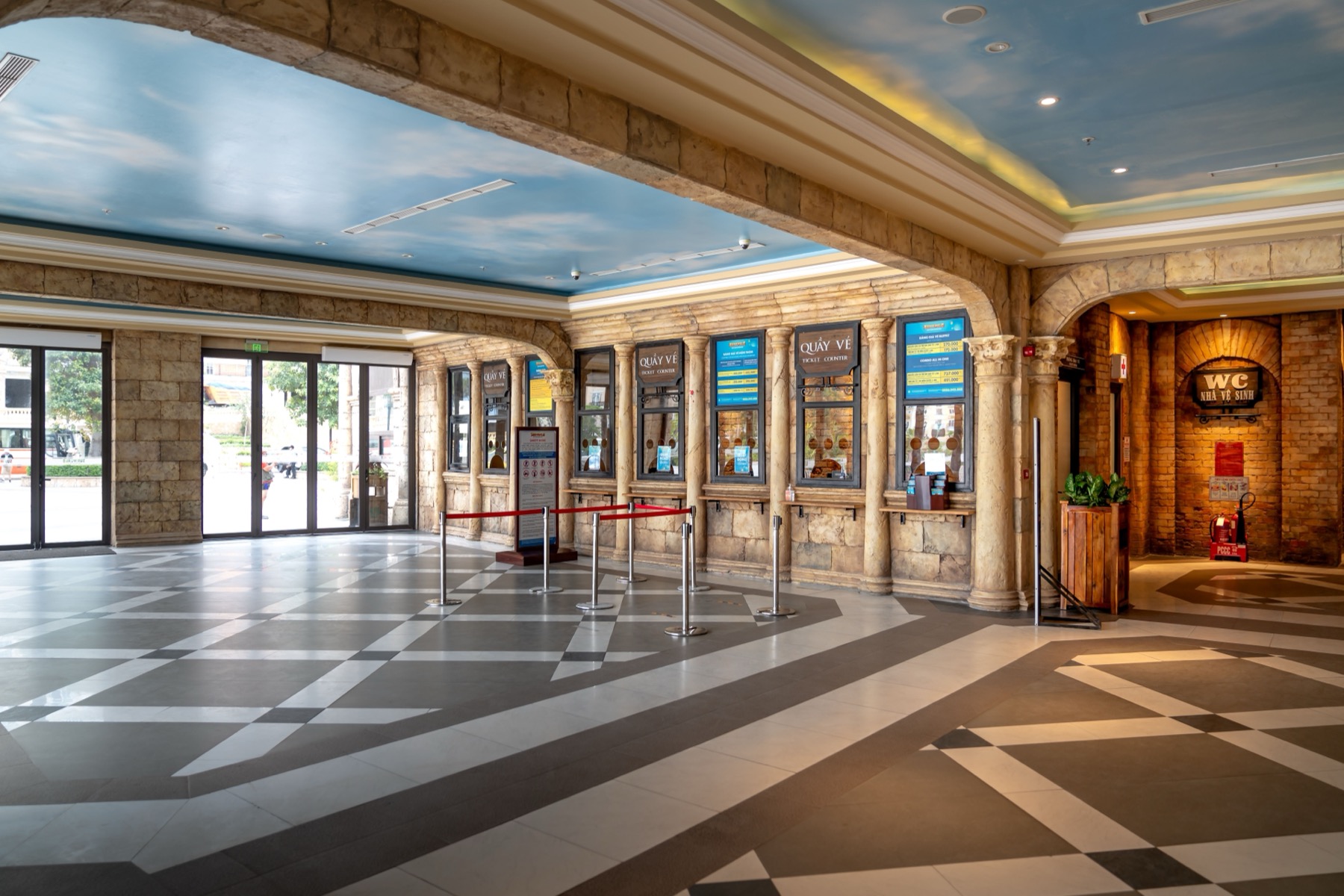
💡 Tip: Definitely buy your tickets online in advance on the official website. An online ticket won’t get you priority entry into the building if a queue happens to form outside because the hall has reached capacity, but it significantly speeds up passing through the turnstiles. You won’t have to wait at the ticket desks at all and can head straight to the ship.
9. The Cashless Trap for Tourists
Sweden is generally very distinctive in its relationship with cash, and the Vasa Museum is no exception — quite the opposite, in fact. This institution is strictly cashless, and they simply won’t take paper Swedish kronor at the ticket desk, in the souvenir shop or in the on-site restaurant. Don’t try to haggle with the staff or talk them round; their till system simply doesn’t allow it and no exceptions are made.
Here you can pay exclusively with standard payment cards, and the terminals happily accept Visa, Mastercard, Maestro, American Express and Diners Club. Locals like to pay with the national mobile app Swish, but as a tourist without a Swedish bank account and personal number you simply can’t get it, so rely entirely on the classic card or a mobile wallet. Remember that the cashless rule also applies to the lockable cloakroom lockers, which fortunately are completely free and open with a simple numeric code, so you won’t even need any small change to stow your backpack.
So if you exchanged money into cash before your trip to Stockholm, save it for small purchases at the flea markets in the centre and simply pull out your card at the museums. When paying at the terminal, always take great care to choose payment in the local currency (SEK) and don’t let the terminal automatically convert the amount into your home currency using the unfavourable DCC exchange rate — this saves you a fair amount in bank fees.
💡 Tip: A great helper for travelling around Scandinavia is a Revolut card or similar services, which offer you a much better exchange rate than standard high-street banks. On top of that, they help you avoid hidden fees on payments in foreign currencies.
10. Vasa Museum Stockholm Opening Hours and When to Avoid the Crowds
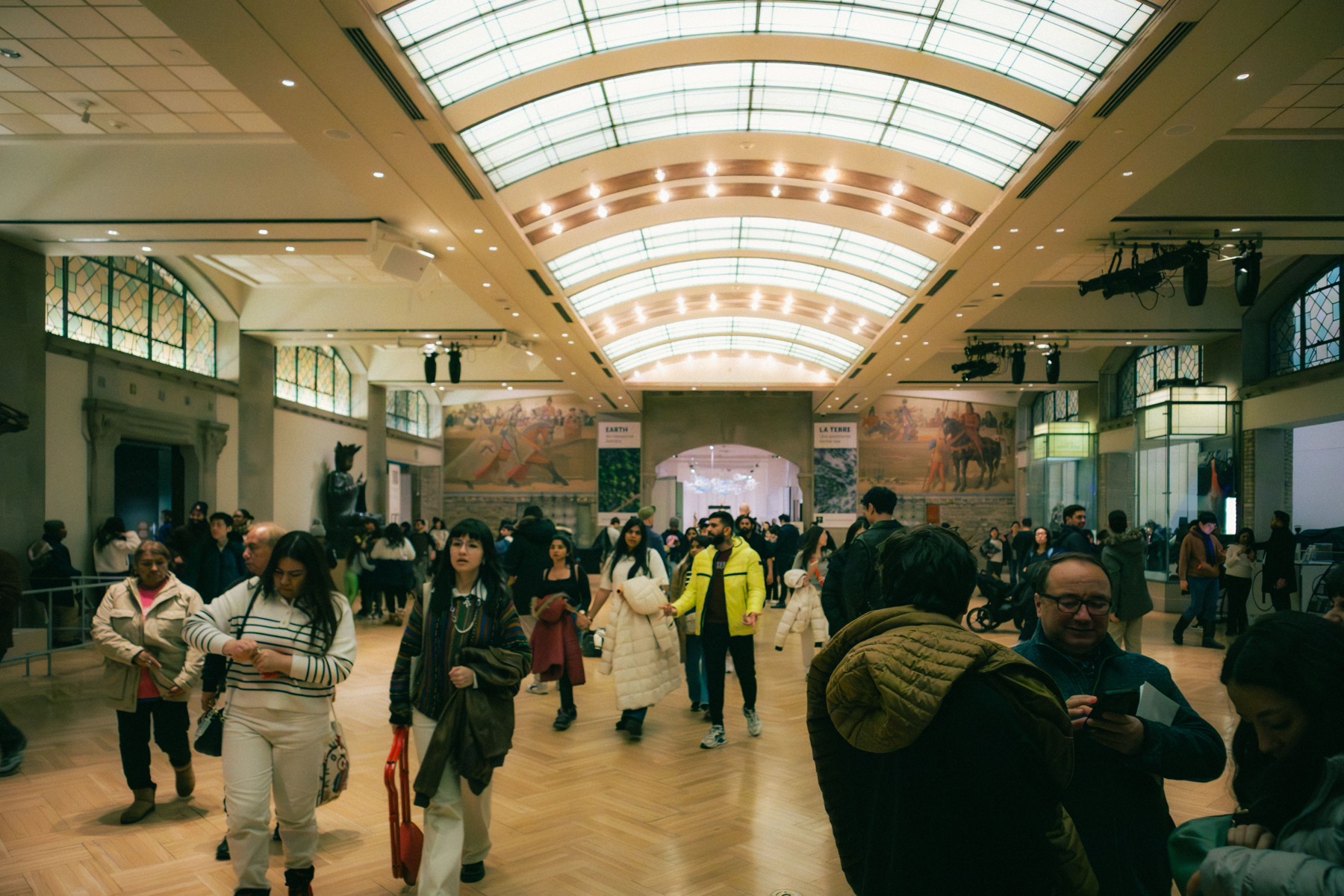
With more than 1.5 million visitors a year, it’s perfectly clear that it can get really tight here at times and the queues can stretch out unpleasantly. The museum usually sees its biggest crush in the morning, when huge tour buses roll in with passengers from the cruise ships currently docked in Stockholm harbour. Roughly from 11:00 to 14:00 the dimly lit hall is usually at its absolute busiest — noisy, crowded, and much harder to photograph from good angles.
If you want to savour the giant wreck in complete peace and hear only the quiet creaking of the old wood, arrive right at opening time. In the summer months (June to August) that’s already at 8:30 in the morning, while outside the main season the museum’s doors open a little later, at 10:00. That gives you around an hour and a half of undisturbed viewing without any needless crush.
Another absolutely fantastic alternative for a peaceful visit is Wednesday evening. From September to May the museum has extended opening hours every Wednesday until 20:00. By that time all the organised tours are long gone, the enormous hall empties out beautifully, and you can examine the intricate carved details of the ship in a far more intimate atmosphere. This is exactly when you’ll get the very best photos from the upper floors, because you gain the distance you need from the huge mast and can beautifully capture the scale of the whole ship.
💡 Tip: If you do get stuck in a crowd, start your tour unconventionally from the highest floors. Most people automatically stop right on the ground floor by the hull, while the upper galleries tend to be beautifully empty at that time and offer you an amazing view of the ship’s deck from above.

11. How to Get to the Museum
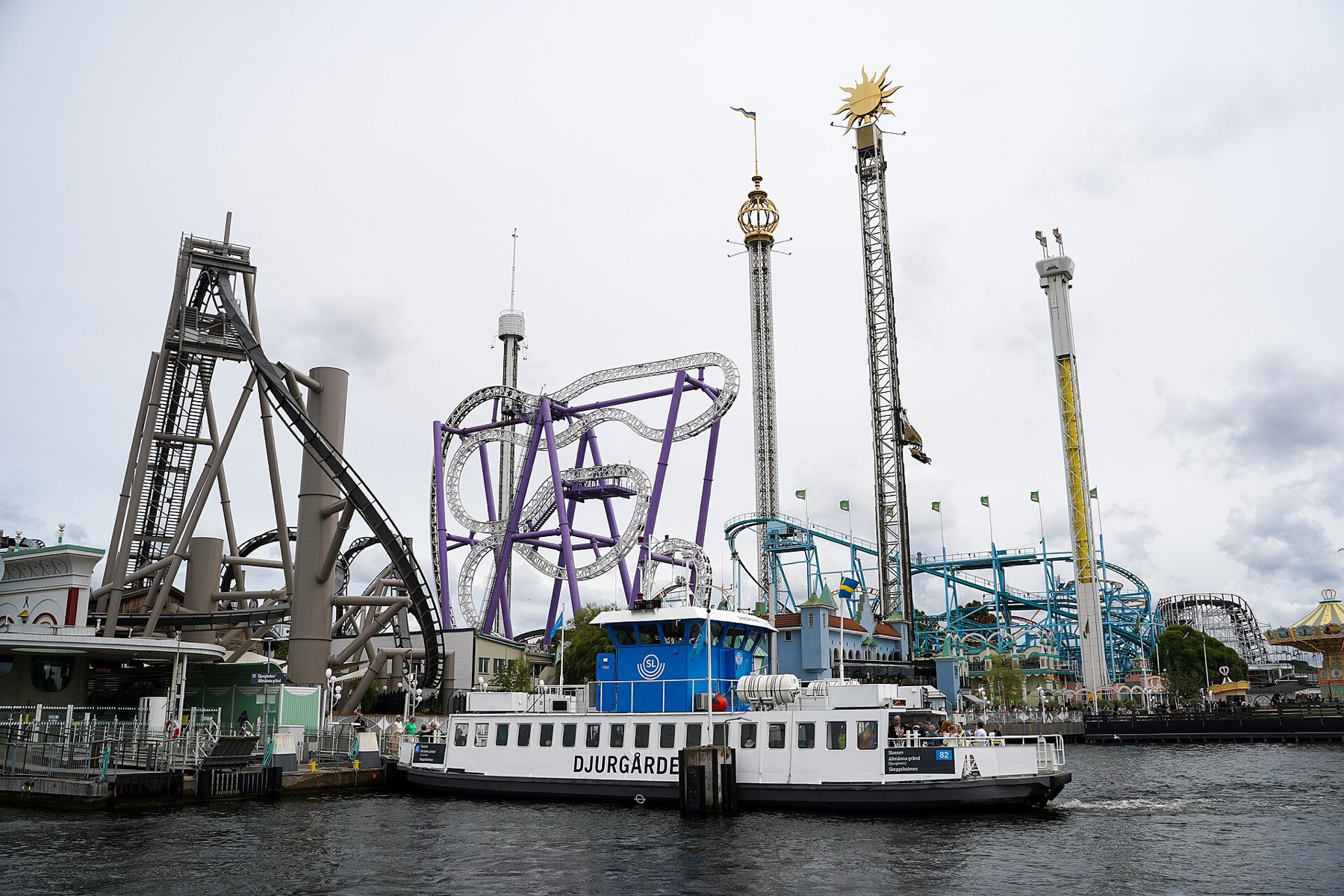
The museum sits on the beautiful green island of Djurgården, with the exact address Galärvarvsvägen 14. By far the most romantic and pleasant way here is the ferry (line number 82) from the Gamla Stan district, specifically from the Slussen stop. The crossing itself takes only a few minutes, offers you gorgeous, photogenic views of the city from the water, and is covered by an ordinary ticket for Stockholm public transport. Cars aren’t allowed on Djurgården unless you have a special permit, so public transport or a walk really are the best — and in fact the only sensible — ways to get there.
From the city’s business district, for example from the main station T-Centralen or the bustling Sergels torg square, you can also comfortably reach the museum on tram number 7, which stops just a short walk from the main entrance. A single 75-minute ticket costs 42 SEK (about €4) and you simply tap it with your payment card right at the turnstile or the reader on board. If you’re travelling to Stockholm in the second half of 2026, be sure to take advantage of the fact that the Swedish government heavily subsidises transport and the monthly pass has been cut to half price.
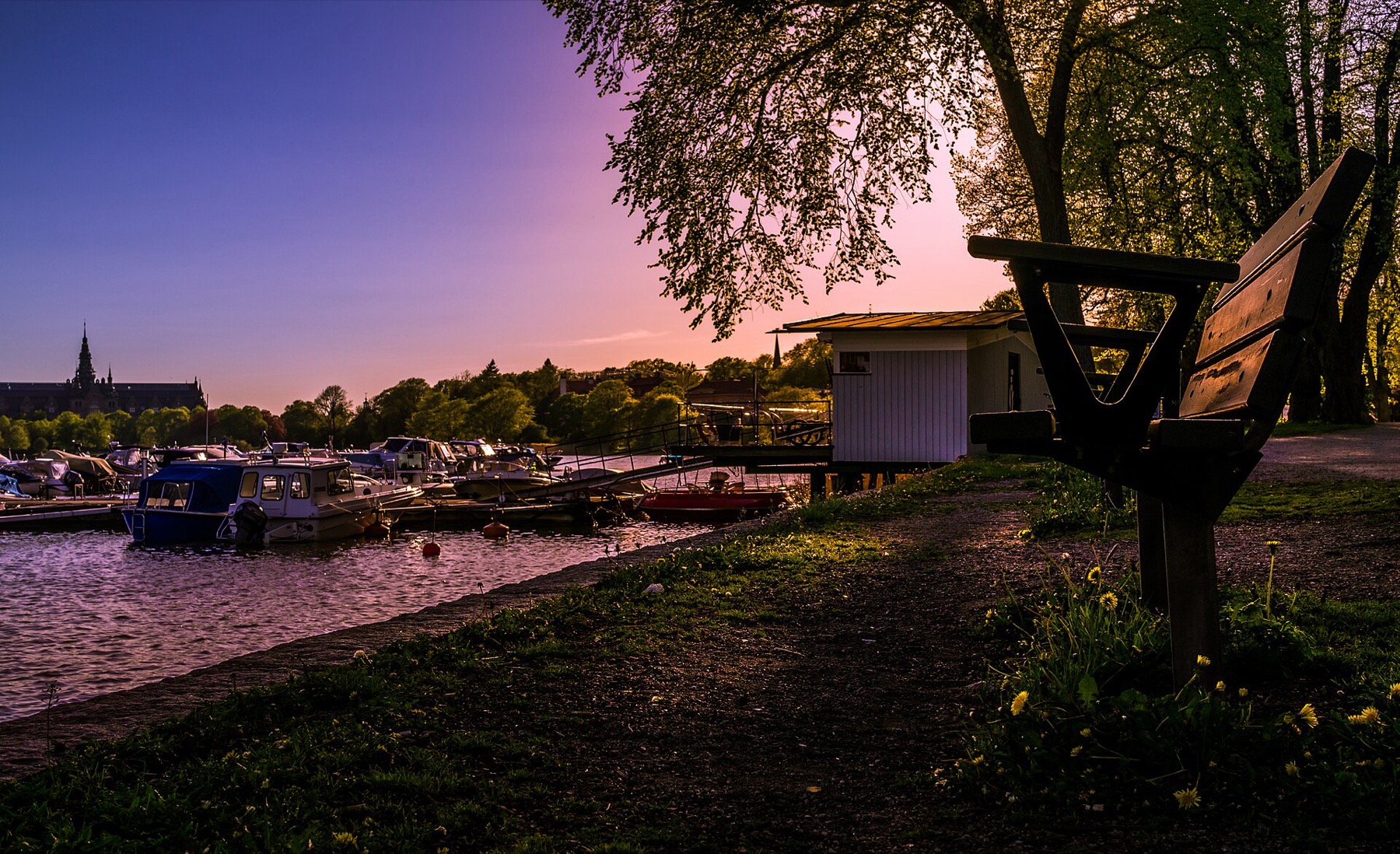
If you prefer walking and the weather’s nice, you can easily reach it on foot across the Djurgårdsbron bridge from the elegant Östermalm district. This route runs along the water, offers lovely views of the moored yachts, and takes roughly 15 to 20 minutes of easy walking from the bridge.
💡 Tip: On the walk across the Djurgårdsbron bridge, don’t forget to stop and photograph the stunning Nordic Museum (Nordiska museet) building, which looks like a huge Renaissance castle and stands right at the start of the island. The view of it from the bridge is absolutely perfect.
12. What Not to Miss Inside the Hall
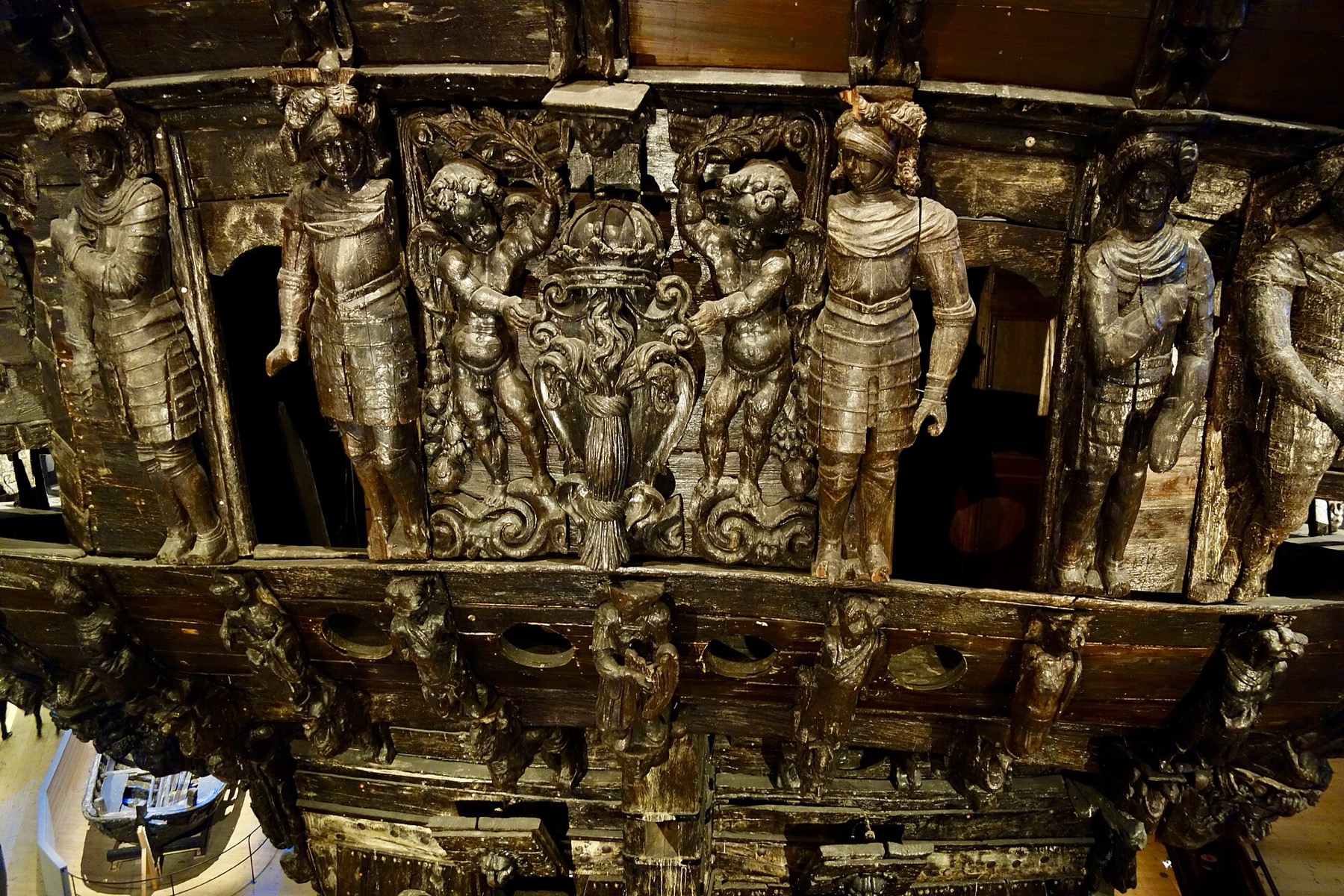
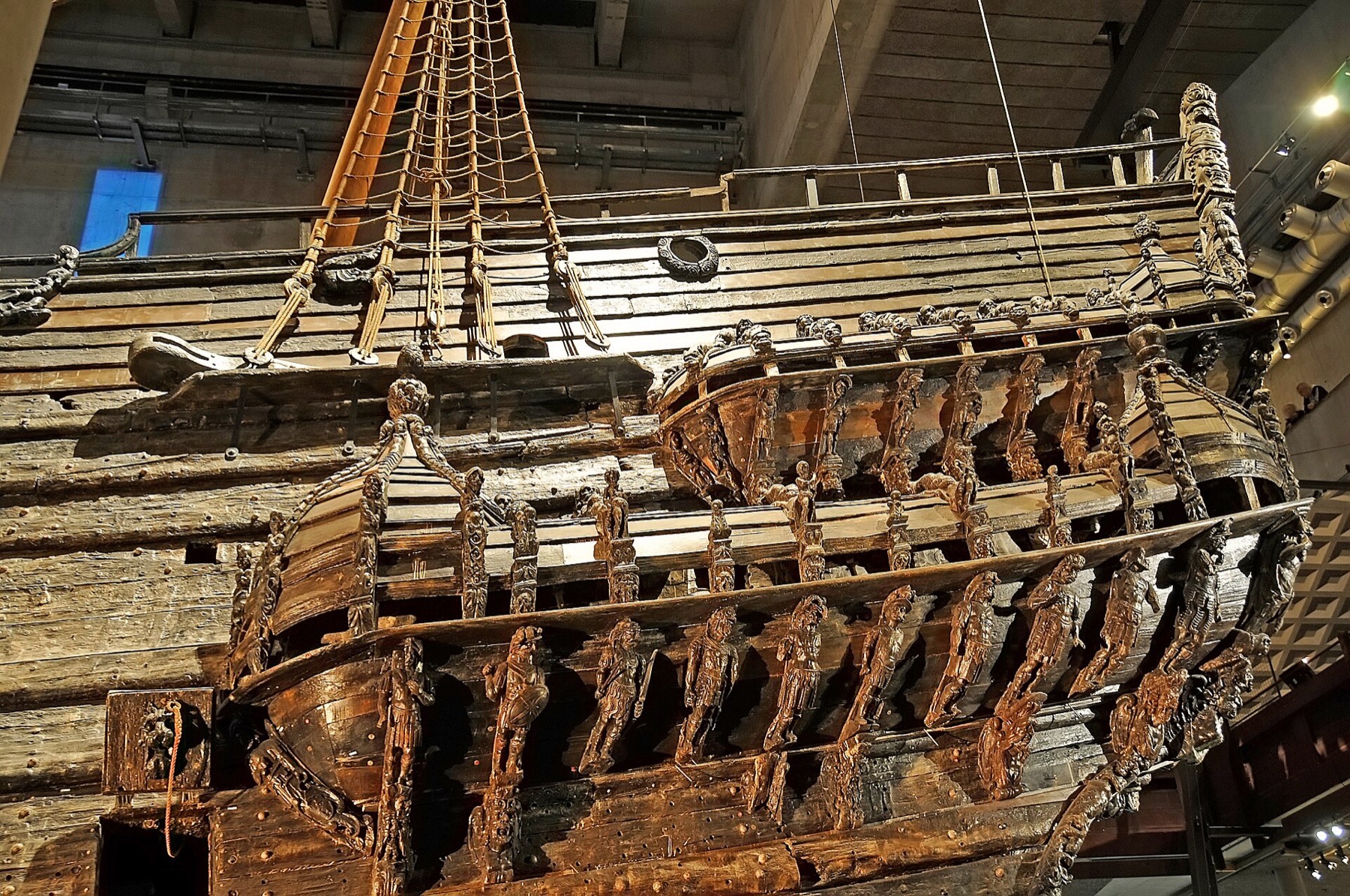
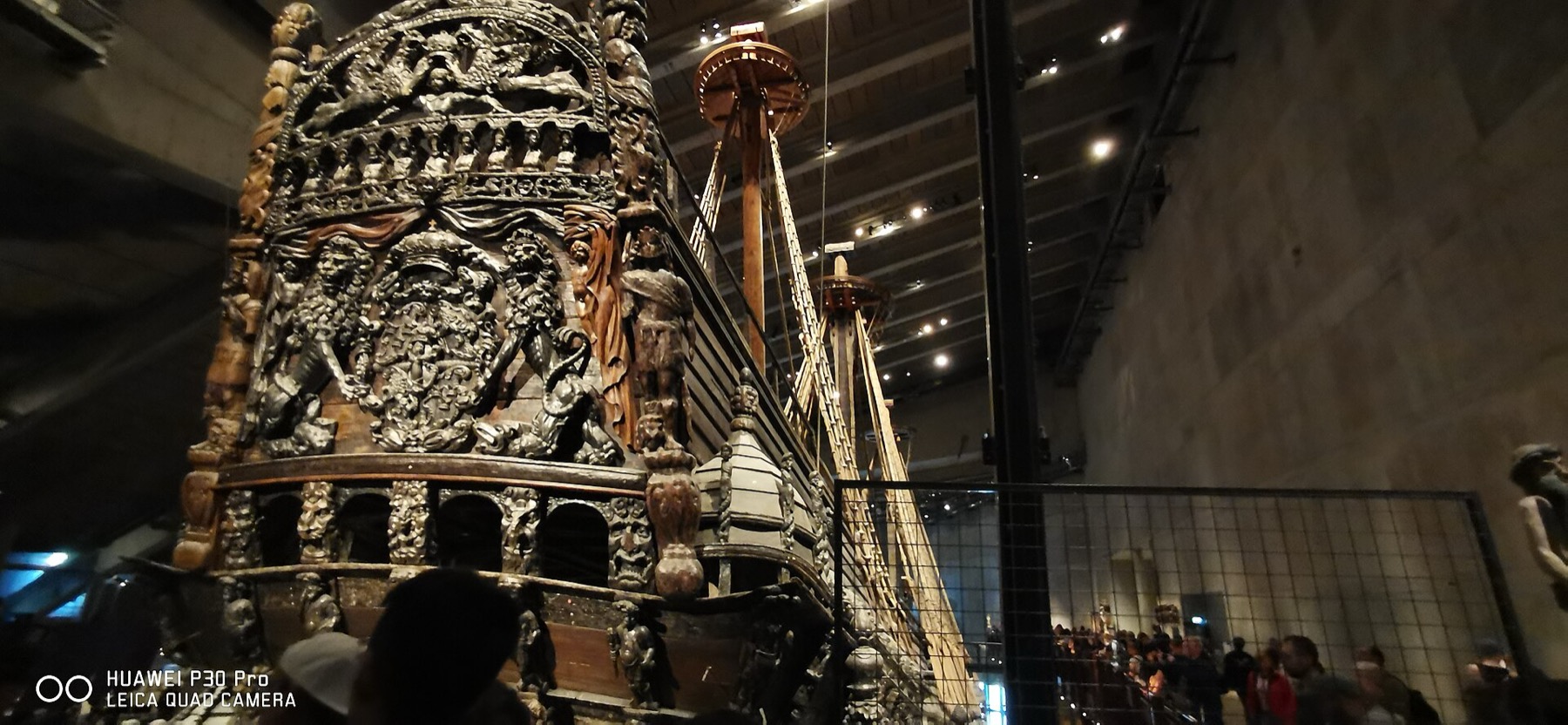
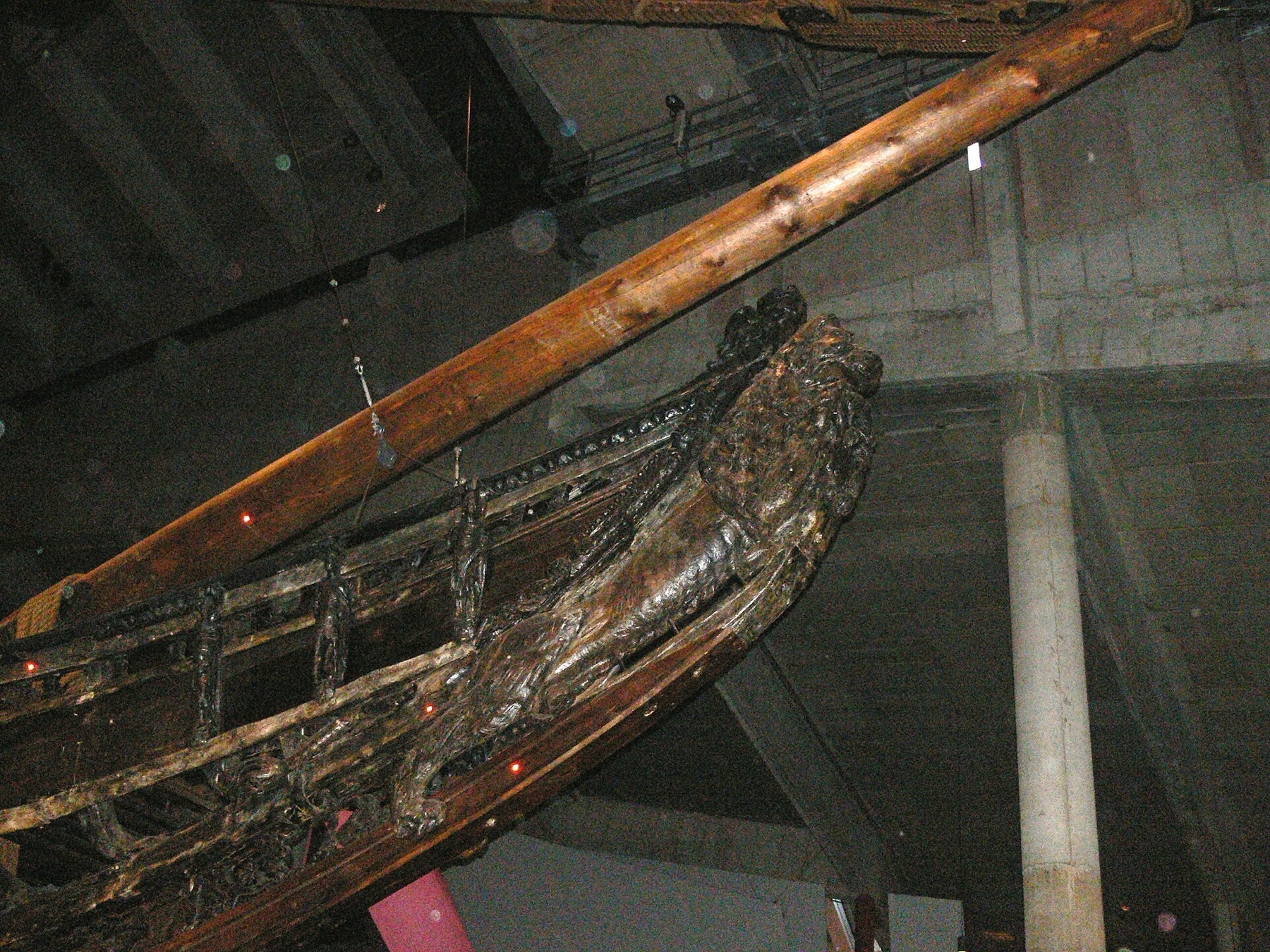
The ship itself is of course the main star, but the whole exhibition, spread across several floors around the wreck, offers plenty more fascinating details to explore. Be sure to focus on the intricately carved stern of the ship, decorated with hundreds of sculptures of kings, mermaids, demons, ancient heroes and Roman emperors. Their job was not only to frighten enemies but also to clearly demonstrate the enormous wealth of the Swedish kingdom.
Very striking, and honestly a little chilling, is the neighbouring exhibition showing the sailors’ skeletons that were found and the reconstructed faces of the victims of this catastrophe. Thanks to them you fully grasp the real human dimension of the whole tragedy, because historical records tell us that women and children were on board that day too. Also well worth seeing is the precise 1:10 scale model of the ship, glowing with its original vivid colours. The wreck itself is today a uniform dark brown due to the long conservation with polyethylene glycol, but in the 17th century the Vasa positively blazed with bright red, gold and blue.
If you’re interested in period life, peek into the replica of the lower deck. There you can experience just how incredibly cramped the conditions were in which the sailors of the day slept, and even try lifting a precise replica of a cannonball to understand how physically demanding the work at sea really was.
💡 Tip: Don’t forget to head to the cinema room for the short documentary film about the raising of the ship, which runs regularly with English subtitles and makes a great introduction to the whole tour. The museum also offers guided tours in English, already included in the price of the basic ticket. You’ll always find the exact start times on the information board right by the main entrance.

13. Combined Ticket with the Vrak Museum
Right next to the Vasa stands the newer and architecturally very modern Vrak – Museum of Wrecks, which focuses in detail on other fascinating archaeological discoveries from the dark depths of the Baltic Sea. If you love underwater history, diving, or simply enjoy uncovering the stories of lost ships, you’ll definitely enjoy this stop a lot, as it uses modern digital technology and holograms. What’s more, the Vrak Museum doesn’t concentrate only on antiquity but also maps the fate of ships from the First and Second World Wars, offering a much broader historical context of the whole Nordic region and perfectly complementing the story of the Vasa itself.
If you’re planning to visit both institutions, which makes complete sense on the museum island of Djurgården, it’s worth buying a combined ticket. In the main summer season this joint ticket costs 359 SEK (about €33), which is significantly less than buying two separate entries. In the winter months you’ll pay 315 SEK (about €29) for this good-value combination.
A huge advantage is that this combined ticket is valid for a full 48 hours from purchase. You can therefore spread your visits to both museums leisurely over two days and don’t have to fit everything into one rushed afternoon — something you’ll especially appreciate when travelling with children.
💡 Tip: The Vrak Museum has a fantastic café with a view right over the water, where there tend to be far fewer people than in the main restaurant by the Vasa. It’s an absolutely ideal spot to relax over a cup of coffee after a long day full of history and sort through all your new impressions.
14. Things to Do Nearby and Where to Eat
Once you’re hungry after touring the enormous wreck, you don’t have to go far at all. Right inside the museum building there’s the very decent and spacious Vasa Restaurangen, which definitely isn’t one of those typical overpriced tourist traps. Its opening hours follow the season (in summer it cooks from 9:00 to 17:30, an hour less in winter). The prices are admittedly a touch higher, as tends to be the case in Scandinavia, but the menu is varied and the ingredients come from local farmers.
If you prefer meat-free meals, I recommend trying their generous vegetarian salads with fresh vegetables and legumes, which will fill you up reliably. Alternatively, treat yourself to a traditional Swedish coffee break — the so-called fika. With your strong filter coffee, definitely order a delicious cardamom bun (kardemummabulle), which together will set you back roughly 80 to 110 SEK (about €7–10). Tap water is completely free with your meal here — just pour yourself a glass at the counter.
Djurgården island is simply a huge hub of entertainment, so you can easily spend the rest of the day here. Just around the corner you’ll find the famous interactive ABBA museum, a huge open-air museum with free-roaming moose and reindeer, or the fairytale house Junibacken, dedicated to the timeless stories of author Astrid Lindgren and an absolute paradise for all children.
💡 Tip: If you’re after a cheaper lunch option, pack food to take along in your backpack. In front of the museum you’ll find plenty of benches and lovely grassy areas where you can set up a great picnic with a view of the moored ships — something the locals do routinely in summer. Just watch out for the ubiquitous gulls, which are very cheeky on Djurgården and love to snatch snacks straight out of tourists’ hands the moment they stop paying attention.
Where to Stay Near Djurgården
💡 Accommodation and experiences tip: We prefer to look for accommodation on Booking.com, which usually has the best cancellation terms. For tickets, tours and activities, it pays to compare and book through GetYourGuide.
Djurgården island is a protected parkland full of greenery and museums, so you won’t find many hotels on it directly — which makes staying in its immediate vicinity all the more strategic. The best choice is the elegant Östermalm district, from which you can walk to the Vasa Museum on a lovely stroll across the bridge, or the practical Norrmalm district, from which the direct tram number 7 runs and you’re a short walk from the main railway station. In general, hotels in Stockholm aren’t that much more expensive than in the rest of Western Europe, and the price almost always includes an absolutely fantastic and hearty Nordic breakfast that will keep you going for half a day.
Here are some specific tips for well-rated hotels in different price ranges, from which you can reach the ship quickly and comfortably:
- Scandic Hasselbacken – One of the few exceptions that sits right on the green island of Djurgården, just a few minutes’ walk from both the Vasa Museum and the historic Skansen. It’s a beautiful historic hotel with an excellent restaurant and hearty breakfasts, which retains its traditional charm. A double room here costs around €155 per night.
- Motel L Stockholm Älvsjö – If you’re after a more affordable option on a smaller budget and don’t mind hopping a few stops on Stockholm’s clean public transport, this modern hotel offers nice, clean rooms with a very playful design. Price-wise you’ll land at a pleasant €80 or so per night for two people.
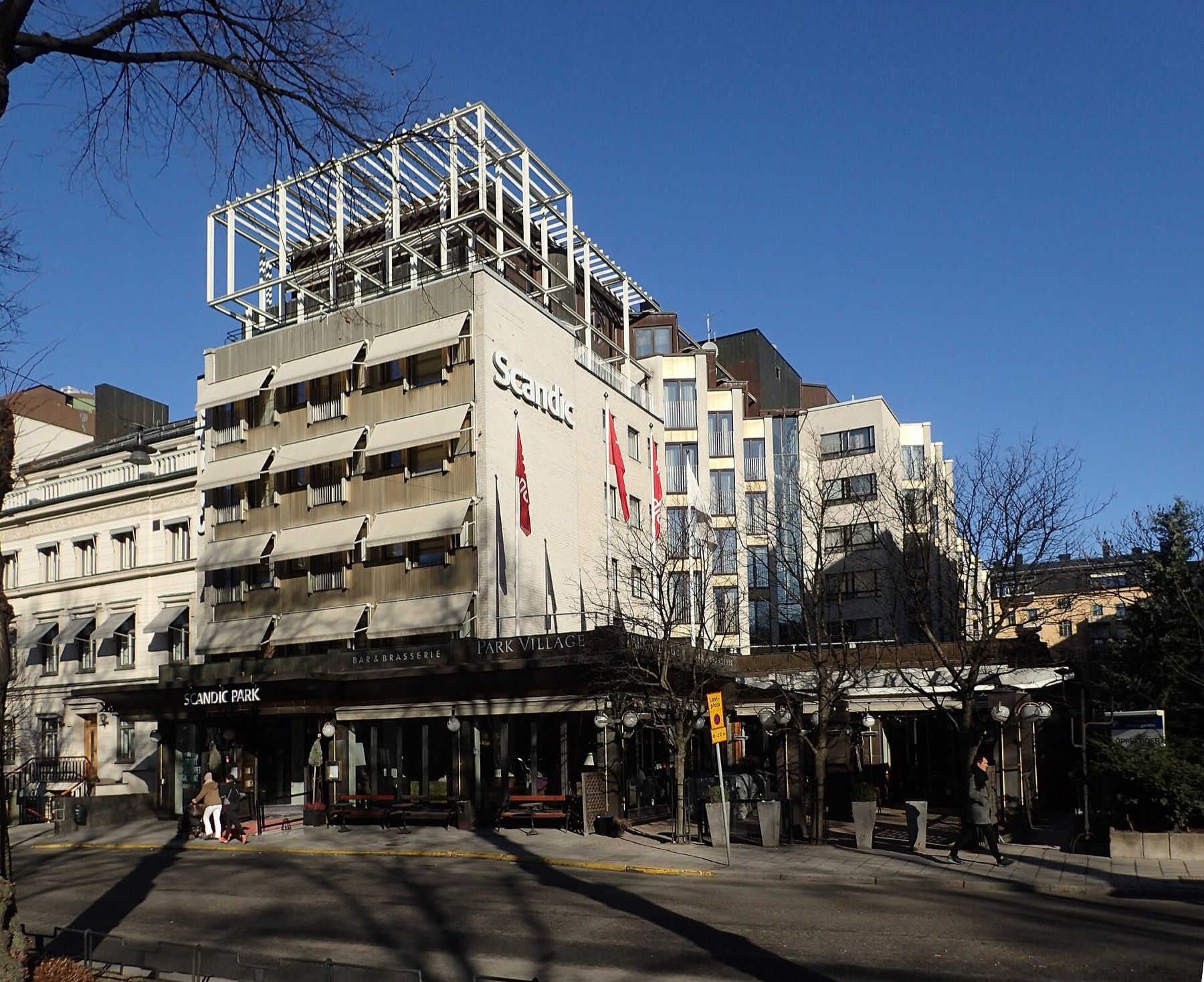
- Scandic Anglais – A stylish hotel situated right on the busy Stureplan square in the Östermalm district. From here you can reach the Vasa Museum on a pleasant walk in about 20 minutes. It offers fantastic breakfasts and, in summer, a lovely rooftop terrace for an evening drink. The price hovers around €155 per night.
- Hotel Diplomat Stockholm – A more luxurious boutique option housed in a gorgeous Art Nouveau building right on the Strandvägen waterfront with perfect water views. It’s just a 10-minute walk to Djurgården island from here. An ideal choice for a romantic weekend — expect a price of around €265 per night.
What to Combine with a Visit to the Vasa Museum
As I’ve already mentioned, Djurgården island is the true entertainment heart of Stockholm, and it would be a huge shame to leave straight after seeing the old ship. The whole island calls for at least one full day of your itinerary.
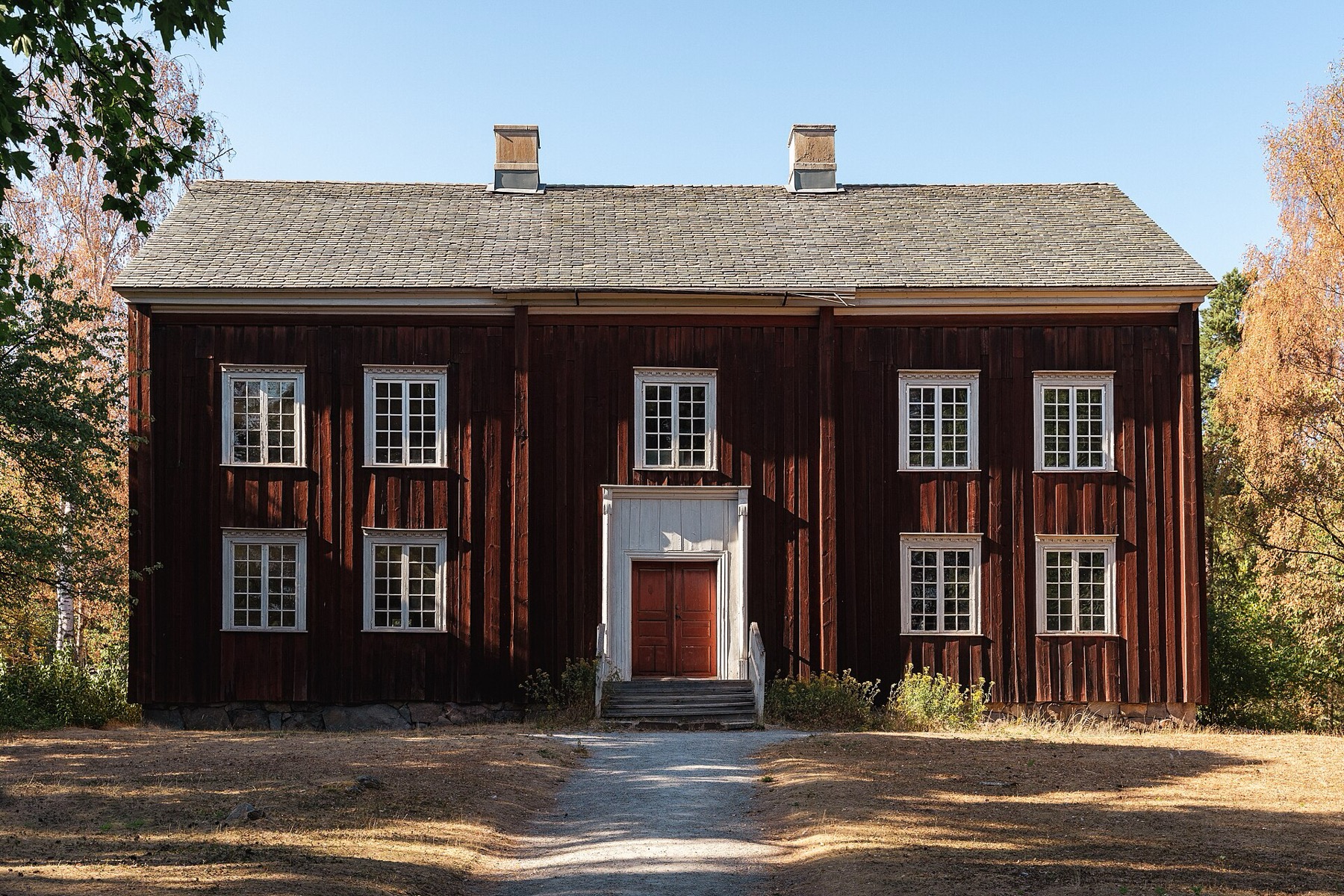
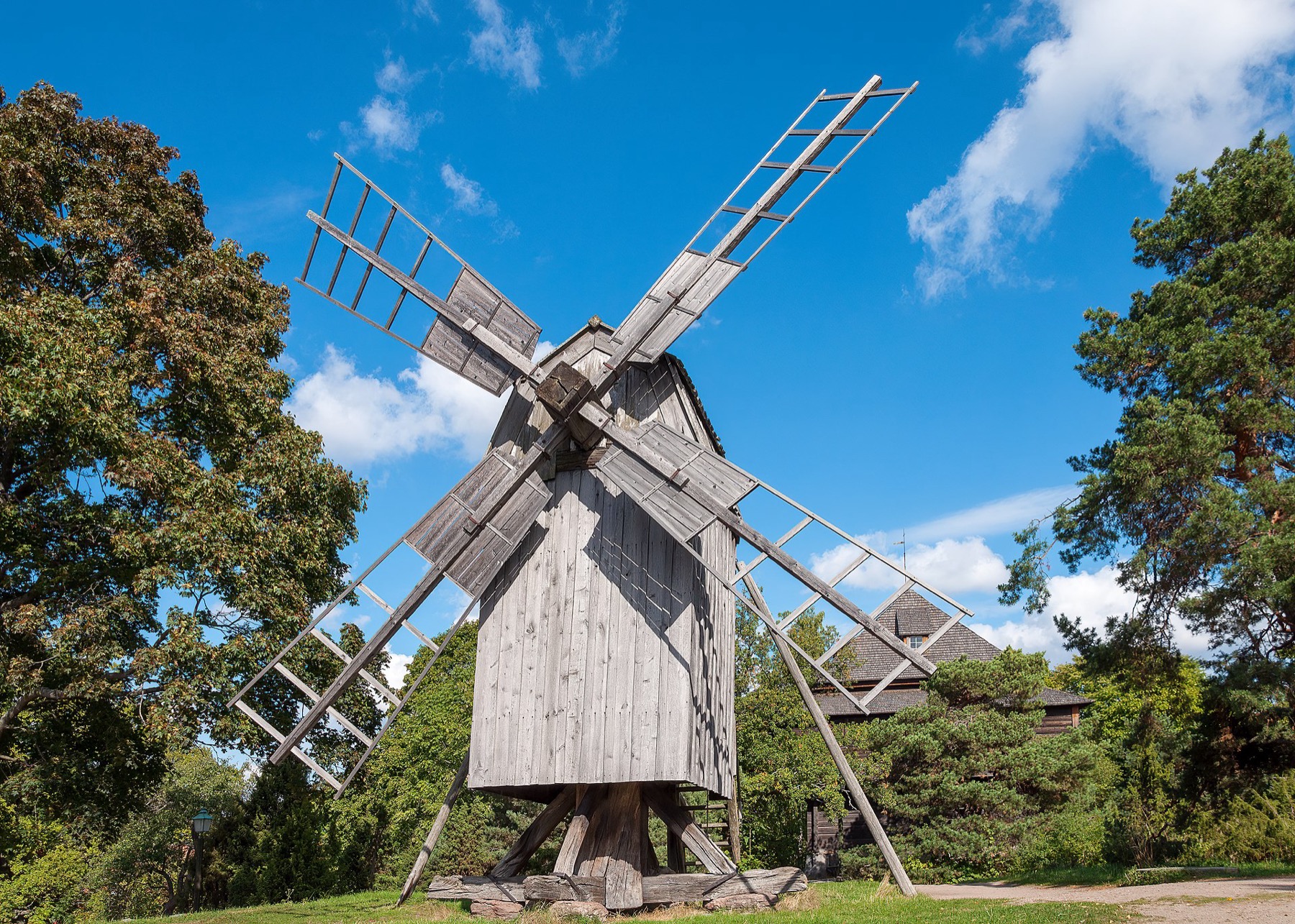
Right next to the Vasa lies the oldest open-air museum in the world (Skansen), founded back in 1891. It’s not just a few dull little cottages, but a huge park full of historic buildings brought here from all over Sweden. It also includes an amazing Nordic zoo, where you’ll meet moose, reindeer and bears. Admission varies with the season (from 185 to 305 SEK, about €17–28) and you should set aside at least three hours for the visit.
A short walk away you’ll find the iconic ABBA The Museum, whose slogan is “Walk in, dance out”. You can sing along in a hologram studio right with the band, which at around 250 SEK (about €23) is enormous fun not just for die-hard fans. If you’re travelling with younger children, an absolute must is Junibacken, the interactive world of Astrid Lindgren’s books, where a fairytale train carries you straight into the stories of Pippi Longstocking.
Adrenaline lovers shouldn’t miss the historic Gröna Lund amusement park, perched right on the seashore, which recently opened a terrifying new ride called Spindeln. And if you’re interested in Swedish culture and fashion, the majestic Nordiska museet (Nordic Museum) building stands right by the bridge and offers a fascinating look at life in Scandinavia from the 16th century to the present day.
Practical Summary and Approximate Prices
To make budget planning easier, here’s a handy overview of the key expenses and information tied to a visit (prices are for 2026; note the approximate rate of 1 SEK = €0.09).
- Vasa admission (summer, May–September): 240 SEK (about €22)
- Vasa admission (winter, October–April): 195 SEK (about €18)
- Combined ticket Vasa + Vrak (summer): 359 SEK (about €33)
- Opening hours in summer: Daily 8:30–18:00
- Opening hours in winter: Daily 10:00–17:00 (until 20:00 on Wednesdays)
- Recommended visit length: 1.5 to 2 hours
- Best time without crowds: First thing in the morning after opening or Wednesday evening
- Getting there: Ferry line 82 from Slussen or tram no. 7 from the centre
- Single public transport ticket (75 minutes): 42 SEK (about €4)
- Coffee and pastry (fika) in the café: about 80–110 SEK (about €7–10)
Where to Next
- Stockholm: 25 Tips on What to See and Do
- Sweden: 30 Tips on What to See and Do
- Copenhagen: 25+ Tips on What to See and Do
- Holidays in Europe: 17 of the Most Beautiful Places
Frequently Asked Questions
Before a trip to Stockholm, plenty of practical questions are surely running through your head. To make planning as easy as possible, I’ve put together the most common queries people ask about the Vasa Museum. Hopefully they’ll help you organise your whole visit nicely in advance.
How much exactly does entry to the Vasa Museum cost?
During the main summer season from May to September, a standard adult ticket costs 240 SEK (approx. €21). Off-season, specifically from October to April, you’ll pay a more pleasant 195 SEK (approx. €17). Children and young people up to 18 years old get in absolutely free all year round.
Can you pay with cash at the museum?
No, the museum is completely cashless. At the ticket desks, in the souvenir shop, and in the on-site restaurant, they accept only payment cards (Visa, Mastercard, Amex, Maestro). Cash Swedish kronor will be useless here, so make sure in advance that you have a working card, ideally with a favourable exchange rate and no unnecessary fees.
How long does a museum visit take?
For a leisurely look at the ship itself, exploring the surrounding exhibits on different floors, and watching the short documentary film with English subtitles, set aside roughly 1.5 to 2 hours of pure time. If you stop for a coffee or vegetarian salad in the on-site restaurant, the visit can easily stretch to three hours.
Is the museum suitable for small children?
Yes, children are usually absolutely fascinated by the enormous ship wreck with its carved statues of kings and mermaids. The atmosphere of the darkened hall and the ship models hold their attention. Just bear in mind that after an hour and a half they may get tired, so it’s ideal to combine the visit with a trip to the nearby fairy-tale museum Junibacken.
Can you buy tickets in advance online?
Absolutely, buying online on the official website is actually highly recommended. You won’t get priority entry into the building if capacity is full, but you’ll significantly speed up the check-in process right at the turnstiles. This way you’ll avoid unnecessary delays if a long queue of cruise ship passengers forms at the regular ticket desks.
Is the combined ticket with the Vrak Museum worth it?
If you’re interested in maritime history and underwater archaeology, then definitely yes. The combined ticket costs 359 SEK in the summer season, which is better value than buying two separate tickets. A huge advantage is that it’s valid for a full 48 hours, so you can comfortably spread both museums across two days.
What’s the best way to get to the museum from the city centre?
From the historic centre of Gamla Stan (Slussen stop), the best option is to hop on ferry line 82, which takes you directly to Djurgården island just a short walk from the museum. From the Norrmalm business district, the most convenient way is tram number 7. For both options, a regular Stockholm public transport ticket works without any problem.
When is the museum least crowded with tourists?
It’s quietest right after morning opening, which in summer is as early as 8:30. On the other hand, give a wide berth to the time between 11:00 and 14:00, when organized tour groups roll in. From September to May, Wednesday is an absolutely fantastic choice for a visit, as the museum has extended opening hours until 8:00 PM.
Tips and Tricks for Your Vacation
Don’t Overpay for Flights
Search for flights on Kayak. It’s our favorite search engine because it scans the websites of all airlines and always finds the cheapest connection.
Book Your Accommodation Smartly
The best experiences we’ve had when looking for accommodation (from Alaska to Morocco) are with Booking.com, where hotels, apartments, and entire houses are usually the cheapest and most widely available.
Don’t Forget Travel Insurance
Good travel insurance will protect you against illness, accidents, theft, or flight cancellations. We’ve had a few hospital visits abroad, so we know how important it is to have proper insurance arranged.
Where we insure ourselves: SafetyWing (simple monthly subscription) and TrueTraveller (for extra-long trips).
Find the Best Experiences
Get Your Guide is a huge online marketplace where you can book guided walks, trips, skip-the-line tickets, tours, and much more. We always find some extra fun there!