Malmö in Sweden is the country’s youngest and by far its most multicultural city, a place where former rusting shipyards have transformed into a hypermodern district crowned by an iconic skyscraper. Right in the centre you can swim in the sea without a second thought, gazing out at a gigantic bridge, and you’ll reach that same bridge from Copenhagen airport on a comfortable train in just twenty minutes. This city works as an absolutely ideal and affordable gateway to Sweden, one you can easily explore over a single long weekend.
While Stockholm can sometimes feel a touch stiff and pricey, Malmö is bold, relaxed and incomparably cheaper. You can comfortably explore it on foot or on a rented bike, because the terrain here is as flat as neighbouring Denmark. On every corner you’ll also stumble across fantastic street food, led by the legendary falafel that will reliably rescue your travel budget.
We’ve put together 18 concrete tips on what to see and do in Malmö, from the historic castle through the best falafel to a sauna above the sea. So you won’t miss anything key. I’ll tell you which districts to head to for history and where modern architecture pulses instead, recommend strategic spots for accommodation, and add a detailed budget so you know exactly how much this Nordic stop will really cost you.
TL;DR
- Biggest architectural draw: the Turning Torso skyscraper, towering over the sustainable Västra hamnen district full of swimming jetties.
- Historic heart: the little Lilla Torg square with its half-timbered houses is an absolute must for a traditional Swedish fika (coffee break).
- Where to eat cheaply: the Möllevångstorget (Möllan) district serves the unbeatably best and cheapest falafel in all of Scandinavia.
- City beach: Ribersborgsstranden offers kilometres of sand and the historic Kallbadhus baths with saunas right above the sea.
- Transport: from Copenhagen–Kastrup airport you’re in central Malmö by train in 20 minutes, and around the city itself a bike is best.
- Budget: Malmö is significantly cheaper than Stockholm; a midday main course (dagens lunch) will run you around 120 to 150 SEK (€11 to €14).
- Day trips: across the Öresund Bridge to Copenhagen, or a short train hop to the historic university town of Lund.
The full destination guide: Sweden — guide and what to see
When to visit Malmö and what the weather in Malmö, Sweden is like
If you want to experience the city at its very best, head here between May and the end of August. The south of Sweden has a fairly mild climate and in summer temperatures sit very pleasantly around 20 to 25 degrees. The days are unbelievably long, the sun sets late in the evening, and the whole Västra hamnen district and Ribersborg beach come alive with picnics and swimming. May is downright magical, too, because the entire surrounding province of Skåne bursts into millions of yellow rapeseed flowers.
During August the city hosts the huge Malmöfestivalen festival, which lasts a whole week and turns the centre into one big party. The streets fill with concerts, food stalls from all over the world and art installations, and most of the programme is completely free for visitors. Just bear in mind that accommodation disappears at lightning speed during this period and hotel prices shoot sky-high. A smaller pitfall lurks at the end of June during the summer solstice celebrations (Midsommar), when Swedes head en masse to the countryside and plenty of city businesses may be unexpectedly closed over the weekend.
The winter months, by contrast, have a very specific, even slightly melancholic atmosphere. December tempts you with traditional Advent markets on Gustav Adolfs Torg square and gorgeous light displays, but the days are extremely short and darkness falls around three in the afternoon. Temperatures hover near zero and a sharp wind often blows in off the sea, so you’ll bundle up in a scarf and spend most of the time dashing between warm cafés, museums and saunas.
Where to stay: hotels in Malmö, Sweden
💡 Tip for accommodation and experiences: We prefer to look for accommodation on Booking.com, where the cancellation terms tend to be best. Tickets, tours and activities are then worth comparing and booking through GetYourGuide.
Choosing the right district will save you plenty of time and money on public transport, because Malmö is fairly compact. The most strategic choice is the area around the main station (Malmö Centralstation), from where it’s just a few steps into the historic centre and you can hop on a train towards Copenhagen or the airport whenever you like. Another great alternative is the modern Västra hamnen district, which offers stunning sea views and a calmer atmosphere, even though it’s about a twenty-minute walk into the old town.
If you’re after absolute comfort and fantastic views, Clarion Hotel Malmö Live is probably the best choice in the whole city. It’s an unmissable modern building right by the station, from which you’ll see the harbour and the historic centre laid out below you. A double room here goes for roughly 1,400 SEK (about €130) a night, and the price includes an utterly lavish breakfast that, thanks to the enormous selection, will keep you going for a good half of the day.
If you love industrial design and stylish interiors, definitely consider Story Hotel Studio Malmö right beside the water canals. The rooms have bare concrete ceilings and huge windows with sea views, and there’s a great restaurant with a terrace on the top floor. Prices here are very similar, usually starting around 1,300 SEK (about €120) a night.
If you prefer sustainable architecture and complete quiet, you’ll definitely be won over by Ohboy Hotell right in the eco-friendly Västra hamnen district. It offers unique rooms with their own street entrance, in front of which a city bike is automatically parked for you free of charge for the whole stay. A night here costs around 1,200 SEK (about €110) and, thanks to a little kitchenette, you can comfortably make your own breakfast from local ingredients. Anyone travelling on a very tight budget, on the other hand, can go for the clean and practical STF Malmö City Hostel in the centre, where a bed runs to about 300 SEK (roughly €28).
Where to eat in Malmö
Thanks to its enormous mix of cultures, the local food scene is incredibly varied and, trust me, you certainly won’t go hungry here. Malmö also offers great value for money, especially if you know exactly where to go and what to taste. Whether you’re in the mood for a culinary experience or just looking for something warm to grab while wandering the city, you’ll always find a great option here.
If you’re after something quick and don’t want to hurt your wallet, head straight to the Möllevången (Möllan) district. This is where the legendary Malmö falafel is made, perfected to an art and available for just a few euros. Try renowned spots like Jalla Jalla or Falafel N.1. For lovers of calmer seating and a slightly more polished atmosphere, I’d recommend the modern covered market hall Malmö Saluhall, where you’ll find the best of local and world cuisine neatly under one industrial roof. ☺️
18 things to do in Malmö, Sweden
Here’s where the fun part begins: what makes Malmö win you over and what you’ll carry away in your memory. Historic landmarks blend seamlessly here with hypermodern architecture and tell the story of a city that transformed from an industrial port into a green metropolis of the future. You can comfortably reach most locations on foot, but for the more distant spots I recommend making use of the excellent city bike network.
1. Turning Torso: the twisting skyscraper
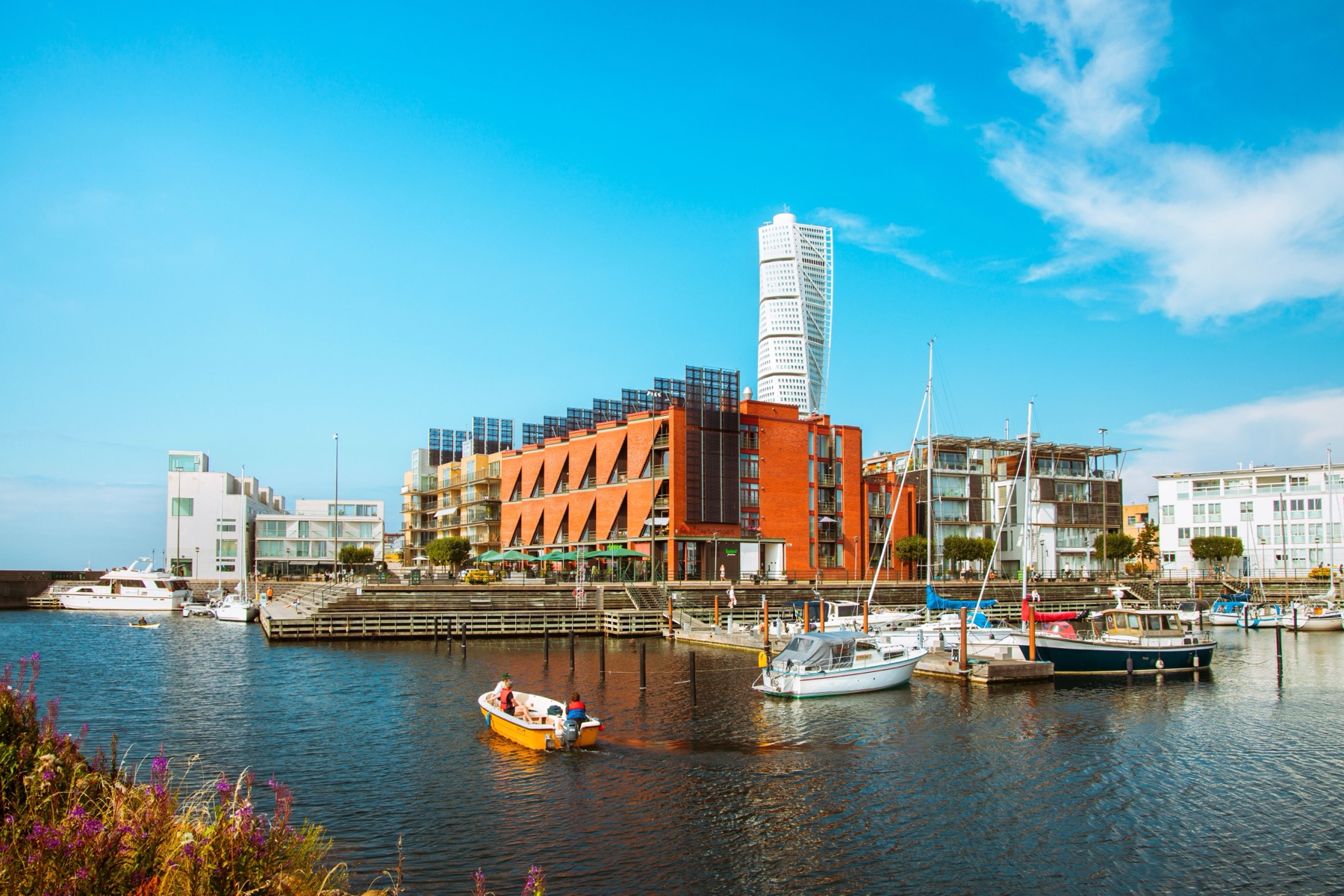
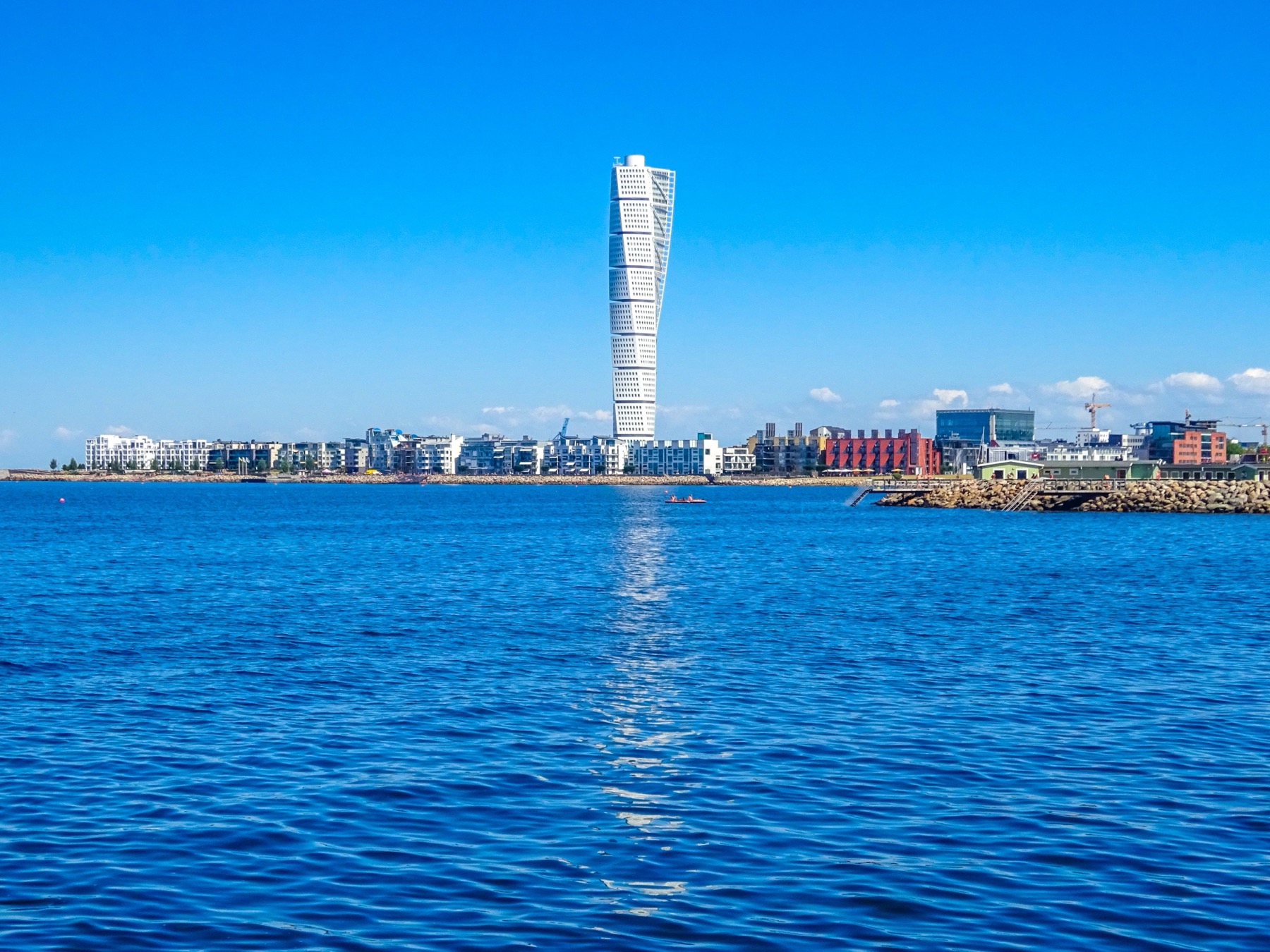
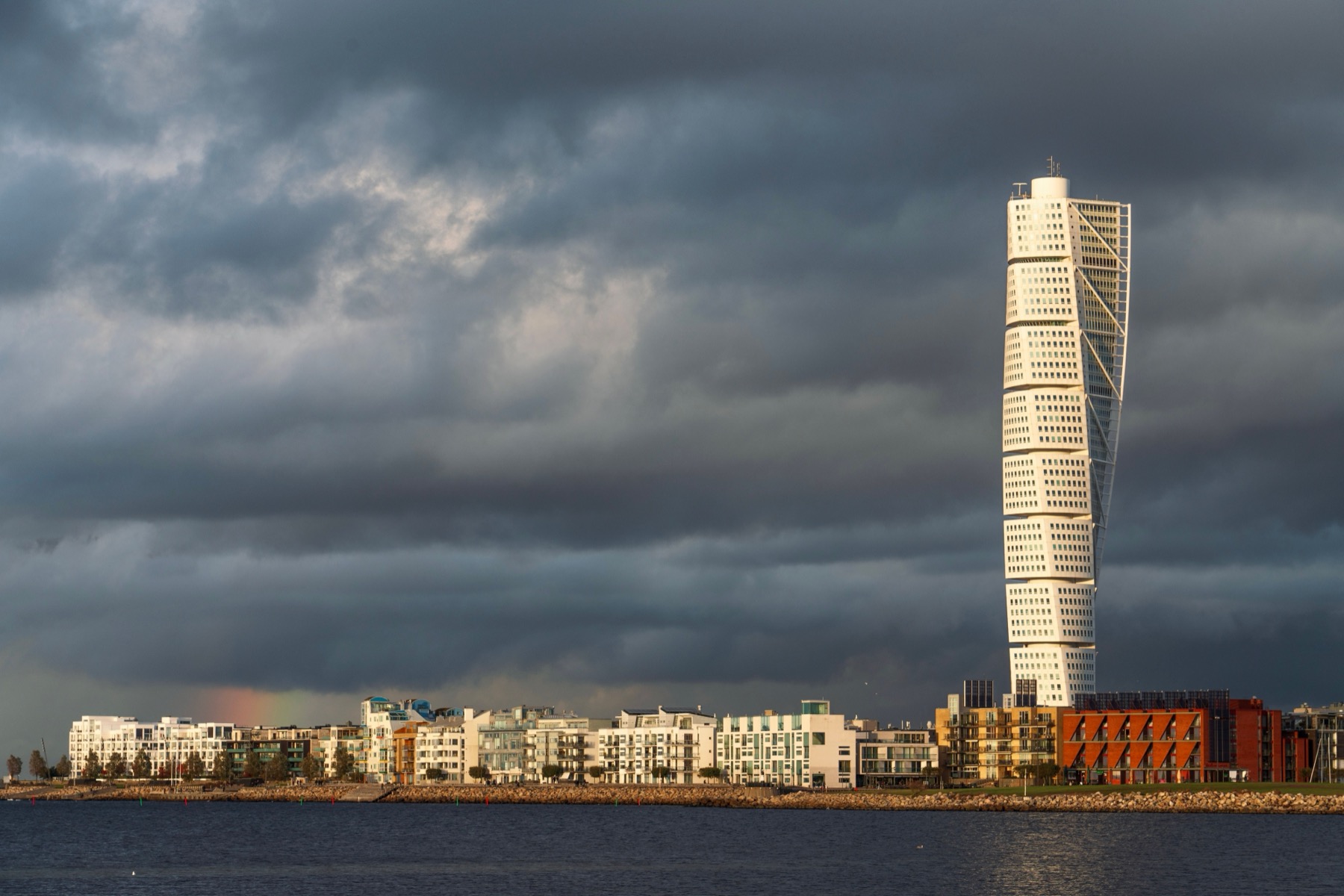
The symbol of the new Malmö is undoubtedly the unmissable Turning Torso skyscraper, which rises to an impressive 190 metres and serves as a perfect landmark for the entire coastline. It was designed by the famous Spanish architect Santiago Calatrava, and its unique shape resembles a human body twisting around its own axis. Until recently it was the tallest building in all of Scandinavia, before it was overtaken by a few metres by the new Karlatornet project in neighbouring Gothenburg.
The building has 54 floors in total, and its construction was incredibly technologically demanding because the area is battered by strong sea winds. The façade twists a full 90 degrees from base to top, which in real life looks truly stunning (the building twists before you like a petrified dancer). If you want to take the best photos, I’d recommend shooting from a slight distance from the neighbouring Scaniaparken, where the whole twisted silhouette stands out against the Nordic sky and you get just the right angle without distracting elements.
There’s one small catch, though, that plenty of disappointed tourists run into right at the entrance. The skyscraper serves exclusively as luxury residential housing and offices, so there’s absolutely no observation deck for the public and no way to look inside. You’ll therefore see it only from the outside, but even so it’s an architectural experience you can easily reach on foot or on city bus number 2.
💡 Tip: the most beautiful view of the Turning Torso is at sunset, when the snow-white façade turns orange and the surrounding water canals reflect the last of the daylight.
2. Västra hamnen: a sustainable district built from shipyards
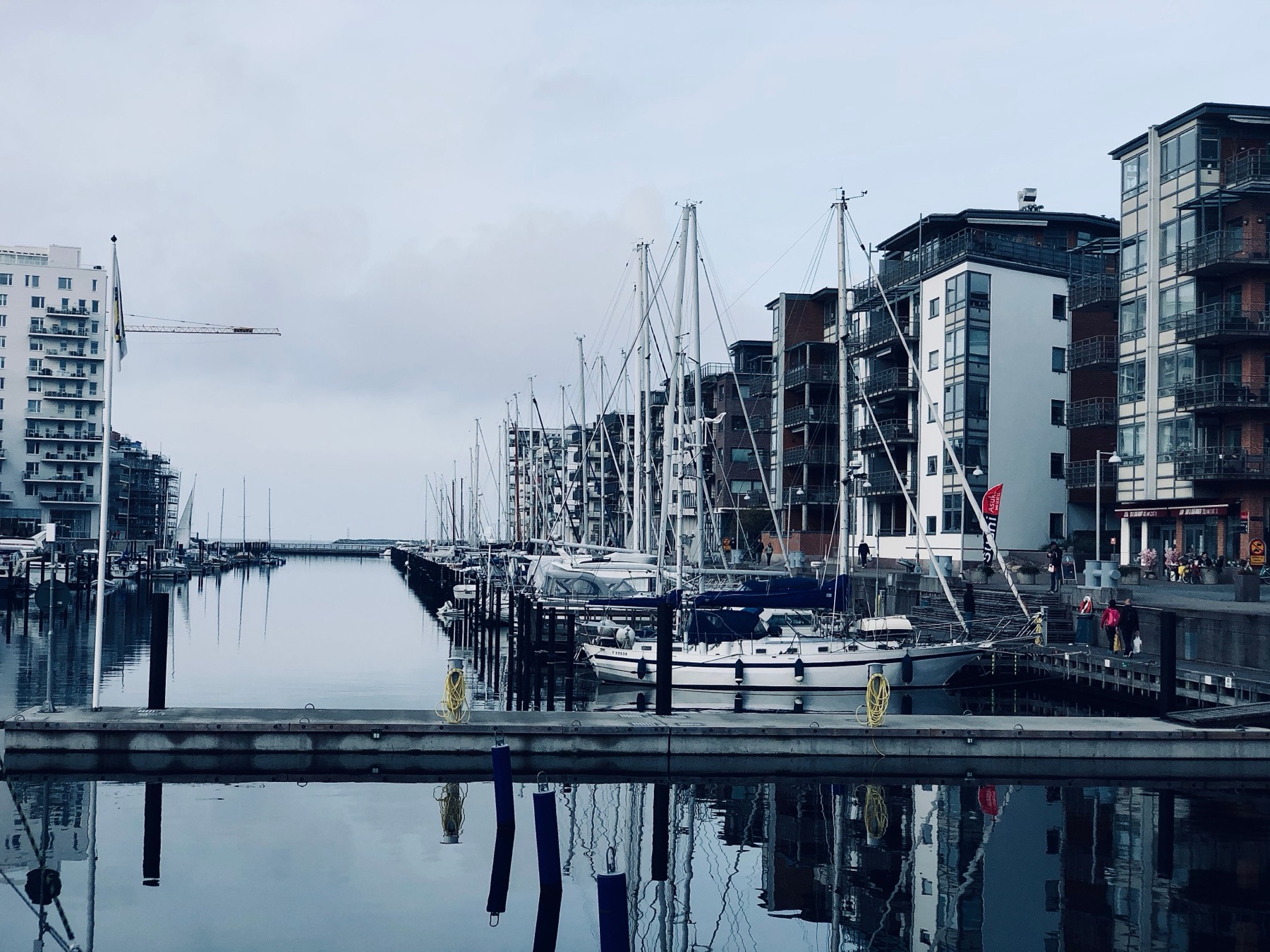
Right beneath the skyscraper spreads Västra hamnen (the Western Harbour), probably the most interesting urban development project in all of Sweden. As recently as the 1980s, heavy industrial halls stood here and the giant Kockums shipyards operated, but after they went bankrupt the city opted for a radical cut. They levelled the whole area to the ground and built a district that runs one hundred percent on local renewable energy.
A stroll through the maze of modern houses, narrow streets and water canals will completely absorb you, and you’ll barely encounter any cars. Local residents collect rainwater here and grow vegetables on the rooftops, and the whole waste system is cleverly handled by innovative vacuum pipes hidden deep underground. The architecture is incredibly varied, since each block of houses was designed by a different studio, so you won’t find two identical buildings side by side.
The district’s biggest draw, though, is the long coastal Sundspromenaden promenade with its gorgeous wooden jetties. In the summer months locals spend whole days here, sunbathing on the boards and jumping straight into the sea, which is surprisingly clean. Grab a coffee at one of the seafront cafés, sprawl out on a wooden jetty and let your eyes wander over the silhouette of the Öresund Bridge in the distance.
💡 Tip: in the afternoon a fairly strong wind blows in off the sea, so even in summer it’s best to pack a light windbreaker or sweater in your backpack so you don’t get chilled needlessly by the water.
3. Ribersborgsstranden: city beach and the Kallbadhus baths
Just fifteen minutes’ walk from the historic centre you’ll come across Ribersborgsstranden, which locals lovingly nickname Malmö’s Copacabana. It’s an incredible three-kilometre stretch of fine, pale sand lined by a well-kept grassy park full of old trees. In summer you’ll find hundreds of people playing beach volleyball here, families with children on picnics and enthusiastic swimmers enjoying the refreshing water of the Öresund strait.
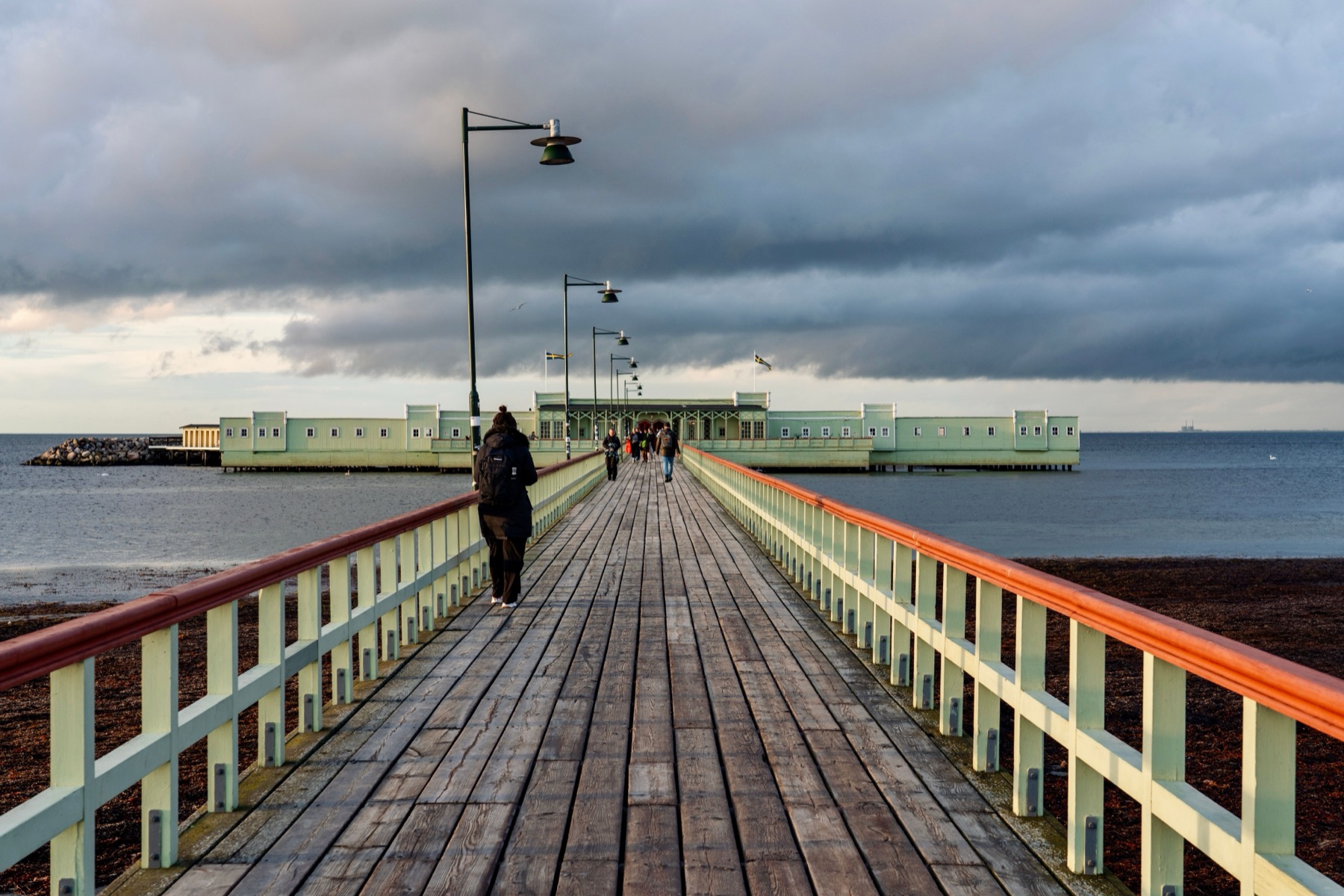
At the very end of the beach, a long wooden jetty stretches out into the sea, and at its end proudly stands the historic Ribersborgs Kallbadhus baths. This gorgeous wooden building from 1898 looks like something cut straight from an old period film and offers an utterly authentic Nordic experience. Locals come here to practise the traditional Swedish ritual of winter bathing (vinterbad), which involves alternating between a scorching sauna and then jumping into the icy sea water.
The baths are very strictly divided into a men’s and a women’s section, because you bathe here in the saunas and the sea exclusively without swimwear. Entry works out to about 85 SEK (roughly €8) and you get unlimited time to relax. Believe it or not, after an hour of sauna and icy water you’ll drag yourself out of the baths with the feeling that you’ve just survived a full-body reset, and you’ll love it. Even if the initial shock of the icy water takes a bit of courage.
💡 Tip: after your sauna, don’t forget to sit down in the cosy local café, which is accessible clothed for everyone and offers a fantastic hot tea with a view over the waves.
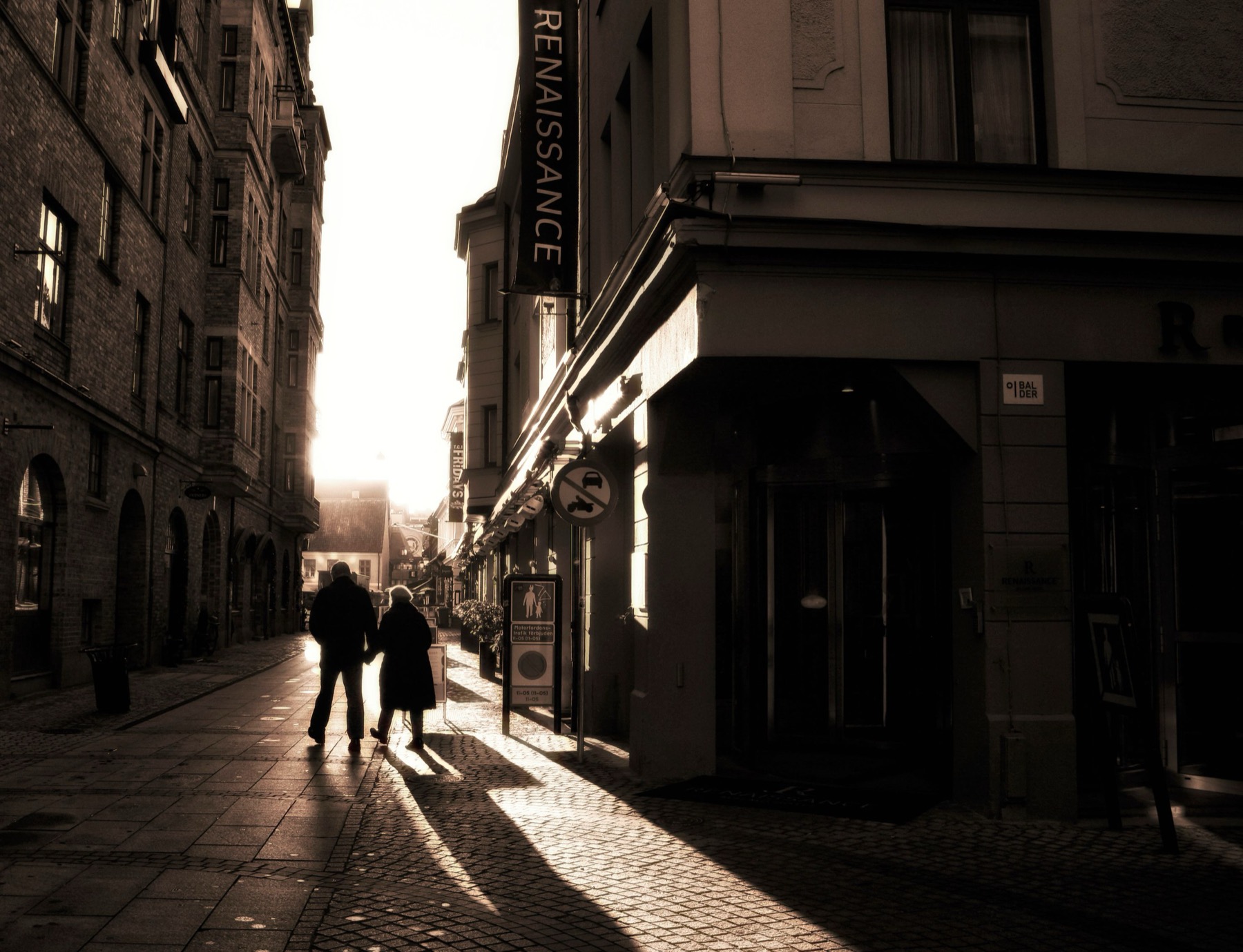
4. Lilla Torg: the heart of the old town and the fika culture
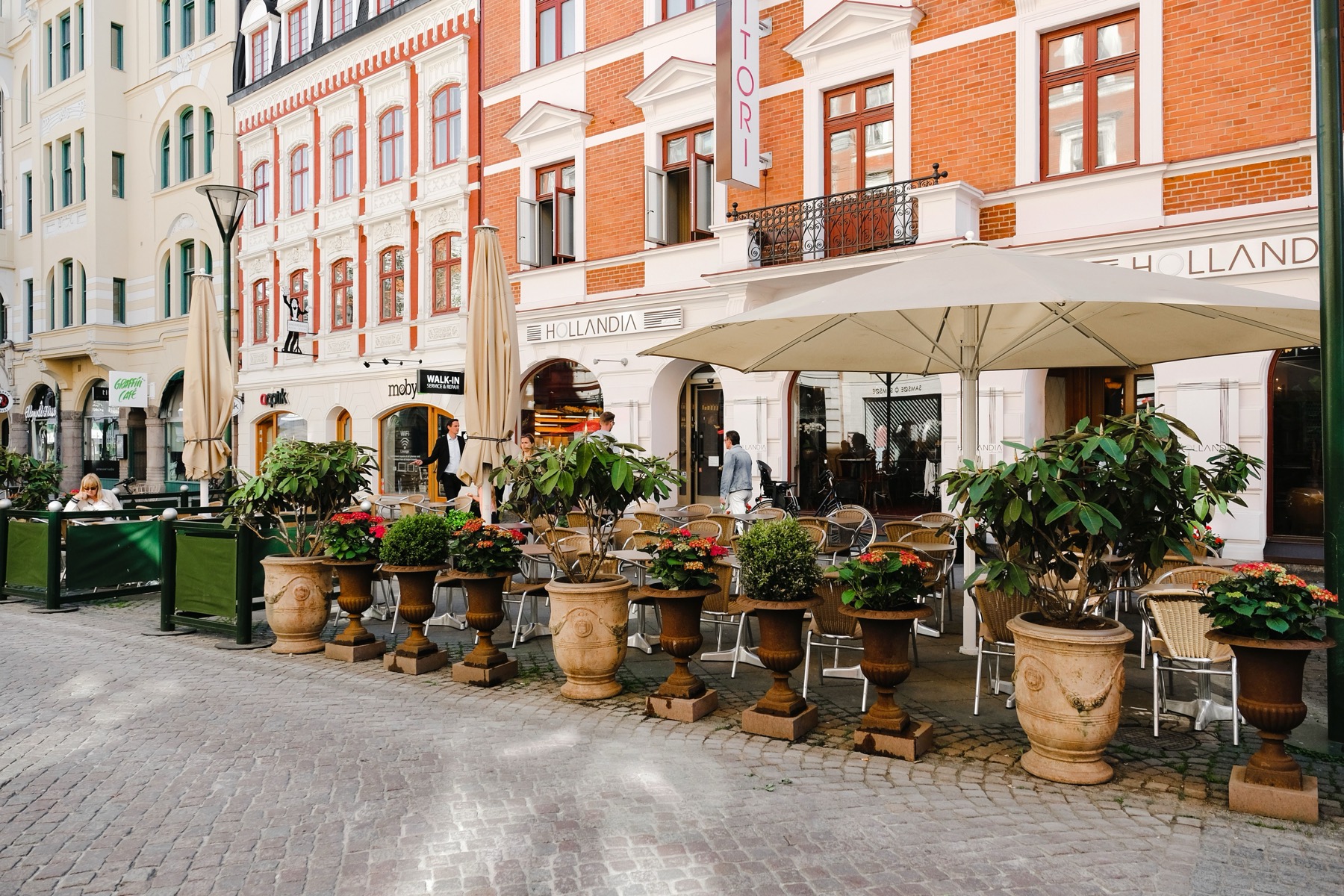
Once you’ve had your fill of modern architecture by the sea, head into Gamla staden (the Old Town), whose beating heart is the picturesque little Lilla Torg (Small Square). It was founded back in 1592 and to this day has kept its utterly unique historic atmosphere thanks to the original cobbled streets and beautifully restored half-timbered houses from the 16th century that frame the space on all sides.
During the day the square works as an ideal and very photogenic refuge. Fika is Sweden’s national ritual (an afternoon break with coffee and a cinnamon bun, without which you simply can’t survive here), and you’ll pay on average around 65 to 100 SEK (€6 to €9) for one. The most iconic building here is the so-called Hedmanska gården, an old merchant’s courtyard that today houses the wonderful Form/Design Center with free entry.
As evening strikes, the whole mood changes radically and the square’s cobblestones turn into one big pulsing open-air bar. Restaurants and pubs fill their heated terraces to the last seat and locals head here for a drink after work. The prices of alcoholic drinks here are admittedly among the higher in the city (a beer will easily cost 80 SEK, around €7), but for that wonderful historic character it’s definitely worth it.
💡 Tip: if you find the terraces on the main square full, try the tucked-away courtyard behind Café Pronto, where you’ll often find a free table and far more peace away from the main bustle.
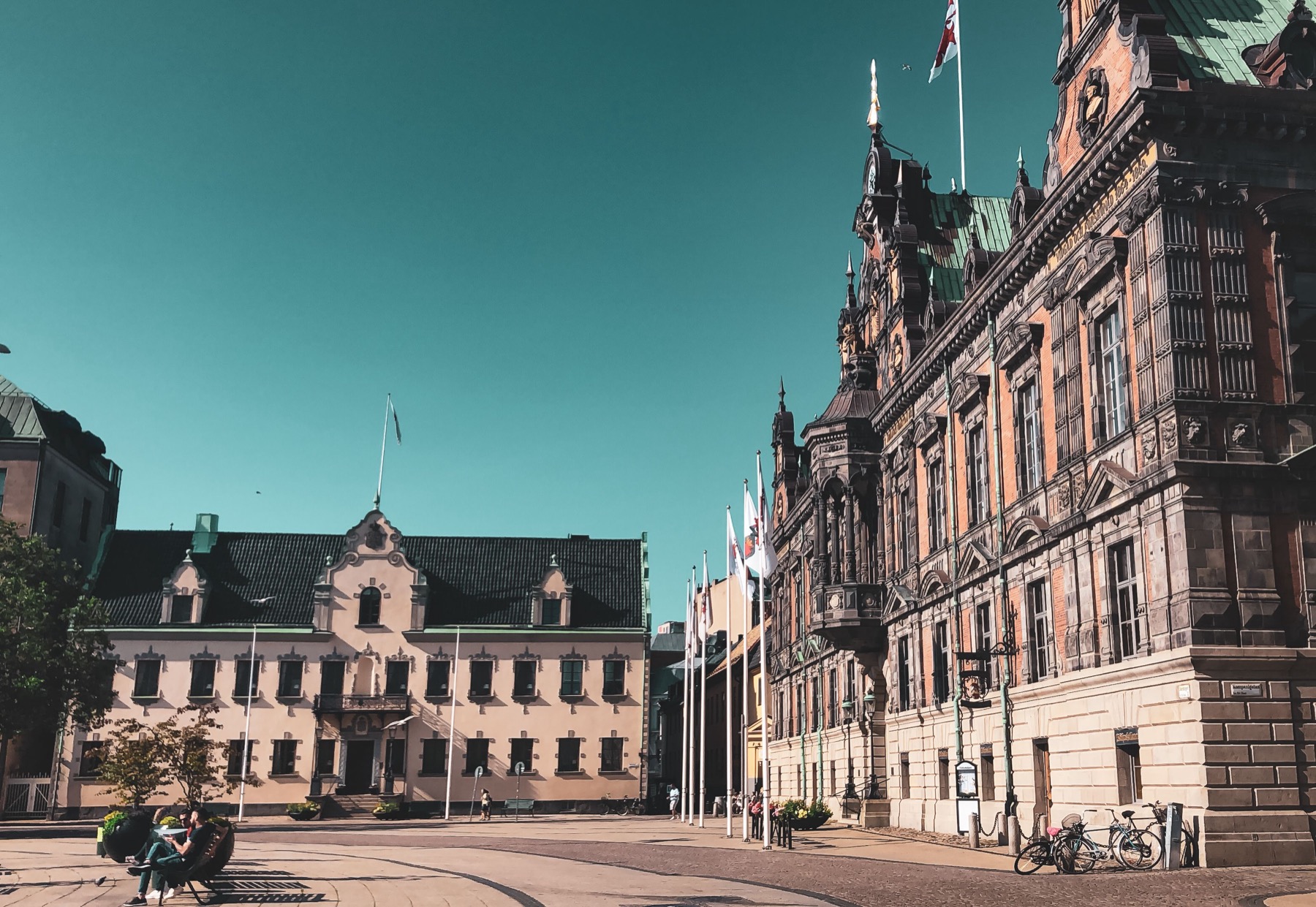
5. Stortorget and the historic town hall
Right next to the intimate Lilla Torg opens up the enormous expanse of the main Stortorget square, one of the very largest in Scandinavia. It was created in the 16th century under the rule of the powerful Danish mayor Jörgen Kock, who wanted to give the city suitable grandeur and space for large markets. At the centre of the square looms a mighty equestrian statue of the Swedish king Charles X Gustav, who definitively won the city back from the Danes in bloody wars.
The most striking dominant feature of the whole space, though, is the gorgeous historic town hall building (Rådhuset) from 1546. It was originally built in a fairly austere Gothic style, but in the 19th century it underwent an extensive rebuild into its current form, strongly influenced by Dutch Renaissance. Its richly decorated façade with brick details and statues of historic figures is one of the most popular photo spots in the very centre of the city.
While strolling across the square, definitely don’t miss the historic Apoteket Lejonet pharmacy (the Lion Pharmacy), which stands right on the corner. It’s one of the oldest working pharmacies in Sweden, and its wonderful 19th-century wooden interior full of carved cabinets, old apothecary jars and brass scales resembles a museum from the magical world of Harry Potter more than an ordinary prescription shop.
💡 Tip: try to make time for a walk around the town hall after dark too, when the whole building is beautifully lit and the square takes on a very calm, almost mysterious atmosphere.
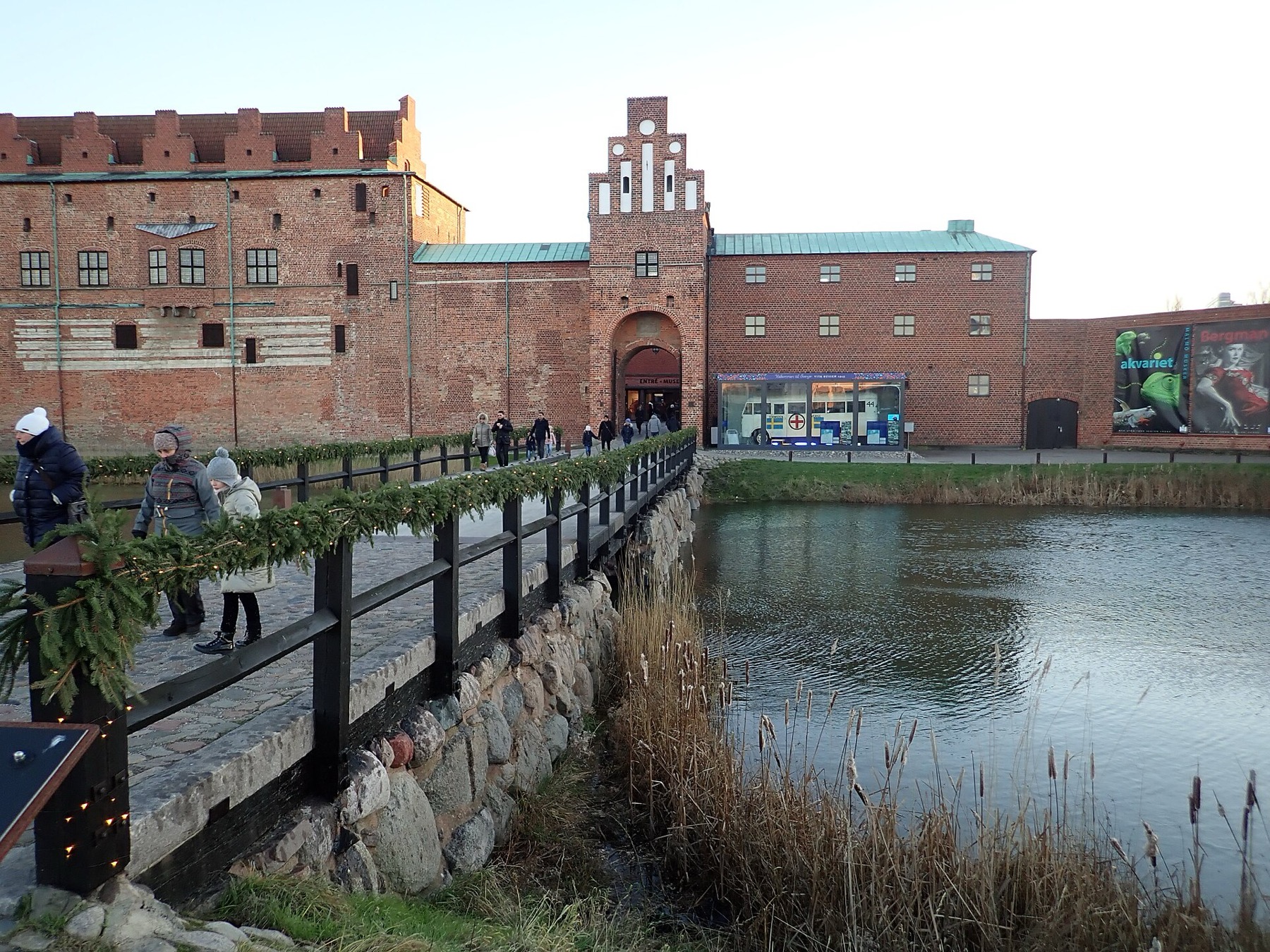
6. Malmöhus Castle: a Renaissance fortress in the centre
A short walk from the main square, surrounded by a deep moat and mature trees, lies Malmöhus, the oldest surviving Renaissance castle in all of Scandinavia. The original fortress stood here as far back as the 14th century, but its current form of massive red brick was given to it by the Danish king Christian III in the mid-16th century. The castle played an absolutely key role in the constant bloody wars between Denmark and Sweden over control of the lucrative Öresund strait.
The history of this building is fairly dark and immensely fascinating. During the 19th century the castle served as a feared state prison, where the toughest criminals in the whole country served their sentences, and even the Scottish Earl of Bothwell, third husband of Mary, Queen of Scots, was imprisoned here for five years. Today, thankfully, nothing at all remains of the grim atmosphere, and the whole castle complex has become an enormous and welcoming cultural centre.
A walk along the mighty defensive ramparts and around the moat is also free, and in the surrounding park with a windmill you can easily carve out a peaceful afternoon away from the busy centre.
💡 Tip: set aside at least two hours to visit the area around the castle, the park really is enormous and offers plenty of hidden benches ideal for an afternoon picnic.
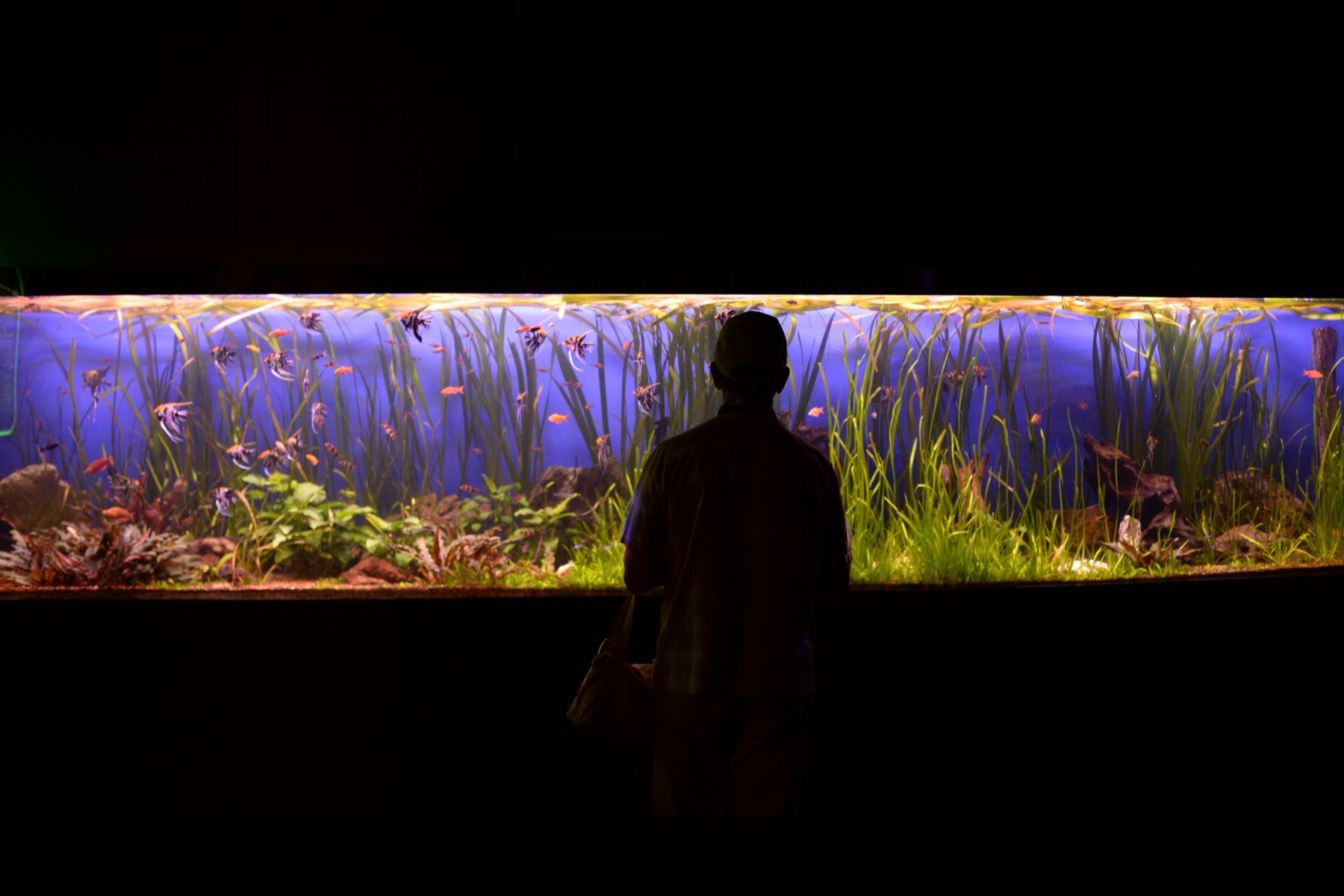
7. Malmö Museer: aquariums and Nordic art
Right inside Malmöhus Castle and in several adjacent historic buildings sits a complex of museums joined under the shared name Malmö Museer. It’s by far the largest museum institution in all of southern Sweden, and you should set aside at least half a day for a thorough visit. Admission is very friendly by Swedish standards, working out to 40 SEK (about €4) for an adult, and for that single ticket you get access to all the exhibitions across the huge complex.
The biggest hit, especially if you’re travelling with family and younger children, is the extensive aquarium and terrarium located on the castle’s ground floor. You’ll see absolutely everything here, from local fish living in the nearby Öresund through colourful coral reefs to venomous snakes and frogs. On the next floor you can then explore an engaging historical exhibition about the harsh Swedish–Danish wars and walk through carefully restored royal chambers with original furniture.
Right opposite the castle, in a separate building called Teknikens och Sjöfartens hus, is the technology and maritime museum, whose biggest draw is a real submarine, the U3. You can actually climb into the belly of this retired World War II military submarine and experience first-hand the incredibly cramped conditions in which sailors had to live and operate here for weeks on end.
💡 Tip: the museum tends to be fairly full of families with children at weekends, so if you can, plan your visit for a weekday morning instead, when you’ll have complete peace.
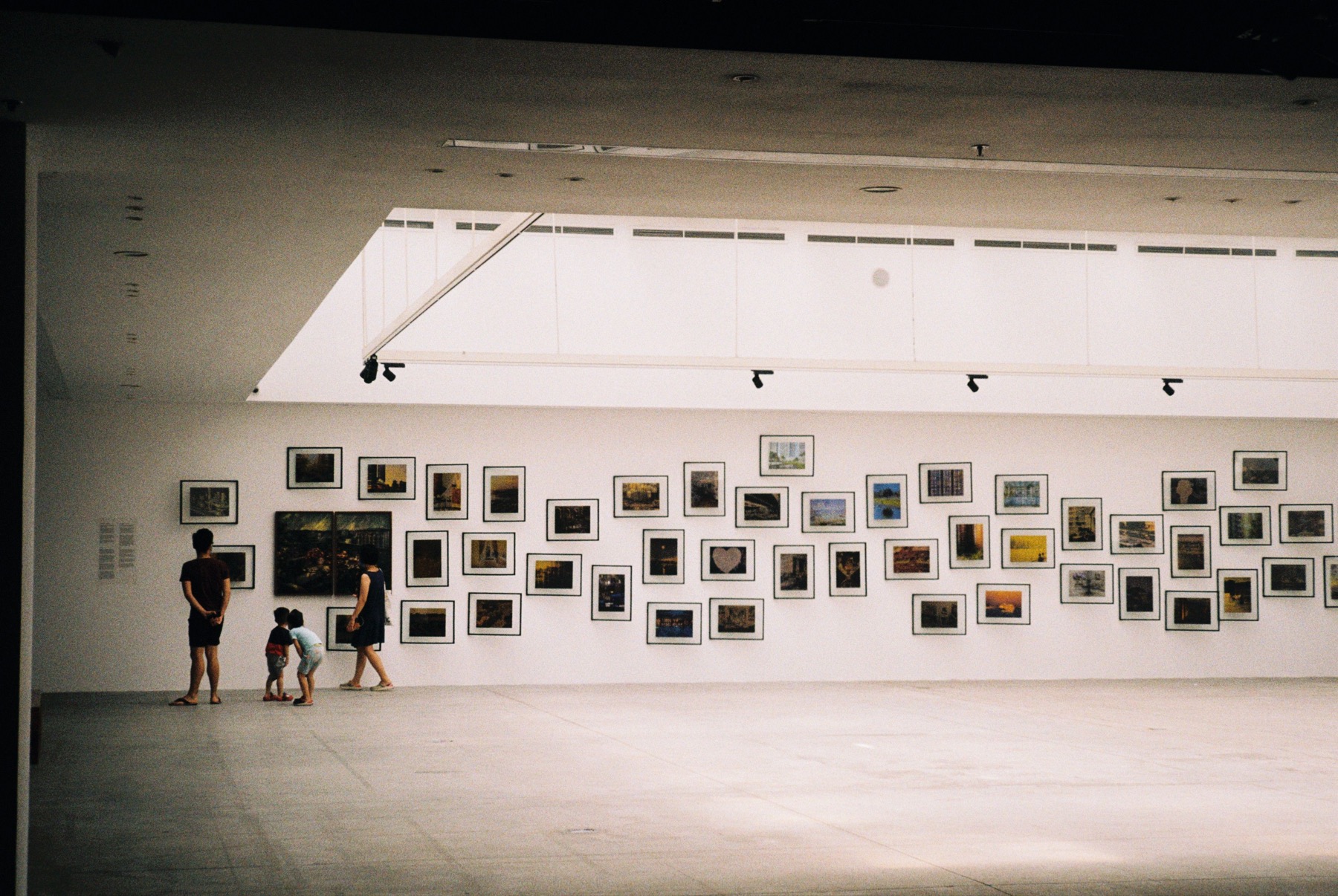
8. Moderna Museet Malmö: contemporary art in a power station
Lovers of modern art must not miss Moderna Museet Malmö on their visit, an independent branch of the famous Stockholm museum. The building itself is a fascinating architectural contrast, because the museum sits in the premises of a former historic power station from 1901, to which architects sensitively attached a modern extension with an unmissable bright-orange façade of perforated sheet metal.
The exhibitions here change regularly and the gallery focuses on top-tier international and Swedish modern and contemporary art. You’ll come across installations, video projections and giant paintings, and thanks to the space of the old turbine hall, even the most bizarre works have room to breathe. Ordinary constrained galleries simply couldn’t handle pieces like these.
Great news for all travellers on a tight budget is the fact that entry to the museum’s permanent collections is often completely free, and you only pay for some specific temporary exhibitions. After your visit, definitely pop into the cosy local café, which offers excellent speciality coffee and a quiet spot to sit in a gorgeous design setting full of art publications.
💡 Tip: the museum is usually closed on Mondays, so always check the current opening hours on the official website before your visit, so you’re not left standing in front of locked doors.
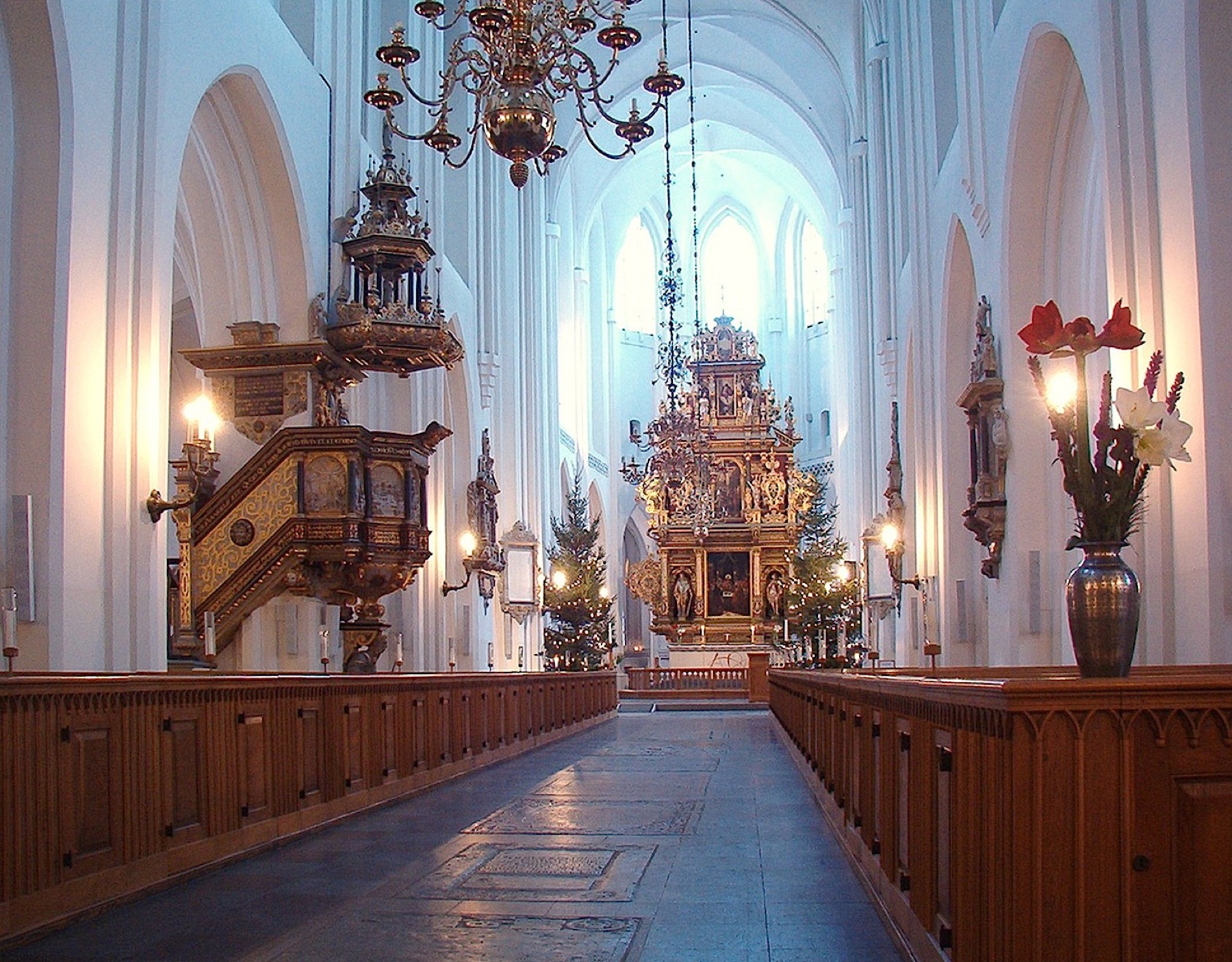
9. Sankt Petri Church and the Gothic core
When you weave through the narrow cobbled streets behind the town hall, you’ll come across Sankt Petri Church (Sankt Petri kyrka), the absolute oldest surviving building in all of Malmö. This majestic church from the early 14th century is built in the typical style of so-called Baltic brick Gothic, so instead of traditional grey stone you’ll be struck by enormous expanses of red brick and an ingenious system of flying buttresses on the outside.
The church interior may surprise you at first glance, because the high vaults and walls are brilliantly clean and snow-white. During the harsh period of the Reformation, almost all the original Catholic decoration was painted over. Only the wonderful carved wooden altar from 1611 and a few fragments of fascinating medieval frescoes in a side chapel were saved, and these have recently undergone very careful restoration.
Entry to the church is completely free for everyone and it offers a perfect escape from the constant noise of the surrounding city. The huge tall windows let in gorgeous soft Nordic light, and you can often stumble upon rehearsals of the local choir or organ concerts, which thanks to the enormous vaults gain absolutely fantastic acoustics.
💡 Tip: during the summer months the church occasionally offers guided tours of the tower, from where a great view opens up over the whole historic centre; just ask at the entrance.
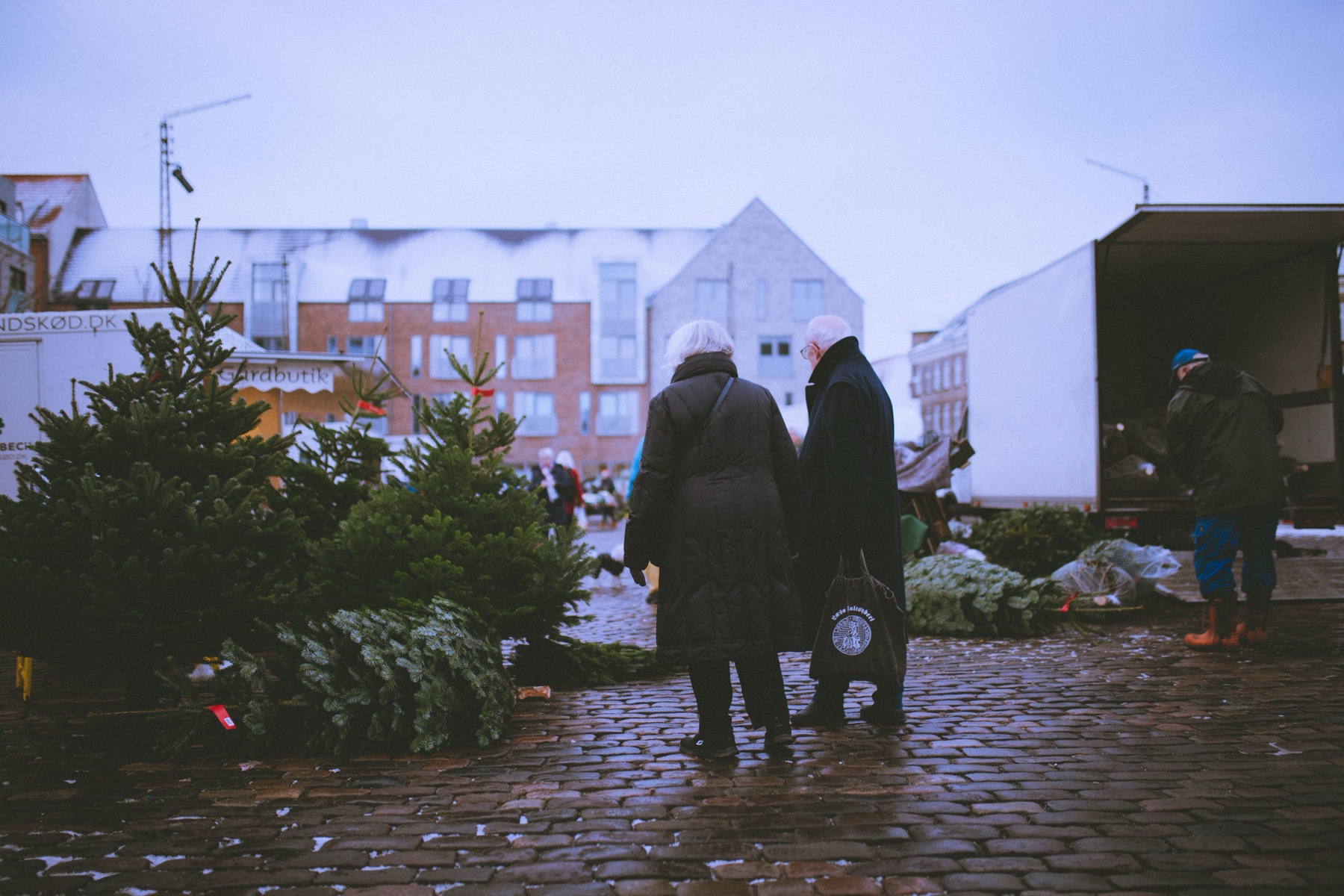
10. Möllevångstorget: the multicultural heart of Möllan
If you want to experience the real, unfaked soul of today’s Malmö, you have to head to the Möllevången district, which locals call nothing but Möllan. It’s here that you’ll fully feel the fact that people from 180 different countries around the world live in the city. The district feels slightly punk, brick walls are decorated with colourful street art, and the overall atmosphere differs radically from the tidy and quiet historic centre.
The centrepiece of the whole district is Möllevångstorget square, where a huge market of fresh produce takes place from Monday to Saturday. Stallholders loudly call out prices and the air carries the scent of exotic spices, mounds of fresh coriander and crates of cheap fruit from all over the world. It’s a fantastic spot for stocking up if you plan to cook for yourself, because prices here are a fraction of those in the usual Swedish supermarkets like ICA or Coop.
The streets running off the square are lined with dozens of Asian grocers, Middle Eastern bakeries and cheap bistros. In the evening Möllan turns into a hub of alternative entertainment, craft-beer pubs burst at the seams and you’ll hear a mix of languages from all over the world. It’s busy, loud and utterly authentic, a place you definitely shouldn’t skip on your visit.
💡 Tip: at the markets it can be tricky to pay with an ordinary bank card, since stallholders often require payment via the local Swish app, which you can’t get as a tourist, so bring a little cash here just to be safe.
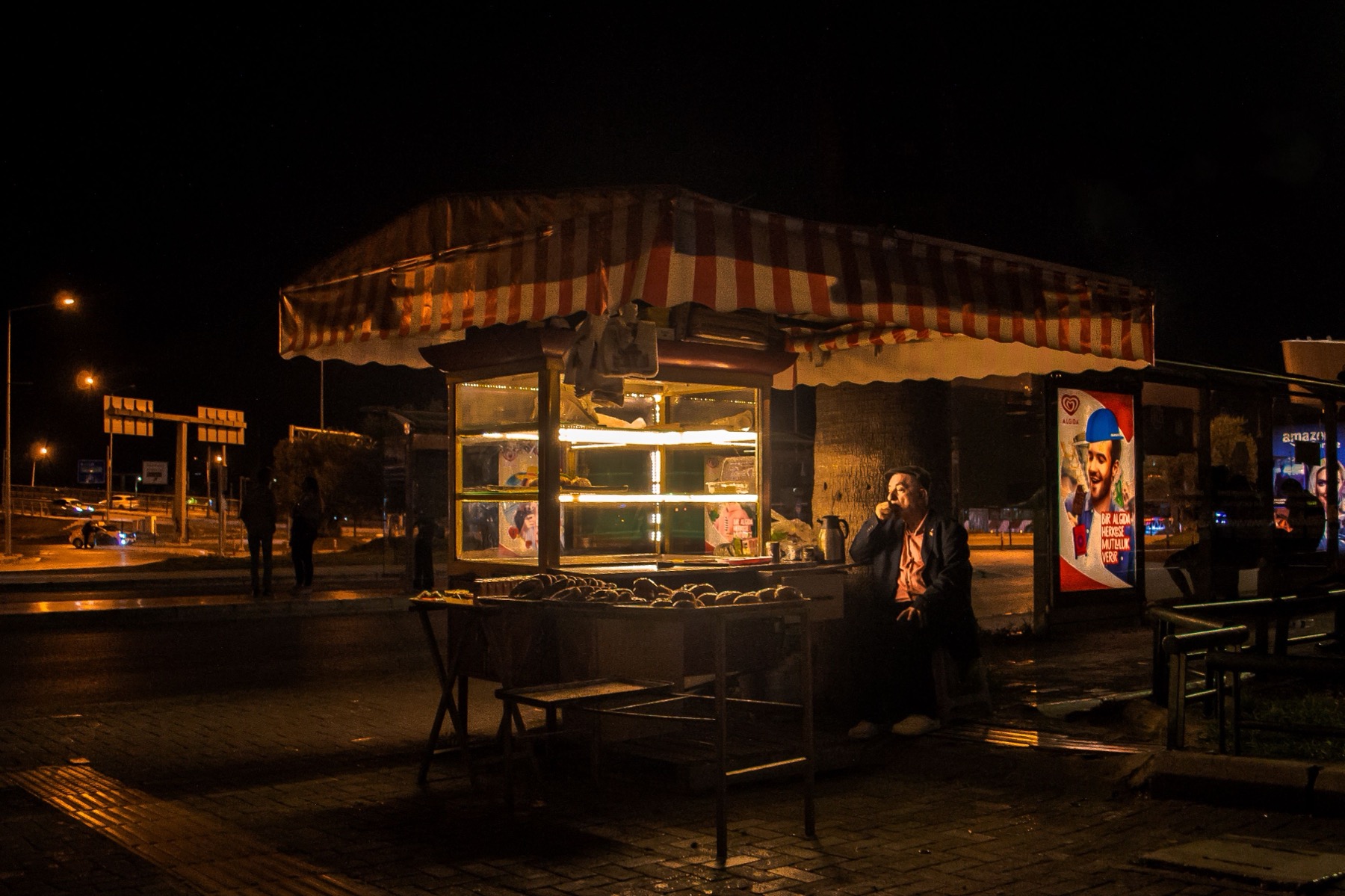

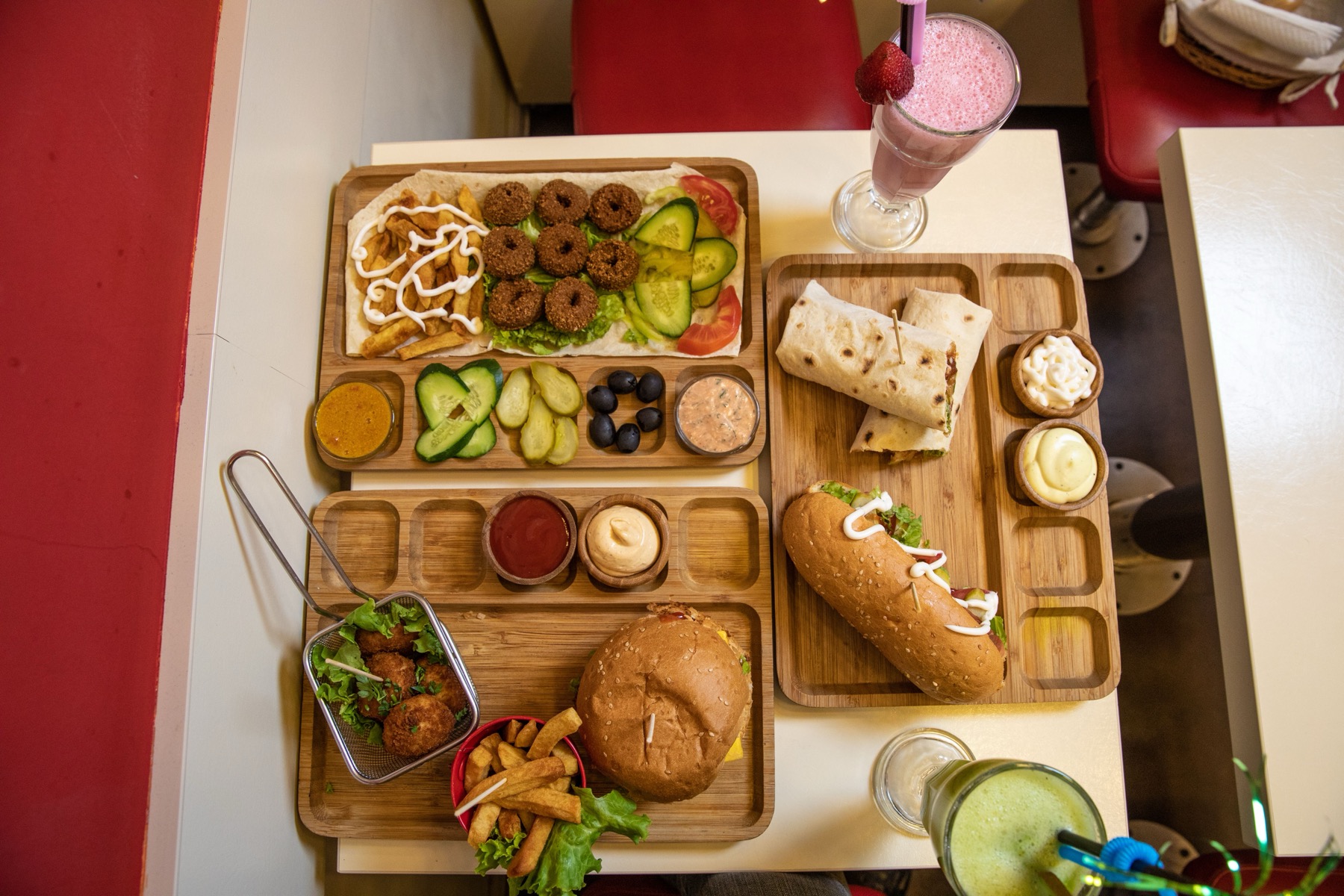
11. The best falafel in Scandinavia
We’ll stay in Möllan a little longer, because this is where the city’s greatest culinary treasure is found: the legendary Malmö falafel. Thanks to the strong, well-established community of immigrants from the Middle East, the preparation of these fried chickpea balls has been perfected here, and Swedes from other cities deliberately and happily make the trip for it.
It’s a proper local institution and at the same time the absolute cheapest hot meal you’ll find in all of Sweden. A huge falafel roll (falafel wrapped in freshly baked Arabic bread with a pile of vegetables and sauces) will cost you an incredible 50 to 70 SEK (about €5 to €6.50), roughly a third of the price of an ordinary restaurant lunch. You can choose from many kinds of sauce, from mild garlic to fiery hot, and the giant portion will reliably fill you up for half a day.
Vegetarians and vegans will find themselves in absolute paradise here, because the meat-free options are endless. Travellers most often recommend trying spots like Jalla Jalla or Falafel N.1 right by the square, where queues form even late at night. The balls are fried right in front of you, perfectly crispy on the outside and beautifully green inside from fresh herbs.
💡 Tip: when ordering, always have some pickled vegetables and a bit of hot sauce added, it gives the whole meal that right kick that locals are used to and that makes the local falafel so famous.
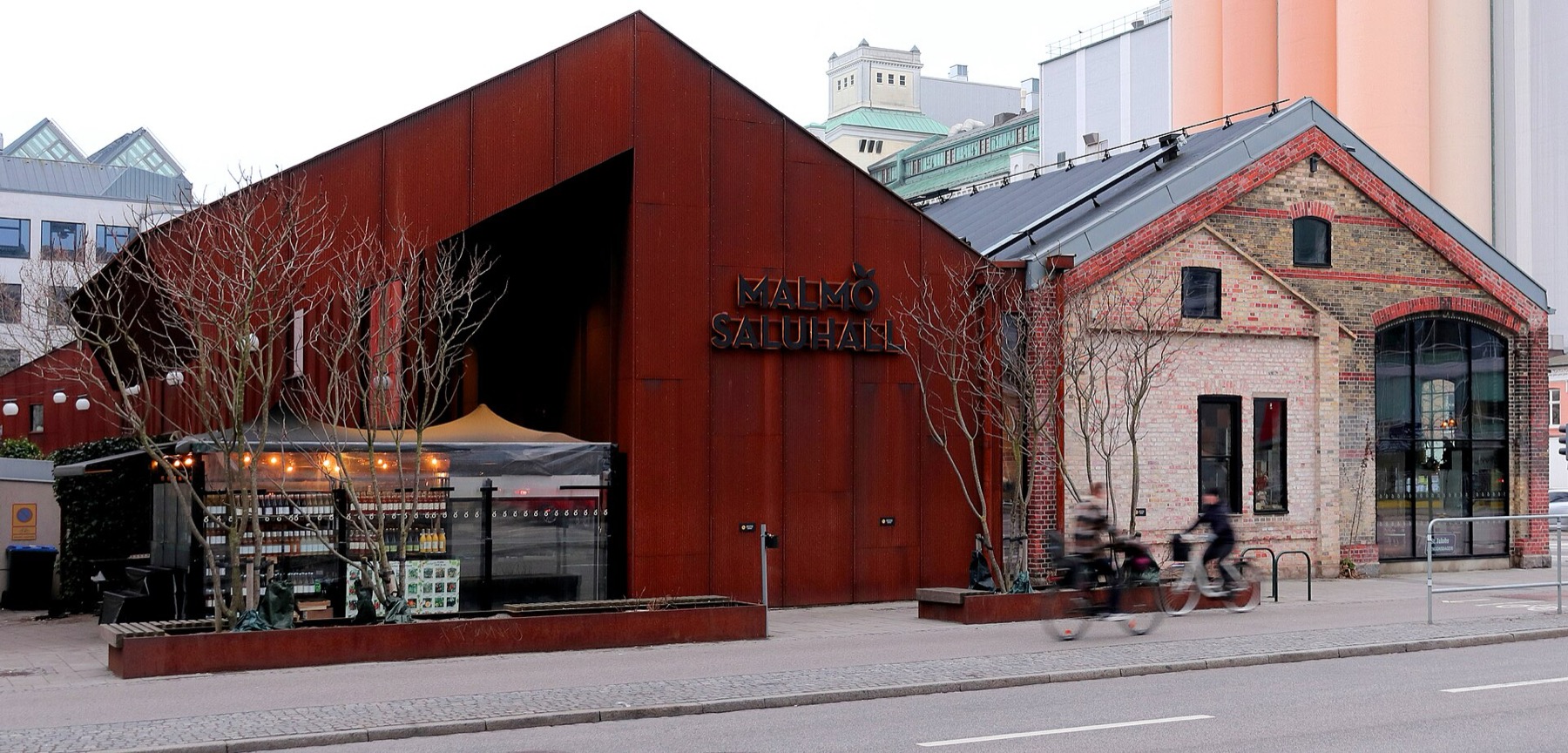
12. Malmö Saluhall: an industrial market hall full of flavours
If you prefer a slightly more polished culinary experience and don’t mind paying a little extra, your steps should lead you to Malmö Saluhall. It’s a modern covered market built into the crumbling ruins of a former freight station, and that contrast of old and new works surprisingly well. The exposed old brick walls are complemented by black steel and a huge glass façade, so the whole space feels airy and industrially stylish.
Inside you’ll find around twenty carefully chosen stalls and bistros that represent the best of contemporary Swedish and world gastronomy under one roof. You can buy fresh sourdough bread from local artisan bakers, wonderful cheeses, or sit straight down at the counter and enjoy lunch. Prices here are noticeably higher than on the street in Möllan, but they perfectly match the top quality of the ingredients used.
For meat-free dining, the market hall is an absolutely ideal choice, especially if you’re travelling in a group where everyone fancies something different. You’ll find fantastic stalls with hand-pulled noodles, rich salad bars and modern vegetarian tapas. Buy your food, grab a tray and sit down at the large communal tables in the middle of the hall, where you can soak up the busy, friendly atmosphere of this culinary hub.
💡 Tip: the market hall is a great place to buy edible souvenirs from your travels, you’ll find premium Swedish jams, local mustards or luxury chocolate in gorgeous packaging here.
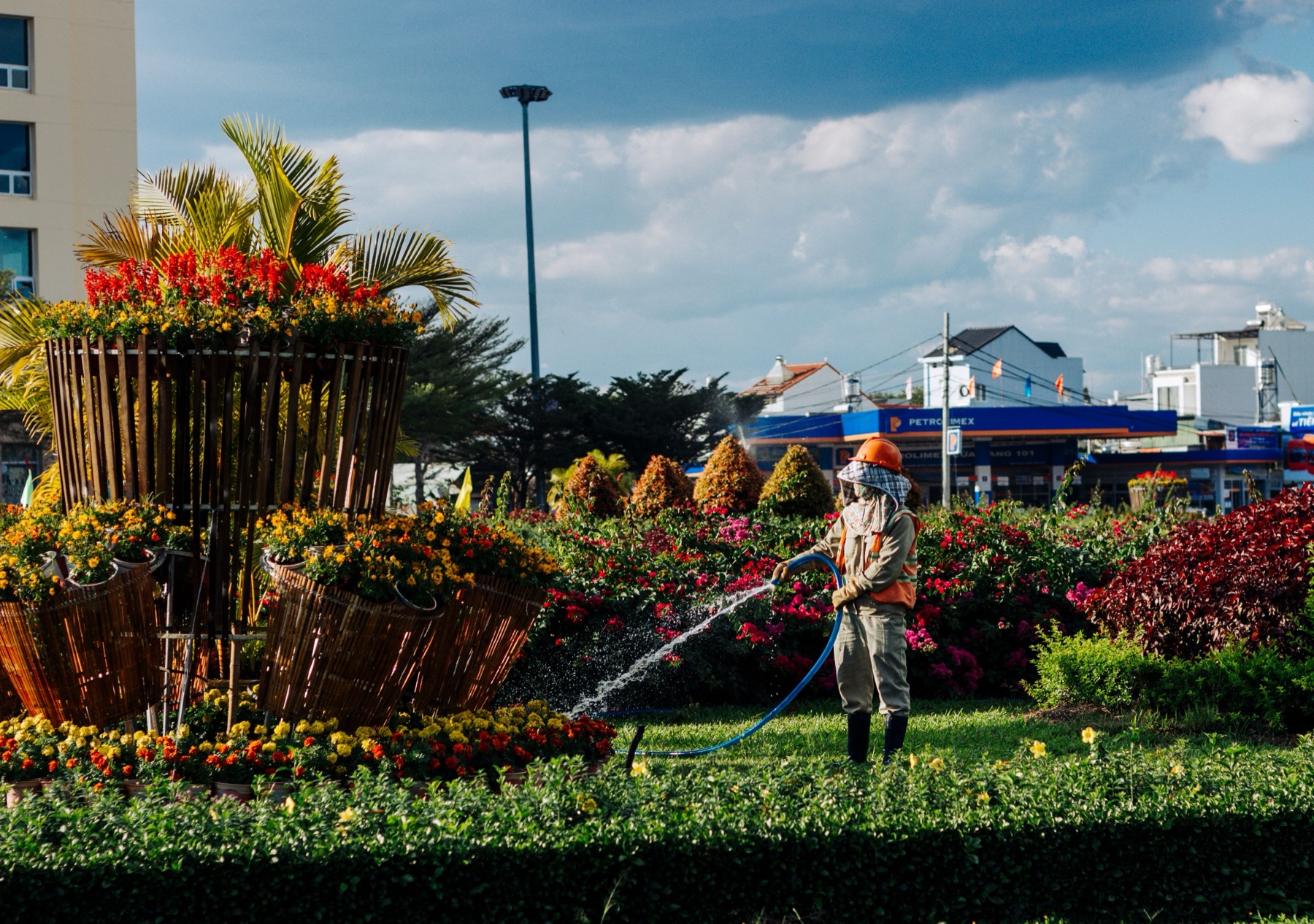
13. Slottsträdgården: gardens and urban farming
Right behind the historic Malmöhus Castle spreads Slottsträdgården (the Castle Garden), an utterly enchanting piece of calm nature in the middle of the city. It’s not a classic dull castle park with strictly clipped hedges, but a fascinating community project focused on sustainable and organic urban farming. The garden is cleverly divided into several themed sections, from a soothing Japanese one through a romantic rose garden to a wild meadow full of buzzing insects.
Local enthusiastic gardeners grow seasonal vegetables, fresh herbs and hundreds of kinds of flowers on the neat beds here, which on certain days you can even legally pick and buy home for a small fee. The whole green space is visually dominated by a beautiful historic windmill (Slottsmöllan), which rises on a gentle hill and forms a perfect romantic backdrop for your photos from an afternoon stroll.
Hidden in the middle of the gardens is the wonderful glass-walled Slottsträdgårdens Kafé café, which you definitely shouldn’t miss on your visit. It operates year-round; in winter you’ll warm up in a heated greenhouse full of plants, and in summer you can sit outside among the flowering beds. They make fantastic vegetarian sandwiches, warming creamy soups and, of course, there’s no shortage of excellent coffee and fresh homemade cakes for the perfect fika.
💡 Tip: during summer weekends smaller farmers’ markets are occasionally held here, where you can buy fresh vegetables directly from the people who grew them in the park.
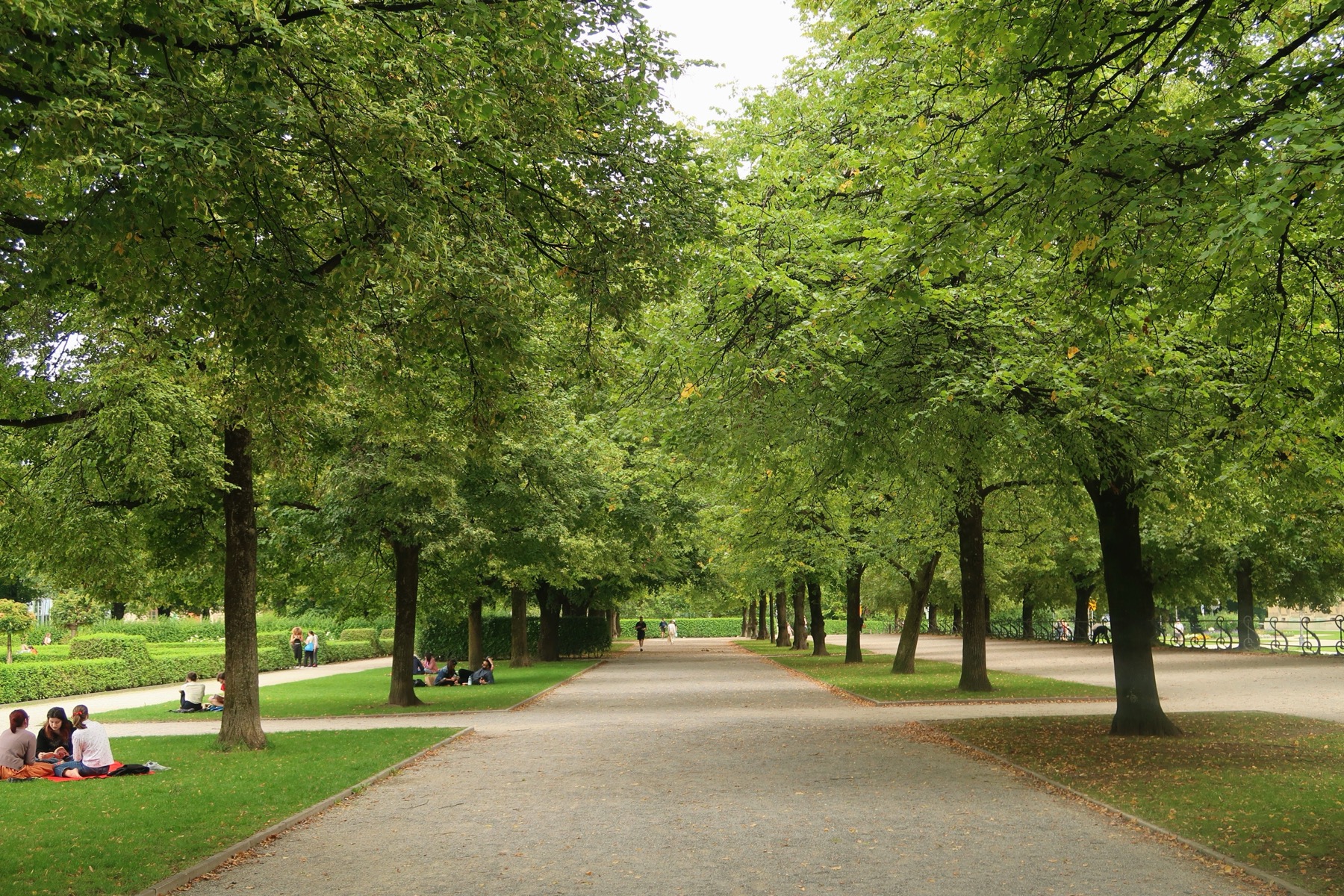
14. Kungsparken: a picnic under centuries-old trees
Slottsträdgården flows seamlessly into Kungsparken (the King’s Park), which proudly holds the title of the oldest public park in the whole city. It was founded back in 1872 on the site of former military defensive ramparts, and its design draws heavily on classic English landscape gardens with winding sandy paths and sprawling green lawns.
The park is threaded with a dense network of water canals, along which you can go for a ride in summer on rented pedal boats or hire a small rowing boat and explore the city from an entirely different perspective. Huge centuries-old trees from all over the world grow here, including mighty oaks and exotic plane trees, which on hot summer days provide perfect shade for an afternoon rest. In the middle of the park you’ll come across a beautiful cast-iron fountain that lights up strikingly after dark.
For locals, Kungsparken is by far the most popular spot for weekend picnics and casual gatherings with friends. Pack fresh pastries from the nearby Saluhall in your backpack, grab a coffee to go, spread a blanket on the soft grass and enjoy that calm Swedish ease (lagom) right in the heart of an otherwise very busy and pulsing city.
💡 Tip: you can bring your own grill into the park without worry, at several designated spots you’ll find special concrete slabs where locals commonly cook up a warm dinner.

15. Folkets Park: a people’s park full of fun
Another utterly unique green space is Folkets Park (the People’s Park), which lies near the Möllan district and is the very oldest park of its kind in all of Sweden. It sprang up at the end of the 19th century as an affordable place for the working class to relax, and to this day it has thankfully kept its very informal, slightly fairground-like and immensely relaxed atmosphere that entertains all generations.
Entry is free and inside awaits a remarkable hodgepodge: a 19th-century Moorish pavilion sits next to children’s climbing frames and a reptile terrarium, nobody knows exactly why, but it works. During the warm summer, regular free concerts by local bands are held here, along with popular outdoor cinema screenings; there’s a giant children’s paddling pool and you can even play a tricky game of mini golf with friends.
The park is lined with pleasant, unassuming cafés and fast-food stalls, so you can easily spend a whole lazy afternoon here watching local families and young people. In winter the paddling pool magically transforms into a popular public ice rink, where you can hire skates and enjoy a true Nordic atmosphere under strings of lights strung across the trees.
💡 Tip: if you’re travelling with children, feel free to set aside half a day for Folkets Park, they’ll find so many free climbing frames and activities here that you’ll struggle to drag them away.
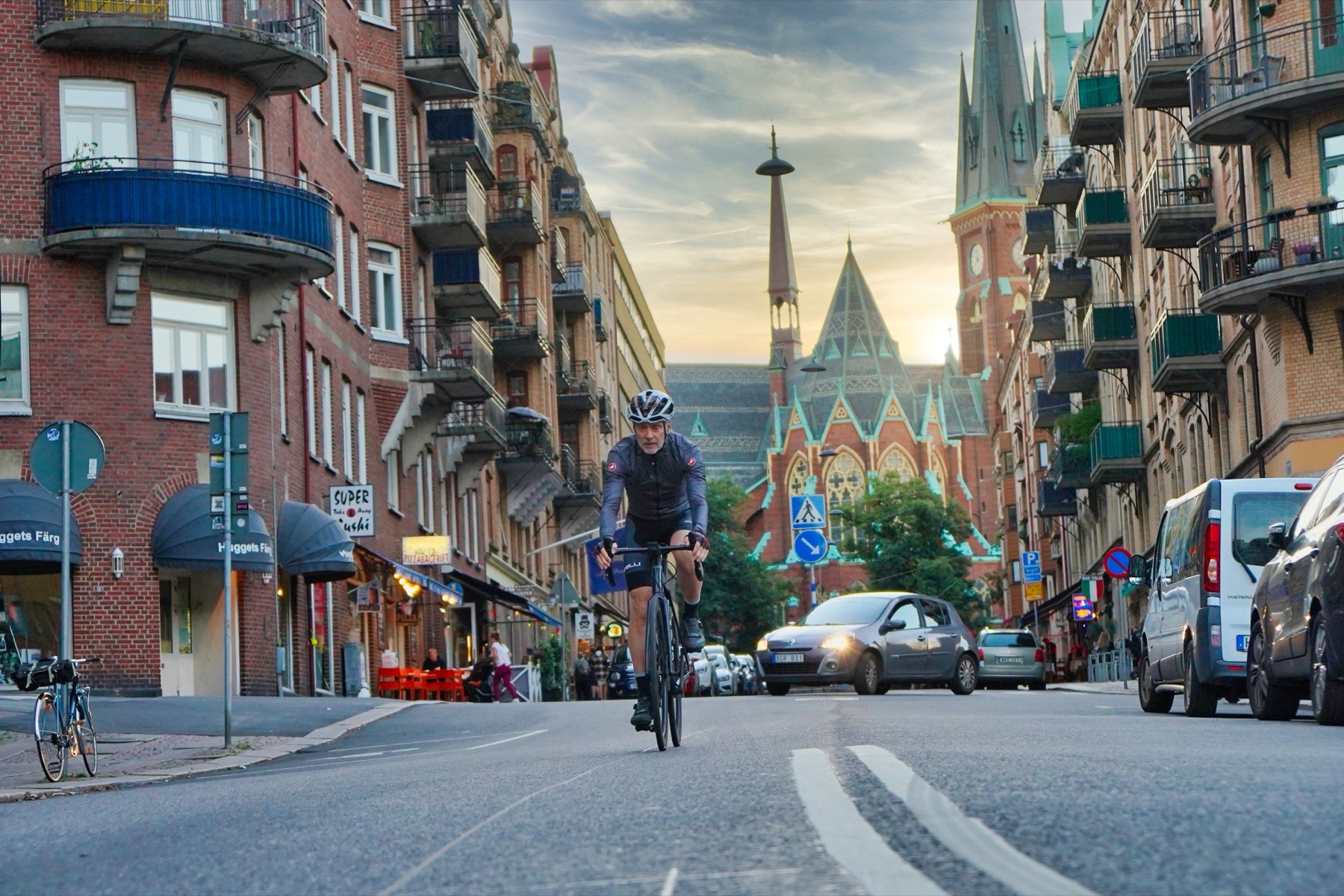
16. Malmö by bike: a city of bicycles
If you want to get to know and experience Malmö like a true local, you absolutely have to hop on a bike and join the local traffic. The city regularly ranks in prestigious lists of the most bike-friendly cities in the world, and with its more than 500 kilometres of perfectly separated cycle paths it’s snapping at the heels of nearby, famous Copenhagen. The terrain here is also absolutely flat, so you won’t break a sweat even on longer rides between districts.
Renting a bike here is an utterly trivial affair thanks to the excellently run and cheap Malmö by bike shared-bike system. You’ll find dozens of docking stations all over the city; just download the app to your phone, link a payment card and for about 80 SEK (roughly €7) you get unlimited access to bikes for a full 24 hours. The bikes are sturdy, heavy, very stable and have a practical front basket for shopping or a backpack.
By bike is by far the most comfortable way to get from the centre to the more distant Ribersborg beach, ride through the whole modern Västra hamnen district and reach the markets in Möllan without any trouble. Cyclists here have absolute priority at intersections and their own special traffic lights, so you’ll feel completely safe even in heavy morning traffic.
💡 Tip: when you’re cycling, always signal the direction of your turn with your hand and raise your hand when stopping, local cyclists ride very fast and an unexpected stop in the middle of the path can cause an unpleasant accident.
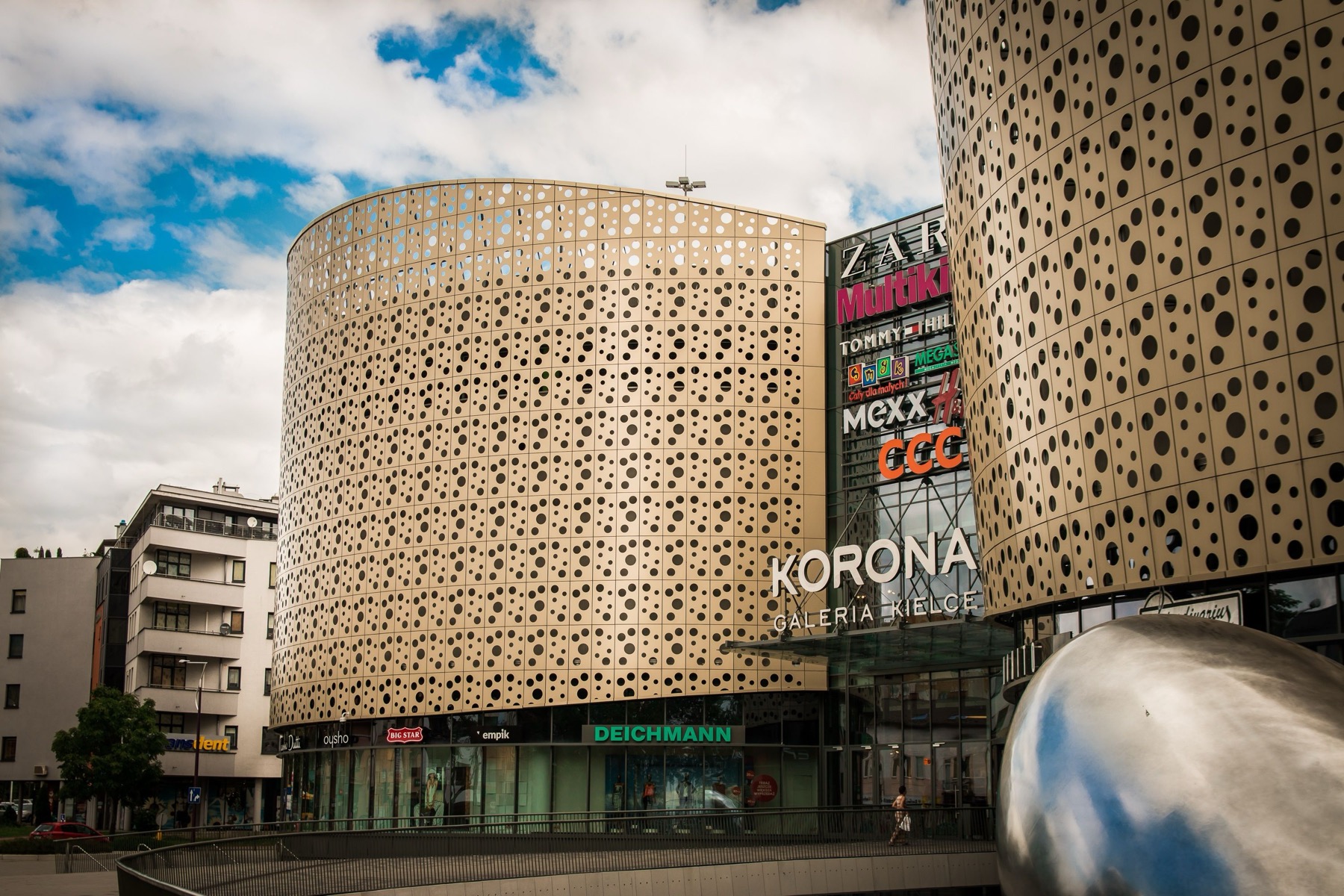
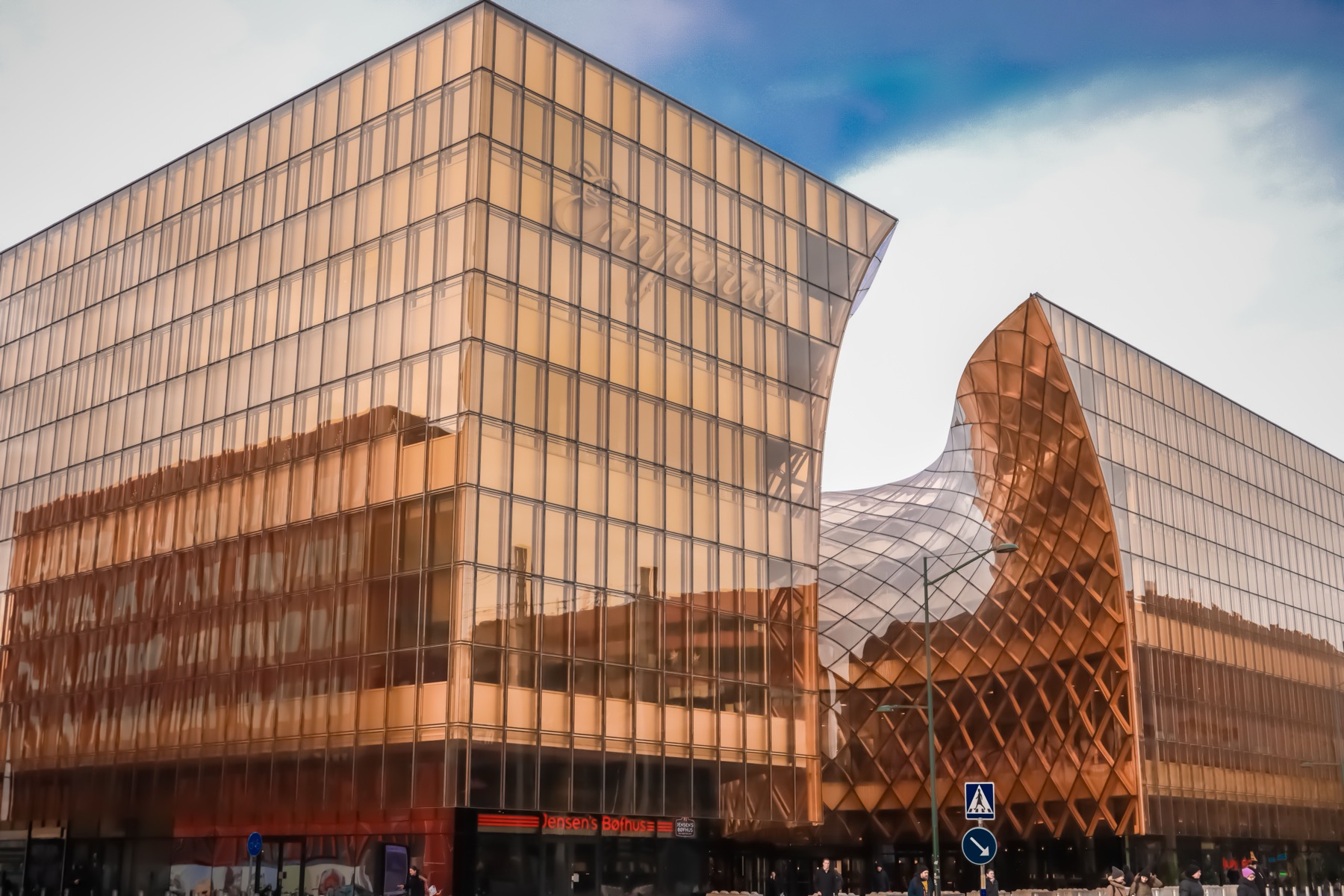
17. Shopping at Emporia: architecture and consumerism
Even if you’re not exactly a keen fan of shopping, the Emporia shopping centre in the Hyllie district is worth a visit for its breathtaking modern architecture alone. This gigantic building lies a short distance from the first train exit off the Öresund Bridge, and its main façade is formed by an enormous, deeply curved glass crack of golden colour that from the outside looks as if someone crushed the building in the middle with great force.
Inside you’ll find hundreds of shops, including all the well-known Scandinavian fashion brands and luxury design boutiques. The interior is logically divided into colour-coded zones with giant spiral staircases and futuristic lighting, so at times you’re not sure whether you’re in a classic mall or a museum of modern art. It’s an ideal and warm rescue in case the weather doesn’t cooperate during your trip and it starts to rain steadily.
Emporia’s biggest hidden secret, though, is the huge public rooftop garden, which you reach by escalator completely free of charge. The green roof full of hardy grasses and benches offers a fantastic panoramic view over the whole growing city, the majestic Öresund Bridge, and on a clear day you can see all the way to the coast of neighbouring Denmark.
💡 Tip: the quickest way to reach Emporia is by train from the main station (Hyllie stop), the journey takes barely a few minutes and the station lies right in front of the main iconic entrance to the centre.
18. A trip to Copenhagen across the Öresund Bridge
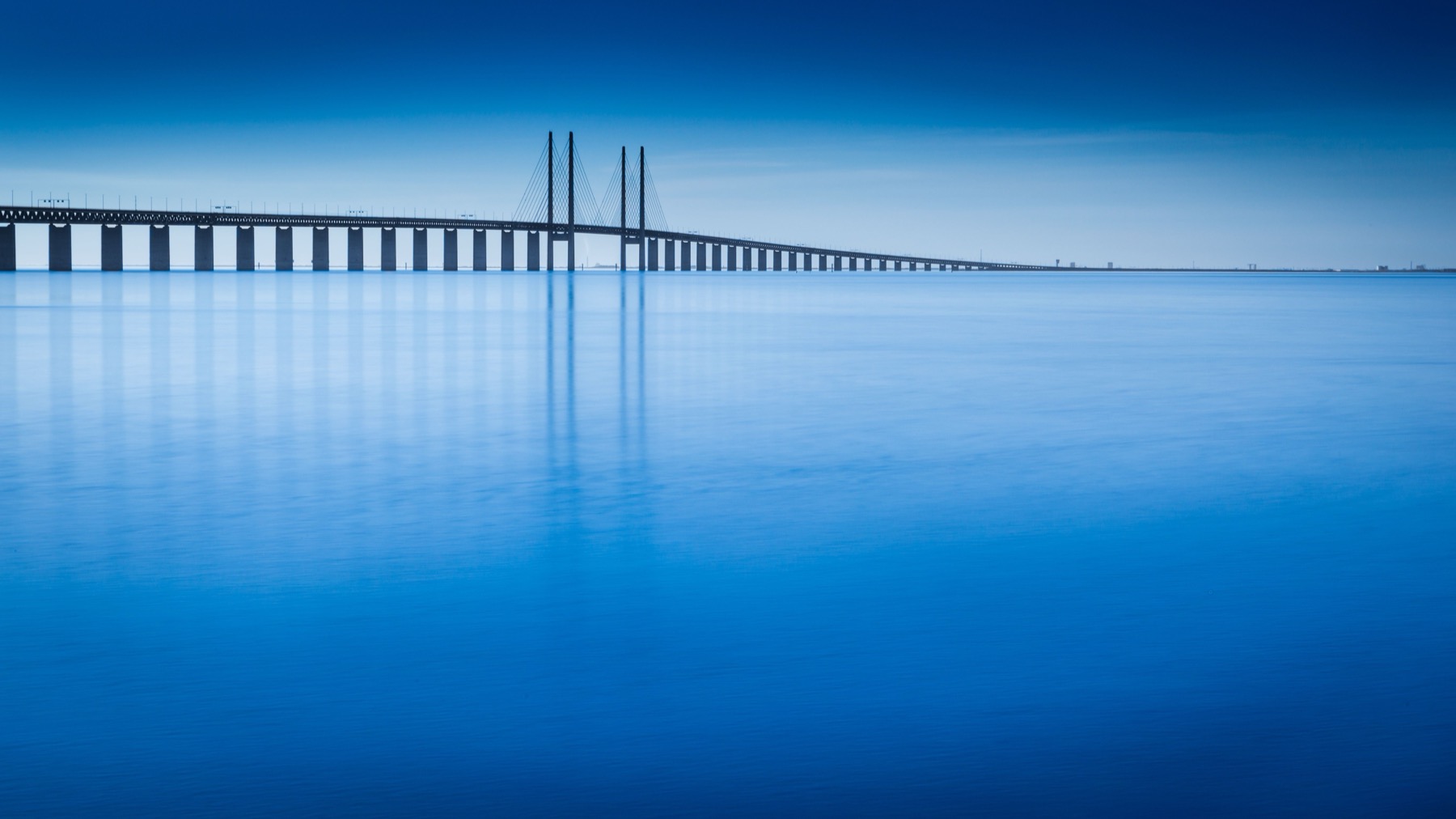
The final tip doesn’t point to Malmö itself, but to its absolute greatest strategic advantage: thanks to the Öresund Bridge you have the Danish capital, Copenhagen, completely within reach. This unique feat of engineering measures an incredible 16 kilometres, part of which is a suspension bridge high above the waves and part an undersea tunnel, into which you smoothly descend on the artificially created island of Peberholm.
The easiest and by far the cheapest way to get to the other side is to use the frequent train connection (Öresundståg) straight from Malmö’s main station. Trains run every 20 minutes, a one-way ticket costs about 135 SEK (roughly €12) and in less than half an hour you’re already stepping off in central Copenhagen. This gives you a unique and very easy chance to combine a visit to two wonderful Nordic countries into a single weekend.
If you’re travelling in your own car, crossing the bridge will cost you fairly dearly; a one-way toll is around 470 DKK (roughly €63). That’s why most people choose the comfortable train, which is worry-free and saves you the hassle of hunting for overpriced parking in the Danish capital. Don’t forget, though, to pack a valid ID card or passport in your backpack, because the Swedes carry out strict, random border checks on the way back.
💡 Tip: if you plan to cross the bridge by car both ways, it pays to register online for the ØresundGO programme, which, thanks to an annual fee, cuts the price of a single crossing to a fraction of the original.
How to get to Malmö and how to get around
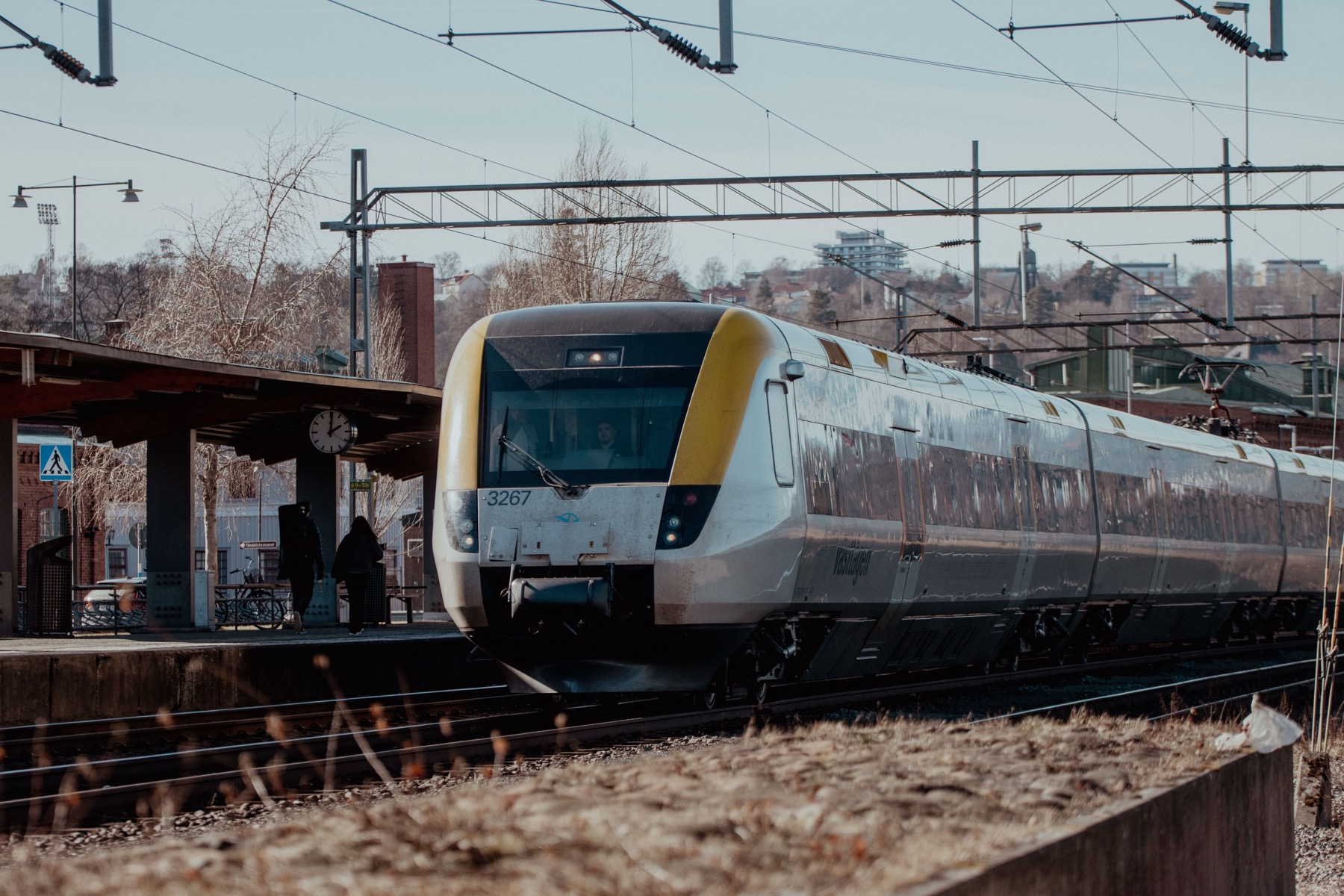
The fastest air route to Malmö surprisingly leads through the neighbouring country. The ideal option is to book a flight straight to Danish Copenhagen, to Kastrup airport, which lies right on the doorstep of the Öresund Bridge. Carriers like Ryanair, easyJet and Lufthansa serve it from many European hubs. As soon as you collect your luggage, you take the escalator down to the underground train station. You board the Öresundståg service and in an incredible 20 minutes you’re already stepping off in central Malmö. It’s often faster and more comfortable than the journey from airport to centre in many other European capitals.
If you’re moving around Sweden, super-fast X2000 trains of the Swedish railways SJ run here from Stockholm, covering the distance in under four and a half hours. But buy tickets well in advance, since they work like plane tickets and their price rises steeply just before departure. For travellers with a car or campervan, one option is the overnight ferries from Germany or Poland, which dock in nearby Trelleborg or Ystad, from where it’s just a short hop to Malmö along excellent motorways (which, incidentally, are completely free for cars in Sweden, so no motorway vignette needed, unlike in Austria or Switzerland).
Getting around the city itself is then an absolute breeze. The historic centre is very compact and largely reserved for pedestrians only, so you can cover most of the sights on foot without any trouble. For longer transfers, for example to Ribersborg beach or the modern Västra hamnen district, I warmly recommend using the already mentioned Malmö by bike shared green-bike system, because the cycling infrastructure here is honed to absolute perfection.
When it starts to rain, the excellently run green buses of Skånetrafiken will save you. You can’t pay the driver in cash on board the bus, you have to download the official Skånetrafiken mobile app in advance and buy your ticket through it, or simply tap your payment card at the terminal when boarding. Bonus news: if you arrive in the second half of 2026, the Swedish government has drastically cut the prices of monthly public transport passes, so the bus works out even cheaper than before.
A weekend in Malmö, day by day
If you have just two days for the city, I recommend splitting your programme into a historic and a modern part, so you soak up all the contrasts Malmö offers. Devote the first day to exploring the centre on foot. Start with a morning walk across Stortorget and peek into the oldest church, Sankt Petri. Around eleven, move on to the picturesque Lilla Torg for a traditional fika with coffee and a cinnamon bun.
For lunch, pop into the wonderful Malmö Saluhall market hall, where you’ll find great vegetarian tapas or Asian noodles, and in the afternoon calmly explore Malmöhus Castle with the adjacent Slottsträdgården park. In the evening, definitely head to the pulsing Möllan district, where you’ll taste the best falafel in the city (70 SEK, about €6.50, will be plenty for one) and wash it down with a local craft beer in one of the busy bars.
On the second morning, hire a city bike via the app and set off to discover the city’s modern face by the sea. Head to the sustainable Västra hamnen district, take a close look at the Turning Torso skyscraper and ride along the wooden promenade. From there continue along the coast to Ribersborgsstranden beach, where you can have a lunch menu (dagens lunch) with a generous salad buffet at one of the beach cafés. You can then spend the afternoon relaxing in the historic Kallbadhus saunas, or hop on a train for a quick shopping trip to the architecturally stunning Emporia centre.
Where to go next from Malmö
If you have more time in Sweden, Skåne offers wonderful opportunities for further exploring. Just 20 minutes by train from Malmö lies the historic university town of Lund, which will charm you with its cobbled streets, ivy-covered houses and a majestic Romanesque cathedral with a fascinating astronomical clock.
Lovers of crime fiction should head east to the coastal town of Ystad, where the stories of the gloomy detective Wallander were filmed and set. A short distance away you’ll then find the magical megalithic stones of Ales stenar rising on a cliff above the sea. To the south-west, on the other hand, the Falsterbo peninsula tempts you with its white sandy beaches reminiscent of the Caribbean and picturesque pastel beach huts. For detailed planning of a car trip, check out our article Öresund Bridge: toll, train and how to cross it.
Interested in more of this gorgeous Nordic country? Take a look at our big overview Sweden: 30 tips on what to see and do or plan a stop on the west coast with the guide Gothenburg: 20 tips on what to see in Sweden’s second city. And if you’re about to cross the bridge, the article Copenhagen: 25+ tips on what to see and do will definitely come in handy. Don’t forget to explore the local flavours too through our article Swedish cuisine: 18 dishes you have to taste.
Frequently asked questions
Before you throw yourself into packing your bags, I’ve summed up the answers to the most common questions I get about Malmö. Whether you’re sorting out budget, safety or transport, you’ll find it all neatly together here 😉.
How many days do I need for Malmö?
For the city itself, one packed day or a more relaxed long weekend is more than enough. In two days you can comfortably explore the historic centre, cycle along the coast in Västra hamnen, visit the museums in the castle, and enjoy the buzz of Möllevången in the evening without any rush. If you’re also planning a trip across the bridge to Copenhagen in Denmark or an excursion to the university city of Lund, you’d better set aside three days.
Is Malmö safe?
Yes, from the perspective of the average tourist Malmö is a perfectly safe city, even though the media sometimes dramatise the situation. Gang-related problems are concentrated in outlying estates like Rosengård, where you have absolutely no reason to go. In the centre, on the beach, and in the lively Möllevången area, the same common-sense rules apply as in any other European city, so just keep an eye on your pockets in crowds or at the train station.
How do I get from Copenhagen to Malmö?
The fastest and most convenient way is by direct train (Öresundståg), which departs from Copenhagen’s Kastrup airport and the main station. Trains run every 20 minutes, the journey takes about half an hour, and tickets can be easily purchased at machines at the station or via the Skånetrafiken mobile app. A single journey costs around 135 SEK (approx. €12). Don’t forget to bring valid ID; the Swedes conduct random border checks.
Is Malmö cheaper than Stockholm?
Definitely, you’ll notice the price difference especially in accommodation and food. While in Stockholm you’ll spend a fortune on an average lunch, in Malmö you can rely on ubiquitous falafel for just a few kronor or great-value lunch menus (dagens lunch) with unlimited salad buffet, coffee, and bread, which cost around 120 to 150 SEK (€11–14). Even hotels in the centre are noticeably cheaper than in the capital.
Can you swim in central Malmö?
Yes, swimming is hugely popular here and locals love it. You can head to the three-kilometre-long city sandy beach Ribersborgsstranden, which lies just a short distance from the centre. Another great option is jumping into the water from the long wooden piers in the modern eco-district of Västra hamnen, where the water of the Öresund strait is surprisingly clean and offers very pleasant refreshment during the summer months after a full day of walking.
Where do they have the best falafel?
For the best falafel you need to head to the Möllevången district (Möllan), which has a strong Middle Eastern community and where the preparation of this dish has been perfected. Absolute legends include Jalla Jalla and Falafel N.1 right by Möllevångstorget square. You’ll get freshly fried crispy balls in warm Arabic bread with loads of vegetables and sauces for under 70 SEK, which will reliably save your budget.
Do I need to rent a bike in the city?
It’s not absolutely necessary, as you can comfortably explore the historic centre on foot, but renting a bike will save you loads of time and offer a truly local experience. Malmö is perfectly flat, has over 500 kilometres of dedicated cycle paths, and operates the Malmö by bike bike-sharing system, which is cheap and very easy to use via a mobile app. With a bike you can easily reach more distant beaches too.
What can you fit into one weekend?
In a weekend you can see the best bits without unnecessary rushing. On Saturday morning explore the historic centre and Lilla Torg square, in the afternoon discover the castle with its museums, and finish the evening in the lively bars of Möllevången. You can then spend Sunday cycling to the Turning Torso skyscraper in the modern Västra hamnen district, swimming at Ribersborg beach, and enjoying a relaxing wander in the castle gardens before heading home.
Tips and Tricks for Your Vacation
Don’t Overpay for Flights
Search for flights on Kayak. It’s our favorite search engine because it scans the websites of all airlines and always finds the cheapest connection.
Book Your Accommodation Smartly
The best experiences we’ve had when looking for accommodation (from Alaska to Morocco) are with Booking.com, where hotels, apartments, and entire houses are usually the cheapest and most widely available.
Don’t Forget Travel Insurance
Good travel insurance will protect you against illness, accidents, theft, or flight cancellations. We’ve had a few hospital visits abroad, so we know how important it is to have proper insurance arranged.
Where we insure ourselves: SafetyWing (simple monthly subscription) and TrueTraveller (for extra-long trips).
Find the Best Experiences
Get Your Guide is a huge online marketplace where you can book guided walks, trips, skip-the-line tickets, tours, and much more. We always find some extra fun there!