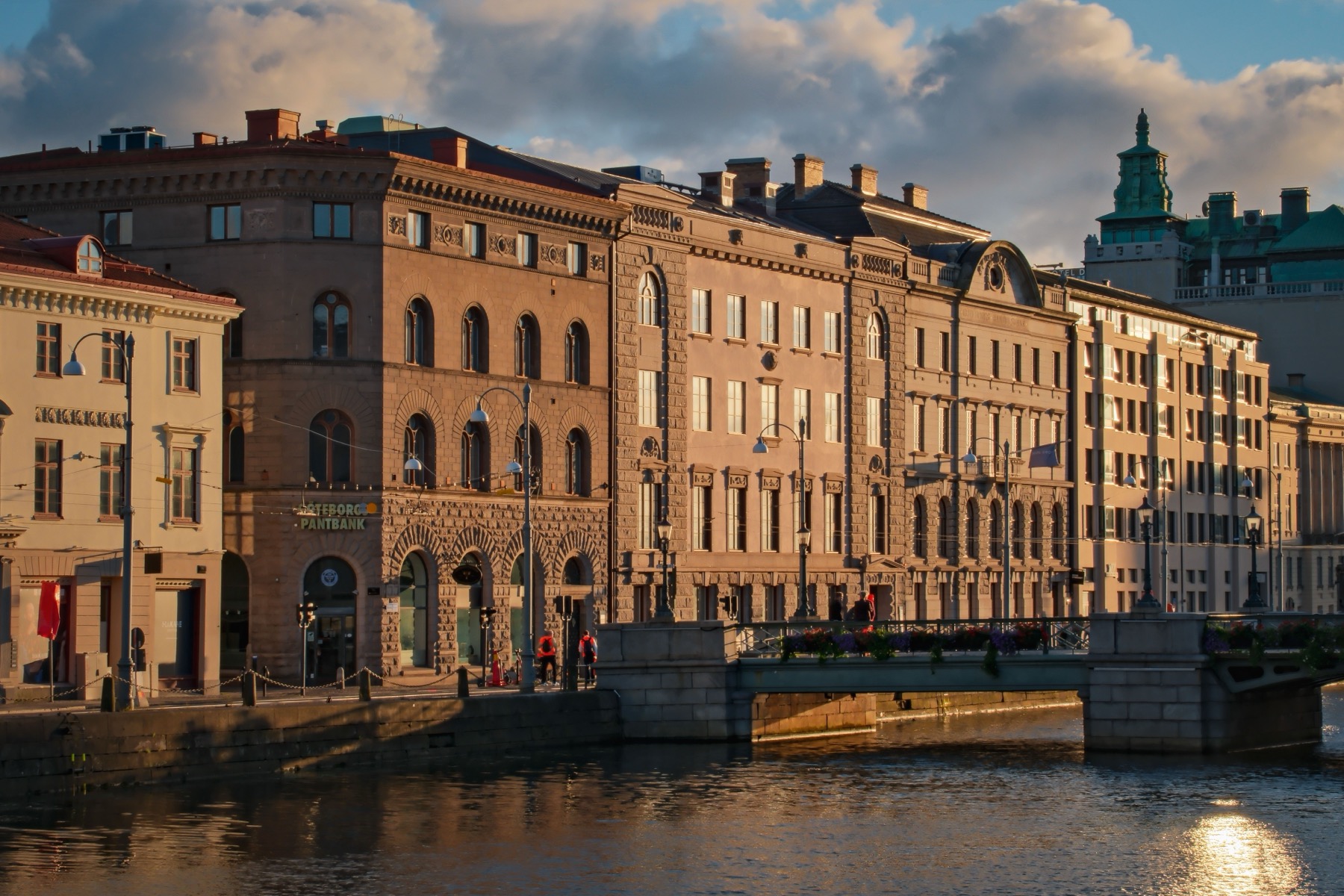
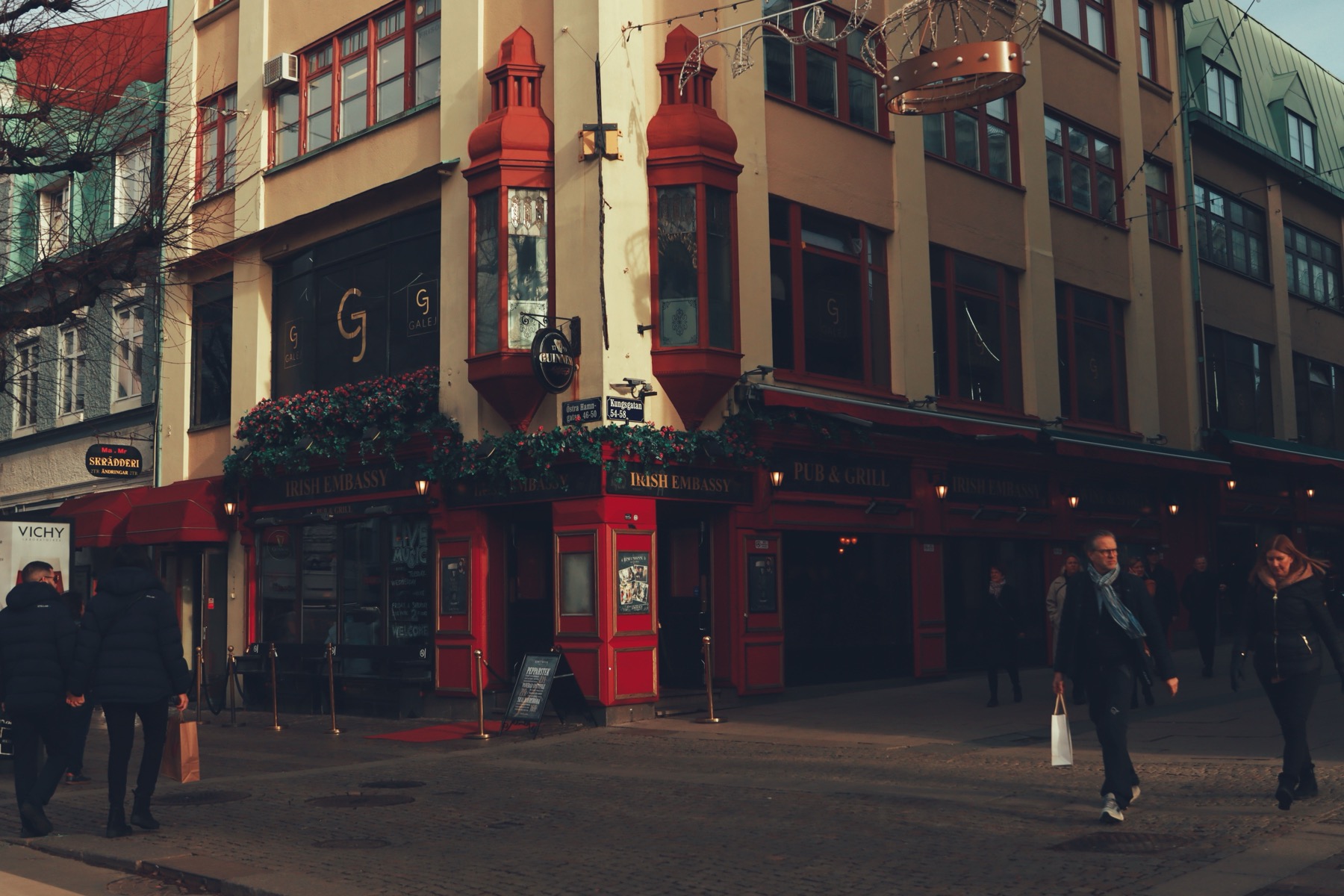
When people think of Sweden, most travellers automatically head to Stockholm, even though Gothenburg and the entire west coast are home to a true gem of Nordic atmosphere. While the capital is elegant, slightly reserved and impeccably polished, Gothenburg feels like its more relaxed, friendlier sibling. It’s a port city with strong working-class roots that has brilliantly turned its industrial past into contemporary galleries, speciality coffee shops and vibrant neighbourhoods.
The second-largest city in Sweden may also surprise you with its prices, as it’s noticeably cheaper than better-known Stockholm. You’ll find Scandinavia’s largest amusement park, a recently completed skyscraper that reaches into the clouds, and a stunning granite archipelago where cars aren’t allowed and which you can reach on an ordinary city tram. If you’re looking for an underrated destination for the perfect long weekend, you’ve found it.
Here are 20 places and experiences that keep bringing people back to Gothenburg, plus a few tips you won’t find in every guidebook. You’ll discover where to stay for convenience, how the local public transport works and when it’s worth visiting to make the most of those long Nordic days without unnecessary stress.
A quick summary if you don’t have time to read the whole article
- Getting there: Direct flights with Ryanair take under an hour and a half; if you’re on a road trip, the overnight ferry from Kiel in Germany takes you straight to the city centre.
- Public transport: Gothenburg has an excellent network of trams and Västtrafik buses. Download the official app to buy tickets easily.
- Payments and money: Sweden is almost entirely cashless, so you won’t need banknotes. Standard international payment cards are accepted everywhere.
- Food: For an affordable, filling lunch, look for the words dagens lunch (lunch of the day). It usually includes a main course, a generous salad buffet, water and coffee for one set price.
- Things to do: Don’t miss Liseberg amusement park or a ride on one of the flat-bottomed Paddan boats through the old defensive canals.
- Day trips: Hop on tram 11 and head for the southern archipelago, where car-free granite islands promise peace and quiet.
The full destination guide: Sweden — guide and what to see
When to visit Gothenburg and what weather to expect
There’s one simple rule for travelling north: come in summer, or pack plenty of warm clothes. The weather will quickly make itself known. The best time to visit Gothenburg is from late May to early September, when the city comes alive, the days are incredibly long and temperatures hover around a pleasant 20–25°C. This is the ideal time to linger at café terraces and take ferries to the surrounding islands. Bring a lightweight waterproof jacket, though—the coastal weather can change in a matter of minutes.
The period around the summer solstice is a unique experience. Midsummer is celebrated on the Friday between 19 and 25 June, and for Swedes it’s the highlight of the year. Keep one thing in mind: the city partly empties out that day. Many locals head to their summer cottages to celebrate with family, so lots of cafés and smaller shops may close over the holiday weekend. In July, Sweden also has what’s known as industrisemester, when much of the country takes its summer holiday at the same time, giving the streets a wonderfully relaxed, holiday feel.
If winter romance sounds more appealing, visit in December, when Liseberg transforms into a huge Christmas market filled with lights and the scent of mulled wine. Winters on the west coast aren’t usually bitterly cold, and temperatures often hover around freezing. Still, prepare for strong sea winds and more frequent rain, so good layers will be your best friend. Whenever you visit, Gothenburg has its own distinctive Nordic charm in every season.
Where to stay in Gothenburg and save money
💡 Accommodation and experiences tip: We prefer to look for accommodation on Booking.com, where cancellation policies are often best. It’s worth comparing and booking tickets, tours and activities through GetYourGuide.
Gothenburg is fairly compact, but choosing the right neighbourhood can save you plenty of time getting around as well as money on transport. If you’re visiting for a short European city break and want to see as much as possible, the city centre near the main station (Centralstationen) is the best strategic choice. From there, you can walk to most of the main sights, and hop on a tram outside your hotel to head towards the sea or catch an airport bus. Accommodation in Sweden is generally expensive, but Gothenburg is noticeably better value than Stockholm. You can find a decent double room for around €100–€145 per night.
If you love independent culture and hipster cafés, try the Haga or Linné districts. They have a relaxed atmosphere and feel more like small towns. You’ll find some of the best places for your morning coffee, shops selling local design, and plenty happening well into the evening—without the noise of major city traffic. Swedish hotels are also known for their fantastic breakfasts, often featuring a huge selection of local cheeses, fresh bread and healthy spreads, enough to keep you going for half the day.
Specific hotel recommendations you can count on:
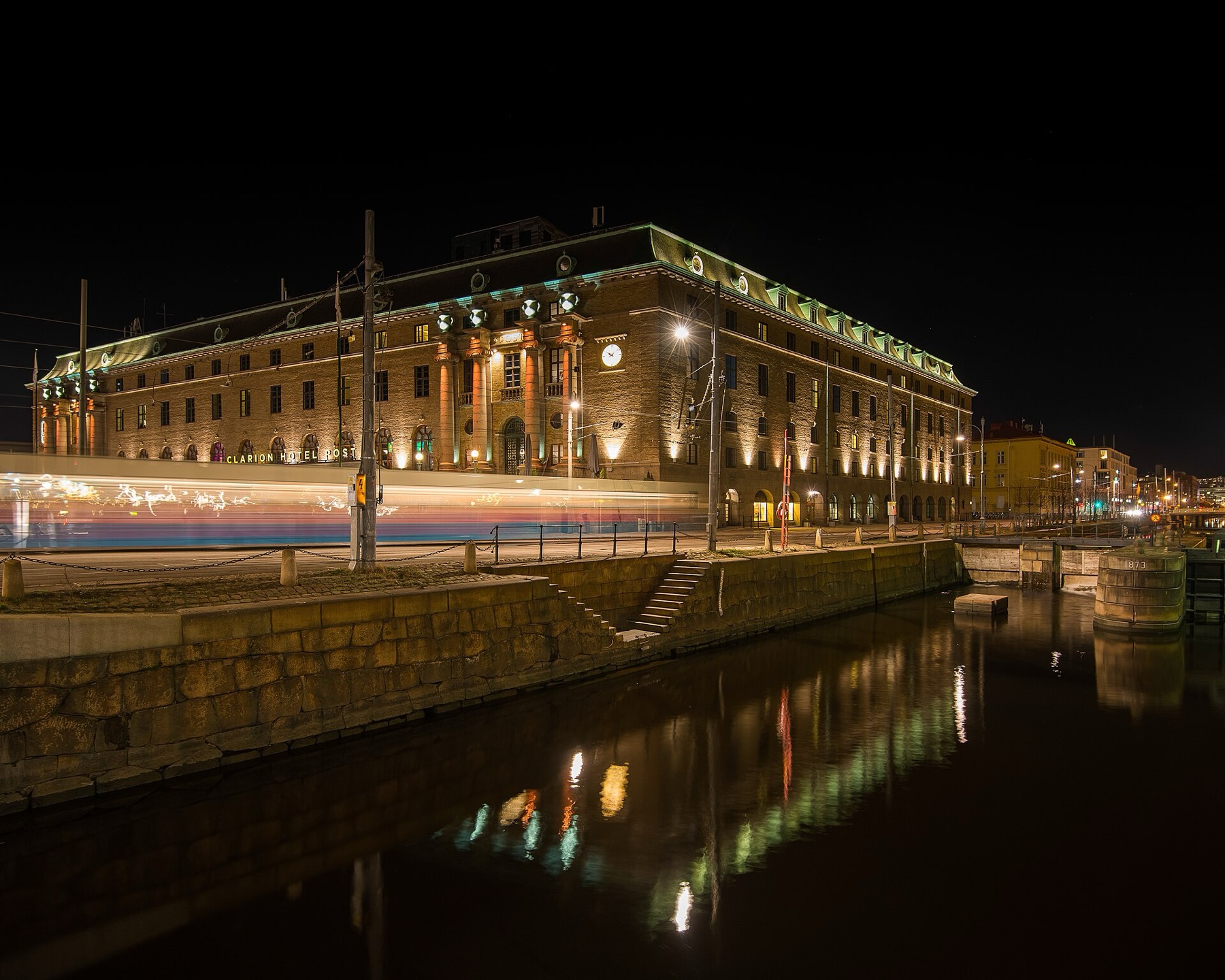
- Clarion Hotel Post: A beautiful design hotel in the historic former post office. It has a rooftop pool with city views and a breakfast that will convince you getting up at 7 a.m. is actually a good idea. A double room costs around €145 per night.
- Hotel Flora: A stylish boutique hotel right in the heart of the city, close to Saluhallen market hall. The rooms have distinctive design, the atmosphere is friendly and homely, and a night for two costs around €115.
- Slottsskogens Hostel: A great option for travellers on a tighter budget in the popular Linné district. It offers clean private rooms as well as shared dorms, plus a large communal kitchen. Prices start at around €50 per room.
Where to eat and taste Sweden
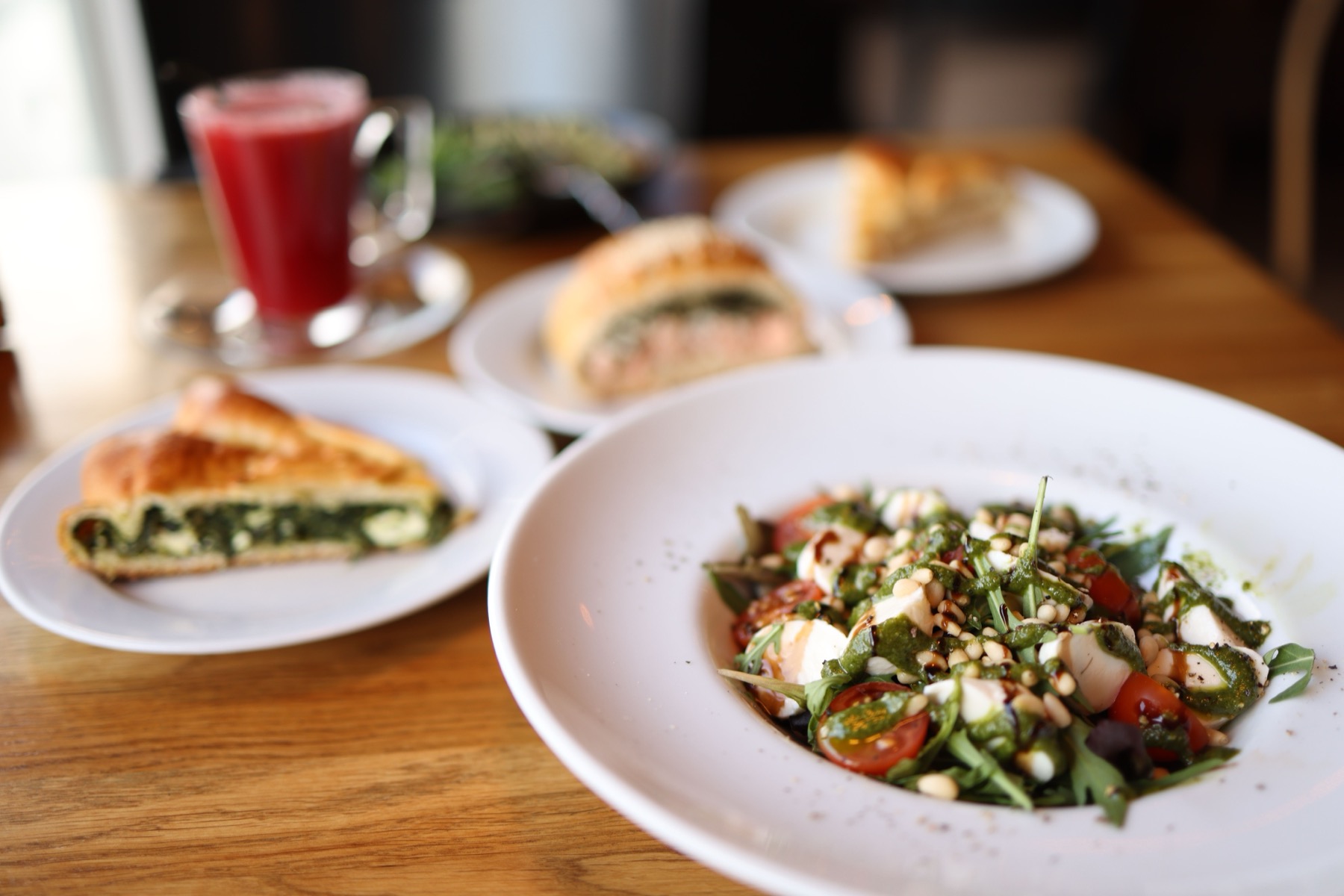
Swedish cuisine is much more varied than just the meatballs and lingonberries you know from furniture-shopping trips. As a port city, Gothenburg naturally has a superb selection of seafood, but it’s also considered one of the most vegetarian- and vegan-friendly places in Scandinavia. Local chefs focus on high-quality ingredients, root vegetables, fermentation and fresh herbs, giving every dish an incredibly clean, fresh flavour.
To avoid spending half your travel budget on lunch, look for signs saying dagens lunch. This popular set lunch is a traveller’s lifesaver: for a fixed, reasonable price, you’ll usually get an excellent main course, access to a generous salad bar, fresh bread, coffee and water. You certainly won’t leave the table hungry.

Independent cafés and famous bakeries
If there’s one thing Swedes have perfected, it’s the fika ritual. It’s not just an ordinary coffee break; it’s a precious moment when time seems to stop and you can sit back with a cup of strong filter coffee and a piece of fresh pastry. As you explore the city, don’t miss Da Matteo bakery. It has several locations and roasts its own coffee beans on site.
Their famous cardamom buns (kardemummabulle) are known across the city. The dough is wonderfully soft and so fragrant that you’ll probably want more than one. In the evening, head to Haga or Linné, where you’ll find lots of small, cosy bistros serving excellent vegetarian pizzas and fresh vegetable bowls—just what you need to recharge after a long day.
20 Things to See and Do in Gothenburg
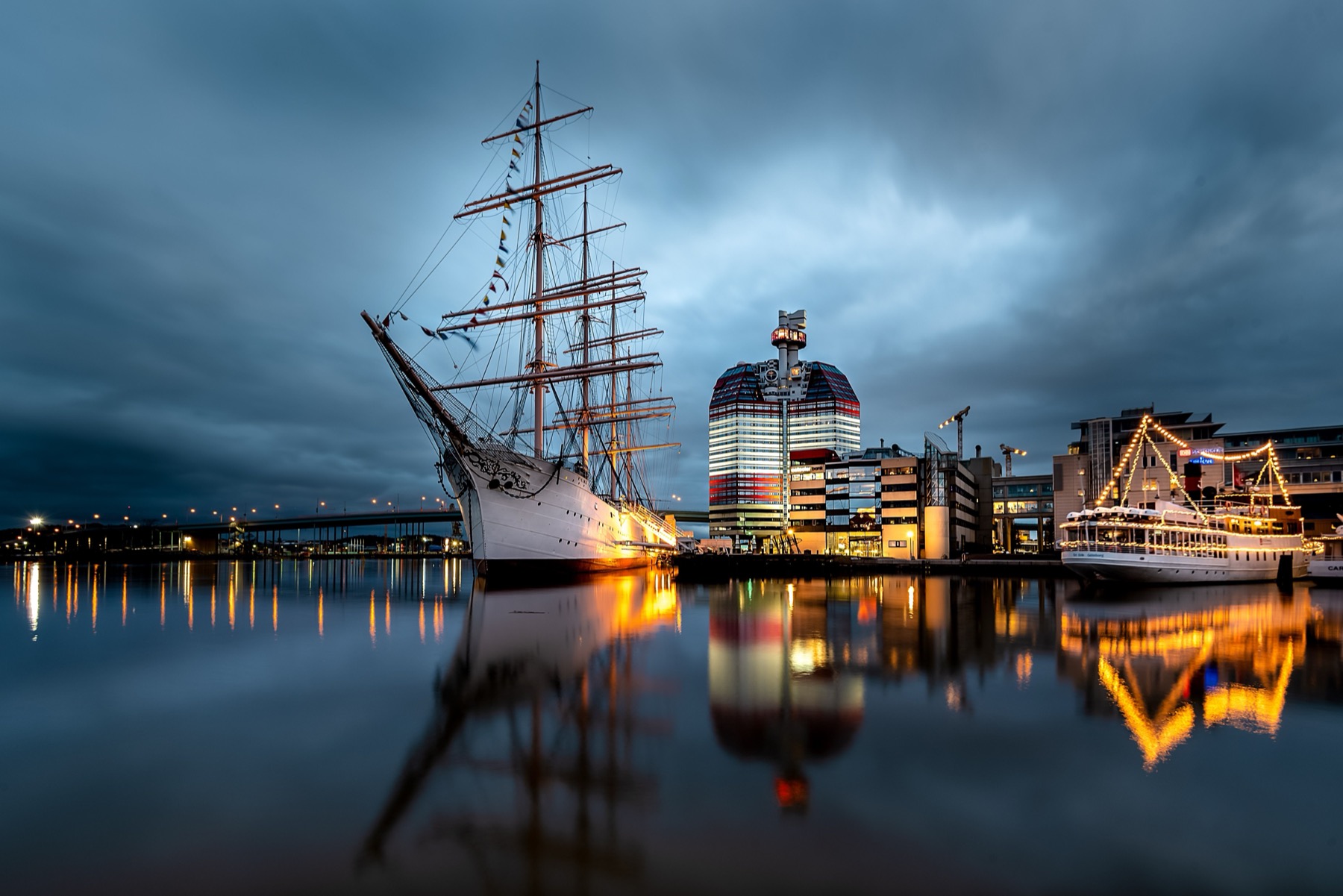
Coffee in the historic district in the morning, penguins in a free park in the afternoon and a roller coaster in the evening—yes, Gothenburg can fit all of that into one day. Let’s take a closer look at 20 places and experiences you shouldn’t miss during your visit. I’ll share where to find the best views and how to avoid the crowds at the busiest times.
1. Haga district and its wooden houses
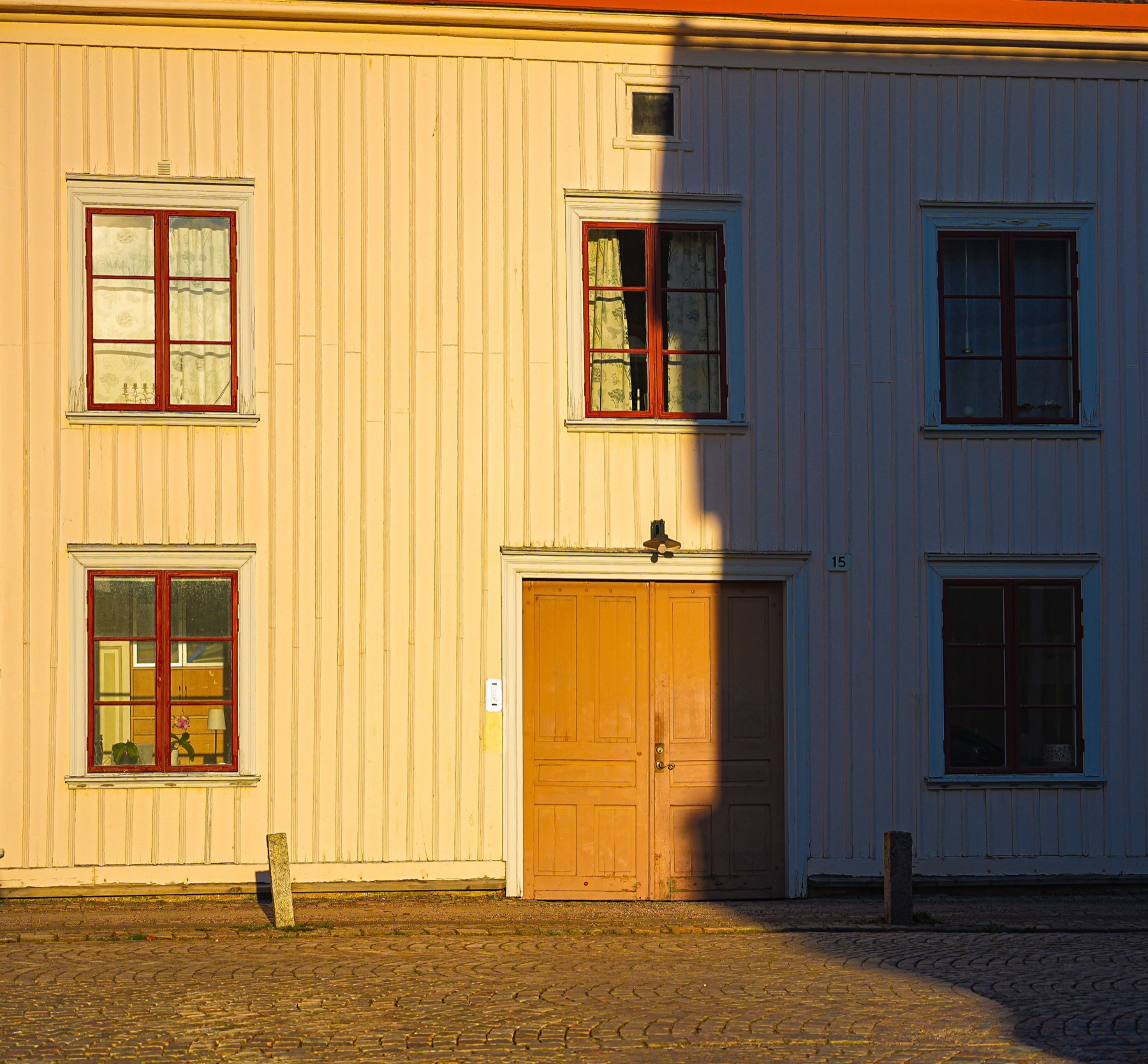
The Haga district is undoubtedly the heart of old Gothenburg. Once an impoverished working-class neighbourhood, it has become the most picturesque part of the city. Its cobbled lanes are lined with traditional 19th-century wooden houses known as landshövdingehus. They have a stone ground floor and two wooden storeys. This distinctive architectural style emerged as a clever workaround to strict fire regulations at the time, which prohibited the construction of tall wooden buildings.
Today, the ground floors of these historic buildings are home to independent boutiques, tucked-away second-hand bookshops and sustainable fashion stores. Take a leisurely stroll, soak up the local atmosphere and be sure to pop into one of the shops selling Scandinavian homeware that you’ll fall in love with at first sight. The best time to visit is around 10 a.m., when the first shops open and the streets are still quiet, before the afternoon crowds arrive.
Allow at least two hours to wander along Haga Nygata. Take the tram to Hagakyrkan stop, and you’ll be just a few steps from the heart of the district. All you need is a comfortable pair of shoes—the cobblestones are unforgiving.
💡 Tip: If you’re looking for original souvenirs, skip the main tourist shopping streets and shop here instead. You’ll find local ceramics, handmade soaps and beautiful wool accessories by local makers.

2. A giant cinnamon bun at Café Husaren
A visit to Haga calls for fika, the cherished Swedish ritual of taking a break for coffee and something sweet. Swedes take the tradition seriously, and in many workplaces, people stop what they’re doing twice a day for fika. The most famous place to enjoy it is the historic Café Husaren, right on the main street in a beautiful building with a glass roof and preserved stucco details.
The star of the menu is the hagabulle, a cinnamon bun about the size of a large dinner plate. It’s big enough to feed two or three people, fragrant with fresh cardamom, and absolutely delicious with strong Swedish filter coffee. The giant bun costs around 90 SEK (about €8), which may seem steep at first, but given its enormous size, it’s a great investment in sweet happiness.
Order traditional Swedish filter coffee (bryggkaffe) to go with your bun. At many cafés, the magic word is påtår, which means a free refill when you’ve finished your cup. The café is open daily from morning until 8 p.m., but queues can stretch out onto the street at weekends, so I recommend going straight after breakfast.
💡 Tip: Don’t try to eat the whole bun on your own. The staff will happily cut it into quarters if you ask, making it easy to share with family or friends.
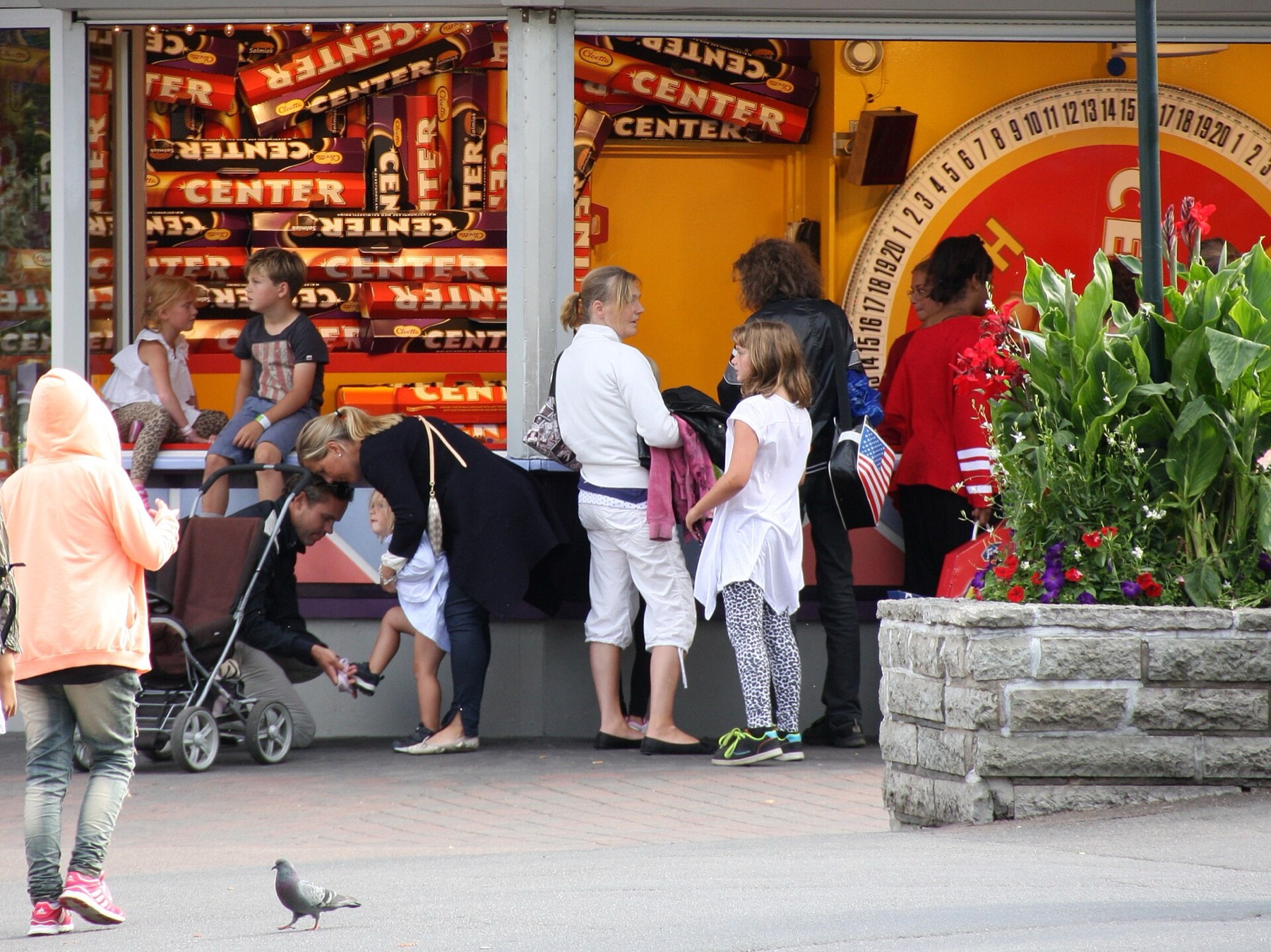
3. Liseberg amusement park and Oceana water world
If you’re travelling with children or simply love adrenaline, Liseberg will be the highlight of your trip. It’s the largest amusement park in Scandinavia, with more than 35 attractions, from intense roller coasters to gentle children’s areas filled with fairytale characters in Kaninlandet. The park is just a short distance from the centre. Take the tram to Korsvägen and you can easily spend a full day here.
Basic admission starts at around 95 SEK (about €8), while a full-day wristband for all the rides is available online from 365 SEK (around €33), which is definitely worth it. Good news for families: children under 110 cm tall get free admission to selected children’s rides. The main season runs from April to October, but the park also opens for special Halloween events and turns into a magical Christmas market in winter.
The site was also meant to include the enormous indoor water park Oceana, but unfortunately it was destroyed by fire in early 2024, just before completion. The Swedes haven’t given up: they’re rebuilding the entire complex, and it is scheduled to reopen in early 2027, so there’s plenty to look forward to.
💡 Tip: Buy tickets only through the official Liseberg app or website. They’re noticeably more expensive at the ticket office, and booking online also helps you avoid long queues at the entrance under the blazing sun.
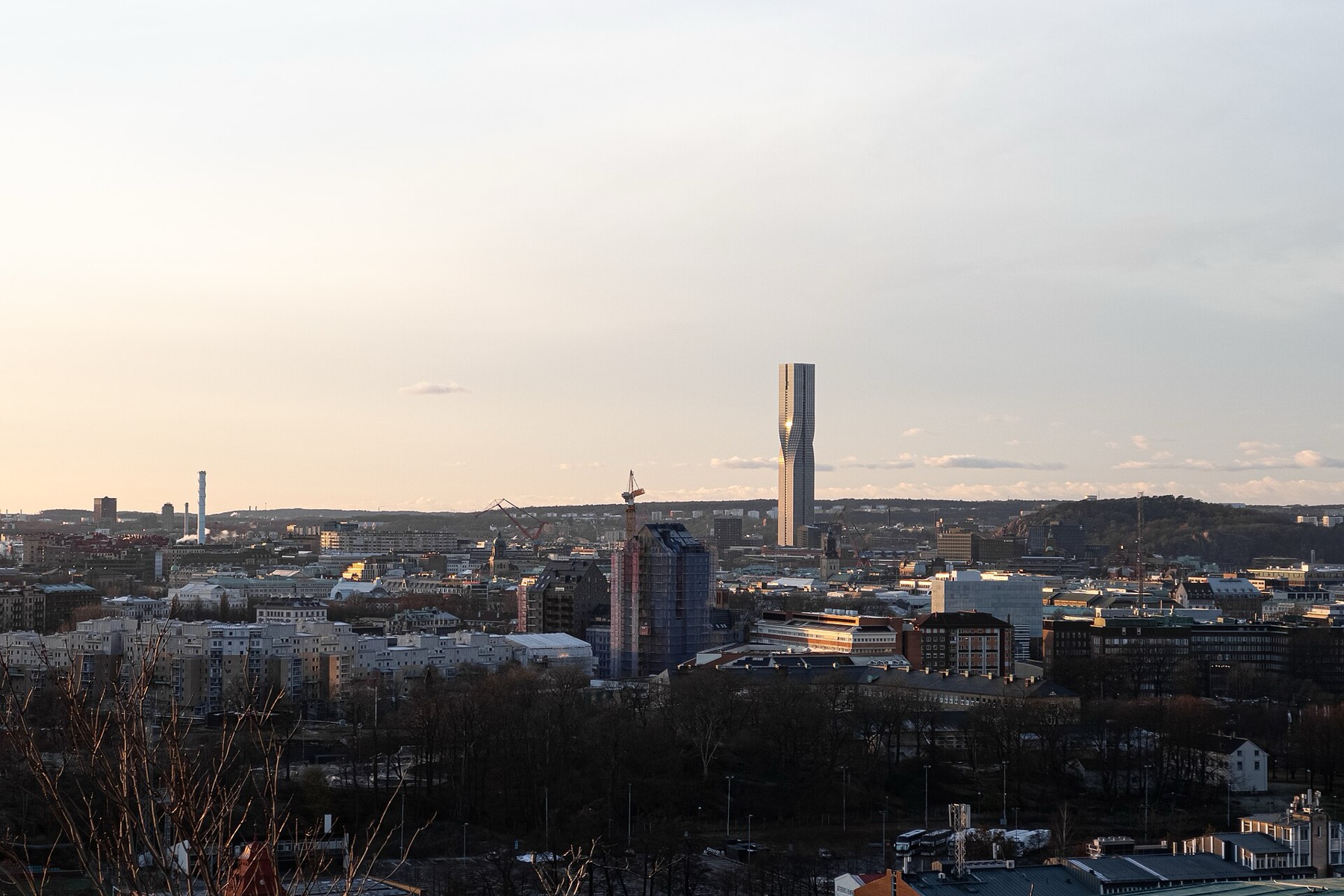
4. Karlatornet: Scandinavia’s tallest skyscraper
The city skyline has changed dramatically in recent years thanks to Karlatornet. At an impressive 246 metres, it has become the tallest building in Scandinavia. The elegant 74-storey skyscraper dominates the newly developed Lindholmen district on the north bank of the river, an area that has transformed from former shipyards into a cutting-edge technology hub full of start-ups and modern architecture.
At the end of June 2024, a brand-new observation deck called Gothenburg View opened 220 metres above the ground, immediately attracting visitors’ attention. It offers breathtaking views across the city, the historic harbour cranes and the distant granite islands. I recommend visiting in the late afternoon or around sunset, when the city takes on a beautiful golden glow.
You can reach the skyscraper by the free Älvsnabben ferry or by bus. The crossing itself is a little preview of what awaits you at the top. Admission costs around 295 SEK (€26), and you can easily spend an hour and a half there.
💡 Tip: Tickets for the observation deck sell out incredibly quickly in summer, so book online at least a week ahead to make sure you can visit at your preferred time.
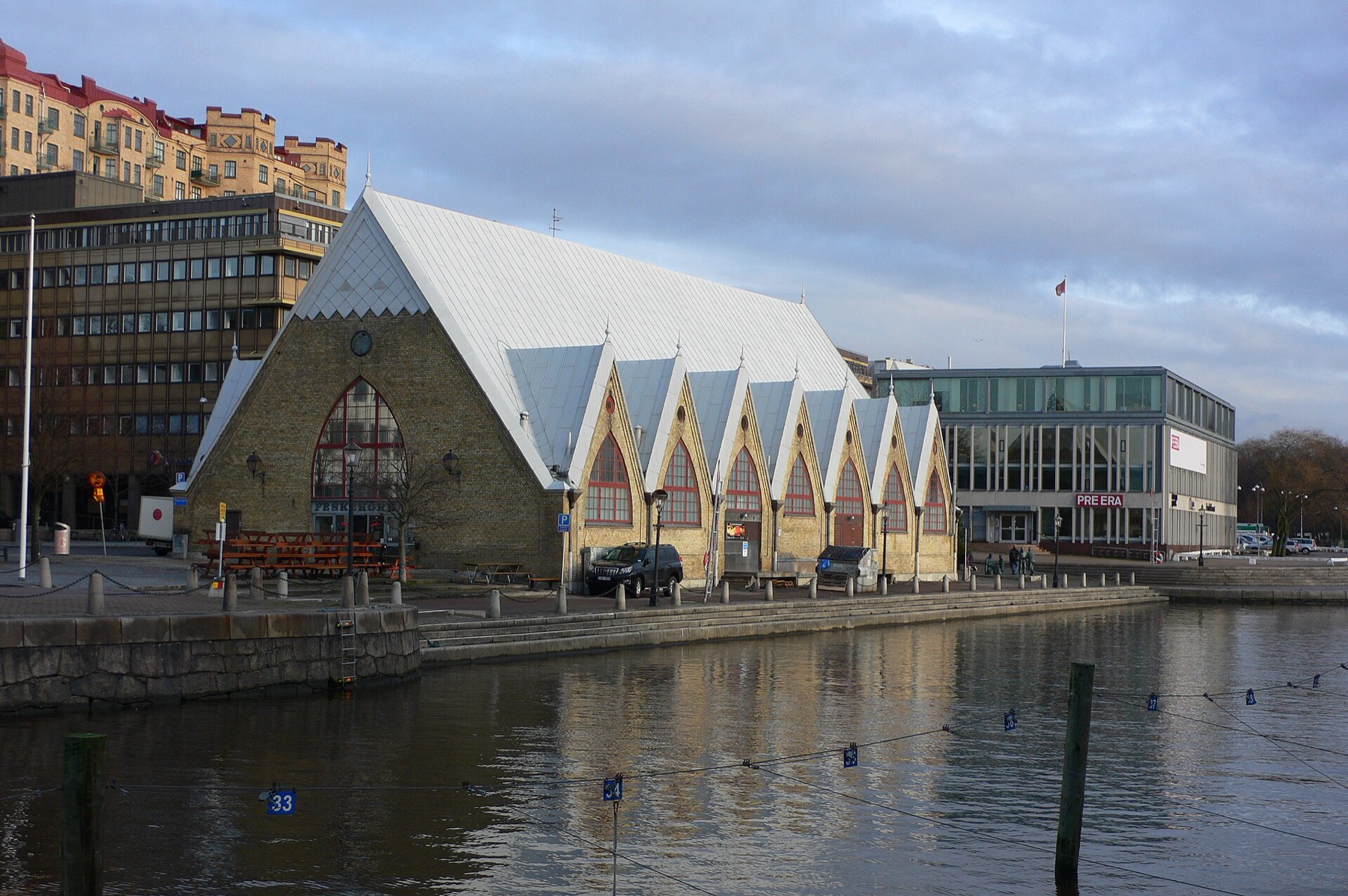
5. Feskekôrka: The fish market shaped like a church
When you’re ready to explore local culture, head to Rosenlundsgatan and the iconic Feskekôrka building. Dating from 1874, this unique structure looks more like a Gothic church than a market—hence its popular nickname, the Fish Church. The building recently underwent an extensive renovation, restoring its original shine and reopening it to the public.
Swedes love seafood, and the cold waters here are renowned for some of the best catches in Europe, making the market a true hub of local identity. Locals come to buy ingredients, while the cafés serve the famous shrimp sandwich, räkmacka, piled so high it makes the plates bow. If, like us, you prefer plant-based food, the building is fascinating from an architectural point of view, and nearby you’ll find excellent cafés and stalls selling artisan cheeses and fresh salads.
Take the tram to Grönsakstorget, then walk a short distance along the canal to the market. The building is open Tuesday to Saturday, and Friday afternoons are the liveliest, when locals come to shop for the weekend’s dinners.
💡 Tip: To avoid the biggest crowds, arrive soon after opening, at around 10 a.m. You’ll be able to admire the unique wooden roof without having to weave through crowds of hungry tourists.
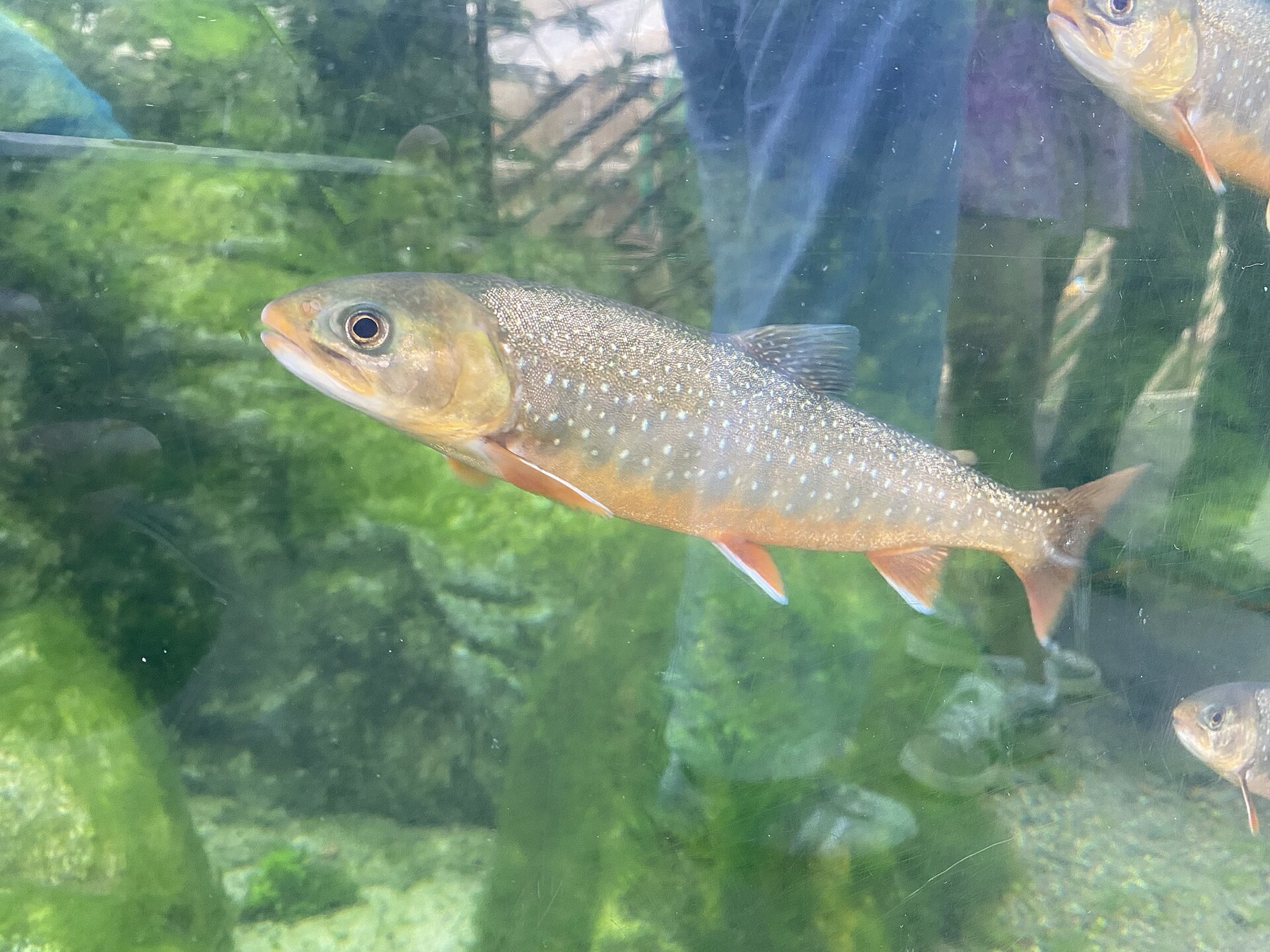
6. Universeum: A slice of rainforest
Right next to Liseberg amusement park is Universeum, a huge interactive science centre that delights visitors of all ages and easily fills half a day. The building has seven floors, and as soon as you enter, you’ll be amazed by a massive aquarium full of rays and sharks, which you can watch through a fascinating glass tunnel. It’s easy to get there by tram to the previously mentioned Korsvägen stop.
The biggest attraction, though, is the indoor rainforest, where small monkeys roam freely and exotic butterflies flutter through the warm, incredibly humid air. It’s the perfect refuge on rainy days—and there will almost certainly be a few, because Swedish rain can be very persuasive. You’ll also find huge sections devoted to space, the human body and modern technology, with plenty of hands-on exhibits to touch and try for yourself.
Adult admission costs around 295 SEK (about €26), with significant discounts for children. Allow at least three to four hours for a thorough visit; time flies incredibly quickly here.
💡 Tip: The rainforest is very humid and the temperature exceeds 25°C, so leave your coats and backpacks in the lockers near the entrance to avoid getting too hot inside.

7. World of Volvo: A proud piece of Swedish industry
If you’re interested in design, car safety or simply beautiful buildings, World of Volvo may surprise you. This huge experience centre and museum, covering 22,000 square metres, officially opened in April 2024 and replaced the old museum on the outskirts of the city. It’s now housed in a beautiful circular building made of wood and glass right in the centre, a short walk from the Liseberg Södra tram stop.
Alongside gleaming historic models and iconic boxy estate cars, you’ll discover the full history and future of this Swedish automotive legend. This isn’t a dull display behind glass: everything is highly interactive and designed to help you understand Sweden’s famous focus on safety, which has shaped the entire automotive industry. Try crash simulators, explore the latest electric models or take part in educational workshops.
Admission costs around 230 SEK (about €20), and you’ll need roughly two relaxed hours to explore. The building itself is an architectural gem and has won several awards for sustainability.
💡 Tip: Don’t come just for the cars. There’s an excellent café and restaurant inside, where you can enjoy a fika with a view of the modern architecture without paying admission to the exhibition.
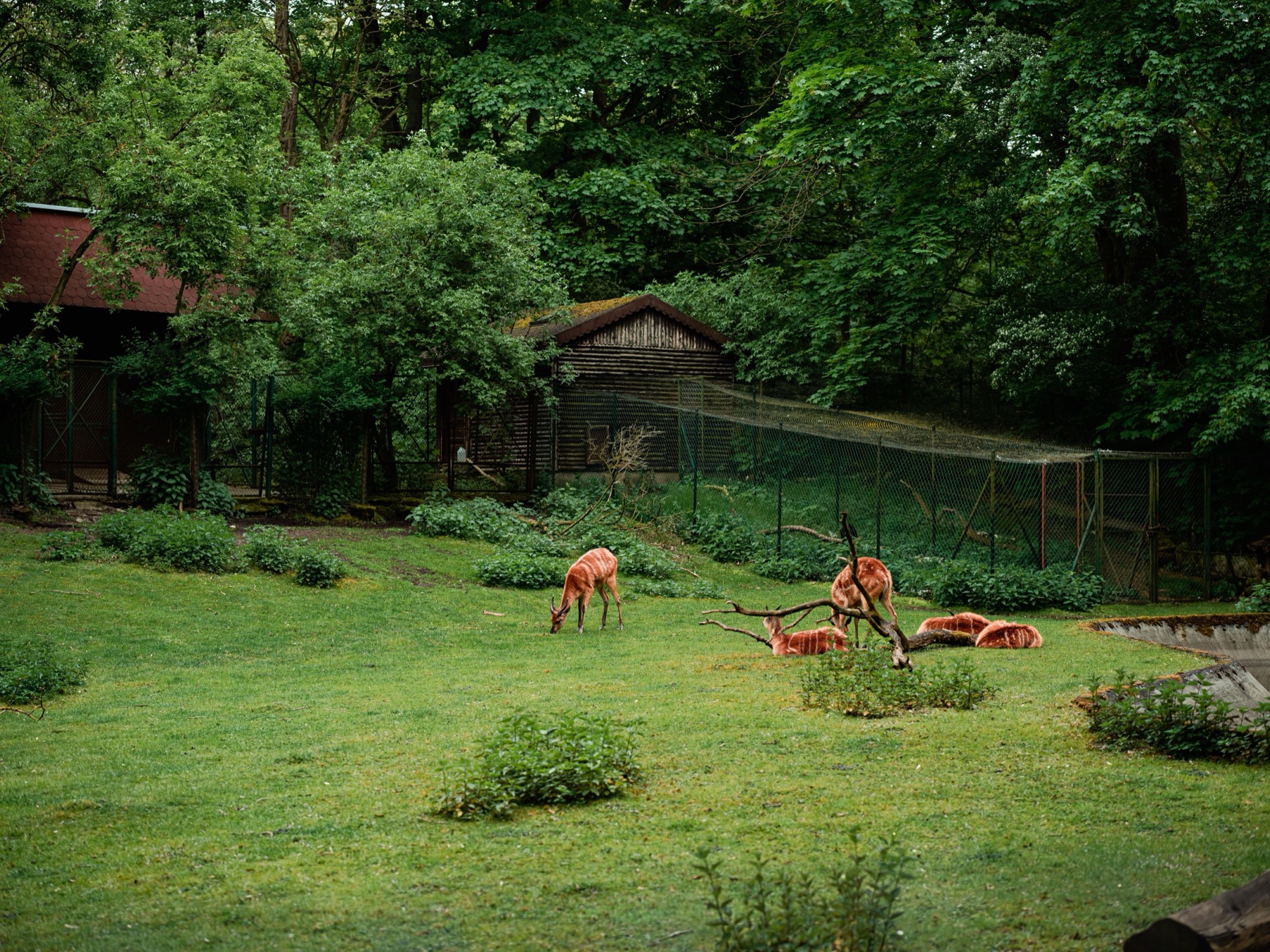
8. Slottsskogen: A Huge Park with Free Wildlife
When you need a break from the city bustle and want to recharge, head to the vast Slottsskogen park, which serves as Gothenburg’s green lungs. It covers 137 hectares, and locals come here to run, enjoy weekend picnics or simply lie on the grass with a book and coffee in hand. The easiest way to get here is by tram: get off at the Linnéplatsen interchange.
The biggest draw for visitors is a huge natural wildlife area, which is completely free to enter and open 24 hours a day. In its spacious, wooded enclosures, you can see majestic moose with your own eyes, along with reindeer, seals and adorable penguins, making the park an ideal stop for a peaceful afternoon surrounded by nature. The park is designed to give the animals as much natural space as possible, so it feels more like open wilderness than a traditional zoo.
You’ll also find several pleasant cafés, plenty of children’s playgrounds and large lawns that are packed with picnicking families on summer weekends. Allow at least two full hours for your walk.
💡 Tip: If you want to see the animals at their most active, visit the park around feeding time, which is usually at about 2 p.m. You’ll find the exact schedule on the information boards by the main entrances.
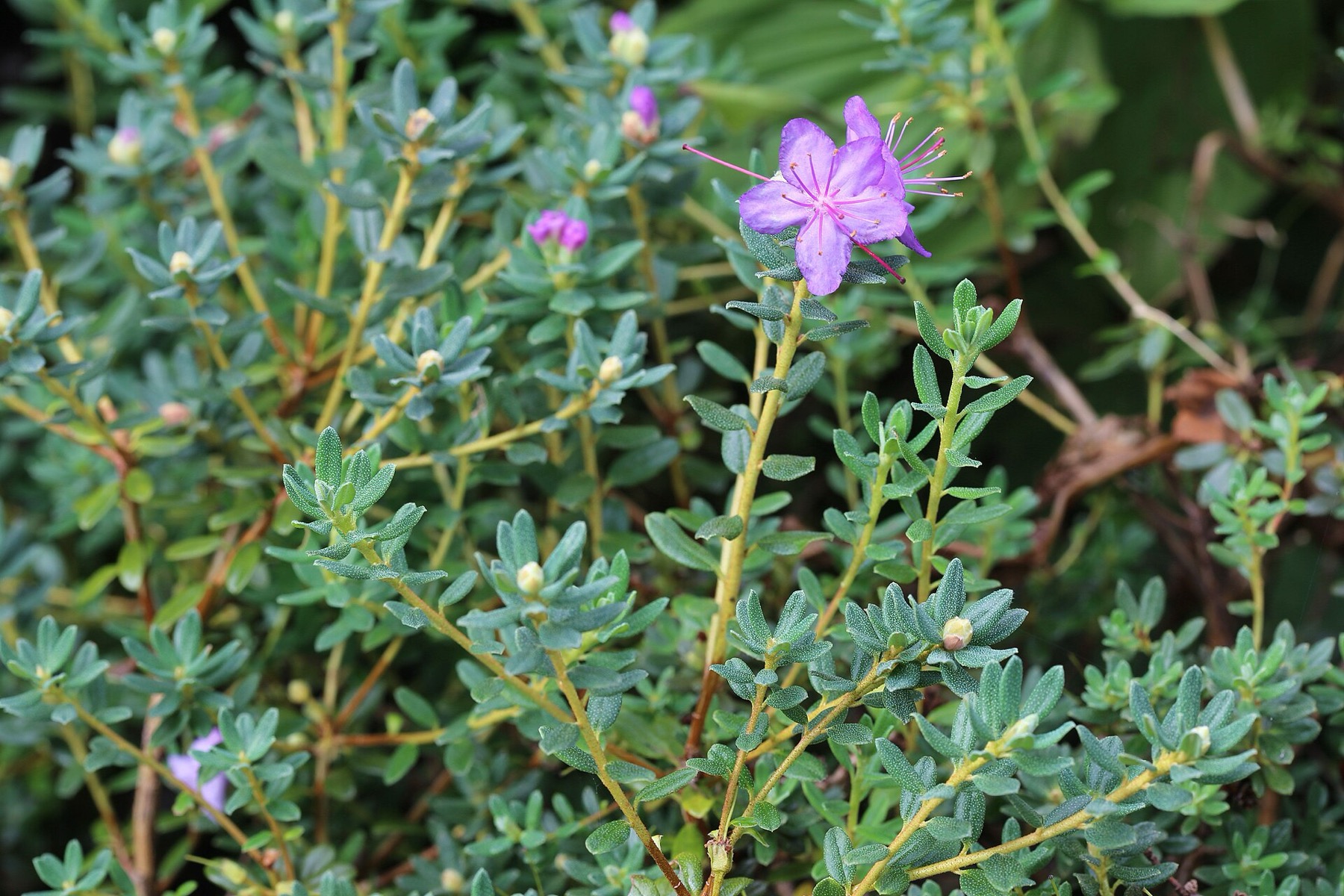
9. Gothenburg Botanical Garden
Right next to Slottsskogen lies Göteborgs botaniska trädgård, one of Europe’s largest botanical gardens. More than 16,000 plant species from around the world grow across its 175 hectares. The tram will take you comfortably to the main entrance; simply get off at the Botaniska Trädgården stop.
Pay special attention to the beautiful Japanese Valley, with its peaceful Zen atmosphere, and the beautifully maintained alpine garden, which bursts with colour and offers views of the surrounding landscape. Entry to the outdoor areas is by voluntary contribution; a donation of 30 SEK (around €5) is recommended. For such beauty, it’s a purely symbolic amount, and you can either put it in the box or pay by card at the terminal by the entrance. Only the large greenhouses, where exotic orchids and carnivorous plants are cultivated, charge an entrance fee (50 SEK).
The garden is open all day until sunset and is the perfect oasis of calm, where it’s easy to lose track of time and spend an entire morning.
💡 Tip: The most spectacular display awaits you around the turn of May and June, when the rhododendrons burst into bloom and the entire garden lights up with thousands of colourful flowers that attract photographers from far and wide.
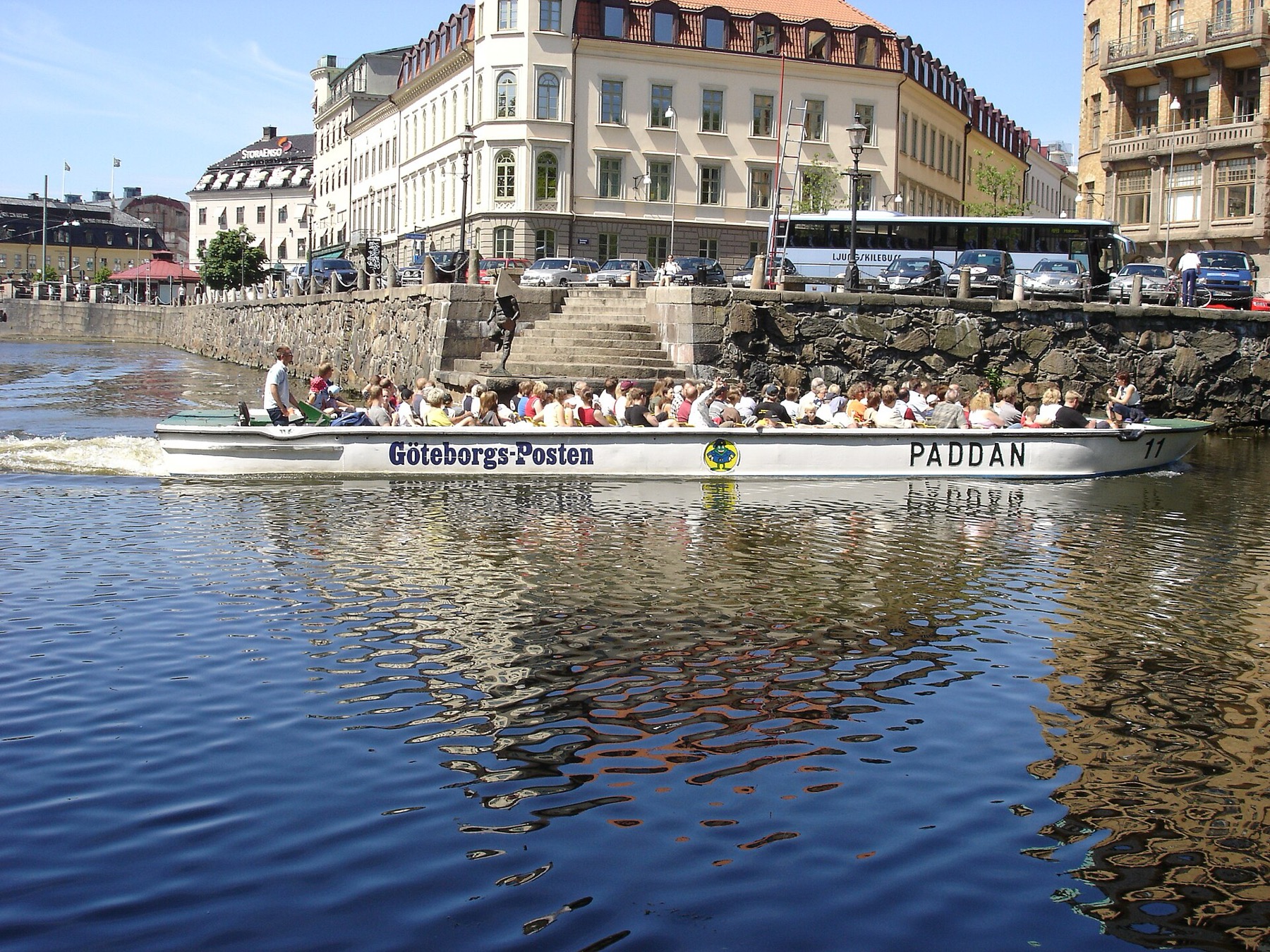
10. Cruise the Canals on Paddan Boats
You’ll get the best look at the city, its history and its connection to the sea from the water. In the centre, at Kungsportsplatsen square, hop aboard the iconic flat-bottomed boats known as Paddan. They cruise through the old seventeenth-century defensive canals and take you all the way to the large harbour on the Göta älv river. The cruise takes about 50 minutes and gives you a completely different perspective on the city than walking does.
During the cruise, the guides deliver fascinating historical facts with their trademark dry humour and occasionally shout at you to duck properly. The boats pass beneath extremely low bridges, sometimes leaving only centimetres of clearance above your head. The lowest one is even nicknamed Osthyveln (the Cheese Slicer), and passing beneath it adds a funny, mildly adrenaline-fuelled moment when you have to press yourself against the floor of the boat.
A ticket for this sightseeing cruise costs around 220 SEK (approximately €35), and during the summer season the boats leave roughly every 20 minutes.
💡 Tip: Book your Paddan tickets online at least a day in advance. In summer, the boats are often sold out well ahead of time. Also remember to bring sunglasses and sunscreen: the boats have no roof, and the sun can be surprisingly intense on the water.
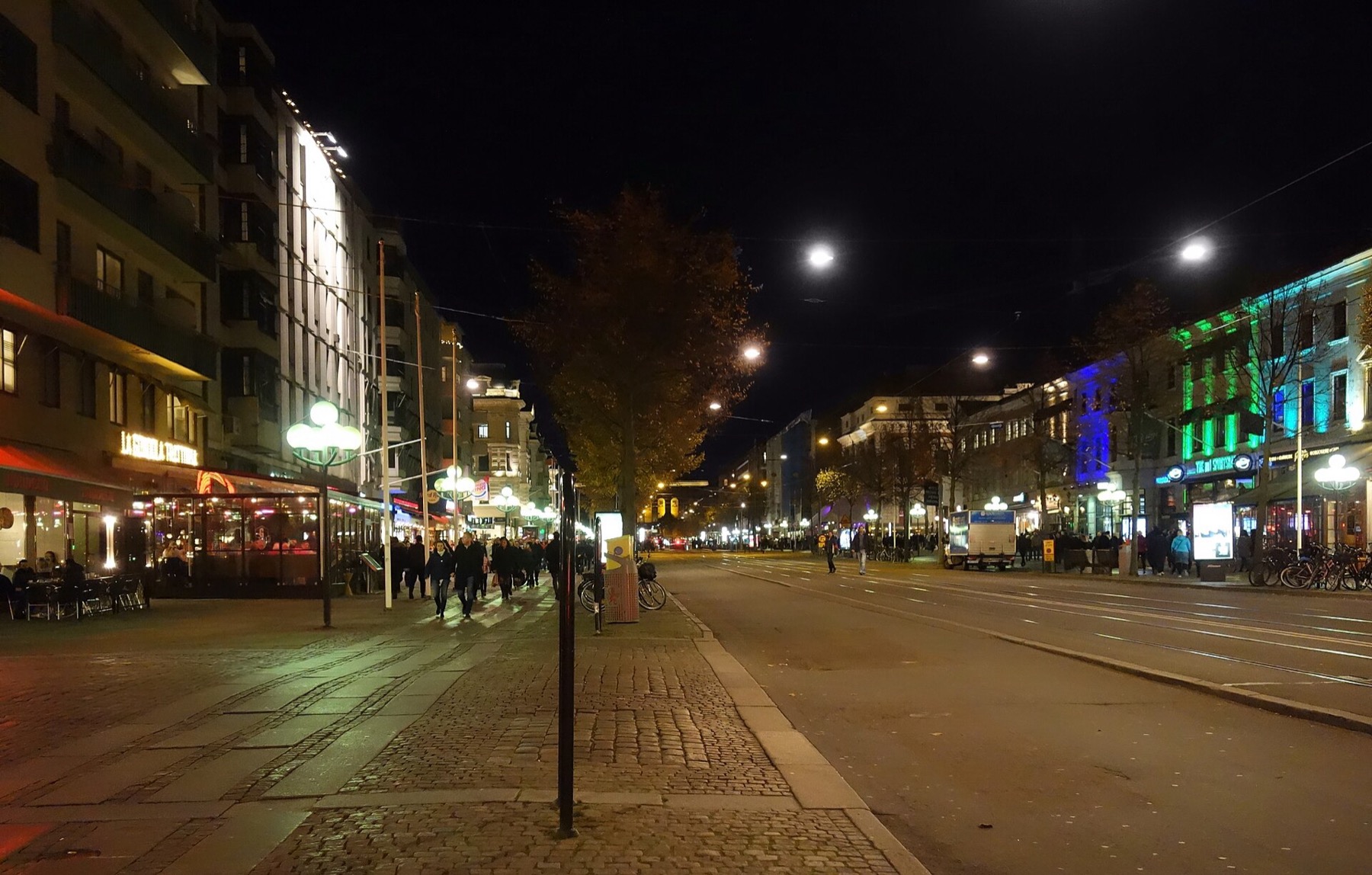

11. Avenyn: The City’s Main Artery
Kungsportsavenyen, known locally simply as Avenyn, is the main boulevard and pride of the city. It is often, with a little exaggeration, compared to Paris’s Champs-Élysées. This broad, kilometre-long street is lined with grand buildings, expensive boutiques and a seemingly endless row of restaurants with outdoor terraces, where locals spend sunny afternoons. Start your walk at the Valand tram stop and make your way gently uphill.
During the day, the street buzzes with shopping and tourists stroll around with bags full of Scandinavian design. In the evening, it turns into a centre of nightlife, although drink prices here are among the highest in the city. A regular draught beer commonly costs 80–95 SEK (approximately €13–€16), which can make quite a dent in your travel budget.
Even if you’re not planning to spend a fortune, walking along Avenyn is an absolute must for soaking up the atmosphere of modern Gothenburg and watching the locals go about their evening.
💡 Tip: If hunger strikes and you don’t want to pay inflated prices on the main boulevard, turn into one of the side streets. You’ll find plenty of excellent, more affordable bistros serving delicious vegetarian pizzas and fresh pasta.
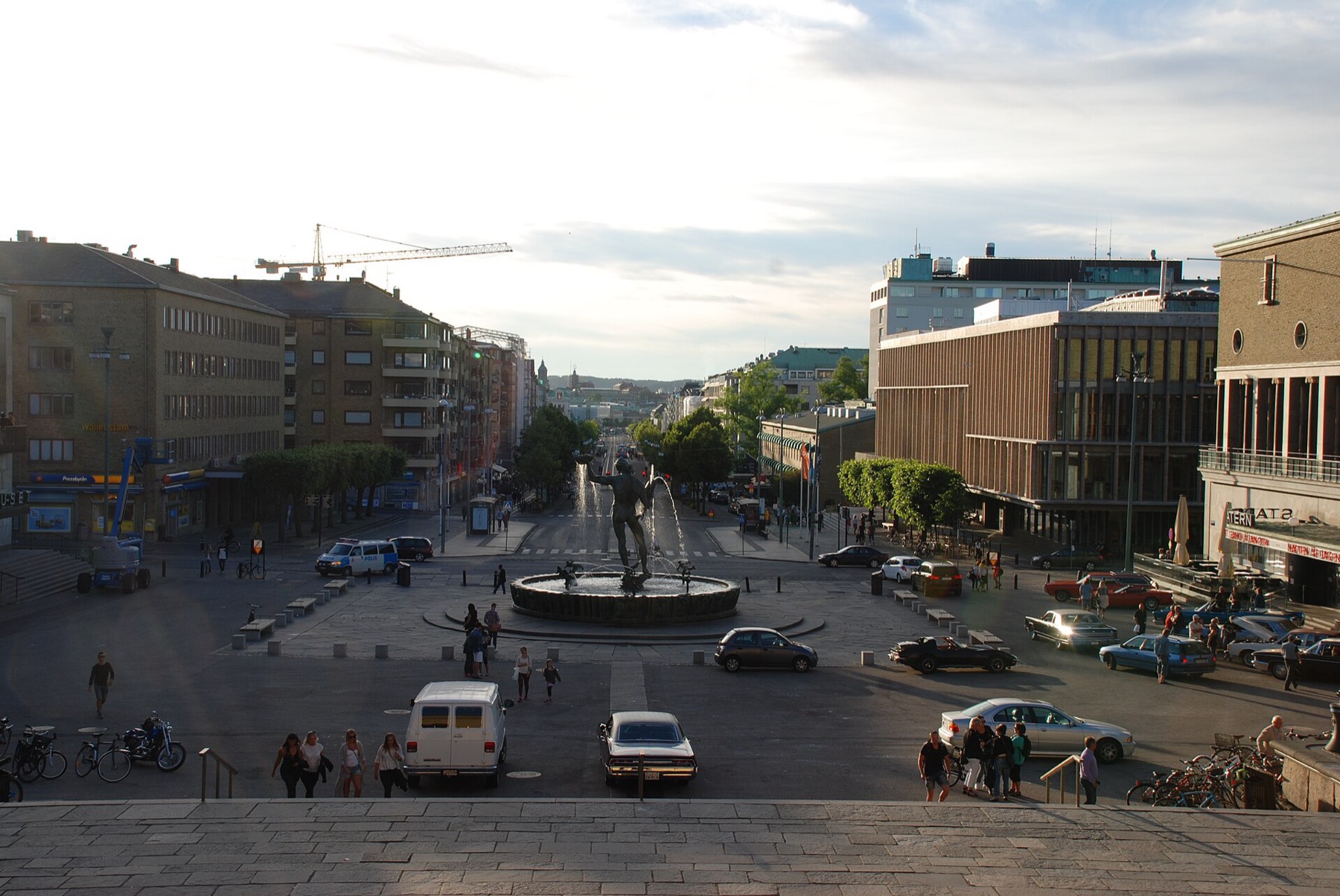
12. Götaplatsen and the Poseidon Fountain
When you reach the very end of Avenyn, the monumental Götaplatsen square opens up before you. It is dominated by a huge seven-metre bronze statue of Poseidon, god of the sea, which is the city’s most popular spot for tourist photos and symbolises Gothenburg’s close connection with the ocean and maritime trade. The square was created in 1923 for a major anniversary exhibition and remains the cultural heart of the city.
Three cultural institutions stand side by side around the square, so anyone who enjoys theatre, music and visual art can easily fill an entire afternoon here. You’ll find the City Theatre, the Concert Hall with its excellent acoustics and, most importantly, the Gothenburg Museum of Art (Göteborgs konstmuseum), recognisable by its imposing colonnade. If you enjoy Scandinavian painting from the turn of the nineteenth and twentieth centuries, make sure you set aside time for a visit to its rich collections. They are among the best in the country and include works by masters such as Carl Larsson and Anders Zorn.
Standard museum admission costs a pleasant 70 SEK (around €12), while all visitors under 25 enter the permanent exhibitions completely free, which is excellent news for students.
💡 Tip: Ask about the Museum Card at the museum ticket desk. It costs 140 SEK and is valid for the entire calendar year as a pass to several other city museums, so it pays for itself after visiting just two institutions.
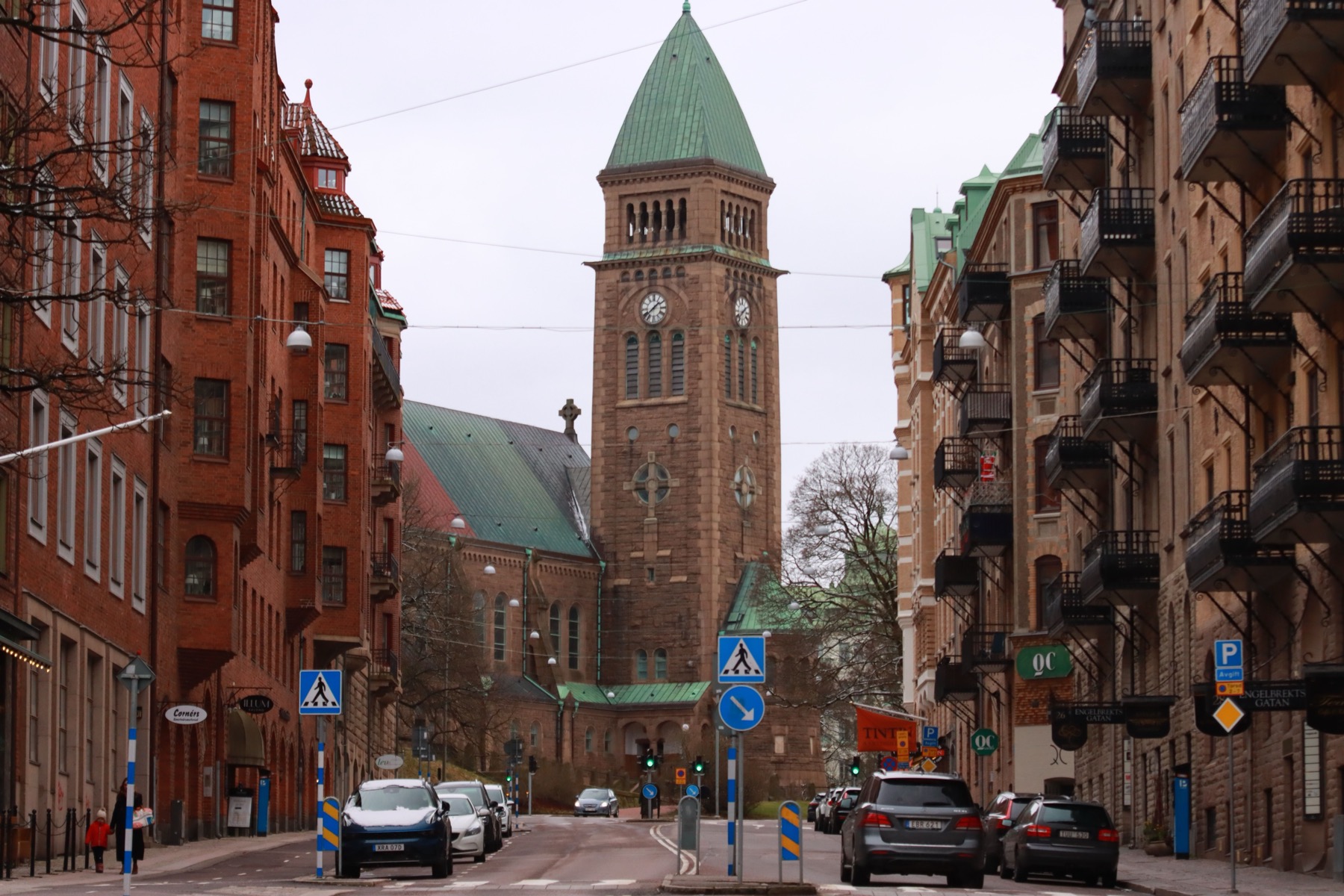
13. Views from Masthugget Church and Stigbergstorget
For the best panoramic photos of the city, hike up the hill to Masthugget Church (Masthuggskyrkan). Its imposing 60-metre brick tower can be seen from far away and serves as a landmark for arriving ships. The church stands on a high cliff, and its terrace offers a magnificent view over the entire harbour, the Göta älv river and the huge Stena Line ferries arriving from Denmark and Germany. The climb takes some effort, but the views are absolutely worth the sweat.
On your way down, be sure to stop at Stigbergstorget square, which is also served by a tram stop of the same name. This is a centre of alternative culture, where students and artists gather. You’ll find excellent independent cafés serving speciality coffee, record shops, second-hand stores and a much more laid-back atmosphere than on the glossy main boulevard of Avenyn.
This area is ideal for a slow afternoon spent discovering little shops and sampling excellent local pastries in bakeries that don’t try to cater to tourists.
💡 Tip: Head to the church terrace about an hour before sunset. Photographers love this spot because the setting sun bathes the entire river and the harbour cranes in incredible shades of orange and red.
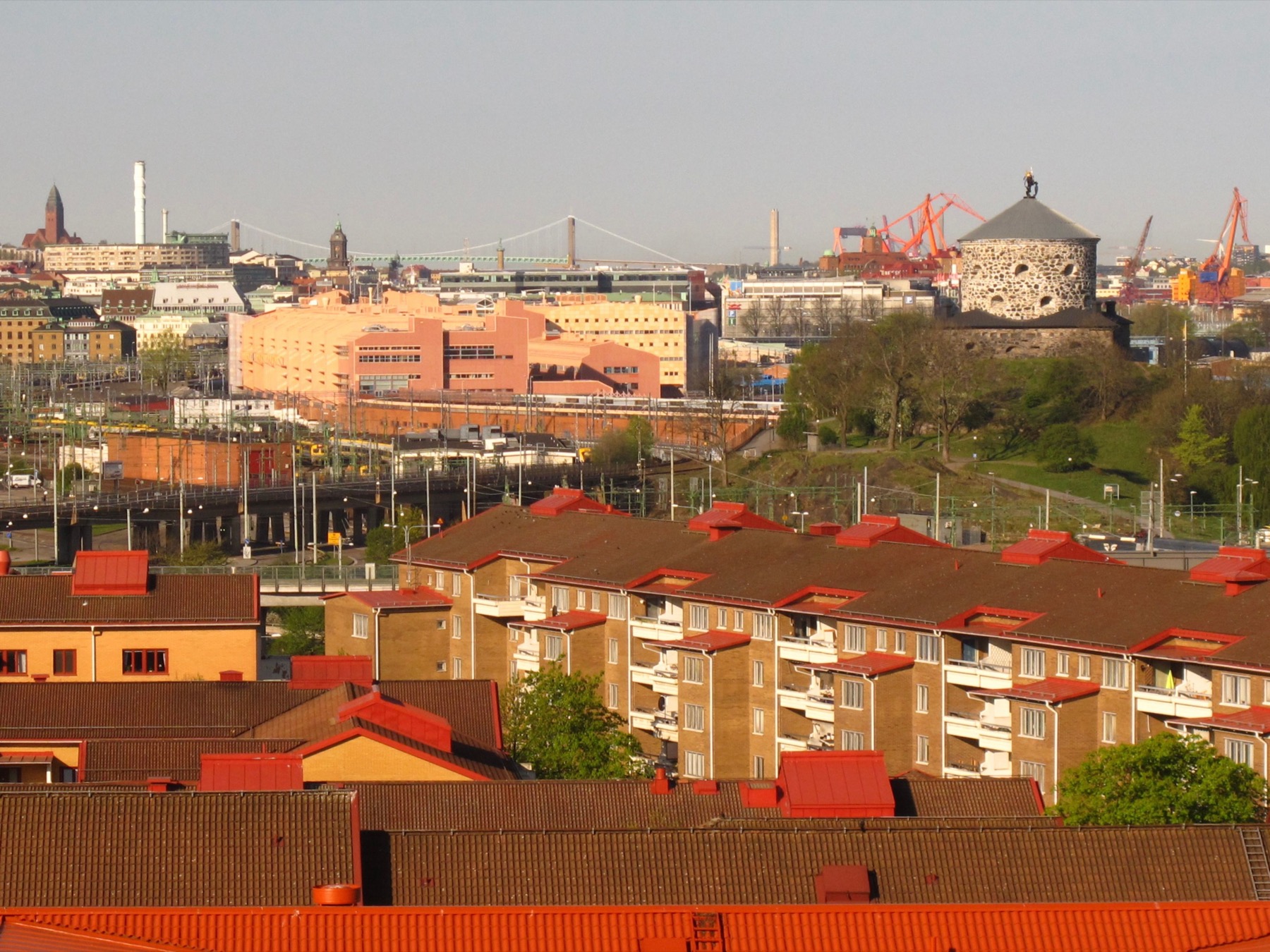
14. Röda Sten and Street Art beneath Älvsborgsbron
West of the centre, directly beneath the enormous Älvsborgsbron suspension bridge, you’ll find the independent art centre Röda Sten Konsthall. This massive former brick boiler house now serves as a fascinating exhibition space for modern and provocative art across four floors, and its surroundings are covered in legal graffiti and colourful street art. You can reach the complex with a pleasant walk from the Vagnhallen Majorna tram terminus.
Sit on the wooden piers, order a coffee or lunch from the vegetarian restaurant in the building and watch cargo ships slowly sail beneath the huge bridge structure on their way towards the ocean.
Gallery admission is around 120 SEK (approximately €20), but the area around the building, the graffiti and the waterfront walk are naturally completely free. They make a wonderful escape from the bustle of the centre.
💡 Tip: A beautiful promenade follows the water from the gallery and takes you all the way back to the Haga district. The walk takes about an hour and offers some of the best views of Scandinavian harbour architecture without disruptive traffic.
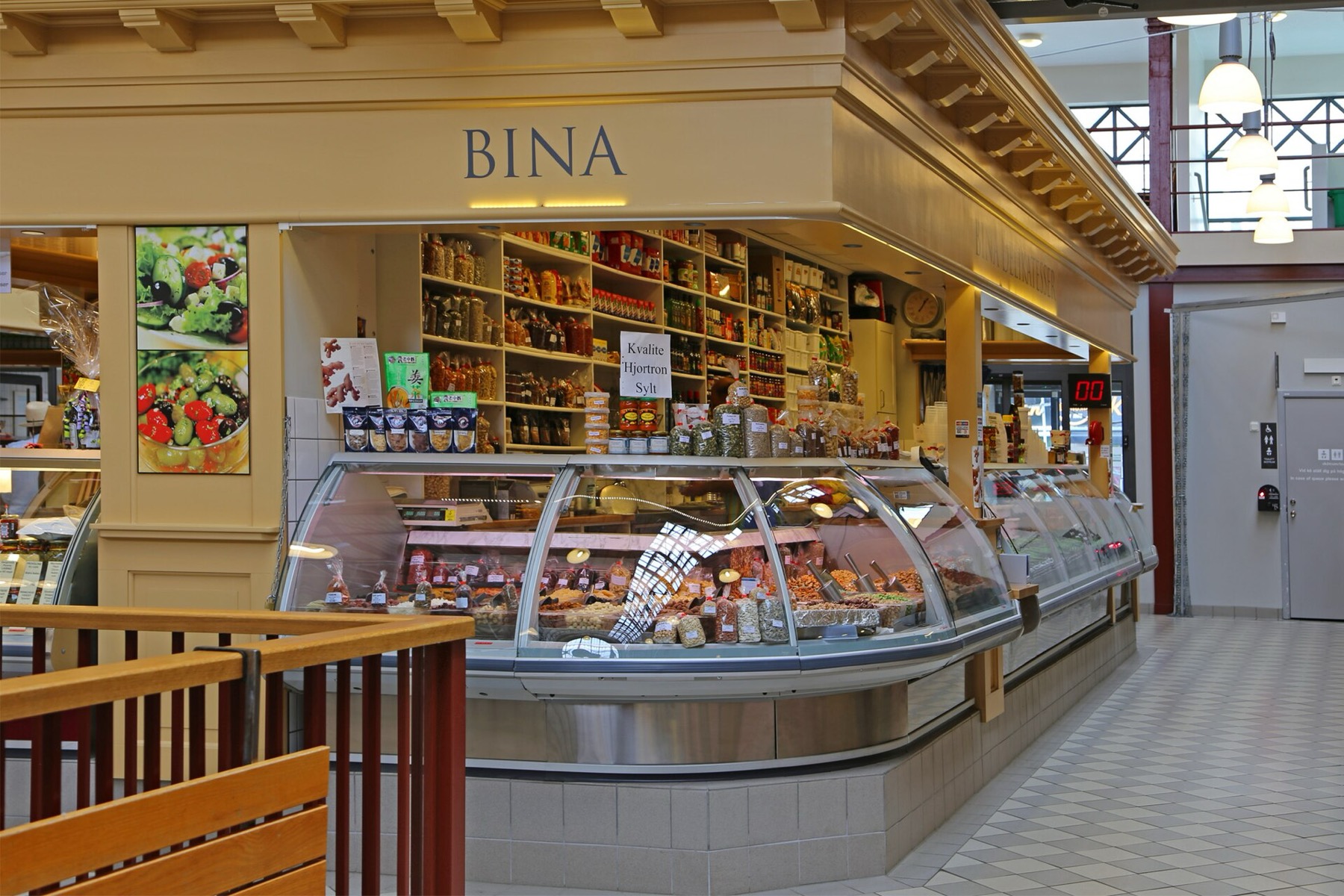
15. Shopping at Nordstan and Saluhallen Market
If typical Swedish rain or strong winds catch you out, take shelter in the Nordstan shopping centre, located directly opposite the main railway station. It is one of Scandinavia’s largest covered shopping complexes, with everything under one enormous roof, from Scandinavian fashion brands to designer home accessories. You can easily spend several hours here in the warmth and dry.
For a proper lunch, cross over to the nearby historic Stora Saluhallen market hall on Kungsportsplatsen square. Dozens of food stalls are packed into this beautiful building with a glass ceiling, and the aromas are incredible. I recommend trying the excellent vegetarian dishes, generous falafel salad bowls and fresh bread from local bakers, which simply tastes perfect. Around lunchtime, many stalls serve traditional dagens lunch (daily specials) for about 120–150 SEK (approximately €20–€25).
The market is a great place to buy edible souvenirs, such as local cheeses, cloudberry jam or freshly ground coffee from local roasters.
💡 Tip: If you want to find a seat at the popular stalls, avoid the main rush between noon and 1 p.m., when employees from the surrounding offices come here for lunch.
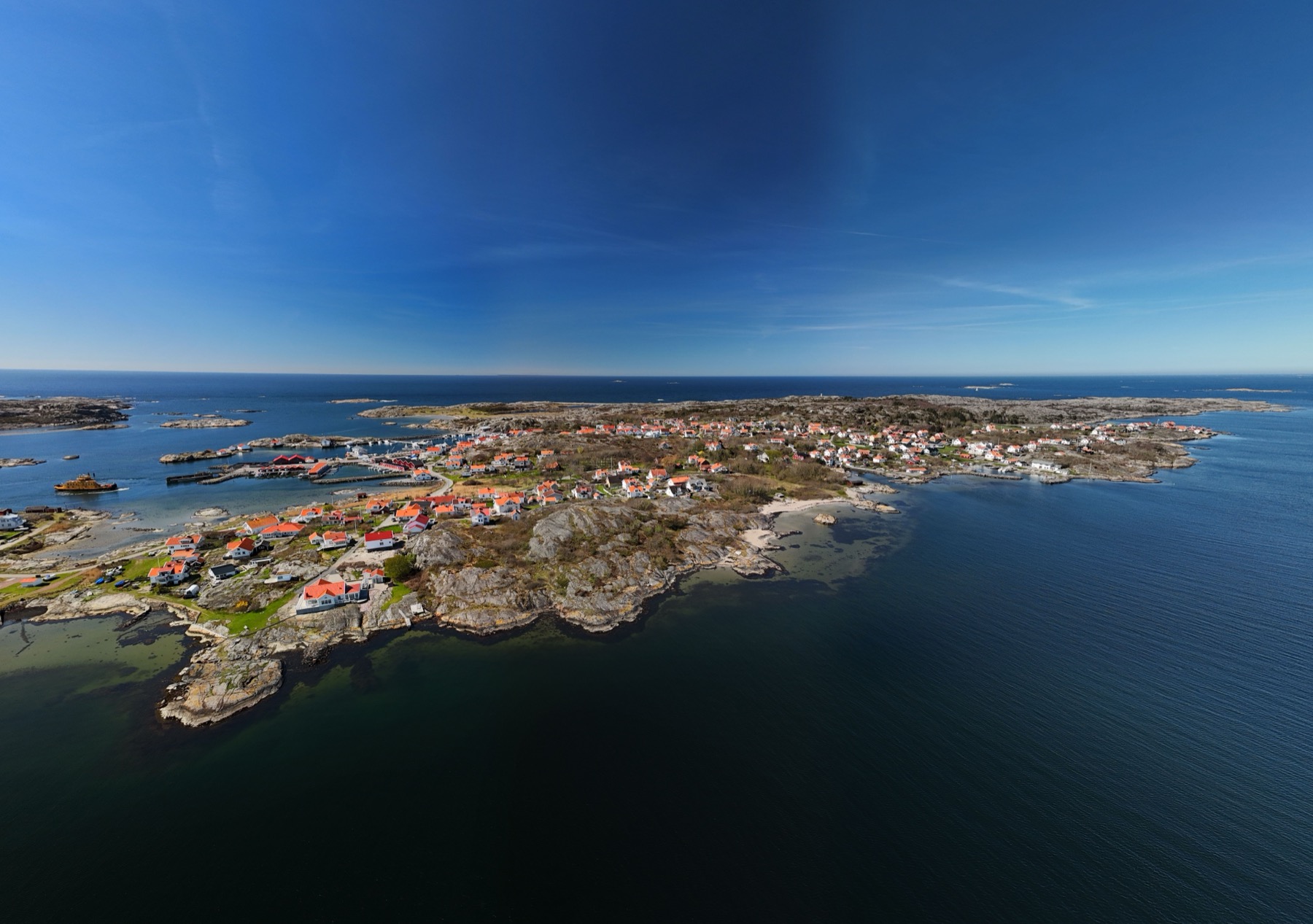
16. Styrsö Island in the Southern Archipelago
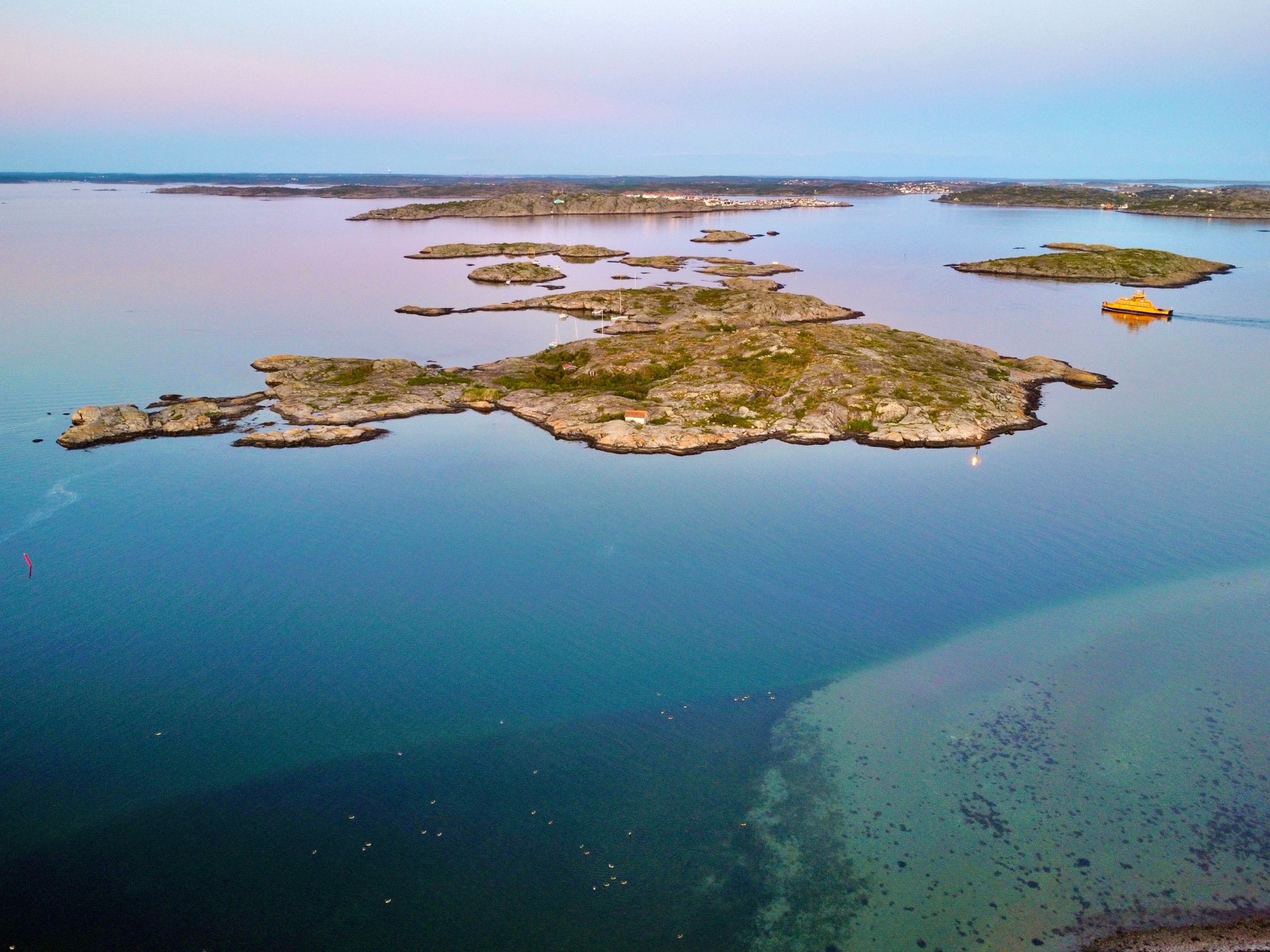
Just beyond the city limits lies a fairytale world that many international visitors have no idea exists. The southern archipelago consists of dozens of granite islands with an absolute ban on cars. You can reach them easily using a regular Västtrafik public transport ticket. A single journey costs around 36 SEK (approximately €6), making this the cheapest and most beautiful experience in all of Gothenburg.
Take ferry 281 or 282 to Styrsö, which serves as the unofficial centre of the archipelago. It offers lovely walks through narrow lanes between white and red wooden villas, quiet coves and the excellent Båten café, where you can enjoy coffee and sweet pastries overlooking the yachts at anchor. You can walk around the island at an easy pace in two hours, and I guarantee you’ll instantly fall in love with the all-pervading tranquillity.
Here, you can get around only on foot or by rented bicycle. Occasionally, you may be passed by a local on an electric cargo tricycle, which serves in place of postal and delivery vans.
💡 Tip: Download the official Västtrafik app to your phone. You can use it not only to buy tickets easily, but also to check the exact departure times of all the ferries, which connect perfectly with arriving trams.
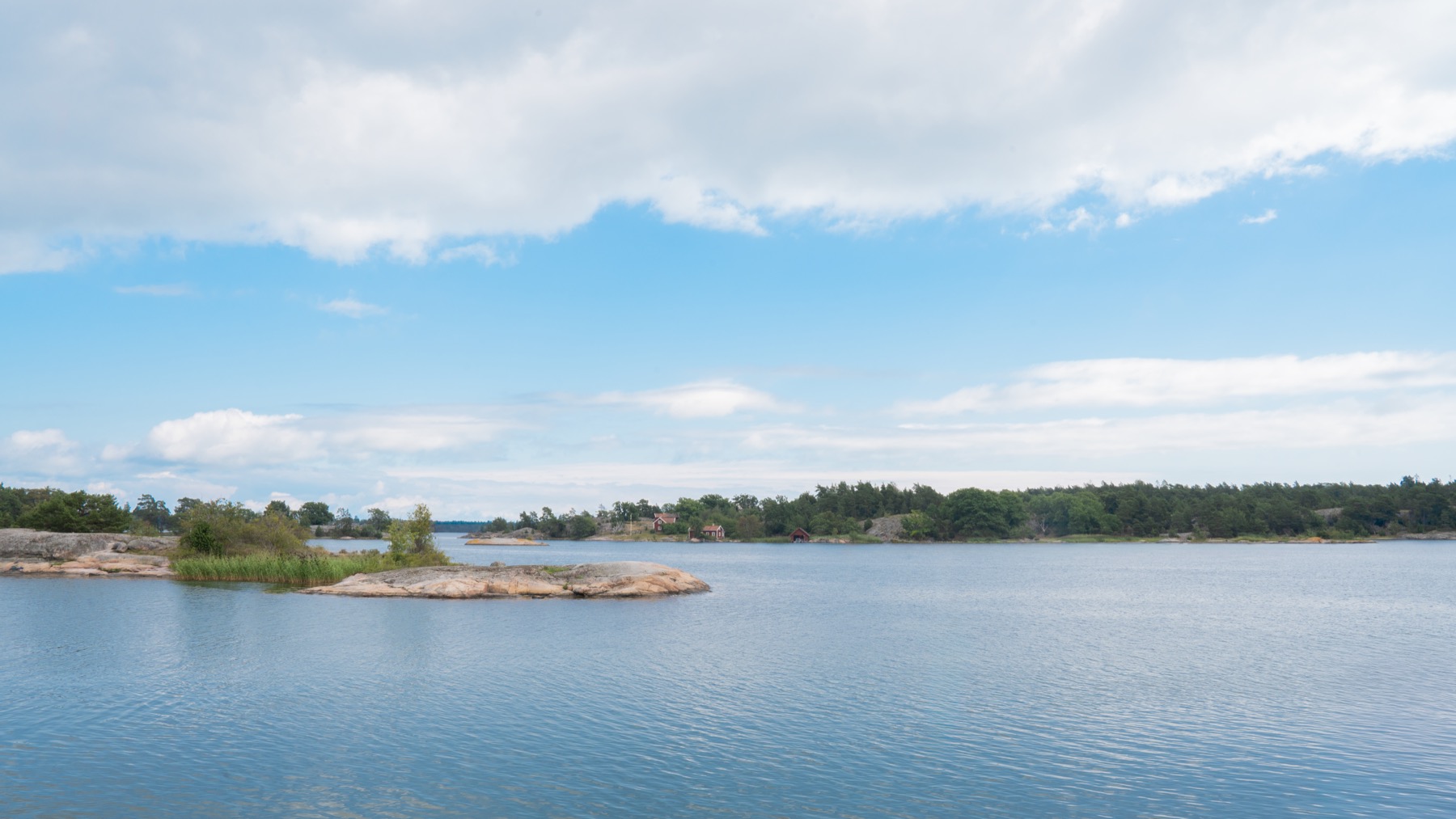
17. Nature Reserve on Vrångö Island
If you take the ferry from Saltholmen harbour a little farther south, you’ll reach Vrångö, an island at the very edge of the open North Sea. The island is famous for its fantastic nature reserves and well-marked, easy circular trails that lead across broad heaths and smooth granite rocks to the very edge of the cliffs.
Unlike the other islands in the area, you’ll also find sandy beaches with gently sloping access to the water, an incredible rarity in rocky Sweden. It’s the perfect day trip from the city, where absolute silence is broken only by the cries of gulls and waves rolling against the granite. Remember to pack a thermos of coffee and some sandwiches, as outside the summer season there are very few places to eat.
Allow around three hours of relaxed walking for the entire route around the island. The terrain is very easy, so families with young children and older travellers can manage it without any problems.
💡 Tip: By the island’s landing stage, you’ll find a small information board with a map of the two main walking routes, north and south. Take a photo of it with your phone. You can’t really miss the paths, but the map will help you keep track of exactly where you are.
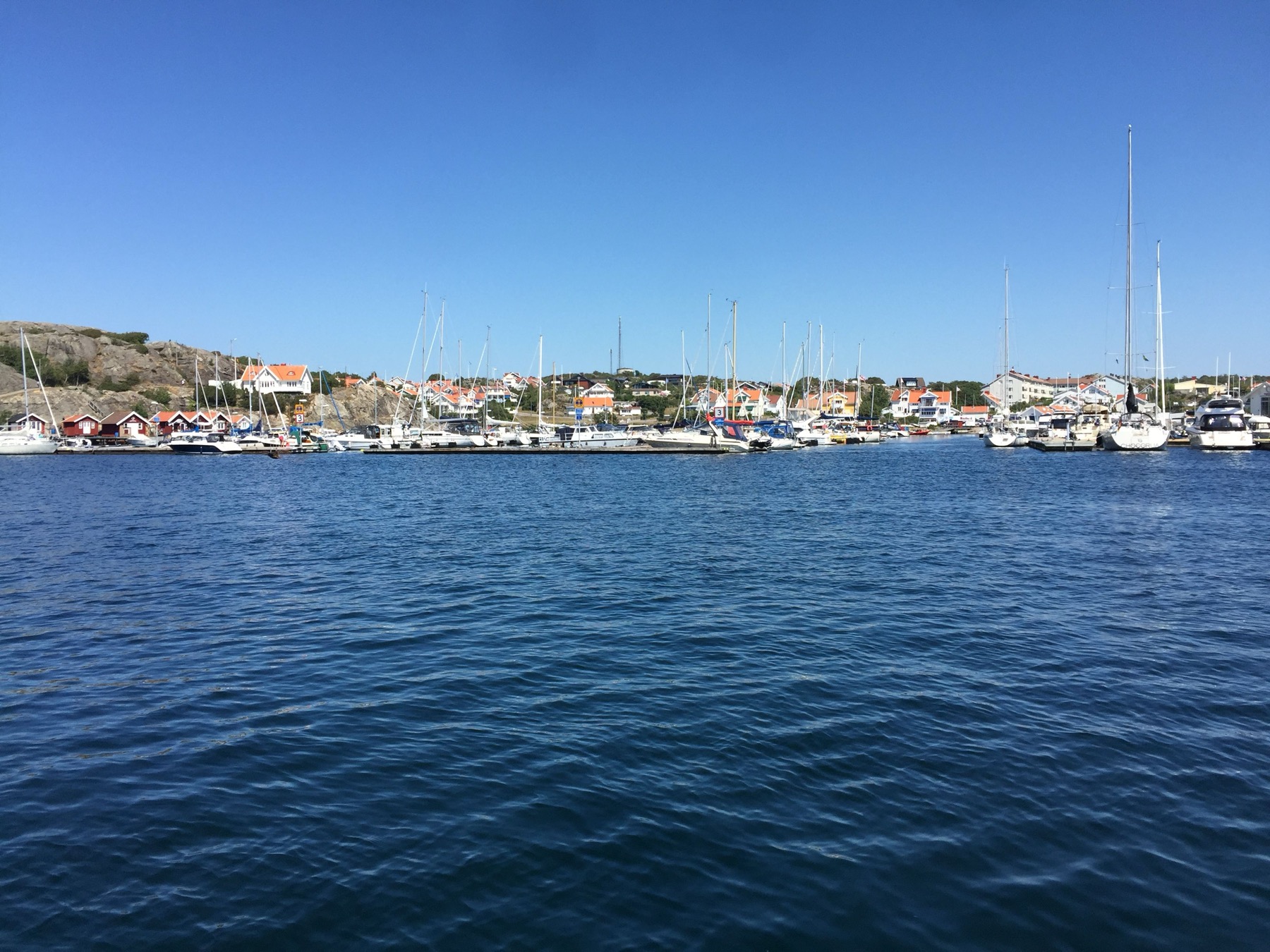
18. Brännö Island and Local Dance Nights
The third island you definitely shouldn’t miss is idyllic Brännö. As on the neighbouring islands, locals here get around exclusively on foot, by bicycle or on special cargo mopeds, giving the island an incredibly peaceful atmosphere straight out of a nostalgic romantic film. The island is flatter and full of meadows where sheep graze.
Brännö is famous throughout Sweden for its traditional summer dance nights, held on the large wooden pier at Husvik on the southern tip of the island. If you visit on a summer Thursday evening, you’ll experience a genuine Swedish celebration with live music, as locals of all ages dance in the setting sun and drink beer from cans. It’s one of the most authentic cultural experiences you can stumble upon as a visitor, without it feeling staged.
The ferry ride from the mainland takes just 20 minutes, and the ticket is, naturally, included in the regular public transport system.
💡 Tip: If you stay for the evening dance, keep a close eye on the time of the last ferry back to the mainland. Boats do run until late in the evening during summer, but if you miss the last connection, you’ll have to sleep under the stars.
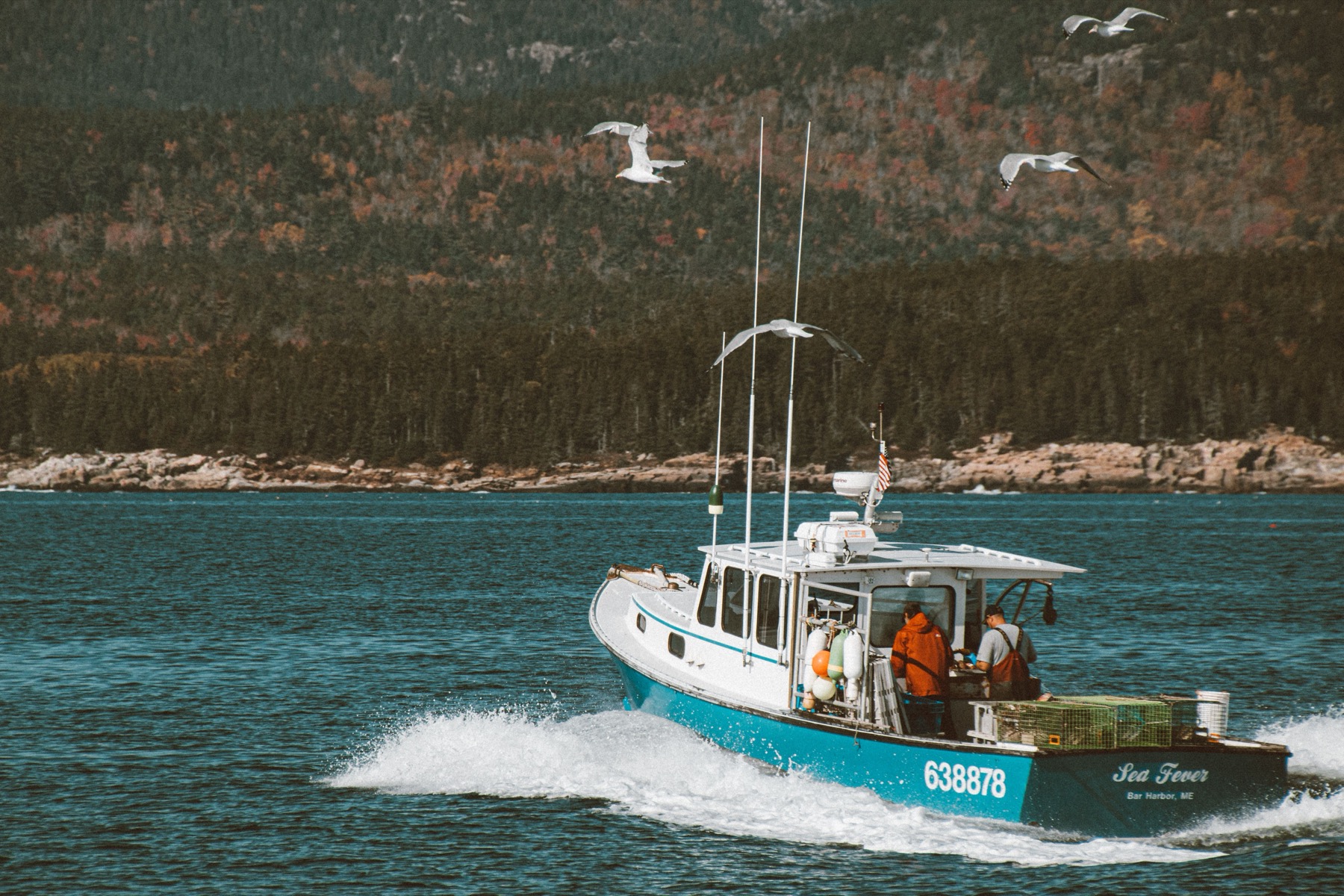
19. Seafood Safari and the Autumn Catch
Although this guide focuses mainly on vegetarian experiences and meat-free food, the immense cultural tradition of seafood harvesting, which is inseparable from Sweden’s entire western coast, cannot be ignored. Seafood is taken very seriously here, and the harvesting season is strictly regulated by the state. It always begins on the first Monday after 20 September. At that time, the entire coast north of Gothenburg turns into one huge fishing school, and the harbours spring to life.
During this period, local fishermen organise so-called Seafood Safaris. Participants put on thick waterproof suits, head out onto the rough autumn sea and get to know the hard work on the waves that has shaped the character of the entire region. They help haul heavy pots full of the catch from the icy water with their own hands. These excursions last about three hours and cost around 1,500 SEK (approximately €250); they usually include rental of all the warm equipment you need at sea.
If seafood isn’t your thing, simply sit on the pier with a coffee and watch the fishermen head out to sea; that has its own charm too. For visitors, however, it offers a unique insight into Swedish culture. Locals call their specialities black gold, and for them the entire autumn catch is more a social occasion and a great passion than just a business.
💡 Tip: If you visit Sweden in autumn, remember that the perceived temperature on the open sea is several degrees lower even on a sunny day. Wear good thermal underwear beneath your rented suit.
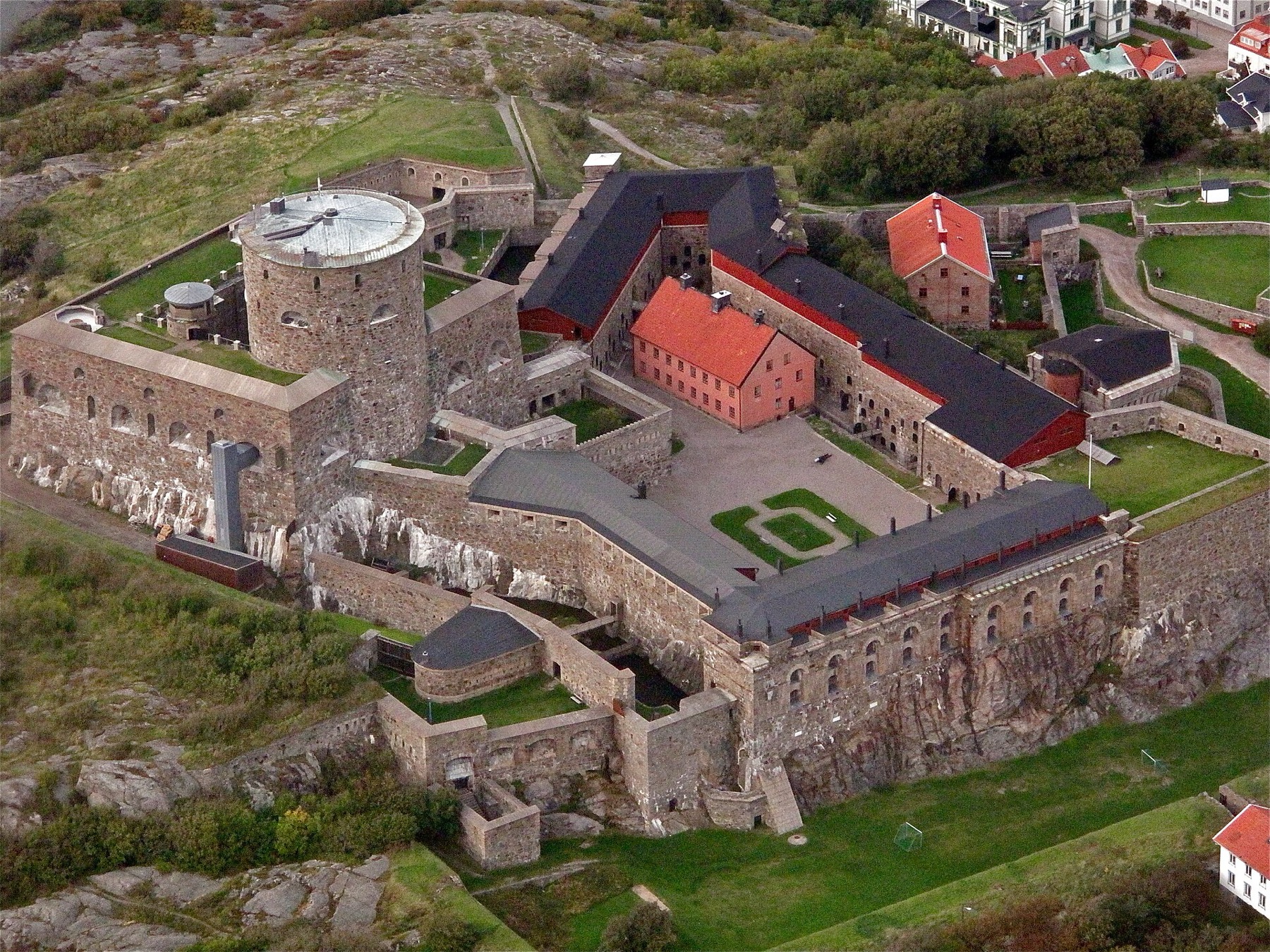
20. Marstrand and Carlsten Fortress
Our final tip takes us just beyond the city, about an hour’s drive north, to the beautiful island of Marstrand. Marstrand has always been a favourite destination for Swedish high society and the royal family, and honestly, you’ll understand why as soon as you step off the ferry. In summer, the harbour is packed with luxury boats, white sails and visitors in sailing jumpers enjoying the holiday atmosphere.
The island’s main landmark is the imposing seventeenth-century stone Carlsten Fortress, perched high on a rock and offering fantastic 360-degree views of the open sea and surrounding islets. Fortress admission costs adults around 120 SEK (approximately €20), and the site is open from April to October. During high season, guided historical tours also take place. Cars are not allowed on the island itself, so if you’re travelling by car, park on the mainland in the Koön area and take the short ferry, which runs back and forth every 15 minutes.
From central Gothenburg, you can get here very easily by express bus X4, which departs from the main railway station and takes just under 50 minutes. Buy your ticket through the Västtrafik app as usual; it is also valid on the short ferry.
💡 Tip: An attractive, easy walking trail about five kilometres long circles the entire island. It takes you through narrow ravines and past the lighthouse, with plenty of peaceful swimming spots away from the busy harbour.
Getting Around Gothenburg and Travelling from the Airport
Getting around this Nordic city is incredibly easy and intuitive. Let’s look at how the local public transport system works, why it’s worth downloading the official app and what options you have if you’re arriving from nearby Landvetter Airport, travelling by train from another city or coming by ferry from Denmark.
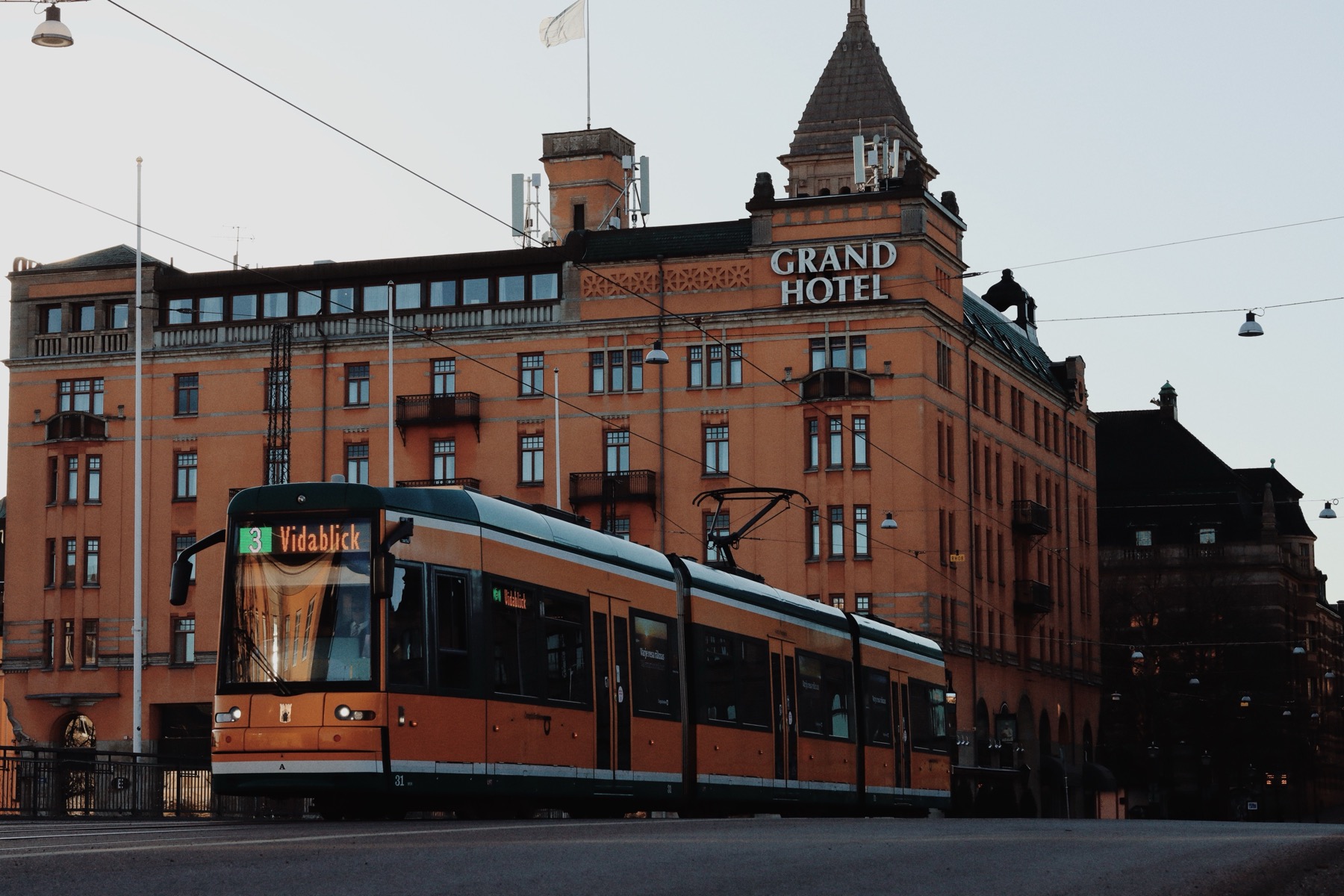
The backbone of the city’s entire transport network is a dense system of iconic blue-and-white trams, supplemented by buses and boat routes operated by Västtrafik. The essential first step is to download their app, also called Västtrafik, which makes it easy to search for connections and buy tickets. A single ticket valid for 90 minutes costs 36 SEK (approximately €6), while a day ticket costs 120 SEK (around €20). The same ticket can also be used on ferries to the southern archipelago. This is a fantastic benefit that saves you a lot of money on expensive tourist boat trips.
If you’re flying in from abroad, your journey will most likely begin at Landvetter Airport. Convenient Flygbussarna airport coaches run from there to the centre, taking you directly to the main bus and railway station (Nils Ericson Terminal) in about 30 minutes. You can easily buy tickets online in advance through the app or tap your card directly with the driver; a one-way journey costs around 120 SEK (approximately €20). If you’re arriving by high-speed train from Stockholm, it’s useful to know that the journey takes only three hours and the trains are exceptionally comfortable. Just remember to buy your ticket far enough in advance, when prices are lowest.
A common choice for travellers with their own car is the ferry from Frederikshavn in Denmark, operated by Stena Line. The crossing takes just under three and a half hours, and you arrive directly in the wider city centre. Gothenburg itself is also incredibly friendly to cyclists and pedestrians. You can reliably walk between most central sights, and if your feet start to hurt, shared bicycles and electric scooters are available throughout the streets and are ideal for quick trips along the waterfront.
A Weekend in Gothenburg Day by Day
To make the most of your Nordic visit and avoid spending half a day staring at a map, a clear plan helps. Here’s a suggestion for how to arrange the two days so they make sense and you don’t waste time rushing back and forth across the city. It combines a tried-and-tested balance of urban architecture, excellent local food and peaceful nature, allowing you to see the best of Gothenburg without unnecessary stress.
Day 1: Historic Streets, Fika and Wonderful Views
Start your morning at around 9 a.m. in the picturesque Haga district. Explore the cobbled streets, peek into sustainable-design boutiques and, at 10 a.m., settle in for fika at Café Husaren. A giant cinnamon bun and coffee will cost around 140 SEK (approximately €25). Afterwards, walk for about 20 minutes to Masthugget Church, where around noon you can enjoy the best panoramic view of the harbour and city, completely free of charge.
At around 1 p.m., head down to the water and make your way to the historic Saluhallen market for a late lunch. Look for stalls advertising dagens lunch (daily special) and order an excellent salad with falafel or halloumi; with coffee, it will cost around 130 SEK (approximately €20). At about 3 p.m., hop aboard a Paddan canal cruise (220 SEK / approximately €35), then end the day with a leisurely walk along the glossy Avenyn boulevard towards the illuminated Poseidon statue, where you’ll find plenty of restaurants for an evening meal.
Day 2: Island Peace and a Little Adrenaline
On the second morning, swap the city bustle for complete tranquillity. After breakfast, take tram number 11 and travel to Saltholmen harbour. At around 10 a.m., board a ferry to Vrångö; a return trip costs just 72 SEK (approximately €12) with regular tickets. Spend three wonderful hours here walking across smooth granite in the nature reserve, where you won’t encounter a single car. Return to the city for lunch and head to the laid-back Linné district for excellent vegetarian pasta.
At around 3 p.m., you have two options depending on your mood. Either head to the huge Liseberg amusement park (admission with a wristband from 365 SEK / approximately €60), where you can enjoy the roller coasters until evening, or choose the calmer option and visit the new observation deck in the Karlatornet skyscraper (295 SEK / approximately €50). Before sunset, enjoy a peaceful walk in Slottsskogen park, say hello to the moose and end the weekend with a wonderful dinner back in the centre.
Where to Go Next from Gothenburg (Day Trips)
If you have a car and a few extra days, definitely head north along the E6 motorway towards the Norwegian border. You’ll enter the beautiful Bohuslän region, where thousands of smooth, pinkish granite islets cluster around idyllic fishing villages with red-painted houses.
Stop in Fjällbacka, an absolute favourite with fans of Nordic crime novels by author Camilla Läckberg. The village is squeezed between the sea and the steep Vetteberget rock face, whose centre is crossed by the dramatic Kungsklyftan gorge, where the film Ronja, the Robber’s Daughter was shot. Farther north, right by the border, you’ll find Kosterhavet National Park, Sweden’s only marine park, full of wonderful cycling trails and untouched nature.
For more Scandinavian travel inspiration, check out our articles:
- Sweden: 30 Tips for Things to See and Do
- Stockholm: 25 Tips for Things to See and Do
- Ystad and Skåne: 18 Tips for Things to See in Southern Sweden
- Prices in Sweden: How Much Does a Holiday Cost?
- When to Visit Sweden: Weather Month by Month
Frequently Asked Questions
How many days should you set aside for Gothenburg?
Is Gothenburg really cheaper than Stockholm?
What’s the best way to get from Landvetter Airport to the city center?
Is the Göteborg City Card worth it?
When is Liseberg amusement park open?
How does transport to the archipelago islands work?
Can you swim in the sea in and around Gothenburg?
How do you get to Gothenburg from abroad?
Tips and Tricks for Your Vacation
Don’t Overpay for Flights
Search for flights on Kayak. It’s our favorite search engine because it scans the websites of all airlines and always finds the cheapest connection.
Book Your Accommodation Smartly
The best experiences we’ve had when looking for accommodation (from Alaska to Morocco) are with Booking.com, where hotels, apartments, and entire houses are usually the cheapest and most widely available.
Don’t Forget Travel Insurance
Good travel insurance will protect you against illness, accidents, theft, or flight cancellations. We’ve had a few hospital visits abroad, so we know how important it is to have proper insurance arranged.
Where we insure ourselves: SafetyWing (simple monthly subscription) and TrueTraveller (for extra-long trips).
Find the Best Experiences
Get Your Guide is a huge online marketplace where you can book guided walks, trips, skip-the-line tickets, tours, and much more. We always find some extra fun there!