

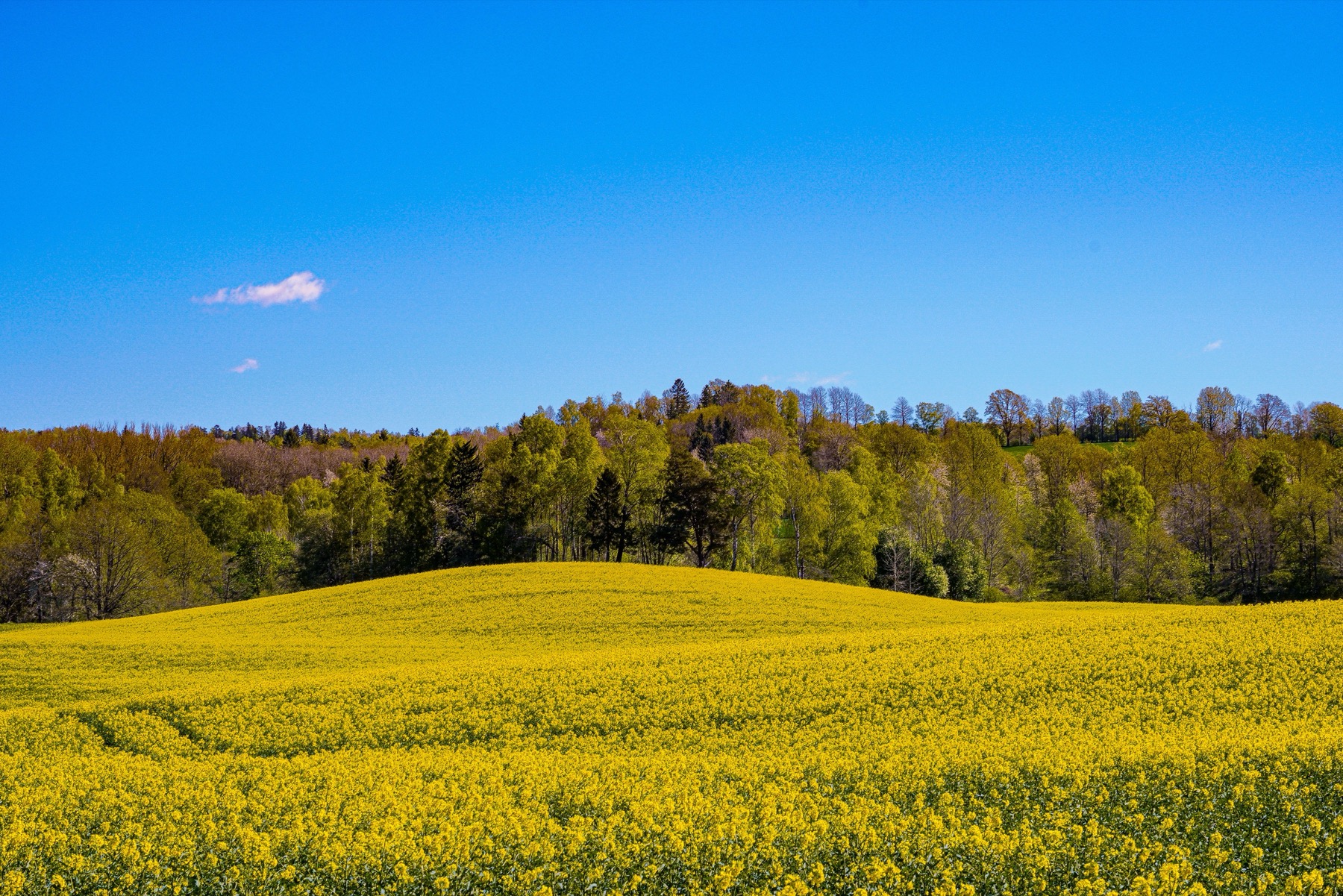
Skåne is Sweden’s southernmost and warmest corner, and at first glance it looks more like Denmark than typical Scandinavia. Around Ystad, Sweden, instead of endless dark forests and reindeer by the roadside, you’ll find brilliant white sandy beaches, rolling green plains and, in May, fields of oilseed rape glowing an incredible yellow.
You can reach this part of Sweden surprisingly easily and comfortably from abroad and from across Central Europe. Ferries from Świnoujście in Poland or Rostock in Germany drop you right in the heart of the region, saving you hundreds of kilometres behind the wheel so you can start exploring straight away.
I’ve put together 18 specific tips for you—from white beaches and medieval castles to the best falafel in the country. I’ll also tell you where to base yourself strategically and how to save on transport.
TL;DR
- Sweden’s most accessible region: Skåne is ideal for a road trip from abroad, with ferries taking you directly to Ystad or Trelleborg.
- Øresund Bridge: The iconic structure connecting Malmö in Sweden with Copenhagen in Denmark, crossed by car or train.
- A history lover’s paradise: Ystad offers hundreds of half-timbered houses, while Lund is home to a majestic Romanesque cathedral.
- Swedish Stonehenge: The magical Ales stenar stones stand on a cliff directly above the stormy Baltic Sea.
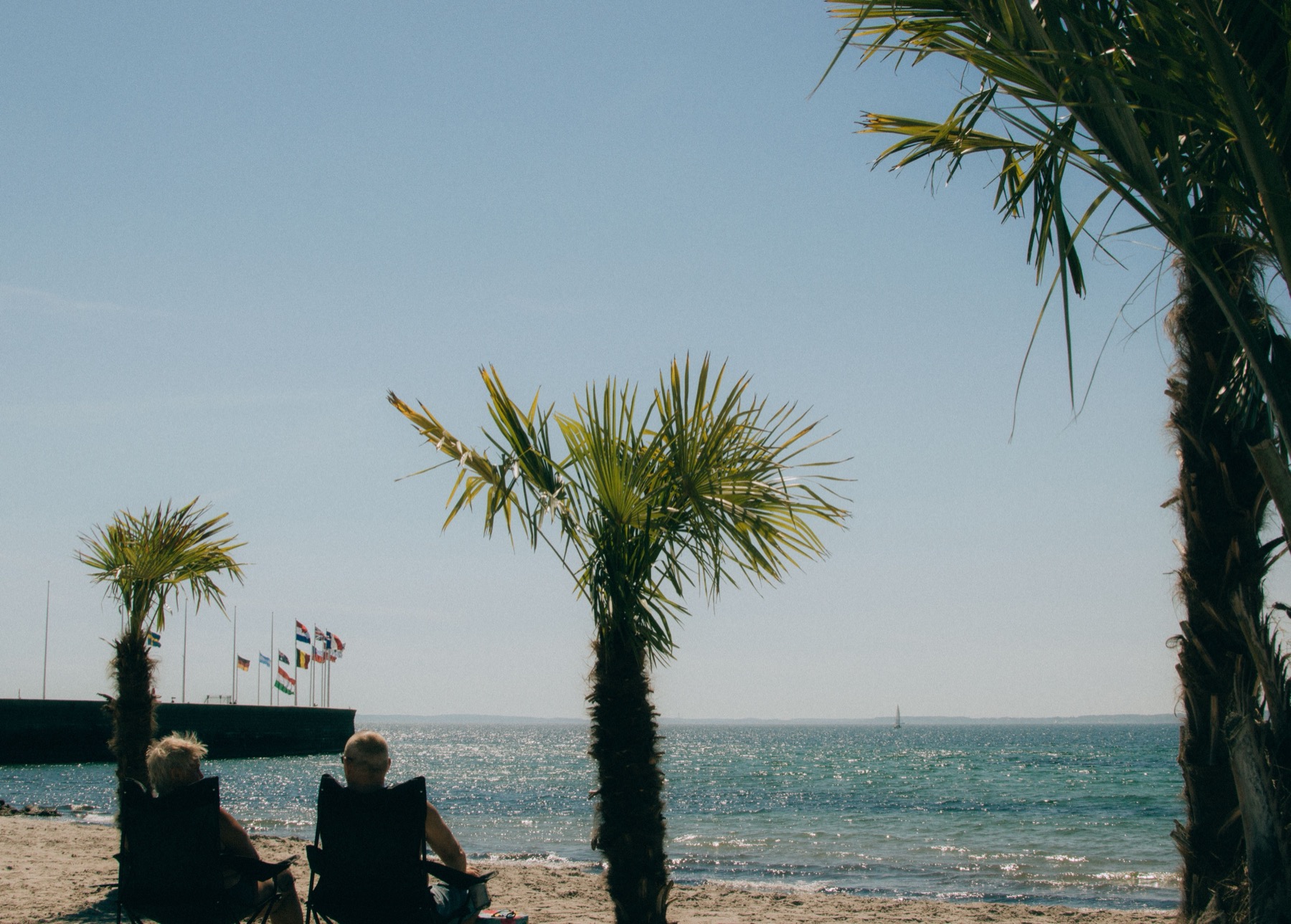
- Beautiful white beaches: Areas such as Sandhammaren and the Falsterbo Peninsula boast sand that looks more Caribbean than Scandinavian.
- In Wallander’s footsteps: Fans of Nordic crime fiction can visit filming locations from Henning Mankell’s books.
- Affordable transport in 2026: During the second half of the year, Skånetrafiken is offering half-price monthly passes to all travellers.
The full destination guide: Sweden — guide and what to see
When to visit Skåne
This region enjoys the longest and warmest summer in the entire country. The tourist season wakes up as early as spring, and late May looks as though someone has tipped a bucket of yellow paint over the landscape. The whole province turns golden as the oilseed rape fields bloom, creating spectacular photos and making the countryside glow for miles.
If swimming and long evenings appeal to you, plan your trip for the summer months. From late June to mid-August, most Swedes take what is known as the industrial holiday (industrisemester), so all the summer cafés, castles and seasonal attractions are operating at full capacity. Temperatures commonly rise to a pleasant 25°C, and the shallow sea by the white sandy beaches can warm up surprisingly well. Bear in mind, though, that the coast is busiest then and accommodation prices reach their peak.
Autumn, on the other hand, brings incredible peace and fantastic food experiences. September and October are ideal for hiking inland, especially in Söderåsen National Park, where the deciduous forests turn fiery shades of red and orange. In Österlen, the famous apple harvest also takes place at this time of year, filling the countryside with the scent of fresh apple juice and baked cakes. It’s when nature slows down and you can enjoy genuine Nordic tranquillity without the crowds.
Where to stay in Skåne
💡 Accommodation and experiences tip: We prefer to look for accommodation on Booking.com, where cancellation conditions are often the best. It’s also worth comparing and booking tickets, trips and activities through GetYourGuide.
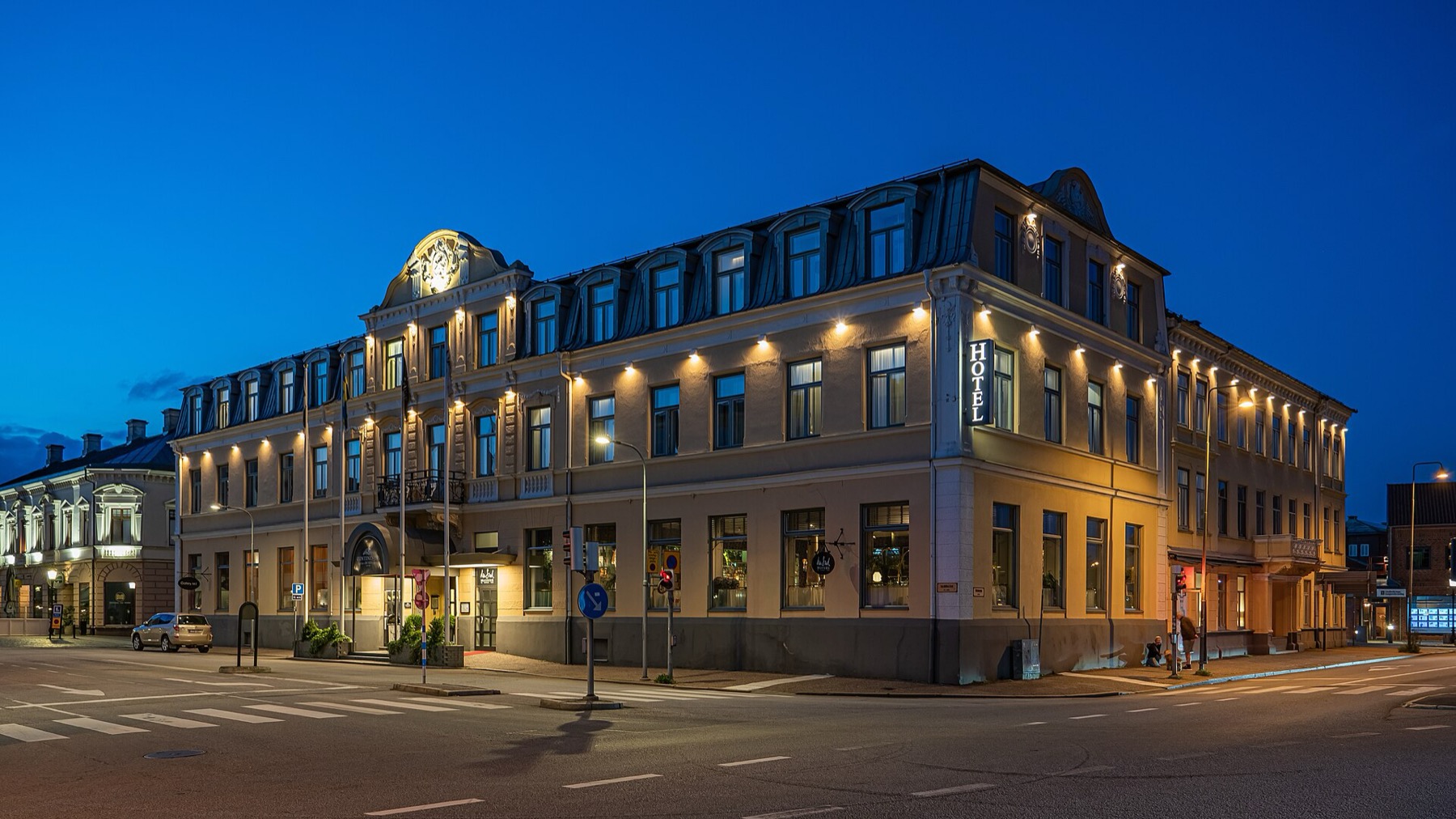
When choosing a base for your trip, the main question is what kind of holiday you prefer. If you enjoy the buzz of a big city and want dozens of excellent speciality coffee shops nearby, choose Malmö as your base. From here, you can easily take day trips by train to Copenhagen or nearby university town Lund. Prices in Malmö are surprisingly reasonable, and the metro, trams and bike rentals can get you anywhere without unnecessary stress.
For romantics and sea lovers, Ystad or the picturesque countryside of Österlen is an absolutely perfect choice. You’ll find complete peace and quiet, typical red wooden cottages (stugor) and beautiful old farms converted into cosy family-run guesthouses. Distances in Skåne are very short by Scandinavian standards, so even from deep in the countryside you can reach the main sights by car in no more than an hour.
When booking accommodation, I recommend looking at these specific hotels across different price categories, all of which have consistently received excellent reviews:
- Clarion Hotel Malmö Live: A modern skyscraper right in central Malmö, with a city view stretching all the way to the Øresund Bridge and breakfasts based on local ingredients—fresh bread, smörgås and local cheeses. A double room costs around 1,200 SEK per night (about €490), and you can comfortably walk everywhere.
- Ystad Saltsjöbad: A luxurious spa hotel directly on a beautiful beach in Ystad. It’s an ideal place to relax after a full day of sightseeing, with heated pools overlooking the sea. Prices start at around 2,000 SEK per night (approximately €820).
- Kiviks Hotell: A beautiful boutique hotel surrounded by apple orchards in Österlen. The only interruption to the silence is the wind in the apple trees, and the garden is made for an afternoon book with a glass of apple juice in hand. Rooms cost around 1,500 SEK (approximately €615) per night.
- STF Vandrarhem: For travellers on a smaller budget, this hostel network offers excellent, clean rooms throughout the region, often in historic buildings. Prices start at just 600 SEK (about €245) per night.
Where to eat in Skåne
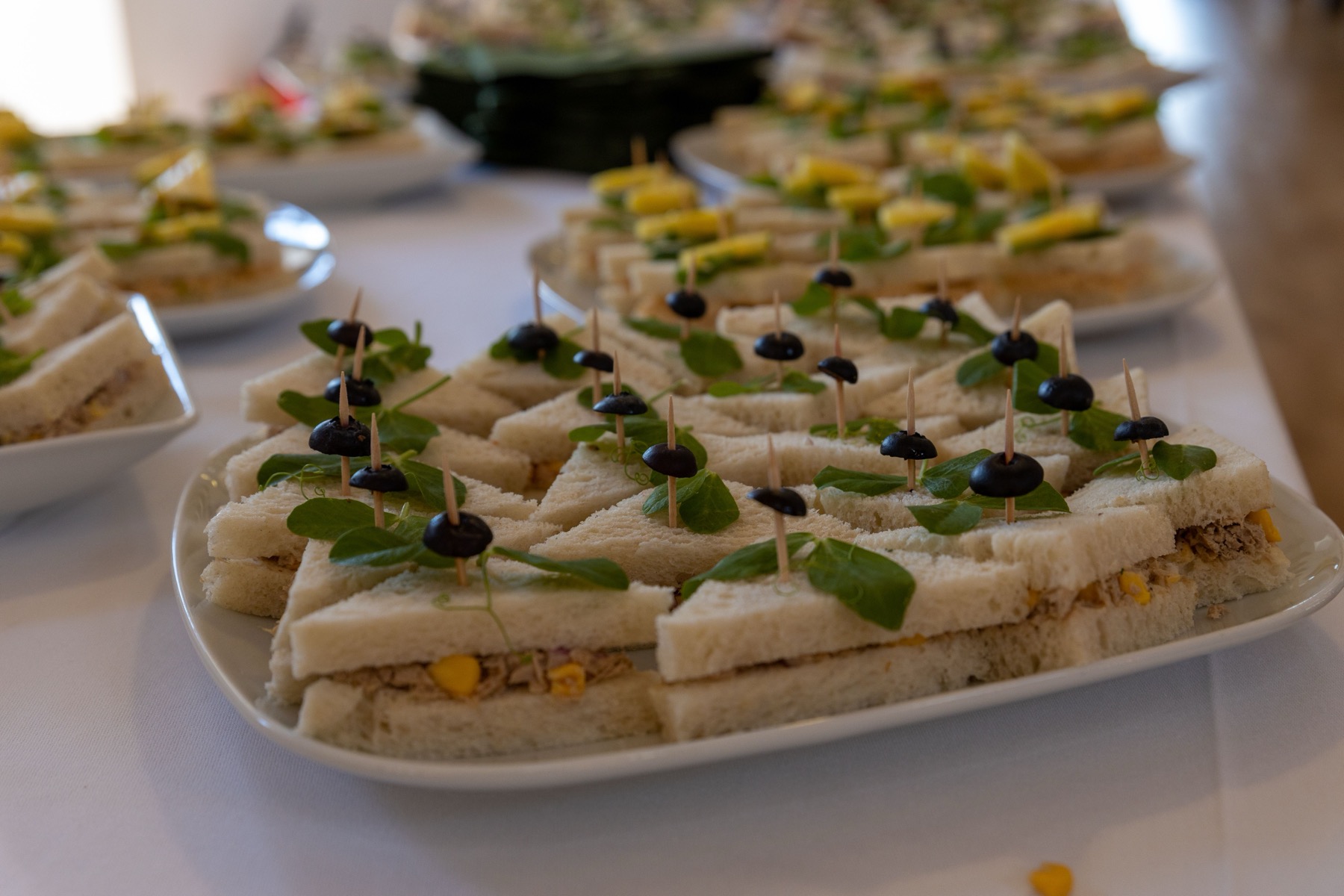
Sweden may look like an expensive destination for foodies at first glance, but if you know where to go, you can save money and still eat extremely well. Southern Sweden is also a major farming region, so local ingredients play the starring role here.
Go for lunch specials and food halls
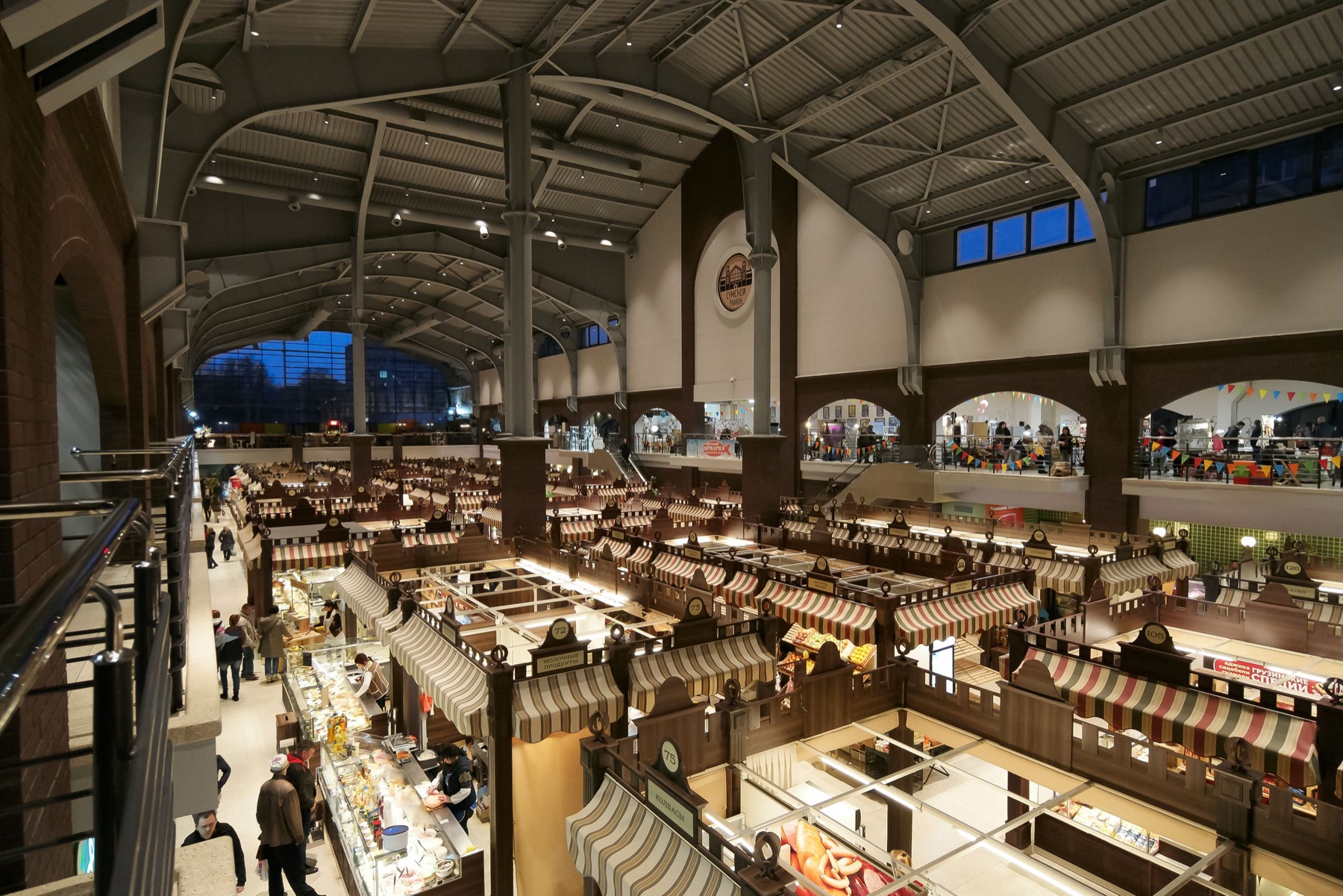
During the day, it’s definitely worth looking for restaurants offering dagens rätt (the daily special). It usually costs a reasonable 100–130 Swedish kronor and includes not only the main course, often fish or vegetarian patties, but also a salad buffet, bread and coffee. For a specific recommendation, explore Saluhall market hall in Malmö, where you’ll find dozens of stalls selling fresh treats, from seafood to artisan cheeses.
18 Things to See and Do in Skåne
Let’s get straight to the specific places. I’ve prepared a mix of historic towns, nature reserves and architectural curiosities, with tips on when to visit and approximate prices for each one.
1. Øresund Bridge and a trip to Copenhagen
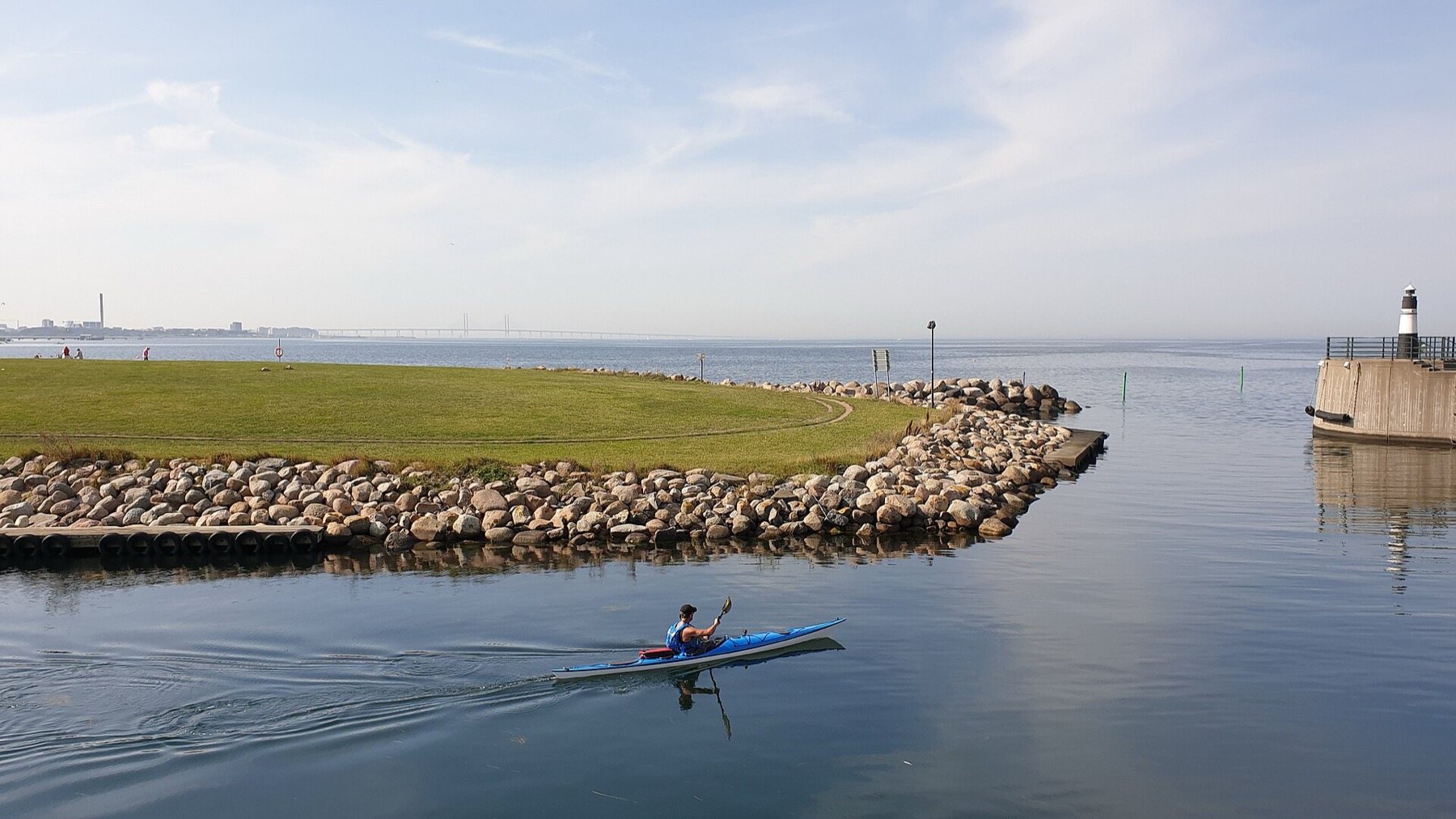
This 16-kilometre engineering marvel connects Malmö in Sweden with Copenhagen in Denmark, and it’s worth crossing even if Copenhagen doesn’t interest you at all. Part of the journey takes you by train or car beneath sea level; then you emerge on the artificial island of Peberholm and cross the rest high above the waves of the Øresund Strait. You can get there almost instantly from central Malmö, as the bridge begins right at the edge of the city.
It’s an incredibly popular link, but prepare your wallet for the toll. A standard one-way crossing for a passenger car costs around 470–510 Danish kroner, which is approximately €62–68 (about 750 Swedish kronor, or SEK). If you’re planning a return journey, it’s absolutely worth buying the ØresundGO annual pass online in advance. It brings the price of one crossing down to 178 Danish kroner (around €24), so the investment pays for itself on your very first return trip. The bridge is open around the clock all year, but avoid Friday and Sunday afternoons for a calmer drive without traffic jams.
Don’t forget your travel documents when crossing from Sweden to Denmark and back. The Swedish government has extended random border checks at least until the end of 2026. Whether you’re driving or taking a comfortable train directly from Copenhagen Airport, always keep a valid national ID card or passport handy for every traveller. If you prefer public transport, use the reliable regional Skånetrafiken trains.
💡 Tip: If you’re travelling by train, buy your ticket through the Skånetrafiken app. The journey from central Malmö to Copenhagen Airport takes just over 20 minutes, trains run very frequently and you’ll avoid the stress of driving.
2. Malmö: Turning Torso and Västra Hamnen
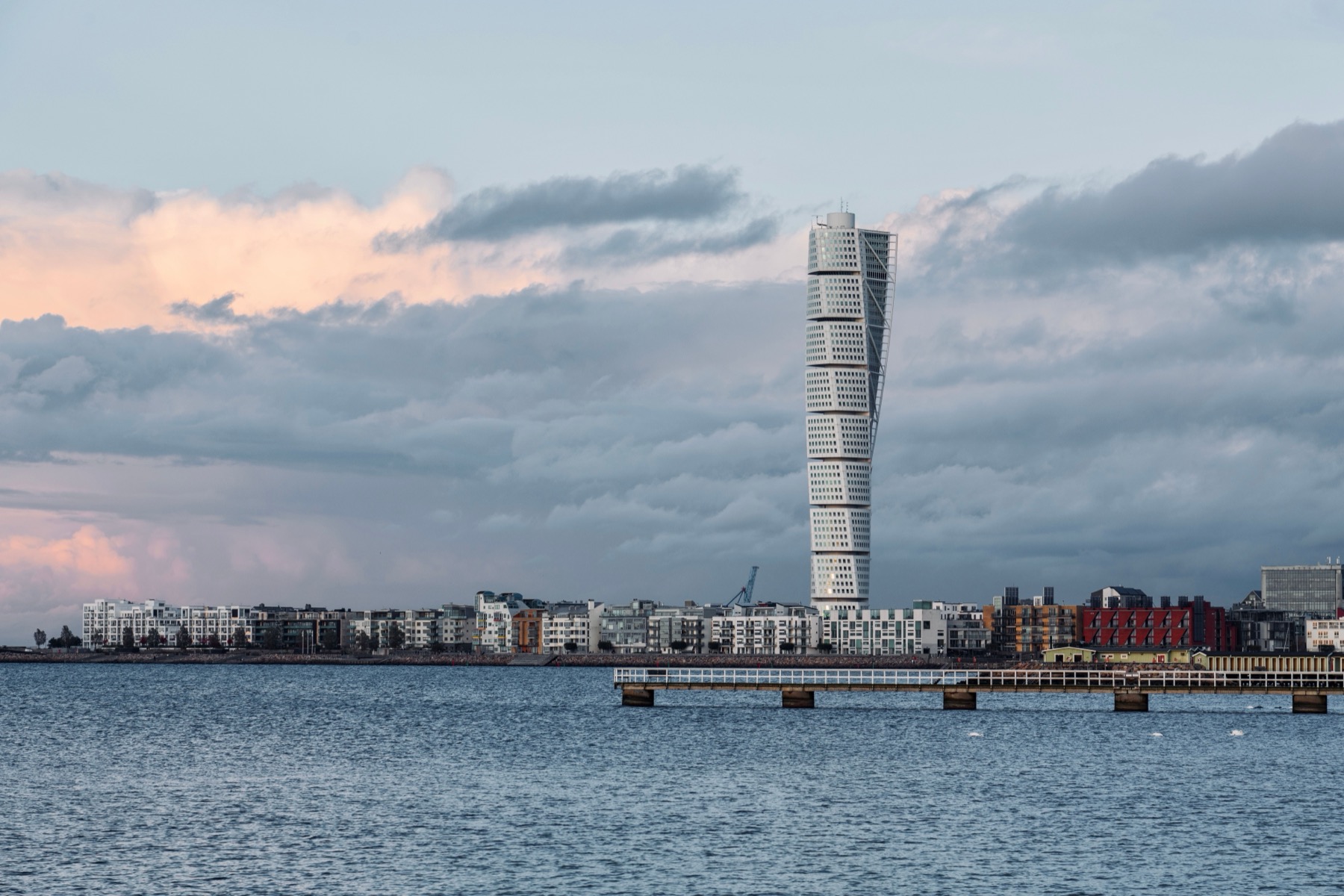
The undisputed symbol of modern Malmö is the Turning Torso skyscraper, designed by famous Spanish architect Santiago Calatrava. This 190-metre building rises above the city like a giant corkscrew and held the title of Scandinavia’s tallest structure for many years. It’s just a 10-minute bus ride from the main station, and you can also reach it on foot from the centre via a pleasant walk along the coast.
There’s one small catch for tourists, though. Unfortunately, you generally can’t go inside because the skyscraper contains only luxury apartments and private offices. There is no public viewing platform, so you’ll have to photograph this architectural gem from outside. Fortunately, the view from street level is breathtaking, and admiring it from outside won’t cost you a penny. The area around the building is accessible 24 hours a day.
The building stands in Västra Hamnen, an eco-friendly district created on the site of former industrial shipyards. In summer, joggers race along the jetties, children jump into the sea and the ice-cream queue stretches around the corner. Long wooden piers run along the water, where you can sit with a coffee and enjoy views of the Danish coast in the distance. There’s no entrance fee, and the atmosphere is wonderfully relaxed.
💡 Tip: Come just before sunset. A pleasant breeze blows in from the sea, and the silhouette of the Øresund Bridge against the orange sky looks absolutely fantastic.
3. Malmö: Historic centre and Lilla Torg
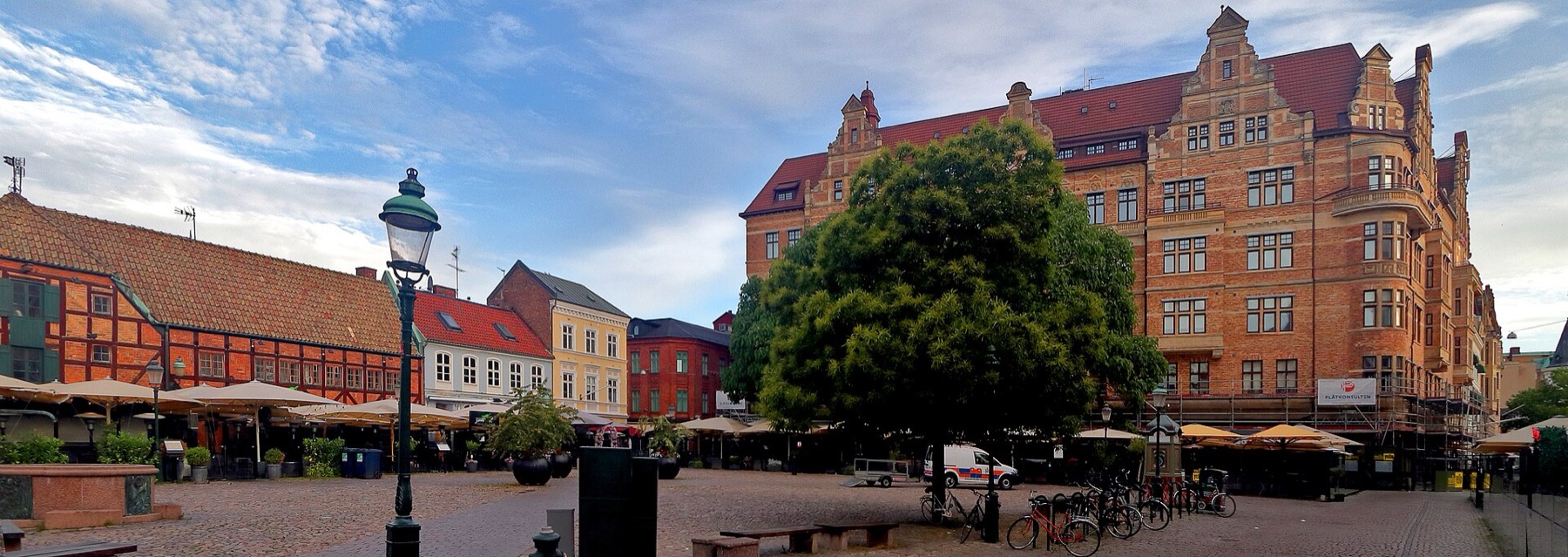
From the modern waterfront architecture, head straight into the heart of the old town, dominated by the little square of Lilla Torg. The space is surrounded by beautifully restored 16th-century half-timbered houses and looks as though it belongs in a historical film. It’s right in the city centre, just a five-minute walk from the central station, so it’s incredibly easy to reach.
During the day, it’s the perfect place for a traditional Swedish fika—a sacred break for coffee and sweet pastries. Coffee and a cinnamon bun cost around 65–100 SEK (approximately €27–41). In the evening, the historic cobbles turn into one enormous outdoor bar, where locals and visitors gather for drinks and dinner under the open sky. If you want a quieter atmosphere without the crowds, visit early in the morning or late morning.
Nearby stands the majestic Malmöhus, the oldest surviving Renaissance castle in Scandinavia. Today it houses an extensive museum with everything from historical exhibitions about the Danish–Swedish wars to a small natural history aquarium. Admission for adults is a very reasonable 100 SEK (around €41), and the museum is usually open every day except Monday.
💡 Tip: If you like design, explore the little shops in the streets around Lilla Torg. You’ll find plenty of independent boutiques selling wonderful Nordic ceramics and textiles at reasonable prices.
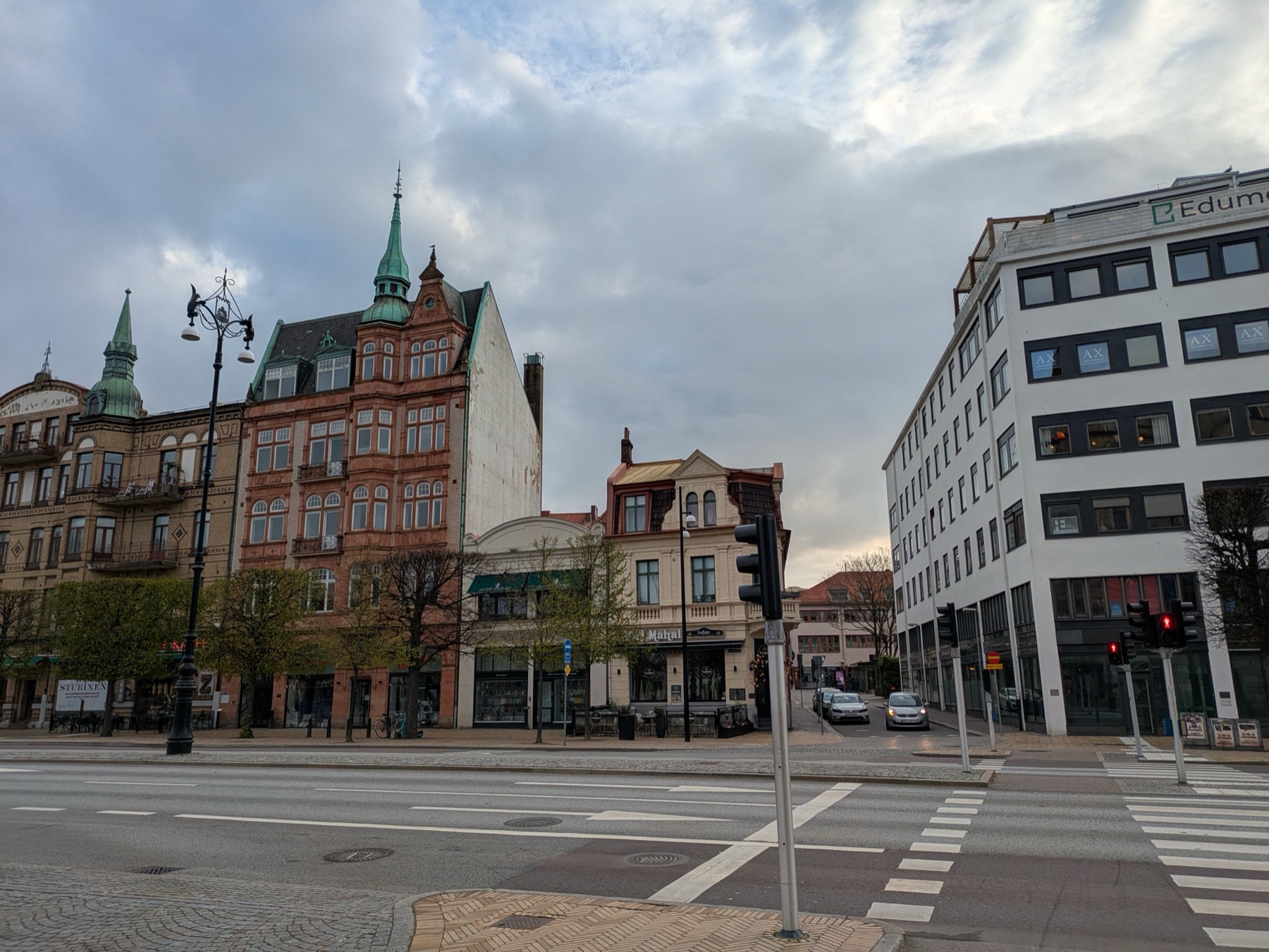
4. Malmö: Möllevången district and legendary falafel
If you want to experience the real soul of modern Malmö, head to Möllevången, affectionately known by locals as Möllan. It’s only about a 15-minute walk from the main station, or you can easily get there by any city bus. People from 180 countries call the city home, and it’s here that you’ll feel this incredible multicultural mix most strongly. The morning market fills the square with exotic fruit, the air smells of all kinds of spices, and dozens of fascinating eateries line the streets.
This is where people come for legendary Malmö falafel at Jalla Jalla on Bergsgatan, which is a genuine local institution and a lifesaver for any travel budget. You can buy a large falafel roll here for a fraction of the price of any other hot meal in Sweden. You’ll usually pay 50–70 Swedish kronor (around €21–29). It comes with fresh vegetables and plenty of delicious sauces, and it’s a wonderfully filling meat-free meal. Local eateries are usually open from late morning until well into the night.
There are plenty of wild myths about safety in Malmö, but the centre and Möllan are perfectly fine during the day and evening, so common sense is all you need, just as anywhere else in Europe. To avoid the crowds around the stalls, arrive shortly before noon or instead at around 2 p.m.
💡 Tip: Try adding traditional halloumi cheese to your falafel. Most eateries offer this vegetarian treat for a small surcharge of around 20 Swedish kronor (about €8), taking the whole flavour experience to another level.
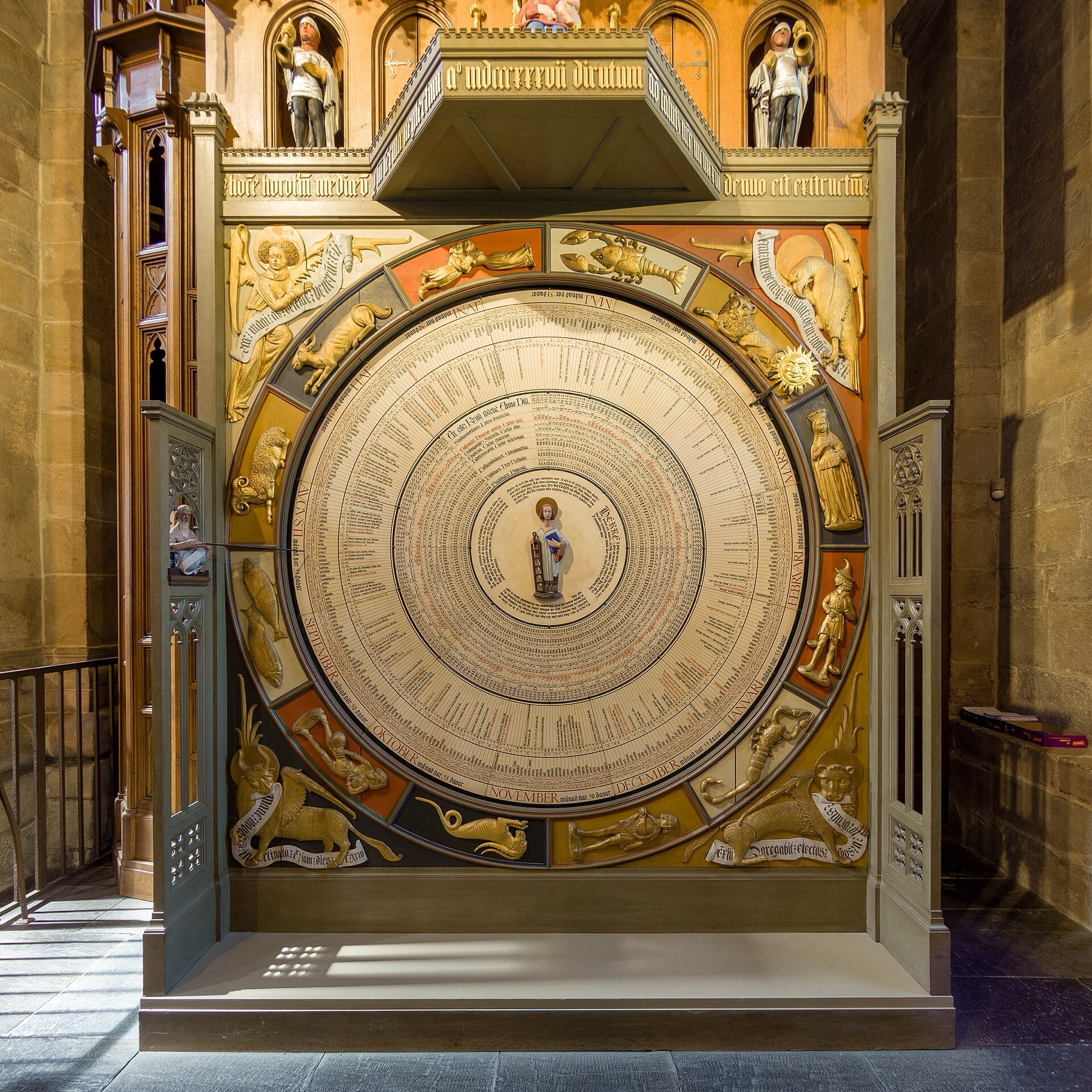
5. Lund: Romanesque cathedral and astronomical clock
The university town of Lund lies just under 20 minutes by train from Malmö and feels like it belongs to a completely different world. Skånetrafiken trains run from Malmö frequently, and a ticket costs around 60 SEK (about €25). While Malmö is dynamic and modern, Lund is ancient, academic and incredibly peaceful. From the station, you can walk comfortably to the historic centre in 10 minutes.
The highlight of the whole town is the majestic 12th-century Romanesque Lund Cathedral. Inside, you’ll find a fascinating 15th-century astronomical clock where a mechanical performance takes place twice a day. Wooden knights usually stage their duel at exactly noon and 3 p.m., so plan your visit accordingly. Admission is free and it’s open all year, so you have no excuse to skip it.
Below the cathedral lies a dark and slightly spooky crypt. According to an old Nordic legend, the mythical giant Finn turned to stone while trying to destroy the church, and you can see his stone statue wrapped around a pillar with your own eyes. To avoid the crowds of students and tourists, I recommend visiting on a weekend morning, while the streets are still asleep.
💡 Tip: Lund is a city of bicycles and students. Rent a bike from one of the many city rental shops and cycle through cobbled streets lined with brick houses romantically covered in ivy.
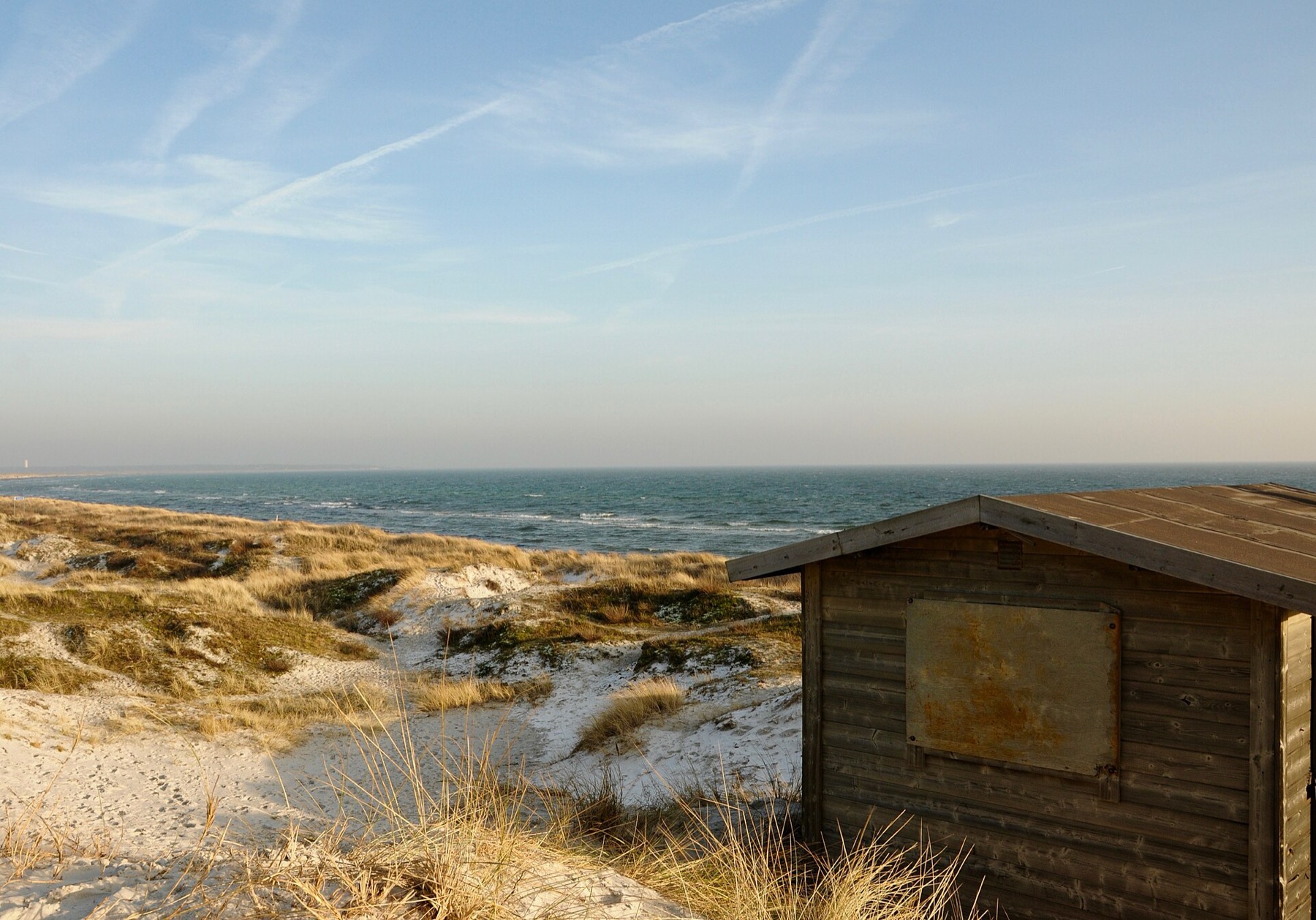
6. Skanör and Falsterbo: White beaches and seals
Sweden’s far southwestern tip is formed by the picturesque Falsterbo Peninsula. You won’t find rocks or dark water here; instead, look forward to kilometres of brilliant white sand and grassy dunes reminiscent of the Hamptons. It takes less than half an hour to drive here from Malmö, or you can take regular regional bus 300, which brings you right to the sea. The beaches are naturally free to access; you only pay for parking, which costs around 20 SEK (€8) per hour.
Hundreds of tiny pastel-coloured beach huts line these endless beaches. They are passed down from generation to generation, cost an absolute fortune and look so fairytale-like that you simply have to take a photo. If you want the beaches to yourself, come early in the morning or outside the main summer holidays, as weekends in July and August can be very busy.
The area is also home to Måkläppen nature reserve, known for its large seal colony. In autumn, ornithologists from across Europe flock here instead, as millions of birds migrate across the peninsula on their journey south. It’s an absolute paradise for lovers of unspoilt Nordic nature.
💡 Tip: For animal protection reasons, Måkläppen reserve is open only from November to January. You can’t enter in summer, but you can often spot seals through binoculars from the surrounding Skanör beaches.
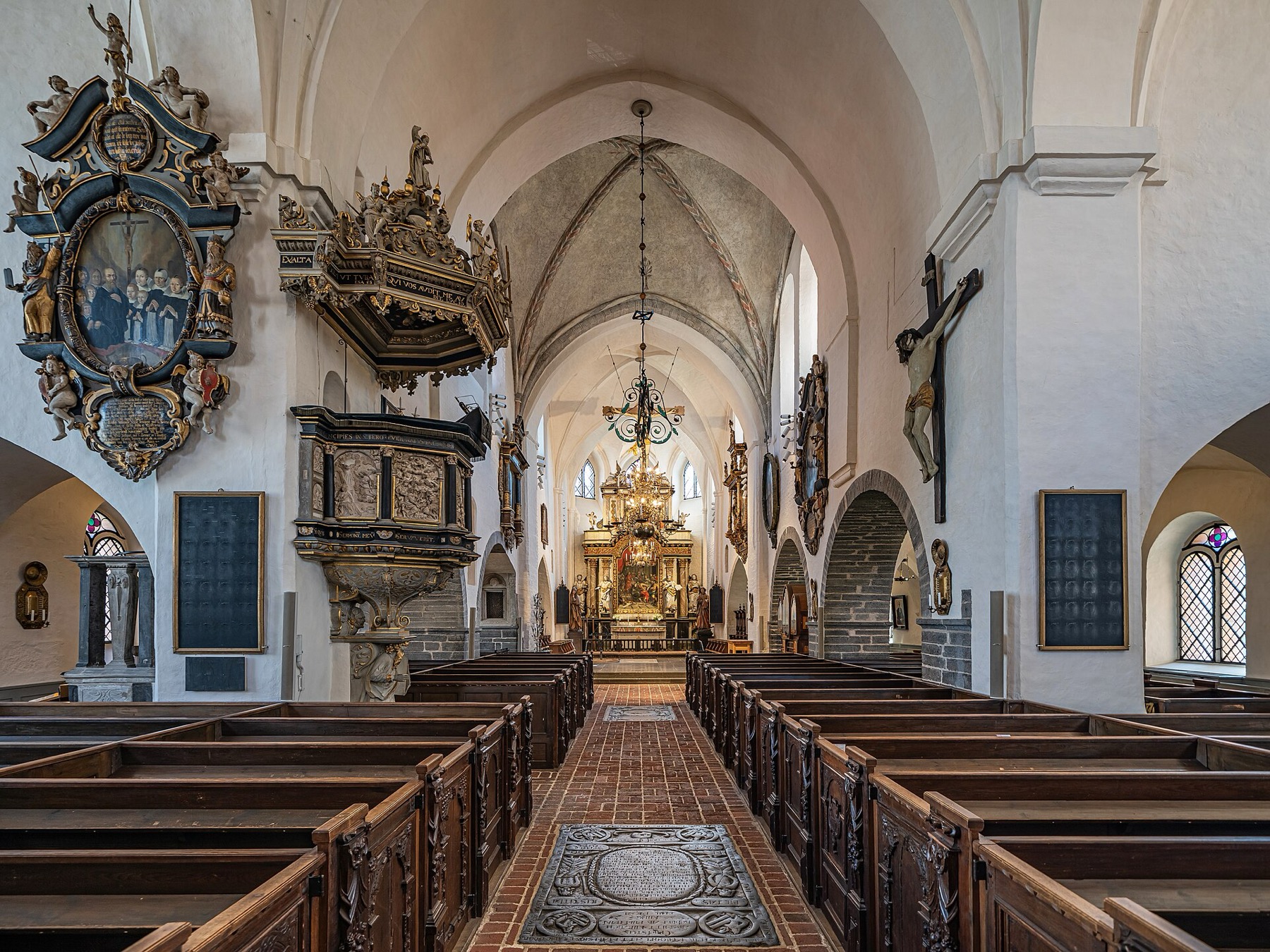
7. Ystad: Half-timbered houses and a monastery
The town of Ystad embodies exactly what you imagine when you hear the words Nordic idyll. Its historic centre is threaded with winding cobbled lanes and hundreds of perfectly preserved historic half-timbered houses. You can reach it by car from Malmö or by a comfortable train ride of around 50 minutes. The train station is right by the harbour, and from there it’s just a five-minute walk to the historic centre.
They are often nicknamed almond houses because of their characteristic pastel colours. During your walk, you’ll also come across the beautiful Gråbrödraklostret monastery, which is one of the best-preserved medieval buildings in the entire Skåne region and is surrounded by fragrant herb gardens. Admission to the monastery museum costs around 50 SEK (about €21), and it is usually open Tuesday to Sunday. For a romantic atmosphere without the crowds, explore the lanes straight after breakfast.
Ystad’s centre has preserved its original medieval street plan, so its remarkable history breathes from every corner. You can wander for hours, peek into little courtyards and admire carefully maintained façades several centuries old. Ystad is very compact, and you can easily see all the important places on foot in a single afternoon.
💡 Tip: Take a break in one of the many local cafés. Ystad is famous for its pastry shops, where you’ll find the best cinnamon buns for miles around (expect to pay around 40 SEK each).
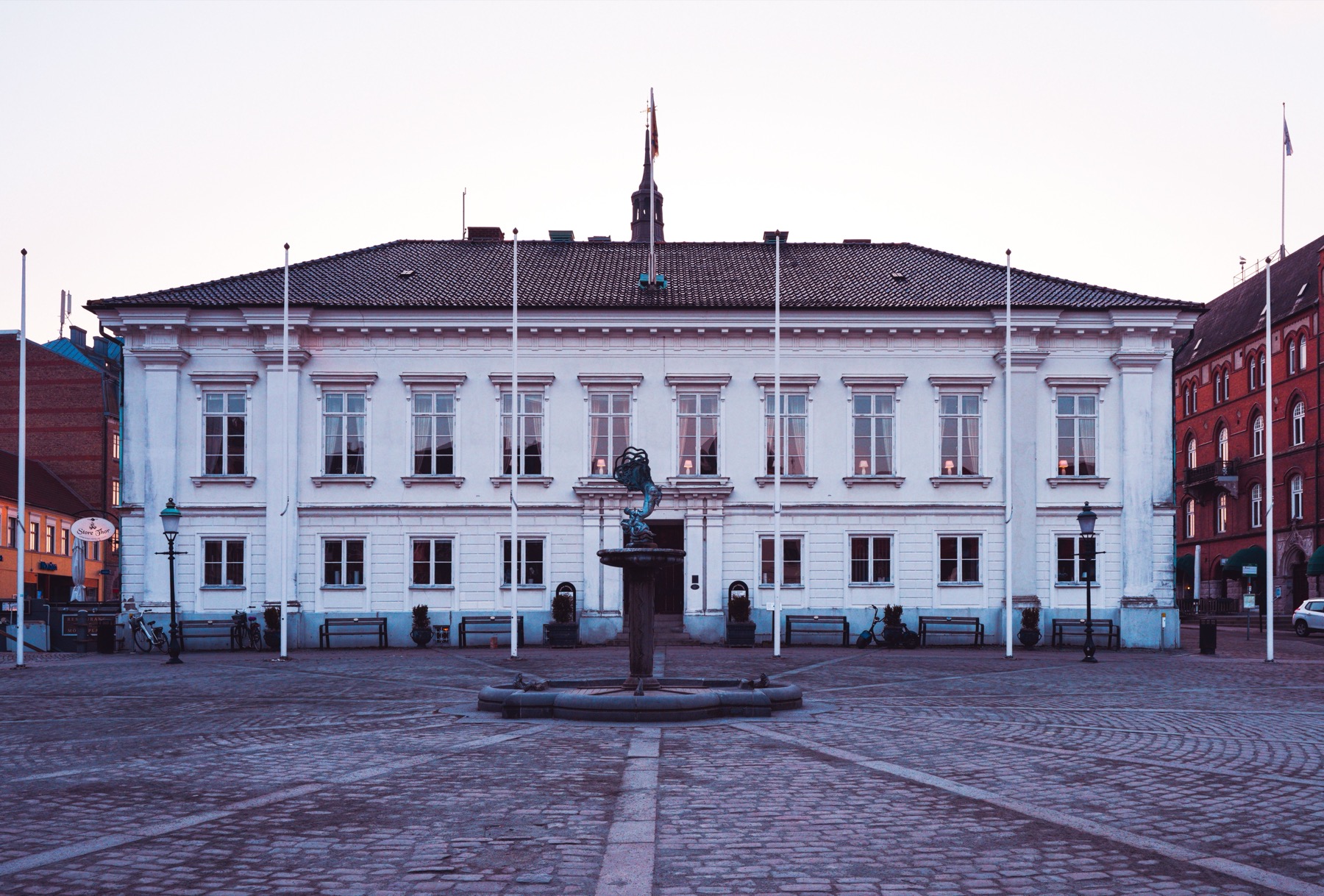
8. Ystad: In Commissioner Wallander’s footsteps
Ystad’s global fame and crowds of tourists, however, came from writer Henning Mankell and his fictional, perpetually gloomy detective Kurt Wallander. The book and television series turned the town into a popular pilgrimage destination for Nordic crime fiction fans from around the world. All the key locations from the books are scattered through the historic centre, so you don’t need any special transport.
At the local tourist centre, you can pick up a special map (often free or available for a small fee) and explore the town by following the commissioner’s trail. The route reliably takes you from his apartment on Mariagatan to his favourite pizzeria, where he spent his evenings. You can do the walk at any time of year, as the streets are always publicly accessible.
Film fans shouldn’t miss Ystad Studios either, where much of the series was filmed. At the interactive visitor centre, you can see the original sets and learn how the illusion of a police station is created. Admission costs around 100 SEK (approximately €41), and it is usually open daily in summer and mostly on weekends outside the season.
💡 Tip: Stop at Fridolfs konditori café on Lilla Östergatan. The literary Wallander used to come here for coffee, and today you can order a special blue cake in his honour for around 50 SEK (€21).
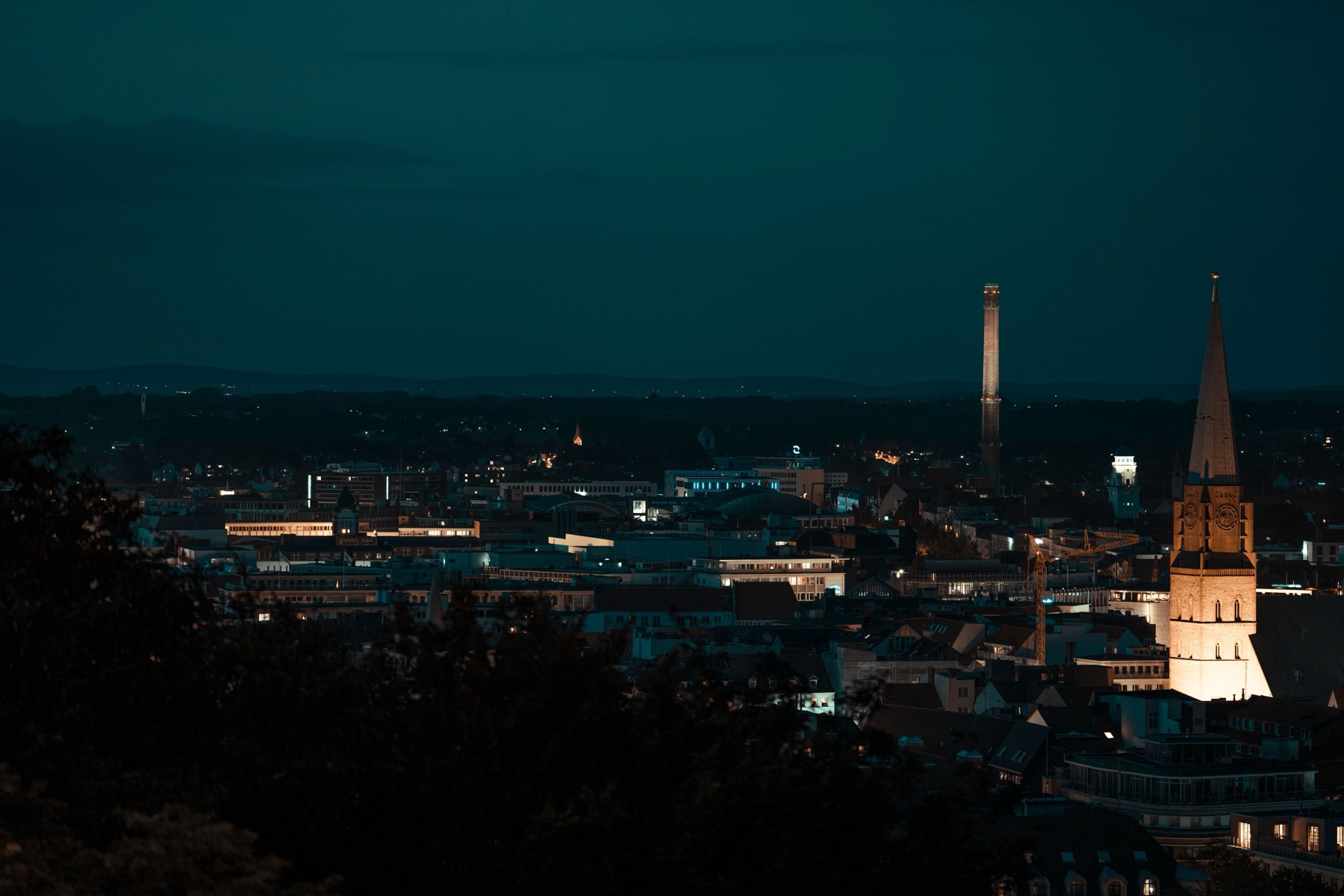
9. Ystad: The night watchman at St Mary’s Church
Ystad has preserved a fascinating medieval tradition that is hard to find anywhere else in Europe. Every night, a copper horn sounds from the tower of the majestic St Mary’s Church. The church stands in the very heart of town on Stortorget square, and you can experience this spectacle—or rather, listen to it—completely free of charge, as long as you’re in the right place at the right time.
The night watchman’s job is to guard the town against fires. From 9 p.m. until 1 a.m., he sounds the horn towards all four points of the compass precisely every quarter-hour, telling residents that the town is safe and they can sleep peacefully. In the summer months, the square is still full of people at that hour, so there’s no need to worry about walking here after dark.
This unique tradition has continued uninterrupted since the 18th century. When you walk through the quiet cobbled lanes beneath the church in the evening and hear the long, drawn-out sound of the horn, you feel as though a time machine has taken you 300 years into the past. It’s one of the most authentic experiences you can take home from southern Sweden.
💡 Tip: The horn is fairly quiet and muffled, so you don’t need to worry about it waking you in your hotel. You’ll hear it best if you stand directly in the square beneath the tower a few minutes before the hour.
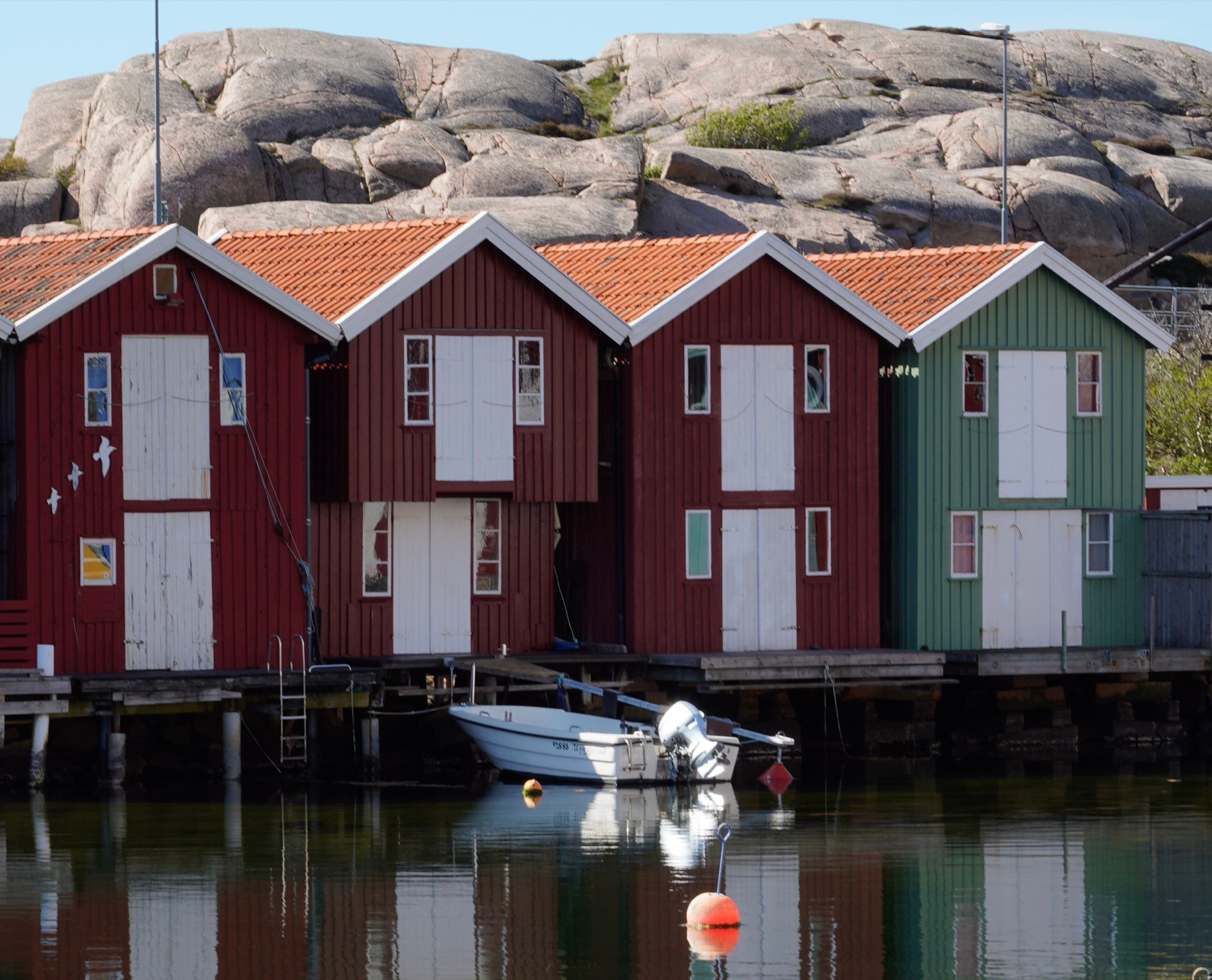

10. Kåseberga: A Picturesque Fishing Village
About twenty kilometres east of Ystad, the harbour village of Kåseberga lies hidden in a small bay. It consists of a cluster of small red cottages tucked right beneath steep green cliffs and protected by a massive breakwater. You can drive here in just under half an hour, or take the local bus, which regularly leaves from Ystad railway station.
The local smokehouses smell strongly of fish, an important Swedish tradition that has been maintained here for centuries, but you can also enjoy an excellent afternoon fika. You’ll find several cosy cafés serving great coffee and fluffy cakes topped with fresh fruit. Coffee and dessert cost around 80 SEK. In summer, the cafés are open from early morning until the early evening.
Kåseberga is the main starting point for the hike to the magical Ales stenar monument. The harbour is a great place to rest after your walk, where you can sit on a bench, listen to the gulls and watch fishing boats bobbing on the waves. The harbour is open at all times and there is no entrance fee, although you do have to pay for parking.
💡 Tip: The car park in Kåseberga fills up very quickly during the summer season and costs around 20 SEK per hour. I recommend arriving either early in the morning or later in the afternoon, once the crowds arriving by bus have left.
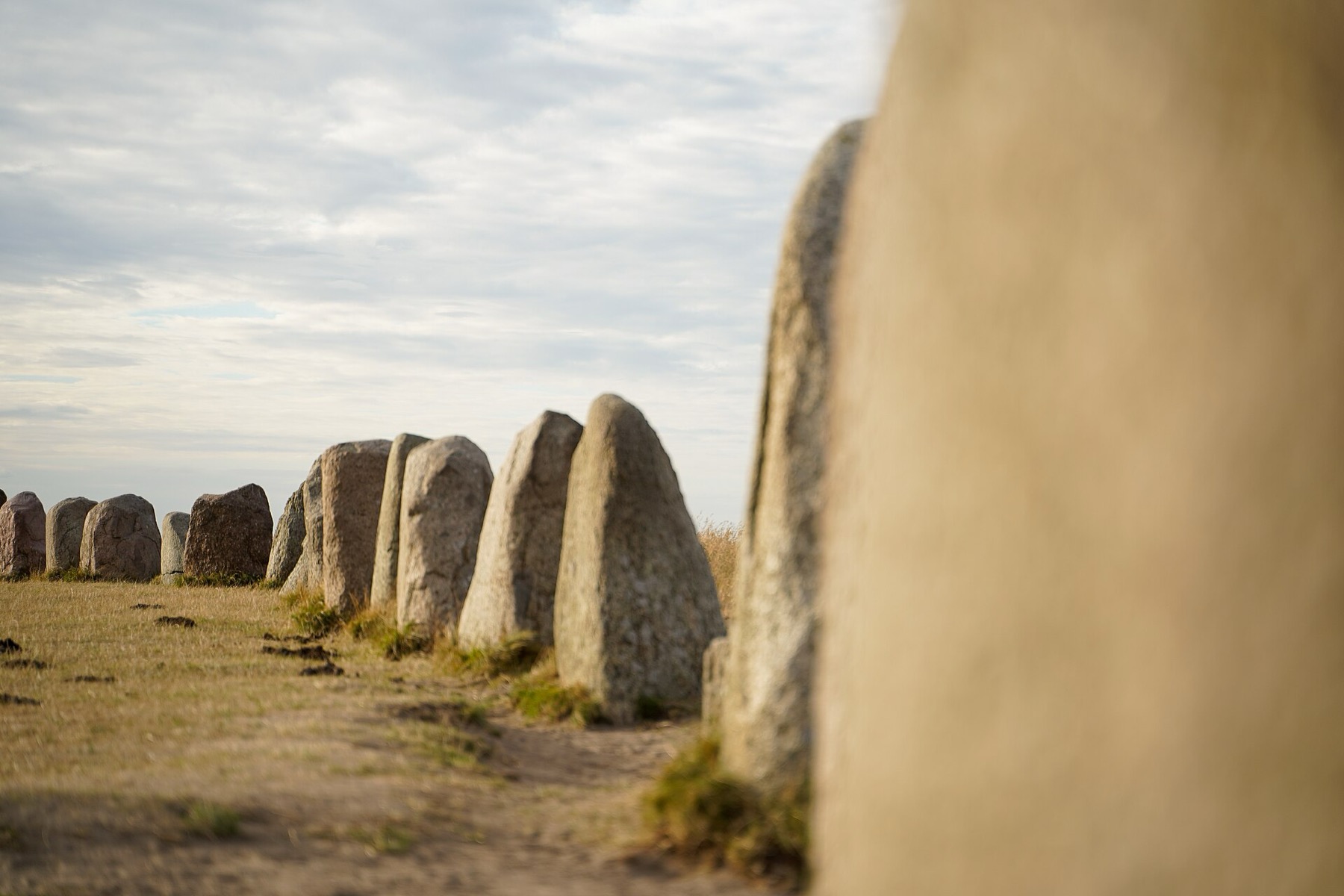
11. Ales stenar: Sweden’s Stonehenge
Directly above Kåseberga lies one of the most magical places in southern Sweden. Ales stenar stands on a high grassy cliff: a monument made up of fifty-nine enormous boulders arranged in the majestic shape of a ship. From Ystad, it takes twenty minutes by car to reach the car park in Kåseberga, and from there you have to continue on foot. The hike up to the cliff along a well-maintained path takes about fifteen minutes.
This megalithic monument is an impressive sixty-seven metres long and probably dates back to the Iron Age. To this day, no one knows for certain whether it was a sacred burial site for an important chieftain or a sophisticated solar calendar used to mark the seasons. The monument stands freely in the countryside, so it is accessible 24 hours a day, all year round, and there is absolutely no entrance fee.
When you stand there with the wind tossing your hair and the sea roaring wildly below, you can feel the incredible mystical atmosphere of the ancient Norse people. Crowds gather here on summer weekends, so for a more peaceful experience I recommend visiting outside the busiest times.
💡 Tip: You’ll have the best experience if you walk out to the stones just before sunset. The stones cast long shadows, while the golden light reflected on the surface of the sea creates a perfect scene for photographs.
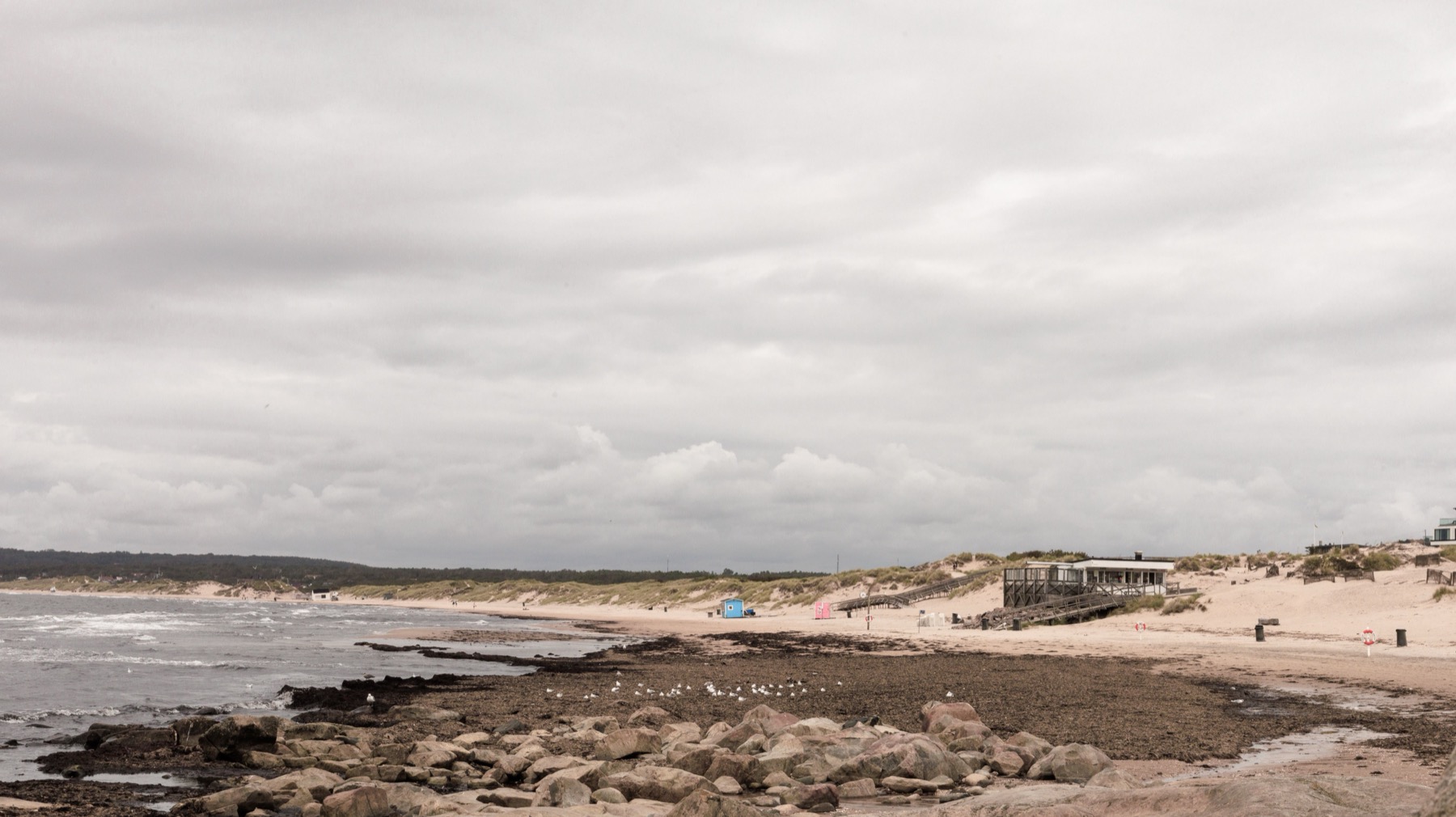
12. Sandhammaren and Ystad Sandskog Beaches
If you’re travelling to Sweden for swimming, a true paradise awaits east of Ystad. Sandhammaren Beach is regularly named the most beautiful beach in the entire country, and its sand is so fine that it was supposedly once used in precision hourglasses. It takes approximately thirty minutes to drive here from Ystad; the car park is just a short walk from the beach and charges the standard hourly rate of around 20 SEK.
The white strip of sand stretches for kilometres and is surrounded by pine forests, which provide welcome shade on hot summer days. The water is colder than in the Mediterranean, but you can swim here without any problems in July and August. Access to the beach is, of course, free. In autumn, the coast becomes an ideal place for long, melancholy walks without the crowds.
Closer to the city lies Ystad Sandskog, a popular recreational area filled with cycle paths and promenades. You’ll find perfect facilities for families with children, wooden walkways and stands selling delicious soft-serve ice cream. You can easily cycle here from central Ystad in ten minutes.
💡 Tip: Be very careful of the strong sea currents at Sandhammaren Beach, as they can be extremely deceptive. Always follow the warning signs and swim only in areas marked as safe.
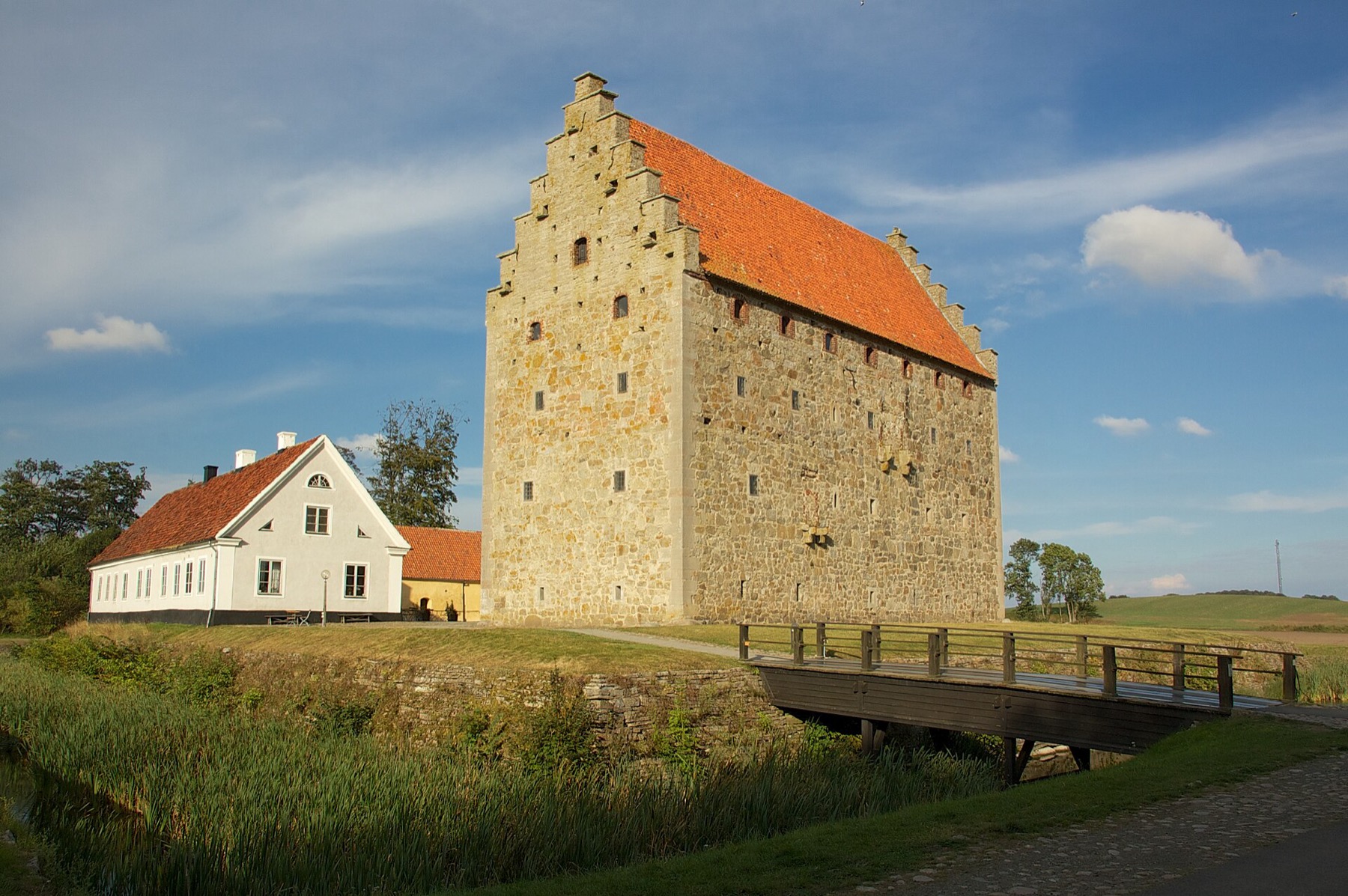
13. Glimmingehus: A Medieval Fortress
Inland, less than thirty-five kilometres northeast of Ystad, stands Glimmingehus Castle. It is by far the best-preserved medieval fortress in Scandinavia. This imposing stone building was commissioned at the end of the fifteenth century by Danish knight Jens Holgersen Ulfstand. It takes just under half an hour to drive here from Ystad, along peaceful roads between fields and meadows.
The castle was designed to withstand any attack and is full of ingenious defensive features. During a tour, you’ll discover hidden arrow slits and false doors, as well as openings in the ceilings through which defenders once poured boiling tar on unwanted guests. An adult entrance ticket costs around 100 SEK. In summer, the castle is open every day; outside the season, opening hours are limited to weekends, so it’s best to check them online.
Today, Glimmingehus is a wonderful destination for a family day out. During the summer season, guides in period costumes lead fascinating tours and spooky evenings, bringing old stories about castle ghosts and ancient battles to life. If you want to avoid school groups, arrive first thing in the morning after opening time.
💡 Tip: The castle grounds include a beautiful herb garden and a pleasant café where you can relax and sample delicious vegetarian specialities prepared according to traditional medieval recipes.
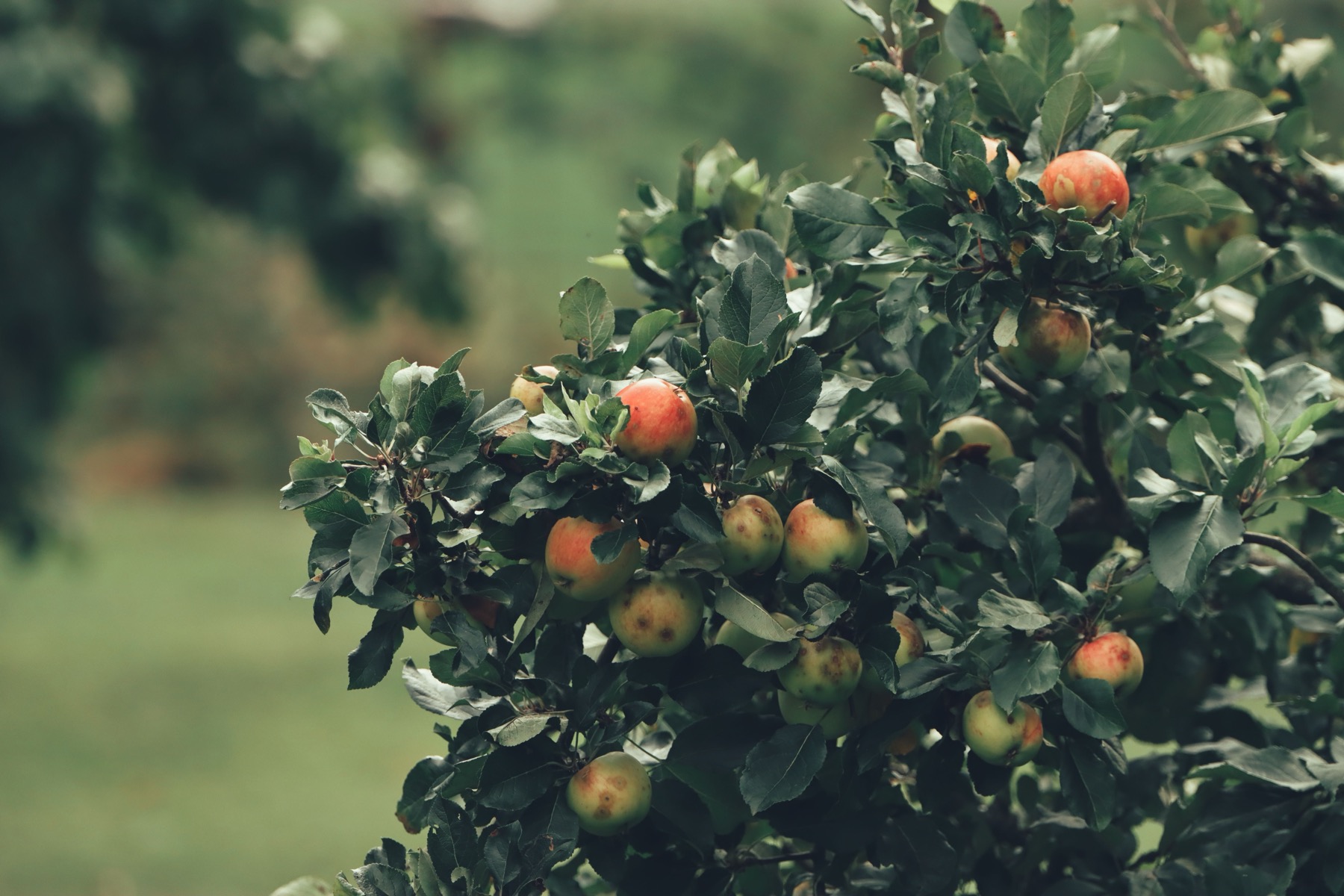
14. Simrishamn and Österlen: The Apple Kingdom
As you continue east, you’ll enter the picturesque Österlen region, often nicknamed the Swedish Tuscany. You’ll be welcomed by gently rolling countryside, cosy art galleries and endless fragrant apple orchards. The region’s centre is the town of Simrishamn, about a forty-five-minute drive from Ystad. It’s also very easy to get here by regional train, so you don’t necessarily need a car.
The heart of the fruit-growing region is the nearby town of Kivik, home to the famous local cider house Kiviks Musteri. In autumn, a spectacular apple market takes place here, where artists create huge, incredibly detailed mosaics from tens of thousands of colourful apples. The market attracts thousands of visitors, so be patient when looking for a parking space. Visiting the orchards is much quieter in summer, and admission to the grounds is free; you only pay for tastings.
Österlen is absolutely ideal for cycling trips. You can leisurely ride from one farm to the next and buy fresh produce directly from local farmers. Simrishamn also has plenty of cafés where you can rest and recharge.
💡 Tip: Stop at Kiviks Musteri for a guided tasting. For around 150 SEK, you can sample classic apple juices as well as excellent non-alcoholic ciders, and buy superb vegetarian products made from local ingredients.
15. Helsingborg: The Gateway to Denmark
On the northwestern coast of Skåne, about sixty-five kilometres north of Malmö, lies the vibrant city of Helsingborg. It serves as one of the main gateways to Denmark, and you can reach it from Malmö by train in just under an hour. From the historic centre, it’s less than five kilometres across the Öresund strait to the Danish shore, so you can see the Danish city of Helsingør with the naked eye from the harbour.
The city’s landmark is Kärnan, a massive medieval brick tower and the only part remaining of the original enormous castle. Once you climb dozens of stairs to the top, you’ll be rewarded with a breathtaking view of the entire city and the busy shipping route below. Admission to the tower costs around 80 SEK and it is open daily in summer. To avoid the crowds, head up as soon as it opens at 10 a.m.
Ferries between Helsingborg and the Danish city of Helsingør run frequently, and a ticket for a foot passenger costs around 50 SEK. The crossing takes just twenty minutes, so you can make a quick day trip to the famous Danish castle of Kronborg, where Shakespeare’s Hamlet is set.
💡 Tip: Taking the ferry with your car is often a cheaper and faster alternative for travellers who want to avoid Copenhagen traffic and the high tolls on the large Öresund Bridge.
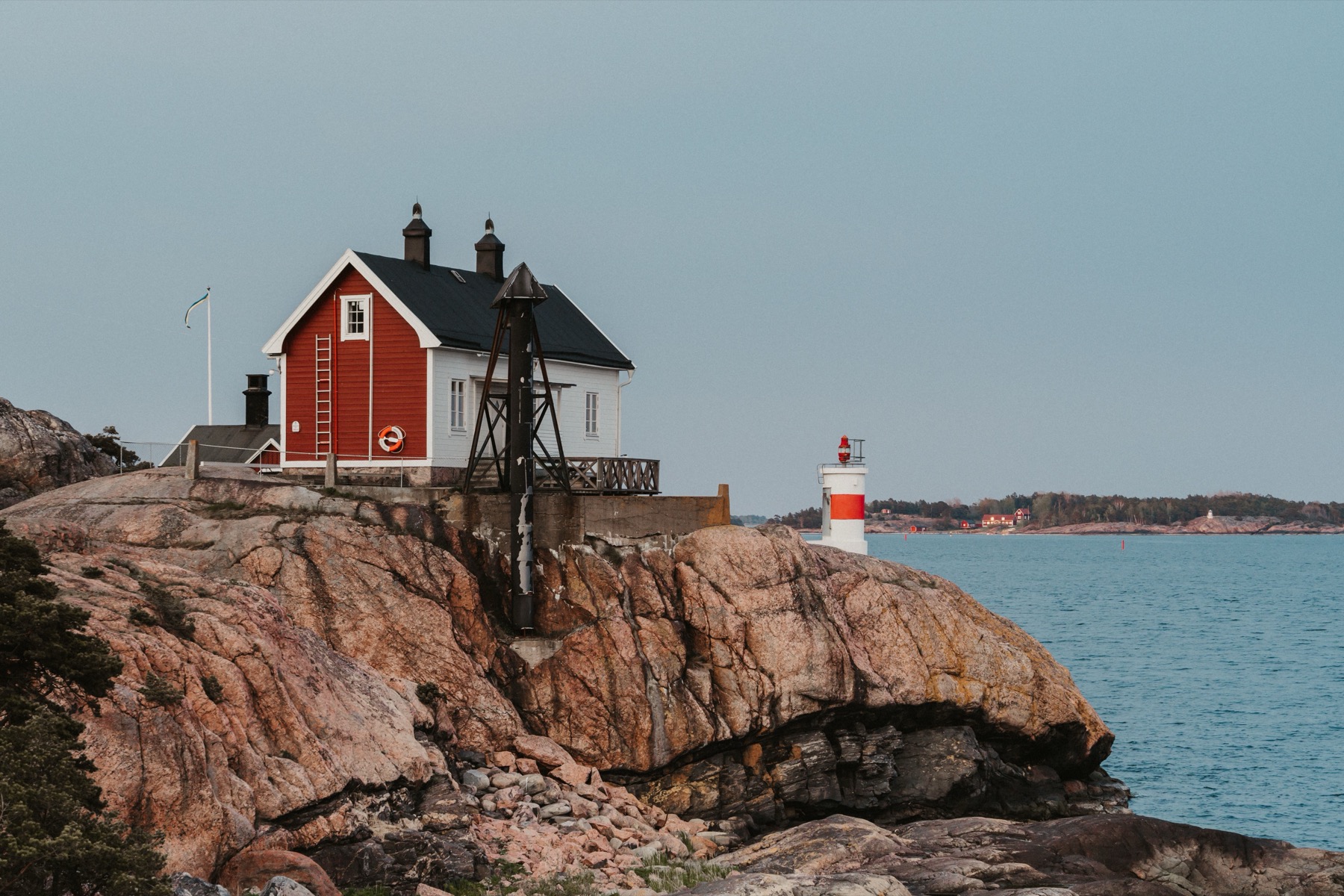
16. Kullaberg: Cliffs and a Lighthouse
A short distance north of Helsingborg, about thirty-five kilometres by car, the Kulla Peninsula extends into the sea. Its tip is occupied by the wild Kullaberg Nature Reserve. Here, peaceful sandy beaches give way to true Nordic drama, with steep cliffs and churning waves. Entry to the reserve itself is free; you only pay for parking at the main trails.
The gneiss cliffs plunge dozens of metres straight into the sea, and the entire area is criss-crossed by challenging trails accessible all year round. At the very end of the peninsula stands Kullens fyr, the highest lighthouse in all of Sweden, which you can also visit inside for a small fee in summer.
You can enjoy wonderful hikes with sea views, explore caves hidden in the rocks or go on an organised seal safari in a small boat. In short, the area is paradise for anyone who loves untamed nature and a little adrenaline. If you want the cliffs to yourself, come early in the morning before families with children arrive.
💡 Tip: The terrain on the cliffs is very uneven and rocky. Be sure to wear sturdy hiking shoes and take care, especially when strong winds blow in from the sea, as they can be treacherous.
17. Nimis: A Wooden Sculpture and the Micronation of Ladonia
On the northern coast of the Kulla Peninsula, one of Sweden’s quirkiest attractions lies hidden away. It is called Nimis: a huge labyrinth of towers and passageways built from driftwood by the eccentric artist Lars Vilks. The site is just a short drive from the main Kullaberg reserve, and entry is completely free because the structure stands outdoors in nature and is accessible at all times.
The structure was built illegally in an inaccessible nature reserve, and the authorities tried to remove it for years. In protest, Vilks declared this stretch of beach an independent micronation called Ladonia, which now has tens of thousands of virtual citizens from around the world. This bizarre story gives the place an wonderfully rebellious atmosphere.
The route to Nimis is not signposted and involves a fairly demanding physical effort. You have to descend a very steep, rocky path through the forest to the sea, but as soon as the towering wooden structures appear before you, you’ll understand that the effort was worthwhile. Wear sturdy shoes and ideally visit on a summer day when the ground is dry.
💡 Tip: If you visit, don’t expect any tourist facilities. There is no signal, no toilet and no refreshment stand. Bring plenty of water and avoid coming in the rain—the steep path becomes dangerously slippery.
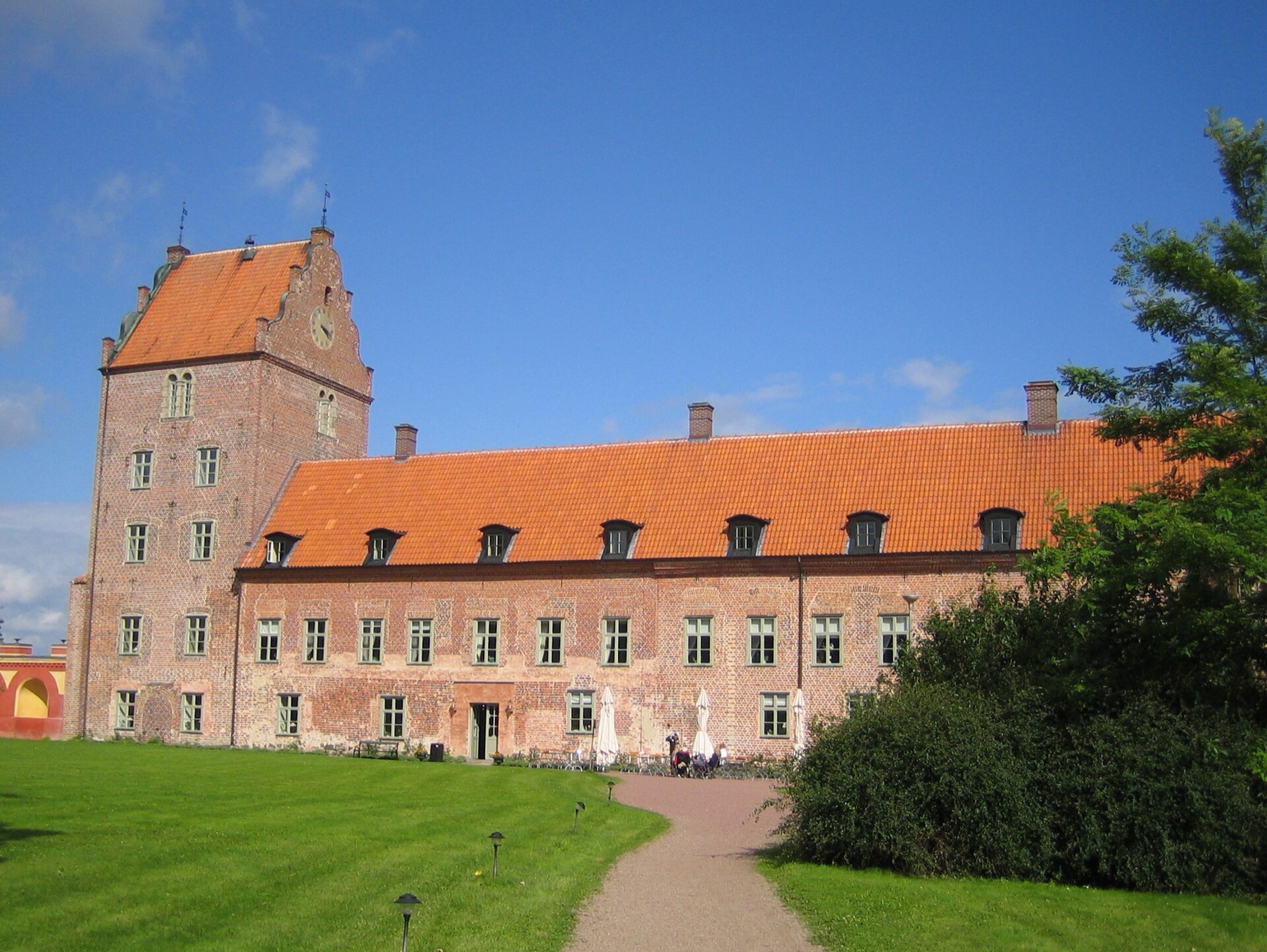
18. Bäckaskog Castle and the Skåneleden Trail
Southern Sweden is dotted with dozens of beautiful castles and manor houses that once belonged to Danish and Swedish nobility. One of the prettiest is Bäckaskog Castle, which sits on a narrow strip of land between two sparkling lakes. It is located near Kristianstad, about a one-and-a-half-hour drive from Malmö. You can enter the castle gardens easily; admission to the interiors costs around 80 SEK.
The former thirteenth-century monastery was later converted into a summer residence for King Charles XV. Today, you can stroll through the beautiful, expansive gardens, admire centuries-old trees and enjoy perfect peace far from the main tourist routes. The castle is mainly open during the summer season, when regular tours of the historic interiors are also held and a fantastic castle café operates. You can enjoy delicious apple pie and coffee there with a wonderful view of the calm lake. The famous Skåneleden network of hiking and cycling trails also runs through the entire province, covering more than 1,300 kilometres in total.
Thanks to its mostly flat terrain, Skåne is a true paradise for cyclists, so feel free to rent a bike and set off to discover old castles, windmills and picturesque farms under your own steam. Most cycle routes are perfectly signposted and safely wind through charming villages and deep beech forests, where you suddenly lose track of how long you’ve been riding because you’re completely absorbed in the experience.
💡 Tip: Along the rural cycle routes, you’ll come across plenty of so-called “loppis”, or flea markets, which Swedes absolutely love. They are often held in old barns at farms, where you can find wonderful vintage treasures for next to nothing.
How to Get to Skåne and Get Around
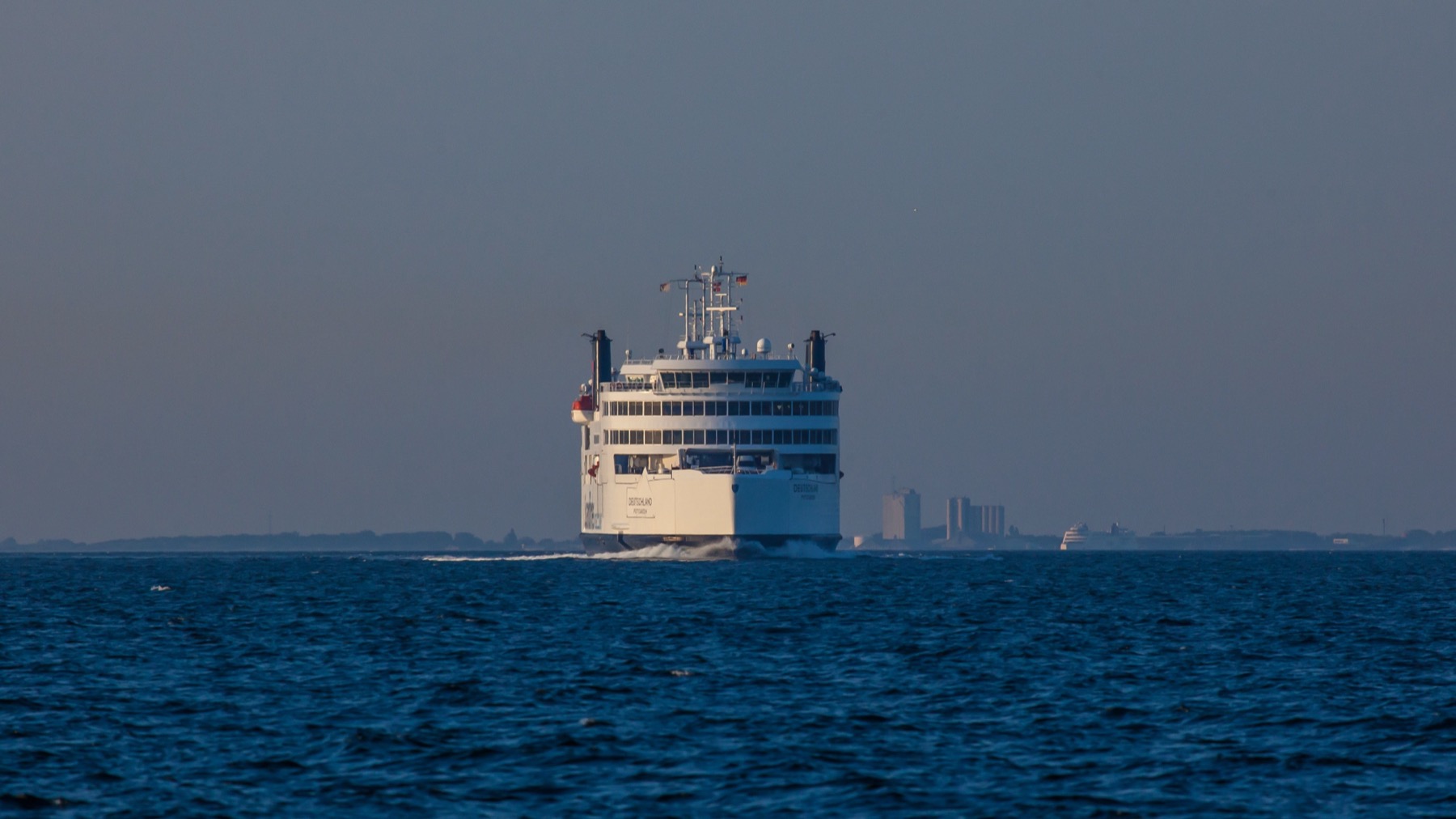
Travelling to southern Sweden is surprisingly quick and offers several convenient options. If you’re planning a road trip in your own car, ferries from Poland or Germany make the most sense. From the Polish port of Świnoujście, you can sail to the Swedish ports of Ystad or Trelleborg in around seven hours. Prices for a car and driver start at €95, and if you choose an overnight crossing, you save the cost of one hotel night and arrive refreshed in the morning. From Gdynia in Poland, you can also sail to Karlskrona, a journey that takes just under ten hours.
German alternatives include the ports of Rostock, Travemünde and Sassnitz. The ferry from Rostock to Trelleborg takes six hours to cross the sea and is a very popular choice for families with children who want to minimise the time spent behind the wheel on the motorway. Tickets cost between €60 and €200, depending on how far in advance you book. The simple rule is that the earlier you buy your ticket, the better the final price.
For travellers who prefer flying, Copenhagen’s Kastrup Airport is ideal. Flights from major European hubs to Copenhagen are often much cheaper than direct flights to Sweden. From the airport terminal, you can step straight onto a comfortable train and, after crossing the iconic Öresund Bridge, arrive in central Malmö in just twenty minutes. Malmö Airport mainly serves domestic flights and smaller low-cost airlines.
Getting around the region itself is incredibly easy thanks to the reliable regional operator Skånetrafiken. Its purple trains and green buses connect practically every larger village, run right on time and let you buy tickets in just a few clicks through the Skånetrafiken app. If you visit Skåne in the second half of 2026, you can also benefit from nationwide government subsidies that have reduced the price of monthly passes by half, to around 530 SEK.
A car gives you tremendous freedom to explore remote beaches or hidden apple orchards in Österlen, but it is definitely not essential. Skåne is wonderfully flat and boasts hundreds of kilometres of excellent cycle paths. If you stay strategically in Malmö or Ystad, you can simply rent a bike, pack a picnic blanket and explore the surrounding coast under your own power.
A 5-Day Southern Sweden Road Trip
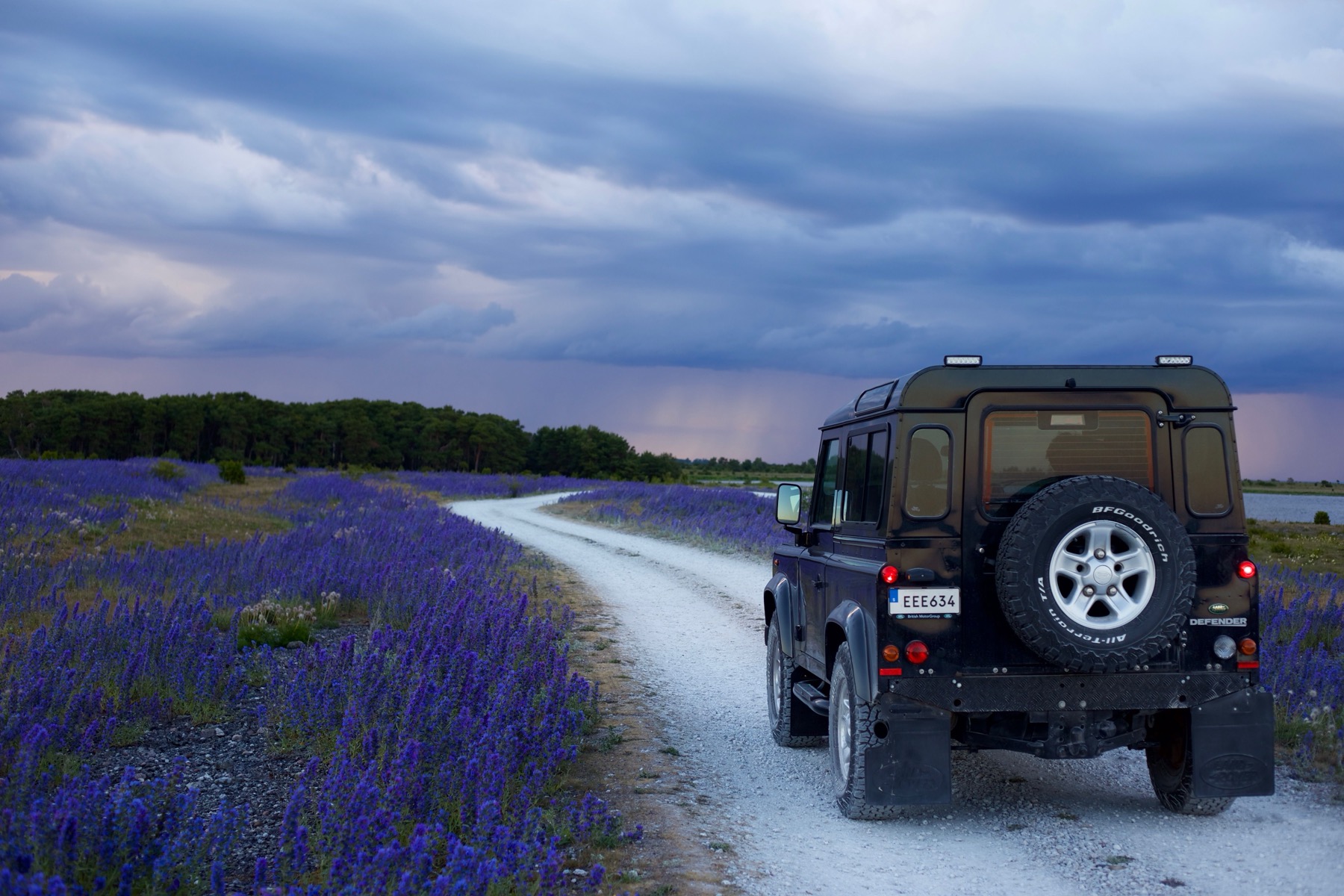
If you arrive in Sweden on a morning ferry and have around five days to explore the south, I’ve prepared the perfect itinerary for you. It lets you see the very best of the entire region while not trapping you in a car for hours at a time. Distances here are unusually short, so you’ll drive no more than around 80 kilometres a day, leaving plenty of time to sit in local cafés.
Day one is dedicated to discovering Malmö. Start with a morning coffee in Västra Hamnen overlooking the Turning Torso skyscraper, get lost in the lanes around Lilla Torg in the afternoon and enjoy the best falafel in Möllevången in the evening. You can spend the night right in the city centre, within walking distance of everything.
On day two, take an early train or drive to nearby Lund. Explore the majestic cathedral with its astronomical clock, stroll through the university campus and have a filling lunch in the form of a daily special (dagens rätt), which often includes delicious vegetarian fritters. In the afternoon, continue to the far southwest, to the Falsterbo and Skanör peninsula. Walk among the photogenic beach huts, breathe in the fresh sea air and stay in one of the smaller local guesthouses by the water.
On day three, drive along the southern coast to Ystad, which takes barely fifty minutes at a relaxed pace. Explore the historic centre filled with half-timbered houses and follow in the footsteps of Inspector Wallander. Head to a cosy pizzeria for dinner and wait until dark to hear the church tower’s night watchman. Staying overnight in Ystad is essential, ideally in one of the romantic hotels.
Day four brings mysticism and nature. In the morning, drive to the fishing village of Kåseberga and hike up to the magical Ales stenar stones before the tourist buses arrive. Then continue east into the Österlen region. Stop at Kiviks Musteri, buy local apple products and walk through the orchards. Look for accommodation around Simrishamn, where you’ll find picturesque farms converted into private guesthouses.
On day five, visit the magnificent Glimmingehus Castle, then either head north towards the dense forests of Småland or slowly return along the motorway to Trelleborg for your afternoon ferry. This itinerary deliberately leaves out the more remote Kulla Peninsula, so you won’t have to rush and can fully enjoy the slow Scandinavian pace of life.
Where to Go Next from Skåne
Once you’ve explored southern Sweden, you have several options for continuing your journey. By car, you can head north into the deep forests of Småland and experience the real Sweden, or go even farther and spend a few days in wonderful Stockholm.
If you’re drawn to big cities and excellent food, make use of the Öresund Bridge and cross into neighbouring Denmark. Visiting Copenhagen is an absolute must. And if you want to plan your budget more carefully before travelling, take a look at our detailed breakdown of prices and costs in Sweden.
Frequently Asked Questions
What’s the best way to get to Skåne from abroad?
The most convenient option for travellers with a car are ferries from Polish Świnoujście (to Ystad) or from German Rostock (to Trelleborg), which save you hundreds of kilometres behind the wheel. If you prefer flying, it’s worth buying a ticket to Copenhagen’s Kastrup airport, from where you can reach the centre of Malmö by train across the strait in less than twenty minutes.
How many days do I need to explore southern Sweden?
To enjoy the region at a relaxed pace without rushing anywhere, I recommend you set aside at least 5 to 7 days. During this time you’ll manage to drive the coast, visit Malmö, see Ales stenar and explore the inland areas without unnecessary hurry. If you want to add Copenhagen as well, throw in another two days.
Do I need a car to travel around Skåne?
A car gives you absolute freedom, especially when searching for remote beaches or picturesque farms in the Österlen area, but it’s definitely not necessary. The Skånetrafiken train and bus network works absolutely reliably and connects all the larger towns and tourist attractions. In the towns themselves you’ll easily get by with a rented bicycle.
Is Sweden really so extremely expensive?
It’s not as bad as is often said. Accommodation and petrol cost similarly to Western Europe. What gets more expensive is mainly alcohol and classic restaurant dinners. But if you take advantage of lunch menus (dagens rätt) and buy ingredients at supermarkets, your budget will manage it without major problems.
Where can I find the most beautiful beaches?
For bright white sand head to the Falsterbo peninsula or to the renowned Sandhammaren beach on the southeast coast, which regularly features in rankings of the most beautiful spots. The water in the Baltic is a bit refreshing, but in July and August locals and tourists commonly swim here and enjoy the Nordic summer.
Can I fit in a day trip to Copenhagen?
Absolutely! By train directly across the Öresund Bridge, the journey from Malmö city centre to Copenhagen’s main station takes less than forty minutes and trains run very frequently. So you can comfortably head out to Denmark in the morning for coffee and sightseeing and return in the evening to your cheaper Swedish hotel.
Where was the Wallander series filmed?
The vast majority of both film and book locations are found in the port town of Ystad. At the local information centre they’ll give you a special map that lets you walk to the inspector’s flat, his favourite cafés and the film studios on the edge of town, where you can view the original police station sets.
What are the main culinary specialities of the region?
Skåne is the agricultural heart of all Sweden. Besides the ubiquitous apple cakes and fresh juices, here you’ll find amazing local asparagus, fantastic cheeses, and in Malmö you absolutely must try the best cheap falafel in the country. While locals swear by various meat and fish specialities led by herring, even without them you’ll discover plenty of wonderful flavours.
Tips and Tricks for Your Vacation
Don’t Overpay for Flights
Search for flights on Kayak. It’s our favorite search engine because it scans the websites of all airlines and always finds the cheapest connection.
Book Your Accommodation Smartly
The best experiences we’ve had when looking for accommodation (from Alaska to Morocco) are with Booking.com, where hotels, apartments, and entire houses are usually the cheapest and most widely available.
Don’t Forget Travel Insurance
Good travel insurance will protect you against illness, accidents, theft, or flight cancellations. We’ve had a few hospital visits abroad, so we know how important it is to have proper insurance arranged.
Where we insure ourselves: SafetyWing (simple monthly subscription) and TrueTraveller (for extra-long trips).
Find the Best Experiences
Get Your Guide is a huge online marketplace where you can book guided walks, trips, skip-the-line tickets, tours, and much more. We always find some extra fun there!
More from Sweden
Full guide → FoodSwedish Cuisine: 18 Dishes You Must Try in 2026
 What to seeSweden Cabin Rental: 14 Tips for 2026
 Where to stayWhere to Stay in Stockholm, Sweden in 2026: Neighborhoods & Hotels by Trip Type
 Where to stayIcehotel Sweden in 2026: Prices, Season & What It’s Like to Sleep on Ice
 PricesFerries to Sweden in 2026: Routes, Prices and How to Choose the Right One


