The famous Kungsleden, or King’s Trail, stretches for an incredible 440 kilometres, but the vast majority of hikers only tackle the first roughly 100 kilometres from Abisko to Nikkaluokta. Even that section takes five to seven days of serious walking through beautiful Arctic wilderness. Kungsleden is undoubtedly one of the world’s most famous treks, and if you’re considering your first major northern adventure, it would be hard to find a better starting point for Sweden hiking. The landscape will completely absorb you, while the well-developed infrastructure means you won’t be left without help if anything goes wrong.
Experienced travellers agree that northern Sweden offers a sense of space and peace you simply won’t find in Central Europe anymore. The landscape is incredibly vast, filled with clear lakes, birch forests and open tundra stretching all the way to the horizon. You don’t need to be a seasoned mountaineer carrying a 25-kilogram pack to enjoy this corner of the world to the fullest. Thanks to the unique network of mountain huts and well-developed logistics, even people new to multi-day treks can take it on. You just need to know how to prepare properly and what to expect from the Swedish wilderness.
So, what do you need to sort out before you leave? Let’s go through it step by step. I’ll explain which section to choose and when the ideal time to go is if you want to avoid clouds of mosquitoes, as well as how accommodation works in the wilderness. We’ll also look at an approximate budget, because Sweden can be more expensive than you might expect, and show you how to plan the whole route so you come away with only the best memories.
Summary
Here are the basic route facts you should know before reading on:
- Length and most popular section: Kungsleden is 440 km long in total, but most people hike the northern route from Abisko to Nikkaluokta (around 105 km), which takes 5 to 7 days.
- When to go: The season runs from late June to mid-September. The second half of September is ideal, when the mosquitoes disappear and the landscape glows with autumn colours (a period known as ruska).
- Accommodation on the route: You can sleep in your own tent almost anywhere in nature or use the network of mountain huts run by STF. A night costs 470 SEK for members booking in advance.
- Difficulty: The trail is well marked and technically straightforward, but it requires a decent level of fitness because of the distances and changeable Arctic weather.
- Logistics: The easiest option is to fly to Stockholm and continue by comfortable overnight train directly to Abisko. Buses run from the finish at Nikkaluokta to Kiruna.
- Budget: If you stay in huts, expect to pay around €50 (about 520 SEK) per night. Wild camping is completely free under allemansrätten, Sweden’s right of public access.
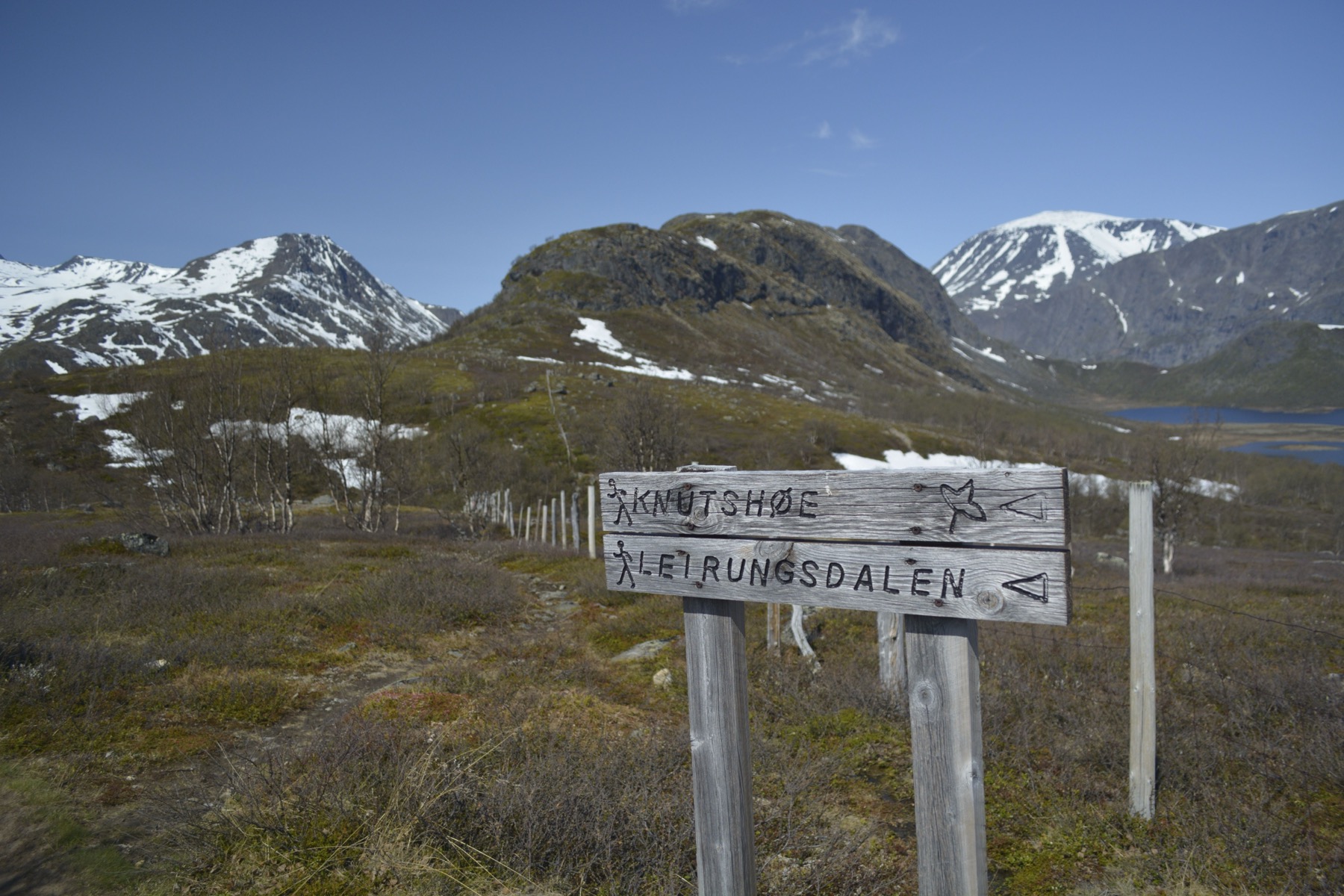
The full destination guide: Sweden — guide and what to see
14 Things You Need to Know About Sweden Hiking
Before you start packing your backpack and booking flights north, let’s go through the most important points that will turn your trip into an unforgettable experience. I’ve prepared fourteen detailed tips covering everything from planning your stages and dealing with Arctic insects to the practicalities of paying in the wilderness. You’ll see that with the right preparation, you can handle it without breaking a sweat.
1. What Is Kungsleden and Why Does Everyone Hike Only the Northern Section?
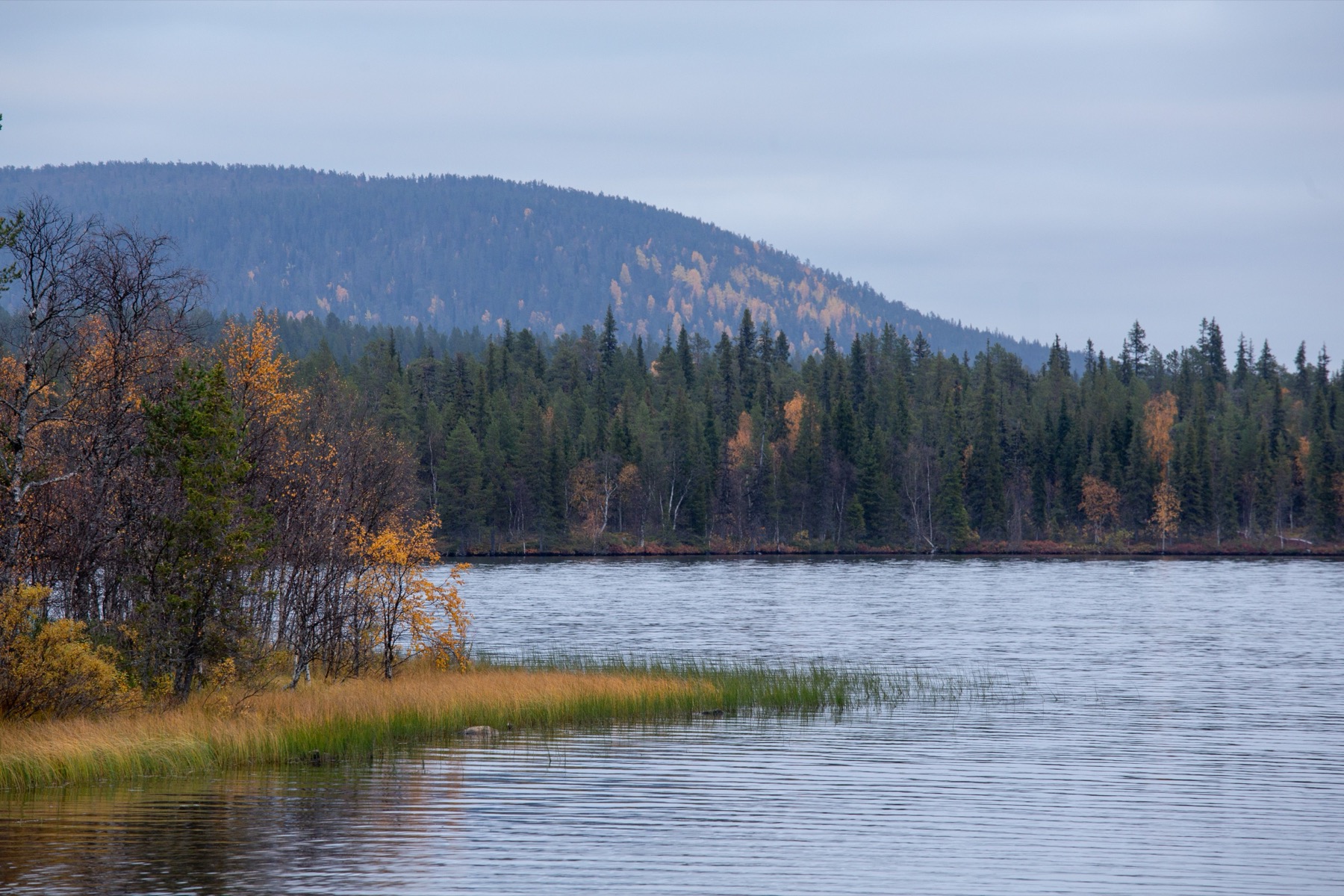
Kungsleden, which translates as the King’s Trail, stretches for an incredible 440 kilometres from Abisko in the north to Hemavan in the south. It is one of the oldest and best-maintained trekking systems in Europe, established as early as the beginning of the twentieth century. Most people who come here, however, don’t have the time or ambition to hike the entire route, which would take almost a month of demanding travel through the wilderness. That’s why the overwhelming majority of trekkers focus on the most beautiful and accessible section, connecting Abisko National Park with the mountain settlement of Nikkaluokta.
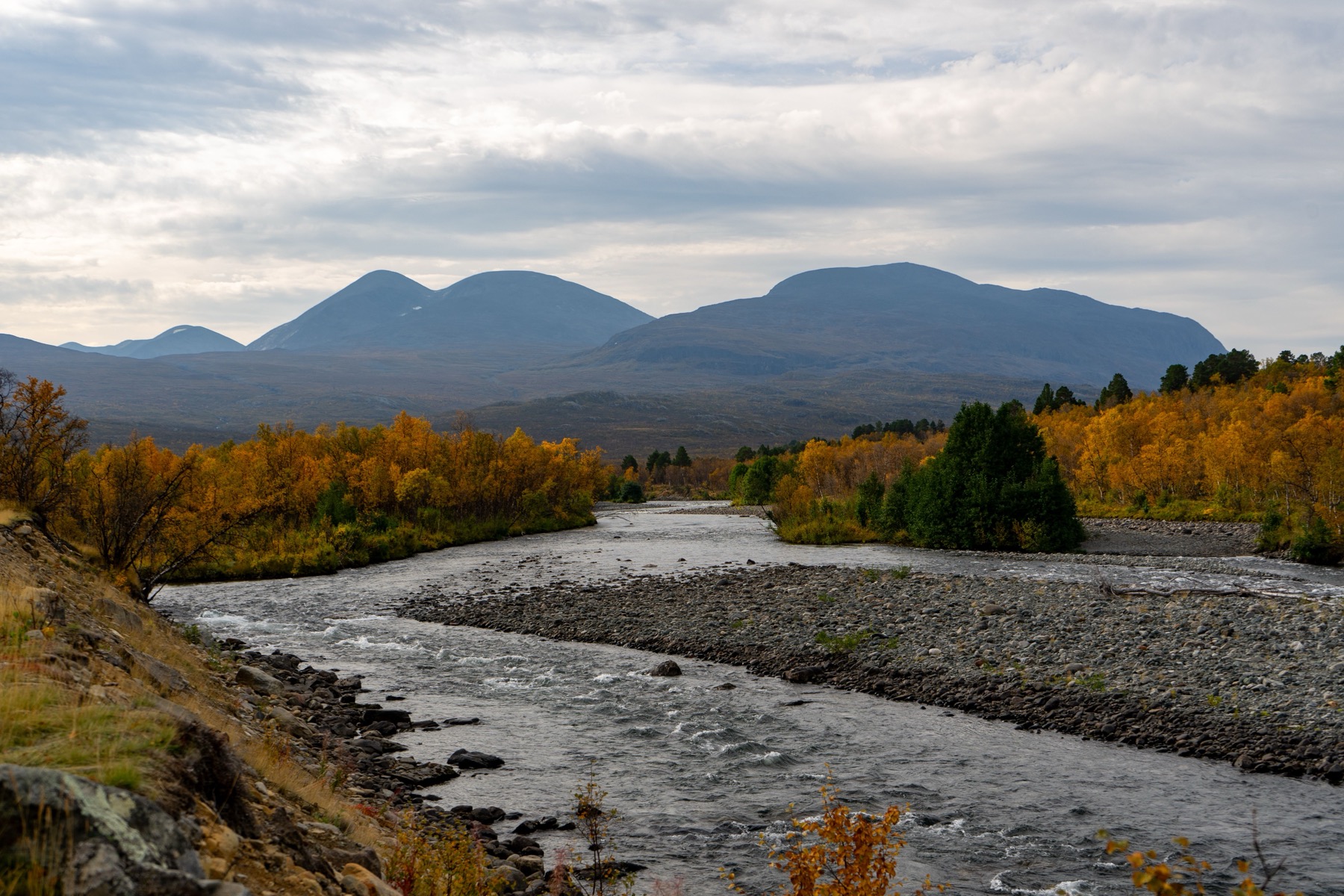
This northern section is roughly 105 to 108 kilometres long and takes you through the most iconic Arctic scenery imaginable. You’ll see deep glacial valleys, expansive lakes and open tundra that can sometimes feel like another planet. Why is this section so popular? Quite simply, because over the decades the Swedes have built infrastructure here that makes other treks look on with envy.
You can reach Abisko at the start comfortably by overnight train, step off right at the beginning of the trail, and then catch a regular bus from Nikkaluokta at the finish. The route is also lined with mountain huts at convenient intervals. That’s precisely why northern Kungsleden is a perfect choice even for first-time multi-day hikers. You get the wonderful feeling of being far from civilisation, while still being able to rely on a clearly marked trail and a safe base at the end of each day.
💡 Tip: The overwhelming majority of hikers tackle this section from north to south, from Abisko to Nikkaluokta. It has a major advantage: the sun (and usually the prevailing northerly wind) is pleasantly at your back, and a fantastic restaurant awaits you at the finish.
2. How Long Does the Trek Take and How Far Will You Walk Each Day?
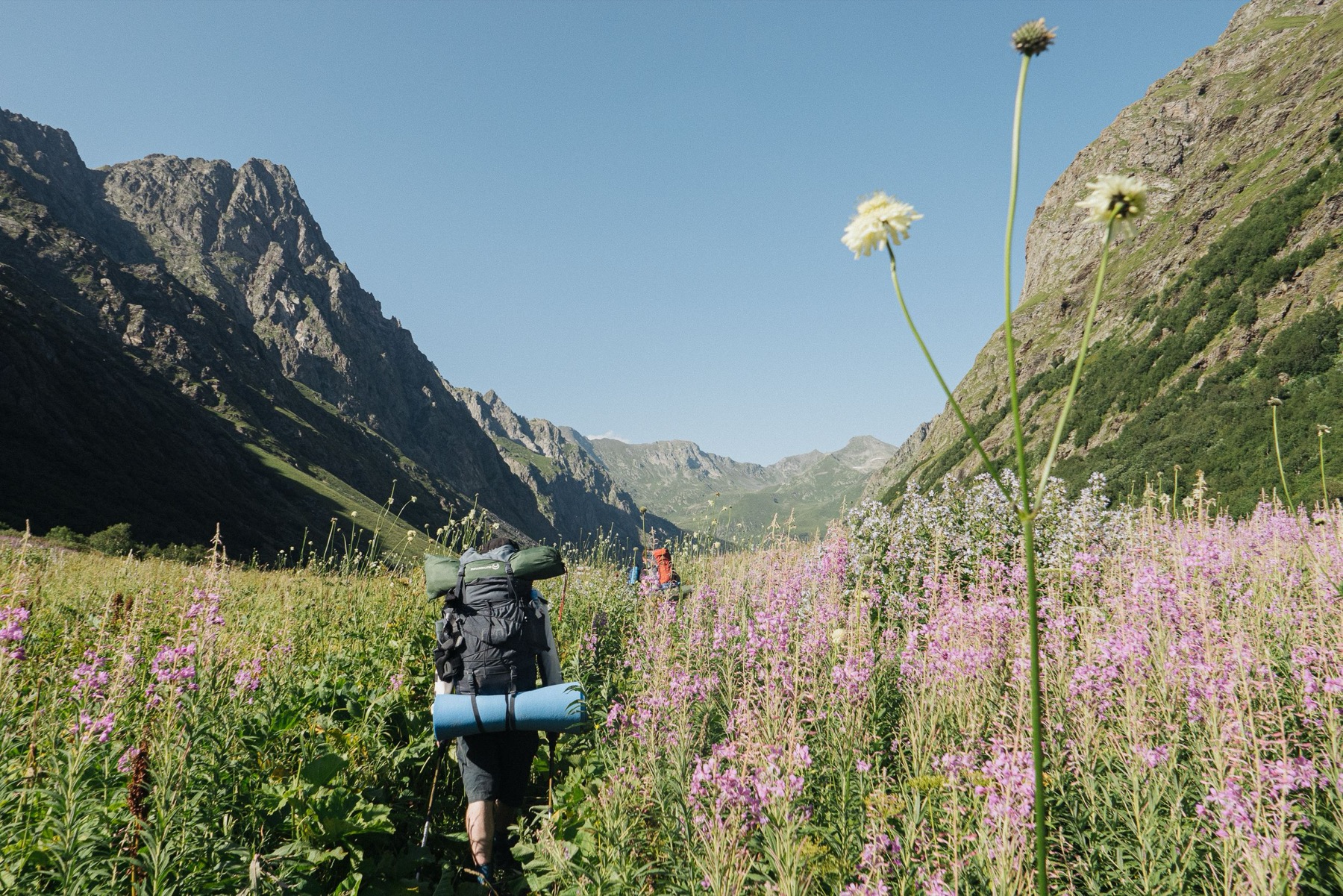
If you choose the classic route from Abisko to Nikkaluokta, allow around five to seven days of solid walking. Experienced trekkers usually cover between 15 and 20 kilometres a day, which means five to eight hours of walking in more demanding mountain terrain with a pack on your back. The stages are naturally divided according to the locations of the individual mountain huts, so you don’t need to overthink the planning—just follow the established rhythm.
On the first day, you’ll leave Abisko through pleasant birch forests towards Lake Abiskojaure, a roughly 15-kilometre and very easy introduction. The second day brings a longer, 20-kilometre section, gradually climbing onto the open tundra and the Alesjaure huts. There’s a very popular sauna here, which feels unbelievably good after a full day of climbing with a backpack. The third day involves crossing the highest point of the entire trek, Tjäktja Pass at an elevation of 1,150 metres above sea level. From there, you’ll mostly descend into a dramatic and visually stunning valley.
The following days take you past the picturesque Sälka and Singi huts. The sections between them are around 12 kilometres long, giving you a chance to recover a little after the demanding pass. From Singi, the trail turns east towards the huge Kebnekaise Fjällstation complex, which you’ll reach after another 14 kilometres. On the final day, you only have a mostly flat 19-kilometre walk to Nikkaluokta.
💡 Tip: If you have time, definitely leave at least one spare day in case of bad weather. Arctic conditions can change from one hour to the next, and sometimes it’s simply more pleasant to wait out heavy rain in the warmth by the stove than to push on at all costs.
3. STF Mountain Huts and Prices for 2026
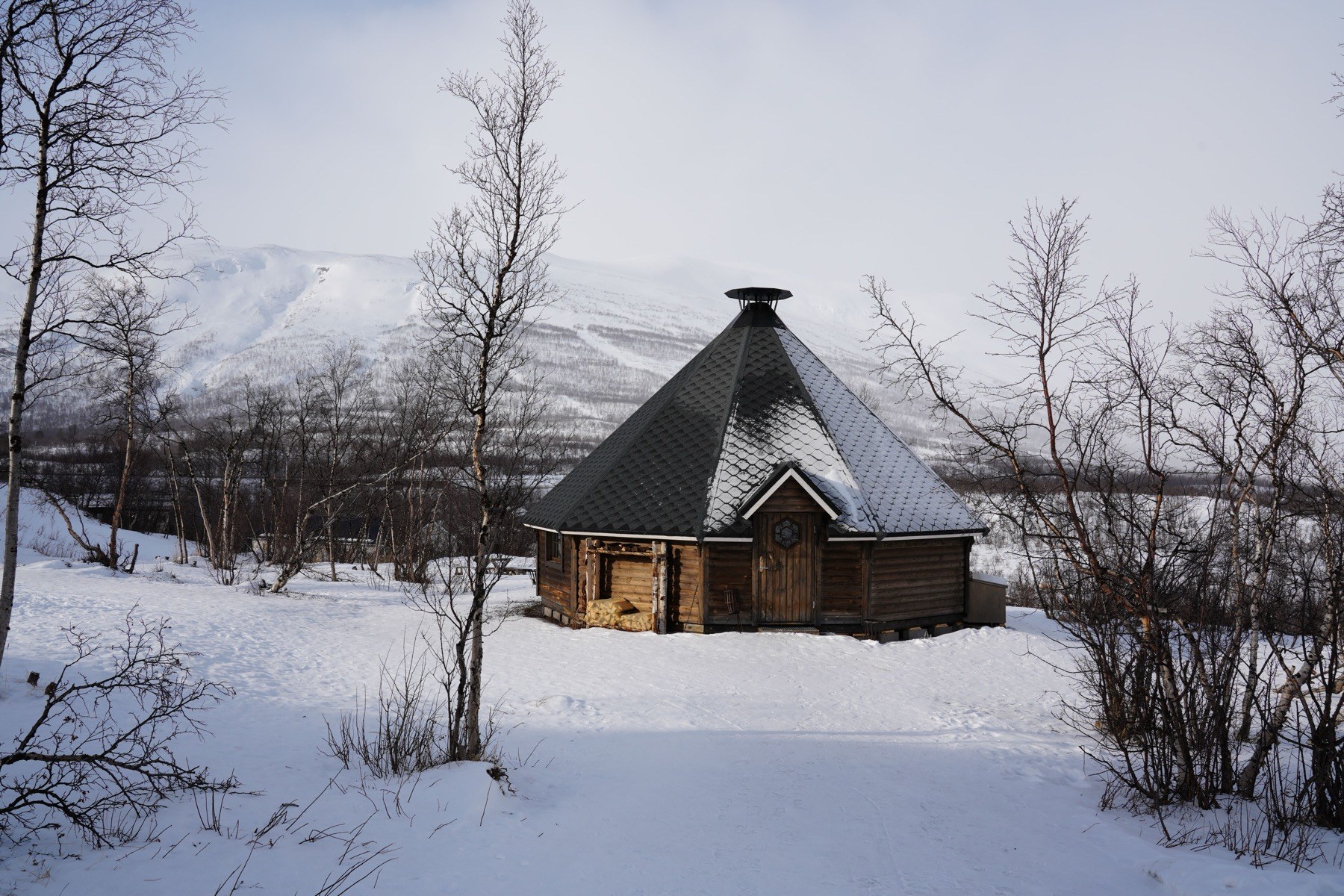
Accommodation along the route is provided by the Swedish Tourist Association (STF), which operates a network of iconic wooden huts known as fjällstugor, located roughly every 10 to 20 kilometres. Don’t expect luxurious Alpine hotels with staff and room service; the system is based more on self-sufficiency, community and mutual help. The huts have neither electricity nor running water. You have to fetch water for cooking in buckets from a nearby stream, and toilets are the classic wooden outhouses a short distance away.
One basic and absolutely wonderful rule of the Swedish mountains is that a hut warden will never turn you away. Even if you arrive late in the evening and all the beds are occupied, you’ll always get at least a mattress and a safe place on the floor in the shared kitchen. In 2026, an STF member pays 470 SEK (around €40) per night when booking online in advance. If you pay on arrival, or if the hut is full and you sleep on the floor, the price rises to 520 SEK (around €45).
Non-members have to pay 100 SEK more per night, so an annual membership is worthwhile for most people. You can buy one through the official STF website for 375 SEK (around €35). The membership pays for itself after just the fourth night, so it’s a complete no-brainer—and it also helps keep the huts running, which is very useful in the wilderness. Inside, you’ll find gas stoves, all the cookware you need, blankets and pleasant warmth from large wood-burning stoves.
💡 Tip: Always reserve your accommodation as far in advance as possible through the official STF website. You’ll have a guaranteed proper bed and get the discount mentioned above compared with paying on arrival, leaving you more money for other experiences.
4. Camping, Allemansrätten and Service Fees
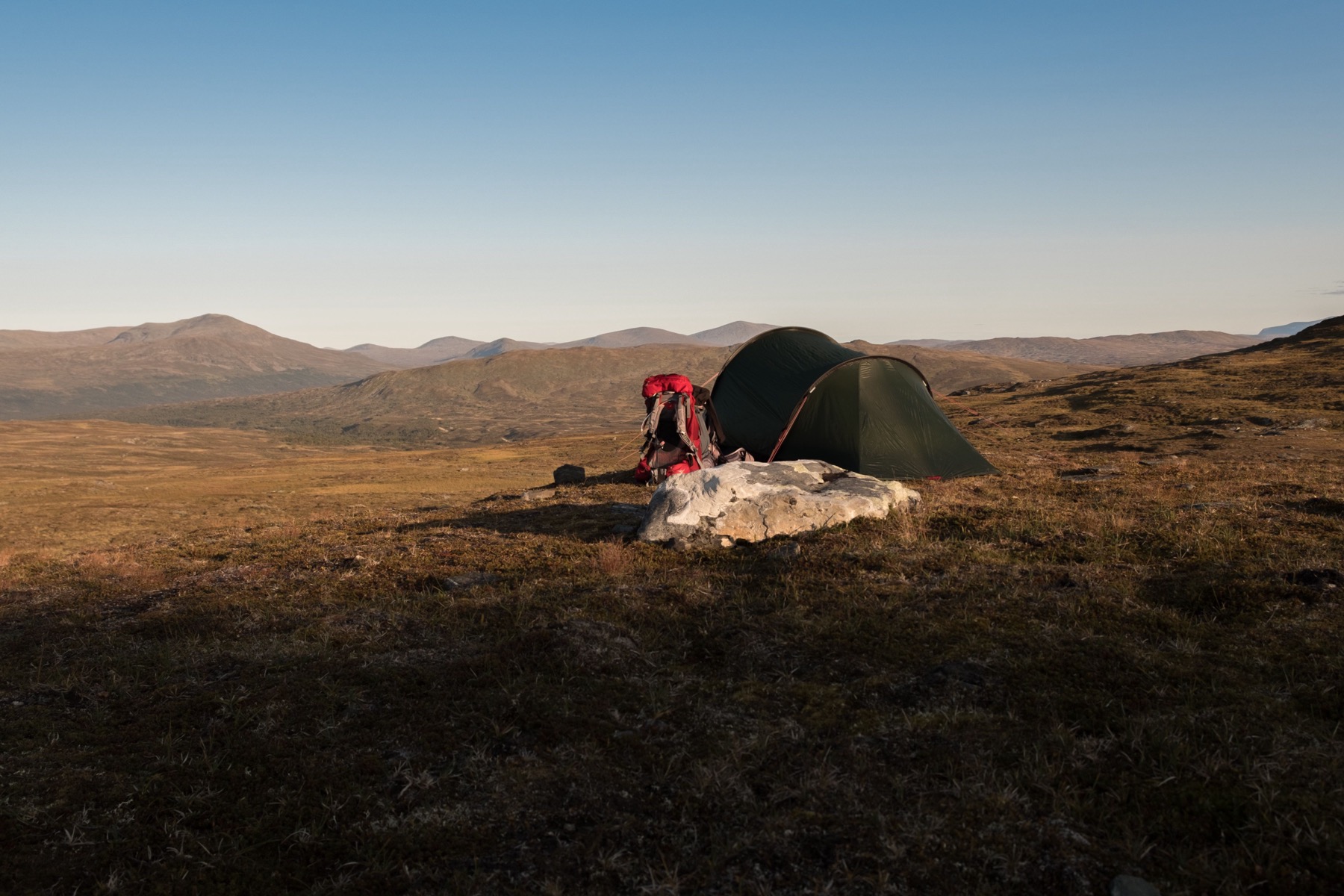
If you don’t want to pay for huts and long for complete freedom, you can hike the entire route with your own tent. Sweden is proud of its unique law known as allemansrätten, or the right of public access, which allows you to pitch a tent for one or two nights almost anywhere in nature. The only conditions are that you stay roughly 150 metres from the nearest dwelling, remain out of sight of its windows and treat nature with the utmost respect.
Allemansrätten applies in full across most of Kungsleden, so you can choose the most beautiful spot by a lake and camp completely free of charge. The only exception is Abisko National Park itself at the start of the route, where camping is allowed only in designated areas near the Abiskojaure hut in order to protect the sensitive local flora. Once you leave the park and reach the tundra, the northern wilderness is yours to explore.
If you sleep in a tent but would still like to use the comforts of a hut, STF has you covered. You can pitch your tent near a hut and pay what’s known as a service fee. For STF members, this is 200 SEK (around €20) per day. In return, you get access to a fully equipped kitchen, can use the drying room for wet clothes and use a maintained toilet.
💡 Tip: When looking for the perfect tent spot, try to choose a slightly elevated place where there’s at least a little wind. A breeze is your best natural protection against swarms of annoying insects, which tend to gather in sheltered valleys.
5. When Should You Go? Why September Is Better Than Summer
When should you go? This is actually the most important thing to think through before you leave home, because it can either save your trek or seriously spoil it. The main season runs from late June to mid-September, but the individual summer months differ dramatically. July offers the phenomenon of the midnight sun and daytime temperatures of around 13 to 18°C, but it also brings massive attacks from mosquitoes and tiny biting midges, known as knott, which can eat you alive near the water.
August is the month when the greatest number of people head onto the route. The huge Fjällräven Classic mass event takes place here, sending more than 1,500 trekkers onto the trail within a few days. The huts are bursting at the seams, tent sites are full and you simply walk in a procession along the trail. If you’re looking for peace and empty landscapes, it’s best to avoid August or check the exact dates of the event very carefully.
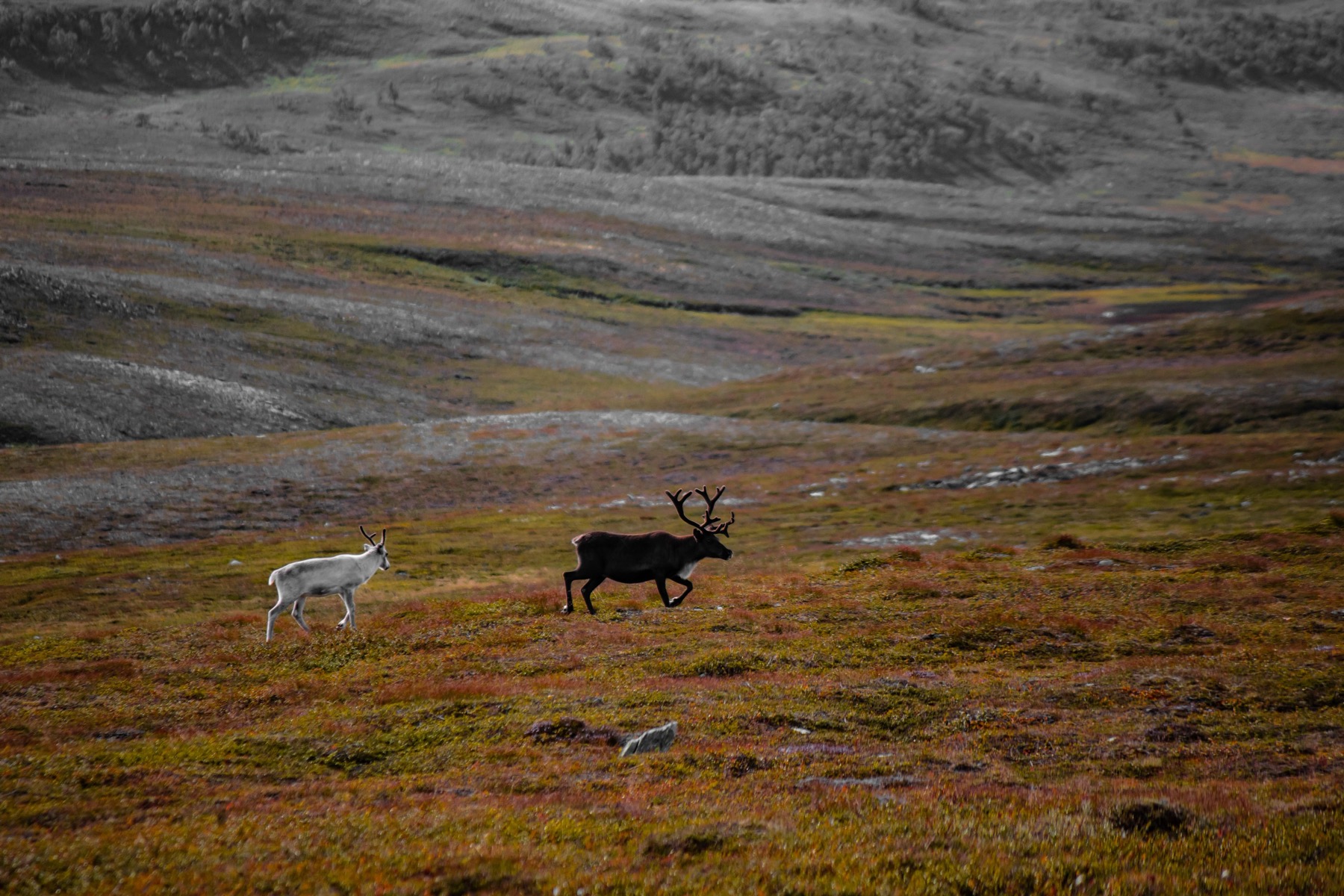
Experienced travellers therefore head north in the second half of September. This is the magical period known as ruska, when the birches and bilberry bushes turn vivid yellow and red. Night frosts also reliably kill off the insects, so you can safely leave your mosquito net deep in your pack. The nights begin to draw in, giving you an excellent chance of seeing the breathtaking Northern Lights directly above your tent.
💡 Tip: Planning a September trip has one catch. You need to hit the window before the end of the month exactly, because STF mountain huts usually close for the winter season around 20–25 September. Always check the opening hours for the relevant year in advance.
6. What to Pack and How to Plan Your Food Supplies
You need to be prepared for anything on an Arctic trek, because civilisation is a long way away. Many people worry that they’ll have to carry huge food supplies for the whole week, but Kungsleden is remarkably kind to hikers. Most STF mountain huts on the route—notably Abiskojaure, Alesjaure and Sälka—run well-stocked little shops where you can easily buy all the basic ingredients you need.
The selection is surprisingly broad and practical. You’ll find classic breakfast oats, pasta, rice, various kinds of nuts, biscuits and a wide range of dried vegetarian meals that only need hot water. Half a kilo of pasta or oats costs around 40 to 60 SEK (about €4–5). Locals often praise traditional dried reindeer meat known as suovas, but believe me, you can easily put together a filling, nutritious plant-based menu in the shops that will give you plenty of energy.
Prices in the huts are naturally somewhat higher than in a supermarket in town, because all supplies are brought in by snowmobile in winter or helicopter in summer. The payment system is modern, though, and most huts now accept standard payment cards, even if the terminals depend on unpredictable satellite connections.
💡 Tip: Bring heavier and more expensive items such as quality protein bars, your favourite nuts, chocolate or special spices from home. At the huts, buy only bulky and heavy basics—mainly pasta and oats—to spare your back as much as possible.
7. River Crossings and Boat Transfers Along the Route
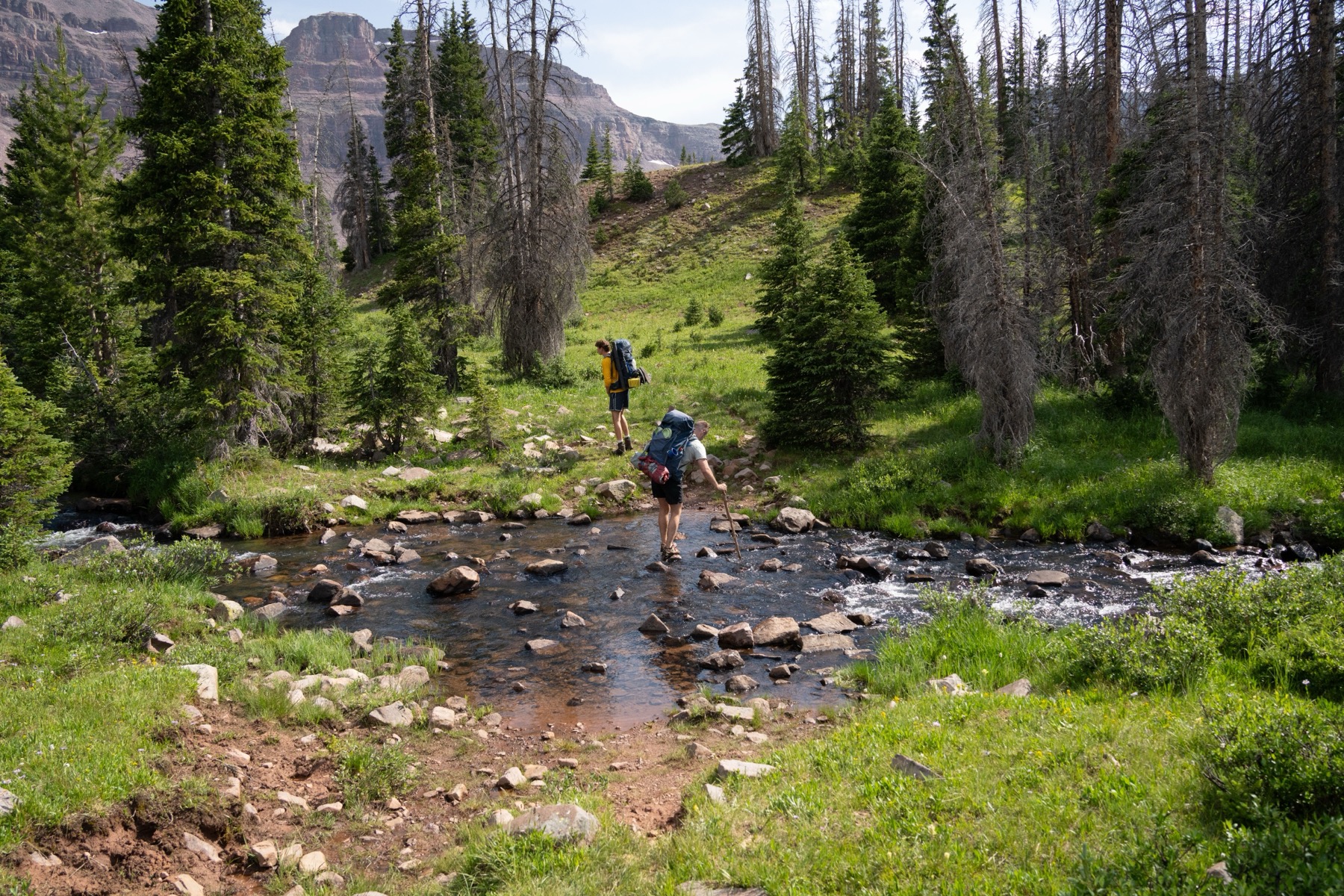
Kungsleden is a very well-maintained and managed route, but it is still untamed northern wilderness. Several points along the way require you to cross waterways, and reliable bridges simply aren’t everywhere. You can hop across most smaller streams on stones, but after heavy rain they may swell, leaving you with no choice but to take off your hiking boots. Pack lightweight sandals or Crocs so you don’t have to wade barefoot through icy water over sharp rocks.
A fascinating and highly photogenic feature of the route is the lakes that cut across the trail at several points. Local residents operate regular boat transfers here. You often have two options. You can pay for a fast and convenient motorboat transfer or use the rowing boats provided free of charge. However, there is a strict rule for the rowing boats: at least one boat must always remain on each shore. Sometimes this means rowing across, taking the second boat in tow and rowing back so the system remains available for the next trekkers.
💡 Tip: Payment terminals often lose satellite connection in the mountains. Make sure you carry around 700 SEK in cash (roughly €60). You’ll definitely need it for private motorboat transfers, which cost around 200 to 300 SEK per trip and do not accept cards at all.
8. Climbing Kebnekaise and the Unpredictable Glacier
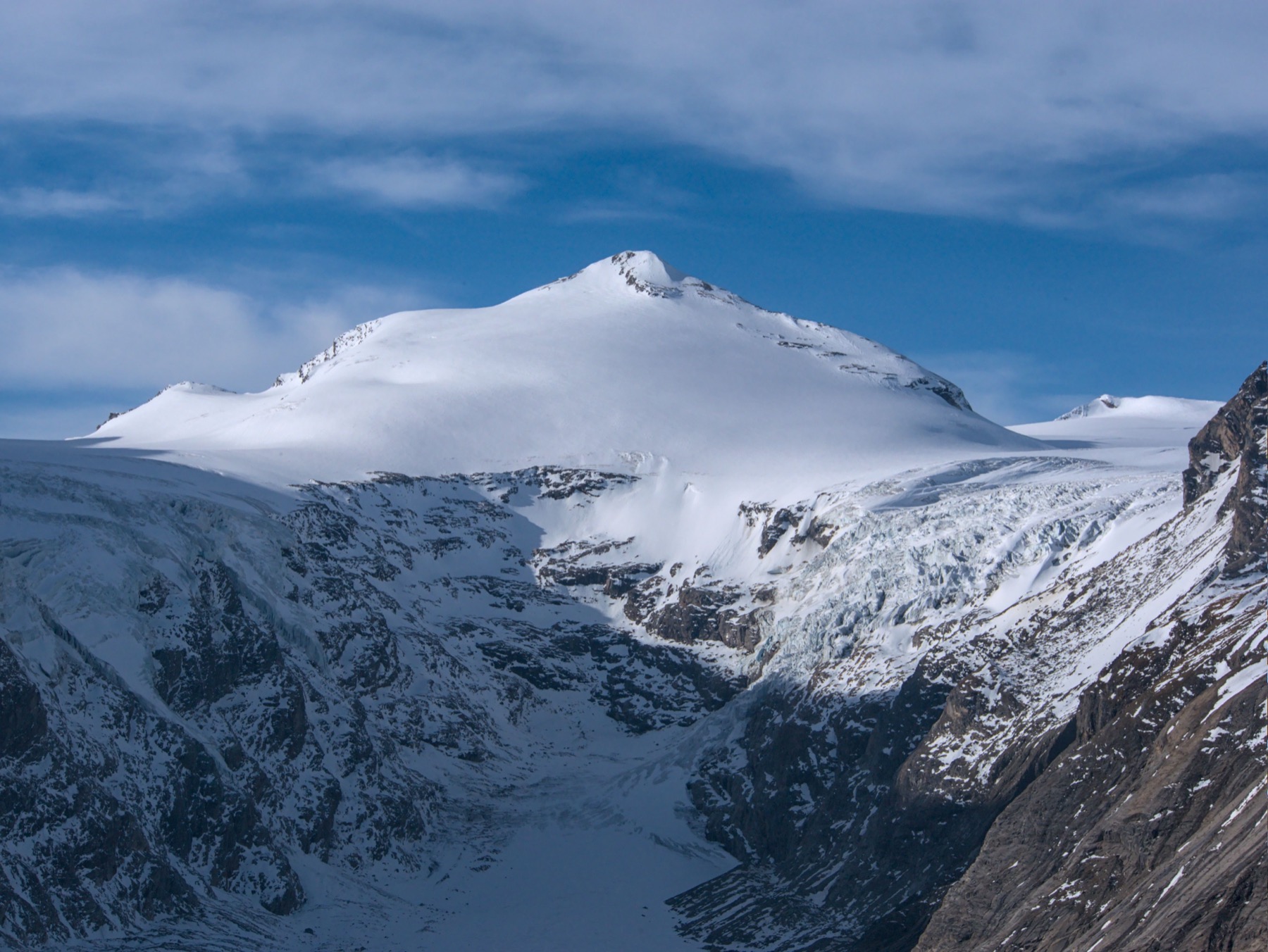
Roughly halfway along the route, after a wonderful walk around Singi hut, the trail turns east towards the huge Kebnekaise Fjällstation. Most more ambitious trekkers stop here for a day or two to attempt Kebnekaise, Sweden’s highest mountain, rising to just under 2,100 metres. It is an impressive rocky massif that watches over you for much of the route, and when you finally reach its foot, you’ll understand exactly why so many hikers refuse to miss it.
You should bear in mind, however, that the climb is not for everyone and requires perfect weather. The western route, known as Västra leden, is manageable without specialist mountaineering equipment, but it is extremely long, packed with seemingly endless fields of sharp rocks and physically exhausting. The round trip takes roughly ten to fourteen hours of walking.
It’s also worth mentioning the interesting geographical fact that Kebnekaise has two summits. The southern summit, formed by a massive glacier, was the highest for many years, but due to global warming it has gradually melted and shrunk in recent years. The rocky northern summit has now permanently overtaken it in elevation. Here, you can see dramatic changes in nature unfolding before your eyes.
💡 Tip: If you’re unsure whether you’re up to the long western route, or you want to try the shorter but more technically demanding eastern route across the glacier, hire a local mountain guide directly at Kebnekaise station. They’ll provide crampons, a harness and maximum safety.
9. Where to Stay Before and After the Trek
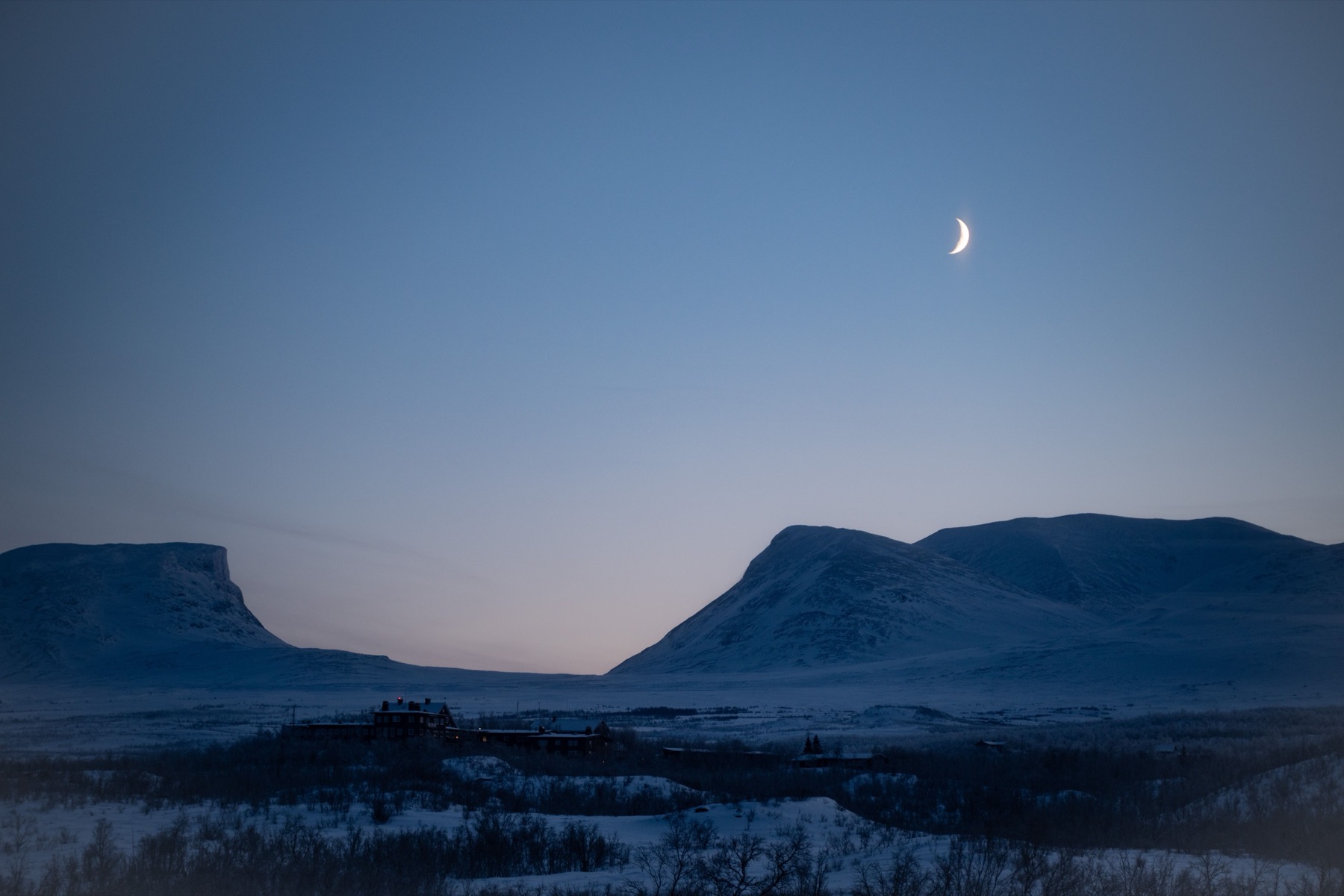
Accommodation logistics at either end of the trek are fairly simple and very well organised, but it pays to reserve well in advance. At the northern end in Abisko, the obvious choice is STF Abisko Turiststation, a huge and fully equipped complex offering everything from tent pitches to more luxurious hotel rooms. There’s a shop selling high-quality equipment, a rental service and, most importantly, a large sauna where you can relax before the demanding journey. Prices for a bed in a shared room start at around 600 SEK (roughly €50).
Kebnekaise Fjällstation is essentially a small, lively town in the middle of the mountains. It stands 19 kilometres before the very end of the trek, but you should definitely stop there. It has a fantastic restaurant with a huge buffet full of excellent vegetarian food, hot showers and comfortable beds. It’s the perfect place to celebrate completing the trek before setting off on the final flat section back to civilisation.
In the nearby town of Kiruna, from where you’ll probably fly home, you’ll find a much wider choice of conventional hotels with all the comforts you may have missed in the wilderness.
💡 Tip: If you’re travelling to Kiruna after the trek and waiting for your flight home, I recommend staying at Camp Ripan or Scandic Kiruna. They offer excellent facilities, luxurious saunas and the kind of comfort you’ll truly appreciate after days in the wilderness. Prices start at around 1,500 to 2,500 SEK for a double room.

10. Logistics: How to Reach the Start and Leave the Finish
Getting to northern Sweden is surprisingly comfortable and reliable, and you have several interesting options. The fastest option is, of course, to fly to Stockholm and continue on a domestic flight directly to Kiruna. From the small airport, you can easily take a regular bus or train directly to the start of the trek in Abisko. SAS operates most of the flights, and off-season promotions can offer very reasonable fares. When looking for the best connections, check flights through Kiwi.com, where you can find some excellent combinations.
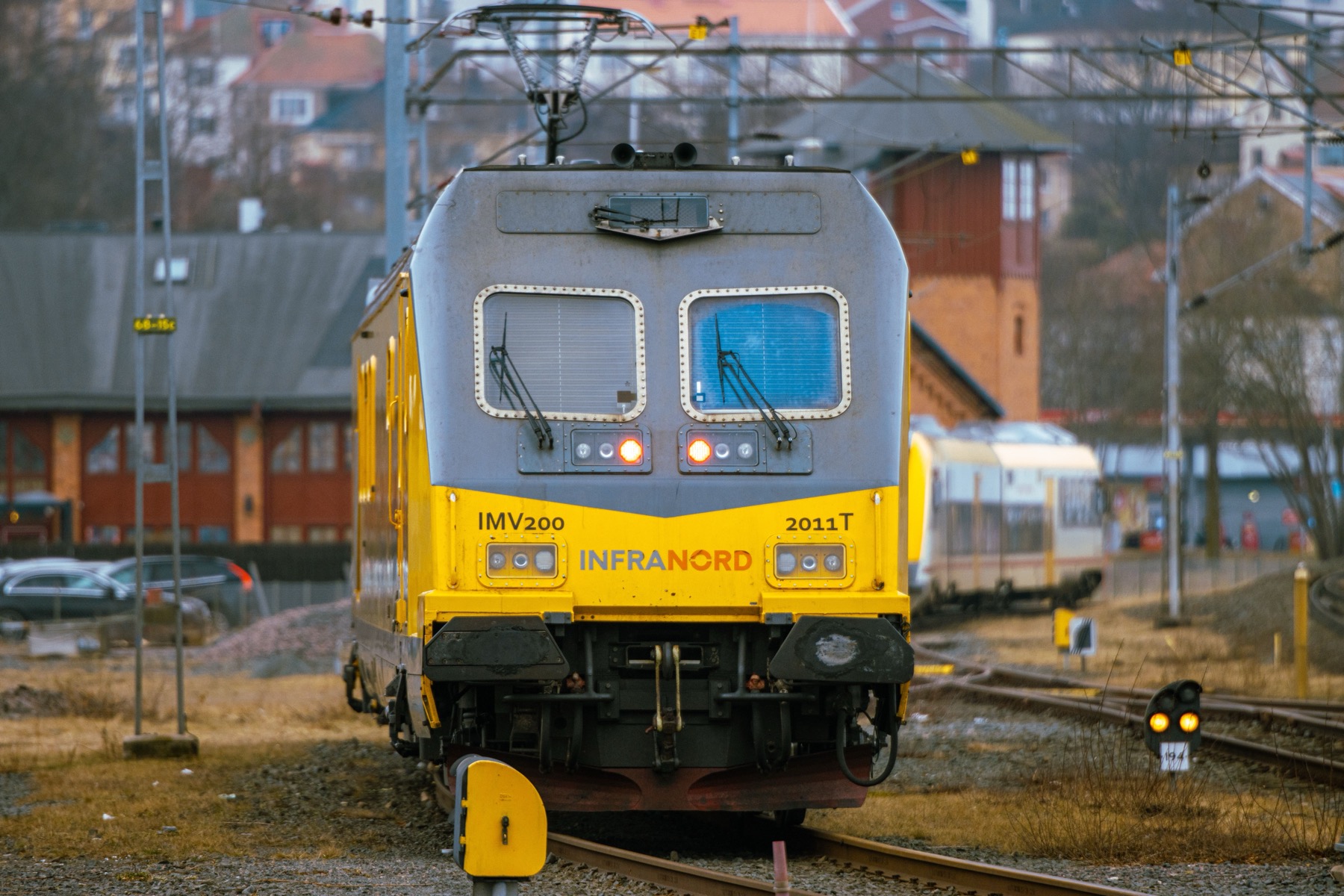
A much more romantic and environmentally friendly option is the overnight train operated by SJ, which departs from Stockholm. The journey takes an impressive seventeen hours, but Swedish trains are incredibly comfortable and spacious. You can buy a standard seat from 475 SEK (around €40) or pay extra for a berth in a shared compartment from 835 SEK (around €70). In the evening, you board in central Stockholm, have dinner in the dining car and wake up refreshed right at the starting point of Kungsleden.
The return journey from Nikkaluokta is completely stress-free compared with getting there. A regular bus service leaves several times a day, taking you back to Kiruna in around an hour and a half, either to the railway station or the airport.
💡 Tip: Buy SJ overnight train tickets as soon as sales open online for your dates (usually around three months in advance). The cheapest sleeper options for the summer season disappear incredibly quickly, and at the last minute you may pay three times as much.

11. Safety on the Trail and Mobile Signal
The Swedish wilderness is undeniably beautiful and peaceful, but it doesn’t forgive unnecessary mistakes or a lack of preparation. The greatest risk on Kungsleden isn’t wildlife or thieves, but extremely rapid changes in Arctic weather. A gorgeous sunny day can turn into an icy snowstorm within a few dozen minutes, even in the middle of August. Always keep warm layers and a good waterproof jacket close at hand, even if the morning looks like the most beautiful summer day.
You also need to prepare mentally and practically for the fact that there is absolutely no mobile signal across most of the route. Once you leave the comfort of Abisko, your smartphone will serve mainly as an expensive camera and perhaps an offline map. You’ll usually get a proper signal only around Kebnekaise. Fortunately, all STF mountain huts are equipped with an emergency satellite phone for calling rescuers, and the number 112 works in Sweden just as it does across Europe.
💡 Tip: If you’re hiking outside the main holiday season or planning detours away from the main marked route, consider renting a satellite communicator such as the popular Garmin inReach. You can use it to message your family that you arrived safely in the evening or call for a helicopter rescue in case of injury.
12. Alternatives for Less Experienced Travellers
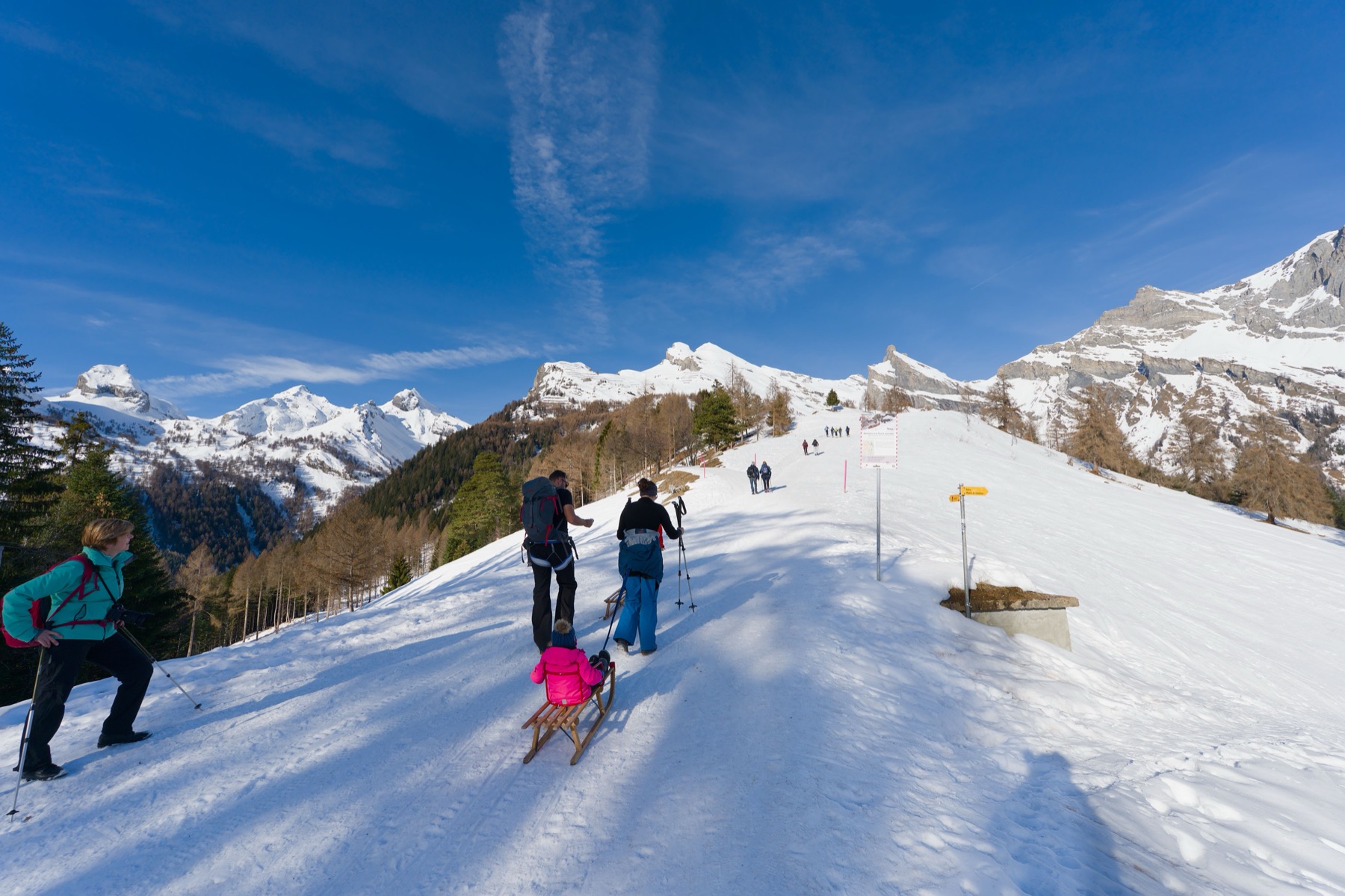
If you’re drawn to Arctic nature but don’t feel ready for a five-day trek with a heavy backpack across mountain passes, Sweden has an elegant solution for you too. Abisko National Park is criss-crossed by a network of beautiful day hikes that you can tackle with a light pack before returning in the evening to the comfort and warmth of your room at Abisko Turiststation.
I recommend starting with an easy walk along the dramatic canyon of the wild Abiskojåkka River, just a few hundred metres from the main station. A ride by cable car up Mount Nuolja is another absolutely stunning experience, offering fantastic, breathtaking views over vast Lake Torneträsk and the famous natural formation Lapporten, known as the Lapland Gate. You can take the cable car up and walk down, making it an ideal and easy half-day trip.
The previously mentioned Kebnekaise Fjällstation is another excellent base for beginners. From Nikkaluokta, you can walk there across flat terrain in one day (19 kilometres), then set off on wonderful day hikes from the station. The route into Tarfala Valley, with its turquoise glacial lakes, is particularly beautiful. You can enjoy the true mountain experience without having to carry a tent.
💡 Tip: Even on day hikes from Abisko, always pack a waterproof jacket, warm hat and enough water in your small backpack. The weather changes incredibly quickly here, and mountain wind can bring the perceived temperature down to freezing in no time.
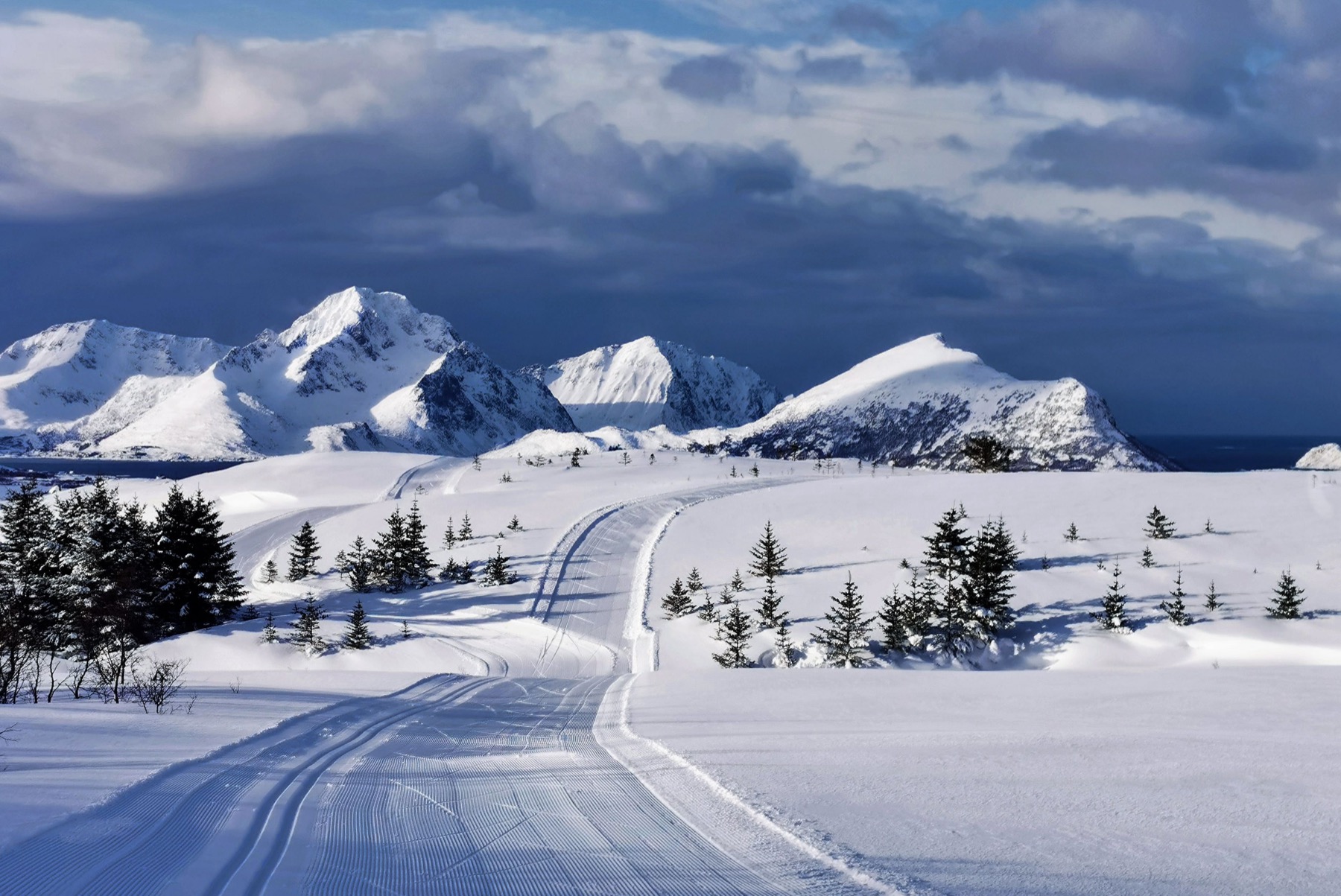
13. Winter Kungsleden for Cross-Country Skiers and Ski Tourers
Kungsleden doesn’t go to sleep with the first snowfall. On the contrary, from late February to late April, this enormous area transforms into an absolute paradise for winter outdoor sports enthusiasts. During these months, the route becomes a fantastic highway for cross-country skiers, ski tourers and people travelling on wide snowshoes. The days are already beautifully long in spring, the sun has surprising strength and the snow is often frozen into an ideal firm crust that makes for excellent gliding.
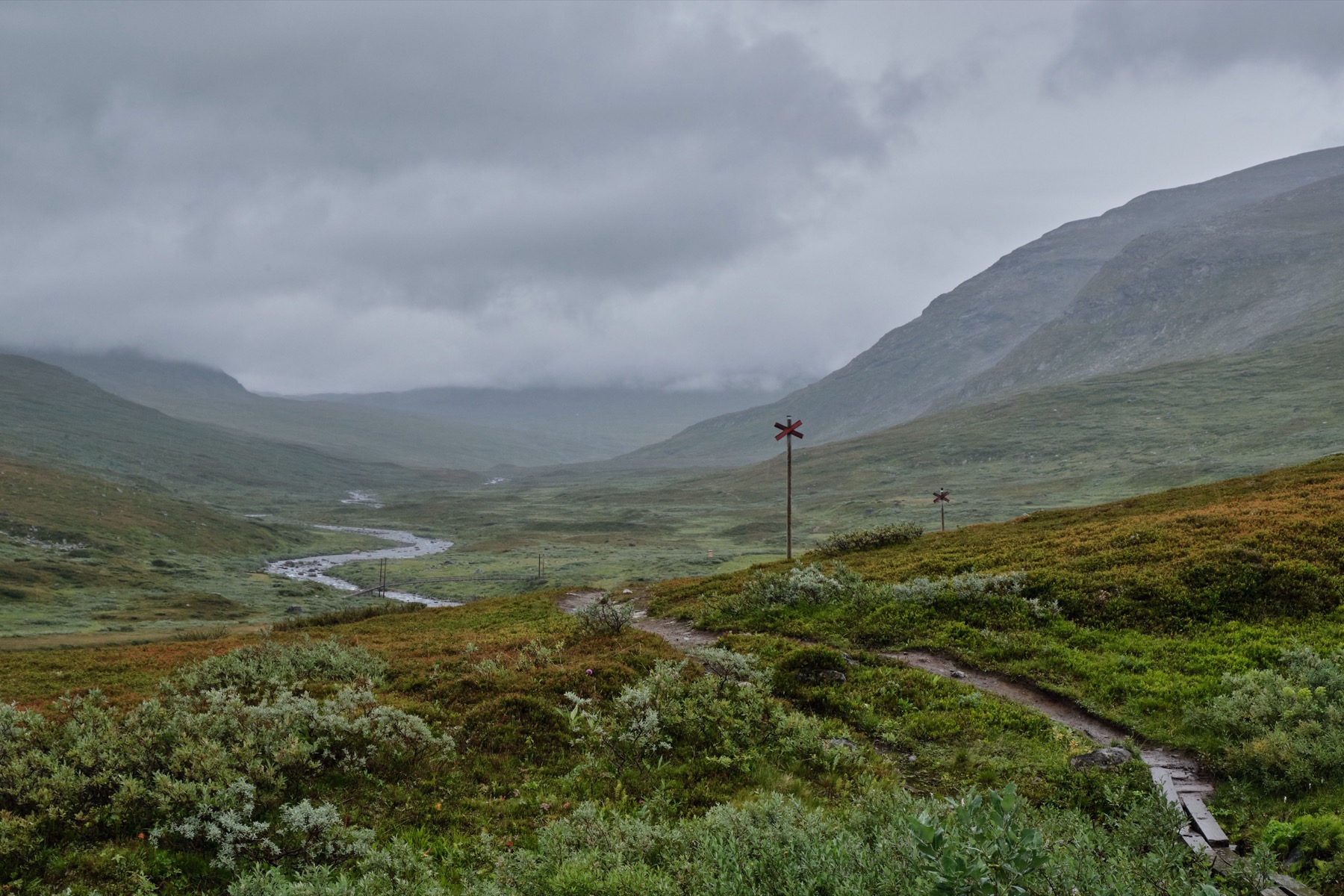
STF mountain huts along the main route remain reliably open in winter. Accommodation prices are slightly higher in winter, around 520 SEK for members paying in advance, but the incredible feeling of coming in from a full day of cross-country skiing in bitter cold and settling beside a warm stove is priceless. In winter, the route is marked with distinctive red crosses planted high in the snow, so you won’t get lost even in unpleasant whiteout conditions when the sky and ground blend together.
When planning a winter adventure, however, you must not underestimate the equipment required. Night-time temperatures can regularly drop well below minus 20°C, so a high-quality down sleeping bag and layers made from 100% merino wool are absolutely essential.
💡 Tip: Many people extend this winter route with a visit to the famous Icehotel in Jukkasjärvi, near Kiruna. I mentioned it in our guide to Swedish Lapland, and it makes the perfect final stop on a frosty adventure.
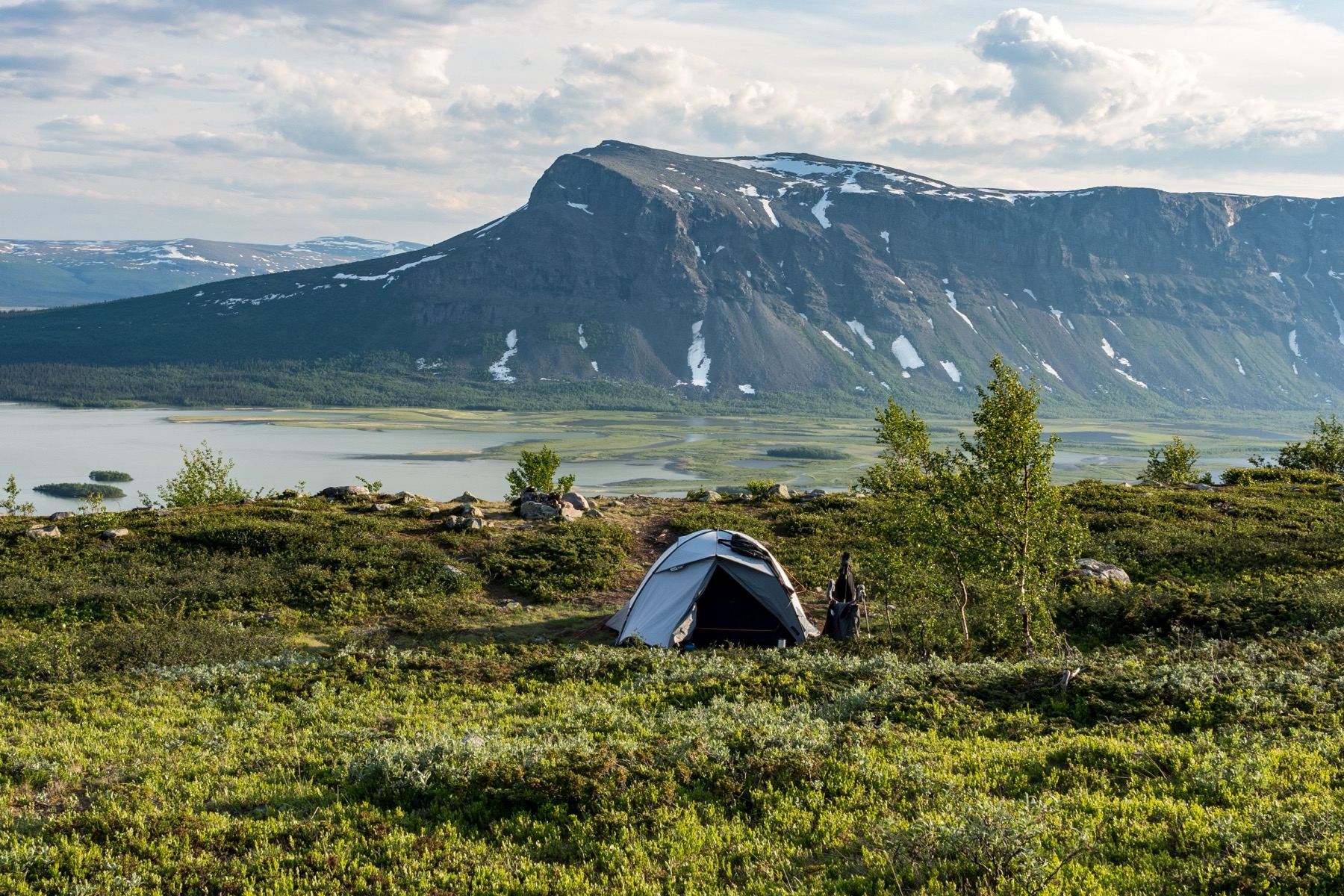
14. Sarek, Höga Kusten and Other Alternatives
Sweden is, of course, about much more than Kungsleden and the northern regions. If you’ve already completed plenty of treks and are looking for an absolute challenge, your next destination should be the iconic Sarek National Park. It is rightly nicknamed Europe’s last great wilderness. There are no marked trails here, no mountain huts for support and no safe bridges across the wild rivers. You wade across glacial streams with water up to your waist, navigate using only a paper map and compass, and may not meet another person for a week. Sarek is intended only for genuine experts.
By contrast, the Höga Kusten area, or High Coast, in the south is a very accessible, family-friendly and incredibly beautiful alternative. This unique UNESCO-protected region lies roughly halfway between Stockholm and Umeå, directly on the main E4 motorway. The superbly marked Höga Kustenleden trail takes you through deep bays, dense forests and dramatic red-granite cliffs. It’s an ideal choice if you’re travelling by car from abroad and don’t want to spend several more days getting all the way to the Arctic Circle.
💡 Tip: If you only have a long weekend in Sweden, are flying to Stockholm and want to experience nature, head for Sörmlandsleden. This network of hundreds of kilometres of trails starts right on the edge of the capital, takes you through typical northern forests filled with blueberries and lakes, and is perfect for your first taste of Swedish camping.
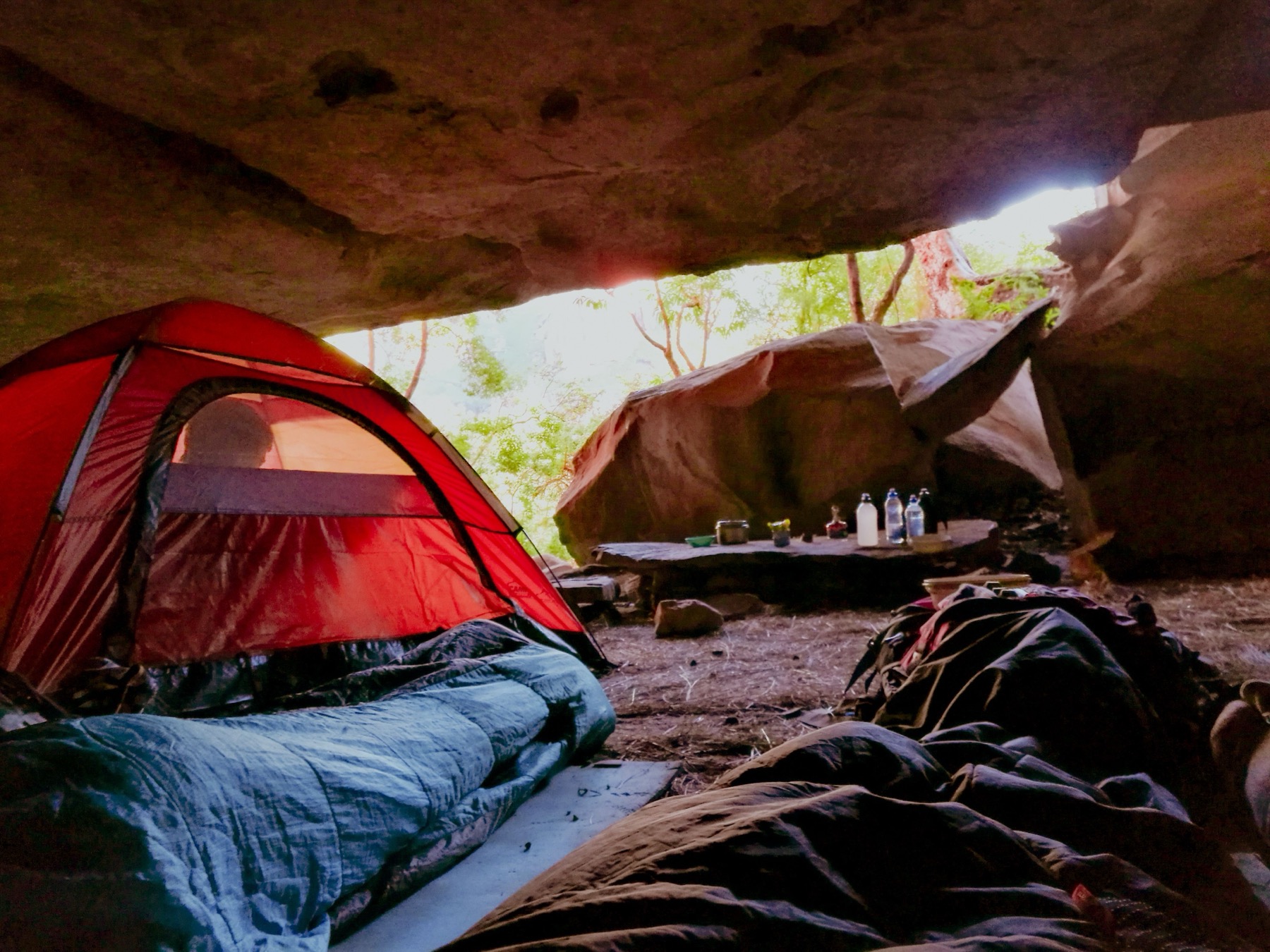
What to Pack for a Northern Trek
Packing for the Kungsleden requires a little more thought than a weekend getaway. Weather above the Arctic Circle is unpredictable, and even in the middle of summer, you may be surprised by a snow shower. Let’s take a look at what you really shouldn’t be without in your backpack so you can complete this Sweden hiking adventure in comfort and warmth.
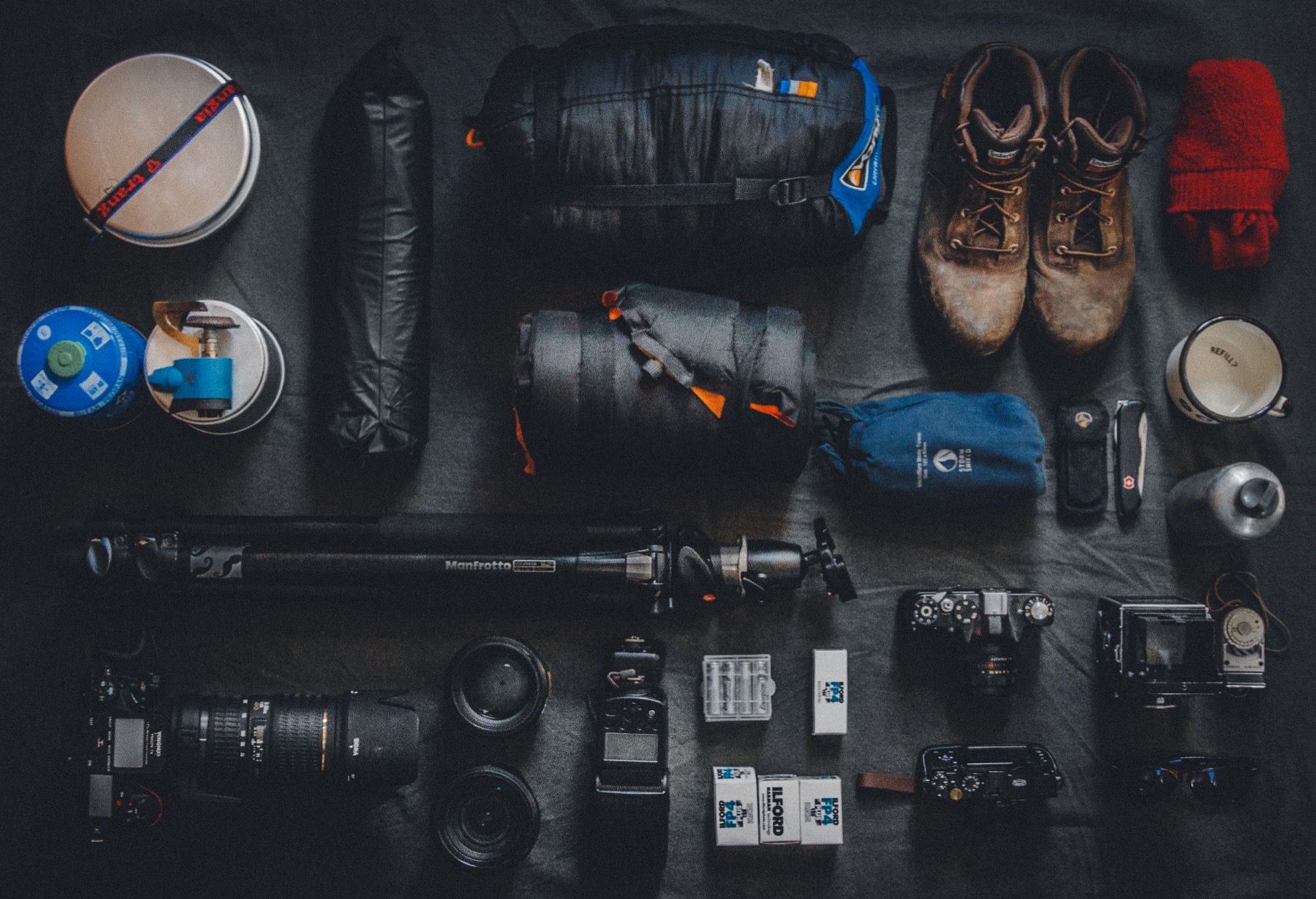
The obvious starting point is a well-fitting backpack with a capacity of around 50 to 65 litres, large enough for everything you need. A good sleeping bag is absolutely essential because nighttime temperatures on the tundra can drop to around freezing or even below—and that can happen even in July. If you plan to sleep in a tent, you’ll need a sleeping bag with a comfort rating of at least around 0 to −5°C, as well as a proper insulated sleeping mat. A thinner summer sleeping bag is enough if you’re staying in huts, but it’s always better to be safe than sorry.
Your feet will be working hard, so sturdy, waterproof, and, above all, well-broken-in hiking boots are essential. The terrain is full of sharp rocks, and you’ll often be wading through boggy sections. Pack two or three pairs of good merino wool socks, and don’t forget lightweight sandals or Crocs for changing into in the evening and for crossing smaller streams. Dress in layers. Leave cotton at home—it absorbs sweat and makes you cold. You’ll need merino tops, a warm fleece or down layer, and, most importantly, a completely reliable waterproof jacket and trousers.
If you’re heading out in summer, a head net and a strong DEET-based repellent will save your sanity when faced with enormous swarms of knott. Buy your repellent in Sweden, though, as products from elsewhere may not always be strong enough for the insects in the far north.
If you plan to cook outdoors, bring a lightweight gas stove. Just remember that you can’t take a gas canister on a plane, but you can easily buy one at the start of the trail in the shop at Abisko Turiststation. For the days between huts, choose lightweight, nutritious dried vegetarian meals, oatmeal, and nuts.
Finally, don’t forget navigation and power. The route is marked, but a paper map—those by Calazo are excellent—and offline navigation on your phone, such as Mapy.cz, will give you peace of mind. You won’t be able to charge your phone in the huts because they have no electricity, so pack a power bank with enough capacity to make sure you can take photos of those spectacular views.
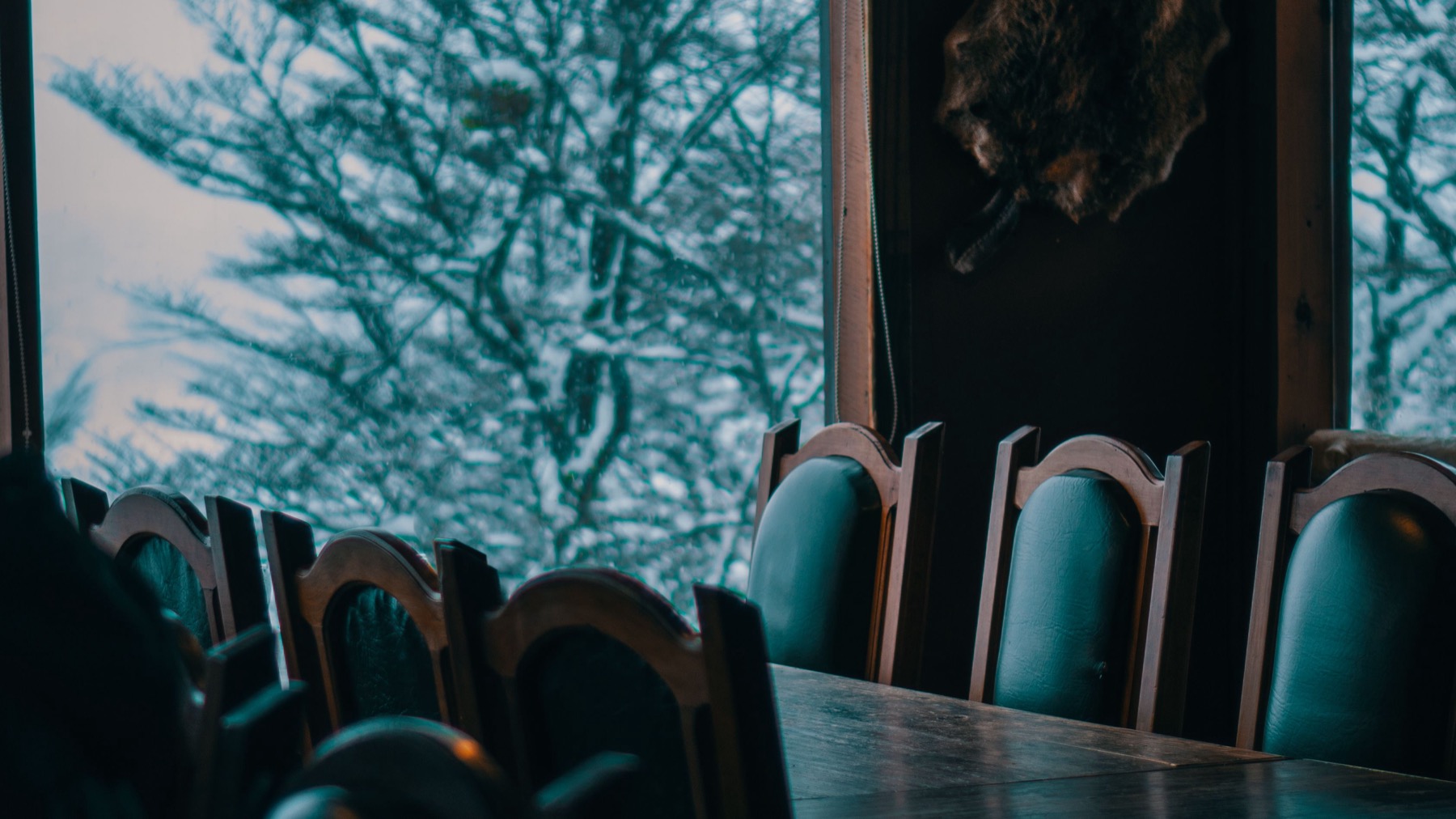
Where to Stay
💡 Accommodation and experiences tip: We prefer to look for accommodation on Booking.com, where you’ll often find the best cancellation policies. It’s also worth comparing and booking tickets, excursions, and activities through GetYourGuide.
Before and after the trek, you’ll probably need somewhere in civilization to rest your head. In the wilderness, you’ll sleep in huts or a tent, but at both ends of the route, you can treat yourself to a little classic Scandinavian comfort.
If you’re flying home from Kiruna and have time to wait for your flight, take a look at the accommodation options on Booking.com. I can highly recommend Camp Ripan, which offers excellent facilities and luxurious saunas. Another great option is the more classic Scandic Kiruna, where you can enjoy an incredibly comfortable bed and a huge breakfast after days spent outdoors.
Where to Eat
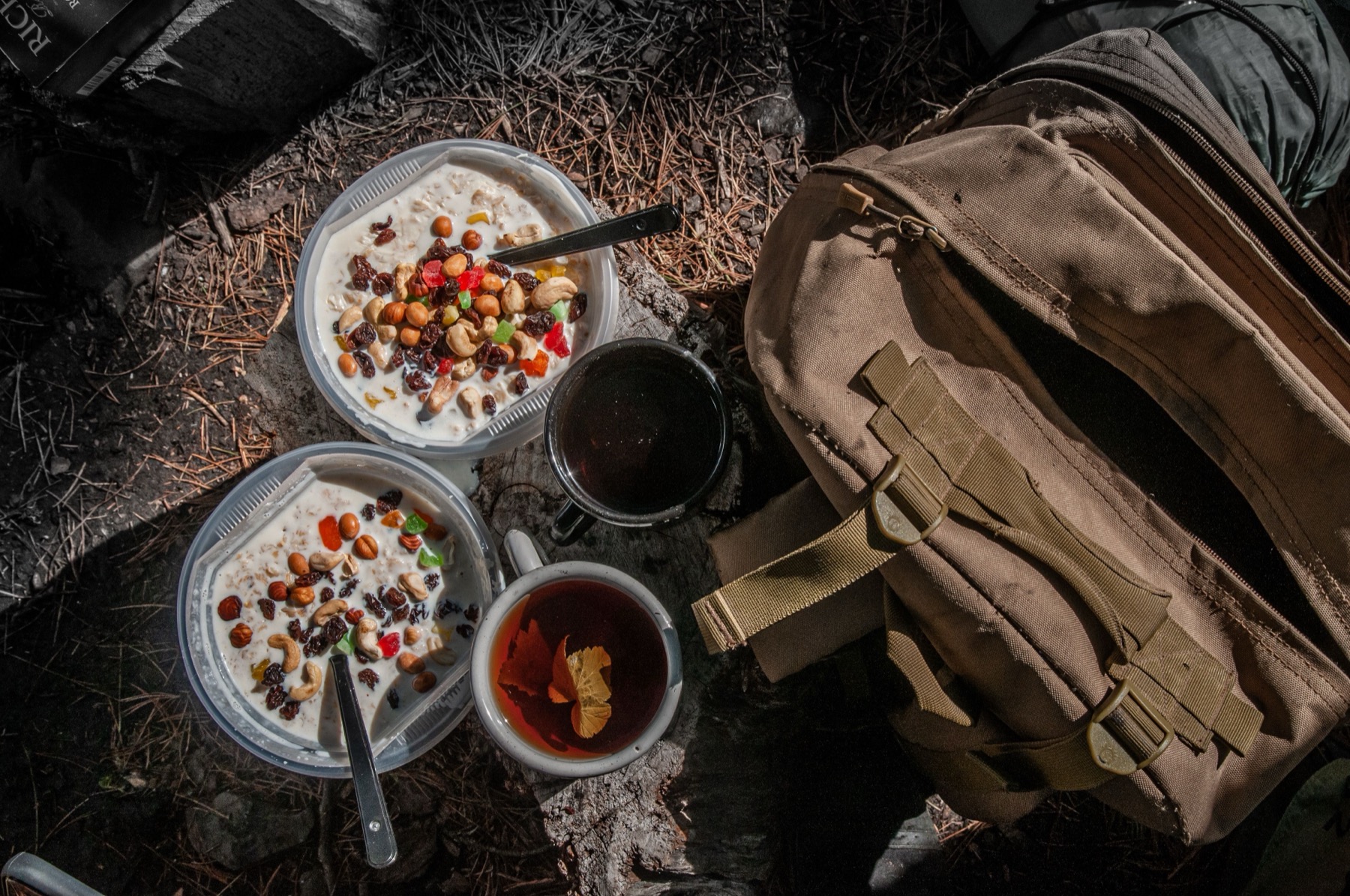
On the trail itself, you’ll either cook from your own supplies or buy ingredients at the huts. At the start and finish, though, you’ll find fantastic culinary rewards that you really shouldn’t miss.
Right at the start, Abisko Turiststation is home to the excellent Kungsleden restaurant. An even bigger treat awaits you at the end. The restaurant at Kebnekaise Fjällstation is famous far and wide. Its huge evening buffet, packed with vegetarian treats as well as classic Swedish specialities, is simply the perfect reward for all those hard-earned kilometres in the mountains. Before your flight from Kiruna, be sure to visit one of the local cafés for a proper Swedish fika with coffee and a cinnamon bun.
How Much Does a Week on the Kungsleden Cost?
Sweden isn’t a cheap destination, and Swedish Lapland is no exception. Still, you can complete the trek on a fairly reasonable budget if you know what’s worth paying for and where you can save. The price depends mainly on whether you choose the warmth of mountain huts or the more adventurous option of sleeping in a tent. I’ve prepared two sample budgets for a one-week trip—roughly six nights on the trail—for one person, calculated using a current exchange rate of around 2.2 CZK per 1 SEK.
Option 1: Staying in STF mountain huts This is the more comfortable option, as you’ll only be carrying a light backpack. Transport from abroad will cost approximately €200–€330, depending on whether you find discounted flights to Stockholm and book your overnight train ticket to Abisko early enough. Annual STF membership costs 375 SEK (around €35), and it’s definitely worth getting. Six nights in the huts cost a total of 2,820 SEK (approximately €115) when booked online. Food bought in local shops and brought from home will cost another €125. Add 300 SEK (around €15) for boat crossings and a small contingency. Altogether, this kind of trip will cost approximately €700–€800.
Option 2: Camping with allemansrätten If you want to save money and don’t mind carrying a heavier backpack, wild camping is completely free under Sweden’s right-to-roam laws. Transport from abroad remains the same, at around €200–€330. STF membership (€35) may come in handy if you decide to pay the 200 SEK hut service fee (around €10) to dry your clothes or cook in the kitchen. Let’s say you use this service twice, which comes to around €20. Food and boat crossings remain the same as in the first option. With your own tent, the total comes to a very reasonable €410–€530.
In both cases, be sure to leave yourself a small financial buffer. After a week of instant oatmeal and dried meals, you’ll almost certainly give in and treat yourself to a huge, expensive dinner at the finish point in Kebnekaise or in Kiruna. It may cost another €35, but trust me—it will be the best meal you’ve had in a long time.
Practical Summary and Approximate Prices
Your Kungsleden budget depends primarily on whether you prefer the warmth of a mountain hut or the freedom of your own tent. Here’s an overview of approximate prices for 2026 to help you plan your trip more easily (the exchange rate is around 2.2 CZK per 1 SEK):
- Annual STF membership: 375 SEK (around €35); it pays for itself after just four nights.
- Night in an STF hut (member, online advance payment): 470 SEK (around €20).
- Night in an STF hut (member, payment on arrival): 520 SEK (around €20).
- Night in an STF hut (non-member): 100 SEK more.
- Camping service fee at a hut (member): 200 SEK (around €10).
- Wild camping in nature: Free, thanks to allemansrätten.
- SJ overnight train from Stockholm to Abisko: from 475 SEK for a seat, from 835 SEK for a berth.
- Boat crossing: 200–300 SEK (around €10–€15, paid in cash).
- Half a kilo of oats or pasta at a hut: approximately 40–60 SEK.
Where to Go Next
Sweden is huge and offers an incredible number of experiences. If you’re drawn to the north and are wondering what else to add to your itinerary, take a look at our other guides:
- Swedish Lapland: 20 Tips for Things to Do Above the Arctic Circle
- Kiruna: 18 Tips for What to See and Do
- When to Visit Sweden: Weather Month by Month
- Northern Lights in Sweden: When, Where, and How Not to Miss Them
- Sweden: 30 Tips for Things to See and Do
Frequently Asked Questions
Still have some doubts? I completely understand—planning an Arctic adventure raises plenty of questions. I’ve summarised the most common ones here so you can set off with complete peace of mind.
How long does it take to hike Kungsleden?
The entire route from Abisko to Hemavan measures 440 kilometers and takes roughly three to four weeks. However, most hikers only do the most popular northern section between Abisko and Nikkaluokta (approx. 105 km), which the average trekker can complete in 5 to 7 days of relaxed hiking with a backpack. It’s the ideal distance for getting acquainted with the Arctic nature.
When is the best time to start the trek?
The ideal window is the second half of September, when the so-called ruska takes place. Nature displays autumn colors, overnight frosts reliably eliminate mosquitoes, and you have a huge chance of seeing the northern lights. Avoid August, on the other hand, when the mass event Fjällräven Classic takes place and the trail tends to be quite overcrowded.
Do I need my own tent on Kungsleden?
You don’t need one. The northern section is lined with mountain huts of the Swedish Tourist Association (STF) at intervals of roughly 10 to 20 kilometers. You can walk the entire route “hut to hut,” which will significantly reduce the weight in your backpack. Only bring a tent if you want to save money or crave absolute freedom and sleeping wild in nature.
How much does accommodation in STF mountain huts cost?
For the 2026 season, STF members pay 470 SEK per night (approx. €40) when paying in advance online, or 520 SEK on-site. Non-members have to pay 100 SEK more. Annual membership costs 375 SEK and is definitely worth it if you plan to sleep in huts at least four nights, plus you’ll support the entire system.
Is the route well marked and suitable for beginners?
Yes, Kungsleden is perfectly marked with typical red markers and wooden boardwalks over marshes. The Abisko–Nikkaluokta section is technically undemanding and is recommended even for physically fit beginners who want to try their first multi-day trek. You just need good fitness and quality, broken-in trekking boots.
What’s the best way to get to the trek starting point?
The most convenient option is to fly to Stockholm and from there board a direct overnight train operated by SJ, which will take you overnight directly to the starting station Abisko Turiststation. Another option is a domestic flight from Stockholm to the smaller airport in Kiruna and from there a short transfer by regular bus or train.
What should I do about mosquitoes on the trail?
If you go in July or early August, prepare for massive swarms of mosquitoes and tiny midges. An absolute necessity is a mosquito head net, clothing with long pants, and a strong local repellent with high DEET content, which you should buy locally in Sweden, because repellents from abroad often don’t work on them at all.
Tips and Tricks for Your Vacation
Don’t Overpay for Flights
Search for flights on Kayak. It’s our favorite search engine because it scans the websites of all airlines and always finds the cheapest connection.
Book Your Accommodation Smartly
The best experiences we’ve had when looking for accommodation (from Alaska to Morocco) are with Booking.com, where hotels, apartments, and entire houses are usually the cheapest and most widely available.
Don’t Forget Travel Insurance
Good travel insurance will protect you against illness, accidents, theft, or flight cancellations. We’ve had a few hospital visits abroad, so we know how important it is to have proper insurance arranged.
Where we insure ourselves: SafetyWing (simple monthly subscription) and TrueTraveller (for extra-long trips).
Find the Best Experiences
Get Your Guide is a huge online marketplace where you can book guided walks, trips, skip-the-line tickets, tours, and much more. We always find some extra fun there!