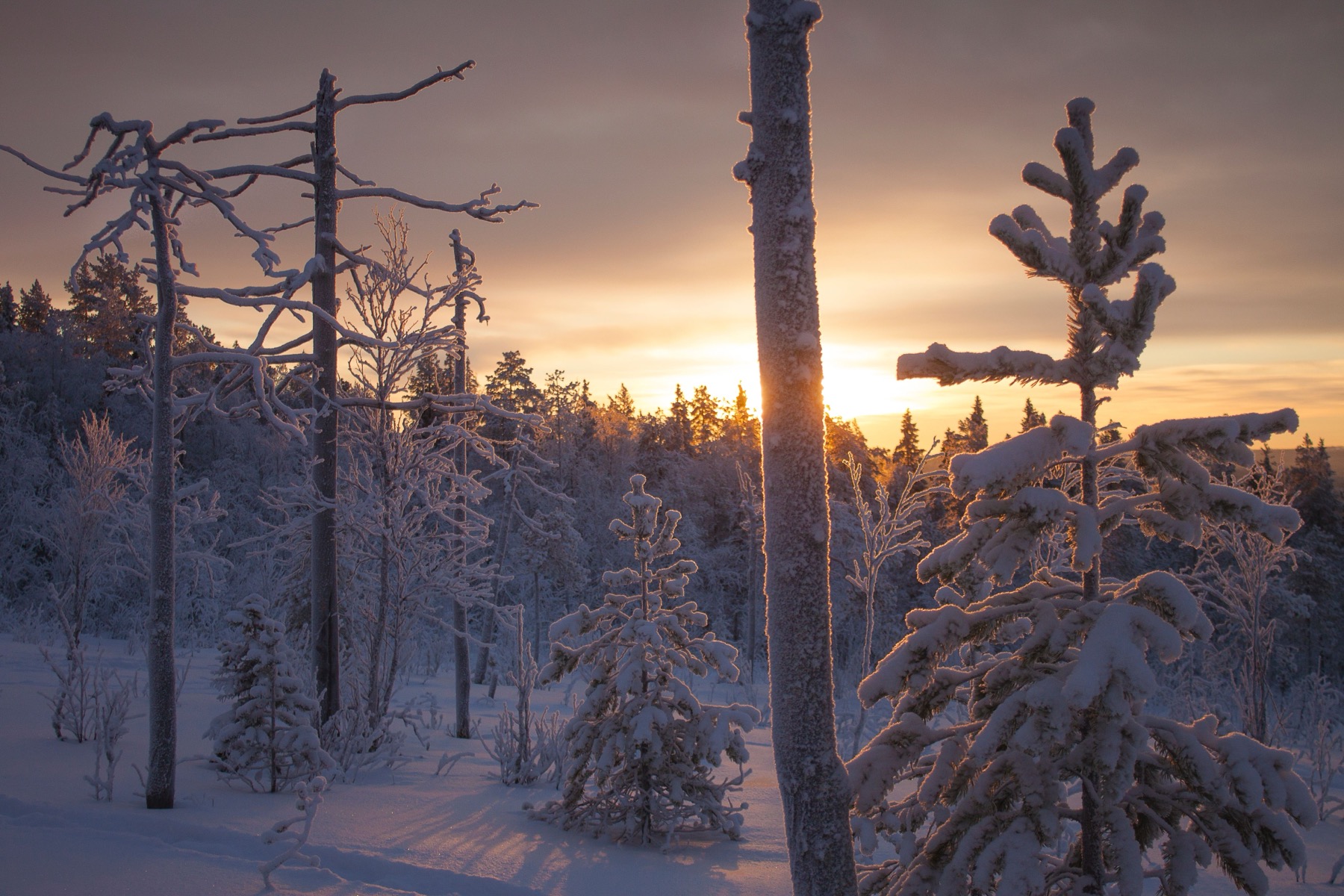
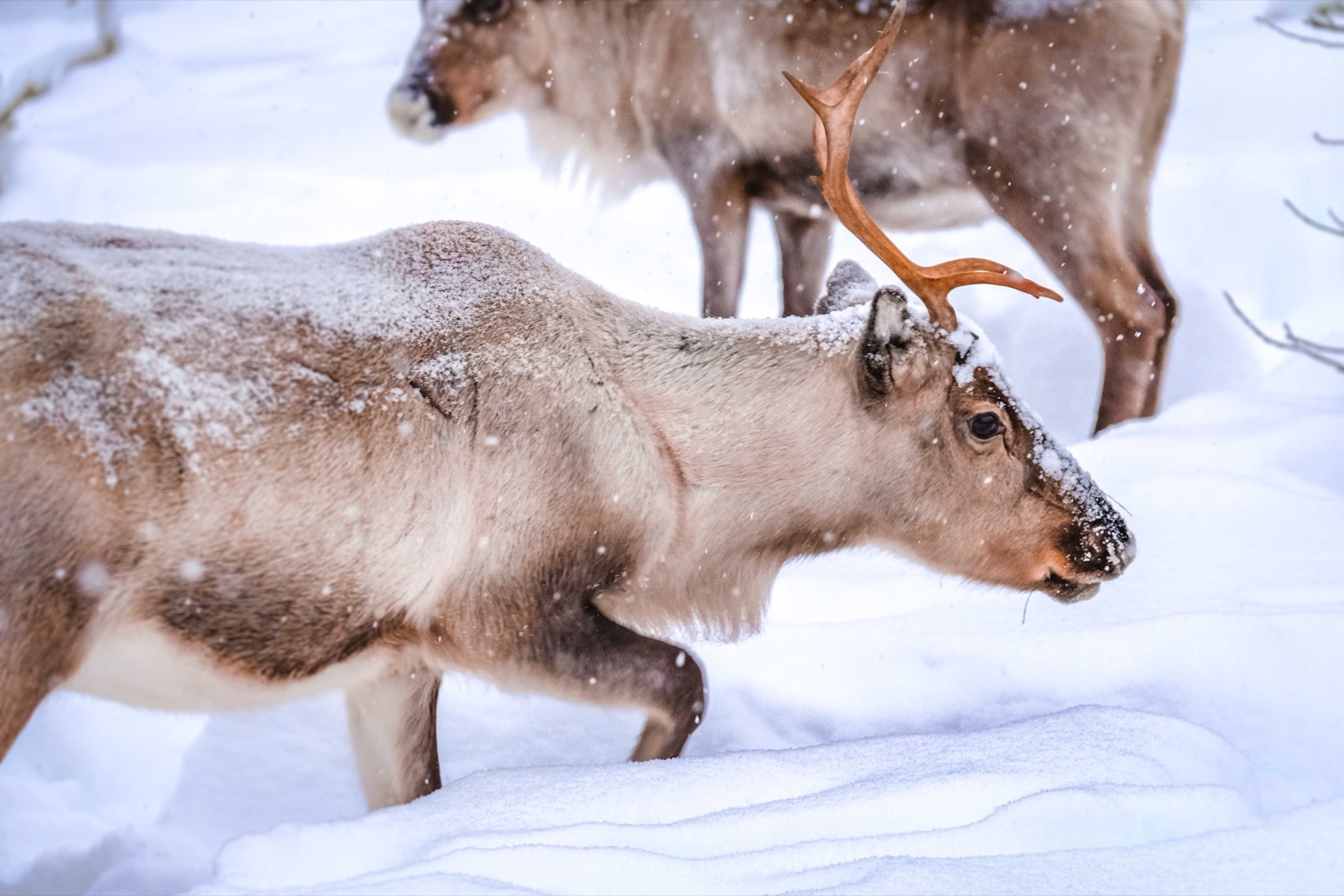
Swedish Lapland covers a full quarter of Sweden’s land area, yet only two per cent of the country’s population lives here. In practice, that means that in this vast northern wilderness, you’re far more likely to encounter reindeer than people. If you’re looking for Santa’s village and commercial Christmas sparkle, you’ll need to head to neighbouring Finland, because here, pure, raw and incredibly quiet Arctic wilderness is in charge.
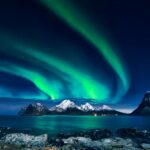
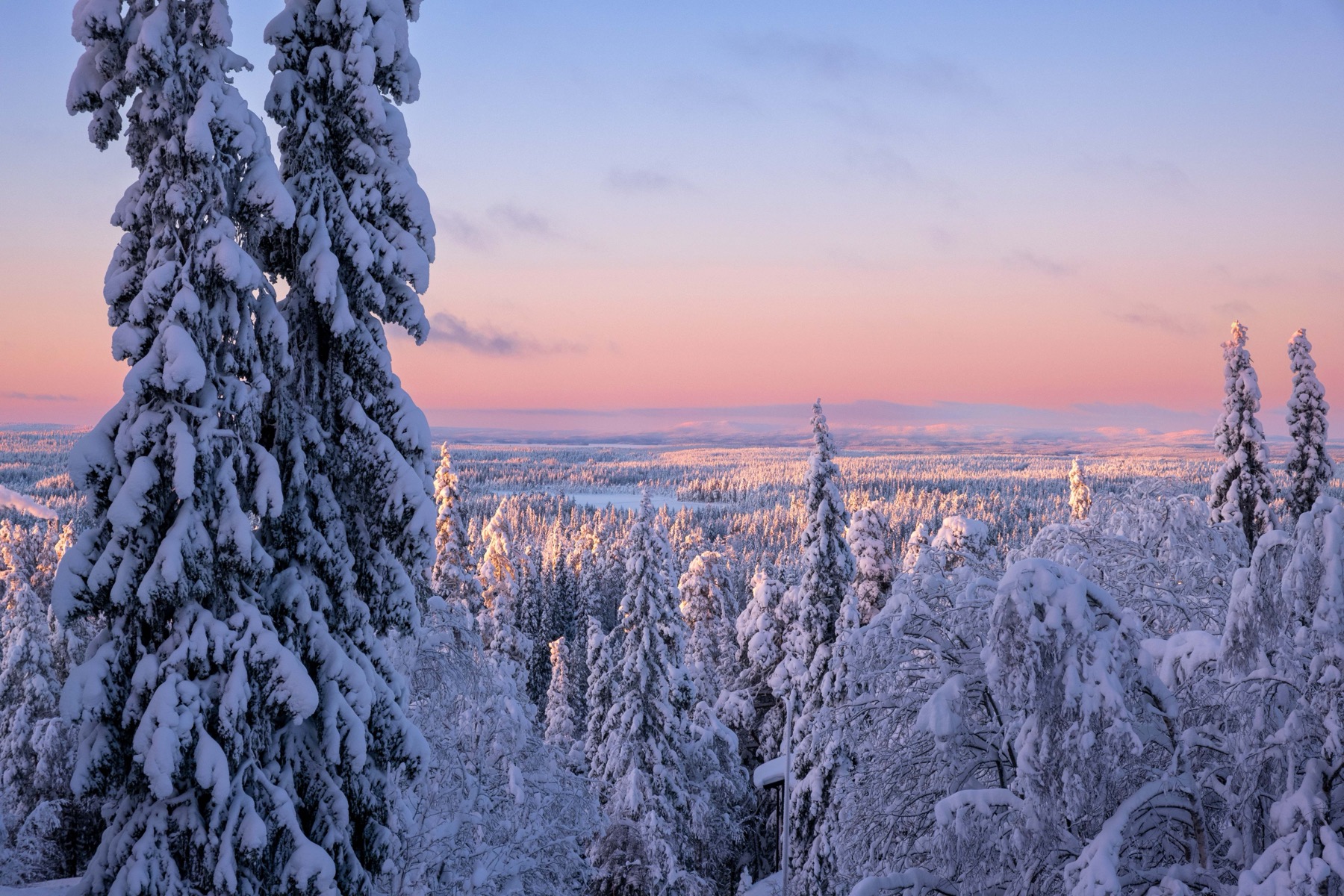
Winter beyond the Arctic Circle isn’t just an ordinary season—it’s more like a world of its own, full of extremes and contrasts. For several weeks, the sun doesn’t rise above the horizon at all, and temperatures regularly drop so low that even your breath freezes onto your jacket collar. In return, you get dark skies that explode with green plasma at night and endless plains of sparkling snow stretching all the way to the horizon.
I’ve put these tips together so you can make the most of your journey north, while also knowing where to save money and what to watch out for. I’ll tell you where to base yourself strategically, how to choose a husky ride and how much this Arctic adventure costs. You’ll also learn when the best time to visit is so you can avoid either the clouds of summer mosquitoes or the harshest winter frosts.
A quick summary for anyone who doesn’t have time to read the whole article
- Best base: For chasing the northern lights, the absolute winner is the village of Abisko, with its cloud-free microclimate; for activities and facilities, Kiruna is the better choice.
- Husky rides and snowmobiles: These activities are at the heart of winter fun, but be prepared for a generous budget, as half-day trips usually start at €80–140.
- Ice hotel: You can visit the iconic ICEHOTEL in Jukkasjärvi on a day tour for 325 SEK, which is a great alternative to an expensive night in freezing temperatures.
- Sámi culture: The Indigenous people of the north are not a tourist attraction, but a proud nation with its own parliament, whose winter market in Jokkmokk is one of the season’s highlights.
- Summer hiking: The legendary Kungsleden (King’s Trail) offers 440 kilometres of trekking with an excellent network of mountain huts, so you don’t need to carry your own tent.
- Getting north: The quickest way to get here from abroad is by air via Stockholm to Kiruna, although you can also choose a romantic journey on the Arctic night train.
- Budget: While a week with an organised tour costs over €2,900, you can comfortably stay within a budget of around €1,000 per person when travelling independently.
The full destination guide: Sweden — guide and what to see
When to visit Swedish Lapland
Choosing the right season is absolutely crucial for a trip north, because Lapland changes beyond recognition with every passing month. If your main goal is the northern lights and winter fun, the ideal window opens in February and March. By then, the days are getting longer, the sun has some real strength, the snow forms perfect sparkling drifts, and there’s still enough darkness for the green show in the evening sky. December and January do offer a magical polar night, when the sun doesn’t rise at all and the landscape is immersed in breathtaking blue and purple shadows, but you’ll need to be ready for extreme temperatures dropping to around minus 30 degrees.
Summer beyond the Arctic Circle is a completely different world ruled by the midnight sun. During June and July, there is daylight 24 hours a day, which is absolutely ideal for long mountain hikes or night fishing on the lakes. Summer does have one major drawback, though: gigantic clouds of mosquitoes and tiny biting midges known as knott. When there’s no wind by the water, they can practically eat you alive.
Experienced travellers therefore often recommend waiting until late August or early September for summer treks, when a period known as ruska begins. The first night frosts reliably wipe out the insects, and nature also bursts into astonishing fiery autumn colours. The northern lights in September come with one major visual bonus: the lakes haven’t frozen over yet, so the green lights are beautifully reflected on the surface of the water.
Where to stay in Swedish Lapland
💡 Accommodation and activity tip: We prefer to look for accommodation on Booking.com, where you’ll often find the best cancellation terms. It’s also worth comparing and booking tickets, trips and activities through GetYourGuide.
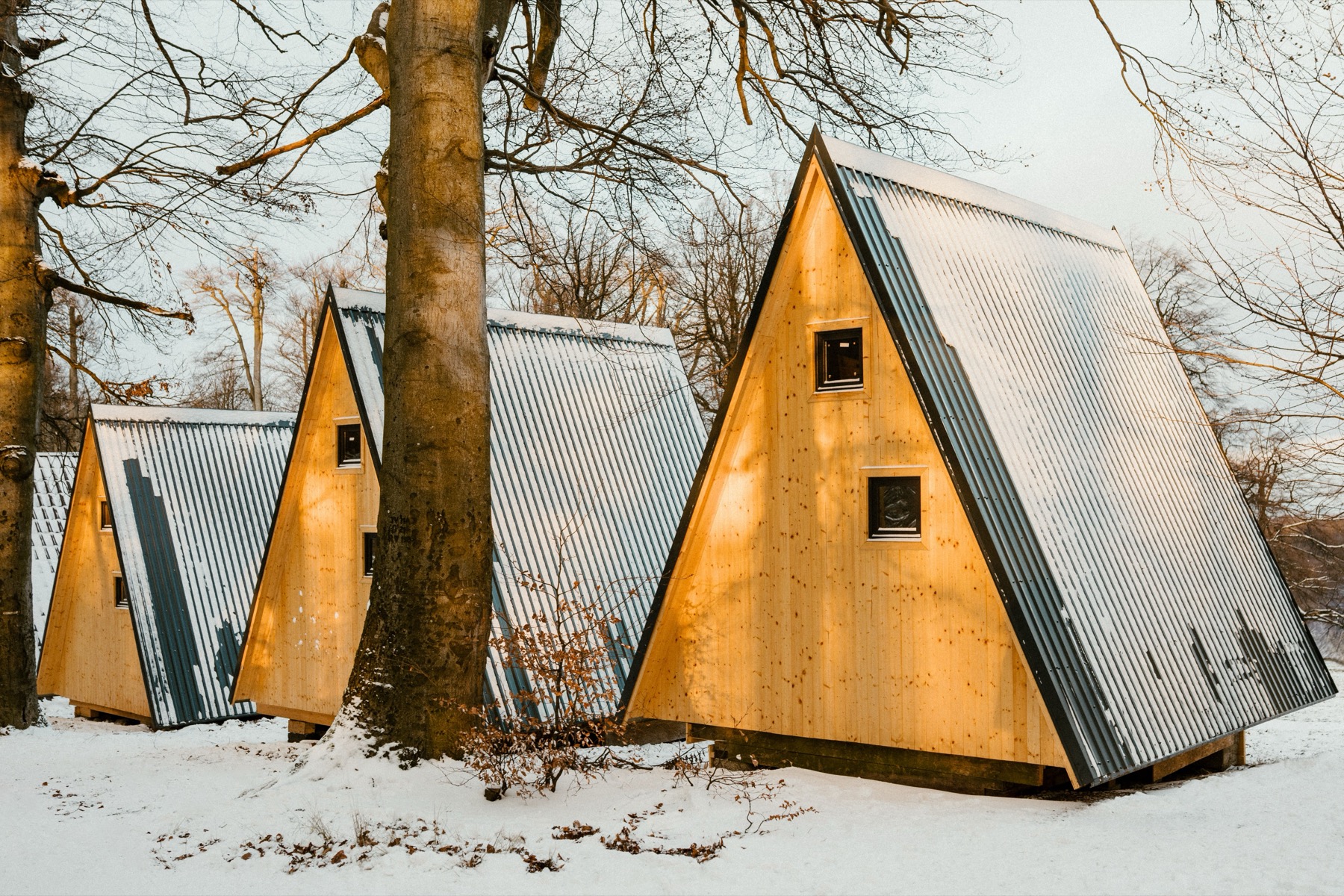
Good logistical planning and choosing the right accommodation for your itinerary are the foundations of a successful Arctic adventure. Distances in the north are enormous, so relying on a single base isn’t ideal. Instead, you should combine several locations depending on what you want to do. If you fly into Kiruna and are looking for quality facilities with a touch of luxury, take a look at Camp Ripan. This resort offers beautiful stand-alone cabins with huge windows and a fantastic Arctic spa, where you can warm up in the saunas after a day in the freezing cold. A great modern alternative right in the newly built city centre is Scandic Kiruna, which stands out for its generous breakfasts and convenient access to local transport.
For northern-lights hunters, moving to the lake in Abisko National Park is essential. This is where you’ll find the legendary mountain station STF Abisko Turiststation, offering everything from cheaper beds in shared rooms to private hotel rooms and stand-alone cabins. You’ll need to book several months in advance, though, because the place is usually hopelessly sold out during high season.
If you’re more drawn to the coast and frozen sea, Clarion Hotel Sense in the modern city of Luleå is an excellent choice, with views directly over the ice-covered waters of the bay. The ski resort of Åre also deserves a special mention. Although it lies somewhat farther south in the Jämtland region, it serves as a perfect gateway to the north. Design lovers and anyone looking for first-class service will appreciate Copperhill Mountain Lodge, a huge wooden hotel perched right on the mountain summit, with its own cable car and luxurious copper details.
Where to eat in Swedish Lapland
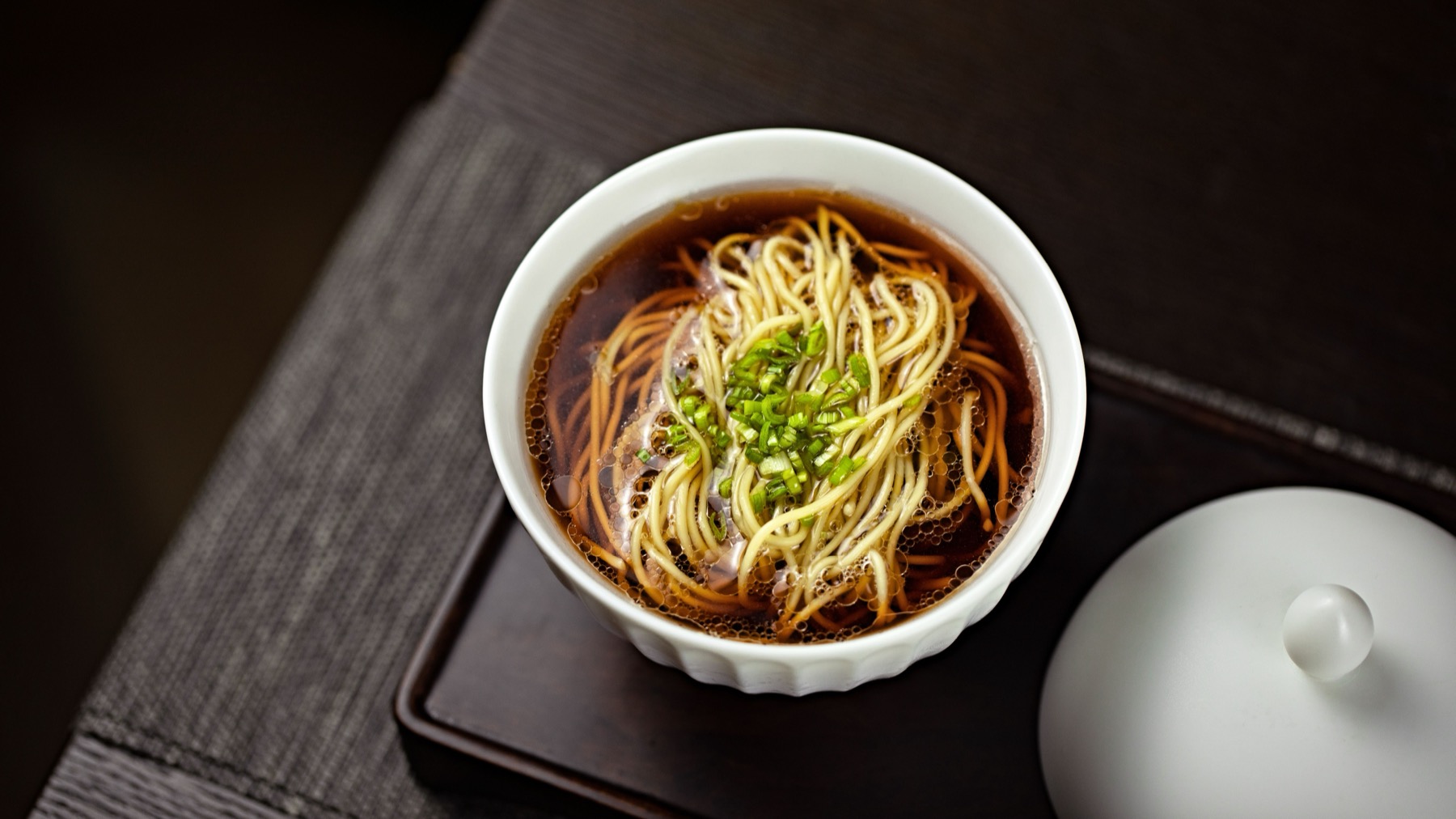
When you’re hungry after a full day in the freezing air, Swedish cuisine is sure to put you back on your feet. Despite the higher prices, you’ll find excellent restaurants serving honest Arctic ingredients, including reindeer meat, Arctic fish and cloudberries.

Our tips for specific restaurants
In Kiruna, don’t miss Spis Mat & Dryck, which offers excellent lunch menus and transforms into a cosy restaurant with a fantastic atmosphere in the evening. Coffee lovers and anyone who enjoys a traditional fika should head to Café Safari, home to the best cinnamon buns for miles around. If you visit Jokkmokk, stop at Restaurang Ájtte inside the museum, where they make excellent vegetarian soups as well as traditional northern specialities. And if you’re after a genuine gourmet experience, Icehotel Restaurant in Jukkasjärvi serves a luxurious Arctic tasting menu you won’t soon forget.
20 things to see and do in Swedish Lapland
Let’s take a look at the best tips and activities Swedish Lapland has to offer. I’ll tell you how to save money on expensive admission fees and what to watch out for in extreme cold.
1. Kiruna and the unique relocation of an entire city
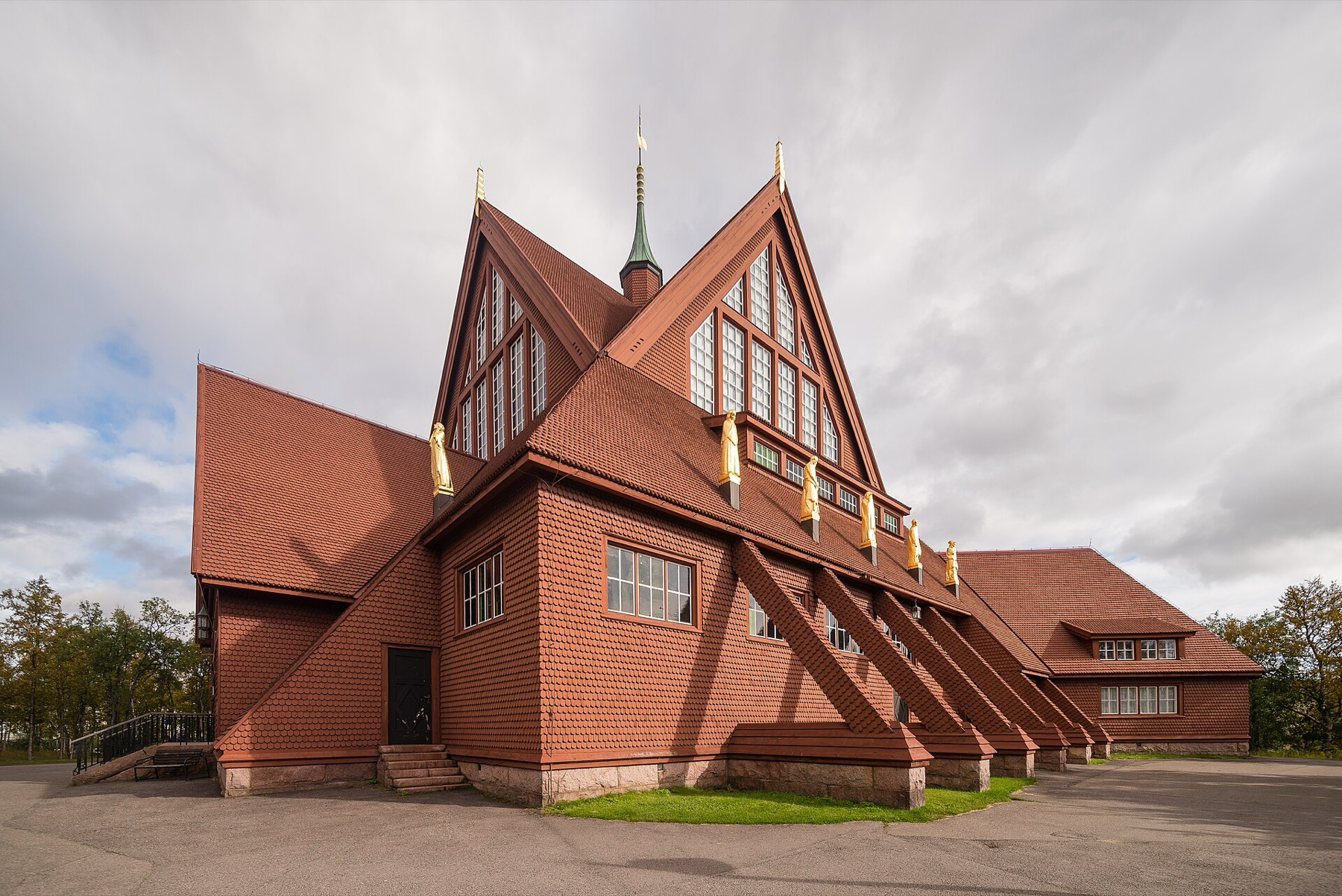
Your journey will most likely begin in Kiruna, a town with an utterly fascinating fate. It sits directly on top of a huge deposit of high-quality iron ore, mined here by the state-owned company LKAB in the world’s largest underground mine of its kind. Mining is currently so extensive that it has undermined the very foundations of the city, whose centre was genuinely at risk of collapsing into the ground. The Swedes therefore decided to take an unprecedented step and gradually move the entire city three kilometres east.
The whole world is following this gigantic process with interest, and the relocation of the more-than-century-old wooden Kiruna kyrka church was scheduled for 2025. The 672-tonne, 40-metre-wide building will be transported intact along a five-kilometre route to its new location—a technical operation unlike anything the world has seen before. Once this architectural gem has been safely installed in the new centre, you’ll be able to explore a city being born again before your eyes.
💡 Tip: If industrial history interests you, make sure to book a tour of the LKAB mine itself. A bus will take you hundreds of metres underground to a spacious visitor centre, where you’ll understand first-hand why the entire city had to be set in motion. Tour availability and times change according to current mining operations, so you’ll need to secure your tickets online well in advance.
2. ICEHOTEL in Jukkasjärvi and a night in a freezer
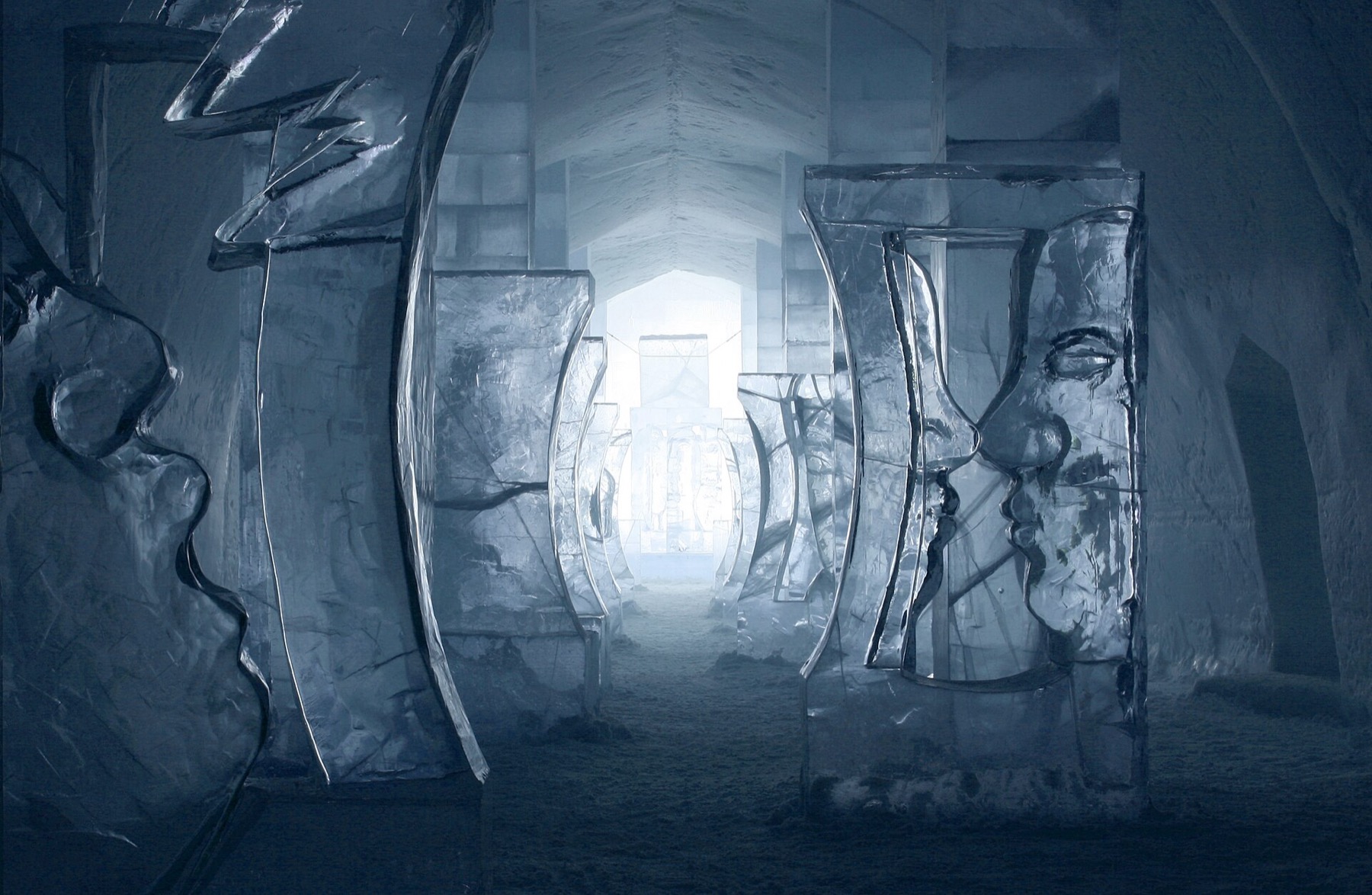
About a 20-minute drive from Kiruna, you’ll find a phenomenon that has essentially defined winter tourism in Scandinavia. The local ICEHOTEL was the world’s first ice hotel, with a tradition dating back to 1989. Every autumn, workers cut huge blocks of perfectly clear ice from the nearby Torne River, and artists from around the world use them to build a completely new, breathtaking structure. In spring, the entire creation simply melts and flows back into the river; for the 2026/2027 season, the 37th edition will open.
Spending the night in an ice room is an experience balanced on the edge of luxury and an Arctic expedition. The temperature inside remains at minus five degrees, and you sleep in a specially insulated sleeping bag on a bed covered with reindeer hides. Naturally, you won’t find a toilet or shower in the room: in the middle of the night, you have to get dressed and dash through the freezing corridor to the warm building next door. Prices for this chilly adventure start at around 6,000 SEK (approximately €540), while the more luxurious art suites cost considerably more.
💡 Tip: The vast majority of visitors agree that paying for the 325 SEK day admission is more than enough. You can calmly explore all the ice rooms, have a drink in the ICEBAR and return to a regular, comfortably heated guesthouse for the night. Thanks to the new ICEHOTEL 365 hall, cooled using solar energy, you can also admire the ice sculptures in the middle of summer.
3. Husky sledding and the silence of the Arctic forest
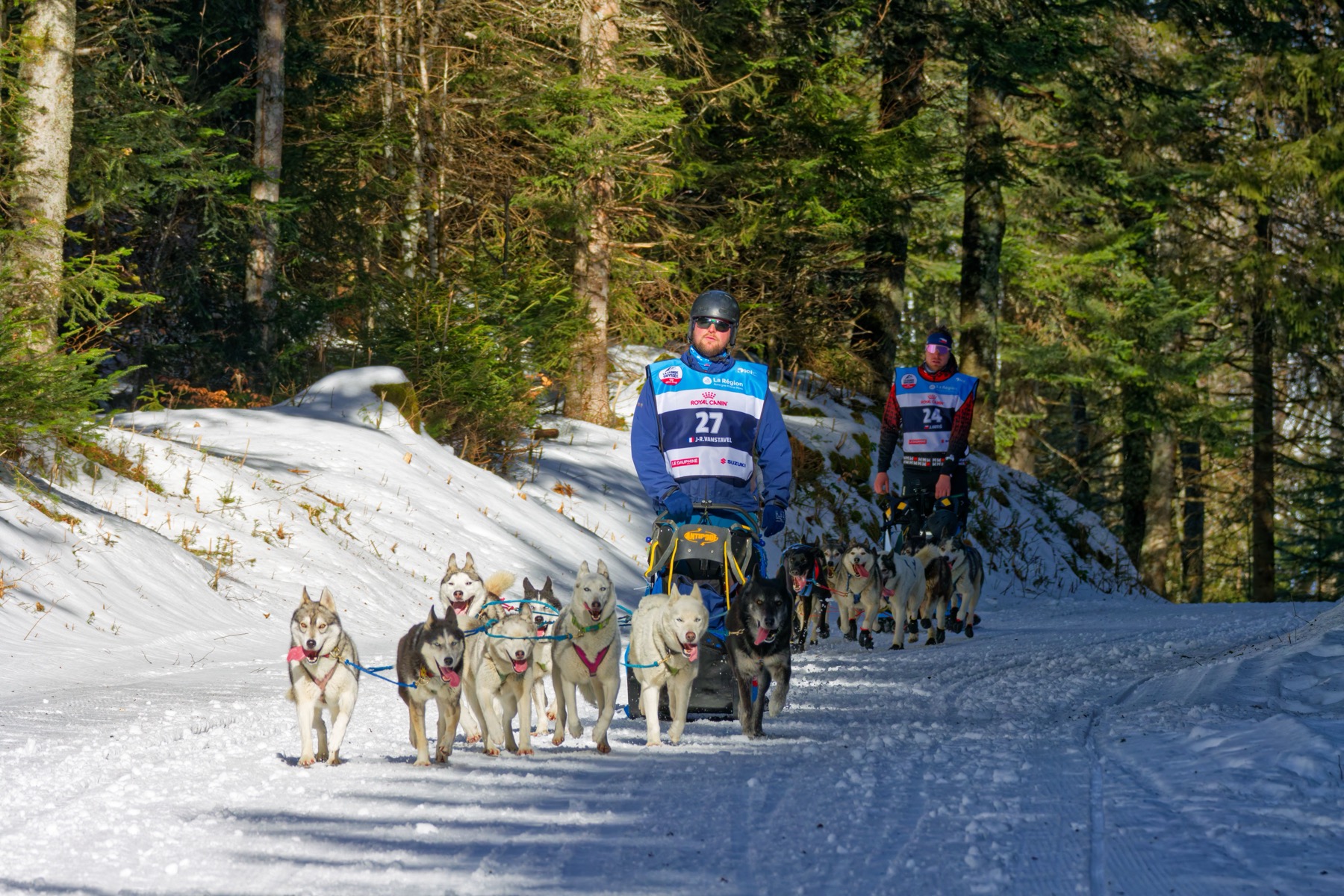
Husky sledding, or a husky safari, is right after the northern lights the main reason people travel north. The silence of the snow-covered forest, broken only by the dogs’ happy panting and the crunch of the sled, has an almost hypnotic effect on the mind. A half-day experience usually costs between €80 and €140 per person, which isn’t exactly cheap, but it’s absolutely worth every euro.
When booking, think carefully about whether you want to drive the sled yourself or simply be taken for a ride. Handling a team of enthusiastic dogs is quite physically demanding: you need to balance the sled around bends and actively help the dogs up hills by pushing off. The result is a serious workout combined with a huge adrenaline rush. If you’re unsure about your fitness, having a guide drive is a completely worthwhile option, much more relaxing, and it allows you to take photos throughout the journey.
💡 Tip: For safety reasons, many operators cancel rides as soon as the temperature drops below minus 20 degrees. Breathing icy air during physical exertion is dangerous for both people and animals. December and January tend to be extremely cold, so February and March are statistically much more reliable months for this activity.
4. Snowmobiles for adrenaline lovers
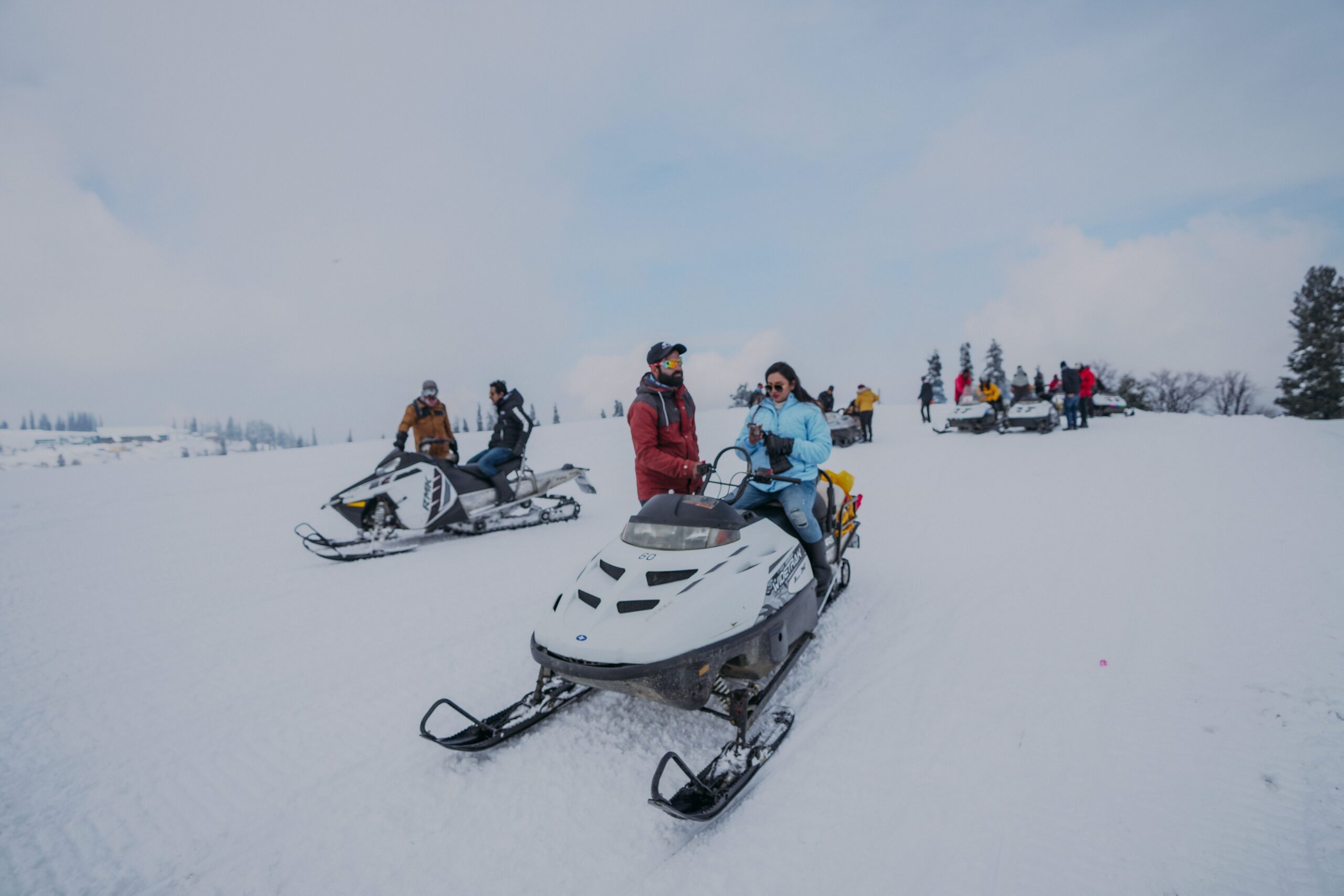
While dogs represent romance and a connection with nature, snowmobiles mean pure adrenaline and incredible efficiency. They are by far the best way to get deep into the inaccessible wilderness, frozen lakes and endless white plains in a short time. To drive one of these powerful machines, you only need a regular valid car driving licence, and prices are very similar to husky tours, ranging from €80 to €130.
Before the ride, operators will thoroughly kit you out in special heavy thermal overalls, along with a warm balaclava, protective helmet, substantial gloves and snow boots. Without this equipment, you’d quickly get frostbite travelling at around 50 kilometres per hour across an open plain. Driving itself isn’t difficult—you accelerate with the thumb of your right hand and brake with your left—but it requires constant attention to the terrain and respect for the machine’s immense power.
💡 Tip: Choose a longer trip of at least three hours, ideally one that includes lunch by a fire in the wilderness. One-hour rides around Kiruna often take you only along well-used routes near the roads, where you won’t experience the true feeling of Arctic isolation and won’t have enough time to really get a feel for the ride.
5. Sámi culture and respect for tradition
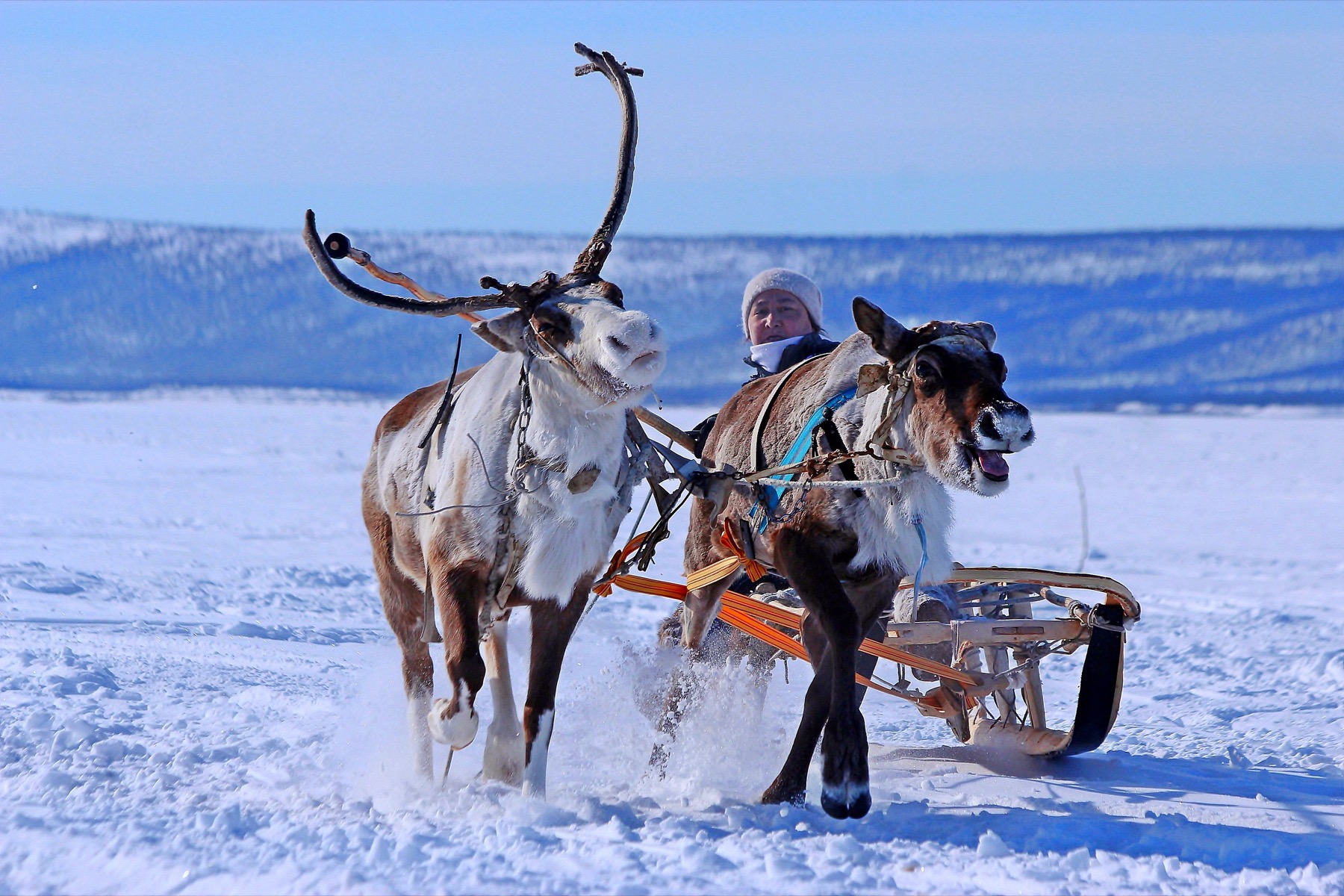
The Sámi are the Indigenous people of northern Scandinavia and also the only officially recognised Indigenous nation in the European Union. Swedish Lapland is their historic homeland, which they call Sápmi in their own language, and they even have their own functioning parliament here. It’s essential to understand that the Sámi are not some historical tourist backdrop, but a living, modern culture that often fights fiercely for its land rights against mining companies.
Reindeer herding still forms the absolute core of Sámi culture and traditional livelihoods. If you want to discover this fascinating world up close and respectfully, choose programmes run directly by local Sámi families. A great example is Nutti Sámi Siida, where you’ll learn about the real lives of herders in the modern world, feed curious animals and sit by a fire in a traditional tent called a lávvu.
💡 Tip: A traditional Sámi speciality is suovas, or smoked reindeer meat. When booking a programme, however, you can request vegetarian refreshments, often served with strong black coffee and delicious sweet bread baked right over an open fire.
6. Jokkmokk’s winter market and its centuries-old tradition
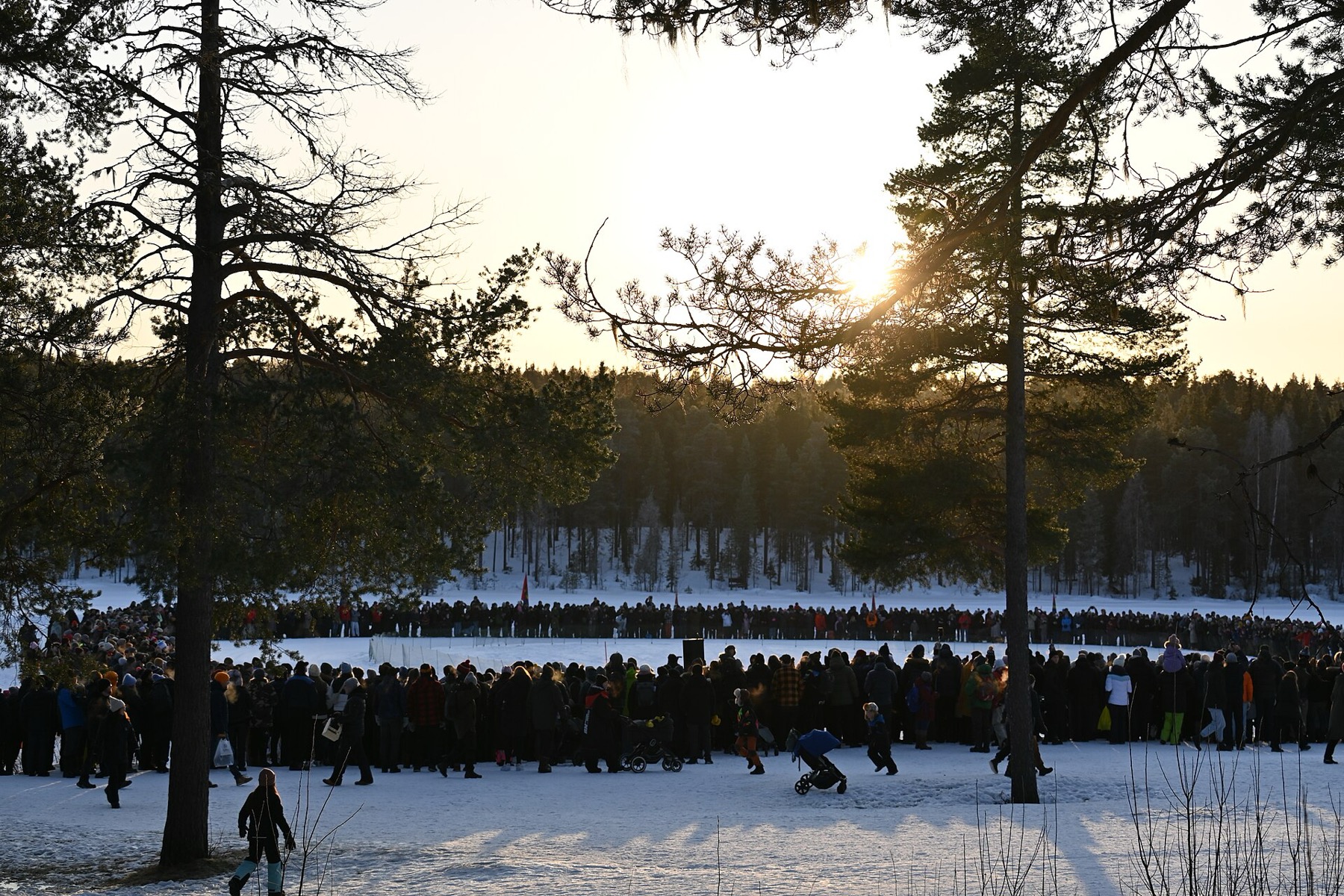
The absolute highlight of the social year across the entire north is the famous winter market in the town of Jokkmokk. It takes place every year at the beginning of February and boasts an incredible, uninterrupted tradition lasting more than 400 years. For three days, tens of thousands of people from around the world descend on the peaceful town, home to just 5,000 permanent residents, transforming it into the epicentre of all things northern.
The market is a gigantic showcase of beautiful Sámi crafts known as duodji, traditional joik throat singing and local Nordic specialities. The atmosphere is electric: popular reindeer races take place on the frozen lake, while the snow-covered streets fill with people in colourful traditional dress. It’s an unrepeatable cultural experience that offers a much deeper glimpse into the soul of real Lapland than any museum exhibition.
💡 Tip: If you’re planning to visit Jokkmokk during the market, you may need to book accommodation as much as a year in advance. Places throughout the wider area disappear incredibly quickly, prices soar, and at the last minute you may not even find a spot for a motorhome.
7. Ájtte: A fascinating museum of Sámi culture
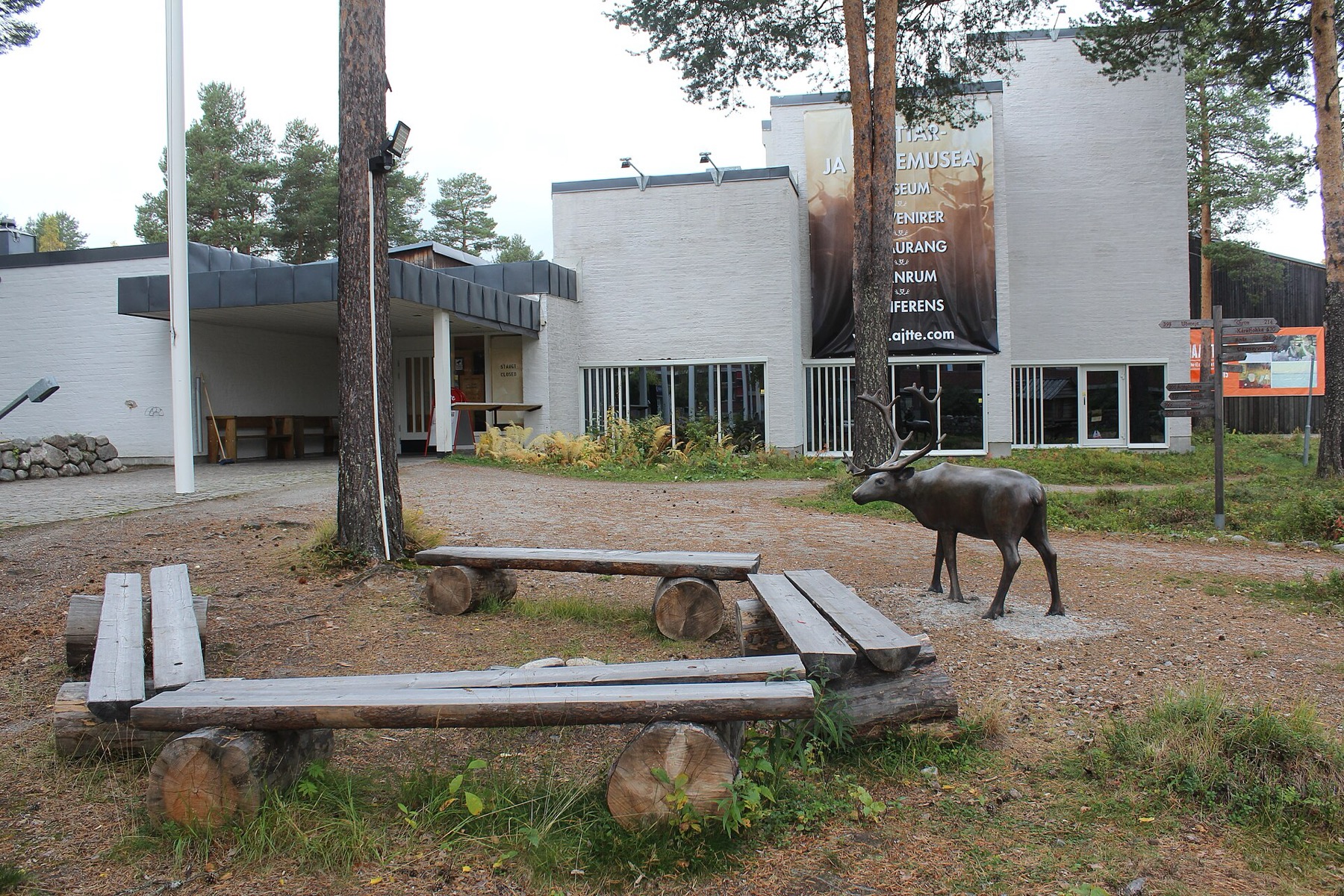
Once you’ve made the journey to Jokkmokk, your first stop should be the Ájtte Museum. This is Sweden’s main museum dedicated to Sámi culture and mountain nature, presented in an exceptionally engaging and thoughtful way. You’ll gain a comprehensive understanding of the history, mythology and daily struggle for survival in the harsh Arctic environment, helping you better understand everything you see outside.
The exhibitions are divided into several thematic sections and take you through an entire year in the life of a Sámi herder. You’ll see original silver jewellery and beautifully carved knives made from birch wood and reindeer antler, while also learning about the dark chapters of Swedish history, when the Sámi were forcibly assimilated. The museum is highly interactive, works well for families with children and doesn’t shy away from the difficult political issues of the present day.
💡 Tip: Allow at least three hours for your visit and make sure not to skip the museum restaurant, which serves excellent creamy vegetarian soups and blueberry desserts that will reliably rescue you after three hours of walking through the exhibitions.
8. Abisko and the blue hole for northern-lights hunters
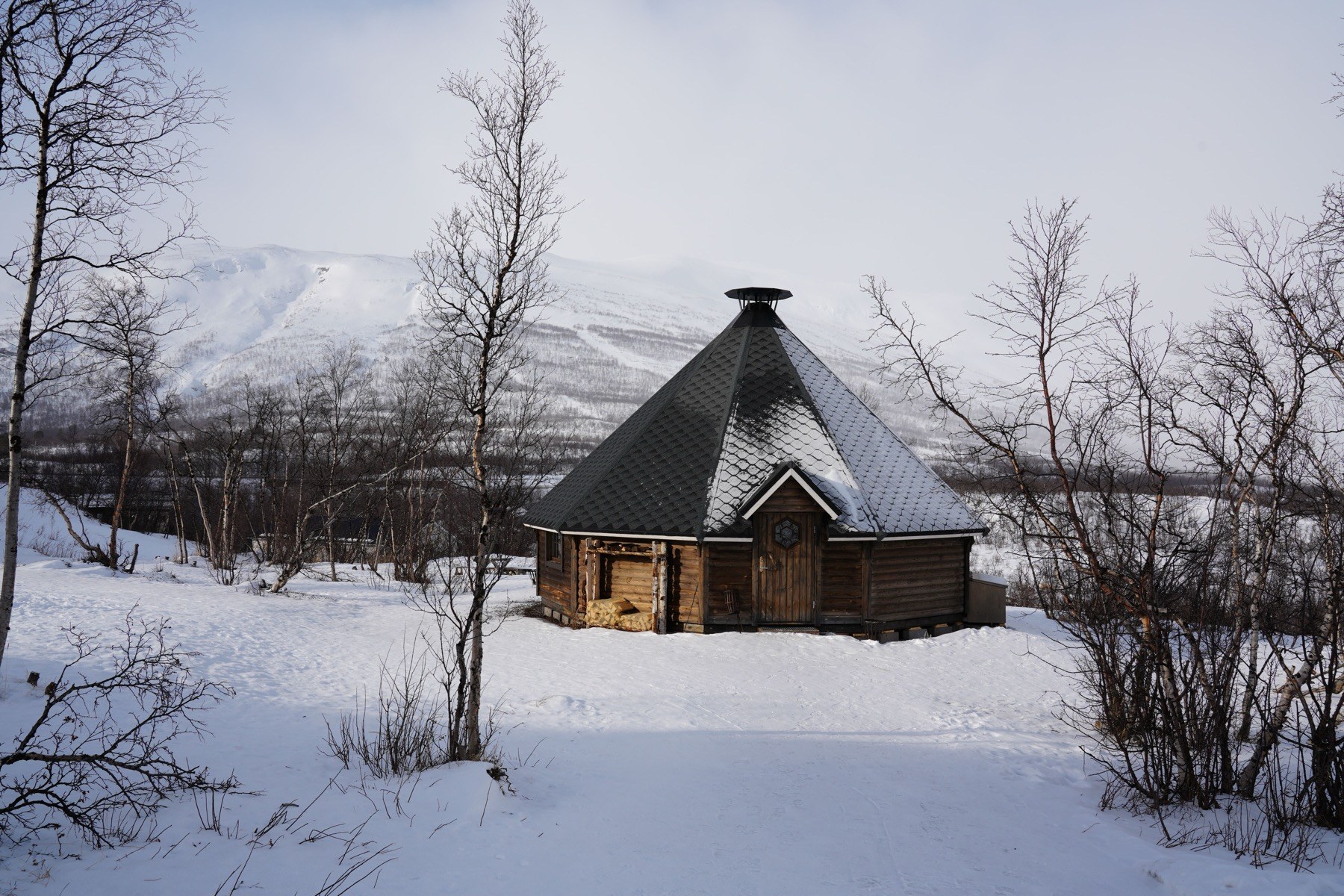
The village of Abisko and the national park of the same name are the absolute holy grail for anyone chasing the northern lights. They lie about 100 kilometres north-west of Kiruna on the shore of the enormous Lake Torneträsk and owe their fame to a unique weather phenomenon known as the Blue Hole. Thanks to the rain shadow created by the surrounding mountains, clouds often break up above the lake even when the rest of the region is under cloud. Statistically, this gives you the best chance of clear skies.
The main draw is the famous Aurora Sky Station on Mount Nuolja. A slow chairlift takes you there (winter tickets start at 220 SEK), and at the top you’ll find complete darkness and a perfect view of the iconic mountain profile known as Lapporten. The special Night Visit package costs between 750 and 900 SEK, and watching the celestial spectacle from this observatory is an exceptional and highly photogenic experience.
💡 Tip: If you want to save money on the expensive chairlift, just dress warmly in the evening and walk 500 metres from the illuminated STF station towards the lake. The darkness is exactly the same, your chances of seeing the northern lights are comparable, and it won’t cost you a penny.
9. Kungsleden, or the King’s Trail
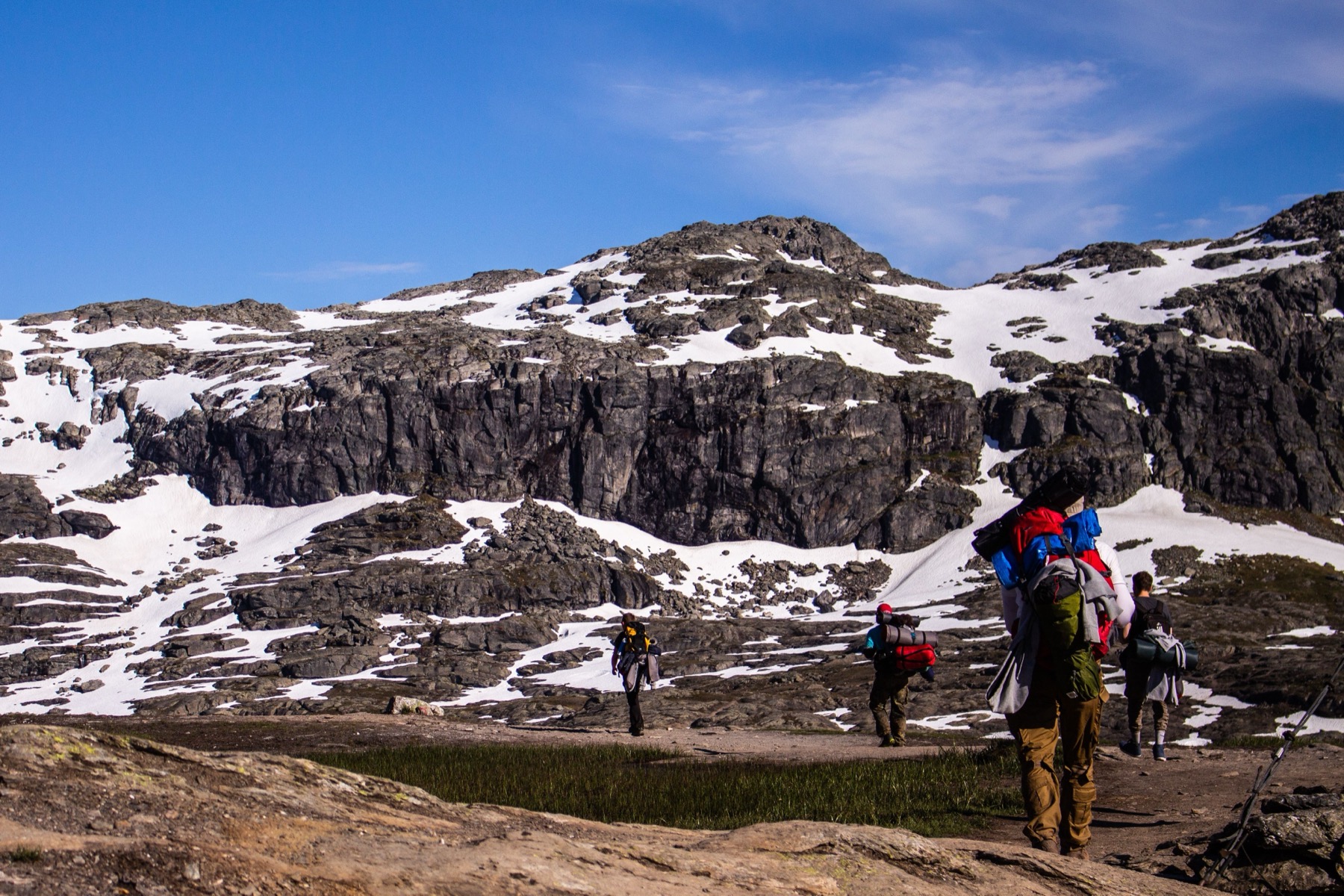
Kungsleden is an absolute legend in the outdoor world—people take time off work for it years in advance and then talk about it for years afterwards. The most popular northern section runs from Abisko to the settlement of Nikkaluokta and covers 108 kilometres of pure Arctic beauty, which a reasonably fit hiker can complete in five to seven days of total disconnection from civilisation.
The huge advantage of this trek is its perfectly functioning network of mountain huts, operated by the Swedish Tourist Association (STF). They stand roughly 10–20 kilometres apart, so you don’t have to carry a heavy tent or a week’s worth of food on your back. At the huts, you can make a fire, cook on a gas stove and, for a fee of around 470–520 SEK (approximately €200), sleep indoors in the warmth. Some, such as Alesjaure, even have their own sauna.
💡 Tip: The trail is busiest in August, when the mass Fjällräven Classic event takes place, attracting more than a thousand people. The first half of September is a much better time to go: the mosquitoes will have reliably disappeared, nature will be glowing with autumn colours, and in the evening you may be able to watch the northern lights through the hut window.
10. Kebnekaise: Climb Sweden’s Roof
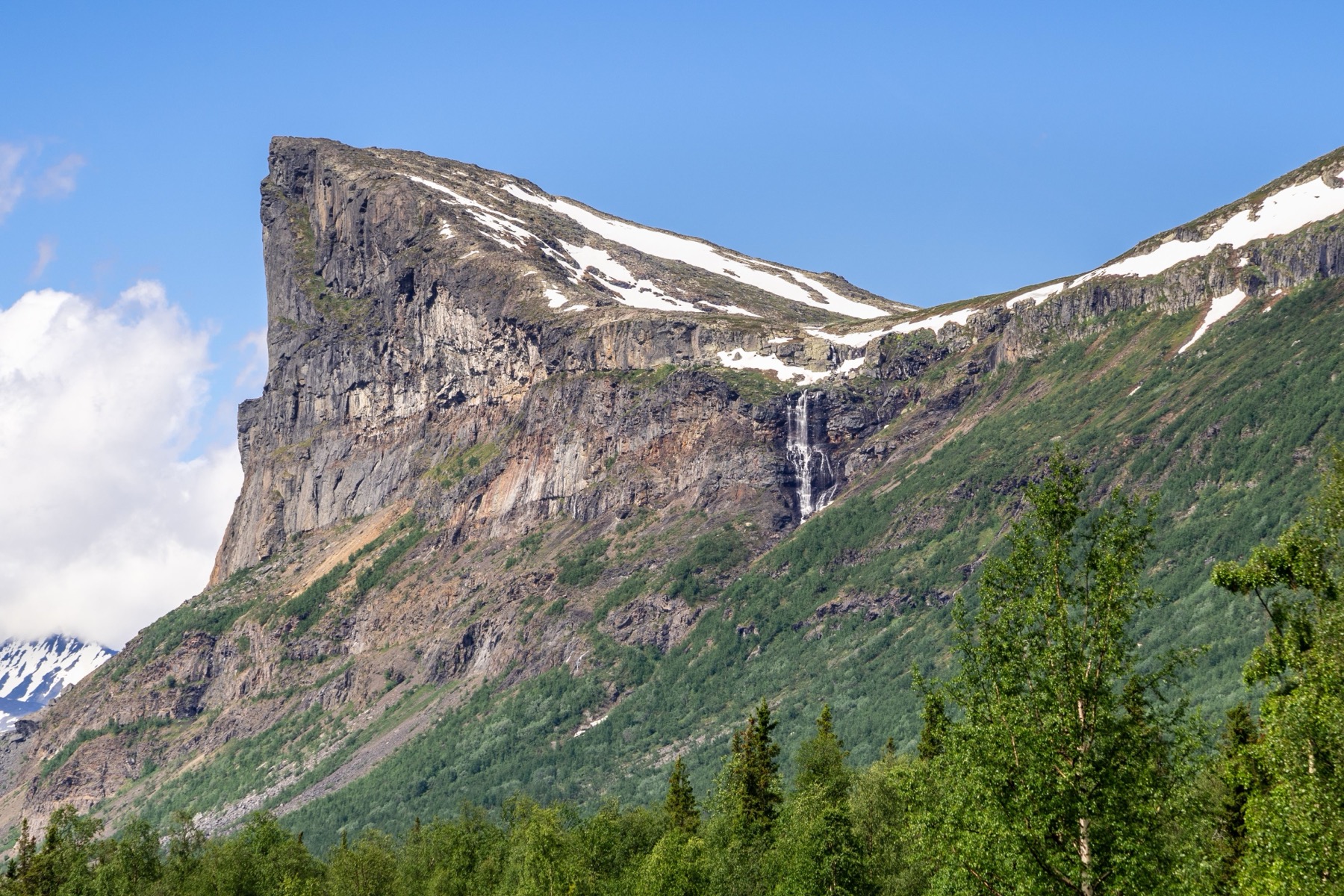
During a trek along the King’s Trail, the route turns towards Kebnekaise fjällstation, a perfect base for conquering Sweden’s highest mountain. The Kebnekaise massif itself is incredibly majestic, and climbing it is a lifelong dream for many Swedes. The station offers excellent facilities, including a restaurant, showers and the option to rent all the equipment you need.
Reaching the summit, however, requires excellent physical fitness and ideally some mountaineering experience, as the route crosses a glacier that is visibly retreating because of global warming, while the mountain’s southern summit is getting lower year by year. If you are not sure about your abilities, make sure you hire an experienced mountain guide at the station. They will safely lead you through the most difficult sections and lend you an ice axe and crampons.
💡 Tip: Keep in mind that the weather in this massif can change from one minute to the next. Always carry enough warm layers and a reliable waterproof jacket in your backpack, and never rely on mobile reception, which is often completely absent in the surrounding mountains.

11. Sarek: Europe’s Last True Wilderness
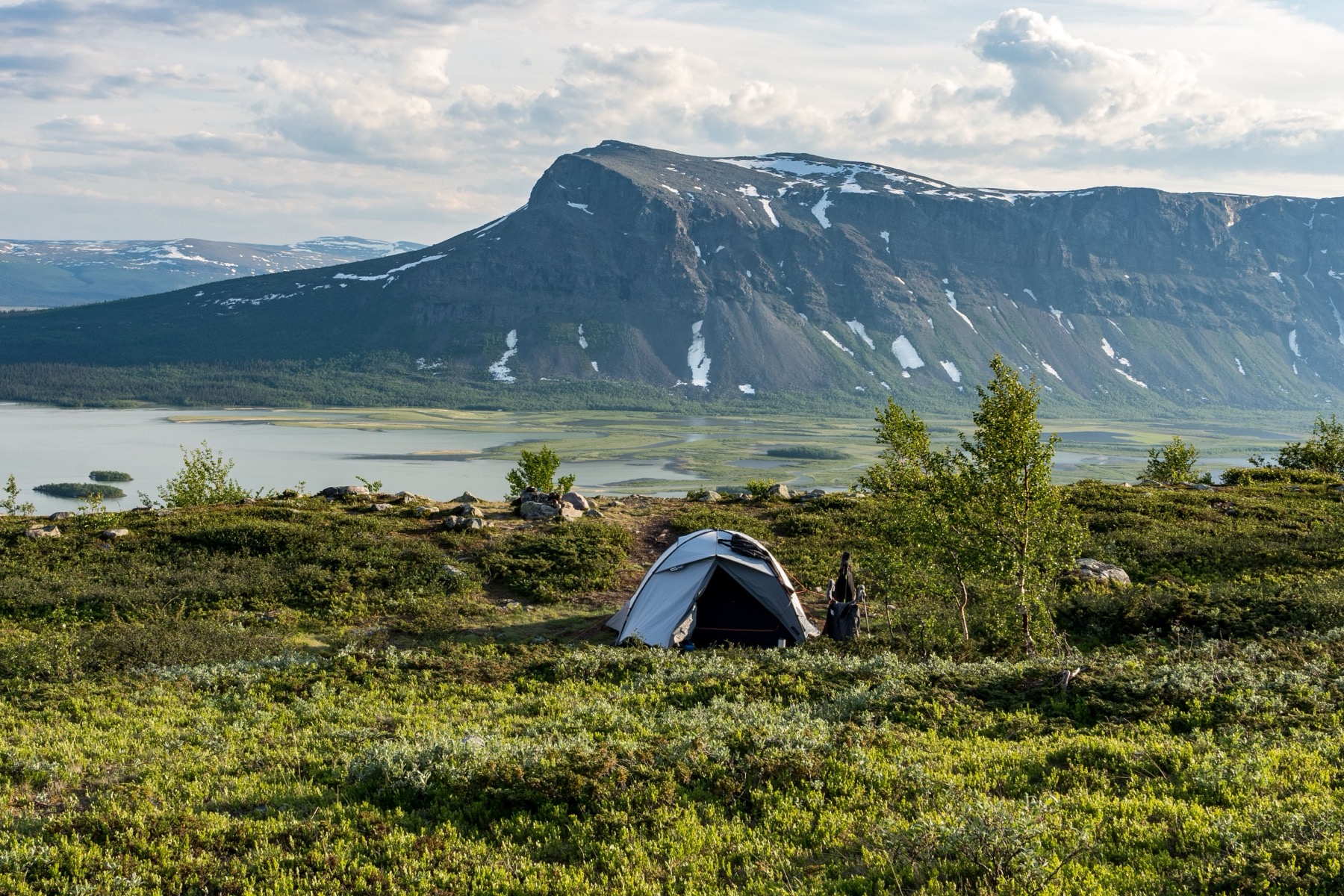
If the King’s Trail is a maintained and clearly signposted highway, then Sarek National Park is more like an impenetrable, untamed jungle. It is often—and rightly—described as Europe’s last great wilderness, because you will find absolutely no marked trails, comfortable huts or bridges over its fast-flowing glacial rivers. Here, it is just you, a paper map, a compass and a huge backpack that can easily weigh 25 kg at the start of the trek.
Crossing the local rivers can genuinely be life-threatening, and there is simply no mobile reception anywhere along the route. Sarek is a huge magnet for experts and solo adventurers looking for complete disconnection from the comforts of civilisation. The atmosphere created by its jagged peaks and deep valleys is absolutely unbeatable, but mistakes are not forgiven in this inhospitable environment.
💡 Tip: If you have not completed difficult, fully loaded multi-day treks and cannot reliably read a map without GPS navigation, leave Sarek on your dream list for now. Build up your experience on more accessible Swedish routes instead, where help is available if you need it.
12. Åre: Scandinavia’s Largest Ski Resort
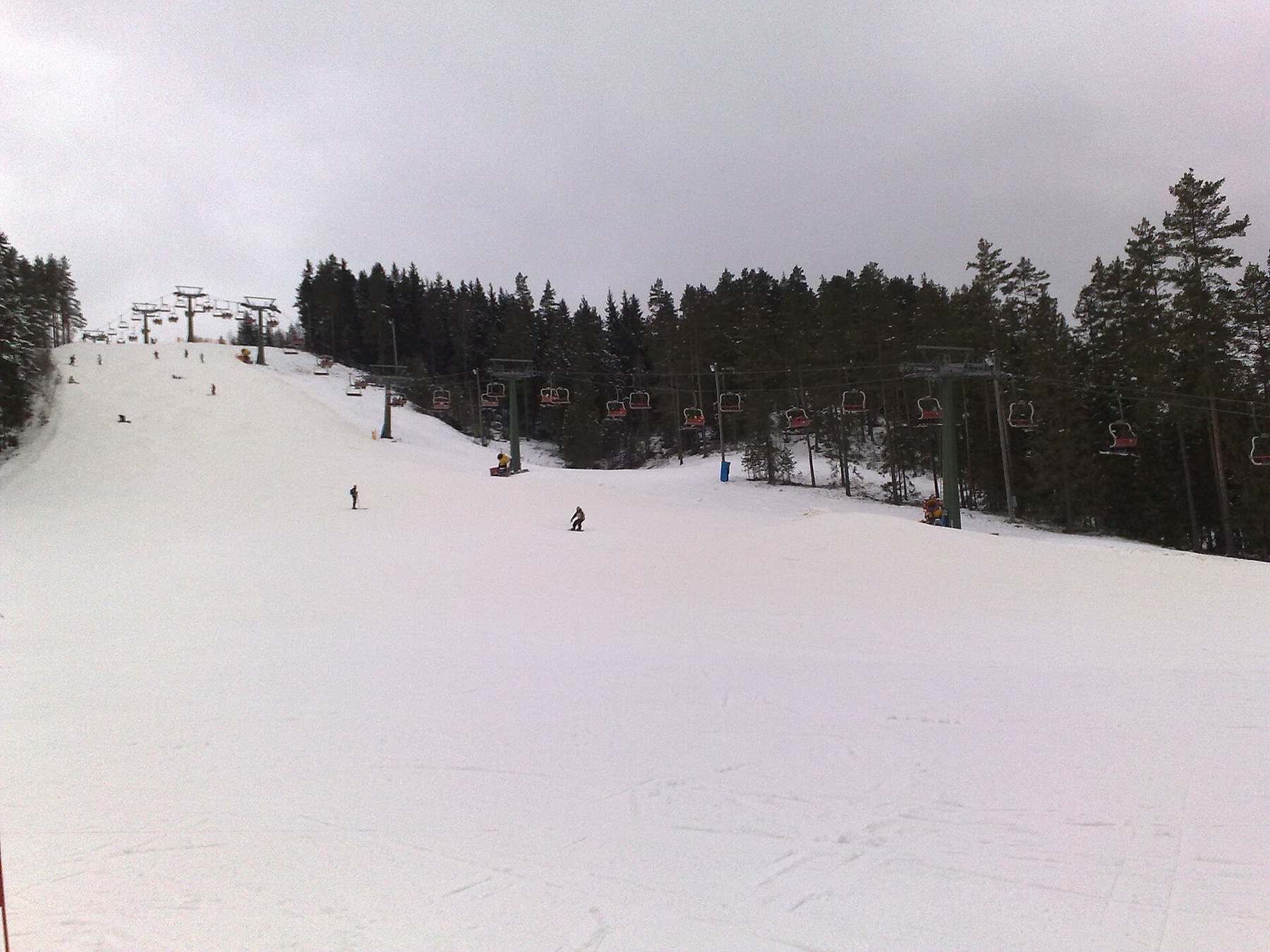
Although Åre is geographically located a little farther south in the Jämtland region, it is one of the absolute jewels of the winter north. It is the largest and best-equipped ski resort in all of Scandinavia, operated by SkiStar, and can easily stand comparison with the finest Alpine resorts. You will not find 3,000-metre peaks here and the runs are somewhat shorter, but the consistently excellent natural snow and uncrowded slopes more than make up for it.
The scenery is spectacular, as you ski down the slopes of the enormous Åreskutan mountain with views of a frozen lake deep in the valley. The resort regularly hosts World Cup races, offers excellent facilities for families with children and is famous for its legendary après-ski scene. Lift-pass prices are comparable to those at a good Austrian resort, but food and alcohol on the slopes cost significantly more because of Swedish taxes.
💡 Tip: One of Åre’s biggest advantages is how easy it is to reach. Comfortable night trains run here from Stockholm, dropping you in the morning practically next to the lower cable-car station, so you do not lose time on long drives.
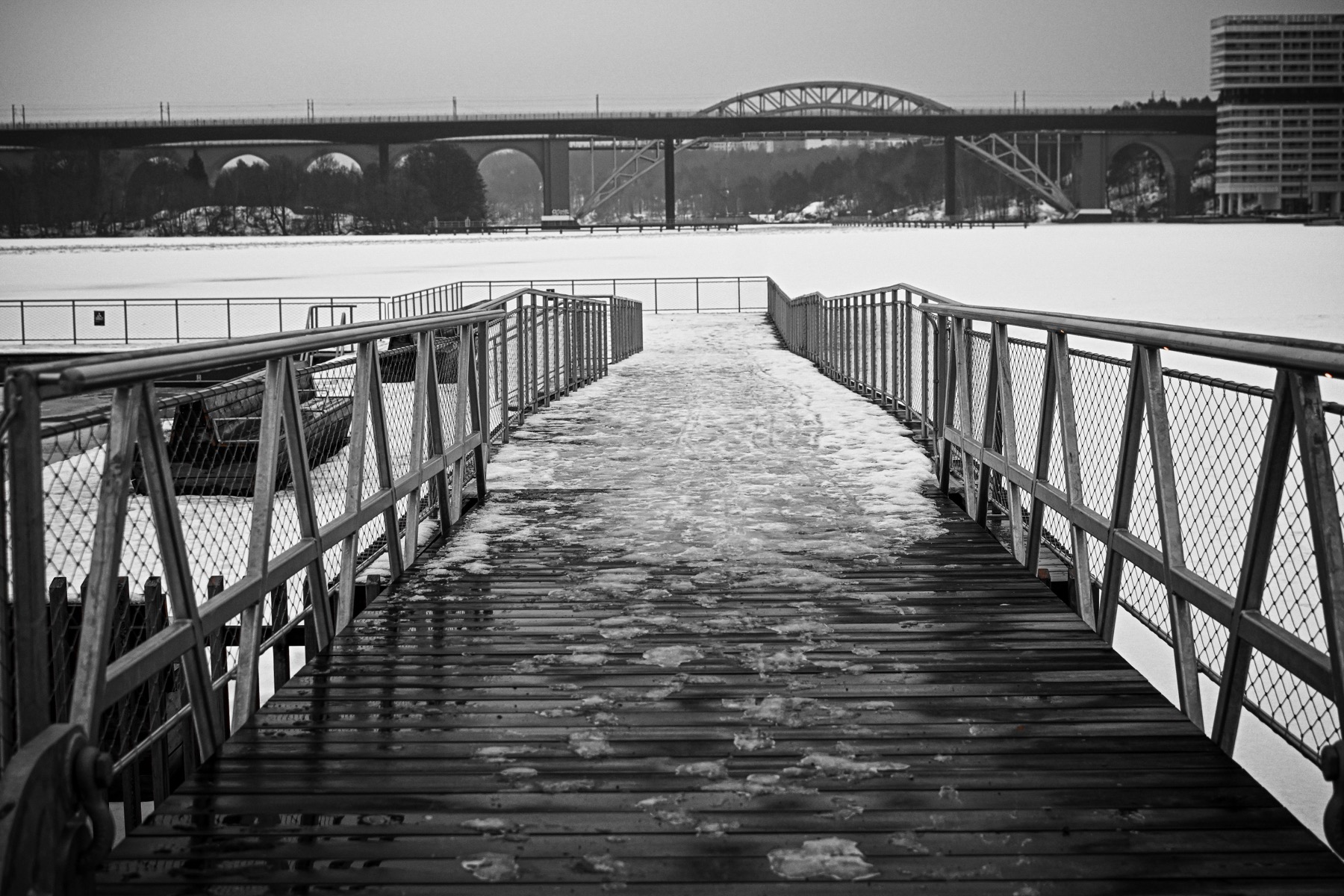
13. Luleå and Its Fascinating Winter Ice Roads
On the coast of the frozen Gulf of Bothnia lies the city of Luleå, which is an important northern hub with a completely different atmosphere from inland Kiruna. One of the city’s biggest winter attractions is its so-called ice roads, which road crews mark out every year directly across the frozen sea and lakes. These routes are regularly used by locals to shorten their journeys and connect the mainland with nearby islands.
Driving an ordinary car across the frozen sea is a surreal experience guaranteed to send shivers down your spine. The ice has to be strong enough, and the routes usually open only in February, when winter reaches its absolute peak. Besides cars, these wide frozen boulevards are also heavily used by local cross-country skiers and long-distance skaters, creating an incredibly lively winter community right on the ice.
💡 Tip: If you do not feel confident taking a rental car onto the ice, rent a pair of specialised long-distance skates (långfärdsskridsko) in the city centre. Swedes attach them to sturdy boots and, poles in hand, cover huge distances on cleared tracks near the coast.
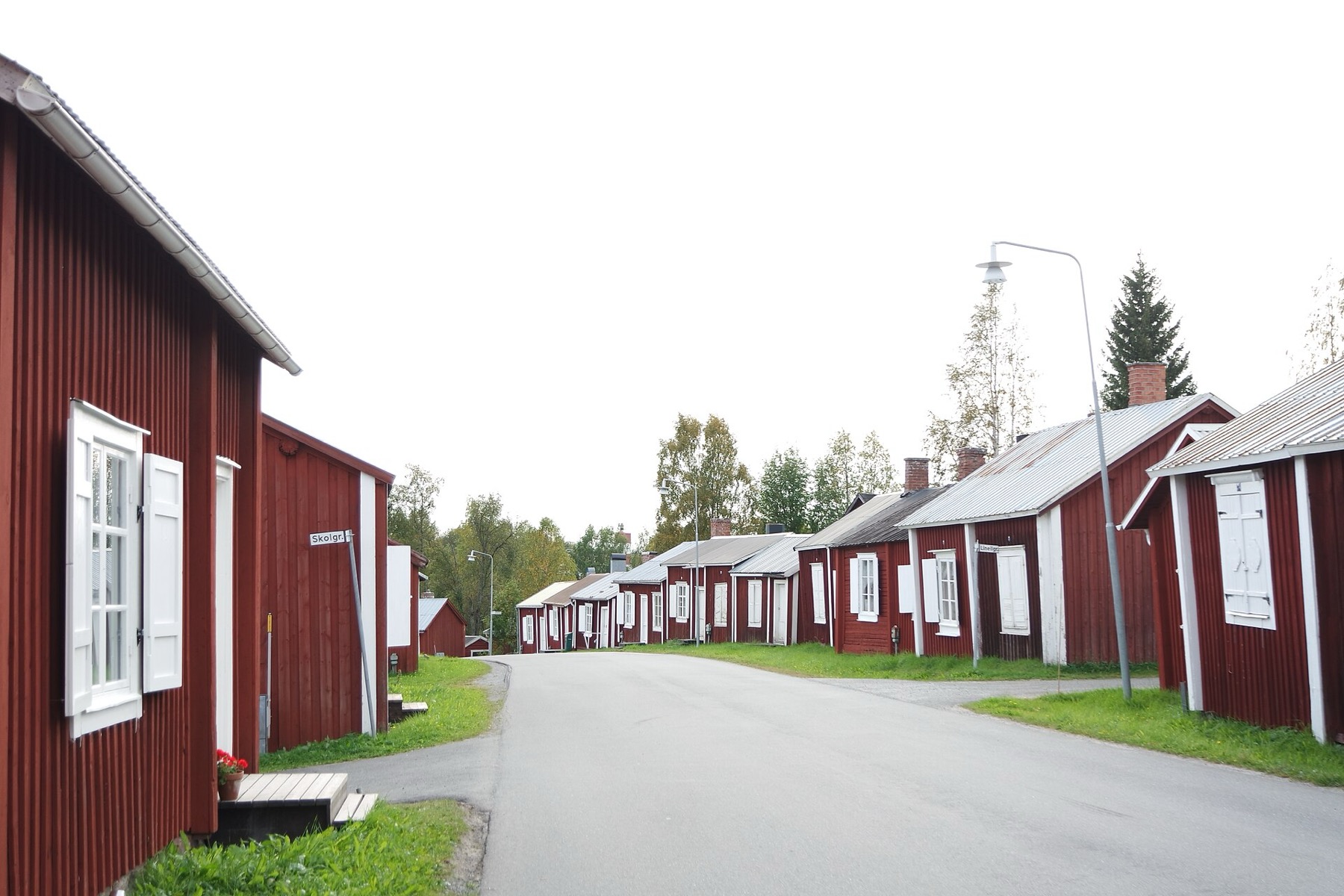
14. Gammelstad: A Unique UNESCO Church Town
Just outside Luleå you will find the historic gem of Gammelstad, which is listed as a UNESCO World Heritage Site. It is the best-preserved church town in Sweden. The village is centred around a magnificent fifteenth-century stone church, surrounded by more than 400 traditional, vivid-red wooden cottages packed closely together.
In the past, these small cottages served as overnight accommodation for worshippers from the distant corners of the parish when they travelled to Sunday services or major religious festivals. Journeys through the rugged countryside took too long for people to return home on the same day. Walking through the narrow, snow-covered lanes between the red walls feels like travelling back in time to the era of the deep Nordic Middle Ages.
💡 Tip: Be sure to stop at the local visitor centre, where you can get a detailed map, and take the opportunity to look inside some of the cottages, which are occasionally open to the public and furnished in period style with period furniture.
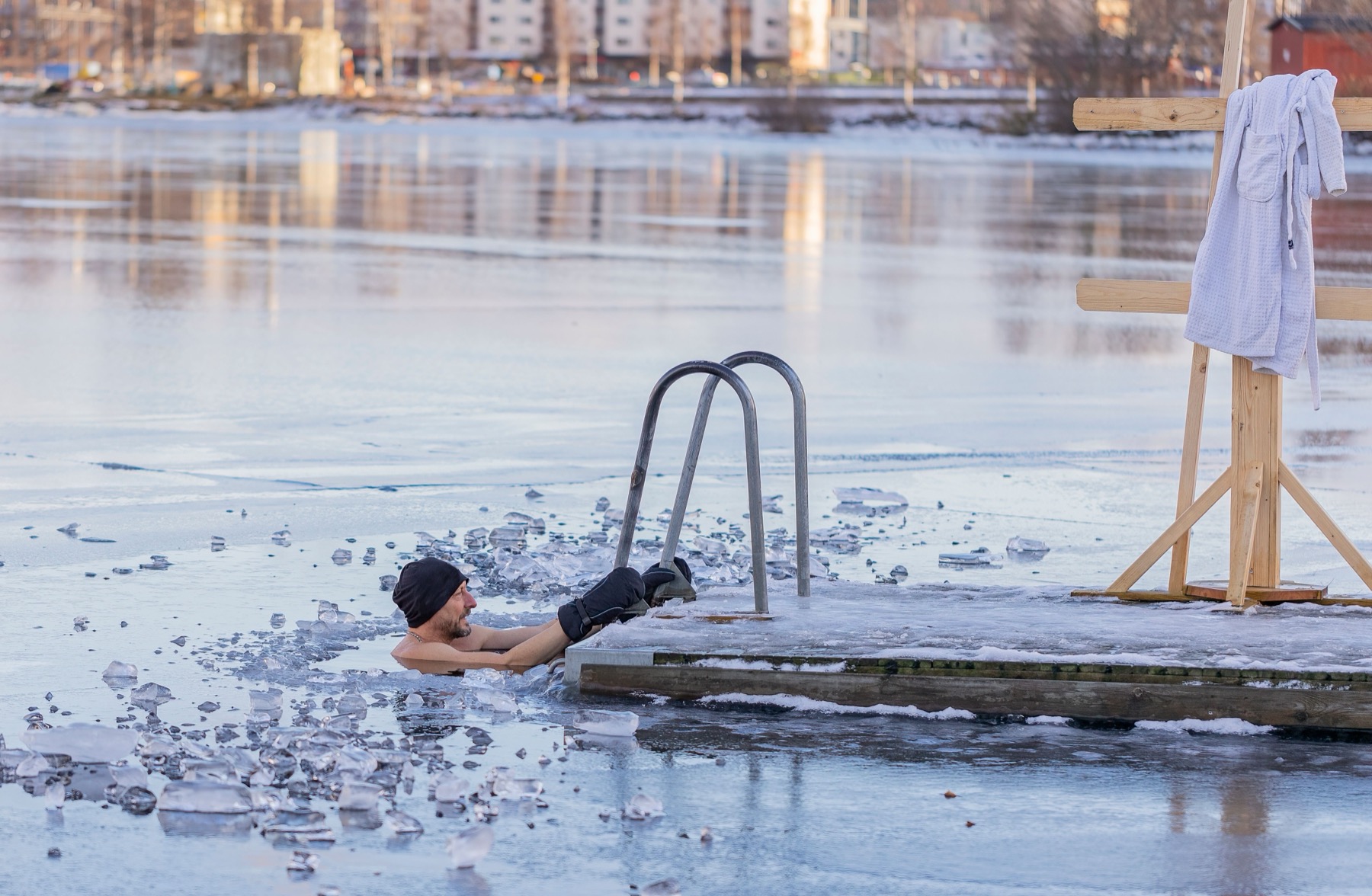
15. Arctic Sauna and an Isvak Ice Bath
Sauna, or bastu, is an absolute religion in Sweden, and that is doubly true in the cold north. This is not an overpriced luxury wellness experience, but a necessity and the main place to socialise after work. After spending an entire day in temperatures of -20°C, there is no better feeling than shutting yourself inside a blazing-hot wooden cabin on the shore of a frozen lake.
A proper Swedish sauna also comes inseparably with a hole cut into the ice, known as an isvak. The shock of plunging into icy water floods your body with so many endorphins that you will feel reborn. After such a dip, the freezing air on the walk back to your cabin will feel like a pleasant spring breeze, and your immune system will get the best possible workout.
💡 Tip: Saunas have strict etiquette, and complete nudity is often required, with everyone sitting on their own clean towel. If you visit a mixed public sauna on the beach, discreetly watch what the locals do regarding swimwear.
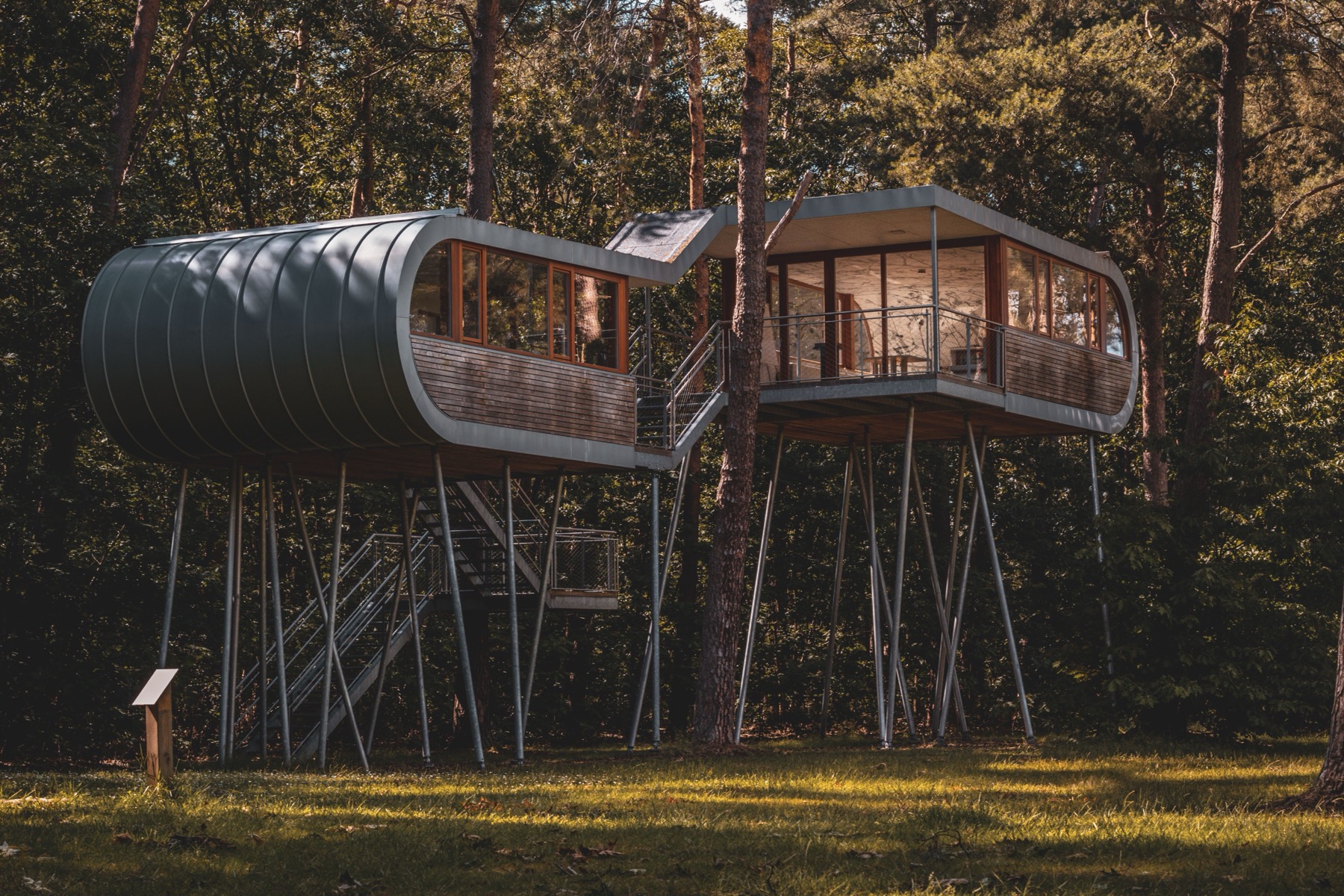
16. Tree Hotels and Arctic Lodges
Swedes are absolute masters at combining breathtaking modern design with rugged nature. Besides the Icehotel in Jukkasjärvi, the north offers several other unique places to stay that have featured in architectural magazines around the world. The best known is Treehotel in the village of Harads, where you can spend the night in ultramodern cabins suspended high in the treetops. Options include a UFO-shaped cabin and perfect mirrored cubes that blend into the forest.
Another major hit is the selection of luxury Arctic lodges and floating glass igloos, such as the stunning Arctic Bath. This circular, nest-like structure floats on the Lule River and freezes into the ice in winter. It offers absolute luxury, fine dining and views of the northern lights directly from your bed. Naturally, you will pay for this luxury—easily several thousand euros per night. But at least you will have a great story to tell.
💡 Tip: Even if you cannot afford to stay there, a public trail runs around Treehotel, allowing you to see and photograph these architectural gems safely from outside during an ordinary walk through the forest.
17. The Midnight Sun and Summer in Lapland
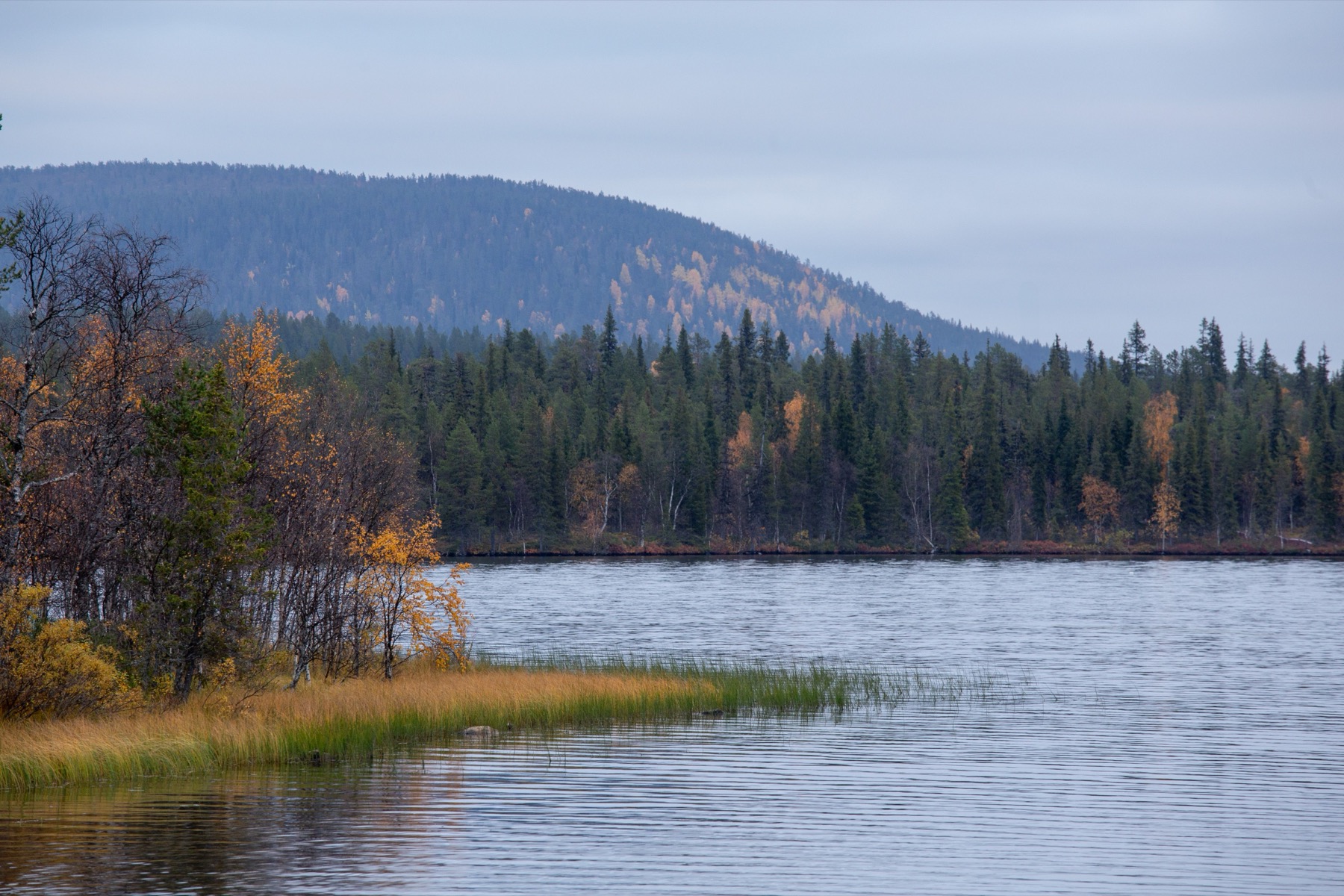
Summer in Swedish Lapland offers an experience that completely upends your usual body clock. Because the region lies beyond the Arctic Circle, the sun does not set at all during June and July, and the landscape basks in endless daylight. This opens up unlimited opportunities for hiking, as you do not have to worry about reaching your destination before dark, making route planning far more flexible.
This continuous display of light gives people a huge boost of energy, so setting off on a challenging mountain hike at midnight is far from unusual. The golden light just above the horizon also creates absolutely perfect conditions for nature photography, as the so-called golden hour lasts all night. The northern summer is simply about making the most of every minute outdoors.
💡 Tip: Do not forget to pack a really good eye mask. Most Nordic cabins have blackout blinds, but sleeping in full daylight can initially be a real challenge for a Central European brain.
18. Canoeing and Fishing on the Lakes
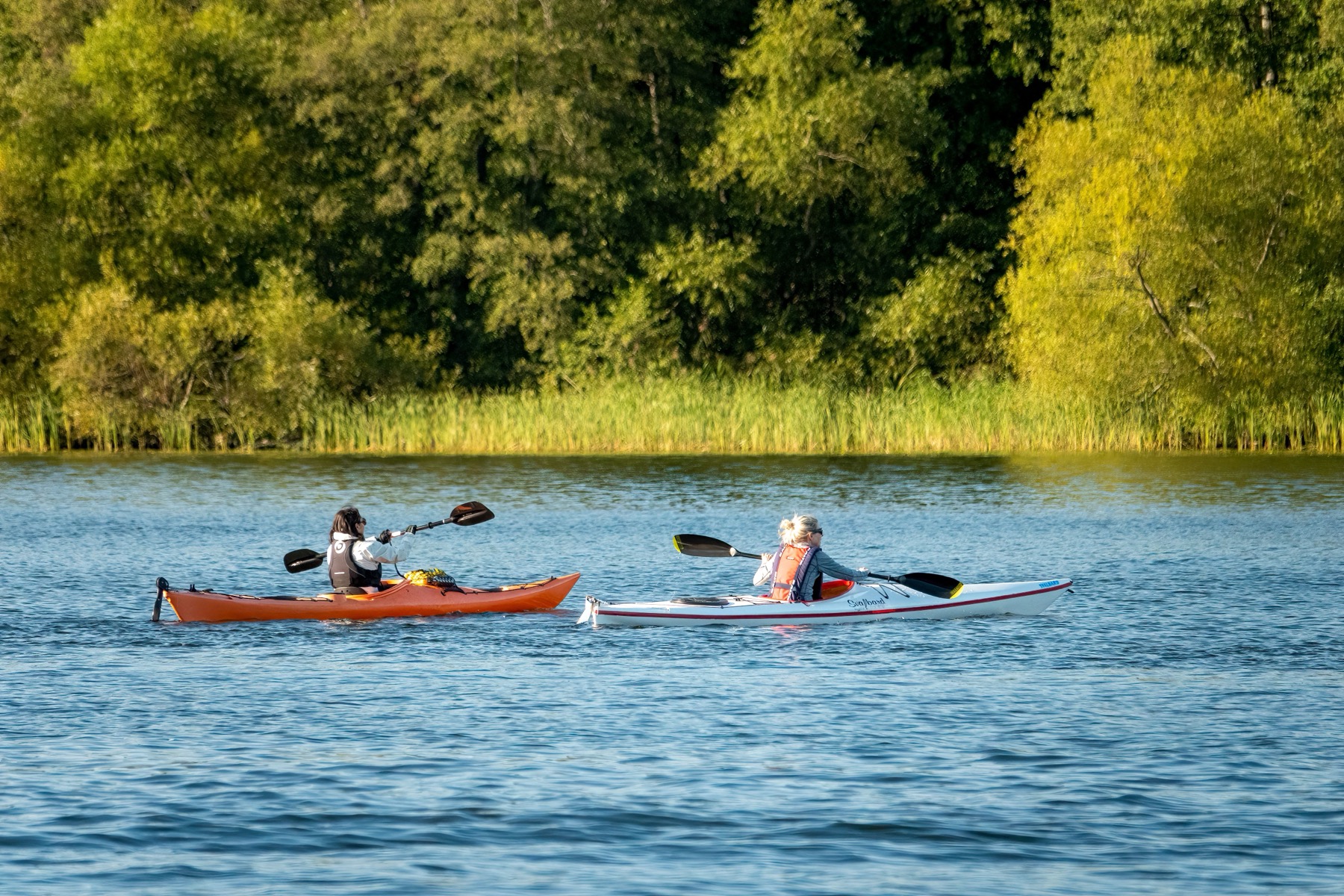
Summer in the north is unquestionably made for water sports and silently gliding across the surface. Sweden is criss-crossed by tens of thousands of lakes, and thanks to the right of public access to nature (allemansrätten), you can anchor your canoe by any uninhabited islet and pitch your tent there for the night. Boat-rental shops operate at every larger lake and will be happy to give you a map of recommended campsites with fire pits. In Dalsland province, you can even buy a special DANO card for 50 SEK, which allows you to camp at prepared sites.
Fishing is considered a true national sport here. Along the entire Baltic Sea coast and on Sweden’s five largest lakes, you can fish with an ordinary rod completely free of charge, while for inland lakes and rivers you need to buy a permit known as a fiskekort. These can now easily be purchased online and cost 50–200 SEK (€5–€18) per day, a small investment in a fantastic way to relax by the water.
💡 Tip: Swedes are extremely protective of their nature and follow a catch-and-release rule for trophy fish. Taking home more fish than you can realistically eat for dinner that day is considered a serious violation of local ethics.
19. Mosquitoes and Knott Midges: Summer’s Dark Side
If you decide to head north in July, I have to give you a very serious warning about the local insects. Summer in Lapland becomes a genuine nightmare in still weather and near water, as billions of aggressive mosquitoes and tiny biting midges known as knott swarm here. These little pests can get through even the finest mesh in ordinary mosquito nets, and their bites can itch unpleasantly for several days.
Ordinary Central European insect repellent unfortunately works about as well as pouring clean water over yourself. Fortunately, you can buy strong Swedish repellents, such as Mygga, in any local supermarket; they are specifically designed for the conditions there. Proper clothing is your most important defence: long trousers, sturdy shirts and a hat with a mesh face covering whenever you stop.
💡 Tip: The number of insects drops dramatically above the tree line and on open, windy plains. If you want to avoid mosquitoes completely, plan your summer trip for the very end of August or early September, when the first frosts reliably wipe them out.
20. Fika and Local Treats for the Cold
When you are freezing in the north, you have to reward yourself with traditional local treats. During the day, be sure to stop for fika, the sacred Swedish ritual of taking a break for coffee and sweet pastries, when time seems to stand still. In local cafés, hot black coffee comes with a perfect cinnamon bun (kanelbulle) or cardamom brioche, and this set costs around 65–100 SEK.
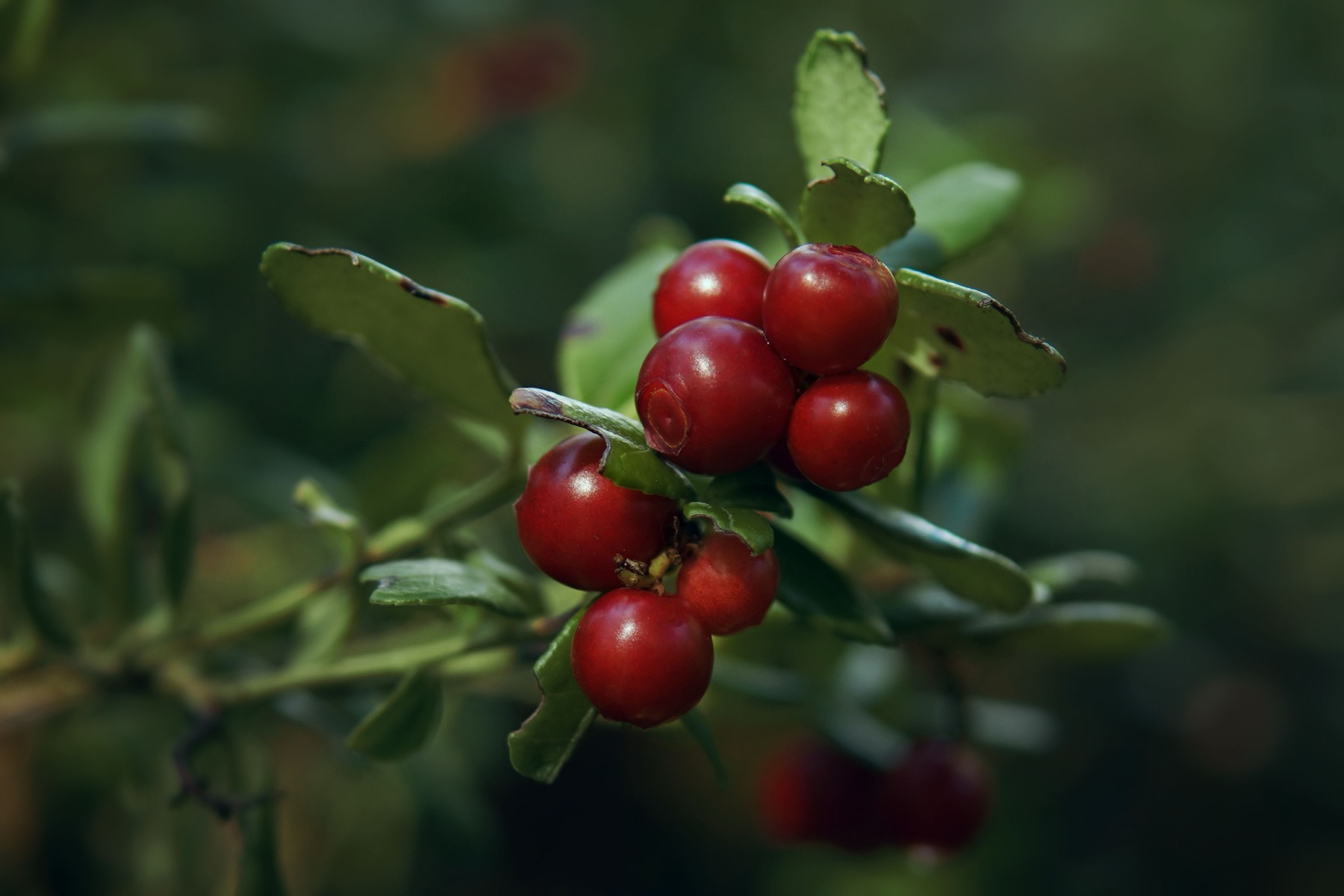
If you get hungrier around lunchtime, look for signs outside restaurants that say dagens lunch. This is a good-value lunch menu costing 110–145 SEK, which includes not only the main course but also unlimited access to a salad buffet, coffee and water. Locals enjoy reindeer meat and fermented herring, but vegetarians can always choose from excellent creamy soups, hearty cheese pies and local forest berries, including the highly prized golden cloudberries.
💡 Tip: On long cross-country skiing or snowmobile trips, keep a thermos of thick blueberry soup called blåbärssoppa with you. It is drunk hot, gives you an instant energy boost and is the very best liquid jumper you could wish for in the snowdrifts.
How to Get to Swedish Lapland
Covering 2,000 kilometres to reach a place deep beyond the Arctic Circle is surprisingly easy these days, but it does require some strategic planning. If you want to save time, flying is by far the fastest option. From major European hubs, SAS or Norwegian flights with one change at Stockholm Arlanda are usually the easiest choice. From there, connecting domestic flights go directly to Kiruna (KRN) or Luleå (LLA). If you book early, a return ticket costs roughly €145–€250. Direct flights from abroad to the north are rare and tend to be seasonal charters.
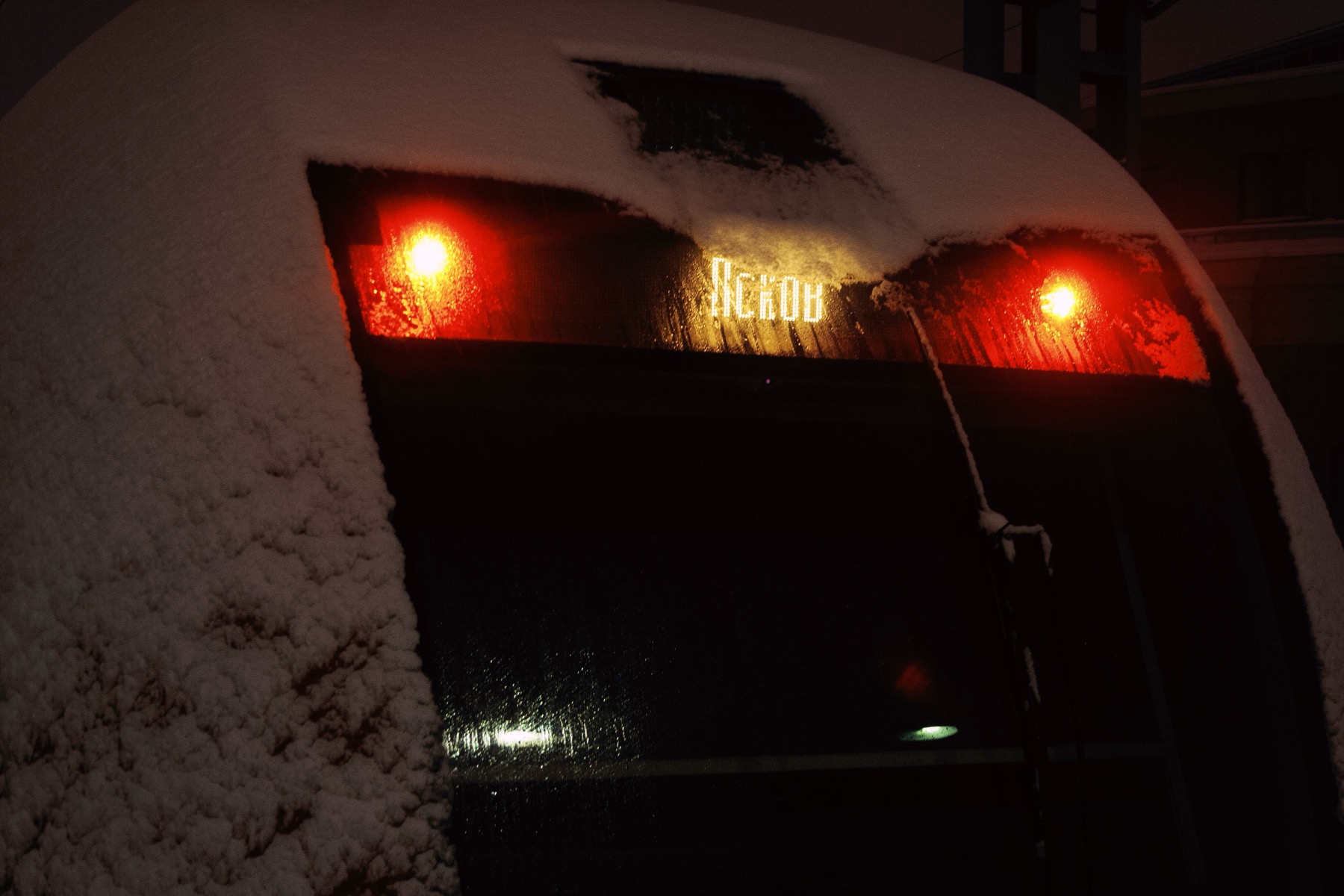
For train romantics and fans of slow travel, there is the fantastic overnight journey on the Arctic Circle Train. These trains are operated by SJ or Vy and leave Stockholm in the early evening. The journey to Kiruna and Abisko takes 15–18 hours, and you wake up in the morning in the middle of a snowy wilderness. A standard seat starts at 475 SEK, while a more comfortable sleeper berth costs from 835 SEK. Sleeper berths disappear at lightning speed, so you may need to book them several months in advance. The northern railway line, known as Malmbanan, is also often heavily congested with ore trains in winter, so delays can occur.
If you decide to take a road trip and rent a car locally, an amazing adventure awaits. The north’s main arteries are the E10 and E45. Swedish rental companies are perfectly prepared for extreme winter conditions: cars have excellent studded winter tyres and often electric engine heaters. The roads are not salted here; they are simply ploughed and covered with grit, so you are constantly driving on packed snow and ice. The greatest danger behind the wheel, however, is the ever-present darkness and reindeer, which often gather near the roads and can be visible only at the last moment during the polar night. Distances can be deceptive—for example, the drive from Kiruna to Abisko is 100 kilometres and takes around an hour and a half of careful driving.
How Much Does a Week in Lapland Cost?
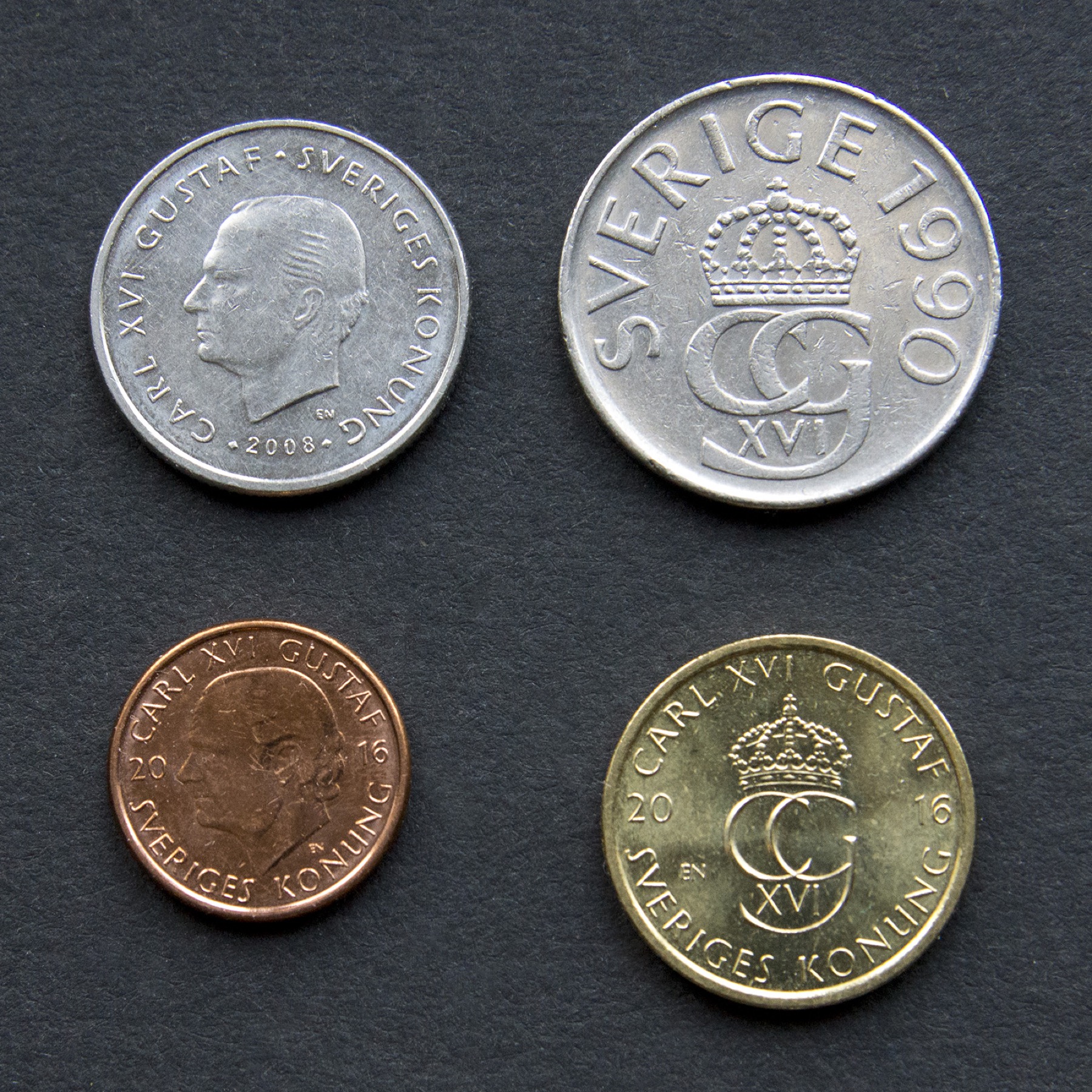
Swedish Lapland is expensive—I will not pretend otherwise. However, travellers are willing to pay because the region offers unique experiences that you simply cannot find anywhere else in Europe. If you arrange the trip yourself and skip the luxury services of travel agencies, the whole journey can still be done on a reasonable budget. Below are three rough options to consider when planning a 5–7-day trip.
1. Low-cost independent trip (around €820 per person) This option requires careful planning and booking discounted flights through Stockholm well in advance. You will stay in cheaper shared rooms at the STF mountain station in Abisko and cook your own meals using groceries from local supermarkets, saving a great deal on restaurants. You will hunt for the northern lights on foot around the lake at no cost, and your main paid experience will be a day visit to the Icehotel.
2. The comfortable middle ground (€1,030–€1,440 per person) With this budget, you can enjoy a comfortable flight and stay in a warm private cabin, such as those at Camp Ripan in Kiruna. During the day, you can go out for a dagens lunch and enjoy an afternoon coffee with traditional pastries. Most importantly, this budget allows you to pay for two major winter activities, such as a half-day dog-sledding trip and a snowmobile excursion.
3. Arctic comfort without compromise (from €2,900) If you are looking for completely carefree luxury, you can have the whole trip tailor-made by a specialised travel agency. You will stay in architectural gems such as Arctic Bath or spend a night in an art suite at the Icehotel. Every evening, a private guide will pick you up and drive you in a special van far from civilisation in search of the northern lights.
Where to Go Next from Swedish Lapland
Sweden’s north could provide a lifetime of trips—but to get you started, we have put together a few more guides that may come in handy while planning:
- Want to get a complete picture of what the rest of the country has to offer? Read our comprehensive article Sweden: 30 Things to See and Do.
- If you are planning to fly directly north and need details about the region’s largest city, check out Kiruna: 18 Things to See and Do.
- For all skywatchers, we have written a detailed guide, Northern Lights in Sweden: When, Where and How to See Them, packed with the best tips.
- Interested in the wider region? You will find more inspiration in our article Lapland: 20 Things to See and Do.
- Not sure when to travel? Find a practical month-by-month weather overview in When to Visit Sweden: Weather Month by Month.
Frequently Asked Questions
Before you head beyond the Arctic Circle, you may have a few practical questions on your mind. Here I have answered the questions I am asked most often about travelling to the far north 😉.
When is the best time to visit Swedish Lapland?
For pure winter activities and ideal conditions to see the Northern Lights, February and March are absolutely the best months. The cold is no longer as harsh as in December, the days are noticeably longer, and the sun gives the snowy landscape a beautiful sparkle. If you want to experience the midnight sun and go on long hikes without snow, head out in July. However, expect large numbers of insects, so a great alternative is late August or early September, when nature glows with autumn colors and the mosquitoes have disappeared.
What’s the best way to get there from abroad?
The fastest and overall most convenient option is to fly via Stockholm directly to the smaller airports in Kiruna or Luleå. Flights are often operated by SAS or Norwegian, and you can find tickets on sale for very reasonable prices. For more adventurous travelers, an excellent choice is the overnight train from Stockholm, which takes about fifteen to eighteen hours but brings you right to the national parks and saves you one night in a hotel.
How much does a week-long stay cost roughly?
If you go with a traditional travel agency package, expect to pay around €2,800 and up. However, if you put together the trip yourself independently, buy your flights well in advance, and occasionally cook from your own supplies from the supermarket, you can easily stay within €1,000 per person. This price already includes one or two of the more expensive winter activities, such as a dog sledding ride.
What should I wear in the freezing cold?
The key to survival is the layering principle and completely avoiding cotton, which doesn’t wick sweat in the cold and you’d quickly get chilled. For your first layer, choose quality merino wool, over that wear a warm fleece or a proper wool sweater, and on top put a quality windproof down jacket. You don’t need to buy expensive expedition suits, though, because for all paid winter activities the instructors will lend you massive Arctic overalls and warm snow boots on site.
Can you go to Lapland in summer too?
Absolutely, and it’s a fantastic experience for lovers of long treks, wilderness camping, and water sports on the lakes. You’ll enjoy the uninterrupted midnight sun, walk the famous King’s Trail, or rent a canoe. The crucial thing is not to forget quality Swedish mosquito repellent, because European repellents don’t work at all on the local insects. A great solution is also to go in early September.
Is Arctic Lapland suitable for children?
Sweden is generally a very baby-friendly country, but in the Arctic winter you need to be extremely careful about hypothermia, because smaller children get cold much faster than adults. Most of the more demanding winter activities, such as longer snowmobile rides, also have strict age limits or require children to sit in covered sleds safely pulled by a guide.
How much does a husky sledding trip cost?
It’s one of the most expensive items on your itinerary, with half-day trips typically costing €80 to €140 per person. The price can vary slightly depending on whether you want to actively drive your own sled or just comfortably be pulled by an experienced guide while wrapped in warm blankets. Also keep in mind that for safety reasons, rides are canceled when the temperature drops below minus twenty degrees.
What’s the difference between Swedish and Finnish Lapland?
Finnish Lapland, and especially the popular area around Rovaniemi, has heavily invested in tourism tied to Santa Claus, commercial villages, and crowds of families with small children. The Swedish side has taken a different path and is much more raw, emptier, and focused on pure nature, authentic Sámi culture, and the silence of vast, undisturbed wilderness.
Tips and Tricks for Your Vacation
Don’t Overpay for Flights
Search for flights on Kayak. It’s our favorite search engine because it scans the websites of all airlines and always finds the cheapest connection.
Book Your Accommodation Smartly
The best experiences we’ve had when looking for accommodation (from Alaska to Morocco) are with Booking.com, where hotels, apartments, and entire houses are usually the cheapest and most widely available.
Don’t Forget Travel Insurance
Good travel insurance will protect you against illness, accidents, theft, or flight cancellations. We’ve had a few hospital visits abroad, so we know how important it is to have proper insurance arranged.
Where we insure ourselves: SafetyWing (simple monthly subscription) and TrueTraveller (for extra-long trips).
Find the Best Experiences
Get Your Guide is a huge online marketplace where you can book guided walks, trips, skip-the-line tickets, tours, and much more. We always find some extra fun there!